
World
Chinese scientists have achieved a remarkable milestone in aerospace innovation, successfully testing a hypersonic aircraft prototype that could one day revolutionize global travel. The test, conducted at the Jiuquan Satellite Launch Centre in the Gobi Desert, saw the aircraft achieve a top speed of Mach 6.56, equivalent to six and a half times the speed of sound. This achievement demonstrates the feasibility of an ambitious design unveiled six years ago, which was initially dismissed as unrealistic by many experts. The hypersonic aircraft, distinct from traditional slender designs, features a unique “fat and round” fuselage paired with cape-shaped wings on its back. This innovative structure allows for greater internal space, making it possible to carry passengers or cargo volumes comparable to today’s jumbo jets. The prototype represents a significant advancement in hypersonic technology, which has historically been limited to military applications like missiles and reconnaissance drones due to severe constraints on usable cabin space. Overcoming Challenges in Hypersonic Flight The journey to this milestone was far from easy. Cui Kai, the project leader and a researcher at the Institute of Mechanics under the Chinese Academy of Sciences, recalled the skepticism the team faced when the concept was first proposed in 2018. Critics doubted the viability of a design that defied conventional aerodynamics. However, Cui and his team persevered, refining the model through rigorous wind tunnel testing and computational simulations. One of the most significant challenges in hypersonic flight is the immense aerodynamic pressure exerted on the aircraft's structure at high speeds. This pressure can impair climbing ability and severely limit the design’s efficiency. Cui’s team ingeniously addressed this by incorporating broad wing surfaces above the airframe, which transform downward pressure into upward lift. This innovation not only enhances stability but also maximizes the aircraft's carrying capacity—a critical factor for future commercial applications. The August 2021 test flight, lasting nearly 20 minutes, validated these design principles. The aircraft’s performance in this trial offers a promising glimpse into the future of hypersonic travel, where passengers could potentially traverse the globe in a fraction of the time required today. The Prototype and Its Specifications The scaled-down prototype tested in 2021 demonstrated the groundbreaking design's core principles. Key features include: Speed: Achieved Mach 6.56, or over 8,000 kilometers per hour. Design: Bulky fuselage with cape-shaped wings, optimized for internal space and lift. Testing Milestones: Hundreds of wind tunnel trials, each costing hundreds of thousands of yuan, preceded the flight test. While the exact size and specifications of the full-scale aircraft remain undisclosed, the prototype serves as proof of concept, paving the way for further development. Cui’s team emphasized that numerous hurdles remain, including advancements in materials, propulsion systems, and structural durability under extreme conditions. The Implications of Hypersonic Travel If successfully scaled and commercialized, hypersonic aircraft like this one could revolutionize global transportation. A journey from Beijing to New York, which currently takes over 13 hours by conventional jetliners, could be completed in just two hours. This capability aligns with the long-envisioned goal of “one-hour global travel,” a concept previously confined to the realm of science fiction. However, the road ahead is steep. Cui cautioned that this test represents just the beginning of a long development process. The challenges of integrating advanced propulsion systems, creating heat-resistant materials, and ensuring passenger safety at hypersonic speeds are monumental. Nonetheless, the success of this prototype underscores China’s growing prowess in aerospace innovation, positioning it as a leader in the global hypersonic race. Secrecy and Future Prospects Despite the excitement surrounding the recent test, the project remains shrouded in secrecy. Cui’s team refrained from providing details about the full-scale aircraft’s development timeline or potential deployment date. The test flight itself was kept under wraps for three years, with information only recently released through official Chinese Academy of Sciences channels. The significance of this achievement cannot be overstated. As Cui noted, the team’s work marks a modest yet transformative step toward a future where hypersonic travel reshapes the way people and goods move across the globe. While challenges remain, the successful test flight of this hypersonic jumbo jet prototype has laid the groundwork for a new era in aviation.
Read More → Posted on 2024-12-11 16:56:57
India
The Indian Army has taken a bold step in modernizing its combat capabilities with the introduction of the indigenously developed "Baaz" Unmanned Aerial System (UAS). Spearheaded by Colonel Vikas Chaturvedi, this groundbreaking drone represents a significant leap forward in battlefield technology, offering unmatched versatility and firepower. Designed to address a variety of operational needs, the Baaz UAS has the potential to reshape the way the Indian Army conducts military operations. A Drone Built for Modern Combat The Baaz UAS stands out as the first drone in the Indian Army's arsenal equipped to fire rocket launchers, a feature that enhances its offensive capabilities in anti-tank warfare, bunker destruction, and more. Beyond rockets, the platform can carry a diverse array of payloads, including: Small arms and automatic grenade launchers for precision strikes in tactical situations. Mortar bombs and high-explosive devices to neutralize heavily fortified enemy positions. Logistical payloads for delivering crucial supplies to forward positions under hostile conditions. This adaptability positions the Baaz as a critical tool not only in conventional warfare but also in counter-terrorism and counter-insurgency operations, particularly in urban or rugged terrains. Key Specifications and Features The Baaz UAS combines agility, endurance, and firepower, making it a formidable weapon in the modern battlefield. Key specifications include: Operational Range: Up to 10 kilometers, allowing it to engage targets deep within enemy lines. Endurance: Capable of flying continuously for 45 minutes, ensuring sufficient time for target identification and engagement. Top Speed: 12 meters per second, offering swift mobility to evade enemy countermeasures. Payload Capacity: Up to 80 kilograms, enabling it to carry substantial weaponry or supplies. Stability in Firing: A standout feature, ensuring precision targeting even when launching payloads like rockets or grenades. Multi-Domain Applications The Baaz UAS is not just a combat asset; its versatility makes it suitable for a wide range of missions: Anti-Tank Operations: Its rocket launcher capability makes it a formidable counter to enemy armored vehicles. Bunker Destruction: Equipped with explosive payloads, it can neutralize heavily fortified enemy positions. Critical Infrastructure Strikes: Ideal for targeting enemy ammunition depots, administrative centers, and command structures. Counter-Terrorism: Provides close air support in dense urban environments or challenging terrains, where conventional forces face limitations. Logistics Support: Its payload capacity and range make it a reliable option for resupplying troops in remote or contested areas. Indigenous Innovation and Strategic Advantage The development of the Baaz UAS underscores India’s focus on indigenous defense manufacturing and technological self-reliance. Designed and built entirely in India, the drone aligns with the "Make in India" initiative, aiming to reduce dependence on foreign military equipment. Its deployment in active combat scenarios could provide the Indian Army with a decisive edge in operations requiring precision and mobility. Moreover, the Baaz UAS offers a cost-effective solution compared to traditional aerial platforms like helicopters or jets, which require higher logistical support and are more susceptible to enemy anti-aircraft systems. Future Prospects With its game-changing features, the Baaz UAS opens new possibilities for integrating advanced technologies like artificial intelligence and autonomous operation capabilities. Future upgrades could include enhanced endurance, increased payload capacity, or even swarming capabilities, where multiple drones operate in a coordinated manner to overwhelm enemy defenses. The Baaz UAS not only enhances the Indian Army’s operational readiness but also signals a shift towards a more technologically driven approach to modern warfare. As Colonel Vikas Chaturvedi’s vision takes flight, the Indian Army is set to redefine its combat strategies, ensuring a robust and responsive force ready to meet any challenge.
Read More → Posted on 2024-12-11 16:51:49
World
Bell Textron Inc., a subsidiary of Textron Inc., has reached a significant milestone in its journey toward revolutionizing vertical lift and air mobility. The company has successfully completed wind tunnel testing of its Stop/Fold rotor technology at the National Institute for Aviation Research (NIAR) at Wichita State University. This breakthrough, part of the DARPA Speed and Runway Independent Technology (SPRINT) program, signals a major advancement in creating an X-Plane capable of next-generation air mobility. The Stop/Fold Rotor: Transforming Air Mobility The Stop/Fold rotor technology is designed to combine the speed of fixed-wing aircraft with the versatility of vertical lift, enabling operations in environments with limited infrastructure or contested conditions. The technology allows the aircraft's rotors to fold mid-flight, reducing drag and facilitating high-speed transitions. This unique capability enhances the aircraft's range, speed, and survivability, making it a game-changer for military and commercial aviation. Testing Milestones: A Testament to Feasibility The wind tunnel tests at NIAR built upon earlier achievements at the Holloman High Speed Test Track in New Mexico. At Holloman, the focus was on validating the rotor’s folding mechanisms during high-speed operations. The recent wind tunnel tests went further, examining the aircraft’s stability and control as the rotors folded and unfolded mid-flight. These tests proved the system's reliability, clearing the path for the next phase: flight demonstrations under DARPA’s SPRINT program. Key Features and Specifications Stop/Fold Rotor Mechanism: The system allows for seamless transition between vertical and fixed-wing flight by folding the rotors mid-flight, optimizing performance at higher speeds. Speed and Range: Enhanced speed comparable to modern jets, combined with extended operational range. Runway Independence: Ability to operate from unprepared or limited infrastructure locations. Scalability: Designed to fit a variety of platforms, making it suitable for both combat and logistical missions. Operational Advantage: Supports Agile Combat Employment (ACE), enabling rapid deployment and survivability in contested environments, particularly in challenging theaters like the Indo-Pacific. Applications and Strategic Importance The Stop/Fold technology is poised to redefine air mobility by addressing critical challenges faced in modern military operations. Its ability to combine high-speed travel with runway independence is particularly vital for regions such as the Indo-Pacific, where long distances and contested airspace complicate operations. Special Operations Forces (SOF) stand to benefit significantly from this innovation, as the technology enhances mission reach, stealth, and flexibility. Bell’s vision aligns with the objectives of DARPA’s SPRINT program, which seeks to design, build, and demonstrate experimental aircraft equipped with cutting-edge technologies. With the Stop/Fold system validated in rigorous testing, Bell is now well-positioned to contribute to the creation of next-generation air platforms. The Road Ahead As Bell moves into the flight demonstration phase, the Stop/Fold rotor system's potential becomes even clearer. The success of this program could lead to broader adoption across military and commercial aviation, reshaping how vertical lift aircraft operate in the 21st century. Bell's continued innovation underscores its commitment to addressing the evolving demands of modern air mobility and warfare, setting the stage for an exciting future in aviation.
Read More → Posted on 2024-12-11 16:45:22
World
Leonardo, a global leader in defense and aerospace technology, has been selected to provide its advanced protection system for a VIP-configured Airbus A330. This system, designed to shield the aircraft from missile threats, will be integrated by Jet Aviation during the aircraft’s completion at its Maintenance, Repair, and Overhaul (MRO) facility. The contract marks a significant step in enhancing the security of high-profile governmental and VIP aircraft. The centerpiece of this protection system is Leonardo’s Miysis Directed Infrared Countermeasure (DIRCM) technology, combined with its innovative Multi-Aperture Infrared (MAIR) threat warning system. Together, these technologies form a robust defense mechanism capable of detecting, tracking, and neutralizing multiple infrared-guided missile threats simultaneously. What Makes Miysis DIRCM a Game-Changer? The Miysis DIRCM system leverages a high-energy laser to disrupt the infrared guidance systems of incoming missiles. Unlike traditional countermeasure systems, which rely on expendable flares or chaff, Miysis provides a sustainable, maintenance-free solution that does not degrade with use. This ensures reliable protection over the lifespan of the aircraft. During rigorous live trials, Miysis demonstrated a flawless 100% success rate against modern and legacy infrared-guided missile threats, including advanced Man-Portable Air Defense Systems (MANPADS). The Role of MAIR in Threat Detection The MAIR system, integral to this solution, enhances situational awareness by using an array of infrared cameras to detect missile heat signatures. Unlike radar-based systems, MAIR is entirely passive, making it immune to electronic countermeasures and virtually undetectable by adversaries. Once a threat is identified, MAIR transmits precise targeting data to the Miysis DIRCM, which then neutralizes the missile using its laser-based disruption technology. This seamless integration between MAIR and Miysis ensures that threats are neutralized with unmatched speed and accuracy. Why This System Is Ideal for VIP Aircraft High-value aircraft, such as those used for governmental or VIP transport, are increasingly targeted in asymmetric warfare and high-risk environments. The compact and lightweight design of Leonardo’s protection system makes it ideal for installation on platforms ranging from helicopters to wide-body jets like the Airbus A330. Despite its compactness, the system does not compromise aircraft performance or interfere with existing onboard systems, ensuring the aircraft retains its operational capabilities. Additional Specifications and Benefits Compact Design: Miysis DIRCM and MAIR are designed to fit seamlessly onto the airframe without requiring significant structural modifications. Maintenance-Free Operation: The system eliminates the need for routine upkeep, lowering lifecycle costs and reducing aircraft downtime. Compatibility: It can be installed on a wide variety of platforms, including rotary-wing and fixed-wing aircraft, highlighting its versatility. Proven Performance: Trusted by the Royal Air Force, NATO members, and other operators in the Middle East, Leonardo’s solutions have seen extensive operational deployment. Strengthening Aviation Security for Critical Missions Infrared-guided missiles continue to pose a substantial risk to civilian and military aviation, particularly in conflict zones. With the Miysis DIRCM and MAIR systems, Leonardo provides a sophisticated, battle-tested solution to protect high-value assets. The choice of this system for the VIP Airbus A330 underscores its reliability and Leonardo’s leadership in advanced aerospace defense technology. By integrating this cutting-edge protection system, the Airbus A330 will offer unmatched safety and flexibility for high-profile missions, reinforcing the importance of advanced technologies in modern aviation security.
Read More → Posted on 2024-12-11 16:42:40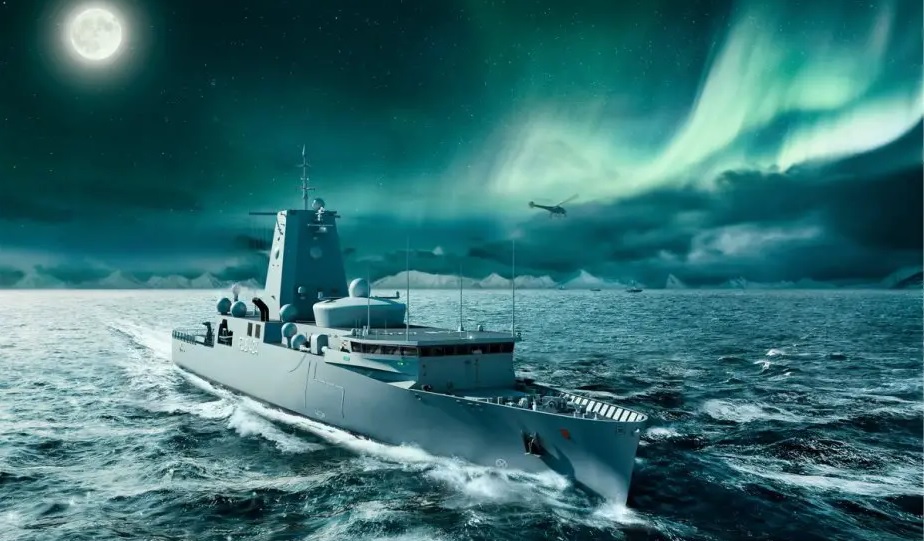
World
Germany has marked a significant milestone in naval innovation with the commencement of production on its first Type 424 Signal Intelligence (SIGINT) ship. This cutting-edge vessel, designed to gather and process crucial information for the Bundeswehr, is part of a fleet modernization effort aimed at replacing the aging Oste-class units that have served for over three decades. The development represents a leap forward in reconnaissance capabilities, leveraging advanced technology and a meticulously crafted design. A Symbolic First Step The symbolic first steel-cutting ceremony, held at Lürssen’s facilities, was a collaborative event underscoring the importance of this project. Key figures, including Annette Lehnigk-Emden, President of the Federal Office of Bundeswehr Equipment, Information Technology and In-Service Support (BAAINBw), Flotilla Admiral Andreas Czerwinski, and NVL CEO Tim Wagner, activated the plasma cutting system, officially signaling the transition from planning to production. Tim Wagner highlighted the complexity and ambition of the project: “After a successful design phase, we are entering the construction phase as planned. This technologically extremely complex new construction project is well on track." Specifications and Advanced Features The Type 424 SIGINT ship, spanning approximately 130 meters in length, is engineered to meet the rigorous demands of modern naval warfare. Equipped with state-of-the-art sensor arrays and communications technology, these vessels will serve as pivotal tools for electronic intelligence gathering. The focus on innovation extends to several critical areas: Stealth and Low-Noise Propulsion: The ship’s propulsion system is designed to operate with minimal acoustic signatures, ensuring enhanced operational security during missions. Self-Protection Systems: Advanced countermeasures and defensive systems provide resilience against threats. Command and Control: A sophisticated command center will enable seamless integration with broader Bundeswehr operations. Modular Flexibility: The vessel’s architecture allows for future upgrades, ensuring long-term relevance in an evolving security environment. Collaborations and Timelines This ambitious endeavor, led by NVL (Naval Vessels Lürssen), benefits from a network of northern German shipyards and leading systems engineering firms. The collaboration is a testament to Germany’s commitment to harnessing domestic expertise for strategic defense projects. The timeline is equally ambitious, with the first vessel scheduled for delivery in 2029. Training facilities supporting the new fleet are expected to be operational by 2027, underscoring the Bundeswehr’s focus on readiness. Replacing the Oste-Class The new fleet of three SIGINT ships will replace the Oste-class, which has been in service for over 30 years. These modern vessels will provide enhanced reconnaissance capabilities, reflecting the Bundeswehr’s evolving priorities in electronic warfare and intelligence gathering. A Step Toward Future Naval Dominance The Type 424 SIGINT program underscores Germany’s commitment to future-proofing its naval forces. By leveraging cutting-edge technology and a strong domestic industrial base, the Bundeswehr is poised to enhance its operational capabilities, ensuring it remains a formidable force in the decades to come. This project exemplifies the synergy between innovation and tradition, marking a significant chapter in Germany’s naval history.
Read More → Posted on 2024-12-11 16:39:54
India
In a vision that merges technological innovation with strategic foresight, Brigadier Arvind Dhananjayan (Retd), a prominent Indian defense analyst, has called attention to the potential of hydrofoil craft and Ground Effect Marine Vehicles (GEMVs) in transforming maritime operations. These advanced technologies promise to redefine the way personnel, equipment, and supplies are transported across vast water bodies, offering unparalleled speed, efficiency, and tactical benefits. What is Hydrofoil Technology? Hydrofoil technology operates on a simple yet ingenious principle. A hydrofoil is a submerged wing-like structure attached to the hull of a vessel. When the craft picks up speed, these hydrofoils generate lift, elevating the hull above the water surface. By doing so, the vessel drastically reduces drag, allowing it to achieve higher speeds with greater fuel efficiency compared to traditional boats. This design not only enhances speed but also improves stability and reduces the impact of waves, making for a smoother ride even in choppy conditions. Benefits of Hydrofoil Technology The benefits of hydrofoil vessels extend far beyond speed. Here are the transformative advantages they offer: Efficiency and Range: With reduced drag, hydrofoil craft consume less fuel, extending their operational range without requiring frequent refueling stops. Operational Flexibility: The ability to operate at higher speeds can be a game-changer in critical scenarios, such as maritime search-and-rescue missions or rapid troop deployments. Stealth Capability: By minimizing their contact with water, hydrofoil vessels generate less noise, making them harder to detect acoustically—an invaluable advantage in covert military operations. Adaptability to Sea States: Hydrofoils are effective in handling moderate sea conditions, ensuring reliable performance in diverse maritime environments. GEMVs: A Parallel Innovation Ground Effect Marine Vehicles (GEMVs), like the famed Ekranoplan, complement hydrofoil technology by operating in the realm between traditional ships and aircraft. These vehicles exploit the aerodynamic phenomenon known as ground effect, which occurs when an aircraft flies close to the surface, significantly reducing drag and increasing lift. The Ekranoplan, a Cold War-era innovation, exemplified this concept. It could reach speeds of up to 500 km/h and carry substantial payloads over distances of 1,500 km. Operating just 4 to 14 meters above water, the Ekranoplan avoided radar detection while maintaining stability in sea conditions up to Sea State 3 (swells of approximately 1.2 meters). Such capabilities make GEMVs a promising tool for rapid maritime transit and coastal defense operations. Strategic Implications for India Brigadier Dhananjayan’s endorsement of these technologies aligns with India’s growing maritime ambitions and strategic requirements. With a vast coastline and a need for rapid logistical capabilities, hydrofoil craft and GEMVs could bolster India's naval power in several ways: Enhanced Patrol and Surveillance: Their speed and stealth make these vehicles ideal for monitoring sensitive maritime zones, such as the Indian Ocean Region (IOR). Disaster Relief and Humanitarian Aid: Rapid deployment of aid and rescue teams during natural calamities could save countless lives, particularly in areas prone to cyclones or tsunamis. Strategic Deterrence: The ability to quickly transport troops and equipment across contested waters could strengthen India’s deterrence posture against potential adversaries. Future Prospects and Challenges While the potential of hydrofoil and GEMV technologies is undeniable, their adoption comes with challenges. Development costs, the need for advanced manufacturing capabilities, and integration with existing naval fleets require careful planning and investment. However, with advancements in materials science, propulsion systems, and navigation technologies, these hurdles are becoming increasingly surmountable. As nations worldwide push the boundaries of maritime innovation, hydrofoils and GEMVs could emerge as pivotal assets in reshaping maritime logistics and defense. For India, leveraging these technologies could not only strengthen its maritime operations but also cement its status as a key player in the Indo-Pacific region. Conclusion Hydrofoil technology and GEMVs represent a bold leap forward in maritime capabilities, blending speed, efficiency, and stealth to meet modern operational demands. Brigadier Dhananjayan’s advocacy for their adoption highlights their potential to revolutionize maritime transport, setting the stage for a future where the seas become a stage for unmatched innovation and strategic advantage.
Read More → Posted on 2024-12-11 16:22:20
India
The Indian Army paid a heartfelt tribute to Second Lieutenant Radha Mohan Naresh, a young officer who displayed unparalleled bravery during the 1971 Indo-Pak War, by unveiling his bust at a solemn ceremony held in Ashramam, Kerala. The event was organized under the aegis of the Pangode Military Station, where Brigadier Salil MP, Station Commander, joined hands with the officer’s siblings — Dr. Gopi Mohan Naresh, Sreekala Rani S, and Praveen Naresh — to honor the valiant sacrifice of this war hero. A Hero’s Tale of Valor Second Lieutenant Radha Mohan Naresh was only 21 years old and had been commissioned into the Jat Regiment just a week before the 1971 war broke out. His exceptional courage came to light during one of the conflict's most critical battles at the Raipur crossing on the Munawar Tawi river. Assigned to command a platoon, Naresh and his men were tasked with defending this vital crossing against a determined Pakistani infantry offensive. Despite being heavily outnumbered, the young officer led his troops from the front, inspiring them to hold their position with tenacity. The battle was fierce and unforgiving, but Naresh's leadership and courage were unwavering. Tragically, he fell during the engagement, making the ultimate sacrifice to safeguard his country’s sovereignty. His actions bought critical time for reinforcements to arrive, turning the tide of the skirmish in India’s favor. The Legacy Remembered The unveiling of the bust is not just a tribute to Naresh's sacrifice but also serves as a reminder of the bravery and dedication of countless young officers who put their nation above themselves. His story exemplifies the indomitable spirit of the Indian Army, particularly during the 1971 Indo-Pak War, which resulted in a decisive victory for India and the creation of Bangladesh. The Ceremony The event brought together military officers, veterans, soldiers, and civilians to commemorate the hero. Among the attendees was Wg. Cdr. Santhosh (Retd), the Sainik Welfare Board Officer, who emphasized the importance of preserving the memory of such selfless acts. The presence of Naresh’s family added an emotional dimension to the ceremony, highlighting the personal sacrifices made by the families of soldiers. The Larger Context The 1971 Indo-Pak War is remembered as one of India’s most significant military achievements. It underscored the pivotal role played by young officers like Second Lieutenant Radha Mohan Naresh, who displayed exceptional courage in the face of overwhelming odds. Stories like his are etched into the Indian Army’s proud legacy and continue to inspire future generations of soldiers. This commemoration also serves as a call to recognize and honor the contributions of soldiers who might not always make it to history books but whose sacrifices form the backbone of India's defense. Such tributes ensure that their stories of valor are not forgotten but become a part of the nation’s collective memory. The ceremony at Ashramam underscores the Indian Army’s commitment to honoring its heroes and reminds us of the debt of gratitude owed to those who defend the nation’s integrity with their lives.
Read More → Posted on 2024-12-11 16:18:12
India
In an era where wars are fought not just on battlefields but also in the court of public opinion, Israel is reevaluating its approach to global narratives. Historically reliant on overwhelming hard power, Israel now finds itself outmaneuvered in the information war. This challenge is particularly acute in the ongoing Gaza conflict, where influential media platforms such as Al Jazeera and TRT have shaped much of the global discourse. Recognizing this shortfall, Israeli Ambassador to India, Reuven Azar, recently praised India's deft combination of hard and soft power. In a conversation with editors of The Times of India, Azar highlighted how India has managed to navigate complex international challenges, effectively countering oppositional narratives without solely relying on military might. India’s Approach: Balancing Hard and Soft Power India has long demonstrated an ability to blend military capability with strategic diplomacy, allowing it to maintain influence while navigating sensitive issues. This duality is evident in its response to the Israel-Palestine conflict. While supporting Israel’s right to self-defense against terrorism, India has also consistently called for a ceasefire and supported Palestinian causes at international forums like the United Nations General Assembly (UNGA). In 2023 alone, India contributed $5 million to the United Nations Relief and Works Agency for Palestine Refugees (UNRWA) and voted in favor of ten out of thirteen UNGA resolutions on the issue. These actions reflect India's nuanced strategy of addressing humanitarian concerns while safeguarding its geopolitical interests. Israel, on the other hand, has traditionally prioritized military strength, often overlooking the importance of shaping international perceptions. Azar candidly admitted this imbalance, noting, “We haven't been investing enough [in soft power] because most of our investment went to hard power.” Challenges in Shaping the Narrative Israel’s current military offensive in Gaza underscores the complexity of modern warfare. While its stated objective is the decimation of Hamas' military infrastructure, the conflict has drawn sharp global criticism, with widespread support for the Palestinian cause. As Azar noted, Israel’s position as the sole Jewish state in the region leaves it numerically outnumbered in international forums and narratives. One area of divergence between Israel and India is the latter's support for UNRWA, which Israel has criticized for allegedly enabling anti-Israel propaganda. Azar expressed hope that India might redirect its aid to other channels, stating, “We prefer that they divert their assistance to the needy people through other channels.” Learning from India’s Success Israel's interest in India's approach highlights a broader recognition of the need to engage more effectively with global audiences. For India, this success stems from an ability to craft narratives that resonate both domestically and internationally, leveraging tools such as media diplomacy and strategic partnerships. By amplifying its cultural and humanitarian initiatives, India projects itself as a responsible global actor, even while addressing its security challenges. A Fragile Regional Landscape The conversation between Azar and Indian officials also touched on the broader dynamics of West Asia. Israel’s immediate objective in Gaza remains clear: dismantling Hamas’ ability to rearm and fostering a new order in the region. However, the long-term path to stability remains fraught. The Knesset’s recent rejection of a two-state solution, citing security concerns, underscores the deep mistrust between Israel and Palestine. In the broader Middle East, shifting power dynamics are also at play. Azar pointed to the weakening influence of Iran and the evolving roles of regional players like Turkey and Russia. While Turkey’s support for Syrian opposition factions has created new fault lines, extremist groups such as Hayat Tahrir al-Sham pose additional risks to regional stability. Israel’s Path Forward Israel’s acknowledgment of its soft power deficit marks a significant shift in its strategic outlook. By learning from India’s diplomatic successes, Israel aims to balance its military capabilities with a more effective narrative strategy. This transition won’t be immediate, but as Azar’s remarks suggest, it is a priority for Israel in the face of mounting international scrutiny. The Gaza conflict and its ripple effects serve as a stark reminder that wars are no longer confined to physical battlegrounds. In the interconnected world of social media and 24-hour news cycles, winning the war of narratives is as crucial as achieving military objectives.
Read More → Posted on 2024-12-11 16:14:21
India
Colonel Prashant Thakur of the Indian Army Air Defence has taken a significant leap in military technology by developing NABH AI (Next Generation Aircraft Recognition for Bharat by Harnessing Artificial Intelligence). This groundbreaking system addresses a long-standing issue in global military operations: friendly fire. By harnessing the power of artificial intelligence, NABH AI ensures rapid and accurate identification of aircraft, significantly reducing the risk of misidentification and unintended casualties. The Genesis of NABH AI Friendly fire incidents, where personnel or assets are mistakenly targeted by their own forces, have marred military operations worldwide. One such incident in India occurred during the 2019 Balakot airstrikes, when a Mi-17V5 helicopter was tragically downed by friendly forces, resulting in the loss of six personnel. Such events underscore the need for advanced solutions to ensure accurate and timely identification of aircraft in high-stakes combat scenarios. Motivated by this critical requirement, Colonel Thakur dedicated over a year to developing NABH AI. The system utilizes advanced image recognition algorithms trained on a comprehensive database of aircraft models, including manned and unmanned aerial vehicles (UAVs). How NABH AI Works The core functionality of NABH AI lies in its ability to process visual data with exceptional speed and precision. The system captures real-time images of aircraft and compares them to its extensive database, identifying specific models within 6-8 seconds with an accuracy of 80%. While this level of accuracy is already transformative, ongoing refinements aim to further enhance its performance. The technology is specifically designed to address the challenges posed by modern UAVs, which are smaller and harder to identify compared to traditional aircraft. As UAVs become more prevalent in combat zones, systems like NABH AI are essential for effective air defence. Applications in Military Operations NABH AI is currently being adapted for integration with anti-aircraft gun systems such as: Zi-23mm and Zu-23mm guns: Widely used in various air defence roles. Upgraded L-70 gun systems: Known for their high rate of fire and versatility. By providing real-time identification support to gunners, NABH AI minimizes the possibility of human error, enhancing both operational effectiveness and personnel safety. Recognition and Future Potential The revolutionary potential of NABH AI has not gone unnoticed. At the prestigious Inno-Yoddha 2024-25, a platform showcasing innovative military technologies, NABH AI was ranked among the top 10 innovations. Colonel Thakur was awarded a cash prize by the Chief of Army Staff, a testament to the strategic importance of his work. The system is being further refined to expand its capabilities, including the incorporation of machine learning algorithms to improve accuracy over time. Future iterations may include integration with radar systems, enabling a seamless blend of visual and electronic aircraft identification. Broader Implications Beyond the Indian military, NABH AI holds potential for adoption by other nations facing similar challenges. Its ability to reduce costly misidentifications—such as those observed in the ongoing Russia-Ukraine conflict, where friendly fire losses have surpassed $1.77 billion—positions it as a game-changer in global defence strategies. A Testament to Innovation and Dedication Colonel Thakur's achievement reflects the Indian Army's commitment to technological innovation and the safety of its personnel. NABH AI is not just a solution for today's challenges but a step toward the future of warfare, where precision and speed are paramount. By leveraging cutting-edge AI, the Indian Army is setting a new standard in air defence and operational safety. This pioneering effort serves as an inspiration for militaries worldwide to harness emerging technologies for safer, more effective operations. NABH AI is more than a technological breakthrough—it’s a promise of a safer battlefield for soldiers and allies alike.
Read More → Posted on 2024-12-11 16:11:01
Space & Technology
Lockheed Martin is poised to reshape the tactical space landscape with its upcoming Tactical Satellite, TacSat, set for launch in 2025 aboard a Firefly Aerospace Alpha rocket. This milestone reflects the growing importance of responsive and resilient space systems in modern defense strategies, especially in an era where space is increasingly seen as a contested domain. A High-Tech Edge in Space The TacSat is designed as a cutting-edge intelligence, surveillance, and reconnaissance (ISR) platform, boasting an array of advanced sensing and communication capabilities. Central to its mission is the ability to provide near-real-time data to ground forces, enhancing decision-making and operational effectiveness. According to Paul Koether, Director of Tactical Space at Lockheed Martin, the satellite represents a “game-changing” capability for addressing threats from the ultimate high ground. One of TacSat’s standout features is its integration with Lockheed Martin’s proprietary infrared sensor technology. This sensor delivers high-resolution imagery for enhanced situational awareness and threat detection. Additionally, TacSat incorporates the 5G.MIL payload, a revolutionary technology that brings cellular-like networking to military space assets. This innovation allows seamless communication between space, air, and ground platforms, facilitating faster and more secure data sharing. Strategic Launch Partnership Lockheed Martin has partnered with Firefly Aerospace, securing 25 launches across Firefly’s facilities in the U.S. The partnership underscores the company’s commitment to building a rapid and scalable tactical satellite deployment capability. Firefly’s Alpha rocket, known for its versatility and cost-efficiency, was selected to carry TacSat into orbit, marking a key step in testing the satellite’s capabilities through a series of exercises planned for next year. Lockheed Martin’s Legacy in Space Innovation TacSat is not an isolated project but part of Lockheed Martin’s broader push into next-generation space technologies. Over the years, the company has established itself as a leader in space innovation, delivering over 300 mission payloads and conducting nearly 1,000 hours of spacecraft operations across eight planetary missions. Its expertise spans from defense systems designed to counter missile and hypersonic threats to advanced communications, data transport, and GPS satellites. The TacSat initiative also highlights Lockheed’s focus on multi-domain operations. By leveraging the satellite’s Battle Management Command & Control (BMC2) systems, TacSat aims to integrate seamlessly with terrestrial and aerial military systems, creating a unified and highly responsive defense network. The Road Ahead The 2025 launch of TacSat will not only test the spacecraft’s hardware but also validate its role in rapid tactical deployments, a key requirement for modern military operations. As space becomes a more contested and critical arena, TacSat’s capabilities could redefine how military forces leverage orbital assets to gain a strategic advantage. Lockheed Martin’s TacSat project exemplifies the fusion of innovation, strategy, and technology, setting a new benchmark for tactical space missions. With its advanced features and rapid deployment potential, TacSat is poised to play a pivotal role in maintaining strategic superiority in space.
Read More → Posted on 2024-12-11 16:07:18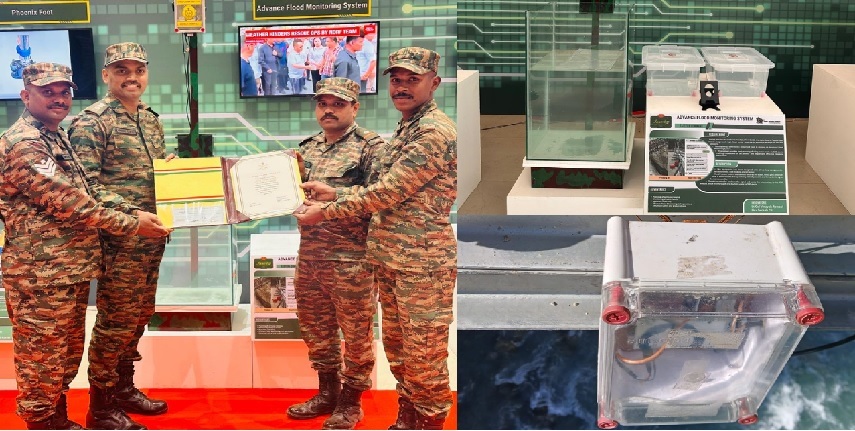
India
Nestled in the rugged terrain of the Himalayas, Sikkim faces a perennial threat from flash floods and glacial lake outburst floods (GLOFs). These disasters, fueled by rapid climate change and unpredictable weather patterns, have posed significant challenges to the region's resilience and safety. Recognizing the urgency to address these challenges, the Trishakti Sappers, an engineering unit of the Indian Army’s Trishakti Corps, developed the Advanced Flood Monitoring System (AFMS), a groundbreaking solution to mitigate the impacts of such disasters. The AFMS is a cutting-edge system designed to provide real-time water level monitoring and early warning alerts to avert catastrophe. Its creation was spurred by the devastating GLOF that struck Sikkim in October of the previous year, which led to the tragic loss of lives and destruction of critical military and civilian infrastructure. This incident emphasized the need for a robust disaster preparedness mechanism, and the Trishakti Sappers rose to the occasion with an innovative approach. The Science Behind AFMS Developed under the leadership of Havildar Suresh PK, the AFMS combines several advanced technologies to deliver precise and timely warnings. The system relies on a microcontroller for seamless data processing and integrates various sensors and communication modules to monitor and report water levels: Microcontroller: The central processing unit of the AFMS ensures real-time analysis and smooth operation of all components. UV Sensors: These monitor water quality and detect changes in water levels, providing critical data for early warnings. SONAR Technology: Utilizing the principles of sound navigation and ranging, the system measures water depth and flow with high accuracy, even in rapidly changing conditions. GSM Module: This feature sends SMS alerts to designated military and civilian personnel, ensuring that critical information reaches decision-makers instantly. These components work in harmony to deliver a highly reliable flood monitoring solution, making it an indispensable tool for disaster management in Sikkim. Recognition at Inno Yodha The innovation and efficacy of the AFMS did not go unnoticed. The Trishakti Sappers were honored at Inno Yodha, a prestigious national event hosted by the Indian Army in Delhi, for their outstanding contribution to disaster management and defense preparedness. The award not only acknowledges their technical ingenuity but also underscores the role of military-driven initiatives in tackling pressing societal challenges. A Lifeline for Sikkim The AFMS is designed to serve both military and civilian populations in Sikkim, providing a crucial lifeline in one of India’s most disaster-prone states. By delivering accurate and timely warnings, the system empowers authorities to evacuate vulnerable areas, safeguard critical infrastructure, and protect lives. Moreover, the AFMS is a testament to the potential of indigenous innovation in addressing local challenges. By leveraging relatively low-cost but highly effective technologies, the Trishakti Sappers have set a benchmark for disaster management solutions in the region. Looking Ahead The success of the AFMS signals a promising direction for disaster management in India, especially in regions susceptible to climate-induced challenges. The Indian Army’s initiative exemplifies how military expertise and technology can be harnessed to address civilian issues, fostering a culture of preparedness and resilience. As Sikkim and other Himalayan regions continue to grapple with the impacts of climate change, solutions like the AFMS will undoubtedly play a pivotal role in ensuring safety and sustainability. Beyond the immediate benefits, the system serves as an inspiration for further innovations aimed at mitigating the risks posed by natural disasters. The Advanced Flood Monitoring System isn’t just a technological achievement—it’s a beacon of hope for disaster-prone regions, proving that with the right tools and ingenuity, we can combat even the most formidable challenges nature throws our way.
Read More → Posted on 2024-12-11 16:03:44
World
Russia’s military presence in Syria, centered around the Tartus naval base and Hmeimim airbase, has played a pivotal role in its strategic ambitions in the Mediterranean, Africa, and the Middle East. However, recent developments in Syria’s civil war, with opposition forces gaining ground, have placed these crucial installations under significant threat. Tartus: A Lifeline to the Mediterranean The Tartus naval base, Russia’s only Mediterranean outpost, serves as a vital logistical hub, enabling Russian naval operations far from home. Established during the Cold War in 1971 and expanded during Syria's conflict, Tartus supports warships, including frigates and nuclear-capable submarines. In exchange for military backing, Bashar al-Assad granted Russia a 49-year lease, cementing its presence. Yet, as opposition forces approach key territories, satellite imagery and reports suggest that Russian warships have begun to evacuate from Tartus. This includes a flotilla comprising frigates, auxiliary vessels, and a submarine. Some analysts believe these movements are precautionary, reflecting the growing instability in Syria. If Tartus is lost, it would disrupt Russia’s logistics network in the Mediterranean and potentially its broader operations in Africa, where the base has facilitated support for allies like Libya. Hmeimim Airbase: Russia’s Aerial Power in Syria Built in 2015 on a repurposed civilian airport, Hmeimim airbase has been a key asset for Russian aerial campaigns in Syria. With advanced air defense systems capable of engaging threats up to 250 kilometers away, Hmeimim has allowed Moscow to maintain dominance over Syrian airspace and strike rebel positions during the civil war. Hmeimim’s role extends beyond Syria, serving as a logistics hub for Russian forces operating in Africa. However, as with Tartus, the instability surrounding Assad's regime raises questions about the base's future. Reports suggest a reduction in personnel and resources since Russia’s 2022 invasion of Ukraine, as Moscow reallocates military assets to its conflict in Eastern Europe. Geopolitical Implications Losing these bases would deal a significant blow to Russia’s geopolitical influence. Tartus and Hmeimim have been instrumental in projecting power, securing military contracts, and influencing autocratic allies in the Middle East and Africa. Without these footholds, Russia would face logistical challenges in resupplying its forces in Africa and maintaining a Mediterranean presence. This could weaken its leverage in regions where it seeks to counter Western influence. In response to the deteriorating situation, Russian officials have downplayed concerns, asserting that military operations in Syria will continue. However, movements of naval assets and a visible decrease in activities at these bases suggest otherwise. Whether Moscow can retain its strategic foothold amid mounting pressure remains uncertain.
Read More → Posted on 2024-12-11 16:01:12
India
Pune-based defence technology firm Aethrone Aerospace has reached a pivotal milestone in its journey to revolutionize naval warfare capabilities. The company has successfully completed harbour trials for its innovative aerial delivery system, designed to transport and deploy 50 kg underwater autonomous targets. This achievement underscores the growing potential of integrating aerial and underwater autonomous systems to redefine the operational strategies of modern navies. A Seamless Fusion of Air and Sea Technologies The trials showcased Aethrone Aerospace's ability to deploy autonomous underwater vehicles (AUVs) with high precision from airborne platforms. Specifically, the system delivered 50 kg payloads—engineered for underwater operations—with remarkable accuracy, demonstrating its suitability for various naval applications. This capability is particularly promising for missions such as underwater surveillance, reconnaissance, anti-submarine warfare, and mine countermeasure operations. The aerial delivery system represents a significant leap forward in naval technologies, addressing a long-standing challenge: the efficient and rapid deployment of unmanned underwater vehicles (UUVs) in dynamic maritime environments. With this system, naval forces can achieve faster response times and enhanced flexibility in executing multi-domain operations. Technical Features and Future Enhancements Aethrone Aerospace’s aerial delivery platform is designed to integrate with both manned and unmanned aerial vehicles (UAVs). During the trials, the company employed drones equipped with precision-guidance systems to ensure the accurate placement of AUVs into the water. The system’s modular design allows it to be adapted for various payload sizes and operational needs, ensuring scalability for future missions. The next phase of development involves testing the system with manned helicopters to assess its operational readiness under real-world conditions. These tests are expected to provide critical insights into the system’s performance in complex maritime scenarios, further paving the way for integration into naval fleets. Additionally, Aethrone Aerospace plans to extend this technology to shipborne UAVs, enabling the simultaneous deployment of swarms of UUVs. This approach holds immense potential for enhancing the effectiveness of naval operations by allowing multiple underwater vehicles to conduct coordinated missions. Such capabilities could play a transformative role in areas like maritime domain awareness, underwater mapping, and naval combat scenarios. Strategic Implications for Modern Navies The successful demonstration of Aethrone’s aerial delivery system is more than a technical achievement; it represents a strategic shift in how modern navies approach underwater operations. By combining the agility of aerial systems with the stealth and endurance of underwater platforms, this technology offers a new level of operational synergy. For instance, rapid deployment of UUVs from drones could provide critical situational awareness in contested waters or enable preemptive countermeasures against submarine threats. Furthermore, the scalability of this system could support multi-mission payloads, from environmental monitoring to tactical reconnaissance, broadening its utility beyond traditional defence applications. Aethrone Aerospace's Vision for the Future With its focus on innovation and technological integration, Aethrone Aerospace is positioning itself as a leader in the development of next-generation defence solutions. The company’s ongoing efforts to bridge the gap between aerial and underwater systems could redefine the landscape of naval warfare, offering unprecedented capabilities to modern armed forces. As the trials move to the next phase, Aethrone’s vision of creating a seamless ecosystem of unmanned systems—spanning air, sea, and underwater domains—appears closer than ever to becoming a reality. This breakthrough could mark the beginning of a new era in naval operations, characterized by speed, precision, and adaptability.
Read More → Posted on 2024-12-10 17:14:12
History
Chinese archaeologists have unearthed silk remnants at the enigmatic Sanxingdui ruins, a groundbreaking discovery that dates back over 3,000 years. This finding, heralded as the first evidence of silk at the site, sheds new light on the cultural and spiritual practices of the ancient Shu civilization in Sichuan province. The research team, comprising experts from the China National Silk Museum, the Sanxingdui Research Institute, and the Sanxingdui Museum, published their findings in the peer-reviewed journal Scientific Reports. Their work not only deepens our understanding of the origins of silk but also underscores its profound role in early religious and economic practices. Silk and the Spiritual Realm: A Link Between Heaven and Earth The Sanxingdui site is renowned for its sacrificial pits, which have yielded a treasure trove of artifacts, including bronze masks, jade objects, and gold ornaments. Among these relics, traces of incinerated silk were discovered adhering to the surfaces of bronze and jade items. The researchers propose that silk was an integral element in the Shu people's rituals, symbolizing a medium for communication between the human and divine realms. One particularly intriguing find was a grid-like silk-covered object, reminiscent of descriptions in ancient Chinese texts. According to legend, Emperor Yao, who ruled 5,000 years ago, passed his throne to Emperor Shun through a divine turtle bearing a message. This narrative aligns with the grid-like silk object, suggesting its use as a ceremonial artifact linked to heavenly mandates. Sericulture and the Economy of the Shu State The ancient Shu state, with Sanxingdui as its capital, was a hub of sericulture and silk weaving. Historical accounts frequently highlight the region's expertise in silk production, which played a pivotal role in the local economy. Despite this, pinpointing the exact origins of silk production in ancient China has been challenging due to the material's perishable nature. The innovative techniques developed by the researchers to identify mineralized textiles now open new avenues for investigating ancient sericulture across China. Silk as a Burial Custom and its Symbolism The researchers drew connections between their findings and the Book of Rites (Liji), an ancient Confucian text, which describes the use of silk as burial clothing. Wrapping the deceased in silk was believed to form an artificial cocoon, aiding the soul's journey to heaven. The sacrificial pits at Sanxingdui, filled with silk-covered objects, highlight the spiritual significance of this practice and the Shu people's belief in an afterlife. Innovative Methods: Unveiling Hidden Histories To uncover these silk residues, the team employed a novel technique that enriched archaeological samples with substances enhancing fiber visibility. This breakthrough allowed them to detect previously invisible remains of silk, even in highly degraded conditions. Such methods could revolutionize archaeological studies, enabling the identification of other ancient materials like fur, which often vanish over millennia. A Connection to the Southwest Silk Road The discovery also provides concrete evidence of the Southwest Silk Road's existence over 3,000 years ago. This ancient trade network connected the Shu state with other regions, facilitating the exchange of goods, ideas, and culture. Silk, being a prized commodity, was central to these interactions and laid the groundwork for what would later become the famed Silk Road. Sanxingdui: A Portal to the Past Sanxingdui continues to astonish the world with its wealth of artifacts and the glimpses it offers into a sophisticated and enigmatic civilization. The discovery of silk adds a new dimension to our understanding of the Shu people's spiritual and economic life, affirming their advanced practices in sericulture and their deep connection to spiritual beliefs. As archaeologists and historians delve deeper into the mysteries of Sanxingdui, each new find reinforces the site's significance in the tapestry of human history. The ancient Shu people's legacy, woven with silk threads, continues to captivate the modern world, offering invaluable insights into China's rich cultural heritage.
Read More → Posted on 2024-12-10 17:07:30
World
Taiwan's Defense Ministry has raised alarms over a significant increase in Chinese military activity near the island, signaling heightened tensions in the region. Over the past 24 hours, Taiwan has detected the presence of 12 Chinese naval ships and 47 military aircraft. While there is no evidence of live-fire exercises, the scale and spread of this deployment have stirred concerns about Beijing's intentions. Expanding Operations Beyond the Taiwan Strait What stands out in this recent maneuver is the expanded operational area. Chinese ships and aircraft have moved beyond Taiwan’s immediate vicinity into broader regions of the Pacific. Taiwanese officials describe this as part of a strategy to establish "two walls" around Taiwan—one close to its shores and another extending to the outer edge of the first island chain, a strategic zone encompassing Japan, Taiwan, and the Philippines. Lieutenant General Hsieh Jih-sheng of Taiwan’s military interpreted this as a symbolic claim over the Taiwan Strait. "The message is clear," he said, "China is asserting that the Taiwan Strait belongs to them." The Context Behind the Mobilization This surge in military activity comes in the wake of Taiwanese President Lai Ching-te’s overseas trip, which included stops in Hawaii and Guam, a U.S. territory. During his visit, Lai spoke with U.S. congressional leaders, a move that likely aggravated Beijing. China views such interactions as provocative, given its stance that Taiwan is a breakaway province. China has a history of reacting strongly to perceived challenges to its sovereignty claims over Taiwan. In 2022, Beijing conducted large-scale military drills after then-U.S. House Speaker Nancy Pelosi visited Taiwan. Similarly, military activity intensified following President Lai's inauguration earlier this year. Tactical Ambiguity: From Training to Drills Although no formal announcement of military drills has been made by China, Taiwanese officials caution that the distinction between training and drills can be fluid. Lieutenant General Hsieh emphasized that China’s "normalized training" allows for rapid escalation into full-fledged exercises or even conflict. This ambiguity keeps Taiwan’s military on constant alert. Taiwan’s Defensive Measures In response to these developments, Taiwan’s military has activated an emergency response center and increased surveillance of the region. Flight restrictions imposed by China in seven zones off its eastern coast have further added to the tension. These restrictions, in place until Wednesday, suggest that Beijing is prepared to sustain its heightened military presence for an extended period. Strategic Implications for Regional Stability The current standoff underscores the delicate balance of power in the Indo-Pacific. While the U.S. does not formally recognize Taiwan as an independent nation, it remains Taiwan's largest arms supplier and a critical partner in its defense strategy. This relationship is a point of contention for China, which perceives U.S. involvement as interference in its internal affairs. By expanding its operations into the Pacific, China may be testing not only Taiwan’s defenses but also the resolve of the United States and its allies in the region. The timing of these maneuvers, following President Lai’s diplomatic engagements, indicates that Beijing is sending a clear warning to both Taiwan and its international supporters. Conclusion China's latest military activities near Taiwan are a stark reminder of the fragile security situation in the region. While no live-fire drills have been observed, the large-scale mobilization of Chinese forces signals an evolving strategy that combines tactical ambiguity with strategic messaging. For Taiwan and its allies, the challenge lies in maintaining vigilance without escalating the situation into open conflict. This ongoing tension highlights the critical need for dialogue and de-escalation to preserve peace and stability in the region.
Read More → Posted on 2024-12-10 16:57:54
India
The Indian Army is advancing its counter-drone capabilities by outfitting the 30mm 2A42 cannons of its BMP-2 and BMP-2K infantry fighting vehicles (IFVs) with air burst ammunition. This move represents a significant modernization effort, targeting the growing threat posed by drones in modern warfare. With adversaries increasingly employing unmanned aerial vehicles (UAVs) for reconnaissance and combat missions, this upgrade will provide the Indian Army with a versatile and effective tool for neutralizing aerial targets, enhancing battlefield superiority. Modernizing the BMP-2 Fleet The Indian Army boasts a fleet of around 2,900 BMP-2/2K IFVs, which serve as critical assets for both offensive and defensive operations. These vehicles, equipped with 30mm 2A42 autocannons, have traditionally relied on standard ammunition suited for ground targets. However, the rise of drone warfare has revealed a significant gap in their ability to counter aerial threats. The integration of air burst ammunition transforms the BMP-2 into a multi-role platform capable of addressing a wide range of threats, including low-altitude UAVs and other aerial systems. How Air Burst Ammunition Works Air burst ammunition is a sophisticated solution designed to maximize lethality against airborne targets. Unlike conventional rounds, which rely on direct hits, air burst shells explode mid-air at a pre-determined point in their trajectory, dispersing a high-velocity cloud of shrapnel. This greatly increases the likelihood of neutralizing fast-moving or evasive targets like drones. Target Detection and Programming: The vehicle’s fire control system or an integrated external sensor, such as radar or electro-optical systems, detects the aerial threat and calculates its distance and speed. Data Transmission: This data is relayed to the ammunition, which is programmed before being fired. Mid-Air Detonation: Once the shell approaches the pre-set detonation point, it explodes, spreading lethal fragments over a wide area. This ensures a high probability of hitting even small and maneuverable drones. The air burst ammunition is designed to seamlessly integrate with the existing 30mm 2A42 autocannon, allowing the Indian Army to leverage its current platforms without major modifications. Additionally, the ammunition is engineered to withstand India's extreme operational environments, from scorching deserts to icy Himalayan terrains. Enhancing Tactical Versatility The upgrade is a game-changer for infantry fighting vehicles, providing them with a dual-role capability. While retaining their effectiveness against ground targets, BMP-2/2Ks equipped with air burst ammunition will be able to engage a variety of aerial threats. This versatility is especially vital in modern warfare, where the lines between traditional and asymmetric threats are increasingly blurred. Aligning with "Make in India" To expedite this critical capability, the Indian Army has issued tenders inviting original equipment manufacturers (OEMs) and domestic vendors to propose solutions. The focus is on products that can be manufactured locally under the "Make in India" initiative. This approach not only ensures self-reliance in defence production but also promotes rapid development and deployment of this capability. Specifications at a Glance Weapon System: 30mm 2A42 autocannon (BMP-2/2K) Ammunition Type: Programmable air burst rounds Operational Range: Effective for low-altitude aerial targets Integration: Compatible with existing fire control systems and sensors Environmental Resilience: Designed for extreme climatic conditions Manufacturing: Emphasis on domestic production under "Make in India" Strategic Importance The introduction of air burst ammunition aligns with the global trend of enhancing counter-drone capabilities, a necessity underscored by recent conflicts where UAVs played decisive roles. For the Indian Army, this upgrade not only counters current threats but also prepares its forces for the challenges of future warfare. The move ensures that the BMP-2/2K fleet remains relevant and combat-effective in the evolving battlefield environment. By leveraging indigenous manufacturing capabilities, the Army not only addresses an immediate operational requirement but also strengthens India’s defence industrial base, marking another step towards self-reliance in military modernization.
Read More → Posted on 2024-12-10 16:53:42
World
Northrop Grumman’s Integrated Battle Command System (IBCS) is redefining the future of air and missile defense through its ability to seamlessly integrate sensors and effectors across the battlefield. During a recent series of flight tests at the White Sands Missile Range in New Mexico, IBCS demonstrated its advanced capabilities, working in conjunction with the U.S. Army’s Indirect Fire Protection Capability (IFPC). This collaboration underscores the system's pivotal role in modernizing the Army’s defensive infrastructure. Performance in Real-World Tests In these critical trials, the IBCS showcased its ability to detect, track, and neutralize multiple aerial threats, including surrogate unmanned aerial vehicles (UAVs) and cruise missiles. By linking various sensors and effectors, IBCS enabled the IFPC to engage these maneuvering targets with precision. This level of integration ensures that warfighters can deploy the most effective weapons against incoming threats, significantly enhancing battlefield survivability. Kenn Todorov, vice president and general manager of Northrop Grumman’s Global Battle Management and Readiness division, highlighted the significance of this achievement, stating: “IBCS’ innovative, game-changing technology allows the U.S. Army to test and integrate emerging systems like IFPC, advancing the modernization of air and missile defense.” A Modular and Scalable Architecture IBCS operates as a mission command and fire control system that transcends traditional limitations by unifying sensors and effectors from various sources and domains. Its network-enabled, modular, and scalable architecture provides a comprehensive and real-time picture of the battlespace, giving decision-makers critical extra seconds to evaluate threats and respond effectively. The system is designed to integrate both current and future systems, ensuring adaptability in rapidly evolving combat scenarios. IBCS has already proven its compatibility with platforms like the Patriot missile defense system, Sentinel radar, F-35 fighter jets, Giraffe radar, and the Lower Tier Air and Missile Defense Sensor (LTAMDS). Deployment and Future Applications IBCS has already entered production and is in use by international partners such as Poland, enhancing NATO’s collective defense capabilities. It is also a key component of the U.S. Army’s modernization initiatives, including its planned deployment for the defense of Guam, a strategic location in the Pacific. By bridging various systems into a unified framework, IBCS ensures that warfighters have unparalleled flexibility to address threats from any direction, whether they be conventional or asymmetric. Extra Specifications and Features Cross-Domain Integration: IBCS can operate across air, land, and sea domains, making it a truly multi-domain command system. Interoperability: Its open-architecture design enables integration with allied forces’ systems, promoting coalition interoperability. Artificial Intelligence: The system leverages advanced AI algorithms to prioritize threats and recommend optimal responses. Cybersecurity: Built with robust defenses against electronic and cyber threats, ensuring operational reliability in contested environments. Enhanced Range and Precision: IBCS enhances the range and accuracy of existing weapon systems by enabling coordinated, multi-sensor tracking and targeting. Implications for the Battlefield The IBCS represents a paradigm shift in how air and missile defenses are conceptualized and deployed. Its ability to create a cohesive, real-time battlespace picture not only improves response times but also reduces the likelihood of system saturation during complex attacks. As the U.S. and its allies face increasingly sophisticated threats, IBCS serves as a cornerstone for maintaining tactical and strategic superiority. Northrop Grumman’s IBCS is more than a technological marvel; it is a testament to the future of integrated defense, paving the way for a more secure and interconnected world.
Read More → Posted on 2024-12-10 16:49:27
World
Syria's chemical weapons stockpiles remain a subject of intense scrutiny and concern more than a decade after their partial disclosure and destruction. The Organisation for the Prohibition of Chemical Weapons (OPCW) has been at the forefront of efforts to address the issue, but significant gaps in Syria's declarations and ongoing conflict in the region have left the matter dangerously unresolved. Recent developments, including the overthrow of President Bashar al-Assad by Islamist rebels, have further complicated the situation, raising alarms about the potential misuse of these weapons. A Troubled History: From Ghouta to OPCW Investigations The turning point in international focus on Syria's chemical weapons came in 2013, following a devastating attack in East Ghouta that killed over 1,000 people. The incident crossed the "red line" set by then-U.S. President Barack Obama and led to diplomatic pressure on Damascus to join the OPCW. In response, Syria declared 1,300 metric tonnes of chemical agents, which were subsequently destroyed under international supervision. However, the OPCW has consistently questioned the completeness of this declaration. According to Fernando Arias, the OPCW's director-general, there remain "large quantities of potentially undeclared or unverified chemical warfare agents and chemical munitions" in Syria. To date, the OPCW has raised 26 unresolved issues with Syria's chemical weapons dossier. Ongoing Use and Attribution Despite assurances of disarmament, evidence has emerged of continued chemical weapons use in Syria. Investigations by the OPCW have confirmed at least 20 instances where chemical weapons were used or likely used, including attacks involving chlorine, sarin, and mustard agents. Key incidents include the Syrian air force's deployment of sarin and chlorine in Lataminah in 2017 and a chlorine attack on Saraqib in 2018. In Douma, another chlorine attack in 2018 killed 43 people. The OPCW's Investigation and Identification Team (IIT) attributed these attacks to the Syrian government. Additionally, the Islamic State group was found responsible for a chemical attack using mustard gas in Marea in 2015. Current Risks and Geopolitical Implications With the fall of the Assad regime to Islamist rebels such as Hayat Tahrir al-Sham (HTS), the risk of chemical weapons falling into extremist hands has escalated. The OPCW and world powers are scrambling to secure these stockpiles. The United States has expressed confidence in its ability to monitor the location of these materials, while Israel has reportedly conducted airstrikes targeting remaining stockpiles to prevent their misuse. HTS, now in control of parts of Syria, has publicly denied intentions to use chemical weapons. However, experts like Lennie Phillips of the Royal United Services Institute warn that external intervention is necessary to safely destroy or remove these weapons. What Lies Ahead? The future of Syria's chemical weapons program remains uncertain. The OPCW continues to urge Syrian authorities to cooperate fully, while international actors assess strategies to neutralize remaining threats. The enduring legacy of these weapons underscores the global challenge of enforcing disarmament in war-torn regions, where political instability and extremist groups amplify the risks.
Read More → Posted on 2024-12-10 16:39:15
World
The Israeli Navy launched a high-profile operation this week, targeting remnants of the Syrian naval fleet anchored at the strategic port of Latakia. This covert operation, conducted under the broader framework of Israel’s preventive military doctrine, aimed to dismantle potentially hostile military assets following the collapse of the former Syrian regime. While the Israel Defense Forces (IDF) refrained from issuing a detailed public statement, military insiders confirmed the destruction of key Syrian naval assets in what has been described as a highly coordinated strike. Background of the Operation The Syrian naval fleet, including Soviet-era Osa-class missile boats, had long been a symbol of the former regime's maritime power. However, the chaos of the Syrian civil war created a vacuum, leaving these strategic assets vulnerable to acquisition by extremist groups. This operation underscores Israel’s commitment to preventing advanced military hardware from falling into the hands of hostile actors, especially factions linked to organizations such as al-Qaeda. Details of the Strike Photographic evidence from Latakia reveals sunken Osa-class (Project 205) missile boats, with missile launchers from the P-15M Termit (SS-N-2C Styx) systems still visible above the waterline. While official reports remain sparse, Israeli sources suggest the operation successfully neutralized all strategic naval targets. Though the precise number of vessels destroyed remains undisclosed, estimates place Syria’s operational Osa-class boats at around 16, with at least eight of these being the upgraded Osa II variant. Osa-Class Missile Boat: A Closer Look Developed by the Soviet Union in the 1960s, the Osa-class missile boats became a hallmark of Cold War naval strategy. These vessels were designed for rapid response and lethal missile strikes, offering significant firepower relative to their size. Key Specifications: Primary Armament: Four P-15 (SS-N-2 Styx) anti-ship missiles, capable of delivering devastating payloads to enemy vessels. Air Defense Systems: Equipped with two AK-230 twin-barrel 30mm autocannons, providing short-range defensive capabilities. Propulsion: Powered by three diesel engines, each driving a separate shaft, delivering speeds up to 39 knots. The upgraded Osa II variant, present in the Syrian fleet, introduced several advancements: Improved engines with enhanced speed and maneuverability. Tube-shaped launchers for the P-15U missile, offering better accuracy and range. Additional electronic warfare capabilities to counter modern threats. Implications of the Strike The destruction of the Syrian naval fleet represents a significant step in Israel's efforts to maintain regional stability. By neutralizing high-speed missile boats capable of launching advanced weaponry, Israel mitigates the risk of these assets being used against its naval or civilian infrastructure. This operation also sends a strong message to adversaries in the region: advanced military hardware left unguarded will not be tolerated. The operation is part of a broader campaign to deny extremist groups access to strategic assets, thereby safeguarding both Israeli security and regional maritime trade routes. Conclusion The Israeli Navy’s operation in Latakia reflects a calculated effort to address the evolving security challenges in a volatile region. The strategic destruction of the Syrian fleet ensures that these military assets will not pose a future threat. While details of the operation remain classified, the mission's success underscores Israel's precision in executing high-stakes military operations. This decisive action is likely to reverberate throughout the region, signaling Israel's unwavering resolve to counter threats before they materialize.
Read More → Posted on 2024-12-10 16:35:50
World
Rheinmetall, a German leader in defense innovation, has entered into a groundbreaking partnership with Auterion, a Swiss company specializing in open-source drone software. Together, they aim to develop a standardized operating system designed to unify the operations of unmanned aerial, land, and naval systems in military environments. This initiative has the potential to address critical challenges in military drone operations, such as interoperability, scalability, and training complexity. A Vision for Unified Drone Ecosystems In modern warfare, the growing reliance on drones has resulted in a fragmented ecosystem. Currently, military forces often operate dozens, if not hundreds, of drone platforms, each with unique software and hardware configurations. Dr. Timo Haas, Chief Digital Officer at Rheinmetall, described the operational challenge vividly: "Over two hundred different aerial unmanned systems are in use in Ukraine alone. This diversity makes training arduous and interoperability nearly impossible." Rheinmetall and Auterion's collaboration seeks to establish a homogeneous framework for unmanned systems, comparable to a universal operating system for personal computers or smartphones. By adopting this unified approach, the military could integrate diverse drones into a common operational environment, significantly reducing costs and improving mission efficiency. Leveraging Expertise and Proven Technologies The partnership marries Rheinmetall's extensive military expertise with Auterion's software capabilities. Rheinmetall's track record includes the Luna NG and Aladin drones, widely used by the German Armed Forces and proven in challenging operational environments, such as Ukraine. These drones will serve as benchmarks for the new system's development, ensuring it is robust, field-tested, and adaptable. On the software side, Auterion is bringing its advanced AuterionOS, a platform built on open-source technology, which has already seen adoption in civilian and industrial drone markets. The system is designed to allow seamless integration of different drones and components from various manufacturers. Lorenz Meier, CEO of Auterion, emphasized the transformative potential: "AuterionOS enables the integration of all drones into a single ecosystem, unlocking unprecedented operational flexibility for militaries." Enhanced Specifications and Capabilities The envisioned operating system will feature advanced capabilities, including: Interoperability: The system will enable multiple drones from various manufacturers to operate in sync, sharing real-time data across the battlefield. AI-Driven Autonomy: Enhanced AI algorithms will support mission planning, navigation, and target identification, reducing reliance on human operators. Cybersecurity: Given the sensitive nature of military operations, the platform will incorporate robust encryption and anti-jamming features to protect data integrity and communication. Scalability: The architecture will support small tactical drones and larger, more complex systems, making it versatile for different mission requirements. Cloud Connectivity: By leveraging cloud technologies, the system will provide centralized control and analytics capabilities, streamlining operational command structures. A Strategic Shift in Military Drone Deployment This partnership is more than just a technological collaboration—it reflects a strategic shift in how military forces approach drone deployments. By creating a unified operating system, Rheinmetall and Auterion aim to standardize training programs, simplify logistics, and enhance operational readiness. The move aligns with global trends in defense technology, where modularity and interoperability are increasingly prioritized. Moreover, this initiative could pave the way for NATO allies to adopt a common framework, facilitating joint operations and enhancing collective security. It also has implications for allied forces' ability to rapidly scale drone deployments during crises or conflicts. Future Outlook Rheinmetall and Auterion have committed to joint product development and marketing of their unified drone solutions. The project promises to redefine how military forces integrate drones into their operations, moving away from fragmented systems to a cohesive, scalable, and efficient ecosystem. This collaboration underscores the growing importance of software-driven solutions in defense technology. As drones play an ever-expanding role in modern warfare, the development of a standardized operating system could mark the beginning of a new era in military efficiency and interoperability.
Read More → Posted on 2024-12-10 16:31:02Search
Top Trending in 24 Hours
-
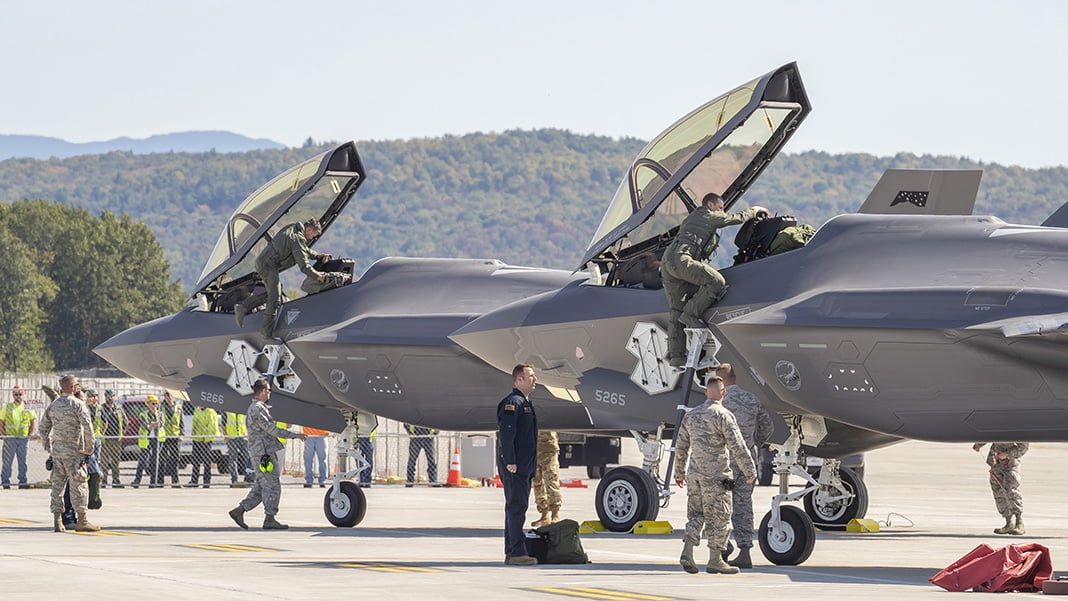 F-35 Fleet Readiness Falls to 25% Amid Parts Shortages and Software Delays: GAO Report
-
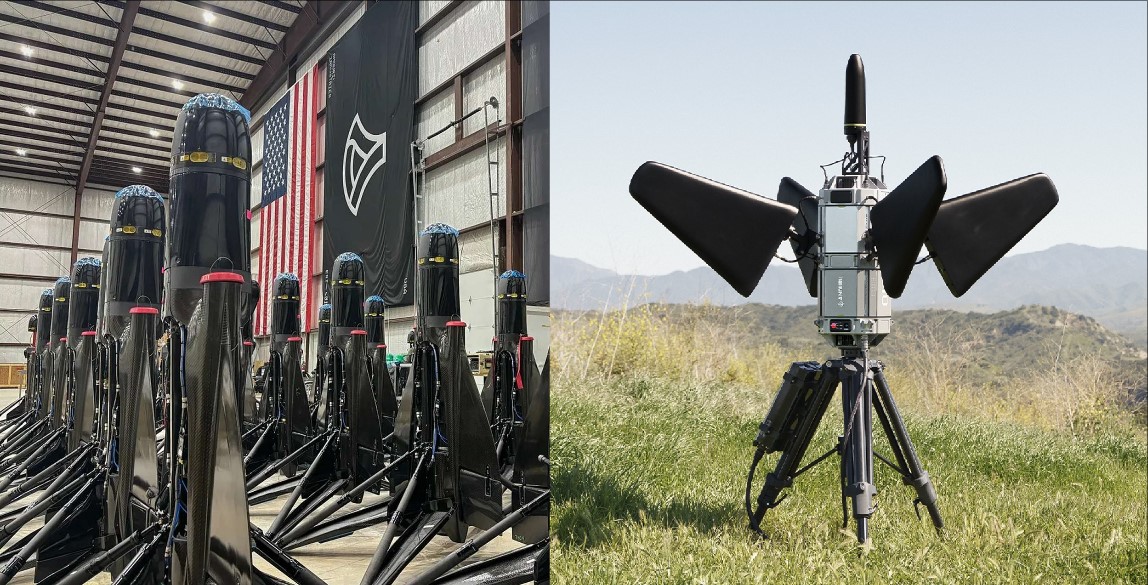 U.S. Approves $1.98 Billion Sale of Anduril AI-Powered Counter-Drone Systems to Kuwait
-
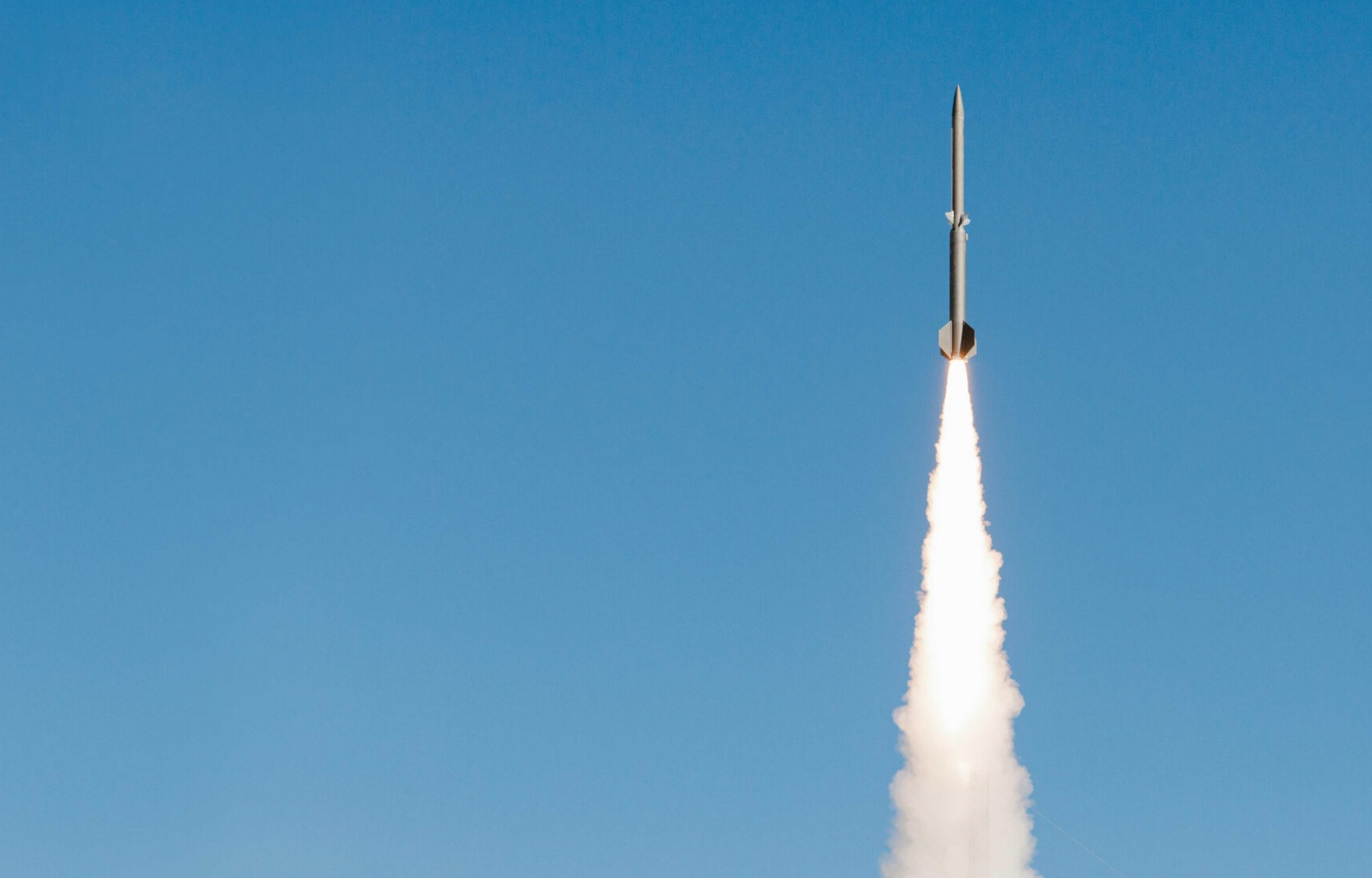 U.S Navy Orders 50 Blackbeard Hypersonic Missiles in New $23.4 Million Contract
-
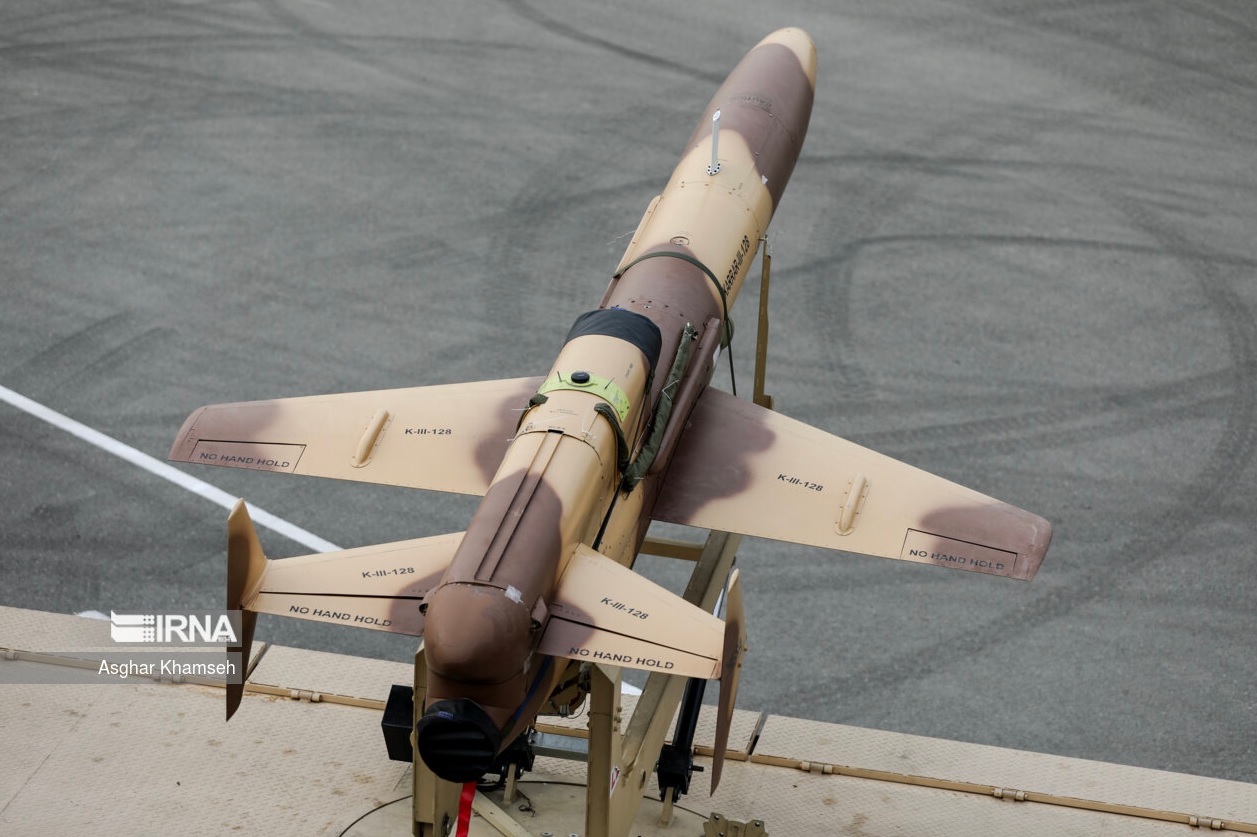 Russia Launches 1,400 Jet-Powered Drones in 2026 as Strike Tactics Evolve to Challenge Ukraine's Air Defenses
-
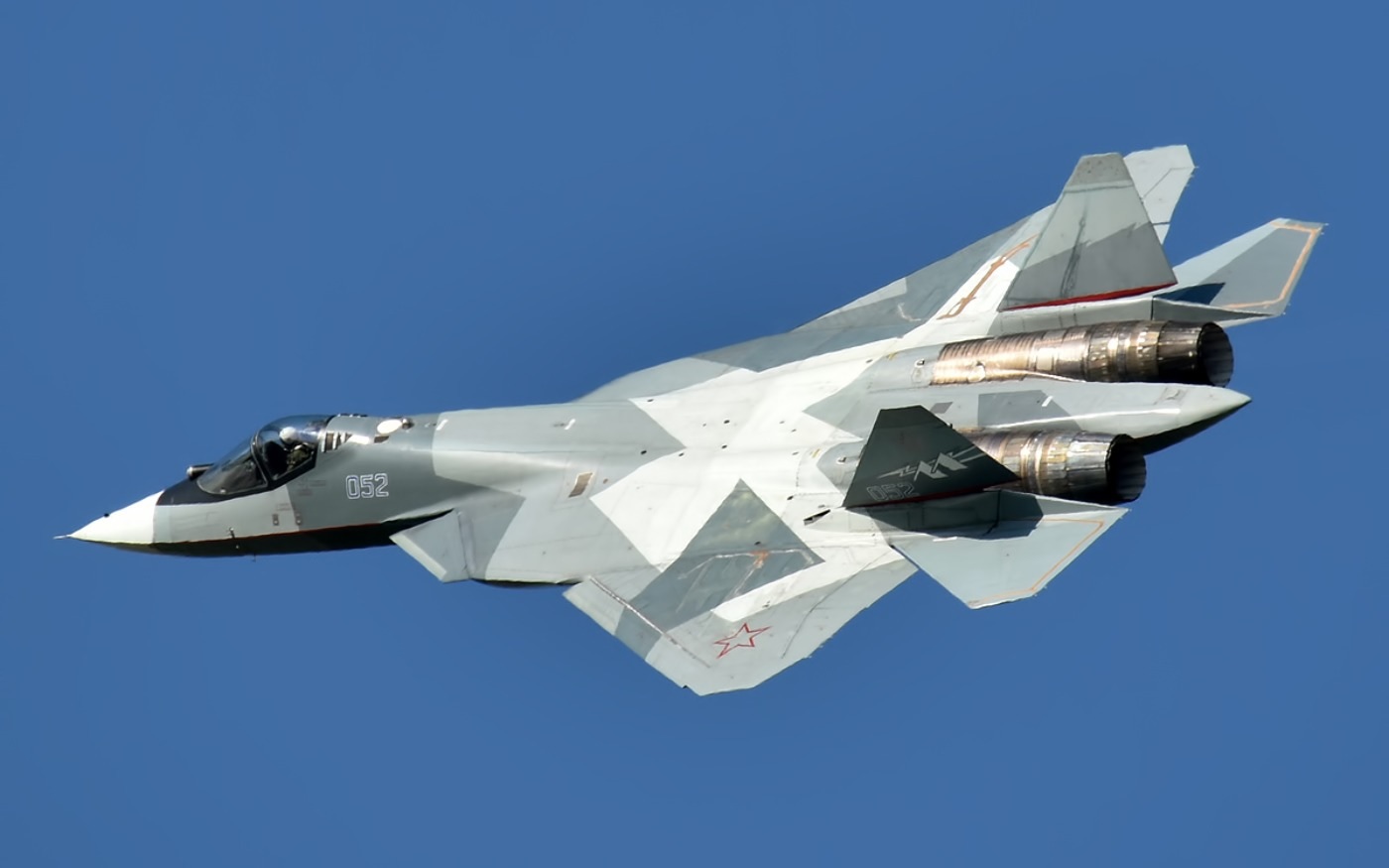 Russian Analysts Debate Su-57 Capabilities After Putin Calls Fighter Superior to F-35
-
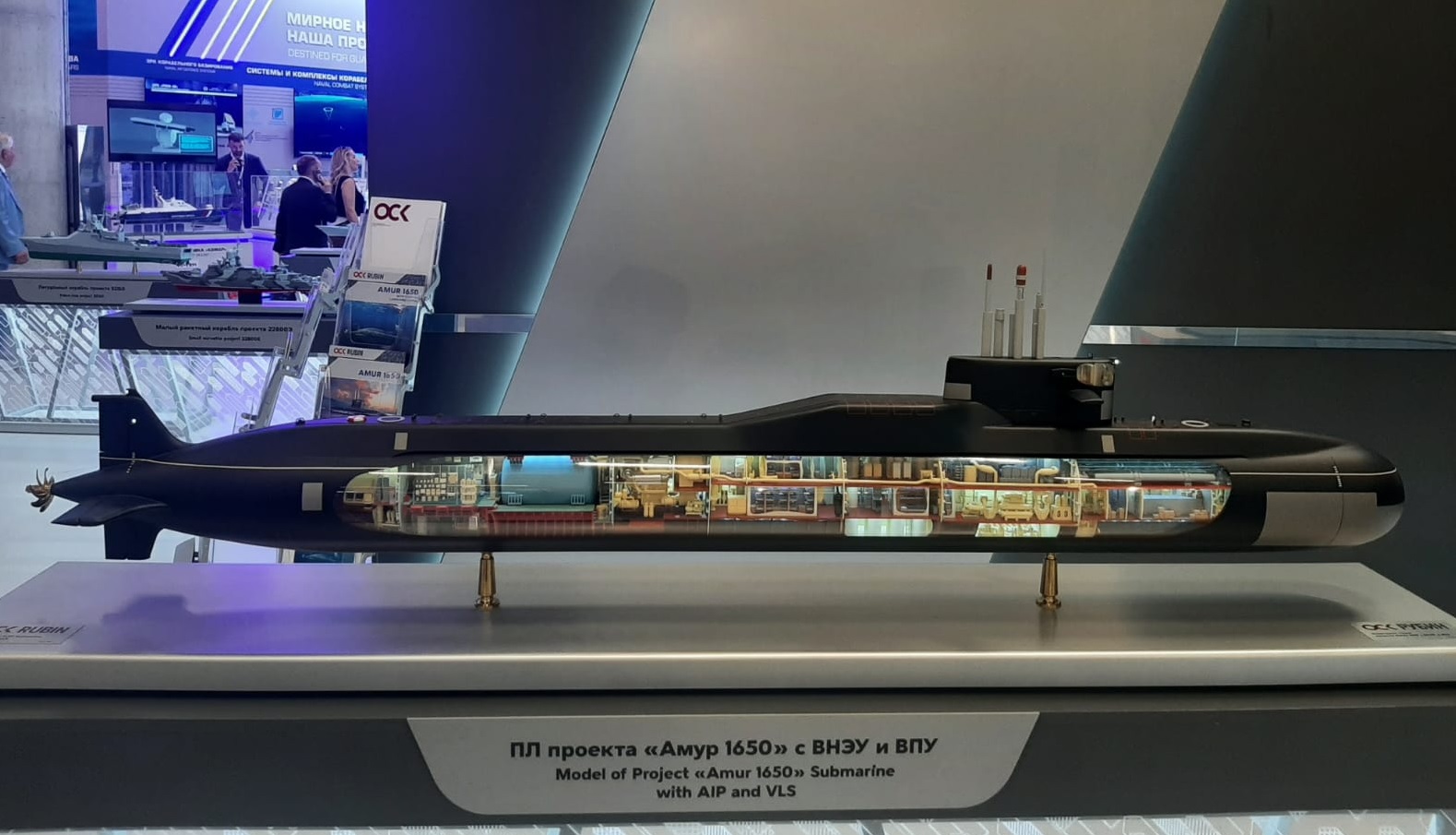 Russia Unveils Amur-1650 AIP Submarine Equipped with BrahMos Vertical Launch System at Fleet-2026
-
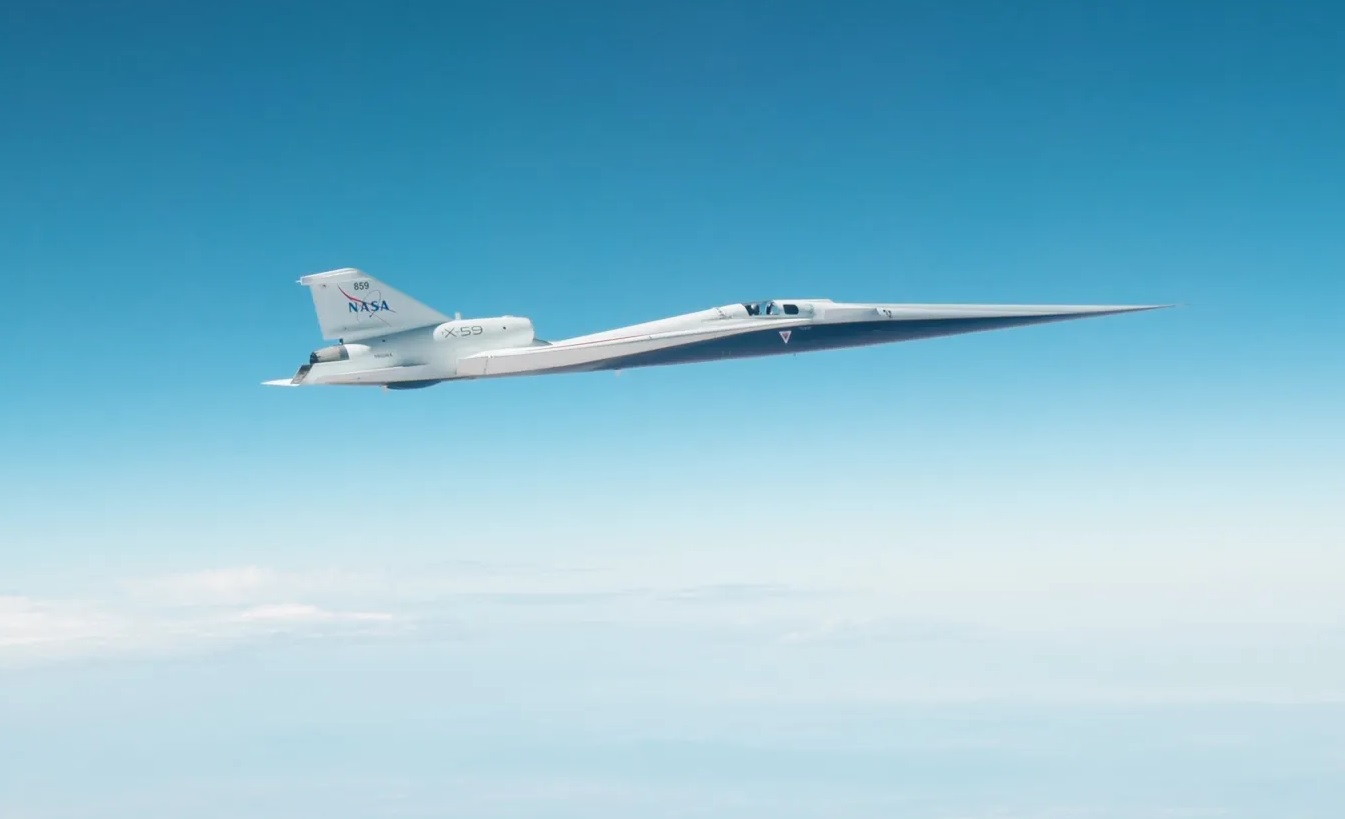 NASA X-59 Achieves Planned Mission Conditions with Mach 1.4 Flight at 55,000 Feet
-
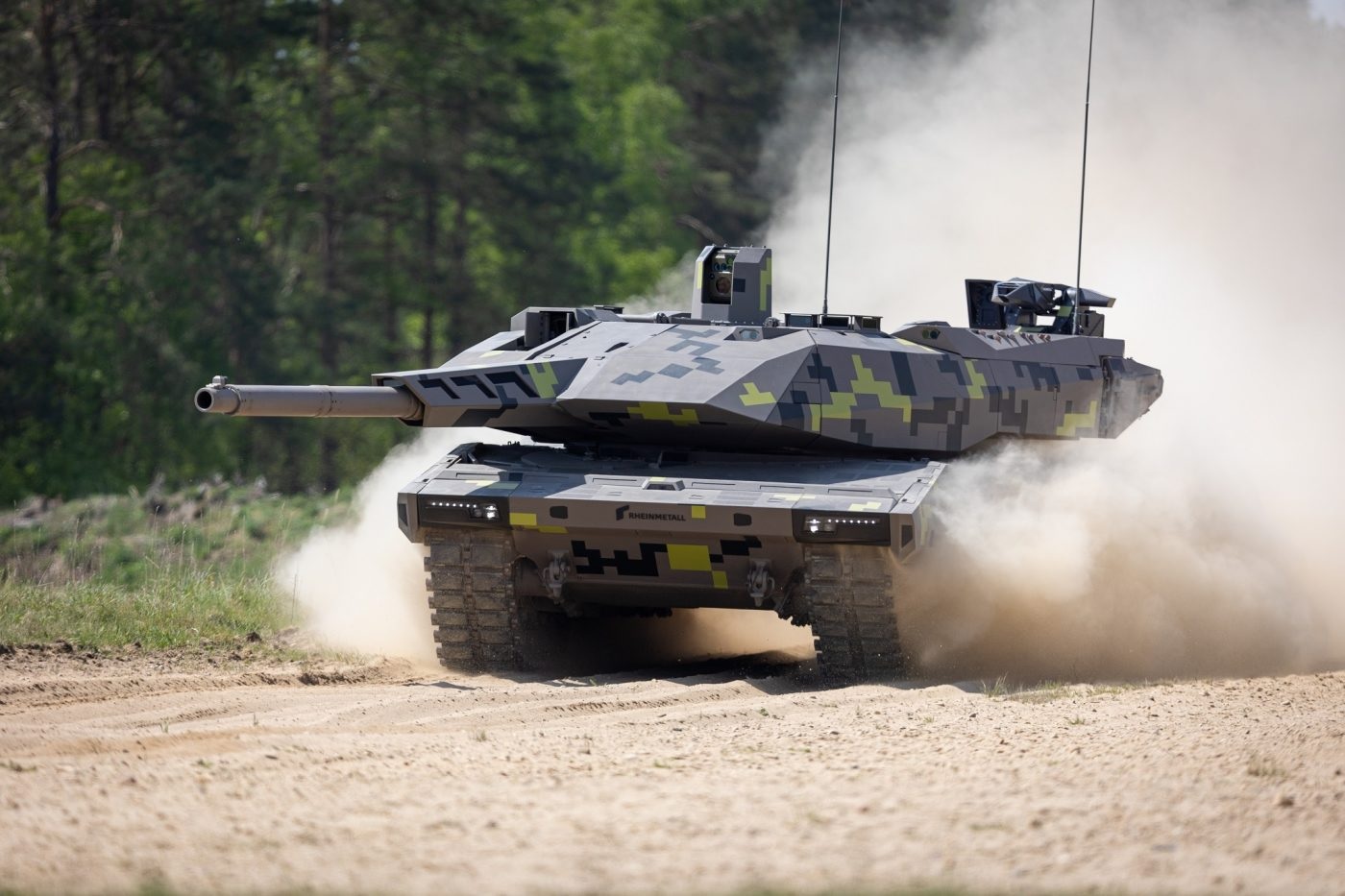 France Considers Reduced Role or Exit from Franco-German MGCS Tank Project
Top Trending in 4 Days
-
 Iranian Media Leaks 14-Point U.S.-Iran Peace Framework Amid Ongoing Negotiations
-
 US Plans Significant Reduction of Fighter Jets and Warships for NATO Operations in Europe
-
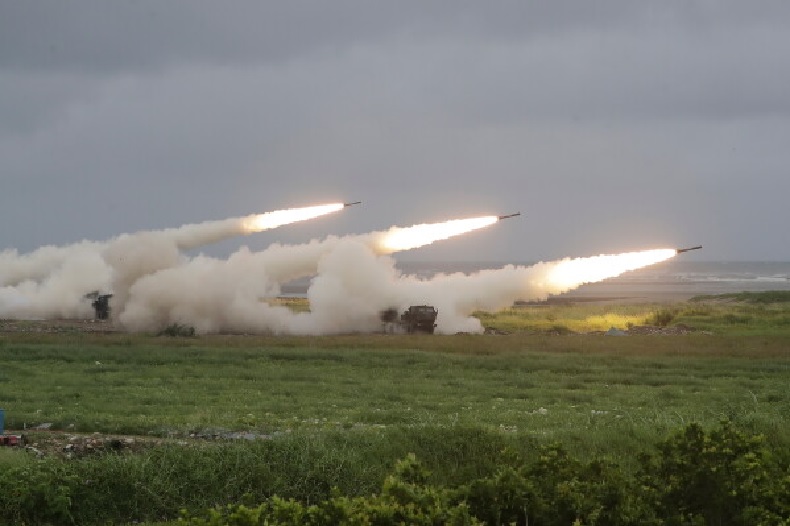 Taiwan Conducts First Live-Fire of HIMARS Rockets From West Coast During Invasion Defense Drill
-
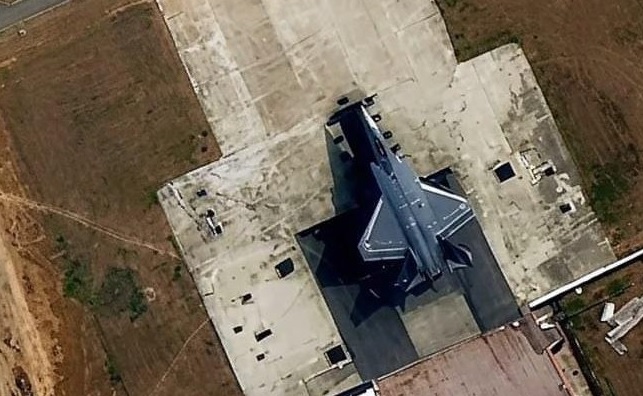 AMCA Airframe Spotted at DRDO’s ORANGE Facility for Radar Cross-Section Testing
-
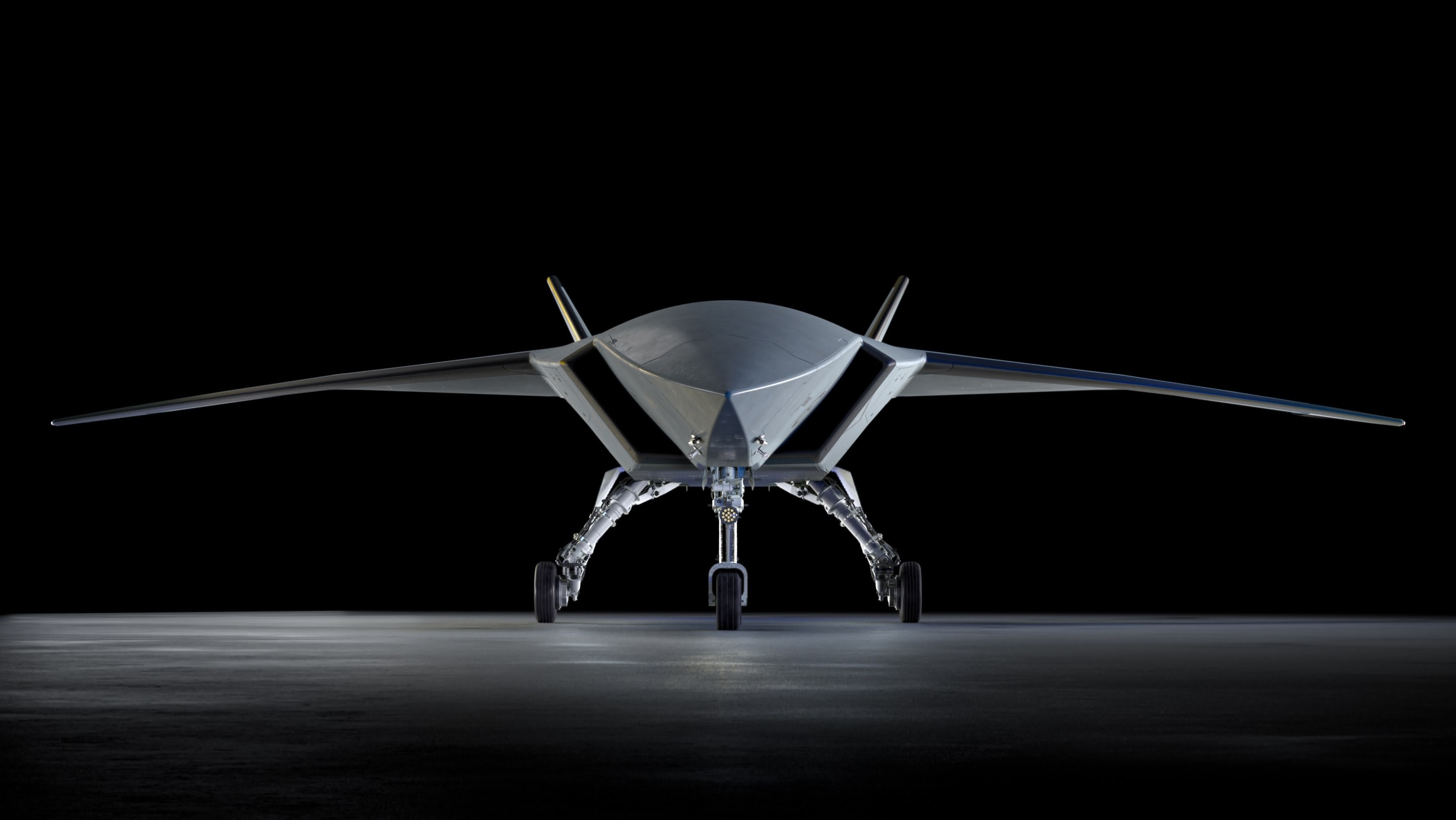 Boeing Introduces New MQ-28 Ghost Bat Upgrades with Increased Range, Payload and Weapons Capacity at ILA Berlin 2026
-
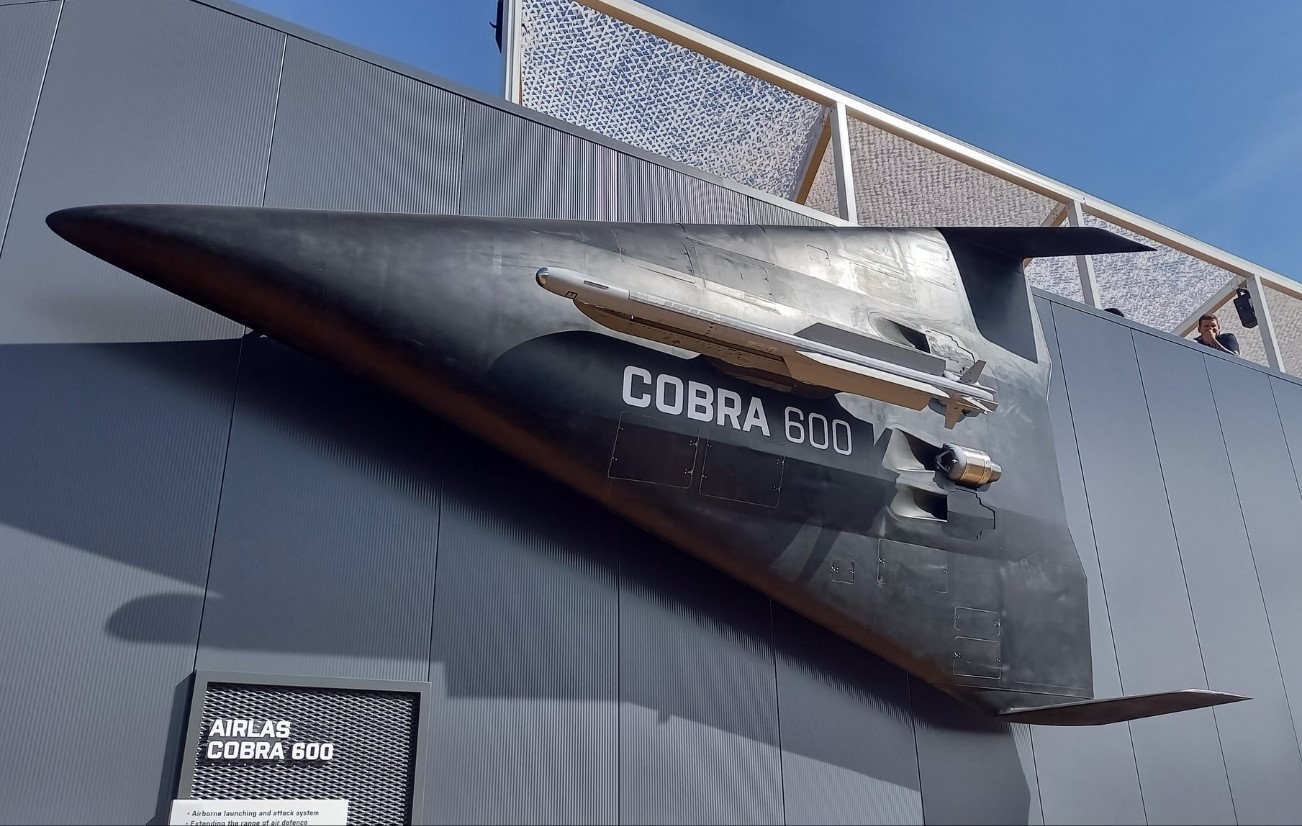 Diehl Defence Unveils IRIS-T Armed Cobra 600 Air Defense Drone at ILA Berlin 2026
-
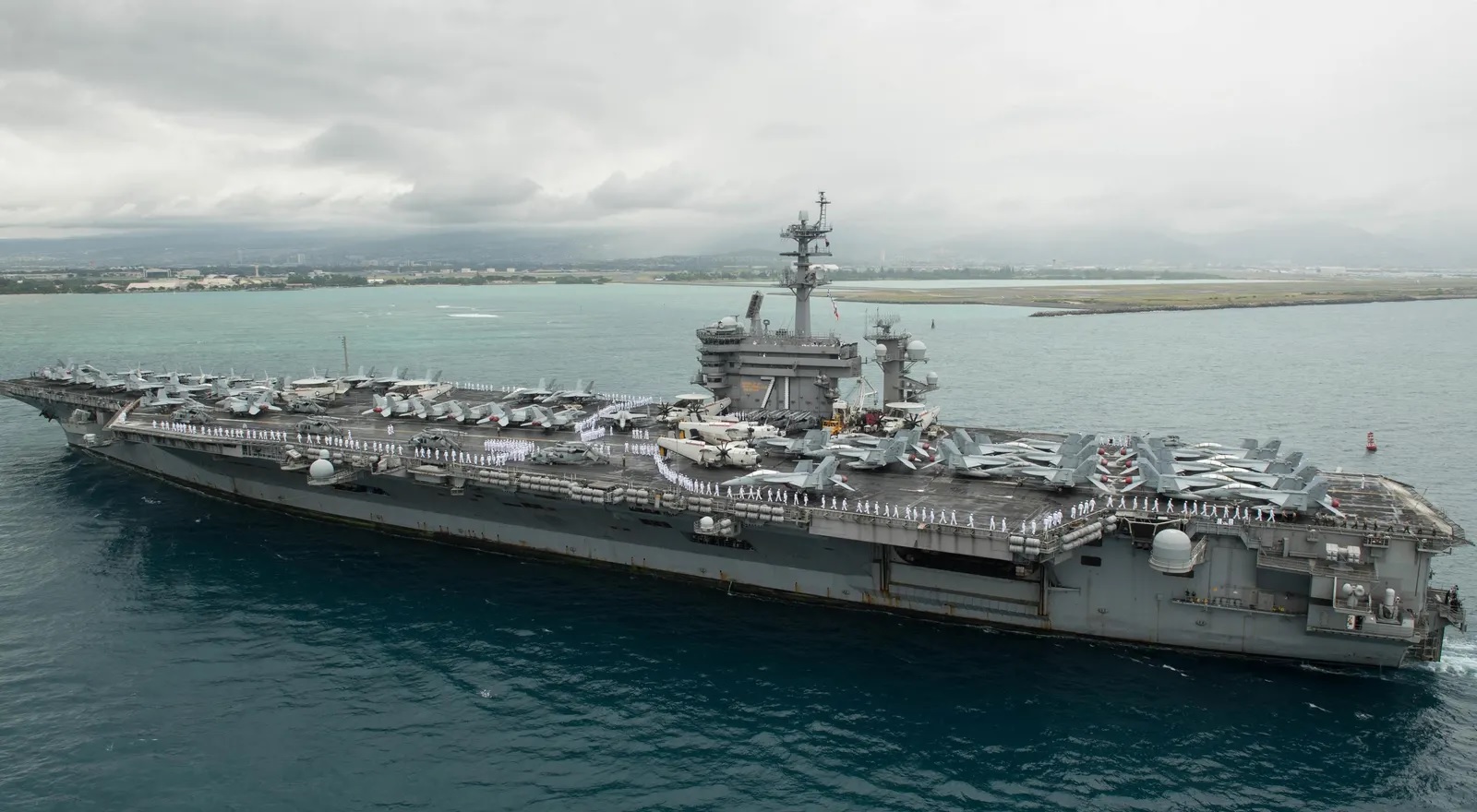 U.S Aircraft Carrier USS Theodore Roosevelt Departs San Diego for Major RIMPAC 2026 Naval Exercise
-
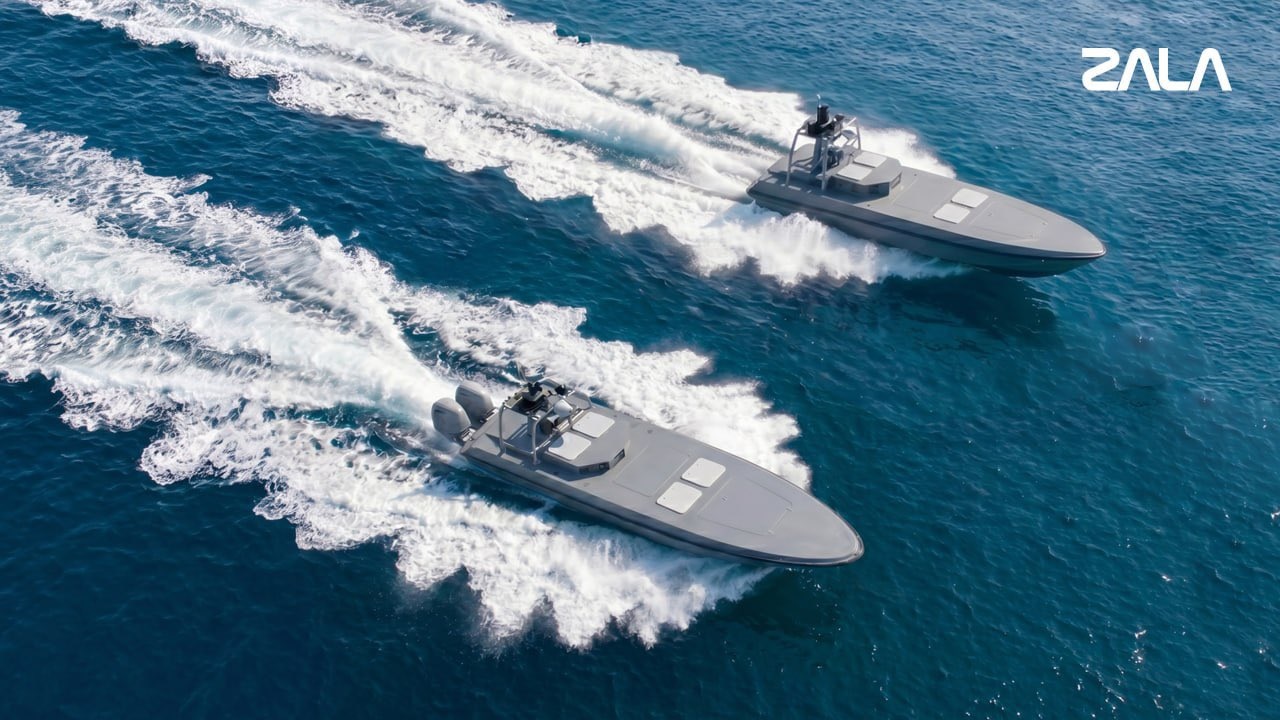 Russian Defense Firm ZALA Unveils KAMA Unmanned Surface Vessel Family at FLOT-2026 Naval Exhibition
