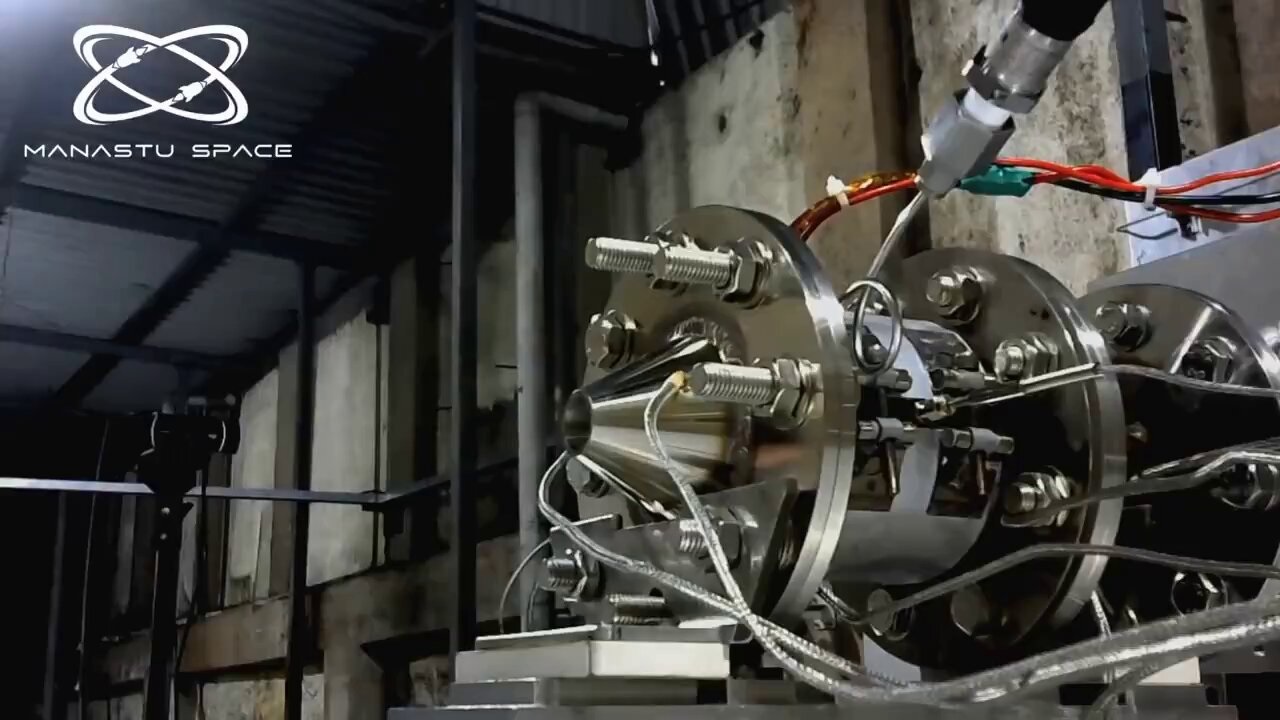
Mumbai-based startup ManastuSpace has achieved a significant breakthrough in space technology by transferring its indigenous Green Propulsion System (GPS) to the Defence Research and Development Organisation (DRDO). This collaboration marks a pivotal step towards enhancing India's capabilities in sustainable and cost-effective satellite propulsion systems.
The Visionaries Behind ManastuSpace
ManastuSpace was co-founded in 2016 by Tushar Jadhav, a former DRDO scientist, and Ashtesh Kumar, a technologist from IIT Bombay. Both founders bring unique expertise to the table, having previously worked on IIT Bombay's Pratham satellite project, which aimed to measure electron counts in the ionosphere. Their combined experience in Aerospace Engineering and Mechanical Engineering led to the creation of an eco-friendly alternative to the hazardous hydrazine-based propulsion systems traditionally used in satellites.
The Green Propulsion System: Key Features
The Green Propulsion System developed by ManastuSpace offers a compelling alternative to conventional systems. It is powered by a proprietary, non-toxic fuel blend that is 40 times safer than hydrazine, a highly toxic and carcinogenic substance commonly used in satellite propulsion. This innovative system delivers several advantages:
- Higher Efficiency: The system boasts an impressive specific impulse of 275 seconds, a 25% improvement over hydrazine systems, which typically achieve only 220 seconds.
- Cost-Effectiveness: Reduced toxicity means fewer safety measures are required during handling and storage, cutting costs by nearly 60%.
- Extended Lifespan: Satellites using this system can operate for up to five years, significantly enhancing their value and operational utility.
Bridging the Gap Between Chemical and Electric Propulsion
The current satellite propulsion landscape relies heavily on electric propulsion for small adjustments and chemical propulsion for high-thrust requirements. However, hydrazine-based chemical systems come with significant environmental and safety concerns. ManastuSpace's green propulsion technology bridges this gap, offering a safer chemical alternative that delivers rapid thrust while reducing the ecological footprint.
Rigorous Testing for Reliability
ManastuSpace has left no stone unturned in validating its technology. Extensive testing has been conducted in their Mumbai lab and at the Shell Oil and Gas campus in Bengaluru. These trials ensure the system's reliability, safety, and efficiency, making it suitable for both commercial and defense applications.
Strategic Implications for DRDO
By adopting ManastuSpace’s green propulsion technology, DRDO gains access to a safer, more efficient propulsion system that aligns with India’s strategic focus on self-reliance and sustainability in space exploration. This partnership could pave the way for more indigenous innovations in India's rapidly growing space sector.
Beyond Satellites: Future Prospects
ManastuSpace’s propulsion technology has potential applications beyond satellite systems. It could be adapted for interplanetary missions, small spacecraft, and even reusable launch vehicles, offering cost-effective solutions for emerging space programs worldwide.
Conclusion
The transfer of the Green Propulsion System technology to DRDO is a landmark achievement for ManastuSpace, underscoring its commitment to sustainability and innovation. As the global space industry continues to expand, this collaboration showcases India’s rising prominence in the development of cutting-edge, eco-friendly space technologies.
——— End of Article ———