World
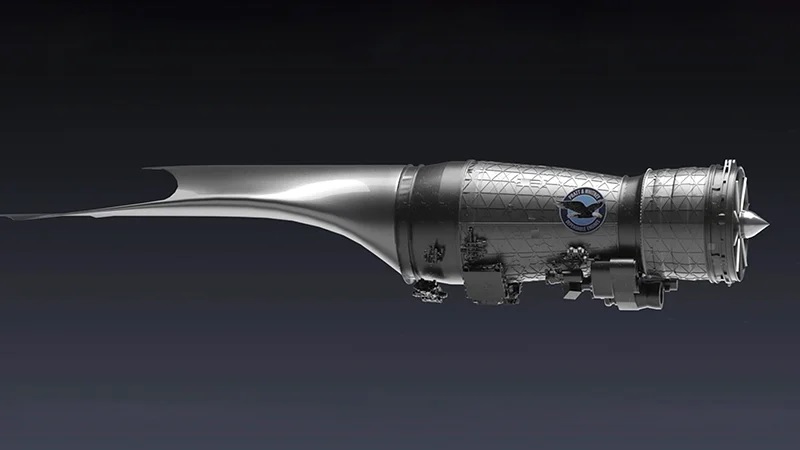
Pratt & Whitney is accelerating the development of its XA103 adaptive engine for the U.S. Air Force’s Next Generation Adaptive Propulsion (NGAP) programme, and the big story here is not just about the engine’s advanced capabilities but also about how it is being designed. By embracing digital-first methods, the company is transforming the way complex jet engines are built, making the process faster, smarter, and more collaborative. The XA103 itself represents a step forward in engine technology. It belongs to a new class of adaptive-cycle engines capable of shifting between high-thrust and high-efficiency modes depending on mission needs. This flexibility is made possible through a three-stream architecture, which introduces a third airflow path in addition to the traditional core and bypass streams. In practice, this means that during combat or high-speed flight, more air can be directed into the core to maximize thrust, while during long-range cruise, airflow can be shifted to boost fuel efficiency and cooling. Coupled with advanced materials such as ceramic matrix composites, the engine is designed to operate at higher temperatures and deliver greater overall performance. It also promises the ability to sustain supersonic cruise without afterburners, giving future fighters the ability to travel faster and further with less fuel burn. While the physical technology is impressive, Pratt & Whitney’s biggest leap forward lies in the digital push behind the project. The company has set strict digital requirements for both engineers and suppliers, ensuring that every stage of the design process is unified under the same advanced digital models. This approach minimizes errors and delays that often come from misaligned designs or late-stage changes. Through model-based design, structural, aerodynamic, and material elements are tied together into one continuous process, enabling engineers to collaborate in real time rather than working in silos. Backing this transformation, Pratt & Whitney has invested more than $30 million this year to strengthen its digital engineering environment. The scale of the effort is enormous: over 1,000 engineers are directly involved, along with more than 100 suppliers, all working together in a highly integrated digital ecosystem. The results are already showing—delivery of technical data packages has doubled, demonstrating how much faster development cycles have become compared to traditional methods. The programme is now approaching its next milestone, the Assembly Readiness Review, which will confirm plans for prototype construction. If successful, the XA103 is expected to begin testing in the late 2020s, moving one step closer to powering the next generation of fighter aircraft. The importance of this development cannot be overstated. Adaptive engines like the XA103 are designed to give future aircraft unmatched flexibility, switching seamlessly between maximum thrust and maximum efficiency as missions demand. They also provide the additional cooling and electrical power that modern fighters need to support advanced sensors, radar systems, and potentially even directed-energy weapons. Traditional engines cannot meet these demands, but adaptive-cycle propulsion is built with these future challenges in mind. Equally important is the shift in how such engines are being developed. By relying on digital engineering, Pratt & Whitney is cutting down on time and cost while delivering a more reliable product. Problems can be identified and solved within digital models long before physical prototypes are built, ensuring a smoother path to production. In simple terms, the XA103 is not just another engine—it is a revolution in propulsion and process. It embodies the future of military aviation, combining cutting-edge adaptive technology with an equally modern approach to engineering. For the U.S. Air Force, it represents a vital step toward the 6th generation fighter era, where speed, range, stealth, power, and adaptability will decide air superiority.
Read More → Posted on 2025-09-23 17:20:12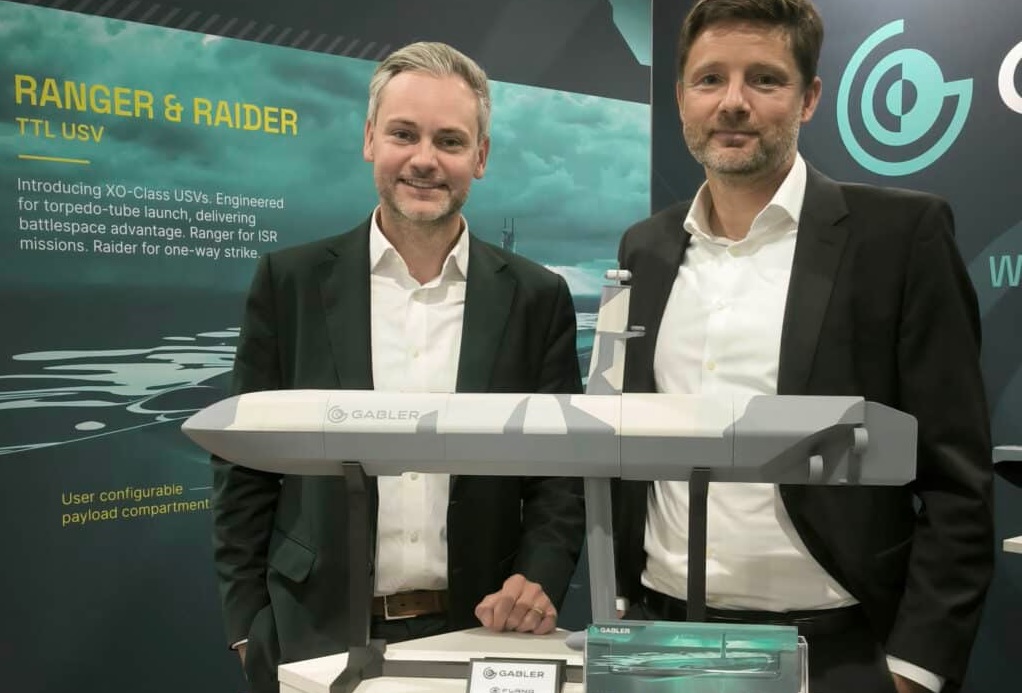
World
At the 27th DWT Naval Workshop in Dobbin-Linstow, Germany, Gabler, a renowned German defense company specializing in submarine technologies, introduced its innovative uncrewed surface vessels (USVs) designed for torpedo tube launch (TTL). This announcement marks a significant advancement in naval autonomy and stealth operations. Strategic Collaboration with FLANQ Gabler has partnered with FLANQ, a European leader in autonomous maritime platforms, to co-develop these cutting-edge USVs. The collaboration aims to deliver versatile, cost-effective platforms for Intelligence, Surveillance, and Reconnaissance (ISR) missions, as well as single-use tactical operations. This partnership ensures the integration of advanced technologies and rapid development timelines, meeting the operational needs of European and NATO naval forces. Key Features of the USVs The newly unveiled USVs, named Ranger and Raider, share a common design optimized for TTL deployment: Dimensions and Build: Both vessels are approximately 4.5 meters in length, with a hull rated for depths up to 300 meters. They feature a folding mast and keel, allowing for compact storage and stealthy deployment from standard submarine torpedo tubes. Power and Payload: Equipped with electric drivetrains, both models offer multiple payload bays to accommodate various mission-specific equipment. Ranger: Reusable ISR Platform The Ranger is designed for extended ISR missions. It is equipped with a comprehensive sensor suite that provides real-time surveillance and reconnaissance capabilities. This allows submarines to deploy and recover the USV discreetly, maintaining stealth and operational advantage in contested waters. The reusable nature of the Ranger enhances operational flexibility and cost-effectiveness. Raider: Single-Use Tactical Strike The Raider is tailored for single-use tactical missions. It carries a user-supplied effector payload in its forward compartment, enabling naval forces to neutralize high-value targets without exposing themselves to direct threats. The expendable design of the Raider makes it ideal for precision strikes in high-risk environments. Enhanced Operational Capabilities Both USVs are fully compatible with standard submarine torpedo tubes, facilitating covert deployment without the need for diver assistance. This capability is crucial for operations in denied, contested, or high-threat environments where traditional surface or aerial naval assets may be compromised. The integration of these USVs into naval operations enhances situational awareness and extends the reach of submarines, providing a significant strategic advantage. Forward-Looking Developments The partnership between Gabler and FLANQ reflects a broader strategic shift toward uncrewed-first capabilities in naval warfare. By enabling submarines to deploy low-cost, mass-producible USVs for a wide range of missions—from littoral surveillance to deep-sea reconnaissance—this initiative delivers domain advantage without compromising stealth. The development of these USVs underscores the commitment to strengthening European and allied undersea defense capabilities at pace and cost. As naval threats evolve and maritime zones become more complex, the introduction of submarine-launched USVs represents a significant leap forward in naval autonomy and operational flexibility. The Ranger and Raider platforms are poised to play a pivotal role in shaping the future of naval operations, providing unmatched versatility in complex and contested environments. The unveiling of these USVs at DWT 2025 highlights the ongoing advancements in naval technology and the increasing emphasis on autonomous systems in modern warfare. With continued development and integration, these platforms are set to enhance the capabilities of European and NATO naval forces, ensuring they remain at the forefront of maritime defense.
Read More → Posted on 2025-09-23 17:10:25
World
Ukraine is preparing to take an unusual step during an ongoing war: it plans to export surplus weapons, mainly naval drones and anti-tank systems, to raise funds for more urgent needs like aerial drones. At first glance, this may seem like a risky move. But for Ukraine’s leaders, it is a calculated strategy to balance the demands of the battlefield with the necessity of keeping its defense industry alive and expanding. President Volodymyr Zelenskyy explained that the program will be strictly controlled. Weapons will first go to soldiers at the front, then to domestic reserves, and only afterward to exports. This ensures Ukraine does not weaken its own forces. He stressed that Ukraine will only work with partners who have truly stood by the country, making it clear that there will be no “gun charity” for those indifferent to Ukraine’s struggle. The plan includes creating three export platforms—one for the United States, one for Europe, and one for other countries that have shown genuine support. By doing this, Ukraine wants to secure new revenue streams while also strengthening trust with its allies. This move also marks a significant change in Ukraine’s traditionally strict weapons export rules. For years, the country was cautious, but now leaders recognize that surplus production—especially of naval drones—offers a unique opportunity. Ukraine has already built more drones than it currently needs, and instead of reducing production, it sees value in selling the extra units to fund what is urgently lacking. The naval drones themselves have already proven to be game-changing. These small, explosive-packed vessels have carried out attacks on the Russian Navy in the Black Sea, forcing Russia to scale back its operations. Beyond strikes, they have also been used for intelligence-gathering and even mine-laying. Their success has caught the attention of NATO countries, many of which are now exploring similar technologies. Ukraine’s defense industry has grown rapidly despite the war. Last year, around 30% of military equipment used by Ukraine was produced domestically, and Zelenskyy has set an ambitious goal to raise that to 50% by 2025. However, budget limits have slowed production. Exports could provide the funds needed to keep factories running at full capacity, driving innovation, efficiency, and scalability in weapons production. Industry leaders are confident about the benefits. Serhiy Goncharov, head of the National Association of Ukrainian Defense Industries, believes that revenue from exports will not only keep production stable but also allow new breakthroughs in military technology. By selling surplus, Ukraine can maintain an industrial momentum that would otherwise stall under budget constraints. The broader picture is clear: modern warfare now depends heavily on drones and unmanned systems. From sea drones to aerial strike drones, Ukraine has shown how effective these tools can be in reshaping the battlefield. U.S. and European militaries are paying close attention, with generals openly admitting that naval drones could transform future sea warfare. In the end, Ukraine’s decision to export some of its weapons is not about weakening its defense—it is about strategic survival. By carefully selling what it has in excess, Ukraine can fund what it urgently needs, ensure its industry thrives, and continue reshaping the balance of power with innovative weapons.
Read More → Posted on 2025-09-23 17:05:14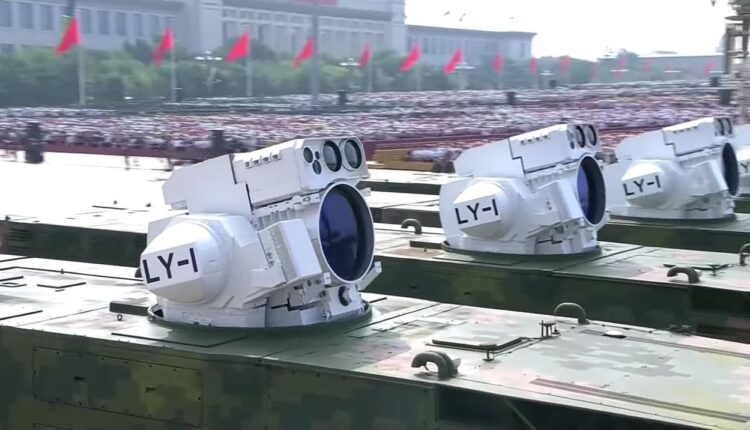
China Developing "Digital Great Wall" A Multilayered Defense Against Drone Swarms For Naval Warships
World
In a significant advancement in military strategy, Chinese naval researchers have unveiled plans to construct a sophisticated defense system aimed at protecting warships from large-scale drone swarm attacks. This initiative, often referred to as a digital-age "Great Wall," integrates cutting-edge technologies to counter the evolving threat posed by low-cost, autonomous drones. The Growing Threat of Drone Swarms The proliferation of affordable drone technology has led to the emergence of drone swarms—groups of numerous drones operating in coordinated patterns. These swarms can overwhelm traditional defense systems due to their sheer numbers and ability to operate autonomously. Researchers at the PLA Navy's Dalian Naval Academy, led by Professor Guo Chuanfu, have highlighted the potential vulnerability of warships to such attacks, emphasizing the need for a comprehensive counter-swarm strategy. Components of the Counter-Swarm System The proposed defense architecture is a multilayered system designed to detect, disrupt, and neutralize drone swarms before they reach their targets. Key components of this system include: AI-Powered Sensors: Utilizing artificial intelligence, these sensors can process vast amounts of data from various sources, including radar, infrared, and optical systems, to identify and track drone threats in real time. Directed-Energy Weapons: High-powered lasers and microwave beams are employed to disable or destroy drones mid-flight. The LY-1 laser system, showcased during China's recent military parade, is one such example designed for shipboard use. Hypersonic Missiles: The CJ-1000 cruise missile, capable of striking targets at extended ranges, is integrated into the system to eliminate drone launch platforms or command centers. Electronic Warfare Tools: Jammers and decoys are used to disrupt the communication and coordination of drone swarms, rendering them ineffective. China's Drone Motherships: Zhu Hai Yun & Jiu Tian To complement the "Digital Great Wall", China has developed advanced drone motherships: Zhu Hai Yun Type: Autonomous Research Vessel Length: 88 meters Beam: 14 meters Displacement: 2,100 tonnes Speed: 18 knots Propulsion: Diesel-electric system with azimuth pod thrusters Capabilities: Designed for uncrewed operations, serves as a launch platform for various unmanned systems, including drones and underwater vehicles Jiu Tian Type: Unmanned Aerial Vehicle (UAV) Carrier Wingspan: 25 meters Maximum Takeoff Weight: 16 tonnes Range: Up to 7,000 kilometers (4,350 miles) Altitude: Up to 15,000 meters (50,000 feet) Payload: Can carry up to 6 tonnes of ammunition and small drones Mission Types: Supports intelligence gathering, electronic warfare, emergency rescue, and high-security transport Design: Features a modular bay for launching up to 100 smaller drones, including kamikaze UAVs These motherships enhance China's ability to deploy and manage drone swarms, providing a strategic advantage in modern warfare. Strategic Implications The development of the "Digital Great Wall" and deployment of drone motherships like Zhu Hai Yun and Jiu Tian signify China's commitment to enhancing its naval capabilities against emerging threats. These advancements reflect a broader trend towards intelligentized warfare, integrating AI, unmanned systems, and advanced weaponry. By establishing a comprehensive defense network, China aims to safeguard naval assets from the growing menace of drone swarms. China's "Digital Great Wall" represents a forward-thinking approach to modern naval defense, leveraging cutting-edge technologies to counter the evolving threat of drone warfare. As global military strategies adapt to technological advancements, China's initiatives underscore the importance of innovation in maintaining strategic superiority.
Read More → Posted on 2025-09-23 16:33:53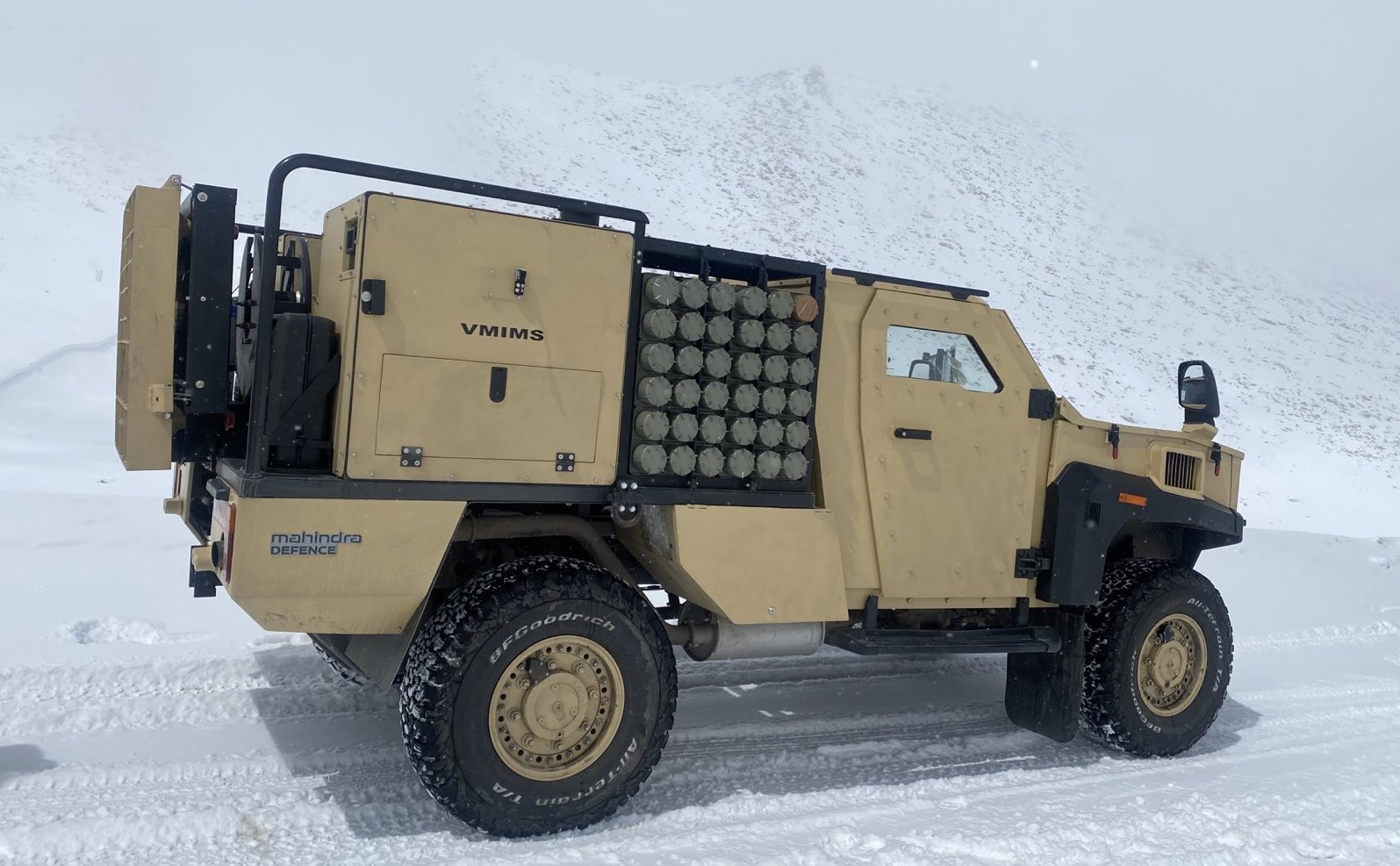
India
In a significant development, the Indian Army is reportedly considering the procurement of up to 3,000 vehicle-mounted mortar systems to bolster its rapid-response firepower along the China border. This move underscores India's commitment to enhancing its defense capabilities and achieving greater self-reliance in military technology. The Vehicle-Mounted Infantry Mortar System (VMIMS) The core of this initiative is the Vehicle-Mounted Infantry Mortar System (VMIMS), which integrates the 81mm Alakran-L automated mortar system developed by Milanion NTGS, Spain, onto the Mahindra Armored Light Specialist Vehicle (ALSV). This combination offers a highly mobile and efficient artillery platform. Key Features and Capabilities Automated Deployment: The Alakran-L system features an electromechanical lift mechanism that lowers the mortar to a ground baseplate, ensuring stability and accuracy during firing. Rapid Setup: The system's automated laying and fire control systems enable quick deployment and firing, crucial for dynamic battlefield scenarios. Mobility and Protection: Mounted on the ALSV, the VMIMS provides enhanced mobility across rugged terrains, with limited armor protection against small arms and fragments. Firepower: The 81mm mortar has a range of up to 7.5 km and a maximum rate of fire of 20 rounds per minute, allowing for effective suppression of enemy positions. Strategic Importance This acquisition aligns with India's strategic objectives to strengthen its defense posture along the Line of Actual Control (LAC) with China. The VMIMS offers several advantages: Enhanced Artillery Reach: The system's mobility and rapid deployment capabilities enable artillery support in areas previously inaccessible to traditional towed or self-propelled systems. Self-Reliance in Defense: The integration of indigenous vehicles with advanced foreign technology exemplifies India's "Make in India" initiative, promoting self-reliance in defense manufacturing. Operational Flexibility: The VMIMS supports a "shoot-and-scoot" tactic, allowing units to deliver firepower and quickly relocate to avoid counterattacks. Future Prospects While the initial procurement focuses on the 81mm variant, there is potential for future integration of the 120mm Alakran-L system, which offers extended range and greater firepower. This progression would further enhance the Indian Army's artillery capabilities. The potential acquisition of 3,000 vehicle-mounted mortar systems marks a pivotal step in modernizing the Indian Army's artillery units. By combining advanced technology with indigenous manufacturing, India is poised to enhance its defense capabilities and assert its strategic interests along the LAC. This initiative not only strengthens India's military readiness but also reflects a broader commitment to self-reliance and technological advancement in defense.
Read More → Posted on 2025-09-23 16:17:43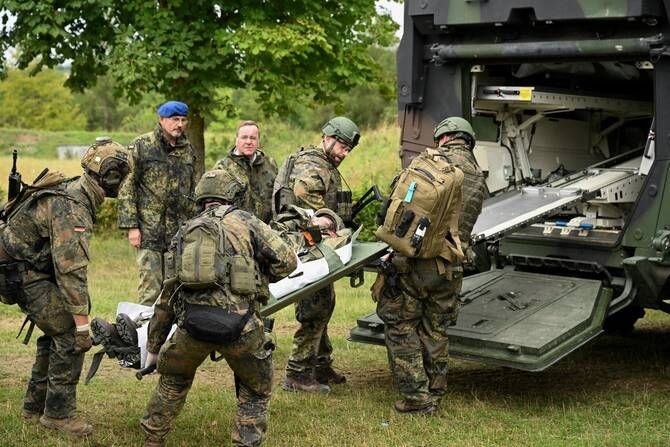
World
Germany is preparing for one of the most serious scenarios it has faced since the Cold War: a large-scale conflict with Russia. The Bundeswehr’s top military doctor, Surgeon General Ralf Hoffmann, has revealed that the country is drafting medical plans to cope with up to 1,000 wounded soldiers a day if war were to break out. This figure is not speculation but a realistic projection based on current NATO assessments and lessons drawn from Ukraine’s battlefields. Hoffmann explained that the actual number of casualties would depend on the scale of fighting and the deployment of German units, but Berlin is treating this scenario with urgency. Lessons From Ukraine’s Frontlines The war in Ukraine has transformed how European militaries think about combat medicine. For Germany, it has provided a grim preview of what modern warfare looks like: Injuries are no longer limited to gunshot wounds. Instead, there is a surge in blast injuries, burns, and shrapnel wounds caused by drones, artillery, and loitering munitions. The frontline is now a drone-saturated kill zone, where unmanned aircraft constantly scout and strike. This often prevents the fast evacuation of casualties, forcing medics to keep the wounded alive under dangerous conditions for long stretches. German medical training has already been updated to reflect this reality, focusing on prolonged stabilization under fire, mass casualty incidents, and new forms of trauma care. Expanding Germany’s Medical Capacity To handle the demands of a high-intensity conflict, Germany is reshaping its medical system: Hospital Beds Out of the country’s 440,000 hospital beds, around 15,000 would need to be dedicated to wounded soldiers. Civilian hospitals will therefore be heavily integrated into wartime planning. Medical Staff The Bundeswehr currently has about 15,000 medical personnel. In wartime, this force would need to be reinforced with civilian doctors, nurses, and specialists to manage the huge patient flow. Casualty Transport Germany is exploring a flexible evacuation system, inspired partly by Ukraine. Plans include hospital trains, special medical buses, and increased air evacuation. Soldiers would first receive emergency care near the battlefield before being transferred deeper into Germany for recovery. The Broader Implications Germany’s planning shows both realism and anxiety. Preparing for the possibility of 1,000 casualties daily underscores how destructive a NATO–Russia war could be. Civilian life would be deeply affected. With tens of thousands of hospital beds redirected to military use, normal healthcare services could be disrupted, creating tension at home. The human toll on medical staff would be immense. Treating mass injuries daily, often involving severe burns and amputations, would test not only physical resources but also psychological resilience. Politically, this reflects Germany’s acknowledgment of NATO warnings that Russia could threaten the alliance by 2029. By publicizing these preparations, Berlin is also sending a message of deterrence: it is taking the threat seriously and will not be caught unprepared. Modern Military Medicine Germany’s military doctors are facing challenges unseen in Europe for generations. As Hoffmann put it, the nature of war has changed dramatically. Drones, precision strikes, and mass casualties define the modern battlefield — and Germany is adapting to that harsh reality. These preparations are not just about logistics; they reflect a shift in mindset. War in Europe, once considered unthinkable, is now being actively planned for, down to the number of hospital beds and medical buses. Germany’s readiness signals both a warning and a safeguard in an increasingly unstable security environment.
Read More → Posted on 2025-09-23 16:05:15
World
Honeywell has taken a big step forward in modern defense technology by successfully demonstrating its Stationary and Mobile UAS Reveal and Intercept (SAMURAI) system to U.S. military operators. The trials showed the system in action both from a ground vehicle and from an aerostat more than 1,000 feet above the ground, proving that it can adapt to different battlefield conditions. A New Answer to Drone Swarms In today’s defense environment, drone swarms are seen as one of the most dangerous threats. Dozens of small drones working together can confuse radars, overwhelm defenses, and cause serious damage to high-value targets. Honeywell’s SAMURAI system is built exactly for this challenge. Unlike traditional systems that may be limited to a fixed location, SAMURAI is flexible. It can protect both stationary assets like bases and towers as well as moving convoys and vehicles. This dual ability makes it stand out in the fast-evolving world of counter-UAS technology. How the System Works SAMURAI is designed with modularity and openness in mind. Instead of being locked into one set of tools, it allows militaries to combine different sensors, detectors, and countermeasures depending on their needs. For example, it can use: Radio frequency detectors to pick up drone communications. Light-based sensors and identification technologies to track drones visually. Counter-drones or other effectors to disable or destroy threats. Because the system follows open standards, new technologies can be added quickly, ensuring it stays effective as drone threats evolve. Smarter, Faster, and Scalable A major strength of SAMURAI is the use of AI and advanced system engineering. The system can rapidly distinguish between real threats and harmless objects, giving operators confidence and saving critical decision-making time in fast encounters. It’s also scalable—whether protecting a small base, a forward operating vehicle, or a large installation, SAMURAI can be adjusted to fit the mission. Why It Matters These successful demonstrations are more than just a technical test. They show that SAMURAI is reliable, field-ready, and capable of integrating into existing defense networks. For the military, this means: Saving costs by reusing current sensors and effectors instead of starting from scratch. Faster upgrades, since new technology can be plugged into the system easily. One-stop maintenance, because Honeywell coordinates all parts of the system. Built Through Collaboration SAMURAI isn’t just a Honeywell creation—it brings together technology from several defense partners, including companies that specialize in sensors, drone detection, tracking systems, and counter-drone technologies. This cooperative approach ensures that the system benefits from the best expertise in each field. What makes SAMURAI important is not just its technology, but its timing. Around the world, armed forces are preparing for a future where drone swarms are common on the battlefield. Systems that can quickly detect, track, and neutralize these threats will play a crucial role in keeping high-value targets safe. Honeywell’s demonstrations prove that this isn’t just a concept—it’s a system that works today, in real conditions, and is ready for deployment both in the U.S. and internationally.
Read More → Posted on 2025-09-23 15:57:14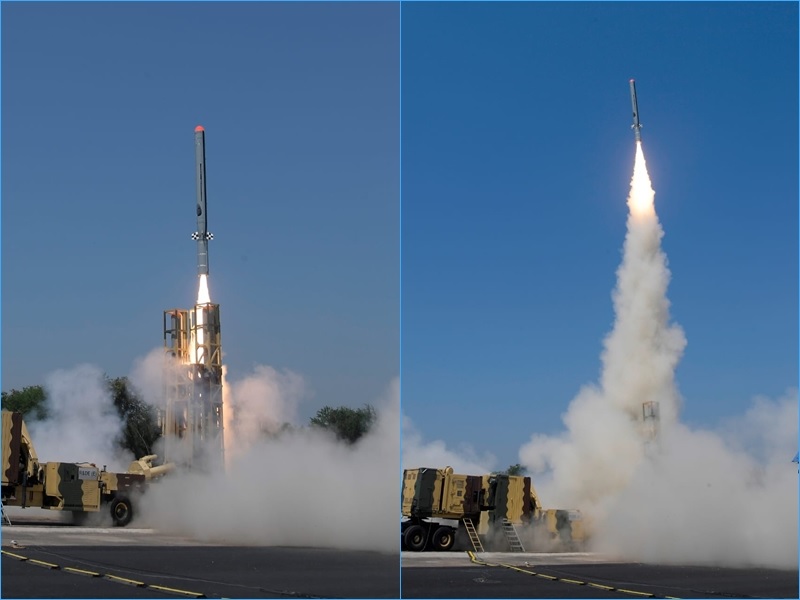
India
India is preparing for a crucial test of the Indigenous Technology Cruise Missile (ITCM), a new long-range subsonic cruise missile developed by DRDO in collaboration with the Indian Navy. Designed to strike targets at distances of up to 1,000 kilometres, this missile will boost India’s ability to hit both land and maritime targets deep inside enemy territory. Design The ITCM is the technological successor to the Nirbhay cruise missile program, which served as India’s test platform for developing long-range subsonic missiles. Unlike earlier Nirbhay versions that relied on imported propulsion, the ITCM uses the indigenous “Manik” small turbofan engine, developed under the Small Turbofan Engine (STFE) project. This provides greater reliability, local supply security, and longer endurance. Features and Capabilities Range: Capable of striking targets up to 1,000 km away. Flight Profile: Flies at subsonic speed but uses ground-hugging and sea-skimming paths to avoid radar detection. Seeker & Guidance: Equipped with an indigenous radio-frequency seeker and advanced navigation systems for precise target engagement. Stealth Features: Low altitude flight and advanced avionics reduce the chance of detection. Compatibility: Designed for smooth integration with naval combat management systems, allowing launch from frontline warships. Naval Integration A major focus of the upcoming test is its integration with naval warships. DRDO has developed a temporary Vertical Launch System (VLS) to test ship launches. In the future, the Indian Navy plans to deploy ITCM through Universal Vertical Launch Modules (UVLMs) — versatile launchers that can fire multiple missile types like BrahMos and ITCM from a single system, enhancing fleet flexibility. Variants Under Development To ensure the missile can serve across different branches of the armed forces, DRDO is creating several variants of the ITCM. The ship-launched version will arm surface warships, giving the Navy a long-range precision strike tool. A submarine-launched variant (SLCM) is also in the works, aimed at providing undersea strike capability and adding an extra layer to India’s deterrence strategy. On land, the Long-Range Land Attack Cruise Missile (LRLACM) is being developed to carry out deep strikes against critical enemy infrastructure. Finally, an air-launched version is being explored, which could be integrated on frontline fighters or bombers, allowing India’s Air Force to hit high-value targets from a safe distance without entering hostile airspace. Strategic Importance The ITCM is not meant to replace the BrahMos missile but rather to work alongside it. BrahMos, with its supersonic speed of nearly Mach 3 and a range of about 300–450 kilometres, is ideal for quick and devastating strikes at medium distances. On the other hand, ITCM, though slower at subsonic speeds, has a much longer reach of up to 1,000 kilometres and is designed for stealthy penetration into enemy territory. When used together, the two missiles give India a balanced strike capability — the BrahMos delivers speed and shock value at shorter ranges, while ITCM ensures long-range precision and the ability to engage targets deep inside enemy defences. The upcoming ship-based test will be crucial in proving the missile’s readiness for naval service. This trial will show whether ITCM can be effectively launched from Indian warships, work seamlessly with their radar and combat systems, and hit long-range targets over the sea. It will also validate key features like navigation accuracy, seeker performance, stealthy low-altitude flight, and overall endurance. If the test succeeds, ITCM will be established as a next-generation indigenous cruise missile. More importantly, it will represent a significant step forward for Atmanirbhar Bharat, strengthening India’s self-reliance in defence technology and giving the Indian Navy greater power to project force across the Indian Ocean and beyond.
Read More → Posted on 2025-09-23 15:49:41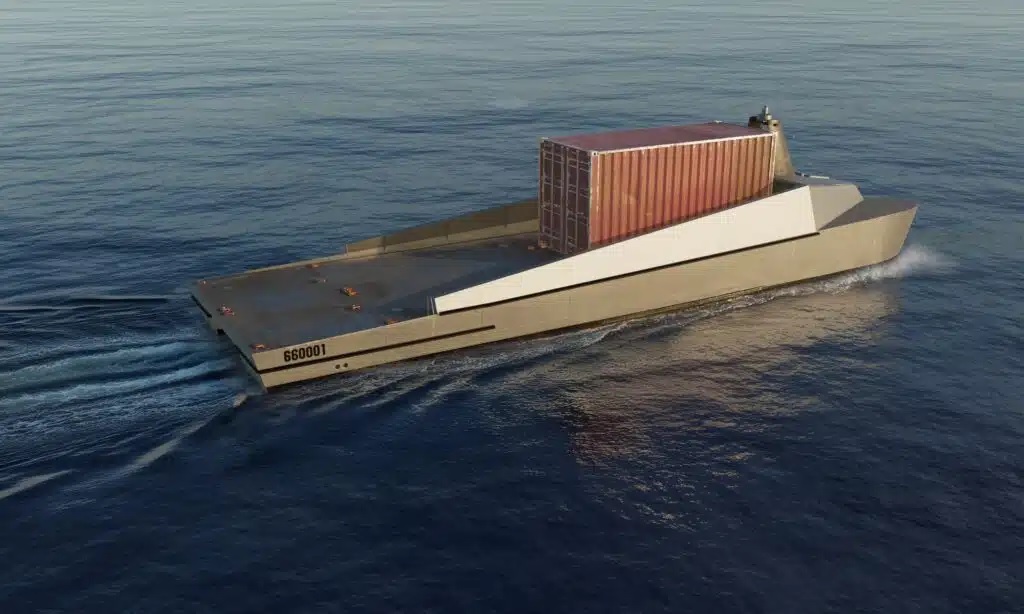
World
BlackSea Technologies, a leader in autonomous maritime systems, has announced the development of its new family of Modular Attack Surface Craft (MASC) unmanned surface vessels (USVs). Designed to meet the U.S. Navy’s call for modular, multi-mission combatants, the MASC USV aims to accelerate the Navy’s transition to a distributed and survivable future fleet. Mission-Driven Design Unlike retrofitted commercial hulls, BlackSea’s MASC USV was designed from the keel up to maximize payload, capacity, and flexibility. The 66-foot aluminum catamaran offers: 67,200 pounds of payload capacity and 900 ft² of open deck space 198 kWe power to support advanced sensors and weapons 3,000 nautical miles range at 10 knots and extended self-deploying range to 10,000 nautical miles Top speed of 25 knots, enabling responsive, long-endurance operations With twice the payload area and electrical power of similar-sized vessels, the platform supports seven missions: Anti-Submarine Warfare (ASW), Anti-Surface Warfare (ASuW), Electronic Warfare, Logistics, Infrastructure Monitoring, Strike, and Mine Warfare (MCM/MIW). Production-Ready and Rapidly Scalable Leveraging its proven Global Autonomous Reconnaissance Craft (GARC) production line, currently producing one craft per day, the company is prepared to build and deliver the first fully integrated MASC prototype within six months. The design shares major subsystems with BlackSea’s fielded GARC systems, ensuring resilience and rapid integration of existing autonomy, command-and-control, and perception systems. The hull, derived from BlackSea’s operational GARC platform, uses slender twin aluminum hulls for low drag and high stability, enabling safe launch and recovery of containerized payloads. Marine-grade aluminum construction aligns with existing shipyard skillsets. Powering the craft are dual Volvo Penta D8-IPS600 integrated propulsion units, eliminating shaft alignment during assembly and supported by a global logistics network. The open architecture is built natively on the Navy’s Unmanned Maritime Autonomy Architecture (UMAA), enabling plug-and-play integration and preventing vendor lock-in. Enabling the Navy’s Future Fleet The Navy’s MASC program consolidates the goals of its earlier Large and Medium USV initiatives, seeking modular, containerized surface combatants to distribute lethality across the fleet. By combining proven autonomy, fielded production, and a design tailored to naval missions, BlackSea’s MASC USV offers the Navy a decisive advantage in speed to fleet, operational flexibility, and long-term scalability. “Fleet modernization demands bold steps,” said Chris Devine, CEO of BlackSea. “With our MASC solution, the Navy can field a family of unmanned combatants that are mission-driven, production-ready, and built to scale.”
Read More → Posted on 2025-09-22 15:38:39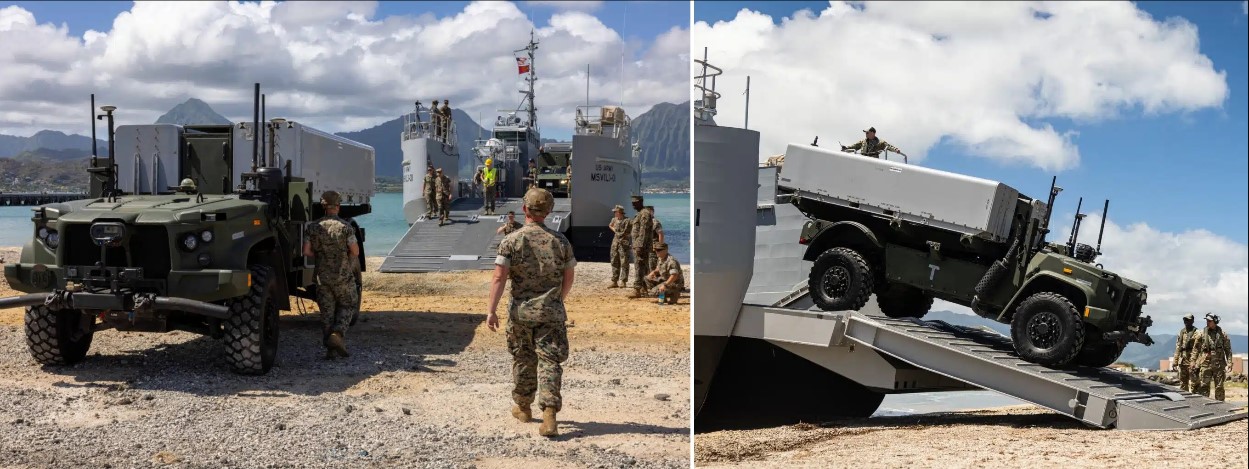
World
In a significant cross-service demonstration last week at Marine Corps Base Hawaii, the U.S. Army's latest landing craft successfully transported the Marine Corps' Navy-Marine Expeditionary Ship Interdiction System (NMESIS), showcasing enhanced interoperability and rapid deployment capabilities across the Indo-Pacific region. Enhanced Mobility with MSV(L) The exercise featured the Army’s new Maneuver Support Vessel – Light (MSV(L)), a modern replacement for the aging Landing Craft Mechanized fleet. Designed for logistics in contested environments, the MSV(L) can operate in austere ports, degraded facilities, and even bare beaches, making it ideal for the Indo-Pacific's diverse and often undeveloped coastal regions. The vessel's capabilities were demonstrated through joint training with the 3rd Marine Littoral Regiment and the 7th Transportation Brigade, highlighting its role in supporting both routine and combat operations. NMESIS: A Strategic Asset The NMESIS system, equipped with two low-observable Naval Strike Missiles, provides the Marine Corps with a mobile and potent anti-ship capability. First fielded by the 3rd Marine Littoral Regiment in November 2024, NMESIS enhances sea denial capabilities and maritime lethality. Its deployment to first island chain chokepoints, such as Japan and the Philippines, underscores its strategic importance in countering maritime threats in the region. Joint Training for Rapid Response The beach rehearsal involved Marines from the 3rd Littoral Combat Team and soldiers from the 7th Transportation Brigade, who collaborated to offload the NMESIS from the MSV(L). This joint effort not only tested the physical capabilities of the landing craft but also emphasized the importance of seamless coordination between services for rapid response in potential conflict zones. Strategic Implications This demonstration aligns with the U.S. military's broader strategy to enhance its presence and deterrence capabilities in the Indo-Pacific region. The integration of advanced systems like NMESIS with versatile platforms such as the MSV(L) enables the U.S. to project power and respond swiftly to emerging threats, particularly in areas with limited infrastructure. The successful transport of NMESIS by the MSV(L) marks a pivotal step in modernizing U.S. military capabilities, ensuring that forces are equipped to operate effectively in the dynamic and challenging environments of the Indo-Pacific.
Read More → Posted on 2025-09-22 15:33:27
World
The Pakistan Army bombardment in the Tirah Valley of Khyber Pakhtunkhwa has left at least 23 people dead, including women and children, after multiple homes were destroyed near Matray Dara, Akakhel Shadlah. Locals are desperately carrying out rescue operations on their own, pulling bodies from the debris, and fears remain that the death toll could rise further. The attack reportedly occurred in the early hours of the morning, around 2 a.m., when a sudden explosion flattened several mud-brick houses. Entire families were buried under the rubble, and eyewitnesses described frantic efforts to save trapped residents without any formal assistance. There are conflicting reports about the exact nature of the strike. While the Pakistan Army is being held responsible for the bombardment, some accounts suggest that mortars or shelling may have contributed to the destruction. Opposition leaders have strongly condemned the incident, claiming that more than 30 civilians may have been killed. The local community has expressed deep anger and sorrow, demanding accountability and an independent investigation. Human rights groups have also voiced concern, highlighting the repeated civilian casualties in conflict-prone regions like Khyber. This tragedy highlights the vulnerability of civilians in militarized zones, where non-combatants often become the victims of violence. The deaths of innocent women and children underline the urgent need for better protection of civilian lives during military operations in the region.
Read More → Posted on 2025-09-22 15:26:57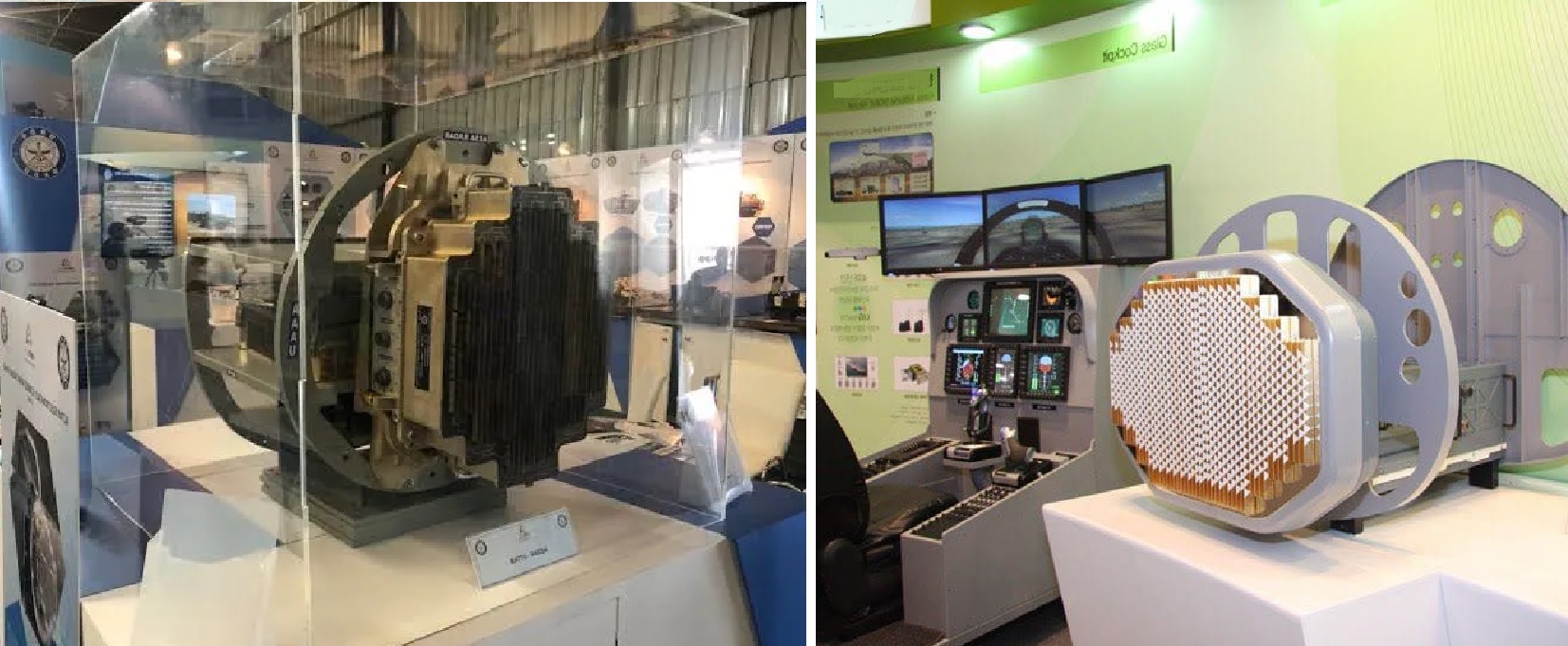
India
India has taken a giant stride in defence self‐reliance with the development of its own Uttam AESA radar, which recent reports suggest is around 25% better than the proven Israeli EL/M-2052 used in early Tejas Mk1A jets. Built by DRDO’s LRDE in collaboration with BEL, the Uttam radar is being readied to equip later batches of the Tejas, and lays the groundwork for even more advanced radars in future aircraft. Here’s a clear, up-to-date picture of what this radar is, where it stands, and what it means. What is the Uttam AESA Radar AESA stands for Active Electronically Scanned Array. Rather than moving parts, AESA uses many small transmit/receive modules (TRMs) to steer the beam electronically. This enables faster target detection, tracking multiple targets, air-to-air and air-to-ground operations, and greater resistance to interference or jamming. The Uttam radar is indigenously designed and manufactured by DRDO’s LRDE, with production support from BEL. Earlier versions used Gallium Arsenide (GaAs) components; a more powerful Gallium Nitride (GaN)-based variant is in the works. It was started around 2008, with more recent flight test efforts increasing in intensity. As of April 2024, Uttam had completed over 125 sorties aboard Tejas Mk1 prototypes. Performance Highlights & Comparison Here are some of the claimed or observed performance features of Uttam, especially compared with the EL/M-2052: Feature Uttam AESA (India) EL/M-2052 (Israel) & Others Uttam’s Advantage TRM (Transmit/Receive Module) count Around 980 GaAs-based TRMs in the current Uttam Mk1 version. ~900 in those EL/M-2052 radars fitted into early Mk1A Tejas. More modules → potentially higher power, better resolution, better target discrimination. Detection / Search Range Claims of detecting a Tejas-sized fighter at ~140 km in trials; more generally >100 km for many modes. EL/M-2052’s published ranges are typically somewhat lower (platform-dependent). Uttam edges ahead in head-on detection in those trials. Simultaneous Target Tracking Over 100 targets tracked simultaneously in some evaluations; with ability to engage multiple active radar homing missiles simultaneously. EL/M-2052 tracks up to ~64 targets in equivalent configurations. Uttam gives better multitarget engagement potential. Resistance to Jamming / Side Lobes Uttam is reported to have ultra-low sidelobe antenna and good electronic counter-countermeasures (ECCM) to resist jamming. EL/M-2052 also has mature ECCM, but Uttam aims to surpass certain metrics. Greater survivability and better performance in contested electromagnetic environments. What’s Next: GaN, More Jets, and Future Aircraft Uttam’s GaN-based version is expected to be rolled out for the second batch of 97 Tejas Mk1A jets (including trainers) post-2027. GaN modules bring advantages: higher power, greater efficiency, better heat handling, potentially longer range and better performance overall vs GaAs versions. After this, Uttam (or its upgraded variants) are likely to be used in Tejas MkII, and possibly in AMCA (India’s planned 5th-generation fighter) and in other platforms. Why Israeli Radar is Still in Use Even with its impressive results, the Uttam radar has not yet been installed on the first 83 Tejas Mk1A aircraft. This is primarily due to the pressing need for timely deliveries to the Indian Air Force. Integrating a new radar system is not just about performance—it requires exhaustive certification, reliability checks, and fine-tuning for all operational conditions. To avoid delays, the Israeli radar was chosen for the early batches so that the IAF could induct the jets without waiting for Uttam’s full clearance. This does not diminish Uttam’s achievements. On the contrary, it reflects a pragmatic strategy: deploy a proven foreign system for immediate readiness while continuing to test and perfect the indigenous radar for the next batches. Once Uttam completes its certification cycle, it will gradually replace imported systems, making India less dependent on outside suppliers for such critical technology. What This Means for India The emergence of Uttam as a credible, even superior, alternative to foreign radars carries immense significance. It is a strong expression of Atma-Nirbharta, reducing reliance on external partners for high-tech military hardware. It also demonstrates the growing expertise of Indian institutions like LRDE and BEL, which are mastering the complexities of advanced electronics, cooling systems, and electronic counter-countermeasures. Strategically, Uttam offers India greater confidence in contested skies. In modern air combat, where electronic warfare and stealth play decisive roles, the ability to see farther, track more, and resist jamming provides a critical advantage. By developing such technology at home, India joins an exclusive club of nations capable of producing state-of-the-art AESA radars for fighters.
Read More → Posted on 2025-09-22 15:18:49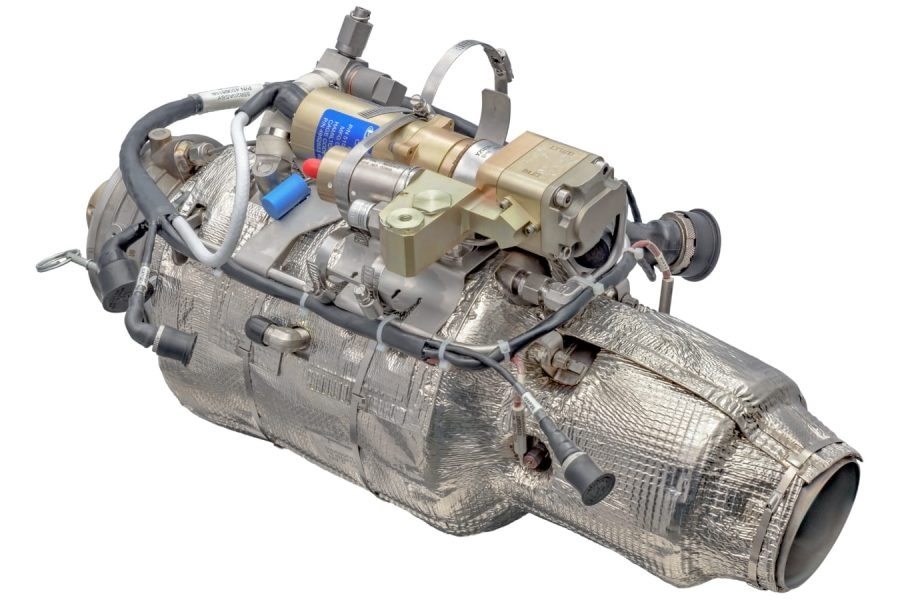
World
Pratt & Whitney, an RTX business, has announced the development of a new family of engines aimed at powering advanced munitions and Collaborative Combat Aircraft (CCA). These engines will cover a thrust range of 500 to 1,800 pounds, offering scalable and versatile solutions for emerging defence needs in both the United States and abroad. Designed for Speed and Affordability The engines are being developed by GATORWORKS, a special unit within Pratt & Whitney that focuses on rapid prototyping and innovation. According to Jill Albertelli, president of Pratt & Whitney’s Military Engines business, the new program emphasizes development speed, affordability, and scalability. Key features of the design include: Scalable architecture – allowing the same design to be adapted for multiple applications. Commonality across models – meaning different variants will share many parts, reducing production and maintenance costs. Additive manufacturing (3D printing) – helping to shorten development cycles, lower costs, and simplify supply chains. Albertelli highlighted that this approach will allow Pratt & Whitney to “significantly reduce development and production timelines” and deliver engines that can quickly adapt to future defence requirements. Next Steps in Development The first phase of testing has already begun, and a second series of trials is scheduled for early 2026. These upcoming tests will confirm key design features and validate the performance of the new engines. If successful, the program could accelerate the introduction of advanced propulsion systems into the field, supporting both next-generation autonomous aircraft and precision-guided munitions. Why It Matters Engines in the 500–1,800 pound thrust class are critical for powering a wide range of future systems: Collaborative Combat Aircraft (CCA): Part of the U.S. Air Force’s Next Generation Air Dominance (NGAD) program, CCAs are semi-autonomous aircraft designed to operate alongside manned fighters like the F-35 and the future NGAD platform. Having adaptable engines makes it easier to field drones with different payloads and mission profiles. Munitions and drones: Many advanced weapons and loitering munitions require lightweight, efficient engines. This new family could expand the endurance, speed, and strike range of such systems. International defence partnerships: By offering these engines globally, Pratt & Whitney strengthens ties with allied nations, many of which are investing in unmanned combat systems and next-gen munitions. Pratt & Whitney’s Legacy Founded in 1925, Pratt & Whitney is one of the world’s most established aircraft engine manufacturers. Its portfolio includes engines for commercial aircraft, military fighters, and auxiliary power units. The company currently supports over 90,000 engines in service worldwide through an extensive maintenance, repair, and overhaul (MRO) network. Pratt & Whitney is also known for engines like the F135, which powers the F-35 Lightning II stealth fighter, and the GTF (Geared Turbofan) family, used in many modern commercial airliners. RTX: A Global Defence Giant Pratt & Whitney operates under RTX (Raytheon Technologies), the world’s largest aerospace and defence enterprise. Headquartered in Arlington, Virginia, RTX employs more than 185,000 people globally and reported over $80 billion in sales in 2024. Its operations are divided into three major businesses: Collins Aerospace – avionics, interiors, and mission systems. Pratt & Whitney – aircraft propulsion and auxiliary power. Raytheon – defence systems, sensors, and missiles. With this strong industrial base, RTX is positioned to bring cutting-edge propulsion systems into the market faster than ever before. As global defence strategies shift toward autonomous systems, drone swarms, and advanced precision munitions, propulsion technologies must keep pace. Pratt & Whitney’s new engine family reflects this trend, offering a faster, more adaptable, and more cost-effective solution for both U.S. and allied militaries. The scheduled 2026 test series will be crucial in proving the design’s reliability and setting the stage for full-scale production. If successful, these engines could become a backbone for a wide array of next-generation aerial platforms.
Read More → Posted on 2025-09-22 15:07:25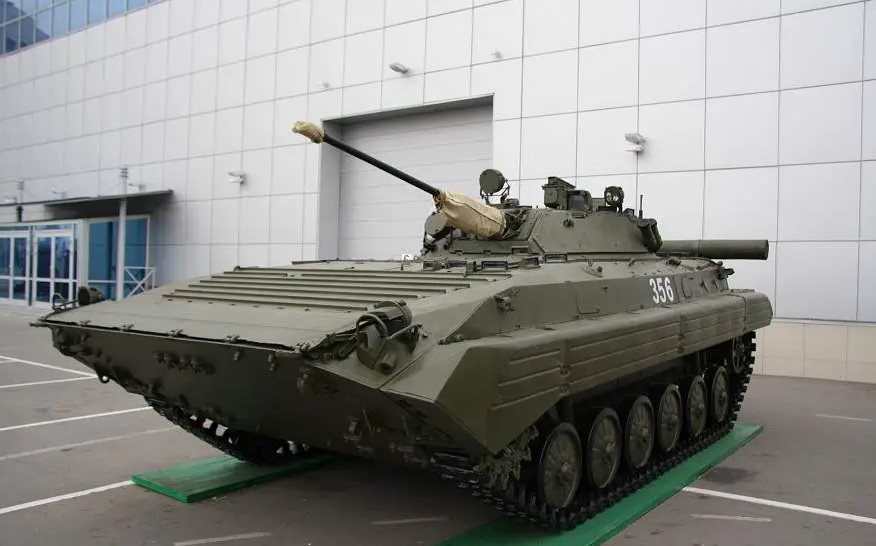
India
India : India’s Armoured Vehicles Nigam Limited (AVNL), a state-owned manufacturer under the Ministry of Defence, is in advanced negotiations with Nigeria and Tanzania to export approximately 30–40 upgraded BMP-2 amphibious infantry fighting vehicles (IFVs). This move underscores India's growing presence in Africa's defence markets and strengthens military cooperation with key regional partners. Indigenisation and Modernisation of BMP-2 The BMP-2, originally developed in the Soviet Union, has been extensively upgraded in India with an indigenisation level of 98.5%. These enhancements align with India's "Atmanirbhar Bharat" (self-reliant India) initiative, aiming to reduce dependence on foreign suppliers for spare parts and future maintenance. Key upgrades to the BMP-2 include: Advanced Night-Vision Systems: Enabling 24/7 operations in low-visibility environments. Modern Fire-Control Systems: Allowing faster target acquisition and improved accuracy during movement. Enhanced Protection: Upgrades to withstand small arms fire, shrapnel, and anti-tank threats. Retained Amphibious Capability: Ensuring operational flexibility in riverine and marshy terrains. Strategic Importance for Nigeria and Tanzania Both Nigeria and Tanzania currently operate BMP-2s and are seeking to modernise their fleets. Nigeria faces persistent insurgencies in its northern regions and requires fast-deployment infantry support platforms. Tanzania aims to strengthen its mobility and defence preparedness along regional hotspots. By sourcing upgraded BMP-2s from AVNL, these nations can benefit from a cost-effective, compatible alternative to Russian imports, especially amid global supply chain disruptions. Broader Implications for India's Defence Exports This potential deal represents a significant milestone for AVNL and contributes to India's expanding defence export portfolio. It aligns with India's long-term vision of becoming a global supplier of affordable, reliable, and combat-proven military hardware tailored for friendly nations. As negotiations progress, the outcome of this deal could pave the way for further collaborations between India and African nations in the defence sector. In conclusion, AVNL's engagement with Nigeria and Tanzania highlights India's commitment to enhancing its defence manufacturing capabilities and fostering international partnerships. The upgraded BMP-2 IFVs stand as a testament to India's technological advancements and strategic foresight in the global defence arena.
Read More → Posted on 2025-09-22 14:59:11
World
Russian President Vladimir Putin has announced that Russia is prepared to extend its adherence to the New START Treaty for an additional year beyond its scheduled expiration on February 5, 2026. This treaty, signed in 2010, is the last remaining arms control agreement between Russia and the United States, limiting each country to 1,550 deployed nuclear warheads and 700 deployed delivery systems, including land-based missiles, submarine-launched missiles, and strategic bombers. Putin emphasized that this extension is contingent upon the United States agreeing to maintain the treaty's limits as well. During a meeting with Russia's Security Council, Putin stated that allowing the treaty to expire without a successor agreement would have negative consequences for global stability. He argued that maintaining the treaty's framework is essential to avoid provoking a new arms race and to ensure an acceptable level of predictability and restraint during a turbulent period. Putin also expressed concern over potential U.S. actions that could undermine the existing balance of deterrence capabilities, particularly regarding missile defense systems. The New START Treaty has been a cornerstone of strategic stability between the two nuclear powers. While Russia suspended certain aspects of the treaty in 2023 amid escalating tensions over the war in Ukraine, it has continued to adhere to the central numerical limits on nuclear warheads and delivery systems. U.S. President Donald Trump has previously expressed support for maintaining nuclear limits with Russia. In July 2025, he acknowledged the importance of nuclear restrictions and indicated a willingness to engage in discussions about extending the treaty. However, no formal negotiations have commenced, and Trump has also advocated for a broader nuclear arms control agreement that includes China, a proposal that Beijing has rejected. The Arms Control Association welcomed Putin's offer, viewing it as a positive step toward preserving strategic stability and encouraging dialogue between the two nuclear powers. The association emphasized the importance of extending the treaty to prevent an unchecked nuclear arms race and to maintain transparency and predictability in U.S.-Russia relations. As the expiration date of the New START Treaty approaches, the international community watches closely to see if the United States and Russia can reach an agreement to extend the treaty and continue their commitment to nuclear arms control. The outcome of this decision will have significant implications for global security and the future of arms control efforts.
Read More → Posted on 2025-09-22 14:36:00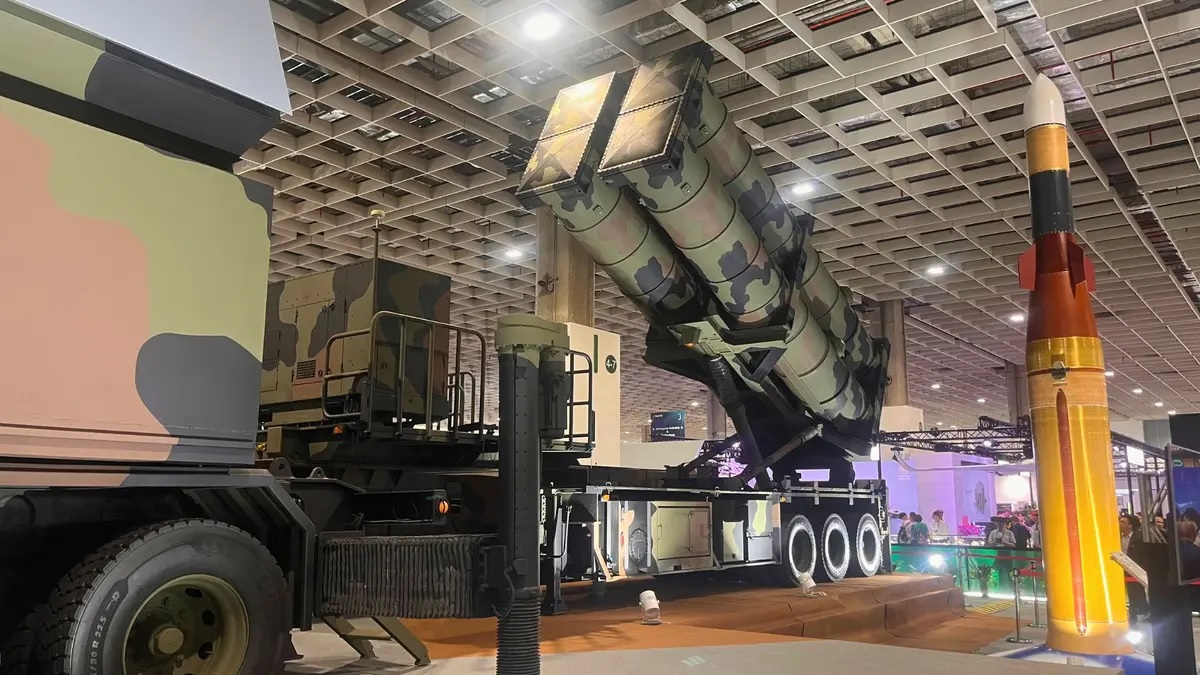
World
Taiwan has officially commenced mass production of its advanced air defense system, the Tien Kung IV (Sky Bow IV), marking a major step forward in the modernization of its military capabilities. This announcement was made by Li Shih-chiang, President of the National Chung-Shan Institute of Science and Technology (NCSIST), ahead of the 2025 Taipei Aerospace & Defense Technology Exhibition (TADTE). The Tien Kung IV is an upgraded version of the Tien Kung III surface-to-air missile system, designed to intercept high-altitude cruise missiles and ballistic missiles at ranges of up to 70 kilometers. The missile uses a two-stage solid-propellant design and can reach speeds exceeding Mach 7, significantly enhancing Taiwan’s ability to counter advanced aerial threats. A major innovation in the Tien Kung IV is its Active Electronically Scanned Array (AESA) radar, which is domestically developed. This radar allows for improved accuracy, enhanced situational awareness, and the ability to track multiple targets simultaneously. It is the first Taiwanese missile system to integrate an AESA fire-control radar, showcasing Taiwan’s growing defense technology capabilities. The Tien Kung IV is designed to complement Taiwan’s existing ground-based defense systems, including the Tien Kung III and the U.S.-made Patriot PAC-3. Together, these systems form a layered air defense network, capable of countering threats across different altitudes. This integrated defense strategy ensures a robust and resilient protective posture for Taiwan in response to evolving regional threats. Following successful combat evaluations, the Tien Kung IV has entered serial production, with deployment expected to begin in 2026. Taiwan’s Ministry of National Defense has planned the acquisition of 122 launcher pods, with 46 units scheduled for fiscal year 2026 and 76 units by fiscal year 2028. The Tien Kung IV represents a major technological leap in Taiwan’s air defense architecture, combining indigenous innovation with strategic integration. As regional security dynamics continue to evolve, Taiwan’s commitment to strengthening its defensive capabilities underscores its determination to safeguard sovereignty and ensure stability in the Indo-Pacific region.
Read More → Posted on 2025-09-22 14:26:56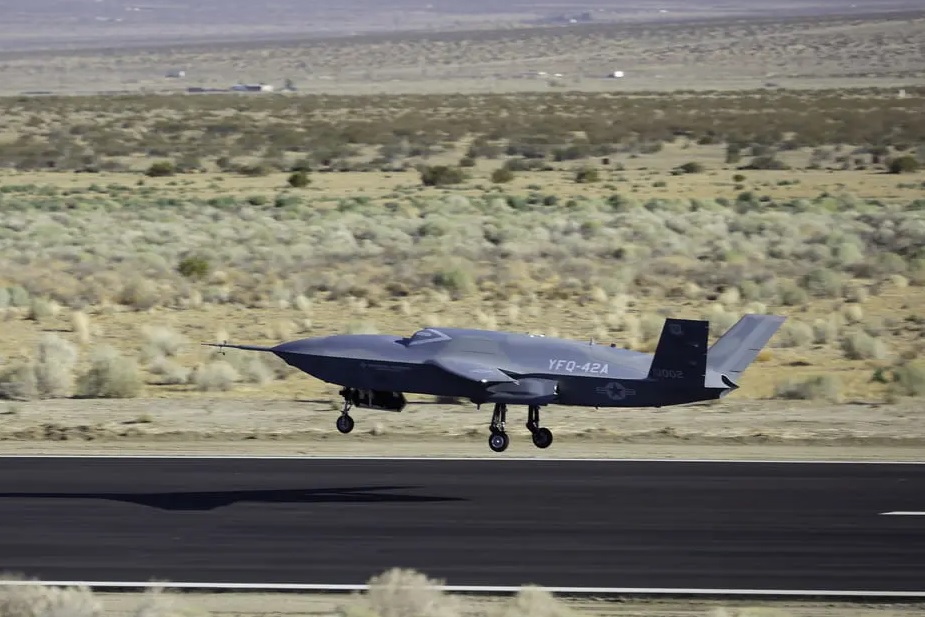
General Atomics Achieves 9 Million Flight Hours Milestone with YFQ-42A Collaborative Combat Aircraft
World
General Atomics Aeronautical Systems, Inc. (GA-ASI) has surpassed a significant milestone by accumulating over 9 million total flight hours across its unmanned aircraft fleet. This achievement underscores the company's leadership in unmanned aviation technology and its commitment to providing advanced solutions for defense and security. A Legacy of Innovation Since its inception, GA-ASI has been at the forefront of unmanned aircraft development. The company's portfolio includes iconic platforms such as the RQ-1 Predator, MQ-1C Gray Eagle, MQ-9A Reaper, MQ-20 Avenger, and the MQ-9B SkyGuardian/SeaGuardian. These aircraft have been instrumental in various military operations, providing persistent surveillance and precision strike capabilities. The recent milestone was achieved through the ongoing flight operations of the YFQ-42A Collaborative Combat Aircraft, a next-generation unmanned fighter jet developed by GA-ASI. This aircraft is part of the U.S. Air Force's Collaborative Combat Aircraft (CCA) program, aimed at enhancing air dominance through manned-unmanned teaming. The YFQ-42A: A Leap into the Future The YFQ-42A represents a significant advancement in unmanned combat aviation. Designed for rapid production and affordability, it is built to operate alongside crewed fighter jets, acting as a loyal wingman to enhance mission effectiveness. The aircraft features advanced autonomy, allowing it to perform complex air-to-air operations with minimal human intervention. Flight testing for the YFQ-42A commenced in August 2025, with the aircraft undergoing evaluations to assess its airworthiness, autonomy, and mission system integration. These tests are crucial for ensuring the aircraft meets the operational requirements of the U.S. Air Force and its allies. Supporting Global Security GA-ASI's unmanned aircraft fleet plays a vital role in supporting global security operations. At any given time, as many as 50 GA-ASI aircraft are airborne, providing real-time intelligence, surveillance, and reconnaissance (ISR) capabilities to U.S. and allied forces. The company's commitment to innovation and reliability ensures that its platforms continue to meet the evolving needs of modern warfare. As GA-ASI celebrates this milestone, the company remains focused on advancing unmanned aviation technology to meet future defense challenges. The development of the YFQ-42A Collaborative Combat Aircraft is a testament to GA-ASI's dedication to providing cutting-edge solutions that enhance the capabilities of military forces worldwide. With a rich history of innovation and a forward-looking approach, GA-ASI continues to lead the way in unmanned aviation, setting new standards for performance, reliability, and mission success.
Read More → Posted on 2025-09-22 14:21:29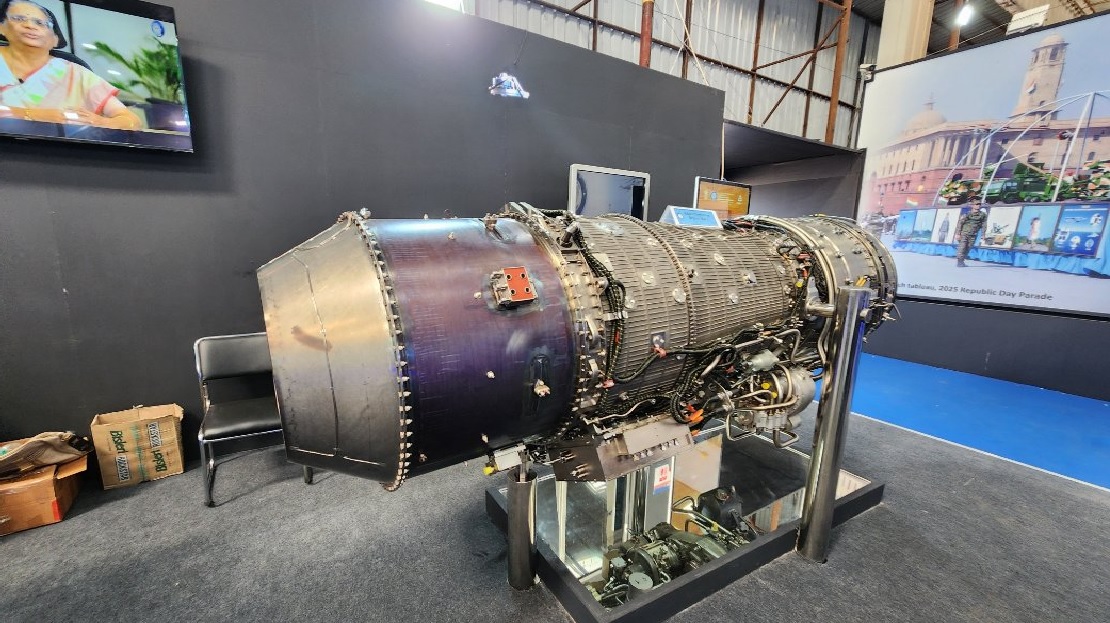
World
India : In a landmark moment for India’s aerospace ambitions, Godrej Aerospace has delivered the first production‑series unit of the Kaveri Dry Engine, internally designated D‑1, advancing the nation’s indigenous jet propulsion programme from prototype to serial production. This dry variant of the Kaveri engine is poised to become central to India’s unmanned aerial systems and upcoming combat aircraft projects. What Is D‑1 and Why It Matters The D‑1 is the first serial (production‑standard) unit of the Kaveri Derivative Engine (KDE) dry variant. It represents a move beyond experimental/test engines toward repeatable, industrial‑grade hardware. “Dry” here means this version operates without an afterburner, which implies lower fuel consumption, lower heat signature, and improved reliability for long‑endurance missions—qualities essential for UCAVs (Unmanned Combat Aerial Vehicles), UAVs, stealth platforms, and twin‑engine drone configurations. Modular Manufacturing: From Modules to Engine A major feature of the D‑1 delivery is its modular approach. Rather than delivering a full afterburner‑capable engine, Godrej is supplying modules—compressor sections, combustors, turbine stages, accessory systems—that are built, tested, and delivered to production‑quality standards. Earlier, Godrej had delivered two modules of the dry Kaveri engine; under the contract awarded in 2022, a total of eight modules are to be produced. The remaining modules are under development. Technical Capabilities and Enablers Significant progress has been made in materials and manufacturing technology: India has developed single‑crystal turbine blades and vanes, along with coating technologies (thermal barrier coatings etc.) to withstand high temperatures and stresses in turbine sections. These are critical for durability and performance. The thrust for the dry variant is approximately 48‑51 kN, placing it in the class suited for medium UAVs, UCAVs, and possibly as powerplants for future trainer or light combat aircraft in twin‑engine layouts. Strategic Implications With D‑1, India takes a major leap toward self‑reliance (Atmanirbhar Bharat) in high‑thrust propulsion, reducing dependence on foreign suppliers for critical jet‑engine components. The capability to manufacture in modular fashion accelerates not just production but also maintenance, upgrading, and scalability of jet engines for multiple platforms. It boosts the credibility and role of private industry (Godrej & Boyce) in the national defence‑industrial complex alongside DRDO, GTRE, MIDHANI, HAL etc., as viable partners in cutting‑edge aerospace and propulsion technologies. The Road Ahead The D‑series engines are expected to follow a roadmap of successive improvements: D‑2, D‑3 etc., incorporating lessons from D‑1's performance, endurance trials, and testing under operational conditions. Further testing facilities such as high‑altitude tests, thermal cycling, vibration, foreign‑object ingestion, and full mission‑cycle evaluation will be essential to qualify the engine for deployment. Efforts are also underway for an afterburning variant of Kaveri (sometimes referred to as Kaveri‑2.0 or derivative with afterburner), in collaboration with foreign partners, to cater to requirements of fighters, supersonic platforms etc. The delivery of D‑1, the first production‑series dry variant module of the Kaveri engine by Godrej Aerospace, is far more than just a technical milestone—it is a signal of maturity in India’s propulsion ecosystem. By moving from prototyping to production‑standard modular delivery, advancing materials like single‑crystal turbine components, and embedding private industry into key roles, India is laying down the foundation for sustained indigenous capability in jet engine design, manufacture, and deployment. This breakthrough doesn’t mean all challenges are behind—endurance, reliability, efficiency, scaling up, certification—but it does mean India has taken a concrete step toward achieving what many nations find difficult: locally made, serial‑production military propulsion.
Read More → Posted on 2025-09-22 14:16:45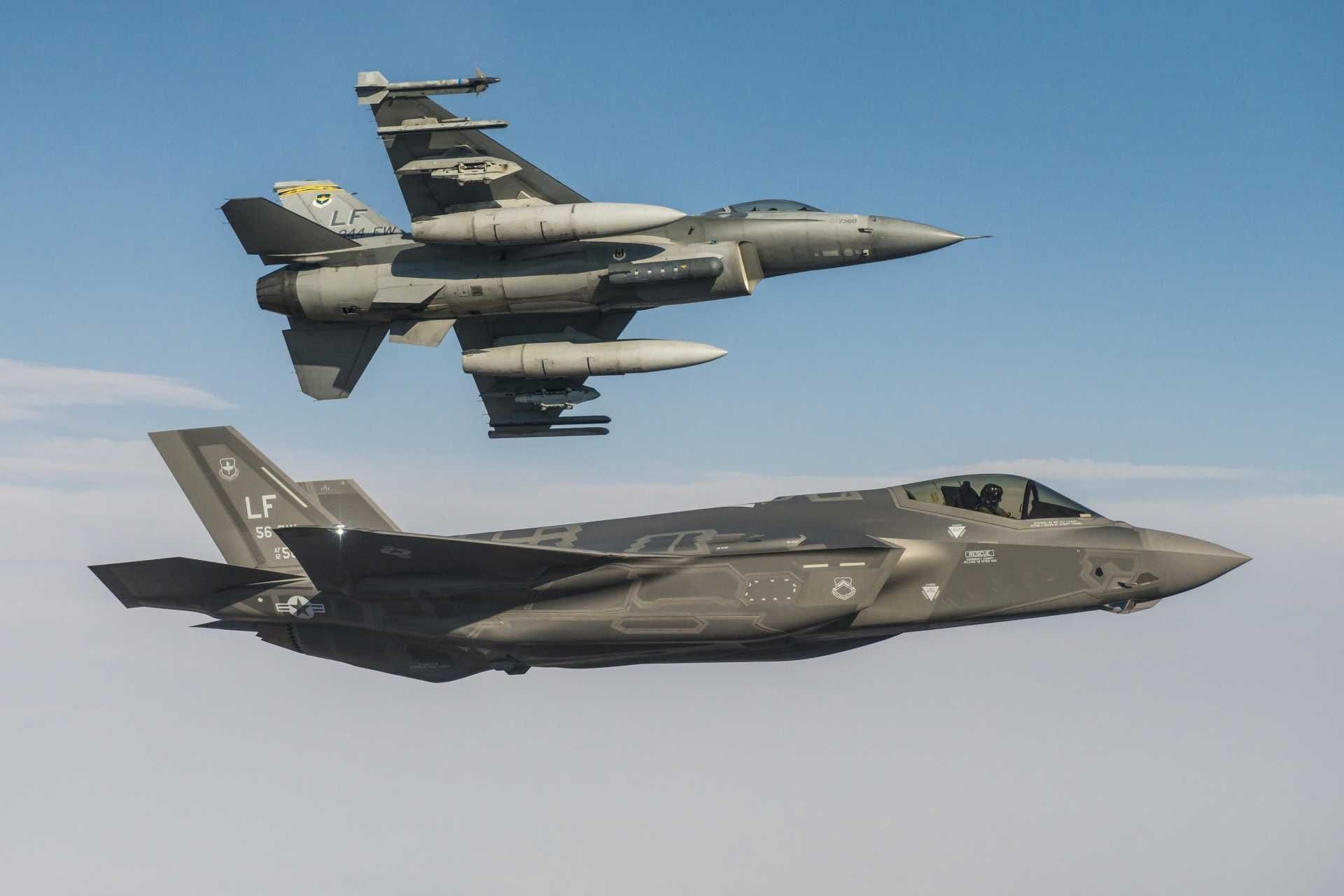
World
On September 25, 2025, during the week of the United Nations General Assembly in New York, a high-stakes meeting between U.S. President Donald J. Trump and Turkish President Recep Tayyip Erdoğan could reshape the future of defense ties between Washington and Ankara. The agenda is set to focus on a potential defense package combining 40 F-35 stealth fighters, 40 F-16 Block 70 Vipers, and associated weapons, while also revisiting Türkiye’s possible reentry into the F-35 program after years of exclusion. The Core Proposal Both leaders will weigh a package that sustains Türkiye’s airpower in the near term while addressing its long-standing demand for the F-35. For Ankara, the F-16 deal provides immediate support to its air force, while the F-35 negotiations hold the key to advanced capabilities, stealth operations, and secure interoperability with NATO. The S-400 Obstacle The central obstacle remains the Russian-made S-400 missile defense system, purchased by Türkiye in 2017. Washington insists that the system creates unacceptable risks to NATO operations and to the security of F-35 technology. Under the Countering America’s Adversaries Through Sanctions Act (CAATSA), the United States has made clear that Türkiye cannot return to the F-35 program unless a verifiable and irreversible solution is found. Possible solutions discussed include: Deactivation or dismantlement of the system, Transfer to a third country, or Placing it under U.S. technical control on Turkish soil. So far, Ankara has maintained that the S-400 is stored but could be activated within 12 hours, a position Washington views as insufficient. Congressional and Legal Hurdles The U.S. Congress has been deeply involved. Lawmakers argue that no transfer of F-35s can occur unless Türkiye proves it no longer possesses an operational S-400 system. Several provisions in past defense laws explicitly bar the sale until this condition is met. This means any breakthrough will require not only executive agreement but also congressional approval. F-16 Path as a Bridge While the F-35 issue remains unsettled, the F-16 track has become the practical solution. In early 2024, the U.S. cleared a major notification for 40 new F-16 Block 70 fighters. Türkiye initially also planned to buy 79 U.S. modernization kits but later canceled them, choosing instead to rely on its ÖZGÜR program—a domestic upgrade project adding new avionics, radars, electronic warfare systems, and cockpit displays to existing jets. This restructuring lowered the overall cost to roughly 6.5–7 billion dollars, with Ankara confirming an initial payment of 1.4 billion dollars. By relying on the ÖZGÜR upgrades, Türkiye ensures independence in sustaining its fighter fleet while still maintaining NATO standards. The Six F-35s in Limbo Adding symbolic weight are the six Turkish F-35A jets already built and stored at Luke Air Force Base in Arizona. These aircraft were never delivered after Türkiye’s removal from the program in 2019, despite Ankara’s investment of over 1.3 billion dollars. Türkiye continues to demand either their delivery or reimbursement, making them a central piece in negotiations. Indigenous Alternatives While pressing for the F-35, Türkiye has also pursued alternatives: Negotiations with European partners for the Eurofighter Typhoon, Development of its domestic KAAN fifth-generation fighter, which has flown prototypes since 2024. Still, experts note that KAAN cannot match the F-35’s stealth, sensor fusion, or networked warfare capabilities in the near term, explaining Ankara’s persistence in seeking access to the U.S. program. Strategic Consequences With F-16s only: Türkiye ensures fleet readiness, patrol capability, and strike capacity in regions such as the Black Sea, Eastern Mediterranean, and Middle East. With F-35s added: Türkiye gains stealth and advanced interoperability, strengthening NATO operations in contested environments. For the U.S.: The deal could restore confidence in Ankara as a NATO partner while providing a major boost to U.S. defense industry exports. Outlook for September 25 The Trump-Erdoğan summit is poised to be a defining moment. Three outcomes are possible: Partial deal – agreement on F-16s, with technical talks continuing on the F-35. Breakthrough – verifiable S-400 solution unlocking Türkiye’s return to the F-35. Stalemate – strong political statements but no resolution, pushing the issue further into the future. This meeting will determine whether Türkiye reclaims its place in the world’s most advanced fighter program or continues relying on a dual strategy of F-16 modernization and indigenous development, while its long-standing investment in the F-35 remains unresolved.
Read More → Posted on 2025-09-22 13:59:46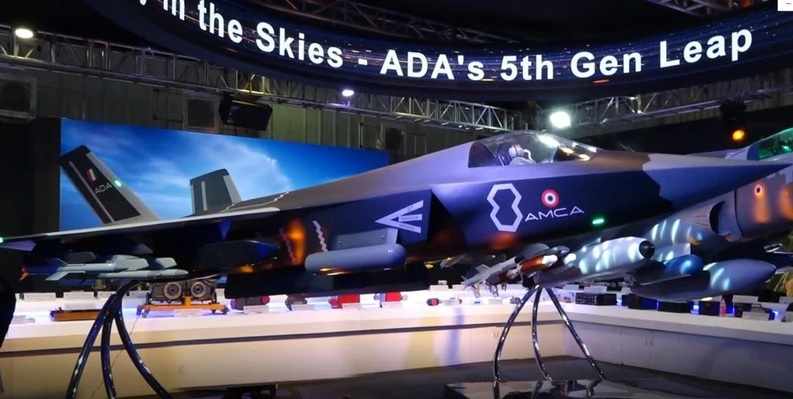
India
India :- India’s Advanced Medium Combat Aircraft (AMCA) project has reached a make-or-break stage. For the first time, Hindustan Aeronautics Limited (HAL) is stepping out of its monopoly comfort zone, forced to open its doors to private sector giants. With 28 firms lining up and a shortlist due by 30 September, the future of India’s fifth-generation stealth fighter is no longer just about engineering—it is about whether India can finally prove it has the discipline, technology, and ambition to compete with the world’s best. Why This Matters The AMCA is not just another fighter jet. It is India’s declaration of intent in the global aerospace race. China already flies the J-20 Mighty Dragon, is working on the J-35 and J-36, and whispers are growing about a sixth-generation J-50. Pakistan is eyeing stealth fighters of its own. If India wants to remain a credible regional air power, it cannot afford delays, excuses, or bureaucratic red tape. The Cabinet Committee on Security gave its nod last year, releasing ₹15,000 crore for development. That decision was bold—but approving money is the easy part. Delivering a flying prototype by 2029 and full certification by 2034 is the real challenge. The HAL Dilemma For decades, HAL has held absolute control over fighter manufacturing in India. But this time, the rules of the game are different. ADA’s conditions for financial compliance are stacked against HAL itself, with its enormous order book-to-turnover imbalance. The irony? HAL, the “national champion,” is now at a disadvantage compared to private companies like Tata Advanced Systems, Larsen & Toubro, Mahindra Defence, and Adani Defence. This is both a risk and an opportunity. Risk, because HAL has never shared centre stage. Opportunity, because India’s private sector has been hungry for years to break into cutting-edge aerospace manufacturing. If the consortium works, it could transform India’s defence industry. If it fails, AMCA could become another case study in lost time and wasted potential. The Jet Itself At nearly 25 tons, the AMCA will be a twin-engine stealth fighter designed for swing-role dominance—meaning it will strike deep into enemy territory and win air superiority battles in the same mission. Its features read like a wish list: stealth shaping, internal weapons bays, sensor fusion, 360° situational awareness, super-cruise capability, and advanced survivability against next-gen threats. The MK-1 version will rely on GE’s F-414 engines. But the real prize is the MK-2, powered by a new 120 kN-class engine co-developed with Safran. Unlike past deals where India remained a license-assembler, this time the plan includes full transfer of intellectual property rights—a watershed moment if it truly materialises. The Stakes Let’s be clear: the AMCA is not just about building a jet. It is about proving that India can execute complex aerospace programmes on time. Every missed deadline will not just delay the aircraft—it will erode credibility, weaken deterrence, and hand strategic advantage to China and Pakistan. If the first prototype really flies in 2029, it will send a powerful message: that India is no longer a buyer of technology but a creator of it. But if delays push the programme into the late 2030s or beyond, India risks being stuck with ageing fleets while rivals leap ahead with sixth-generation platforms. A Defining Decade The AMCA is India’s most ambitious aerospace venture ever. It is a chance to break old habits, embrace private-public synergy, and show that India can build the kind of high-tech defence systems that match its global aspirations. The next ten years will decide whether the AMCA becomes India’s Mighty Leap—or just another missed opportunity buried under files and deadlines.
Read More → Posted on 2025-09-22 13:52:09Search
Top Trending in 24 Hours
-
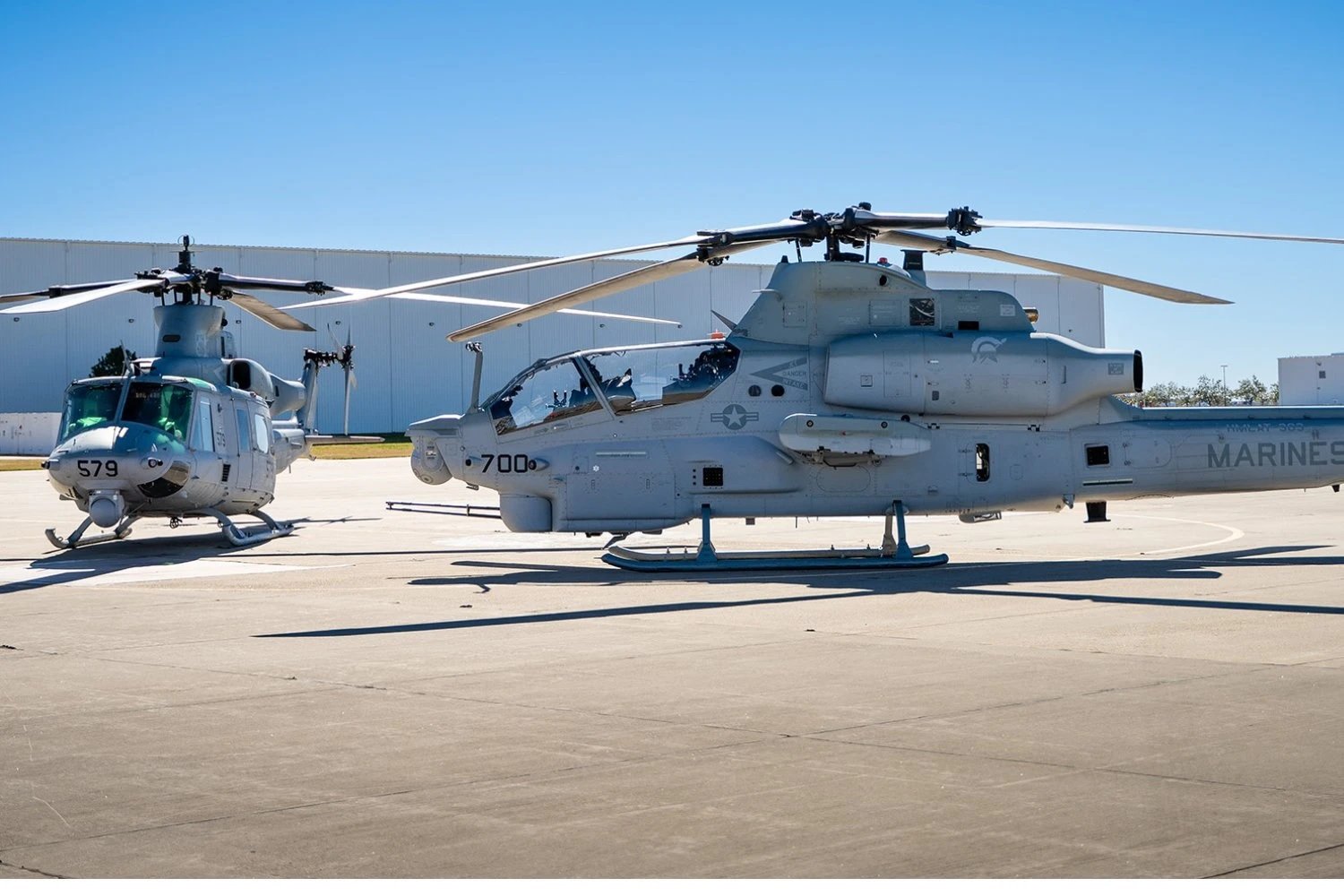 U.S. Awards Bell Textron $33.64 Million Contract for Next Phase of Marine Corps AH-1Z and UH-1Y Helicopter Upgrades
-
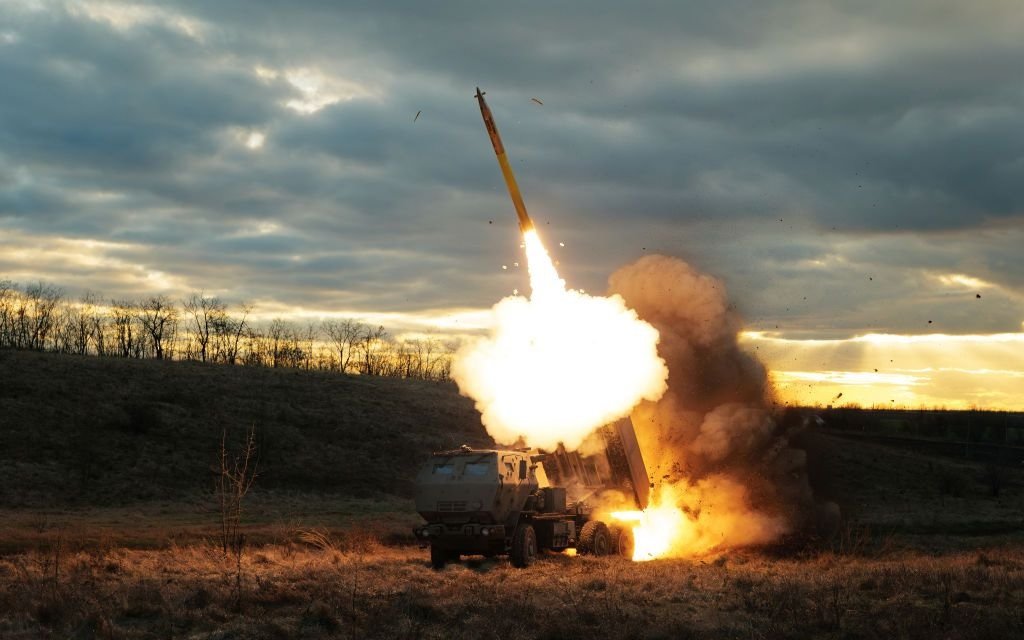 U.S. Military Selectively Intercepts Iranian Missiles to Preserve Shrinking Air Defense Stocks : Report
-
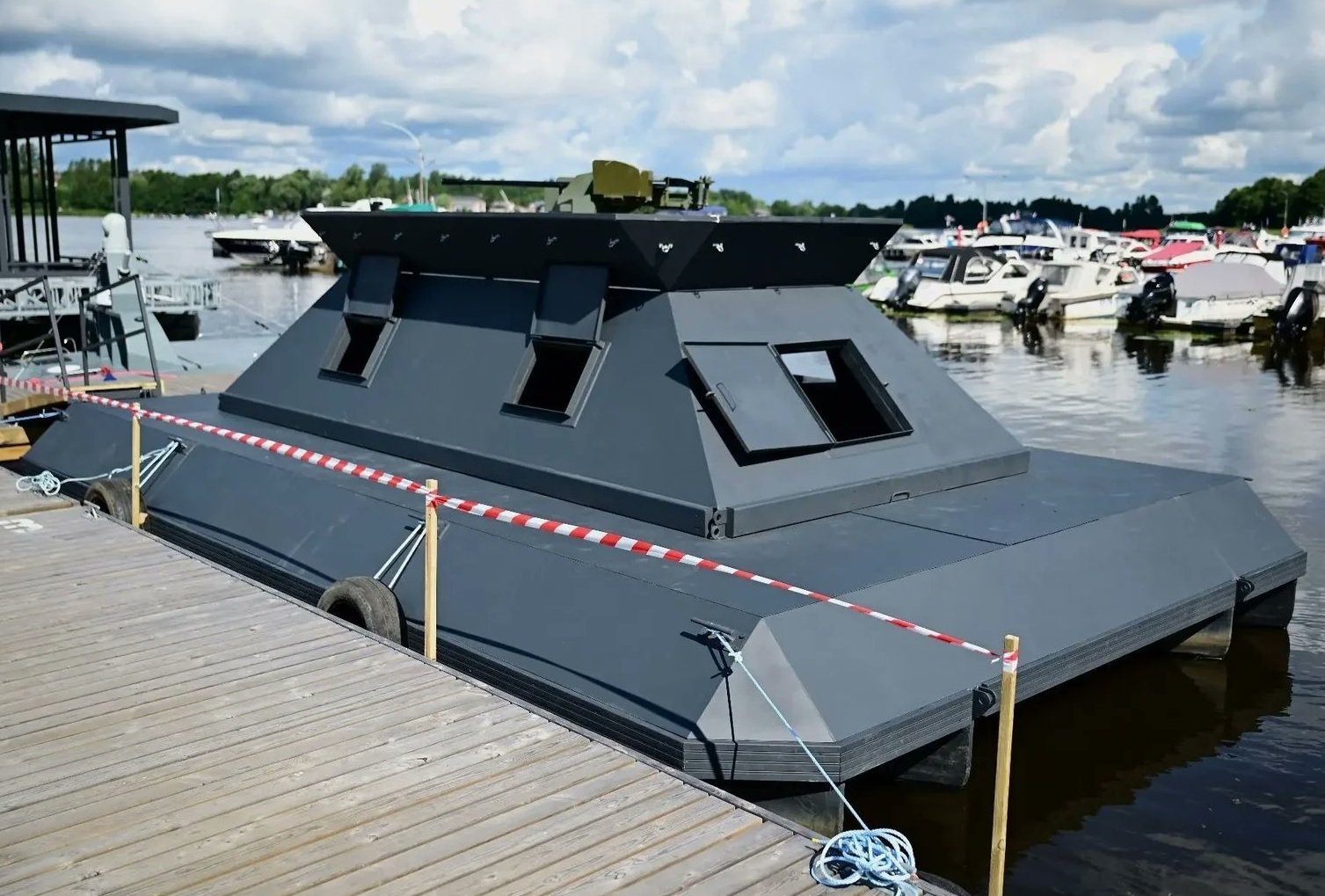 Russia Unveils Experimental Plot-40 Floating Defense Platform to Counter Drone and USV Threats
-
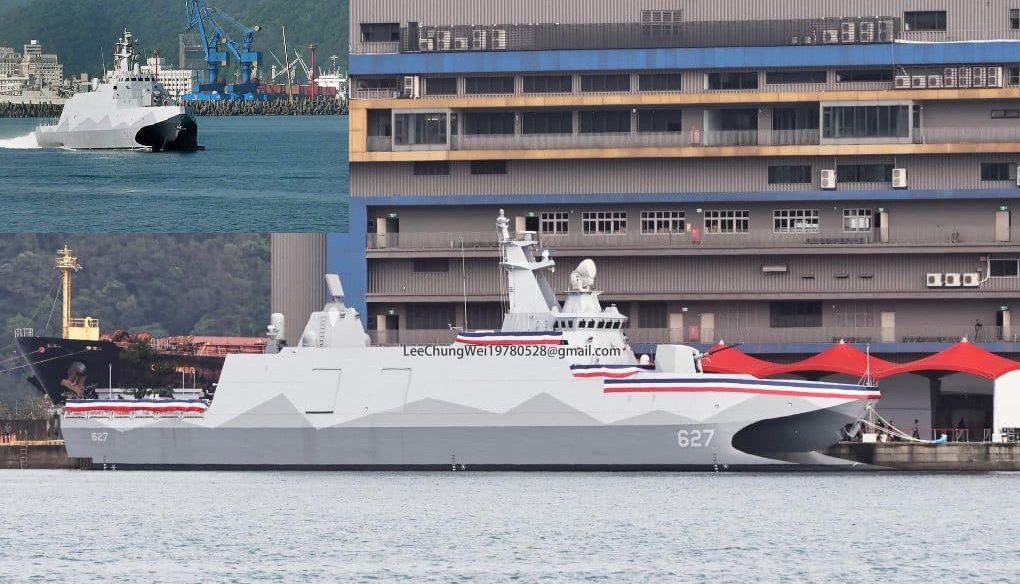 Taiwan Commissions First Batch 2 Tuo Chiang-Class Corvette with New Leonardo Radar
-
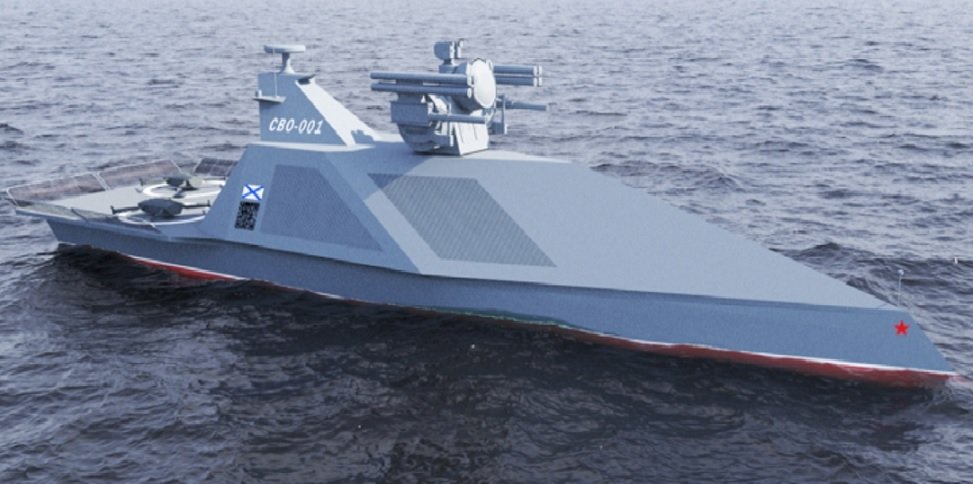 Russia Builds 500-Ton Unmanned Warship For Anti-Submarine Warfare, Plans New 9,500-Ton Warship, Navy Chief Says
-
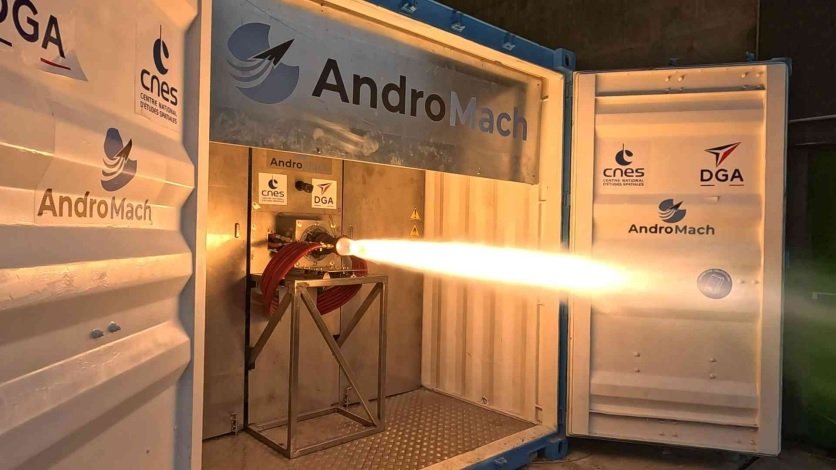 French Startup AndroMach Successfully Tests Reusable Rocket Engine 21 Times for Hypersonic Drone
-
 Unreleased Footage Reveals Why Lindsey Graham Dropped Plan to Push Trump on Hezbollah Strikes
-
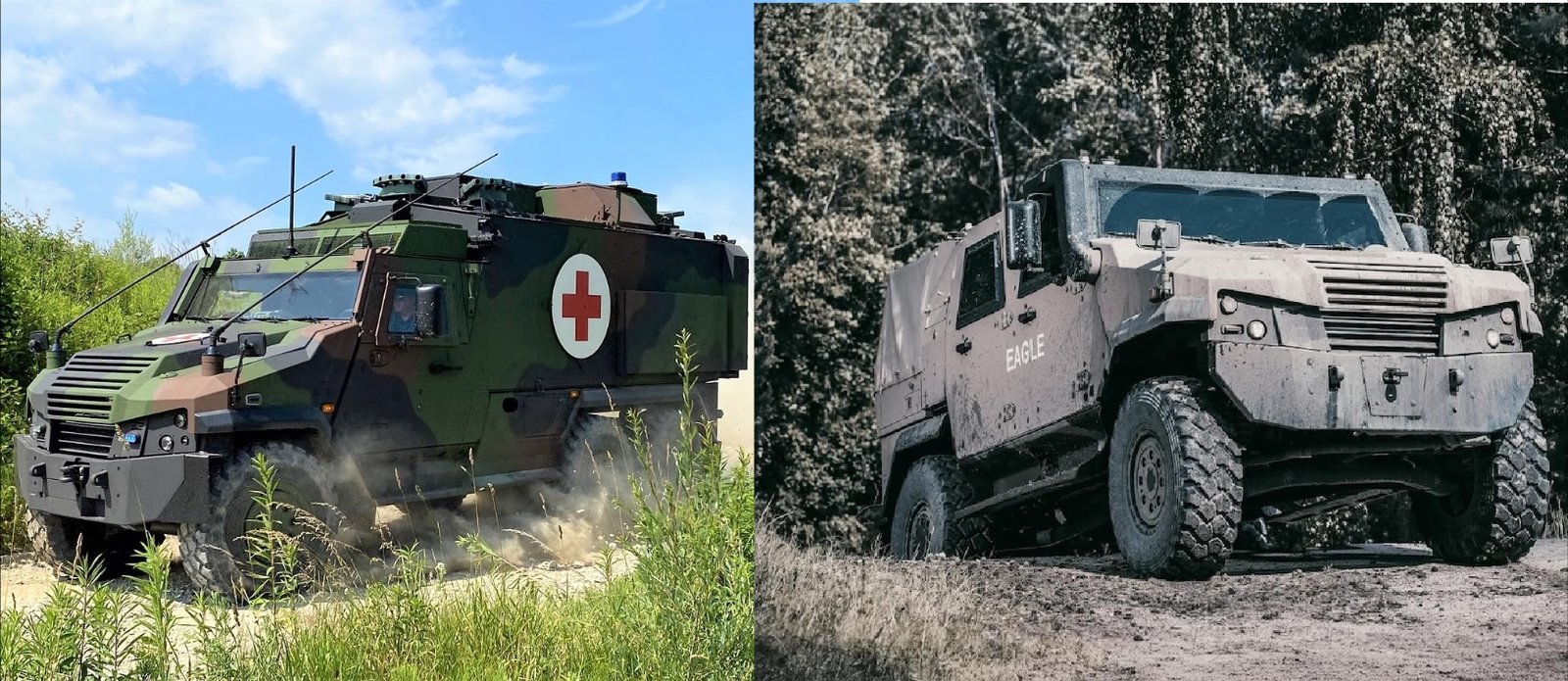 Allison Transmission to Supply Automatic Transmissions for Nearly 3,000 German EAGLE V Armored Vehicles Ordered by Germany
Top Trending in 4 Days
-
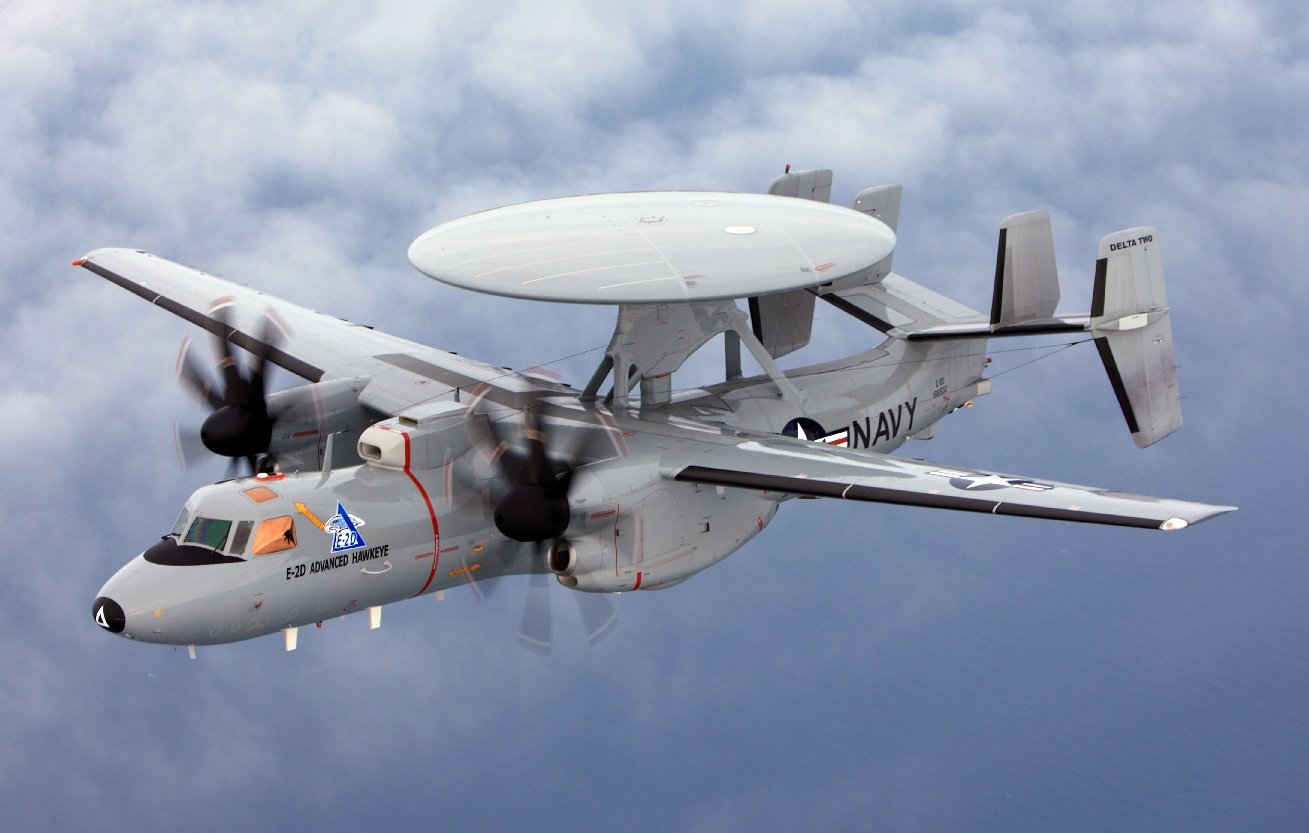 U.S. Navy Awards Northrop Grumman $1.2 Billion Deal for Three New E-2D Advanced Hawkeyes
-
 U.S. Airstrikes Target IRGC Missile Base Near Taft as Overnight Strikes Hit Central Iran
-
 DRDO Successfully Conducts Maiden Flight Test of 150-km-Range Kusha M1 Air Defence Missile
-
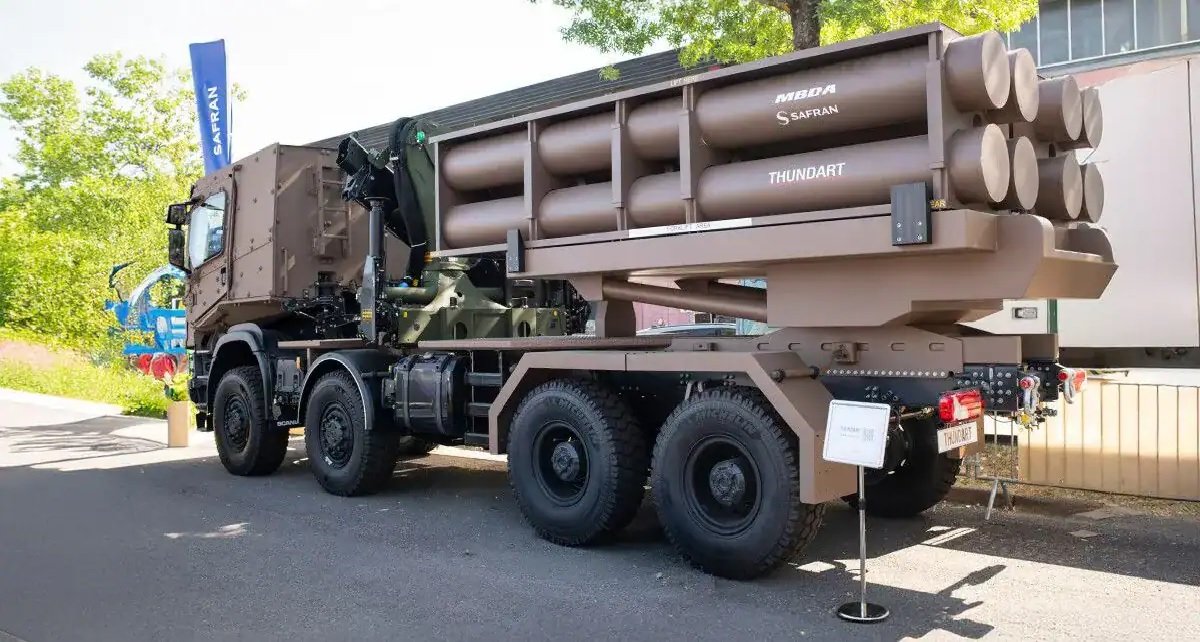 France's THUNDART Long-Range Rocket System May Undergo Prototype Combat Testing in Ukraine
-
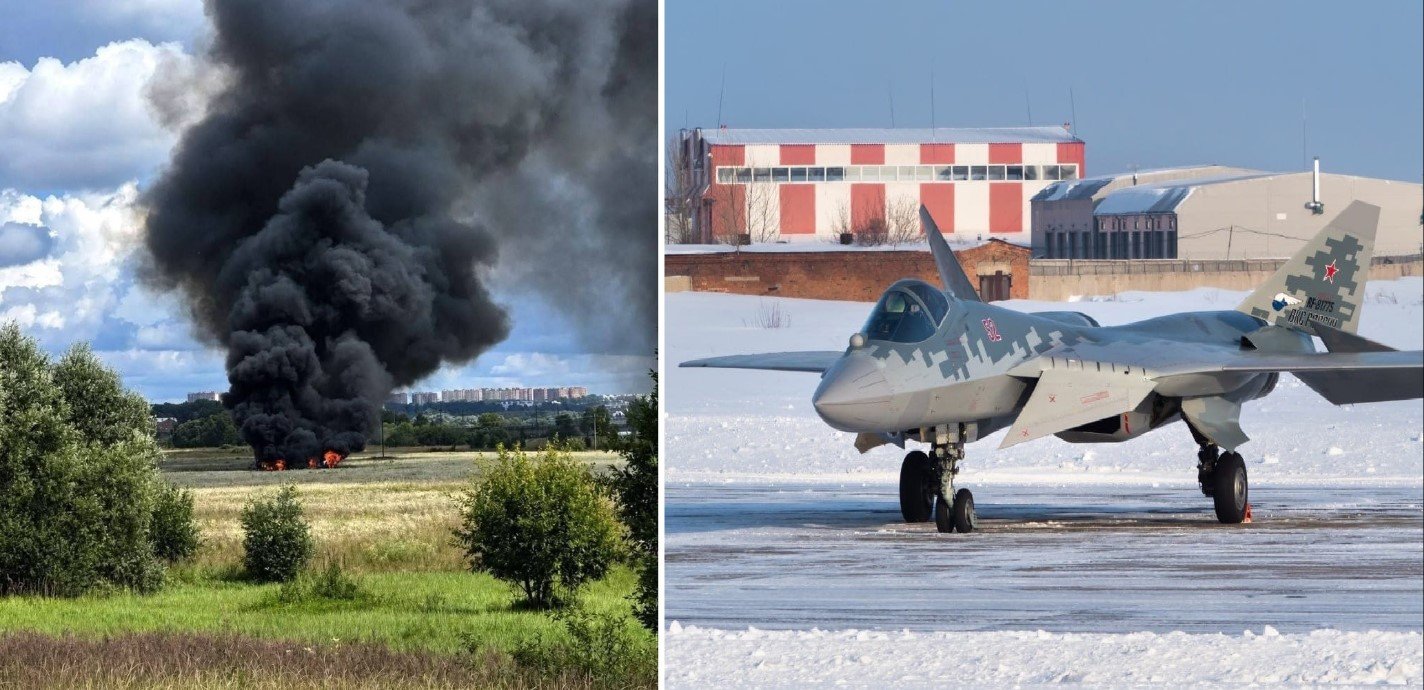 Russian Su-57 Stealth Fighter Crashes During Training Flight Near Moscow, Pilot Ejects Safely
-
 Kuwait and Bahrain Reportedly Launch First Joint Direct Airstrikes on Iran Since War Began : Report
-
 Destinus Unveils Vorexon Interceptor Concept to Defend Critical Sites from Artillery Threats
-
 U.S. Navy Selects CoAspire to Build Ground-Launched CHAOS Cruise Missile Under $70 Million Program
