India
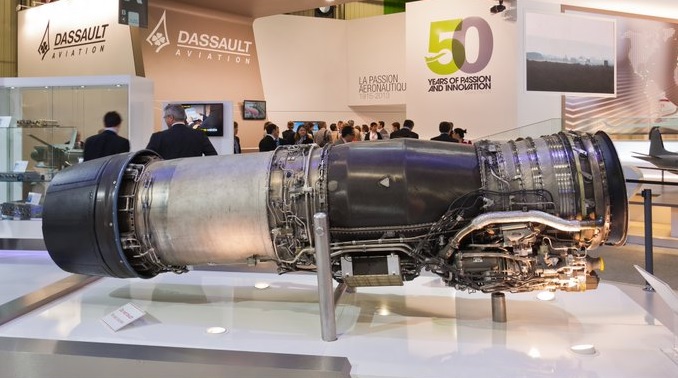
The future of India’s LCA Tejas Mk2 fighter jet remains closely tied to the choice of its engine, with the focus largely on the GE F414 engine from the United States. The aircraft has been designed around this American powerplant, but recent reports suggesting that India could shift toward a French-made engine have stirred debate. Speaking on the matter, HAL Chairman C.B. Ananthakrishnan clarified that the Tejas Mk2 program is built around the GE-414 engine and that no official discussion has taken place regarding a French alternative. He further dismissed speculation that ongoing US tariffs on Indian goods might affect negotiations, stressing that trade measures do not interfere with defense talks between New Delhi and Washington. However, developments in the past few months indicate that India is also in parallel discussions with Safran SA, the French aerospace giant. While these talks are still exploratory, they cover options ranging from outright purchase to possible joint production of engines in India, in line with the country’s “Make in India” and Atmanirbhar Bharat (self-reliance) goals. The GE-414 engine is already a proven design, powering several aircraft worldwide, including the US Navy’s F/A-18 Super Hornet and Sweden’s Gripen E. Its selection for the Tejas Mk2 ensures reliability and performance. Yet, the delays in closing negotiations with Washington have left room for speculation about alternative suppliers. The French side has been eager to expand its defense footprint in India, following major contracts such as the Rafale fighter deal and ongoing collaborations on aircraft maintenance and technology transfer. A partnership with Safran could offer India deeper access to critical jet engine technology, an area where the country has struggled to achieve self-sufficiency for decades. For now, the official stance remains clear: the Tejas Mk2 will use the GE-414 engine. But as global geopolitics, technology transfer demands, and local manufacturing ambitions shape the future, India may keep its options open. The final decision will likely depend not just on pricing, but also on the extent of technology sharing—a factor India views as crucial to building its own aerospace ecosystem.
Read More → Posted on 2025-09-25 16:25:10
Space & Technology
Qatar has officially become the 8th country to adopt India’s Unified Payments Interface (UPI) system, marking another milestone in the global expansion of this digital payment technology. The service is now live through the Qatar National Bank (QNB) in partnership with NPCI International Payments Limited (NIPL), the global arm of India’s National Payments Corporation of India. With this launch, Indian travelers, residents, and businesses in Qatar can now make instant QR code-based payments directly through their UPI-linked apps. This means they no longer need to rely on cash or international cards for routine transactions, making daily life and tourism smoother. UPI, which has transformed digital payments in India, is gaining worldwide recognition for its real-time, secure, and low-cost transaction system. Before Qatar, countries like Bhutan, Nepal, UAE, Mauritius, France, and Sri Lanka had already integrated UPI services in various forms. Now, Qatar adds to this growing list, showing the trust in India’s digital infrastructure model. For Qatar, this move comes at a time when the country is pushing forward with its digital economy vision, especially after hosting global events like the FIFA World Cup. For India, it strengthens the position of UPI as an exportable fintech innovation, supporting millions of Indians living abroad while also opening the door for local merchants to tap into a wider customer base. Experts see this as more than just a payment option—it’s a step towards building a global digital payment network with India at the core. With UPI transactions already crossing billions per month in India, its expansion to international markets shows the potential of turning UPI into a global standard for real-time payments.
Read More → Posted on 2025-09-25 15:58:29
World
China’s third and most advanced aircraft carrier, the Fujian, is now close to being officially commissioned after successfully completing multiple rounds of tests and training. According to China’s Defence Ministry spokesperson Zhang Xiaogang, the operationalisation of Fujian is “not far off,” marking a new milestone in the modernization of the People’s Liberation Army Navy (PLAN). The Fujian has been conducting extensive sea trials since its launch in June 2022, and recent exercises have confirmed that it has achieved full electromagnetic catapult launch and recovery capabilities. This breakthrough allows carrier-based aircraft such as the J-15T, the fifth-generation J-35 stealth fighter, and the KongJing-600 early warning aircraft to conduct catapult-assisted take-offs and arrested landings. These aircraft are considered the backbone of China’s future carrier strike groups. Unlike China’s first two carriers – the Liaoning and Shandong, which use ski-jump decks – the Fujian features a flat flight deck similar to U.S. supercarriers. With a full-load displacement of over 80,000 tonnes, it is the largest warship ever built by China. The highlight of Fujian is its Electromagnetic Aircraft Launch System (EMALS), a cutting-edge technology also deployed on the U.S. Navy’s USS Gerald R. Ford. EMALS allows faster, smoother, and more efficient aircraft launches compared to traditional steam catapults, enabling China to operate more advanced and heavier aircraft from its deck. With nearly three years of trials completed, China is preparing to operationalise Fujian within 2025. Once commissioned, China will for the first time operate three carrier groups simultaneously, significantly boosting its naval reach. Strategic Implications The deployment of Fujian has already drawn attention due to its trial voyages in the Taiwan Strait and the South China Sea, both regions of heightened geopolitical tensions. China continues to claim Taiwan as part of its territory and asserts sovereignty over nearly all of the South China Sea, contested by countries like the Philippines, Vietnam, Malaysia, Brunei, and Taiwan itself. Analysts believe that with Fujian entering service, China could extend its carrier deployments into the Indian Ocean Region (IOR). The PLAN already maintains a naval presence through bases in Djibouti and access to Gwadar in Pakistan and Hambantota in Sri Lanka. This expansion raises concerns for countries like India, which closely monitors Chinese naval movements in the IOR. China’s Growing Naval Power According to recent assessments, China now has the largest navy in the world, with around 234 warships, compared to the U.S. Navy’s 219. Beijing’s long-term naval strategy reportedly includes building four to five aircraft carriers, including a nuclear-powered carrier. Such a fleet would allow the PLAN to maintain permanent deployments across multiple theaters, enhancing China’s influence not just in East Asia, but also across the Pacific and Indian Oceans. Experts view the Fujian as a symbol of China’s rising maritime power and a clear message to rivals that Beijing intends to project its military strength globally. With its commissioning, China will not only challenge U.S. naval dominance in the Indo-Pacific but also reshape the balance of power in Asia’s waters.
Read More → Posted on 2025-09-25 15:53:14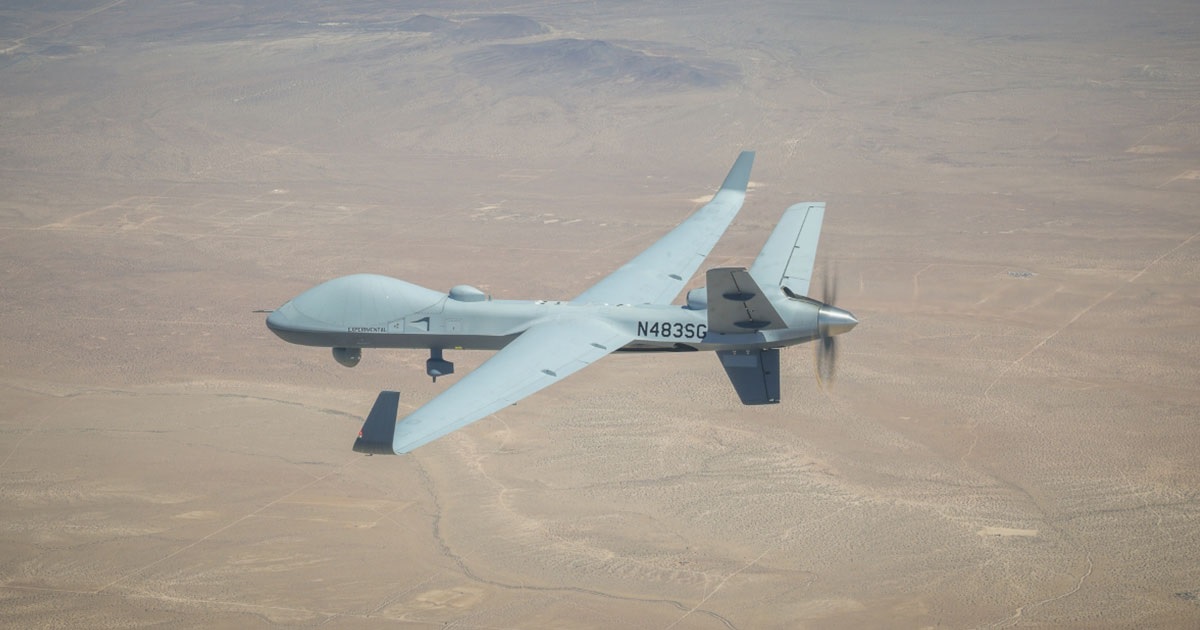
World
Belgium’s Air Force has taken a major step forward in modernizing its defense capabilities by unveiling its first U.S.-made MQ-9B SkyGuardian drone at Florennes Air Base on September 23, 2025. This event marks a historic milestone, positioning Belgium more firmly within NATO’s intelligence and surveillance network at a time of rising global security challenges. The ceremony was attended by Belgian Defense Minister Theo Francken and Chief of Defence General Frederik Vansina, highlighting the importance of the drone’s arrival. Both leaders stressed that this move represents more than just an upgrade in equipment—it strengthens Belgium’s autonomy, enhances resiliency, and expands its contribution to NATO missions. Defense Technology The MQ-9B SkyGuardian, built by General Atomics Aeronautical Systems, is one of the most advanced medium-altitude, long-endurance (MALE) drones in the world. Belgium has ordered six SkyGuardians, all of which will be based at Florennes Air Base in Namur province. This drone is designed for intelligence, surveillance, and reconnaissance (ISR) missions, both for Belgium and NATO. It can support a wide range of operations, including maritime security, environmental monitoring, border patrol, and even crisis management during emergencies at home. General Frederik Vansina described the SkyGuardian as a “force multiplier,” capable of making Belgium’s military more effective in both domestic missions and international deployments under NATO and European Union mandates. Features and Capabilities The MQ-9B represents a significant improvement over its predecessor, the MQ-9 Reaper. Key features include: Service ceiling of 40,000 feet. Endurance of more than 40 hours, allowing for long missions without refueling. All-weather capability, compliant with NATO and European airspace regulations, making it safe to operate in civilian skies. Advanced sensor suite, including high-definition electro-optical/infrared cameras and maritime radar, with the ability to perform electronic surveillance. The SkyGuardian also has nine external hardpoints for carrying precision-guided munitions. However, Belgium plans to operate the drones in an unarmed configuration, focusing on surveillance and reconnaissance roles. Cost, Training, and Delivery Belgium’s procurement was made possible through a U.S. Foreign Military Sales (FMS) agreement, first approved in 2020. The program is valued at around 500 million euros, covering not only the six drones but also: Ground Control Stations Satellite communications equipment Mobile support units Logistics and spare parts Training packages for pilots and crews, designed to last a decade Belgian crews are currently being trained in the United States with the help of the U.S. Air Force’s 163rd Attack Wing. Deliveries will continue in stages through 2026, and full operational readiness is expected by early 2027. Strategic Importance for NATO Belgium is now the fourth European NATO member to acquire the MQ-9B, joining the United Kingdom and ahead of similar deliveries to the Netherlands and Poland. This strengthens regional cooperation and enhances NATO’s ability to respond quickly to threats. The drones will be especially important for missions over the North Sea, the Baltic region, and the Mediterranean, where NATO faces increasing pressure from maritime challenges, hybrid threats, and geopolitical tensions. Belgium’s Broader Vision Defense Minister Theo Francken emphasized that the SkyGuardian is not just a purchase but a strategic investment in Belgium’s sovereignty and security. By integrating advanced autonomous systems, Belgium is preparing its armed forces to counter emerging threats, from cyber warfare to hybrid conflicts. The move also aligns Belgium with NATO’s broader “Alliance Future Surveillance and Control (AFSC)” program, which seeks to replace the aging AWACS fleet with a mix of advanced drones, satellites, and next-generation ISR platforms. The introduction of the MQ-9B SkyGuardian marks a transformative shift in Belgium’s military strategy. It strengthens the country’s defense capabilities, improves NATO’s collective security, and demonstrates Belgium’s readiness to meet modern challenges. By embracing cutting-edge unmanned systems, Belgium is sending a clear message: it is committed to defending its sovereignty, supporting allies, and ensuring stability in Europe and beyond.
Read More → Posted on 2025-09-25 15:48:02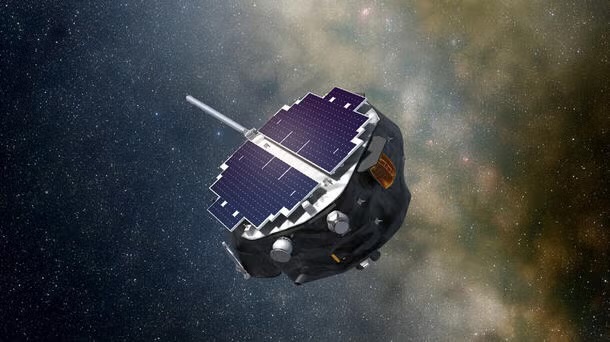
Space & Technology
NASA’s Interstellar Mapping and Acceleration Probe (IMAP) is scheduled to launch on 24 September 2025, marking a major step forward in our understanding of the heliosphere—the giant bubble of particles and magnetic fields created by the Sun that surrounds our solar system. Equipped with precision thrusters from L3Harris, the spacecraft will travel to Lagrange Point 1 (L1), located about 1.5 million kilometers from Earth. From this vantage point, IMAP will study the solar wind and its complex interaction with interstellar material, helping scientists learn more about how particles move between the Sun and the galaxy beyond. Advanced Propulsion from L3Harris The propulsion system, designed and integrated at L3Harris’ Redmond, Washington facility, is essential for IMAP’s journey and operations. It includes: Three propellant tanks Service and latch valves Filters and transducers Temperature sensors and heaters 12 MR-111G monopropellant rocket engines These thrusters will provide attitude control, orbit insertion, spin adjustments, and corrective maneuvers throughout the mission. “Our thrusters enable IMAP’s attitude control system to steer the spacecraft, perform orbit insertion, adjust its spin rate and perform corrective maneuvers as needed to maintain its orbit,” explained Chris Sebastian, lead program engineer at L3Harris. Scientific Goals of IMAP IMAP carries 10 scientific instruments to investigate: How solar particles are accelerated to high energies How the solar wind interacts with interstellar space The processes at the boundary of the heliosphere, where the influence of the Sun gives way to the galactic environment The mission is led by Professor David J. McComas of Princeton University, with more than 27 partner institutions worldwide contributing. The Johns Hopkins Applied Physics Laboratory (APL) is responsible for building and operating the spacecraft under NASA’s Heliophysics Division. Broader Significance The IMAP mission builds on the legacy of past heliophysics missions such as Voyager, IBEX (Interstellar Boundary Explorer), and Parker Solar Probe. While Voyager provided the first direct data from beyond the heliosphere, and IBEX mapped energetic neutral atoms from its boundary, IMAP will combine advanced instruments and high-resolution imaging to fill critical gaps in our knowledge. By answering key questions about space radiation, cosmic rays, and the shielding role of the heliosphere, IMAP’s data will not only enhance our scientific understanding but also provide insights important for future deep-space exploration and astronaut safety. As Matt Carollo of L3Harris put it: “Knowing that the propulsion system our team designed, built and installed on the IMAP spacecraft will enable researchers to expand our knowledge of our galactic neighborhood is very rewarding.”
Read More → Posted on 2025-09-25 15:41:17
India
In a significant move to bolster its indigenous defense capabilities, the Indian Ministry of Defence (MoD) has signed a contract worth ₹62,370 crore with Hindustan Aeronautics Limited (HAL) for the procurement of 97 Tejas Mk1A Light Combat Aircraft (LCA). This order includes 68 single-seat fighters and 29 twin-seat trainers, all scheduled for delivery between 2027 and 2031. This acquisition is part of India’s ongoing efforts to modernize its air force and reduce dependence on foreign suppliers. Key Features of Tejas Mk1A The Tejas Mk1A is a fourth-generation, single-engine, multirole fighter aircraft developed by HAL. It has over 64% indigenous content, including 67 new indigenous items. The aircraft features the Swayam Raksha Kavach electronic warfare system, active electronically scanned array (AESA) radar, and beyond-visual-range (BVR) missile capability, significantly improving its combat effectiveness and survivability in high-threat environments. Production and Delivery Timeline Deliveries of the Tejas Mk1A jets will commence in 2027–28, with the entire fleet expected within six years. HAL is ramping up production to meet these timelines, with the first jets expected to roll out from Nashik in October 2025. The production rate is anticipated to rise to 16–24 aircraft per year by 2026–27, depending on engine and component availability. HAL may also build a new assembly line to accelerate deliveries and ensure faster induction of aircraft into the IAF. Strategic Significance This deal is the second major order for the Tejas Mk1A, following the earlier procurement of 83 units in 2021. With this new contract, the total number of Tejas Mk1A jets ordered by the Indian Air Force stands at 180. These aircraft will replace retiring MiG-21 fighters and help restore the IAF’s operational strength, which has dropped from the officially sanctioned 42 squadrons to 31. The Tejas Mk1A is a multi-role fighter capable of air defense, maritime reconnaissance, and strike missions. Challenges and Outlook While the Tejas Mk1A program has progressed, timely engine deliveries remain a challenge. General Electric, the supplier of F404 engines, is working to meet the schedule, with 12 engines expected in 2025–26 and 20 engines per year thereafter. HAL remains confident that production targets will be met, enabling on-time delivery of the aircraft. In conclusion, the 97 Tejas Mk1A jets highlight India’s commitment to indigenous defense production and modernizing its air force, strengthening the IAF’s operational readiness and enhancing national security.
Read More → Posted on 2025-09-25 15:36:55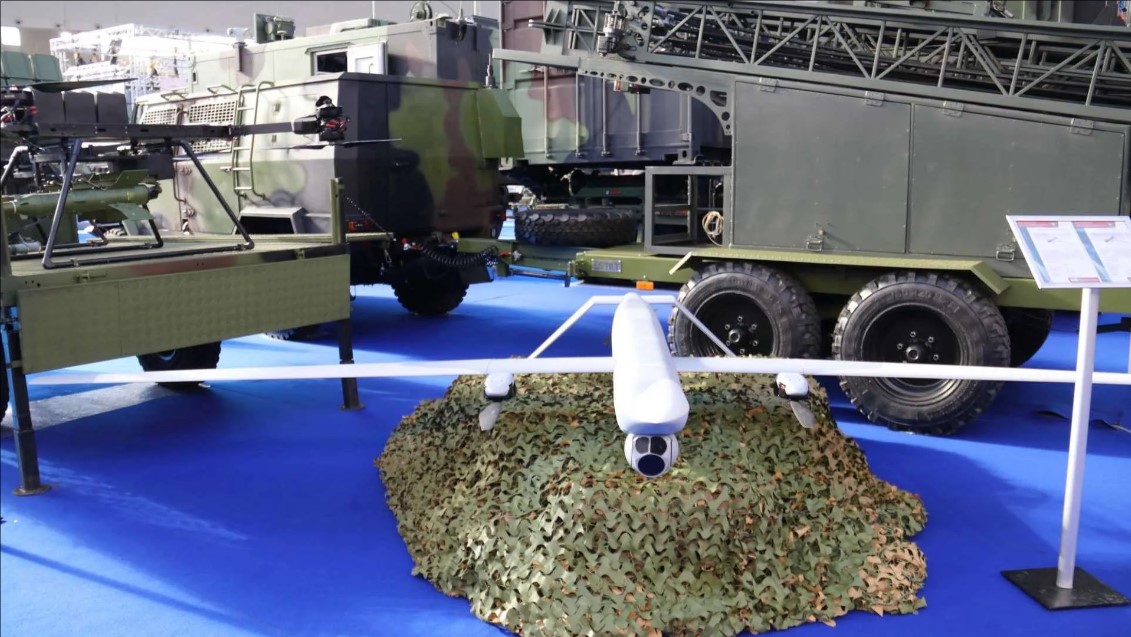
World
At the Partner 2025 defense exhibition in Belgrade, Serbia unveiled the Senka, a new electric Vertical Take-Off and Landing (VTOL) unmanned aircraft system (UAS). Designed for day/night reconnaissance, surveillance, and precision light-attack missions, Senka aims to enhance Serbia's domestic drone capabilities and offer export opportunities. Key Features of the Senka Drone Design & Propulsion: Senka boasts a modular design with an electric propulsion system, ensuring low acoustic and thermal signatures. This design choice simplifies field maintenance and minimizes detection risks. Autonomy & Payload: Equipped with fully autonomous guidance, Senka can execute pre-planned missions. It carries two 60 mm guided glide kits, each approximately 3 kg, suitable for targeting light vehicles, crew-served weapons, or fixed positions. Performance Specifications: Wingspan: 5 meters Maximum Takeoff Weight: 40 kg Useful Payload: 8 kg Operating Altitude: 1,000 to 2,000 meters Cruise Speed: 80–100 km/h Endurance: Over 3 hours Operational Radius: Over 50 km These specifications position Senka as a light tactical-class platform, ideal for brigade or battalion-level operations. Operational Advantages Vertical Take-Off and Landing (VTOL): The VTOL capability allows Senka to operate from tight landing zones without the need for runways, making it highly versatile in contested environments. Low Signature Operations: The electric propulsion system not only reduces noise but also eliminates exhaust emissions, making Senka harder to detect by adversaries. Modular System: Senka's design includes a ground control station, weapons, transport fittings, and tools, providing a comprehensive solution for tactical units. Strategic Implications for Serbia The introduction of Senka underscores Serbia's commitment to developing a domestic drone ecosystem, reducing reliance on external suppliers, and enhancing its defense capabilities. By showcasing Senka at Partner 2025, Serbia aims to attract export partners and position itself as a competitive player in the global drone market.
Read More → Posted on 2025-09-25 15:26:23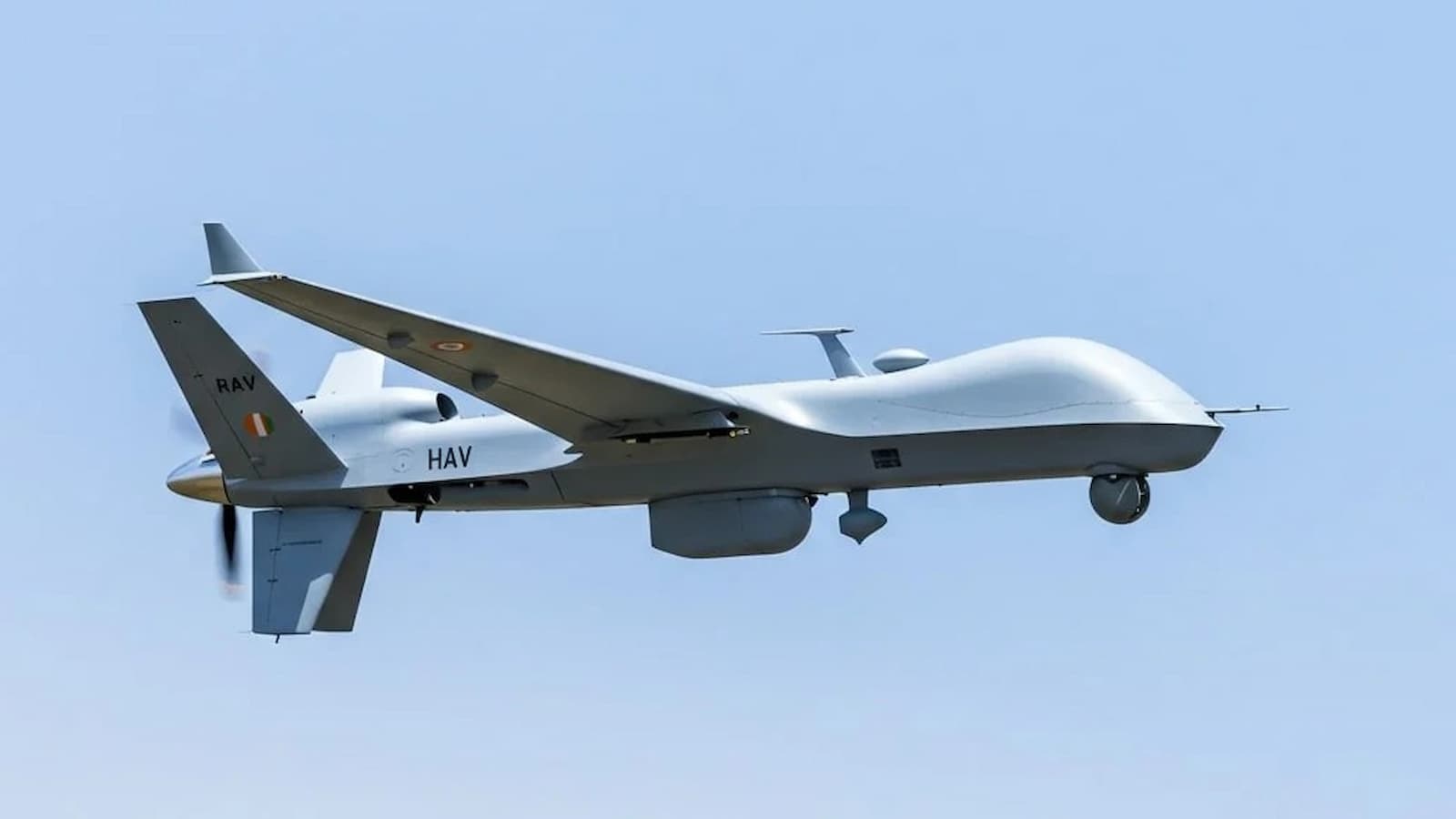
India
India is entering a new phase of defence modernisation, with a strong push for indigenous weapons production and large-scale procurement. At the Network18 Reforms Reloaded 2025 summit in Delhi, Defence Secretary Rajesh Kumar Singh announced that a Request for Proposal (RFP) worth ₹30,000 crore will soon be released for Medium Altitude Long Endurance (MALE) drones. This announcement marks one of the biggest steps in India’s effort to build a self-reliant defence ecosystem and reduce dependence on foreign imports. Why MALE Drones Matter The upcoming MALE-class drones will significantly improve India’s ability to conduct long surveillance missions, border monitoring, and network-centric warfare. These drones are not only meant for watching borders but also for precision strike missions, making them a crucial part of modern military operations. Recent global wars have shown that modern conflicts rely on massive use of drones and missiles. India has so far used these in a calibrated manner, but in future, the country will need large stockpiles and the ability to manufacture them quickly and at scale. A Bigger Defence Vision India plans to sustain $25–30 billion of capital defence expenditure every year for the next decade. Importantly, at least 75% of this spending will be reserved for domestic industry. This means more contracts for Indian companies, more factories, and more jobs. The government is also planning annual budget growth of 17–18% over the next five years, with near-term growth around 10%. This steady rise ensures that modernisation programs will not slow down. Last year, defence projects worth ₹2.09 lakh crore were signed, and Singh revealed that ₹1.5 lakh crore in contracts will be signed soon, with another ₹75,000 crore pipeline under consideration. Breaking Old Barriers For decades, India’s defence sector was dominated by state-owned firms, which often faced capacity limitations. Singh admitted that companies like BDL and MIL cannot meet the massive missile and munitions requirements of prolonged conflicts. Now, India is moving away from order reservations and nomination-based contracts. Instead, there will be open competitive bidding, giving private companies a much bigger role. To support start-ups and innovators, the Defence Ministry is creating dedicated sections with five years of assured procurement support, and new, simpler procedures for capital expenditure will be rolled out by December 2025. Balancing Air Power While India recognises that fifth-generation fighter jets will not be available immediately, Singh stressed that the gap can be filled by acquiring more 4th and 4.5 generation fighters, but with advanced weapons systems. This approach ensures India can maintain deterrence until indigenous projects like the Advanced Medium Combat Aircraft (AMCA) are ready. A Competitive, Technology-Driven Future India’s future defence partnerships will be guided by technology acquisition and operational needs, not just politics. The country remains open to working with both the United States and Russia, provided they are willing to share critical technologies. The shift is clear — India is moving toward a competitive, innovation-driven defence ecosystem, where domestic industry, start-ups, and global partnerships all play a role. The ₹30,000 crore MALE drone project is set to become a flagship of this new approach. It shows how India wants to combine large-scale investment, competition, and indigenous manufacturing into one model. By doing this, India is not just buying weapons — it is building the industrial backbone needed for long-term security, rapid wartime production, and even defence exports. The transformation marks a turning point: from being import-dependent and state-dominated, India is reshaping itself into a self-reliant, technology-powered military force.
Read More → Posted on 2025-09-25 15:21:19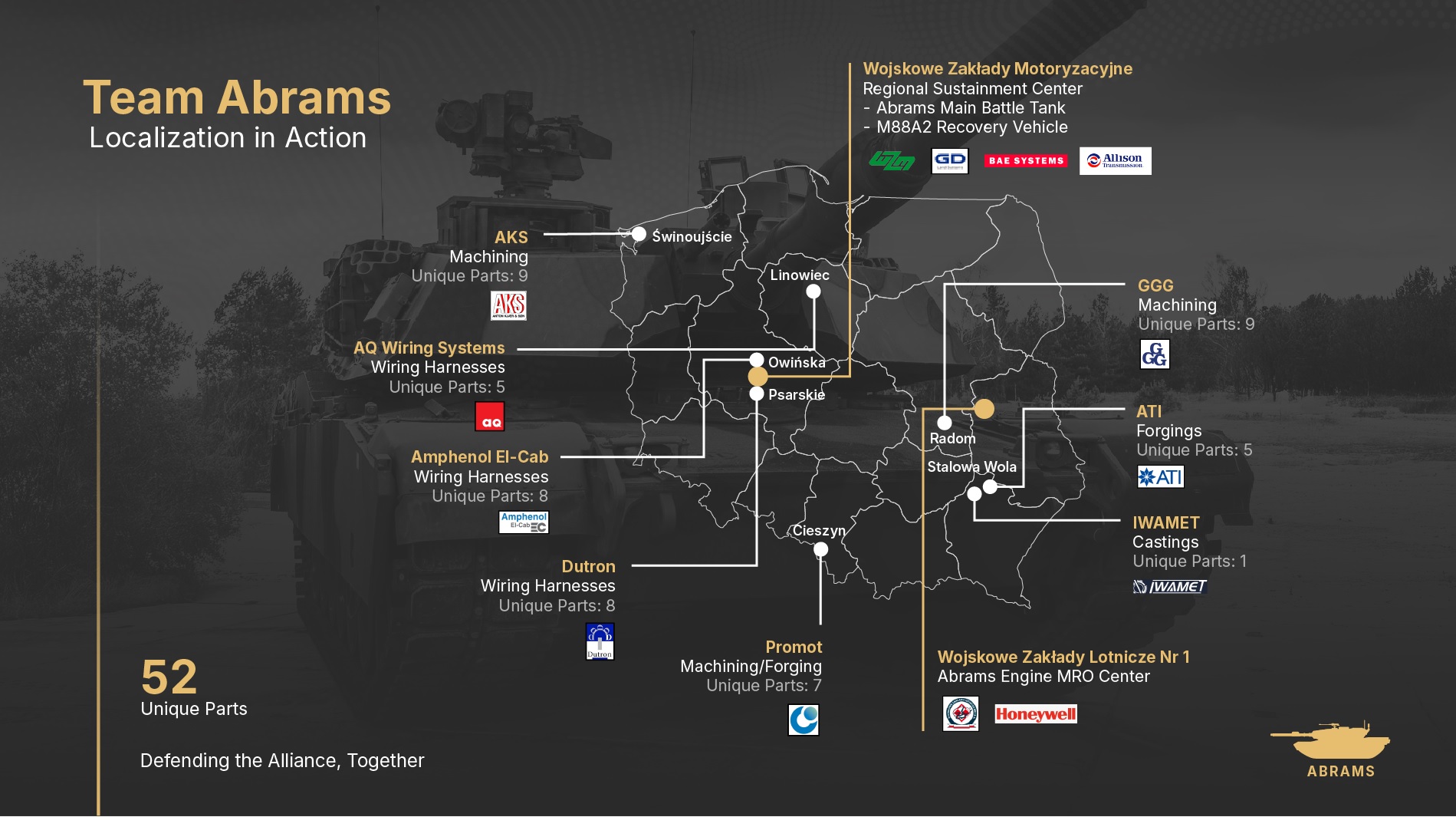
World
At this year’s MSPO International Defence Industry Exhibition in Kielce, General Dynamics Land Systems (GDLS) strengthened its partnership with Poland by signing 52 contracts with eight Polish companies for the supply of spare parts used in Abrams tanks. The agreements cover 52 different components and mark another step toward integrating Poland’s defence industry into the global Abrams supply chain. Christopher Brown, Vice President of Global Strategy and International Business Development at GDLS, highlighted that these agreements are “further confirmation of our commitment to Poland,” stressing that Poland is becoming a key partner in building long-term production and service capabilities. Poland’s Abrams Fleet Poland has ordered a total of 366 Abrams tanks, including 116 M1A1FEP variants and 250 M1A2 SEPv3 versions. All 116 M1A1FEP tanks have already been delivered and are in active service with the Polish Land Forces. So far, 85 SEPv3 tanks have been received, with the first shipment arriving in January 2025. The remaining deliveries are scheduled to be completed by autumn 2026. Alongside the tanks, Poland has also taken delivery of M88A2 recovery vehicles to support the fleet. Sustainment and Local Support To ensure combat readiness, GDLS and Wojskowe Zakłady Motoryzacyjne (WZM) are expanding the Regional Sustainment Center in Poznań. Poland’s Ministry of National Defence has officially designated WZM as the facility responsible for maintenance, repair, and overhaul (MRO) of the Abrams fleet. GDLS will act as a strategic partner in this effort. In May 2025, GDLS and WZM signed a framework agreement to support Abrams tanks not only for Poland but also for other users across Europe. The first initiative under this agreement was an industry training programme, launched in June 2025, with GDLS specialists training Polish personnel to ensure high technical standards and operational readiness. The ecosystem, known as Team Abrams, continues to expand. In April 2025, BAE Systems and WZM signed a licence agreement for the support of M88A2 recovery vehicles, also handled at the Regional Sustainment Center in Poznań. Strategic Significance This development marks Poland’s transition from being simply a buyer of U.S. heavy armour to an active participant in the Abrams sustainment network. By producing spare parts and conducting maintenance domestically, Poland gains: Operational sovereignty – less reliance on foreign logistics during crises. Industrial growth – local firms become part of the global supply base, opening opportunities for future contracts. Cost and time efficiency – reducing dependence on overseas parts and shortening repair cycles. Plans are already underway for WZM to service Abrams transmissions in cooperation with Allison, while WZL-1 in Poland is expected to handle overhauls of the AGT1500 gas turbine engines that power Abrams tanks. If fully implemented, by 2026 Poland will not only maintain its entire Abrams fleet independently but may also serve as a hub for Abrams support across Europe.
Read More → Posted on 2025-09-25 15:05:37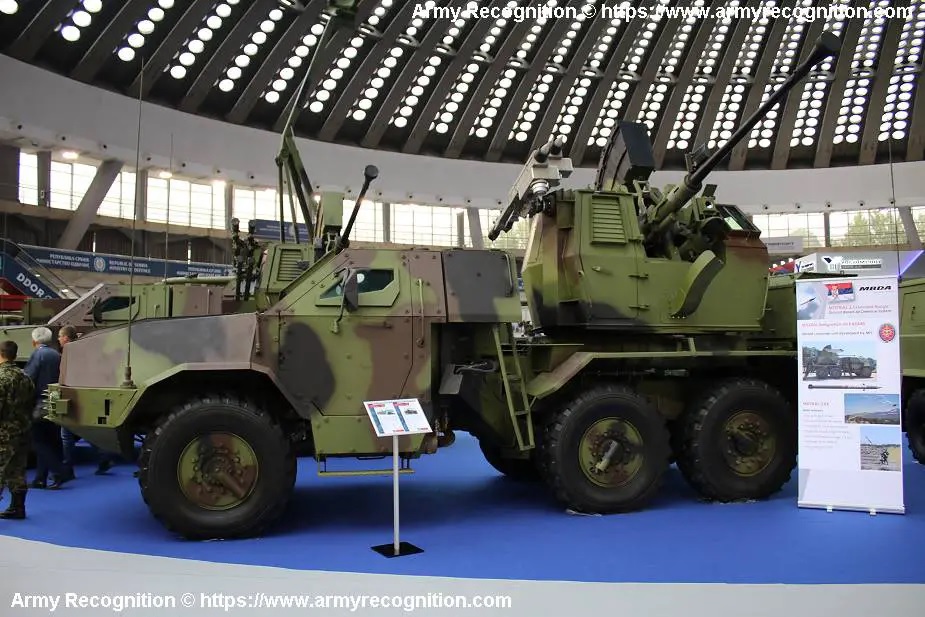
World
Serbia has showcased a modernized version of its PASARS mobile short-range air defence system at the PARTNER 2025 exhibition in Belgrade. The upgrades are aimed at improving protection against low-altitude threats including UAVs, helicopters, fixed-wing aircraft, and even cruise missiles. Below is a clear explanation of the system and what’s new, using simple terms and highlighting the main features. What is PASARS? The PASARS (also known as PASARS-16) is a self-propelled air-defence system developed by Serbia. It combines a 40 mm autocannon (Bofors L/70) with various surface-to-air missiles, radar, and other sensors. It is built on a high-mobility 6×6 truck chassis (models like FAP 2026 or FAP 2228) so it can keep up with moving forces. It has an armoured cab (light armour, enough to stop small arms fire and shell fragments). Crew: 3 people. Mobility: road speed up to about 100 km/h, off-road slower. Operational range is hundreds of kilometers. What’s New in the Upgraded Version? The version displayed at PARTNER 2025 includes several enhancements to make PASARS more versatile and capable of dealing with modern threats, especially drones: Missile Configurations One configuration uses a four-tube silo launcher for Strela-2M missiles. Another configuration combines the 40 mm gun with missiles that include Mistral 3+, Strela-2M or Strela-2MA, and Malyutka 2T5. These give the system different engagement ranges and performance levels for different target types. Radar & Electronic Warfare (EW) It features the RPS-42 hemispheric radar, which enhances detection and tracking of several threat types, including low-flying aircraft and drones. It now also has a counter-UAV jammer / EW suite which can disrupt unmanned aerial systems by interfering with their communications or navigation. Layered Protection With both gun and missile options, plus radar and jamming, the PASARS can engage threats at different ranges and use different methods. This gives a multi-layered defence: for example, jamming might disable or confuse a drone; missiles can destroy targets at longer ranges; the autocannon handles close targets. Enhanced Mobility and Deployment The system is designed to protect land forces while moving (on march), during active combat, and to secure fixed installations. It can transition fairly quickly between march, deployment, and combat positions. Technical The autocannon has a vertical firing range up to several thousand meters; useful against low-altitude aircraft and rockets/missiles in certain trajectories. Rate of fire of the gun is high, allowing it to suppress or destroy fast and small threats (like drones) with airburst or programmable ammunition. The missiles (Mistral, Strela, etc.) give flexibility: some are shorter-range but cheaper, others have better seekers (infrared, dual-mode), better warheads, and greater speed/maneuverability. The EW / jamming functions operate over a broad frequency range to counter various types of drones. Why This Matters In today’s battlefields, drones are everywhere, and they’re only getting more dangerous. Having a system like PASARS that can detect, jam, and shoot them down is a big deal because it gives armies a real edge against an increasingly common threat. What really makes PASARS stand out is its layered defence. Relying on just one method—like radar or missiles—can leave weak spots. But by combining radar, jamming, missiles, and a rapid-firing gun, the chances of actually stopping incoming threats go way up. Another important point is mobility. Unlike fixed defence systems that stay in one place, PASARS can move with troops, set up quickly, and protect both soldiers and critical infrastructure wherever needed. That flexibility is crucial in modern warfare. Finally, there’s the matter of self-reliance. Because PASARS is largely developed in Serbia, it means the country isn’t as dependent on outside suppliers for such an important piece of military technology. That’s a significant step in strengthening national defence capabilities. The upgraded PASARS shown at PARTNER 2025 is not just another air defence truck—it’s a modern, flexible shield against a wide mix of threats. With its combination of autocannon, multiple missile options, advanced radar, and anti-drone jamming, it provides a layered umbrella of protection that works both on the move and while guarding fixed sites.
Read More → Posted on 2025-09-25 14:58:32
India
In a landmark achievement, India has successfully carried out the first test launch of the Agni-Prime missile from a rail-based mobile launcher. The announcement was made by Defence Minister Rajnath Singh, who congratulated the Defence Research and Development Organisation (DRDO), the Strategic Forces Command (SFC), and the Armed Forces for the breakthrough. The Intermediate Range Agni-Prime Missile, with a strike capability of up to 2,000 kilometres, was launched on 24 September 2025 under a full operational scenario. The test was monitored by radars, sensors, and ground stations, and all mission objectives were successfully met. According to officials, the rail-based launcher is a first-of-its-kind system that can move freely across India’s vast railway network without special requirements. This gives the Armed Forces the ability to deploy missiles rapidly, maintain high mobility, and reduce visibility, making the system more difficult for adversaries to track or target. The Agni-Prime, also known as Agni-P, is part of India’s new generation of ballistic missiles. It is canisterised, making it easier to transport and launch, and comes equipped with advanced guidance and precision technologies. The missile adds to India’s growing arsenal by providing both road- and rail-based launch options. Experts believe this development places India in the elite group of nations with the capability to deploy rail-based ballistic missile launch systems, a technology mastered by only a handful of countries. It also strengthens India’s nuclear deterrence posture by improving survivability and second-strike capability. Defence Minister Rajnath Singh said the test was a reflection of Prime Minister Narendra Modi’s vision of Aatmanirbharta (self-reliance) in defence. He described the success as a “significant milestone” in India’s pursuit of advanced strategic technologies and a stronger national security framework.
Read More → Posted on 2025-09-25 14:50:46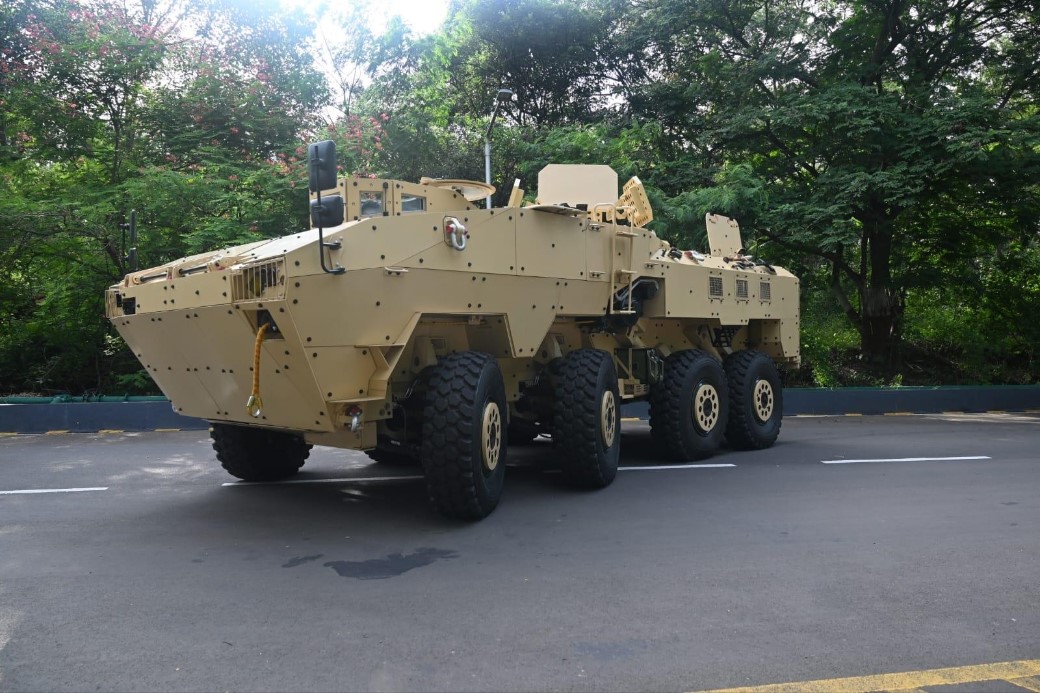
India
Morocco and India have recently taken a historic step in defence cooperation. Morocco has begun trials and local production of the Wheeled Armoured Platform (WhAP) 8×8, a modern armoured vehicle developed by Tata Advanced Systems in collaboration with India’s DRDO. This marks the first time an Indian private company has established a defence manufacturing facility abroad, signalling a new era for both Indian exports and Moroccan defence industry. What is WhAP 8×8? The WhAP 8×8 is a modular, multi-role armoured vehicle designed for modern battlefield needs. Built with adaptability in mind, it can be configured as an Infantry Fighting Vehicle (IFV), Armoured Personnel Carrier (APC), Reconnaissance Vehicle, Command Post, Mortar Carrier, or even an Armoured Ambulance. The vehicle features an 8×8 wheeled drive system, giving it excellent mobility across rough terrains. Select variants also retain amphibious capability, allowing it to cross rivers and water obstacles. Its armour is modular and scalable, ensuring protection against both ballistic threats and landmine explosions. The Deal Between India and Morocco Morocco has placed an order for 150 WhAP 8×8 vehicles, which will be delivered over the next three years. A brand-new facility covering 20,000 square metres has been established in Berrechid, near Casablanca. This is Tata’s first overseas defence manufacturing unit, built ahead of schedule and already operational. Production will begin with about 35% local Moroccan content, gradually increasing to 50%. The facility is not just for Morocco’s Royal Armed Forces but also aimed at becoming an export hub for Africa, positioning Morocco as a rising player in regional defence manufacturing. Specifications and Features Weight: Ranges between 20 and 27 tonnes, depending on the variant. Lighter versions maintain amphibious capability. Mobility: Equipped with a high-power engine, automatic transmission, independent suspension, and a central tyre inflation system. These features ensure performance in desert and rugged terrain. Protection: A survivable monocoque hull combined with modular armour that can be upgraded over time. Designed to withstand both small arms fire and mine blasts. Armament: Standard configuration includes a 30 mm autocannon and a 7.62 mm coaxial machine gun, but Morocco may also integrate advanced turrets, remote weapon stations, and possibly anti-tank guided missiles. Variants: IFV, APC, command post, ambulance, reconnaissance vehicle, and mortar carrier, with the flexibility to support specialised missions like CBRN reconnaissance. Trials and Performance The WhAP 8×8 has been undergoing extensive field trials in Morocco. These trials are assessing its desert mobility, firing accuracy, survivability, and endurance under local conditions. Reports suggest that it has performed better than some rival armoured vehicles, with strong results in terms of engine power, suspension, and adaptability. Strategic Significance For India, this deal is a major achievement under the “Make in India, Make for the World” initiative, demonstrating that Indian defence products are now competitive on the international stage. It highlights India’s growing ability not just to export hardware but to set up complete production ecosystems abroad. For Morocco, the benefits are equally important. By establishing local production, the country reduces reliance on foreign suppliers, builds technical expertise, creates jobs, and positions itself as a regional defence hub for Africa. Economically, the project supports Morocco’s push to strengthen its industrial base while also attracting future opportunities in defence exports. The WhAP 8×8 programme in Morocco is more than just a defence contract—it is a partnership that strengthens both nations strategically and industrially. With trials already underway and the first deliveries expected soon, Morocco is on the path to fielding one of the most versatile wheeled armoured vehicles in the world. India, meanwhile, cements its status as a credible global defence exporter with ambitions far beyond its borders.
Read More → Posted on 2025-09-24 16:06:29
Space & Technology
India is preparing to take a major leap in space security with the development of “bodyguard satellites”—special spacecraft designed to protect the nation’s critical satellites from threats in orbit. These protective companions will not perform communication or imaging tasks, but instead will act as guards in space, monitoring and defending valuable assets against collisions, interference, or hostile actions. Why Bodyguard Satellites Are Needed In 2024, an Indian satellite had a close call when a foreign spacecraft came dangerously near—within just 1 kilometre. Although there was no collision, the incident highlighted how vulnerable India’s space infrastructure is. With the increasing number of satellites in orbit and the growing competition among nations, the need for active protection has become urgent. India relies heavily on satellites for communication, navigation (NavIC), weather forecasting, military surveillance, and disaster management. Any disruption or damage could paralyze vital services on the ground, making it clear why a dedicated protection system is essential. How Bodyguard Satellites Work A bodyguard satellite will orbit close to a high-value satellite, constantly scanning the surrounding space. Using sensors, cameras, radars, and infrared detectors, it can spot approaching objects—whether space debris or a suspicious foreign satellite. Possible functions may include: Surveillance & detection – keeping watch on nearby space activity. Tracking & identification – distinguishing between harmless debris and potential threats. Early warning – alerting ground stations and the protected satellite about approaching dangers. Defensive action – maneuvering to block or distract a hostile satellite, or helping its companion move away from danger. The biggest challenge lies in precision maneuvering. The bodyguard must stay close enough to react quickly but not so close that it risks collision itself. India’s Larger Space Security Vision The bodyguard satellites are expected to be part of a broader multi-layer defense system. India is already running programs like Project NETRA, which tracks space debris, and IS4OM, which manages safe satellite operations. Alongside these, India plans to build a network of nearly 50 surveillance satellites to watch over its orbital assets. This plan could involve an investment of more than ₹27,000 crore, reflecting the government’s recognition that space is no longer just for science—it is a strategic battlefield where power and security go hand in hand. Developing and operating bodyguard satellites will not be easy. India will need to overcome: Collision risks during close-proximity operations. Accurate sensors to avoid false alarms. Fuel and energy limits, since maneuvering in orbit consumes significant resources. International laws, because active space defense may raise diplomatic questions. Still, the importance of protecting satellites outweighs these hurdles. A Step Toward Resilient Space Power The creation of bodyguard satellites would place India among the few nations capable of active satellite defense. It strengthens deterrence, ensuring that any adversary will think twice before attempting to interfere with India’s orbital assets. As the global race for space dominance intensifies, India’s move signals its determination to safeguard its satellites—the invisible backbone of modern life. With this bold step, the country is transforming from being just a spacefaring nation to becoming a space-secure nation.
Read More → Posted on 2025-09-24 15:43:26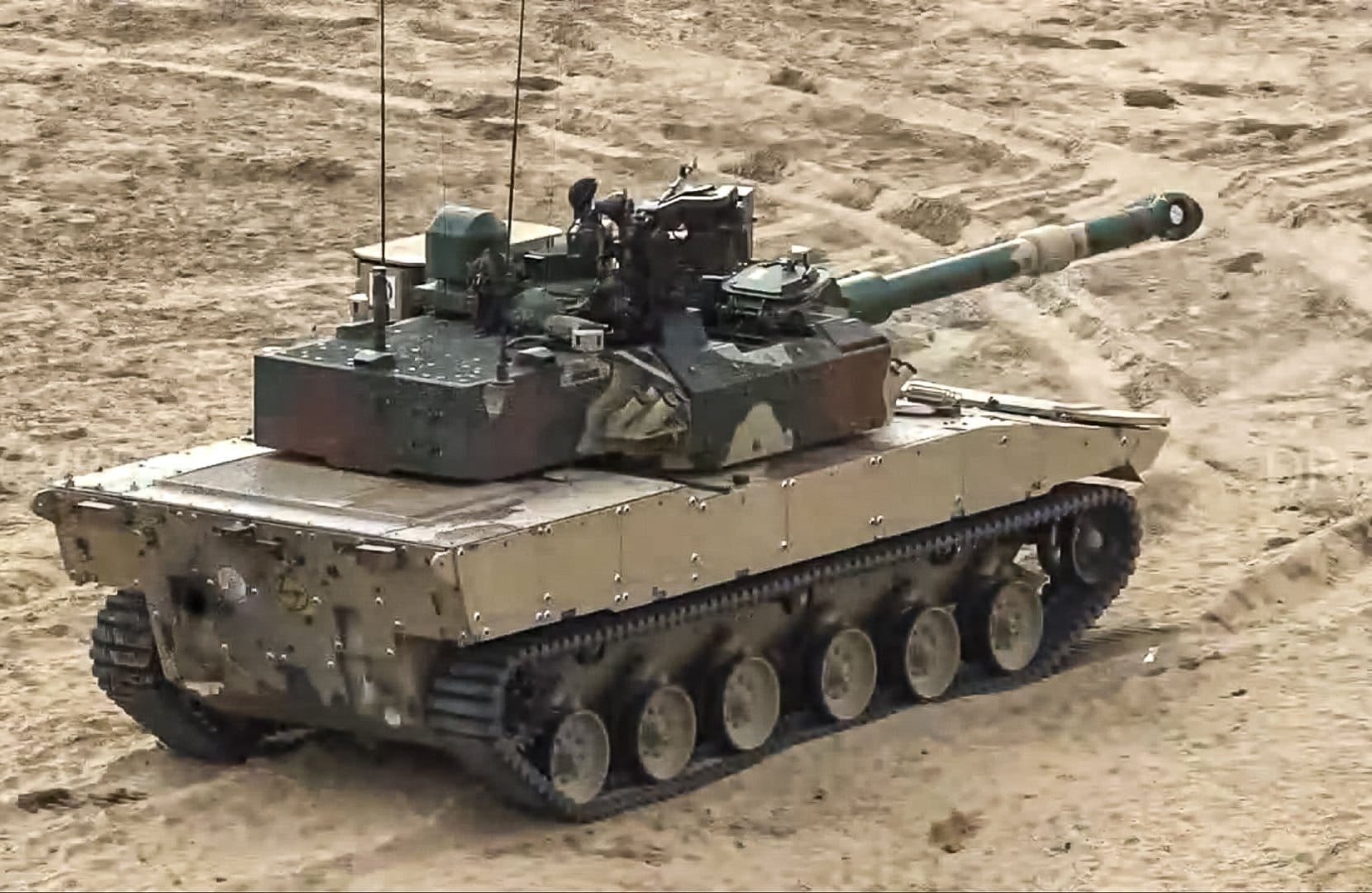
India
The Defence Research and Development Organisation (DRDO) is developing an indigenous turret for the Zorawar light tank, aiming for completion within two years. This initiative is part of India's broader efforts to enhance self-reliance in defense technology. Current Turret: Cockerill 3105 Presently, the Zorawar light tank is equipped with a modified Cockerill 3105 turret, a Belgian design. This turret features a 105mm high-pressure rifled gun, capable of firing NATO-standard ammunition. Modifications include the relocation of sights, integration of a local 12.7mm NSV remote-controlled weapon station (RCWS), and the addition of a twin anti-tank guided missile (ATGM) launcher on the turret's side. These adjustments tailor the turret to meet the specific requirements of the Indian Army. Indigenous Turret Development The DRDO, in collaboration with Larsen & Toubro (L&T), is developing an indigenous turret for the Zorawar light tank. This effort is part of Project Zorawar, which aims to produce a 25-tonne light tank optimized for high-altitude and mountainous operations. The indigenous turret is expected to integrate advanced technologies, including artificial intelligence, surveillance drones, and loitering munitions, to enhance the tank's firepower, protection, and situational awareness. Significance of Indigenous Development The development of an indigenous turret aligns with India's "Aatmanirbhar Bharat" (self-reliant India) initiative, reducing dependence on foreign defense technology. By producing critical components domestically, India aims to bolster its defense capabilities and ensure timely availability of spare parts and upgrades. This move also supports the growth of the domestic defense industry, creating employment opportunities and fostering technological innovation. The DRDO's initiative to develop an indigenous turret for the Zorawar light tank marks a significant step towards enhancing India's defense self-reliance. Upon completion, the indigenous turret is expected to offer improved performance and adaptability, reinforcing the Zorawar's role in modernizing India's armored forces.
Read More → Posted on 2025-09-24 15:37:23
Space & Technology
A Russian biological research satellite, Bion-M No. 2, has successfully returned to Earth after spending 30 days in orbit. The spacecraft, often called a “Noah’s Ark” because of the wide variety of life it carried, landed on September 19 in the Orenburg region steppes. It was launched on August 20 aboard a Soyuz-2.1b rocket from the Baikonur Cosmodrome. The Mini-Ark in Orbit Bion-M No. 2 carried a rich collection of living specimens and scientific experiments, including: 75 mice, specially selected to test sensitivity to space radiation. More than 1,500 fruit flies, ideal for studying nervous system health and reproduction. Plant seeds from various species to explore how they respond to cosmic radiation. Microorganisms and cell cultures to see how space affects tiny life forms. Samples embedded in rocks, part of an experiment called “Meteorite” to test whether microbes could survive the intense heat of reentry — supporting or challenging the theory of panspermia, the idea that life may have come to Earth from space. The spacecraft orbited at an altitude of 370 to 380 kilometers, at an inclination of about 97 degrees, exposing its passengers to higher levels of cosmic radiation than astronauts usually face on the International Space Station. The Landing and First Examinations When the capsule touched down, a small brush fire broke out near the site but was quickly extinguished. Recovery teams, supported by helicopters, rushed to retrieve the capsule and began immediate checks on the animals. Out of the 75 mice, 65 survived. Experts explained that the loss of 10 mice was mostly due to intra-group aggression among the males rather than purely the effects of space conditions. Scientists on-site examined the fruit flies, checking their motor activity to identify any nervous system problems. A medical tent was set up at the landing site for initial tests. Later, the biological samples were transported to the Institute of Biomedical Problems in Moscow for detailed laboratory studies. What Scientists Want to Learn The mission included over 30 experiments, divided into 10 main research sections: Studying gravitational physiology in animals to improve life support technologies for astronauts. Understanding how plants, microbes, and their communities adapt to space conditions. Conducting biotechnological and technical experiments for future spacecraft systems. Performing radiobiological and dosimetric experiments to improve astronaut radiation safety. Involving students from Russia and Belarus with experiments designed for education and training. Why This Matters The Bion-M No. 2 mission is more than just a biological flight — it’s a crucial step in preparing for long-duration human missions to the Moon and Mars. Key insights include: How radiation and weightlessness together affect living beings. The genetic factors that make some organisms more resilient or vulnerable. How seeds and plants cope with space conditions, supporting the idea of space farming. Whether microbes can survive extreme conditions, linking to theories of life spreading across the universe. Despite some challenges, including the death of a few mice, the mission was largely successful. The data collected will help scientists design safer spacecraft, radiation protection methods, and sustainable habitats for astronauts. In many ways, Bion-M No. 2 shows us that life — in all its forms — can endure beyond Earth. It is a reminder that every step we take in space brings us closer to understanding both our future in the cosmos and the very origins of life itself.
Read More → Posted on 2025-09-24 15:27:31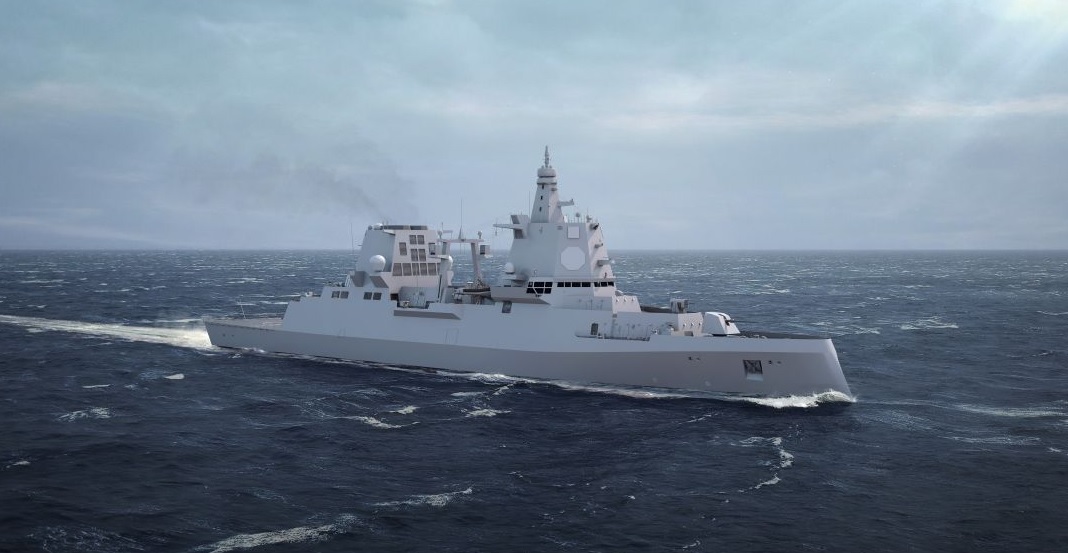
World
Germany is preparing to significantly expand its future fleet of F127-class frigates, moving beyond earlier plans for five ships with an option for a sixth. Now, discussions point toward acquiring as many as eight vessels to strengthen the German Navy. A Major Upgrade for the German Navy The F127-class is designed as a next-generation air-defence frigate, giving Germany the ability to counter not only aircraft and cruise missiles but also ballistic missile threats for the first time. This will mark a major leap in capability compared to the current Sachsen-class (F124) frigates, which the new ships will eventually replace. The frigates will be based on the MEKO A-400 AMD design by thyssenkrupp Marine Systems (TKMS), which has teamed up with NVL in a joint venture. TKMS will hold the majority stake in the project. The ships will be fitted with the U.S. Aegis Combat System as their command and control core. For radar, the German Navy is leaning toward the advanced Raytheon SPY-6, although the Bundeswehr’s Inspector General will make the final decision. Funding and Delivery The expanded plan for up to eight ships comes with a price tag of around €26 billion (over $30 billion), covering not just construction but also weapons and sensor systems. According to current planning, the first F127 could join the fleet in the early 2030s, with full delivery stretching into the mid-2030s. Industrial and Political Factors This expansion would give momentum to both German shipbuilders. TKMS is in the process of separating from thyssenkrupp ahead of a stock market listing, while NVL is being acquired by Rheinmetall. Securing a large, long-term project like the F127 would stabilize both companies and support German shipbuilding jobs. The F126 Problem Meanwhile, the parallel F126-class frigate programme—focused on anti-submarine warfare—has been delayed by technical and software issues with the Dutch prime contractor Damen. The problems involve transferring design data to German shipyards. Berlin is now weighing several options: Continue with Damen as prime contractor, Cancel the F126 outright, Transfer leadership to a German yard like NVL, Or pursue an interim solution while keeping the F126 alive. One interim option being discussed is to build a number of MEKO 200-class frigates. These ships are proven in service, adaptable for anti-submarine operations, and could be built relatively quickly using existing supply chains. Analysts suggest that four MEKO 200s could be delivered for only slightly more cost than two F126s, with the first ship potentially arriving as soon as 2029. Strategic Urgency Germany’s Defence Ministry faces pressure to act quickly. The Russian threat has been described as the decisive factor, making time—rather than money—the key constraint. Parts of the shipbuilding industry are already on short-time work while awaiting contracts, adding further urgency to Berlin’s decision-making. Germany’s choice to expand the F127 fleet underlines its intent to modernize the Navy with stronger air and missile defence capabilities, while simultaneously trying to resolve setbacks with the F126 programme. The outcome will shape not just Germany’s naval power, but also the future of its entire shipbuilding industry.
Read More → Posted on 2025-09-24 15:17:35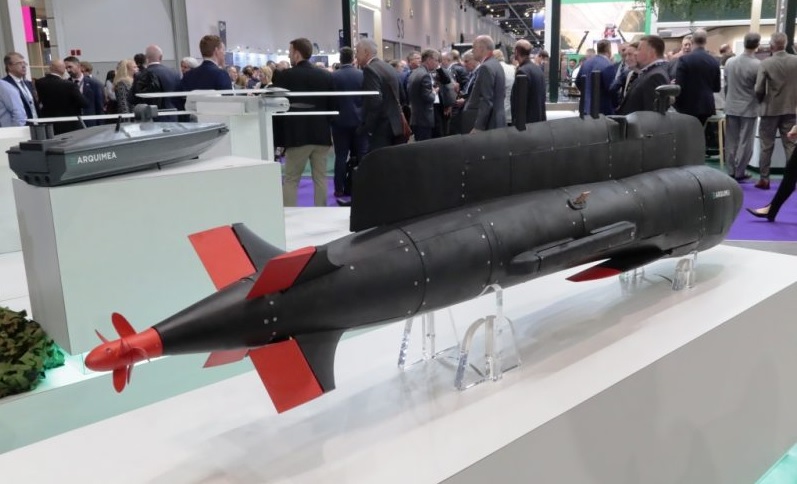
World
Arquimea of Spain has expanded into the naval loitering munition field with the acquisition of Perseo Techworks, bringing the S-Wise underwater system into its catalogue. This new platform was recently presented at the DSEI exhibition in London after earlier appearances at defense shows in Madrid. A Multirole Platform Calling the S-Wise just a loitering munition would be too narrow. It is a multirole underwater vehicle capable of working in: Loitering munition (LM/ISR) mode – carrying a warhead for strike missions while also collecting intelligence. Mine countermeasure (MCM/ISR) mode – using advanced sonars to locate and track underwater threats. Its design allows operators to swap the front section: either a 5 kg warhead (single or tandem shaped charge) or a forward-looking sonar. Design and Build Length: 2.23 metres Diameter: 0.245 metres Weight: 50 kg plus more than 30 kg payload capacity Payload volume: over 30 litres The body is hydrodynamically shaped, with deployable wings for maneuverability and an X-shaped rudder system at the rear. The hull is produced using additive manufacturing and acoustically transparent plastics, which reduces cost and makes it easier to repair or manufacture parts even aboard ships. Propulsion and Endurance The S-Wise can be fitted with either dual counter-rotating propellers for stealth or a single propeller for speed. It uses electric motors (3 kW continuous, 6 kW in boost mode) powered by Li-Ion batteries with in-house management systems. Top speed: over 8 knots Range surfaced: 85 NM at 2.75 knots Range submerged: 80 NM at 3 knots, or 30 NM at 5.2 knots Operational depth: up to 50 m with additive parts, up to 300 m with conventional housings It can operate in sea states 4–5, with launch and recovery possible up to sea state 3–4. Brains and Sensors At its core, the S-Wise uses a Perseo ORA onboard computer with a dedicated GPU optimized for artificial intelligence. This supports automatic target recognition, object tracking, obstacle avoidance, and real-time mapping. Navigation tools include an inertial measurement unit, geomagnetic device, static and dynamic pressure sensors, GNSS, and optionally a Doppler velocity log. In MCM/ISR mode, it can carry Arc Scout MK II side-scan sonar and Ranger synthetic aperture sonar. In LM/ISR mode, additional explosive wings can be fitted, raising destructive potential. Operations and Control The system maintains a man-in-the-loop approach. Operators can control it via: WiFi, LTE/5G, or long-range links when surfaced Optional USBL underwater communication when submerged The package also includes mission planning tools and a training simulator, allowing crews to rehearse missions in synthetic environments before real operations. Why It Matters The S-Wise is one of the first compact underwater systems that combines strike, reconnaissance, and mine countermeasure roles in a single, modular design. With its AI-based autonomy, low-cost production methods, and flexible payloads, it represents a new generation of naval unmanned systems ready for real-world deployment.
Read More → Posted on 2025-09-24 15:12:58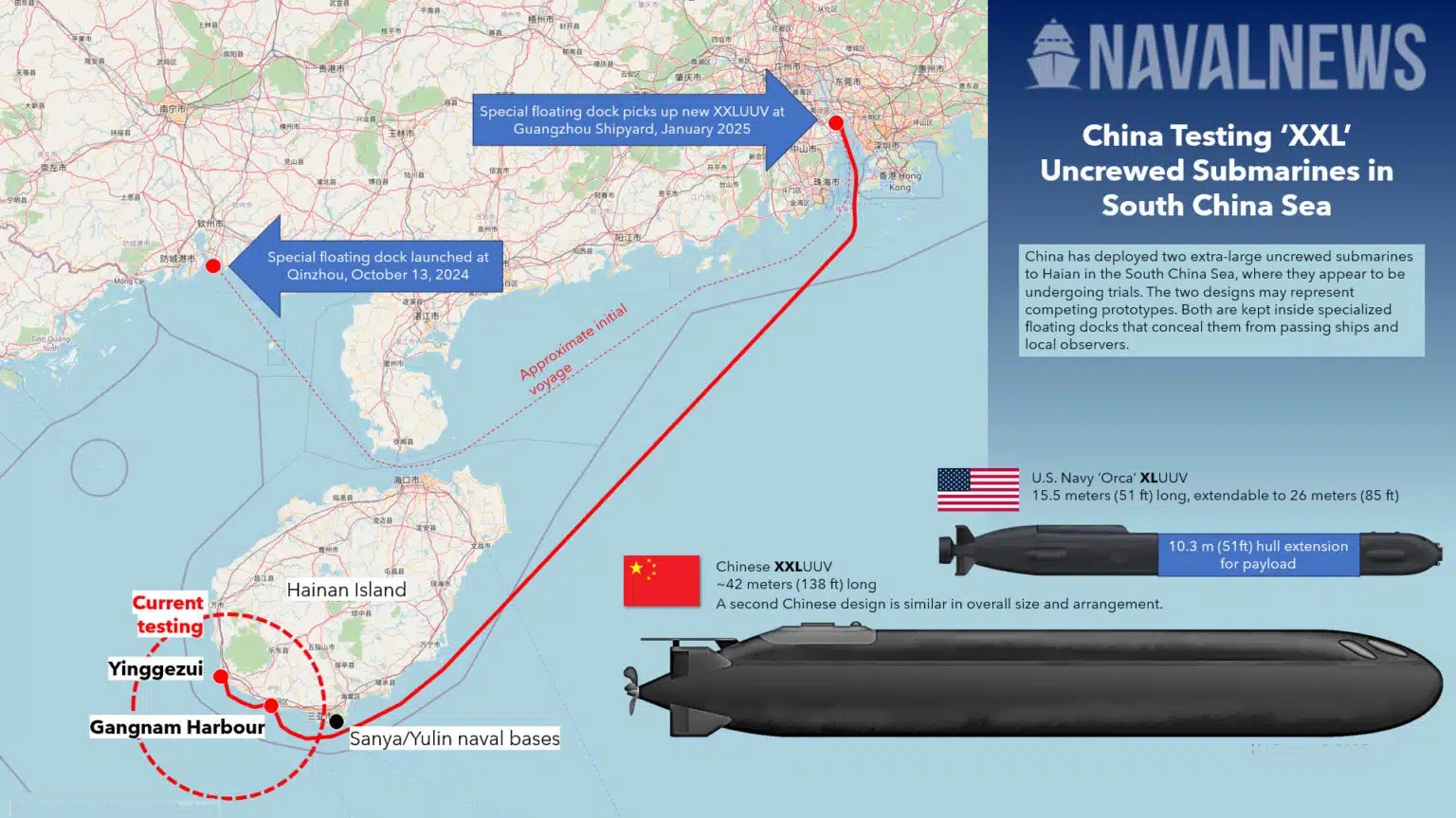
World
In recent weeks, evidence has emerged that the Chinese Navy (PLAN) is conducting secret trials of two enormous uncrewed submarines near Hainan Island, in the South China Sea. These underwater drones are far larger than what most navies currently operate, and their deployment signals a bold leap in undersea warfare. Here is a clearer, up-to-date look at what is known so far — and why it matters. What is happening? China is testing two giant underwater drones of approximately 40–42 meters in length, placing them in the same size class as many crewed attack submarines. These vessels are uncrewed — that is, autonomous or remotely operated — rather than conventional manned submarines. They are being stationed in floating docks rather than in conventional submarine pens or on quay walls. One dock, named Zhuan Yong Fu Chuan Wu 001 (Special Floating Dock 001), was completed in 2024 and has already been used to move one of the new underwater drones. The floating docks allow the drones to be launched, recovered, hidden, or transported away from busy ports, reducing detection risk and logistical constraints. The drones are currently test-operating in waters off Gangmen Harbour and Yinggezui, on the western coast of Hainan near Sanya. These new vessels appear to lack a traditional sail (conning tower) and feature X-shaped rudders at the stern — design features more akin to advanced submarine hulls than small underwater drones. The 705 Research Institute (part of China Shipbuilding Industry Corporation, CSSC) is believed to be involved in their development. Why is this significant? 1. A new class beyond ‘XLUUV’ Navies in the West currently use or explore XLUUVs (extra-large uncrewed underwater vehicles). But at this scale — some 10–20 times the size of those — China’s vessels challenge the limits of what “XL” implies. Some analysts propose new labels such as XXLUUV or Ultra-Large UUV to reflect their scale and capabilities. Because they are so big, their roles are expected to be richer and more complex than those of standard underwater drones: They may carry large payloads of weapons (torpedoes, mines, missiles) or specialized sensors. Their sensor suites may approach the strength of manned submarines, with more powerful sonar or intelligence equipment. Without the constraints of space and life support for a crew, their volume can be dedicated more fully to payloads, energy storage, and autonomy systems. 2. Stealth, surprise, and strategic flexibility By using floating docks, China can conceal operations, appear to shift the docks away from port when needed, and avoid interference with normal shipping and port traffic. It’s a way to maintain operational secrecy and flexible deployment. China’s experiment may stretch how navies think about unmanned submarine warfare: large-scale drones functioning as force multipliers in the undersea domain, operating alongside conventional submarines, surface ships, and drones. 3. China is moving fast — and at scale While many Western navies and defense firms are only now ramping efforts to field large underwater drones, China appears significantly ahead in both ambition and investment. The appearance of two large prototypes (or competing designs) shows China is not just experimenting, but entering a serious contested domain in underwater robotics. Moreover, China already has a spectrum of XLUUV programs known or inferred from open sources, possibly five or more types under development. The new vessels seem to represent a higher, more ambitious tier in that hierarchy. 4. Strategic implications for regional and global navies These drones could complicate surveillance, anti-submarine warfare, and undersea domain control for rival powers in the region. They raise the bar for counter-drone and detection systems: dealing with an ever larger, more stealthy, and potentially armed drone submarine is far more demanding than countering small UUVs. In strategic hotspots like the Taiwan Strait or the South China Sea, they could be used to lay mines, conduct covert surveillance, or interdict undersea communications — without risking a human crew. Western navies will likely feel pressure to accelerate their own programs for large underwater drones, invest more in detection and countermeasures, and rethink submarine fleet structure and tactics. What is still uncertain (and what to watch) Propulsion: It is unclear whether these vessels use diesel engines, large battery systems, fuel cells, or hybrid systems. There is currently no credible evidence they are nuclear-powered. Autonomy and control: The AI, autonomy, navigation, and decision systems must be highly advanced to allow them to operate reliably undersea. Exact payloads: While torpedoes, mines or missiles are plausible, how many and what kind remain speculative. Operational patterns: How far they will patrol, whether they will launch from mother ships or from coastal facilities, and how they integrate with manned assets remain to be seen. Public reveal: China may reveal these or similar drones in future parades or defense expos. Observers are also watching if more floating dock assets appear at Hainan or elsewhere. China’s testing of these giant uncrewed submarines signals a potential shift in undersea warfare. Rather than simply scaling up existing drone designs, China seems to be creating a new class of vessel — one that blurs the line between autonomous underwater vehicle and full-fledged submarine. If they become operational, these drones could change how navies project undersea power, structure their fleets, and defend sea lanes. The world is entering a new era where uncrewed platforms may become peer competitors in the deep.
Read More → Posted on 2025-09-24 15:06:50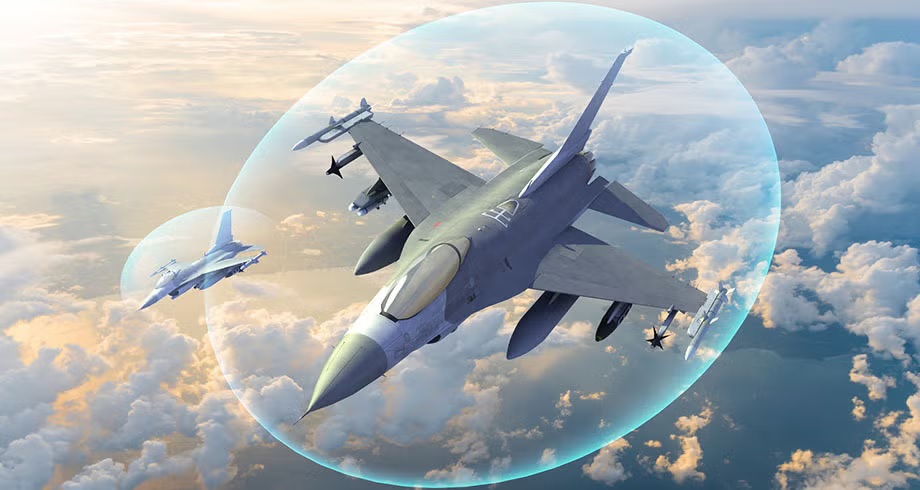
World
L3Harris has unveiled a podded variant of its Viper Shield electronic warfare system, giving nations operating the F-16 fighter jet greater freedom in how they modernize and protect their aircraft. The new version offers the same level of protection as the internally mounted system but allows operators to move the equipment between jets depending on mission needs. According to the company, seven U.S. partner nations have already chosen Viper Shield, with Poland being the most recent customer. For air forces flying older F-16s, especially Block 50 and earlier, the pod option provides an easier path to upgrade, avoiding extensive airframe modifications while still enhancing survivability. The podded system and the internal version are built around identical components. This ensures full interoperability among coalition partners and simplifies logistics. Because the pod can be removed and maintained separately from the aircraft, it also reduces downtime and streamlines servicing. Viper Shield’s design reflects decades of electronic warfare experience. It is lighter, smaller, and more modular than previous F-16 systems, making it suitable across all F-16 blocks. The system incorporates advanced features such as a digital radar warning receiver, digital radio frequency memory jamming, and seamless integration with modern AESA radars. Its software-defined architecture allows future technologies—like advanced situational awareness tools and radar countermeasures—to be integrated without major redesigns. The affordability of Viper Shield is another advantage. With an active production line, combined with partner nation funding and company investment, the system can be produced at scale. Since the pod can serve multiple aircraft, fewer units are required, which further reduces acquisition costs. For countries upgrading their F-16 fleets, the choice between internal installation, podded variant, or a mix of both offers unmatched flexibility. With both systems sharing the same backbone, upgrades and enhancements can be applied universally. As L3Harris notes, the goal is clear: extend the operational life of the F-16, ensure it can survive modern battlefields, and most importantly, bring pilots home safely.
Read More → Posted on 2025-09-24 14:59:03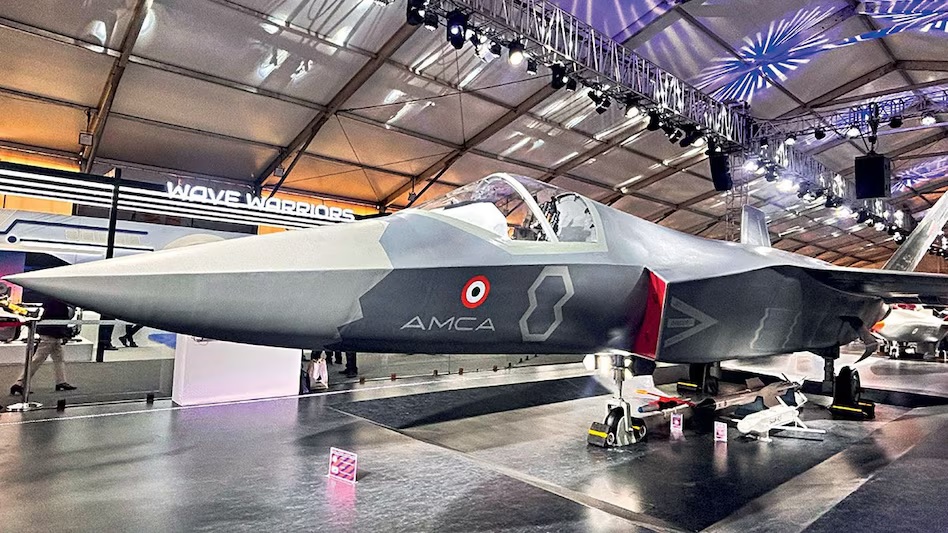
India
In a major boost to India’s defence capabilities, Larsen & Toubro (L&T) has joined hands with Bharat Electronics Limited (BEL) to support the Advanced Medium Combat Aircraft (AMCA) programme, the country’s indigenous fifth-generation fighter jet project for the Indian Air Force (IAF). The consortium is set to respond to the Government of India’s Expression of Interest (EoI) in the coming weeks. This partnership brings together L&T’s expertise in defence and aerospace platforms with BEL’s strengths in defence electronics and systems, aligning with the vision of an ‘Atmanirbhar Bharat’ (self-reliant India). Both companies have previously played key roles in India’s Light Combat Aircraft (LCA) programme, with L&T supplying major aero-structure modules and BEL developing critical avionics and electronic systems. The new collaboration aims to deliver a world-class, high-tech solution for the IAF. S N Subrahmanyan, Chairman & Managing Director of L&T, said, “This partnership marks a significant leap in modernising India’s defence capabilities. Together, we will strengthen national security and advance self-reliance in defence technologies.” Manoj Jain, Chairman & Managing Director of BEL, added, “The AMCA project showcases India’s growing technological capabilities in defence. Our collaboration with L&T will ensure the IAF receives a state-of-the-art aircraft that will serve the nation for decades.” The AMCA is a twin-engine stealth fighter developed by the Aeronautical Development Agency (ADA) and the Defence Research and Development Organisation (DRDO). The first prototype is expected by 2028, with the first flight anticipated in 2029 and series production by 2035. The aircraft is a key part of India’s push for defence self-reliance under the ‘Make in India’ initiative. The L&T-BEL partnership underscores a major step forward in indigenous defence manufacturing and strengthens India’s technological edge in modern warfare.
Read More → Posted on 2025-09-24 14:53:28Search
Top Trending in 24 Hours
-
 Kuwait and Bahrain Reportedly Launch First Joint Direct Airstrikes on Iran Since War Began : Report
-
 General Dynamics Awarded Up to $400.4 Million Contract for U.S. Missile-Tracking Satellite Ground Segment
-
 U.S. Department of War Awards Oracle Up to $6.99 Billion Enterprise Software Deal
-
 China Imposes Dual-Use Export Ban on 14 European Entities After EU's Russia Sanctions
-
 India's SDAL Demonstrates 'Bhargavastra' Counter-Swarm Drone System to Indian Army
-
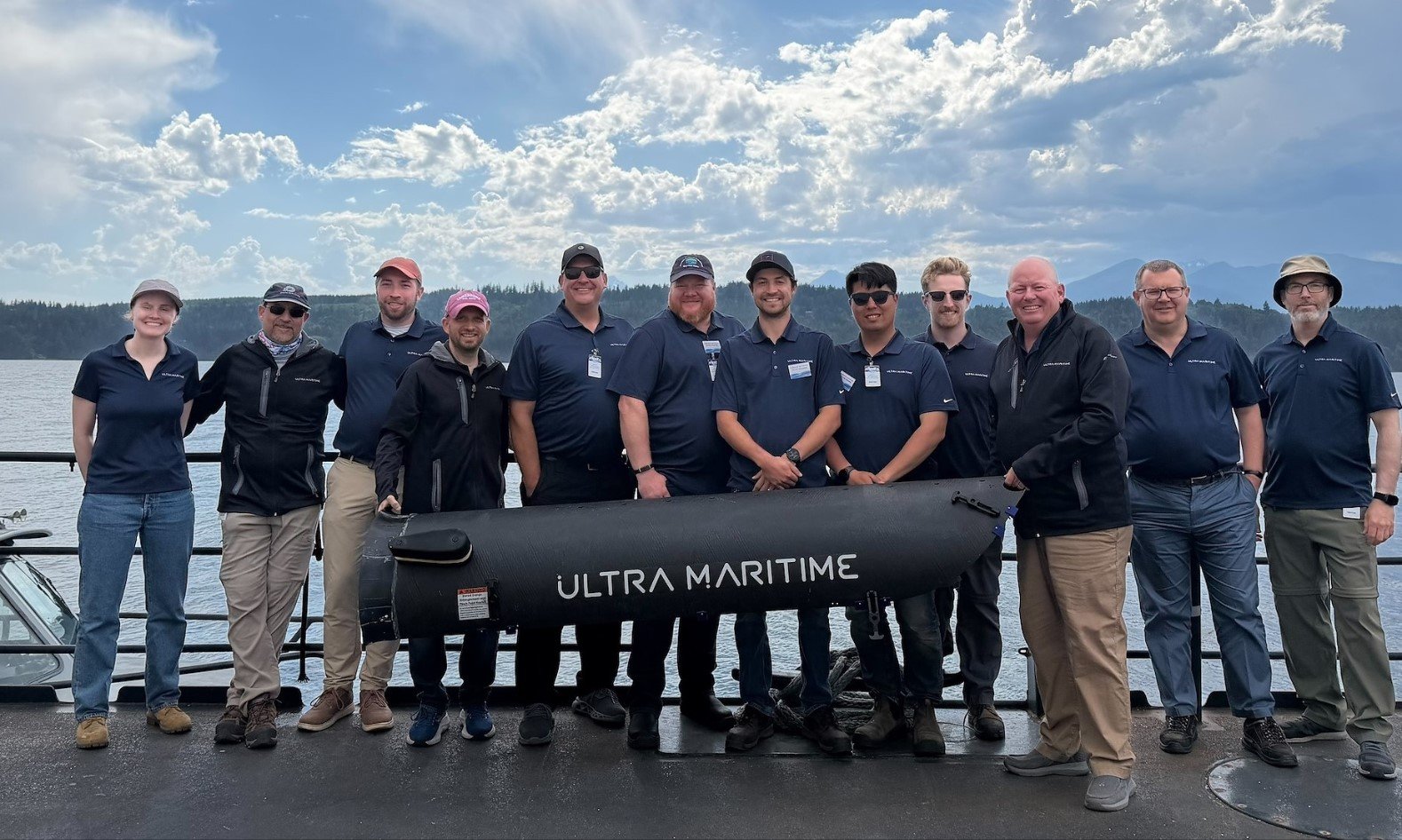 Ultra Maritime and Anduril Successfully Demonstrate Counter-UUV Technology During U.S. Navy's Multinational Lanternfish 2026 Exercise
-
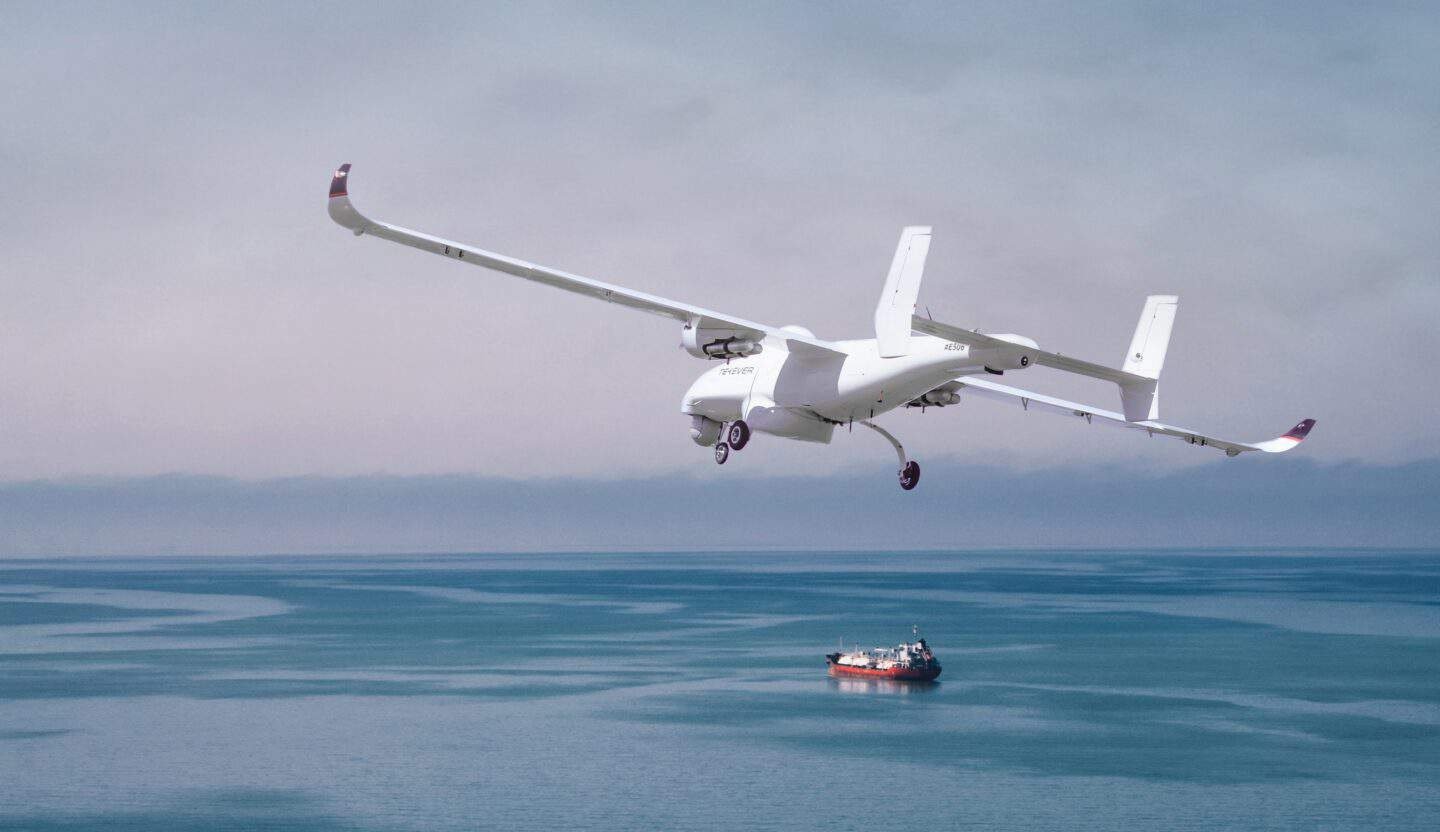 UK Ministry of Defence Awards Up to £400 Million Contract for Tekever AR5 Drones to Replace Watchkeeper Fleet
-
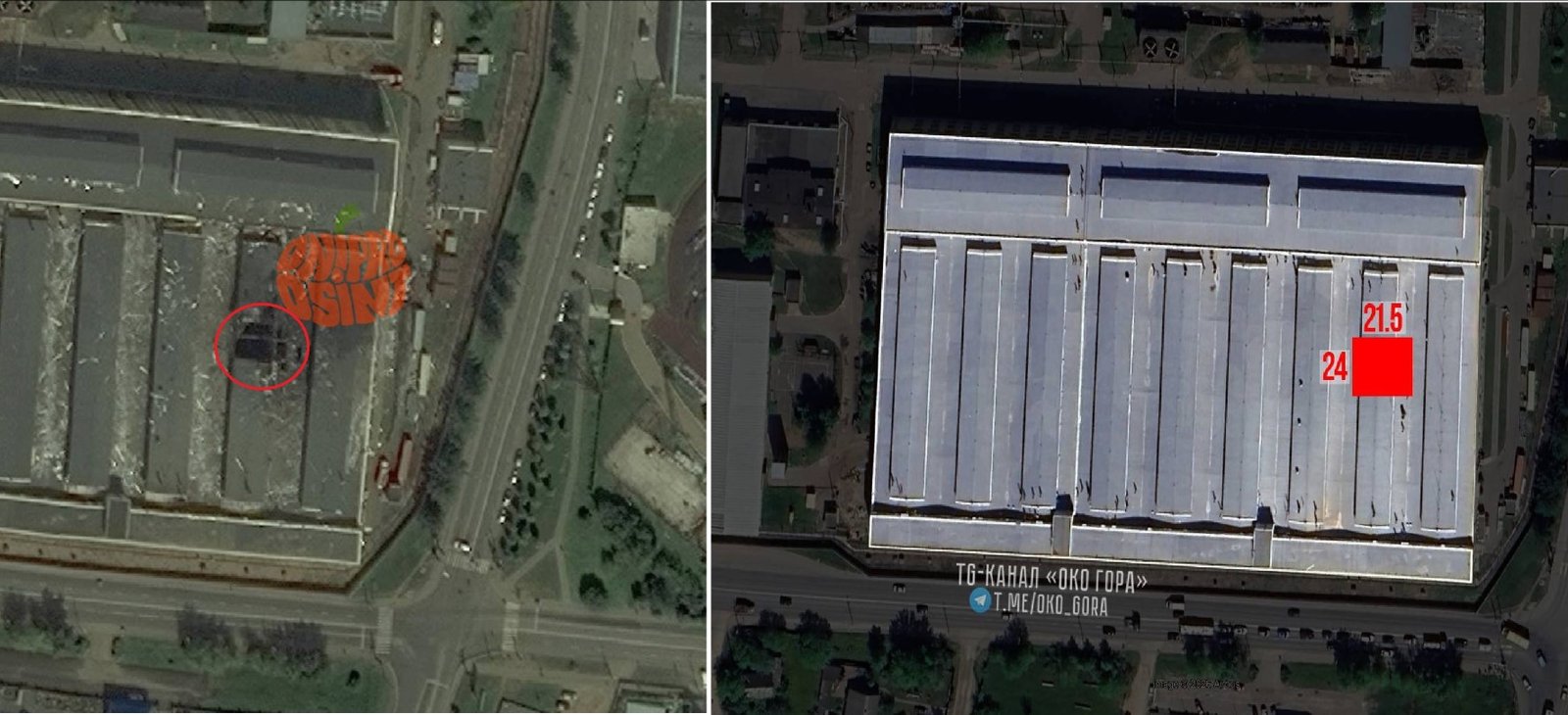 Satellite Images Confirm Damage to Russian Avitek Plant After Ukrainian FP-5 Flamingo Missile Strike
Top Trending in 4 Days
-
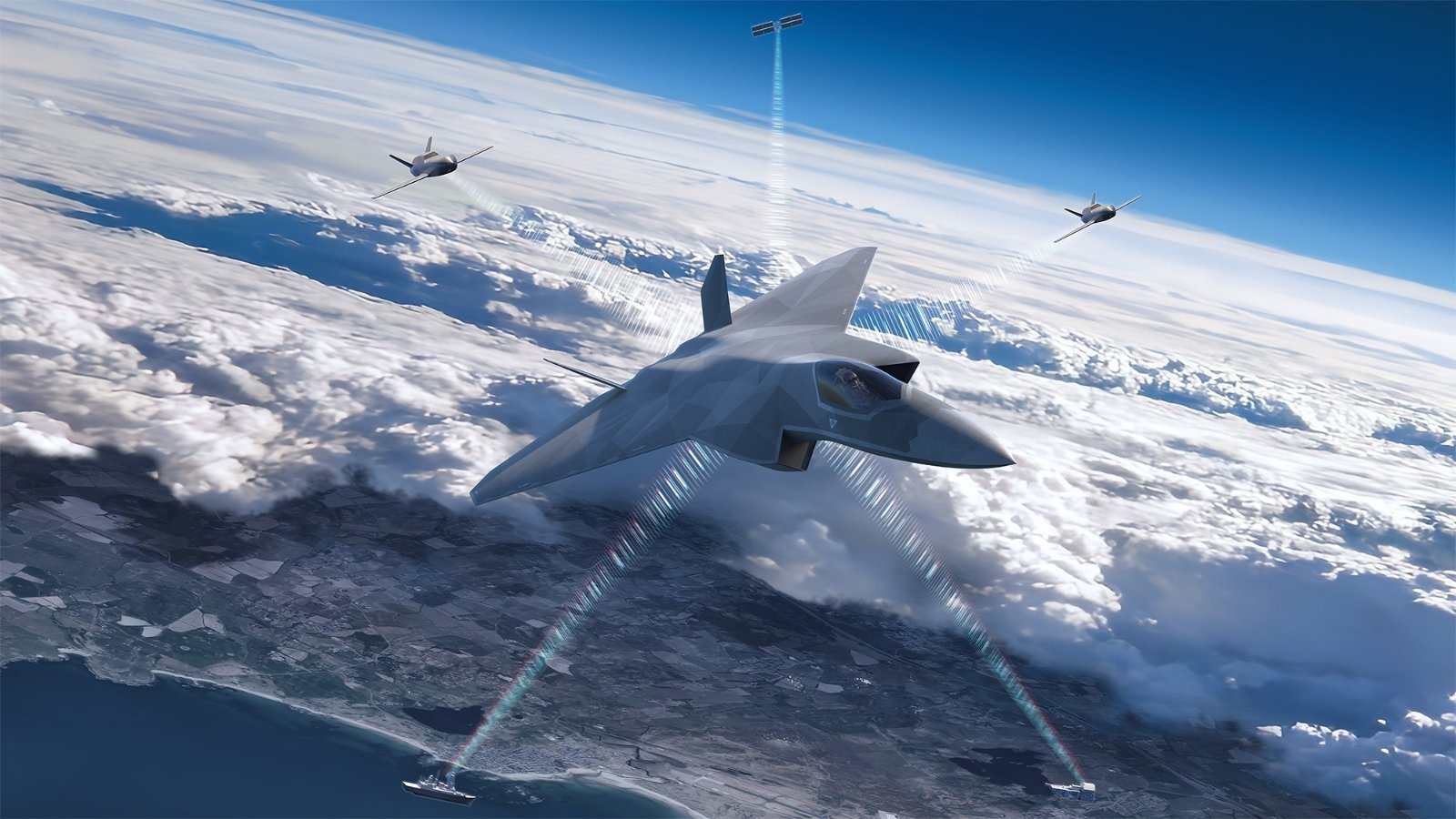 UK Awards BAE Systems £708 Million Contract Extension to Advance GCAP Sixth-Generation Combat Air Technologies
-
 U.S. Navy Awards Northrop Grumman $1.2 Billion Deal for Three New E-2D Advanced Hawkeyes
-
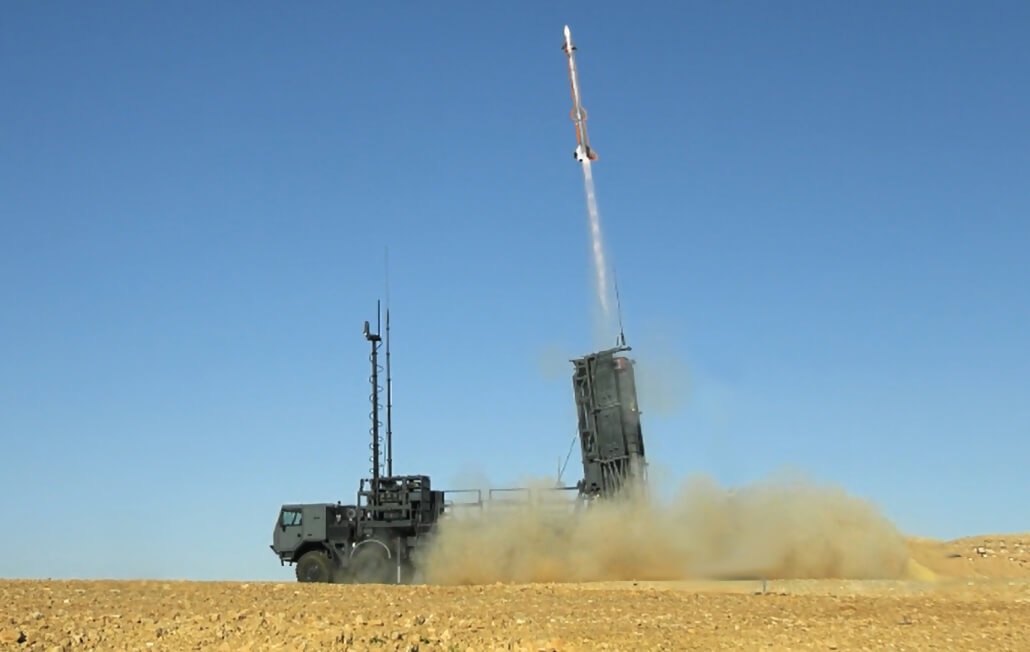 Greece Set to Approve €3 Billion Israeli Air Defense Deal for 'Achilles’ Shield' Network
-
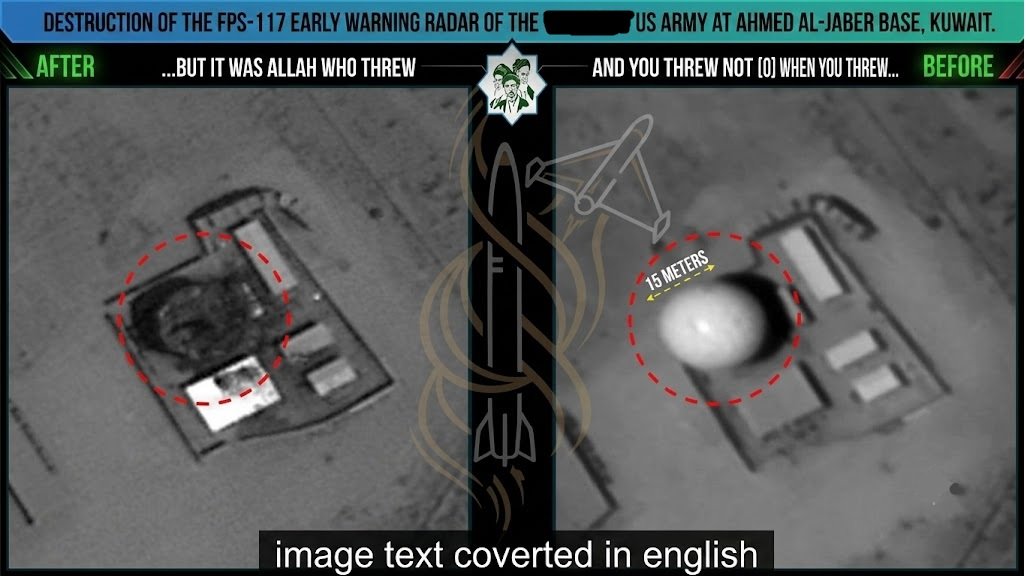 IRGC Claims Destruction of Second AN/FPS-117 Radar in Latest Strike on Kuwait's Ahmed Al-Jaber Air Base
-
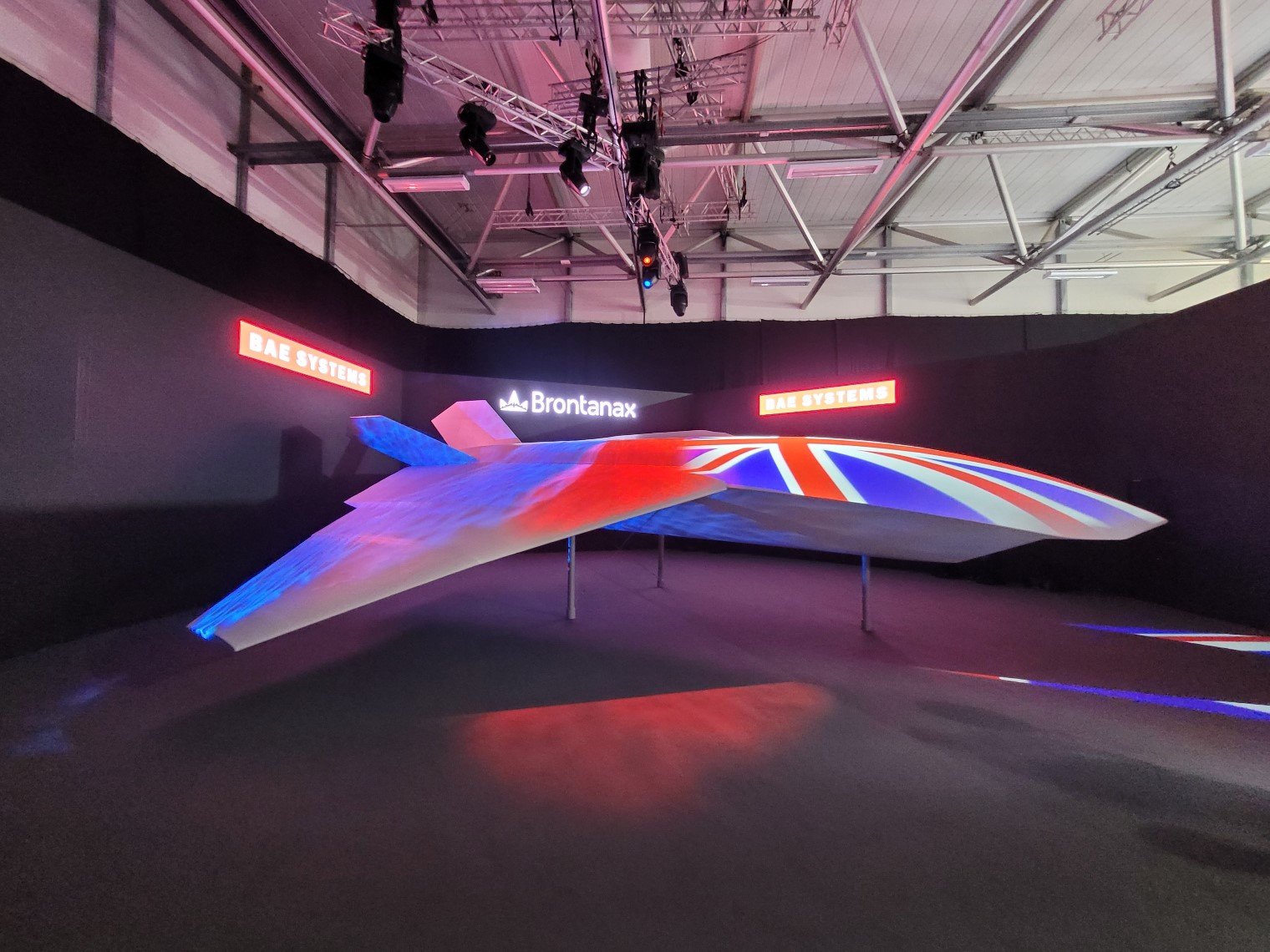 BAE Systems Unveils 'Brontanax', the UK's First Autonomous Combat Aircraft at Farnborough
-
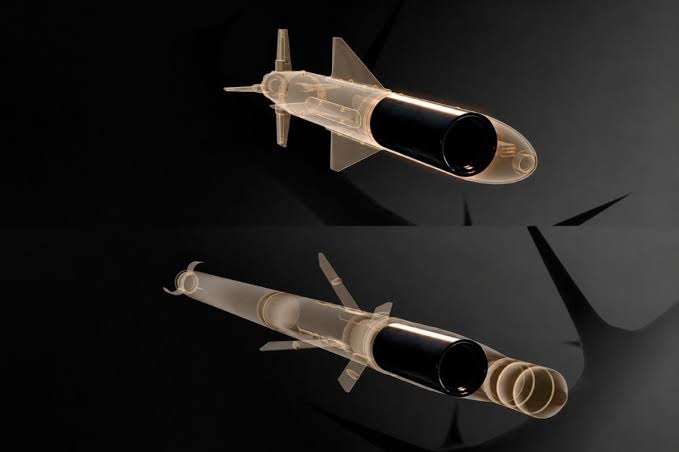 BAE Systems Unveils BlackThorn Modular Warhead Family for Autonomous Weapons and Counter-Drone Systems
-
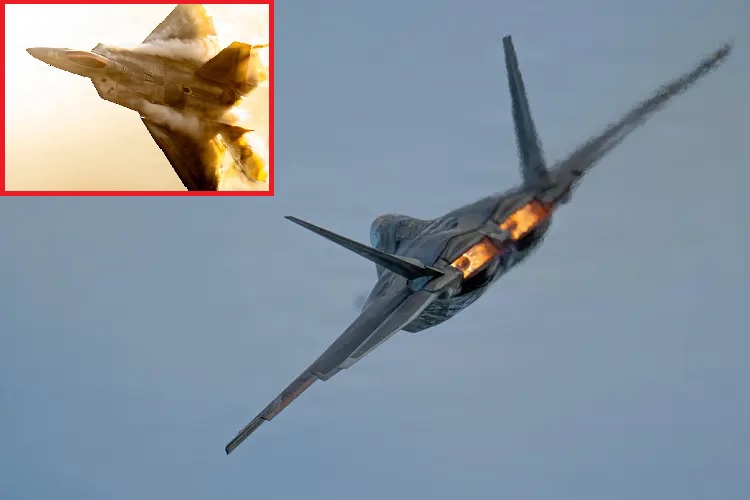 Qarbon Aerospace Returns to F-22 Program with New U.S. Air Force Sustainment Contract
-
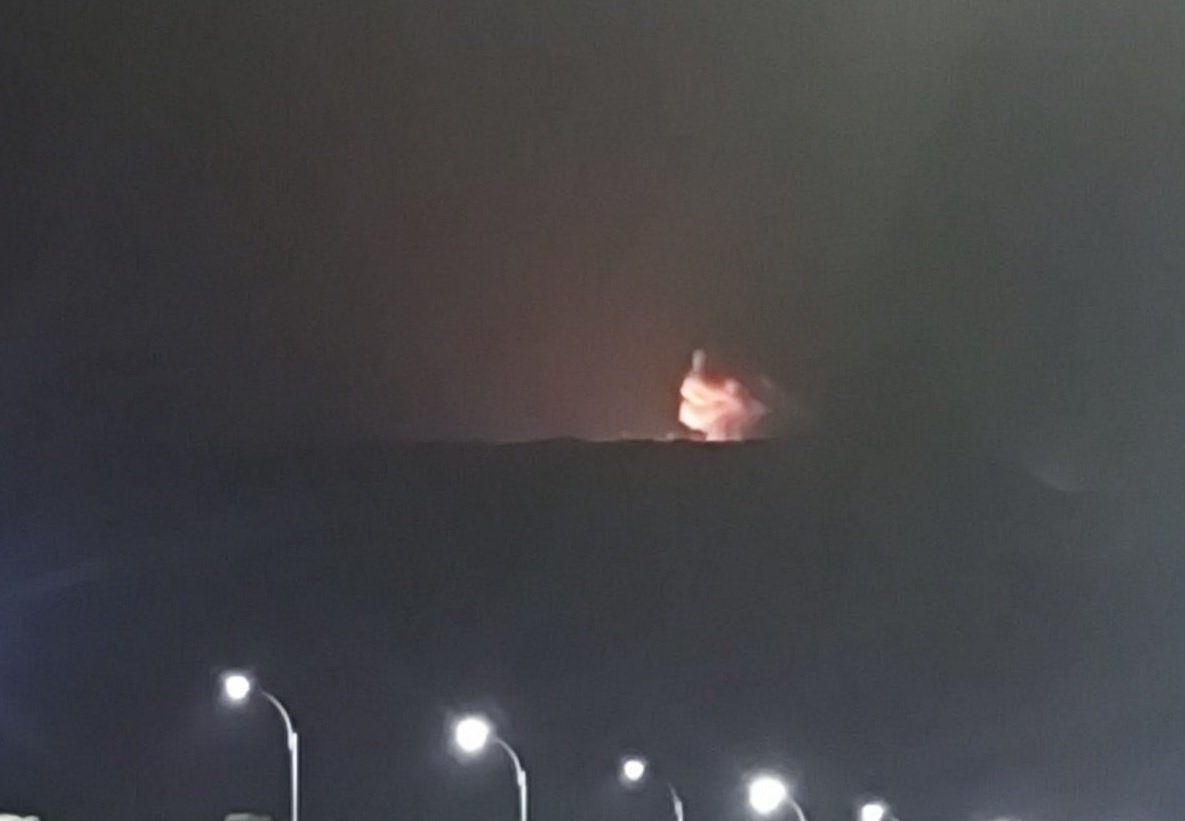 U.S. Airstrikes Target IRGC Missile Base Near Taft as Overnight Strikes Hit Central Iran
