India
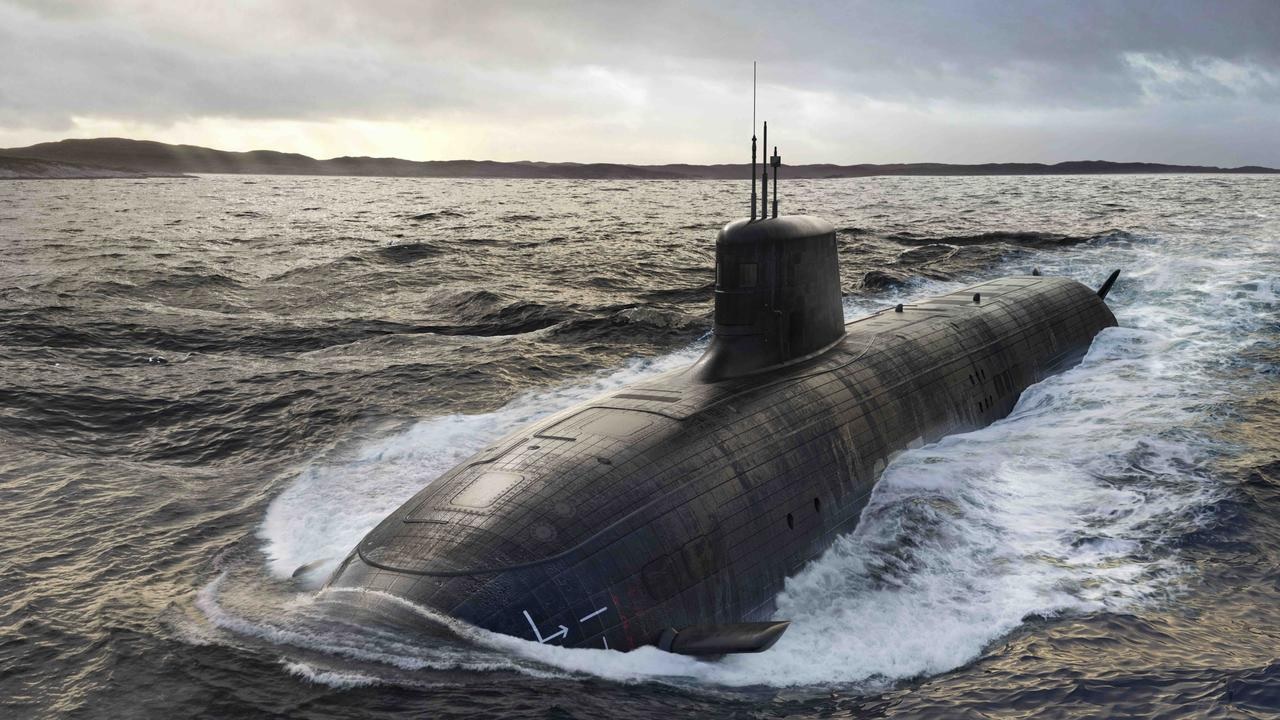
India : The Bhabha Atomic Research Centre (BARC) has announced the development of a state-of-the-art 200 MW nuclear reactor, designed to power India's forthcoming S5-class SSBNs (Ship Submersible Ballistic Nuclear) and Project-77 SSNs (Nuclear Attack Submarines). This advancement marks a significant leap in India's indigenous defense capabilities, reinforcing its strategic maritime deterrence. Advancements in Reactor Technology The new reactor, identified as the CLWR-B2, is a substantial upgrade over the existing 83 MW reactors powering the Arihant-class submarines. This development is poised to more than double the endurance of these submarines, enabling them to remain submerged and operational for extended periods without surfacing. The reactor's design incorporates advanced pressurized light-water reactor (PWR) technology, utilizing enriched uranium as fuel, which enhances efficiency and power output. Strategic Implications for India's Naval Capabilities The S5-class SSBNs, with a submerged displacement exceeding 13,000 tons, are expected to carry 12 to 16 intercontinental-range ballistic missiles (ICBMs), such as the K-5 SLBM with a range of 5,000 km, significantly enhancing India's second-strike capability. In contrast, the Project-77 SSNs, designed as hunter-killer submarines for tasks like anti-shipping, land-attack, and intelligence, surveillance, and reconnaissance (ISR) missions, require a reactor capable of delivering high-speed acceleration and dynamic power demands for rapid maneuvers. The 200 MW reactor's versatility allows it to support both mission profiles, with tailored tuning to optimize performance. Enhancing Strategic Deterrence This reactor development is a direct response to the growing maritime capabilities of regional adversaries, particularly the People's Liberation Army Navy (PLAN), which operates a formidable fleet of 60 submarines, including six SSBNs and six SSNs. The enhanced capabilities of India's next-generation submarines will ensure a credible deterrence posture and bolster the nation's strategic defense infrastructure. Future Prospects The S5-class SSBNs are slated to enter production by 2027, with the first vessel expected to be commissioned shortly thereafter. This timeline aligns with India's broader defense modernization efforts, aiming to achieve self-reliance in defense technology under the Atmanirbhar Bharat initiative. The successful integration of the 200 MW reactor into these submarines will mark a pivotal milestone in India's naval capabilities, positioning it as a formidable force in the Indo-Pacific region. As the development progresses, the Bhabha Atomic Research Centre continues to play a crucial role in advancing India's defense and energy sectors, ensuring the nation's preparedness to address emerging challenges in the global maritime domain. This strategic initiative underscores India's commitment to enhancing its defense capabilities through indigenous innovation and technological advancement.
Read More → Posted on 2025-09-21 17:18:07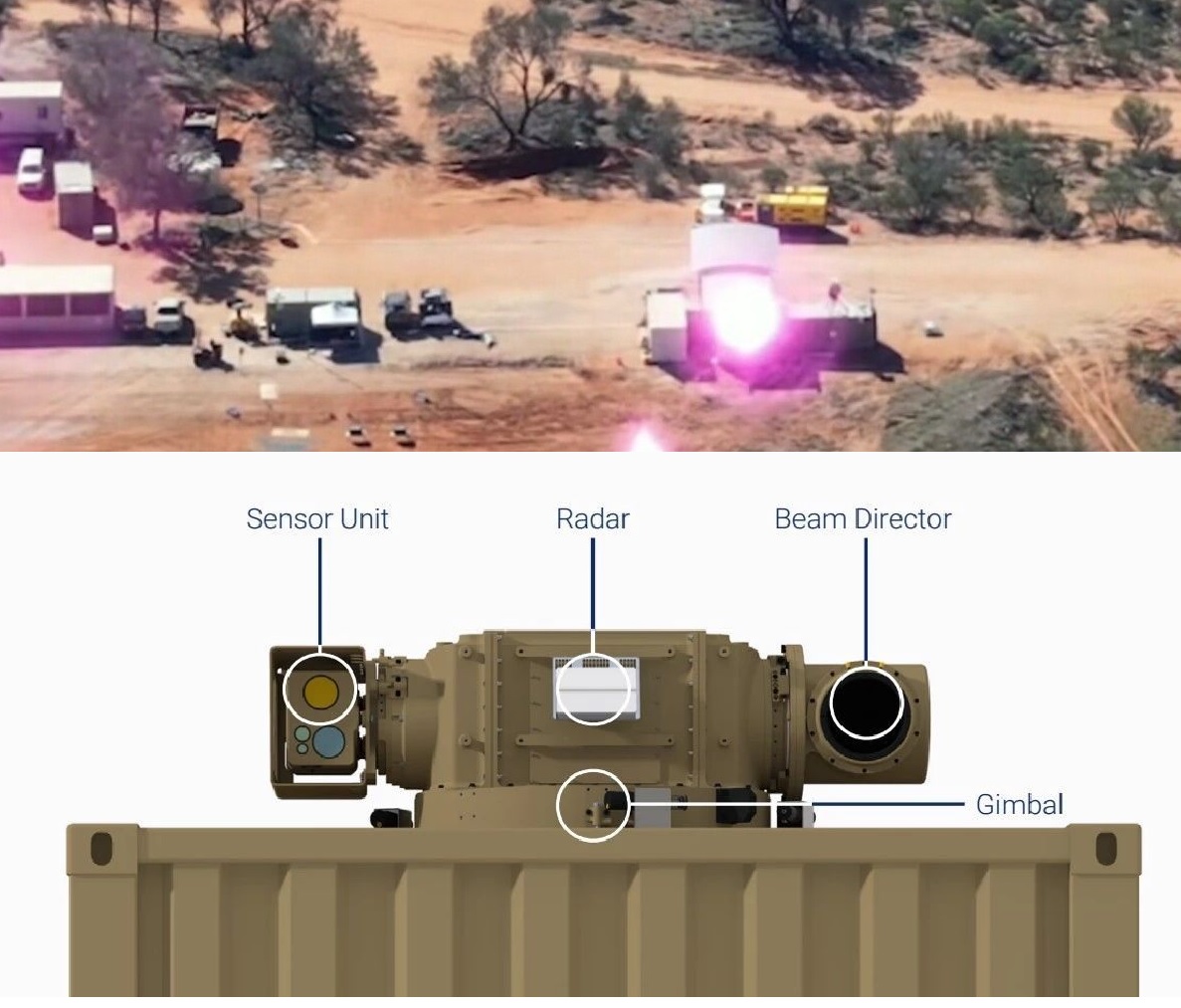
World
In a significant advancement in defense technology, Australian defense company Electro Optic Systems (EOS) has introduced the Apollo High Energy Laser Weapon (HELW), a cutting-edge system designed to counter drone swarms with unparalleled efficiency and precision. Key Features of the Apollo HELW: Powerful Laser Output: The Apollo system boasts a scalable laser power ranging from 50 kW to 150 kW, enabling it to engage and neutralize drones effectively. Impressive Engagement Range: Capable of targeting drones at distances up to 3 kilometers, the Apollo HELW ensures a broad operational range for defense applications. Rapid Target Acquisition: The system can engage targets within 1.5 seconds over a 60° arc, providing swift responses to emerging threats. High Throughput: Designed to handle over 20 drone engagements per minute, the Apollo HELW is well-suited for scenarios involving multiple simultaneous threats. Cost-Effective Operations: With an estimated cost per shot significantly lower than traditional missile systems, the Apollo HELW offers a more economical solution for countering drone threats. Versatile Deployment Options: The system can be mounted on various platforms, including standard 20-foot shipping containers and vehicle-based units, allowing for flexible deployment in diverse operational environments. Extended Operational Capability: When operating on internal power, the Apollo HELW can neutralize up to 200 drones before requiring a recharge, making it highly effective in situations where external power sources are unavailable. Integration with Defense Networks: The Apollo HELW is designed to integrate seamlessly with existing Command and Control (C2) systems and Integrated Air Defense Systems (IADS), enhancing its effectiveness within broader defense frameworks. Strategic Implications: The introduction of the Apollo HELW marks a pivotal moment in modern defense strategies, particularly in addressing the growing threat posed by drone swarms. Its rapid engagement capabilities, cost-effectiveness, and adaptability to various deployment scenarios position it as a formidable asset in both military and security contexts. As drone technology continues to evolve, systems like the Apollo HELW represent the future of defense, leveraging directed energy to provide precise and scalable responses to aerial threats. EOS's commitment to advancing this technology underscores the increasing importance of directed-energy weapons in contemporary defense arsenals. In conclusion, the Apollo High Energy Laser Weapon by EOS exemplifies a significant leap forward in counter-drone technology, offering a potent, adaptable, and cost-efficient solution to one of the most pressing challenges in modern defense.
Read More → Posted on 2025-09-21 17:14:03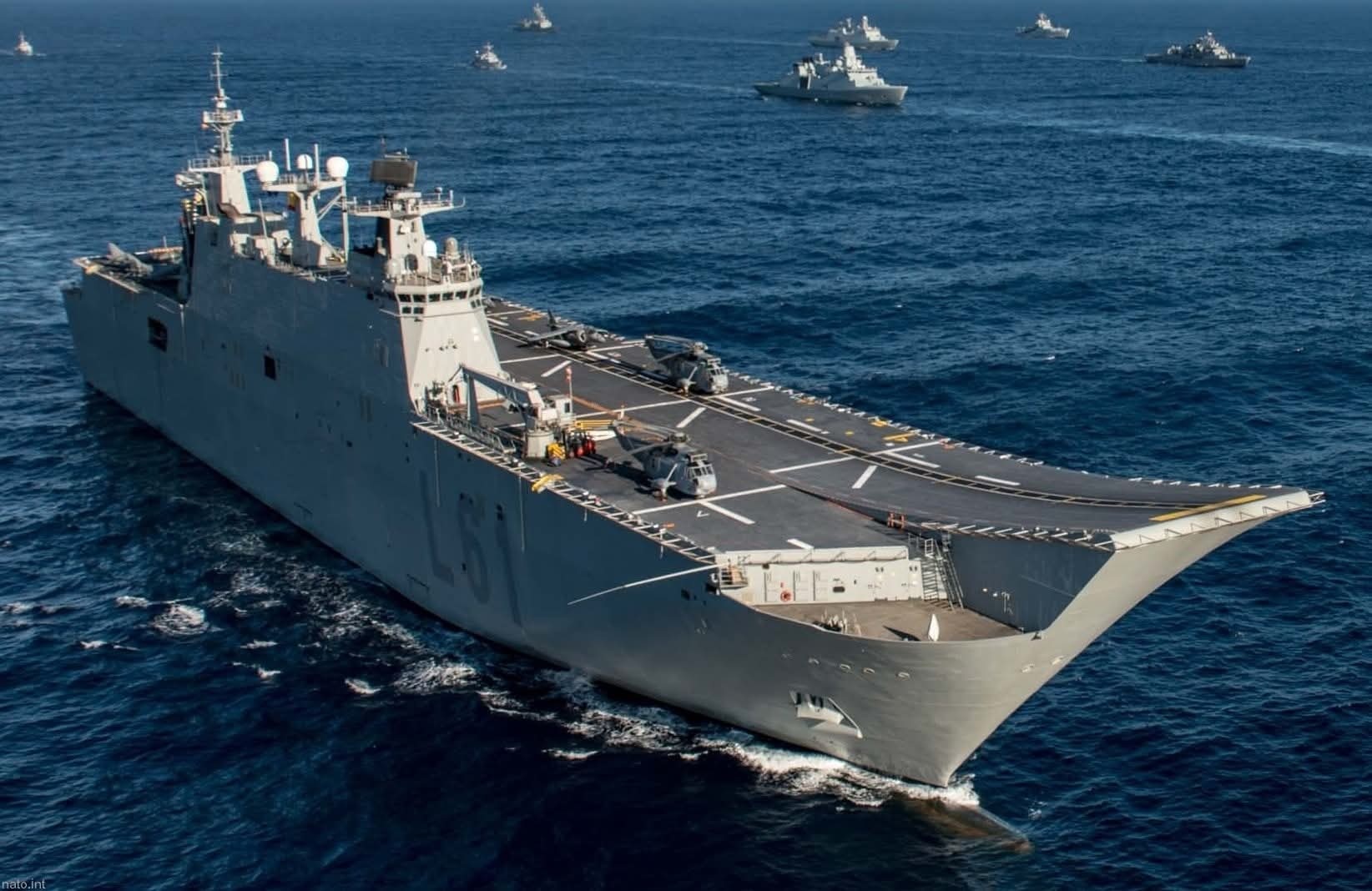
India
The Indian Navy is set to significantly enhance its amphibious warfare capabilities with the upcoming issuance of a ₹80,000 crore ($9 billion) tender for the construction of four large-sized Landing Platform Dock (LPD) warships. This initiative aims to bolster India's maritime strength and strategic reach in the Indo-Pacific region. Project Overview and Strategic Importance The proposed LPDs are envisioned to be among the largest surface warships constructed in India. These vessels are expected to feature a displacement of 30,000–40,000 tons, a length of approximately 200 meters, and an endurance of over 45 days. They will be capable of carrying up to 900 troops and 540 sailors, with provisions for operating medium-lift helicopters and landing craft. The ships will be equipped with integrated electric propulsion systems, ensuring efficient and sustainable operations. The primary objectives of these LPDs include: Rapid Deployment: Facilitating swift deployment of troops and equipment to strategic locations. Humanitarian Assistance: Providing support during natural disasters and humanitarian crises. Strategic Mobility: Enhancing the Navy's ability to project power and influence in the region. These capabilities are crucial for maintaining maritime security and asserting India's presence in the Indo-Pacific, especially amidst increasing geopolitical tensions. Design Options and Collaborations Several international and domestic designs are being considered for the LPDs: Juan Carlos I Class (Spain) Displacement: Approximately 26,000 tons Length: 231 meters Beam: 32 meters Features: Versatile design capable of operating both fixed-wing aircraft and helicopters. Equipped with a ski-jump ramp for aircraft operations and a well deck for amphibious vehicles. Origin: Designed by Navantia for the Spanish Navy. Mistral Class (France) Displacement: 16,500 tons (empty), 21,300 tons (full load) Length: 199 meters Beam: 32 meters Features: Offers a well-deck for amphibious operations and a flight deck for helicopters. Known for its rapid deployment capabilities. Origin: Developed by Naval Group for the French Navy. Trieste Class (Italy) Displacement: 38,000 tons (full load) Length: 245 meters (overall), 213.4 meters (length between perpendiculars) Beam: 47 meters Features: Emphasizes modularity and flexibility, allowing for various mission configurations, including humanitarian assistance and amphibious warfare. Origin: Designed by Fincantieri for the Italian Navy. Project 23900 (Russia) Displacement: Approximately 40,000 tons Length: 220 meters Beam: 38 meters Features: A large amphibious assault ship featuring a well deck and a flight deck capable of operating heavy-lift helicopters. Origin: Developed by United Shipbuilding Corporation for the Russian Navy. Dokdo Class (South Korea) Displacement: 14,800 tons (empty), 19,000 tons (full load) Length: 199 meters Beam: 31 meters Features: Designed for amphibious operations with a well deck and a flight deck, capable of carrying a significant number of troops and vehicles. Origin: Developed by Hyundai Heavy Industries for the Republic of Korea Navy. Indigenous Indian Design Displacement: Approximately 40,000 tons (anticipated) Length: Approximately 230 meters (anticipated) Beam: Approximately 35 meters (anticipated) Features: A proposed design emphasizing indigenous shipbuilding capabilities, incorporating advanced technologies and systems tailored to the Indian Navy's requirements. Origin: To be developed by Indian shipyards such as Larsen & Toubro (L&T), Mazagon Dock Shipbuilders Limited (MDL), and Cochin Shipyard Limited (CSL). Domestically, Indian shipyards such as Larsen & Toubro (L&T), Mazagon Dock Shipbuilders Limited (MDL), and Cochin Shipyard Limited (CSL) are potential contenders for constructing these LPDs. L&T has previously collaborated with Navantia to unveil an LPD design tailored for Indian requirements. Indigenous Development and Future Prospects The Indian Navy has been operating the INS Jalashwa, an amphibious warfare ship procured from the U.S. Navy, which has been instrumental in humanitarian missions and amphibious operations. However, the need for a fleet of indigenous LPDs has become evident to ensure self-reliance and operational flexibility. The upcoming LPDs are expected to be constructed under the "Make in India" initiative, promoting domestic shipbuilding capabilities and reducing dependence on foreign suppliers. The project aligns with India's broader defense modernization goals and its commitment to enhancing indigenous defense production. The issuance of the ₹80,000 crore tender for the construction of four LPDs marks a significant step in strengthening India's amphibious warfare capabilities. By investing in these advanced warships, India aims to bolster its maritime security, enhance its strategic reach, and assert its presence in the Indo-Pacific region. The collaboration between domestic shipyards and international partners will play a pivotal role in achieving these objectives, paving the way for a more self-reliant and formidable Indian Navy.
Read More → Posted on 2025-09-21 17:05:46
India
New Delhi: The Prime Minister's Office (PMO) has announced a high-level meeting on September 23, 2025 to deliberate on the creation of India’s own BIG FOUR accounting and consulting firms. The meeting aims to reduce India’s dependence on global giants like Deloitte, PwC, EY, and KPMG, while giving domestic firms the opportunity to scale and compete internationally. This initiative is being viewed as a key step toward a self-reliant India in the financial services sector. Purpose of the Meeting The meeting will be chaired by the Principal Secretary to the Prime Minister, Shaktikanta Das, and attended by senior officials from the Ministry of Finance and the Ministry of Corporate Affairs. The government is expected to discuss measures to relax existing rules, simplify regulatory frameworks, and provide supportive policies that help domestic firms grow in size and capability. The focus will be on nurturing homegrown firms to operate at a global standard, thereby reducing dependence on foreign consulting giants for audits, advisory services, and tax consulting. Experts believe that this could create thousands of high-quality jobs and also increase India’s presence in global financial services markets. ICAI and Digital Transformation The Institute of Chartered Accountants of India (ICAI) has welcomed the initiative and is actively exploring ways to assist smaller and mid-sized CA firms in merging or forming strategic alliances. A digital platform is being planned to facilitate partnerships, share resources, and provide access to global standards of auditing and consulting. Such efforts will enable domestic firms to expand their client base, handle large-scale projects, and gradually become India’s own BIG FOUR, capable of competing with the top multinational firms. Significance for India’s Economy Experts highlight that strengthening domestic firms will contribute significantly to India’s financial independence. By fostering self-reliant accounting and consulting services, the government aims to reduce outflow of revenue to foreign firms while building world-class expertise domestically. Moreover, creating India’s own BIG FOUR will encourage innovation in the sector, improve audit quality, and enhance transparency in corporate governance. It aligns with the broader ‘Atmanirbhar Bharat’ mission, ensuring that Indian firms are globally competitive while retaining critical knowledge and revenue within the country. The upcoming high-level PMO meeting is a landmark move in India’s journey toward financial self-reliance. By supporting domestic accounting and consulting firms, the government hopes to nurture a new generation of global-scale Indian companies, reduce dependence on international giants, and strengthen India’s position in the global economy.
Read More → Posted on 2025-09-21 16:54:33
India
India : India is considering establishing a strategic reserve of critical minerals and rare earth elements to ensure uninterrupted supplies for defence manufacturing, according to a senior Ministry of Defence official. This move comes amid rising global tensions and export restrictions on essential materials. Rajesh Kumar Singh, a top defence official, stated that the reserve would be used to "tide over immediate requirements" during emergencies, ensuring that defence production is not hampered by supply chain disruptions. The plan is part of India's broader strategy to enhance self-reliance in defence manufacturing and reduce dependency on external sources for critical materials. The proposed reserve would focus on materials such as lithium, cobalt, nickel, and rare earth elements, which are vital for producing advanced defence equipment, including missiles, aircraft, and electronic systems. These materials are currently in high demand globally, leading to supply constraints and price volatility. India's move aligns with global trends where countries are accelerating efforts to secure their domestic supply chains for critical materials. For instance, the United States has established the Minerals Security Partnership (MSP) to promote resilient and secure supply chains for critical minerals. India's participation in the MSP underscores its commitment to diversifying sources and reducing reliance on a single country for essential materials. The Indian government has also initiated the National Critical Minerals Mission (NCMM), which aims to uncover new reserves of critical minerals within the country. The mission encourages both public and private sector enterprises to invest in exploration and development of these resources. While the exact details of the proposed reserve are still being finalized, the plan reflects India's proactive approach to securing its defence manufacturing capabilities in an increasingly uncertain global environment. As the situation develops, further announcements are expected regarding the establishment and management of the strategic reserve.
Read More → Posted on 2025-09-21 16:46:28
India
U.S : In a sweeping move that has sent shockwaves through the global tech industry, President Donald Trump has signed a proclamation imposing a $100,000 one-time fee on all new H-1B visa applications. This decision, effective immediately, has ignited widespread controversy, particularly among Indian nationals who constitute the majority of H-1B visa holders. Key Details of the New H-1B Visa Fee Applicability: The $100,000 fee applies exclusively to new H-1B visa petitions. Existing visa holders and those seeking to renew their visas are exempt from this fee. Implementation Date: The fee is effective from September 21, 2025, and will be levied per petition for each new applicant. Clarification: Despite initial confusion caused by conflicting statements from officials, the White House has clarified that the fee is a one-time charge and not an annual fee. Purpose: The administration asserts that the fee aims to deter the displacement of American workers by foreign labor and to address national security concerns. Trump Relief for H-1B Visa Holders Existing H-1B holders are granted relief and do not need to pay the new fee. Renewals for current visa holders remain unaffected, ensuring that those already in the U.S. or returning temporarily can continue their work without additional financial burden. This relief is aimed to minimize disruption for companies and families dependent on H-1B employees. International Repercussions and Indian Government's Response The Indian government has expressed deep concerns over the potential humanitarian impact of this policy. A spokesperson stated that the fee could disrupt the lives of thousands of families dependent on H-1B visa holders working in the United States. In response to the policy, major Indian tech companies are exploring alternative avenues to support their employees, including legal challenges and diplomatic engagements to seek exemptions or modifications to the new fee structure. Flight Booking Disruption: 'Operation Clog the Toilet' Amid the uncertainty surrounding the new visa policy, a coordinated campaign by users on the online forum 4chan has exacerbated the situation. The campaign, dubbed 'Operation Clog the Toilet', involves users intentionally holding flight reservations without completing purchases, thereby blocking seats for genuine travelers. This tactic has led to a significant surge in airfares and limited availability of flights from India to the United States. The airline industry has condemned these actions as unethical and disruptive, urging authorities to investigate and take appropriate action against those responsible. Industry Reactions and Legal Perspectives Tech giants such as Microsoft, Amazon, and JPMorgan have advised their employees holding H-1B visas to remain in the United States or return promptly to avoid complications arising from the new fee. Legal experts anticipate challenges to the proclamation, arguing that such significant changes to the H-1B program typically require congressional approval. If contested in court, the policy could face delays or modifications. President Trump's imposition of a $100,000 fee on new H-1B visa applications marks a significant shift in U.S. immigration policy, with far-reaching implications for the tech industry and international relations. As the situation unfolds, stakeholders across the globe are closely monitoring developments and preparing for potential legal and diplomatic responses.
Read More → Posted on 2025-09-21 16:41:18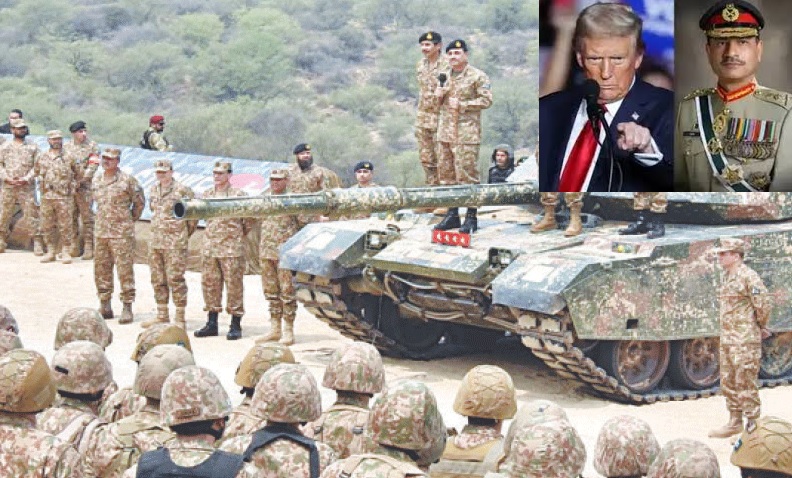
World
The United States has urged Pakistan to make its military and intelligence expenditures more transparent by subjecting them to parliamentary scrutiny and, where possible, public oversight. The demand comes as part of Washington’s annual Fiscal Transparency Report, which evaluates how governments disclose their financial operations and whether citizens can hold institutions accountable. According to the report, Pakistan continues to keep significant portions of its defence budget and intelligence allocations away from open discussion. While officials argue that secrecy is required for national security, the lack of clarity has raised concerns over accountability, mismanagement of funds, and unchecked growth in defence spending. At the same time, the report does note some progress. Pakistan’s end-of-year financial reports are now available online, and the role of the Supreme Audit Institution is highlighted as relatively independent and credible. Yet the gap remains wide when it comes to publishing a detailed executive budget proposal that the public or parliament can debate meaningfully. This call for transparency comes at a critical time. Pakistan’s 2025-26 budget has seen defence spending climb by nearly 20%, even as the country faces mounting debt obligations and limited fiscal space for development. For many analysts, this imbalance reflects a deeper structural problem: resources are consumed by security institutions, while public welfare, education, and healthcare remain underfunded. The United States and other international partners have long tied the issue of fiscal transparency to economic stability. Greater disclosure, they argue, can help Pakistan secure favorable financial terms, rebuild international confidence, and strengthen its democratic institutions. For Pakistan, however, the challenge lies in balancing security imperatives with democratic accountability—a task that will require both political will and institutional reform. If implemented seriously, these reforms could represent a turning point in how Pakistan manages its finances. Allowing civilian oversight of defence and intelligence allocations would not only improve credibility at home and abroad but also signal a stronger commitment to transparency in governance.
Read More → Posted on 2025-09-21 16:12:46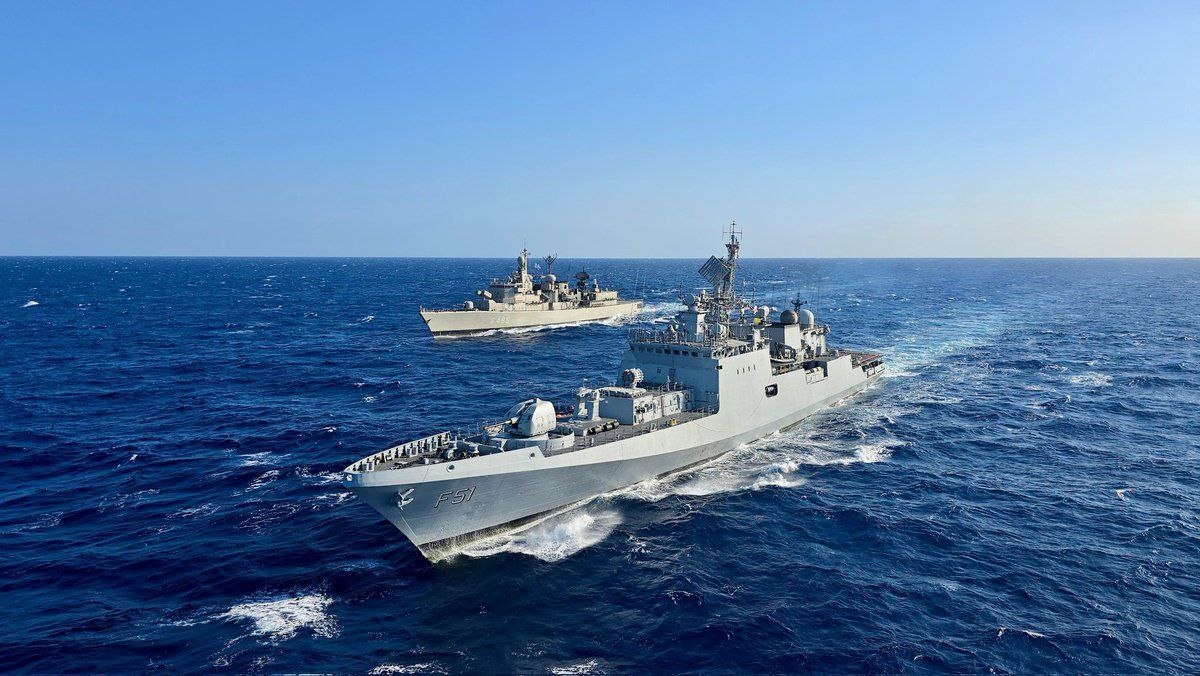
India
In mid-September 2025, India and Greece came together in the Mediterranean Sea for their first-ever bilateral naval exercise, an event that may look routine on the surface but in reality carries deep strategic meaning. With the Indian Navy’s INS Trikand joining hands with the Hellenic Navy’s HS Themistokles, both countries signaled not only military cooperation but also a shared vision for stability in a turbulent region. A Blend of Training and Diplomacy The exercise was structured in two parts — a harbour phase at the Salamis Naval Base, and a sea phase across the Mediterranean waters. On paper, these phases focused on cross-deck visits, professional exchanges, VBSS drills, anti-submarine operations, and gun firing practice. But the real story lies beyond tactics: The harbour phase allowed Indian and Greek sailors to step aboard each other’s warships, exchange professional knowledge, and participate in cultural programs. Symbolically, it showed that the exercise was not only about ships and weapons, but also about human connection and trust-building. The sea phase demonstrated joint strength, as both navies practiced night-time boarding operations, replenishment-at-sea drills, and coordinated helicopter operations. These maneuvers displayed a growing ability to function as one cohesive force in real-world scenarios. Why the Mediterranean Matters for India For India, operating in the Mediterranean is not simply a demonstration of naval reach. It is part of a broader effort to expand influence into regions where energy security, trade routes, and strategic partnerships intersect. The Mediterranean has historically been a zone of great power competition, and India’s visible presence there sends a message: New Delhi is willing to be a stakeholder in European security as much as in the Indian Ocean. For Greece, the exercise is equally symbolic. Situated at the crossroads of Europe, the Middle East, and Africa, Greece faces security challenges in its maritime environment. Its partnership with India offers not just military cooperation but also a chance to diversify alliances in a changing geopolitical climate. Beyond Military Manoeuvres This exercise also carried strong diplomatic undertones. A cultural evening on INS Trikand, attended by Indian diplomats and senior Greek naval officials, reinforced the sense that defence ties are becoming part of a broader strategic partnership. The visit of Indian sailors to the Acropolis in Athens reflected another layer of exchange — one that values history and heritage alongside hard power. A Step Toward the Future The real impact of this first-ever exercise will be measured not only in tactical skills gained but also in how it shapes the India–Greece relationship over the coming years. Both nations share concerns about maritime security, free navigation, and the stability of sea routes. By training together, they build the muscle memory for cooperation in times of crisis, whether it involves humanitarian missions, counter-terrorism at sea, or responding to regional tensions. Looking ahead, this initiative could expand into larger, multilateral frameworks, bringing in other European or Indo-Pacific partners. If that happens, the 2025 India–Greece exercise will be remembered as the first step in a wider strategic convergence. The India–Greece naval exercise in the Mediterranean Sea is much more than a military drill. It represents a new alignment of interests between a rising Asian power and a European state positioned at a strategic crossroads. It reflects India’s growing confidence in projecting naval strength far from home and Greece’s recognition of India as a partner beyond the traditional Euro-Atlantic framework. In the years to come, such exercises could become defining markers of how nations build trust, interoperability, and common vision in an era where the seas remain central to global power dynamics.
Read More → Posted on 2025-09-21 16:08:30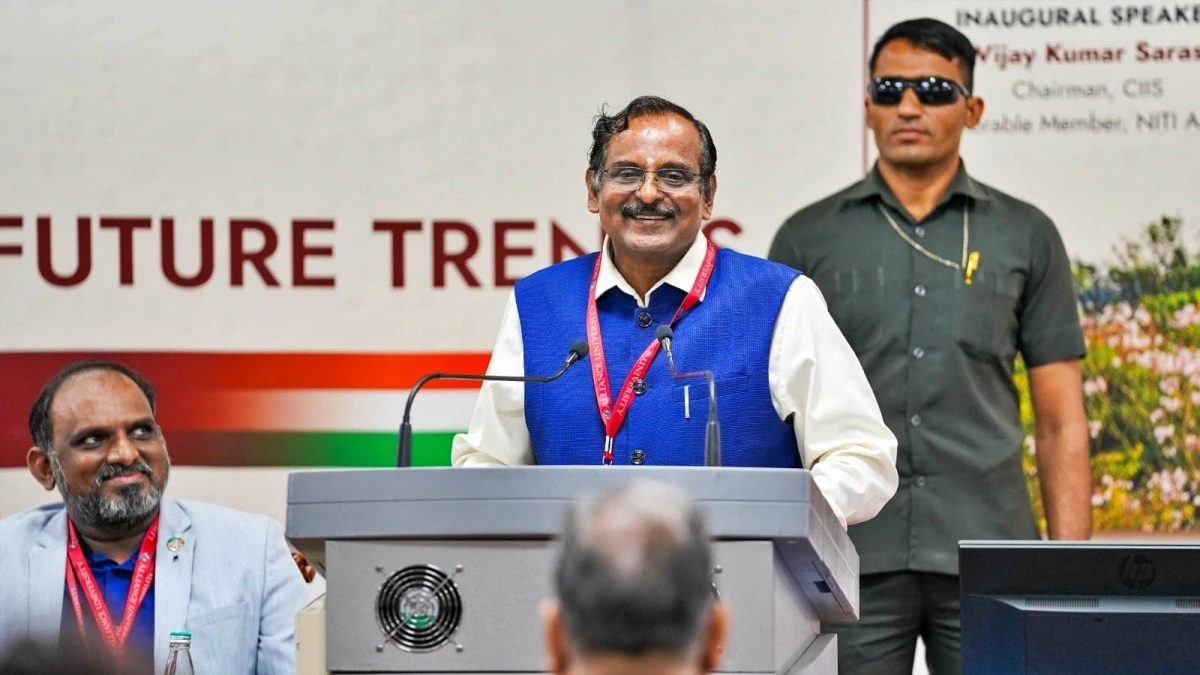
Space & Technology
India : At the National Workshop on Hydrogen Fuel Technologies in Bengaluru, ISRO Chairman Dr. V. Narayanan emphasized that hydrogen will play a transformative role in shaping India’s space missions, clean energy transition, and industrial ecosystem. His speech served both as a progress report and a roadmap for how hydrogen could become the backbone of India’s technological independence. Key Highlights of ISRO’s Work Cryogenic Propulsion Mastery: India now possesses full control over liquid hydrogen–oxygen cryogenic engines, a capability once denied. The LVM-III rocket, marking India’s 100th successful launch in January 2025, used this advanced technology. Fuel Cells in Space: A 100-watt oxygen-hydrogen fuel cell was tested in orbit, and ISRO is developing a 20-kilowatt system for sustained power in long missions. This paves the way for the Bhartiya Antariksh Station and future deep space exploration. Human Moon Mission: ISRO is working on a hydrogen-fueled upper stage rocket with 60–70 tons capacity for India’s first crewed lunar mission by 2040. Industrial Applications: Beyond rockets, ISRO and Tata Motors pioneered a hydrogen fuel cell bus, and in June 2025, five such buses entered commercial service. Public enterprises like BHEL and NTPC are now scaling hydrogen turbines and transport systems. Why Hydrogen Matters Hydrogen represents more than just a new fuel source. For India, it symbolizes strategic autonomy and climate responsibility. With rising global concern over fossil fuels and carbon emissions, hydrogen offers a clean, abundant, and adaptable energy solution. In space, hydrogen enables long-duration human missions, something vital if India aims to establish a permanent human presence on the Moon or build an Indian space station. Unlike conventional fuels, hydrogen can also be regenerated from renewable energy sources, closing the loop between Earth-based sustainability and space exploration. At the industrial level, hydrogen could be the missing link that bridges India’s growth with its environmental commitments. Heavy industries, transport, and power plants—often accused of being polluting—could transition to hydrogen and drastically reduce their carbon footprint. However, challenges remain. Storage and safety are critical, as hydrogen is highly flammable and difficult to contain. This is why ISRO’s focus on millisecond-response hydrogen leak sensors is not just technical but existential. Any large-scale adoption of hydrogen depends on ensuring public confidence in its safety. Future Outlook Looking ahead, India’s hydrogen journey will not be limited to rockets and buses. The National Green Hydrogen Mission seeks to position India as a global hub for hydrogen production, consumption, and exports. This could reshape India’s role in the international energy economy, reducing dependence on imported oil and gas while opening new export markets. For young scientists and engineers, Dr. Narayanan’s call was clear: hydrogen is the frontier where energy, environment, and exploration converge. By mastering it, India can not only achieve energy independence but also secure its place as a leader in the 21st-century hydrogen revolution.
Read More → Posted on 2025-09-21 16:03:14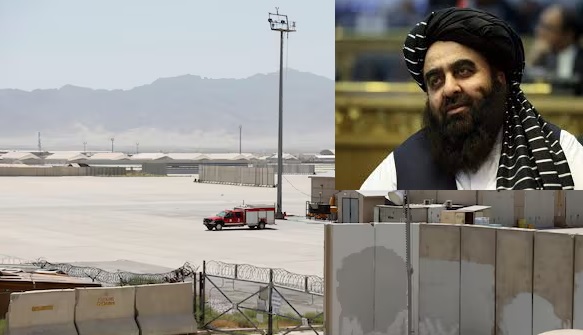
World
Afghanistan's Foreign Minister, Amir Khan Muttaqi, has categorically rejected calls by former U.S. President Donald Trump to reclaim control of the strategically significant Bagram Air Base. In a statement to Tolo News, Muttaqi emphasized that "not even one metre of Afghan land will be given to the Americans," asserting Afghanistan's unwavering stance on its sovereignty and territorial integrity. The Bagram Air Base, located just north of Kabul, was the main hub for U.S. military operations during its two-decade presence in Afghanistan. The base also housed a notorious prison where thousands were detained without charge during the U.S.-led "war on terror," with many reports of abuse and torture. After the withdrawal of U.S. and allied troops in 2021, the Taliban government assumed control of the base. Trump, during a recent visit to the UK, reignited the debate by stating that the U.S. intended to leave Afghanistan "with strength and dignity" but would have kept Bagram, citing its strategic importance near the China border. He even warned Afghanistan on his social media platform, Truth Social, that "bad things are going to happen" if the base was not returned to the United States. In response, Afghanistan issued an official statement reaffirming its commitment to a balanced, economy-oriented foreign policy rooted in Islamic principles and mutual interests with all nations. The statement stressed that Afghanistan’s independence and territorial integrity are non-negotiable priorities in all bilateral engagements, including with the United States. The statement also referenced the Doha Agreement, signed in February 2020, under which the U.S. pledged not to use or threaten force against Afghanistan's territorial integrity or interfere in its internal affairs. Afghanistan called on the U.S. to honor these commitments and adopt a policy of realism and rationality, rather than repeating "past failed approaches." Despite limited formal diplomatic engagement, the U.S. and the Taliban have continued negotiations on issues such as prisoner exchanges and the release of hostages. However, the issue of Bagram Air Base remains a contentious point, with Afghanistan firmly opposing any return of foreign military control on its soil. The ongoing dispute highlights Afghanistan's determination to protect its sovereignty against external pressures and serves as a reminder of the complexities surrounding international agreements and military presence in the region. Afghanistan remains committed to engaging with the international community on the basis of mutual respect, shared interests, and independence.
Read More → Posted on 2025-09-21 15:53:02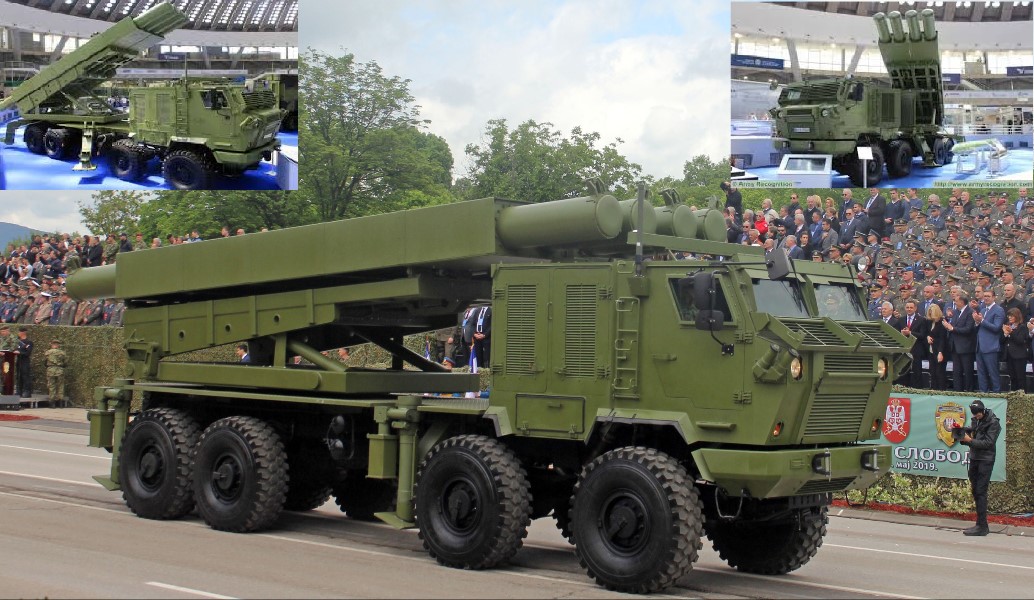
World
Belgrade : In its recent “Strength of Unity” military parade, Serbia unveiled a new heavy rocket system, Sumadija/Vila, developed by state arms manufacturer Yugoimport‑SDPR. The system is modular, designed to combine long-range ballistic strike and loitering munition capabilities in a single self-propelled launcher. While Serbia presented it as enhancing its defense and deterrence, neighboring countries and regional powers are likely to feel growing tension over its potential impact on the balance of military power in the Western Balkans. Technical Specifications & Capabilities Below are reported specifications of the Sumadija/Vila system: Component Capability Notes Jerina (ballistic missile) 2 missiles per container; 400 mm calibre, range approximately 300 km, warhead ~ 250 kg Provides long-range destructive capacity Vila‑1 (loitering munition) Heavy loitering munition; up to 300 km range; warhead up to 450 kg Enables persistent target engagement Launcher configuration Modular launcher with different containers: one for Jerina, another for Vila-1; self-propelled vehicle Allows tailoring payloads for specific missions Target types Time-sensitive, high-value targets: missile batteries, air defense systems, airports/heliports, bases, logistic hubs, command centers, critical infrastructure Matches doctrine of combining deep strike with flexibility Accuracy & guidance Jerina guided with INS/GPS; Vila-1 offers target-area persistence for optimal strike Enables precise engagement at range Regional Reactions and Tensions The deployment of Sumadija/Vila could increase tension among several actors: Kosovo: Any system capable of striking 300 km could reach into Kosovo’s territory, raising security concerns. Bosnia and Herzegovina: Bosniak and Croat leaderships may perceive the system as a potential threat to sovereignty. NATO & EU neighbors: Countries such as Croatia, Montenegro, North Macedonia, and Albania may need to upgrade defense systems in response. Western powers: The USA and European Union may view the system as a regional militarization step affecting stability. Russia & China: Depending on relations with Serbia, the system may be seen as an opportunity for influence or as a delicate situation regarding regional power balance. Context & Strategic Implications The Sumadija MLRS was previously known as a modular multiple rocket launcher able to fire Jerina-1 guided missiles and unguided rockets. The new version pushes the envelope with heavier warheads and inclusion of loitering munitions. Combining ballistic missiles and loitering munitions allows immediate strikes and persistent target engagement, enhancing operational flexibility. The system increases strategic depth, allowing Serbia to engage high-value targets far behind enemy lines. Neighboring countries are likely to perceive it as a provocative capability, potentially triggering regional arms races or calls for diplomatic oversight. Export potential exists, which could shift military balances in other regions. The unveiling of Sumadija/Vila represents a milestone for Serbia’s defense industry, showcasing a modular, multi-role system with significant strike capability. While the credibility of all claimed specifications remains to be independently verified, the system has already introduced new tensions in the Balkans and drawn attention from international observers. The true strategic impact will depend on deployment, accuracy, and operational readiness.
Read More → Posted on 2025-09-21 15:47:29
India
India : Defence Minister Rajnath Singh has embarked on a historic two-day visit to Morocco from September 22–23, marking the first-ever visit by an Indian Defence Minister to the North African nation. The visit, at the invitation of Morocco’s Minister Delegate of National Defence Abdeltif Loudiyi, underlines the growing momentum in bilateral ties and sets the stage for a new chapter in India’s defence diplomacy. A highlight of the visit is the inauguration of Tata Advanced Systems Maroc’s new manufacturing facility at Berrechid. The plant is dedicated to producing the Wheeled Armoured Platform (WhAP) 8x8, a combat vehicle jointly developed by Tata Advanced Systems and DRDO. This facility is the first Indian defence production establishment on African soil, symbolising a major milestone within the Aatmanirbhar Bharat framework. The project represents India’s transformation from being primarily a defence buyer to becoming a global supplier and industrial collaborator. The Berrechid facility is expected to produce around 150 WhAP vehicles for the Royal Moroccan Armed Forces over the next three years. Importantly, the initiative will generate local employment with nearly 90 direct jobs and about 250 indirect jobs, while ensuring local value-addition starting at 35%, with a roadmap to increase it to 50%. Such collaboration demonstrates India’s ability to share not just platforms but also industrial capacity, making Morocco a critical partner in Africa’s defence landscape. During the visit, Rajnath Singh will hold extensive talks with Abdeltif Loudiyi to advance cooperation in military exchanges, training, joint initiatives in defence technology, and structured industrial collaboration. Both sides are set to formalise these engagements through the signing of a Memorandum of Understanding (MoU) on Defence Cooperation. This will provide an official framework for enhanced defence ties, enabling opportunities for greater engagement between the two armed forces and defence industries. Beyond defence, the Indian Defence Minister will meet Morocco’s Minister of Industry and Trade, Ryad Mezzour, to explore broader industrial linkages in aerospace and advanced manufacturing. In addition, he will interact with the vibrant Indian diaspora in Rabat, reflecting the importance India places on people-to-people connections as part of its strategic outreach. Maritime ties also feature prominently. Indian Navy ships have made regular port calls at Casablanca, and with the signing of the MoU, these linkages are expected to expand to joint drills, port visits, and broader naval cooperation, thereby reinforcing the maritime dimension of India-Morocco relations. Strategically, the visit builds on the momentum generated since King Mohammed VI and Prime Minister Narendra Modi strengthened bilateral engagement in 2015. Morocco, with its pivotal location in North Africa, provides India with an anchor for expanding its influence across the African defence landscape. The inauguration of a physical defence manufacturing presence in Morocco stands as a symbolic leap in India’s global defence journey. It showcases the strength of the private sector-led export model, reinforces India’s image as a reliable partner in global security frameworks, and underlines the country’s ambition to emerge as a major player in international defence supply chains.
Read More → Posted on 2025-09-21 15:37:12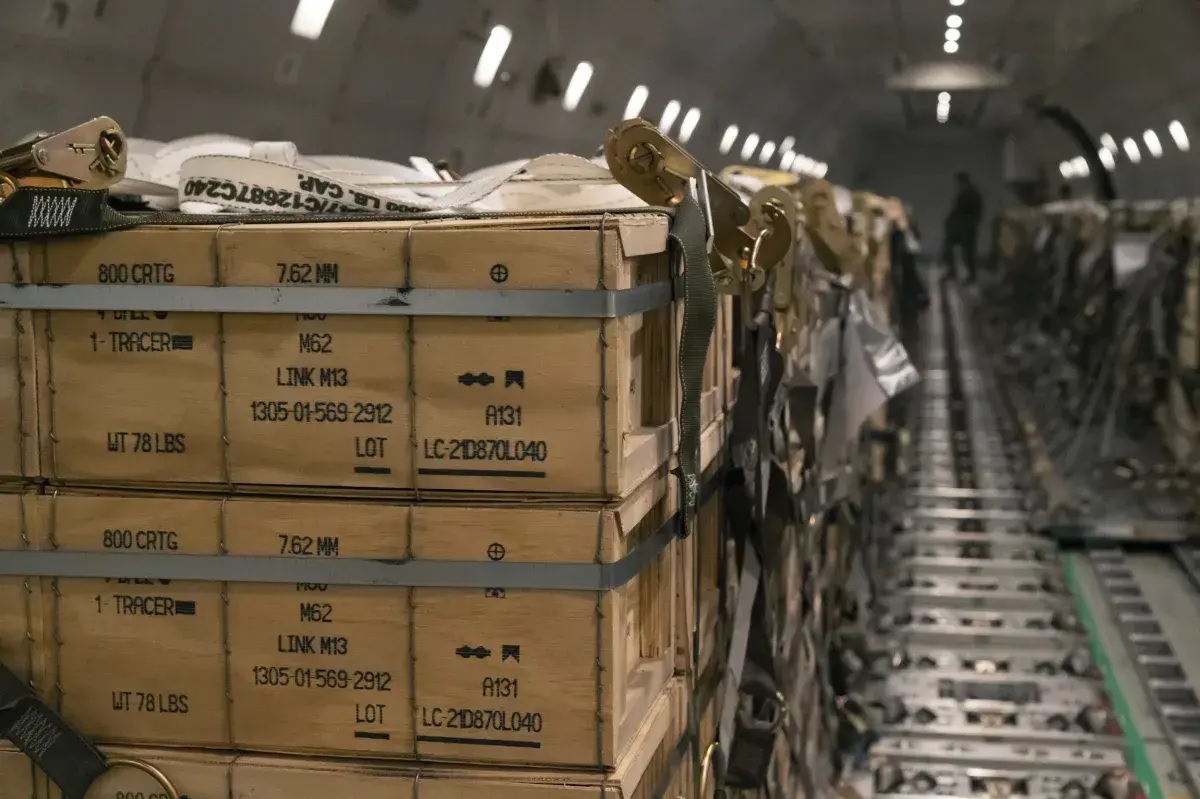
World
U.S : The United States has quietly paused certain arms sales to European allies, citing shortages in key weapons systems and a growing need to prioritise its own military stockpiles. The decision comes as NATO partners look to strengthen their defences in the face of an increasingly assertive Russia. The first sign of the shift emerged during Denmark’s negotiations for a multibillion-dollar air-defence system. While U.S. and French officials had previously supported the deal, the Pentagon appeared reluctant at the final stage. Officials later confirmed that Patriot missile systems, in particular, are being withheld as they are in limited supply and needed for U.S. use. Internal assessments suggest the United States has only about 25 percent of the Patriot interceptors required to meet its current military plans. As a result, the Pentagon has started blocking new requests from European partners, with very few exemptions expected. The pause has already changed procurement choices in Europe. Denmark has signed a $9.1 billion agreement with a French-Italian venture for long-range systems and with Germany, France, or Norway for medium-range defences. It is the country’s largest-ever arms purchase and signals a shift towards European-made alternatives. Deputy Assistant Secretary of Defense Elbridge Colby has been quoted as opposing some foreign military sales, including Patriot exports to Denmark. He has argued that resources should be concentrated in the Indo-Pacific, where the U.S. sees China as its primary strategic rival. However, the Pentagon and State Department have rejected suggestions of internal policy divisions, stressing that decisions align with the administration’s “America First Agenda.” The restrictions have raised concerns among allies. Analysts warn that withholding weapons could weaken European defences, reduce U.S. influence, and encourage governments to seek other suppliers. “We tell Europeans to send weapons to Ukraine and buy replacements, but then we say, ‘You can’t have them,’” one expert noted. Foreign military sales have long been a major instrument of U.S. foreign policy, with transfers worth $117.9 billion recorded in the 2024 fiscal year. By pausing deliveries to Europe, Washington risks creating uncertainty within NATO at a time when Russia remains an imminent threat. Former defence officials caution that prolonged delays could incentivise European states to invest heavily in their own production lines. If wait times extend further—from two years to potentially five—U.S. industry risks losing long-term markets to emerging European defence suppliers. The U.S. decision to pause arms sales underlines a new strategic balance: protecting domestic stockpiles and pivoting toward the Pacific, even if it means allies in Europe will have to look elsewhere to secure their defences.
Read More → Posted on 2025-09-21 15:28:35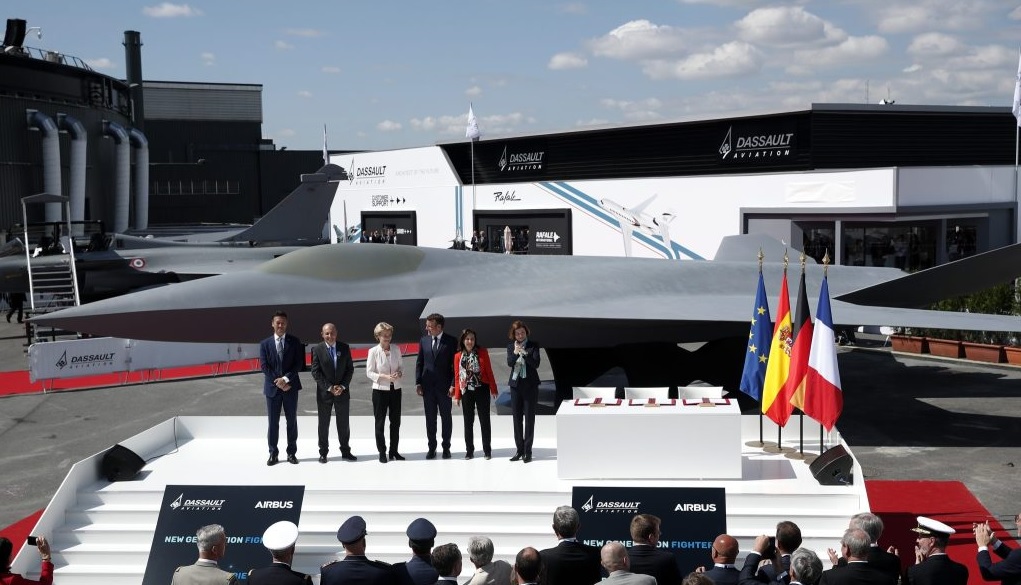
World
Germany : Berlin is also weighing a withdrawal from the Future Combat Air System (FCAS) programme, as dissatisfaction grows over the division of work and the dominant role of French industry. According to reports, the German government is analysing possible alternatives, including participation in the Global Combat Air Programme (GCAP) led by the United Kingdom, Italy, and Japan. The FCAS project, launched to develop a sixth-generation fighter jet for Europe, is designed to eventually replace the Eurofighter in the German Luftwaffe around the mid-21st century. Alongside the fighter, the programme includes remote carriers and a combat cloud, making it one of the most ambitious defence projects in Europe. However, tensions between Berlin and Paris have strained the partnership, with Germany objecting to France’s push for greater control in the next phases of the project. The current disagreements mirror past European defence splits. Observers have drawn parallels with the MAWS maritime patrol aircraft programme, which collapsed after Germany ordered Boeing P-8A Poseidons from the United States, while France independently pursued the Airbus A321MPA. The situation is also reminiscent of the 1980s, when Europe failed to agree on a joint fighter, resulting in France developing the Dassault Rafale and others moving ahead with the Eurofighter. In addition to France and Germany, Spain and Belgium are involved in FCAS, though Spain has openly expressed frustration with the project’s current state. This growing unease places further pressure on the initiative. Germany has already committed to buying 35 F-35A Lightning II fighters from the United States, which are expected to complement or potentially expand its fleet if FCAS falters. Joining the GCAP project, scheduled to deliver aircraft around 2035, could give Berlin another pathway to maintain its technological edge and strengthen ties with new partners. German Chancellor Friedrich Merz has insisted that France must respect earlier agreements on work-sharing, while Defence Minister Boris Pistorius has pledged to seek clarity with his French counterpart before the end of the year. Meanwhile, Paris remains firm that French industry should play the leading role in the programme. The future of FCAS now hangs in the balance. Unless compromises are reached soon, Germany may be forced to pivot toward alternatives, raising questions over whether Europe can achieve a truly joint next-generation air combat system or whether history will repeat itself with yet another split in European defence aviation.
Read More → Posted on 2025-09-21 15:15:57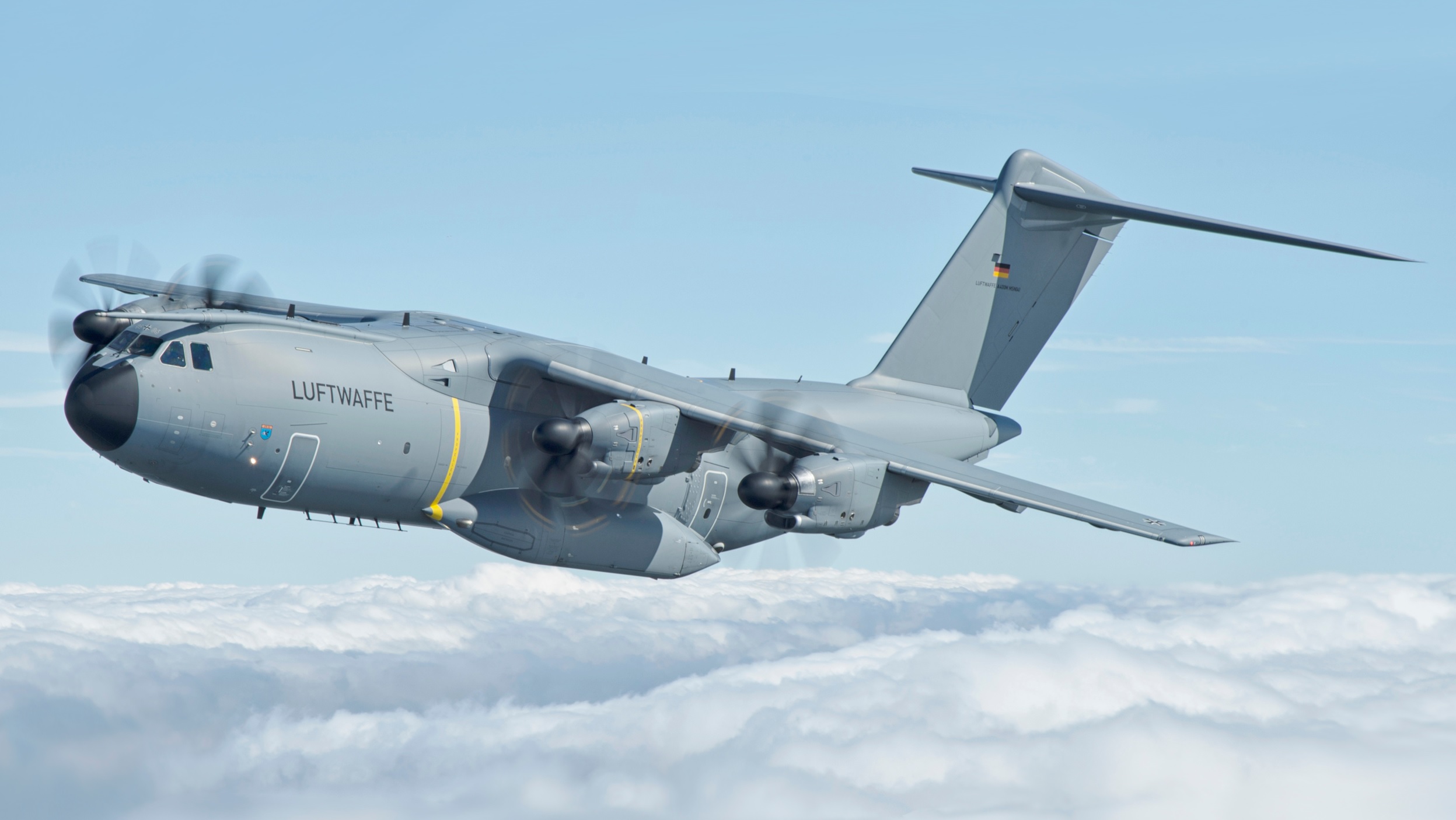
India
India : Germany is intensifying efforts to supply its advanced Airbus A400M Atlas military transport aircraft to the Indian Air Force (IAF), aiming to bolster India's strategic airlift capabilities. This proposal was highlighted during high-level talks in New Delhi on September 3, 2025, between German Foreign Minister Johann Wadephul and India's External Affairs Minister S. Jaishankar. The discussions underscored a deepening of Indo-German defence relations, building upon the successful "Make in India" initiative exemplified by the recent Airbus C-295M aircraft deal. Strategic Rationale and Capabilities Minister Wadephul emphasized the A400M's versatility, describing it as a "reliable, versatile platform" essential for enhancing the IAF's tactical and strategic mobility. The A400M's capabilities are particularly important for operations in India's challenging high-altitude terrains along the Line of Actual Control (LAC) with China. With a maximum payload capacity of 37 tonnes, the A400M can transport heavy equipment such as the Indian Army's 25-tonne Zorawar light tank, nearly doubling the load capacity of the C-130J Super Hercules. Its ability to operate from short and unpaved runways, combined with a high cruising speed of 780 km/h, makes it ideal for rapid deployment of troops and material across India's vast geography. Medium Transport Aircraft (MTA) Program The A400M is a leading contender for India's Medium Transport Aircraft (MTA) program, which seeks to procure 40 to 80 new aircraft. This initiative, valued at over $10 billion, is critical for replacing the IAF's aging fleet of more than 100 Soviet-era Antonov An-32 and Ilyushin Il-76 aircraft. The program emphasizes technology transfer and domestic manufacturing to boost India's indigenous defence industry. Germany's offer includes the establishment of a final assembly line in India, potentially in collaboration with Tata Advanced Systems Limited (TASL), following the successful model used for the C-295M aircraft. Broader Bilateral Cooperation The talks also covered broader issues, including efforts to double bilateral trade, Indo-Pacific stability, and global security challenges. Minister Jaishankar welcomed the deepening defence cooperation, emphasizing the 25-year milestone of the Indo-German Strategic Partnership. He noted that India looks to Germany for support in concluding the long-pending Free Trade Agreement (FTA) with the European Union and for collaboration on counter-terrorism efforts. The talks also included Germany’s encouragement for India to use its diplomatic channels with Russia to help find a peaceful resolution to the Ukraine conflict. Challenges and Considerations Despite its advanced capabilities, the A400M faces significant challenges, primarily its high procurement cost, estimated at $220-250 million per unit, higher than competitors. Airbus argues that the aircraft's multi-role versatility and fuel efficiency result in lower long-term operational costs, offsetting the initial expense. The IAF is expected to conduct user trials for the MTA program by 2026, with the goal of beginning inductions between 2030 and 2035 to systematically phase out its older transport fleets. Germany's proposal to supply the A400M Atlas to the IAF represents a significant step in strengthening Indo-German defence ties and enhancing India's strategic airlift capabilities. The outcome of the MTA program will be pivotal in shaping the future of India's military transport fleet.
Read More → Posted on 2025-09-21 15:08:35
World
The Pentagon has introduced sweeping new restrictions on journalists covering the Department of Defense, a move that has drawn criticism from media organizations, legal experts, and even some lawmakers. Announced via a memo by Pentagon spokesman Sean Parnell, the new rules require reporters to adhere to strict guidelines before gaining or maintaining press credentials. Under the policy, journalists must complete a 17-page agreement pledging not to publish or gather information without prior approval from an authorized official—even if the information is unclassified. Press credentials can be revoked or suspended for violations, including the disclosure of controlled unclassified information (CUI). Reporters’ access inside the Pentagon will also be limited, with many areas requiring a government escort. The Pentagon defends the policy as a measure to protect national security, ensuring that both classified and sensitive unclassified information are not misused or improperly disclosed. Officials, including Sean Parnell, describe the rules as “basic, common-sense guidelines” consistent with security practices at other military facilities. However, the move has triggered strong criticism. The New York Times and other media outlets argue that requiring prior approval for unclassified information amounts to prior restraint, which is widely considered incompatible with the First Amendment. Republican Representative Don Bacon called the rules “absurd,” warning that such measures risk turning the media into state-controlled outlets limited to reporting government talking points. Free press groups have also raised concerns that the restrictions could chill journalistic investigation and deter whistleblowers from sharing vital information. This development comes amid ongoing tensions between the Trump administration and the media. Earlier this year, Secretary of Defense Pete Hegseth had already imposed restrictions requiring reporters to be escorted in Pentagon areas. Broader changes to media access, including reassigning certain news organizations from Pentagon offices, have fueled fears about government influence over reporting. Experts warn that the new rules could face constitutional challenges, as prior restraint is generally deemed unconstitutional unless it meets exceptionally narrow criteria. The implications for press freedom are significant, potentially affecting how information about national security and military operations is reported in the United States. While the Pentagon frames the guidelines as protective of sensitive information, many observers see the policy as a concerning shift that could give government officials undue control over the dissemination of information, even when it is unclassified.
Read More → Posted on 2025-09-21 15:03:13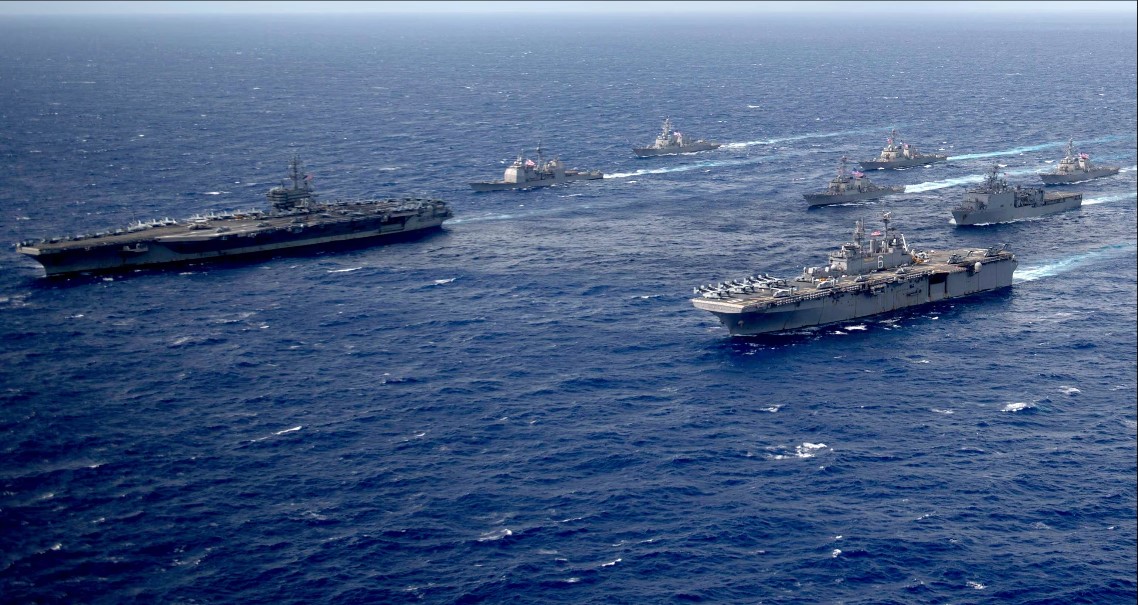
World
As of mid-September 2025, U.S. Southern Command (SOUTHCOM) has markedly increased its military footprint in the Caribbean Sea and adjacent waters, focusing especially on Venezuela and associated cartel networks. The deployment appears aimed at counter-narcotics operations but includes many of the same assets characteristic of strike readiness, prompting concern in Caracas and debates in Washington about how far the mission may extend. What Is Confirmed These are elements verified by multiple credible sources: Iwo Jima Amphibious Ready Group / 22nd Marine Expeditionary Unit (MEU)On 14 August 2025, the Iwo Jima ARG with the 22nd MEU (Special Operations Capable) deployed from Norfolk, Virginia, to the southern Caribbean. The group includes the assault ship USS Iwo Jima, and the San Antonio-class transport docks USS San Antonio and USS Fort Lauderdale, carrying some 4,500 sailors and Marines. Counter-narcotics mission declared “not training”U.S. Defense Secretary Pete Hegseth visited Puerto Rico aboard USS Iwo Jima in early September and publicly emphasized that the units are performing a real mission, not mere exercises. Destroyer presenceThe U.S. Navy has deployed several Arleigh Burke-class guided-missile destroyers — USS Jason Dunham, USS Gravely, and USS Sampson — to the Caribbean / southern Caribbean waters. These destroyers are part of the U.S. push against narcotics trafficking networks. Naval actions over fishing boat / interdiction claimsThe USS Jason Dunham has been involved in controversial actions. For example, U.S. personnel associated with the Jason Dunham boarded a Venezuelan fishing vessel purportedly in search of contraband, found none, and released the vessel. The Venezuelan government protested, claiming the boarding violated their Exclusive Economic Zone. F-35 deploymentMultiple sources indicate that 10 F-35 jets have been or are being positioned in Puerto Rico to support operations targeting drug cartels. What Is Unverified or Disputed Here are claims from initial reports that are not fully supported or may be exaggerated, misattributed, or speculative at this point: Destroyer Tomahawk missile strike readinessClaims that each destroyer has “more than 90 vertical launch cells capable of firing Tomahawk cruise missiles, surface-to-air interceptors, and anti-submarine weapons” is generally plausible for an Arleigh Burke class ship, but there is no public record confirming that these specific ships are fully loaded with Tomahawks or pre-armed for immediate strike missions against hardened or defended targets in Venezuela. Additional naval units (cruisers, littoral combat ship, nuclear-powered subs) in the regionThe deployment of USS Lake Erie (a guided-missile cruiser), a littoral combat ship Minneapolis-St. Paul, and at least one U.S. fast-attack submarine are claimed in unverified or rumor sources. Open sources do confirm Lake Erie is part of SOUTHCOM naval assets, but not precise operational locations or missions. Special Operations presence doing high-value raids, sabotage, deep penetration missions against radars, airbases, etc.While the U.S. public posture supports “enhanced counter-narcotics operations,” there is no open source confirmation of orders or deployment of SOF teams for cross-border raids into Venezuela, sabotage, or targeting state air defense systems. Such missions would be sensitive and likely classified, so public confirmation is absent. Legal authorizations / classified directiveThe idea that a “classified presidential directive signed in July” gives authority for cross-border strikes vs. governments enabling cartels is plausible under existing foreign-terrorism and counter-narco-terror frameworks discussed in media, but no public unclassified document with those exact terms is verified. What Is Plausible / Highly Likely Based on Known Reporting The U.S. build-up is meant to provide flexibility: able to move from counter-drug interdiction to more kinetic options if political leadership orders them. Training and readiness operations are likely happening in Puerto Rico and nearby islands in parallel with counter-narcotics patrols. Terrain, climate, and proximity to Venezuela make Puerto Rico an ideal staging area. Venezuelan government response (flyovers, diplomatic protests, claims of violations of EEZ) is consistent with what has already occurred. What Remains Disputed or Unclear Whether all the naval and air assets listed (e.g. submarine, littoral combat ship, certain cruisers) are simultaneously present off the Venezuelan coast or if they are in transit or in supporting positions. Whether the U.S. has begun executing strikes targeting state infrastructure (radars, airbases) inside Venezuelan territory — public sources so far suggest interdiction at sea, show-of-force flyovers, but not full-scale cross-border bombing or seizure. The precise chain of command and legal authority for cross-border operations remains murky. Assessment & Potential Scenarios Given verified deployments (ARG/MEU, destroyers, F-35s to Puerto Rico, increased patrols, public statements by U.S. defense leadership), the U.S. appears to be in a posture of escalation with built-in flexibility. The posture allows several possible pathways: Containment / interdict drug trafficking — increased maritime patrols, surveillance, seizures at sea; minimal kinetic action on Venezuelan soil. Limited strikes — if intelligence identifies specific cartels, boats, clandestine airstrips; could see airstrikes or missile strikes in international waters or possibly even inside Venezuela if justified. Fuller military pressure — suppression of air defense, disabling radar, attacks on state bases — but that would risk major escalation, international outcry, and possibly conflict with Venezuelan military forces. Why This Matters The U.S. is increasingly treating cartels and narcotics trafficking as national security threats on par with terrorism. Deploying advanced assets (stealth fighters, amphibious groups) reflects a shift from law-enforcement dominated to military-empowered strategy. Venezuela has rejected many of the U.S. claims or actions, citing sovereignty, EEZ infringement, and disputes over evidence. Claims of U.S. warships boarding vessels in Venezuela’s EEZ and the flyovers of the Jason Dunham have added diplomatic tension. Local publics (Puerto Rico, Caribbean neighbours) are concerned about militarization, risk of spillover, legality, and potential unintended consequences. The narrative that the U.S. has fully mobilized a strike group with all the capabilities listed (deep‐penetration missions, ready cruise missile strikes, amphibious assaults, SOF raids inside Venezuela) is not fully supported by open evidence as of September 2025. What is supported, however, is that the U.S. has deployed a significant force posture: Amphibious Readiness, including thousands of Marines, deployed in the Caribbean. Forward positioning of F-35s in Puerto Rico. Multiple guided-missile destroyers near Venezuela. Increased surveillance and counter-narcotics operations with real mission declarations from leadership. These factors together do create a credible threat envelope. Whether this will expand into direct strikes on Venezuelan state infrastructure or deeper military operations depends upon political decisions, legal authorizations, and Venezuelan responses.
Read More → Posted on 2025-09-21 14:57:38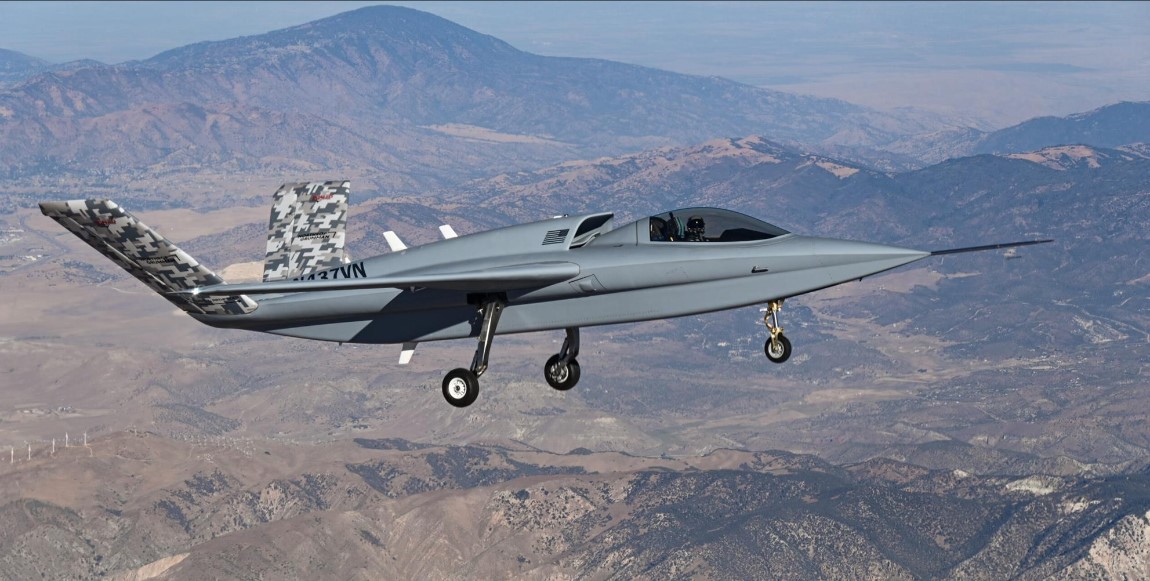
World
Scaled Composites’ Model 437 Vanguard returned to the skies on 20 September 2025, beginning a new phase of envelope expansion flights after undergoing major upgrades since its first flight in 2024. The test campaign is a crucial step before the aircraft supports Northrop Grumman’s Beacon autonomy trials, which will evaluate advanced autonomous flight technologies. Major Upgrades and Preparations In preparation for this new role, engineers completed significant work on the aircraft, including: Updates to the hydraulic system Integration of Beacon subsystems within the airframe Installation of pilot interfaces in the cockpit for safety pilot operations Joint hangar tests by Scaled Composites and Northrop Grumman to verify the Beacon autonomy ecosystem before flight Project engineer Yuto Shinagawa explained that the transformation required turning an airplane that had only flown once into a versatile autonomous testbed. A key challenge was ensuring flight safety protections when engaging the autonomous system and integrating those protections directly into the flight controls. Model 437 Capabilities The Model 437 Vanguard is a medium-class jet testbed designed with autonomy and payload flexibility in mind. Key specifications include: Length and wingspan: approximately 41 feet each Engine: single Pratt & Whitney 535, producing around 3,400 pounds of thrust Gross takeoff weight: about 10,000 pounds Payload capacity: up to 2,000 pounds, with an internal bay measuring roughly 145 × 36 × 16 inches Range and endurance: up to 3,000 nautical miles and six hours These features make the aircraft particularly suited for autonomy testing, offering endurance, payload flexibility, and the ability to operate in both manned and unmanned configurations. The Beacon Autonomy Ecosystem Beacon is Northrop Grumman’s open-architecture testbed initiative designed to accelerate the development of autonomy software. The system provides: An optionally autonomous aircraft with safety pilots on board Open interfaces and sensors that allow different autonomy developers to integrate and test their systems A platform for collaboration with leading autonomy partners, including Applied Intuition, Autonodyne, Merlin, Red 6, Shield AI, and SoarTech By bridging the gap between lab testing and real-world flight trials, Beacon aims to speed up the deployment of autonomous systems into operational environments while maintaining strict safety standards. Expanding the Flight Envelope The ongoing test flights focus on gradually expanding the operating envelope of the Model 437. Engineers are pushing the aircraft to higher airspeeds, altitudes, and maneuvering limits to validate safety margins and ensure the integrity of the control systems, particularly under autonomous operation. These tests are critical to proving that the aircraft can safely handle the stresses and demands of autonomy before the Beacon trials begin. Significance of the Programme The resumption of flight testing demonstrates Scaled Composites’ agility in rapidly modifying aircraft for advanced test objectives. Combined with Northrop Grumman’s expertise in autonomy, the programme has accelerated progress in developing and refining autonomy software. The Model 437 Vanguard is now positioned as a central platform for future autonomous aviation advancements, enabling partners to test next-generation autonomy solutions in realistic flight conditions. Its role in the Beacon initiative underscores its importance in shaping the future of autonomous air operations.
Read More → Posted on 2025-09-21 14:44:45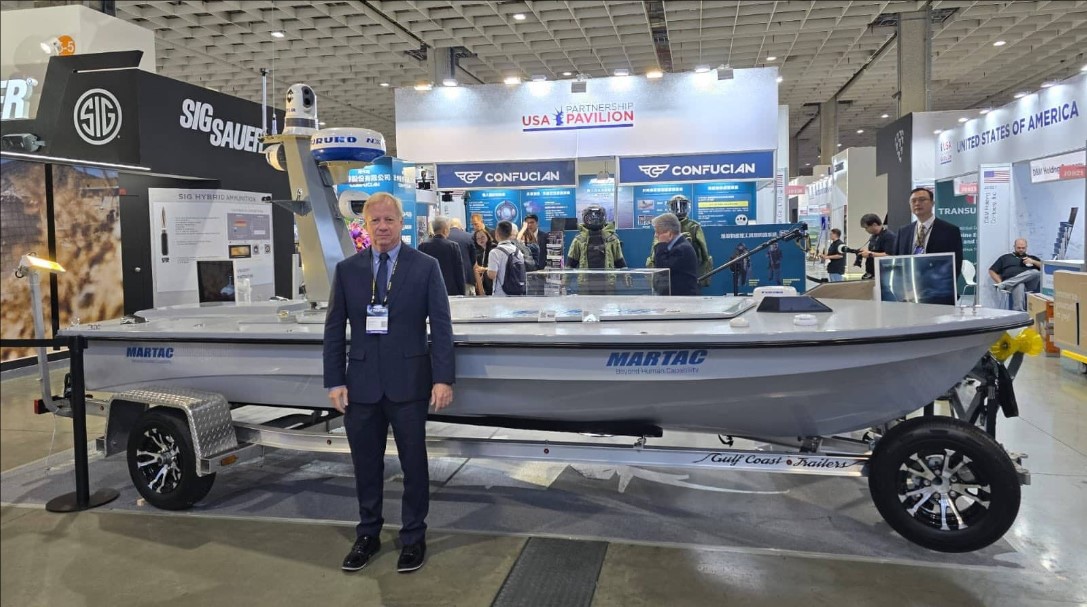
World
In a significant development at the Taipei Aerospace & Defense Technology Exhibition (TADTE) 2025, Maritime Tactical Systems, Inc. (MARTAC) has entered into a tripartite Memorandum of Understanding (MoU) with Taiwan's National Chung-Shan Institute of Science and Technology (NCSIST) and Confucian Co., Ltd. This collaboration aims to co-develop and manufacture MARTAC's advanced Unmanned Surface Vehicle (USV) systems tailored for the Taiwanese market. Strategic Collaboration for Advanced USV Systems The MoU outlines a comprehensive framework for cooperation across several key areas: Research and Development: Joint efforts to innovate and enhance USV technologies. Co-Manufacturing: Establishing local production capabilities in Taiwan. Technology Sharing: Facilitating the exchange of technical expertise and resources. Supply Chain Integration: Developing a robust supply chain to support USV manufacturing. Workforce Development: Training and upskilling personnel to support the USV industry. This partnership is poised to bolster Taiwan's defense capabilities by integrating cutting-edge USV technologies into its maritime operations. Insights into the MUSKIE M18 USV A focal point of this collaboration is the MUSKIE M18, an 18-foot (5.5m) high-performance monohull USV designed for versatility and efficiency. Key specifications include: Speed: Burst speeds exceeding 50 knots. Range: Open ocean cruising capabilities up to 500 nautical miles. Payload Capacity: Up to 1,000 pounds (450 kg). The M18 is engineered for various missions, including reconnaissance, surveillance, and electronic warfare. Its design emphasizes autonomy, allowing for both remote and fully autonomous operations, with operator intervention capabilities during missions. Strategic Implications for Taiwan's Defense This collaboration aligns with Taiwan's broader strategy to enhance its asymmetric warfare capabilities in the face of regional security challenges. By integrating advanced USV technologies, Taiwan aims to strengthen its maritime defense posture and deter potential adversaries. The partnership also underscores the growing defense cooperation between Taiwan and international allies, reflecting a shared commitment to regional stability and security. The MoU between MARTAC, NCSIST, and Confucian marks a pivotal step in advancing Taiwan's defense capabilities through the integration of advanced USV technologies. This collaboration not only enhances Taiwan's maritime defense but also sets a precedent for future international defense partnerships in the region.
Read More → Posted on 2025-09-20 16:41:05
World
Kratos Defense & Security Solutions, Inc., in collaboration with Taiwan's National Chung-Shan Institute of Science and Technology (NCSIST), has unveiled the Mighty Hornet IV, an advanced attack UAV derived from the MQM-178 Firejet target drone. This innovative system was showcased at the Taipei Aerospace & Defense Technology Exhibition (TADTE) from September 18 to 20, 2025. Transforming the MQM-178 into a Combat Platform The Mighty Hornet IV represents a significant evolution from its predecessor, the MQM-178, which has been utilized for over 15 years to support surface-to-air and air-to-air engagements. The transformation enhances its capabilities, enabling it to function as a high-speed, high-G maneuvering attack UAV with a service ceiling exceeding 35,000 feet. This adaptation positions the Mighty Hornet IV as a versatile asset suitable for various military applications. Strategic Military Roles Designed as a low-cost, expendable platform, the Mighty Hornet IV is intended for multiple roles within Taiwan's defense strategy. It serves as a precise stand-off strike weapon, capable of anti-ship operations, and functions as a decoy to divert adversarial attention from other allied forces. Additionally, it can be employed as a target drone during peacetime training exercises. These capabilities align with Taiwan's emphasis on resilience and innovation in defense. International Collaboration and Market Expansion The partnership between Kratos and NCSIST includes an agreement for Kratos to market the Mighty Hornet IV internationally, highlighting its potential to address global defense requirements. This collaboration underscores Kratos' commitment to innovation and excellence in the defense sector, as stated by Steve Fendley, President of Kratos Unmanned Systems Division. Demonstrated Performance and Future Prospects Recent demonstrations of the MQM-178 have confirmed its reliability and adaptability, supporting both Manned-Unmanned Teaming (MUM-T) and loitering munition scenarios. These successful trials validate the advanced flight profile of the Mighty Hornet IV, positioning it as a formidable component in modern military operations. The unveiling of the Mighty Hornet IV at TADTE 2025 not only showcases Taiwan's dedication to defense innovation but also highlights Kratos's role in advancing military technology. This development marks a significant leap in military capability for Taiwan and sets a precedent for future collaborations in the defense sector.
Read More → Posted on 2025-09-20 16:17:21Search
Top Trending in 24 Hours
-
 U.S. Military Selectively Intercepts Iranian Missiles to Preserve Shrinking Air Defense Stocks : Report
-
 Russia Unveils Experimental Plot-40 Floating Defense Platform to Counter Drone and USV Threats
-
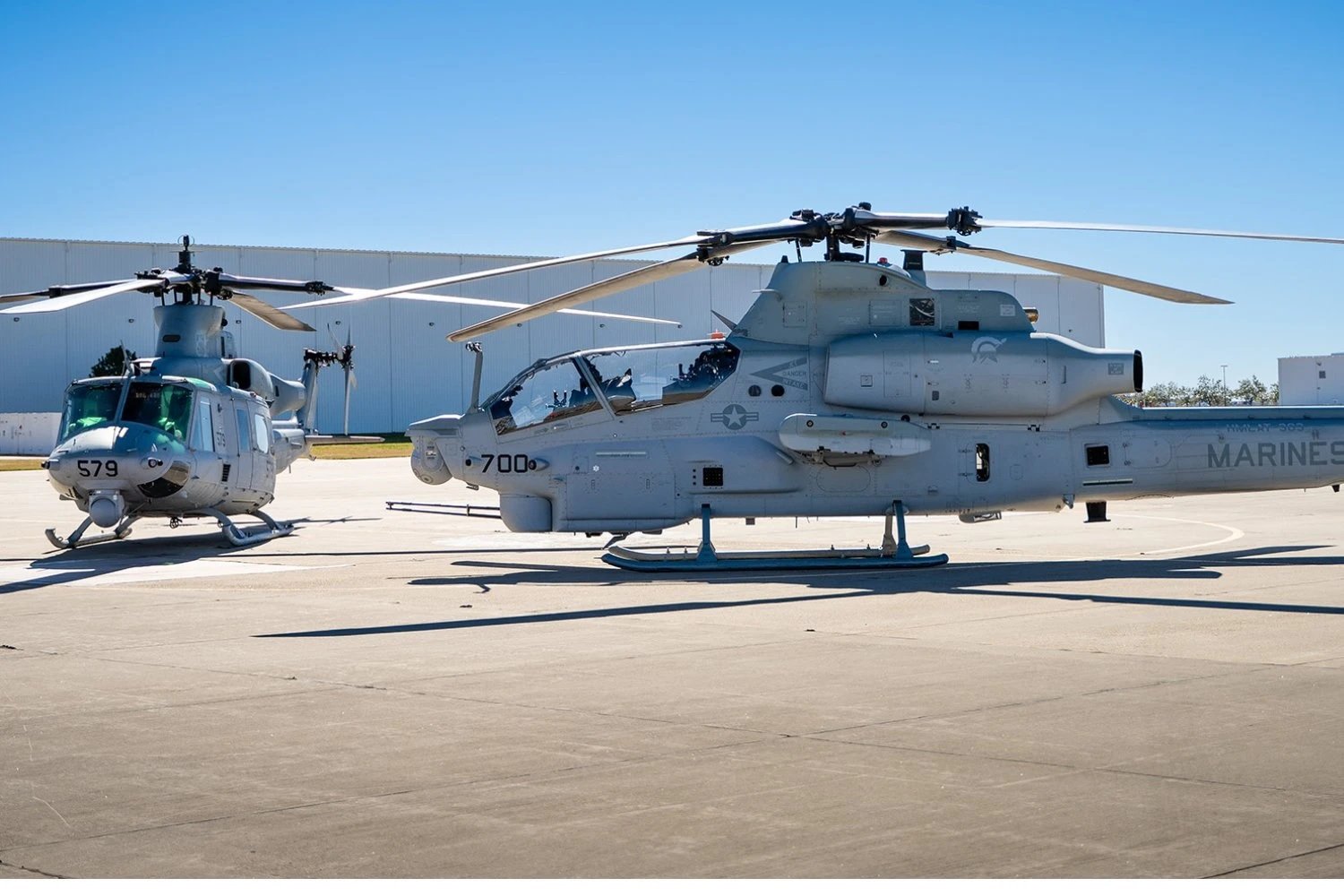 U.S. Awards Bell Textron $33.64 Million Contract for Next Phase of Marine Corps AH-1Z and UH-1Y Helicopter Upgrades
-
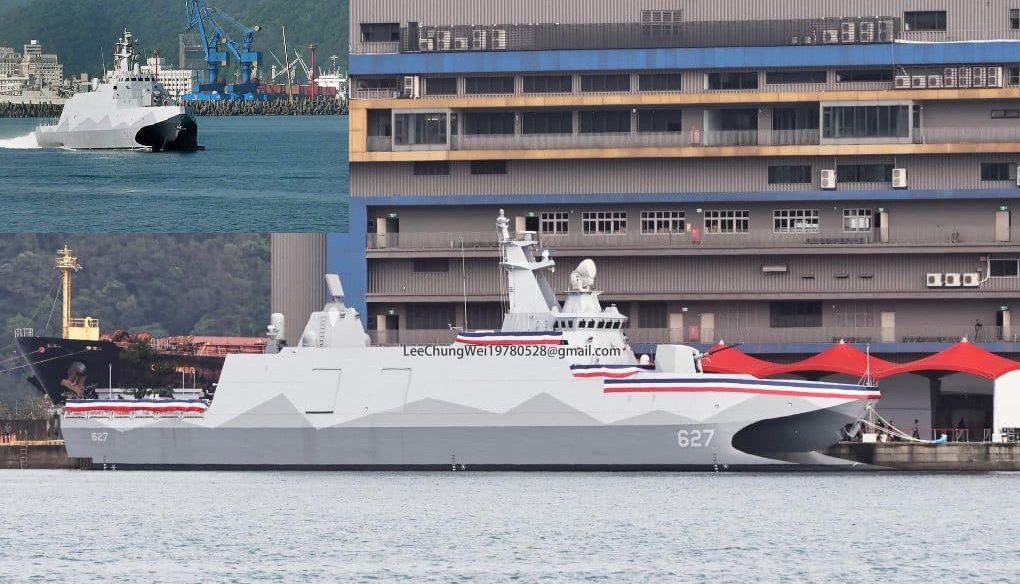 Taiwan Commissions First Batch 2 Tuo Chiang-Class Corvette with New Leonardo Radar
-
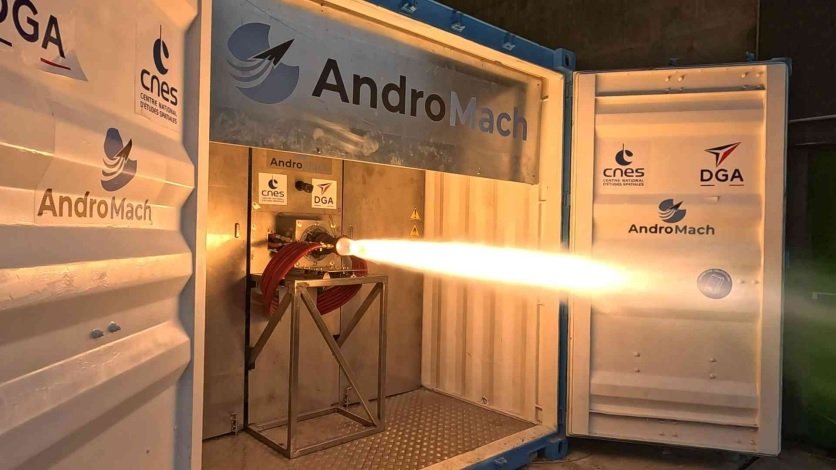 French Startup AndroMach Successfully Tests Reusable Rocket Engine 21 Times for Hypersonic Drone
-
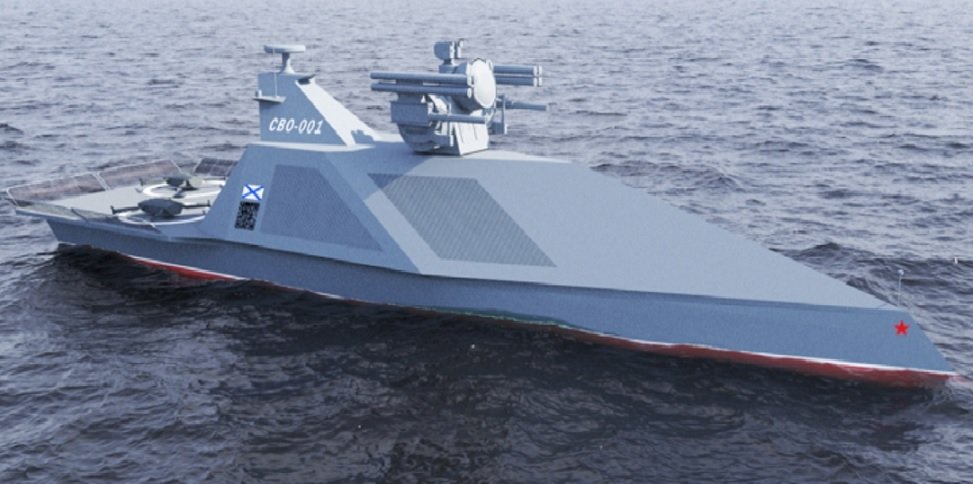 Russia Builds 500-Ton Unmanned Warship For Anti-Submarine Warfare, Plans New 9,500-Ton Warship, Navy Chief Says
-
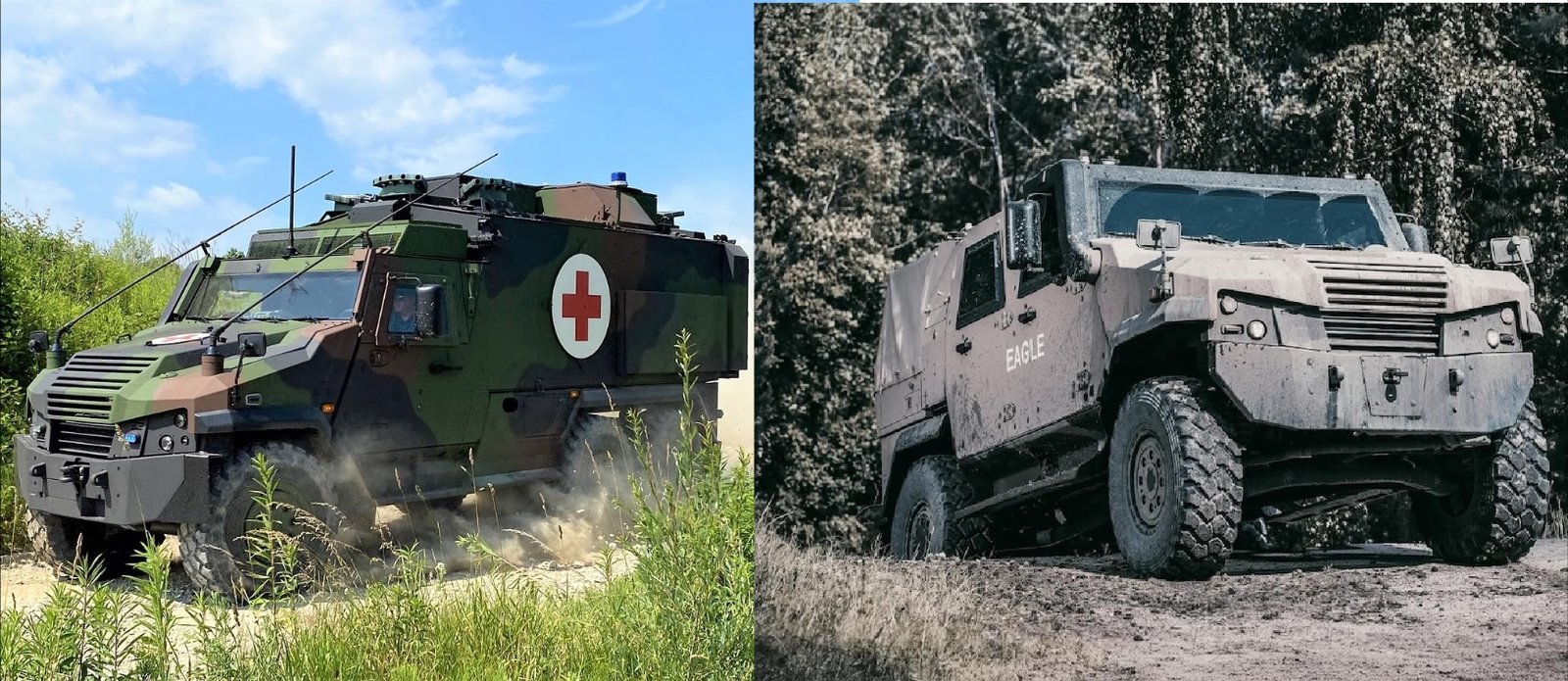 Allison Transmission to Supply Automatic Transmissions for Nearly 3,000 German EAGLE V Armored Vehicles Ordered by Germany
-
 Unreleased Footage Reveals Why Lindsey Graham Dropped Plan to Push Trump on Hezbollah Strikes
Top Trending in 4 Days
-
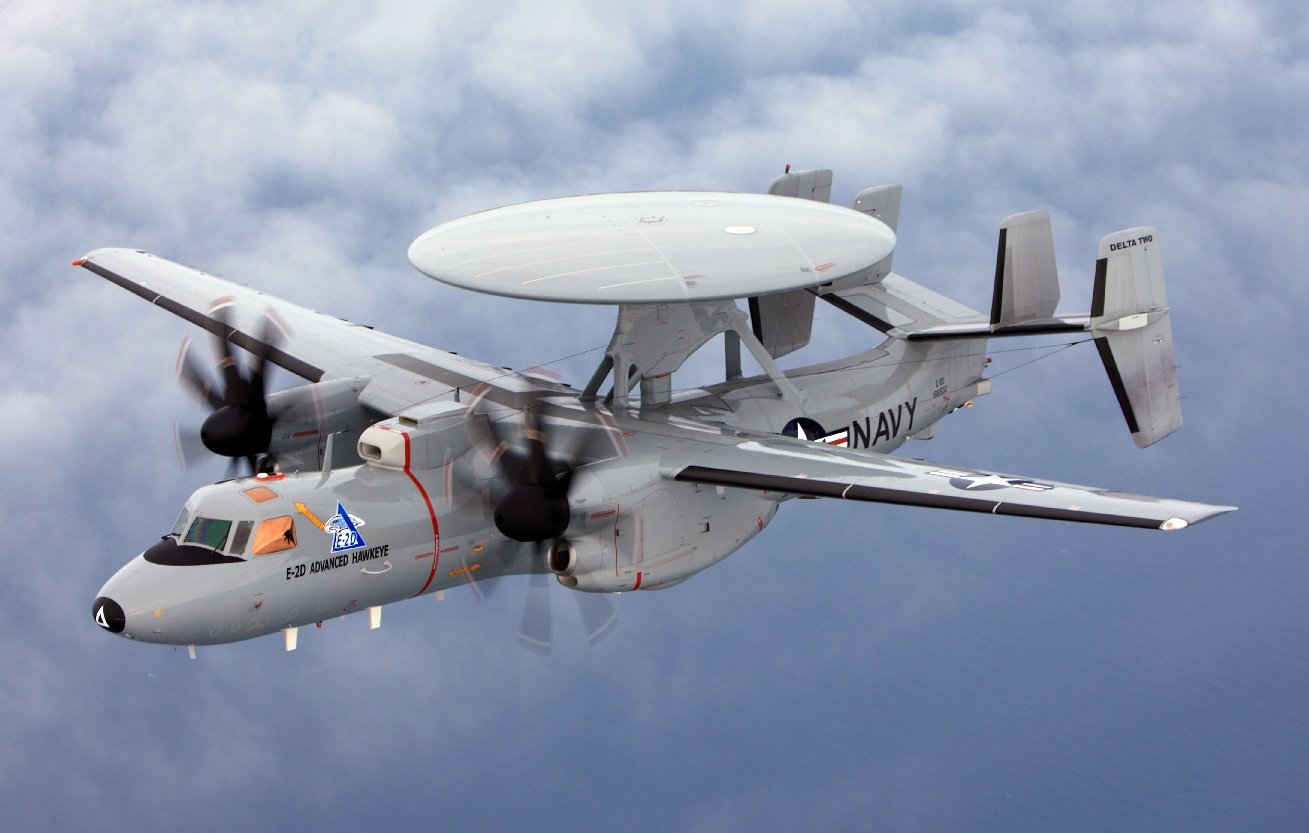 U.S. Navy Awards Northrop Grumman $1.2 Billion Deal for Three New E-2D Advanced Hawkeyes
-
 U.S. Airstrikes Target IRGC Missile Base Near Taft as Overnight Strikes Hit Central Iran
-
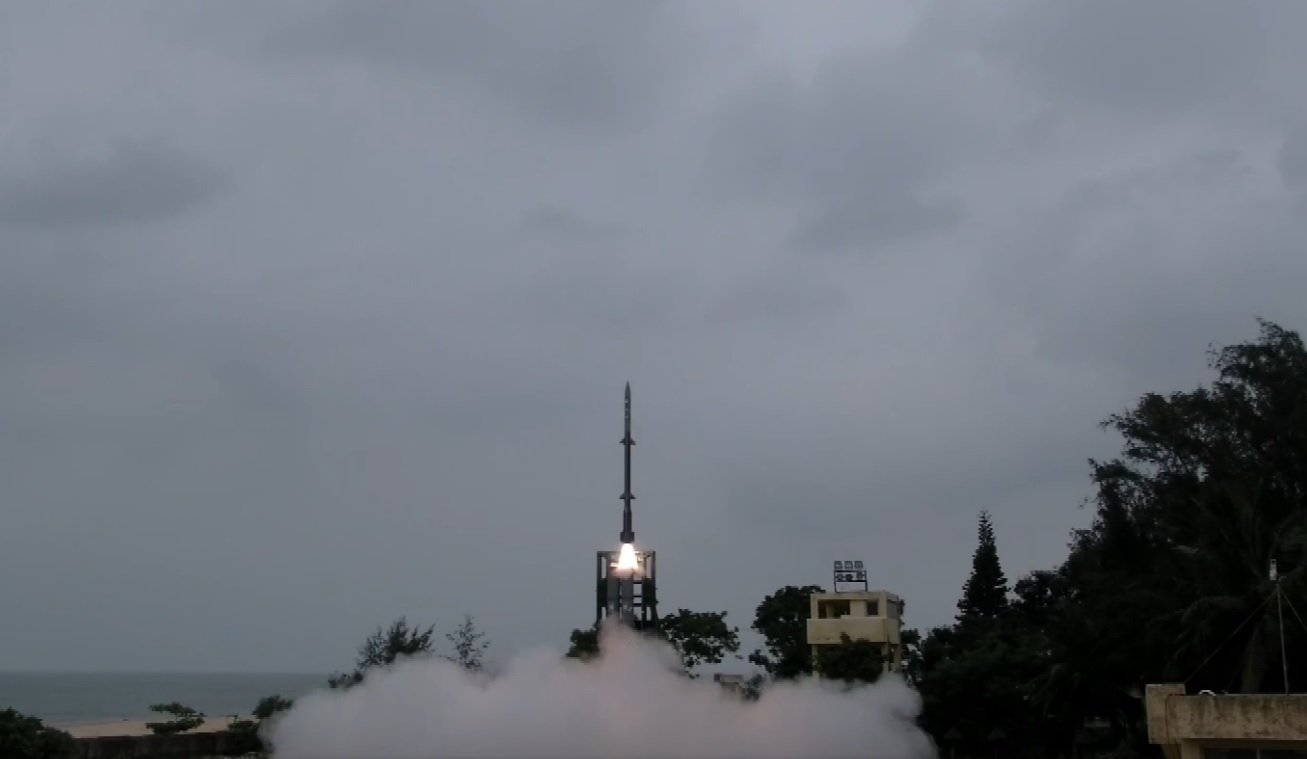 DRDO Successfully Conducts Maiden Flight Test of 150-km-Range Kusha M1 Air Defence Missile
-
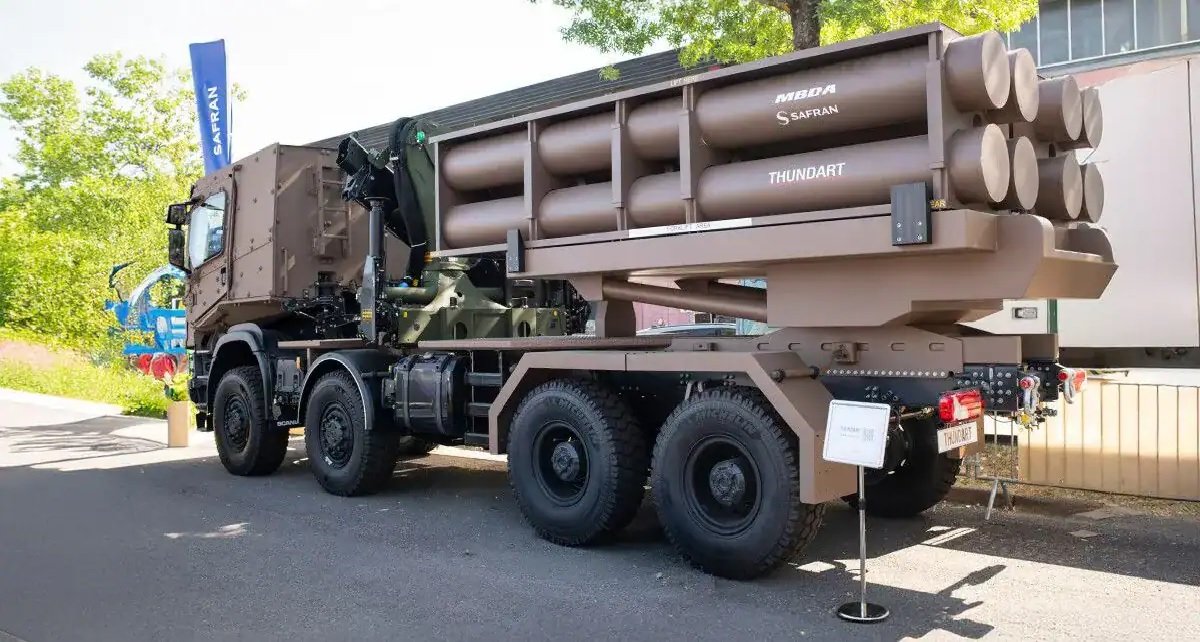 France's THUNDART Long-Range Rocket System May Undergo Prototype Combat Testing in Ukraine
-
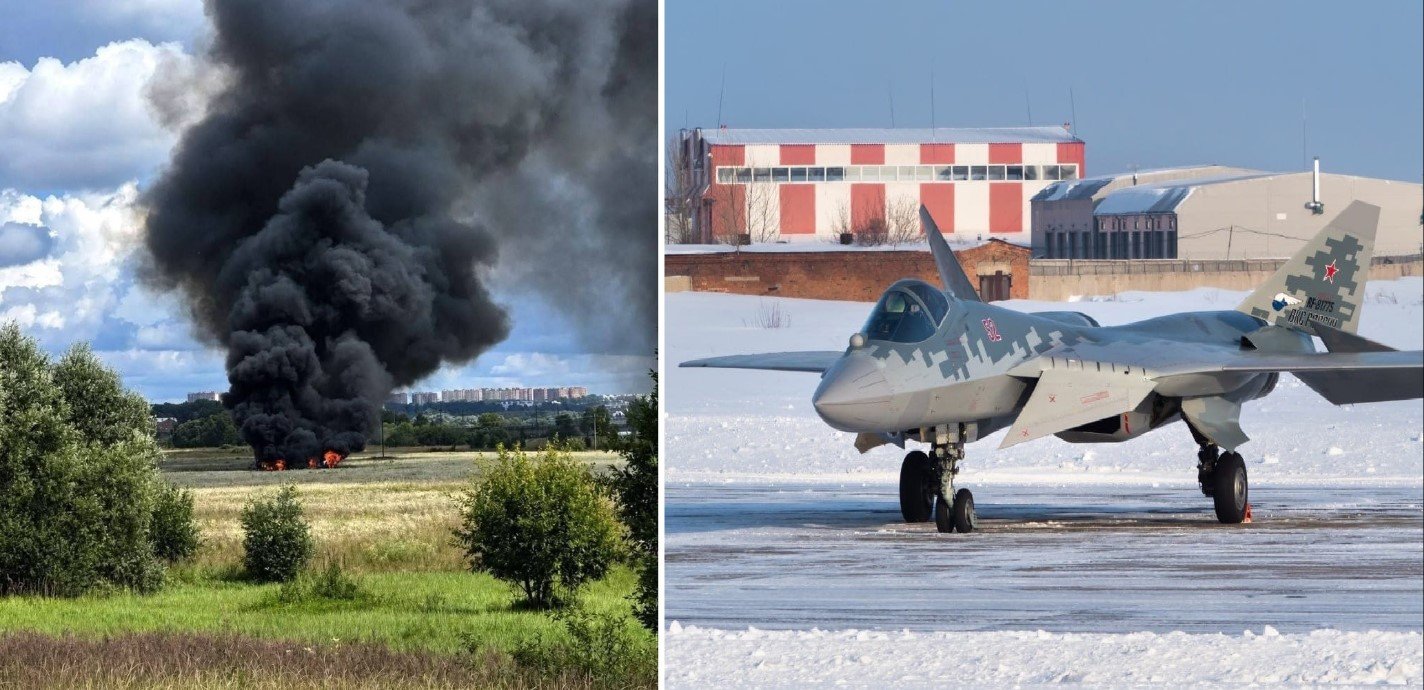 Russian Su-57 Stealth Fighter Crashes During Training Flight Near Moscow, Pilot Ejects Safely
-
 Destinus Unveils Vorexon Interceptor Concept to Defend Critical Sites from Artillery Threats
-
 Kuwait and Bahrain Reportedly Launch First Joint Direct Airstrikes on Iran Since War Began : Report
-
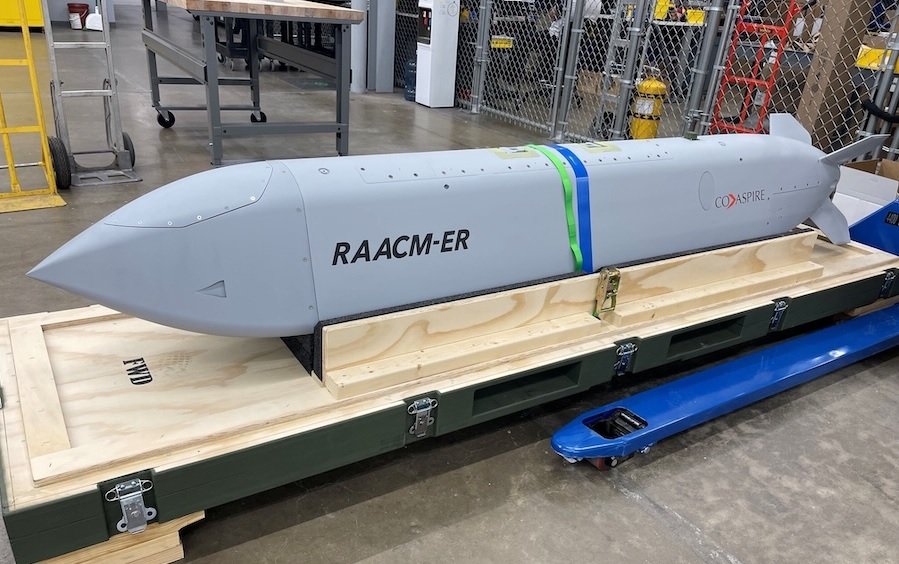 U.S. Navy Selects CoAspire to Build Ground-Launched CHAOS Cruise Missile Under $70 Million Program
