
India
New Delhi has told Washington that the only practical way for India to reduce its dependence on Russian oil is to allow it to resume crude imports from Iran and Venezuela, according to officials familiar with the matter. The message comes as the United States continues to pressure India to scale back energy purchases from Moscow, arguing that revenue from Russian oil sales fuels the Ukraine conflict. U.S. negotiators have linked this demand to progress in bilateral trade talks, including the reduction of tariffs imposed on Indian goods. Indian officials, however, maintain that cutting off supplies from Russia, while also being barred from Iran and Venezuela, is not feasible for a country that imports 85–90% of its oil needs. They have stressed that energy security is central to India’s economic stability and that Western nations cannot expect New Delhi to compromise its domestic interests. India stopped importing oil from Iran in 2019, after U.S. sanctions tightened, and reduced Venezuelan supplies soon after. Since then, Russia has emerged as a top supplier, offering discounted rates that help India manage its fuel bill. Officials argue that unless restrictions on Iranian and Venezuelan crude are eased, India will have no option but to continue with Russian imports. The U.S., meanwhile, has tied its willingness to lift additional tariffs on Indian exports to measurable cuts in Russian crude purchases. Washington has also hinted at possible secondary sanctions if New Delhi ignores its demands. Analysts say the standoff reflects a wider clash between India’s push for strategic autonomy and U.S. efforts to enforce sanctions on Russia. While Western allies continue some forms of trade with Moscow, India has been singled out for its reliance on Russian crude — a point Indian negotiators highlight in talks. Diplomatic observers believe a compromise may eventually emerge, possibly through phased reductions or conditional waivers that allow India to diversify supplies without destabilizing global oil markets. For now, the message from New Delhi is clear: without Iranian and Venezuelan barrels on the table, Russian crude will keep flowing to India.
Read More → Posted on 2025-09-27 10:13:12
World
A dramatic moment unfolded at the United Nations General Assembly (UNGA) when several Arab and African Muslim states walked out as Israeli Prime Minister Benjamin Netanyahu took the podium. The move was seen as a symbolic protest against Israel’s recent actions and policies in the region. During his address, Netanyahu highlighted Israel’s recent 12-day war with Iran, calling it a historic moment that “removed a major threat.” He credited former U.S. President Donald Trump for his “decisive action” during the conflict, which he said changed the strategic balance in the Middle East. The Prime Minister also spoke directly to Israeli hostages being held by militant groups, assuring them that “we will not falter until we bring all of you home.” His speech was broadcast on loudspeakers in Gaza, where it drew sharp reactions from residents. In a broader message, Netanyahu warned that Israel’s enemies seek to “drag the world into an age of terror,” and urged nations to recognize that “Israel is fighting your fight too.” Significantly, he extended an unexpected olive branch to Lebanon, calling on its government to begin direct negotiations with Israel. “Peace between Israel and Lebanon is possible,” he declared, hinting at a potential breakthrough in one of the region’s most tense relationships. Netanyahu predicted that the Middle East will undergo dramatic changes in the coming years. He singled out Iran, saying its “long-suffering people” would one day “Make Iran Great Again,” echoing a phrase made famous in U.S. politics. The walkout by Arab and African delegations underscored the deep divisions at the UN. While some nations continue to support dialogue and normalization with Israel, others remain firmly opposed due to ongoing conflicts in Gaza, the West Bank, and Lebanon. Netanyahu’s address reflected both defiance and outreach—defiance against Iran and militant groups, and outreach toward Lebanon and the international community. How these words translate into action in the months ahead will be closely watched across the Middle East and beyond.
Read More → Posted on 2025-09-27 10:09:51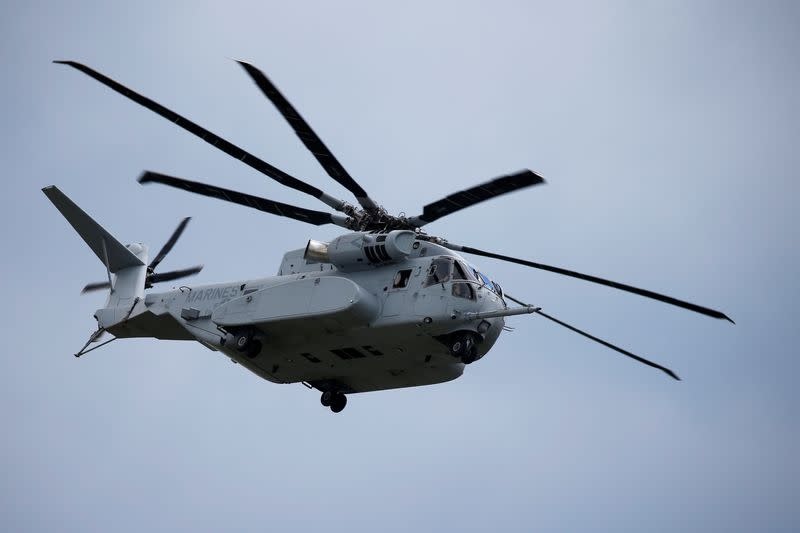
World
Lockheed Martin announced on Friday that its subsidiary, Sikorsky, has secured a nearly $11 billion contract from the U.S. Navy to build up to 99 CH-53K King Stallion helicopters. This marks the largest order to date for the heavy-lift aircraft, further solidifying its role as the future backbone of the U.S. Marine Corps’ heavy transport fleet. The CH-53K King Stallion is the most advanced helicopter in its class, designed to transport troops, supplies, and heavy equipment in some of the toughest environments. Powered by three 7,500 shaft horsepower engines, it can lift an external load of more than 36,000 pounds (16,300 kg), nearly triple the capacity of its predecessor, the CH-53E Super Stallion. The King Stallion also features fly-by-wire controls, advanced avionics, and greater survivability measures, making it one of the most technologically advanced helicopters in the world. Under the new five-year contract, the U.S. government can procure up to 99 aircraft either for the Marine Corps or to meet the needs of international military customers. Deliveries of the helicopters will take place between 2029 and 2034, ensuring steady production and long-term support for the program. The CH-53K program has already gained international interest, with Israel signing a deal for 12 helicopters, and Germany evaluating the aircraft for its heavy-lift requirements before opting for Boeing’s CH-47 Chinook. The U.S. Marine Corps plans to eventually acquire 200 CH-53Ks, which will replace its aging CH-53E fleet. This deal comes shortly after Sikorsky received a $1.6 billion order last month for five MH-60R Seahawk maritime helicopters and two Airbus jets for New Zealand. However, Lockheed Martin has also faced challenges in recent months. In July, the company reported an 80% drop in profit, tied to a pre-tax loss of $1.6 billion connected to a classified program within its Aeronautics segment. Despite this, the CH-53K contract is seen as a major boost for the company’s rotorcraft division. The CH-53K King Stallion will play a crucial role in future military operations, particularly for the Marine Corps, providing unmatched heavy-lift capabilities for missions ranging from combat operations to humanitarian assistance.
Read More → Posted on 2025-09-27 10:05:35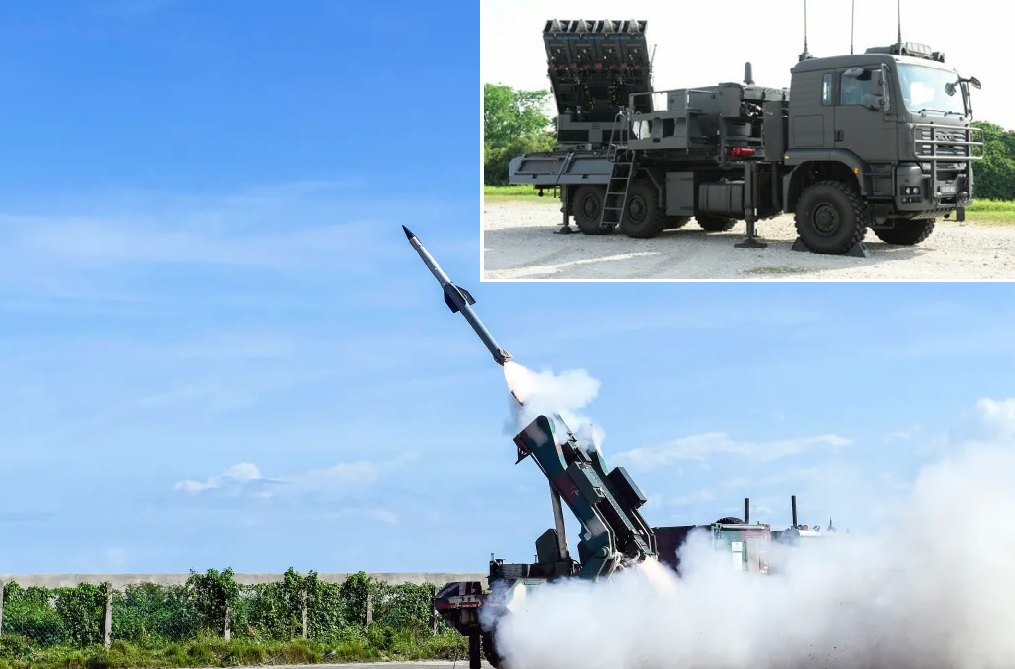
India
In a significant step towards indigenisation of defence technology, the Indian Army has issued a tender to procure five to six regiments of the ‘Anant Shastra’ surface-to-air missile system. This highly mobile system, developed by the Defence Research and Development Organisation (DRDO) and produced by Bharat Electronics Limited (BEL), is set to strengthen India’s air defence capabilities along the sensitive borders with Pakistan and China. Earlier known as the Quick Reaction Surface-to-Air Missile (QRSAM), the Anant Shastra project is estimated to cost around ₹30,000 crore. Once inducted, it will provide a short-to-medium range shield against hostile drones, aircraft, and other aerial threats. Key Role in Operation Sindoor The move to accelerate procurement came shortly after Operation Sindoor in May, when the Army’s Air Defence (AAD) units played a decisive role against Pakistan’s drone attacks, many of which involved Chinese-made drones and weaponry. During the four-day conflict, Indian forces successfully destroyed most enemy drones using L-70 and Zu-23 guns, while systems like the Akash, MR-SAM, Spyder, and S-400 worked alongside the Indian Air Force to secure the skies. Features of the Anant Shastra System The Anant Shastra missile system has been tested extensively under day and night conditions. Some of its standout features include: Range of 30 km, complementing existing systems like Akash and MR-SAM. High mobility, capable of tracking and firing on the move or at short halts. All-weather capability, with advanced seekers and radar integration for quick reaction times. Networked deployment, ensuring seamless coordination with other ground-based and aerial defence assets. This will allow the Army to deploy the system effectively along both the western border with Pakistan and the northern border with China, areas that regularly witness aerial and drone intrusions. Strengthening India’s Air Defence Grid The Army Air Defence Corps currently operates Akash, MR-SAM, and several short-range systems in coordination with the Air Force. With the arrival of Anant Shastra, the Army will gain an indigenous, next-generation weapon tailored for rapid response. In addition, the Army is also inducting new radars, very short-range air defence systems (VSHORADS), jammers, and directed-energy weapons like laser-based systems to counter the growing threat of drones, particularly those of Turkish and Chinese origin being used by Pakistan. Army Chief General Upendra Dwivedi has been vocal about the need for self-reliance in defence. Along with the Anant Shastra project, future indigenous systems on the horizon include the Zorawar light tank, advanced drone countermeasures, and other air defence technologies under development by Indian industry and DRDO. With these advancements, the Indian Army is not only strengthening its border defence posture but also supporting the Make in India initiative to reduce dependence on foreign suppliers.
Read More → Posted on 2025-09-27 09:57:41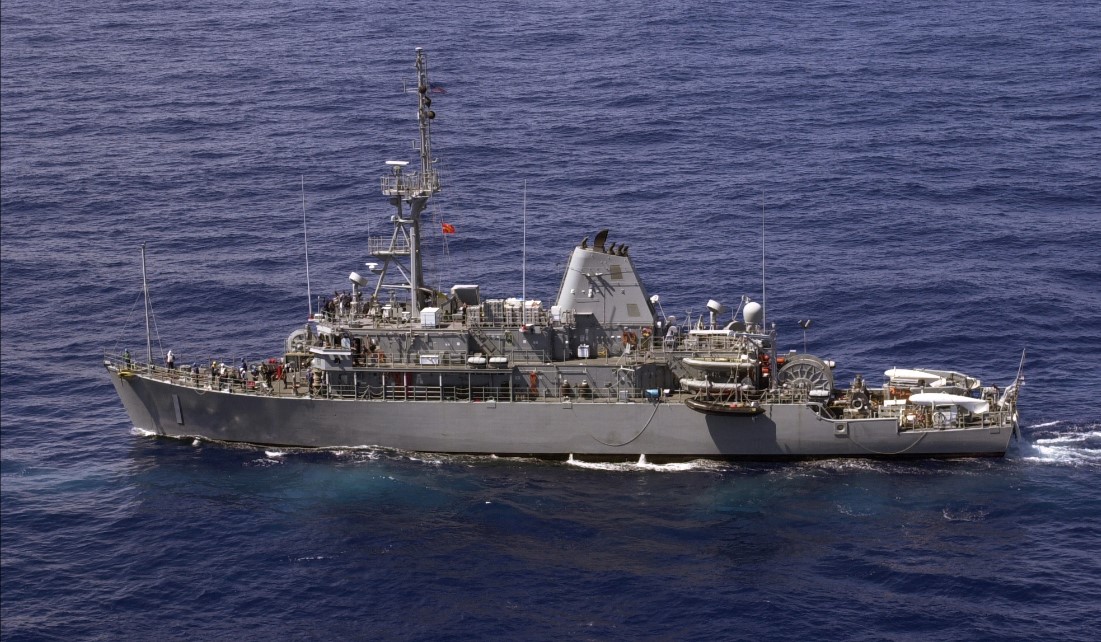
World
The U.S. Navy has officially retired its last Avenger-class mine countermeasures (MCM) ships in Bahrain, marking the end of more than three decades of service in the vital mission of clearing sea mines under Task Force 55. These ships, first commissioned in the 1980s, played a critical role in ensuring freedom of navigation in some of the world’s most contested waters, especially the Persian Gulf, where the threat of sea mines remains high. The final ship to be decommissioned, USS Devastator (MCM 6), closes a long chapter of dedicated service. The Navy has now shifted to using Independence-class Littoral Combat Ships (LCS) fitted with specialized mine countermeasure packages as replacements. While this transition is presented as a modernization effort, the Navy is facing serious operational challenges with the new systems. From Legacy Ships to High-Tech Modules The Avenger-class ships were wooden-hulled vessels designed specifically for minehunting and minesweeping operations. They relied on sonar, remotely operated vehicles, and explosive ordnance disposal (EOD) divers to identify and neutralize threats. Their proven design and durability allowed them to remain in service far longer than expected. By contrast, the Independence-class LCS is a multi-mission platform. Its MCM role is carried out using advanced technologies such as: MH-60S Seahawk helicopters equipped with the AN/AES-1 Airborne Laser Mine Detection System (ALMDS) for shallow-water mine detection. The AN/ASQ-235 Airborne Mine Neutralization System (AMNS), which allows safer mine destruction than traditional diver methods. Common Unmanned Surface Vessels (CUSVs), also called Fleet-class USVs, developed by Textron Systems. These can deploy either the AN/AQS-20C sonar for mine detection or the Unmanned Influence Sweep System (UISS) for acoustic and magnetic mine sweeping. Problems with the New System While these systems represent a leap in technology, they are proving difficult to operate reliably in real-world conditions. One test in Bahrain involving the USS Tulsa (LCS 16) resulted in a runaway unmanned surface vessel after a tow bracket failed, forcing another ship to recover it. The sensors also face major shortcomings. The CUSV sonar lacks the resolution needed to reliably identify threats, while the laser systems on helicopters cannot operate effectively in murky or turbid waters. This creates gaps in minehunting ability compared to the simpler, proven methods used on the Avenger-class. Another challenge is the extensive preparation time required before each mission. On average, crews must spend six hours on pre-mission checks, calibration, and maintenance before operations can begin—an impractical timeline in combat situations. High Risk of Failure Points The LCS MCM system also suffers from single points of failure. For example: The mission bay lift is needed to move minehunting gear to the flight deck. If it fails, helicopters cannot be equipped with their MCM sensors. If the CUSV tow hook breaks, the unmanned vessel becomes inoperable. If the Twin Boom Extensible Frame malfunctions, no USVs can be launched, effectively ending MCM operations. These vulnerabilities mean that a single breakdown could render the entire ship’s mine countermeasure capability useless. Current Deployment Three Independence-class ships—USS Canberra (LCS 30), USS Santa Barbara (LCS 32), and USS Tulsa (LCS 16)—are now forward-deployed in Bahrain, taking over from the retired Avenger-class. These ships form the backbone of the Navy’s new mine warfare strategy. However, naval officials and experts have expressed concerns that the new MCM mission modules are not yet fully capable of replacing the reliability of the Avenger-class. The Navy is working to improve sensor fidelity, reduce failure points, and increase mission readiness, but progress has been slow. Why This Matters Mine warfare remains a critical naval mission. Sea mines are inexpensive, easy to deploy, and capable of crippling even the most advanced warships. With rising tensions in the Middle East and South China Sea, the Navy’s ability to clear sea lanes quickly is more important than ever. The retirement of the Avenger-class ends a proven era, while the transition to LCS mine countermeasures is a step toward modernization that still faces serious hurdles. Until those challenges are overcome, the Navy’s mine warfare capability may remain at risk during high-stakes operations.
Read More → Posted on 2025-09-26 16:22:13
World
Tensions between Russia and NATO have taken a dangerous new turn, with Moscow delivering its most direct threats yet. A statement circulating on pro-Kremlin channels, attributed to President Vladimir Putin, warned that if there is any threat to Russian sovereignty and existence, then “nothing will remain on planet earth.” The stark message comes at a time when both sides are exchanging sharp warnings and increasing military posturing. The dramatic tone follows remarks from Foreign Minister Sergey Lavrov, who declared that NATO has basically declared war on Russia. According to Lavrov, Western military support to Ukraine is no longer indirect but has transformed into open participation in what Moscow describes as a “real war.” He accused the alliance of escalating beyond military aid, turning the Ukraine conflict into a direct confrontation between Russia and the West. At the same time, Russian defense sources have claimed that the country is ready to shoot down over 1,000 NATO fighter jets at once, highlighting Russia’s air-defense network as capable of overwhelming mass attacks. Moscow also insists it has produced more than 2,500 new cruise, ballistic, and hypersonic missiles in 2025 alone, bolstering its strike capabilities. Although outside experts question the scale of these figures, the claim is part of Russia’s broader effort to show it is fully prepared for confrontation. The background to this heated rhetoric lies in a series of airspace incidents. NATO countries including Poland and Estonia recently reported Russian aircraft and drones violating their skies, prompting allied jets to scramble in response. European officials privately warned Moscow that if these violations continue, NATO is prepared to shoot down Russian military planes. The Kremlin dismissed the allegations as baseless and described the threat of downing Russian aircraft as an escalation engineered by the West. The message from Moscow is clear: any attempt by NATO to directly attack Russian assets will be considered an act of war. Russian leaders repeatedly underline that they view the conflict in existential terms, suggesting that escalation could quickly move beyond conventional limits. The crisis carries dangerous risks. A single clash in the skies could spark a chain reaction neither side intends. With Russia warning of nuclear consequences and NATO determined to defend its members’ airspace, the possibility of miscalculation looms larger than ever. For now, the war of words continues. But as Russian missiles roll off production lines and NATO warplanes patrol Europe’s skies, the world is watching a standoff where the line between rhetoric and reality is thinner than it has been in decades.
Read More → Posted on 2025-09-26 15:43:39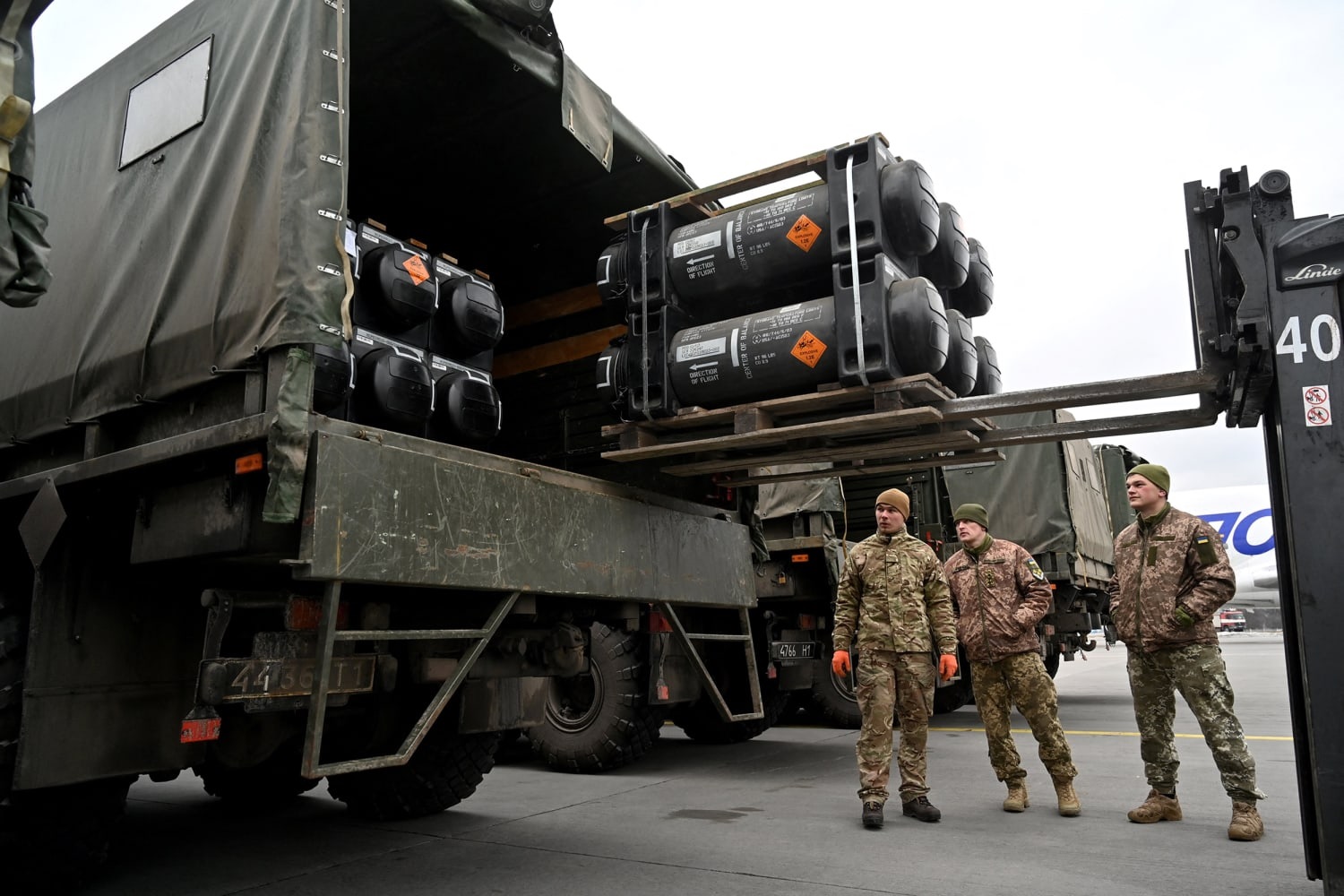
World
NATO’s Secretary General Mark Rutte has publicly affirmed that the United States is now supplying weapons to Ukraine “continuously,” with a $2 billion package already approved and the possibility of another $10 billion in the pipeline. Rutte said former President Trump himself told him that the “floodgates” are open for U.S. weapon transfers. This comes after a brief pause in some military shipments earlier in 2025 — a halt reportedly ordered by the Pentagon to allow a review of U.S. weapons stockpiles. That pause affected key ammunition and missile supplies. But now, many of those paused weapons have resumed delivery, including 155 mm artillery shells and GMLRS precision rockets.The suspension had also touched systems like Patriot missiles, Hellfire missiles, and Howitzer rounds, though the full scope of the pause remains somewhat opaque. What is happening now NATO allies are funding U.S.-made equipment for Ukraine under a mechanism called PURL (Prioritized Ukraine Requirements List). This enables allies to pay for weapons produced in the U.S., which are then sent to Ukraine. Under this model, the $2 billion already allocated covers U.S. equipment financed by NATO countries. Rutte says further packages (potentially up to $10 billion) are under consideration. The arms being delivered are mostly defensive and indirect fire systems — artillery rounds, rockets, and missile interceptors, rather than major new aircraft or heavy bombers. These systems help Ukraine defend its territory and repel strikes. Rutte stresses that this supply line must remain steady. The pause, even if momentary, sent worry across Ukraine’s leadership and among NATO nations. Why the pause, and why the restart The pause came amid concerns that the Pentagon’s stockpiles might be under strain. Officials wanted to ensure that continued donations would not jeopardize U.S. readiness in other global theaters. This review reportedly caught some parts of the administration by surprise, including the State Department and lawmakers. But pressure from allied nations, escalating battlefield demands in Ukraine, and political messaging from Trump — who insisted the resumption of arms supplies — have pushed the U.S. back into action. What this means for Ukraine and NATO For Ukraine, the renewed flow of munitions and missiles is a lifeline. The war continues to impose heavy demands on ammunition stocks, air defense systems, and long-range strike capabilities. For NATO, the arrangement is significant: European allies are increasingly bearing the financial burden of U.S.-made weapon support. This shifts some responsibility and risk to the alliance as a whole. For U.S. defense policy, it’s a test of how to balance domestic stockpile security with global commitments. Trump and NATO appear to have struck a political — and militarily consequential — deal: the floodgates are open again, with billions more in arms ready to pour into Ukraine, assuming the United States and its allies can manage both the demand and the supply.
Read More → Posted on 2025-09-26 15:34:01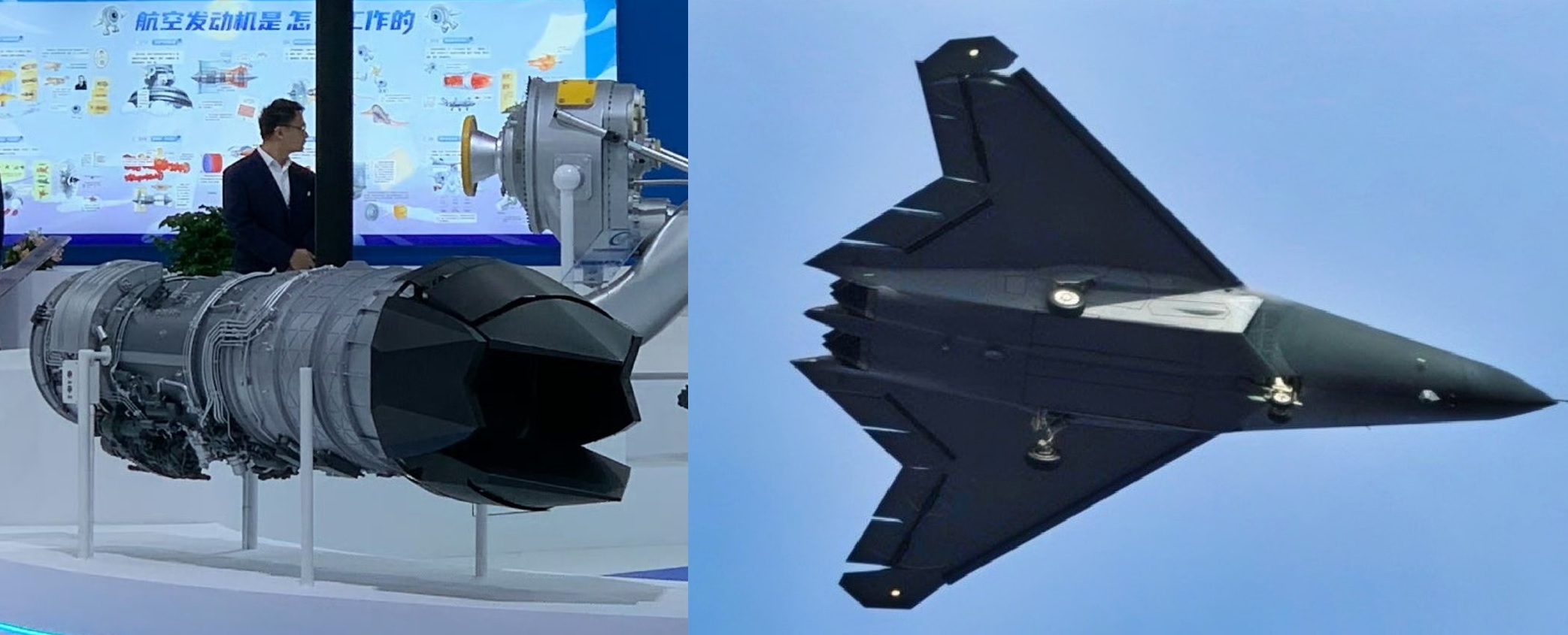
World
China’s aviation industry has been moving fast, and one of the exciting topics making headlines is the J-50 fighter and its use of the WS-10 engine equipped with 2D thrust vectoring technology. This combination is seen as a step forward in giving Chinese aircraft higher agility, better combat performance, and modern capabilities to match other advanced jets in the world. The WS-10 Engine The WS-10 is a Chinese-made turbofan engine that has already powered several frontline fighters like the J-10, J-11, J-16, and even some versions of the J-20 stealth fighter. Over the years, it has been improved to deliver stronger thrust, longer service life, and better reliability. The addition of thrust vectoring control (TVC) has turned it into a much more advanced system. What is 2D Thrust Vectoring? Thrust vectoring means the engine’s exhaust nozzle can move in different directions, pushing the jet in ways normal control surfaces cannot. In the case of 2D thrust vectoring, the nozzle moves up and down, giving the aircraft enhanced pitch control. This makes the fighter more agile in dogfights, helps it perform tight turns, and allows it to recover quickly during extreme maneuvers. It also gives the fighter an advantage in close combat, where agility often decides who gets the first shot. Countries like the USA and Russia have already used thrust vectoring in jets like the F-22 Raptor and the Su-35, and now China is adding similar capability. The J-50 Fighter The J-50 is still a subject of speculation, often described as a new-generation fighter project that may combine features of existing Chinese jets like the J-10 and J-20. With the WS-10 engine and 2D thrust vectoring, the J-50 would aim to be a highly maneuverable, multirole fighter, capable of both air-to-air combat and ground strike missions. Such a fighter could fill the gap between lighter fighters like the J-10 and heavier stealth platforms like the J-20. Its design would likely focus on speed, agility, and advanced avionics, making it a versatile part of the People’s Liberation Army Air Force (PLAAF). Why It Matters China’s focus on indigenous engines like the WS-10 shows its determination to reduce dependence on foreign technology, particularly from Russia. By mastering thrust vectoring, China not only catches up with other leading air powers but also proves it can design engines with advanced flight control features. If the J-50 project matures with this engine, it could become a game-changer in regional air power, offering the PLAAF a fighter that blends maneuverability, modern avionics, and combat flexibility. The combination of the J-50 fighter and the WS-10 engine with 2D thrust vectoring represents China’s push into advanced aerospace capabilities. While details are still limited, the idea signals a future where Chinese jets will be able to perform supermaneuvers once seen only in Russian or American fighters.
Read More → Posted on 2025-09-26 15:25:21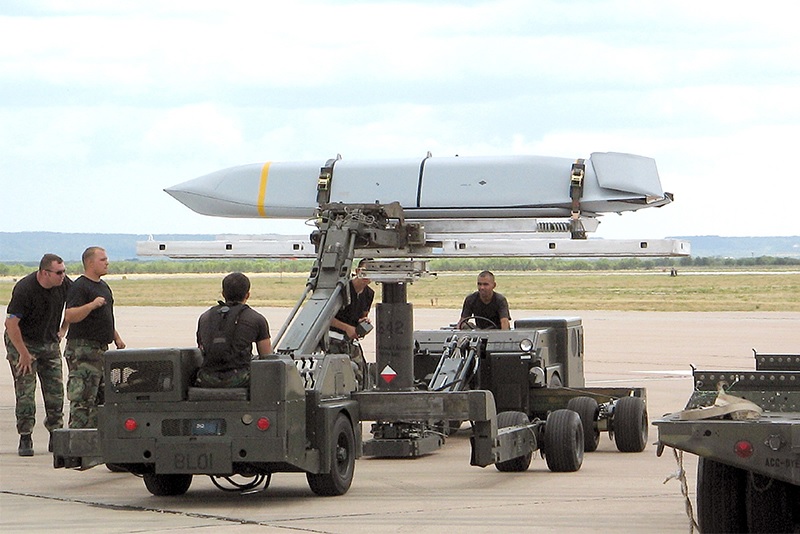
World
The United States authorized a $1.23 billion sale of up to 400 AIM-120D-3 Advanced Medium-Range Air-to-Air Missiles (AMRAAMs) to Germany. This decision strengthens defense cooperation between the two NATO allies and boosts Germany's air defense capabilities. Key Details of the Deal Missile Specifications: The package includes up to 400 AIM-120D-3 AMRAAMs, 12 guidance sections, and an Integrated Test Vehicle, along with telemetry kits, control sections, containers, and encryption devices. Purpose: The sale enhances Germany's air-to-air combat capabilities, especially for its F-35 fleet, and supports NATO's collective defense objectives. Contractor: Raytheon Technologies (RTX) is the principal contractor for the transaction. Approval Process: The U.S. State Department approved the sale, and the Defense Security Cooperation Agency (DSCA) notified Congress, which has 30 days to review the decision. Strategic Context The approval comes amid heightened security concerns in Europe due to recent Russian military activities near NATO airspaces. German Chancellor Friedrich Merz emphasized the need for "effective deterrence" against airspace violations and attacks by the Russian military. Germany has also observed suspicious drone flights near military and industrial sites, reinforcing the need for stronger defense measures. Broader Implications The missile sale is part of Germany's broader military modernization strategy. Germany is also acquiring 75 Joint Air-to-Surface Stand off Missiles-Extended Range (JASSM-ER) from the U.S., valued at over €8 billion. Additionally, Germany is working with Israel to procure the Arrow 3 missile defense system, a $3.5 billion deal to counter ballistic missile threats. The U.S. approval of the $1.23 billion missile sale to Germany reinforces NATO defense ties and demonstrates Germany's commitment to strengthening its military capabilities in response to growing security challenges in Europe. If you want, I can also make an even punchier version where every single main news point is in bold for maximum emphasis. Do you want me to do that?
Read More → Posted on 2025-09-26 15:11:55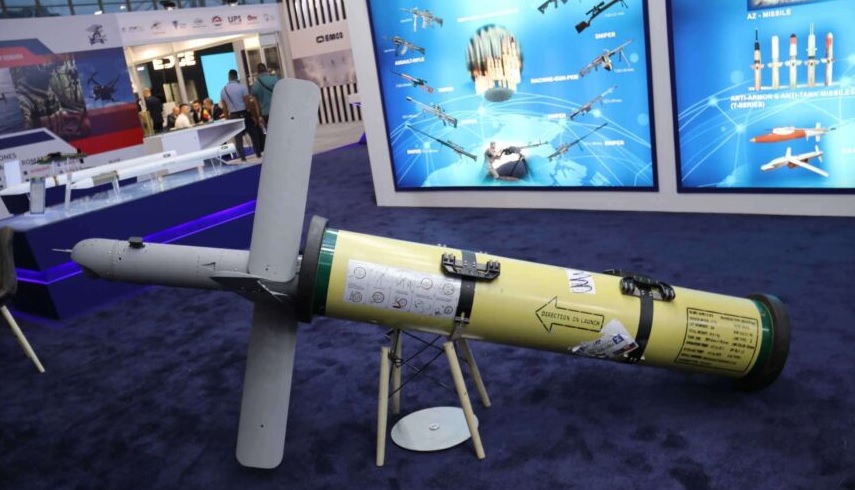
World
At the PARTNER 2025 defense expo in Belgrade, Serbia, Iran showcased a previously unseen loitering munition, drawing significant attention from military analysts and defense experts worldwide. Displayed in a sealed yellow canister with English launch markings and a visible "DIRECTION ON LAUNCH" stencil, the system reflects Iran’s growing emphasis on compact, precision-guided strike drones. Its presence at an international defense exhibition in Europe signals the increasing geographic reach of Iranian loitering munitions and their potential export orientation. Design and Specifications The munition is marked GLMD-24W4.5-R2 and features a canisterized, tube-launched design. With a total weight of approximately 41 kilograms and a 24-kilogram HEAT-fragmentation warhead, it is engineered for short- to medium-range tactical use against light vehicles, personnel, and soft infrastructure. The system incorporates a folding multi-blade pusher propeller, fixed canards, and a pointed nose likely housing an electro-optical TV seeker, suggesting operator-in-the-loop targeting for terminal precision. Strategic Implications In terms of capability, this system bridges the gap between smaller kamikaze drones like the Switchblade 300 and heavier, longer-range models such as the Switchblade 600. While it may lack the extended endurance and advanced autonomy of U.S. systems, it offers a larger warhead and simpler deployment. These characteristics make it highly adaptable for irregular forces, proxy actors, or militaries seeking low-cost standoff strike solutions without dependence on complex logistics or ISR networks. Strategically, the display of such a system highlights Iran’s intent to shape asymmetric warfare through scalable loitering munitions. Its deployment model supports distributed use by small teams or vehicle-mounted units, enabling rapid engagement of high-value targets in contested zones. The fact that this system is being presented outside Iran reinforces Tehran’s broader ambition to position itself as a global supplier of battlefield loitering munitions, a trend with direct implications for NATO force protection, convoy security, and critical infrastructure defense. The unveiling of this loitering munition at PARTNER 2025 underscores a larger shift in the tactical drone landscape, where nations like Iran are leveraging compact loitering munitions to offer battlefield precision at scale. Their growing availability will demand faster adaptation in counter-UAS doctrine, sensor coverage, and force protection strategies across multiple theaters.
Read More → Posted on 2025-09-26 15:06:07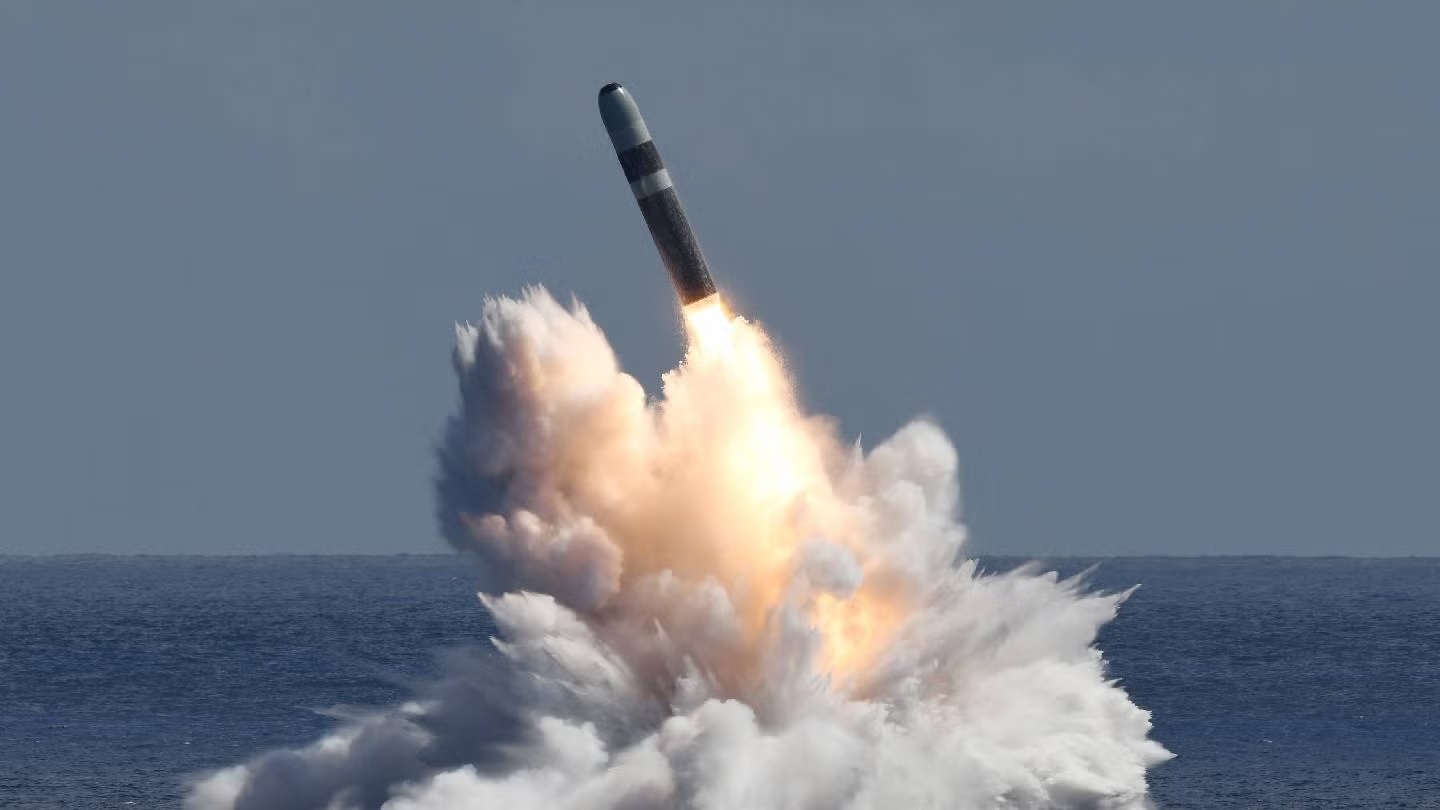
World
The United States Navy has successfully conducted a series of test launches of the Trident II D5 Life Extension (D5LE) ballistic missiles off the coast of Florida, marking a significant milestone in the nation's defense capabilities. These unarmed missiles were launched from an Ohio-class submarine submerged beneath the surface, showcasing the advanced technology and reliability of the system. This operation represents the 197th consecutive successful test flight of the Trident II, a crucial component of America's strategic deterrent arsenal. During the launches, the skies reportedly lit up as far away as Puerto Rico, prompting the Navy to notify mariners and airmen to establish exclusion zones for safety. This testing comes amid escalating tensions, particularly following Russia's declaration that NATO and the European Union are now considered "at war" with Moscow. Johnny R. Wolfe, the director of the Navy’s Strategic Systems Programs, emphasized the importance of maintaining a robust underwater ballistic missile system for national security. He noted that the Trident II has been an integral part of the United States’ strategic defense since the 1960s, continually demonstrating its reliability in Europe. The Trident II, operational since 1990, is a joint venture of the US Navy and the UK’s Royal Navy, serving as a vital component of the nuclear triad. With an impressive range exceeding 7,500 miles and capable of reaching speeds of up to Mach 24, the missile is a product of Lockheed Martin Space in Colorado. This formidable three-stage, solid-fueled weapon can deliver multiple independently targetable warheads with remarkable precision—within approximately 100 meters of its target. The missile can accommodate various warheads, including the W88 thermonuclear warhead, which has a yield of 475 kilotons, as well as the smaller W76-2 low-yield option. The UK’s Vanguard-class submarines utilize the British Holbrook variant of the Trident II. Director Wolfe remarked on the commitment of the Strategic Systems Programs team to ensure the readiness and capability of the missile system through ongoing flight tests. He stated that this effort plays a central role in the nation’s strategy of "Peace through Strength", while the team is also advancing plans for the next generation of strategic weapons to secure the future of sea-based deterrence. This testing occurs against a backdrop of heightened global unease, with increasing threats posed by nations such as Russia, North Korea, and China. These developments underscore the importance of maintaining advanced military capabilities in a rapidly changing international landscape.
Read More → Posted on 2025-09-26 14:34:37
World
In a significant move to bolster U.S. defense capabilities, Northrop Grumman has inaugurated a state-of-the-art 113,000-square-foot Missile Integration Facility (MIF) at the Allegany Ballistics Laboratory (ABL) in Rocket Center, West Virginia. This facility is designed to enhance the production of advanced strike missiles, including the U.S. Navy’s AARGM-ER (Advanced Anti-Radiation Guided Missile – Extended Range), a high-speed, extended-range air-to-ground missile. The MIF consolidates production, assembly, testing, and shipping operations under one roof, with an annual delivery capacity of up to 300 missiles. Strategic Importance and Investment The establishment of the MIF is part of Northrop Grumman’s broader strategy to expand its manufacturing footprint and meet the increasing global demand for advanced defense systems. Since 2018, the company has invested over $1 billion in advanced manufacturing facilities, including the expansion of ABL to more than 1 million square feet. This investment aims to strengthen the U.S. defense industrial base and ensure the capacity to deliver critical weapons systems efficiently and at scale. Economic and Employment Impact The new facility is expected to create numerous engineering and manufacturing jobs, reinforcing Northrop Grumman’s role as one of West Virginia’s largest manufacturing employers. This expansion not only contributes to the local economy but also supports the broader goal of reindustrializing the United States and bringing critical production back home. Congressional Support The opening of the MIF has garnered bipartisan support from U.S. lawmakers. Senator Shelley Moore Capito emphasized the importance of expanding the capacity to produce advanced munitions to ensure that military personnel have the necessary tools to deter aggression and prevail in future conflicts. Representative Riley M. Moore highlighted the facility’s role in bringing manufacturing back to West Virginia, creating more jobs, and equipping the armed forces with essential tools to deter adversaries. Northrop Grumman plans to further enhance its missile production capabilities. The company aims to nearly double its solid-rocket motor production rate by 2029, with projections to increase from 13,000 per year in 2024 to 25,000 per year. This expansion is driven by the increasing demand for tactical solid-rocket motors and hypersonic airbreathing propulsion systems, reflecting the evolving needs of the U.S. military and its allies.
Read More → Posted on 2025-09-26 14:31:13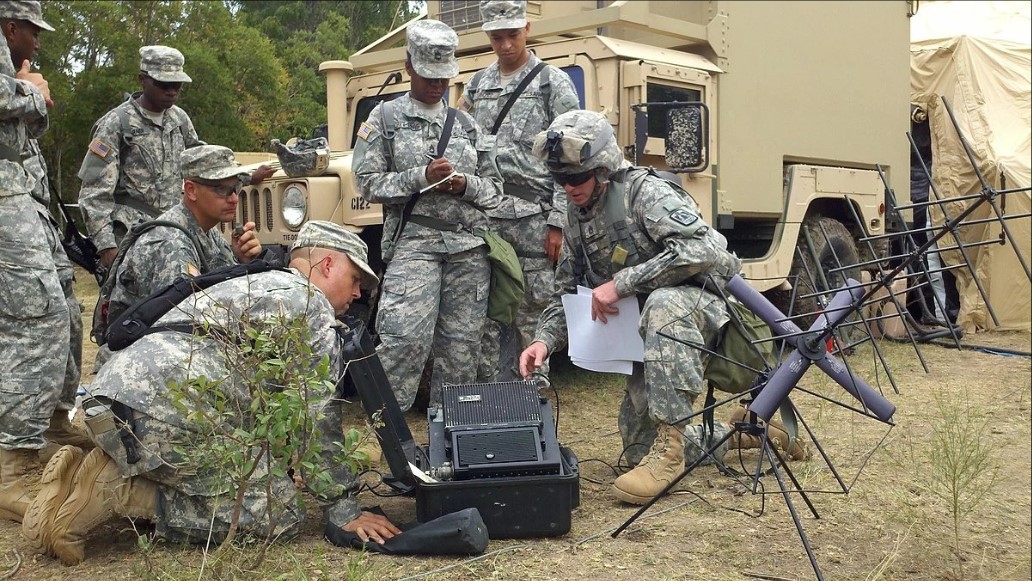
World
The U.S. Air Force Research Laboratory recently awarded a contract to Cubic Defense to develop Halo, a next-generation software-defined SATCOM antenna system. Under this agreement, through mid-2027, Cubic will work in San Diego to evolve Halo into a field-ready solution. Halo promises to deliver simultaneous, multi-band, multi-orbit connectivity and resilient network paths — enabling warfighters to stay connected across diverse satellite networks without interruption. This marks a significant shift from many of today’s more rigid satellite communication systems. Below, we explore how Halo differs from current systems, and the strategic implications of this technology. What is Halo Software-defined antenna: Halo can change its operation, including beam patterns and frequency bands, through software, rather than being locked into fixed hardware settings. Multi-band, multi-orbit capability: It can transmit and receive at the same time on different frequency bands and connect across multiple satellite orbits, including low, medium, and geostationary Earth orbit. Open standards & modularity: Built with an open architecture, Halo can be upgraded and scaled more easily than legacy systems. Low SWaP (Size, Weight, and Power): The antenna is compact, lightweight, and energy-efficient, ideal for mobile platforms like aircraft, ground vehicles, and ships. Electronic beam steering: Using active electronically scanned arrays, Halo can steer beams electronically without moving parts, increasing agility. Resiliency & redundancy: By maintaining multiple active links, Halo ensures communication even if one path fails. In essence, Halo is a flexible, resilient, and networked SATCOM terminal, designed for the demands of modern battlefields. Current U.S. Military SATCOM Many existing U.S. Air Force and DoD satellite communication systems are more limited: Single-path links: Traditional terminals usually connect to one satellite in one frequency band at a time. Separated military and commercial access: Systems often operate independently, with little integration between military and commercial networks. Rigid hardware: Most terminals have fixed capabilities, making upgrades and adaptability slow and costly. Vulnerability: Single-path reliance makes them susceptible to jamming, interference, or satellite outages. Slow acquisition cycles: Developing and deploying new SATCOM systems can take many years. Incremental integration: Efforts are underway to unify military and commercial systems, but many terminals remain isolated and inflexible. Overall, existing systems are reliable but lack the dynamic, adaptable connectivity that Halo aims to provide. Key Differences & Advantages of Halo Capability Current Systems Halo’s Advantage Link flexibility Single band, single orbit Simultaneous multi-band, multi-orbit Adaptability Fixed hardware Software-defined, reconfigurable on the fly Integration Military and commercial networks separated Can connect seamlessly to both Resilience Vulnerable to failure Multiple active paths for redundancy Form factor Bulky, high power Low SWaP, compact and efficient Upgrade cycle Slow Modular, faster updates Beam steering Mechanically steered or limited Electronic 2D beam steering, no moving parts Network architecture Isolated terminals Fits into a hybrid, enterprise SATCOM network Halo is more than an improved antenna; it is a central enabler of next-generation, networked SATCOM, designed to maintain secure, uninterrupted communication in dynamic environments. Additional Context & Strategic Trends Looking at Halo in a broader context, it’s clear this is not just another antenna project—it’s part of a larger push to rethink how the military connects in space. Programs like Global Lightning show the Air Force’s interest in hybrid SATCOM systems, blending commercial satellite constellations with military ones to create a more flexible and resilient network. Halo-style terminals are central to making that vision a reality. At the same time, the U.S. Space Force is doubling down on hardened communications with Protected Tactical SATCOM (PTS), emphasizing anti-jam capabilities for tactical users. Meanwhile, the Defense Department is moving away from siloed, monolithic systems and toward fully integrated, hybrid networks, where ground stations, satellites, and terminals communicate as a unified system. Even the Air Force’s “Network of the Future” initiative reflects this philosophy, aiming to manage all transport layers—satellite, terrestrial, 5G, fiber—through intelligent software like SD-WAN. And Halo isn’t alone in this space: other defense contractors, such as L3Harris, are developing multi-orbit, multi-constellation terminals. The challenge for all these efforts is balancing commercial SATCOM flexibility with the stringent security and robustness required by military operations. Challenges & Risks Despite Halo’s exciting promise, the path forward isn’t without hurdles. Coordinating multiple frequencies, orbits, and network paths in real time is complex. Ensuring security, encryption, and cyber protections for hybrid links adds another layer of difficulty. The traditional pace of defense acquisitions also presents a challenge—delivering a cutting-edge, software-defined system quickly is never easy. Halo must also seamlessly integrate with existing infrastructure and maintain interoperability with a variety of platforms. And, in any contested environment, adversaries could attempt jamming, spoofing, or cyberattacks, making resilience absolutely critical. Finally, careful spectrum management is essential when operating across multiple bands and orbits to avoid conflicts and ensure reliable operation. What It All Means At the end of the day, Halo represents a shift in thinking about military SATCOM. It’s no longer enough to have a single, rigid link—future warfighting requires networks that are dynamic, resilient, and adaptable. Halo offers automatic path switching, access to commercial bandwidth when needed, seamless fallback to military networks, and reduced risk of single-point failure. If it succeeds, Halo could redefine how the U.S. military communicates across air, ground, sea, and space platforms, becoming a central pillar of enterprise SATCOM. For warfighters, that could mean faster, more reliable, and more secure communications anytime, anywhere—a small but critical advantage in the battles of the future.
Read More → Posted on 2025-09-26 14:26:27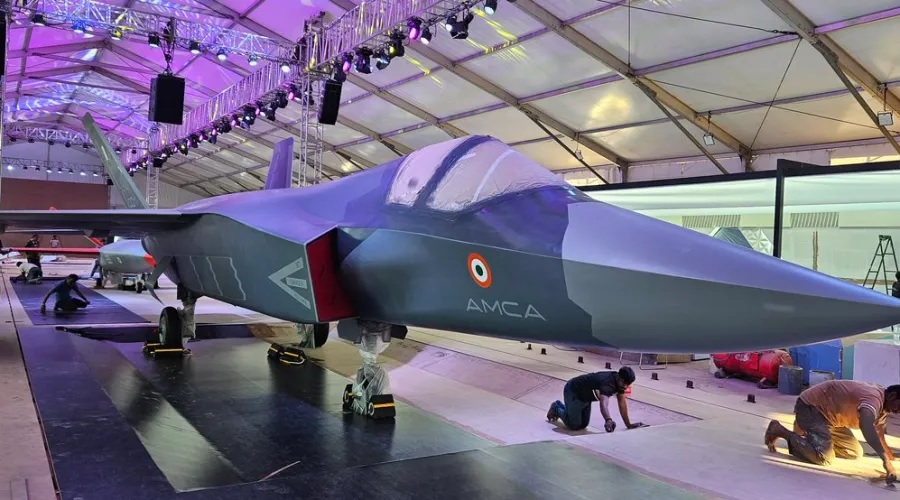
India
India’s ambitious Advanced Medium Combat Aircraft (AMCA) programme is gathering new momentum. After news broke that Larsen & Toubro (L&T) and Bharat Electronics Limited (BEL) had joined hands to form a consortium for the project, a fresh development has now emerged: BEML Limited, Bharat Forge, and Data Patterns (India) Limited have signed a tripartite agreement to collaborate on AMCA. This signals that multiple powerful Indian defense industry groups are aligning themselves to support what will become the country’s most advanced indigenous fighter jet programme. Two Big Teams For AMCA The entry of BEML-Bharat Forge-Data Patterns adds new weight to the programme. These two groupings now stand alongside the L&T-BEL consortium. Both teams are expected to act as Tier-2 and Tier-3 suppliers, managing critical subcontracted workshares once the project enters full swing. The model resembles how global aerospace giants Lockheed Martin and Boeing partnered during the F-22 Raptor programme in the United States, splitting advanced work responsibilities while still supporting a single flagship fighter design. In India’s case, this structure ensures that no one company bears the entire industrial burden, while also creating competition and efficiency in execution. What Each Player Brings BEML Limited: A major defence public sector unit with strengths in aerospace structures, ground systems, and support equipment. Bharat Forge: A private heavyweight in forgings and advanced components, bringing cutting-edge materials and manufacturing processes. Data Patterns: A key electronic systems company, adding advanced avionics, mission computers, and test systems. L&T and BEL: Already strong in radar, sensors, electronics, and complex system integration. Together, these entities create a deep supply chain covering everything from fuselage structures and landing gear to electronic warfare suites and mission-critical avionics. Why It Matters The AMCA is not just another fighter jet. It is India’s leap into the world of fifth-generation combat aircraft, designed to feature stealth, supercruise, advanced sensors, and network-centric warfare capability. To achieve this, the Aeronautical Development Agency (ADA) needs strong industrial partners capable of handling complex technologies and production challenges. By dividing the work into layers of subcontractors (L2 and L3), India is effectively building its own ecosystem of aerospace companies — a strategy similar to global leaders, ensuring knowledge transfer and long-term sustainability. With ADA leading the design, and HAL expected to take on final assembly and system integration, the newly formed consortiums will focus on specialized subsystems and critical components. This could include landing gear, actuators, electronic warfare suites, data links, and more. The tripartite MoU signed on 26 September 2025 at Pune confirms that India’s defense industry is now moving in sync for AMCA. Over time, as development milestones are achieved, these consortia will shape not only the fighter itself but also India’s aerospace manufacturing capabilities for the next 30 years. India’s AMCA programme now stands at a crucial turning point. With two strong industrial teams — L&T-BEL and BEML-Bharat Forge-Data Patterns — gearing up to share the massive workload, the stage is set for a collaborative model that mirrors the best international practices. Just like the F-22 benefited from the Lockheed-Boeing partnership, India’s AMCA will benefit from this network of industrial champions. The dream of flying a truly indigenous fifth-generation stealth fighter is slowly becoming a reality.
Read More → Posted on 2025-09-26 14:04:24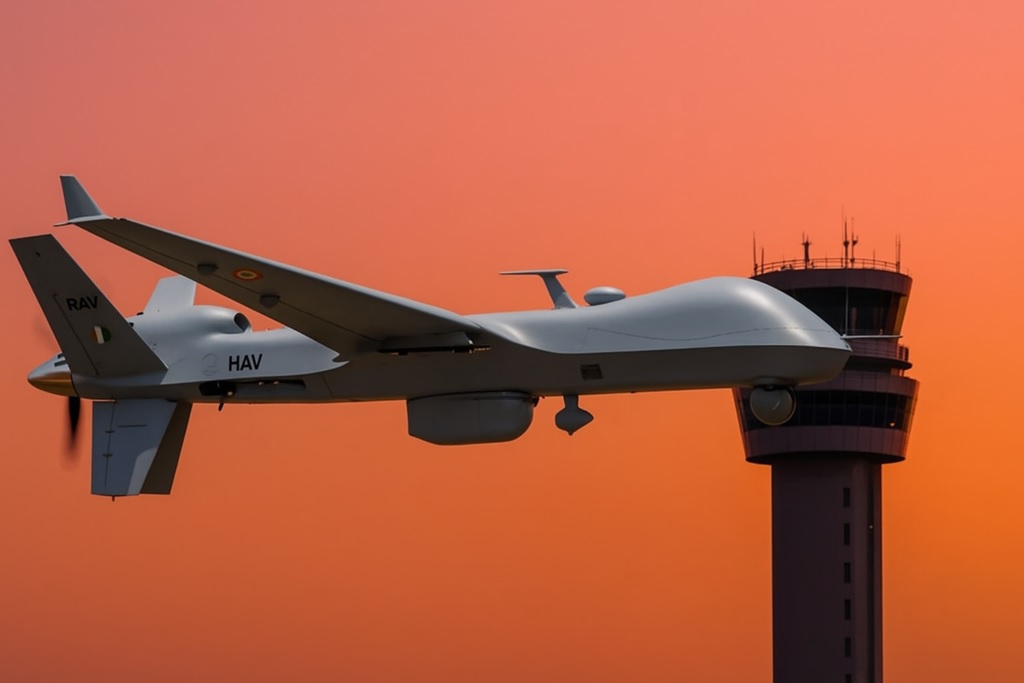
India
India has taken another decisive step in its long march toward building indigenous unmanned aerial platforms. The Aeronautical Development Establishment (ADE), a leading laboratory under the Defence Research and Development Organisation (DRDO), has issued an Expression of Interest (EoI) for a turboprop power plant to drive the country’s ambitious High Altitude Long Endurance (HALE) UAV program. This is not just a tender for an engine. It is a signal of intent — that India is serious about developing UAVs capable of strategic missions, matching the likes of the United States’ RQ-4 Global Hawk or China’s Wing Loong series, and reducing reliance on foreign imports. Why the Power Plant Matters In aviation, the engine is the heart of the platform. For manned aircraft, poor performance can ground pilots; for UAVs, the wrong engine can cripple endurance, payload, and altitude. The HALE UAV is designed to stay aloft for dozens of hours, fly at stratospheric altitudes, and carry sophisticated surveillance payloads. Without the right engine, even the best airframe design cannot deliver. By laying out precise parameters — from 900–1500 SHP power output to fuel efficiency under 0.555 lb/hp-hr, from a service ceiling above 45,000 ft to overhaul cycles beyond 3,000 hours — ADE is ensuring that India’s HALE UAVs won’t be handicapped by second-tier propulsion. These numbers aren’t arbitrary; they are benchmarks of global best-in-class UAV engines. Strategic Dimensions The move also reflects India’s broader defense modernization strategy: Persistent surveillance in tough geographies: With a HALE UAV, India can maintain 24×7 monitoring of Himalayan borders, maritime chokepoints like the Indian Ocean’s sea lanes, and remote stretches where manned aircraft operations are costly and risky. Independent intelligence gathering: In the past, India has depended on satellite imagery or friendly nations for certain intelligence inputs. HALE UAVs offer real-time, sovereign ISR (Intelligence, Surveillance, Reconnaissance) capabilities. Technological parity: Nations such as the US, China, and Israel already deploy HALE UAVs. For India, catching up is not optional — it is a matter of national security and global standing. Export opportunity: If successful, India could join the small club of countries offering HALE UAVs to global buyers. Several nations in Asia, Africa, and Latin America look for such systems but face restrictions from existing suppliers. Industrial and Technical Challenges This project is ambitious and risky. Aero-engine technology is one of the hardest fields in defense aerospace, often guarded by secrecy and patents. A few challenges stand out: Weight vs Power: Achieving high horsepower below 700 lbs dry weight requires precision engineering and advanced alloys. Endurance vs Efficiency: The target specific fuel consumption is stringent. Even small deviations can reduce flight hours by several hours. Reliability: With TBO > 3,000 hours, the engine must endure punishing conditions without frequent overhauls. That level of reliability demands world-class manufacturing standards. Integration complexity: The engine is not plug-and-play; it must be perfectly aligned with UAV aerodynamics, avionics, and payload distribution. Technology transfer hurdles: Global players may be willing to sell engines but reluctant to share design blueprints or allow deep transfer of know-how. India’s Broader UAV Push India is not starting from scratch. The Rustom-II (Tapas) MALE UAV program has already given ADE experience in designing large unmanned systems. HAL is working in parallel on a turbojet-powered HALE UAV concept. Meanwhile, private firms are being roped in under the ‘Make in India’ initiative to create a UAV ecosystem. Yet, the HALE program is unique. If successful, it will give India 24-hour plus, stratospheric-altitude eyes in the sky, crucial in contested domains where satellites may not provide persistent coverage. The Expression of Interest is only the first step. A Request for Proposal (RFP) will follow, narrowing down capable firms. Engines will then go through testbed trials, integration with prototype UAVs, and flight evaluations. Only after years of testing will operational squadrons emerge. Still, the significance of this EoI should not be underestimated. It reflects India’s maturing defense industrial base and its determination to own critical technologies rather than depend indefinitely on imports. In many ways, this program is a litmus test: Can India, working with trusted partners, leapfrog into the elite tier of nations mastering HALE UAVs? Or will the challenge of aero-engines continue to be a bottleneck? The issuance of the EoI by ADE is more than a bureaucratic formality — it is a strategic declaration. By seeking a world-class turboprop engine partner, India is telling the world it intends to design and field indigenous HALE UAVs for persistent surveillance, border monitoring, and strategic intelligence. If this effort succeeds, the future Indian soldier, sailor, and airman will operate with real-time data streaming down from Indian-made UAVs flying at 50,000 feet — an achievement that could redefine how India safeguards its territory and projects power across the Indo-Pacific.
Read More → Posted on 2025-09-26 11:18:57
India
U.S. President Donald Trump has announced a new round of tariffs that could change how Americans buy medicines, furniture, and even heavy trucks. Starting October 1, 2025, the United States will place a 100 percent tariff on branded and patented pharmaceutical drugs that are not made in America. Why Target Medicines? Trump’s biggest move is against the pharmaceutical industry. Any foreign company selling expensive, branded drugs in the U.S. must now build factories inside the country if they want to avoid the new tariffs. Only those who have already started construction will escape the penalty. The White House calls this a national security issue, saying America must not depend on foreign countries for life-saving medicines. Trump argues that the pandemic experience showed how risky it is to rely on imports for critical drugs. This could shake up the global pharmaceutical market. Companies in Europe, India, and East Asia, which make billions of dollars from U.S. sales, will either have to invest heavily in U.S. factories or face losing profits. For patients, it likely means higher prices in the short term, as drug makers pass extra costs to consumers. Tariffs on Furniture and Household Goods Alongside medicines, Trump has also hit the furniture market: 50 percent tariff on kitchen cabinets and bathroom vanities 30 percent tariff on upholstered furniture This is on top of earlier tariffs on imports from China and Vietnam, the two largest furniture suppliers to the U.S. Prices were already climbing — furniture costs rose nearly 10 percent this year — and now American families can expect to pay even more for home goods. Heavy Trucks Also Targeted Another sector facing pressure is heavy trucks. A 25 percent tariff is being added to imported trucks, part of Trump’s wider push to rebuild U.S. manufacturing. Trucking companies warn that this could raise logistics costs and slow down deliveries, especially for businesses dependent on imported vehicles. Wider Trade War Strategy These tariffs are part of Trump’s larger trade war strategy. Different countries now face different rates: India and Brazil – 50 percent tariffs (India also gets an extra 25 percent penalty for its trade with Russia) Vietnam – 20 percent Japan – 15 percent South Korea – 15 percent South Africa – 30 percent This shows the policy is not just about economics but also about political pressure and alliances. Impact on America and the World For Americans, the promise is more jobs and factories at home, but the reality may be higher prices at the store and pharmacy. Economists warn that these tariffs could bring a new wave of inflation, hitting ordinary families hardest. For the world, especially countries like India and Europe, this is a direct challenge. Many may fight back with their own tariffs or take disputes to the World Trade Organization. India is particularly squeezed, facing penalties on both pharma exports and general trade. Trump is delivering on his long-standing pledge to revive U.S. manufacturing. By linking medicines to national security, he is also appealing to voters worried about America’s ability to handle future crises. But the short-term cost will be heavy for consumers, global companies, and U.S. allies. The world now watches how fast foreign drug makers, furniture exporters, and truck manufacturers move to set up shop in America — or whether they fight back in what could become an even deeper trade war.
Read More → Posted on 2025-09-26 11:07:33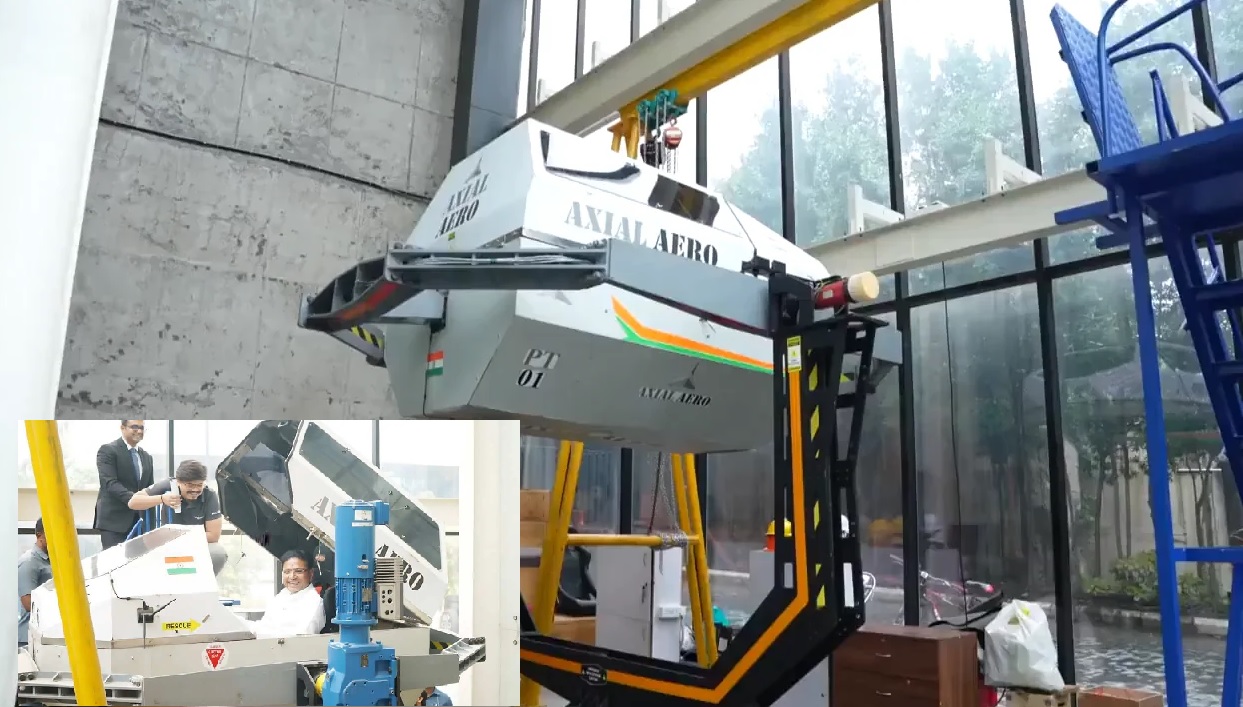
India
For years, India has depended on costly imported flight simulators from the US and Europe. Each unit often costs hundreds of crores, with every upgrade or repair tied to foreign suppliers. Now, a quiet but powerful shift is happening in Hyderabad, where T-Works, India’s largest hardware prototyping centre, is working to build these simulators at home. This move is more than just another defence contract—it’s about strategic independence. Flight simulators are not luxury gadgets; they are essential for training fighter pilots. Every hour spent on a simulator saves fuel, reduces risks, and allows pilots to prepare for scenarios that cannot be replicated in the skies. Until now, India has had to pay a premium for this technology. If T-Works succeeds, the country could cut those costs nearly in half while gaining full control over how the simulators are designed, updated, and customised for Indian needs. What makes this project exciting is its ambition. These simulators will not be basic replicas but next-generation systems capable of 360-degree motion, AI-driven enemy behaviour, and immersive AR/VR environments. Imagine a young pilot stepping into a cockpit that looks and feels exactly like a Su-30MKI, Rafale, or TEJAS, and being able to rehearse dogfights, electronic warfare, or even futuristic stealth missions—all without leaving the ground. This kind of training will sharpen reflexes, reduce accidents, and prepare the Indian Air Force for complex battle scenarios. It also sends a strong message to the world. By producing such advanced simulators domestically, India not only saves money but also avoids the constant anxiety of export restrictions or political roadblocks from foreign governments. In times of crisis, training cannot wait for permissions from abroad. Another overlooked impact is the ecosystem effect. Defence technology is never built in isolation. The T-Works initiative will bring together local software developers, electronics engineers, component manufacturers, and start-ups, creating an innovation network in Hyderabad. This will generate skilled jobs, attract new investments, and possibly even turn the city into a global hub for defence simulation exports, especially for Asian and African countries that cannot afford Western systems. Of course, the project is still at an early stage. Prototypes will take at least two years before they are combat-ready for training. But even in its infancy, this effort represents a psychological leap forward. For the first time, India is not just buying or assembling imported technology—it is designing its own simulation platforms, tailored to its aircraft and its defence doctrine. If successful, T-Works will not only deliver machines; it will deliver confidence—the confidence that India can train its pilots on its own terms, save vast sums of money, and even offer cutting-edge training solutions to the world. This is not simply about flight simulators. It is about India taking control of the invisible but crucial foundation of air power: training, preparation, and foresight.
Read More → Posted on 2025-09-26 10:57:29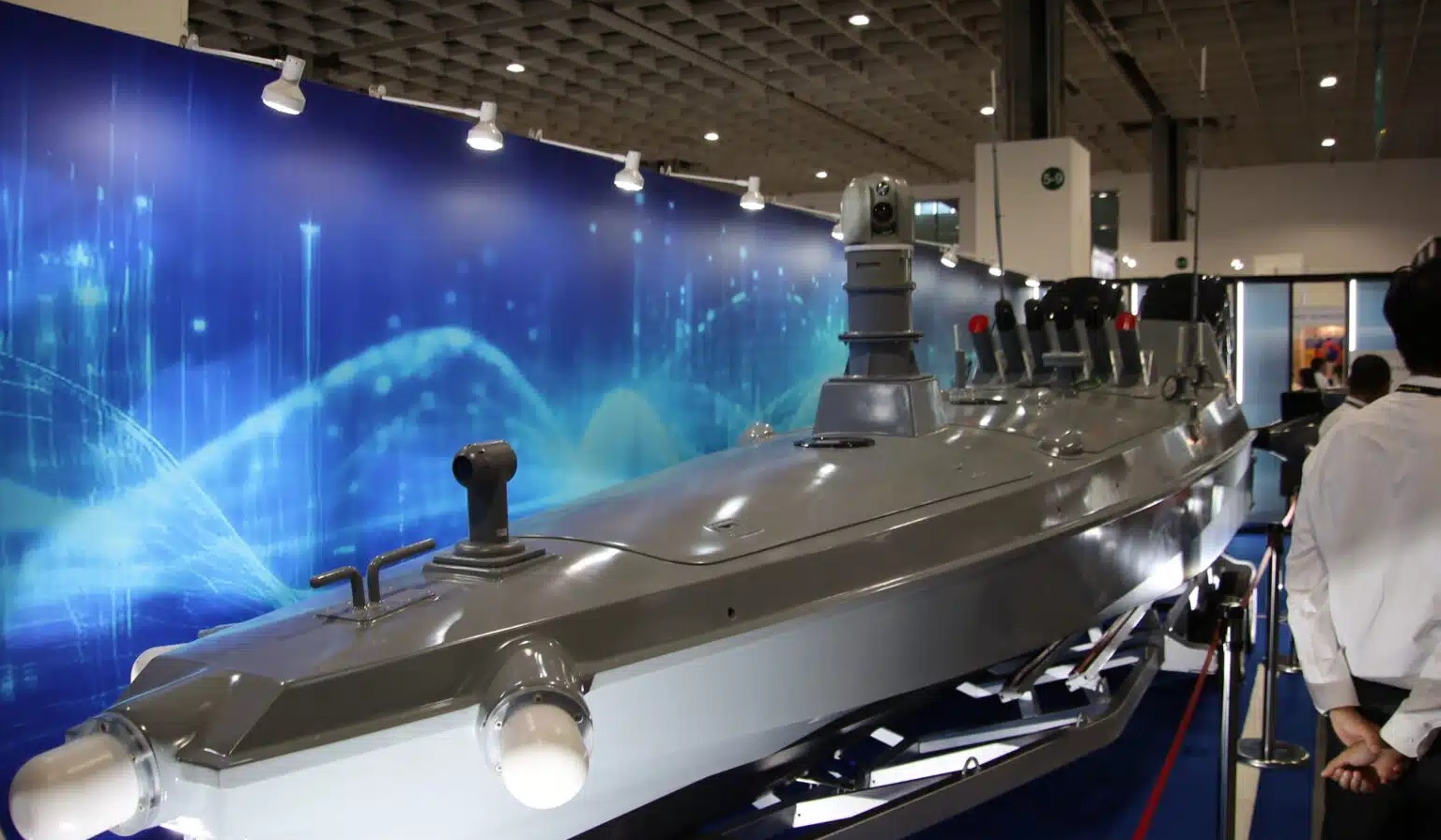
World
Taiwan’s National Chung-Shan Institute of Science and Technology (NCSIST), the main weapons research and development body under the Ministry of National Defense (MND), has revealed a new-generation attack unmanned surface vessel (USV) named the Kaui-Chi at the Taipei Aerospace & Defense Technology Exhibition (TADTE) 2025. The Kaui-Chi USV, earlier known as Project Kaui-Chi (快奇專案), has been in development for several years and was observed in sea trials along Pingtung and Yilan earlier this year. According to Taiwanese defense reports, the vessel passed combat evaluation in June 2025 and later successfully destroyed a target ship during a joint sea-and-air missile-firing drill in August. Innovative UAV-Launch Tactics One of the standout features of the Kaui-Chi is its ability to launch UAVs directly from a USV. During trials, it demonstrated this tactic by deploying Mighty Hornet I (勁蜂I型) attack drones, which struck the designated target. This innovation gives Taiwan the option of combined swarm tactics, where multiple USVs can operate together, supported by drone strikes, overwhelming enemy ships and coastal defenses. Compact but Lethal Officially designated the Small, Fast USV (小型快速無人艇), the Kaui-Chi was designed under MND’s joint-operations guidance to meet Taiwan’s defense needs in coastal waters. The vessel is described as: Small, fast, and stealthy, making it difficult to detect. Highly maneuverable, able to perform evasive and aggressive maneuvers. Cost-effective, allowing for mass production and deployment in large numbers. Lethal, with the ability to ram enemy ships at high speed or coordinate strikes with UAVs. The Kaui-Chi fits into Taiwan’s strategy of asymmetric warfare, where the island relies on low-cost but effective systems to counter numerically superior adversaries. Military analysts believe such USV swarms could be critical in defending Taiwan’s coastline against amphibious invasion attempts. The Mighty Hornet I Loitering Munition Alongside the USV, NCSIST also showcased the Mighty Hornet I, a compact loitering munition designed for precision strikes beyond visual range (BVR). Features include: Man-portable system for rapid deployment. Folding wings and pneumatic launch capability. Around 15 minutes of endurance with an 8 km strike range. Image-recognition and tracking systems to engage both moving and stationary targets. The Mighty Hornet I adds a flexible and precise strike option to the Kaui-Chi USV, making the pairing a force multiplier in modern naval warfare. Strategic Significance With the unveiling of the Kaui-Chi at TADTE 2025, Taiwan has signaled its determination to push forward in autonomous warfare technologies. By integrating USVs, UAVs, and swarm tactics, Taiwan’s defense industry is showing that it can innovate solutions tailored to its geostrategic challenges. Military experts suggest that the Kaui-Chi USV, if deployed in numbers, could form a vital component of Taiwan’s maritime defense network, deterring hostile fleets and complicating enemy planning in the event of conflict.
Read More → Posted on 2025-09-25 16:52:40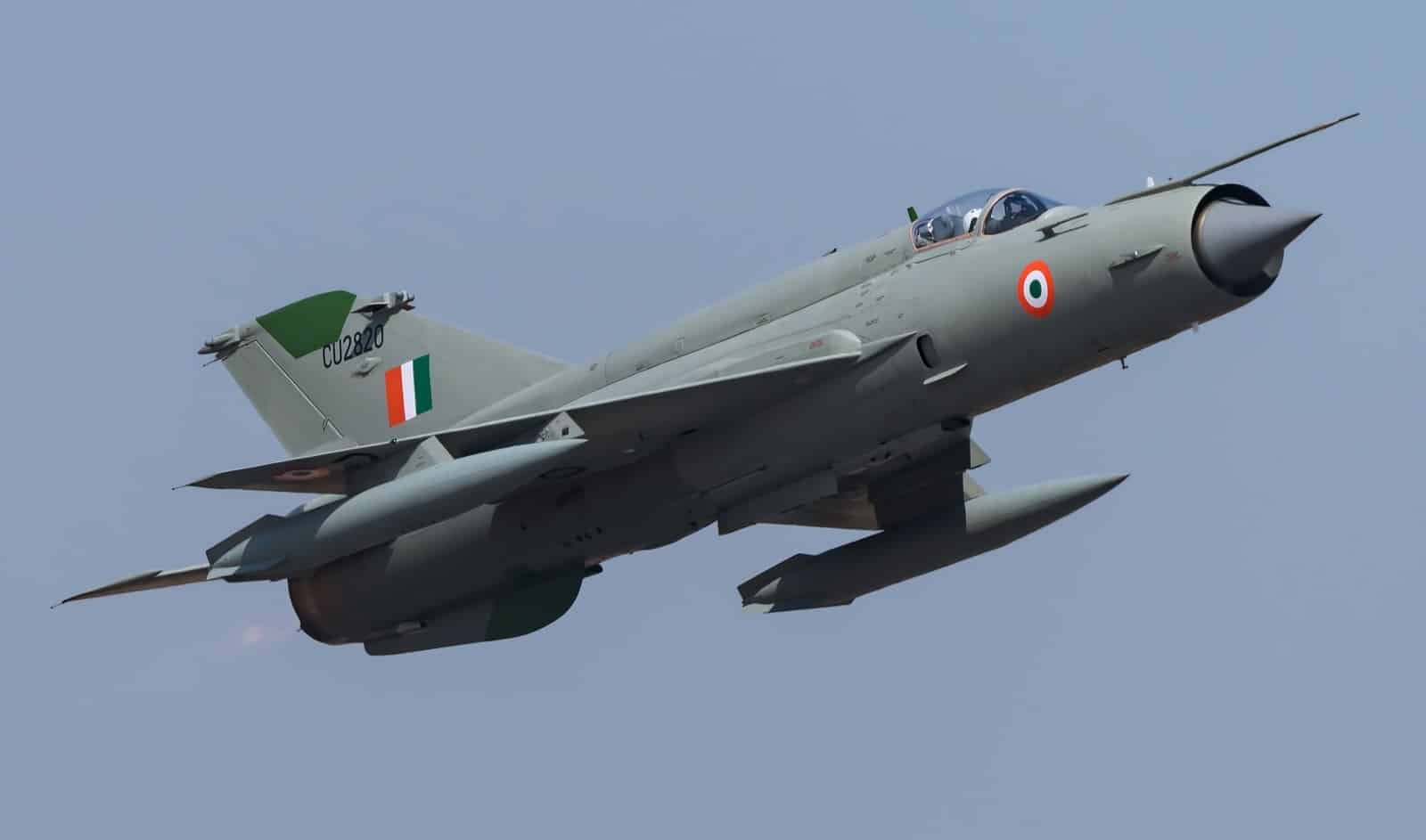
India
The MiG-21 is one of the most famous fighter jets in aviation history. Designed in the Soviet Union during the late 1950s, it became the most-produced supersonic fighter of all time. Slim, sharp, and fast, it was nicknamed the “pencil” by many of its pilots. For more than six decades, it stood as both a symbol of air power and, tragically, of loss. The Global Story When production began in 1959, no one imagined how far this fighter would travel. By the time the last MiG-21 rolled out in 1986, around 11,496 aircraft had been built. It served with over 60 countries, from the Soviet Union to Vietnam, from Egypt to India, and from Cuba to North Korea. Few fighters in history have seen such wide use. But with such massive numbers came inevitable accidents. Worldwide, hundreds of MiG-21s were lost in training, accidents, and combat. While exact global pilot death numbers are impossible to calculate — because every country kept its own records, many of them incomplete — the MiG-21 is remembered both as a reliable warhorse and as an unforgiving machine. The Indian Chapter For India, the MiG-21 became more than just a fighter — it became the backbone of the Indian Air Force. From the early 1960s onward, India inducted about 874 MiG-21s of various versions. It was the aircraft that fought in the 1965, 1971, and Kargil wars, where it scored air-to-air victories and struck enemy targets. Yet, it also earned a darker name — the “flying coffin” — due to the high number of accidents. Over the decades, more than 400 aircraft were lost in crashes in India alone. The human cost was painful: around 170–200 pilots lost their lives flying the MiG-21 in Indian skies. Each of those numbers tells a story of a young aviator who never returned home, a reminder of how unforgiving military aviation can be. Why Did So Many Fall? The reasons were complex. The MiG-21 was designed as a short-range interceptor, not for long patrols or multirole missions. In India, the aircraft was kept in service long beyond its intended lifespan. Harsh weather, bird strikes, maintenance challenges, and the sheer intensity of use all contributed to the accident rate. Even with upgrades like the MiG-21 Bison, the risks remained high. The End of Service After more than 60 years, India finally began to phase out its MiG-21s, with retirement ceremonies marking the end of a long era. For many veterans, it was bittersweet — the jet was both their proudest machine and the one that took away their comrades. The global story was similar: once the frontline jet of the Cold War, the MiG-21 slowly faded from the skies, replaced by modern fighters. Yet, in some air forces, a handful still fly — a testament to its endurance. Old Soldiers Don’t Die, They Just Fade Away The MiG-21 perfectly fits this saying. It did not vanish in glory or collapse in disgrace; it simply stayed on, year after year, training pilots, fighting wars, and carrying national hopes until its time was over. For some, it was a hero. For others, a harsh reminder of risk. Either way, the MiG-21 has carved its name into history — as a fighter that flew longer, farther, and with more drama than almost any other jet ever built.
Read More → Posted on 2025-09-25 16:47:29
Space & Technology
India’s space ecosystem is witnessing a new leap forward as Bengaluru-based VyomIC announces its plan to develop the nation’s first private GPS constellation. The project aims to deliver advanced Positioning, Navigation and Timing (PNT) services, a technology that is crucial for the future of connectivity, automation, and national security. Unlike the traditional NavIC system managed by ISRO, VyomIC’s constellation will operate in Low Earth Orbit (LEO), giving it the ability to provide global coverage, faster signals, and higher accuracy. The company promises centimeter-level positioning and nanosecond-level timing, a leap over current systems. The project is designed with security and resilience in mind. Its signals will be resistant to jamming and spoofing, making them reliable for both civilian applications such as autonomous vehicles, drones, and precision farming, as well as critical sectors like defense, finance, and telecommunications. VyomIC has already secured $1.6 million in pre-seed funding from leading investors. This funding will support the development of the PNT payload, the launch of a demonstration mission, and the expansion of its technical team. Founders Lokesh Kabdal, Vibhor Jain, and Anurag Patil bring experience from high-end technology projects, and are positioning VyomIC as a company that could redefine India’s role in global navigation. The challenge ahead lies in regulatory approvals, spectrum allocation, and building enough satellites to ensure robust service. Yet, if successful, VyomIC could give India its own sovereign navigation backbone, reducing reliance on foreign systems such as GPS (USA), GLONASS (Russia), and Galileo (EU). This move signals more than just a technological achievement. It marks India’s entry into the highly strategic world of private space-based navigation, where precision and independence will drive the next era of growth.
Read More → Posted on 2025-09-25 16:34:40Search
Top Trending in 24 Hours
-
 Kuwait and Bahrain Reportedly Launch First Joint Direct Airstrikes on Iran Since War Began : Report
-
 General Dynamics Awarded Up to $400.4 Million Contract for U.S. Missile-Tracking Satellite Ground Segment
-
 U.S. Department of War Awards Oracle Up to $6.99 Billion Enterprise Software Deal
-
 China Imposes Dual-Use Export Ban on 14 European Entities After EU's Russia Sanctions
-
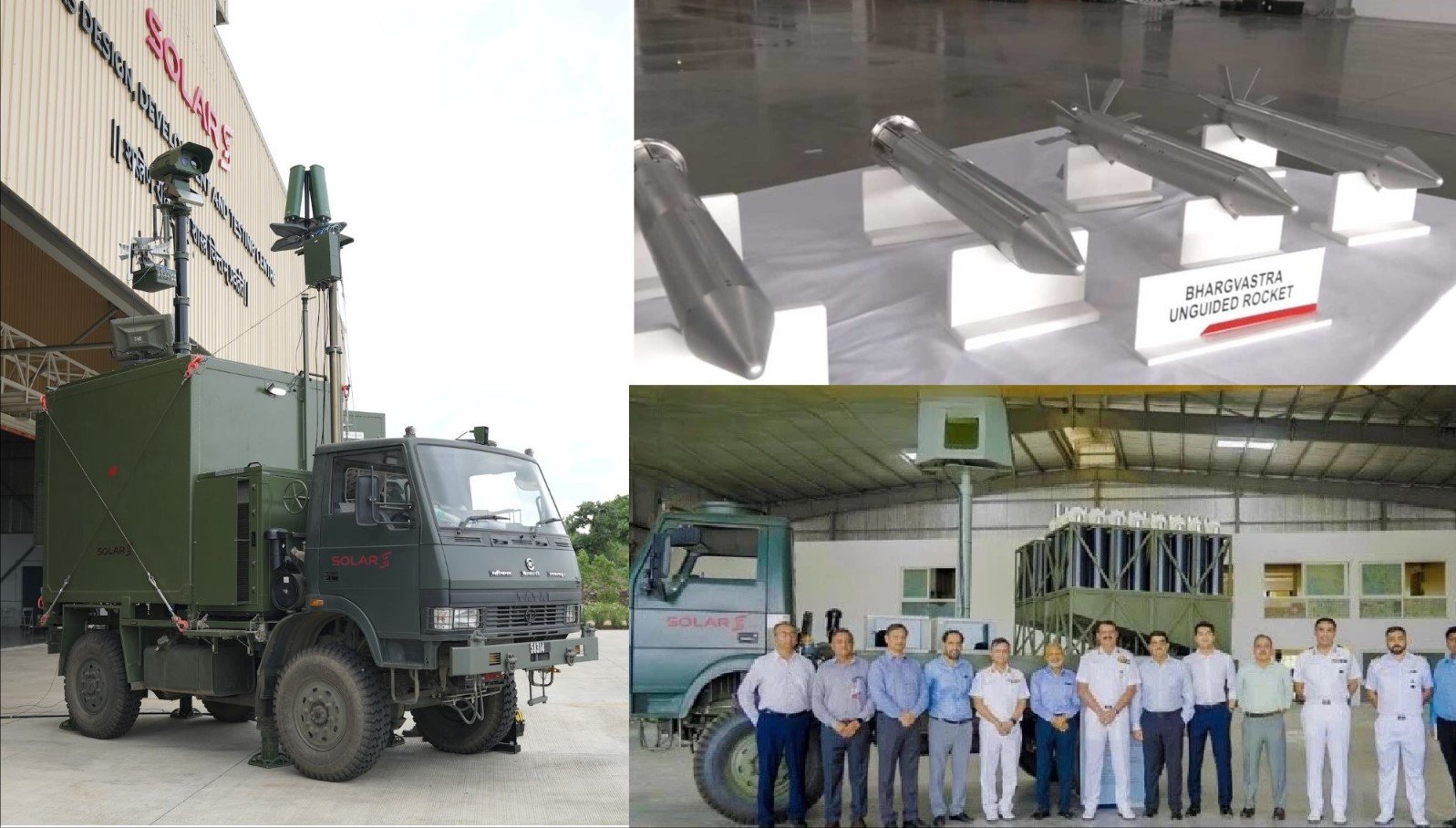 India's SDAL Demonstrates 'Bhargavastra' Counter-Swarm Drone System to Indian Army
-
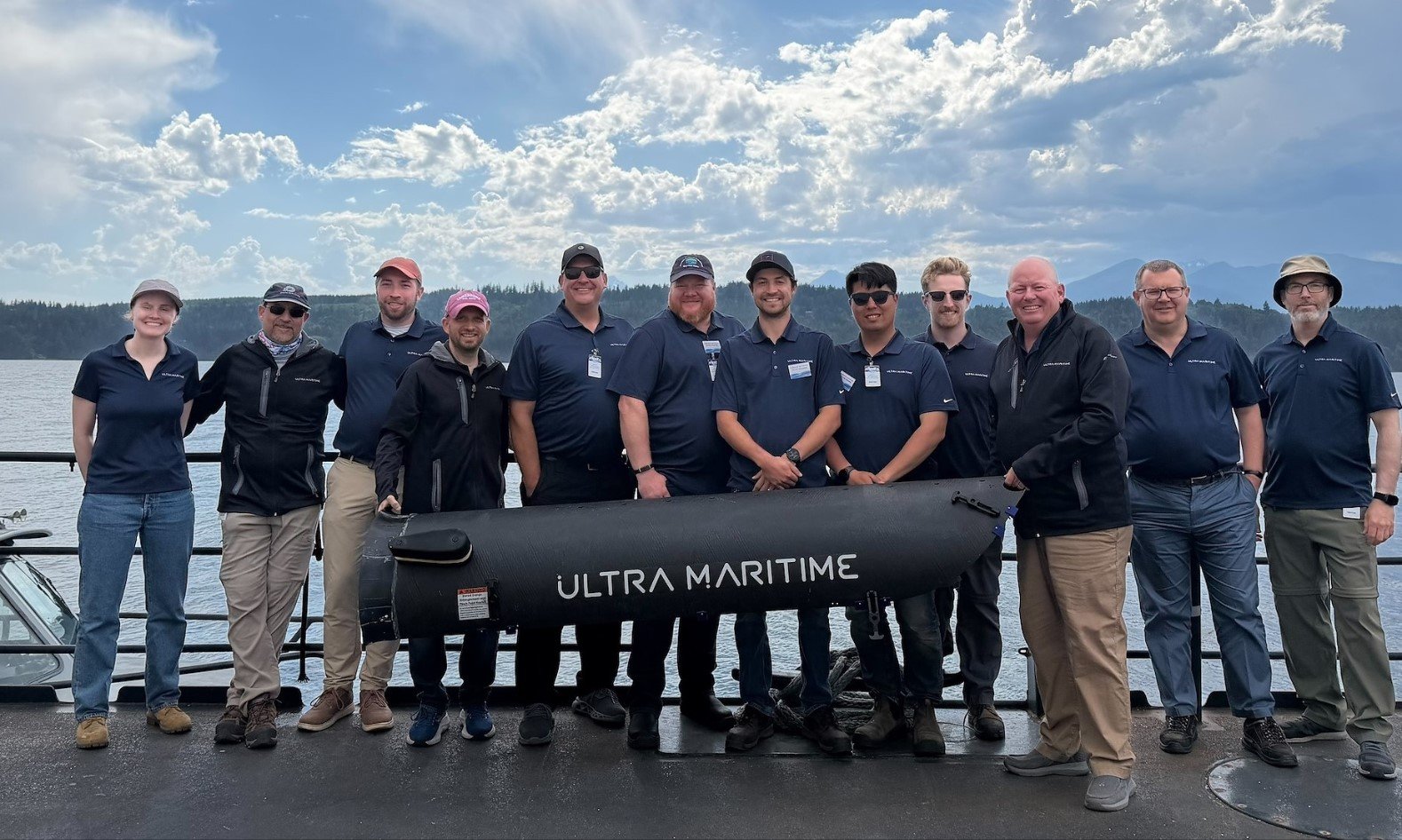 Ultra Maritime and Anduril Successfully Demonstrate Counter-UUV Technology During U.S. Navy's Multinational Lanternfish 2026 Exercise
-
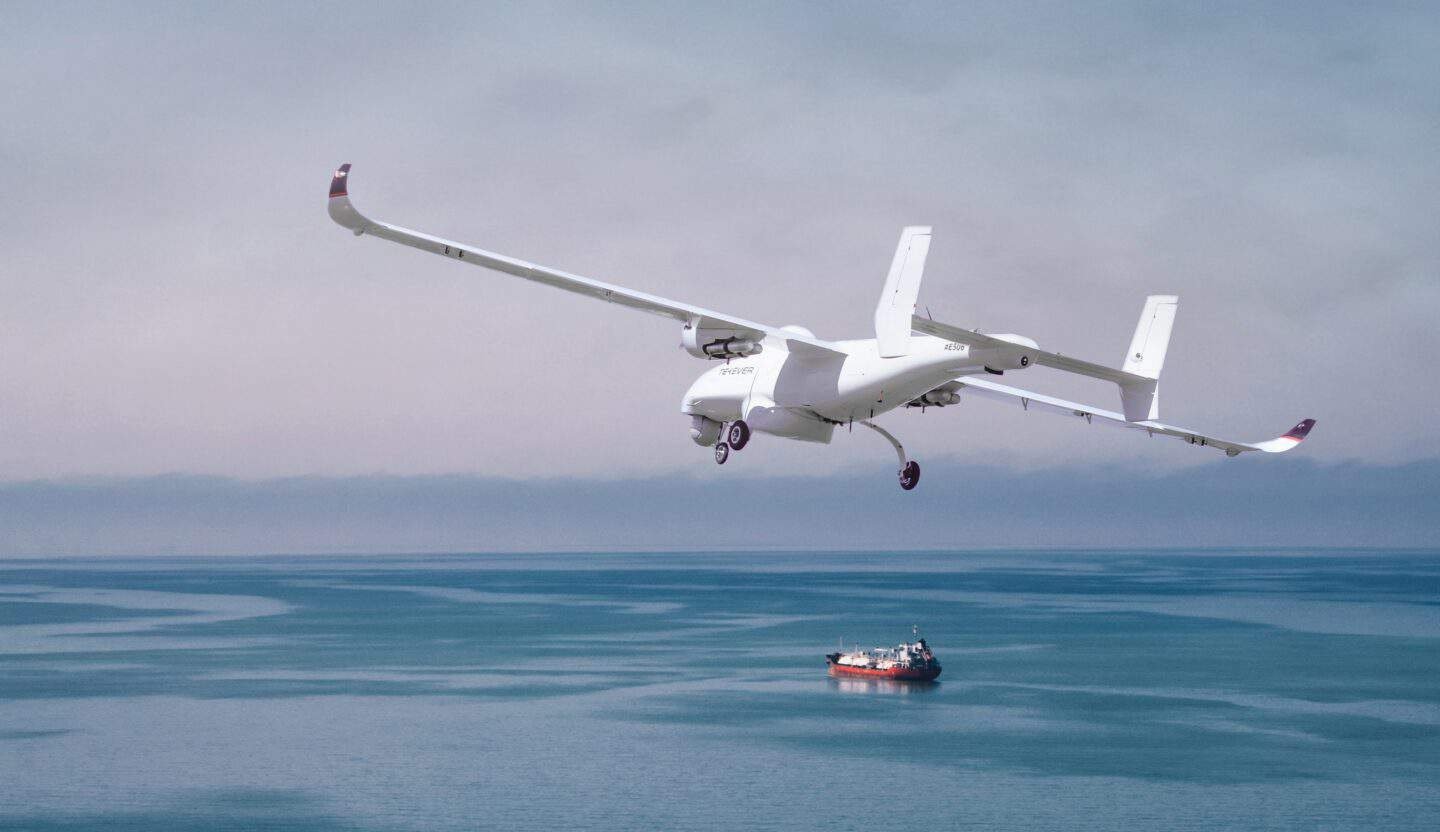 UK Ministry of Defence Awards Up to £400 Million Contract for Tekever AR5 Drones to Replace Watchkeeper Fleet
-
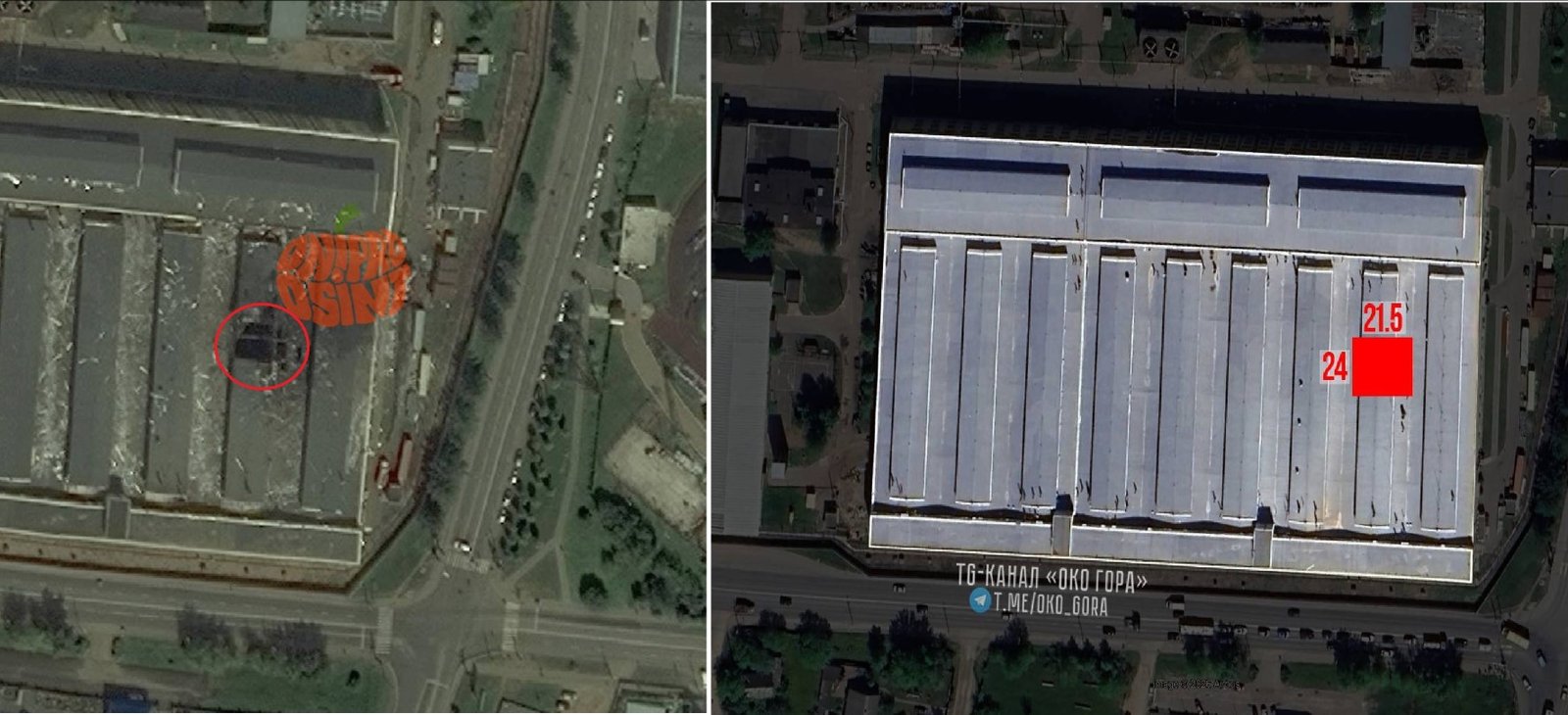 Satellite Images Confirm Damage to Russian Avitek Plant After Ukrainian FP-5 Flamingo Missile Strike
Top Trending in 4 Days
-
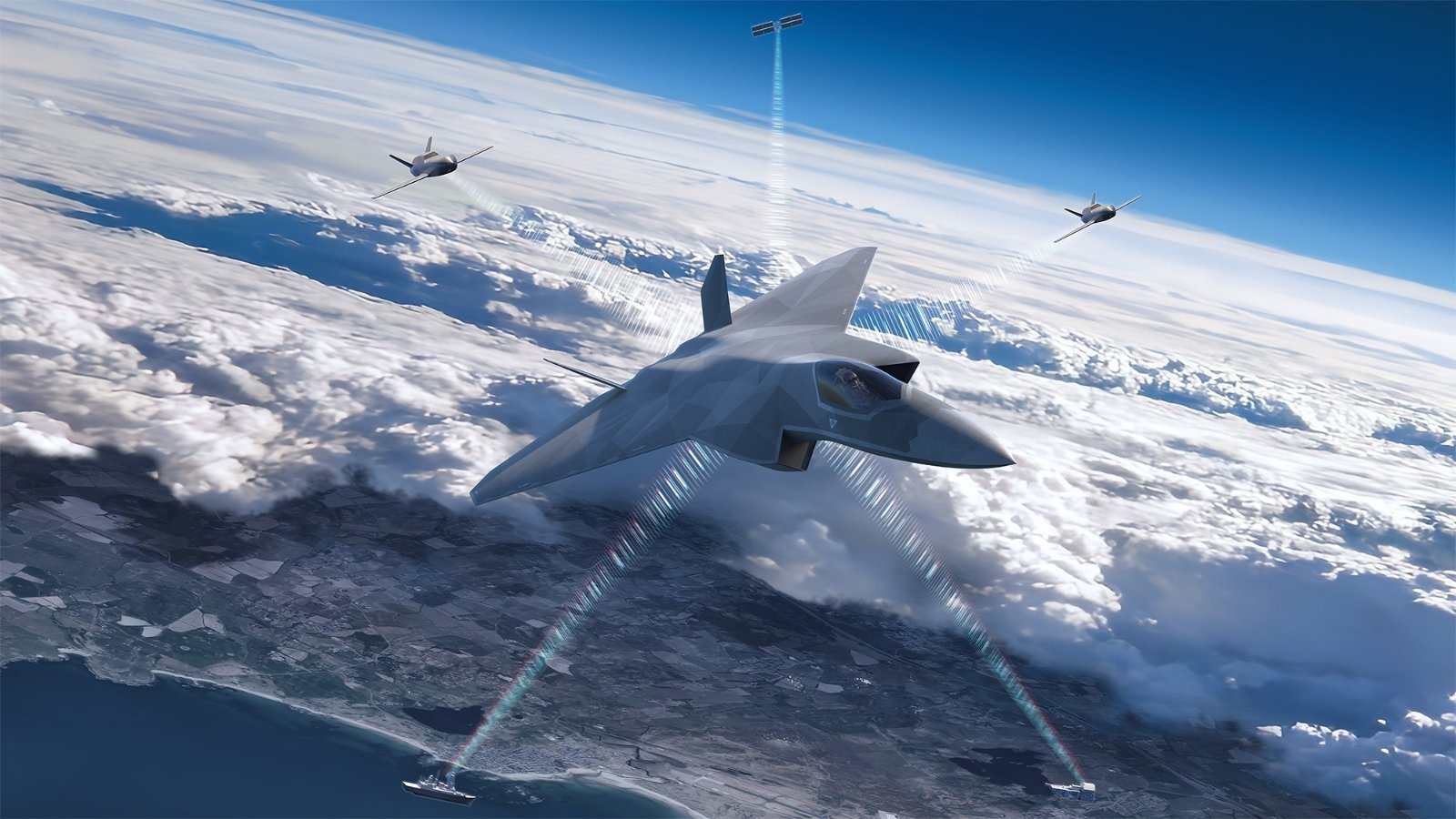 UK Awards BAE Systems £708 Million Contract Extension to Advance GCAP Sixth-Generation Combat Air Technologies
-
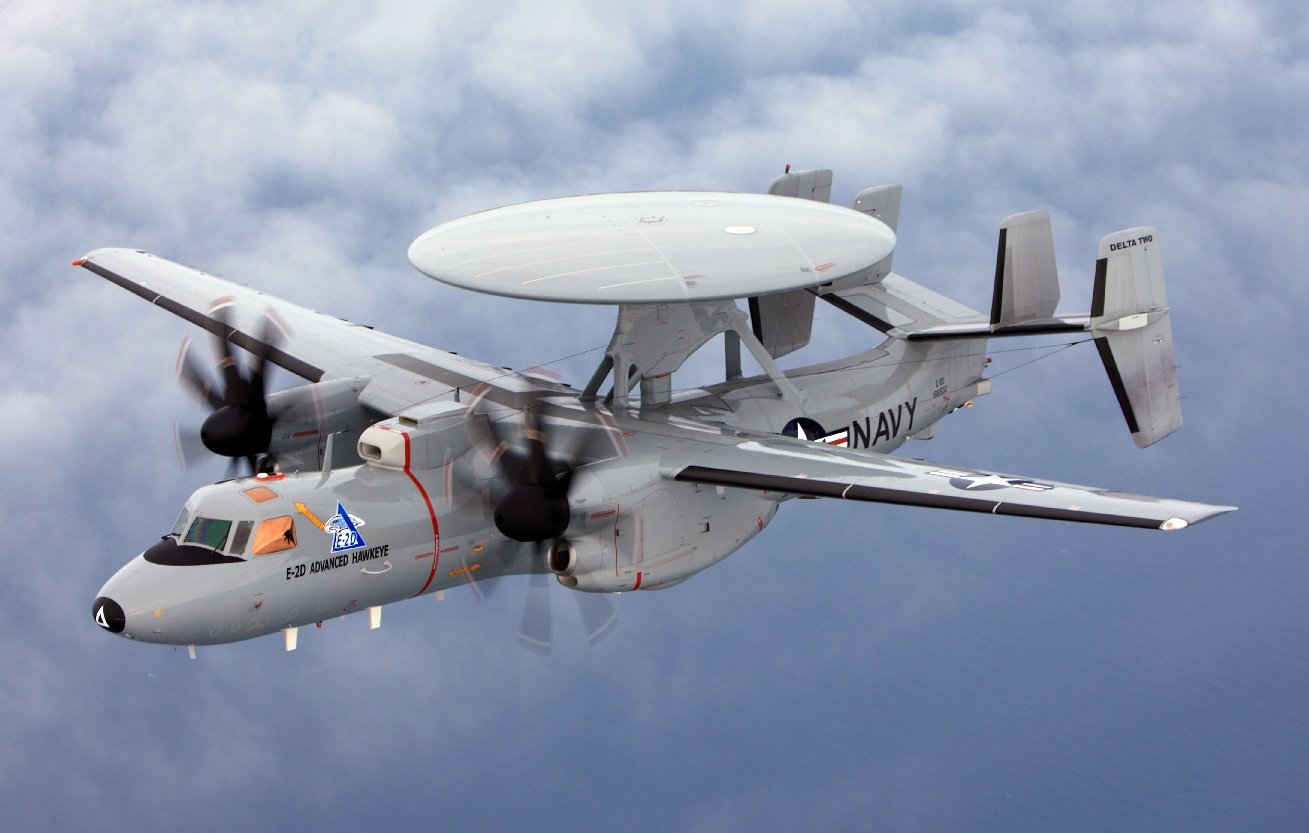 U.S. Navy Awards Northrop Grumman $1.2 Billion Deal for Three New E-2D Advanced Hawkeyes
-
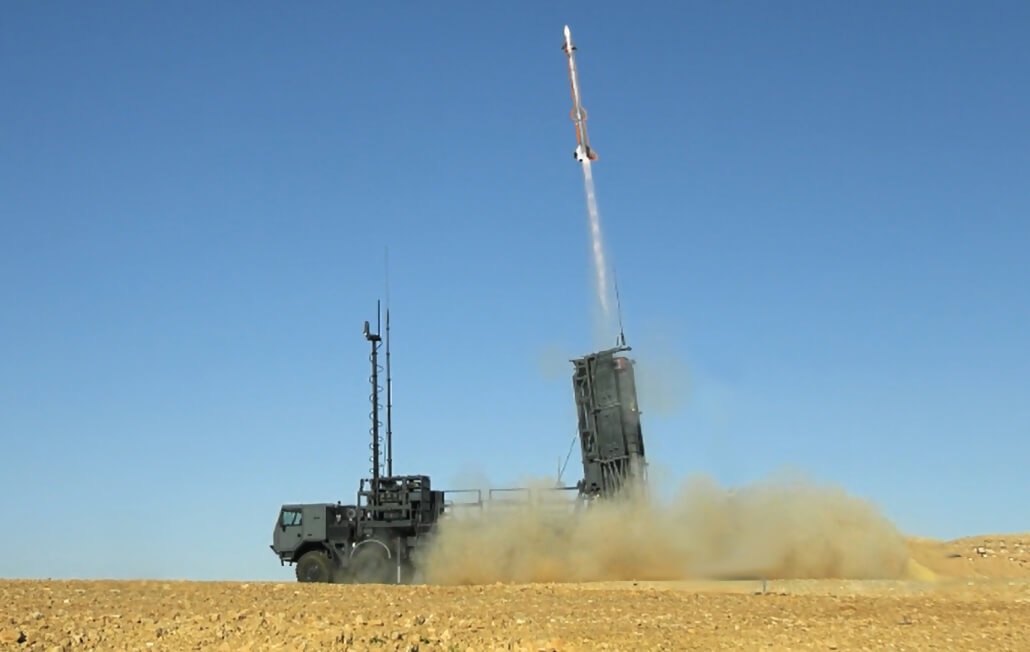 Greece Set to Approve €3 Billion Israeli Air Defense Deal for 'Achilles’ Shield' Network
-
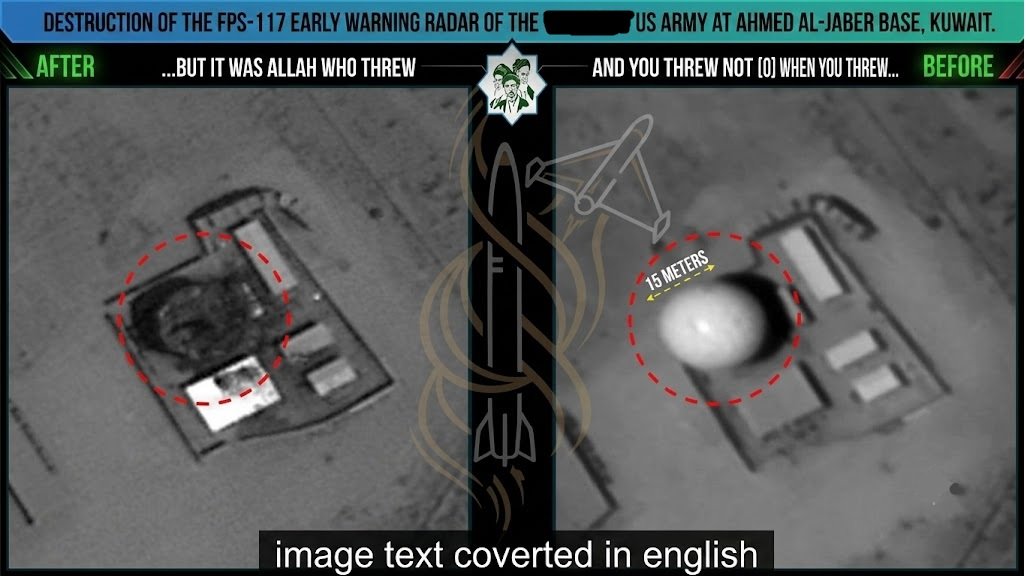 IRGC Claims Destruction of Second AN/FPS-117 Radar in Latest Strike on Kuwait's Ahmed Al-Jaber Air Base
-
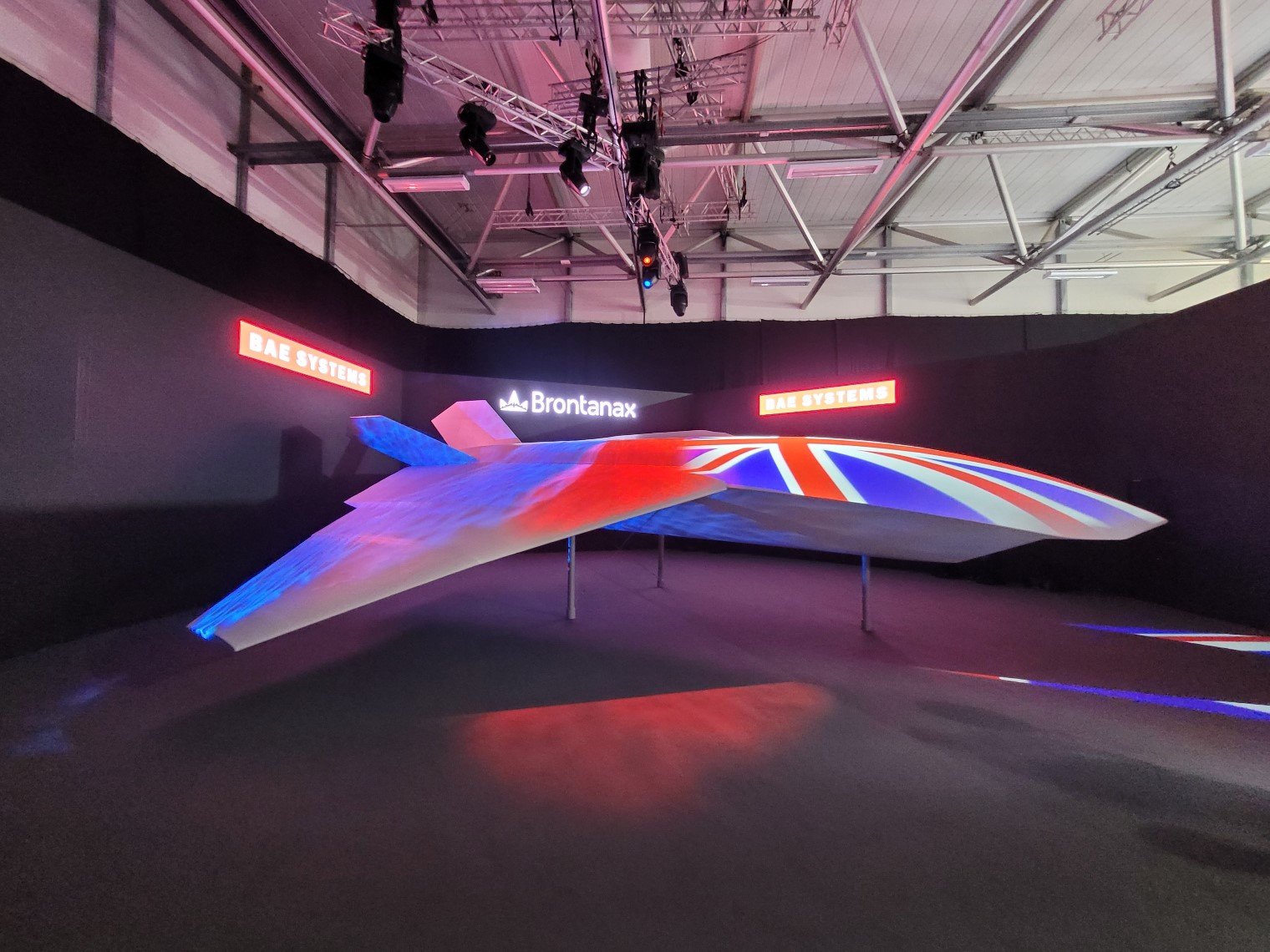 BAE Systems Unveils 'Brontanax', the UK's First Autonomous Combat Aircraft at Farnborough
-
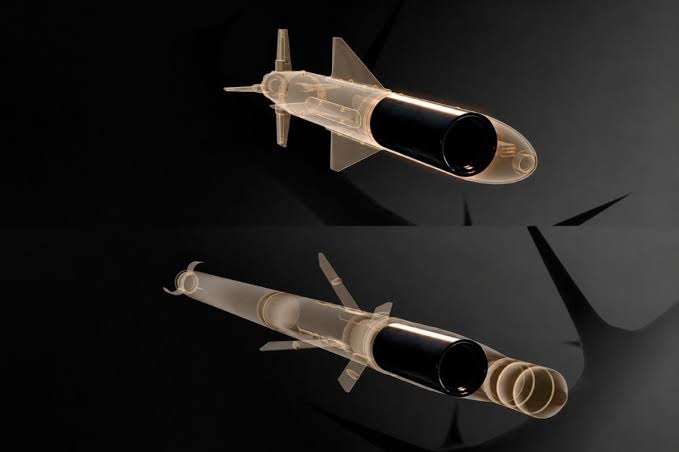 BAE Systems Unveils BlackThorn Modular Warhead Family for Autonomous Weapons and Counter-Drone Systems
-
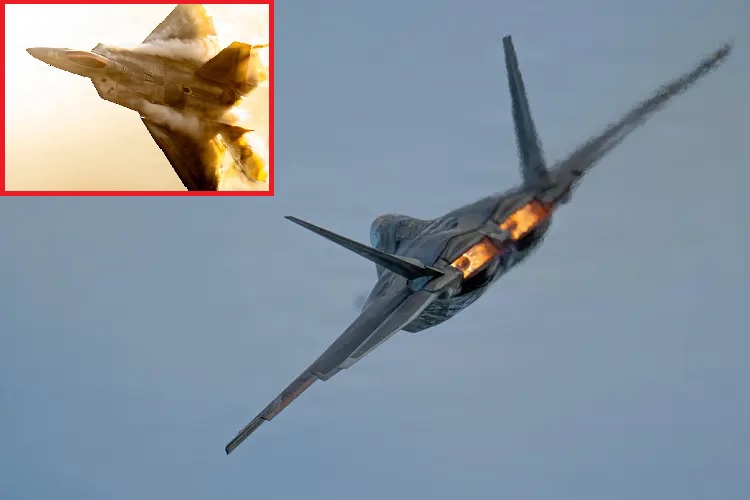 Qarbon Aerospace Returns to F-22 Program with New U.S. Air Force Sustainment Contract
-
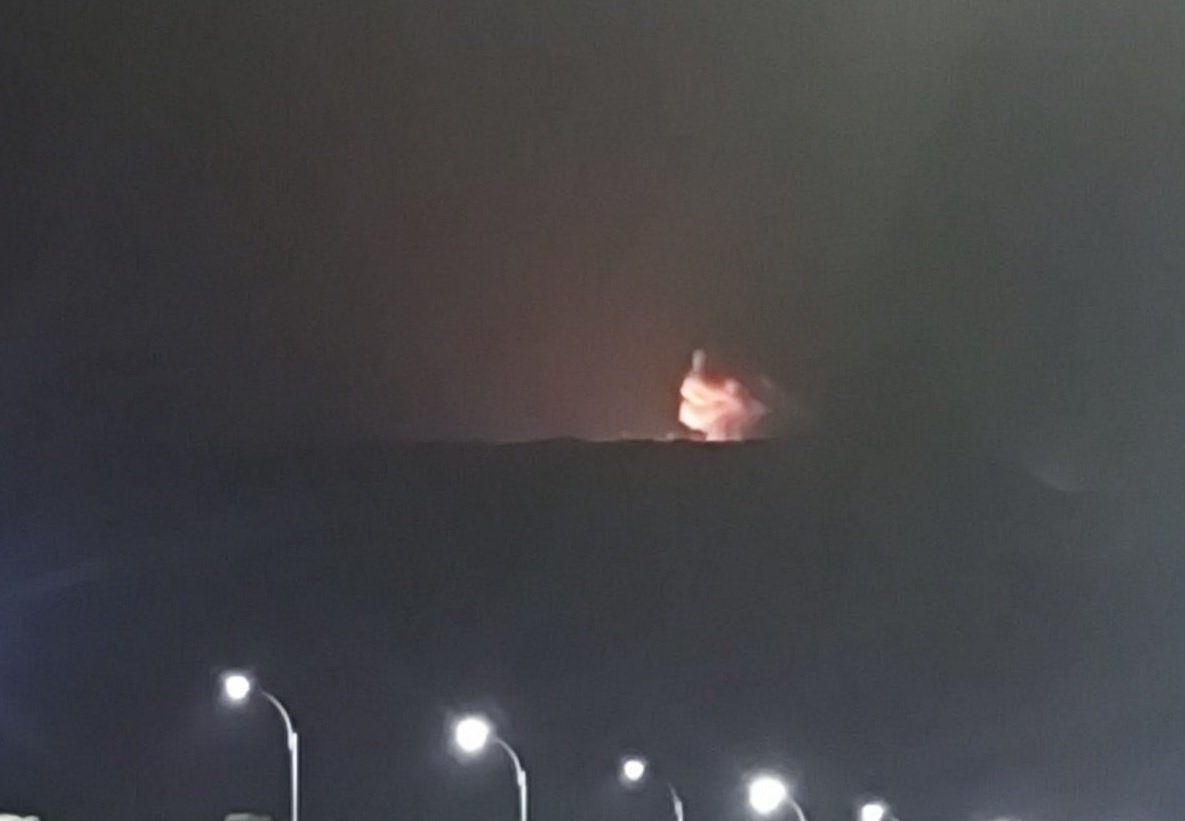 U.S. Airstrikes Target IRGC Missile Base Near Taft as Overnight Strikes Hit Central Iran
