WASHINGTON / MIDDLE EAST : A newly circulated strategic assessment by regional military analyst Talal Nahle has intensified speculation that the United States and its allies are nearing a decisive military inflection point with Iran, as unprecedented force concentrations across air and naval domains point to preparations far exceeding a limited or symbolic operation.
The report, updated early Monday following the release of the latest NOTAM (Notice to Air Missions) at 02:31 UTC, highlights what Nahle describes as a “deafening silence” — a lack of change in Iranian firing-zone declarations — combined with a vast and measurable coalition order of battle. Together, the indicators suggest that planning has moved beyond contingency and into executable readiness.
“This is no longer the language of speculation,” Nahle wrote. “It is the language of numbers that do not lie.”
Naval Firepower: More Than 1,000 Missiles Ready
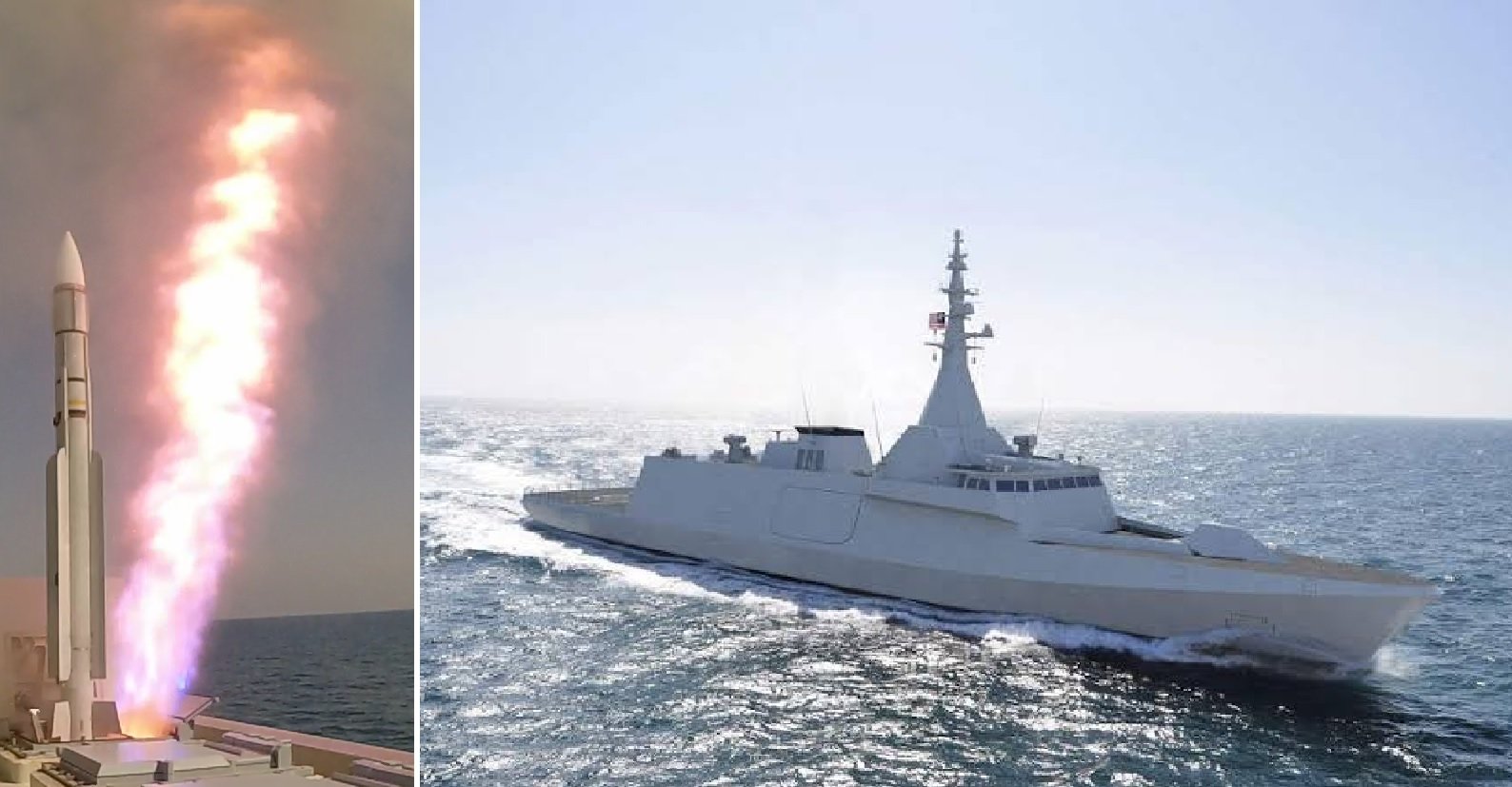
At the center of the assessment is the presence of 1,018 Vertical Launch System (VLS) cells deployed aboard U.S. destroyers and other surface combatants operating within strike range of Iran.
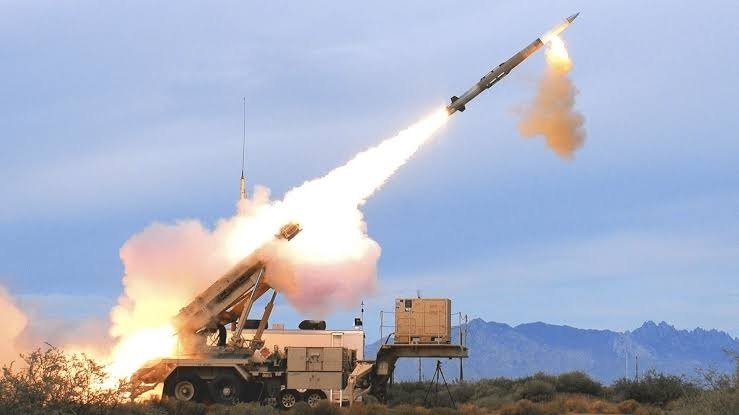
According to the analysis, this configuration provides the U.S. Navy with the ability to launch over 1,000 cruise or air-defense missiles — primarily Tomahawk Land Attack Missiles — in a single or closely sequenced salvo.
Military planners note that such volumes are designed for missile saturation, a doctrine that overwhelms even advanced air-defense networks through sheer scale. In this scenario, Iranian radar installations, air bases, command nodes and missile platforms could be targeted simultaneously across the country, compressing the defender’s response window to minutes.
“This is not force optimized for signaling,” the report states. “It is force optimized for system-wide collapse.”
Air Power Without Geography: The Tanker Network
Equally significant is the coalition’s air-to-air refueling capacity, which fundamentally alters operational geography in the region.
The assessment estimates a combined refueling capacity of approximately 7.9 million pounds of fuel, broken down as follows:
- United States: 4.47 million pounds
- Saudi Arabia: 1.99 million pounds
- Qatar: 1.47 million pounds
This capability is supported by at least 42 U.S. tanker aircraft, including 37 KC-135s and five KC-46s, supplemented by allied tankers.
With this infrastructure in place, fifth- and fourth-generation fighters could theoretically launch from Europe, the Eastern Mediterranean, or Diego Garcia, strike targets deep inside Iran — including Tehran — and return without landing at exposed Gulf airfields. Regional bases, once critical launch points, become transit nodes rather than operational choke points.
Stealth Spearhead: 112 Fifth-Generation Fighters
The opening phase of any major air campaign would rely on stealth assets, and here the numbers are equally striking.
Nahle’s report identifies 112 fifth-generation fighters available to a U.S.-aligned coalition:
- 54 F-35A (U.S. Air Force)
- 10 F-35C (U.S. Navy)
- 48 F-35I “Adir” (Israeli Air Force)
Their mission, according to the assessment, would be the systematic neutralization of Iran’s most capable surface-to-air missile systems, including S-300 and potentially S-400-class batteries, along with command-and-control infrastructure. Once these defenses are degraded, heavier strike aircraft — such as F-15Es and European Typhoons — would follow with large payloads.
Military officials often describe this phase as “kicking down the door.”
Regional Allies: Defensive Roles, Strategic Impact
While air forces from Saudi Arabia, Qatar, and the United Arab Emirates are not expected to participate directly in strikes on Iranian territory, their role is nonetheless critical.
The assessment lists substantial regional fleets, including Qatar’s F-15QA squadrons, UAE Mirage forces, and Saudi air assets, assigned primarily to Defensive Counter Air (DCA) missions. Their task would be to secure national airspace and protect U.S. bases from Iranian aircraft, drones, or missile spillover — effectively freeing American forces to concentrate on offensive operations.
This layered approach reflects political sensitivities while maintaining operational depth.
The NOTAM Factor: Silence as a Signal
The unchanged NOTAM issued at 02:31 UTC is interpreted in the report as confirmation that civil aviation adjustments are no longer required, suggesting flight corridors and deconfliction measures have already been finalized.
In military terms, stagnation in airspace advisories can indicate that planners are satisfied with existing configurations — a subtle but telling sign of readiness.
Cost, Timing, and Strategic Choices
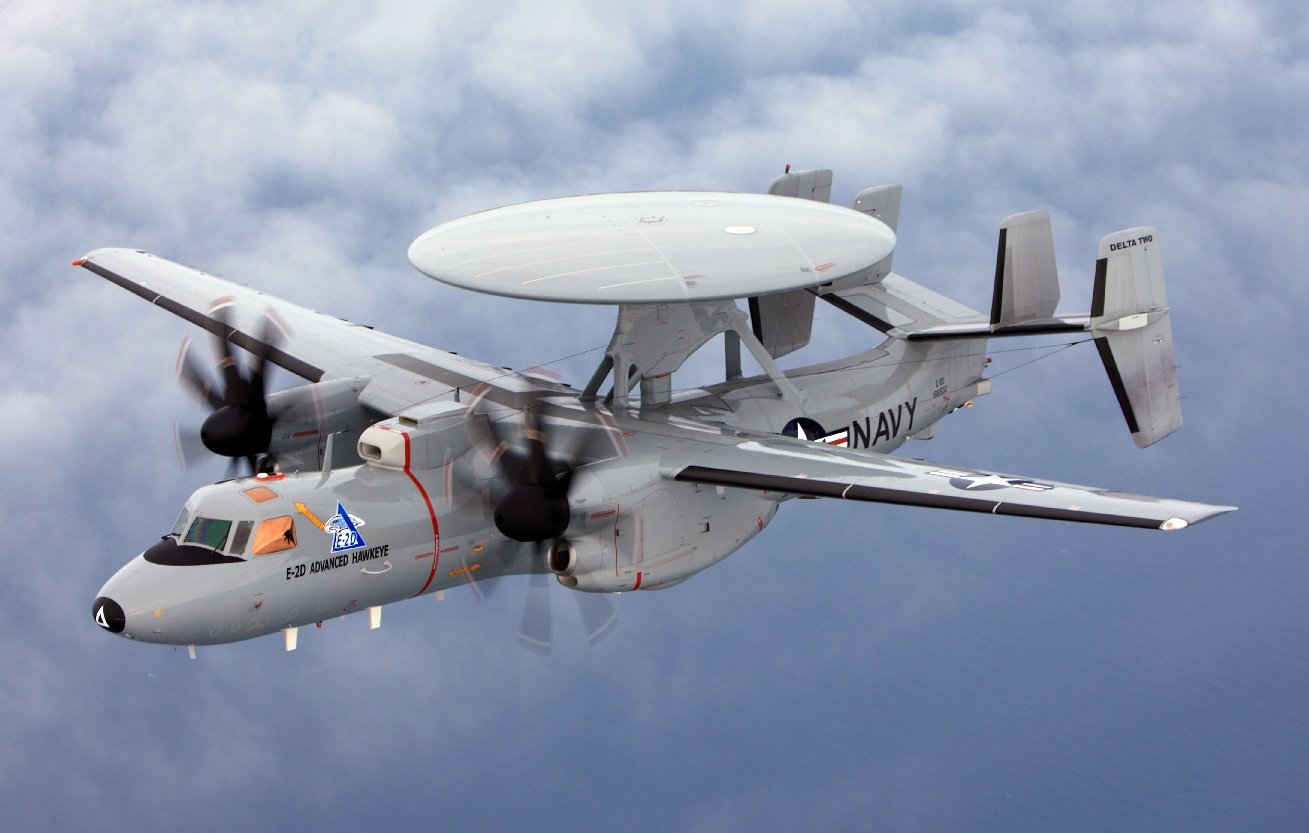
Maintaining such a force posture is extraordinarily expensive. Analysts estimate that the daily operational cost of sustaining carrier groups, tanker fleets, AWACS aircraft and high-readiness squadrons runs into hundreds of millions of dollars per day.
“No country — not even the United States — can hold this posture indefinitely,” Nahle argues.
The report outlines two plausible paths forward: a rapid strike executed within days, or a deliberate and costly drawdown designed to de-escalate. The continued movement of heavy airlift aircraft, including C-5M Super Galaxy transports, suggests reinforcement rather than reduction.
A Buildup Beyond Messaging
The assessment’s central conclusion is stark. The combination of over 1,000 naval missiles, 112 stealth fighters, and an unprecedented tanker network does not align with a limited punitive action or symbolic demonstration of force.
Instead, it points toward preparations for a comprehensive campaign aimed at dismantling Iran’s military capabilities at scale.
Whether that campaign is ultimately launched remains a political decision. But as Nahle notes, the numbers now assembled leave little doubt about what the force is designed to do — and how quickly it could do it.
——— End of Article ———