
India
The European Union has openly acknowledged that Indo-Russian relations are proving to be a stumbling block in the path of closer India-EU cooperation. The remarks come at a time when Brussels is pushing hard to conclude a Free Trade Agreement (FTA) with New Delhi, while also seeking stronger collaboration on defence, technology, and climate issues. EU Foreign Policy Chief Kaja Kallas stated that India’s continued purchase of Russian oil and participation in Russian-led military drills undermine the bloc’s expectations of strategic alignment. According to her, such moves make it difficult for Brussels to treat India as a fully reliable partner, despite recognising India’s importance in balancing power in the Indo-Pacific. The EU and India have been negotiating an ambitious FTA, aiming to seal it by the end of this year. Alongside the trade talks, the EU recently unveiled a Strategic Roadmap with India, focusing on trade, connectivity, defence cooperation, and technology. However, the Russia factor continues to overshadow these efforts. Since the Ukraine conflict began in 2022, India has sharply increased imports of discounted Russian crude oil, a step that has benefited its domestic economy but frustrated Western partners. Adding to European unease, Indian forces recently took part in Zapad 2025, a large-scale military exercise led by Russia and Belarus near NATO’s eastern front. India, however, views its relationship with Russia as deeply rooted in history, particularly in areas of defence and energy security. New Delhi has repeatedly stressed that it will act according to its national interests and maintain balanced ties with all global powers. The EU’s concerns come just four months after the bloc extended financial and humanitarian support to Pakistan, a development that has not gone unnoticed in Indian strategic circles. The timing of these remarks raises questions about the EU’s balancing of interests in South Asia. How Much Trade Still Happens: EU-Russia Data Despite strong sanctions and restrictions since 2022, trade between the EU and Russia has not disappeared completely. In 2024, the total value of goods trade (imports plus exports) between the EU and Russia was about €67.5 billion. EU imports from Russia were around €35.9 billion, largely dominated by energy products, minerals, and raw materials. EU exports to Russia were about €31.5 billion, led by chemicals, machinery, transport equipment, and food. In the second quarter of 2025, trade fell sharply: EU imports from Russia were roughly €7 billion, and exports to Russia were about €7.5 billion, bringing total bilateral trade to around €14.5 billion. Compared with early 2022, this represents an 82% collapse in overall trade. Imports have fallen about 86%, while exports are down by about 61%. The EU’s energy trade deficit with Russia, which stood at over €40 billion in early 2022, dropped to about €4.2 billion by mid-2025 due to reduced reliance on Russian fuel. Why This Matters These numbers highlight that while India is being pressed over its energy and defence ties with Moscow, the EU itself still maintains a reduced but notable level of trade with Russia. This duality underscores the complexity of global diplomacy, where economic necessities and strategic alignments often clash with political messaging. For India, the challenge is to sustain its historic partnership with Russia while expanding trade and technological cooperation with the EU. For Brussels, the task is to balance its principles with its own remaining dependencies on Russian goods. The EU’s statement that Indo-Russian relations stand in the way of closer India-EU ties reflects the new reality of global geopolitics. India continues to walk a tightrope between its long-standing ties with Moscow and its desire for deeper engagement with Europe. Whether both sides can bridge this divide will determine if the much-awaited FTA and broader partnership move forward or stall once again.
Read More → Posted on 2025-09-18 16:00:04
India
In a major boost to India’s defence indigenisation drive, Rourkela-based Coratia Technologies has won a ₹66 crore contract from the Indian Navy to supply indigenous Underwater Remotely Operated Vehicles (UWROVs). Valued at around $7.5 million, the deal underscores the Navy’s confidence in Indian startups to deliver advanced deep-tech solutions for maritime operations. A Startup Making Waves Founded by engineers incubated at the National Institute of Technology (NIT) Rourkela, Coratia Technologies has emerged as one of the few deep-tech startups in India working on advanced underwater robotics. The company’s journey from academic research to securing a multi-crore defence contract reflects the growing synergy between India’s innovation ecosystem and the armed forces. Role of UWROVs in Naval Operations UWROVs are unmanned submersible platforms designed to be remotely operated from the surface. They are critical for: Underwater surveillance and reconnaissance Seabed mapping and exploration Inspection of underwater pipelines, ship hulls, and naval infrastructure Salvage assistance in recovery of objects and wreckage Mine countermeasures and disposal of hazardous objects With growing maritime challenges in the Indian Ocean Region, these capabilities are vital for safeguarding naval assets, enhancing situational awareness, and reducing risks to divers in hostile environments. Specifications and Features While the Navy has not disclosed exact classified specifications, Coratia’s indigenous UWROV prototypes are reported to feature: Depth capability: up to 300 metres, suitable for most littoral and harbour operations. Payload options: High-definition cameras, sonar systems, manipulators for gripping and cutting tools. Endurance: Around 4 to 6 hours of continuous operation, depending on payload configuration. Real-time data relay: Fibre-optic tethered systems ensuring low-latency transmission. Navigation: Equipped with advanced DVL (Doppler Velocity Log), INS (Inertial Navigation System), and GPS for precise underwater positioning. Multi-mission adaptability: Can switch between surveillance, inspection, and light intervention roles. These features will enable the Indian Navy to conduct operations that traditionally required expensive imported systems. Strategic Significance The deal aligns with India’s Atmanirbhar Bharat and Make in India initiatives, cutting dependence on foreign vendors for specialised underwater technologies. It also marks a recognition of startups as trusted suppliers in defence contracts, an area traditionally dominated by large public sector units and established private defence firms. For the Indian Navy, the induction of indigenous UWROVs will provide greater flexibility, lower lifecycle costs, and faster deployment of systems tailored for Indian waters. For Coratia Technologies, this breakthrough establishes it as a credible player in the global underwater robotics space, potentially opening doors to exports in friendly navies. With this contract, India joins the league of nations developing their own underwater robotic systems. The Navy is expected to deploy these UWROVs for both coastal security and offshore operations, strengthening maritime domain awareness. This development not only strengthens India’s defence preparedness but also demonstrates the rising role of homegrown startups in shaping the future of advanced military technology.
Read More → Posted on 2025-09-18 15:52:36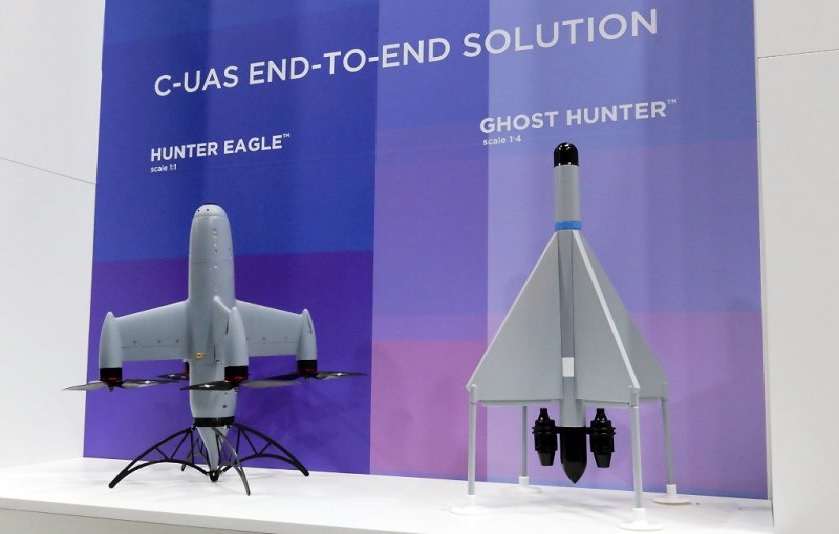
World
UK : At the Defence and Security Equipment International (DSEI) 2025 exhibition in London, Rafael Advanced Defense Systems showcased two next-generation drone-killing technologies: the Hunter Eagle and the Ghost Hunter. These systems are designed to enhance Rafael's Counter-Unmanned Aircraft System (C-UAS) capabilities, integrating seamlessly with the company's Drone Dome suite. Enhancing the Drone Dome with Kinetic Effectors The Drone Dome is a comprehensive C-UAS solution that employs a multi-layered approach to counter drone threats. It combines detection, classification, and mitigation through a suite of sensors and effectors, including radar, SIGINT radiofrequency sensors, electro-optic Speed ER sensors, jammers, and a C4I center. While effective in soft-kill engagements, the proliferation of diverse drone types necessitated the development of hard-kill capabilities. To address this, Rafael introduced kinetic effectors such as the Samson remotely controlled weapon station and the 10 kW Lite Beam high-energy laser system. The Hunter Eagle and Ghost Hunter further augment this hard-kill capability. Hunter Eagle: Precision Hit-to-Kill Drone The Hunter Eagle is a compact, vertical take-off and landing (VTOL) drone designed for precision strikes. With an estimated height of 0.4–0.5 meters and a weight between 5 and 10 kg, it features a cylindrical fuselage housing an electro-optical seeker and cruciform wings equipped with electric motors driving three-blade propellers. The drone's VTOL capability is supported by a four-legged landing gear, ensuring stability during takeoff and landing. Upon nearing its target, the Hunter Eagle autonomously engages, utilizing its seeker to guide it in the final phase of the attack. In case of a miss or mission abort, the drone can return to its launch point and land vertically, making it suitable for urban and high-risk environments. Notably, the Hunter Eagle carries an explosive warhead, likely a high-explosive fragmentation type with a proximity fuse, allowing it to neutralize threats without direct impact. The system is designed to be inherently safe, as it does not contain any explosive material until activation. It can operate individually or in swarms, enhancing its effectiveness against multiple threats. A demonstration is planned for late 2025, with deliveries expected to commence in 2026. Ghost Hunter: High-Speed Jet-Powered Interceptor The Ghost Hunter is a larger, jet-powered drone designed for high-speed engagements. The displayed 1:4 scale model at DSEI suggests a height between 1.4 and 1.6 meters and a take-off mass of approximately 50–60 kg. Its design features a cylindrical fuselage with four delta wings arranged in a cruciform layout, and a radome concealing the radiofrequency seeker. The propulsion system comprises two small turbojets, enabling speeds up to twice that of the Hunter Eagle. Rear-mounted spikes assist in ground stability during launch. The Ghost Hunter's architecture is still under development, with many details subject to change. The system is slated for its first demonstration in late 2026, with market availability anticipated in 2027. Strategic Focus on Export Markets Rafael is actively targeting the export market with these advanced drone-killing systems. The design of the drone bodies facilitates production in customer countries, aligning with Rafael's strategy to offer adaptable and locally manufacturable defense solutions. This approach aims to strengthen international partnerships and enhance the sovereignty of allied nations in countering emerging drone threats. The introduction of the Hunter Eagle and Ghost Hunter underscores Rafael's commitment to advancing C-UAS technologies, providing comprehensive solutions that integrate detection, classification, and mitigation capabilities to address the evolving challenges posed by unmanned aerial systems.
Read More → Posted on 2025-09-18 15:42:20
World
Japan : In a significant development, the Japan Maritime Self-Defense Force (JMSDF) has announced revisions to its hull classification symbols, effective from October 2024. This update introduces two new designations: "CG" for guided-missile cruisers and "CVM" for aircraft-carrying multi-role cruisers. These changes reflect the evolving capabilities and roles of JMSDF vessels in modern naval operations. Background on JMSDF Vessel Classification The JMSDF categorizes its vessels into two primary groups: warships, which are recognized under international law, and support ships. Within the warship category, vessels are further divided into escort vessels and auxiliary vessels. Escort vessels are classified based on their functions, including surface and subsurface combatants, mine warfare vessels, patrol vessels, and transport vessels. Historically, destroyers in the JMSDF fleet were classified using symbols such as DD (general-purpose destroyer), DDG (guided-missile destroyer), DDH (helicopter destroyer), DE (coastal escort destroyer), and FFM (multi-role frigate). However, recent advancements in ship design and capabilities have necessitated a reevaluation of these classifications. Introduction of "CG" and "CVM" Classifications The new "CG" classification stands for "Cruiser Guided-missile" and is designated for future vessels equipped with the Aegis Combat System. These ships are expected to enter service in 2027 and 2028, enhancing the JMSDF's air defense and missile interception capabilities. The "CVM" classification, which stands for "Cruiser Voler Multipurpose," is applied to the Izumo-class vessels. The term "Voler," meaning "to fly" in French, signifies the ships' enhanced capability to operate aircraft, including fixed-wing types. The Izumo-class ships have undergone modifications to operate the F-35B Lightning II, a short takeoff and vertical landing (STOVL) aircraft, marking a significant shift in their operational role. Implications of the Classification Changes The reclassification of the Izumo-class ships to "CVM" reflects their expanded operational capabilities and aligns with international naval classification standards. This change also underscores Japan's commitment to modernizing its defense forces and adapting to evolving security challenges. The introduction of the "CG" classification indicates a strategic move towards enhancing the JMSDF's long-range defense capabilities, particularly in missile defense. The integration of advanced systems like Aegis into these new cruisers will bolster Japan's ability to protect its interests in the region. The adoption of the "CG" and "CVM" hull classification symbols marks a pivotal moment in the evolution of the JMSDF's fleet. These changes not only better represent the advanced capabilities of the vessels but also align Japan's naval classifications with international standards. As the JMSDF continues to modernize, these updates highlight the nation's commitment to maintaining a robust and versatile maritime defense force. For more detailed information on the JMSDF's vessel classifications and upcoming fleet developments, refer to official announcements from the Japan Ministry of Defense and reputable naval defense publications.
Read More → Posted on 2025-09-18 15:37:48
World
During the military parade in Beijing on September 3, 2025, China revealed a groundbreaking underwater system: the AJX002, an extra-large uncrewed underwater vehicle (XLUUV) designed for mine-laying operations. This new platform signals a major step forward in China’s naval capabilities and raises concerns about potential covert blockades, especially around Taiwan. Design and Features The AJX002 has a torpedo-like shape, measuring approximately 18–20 meters in length with a slender profile. Its hull shows minimal sensors, with a small dome likely functioning as a communications antenna. The drone uses a cruciform tail for maneuvering, but lacks front control surfaces or thrusters, suggesting limited agility in tight spaces. Its pump-jet propulsion enhances stealth, making it harder to detect. The vehicle is launched from surface facilities using crane deployment rather than submarine tubes. Payload and Capabilities Officially described as a mine-laying system, the AJX002 is built to place deep-water mines, including rocket-rising or torpedo-armed mines, far from shore. Its design indicates that it is not intended for precise operations within harbors, but for strategic deployment in offshore choke points and shipping lanes. Strategic Implications Increased Minelaying Likelihood: A dedicated platform allows China to lay mines efficiently, without repurposing submarines or surface ships. Enhanced Blockade Capability: The drone can enforce maritime denial, particularly around Taiwan, without revealing China’s hand. Stealth and Deniability: Its low-noise propulsion and minimal sensor profile make detection difficult. Challenge to Anti-Submarine Warfare: Uncrewed drones operating far from bases create new challenges for ASW and mine countermeasures. Rapid Technological Development: The AJX002 is part of a growing family of XLUUVs, showing China’s push to dominate uncrewed underwater warfare. Unknowns and Open Questions Range and Endurance: Estimated at hundreds to over a thousand nautical miles, but exact performance is unconfirmed. Sensor Capabilities: Likely limited; relies on pre-programmed navigation and communications. Payload Details: Number of mines per mission and exact mine types remain unclear. Autonomy: Level of independence in decision-making and target selection is unknown. Regional and Global Impact The AJX002 increases maritime tension in the Taiwan Strait, posing risks to civilian shipping and military operations. It also threatens undersea infrastructure, such as communication cables and sensor networks. Regional powers may accelerate unmanned underwater systems and mine countermeasure programs in response, intensifying an arms race beneath the waves. The unveiling of the AJX002 demonstrates China’s significant advancement in underwater warfare. Its stealthy design, dedicated mine-laying capability, and operational flexibility create a covert, high-risk threat in future maritime conflicts. For Taiwan and regional powers, the presence of the AJX002 introduces a new and unpredictable undersea strategic dynamic.
Read More → Posted on 2025-09-18 15:29:45
India
New Delhi – The Indian Air Force (IAF) is finalising plans for the acquisition of 114 Rafale fighter jets, a mega deal valued at over ₹2 lakh crore ($23.8 billion). The contract, expected to be signed by next year, will combine quick off-the-shelf deliveries from France with a long-term plan to build the majority of aircraft in India under the Make in India initiative. Fast-Track Deliveries At least 18 Rafales will be supplied directly from France in fly-away condition to fill urgent operational gaps. These jets will arrive with Meteor beyond-visual-range missiles, Scalp cruise missiles, and India-specific upgrades, allowing them to enter frontline service almost immediately. The accelerated delivery plan bypasses the lengthy tender process, ensuring the IAF strengthens its fleet without delay. Operational Need The urgency comes as the IAF’s squadron strength has fallen to 29, well below the sanctioned 42.5 squadrons needed to counter potential threats from both China and Pakistan. The retirement of the MiG-21 fleet has worsened the shortfall. Recent combat drills, including Operation Sindoor, highlighted the Rafale’s ability to defeat advanced threats such as the Chinese PL-15 missile, underlining the aircraft’s importance in maintaining air superiority. Made in India Drive The bulk of the order—over 90 aircraft—will be assembled in India, with an indigenous content target of 60%. Dassault Aviation and Tata Advanced Systems are establishing a Rafale assembly line in Hyderabad, marking the first time Rafale fuselages will be built outside France. The facility will manufacture major airframe sections and is expected to scale up to producing two fuselages per month by 2028. Future Indian-assembled Rafales will also receive upgrades beyond the current F4 standard, including longer-range weapons and enhanced avionics. A new Maintenance, Repair, and Overhaul (MRO) hub for the M-88 engines is also planned, reducing reliance on foreign service centers. Strategic Edge The deal is structured with sovereign guarantees from the French government, ensuring secure payments and guaranteed timelines. Once complete, the IAF’s Rafale fleet will grow to 176 aircraft, combining the original 36 already in service, the new 114 for the Air Force, and 36 ordered for the Navy. Deliveries of the French-built batch are expected to begin soon after contract signature, while Indian production will ramp up through 2029–30. The plan balances immediate combat readiness with long-term industrial growth, supporting India’s push for strategic autonomy in defence. With this landmark deal, the Rafale is set to remain the backbone of India’s fighter fleet until indigenous platforms like the Tejas Mk-1A and the fifth-generation AMCA enter service in the next decade.
Read More → Posted on 2025-09-18 14:50:50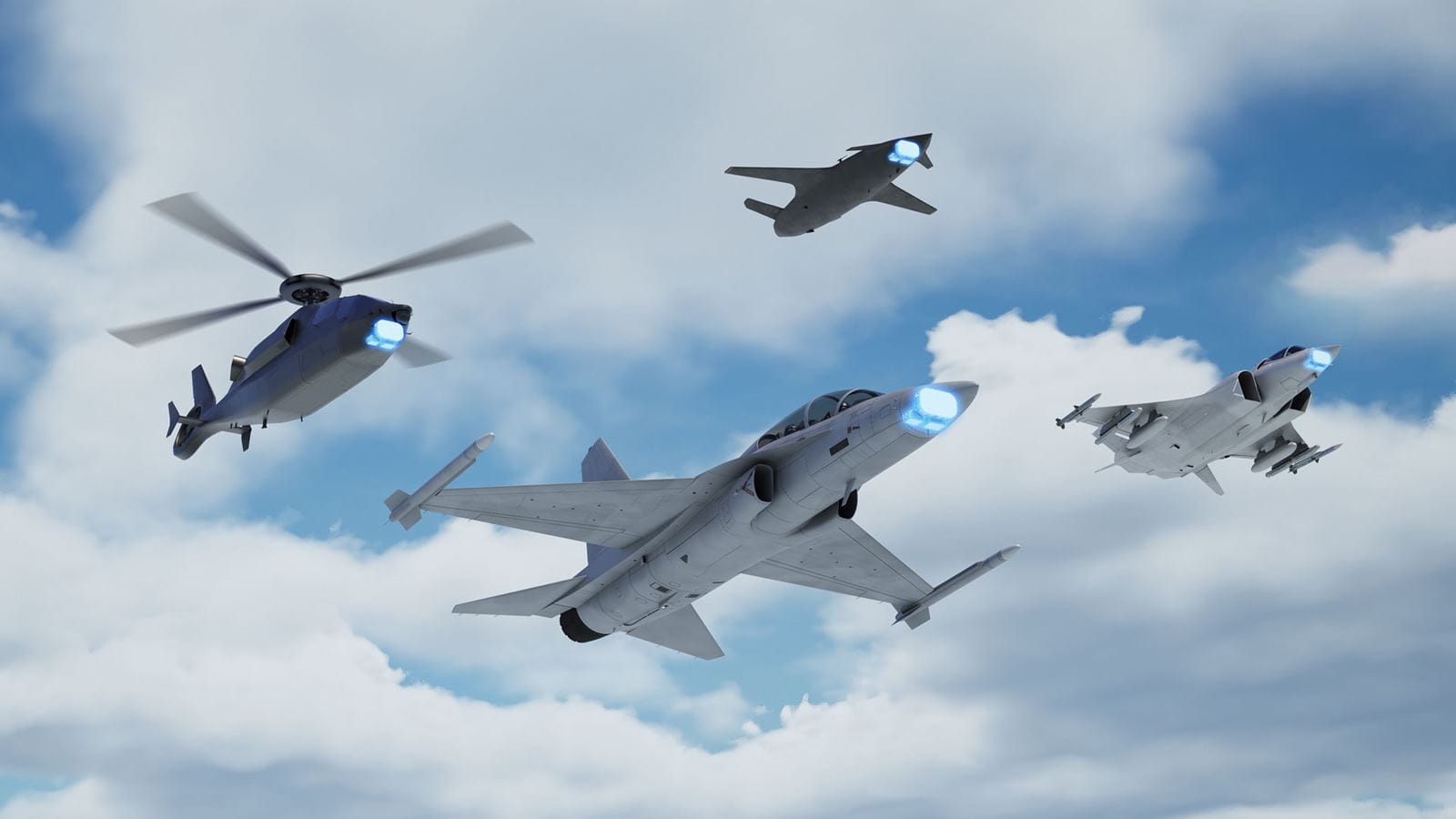
World
Raytheon has achieved a major milestone with the first flight of its new PhantomStrike radar, a lightweight active electronically scanned array (AESA) system designed to deliver advanced sensing capabilities to a wider range of aircraft. The successful test flight, conducted aboard a modified Boeing 727 testbed over California, demonstrated the radar’s ability to track airborne targets and map terrain with unprecedented clarity for its size. “This was the first time PhantomStrike has flown, and it worked like a champ,” said Rob Swaringen, Raytheon’s chief test bed pilot and a former F-16 pilot. “The situational awareness it delivers in the cockpit is a real game-changer. It’s 10 times what I could see with older radar systems.” Compact Powerhouse Scaling down to the size of a gaming computer and weighing under 130 pounds, PhantomStrike was developed with size, weight, power, and cost (SWaP-C) limitations in mind. Unlike traditional AESA radars that rely on liquid cooling, PhantomStrike uses air drawn from the aircraft itself. This allows for installation in just a few hours, reducing complexity and maintenance costs. At its core, the radar combines a gallium nitride (GaN)-powered antenna with a compact high-reliability integrated receiver/processor (CHIRP). This pairing delivers the power, efficiency, and digital beam steering needed for precise multi-mode tracking, air-to-ground scanning, and threat identification, including the ability to distinguish friend from foe. First Flight Success During the test campaign, Raytheon engineers observed the radar generating crisp images of terrain in California, clearly outlining land features, forests, and coastlines. It also demonstrated the ability to track multiple airborne targets, confirming the versatility of the design. “It was the cherry on top to see it work as expected,” said Larry Martin, senior technology fellow at Raytheon and technical lead for PhantomStrike. “Once we were integrated on the plane, a lot of questions were answered.” New Options for Smaller Aircraft Traditionally, AESA radar technology has been limited to larger, more advanced fighter aircraft due to weight, power, and cooling requirements. PhantomStrike changes that equation. Its compact design opens the door for integration on light combat aircraft, helicopters, and UAVs, providing platforms that have historically relied on older mechanically scanned radars with a leap in capability. Korea Aerospace Industries has already placed orders for more than 50 FA-50 Light Combat Aircraft equipped with PhantomStrike. Raytheon is also working with the U.S. government to expand international sales, aiming to reach nations whose fleets still depend on radars developed in the 1980s. “There are people still flying around with outdated technology,” said Dave Kupfer, senior systems engineer at Raytheon. “We’re setting a new standard for what AESA radars can be.” The Bigger Picture By shrinking high-end radar capabilities into a lightweight, affordable package, Raytheon has positioned PhantomStrike as a solution for nations seeking to modernize without investing in entirely new aircraft fleets. Its air-cooled design, GaN efficiency, and multi-mode functionality bring the power, performance, and mission flexibility of advanced radars to platforms once thought too small to carry them. While questions remain about its ultimate range and endurance compared to larger AESA radars, the debut of PhantomStrike signals a new phase in airborne sensing — one where even smaller aircraft can achieve the kind of situational awareness and combat effectiveness once reserved for front-line fighters.
Read More → Posted on 2025-09-18 14:19:57
World
Poland has officially confirmed the delivery of 160 K2GF main battle tanks, 192 K9A1 self-propelled howitzers, and 126 Homar-K multiple rocket launcher modules from South Korea. The announcement, relayed by the Polish Armament Agency and defense analysts on September 18, 2025, clears recent parliamentary debates and highlights the unprecedented speed of Poland’s military transformation in response to the threat from Russia on NATO’s eastern flank. Strategic Framework Behind the Deliveries These deliveries stem from the 2022 framework agreements signed between Poland’s Ministry of National Defense and South Korean defense companies Hyundai Rotem and Hanwha Aerospace. Valued at more than 12 billion dollars, the deals include not just weapons purchases but also technology transfer, joint production, training packages, and upgrade paths. This model ensures that Poland will not only receive advanced combat systems quickly but also gain domestic production capacity for future variants such as the K2PL tank and K9PL howitzer, scheduled to enter local production starting in 2026. The K2GF Main Battle Tank The K2GF is an adapted variant of the South Korean K2 Black Panther, among the most advanced main battle tanks in the world. Equipped with a 120mm L/55 smoothbore gun, autoloader system, and modern composite armor, the tank provides superior firepower, mobility, and survivability compared to Poland’s legacy T-72 and PT-91 Twardy fleets. Poland’s confirmed 160 units represent the first batch of deliveries, produced in Korea, with further production to transition to Polish factories. The tanks are fully NATO-compatible, integrating seamlessly into allied digital battle networks. The K9A1 Self-Propelled Howitzer The K9A1 Thunder is a 155mm tracked self-propelled howitzer with a range of over 40 km using NATO-standard ammunition. It offers fast shoot-and-scoot tactics, enhanced navigation, and automated fire control. Poland has received 192 units, with a portion sent to Huta Stalowa Wola (HSW S.A.) for adaptation and repainting before certification. These howitzers will replace older systems such as the Dana SPH and form the backbone of Poland’s artillery brigades, improving counter-battery effectiveness and long-range precision fires. The Homar-K Multiple Rocket Launcher Derived from South Korea’s K239 Chunmoo, the Homar-K is a dual-caliber MLRS capable of firing 239mm guided rockets with a range of 80 km and 600mm tactical missiles reaching 290 km. Poland has received 126 modules, including 72 mounted on Jelcz 8x8 tactical trucks, providing high mobility and deep-strike capabilities. Together with U.S.-supplied HIMARS, the Homar-K gives Poland a scalable precision fires network, able to strike targets far behind enemy lines and deny adversary freedom of maneuver. Strategic Impact on NATO Poland’s rapid integration of South Korean systems is more than modernization — it is a strategic transformation. By replacing outdated Warsaw Pact platforms with advanced K2 tanks, K9 howitzers, and Homar-K rocket artillery, Poland is building one of the most modern and lethal land forces in Europe. Unlike several NATO members struggling with slow defense industry timelines, Poland bypassed bottlenecks by turning to South Korea’s fast production capacity, ensuring delivery within three years of contract signing. This positions Poland as a framework nation on NATO’s eastern flank, capable of leading multinational defense operations and deterring aggression. The combination of heavy armor, long-range precision fires, and mobility creates a deterrence-by-denial posture — ensuring that any hostile force attempting aggression would face immediate, devastating retaliation. Poland as NATO’s Military Wall With these acquisitions, Poland is rapidly emerging as the new military wall of Europe. Its land forces are now among the fastest-growing and most modernized in NATO, securing the alliance’s Baltic and eastern frontiers against potential Russian escalation. By 2026, with local production of the K2PL and K9PL, and continued expansion of the Homar-K program, Poland will not only secure its own defense but also contribute as a regional arsenal, strengthening NATO’s collective defense posture in the heart of Europe.
Read More → Posted on 2025-09-18 14:04:46
World
China is preparing to unveil its new Z-20T assault and attack helicopter, an advanced variant of the Harbin Z-20, at the 7th China Helicopter Exposition in Tianjin from October 16 to 19, 2025. This marks the first time the aircraft will be shown in a full flight performance, highlighting its role as a modern combat platform for the People’s Liberation Army (PLA). Key Features of the Z-20T The Z-20T is derived from the baseline Z-20 medium-lift utility helicopter, but has been reconfigured for direct combat roles. It features short weapon-carrying stub wings on either side, capable of mounting guided missiles, rockets, and other armaments. A redesigned nose section houses an advanced electro-optical/infrared (EO/IR) sensor pod, providing enhanced observation, targeting, and precision strike capability. The helicopter is designed for dual use: conducting assault operations while still offering limited troop transport capacity. The Z-20T was first revealed publicly during the 80th Anniversary of Victory Day Parade on September 3, 2025, when several units flew in formation. The Z-20 Family Expands The Z-20 series has become a key pillar in China’s modern helicopter fleet. The standard Z-20 entered service in the late 2010s as a 10-ton class utility helicopter, with strong high-altitude performance for use in Tibet and other challenging regions. The Z-20J, a shipborne naval variant, was unveiled at Airshow China 2024. Built for the People’s Liberation Army Navy (PLAN), it supports transport, assault, and search-and-rescue missions, and is considered a counterpart to the U.S. SH-60 Seahawk. Reports also indicate development of a Z-20F specialized for anti-submarine warfare (ASW), designed to enhance the PLAN’s maritime strike capabilities. What to Expect at the Tianjin Exposition The 7th China Helicopter Exposition will display 52 aircraft across civilian, commercial, and military categories. Among the highlights will be: Attack helicopters: Z-10, Z-19, and Z-20T Utility platforms: Z-8L, standard Z-20 Unmanned systems: KVD001 and KVD002 drones Next-generation concepts in eVTOL and rotorcraft technology For the Z-20T, this event will provide the first detailed public assessment of its operational features, including maneuverability, weapons integration, and targeting systems. Strategic Significance The unveiling of the Z-20T highlights China’s broader strategy to diversify and modernize its helicopter fleet. By evolving the Z-20 platform into specialized variants—utility, naval, ASW, and now assault/attack—the PLA is ensuring its forces can respond to a wide range of battlefield scenarios. The Z-20T in particular strengthens China’s ability to conduct precision strike missions, close air support, and air assault operations, narrowing the gap with leading international platforms. Its public debut will give analysts and observers a clearer view of China’s progress in the field of rotary-wing combat aviation.
Read More → Posted on 2025-09-18 13:51:32
World
The Norwegian Armed Forces has awarded Non-stop dogwear a four-year contract worth $4 million to supply its military working dog units with specialized equipment. This deal marks the company’s first major independent government contract, signaling its growing role in Europe’s defense and security industry. Key Details of the Contract Scope of Supply: The Non-stop Professional division will provide harnesses, leashes, booties, cages, veterinary kits, and training equipment, all designed for demanding operational conditions. Quality Standards: Each product undergoes extensive strength and materials testing to ensure it withstands the force, weight, and activity levels of military working dogs in harsh environments. Operational Use: The gear will support explosive detection, patrols, search-and-rescue missions, and frontline duties, where reliability is essential for both handlers and dogs. Company Background Founded in 2009, Non-stop dogwear first built a reputation for high-performance outdoor gear for dogs before expanding into the professional market. Its products are now used by police, rescue services, and military units across Scandinavia, Europe, Asia, and beyond. In recent years, the company has also launched Non-stop Defense, a specialized line developed in cooperation with military and K-9 personnel to meet tactical requirements. Wider Context Military working dogs remain a vital asset in armed forces worldwide. They play critical roles in combat support, detection, and security operations. NATO members have increasingly invested in improving their K-9 divisions, with countries like the United Kingdom recently committing millions to enhance their canine gear and capabilities. Strategic Importance For the Norwegian Armed Forces, the deal ensures access to standardized, durable, and welfare-focused gear that boosts both effectiveness and safety. For Non-stop dogwear, it represents a major milestone that strengthens its position as a trusted provider of professional canine equipment internationally.
Read More → Posted on 2025-09-18 13:46:05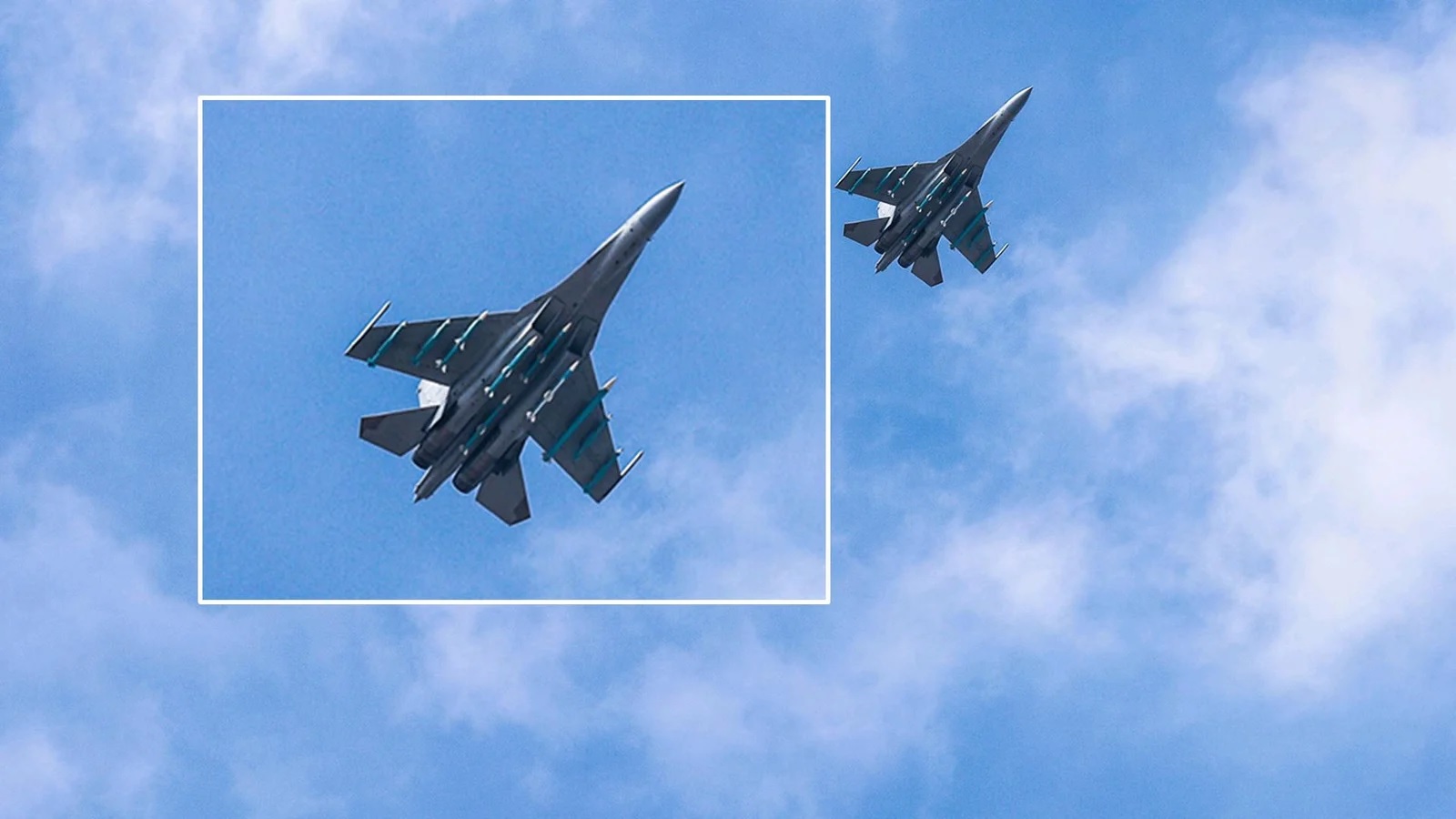
India
In the aftermath of the May 2025 India-Pakistan clash known as Operation Sindoor, Pakistan is reported to be considering acquisition of China’s advanced PL-17 long-range air-to-air missile, in response to the apparent failure of its current premier missile, the PL-15E. The developments mark a sharp escalation in aerial weapons capability pressure on India, prompting renewed urgency within the Indian defence establishment to shore up air superiority and protection of high-value airborne assets. Operation Sindoor and PL-15E’s Ineffective Debut Operation Sindoor began on 6–7 May 2025 as India’s retaliation for the Pahalgam terror attack of April 22, which killed 26 civilians. Indian forces struck nine sites in Pakistan and Pakistan-occupied Kashmir linked to Jaish-e-Mohammed (JeM) and Lashkar-e-Taiba (LeT). During these strikes, the Pakistan Air Force (PAF) attempted to intercept Indian aircraft using PL-15E beyond-visual-range air-to-air missiles (BVRAAMs) launched from its J-10C and JF-17 Block III fighters. The PL-15E is the export version of China’s PL-15, boasting a range of about 145 km and an AESA radar seeker. Yet, despite these on-paper advantages, none of the missiles achieved confirmed kills. Indian defence officials highlighted several reasons: Electronic Warfare (EW): The Rafale’s SPECTRA suite and the Su-30MKI’s Israeli-supplied EL/M-8222 jamming pods disrupted the missile’s guidance systems. Tactical errors: PAF fighters fired missiles near their maximum range, often without support from AWACS aircraft, which reduced accuracy and allowed Indian pilots to evade. This failure exposed the limitations of PL-15E against modern electronic warfare and tactical counter-measures, creating concern within Pakistan’s defence establishment. Pakistan Eyes the PL-17: The “AWACS Killer” Having learned from the PL-15E’s shortcomings, Pakistan is reportedly accelerating plans to acquire the PL-17, a next-generation Chinese missile designed to neutralize strategic high-value targets. Key features of the PL-17 include: Extended Range: Believed to reach up to 300–400 km, dwarfing the PL-15E’s 145 km envelope. Strategic Role: Unlike conventional dogfight missiles, the PL-17 is intended to strike AWACS, airborne early warning aircraft, and mid-air refuelling tankers. Eliminating these assets could cripple the IAF’s command, surveillance, and long-range strike capabilities. Advanced Propulsion: The missile is thought to employ a ramjet engine, sustaining high speeds across vast distances. Multimode Guidance: It reportedly combines inertial navigation, satellite updates, and a multimode seeker to track high-value targets with greater resistance to counter-measures. How many PL-17s can a J-10C carry ? The J-10C has multiple external hardpoints (an 11-station configuration), but the PL-17 is very large and heavy — roughly several metres long — so it is not a small underwing missile. Open-source imagery and defence reporting indicate the J-10C is normally seen carrying a single PL-17 (typically on a strong centerline or inner pylon). While test photos sometimes show experiments with different mounts, operationally a J-10C would most likely carry only one PL-17 because of the missile’s size, weight and aerodynamic/structural constraints. This means each J-10C armed with PL-17s would usually field one such ultra-long-range weapon at a time, rather than multiple PL-17s per aircraft. Strategic Implications for India The prospect of Pakistan fielding the PL-17 forces India to adapt quickly. Likely responses include: Stronger Electronic Warfare & Self-Protection Upgrading EW suites on Rafale, Su-30MKI, and Tejas fighters. Deploying more advanced jamming pods, missile warning systems, and decoys. Better Protection for Force Multipliers Operating Phalcon AWACS and IL-78 tankers at safer standoff distances. Increasing escort fighter protection and employing advanced EW cover. Indigenous Missile Development Fast-tracking the Astra Mk-2 and Mk-3 long-range missiles, with dual-pulse or ramjet propulsion. Improving multi-mode seekers to match Chinese advancements. Tactical & Doctrinal Adjustments Revising combat air patrol strategies and escort tactics. Expanding sensor networks and secure datalinks to detect long-range missile threats earlier. Strategic Posturing Deploying more air defence systems near key airbases. Strengthening alliances and technology partnerships to counterbalance Pakistan’s acquisitions. The May 2025 clashes revealed the ineffectiveness of the PL-15E against India’s advanced electronic warfare systems, boosting confidence in the IAF but also highlighting future risks. Pakistan’s reported interest in the PL-17 “AWACS killer” underscores the intensifying missile race in South Asia. For India, the challenge is immediate and severe: protect its high-value airborne assets, accelerate the Astra missile program, and maintain air superiority in the face of rapidly evolving threats. The skies over the subcontinent are entering a new era where very-long-range air-to-air weapons could decide the outcome of conflicts before dogfights even begin.
Read More → Posted on 2025-09-18 13:25:20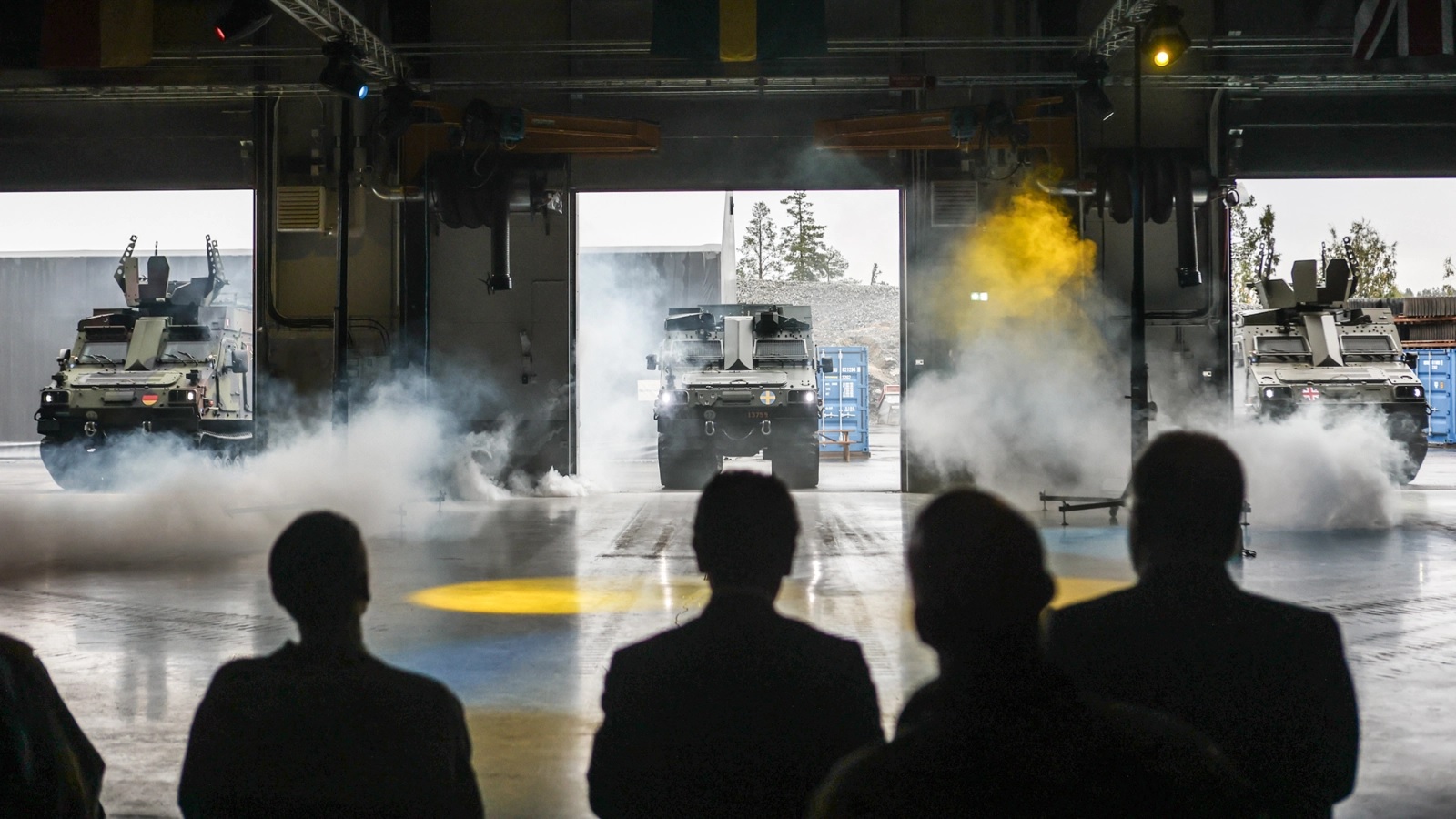
World
BAE Systems has officially delivered the first three BvS10 Armoured Personnel Carriers to Sweden, Germany, and the United Kingdom, marking a major milestone in the Collaborative All-Terrain Vehicle (CATV) programme. This ceremonial handover is the first step in a framework agreement that will see a total of 663 vehicles delivered by 2028. Framework Agreement Breakdown The multinational deal demonstrates the effectiveness of joint procurement, ensuring cost efficiency and interoperability among allied nations. The current commitments include: 236 vehicles for Sweden’s Defence Materiel Administration (FMV) 60 vehicles for the UK Ministry of Defence (MoD) 140 vehicles for Germany’s Federal Ministry of Defence (BAAINBw) In addition, Germany has exercised an option for a further 227 vehicles, underscoring its confidence in the platform and bringing its total under the CATV framework to nearly 370 vehicles. Capabilities of the BvS10 The BvS10 is designed to deliver unmatched mobility in the most demanding environments. Its articulated all-terrain system allows it to move across snow, ice, rock, sand, mud, swamps, and steep mountains. Beyond land operations, the vehicle is fully amphibious, enabling it to operate in flooded areas, rivers, and coastal waters. Key features include: Versatility: Configurable as troop transport, logistics carrier, medical evacuation vehicle, recovery platform, command and control hub, or weapons carrier. Amphibious readiness: Quick transition to water operations, with the ability to manoeuvre in coastal and inland waters. NATO standardisation: Ensuring interoperability across allied forces. Proven durability: Already in service with Austria, France, the Netherlands, Sweden, and the UK. Strategic Importance The CATV programme addresses the growing need for platforms capable of operating in Arctic, cold-weather, and extreme terrain environments. The joint framework highlights a strong multinational approach, where nations share development benefits and reduce procurement risks. For Germany, the additional order represents an investment of several hundred million dollars, with deliveries stretching toward the end of the decade. For Sweden and the UK, the arrival of the first vehicles strengthens operational readiness for missions at home and abroad. Industry Statement Tommy Gustafsson-Rask, Managing Director of BAE Systems Hägglunds, stated that the BvS10’s extreme mobility and multi-role flexibility provide user nations with a modern, high-tech capability ready for missions in the harshest environments. He also highlighted the benefits of the streamlined procurement model, which allows other nations to join the programme seamlessly. The handover of the first BvS10s under CATV is more than just a ceremonial event—it represents the beginning of a large-scale effort to equip European forces with a next-generation all-terrain capability, ensuring readiness in any environment from Arctic snow to desert sand.
Read More → Posted on 2025-09-18 13:16:59
World
Brest, France – The Amiral Ronarc’h, France’s first Frégate de Défense et d’Intervention (FDI), has officially departed the Naval Group shipyard in Lorient, bound for its homeport in Brest. This milestone marks the culmination of extensive sea trials and the start of the acceptance phase by the French Navy, according to the Direction générale de l’armement (DGA), France’s defense procurement agency. Designed as the next generation of first-rank surface combatants, the FDI-class frigate embodies France’s strategic push toward maritime innovation and operational superiority. The Amiral Ronarc’h integrates 4,500 tons of advanced technology, tailored for air defense, anti-surface warfare, anti-submarine operations, cyber resilience, and special operations deployment. The DGA highlighted the ship’s modular architecture, allowing it to adapt to evolving threat environments. This adaptability ensures compatibility with both French and allied naval forces, reinforcing France’s global strategic presence. The frigate’s systems are optimized for multi-domain warfare, including cyber defense and future digital warfare capabilities. The combat system of the Amiral Ronarc’h is built on Thales’ latest technologies, featuring the cutting-edge Sea Fire radar and a fully digital fire control system. These advancements provide superior target detection, tracking, and engagement capacities, critical in modern naval warfare scenarios. The vessel is the lead ship in a series of FDI frigates aimed at replacing aging La Fayette-class frigates. France’s Navy anticipates the delivery of additional ships over the next few years, as part of its broader fleet modernization strategy. The FDI-class ships are expected to play a key role in high-intensity combat operations while supporting strategic force projection across global theatres. The FDI program is a collaborative effort involving the DGA, Naval Group, and numerous defense subcontractors. Naval Group spearheads the industrial effort, ensuring that France remains at the forefront of naval engineering and defense technology. After its arrival in Brest, the Amiral Ronarc’h will undergo final outfitting and formal handover procedures before being commissioned into active service. The French Navy envisions the vessel as a cornerstone of its modern fleet, designed to face future challenges with agility and resilience. With this deployment, France takes a significant step in securing its maritime interests while ensuring interoperability with international partners, setting a new benchmark in defense readiness and technological excellence.
Read More → Posted on 2025-09-17 16:00:36
India
New Delhi – Emphasizing the importance of a strong domestic defence industry, Defence Minister Rajnath Singh on Tuesday highlighted the need for India’s military preparedness in an era marked by sudden and unpredictable warfare. Addressing top commanders at the Combined Commanders Conference, Singh underlined that surge capacity in the defence sector is critical to ensuring that the armed forces have access to indigenously developed systems in times of crisis. The minister shared that a committee has been formed to draft a realistic and action-oriented plan for Project Sudarshan Chakra – a bold initiative aimed at achieving comprehensive national defence. The project, announced last month by Prime Minister Narendra Modi, seeks to integrate defence systems across both military and civilian sites, ensuring a unified approach to safeguarding the nation. Speaking about the changing dynamics of warfare, Singh pointed out, “Wars of today are so sudden and unpredictable that it is extremely difficult to foretell its duration. It can be two months, a year, or even five years. We need to be prepared. We need to ensure that our surge capacity remains sufficient.” The committee is tasked with devising a medium-term roadmap for the next five years and a long-term strategy for the next decade. The minister urged the armed forces to embrace emerging threats and challenges, which are increasingly invisible and unconventional in nature. “We must be ready to deal with threats such as information warfare, ideological warfare, ecological warfare, and biological warfare,” Singh remarked, stressing that military thinking should go beyond traditional battlefields. A key component of this effort is to foster deeper engagement with industry and academia in the development of future-ready technologies. Singh stressed the need for jointness and synergy between different branches of the armed forces, calling it essential for meeting both current and future threats. Referring to past successes, the minister cited Operation Sindoor, stating, “Strength, strategy, and self-reliance are the three pillars that will give India the power it needs in the 21st century.” He added that India’s progress in indigenous platforms and systems, combined with the resilience and courage of its soldiers, equips the country to face any challenge head-on. In addition to military preparedness, defence indigenisation is also contributing to economic growth, creating employment opportunities, and expanding defence corridors, shipyards, and aerospace clusters. These efforts have a multiplier effect on the economy, supporting both innovation and manufacturing at scale. Experts note that India’s focus on self-reliance is aligned with global trends where nations are prioritizing secure supply chains and reducing dependence on foreign imports. The country’s push for Make in India in defence has already resulted in significant advances in areas such as missile systems, radar networks, and combat aircraft development. With Project Sudarshan Chakra, the government aims to institutionalize this progress by creating structured plans, enabling faster response mechanisms, and strengthening partnerships across government, private sector, and research organizations. This initiative is seen as a critical step toward transforming India’s defence ecosystem and positioning it as a global leader in technology-driven warfare readiness.
Read More → Posted on 2025-09-17 15:55:43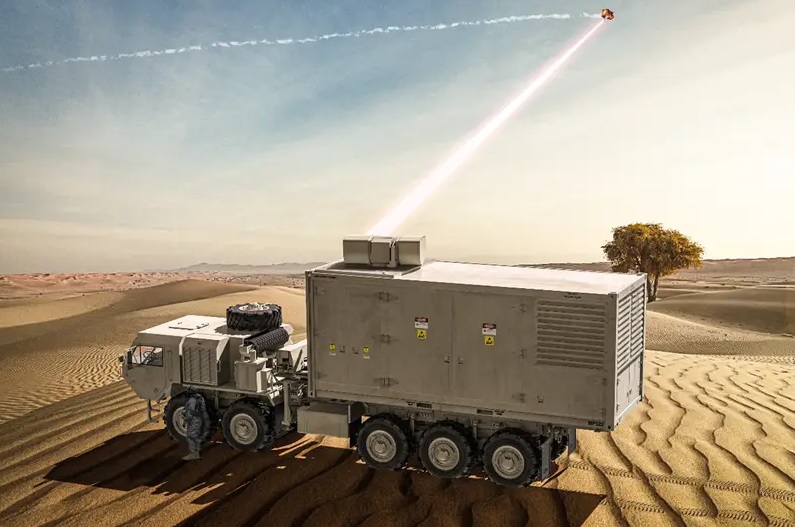
World
Saudi Arab : Saudi Arabia’s Chinese-made SkyShield counter-drone system is facing serious performance issues in real battlefield conditions, particularly with its Silent Hunter laser module. While the system’s electronic jamming component has proven effective, the laser weapon has struggled under the kingdom’s harsh desert environment. According to reports from a former Saudi military officer, the Silent Hunter requires up to 15 to 30 minutes of continuous targeting to guarantee the destruction of some drones. Factors such as dust, sand, and extreme heat have weakened the laser’s ability to track and burn through targets. In addition, the system often diverts much of its power to cooling rather than firing, limiting its overall output. Deployment has also proven slow, with the truck-mounted laser taking extra time to switch from standby to combat mode. Uneven terrain and obstructing infrastructure further reduce its effectiveness by blocking the laser’s line of sight. By contrast, the jamming systems within SkyShield have performed far more reliably, successfully neutralizing the majority of drone threats in protected zones. This has made the “soft kill” component more dependable than the “hard kill” laser in daily operations. Saudi officials have already asked Beijing to adapt the Silent Hunter for hot and sandy climates. Until such improvements are delivered, the system’s deployment will remain limited, particularly in frontline areas where drones pose a fast-moving threat. The case highlights the broader challenge facing directed energy weapons: while they promise low-cost precision, their effectiveness can collapse under environmental stress. For Saudi Arabia, electronic warfare remains the most reliable counter-drone solution, while lasers remain a technology in need of further refinement.
Read More → Posted on 2025-09-17 15:50:39
World
South Korea : In a landmark ceremony on 17 September 2025 in Ulsan, HD Hyundai Heavy Industries (HHI) officially launched the next-generation Aegis destroyer ROKS Dasan Jeong Yak-Yong, a central asset in South Korea’s KDX-III Batch II program. Named after the renowned Joseon-era scholar Dasan Jeong Yak-yong, the warship represents a decisive leap forward in the Republic of Korea Navy’s ability to conduct missile defense, anti-submarine warfare, and long-range strike missions. Major Features & Capabilities The Dasan Jeong Yak-Yong is designed as one of the most powerful surface combatants in Asia: Dimensions & Displacement: Around 170 meters long, 21 meters wide, with a displacement of 8,200 tons (light) and over 10,000 tons at full load. Speed & Crew: Capable of reaching 30 knots, manned by a crew of about 300 sailors. Combat System: Outfitted with the Aegis Combat System (Baseline 9 derivative), paired with the AN/SPY-1D(V) radar for wide-area tracking of air, surface, and ballistic missile threats. Vertical Launch Systems (VLS): A total of 88 VLS cells, including: 48 Mk-41 cells for Standard Missiles (SM-2, SM-3, SM-6), 16 Korean VLS cells for ASROC anti-submarine weapons and shorter-range SAMs, 24 Korean VLS-II cells, enabling next-generation long-range missiles such as the L-SAM and land-attack cruise missiles. Anti-Submarine Power: Advanced SONAR suites (including a towed array system) and support for MH-60R Seahawk helicopters. Propulsion: Four gas turbine engines with a Hybrid Electric Drive (HED) system, balancing high-speed maneuvering and fuel efficiency. Strategic Role The Dasan Jeong Yak-Yong is the second destroyer in the three-ship KDX-III Batch II series. The first vessel, ROKS Jeongjo the Great, joined the fleet in 2024, and the final ship is expected by 2027. Compared to earlier Batch I ships, these destroyers are larger, stealthier, and more heavily armed, giving South Korea an edge in ballistic missile defense and multi-domain warfare. They form a key element of the nation’s “Sea-Based Maneuvering Three-Axis System,” designed to integrate underwater kill chains, missile interception, and precision strike capabilities against evolving threats, particularly from North Korea’s nuclear and missile programs. Symbolism & Naming The destroyer takes its name from Dasan Jeong Yak-yong, a philosopher, engineer, and reformist of the Joseon dynasty, remembered for championing practical innovation, technological progress, and compassion for the people. By adopting his name, the ship symbolizes South Korea’s blending of heritage and high-tech defense capability. Once delivered in 2026, the Dasan Jeong Yak-Yong will serve as one of the most advanced destroyers afloat, combining U.S. missile defense systems with Korean-developed technologies. Together with her sister ships, she will form the backbone of South Korea’s next-generation blue-water navy, strengthening deterrence and expanding operational reach across the Indo-Pacific.
Read More → Posted on 2025-09-17 15:41:12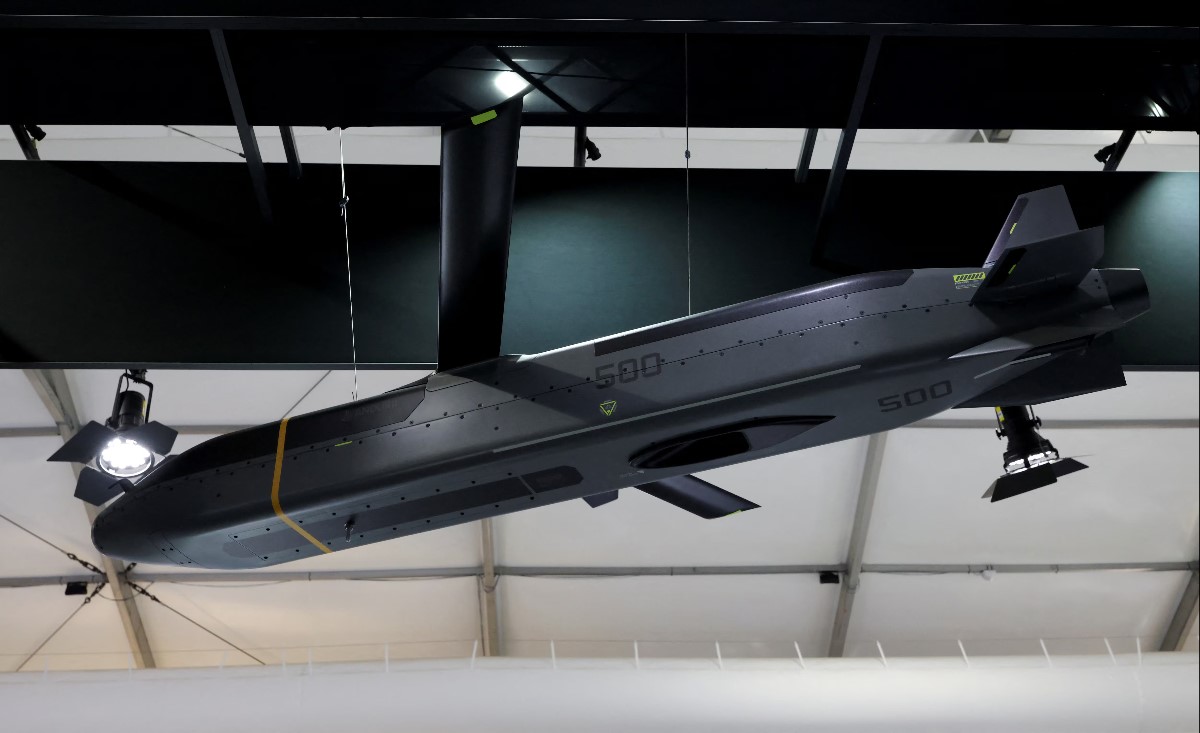
World
Taipei – In a landmark development, Taiwan on Wednesday unveiled its first missile jointly manufactured with a U.S. defence company, signalling a major leap in defence cooperation with Washington as the island faces growing military pressure from China. The missile, named Barracuda-500, was designed by the U.S. defence technology startup Anduril Industries and is now set for mass production in Taiwan through a technology transfer agreement with the military-owned National Chung-Shan Institute of Science and Technology (NCSIST). Key Features of Barracuda-500 The Barracuda-500 is an autonomous, low-cost cruise missile designed for group attacks on warships and maritime threats, functioning similarly to exploding drones in swarm missions. Taiwan plans to build the entire production line locally, aiming for cost efficiency and strategic independence. The target price for each missile is set at below NT$ 6.5 million (US$ 216,500), significantly cheaper than many modern cruise missiles. Strategic Importance China has intensified its military activities near Taiwan, including warplane incursions and naval manoeuvres, raising security concerns. Taiwan’s President Lai Ching-te earlier pledged to deepen security ties with the U.S., including joint arms production, and this unveiling is a clear outcome of that promise. Taiwan is ramping up its defence spending, with a goal of 5% of GDP by 2030, compared to 3.3% next year, underscoring its urgency to bolster deterrence. Statements from NCSIST Li Shih-chiang, president of NCSIST, described the project as “a new endeavour to strengthen our own defence capabilities swiftly and efficiently by incorporating the latest technologies.”He stressed Taiwan’s need for self-reliance:“Should hostilities break out, should we face blockade, we are not like Ukraine, which can receive steady supplies from Europe. All our resilience must be built upon this island.” While NCSIST did not reveal the timeline or production numbers, Li confirmed that agreements will be signed during the Taipei Aerospace and Defence Technology Exhibition, including two contracts and six Memorandums of Understanding with U.S. and Canadian companies. Wider Implications This move strengthens U.S.-Taiwan defence cooperation, reflecting Washington’s support for Taiwan’s self-defence without formal diplomatic ties. By pursuing joint production, Taiwan reduces dependence on foreign deliveries that could be disrupted in wartime. For the U.S., the project aligns with its broader Indo-Pacific strategy, ensuring partners can counter aggression with advanced, locally produced systems. Technical Insights The Barracuda missile family is designed for long-range autonomous operations, with the 500-series capable of around 500 nautical miles when air-launched. Its design focuses on rapid mass production, using fewer components and streamlined assembly, making it faster and cheaper to manufacture compared to traditional cruise missiles. The unveiling of the Barracuda-500 is not just about one missile—it is a symbol of Taiwan’s determination to build resilience, expand local defence capacity, and send a clear message that it is ready to stand firm against growing threats from China.
Read More → Posted on 2025-09-17 15:30:31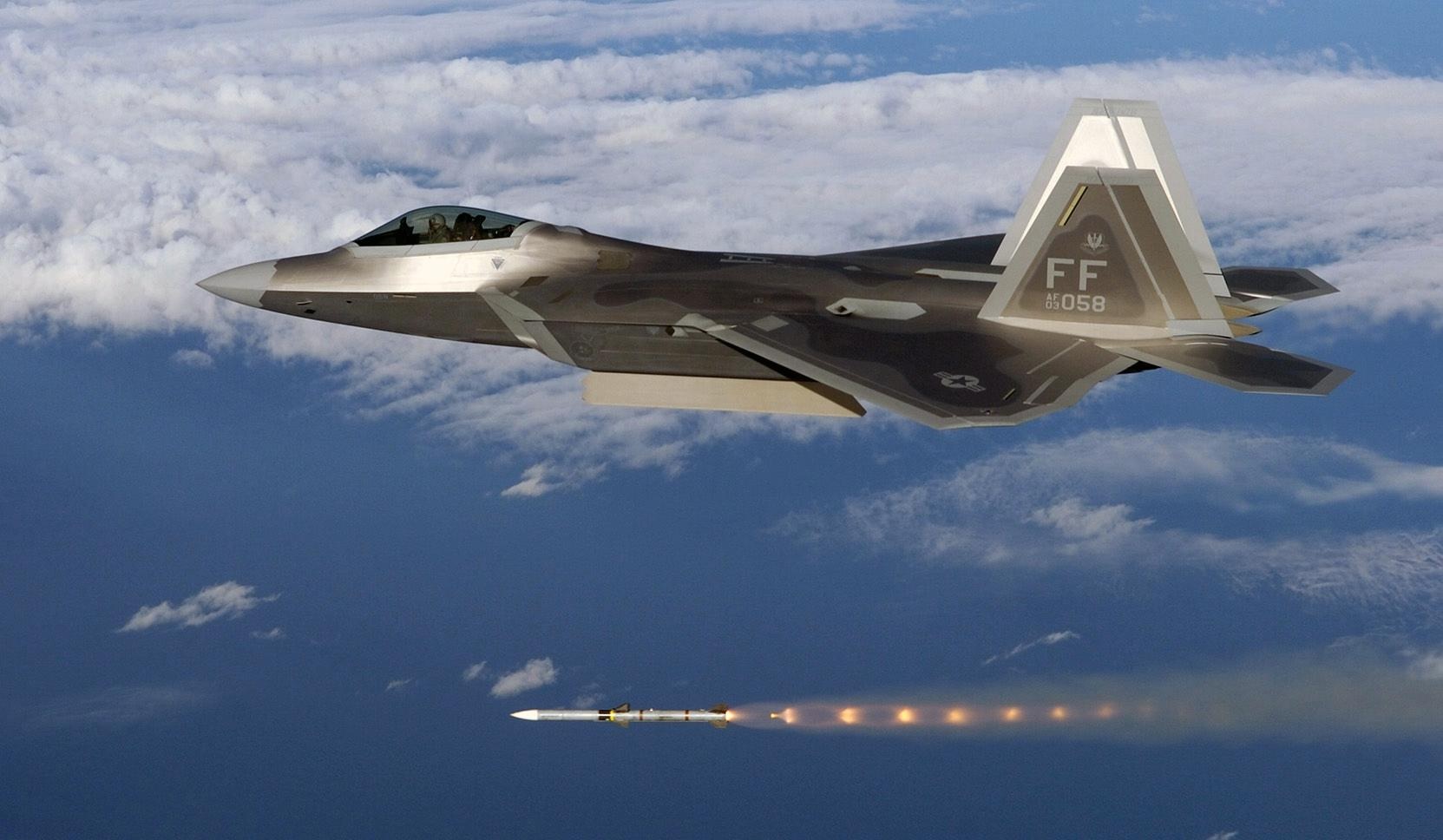
World
USA : The United States Air Force has set a new benchmark in aerial combat capability as Raytheon, under RTX, confirmed on 16 September 2025 that the AIM-120 AMRAAM achieved its longest known shot during a trial from an F-22 Raptor. Conducted at Eglin Air Force Base in the fall of 2024, the test validated the missile’s extended flight profile and showcased the impact of the Form, Fit, Function Refresh (F3R) modernization program. For more than three decades, the AMRAAM has been the backbone of U.S. and allied air superiority, fielded by over 40 nations and integrated onto 14 aircraft platforms. With more than 6,000 successful firings and a proven combat record, it remains the most trusted medium-range air-to-air weapon in the Western arsenal. The tested AIM-120D-3 variant incorporates F3R enhancements that optimize software, guidance electronics, and power systems, enabling longer time of flight and extending effective range beyond previously acknowledged figures. While official range numbers remain classified, the achievement clearly surpasses the already impressive envelope associated with earlier D-series models. The implications are significant. Technically, this record-breaking demonstration allows fifth-generation fighters like the F-22 and F-35 to engage hostile aircraft before entering enemy missile envelopes, thereby increasing survivability. Comparisons with adversary systems, such as China’s PL-15 and Russia’s R-37M, show that the AMRAAM remains competitive in the global race for long-range intercept capability. Strategically, it underscores Washington’s determination to preserve its edge in the Indo-Pacific, where future air battles are expected to be fought at greater distances. Raytheon has confirmed that missiles currently leaving the production line already include the range-extension capabilities demonstrated in the test. Recent contracts, including a record multibillion-dollar procurement by the U.S. Air Force and foreign military sales to allied nations, ensure the missile’s continued prominence. This export success strengthens allied inventories while supporting economies of scale in production. Beyond its tactical advantage, the test sends a clear geopolitical signal. At a time when rival powers are introducing new long-reach weapons, the United States and its allies are demonstrating that their legacy systems are not static but evolving. The record-shot proves that with sustained investment, iterative modernization, and operational testing, even a decades-old platform like the AMRAAM can continue to shape the balance of airpower well into the future.
Read More → Posted on 2025-09-17 15:24:32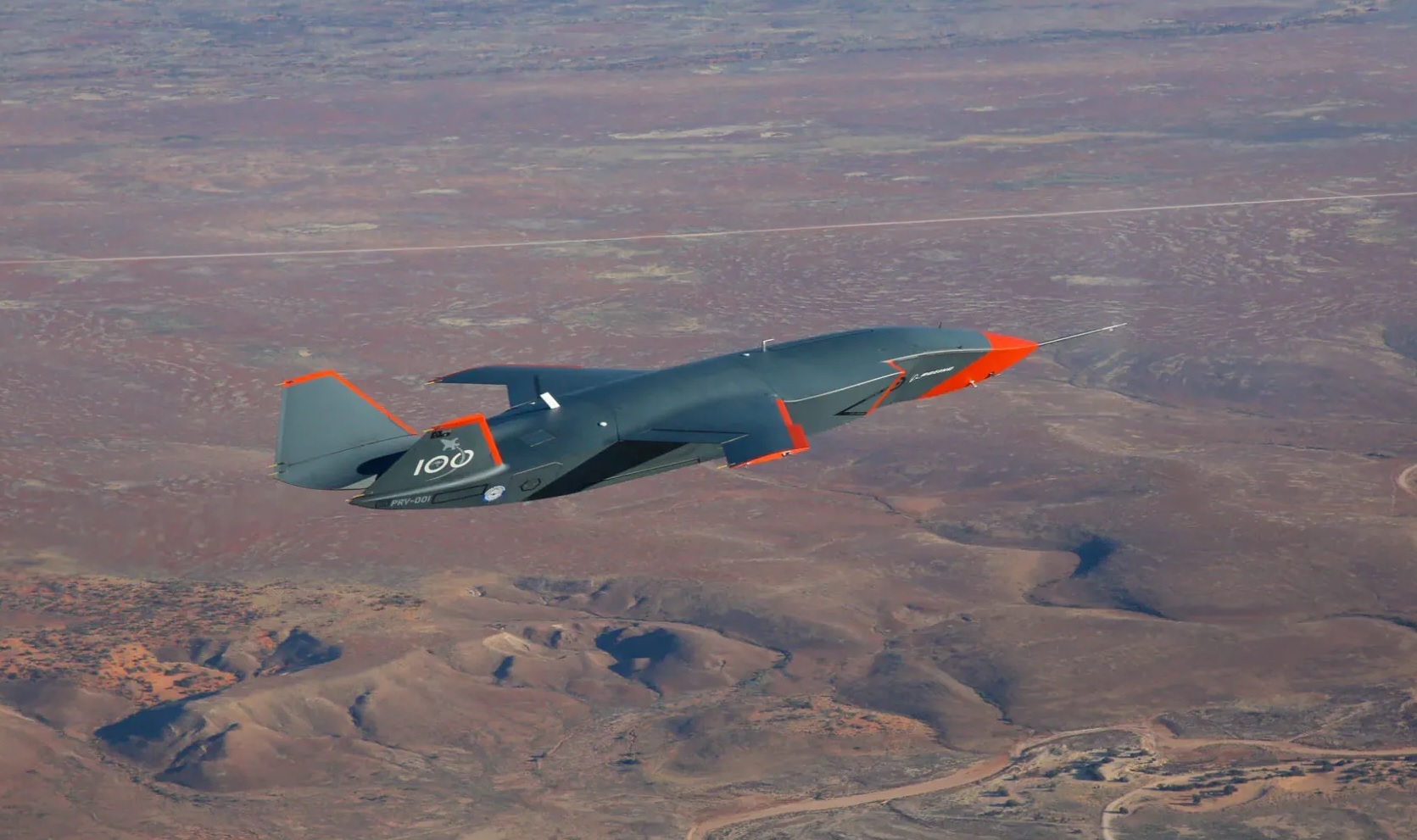
World
Australia : The Royal Australian Air Force (RAAF), in partnership with Boeing Defence Australia, has reached a landmark achievement with the successful development and operational validation of the MQ-28A Ghost Bat, the nation’s first indigenously designed and built combat aircraft in more than fifty years. The milestone was confirmed during the Capability Demonstration 2025, which wrapped up four months ahead of schedule, underscoring the program’s momentum. A New Class of Combat Aircraft The Ghost Bat is a collaborative combat aircraft (CCA) designed as an uncrewed combat aerial vehicle (UCAV) to operate alongside manned aircraft. It enhances missions in reconnaissance, electronic warfare, strike, and force protection, extending the RAAF’s reach and survivability. Powered by a single turbofan engine, the aircraft boasts a range exceeding 3,700 kilometers, enabling long-duration missions deep into contested environments. A standout feature of the drone is its modular nose design, which allows payload swaps between sensors, radars, or electronic warfare suites. Built with open-architecture avionics and advanced autonomy software, it can share and fuse data with other Ghost Bats and crewed platforms, creating a force-multiplying effect in modern air combat. Demonstrated Capabilities The 2025 demonstrations validated several critical combat roles: Autonomous mission execution, proving the aircraft can operate with minimal human intervention. Multi-ship operations, where several Ghost Bats coordinated as a combat mass, expanding operational presence without risking pilots. Deployment from operational bases, as shown at RAAF Base Tindal, marking its first flights outside the Woomera Test Range. Integration with E-7A Wedgetail, confirming seamless command and control from airborne early warning platforms. Real-time data fusion, where multiple Ghost Bats shared intelligence and relayed it to manned aircraft such as the F/A-18F Super Hornet, EA-18G Growler, and F-35A Lightning II. Industrial and Strategic Impact Production is advancing at a high-tech facility in Toowoomba, Queensland, where carbon-fiber composites, robotic assembly, and final testing are conducted. The Block I aircraft served as test units, while Block II versions—improved with lessons from recent trials—are already in production under a $400 million contract for 13 aircraft. The program not only strengthens Australia’s sovereign defence manufacturing base but also positions the Ghost Bat as an export-ready platform for Indo-Pacific allies. The Road Ahead The next phase of the program will focus on combat evaluation and weapons integration, with an air-to-air missile release planned for late 2025 or early 2026. This step will move the Ghost Bat closer to becoming a fully weaponized, deployable asset. As part of broader regional cooperation, the aircraft also featured in Exercise Carlsbad 2025, where it was rapidly deployed via a C-17A Globemaster III and assembled, tested, and flown within just seven days—a demonstration of its logistical agility. A Strategic Leap The success of the MQ-28A Ghost Bat represents a generational leap in Australia’s defence capability. By combining autonomy, long range, rapid deployment, and integration with existing fleets, the Ghost Bat strengthens the RAAF’s ability to project power, deter threats, and operate with allies in the increasingly contested Indo-Pacific region.
Read More → Posted on 2025-09-17 15:20:22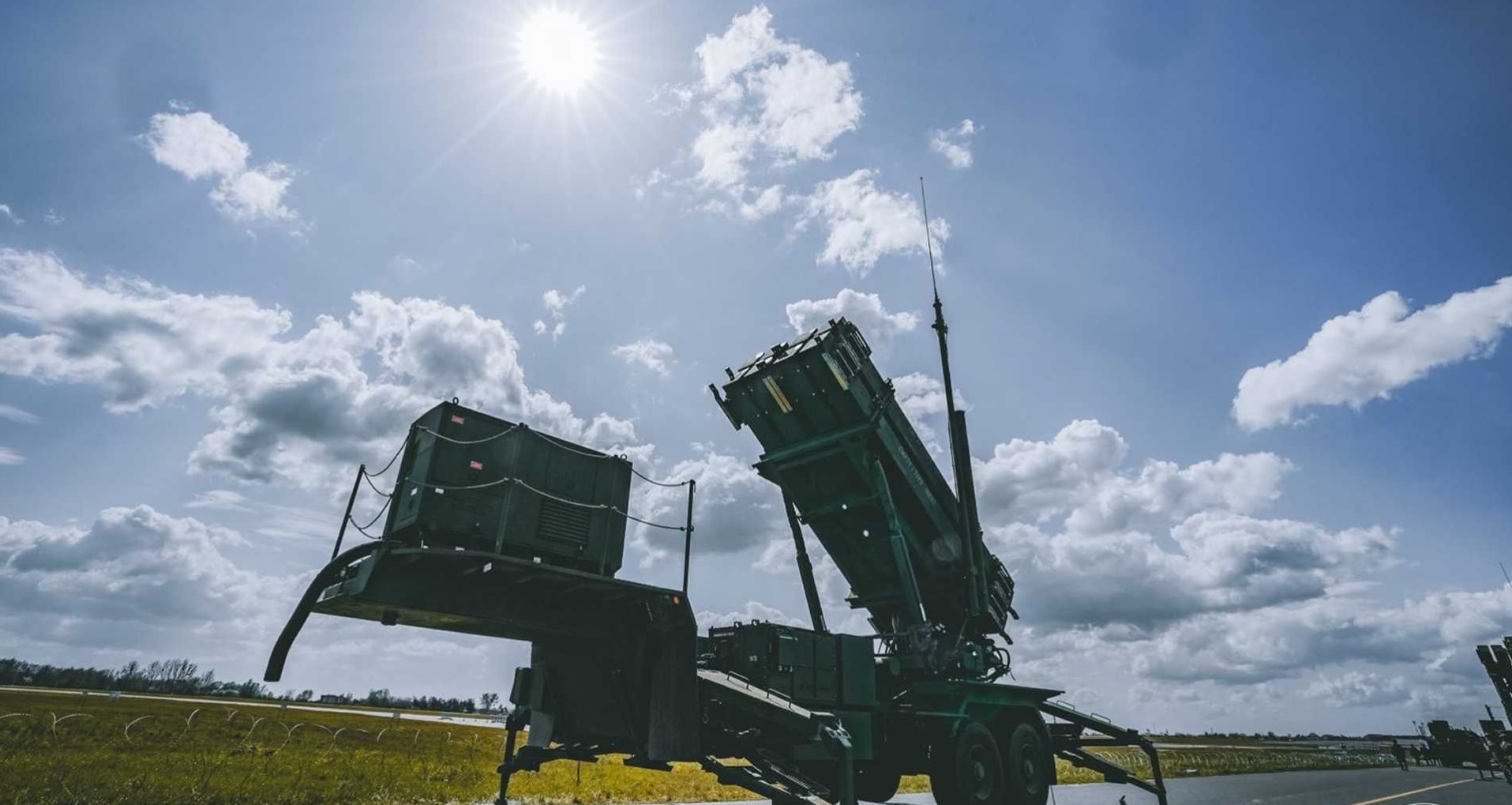
World
Poland : On 16 September 2025, the Polish Armed Forces successfully carried out the first live-fire exercise of the Patriot air and missile defence system acquired under the Wisła programme. The historic training took place at the Central Air Force Training Ground in Ustka during Iron Defender, the largest military exercise organised by Poland this year. The firing involved the Integrated Battle Command System (IBCS) and a GEM-T interceptor, marking a critical milestone ahead of final certification. According to the Ministry of Defence, the system is expected to reach full combat readiness by the end of 2025, significantly enhancing Poland’s air and missile defence posture. Launched in 2014, the Wisła programme is Poland’s most ambitious air defence modernisation effort, designed to ensure full NATO interoperability. The first phase, concluded in 2018 under a 16.6 billion złoty (approximately $4.65 billion) contract, included two Patriot PAC-3+ batteries, M903A2 launchers, AN/MPQ-65 radars, and PAC-3 MSE interceptors. Deliveries began in 2022, and by early 2023 Poland had received 16 M903 launchers produced domestically by PGZ. In December 2024, the system reached Basic Operational Capability with the 3rd Warsaw Air Defence Brigade, making Poland the 15th operator of the Patriot system worldwide. The second phase, signed in September 2023 and worth 47.6 billion złoty (around $13.3 billion), will add six more batteries, 48 launchers, and 644 PAC-3 MSE interceptors, as well as the advanced LTAMDS radars. Deliveries are scheduled between 2026 and 2029, with Huta Stalowa Wola contracted to build 48 launchers domestically, boosting Poland’s defence industry. Polish companies are already playing a growing role in the programme. WZL-1 in Dęblin has started producing launch tubes for the PAC-3 MSE missiles, while upgraded Toruń workshops will serve as the country’s main air defence service centre. Additional acquisitions include MCC-1 mobile communication nodes and command cabins, which will expand Poland’s battlefield command capabilities. At the heart of the system lies the PAC-3 MSE interceptor, designed for hit-to-kill engagements against ballistic missiles, cruise missiles, aircraft, and drones. With a range of about 100 km, it provides a powerful shield against high-altitude manoeuvring threats. Combined with Poland’s Narew and Pilica+ systems, the Patriot forms a layered defence network, among the most advanced within NATO. The successful test at Iron Defender marks a decisive step for Poland’s air defence. As Phase II progresses, Poland is set to field one of the most capable and integrated missile defence systems in Europe, strengthening both national security and NATO’s collective deterrence on the eastern flank.
Read More → Posted on 2025-09-17 15:14:36Search
Top Trending in 24 Hours
-
 U.S. Awards Bell Textron $33.64 Million Contract for Next Phase of Marine Corps AH-1Z and UH-1Y Helicopter Upgrades
-
 U.S. Military Selectively Intercepts Iranian Missiles to Preserve Shrinking Air Defense Stocks : Report
-
 Russia Unveils Experimental Plot-40 Floating Defense Platform to Counter Drone and USV Threats
-
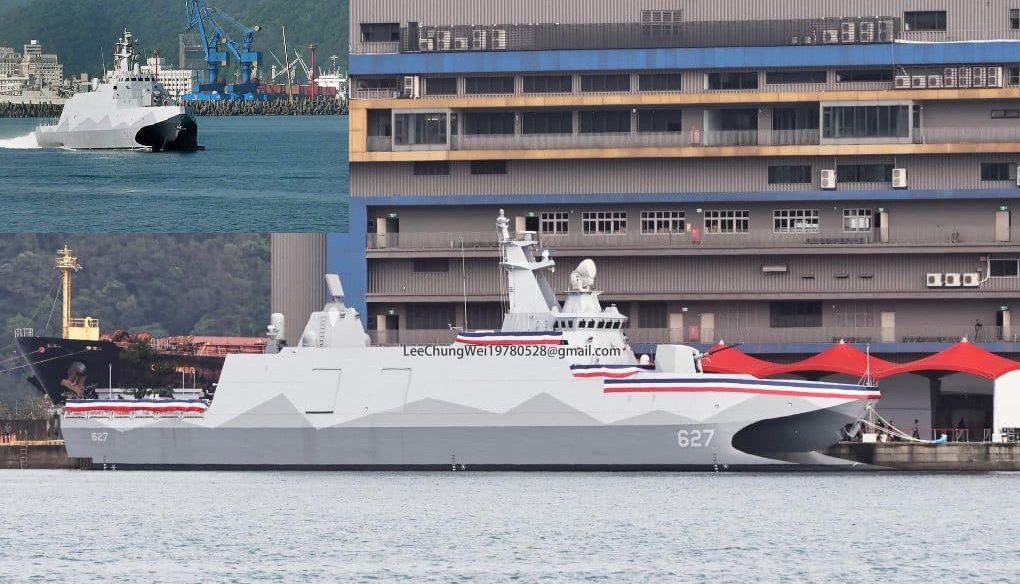 Taiwan Commissions First Batch 2 Tuo Chiang-Class Corvette with New Leonardo Radar
-
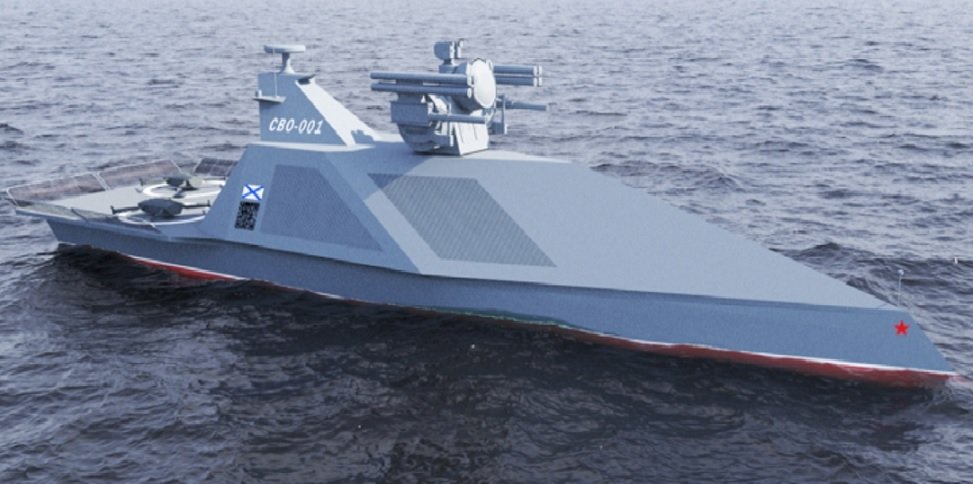 Russia Builds 500-Ton Unmanned Warship For Anti-Submarine Warfare, Plans New 9,500-Ton Warship, Navy Chief Says
-
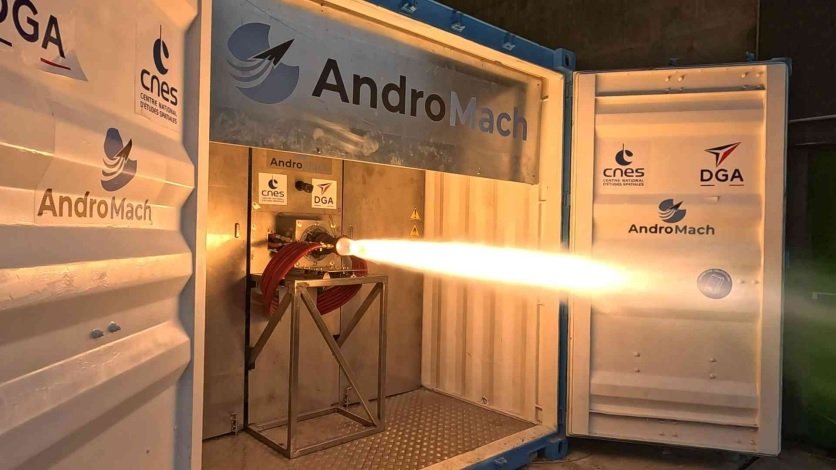 French Startup AndroMach Successfully Tests Reusable Rocket Engine 21 Times for Hypersonic Drone
-
 Unreleased Footage Reveals Why Lindsey Graham Dropped Plan to Push Trump on Hezbollah Strikes
-
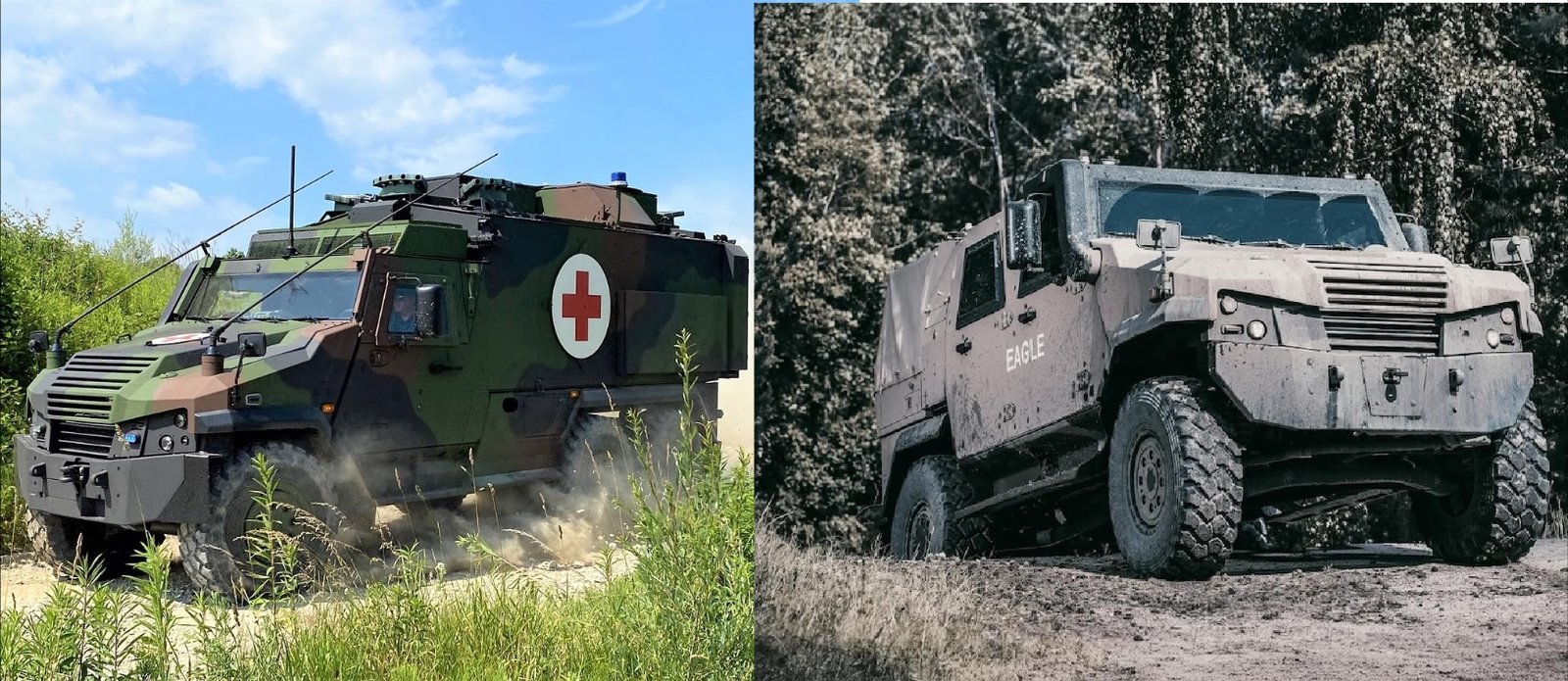 Allison Transmission to Supply Automatic Transmissions for Nearly 3,000 German EAGLE V Armored Vehicles Ordered by Germany
Top Trending in 4 Days
-
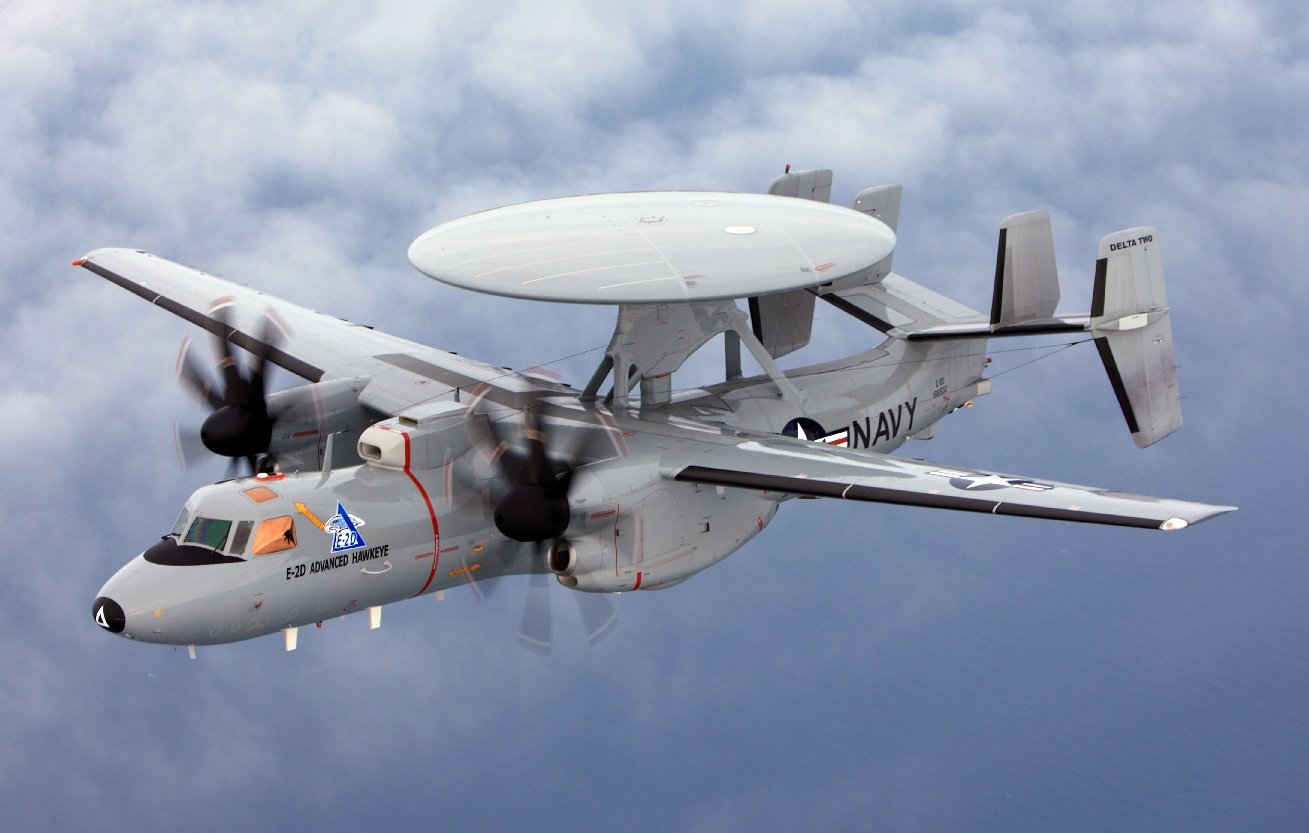 U.S. Navy Awards Northrop Grumman $1.2 Billion Deal for Three New E-2D Advanced Hawkeyes
-
 U.S. Airstrikes Target IRGC Missile Base Near Taft as Overnight Strikes Hit Central Iran
-
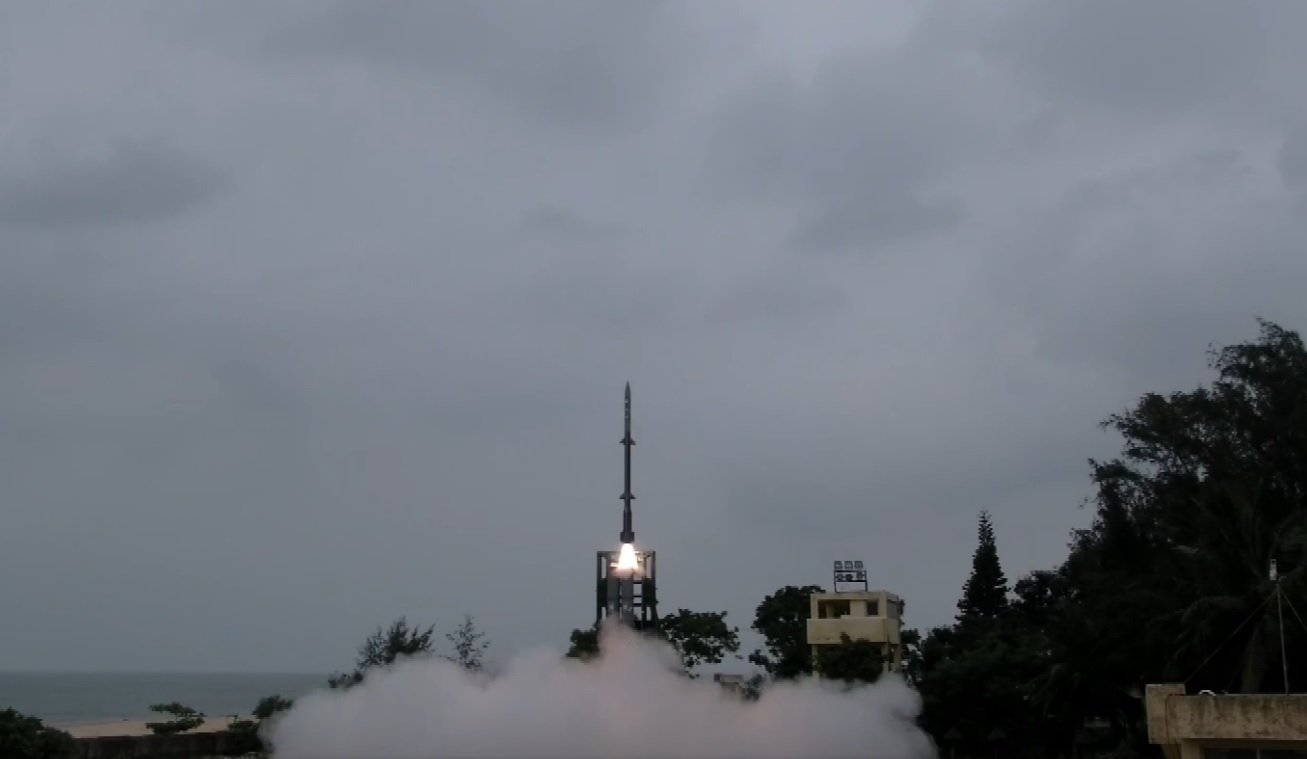 DRDO Successfully Conducts Maiden Flight Test of 150-km-Range Kusha M1 Air Defence Missile
-
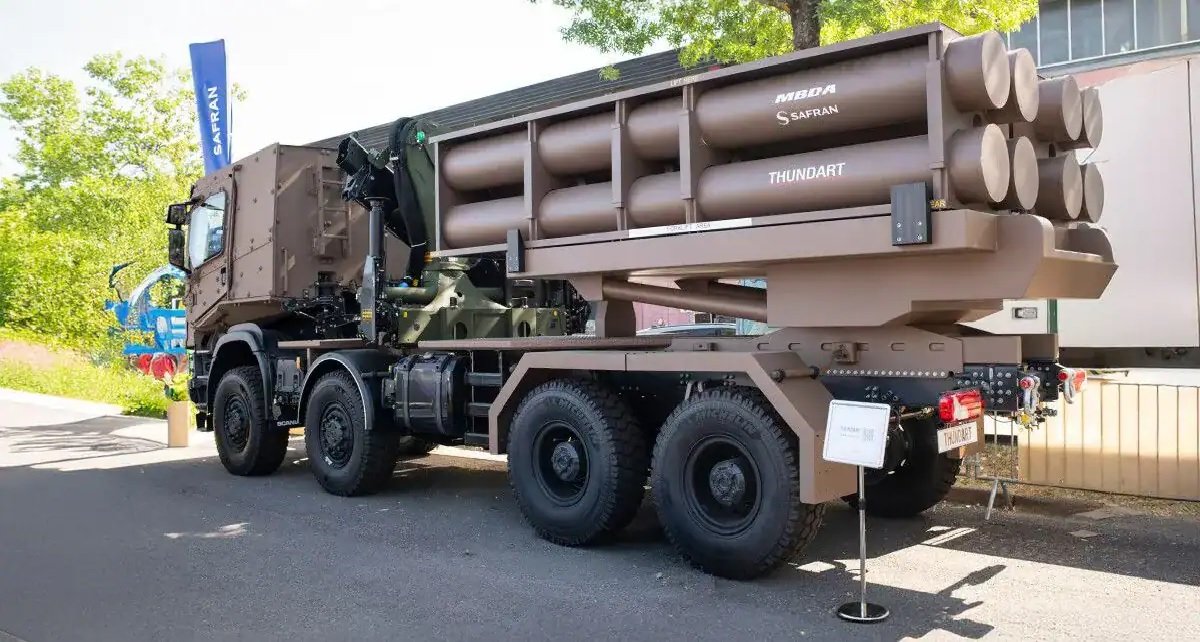 France's THUNDART Long-Range Rocket System May Undergo Prototype Combat Testing in Ukraine
-
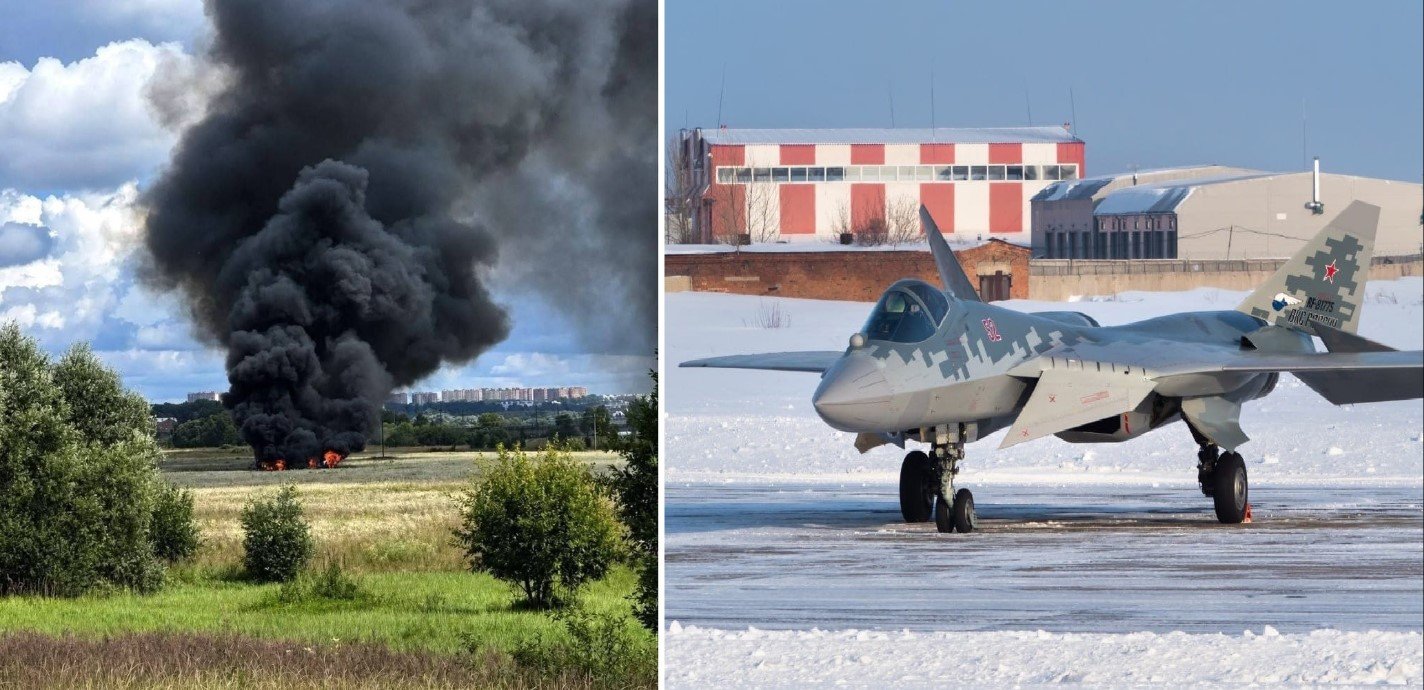 Russian Su-57 Stealth Fighter Crashes During Training Flight Near Moscow, Pilot Ejects Safely
-
 Kuwait and Bahrain Reportedly Launch First Joint Direct Airstrikes on Iran Since War Began : Report
-
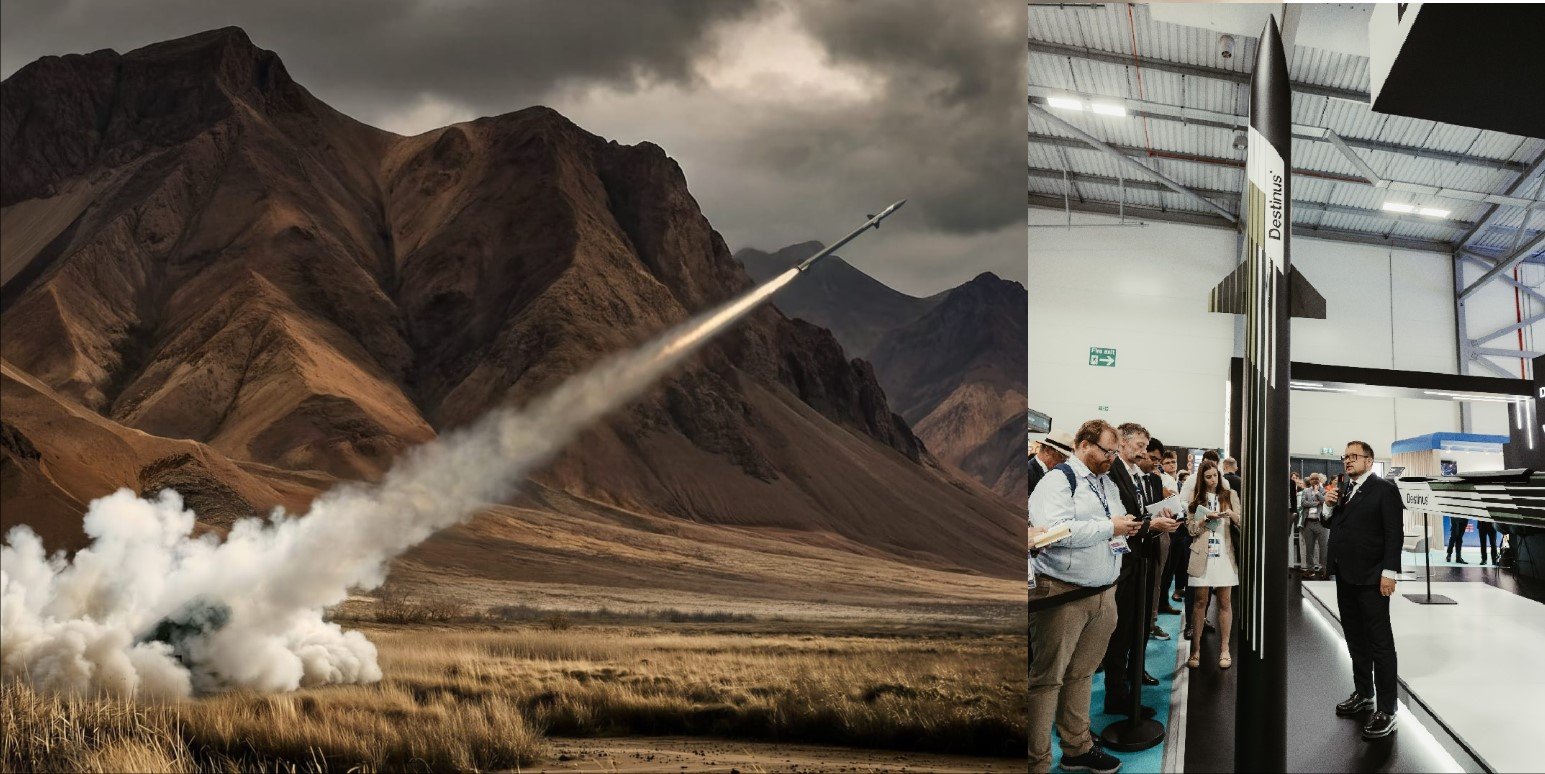 Destinus Unveils Vorexon Interceptor Concept to Defend Critical Sites from Artillery Threats
-
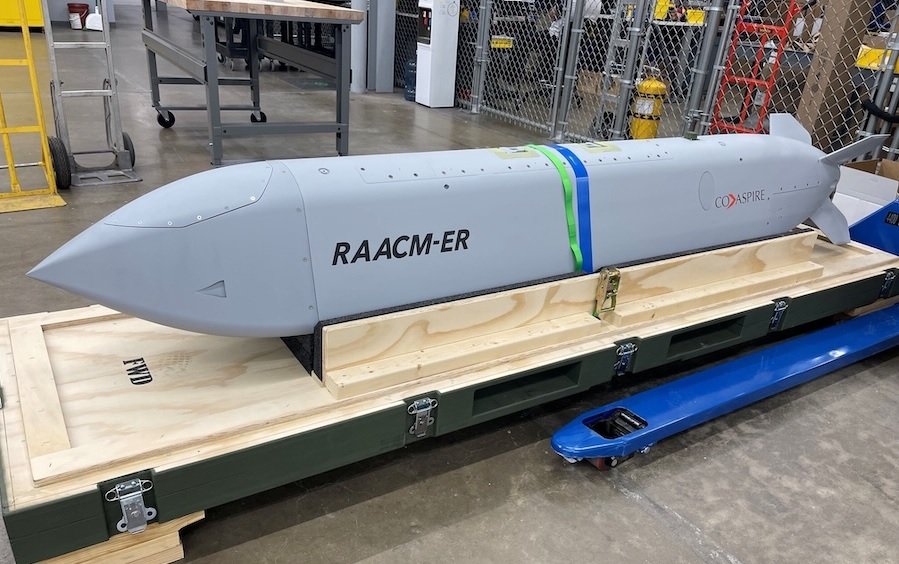 U.S. Navy Selects CoAspire to Build Ground-Launched CHAOS Cruise Missile Under $70 Million Program
