JERUSALEM / WASHINGTON — March 28, 2026 : A new assessment reported by the Israeli newspaper Haaretz indicates that approximately 80 percent of Iranian ballistic missiles launched toward Israeli targets are successfully reaching their intended impact areas, highlighting growing stress on the combined U.S.–Israeli missile defense architecture amid the ongoing regional conflict.
The reported interception shortfall reflects a convergence of operational, technical, and logistical challenges that have intensified since the escalation of hostilities on February 28, 2026, when large-scale U.S. and Israeli military operations against Iran began.
Rising Penetration Rates Linked to Systemic Strain
According to the Haaretz report, based on accumulated operational data and verified strike footage, the effectiveness of Iran’s missile campaign has increased over time. Israeli defense analysts attribute this trend primarily to the gradual exhaustion of interceptor inventories, the loss of forward-deployed radar coverage, and the multi-front nature of ongoing engagements.
Sustained Iranian missile launches have placed continuous pressure on Israel’s multi-layered air defense network, while simultaneous mass rocket and missile barrages from Hezbollah positions in Lebanon have forced the diversion of defensive resources. On several occasions, Hezbollah has launched more than 200 rockets in a single day, further complicating interception priorities across northern Israel.
Destruction of Key U.S. Radar Systems
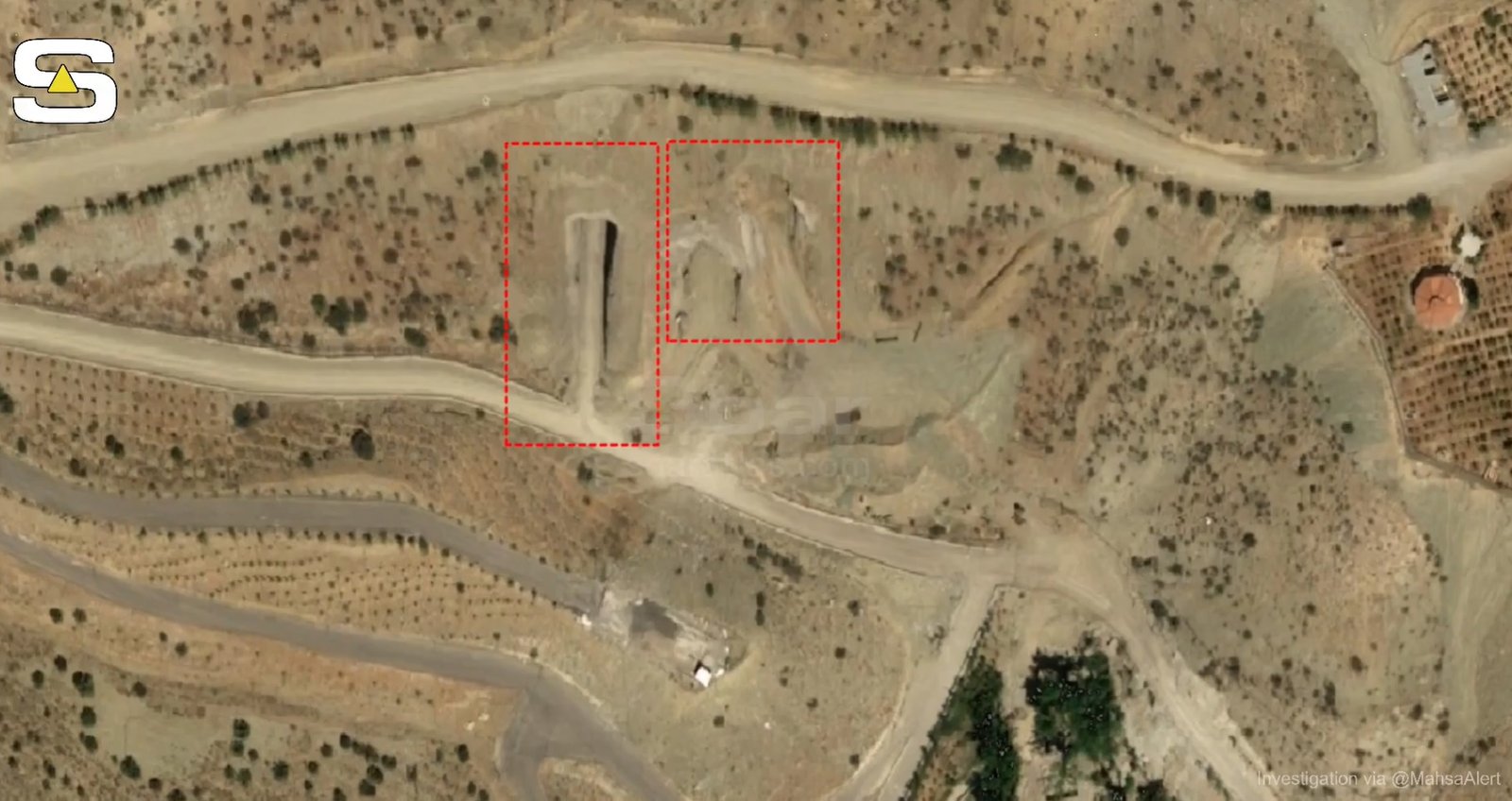
A central factor in declining interception success has been the degradation of the early-warning and tracking network supporting U.S. and allied missile defenses. Iranian strikes have targeted high-value radar installations across the Middle East, significantly reducing the availability of real-time targeting and cueing data.
Confirmed losses, with an estimated total value of $2.7 billion, include:
-
The AN/FPS-132 phased-array early-warning radar at Al Udeid Air Base in Qatar, valued at approximately $1.1 billion, capable of detecting ballistic missile launches at ranges up to 5,000 kilometers.
-
Multiple AN/TPY-2 X-band radar systems (approximately $300 million each), which serve as fire-control and tracking sensors for the U.S. Terminal High Altitude Area Defense (THAAD) system. These include:
-
A U.S.-operated AN/TPY-2 radar at Muwaffaq Salti Air Base in Jordan, confirmed destroyed in the initial phase of the conflict.
-
Additional AN/TPY-2 systems located at Prince Sultan Air Base in Saudi Arabia and Al-Ruwais Air Base in the United Arab Emirates, reported destroyed or rendered inoperable.
-
-
Strikes on communications infrastructure, including AN/GSC-52B satellite communication terminals at the U.S. Navy’s Fifth Fleet headquarters in Bahrain.
The loss of these forward-deployed sensors has significantly reduced early-warning coverage, forcing U.S. and Israeli defenses to rely more heavily on ship-based radar systems aboard Aegis-equipped destroyers and the remaining AN/TPY-2 radar installation in Turkey.
Advanced Iranian Missile Capabilities
Iran has introduced increasingly sophisticated missile systems designed to challenge existing interception technologies. Among them:
-
Fattah ballistic missile, equipped with a maneuvering re-entry vehicle (MaRV) capable of altering its trajectory during terminal descent.
-
Fattah-2, incorporating a hypersonic glide vehicle (HGV) that enables high-speed maneuverability and reduces predictability for interception systems.
Operational footage from multiple strikes shows Iranian missiles evading successive layers of interceptors before impact, indicating difficulties in tracking and engagement timelines. Additionally, some Iranian systems are reported to carry multiple warheads, increasing the complexity of interception and placing additional strain on interceptor inventories.
U.S. and Allied Reinforcements and Limitations
In anticipation of escalation, the United States had reinforced regional missile defense capabilities prior to February 28. Deployments included:
-
Three U.S. Army THAAD batteries positioned across Israel and Jordan.
-
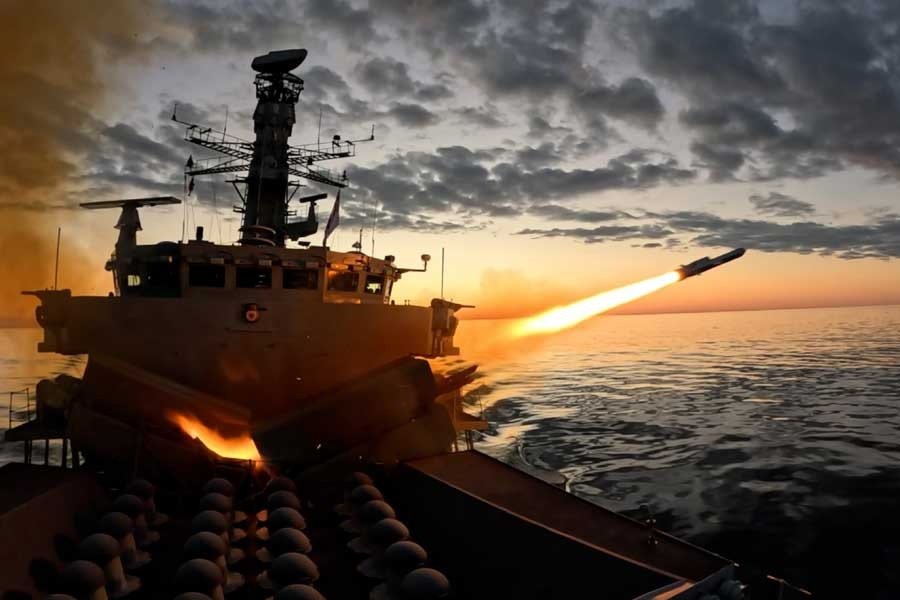
Integration of U.S. Navy Aegis destroyers, equipped with SM-2, SM-3, and SM-6 interceptors, into the regional defense network.
To support these deployments, interceptor stocks and launch assets were drawn from multiple global locations, including the U.S. mainland, Hawaii, Guam, and South Korea, with some THAAD launchers specifically redeployed from the Korean Peninsula.
However, the effectiveness of these reinforcements has been constrained by both sensor degradation and inventory depletion. The destruction of AN/TPY-2 radars has reduced the operational efficiency of THAAD systems, increasing reliance on MIM-104 Patriot systems using PAC-3 interceptors, which are themselves in limited supply.
Interceptor Depletion Following Prior Conflict
Current shortages are compounded by the fact that U.S. and Israeli interceptor stockpiles had not fully recovered from heavy expenditure during 12 days of direct hostilities with Iran in June 2025. The ongoing rate of engagements has accelerated depletion, prompting the Pentagon to initiate urgent global redeployments of missile defense assets and interceptor reserves.
Despite these measures, available inventories remain under sustained pressure due to the scale and frequency of incoming threats.
Multi-Axis Threat Environment
The operational environment is further complicated by simultaneous threats across multiple axes, requiring constant allocation of limited defensive resources. Iranian ballistic missile launches, combined with Hezbollah’s continued rocket fire, have created a layered saturation scenario that challenges even advanced integrated defense systems.
No Official Update on Stockpiles or Doctrine
As of March 28, neither U.S. nor Israeli authorities have released updated figures regarding remaining interceptor inventories or any revisions to engagement doctrines in response to the evolving threat environment.
The reported interception rates and infrastructure losses underscore the growing difficulty of maintaining effective layered missile defense against coordinated saturation attacks involving maneuverable, multi-warhead ballistic systems and sustained multi-front engagements.
——— End of Article ———