
World
WASHINGTON — May 12, 2026 : The U.S. Navy has formally transitioned the Boeing Orca Extra Large Unmanned Underwater Vehicle (XLUUV) program from experimental development into planned fleet acquisition under its May 2026 shipbuilding plan, marking a major step in the Navy’s effort to integrate autonomous undersea systems into regular fleet operations. The updated shipbuilding plan includes procurement funding for two Orca XLUUVs in fiscal year 2027 and outlines a total acquisition target of 16 vehicles through fiscal year 2031 under the Future Years Defense Program (FYDP). The Navy has allocated $135.8 million for the initial FY2027 procurement and approximately $1.13 billion across the FYDP for the overall program. The Orca acquisition effort is being advanced alongside procurement plans for 47 Medium Unmanned Surface Vessels (MUSVs), reflecting the Navy’s broader strategy of distributed autonomous warfare. The concept is designed to extend operational reach in contested maritime regions, reduce exposure for crewed platforms, and improve survivability against peer naval threats, particularly in the Western Pacific. Cost Structure and Acquisition Strategy The May 2026 shipbuilding plan highlights the growing role of autonomous systems within the Navy’s future force structure. While the FYDP allocates $62.9 billion for 10 Virginia-class nuclear-powered attack submarines, the XLUUV program funds 16 autonomous vehicles for approximately $1.13 billion. Navy planning documents indicate that Virginia-class submarines will continue performing missions requiring crew judgment, nuclear endurance, high-speed maneuvering, and kinetic strike capabilities. In contrast, autonomous underwater systems such as the Orca are intended for persistent surveillance, seabed mapping, deception operations, mine warfare, and high-risk missions where the loss of an unmanned vehicle is operationally preferable to risking a crewed submarine. The acquisition model also reflects a change in Navy procurement practices. Under the revised approach, the Navy can separate the autonomous vehicle hulls and propulsion systems from military-unique payloads and classified mission equipment. This allows commercial suppliers to provide hulls and energy systems, while classified investment remains focused on autonomy software, underwater communications, targeting networks, and payload integration. Orca XLUUV Design and Technical Specifications The Orca XLUUV is a large pier-launched autonomous underwater platform rather than a submarine-launched vehicle. When combined with its modular payload section, the system measures approximately 85 feet (26 meters) in length. Boeing describes the base platform as a 51-foot autonomous underwater vehicle powered by a hybrid propulsion system combining advanced batteries with marine diesel generators. The vehicle has an operational range of up to 6,500 nautical miles, or approximately 12,000 kilometers, allowing long-duration deployments without direct support. A key feature of the Orca design is its 34-foot modular payload bay. The section includes integrated structural mounts, electrical power systems, and data interfaces that support rapid mission reconfiguration. The payload compartment is rated to carry up to 8 tons of dry payload weight. Because GPS signals are unavailable underwater and acoustic communications can expose a platform’s position, the Orca relies on a Kalman-filtered inertial navigation system supported by Doppler velocity logs and depth sensors. The navigation architecture is designed to support extended autonomous operations while maintaining low detectability. Mission Roles and Payload Capability The Navy has not publicly confirmed integration of fixed torpedo tubes, vertical launch systems, or onboard anti-ship missiles for the Orca platform. Instead, the vehicle’s operational role is based on interchangeable payloads and mission-specific systems. The clearest publicly identified mission for the Orca is covert naval mine deployment. In 2022, the Navy confirmed that the vehicle was designed for autonomous mine-laying operations. The program is closely associated with the Navy’s Hammerhead seabed anti-submarine warfare concept, which uses encapsulated torpedoes similar in principle to the Cold War-era CAPTOR mine system. Recent contract modifications indicate that additional Hammerhead systems are being pursued for operational fleet requirements by FY2027. The Orca’s payload capacity allows the Navy to deploy mines without committing a Virginia-class submarine, surface combatant, or crewed aircraft into heavily defended maritime zones. Beyond mine warfare, the Orca can carry deployable sonar arrays, seabed sensors, electronic warfare payloads, communications relay systems, decoys, and smaller unmanned underwater vehicles for inspection and mapping operations. The platform may also support underwater surveillance and situational awareness missions for carrier strike groups and submarine forces operating in contested regions. International Autonomous Undersea Programs The Navy’s transition of the Orca into fleet acquisition aligns with broader international investment in autonomous undersea warfare systems. In September 2025, Australia signed a five-year A$1.7 billion agreement with Anduril Industries Australia for the Ghost Shark XLUUV program. The platform is intended for intelligence, surveillance, reconnaissance, and strike operations. In December 2025, the Royal Navy accepted delivery of the XV Excalibur under Project Cetus. The 12-meter, 19-ton experimental vehicle recently participated in Exercise Talisman Sabre, where it demonstrated long-range remote operation capabilities and tested a quantum optical atomic clock navigation system for GPS-independent navigation. Meanwhile, China continues expanding its own autonomous underwater vehicle programs. Testimony presented in March 2026 to the U.S.-China Economic and Security Review Commission stated that Beijing is investing heavily in large unmanned underwater systems for denial operations in the South China Sea and around Taiwan. Chinese systems reportedly include XXLUUV platforms measuring up to 40 meters in length with estimated operational ranges of approximately 18,500 kilometers. Other publicly identified systems include the AJX-002 autonomous underwater vehicle and the smaller HSU-001 surveillance platform. Operational Constraints and Future Outlook Despite the transition into fleet acquisition, several operational challenges remain before large autonomous underwater systems are fully integrated into combat operations. Uncrewed underwater vehicles operating for extended periods must manage mechanical failures autonomously, navigate congested seabeds without escalation risks, maintain communications discipline, and execute payload delivery under rules of engagement that commanders can legally and operationally defend. The FY2027 procurement is therefore viewed as a measured step intended to establish production capacity and transition the Orca program beyond prototype development while operational procedures, reliability standards, and command frameworks continue to mature within the fleet.
Read More → Posted on 2026-05-12 15:10:47
World
BUCHAREST — May 12, 2026 : Rheinmetall will present a wide range of military systems and industrial capabilities at the Black Sea Defense & Aerospace (BSDA) 2026 exhibition in Bucharest from May 13 to 15, as the company expands its role in NATO and European defense modernization programs. The biennial exhibition, held at the ROMAERO complex near Băneasa International Airport, will feature Rheinmetall products from its Vehicle Systems, Weapons and Ammunition, Electronic Solutions, and Naval Systems divisions under the theme “Freedom needs Enablers.” Lynx KF41 and Romanian Production Plans A major focus of Rheinmetall’s presentation will be the Lynx KF41 infantry fighting vehicle (IFV), equipped with the Lance turret, a 30 mm MK30-2/ABM automatic cannon, and the Main Sensor Slaved Armament (MSSA) weapon station. The platform has gained significant importance in Romania following the Romanian Ministry of National Defence’s selection of the Lynx KF41 in late April 2026 for a €3.4 billion procurement program intended to replace the country’s aging MLI-84 fleet. Under the agreement, Rheinmetall plans to manufacture 232 of the 298 planned vehicles locally at its Mediaș facility after acquiring a majority stake in Romanian defense manufacturer Automecanica Mediaș. The program includes local industrial participation, technology transfer, and integration of Romanian supply chains into the production process. Air Defense and Logistics Systems Rheinmetall will also showcase elements of its ground-based air defense portfolio, including the Oerlikon Skynex system equipped with the 35 mm Oerlikon Revolver Gun Mk3 using programmable Ahead airburst ammunition. The modular system is designed to counter drones, cruise missiles, rockets, and mortar threats at ranges of up to four kilometers. Rheinmetall stated that the system can be mounted on multiple tactical truck platforms and configured according to operational requirements. In the logistics segment, the company will display the HX 3 heavy military truck from its HX vehicle family. The platform is designed for high off-road mobility and supports modular payload configurations along with optional cabin protection levels for tactical and logistical missions. Soldier Modernization and Digital Integration In the field of soldier modernization, Rheinmetall is presenting the latest version of its Gladius 2.0 soldier system. The system integrates individual soldiers into digitally networked battlefield structures through the TacNet tactical management system. Rheinmetall stated that the platform uses artificial intelligence-assisted data processing to improve situational awareness, optimize sensor-to-shooter connectivity, and reduce cognitive workload while maintaining NATO interoperability standards. Expansion of Ammunition Production Ahead of BSDA 2026, Rheinmetall also highlighted ongoing investments aimed at expanding global ammunition production capacity amid increased demand from NATO member states and continued supply commitments to Ukraine. The company plans to increase annual production of 155 mm artillery ammunition to 1.1 million rounds by 2027 and 1.5 million rounds annually by 2030. Production capacity for 120 mm tank ammunition is expected to stabilize at 240,000 cartridges annually from 2027 onward, while medium-caliber ammunition output is projected to increase to 3.4 million cartridges by 2027 and 4 million by 2030. Rheinmetall said the expansion forms part of a broader strategy to establish a sovereign global munitions network capable of supporting long-term defense requirements and ensuring supply resilience during operational contingencies. Naval Systems and Black Sea Presence The exhibition will additionally highlight Rheinmetall’s growing naval sector activities following its March 2026 acquisition of Naval Vessels Lürssen (NVL). The company’s Naval Systems division now includes four specialized shipyards in northern Germany: Blohm+Voss and Norderwerft in Hamburg, Peene-Werft in Wolgast, and Neue Jadewerft in Wilhelmshaven. The division manages naval shipbuilding, coast guard vessels, life-cycle support operations, and the development of autonomous maritime systems for NATO and international customers. Rheinmetall also maintains engineering and operational activities in Egypt, Croatia, Brunei, Singapore, and Varna in Bulgaria, strengthening the company’s regional presence in Black Sea maritime modernization programs.
Read More → Posted on 2026-05-12 14:50:49
World
EVENDALE, Ohio — May 12, 2026 : GE Aerospace announced on May 11, 2026, that it has successfully completed the Assembly Readiness Review (ARR) for its XA102 adaptive cycle engine, marking a major milestone in the development of next-generation propulsion systems for the United States Air Force. The review confirms that the XA102 program has reached the required level of design maturity and production readiness to advance into hardware assembly, procurement, and physical prototyping under the U.S. Air Force’s Next Generation Adaptive Propulsion (NGAP) program. The Assembly Readiness Review is a formal engineering and manufacturing evaluation conducted before the start of physical engine assembly. The process verifies that all required production systems, tooling, manufacturing plans, measurement systems, supplier networks, and workforce preparation are fully established and capable of supporting hardware fabrication and testing activities. Completion of the ARR also confirms that GE Aerospace has validated the XA102’s engineering architecture and reduced major structural and manufacturing risks before entering the demonstrator phase. With the review complete, the company will proceed toward assembly and testing of a full-scale XA102 demonstrator engine later in 2026. Adaptive Cycle Engine Design The XA102 is a three-stream adaptive cycle engine designed to provide improved fuel efficiency, greater operational range, higher thrust output, and enhanced thermal management compared with conventional fighter aircraft engines. Unlike traditional turbofan engines that operate with a fixed bypass ratio, the XA102 can dynamically adjust airflow during flight through a variable third-stream architecture. During subsonic cruise operations, airflow is directed into a third bypass stream to improve fuel efficiency and extend aircraft range. During high-performance combat operations, airflow can be redirected into the core and fan streams to maximize thrust generation. The engine is estimated to operate in the 35,000 to 40,000-pound thrust class and is expected to provide approximately 20 percent greater thrust compared with current-generation fighter engines. Adaptive cycle technology developed through the program is also expected to deliver roughly 25 percent lower specific fuel consumption and more than 30 percent greater operational range compared with existing fighter propulsion systems such as the Pratt & Whitney F135 engine. Thermal Management and Advanced Materials A key feature of the XA102 design is its increased thermal management capability. Modern combat aircraft generate substantial heat from advanced radar systems, electronic warfare equipment, sensors, avionics, and future directed-energy systems. The XA102’s third airflow stream functions as an additional heat sink, allowing the engine to manage significantly larger thermal loads than current fighter engines. To withstand the extreme operating temperatures associated with advanced adaptive cycle propulsion, the engine incorporates Ceramic Matrix Composite (CMC) materials in critical turbine components. These lightweight materials are designed to tolerate higher temperatures while reducing overall engine weight and improving thermodynamic efficiency. Digital-First Development Approach The XA102 is the first engine in GE Aerospace’s history to be fully developed using Model-Based Systems Engineering (MBSE), a digital engineering methodology that replaces traditional two-dimensional engineering drawings with integrated three-dimensional digital models. These digital models contain detailed geometric data, tolerances, assembly instructions, and manufacturing information directly linked to computer-aided production systems. According to GE Aerospace, the ARR confirmed the successful completion of all model-based engine demonstrations associated with the first phase of the development program. The company stated that the digital-first approach is intended to reduce manufacturing errors, accelerate development timelines, and improve coordination across the supply chain. NGAP and NGAD Program Context The XA102 is being developed under the U.S. Air Force’s Next Generation Adaptive Propulsion program, which supports propulsion development for the planned Next Generation Air Dominance (NGAD) fighter and other future combat aircraft. The engine builds upon technologies originally developed under the earlier Adaptive Engine Transition Program through GE Aerospace’s XA100 demonstrator engine. GE Aerospace is currently competing against Pratt & Whitney, which is developing the competing XA103 adaptive cycle engine for the NGAP program. The ARR follows the successful completion of the XA102 Detailed Design Review in February 2025. No official timeline for full-scale flight demonstration testing has been publicly released. Dr. Steve “Doogie” Russell, Vice President and General Manager of Edison Works at GE Aerospace, stated that completion of the ARR demonstrates both the maturity of the XA102 engine design and the effectiveness of the company’s digital-first development strategy for next-generation military propulsion systems.
Read More → Posted on 2026-05-12 14:39:12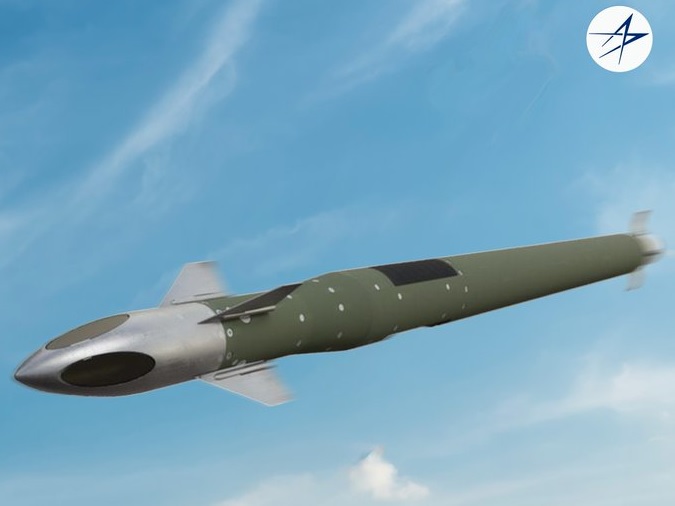
World
WHITE SANDS MISSILE RANGE, New Mexico — May 12, 2026 : Lockheed Martin has successfully completed the Seeker Characterization Flight Test (SCFT) of its QuadStar missile under the U.S. Army’s Next-Generation Short-Range Interceptor (NGSRI) program, a key milestone in the effort to replace the legacy FIM-92 Stinger air defense missile system. The flight test was conducted at White Sands Missile Range and focused on validating the missile seeker’s ability to capture imagery, process signals onboard, and maintain target tracking throughout flight. According to the company, the QuadStar interceptor successfully demonstrated seeker performance at ranges exceeding the capabilities of the current Stinger system. During the test, the missile was launched from a Command Launch Assembly (CLA) and flown along a tactical flight trajectory. The evaluation also confirmed CLA performance, critical system functionality, seeker integration, and interceptor guidance performance. The QuadStar missile is being developed as a next-generation short-range air defense interceptor for both man-portable and vehicle-mounted operations. The system is compatible with existing Stinger launcher architecture, including the CLA, allowing integration into current air defense frameworks with minimal changes. The interceptor design is based on Lockheed Martin’s Miniature Hit-to-Kill technology heritage and incorporates a low-drag, highly maneuverable airframe. The missile uses a tapered 70-millimeter rocket motor section integrated with an advanced imaging infrared seeker designed to engage unmanned aerial vehicles, rotary-wing aircraft, and fixed-wing threats. According to program details, the QuadStar interceptor demonstrated an intercept range more than double that of the legacy Stinger system in tested scenarios. The missile also offers higher speed, shorter time of flight, and improved lethality compared with the Stinger’s approximately 3-kilogram high-explosive fragmentation warhead. The Command Launch Assembly includes several new features, including an integrated Identification Friend or Foe antenna built directly into the launcher housing, removing the need for external antenna components. The launcher also incorporates advanced optics and AI-assisted fire-control software intended to improve target acquisition and reduce operator workload by eliminating manual lead and superelevation calculations. Unlike the Stinger system, the QuadStar missile does not require a Battery Cooling Unit. The seeker system uses AI-driven signal processing and a modern open-systems architecture intended to support affordability, modular upgrades, and rapid software updates. The missile is also designed for integration into Maneuver Short-Range Air Defense platforms used by the U.S. Army. The SCFT was completed approximately three months after the QuadStar program’s first flight test in January 2026, also conducted at White Sands Missile Range. Development of the interceptor has progressed from contract award in 2023 to the current milestone in roughly three years. The NGSRI program remains a competitive U.S. Army effort involving both Lockheed Martin and RTX Corporation, formerly Raytheon, to develop a replacement for the Stinger missile system as part of future short-range air defense modernization plans. Randy Crites, vice president of Lockheed Martin Advanced Programs, stated that the successful test demonstrated continued progress toward delivering a next-generation interceptor capable of supporting U.S. and allied forces. Chris Murphy, business development lead for Lockheed Martin NGSRI, said the completion of seeker characterization in under six months reflected the development speed and manufacturing focus of the program. The U.S. Army plans to conduct operational demonstrations involving both competitors during fiscal year 2026, while a production decision for the NGSRI program is expected in fiscal year 2027. No additional timeline for future QuadStar flight tests has been released.
Read More → Posted on 2026-05-12 14:28:10
World
KYIV — May 12, 2026 : Ukraine is facing a critical shortage of PAC-3 interceptor missiles used by its Patriot air defense systems, as ongoing conflict in the Middle East continues to place heavy pressure on U.S. weapons stockpiles and global missile production capacity. According to reports citing U.S. officials, Ukraine now possesses only a limited number of PAC-3 interceptors, which have been distributed selectively across the country to protect priority military and civilian infrastructure. Deliveries of additional missiles have reportedly slowed significantly in recent months due to increased American operational requirements linked to military activity involving Iran and the broader Middle East region. The PAC-3 Missile Segment Enhancement (MSE) interceptor is regarded as one of the most advanced air defense missiles currently in service and is primarily used to destroy ballistic missiles and other high-speed aerial threats. Ukraine operates several Patriot systems supplied by the United States, Germany, and other allied countries during the conflict with Russia. PURL Deliveries Under Pressure Most Patriot interceptors delivered to Ukraine have been supplied through the Prioritized Ukraine Requirements List (PURL) mechanism, a NATO-coordinated procurement initiative that enables allied governments to finance and transfer U.S.-manufactured weapons and ammunition for the Ukrainian military. However, continued U.S. military operations in the Middle East have significantly reduced available American inventories of precision-guided munitions, including Patriot interceptors. The increased demand has affected the Pentagon’s ability to maintain regular deliveries to Ukraine while simultaneously supporting other operational commitments. Reports indicate that the slowdown is not linked to a formal suspension of military aid to Kyiv. U.S. officials stated that equipment already pledged to Ukraine has not been redirected elsewhere, but limited production capacity and depleted inventories have delayed new shipments. European Allies Reluctant to Transfer Stocks Earlier in 2026, the U.S. administration requested several European countries to transfer portions of their domestic PAC-3 missile reserves to Ukraine in order to address the growing shortage. Multiple governments reportedly declined the request, arguing that reducing their own missile inventories could weaken national and regional air defense readiness. The issue has also generated friction between Washington and some European allies over management of the PURL program. Concerns increased after reports emerged that the Pentagon informed Congress of plans to allocate approximately $750 million in PURL funds toward replenishing U.S. domestic stockpiles following previous transfers to Ukraine. While American officials maintain that such measures are legally permitted and necessary to sustain long-term support operations, several European governments have reportedly become more cautious about committing additional financial resources to the initiative. Ukraine Acknowledges Supply Delays Ukrainian officials have publicly confirmed disruptions affecting Patriot missile deliveries. Pavlo Palisa, deputy head of Ukraine’s presidential office, stated that certain shipments under the PURL mechanism had experienced delays because of the Middle East conflict. At the same time, Ukrainian officials said partner nations continue to assure Kyiv that the delays are temporary and that support for Ukraine’s air defense requirements remains ongoing. Ukraine has repeatedly appealed for additional Patriot interceptors ahead of expected periods of intensified Russian missile and drone attacks. Ukrainian officials, including Defense Minister Mykhailo Fedorov, have urged allied governments to review existing stockpiles and provide both PAC-2 and PAC-3 missiles to strengthen reserve inventories. Production Capacity Remains Limited Global production of PAC-3 MSE interceptors remains constrained despite efforts to expand manufacturing capacity. Lockheed Martin produced approximately 620 PAC-3 missiles in 2025, with gradual production increases planned over the coming years. The missiles are currently required by the United States, Ukraine, and multiple Patriot-operating allied nations, creating sustained competition for available inventory. Ukraine has received more than 600 PAC-3 interceptors since the start of the conflict, but continued Russian ballistic missile strikes have resulted in high consumption rates. Reports earlier in 2026 indicated that some Patriot launchers temporarily remained inactive during attacks because of limited interceptor availability. Each PAC-3 interceptor is estimated to cost approximately $4 million, making rapid replenishment both financially and industrially challenging. Alternative Missile Supply Efforts In response to the shortage, Ukraine and its partners are pursuing alternative interceptor supply arrangements. Defense manufacturer RTX recently signed an agreement to supply PAC-2 GEM-T missiles for Ukraine’s Patriot systems. The PAC-2 GEM-T interceptor uses upgraded radar guidance and is capable of engaging multiple types of aerial threats alongside PAC-3 missiles. Part of the production process for these interceptors will reportedly take place at a newly established manufacturing facility in Germany, a move intended to reduce supply bottlenecks and improve long-term European production capacity. Neither the Ukrainian government nor the U.S. Department of Defense has publicly disclosed the exact number of PAC-3 missiles remaining in Ukrainian service or provided a timeline for the restoration of full-scale deliveries.
Read More → Posted on 2026-05-12 14:16:11
World
WASHINGTON — May 12, 2026 : A CNN investigation published on May 12, 2026, citing Spanish investigative documents and intelligence sources, has raised the possibility that a NATO member state may have been involved in the sinking of the Russian cargo vessel Ursa Major in the Mediterranean Sea in December 2024. The vessel was reportedly transporting sensitive nuclear reactor components potentially intended for North Korea. The Ursa Major, a heavy-lift cargo ship operated by Oboronlogistika, a company linked to the Russian Defense Ministry and under Western sanctions, departed from the Baltic ports of Ust-Luga and St. Petersburg in early December 2024. Official shipping records listed Vladivostok as the vessel’s destination, but Spanish investigators later concluded that the ship may have been secretly rerouted to the North Korean port of Rason. According to testimony provided by the ship’s captain, Igor Anisimov, the cargo included components for two nuclear reactors similar to those used aboard submarines, specifically housings associated with VM-4SG pressurized water reactors. Spanish investigators also identified 129 empty shipping containers and two large Liebherr deck cranes aboard the vessel, which analysts believe were intended to support unloading operations at ports lacking advanced cargo infrastructure. Satellite imagery reviewed during the investigation reportedly showed two large undeclared containers positioned on the stern of the vessel that were not included in the official cargo manifest. Spanish officials also questioned why the cargo was being transported by sea when rail transport across Russia to the Far East remained available. Incident in the Mediterranean On December 23, 2024, while operating approximately 60 miles southeast of Cartagena, Spain, in international waters between Spain and Algeria, the Ursa Major reported multiple explosions near its engine room on the starboard side. The vessel transmitted a distress call at 11:53 a.m. UTC and rapidly began taking on water. Spanish maritime rescue services evacuated 14 crew members from the vessel, while two engineers were reported missing and later presumed dead. Salvage vessel Salvamar Draco and other Spanish rescue assets participated in the operation, with a Spanish military vessel arriving in the area shortly afterward. Spanish investigators later documented a 50-by-50-centimeter breach in the hull with metal plating bent inward and fragments of shrapnel scattered across the deck. According to sources familiar with the investigation cited by CNN, the damage pattern was consistent with an external explosive impact rather than an internal mechanical failure. Possible Use of Supercavitating Torpedo Investigators reportedly considered the possibility that the vessel had been struck by a supercavitating torpedo, potentially of the Barracuda class. These high-speed torpedoes use gas bubble technology to reduce underwater drag and enable extremely rapid underwater movement. According to the investigation, only a limited number of countries — including the United States, several NATO member states, Russia, China, and Iran — are known to possess such weapons systems. At the time of the incident, the Ursa Major was reportedly being escorted by Russian military vessels, including the Ivan Gren and the Aleksandr Otrakovsky. Following the rescue operation, the Ivan Gren ordered nearby civilian vessels to remain clear of the area and requested custody of the rescued Russian crew members. Hours later, the Ivan Gren fired red flares over the area. Shortly afterward, four additional underwater explosions were recorded by the Spanish National Seismic Network, which confirmed seismic activity matching the time and location of the incident. By 11:10 p.m. local time, the Ursa Major had sunk to the seabed at a depth of approximately 2,500 meters. Russian and Western Activity After the Sinking Oboronlogistika later described the incident as a “targeted terrorist attack,” stating that the vessel experienced three explosions before sinking. The Russian Foreign Ministry confirmed the loss of the ship but released limited additional information. Approximately one week after the sinking, the Russian research vessel Yantar arrived at the wreck site and remained in the area for five days. Western intelligence agencies have previously identified the Yantar as a vessel associated with underwater surveillance and espionage operations. During the Yantar’s presence near the wreck, four additional underwater explosions were reportedly detected. Analysts cited by CNN suggested that Russian personnel may have been attempting either to recover or destroy sensitive cargo remaining on the seabed. The investigation also stated that United States Air Force WC-135R “Constant Phoenix” aircraft conducted at least two overflights of the wreck site during the following year. The WC-135R platform is specifically designed to collect atmospheric samples and detect radioactive particles associated with nuclear activity. Official Responses The Spanish government publicly addressed the incident in February 2025 after pressure from opposition lawmakers, confirming the captain’s testimony regarding the reactor-related cargo while stating that authorities could not confirm whether nuclear fuel was aboard the vessel. Spanish officials also stated that recovery of the ship’s voyage data recorder from the wreck site remains technically difficult because of the depth of approximately 2,500 meters and the operational risks involved. No confirmed radioactive contamination has been reported in the area. The Pentagon, along with the British and Russian defense ministries, has declined to comment publicly on allegations regarding possible NATO involvement in the sinking. No country has formally claimed responsibility for the incident, and the wreck of the Ursa Major remains on the Mediterranean seabed in international waters.
Read More → Posted on 2026-05-12 13:27:16
World
WASHINGTON — May 12, 2026 : Pakistan has formally denied allegations that it allowed Iranian military aircraft to use its airbases during the recent U.S.-Iran conflict, after U.S. officials cited in a report by CBS News claimed Tehran relocated aircraft to Pakistan and Afghanistan to protect them from potential American airstrikes. The allegations emerged amid Pakistan’s role as a diplomatic intermediary between Washington and Tehran during stalled negotiations linked to the conflict and Iran’s nuclear program. Alleged Aircraft Relocations According to U.S. officials speaking anonymously to CBS News, Iran transferred multiple aircraft to Pakistan Air Force Base Nur Khan near Rawalpindi in the days following the ceasefire announced by President Donald Trump in early April. Among the aircraft reportedly relocated was an Iranian Air Force RC-130 reconnaissance aircraft, identified in some reports as the RC-130 “Saba” intelligence-surveillance platform derived from the Lockheed C-130 Hercules transport aircraft. U.S. officials said the aircraft movements appeared intended to shield Iranian aviation and military assets from possible U.S. strikes as tensions continued following the outbreak of hostilities. The report further stated that Iran also moved civilian aircraft into Afghanistan after Iranian airspace restrictions were imposed during the conflict. An Afghan civil aviation official told CBS News that an aircraft belonging to Mahan Air landed in Kabul shortly before hostilities escalated and remained there after Iranian airspace was closed. According to the official, the aircraft was later relocated to Herat Airport near the Iranian border after Pakistani airstrikes targeted areas near Kabul in March during tensions linked to alleged Taliban safe havens for Tehrik-e-Taliban Pakistan militants. U.S. officials stated it remained unclear whether any Iranian military aircraft were also transferred into Afghanistan. Pakistan Denies Military Cooperation Claims Pakistan strongly rejected the allegations, describing the report as inaccurate and misleading. A senior Pakistani official told CBS News that Nur Khan Air Base is located in the center of the Islamabad-Rawalpindi metropolitan area, making it impossible to conceal a large number of aircraft from public observation. On May 12, Pakistan’s Ministry of Foreign Affairs issued an official statement acknowledging that Iranian and American aircraft had arrived in the country during the ceasefire period but said the flights were connected solely to diplomatic activities associated with the Islamabad Talks. The ministry stated that the aircraft were used to transport diplomatic personnel, security teams, and administrative staff involved in mediation efforts between Washington and Tehran. It added that some aircraft and support personnel remained temporarily in Pakistan in anticipation of further negotiations. Islamabad rejected claims that the aircraft were part of a military preservation arrangement, stating that the Iranian planes “arrived during the ceasefire period” and had “no linkage whatsoever to any military contingency.” Pakistani authorities also emphasized that all logistical support was conducted transparently and communicated to relevant parties. Afghanistan Rejects Reports Authorities in Afghanistan also denied the allegations. Taliban spokesman Zabihullah Mujahid told CBS News that reports of Iranian aircraft being sheltered inside Afghanistan were false, stating that Iran “doesn’t need to do that.” Despite the denial, Afghan aviation officials confirmed that at least one Iranian civilian aircraft remained in the country during the closure of Iranian airspace. Diplomatic and Regional Implications The allegations have generated scrutiny in Washington over Pakistan’s position as a mediator in the conflict. Pakistan has attempted to maintain relations with both the United States and Iran while facilitating indirect discussions focused on ceasefire arrangements, regional security issues, and Iran’s nuclear program. U.S. Senator Lindsey Graham has called for a reassessment of Pakistan’s diplomatic role if the intelligence claims are confirmed. The ceasefire announced in early April remains in effect but continues to face pressure from ongoing regional tensions, including reported clashes near the Strait of Hormuz and allegations of recent Iranian drone activity targeting the United Arab Emirates. China has publicly supported Pakistan’s mediation efforts, reflecting Beijing’s close strategic ties with both Islamabad and Tehran. Data from the Stockholm International Peace Research Institute shows China supplied roughly 80 percent of Pakistan’s major arms imports between 2020 and 2024. No independent public evidence confirming the alleged aircraft transfers has been released by U.S., Iranian, Pakistani, or Afghan authorities. The claims remain based primarily on statements from anonymous U.S. officials and subsequent official responses issued by the governments involved.
Read More → Posted on 2026-05-12 13:16:41
World
TALLINN, Estonia — May 11, 2026 : Estonia has signed a follow-on agreement for the procurement of three additional K239 Chunmoo Multiple Launch Rocket Systems (MLRS) from South Korean defense manufacturer Hanwha Aerospace, further strengthening the country’s long-range precision strike capabilities and expanding defense-industrial cooperation between Tallinn and Seoul. The government-to-government agreement was finalized on May 11, 2026, between the Estonian Centre for Defence Investments (ECDI) and the Korea Trade-Investment Promotion Agency (KOTRA). The latest acquisition comes five months after Estonia signed its initial €290 million contract with Hanwha Aerospace in December 2025 for six Chunmoo launchers, associated munitions, and operational support packages. With the new order, the Estonian Defence Forces will field a total of nine K239 Chunmoo systems. Deliveries of the first launchers under the original agreement are expected to begin during the second half of 2027. Layered Long-Range Strike Capability The procurement package includes three categories of guided munitions designed to provide Estonia with layered long-range strike capability across different operational ranges. The CGR-080 guided rockets, fired from the 239 mm launcher pods, provide precision strike capability at distances of up to 80 kilometers. Estonia is also acquiring CTM-MR medium-range precision missiles and CTM-290 tactical ballistic missiles capable of engaging targets at ranges of up to 290 kilometers. The K239 Chunmoo system is designed to deliver rapid precision fire while maintaining high battlefield mobility. Mounted on an 8×8 high-mobility truck chassis, the launcher is capable of rapid deployment and relocation after firing to reduce vulnerability to counter-battery attacks. The launcher platform features a dual-pod configuration, allowing operators to carry mixed munition loads depending on mission requirements. In its standard rocket configuration, a single launcher can fire up to 12 precision-guided rockets within one minute. Expanding Estonia–South Korea Defense Cooperation The latest agreement further expands Estonia’s defense partnership with South Korea, which began with Tallinn’s procurement of K9 Thunder 155 mm self-propelled howitzers in 2018. In addition to launcher and missile procurement, cooperation between Estonia and Hanwha Aerospace includes planned industrial investments in Estonia’s defense sector. The partnership covers maintenance infrastructure, ammunition production, and local industrial integration intended to support long-term sustainment capabilities. Estonian Minister of Defence Hanno Pevkur stated that the additional launchers represent a significant enhancement of Estonia’s military capability and reflect increasingly active cooperation with South Korean defense partners. “The contract for three additional Chunmoo systems represents a significant capability development and reflects our increasingly active and effective cooperation with our South Korean partners,” Pevkur said. He added that artillery rocket systems remain an important component of Estonia’s ongoing military modernization efforts. Jae-il Son, President and CEO of Hanwha Aerospace, said the follow-on order would further strengthen Estonia’s defense capabilities and defense-industrial ecosystem while supporting the company’s broader expansion across the Baltic and Nordic regions. Growing European Interest in South Korean Defense Systems The rapid follow-on purchase reflects increasing European demand for South Korean defense systems, particularly among NATO member states seeking to modernize long-range artillery and precision strike capabilities. Estonia joins Poland and Norway as NATO countries that have selected the Chunmoo system as part of broader artillery modernization programs. The Chunmoo systems are expected to complement Estonia’s existing M142 HIMARS launchers and strengthen NATO’s long-range strike capability along the alliance’s eastern flank.
Read More → Posted on 2026-05-11 17:27:07
World
TEHRAN — May 11, 2026 : Iran has deployed additional Ghadir-class midget submarines in the Strait of Hormuz as maritime tensions with the United States continue in the strategically important waterway, according to an announcement made on May 10, 2026, by Iranian Navy Commander Shahram Irani. The deployment was confirmed during a naval exercise conducted in memory of personnel lost aboard the Iranian frigate IRIS Dena, which was sunk on March 4, 2026, in the Indian Ocean off the coast of Sri Lanka. Iranian officials stated that the vessel was struck by two Mark-48 torpedoes launched by the U.S. Navy submarine USS Charlotte, resulting in the deaths of 104 crew members. During the memorial exercise, several Ghadir-class submarines surfaced in formation in the Strait of Hormuz before submerging and returning to patrol operations. Iranian naval command internally refers to the submarine force as the “dolphins of the Persian Gulf.” Strategic Operations in the Strait of Hormuz The deployment highlights Iran’s continued focus on asymmetric maritime warfare and sea-denial operations in the confined waters of the Persian Gulf and Strait of Hormuz. The Strait of Hormuz remains one of the world’s most important maritime chokepoints, with navigable shipping lanes narrowing to less than four kilometers in each direction in some sectors. Average water depths in operational areas range between 30 and 60 meters, conditions that favor the use of smaller coastal submarines over larger conventional attack submarines. Iranian naval planners have designed the Ghadir-class specifically for operations in shallow-water environments where high salinity, suspended sediment, rapid thermal-layer changes, tidal shifts, and complex seabed terrain reduce the effectiveness of sonar detection systems. Military analysts have frequently compared the operational role of midget submarines in littoral waters to previous regional naval incidents, including the 2010 sinking of the South Korean corvette Cheonan, which demonstrated the effectiveness of small submarines in congested maritime environments. Ghadir-Class Fleet and Capabilities The Ghadir-class submarine entered operational service in 2007 and represents the largest segment of Iran’s submarine inventory. Current estimates place the fleet between 14 and 20 operational vessels, although some U.S. assessments indicate Iran may have lost approximately 11 midget submarines during military operations earlier in 2026. Built by Iran’s Marine Industries Organization, the diesel-electric submarines measure 29 meters in length with a beam of 2.75 meters. Each vessel displaces approximately 117 tons surfaced and 125 tons submerged and operates with a crew of seven personnel. The submarines are primarily assigned to Iran’s Southern Fleet operating from naval facilities around Bandar Abbas. Iranian sources indicate that older vessels, including Ghadir 942, remain in service following modernization and overhaul programs alongside newer boats such as Ghadir 955. Despite their compact size, the submarines carry significant weapon systems. Each vessel is equipped with two 533 mm torpedo tubes capable of launching Valfajr heavyweight torpedoes and Hoot supercavitating torpedoes. The class is also integrated with the Jask-2 submarine-launched cruise missile system, which is launched from a torpedo casing before surfacing and igniting its flight engine. The missile is reported to have a strike range of approximately 35 kilometers. Shallow-Water Ambush Tactics Unlike conventional blue-water submarines designed for extended patrols, the Ghadir-class is optimized for short-duration ambush operations and rapid deployment missions in coastal waters. Iranian naval officials state that the submarines can transition from port to combat-ready operational status within approximately 30 seconds. One of the class’s defining operational methods is the “bottom rest” tactic, in which submarines shut down propulsion systems entirely and settle on the seabed for extended periods. By remaining stationary in areas with dense commercial shipping traffic and high underwater acoustic clutter, the submarines reduce both acoustic and magnetic signatures, making detection by conventional anti-submarine warfare systems more difficult. Rear Admiral Shahram Irani stated that the submarines remain deployed and on alert in the Strait of Hormuz based on operational requirements, threat assessments, and mission readiness conditions. The deployment further strengthens Iran’s sea-denial capability in one of the world’s most strategically significant maritime corridors.
Read More → Posted on 2026-05-11 17:25:27
World
BEIRUT / JERUSALEM — May 11, 2026 : Hezbollah has released combat footage showing FPV (First-Person View) attack drones striking Israeli Iron Dome launchers at the Jal al-Alam military site near the Lebanon–Israel border, in what analysts describe as a significant example of the growing use of low-cost tactical drones against advanced air defense systems. The strikes were carried out on May 7 and May 8 against forward-deployed Iron Dome batteries positioned in northern Israel. Footage published by Hezbollah shows maintenance personnel attempting to flee moments before impact as the drones approached the launchers with minimal warning. Analysts reviewing the video stated that the drones appeared to evade detection until less than five seconds before striking the site. According to defense analysts, the drones were likely equipped with PG-7VL or PG-7AT high-explosive anti-tank (HEAT) warheads designed to penetrate armored and fortified targets. Some assessments also indicated that fibre-optic guidance systems may have been used to reduce vulnerability to Israeli electronic warfare and signal-jamming measures. The Israeli Defense Forces confirmed that an Iron Dome battery had been hit and launched an investigation into the incident. No casualties were visible in the footage released by Hezbollah. The targeted systems had been deployed near the border to intercept rockets, mortars, drones, and other short-range threats originating from southern Lebanon. Increasing Use of FPV Drone Warfare Military analysts stated that the attack reflects Hezbollah’s increasing reliance on FPV drones during the current conflict. The tactics observed in the footage closely resemble operational methods widely used in the Russian-Ukrainian war, particularly the use of manually guided drones against armored vehicles, radar systems, and fixed military infrastructure. Recent data from the Alma Research and Education Center indicated that unmanned aerial vehicles now account for approximately 24 percent of Hezbollah’s attacks. The group has employed multiple drone platforms during the conflict, including the Ababil T, Sayyad 107, and Shahed 101 systems. The Iron Dome system was originally optimized to intercept short-range rockets, artillery projectiles, and low-altitude aerial threats. However, the operational burden on Israel’s air defense network increased significantly after Hezbollah launched ballistic missiles into Israeli territory for the first time in combat during March 2026. Israel traditionally relies on higher-tier systems such as David’s Sling and the Arrow missile defense systems to counter ballistic missile threats. Hezbollah’s introduction of ballistic missile attacks has required simultaneous deployment of all major layers of Israel’s air defense architecture. Pressure on Israeli Air Defense Infrastructure The latest incident follows earlier attacks carried out by Hezbollah against Israeli air defense assets during 2024. At that time, the group reportedly used non-line-of-sight anti-tank guided missiles to target radar installations and launcher components associated with Iron Dome batteries. Sustained military operations against threats from Gaza and southern Lebanon throughout 2024 reportedly contributed to shortages of Iron Dome interceptors and replacement components. In response, the Israeli Ministry of Defense finalized plans in November 2025 to expand serial production of Iron Dome systems and interceptors. The expansion program is supported by an $8.7 billion military aid package provided by the United States, with more than $5 billion allocated specifically for air defense systems and related infrastructure. Wider Regional Escalation The current escalation along the Lebanon–Israel border began on March 1, 2026, one day after coordinated U.S. and Israeli strikes against Iranian targets on February 28. Since then, hostilities between Hezbollah and Israeli forces have intensified significantly across southern Lebanon and northern Israel. Hezbollah has conducted ambush operations against Israeli ground forces in southern Lebanon, reportedly damaging or destroying several Merkava main battle tanks and other armored assets. At the same time, Israeli airstrikes and artillery operations south of the Litani River have caused extensive destruction across multiple Lebanese population centers. Lebanese Prime Minister Nawaf Salam recently stated that Israeli forces currently control 68 villages in southern Lebanon. He said Lebanon had been “dragged into the confrontation” and reiterated that most of the Lebanese public favors a diplomatic resolution to the conflict. Military observers noted that the increasing use of inexpensive FPV drones against high-value air defense systems continues to alter battlefield dynamics, particularly in conflicts involving prolonged attrition and large-scale use of precision-guided tactical systems.
Read More → Posted on 2026-05-11 17:01:36
World
KYIV — May 11, 2026 : Ukraine and Germany have officially launched a joint program for the development and production of advanced unmanned aerial systems, including deep-strike drones capable of reaching targets at distances of up to 1,500 kilometers. The initiative was announced by German Defence Minister Boris Pistorius during a visit to Kyiv on May 11, reflecting a major expansion in defense-industrial cooperation between the two countries. German and Ukrainian defense companies are already cooperating on several joint ventures focused on the production of unmanned systems across multiple operational ranges. The program includes tactical drones designed for reconnaissance and combat missions at distances below 100 kilometers, alongside long-range strike platforms intended for strategic operations deep behind enemy lines. According to Pistorius, the development and large-scale deployment of deep-strike drones is considered critical for strengthening Ukraine’s ability to deter continued Russian attacks on military and civilian infrastructure. He stated that long-range unmanned systems can also play an important role in suppressing and neutralizing enemy air defense networks during military operations. The cooperation marks a broader shift in Germany’s support strategy toward long-term industrial partnerships and co-production with Ukraine’s defense sector rather than relying solely on direct equipment transfers. German industrial engineering and Ukrainian battlefield experience are expected to form the basis of the joint manufacturing effort. Integration with Ukraine’s Defense Technology Sector During the visit, Pistorius and Ukrainian Deputy Prime Minister and Minister of Digital Transformation Mykhailo Fedorov signed a letter of intent establishing the “Brave Germany” initiative. The program is connected to Ukraine’s Brave1 defense innovation platform, which supports military technology developers and enables rapid testing of new systems under real combat conditions. Through the partnership, Germany plans to increase cooperation with Ukrainian defense technology companies and innovative startups while providing additional support for the accelerated deployment of battlefield-tested systems. German officials are also studying Ukraine’s combat management infrastructure, including the DELTA battlefield network, to assess operational lessons learned during the war. Germany additionally designated Ukraine as a strategic defense partner, further expanding bilateral cooperation in military technology, production, and defense innovation. Expansion of Unmanned Ground Systems The aerial drone initiative is being developed alongside the expansion of unmanned ground vehicle operations in Ukraine. German defense technology company ARX Robotics announced a major increase in deliveries of its GEREON robotic systems after securing contracts for several hundred additional units. The GEREON platforms are currently used for frontline logistics, casualty evacuation, resupply operations, and missions in high-risk combat areas. To support the growing fleet, ARX Robotics is establishing local maintenance and technology infrastructure inside Ukraine to provide continuous technical support and faster adaptation of systems based on battlefield feedback. Ukraine is simultaneously pursuing broader expansion of unmanned ground operations, with plans to procure up to 25,000 unmanned ground vehicles by mid-2026 as part of efforts to transition frontline logistics toward unmanned systems. Long-Term German Financial Commitments The expanding defense partnership is supported by substantial long-term funding commitments from Berlin. Germany’s approved targets for the 2027 draft federal budget include €11.6 billion allocated for support to Ukraine. The funding package forms part of wider medium-term commitments that provide approximately €8.5 billion annually between 2028 and 2030. German defense spending is expected to rise to €144.9 billion in 2027, representing approximately 3.1% of the country’s GDP. The sustained funding is intended to support continued military assistance, joint industrial programs, defense manufacturing projects, and long-term technological cooperation between Germany and Ukraine. Pistorius’ visit to Kyiv was not publicly announced in advance due to security considerations.
Read More → Posted on 2026-05-11 16:40:17
World
YAGUR, Israel — May 11, 2026 : The U.S. Army has awarded Israeli defense technology company Smart Shooter a follow-on contract worth approximately $10.7 million for additional SMASH 2000LE fire control systems, with deliveries scheduled for the third quarter of 2026. The procurement was issued through PAE Defensive Fires and will be executed by Atlantic Diving Supply, Inc. (ADS Inc.). The agreement also includes extended support coverage for the supplied systems. Accelerated Multi-Branch Procurement The latest award is part of a wider rapid-acquisition effort by the U.S. Department of Defense to field counter-small unmanned aerial system (C-sUAS) technologies across multiple military branches using existing contracting mechanisms rather than long-term acquisition programs. The procurement sequence began in May 2025 with a $13.4 million U.S. Army contract for SMASH systems. In July 2025, additional contracts were issued for the U.S. Marine Corps. In March 2026, the Joint Interagency Task Force 401 (JIATF-401) awarded a separate $2.4 million contract to support U.S. Air Force requirements. The continuing procurements indicate a broader Pentagon effort to standardize a common kinetic counter-drone capability for Army, Marine Corps, and Air Force personnel operating in forward environments. SMASH 2000LE / 3000SA System Configuration Marketed in the United States as the SMASH 2000LE and internationally as the SMASH 3000SA, the system is a lightweight rifle-mounted fire control unit weighing approximately 740 grams (1.63 lbs). It attaches directly to a standard rifle’s Picatinny rail, allowing infantry personnel to retain existing service weapons while integrating advanced targeting functions. The system combines computer vision, artificial intelligence, target tracking algorithms, and a dual-core ballistic processing computer. Operators can detect, track, and engage both stationary and fast-moving targets, including small unmanned aerial systems. A synchronized “lock-and-release” firing mechanism temporarily prevents the weapon from discharging until the onboard computer determines a high probability of a successful hit. The calculation is based on target speed, distance, movement, and environmental conditions. The enhanced SMASH 3000SA configuration also introduces expanded network connectivity. The system can integrate with external battlefield sensors, Command, Control, Communications, Computers, and Intelligence (C4I) infrastructure, the Joint Fire Network (JFN), and broader battle management systems. Response to Emerging Drone Threats The increasing adoption of SMASH systems reflects changing battlefield requirements observed in recent conflicts, particularly the war in Ukraine, where low-cost commercial and first-person-view (FPV) drones have been widely used against armored vehicles and infantry units. Traditional air defense systems relying on radar-guided missiles and dedicated gun platforms have faced operational and cost challenges when responding to large numbers of inexpensive aerial threats. The SMASH platform is intended to provide a lower-cost distributed kinetic defense capability by enabling individual soldiers to engage drones using standard small-arms ammunition. The system allows counter-drone engagement capability to be deployed at squad and platoon level rather than relying exclusively on centralized air defense assets. Company Statement and Operational Deployment Smart Shooter Chief Executive Officer Michal Mor stated that the latest contract reflects increasing operational demand for rapidly deployable counter-drone technologies at the tactical level. “As drone threats evolve in scale, accessibility, and complexity, armed forces increasingly require proven, field-ready systems that can be rapidly deployed and effectively operated at the tactical edge,” Mor said. She added that the company remains focused on supporting U.S. military requirements with systems designed to improve precision, survivability, and mission effectiveness. According to the company, the SMASH family of fire control systems is currently deployed by military and security forces in the United States, Israel, the United Kingdom, Germany, India, and multiple NATO member states. The Australian Defence Force has also initiated technical evaluations of the platform as part of ongoing counter-UAS capability assessments.
Read More → Posted on 2026-05-11 15:54:28
World
GIBRALTAR, — May 11, 2026 : A United States Navy Ohio-class ballistic missile submarine arrived at the naval base in Gibraltar on Sunday evening amid heightened military readiness and ongoing diplomatic tensions surrounding the Middle East. The vessel, identified in local reports as the USS Alaska (SSBN-732), entered the Bay of Gibraltar under extensive security arrangements. Naval units from the Royal Navy’s Gibraltar Squadron, the Gibraltar Defence Police, and Royal Marines escorted the submarine through the Strait of Gibraltar before it docked at the South Mole with support from two tugboats. Local authorities established a 200-meter maritime exclusion zone around the berth, while additional ground security measures were implemented across Gibraltar ahead of the submarine’s arrival. Reports also indicated that Royal Marines were deployed to secure the docking area prior to the vessel entering port. The U.S. Department of Defense and the UK Ministry of Defence have not issued official statements regarding the purpose or duration of the deployment. However, the timing of the visit has drawn international attention as tensions between the United States and Iran continue to increase following disagreements over a proposed Middle East ceasefire framework. Military analysts note that operational ballistic missile submarines rarely make public port visits due to their strategic role and stealth-based operations. Public appearances of such vessels are generally viewed as demonstrations of military readiness, deterrence capability, and alliance coordination during periods of geopolitical uncertainty. Strategic Nuclear Deterrence Platform The Ohio-class fleet forms the sea-based component of the United States’ nuclear triad and represents one of the most survivable elements of the country’s strategic deterrence force. Designed for extended patrol operations, the submarines are capable of remaining submerged for several months while conducting global strategic missions. Ohio-class submarines measure approximately 171 meters in length and displace nearly 18,750 tonnes when submerged, making them the largest submarines ever constructed for the U.S. Navy. The vessels are powered by a single S8G pressurized-water nuclear reactor driving steam turbines, enabling submerged speeds exceeding 20 knots. In their ballistic missile submarine configuration, the vessels carry up to 20 Trident II D5 submarine-launched ballistic missiles in compliance with New START treaty limitations. The missiles possess operational ranges exceeding 12,000 kilometers and are capable of carrying multiple independently targetable reentry vehicles (MIRVs). For tactical and defensive operations, the submarines are equipped with four 533-millimeter bow-mounted torpedo tubes armed with Mk 48 Advanced Capability heavyweight torpedoes. Each submarine operates with a crew of approximately 155 personnel under the U.S. Navy’s dual-crew “Blue” and “Gold” rotation system, allowing continuous deployment cycles and patrols typically lasting between 70 and 90 days. Gibraltar’s Strategic Importance Gibraltar remains one of the world’s most strategically significant maritime chokepoints, connecting the Atlantic Ocean to the Mediterranean Sea. The British Overseas Territory regularly supports NATO and U.S. Sixth Fleet operations due to its geographic position and naval infrastructure. Public visits by operational U.S. ballistic missile submarines to Gibraltar are considered relatively uncommon. The latest arrival marks one of the few publicly observed Ohio-class SSBN port calls to the territory in recent decades, highlighting the continued strategic importance of the region amid ongoing international security concerns.
Read More → Posted on 2026-05-11 15:42:39
World
HAVANA / WASHINGTON — May 11, 2026 : The United States has significantly increased reconnaissance operations near Cuba since early February, conducting at least 25 known surveillance missions along the island’s coastline as Washington simultaneously expands economic sanctions and sharpens political rhetoric toward Havana. According to publicly available aviation tracking data, including information reviewed from ADS-B Exchange and CNN, U.S. Navy and U.S. Air Force aircraft have carried out repeated intelligence-gathering flights near Cuba’s northern and eastern regions, particularly around Havana and Santiago de Cuba. Several aircraft were tracked operating within approximately 64 kilometers (40 miles) of the Cuban coastline. The surveillance operations involved multiple specialized intelligence platforms, including the P-8A Poseidon maritime patrol aircraft, RC-135V Rivet Joint electronic intelligence aircraft, and MQ-4C Triton high-altitude reconnaissance drones. Defense analysts say the missions were likely intended to monitor Cuban military movements, radar activity, communications systems, and coastal defense infrastructure. Increase in Surveillance Activity Public flight tracking records indicate that portions of several missions were conducted with limited transponder visibility, suggesting some aircraft operated under restricted tracking conditions during sensitive phases of the flights. On March 12, a P-8A Poseidon and an MQ-4C Triton briefly activated their transponders near Cuba before disappearing again from public tracking systems, drawing attention from aviation observers monitoring the region. Analysts noted that the aircraft’s takeoff points and full operational routes remained largely concealed. Additional operations continued through April and May. On April 30, an E-2D Advanced Hawkeye airborne early warning and control aircraft carried out an extended mission near Cuban airspace. Defense observers believe the aircraft may have been coordinating regional air operations or conducting long-range radar surveillance of Cuban air defense systems. One day later, on May 1, three U.S. Navy F-5 aggressor aircraft operating from Naval Air Station Key West conducted maneuvers near the island during combat simulation and training activities. Naval Air Station Key West routinely hosts aggressor squadrons that simulate adversary aircraft during military exercises, though analysts noted that the broader increase in intelligence flights marks a significant shift in operational tempo compared to previous years. Economic Pressure Campaign The rise in military surveillance activity has coincided with an expanded U.S. economic pressure campaign targeting Cuba. Earlier this year, President Donald Trump introduced additional sanctions against Cuban state-linked sectors, including energy, defense, and mining industries, while also implementing measures widely described as an oil blockade designed to restrict foreign fuel deliveries to the island. The restrictions, combined with secondary sanctions and tariff pressure, have reportedly disrupted long-standing fuel supply routes from Venezuela and Mexico. Cuban fuel imports have declined sharply in recent months, contributing to widespread electricity blackouts, fuel shortages, and operational disruptions affecting transportation and public services across the country. U.S. officials have defended the measures as necessary responses to national security concerns and regional stability issues. Escalation in Political Rhetoric The increased reconnaissance activity has also occurred alongside a noticeable escalation in political rhetoric from Washington. During remarks delivered at a private gathering at the Forum Club of Palm Beach, President Trump stated that the United States would shift greater strategic focus toward Cuba following ongoing U.S. operations involving Iran. Trump described Cuba as a “bankrupt country” and a “failed experiment where people live very poorly.” He also referenced the possibility of deploying the Nimitz-class aircraft carrier USS Abraham Lincoln to waters near Cuba. According to Trump, he instructed military officials to study options for positioning the carrier close to the island’s coastline as part of what he described as a potential “new dawn for Cuba.” Trump additionally referred to Cuba as “the next target after Iran,” comments that drew significant attention among regional observers and defense analysts. Regional and Strategic Implications Defense analysts note that the current pattern of intensified reconnaissance flights resembles intelligence-gathering activity observed prior to earlier U.S. operations involving Venezuela and Iran. The geographic proximity of major American military facilities in Florida, particularly Naval Air Station Key West, allows U.S. forces to maintain frequent aerial surveillance coverage of Cuba and surrounding maritime areas. Analysts say the sustained monitoring operations provide the Pentagon with near real-time awareness of Cuban military infrastructure, radar systems, and coastal activity as diplomatic and economic tensions continue to increase. Cuban officials have rejected U.S. allegations that Havana poses a threat to American national security. The Cuban government has stated that it remains open to negotiations while warning that any military action against the island would face prolonged resistance and guerrilla-style warfare. Although U.S. military exercises in the Caribbean remain routine, defense observers say the scale, frequency, and timing of the recent reconnaissance operations represent one of the most sustained periods of U.S. aerial surveillance activity near Cuba in recent years.
Read More → Posted on 2026-05-11 15:27:59
World
WASHINGTON — May 11, 2026 : The United States Navy is experiencing continued delays in the construction of its next-generation Gerald R. Ford-class aircraft carriers as supply chain disruptions, labor shortages, and shipyard capacity limitations increasingly affect the country’s naval modernization efforts. According to the U.S. Navy’s Fiscal Year 2027 shipbuilding budget documents, the fourth Ford-class aircraft carrier, USS Doris Miller (CVN-81), has been delayed by at least two years and is now scheduled for delivery in February 2034 instead of the previously projected February 2032 timeline. The revised schedule extends the ship’s overall construction period to approximately 15 years. The carrier is being constructed by Huntington Ingalls Industries at the Newport News Shipbuilding yard in Virginia. The Navy stated that the delay resulted from “shipbuilder construction footprint constraints limiting their ability to build CVN-81 ship modules.” Construction Delays Expand Across the Ford-Class Program Shipyard officials said the delays affecting USS Doris Miller are directly linked to ongoing construction setbacks involving USS Enterprise (CVN-80), which is being built simultaneously at the same facility. Todd Corillo, spokesperson for Newport News Shipbuilding, stated that the CVN-81 schedule had been affected by “the cascading impact of CVN-80 delays on shipyard footprint capacity.” He explained that the delayed arrival of large sequence-critical equipment disrupted early structural assembly operations in the dry dock and reduced available construction space for subsequent vessels. Although the delayed materials have since arrived, the accumulated disruptions continue to affect the overall construction timeline. The keel-laying ceremony for USS Doris Miller is expected later in 2026. The second carrier in the class, USS John F. Kennedy (CVN-79), has also experienced major delays. Construction on the vessel began in 2011, but the ship is now scheduled for delivery in March 2027, extending its total construction timeline to 16 years. The carrier is currently estimated to cost approximately $12.9 billion. Officials previously attributed delays affecting CVN-79 to the late delivery of large critical equipment required during the initial phases of structural construction. USS Doris Miller is estimated to cost approximately $14 billion. Shipbuilding Industry Faces Structural Crisis The delays affecting the Ford-class program reflect broader structural problems within the American shipbuilding industry. Shipyards across the United States continue to face severe shortages of skilled labor as experienced workers retire and recruitment efforts struggle to attract younger personnel. Industry officials cite the demanding nature of shipyard work, declining interest in industrial trades, and competition from the technology sector as key factors behind the workforce shortage. Supply chain vulnerabilities have also become increasingly significant. Following decades of post-Cold War consolidation, many specialized components used in aircraft carriers and submarines are now produced by a limited number of suppliers. Delays at a single manufacturing facility can halt progress across an entire shipbuilding program. In addition, much of the infrastructure used by public and private shipyards was built decades ago and is not optimized for the size and complexity of modern naval platforms such as Ford-class carriers and Columbia-class ballistic missile submarines. Defense analysts have also identified frequent Pentagon design changes during active construction phases as a major contributor to rising costs and schedule overruns. Mid-construction modifications often require engineers to redesign completed sections of ships already under assembly. USS Gerald R. Ford Program Continues to Face Operational Challenges The U.S. Navy originally intended later Ford-class carriers to avoid the technical and operational problems encountered during construction of the lead ship, USS Gerald R. Ford (CVN-78). The carrier entered service in June 2017 after years of delays and a total program cost exceeding $17.5 billion, making it the most expensive warship ever built. However, the vessel did not begin its first operational deployment until October 2022 due to unresolved issues involving electromagnetic aircraft launch systems, weapons elevators, radar systems, and other key technologies. Several of the ship’s original systems required redesigns before being integrated into later carriers in the class. Operational problems have continued in recent years. During the carrier’s 2025 deployment, the ship reportedly experienced repeated failures involving its onboard waste management system. Maintenance crews responded to sewage-related incidents on a near-daily basis, while many onboard toilets became temporarily unusable during portions of the deployment. Strategic Concerns Grow Amid Expanding Chinese Naval Production The delays affecting the Ford-class program are occurring as global naval competition intensifies, particularly in the Indo-Pacific region. Concerns regarding U.S. fleet modernization have increased following China commissioning its first supercarrier, the Fujian, in November 2025. The carrier is equipped to operate advanced aircraft including J-15B fighters, J-15D electronic attack aircraft, and J-35 fifth-generation fighters. Naval analysts state that Chinese shipyards are continuing large-scale production of both nuclear-powered and conventionally powered aircraft carriers while the United States faces ongoing industrial bottlenecks affecting its own fleet expansion plans. Reports have also indicated that the U.S. Navy may increasingly rely on foreign industrial partnerships to help address future shipbuilding requirements and maintain long-term fleet readiness objectives.
Read More → Posted on 2026-05-11 14:47:39Search
Top Trending in 24 Hours
-
 U.S. Space Force Awards Impulse Space $28 Million Contract for 2029 Orbital Surveillance Mission
-
 Taiwan Integrates Attack Drones Into Three-Service Live-Fire Exercise at Jiupeng for First Time
-
 UK Air Force Hawk T2 Trainer Aircraft Crashes Near Valley After Takeoff, Both Pilots Eject Safely
-
 Russian Mi-8 Military Helicopter Crosses Into Polish Airspace for 42 Seconds Near Braniewo
-
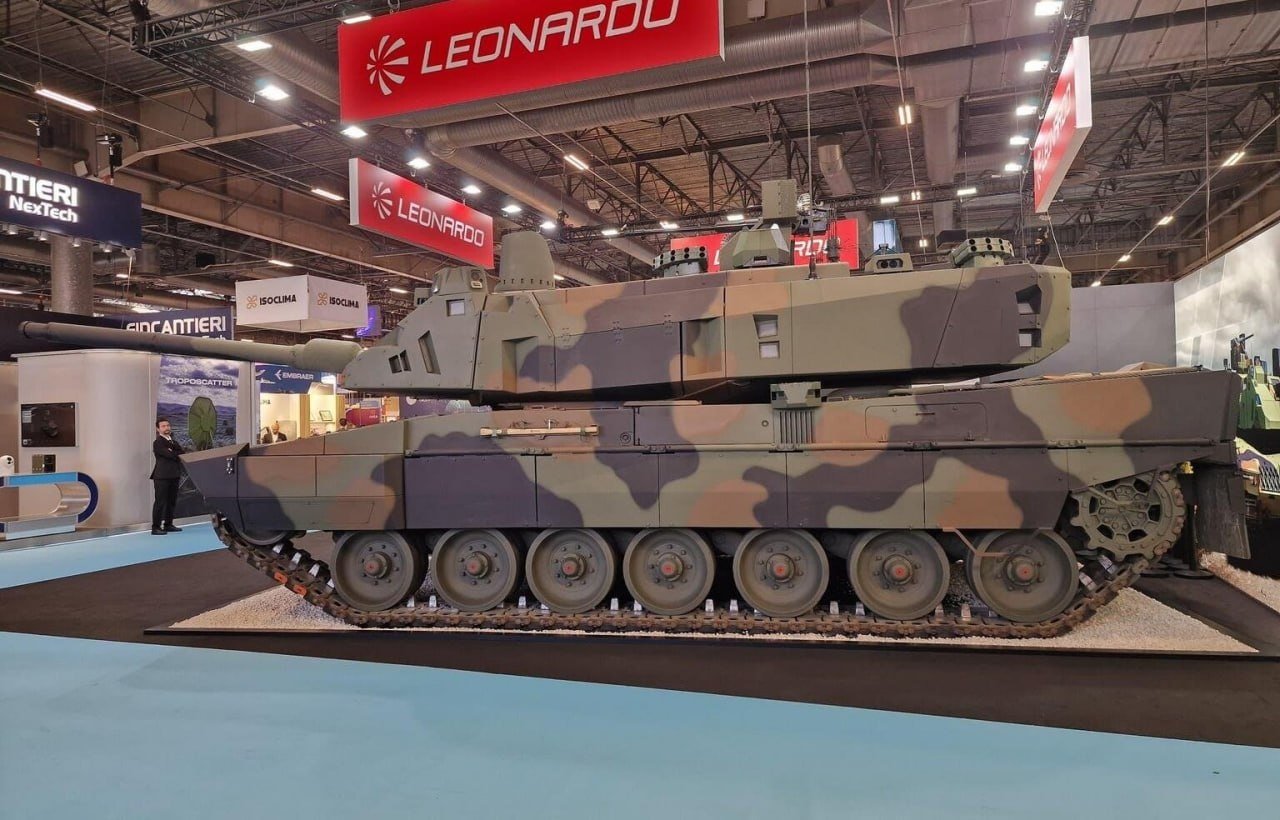 Italy Allocates Up to €5.14 Billion for Procurement of 132 New Main Battle Tanks
-
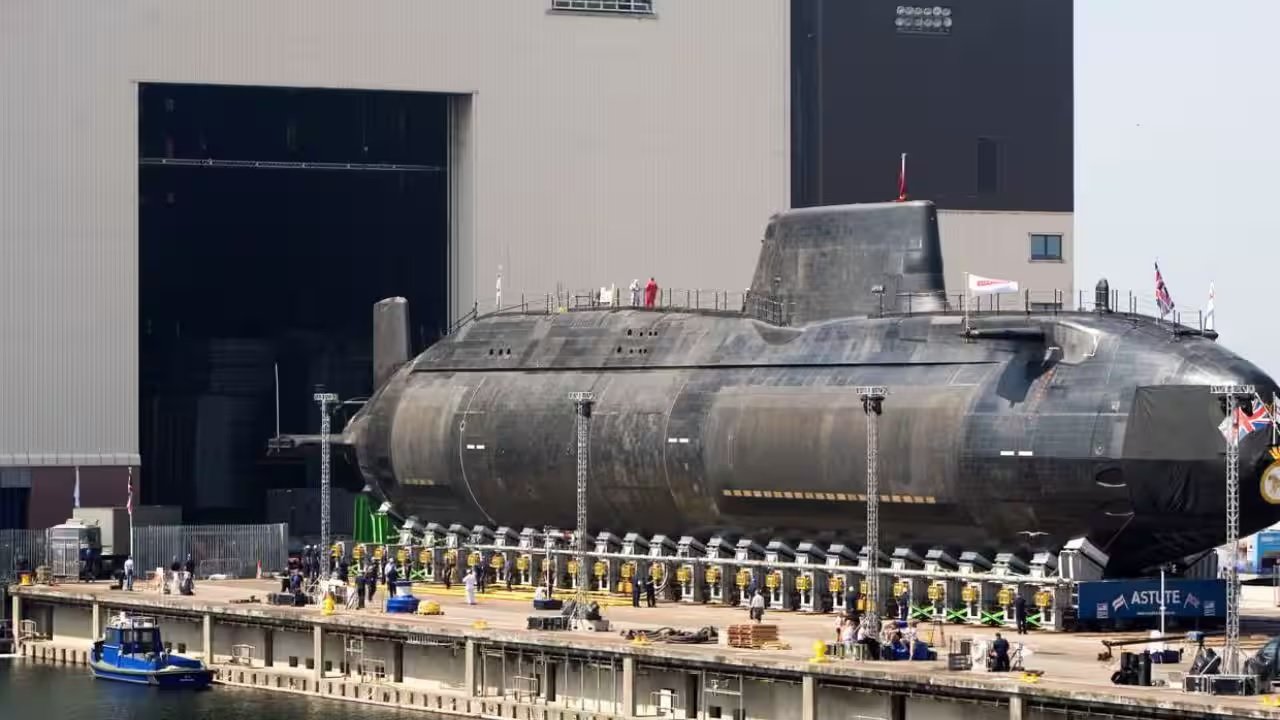 UK Announces £6 Billion Investment to Double Nuclear Submarine Production Rate
-
 Roketsan KARAOK Anti-Tank Missile Successfully Hits Aerial Target for First Time
-
 Dutch Firm DeltaQuad Launches Evo-LE VTOL UAV With Up to Eight-Hour Endurance
Top Trending in 4 Days
-
 U.S. Army Awards $10.64 Million Contract to Ukrainian Drone Maker Skyeton for Raybird Systems
-
 India’s xTerra Robotics Launches Indigenous DHAV-Hy Wheeled-Legged Quadruped for Industrial Inspection
-
 U.S. Space Force Seeks Rapid-Response Satellites for Close-Range Orbital Inspections
-
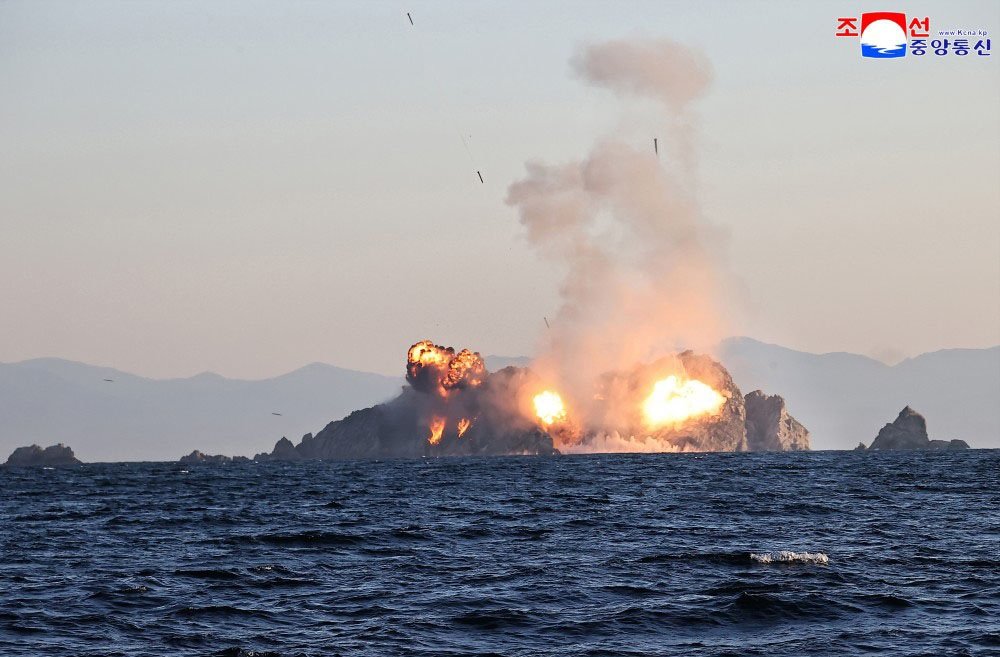 North Korea Fires Short-Range Ballistic Missile Toward Sea of Japan After Freedom Edge 26
-
 U.S. Government Seizes Almasirah.net, Houthi-Linked News Website
-
 Ukraine Reports First Use of Fire Point’s FP-7 Tactical Ballistic Missile inMoscow-Region Strikes on Oil Refinery
-
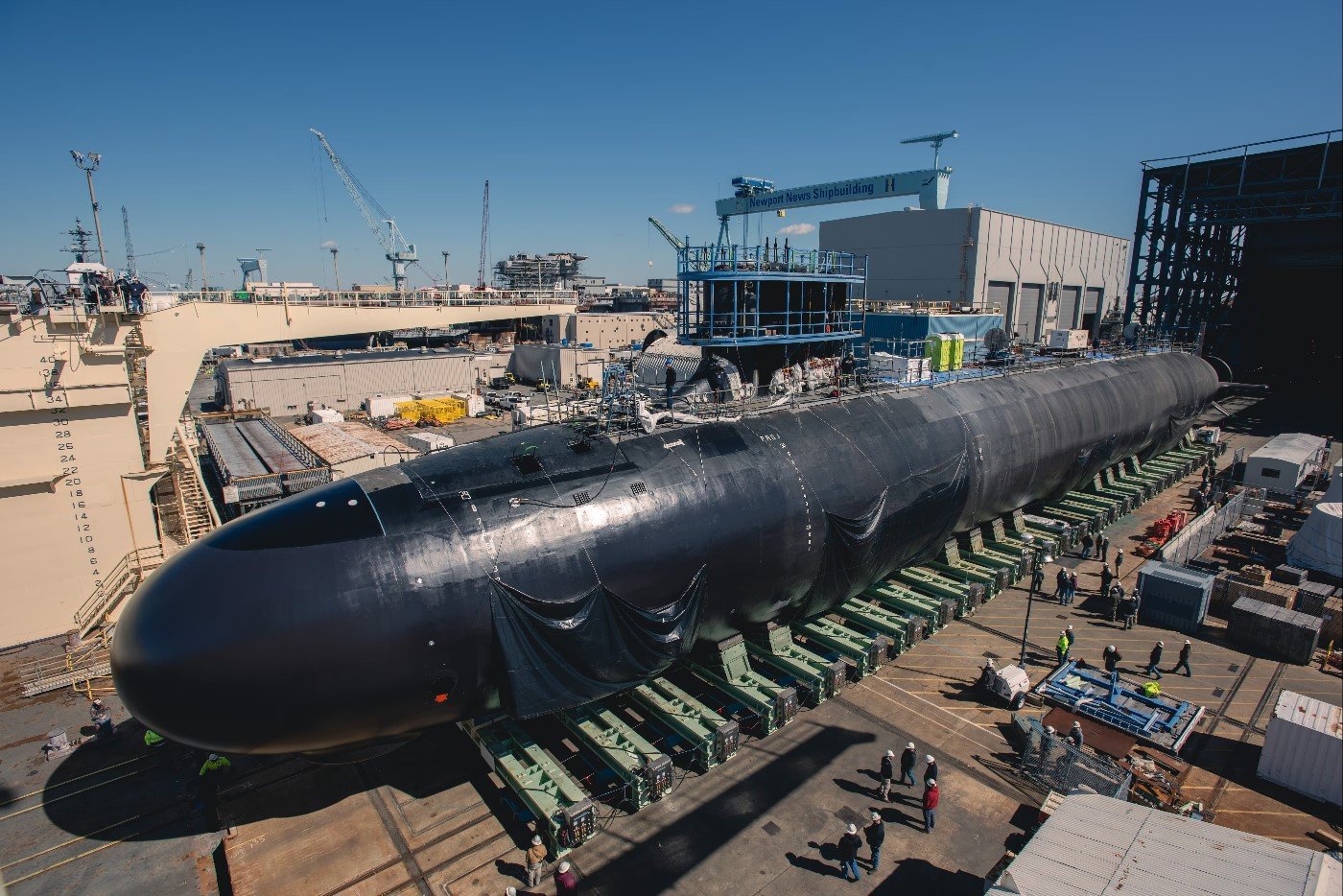 US Navy Submarine Director Outlines Four-Pillar Plan to Raise Build Rates
-
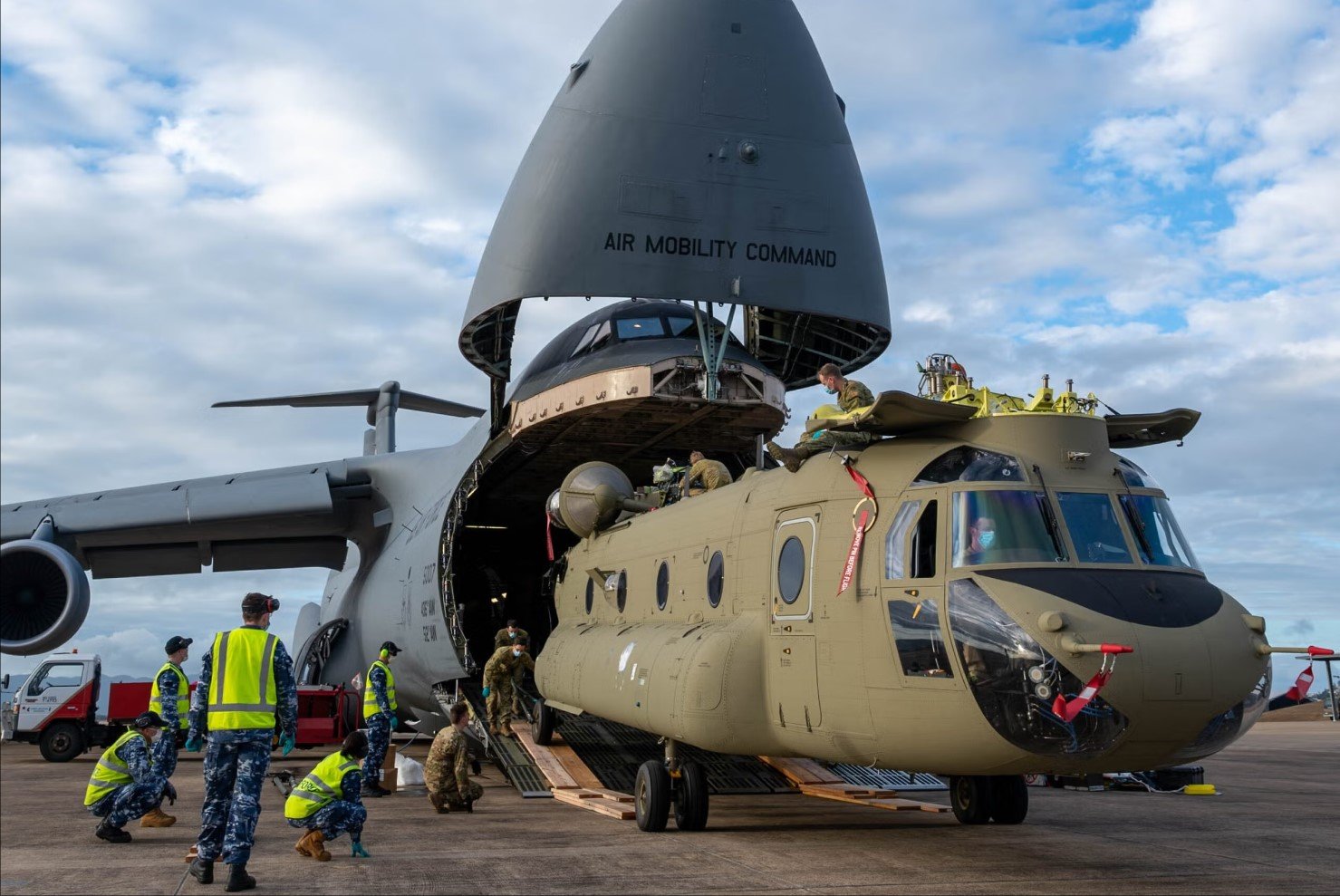 U.S. Delivers First CH-47F Chinook to Egypt Under 12-Helicopter Deal