
World
U.SExplore the critical lessons from World War II's New Guinea Campaign in Maj. Karl Rauch's paper, highlighting the imperative need for specialized jungle warfare training as Indo-Pacific threats escalate.In a world where the Indo-Pacific region is witnessing escalating threats, the importance of preparing soldiers for the rigors of jungle warfare cannot be overstated. A recent paper published by the Association of the US Army (AUSA), authored by Maj. Karl Rauch, sheds light on the imperative need to equip military personnel with specialized training tailored to the unique demands of tropical environments.Titled "Welcome (Back) to the Jungle," the paper draws parallels from the experiences of World War II, particularly the New Guinea Campaign, to underscore the critical importance of adequate preparation for jungle warfare. Rauch emphasizes that the jungle presents a formidable challenge, unlike any other geographic terrain. Its dense vegetation, harsh weather conditions, and heightened risk of disease make it an unforgiving battleground.The New Guinea Campaign serves as a poignant reminder of the perils of entering the jungle unprepared. The US 32nd Infantry Division, lacking in specialized training for jungle warfare, faced arduous trials as they navigated through the unforgiving terrain. Despite the formidable obstacles, Lt. Gen. Robert Eichelberger's leadership ultimately led to the division's triumph, marking a significant victory in the war.Rauch's analysis underscores the pivotal role of training and preparation in ensuring success in jungle warfare. He emphasizes that technological advancements alone are insufficient to overcome the challenges posed by the jungle. Rather, a deep understanding of the environment coupled with specialized training is essential for soldiers to effectively operate within its confines.Moreover, Rauch suggests that the lessons gleaned from past campaigns hold relevance for contemporary military strategies. The experiences of the New Guinea Campaign highlight the critical importance of regional knowledge and experience in jungle warfare. By learning from historical precedents, today's soldiers can better prepare themselves for the challenges that lie ahead.In conclusion, Maj. Karl Rauch's paper serves as a clarion call for prioritizing specialized training in jungle warfare for military personnel. As threats in the Indo-Pacific region continue to evolve, it is imperative that soldiers are equipped with the necessary skills and knowledge to navigate the complexities of the jungle environment. By heeding the lessons of history, we can better prepare our soldiers for the relentless challenges of modern warfare.
Read More → Posted on 2024-04-30 16:12:06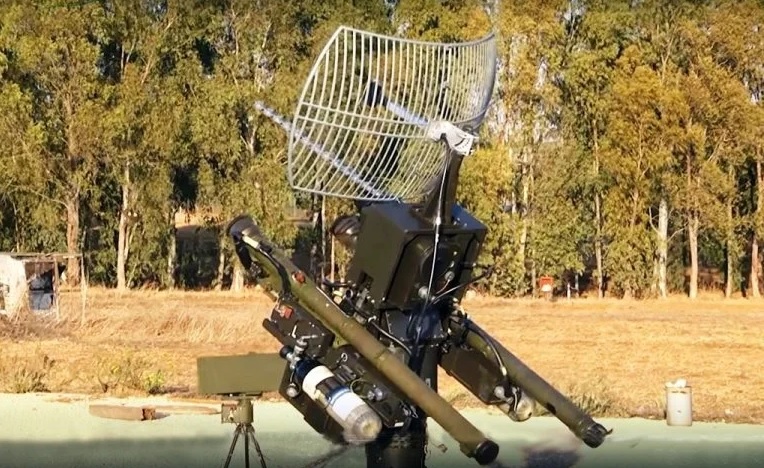
World
IsraelElbit Systems introduces Red Sky, a cutting-edge air defence system combining anti-drone capabilities with modular design for comprehensive protection against low-altitude aerial threats. With advanced missile launchers and integrated electronic warfare solutions, Red Sky offers flexible deployment tailored to specific operational needs.Elbit Systems, a leading Israeli defense technology company, has announced the development of their latest air defence system, Red Sky. This Tactical Very Short-range Air Defence (VSHORAD) System is specifically designed to provide protection against low-altitude aerial threats. With an international customer awarding a contract of approximately USD 50 million, Elbit Systems is set to deploy two Red Sky batteries over the next two years.The Red Sky system integrates both soft-kill and hard-kill defence capabilities, marking a significant advancement in Elbit Systems' portfolio. The inclusion of anti-aircraft missiles enhances the system's rate of intercepts, ensuring a robust defence mechanism against evolving threats.At the core of the Red Sky system is its modular and multilayered design, offering comprehensive defence coverage. The Missile Launcher Unit (MLU) operates remotely within the vehicle, equipped with Local Electro-Optical/Infrared (EO/IR) capabilities for autonomous operation and precision VSHORAD missile launching with a firing range of up to 7 kilometers.Complementing the MLU is the Battery Target Detection Radar (BTDR), featuring Central Surveillance Radar and advanced communication capabilities for seamless coordination with fire units. Additionally, the system incorporates Elbit Systems' Redrone, an electronic warfare (EW) solution designed to detect, identify, locate, and neutralize unmanned aerial systems. The Redrone system includes DAiR Radar, Signal Intelligence (SIGINT) sensors, RF Jammer, and COAPS-L electro-optical (EO) payload, providing an enhanced integrated aerial picture.The flexibility of the Red Sky system allows for independent operation of each component or seamless integration, catering to specific operational requirements. Whether deployed as independent fire units or integrated into a regional defence framework, Elbit's Red Sky system offers comprehensive protection with integrated Command and Control.Yehuda (Udi) Vered, General Manager of Elbit Systems Land, emphasized the system's affordability and effectiveness in addressing the urgent need to defend borders and secure strategic assets against diverse aerial threats. Vered highlighted the collaborative effort within Elbit Systems, leveraging existing building blocks to create a comprehensive solution incorporating new anti-aircraft missiles and advanced soft-kill defence mechanisms.In conclusion, Elbit Systems' Red Sky Air Defence System represents a significant advancement in countering aerial threats. With its state-of-the-art technology and comprehensive defence coverage, Red Sky stands as a testament to Elbit Systems' commitment to providing innovative solutions for national and international security challenges.
Read More → Posted on 2024-04-30 15:54:54
World
IsraelIsraeli Prime Minister Benjamin Netanyahu pledges to launch an offensive in Gaza's Rafah, vowing to achieve "total victory" in the conflict with Hamas amid cease-fire negotiations. Netanyahu faces pressure to act decisively, emphasizing the necessity of eliminating Hamas' stronghold in Rafah.Israeli Prime Minister Benjamin Netanyahu pledged Tuesday to launch an incursion into the southern Gaza city of Rafah, where hundreds of thousands of Palestinians are sheltering from the 7-month-long war.Netanyahu said Israel would enter Rafah to destroy Hamas' battalions there "with or without a deal." Israel and Hamas are negotiating a cease-fire agreement meant to free hostages and bring some relief to the Palestinians in the besieged enclave."The idea that we will stop the war before achieving all of its goals is out of the questions. We will enter Rafah and we will eliminate Hamas' battalions there - with a deal or without a deal, to achieve the total victory," Netanyahu said in a meeting with families of hostages held by militants in Gaza, according to a statement from his office.Netanyahu has vowed to achieve "total victory" in the war and has faced pressure from his nationalist governing partners to launch an offensive in Rafah, which Israel says is Hamas' last major stronghold.Hopes have risen in recent days that the sides could move toward a deal that would avert an Israeli incursion into Rafah, where more than half of Gaza's 2.3 million population are sheltering.The international community, including Israel's top ally, the U.S., have raised an alarm over the the fate of civilians in Rafah if Israel invades.Netanyahu has repeatedly rejected stopping the war in return for hostage releases, and says an offensive on Rafah is crucial to destroying the militants after their Oct. 7 attacks on Israel triggered the conflict. His government could be threatened if he agrees to a deal because hard-line Cabinet members have demanded an attack on Rafah.
Read More → Posted on 2024-04-30 15:45:27
World
EuropeEU strengthens Galileo satellite system with successful launch of two new satellites, enhancing global positioning reliability and supporting critical sectors. Continuing investments in navigation infrastructure underscore commitment to economic growth and security.In the early hours of Sunday, April 28, 2024, a significant milestone was achieved in the ongoing enhancement of the Galileo satellite constellation. At precisely 2:34 AM CEST, two new Galileo satellites were successfully positioned in orbit, marking another step forward in ensuring the reliability and precision of global positioning information for users worldwide.With nearly half of the world's population already relying on Galileo services, this latest deployment reinforces the EU's commitment to maintaining the integrity and functionality of the satellite navigation system. Over the past decade, the European Union has consistently invested in the expansion and optimization of the Galileo constellation to support a wide range of critical sectors, including agriculture, energy, aviation, and defense.The significance of satellite navigation in modern economies cannot be overstated. Approximately 10% of the EU's annual gross domestic product is linked to satellite-based positioning and timing information, a figure that is only expected to grow in the years ahead. The deployment of these two new satellites contributes to the resilience and efficiency of Galileo services, providing users with reliable access to vital data for their operations and activities.Notably, the recent launch comes on the heels of the introduction of the new Public Regulated Service (PRS) signals, which offer enhanced security and adaptability for authorized governmental users and sensitive applications. The implementation of encrypted navigation services underscores the EU's commitment to safeguarding critical infrastructure and ensuring the integrity of Galileo services in the face of evolving threats.Looking forward, plans are already underway for the next phase of Galileo's evolution. Twelve second-generation (G2G) satellites are currently in production, with the first launch expected in 2026 using an Ariane-6 launcher. The successful completion of the maiden flight of the Ariane-6 in 2024 has paved the way for further launches, with the European Commission poised to order two additional Ariane-6 launches in the coming months.As the Galileo constellation continues to expand and evolve, it remains a cornerstone of the EU's efforts to foster innovation, support economic growth, and enhance security on a global scale. With each new satellite deployment and technological advancement, Galileo reaffirms its position as a vital tool for navigation, timing, and positioning, driving progress and prosperity for users around the world.
Read More → Posted on 2024-04-30 15:12:42
World
France France advances its medium-range defence capabilities with the Veloce 330, a cutting-edge loitering munition achieving speeds of up to 400 km/h. The LARINAE programme underscores France's commitment to technological edge and military autonomy in modern warfare.In a significant stride towards bolstering its military autonomy and technological prowess, France has made notable progress in the development of indigenous loitering munition systems. Spearheaded by the Agence de l’Innovation de Défense (AID) and the Direction générale de l’armement (DGA), the LARINAE programme stands as a testament to France's commitment to enhancing its medium-range defence arsenal.The recent test conducted by EOS Technologie marks a milestone achievement within the LARINAE programme. The loitering munition, named 'Veloce 330,' showcased remarkable speeds of up to 400 km/h during its rigorous testing phase. This achievement underscores the efficacy and potential of French innovation in military technology.Central to the objectives of the LARINAE programme is the development of remote-operated ammunition systems capable of engaging armored targets within a 50-kilometer radius while maintaining prolonged flight duration exceeding an hour. Such capabilities align closely with France’s strategic imperative to strengthen its defence capabilities in the face of evolving threats in modern warfare scenarios.The selection of two promising projects from a pool of 16 submissions by the AID highlights the robust collaborative efforts within the French defence industrial base. Notably, the consortium led by EOS Technologie, alongside Nexter Arrowtech (now operating under KNDS Ammo France) and TRAAK, signifies a cohesive partnership driving innovation in defence technology.The successful completion of the third phase of testing by the Veloce 330 underscores its efficiency and performance. With speeds surpassing 250 miles per hour and covering 30 miles in just 16 minutes on half a tank of fuel, the Veloce 330 demonstrates its effectiveness in meeting the stringent requirements of modern military operations.Importantly, the Veloce 330 represents a significant advancement in indigenous loitering munition technology, crafted entirely in France. This underscores the nation’s commitment to leading innovations in military technology and maintaining strategic autonomy in defence capabilities.While showcasing remarkable capabilities, the Veloce 330 also draws comparisons with international counterparts such as the Iranian Shahed 238. Known for its rapid deployment and high-speed operations, the Shahed series has gained global recognition for its role in various conflicts, highlighting the global relevance of advancements in loitering munition technology.In conclusion, France’s progress in the LARINAE programme, particularly exemplified by the achievements of the Veloce 330, underscores the nation’s dedication to advancing indigenous defence capabilities. As technology continues to evolve, such initiatives are instrumental in ensuring France's readiness to address emerging security challenges and maintain its position at the forefront of military innovation.
Read More → Posted on 2024-04-30 06:21:41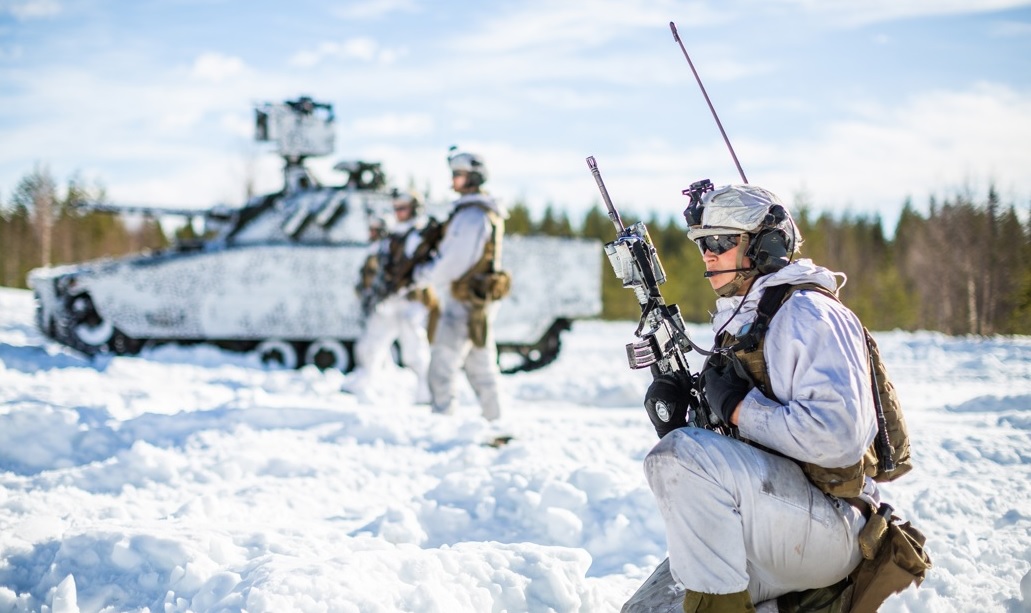
World
Norway Kongsberg Defence & Aerospace awarded a NOK 255 million contract by the Norwegian Defence Materiel Agency to develop THOR Remote Control Terminal, enhancing secure communication for the Norwegian Armed Forces' modernization efforts.The Norwegian Defence Materiel Agency (FMA) has recently announced the awarding of a significant contract to Kongsberg Defence & Aerospace. The contract, valued at NOK 255 million, entails the development of the THOR Remote Control Terminal (tRCT), a crucial component in the modernization of combat-related IT for the Norwegian Armed Forces.This development aligns closely with the objectives of Program Mime, aimed at enhancing secure communication capabilities, which stands as a cornerstone in the contemporary landscape of national security. The emphasis on secure communication reflects its pivotal role in ensuring the integrity and effectiveness of military operations.The THOR Remote Control Terminal is designed to integrate seamlessly with the THOR radio system, demonstrating a highly flexible architecture. It boasts the capability to efficiently manage operator controls while facilitating high-grade secure communications across multiple THOR combat net radios simultaneously. Furthermore, the terminal's versatility extends beyond its primary function, with interfaces enabling compatibility with various communication bearers such as satellites, 5G networks, and fixed infrastructure.One notable aspect of this contract is its contribution to maintaining and advancing specialized expertise in cryptography and security solutions within Kongsberg. Over the years, Kongsberg has established itself as a trusted and certified supplier of crypto solutions, developed in close collaboration with the Norwegian National Security Authority.Looking ahead, the development of the THOR Remote Control Terminal marks a significant milestone in the ongoing efforts to enhance the capabilities of the Norwegian Armed Forces. As the contract progresses, it is anticipated that it will pave the way for subsequent agreements pertaining to serial production.In conclusion, the awarding of this contract underscores the commitment of both Kongsberg and the Norwegian Defence Materiel Agency towards bolstering national security through cutting-edge technological solutions. It represents a testament to the collaborative efforts aimed at equipping the Armed Forces with the tools necessary to meet the evolving challenges of the modern battlefield.
Read More → Posted on 2024-04-30 06:09:55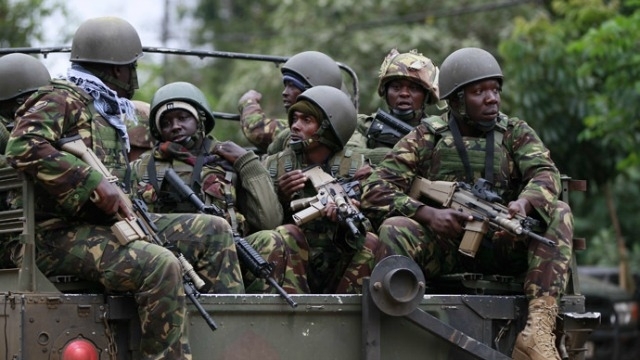
World
Kenya A bombing on a donkey cart in Elwak, Kenya, claimed five lives and left five critically injured, sparking concerns of Al-Shabaab involvement in the region. Authorities seal off the scene for investigation while pursuing the perpetrators, highlighting ongoing security challenges in the area.Five individuals tragically lost their lives in a bombing incident that shook the town of Elwak in Mandera County, Kenya, on Monday. According to Interior Minister Kithure Kindiki, the explosion, caused by an improvised explosive device (IED), occurred on a donkey cart, highlighting the callous tactics employed by perpetrators to evade detection.While no group has claimed responsibility for the attack, the region's proximity to Somalia and its history of being targeted by the Somalia-based militant group Al-Shabaab raise concerns about its involvement. Kenya, a key contributor to the African Union force supporting Somalia's government in its struggle against Al-Shabaab, has experienced previous retaliatory assaults.Kindiki confirmed that in addition to the fatalities, five individuals sustained life-threatening injuries. The aftermath of the blast prompted the sealing off of the crime scene for evacuation and investigative purposes, with security forces diligently pursuing the perpetrators.The use of donkey carts to conceal explosives underscores the challenges faced by authorities in combating such threats. This incident serves as a somber reminder of the persistent threat posed by extremist groups in the region and the need for continued vigilance and cooperation among security forces and communities.As investigations unfold, the thoughts of the nation are with the families of the victims, and efforts are underway to provide support to those affected by this senseless act of violence. The determination to ensure justice for the victims and prevent future tragedies remains unwavering as Kenya stands resolute against terrorism.
Read More → Posted on 2024-04-30 06:02:43
World
Israel Diplomatic efforts intensify as the US and Egypt push for a ceasefire between Israel and Hamas amid escalating tensions in Gaza, aiming to address humanitarian concerns and pave the way for lasting peace.US Secretary of State Antony Blinken discussed on Monday a proposal for a ceasefire presented to Hamas by Israel, characterising it as "extraordinarily generous," CNN reported."In this moment the only thing standing between the people of Gaza and a ceasefire is Hamas," he told World Economic Forum (WEF) President Borge Brende in the Saudi capital Riyadh. "They (Hamas) have to decide and they have to decide quickly," he said. "I'm hopeful that they will make the right decision."Egyptian Foreign Minister Sameh Shoukry, also present in Riyadh, shared a similar sentiment, expressing optimism about the proposal's acceptance by both Israel and Hamas."There is a proposal on the table, up to the two sides to consider and accept but certainly the objective is a ceasefire, a permanent ceasefire and dealing with the humanitarian conditions," Shoukry told a panel at the WEF in Riyadh on Monday, according to CNN.He also said that he is hopeful "the proposal has been taken into account" and that "we are waiting to have a final decision."Israeli officials signaled willingness to engage in negotiations aimed at restoring lasting peace. A source familiar with the discussions, as cited by CNN, disclosed Egypt's suggestion of a one-year ceasefire, contingent upon Israeli forces withdrawing from Gaza and the release of hostages and deceased individuals. This proposal illustrates efforts toward a comprehensive resolution to the conflict.Hamas has maintained that a permanent ceasefire and full Israeli withdrawal are prerequisites for any agreement. Conversely, Israel has affirmed its commitment to continue its operation in Gaza until Hamas is eradicated. However, Israel has recently agreed to Hamas's demand for unrestricted movement of Palestinians to northern Gaza, a concession pivotal in advancing negotiations.Yet, the possibility of an Israeli military offensive in Rafah looms, with Israeli officials framing ongoing negotiations as the last opportunity to prevent such action. Notably, the US, along with other allies of Israel, has cautioned against a major military operation in Rafah without adequate safeguards for civilians.Blinken reiterated this stance during his Riyadh visit, emphasising the US' reluctance to support such an offensive in the absence of a concrete plan to protect civilians: "We have not yet seen a plan that civilians can be effectively protected."Meanwhile, White House National Security Council communications adviser John Kirby echoed these sentiments, revealing Israel's assurance that no invasion of Rafah would occur until concerns raised by the Biden administration were addressed."I think we have to have a better understanding from the Israelis about what they want to do as a matter of fact, we've had several staff talks with them, we intend to do that more," he said on ABC. "They've assured us that they won't go into Rafah until we've had a chance to really share our perspectives and our concerns with them."In a call with Israeli Prime Minister Benjamin Netanyahu, US President Joe Biden emphasised the need for increased humanitarian assistance and reiterated opposition to a potential Israeli invasion of Rafah, as outlined in a White House statement. Despite these diplomatic efforts, the death toll from Israeli airstrikes in Gaza continues to rise, underscoring the urgency of reaching a ceasefire agreement.The casualties include infants and toddlers, highlighting the devastating impact of the conflict on innocent civilians, CNN reported.
Read More → Posted on 2024-04-30 05:53:32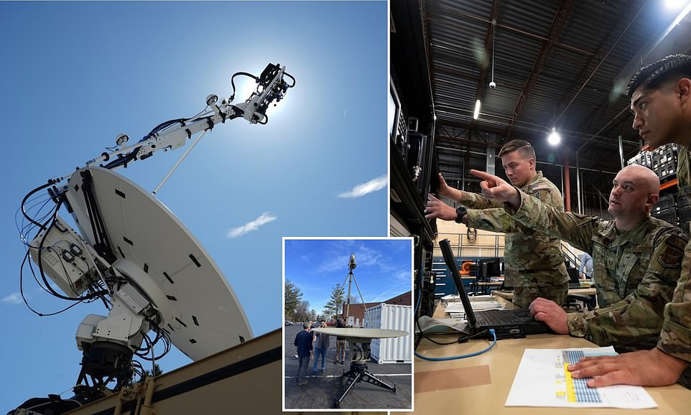
World
U.S The US Space Force tests the Remote Modular Terminal (RMT), a ground-based weapon designed to jam enemy satellites, bolstering its defenses against space-enabled threats amidst increasing competition with China. The RMT disrupts communication and surveillance capabilities, demonstrating operational flexibility and cost-effectiveness in safeguarding US interests in space.The US Space Force recently conducted a significant test of a ground-based weapon system aimed at defending against potential space-enabled attacks. Known as the Remote Modular Terminal (RMT), this device has the capability to disrupt enemy satellites by inundating the airwaves with conflicting signals, rendering them ineffective for communication and surveillance purposes.During the test, the RMT was deployed at two separate locations and controlled from a third, showcasing its operational flexibility. The evaluation focused on key performance indicators such as system latency, target engagement accuracy, and network security. Although specific results were not disclosed to the public, US Space Force Lt. Col. Gerrit Dalman emphasized the importance of integrated developmental and operational tests in delivering relevant capabilities to personnel in a timely manner.The RMT, resembling a satellite dish with a diameter of approximately 10 feet (3 meters), serves as a vital component in the US military's efforts to counter space-enabled threats. Its primary function is to disrupt the operations of enemy satellites, thereby impeding their ability to support communication, surveillance, or weapon guidance systems.Designed for remote operation and deployable in large numbers, the RMT minimizes the risk to personnel while enhancing the military's capability to defend against sophisticated space-based attacks. With its increased capacity, adaptability, and resiliency, this cost-effective weapon system is poised to provide a significant boost to the US military's counter space electronic warfare capabilities once all trials are completed.The development and testing of the RMT coincide with ongoing efforts by the US military to strengthen its space capabilities amidst growing competition with China and escalating threats from Russia. China, in particular, has been identified as a formidable adversary in space, as evidenced by its advancements in space-based platforms and the establishment of a dedicated military force, the "Near-Space Command," aimed at protecting strategically vital areas.In conclusion, the successful testing of the RMT represents a significant milestone in the US Space Force's efforts to safeguard its interests in space. By investing in innovative technologies and conducting rigorous testing, the military aims to maintain its competitive edge and ensure the protection of vital assets in the increasingly contested domain of space.
Read More → Posted on 2024-04-29 15:24:18
World
India Northrop Grumman awarded $387M contract to sustain RQ-4 Global Hawk drones for Italy, Japan, and South Korea, enhancing allied nations' intelligence, surveillance, and reconnaissance capabilities until April 2025.In a recent development, Northrop Grumman has clinched a significant contract worth $387 million. The contract entails providing sustainment services for the RQ-4 Global Hawk drones to Italy, Japan, and South Korea. This deal, facilitated through foreign military sales agreements, serves the governments of Korea, Japan, and NATO.The primary objective of this contract is to furnish logistics support services to the aforementioned countries until April 2025. The scope of work includes maintenance and operational support, crucial for ensuring the continuous functionality of the RQ-4 Global Hawk drones.Work under the contract will be conducted at various strategic locations, including Sacheon Air Base and Osan Air Base in South Korea, Misawa Air Base in Japan, and Naval Air Station Sigonella in Italy. These bases serve as key operational hubs for the deployment and maintenance of the RQ-4 Global Hawk fleet.The RQ-4 Global Hawk is revered as a premier intelligence, surveillance, and reconnaissance (ISR) platform globally. Equipped with advanced imagery intelligence, signals intelligence, and moving target indicator sensors, this high-altitude, long-endurance aircraft offers persistent near-real-time coverage. With a maximum speed of 310 knots (574 kilometers/356 miles per hour) and an operational range of 12,300 nautical miles (22,780 kilometers), it possesses unparalleled capabilities for extended surveillance missions.The significance of the RQ-4 Global Hawk in military operations cannot be overstated. With over 320,000 flight hours accumulated worldwide, it has played a vital role in supporting missions across various regions, including Iraq, Afghanistan, and North Africa. Its versatility and endurance make it an indispensable asset for gathering critical intelligence and maintaining situational awareness in complex operational environments.However, recent incidents have highlighted the importance of ensuring the safety and integrity of drone operations. The reduction in Global Hawk flights by the US military following a collision incident underscores the ongoing efforts to mitigate operational risks and enhance safety protocols.In conclusion, the award of this contract to Northrop Grumman signifies a commitment to bolstering the capabilities of allied nations through the sustained operation of the RQ-4 Global Hawk drones. By providing essential logistics support services, Northrop Grumman will contribute to the seamless execution of intelligence, surveillance, and reconnaissance missions, thereby enhancing the security and defense capabilities of Italy, Japan, South Korea, and NATO as a whole.
Read More → Posted on 2024-04-29 15:19:58
World
Europe The HYDEF programme, co-funded by the EU and five member states, achieves milestones in developing a cutting-edge interceptor system to counter hypersonic threats, reinforcing Europe's strategic defence capabilities. Through collaboration and technological innovation, HYDEF advances towards safeguarding against emerging aerial threats.The HYDEF programme, a collaborative effort between the European Union and five member states—Belgium, Germany, Norway, Poland, and Spain—has reached significant milestones in its mission to develop an advanced interceptor system capable of neutralizing hypersonic threats.Recently, the programme achieved the Mission Concept Milestone (MCM) and the first Progress Review Meeting (PRM1), marking crucial advancements in the project's trajectory. These milestones signify the successful consolidation of initial requirements and concepts for the system, setting a clear path forward for development.During the two-day session, the HYDEF consortium, comprising 14 companies from seven European nations, came together to establish the groundwork for the project. With the approval of the first version of the Concept of Operations, collaborative efforts among stakeholders have been enhanced, facilitating effective communication and coordination.The PRM1 provided an opportunity to review the overall status of the programme, covering key aspects such as progress, scheduling, risks, and financial management. Notably, both milestones were achieved ahead of schedule, underscoring the dedication and expertise of all involved parties.Initiated in response to the European Defence Fund's call for an "Endo-atmospheric Interceptor" in 2021, the HYDEF programme received €110 million in funding. The project focuses on developing an interceptor that integrates cutting-edge technologies in propulsion, aerodynamics, guidance systems, and sensors to counter high-velocity aerial threats.Looking ahead, the HYDEF Consortium will concentrate on the concept study phase, assessing the feasibility of the proposed interceptor. This phase will involve two main activities leading to the Mission Definition Review (MDR) and the Project Readiness Review (PRR), alongside the maturation of critical technologies.The successful achievement of these early milestones not only ensures the programme stays on course but also strengthens Europe's strategic capability to defend against emerging aerial threats. As Europe progresses in its defence technology capabilities, the next phases of the HYDEF programme are eagerly anticipated, marking a significant stride forward in safeguarding regional security.
Read More → Posted on 2024-04-29 15:12:58
World
Ukraine ,Russia Conflict Reports suggesting Ukrainian military's withdrawal of US-supplied M1A1 Abrams tanks due to drone threats from Russia are refuted by Ukrainian mechanized brigade, emphasizing the tanks' crucial role on the frontline and urging reliance on verified information amid ongoing security challenges.In recent days, reports have emerged suggesting that the Ukrainian military has withdrawn its US-supplied M1A1 Abrams main battle tanks from the battlefield due to increasing drone threats from Russia. These reports, based on information from unnamed US military officials, highlighted concerns about the ability of the tanks to operate effectively in an environment where drones pose a significant risk of detection and attack.According to the sources, Russian drones have made it challenging for the American tanks to maneuver without being detected and targeted. This evolving battlefield dynamic has prompted discussions between US and Ukrainian officials on potential changes in tactics before the tanks are redeployed.However, these reports were met with swift denial from the Ukrainian mechanized brigade combat team operating the tanks on the ground. They asserted that the Abrams tanks remain a vital asset on the battlefield and are providing crucial fire support to infantry units stationed on the frontlines. Contrary to the claims made in the initial reports, they emphasized that the tanks are not being withdrawn and continue to play a significant role in enhancing Ukraine's defensive capabilities.President Volodymyr Zelensky had previously confirmed the arrival of the first batch of M1A1 Abrams tanks in Ukraine in September 2023, marking a significant milestone in bolstering the country's military capabilities. Although the exact number of tanks provided was not disclosed, it was understood that the US had committed to sending 31 of these third-generation main battle tanks to Ukraine.The M1A1 Abrams tanks, equipped with a 120-millimeter smoothbore cannon and an M240 coaxial machine gun, were intended to strengthen Ukraine's frontline defenses against external threats. Despite facing attacks from Russian forces, the Ukrainian military remains steadfast in its commitment to utilizing these armored vehicles to defend its sovereignty and territorial integrity.In light of conflicting reports circulating on social media platforms, the mechanized brigade urges the public to exercise caution and rely on verified sources for accurate information regarding the situation on the ground. As Ukraine continues to navigate complex security challenges, the role of the M1A1 Abrams tanks remains pivotal in safeguarding the country's interests and deterring aggression from adversaries.
Read More → Posted on 2024-04-29 14:51:14
World
U.S The U.S. military's estimated cost to construct a humanitarian aid pier off Gaza has surged to $320 million, double initial estimates, sparking debate over its efficacy amid security concerns. Despite logistical challenges, the pier aims to alleviate Gaza's humanitarian crisis exacerbated by recent conflict, with aid needing to pass through Israeli checkpoints before distribution.The U.S. military's cost estimate to build a pier off Gaza to deliver humanitarian aid has risen to $320 million, a U.S. defense official and a source familiar with the matter told Reuters.The figure, which has not been previously reported, illustrates the massive scale of a construction effort that the Pentagon has said involves about 1,000 U.S. service members, mostly from the Army and Navy.Still, the cost has roughly doubled from initial estimates earlier this year, according to a person familiar with the matter."The cost has not just risen. It has exploded," Senator Roger Wicker, the top Republican on the Democratic-led Senate Armed Services Committee, told Reuters, when asked about the costs."This dangerous effort with marginal benefit will now cost the American taxpayers at least $320 million to operate the pier for only 90 days."Democratic President Joe Biden announced the pier in March as aid officials implored Israel to ease access for relief supplies into Gaza over land routes. By opening a second route for aid, this one by sea, Biden administration officials hope to avert famine in northern Gaza.Israel's military campaign against Hamas, in response to Hamas' attack on Israel on Oct. 7, has devastated the tiny Gaza Strip and plunged its 2.3 million people into a humanitarian catastrophe.Still, Wicker and some other lawmakers have questioned whether the pier is a worthwhile endeavor, particularly given the risk that U.S. military personnel could become targets of Hamas militants."How much will taxpayers be on the hook once - or if - the pier is finally constructed?" Wicker asked."For every day this mission continues, the price tag goes up and so does the level of risk for the 1,000 deployed troops within range of Hamas' rockets."Concerns about the threat to American troops getting caught up in the Israel-Hamas war were underscored on Thursday as news emerged of a mortar attack near the area where the pier will eventually touch ground. No U.S. forces were present, however, and they were miles off shore -- beyond mortar range.Biden has ordered U.S. forces to not step foot on the Gaza shore.The pier will initially handle 90 trucks a day, but that number could go up to 150 trucks daily when it is fully operational. The United Nations said last week that the daily average number of trucks entering Gaza during April was 200 and that there had been a peak on Monday of 316.A senior Biden administration official said last week that humanitarian aid coming off the pier will need to pass through Israeli checkpoints on land.That is despite the aid having already been inspected by Israel in Cyprus before being shipped to Gaza. Israel wants to prevent any aid getting to Hamas fighters that boosts their war effort.The prospect of checkpoints raises questions about possible delays even after aid reaches shore. The United Nations has long complained of obstacles to getting aid in and distributing it throughout Gaza.The United Nations has appealed for $2.5 billion to try and meet the most urgent needs of the people living in the Gaza Strip between April and December.
Read More → Posted on 2024-04-29 14:44:07
World
Australia Australia pledges $100 million to bolster Ukraine's defense, with half allocated for military capabilities and the rest for critical equipment. Defense Minister Richard Marles reaffirms commitment to supporting Ukraine's self-defense during visit to Kyiv and Warsaw.Australia has pledged significant support to bolster Ukraine's defense capabilities in the face of Russia's ongoing aggression. Canberra's commitment of 100 million Australian dollars ($65.6 million USD) underscores its steadfast solidarity with Ukraine amid the conflict that has persisted since Moscow's invasion of Kyiv in 2022.In a move aimed at strengthening Ukraine's military resilience, half of the aid package will be directed towards enhancing military capabilities, with a focus on procurement from the Australian defense industry. Approximately 30 million Australian dollars ($19.7 million USD) will be allocated for the acquisition of drones, while an additional 15 million Australian dollars ($9.8 million USD) will cover essential tactical equipment such as combat gear, fire masks, generators, and inflatable boats.The remaining portion of the funding will be dedicated to critical assets including short-range air defense systems and air-to-ground precision munitions, vital components in Ukraine's defense strategy.Australian Defense Minister Richard Marles made the announcement during a recent visit to Kyiv, where he met with Ukrainian Prime Minister Denys Shmyhal and Deputy Defence Minister Lt. Gen. Ivan Havryliuk. Marles also took the opportunity to witness firsthand the training programs for Ukrainian military recruits and to visit local defense industry partners actively supporting Ukraine's resistance efforts against Russian aggression.Acknowledging the broader regional implications of Russia's actions, Marles traveled to Warsaw to meet with Polish Defense Minister Władysław Kosiniak-Kamysz. The discussions centered on the necessity of collective efforts to address the challenges posed by Russia's actions in Eastern Europe.Expressing gratitude for Poland's support, Marles highlighted the assistance provided by the Royal Australian Air Force E-7A Wedgetail early warning and control aircraft, which played a pivotal role in facilitating both military and humanitarian operations in Ukraine over the past six months."Australia remains committed to supporting Ukraine's efforts to resolve the conflict on its own terms," stated Marles. "Despite enduring more than two years of Russia's full-scale invasion, the spirit of the Ukrainian people remains resolute. We are proud to stand alongside our partners, including Poland, in supporting Ukraine's right to self-defense."The aid package reflects Australia's unwavering commitment to upholding the principles of sovereignty and territorial integrity and its solidarity with Ukraine in the face of external aggression. As the conflict continues, Canberra's support serves as a testament to the enduring partnership between the two nations and the broader international community's collective resolve to address security challenges in the region.
Read More → Posted on 2024-04-29 14:31:04
World
India , China , PhilippineThe Philippines' recent acquisition of BrahMos missiles has stirred discussions about their effectiveness against Chinese warships equipped with HQ-9 air defense systems in the disputed South China Sea. While a definitive answer is difficult due to the classified nature of military technology, let's delve into the capabilities of both sides and explore potential outcomes.BrahMos Missiles: A Supersonic ThreatThe BrahMos is a formidable weapon. This supersonic cruise missile boasts a range exceeding 290 km and a speed of Mach 2.8, making it challenging for traditional radar systems to detect and intercept. Its payload capacity of 200-300 kg, depending on the warhead type (conventional or nuclear), packs a significant punch.HQ-9 Air Defense System: Shielding the DragonThe HQ-9 is a medium-range surface-to-air missile system deployed by the Chinese military. Designed to counter aerial threats like aircraft and missiles, its effectiveness against supersonic projectiles like the BrahMos remains a point of speculation. Modern warships typically employ layered defenses, and the HQ-9 likely forms a crucial part of this shield.The Battlefield Equation: Factors at PlayThe outcome of a potential confrontation hinges on several factors:Warhead Type: A conventional BrahMos warhead could inflict serious damage on smaller warships but might struggle to sink larger ones.Defensive Proficiency: The efficiency of the HQ-9 system is paramount. While designed for aerial threats, its success rate against supersonic missiles is not publicly known. Additionally, the warship's captain could employ evasive maneuvers or deploy electronic countermeasures to disrupt the BrahMos' guidance.Engagement Range and Tactics: The BrahMos' strength lies in its speed and maneuverability. Launched from a significant distance, the warship might have limited reaction time with the HQ-9. However, maneuvering and deploying countermeasures could offer some defense.A Scenario, Not a CertaintyHere's a possible outcome:Sinking the Warship: Three BrahMos missiles with conventional warheads might inflict substantial damage, but a complete sink is less likely, especially for larger vessels.Crippling the Warship: Even if not all missiles are intercepted, a successful BrahMos hit could cause significant damage, potentially taking the warship out of commission.Beyond the Missiles: The Bigger PictureMilitary confrontations rarely involve isolated encounters. The presence of supporting ships or aircraft from either side could significantly influence the outcome.Overall, the outcome is uncertain. While the BrahMos missiles pose a significant threat, the warship's layered defenses and potential for maneuvering and countermeasures make it a complex engagement.Here are some additional points to consider:The number of missiles fired can influence the outcome. A larger salvo would make it statistically harder for the HQ-9 system to intercept all missiles.The sophistication of the HQ-9 variant also matters. Newer versions might have improved capabilities against high-speed missiles.Military engagements are rarely one-on-one scenarios. Other factors like supporting ships or aircraft could play a role in the outcome
Read More → Posted on 2024-04-29 07:07:27Search
Top Trending in 24 Hours
-
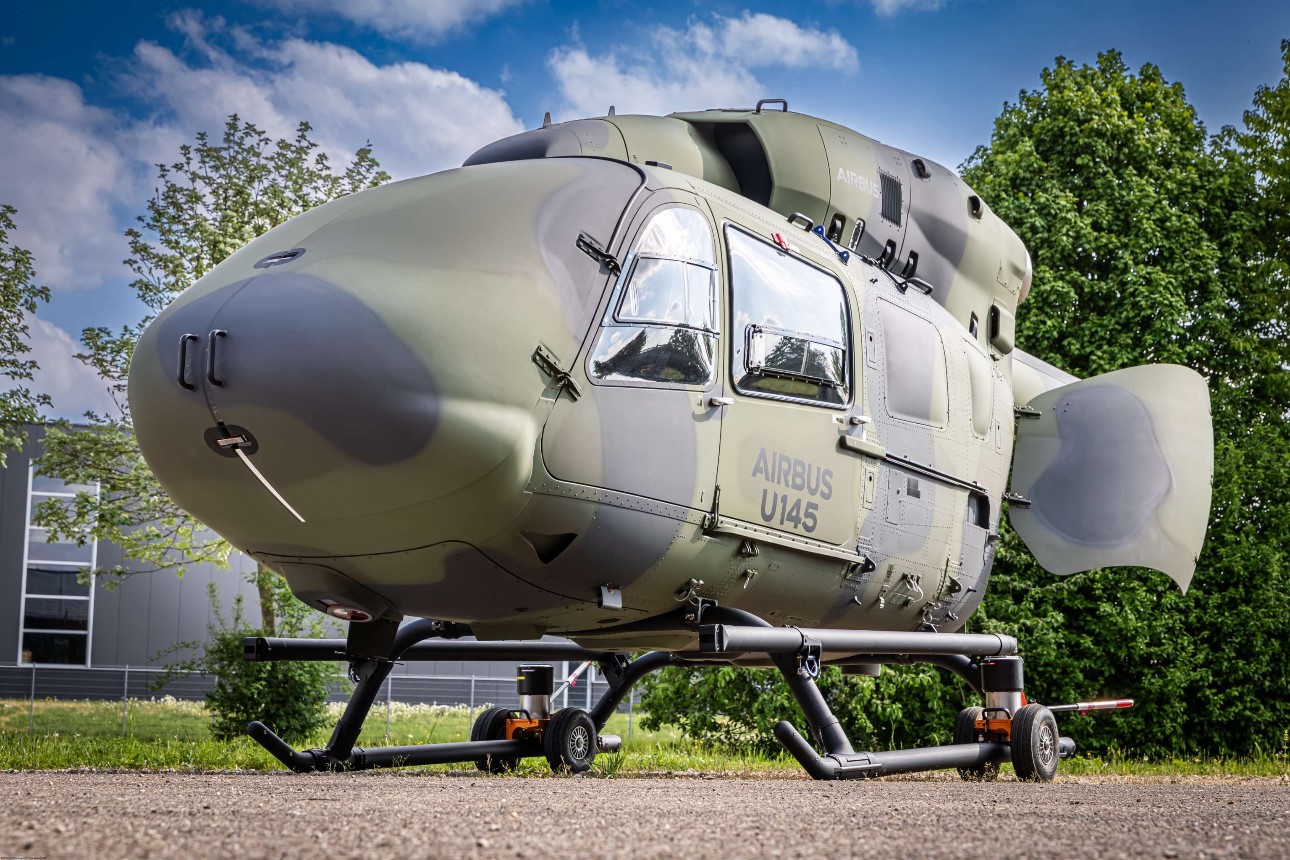 Airbus launches U145 uncrewed helicopter with AI-powered autonomous flight capabilities
-
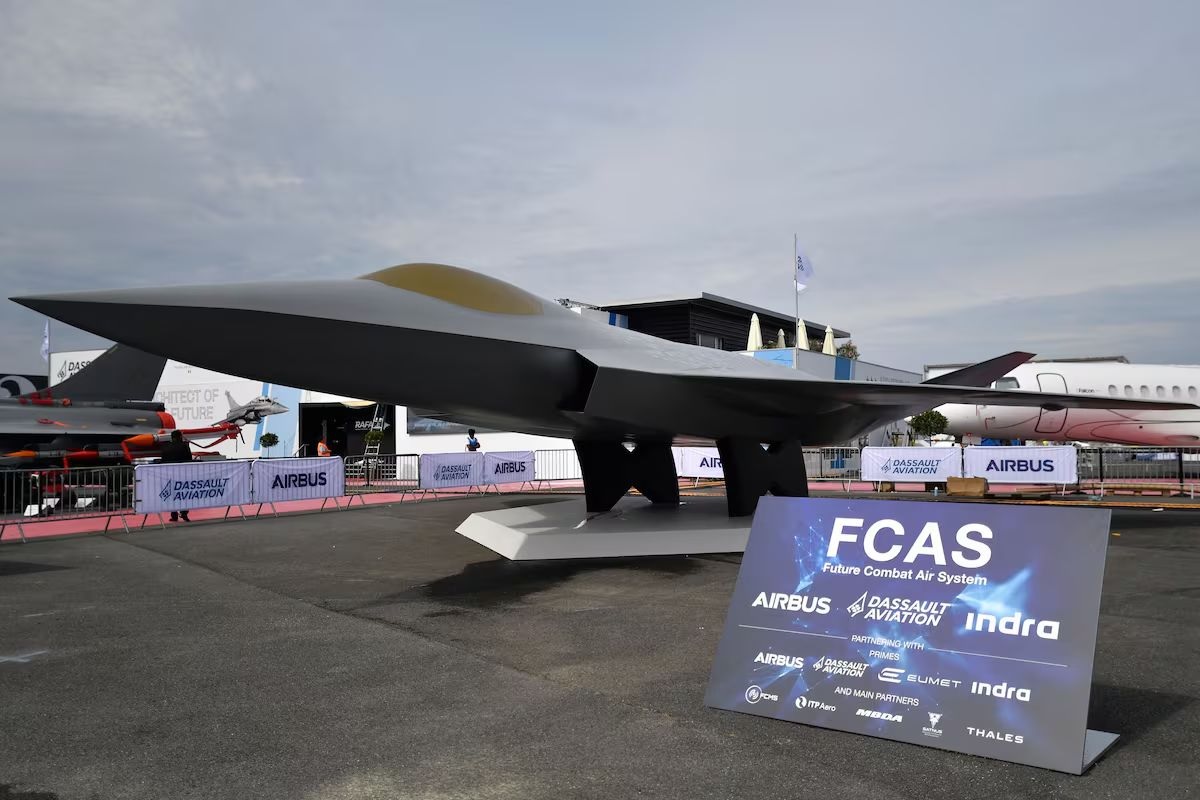 Germany and France End Joint Next-Generation Fighter Development Under FCAS Program
-
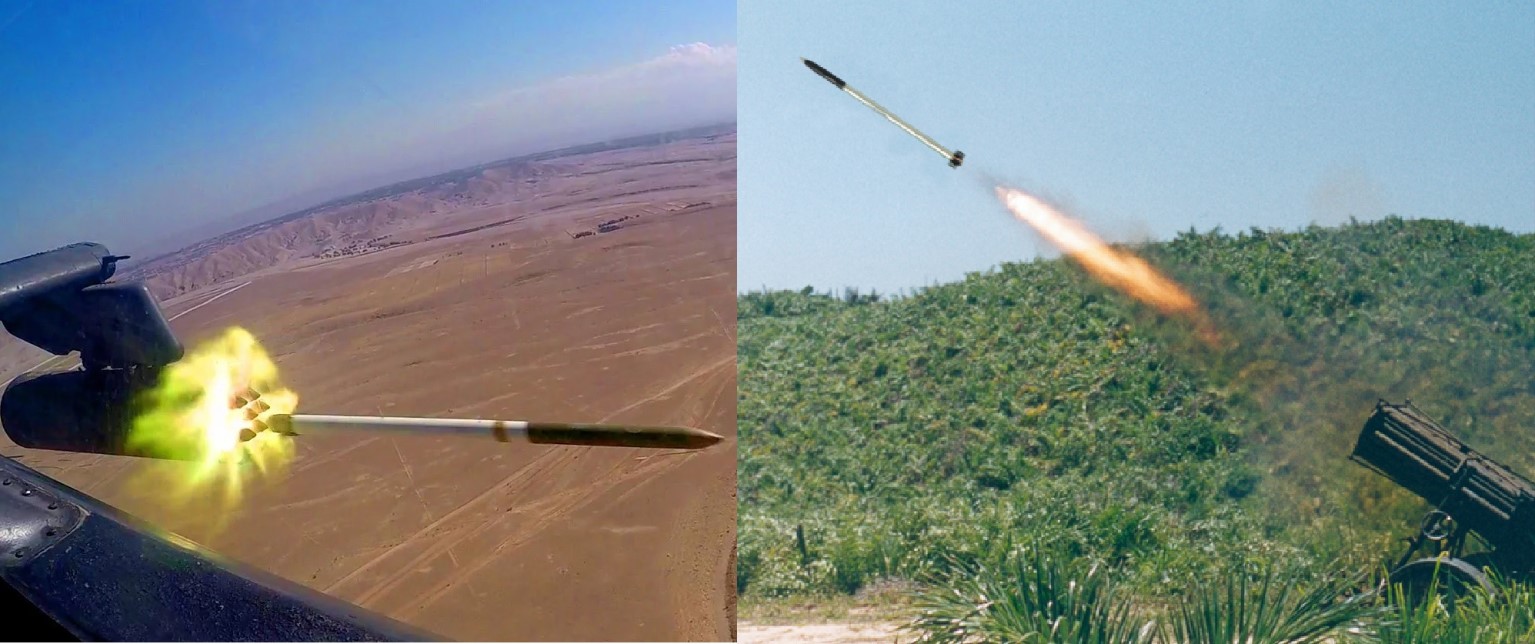 U.S. Army Awards iRocket Up to $150M Contract to Turn Hydra-70 Rockets Into Drone Interceptors
-
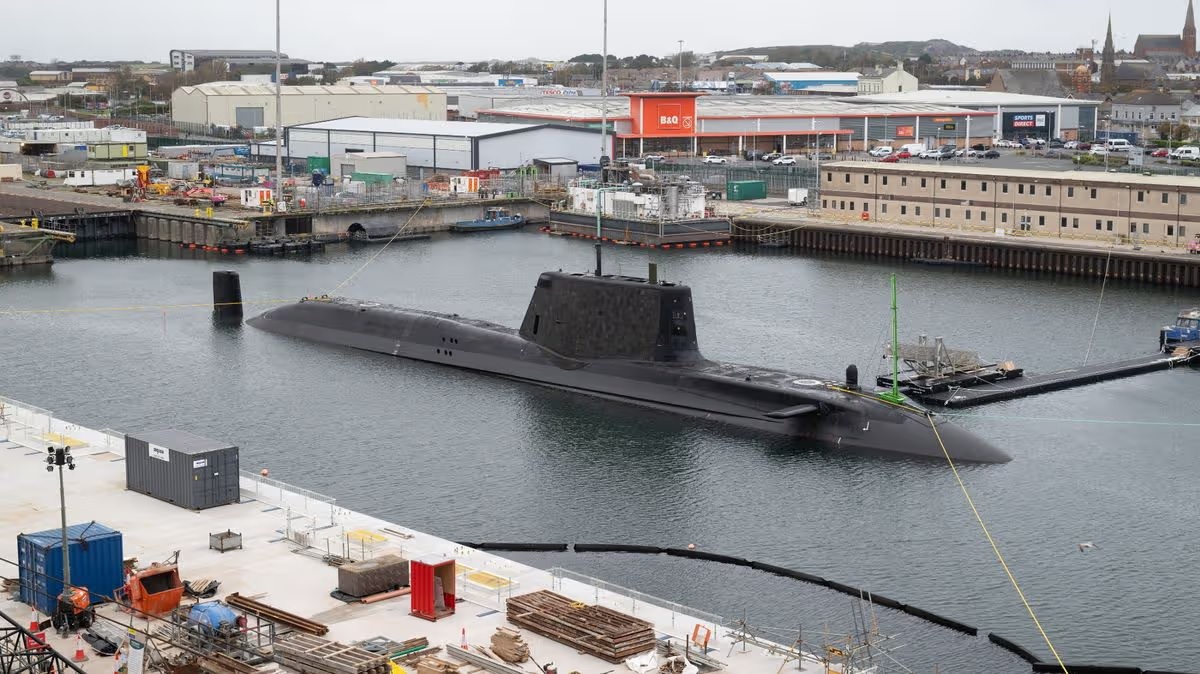 UK Left Without Active Attack Submarines as Entire Astute-Class Fleet Remains Stuck in Port
-
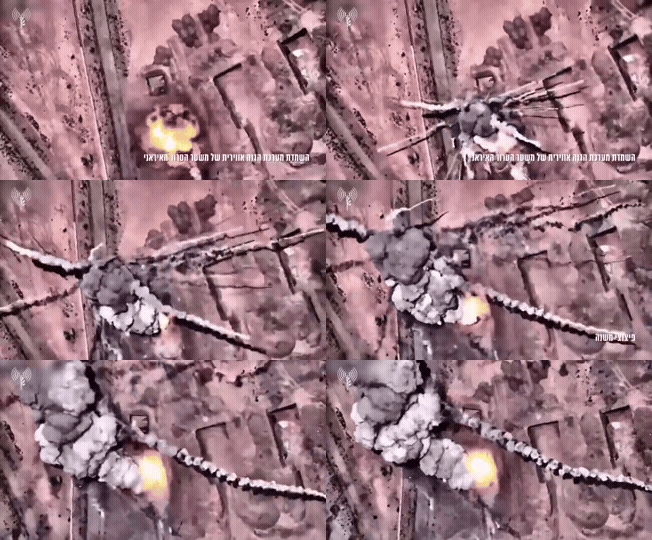 Israel Releases Strike Footage of Airstrikes on Iranian Air Defense Systems Near Tehran
-
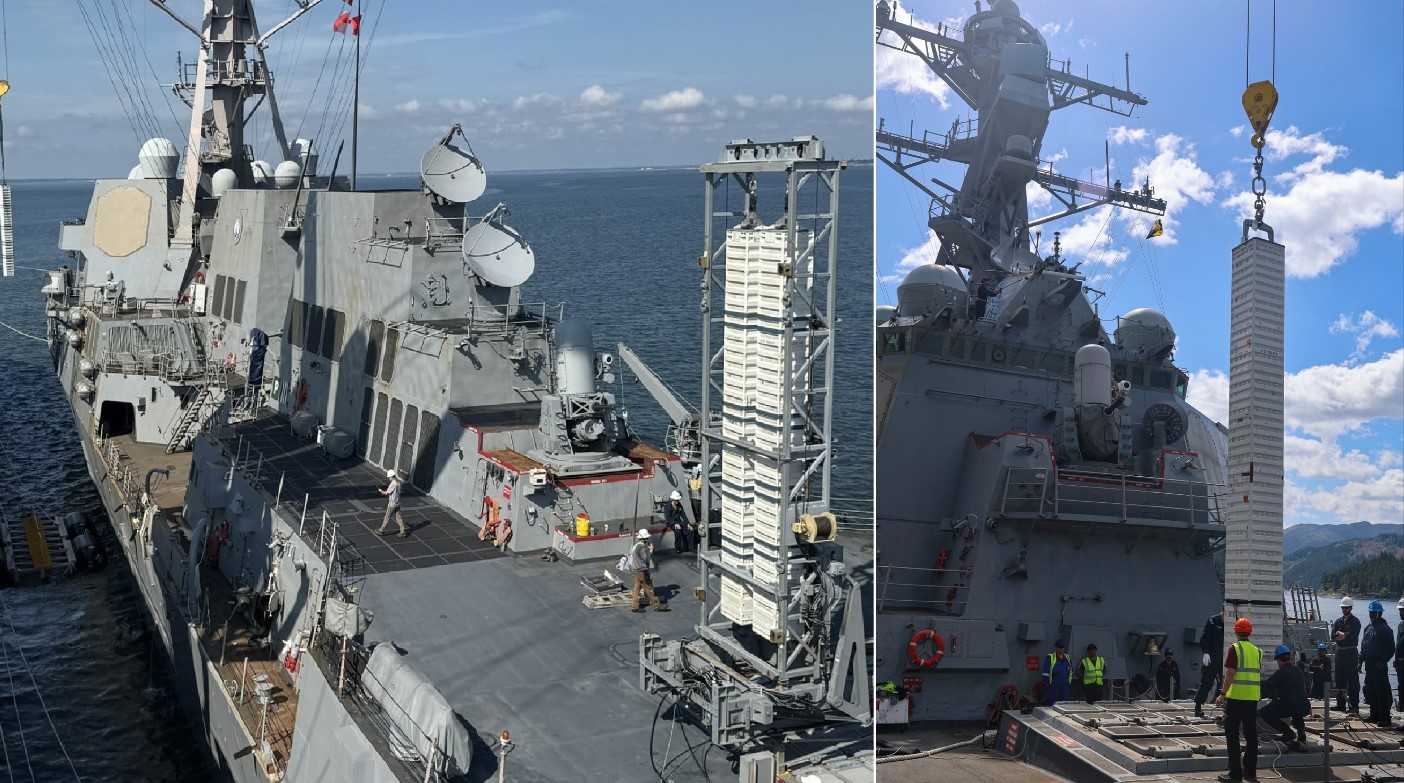 U.S. Congress Demands Navy Briefing on At-Sea VLS Reloading Capabilities in FY2027 NDAA
-
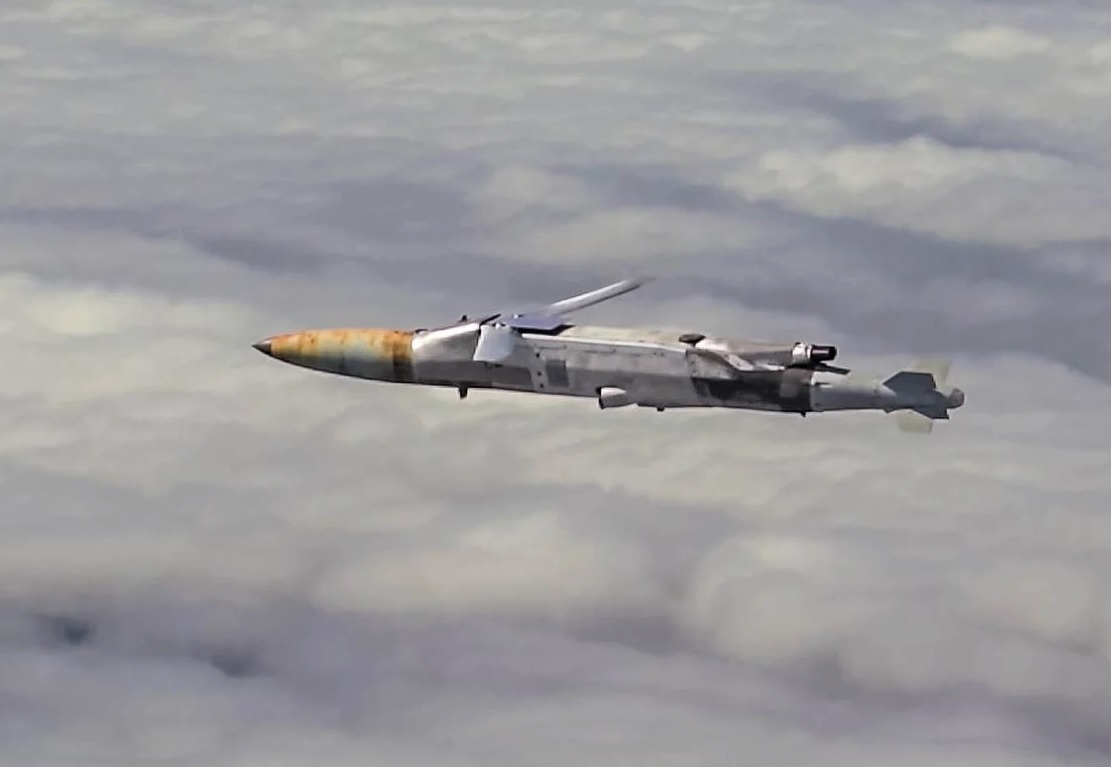 U.S. State Department Approves $106 Million JDAM Precision-Guided Munition Sale to South Korea
-
 Ukraine Deploys AI-Powered Air Defense System That Automates 95% of Shahed Drone Interceptions
Top Trending in 4 Days
-
 Iran Releases Footage of Qader Missile and Shahid Danaye Drone Launches Toward Two U.S. Navy Destroyers
-
 First Satellite of Russia's Rassvet Broadband Constellation Reenters Atmosphere After Less Than Three Months in Orbit
-
 Trump Administration Weighs Purchase of Chagos Islands to Secure Diego Garcia Base
-
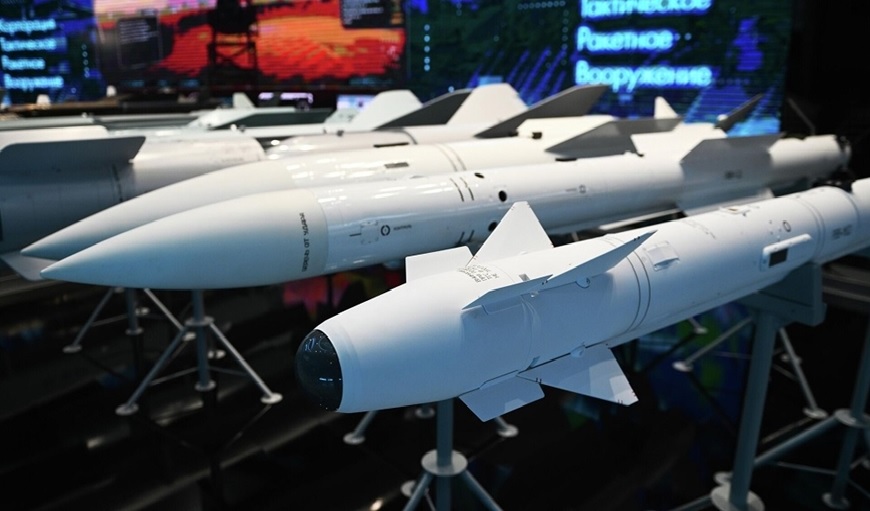 Leaked Contracts Reveal Russia Supplying Air-to-Air and Strike Missiles to Iran for Su-35 Fighter Fleet Through 2027
-
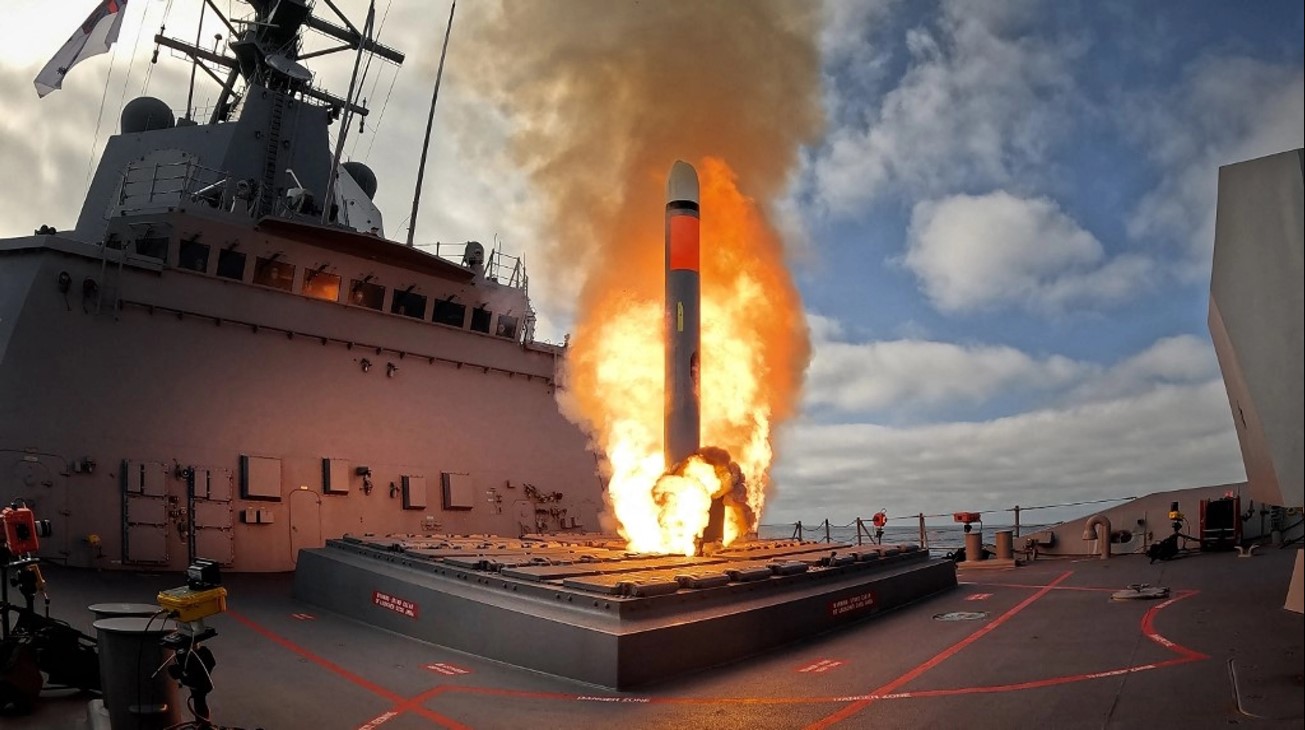 US Pentagon Expected to Cancel Tomahawk Missile Deal with Germany, Citing Russia Concerns
-
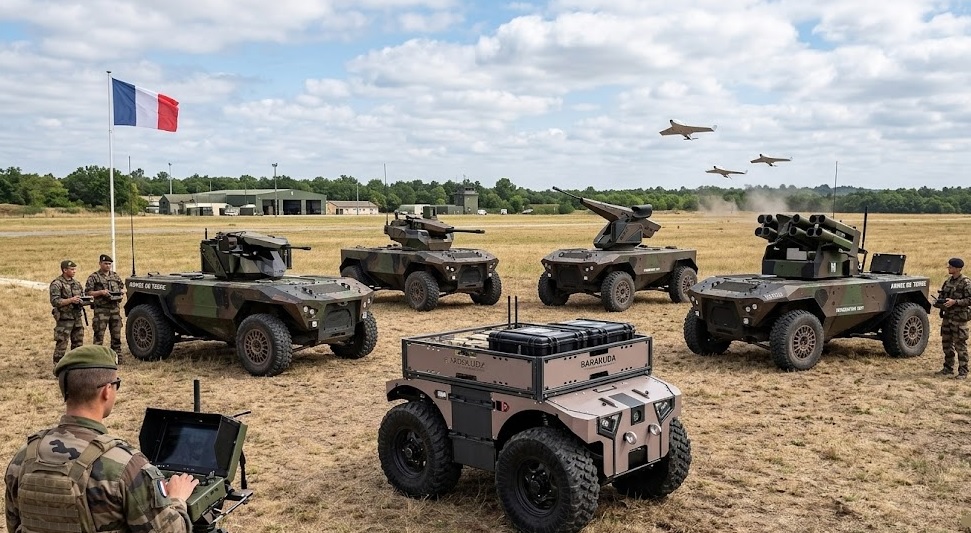 France Integrates New Unmanned Ground Vehicle Family for Modern Combat Operations
-
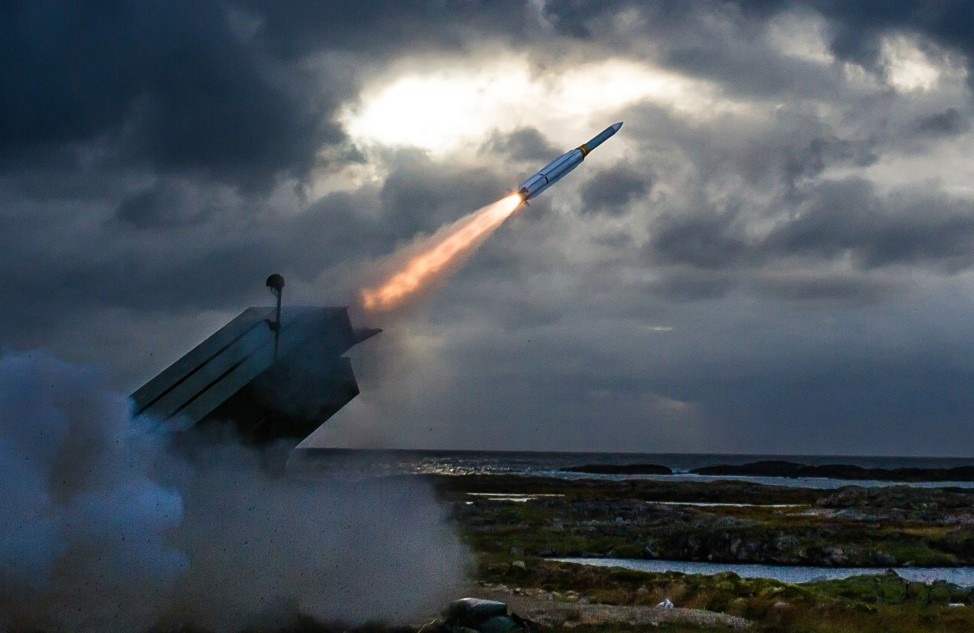 Taiwan Marine Corps Seeks NASAMS Air Defense Systems to Protect Naval Bases and Coastal Areas
-
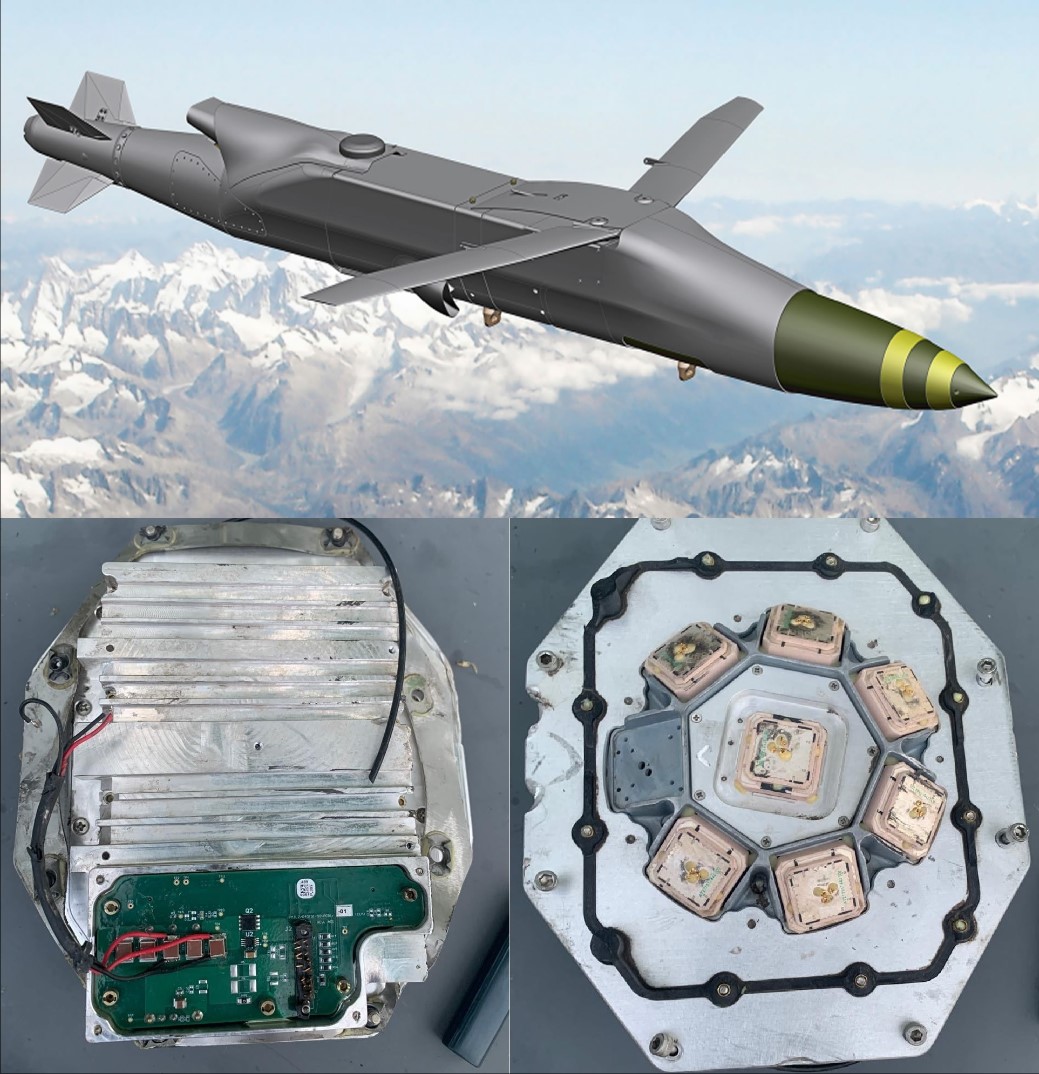 Missile Debris in Ukraine Suggests First Operational Use of U.S.-Made ERAM Cruise Missiles