KYIV, Ukraine — June 08, 2026 : Ukrainian defense technology company MaXon Systems has successfully deployed an autonomous air defense system designed to intercept Russian Shahed drones, marking a significant advancement in Ukraine’s efforts to counter the growing number of unmanned aerial attacks. Developed with support from Ukraine’s Brave1 defense innovation cluster, the system has already completed successful combat testing and entered operational use.
According to information released by Brave1 on May 22, the new system is directly integrated with Ukraine’s national radar network, enabling real-time detection and tracking of aerial threats. The technology automates approximately 95 percent of the interception process, reducing the workload on operators while maintaining human oversight during engagements.
Autonomous Interception Process
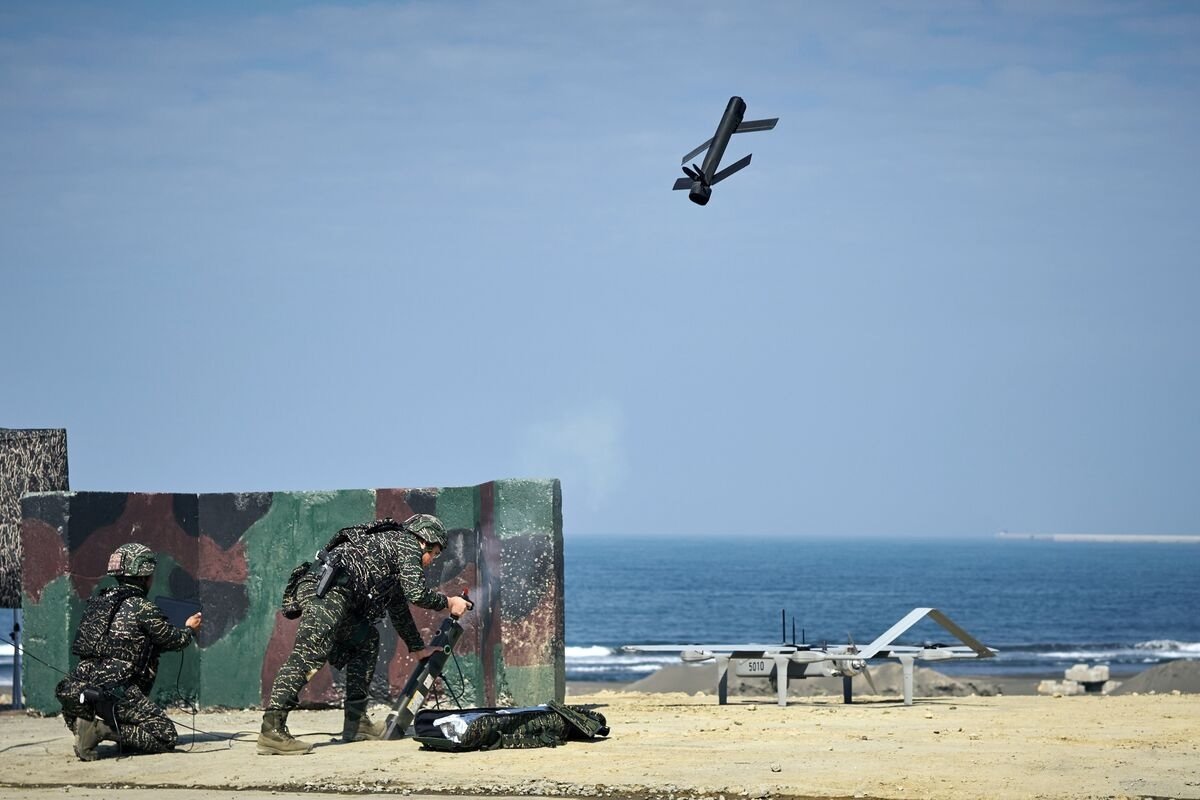
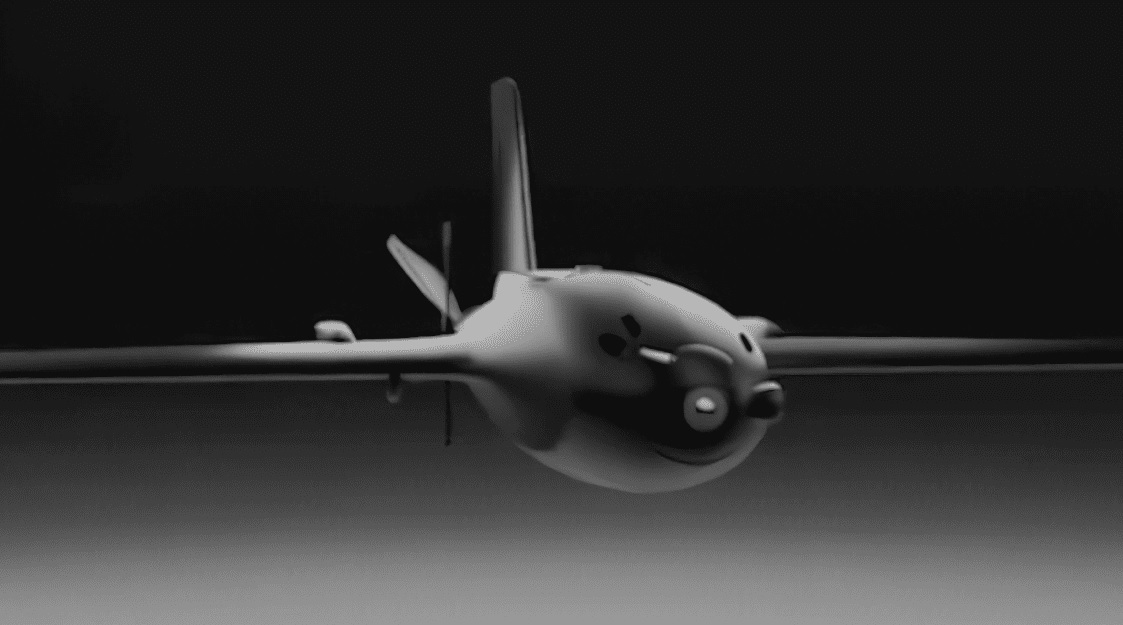
The MaXon platform utilizes high-speed interceptor drones that can be launched from either ground-based platforms or aerostats. During an engagement, an operator identifies an incoming target through a specialized interface and authorizes the interception.
Once the command is issued, the system autonomously guides the interceptor drone toward the target area without requiring manual piloting. As the interceptor approaches the threat, its onboard artificial intelligence (AI) automatically detects, identifies, and locks onto the hostile Shahed drone.
Despite the high level of automation, the platform incorporates a critical human-in-the-loop safeguard, allowing operators to cancel an attack at any point before impact, ensuring that final engagement decisions remain under human control.
Ukrainian-Made Technology and Performance
Founded in early 2025 by Oleksii Solntsev, MaXon Systems developed the interception platform using approximately 90 percent Ukrainian-made components.
The interceptor drones have an operational range of up to 30 kilometers and can reach speeds of 300 km/h, enabling them to effectively pursue current Shahed variants, which typically cruise at speeds between 200 and 250 km/h.
The company is also developing new propulsion technologies intended to enable the system to intercept future jet-powered Shahed variants and other faster aerial threats.
Low-Cost Alternative to Traditional Air Defense
A major advantage of the MaXon system is its cost efficiency. Each interceptor drone costs approximately $3,500, making it significantly less expensive than using traditional surface-to-air missiles against low-cost enemy drones.
Ukrainian defense officials view specialized interceptor drones as a sustainable and scalable solution for countering large numbers of unmanned aerial vehicles while preserving expensive missile inventories for more complex threats.
Developers estimate that between 20 and 25 interceptor units could provide comprehensive air defense coverage for Kyiv, helping defend the capital against large-scale drone attacks.
Successful Combat Testing in Kharkiv Region
The autonomous interception technology has already undergone successful combat trials in the Kharkiv region. Live operational testing was conducted by the 12th Separate Special Purpose Centre (12th SSPC), validating the system’s performance under battlefield conditions.
According to Brave1, MaXon Systems progressed from an initial prototype to battlefield deployment in less than a year, highlighting the rapid pace of innovation within Ukraine’s defense technology sector.
Investment and Production Expansion
To support development and scale production, MaXon Systems secured investment from Freedom Fund and Defender Ventures during its initial funding rounds in 2025.
The company later received additional financial backing from U.S.-based venture capital firm Green Flag Ventures in February 2026, enabling further research, development, and manufacturing expansion.
Part of Ukraine’s Broader Air Defense Strategy
The deployment of the MaXon platform forms part of Ukraine’s wider strategy to expand its “small” air defense network, which relies on specialized interceptor drones and other cost-effective technologies to counter increasing Russian drone attacks.
Ukrainian Defense Minister Mykhailo Fedorov has stated that the number of Shahed drones launched by Russia is increasing by approximately 35 percent every month, creating additional pressure on Ukraine’s multi-layered air defense system.
In response, Ukraine has accelerated the production and deployment of specialized interceptor drones and autonomous defense technologies.
According to Fedorov, the percentage of Russian Shahed drones destroyed by specialized interceptor systems has doubled over the past four months. Supplies of interceptor drones have also increased by 2.6 times during the same period, reflecting efforts to expand national air defense capabilities.
Ukraine has set a goal of achieving a stable 95 percent interception rate against aerial threats, with autonomous systems expected to play an increasingly important role in meeting that objective.
Growing Role of Autonomous Air Defense
Brave1 stated that the MaXon breakthrough is part of a broader effort to develop autonomous air defense solutions capable of responding more efficiently to mass drone attacks.
By combining artificial intelligence, real-time radar integration, and low-cost interceptor drones, the MaXon system provides a scalable alternative to traditional missile-based air defense. The technology is intended to complement existing air defense assets while improving Ukraine’s ability to counter the growing number of Shahed-type drones being deployed against the country.
As Ukraine continues adapting its defenses to evolving aerial threats, systems such as MaXon’s autonomous interceptor platform are expected to become an increasingly important component of the country’s multi-layered air defense network.
——— End of Article ———