WASHINGTON, — June 08, 2026 : The United States Department of State has approved a potential Foreign Military Sale (FMS) to the Republic of Korea for Joint Direct Attack Munition (JDAM) guidance kits and related support equipment, with an estimated value of $106 million. The approval, announced on June 5, is intended to strengthen South Korea’s precision-strike capabilities and support its ongoing defense modernization efforts.
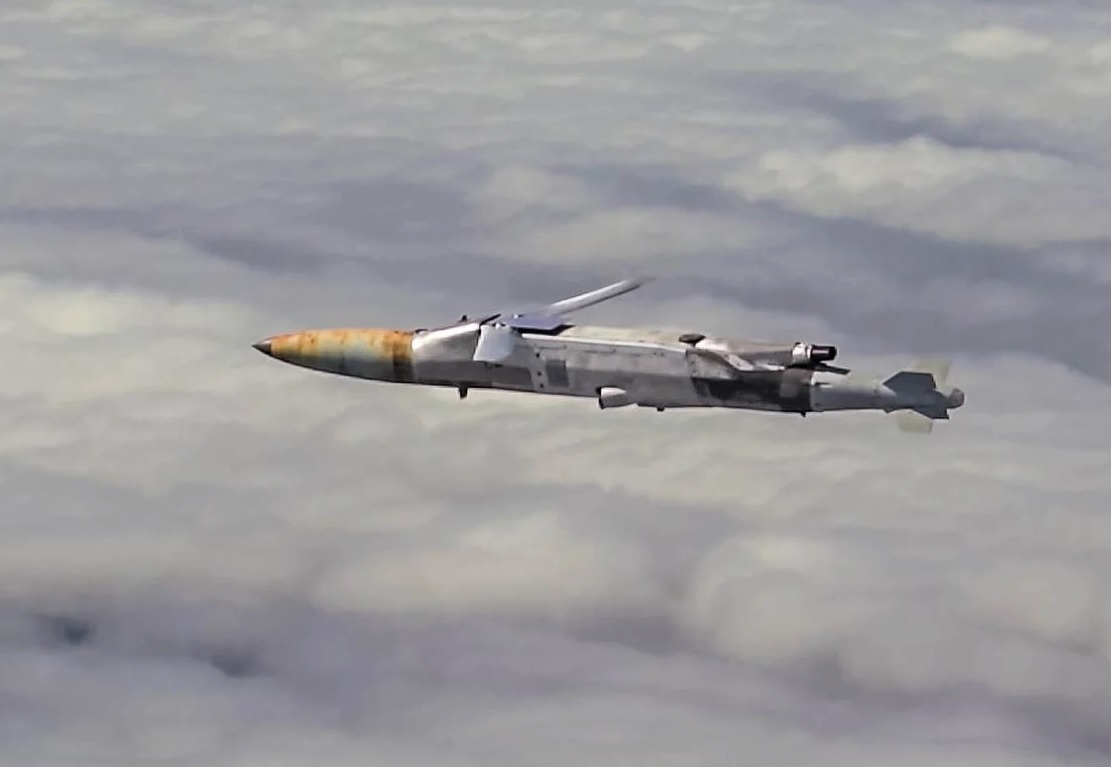
The proposed sale follows a formal request from the South Korean government for JDAM components that convert conventional unguided bombs into precision-guided weapons. By integrating GPS-aided inertial navigation systems, JDAM kits enable aircraft to engage targets with greater accuracy in various weather and operational conditions.
According to the approved package, South Korea will receive 708 KMU-557 JDAM tail kits and 58 KMU-572 JDAM guidance sets. The package also includes weapons support equipment, logistics and program support elements, engineering assistance, technical services, and contractor-provided sustainment support necessary for operational integration and long-term maintenance.
The U.S. Defense Security Cooperation Agency (DSCA) stated that the proposed sale supports U.S. foreign policy and national security objectives by enhancing the defense capabilities of a key ally in the Indo-Pacific region. South Korea remains one of Washington’s closest security partners and plays a significant role in maintaining regional stability and supporting economic development across the region.
U.S. officials noted that the acquisition will improve South Korea’s ability to respond to current and emerging security challenges by expanding its precision air-to-ground strike capability. The additional JDAM kits are expected to strengthen the Republic of Korea Air Force (ROKAF) capability to conduct accurate strikes against a range of targets while reducing the need for larger quantities of munitions during operations.
The State Department further emphasized that the proposed transfer will improve interoperability between South Korean and U.S. military forces. Interoperability remains a central component of the long-standing alliance between the two countries, enabling coordinated operations, joint exercises, and integrated defense planning.
Officials assessed that South Korea will be able to incorporate the equipment into its existing military infrastructure without difficulty. The country already operates JDAM-equipped aircraft, including advanced fighter platforms such as the F-15K and F-35A, making integration of the additional kits relatively straightforward.
The principal contractor for the sale is Boeing, headquartered in Arlington, Virginia. Boeing developed the JDAM system, which has become one of the most widely used precision-guided munition technologies among U.S. allies and partner nations. The system can be fitted to several types of conventional bombs, including Mk-82, Mk-83, Mk-84, and BLU-series weapons, significantly improving their accuracy through satellite-guided navigation.
U.S. authorities also stated that the proposed transaction will not adversely affect the readiness of U.S. armed forces. In addition, officials concluded that the introduction of the JDAM kits is not expected to alter the military balance in the region.
The approval represents another step in ongoing defense cooperation between Washington and Seoul. In recent years, the two countries have expanded collaboration on advanced military technologies, missile defense systems, precision-guided weapons, and joint operational capabilities as part of broader efforts to strengthen deterrence and regional security.
As with all Foreign Military Sales, the proposed deal remains subject to congressional notification and review before moving forward to a formal Letter of Offer and Acceptance (LOA). Once completed, implementation will include the delivery of equipment, technical assistance, logistics support, and training-related services to ensure effective integration into South Korea’s armed forces.
The proposed JDAM package reflects continued U.S. support for South Korea’s defense modernization program and reinforces the strategic partnership between the two allies amid evolving security challenges in the Indo-Pacific region.
——— End of Article ———