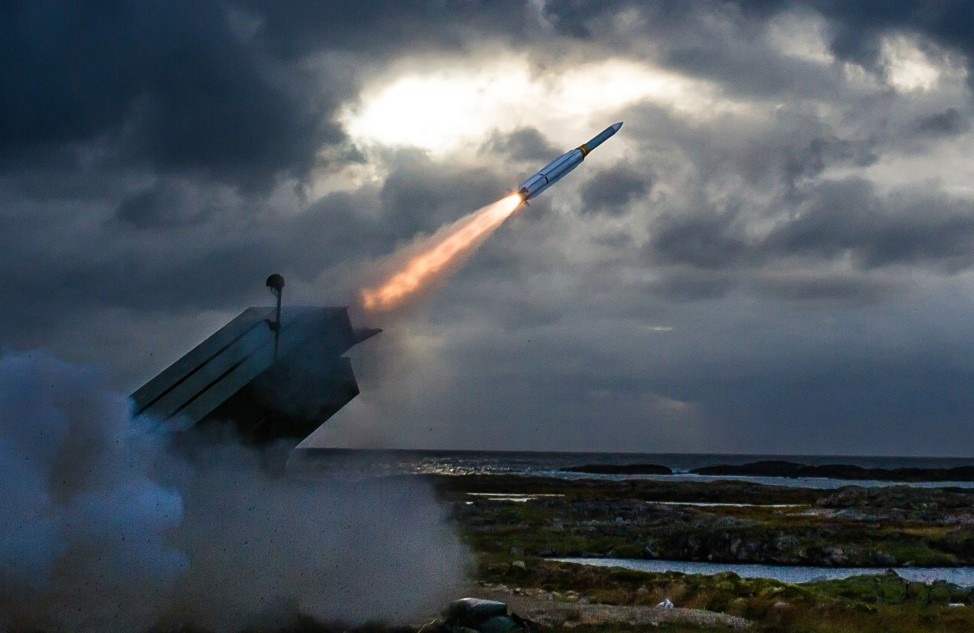
TAIPEI — June 06, 2026 : The Republic of China (Taiwan) Marine Corps is reportedly seeking to acquire the National Advanced Surface-to-Air Missile System (NASAMS) to strengthen the protection of naval facilities, coastal infrastructure, and potential amphibious landing areas against aerial threats, according to reports cited by Liberty Times.
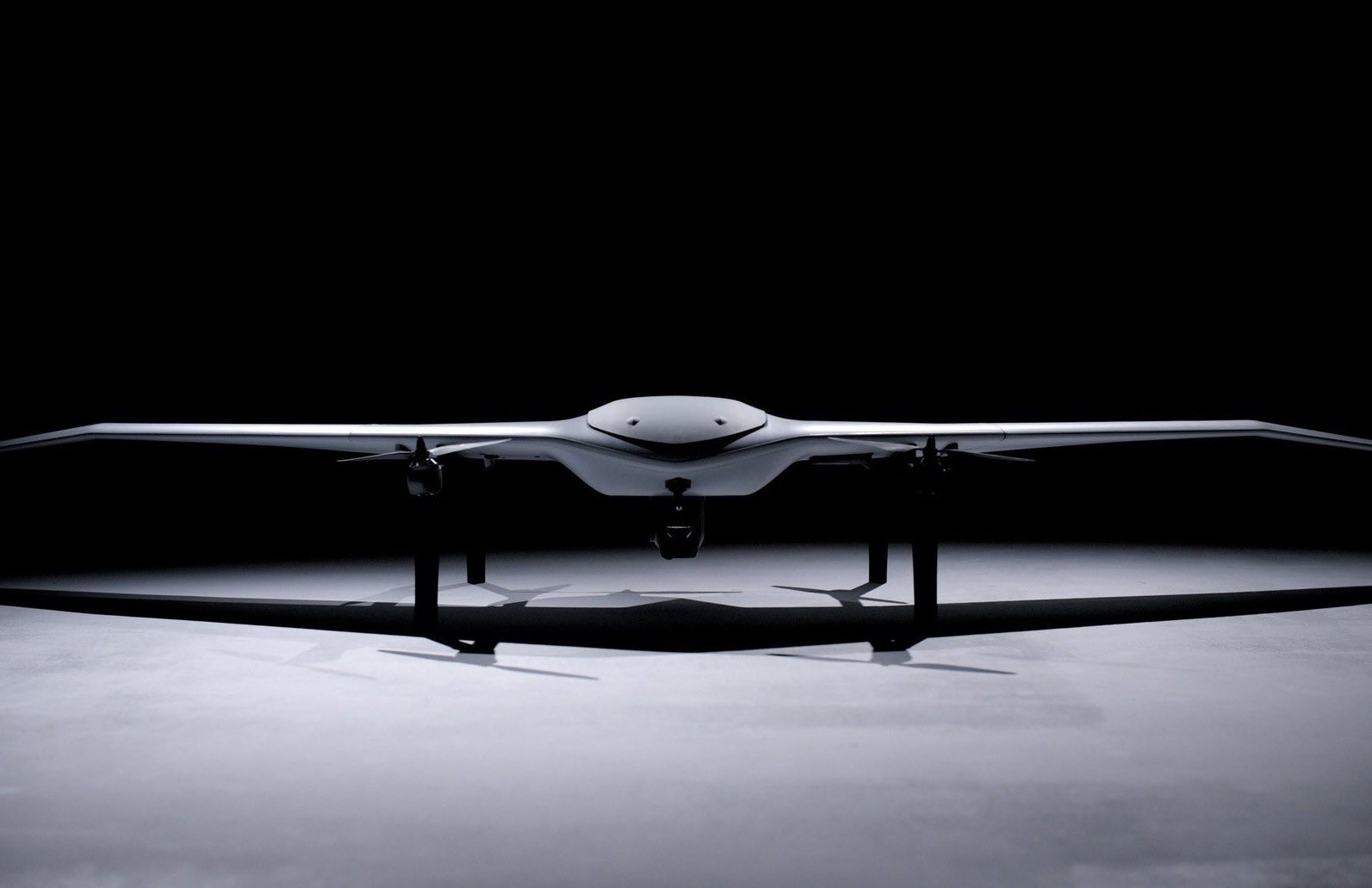
The proposed procurement would expand Taiwan’s ongoing efforts to enhance its layered air defense capabilities and improve protection against aircraft, helicopters, drones, cruise missiles, and other airborne threats. The Marine Corps is seeking the system as part of broader measures to secure critical coastal areas that could become key operational zones during a military contingency.
Focus on Naval Infrastructure and Beachhead Defense
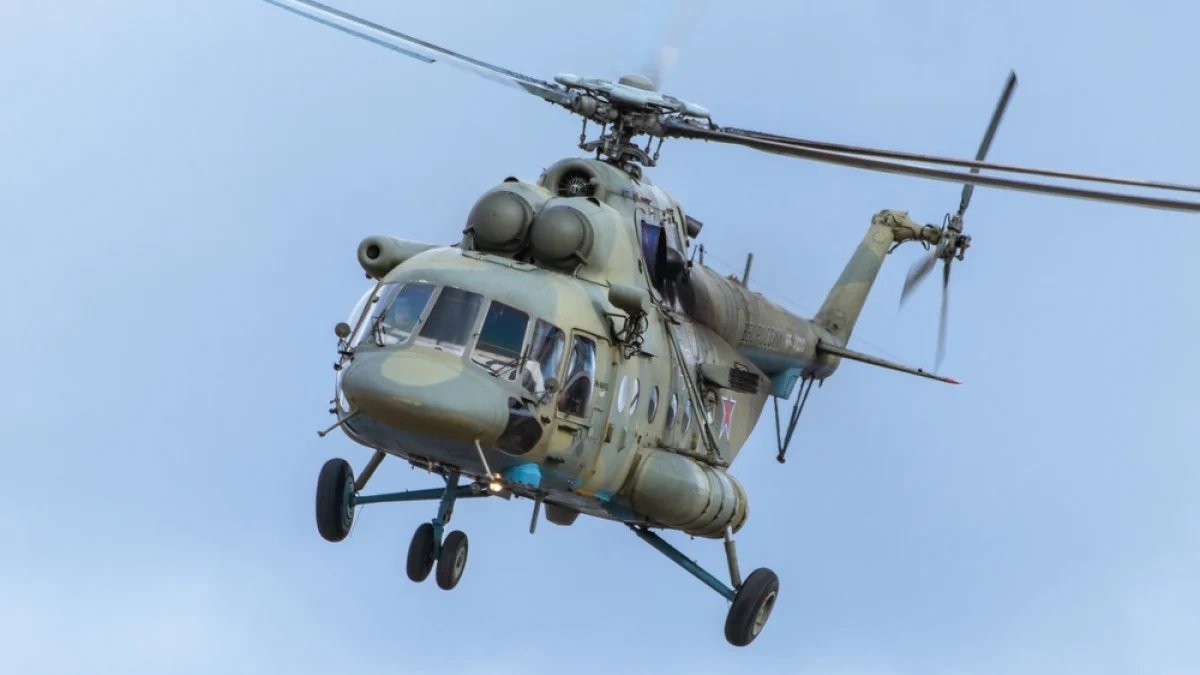
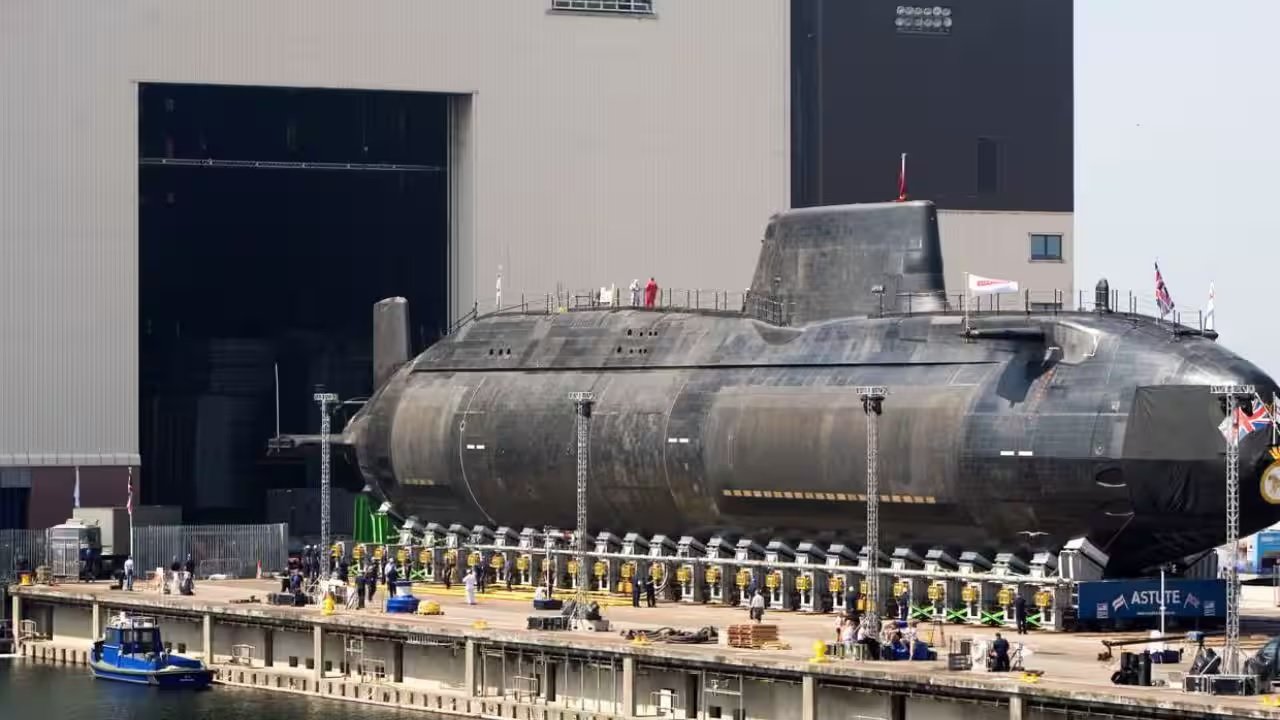
According to the report, the Marine Corps intends to deploy NASAMS around important naval installations, naval bases, and potential beachhead locations. Defense analysts have long assessed that, in the event of a conflict, Taiwan could face extensive aerial reconnaissance missions followed by amphibious operations, sea-lift deployments, or large-scale helicopter-borne troop assaults aimed at securing coastal footholds.
The deployment of NASAMS at these locations would provide area air defense coverage capable of engaging multiple aerial targets simultaneously, helping protect military infrastructure and operational forces positioned along Taiwan’s coastline.
NASAMS Capabilities
NASAMS is jointly developed by the United States-based Raytheon and Norway’s Kongsberg Defence & Aerospace. The system is designed as a networked short- to medium-range air defense platform and is currently operated by numerous countries worldwide.
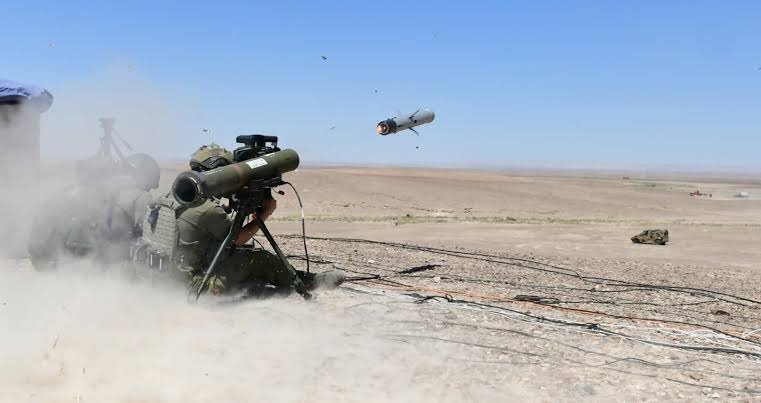
The system uses an open, network-centric architecture designed to maintain operational effectiveness in electronically contested environments. NASAMS is equipped with AN/MPQ-64F1 Sentinel radar systems and can employ several missile types, including the AIM-120 AMRAAM, AMRAAM-ER, and AIM-9X Sidewinder.
Using extended-range AMRAAM missiles, NASAMS can engage targets at ranges of up to approximately 50 kilometers. Its distributed architecture allows launchers, radars, and command-and-control elements to operate from separate locations while remaining connected through an integrated network.
The system has gained significant attention in recent years due to its operational use in defending critical infrastructure and military assets against aircraft, helicopters, cruise missiles, and unmanned aerial systems.
Part of Taiwan’s “T-Dome” Air Defense Strategy
The Marine Corps’ reported interest in NASAMS aligns with Taiwan’s broader effort to establish the “T-Dome” layered air defense network. The initiative seeks to integrate domestically developed systems with foreign-procured capabilities to create a resilient, mobile, and interconnected defense architecture capable of countering advanced aerial threats and uncrewed systems.
Taiwan’s military leadership views the development of a layered air defense structure as a key component of protecting critical military and civilian infrastructure across the island.
Existing NASAMS Procurement Underway
Taiwan’s Air Force has already begun acquiring NASAMS as part of its air defense modernization program. Under previously announced procurement plans, Taiwan secured an initial package valued at approximately US$1.16 billion (NT$35.74 billion), including three NASAMS batteries, 123 AMRAAM-ER missiles, Sentinel radars, mobile launchers, and associated command-and-control equipment.
A separate contract worth approximately NT$24.98 billion (US$761 million) has also been reported for three NASAMS systems. Deliveries of the initial units are scheduled to be completed before the first quarter of 2031.
To support the program, Taiwan recently dispatched Air Force personnel to the United States to oversee contract implementation, system configuration, logistics coordination, and integration efforts aimed at maintaining the planned delivery timeline.
Plans for Additional NASAMS Batteries
The first three NASAMS systems are expected to be deployed in the Greater Taipei area to provide protection for the capital, government facilities, military infrastructure, and major population centers.
Taiwan’s Ministry of National Defense is also reportedly planning a second procurement phase that could include an additional nine NASAMS units and hundreds of missiles. If approved, the expansion would increase Taiwan’s NASAMS inventory to as many as twelve batteries.
The additional systems are expected to be positioned around strategic radar stations, air bases, urban centers, and other critical military facilities across northern, central, southern, and eastern Taiwan.
Expanding Coastal Air Defense Coverage
The Marine Corps’ request highlights Taiwan’s growing emphasis on protecting coastal areas, ports, naval installations, and potential landing zones. These locations are considered among the most strategically important objectives during a conflict and are increasingly viewed as requiring dedicated air defense coverage.
Military analysts note that NASAMS would complement Taiwan’s existing air defense network, which includes Patriot missile systems, Sky Bow surface-to-air missiles, Avenger systems, Stinger missiles, and other domestically developed air defense assets. The system’s ability to share targeting information and integrate with wider command-and-control networks is regarded as one of its key operational advantages.
While Taiwan’s Ministry of National Defense and the Marine Corps have not publicly disclosed detailed procurement figures for the reported requirement, the proposal reflects continued efforts to strengthen protection of naval facilities and coastal operational areas as part of Taiwan’s evolving air and missile defense architecture.
——— End of Article ———