World
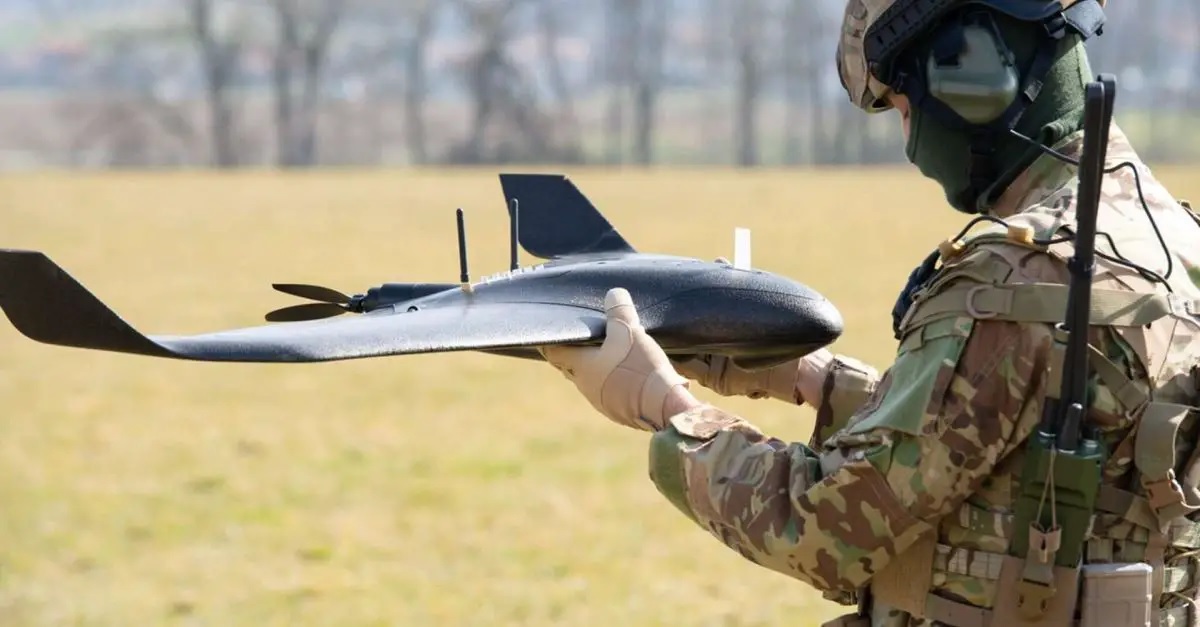
France AgEagle Aerial Systems Inc. secures its largest contract ever, supplying 40 eBee VISION systems to the French Army for intelligence and surveillance missions, projecting $3.4 million in revenue for 2024.AgEagle Aerial Systems Inc. has just clinched its largest contract ever, marking a significant milestone for the company. The deal involves supplying 40 eBee VISION systems and nine other eBees, which include drones, sensors, datalinks, and control stations, to the French Army. These systems are specially designed for public safety, intelligence surveillance, and reconnaissance missions.This contract is projected to bring in approximately $3.4 million in revenue for fiscal year 2024. It's a big win for AgEagle, showcasing their commitment to growth in the defense sector. Bill Irby, AgEagle’s CEO, emphasized the importance of this contract, highlighting how it underscores their strategy in defense and their ability to tailor solutions for specific military needs.Mark DiSiena, AgEagle’s CFO, also chimed in, stressing the significance of this partnership for both parties. He noted the financial boost this deal brings, along with the validation of AgEagle's capability to secure and fulfill large-scale contracts.This collaboration not only strengthens AgEagle’s position as a leading provider of unmanned vehicle products but also emphasizes their dedication to serving both military and civilian markets. The company is proud to align itself with the French Army and looks forward to continued success in the defense sector.Overall, this contract represents a significant step forward for AgEagle, demonstrating their expertise, reliability, and potential for future growth in the defense industry.
Read More → Posted on 2024-05-07 06:23:27
World
Israel Hamas War Hamas has accepted a mediated proposal by Qatar and Egypt, aiming to de-escalate tensions and pave the way for peace in Gaza, including the release of Israeli hostages and Palestinian prisoners, and a comprehensive rebuilding plan.Hamas has accepted a proposal mediated by Qatar and Egypt, marking a potential breakthrough in the ongoing conflict in Gaza, CNN reported.The proposal, outlined in a document obtained by CNN from a reliable source in the region, lays out a comprehensive plan aimed at de-escalating tensions and paving the way for sustainable peace.According to the document, the agreement will be implemented in three phases, each lasting 42 days. The first phase entails the release of 33 Israeli hostages, including women, children, the elderly, and the sick, over the course of six weeks.In exchange, Israeli forces will gradually withdraw from parts of Gaza, reconnaissance flights will be halted for 10 hours daily, and disarmed Palestinians will be allowed free movement throughout the Gaza Strip. Additionally, hundreds of Palestinian prisoners are set to be released, with specific criteria outlined for the exchange process, as reported by CNN.Notably, the agreement stipulates that for every Israeli hostage released by Hamas, 30 Palestinian women and children will be released, along with 30 Palestinian prisoners over the age of 50 for each Israeli hostage in the same age group. Furthermore, female IDF soldiers are included in the 33 hostages, with Israel agreeing to release 50 Palestinian prisoners for every IDF woman soldier released, including 30 serving life sentences.The humanitarian aspect of the agreement is underscored by an extensive effort to facilitate the entry of aid into Gaza, including makeshift shelters and homes, as well as the rehabilitation of key infrastructure such as hospitals and the electric plant.The second phase of the agreement is set to focus on achieving a sustainable period of calm in Gaza, along with the release of the remaining hostages, including civilian men and IDF male soldiers. While specific details of this phase were not fully disclosed in the document, it is anticipated to build upon the progress made in the first phase, according to CNN.The third and final phase of the agreement outlines a comprehensive rebuilding plan for Gaza, spanning three to five years. This phase underscores the long-term commitment to rebuilding the region and fostering stability and prosperity for its inhabitants.International efforts to broker a ceasefire and facilitate the implementation of the agreement are underway, with a Qatari delegation scheduled to continue indirect negotiations in Cairo. United Nations Secretary-General Antonio Guterres has called on both the Israeli government and Hamas to agree to a ceasefire deal, following Hamas's acceptance of the proposal put forth by Egypt and Qatar.The developments have sparked hope among officials and stakeholders, with Qatar expressing optimism for a swift resolution to the conflict and the sustainable flow of humanitarian aid into Gaza. Jordanian Minister of Foreign Affairs Ayman Safadi has also echoed these sentiments, emphasising the urgent need for a comprehensive agreement to be reached, CNN reported.
Read More → Posted on 2024-05-07 06:20:04
World
U.S ,Ukraine Ukraine seeks the MQ-9 Reaper drone from the US for surveillance purposes amid rising tensions with Russia, aiming to bolster its defense capabilities and deter further aggression. This move follows assurances that the drone will solely be used to identify Russian targets deep behind frontlines, minimizing the risk of interception or capture.Amid escalating tensions in Ukraine, the country has expressed a strong desire to acquire the MQ-9 Reaper drone from the United States. This move comes as Ukraine gears up for another significant counteroffensive this year. Initially, Kyiv had sought this advanced drone for its strike and reconnaissance capabilities. However, concerns over its vulnerability to Russian countermeasures had stalled the acquisition process.Recent developments indicate a notable shift in Ukraine's request. Sources familiar with the matter reveal that Ukraine has assured the United States that the MQ-9 Reaper will be solely utilized for surveillance purposes. Specifically, it will aid in identifying Russian targets located deep behind the frontlines. This strategic shift aims to minimize the risk of the drone being intercepted or captured by Russian forces.If the United States decides to fulfill Ukraine's request, modifications are likely to be made to the MQ-9 Reaper, including the removal of its heavy payloads such as air-to-ground Hellfire missiles. This adjustment aligns with Ukraine's commitment to using the drone exclusively for surveillance missions.The MQ-9 Reaper stands out as one of the most advanced drones in the US military arsenal. With an impressive flight endurance of nearly 25 hours, coupled with Raytheon's electro-optical multispectral targeting system, it provides real-time intelligence, targeting, and tracking capabilities. Despite its sophisticated features, recent incidents have raised concerns about its vulnerability to Russian tactics.Earlier this year, a Russian Su-27 fighter jet successfully neutralized one MQ-9 Reaper during an aerial encounter over the Black Sea. The US European Command condemned the incident, citing reckless behavior by the Russian pilots. Moreover, Moscow's announcement of plans to reverse-engineer the MQ-9 Reaper has fueled speculation about Russia's intentions to replicate the American drone.The decision to revive Ukraine's request for the MQ-9 Reaper comes on the heels of the US's covert deployment of the long-range variant of its Army Tactical Missile System (ATACMS) to Ukraine. These two systems could complement each other effectively, with the MQ-9 Reaper providing target information and the ATACMS ensuring precision strikes.This move is part of a broader effort to bolster Ukraine's defense capabilities amidst ongoing tensions with Russia. The recent passage of a $61-billion supplemental aid bill underscores the international community's support for Ukraine's sovereignty. Ukrainian military officials have confirmed plans for another counteroffensive action later this year, signaling the country's readiness to defend its territory.In summary, Ukraine's pursuit of the MQ-9 Reaper drone for surveillance reflects its commitment to enhancing its defense capabilities in the face of escalating tensions. By leveraging advanced technology and international support, Ukraine aims to safeguard its sovereignty and deter further aggression.
Read More → Posted on 2024-05-07 06:16:45
World
Australia Austal completes sea trials for Royal Australian Navy's Sentinel autonomous patrol vessel, showcasing advanced maritime autonomy technology developed in collaboration with Greenroom Robotics. Formerly the HMAS Maitland, the vessel underwent rigorous testing off the Western Australian coast, paving the way for future autonomous naval operations.Austal, in collaboration with Greenroom Robotics, has accomplished the sea acceptance and endurance trials for the Royal Australian Navy’s Sentinel autonomous patrol vessel. These trials, held off the Western Australian coast, marked a significant milestone in the development of autonomous maritime technology.The testing involved a series of rigorous assessments, including simultaneous autonomy and remote-controlled operations using Advanced Maritime Autonomy software provided by Greenroom Robotics. Experts from the International Maritime Services, along with designated crews, closely monitored the vessel's performance as it navigated through various scenarios, evaluating its ability to respond to unexpected events and manual interventions.One of the highlights of these trials was the comprehensive evaluation of regulatory and legal considerations to ensure the safety and compliance of the vessel's autonomous operations. This aspect is crucial for the integration of autonomous technology into maritime practices, emphasizing the commitment to maintaining high standards of safety and regulatory compliance.The Sentinel autonomous patrol vessel, formerly known as the HMAS Maitland, is a product of the Patrol Boat Autonomy Trial (PBAT) program. This initiative, funded by the Commonwealth of Australia, aims to repurpose decommissioned naval vessels into robotic testbeds for future autonomous endeavors. The transformation of the HMAS Maitland into the Sentinel involved significant modifications to support autonomous operations, including enhancements to navigation systems, surveillance capabilities, and electrical infrastructure.The PBAT program not only focuses on achieving autonomous and remote certifications but also seeks to explore various aspects of unmanned operations, such as fuel management, navigation systems, and communication protocols. By leveraging the capabilities of the Sentinel, the program aims to enhance the Royal Australian Navy's understanding of autonomous technology and optimize crew workload for future naval projects.Looking ahead, Austal Limited CEO Paddy Gregg expressed enthusiasm about the potential opportunities to collaborate with the Navy on advancing autonomous technology. Projects like the Large Optionally Crewed Surface Vessels (LOSV), recently announced by the Australian Government, present avenues for further innovation and integration of autonomous systems into the Navy's fleet.The successful completion of the sea trials underscores the progress made in autonomous maritime technology and sets the stage for future advancements in naval operations. With continued collaboration and innovation, autonomous patrol vessels like the Sentinel are poised to play a significant role in enhancing maritime security and efficiency in the years to come.
Read More → Posted on 2024-05-06 15:42:38
World
U.K The Royal Navy's digital technology systems are set for significant upgrades through a new contract with Sierra Nevada Corporation (SNC) – Mission Systems UK, enhancing capabilities for high-risk operations worldwide while creating skilled job opportunities in Wales and the South-West of England.The Royal Navy is set to receive a significant upgrade in its digital technology systems thanks to a new contract awarded to Sierra Nevada Corporation (SNC) – Mission Systems UK. This two-year contract, with the option for an additional two years, aims to enhance the current arrangements used during high-risk operations worldwide.While the Ministry of Defence already owns the technology's design, they've taken an innovative step by partnering with SNC Mission Systems UK to further enhance its capabilities. This collaboration will involve close work with the Future Capability Innovation (FCI) team in DE&S.The focus of this initiative, part of the Integrated Procurement Model, is to ensure the efficient delivery, support, and ongoing development of digital technology for frontline users across the Royal Navy, the Royal Fleet Auxiliary, and the Royal Marines, both domestically and during operations abroad.In addition to technological advancements, this contract is expected to create up to 13 new highly-skilled jobs and sustain a further 25 roles across Small to Medium Enterprises in Wales and the South-West of England.The contract was facilitated by the FCI team within DE&S, supported by the MOD’s Commercial X. This partnership exemplifies the Defence's commitment to faster and more efficient procurement processes under the Integrated Procurement Model.This initiative highlights the collaborative effort between the government and industry to ensure the Royal Navy has access to cutting-edge technology to support its operations effectively.
Read More → Posted on 2024-05-06 15:36:54
World
Myanmar In western Rakhine state, the Arakan Army captures a military command, escalating clashes with the junta since November's ceasefire collapse. The conflict, rooted in ethnic autonomy struggles, underscores ongoing instability in Myanmar's border regions.In a recent development in western Rakhine state, an ethnic armed group known as the Arakan Army (AA) has announced the capture of a military command, dealing a significant blow to the ruling military junta. This incident marks the latest escalation in clashes that have plagued the region since November, following the AA's attack on security forces, which effectively ended a ceasefire established after the military coup in 2021.The captured military facility, identified as "Military Operations Command 15," is situated near the town of Buthidaung, approximately 90 kilometers north of the state capital, Sittwe. Although the exact timing of the capture remains unspecified, reports of ongoing clashes in the vicinity have been circulating in local media.A video released by the AA's media channel depicted scenes of the captured site, showcasing a procession of individuals, including apparent junta personnel, being led through a field. The footage revealed men, some dressed in military attire while others in civilian clothing, accompanied by women and children. Notably, some individuals appeared injured, with makeshift stretchers being used to transport them.Reports indicate that following a period of siege, the junta troops ultimately surrendered after facing a "final assault" by the AA fighters. Images from the video showed hundreds of individuals seated in rows in an open area, under the watchful gaze of armed personnel.The Arakan Army, among several ethnic minority armed groups in Myanmar's border regions, asserts its struggle for greater autonomy on behalf of the state's ethnic Rakhine population. The region has a history of conflict dating back to Myanmar's independence from Britain in 1948, driven by disputes over autonomy and control of valuable resources.Previous clashes between the AA and the military in 2019 resulted in the displacement of around 200,000 people. Additionally, the Rakhine state witnessed a brutal crackdown on the Rohingya minority by the military in 2017, which has since become the subject of a United Nations genocide court case.Since the outbreak of hostilities in November, fighting has spread across 15 of Rakhine state's 17 townships, leading to significant casualties and the displacement of over 300,000 individuals, according to the UN's human rights chief.The ongoing conflict in Rakhine state underscores the complex dynamics and enduring grievances among Myanmar's diverse ethnic groups, highlighting the urgent need for a peaceful resolution and inclusive dialogue to address the root causes of instability and violence in the region.
Read More → Posted on 2024-05-06 15:31:00
World
Russia Amid escalating tensions, Russia announces tactical nuclear drills in response to Western remarks on Ukraine, while Ukrainian drones target vehicles in Russian border region.Russia plans to hold drills simulating the use of tactical nuclear weapons, the Defense Ministry announced Monday, days after the Kremlin reacted angrily to comments by senior Western officials about the war in Ukraine.The drills are in response to “provocative statements and threats of certain Western officials regarding the Russian Federation,” the Defense Ministry said in a statement.It was the first time that Russia has publicly announced drills involving tactical nuclear weapons, though its strategic nuclear forces regularly hold exercises. Tactical nuclear weapons have a lower yield compared to massive warheads that arm intercontinental ballistic missiles intended to obliterate entire cities.The announcement appeared to be a warning to Ukraine’s Western allies about becoming more deeply involved in the more than two-year war. Some of Ukraine’s Western partners have previously expressed concern about stoking the war amid fears it could spill beyond Ukraine and into a conflict between NATO and Russia.French President Emmanuel Macron repeated last week that he doesn’t exclude sending troops to Ukraine, and U.K. Foreign Secretary David Cameron said Kyiv’s forces will be able to use British long-range weapons to strike targets inside Russia.The Kremlin branded those comments as dangerous, heightening tension between Russia and NATO. The war already has placed significant strain on relations between Moscow and the West.It wasn’t the first time Europe’s military support for Ukraine has irked Russian authorities and prompted nuclear saber-rattling. In March last year, after the U.K. government’s decision to provide Ukraine with armor-piercing shells containing depleted uranium, Putin announced that he intends to deploy tactical nuclear weapons on the territory of Belarus.Tactical nuclear weapons include air bombs, warheads for short-range missiles and artillery munitions and are meant for use on the battlefield.The ministry said the exercise is intended to “increase the readiness of non-strategic nuclear forces to fulfill combat tasks” and will be held on President Vladimir Putin’s orders. The maneuvers will involve missile units of the Southern Military District along with the air force and the navy, it said.Meanwhile, Ukrainian drones hit two vehicles Monday in Russia’s Belgorod region, killing six people and injuring 35 others, including two children, local authorities said, in an area frequently struck by Kyiv’s forces in recent months.One of the vehicles was a minibus that was carrying farm workers, Belgorod Gov. Vyacheslav Gladkov said.No other details were immediately available, and it was not possible to independently confirm the report from the border region.While Ukraine’s army is largely pinned down on the 1,000-kilometer (600-mile) front line due to a shortage of troops and ammunition after more than two years of fighting, it has used its long-range firepower to hit targets deep inside Russia. The apparent aim is to disrupt Russia’s war logistics system by hitting oil refineries and depots, and unnerve the Russian border regions.The Belgorod region was a staging ground for Russia’s full-scale invasion of Ukraine in February 2022. It has come under regular attack ever since Russian forces retreated there from northeastern Ukraine early in the war following a counteroffensive by Kyiv.In what has largely been a war of attrition, Russia has also relied heavily on long-range missile, artillery and drones to wreak damage on Ukraine.At the end of last year, Belgorod officials said 25 people were killed, including five children, and more than 100 were injured in a Ukrainian attack, and regular rocket and drone strikes have continued since then. The area can be reached by relatively simple and mobile weapons such as multiple rocket launchers from forests on the Ukrainian side.Russian authorities said in March they planned to evacuate about 9,000 children from the area because of continuous shelling, after Putin said he wanted to create a buffer zone to help protect border regions.Also, the Kremlin's forces kept up their bombardment of Ukraine's power grid, with a nighttime Russian drone attack targeting energy infrastructure in Ukraine’s northern region of Sumy. Multiple towns and villages in the region, including Sumy, lost power, regional authorities said.Russia attacked Ukrainian targets with 13 Shahed drones overnight, 12 of which were intercepted in the Sumy region, Ukraine’s air force said.
Read More → Posted on 2024-05-06 15:16:50
World
U.S Kraken Technology Group and BlueHalo collaborate to integrate AI/ML solutions into unmanned maritime systems, enhancing situational awareness and defense capabilities against airborne threats.In a significant move towards bolstering maritime defense capabilities, British defense contractor Kraken Technology Group has teamed up with US-based company BlueHalo to integrate advanced artificial intelligence and machine learning (AI/ML) solutions into unmanned surface and underwater systems.The collaboration between Kraken and BlueHalo aims to equip Kraken's platforms with BlueHalo's autonomous capabilities. This includes the enhancement of various Kraken vehicles such as the K3 Scout sea drone, the K4 Manta surveillance submarine, and the K5 Kraken littoral gunship with AI/ML technology.Additionally, BlueHalo’s Titan and SkyView radio frequency-based counter-drone payloads will be incorporated into Kraken’s fleet, providing protection against airborne threats during maritime operations.Jonathan Moneymaker, CEO of BlueHalo, expressed enthusiasm about the partnership, stating that this expansion into the maritime domain aligns with their long-term strategic vision. He emphasized the importance of adapting leading technologies to different domains to out innovate adversaries and enhance protection capabilities.The integration of BlueHalo's AI/ML products will serve as the primary core of Kraken vehicles’ autonomous operations. This strategic move is expected to improve situational awareness, autonomous navigation, and facilitate multi-vessel swarming, ultimately supporting hybrid maritime operations.The collaboration between Kraken and BlueHalo is anticipated to yield innovations in maritime autonomy and other solutions for national security applications.Mal Crease, CEO of Kraken Technology Group, highlighted the synergies between the two companies, emphasizing their shared vision and expertise. He emphasized the partnership's objective of deploying game-changing capabilities at pace to meet the growing market demand.Kraken has a track record of successful collaborations and projects in the defense industry. In 2023, the company worked with L3Harris to enhance the performance of the Manta submarine drone prototype, enabling it to carry heavier payloads over longer distances. Additionally, Kraken partnered with Thales in 2022 to enhance the maritime precision capabilities of the K5 Kraken, integrating sensors and lightweight multi-role missiles into the vehicle.Furthermore, Kraken secured additional funding in 2022 to support the production of the K5 gunship, reflecting the increased demand for the platform. This investment was utilized to establish a dedicated factory in the UK.In conclusion, the partnership between Kraken Technology Group and BlueHalo signifies a significant step forward in advancing maritime defense capabilities through the integration of AI/ML technology. By leveraging their expertise and resources, both companies are poised to deliver innovative solutions to address evolving security challenges in the maritime domain.
Read More → Posted on 2024-05-06 15:11:44
World
India Israeli authorities seize Al Jazeera's equipment and halt broadcasts, citing national security threats amid tensions with Hamas.The recent decision by the Israeli government to shut down Al Jazeera's operations in Israel has sparked controversy and raised concerns about freedom of the press.On Sunday, Israeli authorities took swift action to implement the decision, seizing Al Jazeera's broadcasting equipment from its Jerusalem offices and temporarily halting its broadcasts on major TV providers in the country.The government cited national security concerns as the primary reason for shutting down the Qatari news outlet. Israeli Communications Minister Shlomo Karhi labeled Al Jazeera as a "Hamas incitement organ," accusing it of promoting propaganda that threatens Israel's security.This move comes in the wake of escalating tensions between Israel and Hamas, particularly during the recent conflict. The Israeli government asserts that Al Jazeera's coverage has exacerbated these tensions and posed a threat to national security.The decision to shut down Al Jazeera was made unanimously by the Israeli cabinet, following classified opinions from security agencies such as the Shin Bet, IDF, and Mossad. These agencies reportedly deemed Al Jazeera a national security threat, providing evidence to support the government's action.Israeli Prime Minister Benjamin Netanyahu expressed his support for the decision, emphasizing the government's commitment to combating incitement and protecting national security.However, critics argue that shutting down Al Jazeera infringes on freedom of the press and undermines democratic principles. They view the move as an attempt to suppress dissenting voices and limit access to alternative perspectives on Israeli-Palestinian issues.As of now, Al Jazeera's English-language and Arabic websites remain accessible through some internet providers, but the channel's broadcasts in Israel have been halted.The closure of Al Jazeera's operations in Israel raises important questions about the balance between national security interests and press freedom. It highlights the challenges faced by media outlets operating in conflict zones and underscores the need for transparency and accountability in government decisions impacting the media landscape.
Read More → Posted on 2024-05-06 06:41:03
World
Israel Israeli forces begin evacuating Palestinian civilians from Rafah in anticipation of a potential assault, amid concerns over the safety of civilians in the densely populated city amidst ongoing conflict with Hamas.Israel's armed forces have begun evacuating Palestinian civilians from Rafah ahead of a threatened assault on the southern Gazan city, an Israeli broadcaster said on Monday.The military gave no immediate confirmation of the report on Army Radio, which said evacuations were focused on a few peripheral districts of Rafah, from which evacuees would be directed to tent cities in nearby Khan Younis and Al Muwassi.In what appeared to be the beginning of a civilian evacuation ahead of a ground assault, however, the Israeli military called on Palestinians in eastern parts of Rafah to move to a nearby "humanitarian area".In a statement, the military said posters, text messages, phone calls and media announcements would be used to "encourage ... the gradual movement of civilians in the specified areas".Seven months into its offensive against Hamas, Israel has said Rafah harbours thousands of the Palestinian Islamist group's fighters and that victory is impossible without taking the city.But with more than a million displaced Palestinians sheltering in Rafah, the prospect of a high-casualty operation worries Western powers and neighboring Egypt.
Read More → Posted on 2024-05-06 06:22:22
World
Ukraine Russia War Rheinmetall intensifies artillery ammunition production to bolster Ukraine's defense against Russian forces, aiming to deliver hundreds of thousands of advanced rounds, while also expanding long-term Western military readiness.In a recent interview with Handelsblatt, Rheinmetall CEO Armin Papperger unveiled plans to significantly boost Ukraine's defense capabilities against Russian forces. The German arms manufacturer aims to ramp up production of artillery ammunition, with hundreds of thousands of rounds slated for delivery this year. These include advanced prototypes capable of reaching distances up to 100 kilometers.Papperger stressed the crucial role of artillery in the conflict, highlighting Ukraine's struggles with ammunition shortages amid heavy Russian artillery fire. He also pointed out a broader issue: the Western world's lack of readiness for conventional warfare, citing declining production capacities for artillery munitions in Europe and the US.To address these challenges, Rheinmetall plans to expand its annual artillery shell production from 70,000 to 700,000 in 2024, and further to 1.1 million in the medium term. This expansion involves setting up new facilities in Germany and Lithuania, with plans for a joint venture plant in Ukraine itself.The move aims not only to support Ukraine in the short term but also to enhance long-term military readiness within the Western alliance. Additionally, the German government has already supplied Ukraine's Armed Forces with Vulcano long-range artillery shells, along with laser designators for the advanced Vulcano GLR variant.Furthermore, Rheinmetall is collaborating with American defense contractor Northrop Grumman to develop a next-generation artillery projectile, under a 2021 cooperation agreement. This project competes with similar developments by Norwegian firm Nammo.Overall, Rheinmetall's efforts represent a significant step in bolstering Ukraine's defense capabilities and improving Western military readiness in the face of evolving security challenges.
Read More → Posted on 2024-05-06 06:09:04
World
U.S USS Theodore Roosevelt (CVN 71) achieves 250,000 successful arrested landings milestone, showcasing its operational excellence and Navy's readiness in international waters.On March 19, 2024, the Nimitz-class aircraft carrier USS Theodore Roosevelt (CVN 71) marked a significant achievement by completing its 250,000th successful arrested landing. This milestone, reached during routine operations in the South China Sea, underscores the carrier's remarkable ability to operate effectively and consistently in international waters since its commissioning.Cmdr. Brandon Miller, operations officer of Carrier Air Wing (CVW) 11, piloted an F/A-18F Super Hornet to make the historic landing. This accomplishment is a testament to the carrier's capability and the crucial role played by its arresting gear in facilitating flight operations. The precision and reliability of this equipment, along with the dedication of the crew in maintaining it, ensure the carrier's continued success in supporting aviation missions.Chief Aviation Boatswain’s Mate (Equipment) Mark Jolly, leading chief petty officer of the aircraft launch and recovery equipment (ALRE) team, highlighted the team’s resilience and dedication in maintaining the arresting gear. Despite facing challenges such as being undermanned and working long hours in demanding conditions, the ALRE team's commitment to excellence remains unwavering.To celebrate this achievement, Captain Brian Schrum, commanding officer of Theodore Roosevelt, and Rear Adm. Christopher Alexander, commander of Carrier Strike Group Nine, joined the ALRE team and crew for a commemorative event. However, the focus quickly returned to their duties, highlighting the crew's ongoing commitment to ensuring the carrier's operational readiness.The successful completion of 250,000 arrested landings demonstrates USS Theodore Roosevelt's capability to operate anywhere, anytime, showcasing the Navy's proficiency and readiness to both allies and adversaries alike.
Read More → Posted on 2024-05-05 16:17:39
World
U.S The M88A3 recovery vehicle undergoes rigorous testing to enhance its single-vehicle recovery capabilities for modern Abrams tanks, promising increased towing capacity and improved performance for battlefield rescue missions. Led by Test Officer Yoselyn Vargas, the evaluation at the U.S. Army Yuma Proving Ground ensures the vehicle's efficacy and durability in diverse operational conditions.Military operations rely heavily on reliable equipment, especially when it comes to recovering disabled vehicles from the battlefield. In this regard, the latest iteration of the M88 recovery vehicle, known as the M88A3, is currently undergoing rigorous testing at the U.S. Army Yuma Proving Ground.Under the leadership of Test Officer Yoselyn Vargas from the Combat Automotive System Division, these tests are crucial to ensuring the effectiveness and durability of military vehicles. The focus of this phase is on confirming the vehicle's capabilities, particularly its ability to perform single-vehicle recovery operations for modern Abrams tanks.The M88A3 brings significant upgrades compared to its predecessor, the M882. Notably, it can handle the heavier Abrams tanks on its own, eliminating the need for collaboration with another vehicle. This simplifies logistics and increases operational efficiency on the battlefield.BAE Systems, the company behind the M88A3, has introduced several advancements to enhance its performance. These include a modernized powertrain, a seventh road wheel for stability, and hydro-pneumatic suspension units for improved mobility.One of the primary goals of this testing phase is to increase the vehicle's towing capacity from 70 to 80 tons. This enhancement is crucial for effective battlefield rescue missions, ensuring that disabled vehicles can be swiftly recovered.Currently, two M88A3 vehicles are undergoing extensive testing, covering a total of 6,000 miles. Each vehicle will individually complete 3,000 miles, allowing for thorough evaluation of their hoisting and winching capabilities.Testing began in mid-March and is expected to continue throughout the year. Additionally, Aberdeen Proving Ground is assessing the vehicle's longevity in sandy conditions, further ensuring its reliability in various environments.As the M88A3 progresses through testing, it represents a significant advancement in battlefield recovery capabilities. By enhancing mission effectiveness and soldier safety, this new vehicle will play a vital role in military operations moving forward.
Read More → Posted on 2024-05-05 16:10:36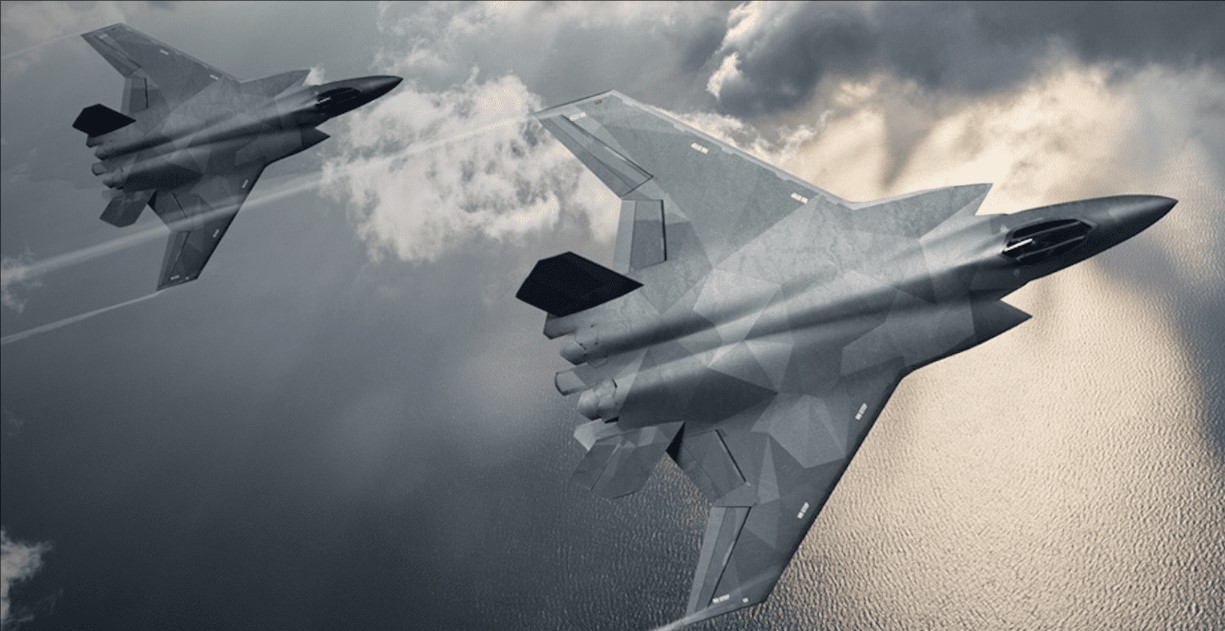
World
Europe ,Belgium Belgium joins NGWS/FCAS as observer, investing €60 million in R&D to bolster defense capabilities; program aims to develop sixth-gen fighter, enhancing Europe's strategic autonomy.Belgium has recently taken a significant step forward in defense collaboration by agreeing to join the Next Generation Weapon System/Future Combat Air System (NGWS/FCAS) as an observer nation. This important decision, led by Defence Minister Ludivine Dedonder, comes after extensive discussions with Germany, France, and Spain, the main countries involved in the project.In addition to obtaining observer status, the Belgian Council of Ministers has approved a €60 million research and development program aimed at enhancing the capabilities of the Belgian defense industry. This initiative focuses on deeper engagement with the NGWS/FCAS development efforts.The NGWS/FCAS, also known as the Système de Combat Aérien du Futur (SCAF), was launched in 2017 as a multinational effort to develop a sixth-generation jet fighter to replace older models like the Rafale and Eurofighter. This project consists of several advanced components: the Next Generation Fighter (NGF), unmanned Remote Carriers (RCs), and a distributed digital framework known as the Combat Cloud (CC).The NGF is designed to be a highly advanced, multi-role combat aircraft equipped with the latest technologies for operational effectiveness, survivability, and connectivity. The unmanned RCs will support the NGF by performing various tasks, from surveillance to direct combat, enhancing the overall force capability in challenging environments.The Combat Cloud (CC) is a revolutionary digital framework that enables seamless management of data and operations across different platforms. This system facilitates real-time intelligence sharing and coordination among both manned and unmanned systems in the air, as well as integration with naval, land, and cyber forces.The development of the NGWS is divided into seven technology pillars, each managed by a leading national company from the partner nations. These pillars cover the NGF, engines, RCs, the Combat Cloud, sensors, stealth technologies, and overall program coordination, involving major European aerospace and defense companies such as Dassault Aviation, Airbus, and Indra.The FCAS program is crucial for maintaining Europe’s strategic autonomy and technological independence. With a target to reach a demonstrator phase by 2027 and full operational capability by 2040, the program aims to integrate complex technological innovations, including artificial intelligence, advanced sensors, and stealth technologies. This initiative reflects a pivotal shift toward network-centric warfare, highlighting the growing importance of data and connectivity in modern combat scenarios.In summary, Belgium's decision to join the NGWS/FCAS as an observer nation underscores the country's commitment to defense collaboration and technological advancement, contributing to Europe's collective security and defense capabilities.
Read More → Posted on 2024-05-05 15:12:14
World
South Korea South Korea's KF-21 fighter jet program is advancing with focus on long-range air-to-air missiles and diverse air-to-surface strike options, marking a significant leap in the nation's aerospace capabilities.South Korea's indigenous KF-21 fighter jet program is making significant strides in its development, focusing on enhancing both its air-to-air and air-to-surface strike capabilities. Here's a straightforward breakdown of the key advancements:1. Long-range Air-to-Air Missile-II Program: South Korea has officially launched the Long-range Air-to-Air Missile-II program for the KF-21. This marks a crucial step towards equipping the fighter jet with advanced long-range aerial combat abilities.2. Two-tiered Response to Aerial Threats: The LR-AAM program will progress alongside the Short-range Air-to-Air Missile-II program, providing the KF-21 with a two-tiered response to aerial threats. Notably, basic hardware components for the Long-range AAM will be shared with the Air-to-Ship Missile-II, simplifying development and potentially reducing costs.3. Diverse Air-to-Surface Strike Capabilities: The development of the KF-21's offensive capabilities goes beyond air-to-air missiles. Programs for various air-to-surface strike missiles are underway, including supersonic and hypersonic cruise missiles, Air-Launched Ballistic Missiles (ALBM), Air-Launched Cruise Missiles (ALCM), and anti-radiation missiles.4. Indigenous Weaponry Development: Currently, the KF-21 Block-I relies on foreign air-to-air missiles like IRIS-T and Meteor. However, ongoing missile development programs aim to equip future KF-21 variants with indigenous weaponry, reducing dependence on external suppliers.5. Significance for Korean Aerospace Industry: The focus on long-range air combat capabilities, diverse air-to-surface strike options, and indigenous weapon development represents a major advancement for the Korean aerospace industry. The success of these programs will arm the KF-21 with a robust offensive arsenal, enhancing its effectiveness in regional air defense.In summary, South Korea's KF-21 fighter jet program is rapidly evolving, with a clear emphasis on strengthening its combat capabilities. From advanced long-range air-to-air missiles to diverse air-to-surface strike options, the KF-21 is poised to become a formidable force in regional air defense, showcasing the innovation and progress of the Korean aerospace industry.
Read More → Posted on 2024-05-05 15:07:20Search
Top Trending in 24 Hours
-
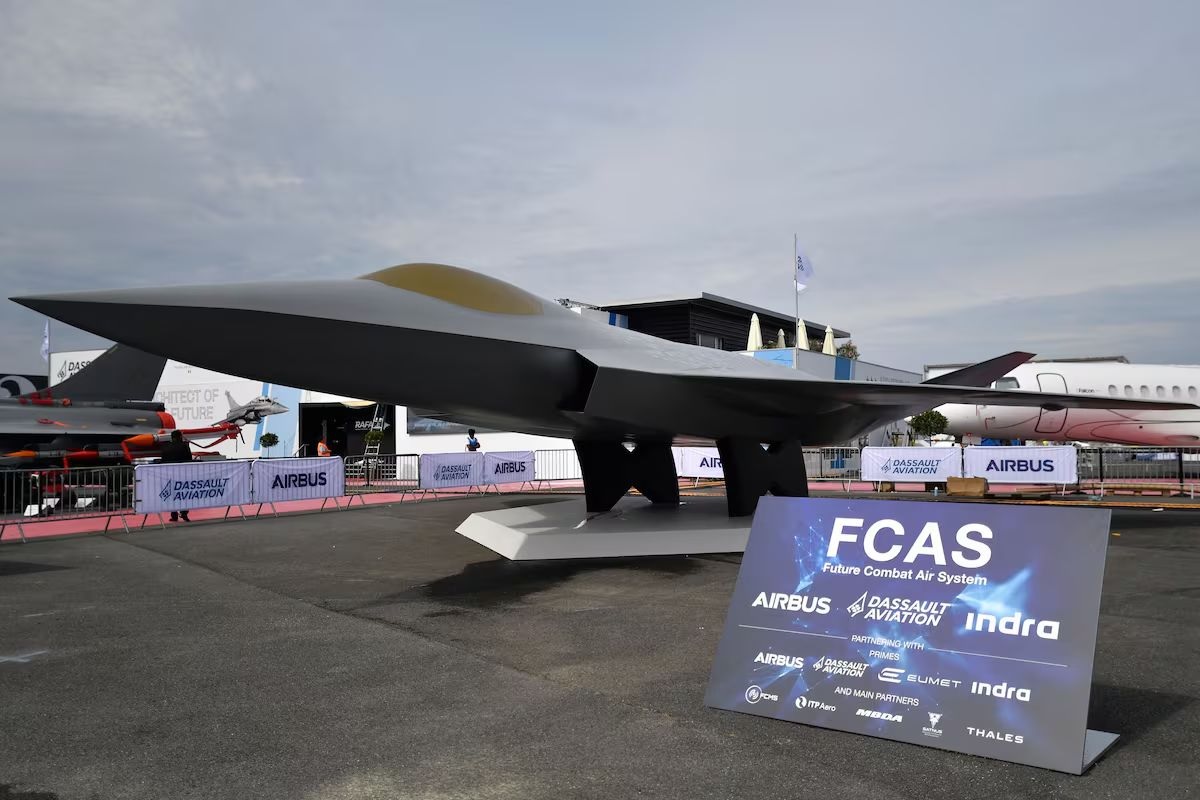 Germany and France End Joint Next-Generation Fighter Development Under FCAS Program
-
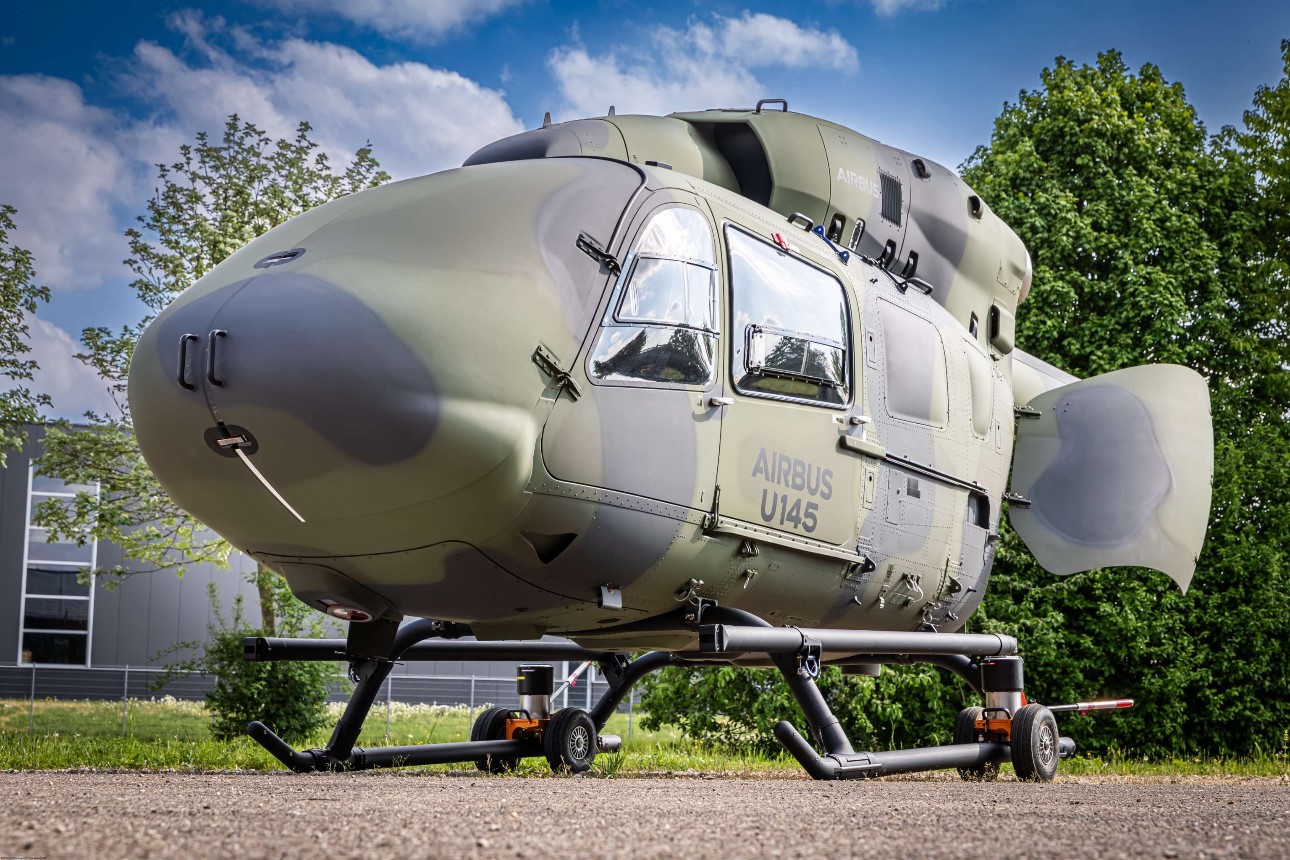 Airbus launches U145 uncrewed helicopter with AI-powered autonomous flight capabilities
-
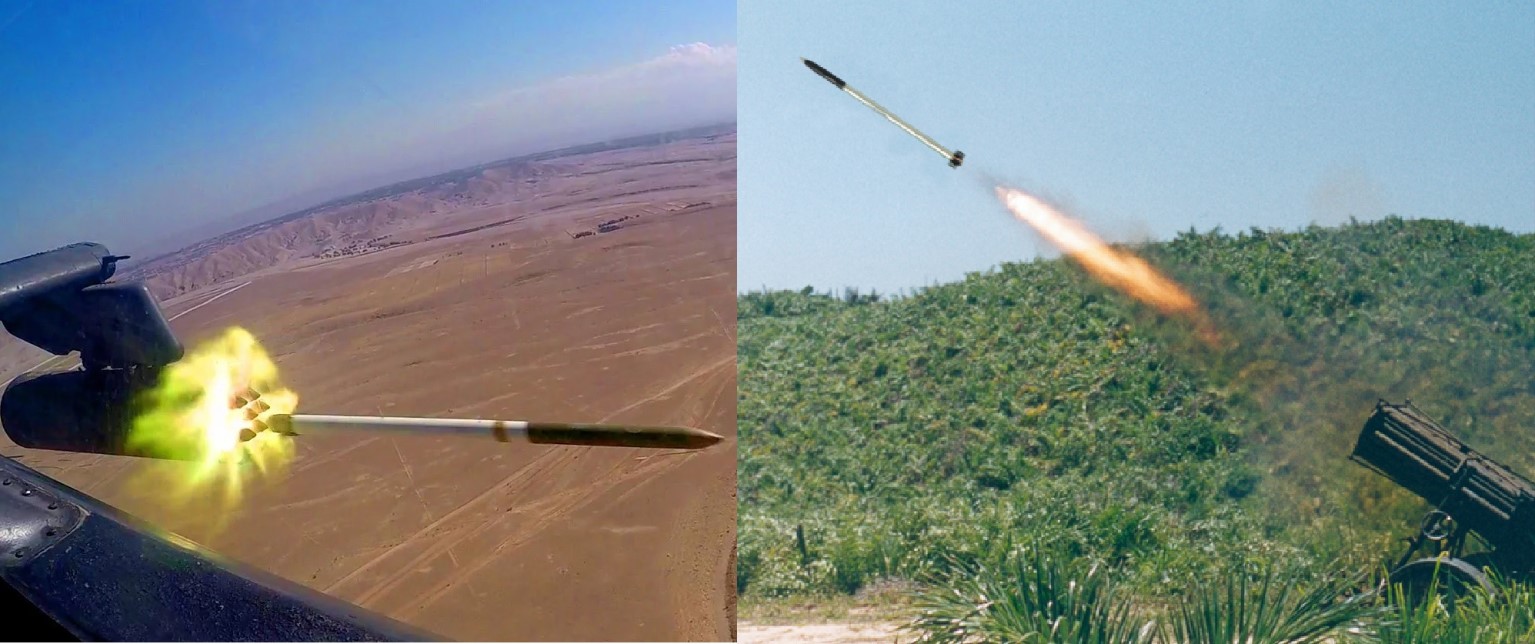 U.S. Army Awards iRocket Up to $150M Contract to Turn Hydra-70 Rockets Into Drone Interceptors
-
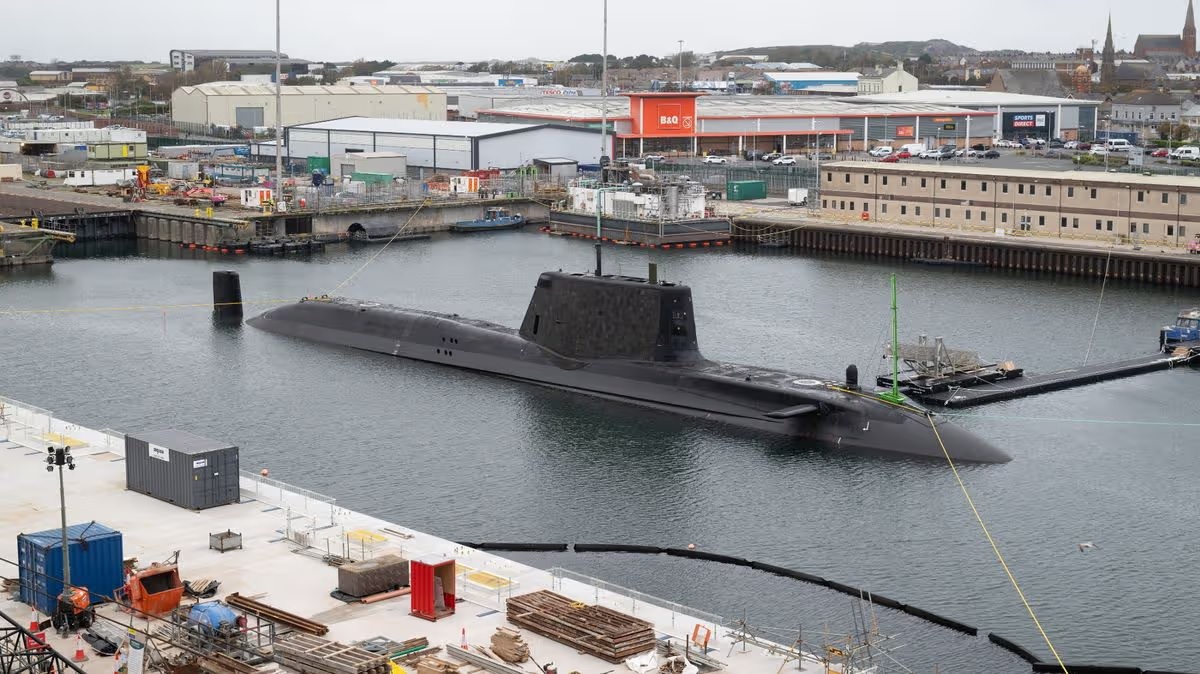 UK Left Without Active Attack Submarines as Entire Astute-Class Fleet Remains Stuck in Port
-
 Ukraine Deploys AI-Powered Air Defense System That Automates 95% of Shahed Drone Interceptions
-
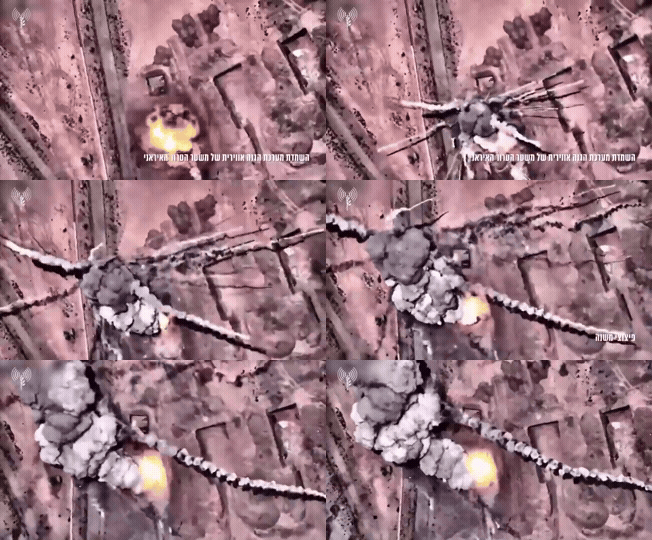 Israel Releases Strike Footage of Airstrikes on Iranian Air Defense Systems Near Tehran
-
 U.S. Congress Demands Navy Briefing on At-Sea VLS Reloading Capabilities in FY2027 NDAA
-
 U.S. State Department Approves $106 Million JDAM Precision-Guided Munition Sale to South Korea
Top Trending in 4 Days
-
 Iran Releases Footage of Qader Missile and Shahid Danaye Drone Launches Toward Two U.S. Navy Destroyers
-
 First Satellite of Russia's Rassvet Broadband Constellation Reenters Atmosphere After Less Than Three Months in Orbit
-
 Trump Administration Weighs Purchase of Chagos Islands to Secure Diego Garcia Base
-
 Leaked Contracts Reveal Russia Supplying Air-to-Air and Strike Missiles to Iran for Su-35 Fighter Fleet Through 2027
-
 US Pentagon Expected to Cancel Tomahawk Missile Deal with Germany, Citing Russia Concerns
-
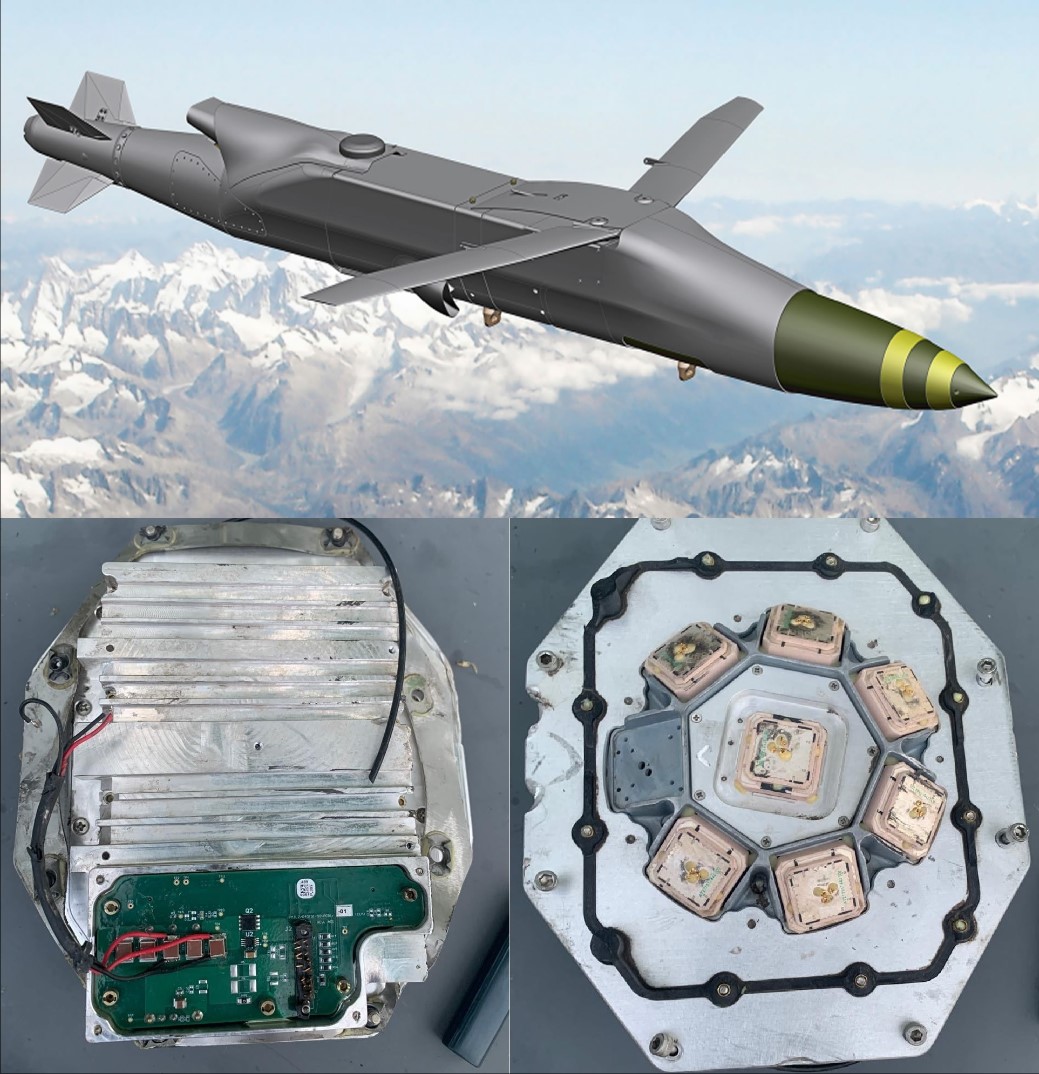 Missile Debris in Ukraine Suggests First Operational Use of U.S.-Made ERAM Cruise Missiles
-
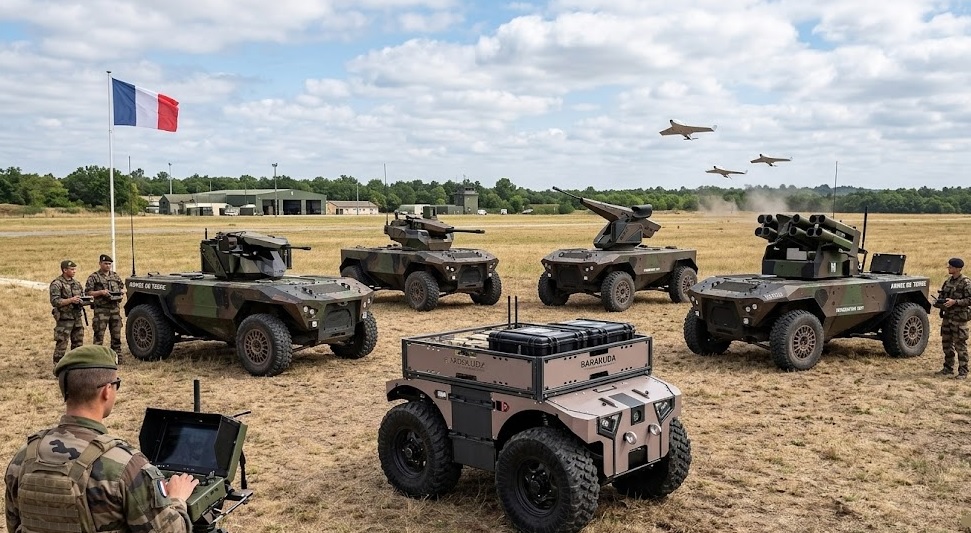 France Integrates New Unmanned Ground Vehicle Family for Modern Combat Operations
-
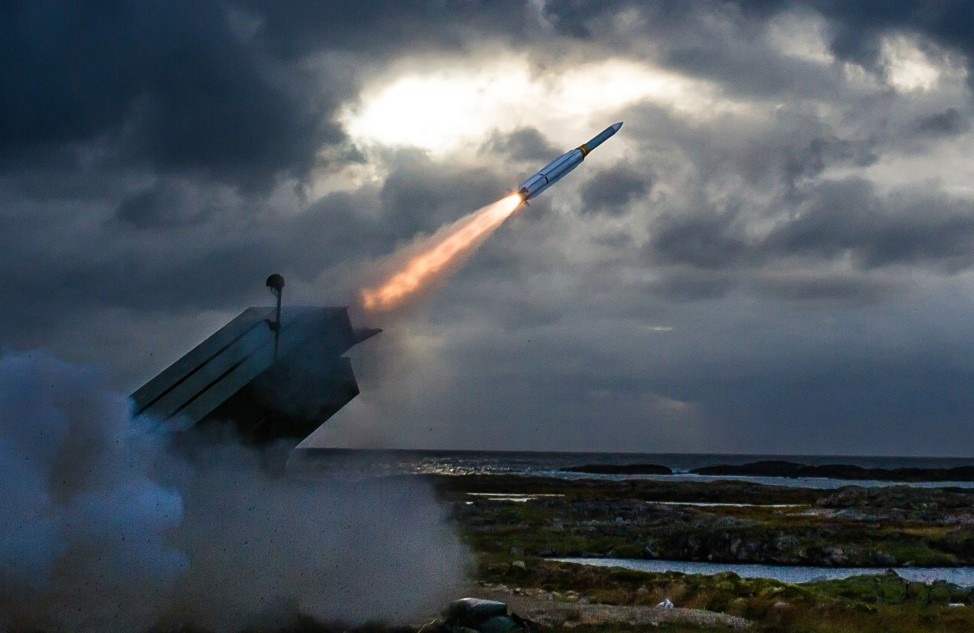 Taiwan Marine Corps Seeks NASAMS Air Defense Systems to Protect Naval Bases and Coastal Areas