
World
WorldFor decades, the concept of an invisible aircraft, undetectable by radar, has captivated military minds and science fiction enthusiasts alike. Stealth technology, also known as Low Observable (LO) technology, has made significant strides in reducing a target's radar signature. But this game of cat and mouse has spurred the development of ever-more sophisticated radar systems designed to pierce the veil of invisibility.Understanding Stealth: A Two-Pronged ApproachStealth aircraft achieve their low observability through a combination of techniques:Shaping: Aircraft are meticulously designed with smooth, angled surfaces and minimal edges. This deflects incoming radar waves away from the source, minimizing the signal that bounces back and reveals the aircraft's location. Imagine shaping a flat mirror into a curved one – the reflection scatters in various directions instead of a concentrated beam.Radar-Absorbent Materials (RAM): These specially formulated materials contain conductive particles or composites that absorb radar energy instead of reflecting it. Imagine lining your mirror with a material that dampens light instead of reflecting it.By combining these methods, stealth aircraft achieve a significantly reduced Radar Cross-Section (RCS), which is a measure of how much radar energy an object reflects. The smaller the RCS, the harder it is to detect the aircraft on radar.Countering Stealth: The Radar's ArsenalWhile stealth technology is impressive, radar developers haven't been idle. Here's how radar systems are evolving to counter stealth:Lower Frequency Radars: Conventional radars use high-frequency waves that are easily scattered by a stealth aircraft's shape. However, lower frequency Very High Frequency (VHF) or Ultra High Frequency (UHF) waves have a longer wavelength that can diffract around an object's edges, potentially revealing its presence.Multistatic Radar Systems: These networks consist of multiple radar transmitters and receivers spread across a wide area. Unlike traditional radars where the transmitter and receiver are co-located, multistatic systems can detect faint reflections that might be missed by a single radar, even if the target has a low RCS.Advanced Signal Processing: Modern radars employ sophisticated algorithms to analyze incoming signals. These algorithms can identify subtle anomalies or variations in the background noise that might indicate the presence of a low-observable target.Passive Detection Systems: These systems don't emit any radar waves themselves. Instead, they rely on detecting emissions from the target itself, such as heat radiating from the engines or faint radio signals. While not providing precise location data, passive systems can offer valuable clues about a stealth aircraft's presence.Countries Develop Stealth Target Detection Radar TechnologyDue to the sensitive nature of military technology, it is difficult to definitively say which countries possess operational stealth target detection radar technology. However, several nations are believed to be developing or fielding advanced radar systems capable of detecting low-observable aircraft. Here are some of the contenders:United States: The US is a leader in radar technology and is believed to possess several advanced radar systems capable of detecting stealth aircraft. These include the AN/FPS-132 High Accuracy Lithium Millimeter Wave Radar (HAL MMR) and the Long Range Discrimination Radar (LRDR).China: China has made significant strides in its military modernization efforts, and radar development is a key area of focus. China's Type 3000 (JY-27) radar is believed to be a VHF AESA radar capable of detecting stealth aircraft at long ranges.Russia: Russia has a long history of radar development and is likely fielding advanced radar systems. The Nebo-M radar is a multi-band system that some believe can detect stealth aircraft using a combination of VHF and UHF frequencies.Other Countries: Other countries like France, India, Sweden, and Japan are also investing in advanced radar technologies, and it is possible that they may also be developing capabilities to detect stealth aircraft.It's important to note that the effectiveness of these radar systems against modern stealth aircraft is likely classified information. The ongoing development of both stealth and radar technologies ensures that this cat-and-mouse game will persist for the foreseeable future.The Future of Stealth vs. DetectionThe race between stealth technology and radar detection is a continuous one. As stealth aircraft become more sophisticated, so too will radar systems. New developments like quantum radars and bistatic radars promise even greater capabilities for detecting low-observable targets.It's important to remember that stealth is not invisibility. The goal is to make detection significantly more difficult, allowing for a tactical advantage. Radar detection systems play a crucial role in maintaining air defense networks and ensuring security. As both technologies continue to evolve, the cat-and-mouse game between stealth and detection will undoubtedly reach new heights.
Read More → Posted on 2024-04-29 06:39:58
World
China China launches the world's largest fully electric container ship, the Greenwater 01, powered solely by batteries, cutting carbon emissions and setting a new standard for sustainable shipping.China has taken a significant leap forward in maritime sustainability with the launch of the Greenwater 01, the world's largest fully electric container ship. Developed and manufactured by the state-owned China Ocean Shipping Group (Cosco), this vessel marks a pivotal moment in the shipping industry's transition towards greener practices.Powered entirely by batteries, the Greenwater 01 is set to operate between Shanghai and Nanjing on a weekly basis. Its maiden voyage on Monday heralded a new era of emission reduction and environmental responsibility in maritime transportation. With each 100 nautical miles it sails, the ship can save an impressive 3,900 kilograms (8,600 pounds) of fuel, consequently cutting carbon dioxide emissions by 12.4 tonnes.Cosco has underscored the ship's potential to significantly reduce emissions throughout the year, aligning with global efforts to peak carbon emissions and achieve carbon neutrality. By eliminating emissions, pollution, and noise from its operations, the Greenwater 01 sets a new standard for sustainability in the shipping industry.The vessel's remarkable features include a main battery capacity exceeding 50,000 kilowatt-hours, with the flexibility to accommodate additional battery boxes for extended voyages. These battery boxes, similar in size to standard 20-foot containers, can be loaded onto the ship to augment its travel range. According to Captain Wang Jun, with 24 battery boxes, the Greenwater 01 can complete a journey consuming 80,000 kilowatt-hours of electricity, far surpassing the efficiency of traditional fuel-powered vessels.Cosco highlights several world records broken by the Greenwater 01, including its length, breadth, container capacity, deadweight tonnage, and battery capacity. At approximately 120 meters (394 feet) in length and 24 meters wide, the ship boasts dimensions equivalent to 10 basketball courts, yet maintains a maximum speed of around 19 kilometers per hour (12 miles per hour).Safety remains a paramount concern in the operation of electric vessels. Following docking, port officers conduct thorough inspections of the battery packs and onboard fire detection and alarm systems. Crew members undergo specialized fire training to handle emergencies, particularly those related to lithium iron phosphate batteries. Zhang Lifu, an officer at Yangshan Port in Shanghai, emphasizes the importance of early detection and swift response to potential fire accidents, given the unique challenges posed by these batteries.In conclusion, the launch of the Greenwater 01 marks a significant milestone in the maritime industry's pursuit of sustainability. By harnessing the power of electric propulsion, China demonstrates its commitment to reducing carbon emissions and advancing environmentally friendly practices in shipping. As the world witnesses the capabilities of this groundbreaking vessel, it signals a promising future for cleaner and more efficient maritime transportation.
Read More → Posted on 2024-04-29 06:02:09
World
FranceFrench Navy demonstrates air defence capability with successful missile launches from the frigate Chevalier Paul and aircraft carrier Charles de Gaulle, ensuring operational readiness ahead of the AKILA mission.The French Navy recently showcased its air defence prowess through successful missile launches from two of its key warships, the air defence frigate Chevalier Paul and the aircraft carrier Charles de Gaulle. This significant operation occurred just before the departure of the ships for the AKILA mission, highlighting the Navy's commitment to readiness and operational effectiveness.During the exercise, the Chevalier Paul fired an Aster 30 missile, effectively neutralizing a long-range aerial threat in a challenging operational environment. This demonstration reaffirmed the frigate's vital role as the primary air defence asset within the Naval Air Group (GAN). Meanwhile, the Charles de Gaulle displayed its capabilities by accurately hitting an aerial target with an Aster 15 missile, showcasing the French Navy's layered defence system's operational readiness.These meticulously planned tests, conducted with the expertise of the French Directorate General of Armaments (DGA) and the operational proficiency of the French Navy, closely replicated conditions expected in real-world combat scenarios. Such exercises are integral to training crews to handle high-intensity situations that may arise during naval operations.The targets for the missile launches were simulated reconnaissance drones and anti-ship missiles, controlled remotely to mimic potential threats. The DGA Missile Tests expertise and test center (Levant site) provided crucial support by coordinating the launch and target setup, ensuring the success and accuracy of the exercises.The Aster missiles, available in two variants – Aster 15 with a range of approximately 30 kilometers and Aster 30 with an extended range of about 100 kilometers – serve as a cornerstone of the French naval defence strategy. Currently deployed on multi-mission frigates (FREMM), air defence frigates (FDA), and the Charles de Gaulle aircraft carrier, these missiles will also equip the forthcoming FDI frigates, further enhancing the Navy's defensive capabilities.The successful missile launches underscore the French Navy's ongoing commitment to maintaining a high level of operational readiness and effectiveness. As the Navy prepares for the AKILA mission and future challenges, these exercises serve as a testament to its dedication to safeguarding maritime security and protecting national interests.
Read More → Posted on 2024-04-29 05:51:09
World
FranceFrench President Macron's call for incorporating France's nuclear arsenal into broader European defense sparks fierce debate, with critics from both left and right expressing concerns over national sovereignty and strategic autonomy.France's nuclear weapons should be part of the European defence debate, French President Emmanuel Macron told a group of regional newspapers on Sunday, in comments that drew fire from his political opponents ahead of EU elections in June.Macron has been more strident on defence issues recently, having called on Thursday for stronger, more integrated European defences as he outlined his vision for a more assertive European Union on the global stage, saying "Europe could die".In an interview set up by EBRA, a group of French eastern regional newspapers, he said a "credible European defence" should go beyond the protection already offered by NATO."That may mean deploying anti-missile shields, but we need to be sure that they block all missiles and deter the use of nuclear weapons," he said.Regarding nuclear weapons, while France's doctrine has so far been to use them when the country's vital interests are threatened, Macron said he was open to give a more "European dimension" to these interests."I'm in favour of opening this debate, which must therefore include missile defence, long-range weapons and nuclear weapons for those who have them or who have American nuclear weapons on their soil," he said.His comments drew criticism from opponents on the right and the left of the political spectrum on Sunday."Macron is becoming a national danger!," far-right European lawmaker Thierry Mariani wrote on social media platform X."#We can't wait for June 9th to give him a clear signal that his policies are over!," Mariani, a member of France's Rassemblement National (RN) headed by Marine Le Pen, added in a reference to the approaching EU parliamentary elections."These comments are exceptionally serious," said European lawmaker Francois-Xavier Bellamy, who will lead right-wing party LR into the EU vote."We are touching the nerve of French sovereignty", he added in an interview on Europe 1 radio station.Those at the other end of the political spectrum were equally angry at Macron's comments."The nuclear deterrent cannot be shared," said far-left French lawmaker Bastien Lachaud on X. "Under the guise of defending European soil, #Macron wants to liquidate France's strategic autonomy."
Read More → Posted on 2024-04-29 05:42:21
World
World Stealth aircraft, designed to minimize their radar signature, pose a significant challenge for traditional air defense systems. But what about Earth horizon radars? Can they pierce the veil of invisibility surrounding these advanced jets?The truth is, there's no single "Earth horizon radar" specifically designed for stealth detection. However, there are radar technologies that can be effective in this role, and understanding the Earth's curvature plays a part.Traditional Radar vs. StealthTraditional radars work by emitting radio waves and analyzing the reflections that bounce back from objects. Stealth aircraft, however, are designed to absorb or deflect these waves, significantly reducing their radar cross-section (RCS) – essentially making them appear much smaller on radar.Earth Horizon and Detection ChallengesThe Earth's curvature creates a limitation for traditional line-of-sight radars. There's a point beyond which the radar beam dips below the horizon, creating a blind spot for low-flying targets. This is the radar horizon.Here's where things get interesting:Over-the-Horizon Radars (OTH): These systems exploit the ionosphere, a layer of the atmosphere that can refract radio waves. By bouncing signals off the ionosphere, OTH radars can "see" beyond the horizon, potentially detecting targets at much greater distances, including those that might be trying to remain hidden by hugging the Earth's surface.Beyond the Horizon: Other Stealth CountersOTH radars are just one approach. Here are other methods that can complement them:Low-Frequency Radars: While stealth aircraft are optimized to deflect higher-frequency radar waves, low-frequency radars can be less susceptible to these techniques. Their longer wavelengths can interact with the aircraft's structure in ways that provide a signature.Multistatic Radars: These systems use multiple radar stations spread out geographically. By analyzing the signals from different locations, they can build a more complete picture of a target's position and characteristics, potentially revealing a stealth aircraft even if its RCS is low from a single direction.The Evolving Chess GameIt's important to remember that stealth technology and radar detection methods are constantly evolving. As radar systems improve their ability to exploit weaknesses in stealth design, aircraft developers will undoubtedly refine their techniques to minimize their signatures.The Earth horizon might not be a singular solution, but it plays a role in the broader strategy of air defense. By combining various radar technologies and exploiting the properties of the Earth's atmosphere, militaries can enhance their ability to detect even the most elusive aircraft.
Read More → Posted on 2024-04-28 16:44:25
World
U.SLockheed Martin's Long Range Discrimination Radar (LRDR) at Clear Space Force Station in Clear, Alaska, achieves DD250 final acceptance, enhancing homeland defense with its advanced search, track, and discrimination capabilities, while also supporting Space Domain Awareness for the United States Space Force.Lockheed Martin's Long Range Discrimination Radar (LRDR), stationed at Clear Space Force Station in Clear, Alaska, has achieved a significant milestone with the completion of its DD250 final acceptance. This accomplishment marks a pivotal moment as LRDR is handed over to the Missile Defense Agency (MDA), moving closer to its Operational Capability Baseline (OCB) decision and final transition to the Warfighter. Chandra Marshall, the vice president of Radar and Sensor Systems at Lockheed Martin, emphasizes the dedication put into achieving this milestone, underscoring LRDR's role in fulfilling MDA's mission to safeguard the homeland. LRDR stands out as a cutting-edge asset, leveraging both low frequency and high frequency radars to execute search, track, and discriminate targets with precision.At the core of LRDR's capabilities is its ability to simultaneously search and track multiple small objects, including various classes of ballistic missiles, even under continuous operation and at very long ranges. Its discrimination capability sets it apart, enabling LRDR to identify lethal objects like enemy warheads amidst non-lethal decoys. By doing so, LRDR, in conjunction with other elements of the Missile Defense System, helps conserve the homeland defense interceptor inventory by optimizing the number of Ground-Based Interceptors needed for threat engagement.LRDR boasts a highly adaptable design, operating in S-band frequencies and featuring a scalable, open systems architecture. This architecture facilitates seamless integration into the Missile Defense System, offering flexibility to counter evolving threats without necessitating hardware redesign. Lockheed Martin's commitment to innovation is evident as they continuously enhance LRDR's capabilities, including support for hypersonic defense, empowering decision-makers with timely and actionable information.Beyond its role in missile defense, LRDR contributes to Space Domain Awareness by monitoring satellites orbiting the Earth. It excels at detecting, tracking, and identifying active or inactive satellites, spent rocket bodies, and debris, further enhancing national security efforts.Drawing from Lockheed Martin's extensive experience in radar development and delivery, LRDR epitomizes high performance, reliability, and adaptability. The company's solid state radar systems have a proven track record in counter target acquisition, early warning, situational awareness, and integrated air and missile defense. Available in highly mobile configurations and operational across all environments, Lockheed Martin radars are deployed worldwide, reinforcing global security efforts.In conclusion, LRDR's successful completion of DD250 final acceptance signifies a major stride in bolstering homeland defense capabilities. With its advanced features, adaptable design, and seamless integration into existing defense systems, LRDR exemplifies Lockheed Martin's commitment to providing cutting-edge solutions for national security challenges.
Read More → Posted on 2024-04-28 16:32:37
World
NorwayKongsberg Discovery celebrates the completion of factory testing for the HUGIN Endurance, their groundbreaking long-range Autonomous Underwater Vehicle. Equipped with advanced sensors and unmatched capabilities, it promises to revolutionize marine exploration and surveillance.Kongsberg Discovery has recently marked a significant milestone with the successful completion of factory acceptance testing for the inaugural production model of the HUGIN Endurance, their innovative long-range Autonomous Underwater Vehicle (AUV). This achievement comes on the heels of extensive sea trials that commenced in September 2023 and culminated in a final demonstration of the vehicle's capabilities in March 2024.Martin Wien Fjell, President of Kongsberg Discovery, expressed his pride in the team's efforts, particularly noting the timely delivery of the project. "I am very proud of the team's hard work. This project was delivered in record time, and I extend a huge thank you to everyone involved in this success," remarked Fjell.The HUGIN Endurance represents the largest member of Kongsberg's AUV family, designed to cater to a diverse range of marine applications. From seabed mapping and oceanographic research to offshore infrastructure surveillance and environmental monitoring, the versatility of this vehicle is underscored by its ability to accommodate various payloads based on customer specifications."The HUGIN Endurance program has garnered significant interest from both defense sectors and commercial operators," noted Fjell, highlighting the potential impact of the AUV across various marine activities.Technical specifications of the HUGIN Endurance are unparalleled, boasting state-of-the-art sensors such as a high-resolution synthetic aperture sonar, multibeam echo sounder, and an environmental data suite. Engineered for detailed marine exploration, the vehicle features a large configurable space for custom payloads and an extended battery life enabling autonomous missions lasting up to 15 days, covering distances of up to 2200 km (1200 nautical miles).Notable enhancements in the latest model include increased redundancy, an advanced autonomous mission management system, and improved situational awareness, all crucial for long-term, unsupported maritime missions.As Kongsberg Discovery continues to push the boundaries of AUV technology with the introduction of the HUGIN Endurance, the maritime and exploration sectors are poised for transformation, making the ocean more accessible and understandable than ever before.
Read More → Posted on 2024-04-28 16:25:19
World
China ,Pakistan China launches the first of eight Hangor-class submarines for Pakistan, enhancing bilateral military cooperation with advanced stealth capabilities. The submarines, equipped with state-of-the-art weapons, signify a significant milestone in Pak-China strategic partnership.China has initiated the launch of the inaugural Hangor-class submarine, marking the commencement of a significant phase in its military collaboration with Pakistan. The event, held at Wuchang Shipbuilding Industry Group’s Shuangliu Base, witnessed the presence of Admiral Naveed Ashraf, Chief of the Pakistan Navy, alongside other dignitaries.Under a bilateral agreement, China has undertaken the construction of eight advanced submarines for Pakistan, signifying a deepening of military cooperation between the two nations. While four submarines are being constructed by Wuchang Shipbuilding Industry Group (WSIG), the remaining four are undergoing production at Karachi Shipyard & Engineering Works (KS&EW) as per the Transfer of Technology (ToT) arrangement.These submarines are distinguished by their advanced stealth capabilities and will be equipped with cutting-edge weapons and sensors, enabling operations in diverse and challenging environments. Admiral Ashraf, in his address, highlighted the paramount importance of maritime security in the current geopolitical landscape, reaffirming Pakistan Navy's commitment to regional peace and stability.The Hangor-class submarine project not only signifies a milestone in Pak-China military cooperation but also underscores the strategic partnership between the two nations. The launch ceremony follows Pakistan's initiation of the manufacturing process for the sixth Hangor-class submarine at KS&EW earlier this year.Pakistan and China have fostered robust military ties over the years, with China emerging as a key supplier of defense equipment to Pakistan. Notably, Pakistan Navy recently welcomed two Type 054 A/P frigates, the result of a contract signed in 2018 for the acquisition of four multi-role frigates. The induction of PNS TUGHRIL and PNS TAIMUR in 2022 exemplifies the tangible outcomes of this collaboration.In conclusion, the launch of the Hangor-class submarine underscores the deepening military collaboration between China and Pakistan, bolstering Pakistan's naval capabilities and reinforcing the enduring Pak-China friendship.
Read More → Posted on 2024-04-28 06:04:59
World
U.S ,Houthi RebelYemen's Houthi rebels claim to have shot down a US MQ-9 Reaper drone, showcasing footage of identifiable components. The incident underscores the ongoing challenges posed by the Houthi insurgency in Yemen.Yemen's Houthi rebels have asserted responsibility for shooting down another US military MQ-9 Reaper drone, showcasing footage of identifiable components of the unmanned aircraft. The incident, which the Houthis reported occurring on Thursday over their stronghold in Saada province, marks a resurgence in their attacks following a period of relative calm amid the Israel-Hamas conflict in Gaza.In response to the Houthi claims, US Air Force Lt. Col. Bryon J. McGarry confirmed to The Associated Press that "a US Air Force MQ-9 drone crashed in Yemen." Investigations into the incident are currently underway.The released footage by the Houthis featured what they described as the missile launch targeting the drone, accompanied by a recitation of their slogan: "God is the greatest; death to America; death to Israel; curse the Jews; victory to Islam." Notably, the footage zoomed in on parts of the drone bearing the logo of General Atomics, the manufacturer, and serial numbers corresponding to known components of the drone.This incident adds to a series of similar events since the Houthi takeover of Yemen's north and its capital, Sanaa, in 2014. Previous drone shootdowns by the rebels occurred in 2017, 2019, 2023, and this year. The MQ-9 Reaper, valued at approximately USD 30 million each, boasts capabilities such as flying at altitudes up to 50,000 feet and an endurance of up to 24 hours.Beyond the drone incident, the Houthis have been increasingly active, launching attacks on shipping in the Red Sea and Gulf of Aden, demanding an end to the Gaza conflict. The US Maritime Administration reported over 50 attacks on shipping, including the seizure of one vessel and the sinking of another, since November.Despite a decline in Houthi attacks in recent weeks due to US-led airstrikes in Yemen, their actions have intensified once again. American officials speculate that the rebels may be facing constraints in acquiring weapons following the intensified campaign against them. Nonetheless, their recent resurgence underscores the ongoing challenges posed by the Houthi insurgency in Yemen and its broader regional implications.
Read More → Posted on 2024-04-28 05:59:27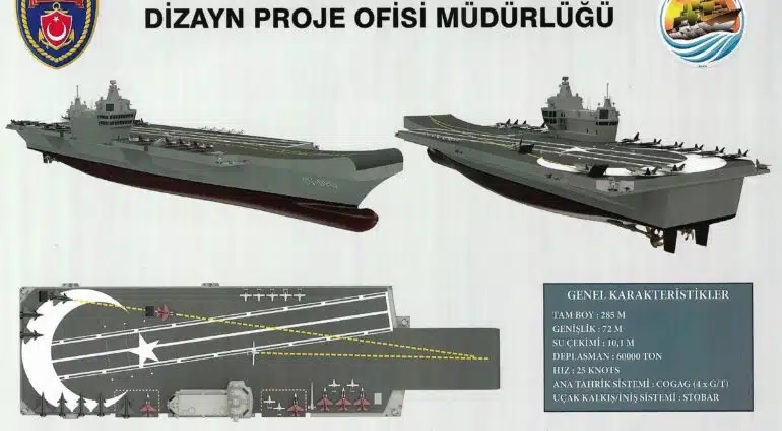
World
TurkeyTurkey plans to construct its first domestically-built aircraft carrier, signaling ambitions to bolster naval power with a 60,000-ton vessel featuring a STOBAR system and indigenous aircraft integration.Turkey has unveiled plans to construct its first domestically-built aircraft carrier, signaling its ambitions for heightened naval power. President Recep Tayyip Erdoğan announced this program in February 2024, emphasizing Turkey's aim to bolster its naval capabilities and potentially surpass India's current carrier program in size.The technical specifications of the new carrier, presented by the Istanbul Naval Shipyard, reveal impressive dimensions—a length of 285 meters and a displacement of 60,000 tons. This focus on size is notable, as it surpasses India's sole operational carrier, INS Vikramaditya, which has a displacement of around 45,000 tons.Operational Capabilities: The carrier will feature a STOBAR (Short Take-Off But Arrested Recovery) system, with plans for an eventual domestically developed catapult system. The airwing is expected to comprise 50 aircraft, including domestically produced Hurjet light attack aircraft and potentially navalized drones. Defensive systems will include a 32-cell vertical launch system and close-in weapon systems.Challenges Ahead: Despite the ambitious plans, building a functional aircraft carrier is a complex task requiring substantial technological expertise and resources. Integrating novel aircraft onboard will also necessitate rigorous testing and training.Expert Insights: Analysts caution against solely focusing on size comparison. While surpassing India's carrier in physical dimensions is noteworthy, operational effectiveness will depend on factors like crew training, airwing capabilities, and integration with the broader Turkish navy.Implications: Turkey's aircraft carrier program represents a significant stride in its quest for a robust navy. Successfully developing and deploying this vessel would solidify Turkey's position as a major regional naval power.However, observers will closely monitor Turkey's progress, particularly its ability to overcome technical challenges and transform its ambitious plans into a truly operational and impactful carrier force.
Read More → Posted on 2024-04-27 16:51:12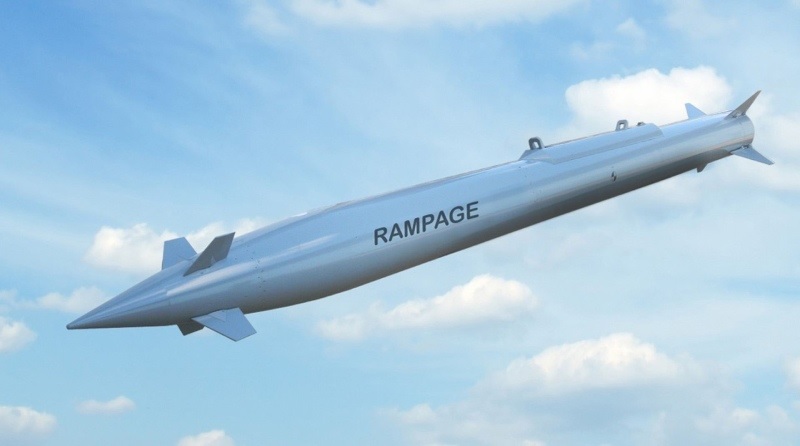
World
IndiaThe Indian Air Force has integrated the Rampage long-range supersonic missiles into its fleet, bolstering its firepower with a 250-kilometer striking range against various ground targets. This strategic move enhances India's air defense capabilities and underscores its commitment to modernizing its armed forces.In a significant advancement bolstering the firepower capabilities of its fighter aircraft fleet, the Indian Air Force (IAF) has officially inducted the Rampage long-range supersonic air-to-ground missiles. With a striking range of approximately 250 kilometers, these missiles offer a formidable reach, enhancing the operational capabilities of the IAF.Originally recognized as the High-Speed Low Drag-Mark 2 missile within the Indian Air Force, the Rampage has gained recognition for its utilization by the Israeli Air Force in recent operations targeting Iranian assets. This induction marks a pivotal moment as the IAF integrates the Rampage into its existing Russian-origin aircraft fleet, encompassing the Su-30 MKI, MiG-29, and Jaguar fighter jets. Additionally, the Indian Navy has adopted the missile for its MiG-29K naval fighter jets, augmenting its maritime defense capabilities.The Rampage furnishes Indian fighter pilots with a versatile stand-off weapon, enabling precise engagement and neutralization of various targets such as communication hubs and radar installations. This strategic procurement was facilitated under the emergency powers granted by the Defence Ministry to fortify the armed forces with essential weaponry and equipment, particularly in response to geopolitical tensions, notably the standoff with China commencing in 2020.Distinguishing itself from the Spice-2000 missiles deployed during the Balakot air strikes in 2019, the Rampage boasts an extended range, enhancing the operational reach of Indian aerial assets. The diversified weaponry acquisition strategy pursued by the Indian Air Force encompasses both foreign and domestic vendors, signifying a pragmatic approach towards bolstering national defense capabilities.Recent tests conducted by the Indian Air Force showcased the efficacy of the ROCKS (Crystal Maze-2) missile in the Andaman and Nicobar Islands territory. With successful target strikes, these trials underscored the operational readiness and precision of indigenous missile systems.Integration of the Rampage with the Russian Su-30 platform marks a significant enhancement for the Russian aircraft fleet, enabling the deployment of multiple long-range air-to-ground missiles, including the BrahMos supersonic missiles with a striking range exceeding 400 kilometers.Looking ahead, the Indian Air Force is deliberating the feasibility of domestic production of the Rampage under the Make in India initiative, aimed at fostering indigenous defense manufacturing capabilities and ensuring self-reliance in defense procurement.In conclusion, the induction of the Rampage long-range missiles into the Indian Air Force represents a substantial stride towards enhancing the nation's aerial strike capabilities. This strategic acquisition underscores India's commitment to modernizing its defense infrastructure and fortifying its position on the global security landscape.
Read More → Posted on 2024-04-27 15:14:29
World
China ,Maldives The Chinese research vessel Xiang Yang Hong 3 returns to Maldivian waters amidst questions about its activities following the parliamentary victory of the pro-China People's National Congress.The Chinese marine research vessel Xiang Yang Hong 3 has made its second visit to the Maldives within two months, marking a notable occurrence following the parliamentary victory of the pro-China People's National Congress (PNC), led by President Mohamed Muizzu. The vessel's return to Maldivian waters has raised questions about its activities, particularly concerning marine research, in the region.Reports from Adhadhu news indicate that despite Defense Minister Ghassan Maumoon's statement to the Maldivian Parliament last month affirming that the vessel would not conduct research within Maldivian territory, its presence remains a point of interest. The Defense Minister had clarified that permission was granted solely for crew changes and replenishment during the vessel's initial visit.Xiang Yang Hong 3, known as one of China's most advanced research vessels according to the State Oceanic Administration (SOA), boasts capabilities tailored for marine research tasks. Equipped with state-of-the-art research apparatus, the vessel facilitates efficient data collection and analysis, with a range of features enabling extended nonstop operations and stability in adverse conditions.The vessel's activities within or near Maldivian waters since January have prompted speculation regarding the nature and extent of its involvement in marine research. While the Foreign Ministry emphasized the purpose of the vessel's visit for crew rotation, questions persist regarding its actual activities.The recent victory of Muizzu's ruling PNC in the parliamentary elections adds a layer of context to the vessel's return, though no direct correlation has been established between political developments and the vessel's activities.With over 200,000 people participating in the parliamentary elections, the PNC secured 60 seats out of the 93 contested, indicating a significant mandate for the ruling party. The electoral outcome, however, does not directly impact the ongoing discussion surrounding the Xiang Yang Hong 3's activities in Maldivian waters.As the vessel's presence continues to attract attention, further clarity on its activities and intentions within the region may be sought by stakeholders. The government's stance on marine research and foreign vessels operating within its territorial waters remains a subject of interest, particularly amidst evolving geopolitical dynamics in the Indian Ocean region.
Read More → Posted on 2024-04-27 15:08:51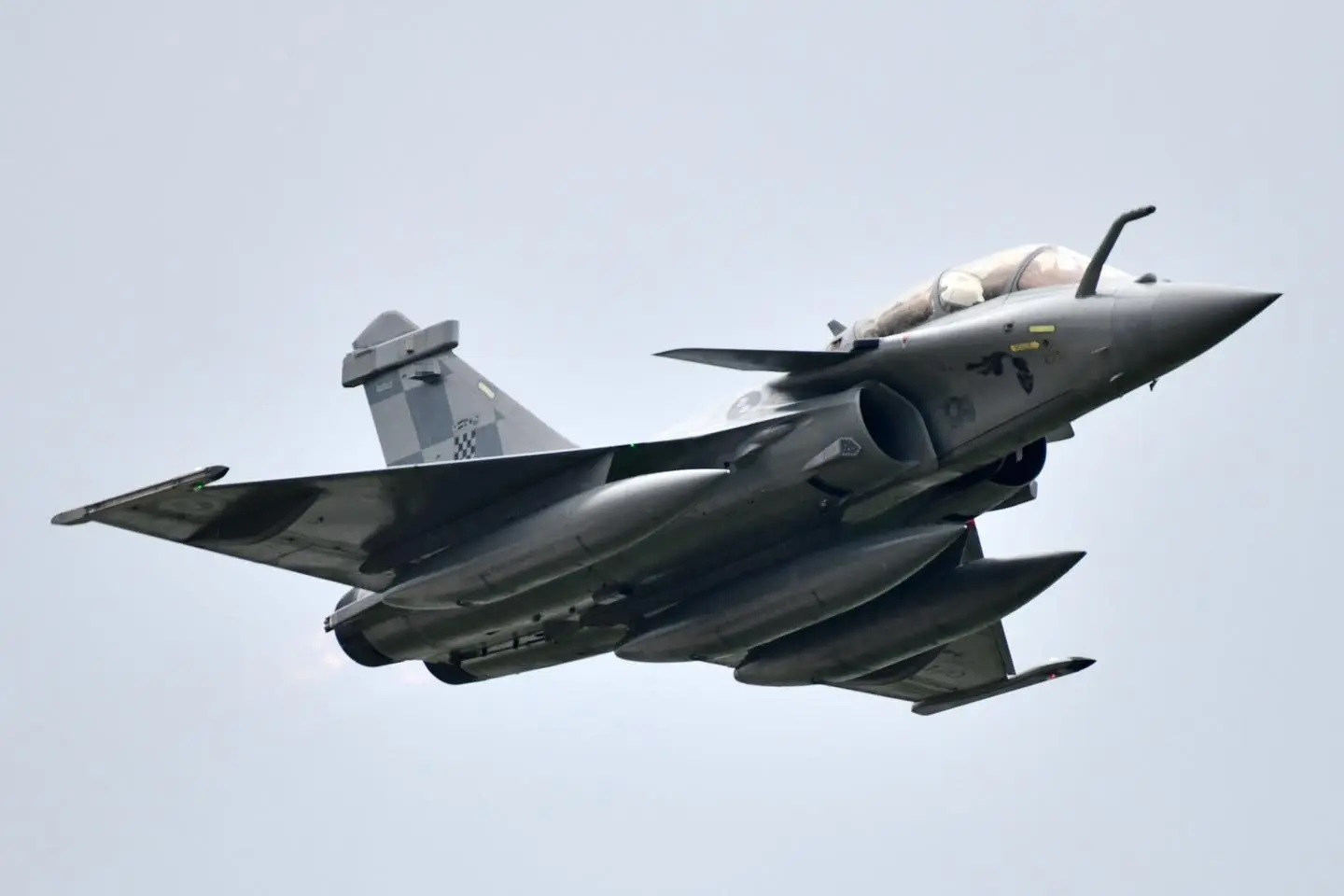
World
Croatia , France Croatia welcomes its first six Rafale fighter jets from France, marking a milestone in enhancing its air defense capabilities and strengthening defense cooperation between the two nations. The arrival ceremony, attended by top Croatian officials, underscores the significance of this acquisition for national security.Following the acquisition of 12 Rafale fighter jets from the French Air and Space Force in November 2021, Croatia's Air Force, known as Hrvatsko ratno zrakoplovstvo i protuzračna obrana (HRZ i PZO), received its first six aircraft today at the 91 operational base near Zagreb. The arrival was marked by a ceremony attended by President Zoran Milanović, Prime Minister Andrej Plenković, and Defense Minister Ivan Anušić.The six Rafale jets, originating from the Dassault Aviation site in Mérignac, were greeted by Croatian pilots who underwent training in France. These aircraft will be assigned to the 191 Squadron of the Croatian Air Force. Additional Rafale jets are expected to arrive progressively, with the goal of forming a complete squadron by mid-2025.Eric Trappier, Chairman and CEO of Dassault Aviation, commended the Croatian Air Force for the successful ferry of the aircraft, highlighting the competence of the pilots and personnel involved. He emphasized Dassault Aviation's commitment to providing full integration and logistical support for the Rafale jets in the Croatian Air Force, enhancing Croatia's sovereignty and bolstering its capabilities to fulfill operational missions within NATO.The acquisition of Rafale fighter jets marks a significant step for Croatia in modernizing its air defense capabilities and strengthening its defense cooperation with France. These advanced aircraft are expected to play a crucial role in safeguarding Croatia's airspace and contributing to regional security efforts.
Read More → Posted on 2024-04-27 14:53:13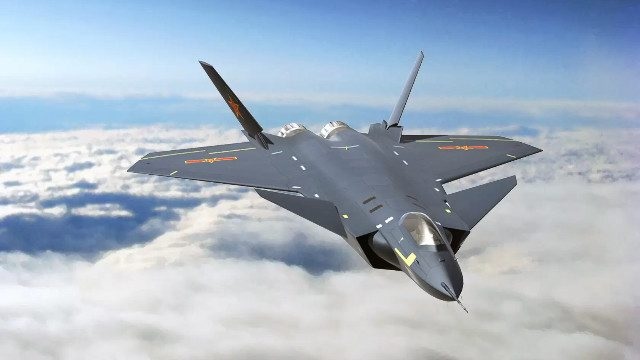
World
UAE ,China The UAE explores acquiring China's J-20 fighter jet amid strained US ties, signaling a potential shift in regional military dynamics. This move follows the US's denial of access to the F-35, prompting the UAE to consider alternatives.In a notable turn of events, reports indicate that the United Arab Emirates (UAE) is contemplating the acquisition of China's J-20 stealth fighter jet, a move with potential ramifications for regional security dynamics. This decision comes in the wake of the US denying the UAE access to the F-35 Lightning II, a formidable fifth-generation fighter aircraft.The UAE's apparent interest in the J-20 follows a prominent meeting between UAE and Chinese military officials in Beijing. Discussions during this meeting centered on bolstering military cooperation, with visual evidence hinting at the J-20 being a subject of interest.This development holds significance given the traditionally close ties between the UAE and the US. Analysts point to the failed F-35 deal as a strain on this relationship, possibly prompting the UAE to explore alternative defense options, including those offered by China.Comparatively, both the J-20 and F-35 are regarded as premier fighter jets, each boasting distinct capabilities. The J-20 holds an advantage in terms of range and weapon capacity, facilitating longer-range strikes and carrying heavier payloads. Additionally, it is noted for its lower operating costs. Conversely, the F-35 is distinguished by its superior avionics, sensor technology, and the capability for vertical takeoff and landing.Despite remaining the US's primary export market in the Middle East, the UAE-US security partnership appears to be encountering strain. This strain is exemplified by the UAE's construction of a discreet Chinese military facility at a port, notwithstanding US objections. Conversely, China stands as the UAE's largest non-oil trading partner, presenting an appealing economic and potential military alternative.The potential sale of J-20s to the UAE could potentially disrupt the US's hegemony in the global fighter jet market and pose a challenge to Israel's longstanding regional military superiority.Ultimately, while the UAE's decision regarding the acquisition of the J-20 remains pending, it underscores a notable shift in the landscape of military power in the Middle East, with China emerging as a significant player.
Read More → Posted on 2024-04-27 06:59:17
World
Russia ,Iran Russian Defence Minister Sergei Shoigu expressed readiness to bolster military cooperation with Iran during a meeting at the Shanghai Cooperation Organisation summit in Kazakhstan, highlighting increased communication between the nations' military departments.Russian Defence Minister Sergei Shoigu conveyed Russia's readiness to escalate military and technical collaboration with Iran during a recent meeting with his Iranian counterpart Gharaei Ashtiani, as per reports from the RIA state news agency.Shoigu emphasized the notable uptick in communications between the military departments of both countries, signifying a positive trend in bilateral engagement. The occasion for this discussion was a gathering of the Shanghai Cooperation Organisation (SCO) in Kazakhstan. The SCO serves as a platform for security cooperation among its member states, which include Russia, India, China, Iran, Pakistan, Kazakhstan, Uzbekistan, Kyrgyzstan, and Tajikistan.The dialogue between Shoigu and Ashtiani underscores a mutual interest in strengthening ties in the military and technical spheres, aligning with broader efforts to enhance regional security. The SCO summit provides a conducive environment for fostering such collaborations, facilitating discussions on shared security concerns and promoting stability in the region.Russia's willingness to expand cooperation with Iran reflects the importance both nations place on deepening strategic partnerships. As geopolitical dynamics continue to evolve, maintaining robust relations between Russia and Iran becomes increasingly essential for addressing regional challenges and advancing mutual interests.The meeting between the Russian and Iranian ministers underscores the significance of multilateral engagement within the SCO framework. By leveraging the platform provided by the SCO, member states can work together to address common security threats and pursue mutually beneficial initiatives.Overall, the commitment expressed by Russia to enhance military and technical cooperation with Iran signifies a positive step towards strengthening bilateral relations and promoting stability in the region. Such engagements within the SCO reaffirm the organization's role as a key player in fostering cooperation and dialogue among its member states.
Read More → Posted on 2024-04-27 06:48:45Search
Top Trending in 24 Hours
-
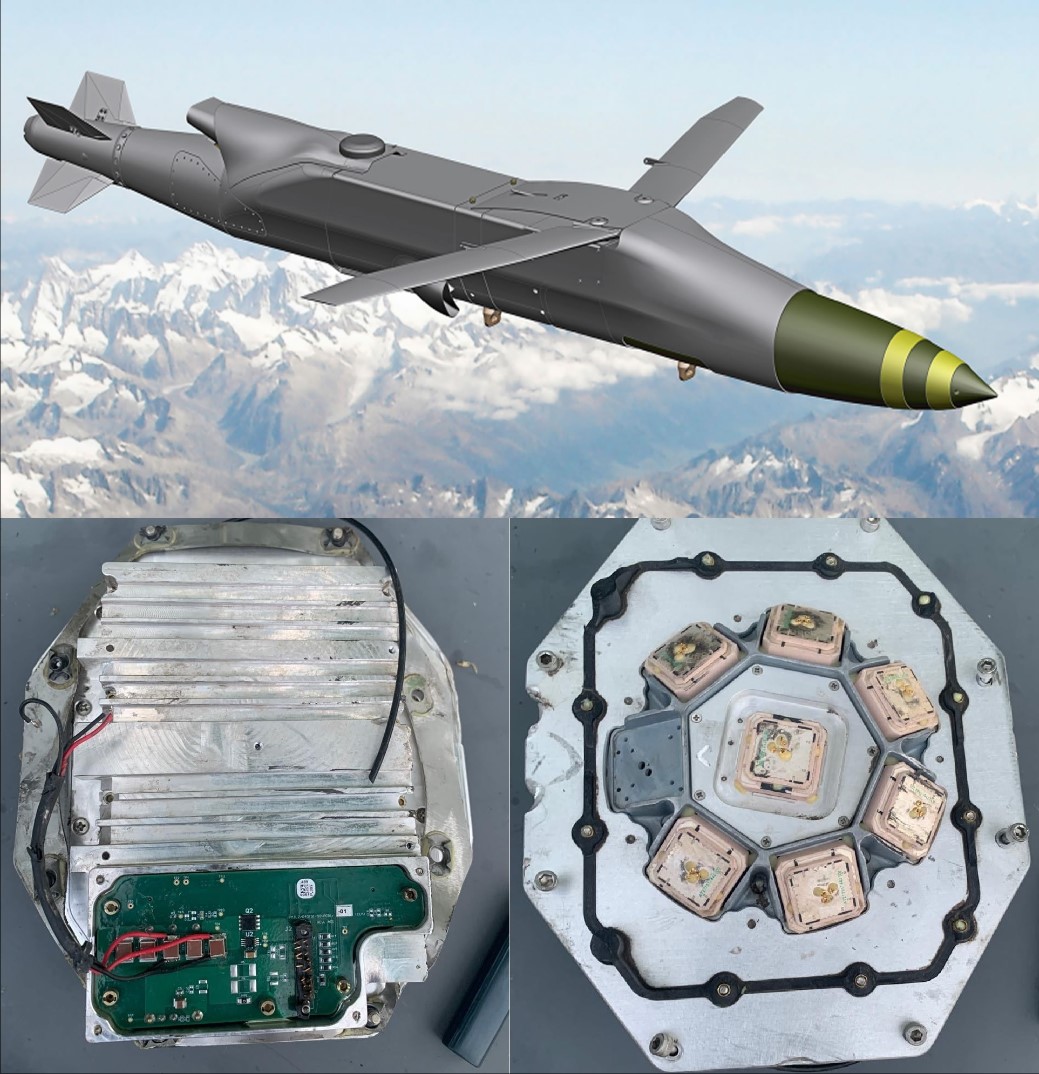 Missile Debris in Ukraine Suggests First Operational Use of U.S.-Made ERAM Cruise Missiles
-
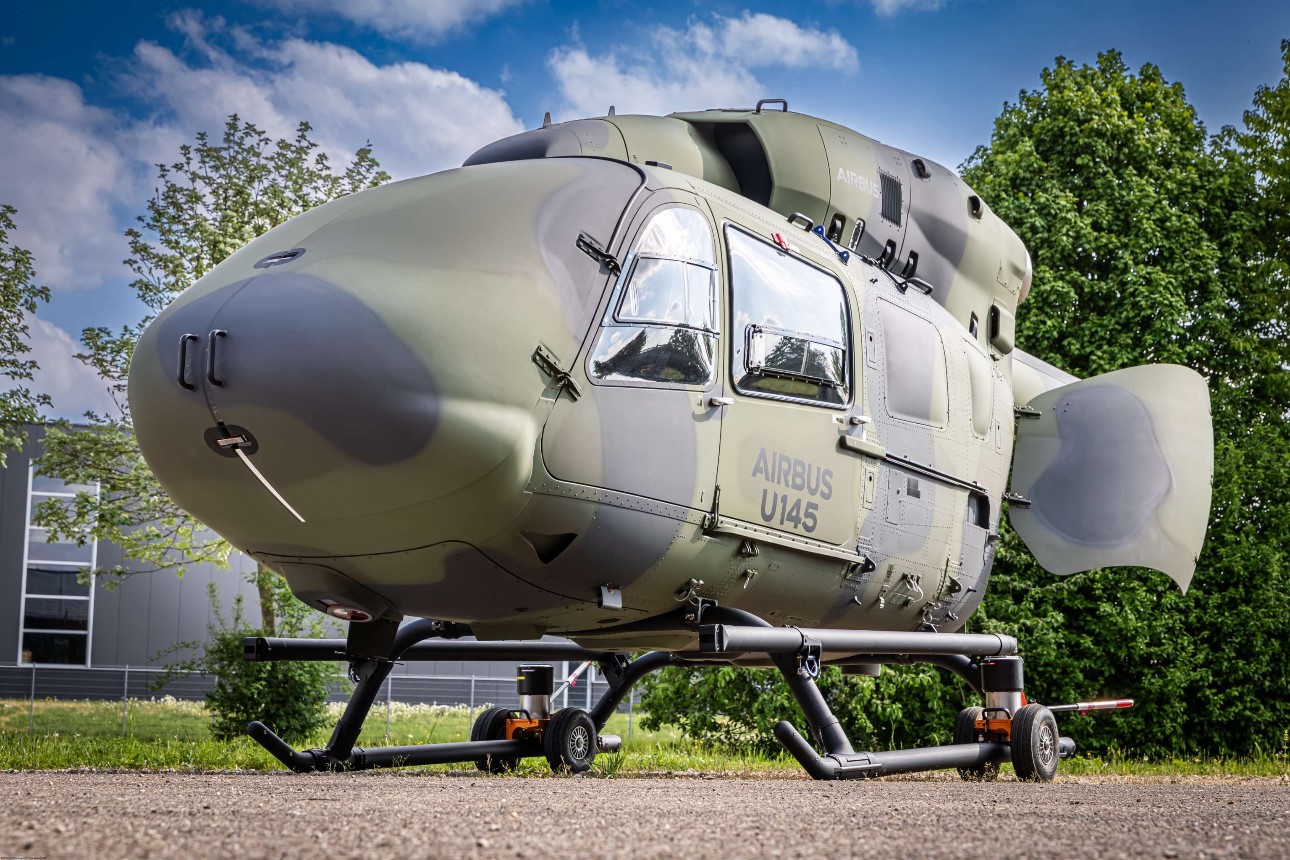 Airbus launches U145 uncrewed helicopter with AI-powered autonomous flight capabilities
-
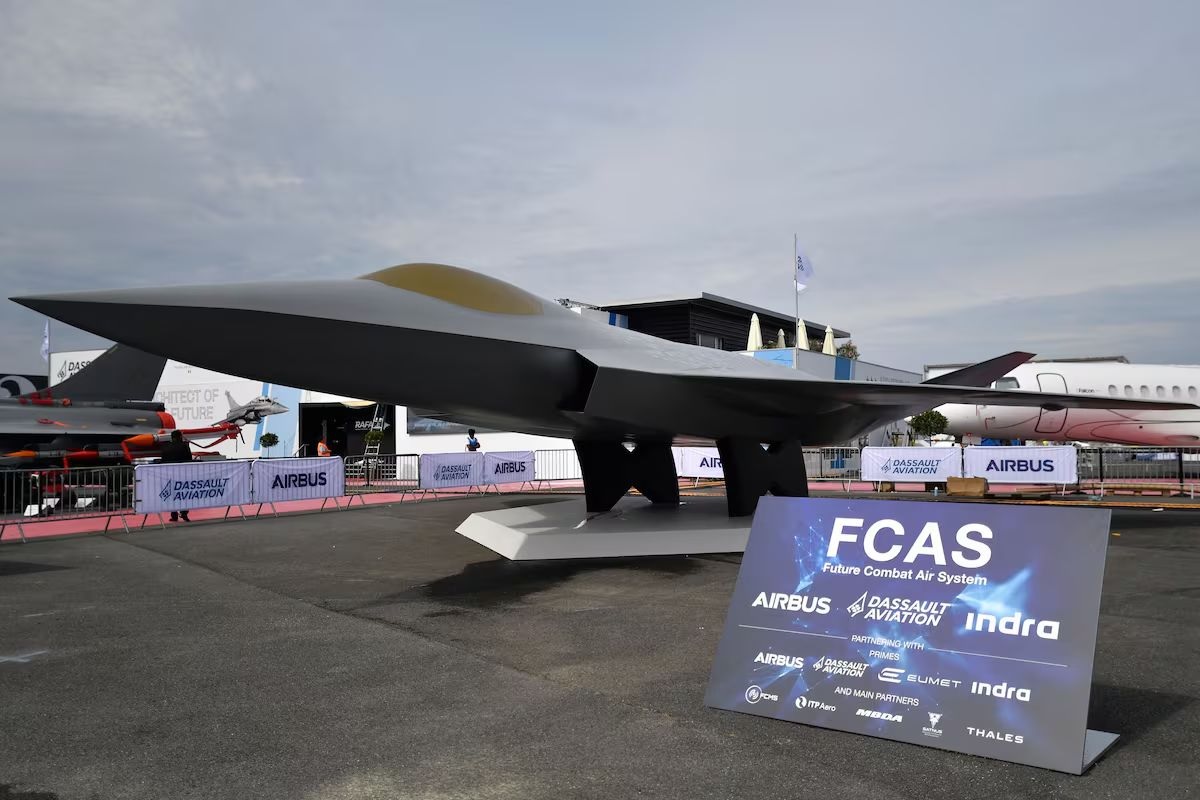 Germany and France End Joint Next-Generation Fighter Development Under FCAS Program
-
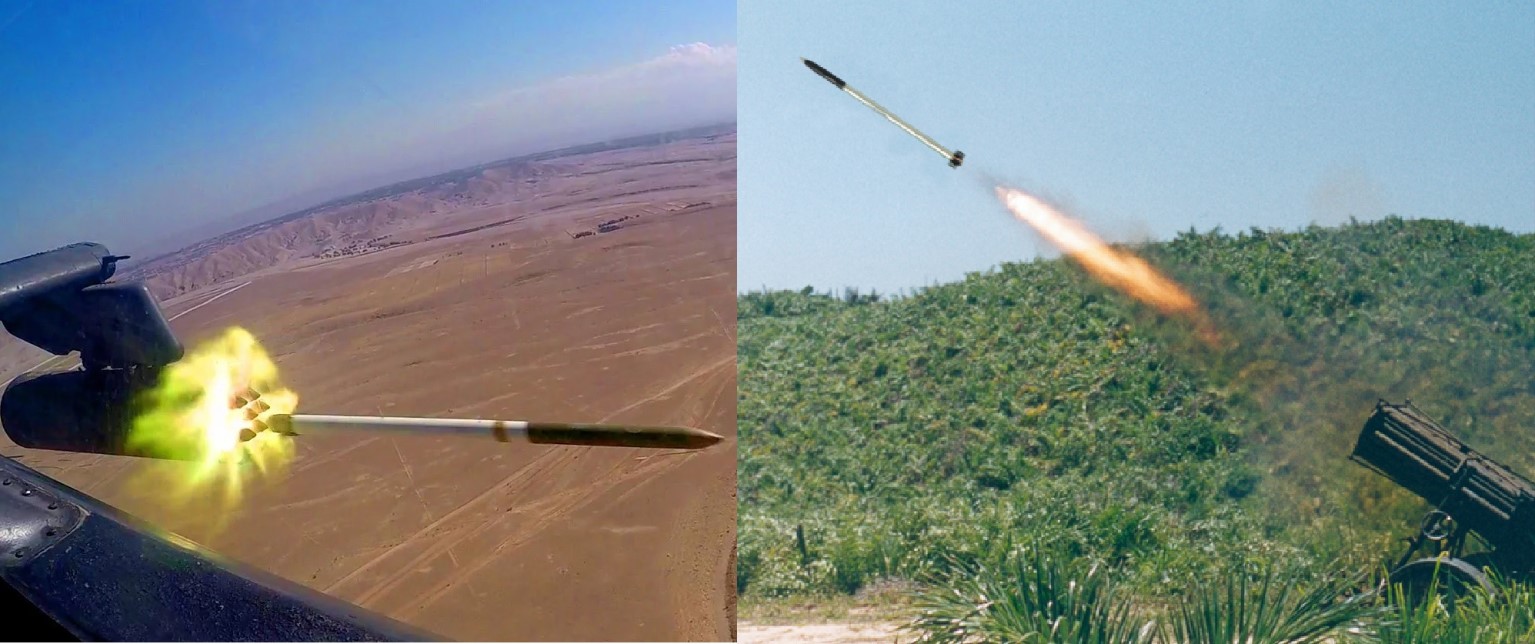 U.S. Army Awards iRocket Up to $150M Contract to Turn Hydra-70 Rockets Into Drone Interceptors
-
 Israel Releases Strike Footage of Airstrikes on Iranian Air Defense Systems Near Tehran
-
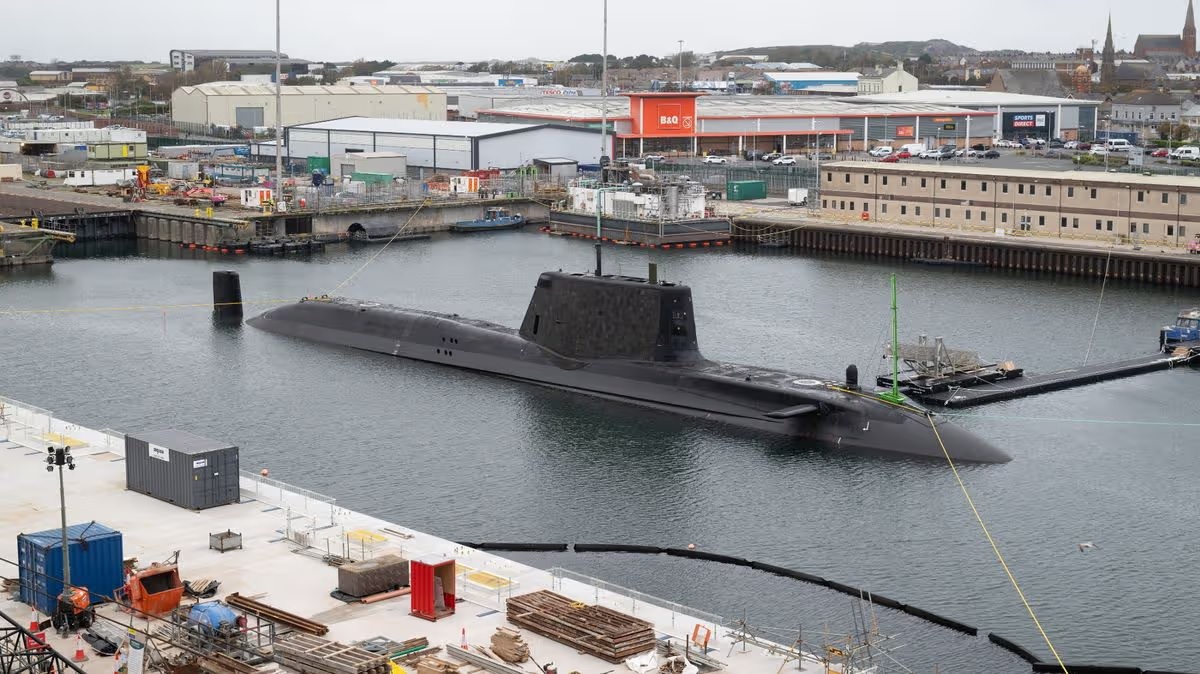 UK Left Without Active Attack Submarines as Entire Astute-Class Fleet Remains Stuck in Port
-
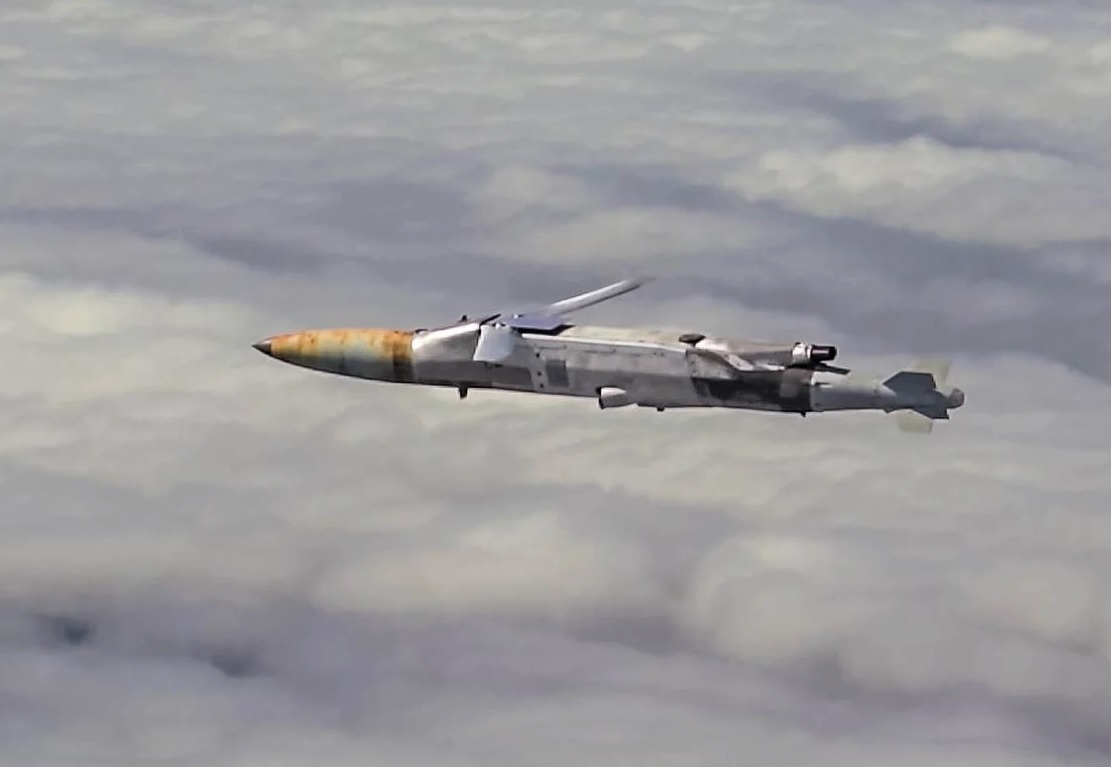 U.S. State Department Approves $106 Million JDAM Precision-Guided Munition Sale to South Korea
-
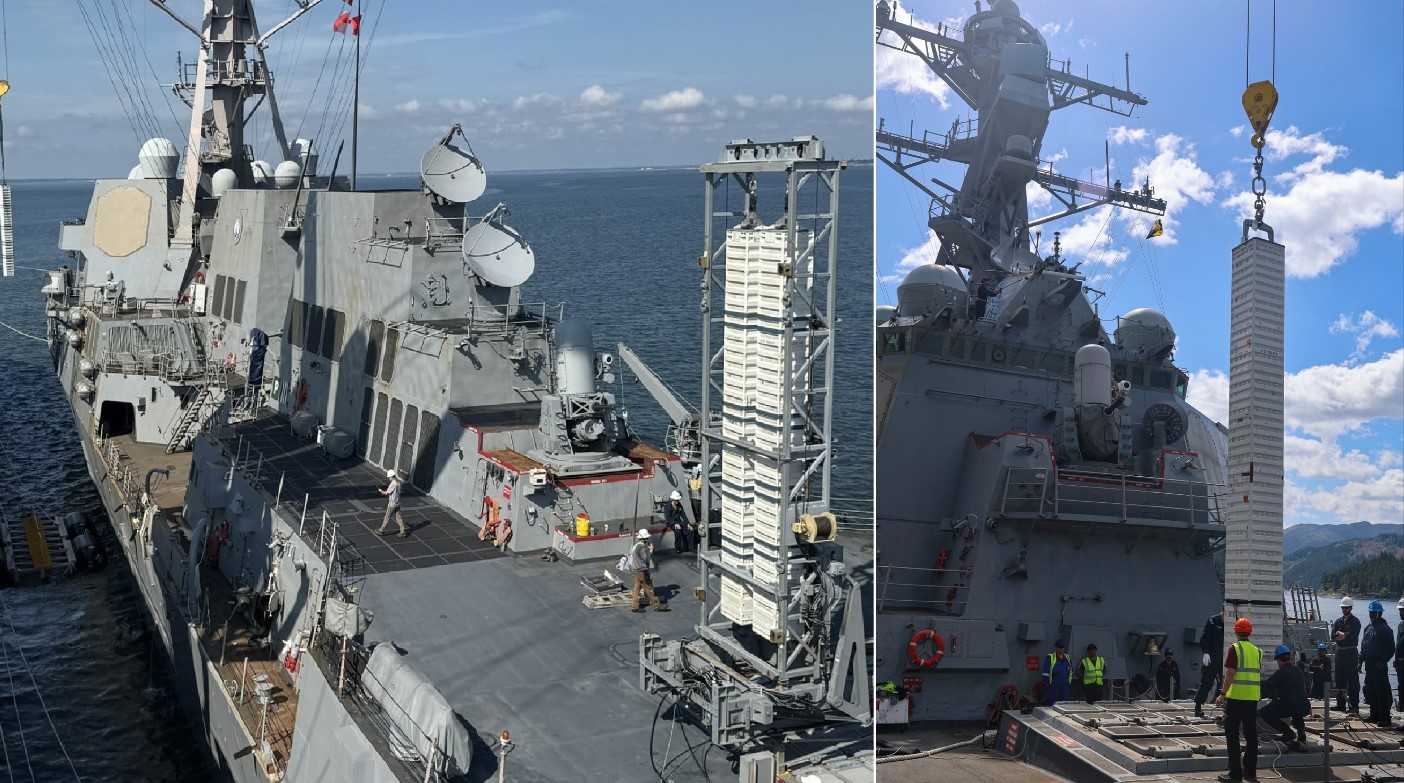 U.S. Congress Demands Navy Briefing on At-Sea VLS Reloading Capabilities in FY2027 NDAA
Top Trending in 4 Days
-
 Iran Releases Footage of Qader Missile and Shahid Danaye Drone Launches Toward Two U.S. Navy Destroyers
-
 First Satellite of Russia's Rassvet Broadband Constellation Reenters Atmosphere After Less Than Three Months in Orbit
-
 Trump Administration Weighs Purchase of Chagos Islands to Secure Diego Garcia Base
-
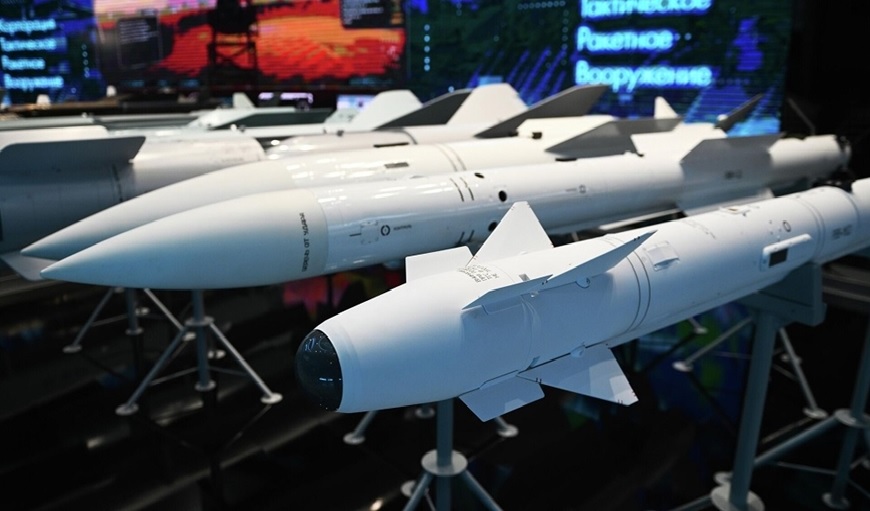 Leaked Contracts Reveal Russia Supplying Air-to-Air and Strike Missiles to Iran for Su-35 Fighter Fleet Through 2027
-
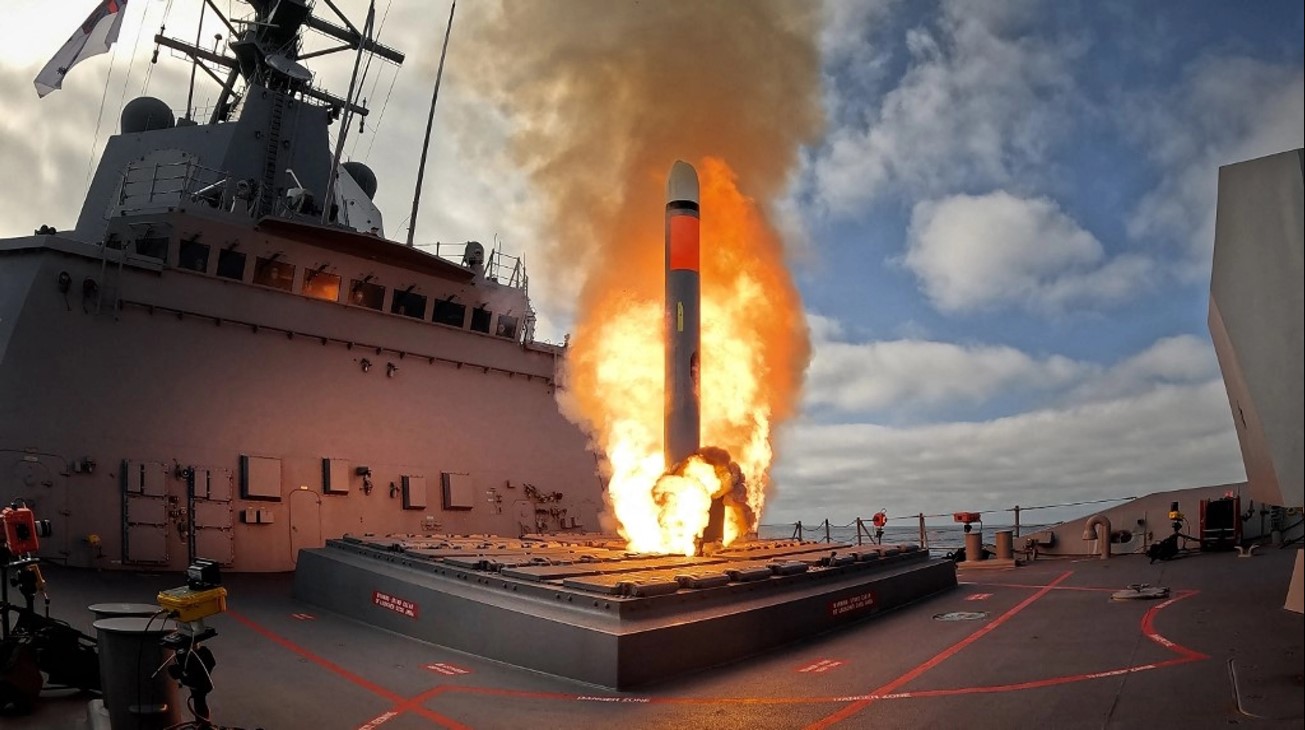 US Pentagon Expected to Cancel Tomahawk Missile Deal with Germany, Citing Russia Concerns
-
 France Integrates New Unmanned Ground Vehicle Family for Modern Combat Operations
-
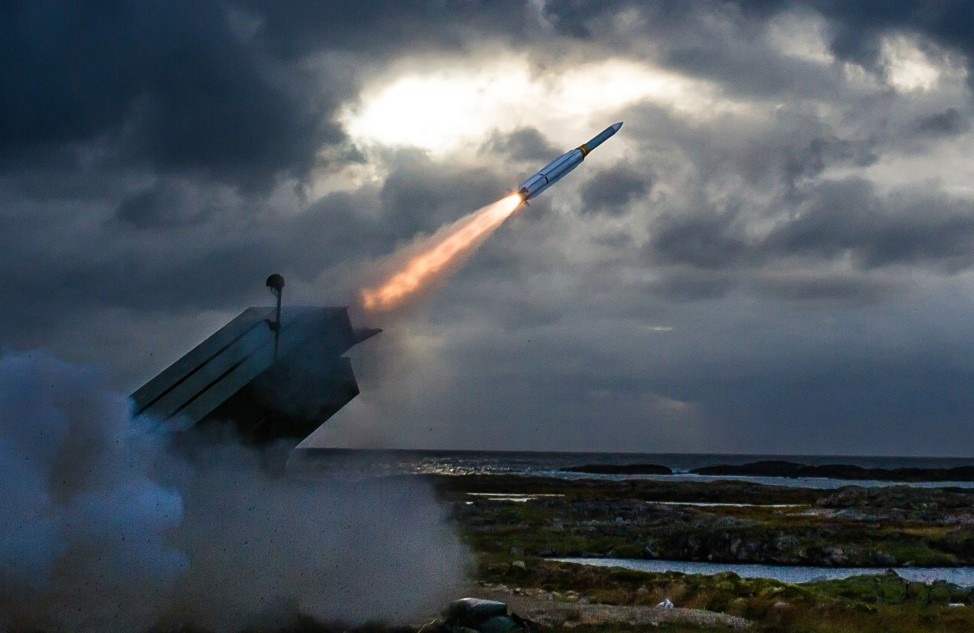 Taiwan Marine Corps Seeks NASAMS Air Defense Systems to Protect Naval Bases and Coastal Areas
-
Missile Debris in Ukraine Suggests First Operational Use of U.S.-Made ERAM Cruise Missiles