KYIV — June 05, 2026 : Leaked Russian military contracts obtained and analyzed by Ukrainian media outlet UNITED24 Media have revealed the scale of ongoing military-technical cooperation between Russia and Iran, including the supply of air-to-air and air-to-ground missiles intended for Iran’s future fleet of Su-35 fighter jets. The documents indicate that missile deliveries and related production activities are scheduled to continue through at least 2027 as part of a broader fighter aircraft procurement program.
According to the leaked contracts, Iran is identified throughout the documentation under the internal codename “K10.” The files show that multiple Russian defense enterprises are involved in manufacturing and supplying weapons and components linked to Iran’s acquisition of advanced combat aircraft.
Missile Deliveries Linked to Su-35 Program
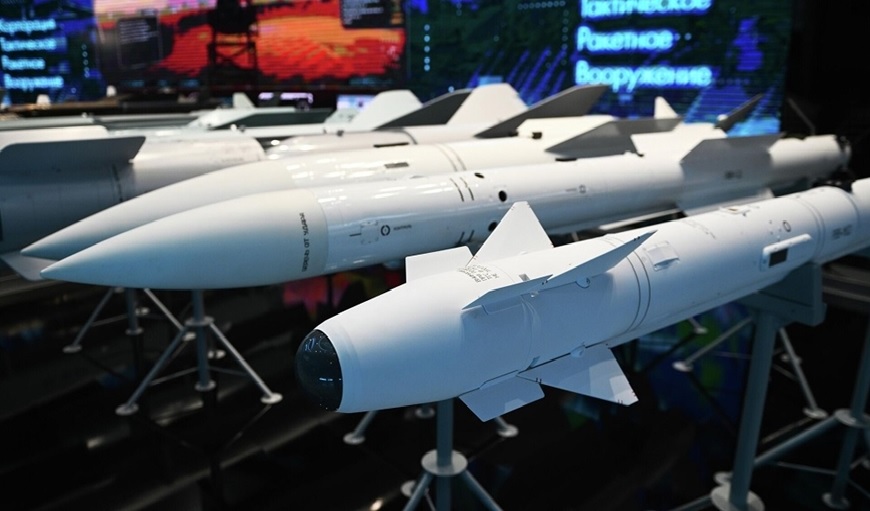
The contracts indicate that the missile orders are directly connected to a broader agreement covering the production of Su-35 multirole fighter aircraft and associated combat systems. The documents show that Russia is supplying a range of weapons designed to provide the aircraft with air superiority, precision strike, anti-radar, and maritime attack capabilities.
The reported missile acquisitions include:
| Missile Type | Classification | Quantity |
|---|---|---|
| Kh-38 (X-38) | Laser-guided air-to-ground missile | 120 |
| R-73 (K-73) | Short-range air-to-air missile | 123 |
| R-77 (K-77) | Medium-range air-to-air missile | 42 |
| Kh-31 (X-31) | Anti-radar / Anti-ship missile | 42 |
The Kh-38 is a precision-guided medium-range air-to-surface weapon designed to engage ground targets. The missile is compatible with the Su-35 and can be employed against fixed and mobile targets.
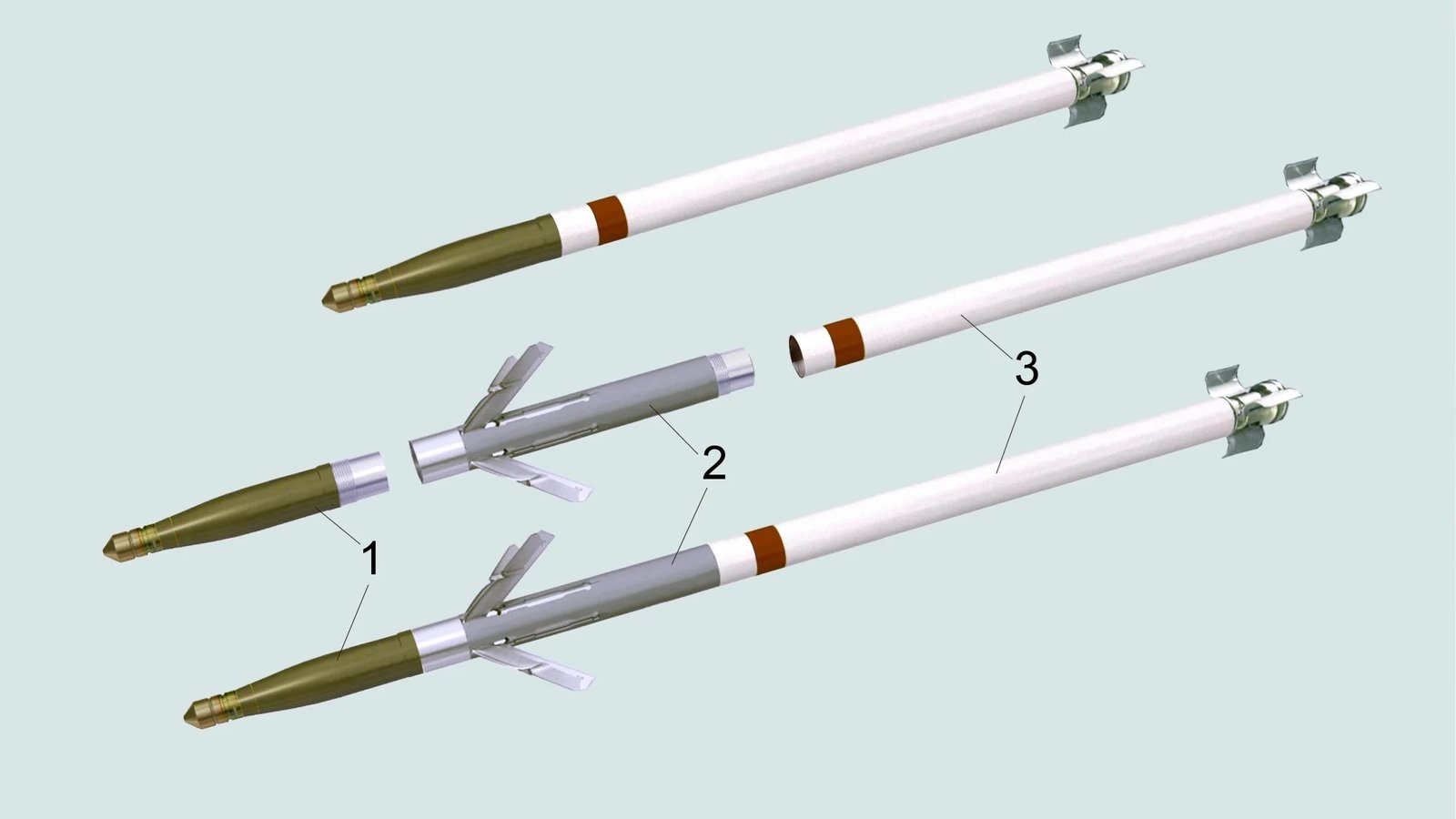
The R-73 is a short-range infrared-guided air-to-air missile widely used by Russian combat aircraft. Known for its high maneuverability and off-boresight targeting capability, it is designed for close-range aerial engagements. The leaked documents show that contracts signed in 2023 included the procurement of 123 Sh-295 “Variant” warheads used in the missile, with the order valued at approximately $675,000.
The R-77 is a medium-range active radar-guided air-to-air missile intended for beyond-visual-range combat. Contract records indicate that between 2025 and 2027, Russia is expected to supply 42 component kits and assembly services related to the missile’s engine production.
The Kh-31 is a supersonic missile available in anti-radar and anti-ship variants. The weapon is designed to suppress enemy air-defense systems and engage naval targets, expanding the operational flexibility of the Su-35 platform.
Additional documentation outlines the delivery of 164 KV-1-72.001 propellant charges used in solid-fuel rocket engines and missile control systems. The contract specifies completion of these deliveries by September 30, 2025.
Su-35 Fighter Jet Production Underway
The leaked files identify the central framework of the aircraft program under contract number R/19K1011141768. Following an agreement finalized in November 2023, the documents confirm that 16 Su-35 fighter jets are currently being manufactured for Iran.
The records further indicate that the aircraft order has been fully prepaid by Tehran. Payments connected to the program were reportedly made on several occasions during 2024, including March 7, July 22, and December 26.
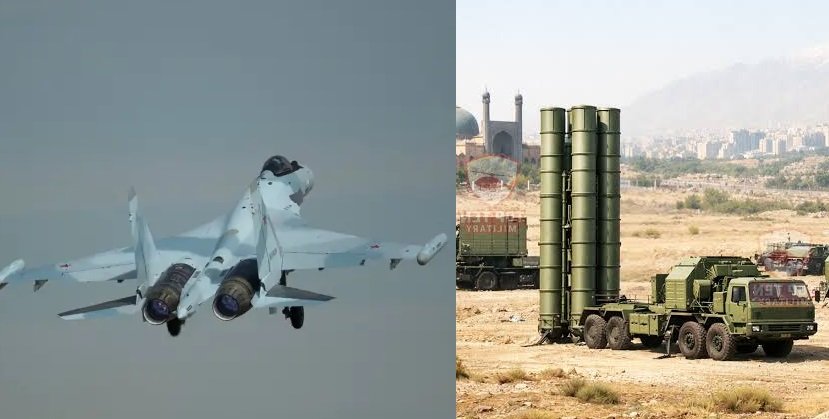
The Su-35 is considered one of Russia’s most capable fourth-generation-plus multirole fighters. Equipped with advanced radar systems, long-range weapons integration, and high maneuverability, the aircraft is intended to significantly modernize Iran’s aging fighter fleet. The platform can simultaneously carry combinations of R-73 and R-77 air-to-air missiles alongside Kh-38 and Kh-31 strike weapons.
Separate documents reviewed by UNITED24 Media suggest that production and support activities associated with the broader Su-35 program may continue through 2026–2028. Some reports linked to the contracts indicate that Iran could eventually acquire a larger number of Su-35 aircraft under agreements valued in the billions of dollars.
Russian Defense Industry Involvement
Several major Russian defense enterprises are participating in the program.
The Yuri Gagarin Komsomolsk-on-Amur Aviation Plant is responsible for manufacturing the Su-35 aircraft. The Zvezda Research and Production Enterprise has been tasked with supplying ejection seats and associated pyrotechnic systems.
Missile warheads, propellant charges, and engine-related components are being produced by the Machine-Building Design Bureau Iskra and the Perm Powder Plant.
The leaked records also indicate that units of the Russian Ministry of Defense are conducting quality-control inspections throughout the manufacturing process to verify compliance with military requirements.
Expanding Military Cooperation
The documents provide additional insight into the growing defense relationship between Moscow and Tehran. Before the Su-35 program, Russia supplied Iran with Yak-130 trainer aircraft, which are widely viewed as preparation platforms for pilots transitioning to more advanced fighters such as the Su-35.
Military cooperation between the two countries has expanded significantly in recent years. Iran has supplied Russia with Shahed-series attack drones and other military equipment used during the war in Ukraine, while Russia has continued to provide advanced aviation technology and training support.
Regional Security Implications
The leaked contracts offer a detailed view of the scale and timeline of Russian military exports to Iran. Beyond complete missiles, the agreements cover critical supporting equipment, propulsion systems, warheads, pyrotechnic devices, and aircraft integration components required to make the fighter fleet fully operational.
With missile deliveries and aircraft production expected to continue through 2027, the program is set to strengthen Iran’s air combat, strike, anti-radar, and maritime attack capabilities. Defense analysts note that the combination of Su-35 fighters and their associated missile inventory would represent one of the most significant modernization efforts undertaken by the Iranian Air Force in recent decades.
The disclosures also underscore the increasing strategic cooperation between Russia and Iran as both countries continue to face international sanctions and evolving regional security challenges.
——— End of Article ———