World
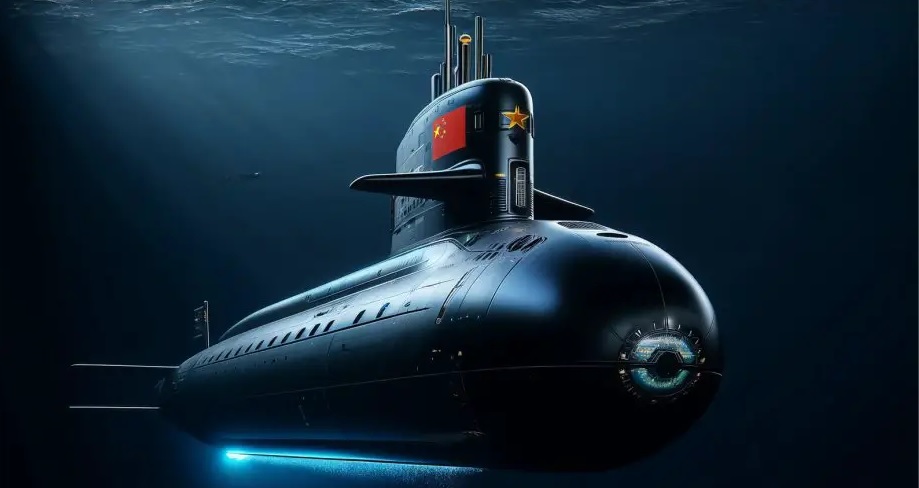
ChinaChinese scientists have developed a groundbreaking laser-based propulsion system for submarines, promising silent, high-speed underwater mobility that could revolutionize naval warfare. Using thin optical fibers and powerful laser beams, the technology reduces water resistance and generates thrust comparable to a commercial jet engine while consuming minimal energy.Advancements in propulsion technology are pivotal in shaping the future of naval warfare. Recently, Chinese scientists have made significant strides in the development of a laser-based propulsion system for submarines. This technology, termed "underwater fiber laser-induced plasma detonation wave propulsion," has the potential to revolutionize underwater mobility, offering silent and high-speed capabilities previously unseen in traditional submarine propulsion methods.Understanding the TechnologyThe core principle of the laser propulsion system revolves around the utilization of powerful laser beams channeled through a network of optical fibers coating the submarine's hull. These fibers, thinner than a human hair, enable precise control and delivery of laser energy to interact with seawater. Upon interaction, two key effects are observed: supercavitation and detonation wave propulsion.Supercavitation is achieved as the laser energy vaporizes seawater, creating a bubble layer around the submarine. This reduces water resistance, enabling the vessel to move at significantly increased speeds. The rapid expansion of these bubbles also generates a detonation wave, further propelling the submarine forward.Scientific BreakthroughsThe development of laser propulsion technology addresses longstanding challenges in underwater propulsion. By delving into the physics of detonation shock waves and propulsion media properties, scientists have gained crucial insights necessary for practical implementation. The recent publication in Acta Optica Sinica underscores the scientific rigor and progress made in this field.Efficiency and PowerOne notable aspect of the laser propulsion system is its remarkable efficiency. Despite generating thrust comparable to a commercial jet engine, the system operates on a fraction of the energy, requiring only 2 megawatts of laser energy. This efficiency is attributed to the precise delivery of laser energy and the innovative design of the propulsion system.Potential ImplicationsThe implications of laser propulsion technology extend beyond submarine mobility. Silent operation, devoid of noisy mechanical parts, enhances stealth capabilities, making detection challenging for adversaries. Moreover, the ability to achieve high speeds underwater could revolutionize naval strategies, providing tactical advantages in various operational scenarios.Challenges and ConsiderationsWhile promising, the development of laser propulsion technology is not without challenges. Reliable and powerful laser sources suitable for underwater operation must be developed. Safety implications and environmental concerns, including the impact of large-scale cavitation, require careful consideration and mitigation strategies.Global Dynamics and Strategic ImportanceThe pursuit of advanced propulsion technology reflects the strategic importance nations place on naval dominance. The imposition of sanctions on the Chinese university involved in the research underscores the competitive landscape and geopolitical ramifications of technological advancements in naval warfare.Future OutlookWhile the feasibility of laser propulsion technology awaits independent verification and real-world testing, its potential to reshape naval warfare is undeniable. The race for next-generation underwater dominance is intensifying, with laser propulsion emerging as a key contender.ConclusionAdvancements in laser propulsion technology represent a significant step forward in the evolution of underwater mobility. By harnessing the power of lasers, submarines could achieve unprecedented speeds while maintaining stealthy operation. The implications for naval warfare are far-reaching, underscoring the importance of continued research and development in this field. As nations vie for superiority in underwater domains, the race for innovative propulsion solutions may well determine future naval supremacy.
Read More → Posted on 2024-04-27 06:41:22
World
China ,TibetChina refuses dialogue on Tibetan autonomy, insisting only on talks with Dalai Lama's representatives, rejecting the government-in-exile. Back-channel engagements hint at potential revival of dialogue amidst longstanding dispute.In the ongoing saga of Sino-Tibetan relations, recent statements from Chinese officials underscore a rigid stance regarding dialogue with representatives of the Dalai Lama. China has made it clear that it will engage solely with the Dalai Lama's representatives, bypassing the Tibetan government-in-exile based in India. Furthermore, discussions will be limited to arrangements, excluding any discourse on Tibetan autonomy, a longstanding demand from the Tibetan spiritual leader.The latest remarks from the Chinese Foreign Ministry spokesperson, Wang Wenbin, dismiss any legitimacy accorded to the Tibetan government-in-exile, labeling it as illegal under Chinese law. Wang emphasized that China does not recognize the government-in-exile and reiterated that no country has officially acknowledged its authority.Despite these assertions, reports have surfaced indicating back-channel engagements between the Tibetan government-in-exile and Chinese authorities. Penpa Tsering, the Sikyong of the Central Tibetan Administration, acknowledged these informal talks, albeit with tempered expectations of immediate results. Tsering highlighted the long-term nature of these engagements and emphasized their informality.In response, Wang outlined China's principles for engaging with representatives of the Dalai Lama, emphasizing the exclusion of the Tibetan government-in-exile from formal discussions. Additionally, he reiterated China's stance against autonomy for Tibet, instead calling for adherence to Chinese laws and stability in the region.The history of Sino-Tibetan dialogue is marked by intermittent attempts at negotiation, notably from 2002 to 2010 when nine rounds of talks took place. However, these discussions failed to yield tangible outcomes, with the Tibetan side advocating for genuine autonomy in line with the Dalai Lama's Middle-Way Policy.Since 2010, formal talks have ceased, leaving the Tibetan issue unresolved. Despite this hiatus, recent indications of back-channel talks signal a potential revival of dialogue, albeit with uncertain prospects for progress. Tibetan leaders view dialogue as the only viable path towards resolving the longstanding dispute.The Tibetan narrative traces back to 1959 when the 14th Dalai Lama fled Tibet amidst China's occupation, seeking refuge in India where he established the government-in-exile in Dharamshala, Himachal Pradesh. This historical backdrop informs the ongoing struggle for Tibetan autonomy and preservation of Tibetan culture and identity.While China's refusal to engage in discussions on autonomy underscores its firm stance on Tibetan sovereignty, the persistence of back-channel talks offers a glimmer of hope for future dialogue. However, the road ahead remains fraught with challenges, including differing interpretations of autonomy and the complex geopolitics of the region.In conclusion, the latest developments in Sino-Tibetan relations highlight the intricacies of dialogue amidst entrenched positions. As discussions continue behind closed doors, the fate of Tibet and its quest for autonomy hangs in the balance, with the world watching closely for any signs of progress or regression in this enduring dispute.
Read More → Posted on 2024-04-27 06:09:44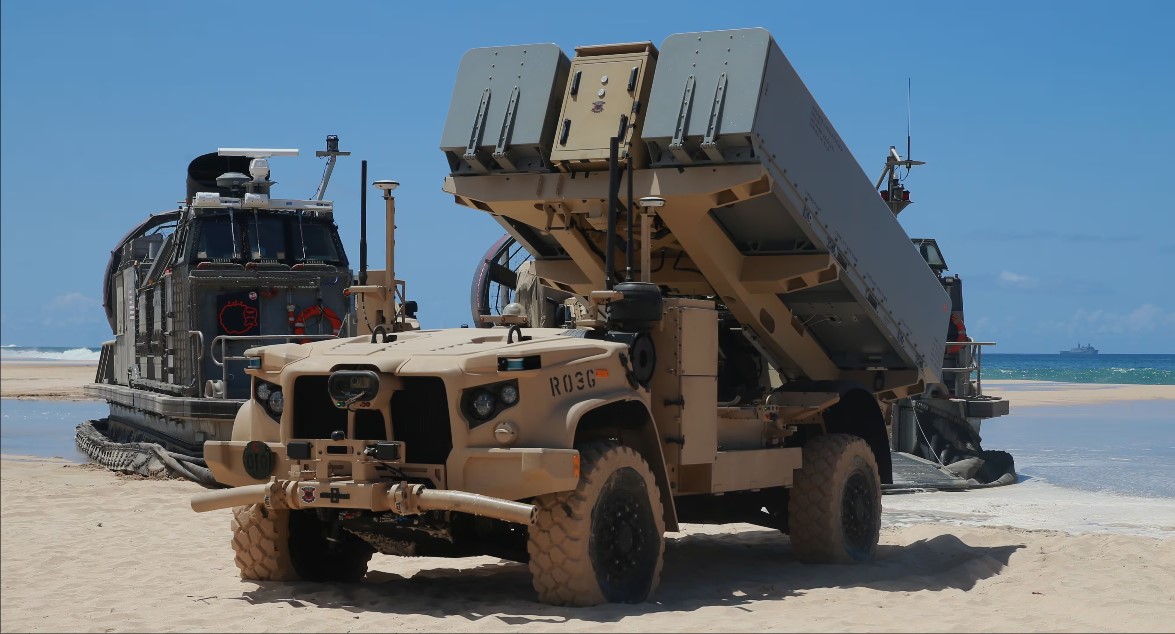
World
U.SOshkosh Defense awarded $40M contract to provide ROGUE Fires, a remotely operated ground unit supporting Marine Corps' anti-ship missile deployment. Platform based on Joint Light Tactical Vehicle, offering maneuverability and seamless integration with weapon systems.Oshkosh Defense, a leading provider of military vehicles, has clinched a substantial $40 million contract from the US Marine Corps. The contract is for the provision of a Remotely Operated Ground Unit for Expeditionary Fires (ROGUE Fires), a vital component in the Marine Corps' arsenal.The ROGUE Fires is designed as a scalable unmanned ground vehicle, specifically tailored to support ground-based anti-ship missile deployment. Drawing from Oshkosh's expertise and leveraging their proprietary Joint Light Tactical Vehicle design, the ROGUE Fires ensures optimal payload capacity and maneuverability crucial for launch operations.Key to its functionality is its remote operation capability, allowing users to control the ROGUE Fires either through remote solutions or leader/follower modules. This versatility enhances its usability across various operational scenarios.The contract stipulates that work will be carried out in Virginia, Maryland, and Wisconsin, with completion slated for December 2026. Once delivered, the ROGUE Fires will be integrated into the Navy/Marine Expeditionary Ship Interdiction System, a critical shore-based capability aimed at neutralizing enemy surface vessels.Pat Williams, Chief Programs Officer at Oshkosh Defense, emphasized the company's dedication to meeting the Marine Corps' mission requirements. He highlighted the ROGUE Fires' cutting-edge technology and its seamless integration potential with a range of weapon systems.This latest contract builds upon Oshkosh's track record in supporting the Marine Corps. In October 2023, the company secured a similar contract to supply additional ROGUE Fires. Prior to that, in a contract signed a year earlier, Oshkosh committed to delivering the carrier to the US Marine Corps' Expeditionary Ship Interdiction System.With its proven performance and adaptability, the ROGUE Fires platform is poised to fulfill diverse mission needs for years to come, bolstering the Marine Corps' capabilities in safeguarding national interests.
Read More → Posted on 2024-04-26 15:44:07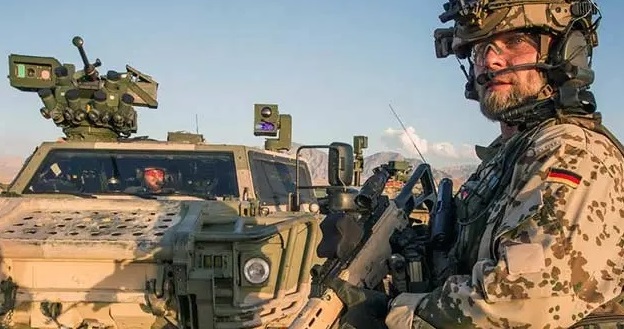
World
GermanyRheinmetall secures a 400-million-euro contract to supply 191,000 tactical communication systems to the German armed forces, featuring advanced ear protection and real-time radio connectivity for improved operational efficiency.Rheinmetall, a prominent defense technology company, has secured a substantial contract to provide tactical communications systems for Germany's armed forces. This deal, valued at around 400 million euros, will see the delivery of 191,000 sets of advanced intercom systems over a period of seven years.These communication systems, equipped with cutting-edge active capsule ear protection, aim to safeguard soldiers' hearing while enhancing their ability to hear quieter sounds. Additionally, each set will feature a radio-connected microphone as its primary means of transmitting real-time communications during military operations.The delivery of these intercom systems will be phased out, with an initial batch of 30,000 units slated for delivery this year, followed by a second installment in 2025.Rheinmetall's collaboration with the German military aligns with the country's efforts to modernize its armed forces, particularly focusing on equipment utilized by dismounted troops. In January, the company announced its commitment to supplying 14 Future Soldier-Extended System units, facilitating seamless communication between soldiers and Puma infantry fighting vehicles, which act as their "mother ship." This integrated system aims to enhance communication capabilities among troops, bolstered by a network of sensors and effectors for improved target detection and engagement.Furthermore, Rheinmetall's defense upgrades extend to the forthcoming delivery of up to 123 8×8 Heavy Weapon Carriers. These vehicles are slated to replace the army's existing Wiesel tracked vehicles, providing enhanced tactical fire support capabilities.Overall, Rheinmetall's ongoing partnership with the German military underscores its dedication to equipping troops with state-of-the-art communication and defense systems, contributing to the modernization and effectiveness of the country's armed forces.
Read More → Posted on 2024-04-26 15:19:57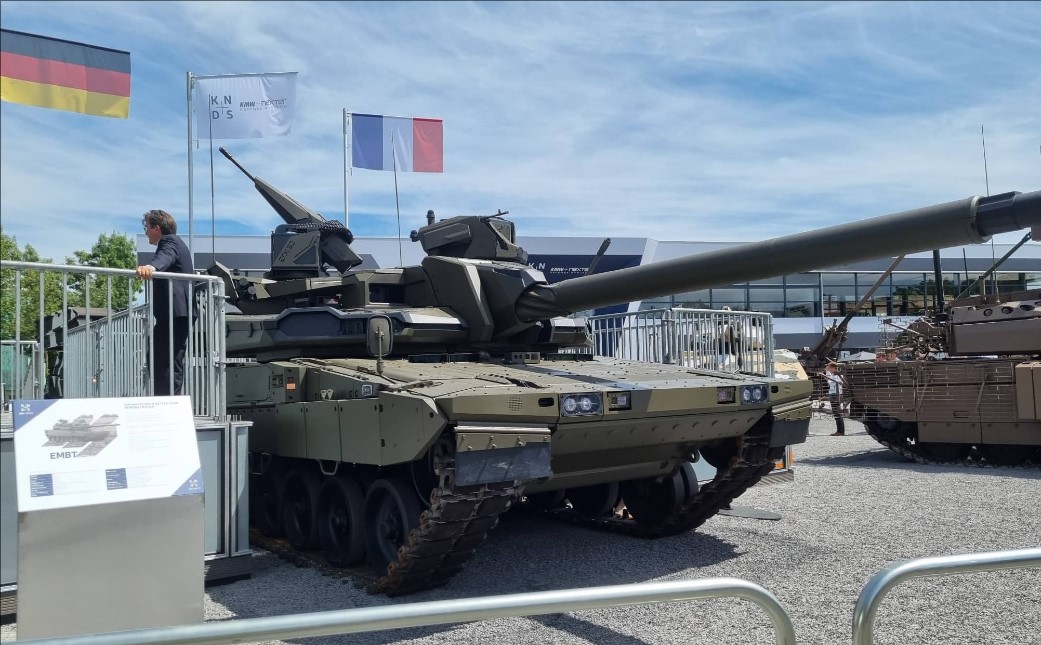
World
France ,GermanyFrance and Germany advance joint project for a next-generation battle tank, aiming for completion by 2040, showcasing European defense autonomy and competitive prowess in global markets.France and Germany have advanced their joint project to develop a new battle tank, slated for completion by 2040. Despite ongoing differences and delays, the decision marks a significant step forward in the Franco-German initiative, which also includes the development of a joint fighter jet.Originally agreed upon in 2017, the joint endeavor seeks to create a next-generation tank to succeed Germany's Leopard 2 and France's Leclerc. However, disagreements between the two nations have posed challenges, compounded by differing views on energy policies and the level of Europe's autonomy in security matters vis-à-vis the United States.The recent agreement signifies a commitment to overcoming obstacles and progressing towards the project's next phase. French Defence Minister Sebastien Lecornu and his German counterpart Boris Pistorius have lent their support to drive the initiative forward, maintaining momentum despite lingering disagreements.The distribution of work between manufacturers has been outlined, with plans to finalize initial contracts by year-end. Leading the effort is KNDS, a joint venture between France's Nexter and Germany's Krauss-Maffei-Wegmann (KMW), supported by companies like Rheinmetall and Thales.Both Lecornu and Pistorius underscored the significance of the agreement, emphasizing the importance of European defense autonomy and the competitive landscape in global defense markets. The development of the next-generation tank not only showcases Europe's capability but also positions it to compete with emerging powers like India and China, while also asserting leadership over traditional players like Russia and the United States.While acknowledging the long road ahead, the signing of the memorandum of understanding (MOU) marks a crucial milestone in realizing the Franco-German land combat system of the future, known as MGCS. Looking ahead, the collaboration between France and Germany sets the stage for a robust and operational armored cavalry by the 2040s.
Read More → Posted on 2024-04-26 15:12:00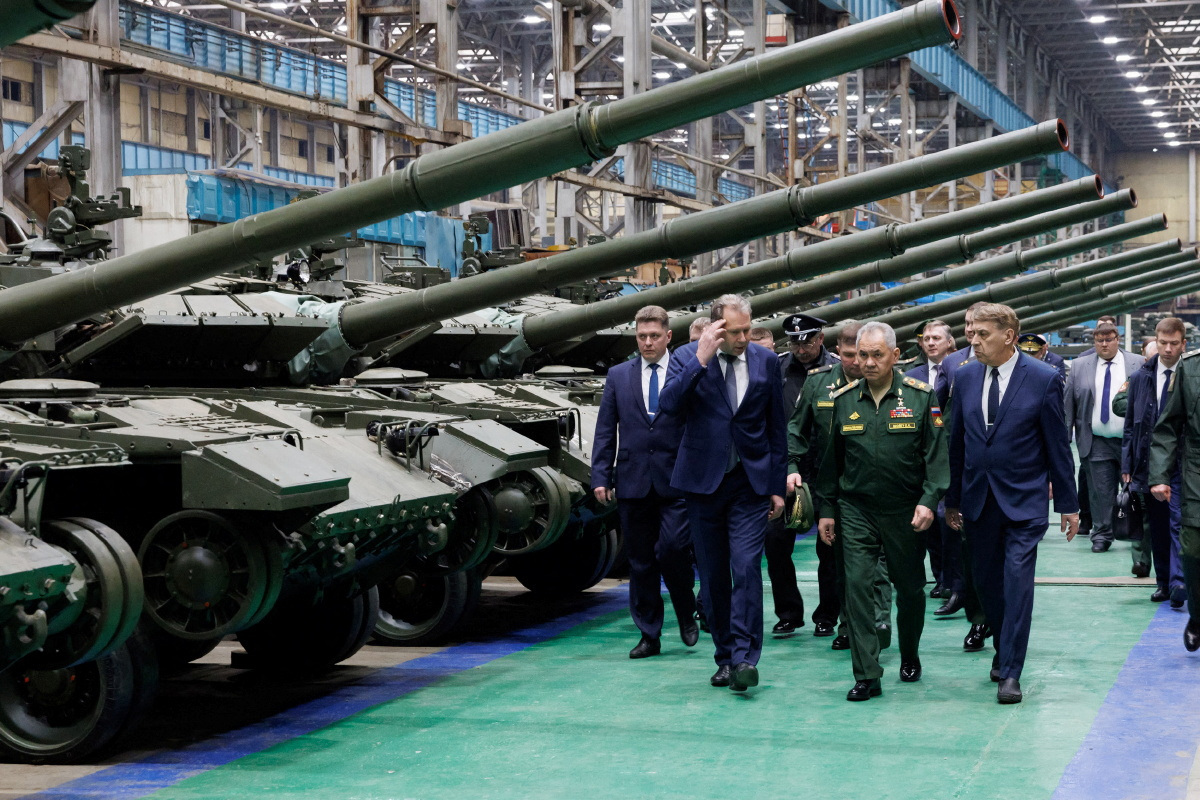
World
RussiaAmid concerns over Russia's surplus military production, German Defense Minister warns of broader ambitions, potentially impacting security dynamics in Europe. Russia's ability to rapidly replenish stockpiles and increase arms production raises alarm about potential conflict escalation beyond Ukraine.In recent years, concerns have escalated regarding Russia's military activities, particularly in the context of its involvement in Ukraine. German Defense Minister Boris Pistorius has brought attention to the issue, asserting that Russia's production of military weapons and equipment exceeds its immediate needs, hinting at broader military ambitions.Pistorius emphasized that Russia's surplus weapons often find their way into warehouses rather than being deployed to frontline forces. He pointed out that this surplus production is facilitated by Russia's increased defense spending and its shift toward a war economy.One significant consequence of Russia's surplus production is its ability to swiftly replenish its stockpiles despite facing international sanctions. This capability has contributed to Russia's perceived advantage in the conflict in Ukraine.The Russian defense ministry has reported the induction of a large number of new main battle tanks in recent years, indicating its sustained capacity to replace battlefield losses. Intelligence reports from the UK Ministry of Defence support this claim, highlighting Russia's ability to produce a substantial number of main battle tanks monthly.Moreover, Russia has significantly ramped up its ammunition production to ensure rapid resupply of frontline troops. This heightened production rate underscores Russia's commitment to sustaining its military operations.Concerns have been raised about Russia's military buildup extending beyond the conflict in Ukraine. German intelligence reports suggest that Russia may be preparing for a major conflict, potentially targeting a NATO member state by 2026. This assessment aligns with the view that Russia's increased arms production could lead to a substantial expansion of its military strength in the coming years.In conclusion, Russia's surplus production of military weapons and equipment raises concerns about its broader military ambitions and potential escalation of conflicts. As such, it underscores the importance of continued vigilance and international cooperation to address security challenges posed by Russia's military activities.
Read More → Posted on 2024-04-26 15:06:55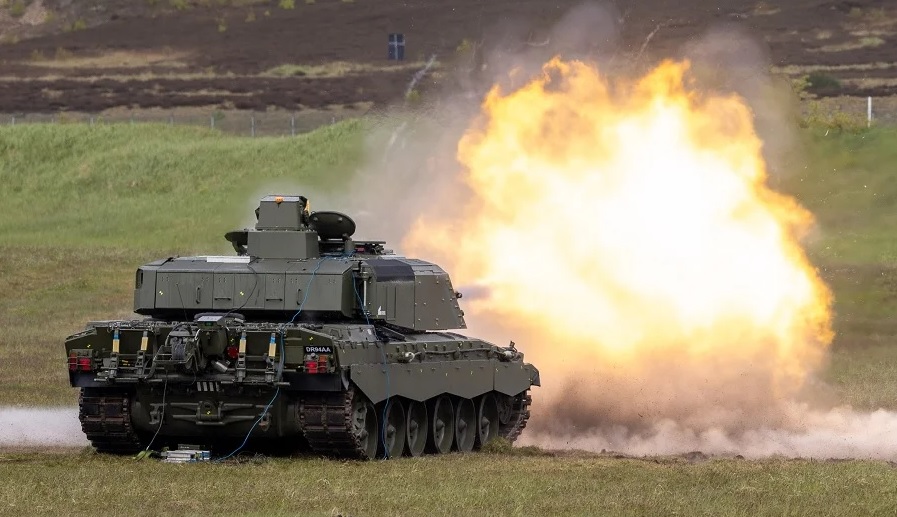
World
U.KThe Challenger 3, Britain's next-gen main battle tank, showcased its cutting-edge capabilities in live firings in Germany, marking a milestone in military technology advancement and NATO security reinforcement. Led by Rheinmetall BAE Systems Land, the project not only enhances defense capabilities but also creates hundreds of high-skilled jobs, bolstering both national security and economic prosperity.The British Army's upcoming main battle tank, the Challenger 3, showcased its capabilities during live firing tests in Germany. These exercises, attended by UK Defence Procurement Minister James Cartlidge, demonstrated the tank's cutting-edge technology.Designed to be the most lethal and robust tank in British Army history, the Challenger 3's live firing tests took place in northern Germany. These tests came shortly after Prime Minister Rishi Sunak's visit to Berlin, where a collaborative effort with Germany was announced. This effort will focus on developing Remote-Controlled Howitzer 155mm Wheeled Artillery Systems (RCH 155) for integration into Boxer vehicles.The UK and Germany have strong trade relations, with bilateral trade totaling GBP 147.7 billion last year. The Challenger 3's development and production, led by Rheinmetall BAE Systems Land (RBSL), under an GBP 800 million contract, will create nearly 300 high-skilled jobs at RBSL, including positions for engineers and technicians, with additional jobs across the UK.During the live firings, the Challenger 3 demonstrated its precision by hitting targets at various distances, aligning with NATO Reference Standards. This underscores the UK's commitment to maintaining robust defense capabilities and contributing to NATO's collective security.Defence Secretary Grant Shapps, after inspecting the latest Challenger 3 prototype, expressed confidence in its advanced features. These include a state-of-the-art turret with a more capable smoothbore gun, compatible with NATO ammunition, enhanced sensors, superior armor, and an Active Protection System.Minister James Cartlidge emphasized the tank's importance for the Army's warfighting ability and the UK's contribution to NATO, acting as a deterrent to adversaries. He also highlighted the program's dual benefits of strengthening the army and supporting the domestic defense industry.The Challenger 3 is expected to serve as the backbone of the British Army's armored forces until at least 2040, replacing earlier versions and setting new standards in armored warfare.
Read More → Posted on 2024-04-26 15:02:07
World
China ,Israel Chinese satellite analysis reveals extensive damage in Gaza, with 58.4% of buildings and 34.1% of farmland damaged, showcasing advancements in remote sensing technology. This milestone underscores the urgent need for international attention and support in addressing the humanitarian crisis in the region.In the realm of remote sensing technology, recent advancements have unveiled a groundbreaking development in assessing the aftermath of conflict zones. Chinese satellite imagery, presented at the China Space Conference, sheds light on the extent of destruction in Gaza, offering a comprehensive analysis that was previously unattainable.According to Professor Li Deren from Wuhan University, utilizing data from the Luojia-3 and Dongfang Huiyan Gaofen01 satellites, an estimated 58.4 per cent of buildings and 34.1 per cent of farmland in Gaza have been damaged. This marks a significant milestone in remote sensing capabilities, as it provides detailed insights into the progression of destruction over time.The analysis, based on observations dating back to October 17, before the Israeli invasion of Gaza, employs advanced automated recognition algorithms to detect and assess damage to various structures, including crucial facilities such as schools, hospitals, and places of worship. The findings reveal a gradual escalation of destruction, with the percentage of damaged buildings increasing from 18.7 per cent before November 10 to a staggering 58.4 per cent by March 2.In addition to assessing structural damage, the satellite imagery also identifies the location, size, and number of missile craters over time, uncovering a total of 3,747 craters in the Gaza region by March 2. Furthermore, the analysis highlights disparities in damage between different areas, with Gaza City sustaining twice the destruction compared to Deir al Balah City.The significance of this analysis lies not only in its scope but also in its ability to fill crucial gaps in knowledge about the extent of damage in Gaza. Traditional ground surveys are often hindered in conflict zones, making it challenging to obtain accurate assessments of destruction. While platforms like Google satellite imagery offer valuable insights, they lack the granularity provided by the Chinese satellite data.China's emergence as a leader in Earth observation networks is underscored by the transformative development of its remote sensing satellites. Professor Li emphasizes the growing influence of China's space-based observations, citing their broad scope, timeliness, and geopolitical independence. With ongoing advancements in remote sensing technology, including more frequent imaging, larger coverage areas, and faster data transmission, China is poised to further elevate its capabilities in monitoring and analyzing global events.The implications of this milestone extend beyond the realm of technology, highlighting the urgent need for international attention and support in addressing the humanitarian crisis in Gaza. The destruction of vital infrastructure jeopardizes the well-being of civilians and exacerbates existing challenges in the region.In conclusion, the Chinese satellite analysis of Gaza represents a significant step forward in remote sensing technology, offering unprecedented insights into the aftermath of conflict. As advancements continue to unfold, it is imperative that stakeholders leverage this data to inform decision-making and support efforts towards peace and reconstruction in affected regions.
Read More → Posted on 2024-04-26 08:54:07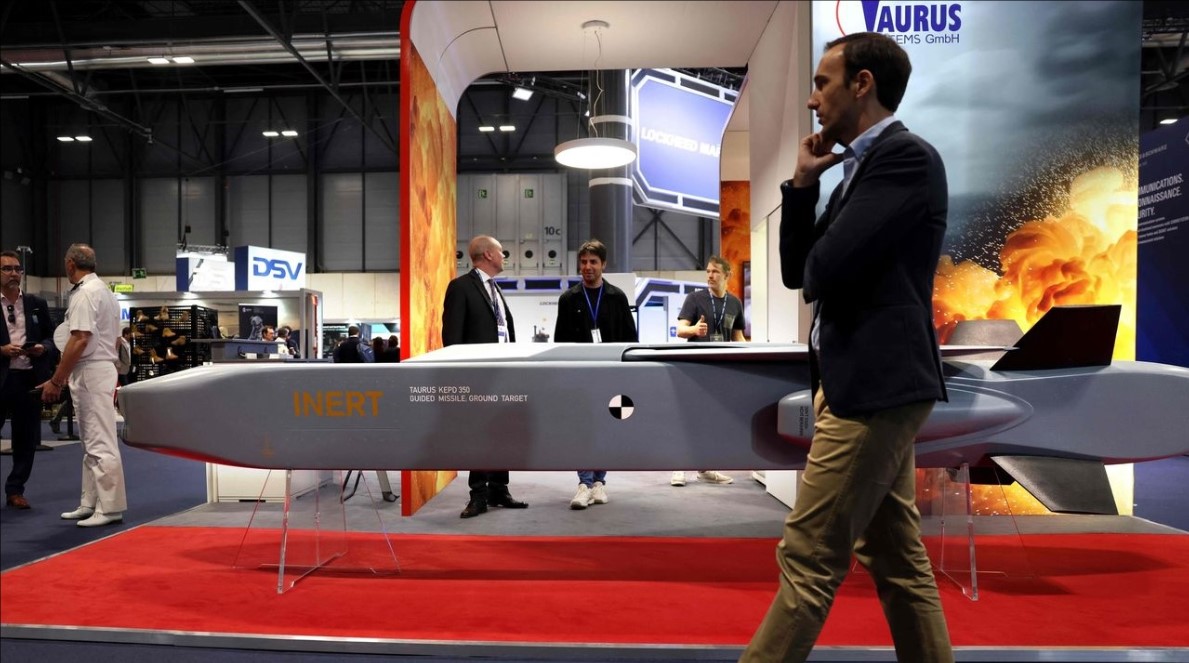
World
Germany , Ukraine , U.S The US and its allies have provided long-range missiles to Ukraine, enhancing its defense capabilities against Russian aggression. Germany's decision on whether to supply its Taurus missiles, sought by Ukraine, remains under scrutiny amidst the ongoing conflict.In a recent update, the United States and its allied nations have taken a significant step in supporting Ukraine's defense against Russian aggression. The US, France, and Britain have provided long-range missiles to Ukraine, enhancing its capabilities in deterring and defending against potential threats.The US confirmed the delivery of a variant of the ATACMS missile, with a range of 300 kilometers, while France and Britain contributed SCALP and Storm Shadow missiles, with ranges of about 250 kilometers each.However, attention has turned to Germany and its reluctance to provide its Taurus missiles, which have a range of up to 500 kilometers, despite Ukraine's persistent requests. The US official emphasized that the decision regarding the Taurus missiles lies with Germany.While Berlin has declined to send these missiles, citing concerns about escalating the conflict, the provision of long-range missiles by the US and its allies could potentially influence Germany's stance on the matter. The hope is that the actions taken by the US, UK, and France would encourage Germany to reconsider its position and contribute to Ukraine's defense efforts.Ukraine has been engaged in a conflict with Russian forces for over two years, and the support from international allies is crucial in bolstering its defense capabilities. The provision of long-range missiles is a tangible demonstration of solidarity with Ukraine and underscores the commitment of the US and its allies to supporting Ukraine in its struggle for sovereignty and territorial integrity.As the situation continues to evolve, the international community will closely monitor any developments regarding Germany's decision on providing Taurus missiles to Ukraine. In the meantime, the focus remains on strengthening Ukraine's defense capabilities and deterring further aggression from Russia.
Read More → Posted on 2024-04-26 06:49:20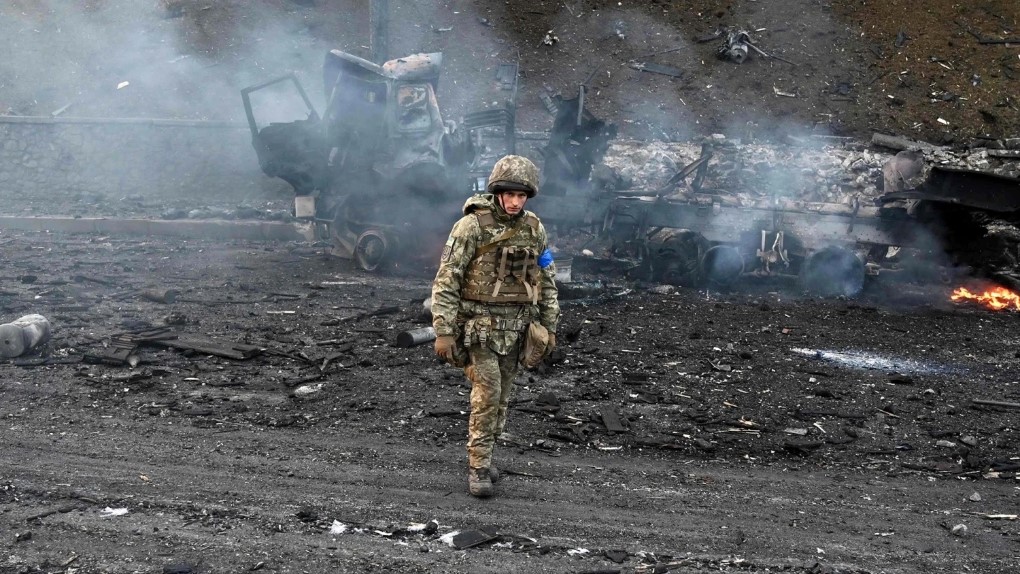
World
UkraineUkraine faces a critical manpower shortage amidst the ongoing Russian threat, highlighting a pressing need for additional troops despite billions in forthcoming military aid. President Zelensky lowers draft age to 25 to bolster frontline defense against overwhelming odds. Following the approval of much-needed military aid by US lawmakers, concerns are rising about Ukraine's ability to match Russia's formidable ground forces. Despite billions of dollars in weaponry and equipment on the horizon, analysts highlight a glaring issue: the lack of manpower.Since Russia's invasion in 2022, the Ukrainian military has faced overwhelming odds, with Moscow boasting a pre-invasion force of 360,000 troops. While reports suggest that a significant portion of this force has been neutralized, Russia retains the capability to mobilize thousands of reservists, maintaining a substantial numerical advantage.Konrad Muzyka, head of Polish military consultancy firm Rochan, underscores Ukraine's urgent need for more troops to effectively counter Russian aggression. He warns that without a bolstered manpower, Ukraine may struggle to match Russia's invasion force, particularly as Kyiv plans another major offensive this summer.Recent reports shed light on the stark manpower gap between Russian and Ukrainian forces. Despite efforts to address shortages in munitions through foreign aid, filling the frontline remains a formidable challenge. A battalion commander in a mechanized brigade revealed that his unit is severely understaffed, with fewer than 40 troops compared to the required 200 to repel Russian assaults.Even former Ukrainian military chief Valery Zaluzhny emphasizes the scale of the challenge, asserting that nearly 500,000 new troops are needed for Ukraine to prevail in the conflict.In response to the pressing manpower shortage, President Volodymyr Zelensky has taken measures to expand the pool of potential recruits. Lowering the draft age from 27 to 25, the aim is to mobilize more young men to bolster the frontline defense.As Ukraine grapples with the formidable Russian threat, the shortage of manpower emerges as a critical vulnerability. While international support and military aid provide crucial resources, addressing this shortfall will be paramount in ensuring Ukraine's ability to effectively defend its sovereignty and territorial integrity.
Read More → Posted on 2024-04-26 05:25:21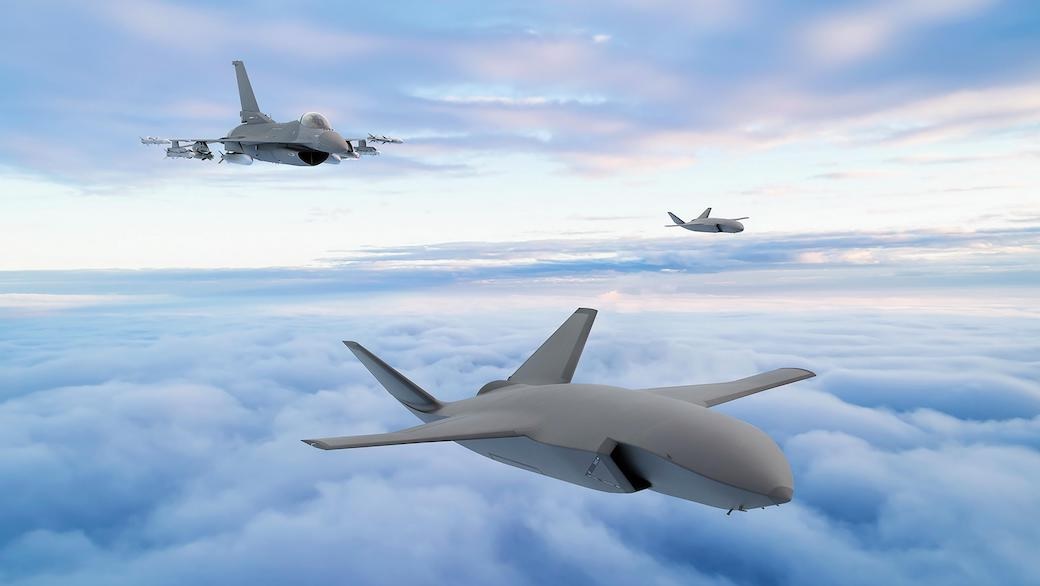
World
U.SAnduril chosen by the US Air Force for the Collaborative Combat Aircraft program, aiming to deliver autonomous systems swiftly and affordably, enhancing defense capabilities. With a focus on innovation and practicality, Anduril blends software expertise with rapid hardware development to meet evolving defense needs.The United States Air Force has announced its decision to include Anduril as one of two vendors moving forward with the Collaborative Combat Aircraft (CCA) program. This program aims to develop, manufacture, and test production-ready CCAs.Brian Schimpf, CEO and Co-Founder of Anduril, emphasized the urgency of embracing innovative approaches rather than sticking to conventional methods. He expressed gratitude for the opportunity, seeing it as a sign of the growing need to expand the defense industrial base. Anduril sees this as a chance for non-traditional defense companies to step up and compete on a larger scale.Jason Levin, Senior Vice President of Anduril’s Air Dominance & Strike Division, stressed the importance of delivering CCAs swiftly, cost-effectively, and at scale to counter evolving threats. Anduril looks forward to collaborating with the U.S. Air Force to provide this crucial capability to Airmen as soon as possible.Anduril has long focused on autonomy and affordable mass as core principles since its establishment in 2017. The company aims to enhance defense capabilities for the U.S. and its allies by blending modern software expertise with a rapid hardware development and manufacturing approach. Their track record includes delivering high-performance, next-generation, software-defined capabilities within practical timelines and scales.From advanced counter drone systems to large autonomous underwater vehicles, Anduril has demonstrated its ability to provide cutting-edge solutions for defense needs. Their commitment to transforming defense capabilities aligns with the goals of the CCA program, promising to bring innovation to the forefront of military technology.In conclusion, Anduril's selection for the Collaborative Combat Aircraft program underscores the importance of agility and innovation in modern defense. With their expertise in software and hardware development, Anduril is poised to contribute significantly to the advancement of U.S. and allied defense capabilities.
Read More → Posted on 2024-04-25 15:54:43
World
SpainITP Aero Introduce IMAGINE, AI software for detecting defects in aeronautical structures, reducing inspection time by 80% at the Albacete Air Force Training Centre.ITP Aero has made a significant breakthrough in the field of aerospace technology with the development of IMAGINE, an innovative AI-based software aimed at detecting defects in aeronautical structures. This pioneering software marks a notable advancement in the industry, offering a practical solution to enhance the inspection process.IMAGINE has been successfully applied in the BACSI project of the Spanish Air Force, showcasing its effectiveness and reliability. At the Albacete Air Force Training Centre (MAESAL), where IMAGINE is already in use, the time required for inspecting aeronautical structures has been reduced by a staggering 80%. This remarkable achievement underscores the tangible benefits of integrating AI technology into aerospace production.The software operates in tandem with robotic digital radiography inspection systems, automating the detection of defects with precision and efficiency. By harnessing the power of artificial intelligence, IMAGINE not only streamlines the inspection process but also enhances the overall quality of assessments.Álvaro Santodomingo, Executive Director of Defence at ITP Aero, lauded the company's pioneering efforts in developing technological solutions for the aerospace industry. He emphasized the significance of IMAGINE's adoption by the Spanish Air Force as a testament to ITP Aero's commitment to advancing the efficiency and sustainability of air bases.Moving forward, ITP Aero aims to further enhance the capabilities of IMAGINE through ongoing algorithm retraining, thereby expanding its scope and utility. With its groundbreaking AI software, ITP Aero continues to drive innovation in aerospace technology, ushering in a new era of efficiency and effectiveness in structural inspection processes.
Read More → Posted on 2024-04-25 15:35:03
World
U.KQinetiQ and partners achieve a milestone with the UK's first Crewed-Uncrewed-Teaming trial, seamlessly integrating crewed aircraft with autonomous drones, advancing air autonomy capability. This successful demonstration showcases the potential for cost-effective enhancement of combat capability through innovative collaboration and technology integration.In a groundbreaking demonstration of technological advancement, QinetiQ, in collaboration with the Defence Science and Technology Laboratory (Dstl), the Royal Navy, and the Air and Space Warfare Centre (ASWC), has achieved a significant milestone in the realm of aviation defense capability. The UK's first-ever Crewed-Uncrewed-Teaming (CUT) trial showcased the seamless integration between crewed aircraft and autonomous jet drones, marking a pivotal moment in the evolution of air operations.The trial, conducted with precision and coordination, unfolded as a QinetiQ jet aircraft took off from the Ministry of Defence (MOD) site at Boscombe Down in Salisbury. Simultaneously, a modified Banshee Jet 80 drone was launched from the MOD Hebrides range, situated off the north-west coast of Scotland. The crewed aircraft, en route from Boscombe to the Hebrides, successfully established control over the Banshee drone, issuing mission assignments and directives.Equipped with QinetiQ's Airborne Command and Control for Swarm Interoperable Missions (ACCSIOM) technology, the Banshee drone seamlessly communicated with the crewed aircraft using standardized messaging formats, akin to the NATO Link 16 datalink. This technological innovation not only facilitated effective communication but also ensured safety through built-in override systems, thereby guaranteeing the drone's compliance with designated operating parameters.The success of this trial underscores the potential for integrating crewed and uncrewed systems within the existing combat air fleet, thereby enhancing combat capability in a cost-effective manner. Alan Hart, Managing Director Science & Technology at QinetiQ, emphasized the collaborative nature of the endeavor, highlighting its significance in meeting the evolving needs of frontline operations.Minister for Defence Procurement, James Cartlidge, lauded the achievement as a testament to British engineering expertise and emphasized the strategic importance of crewed-uncrewed teaming in bolstering the Armed Forces' technological prowess. This successful trial, he asserted, exemplifies the synergistic relationship between the MOD and industry in driving innovation and experimentation.Peter Stockel, Dstl's Chief for Robotic and Autonomous Systems, emphasized the trial's role in de-risking the adoption of autonomous systems, addressing regulatory requirements, and advancing autonomy capabilities. The collaborative effort between MOD, Dstl, QinetiQ, and industry partners underscores a commitment to accelerating research and development for operational advantage through open and agile approaches.Commodore Steve Bolton, Deputy Director Aviation Programmes & Futures, expressed his satisfaction with the trial's outcomes, noting its alignment with the Royal Navy's aviation transformation initiatives. Crewed-Uncrewed Teaming, he affirmed, holds the potential to expand aviation combat mass and operational advantage at sea, ushering in a new era of strategic capability.The flight trial, conducted under the UK's Accelerating Air Autonomy Capability Experimentation (A3CE) R&D programme, represents the culmination of extensive planning and development efforts. Through synthetic and flight de-risking trials, assessment, and testing, QinetiQ and Dstl have demonstrated a steadfast commitment to advancing air autonomy capability, setting a precedent for future innovation and collaboration in defense technology.
Read More → Posted on 2024-04-25 15:25:11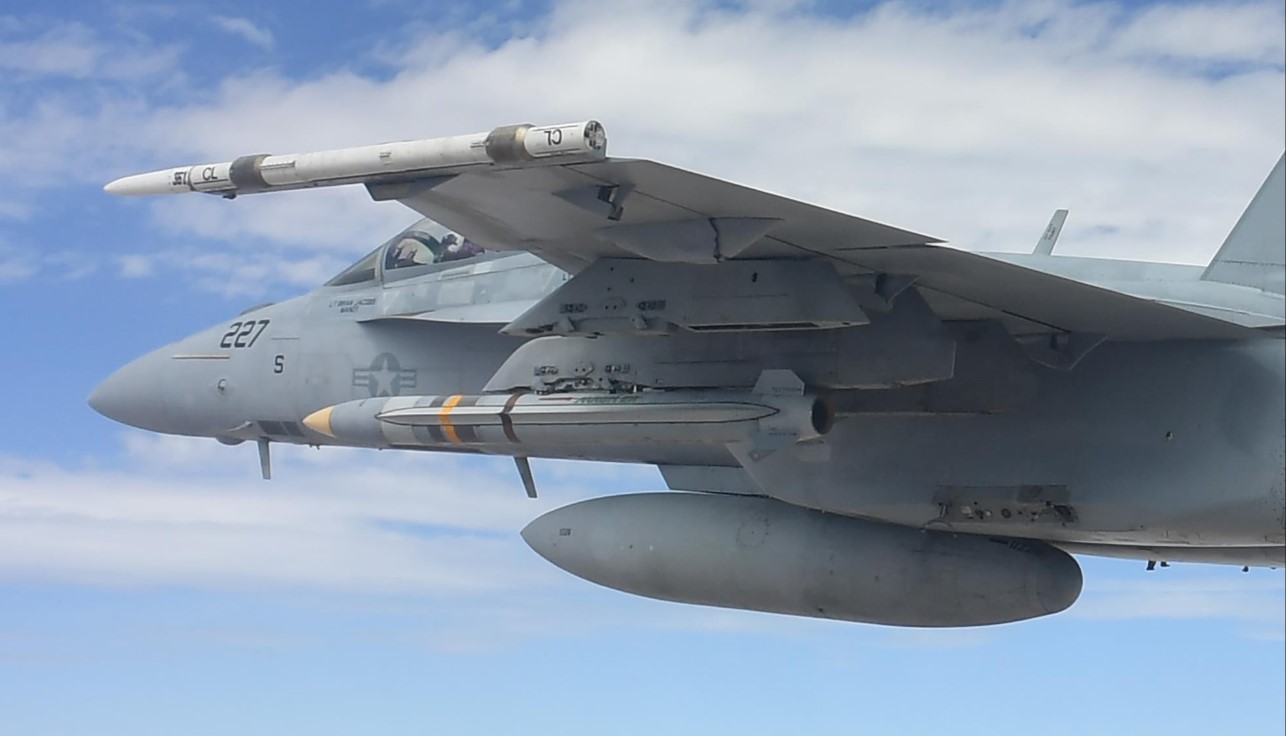
World
U.S ,Poland ,Netherland The US State Department has approved the sale of Advanced Anti-Radiation Guided Missiles (AARGM) to Poland and the Netherlands, bolstering their defense capabilities against emerging threats. The agreements, totaling $2 billion, will equip the allies with extended-range AARGMs to neutralize enemy air defenses and enhance regional security.In recent announcements, the US State Department has given clearance for the sale of extended-range Advanced Anti-Radiation Guided Missiles (AARGM) to both Poland and the Netherlands. These approvals come as part of broader efforts to bolster the defense capabilities of allied nations and enhance regional security.Poland's request for 360 AARGMs, along with dummy training missiles and associated support equipment valued at $1.3 billion, has been greenlit by Washington. The sale also encompasses GPS receivers, software, and engineering and logistical support services, underscoring the comprehensive nature of the agreement. The acquisition of extended-range AARGMs will enable Poland to fortify its capacity to neutralize land- or sea-based radar emitters linked with adversary air defenses. Furthermore, these advanced munitions will contribute to enhancing the survivability of Polish aircraft by impeding the effective utilization of enemy air defense systems.Similarly, the Netherlands has been granted approval to procure 265 AARGM-ERs for $700 million. The sale includes additional components such as guidance sections, control sections, and spare and repair parts. Like Poland, the Netherlands will also receive dummy training missiles, embedded GPS receivers, and M-Code integration, contingent upon finalization of the agreement. This decision aligns with US foreign policy objectives by bolstering the security of a vital NATO ally and enabling the Netherlands to address existing and emerging threats amid escalating regional tensions.The AARGM, developed by Northrop Grumman, is specifically engineered to suppress or neutralize enemy air defenses, with a focus on relocatable integrated air defense targets and adversaries employing shutdown tactics. Boasting an operational range exceeding 60 nautical miles (111 kilometers) and an engagement speed of Mach 2, the AARGM has undergone rigorous testing, successfully detecting, locating, and engaging advanced land-based emitter targets.Overall, the US approval of the sale of AARGMs to Poland and the Netherlands underscores the commitment to enhancing the defensive capabilities of allied nations and fostering stability in the face of evolving security challenges. The agreements represent a strategic investment in collective security within the NATO framework, aimed at deterring aggression and promoting regional stability. Moreover, the provision of advanced weaponry and support services underscores the enduring partnership between the United States and its allies in safeguarding shared interests and maintaining peace and security on the global stage.
Read More → Posted on 2024-04-25 14:59:21
World
Ukraine , GermanyQuantum Systems expands drone production in Ukraine, bolstering reconnaissance capabilities for the Armed Forces with a new factory and development hub, aiming to deliver 500 drones by year-end amidst ongoing security challenges.In a strategic move to bolster reconnaissance capabilities for the Ukrainian Armed Forces, Quantum Systems, a German company specializing in drone technology, has inaugurated a new factory and development hub in Ukraine. This marks the company's second facility in the country, aimed at ramping up production to meet growing demand.With an anticipated capacity to manufacture up to 1,000 drones annually, alongside spare parts, the new facility represents a significant investment of 6 million euros over the next two years. Quantum Systems CEO, Florian Seibel, emphasized the importance of the partnership, highlighting the trust placed by Kyiv in the company's capabilities.Seibel remarked, "With our own plant, we want to express our trust in Ukraine and our conviction that the future of drone technology is being written here."Quantum Systems has already supplied 212 Vector reconnaissance drones to Ukraine, with plans to deliver a total of 500 by year-end. These drones have proven instrumental in reducing casualties while effectively countering Russia's armed forces. Integrated into strike teams and leveraging satellite communications for tactical coordination, they have facilitated aerial strikes on Russian energy sites, thereby impeding Moscow's advances in the region.To further augment Ukraine's drone capabilities, allies within the Ukraine Defense Contact Group have formed a coalition dedicated to supplying additional unmanned equipment. Led by Latvia and supported by Sweden and the UK, this coalition underscores the collaborative efforts aimed at enhancing Ukraine's defense capabilities.The establishment of Quantum Systems' new production facility reflects a pragmatic response to evolving security challenges, providing tangible support to Ukraine's defense efforts. As drone technology continues to play a pivotal role in modern warfare, such initiatives underscore the importance of strategic partnerships in safeguarding national interests and enhancing security measures.
Read More → Posted on 2024-04-25 14:36:09Search
Top Trending in 24 Hours
-
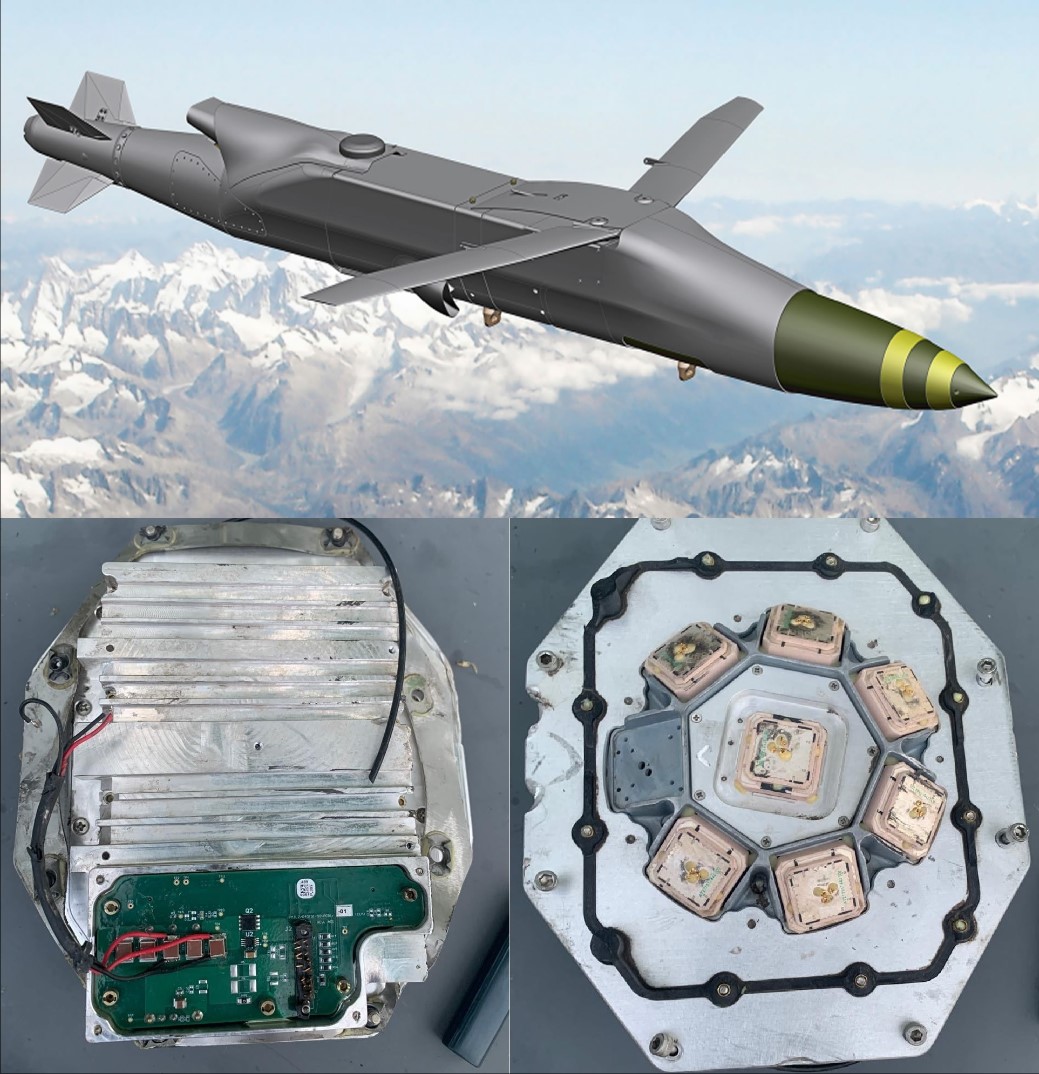 Missile Debris in Ukraine Suggests First Operational Use of U.S.-Made ERAM Cruise Missiles
-
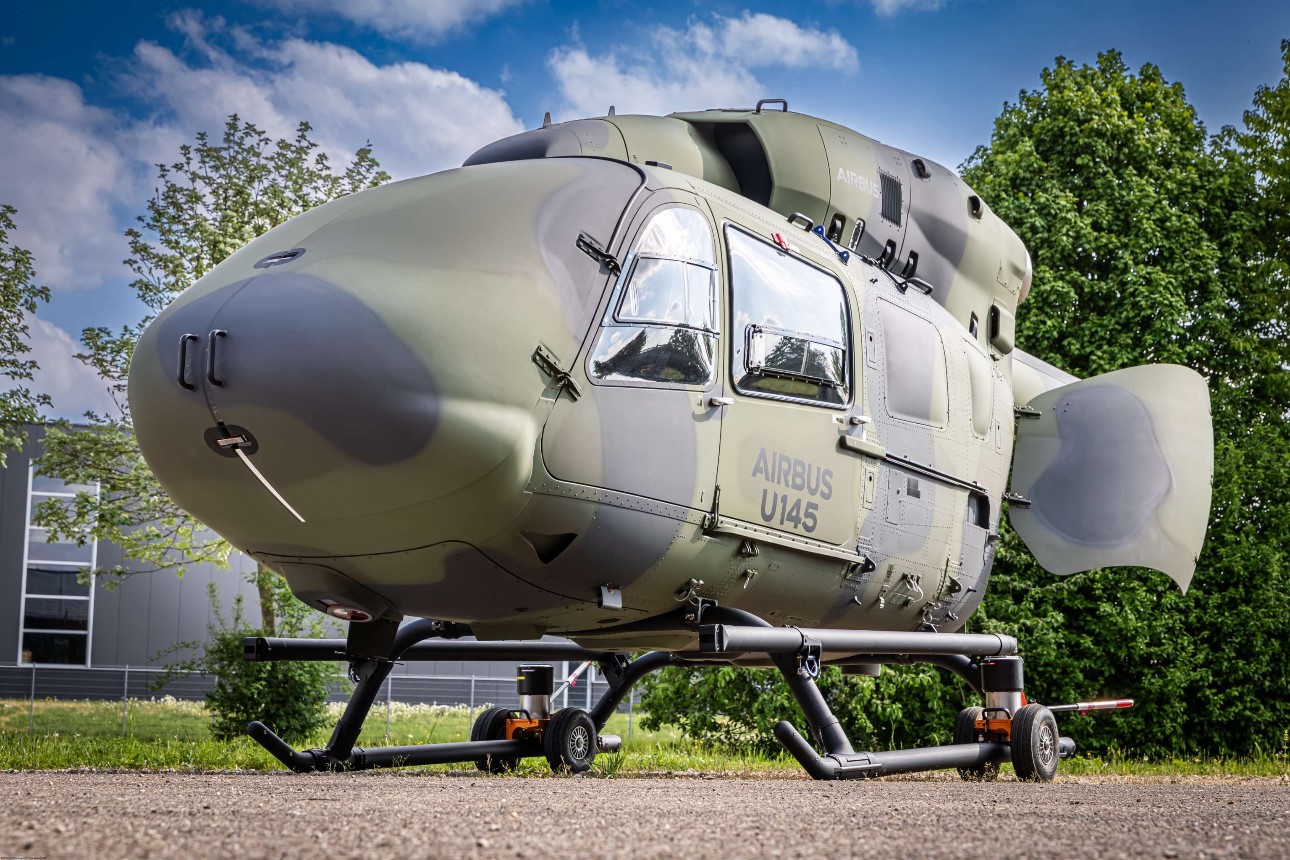 Airbus launches U145 uncrewed helicopter with AI-powered autonomous flight capabilities
-
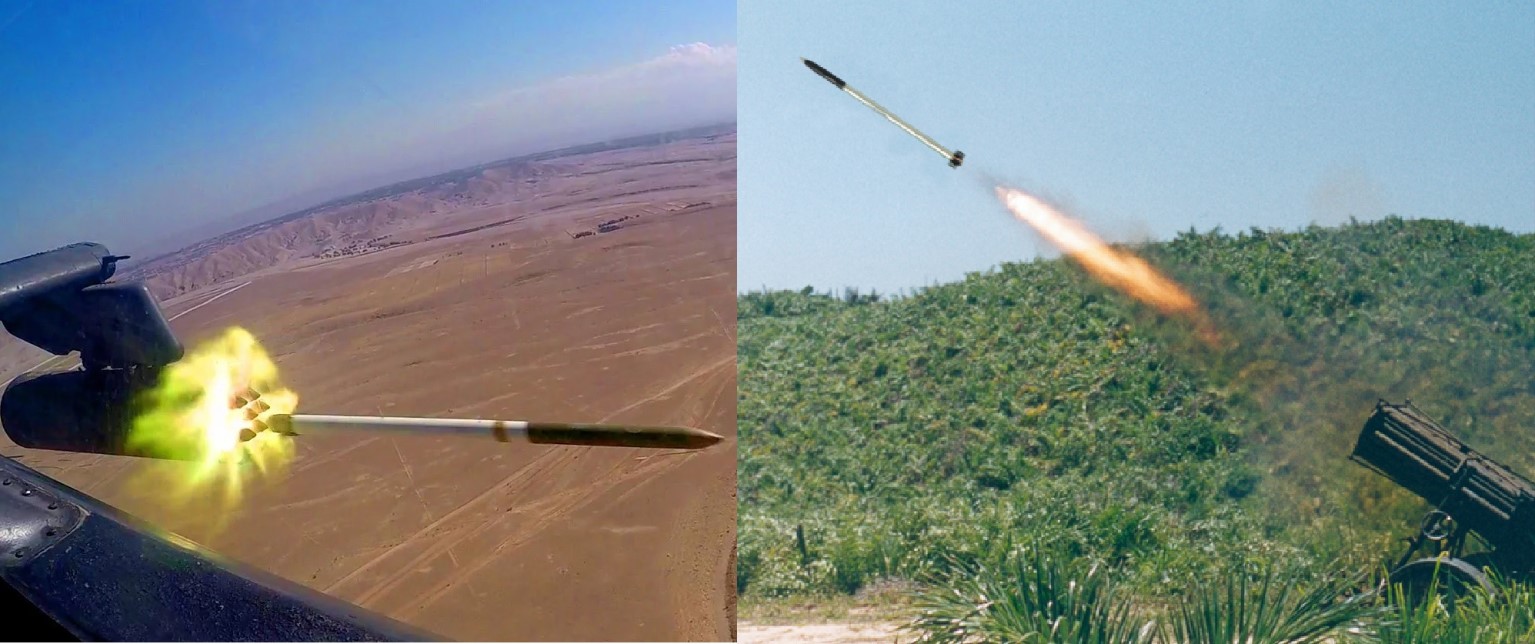 U.S. Army Awards iRocket Up to $150M Contract to Turn Hydra-70 Rockets Into Drone Interceptors
-
 Israel Releases Strike Footage of Airstrikes on Iranian Air Defense Systems Near Tehran
-
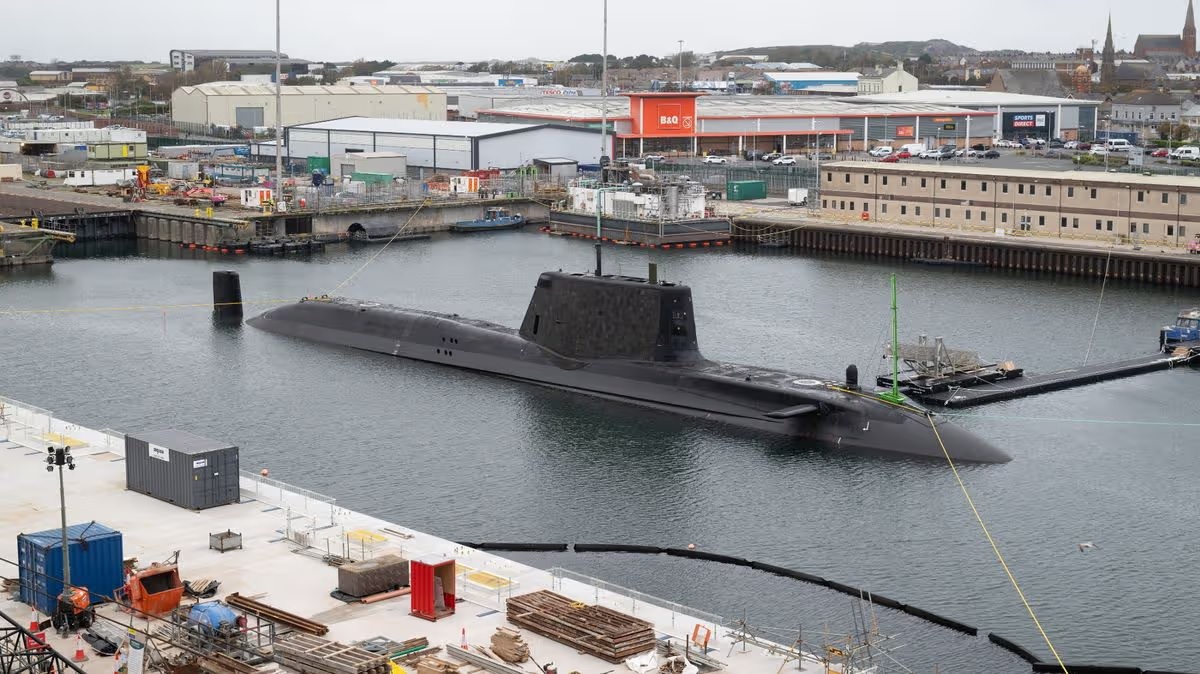 UK Left Without Active Attack Submarines as Entire Astute-Class Fleet Remains Stuck in Port
-
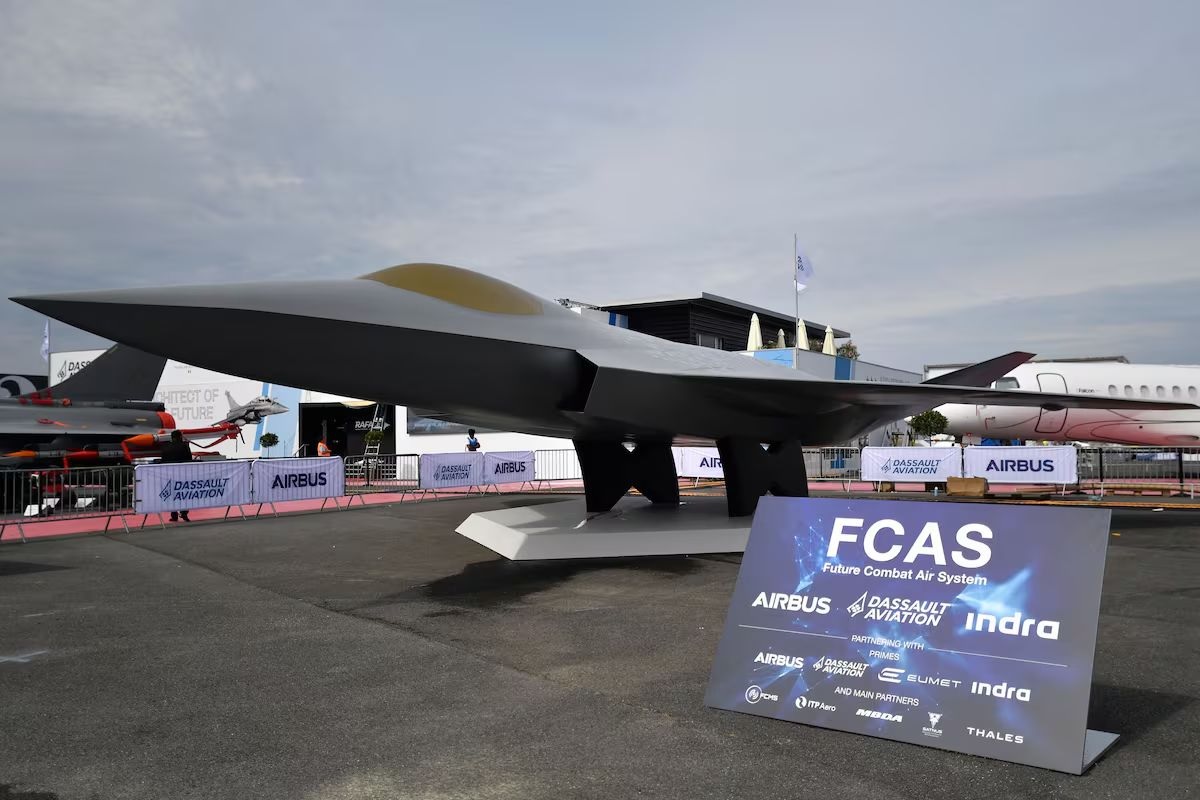 Germany and France End Joint Next-Generation Fighter Development Under FCAS Program
-
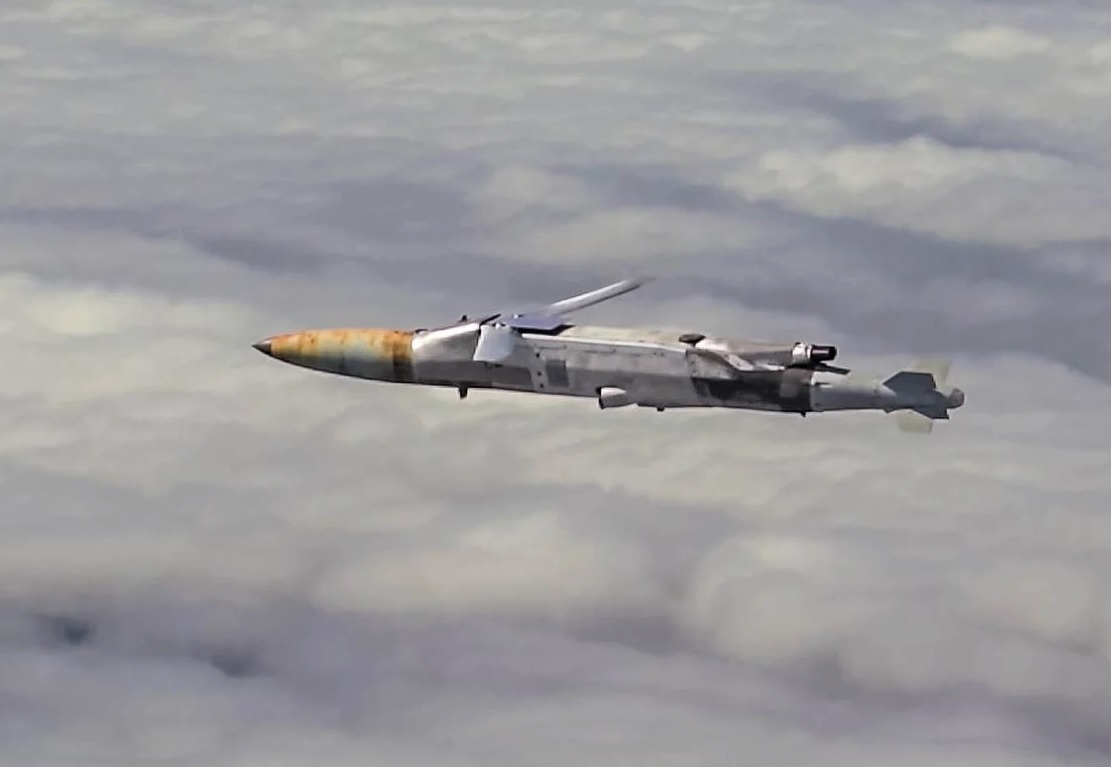 U.S. State Department Approves $106 Million JDAM Precision-Guided Munition Sale to South Korea
-
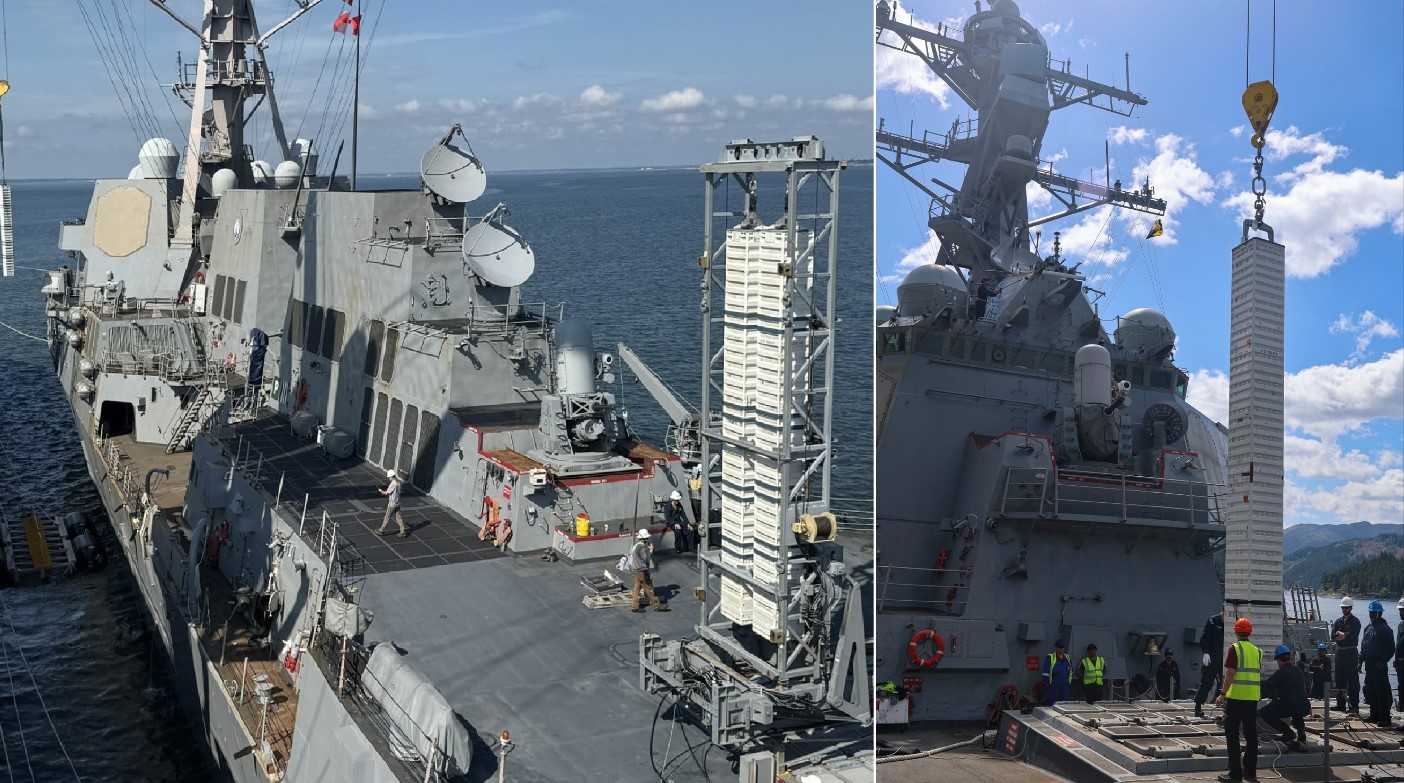 U.S. Congress Demands Navy Briefing on At-Sea VLS Reloading Capabilities in FY2027 NDAA
Top Trending in 4 Days
-
 Iran Releases Footage of Qader Missile and Shahid Danaye Drone Launches Toward Two U.S. Navy Destroyers
-
 First Satellite of Russia's Rassvet Broadband Constellation Reenters Atmosphere After Less Than Three Months in Orbit
-
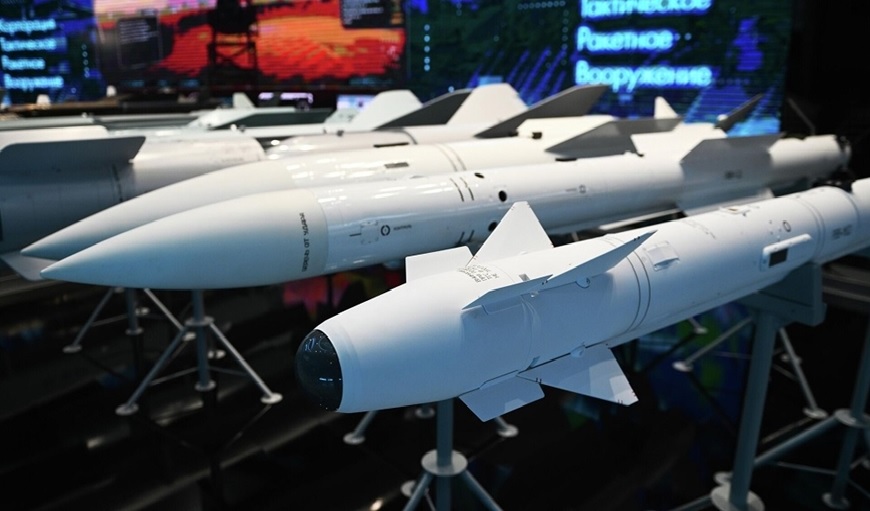 Leaked Contracts Reveal Russia Supplying Air-to-Air and Strike Missiles to Iran for Su-35 Fighter Fleet Through 2027
-
 Trump Administration Weighs Purchase of Chagos Islands to Secure Diego Garcia Base
-
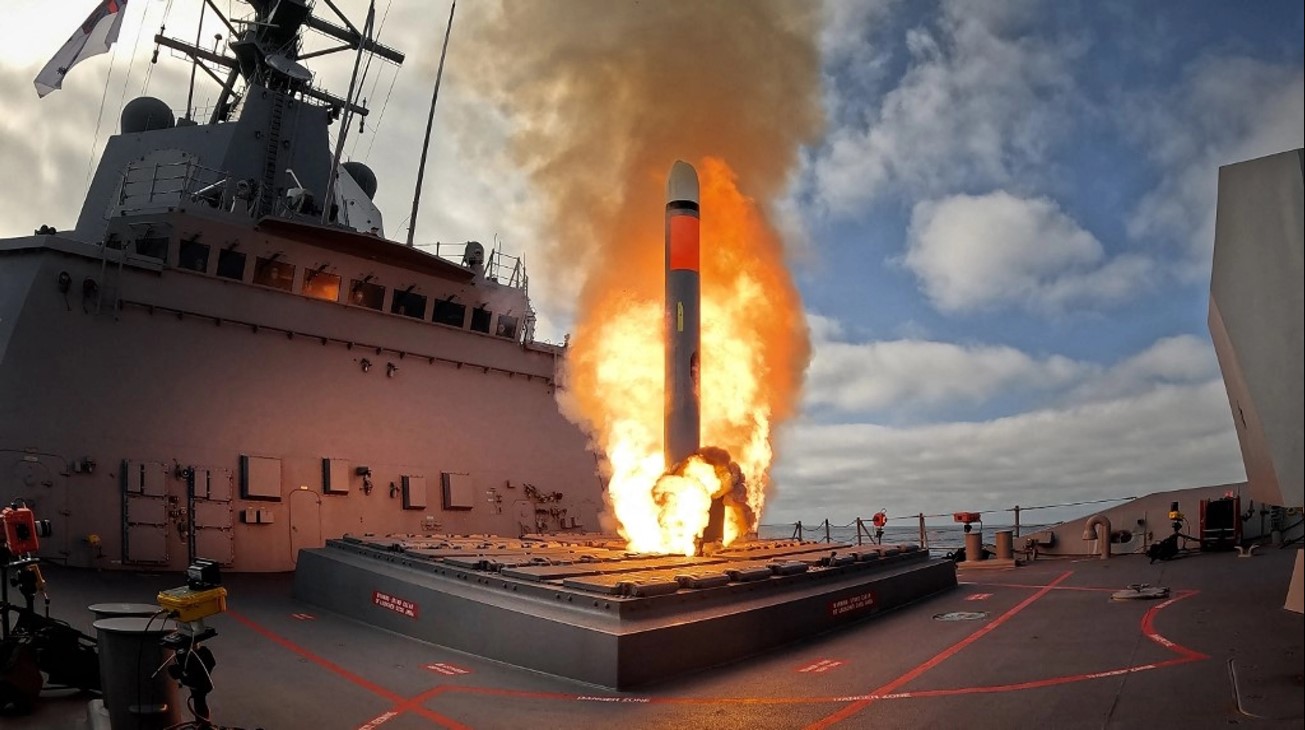 US Pentagon Expected to Cancel Tomahawk Missile Deal with Germany, Citing Russia Concerns
-
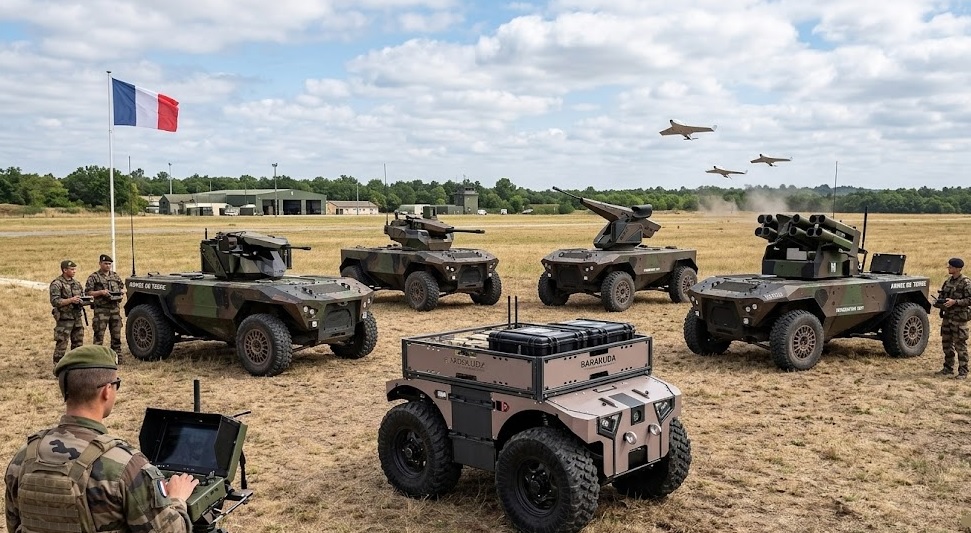 France Integrates New Unmanned Ground Vehicle Family for Modern Combat Operations
-
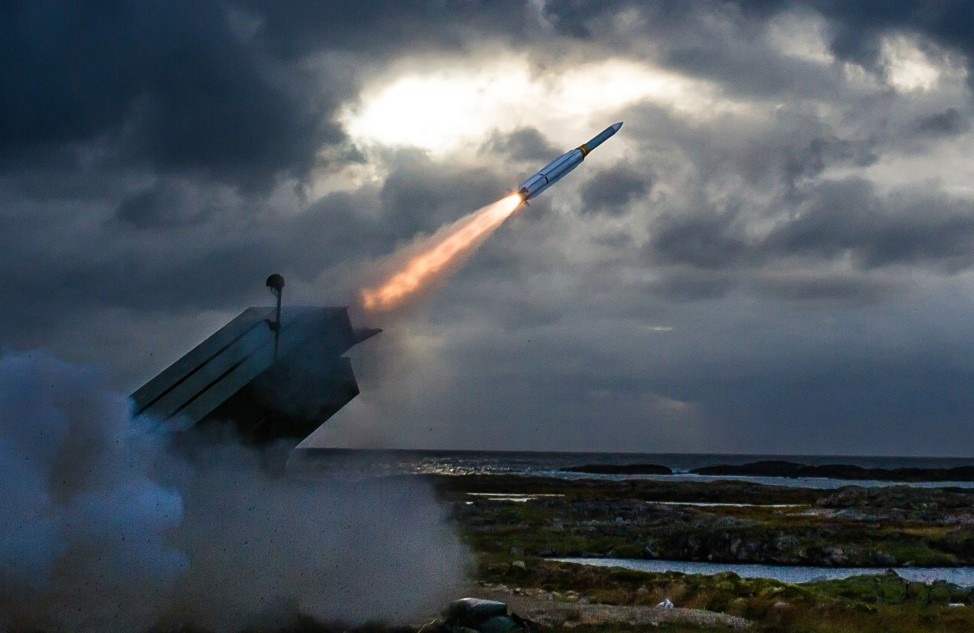 Taiwan Marine Corps Seeks NASAMS Air Defense Systems to Protect Naval Bases and Coastal Areas
-
 U.S. Navy Amphibious Assault Ship USS Iwo Jima Returns to Norfolk After Nearly 10-Month Deployment