Russia's military has pushed forward in eastern Ukraine, claiming significant territorial gains, while Ukrainian forces and cities face intensified Russian air strikes. The conflict, now stretching into its third year, is reaching new levels of escalation with both nations ramping up their offensive strategies.
On Sunday, Russian forces announced they had advanced in the Donetsk region, a vital part of Moscow’s objective to fully control eastern Ukraine’s Donbas. Moscow claimed to have captured the village of Novohrodivka, a small but strategic settlement located about 20 kilometers from the logistics hub of Pokrovsk. This move marks Russia’s most substantial territorial gain since early in the war, signaling a shift in momentum after months of intense fighting.
As Russia intensified its offensive in the east, deadly air strikes continued to wreak havoc across Ukrainian territory. In the northern city of Sumy, a Russian air strike killed two people and injured four others, including two children. Sumy, located near Ukraine’s border with Russia, has been a hotspot for cross-border clashes as Ukrainian forces continue their efforts to push Russian troops back. Ukrainian authorities condemned the attack, citing it as yet another example of Russia’s indiscriminate violence against civilians.
Further south, in the Donetsk region, a Russian rocket strike on a village near the front lines killed two women in their gardens. The regional prosecutor’s office reported that the attack used cluster munitions, a weapon that has been widely criticized for its devastating impact on civilians.
Russia’s advances in the Donetsk region come as Kyiv launched its own offensive across the Russian border in the western Kursk region earlier in August. This Ukrainian counter-offensive is aimed at forcing Russia to redeploy its forces away from eastern Ukraine. Despite Ukraine's efforts, Moscow has escalated its attacks, making advances toward its larger goal of capturing the entire Donbas region.
Russian President Vladimir Putin recently reiterated his commitment to capturing the Donbas, claiming that Ukraine’s ongoing Kursk offensive had inadvertently helped Moscow achieve its objectives. The Russian military’s success in capturing Novohrodivka is seen as part of this broader push.
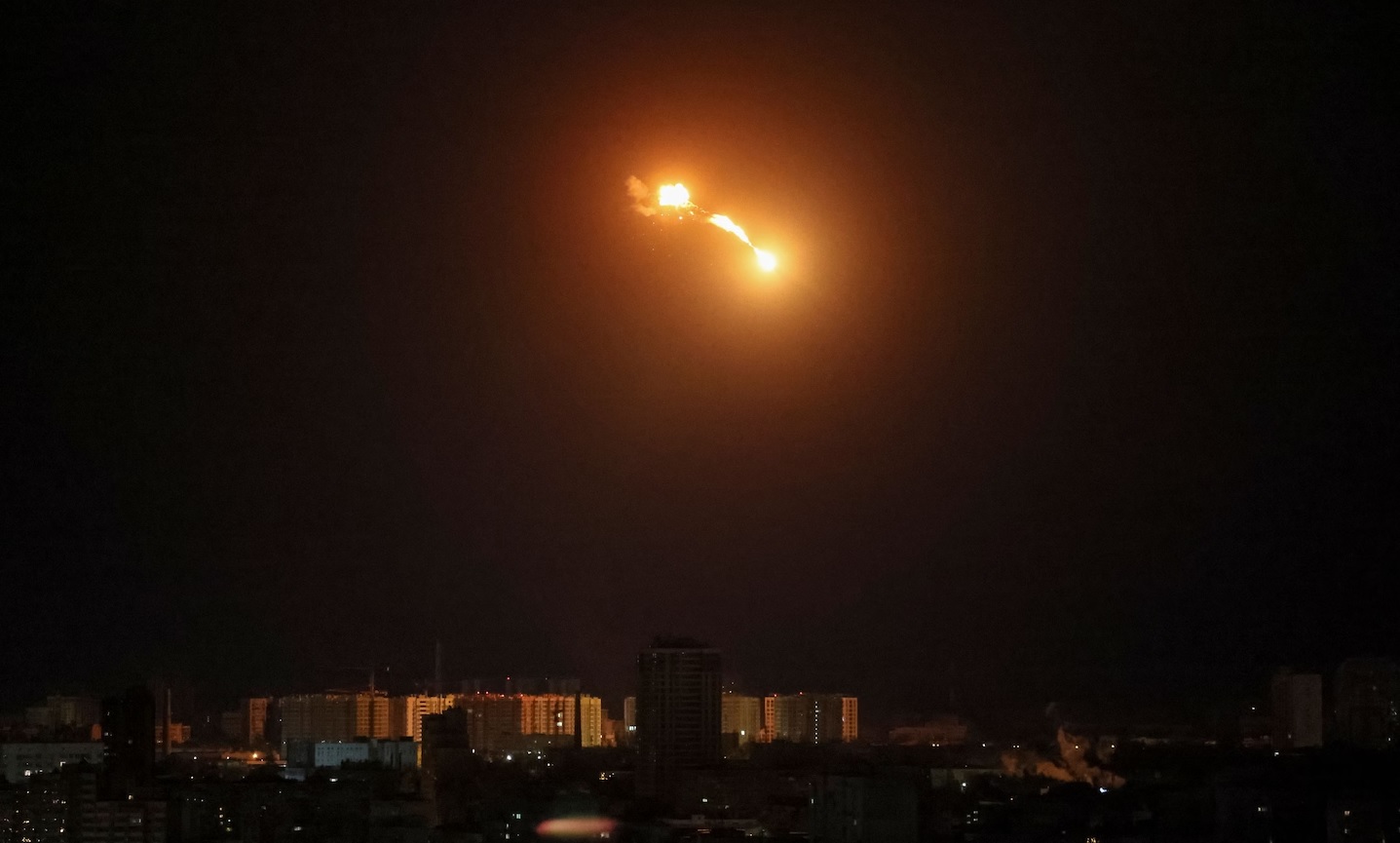
Meanwhile, Ukrainian President Volodymyr Zelensky has been urging Western allies to provide Kyiv with more advanced weapons to strike targets deeper inside Russia. Zelensky highlighted the scale of Russia’s recent aerial campaign, which has included over 800 guided bombs, 300 Shahed drones, and more than 60 missiles targeting Ukrainian cities and infrastructure. His calls for increased Western military support include lifting restrictions on using longer-range missiles, which could allow Ukraine to target Russian airfields and logistics hubs more effectively.
One of Zelensky’s key points is that targeting Russian military installations inside Russia itself is necessary to halt the relentless aerial bombardment of Ukrainian cities. Kyiv has already carried out limited retaliatory strikes, including a drone attack on an ammunition depot in Russia’s Voronezh region. Ukrainian forces have also targeted Russian oil depots and refineries, crippling key supply chains that fuel Russia’s war machine.
Despite these efforts, Russia has launched some of its deadliest strikes in recent weeks. A missile strike on a military education facility in Poltava last week has now claimed 58 lives, as some of the wounded succumbed to their injuries. In Lviv, a rare strike on the western city, far from the frontlines, left seven people dead last week.
Ukraine’s leaders continue to emphasize their right to defend against Russian aggression, citing Article 51 of the United Nations Charter, which permits a nation to protect itself from attack. Kyiv insists that any restrictions on targeting Russian military assets within Russia’s borders only hinder Ukraine’s ability to stop further Russian aggression.
As the war escalates, the international community watches closely, with the conflict's trajectory increasingly uncertain. With Russia making strides in eastern Ukraine and Ukraine pushing for more advanced retaliatory capabilities, the war shows no signs of slowing down. The stakes are higher than ever, with both nations locked in a deadly battle for control over the future of Ukraine.
——— End of Article ———