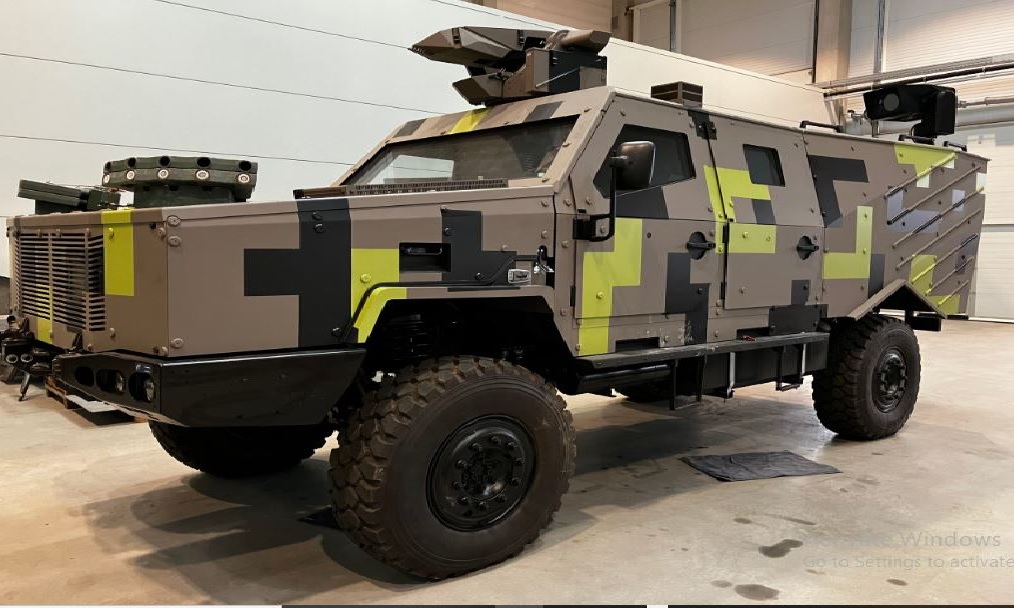
Rheinmetall has introduced a cutting-edge tank destroyer concept, marking a significant step forward in the German Army's anti-tank capabilities. The newly unveiled vehicle, known as the "Panzerjaeger" (tank hunter), reflects modern warfare's increasing reliance on mobility, advanced technology, and precision weaponry. This development comes at a crucial time when global conflicts, such as Russia's invasion of Ukraine, have revived interest in anti-tank systems as armies reconsider their needs in response to evolving battlefield threats.
The Panzerjaeger is a wheeled 4x4 platform designed to offer the German Army a highly mobile, powerful anti-tank solution. It features the Israeli-designed Spike LR2 anti-tank guided missile system, renowned for its long-range capabilities. With a maximum reach of 5.5 kilometers (3.4 miles), the Spike LR2 gives the Panzerjaeger the ability to engage enemy tanks and armored vehicles from a safe distance. The platform is equipped with two Spike missile launchers, each housing four ready-to-fire missiles, providing rapid-fire potential in high-stakes situations. A Natter remotely controlled weapon station with a 7.62mm x 51 machine gun adds additional firepower, allowing the vehicle to engage infantry and lightly armored targets.
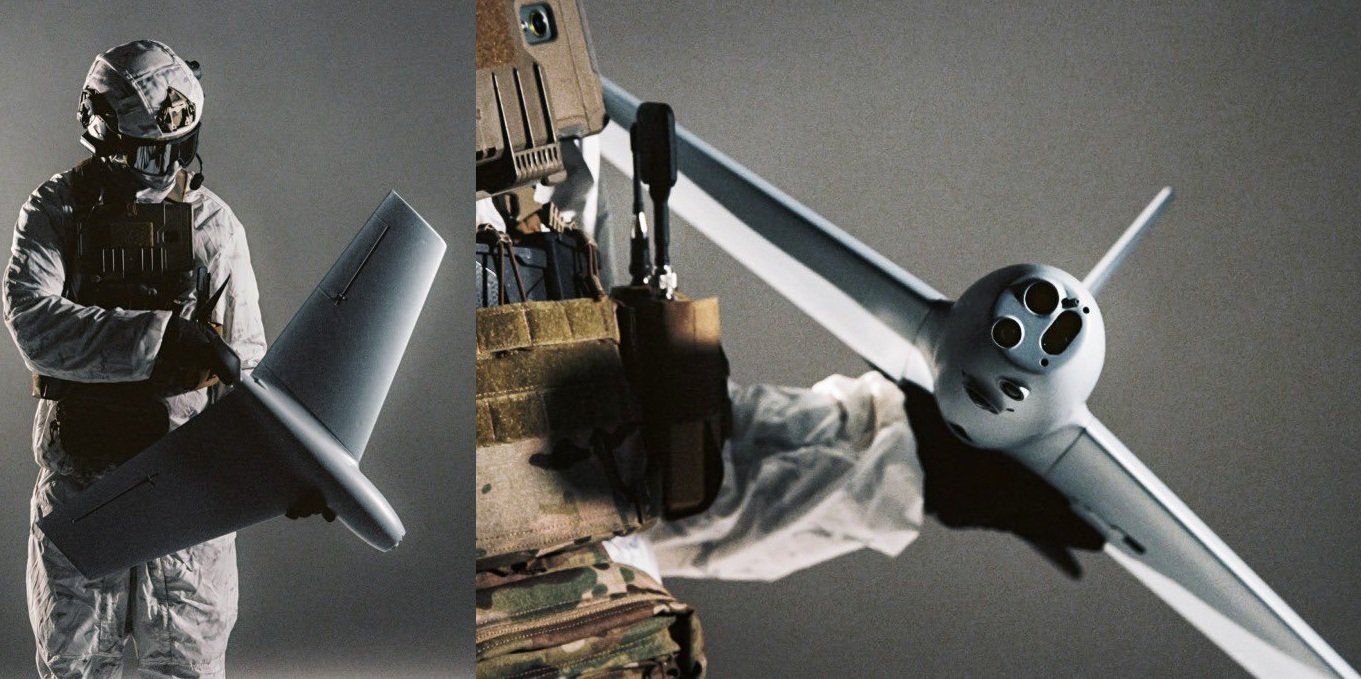
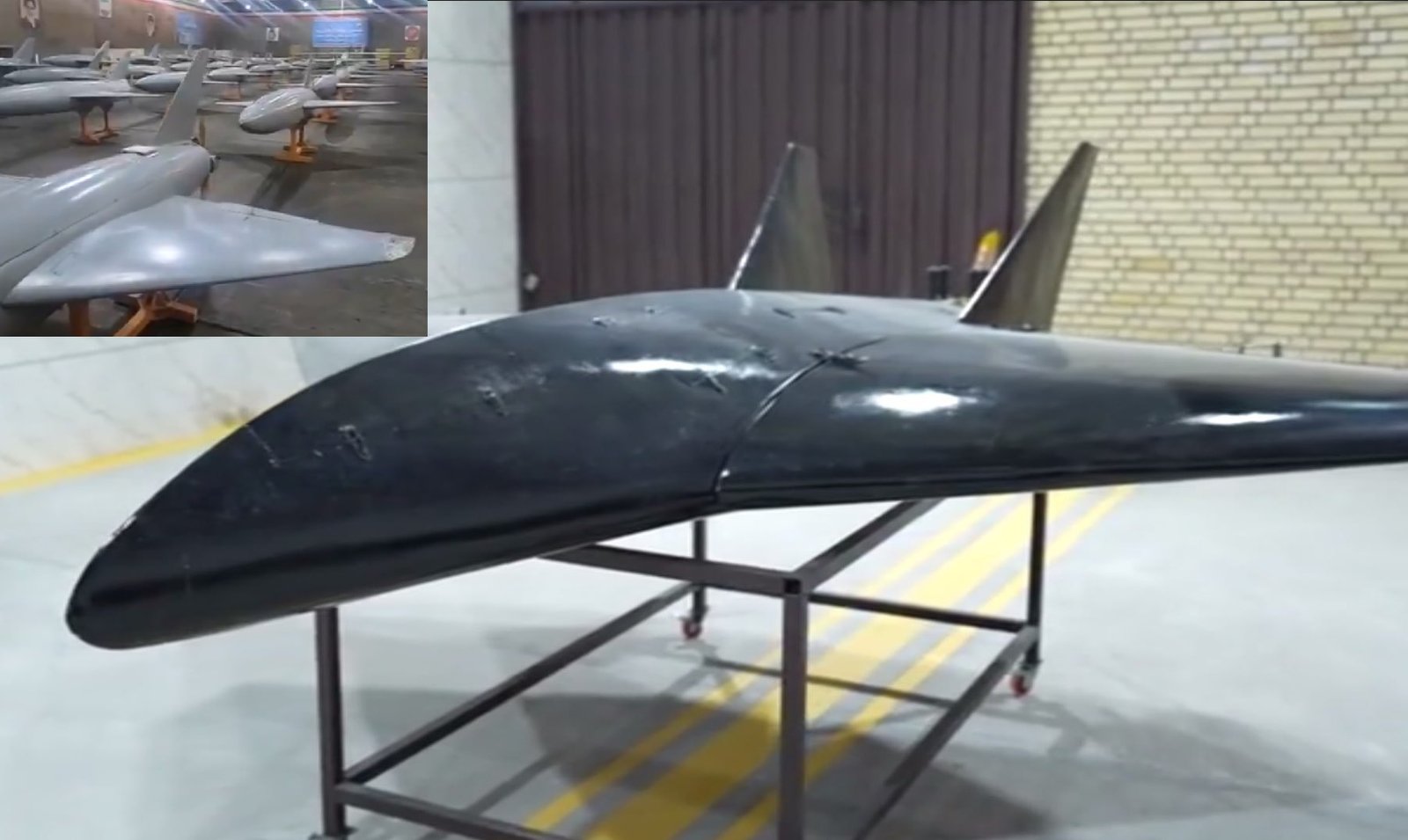
A key feature of the Panzerjaeger is its flexibility. Rheinmetall designed the vehicle with an open architecture, allowing it to integrate a variety of weapon systems depending on mission requirements. In addition to the Spike LR2, the platform can be fitted with other guided missile systems and even HERO loitering munitions, providing a versatile response to enemy threats.
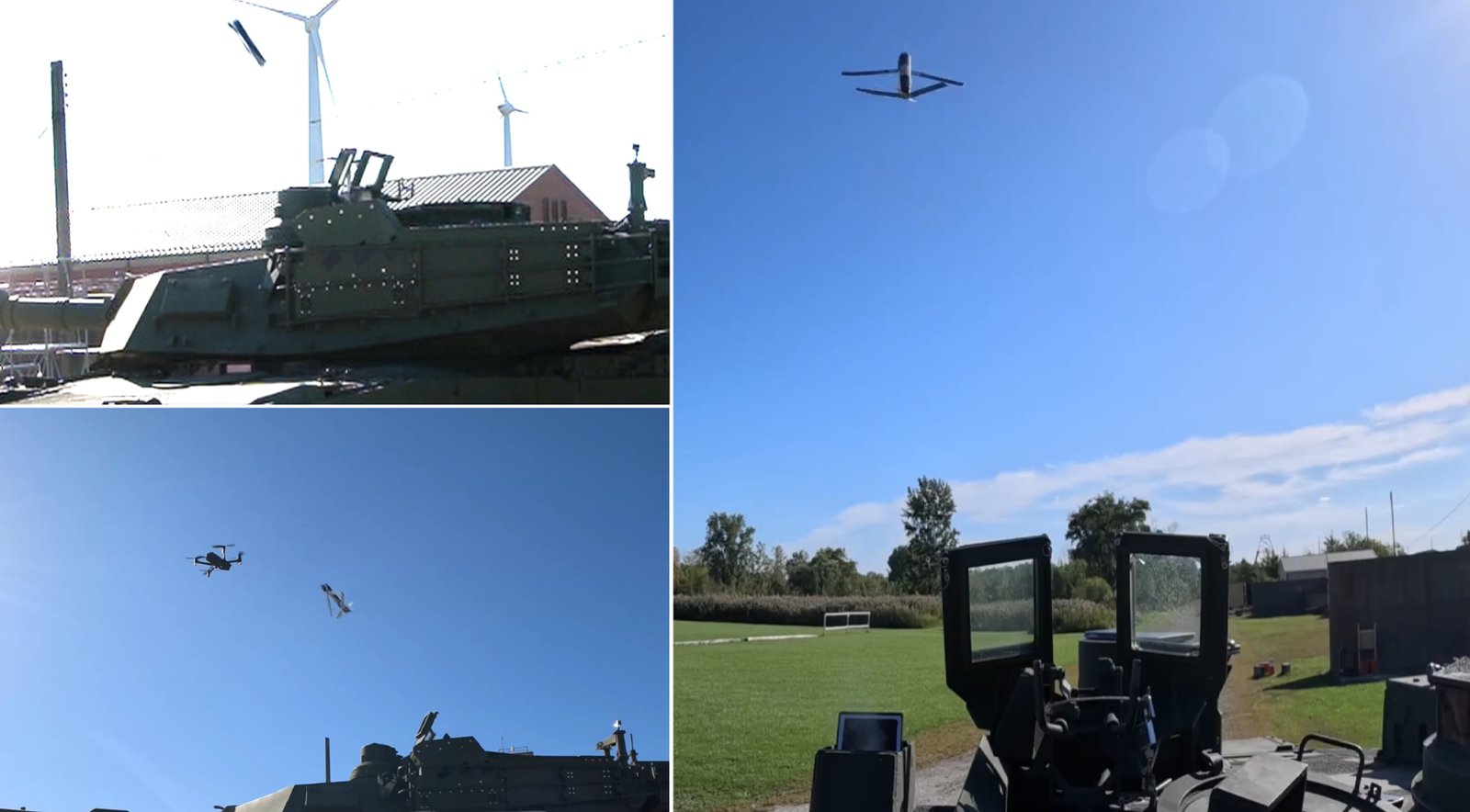
Beyond its powerful weaponry, the Panzerjaeger excels in reconnaissance and situational awareness. It is equipped with the EOS500 electro-optical sensor system, mounted on a telescopic mast, allowing the crew to detect and observe enemy targets at distances of over 11 kilometers (6.8 miles). This long-range visual capability is crucial for identifying threats before they become a direct danger. Additionally, the vehicle carries three fully-integrated Rheinmetall "Recce S" unmanned aerial vehicles (UAVs), which have a reconnaissance range of 8 kilometers (5 miles). These UAVs provide real-time intelligence on enemy positions, giving the Panzerjaeger an edge in battlefield awareness.
Self-protection is another crucial aspect of the Panzerjaeger’s design. Rheinmetall has equipped the vehicle with the Rosy rapid obscurant system, which can deploy smoke to obscure the vehicle’s position and protect it from incoming fire. The Acoustic Platform for Vehicles (APV) is another advanced system onboard, capable of detecting enemy munitions’ launch signatures and calculating the precise location of the attacker. This combination of protective measures enhances the survivability of the relatively thinly armored vehicle, ensuring that it can remain effective in high-threat environments.
While the Panzerjaeger isn’t heavily armored, its primary role is to provide fire support for ground units rather than engage in direct, front-line combat. Its mobility allows it to quickly reposition on the battlefield, offering support to attacking forces, fending off counterattacks, or protecting flanks. Integrated into a larger network of ground forces and unmanned systems through digital radios and Tactical Core middleware, the vehicle is designed to work seamlessly with other units to enhance overall combat effectiveness.
The unveiling of the Panzerjaeger marks a return to Germany’s historical expertise in tank destroyer platforms. Germany disbanded its tank destroyer forces in 2006, following the retirement of platforms such as the Jaguar and Kanonenjagdpanzer (KanJPz), which were deemed unnecessary at the time. However, recent conflicts have demonstrated the enduring importance of anti-tank systems, especially when facing heavily armored opponents. With Rheinmetall’s new concept, the German Army is positioning itself to effectively counter future armored threats, drawing from past lessons while incorporating cutting-edge technologies.
In summary, Rheinmetall's Panzerjaeger represents a versatile, advanced anti-tank system designed to meet the modern battlefield's needs. Combining long-range missile capabilities, superior reconnaissance systems, and self-protection technology, it offers the German Army a powerful tool for countering enemy armor. As the global military landscape continues to evolve, this new platform is a key element in ensuring that Germany’s forces remain at the forefront of armored warfare capabilities.
——— End of Article ———