
World
In a new display of military prowess, North Korea announced it has "perfected" its latest solid-fuel intercontinental ballistic missile (ICBM), the Hwasong-19. This sophisticated weapon, showcased in a dramatic test overseen by leader Kim Jong Un, is described by North Korean state media as "the world’s strongest strategic missile." The launch comes at a critical moment, with heightened global scrutiny of North Korea over its suspected military support for Russia, including claims of deploying troops and munitions to aid Moscow.Solid-Fuel ICBM Capabilities and Kim's Strategic VisionThe Hwasong-19 is North Korea’s most advanced solid-fuel ICBM to date, marking a significant leap in the country’s missile development. Unlike liquid-fuel missiles, which require time-consuming fueling before launch, solid-fuel missiles like the Hwasong-19 can be deployed more quickly, enhancing their strategic value. They are easier to move, quicker to launch, and harder for adversaries to detect and intercept. North Korean media lauded the missile as a “perfected weapon system” that reinforces the country's nuclear deterrent as "absolutely irreversible."The missile’s flight, which went higher and farther than previous tests, was tracked in real-time by South Korean and Japanese military systems, underscoring the test’s effectiveness. Kim Jong Un expressed "great satisfaction" at the launch’s success, celebrating it as an “appropriate military action” meant to signal North Korea’s unyielding stance on nuclear armament to its regional and global rivals.The Hwasong-19 test also aligns with Kim’s long-term objective to fortify North Korea’s defense capabilities with rapid-response weapons that can stand up to external threats. Photos from the launch show Kim in his iconic black leather jacket, observing the missile’s ascent alongside his young daughter, Kim Ju Ae, who some analysts believe is being groomed as his successor. The optics of Kim and his daughter together are likely meant to project an image of familial continuity and strength in leadership.Timing Amid Allegations of North Korean Military Aid to RussiaThe launch coincides with international allegations that North Korea is supplying military resources to Russia. U.S. officials recently reported that approximately 8,000 North Korean soldiers have been sent to Russia’s border regions near Ukraine, purportedly in Russian uniforms and prepared for combat roles. The United States and South Korea have both condemned these alleged troop movements, with South Korean Defense Minister Kim Yong-hyun accusing Pyongyang of sending not only personnel but also over 1,000 missiles and millions of munitions to Russia.Though North Korea denies these allegations, the timing of the missile test suggests a potential effort to divert attention from the growing criticism. The geopolitical significance of the launch appears to resonate beyond a simple show of force; it serves as a powerful distraction, highlighting North Korea’s military capabilities at a time when the nation faces scrutiny for its purported involvement in the Ukraine conflict.International Reactions and North Korea's Stance on Nuclear ArmamentKim’s message is clear: North Korea has no plans to scale back its nuclear ambitions. In recent years, developing solid-fuel ICBMs has been a core goal for North Korea, with the Hwasong-19 being the culmination of these efforts. Kim’s steadfast commitment to strengthening the nation’s nuclear deterrent—without concessions—is evident. He emphasized that North Korea would "never change its line of bolstering up its nuclear forces," a sentiment echoed in the official Korean Central News Agency’s announcement.This launch of the Hwasong-19 could also be seen as an assertion of North Korea’s sovereignty and independence in military strategy, reminding adversaries that the nation’s path toward nuclear self-sufficiency is, as state media phrased it, "irreversible." By publicly showcasing advancements in ICBM technology, North Korea sends a message that it views nuclear development as a permanent fixture of its defense policy, irrespective of external pressures or diplomatic consequences.A Calculated Display Amid Rising Regional TensionsNorth Korea’s unveiling of the Hwasong-19 solid-fuel ICBM represents a pivotal moment in its defense strategy. By advancing to solid-fuel missiles that are quicker and more elusive than previous models, Pyongyang solidifies its nuclear arsenal in a way that could shift regional security dynamics. The timing—amid allegations of North Korean troop support for Russia—adds a layer of complexity, leaving the global community to consider not only the military implications of North Korea’s new missile capabilities but also the broader geopolitical motives behind the display.For Kim Jong Un, this missile test is more than a technical achievement; it is a calculated statement of power and intent. Through the Hwasong-19 launch, North Korea projects resilience and ambition, signaling that its nuclear trajectory is resolute, regardless of the rising chorus of international opposition.
Read More → Posted on 2024-11-01 12:20:48
World
The US Navy has awarded General Dynamics a $15.9 million contract to develop a sophisticated new mining system called the Mining Expendable Delivery Unmanned Submarine Asset, or MEDUSA. This system, aimed at modernizing and enhancing the Navy's underwater mine deployment capabilities, leverages advanced unmanned underwater vehicle (UUV) technology. MEDUSA is designed specifically to be compact, versatile, and deployable directly from a submarine’s torpedo tube, offering a fresh strategic edge in naval warfare.This project’s scope extends beyond just development; it also includes program management, design, systems engineering, fabrication, testing, and integration, all scheduled for completion by 2026. If successful, the contract may expand under a larger, long-term program, with potential funding reaching up to $58 million through 2032. This gradual, phased approach to innovation and funding reflects the Navy’s commitment to both immediate capability upgrades and continuous improvement of its underwater warfare strategies.Innovation in Underwater WarfareMEDUSA’s design focuses on enhancing the tactical abilities of submarines by enabling them to carry out underwater mining missions with minimal crew involvement. The system’s core lies in its small, expendable unmanned underwater vehicles, which can carry and deliver payloads precisely in target areas. Submarines deploy these vehicles through torpedo tubes, enabling a stealthy approach that minimizes detection and enhances strategic flexibility in contested waters.The compact UUVs are designed to operate autonomously, navigating to designated locations where they can deploy mines or other payloads as needed. This versatility allows the Navy to address various mission requirements, ranging from area denial operations to securing naval routes. Captain Matthew Lewis, the program manager of the unmanned maritime systems office, highlighted the strategic importance of unmanned systems like MEDUSA, noting that this technology is vital for fleet readiness and national security. By using systems like MEDUSA, the Navy seeks to keep its warfighters safe while ensuring the US maintains a technological advantage in maritime security.Unmanned Technology and the MEDUSA SystemMEDUSA’s UUVs are built on General Dynamics' previous unmanned technologies and, more specifically, the Knifefish UUV. Developed in 2019 under a $45 million contract, the Knifefish is an advanced mine countermeasure vehicle capable of identifying underwater threats, making operations in mine-laden waters safer for naval personnel. With lessons from Knifefish’s development, General Dynamics is positioned to advance MEDUSA with the latest in underwater robotics and AI-guided navigation, allowing the system to operate autonomously in complex underwater environments.The goal with MEDUSA is not just creating a new mining tool but an adaptable asset that can integrate additional payloads and sensors. These could include mine-detection sensors, communications equipment, or even environmental data collection tools, making MEDUSA a multi-purpose tool. This flexibility allows for rapid adaptability to mission requirements, which is crucial in a naval environment where threats evolve and require a dynamic response.Future of the MEDUSA ProgramAs underwater warfare grows more complex, the Navy’s investment in UUV technologies like MEDUSA signals a strategic pivot toward autonomy and innovation. If the initial program proves successful, MEDUSA’s future funding through 2032 could further expand the capabilities of these unmanned systems. A significant aspect of this potential funding is ongoing research into the ways UUV technology can be applied to future underwater warfare needs, from intelligence collection to other mission-critical tasks like mine laying and route clearance.In summary, General Dynamics’ MEDUSA contract represents a pivotal step in enhancing the US Navy’s underwater capabilities with advanced, expendable unmanned vehicles. This sophisticated system’s development will not only add tactical strength but will also enhance the Navy’s ability to adapt to new maritime challenges. The future looks promising as MEDUSA moves from concept to operational reality, potentially becoming a cornerstone in the Navy's autonomous underwater operations.
Read More → Posted on 2024-11-01 12:05:32
World
General Electric Aerospace has recently acknowledged that delays in delivering key components for its F404-GE-102 turbofan engines, which power India’s Tejas Mk1A fighter jets, are due to supply chain issues with a South Korean firm. This unexpected disruption affects the timeline for the Indian Air Force’s Tejas Mk1A fleet, a pivotal component of its modernization strategy. The F404 engine, essential for the light combat aircraft, is now facing delays that could ripple across India’s defense planning.Understanding the F404-GE-102 Engine and Its RoleThe F404-GE-102 turbofan engine is an advanced variant of GE’s F404 line, specifically designed to offer high performance with reliability and fuel efficiency. Originally powering platforms like the U.S. Navy’s F/A-18 Hornet, this engine’s technology has been adapted to the Tejas Mk1A, offering it a thrust output of around 17,700 pounds and enhancing its capabilities for air superiority missions. Its light weight and responsive performance are integral to the Tejas Mk1A’s agility, making it an ideal fit for India’s lightweight, single-engine fighter jet.In South Korea, the F404 engine also powers the T-50 Golden Eagle, a trainer aircraft developed in collaboration with Korea Aerospace Industries (KAI) and Lockheed Martin. Korean companies have been assembling these engines under license since 2016 and have manufactured specific parts domestically, meeting high-quality standards set by GE. However, due to recent economic strains, one of the South Korean firms involved in producing these essential engine components went bankrupt, creating a critical gap in the supply chain.The Impact of Korean Supplier Shutdown on Tejas ProductionThough GE has refrained from naming the affected South Korean firm, this setback in the supply chain is far-reaching. As India’s fighter jet program leans heavily on the timely delivery of these engines, any production delays could disrupt Tejas Mk1A’s induction timeline. This delay is of concern not only because the Tejas Mk1A is central to India’s current air defense upgrades but also because the Indian Air Force has committed to a large order of these aircraft to replace aging jets and meet strategic defense goals.The situation also has broader implications for GE, which has maintained a strong partnership with India through its engine programs. The Indian Air Force and GE are reportedly working together to identify alternative suppliers or expedite the production process to prevent prolonged delays. But, as global supply chains face increased vulnerabilities, this disruption highlights the risk of dependence on specific suppliers within such a complex defense manufacturing ecosystem.The Strategic Importance of Tejas Mk1AIndia’s Tejas Mk1A, with its advanced avionics, active electronically scanned array (AESA) radar, and beyond-visual-range missile capability, has been designed to be a frontline fighter for the Indian Air Force. With the inclusion of the F404-GE-102 engine, the Mk1A is expected to deliver optimal performance in high-stress environments. The program's progress is critical to replacing India’s aging fleet of MiG-21s and bridging the gap until the next-generation indigenous fighter, the Advanced Medium Combat Aircraft (AMCA), is fully operational.Future Pathways and MitigationsIn light of this supply chain hiccup, the Indian Air Force and GE are exploring ways to offset potential delays, including searching for alternate suppliers and adjusting delivery schedules. While a resolution to the immediate problem may be forthcoming, the long-term repercussions on timelines and trust in the existing supply chain remain a challenge for both India and GE.This incident also serves as a reminder for India’s defense planners about the risks associated with international dependencies, especially as India aims to strengthen its indigenous defense capabilities under the "Make in India" initiative.
Read More → Posted on 2024-10-30 16:42:40
World
In a statement underscoring Poland’s defense priorities, President Andrzej Duda firmly clarified that the South Korean weapons Poland recently acquired will be used solely for its own defense. Speaking to the Polish media outlet RMF24, Duda emphasized that the $5.7 billion worth of South Korean tanks and howitzers were purchased to protect Polish citizens and would not be redirected to Ukraine despite the ongoing conflict with Russia.“There is no scenario under consideration in which we hand over weapons, which we have recently purchased for billions of złoty from the pockets of our taxpayers, to anyone,” Duda stated. This sentiment reflects Poland's aim to prioritize its security while positioning itself as a strong regional power amid increased tensions in Eastern Europe.Strengthening Defense Ties with South KoreaDuda’s remarks came during a four-day visit to South Korea, where he met with President Yoon Suk Yeol. The two leaders discussed Poland and South Korea’s long-term defense and economic cooperation, solidified by Poland's substantial defense contract with South Korean companies. This agreement, valued at around $5.7 billion, includes K2 Black Panther main battle tanks, K9 Thunder self-propelled howitzers, and K239 Chunmoo multiple launch rocket systems. These advanced weapons are part of Poland’s response to increased threats from Russia and its efforts to modernize its military capabilities to deter any potential aggression.Ukraine Conflict and North Korean InvolvementWhile Poland has been a steadfast supporter of Ukraine, providing humanitarian and military aid since the conflict began, it is clear that these newly acquired South Korean weapons will not be part of that support. This position aligns with South Korea’s longstanding policy against directly supplying arms to Kyiv. However, during a press conference with President Duda, President Yoon hinted at a potential shift in policy, suggesting that if North Korea escalates its military involvement by actively supporting Russia with troops, Seoul might reconsider its stance on sending weapons to Ukraine.This possibility comes amid reports that North Korean troops could be aiding Russia in the conflict, signaling a potentially significant escalation. Both leaders discussed the growing security challenges on the Korean Peninsula, including North Korea’s missile threats and the implications of its possible alliance with Russia, highlighting that while South Korea remains cautious about direct involvement, changing geopolitical dynamics could prompt a shift in its defense policies.Poland’s Defense Strategy: Focused on Domestic SecurityFor Poland, the acquisition of South Korean weapons represents a substantial upgrade in defense capabilities. The K2 tanks and K9 howitzers, known for their precision and effectiveness, are critical additions to Poland's arsenal. These weapons enhance Poland’s self-sufficiency in defense, reducing its reliance on external support and enabling it to respond rapidly to threats along its eastern borders.Amid the Ukraine conflict, Poland has consistently supplied weapons and aid to Kyiv, yet Duda’s comments signal that further involvement may have its limits, especially when it comes to newly acquired assets intended for national security. As Russia’s military actions continue to impact Europe, Poland appears committed to ensuring it is adequately prepared for any escalation close to home.A Firm Stance on Defense CooperationPresident Duda’s visit also reinforced Poland’s commitment to strengthening its defense relationships with like-minded allies beyond Europe, such as South Korea. This cooperation aims to balance regional security in both Eastern Europe and East Asia, aligning Poland and South Korea in their shared stance against aggressive actions by Russia and North Korea. In the broader context, Poland’s position on its South Korean weaponry underscores its balanced approach: supporting Ukraine’s sovereignty while fortifying its defenses amid rising tensions in Europe. For now, Poland’s message remains clear: these weapons will stay in Poland, contributing directly to its security, while it continues to evaluate the shifting landscape of regional and global threats.
Read More → Posted on 2024-10-30 16:40:03
World
Once an unassuming industrial town, Vovchansk stood as a quiet, hard-working community near the Russian border, roughly three miles from the vast neighbor that would eventually decimate it. Now, what remains of Vovchansk is little more than a wasteland, reduced to ruins by Russian artillery in one of the fiercest and most rapid campaigns seen since the invasion began. Once home to a population of around 20,000, the town’s streets, schools, homes, and factories have turned to rubble in a matter of weeks.Mayor Tamaz Gambarashvili, overseeing Vovchansk’s remnants from Kharkiv, describes a near-total annihilation. “Ninety percent of the center is flattened,” he says, having been displaced from his post along with nearly every other resident. His words only hint at the full tragedy – a tragedy now visible from both drone footage and satellite images, which show the center of Vovchansk levelled north of the Vovcha River.Annihilation in Fast ForwardUkrainian military officials, including Lieutenant Denys Yaroslavsky, who served in the grinding battles of Bakhmut, are stunned by the speed of destruction. Where months of shelling reduced Bakhmut to ruin, Russian troops dismantled Vovchansk within just a few weeks. The relentless assault on the town followed an initial Russian occupation early in the war, a period when Vovchansk’s residents clung to the hope that the worst was behind them. Ukraine briefly reclaimed the town in a counteroffensive in late 2022, which sparked further shelling but not the swift obliteration that would come later.The turning point arrived on May 10, when Russian forces launched a brutal assault on Vovchansk, catching the Ukrainian 57th Brigade by surprise. The brigade had pulled back to Vovchansk for a needed respite from relentless combat 100 kilometers south. But with few fortifications and no barriers, the brigade was vulnerable. Russian tanks and infantry streamed across the border, overwhelming defenders and pushing deep into Ukrainian territory. Mayor Gambarashvili blames corruption and negligence for the absence of fortifications, attributing much of the devastation to that oversight. “Seventeen thousand people lost their homes,” he said. “Why? Because someone didn’t build fortifications.”Life and Death Among the RubbleVovchansk’s civilian population paid the heaviest price. Those unable to flee found themselves trapped under ceaseless bombardment. Galyna Zharova, a resident of Stepova Street, was one of the few who stayed, seeking shelter in her basement. “We went down to the cellar,” she recalled. “All the buildings were burning around us.” The family huddled there for almost four weeks, enduring explosions and fire as drones buzzed above, relentlessly monitoring the destroyed landscape below. Eventually, the Zharovas fled on foot, covering several miles before they were rescued by Ukrainian volunteers.Others were less fortunate. Volodymyr Zymovsky, a 70-year-old resident, attempted to escape by car alongside his elderly mother and wife. But on May 16, Zymovsky and his mother were both killed, likely by a Russian sniper. His wife Raisa, captured by Russian troops, barely managed to escape. Today, her only solace lies in finding her family’s bodies to give them a proper burial.Many families, once closely tied to Russia, have been fractured beyond repair. For some, these bonds – once crossing borders without barriers – have been completely severed by the conflict. Lifelong relationships and cultural ties were shattered overnight as Russia and Ukraine became locked in this brutal struggle.A City Obliterated, Its Legacy ErasedVovchansk may have lacked the grand historical significance of other cities, but it was rich in its own achievements. The town was home to a regional hospital, schools, and a technical college, along with a hydraulic machinery plant that sustained much of the local economy. A workshop even made period film carriages, a unique source of local pride. For many residents, Vovchansk was more than a place to live; it was a community with its own identity and character. Nelia Stryzhakova, the town librarian, fondly remembers the 125,000 books that lined her shelves – all of which went up in smoke.Satellite images reveal Vovchansk’s library at 8 Tokhova Street, obliterated like much of the town, while on the other side of the border in Russia, former friends and even family members remained largely silent about the devastation. Stryzhakova herself, once a lover of Russian literature, can no longer bring herself to read the classics. Her only son, Pavlo, lost his life in the Battle of Bakhmut, a loss she squarely blames on the Russia she now despises.The Future for VovchanskA few survivors still linger in Vovchansk, perhaps hoping for some semblance of normalcy to return. But the practicalities of rebuilding a town so close to the Russian border are daunting. Gambarashvili and other officials, wary of its strategic location, wonder whether resources could be better used elsewhere. For now, Vovchansk is a ghost town. Its ruins bear silent witness to the thousands who lived there, their lives forever changed, their town scarred beyond recognition.For those left behind, like Raisa Zymovska, whose faith as a Christian offers her no easy path to forgiveness, the question remains: Can such suffering ever be reconciled? The war took her husband, her mother-in-law, and her home, leaving her only with memories and scars that time may never fully heal. “As a Christian, yes, but as a human being… What can I say?”In the destruction of Vovchansk lies the story of a city caught in the crossfire of history, and of a people left to grapple with loss on a scale beyond words.
Read More → Posted on 2024-10-30 16:34:00
World
In a move aimed at reinforcing its defense against growing regional threats, Japan is advancing the development of a new long-range missile designed to counter Chinese military expansion in the Indo-Pacific. The new weapon, named the "New Anti-Ship Missile for the Defence of Remote Islands," is an advanced missile capable of reaching a range of 2,500 kilometers. This extensive range will allow Japan to effectively monitor and potentially engage targets as far as inland China from launch sites in western Japan, marking a strategic enhancement in Japan’s defense readiness.Key Specifications and TechnologyThe new missile is equipped with cutting-edge technology tailored to Japan’s unique geographic and security needs. One standout feature is the Kawasaki Heavy Industries’ KJ300 small fuel-efficient turbofan engine, an innovation that boosts both range and efficiency, ensuring that the missile can travel the full 2,500 kilometers while maintaining accuracy. This engine is designed to support launches from safer standoff positions, allowing Japan to engage potential threats without bringing its forces into enemy range.Beyond its impressive range, the missile incorporates features that make it both harder to detect and more versatile in the field. The design emphasizes a low radar cross-section, enabling it to evade detection by enemy radar systems more effectively than previous models. It’s also highly mobile, a capability crucial to Japan’s Defense Buildup Program aimed at enhancing Japan’s readiness to respond swiftly across different terrains and in various threat environments.Strategic Purpose and Funding AllocationThis missile development project is part of a larger initiative known as Japan’s Defense Buildup Program. The program’s objective is to upgrade Japan’s standoff capabilities, particularly concerning long-range threats, allowing Japan to defend not only its mainland but also more distant, vulnerable territories such as the Nansei/Ryukyu and Senkaku Islands, which lie close to Chinese-controlled areas. The islands are frequently near Chinese military exercises, underscoring Japan's need for a robust defense strategy in this area.To support this, the Japanese government has allocated substantial resources, with approximately $223 million set aside for research and development between fiscal years 2023 and 2027. The timeline for development reflects Japan’s urgency, with the first test launch targeted for fiscal year 2027. While these missiles will not be operational immediately, this proactive approach underscores Japan's intent to be prepared for a range of future scenarios involving regional conflict or escalations in territorial disputes.Technical Advancements and Targeting SystemsBeyond range and mobility, Japan is focusing on advanced targeting technology that will enable the missile to locate and strike moving targets accurately. A critical part of the development process includes integrating real-time data links, ensuring the missile can respond to live battlefield data. These links are essential for engaging fast-moving or evasive targets, like enemy ships or aircraft, and require the integration of satellite or airborne intelligence systems to provide continuous tracking and guidance.Warhead upgrades are also being considered to enhance the missile's capability against hardened structures or fortified installations. This would provide Japan with an additional layer of assurance that its long-range missiles are effective not only against traditional threats but also against reinforced, critical enemy infrastructure.Regional Tensions and International ImplicationsWhile Japan's Defense Buildup Program is a clear response to China’s increasingly assertive stance, especially around contested territories, the missile’s capabilities also raise questions in the international community. Japan maintains that this missile, though offensive in reach, is defensive in purpose. However, the potential for its range to extend deep into another nation’s territory complicates the distinction between offensive and defensive postures, creating the possibility for misunderstandings or misinterpretations on the international stage.Japan’s missile development has prompted discussions about an arms race in the Indo-Pacific, where several nations have been scaling up their defense budgets. The risk of escalation remains, and Japan's strategy will likely need to balance the enhancement of its self-defense capabilities with diplomatic efforts to prevent unintended confrontations in the region. With these developments, Japan is visibly stepping into a stronger defense role that may serve as a deterrent in a region witnessing rapid shifts in military dynamics. By 2027, Japan’s new long-range missile will likely be operational, marking a milestone in its defense strategy and underscoring the country's readiness to address emerging threats within its strategic surroundings. This ambitious project signals Japan’s commitment to securing its territories and maintaining a defensive stance amid a complex and evolving regional security environment.
Read More → Posted on 2024-10-30 16:23:38
World
The Aeronautical Development Agency (ADA) is intensifying efforts to bring the Tejas Mk2, also known as the Medium Weight Fighter (MWF), to fruition by recruiting 200 additional engineers. This strategic push signals the project's transition into essential stages of testing, validation, and operational clearance for what is expected to be a game-changer in India’s indigenous defense capabilities.The Tejas Mk2, a next-generation variant of the existing Tejas Mk1A, is being developed to fill the gap between the current light combat aircraft (LCA) and the Advanced Medium Combat Aircraft (AMCA), India’s ambitious future fighter jet project. The Mk2 brings a range of enhanced features, the most significant of which is the more powerful General Electric F414-GE-IN56 engine, boosting the aircraft’s thrust by nearly 30% over the Mk1’s GE F404 engine. This power boost enables the Tejas Mk2 to carry additional weaponry, reach higher speeds, and perform a broader range of missions — including air dominance, ground strikes, and even anti-ship warfare.The aircraft’s design reflects significant upgrades in its payload capacity, avionics, and overall mission versatility. The Mk2’s radar system will feature an Active Electronically Scanned Array (AESA) radar, dramatically improving target detection, tracking, and engagement capabilities. Additionally, the Mk2 will have digital fly-by-wire flight controls and an advanced electronic warfare suite, both of which are vital for achieving air superiority in contested airspaces. ADA’s new engineers will focus on these systems, handling their integration, troubleshooting, and operational testing to ensure peak performance under combat conditions.In addition to handling the advanced avionics and electronic systems, the expanded team of 200 engineers will address several critical aspects of aircraft design and testing. The recruits will be skilled in areas like aerodynamics, structural engineering, systems integration, and avionics, ensuring each aspect of the Tejas Mk2 meets stringent performance and safety requirements. These engineers will work closely with Hindustan Aeronautics Limited (HAL), ADA’s manufacturing partner, to streamline production protocols and create a clear pathway from development to frontline service.ADA and HAL’s collaborative approach is vital, given the ambitious timeline set for the Tejas Mk2. The aircraft’s first flight is scheduled for 2026, with Initial Operational Clearance (IOC) to follow soon after. Final Operational Clearance (FOC), a milestone that signifies the aircraft’s full combat-readiness, will come after comprehensive testing of its systems, including the integration of various indigenous and foreign weaponry. The inclusion of long-range missiles, precision-guided munitions, and anti-radiation weaponry reflects the Mk2’s multipurpose mission capability and its anticipated role in future conflicts.As India’s defense sector increasingly shifts towards indigenously developed technology, the Tejas Mk2 represents a significant step forward. The project not only reflects technological self-reliance but also serves as a blueprint for subsequent aircraft development, from the AMCA to potential unmanned combat systems. By fortifying the ADA with additional engineers, India is fast-tracking one of its most crucial defense projects, aiming to close the capability gap in its Air Force and bolster its aerial defense strategies.The ongoing recruitment campaign underlines the nation’s commitment to developing an advanced fighter jet, tailored for regional security demands and capable of competing with international fourth- and fifth-generation fighters. With continued progress, the Tejas Mk2 stands as a testament to India's growing aerospace capabilities and dedication to building a strong, self-reliant defense infrastructure.
Read More → Posted on 2024-10-30 16:20:37
World
The Pentagon has awarded a $4-million contract to Israeli communications provider Gilat Satellite Networks, tasking them with delivering portable SATCOM (satellite communication) terminals to enhance the Department of Defense’s (DoD) connectivity capabilities. These new terminals will be a critical upgrade, supporting both tactical and strategic needs for the U.S. military by providing secure, reliable communication even in challenging environments. This contract is part of a broader Pentagon initiative to strengthen SATCOM infrastructure, as seen with recent contracts involving companies like L3Harris, Curtiss-Wright, and the Swedish firm Ovzon, aimed at expanding high-performance communication capabilities for various military branches.The DKET 3421 SATCOM TerminalThe core of this contract centers on Gilat’s DKET 3421 SATCOM terminal, an advanced piece of technology developed by DataPath, Gilat’s U.S.-based subsidiary. Known for its ability to switch seamlessly between military and commercial network coverage, the DKET 3421 is designed for maximum versatility and high-speed deployment. It weighs about 5,000 pounds (approximately 2,268 kilograms) and is built to withstand high temperatures, deployable in environments reaching over 55 degrees Celsius (131 degrees Fahrenheit), ideal for military operations in desert or tropical conditions.Key Specifications and FeaturesThe DKET 3421 model is tailored for the demanding needs of military operations, featuring multi-band connectivity that allows seamless communication across different frequency bands. This multi-band feature is especially useful for defense applications, as it enables users to access multiple communication networks for added security and flexibility. Here’s a closer look at the unique features:Fiber Optic Linking: The terminal uses fiber optic technology to ensure high-speed data transmission and minimal latency. This is essential for real-time decision-making and precise coordination in mission-critical scenarios.32-Modem Compatibility: The DKET 3421 can support up to 32 modems, making it highly adaptable for diverse mission requirements and suitable for both small and large team deployments. This compatibility allows simultaneous connectivity for multiple users, ensuring reliable, stable internet and communications access for various military branches in field conditions.Rapid Deployment: Despite its size, the terminal can be deployed in less than three hours, enabling rapid setup and operation even in remote or hostile areas. This quick deployment time is a significant advantage in time-sensitive operations, where communication infrastructure often needs to be established swiftly.The Pentagon expects the terminals to be delivered in the first half of 2025. According to DataPath President Nicole Robinson, this contract highlights a strong partnership with the U.S. military and reflects Gilat’s ability to meet the DoD’s rigorous requirements for high-performance, portable network hubs that can keep up with evolving defense communication needs.Broader SATCOM Strategy in the U.S.The Gilat contract is part of a larger Pentagon trend of partnering with various SATCOM providers to ensure secure, portable, and adaptable communication networks for its operations. For instance, earlier this year, the U.S. Department of Defense collaborated with L3Harris to supply its Hawkeye III Lite Very Small Aperture Terminal, known for providing rapid internet connectivity across U.S. Army deployments. The Pentagon also partnered with Swedish SATCOM firm Ovzon, commissioning Ovzon’s proprietary compact SATCOM terminals, which aim to boost portable connectivity options within the DoD.Additionally, in an ongoing effort to streamline expeditionary communication systems, the U.S. Marine Corps partnered with Curtiss-Wright to supply compact network routers and modules that enhance existing satellite systems. These collaborations highlight the Pentagon’s multi-faceted approach to SATCOM, emphasizing compact, portable, and high-speed terminals that meet the distinct needs of each branch while bolstering overall defense infrastructure.With Gilat’s DKET 3421 terminals soon joining the U.S. military’s SATCOM arsenal, the DoD will gain another robust option for reliable, high-performance communications in diverse and extreme environments.
Read More → Posted on 2024-10-30 16:17:36
World
The recent Israeli airstrikes that effectively disabled Iran’s S-300 air defense systems have significantly weakened Iran’s military defenses and left critical sites more exposed. The strikes, reportedly targeting around 20 military facilities, including missile and drone manufacturing sites across Iran, were launched by the Israel Defense Forces (IDF) in response to an Iranian missile attack on Israel earlier this month. The impact on Iran’s strategic capabilities is considerable, particularly with the loss of its three remaining S-300 air defense systems. The Russian-made S-300 systems, designed for long-range air defense, were among the most advanced defensive assets in Iran’s arsenal. Known as the S-300PMU-2 Favorit or NATO’s SA-20B Gargoyle, these systems offer robust anti-ballistic capabilities and can engage multiple aerial threats at ranges up to 200 kilometers. Iran received these systems from Russia in 2016, representing a significant modernization of its defenses at the time. But now, with all four Iranian S-300 units—one struck earlier this year and three destroyed this weekend—out of action, Tehran faces an unprecedented vulnerability. The S-300, though introduced by the Soviet Union in the late 1970s and considered an aging system by modern standards, remains effective as part of a layered defense network. In recent years, however, the S-300’s vulnerabilities have been exposed, most notably in the Ukraine conflict. Iran’s inability to effectively counter Israel’s recent air raid raises questions about the resilience of its broader air defense strategy. Israel’s Operation Days of Repentance, involving over 100 fighter jets, met with minimal resistance, as Iran managed to intercept “few if any” of the incoming missiles, according to U.S. and Israeli sources.Reports indicate that among the affected sites were Iran’s Imam Khomeini International Airport, Abadan oil refinery, the Bandar Imam Khomeini energy complex, and critical gas fields such as Tang-eh Bijar. Not only do these sites hold strategic energy assets, but they are also key to Iran’s military and economic infrastructure. According to the Institute for the Study of War (ISW), degrading the defenses around these installations could make them even more vulnerable to future attacks.The IDF’s familiarity with the S-300 has been honed over years of multinational exercises. Israel has used S-300PMU-1 systems in exercises conducted with Greece and even trained with the U.S. on tactics for neutralizing these systems, which likely helped plan and execute Saturday’s operation. Despite Iran’s potential interest in acquiring additional air defense systems from Russia, the ongoing demands of the Ukraine war make any transfer of advanced units, such as the S-400, highly unlikely in the near future. Short of acquiring new S-300 units, Iran could face a long wait before it can restore its air defenses to full strength.The aftermath of the strikes has left Iran scrambling to assess the damage and prepare for potential follow-up attacks. The IDF’s strategic choice to target Iran’s missile and drone production facilities could also hamper Tehran’s support for its regional allies, including Hezbollah and Houthi rebels. Furthermore, the Shahroud missile factory in Iran’s Semnan province, reportedly damaged in the strikes, is a critical site for the production of ballistic missiles. Disrupting production at these facilities impacts not only Iran’s defense strategy but also its supply capabilities for its regional proxies. While Israel has refrained from targeting Iran’s nuclear facilities for now, experts speculate that the strikes might serve as a warning, signaling Israel’s capacity to hit deeply embedded Iranian infrastructure. Additionally, the possibility of further cyber or non-kinetic attacks on Iran’s air defense network remains on the table. Some analysts believe that any Iranian retaliation could prompt Israel to target even more sensitive military and government sites in Iran. In light of Iran’s current defense posture, the loss of the S-300s represents a serious setback, potentially limiting Tehran’s response options and increasing its reliance on other, possibly outdated, air defense systems. As the regional situation intensifies, the recent developments highlight the ongoing arms race in the Middle East and Israel’s commitment to staying ahead in terms of tactical readiness and defense capabilities.
Read More → Posted on 2024-10-29 17:23:08
World
German space technology firm OHB System AG has taken on a significant role in advancing Earth observation through a EUR 280 million contract with the European Space Agency (ESA) for the creation of two innovative Earth observation satellites. The satellites, part of ESA’s “Earth Explorer 10” Harmony mission, are set to provide unprecedented insights into key environmental systems such as ocean circulation, ice dynamics, and land surface deformation. This mission falls under ESA’s FutureEO programme, which aims to enrich scientific understanding of climate change impacts and broader Earth systems through high-resolution data collection.The contract, signed at the International Astronautical Congress in Milan by ESA’s Director of Earth Observations Programmes Simonetta Cheli and OHB System AG’s Board Member Rüdiger Schönfeld, designates OHB as the prime contractor, leading a consortium of 45 companies across 15 ESA member states. This group, featuring partners like Thales Alenia Space Italia and Canada’s ABB, is tasked with building and integrating sophisticated instruments for the mission.Harmony Mission Overview and Satellite SpecificationsThe Harmony mission brings a new level of observational capability to Earth system science. Set for a 2029 launch, the satellites will be launched into orbit approximately 693 kilometers above Earth, flying in tandem with ESA’s existing Sentinel-1D satellite from the Copernicus programme. This collaboration is strategic: the Harmony satellites will leverage radar signals from Sentinel-1D to collect synchronized data. By operating in conjunction, the three-satellite system will deliver highly detailed views of changes within the Earth's atmosphere, oceans, and land.Each Harmony satellite features a unique combination of instruments: a passive synthetic aperture radar (SAR) and a thermal infrared (TIR) camera. The SAR payload, provided by Thales Alenia Space Italia, will capture high-resolution images of Earth's surface in real time. Meanwhile, the TIR instrument from ABB will detect subtle changes in temperature, offering essential data on thermal energy exchanges between land, oceans, and the atmosphere. This dual-payload setup presents technical challenges and represents a first for OHB, pushing the boundaries of current Earth observation technology.Scientific and Environmental Impact of Harmony DataThe data collected by Harmony is expected to transform our understanding of multiple Earth processes. With SAR providing imaging capabilities and TIR capturing temperature dynamics, scientists will gain detailed insights into the interactions between ocean currents and atmospheric conditions, the behavior of sea ice and glaciers, and even tectonic and volcanic activity. Such data will be crucial for understanding and forecasting sea-level changes, tracking land deformation due to tectonic shifts, and monitoring potential natural hazards.Harmony’s high-resolution observations will also support climate models, improving our capacity to predict and mitigate the impacts of climate change. The mission will benefit various sectors, such as crisis response, land and resource management, and marine ecosystem conservation, by delivering real-time data that can help authorities make informed decisions on environmental protection and sustainable resource use.Building an International Consortium for InnovationLeading this ambitious mission, OHB System AG oversees a diverse industrial consortium, including 45 companies across Europe and beyond, with more partners expected to join as development progresses. This collaborative approach ensures the mission’s success by pooling expertise from a wide array of aerospace, environmental science, and engineering specialists. For example, Thales Alenia Space Italia’s SAR capabilities and ABB’s TIR instrumentation add unique strengths to the satellites, allowing for high accuracy in observing climate-driven changes across vast and remote areas.Simonetta Cheli of ESA highlighted Harmony’s role in filling critical knowledge gaps, saying the data will bridge “current knowledge gaps in Earth system science,” while OHB’s Schönfeld emphasized the mission’s importance and complexity, remarking on the groundbreaking combination of SAR and TIR instruments as a step forward in Earth observation.Looking Ahead: A Mission for Global Understanding and Climate ActionWith Harmony, ESA and OHB are set to advance Earth observation science on an unprecedented scale, offering a new lens through which to view our planet's changing environment. By collecting valuable data on climate and environmental changes, the mission aims to address urgent global challenges. As OHB and its partners progress toward the 2029 launch, Harmony remains a symbol of scientific innovation, international cooperation, and a commitment to sustaining our planet.
Read More → Posted on 2024-10-29 17:05:57
World
The Indian Navy’s Weapons and Electronic Systems Engineering Establishment (WESEE) showcased an innovative new target drone, the LCLE X-61B, at the Swavlamban 2024 exhibition. This unique drone has captured attention due to its design and operational potential, which differ from traditional target drones. While WESEE has not released exhaustive technical data, the LCLE X-61B’s unique specifications and hints of flexibility have sparked excitement and speculation within defense circles.One standout feature of the LCLE X-61B is its landing gear—a rarity for aerial target drones. This addition means that, unlike the conventional catapult-launched target drones that require specialized launch systems, the LCLE X-61B can perform traditional take-offs and landings. This shift in design could open up new deployment options and significantly reduce setup time, as it can be deployed from a wider range of locations with conventional runways. Not only does this enhance its operational flexibility, but it could also bring down logistical costs by minimizing the need for complex infrastructure to support its use.Although the LCLE X-61B is labeled as a target drone, its design hints at additional capabilities. Its avionics and structural customization potential mean that it could handle various mission adaptations, even if it does not have the endurance or payload capacity of high-end UAVs or long-range loitering munitions. These features could see the LCLE X-61B being utilized beyond basic target practice, supporting roles that would enhance training and operational readiness. Some potential applications could include:1. Electronic Warfare Training: The LCLE X-61B might be equipped with electronic warfare systems, allowing it to simulate complex threat environments. For the Indian Navy, such a capability would provide crews with invaluable practice against realistic electronic threats, enhancing their response skills in situations where electronic countermeasures are required.2. Sensor Testing and Calibration: The drone’s adaptable design could make it an ideal platform for sensor testing and calibration exercises. Radar systems, infrared sensors, and other detection equipment could be tested and fine-tuned in controlled scenarios, allowing the Navy to validate and calibrate sensors for real-world accuracy and reliability. This is particularly crucial in maritime settings, where detecting and tracking multiple threat vectors can be challenging.3. ISR (Intelligence, Surveillance, and Reconnaissance) Missions: Although limited in endurance, the LCLE X-61B can potentially be outfitted with lightweight ISR payloads. This would enable it to perform reconnaissance in low-threat environments, providing situational awareness and intelligence over short missions. This adaptability could be an asset in scenarios where a larger, more expensive drone might be impractical or too risky to deploy.At Swavlamban 2024, WESEE’s demonstration of the LCLE X-61B has not only underscored the Navy’s commitment to cutting-edge technology but also emphasized the growing trend of multifunctional systems within military applications. The LCLE X-61B could redefine the role of target drones, pushing them beyond conventional training roles into areas that traditionally required more complex and costly UAVs.
Read More → Posted on 2024-10-29 17:03:05
World
In a significant step to fortify US space defense capabilities, the U.S. Space Force is set to deploy a cutting-edge satellite jamming system next year, aimed explicitly at countering Chinese and Russian satellites in the early stages of potential conflicts. Developed by L3Harris Technologies, this electronic warfare system, dubbed "Meadowlands," will give the US an enhanced ability to block adversary satellite communications, a measure critical for modern battlefield scenarios where control over information flow can be decisive.What is Meadowlands?The Meadowlands system represents an advanced iteration of the existing L3Harris Counter Communications System (CCS), which the US has used effectively to interrupt enemy satellite links. The new platform, however, boasts a more powerful set of capabilities designed to disrupt satellite communications more efficiently and on a larger scale. Unlike conventional electronic warfare systems, Meadowlands focuses on temporarily jamming satellite communications without causing permanent damage. This reversible disruption feature allows operators to halt enemy surveillance or target-based communications momentarily and then re-enable them as necessary.Scheduled initially for a 2022 release, Meadowlands has undergone additional development to refine its functionality and ensure its reliability in rapidly changing battle scenarios. The project has received a considerable investment of $124 million from the Department of Defense, a testament to its strategic importance. The upgrades include enhanced power efficiency, reduced physical size, and increased automation, allowing Meadowlands to be deployed quickly and operated in high-stakes situations where maintaining communication dominance is critical.How Meadowlands WorksUnlike satellite jammers used in past decades, which relied on brute-force methods, Meadowlands employs sophisticated ground-based radio frequency (RF) units to jam satellite transmissions from afar. This technique minimizes energy use and limits the system's detectability, making it challenging for adversaries to counter or pinpoint its location. Through automated processes, Meadowlands can adjust jamming frequencies based on the specific satellite it is targeting, further enhancing the system’s stealth capabilities and operational effectiveness.The U.S. Air Force and Space Force are expected to start evaluating Meadowlands between January and March 2025. The assessment will involve the first five out of an anticipated 32 systems and will focus on performance, reliability, and adaptability across different geographic locations. Protecting the Battlefield from AboveCurrently, the U.S. Space Force operates 16 CCS platforms capable of shutting down an adversary’s satellite communication links, some of which are managed by the Air National Guard. Meadowlands builds on this legacy, expanding the scope of operations to directly impact satellites used by adversaries for real-time surveillance and intelligence gathering over US forces on the ground.China and Russia, both with extensive satellite networks, have invested significantly in space capabilities that could threaten the US. China’s BeiDou global navigation satellite system, for example, consists of more than 30 satellites, enabling global positioning and potentially weapon guidance systems, while Russia’s GLONASS network remains an essential component of its defense and intelligence operations. Both nations are also actively exploring satellite-killer missiles designed to disable satellites in low and high Earth orbits. A 2020 US Department of Defense report suggested that China is developing anti-satellite (ASAT) weapons, underscoring the potential threats faced by US assets in space.Strategic SignificanceAs tensions rise between China and Taiwan, and with the ongoing conflict in Ukraine, the Meadowlands jamming system represents a proactive approach to securing communication lines essential for US forces. By jamming satellites, the US can potentially disrupt GPS targeting and intelligence efforts by adversaries, which could be crucial in a high-stakes conflict. Meadowlands offers flexibility in operation, allowing for temporary shutdowns to thwart surveillance attempts while minimizing long-term damage.The upcoming deployment of Meadowlands marks a significant upgrade in the US's space warfare capabilities and reflects an increasing reliance on the Space Force for national security. As the US ramps up its investment in space-based defense, Meadowlands will likely play a pivotal role in future conflicts where control over satellite communications becomes essential for victory.
Read More → Posted on 2024-10-29 16:31:39
World
QinetiQ, a global defense technology company, has recently clinched a significant contract with the U.S. Army valued at up to $95 million to supply advanced aerial target systems. This contract, known as Aerial Target Systems (ATS-3), represents QinetiQ’s first major role as a prime contractor in the United States, opening a new chapter in their relationship with the U.S. military. As part of this indefinite-delivery/indefinite-quantity (IDIQ) contract, QinetiQ is set to deliver cutting-edge target solutions that will be integral to the Army’s training and testing programs around the world. The Role of the MQM-185B Banshee Jet 80+At the heart of QinetiQ’s offerings is the MQM-185B Banshee Jet 80+, a highly advanced aerial target system engineered to replicate realistic, modern threats. This unmanned aerial vehicle (UAV) is equipped to simulate a variety of hostile aerial threats, making it an invaluable tool for military exercises. Capable of high-speed flight and agile maneuvers, the Banshee Jet 80+ can mimic the performance of enemy aircraft or missiles, challenging soldiers to respond effectively to complex, high-intensity scenarios. Its modular design allows for the integration of various payloads and electronic countermeasure systems, giving training exercises greater realism.The Banshee Jet 80+ is particularly known for its robustness and adaptability in different operational conditions, ensuring it meets the specific demands of each training mission. By providing a versatile platform, QinetiQ allows the U.S. Army to create training environments that mirror real-world combat situations, which is essential for preparing soldiers for modern warfare's unpredictable and rapidly evolving threats.A Step Forward in Aerial Target TechnologyQinetiQ’s role goes beyond simply providing target systems. Under the ATS-3 contract, they will offer extensive operational support, ensuring the targets are deployed and managed with maximum efficiency and reliability. This support includes everything from launching and tracking the aerial targets during exercises to providing maintenance, ensuring the Army can achieve high mission success rates during training.QinetiQ’s Chief Growth Officer, Sam Lewis, noted that the company’s involvement in this contract signals a significant move into the U.S. defense market, allowing QinetiQ to leverage its extensive expertise developed in the UK, Australia, Canada, Germany, and other defense markets. This experience brings advanced engineering solutions to the forefront, allowing QinetiQ to innovate continuously in aerial target technology.Enhanced Reliability and Mission SuccessWith a history of over 30 years in the aerial target sector, QinetiQ has a proven track record, maintaining an impressive 97% mission success rate in the last five years. This consistency in performance highlights the reliability and robustness of their target systems, which are vital for military training exercises where accuracy and dependability are paramount.QinetiQ plans to incorporate advanced systems engineering into their offerings under this contract, focusing on improving autonomy and operational performance. By integrating sophisticated software and autonomous capabilities, QinetiQ’s targets are designed to be more self-reliant and capable of executing complex maneuvers, further enhancing their value in training scenarios. This means the U.S. Army can benefit from aerial targets that offer a realistic training experience while reducing the need for extensive human oversight.Meeting the Evolving Demands of Modern WarfareThe aerial targets provided by QinetiQ are built to address the evolving nature of aerial threats. With modern combat environments requiring more agile and responsive solutions, QinetiQ’s targets can be quickly adapted to reflect changing threat profiles. The company’s engineering teams are working on integrating payloads that simulate everything from radar signatures to electronic warfare measures, pushing the limits of target realism.In this U.S. Army partnership, QinetiQ not only secures a foothold in the American defense market but also sets a new standard for advanced aerial targets designed to train soldiers for the complexities of modern warfare. This contract underscores QinetiQ’s commitment to delivering sophisticated, cost-effective solutions and solidifies its position as a leader in aerial target technology globally. As the U.S. Army prepares for the challenges of contemporary battlefields, QinetiQ’s expertise and cutting-edge solutions promise to play a critical role in enhancing the combat readiness of its forces.
Read More → Posted on 2024-10-29 16:28:32
World
At Istanbul’s Saha Expo, Turkish defense company FNSS, in partnership with Indonesia’s state-owned PT Pindad, unveiled the latest conceptual design for their Kaplan Armored Personnel Carrier (APC), a 30-ton-class tracked vehicle set to meet the Indonesian Army’s modern combat needs. The collaboration, which began in 2015, has since yielded multiple innovative military vehicles, including the Kaplan MT medium tank, which Indonesia incorporated into its military operations earlier this year. The Kaplan APC now builds on these foundations with additional features and capabilities tailored to Indonesia’s demanding landscapes and defense requirements. A Next-Generation Design for the BattlefieldWith plans to begin production in 2025, the Kaplan APC brings several enhancements in technology and design. The first production unit will be manufactured in FNSS facilities in Turkey, followed by a second vehicle assembled at PT Pindad’s Indonesian facilities, reflecting the commitment to joint defense development and technology transfer. The APCs are scheduled to enter service in the Indonesian army by late 2026, reinforcing the military's mechanized infantry capabilities.Designed for maximum durability and reliability, the Kaplan APC boasts an advanced suspension system that maximizes traction and stability across rough and unpredictable terrains. This system minimizes vibrations, enhancing the safety and comfort of the crew and passengers. The vehicle can accommodate up to 13 personnel, including the driver, commander, and gunner, making it ideal for rapid troop deployment. With its modular build and open architecture, the Kaplan APC is adaptable for multiple mission profiles, from reconnaissance to command-and-control functions.Superior Protection and SurvivabilityIn response to the increasing threats posed by modern warfare environments, the Kaplan APC is equipped with enhanced ballistic and mine protection systems that shield against small-arms fire, shrapnel, and roadside explosive devices. The vehicle includes optional active protection systems to counter anti-tank missiles and rocket-propelled grenades. Inside, a fire suppression system, climate control, and robust chemical, biological, radiological, and nuclear (CBRN) defenses are built in to ensure crew survivability under severe combat and environmental conditions. These features are crucial for deployment in regions where both tropical climates and complex combat scenarios demand high resilience and adaptability.Power and FirepowerThe Kaplan APC’s flexibility extends to its armament options. It is compatible with various turret systems and can accommodate an array of weaponry, including 30mm and 35mm cannons and anti-tank guided missiles. Its open architecture allows integration with both manned and unmanned turret systems, allowing the Indonesian Army to customize the vehicle for a broad spectrum of tactical applications. Furthermore, the APC can be equipped with mission-critical Battlefield Management and Situational Awareness Systems, which enhance communication and situational analysis during operations.The Kaplan APC also supports multiple configurations beyond troop transport, making it an effective choice for roles such as medical evacuation, combat engineering, and direct or indirect fire support. This versatility strengthens Indonesia’s defense position, giving it a multi-functional vehicle that can adapt to diverse military needs. With plans for production in both Turkey and Indonesia, the Kaplan APC represents a significant step forward in the defense partnership between FNSS and PT Pindad, as well as a strategic enhancement to Indonesia’s military assets. As these next-generation vehicles roll off production lines by 2025 and into Indonesian terrain by 2026, they will mark a new chapter in Southeast Asia’s armored vehicle capabilities, demonstrating the strength of international defense collaborations in achieving modernized, mission-ready military solutions.
Read More → Posted on 2024-10-29 16:11:28
Israel Allocates $530 Million to Fast-Track 'Iron Beam' Laser Defense System for Enhanced Protection
World
In a bold move to strengthen its air defense, Israel recently announced a $530 million investment to expedite the development of the "Iron Beam" laser defense system, marking a significant advancement in its multi-layered defense network. This innovative system is expected to complement Israel’s well-known Iron Dome, providing a new layer of protection by targeting smaller threats, including drones, rockets, and other projectiles that may bypass traditional interceptors.The Iron Beam project, managed by Israel’s Ministry of Defense, stands out for its cost-effective and sustainable approach to missile defense. Unlike conventional systems, which rely on interceptors with high production and deployment costs, the Iron Beam utilizes directed-energy lasers to neutralize incoming threats. In its statement, Israel’s defense ministry indicated that approximately two billion shekels (around $530 million) would be allocated to the accelerated procurement and development of these laser systems. The investment will see prominent Israeli defense companies Rafael Advanced Defense Systems and Elbit Systems at the forefront of the system’s finalization, aiming to bring the Iron Beam to operational readiness within a year.How Iron Beam Enhances Israel's Air DefenseIsrael’s need for such a laser-based defense is underscored by recent conflicts with Hezbollah, a Lebanon-based militant group that has launched numerous projectiles toward Israel, intensifying threats in support of Hamas in Gaza. Current systems like the Iron Dome have been unable to intercept every incoming projectile, particularly those at close range or traveling at lower altitudes. The Iron Beam's laser-based interception offers a solution to this challenge by swiftly targeting and disabling incoming threats with precision.The Iron Beam also boasts notable advancements in speed and efficiency. Each laser strike costs a fraction of what traditional interceptors require, making it financially sustainable for extended military operations. In contrast, Iron Dome batteries cost thousands of dollars per interceptor, with each launch contributing significantly to operational costs. Laser defense, however, allows for continuous, high-frequency engagements with minimal resource expenditure, a crucial advantage in prolonged engagements.Technical Specifications and OperationThe Iron Beam’s powerful lasers emit concentrated beams of energy capable of reaching speeds far beyond conventional interceptors. This advanced technology targets incoming objects, burning through the projectile's structure or disabling its guidance systems. Tests conducted in 2021 demonstrated the system’s effectiveness, showing the Iron Beam mounted on an aircraft and using its laser to obliterate a drone mid-air. The video, published by Israel’s Ministry of Defense, provided a glimpse into the Iron Beam’s potential, showing the laser setting drones ablaze in mere seconds, a feat that combines speed and accuracy.Engineers at Rafael Advanced Defense Systems have developed Iron Beam with an emphasis on modularity and adaptability, allowing it to be deployed across various platforms, whether mounted on vehicles, aircraft, or ground installations. This adaptability enables Iron Beam to function both independently and as part of Israel’s broader defense apparatus, providing a layer of protection tailored to evolving threats.Collaborative Development and FundingA significant portion of Iron Beam’s advancement comes from Israel’s collaboration with the United States, which provides substantial military aid under agreements supporting shared security interests. Recently, the U.S. allocated $8.7 billion in aid, with $5.2 billion earmarked specifically for air defense enhancements, a portion of which will contribute to advancing Israel’s laser-based defense systems. Elbit Systems, which received a separate $200 million contract, is responsible for refining Iron Beam’s core technology, focusing on increasing its operational range and potency.The Future of Israel’s Air DefenseThe Iron Beam, upon deployment, will join Israel’s existing air defense architecture, known for its layered approach. This includes the Iron Dome, designed for short-range threats; David’s Sling, effective against medium-range threats; and the Arrow missile systems, developed to counter ballistic missile threats. With the addition of Iron Beam, Israel aims to create a seamless defense matrix capable of addressing an array of aerial threats with minimal disruption.Israel’s strategic positioning of Iron Beam underscores its proactive stance on defense, especially as tensions in the region continue to rise. This cutting-edge system reflects a significant leap in missile defense, offering a glimpse into the future where laser-based interception becomes a mainstay in military strategy.
Read More → Posted on 2024-10-29 06:17:21Search
Top Trending in 24 Hours
-
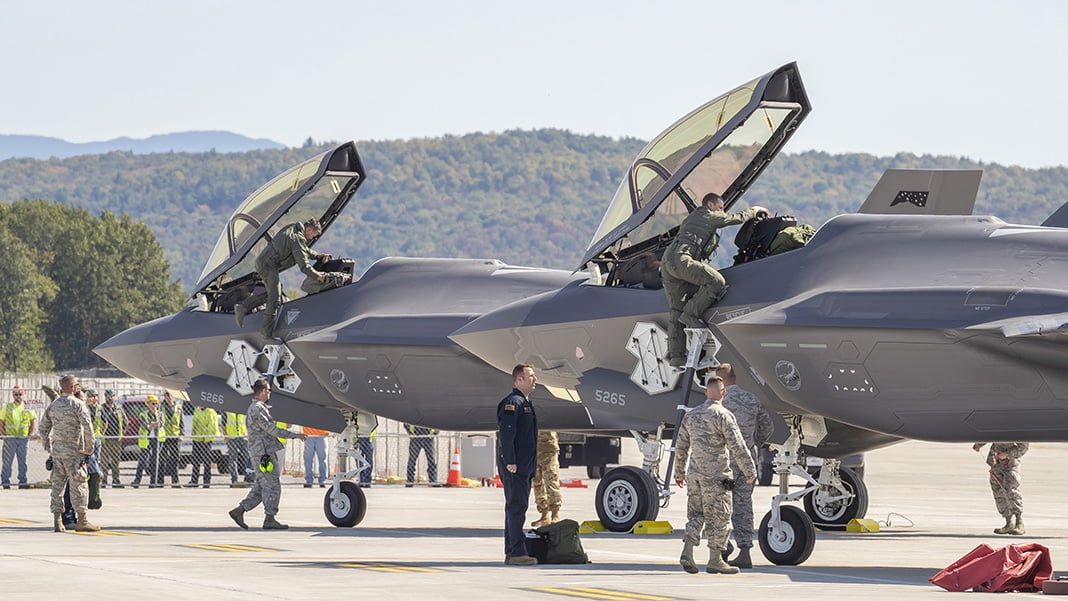 F-35 Fleet Readiness Falls to 25% Amid Parts Shortages and Software Delays: GAO Report
-
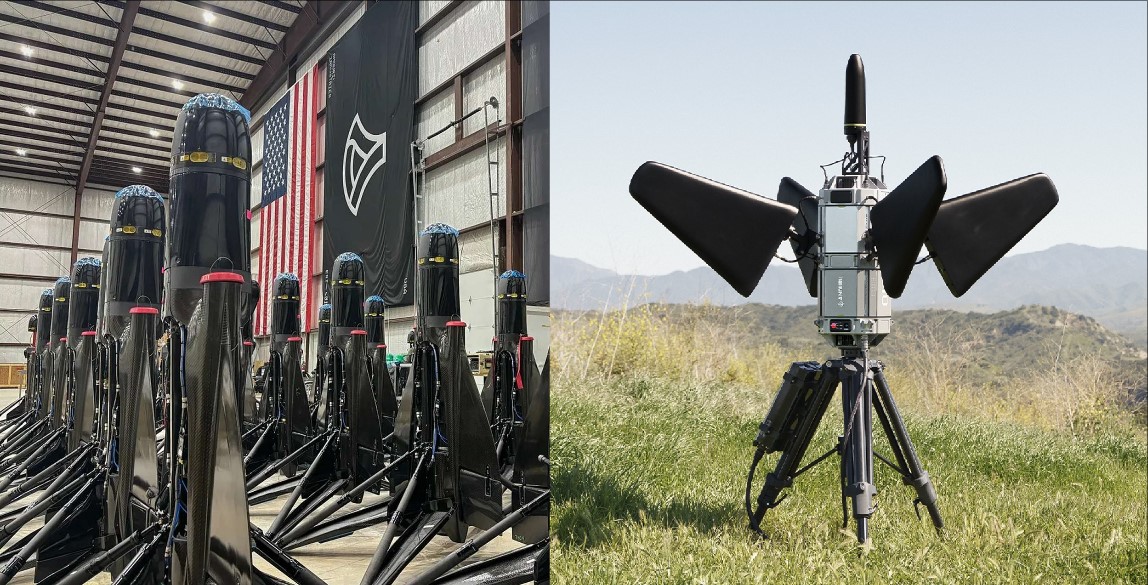 U.S. Approves $1.98 Billion Sale of Anduril AI-Powered Counter-Drone Systems to Kuwait
-
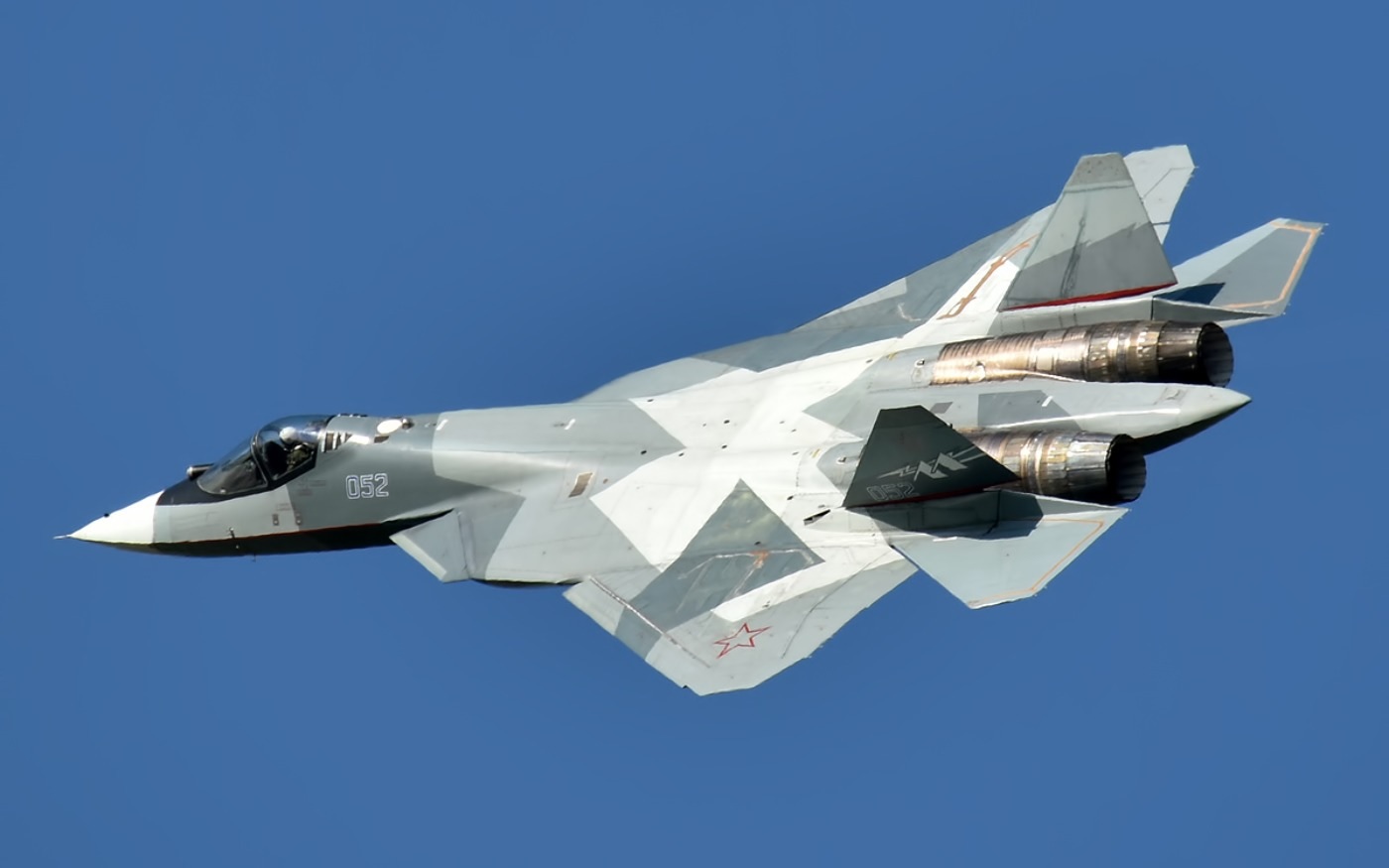 Russian Analysts Debate Su-57 Capabilities After Putin Calls Fighter Superior to F-35
-
 U.S Navy Orders 50 Blackbeard Hypersonic Missiles in New $23.4 Million Contract
-
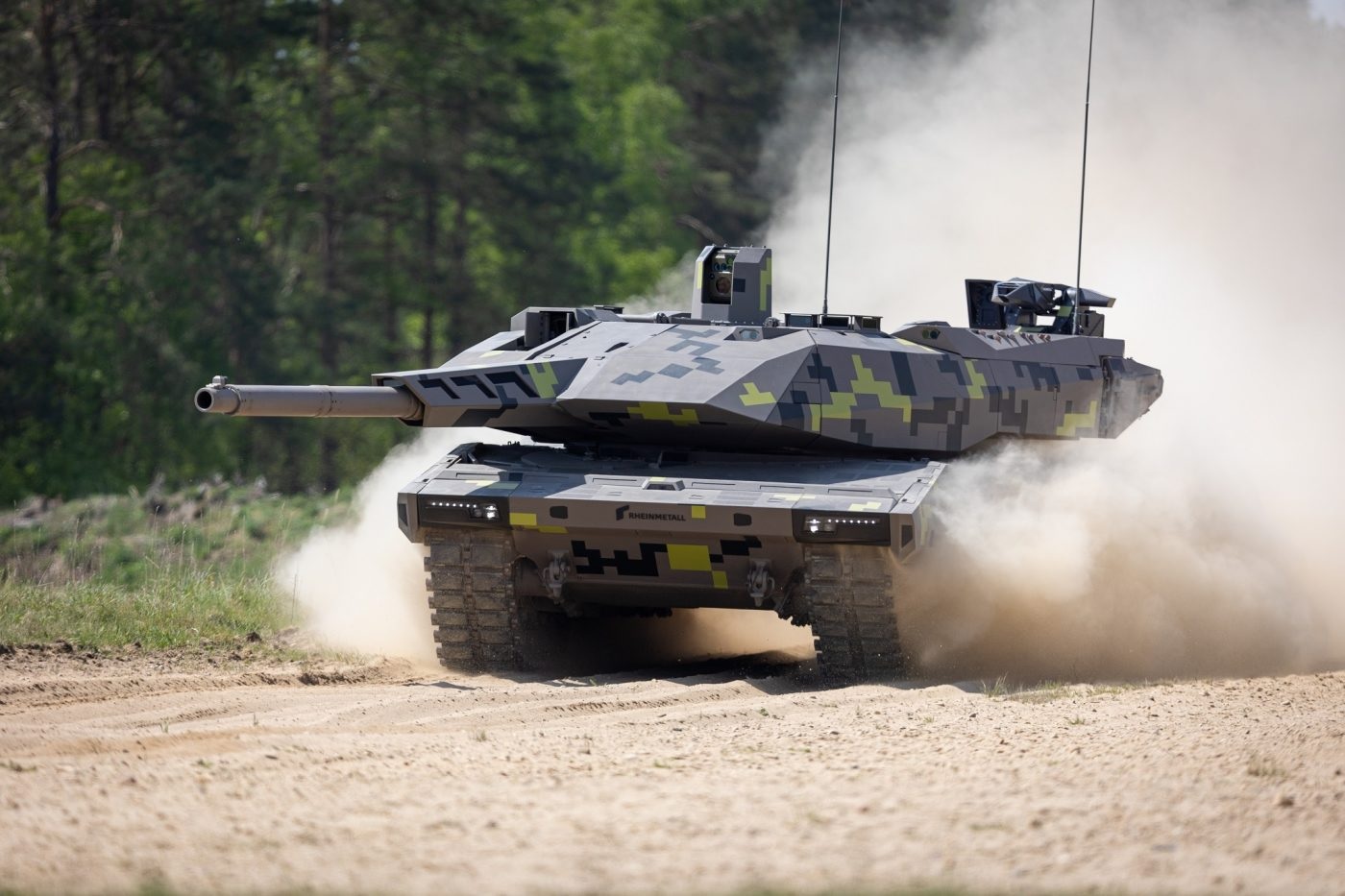 France Considers Reduced Role or Exit from Franco-German MGCS Tank Project
-
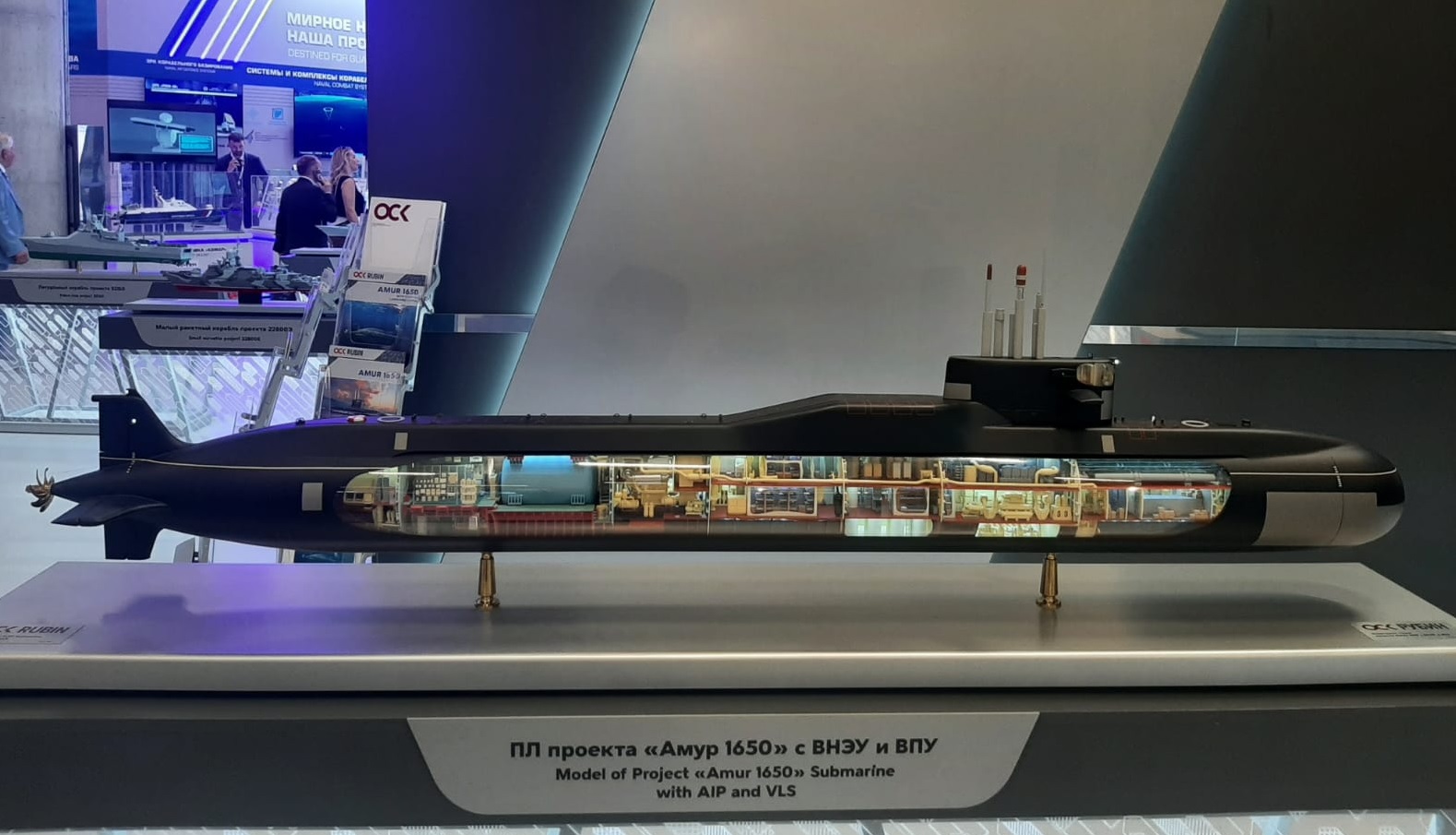 Russia Unveils Amur-1650 AIP Submarine Equipped with BrahMos Vertical Launch System at Fleet-2026
-
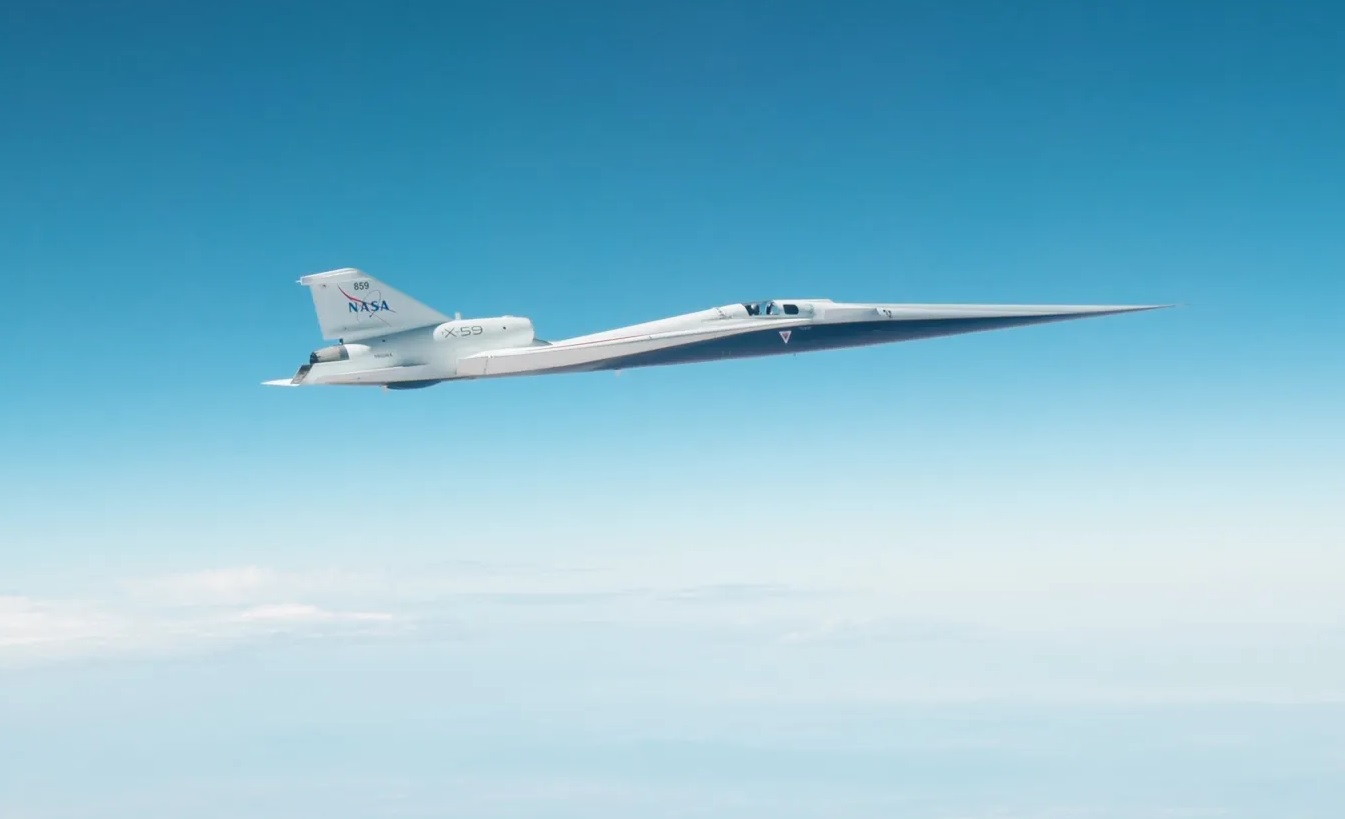 NASA X-59 Achieves Planned Mission Conditions with Mach 1.4 Flight at 55,000 Feet
-
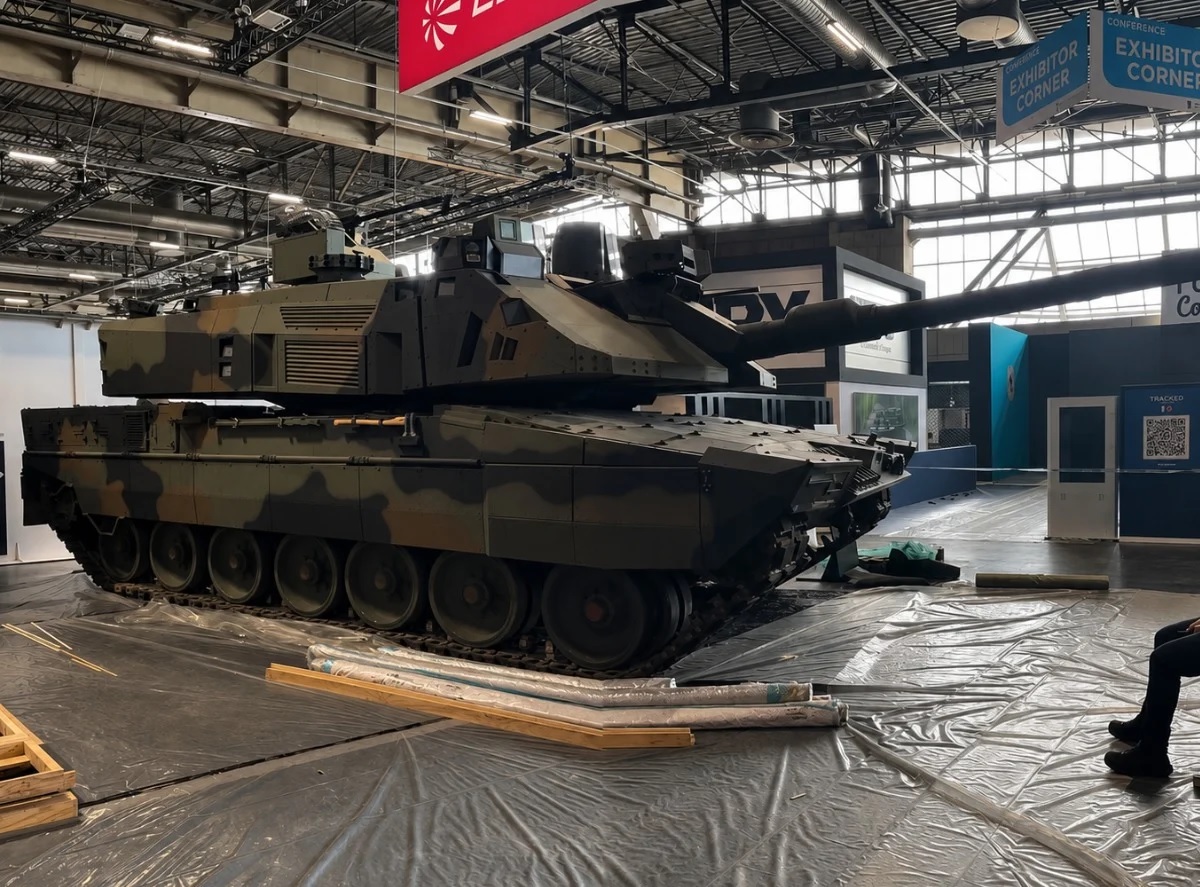 Leonardo Rheinmetall to Unveil Italy’s New IMBT Main Battle Tank at Eurosatory 2026
Top Trending in 4 Days
-
 Iranian Media Leaks 14-Point U.S.-Iran Peace Framework Amid Ongoing Negotiations
-
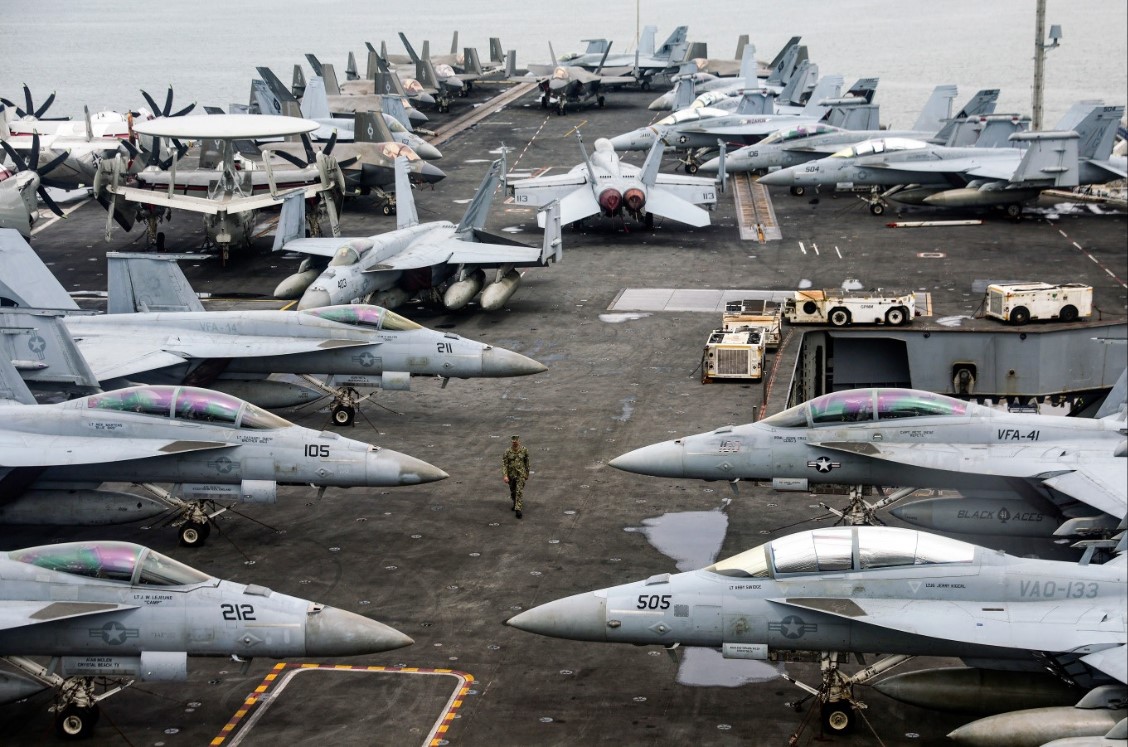 US Plans Significant Reduction of Fighter Jets and Warships for NATO Operations in Europe
-
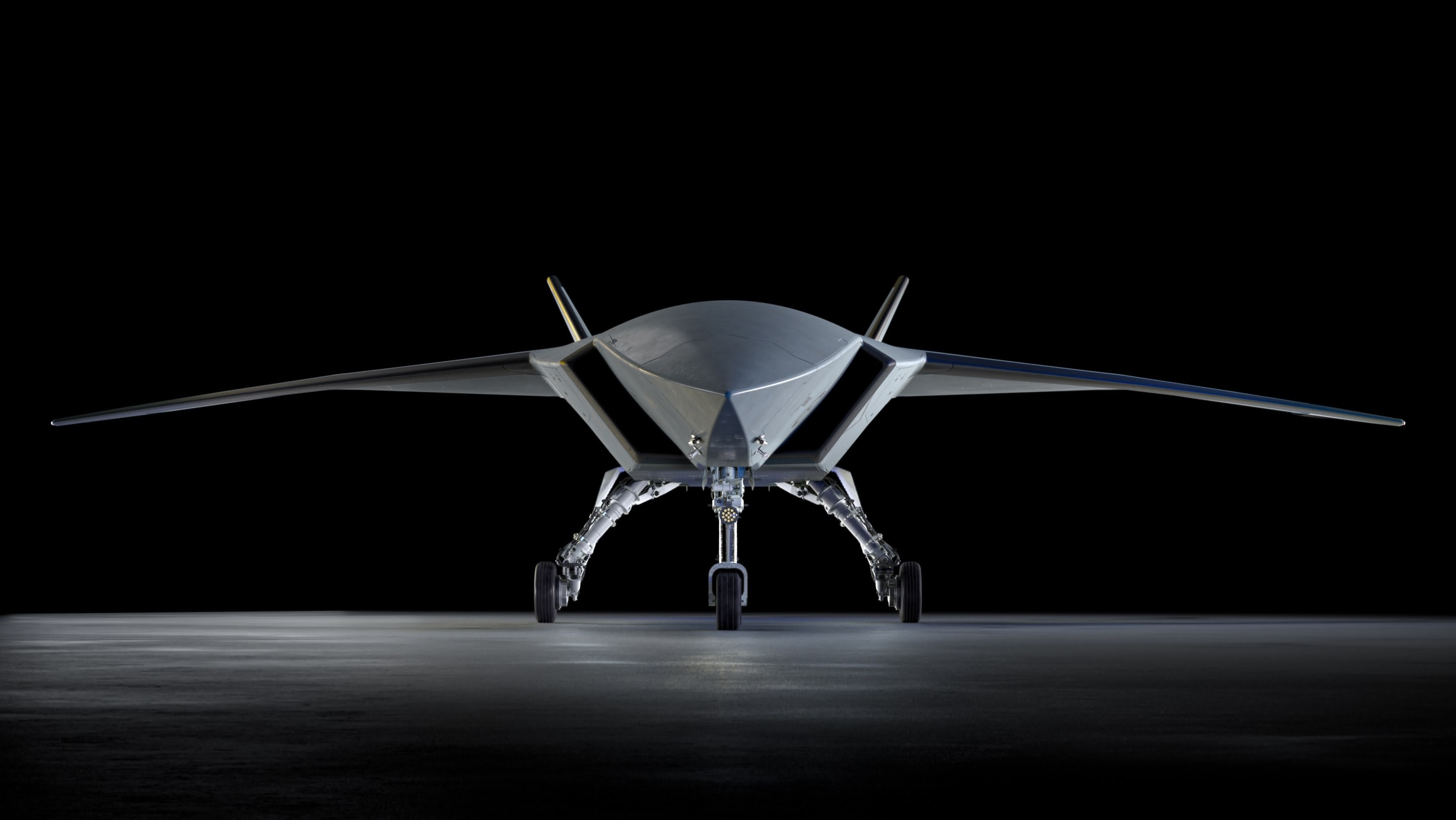 Boeing Introduces New MQ-28 Ghost Bat Upgrades with Increased Range, Payload and Weapons Capacity at ILA Berlin 2026
-
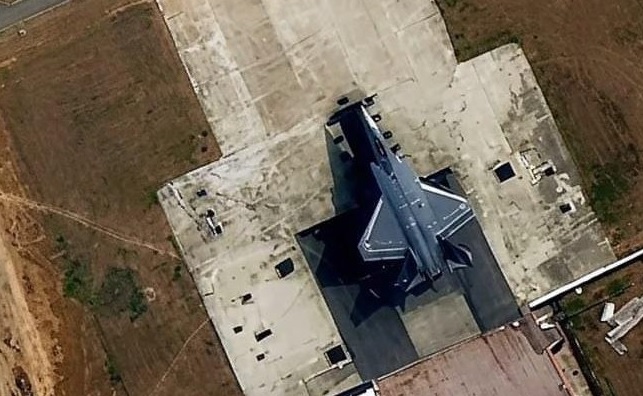 AMCA Airframe Spotted at DRDO’s ORANGE Facility for Radar Cross-Section Testing
-
 U.S Aircraft Carrier USS Theodore Roosevelt Departs San Diego for Major RIMPAC 2026 Naval Exercise
-
 Russian Defense Firm ZALA Unveils KAMA Unmanned Surface Vessel Family at FLOT-2026 Naval Exhibition
-
 U.S. Air Force Faces Strategic Airlift Shortfall as C-17 Production Restart Remains Uncertain
-
 NATO Commander Says Russia Not Seeking Conflict With Alliance Despite U.S. Force Reductions