World
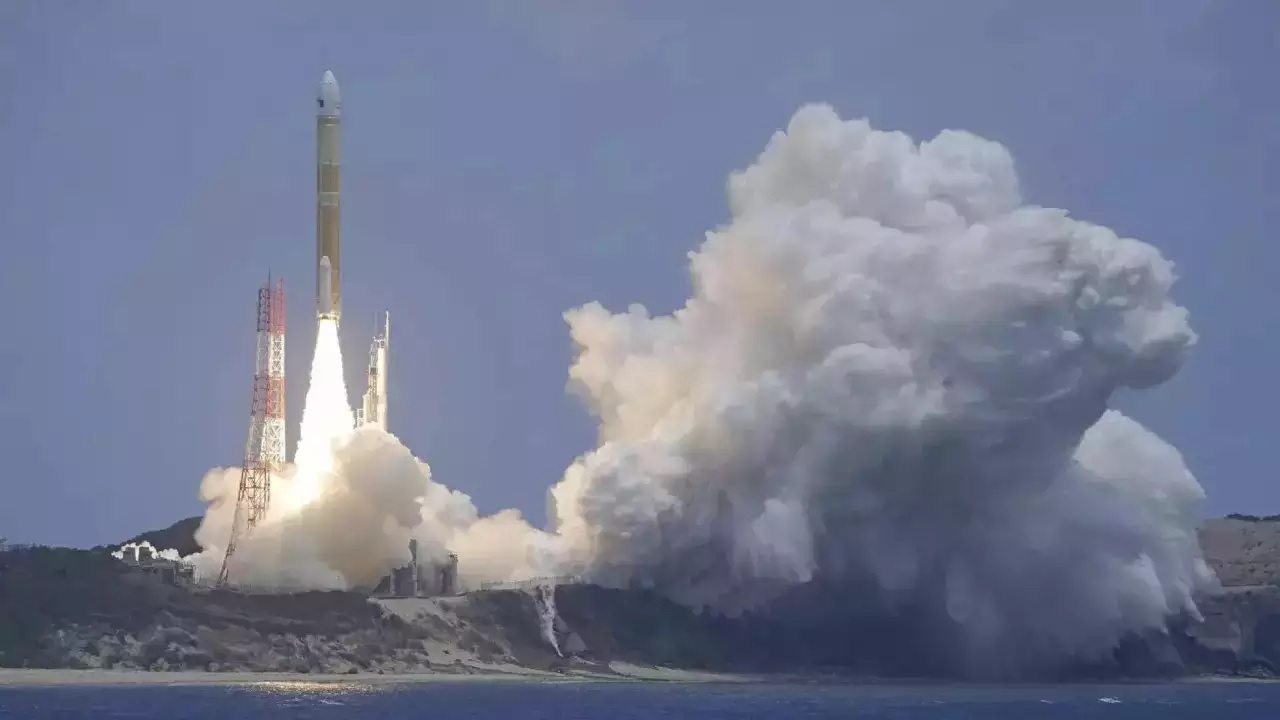
Japan has successfully launched a defense satellite aboard its newly developed H3 rocket, marking a significant step in the nation’s space and defense strategies. The launch took place from the Tanegashima Space Center, located on Japan’s southwestern island of Kyushu. The satellite, designated Kirameki No. 3, is part of Japan’s Defense Ministry’s initiative to enhance communication capabilities for information-gathering and military operations, especially in light of rising regional security concerns.The H3 No. 4 rocket’s liftoff was a much-anticipated moment for Japan’s space community, especially following a year of setbacks for the H3 series. Developed by the Japan Aerospace Exploration Agency (JAXA) in collaboration with Mitsubishi Heavy Industries (MHI), the H3 rocket is the latest in Japan’s line of flagship launch vehicles, succeeding the reliable H-2A rocket, which has been in operation since 2001. MHI plans to eventually take over production and operation of the H3 to make it commercially viable, with an aim to cut launch costs nearly in half, enabling more accessible and competitive space launches.A Seamless Launch and DeploymentThe H3 rocket, equipped with upgraded systems for reliability and payload capacity, performed as planned. About 30 minutes after liftoff, Kirameki No. 3 was successfully deployed in its designated orbit, with JAXA confirming the separation through a livestream. This satellite uses an advanced X-band communication system, which offers enhanced resilience against atmospheric interference, allowing stable communications regardless of weather conditions. Kirameki No. 3 now joins two existing X-band satellites that serve Japan’s military, bolstering their ability to gather information and maintain secure communications.Japan's X-band satellite network plays an essential role in tracking missile launches, especially from nearby regions such as North Korea, where missile activity has increased over recent years. With the addition of Kirameki No. 3, Japan can improve data relay for reconnaissance and gain faster, more secure data transmission for military operations.The Journey of the H3 RocketThe H3 rocket project has been a significant focus for Japan's space agency, which aims to establish a more stable, cost-effective launch platform to support its expanding space and defense initiatives. However, the journey hasn’t been without challenges. The H3 rocket suffered an early setback last year when its first launch ended in failure, with JAXA forced to initiate a self-destruct sequence after a technical issue arose. But JAXA quickly adapted and improved the design, achieving two consecutive successful launches since then, with the latest launch of Kirameki No. 3 marking the third.This milestone reinforces confidence in the H3 system as Japan prepares to phase out its H-2A rocket in favor of the H3. With fewer flights remaining for the H-2A, the H3 will soon become Japan’s primary launch vehicle for government and potentially commercial missions. MHI, which will manage the H3 program going forward, aims to make the rocket cost-competitive with similar rockets globally, including those of SpaceX and Arianespace. The H3’s planned cost reduction represents a strategic move to not only maintain Japan’s independence in space access but also compete in the global launch market.Japan’s Expanding Defense Posture in SpaceThe launch of Kirameki No. 3 reflects Japan’s growing emphasis on space as an extension of national security. With its advanced communication capabilities, this satellite enhances Japan’s ability to respond to security challenges while providing the military with robust data networks. As regional tensions remain high, Japan has been expanding its defense infrastructure in space, including deploying satellites with specialized capabilities to address missile threats and protect critical communications. JAXA has been supporting these initiatives by designing rockets like the H3 that can meet both government and commercial needs. Additionally, Japan’s Ministry of Defense views space assets like the Kirameki series as essential for intelligence and communication, underscoring the need for a reliable domestic launch capability.Looking Ahead: Future of Japan’s H3 Rocket and Space StrategyJapan’s goals with the H3 rocket extend beyond national security. JAXA and MHI are eyeing a future where H3 rockets will not only service Japanese missions but also compete internationally, offering lower-cost options for satellite launches. By building a cost-effective, reliable launch system, Japan can foster its space industry, support allied countries, and attract commercial payloads, reducing its dependency on foreign launch providers.The successful launch of the H3 rocket carrying Kirameki No. 3 is a landmark moment for Japan’s defense and space programs. With plans to retire the H-2A in the near future, the H3’s promising performance points to a new era in Japan’s capabilities, both in space exploration and defense. As Japan continues to invest in space-based security assets, the H3 rocket is poised to become a cornerstone of its strategy, ensuring that the country can meet future demands in a rapidly evolving geopolitical landscape.
Read More → Posted on 2024-11-04 15:40:44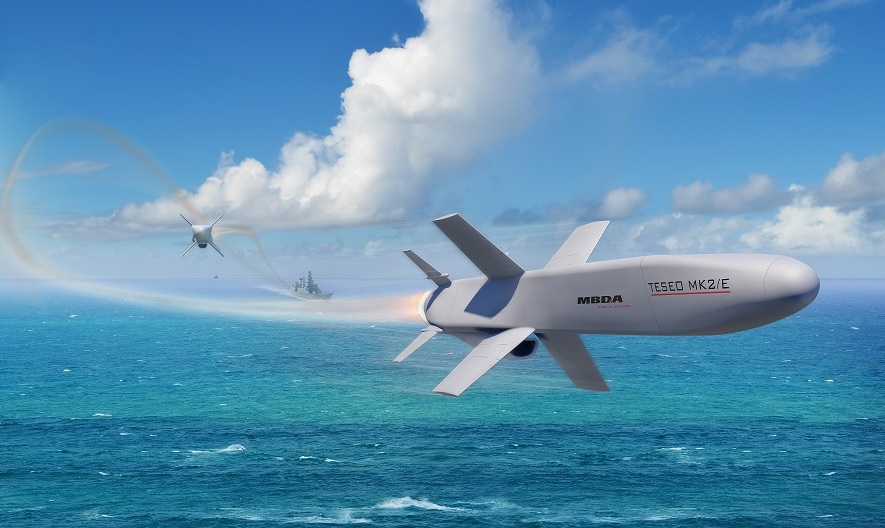
World
In a crucial step for Italy's naval defense capabilities, MBDA has successfully conducted the first launch of its advanced Teseo MK2/E missile system, an upgraded and technologically refined iteration of the Teseo family of anti-ship missiles. This milestone test, executed on October 14 in partnership with the Italian Navy, is part of a long-term program to enhance the Teseo series, internationally known as OTOMAT. The Teseo MK2/E has been designed not only to address evolving maritime threats but also to introduce strategic flexibility and control in modern naval warfare.Engineering Innovations in the Teseo MK2/EThe Teseo MK2/E missile introduces key engineering updates that position it as one of the most advanced anti-ship missile systems globally. This launch provided critical data on its updated design elements, including aerodynamics validated through rigorous wind tunnel tests. This testing marks significant progress in the missile’s development roadmap, with plans to complete qualification of its new airframe and propulsion systems by next year.One of the standout features of the Teseo MK2/E is its Active Electronically Scanned Antenna (AESA) radio-frequency (RF) seeker. This AESA RF seeker allows for highly precise target detection with rapid response times, enhancing operational agility. With these technological advancements, the Teseo MK2/E can be deployed against sea-based and ground targets, demonstrating versatility far beyond the typical anti-ship missile. Moreover, the missile can engage with targets over extended ranges through an advanced in-flight control system enabled by a satellite data link. This system provides real-time adjustments, making it possible to respond to dynamic threats mid-flight. This enhanced operational reach not only enables precise attacks on hostile ships but also allows for strikes on fixed, mobile, or fortified ground positions, giving commanders flexibility to neutralize diverse threats effectively.Strategic Capabilities and DeploymentDesigned in close collaboration with the Italian Navy, the Teseo MK2/E aligns with Italy’s broader strategic objectives for its naval forces. Its deployment will begin with the Italian Navy’s latest PPA Multi-Purpose Combat Ships and new-generation destroyers (DDX). This missile will complement the currently deployed Teseo MK2/A on FREMM and Horizon-class vessels, with plans for integration into the next-generation FREMM EVO frigates. The Teseo MK2/E also opens potential opportunities for adoption by international navies seeking cutting-edge missile technology capable of deep-strike missions and extended targeting versatility.The missile's updated technology also emphasizes enhanced operational safety for naval crews, a priority for modern defense systems. With improved mission planning and shorter reaction times, the Teseo MK2/E is a robust tool for handling sophisticated, fast-evolving maritime threats, from large ships to small, mobile ground-based installations.Collaborative Development and Strategic ImportanceThis achievement underscores the strength of collaboration between MBDA and the Italian Navy, a partnership highlighted by Giovanni Soccodato, Executive Group Director of Sales and Business Development and Managing Director of MBDA Italia. According to Soccodato, this first launch validates the project’s roadmap and highlights the impact of MBDA’s technological advancements. The Teseo MK2/E not only secures a new level of defense for Italy but also aligns with Italy’s role in the Franco-British Future Cruise/Anti-Ship Weapon (FC/ASW) program, advancing MBDA’s contributions to joint European defense efforts.Setting New Standards in Anti-Ship DefenseThe Teseo MK2/E represents a leap forward in anti-ship missile technology, setting new benchmarks for naval defense systems globally. With its integration into Italy’s fleet, the missile bolsters the Italian Navy’s ability to protect its waters and project power across the Mediterranean and beyond. As MBDA continues to advance its missile technologies, the Teseo MK2/E positions itself as a vital component of Italy’s naval capabilities and a competitive offering in the international defense market.In an increasingly complex security environment, this missile system provides Italy’s naval forces with a flexible and powerful tool for future missions, reinforcing the country’s commitment to defense innovation and operational excellence. The Teseo MK2/E’s first launch is a promising step towards full deployment, ensuring Italy’s readiness to face contemporary maritime threats with unparalleled precision and adaptability.
Read More → Posted on 2024-11-04 14:53:27
World
In recent developments on the eastern front of Ukraine, Russia’s defense ministry announced on Saturday that its forces had captured two additional villages—Kurakhivka in the Donetsk region and Pershotravneve near the Kharkiv-Lugansk border. This progress is part of a larger, determined push by Russian forces to expand their control in eastern Ukraine, where the intensity of battles has ramped up in recent weeks, particularly around the strategically significant areas of Donetsk and Luhansk.The Russian military’s report highlights that Kurakhivka, a large village near the industrial hub of Kurakhove, is a significant gain. This area is a primary target for Russia due to its proximity to vital infrastructure and transportation routes in Donetsk. The region holds value for both Ukrainian and Russian forces, as control here could enhance logistical and tactical capabilities for further operations. Additionally, the smaller village of Pershotravneve, near Kharkiv but bordering Luhansk, presents strategic relevance, enabling Russian troops to consolidate their control near key border areas that connect different combat zones.According to an analysis by the American Institute for the Study of War (ISW), Russian forces have reportedly seized 478 square kilometers of Ukrainian territory in October alone, a high-water mark for territorial gains since the early, large-scale advances in March 2022. This surge signals an intensified Russian campaign in the east, likely part of an effort to secure strongholds before the onset of harsher winter conditions that could slow military operations.Donetsk and Luhansk have been focal points for Russian objectives since the beginning of the invasion, with both regions holding symbolic and strategic significance. Known as part of the industrial Donbas area, these regions are rich in resources and have been contested for years. Russia’s claim over these villages also demonstrates its ongoing commitment to capturing territory through gradual but steady territorial expansion, aiming to establish buffer zones that could secure and expand the so-called “land bridge” between Russia and Crimea.While Ukraine has mounted substantial counter-offensives in other parts of the country, like Kherson and Zaporizhzhia, Russia’s advances in eastern Ukraine showcase its focus on consolidating the Donbas region as a stronghold. These advances appear to align with Moscow’s long-term strategic goal to secure the Donetsk and Luhansk oblasts, regions Russia has claimed as part of its territory following widely criticized referendums held in September 2022.Ukrainian forces, meanwhile, have engaged in defensive maneuvers to hold ground and protect major urban centers. Local authorities report intensified bombardment in these areas, which has heightened civilian evacuation efforts and further strained humanitarian conditions.Internationally, analysts speculate that Moscow's current push may reflect a new phase in the war—one where both sides are racing to achieve territorial gains and consolidate positions ahead of winter, which historically complicates and slows down military campaigns in this region. This phase underscores the prolonged nature of the conflict and the significant toll it has taken on both countries, with recent escalations adding to the humanitarian crisis that has unfolded across the region.In response, Western countries have continued to supply Ukraine with military aid, including advanced weaponry and financial support aimed at countering Russia’s territorial ambitions. As winter approaches, the potential for a prolonged standoff appears likely, with each side vying for any possible advantage before the weather halts large-scale maneuvers. This latest advancement by Russian forces signals Moscow’s resolve in the Donbas region and suggests that, despite setbacks in other areas, the fight for control of eastern Ukraine remains a critical theater in the ongoing conflict.
Read More → Posted on 2024-11-04 14:44:38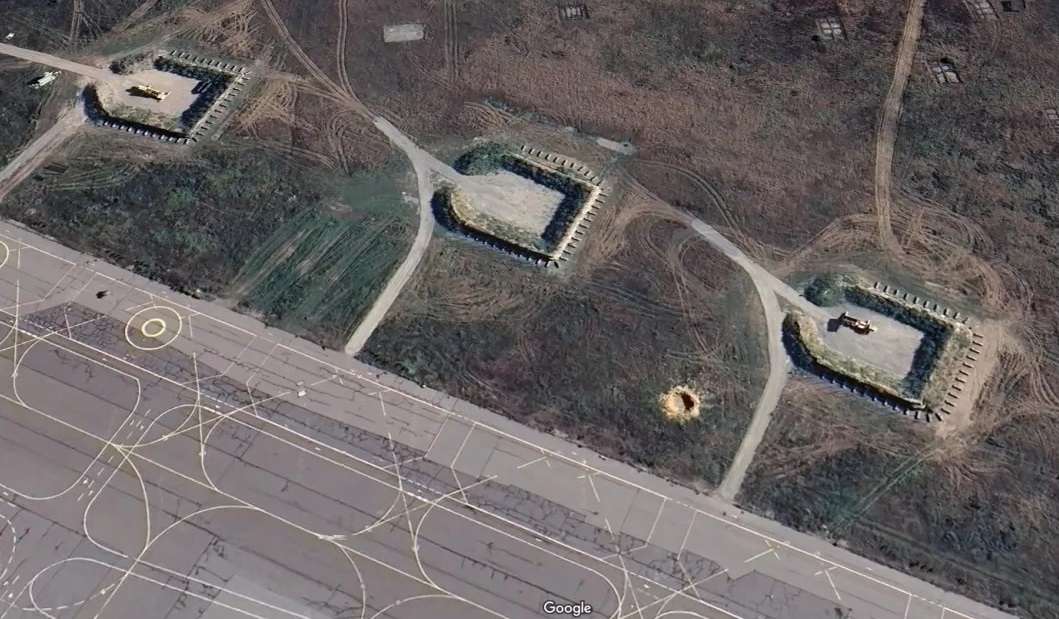
World
In an unexpected twist, Google Earth and Maps recently updated satellite imagery for Ukraine, revealing uncensored views of several sensitive military installations. This move quickly drew criticism from Ukrainian authorities, who cited potential security risks as Russia reportedly began sharing the images widely. As tensions in the region remain high, the incident underscores the challenges of balancing public transparency with critical security measures during ongoing conflicts.The issue initially caught public attention when Andriy Kovalenko, head of Ukraine’s Center for Countering Disinformation at the National Security and Defense Council (NSDC), raised concerns about the exposed sites. Kovalenko expressed frustration over Google’s delayed response to requests from Ukrainian officials to resolve the matter, a delay exacerbated by the weekend, allowing time for the uncensored images to circulate online. “We contacted them to resolve the issue quickly, but their response was delayed due to the weekend. Meanwhile, Russians are actively circulating these images,” Kovalenko remarked. Following this public outcry, Google acknowledged the incident, labeling it an oversight, and committed to taking corrective steps by blurring sensitive military locations across its platforms. This is not the first time satellite images of critical areas have led to security concerns; similar issues have previously arisen with other countries and regions in conflict, including in the Middle East, where satellite imagery inadvertently exposed sensitive military or governmental facilities. The challenge of managing sensitive data in the digital age is a persistent issue, especially for major tech companies like Google. While satellite imagery provides unparalleled access to global landscapes, it can also inadvertently expose sensitive information, particularly in areas experiencing conflict. For Ukraine, which has been under prolonged military threat, these images pose a heightened risk of being used strategically by opposing forces, with Kovalenko and others pointing out the potential consequences if Russian forces could utilize these images for operational planning.Moreover, the incident points to broader questions around the policies governing satellite imagery and public access. For years, companies like Google have wrestled with these issues, balancing between offering transparency for users and managing security concerns flagged by governments. The general practice has been to blur or censor specific sites of military or security interest when flagged by national authorities; however, Google’s incident with Ukraine signals that gaps in response protocols can lead to unintended exposures in vulnerable areas.As Google works to address Ukraine’s concerns by selectively blurring sites, it’s clear that this incident underscores the critical need for more dynamic responses to ensure that security concerns are addressed promptly, especially for regions under immediate threat. With digital platforms increasingly impacting real-world security, the expectations on companies like Google to protect sensitive data remain a matter of public concern and diplomatic sensitivity.For Ukraine, the oversight served as a stark reminder of the vulnerability of sensitive information in the public domain and has reinforced calls for tech companies to take greater responsibility when operating in war zones. The episode highlights that in the digital age, what appears on the screen may have implications far beyond the virtual world, shaping how technology giants approach sensitive data in geopolitically charged areas.
Read More → Posted on 2024-11-03 16:02:41
World
For the first time, Russia’s state-of-the-art Su-57 stealth fighter jet, known as the “Felon,” has made its way to China, landing at the prestigious Airshow China 2024 in Zhuhai. This fifth-generation fighter jet, developed by Sukhoi, is one of Russia’s most advanced military aircraft and represents a significant step in showcasing Russian defense technology on an international platform, especially in a region with growing demand for high-performance military hardware.The Su-57 Felon is Russia’s response to a lineup of Western stealth fighters, including the U.S.-made F-22 Raptor and F-35 Lightning II. The jet’s presence in China is more than just a display of Russian aeronautical achievement; it’s a strategic gesture aimed at strengthening defense ties and exploring potential sales with Asian markets, particularly China. Designed with stealth in mind, the Su-57 incorporates advanced materials and an aerodynamic profile to reduce its radar cross-section, allowing it to operate effectively in environments where low observability is crucial. Additionally, it is equipped with powerful engines and thrust-vectoring nozzles that enable supermaneuverability, allowing the fighter to perform extreme aerial maneuvers that can evade enemy radar and missiles.The Su-57 will be featured in both static displays and live aerial demonstrations at Airshow China. Spectators will have the chance to witness the aircraft’s agility and power, with flight displays intended to highlight its combat versatility. Along with the display, Russia’s defense industry aims to generate interest in the jet’s export potential by emphasizing its features tailored for a range of missions, from air superiority to ground attack.One of the standout features of the Su-57 is its advanced avionics suite, which includes a state-of-the-art radar and an enhanced electronic warfare system. Its radar system, known as the N036 Byelka, is designed to detect multiple targets over a broad range, both in the air and on the ground, and is augmented by infrared search and track (IRST) capabilities. The aircraft also employs advanced artificial intelligence, which assists the pilot in target selection and real-time decision-making. Furthermore, its glass cockpit is fitted with digital displays, offering pilots an intuitive layout that enhances situational awareness, even in the most intense combat scenarios.The jet’s armament system is another factor Russia hopes to highlight at the show. The Su-57 is capable of carrying a wide range of missiles and bombs, including Russia’s newest air-to-air and air-to-surface weapons. It is designed with internal weapon bays, which minimize its radar signature, a vital feature for stealth aircraft. The jet can deploy missiles capable of reaching Mach 4 speeds, ensuring it can hit targets at extended ranges before being detected. Additionally, the Su-57 can be equipped with hypersonic weapons, allowing it to potentially outmaneuver and overpower enemy defenses with unprecedented speed.China’s reception of the Su-57 at Airshow China reflects a growing trend of defense collaboration between Moscow and Beijing. The Su-57’s appearance in Zhuhai is symbolic of Russia’s intent to engage with the Asian defense market, where interest in fifth-generation technology has been on the rise. While China has its own fifth-generation stealth fighter, the J-20, the introduction of the Su-57 showcases alternative design philosophies and may open doors for cooperative defense technology development.Airshow China, which remains one of the largest aerospace exhibitions in Asia, serves as an ideal platform for Russia to present the Su-57’s features to an international audience. As Russia looks to broaden its defense export market amidst global competition, the Felon’s performance in Zhuhai will likely capture the attention of potential buyers from Asia and beyond.In sum, the Su-57’s debut in China is not just about technical prowess—it’s a strategic move aimed at securing Russia’s place in a competitive global defense market. With its blend of stealth, maneuverability, and advanced technology, the Su-57 Felon is poised to leave an impression on both spectators and potential buyers at Airshow China 2024.
Read More → Posted on 2024-11-03 15:59:21
World
The Royal Navy has achieved a significant milestone in aerial defense, enhancing its maritime strike capabilities with a successful trial of the Martlet missile for air-to-air combat. The test, held off the coast of Wales at the Manorbier range, marked the first instance of a Royal Navy Wildcat helicopter deploying the Martlet missile to intercept and destroy a high-speed drone. This breakthrough is a testament to the Royal Navy’s commitment to advancing its tactical edge against modern aerial threats.During this landmark test, the Wildcat helicopter engaged a fast-moving, uncrewed Banshee drone flying over the Bristol Channel. Known for its versatility, the Wildcat is typically deployed from Royal Navy frigates, destroyers, and aircraft carriers for a range of operations, including anti-smuggling, search-and-rescue, and surveillance. The helicopter’s arsenal has grown significantly since the introduction of the Martlet missile in 2021 and the Sea Venom missile earlier this year, providing it with formidable capabilities against both maritime and airborne threats.### The Martlet Missile: Key Specifications and EvolutionThe Martlet, designed by Thales, was originally developed for maritime defense against fast-moving targets such as speedboats, jet skis, and other small, agile vessels. Each missile weighs approximately 13 kg (28.7 lbs) and reaches a speed of Mach 1.5, making it highly effective against dynamic threats. With a range of about 8 km, the missile is guided by a semi-active laser seeker, ensuring precise targeting capabilities. While the Martlet was initially conceived as a surface-to-surface weapon, recent trials have demonstrated its adaptability for air-to-air roles, opening up new possibilities for the Wildcat’s mission profile.The successful interception of the Banshee drone is a significant step forward, highlighting the Martlet’s cost-effective adaptability for uncrewed aerial systems (UAS) and underscoring its growing relevance as a versatile defense tool in various operational theaters. As Lieutenant Dave Guest, a Wildcat pilot involved in the test, emphasized, “It’s really important that we can demonstrate the Wildcat’s effectiveness in engaging targets such as uncrewed systems – and that we can do so on our own, without requiring the assistance of other assets.” ### Enhancing Independent Combat CapabilitiesThe exercise at Manorbier was carefully designed to evaluate the Wildcat’s autonomous combat capabilities, specifically its ability to independently detect, track, and eliminate aerial targets. Over two days, the Banshee drone, launched as a simulated enemy target, was pursued, tracked, and ultimately destroyed by the Wildcat using the Martlet missile. Commander James Woods of the 815 Naval Air Squadron called this a “fantastic development,” underscoring how this trial strengthens the Royal Navy’s capacity to address emerging airborne threats effectively.This added self-sufficiency is crucial in dynamic conflict zones where drones are increasingly used for surveillance and combat purposes. Lieutenant Guest further pointed out that the Martlet provides a cost-effective solution for addressing UAS threats, which are now prevalent in conflict areas like the Red Sea. The recent operations in this region, where Royal Navy personnel faced drones launched by Houthi rebels, highlighted the pressing need for aerial countermeasures that do not depend on external support.### The Wildcat’s Expanding Role in Maritime and Aerial DefenseOriginally tailored for maritime strike roles, particularly in engaging small, swift watercraft, the Wildcat has evolved into a multi-role platform with enhanced offensive and defensive capabilities. Equipped with both the Martlet and Sea Venom missiles, the Wildcat can now transition seamlessly between surface and air targets, making it a highly adaptive force multiplier for the Royal Navy. The Martlet missile’s successful deployment in an air-to-air scenario also reinforces the Wildcat’s position as an indispensable asset in maritime defense.The trial’s success reflects the Royal Navy’s proactive stance in preparing for the realities of modern combat, where autonomous aerial threats pose a growing challenge. As uncrewed systems become a fixture in conflict zones globally, the Navy’s investment in flexible, cost-effective solutions like the Martlet is poised to bolster its ability to safeguard its fleet and personnel across diverse operational landscapes.
Read More → Posted on 2024-11-03 15:21:21
World
China's much-anticipated Zhuhai Aviation Exhibition this year will be a showcase of the latest advancements in military technology, with NORINCO, China’s premier defense manufacturer, set to unveil the enhanced VT-4A1 main battle tank. As the upgraded version of the VT-4, this tank stands out not only for its advanced armor and traditional battle readiness but also for its suite of modern anti-drone defenses, a necessary response to the shifting landscape of modern warfare.The VT-4A1, developed explicitly for international markets, incorporates new-generation technology to counter the rising threats from drones, which have shown tremendous impact in recent conflicts worldwide. NORINCO’s approach with the VT-4A1 combines several technological upgrades that make the vehicle one of the most advanced export-ready main battle tanks available today.Advanced Anti-Drone Capabilities One of the main enhancements of the VT-4A1 is its anti-drone suite. Understanding the role drones play in contemporary conflicts—such as surveillance, target acquisition, and attack—NORINCO has integrated a new drone jammer within the VT-4A1. This jammer disrupts enemy drone communications, effectively blinding and disabling them before they can strike. Additionally, the VT-4A1 incorporates a remote weapon station (RWS), which allows the crew to operate weaponry remotely with precision, ensuring quicker and safer responses to incoming drone threats. This RWS is particularly useful in detecting and engaging smaller, fast-moving aerial targets that may bypass traditional detection methods. Strengthened Active Protection System (APS)NORINCO has equipped the VT-4A1 with an upgraded Active Protection System (APS), a defensive system designed to intercept and neutralize incoming threats such as rockets, missiles, and even drone-based projectiles. The APS sensors detect incoming threats and deploy countermeasures that create a protective shield around the tank, vastly improving survivability on the battlefield.Advanced Mobility and Firepower Beyond its anti-drone and defensive enhancements, the VT-4A1 maintains the hallmarks of the VT-4 family in terms of mobility and firepower. It’s powered by a 1,300-horsepower engine that enables rapid movement, even across rugged terrain, giving it a distinct advantage over other tanks in its category. The VT-4A1 is equipped with a 125mm smoothbore cannon, capable of firing a variety of ammunition types, including high-explosive rounds, armor-piercing rounds, and guided missiles. This firepower is further complemented by an auto-loading mechanism, which increases the rate of fire while reducing the need for additional crew.State-of-the-Art Electronics and OpticsAnother leap forward with the VT-4A1 lies in its sophisticated electronic and optical systems. Its battle management system (BMS) provides real-time data on battlefield conditions, helping the crew make quicker decisions. Coupled with thermal imaging, laser range-finding, and night vision optics, the VT-4A1 can operate in all-weather and low-visibility conditions, ensuring combat readiness at any time. NORINCO’s investment in these advanced technologies comes as a response to the evolving nature of threats observed in recent conflicts, including the Ukraine-Russia war, where the heavy use of drones demonstrated a need for modern tanks to adapt accordingly. The VT-4A1 is NORINCO's answer to these developments, offering a multi-faceted vehicle that combines formidable offensive power with layered, modern defenses for enhanced survivability.International Market Appeal The VT-4A1 is poised to attract significant attention from countries looking to modernize their armored capabilities. Already, the VT-4 series has seen interest from countries like Thailand and Nigeria, and the VT-4A1’s added anti-drone features may appeal to other nations concerned about growing drone threats in their regions. By aligning with global needs for increased protection in drone-dense environments, the VT-4A1 positions itself as a forward-looking choice for any defense force seeking a versatile, modern main battle tank.As NORINCO unveils the VT-4A1 at the Zhuhai Aviation Exhibition, the global defense industry will be watching closely. The VT-4A1 is not merely an upgrade—it reflects a strategic pivot in military technology, one that acknowledges the demands of drone warfare while maintaining the rugged versatility expected of third-generation tanks.
Read More → Posted on 2024-11-02 15:22:26
World
During Euronaval 2024, Safran Electronics and Defense unveiled a significant upgrade to its NGDS (New Generation Dagaie System) decoy launcher, transforming it into a multi-purpose close-in weapon system (CIWS) through the integration of Mistral 3 missiles. This advancement marks an innovative leap in naval defense, specifically designed to counter the increasing threat from low-cost, high-impact offensive systems such as loitering munitions, kamikaze drones, and small fast-attack boats.From Decoys to Defenders: The NGDS with Mistral MissilesThe NGDS launcher, already well-regarded in the French Navy and numerous other naval forces, originally deployed soft-kill measures like chaff, flares, and obscurants to confuse and mislead incoming threats. Now, with the Mistral 3 missile integration, NGDS offers a rapid-response, hard-kill alternative capable of intercepting low-altitude threats, sea-skimming missiles, and fast surface targets within a range of up to 8 kilometers. In tests, the Mistral 3 has intercepted targets as far as 12 kilometers, showing promising resilience in high-intensity conflicts.The modification allows each NGDS unit to support up to eight Mistral missiles, four on each side, enabling the system to operate in a close-in weapon role similar to the American Rolling Airframe Missile (RAM). Typical French naval vessels have two NGDS launchers installed, providing ships with an onboard defensive network of 16 missiles. With this hybrid configuration, Safran offers naval forces a flexible option to respond to a diverse range of threats, essentially transforming a decoy launcher into a robust CIWS solution.Design and Modularity: Efficient Reload and Expanded CapabilityThe NGDS retains its original decoy functionality, enabling it to fire up to eight Lacroix 150 mm SEALEM and SEALIR rockets equipped with advanced RF (radio frequency) and IR (infrared) payloads. During sea trials in 2024, NATO-standard 130 mm munitions were successfully fired, demonstrating the NGDS’s adaptability to various caliber requirements. Safran's design simplifies reloading, allowing ship crews to swiftly reload Mistral missiles while underway, a significant operational advantage not achievable with most other PDMS (point-defense missile systems) like the RAM launcher, which requires docking for reload.Moreover, Safran and SH Defence's collaboration on modular systems allows for even greater flexibility. SH Defence's "Cube System" introduces a modular rail setup for rapid deployment or removal of NGDS units on ships. This adaptability means navies can adjust the defensive configuration based on mission requirements, an attractive feature for modernizing navies like Denmark's, which has incorporated NGDS on its upcoming patrol vessels. Responding to Modern Naval ThreatsThe innovation aligns with evolving defense needs in regions like the Red Sea and Black Sea, where ships face increasing asymmetric threats. Recent conflicts, such as Russia's activities in the Black Sea and attacks in the Red Sea, demonstrate the cost-inefficiency of using advanced, high-cost missiles against small, inexpensive threats. The NGDS-Mistral combination addresses this need for lower-cost, sustainable defense measures.“The upgrade addresses a critical need for autonomous and efficient defense in high-risk areas,” commented Pierre-Olivier Nougues, VP of Sales and Marketing at Safran, highlighting its practicality. Safran estimates that a refit for existing NGDS systems could be completed in as little as six to twelve months, offering a rapid deployment timeline for navies facing urgent operational demands.A Broader Path to Interoperable and Scalable Naval DefenseWhile Mistral missiles now take a central role in the NGDS, Safran has also initiated discussions with Thales about potentially integrating new rocket systems designed for counter-drone applications. Other missile systems like MBDA's Akeron MP might also become part of this adaptable launcher in the future, broadening its operational range against a wider threat spectrum.Safran's NGDS upgrade exemplifies the future of modular, hybrid defense systems that balance cost-efficiency with advanced threat engagement capabilities, signaling a notable evolution in naval CIWS technology. With this, navies worldwide can deploy versatile, adaptive defensive solutions on the front lines without compromising availability, readiness, or affordability.
Read More → Posted on 2024-11-02 15:17:41
World
In a move underscoring its commitment to regional stability and ally protection, the U.S. Department of Defense (DoD) has announced the deployment of additional military assets to the Middle East. This deployment, coming as tensions with Iran continue to rise, involves advanced missile defense destroyers, additional fighter squadrons, tanker aircraft, and long-range B-52 bombers. The decision, revealed on November 1, 2024, reinforces the United States’ strategic stance in the region, aiming to counter Iranian threats directed at Israel and U.S. interests.Rising Tensions in the Middle EastThe Middle East has become a focal point of international concern, with Iran openly condemning Israeli actions and extending support to groups like Hezbollah, which has increased its activities in Lebanon, Syria, and Gaza. Iranian-backed groups have engaged in cross-border hostilities, including rocket launches along Israel’s northern frontier, sparking fears of escalating conflict. These incidents not only jeopardize Israel but also threaten to destabilize a region already fraught with proxy conflicts and longstanding rivalries.The U.S., in response to these dynamics, has opted for a strong defensive presence to deter any aggressive actions by Iran or its allied forces. This commitment marks a step toward stabilizing the area through both a visible deterrent and a clear signal of support for Israel and other allies.Key Military Assets in the DeploymentOne of the core elements of this deployment is the advanced missile defense destroyers equipped with the Aegis Ballistic Missile Defense (BMD) system. These destroyers possess sophisticated tracking and interception capabilities for short- and intermediate-range ballistic missiles, crucial for countering any missile threats from hostile actors. With their deployment, the U.S. aims to enhance missile defense for both American forces and allied territories in high-threat zones, particularly against nations and groups armed with missile systems capable of targeting key military installations.Complementing these destroyers, the U.S. Air Force is deploying additional fighter squadrons and tanker aircraft. The tanker planes play a pivotal role, enabling extended air patrols and enhancing rapid response capabilities. With air refueling, these fighter jets can maintain prolonged operations, securing airspace and providing a more persistent presence across wide operational areas. This extended range enables the U.S. to protect assets, respond swiftly to incidents, and carry out deterrence missions if necessary.Further reinforcing this multi-layered strategy, B-52 long-range bombers will add a crucial layer of power projection. Known for their ability to carry substantial payloads over great distances, the B-52s have been an essential component of the U.S. deterrent strategy. Their versatility allows them to perform missions ranging from high-precision strikes to surveillance and reconnaissance, reinforcing their position as both a deterrent and a versatile strategic asset. With their presence in the region, the U.S. can quickly project power, signaling to adversaries that any act of aggression will meet a significant response.Transition from Carrier Strike Group to Multi-Dimensional DefenseThe USS Abraham Lincoln Carrier Strike Group, a Nimitz-class aircraft carrier group currently stationed in the Middle East, is set to return home as part of a planned rotation. However, the arrival of the newly deployed destroyers, fighters, tankers, and bombers will maintain a steady U.S. defense posture in the region, even as the carrier group departs. This shift in assets reflects the adaptability of U.S. forces and their capacity to maintain deterrence and defense capabilities across various domains without a constant carrier presence.Beyond these reinforcements, the U.S. has positioned a Terminal High Altitude Area Defense (THAAD) missile system in Israel to provide enhanced protection against high-altitude threats. Additionally, an Amphibious Ready Group/Marine Expeditionary Unit (ARG/MEU) remains stationed in the Eastern Mediterranean, ensuring readiness for rapid response in any escalating conflict. Together, these elements underscore the U.S. commitment to layered defense, integrating ground, air, and maritime resources to counter any range of missile threats.Message of Deterrence and Diplomatic EngagementAs Secretary of Defense Lloyd Austin emphasized, the U.S. is prepared to take “every measure necessary” to protect American personnel and interests if Iran or its allies escalate aggression. This resolve sends a strong message not only to Iran but also to the network of allied groups it supports across the region. The deployment is thus a part of a broader U.S. strategy combining military deterrence with diplomatic efforts aimed at de-escalating tensions.The U.S. strategy is clear: respond swiftly and robustly to any threats while seeking to maintain stability through diplomatic channels. By positioning assets in such a way, the U.S. signals its ability to counter a wide range of threats and reinforces the security of its allies in an increasingly volatile area.Strategic Response to an Evolving Threat LandscapeThis bolstered military presence demonstrates the flexibility and responsiveness of U.S. defense forces to rapidly adapt to emerging security challenges. In recent months, the Pentagon has made several high-speed deployments to various global hotspots, demonstrating its ability to project power and adjust strategies swiftly in response to changing threats. The current reinforcements in the Middle East exemplify this adaptability, ensuring a robust defense stance even in the absence of the USS Abraham Lincoln Carrier Strike Group.With its multi-dimensional deployment, the U.S. aims to protect its regional interests, deter potential aggressors, and provide a reliable defense for allies under threat. The strategic positioning of these forces—incorporating missile defense, air superiority, refueling capabilities, and long-range strike options—ensures a strong, layered defense that not only deters aggression but also supports broader diplomatic goals in the region.
Read More → Posted on 2024-11-02 15:10:58
World
In a recent announcement, Viasat Inc., a leading satellite communications provider, revealed a groundbreaking collaboration with Brazilian aerospace giant Embraer to bring advanced dual-band SATCOM (Satellite Communication) technology to the C-390 Millennium military transport aircraft. This integration, centered on Viasat's Hybrid SATCOM Approach (HSA), will equip the C-390 with the GAT-5530 terminal, known as KuKarray, enabling seamless and secure communication across diverse mission settings. The partnership represents a significant leap in capabilities for the C-390, particularly in its multi-role mission flexibility and operational reach.Transforming Connectivity with Viasat’s Hybrid SATCOM Approach (HSA)The essence of this collaboration is Viasat’s Hybrid SATCOM Approach (HSA), a strategic design that combines Ku-band and Ka-band frequencies to provide robust dual-band communication coverage. The integration allows the C-390 to access both the high-capacity Ka-band and the globally accessible Ku-band networks, expanding the aircraft’s operational versatility. This dual-band feature enables continuous, resilient communication and reduces dependency on a single satellite frequency, ensuring communication continuity even in contested environments.HSA's advanced multi-band, multi-orbit connectivity also extends beyond Viasat’s proprietary networks to support other government and third-party systems, like the U.S. Department of Defense’s Wideband Global SATCOM (WGS). This adaptability lets the C-390 connect to various government and military networks, such as Mil-Ka, a crucial enhancement for global operations. This compatibility provides vital operational flexibility, offering Embraer’s defense customers connectivity options to address a broader spectrum of mission demands.Key SATCOM Features Elevate C-390’s Operational VersatilityThe GAT-5530, or KuKarray terminal, lies at the core of this transformation. Known for its advanced dual-band capability, the GAT-5530 enables secure, high-throughput connectivity and supports Embraer’s mission requirements with unmatched communication resilience. This terminal aligns with Viasat’s Automated Primary, Alternate, Contingency, and Emergency (APACE) communication protocol, a highly secure and reliable communication system designed for defense environments. APACE empowers the C-390 with enhanced situational awareness, streamlining the flow of mission-critical data across different operational scenarios, from humanitarian relief missions to tactical military engagements.Additionally, the open-architecture HSA is future-proofed to support other frequencies, such as LEO (Low Earth Orbit) and L-Band networks, making it compatible with emerging satellite systems. This capability ensures that the C-390 can accommodate potential future upgrades without needing significant overhauls, thus preserving Embraer’s commitment to multi-mission adaptability.Statements from Embraer and Viasat Highlight Strategic ImportanceVictor Farah, Senior Vice President of Viasat Government Solutions and Services, emphasized the alignment of Viasat’s SATCOM technology with Embraer’s vision: “Viasat is excited to expand its relationship with Embraer and deliver a hybrid SATCOM solution on the C-390 Millennium platform. Our Hybrid SATCOM Approach design supports advanced airborne connectivity for defense customers seeking reliable, resilient satellite communications in contested environments.”This sentiment was echoed by Frederico Lemos, Chief Commercial Officer for Embraer Defense & Security, who noted that the C-390 is designed with interoperability and mission versatility in mind: “The C-390 offers interoperability and multi-mission capability off-the-shelf, and Embraer is consistently working to expand the envelope. The selection of Viasat’s hybrid satcom terminal is totally aligned with our vision to deliver reliable global connectivity and PACE communication to end-users.”Enhancing the C-390’s Multi-Mission CapabilitiesThe C-390 Millennium has made its mark in various military and non-military settings, including disaster relief, logistical transport, and medical evacuations. The addition of Viasat’s SATCOM technology will augment its flexibility by allowing real-time data transfer and video streaming capabilities for critical decision-making. Furthermore, the strengthened SATCOM capabilities enable interoperability with international forces and aid organizations, enhancing its role in global coalition operations. As Embraer and Viasat advance their integration efforts, the C-390 Millennium stands poised to redefine its role in defense and humanitarian applications, reinforcing Embraer’s reputation as a trusted manufacturer of adaptable, technologically advanced military aircraft. Through this partnership, Viasat’s dual-band SATCOM technology will not only improve the C-390’s communication resilience but also extend its operational reach, making it a formidable asset in diverse mission environments worldwide.
Read More → Posted on 2024-11-02 15:06:51
World
Recent developments in China’s naval aviation signal a significant leap forward in military power with the deployment of the J-15B, the latest variant of the carrier-based fighter jet, on the Liaoning (CV-16) and Shandong (CV-17) aircraft carriers. This move not only enhances the People's Liberation Army Navy’s (PLAN) offensive capabilities but also reaffirms China’s strategy to assert its influence in key maritime regions, particularly the South China Sea. The addition of the J-15B, an upgraded successor to the original J-15, signals a shift toward more technologically advanced and combat-ready naval forces in response to regional security concerns and competitive advancements in carrier technology worldwide.The J-15B’s first appearance during joint exercises conducted with both Liaoning and Shandong in the South China Sea marked a milestone for the PLAN. This is the first time the two carriers have operated in tandem with a significant fleet of at least 32 J-15s. Among them, nine were identified as the advanced J-15B, with distinctively lighter-colored radar radomes distinguishing them from the older J-15A models. This radar enhancement likely supports improved radar sensitivity and data processing, granting the J-15B an advantage in electronic warfare capabilities and threat detection.J-15B Specifications and EnhancementsThe J-15B is an upgraded, domestically refined version of the original J-15, itself a reverse-engineered adaptation of the Soviet Su-33. Designed as an air superiority fighter, the J-15B incorporates numerous upgrades, making it a more capable platform for future operations on China’s emerging Fujian-class carriers, which are being equipped with electromagnetic catapult launch systems similar to those on the United States Navy's newest carriers. Unlike the J-15A, which was tailored for Short Take-Off But Arrested Recovery (STOBAR) launches, the J-15B is configured for Catapult Assisted Take-Off But Arrested Recovery (CATOBAR) operations, increasing its payload capacity and range.The J-15B’s new CATOBAR capability aligns with China’s strategy to advance its carrier-based fighter operations significantly. CATOBAR systems allow aircraft to take off with more fuel and weapons compared to the STOBAR approach, which limits takeoff weight. This development is particularly relevant as the J-15B will eventually be deployed on China's third aircraft carrier, the Fujian (CV-18), which is set to enter service in the coming years with CATOBAR-ready technology.Further technical advancements in the J-15B include:Enhanced Avionics: The J-15B is expected to incorporate advanced avionics, including an upgraded Active Electronically Scanned Array (AESA) radar, enabling improved targeting, electronic warfare resilience, and situational awareness.Advanced Electronic Warfare Suite: The new variant is outfitted with a sophisticated electronic warfare suite, designed to disrupt enemy radar and communication systems, providing it with a formidable edge in air-to-air and air-to-surface operations.Thrust-Vectoring Engines: Though unconfirmed, military analysts suggest that the J-15B may employ upgraded thrust-vectoring engines, which would enhance its maneuverability in dogfight scenarios.Operational Readiness and Strategic ImplicationsReports from the PLAN indicate that the J-15B has completed rigorous takeoff and landing tests on the Liaoning, solidifying its operational readiness and integration into China’s carrier strike groups. This readiness was highlighted in the recent exercises where both the Liaoning and Shandong carried out synchronized operations, a powerful display of China’s evolving naval capabilities. Analysts see this as a move that projects China’s military presence in the Indo-Pacific, a region with numerous strategic and contested territories.By deploying the J-15B, China is making a clear statement about its commitment to enhancing its naval aviation force and securing its territorial claims. The PLAN’s increased proficiency with carrier-based fighter operations supports China’s broader ambition to challenge U.S. and allied naval presence in the region, particularly in contested waters of the South China Sea. Additionally, the dual-carrier operation, with an extensive fleet of J-15 jets, demonstrates the PLAN’s capability to mobilize substantial air power rapidly, hinting at China’s aspirations to project air superiority well beyond its territorial waters.A New Era for China’s Naval Power ProjectionThe deployment of the J-15B aboard the Liaoning and Shandong symbolizes China’s transition to a more sophisticated naval strategy, one that leverages advanced technology for greater regional dominance. The introduction of the CATOBAR-compatible J-15B variant sets the stage for the PLAN to adopt more flexible and potent force projection tactics, a strategic necessity as China looks to secure its maritime interests.As the PLAN continues to refine its carrier operations with upgraded fighters and next-gen carriers like the Fujian, China’s naval aviation capabilities are poised to reach new heights. The combined strength of dual-carrier operations, coupled with an arsenal of state-of-the-art fighter jets, represents a pivotal development that will likely reshape the balance of naval power in the Asia-Pacific region for years to come.
Read More → Posted on 2024-11-02 15:03:39
World
In an impressive leap for submarine technology, Spain’s Navantia shipyard in Cartagena has commenced integration of the Air Independent Propulsion (AIP) system into its latest S-83 submarine, part of the highly regarded S-80 class. This installation enhances the S80 class’s reputation as a pioneering conventional submarine, with capabilities rivaling the silent, enduring operation traditionally attributed to nuclear submarines. The new AIP system will enable these submarines to stay submerged far longer than conventional diesel-electric submarines, marking a significant improvement in endurance and stealth.Navantia’s AIP technology is unique, utilizing a Bioethanol Processing System to produce hydrogen, a clean energy source created from sustainably sourced bioethanol. Onboard, bioethanol is converted into hydrogen, which combines with oxygen stored in tanks to power the submarine’s fuel cells. This process generates electricity used to power the submarine's batteries and extend its underwater endurance by two to three times compared to diesel-electric models that must surface frequently to recharge. This system essentially allows the S-83 and its sister S-80 submarines to operate more stealthily, as they avoid the noise associated with surfacing and snorkeling—often the moment submarines are most vulnerable to detection.The design of Navantia's AIP system allows the S-80 submarines to operate at any depth and in diverse operational conditions, allowing a level of flexibility critical in modern naval operations. Such adaptability means that these submarines can maintain stealthy, sustained missions without the need to surface frequently, providing a valuable edge for strategic patrols or reconnaissance missions. The AIP technology enhances the S-80 class’s ability to function in hostile environments, giving Spain a formidable asset and reinforcing Navantia’s position as a key player in the defense industry.One of the distinguishing features of the S-80 class is its impressive 3,000-ton displacement, which allows for the inclusion of more advanced technologies than smaller, conventionally powered submarines. Among conventional (non-nuclear) submarines, the S-80 series is the only class of this size to feature such an advanced AIP system. Navantia has gone to great lengths to integrate these advanced features without compromising the submarine’s stealth design. The streamlined design of the S-80 class, combined with the silent operation of its AIP system, enables the submarine to achieve unprecedented levels of stealth, making it exceptionally difficult to detect.The S-80 class submarines, and the S-83 in particular, are expected to attract attention from international buyers looking for advanced submarines with prolonged underwater capability. Navantia’s international collaborations and industrial partnerships make the S-80 class a viable option for navies seeking advanced, non-nuclear submarines capable of long-duration missions in high-threat environments.The addition of the AIP system to the S-83 signals a milestone not only for Navantia but also for the global submarine market, where demand for stealthy, fuel-efficient submarines is growing. The bioethanol-based hydrogen system is not only energy efficient but also offers a more sustainable, environmentally friendly option compared to traditional fuel methods. With this development, Navantia is setting a new benchmark in submarine technology, showcasing Spain’s commitment to cutting-edge naval innovations that align with the energy efficiency goals of modern militaries. As the S-83 moves through its integration and testing phases, it promises to be a game-changer for the Spanish Navy, further solidifying Navantia's reputation in submarine engineering and positioning it at the forefront of the international defense industry.
Read More → Posted on 2024-11-02 14:54:07
World
ASELSAN, Türkiye's leading defence technology innovator, is setting new standards in naval defence with the launch of its upgraded GÖKSUR Point Defence Missile System (PDMS), known as the GÖKSUR 100-N. The system will make its debut at Euronaval 2024 in Paris, where international maritime and defence companies gather to unveil the latest advancements in naval technology. Running from November 4 to 7, the event provides a fitting stage for ASELSAN to showcase the GÖKSUR 100-N, a missile system designed to meet modern naval threats with unmatched agility, versatility, and technological sophistication.The GÖKSUR 100-N features an impressive 20-missile launcher capacity and can accommodate ASELSAN’s advanced GÖKSUR IIR missile. Originally designed as an air-to-air missile, the GÖKSUR IIR has been specially adapted for naval use, allowing it to intercept multiple types of threats with high precision. This updated system offers a 360-degree engagement capability, meaning it can detect, track, and neutralize incoming threats from all directions, an essential feature for naval vessels in unpredictable and high-risk maritime environments. One of the standout features of the GÖKSUR 100-N is its ability to deploy quickly in challenging sea conditions, making it a reliable choice for various naval operations. The missile system’s advanced turret stabilization technology allows the launcher to maintain accuracy and stability even in rough waters, providing vessels with consistent defence capabilities regardless of environmental challenges. Enhanced with artificial intelligence (AI) capabilities, the GÖKSUR 100-N optimizes threat detection, recognition, and engagement. This AI-powered feature ensures rapid responses by analyzing the nature of threats and adjusting interception parameters, offering a significant boost in both operational flexibility and situational awareness. Additionally, the system includes a mid-course guidance feature, which enhances precision and interception capabilities during missile flight, allowing for mid-mission adjustments to ensure maximum accuracy.ASELSAN has also expanded the GÖKSUR 100-N lineup to cater to various defence requirements. For example, the GÖKSUR 100-N VLS (Vertical Launcher System) variant offers a vertical deployment option, an advantage for vessels with specific space or structural requirements. The GÖKSUR 100-N/StA configuration, designed as a standalone turret, provides a modular solution that can be integrated into vessels of different sizes and classes, offering more flexibility to navies worldwide. Each configuration is tailored to specific operational needs, allowing navies to select the most suitable system for their fleet’s unique requirements.In addition to unveiling the GÖKSUR 100-N, ASELSAN’s display at Euronaval 2024 will feature a comprehensive suite of naval defence technologies, further underscoring the company’s commitment to maritime security. This includes the GÖKDENİZ Close-In Weapon System, MARLİN Unmanned Surface Vehicle, DÜFAS Low-Frequency Active Sonar System, and DERİNGÖZ Autonomous Underwater Vehicle. This full array of technologies showcases ASELSAN’s dedication to pushing the boundaries of naval defence and underscores the company’s strategy to lead in advanced, integrated defence solutions for the naval sector.ASELSAN’s CEO, Ahmet Akyol, emphasized the importance of Euronaval 2024 for expanding ASELSAN’s international footprint and fostering collaborative opportunities. “We are excited to showcase our expertise in naval defence technology at EURONAVAL and introduce the new version of our GÖKSUR Point Defence Missile System,” Akyol stated. He noted that ASELSAN’s ongoing innovations not only strengthen Türkiye’s defence capabilities but also enhance the company’s role as a significant player in global defence.Through Euronaval 2024, ASELSAN aims to strengthen existing partnerships and explore new collaborations, reflecting the company’s ambition to contribute to global security by providing versatile, high-performance defence solutions.
Read More → Posted on 2024-11-02 14:45:23
World
In a significant step forward for unmanned aerial systems (UAS) capabilities, Turkey's Baykar and the United Arab Emirates-based EDGE have entered a strategic partnership to integrate advanced munitions on Baykar’s drones. The agreement was signed at the Saha Expo 2024 in Istanbul, emphasizing Turkey’s growing role in the defense technology arena and the potential of regional collaborations in advancing precision-guided solutions for military operations. Strengthening Capabilities with EDGE MunitionsUnder the agreement, Baykar will integrate EDGE’s cutting-edge guided munitions and payloads into its range of drones, including the widely known Bayraktar TB2, renowned for its effectiveness in several global conflicts. EDGE, based in the UAE, will play a supportive role, providing technical assistance in design, manufacturing, and additional support for these munitions. This collaboration not only enhances the performance of Baykar’s drones but also addresses rising market demands for more versatile, high-performance UAV solutions. EDGE Managing Director and CEO, Hamad Al Marar, expressed the partnership’s importance, emphasizing that it enables both firms to “respond swiftly to evolving market demands” while showcasing the effectiveness of Turkey’s defense ecosystem.The Desert Sting DS-16 and More: Technical AdvancementsOne of the first integrations is EDGE’s Desert Sting DS-16, a precision-guided munition that stands out due to its advanced targeting capabilities. The DS-16 weighs 28 kilograms (62 pounds) and can reach a range of 15 kilometers (9.3 miles) with exceptional accuracy. Its guidance system incorporates a mix of global navigation satellite systems (GNSS) and a semi-active laser, making it capable of striking targets with a high degree of precision. The DS-16 also comes with a 12-kilogram (26.5 pounds) warhead, allowing it to inflict significant damage on targeted areas, and adds considerable capability to Baykar’s drones, particularly the Bayraktar TB2.EDGE also produces other Desert Sting variants, including the DS-25. This model is slightly heavier at 36 kilograms (79 pounds) and offers similar GNSS capabilities, optimized for different mission requirements. Another notable munition from EDGE’s arsenal is the RASH-3H. Weighing in at 33 kilograms (73 pounds), the RASH-3H boasts an impressive speed of 685 kilometers per hour (425 miles per hour) and can reach altitudes of up to 25,000 feet (7,620 meters). This versatility in EDGE’s munitions lineup gives Baykar’s drones a broader array of options for different mission profiles and terrains, enhancing the range and lethality of unmanned operations.Market-Driven and Strategic FocusThe collaboration between Baykar and EDGE demonstrates a proactive approach to supply chain security and meets the growing demand for UAVs equipped with modular, high-precision weaponry. As the geopolitical landscape evolves, the ability to quickly adapt and deploy advanced solutions is crucial. The integration of EDGE’s munitions into Baykar’s UAVs positions both companies at the forefront of modern drone warfare technology, offering a faster response to market needs.The current partnership builds on a framework agreement from January, which set the stage for integrating additional munitions onto Baykar’s platforms. Moving forward, both companies aim to establish a robust supply chain, allowing for the streamlined production and deployment of munitions.Future Potential in Regional Defense CooperationThis partnership also highlights the strategic importance of collaboration between Turkish and Emirati defense companies. By combining Baykar’s UAV manufacturing expertise with EDGE’s munitions technology, the two firms are setting a precedent for regional partnerships in defense technology. The cooperation underscores a trend in defense industries: working closely with reliable allies and pooling resources to build technologically advanced solutions.With Baykar’s drones increasingly sought after for various defense operations worldwide, the addition of EDGE’s precision-guided munitions will likely enhance their appeal and utility further. As these UAV platforms become more versatile and powerful, their market demand is expected to grow, driving the Baykar-EDGE collaboration to continue innovating in response to dynamic operational needs.
Read More → Posted on 2024-11-01 12:29:08
World
In a significant shift that could alter the dynamics of the Ukraine-Russia conflict, the Biden administration reported that around 8,000 North Korean troops have arrived in Russia, just across from Ukraine’s border. According to officials, these soldiers are poised for deployment within the coming days, marking an unusual and provocative military collaboration between Russia and North Korea. This is seen as the latest attempt by Moscow to bolster its forces amid challenges on the Ukrainian front, especially in the contested Kursk region. The North Korean contingent represents a substantial increase from earlier estimates. Initially, U.S. Defense Secretary Lloyd Austin had hinted that North Korean soldiers were moving toward the border but stopped short of confirming their numbers. Now, with an estimated 8,000 troops near Ukraine, this figure suggests that most of the North Korean forces sent to Russia are strategically positioned in this sensitive area. In total, the U.S. has assessed about 10,000 North Korean soldiers in Russia, although South Korean estimates put that number closer to 11,000, and Ukraine even higher at around 12,000. Secretary of State Antony Blinken expressed grave concerns, noting that while these North Korean forces have not yet engaged in active combat, their deployment suggests that frontline involvement could be imminent. “We expect these troops to see action in the coming days,” Blinken stated in Washington, flanked by Defense Secretary Austin and their South Korean counterparts. This potential deployment comes at a time when Russian forces have struggled to hold ground against Ukrainian counteroffensives in the Kursk region, prompting speculation that Russia may use North Korean soldiers to reinforce or even replace depleted Russian units.North Korea’s Military Training in RussiaReports indicate that Russian forces have been actively training North Korean soldiers in various combat tactics, including the use of artillery, drones, and essential infantry techniques like trench clearing, which is critical in entrenched front-line battles. This preparation underscores Russia’s intent to integrate these troops into combat scenarios, heightening concerns of a protracted conflict with increased foreign involvement. The decision to deploy North Korean soldiers also raises questions about what North Korea may receive from Russia in exchange for its support. Some speculate that Russia might offer advanced military technology or economic aid to Pyongyang, a mutually beneficial arrangement for both nations as they each face sanctions and international isolation.Repercussions on the Global StageThe deployment of North Korean troops has reverberated beyond Ukraine, heightening security concerns in the Asia-Pacific region. South Korean Foreign Minister Cho Tae-yul condemned the move, calling it a threat to both European and Korean Peninsula stability. “North Korea’s actions not only endanger Europe but also heighten threats against the Korean Peninsula,” Cho asserted, signaling South Korea’s readiness to take “necessary measures” if the situation escalates. In response, Blinken and Austin highlighted ongoing discussions with allies in Europe and Asia, underlining a unified stance against the deployment. Blinken confirmed that additional military support for Ukraine would be forthcoming, with the U.S. having already provided over $59 billion in aid.Russia’s decision to equip the North Korean soldiers with Russian uniforms and equipment further suggests their potential role on the front lines. Defense Secretary Austin warned that North Korean soldiers involved in combat or support roles would be treated as legitimate military targets, a stance likely to intensify tensions if these troops do engage Ukrainian forces. However, Austin downplayed their potential impact on the course of the conflict, suggesting that 10,000 North Korean troops would not offset the heavy losses that Russia has already sustained, with over 500,000 Russian casualties reported since the invasion’s onset.Rising Concerns Over North Korea’s Strategic GainsIn tandem with North Korea’s military presence in Russia, Pyongyang test-fired an intercontinental ballistic missile (ICBM) for the first time in nearly a year, showcasing its capability for long-range nuclear strikes. Analysts speculate that Russia may have played a role in enhancing North Korea’s missile capabilities in exchange for its troop contribution. This development prompted a joint statement from the U.S., South Korea, and Japan, condemning the missile launch as a blatant violation of U.N. Security Council resolutions and expressing concern over North Korea’s deepening military alignment with Russia. “We urge North Korea to immediately cease its provocative actions that threaten global peace and security,” the joint statement read.The broader international community is now watching with concern as North Korea’s actions bring additional volatility to an already complex geopolitical landscape. China, in particular, faces mounting pressure to intervene, given its significant influence over North Korea. Both Blinken and Austin urged Beijing to address these escalations, suggesting that the current trajectory could destabilize the region further, even beyond the immediate conflict zone in Ukraine.An Ominous Moment at the U.N.The U.N. Security Council witnessed a tense moment when Robert Wood, the U.S. Deputy Ambassador to the United Nations, directly questioned Russia’s claim that no North Korean forces were present in Russia. Addressing his Russian counterpart, Wood pointedly asked, “Does Russia still maintain that there are no DPRK troops in Russia?” Russia’s deputy ambassador declined to respond, underscoring Moscow’s ambiguous stance on its alliance with Pyongyang. This silence only fueled speculations about the extent of Russia’s reliance on North Korea for military support, which, besides troops, includes ammunition and other equipment, with recent satellite images purportedly showing North Korea shipping over 1,000 containers of military supplies to Russia by rail.The global ramifications of this alliance remain uncertain, but the move has undeniably deepened the complexities of the Ukraine conflict. With North Korean forces positioned to potentially enter combat, the conflict risks spilling over into new geopolitical arenas, particularly in Asia. This alliance is a stark reminder of how far nations isolated by sanctions are willing to go to support each other, even if it means extending conflicts into an uncertain future.
Read More → Posted on 2024-11-01 12:25:33Search
Top Trending in 24 Hours
-
 F-35 Fleet Readiness Falls to 25% Amid Parts Shortages and Software Delays: GAO Report
-
 U.S. Approves $1.98 Billion Sale of Anduril AI-Powered Counter-Drone Systems to Kuwait
-
 Russian Analysts Debate Su-57 Capabilities After Putin Calls Fighter Superior to F-35
-
 U.S Navy Orders 50 Blackbeard Hypersonic Missiles in New $23.4 Million Contract
-
 France Considers Reduced Role or Exit from Franco-German MGCS Tank Project
-
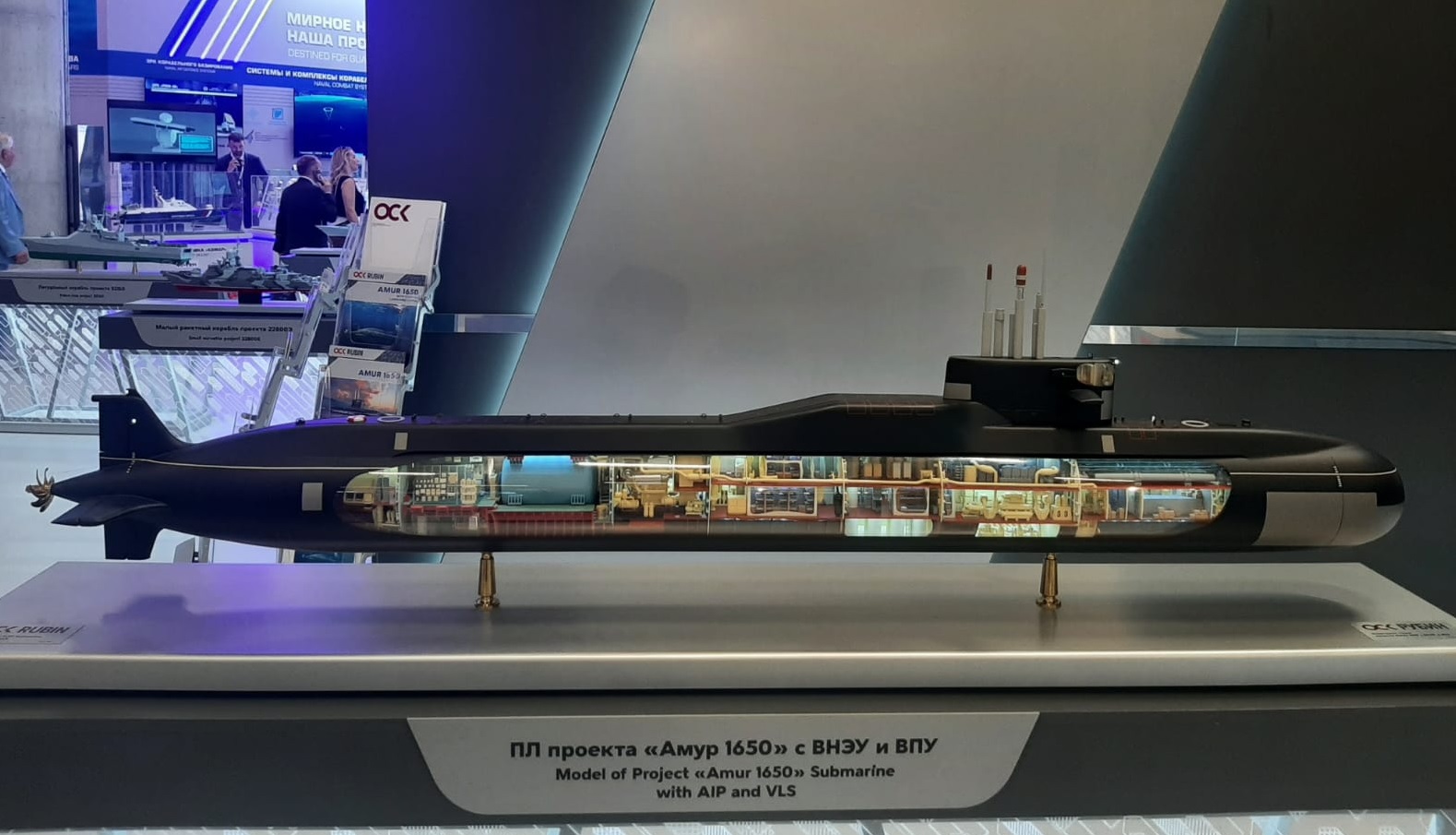 Russia Unveils Amur-1650 AIP Submarine Equipped with BrahMos Vertical Launch System at Fleet-2026
-
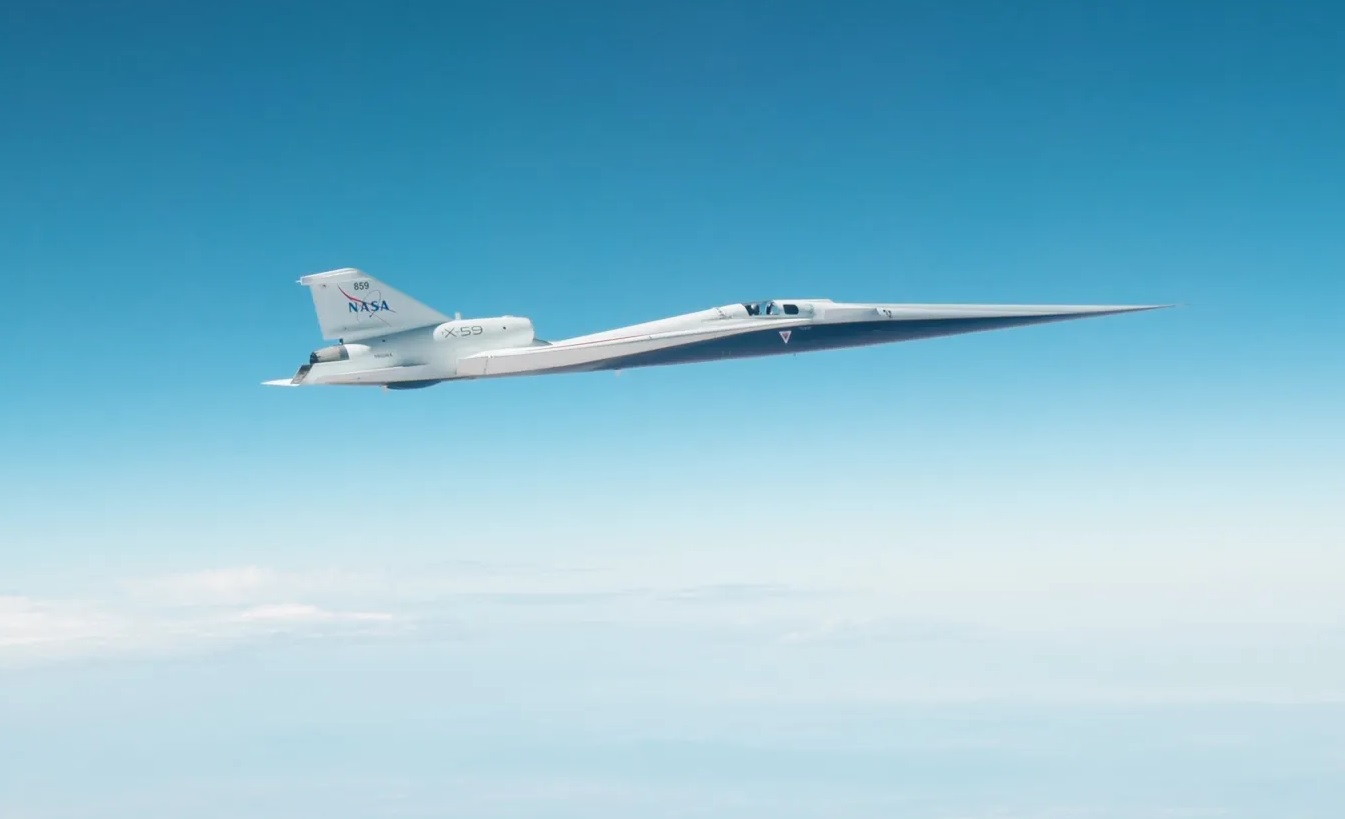 NASA X-59 Achieves Planned Mission Conditions with Mach 1.4 Flight at 55,000 Feet
-
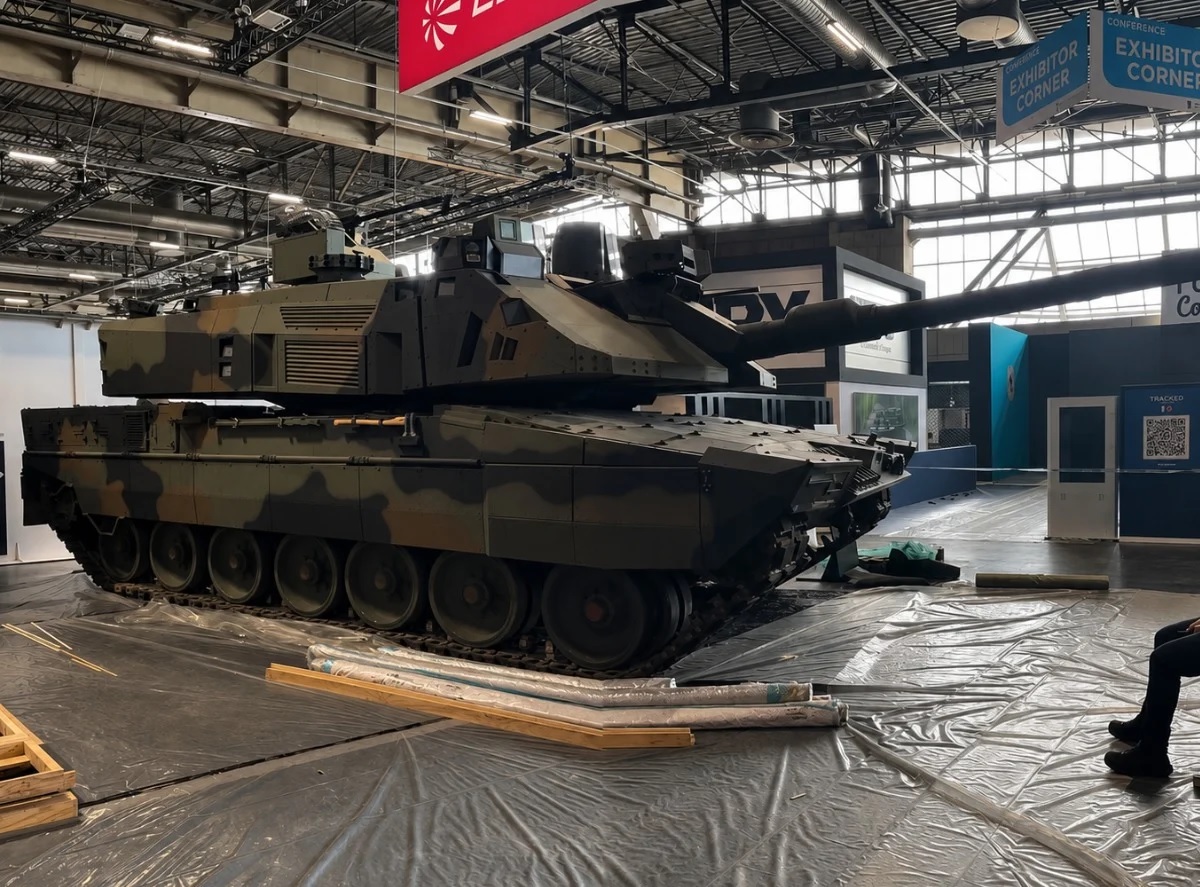 Leonardo Rheinmetall to Unveil Italy’s New IMBT Main Battle Tank at Eurosatory 2026
Top Trending in 4 Days
-
 Iranian Media Leaks 14-Point U.S.-Iran Peace Framework Amid Ongoing Negotiations
-
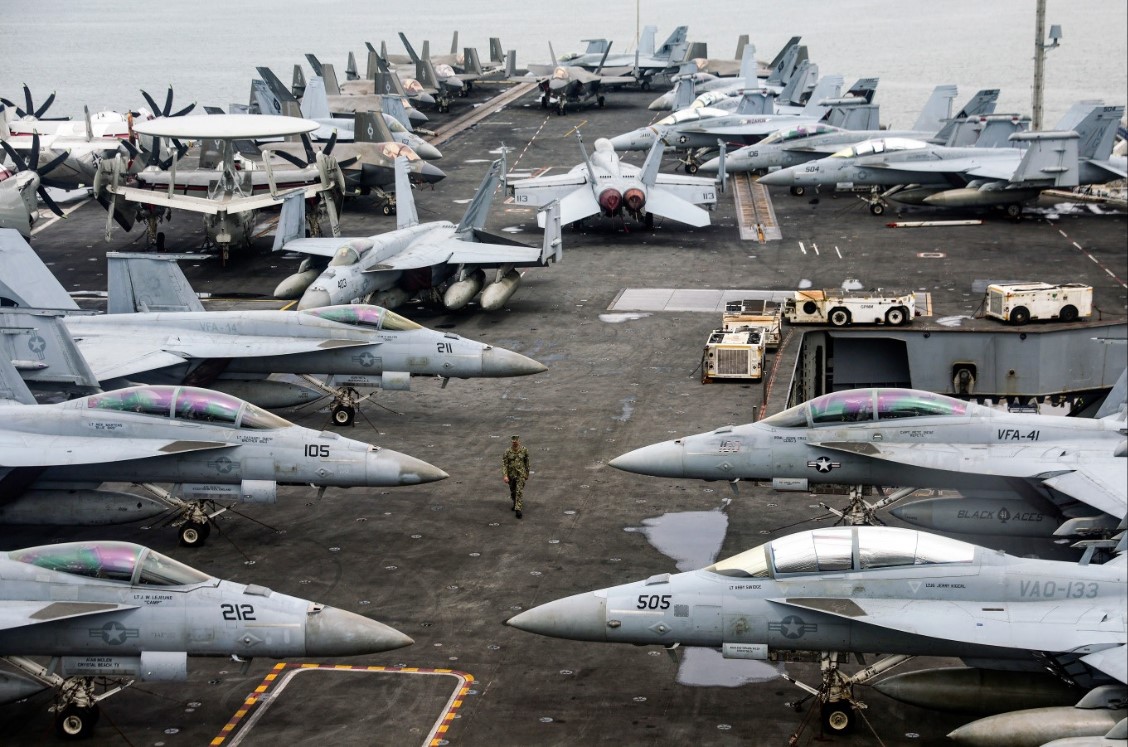 US Plans Significant Reduction of Fighter Jets and Warships for NATO Operations in Europe
-
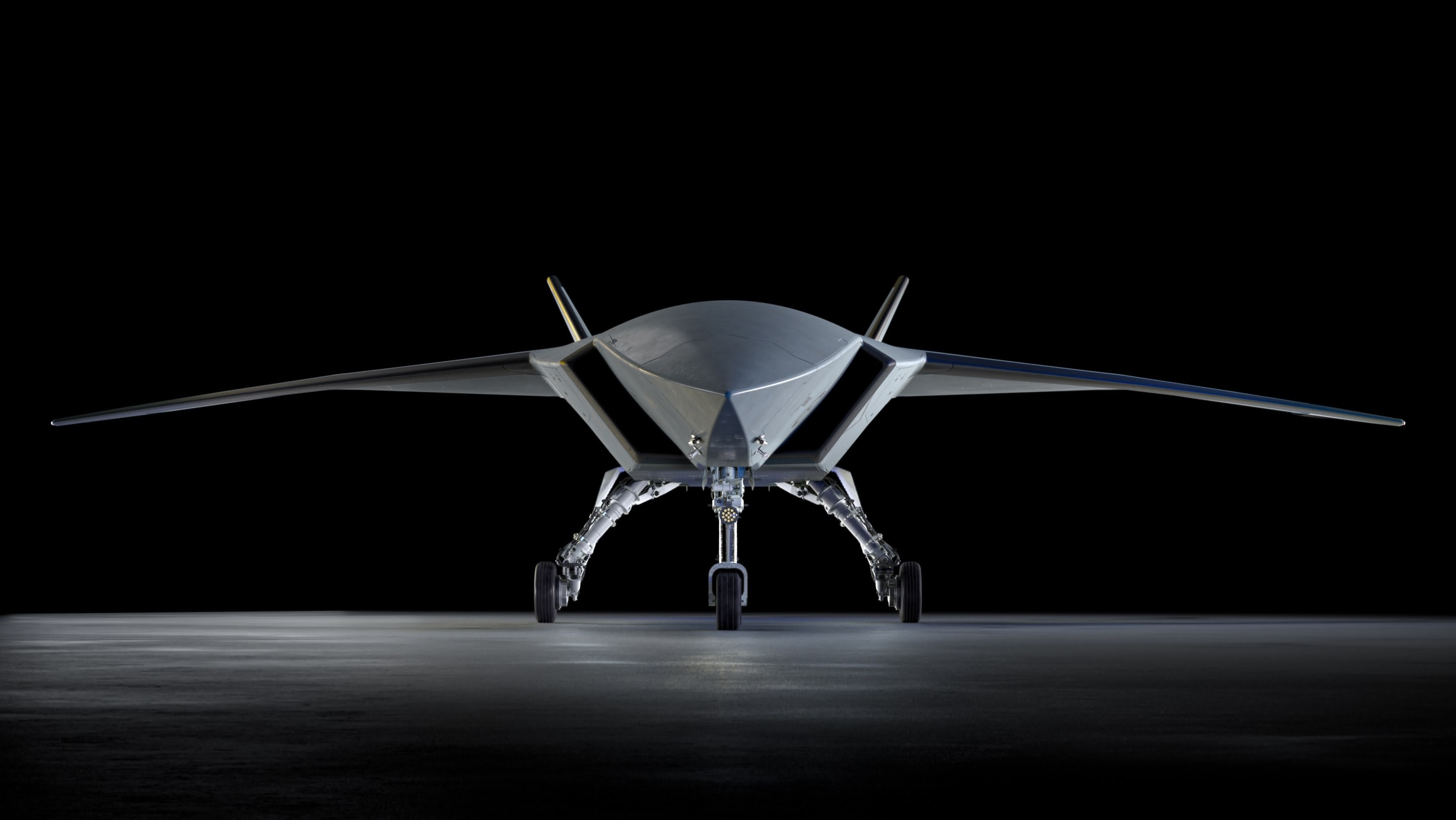 Boeing Introduces New MQ-28 Ghost Bat Upgrades with Increased Range, Payload and Weapons Capacity at ILA Berlin 2026
-
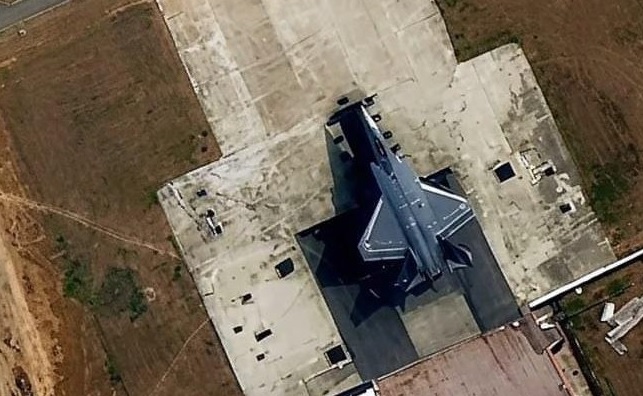 AMCA Airframe Spotted at DRDO’s ORANGE Facility for Radar Cross-Section Testing
-
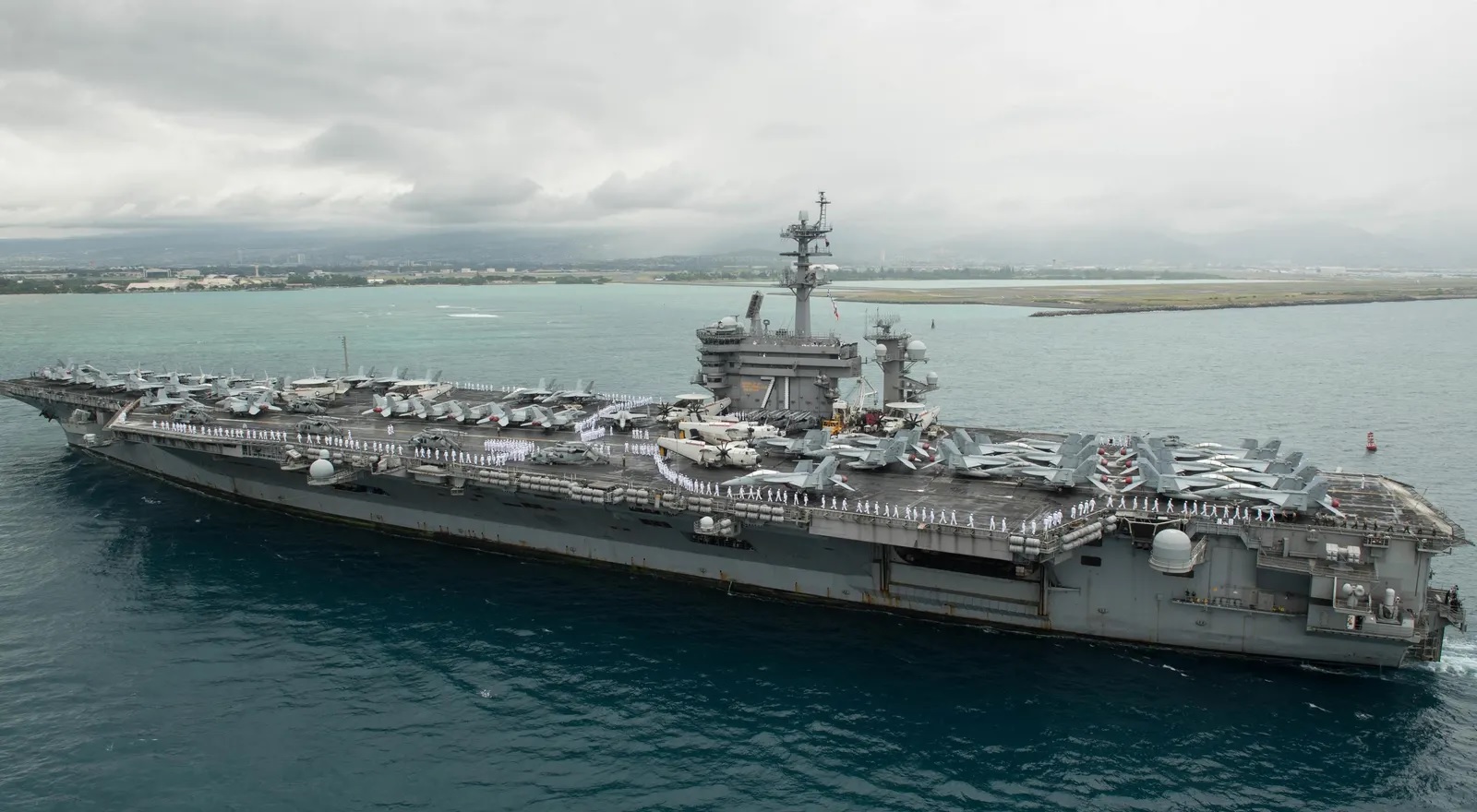 U.S Aircraft Carrier USS Theodore Roosevelt Departs San Diego for Major RIMPAC 2026 Naval Exercise
-
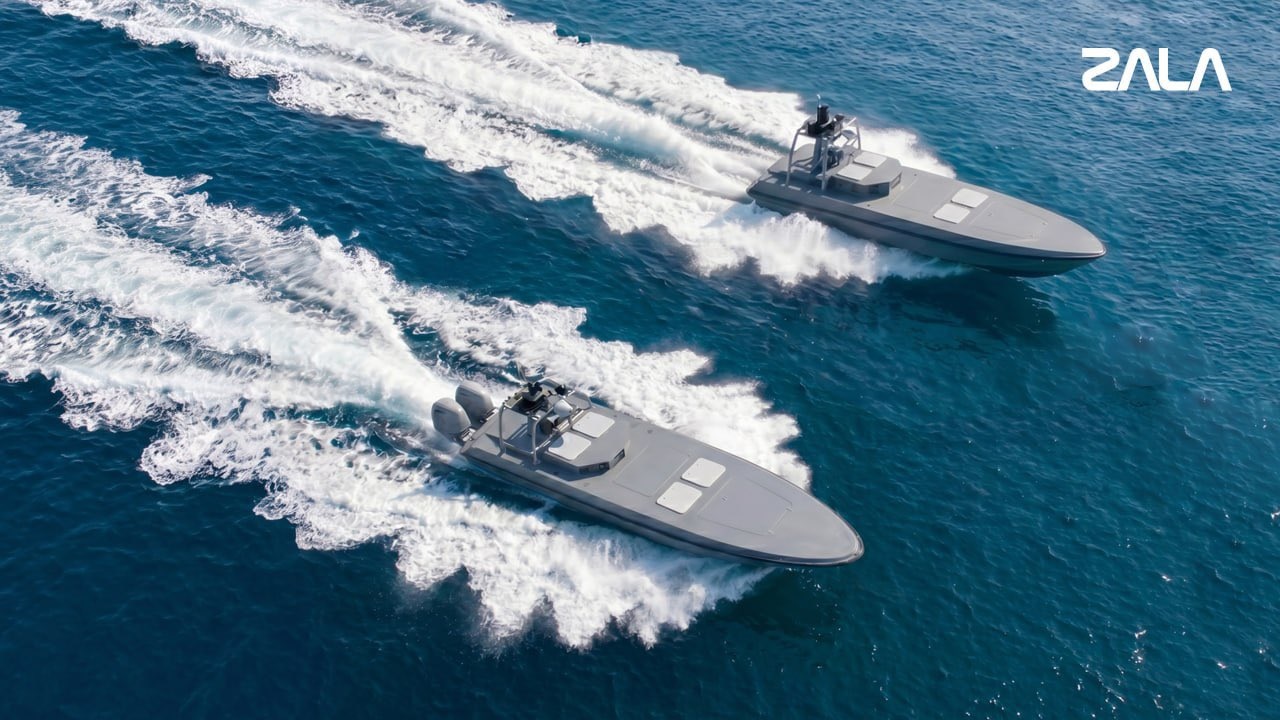 Russian Defense Firm ZALA Unveils KAMA Unmanned Surface Vessel Family at FLOT-2026 Naval Exhibition
-
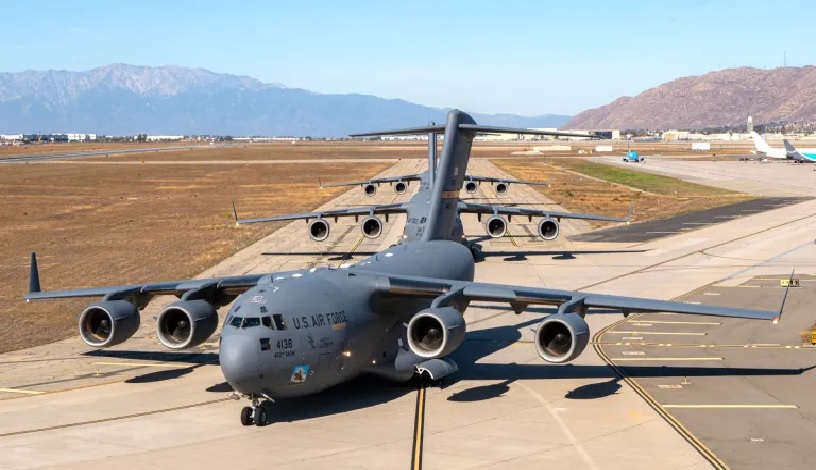 U.S. Air Force Faces Strategic Airlift Shortfall as C-17 Production Restart Remains Uncertain
-
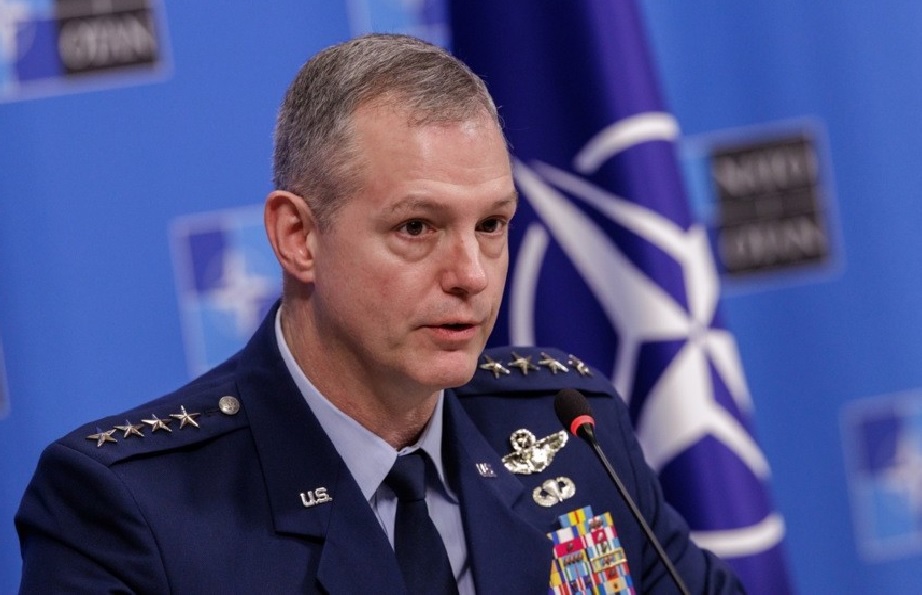 NATO Commander Says Russia Not Seeking Conflict With Alliance Despite U.S. Force Reductions