World
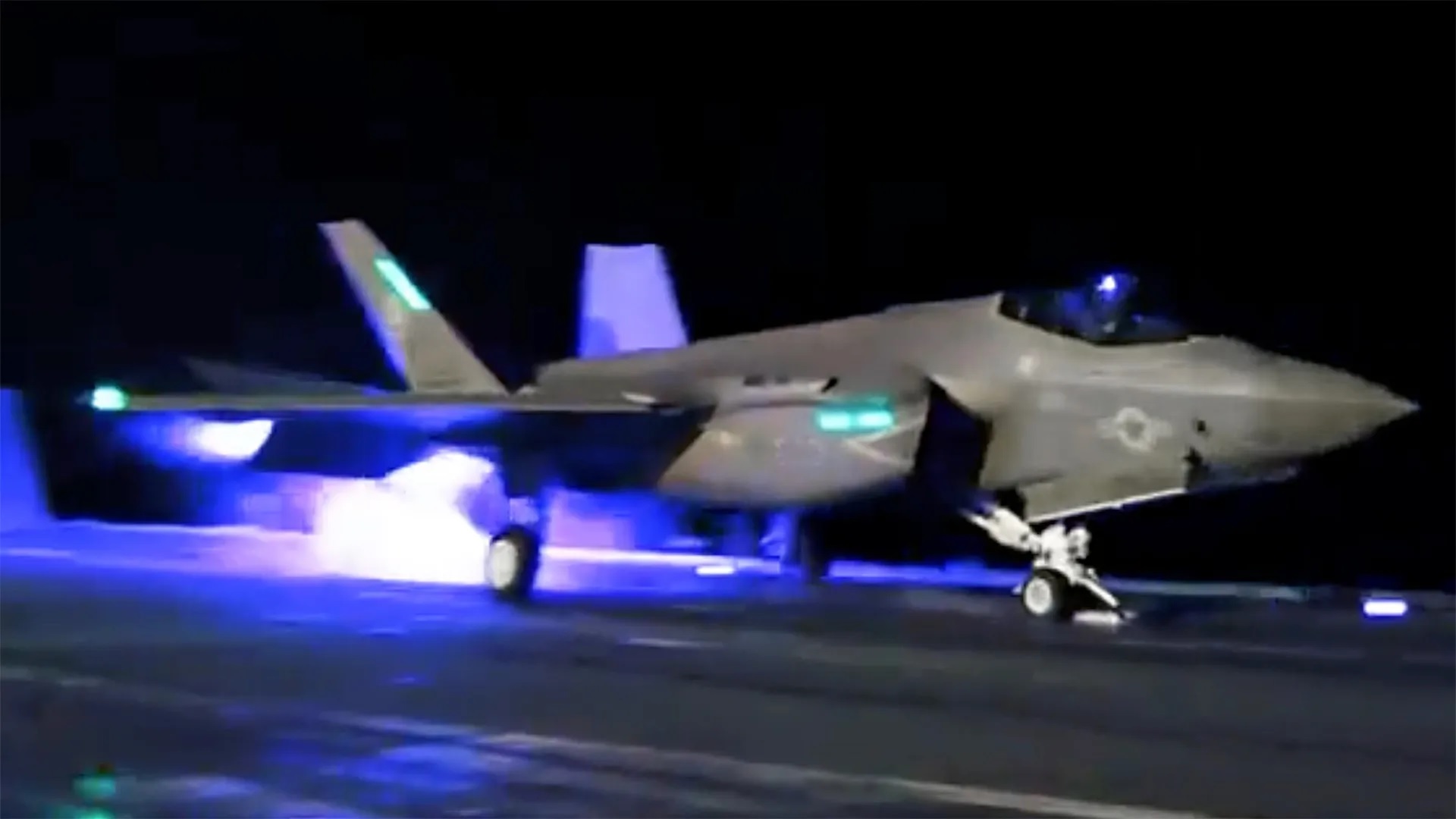
The United States military recently marked a significant milestone with the first combat deployment of its F-35C Lightning II, a carrier-capable stealth fighter jet. This groundbreaking mission saw the advanced aircraft engaging Houthi targets in Yemen, specifically aimed at disrupting anti-ship missile storage facilities. These weapons have been used by Houthi forces to target military and civilian vessels navigating the Red Sea, a strategic waterway critical for international trade and security.The Combat OperationThe mission was carried out by the U.S. Marine Fighter Attack Squadron (VMFA-314), also known as the "Black Knights," operating from the aircraft carrier USS Abraham Lincoln. Over multiple days in November, the F-35C demonstrated its unique capabilities by penetrating contested airspace and precisely striking targets deep within Houthi-controlled regions. The strikes were a direct response to escalating Houthi attacks, including incidents involving drone and missile strikes against U.S. Navy vessels in the Bab al-Mandab Strait and other Red Sea areas.Lt. Col. Jeffrey Davis, commanding officer of VMFA-314, emphasized the historical significance of the operation, stating, “The F-35C demonstrated its warfighting advantage... My Marines are honored to be first to fight with the F-35C.”A Game-Changer in Aerial CombatThe F-35C Lightning II, developed by Lockheed Martin, represents the pinnacle of modern aerial warfare technology. Engineered specifically for carrier-based operations, it features foldable wings for efficient storage and specialized landing gear designed for catapult launches and arrested recoveries. The F-35C also boasts a larger fuel capacity, enabling extended range operations critical for missions like those in Yemen.The jet's stealth capabilities, coupled with advanced avionics and sensor suites, allow it to perform a range of roles, from precision strikes to electronic warfare and intelligence gathering. This versatility cements its position as a game-changer in U.S. military operations, with Marine officials and Carrier Air Wing leaders touting its transformative impact on the carrier strike group's overall capabilities.Broader Strategic ContextThe deployment of the F-35C underscores a strategic shift in U.S. military operations to counter threats in volatile regions like the Red Sea. Beyond targeting weapons storage, the mission reflects a broader effort to secure global maritime routes against Houthi aggression, which has claimed lives and threatened international shipping. The deployment also highlights the U.S.'s commitment to leveraging cutting-edge technology in response to emerging threats.This operation further differentiates the F-35C from its variants, the F-35A and F-35B, which had previously seen combat in the Middle East. While the F-35A debuted in 2019 against ISIS in Iraq, and the F-35B was first used in 2018 in Afghanistan, the F-35C's carrier-based nature offers unprecedented operational flexibility.Future ImplicationsThe success of this mission is likely to accelerate the broader integration of the F-35C into U.S. Navy and Marine Corps operations. As part of long-term aviation strategies, the Marines plan to fully transition to F-35 variants by 2030, retiring older aircraft such as the F/A-18 Hornet and AV-8B Harrier. With its proven capabilities, the F-35C is poised to play a central role in U.S. military operations worldwide.The deployment also sends a clear message about the U.S.'s technological and operational superiority, signaling its readiness to address threats in critical regions with unparalleled precision and efficiency.
Read More → Posted on 2024-11-25 15:48:32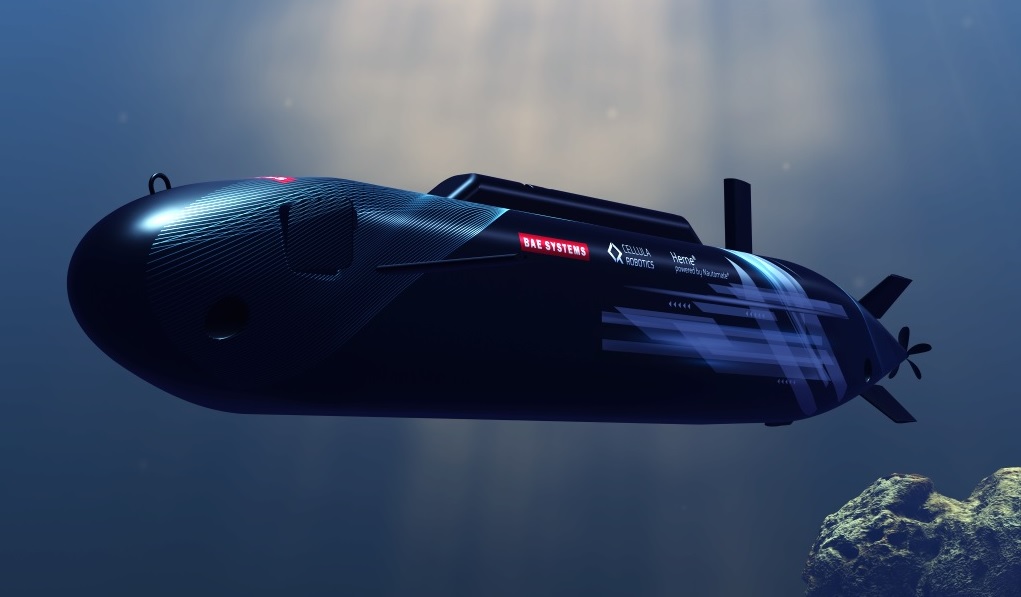
World
In a groundbreaking achievement for underwater military technology, British defense giant BAE Systems has successfully demonstrated the UK’s first autonomous extra-large submarine, named Herne. This milestone comes after extensive trials conducted off the south coast of England, marking a leap forward in autonomous underwater capabilities.The Revolutionary Vessel: HerneHerne, classified as an Extra-Large Autonomous Underwater Vehicle (XLAUV), is designed to operate independently across diverse and demanding underwater missions. Its capabilities extend to safeguarding critical underwater infrastructure, conducting anti-submarine warfare, and executing covert surveillance over extensive seabed regions. The vessel was developed through a collaboration between BAE Systems and Canadian partner Cellula Robotics, achieving a working prototype in just 11 months—a testament to the agility of modern defense engineering.At the core of Herne’s functionality is BAE Systems’ advanced Nautomate control system. This state-of-the-art technology allows the vessel to navigate and execute pre-programmed missions with precision. In recent trials, Herne demonstrated its prowess during an intelligence, surveillance, and reconnaissance operation, validating its ability to perform independently in complex underwater environments.FeaturesThe Herne submarine is designed with an open architecture framework, allowing seamless integration of future upgrades and new technologies. This adaptability ensures the submarine’s relevance in a rapidly evolving technological landscape. Its key features include: Extended Endurance: Without the need for a human crew or life-support systems, Herne can undertake prolonged missions in hostile or remote environments. Cost-Effectiveness: Autonomous operation significantly reduces operational costs while mitigating risks to human life. Modularity: The Nautomate system is compatible with both new and existing platforms, providing flexibility for defense operators to enhance their autonomous capabilities. Strategic SignificanceHerne’s debut represents a transformative shift in underwater defense strategy. Its autonomous nature eliminates the reliance on traditional crewed submarines for various tasks, enabling militaries to reallocate skilled personnel to high-priority roles. This not only increases operational efficiency but also reduces exposure to danger in high-risk missions.“Herne is a game-changer in the underwater battlespace,” remarked Scott Jamieson, Managing Director of BAE Systems’ Maritime Services. “It delivers an autonomous capability that is both cost-effective and versatile, enabling a broader range of missions while prioritizing safety and endurance.”Collaboration and InnovationThe development of Herne underscores the value of international collaboration in defense technology. BAE Systems and Cellula Robotics leveraged their combined expertise to expedite the project from concept to reality, achieving a demonstrator model at an unprecedented pace.This achievement sets a benchmark for the future of autonomous military vessels, paving the way for innovations that could redefine underwater warfare. With Herne’s advanced capabilities and adaptability, the UK positions itself as a leader in next-generation maritime defense technologies.A Future of AutonomyAs global militaries increasingly turn to autonomous systems, platforms like Herne are poised to play a critical role in maintaining security in undersea domains. By combining cutting-edge technology with operational versatility, BAE Systems has delivered a solution that not only meets current demands but anticipates future challenges.Herne’s successful trials signal the beginning of a new era in underwater defense—one driven by innovation, endurance, and autonomy.
Read More → Posted on 2024-11-25 15:30:52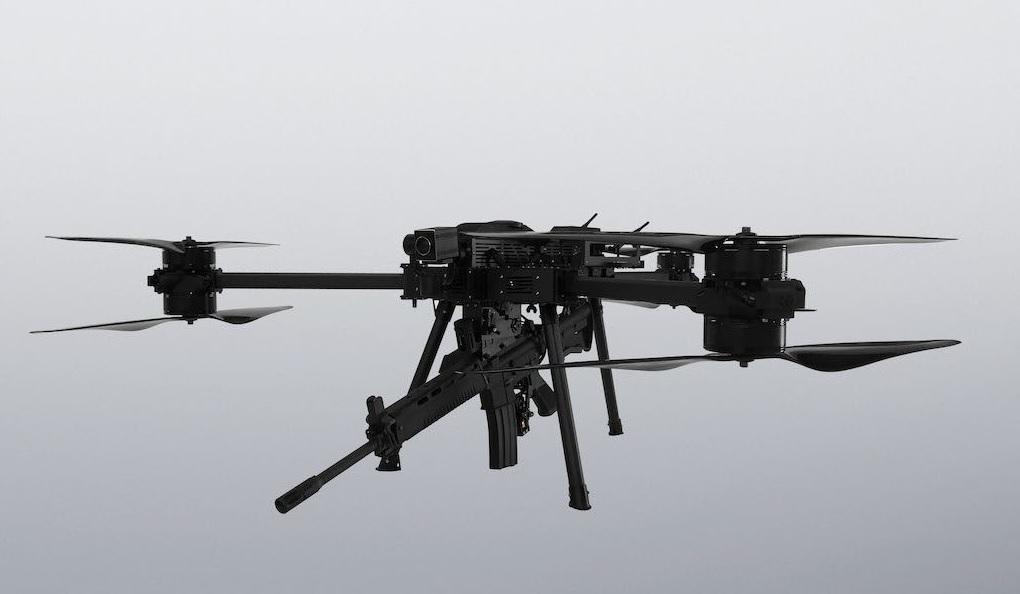
World
Chinese scientists have achieved a groundbreaking innovation in unmanned warfare with the development of a specialized firearm designed for drones. Dubbed the "recoilless AK-47," this advanced weapon combines the firepower of a traditional automatic rifle with almost no recoil, enabling even lightweight drones to wield it effectively. This leap in technology not only redefines the capabilities of unmanned systems but also raises new questions about the future of warfare.A New Kind of Firepower for DronesThe firearm, developed by a team led by Professor Liu Pengzhan at North University of China, uses 7.62mm caliber bullets—the same as the legendary AK-47. These bullets reach velocities of 740 to 900 meters per second (2,427 to 2,952 feet per second) just 10 meters from the muzzle, ensuring the same level of destructive power.What sets this rifle apart, however, is its almost negligible recoil. Described by the researchers as being "as mild as tapping a keyboard," the minimal recoil allows even consumer drones or toy robotic dogs to fire the weapon with precision.Previously, drones in conflict zones like Ukraine have been limited to dropping explosives, as traditional firearms' recoil disrupts their stability. This new weapon changes the game, offering unprecedented accuracy and versatility for lightweight unmanned platforms.Engineering the Recoilless DesignThe key innovation lies in the weapon's design. The researchers discovered that by drilling a carefully placed vent hole in the barrel, they could channel the shockwave from the gunpowder explosion away from the firearm. To ensure the bullet retained its speed and trajectory, the team also developed a novel bullet featuring a high-strength membrane at its rear and an embedded electromagnetic induction chip.When fired, the chip triggers the explosive, propelling the bullet forward. The pressure buildup eventually bursts the membrane, and the gas vents through the drilled hole. This mechanism eliminates recoil while maintaining high muzzle velocity, ensuring the gun's effectiveness.Simplicity Meets SophisticationDespite its advanced capabilities, the gun's design is straightforward and cost-effective. It uses a coil inside the barrel to activate the bullet’s chip, protected by a ceramic layer that withstands high temperatures and pressures. The rifle was successfully tested, with its recoil measuring just 1.8cm of swing when fired in mid-air, a negligible amount compared to conventional firearms.Implications and ConcernsThis innovation demonstrates China’s growing expertise in dual-use technologies—those that serve both civilian and military purposes. The North University of China, known for its defense-related research, collaborated with military industrial enterprises to bring this project to fruition. The results were recently published in the peer-reviewed journal Acta Armamentarii.China’s advancements in drone-mounted weaponry have sparked debates about the ethical implications of such technologies. In 2016 and again in 2021, China advocated at the United Nations to ban the weaponization of drones, but these motions were vetoed by the United States and Russia. Despite this, Beijing has pressed forward, recently adding certain dual-use drone technologies to its export control list to prevent misuse by other nations.The Future of Drone WarfareThe development of this recoilless rifle signals a shift in modern combat strategies. By equipping lightweight drones with firearms capable of precision shooting, China has expanded the potential applications of unmanned systems. These innovations could redefine aerial combat, surveillance, and ground support roles in future conflicts.While the technology is still in its early stages, the simplicity of its design suggests it could soon be widely deployed. As countries continue to explore the militarization of drones, China’s recoilless AK-47 might set a new standard for unmanned warfare.
Read More → Posted on 2024-11-24 15:53:46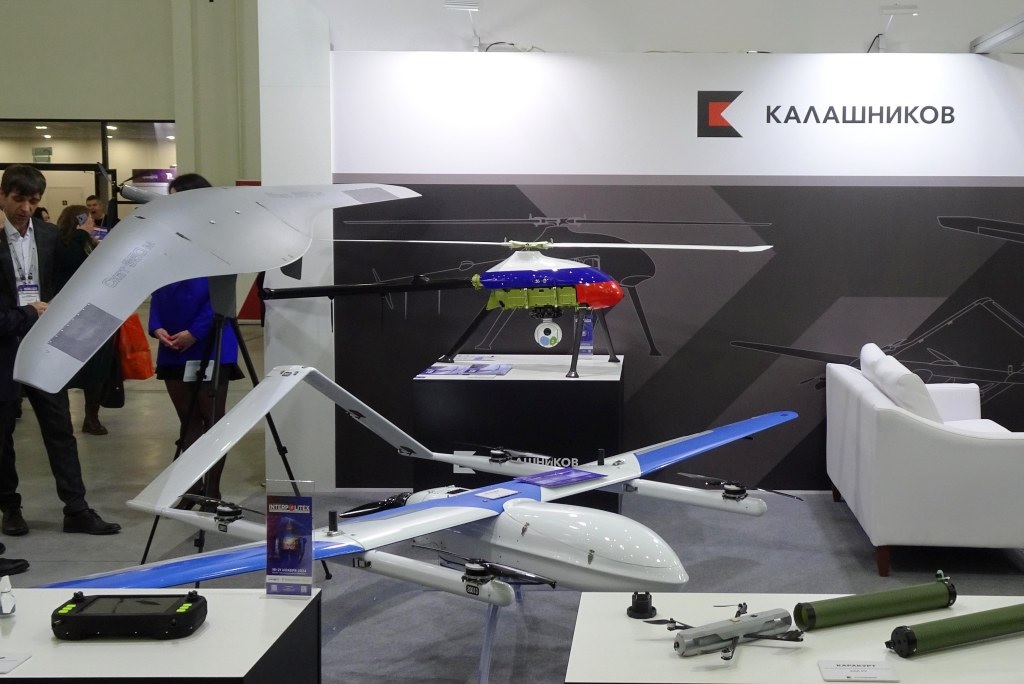
World
At the Interpolitex 2024 security exhibition in Moscow, the Kalashnikov Concern showcased two advanced mini-unmanned aerial vehicles (UAVs) designed to enhance reconnaissance and operational capabilities in modern combat and civilian operations. The Goliaf and Karakurt mini-UAVs, both featuring vertical take-off and landing (VTOL) capabilities, drew significant attention for their innovative designs and adaptability.Goliaf: A Versatile Reconnaissance and Attack UAVThe Goliaf UAV is a lightweight, multi-functional drone capable of conducting both reconnaissance and attack missions. Designed for resilience in challenging conditions, the Goliaf is equipped with robust electric motors powered by a lithium-polymer battery. It can carry a payload of up to 500 grams, including VOG-17 grenade launcher rounds, making it effective in delivering precision strikes.Key specifications of the Goliaf include: Weight: 400 grams Payload Capacity: 500 grams Flight Time: 40 minutes Speed Range: 30–50 km/h Operating Altitude: Up to 400 meters Flight Range: Up to 4 kilometers The UAV’s ability to deliver ammunition is facilitated by a specialized dropping mechanism integrated into its lower airframe, which allows for precise deployment. This capability, combined with its real-time 3D data acquisition and target tracking, makes the Goliaf a game-changer for modern combat scenarios.Karakurt: A Compact and Agile Reconnaissance SpecialistThe Karakurt UAV, a smaller and purely reconnaissance-focused drone, excels in operations requiring quick deployment in confined spaces. It is launched using a compact transport and launch tube container equipped with an ejection spring. This innovative design also includes a USB port for convenient recharging, ensuring readiness for rapid redeployment.Key specifications of the Karakurt include: Weight: 400 grams Flight Time: 25 minutes Flight Range: 1.5–2 kilometers The Karakurt’s advanced design allows it to operate seamlessly in dense urban environments, performing search and rescue missions and operational-search tasks. Its integration into Kalashnikov’s third-generation combat gear, Legionary, highlights its role in augmenting individual soldier capabilities.Shared Features and Operational AdvantagesBoth UAVs are engineered with rugged builds and sophisticated interference-resistant communication systems, ensuring reliable performance even in adverse weather conditions. A standout feature is their capability to autonomously return to base when communication signals are lost, enhancing their survivability and operational reliability.Controlled through a unified control panel, these drones provide operators with an intuitive interface, facilitating seamless coordination between aerial assets during missions. Their compact designs and versatility make them equally suitable for military and civilian applications, including urban reconnaissance and disaster response.Proven in Real-World ConditionsKalashnikov confirmed that the Goliaf and Karakurt UAVs have been rigorously tested in active combat zones. Their performance in the special military operation zones has validated their reliability and operational effectiveness, positioning them as valuable assets for modern tactical scenarios. While Kalashnikov has withheld detailed tactical and technical data, the glimpses provided at Interpolitex 2024 underscore the company’s commitment to advancing UAV technology. With their adaptability, durability, and cutting-edge features, the Goliaf and Karakurt stand out as pivotal tools for enhancing situational awareness and operational precision in a wide range of environments.
Read More → Posted on 2024-11-24 15:42:32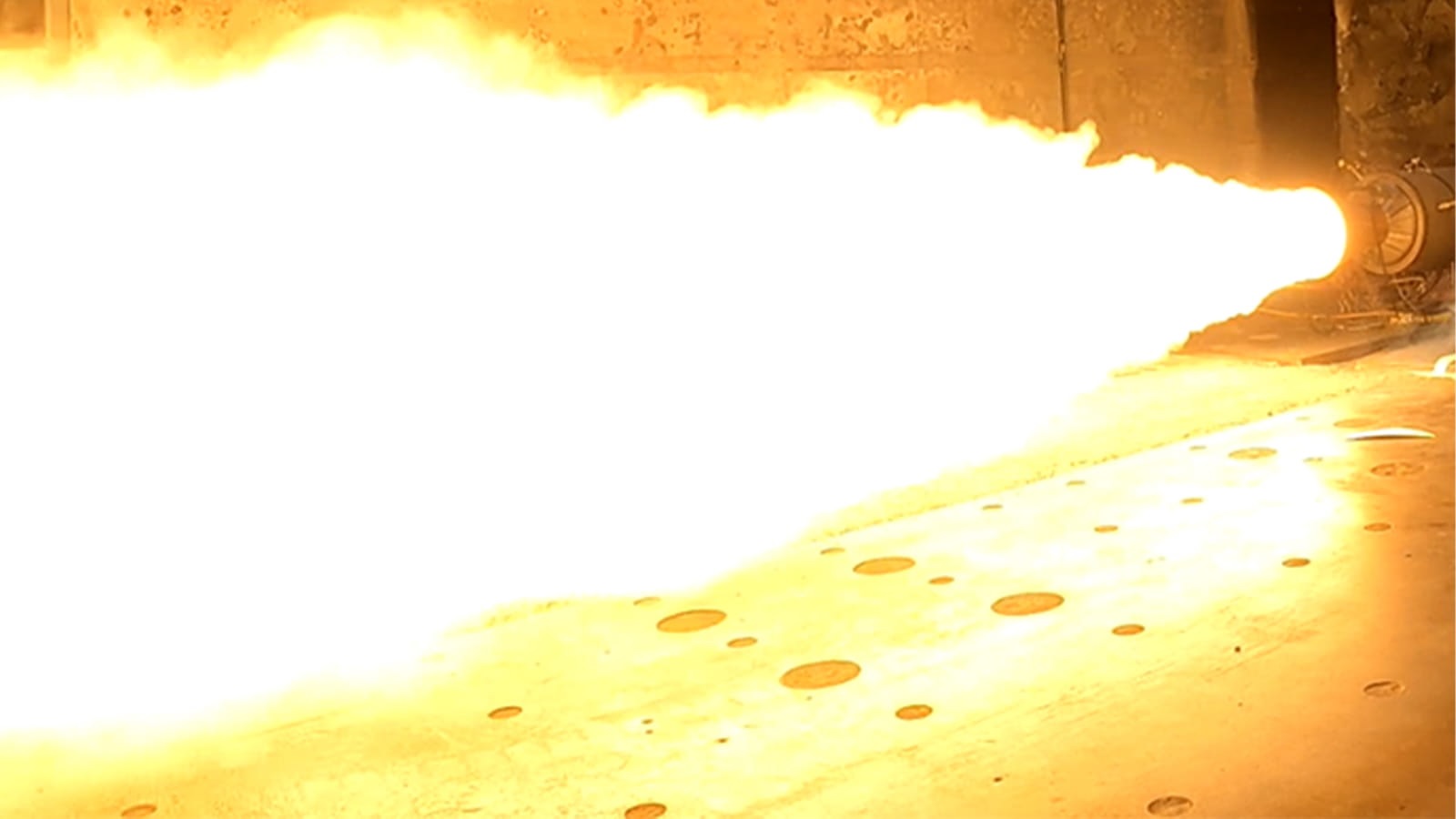
World
Anduril Industries has taken a significant leap in hypersonic propulsion with the successful static test firing of its Denali 18-inch rocket booster. Conducted at the company’s sprawling 450-acre testing facility in McHenry, Mississippi, the event underscores Anduril's commitment to advancing affordable and efficient hypersonic technologies critical for national defense and allied partnerships.A Revolutionary Booster for the Hypersonic EraThe Denali hypersonic booster stands out for its remarkable cost-efficiency and high performance, marking a stark departure from traditional systems. Brian Schimpf, CEO of Anduril Industries, emphasized that Denali fulfills a vital need in defense: “A highly capable, cost-effective hypersonic booster that enables high-cadence hypersonic flight testing.”Traditional rocket motor suppliers have faced persistent hurdles, including reliance on outdated manufacturing techniques, inefficiencies in production, and soaring costs. These bottlenecks have stymied the rapid deployment of hypersonic systems, seen as vital for maintaining a strategic edge. In contrast, Denali is built to address these issues head-on, offering a streamlined and advanced solution.Innovations Powering DenaliWhat makes Denali exceptional is Anduril’s pioneering approach to rocket motor production. The company employs advanced manufacturing technologies such as bladeless speedmixing—a process that enhances material uniformity and performance—and a single-piece-flow production model, which enables rapid scaling without sacrificing quality. These techniques ensure that Denali can be produced at lower costs and faster rates, allowing for a quicker deployment cycle.Anduril’s efforts extend beyond technology to tackle supply chain challenges, a longstanding issue in the defense sector. Partnering with Karman, a specialist in rocket motor casing, Anduril has developed and tested advanced casing designs tailored for the Denali booster. This collaboration exemplifies how integrating non-traditional suppliers can not only reduce costs but also enhance lead times and broaden the industrial base.Meeting a Strategic NeedThe urgency for affordable hypersonic systems has grown as adversaries continue to make advancements in this domain. The U.S. and its allies are now more focused than ever on ensuring their deterrence capabilities remain robust and agile. Denali’s affordability and technical prowess aim to make hypersonic systems accessible for frequent testing and deployment, accelerating the pace of defense innovation.Schimpf noted, “The need for affordable and effective hypersonic systems has never been greater.” With Denali, Anduril is offering a solution designed to close the gap between technological needs and existing constraints, supporting the rapid development of next-generation defense architectures.Beyond a Booster: A Shift in Defense InnovationDenali is more than just a rocket booster; it is a testament to Anduril’s broader vision for revolutionizing the defense sector. By leveraging cutting-edge manufacturing and forging new supply chain partnerships, the company is reshaping the defense industrial base to be more responsive and cost-efficient.As Anduril continues to push the boundaries of innovation, Denali stands as a symbol of what’s possible when technological ingenuity meets strategic foresight. The booster’s successful test firing not only validates its design but also sets a new benchmark for hypersonic propulsion, promising a future where high-performance systems are no longer synonymous with high costs.Schimpf concluded, “Denali is a validation of Anduril’s commitment to delivering affordable, high-performance hypersonic systems.” With this breakthrough, Anduril Industries is firmly establishing itself as a trailblazer in the race to develop advanced and accessible hypersonic technologies, a critical asset for defense in an increasingly competitive global landscape.
Read More → Posted on 2024-11-24 15:16:23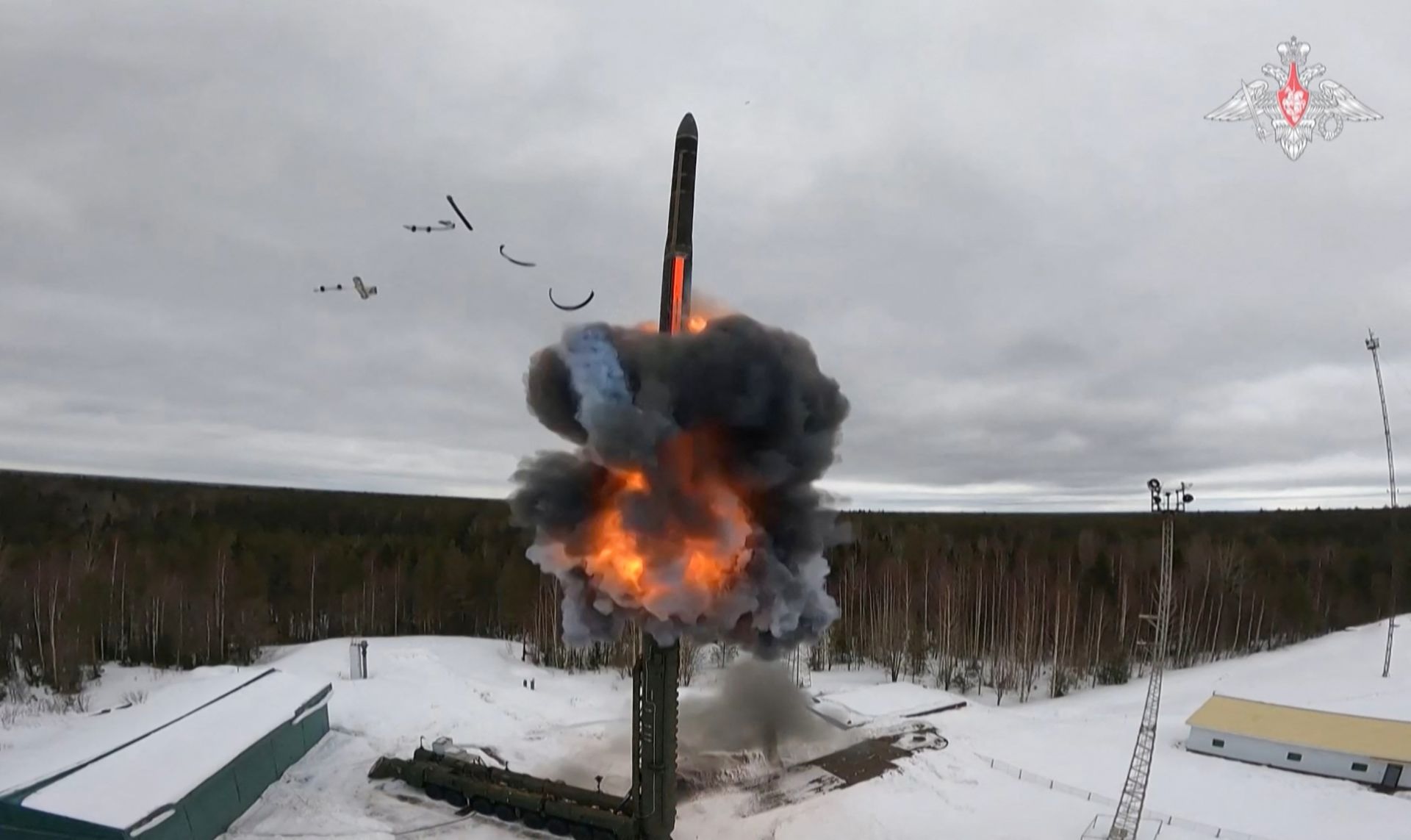
World
In a bold declaration that underscores Russia's escalating military posture, President Vladimir Putin announced plans to intensify testing of the hypersonic Oreshnik ballistic missile under "combat conditions." Speaking during a televised meeting with top military officials on Friday, Putin framed the move as a direct response to evolving security threats and recent actions by Ukrainian forces employing Western-supplied weaponry.The Oreshnik missile, unveiled as a hallmark of Russia's advanced weapons technology, is designed to fly at a blistering speed of Mach 10, or ten times the speed of sound. The missile’s test deployment over the Ukrainian city of Dnipro on Thursday marked a significant step in Moscow’s strategy, introducing a new generation of high-speed, high-precision ballistic weaponry to the nearly three-year-long conflict. Putin referred to the weapon as a critical safeguard for Russia's sovereignty and territorial integrity, emphasizing its unique capabilities in the global arena.“We will continue these tests, including in combat conditions, depending on the situation and the nature of security threats posed to Russia,” Putin stated. His address highlighted the missile's ability to adapt to strategic requirements, enhancing its value as both a deterrent and a response tool.A Leap in Hypersonic TechnologyThe Kremlin has touted the Oreshnik missile as a testament to Russia’s technological edge in hypersonic weaponry. Unlike conventional ballistic missiles, hypersonic variants such as the Oreshnik can maneuver mid-flight, making them harder to detect and intercept. Putin claimed that no other country currently possesses comparable technology, asserting that while other states might catch up in a year or two, Russia has already achieved operational capability.This strategic advantage was further solidified by Putin’s directive to commence serial production of the Oreshnik missile. “The decision has, in effect, been taken,” he said, expressing confidence in the missile's "particular strength and power." This push for mass production suggests that the missile will soon become a staple in Russia’s arsenal, ready for deployment in a broader range of military scenarios.Escalation in Response to Western ArmsThe timing of the Oreshnik’s deployment and subsequent announcements is significant. Russia’s test strike on Dnipro came shortly after Ukrainian forces used U.S. and U.K.-supplied missiles to target Russian territory. This marked a notable shift in the dynamics of the conflict, prompting Putin to issue stark warnings about potential retaliatory measures.In a national address, Putin cautioned that Russia reserved the right to strike military facilities in nations whose arms are being used against it. The implicit threat directed toward the United States and Britain further highlights the Kremlin's willingness to escalate the conflict beyond Ukraine’s borders if deemed necessary.A Symbol of Strength and SovereigntyFor Russia, the Oreshnik missile is more than just a weapon; it is a symbol of national resilience and technological supremacy. Putin described the missile system as a "faithful guarantee" of Russia's security, linking its development to the broader narrative of defending the country against external threats.The decision to showcase the missile during a time of heightened conflict serves dual purposes: demonstrating Russia’s military capabilities to adversaries while rallying domestic support. By emphasizing the missile's advanced features and unparalleled speed, Putin seeks to reinforce the image of Russia as a dominant force in modern warfare. As the Ukraine conflict continues to intensify, the introduction of the Oreshnik missile signals a dangerous new phase in the confrontation. With serial production on the horizon and further tests planned, the missile is poised to become a key element in Russia’s strategy, reshaping the geopolitical landscape in its wake.
Read More → Posted on 2024-11-24 14:55:34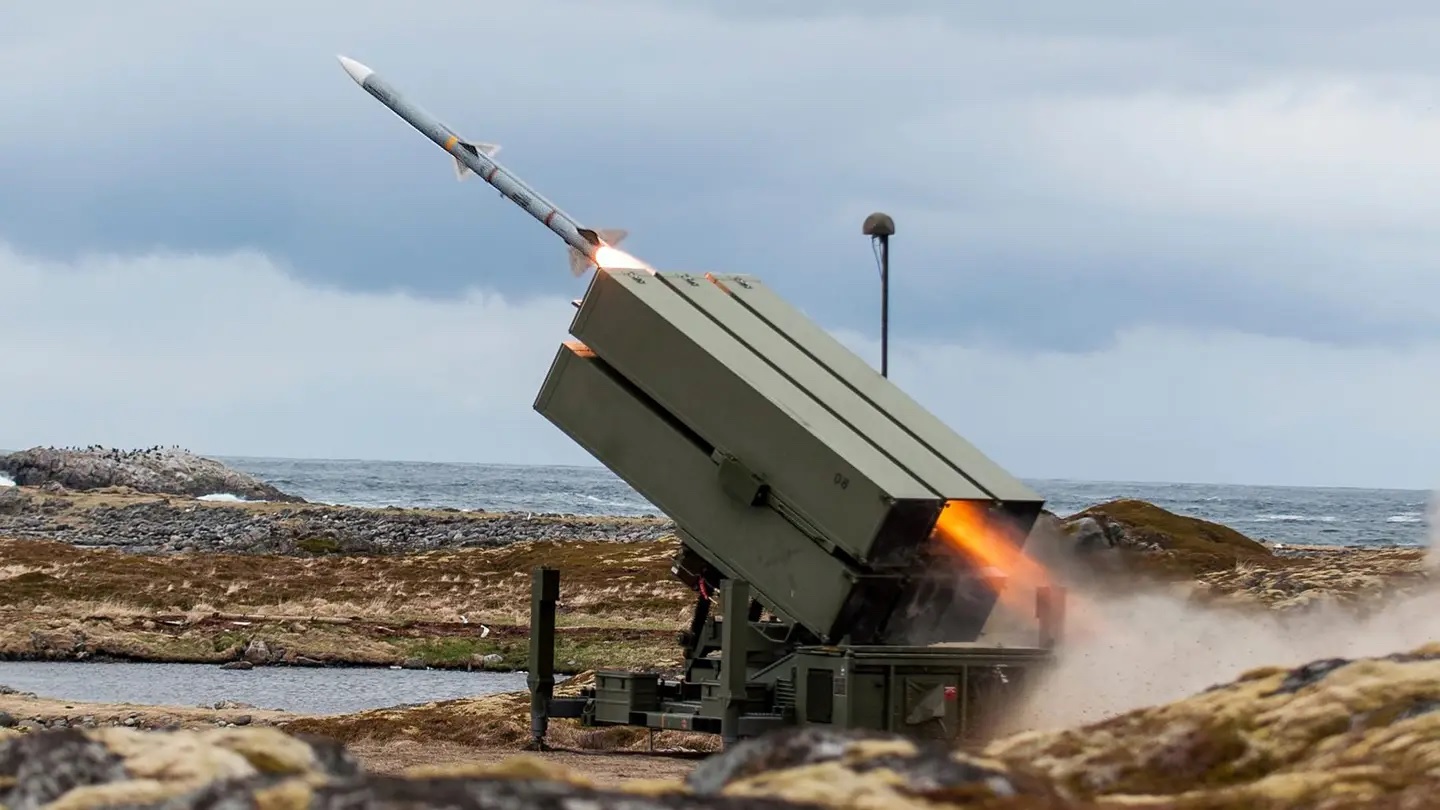
World
A National Advanced Surface-to-Air Missile System (NASAMS), generously donated by Canada, has reached Ukrainian soil, marking a significant enhancement to the nation’s air defense arsenal. This advanced system, valued at $406 million, is a cornerstone of Canada’s $500 million military aid package announced in November 2022. It underscores Canada’s commitment to supporting Ukraine as the nation faces relentless air assaults from Russian forces.The NASAMS is a state-of-the-art air defense system developed collaboratively by Raytheon Technologies and Norway’s Kongsberg Defence & Aerospace. It is designed to deliver robust protection against a spectrum of aerial threats, including drones, aircraft, and cruise missiles. With a range of 25 kilometers (15.5 miles) and the ability to intercept targets at altitudes of up to 16 kilometers (10 miles), the system offers short- to medium-range coverage. Equipped with a cutting-edge radar and advanced fire-control technology, the NASAMS is widely regarded as one of the most reliable ground-based air defense solutions in modern warfare.This delivery also includes over 300 air defense missiles sourced from Canadian Armed Forces inventories, adding significant depth to Ukraine’s defense capabilities. Canadian officials, including Defense Minister Bill Blair, emphasized the importance of these contributions in safeguarding Ukrainian lives and infrastructure. “This ground-based air defense system will help Ukraine protect itself against destructive air attacks,” Blair remarked, highlighting Canada’s steadfast support.Canada’s broader assistance to Ukraine goes beyond the NASAMS system. Since the Russian invasion began, Canada has committed more than $4.5 billion in military aid, encompassing armoured vehicles, artillery, drone surveillance systems, and winter combat gear. The Royal Canadian Air Force has also been instrumental in transporting over 22 million pounds of military aid to Ukraine, showcasing a global collaborative effort.Training remains a pivotal element of Canada’s support strategy. Through Operation UNIFIER, Canadian Armed Forces have trained over 43,000 Ukrainian troops in combat techniques, battlefield management, and specialized operations. This mission, extended until March 2026, involves over 350 personnel stationed in the UK, Poland, and Latvia, ensuring Ukraine’s military readiness for both current and future challenges. The NASAMS system is a powerful symbol of international solidarity with Ukraine. Its arrival not only strengthens Ukraine’s defense but also serves as a reminder of the collective resolve among allied nations to stand against aggression and uphold sovereignty.
Read More → Posted on 2024-11-24 14:47:43
World
In a bold demonstration of military power, Russia has launched its new hypersonic ballistic missile, the Oreshnik (Hazel Tree), targeting a Ukrainian military facility. This move, according to the Kremlin, serves as a direct message to the West, cautioning against what Moscow perceives as "reckless" actions that contribute to the conflict in Ukraine.Kremlin spokesman Dmitry Peskov explained that the missile strike underscores Russia’s capacity to respond decisively to Western actions. Peskov emphasized that Moscow views the supply of advanced Western weaponry to Ukraine and its use against Russian territories as crossing a dangerous threshold. He stated, “The Russian side has clearly demonstrated its capabilities, and the contours of further retaliatory actions in the event that our concerns are not taken into account have been quite clearly outlined.”The Hypersonic Missile OreshnikThe Oreshnik missile represents a significant leap in Russia's military arsenal. Hypersonic missiles like this are capable of traveling at speeds exceeding Mach 5, making them nearly impossible to intercept with existing defense systems. The missile's precise targeting capabilities and advanced maneuverability add a new dimension to the ongoing conflict, allowing strikes that are swift and difficult to predict.This particular strike comes amid heightened tensions, as Ukraine has recently employed U.S.-supplied ATACMS missiles, British Storm Shadow cruise missiles, and HIMARS systems in counter-offensives against Russian positions. Moscow views these actions as provocations orchestrated with Western approval, with President Vladimir Putin suggesting they escalate the conflict to a global scale.A Strategic MessageInterestingly, Russia informed the United States about the missile strike 30 minutes prior to its launch, despite not being obligated to do so. This act appears to serve dual purposes: demonstrating transparency to avoid immediate global panic while subtly reminding Washington of Russia’s technological and strategic edge.While Peskov maintained that President Putin is open to dialogue, he criticized the Biden administration for its stance, accusing it of pursuing a path of escalation rather than diplomacy. Putin’s remarks echo these sentiments, framing the hypersonic missile launch as a necessary response to what he termed the “global character” of the war, fueled by Western involvement.A Global RamificationUkrainian President Volodymyr Zelenskyy condemned Russia’s use of the Oreshnik, describing it as “a clear and severe escalation.” He called on the international community to respond with unified condemnation and increased pressure on Moscow. For Ukraine and its allies, this development underscores the growing stakes of the conflict, with advanced weaponry on both sides pushing the war into uncharted territory.Implications for the WestThe deployment of the Oreshnik missile serves as a stark reminder of Russia’s technological advancements in missile technology and its willingness to escalate the conflict if its warnings go unheeded. The West now faces a critical juncture: continue supporting Ukraine with advanced weaponry or explore diplomatic channels to de-escalate tensions. As the conflict evolves, the introduction of hypersonic weapons adds a new layer of complexity, raising concerns about the potential for unintended consequences that could draw more nations into the fray. For now, the Oreshnik's debut sends a chilling signal about the lengths to which Russia is prepared to go in defending what it perceives as its strategic interests.
Read More → Posted on 2024-11-23 16:39:44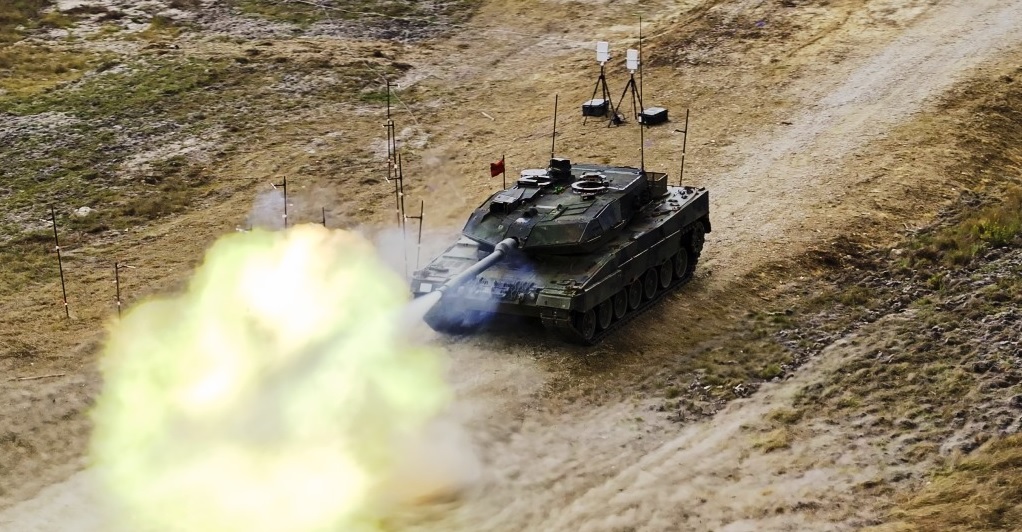
World
KNDS France has achieved a significant milestone by successfully qualifying its latest 120mm tank ammunition for use with the Leopard 2 Main Battle Tank (MBT). This breakthrough marks the culmination of a three-year-long project aimed at expanding the ammunition's compatibility beyond the French Leclerc MBT, paving the way for new markets across Europe and Asia.The Leopard 2, a widely adopted MBT, features two primary variants of 120mm smoothbore guns—the shorter L44 and the extended L55, found in the Leopard 2A4/A5 and Leopard 2A6/A7/A8 models, respectively. The challenge for KNDS was ensuring seamless performance of its ammunition across these variants. The compatibility tests included three types of munitions: the high-explosive (HE), high-explosive anti-tank target practice (HEAT-TP), and the cutting-edge armor-piercing fin-stabilized discarding sabot (APFSDS), branded as "SHARD."A Precision-Driven ProcessKNDS began the project in 2021 with Phase 1 focused on design and dimension compatibility. This phase laid the groundwork for subsequent bench tests in 2022-2023, which assessed muzzle velocities and firing characteristics using both L44 and L55 barrels. These tests revealed key insights into the SHARD’s optimized design.SHARD is a state-of-the-art APFSDS round tailored for peak terminal performance. By deliberately moderating its muzzle velocity to 1,720 m/s (lower than the training variant's 1,750 m/s), the engineers at KNDS reduced barrel wear and prolonged the gun’s service life. The projectile incorporates a lightweight sabot with a streamlined shape, minimizing energy loss and aerodynamic drag, while its extended tungsten alloy penetrator enhances armor penetration efficiency.The SHARD round's advanced propulsion charge, co-developed with Eurenco, features a proprietary propellant powder, and its combustible case is manufactured to the highest standards. These innovations contribute to a 10% improvement in penetration performance over comparable KE ammunition.Real-World Testing in PortugalIn October 2024, live firing tests were conducted at Portugal’s Alcochete Field Firing Range, utilizing Leopard 2A6 tanks equipped with L55 guns. These tests involved both static and dynamic firing scenarios. Engineers evaluated the ammunition's resilience through repeated loading and unloading, its storage compatibility within the Leopard 2's ammunition racks, and its environmental adaptability under extreme temperatures ranging from -40°C to +63°C.KNDS also prioritized crew safety by monitoring toxicity levels and overpressure during firing. External safety considerations were addressed through sensors measuring blast effects on nearby infantry. Additionally, precision targeting trials at a range of 1,500 meters demonstrated consistent accuracy.Market Implications and Production ReadinessWith the successful completion of these tests, KNDS is now positioned as a comprehensive supplier for MBT operators. The SHARD’s compatibility with both L44 and L55 guns makes it a versatile solution for mixed fleets, such as those operated by Greece and the Czech Republic. Unlike other advanced ammunition that relies on higher chamber pressures and is restricted to L55/L55A1 barrels, SHARD’s design ensures broader applicability without sacrificing performance.KNDS has already received strong interest from European and Asian markets, driven by the ammunition's ability to modernize tank fleets while maintaining logistical simplicity. Its production capabilities, centered in France, are robust and scalable, with the option to establish localized assembly lines if required by export customers.This development not only solidifies KNDS's reputation as a leader in tank ammunition innovation but also underscores its ambition to serve as a one-stop shop for MBT solutions worldwide. The successful qualification of SHARD ammunition reaffirms the company’s commitment to meeting the evolving needs of modern armored warfare.
Read More → Posted on 2024-11-23 16:36:06
World
At the Interpolitex 2024 exhibition in Moscow, ZALA Aero unveiled its T-20 reconnaissance UAV, a significant step forward in unmanned aerial technology designed for both military and civilian applications. This cutting-edge drone, known as the Z-20 in military circles, is part of the broader Lancet UAS, which also includes the Lancet-51 and Lancet-53 loitering munitions. Alongside the T-20, the company showcased the T-16 (Z-16 in military designation), another member of the Lancet family.Key Features and DesignThe T-20 stands out with its square fuselage, V-tail, and high straight wings with winglets, a contrast to the T-16’s cylindrical body and swept-back wings. Propelled by a rear-mounted electric motor, the T-20’s design prioritizes endurance and adaptability. Its advanced lithium-ion battery enables it to stay airborne for over six hours—two hours longer than the T-16. The T-20 also boasts a maximum takeoff weight of 17 kg, a payload capacity of 2.5 kg, and a communication range exceeding 100 kilometers, all outperforming its smaller sibling.Advanced CapabilitiesThe T-20 is equipped with a suite of intelligent features, including an on-board AI system for target recognition and priority selection. Its navigation system incorporates inertial navigation with satellite correction and optional alternatives like video navigation systems. These capabilities ensure robust performance even under challenging conditions, such as electronic warfare or GPS denial scenarios.Payload versatility is another highlight. The UAV can carry HD day cameras, thermal imagers, laser designators, and even specialized sensors for CBRN reconnaissance. An underwing camera with a 60 MP resolution enhances its ability to identify objects on land or water surfaces, expanding its utility across surveillance, environmental monitoring, and search-and-rescue missions.Tactical DeploymentIn the military domain, the T-20 has already seen action in Ukraine, deployed alongside the T-16 in reconnaissance and strike roles. Both models are launched via pneumatic catapults and recover with parachutes and inflatable shock absorbers, allowing for rapid redeployment in diverse terrains. Their operational range of -40°C to +50°C and ability to function in winds up to 15 m/s underscore their reliability in extreme environments.Broader ImplicationsWith innovations like low radar cross-section design, resistance to radio interference, and compatibility with existing ground systems, the T-20 demonstrates ZALA Aero’s commitment to versatile, cost-effective UAV solutions. Its dual-use potential also broadens its appeal, making it suitable for roles in agriculture, construction, and safety monitoring alongside its military applications.This showcase at Interpolitex 2024 not only highlighted the T-20's impressive capabilities but also reinforced ZALA Aero's position as a leader in advanced UAV technology.
Read More → Posted on 2024-11-23 16:30:33
World
In a striking display of its advancing military prowess, North Korea unveiled an upgraded version of its M2020 main battle tank, also known as the Chonma-2, at the "National Defense Development – 2024" exhibition in Pyongyang. The event, attended by North Korean leader Kim Jong Un, showcased the latest achievements of the country’s defense industry, including the enhanced tank that could signal a shift in the nation’s armored warfare capabilities.The new iteration of the M2020 boasts several significant upgrades, reflecting a focus on improving both offensive and defensive capabilities. Notably, the tank is now equipped with dual active protection systems (APS) mounted on its turret. Each system features four counter-munitions designed to intercept incoming projectiles, such as anti-tank guided missiles and rocket-propelled grenades. This enhancement is a clear attempt to address vulnerabilities in modern tank warfare, where threats from portable and advanced anti-tank weapons are ever-increasing.On the offensive front, the M2020 has replaced its heavy machine gun with a 30mm automatic grenade launcher, providing more versatility and firepower against both infantry and lightly armored targets. Moreover, the tank’s turret has been upgraded with improved armor protection, which appears to incorporate composite materials and possibly reactive armor, although the exact specifications remain classified.The design of the M2020 draws attention for its similarities to Russia’s T-14 Armata, a next-generation main battle tank known for its advanced technology and futuristic design. Observers have noted that the M2020’s overall silhouette, turret configuration, and certain external features closely mirror those of the Armata, leading to speculation about Russian influence or emulation. Photos of the M2020 resemble imagery from Russian military parades in 2019 and 2020, adding to this theory.This unveiling comes at a time of heightened regional tensions and growing scrutiny of North Korea’s military advancements. Despite stringent international sanctions and diplomatic isolation, Pyongyang continues to prioritize its defense industry, with the M2020 tank standing as a symbol of its ambitions.The broader implications of this upgraded tank remain to be seen. Defense analysts are likely to examine the capabilities of the M2020 in detail, focusing on whether its advancements match those of contemporary tanks fielded by more technologically advanced nations. While the inclusion of APS and improved firepower indicates a push toward modernization, questions remain about the production quality, reliability, and quantity of these tanks that North Korea can realistically field. As North Korea continues to defy global pressure, the upgraded M2020 serves as both a technical achievement and a stark reminder of the country’s focus on enhancing its military capabilities amid ongoing regional instability.
Read More → Posted on 2024-11-23 16:21:30
World
Lockheed Martin, the Pentagon's leading weapons supplier, has been awarded a substantial $869 million contract to advance the production of the F-35 Lightning II Lot 20 aircraft. This deal signifies a major step in strengthening the global fleet of fifth-generation fighter jets and ensuring the uninterrupted supply of this advanced combat aircraft to the U.S. military and its allies.The contract focuses on procuring long lead materials, components, and associated support necessary for Lot 20 production. It encompasses aircraft for the U.S. Air Force, Navy, Marine Corps, international Department of Defense (DOD) partners, and nations participating in the Foreign Military Sales (FMS) program.A Global EndeavorWork under this contract is a multinational effort, with the lion’s share—59%—to be performed at Lockheed Martin’s Fort Worth, Texas, facility. Other significant contributors include El Segundo, California (14%), Warton, United Kingdom (9%), and Cameri, Italy (4%). Additional locations like Orlando, Florida, and Nashua, New Hampshire, play pivotal roles in ensuring the seamless integration of parts and technology. The project's completion date is slated for May 2031, underscoring the long-term vision of maintaining the F-35’s operational readiness.Financial BreakdownThis contract is notable for its diverse funding sources. The U.S. Air Force will allocate approximately $197.5 million, the U.S. Navy $172.7 million, and international DOD partners around $35.4 million. A significant portion—$464.3 million—will come from FMS customers. These funds reflect the strategic importance of the F-35 program in fortifying defense capabilities across the globe.F-35 Lightning II: A Technological MarvelThe F-35 Lightning II is not just an aircraft but a cornerstone of modern military aviation. As a fifth-generation multirole fighter, it combines stealth, speed, agility, and advanced sensor fusion. This enables it to perform a wide array of missions, including air superiority, intelligence, surveillance, reconnaissance (ISR), and precision strikes. Its interoperability among allied nations enhances collective defense, making it a vital asset for NATO and partner countries.The aircraft boasts cutting-edge features such as: Advanced Stealth Technology: Minimizing radar cross-section for superior survivability. Integrated Sensor Suite: Providing unparalleled situational awareness. Supersonic Speed and Agility: Ensuring dominance in contested airspace. Advanced Avionics and Data Sharing: Enhancing decision-making in real-time battle scenarios. Strategic SignificanceThe Lot 20 contract ensures the F-35’s production momentum, addressing the growing demand for these versatile jets. By securing long lead materials early, Lockheed Martin is maintaining the program's efficiency and timeline, vital for equipping U.S. forces and allied nations with cutting-edge military capabilities. In a world of evolving threats, the F-35 Lightning II remains a symbol of air dominance and technological innovation, bolstering the defense posture of nations worldwide. This latest contract underscores Lockheed Martin’s pivotal role in shaping the future of global air combat.
Read More → Posted on 2024-11-23 16:18:33
World
Finland’s growing emphasis on cutting-edge defence technologies has reached a new milestone with Insta, a Finnish defence and technology leader, joining a consortium of industry pioneers to enhance Intelligence, Surveillance, and Reconnaissance (ISR) capabilities for the F-35 fighter program. This initiative represents a critical step forward in advancing the Finnish Defence Forces' operational readiness while aligning with NATO’s strategic goals.Spearheaded by ICEYE, a Finnish satellite imaging company known for its high-performance Synthetic Aperture Radar (SAR) technology, the consortium includes prominent entities such as Huld, DA-Group, the Finnish Meteorological Institute (FMI), and Lockheed Martin. Together, they aim to deliver state-of-the-art situational awareness tools that leverage advanced ISR solutions to operate effectively in multi-domain environments.A Technological Leap with Finnish ExpertiseInsta’s involvement in this ambitious project leverages its decades-long experience in defence solutions, particularly its command and control (C2) systems expertise. The company is set to integrate its advanced sensor data processing capabilities into modern C2 platforms, ensuring seamless operational efficiency. This integration is pivotal to creating real-time situational pictures for multi-domain operations, a goal central to modern defence strategies.Petri Reiman, Senior Vice President at Insta, emphasized the importance of collaboration in achieving these goals, stating, “The most important prerequisite for multi-domain operations is a real-time situational picture. We want to engage in unique collaboration with top domestic and international experts, ensuring the continuous development of situational awareness and security in an increasingly networked world.”Cutting-Edge ISR TechnologiesThe consortium’s research and development will focus on next-generation ISR technologies, including: High-Performance Synthetic Aperture Radar (SAR) Imaging: Designed to provide accurate imaging in Arctic and extreme weather conditions, ensuring consistent surveillance capabilities in challenging environments.AI-Driven Analytics: Advanced artificial intelligence will analyze and interpret vast amounts of data to deliver actionable insights in real time. Mobile ISR Units: These adaptable units are tailored for rapid deployment and optimized for the harsh conditions of Finland's northernmost regions. Insta’s AI expertise will play a key role in enhancing the analytical capabilities of the consortium’s ISR systems, paving the way for faster, more reliable decision-making.Lockheed Martin’s Strategic ContributionAs a key partner, Lockheed Martin will enhance the program with its Global Automated Target Recognition (GATR) system. GATR uses AI to analyze satellite imagery rapidly, enabling quicker and more accurate operational decisions. According to Rod Drury, Vice President of Lockheed Martin Space’s Global Business, these mission solutions “provide the Finnish Defence Forces with enhanced situational awareness and reliable decision support for multi-domain operations.”Lockheed Martin’s involvement underscores the global importance of Finland’s F-35 program, strengthening not only Finland's defence infrastructure but also fostering collaboration with NATO allies.Building Dual-Use TechnologiesThis consortium’s efforts go beyond defence applications, reflecting Finland’s commitment to dual-use technologies that benefit both military and civilian sectors. By leveraging the expertise of the Finnish Meteorological Institute, for instance, the project incorporates advanced weather analysis for optimal mission planning and execution, a vital asset in Finland’s unpredictable climate.Strengthening Finland’s Global StandingThe collaboration aligns with Finland’s broader strategic goals of technological self-reliance and international cooperation. By developing these advanced ISR capabilities, the nation not only fortifies its defence posture but also positions itself as a leader in space and defence innovation. The F-35 program serves as a cornerstone for this vision, bridging the gap between domestic expertise and global partnerships. The consortium’s work, anchored by Insta’s technological expertise and Lockheed Martin’s global solutions, promises to redefine ISR capabilities for the F-35 program. This initiative showcases Finland’s commitment to leveraging innovation and collaboration, ensuring robust situational awareness and operational superiority in both national and allied defence contexts. With advanced technologies tailored to Finland’s unique geographic and climatic challenges, the project signifies a transformative era in multi-domain defence operations.
Read More → Posted on 2024-11-23 15:11:37
World
The University of Notre Dame has unveiled the world’s first Large Mach 10 Quiet Wind Tunnel, an engineering marvel that propels hypersonic research into a new era. This groundbreaking facility not only enhances the study of extreme flight conditions but also addresses critical challenges in national defense, commercial aerospace, and workforce development.The tunnel, designed for testing at speeds ten times the speed of sound, is a testament to Notre Dame’s legacy in aerospace innovation. With its quiet operation, researchers can accurately simulate and analyze hypersonic flight conditions, including turbulence, propulsion, and flight control dynamics. This precision is essential for developing cutting-edge technologies that improve the performance and safety of future aircraft and defense systems.A Strategic Asset for Research and InnovationBuilt under the guidance of Professor Thomas Corke and his team, the facility represents a collaboration between Notre Dame researchers, local manufacturers, and doctoral students. Overcoming the challenges posed by the COVID-19 pandemic, the project was delivered on time to address pressing needs, particularly in reducing testing backlogs for the U.S. Department of Defense.Unlike traditional wind tunnels, this quiet version eliminates the disturbances that can affect test results, offering a clearer understanding of hypersonic behaviors. Its capability to operate at Mach 10 speeds—nearly 7,673 miles per hour—sets it apart as a global benchmark in hypersonic research infrastructure.Bridging History and the FutureNotre Dame’s legacy in aerodynamics dates back to the 19th century, with Albert Francis Zahm’s pioneering work. The Large Mach 10 Quiet Wind Tunnel builds upon this tradition, joining facilities like the Hessert Laboratory for Aerospace Research and the Institute for Flow Physics and Control (FlowPAC) on campus.At the ribbon-cutting ceremony held over Veterans Day weekend, distinguished guests including Admiral Christopher Grady, Congressman Pat Fallon, and Chairman Mike Rogers praised the facility’s potential. Admiral Grady highlighted its dual significance for defense and commercial applications, noting that the research conducted here could pave the way for safer, faster air travel and advanced military systems.Ambassador Joe Donnelly reflected on the facility's alignment with Notre Dame’s values of service and innovation, calling it a testament to the university’s ethos of “God. Country. Notre Dame.”Advancing National Security and Workforce DevelopmentThe tunnel not only positions Notre Dame as a leader in hypersonic research but also addresses a critical workforce gap. As Professor Corke emphasized, innovation in hypersonics is essential for national security and economic prosperity in the 21st century. By equipping students and researchers with hands-on experience, the university is building the skilled workforce necessary for advancements in aerospace engineering and related fields.Jeffrey F. Rhoads, vice president for research at Notre Dame, underscored the significance of this project: “Our new Large Mach 10 Quiet Wind Tunnel embodies Notre Dame’s commitment to boundary-breaking research in aerospace engineering and fluid dynamics. We are proud to serve the nation by advancing our hypersonic capabilities and enabling tomorrow’s hypersonic workforce through this one-of-a-kind facility.”A Catalyst for the Future The Large Mach 10 Quiet Wind Tunnel stands as a beacon of innovation, bridging the gap between academic research and real-world applications. It promises to play a pivotal role in shaping the future of hypersonics, from enhancing military defense systems to revolutionizing commercial aviation. Notre Dame’s bold step forward not only cements its status as a leader in aerospace innovation but also strengthens the United States’ position in the global hypersonic race.
Read More → Posted on 2024-11-23 14:20:02
World
In the early hours of Thursday, the skies above Dnipro, Ukraine, were lit by the launch of a mysterious new missile. Initially thought to be an intercontinental ballistic missile (ICBM), it was later identified as the Oreshnik—an intermediate-range ballistic missile (IRBM) named after the hazelnut tree in Russian. The strike caused extensive damage and left numerous civilians injured, adding another chapter to the intensifying conflict between Russia and Ukraine.A New Weapon UnveiledThe Oreshnik missile represents a notable shift in Russia’s military strategy. Based on the design of the RS-26 Rubezh, a missile initially developed as an ICBM, Oreshnik is a shorter-range weapon that has captured the attention of military analysts worldwide. Unlike its predecessor, which was designed for intercontinental deployment, the Oreshnik seems tailored for regional conflicts, capable of carrying various payloads, including conventional and potentially nuclear warheads.U.S. officials have described the missile as “experimental,” indicating that its deployment in Dnipro may have been a test of its battlefield utility. The Pentagon confirmed that Russia had provided a brief notification about the launch, a move likely intended to prevent miscalculations with NATO forces. Despite being equipped with a conventional warhead in this instance, the missile’s adaptability has raised concerns about future escalations.The Strategic ContextThis missile launch comes at a volatile moment in the conflict. Just a day earlier, Ukraine had launched strikes deep into Russian territory using advanced U.S.-made ATACMS missiles. These strikes targeted military infrastructure, including a defense plant, escalating tensions further. Moscow’s decision to respond with the Oreshnik underscores its evolving strategy, blending conventional responses with displays of technological innovation.Russian President Vladimir Putin confirmed the missile's use during a televised address, framing it as a response to Ukrainian attacks rather than NATO’s expanding missile defense systems in Eastern Europe. However, the timing has fueled speculation about its broader implications, particularly given NATO's ongoing efforts to bolster its defenses in Poland and elsewhere.Technical InsightsThe Oreshnik’s origins in the RS-26 Rubezh program highlight Russia’s ability to adapt existing technologies for new roles. The RS-26 was originally designed to evade U.S. missile defenses with its advanced maneuverability and speed. By reconfiguring this platform into an IRBM, Russia has created a weapon that fills the gap between short-range tactical missiles and long-range ICBMs.Intermediate-range ballistic missiles like the Oreshnik typically have ranges between 1,000 and 5,500 kilometers. While the exact specifications of Oreshnik remain classified, experts suggest that its range and payload capabilities likely align with these parameters, allowing it to strike critical targets in Europe or Asia without crossing into the strategic domain of an ICBM.The missile’s adaptability is a key concern for Western analysts. According to Pentagon spokesperson Sabrina Singh, the Oreshnik can be reconfigured to carry nuclear payloads, making its introduction to the battlefield a potential game-changer.Repercussions for NATO and BeyondNATO officials are closely monitoring the situation. The introduction of the Oreshnik into the conflict could prompt the alliance to reassess its missile defense posture, particularly in Eastern Europe. With tensions already high over the deployment of a U.S. missile defense base in Poland, Russia’s latest missile launch sends a clear signal about its capabilities and willingness to use them.Timothy Wright, a researcher at the International Institute for Strategic Studies, warned that this development might accelerate NATO’s investment in advanced air defense systems. “Russia’s actions demonstrate their commitment to modernizing their missile arsenal, and NATO cannot afford to lag behind,” Wright stated.A Growing RiftThe missile’s deployment also underscores the long-term consequences of the collapse of the Intermediate-Range Nuclear Forces (INF) Treaty in 2019. The treaty, which once served as a cornerstone of arms control between the U.S. and Russia, was dissolved amid mutual accusations of non-compliance. Putin has since pointed to the U.S.’s withdrawal as a justification for Russia’s renewed focus on intermediate-range missile development. As the conflict continues, the Oreshnik serves as a stark reminder of the high stakes and the rapid pace of technological advancement in modern warfare. While the missile’s first known use has brought devastation to Dnipro, its broader implications could reshape the military landscape far beyond the borders of Ukraine.
Read More → Posted on 2024-11-22 18:34:30Search
Top Trending in 24 Hours
-
 AM General Unveils Next-Generation UGV and JLTV A2 with Counter-Drone Systems at Eurosatory 2026
-
 Tulsi Gabbard Releases Declassified Files Detailing U.S.-Backed Network of 120 Biolaboratories Across 30+ Countries
-
 Pakistan Raises Defence Budget from $9 Billion to $10.8 Billion as J-35 Fighter and Hangor Submarine Programs Advance
-
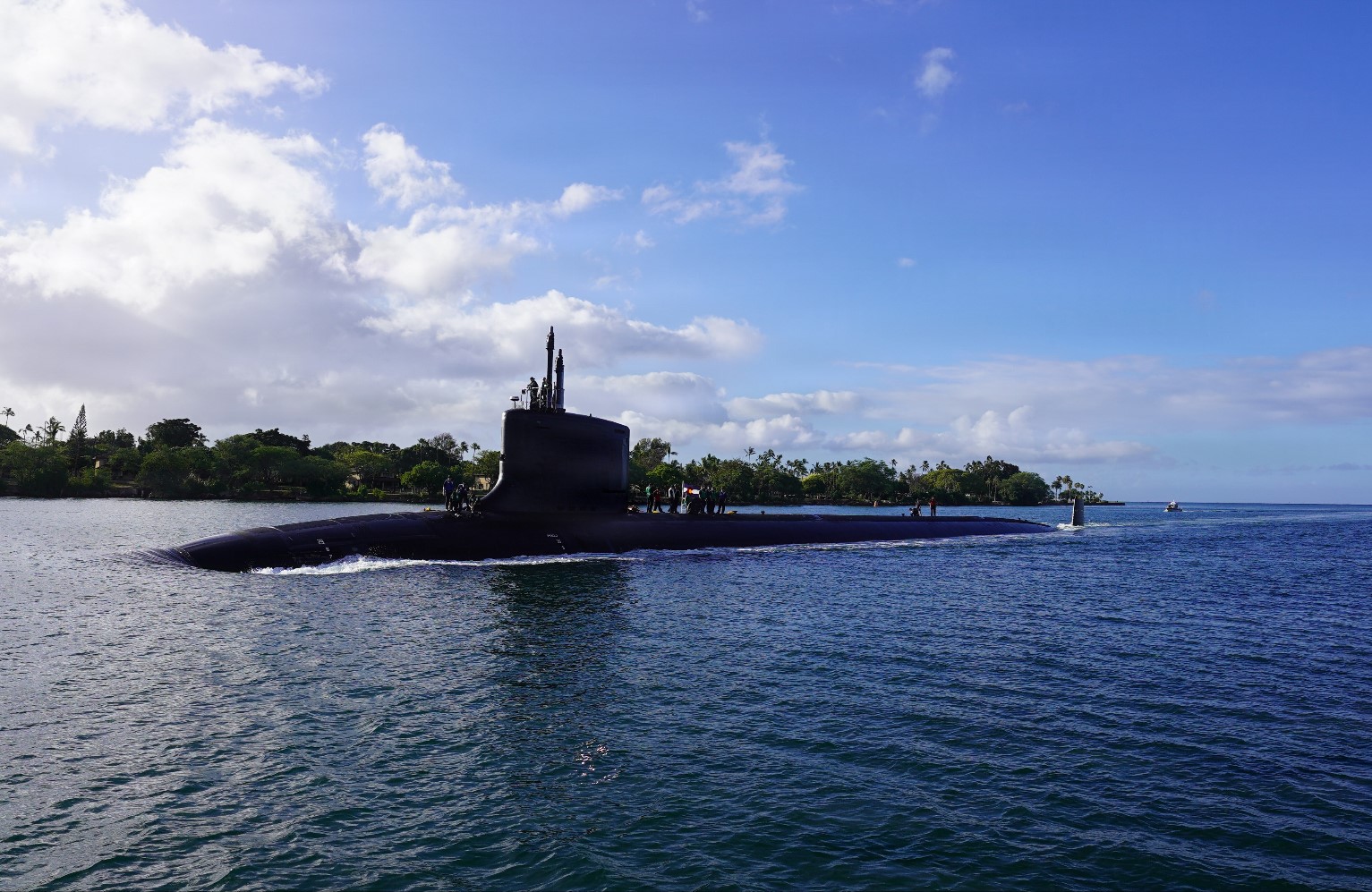 U.S. Navy's USS Colorado Submarine Returns to Pacific Fleet 29 Days Early After Major Pearl Harbor Overhaul
-
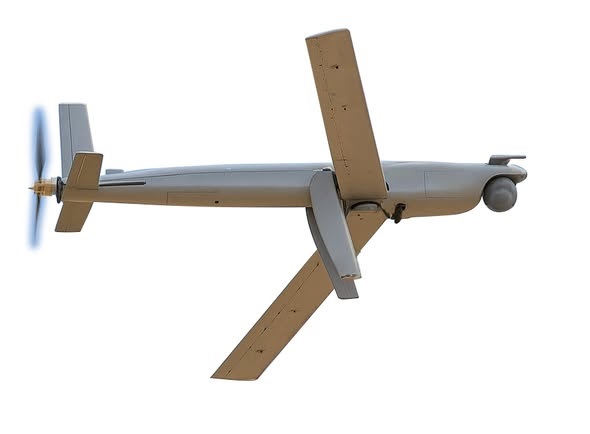 Elbit Systems and Diehl Defence Partner to Offer SkyStriker Loitering Munition to German Armed Forces
-
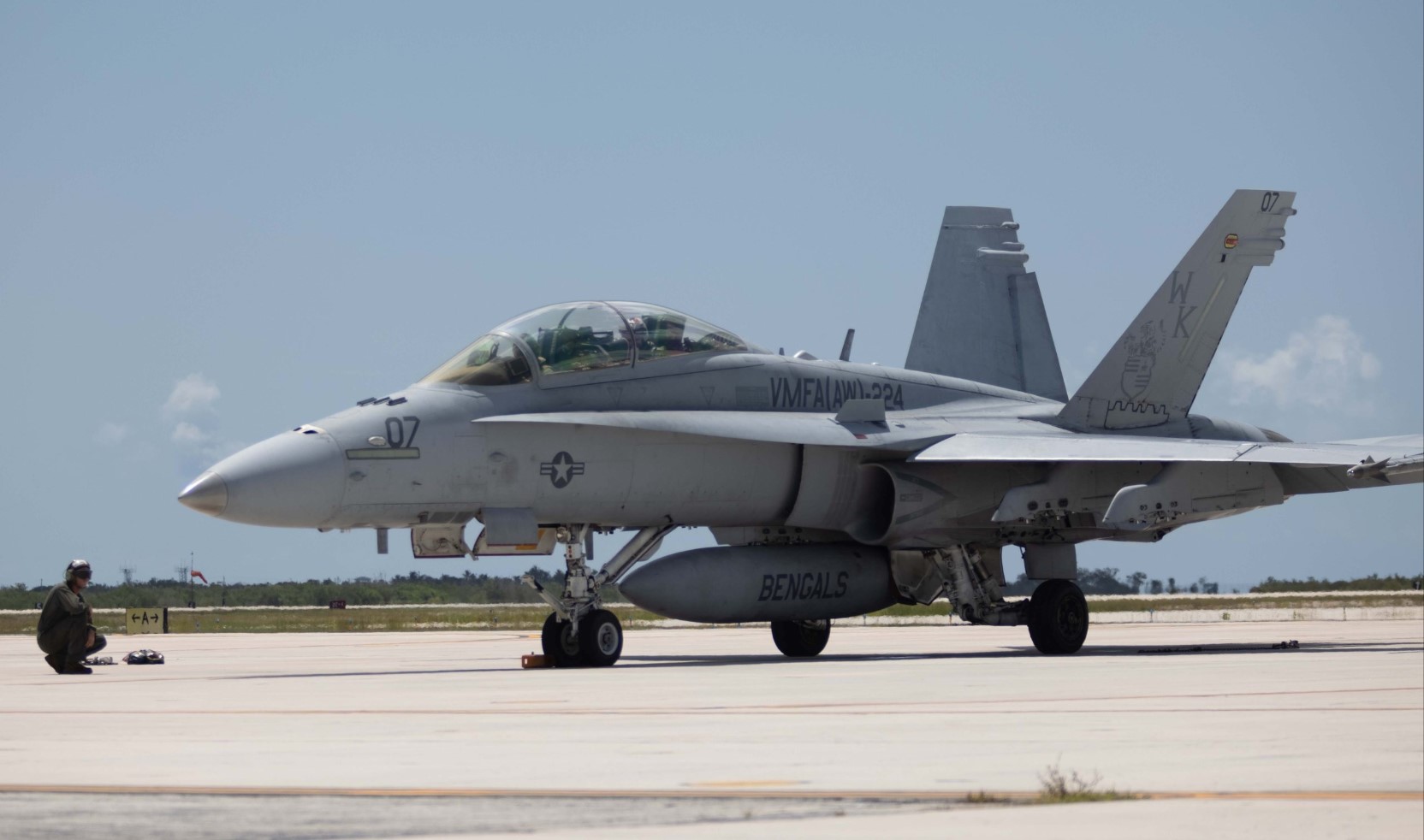 US Marine Corps F/A-18D Hornet Crashes During Training Flight in Washington Mountains; Pilot Ejects Safely
-
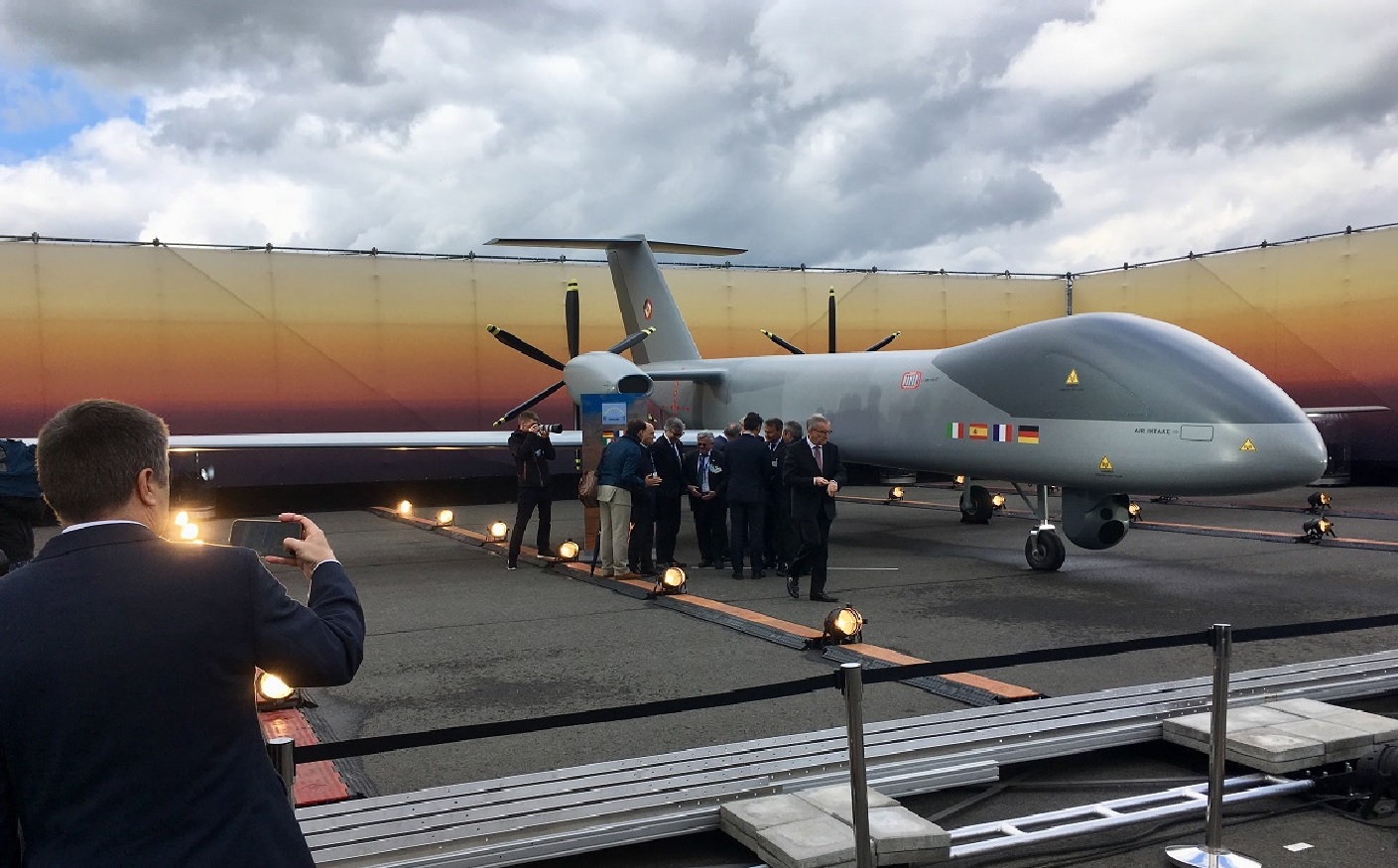 Dassault Seeks Compensation From Airbus as Eurodrone Dispute Erupts After FCAS Collapse
-
 U.S. Navy Reestablishes Submarine Squadron 3 at HMAS Stirling to Support AUKUS Rotational Force
Top Trending in 4 Days
-
 Iranian Media Leaks 14-Point U.S.-Iran Peace Framework Amid Ongoing Negotiations
-
 US Plans Significant Reduction of Fighter Jets and Warships for NATO Operations in Europe
-
 U.S. Air Force Faces Strategic Airlift Shortfall as C-17 Production Restart Remains Uncertain
-
 NATO Commander Says Russia Not Seeking Conflict With Alliance Despite U.S. Force Reductions
-
 Russian Defense Firm ZALA Unveils KAMA Unmanned Surface Vessel Family at FLOT-2026 Naval Exhibition
-
 U.S. Space Force Awards $437.7 Million Contracts for First PTS-G Swarm 1 Anti-Jam Satellites
-
 India Successfully Conducts AD-1, AD-2 Interceptor Tests and Maiden NASM-MR Flight Trial
-
 UAE Urgently Airlifts Cheongung-II Missile Defense Battery From South Korea Using Eight C-17 Aircraft