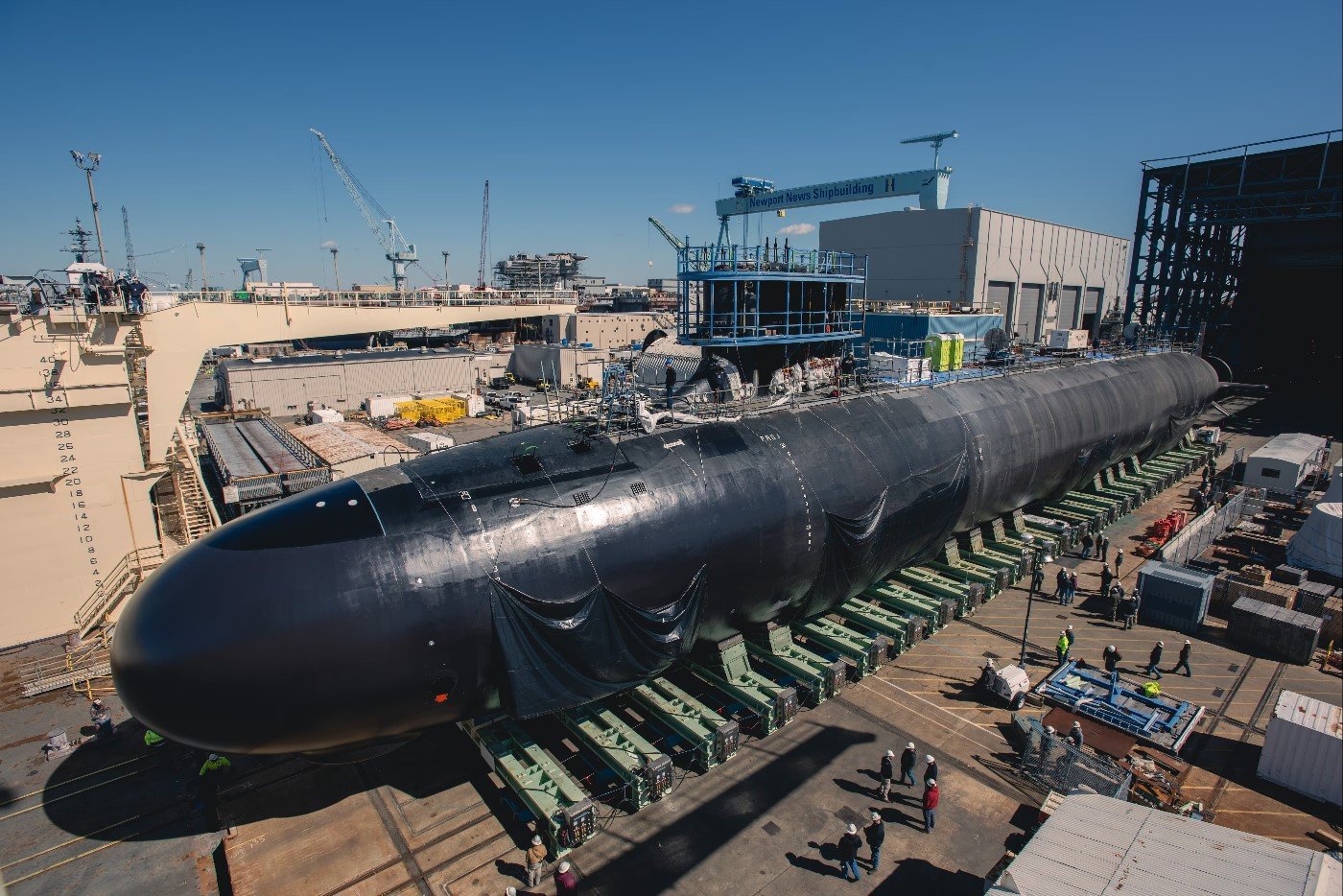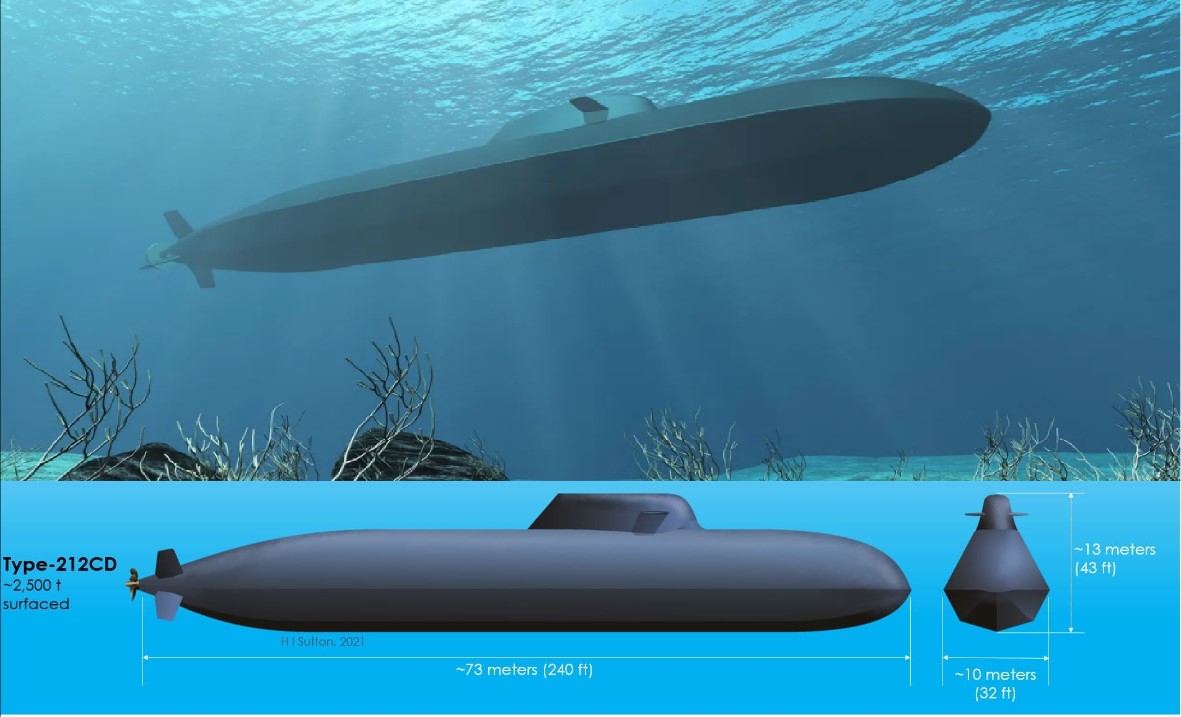
Germany has taken a major step toward enhancing its naval capabilities by approving a budget for the procurement of four additional Type 212CD submarines. This decision, made during the German Parliament’s final committee sessions before Christmas, solidifies the Bundeswehr’s commitment to modernizing its fleet while addressing NATO readiness requirements. The newly approved funding brings the total number of Type 212CD submarines ordered by Germany to six, with a collaborative effort with Norway potentially expanding the fleet to a combined 12 units for both nations.
Type 212CD: The Next Generation of Submarine Warfare
The Type 212CD submarine represents cutting-edge advancements in underwater warfare. Equipped with Air-Independent Propulsion (AIP) systems, these submarines can operate silently for extended periods without surfacing, enhancing their stealth capabilities. The design is a product of German shipbuilder Thyssenkrupp Marine Systems (TKMS) and includes features tailored to meet the operational needs of both the German and Norwegian navies.
Key specifications include:
- Length: Approximately 73 meters
- Displacement: Around 2,500 tons submerged
- Crew: 20-30 personnel
- Armament: Torpedoes, mines, and the IDAS (Interactive Defense and Attack System for Submarines), a versatile missile capable of engaging aerial, surface, and ground targets.
- Operational Range: Extended range owing to the fuel-cell-based AIP technology.
Strategic Implications
Germany’s approval of additional Type 212CD submarines aligns with NATO’s evolving readiness requirements, which call for at least five operational German submarines by 2031. To achieve this goal, Germany is not only expanding its submarine fleet but also addressing midlife upgrades (MLU) for its current six Type 212A submarines. These upgrades are necessary to ensure their operational viability beyond 2035, but detailed plans and funding for these measures are still pending.
Norway, Germany’s partner in the Type 212CD program, has also expressed interest in increasing its initial order from four submarines to six. This collaborative procurement aims to bolster the maritime defense posture of both nations, ensuring effective deterrence against potential threats.
IDAS Missile System: Enhanced Submarine Capabilities
Alongside the new submarines, Germany has approved funding for the IDAS missile system, a groundbreaking technology designed for submarine-launched operations. The IDAS missile offers a range of over 15 kilometers and is equipped with an imaging infrared seeker and a fiber-optic data link, allowing precise target engagement. This system can counter threats from low-flying aircraft, surface vessels, and even land-based targets. Mounted within existing 533mm torpedo tubes, IDAS enhances the operational flexibility of the Type 212CD fleet.
Challenges Ahead
Despite these ambitious plans, challenges loom over the expansion of Germany’s submarine fleet. Recruitment shortfalls in the Bundeswehr have already impacted the Navy’s ability to staff its current vessels. Moreover, the maintenance backlog for existing Type 212A submarines, many of which are overdue for upgrades, could strain resources. The Navy’s broader modernization goals, including plans to acquire F126 ASW frigates and F127 AAW frigates, add further complexity to the resource allocation process.
Production and Future Prospects
TKMS is poised to ramp up submarine production to meet Germany and Norway’s demands. The company has expanded its capabilities with a new submarine production facility in Kiel and the acquisition of MV Werften in Wismar. These developments position TKMS to deliver the first Type 212CD to Norway by 2027, with Germany receiving its initial deliveries in 2031 and 2034.
Beyond Germany and Norway, TKMS is exploring export opportunities for the Type 212CD, with potential customers including Canada, Poland, and India. While negotiations with India focus on the Type 214NG, any additional orders would further drive the need for increased production capacity.
Conclusion
The Bundestag’s approval of the Type 212CD procurement marks a significant step in strengthening Germany’s naval capabilities. These advanced submarines, coupled with the IDAS missile system, promise to enhance NATO’s maritime security framework. However, the path to achieving these ambitious goals requires careful navigation of logistical, financial, and manpower challenges.
——— End of Article ———