
World
In a major leap for European defense innovation, Milrem Robotics has successfully integrated the MBDA Akeron LP long-range missile system onto its Type-X Robotic Combat Vehicle (RCV), creating a highly advanced unmanned ground combat system capable of autonomous precision strikes beyond visual range. The milestone demonstration, conducted under the EU-funded MARSEUS project, marks a significant step toward fielding robotic systems equipped with indigenous European weaponry and intelligence capabilities. The breakthrough was announced on July 1, 2025, as part of the European Defence Fund-backed MARSEUS (Modular Architecture Solution for EU States) initiative. The event showcased not just the powerful combination of the Estonian-made Type-X combat platform and the French-developed Akeron LP missile, but also the integration of the RFHunter electronic warfare suite from Cyprus-based SignalGeneriX, which enables the vehicle to operate with full electromagnetic awareness even in GPS- or communication-contested environments. What Makes This Robotic System Special? At the heart of the demonstration lies the Type-X Robotic Combat Vehicle, a hybrid-electric, fully unmanned tracked vehicle designed to support mechanized units in high-risk missions. Weighing about 12.5 tons, it can carry up to 5 tons of payload and reach speeds up to 80 km/h. It’s optimized for flanking attacks, scouting, and direct engagement—all while keeping soldiers safely out of harm’s way. The vehicle is equipped to handle steep slopes, deep water fording, and urban combat with zero turning radius, thanks to its advanced cross-drive transmission. It also offers STANAG 4569 Level 4 protection against projectiles and Level 1 mine resistance. Akeron LP Missile: Precision from Afar The Akeron LP (Longue Portée) missile system is a new-generation long-range missile developed by MBDA France. Designed for use on helicopters, ground vehicles, and naval platforms, it features a multi-mode guidance seeker with semi-active laser, thermal imaging, and TV sensors. The missile has a range of over 8 km from land platforms and up to 20 km when launched from air. Its tandem-charge warhead can pierce more than 1,000 mm of armor and 2 meters of reinforced concrete, making it suitable for defeating heavily fortified targets. Its fire-and-forget and fire-with-retargeting capabilities allow operators to remain at a safe distance or adjust strikes mid-flight. RFHunter: Stealthy Intelligence and Targeting Adding an edge to this strike platform is the RFHunter Direction Finder, a passive electronic warfare system that listens to enemy signals without emitting detectable energy. Developed by SignalGeneriX, it allows the robotic vehicle to detect, classify, and geolocate hostile emitters—essential for targeting in GPS-denied or contested environments. It not only boosts survivability but also enables cooperative targeting using external drones or sensors for enhanced situational awareness. Why It Matters: European Strategic Autonomy This project is part of MARSEUS, a €27.3 million pan-European defense program led by MBDA France and supported by 15 companies from France, Belgium, Sweden, and Cyprus. It aims to build modular, interoperable, and autonomous land-based strike systems fully controlled by EU member states. By relying entirely on European technologies and avoiding non-EU suppliers, the initiative supports the EU’s goal of achieving strategic autonomy in critical defense technologies. The MARSEUS program is a direct continuation of the earlier LynkEUs project under the European Defence Industrial Development Programme (EDIDP), which laid the groundwork for BLOS (Beyond Line of Sight) capabilities. It has evolved to include human-in-the-loop and human-on-the-loop decision-making, allowing for varying degrees of autonomy in targeting and engagement. Demonstrations since 2022 have also included manned-unmanned teaming with platforms like the Arquus Sherpa and drone coordination with systems like Novadem’s NX70 UAVs. What’s Next? The robotic system will continue to undergo rigorous testing through 2025, with upcoming phases involving loitering munitions, joint doctrine development, and the creation of a user community to align operational strategies across EU forces. This robotic vehicle isn’t just a proof of concept—it’s a foundational building block for next-generation European land warfare. In essence, Europe’s integration of the Akeron LP missile onto the unmanned Type-X vehicle marks the dawn of a new era in which robotic ground forces will strike targets beyond the line of sight, operate undetected in hostile terrain, and execute missions with minimal human intervention—safely, intelligently, and independently.
Read More → Posted on 2025-07-02 14:58:48
World
In a significant development highlighting growing concerns over foreign intelligence operations, two Chinese nationals have been arrested in the United States on charges of espionage. The men are accused of acting as agents for the Chinese government and allegedly attempting to recruit members of the U.S. Navy to serve as intelligence assets for China’s Ministry of State Security (MSS). The individuals, identified as 38-year-old Yuance Chen and 39-year-old Liren Lai, face serious federal charges of acting illegally as agents of a foreign government. If convicted, they could each face a maximum sentence of up to 10 years in prison. Chen, a legal permanent U.S. resident, was arrested in Happy Valley, Oregon, while Lai was apprehended in Houston, Texas, after arriving in April on a tourist visa. According to the U.S. Department of Justice, both suspects were involved in intelligence-gathering activities directed by the MSS — China's primary civilian intelligence agency responsible for counter-intelligence, foreign intelligence, and political security. The criminal complaint outlines that Chen and Lai worked together to acquire sensitive national security-related information. They allegedly paid cash to obtain classified or restricted data and made efforts to identify and potentially recruit individuals in the U.S. Navy who could provide insider information. The suspects reportedly targeted military personnel with access to intelligence and operational details, seeking to build long-term assets for the Chinese government within the U.S. defense establishment. The recruitment operation reportedly began in 2021 when Lai, working as an agent for the MSS, brought Chen into the network. Together, they communicated using encrypted platforms and avoided detection through sophisticated operational tradecraft commonly associated with state-backed espionage, including code names, dead drops, and limited in-person contact. U.S. Attorney General Pamela Bondi emphasized the gravity of the case, stating, “This case underscores the Chinese government’s sustained and aggressive effort to infiltrate our military and undermine our national security from within.” She stressed that the Department of Justice remains committed to protecting America’s military, intelligence community, and national interests against foreign espionage. The arrests were made following a multi-month investigation led by the FBI, which had been closely monitoring the suspects' activities. Federal agents executed search warrants and recovered evidence including electronic devices, encrypted communications, financial records, and documents pointing to coordinated efforts with Chinese intelligence handlers. This case adds to the growing list of espionage-related incidents involving alleged Chinese operatives, reinforcing concerns about Beijing’s ongoing efforts to collect intelligence from U.S. government, military, and technological sectors. The trial is expected to proceed in federal court, where prosecutors will present detailed evidence of the defendants' coordination with the Chinese government. Authorities have reiterated that while the case involves foreign nationals, the focus is strictly on the unlawful actions of the individuals involved, not on any specific nationality or ethnicity. The U.S. continues to prioritize counter-intelligence operations as a key part of its national defense strategy, especially in an era of rising global competition and cyber-espionage threats.
Read More → Posted on 2025-07-02 09:16:58
World
In a move that could reshape the tempo of Ukraine’s battlefield resilience, the United States has paused a major shipment of missiles and ammunition to Kyiv, citing concerns over its own strategic stockpiles. The decision, confirmed by the White House, follows an internal Pentagon review prompted by mounting global military obligations and fast-depleting reserves. The suspended package includes some of the most critical weapons Ukraine relies on to counter Russian aggression: dozens of Patriot interceptor missiles, more than 100 Hellfire missiles, over 250 GMLRS (Guided Multiple Launch Rocket System) precision munitions, and thousands of 155mm artillery shells used in NATO-standard howitzers. These systems are essential for Ukraine’s air defense and ground artillery operations, especially as Russian forces ramp up aerial attacks. Technical details underscore the significance of the delay: Patriot interceptors: Designed to neutralize incoming ballistic missiles, aircraft, and drones, these are Ukraine’s top-tier defense against high-altitude threats. Hellfire missiles: Laser-guided and often used in helicopter or drone platforms, they are effective for precision strikes on enemy armor and bunkers. GMLRS rockets: Fired from HIMARS platforms, these GPS-guided munitions offer pinpoint strikes up to 80 km away. 155mm artillery shells: The backbone of Ukraine’s artillery force, used for both defense and long-range bombardment. These weapons had already been approved under the Presidential Drawdown Authority (PDA) and the Ukraine Security Assistance Initiative (USAI) — mechanisms through which the U.S. has sent billions of dollars in arms since the start of the war in 2022. White House spokeswoman Anna Kelly stated, “This decision was made to put America’s interests first following a Department of Defense review,” but reassured that U.S. military strength “remains unquestioned — just ask Iran.” The halt comes as part of a broader reassessment of U.S. munitions usage across various theaters, including support to Israel, operations in the Middle East, and strategic deterrence in Asia. Defense Secretary Pete Hegseth ordered this review amid warnings that some U.S. munitions, especially precision weapons, are being consumed “at an alarming rate.” President Donald Trump, speaking after a NATO summit in The Hague, acknowledged Ukraine’s pressing need for air defense but noted the challenge in sourcing Patriot systems. “They do want to have the anti-missile missiles, as they call them the Patriots. And we’re going to see if we can make some available,” he said. Ukraine’s urgency has been heightened by a fresh wave of Russian aerial attacks. Over the recent weekend, the Ukrainian Ministry of Defence reported the largest drone and missile strike since the full-scale invasion began — involving 60 missiles and 477 drones, most aimed at civilian infrastructure. Andriy Yermak, chief adviser to President Zelenskyy, during a visit to Washington on June 5, reiterated the need for more Western air defense systems to safeguard Ukrainian cities and power grids. “We are holding the line,” he said, “but the skies remain our greatest vulnerability.” While some of the delayed weapons are already in staging areas across Europe, they are currently being withheld pending further instruction, according to defense officials. The situation remains fluid and further delays are possible, depending on how the Pentagon’s ongoing stockpile evaluation unfolds. As the battlefield situation grows more urgent, the suspension raises not only tactical concerns for Ukraine but also strategic questions about the sustainability of U.S. global military commitments amid rising threats from multiple fronts.
Read More → Posted on 2025-07-02 09:01:56
World
In a landmark move that signals deeper cooperation between Turkey and Europe in the defense sector, Turkish drone manufacturer Baykar has officially completed the acquisition of Piaggio Aerospace, setting the stage for local production of its widely known Bayraktar TB2 and Akinci unmanned aerial vehicles (UAVs) in Italy. The formal transfer took place on June 30, 2025, under the supervision of the Italian Ministry of Enterprises and Made in Italy and with the approval of Italy’s Prime Minister’s Office. This approval was granted under Italy’s “golden power” regulation, which protects strategic national industries from foreign influence unless proven beneficial. With the acquisition, Baykar now owns Piaggio’s two key facilities located in Villanova d’Albenga and Genoa, which will now become production and support hubs for UAV systems intended for European markets. Baykar’s integration into Italy’s industrial base represents more than just a geographic expansion. It signifies the emergence of Italy as a drone manufacturing and maintenance center in Europe, driven by a new joint venture between Baykar and Italian aerospace giant Leonardo called LBA Systems. This 50-50 joint company will design, build, and maintain UAVs for European and international clients, in a global market projected to exceed $100 billion over the next decade. What’s Being Produced: TB2 and Akinci UAVs Baykar’s production at the former Piaggio sites will focus on two of its most renowned UAV platforms: Bayraktar TB2 Category: Medium-altitude long-endurance (MALE) unmanned combat aerial vehicle (UCAV) Max Takeoff Weight: 700 kg Payload Capacity: 150 kg Endurance: Up to 27 hours Features: Laser-guided munitions such as MAM-C, MAM-L, and BOZOK Autonomous capabilities: taxiing, takeoff, landing, and flight Electro-optical systems: Aselsan CATS, previously Wescam MX-15D Engine: Indigenous TEI-PD170, replacing earlier Austrian Rotax engines due to export controls The TB2 has been widely used in conflicts across Syria, Libya, Nagorno-Karabakh, and Ukraine, gaining a reputation for its affordability, precision strike ability, and real-time surveillance. Bayraktar Akinci Category: High-altitude long-endurance (HALE) UCAV Max Takeoff Weight: 5.5 tonnes Payload Capacity: 1,350 kg Engine Options: Twin turboprops (450–850 hp each) Weapons and Capabilities: NEB-84 bunker-buster bombs, SOM cruise missiles, and laser-guided bombs AESA radar (MURAD), synthetic aperture radar (SAR), EW/ELINT systems Satellite communication, advanced AI-supported mission systems The Akinci is already in service with the Turkish Armed Forces and several export customers and has been deployed in various military operations and humanitarian missions. The Broader Industrial Strategy Baykar plans not only to produce drones but also to maintain and support aircraft at Piaggio's former facilities. The legendary P.180 Avanti EVO, a twin-pusher executive aircraft, will continue production alongside drones. A maintenance center for engines and aircraft will also be established, in coordination with the Italian Ministry of Defence. Baykar CEO Haluk Bayraktar emphasized that existing employment at Piaggio will be preserved and expanded as demand for production and support increases. The goal is to transform the acquired facilities into a European center for UAV production, export, training, and certification, aligning with NATO and EU standards. Leonardo, with its expertise in aerospace components, mission systems, and certification, will support development through its sites in Turin, Rome, Nerviano, Grottaglie, and Ronchi dei Legionari. The partnership will also target advanced technology domains, including AI, cybersecurity, and integration into sixth-generation fighter systems. A New Chapter for Piaggio Aerospace Founded in 1884, Piaggio has a storied history in both aviation and motor vehicles. Despite restructuring and multiple ownership changes—including Abu Dhabi’s Mubadala, Tata Group, and Piero Ferrari—the company struggled financially and was declared insolvent in 2018. Thanks to extraordinary administration, Piaggio continued operating without state bailouts and reached revenues of €152 million in 2022. The acquisition by Baykar marks a revival of its aviation legacy under a new strategic purpose. Strengthening Europe-Türkiye Defense Ties Baykar’s expansion into Italy represents more than just business. It forms part of a growing partnership between Italy and Türkiye in defense and aerospace sectors. This cooperation may influence European drone policies and defense integration strategies, especially with Baykar already exporting drones to EU countries like Poland and Romania. By producing TB2 and Akinci UAVs in Europe, Baykar not only gains better access to European markets but also strengthens its reputation as a global UAV leader. For Italy, the acquisition revives a legacy aerospace company while embedding it into the future of autonomous military technology. This collaboration sets a model for future defense-industrial partnerships in Europe, where national capability, allied cooperation, and technological advancement converge to meet modern security challenges.
Read More → Posted on 2025-07-02 08:50:54
World
Amid escalating tensions with Israel and the West, Iran has reportedly loaded naval mines onto vessels in the Persian Gulf, triggering fresh concerns in Washington about the possibility of Tehran attempting to disrupt or close the Strait of Hormuz — one of the world’s most critical oil and gas shipping lanes. According to U.S. officials familiar with classified intelligence, this activity took place shortly after Israel’s missile strike on Iran on June 13. While the mines have not been deployed in the waterway itself, their presence suggests that Iran may have seriously considered taking steps to blockade the strait — a move that would send shockwaves through global energy markets. U.S. intelligence, likely gathered through satellite monitoring and human sources, indicated the loading of the mines, although it is unclear whether they have since been removed. The Strait of Hormuz, a narrow 34-kilometer-wide channel between Iran and Oman, is the gateway through which nearly 20% of the world’s oil and gas supplies travel. Even a temporary disruption could lead to a spike in fuel prices and destabilize shipping routes. The channel is only about 21 miles (34 km) wide at its narrowest point, with two-mile-wide lanes for inbound and outbound traffic. Any mining of these lanes would severely affect global supply chains. Following the U.S. airstrikes on Iranian nuclear infrastructure on June 22, the Iranian parliament passed a non-binding resolution to block the Strait of Hormuz. While symbolic, the decision highlighted Iran’s readiness to use its geography as a strategic tool. Actual authority to shut the strait lies with Iran’s Supreme National Security Council, not parliament. Though Iran has often threatened to close the strait over the years, it has never acted on those threats. A White House official credited the Biden administration’s strategic and military responses — including Operation Midnight Hammer and pressure campaigns against Iran and Houthi militias — for keeping the strait open and ensuring freedom of navigation. The U.S. military remains on high alert in the region. The U.S. Fifth Fleet, based in Bahrain, is responsible for maritime security in the Persian Gulf and Strait of Hormuz. Interestingly, mine countermeasure ships were temporarily withdrawn from Bahrain prior to the June strikes, as a precaution against Iranian retaliation. This suggests that Washington anticipated an Iranian response involving naval mines, which remain one of Tehran’s key asymmetric naval tools. Iran is estimated to possess more than 5,000 naval mines, according to U.S. Defense Intelligence Agency reports from 2019. These mines can be deployed via high-speed boats or disguised civilian vessels and come in various types — including moored, drifting, and bottom influence mines triggered by magnetic, acoustic, or pressure signatures. Their use in a confined waterway like the Strait of Hormuz could halt or reroute commercial shipping, affecting oil exporters like Saudi Arabia, UAE, Kuwait, Iraq, and Qatar, and ironically, even Iran itself. Despite Iran’s military posture, oil markets have shown resilience. Prices have actually declined more than 10% since the U.S. strikes, likely because no actual shipping disruption has occurred so far. Still, U.S. officials caution that the situation remains fluid, and further Iranian retaliation is possible, especially if tensions with Israel continue to escalate. While no mines have yet been deployed and the strait remains open, Iran’s mine-loading activity serves as a stark reminder of how quickly the region can edge toward a maritime crisis — one that could ripple far beyond the Middle East.
Read More → Posted on 2025-07-02 08:09:14
World
In a significant boost to Israel’s precision strike capabilities, the U.S. State Department has approved a $510 million Foreign Military Sale (FMS) to supply thousands of Joint Direct Attack Munition (JDAM) kits to the Israeli Air Force (IAF). The deal includes guidance systems for both heavy bunker-busting bombs and general-purpose munitions, enabling Tel Aviv to replenish and enhance its smart bomb stockpile as tensions escalate across the region. According to the official notification issued by the Defense Security Cooperation Agency (DSCA), the approved package includes: 3,845 KMU-558B/B JDAM kits for use with the BLU-109 2,000 lb penetration bomb, commonly referred to as a “bunker buster”. 3,280 KMU-572F/B JDAM kits for the MK 82 500 lb general-purpose bomb. A range of supporting equipment, technical assistance, engineering services, and logistical support. While the total estimated cost of the package stands at $510 million, the final amount will depend on actual quantities purchased, budget constraints, and the final contractual agreement. The prime contractor for the deal will be Boeing, though some components may also be transferred from existing U.S. military stockpiles to expedite delivery. What Are JDAMs and Why Are They Important? The Joint Direct Attack Munition (JDAM) is a GPS-aided inertial guidance kit that turns standard “dumb” bombs into precision-guided munitions. With a Circular Error Probable (CEP) of just 5–10 meters, these smart bombs can strike fixed targets in all weather conditions, day or night. The JDAM kit attaches to the tail of an unguided bomb and includes control fins and an inertial guidance system that communicates with satellite navigation. The BLU-109 bomb is a hardened, steel-encased penetration bomb capable of punching through reinforced bunkers and underground facilities before detonating. When paired with the KMU-558 JDAM kit, it becomes one of the most accurate and deadly tools in Israel’s arsenal against fortified targets, command bunkers, and subterranean weapons storage sites. The MK 82 bomb, though much lighter at 500 lbs, is ideal for use in urban or high-density environments where minimizing collateral damage is critical. JDAM kits tailored for the MK 82 enable Israel to engage targets with surgical accuracy, limiting civilian casualties—a growing international concern in ongoing operations. Strategic Timing and Implications The timing of this sale is telling. Israel has been engaged in a series of high-intensity air operations in recent months, particularly over Gaza, Syria, and even suspected covert missions deeper into Iran. In many of these operations, Israel has relied heavily on its inventory of precision munitions—some of which are believed to be nearing depletion due to sustained usage. By replenishing these stocks, the U.S. not only reaffirms its long-standing commitment to Israeli security but also strengthens Israel’s ability to conduct strategic precision strikes without needing to rely on less discriminate firepower. This approval also follows recent moves by the U.S. Congress to streamline arms support to Israel under emergency provisions, especially in light of mounting regional tensions involving Hezbollah, Iran-backed militias, and direct threats from Tehran. Balancing Regional Power The DSCA has emphasized that the proposed sale will not alter the basic military balance in the region, a standard clause in U.S. arms export policy. However, with precision-guided weaponry becoming the decisive factor in modern warfare, thousands of JDAM kits could tip tactical dynamics—especially in scenarios involving multiple fronts or preemptive deep-strike missions. Meanwhile, Israeli defense officials have lauded the move as “critical to operational readiness and deterrence”, citing the growing need for precision tools in light of evolving asymmetric threats and underground infrastructure used by adversaries. With Boeing set to lead the manufacturing and the U.S. drawing partially from its own inventories to meet Israel’s immediate needs, the JDAM deal underscores the deepening U.S.-Israel defense partnership amid a volatile Middle Eastern landscape. While critics may raise concerns over the human cost of precision airstrikes, the capability to strike with accuracy rather than volume is central to how modern militaries claim to conduct ethical warfare. For Israel, this arms package provides not just replenishment, but a reaffirmation of strategic latitude—delivered with GPS-guided precision.
Read More → Posted on 2025-07-01 14:30:43
World
Romania is set to significantly upgrade its national air defence capabilities with a major procurement from Israel’s Rafael Advanced Defense Systems. The Romanian Ministry of National Defence has officially selected Rafael to supply a new air defence system in a deal estimated at €1.9 billion. Though the agreement is pending formal signing, the selection confirms Rafael's win in one of Europe’s most closely watched defence contracts. This deal will become Israel’s second-largest defence export ever, following the $3.5 billion sale of the Arrow 3 missile defence system to Germany in 2023. It will also exceed the $1.6 billion agreement signed with India in 2017 for the Barak 8 system. The chosen system is widely believed to be Rafael’s Spyder (Surface-to-air PYthon and DERby) air defence solution. What is the Spyder System? Spyder is a quick-reaction, short and very short-range air defence system designed to protect against a wide array of airborne threats. This includes fighter aircraft, helicopters, unmanned aerial vehicles (UAVs), and precision-guided munitions. It operates using Rafael’s Python-5 and Derby missiles—both known for their high accuracy, agility, and versatility. These interceptors can be launched in both lock-on-before-launch and lock-on-after-launch modes, allowing flexible and effective engagements in diverse battlefield scenarios. All-in-ONE Configuration: A Game Changer A standout feature of Spyder is its All-in-ONE configuration, where the radar, electro-optical sensors, command-and-control unit, and missile launchers are all mounted on a single vehicle. This unique integration enables fast deployment, easy mobility, and reduced personnel requirements. It is especially well-suited for protecting moving columns, mobile bases, or critical infrastructure in remote areas. The system’s mobility and modular nature were demonstrated during a live-fire test in Israel in January 2024. In a challenging environment simulating real-world combat conditions, the Spyder successfully intercepted a UAV with a direct hit—showcasing its advanced tracking and interception capability. Completing Romania's Air Defence Shield Romania has been working on a comprehensive multi-layered air defence strategy since parliamentary approval in 2020. The plan includes shoulder-launched missiles, long-range defence systems like the Patriot, and now, with Spyder, a reliable short-range shield. The new system fills a crucial gap in Romania’s integrated air defence architecture, offering rapid reaction against low-flying and fast-moving aerial threats. European Cooperation and Local Industry Involvement The Romanian government is planning to fund the deal with support from the European Union, including programs like the Ammunition Production Support Act (ASAP) and the European Defence Industry Reinforcement through Common Procurement Act (EDIRPA). These instruments require that part of the system's production and support be conducted in Europe, with a focus on Romania-based companies. This ensures not only defence capability enhancement but also local industrial participation and job creation. Rafael already has experience in European partnerships. Its Eurospike joint venture—co-owned with German companies Diehl and Rheinmetall—produces the Spike anti-tank missile family in Europe. Similar collaboration frameworks are expected to be used in Romania. Beating the Competition Rafael’s offer outpaced competing bids from major European defence firms, including MBDA’s Mistral 3 system and Germany’s Diehl Defence with the IRIS-T SLS system. The South Korean company LIG Nex1 was disqualified earlier in the process due to technical documentation shortcomings. With this selection, Romania is not only enhancing its defence capability but also reinforcing its ties with Israel, while integrating seamlessly into the broader NATO and EU security framework. The Spyder system will provide a fast, flexible, and combat-proven solution to defend Romania’s skies in an increasingly uncertain global environment.
Read More → Posted on 2025-07-01 14:04:02
After Russian Su-35s Fail to Arrive, Iran Bets on 40 China’s J-10C to Revive Its Crumbling Air Power
World
In a dramatic shift of defense posture, Iran is on the verge of finalizing a deal with China to acquire over 40 Chengdu J-10C “Vigorous Dragon” fighter jets, as the much-anticipated Russian Su-35 deliveries remain largely undelivered and diplomatically frozen. This emerging deal marks a significant milestone in Iran’s long-standing effort to modernize its aged and sanction-stricken air force, which has proven increasingly vulnerable—especially after recent precision strikes by Israel and the United States. From Moscow to Beijing: A Pivot in Alliances Iran’s move comes after the collapse of the 2023 Su-35 agreement with Russia, which promised to deliver advanced fighters but resulted in only a fraction being transferred—if at all. The reasons for the stall range from Russia’s own fleet demands during its prolonged military campaign in Ukraine to mounting Western pressure discouraging arms transfers to Iran. For Tehran, the Russian option has become unreliable. Enter China. Discussions between Tehran and Beijing over the J-10C date back to 2015, but they were initially hindered by U.S.-led sanctions, currency constraints, and diplomatic hesitations. Now, however, with China reportedly more open to barter-based agreements and motivated to deepen its defense ties in the Middle East, the previously shelved plan appears to be fast-tracked. Reports suggest that Iran is pushing for deliveries to begin as early as 2026. Why the J-10C? The Chengdu J-10C is a 4.5-generation multirole fighter that comes equipped with an AESA radar, high-agility canard-delta design, and compatibility with advanced Chinese weaponry, including the PL-10 short-range and PL-15 long-range air-to-air missiles. With a combat radius of over 1,000 km and modern sensor fusion, it promises to replace Iran’s aging MiG-29s, F-4 Phantoms, and F-14 Tomcats, which have seen decades of attrition and minimal upgrades. But while the J-10C may provide a major step up from Iran’s current capabilities, serious questions remain about its effectiveness in contested airspace—especially after its underwhelming performance during Operation Sindoor, a major joint Indo-Israeli military exercise earlier this year. Doubts After the Sindoor Debacle During Operation Sindoor, where Pakistan Air Force J-10Cs were pitted against Indian Rafale F3Rs, the Chinese jet's reputation suffered significantly. Reports from Indian Air Force sources claim that multiple PL-15 missiles failed to detonate or were jammed mid-air, highlighting potential weaknesses in Chinese avionics, electronic warfare resistance, and missile reliability. This has cast serious doubts on whether the J-10C would be effective against Israel’s F-35I Adirs or American stealth and electronic warfare platforms, both of which operate at a much higher technological threshold. Iran’s prospective adversaries not only field fifth-generation fighters but also possess dense electronic warfare, airborne early warning systems, and stand-off strike capabilities. Against such forces, the J-10C, while formidable in its class, may still find itself outmatched. Strategic Implications Beyond the hardware, this deal carries wider geopolitical reverberations. A successful delivery of 40+ J-10Cs would mark the largest known China-Iran arms transaction since the 1990s, pushing the two countries into a more overt military alliance. It also signals a growing Chinese footprint in the Middle East, not just economically via the Belt and Road Initiative, but now militarily. Moreover, Iran’s air force modernization—albeit modest in comparison to Gulf Arab and Israeli forces—could alter local airpower balance calculations, especially in conflicts over Iraq, Syria, and the Strait of Hormuz. Iran might gain improved interception capability, precision strike reach, and air patrol capacity, which have been sorely lacking in recent years. The Iranian Air Force’s plunge into Chinese arms waters is a bold—but uncertain—step. If the J-10C purchase goes through, it will undoubtedly provide a significant leap in capability for Tehran’s outdated air fleet. However, whether these fighters can survive the real test of modern high-tech warfare—especially against Israel and the United States—remains highly debatable. For Iran, this deal is less about gaining superiority and more about plugging a glaring air defense hole left open by failed Russian promises. But in choosing the Vigorous Dragon, Tehran may find itself wielding a sword with a questionable edge.
Read More → Posted on 2025-07-01 14:00:24
World
The French Navy is set to enhance its maritime surveillance and intelligence-gathering capabilities with the addition of cutting-edge VSR700 helicopter drones, following a major agreement signed on June 17, 2025. The deal marks a new chapter in France’s naval modernization drive and drone warfare capabilities. French Armed Forces Minister Sébastien Lecornu signed a framework agreement with Airbus Helicopters and Naval Group at the Paris Air Show, paving the way for the acquisition and integration of the Système de Drone Aérien pour la Marine (SDAM)—a naval drone system featuring the VSR700 uncrewed aerial system (UAS)—into French Navy frigates. The VSR700, developed by Airbus Helicopters, is a medium-sized rotary-wing drone designed specifically for naval operations. The drone is based on the civil Cabri G2 platform and modified for military use. It can operate autonomously from warships, handling take-offs and landings even in harsh sea conditions and complex electromagnetic environments. Key Technical Features of the VSR700: Endurance: Over 8 hours of continuous flight time Sensors: Equipped with radar, electro-optical/infrared (EO/IR) camera systems, and an Automatic Identification System (AIS) receiver for tracking vessels Payload Capacity: Capable of carrying multiple mission payloads Mission Types: Primarily designed for Intelligence, Surveillance, and Reconnaissance (ISR) tasks, but future versions may include armed variants Autonomous Operation: Fully automated take-off and landing from moving ships Integration System: Operated using Naval Group’s Steeris® Mission System, a sea-proven solution developed over 15 years for seamless combat system integration onboard ships The first batch of six SDAM systems is expected to be ordered later this year, with deliveries of production models planned for 2027. Shipboard integration is scheduled to begin in 2028, targeting France’s main frontline frigates such as the FDI (Frégate de Défense et d'Intervention) and FREMM (Frégate Européenne Multi-Mission) classes. This new capability is expected to greatly enhance the French Navy’s ability to conduct maritime patrols, long-range reconnaissance, and surface target tracking—all without putting human pilots at risk. The VSR700 fills a vital gap in medium-altitude surveillance from the sea, offering extended range and flexibility without the cost and complexity of manned helicopter operations. The framework agreement is also structured to welcome participation from international partner countries. Through government-to-government channels, allies will be able to adopt a configuration similar to the French Navy’s, promoting interoperability and expanding the reach of this advanced naval drone ecosystem. Officials from Airbus and Naval Group emphasized that the VSR700 program represents more than just a military acquisition—it is also a strategic move to build a sovereign, homegrown UAS ecosystem in France, supporting national industry and fostering long-term technological innovation. With the VSR700, France is joining a growing list of nations integrating advanced UAVs into their surface fleets, highlighting the rising importance of autonomous systems in naval warfare. The move is set to give the French Navy a stronger edge in maritime situational awareness, especially in contested waters.
Read More → Posted on 2025-07-01 13:28:20
World
Germany has unveiled a major modernization move for its military by approving the integration of Boxer armored fighting vehicles equipped with 30mm Remote Control Turrets (RCT30) into its newly formed "Medium Forces." These forces are designed to strike a balance between the high mobility of light infantry and the heavy firepower of armored units, aiming to deliver flexible and fast-moving combat capability both at home and within NATO operations. The German government has allocated €3.9 billion (around $4.5 billion) for this procurement effort, with €1.1 billion designated for the first stage. Though the exact number of Boxers to be acquired under this package has not been officially disclosed, reports suggest the order could involve up to 148 vehicles. The Boxer RCT30 variant isn’t entirely new. It was first introduced by German defense firms Rheinmetall and KNDS Deutschland back in 2016. Now, it is finally set to take a frontline role, specifically tailored to the needs of the Medium Forces — a new formation structured to operate with speed, firepower, and flexibility. These forces are modeled after the fast-strike tactics of historical "Blitzkrieg" warfare, focused on rapid, coordinated attacks. Technical Breakdown: The Boxer RCT30 The Boxer RCT30 is an 8x8 wheeled armored vehicle stretching approximately 8 meters long, capable of transporting up to 10 fully equipped troops. What sets it apart is its advanced remote-controlled Lance 2.0 turret, which houses the Rheinmetall MK30-2/ABM (Air Burst Munition) automatic cannon. This 30mm cannon can fire up to 200 rounds per minute and has a maximum effective range of around 3,000 meters (nearly 10,000 feet). The turret is also compatible with programmable munitions and includes optional features like a coaxial 7.62mm machine gun and anti-drone defenses — making it highly versatile on the modern battlefield. Powering the Boxer RCT30 is an MTU 8V199 TE21 diesel engine, capable of producing 816 horsepower. This allows the vehicle to reach speeds over 100 kilometers per hour (about 62 miles per hour) and gives it an impressive operational range of 1,000 kilometers (621 miles), ideal for extended missions across diverse terrain. Complementing Existing Armored Assets Germany’s procurement of the Boxer RCT30 will enhance its existing fleet of Boxers configured as Heavy Weapon Carrier Infantry vehicles. These earlier variants were modeled on Australia’s Combat Reconnaissance Vehicle (CRV) and have been tested in harsh conditions, with features like combat surveillance systems and improved weapon controls developed with direct input from soldiers. The RCT30-armed Boxers will complement Germany’s other advanced infantry vehicles, such as the Puma IFV, CV90, and Lynx, providing continuity in firepower and operational philosophy across different combat platforms. Strategic Purpose of Medium Forces The Medium Forces are not just about hardware — they represent a shift in Germany’s military doctrine. This new unit is intended to be NATO-ready and agile enough to respond rapidly to threats, particularly in Eastern Europe, where the alliance’s Very High Readiness Joint Task Force (VJTF) might be deployed. By filling the gap between heavy armor and light infantry, Germany’s Medium Forces — armed with the technologically advanced Boxer RCT30 — will be prepared to act swiftly and with decisive force, a capability highly valued in modern conflict scenarios. This investment not only boosts Germany’s national defense but also strengthens its role as a key military player in NATO’s collective security structure.
Read More → Posted on 2025-06-30 15:03:49
World
In a major push to enhance long-range aerial combat capabilities, the U.S. Air Force and U.S. Navy are moving forward with plans to equip their frontline fighter jets with the next-generation AIM-260 air-to-air missile. This cutting-edge missile system, officially called the AIM-260A Joint Advanced Tactical Missile (JATM), is being developed by Lockheed Martin and is intended to eventually replace or complement the widely used AIM-120 AMRAAM. According to the proposed 2026 U.S. defense budget, the Air Force has requested over $368 million and the Navy approximately $302 million for the purchase of AIM-260 missiles. In addition, both services are jointly investing another $687 million to continue the missile's development, production ramp-up, and integration across their air combat platforms. The AIM-260 program is a response to growing global threats and the need to outmatch increasingly capable adversary systems, especially those fielded by near-peer competitors like China and Russia. One of the primary goals is to provide U.S. pilots with a superior long-range engagement option that can outperform enemy weapons like China’s PL-15 missile. While exact technical specifications remain classified, available information indicates that the AIM-260 will be a high-speed, long-range missile capable of flying at speeds up to Mach 5. It will be equipped with an active radar homing seeker, giving it advanced target tracking and engagement capabilities. The missile will also feature a bidirectional data link, allowing it to receive mid-flight updates from the launch aircraft or other platforms, improving accuracy in dynamic combat scenarios. An inertial navigation system (INS) is expected to guide the missile during the early phase of flight, before switching to radar homing in the terminal phase. These features will make the AIM-260 highly capable in beyond-visual-range (BVR) engagements, where quick reaction time, extended reach, and precision are critical. Though the exact range is classified, experts suggest it will far exceed that of the AIM-120D-3—the most advanced version of the current AMRAAM missile—allowing U.S. jets to strike from greater distances with improved survivability. The missile is being designed to operate from a variety of platforms, including carrier-based aircraft like the F/A-18 Super Hornet and land-based fighters such as the F-22 Raptor and F-35 Lightning II. Its physical dimensions are being kept similar to the AIM-120 to allow seamless integration with internal weapons bays and existing launch systems. The AIM-260 is seen as a critical tool for the U.S. military to maintain its air dominance in a rapidly evolving threat environment. With its advanced technology and extended reach, the missile will give U.S. pilots a decisive edge in future air battles—well before the enemy gets close enough to strike back. Deployment of the AIM-260 is expected to begin before the end of the decade.
Read More → Posted on 2025-06-30 15:01:36
World
China is rapidly stepping up its game in carrier-based electronic warfare, and the clearest sign yet is the new J-15DT fighter jet. This advanced aircraft—an electronic warfare version of the Shenyang J-15—is being positioned as China's answer to the U.S. Navy’s EA-18G Growler. Its likely public debut during the upcoming 80th Victory Day Parade suggests the jet has passed critical development milestones and is ready to join the future air wing of China’s most advanced aircraft carrier, the Fujian (Type 003). The J-15DT is a twin-seat, catapult-capable variant of the J-15, structurally upgraded from earlier two-seat versions like the J-15S and J-15D. It’s specifically designed for carrier operations using electromagnetic catapults (EMALS)—a major change from China’s earlier ski-jump-launched jets. The “DT” in its name stands for "弹射" (tan she), meaning “catapult launch,” and it has already participated in launch operations from the Fujian’s EMALS deck, making it China’s first electronic warfare aircraft suited for the CATOBAR (Catapult Assisted Take-Off But Arrested Recovery) system. Key Technical Features: Design Differences: Visually, the J-15DT can be distinguished by its light gray tail fin tips and a slanted radome, unlike the ski-jump J-15DH’s darker gray features. It also lacks a cannon and infrared search-and-track (IRST) sensor, emphasizing its non-combat, support-focused role. Structural Enhancements: It features an added launch bar on the nose gear, a reworked undercarriage, and an enlarged spine to accommodate electronic systems. These updates allow it to safely withstand the high-force launches from EMALS-equipped carriers. Electronic Warfare Loadout: The aircraft is expected to carry external jamming pods on redesigned straight wingtips, conformal antennas for signal intelligence gathering, and domestic AESA radar systems. The rear cockpit is assigned to an electronic warfare officer who manages jamming, sensor coordination, and data transmission. No Kinetic Weapons: The J-15DT isn’t designed for dogfights or bombing runs. Its primary role is to jam enemy radar, support anti-radiation strikes, and provide critical electromagnetic support to stealth fighters and surface ships. Engines: It likely uses WS-10C or WS-10H turbofan engines, which offer better reliability and thrust under the demanding conditions of carrier launches compared to earlier Russian-made engines. Weapon Compatibility: While not equipped for direct strikes, it is expected to support missions involving weapons like the YJ-91 anti-radiation missile, similar to the role of the EA-18G Growler in the U.S. Navy. Strategic Role and Future Integration The J-15DT is part of a new-generation carrier air wing planned for the Fujian aircraft carrier. This air wing is projected to include: 24 J-35 stealth fighters 12 J-15T multirole strike fighters 4 KJ-600 airborne early warning aircraft 4 J-15DT electronic warfare aircraft This combination reflects a strategic shift toward multi-domain naval operations, with electronic warfare and data sharing becoming as important as firepower. The J-15DT will support long-range strike missions, protect stealth jets, and suppress enemy air defenses—all while staying safely out of direct combat zones. Evidence from sea trials confirms that aircraft number 1523—a J-15DT prototype—has completed successful deck launches from the Fujian’s electromagnetic catapult, signaling its readiness for active deployment. Long-Term Significance The J-15DT represents a vital evolution in China’s naval air power. It builds on the legacy of the original J-15 (derived from Ukraine’s Su-33 prototype) and transitions China's electronic warfare efforts from ski-jump carriers to fully modern CATOBAR platforms. While the J-15D provided earlier EW capability, it lacked the compatibility with new carriers like the Fujian and future platforms, such as the rumored nuclear-powered Type 004. Until China fields a stealth-based EW aircraft, the J-15DT is expected to remain its frontline electronic warfare platform aboard carriers for the next 20 to 30 years. Its appearance in the Victory Day Parade is more than just symbolic—it confirms the aircraft’s entry into pre-operational service and reflects China's determination to match or rival U.S. naval aviation capabilities in electronic warfare. In the evolving landscape of naval power, where information dominance and non-kinetic warfare are increasingly critical, the J-15DT gives the People’s Liberation Army Navy a powerful new tool to project influence and counter high-tech threats at sea.
Read More → Posted on 2025-06-30 14:39:27
World
The U.S. Army is gearing up to add a powerful new weapon to its battlefield arsenal—the Blackbeard GL (Ground Launch) hypersonic missile, a system designed to dramatically enhance the capabilities of the widely used HIMARS rocket launchers. Slated for initial fielding in 2028, Blackbeard GL has now entered the Engineering and Manufacturing Development (EMD) phase with a $25 million funding allocation under Project HX3 in the Army’s 2026 budget. A Game-Changer for Mid-Range Hypersonic Strikes Unlike long-range hypersonic systems such as the Dark Eagle (LRHW), which reaches strategic ranges over 2,700 km, Blackbeard GL is a tactical system optimized for mid-range operations. It is designed to deliver around 80% of the capability of the future PrSM Increment 4 (Precision Strike Missile) but at a significantly lower cost, making it more deployable and responsive for battlefield commanders. Blackbeard GL can engage time-sensitive, mobile, or hardened targets, even in degraded environments, thanks to its seeker-based terminal guidance. This allows the missile to autonomously track and hit moving or concealed threats with high precision—something few hypersonic systems have achieved at this cost and scale. Built for HIMARS and Beyond The missile will be integrated into modified Multiple Launch Rocket System Family of Munitions (MFOM) pods, ensuring full compatibility with HIMARS and M270 tracked launchers. This backward compatibility makes Blackbeard GL a plug-and-play option without needing new infrastructure—ideal for quick deployment. Additionally, Blackbeard GL is earmarked as a primary munition for the future Common Autonomous Multi-Domain Launcher (CAML)—a robotic launcher being developed in medium and heavy variants. These will feature autonomous resupply and waypoint navigation, supporting a range of advanced munitions like PrSM, PAC-3, Tomahawk, and now Blackbeard GL. Flight Tests and Development Roadmap Development will include a fixed-fin proof-of-concept flight test of an adapted air-launched version in early 2026, followed by the creation of a dedicated ground launcher pod and a live-fire demonstration in 2027. These steps pave the way for fielding to operational units by 2028, providing a hypersonic solution faster than the more complex and expensive PrSM Increment 4. Technical Highlights of Blackbeard GL Range & Speed: Less than strategic hypersonic weapons like LRHW, but enough for mid-range, high-priority tactical targets. Guidance System: Terminal seeker enables dynamic targeting even under jamming or concealment. Launch Compatibility: Packaged in MFOM pods, usable with HIMARS, M270, and future CAML systems. Design Focus: Survivability, affordability, rapid deployment, and use in distributed warfare environments. The Team Behind It: Castelion Corporation Blackbeard GL is being developed by Castelion Corporation, a young defense tech firm founded in 2022. With over $100 million in private venture capital and $22 million in U.S. government contracts, Castelion is pursuing a fast-turnaround, vertically integrated approach to hypersonic weapon development. With a compact team of 80–100 employees, the company focuses on speed, innovation, and scalability—key attributes that helped it win the Army’s confidence. Oversight is provided by the Army’s Rapid Capabilities and Critical Technologies Office (RCCTO), which signed an Acquisition Decision Memorandum in May 2025, clearing the way for accelerated development. Complement, Not Replacement The Army is clear that Blackbeard GL is not meant to replace its longer-range hypersonic systems like LRHW. Instead, it fills a critical capability gap between short-range munitions and strategic assets. Its affordability and compatibility with existing platforms make it suitable for frequent, distributed deployment, in contrast to the logistically intensive LRHW. As the U.S. Army works toward a layered hypersonic strike capability, Blackbeard GL will play a key tactical role, offering speed, precision, and flexibility—right from the trusted HIMARS launcher. By 2028, the HIMARS platform—already known for its battlefield agility—could become even more lethal, equipped with hypersonic missiles that hit fast, hit hard, and change the tempo of future combat.
Read More → Posted on 2025-06-30 14:22:03
World
South Korea has taken another major step toward developing its next-generation air combat capabilities by awarding Hanwha Aerospace a ₩623.2 billion (approximately $460.7 million) contract to produce 80 jet engines for the country’s indigenous KF-21 Boramae fighter aircraft. The contract covers not only the engines but also logistical support, sustainment partnerships, and on-site technical assistance. Under this deal, Hanwha Aerospace will manufacture General Electric F414 engines under license at its facility in Changwon. These powerful engines will be delivered to South Korea's Defence Acquisition Program Administration (DAPA) by December 2028. This latest order brings the total engine investment for the KF-21 project to over ₩1.18 trillion ($872.7 million), enough to power more than 60 aircraft. The KF-21 Boramae (meaning "Hawk" in Korean) is South Korea’s ambitious 4.5-generation fighter jet program, which aims to replace aging F-4 Phantom II and F-5 Freedom Fighter/Tiger II aircraft in the Republic of Korea Air Force. First introduced publicly in 2015, the project is led by Korea Aerospace Industries (KAI) with support from the government. The goal is to build up to 120 fighter jets by the early 2030s. The first batch of roughly 20 aircraft is expected to be delivered between 2026 and 2027, with production already underway from 2024. The new fighters will not only enhance the air force's combat capabilities but also reduce South Korea's dependence on foreign military platforms. Technically, the KF-21 is a sleek, modern aircraft measuring 17 meters (57 feet) in length with an 11-meter (36 feet) wingspan. It has an empty weight of 11,800 kilograms and can carry a payload of up to 7,700 kilograms. Its fuel capacity is 6,000 kilograms, giving it a combat range of approximately 1,500 nautical miles (2,778 kilometers). Powered by two F414 engines, the jet produces a combined thrust of about 110,000 horsepower. This allows the KF-21 to fly at speeds up to Mach 1.8, which is around 2,223 kilometers per hour (1,381 miles per hour), and reach an operational altitude of 16,700 meters (approximately 55,000 feet). The aircraft is designed to be versatile, capable of carrying a wide range of weapons including precision-guided bombs, air-to-air and air-to-ground missiles, and a rotary autocannon. It is also built with future upgrades in mind, potentially allowing for stealthier variants and advanced electronics in later versions. Hanwha Aerospace, which plays a key role in South Korea’s defense manufacturing ecosystem, emphasized its commitment to delivering high-quality propulsion systems on time. The company also hinted at further innovation, saying it would continue contributing to next-generation engine development for the country's growing aerospace ambitions. This contract marks a critical milestone in South Korea’s efforts to become more self-reliant in defense manufacturing, while also emerging as a serious player in the global combat aviation industry.
Read More → Posted on 2025-06-30 14:12:23
World
China has unveiled what appears to be a new type of advanced graphite bomb — a non-lethal but highly disruptive weapon designed to knock out power stations and plunge large areas into darkness without causing physical destruction. On Thursday, China’s state broadcaster CCTV released an animated video showcasing the weapon’s capabilities. In the video, the weapon is launched from a land-based platform, carrying 90 small, cylinder-shaped submunitions. These canisters are designed to bounce upon hitting the ground and then burst mid-air, releasing a cloud of fine, chemically treated carbon filaments. These carbon filaments, or graphite fibers, are specifically engineered to conduct electricity. When dispersed over high-voltage substations and power grids, they cause short circuits by bridging electrical connections, leading to power outages and damage to electrical infrastructure. According to the broadcaster, the weapon can disrupt power over an area of at least 10,000 square meters (about 2.5 acres). While no official name or operational status for this weapon has been revealed, it was described as a “mysterious domestically made missile” developed under the supervision of the China Aerospace Science and Technology Corporation (CASC) — a major contractor affiliated with China’s Ministry of National Defence. Technical Details (From Reliable Open Sources): Warhead Weight: 490 kg (1,080 lbs) Range: 290 km (180 miles) Submunitions: 90 canisters carrying graphite filaments Effect Radius: 10,000 sq. meters per deployment These characteristics closely resemble known graphite bombs previously used by other militaries. Notably, the US deployed BLU-114/B graphite warheads during the Gulf War and Kosovo conflict to devastating effect, temporarily crippling enemy power grids without causing civilian casualties. In Iraq, Tomahawk cruise missiles equipped with graphite bombs disabled 85% of the national grid, while in Kosovo, American F-117 stealth fighters used similar weapons to knock out 70% of Serbia’s electricity infrastructure, forcing the country into ceasefire talks. A New Strategy for Modern Warfare Military experts suggest that China’s new graphite bomb reflects a broader shift in modern warfare strategy — targeting command, control, communication, computers, intelligence, surveillance, and reconnaissance (C4ISR) systems rather than focusing solely on traditional troop engagements. Chen Chundi, a military analyst and editor at Modern Ships magazine, described graphite bombs in a 2017 commentary as “game-changing” unconventional weapons. He argued that paralyzing an opponent’s operational systems could be more effective than direct attacks, and that such weapons would likely be integrated into Chinese cruise missiles in future conflicts. Chen also noted that these bombs could use wind-corrected munitions dispensers (WCMD) for improved accuracy, potentially guided by China’s BeiDou satellite navigation system. A Message for Taiwan? Though the broadcaster did not specify targets, online speculation quickly pointed to potential uses against Taiwan’s power infrastructure in the event of a conflict. Disabling electrical grids would disrupt command systems, communications, and defensive coordination without causing large-scale civilian casualties — a tactic favored in strategic warfare. While much about China’s new graphite bomb remains classified — including its exact name and operational status — the weapon’s reveal signals a growing interest in non-lethal, infrastructure-disabling munitions. It also highlights China’s focus on asymmetric warfare tools designed to neutralize enemy systems indirectly. As conflicts increasingly shift toward cyberattacks, electronic warfare, and precision infrastructure strikes, graphite bombs like this could play a pivotal role in future military engagements, both in the Taiwan Strait and beyond.
Read More → Posted on 2025-06-29 16:52:49Search
Top Trending in 24 Hours
-
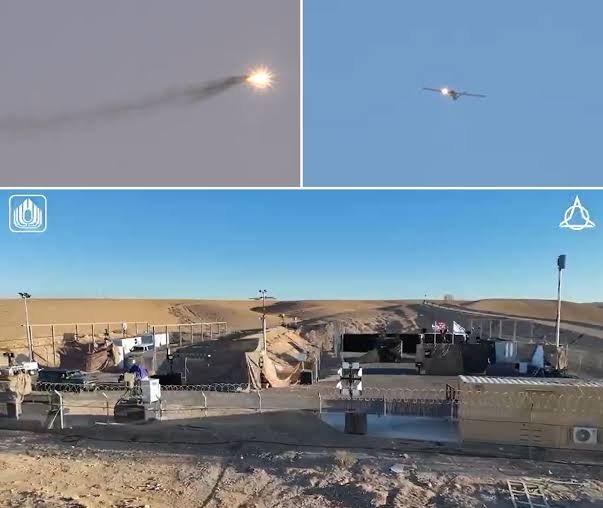 Israel and US Test 20 Counter-Drone Systems in First Joint Trials on Israeli Soil
-
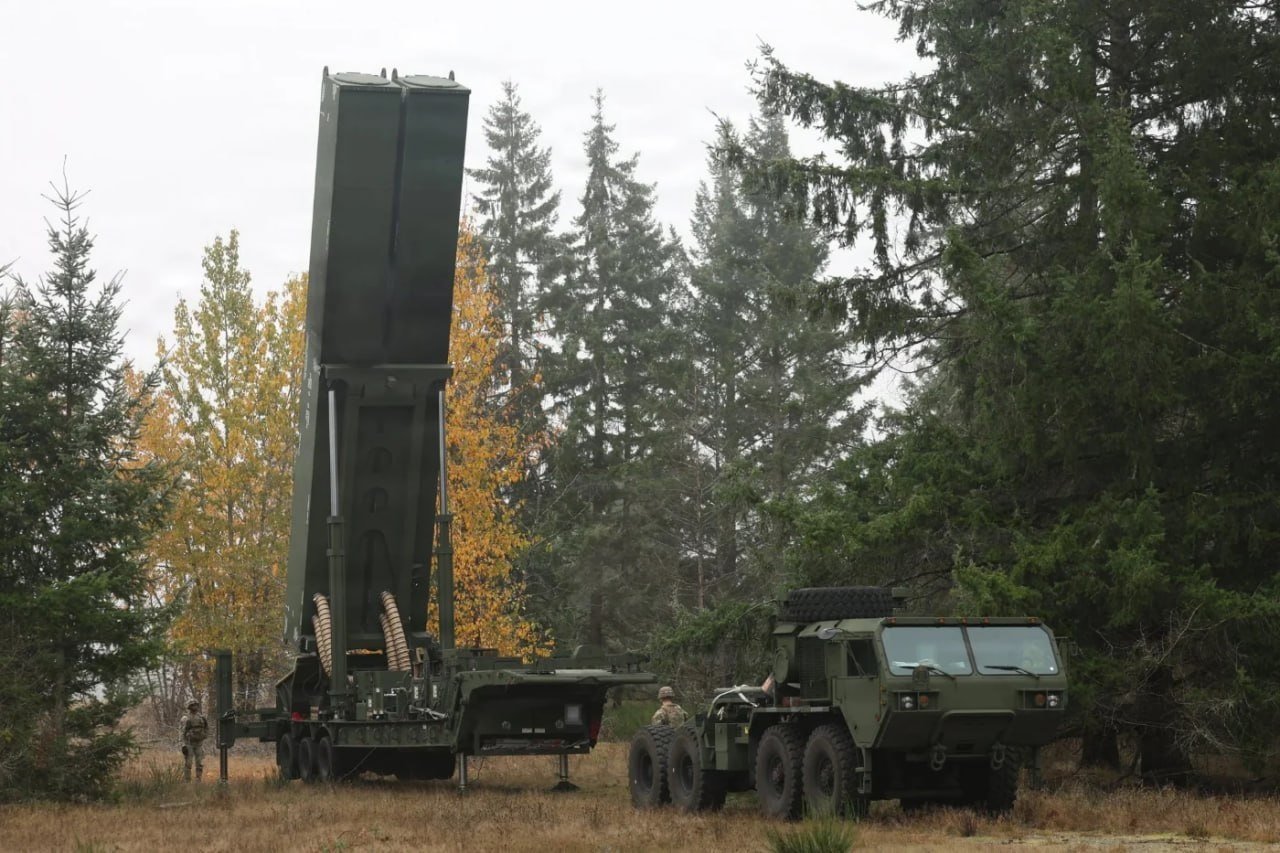 U.S. Army Declares First Dark Eagle Hypersonic Missile Battery Ready for Combat Deployment
-
 India's SiGaN Validates First 20-Watt GaN RF Power Amplifier, Opens Commercial Orders
-
 Europe Opens Largest Satellite Factory in Belgium to Build Starlink Alternative
-
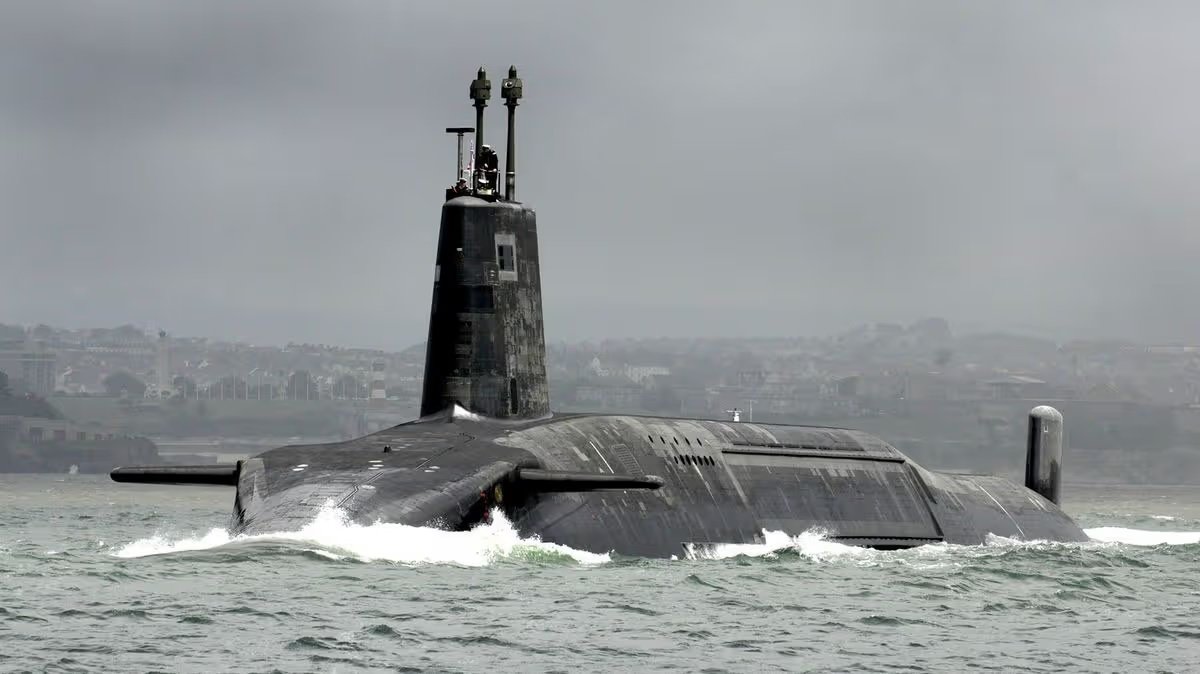 Babcock Signs Record £8.7 Billion Deal to Support UK Nuclear Submarine Fleet
-
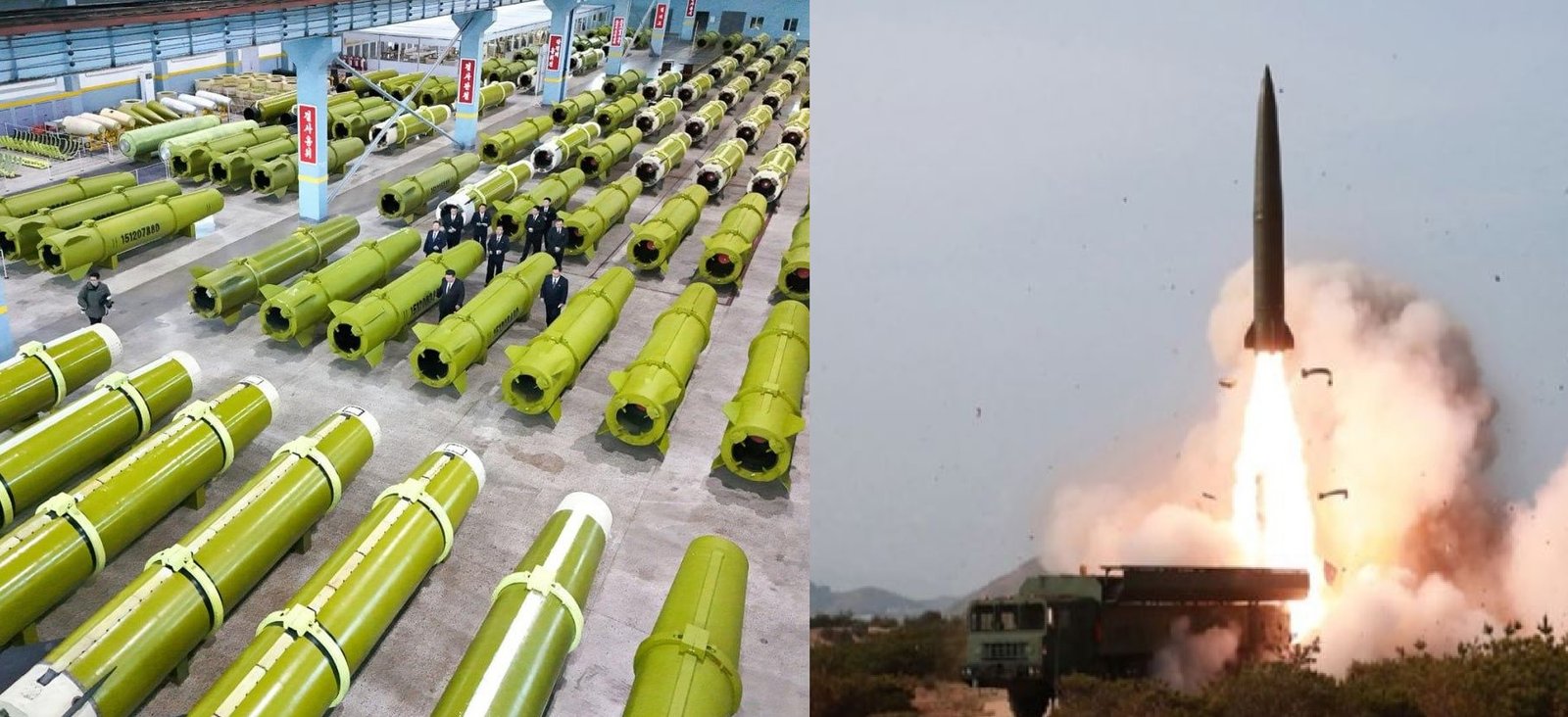 North Korea Suspends KN-23 Missile and Artillery Deliveries to Russia Amid Diplomatic Tensions
-
 US Considers Reciprocal Restrictions on Foreign Satellite Operators Amid Europe Spectrum Dispute
-
 BAE Systems Delivers 1,500 F-35 Electronic Warfare Systems, Begins Block 4 Shipments
Top Trending in 4 Days
-
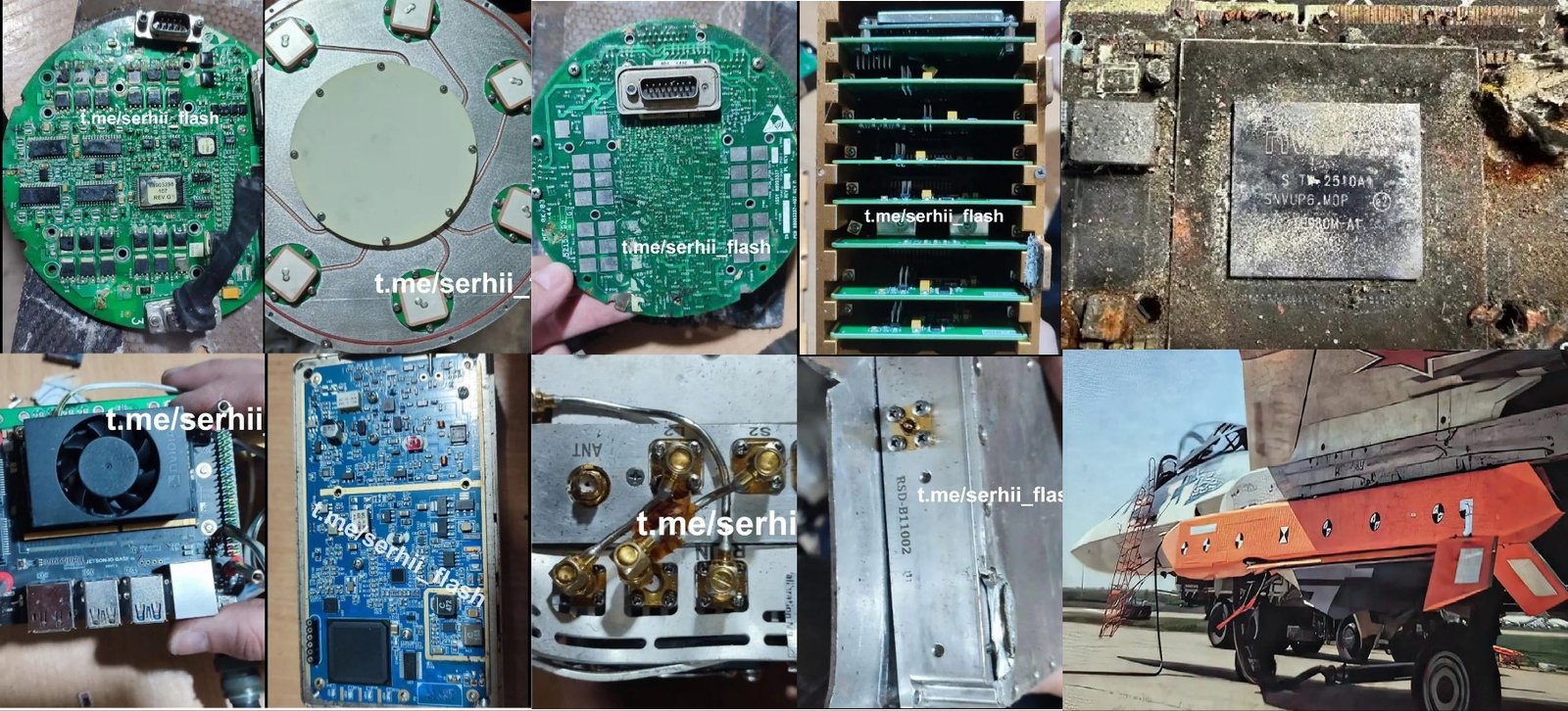 Russian Drones and Cruise Missiles Found Using Civilian NVIDIA AI Chips in Ukraine
-
 Western Intelligence Warns Russia Could Launch Nuclear-Armed Satellite as Early as December
-
 NASA Suspends Science Operations on Perseverance Rover and Mars Odyssey After Hardware Failures
-
 Ukraine’s Blysk Laser Air Defence System Shoots Down Russian Jet-Powered Geran Drone
-
 Ukraine Strikes Five Russian Warplanes, Including Three Kinzhal-Capable MiG-31s at Savasleyka Airbase
-
Israel and US Test 20 Counter-Drone Systems in First Joint Trials on Israeli Soil
-
 Chinese Military Warns U.S. AI Could Threaten China’s Nuclear Missile Survivability
-
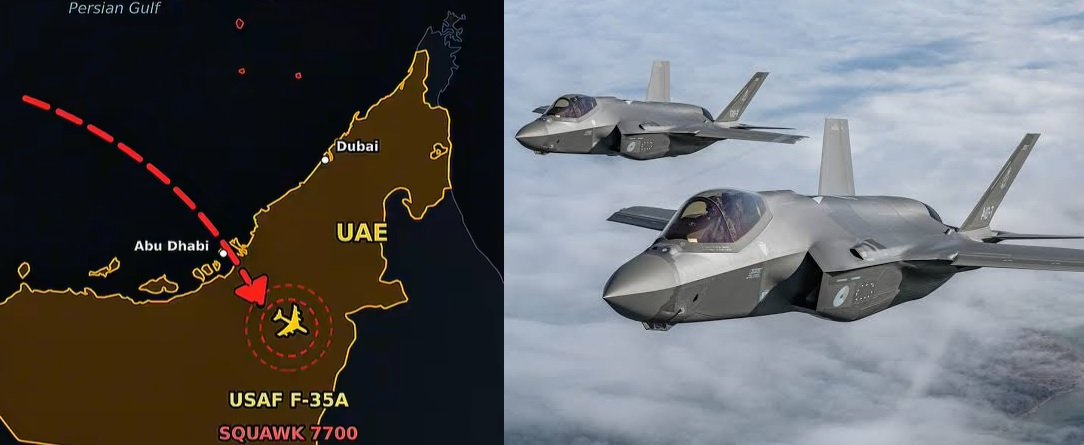 US Air Force F-35A Declares Emergency Over UAE, Flight Tracking Shows Diversion Toward Al Dhafra