
World
Turkish defense technology leader ASELSAN has taken a major step forward in protecting aircraft from modern missile threats with the successful live-fire testing of its YILDIRIM 100 Directed Infrared Countermeasure (DIRCM) system. During the test, the system effectively neutralized incoming infrared-guided missiles equipped with live warheads, marking a milestone in Turkey’s indigenous aerospace defense capabilities. The YILDIRIM 100 is an advanced laser-based defense system designed to shield both rotary-wing and fixed-wing aircraft from heat-seeking missile attacks. It works by using precision multi-band laser beams to “blind” or confuse the guidance systems of incoming missiles, causing them to veer off course before impact. In the recent trial, the system demonstrated this exact capability with pinpoint effectiveness, showing it can deliver real-time, high-speed protection in combat environments. At the heart of YILDIRIM 100 is a dual-turret architecture that provides 360-degree coverage. It is integrated with advanced electro-optical sensors, missile warning receivers, and a highly responsive control system that allows it to detect, track, and engage multiple threats simultaneously. The system communicates seamlessly with a host aircraft’s onboard sensors, enabling automatic threat analysis and reaction without requiring pilot intervention—a crucial advantage in high-stress combat situations. Another major benefit is its low energy consumption and compact design, allowing easy integration into various aircraft without compromising performance or mobility. ASELSAN has emphasized its broad platform compatibility, making the YILDIRIM 100 suitable for use on helicopters, transport aircraft, and possibly even unmanned aerial vehicles (UAVs) in the future. The system’s successful demonstration not only enhances the Turkish Armed Forces' air survivability but also places Türkiye in a select group of nations with proven DIRCM technology. Countries with such capabilities can protect valuable airborne assets—like troop carriers, surveillance planes, or VIP transport aircraft—from the growing global threat of portable anti-aircraft missiles (MANPADS). Ahmet Akyol, President and CEO of ASELSAN, said the successful test reflects both technological maturity and national pride. “With the successful test of YILDIRIM 100, we take great pride in advancing our country’s air defence capabilities to the level of the world’s leading nations,” he remarked. He also noted that this achievement is especially significant as ASELSAN celebrates its 50th anniversary, underscoring its decades-long commitment to innovation and self-reliance in defense technology. As modern warfare increasingly involves asymmetric threats and portable missile systems, the development and deployment of DIRCM systems like YILDIRIM 100 are expected to become essential for safeguarding critical military and civilian aircraft in conflict zones. ASELSAN’s latest success may also open new doors for international defense exports, especially to allies seeking proven countermeasure solutions.
Read More → Posted on 2025-07-05 14:36:28
World
In a startling revelation, former CIA counterterrorism officer and whistleblower John Kiriakou has claimed that Pakistan’s nuclear command and control has been quietly placed under the supervision of an American general. This extraordinary claim surfaced in the aftermath of India’s precision missile strikes under Operation Sindoor, which reportedly left sensitive Pakistani military assets — including the Nur Khan Airbase — severely damaged. While this claim remains unverified by official U.S. or Pakistani sources, it has sparked intense debate within security circles about the state of Pakistan’s nuclear deterrent and the strategic shifts unfolding in South Asia. What Did Kiriakou Say? Speaking in a recent public interview, John Kiriakou remarked: “The command and control of Pakistan’s nuclear arsenal is now under the authority of an American general, assigned at the request of the Pakistani government itself.” The former CIA officer suggested that concerns about the security of Pakistan’s nuclear weapons, especially after India’s unprecedented air and missile raids, forced Islamabad to hand over operational oversight to a U.S. official as a stabilizing measure. Operation Sindoor: India’s Calculated Strike Operation Sindoor, launched by India in May 2025, targeted high-value Pakistani military installations, terror camps, and strategic infrastructure inside Pakistan-occupied Kashmir and Punjab province. One of the most critical targets struck was the Nur Khan Airbase near Islamabad — a facility known for hosting Pakistan’s Strategic Plans Division, the nerve center responsible for its nuclear weapons’ storage and command systems. Post-strike satellite images revealed substantial damage to the airbase’s runways, hangars, and key operational centers. While Pakistan initially downplayed the extent of the damage, leaked reports indicated that the strikes had disrupted the country’s nuclear command chain for a brief period. No Nuclear Breach, But Serious Alarm Following the operation: The International Atomic Energy Agency (IAEA) confirmed that no nuclear material had leaked, nor were any nuclear facilities breached during the Indian strikes. However, regional and international intelligence agencies grew concerned about the security and command continuity of Pakistan’s nuclear arsenal, given the proximity of the strikes to strategic command centers. This environment of uncertainty may have prompted Islamabad to quietly involve the U.S. in safeguarding its nuclear assets, if Kiriakou’s claims hold weight. American Boots in Command? According to Kiriakou, a senior American military officer has been integrated into Pakistan’s nuclear command and control structure. While details remain opaque, such a development, if true, marks an unprecedented shift in South Asian nuclear politics. The United States has historically expressed deep concerns over the security of Pakistan’s nuclear weapons, especially during times of internal instability or military crises with India. Previous diplomatic cables, revealed by WikiLeaks, hinted at contingency plans involving U.S. special operations to secure Pakistani nuclear assets if necessary. Impact on India-Pakistan Deterrence Dynamics If Pakistan’s nuclear command now involves American oversight, it fundamentally alters the balance of power and deterrence in the region: India’s conventional superiority and increasing missile strike capabilities under operations like Sindoor may be emboldened. Pakistan’s nuclear deterrent, long considered an insurance policy against Indian military intervention, could be perceived as compromised or externally managed. This could also complicate Pakistan’s internal civil-military power dynamics, especially with rising nationalist sentiments wary of foreign control over national defense assets. While John Kiriakou’s claim has yet to be officially verified, it aligns with the heightened security concerns following India’s Operation Sindoor and the significant damage inflicted on Pakistan’s military infrastructure. Even without official confirmation, the mere possibility of foreign oversight on Pakistan’s nuclear command is bound to have far-reaching consequences for regional security, strategic deterrence, and diplomatic relations in South Asia. The world — and particularly India — will be watching closely.
Read More → Posted on 2025-07-04 16:23:39
World
Russia has dramatically increased the production of its most advanced battle tank, the T-90M "Proryv," as part of a broader strategy to maintain armored dominance in the ongoing Ukraine conflict and prepare for long-term confrontation with NATO. With current production now estimated at up to 300 tanks per year—five times higher than pre-war levels—Russia aims to hit an ambitious target of 1,000 units annually by 2028. This expansion, centered at the Uralvagonzavod tank plant, is backed by government investment, factory upgrades, and a focused defense industrial policy resilient to Western sanctions. The T-90M is not just a modern tank; it represents a complete rethink of Russian armored warfare, incorporating battlefield lessons from Syria and Ukraine. Compared to its older T-90 variants, the Proryv features a new 125mm 2A82-1M gun, digital fire control, modern optics, advanced battlefield networking, and heavily reinforced armor. Its Relikt explosive reactive armor (ERA) system, which replaces the older Kontakt-5, offers improved protection against tandem warheads and armor-piercing rounds. The tank also includes additional cage (slat) armor and counter-drone measures to survive modern threats like loitering munitions and FPV drones. What makes the T-90M stand out is how it blends combat effectiveness with mass production. Russia's vertically integrated manufacturing allows Uralvagonzavod to maintain steady production despite supply-chain restrictions. Unlike Western countries that depend on transnational suppliers and long lead times, Russia builds most tank components domestically, from casted armor hulls to fire-control computers. This makes rapid production scale-ups possible even under heavy sanctions. On the battlefield, the T-90M has demonstrated high survivability and firepower in support and breakthrough operations. While Russia has lost over 3,000 tanks in the war so far, the steady flow of new T-90Ms—an estimated 540 to 630 built since 2022—has helped refill frontline stocks. Around 130 of these have been confirmed destroyed, meaning roughly 500 are still active or in reserve. As Russia adapts to new battlefield threats, each new batch of T-90Ms includes incremental upgrades, like electronic warfare systems to jam drone signals and advanced smoke screens to evade top-attack missiles. How the T-90M Stands Against Western Tanks When compared to NATO-standard tanks like the American M1 Abrams or British Challenger 2, the T-90M holds its ground in surprising ways, especially in the conditions seen on Ukrainian soil: Survivability: The T-90M features Relikt ERA, cage armor, and active countermeasures that increase its chances against modern threats like Javelin missiles and drone strikes. In contrast, Abrams tanks supplied to Ukraine lack Trophy active protection systems, making them more vulnerable. Firepower: With its new-generation 125mm smoothbore gun and autoloader system, the T-90M can fire a wide range of munitions—including guided missiles—at high speed. Western tanks often rely on manual loading, requiring a fourth crew member and limiting rate of fire. Mobility and Crew Efficiency: Weighing less than an Abrams, the T-90M has better fuel efficiency and is easier to transport and maintain, especially on muddy or soft terrain. Its three-man crew layout (thanks to the autoloader) reduces manpower needs while maintaining combat effectiveness. Combat Adaptability: The T-90M has been designed with battlefield flexibility in mind, including Arctic and steppe operations. It also integrates more tightly with Russian combined arms doctrine, pairing with infantry and artillery in coordinated assaults. This is unlike NATO doctrine, which relies heavily on air support—something Ukraine cannot always replicate. Cost and Scale: T-90Ms are significantly cheaper and faster to produce than Western tanks, making them more suitable for high-intensity conflicts where large numbers matter. While each Abrams or Challenger 2 takes months to deliver and costs millions of dollars, Russia can churn out hundreds of T-90Ms yearly for a fraction of the price. Powered by a 1,130-hp diesel engine, the T-90M can reach speeds of up to 70 km/h with a range of 550 km. Its secondary weapons include a 7.62mm coaxial machine gun and a 12.7mm remotely controlled heavy machine gun. Newer versions are also being tested with hard-kill active protection systems and drone detectors, signaling Russia’s shift toward even more survivable platforms. Strategic Implications If Russia meets its 1,000-per-year production goal by 2028, the T-90M could become a dominant force in Eurasian armored warfare. Its increasing numbers, affordability, and battlefield resilience make it a potent symbol of Russia’s military endurance. For NATO, this poses a growing challenge, especially for countries near the alliance’s eastern flank. As the war in Ukraine drags on, the T-90M is not only filling the gaps left by battlefield losses but also laying the foundation for Russia’s post-war armored strength. With each passing year, its presence on the battlefield grows—quieter than a missile, slower than a drone, but just as decisive when the breakthrough moment arrives.
Read More → Posted on 2025-07-04 15:05:34
World
In the wake of last month’s intense 12-day conflict, Iran has claimed that its large-scale missile and drone offensive seriously challenged Israel’s famed Iron Dome defense system, exposing vulnerabilities in the country’s air defense architecture. Iranian officials argue that the scale and intensity of the attack revealed that Israel’s missile shield, once thought nearly impenetrable, could be weakened by overwhelming firepower. During the early hours of the confrontation, Iran launched over 150 ballistic missiles and 350 drones toward Israeli territory in what it described as a retaliatory response to Israeli strikes on Iranian nuclear facilities. Iranian Parliament Speaker Mohammad Baqer Qalibaf stated that these attacks inflicted considerable damage on military and strategic sites inside Israel, despite American and NATO support. Qalibaf declared, “The Zionist regime received a decisive response. The Iron Dome, which was once touted as the backbone of their security, failed to provide full protection.” But the explanation behind this apparent failure lies in the limitations of Israel’s layered air defense system. Iron Dome: Effective, But Limited While the Iron Dome is a well-regarded short-range defense system designed to intercept incoming rockets, artillery shells, and mortars, it was never intended to counter long-range ballistic missiles. That task falls to Israel’s higher-tier systems — primarily the Arrow 2, Arrow 3, and David’s Sling — which are built to engage more complex, high-altitude threats such as ballistic and cruise missiles. However, the sheer volume of Iranian ballistic missiles fired at once appears to have overwhelmed even these sophisticated systems. Israeli defenses reportedly intercepted around 60% of the incoming ballistic missiles, but not without difficulty. Several made it through, striking sensitive areas and causing damage. One of the main reasons for the shortfall in interception was the limited availability of interceptor missiles, especially for Arrow 2 and Arrow 3 systems. Israeli defense planners reportedly did not anticipate an attack of such scale, particularly the simultaneous launch of hundreds of drones and long-range missiles. This created a situation where the interceptors were simply outnumbered, reducing the overall success rate. A Calculated Iranian Strategy Iran’s barrage was not just about numbers, but also about strategic planning. By launching waves of drones alongside ballistic missiles, Iran aimed to saturate Israel’s radar and missile-tracking systems, forcing them to prioritize and potentially miss some targets. Iranian officials claim that this approach allowed their missiles to penetrate deep into Israeli-held areas — something rarely achieved in previous conflicts. The offensive also served as a political statement. Tehran intended to demonstrate that Israel’s reliance on its air defense systems alone would not be enough to guarantee national security, especially in a conflict scenario without full U.S. military backing. Qalibaf warned that any future aggression by Israel would be met with an even more forceful and coordinated military response. The Bigger Picture: Escalating Tensions The 12-day war, which began on June 13 after Israeli strikes targeted Iranian nuclear sites at Fordow, Isfahan, and Natanz, came at a time when nuclear talks between the U.S. and Iran had shown signs of revival. But the conflict not only derailed those discussions but also pushed the region into a more volatile phase. The war ended on June 24 with a fragile ceasefire, but tensions remain high. A day later, Iran’s parliament voted to suspend cooperation with the International Atomic Energy Agency (IAEA), deepening the diplomatic standoff. Iranian authorities also reported that over 900 people were killed during the conflict, including civilians, nuclear scientists, and high-ranking military personnel. Iran’s claims about “nullifying” the Iron Dome may be an exaggeration, but the conflict did highlight serious challenges for Israel's air defense network in the face of a large-scale, multi-pronged missile attack. While Israel’s defense systems did prevent even greater damage, the limitations exposed during the war may push Israeli military planners to reassess stockpiles, readiness, and future strategies to deal with evolving threats. The conflict underscored a sobering reality: even the most advanced missile shields can be stretched thin when adversaries change the rules of engagement.
Read More → Posted on 2025-07-04 14:55:46
World
In a landmark demonstration that signals the future of aerial warfare, the United States Air Force has successfully advanced human-machine teaming during a live combat training flight held at Eglin Air Force Base in Florida. The exercise featured crewed fighter jets working alongside semi-autonomous drones, marking a major step in integrating artificial intelligence into battlefield operations. During the training, pilots flying an F-16C Fighting Falcon and an F-15E Strike Eagle each controlled two XQ-58A Valkyrie autonomous collaborative platforms (ACPs). These drones operated in coordination with the manned jets in a simulated air combat environment, showcasing how future missions could be executed by mixed teams of humans and machines. The XQ-58A Valkyrie, developed by Kratos Defense, is a low-cost, high-performance unmanned aircraft system (UAS) designed to act as a wingman to manned combat aircraft. It can perform multiple roles such as scouting, electronic warfare, and even precision strikes—without risking a pilot’s life. The Valkyrie is capable of flying at high subsonic speeds, with a range of up to 3,000 nautical miles, and can carry a mix of payloads depending on mission requirements. This exercise demonstrated real-time collaboration between pilots and drones, emphasizing the strategic value of autonomous systems that can operate in dangerous airspaces, make mission-based decisions, and adapt to dynamic threats. While the drones flew semi-independently, the pilots retained ultimate control, allowing for ethical oversight and mission flexibility. The project was supported by the Rapid Defense Experimentation Reserve (RDER) program, under the Office of the Undersecretary of Defense for Research and Engineering. It was a joint mission involving the Air Force Research Laboratory (AFRL), Air Combat Command, Air Force Test Center, and even the U.S. Navy—showing how cross-service cooperation is shaping the next era of defense technology. According to Gen. Ken Wilsbach, commander of Air Combat Command, this flight was not just a test of new aircraft, but of a new strategy. "We are committed to integrating ACPs through these kinds of demanding, operator-driven evaluations that allow us to learn rapidly and enhance our human-machine teams," he said. The Air Force envisions a future where drones like the Valkyrie fly ahead of manned fighters, scout enemy positions, jam radar systems, or even draw fire—preserving the safety of pilots while expanding combat effectiveness. These unmanned systems can be rapidly upgraded with new software or mission-specific modules, adding significant adaptability to the U.S. Air Force’s operational toolset. Brig Gen. Jason Bartolomei, commander of AFRL, emphasized that this test flight marks a critical turning point: “By developing and integrating autonomous platforms with manned systems, we can quickly adapt, increase combat effectiveness, and reduce risk to our aircrews in contested environments.” As future air battles become faster and more complex, human-machine teaming will allow pilots to focus on strategic decisions while autonomous drones handle tactical execution. With insights from this exercise, the Air Force plans to refine its drone platforms and command systems, paving the way for next-generation air dominance. The Air Force Research Laboratory, which leads scientific and technological development for the service, remains at the center of this innovation. Its mission—to turn cutting-edge science into battlefield-ready capabilities—is proving vital as the U.S. prepares for the challenges of modern, contested airspaces.
Read More → Posted on 2025-07-04 14:39:44
World
China has successfully tested its advanced Feitian 2 hypersonic missile system in a breakthrough that could redefine the future of missile and aerospace technology. Conducted in northwestern China, this test marked a significant milestone in hypersonic flight as the vehicle demonstrated its ability to autonomously switch propulsion modes mid-flight—an engineering feat that very few nations have achieved so far. Feitian 2 is developed by Northwestern Polytechnical University in collaboration with the Shaanxi Province Aerospace and Astronautics Propulsion Research Institute. It builds on the legacy of the earlier Feitian 1, which was flight-tested in July 2022. However, Feitian 2 goes a step further by introducing more advanced design features, propulsion flexibility, and flight autonomy. A Closer Look at the Technology Behind Feitian 2 What makes Feitian 2 stand out is its rocket-based combined cycle (RBCC) engine. This hybrid propulsion system can operate in multiple modes depending on the speed and altitude of the vehicle. It starts in ejector mode, using onboard rocket engines to lift off and accelerate. Once it reaches the right speed, it transitions into ramjet mode, which uses oxygen from the atmosphere for combustion instead of carrying heavy oxidizers onboard. This switch—done mid-air during high-speed flight—is extremely challenging and rarely accomplished in real-world tests. The engine is powered by a mix of kerosene and hydrogen peroxide, unlike many other hypersonic systems that use cryogenic fuels like liquid oxygen or liquid hydrogen. This makes Feitian 2 safer and easier to handle. Kerosene is denser and more stable at room temperature, while hydrogen peroxide acts as an oxidizer that reduces overall system weight and complexity. The result is a more practical propulsion system with fewer logistical challenges. Another key technical innovation is variable-geometry air intake, which adjusts airflow into the engine in real time. This allows Feitian 2 to perform efficiently at various speeds and altitudes—an essential feature for hypersonic systems traveling at speeds above Mach 5 (five times the speed of sound). Design and Performance Upgrades Compared to Feitian 1, the Feitian 2 features larger tail fins and new wing structures near the front end, enhancing its aerodynamic stability and maneuverability. These changes are especially important for long-distance, high-speed flight where control becomes increasingly difficult due to air resistance and temperature extremes. The test flight also confirmed that Feitian 2 can operate fully autonomously. It made adjustments to its angle of attack—how the vehicle is angled against incoming air—on its own, based on real-time environmental conditions and mission requirements. This level of smart flight control is critical for both military and scientific hypersonic missions in the future. Why This Matters Feitian 2’s success is not just about speed; it’s about versatility, survivability, and independence in propulsion. Its ability to use air-breathing engines partway through flight significantly improves fuel efficiency and reduces the burden of carrying large amounts of oxidizer. This allows for longer-range missions or lighter payloads—advantages that can be critical in both defense and space exploration. From a strategic perspective, this test positions China among the leaders in hypersonic technology. The RBCC engine and autonomous control systems could eventually be used for a range of military applications, such as high-speed strike weapons or rapid-reaction surveillance drones. On the civilian side, it opens the door to future technologies like ultra-fast point-to-point transport and atmospheric research vehicles. As nations race to master hypersonic flight, Feitian 2 proves that China is not only keeping pace—but also innovating with unique, potentially game-changing solutions.
Read More → Posted on 2025-07-03 16:17:49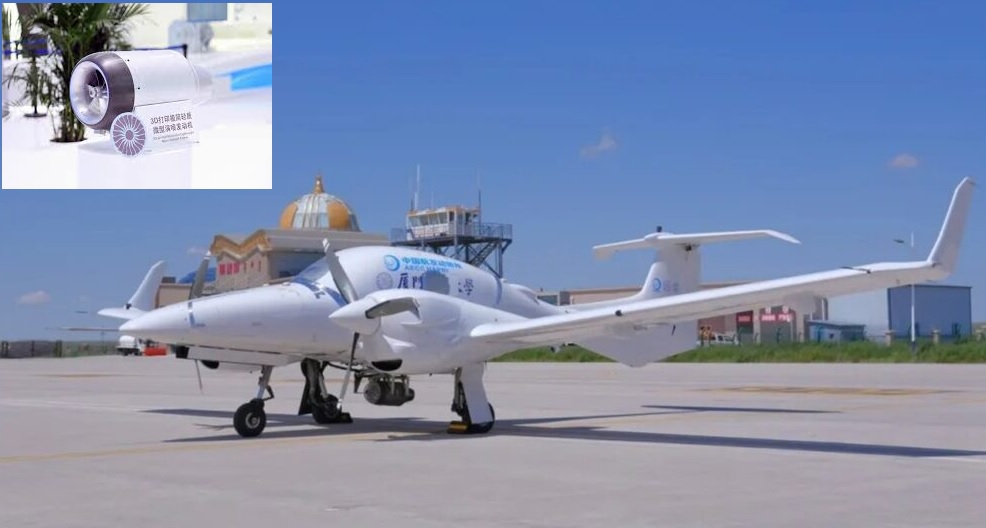
World
In a breakthrough for aerospace engineering, China has successfully carried out the maiden flight of its first fully 3D-printed turbojet engine, marking a major milestone in the country's push toward advanced aviation technology. The test flight took place in Inner Mongolia and saw the miniature engine soar to an altitude of 4,000 meters, confirming its stability and performance under real flying conditions. Developed by the Aero Engine Corporation of China (AECC), this compact turbojet belongs to the 160-kilogram thrust class and is entirely built using 3D printing technology combined with a sophisticated design method known as multi-disciplinary topology optimization. This is the first time China has manufactured an entire engine using these advanced techniques, and it fills a critical domestic gap in the application of additive manufacturing for full-scale jet propulsion systems. What sets this engine apart is its use of topology optimization—a design method that focuses on arranging material within a structure in the most efficient way possible. When paired with 3D printing, this approach allows engineers to create extremely lightweight and compact components without compromising strength or performance. As a result, the turbojet achieves a high thrust-to-weight ratio, making it ideal for unmanned aerial vehicles such as advanced strike drones, reconnaissance platforms, and lightweight cruise missiles. The AECC stated that the engine’s successful flight represents more than just a proof of concept. It demonstrates the reliability of 3D-printed components in harsh operating environments, as the engine had already passed extensive ground-based testing before being cleared for airborne trials. These included checks on thrust, temperature resilience, durability, and long-term reliability—all essential to confirming its readiness for real-world applications. The engine is not only ultra-lightweight but also benefits from faster production times, reduced manufacturing costs, and less reliance on complex supply chains that often depend on traditional casting, forging, and machining processes. This could help China rapidly scale up development and deployment of cutting-edge aerial platforms without being slowed by supply chain bottlenecks or foreign restrictions. This technological leap could also reshape China’s military and commercial drone sectors. Lighter engines with improved performance open doors for longer flight ranges, higher payloads, and more complex missions—particularly for high-speed UAVs used in surveillance or precision strikes. AECC described the flight as a foundational step toward future engine development programs and a clear indication that China is moving closer to self-reliance in next-generation propulsion technologies. With this achievement, China joins a select group of nations experimenting with additive manufacturing at the full-engine level, potentially speeding up innovation cycles and setting new benchmarks for aerospace design in the years ahead.
Read More → Posted on 2025-07-03 14:52:05
World
The U.S. Air Force is moving forward with a comprehensive plan to upgrade its fleet of F-22 Raptor stealth fighters, aiming to keep the aircraft combat-ready and technologically superior well into the future. As part of the Pentagon's 2026 fiscal year budget proposal, $90.34 million has been allocated for a series of major enhancements designed to modernize the F-22’s capabilities in line with current and emerging threats. The F-22 Raptor, known for its unmatched air dominance, stealth features, and supermaneuverability, remains one of the most advanced fighter aircraft in the world. However, with evolving warfare technology and new generation threats, the Air Force intends to equip the Raptor with next-level systems that will extend its relevance on the battlefield. One of the key additions is the Infrared Defensive System (IRDS), which will improve the aircraft’s survivability by allowing it to detect and respond to heat-seeking missile threats. This is particularly important in environments where stealth aircraft may still face detection from infrared sensors. The upgrade plan also includes improvements to the Low Observable (LO) features of the F-22, which are responsible for its radar-evading stealth profile. This means refinements to the aircraft’s coating, shape, and materials to stay ahead of radar advancements. A major technological leap will come with the enhancement of the radar system, which will now include a dynamic Synthetic Aperture Radar (SAR) capability. SAR allows the aircraft to generate high-resolution ground imagery from the air, even through clouds or darkness, enabling it to identify ground targets more precisely. In terms of offensive and situational awareness capabilities, the Air Force plans to integrate an Infrared Search and Track (IRST) system, known as TacIRST. This passive sensor enables the F-22 to silently detect and track enemy aircraft by their heat signatures, without using radar—giving it a decisive advantage in stealth engagements. Pilots will also benefit from a redesigned Pilot Vehicle Interface (PVI), which includes updated cockpit displays, control systems, and human-machine interaction tools. To complement this, the Air Force has partnered with LIFT Airborne Technologies to develop the Next Generation Fixed Wing Helmet (NGFWH)—a state-of-the-art helmet that enhances situational awareness and supports integration with future systems. Another significant advancement is the development of stealth-compatible external fuel tanks. These are designed to extend the aircraft’s range without compromising its radar signature, allowing the F-22 to operate deeper into contested airspace. Currently, the U.S. Air Force operates 185 F-22 Raptors, but only 143 of these are combat-coded and ready for deployment. The rest are used for training, testing, or are undergoing maintenance. The modernization project is essential not only to maintain the operational readiness of the combat fleet but also to ensure that the F-22 remains a formidable air superiority platform in the years to come. Although the F-22 program was officially closed for new production in 2011, the U.S. Air Force is determined to maximize the performance and relevance of its existing Raptors as new-generation aircraft like the NGAD (Next Generation Air Dominance) fighter continue development. This modernization reflects a broader U.S. defense strategy that emphasizes upgrading existing platforms with cutting-edge technology to meet near-peer threats—particularly in an era of rapid advancements by adversaries like China and Russia. The upgraded F-22 will continue to play a crucial role in U.S. air superiority missions, deterrence, and global power projection.
Read More → Posted on 2025-07-03 14:40:26
World
In a major leap for global security and satellite intelligence, Maxar Technologies has introduced a powerful new system named “Sentry” — an advanced AI-driven global monitoring platform designed to detect potential threats before they unfold. The system is being hailed as a game-changer for defense forces, security agencies, and decision-makers who rely on rapid, reliable intelligence. What is Sentry? Sentry is Maxar’s latest innovation in space-based surveillance technology. It combines live satellite imagery with decades of archived geographic data, processed through artificial intelligence, to provide what the company calls “predictive intelligence.” This means it doesn’t just show what’s happening now — it anticipates what could happen next. As global threats become more unpredictable, from military conflicts to maritime security issues, Sentry offers early warning alerts that could give governments and organizations a valuable advantage. Two Specialised Monitoring Tools Maxar’s Sentry platform comes in two mission-specific modules: Site Sentry:This module monitors key locations on land and sea, such as airports, ports, military bases, oil refineries, urban centers, and critical infrastructure. It continuously scans these areas and flags any abnormal activity like sudden troop build-ups, unusual vehicle convoys, or operational disruptions. Maritime Sentry:This tool focuses on the world’s oceans, providing real-time tracking of thousands of square kilometers of open waters. It monitors the movements of vessels, cargo ships, naval assets, and suspicious maritime gatherings, helping authorities detect potential threats or illegal activity at sea. How Sentry Works The strength of Sentry lies in how it gathers and processes data: Automated Satellite Coordination:The system automatically orchestrates data collection from multiple satellites, including optical, radar, and infrared sensors. This ensures continuous monitoring of hundreds of global sites and vast sea regions at once. Data Fusion and Time Synchronisation:The incoming data is combined into a single, time-aligned dataset, providing a comprehensive and clear picture of what’s happening on the ground and at sea. This allows for fast, large-scale analysis without conflicting data. AI-Powered Threat Detection:Using advanced AI and machine learning models, Sentry compares real-time data against Maxar’s massive 250-petabyte archive of satellite imagery. The system looks for patterns and anomalies — such as sudden military deployments, new structures, or unexpected ship gatherings — and flags them for immediate attention. Why This Matters Maxar CEO Dan Smoot said the launch of Sentry was driven by growing demand from defense and security customers who now need broader, faster, and more predictive monitoring tools. “For many of our customers, it’s no longer enough to deliver persistent monitoring of just one or two sites or limited geographies,” Smoot explained. Sentry has been described as a “mini intelligence agency” in itself, offering decision-makers what Maxar calls “unparalleled decision superiority” — the ability to act ahead of a developing threat, rather than just reacting to it. Final Thoughts As tensions rise in various parts of the world and as security risks evolve quickly, systems like Maxar’s Sentry could play a vital role in shaping the future of intelligence gathering. By blending AI, decades of satellite data, and advanced analytics, Sentry isn’t just watching the world — it’s predicting its next moves.
Read More → Posted on 2025-07-03 14:29:42
World
In a bold step toward reshaping modern warfare, California-based defense tech firm Mach Industries has revealed its newest weapon — the Viper kamikaze drone. This AI-guided unmanned system promises to deliver precision strikes with the range of a missile, the speed of a cruise weapon, and the cost-effectiveness of a tactical drone — all in a compact, highly mobile platform. Viper's Combat Edge Designed with lessons from the Russia-Ukraine conflict in mind, Viper is built to give frontline units a long-reach strike option traditionally limited to much larger, more expensive missile systems. The drone can strike targets up to 290 kilometers (180 miles) away — a range on par with the U.S. Army’s ATACMS (Army Tactical Missile System) — delivering a powerful 10-kilogram (22-pound) warhead at high-subsonic speed. It blends the functionality of a loitering munition with the performance characteristics of a cruise missile, enabling commanders to destroy high-value targets like artillery batteries, air defense systems, radar arrays, or logistics nodes from a safe distance. Vertical Launch, AI Navigation, and GPS Independence One of Viper’s standout features is its vertical takeoff capability, allowing it to be launched from unprepared or rugged terrain without the need for runways or launchers. This makes it ideal for fast-moving units operating in unpredictable environments. The drone is equipped with artificial intelligence navigation and multi-band radio frequency (RF) guidance systems, making it capable of functioning in GPS-denied environments — a crucial feature in modern electronic warfare where GPS jamming is common. While its resilience against advanced electronic warfare is still under evaluation, its design clearly emphasizes autonomy and survivability. Speed, Survivability, and Cost Compared to systems like Israel’s Hero-120 or Russia’s KUB-BLA, Viper offers a significant upgrade in range, flight speed, and standoff survivability, enabling it to strike without exposing friendly units to counterattacks. Even more compelling is the cost-efficiency: at under $100,000 per unit, Viper delivers the destructive effect of multi-million-dollar missiles like ATACMS at a fraction of the cost. This affordability opens the door to mass deployment, enabling military forces to saturate the battlefield with precision drones rather than relying solely on limited high-end assets. Fast-Tracked for Combat Mach Industries, backed by private investors and support from the U.S. Army, has taken a rapid prototyping approach to development. Close collaboration with operational users and quick integration of battlefield feedback have allowed the company to accelerate both production scaling and flight testing of the system. This approach positions Viper as a ready-to-field option for future conflicts — especially in theaters where flexible, long-range, and cost-effective precision strike tools are in high demand. The Viper drone represents a significant evolution in drone warfare — combining the agility of unmanned systems with the punch and reach of tactical missiles. As nations race to adapt to drone-centric battlefields, Viper could emerge as a key player in shifting how wars are fought, offering firepower once reserved for large missile systems to small tactical units on the move.
Read More → Posted on 2025-07-02 16:19:51
World
Japan continues its rapid naval modernization by launching the eleventh Mogami-class multirole frigate, named JS Tatsuta (FFM-11), on July 2 at Mitsubishi Heavy Industries' Nagasaki Shipyard. The launch is part of Tokyo’s strategic push to reinforce its maritime defense capabilities against growing regional threats from China and Russia in the East China Sea and broader Indo-Pacific. The JS Tatsuta is the latest in a planned fleet of 12 compact but heavily armed frigates being built for the Japan Maritime Self-Defense Force (JMSDF). These warships are being designed for high-speed deployment, multi-role capability, and cost-efficiency—all critical in defending Japan’s remote southwestern island chain and maintaining control over contested areas such as the Senkaku Islands. The ship is named after the Tatsuta River in Nara Prefecture, following the JMSDF tradition of naming the Mogami-class ships after Japan’s Class A rivers. The Tatsuta is the third naval vessel in Japanese history to carry the name. Technical Features of the JS Tatsuta (FFM-11) The Mogami-class ships represent Japan’s first implementation of a Combined Diesel and Gas (CODAG) propulsion system, blending fuel efficiency with high performance. The Tatsuta is powered by: 2× MAN 12V28/33D STC diesel engines 1× Rolls-Royce MT30 gas turbine This advanced propulsion allows the 3,900-tonne ship to reach speeds exceeding 30 knots, making it one of the fastest ships in its class. Key dimensions and features include: Length: 133 meters Beam: 16.3 meters Draught: 9 meters Crew: Approx. 90 personnel Estimated cost: ¥58.3 billion (about $406 million USD) Expected commissioning: By the end of fiscal year 2026 Armament and Sensor Suite Despite its relatively compact size, the JS Tatsuta is equipped with an impressive array of weapons and electronic systems, giving it formidable capability across surface, subsurface, and aerial domains: 1× BAE Systems 127mm Mk 45 Mod 4 naval gun 2× 12.7mm Remote Weapon Stations 16-cell Mk 41 Vertical Launch System (VLS) for surface-to-air and anti-submarine missiles 1× Raytheon SeaRAM close-in defense system 2× 4-tube MHI Type 17 (SSM-2) anti-ship missile launchers Mitsubishi OPY-2 multifunction radar and OAX-3 EO/IR sensors Hitachi OQQ-11 anti-mine sonar NEC OQQ-25 towed sonar for anti-submarine warfare UUV (OZZ-5) and USV (JMU Defense) for mine countermeasures Sea mines for offensive mining The ship's design supports a wide range of missions including maritime patrol, mine warfare, anti-submarine warfare (ASW), and surface strike—all with a reduced crew size, thanks to automation. Strategic Importance and Australian Frigate Bid With tensions escalating in the Indo-Pacific, especially around Taiwan and the East China Sea, Japan is enhancing patrols and surveillance along its southwestern island chain that stretches over 1,200 kilometers. China’s naval build-up and joint drills with Russia have only intensified Tokyo’s focus on rapid naval expansion. Interestingly, the Mogami-class is also making waves abroad. Mitsubishi Heavy Industries has offered an upgraded version of the Mogami-class, referred to as the “New FFM,” for Australia’s SEA3000 General-Purpose Frigate program. Japan and Germany’s TKMS (offering the MEKO A-200) are currently the final two contenders. Australia is expected to choose a design by the end of 2025, with the first ships built in either Japan or Germany and the remaining constructed in Western Australia. Japan sees this as a key strategic partnership, not just a business deal, and hopes to use the opportunity to deepen military-industrial ties with Canberra. If selected, it would be Japan’s first major defense export of a surface combatant and a landmark moment for its re-emerging role in global defense cooperation. With the Tatsuta now afloat, and one final Mogami-class frigate yet to be launched, Japan is nearing the completion of one of its most ambitious naval programs in decades. As the region faces mounting security challenges, these agile, heavily armed ships are set to play a central role in maintaining peace and deterrence in the Indo-Pacific.
Read More → Posted on 2025-07-02 16:00:47
World
China has taken another major step forward in its drone warfare program by successfully conducting a live-fire test of an armed unmanned helicopter. The trial was led by Sichuan-based Tengden Technology, which announced that the missile strike was carried out by its first-ever female unmanned helicopter operator, Cheng Sijia. The test was part of a larger series of payload trials conducted in late June and aimed to verify the operational capability of Tengden’s vertical takeoff and landing (VTOL) drone platform under real-world conditions. A Historic Mission for China’s Drone Program According to the company, the mission was carefully planned and executed in close coordination with several Chinese defense partners. The armed drone, capable of taking off and landing like a helicopter without a runway, successfully launched a light-class air-to-surface missile during the test. The missile accurately struck its designated target, destroying it on impact and drawing cheers from the ground crew. This event marked a major milestone, not just for China’s growing unmanned weapons program, but also for gender representation in the country’s defense technology sector. Cheng Sijia, who operated the drone remotely, became the first woman in China to command an unmanned helicopter combat mission involving live ammunition. How the Test Was Carried Out The test took place at dawn on July 1, coinciding with the anniversary of the founding of the Chinese Communist Party. Cheng remotely piloted the aircraft toward the target zone. Upon receiving confirmation to proceed, she entered the attack corridor, locked onto the target, and launched the missile — completing a successful strike. Tengden described the test as a demonstration of both the reliability of its unmanned helicopter system and the growing role of women in China’s modern defense initiatives. Company reports highlight that Cheng, who joined Tengden as ground staff in 2023, earned her position through a competitive selection process and intense technical training. Unmanned Helicopter Drones: A New Battlefield Asset While details about the specific drone model and missile type remain undisclosed, images and footage from the test show a vertical takeoff platform performing an air-to-surface missile launch with notable precision. Armed unmanned helicopters like this one are expected to play a vital role in modern warfare. They can be deployed for: Tactical strikes Reconnaissance and surveillance Border security Rapid-response missions in complex terrain Their ability to operate without risking a human pilot and land in tight or challenging environments makes them valuable assets for both military and law enforcement agencies. China’s Growing Focus on Unmanned Combat Systems This latest success is part of China’s broader strategy to expand its unmanned systems capabilities. The country already operates several combat and surveillance drones and is now actively developing armed rotor-wing platforms for more flexible battlefield roles. Though no timeline has been provided for when Tengden’s armed helicopter drone will enter production or frontline service, experts believe this successful test moves it a step closer to operational deployment. The platform could strengthen China’s ability to conduct precision strikes, border operations, and anti-terror missions in the years ahead. A New Era for Women in China’s Defense Sector Beyond the technical achievement, the mission highlighted the growing participation of women in China’s defense and aerospace industries. Cheng Sijia, speaking after the test, expressed her commitment to furthering her skills and proving the value of women in roles traditionally dominated by men. “I will continue working hard, making breakthroughs, and showing the world the capabilities of women in China’s new era,” she said. China’s successful test of a missile-armed unmanned helicopter drone not only enhances its military drone capabilities but also signals progress in integrating female talent into its defense technology sector. As the global race for unmanned combat systems intensifies, this achievement positions China to play a leading role in shaping the future of aerial warfare.
Read More → Posted on 2025-07-02 15:54:39
World
China appears to be on the verge of achieving a landmark milestone in space technology — the world’s first satellite-to-satellite refuelling operation in geostationary orbit. On Monday, two Chinese spacecraft, Shijian-21 and Shijian-25, came into extremely close proximity, suggesting an imminent attempt at autonomous docking and fuel transfer. According to Swiss space surveillance firm s2a Systems, the two satellites — orbiting at an altitude of 35,786 km (22,236 miles) above the equator — have been closing in on each other for days. New tracking images showed them so close that they appeared as a single object, indicating that a docking or refuelling operation may soon take place. What Are These Satellites? Shijian-25: Launched in January 2024, this satellite was specifically designed to test on-orbit refuelling and satellite life-extension technologies. Its mission is to demonstrate how satellites already in orbit can be serviced and their lifespan extended, helping reduce costs and address the growing issue of space debris. Shijian-21: Launched in 2021, it made headlines in 2022 after using its onboard thrusters to move a defunct BeiDou navigation satellite out of operational orbit into a “graveyard orbit,” showcasing China’s capabilities in space debris management. Both satellites were developed by the Shanghai Academy of Spaceflight Technology, part of the China Aerospace Science and Technology Corporation (CASC). Why Is This a Big Deal? Performing satellite refuelling in geostationary orbit is a highly complex task. The challenges include: Autonomous docking between two free-flying objects moving at about 11,000 km/h Precise control to avoid collision in the vastness of space Safe and effective fluid transfer in microgravity conditions If successful, this would be a global first. While the US Defense Advanced Research Projects Agency (DARPA) carried out a similar test in low-Earth orbit in 2007 (called Orbital Express), it was far simpler. NASA’s ambitious OSAM-1 mission, which aimed for similar in-space servicing, was cancelled in 2023 after repeated delays and technical hurdles. Global Space Race Tensions The United States is closely watching these developments. American surveillance satellites, USA 270 and USA 271, have reportedly positioned themselves near the Chinese spacecraft since early June, according to US-based space situational awareness firm COMSPOC. This reflects not only the technical importance but also the strategic military implications of such technology. The Shijian-21, originally described as a space debris mitigation tool, also has the potential to act as a space tug — a vehicle capable of moving or disabling other satellites, raising concerns about its possible anti-satellite (ASAT) use in future space conflicts. What Happens Next? Earlier in June, the two satellites approached within 1 km of each other but separated after 90 minutes — possibly a rehearsal for docking or an aborted attempt. Now, with orbits nearly synchronised and robotic arms on Shijian-25 ready, all signs suggest the actual refuelling test is imminent. If completed successfully, it would mark a new chapter in space operations — allowing countries to repair, refuel, or upgrade satellites in orbit without launching replacements, saving millions of dollars and helping manage the growing congestion in Earth’s orbits. China’s upcoming satellite refuelling test represents a bold leap in space technology and signals Beijing’s growing ambitions in both civilian and military space capabilities. As nations like the US, Russia, and China increasingly compete in this domain, such achievements could reshape how the world manages satellites, space debris, and orbital security in the years ahead.
Read More → Posted on 2025-07-02 15:18:16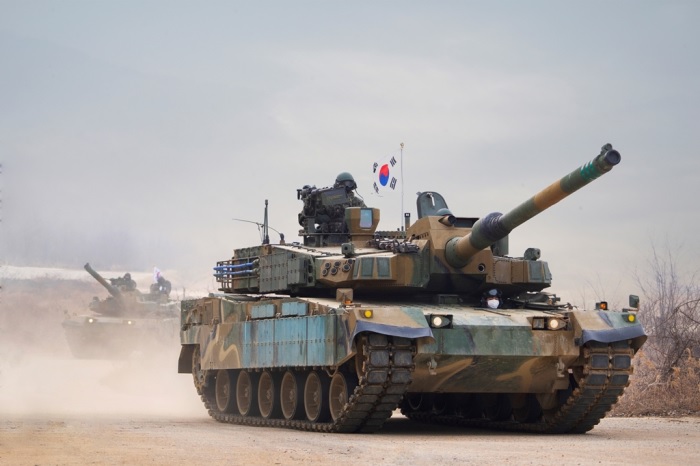
World
Hyundai Rotem is on the brink of securing the largest single defence export contract in South Korea’s history—a $6.5 billion agreement with Poland for the supply of 180 advanced K2 main battle tanks. Once signed, this deal will double the scale and value of an earlier 2022 contract between the two nations and significantly strengthen Poland’s armoured forces amid increasing regional security challenges. The South Korean Defence Acquisition Programme Administration (DAPA) recently confirmed that negotiations with Poland’s Deputy Prime Minister and Defence Minister, Władysław Kosiniak-Kamysz, have been successfully concluded. Although the contract hasn’t yet been signed, both sides have expressed confidence that the final paperwork will be completed soon. This landmark deal follows an earlier agreement signed on August 26, 2022, under which Hyundai Rotem committed to delivering 180 K2 Black Panther tanks to the Polish Army between 2022 and 2025. That initial deal was worth $3.37 billion. The upcoming contract essentially mirrors the same quantity but includes expanded industrial cooperation and additional support packages, making the total value reach $6.5 billion. Inside the K2 Black Panther Tank The K2 Black Panther is among the world’s most technologically advanced 3+ generation main battle tanks. Developed by South Korea, it combines firepower, mobility, and cutting-edge protection systems designed for modern, high-threat battle environments. Key features include: Armament: A 120 mm L/55 smoothbore gun with autoloader, capable of firing the latest kinetic energy penetrators and programmable airburst rounds. It is supported by a 7.62 mm coaxial machine gun and a 12.7 mm heavy machine gun. Protection: Modular composite armor and reactive armor modules, with options for soft-kill (VIRSS) and hard-kill (KAPS) active protection systems to neutralize incoming threats such as anti-tank guided missiles. Mobility: A 1,500 hp diesel engine paired with an automatic transmission enables the 55-ton tank to maneuver efficiently across rugged terrains. It also features an advanced hydropneumatic suspension system that allows the tank to "kneel," "lean," or "raise" for better aiming or defensive posture. Fire Control and Communication: Equipped with a high-tech fire control system for precision targeting at long ranges. The tank also includes a Battlefield Management System (BMS) compatible with Poland’s existing Abrams tanks and integrates secure communication systems tailored for Polish military standards. Strategic Industrial Cooperation One of the most notable aspects of the new deal is the plan for local manufacturing. Of the 180 K2 tanks in this package: 117 units will be produced in South Korea by Hyundai Rotem. 63 units will be built in Poland by the state-owned Polish Armaments Group (PGZ) in partnership with Hyundai Rotem under the localized K2PL variant program. This move strengthens Poland’s domestic defense industry and ensures long-term logistics and support capabilities for the tanks. The deal also includes the supply of supporting vehicles such as armoured recovery and bridge-laying tanks, along with a comprehensive Maintenance, Repair, and Operations (MRO) support package. Strategic Implications For Poland, this deal is part of its broader plan to rapidly modernize its military in response to growing threats near its eastern borders. For South Korea, the deal reinforces its position as a rising global defense exporter and showcases its advanced land combat technology on the world stage. As final signatures await, the Hyundai Rotem-Poland agreement stands poised to reshape European defense cooperation and mark a new era in South Korean arms exports.
Read More → Posted on 2025-07-02 15:10:02
World
In a major leap for European defense innovation, Milrem Robotics has successfully integrated the MBDA Akeron LP long-range missile system onto its Type-X Robotic Combat Vehicle (RCV), creating a highly advanced unmanned ground combat system capable of autonomous precision strikes beyond visual range. The milestone demonstration, conducted under the EU-funded MARSEUS project, marks a significant step toward fielding robotic systems equipped with indigenous European weaponry and intelligence capabilities. The breakthrough was announced on July 1, 2025, as part of the European Defence Fund-backed MARSEUS (Modular Architecture Solution for EU States) initiative. The event showcased not just the powerful combination of the Estonian-made Type-X combat platform and the French-developed Akeron LP missile, but also the integration of the RFHunter electronic warfare suite from Cyprus-based SignalGeneriX, which enables the vehicle to operate with full electromagnetic awareness even in GPS- or communication-contested environments. What Makes This Robotic System Special? At the heart of the demonstration lies the Type-X Robotic Combat Vehicle, a hybrid-electric, fully unmanned tracked vehicle designed to support mechanized units in high-risk missions. Weighing about 12.5 tons, it can carry up to 5 tons of payload and reach speeds up to 80 km/h. It’s optimized for flanking attacks, scouting, and direct engagement—all while keeping soldiers safely out of harm’s way. The vehicle is equipped to handle steep slopes, deep water fording, and urban combat with zero turning radius, thanks to its advanced cross-drive transmission. It also offers STANAG 4569 Level 4 protection against projectiles and Level 1 mine resistance. Akeron LP Missile: Precision from Afar The Akeron LP (Longue Portée) missile system is a new-generation long-range missile developed by MBDA France. Designed for use on helicopters, ground vehicles, and naval platforms, it features a multi-mode guidance seeker with semi-active laser, thermal imaging, and TV sensors. The missile has a range of over 8 km from land platforms and up to 20 km when launched from air. Its tandem-charge warhead can pierce more than 1,000 mm of armor and 2 meters of reinforced concrete, making it suitable for defeating heavily fortified targets. Its fire-and-forget and fire-with-retargeting capabilities allow operators to remain at a safe distance or adjust strikes mid-flight. RFHunter: Stealthy Intelligence and Targeting Adding an edge to this strike platform is the RFHunter Direction Finder, a passive electronic warfare system that listens to enemy signals without emitting detectable energy. Developed by SignalGeneriX, it allows the robotic vehicle to detect, classify, and geolocate hostile emitters—essential for targeting in GPS-denied or contested environments. It not only boosts survivability but also enables cooperative targeting using external drones or sensors for enhanced situational awareness. Why It Matters: European Strategic Autonomy This project is part of MARSEUS, a €27.3 million pan-European defense program led by MBDA France and supported by 15 companies from France, Belgium, Sweden, and Cyprus. It aims to build modular, interoperable, and autonomous land-based strike systems fully controlled by EU member states. By relying entirely on European technologies and avoiding non-EU suppliers, the initiative supports the EU’s goal of achieving strategic autonomy in critical defense technologies. The MARSEUS program is a direct continuation of the earlier LynkEUs project under the European Defence Industrial Development Programme (EDIDP), which laid the groundwork for BLOS (Beyond Line of Sight) capabilities. It has evolved to include human-in-the-loop and human-on-the-loop decision-making, allowing for varying degrees of autonomy in targeting and engagement. Demonstrations since 2022 have also included manned-unmanned teaming with platforms like the Arquus Sherpa and drone coordination with systems like Novadem’s NX70 UAVs. What’s Next? The robotic system will continue to undergo rigorous testing through 2025, with upcoming phases involving loitering munitions, joint doctrine development, and the creation of a user community to align operational strategies across EU forces. This robotic vehicle isn’t just a proof of concept—it’s a foundational building block for next-generation European land warfare. In essence, Europe’s integration of the Akeron LP missile onto the unmanned Type-X vehicle marks the dawn of a new era in which robotic ground forces will strike targets beyond the line of sight, operate undetected in hostile terrain, and execute missions with minimal human intervention—safely, intelligently, and independently.
Read More → Posted on 2025-07-02 14:58:48Search
Top Trending in 24 Hours
-
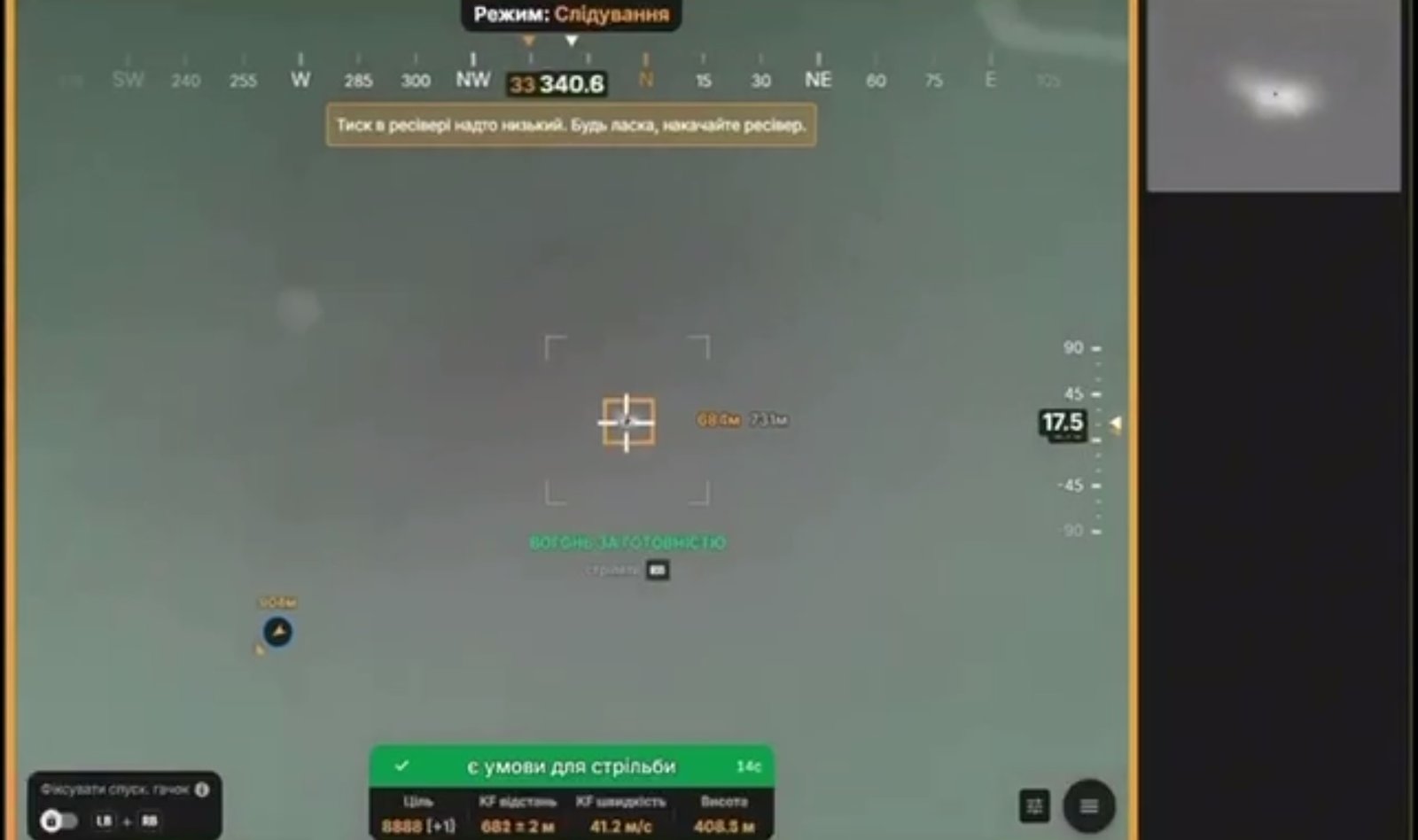 Ukraine’s Blysk Laser Air Defence System Shoots Down Russian Jet-Powered Geran Drone
-
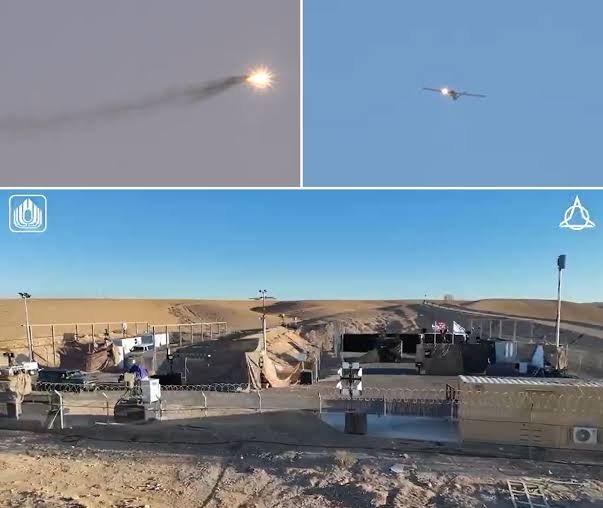 Israel and US Test 20 Counter-Drone Systems in First Joint Trials on Israeli Soil
-
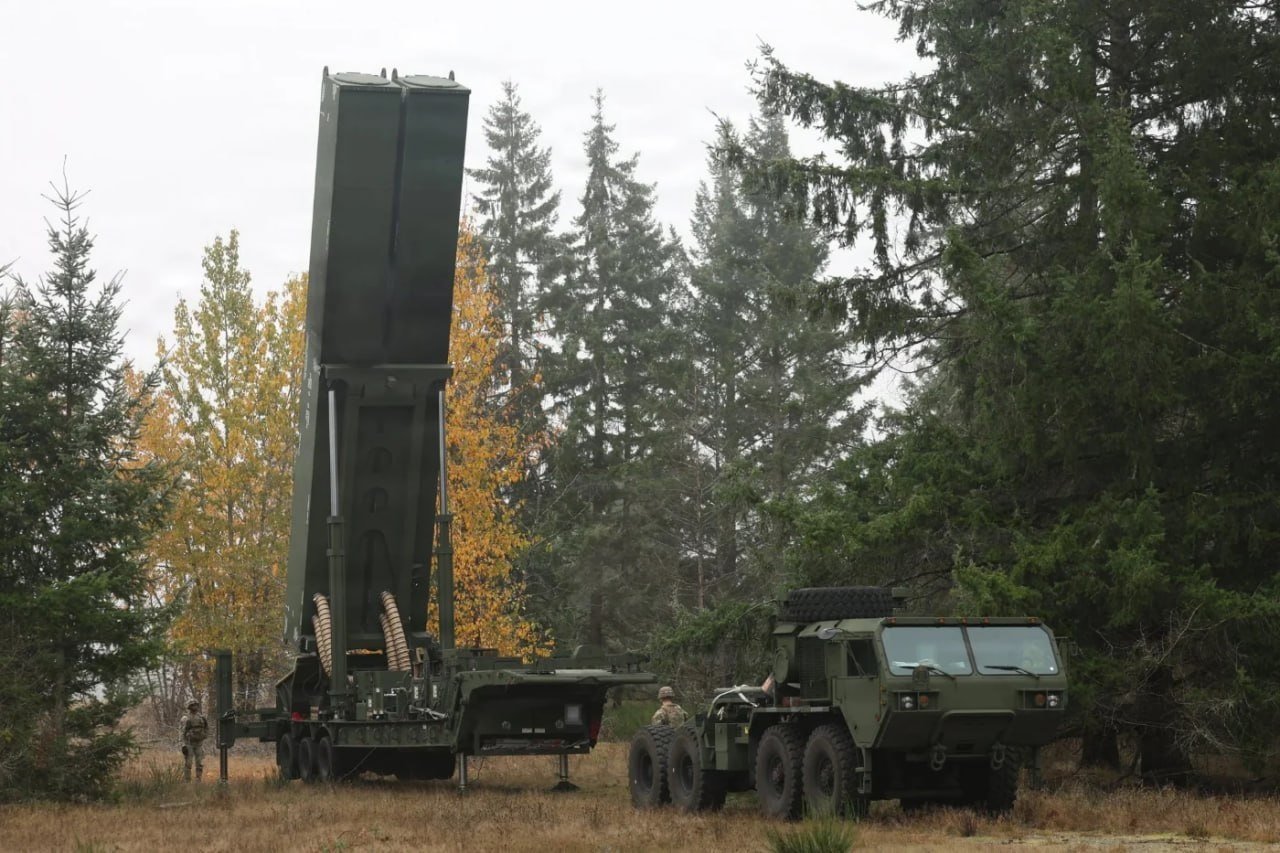 U.S. Army Declares First Dark Eagle Hypersonic Missile Battery Ready for Combat Deployment
-
 India's SiGaN Validates First 20-Watt GaN RF Power Amplifier, Opens Commercial Orders
-
 Europe Opens Largest Satellite Factory in Belgium to Build Starlink Alternative
-
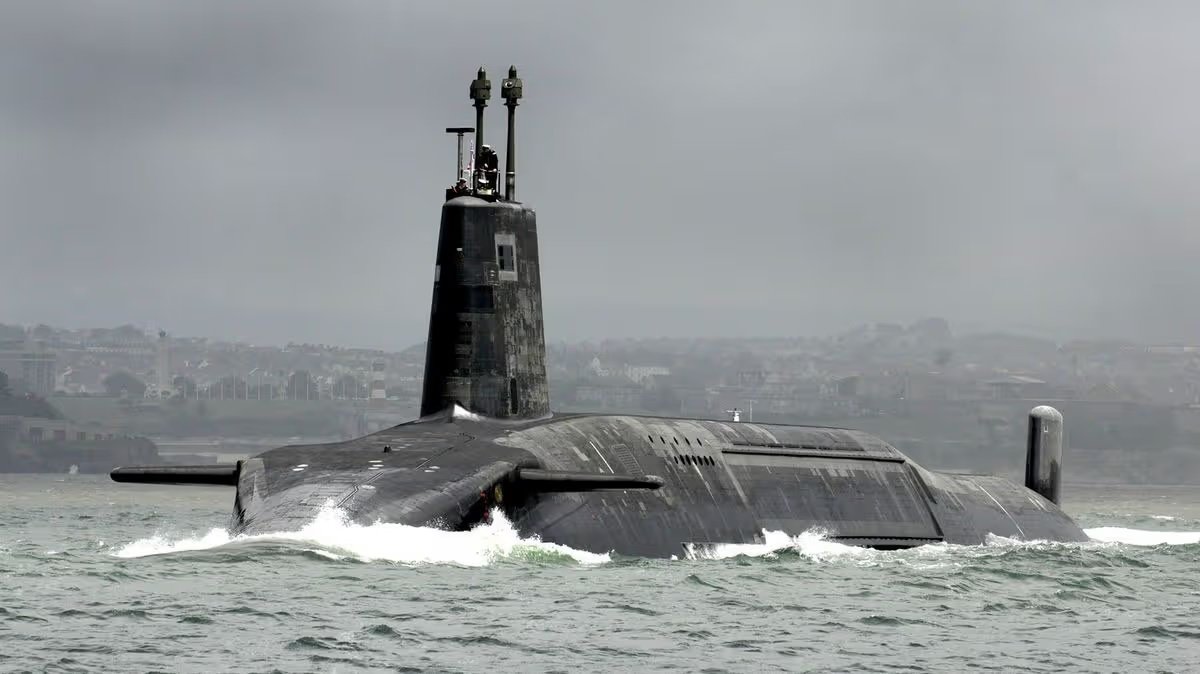 Babcock Signs Record £8.7 Billion Deal to Support UK Nuclear Submarine Fleet
-
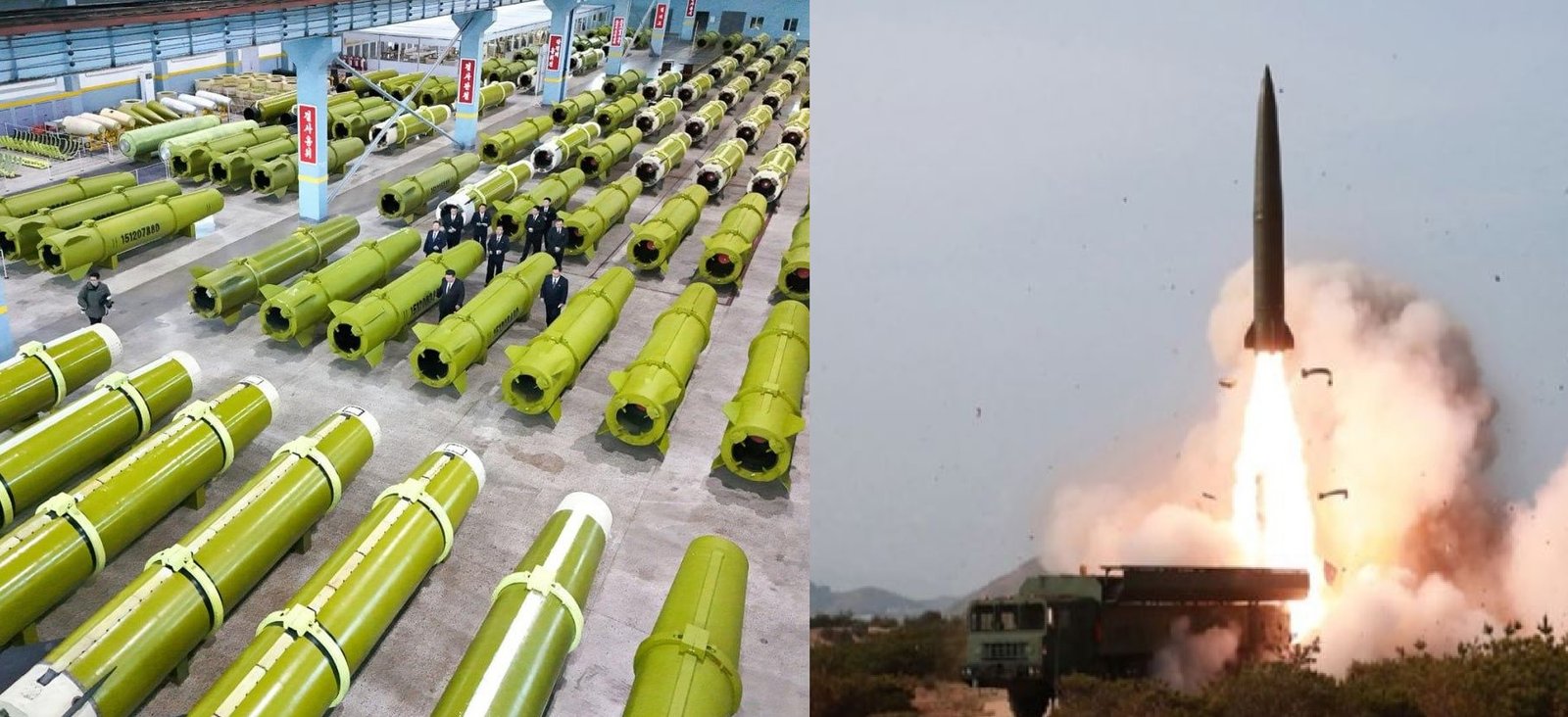 North Korea Suspends KN-23 Missile and Artillery Deliveries to Russia Amid Diplomatic Tensions
-
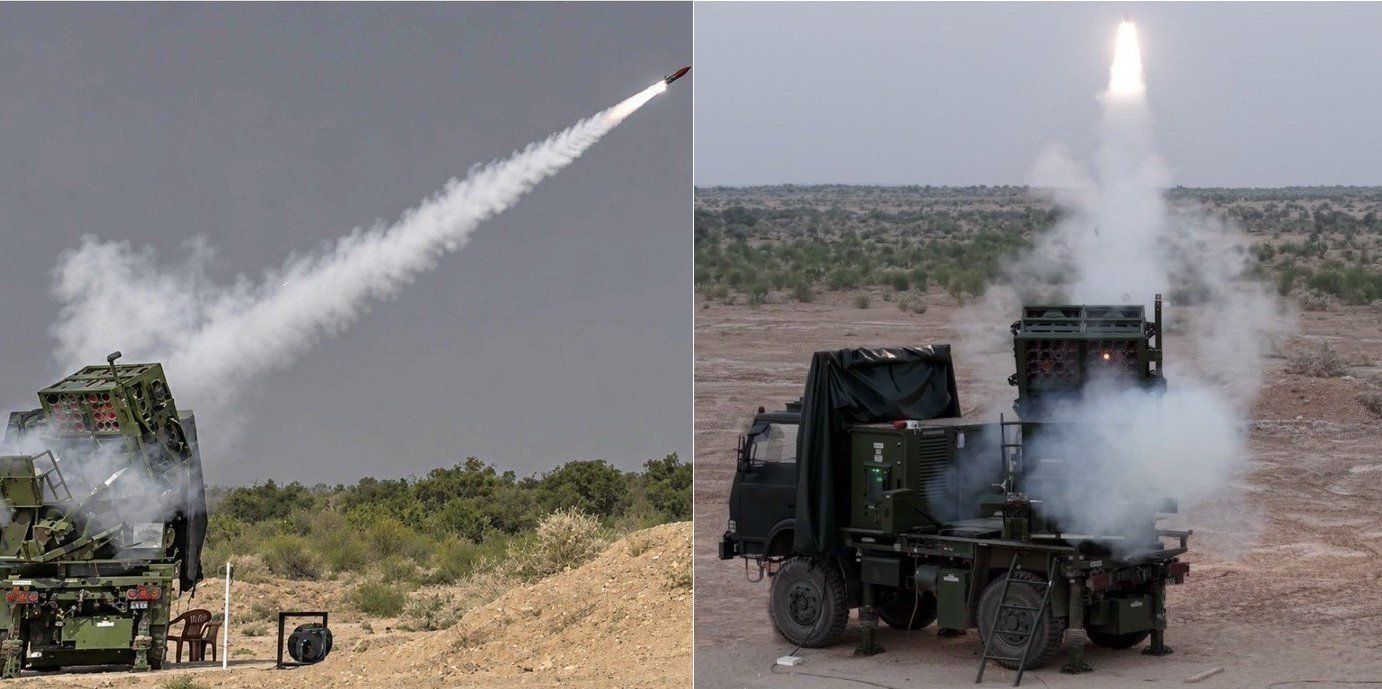 India’s Bhargavastra Counter-Swarm Drone System Completes Pokhran Trials Ahead of Army Demonstration
Top Trending in 4 Days
-
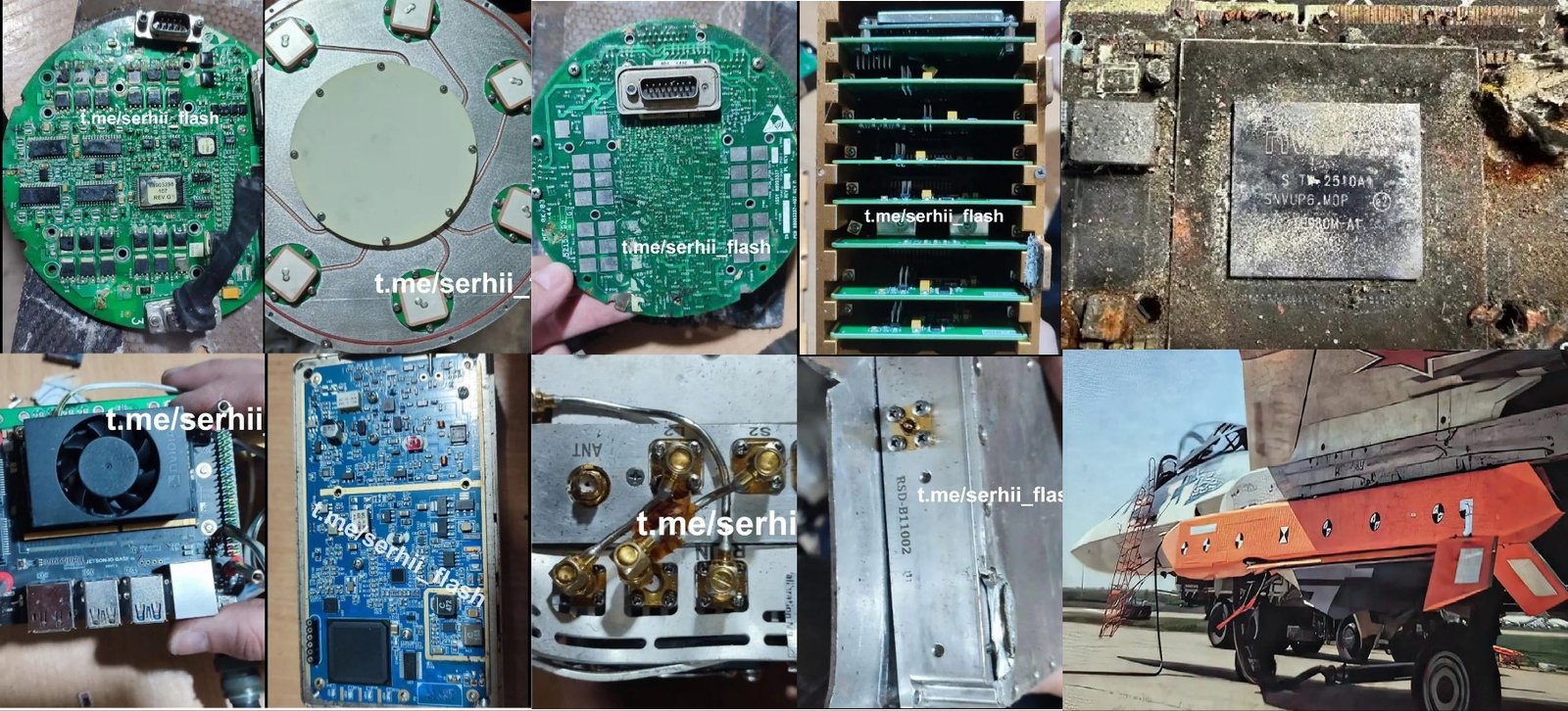 Russian Drones and Cruise Missiles Found Using Civilian NVIDIA AI Chips in Ukraine
-
 Western Intelligence Warns Russia Could Launch Nuclear-Armed Satellite as Early as December
-
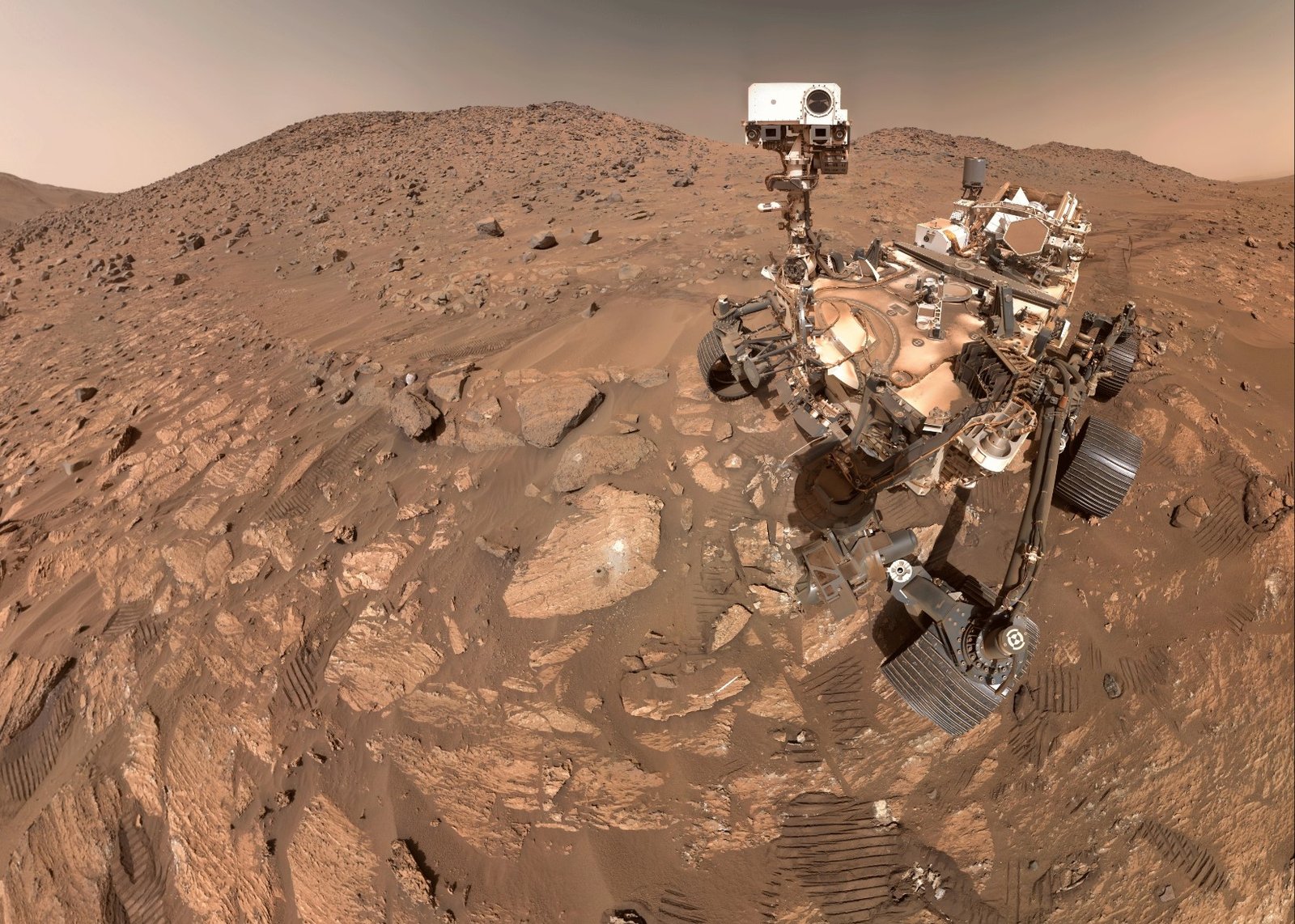 NASA Suspends Science Operations on Perseverance Rover and Mars Odyssey After Hardware Failures
-
Ukraine’s Blysk Laser Air Defence System Shoots Down Russian Jet-Powered Geran Drone
-
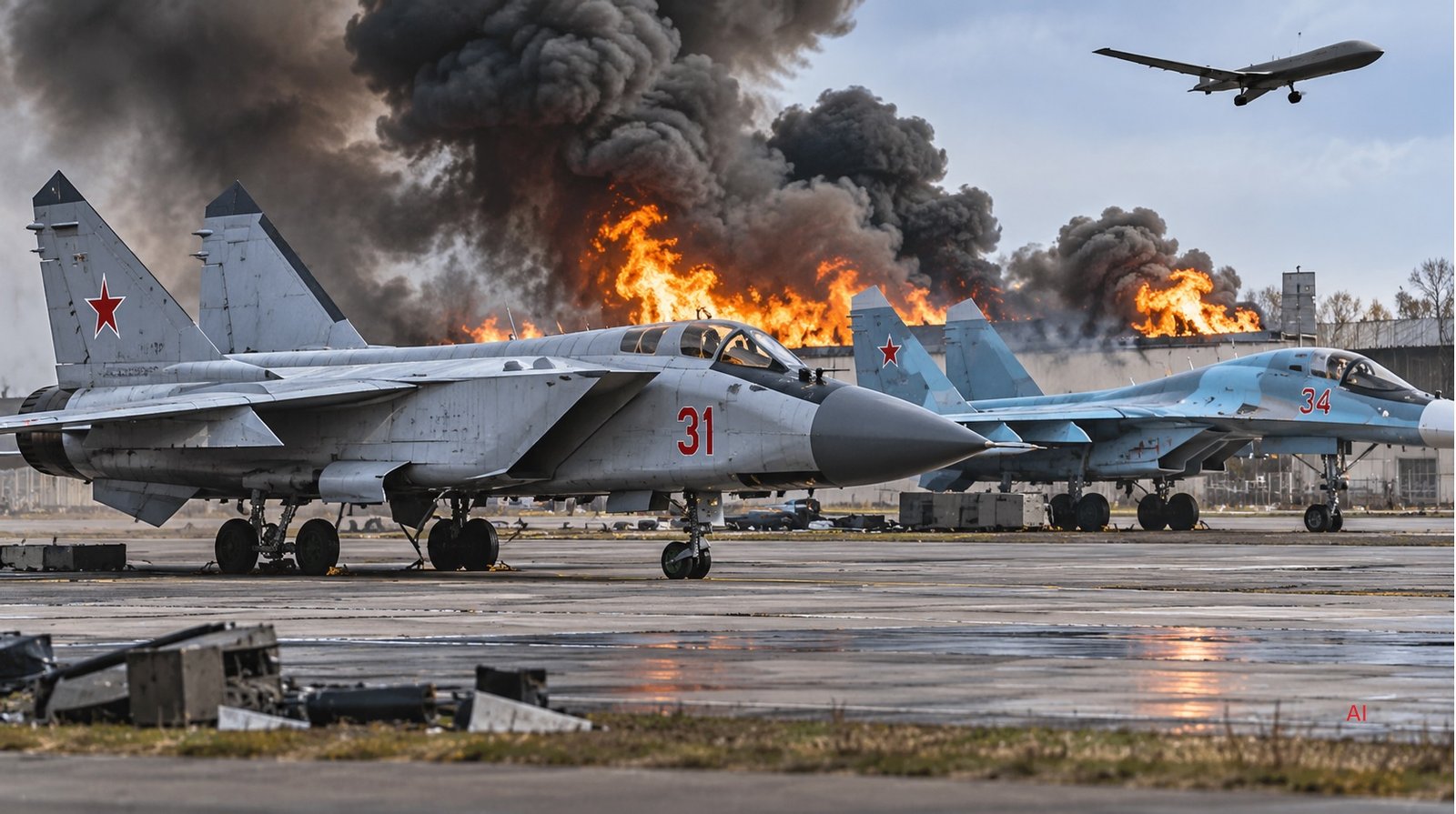 Ukraine Strikes Five Russian Warplanes, Including Three Kinzhal-Capable MiG-31s at Savasleyka Airbase
-
 Chinese Military Warns U.S. AI Could Threaten China’s Nuclear Missile Survivability
-
Israel and US Test 20 Counter-Drone Systems in First Joint Trials on Israeli Soil
-
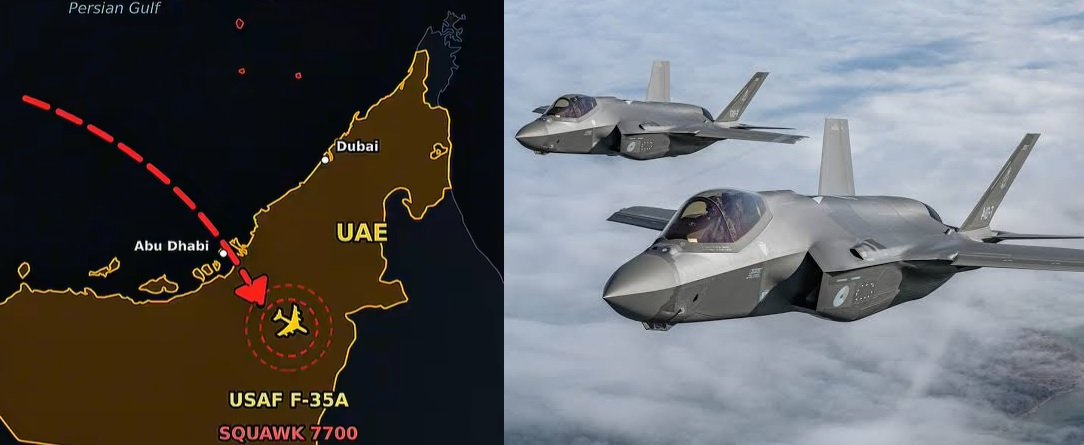 US Air Force F-35A Declares Emergency Over UAE, Flight Tracking Shows Diversion Toward Al Dhafra