World
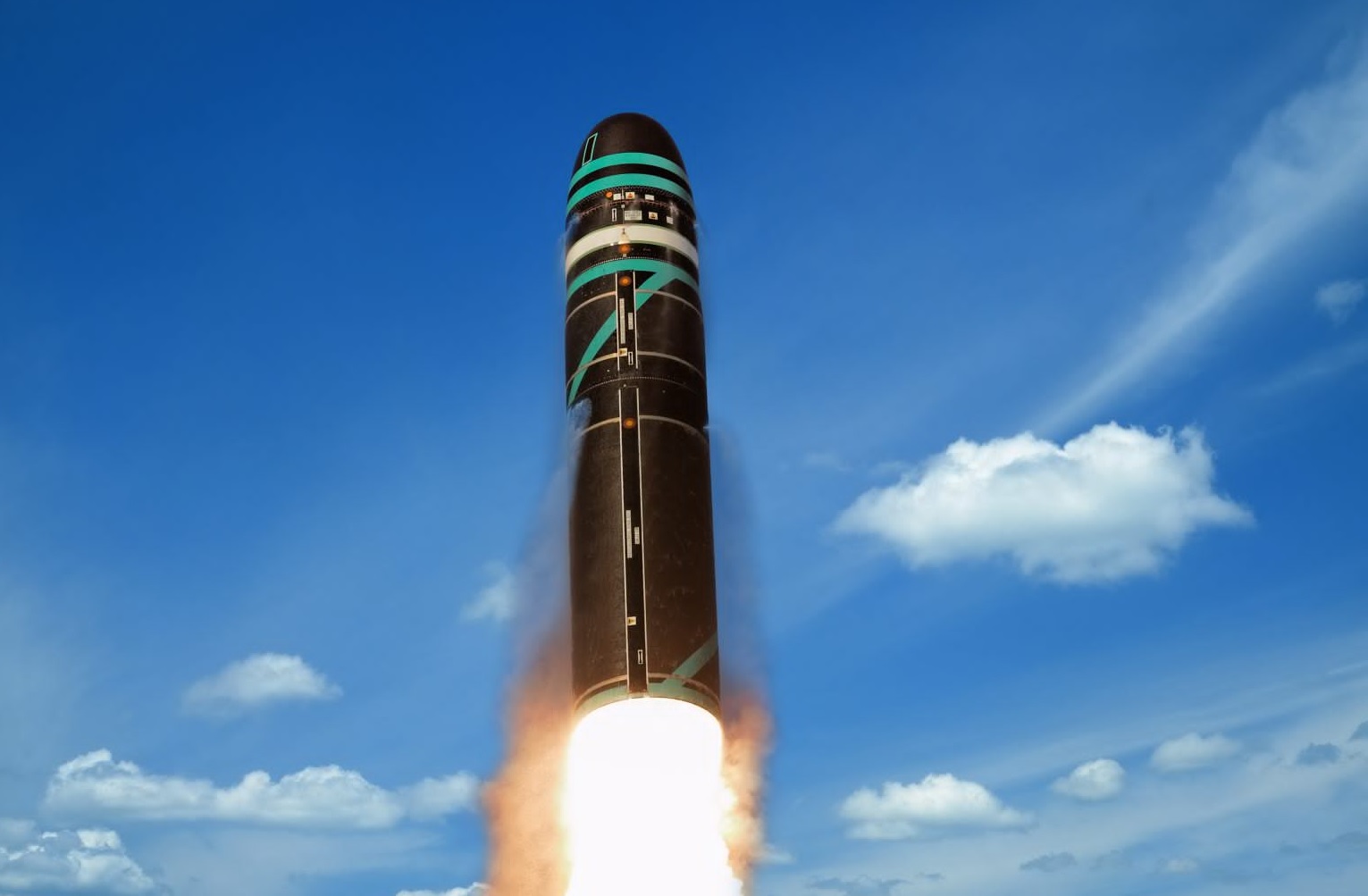
On August 28, 2025, the French Defence Procurement and Technology Agency (DGA) awarded ArianeGroup a contract to design and produce the fourth iteration of the M51 submarine-launched ballistic missile (SLBM), designated M51.4. This development underscores France's commitment to enhancing its nuclear deterrence capabilities in response to evolving global threats. The M51.4 is set to replace the M51.3, which is currently entering service. ArianeGroup, as the industrial prime contractor for France’s Strategic Oceanic Force (FOST), will oversee the missile's design, production, and lifecycle management, including maintenance and decommissioning. The M51.4's enhanced range, precision, and penetration capabilities aim to reinforce the credibility of France’s oceanic nuclear deterrent. The M51 missile family, developed by ArianeGroup, is a cornerstone of France’s nuclear deterrence strategy. The M51.4 will be deployed aboard the future-generation SNLE 3G submarines, which are set to replace the current Triomphant-class nuclear-powered submarines. These submarines are integral to France's strategic deterrence posture, ensuring the nation's ability to respond to nuclear threats with credibility and effectiveness. In a statement, Vincent Pery, Director of Defence Programs at ArianeGroup, expressed gratitude to the DGA for its continued trust in the company's expertise. He emphasized that the M51.4 program will drive innovation and transformation, incorporating advanced technologies and methods to meet ambitious technical and economic objectives. The M51.4's development aligns with France's broader defense strategy, which includes significant investments in modernizing its nuclear deterrent forces. These efforts are part of the Military Programming Law, ensuring the maintenance and enhancement of France's autonomous and sovereign deterrent capabilities to address growing global security challenges. With the M51.4, France aims to maintain a robust and credible nuclear deterrent, adapting to the changing security landscape and reaffirming its commitment to national and global stability.
Read More → Posted on 2025-09-13 16:23:34
World
Washington, D.C September 2025 : In a significant advancement for U.S. space capabilities, the U.S. Space Force has awarded a contract of up to $60 million to Seattle-based aerospace startup Gravitics. This partnership aims to develop an innovative "Orbital Aircraft Carrier," a space-based platform designed to revolutionize satellite deployment and bolster national security in the increasingly contested domain of space. What Is the Orbital Aircraft Carrier? The Orbital Aircraft Carrier is conceptualized as a modular, unpressurized space station capable of housing multiple maneuverable satellites. This platform will serve as a pre-positioned launch pad in orbit, allowing for the rapid deployment of satellites without the need for traditional ground-based rocket launches. By eliminating the constraints of terrestrial launch schedules and infrastructure, the Orbital Carrier offers unprecedented flexibility and speed for in-space operations, significantly enhancing the nation's space defense posture. According to Gravitics CEO Colin Doughan, "The Orbital Carrier is a game-changer, acting as a pre-positioned launch pad in space. It bypasses traditional launch constraints, enabling space vehicle operators to rapidly select a deployment orbit on-demand." Strategic Implications This initiative is part of a broader U.S. strategy to maintain space superiority amid growing global competition. By establishing a pre-positioned platform in orbit, the U.S. aims to bolster its operational capabilities and readiness in addressing both immediate and long-term security challenges. The Orbital Carrier's ability to deploy satellites on-demand enhances the nation's agility in responding to threats and ensures a resilient space infrastructure. Technical Specifications and Development Timeline The Orbital Carrier is designed to accommodate multiple satellites, providing an unpressurized environment that protects sensitive electronics from the harsh conditions of space. This protective feature not only safeguards military assets but also grants the U.S. a tactical advantage by masking satellite positions from adversaries, thereby enhancing its space security posture. Gravitics plans to demonstrate the Orbital Carrier's capabilities as early as 2026, with the initial mission focusing on validating the platform's ability to operate in space and deploy assets on orbit. The demonstration will serve as a critical step toward full operational deployment. Public-Private Collaboration This project underscores the importance of public-private partnerships in advancing space technology. Collaborations with innovative startups like Gravitics enable the rapid integration of cutting-edge technologies into national defense strategies, fostering the growth of the U.S. space sector and maintaining a competitive edge in space operations. Global Perspective The development of the Orbital Aircraft Carrier has significant implications for international space dynamics. As nations enhance their space capabilities, the U.S. aims to lead in space innovation, ensuring that advancements in space exploration contribute to shared peace and progress for all of humanity. The collaboration between the U.S. Space Force and Gravitics to develop the Orbital Aircraft Carrier marks a pivotal moment in the evolution of space operations. By enabling rapid, on-demand satellite deployment from orbit, this initiative enhances the U.S.'s strategic capabilities and sets the stage for future advancements in space technology. As the project progresses, it will undoubtedly influence the trajectory of global space exploration and security.
Read More → Posted on 2025-09-13 16:12:37
World
The U.S. Air Force has updated its strategy for the future of Davis-Monthan Air Force Base in Arizona, transforming the 492nd Special Operations Wing into a new Power Projection Wing. The move comes as the base prepares to retire its long-serving A-10 aircraft and take on a more diverse special operations mission. Updated Force Structure Originally, the Air Force had planned to move multiple MC-130J Commando II squadrons and special tactics units to Davis-Monthan. After further review, however, those units will remain at their current locations. Instead, the new wing will feature: Two OA-1K Armed Overwatch squadrons, both relocating from Hurlburt Field in Florida. A CV-22 Osprey squadron and its maintenance unit, transferring from Cannon Air Force Base in New Mexico. A new Theater Air Operations Squadron, created to enhance mission planning and support tailored to specific regions. A new Intelligence Squadron under Air Combat Command, which will activate at Davis-Monthan. These changes emphasize strike, mobility, intelligence, surveillance, reconnaissance, and air-ground coordination — the full mission set of Air Force Special Operations Command. Why the Changes? Air Force leaders determined that keeping the MC-130J fleet distributed across existing locations would ensure greater operational effectiveness. In addition, relocating special tactics units was ruled out due to the high cost of building specialized facilities at Davis-Monthan, compared to the infrastructure already available elsewhere. Timeline and Next Steps The headquarters of the 492nd Special Operations Wing and three associated squadrons have already been cleared to begin moving to Davis-Monthan. The relocation of the second OA-1K squadron and the CV-22 squadron still requires environmental impact reviews, though much of the groundwork for those studies has already been completed. Officials expect the new wing to reach full operational capability by Fiscal Year 2028. A-10 Retirement and Base Transition Davis-Monthan is in the midst of bidding farewell to its iconic A-10 “Warthog” fleet. The first aircraft began departing for retirement in 2024, and the phased withdrawal is expected to continue into 2026. The Air Force has justified the retirement by pointing to the A-10’s limited survivability in modern high-threat environments, particularly in potential conflicts against near-peer adversaries such as China. The shift to special operations represents not only a modernization effort but also a new chapter in the identity of Davis-Monthan, positioning the base as a hub for flexible, global special operations capabilities. Local and Strategic Impact Community leaders in Arizona have expressed both optimism and concern about the transition. While the move secures Davis-Monthan’s future with a new mission, questions remain about aircraft noise, environmental impact, and infrastructure requirements for incoming units like the CV-22. For the Air Force, however, the decision reflects a balance between expanding special operations capabilities, controlling costs, and ensuring readiness for future contested environments. By 2028, Davis-Monthan will no longer be defined by its A-10 heritage but by its role in projecting specialized airpower across the globe.
Read More → Posted on 2025-09-13 15:41:21
World
Huntington Ingalls Industries (HII) has unveiled ROMULUS, a modular, AI-enabled family of unmanned surface vessels (USVs) powered by its Odyssey Autonomous Control System (ACS). The flagship, ROMULUS 190, is already under construction, marking a major step in advancing unmanned naval warfare capabilities for the U.S. Navy, Marine Corps, joint forces, and allied partners. Key Features of ROMULUS 190 A 190-foot hull built to commercial standards, enabling rapid and repeatable production. Designed to reach speeds of more than 25 knots. Endurance of 2,500 nautical miles, even while carrying four standard intermodal containers. Developed in partnership with Breaux Brothers, Beier Integrated Systems, and Incat Crowther. Advanced Autonomy and Modular Design ROMULUS is powered by the Odyssey ACS, which has already recorded over 6,000 operational hours across more than 35 different unmanned platforms. Built with an open architecture, Odyssey allows rapid integration of third-party payloads, sensors, and software. The program also incorporates technologies from Shield AI, Applied Intuition, and C3 AI to enhance autonomy, object classification, and lifecycle management. Mission Roles and Multi-Domain Operations ROMULUS has a reconfigurable design, making it suitable for multiple mission sets, including: Intelligence, surveillance, and reconnaissance (ISR) Strike operations Counter-unmanned systems Launch and recovery of unmanned aerial and undersea vehicles Paired with HII’s REMUS unmanned undersea vehicles (UUVs), ROMULUS is expected to strengthen undersea sensing capabilities, improve anti-submarine warfare (ASW) performance, and support mine countermeasure operations. Production Timeline and Strategic Context The first ROMULUS 190 is expected to be completed within 12 months. Once the production line is established, HII aims to build up to six vessels at a time, with annual deliveries of four to five ships. The program arrives as the U.S. Navy evaluates new medium-sized unmanned surface vessel concepts, such as the Modular Attack Surface Craft (MASC). ROMULUS’ containerized payload capability, commercial-standard hull, and scalability align with many of the Navy’s future operational needs. Implications With ROMULUS, HII is advancing a vision of naval operations that emphasizes speed, autonomy, and scalability. The platform is designed to operate in tandem with unmanned aerial and undersea systems, offering a layered and flexible maritime defense network. Defense experts note that the system could significantly reduce risks to manned platforms, enhance distributed operations, and provide cost-effective options for sustained oceanic missions. However, factors such as cost, logistics, and cybersecurity resilience will remain critical as ROMULUS transitions from concept to fleet service.
Read More → Posted on 2025-09-13 15:29:57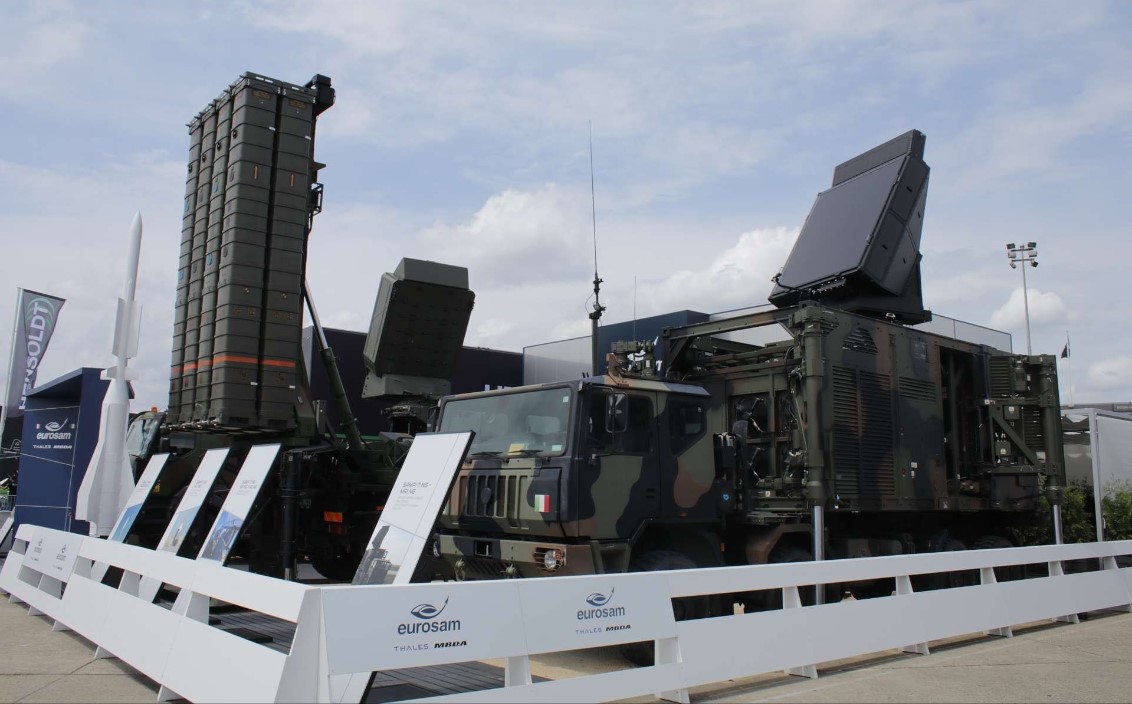
World
Copenhagen, September 13, 2025 — Denmark has announced a historic decision to invest around 58 billion kroner (approximately 9.1 billion USD) in new ground-based air and missile defense systems, aimed at strengthening the country’s protection against aerial threats. The move represents the largest single defense procurement in Danish history. Key Elements of the Investment Denmark will acquire eight full-scale air defense systems, each consisting of multiple fire units. For long-range defense, Denmark has chosen the Franco-Italian SAMP/T NG system, developed by Eurosam (a joint venture between MBDA and Thales). For medium-range defense, the country is considering three European options: Norway’s NASAMS, Germany’s IRIS-T, and France’s VL MICA. A mix of these could be selected to provide layered coverage. The first system is expected to become operational as early as 2025, with the rest to be phased in over the coming years. Background and Rationale The decision is a direct response to the security challenges highlighted by Russia’s war in Ukraine. Experience from Ukraine has shown that modern, layered air defense systems are vital for protecting civilians, infrastructure, and military assets from missile and drone strikes. Defense Minister Troels Lund Poulsen emphasized that ground-based air defense is now “an absolute top priority” in the future development of Denmark’s armed forces. Why European Systems? While the U.S. Patriot system was considered, Denmark opted for European solutions mainly due to faster delivery timelines and lower procurement risks. Danish officials made clear that the decision was not a rejection of U.S. technology, but rather a pragmatic choice to address immediate defense needs. The move also supports Europe’s broader ambition to strengthen its defense industry and reduce reliance on non-European suppliers. Strategic Implications This investment marks a major leap in Denmark’s defense capabilities, aligning the country more closely with NATO’s collective defense strategy. Approval by the Danish Parliament (Folketinget) will be required, but strong political backing is expected. Denmark will become one of the first Northern European nations to deploy a fully integrated, multi-layered air defense shield, enhancing both national and regional security. With this record-breaking purchase, Denmark signals its determination to adapt to Europe’s new security reality, ensuring that both its citizens and armed forces are shielded from the evolving threats of modern warfare.
Read More → Posted on 2025-09-13 14:01:55
World
Beijing, September 12, 2025 : China has unveiled a state-of-the-art missile production facility that operates entirely under artificial intelligence (AI) control, capable of manufacturing more than 100 missiles daily. This advanced facility marks a significant leap in China's military manufacturing capabilities, emphasizing the nation's commitment to integrating AI into its defense sector. The facility's operations are fully automated, with AI systems overseeing the entire production process. Human intervention is limited to periodic inspections, ensuring quality control without direct involvement in the manufacturing stages. This approach not only enhances efficiency but also reduces human error, allowing for a rapid and scalable missile production capacity. A notable example of this AI-driven manufacturing is the PL-15E air-to-air missile. Developed by China's aerospace giant AVIC, the PL-15E is produced on a 24-hour unmanned assembly line. Once materials are prepared and software configurations are set, the production process runs autonomously, highlighting the facility's advanced capabilities. This missile has been reported to outperform Western equivalents in both range and terminal engagement performance, with a maximum reach of 145 km. The PL-15E's advanced features make it a significant asset in China's missile arsenal. The integration of AI into missile production is part of China's broader strategy to modernize its military infrastructure. The People's Liberation Army (PLA) has been showcasing its growing technological prowess, with recent demonstrations of AI-powered military systems. These advancements underscore China's commitment to enhancing its defense capabilities through innovation and technological integration. This development positions China as a formidable force in the global defense sector, with the potential to influence international security dynamics. The AI-controlled missile production line not only signifies a technological milestone but also reflects China's strategic focus on strengthening its military readiness and deterrence capabilities. As the global community observes China's advancements in military technology, the implications for international relations and security remain a topic of significant interest and analysis.
Read More → Posted on 2025-09-12 16:50:15
World
ICEYE has unveiled its latest innovation — the ISR Cell — a containerised, end-to-end system designed to deliver space-based tactical intelligence to defence forces in near-real-time. The launch of ISR Cell marks a shift in how intelligence, surveillance and reconnaissance (ISR) data is delivered and used, with first deliveries slated for early 2026. What is the ISR Cell The ISR Cell is a mobile, plug-and-play unit that integrates directly with any ICEYE mission, whether sovereign or operated by ICEYE. It enables local tasking of satellites, downlink of data, AI-assisted analysis, and secure dissemination of intelligence — all from a tactical location rather than centralised command centres. The design is containerised, meaning it can be deployed rapidly into high-risk zones or serve as a resilient backup to fixed ground systems. In military exercises, it has already proven its capability to compress ISR loops from hours to minutes, enabling commanders at the front lines to act faster. How It Builds on ICEYE’s Existing Capabilities ISR Cell is being introduced in tandem with ICEYE’s Generation 4 (Gen4) SAR satellites. These new satellites deliver enhanced imaging quality with double antenna size, more power, and significantly wider swath imaging up to 400 km. They can capture around 500 images per day, with high-resolution performance under all weather and lighting conditions. By combining ISR Cell with Gen4 satellites, ICEYE offers a full pipeline: local control, rapid imaging, and immediate analysis at the tactical edge. Strategic Partnerships & Applications ICEYE has secured contracts with several European defence forces: Polish Armed Forces are acquiring three SAR satellites plus mobile ISR infrastructure under the “MikroSAR” programme, valued around €200 million. Portuguese Air Force has purchased one SAR satellite and associated ground segment, strengthening its Atlantic Constellation project. Royal Netherlands Air Force will receive multiple SAR satellites, ground and mobile segments, and an AI-driven imagery intelligence hub. Finnish Defence Forces are expanding their use of ICEYE’s SAR capabilities. ICEYE has also agreed to supply SAR data to NATO Allied Command Operations, providing shared situational awareness across the alliance. Why This Matters: Impacts & Implications Faster Decision Cycles: ISR Cell compresses the full chain of tasking, data downlink, analysis, and distribution from hours to minutes. Resilience & Redundancy: Deployable and mobile, ISR Cell reduces reliance on fixed sites that are vulnerable to disruption or attack. Sovereignty & Control: Nations gain secure, sovereign control over their own tasking and data without depending on outside providers. Scalability: With Gen4 satellites and ISR Cell, allied forces can scale coverage across continents and rapidly adapt to crises. Additional Developments at ICEYE ICEYE is also expanding its industrial base. A new research and manufacturing facility has been opened in Spain to accelerate SAR and multi-sensor technology development. In Germany, ICEYE and Rheinmetall are forming a joint venture to co-produce satellites, with production expected to start in 2026. ICEYE’s ISR Cell, backed by Gen4 satellites and European partnerships, represents a leap forward in tactical space intelligence. It transforms strategic-grade intelligence into a tool that can be deployed at the edge of operations, giving commanders critical insight within minutes instead of hours or days.
Read More → Posted on 2025-09-12 15:51:45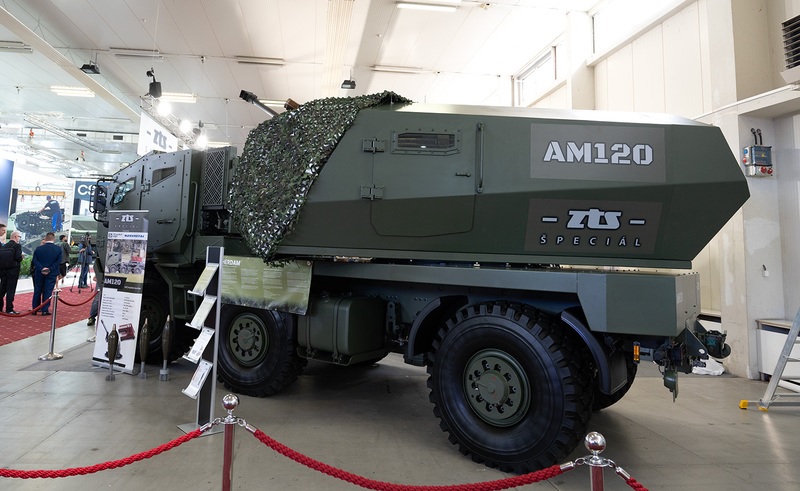
World
Baku is reportedly moving beyond simple arms purchases to deepen its defense cooperation with Slovakia, with interest in acquiring the Slovak-made AM-120 120 mm automated mortar system and the 155 mm EVA self-propelled howitzer, according to policy analyst Fuad Shahbazov. In 2024, Azerbaijan and Slovakia agreed to establish joint manufacturing facilities, signalling that shared production—and not just procurement—may form part of their evolving defense relationship. Advanced Firepower Under Consideration AM-120 Mortar The AM-120, developed by Slovak company ZTS-Špecial, is a truck-mounted automatic mortar system integrated on a Tatra 815-7 6×6 chassis. It incorporates the Lansys fire control system, designed for high accuracy even under battlefield stress. Key features include: Rate of fire: around 18–20 rounds per minute. Range: from approximately 500 meters up to 8.6 kilometers, depending on ammunition. Operation: the weapon can be fired remotely from within the vehicle’s cabin by a crew of 2–4, or manually from the turret if needed. Turret movement: 360-degree rotation for quick re-targeting. Carrying up to 60 mortar rounds, the system is built for “shoot-and-scoot” tactics, allowing rapid firing and quick redeployment to avoid counter-battery fire. EVA / EVA M2 Self-Propelled Howitzer The EVA is a 155 mm, 52-caliber self-propelled gun-howitzer mounted on a wheeled Tatra chassis. A modernized version, known as EVA M2, has been tested in live-fire and mobility trials. Highlights of the system: Range: up to 41 kilometers with standard extended-range ammunition, and over 50 kilometers with advanced rounds. Firing rate: up to 5 rounds per minute in automatic mode. Ammunition load: 20 projectiles in its automatic magazine, with additional rounds carried in the vehicle. Mobility: designed for rapid deployment, with elevation angles from −3.5° to +75° and wide traverse capability. Together, the AM-120 mortar and EVA howitzer offer a combination of short- to long-range indirect firepower, giving Azerbaijani forces more flexible strike options. Strategic Implications Shahbazov emphasized that the Azerbaijan-Slovakia deal is not only about acquisition but also about joint manufacturing and technology transfer. Establishing shared facilities could enable Baku to strengthen its domestic defense industry, reduce reliance on foreign suppliers, and ensure steady access to modern artillery systems. This fits into Azerbaijan’s broader strategy of diversifying its military suppliers by sourcing equipment from both NATO and post-Soviet industries. By combining mobility, precision, and range, these systems would significantly expand the country’s long-range strike capability, particularly against fortified positions. Outlook While no official contracts have been publicly announced, the interest reflects a growing trend of Azerbaijani investments in localized production. If finalized, the cooperation with Slovakia could mark a major step in Baku’s push to modernize its artillery forces and embed more advanced capabilities into its domestic defense sector.
Read More → Posted on 2025-09-12 15:42:48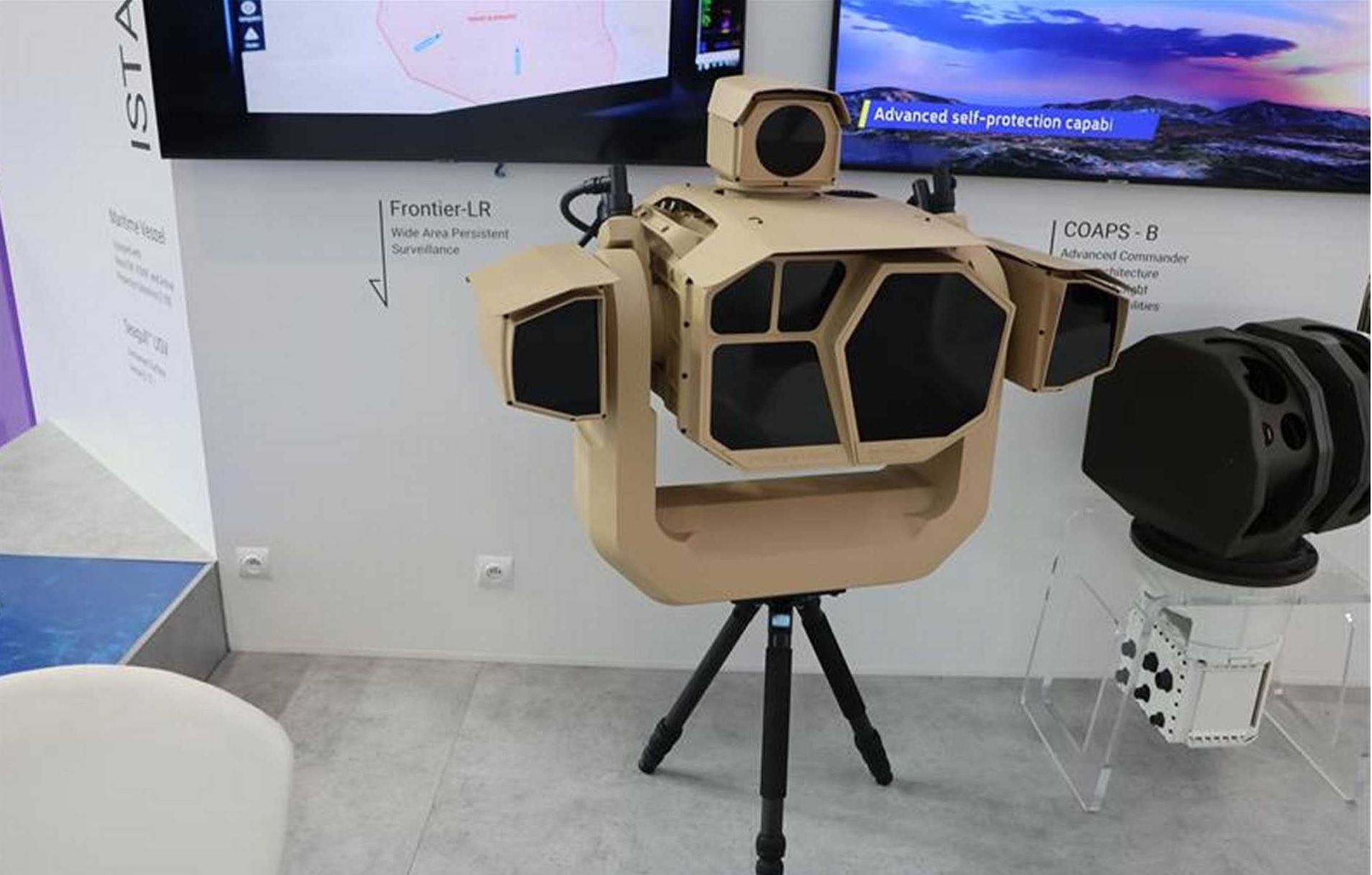
World
London, United Kingdom : At the DSEI 2025 defence exhibition, Elbit Systems introduced Frontier, a wide-area persistent surveillance system built to transform how borders are monitored and defended. The system is designed to detect, classify, and assess land, air, and maritime threats in real time, leveraging advanced artificial intelligence (AI) to reduce false alarms, cut operational costs, and relieve pressure on human operators. Key Features of Frontier Autonomous, real-time threat detectionFrontier employs edge-deployed AI to process data continuously, enabling detection, classification, and risk assessment of potential threats without requiring heavy human intervention. Adaptive learning and anomaly detectionThe system learns local operational patterns and environmental baselines, allowing it to swiftly flag unusual events or behaviours amidst regular activity. This adaptive learning enhances detection efficiency and reduces false positives. Sensor-agnostic modular designBuilt with an open architecture, Frontier can integrate multiple types of sensors—optical, infrared, radar, and more—while connecting seamlessly with existing Command, Control, Communications, Computers, Intelligence, and Interoperability (C4I) systems. Crucially, its neural-network components do not require retraining when new sensor types are added. Operational memory and contextual awarenessBy processing raw data into usable metadata and maintaining a “sectorial operational memory,” Frontier develops a continuously evolving understanding of its surveillance area. This improves accuracy, reduces false alarm rates, and raises detection probabilities. Decision support and prioritizationThe system prioritizes potential threats and provides operators with actionable insights, ensuring that attention and resources are focused where they matter most. Strategic Implications Frontier directly addresses the growing challenge of managing massive data streams from diverse surveillance sources without overwhelming intelligence teams. Traditional systems often struggle with high false alarm rates and slow responses. Frontier’s AI-driven automation aims to close these gaps, providing faster and more accurate assessments while allowing operators to oversee larger areas with fewer resources. By reducing manpower requirements and streamlining decision-making, the system promises to cut costs and improve mission success rates. For countries grappling with border security challenges—ranging from drone incursions and smuggling to illegal crossings and hybrid warfare Frontier offers a more proactive, adaptable defence solution. Context & Broader Trends The unveiling of Frontier reflects a wider industry trend toward autonomous and AI-enabled defence technologies. As borders become more complex to secure, militaries and security agencies are increasingly investing in systems that combine sensor fusion, edge computing, and adaptive learning. Frontier exemplifies this shift, transforming surveillance from reactive monitoring to proactive, intelligent threat management.
Read More → Posted on 2025-09-12 15:38:23
World
Sydney / London / Washington, D.C : At the DSEI defence expo, Australia’s Electro Optic Systems (EOS) revealed plans for a high-power laser designed to burn through disabled satellites in orbit to accelerate their reentry and reduce space debris. CEO Andreas Schwer confirmed the technology has already been validated in orbit with trials proving precise power focus. A first public demonstration is expected within the next 18 months. EOS already has one undisclosed customer and is seeking interest from NATO members and allies. The company is examining both fixed and mobile versions. By either burning through a satellite’s structure or using “photonic drag” to slow it, the system could deorbit a disabled spacecraft within about a month. Other Nations Developing Similar Systems ChinaChina has invested heavily in ground-based and airborne laser facilities aimed at dazzling, blinding, or potentially burning satellite sensors. The Bohu facility in Xinjiang is a core part of its program. U.S. assessments suggest that current Chinese lasers capable of degrading sensors may evolve into destructive power systems during the mid-to-late 2020s. RussiaRussia continues developing directed-energy systems such as the “Sokol-Eshelon” airborne laser, based on the Beriev A-60 aircraft, designed to target satellite optics. Alongside electronic warfare systems and proximity-capable satellites, Moscow is suspected of advancing new destructive ASAT weapons. Intelligence reports indicate these could be nearing operational readiness in the coming years. United StatesThe U.S. maintains active research into space-based and ground-based directed-energy weapons through DARPA and other agencies. Focused largely on defensive and countermeasure roles, American high-power laser systems are still in advanced R&D phases. Analysts project demonstrator systems with potential destructive capability could appear by the late 2020s. Other StatesIndia, France, Japan, Israel, South Korea, Iran, North Korea, and the United Kingdom are all pursuing various counter-space technologies. The U.K.’s “DragonFire” laser is being developed primarily for naval use but could lay the groundwork for future satellite-targeting applications, with an expected entry into service around 2027. France and Japan focus more on non-destructive satellite defense and space situational awareness but are expanding research into high-energy systems. Strategic Implications Directed-energy systems offer an alternative to destructive kinetic ASAT weapons, potentially reducing debris but raising major legal and strategic questions. The Outer Space Treaty bans weapons of mass destruction in orbit, yet leaves ambiguity around lasers and other directed-energy tools. With several major powers pushing toward operational capability within this decade, competition in the counter-space domain is intensifying rapidly. If EOS succeeds with its demonstration in the next 18 months, Australia could become the first nation to publicly field a system designed to burn through satellites for controlled deorbiting. This development adds momentum to a global race where China, Russia, the U.S., and others are already advancing their own laser-based anti-satellite programs.
Read More → Posted on 2025-09-12 14:39:43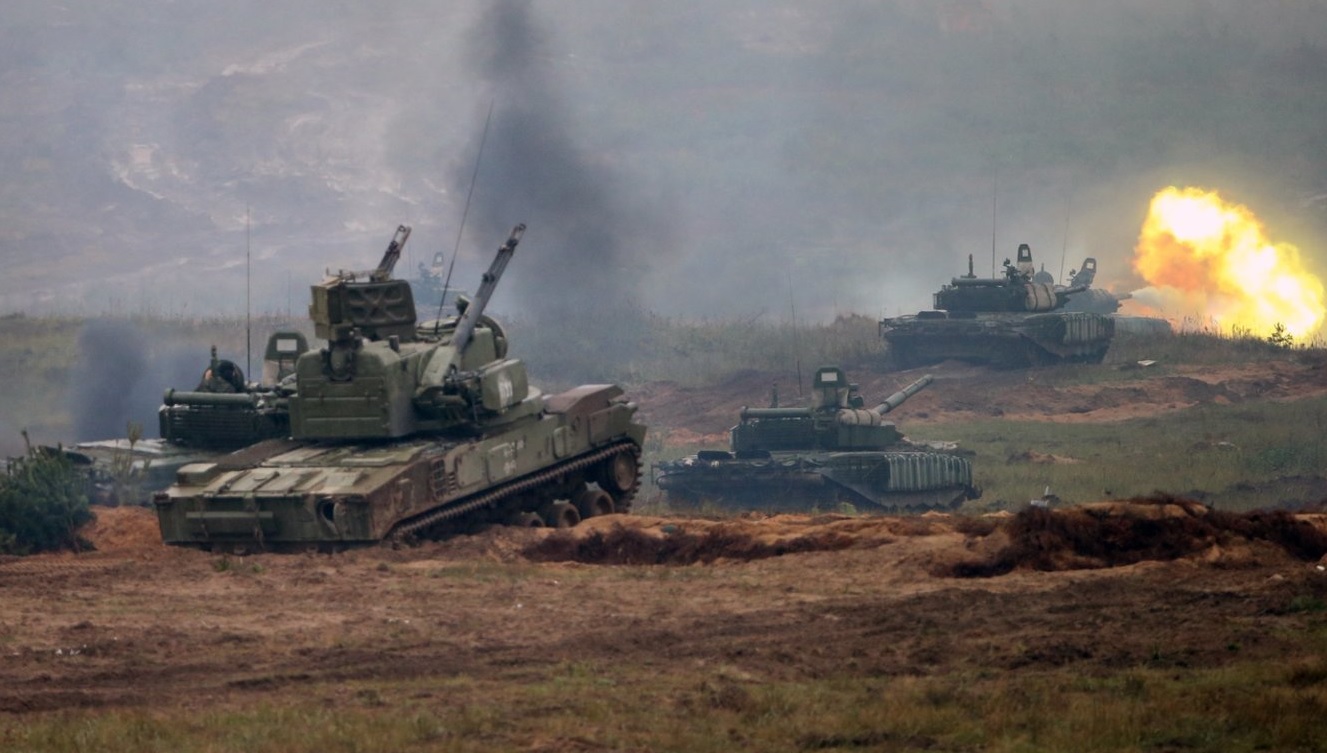
World
Poland has sharply escalated defensive measures amid mounting tensions that followed reported drone incursions from Russia and the launch of large-scale military exercises by Russia and Belarus near NATO’s eastern borders. The Zapad-2025 war games, combined with repeated airspace violations, have deepened fears of instability in Eastern Europe. What’s Happening Zapad-2025 Exercises BeginOn September 12, Russia and Belarus launched joint military drills officially called “Zapad-2025.” The maneuvers are taking place in both countries, including at training grounds in Belarus close to the Polish border. The stated goals are simulating attack repulsion and restoring territorial integrity for the Union State of Russia and Belarus. Drone Incursions over PolandDays before the drills, Poland reported that 19 Russian drones entered its airspace, some crossing from Belarus. Polish and NATO forces shot down several of them. Warsaw insists the incursions were deliberate and not accidental navigation errors. Border Closures & Airspace RestrictionsIn response, Poland closed its remaining border crossings with Belarus as of midnight before the start of Zapad-2025, including rail routes. The government has said the closure will remain until threats to national security subside. Warsaw has also banned drone flights and restricted small aviation along its eastern borders until December, limiting night flights and flights above 3 km altitude for non-commercial aircraft. Military Mobilization & NATO Allies’ SupportThousands of Polish troops have been deployed eastward, with forces placed on heightened alert. NATO allies have stepped in: Germany has reinforced air policing missions over Poland, while France announced the deployment of three Rafale fighter jets to strengthen Poland’s air defense. Other allies, including the UK, have expressed readiness to expand military support. Reactions & Stakes Polish LeadershipPrime Minister Donald Tusk has described the situation as “critical,” warning that Poland is closer to open conflict than at any point since World War II. Interior Minister Marcin Kierwinski stressed that Russia’s actions amount to ongoing aggression, citing both the exercises and the drone incursions. Russia & Belarus’ PositionMoscow and Minsk insist the Zapad-2025 drills are defensive in nature and were planned long before the drone incidents. Russian officials deny that drones were targeting Poland, claiming they were aimed at sites inside Ukraine. Belarusian President Alexander Lukashenko dismissed Western concerns as “utter nonsense,” saying the exercises had even been moved away from NATO borders to ease tensions. International ResponseNATO has begun consultations under Article 4, triggered when a member feels its security is threatened. The European Union has condemned the drone violations. France and Germany have gone beyond statements, providing concrete support, while the United Nations Security Council is preparing to debate the incursions at Poland’s request. Why Observers Are Alarmed Analysts warn that the location of the Zapad-2025 drills raises concerns about a potential simulation of an attack on the Suwałki Gap, a narrow corridor linking Poland and Lithuania, often regarded as NATO’s most vulnerable point. The drone incursions highlight another emerging threat: unmanned aerial systems crossing sovereign borders undetected or too late to intercept. Polish officials have long criticized the slow modernization of its counter-drone infrastructure, a weakness now being tested in real time. The risk of escalation is significant. Any miscalculation — such as a drone strike on Polish territory or a misinterpreted maneuver during the drills — could draw NATO into a direct confrontation with Russia. Poland’s leaders have made clear that they see this as more than a regional flare-up in Ukraine. For Warsaw, the Zapad-2025 drills and drone incursions represent a direct threat to its sovereignty and NATO’s eastern flank. How the next few days unfold will determine whether the crisis cools through diplomacy or accelerates toward confrontation.
Read More → Posted on 2025-09-12 14:30:09
World
At the Navantia shipyard in Ferrol (A Coruña), Spain celebrated a historic milestone with the launch of the F111 “Bonifaz” frigate, the first unit of the F-110 class. The ceremony was attended by Prime Minister Pedro Sánchez and Her Majesty Queen Sofía, who christened the vessel by breaking a bottle against its hull before it slid into the water. Over 5,000 people, including Navantia employees, their families, and partner company staff, gathered to witness the launch. The event featured the Spanish national anthem performed by the Northern Tercio Music Unit. The frigate, blessed by Navy Chaplain Vicente Hernández Chumillas, touched the water one month ahead of schedule with more than 70% of its construction already completed. A Key Program for the Spanish Navy Approved in 2019, the F-110 program calls for the construction of five next-generation frigates, which will enter service over the next decade. The F111 will be delivered in 2028, with subsequent units scheduled annually until 2032. Displacement: about 6,100 tons Dimensions: 145 meters long, 18 meters wide Speed: over 25 knots (≈46 km/h) Crew: around 150 personnel, with facilities for helicopters and unmanned vehicles The F-110 class will feature anti-air, anti-surface, and anti-submarine capabilities, while also supporting NATO joint operations and international maritime security missions. Cutting-Edge Technology The new frigates incorporate some of the most advanced naval technologies developed in Spain: SCOMBA, the new-generation combat system integrating sensors, weapons, and command. Digital Twin, a real-time virtual replica of the ship that enhances operational efficiency and predictive maintenance. Integrated Services System, co-developed with Galician universities, designed to reduce internal cabling and improve reliability. Integrated mast, combining radars and antennas to optimize electromagnetic use and lower radar signature. Hybrid propulsion, offering quieter operation, reduced consumption, and a smaller acoustic footprint. Industrial and Strategic Impact The F-110 program will generate around 9,000 jobs and involve more than 500 companies across Spain, reinforcing the country’s naval industry and revitalizing Galicia’s economy. Admiral Antonio Piñeiro, Chief of Staff of the Spanish Navy, emphasized that the F111 “is not just a new vessel but a demonstration of Spain’s technological sovereignty and strategic vision.” Navantia Chairman Ricardo Domínguez highlighted the project as “a symbol of Spanish innovation,” following the global success of the earlier F100 class. The launch of the F111 “Bonifaz” marks the beginning of a new era for the Spanish Navy, combining military strength with industrial and technological progress.
Read More → Posted on 2025-09-12 14:23:44
World
At DSEI 2025 in London, Avon Protection introduced its latest eye-protection innovation: the MITR-PG1 powered goggle, shown for the first time in public. Displayed alongside Team Wendy’s well-known RIFLETECH ballistic helmet, the move underscores Avon’s strategy of offering modular, interoperable protective equipment for military, law enforcement, and first-response users. MITR-PG1: A New Step in Eye Protection The MITR-PG1 belongs to Avon Protection’s MITR (Modular Integrated Tactical Respirator) system. It is designed to fill a gap between half-masks and full-face respirators, offering eye protection in low- to medium-threat environments without the bulk of full-face systems. Key features include: Protection against riot control agents such as CS, CN, OC, PAVA, and battlefield dust. A powered air purge system that creates slight positive pressure inside the goggles, preventing fogging even in extreme conditions. Lightweight design, around 400 g with battery, and operational endurance of over eight hours. Compatibility with the MITR-M1 half mask, standard combat helmets, and night-vision devices. MITR-GF filter protection against irritant agents and particulate threats, with mechanical resistance for operational durability. Certified to ANSI Z87+ and ISO 16321-1 standards, and built to operate in temperatures from –10 °C to +50 °C. The MITR-PG1 is intended for tasks ranging from riot control and counter-narcotics to counterterrorism, breaching, and special forces missions, giving forces an option where agility and clear vision are critical. RIFLETECH Ballistic Helmet: Proven and Reliable Alongside the MITR-PG1, Avon Protection showcased the RIFLETECH helmet from its subsidiary Team Wendy. Already established as a reference in advanced headgear, the helmet highlights Avon’s integrated protection approach. Notable characteristics: Constructed from ultra-high molecular weight polyethylene (UHMWPE) using Seamless Shell Technology, eliminating weak points from bolt holes. Ballistic performance certified to NIJ RF1 and NIJ Level III, able to withstand threats including 7.62×39 MSC, 7.62×51 NATO M80 Ball, 5.56 mm M193 BT, and 9 mm FMJ. Fragment protection with V₅₀ performance above 4,430 ft/s. Internal Air Fit system with ventilation channels and adjustable pads, designed to reduce head injury risk and improve long-term wear comfort. Integrated night vision shroud and accessory rails without compromising the shell’s integrity. Integrated Protection Strategy By presenting both products together, Avon Protection highlighted its strategy to deliver complementary, modular, and interoperable protective solutions. The MITR-PG1 brings new capabilities in vision and respiratory protection, while the RIFLETECH helmet continues to set the standard in ballistic head protection. This system-based approach ensures that protective components work seamlessly together, eliminating weak points between gear and meeting the operational needs of armed forces, internal security, and first responders.
Read More → Posted on 2025-09-12 14:12:44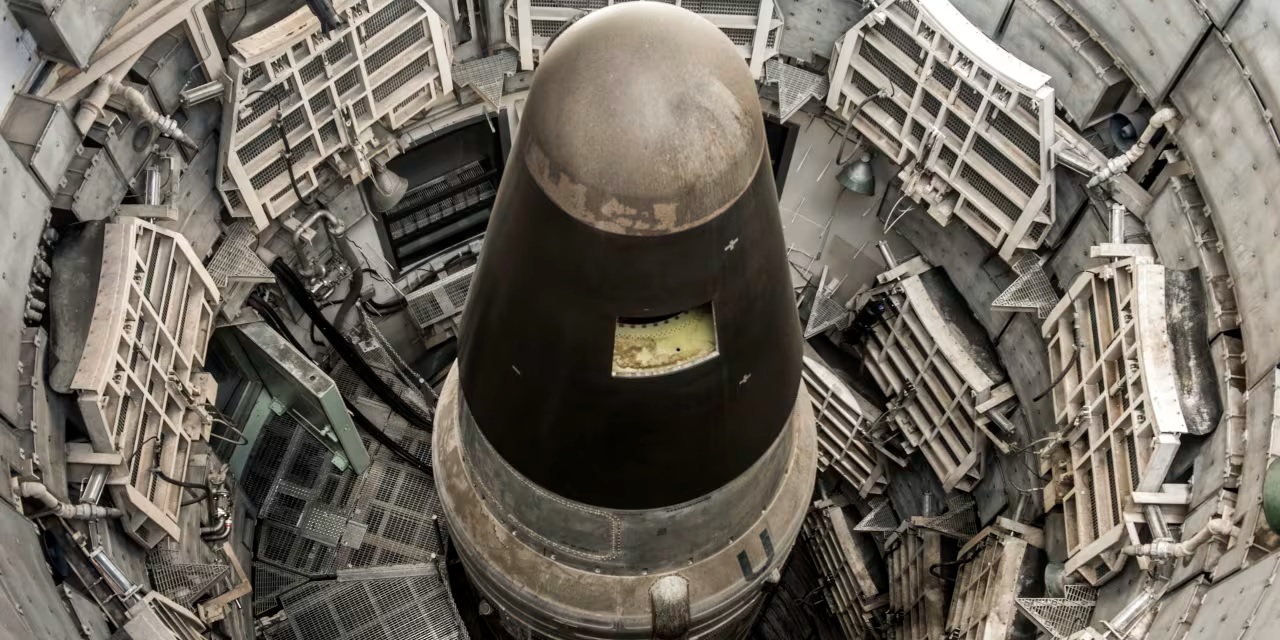
World
Brazil’s nuclear weapons debate has resurfaced after Minister of Mines and Energy Alexandre Silveira suggested that Brazil might need to develop nuclear weapons to secure its national defense. Speaking at an event in Rio de Janeiro, where new directors for the National Nuclear Safety Agency (ANSN) and the National Petroleum, Gas and Biofuels Agency (ANP) were appointed, Silveira warned that changing global threats might force Brazil to reassess its nuclear policy. Constitutional and International Constraints Silveira acknowledged that Brazil’s 1988 Constitution and its commitments under the Nuclear Non-Proliferation Treaty (NPT) currently restrict nuclear activity to peaceful uses, such as energy generation and nuclear medicine. However, he argued that geopolitical shifts could necessitate a strategic review in the long term. Any move toward nuclear deterrence would require legislative changes and thorough debate in Congress. Strategic Resources Position Brazil as a Potential Nuclear Power Brazil’s enormous uranium reserves, significant freshwater resources—accounting for 11% of the world’s supply—and vast mineral wealth give the country the ability to pursue advanced nuclear technology independently. These assets, while currently used for civilian purposes, are key components of a possible defense strategy, should international developments and domestic priorities align. A 2020 Proposal Rekindles the Discussion Silveira’s remarks echo the 2020 legislative proposal that called for Brazil to build an atomic bomb as a deterrent against foreign threats. Proposed by Vito Angelo Duarte Pascaretta and backed by more than 21,000 signatures, the initiative stalled in the Senate, yet ongoing global instability has reignited calls among some lawmakers to revisit the question of nuclear deterrence. Historical Context: The Parallel Nuclear Program Brazil’s nuclear history complicates the current debate. In the 1970s, the country secretly pursued a military nuclear program known as the “Parallel Nuclear Program”, aimed at full control over uranium enrichment outside civilian oversight. The program ended in 1990 following parliamentary inquiries. Brazil’s obligations under the NPT and the Treaty of Tlatelolco, which establishes Latin America and the Caribbean as a nuclear-weapon-free zone, make any shift toward nuclear armament legally and diplomatically challenging. Brazil’s Technical Capability for Nuclear Weapons Despite these limitations, Brazil’s nuclear capability is considerable and often underestimated. The country is home to one of the largest uranium reserves in the world, located primarily in the Ceará, Bahia, and Goiás regions, which could support both civilian and military nuclear applications if regulatory and political barriers were removed. Brazil’s state-run company, Indústrias Nucleares do Brasil (INB), already manages uranium mining, conversion, and enrichment at facilities such as Resende, which is capable of producing enriched uranium suitable for both energy and potential defense applications. Brazil also possesses advanced nuclear fuel cycle technologies, including fuel fabrication, radioisotope production, and research reactors, supported by institutions like the National Nuclear Energy Commission (CNEN). The country’s Angra Nuclear Power Plant, though focused on energy production, demonstrates Brazil’s ability to manage complex reactor systems safely and reliably. Moreover, Brazil’s ongoing nuclear submarine program, spearheaded by the Brazilian Navy, aims to build a nuclear-powered submarine that would require mastery over pressurized water reactor (PWR) technology. The design and operation of such reactors demand expertise in nuclear propulsion, shielding, and thermal management, all of which could be adapted for defense-related nuclear applications if the political will existed. Brazil’s cadre of trained nuclear engineers, physicists, and technicians, cultivated through research institutions like the Federal University of Rio de Janeiro (UFRJ) and COPPE, provides further capacity to expand its nuclear arsenal if necessary. The country’s experience in handling nuclear materials, combined with robust infrastructure and access to global nuclear markets, gives it the technical foundation needed to transition into a nuclear weapons state, albeit at significant legal and diplomatic cost. Global Tensions and Rising Nuclear Concerns Heightened global tensions provide the backdrop for Brazil’s reconsideration of nuclear policy. Russia’s invasion of Ukraine, alongside nuclear developments by North Korea and Iran, has led many nations to reevaluate their defense strategies. Recent statements by former U.S. President Donald Trump and discussions among NATO allies on nuclear self-reliance underscore the increasing uncertainty in global security and the potential need for independent defense capabilities. Government Reaffirms Civilian Nuclear Focus In response to Silveira’s comments, the Ministry of Mines and Energy clarified that Brazil’s nuclear activities will remain centered on civilian purposes. Nonetheless, experts warn that the debate around nuclear deterrence may gain momentum, with some interpreting Silveira’s remarks as strategic signaling, while others view them as laying the groundwork for future policy shifts. The Crossroads Ahead: Sovereignty vs. Commitments As Congress debates the issue, Brazil faces a critical choice between honoring its non-proliferation commitments and adapting to emerging security threats. With its uranium reserves, nuclear expertise, and infrastructure, Brazil is one of the few countries capable of developing nuclear weapons if political and diplomatic circumstances permit. The coming years will test how Brazil balances sovereignty, defense priorities, and international obligations in an increasingly unpredictable world.
Read More → Posted on 2025-09-11 16:06:25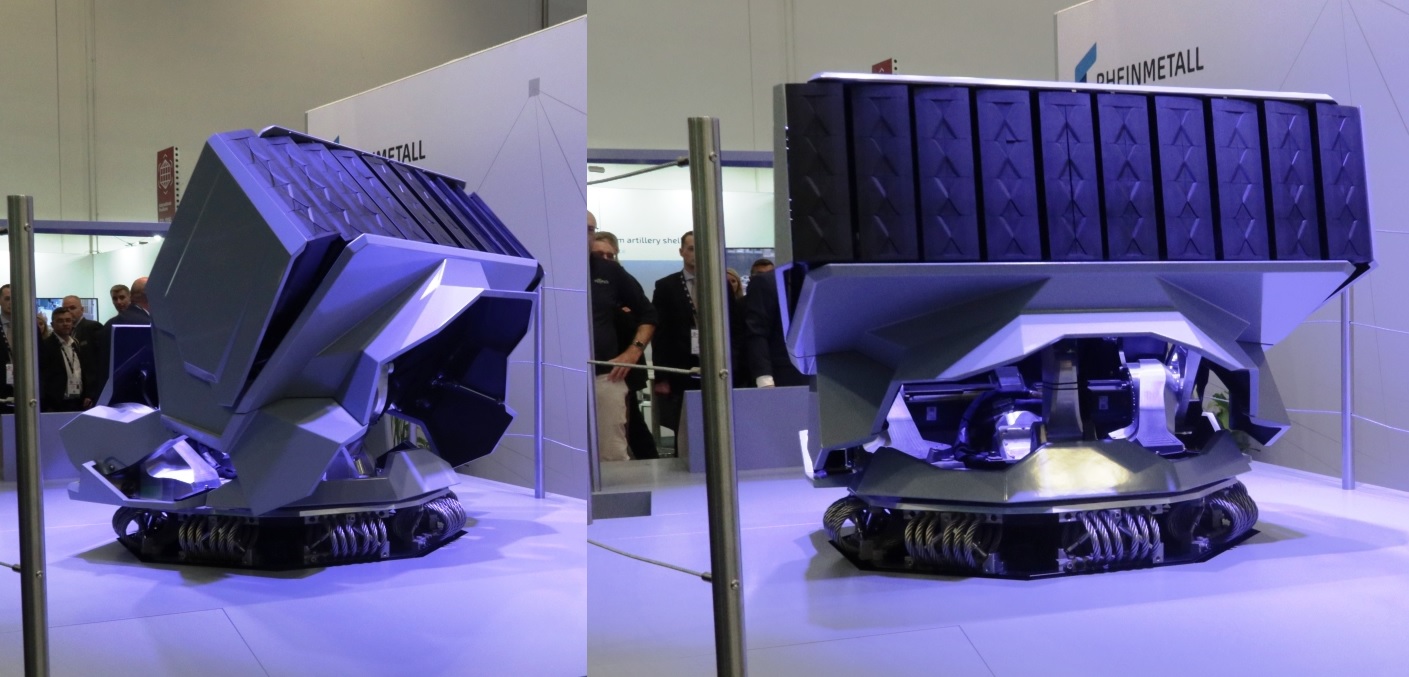
World
At the Defence and Security Equipment International (DSEI) 2025 exhibition in London, Rheinmetall introduced the next-generation Multi Ammunition Softkill System (MASS nova), a state-of-the-art naval protection solution designed to counter increasingly sophisticated anti-ship missiles. Building upon the legacy of the original MASS, which has been in service for over 25 years and deployed on more than 50 ship classes worldwide, the MASS nova incorporates advanced technologies to address emerging threats. Enhanced Launcher Capabilities The MASS nova features a newly developed launcher with several key improvements: Increased Payload Capacity: The launcher now accommodates 40 decoys, up from the previous 32, thanks to the addition of two extra magazines. Extended Ammunition Length: The new design supports decoys that are 80 mm longer, enhancing the effective mass and overall performance of each countermeasure. Variable Fan Angle: The launcher offers a fan angle exceeding 90°, allowing for variable dispersion patterns to optimize performance against imaging infrared (IIR) and laser-guided missiles. 360° Azimuth and 90° Elevation Coverage: The fully trainable launcher ensures comprehensive coverage, providing full screening of the vessel. These enhancements result in a 50% increase in payload capacity while maintaining a lighter launcher design, thereby improving both effectiveness and efficiency. Introduction of 3DDS Decoy Drones A significant advancement in the MASS nova system is the incorporation of the 3D Decoy Swarm (3DDS) drones. Before launch, these drones have a tubular shape, but upon deployment, they transform into quadcopters with four arms and two-blade rotors. Operating as a coordinated swarm, the 3DDS drones mimic the ship's radar and infrared signatures, creating a realistic three-dimensional decoy that can deceive even advanced anti-ship missiles equipped with artificial intelligence algorithms. The drones are programmed to fly in formations that simulate the ship's superstructure, attracting incoming missiles away from the actual target. With an endurance of one to two minutes, the 3DDS drones provide sufficient time to divert threats. The number of drones deployed varies based on the ship's size, with three to four drones for smaller vessels and eight to ten for larger combatants. Integration and Future Developments The MASS nova system is designed for easy integration into existing naval platforms, whether as a standalone system or as part of the ship's command and control infrastructure. Rheinmetall plans to conduct first firing trials in November 2025, with the goal of completing qualification by 2027 and making the system available for deployment by 2028. In addition to the 3DDS drones, Rheinmetall is developing new infrared payloads, including soot, glass beads, and brass dust, as well as a new generation of longer MASS rounds. The company is also exploring the integration of active radiation capabilities into the decoys to attract anti-radar missiles. With the MASS nova, Rheinmetall aims to set a new standard in naval self-protection, providing advanced and adaptable solutions to safeguard vessels against the evolving landscape of maritime threats.
Read More → Posted on 2025-09-11 15:19:24Search
Top Trending in 24 Hours
-
 Tulsi Gabbard Releases Declassified Files Detailing U.S.-Backed Network of 120 Biolaboratories Across 30+ Countries
-
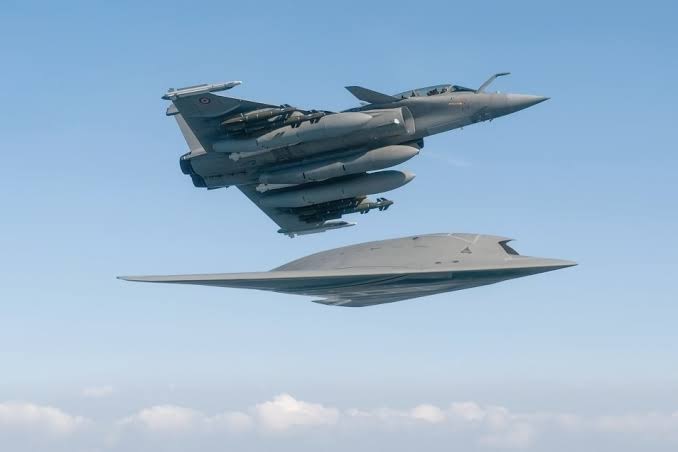 France Agrees to Equip Future Indian Rafales with AI, MUM-T and Secure Satellite Links Under F5 Standard
-
 US Marine Corps F/A-18D Hornet Crashes During Training Flight in Washington Mountains; Pilot Ejects Safely
-
 Dassault Seeks Compensation From Airbus as Eurodrone Dispute Erupts After FCAS Collapse
-
 U.S. Navy Reestablishes Submarine Squadron 3 at HMAS Stirling to Support AUKUS Rotational Force
-
 AM General Unveils Next-Generation UGV and JLTV A2 with Counter-Drone Systems at Eurosatory 2026
-
 U.S. Navy's USS Colorado Submarine Returns to Pacific Fleet 29 Days Early After Major Pearl Harbor Overhaul
-
 Royal Canadian Navy Deploys HMCS Corner Brook for First RIMPAC Submarine Mission in Over a Decade
Top Trending in 4 Days
-
 Iranian Media Leaks 14-Point U.S.-Iran Peace Framework Amid Ongoing Negotiations
-
 F-35 Fleet Readiness Falls to 25% Amid Parts Shortages and Software Delays: GAO Report
-
 US Plans Significant Reduction of Fighter Jets and Warships for NATO Operations in Europe
-
 India Successfully Conducts AD-1, AD-2 Interceptor Tests and Maiden NASM-MR Flight Trial
-
 U.S. Air Force Faces Strategic Airlift Shortfall as C-17 Production Restart Remains Uncertain
-
 NATO Commander Says Russia Not Seeking Conflict With Alliance Despite U.S. Force Reductions
-
 U.S. Space Force Awards $437.7 Million Contracts for First PTS-G Swarm 1 Anti-Jam Satellites
-
 Russian Defense Firm ZALA Unveils KAMA Unmanned Surface Vessel Family at FLOT-2026 Naval Exhibition