U.S
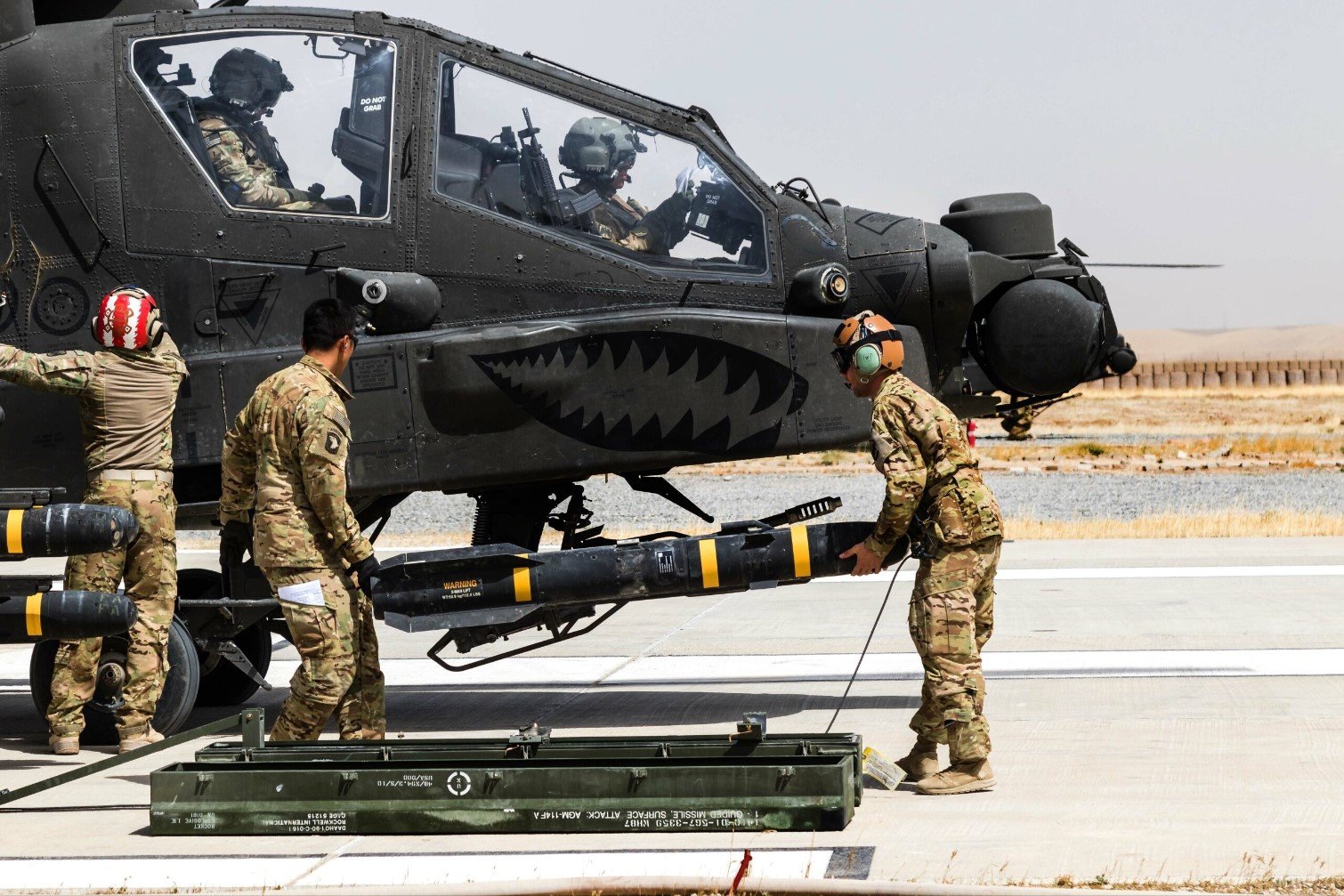
HOUSTON — KBR announced on August 10 that its Mission Technology Solutions business has secured an estimated $208 million cost-plus-fixed-fee task order to continue supporting the U.S. Army’s Tactical Aviation and Ground Munitions (TAGM) portfolio. The five-year task order was awarded under the federal government’s One Acquisition Solution for Integrated Services Plus (OASIS+) contract vehicle. It is a recompete that continues KBR’s role as the prime contractor supporting a range of Army precision-strike and aviation weapons. Under the task order, KBR will provide support across the full lifecycle of the systems. The work includes advanced engineering, rapid prototyping, modernization, foreign military sales support and global logistics, covering activities from development and fielding through sustainment. Weapons Covered by the Task Order The TAGM portfolio covered by the work includes the HELLFIRE missile, Joint Air-to-Ground Missile (JAGM), Javelin, Tube-launched Optically-tracked Wireless-guided (TOW) missiles, Hydra rockets and Long-Range Precision Munitions (LRPM). The portfolio also includes advanced rocket systems and containerized weapons platforms. The Army's TAGM program supports tactical aviation and ground forces and includes systems at different stages of development, fielding and sustainment. The Army has previously identified Long Range Precision Munitions as part of its efforts to provide longer-range capabilities for future and current aviation platforms. Support for Army Modernization KBR said the task order supports several Army modernization priorities, including multi-domain operations, increased Army Aviation lethality, Launched Effects and low-cost Counter-Unmanned Aircraft System (C-UAS) capabilities. The company will use its engineering capabilities, digital tools and global execution resources to support the Army as it uses accelerated acquisition approaches to move new capabilities from prototype development toward fielding. Jay Lennon, President of Mission Technology Solutions, said the award reflects the Army's trust in KBR and highlighted the company's work supporting Army precision weapons for more than 25 years. “For more than 25 years, KBR has helped take the Army’s most important precision weapons from concept to combat readiness,” Lennon said. KBR said the TAGM weapons remain in demand across global theaters as threat environments change, increasing the importance of engineering, modernization and sustainment support for the portfolio. Contract Comes Ahead of Trinzic Spin-Off The task order comes as KBR prepares to separate its Mission Technology Solutions business into an independent public company called Trinzic. KBR announced the Trinzic name in July as part of its planned spin-off of the Mission Technology Solutions business. The separation is currently expected to be completed in January 2027, subject to the required conditions and approvals. KBR previously said the planned spin-off business would enter the market with more than $5 billion in annual revenue and approximately 20,000 employees, with capabilities spanning national security and space, including digital integration, artificial intelligence, mission engineering and rapid prototyping. KBR's Mission Technology Solutions business has continued to secure U.S. government work as preparations for the separation progress. KBR said in its second-quarter 2026 earnings update that the company remained on track for the planned January 2027 spin-off and was progressing with activities including contract separation, IT systems, procurement and organizational planning. The new Army task order therefore extends KBR's existing TAGM support while the business prepares to transition into Trinzic as an independent company.
Read More → Posted on 2026-08-15 13:17:19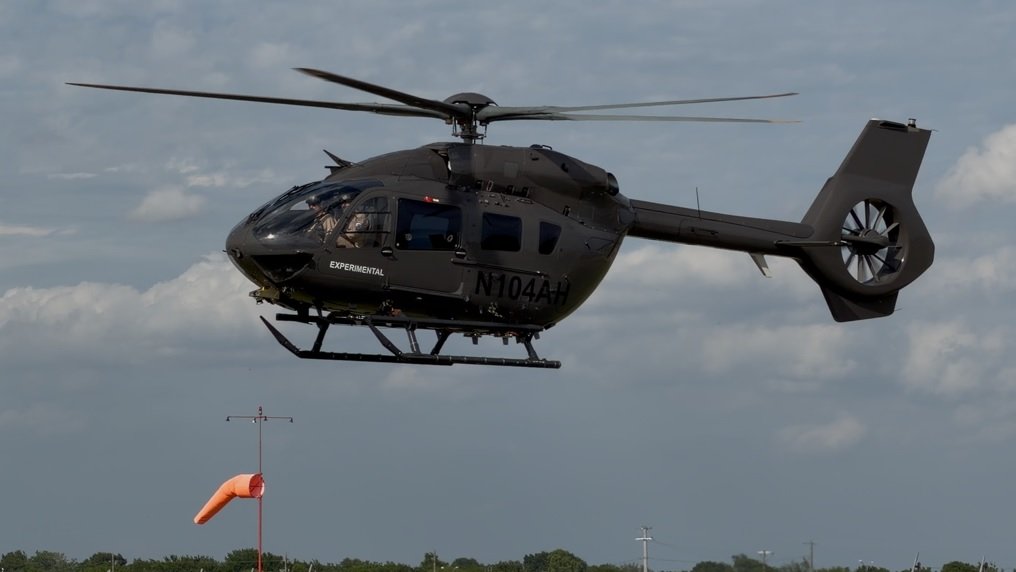
U.S
Washington, D.C. — Airbus Helicopters Inc. has been awarded a $115.4 million contract by the U.S. Army for 10 new UH-72B Lakota helicopters, with an option for two additional aircraft. If the two-aircraft option is exercised, the total value of the agreement could reach about $140.7 million. The contract, W58RGZ-26-C-0020, was announced by the Department of War on August 14, 2026. It was issued by Army Contracting Command at Redstone Arsenal, Alabama. The initial contract is funded through fiscal 2024 and 2025 Army aircraft procurement funds. The order includes the helicopters, designated MBB-BK 117 D3, along with jettisonable cockpit doors, air-conditioning system installation, engine inlet barrier filters and program management. The Army solicited the work online and received one bid. The contract currently lists an estimated completion date of December 31, 2030. Deliveries to Begin in 2027 The 10 helicopters covered by the initial order are scheduled to be delivered between 2027 and 2029. The aircraft will be assembled at Airbus’ production facility in Columbus, Mississippi, which serves as the manufacturing hub for the Lakota program. The Columbus facility also employs a workforce that includes a significant share of military veterans. The new acquisition continues the U.S. Army's modernization of its Army National Guard Lakota fleet, which has been in service since the first UH-72 contract award and delivery in 2006. UH-72 Lakota Fleet The UH-72 is the U.S. Army’s third-largest rotor-wing fleet. The helicopters support Army and National Guard units across 49 states and territories. Lakota helicopters are used for a range of missions, including homeland defense, search and rescue, disaster relief, surveillance and medical evacuation. National Guard units also use the aircraft for missions such as border security and counter-drug operations. Since the program began, Airbus has delivered more than 480 Lakota helicopters, with the company stating that deliveries have been made on time. The fleet has accumulated more than 1.7 million flight hours. UH-72B Lakota The UH-72B is the latest version of the Army’s Light Utility Helicopter. It is based on Airbus’ commercial H145 platform and follows the commercial off-the-shelf approach used by the Lakota program. The UH-72B features a five-bladed main rotor, a Fenestron shrouded tail rotor, twin Safran Arriel 2E engines and the Airbus-designed Helionix avionics suite. The B variant was introduced by the Army in 2020, with the first UH-72B helicopters delivered to the Army National Guard in September 2021. The new helicopters under the latest contract will also receive specific field upgrades, including jettisonable cockpit doors, air-conditioning systems and engine inlet barrier filters. These features are included in the contract to support the configuration required by the Army. Continued Lakota Modernization The latest contract follows Airbus’ wider support for the Army’s Lakota fleet. In 2022, Airbus secured a separate Contractor Logistics Support contract valued at up to $1.5 billion over five years. That agreement covers spare parts, material and engineering support for the Army’s Lakota fleet at 67 sites nationwide. Alex Veneziano, CEO of Airbus U.S. Space & Defense, said that Army and National Guard pilots need modern technology and a proven aircraft to meet changing mission requirements. He added that continued modernization will keep the Lakota fleet as part of Army aviation in the coming years. The new UH-72B order adds another 10 helicopters to the Army’s Lakota program, with two additional aircraft available as an option, while continuing the modernization of the Army National Guard’s light utility helicopter fleet.
Read More → Posted on 2026-08-15 12:35:46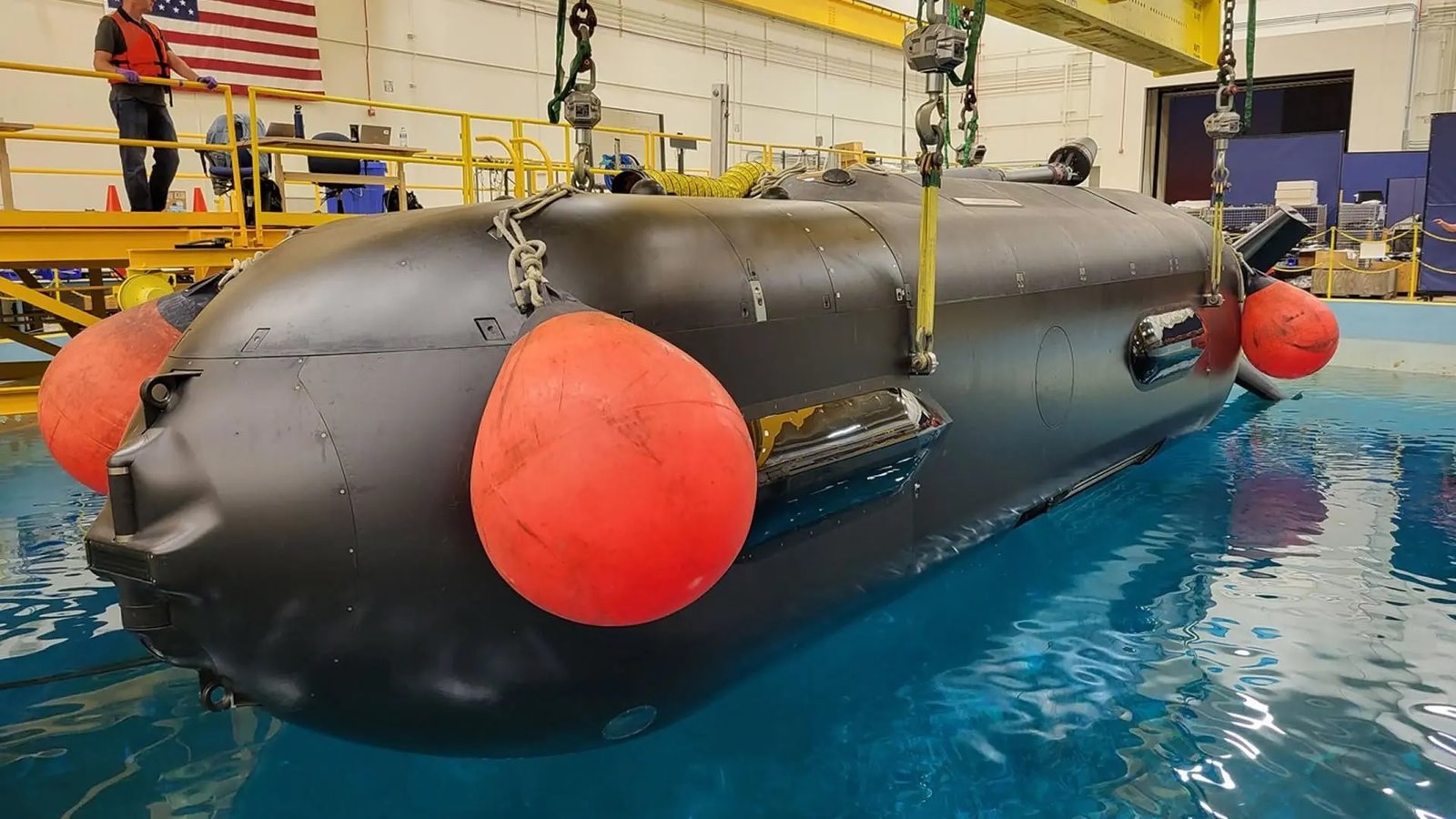
U.S
EAST PACIFIC — The U.S. Navy completed its first 1,000-nautical-mile transit with an Orca Extra Large Uncrewed Undersea Vehicle (XLUUV) in July 2026, marking the first time the system has completed a patrol of that distance in the program’s history. The uncrewed submarine, developed by Boeing and Huntington Ingalls Industries, traveled more than 1,000 nautical miles across the East Pacific during the mission. Teams from the Navy’s Program Executive Office for Unmanned and Small Combatants supported the operation. Rear Admiral Chris Cavanaugh, Commander of the U.S. Submarine Force, Pacific Fleet, confirmed the milestone and highlighted the Navy’s continued investment in unmanned undersea systems. “The operational environment in the Pacific continues to evolve with the rapid development of technological advancements in the undersea domain,” Cavanaugh said. “The Pacific Submarine Force is heavily investing in unmanned capabilities to augment our manned submarines and preserve our undersea advantage across the full spectrum of submarine operations.” Orca Designed for Long-Endurance Undersea Missions Orca is among the largest uncrewed undersea vehicles operated by the U.S. Navy. The system supports mission requirements identified in a Joint Urgent Operational Need focused on the Pacific theater. Its planned mission areas include intelligence, surveillance and reconnaissance (ISR), mine warfare, seabed warfare and expeditionary support. The vehicle is designed to operate independently for extended periods and can launch and recover from a pier without requiring a dedicated support ship. Orca uses a hybrid diesel-electric propulsion system. Its reported range is about 6,500 nautical miles, allowing missions that can extend over periods measured in months. The basic hull is about 51 feet long without the payload section. When the modular payload section is installed, the overall length reaches roughly 85 feet, with a displacement of about 80 to 85 tons. The payload bay is approximately 34 feet long and can carry up to 8 tons of equipment. Navigation uses an inertial navigation system supported by Doppler velocity logs and depth sensors, allowing the vehicle to operate without GPS. Latest Orca Vehicle and Earlier Testing The latest vehicle, designated XLE2, was commissioned earlier in 2026 at Boeing’s facility in Huntington Beach, California. Earlier vehicles include XLE0, a test asset delivered to the Navy in December 2023, and XLE1. Testing of the Orca system has been conducted off the southern California coast, with risk-reduction work beginning in 2024. The July transit provides the Navy with an additional demonstration of the vehicle’s ability to conduct extended autonomous operations over long distances in the Pacific. Hunter Payload and Other Planned Capabilities The Navy is also working to integrate additional capabilities into the Orca fleet. One of these is the Hunter payload, developed under a Defense Advanced Research Projects Agency (DARPA) program. Hunter is focused on delivering advanced undersea payloads from extra-large uncrewed vehicles for expeditionary mining in contested environments. DARPA describes the effort as a concept for delivering payloads from XLUUVs. The acquisition strategy for Hunter is expected to be formalized in late 2027 or early 2028. Budget documents show design and integration work beginning around fiscal year 2026. Orca is also linked to a standoff heavyweight torpedo deployment system that is preparing to transition to the Navy’s PMS 406 Unmanned and Small Combatants office. The development timeline for the Hunter module depends on this system. In 2024, the Navy fitted a roughly 10-meter payload module with large vertical opening hatches. Analyst H.I. Sutton noted that the hatches on the top, and possibly the bottom, are consistent with configurations for mine-laying missions. Other possible configurations include side doors for launching and recovering smaller underwater vehicles. Orca Moves Toward Program of Record In May 2026, the Navy shifted Orca from experimental development toward a planned program of record in its shipbuilding plan. Funding covers two vehicles in fiscal year 2027 and a total of 16 vehicles through fiscal year 2031. About $135.8 million was requested for the near term, while roughly $1.13 billion is included across the future-years defense plan. The planned expansion reflects the Navy’s effort to develop uncrewed undersea systems that can operate alongside crewed submarines and support a wider range of undersea missions. Next-Generation XLUUV Development A separate next-generation effort is also underway through the Defense Innovation Unit’s Combat Autonomous Maritime Platform (CAMP) project. Competitors include Anduril with its Dive-XL system, which is designed for long-range operations, effector launch and deployment of seabed ISR nodes. In July 2026, the Defense Innovation Unit selected Kongsberg and Oceaneering for concept-definition work on a CAMP vehicle intended to have a range of more than 1,000 nautical miles and operate below 200 meters in GPS-denied conditions. The Orca’s July transit demonstrates the Navy’s progress in using large autonomous undersea vehicles for extended operations and supports its broader effort to expand uncrewed capabilities alongside crewed submarine forces in the Pacific.
Read More → Posted on 2026-08-15 12:09:12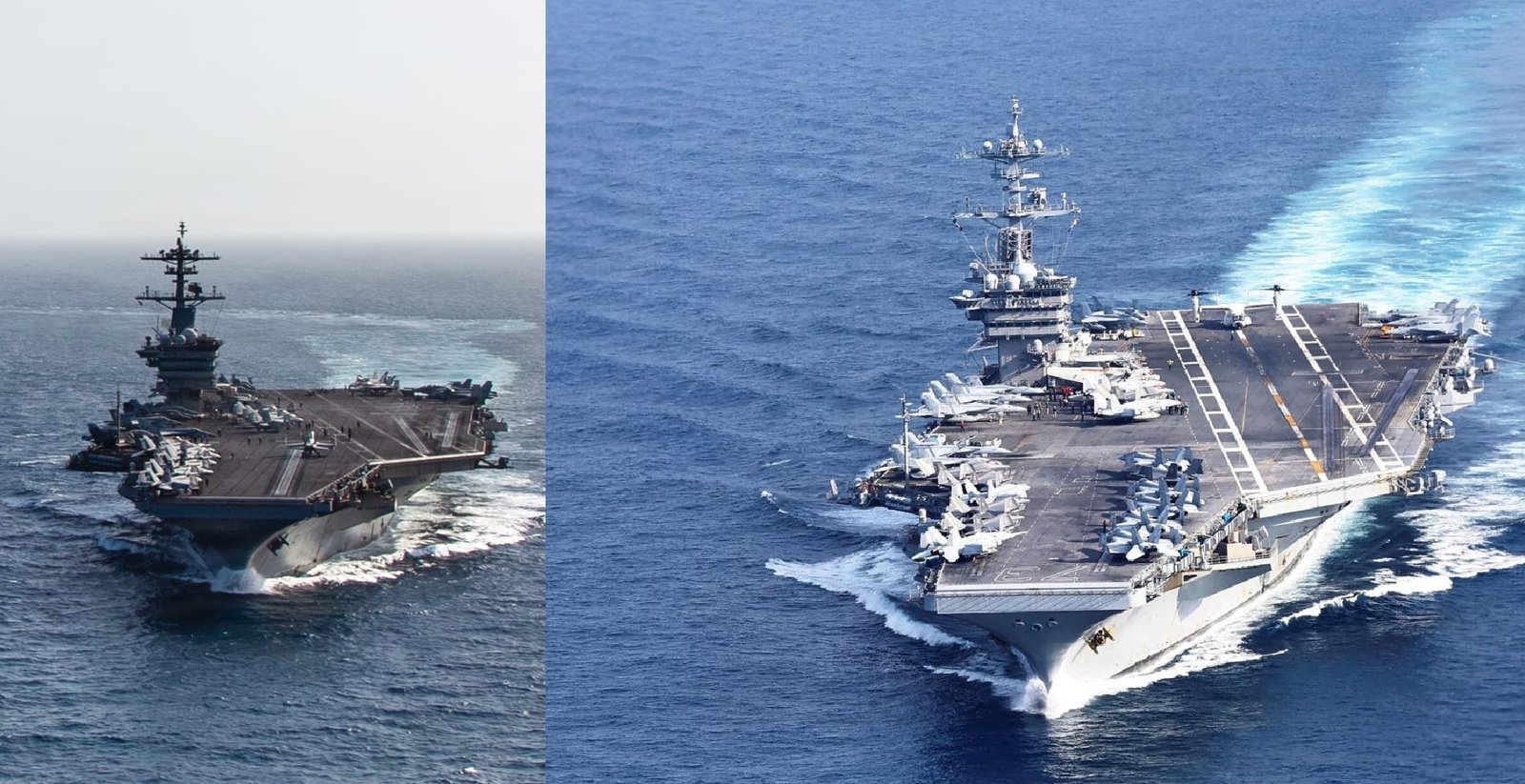
U.S
WASHINGTON — The U.S. Navy is preparing to deploy the aircraft carrier USS George Washington to the Middle East to relieve the USS Abraham Lincoln, which has remained on an extended deployment supporting U.S. military operations in the region. The Lincoln left its home port in San Diego on November 21, 2025, for what was initially expected to be a roughly seven-month deployment in the Indo-Pacific. The carrier was redirected to the Middle East in January 2026 ahead of U.S. military operations involving Iran. Its deployment has since been extended several times, with no public return date announced as of mid-August. Recent reporting says the carrier has spent more than 250 days deployed, including a lengthy period continuously underway. The deployment was originally scheduled to end in May 2026, but it was extended amid the ongoing conflict involving Iran. The more than 5,000 sailors and Marines aboard the carrier have reportedly had only two days on land during the deployment, in Guam in December and Oman in July. Extended Deployment The Abraham Lincoln Carrier Strike Group has been operating in the U.S. 5th Fleet area while supporting ongoing operations. The extended deployment has limited opportunities for the crew to spend time ashore. The carrier made brief stops in Guam in December 2025 and Oman in July 2026. Reports from families and sailors have described the deployment as physically and mentally difficult, with concerns about long working periods and repeated extensions. In April, reports of conditions aboard the carrier generated public criticism after photographs emerged showing poor-quality and rationed food. Other reports cited water shortages, moldy showers and broken laundry machines. The Navy has previously confirmed that the Lincoln has continued conducting operations in the region. In March, U.S. Central Command said a sailor was injured during flight operations aboard the carrier in the Arabian Sea and was taken ashore for additional medical care. Reports of Conditions and Mental Health Concerns Recent reports from Military Times, Navy Times, Stars and Stripes and other outlets have highlighted concerns raised by sailors' families about conditions aboard the carrier. Families have described problems including broken toilets and plumbing, mold in showers, limited hot water, laundry equipment problems, disruptions to mail and care packages, and periods of food shortages or rationing. Representative Mike Levin, a Democrat from California, has described reports of moldy showers, broken toilets, laundry being out of service for weeks, long periods without hot water, reduced meals and shortages of basic hygiene products. Mental health concerns have also been raised. Families told news organizations that some sailors had experienced severe exhaustion, low morale and thoughts of self-harm. Reports have also described incidents in which sailors allegedly attempted or prepared to go overboard. Military families and members of Congress have raised concerns about what they describe as an intensifying mental health crisis aboard the carrier. Navy Times and Stars and Stripes have reported multiple incidents involving sailors attempting to jump overboard during the current deployment. One sailor's spouse, Annabelle Loma, told Military Times that her husband, a sailor with about 13 years of service, attempted to go overboard after the deployment was repeatedly extended and was later placed on medical hold. She said he was concerned that his actions could result in a dishonorable discharge and affect his military career. Another sailor's wife told the publication that her husband was involved in a separate incident in which he prevented a fellow crew member from jumping by grabbing the sailor and bringing them back onto the deck. At an emotional town hall meeting in San Diego, around 200 family members raised concerns with Navy leaders about the length of the deployment and the conditions faced by their relatives aboard the carrier. The meeting was attended by Acting Navy Secretary Hung Cao and other senior officials. One spouse told Cao that the Navy had “broken trust between us and the leadership.” Another family member said her husband had sent her a message saying he hoped he would not wake up the following day. A U.S. official also told CNN that a sailor went overboard from the Lincoln earlier in August. The sailor was rescued within about an hour, medically evaluated and transferred from the ship for further care. The official did not say whether the incident was treated as a suicide attempt. Navy Response Navy officials have acknowledged the strain associated with the extended deployment but have disputed some of the more serious claims. The Navy has said it has not identified a statistical increase in reported suicidal ideation or suicide attempts aboard the Lincoln based on the information available to it. Officials have also said that medical and mental health personnel, chaplains and deployment-resilience counselors are available to the crew. The Navy said that extended deployments can place significant strain on service members and their families and that the health and well-being of Lincoln sailors remain a priority. Defense Secretary Pete Hegseth described reports of extreme shortages and poor morale as “completely misrepresented.” In earlier comments, Hegseth also dismissed the accounts as “more fake news.” Officials said disruptions to traditional supply hubs caused by combat operations contributed to some shortages and mail delays. The Navy has maintained that the carrier has access to clean water, functioning air conditioning and healthy meals. A Navy official said current reports from the ship confirmed continuous access to those resources. Lawmakers Seek Answers The reported conditions have also prompted questions from members of Congress. Senator Richard Blumenthal wrote to senior Navy officials seeking information about deployment extensions, supply problems, water and plumbing issues, mental health support, deck safety and mail disruptions. Representative Mike Levin has also publicly raised concerns about reports of moldy showers, broken toilets, laundry problems, reduced meals and shortages of basic hygiene supplies. Levin criticized Hegseth's response to the reports, saying service members should have access to basic necessities including hot water, working toilets and adequate meals. Representative Jason Crow, a Democrat from Colorado and former Army Ranger who served in Afghanistan and Iraq, has also warned that the strain on service members and their families aboard the Lincoln is building week by week. Families of sailors and Marines have raised similar concerns directly with Navy officials during meetings in San Diego. Mental Health Challenges Among Deployed Sailors The concerns surrounding the Lincoln come amid broader research into mental health challenges faced by active-duty Navy personnel. A study published last year examined stress factors experienced by sailors during deployments. The research identified factors including loud noise, lack of rest, and inadequate mental and physical healthcare. Researchers surveyed deployed sailors and found that almost half reported that they were not receiving adequate help in coping with stress while at sea. The study concluded that, given the high rates of military suicide, including within the Navy, improving access to healthcare aboard ships was an urgent need. USS George Washington Heads West The Navy is now moving the USS George Washington toward the Middle East as the planned relief carrier for the Abraham Lincoln. The George Washington is a nuclear-powered aircraft carrier that normally operates in the western Pacific from Yokosuka, Japan. It recently completed a port visit in Da Nang, Vietnam, and is moving west toward the Indian Ocean through the Strait of Malacca. The Associated Press reported that the carrier is heading toward the Middle East as part of the planned rotation. U.S. officials have described the deployment of the George Washington as part of a scheduled rotation rather than an emergency response to the reports surrounding the Lincoln. The exact timing of the George Washington's arrival has not been publicly disclosed. Once the relief process is completed, the Abraham Lincoln will be able to leave the Middle East and begin its return journey. The rotation will also temporarily reduce the U.S. Navy's forward-deployed aircraft-carrier presence in the Pacific. For the Abraham Lincoln's crew, the relief will mark the end of one of the Navy's longest recent carrier deployments. Navy officials have said the health and well-being of the sailors and Marines remain a priority while the carrier continues its current mission.
Read More → Posted on 2026-08-14 15:48:34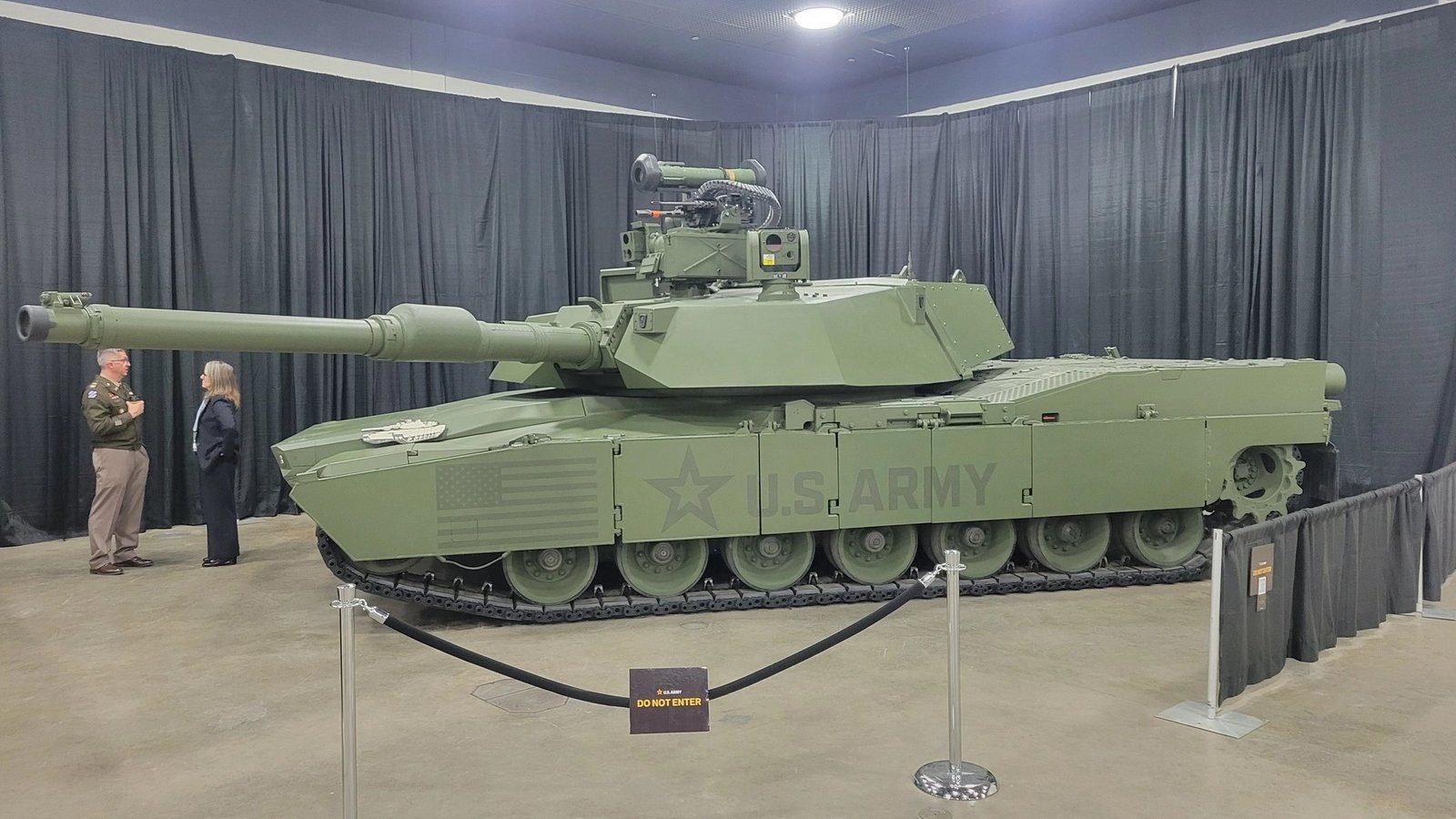
U.S
DETROIT — The U.S. Army’s 1st Armored Brigade Combat Team, 1st Cavalry Division, known as the “Iron Horse” Brigade, is preparing to receive prototypes of the next-generation M1E3 Abrams main battle tank and XM30 Infantry Fighting Vehicle for operational testing. Brigade commander Col. Todd Hertling said at the Ground Vehicle Systems Engineering and Technology Symposium (GVSETS) in Detroit that soldiers are looking forward to evaluating the new platforms, particularly their improvements in lethality, survivability and mobility. M1E3 Abrams The M1E3 Abrams is intended to replace the Army’s current M1A2 Abrams. Unlike earlier upgrade packages that pushed the Abrams above 70 tons, the M1E3 is being redesigned to bring its weight closer to 60 tons, improving mobility and reducing logistical demands. The tank will use a diesel-based hybrid-electric powertrain instead of the Abrams’ traditional gas turbine. The Army expects it to reduce fuel requirements by about 50 percent and provide a “silent watch” capability. Another major change is an unmanned turret with an autoloader for the 120mm smoothbore gun. The crew will be reduced from four to three soldiers, with the crew positioned deeper inside the hull. Hertling called the unmanned turret a “game changer.” The M1E3 will also use open systems architecture and a 360-degree situational awareness system. The digital architecture is designed to support continuous software updates, integration of different applications and connectivity between platforms. Hertling said this could allow soldiers to “fight on a cloud” with improved battlefield awareness. Former Army Chief of Staff Gen. Randy George said the tank’s targeting capability can engage a target at a quarter-mile range in about a tenth of a second. General Dynamics Land Systems is scheduled to deliver an undisclosed number of M1E3 prototypes to the Army by the end of 2026. Four additional Roush-built prototypes are scheduled to reach the Iron Horse Brigade later this year. XM30: Wolf vs. Lynx The Iron Horse Brigade will also evaluate the XM30, which is being developed to replace the Bradley Infantry Fighting Vehicle. The competition is between General Dynamics Land Systems’ Wolf and American Rheinmetall’s Lynx. Both designs feature an unmanned turret, hybrid-electric powertrain, exportable power, open systems architecture and enhanced computing capabilities. Both will use a 50mm cannon, replacing the Bradley’s 25mm weapon, and support tactical high-explosive airburst ammunition designed to detonate in the air. The vehicles can also carry additional missiles and loitering munitions. The Wolf is being developed with AeroVironment’s Switchblade 300 loitering munition. General Dynamics has about 15 partners, including SAPA and STC. The Lynx can launch Raytheon’s tube- or rail-launched Coyote counter-drone interceptor and integrate the Javelin anti-tank missile. Rheinmetall’s partners include Anduril, Textron, Allison Transmission, Raytheon and L3Harris. GDLS has delivered its initial XM30 prototypes to its facility in Lima, Ohio, for government acceptance. One is expected to go to Aberdeen Proving Ground, while seven more are expected to reach the Iron Horse Brigade in Texas around October. American Rheinmetall is also preparing to send its vehicles to Aberdeen for testing. National Training Center Evaluation The Iron Horse Brigade will operate the M1E3 and XM30 during a rotation at the National Training Center (NTC). Soldiers will assess the vehicles during maneuver, maintenance, refueling, resupply, networking and combined-arms operations. The Army could select the XM30 winner late next spring after the NTC evaluation. However, Brig. Gen. Troy Denomy said the Army wants to keep both competitors involved as long as possible if testing does not produce a clear winner. Funding will be a major factor in determining whether both vendors remain in the program. The Iron Horse Brigade’s testing will give the Army direct soldier feedback on the M1E3 and XM30 and help shape final design decisions and the future path of both modernization programs.
Read More → Posted on 2026-08-14 15:32:26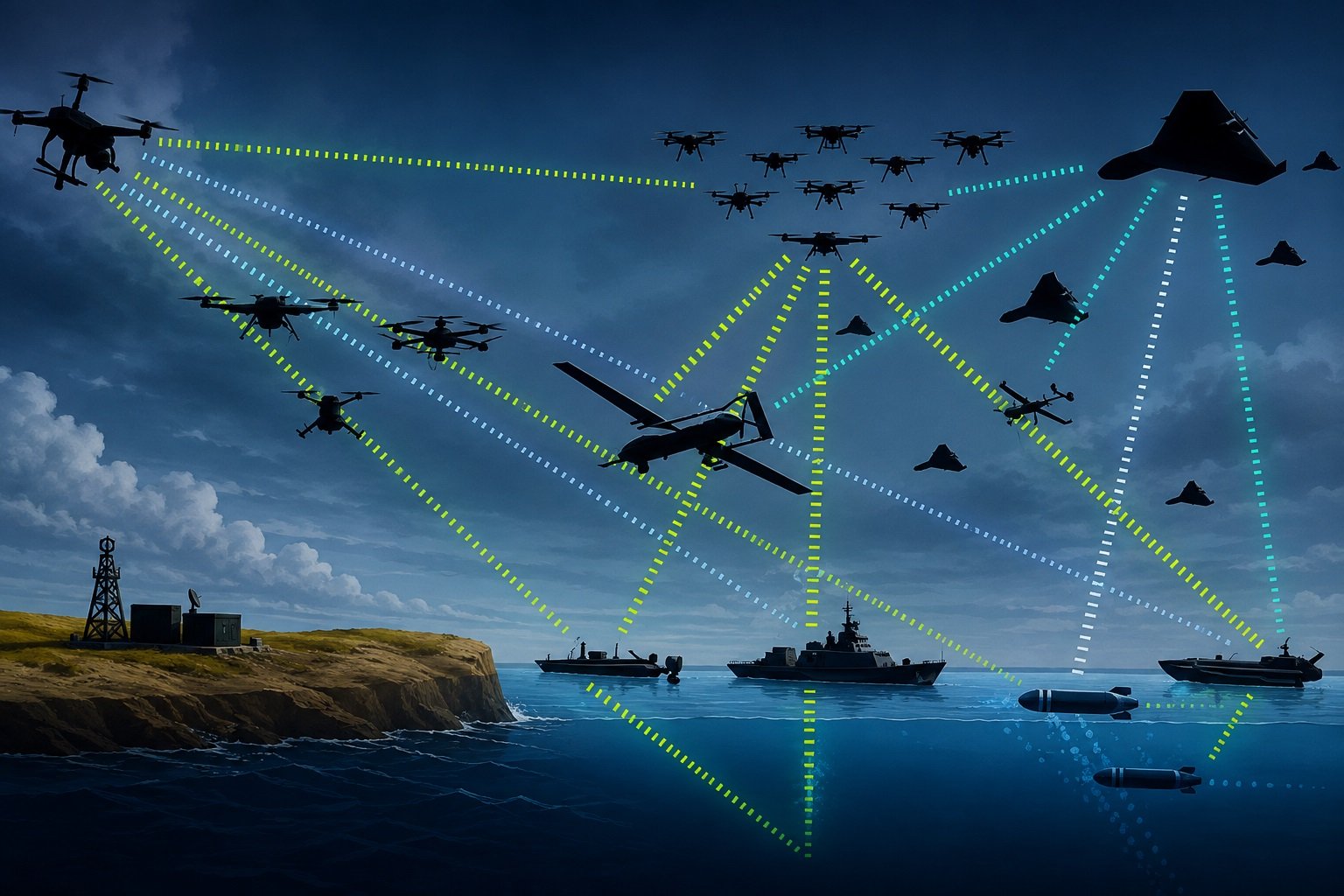
U.S
TAMPA, Fla. — U.S. Central Command (CENTCOM) announced on August 13 the creation of Task Force Falcon Strike, described as the first multinational, multi-domain attack drone task force. The new unit will bring together U.S. military personnel and regional partners to operate unmanned systems across the Middle East. Falcon Strike will focus on low-cost, one-way attack drones and other unmanned systems operating in three domains: air, sea surface and underwater. CENTCOM said the task force is intended to create a unified multinational capability for regional deterrence and operations. Building on Scorpion Strike Falcon Strike builds on Task Force Scorpion Strike, established by CENTCOM in December 2025 as the U.S. military's first dedicated one-way attack drone squadron in the Middle East. Scorpion Strike used low-cost systems including the Low-cost Unmanned Combat Attack System (LUCAS). Its unmanned systems were deployed during Operation Epic Fury, while unmanned attack vessels were used in strikes on Iranian port facilities in July 2026. In December 2025, Scorpion Strike also conducted the first launch of an aerial one-way attack drone from a U.S. Navy warship, using the littoral combat ship USS Santa Barbara. Regional Partners to Join CENTCOM has begun consultations with regional countries and is formally inviting partners to participate in Falcon Strike. No specific partner countries have been publicly named so far. The task force is intended to combine U.S. and regional capabilities and support deterrence in the Middle East, including around strategic waterways such as the Strait of Hormuz. CENTCOM Commander Adm. Brad Cooper said Falcon Strike will build on Scorpion Strike's experience and the innovation taking place among U.S. regional allies and partners. “Task Force Falcon Strike will expand on Scorpion Strike’s success given the tremendous innovation happening among our regional allies and partners.” Cooper also said that integrating and deploying new capabilities together would help the partners develop new possibilities more quickly. SOCCENT to Lead the Task Force Personnel from U.S. Special Operations Command Central (SOCCENT) will lead Falcon Strike's integrated staff of U.S. and regional representatives. SOCCENT also launched Scorpion Strike and is headquartered at MacDill Air Force Base in Tampa, Florida. SOCCENT plans and conducts special operations across CENTCOM's 21-country area of responsibility, covering the Middle East, Central Asia and South Asia. Falcon Strike will expand the approach developed by Scorpion Strike by bringing air, surface and underwater unmanned systems into a single multinational structure. As regional countries join, CENTCOM expects the task force to expand its multi-domain drone capabilities across the region.
Read More → Posted on 2026-08-14 14:51:31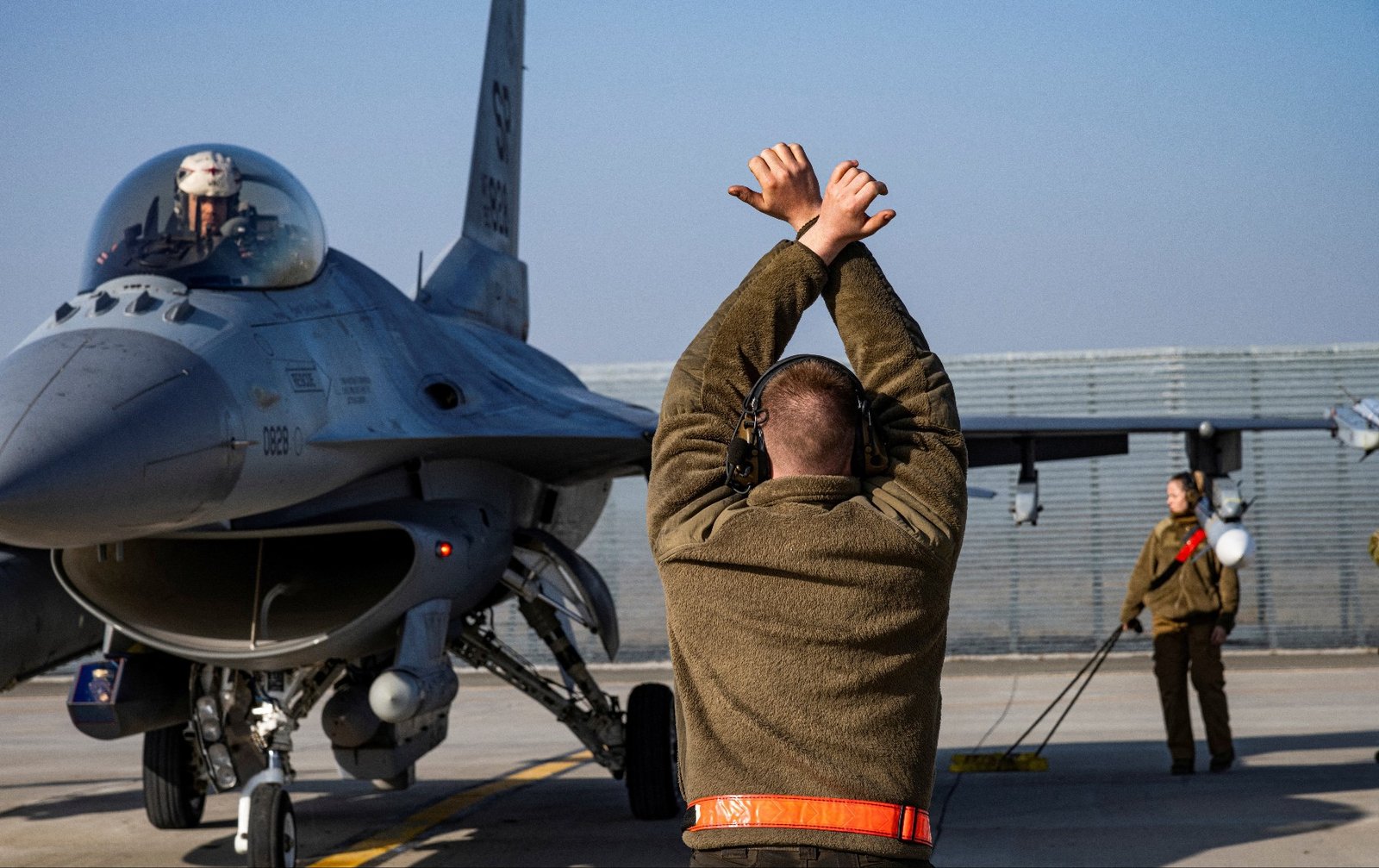
U.S
WASHINGTON — The United States continued training Ukrainian military personnel during the second quarter of 2026, including instruction for F-16 fighter pilots and ground crews, according to a joint report from the inspectors general of the U.S. Department of Defense, Department of State and U.S. Agency for International Development. The report, released on August 13 as part of ongoing congressional oversight of U.S. activities related to Ukraine under Operation Atlantic Resolve, covers the second quarter of 2026. F-16 Pilot and Ground Crew Training According to the report, the United States continued training Ukrainian F-16 pilots in line with commitments coordinated through the Air Force Capability Development Coalition. The United States co-leads the coalition with Denmark and the Netherlands. The training effort also includes Ukrainian ground personnel responsible for the operation and maintenance of the F-16 aircraft. The broader F-16 program involves training and sustainment support from several international partners. Ukraine began receiving F-16 fighter jets in the summer of 2024, while Ukrainian pilots had already begun training on the aircraft under the previous U.S. administration. Ukrainian pilots entering the F-16 training program have generally had previous experience operating Soviet-era aircraft, including the MiG-29 and Su-27. The training also requires specialized preparation for ground personnel responsible for maintaining and supporting the aircraft. Training on Bradley, Stryker and HIMARS U.S.-supported training during the reporting period was not limited to aviation. American personnel also trained Ukrainian forces to operate, maintain and repair several U.S.-supplied weapons systems. These included Bradley infantry fighting vehicles, Stryker armored personnel carriers and HIMARS rocket systems. The instruction covered both the use of the systems and maintenance activities needed to keep them operational. A total of 575 Ukrainian Armed Forces personnel completed training during the second quarter of 2026. The training was conducted at military bases in Germany, Poland, Romania, Spain, Kosovo, Ukraine and the United States. The number of personnel completing training was 29 percent lower than in the first quarter of 2026, according to the report. U.S. F-16 Training and Sustainment Support The current training effort follows a U.S. State Department determination in May 2025 approving a possible $310.5 million Foreign Military Sale to Ukraine for F-16 training and sustainment. The package covers aircraft modifications and upgrades, personnel training for aircraft operation, maintenance and sustainment, spare parts, consumables, repair and return support, ground-handling equipment, software, technical documentation, studies and surveys, as well as U.S. government and contractor engineering, technical and logistics support. The U.S. government said the proposed package was intended to ensure Ukrainian pilots receive effective training and increase interoperability between Ukraine and the U.S. Air Force. The F-16 support effort is part of the wider international coalition supporting Ukraine's transition to Western aircraft. The coalition's activities include pilot and maintainer training, sustainment support and other measures required to operate the aircraft. Continued Training Requirement Training Ukrainian personnel on Western military systems remains an ongoing requirement because the equipment requires specialized skills for operation, maintenance and sustainment. The inspectors general report confirms that U.S.-supported training continued during the second quarter of 2026, covering both F-16 aviation personnel and Ukrainian forces operating ground-based U.S.-supplied systems. The report is part of the regular oversight process for U.S. programs and operations supporting Ukraine. Under U.S. law, the Special Inspector General for Operation Atlantic Resolve is required to provide quarterly reports to Congress covering U.S.-funded programs and operations related to Ukraine.
Read More → Posted on 2026-08-14 14:03:13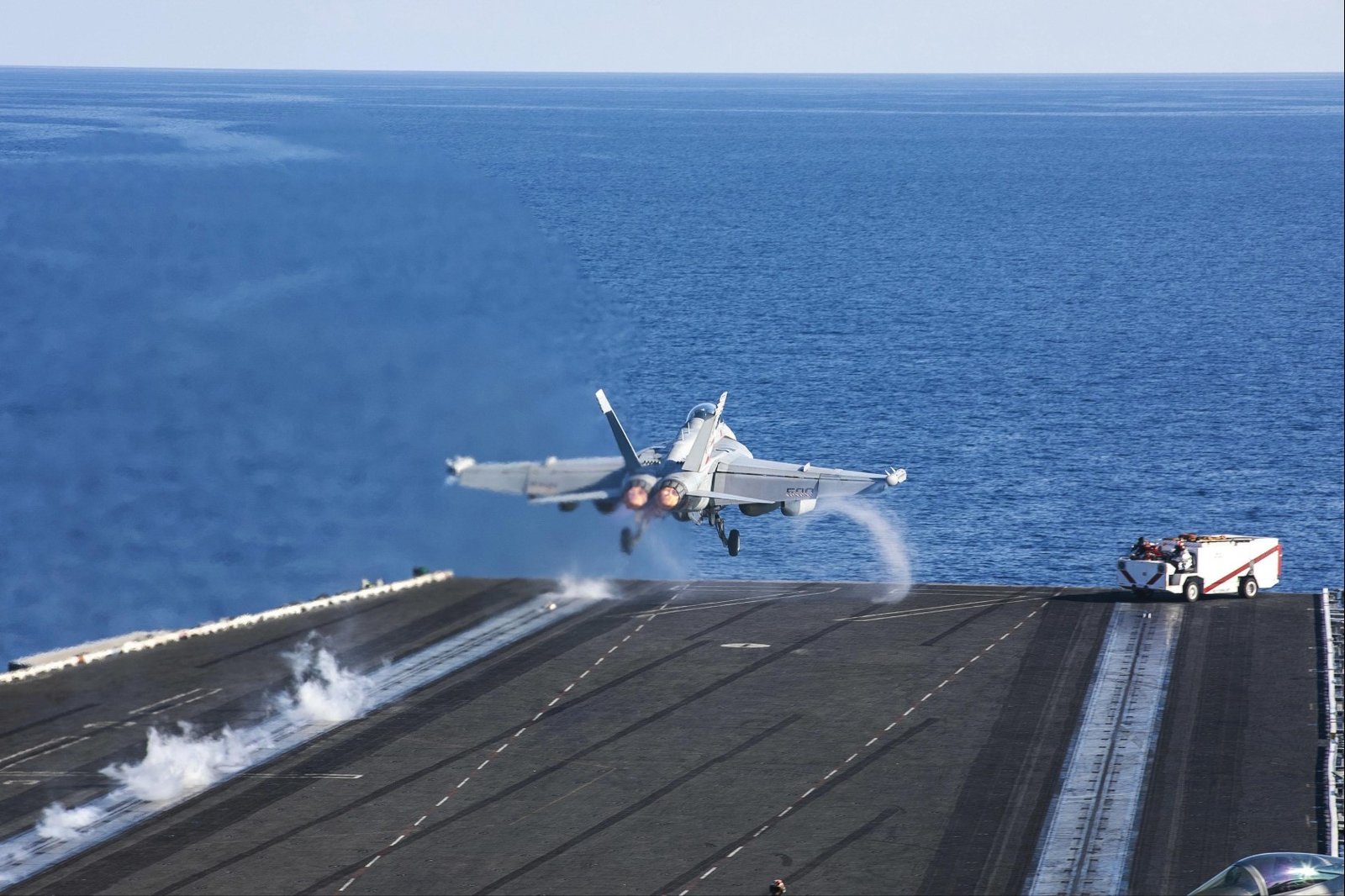
U.S
WASHINGTON — President Donald Trump has directed the U.S. Navy to replace the Electromagnetic Aircraft Launch System (EMALS) and Advanced Weapons Elevators (AWE) with steam-powered catapults and hydraulic systems on future Gerald R. Ford-class aircraft carriers, beginning with the future USS Doris Miller (CVN-81). Trump signed a National Security Presidential Memorandum on August 13 titled “Rebuilding the United States Navy and America’s Shipbuilding Industrial Base.” The memorandum is primarily focused on rebuilding the U.S. Navy and strengthening the country’s shipbuilding industrial base, but it also directly intervenes in the detailed engineering of the Ford-class carrier program. The memorandum gives the Secretary of War, in consultation with the Secretary of the Navy, 60 days to submit a plan to the President through the Director of the Office of Management and Budget (OMB) and the Assistant to the President for National Security Affairs (APNSA). The plan must identify the measures required to replace EMALS and Advanced Weapons Elevators with steam and hydraulic systems for the construction of CVN-81, including the required timelines and resources. The first three Ford-class carriers — USS Gerald R. Ford (CVN-78), the future USS John F. Kennedy (CVN-79) and USS Enterprise (CVN-80) — will retain EMALS. Unless the policy changes again, USS Doris Miller and subsequent carriers would incorporate the steam and hydraulic systems. Major Change to the Ford-Class Design The Ford class was designed from the beginning around extensive electrification. Its two A1B nuclear reactors provide substantially greater electrical generating capacity than the preceding Nimitz-class design, while electricity replaces many functions that previously depended on steam, hydraulic or mechanical equipment. EMALS uses electrical energy and linear induction motors to accelerate aircraft along the catapult track. The system provides more precise control of the acceleration delivered to an aircraft than a conventional steam catapult. The Navy says EMALS is designed to launch aircraft ranging from lightweight uncrewed aircraft to heavy strike fighters. The system can adjust the launch profile according to aircraft requirements, while its smoother acceleration can reduce stress on airframes. Replacing EMALS on CVN-81 is therefore considerably more complicated than exchanging one catapult for another. A steam catapult requires high-pressure steam from the ship's propulsion system, together with substantial piping, accumulators and associated water and condensation systems. The Ford-class design was developed without much of the infrastructure used to support traditional steam catapults. As a result, restoring steam systems would require changes to internal compartments, energy distribution and other supporting ship systems. USS Doris Miller Is Already Under Construction The future USS Doris Miller is the fourth Ford-class carrier and is being built at Huntington Ingalls Industries' Newport News Shipbuilding. Because construction is already underway, the presidential directive comes after the detailed design of the Ford-class has been developed and after work on CVN-81's original systems has already begun. General Atomics, which produces EMALS and the Advanced Arresting Gear (AAG), received the contract for the systems for Doris Miller in 2023. The company has said that work on the EMALS and AAG equipment for CVN-81 is already nearly 50 percent complete. Changing the system at this stage could therefore require already completed work to be abandoned or redesigned, followed by the design, production and integration of replacement equipment. The exact financial and schedule impact has not yet been established. The 60-day Navy study ordered by Trump is intended to determine the engineering requirements, timelines and resources involved. Ford Program's Difficult Beginning The Ford-class introduced 23 significant new systems, including EMALS, Advanced Arresting Gear, Advanced Weapons Elevators, new reactors, new radar systems and extensive automation. The introduction of so many new technologies created significant technical and reliability challenges during the early years of the program. Problems involving EMALS, AAG and the weapons elevators contributed to delays in bringing USS Gerald R. Ford into full operational service. Government reviews, including work by the Government Accountability Office, previously highlighted reliability problems and the risks associated with installing immature systems aboard the first ship while development was still continuing. Trump's criticism of EMALS therefore dates back to the early development period of the Ford program. However, EMALS has since accumulated substantial operational experience. By March 2026, USS Gerald R. Ford had completed 36,863 electromagnetic aircraft launches, according to Pentagon figures. USS Gerald R. Ford's 326-Day Deployment USS Gerald R. Ford returned to Naval Station Norfolk on May 16, 2026, after a 326-day deployment. The deployment was the longest U.S. carrier deployment since the Vietnam War era. During the deployment, the carrier sailed more than 57,700 nautical miles and operated across multiple U.S. fleet areas. Carrier Air Wing Eight recorded more than 5,760 flying hours and 12,200 aircraft launches using EMALS during the deployment. The figures provided significant operational experience with the electromagnetic launch system after the reliability problems seen during the early stages of the Ford program. The Navy has also stated that EMALS and AAG support higher aircraft launch and recovery rates than the systems used on Nimitz-class carriers. The Electric Carrier The Ford-class was designed as a highly electrified carrier rather than simply as a Nimitz-class carrier with new catapults. The electrical architecture, reactor-generated power and automated systems were developed together as part of the carrier's overall design. EMALS is integrated throughout the ship and crosses 48 separate ship construction zones. Removing it would therefore affect areas beyond the equipment directly installed beneath the flight deck. Steam catapults would require high-pressure steam to be distributed from the propulsion plant through substantial pipework to the launch machinery. Supporting equipment would also require space for water, condensation and maintenance systems. Much of this infrastructure was deliberately reduced or eliminated during the Ford-class design process. The last U.S. aircraft carrier built with traditional steam catapults was USS George H.W. Bush (CVN-77), commissioned in 2009. No new sets of the C-13 steam catapult used on Nimitz-class carriers have been manufactured in almost two decades. Reintroducing the system would therefore also require the United States to rebuild or reactivate parts of an industrial base that is no longer producing the equipment at its previous scale. The White House memorandum links the return to steam and hydraulic systems to its broader objective of rebuilding the U.S. maritime industrial base. Work Already Completed on CVN-81 The timing of the order creates a significant engineering issue because CVN-81 was being developed as part of the existing Ford-class design. General Atomics' work on the EMALS and AAG equipment for Doris Miller is nearly 50 percent complete, according to the company. The change would therefore involve more than cancelling future EMALS deliveries. The Navy would have to determine what equipment already produced for the carrier can be retained, what must be removed or redesigned and how the replacement steam and hydraulic systems can be integrated into the ship. The eventual cost remains uncertain until the Navy completes the study ordered by Trump. Estimates of the potential impact have included the possibility of costs reaching billions of dollars, but the memorandum itself does not establish a final figure. The construction schedule is another major issue because the redesign would be taking place on a carrier already under construction. Operational Advantages of EMALS Steam catapults remain a proven technology and have launched aircraft from U.S. carriers for decades. However, EMALS provides more precise control over aircraft acceleration. The system can adjust the energy delivered during launch, allowing it to accommodate different aircraft weights and launch requirements. This is particularly relevant as carrier air wings increasingly incorporate uncrewed aircraft. The Navy's Naval Air Systems Command describes EMALS as a system capable of launching aircraft from lightweight uncrewed platforms through heavy strike fighters. The MQ-25 Stingray represents an early step in the U.S. Navy's move toward greater use of carrier-based uncrewed aircraft. Future Ford-class carriers are expected to remain in service for many decades, meaning their launch systems will need to support multiple generations of aircraft. EMALS also contributes to the Ford class's manpower reduction. The class was designed to operate with roughly 500 fewer sailors than a Nimitz-class carrier. The reduction comes from many aspects of the ship's automation and design, including systems that replace manpower-intensive steam and hydraulic equipment. The Navy has also designed the Ford class for a higher sortie generation rate than previous carriers. China Has Also Adopted Electromagnetic Catapults The U.S. decision comes as China has adopted electromagnetic launch technology for its newest aircraft carrier. China commissioned the 80,000-tonne Fujian in November 2025. Unlike the ski-jump-equipped Liaoning and Shandong, Fujian is equipped with three electromagnetic catapults. During trials, the People's Liberation Army Navy demonstrated electromagnetic launches involving the J-15T fighter, J-35 stealth fighter and KJ-600 fixed-wing airborne early warning aircraft. China has therefore moved from ski-jump carrier operations to electromagnetic catapult operations with its latest carrier design. France has also selected EMALS and Advanced Arresting Gear for its future nuclear-powered Porte-Avions de Nouvelle Génération (PA-NG) aircraft carrier. The adoption of electromagnetic launch systems by China and France highlights the different direction being taken by several countries developing their next-generation carrier aviation capabilities. A Major Engineering Intervention The memorandum's decision to return to steam is also notable because it comes alongside criticism of iterative design changes as a cause of cost increases and delays in U.S. shipbuilding. The same memorandum calls for measures to rebuild the U.S. naval shipbuilding industrial base, including plans for a fifth public Navy shipyard, additional submarine drydock capacity and a Component Repair Center for submarine components. It also calls for increased production of Virginia-class attack submarines and Columbia-class ballistic missile submarines, as well as greater foreign involvement in certain shipbuilding activities under conditions involving investment in U.S. shipyards and workforce training. These measures are intended to address broader problems in U.S. shipbuilding capacity. The carrier decision, however, introduces a substantial design change into an existing carrier program. Navy Faces a 60-Day Deadline The U.S. Navy now has 60 days to prepare the plan ordered by Trump. The plan must determine the engineering changes, timelines and resources required to replace EMALS and Advanced Weapons Elevators with steam and hydraulic systems on CVN-81. The study will also determine the practical effects on the carrier's construction and the industrial base required to produce the replacement systems. The future USS Doris Miller is therefore set to become the first Ford-class carrier affected by the return to steam-powered launch technology, while USS Gerald R. Ford, USS John F. Kennedy and USS Enterprise will continue operating with EMALS. The final direction for CVN-81 will depend on the outcome of the Navy's 60-day assessment and any subsequent policy decisions.
Read More → Posted on 2026-08-14 13:44:00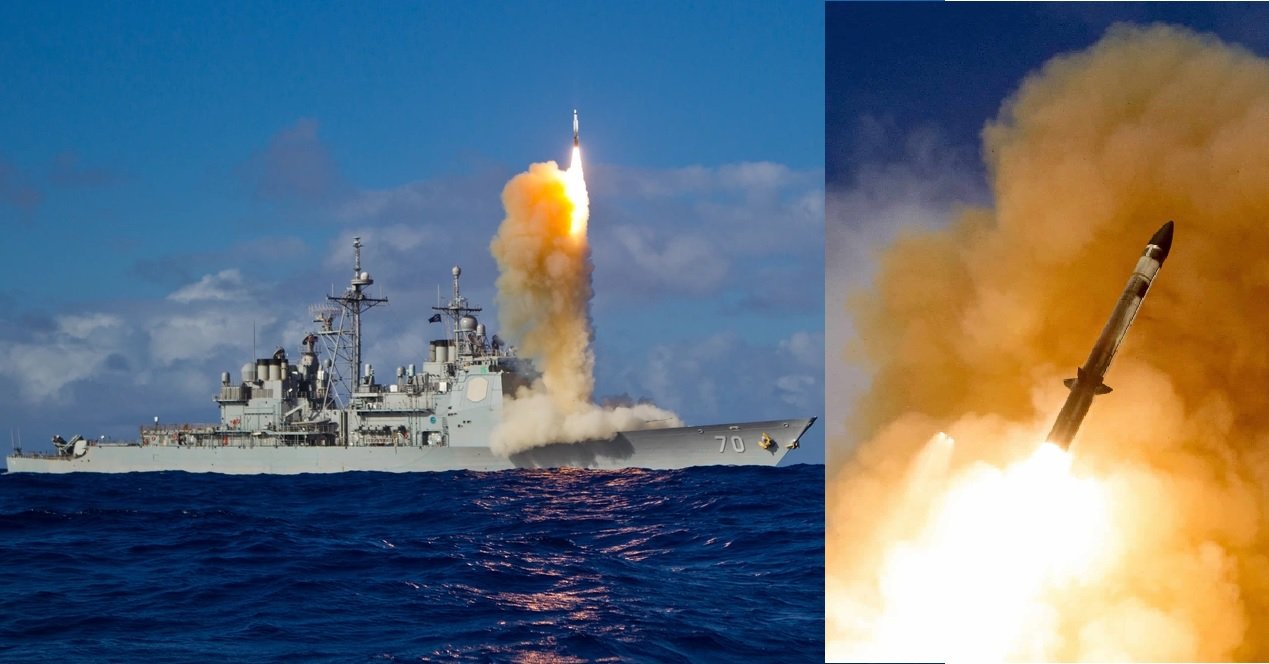
U.S
WASHINGTON — The U.S. Department of War has signed two framework agreements with Boeing and RTX to increase production of key components for the Standard Missile-3 (SM-3) Block IB and Block IIA interceptors. The agreements are intended to strengthen the SM-3 supply chain and accelerate the delivery of completed interceptors to U.S. Navy forces. The SM-3 is a ship-launched interceptor used as part of the Aegis Ballistic Missile Defense System for ballistic missile defense operations. Boeing and RTX to Support Higher SM-3 Production Under the new framework agreements, Boeing will lead manufacturing efforts for key SM-3 components. The Department of War said the move is intended to address supply-chain bottlenecks and speed the movement of munitions from production facilities to operational forces. The agreements cover both the SM-3 Block IB and SM-3 Block IIA, two variants of the interceptor used with the Aegis missile defense system. “These agreements ensure our Warfighters get the munitions they need to win,” said Michael P. Duffey, Under Secretary of War for Acquisition and Sustainment. Duffey said the Department is working to stabilize supply chains, expand munitions production and strengthen the U.S. defense industrial base. Acquisition Strategy Supports Production Expansion The agreements were facilitated by the Department of War’s Acquisition Transformation Strategy (ATS). The strategy is designed to reduce administrative delays and allow the government to work more directly with suppliers throughout the defense supply chain. The department said this approach is intended to help increase production and improve the movement of components and completed weapons. The latest agreements specifically focus on the component supply chain supporting SM-3 production. SM-3 Block IB and Block IIA The SM-3 is a kinetic, exo-atmospheric ballistic missile interceptor. Instead of using an explosive warhead to destroy its target, the interceptor uses a kinetic warhead to destroy an incoming ballistic missile through direct impact outside the atmosphere. The SM-3 Block IB incorporates a two-color infrared seeker and an improved steering system compared with earlier versions. These improvements provide enhanced capability against ballistic missile targets. The SM-3 Block IIA was jointly developed by the United States and Japan. It features a larger-diameter design, larger rocket motors and an enhanced kinetic warhead compared with earlier SM-3 variants. The Block IIA is designed to provide greater engagement capability over wider areas. RTX’s Raytheon business is the prime contractor for the SM-3 missile, with production work carried out at facilities in Tucson, Arizona, and Huntsville, Alabama. Boeing has supplied critical hardware for SM-3 variants used with the Aegis system. Agreements Follow Earlier Production Efforts The new agreements build on earlier U.S. efforts to increase SM-3 production. In February 2026, Raytheon signed separate framework agreements covering the SM-3 Block IB, SM-3 Block IIA, Tomahawk, AMRAAM and SM-6. Those agreements were aimed at increasing overall production rates for the covered systems. In early August 2026, Raytheon also received a $745 million contract from the Missile Defense Agency to manufacture and assemble SM-3 Block IIA interceptors for the United States and Japan under a Foreign Military Sales arrangement. Work under that contract is expected to continue through February 2031. The August 14 agreements with Boeing and RTX are focused specifically on the components required for SM-3 production. No Production Quantities or Financial Details Released The Department of War did not disclose the financial value of the two new framework agreements or specific production quantity targets. The department said the agreements are focused on stabilizing the supply chain, removing production bottlenecks and supporting higher SM-3 interceptor production. The effort comes as the United States continues to strengthen its munitions production capacity and the readiness of its naval missile defense forces.
Read More → Posted on 2026-08-14 13:26:25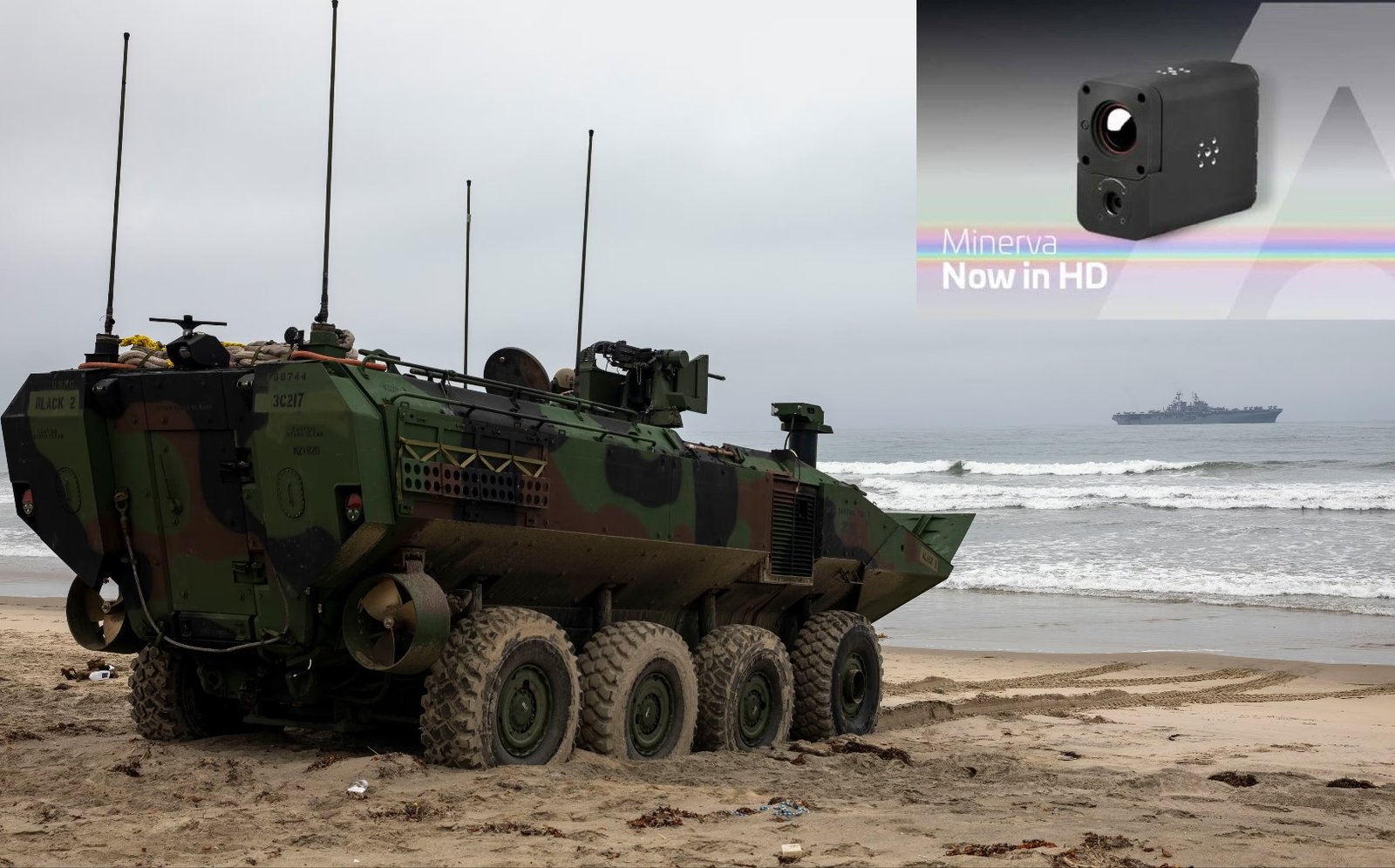
U.S
WASHINGTON — Thales Defense & Security, Inc. (TDSI) has received an order to supply the U.S. Marine Corps with more than 400 SharpView Dual Camera – Minerva imagers for its Amphibious Combat Vehicles (ACVs). The cameras will be installed on the ACV-P Personnel and ACV-C Command variants, replacing legacy imaging systems and improving crew visibility and situational awareness in conditions such as darkness, dust, smoke, glare and adverse weather. Minerva combines an uncooled Long Wave Infrared (LWIR) thermal detector and a visible-light camera in one compact housing. It features a 1280 × 1024 LWIR detector with a 12-micron pixel pitch and a 1920 × 1080 full-HD visible module. The system provides digital 60 Hz video through 3G-SDI, with low-latency output and automatic image processing. The dual-band system is designed to help crews detect obstacles, navigate and maintain situational awareness during day and night operations. Its integration with existing vehicle systems also allows the Marine Corps to replace legacy cameras without developing a new vehicle imaging architecture. The Minerva camera is designed and manufactured by Thales in Canada and was launched in 2022. Thales said its combat imaging systems are used by more than 50 armed forces worldwide, building on more than 30 years of experience in cooled and uncooled thermal imaging. “Marines depend on cutting-edge and robust technology to make rapid decisions in highly demanding and dynamic environments,” said Chris Beauparant, Vice President of Sensors and Missile Systems at Thales Defense & Security, Inc. He said Minerva provides crews with a more complete picture of the battlefield and helps them identify hazards sooner and maneuver more effectively. Thales confirmed the order in an announcement published on August 11, 2026. The cameras will be used on both new and existing ACV-P and ACV-C vehicles. The Minerva system has also been selected for evaluation and testing under the U.S. Army's XM30 program, which focuses on next-generation combat vehicles with improved crew protection and situational awareness. The Marine Corps' ACV program, led by BAE Systems, includes the ACV-P, ACV-C, ACV-30 fire-support variant and ACV-R recovery variant, with current plans calling for around 632 vehicles. Thales already supplies related electro-optical systems for U.S. Marine Corps ground vehicles, including cooled SharpView cameras for the Marine Air Defense Integrated System (MADIS) and Catherine thermal imagers for the ACV-30.
Read More → Posted on 2026-08-14 13:21:14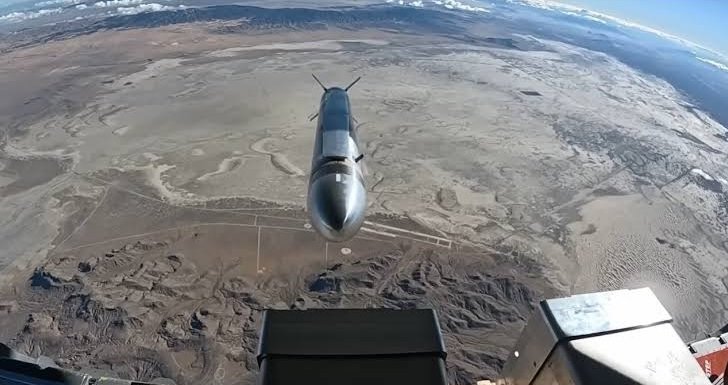
U.S
HUNTSVILLE, Alabama — Leidos’ AGM-190A “Havoc Spear” small cruise missile has entered operational use, with the weapon undergoing flight testing and having already been deployed in military exercises and combat, Leidos CEO Tom Bell said during the company’s second-quarter 2026 earnings call. Bell did not disclose the locations or dates of the combat deployments, current production volumes, contract values or a specific expansion timeline. The U.S. Air Force designated the Leidos Small Cruise Missile as the AGM-190A in February 2026, while Air Force Special Operations Command (AFSOC) announced the Havoc Spear name in May 2026. AFSOC said Secretary of the Air Force Troy Meink selected the name during a November 2025 visit to AFSOC headquarters at Hurlburt Field. Leidos is now discussing a larger procurement and expansion of the missile with the U.S. Air Force and U.S. Special Operations Command (SOCOM). Bell said the discussions also include developing the AGM-190A into a broader “family of systems.” The roughly 200-pound-class missile was developed by Leidos Dynetics, with development beginning around 2021 and drawing on experience from the GBU-69/B Small Glide Munition. In 2022, Leidos signed a Cooperative Research and Development Agreement with SOCOM to develop the weapon as a low-cost, adaptable delivery platform. Testing included AC-130J launch development, with successful store-separation testing in December 2023 and the first guided flight test in late 2024. By May 2025, testing had demonstrated a standoff range of more than 400 nautical miles (about 740 km) from a C-130 aircraft. The AGM-190A uses a Pratt & Whitney TJ150-7 turbojet, reaches high-subsonic speeds of around Mach 0.8, and has a service ceiling of about 9,000 meters. Its modular hardware and open-system software are designed to support mission adaptability, including operation in GPS-denied environments and terminal guidance options. A warhead in the 23 kg (50 lb) class has also been reported. The missile can be launched from several platforms and systems, including AC-130J Ghostrider gunships, MC-130J aircraft, MQ-9 Reapers, OA-1K Skyraider II aircraft, conventional wing pylons, palletized drop systems and ramp-mounted launch tubes. In July 2026, SOCOM awarded Leidos a $27.2 million contract modification for AGM-190A All Up Rounds. Work in Huntsville, Alabama, is scheduled to continue through February 2029. LCCM Expansion The AGM-190A also forms the basis for Leidos’ Low-Cost Containerized Munitions (LCCM) framework announced earlier this year. Bell said the small cruise missile program helped position Leidos for the broader family-of-systems approach. Under May 2026 Department of War framework agreements involving Leidos, Anduril, CoAspire and Zone 5, Leidos is to deliver an initial 3,000 LCCM units. The LCCM is approximately twice the size of the AGM-190A and has greater fuel capacity, while using a modular airframe and common Weapon Open Systems Architecture. Production is planned to begin in 2027, with Leidos targeting 3,000 units before the end of the decade. The broader LCCM effort aims for more than 10,000 missiles over three years beginning in 2027. The system is initially planned for ground launch from containers, with maritime and air-launched variants also possible. Leidos has estimated the addressable market for low-cost and containerized munitions at more than $44 billion over the next 10 years. The company is positioning Havoc Spear, LCCM and the Indirect Fire Protection Capability (IFPC) as key parts of its defense-technology expansion. For LCCM, a production-readiness and scaling review is scheduled for later in August 2026, followed by full flight testing next summer and then full-rate production. Leidos reported about $4.6 billion in second-quarter 2026 revenue, up 7% year over year, and raised its full-year guidance. The company said its defense business also recorded accelerating revenue and a high book-to-bill ratio.
Read More → Posted on 2026-08-14 11:07:25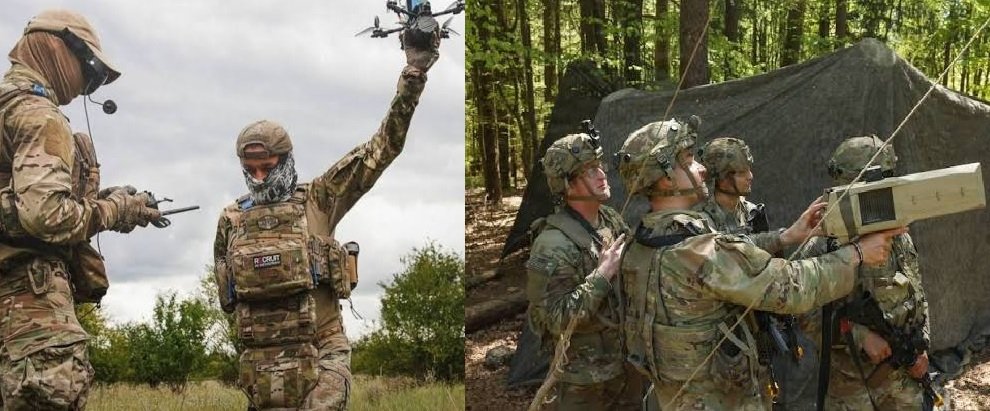
U.S
HOHENFELS, Germany — Ukrainian drone operators outperformed U.S. Army forces during the Combined Resolve exercise in Germany earlier this year, highlighting the difference in battlefield experience between Ukrainian drone units and American troops. The exercise was held in April and May 2026 at the Joint Multinational Readiness Center in Hohenfels. Around 3,500 U.S. personnel participated, mainly from the 3rd Armored Brigade Combat Team of the 1st Cavalry Division, which was rotating from Fort Hood, Texas. Their mission was to advance against positions held by the training center's opposition force, which was reinforced by Ukrainian troops from the 412th Regiment of Unmanned Systems Forces, known as Nemesis. U.S. forces used standard electronic warfare and counter-drone systems, while Ukrainian operators used combat experience gained during the war with Russia. Ukrainian reconnaissance drones located U.S. vehicles, with heavy armored vehicles also becoming easier to detect because they raised dust while moving. The reconnaissance drones were followed by systems simulating munition drops and first-person-view (FPV) kamikaze drones. No live ammunition was used. A simulated hit was recorded when a drone flew extremely close to or hovered over a target. The Ukrainian operators eliminated the attacking U.S. armored brigade so quickly that vehicles and troops marked as destroyed had to be returned to the exercise as reinforcements, or "re-spawned," to keep the training going. U.S. drone operators initially had less ability to quickly troubleshoot problems and prepare drones under conditions similar to combat. The scenario was repeated over roughly two weeks, allowing American forces to improve. They dispersed their forces more effectively, improved camouflage and made better use of electronic warfare systems. Midway through the exercise, the Ukrainian operators switched sides and demonstrated how uncrewed systems could support offensive operations. U.S. troops then applied those methods with greater effect. General Alexus Grynkewich, NATO's Supreme Allied Commander Europe, said this type of training experience cannot be replicated in the United States and highlighted the significant changes seen after NATO forces train with Ukrainian units. The results were not isolated. In 2023, a U.S. officer involved in training Ukrainian troops recognized that American forces had much to learn about drone warfare and helped develop a program that was later introduced more widely. In May 2025, Ukrainian drone operators defeated a simulated force involving British, Estonian and U.S. troops during exercises in the Baltics. In spring 2026, Ukrainian UAV operators participating in NATO exercises on Gotland also outperformed Swedish troops opposing them. Combined Resolve is a recurring U.S. Army Europe and Africa exercise focused on large-scale ground combat. The participation of Ukrainian forces provides U.S. and NATO troops with practical experience against the smaller front-line drones that have become central to combat in Ukraine. U.S. Army officials have also said that newer Mobile Brigade Combat Teams equipped with more recent equipment and tactics have performed better in similar exercises. The Pentagon has increased investment in drone and counter-drone technology, expanded efforts to study Ukrainian methods and tested Ukrainian drones for possible procurement. The exercise highlighted the practical advantage Ukrainian units have gained through years of continuous combat adaptation, including the rapid repair and modification of drones under pressure. U.S. and NATO forces are using joint exercises with Ukrainian personnel to incorporate these battlefield lessons into their own training. Source : wsj
Read More → Posted on 2026-08-13 15:49:57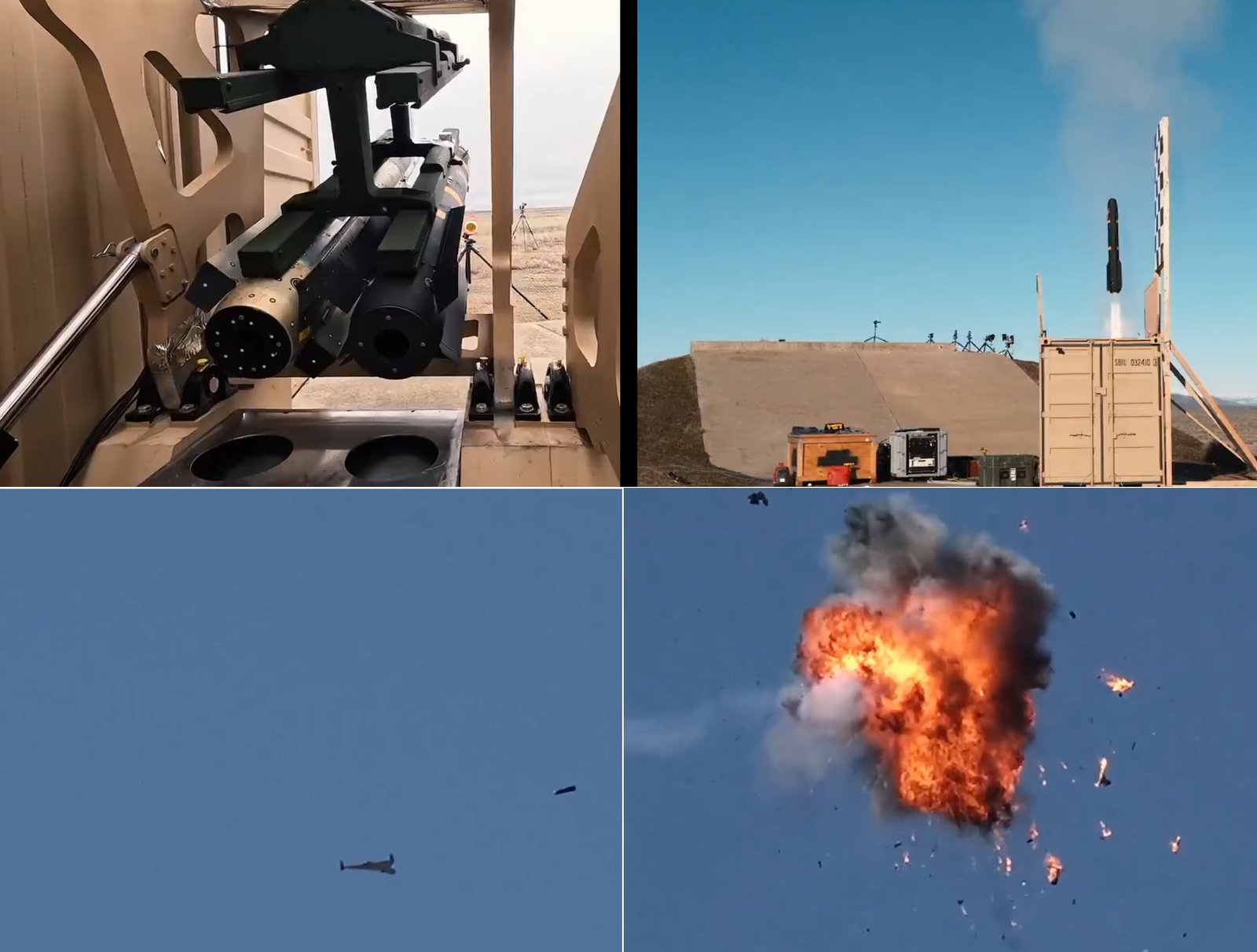
U.S
Washington, U.S. — Lockheed Martin has released new video footage of live-fire testing of its GRIZZLY containerized missile launcher, describing the system as production-ready. The launcher is designed to provide an affordable, reloadable and mobile missile-launch capability for distributed operations. GRIZZLY places a missile launcher inside a standard 10-foot Tricon shipping container, allowing it to be transported by truck, rail or ship using existing logistics equipment. Lockheed Martin developed the system in about six months using internal funding, combining existing launcher and weapon designs, including the fielded M299 launcher. Built fast. Built flexible. Built for the mission.GRIZZLY™ is an affordable, reloadable and production-ready containerized launcher designed to bring mobility and adaptability to the fight.The future of defense is here — and it’s containerized. 📦🚀 pic.twitter.com/HZiboJY3jE — Lockheed Martin (@LockheedMartin) August 12, 2026 Live-Fire Testing In March 2026, Lockheed Martin completed GRIZZLY's first integrated live-fire tests at Yakima Training Center, Washington. A Hellfire missile was launched from the container in both vertical and angled configurations. The tests confirmed the system could load and launch a missile from the containerized setup and meet the required trajectory parameters. GRIZZLY can carry up to eight ready-to-fire missiles and supports toolless reloading. It can operate from ground locations or ships, use internal or external power, and can be remotely operated. The launcher is also designed to work with different command-and-control and sensor systems rather than one dedicated network. JAGM Demonstration Against a Drone In June 2026, Lockheed Martin conducted another major test at Yuma Proving Ground, Arizona. GRIZZLY fired a Joint Air-to-Ground Missile (JAGM) to intercept a Group 3 one-way attack drone. The demonstration integrated GRIZZLY with Lockheed Martin's Sanctum counter-unmanned aircraft system battle manager and Fortem R-40 radars. The radars detected and tracked the target, Sanctum processed the engagement data, and GRIZZLY launched the JAGM. Lockheed Martin said the integration and live-fire testing were completed in less than 45 days. JAGM was developed as a successor to the Hellfire and TOW missiles. It uses a dual-mode seeker with laser and millimeter-wave radar guidance, giving it flexibility for different operating conditions. Use of Existing Missiles Lockheed Martin says the use of established missiles such as Hellfire and JAGM allows military units to rely on existing missile stocks, training and logistics rather than introducing a completely new munition. The company is also developing the related Kodiak containerized launcher. In August 2026, Kodiak completed its first integrated live-fire test at Yakima Training Center using a Reduced-Range Practice Rocket associated with GMLRS-family munitions. Kodiak is designed to carry up to 12 GMLRS rockets and provide containerized offensive-fire capability across land, air and maritime platforms. Production Plans Lockheed Martin CEO Jim Taiclet said in early August 2026 that the company had pre-funded GRIZZLY production as part of its Sanctum counter-drone architecture and directed teams to prepare for 1,000 units. The company plans to seek U.S. military contracts and potential export sales while continuing work with the U.S. government on further development. The GRIZZLY concept reflects growing interest in containerized launchers that can use existing transportation infrastructure while distributing missile-launch capability across different locations. Its live-fire demonstrations with both Hellfire and JAGM have established the system's ability to launch different missiles from a standard containerized platform.
Read More → Posted on 2026-08-13 14:34:01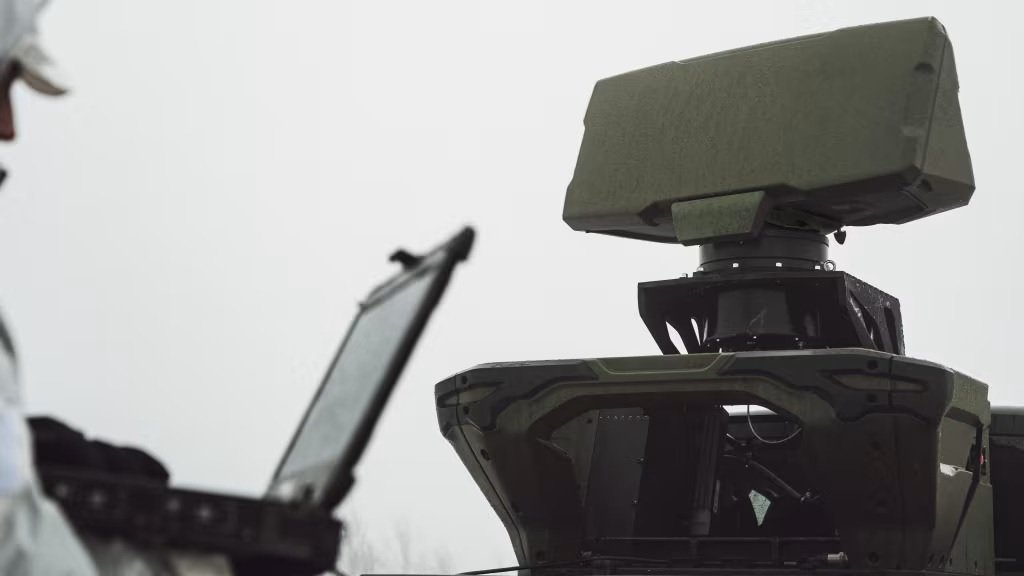
U.S
LONDON — Saab UK, Aquark Technologies and the Royal Navy’s Disruptive Capabilities and Technologies Office (DCTO) have completed a UK trial demonstrating that a distributed network of Saab Giraffe 1X radars can maintain a coherent air picture without relying on GPS or other satellite-based timing. The trial was conducted in June 2026 and combined Saab’s Giraffe 1X radar with Aquark’s AQlock quantum timing technology. Saab said the demonstration is believed to be a world first for a distributed high-performance military radar network maintaining a coherent operational picture using independent quantum timing sources. QinetiQ and the Defence Science and Technology Laboratory (DSTL) also participated in the trial. Trial tested radar operation without GNSS timing Modern distributed radar networks require precise timing to combine tracking information from multiple sensors into a single air picture. Global Navigation Satellite Systems (GNSS), including GPS, are commonly used as an external timing reference. However, GNSS signals can be jammed, spoofed or otherwise disrupted, creating a challenge for networked sensors operating in contested environments. During the trial, multiple Giraffe 1X radars tracked live aerial targets while using independent AQlock quantum timing sources. The test team then introduced controlled timing errors to reproduce conditions associated with GNSS spoofing and denial. According to Saab, the radars continued to combine their tracking data into a single coherent air picture without GNSS timing. The network showed predictable performance degradation when timing was deliberately disrupted and recovered rapidly after synchronisation was restored. It also remained operational under representative GNSS-denied and spoofed conditions. AQlock quantum clocks provided independent timing Two AQlock 2.0 cold-atom clocks were deployed at separate locations during the trial. The systems reached an acceptable timing signal from a cold start in less than 30 minutes and provided the sole timing reference for the two operational radar systems. Aquark’s AQlock technology uses a cold-atom approach based on its Super-Molasses Trap method. The company has previously worked with the Royal Navy on trials involving its cold-atom technology. Quantum timing provides a local source of highly accurate time without requiring an external satellite signal. In a distributed radar network, this can allow geographically separated sensors to remain synchronised when satellite-based timing is unavailable or cannot be trusted. Giraffe 1X used in the distributed network The Giraffe 1X is Saab’s compact 3D multi-mission radar. Saab says it can detect, track and classify air targets, including small unmanned aerial vehicles, and can be deployed in mobile or fixed configurations. The radar is also used for applications including ground-based air defence, counter-UAS operations, weapon locating and sea-surface surveillance. Saab UK has been producing Giraffe 1X systems at its Fareham facility. In May 2026, the company announced that it had completed its 100th Giraffe 1X radar in the UK. The June trial extended the radar's use into a distributed configuration in which separate radar locations maintained a combined air picture using independent quantum timing sources. The Royal Navy’s experimental ship XV Patrick Blackett and DSTL also acted as network rebroadcast nodes during the trial, according to information released about the demonstration. Saab highlights potential for GPS-denied operations Andy Fraser, Group Managing Director at Saab UK, said the trial demonstrated a practical capability by combining quantum timing technology with the Giraffe 1X radar. “This trial is a great example of how collaboration can accelerate innovation,” Fraser said. “By combining quantum timing technology with Saab’s advanced Giraffe 1X radar system, we have demonstrated a practical capability that could help customers continue to operate effectively when it matters most.” Matthew Aldous, Timing Lead at Aquark Technologies, described the trial as a milestone for UK sovereign quantum technology and as the first known deployment of a pair of British-built cold-atom systems against a defence requirement. The results were announced by Saab UK on August 12, 2026. The companies said the work forms part of wider efforts to develop radar and timing capabilities for military operations where satellite navigation and timing services may be disrupted or compromised.
Read More → Posted on 2026-08-13 13:43:54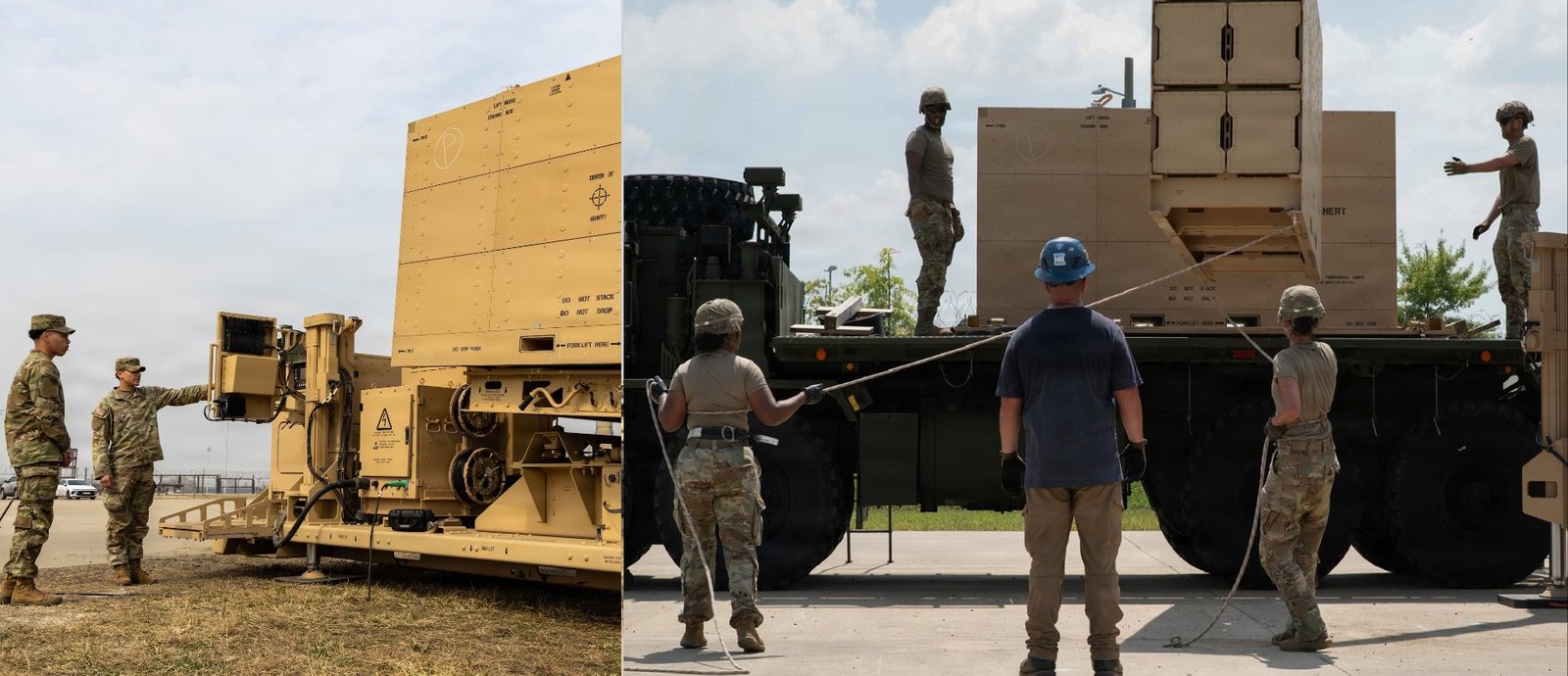
U.S
CAMP HUMPHREYS, South Korea — Soldiers from the U.S. Army’s 35th Air Defense Artillery Brigade conducted training on the deployment of the Indirect Fire Protection Capability (IFPC) system at Camp Humphreys, South Korea. According to Eighth Army, personnel from Delta Battery, 6th Battalion, 52nd Air Defense Artillery Regiment, guided IFPC equipment into position during the exercise. The training was intended to prepare soldiers to employ the system in support of air and missile defense operations. IFPC role in layered air defense The IFPC is a mobile, ground-based air defense system designed to counter subsonic cruise missiles, unmanned aerial systems, rockets, artillery and mortars. It is intended to protect fixed and semi-fixed locations, including forward operating bases and critical infrastructure. The system is designed to fill a defensive gap between short-range air defense systems and longer-range systems such as the Patriot and Terminal High Altitude Area Defense (THAAD). The IFPC Increment 2 configuration uses the Enduring Shield launcher, with interceptor rounds stored in sealed, ready-to-fire magazines. The configuration is designed to support rapid reloading while reducing the exposure of personnel handling munitions. The system also provides 360-degree radar coverage and is integrated with the Army’s Integrated Battle Command System (IBCS). IBCS connects sensors and weapons systems across the Army’s air and missile defense network. IFPC deployment in South Korea The 35th Air Defense Artillery Brigade, based at Osan Air Base, has operated the IFPC in South Korea since at least September 2025. During that month, U.S. Army Chief of Staff Gen. Randy George visited the unit and was photographed in front of an IFPC launcher. The deployment was the system’s first confirmed overseas deployment. In March 2026, the Army again positioned the IFPC at Camp Humphreys during the Freedom Shield exercise. The deployment was used to test the system’s integration into a networked, layered air defense architecture alongside Patriot and Avenger systems. The August 5 training continues the brigade’s work to maintain operational proficiency with the system as part of ongoing air and missile defense operations in South Korea. Production and additional interceptor development The IFPC program has progressed through several Army contracting stages. In November 2024, Dynetics, a Leidos subsidiary based in Huntsville, Alabama, received a $4.1 billion indefinite-delivery/indefinite-quantity agreement covering low-rate initial production, full-rate production and lifecycle support. The initial order included 18 launchers. In April 2026, Dynetics received a separate $617 million contract for the fiscal year 2026 production buy. The contract covers launchers, magazines, trainers, logistics support and related items, with deliveries scheduled through November 2029. The Army is also pursuing a second interceptor for the IFPC system. In 2025, Boeing and Lockheed Martin were selected to continue development of competing medium-range interceptor designs. The additional interceptor is intended to engage cruise missiles and drones alongside the system’s baseline interceptor, which is currently based on the AIM-9X Sidewinder. The latest training at Camp Humphreys reflects the continued fielding and training of the IFPC system with U.S. Army air and missile defense forces in South Korea.
Read More → Posted on 2026-08-13 13:33:24Search
Top Trending in 24 Hours
-
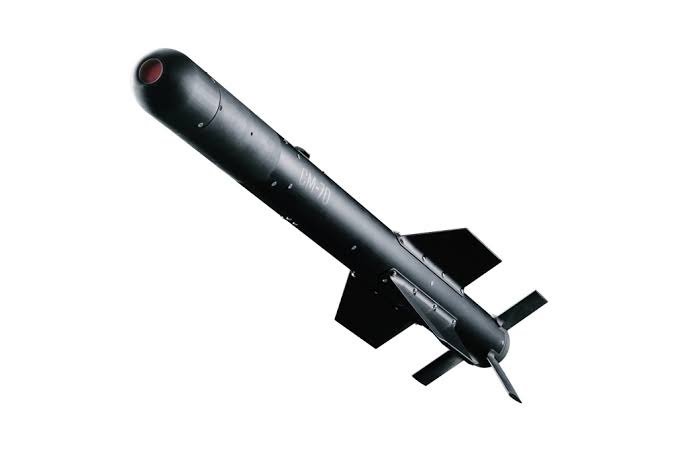 CSG and North Vector Dynamics Sign MoU to Explore European Production of CM-70 Counter-Drone Interceptor
-
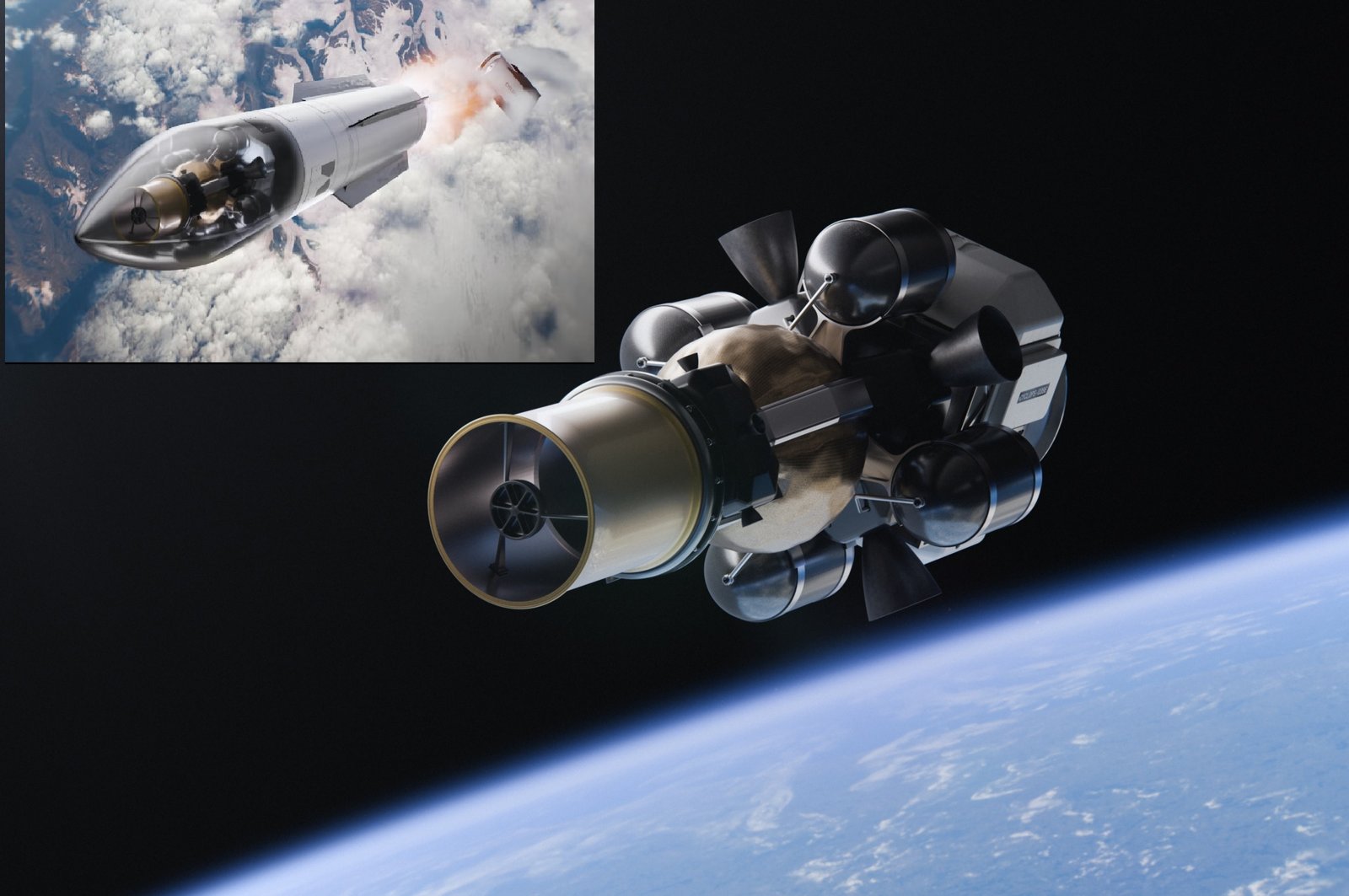 Long Wall Receives $75 Million MDA Award to Complete Cyclops Interceptor Flight Testing
-
 Satellite Images Reveal Four KJ-3000 AEW&C Aircraft at Chinese Aircraft Facility, Hinting at Possible Serial Production
-
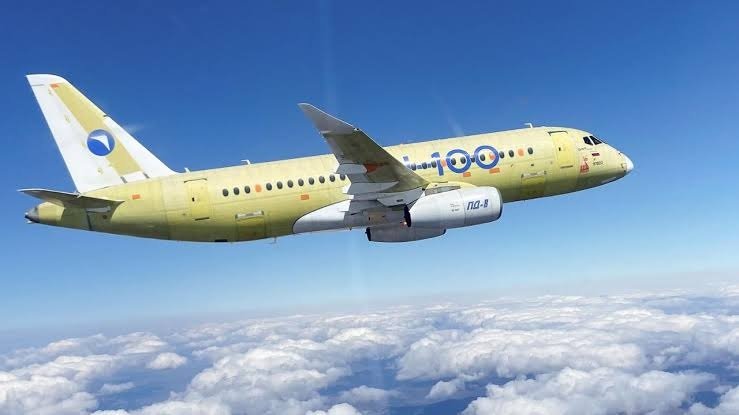 Russia’s SJ-100 Superjet Flight Control System Enters Final Certification Stage After 1,500 Tests
-
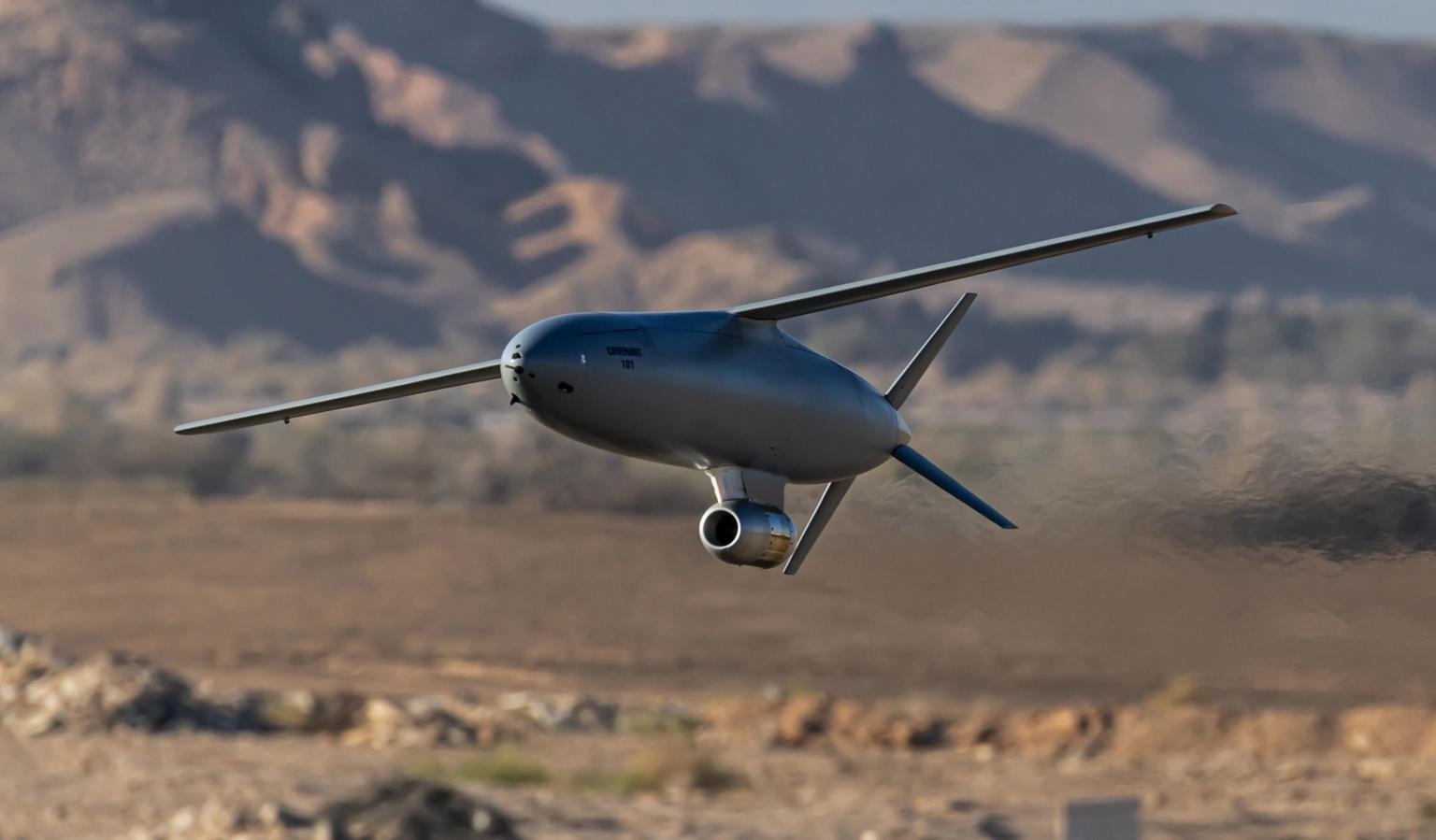 Denmark Acquires Anthem and Joint Strike Missiles in Major Long-Range Defense Overhaul
-
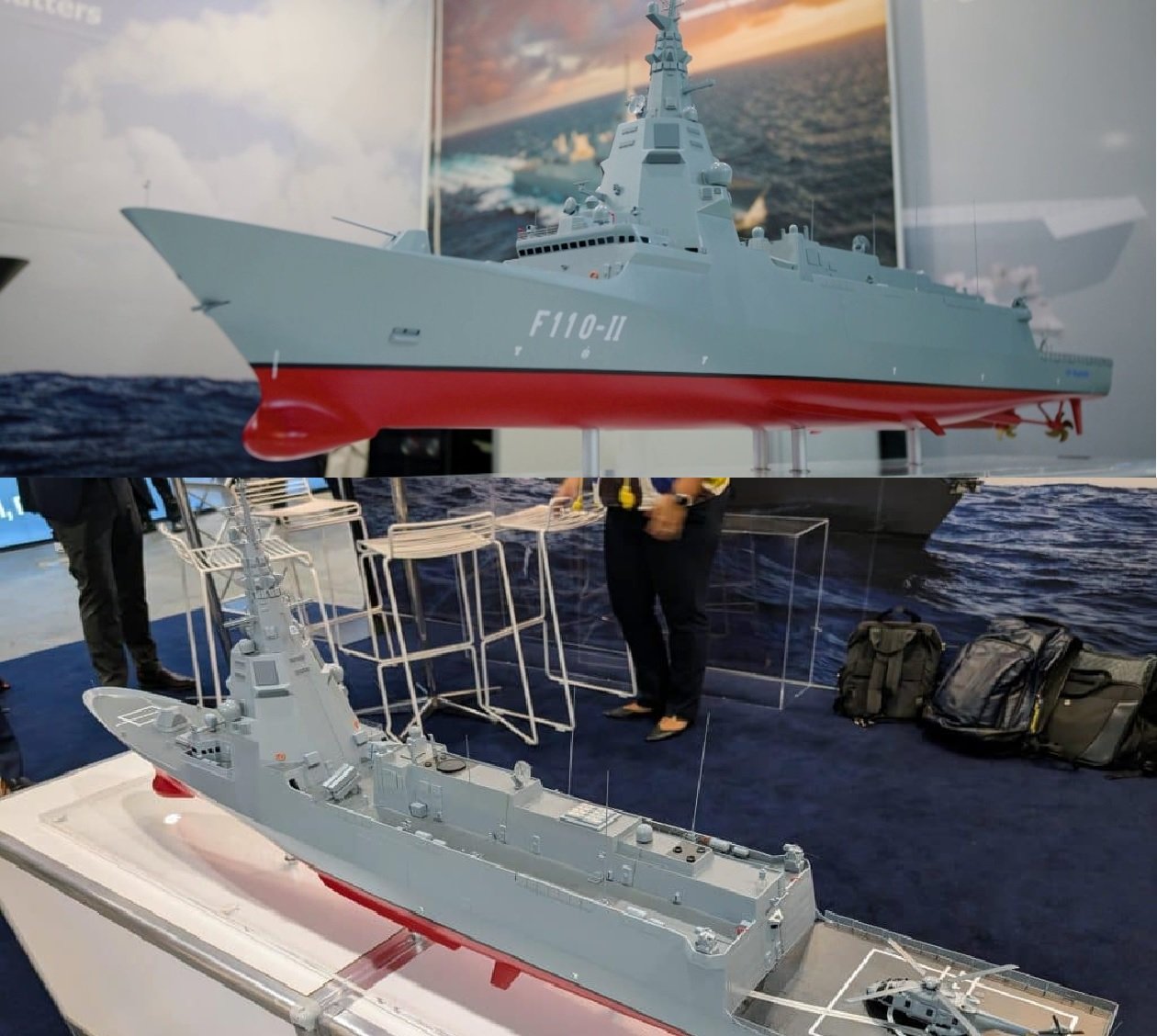 Spanish Navy and Navantia Advance F110 Frigate Design with Enhanced Air and Missile Defence
-
 Satellite Images Reveal Iran Continues Restoration of Eagle 44 Underground Airbase After 2026 Strikes
-
 Saudi Arabia Expanding Ballistic Missile Facility for Larger Solid-Fuel Missiles, Satellite Analysis Shows
Top Trending in 4 Days
-
 NASA Sets New Artemis Milestones as SpaceX and Blue Origin Target Moon Landings in 2027–2028
-
 U.S. Air Force Awards HII Subsidiary Enlighten IT $332.8 Million Cyber Defense Contract
-
 Four NASA Volunteers Mark One Year in Simulated Mars Habitat
-
 Australia Unveils Ghost Shark Autonomous Submarine’s Mine, Drone and Logistics Capabilities
-
 L3Harris Opens ‘Arsenal of Freedom’ Rocket Motor Plant in Arkansas to Double Production Capacity
-
 Russia Reportedly Offers Su-35 Fighters and S-400 Air Defence System to Protect Tehran
-
 Unitree Unveils H2-X ‘Kung Fu Legend: Guardian’ Humanoid Robot for Security and Rescue
-
 US to Buy Up to 25,000 APKWS Kits Annually, With Option to Increase to 35,000