U.S
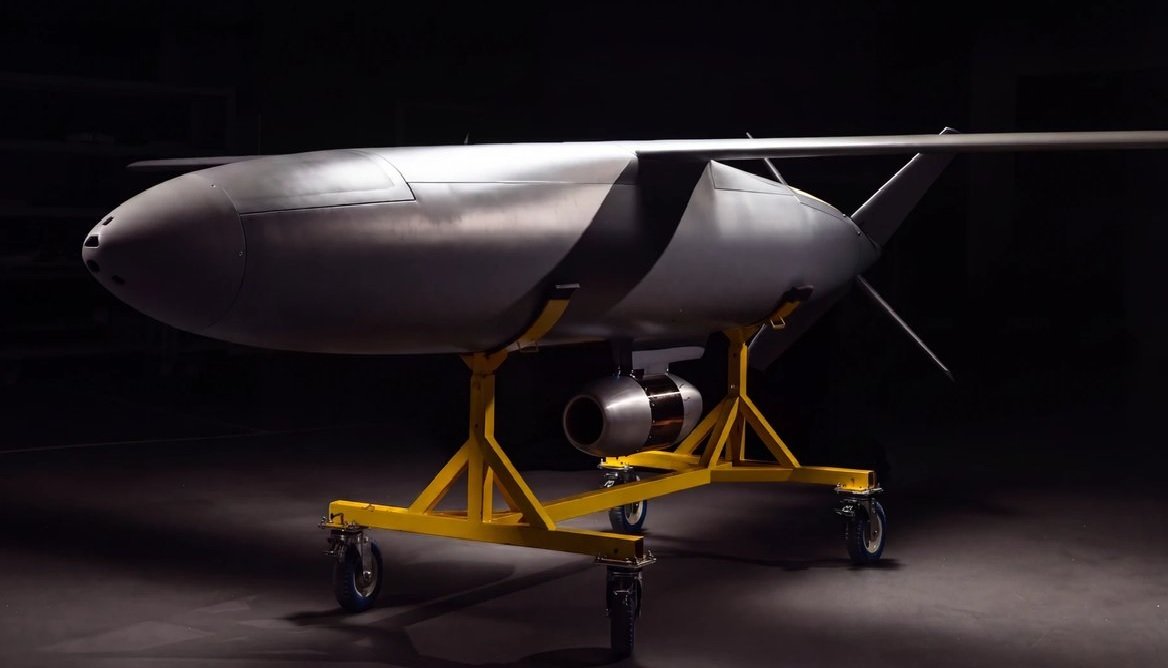
DALLAS — Defense technology startup Covenant has emerged from two years of stealth operations with more than $250 million in venture funding, introducing Anthem, a ground-launched, long-range precision strike cruise missile designed to carry a heavy payload and be produced in large numbers. Founded in 2024, Covenant has more than 200 employees across the United States, Germany and Israel. The company said it has already secured approximately $150 million in orders covering research and development, qualification and production contracts. Anthem Targets the Deep-Strike Gap Anthem is designed to carry a payload of more than 200 kilograms (over 440 pounds) over long distances. Covenant has not disclosed its exact range, but says the missile offers multiples of the range and payload of other systems in its price class. The company is targeting a unit cost in the mid-six figures at full-rate production. Anthem is intended for hardened targets, including ports, runways and weapons facilities. Covenant has developed its own ground launcher, storage and handling systems, along with mission-planning and command-and-control software designed to support coordinated launches of large numbers of missiles. More Than 200 Test Flights Covenant said Anthem first flew in August 2025 and has completed more than 200 test flights. The testing has included trials with the U.S. military in the United States and overseas. A recent demonstration was conducted in August 2026 at a U.S. Army range in Morocco. $250 Million Funding and Military Contracts Covenant raised more than $250 million across three funding rounds, with investors including Andreessen Horowitz, Founders Fund, Lux Capital, 8VC, Aleph and Lightspeed Venture Partners. Reports place the company's valuation at more than $1 billion. The company has an Other Transaction Agreement with the U.S. Army for accelerated testing and qualification. The U.S. Navy's Rapid Capabilities Office also awarded Covenant a roughly $70 million cost-sharing contract to develop a maritime Anthem variant and incorporate Defense Exportability Features for potential sales to U.S. allies. Covenant said additional awards are expected before the end of 2026. Production Designed for Scale Covenant is using commercial off-the-shelf components for Anthem where possible. Where commercial parts were unavailable, the company said it worked with suppliers to establish dedicated production lines. The company has opened a 105,000-square-foot production facility in Grand Prairie, Texas, while a 110,000-square-foot facility in Saxony, Germany, is planned around a predominantly European supply chain. Covenant is also operating a roughly 30,000- to 32,000-square-foot facility in northern Israel. Serial production is scheduled to begin in the first quarter of 2027, with an initial goal of about 1,000 missiles in the first year and a longer-term target of 5,000 units annually. Covenant expects deliveries of German-built systems to an international customer by the end of 2026, while U.S. Army deliveries are planned for 2027. Leadership and Western Strike Requirements Covenant was founded by Michael Kaufman and Ofir Dayan. Kaufman, the company's CEO, is a former investor at Thiel Capital, while Dayan, the CTO, previously worked on systems including Iron Dome. Abby Denburg is President and Chief Growth Officer, and former U.S. Deputy Secretary of Defense Kathleen Hicks serves as an adviser. Covenant is positioning Anthem around the growing requirement for large numbers of heavy-payload precision weapons against hardened targets. Its approach combines a lower-cost production model, localized manufacturing and integrated launch and mission-planning systems. The company says the priority now is execution—delivering mission-critical capability to customers on time, at scale and with the performance they expect.
Read More → Posted on 2026-09-10 09:13:25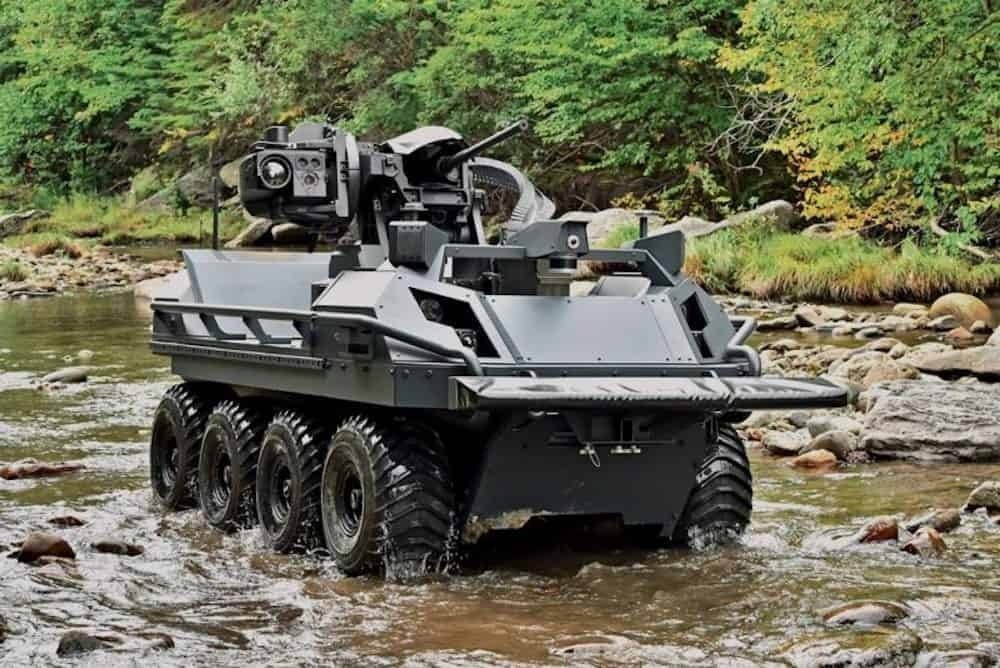
U.S
AUBURN HILLS, Mich. — American Rheinmetall has secured a $7.28 million contract to supply the U.S. Marine Corps with 12 Mission Master SP autonomous unmanned ground vehicles (A-UGVs), along with five specialized Marine Kits and related support equipment. Contract and Marine Corps Evaluation The procurement is being executed by the Defense Logistics Agency (DLA), with ADS Inc. serving as the prime contractor for the Marine Corps Warfighting Laboratory (MCWL). American Rheinmetall will lead the project in the United States, while Rheinmetall Canada, the Mission Master SP's original equipment manufacturer and technical partner, will provide engineering and production support. The vehicles will undergo operational evaluation, experimentation and capability development. The program is intended to support the Marine Corps' efforts to expand autonomous logistics, mobility and expeditionary capabilities. Mission Master SP Capabilities The Mission Master SP is a compact, low-profile autonomous unmanned ground vehicle designed to support dismounted troops. It can be configured for missions including logistics, tactical overwatch, fire support and casualty evacuation. The latest configuration uses Rheinmetall's PATH autonomy architecture, which supports autonomous navigation and mission planning in complex and GPS-degraded environments. The vehicle supports modular payloads and can operate in follow-me, convoy and fully autonomous modes. Its lithium-ion battery-powered electric drivetrain supports low-signature operations. The vehicle is also compact enough to be transported internally by CH-47, CH-53 and C-130 aircraft. Amphibious Marine Kit The contract includes five Marine Kits, which are designed to improve the Mission Master SP's ability to operate in littoral environments and perform extended amphibious tasks. Five of the 12 vehicles will be equipped with the kits for maritime mobility testing. “This collaboration between Rheinmetall colleagues enables the U.S. Marine Corps to deploy the Mission Master SP in multi-domain environments and continue to push boundaries of Canadian innovation,” said Pietro Mazzei, president and CEO of Rheinmetall Canada. Four Years of Marine Corps Cooperation The award builds on more than four years of collaboration between Rheinmetall and the Marine Corps. Earlier Mission Master systems were tested in missions including casualty evacuation, resupply and autonomous road marches of up to 50 kilometers. The vehicles also participated in exercises including Talisman Sabre in Australia and Apollo Shield at Twentynine Palms, California. Rheinmetall has also integrated the Fieldranger Remote Weapon Station on an armed Mission Master SP and demonstrated the system during live-fire testing. “This award represents a significant milestone in our long-standing partnership with the United States Marine Corps,” said Matt Warnick, CEO of American Rheinmetall. He said the company has worked with Marines for more than four years to develop and advance autonomous ground capabilities. Support and Future U.S. Production The contract includes engineering support, logistics coordination, program management, operator training, technical documentation and acceptance testing. American Rheinmetall also plans to develop its Maine facility into a future U.S. Advanced Land Autonomy Center of Excellence (ALACOE). The center is planned to focus on PATH integration, local production, sustainment and lifecycle support. The current procurement does not require immediate expansion of the Maine facility, although the company said the planned center could support future U.S. manufacturing, workforce growth and long-term sustainment. The new contract will provide the Marine Corps with additional Mission Master SP vehicles for continued testing and development of autonomous logistics, mobility and amphibious capabilities.
Read More → Posted on 2026-09-10 09:00:27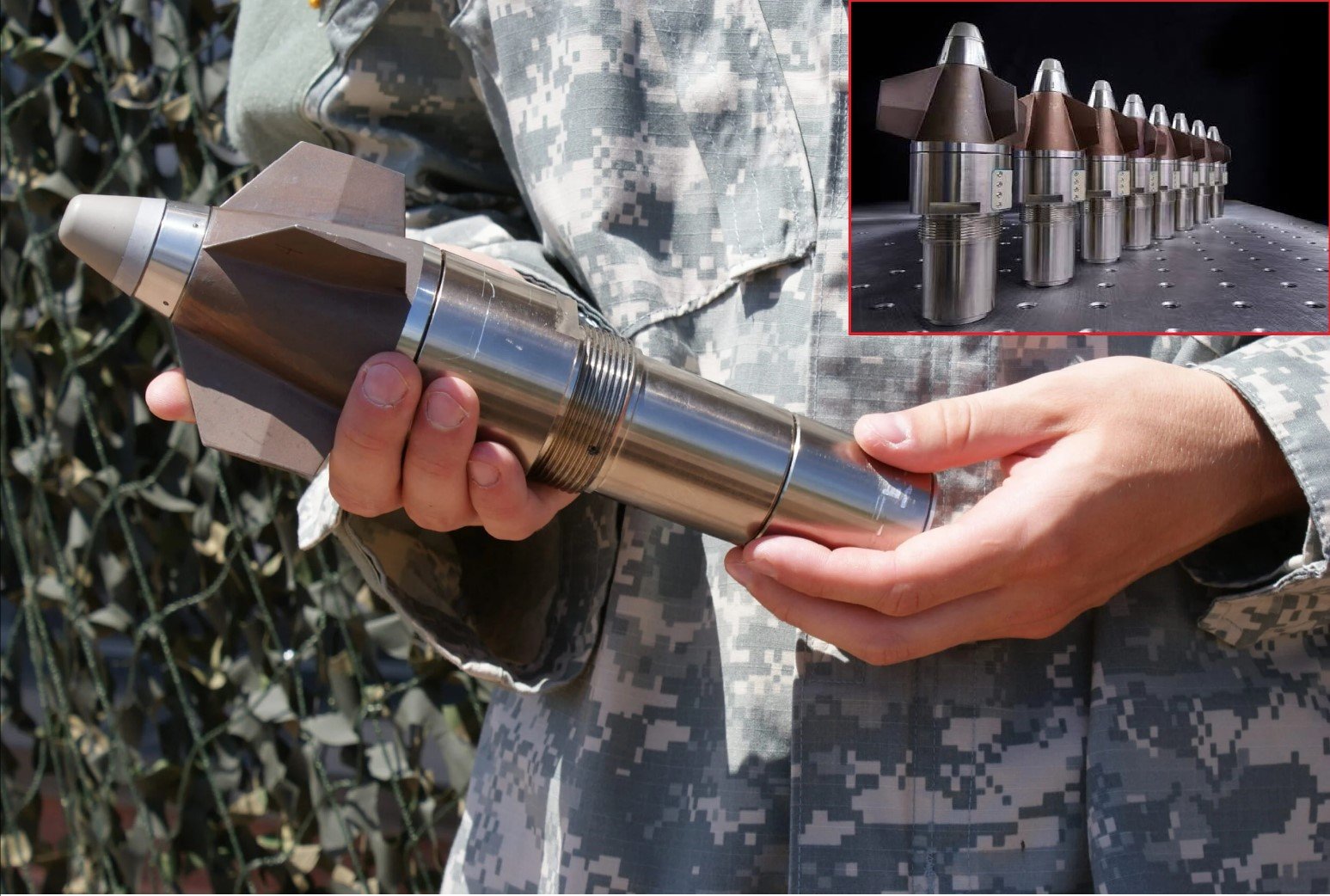
U.S
PLYMOUTH, Minn. — Northrop Grumman has begun production of its PGK E5 precision guidance kit for the U.S. Army. The upgraded system is designed to maintain the accuracy of 155 mm artillery rounds when GPS signals are jammed or degraded. Production is underway at Northrop Grumman’s facility in Plymouth, Minnesota, with the first deliveries expected in early 2028. The company has not disclosed the specific number or value of PGK E5 kits ordered. The PGK E5 is the latest version of the M1156 Precision Guidance Kit, which has been in production since 2013 and in service since 2015. The kit screws into the fuze well of compatible conventional 155 mm projectiles, allowing existing ammunition to receive GPS-guided course-correction capability without requiring new guided shells or changes to the artillery platform. Anti-Jamming Upgrade The main improvement in the E5 is its enhanced anti-jamming technology, developed to maintain precision when GPS signals are disrupted by electronic warfare. Northrop Grumman said the system recently exceeded the Army’s threshold and objective accuracy requirements during testing in GPS-degraded conditions. The Army lists a threshold accuracy of less than 50 meters circular error probable (CEP) and an objective of less than 30 meters CEP. The E5 maintains the same fit, form and user experience as previous PGK versions. It is compatible with projectiles including the M795 and M549A1 high-explosive rounds and fielded artillery systems such as the M109A6/A7 Paladin and M777A2. The system also retains standard fuze functions, including point detonation and proximity, or height-of-burst, operation. “Today’s threat environment demands speed and innovation and we’re working closely with the U.S. Army to ensure the PGK E5 keeps maneuver forces ready to win in GPS degraded environments,” said Dave Fine, vice president of armament systems at Northrop Grumman. $862.8 Million Production Contract The E5 production follows a $862.8 million firm-fixed-price indefinite-delivery/indefinite-quantity contract awarded to Northrop Grumman by the U.S. Army in September 2026. The five-year agreement covers the manufacture, inspection, testing, packaging and delivery of M1156 precision guidance kits and variants through September 2031. Individual orders will determine work locations and funding. The Army Contracting Command in Newark, New Jersey, manages the agreement. Northrop Grumman has delivered more than 145,000 PGK kits to date, with the system reporting a 98 percent point reliability rate since 2013. PGKs are used by U.S. forces and allied countries, including Australia, Canada and Finland. Finland purchased 5,500 kits in August 2024. The PGK approach allows existing stocks of conventional 155 mm ammunition to receive precision-guidance capability, providing the Army with an anti-jam upgrade without requiring replacement of its existing artillery platforms.
Read More → Posted on 2026-09-10 08:50:21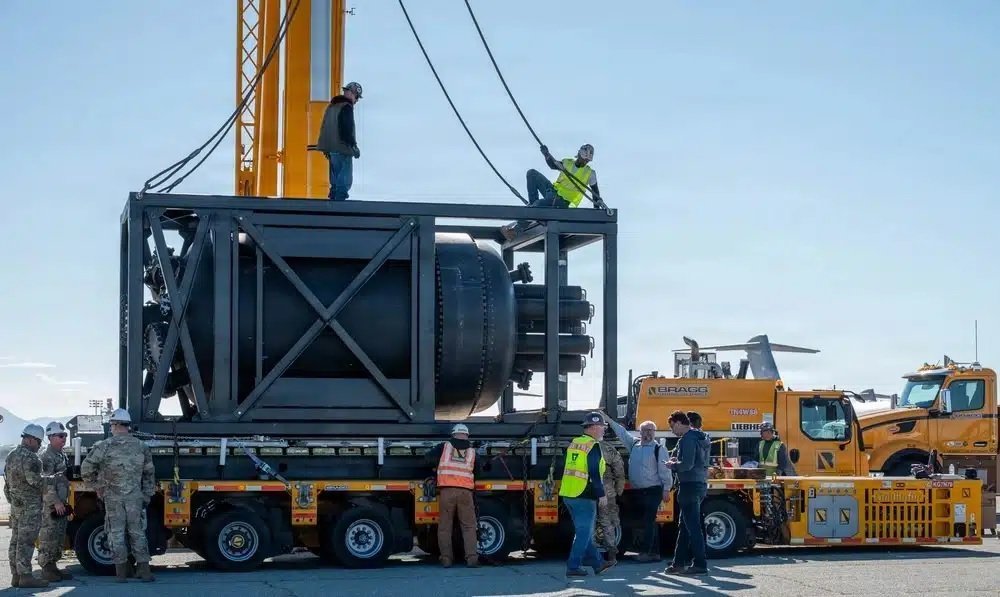
U.S
WASHINGTON — The U.S. Department of War plans to install an advanced nuclear Micro Modular Reactor (MMR) at Naval Weapons Station (NWS) Crane in Indiana no later than September 2028. The project will provide the installation with continuous electricity independent of the commercial power grid. The reactor will be the U.S. Navy’s first shore-based advanced microreactor and the first power-producing nuclear reactor installed in Indiana. The commercially owned and operated reactor is intended to improve the energy resilience of NWS Crane, allowing critical activities to continue during commercial grid disruptions and other demanding conditions, including physical and cyber threats. Nuclear Power for Naval Weapons Station Crane NWS Crane is a major U.S. military installation in southern Indiana. It supports defense technology and weapons-related activities, including weapons development, electronic warfare, strategic missions and expeditionary warfare systems. The installation hosts the Naval Surface Warfare Center Crane Division and Crane Army Ammunition Activity and employs thousands of civilian personnel, including scientists and engineers. The new reactor is intended to provide a reliable source of electricity for critical operations without depending on the civilian power grid. Microreactors are generally designed as relatively small nuclear power systems that can be factory-built and deployed to individual sites. Systems in this category typically produce 20 megawatts or less and are intended to supply power to a specific installation rather than a regional electricity network. The Department of War has not publicly identified the reactor vendor for the Crane project. It also has not released a cost estimate, specific reactor design or power output. Army’s Janus Program Leads Deployment The Crane project is being carried out through the Army’s Janus Program, with the Army serving as the Department of War’s executive agent for nuclear energy at military installations and holding regulatory authority for the unit. The Navy is responsible for establishing the operational requirements for the Crane site, while the Department of War Innovation Unit is connecting the military effort with commercial nuclear technology developers. The program also involves the Office of the Under Secretary of War for Research and Engineering, the Office of the Assistant Secretary of War for Critical Technologies and the State of Indiana. “Janus was designed from the beginning to deliver capability beyond the Army,” said W. Jordan Gillis, Assistant Secretary of the Army for Installations, Energy and Environment. He said the effort is intended to create a pathway for resilient nuclear power across the Joint Force. Brendan Rogers, Assistant Secretary of the Navy for Energy, Installations and Environment, said energy security is directly connected to military capability. He said placing the Navy's first shore-based advanced microreactor at Crane would support efforts to protect shore infrastructure from physical, cyber and commercial-grid vulnerabilities. Part of Wider Military Microreactor Program The Crane deployment follows earlier selections under the Janus Program for other Department of War installations. The Army previously selected five companies and initial locations: Antares Nuclear — Fort Bragg, North Carolina BWXT Advanced Technologies — Fort Campbell, Kentucky General Atomics Electromagnetic Systems — Fort Hood, Texas Radiant Industries — Fort Benning, Georgia Westinghouse Government Services — Fort Drum, New York Those awards have a combined value of up to $2.2 billion. Private funding is expected to support more than 20 reactors across Department of War installations over time. The Crane project is therefore being positioned as an early part of a broader effort to deploy advanced nuclear power at military facilities. Executive Orders Set 2028 Target The project follows President Donald Trump’s executive orders concerning advanced nuclear reactors for national security and rebuilding the U.S. nuclear industrial base. Executive Order 14299, signed in May 2025, directed the Army to operate an Army-regulated nuclear reactor at a domestic military installation by September 30, 2028. Emil Michael, Under Secretary of War for Research and Engineering, said the department is working to field next-generation energy technologies while strengthening the U.S. nuclear industrial base and ensuring military installations have resilient infrastructure for uninterrupted operations. Mike Dodd, Assistant Secretary of War for Critical Technologies, said his office is focused on moving technologies from development into operational use. He said the office's standard is to field and deploy capability within 24 months or less, with the Crane effort being pursued under the Contested Logistics Critical Technology Area. Indiana Support and Next Steps The Crane initiative follows more than a year of coordination between the Department of War and Indiana officials. The project has received support from Senator Jim Banks, Governor Mike Braun, Senator Todd Young, Representative Erin Houchin and Representative Mark Messmer. Federal, state and local authorities will continue work on the safety, environmental, regulatory and installation requirements needed before the reactor can be deployed. Officials have also said that nuclear safety, physical security, cybersecurity and responsible use of taxpayer funds will remain priorities throughout the project. The initiative is also expected to create skilled employment opportunities and contribute to expansion of the domestic nuclear supply chain. The Department of War has set September 2028 as the deadline for the Crane deployment, but has not publicly provided further details on the specific reactor design, power output or construction schedule.
Read More → Posted on 2026-09-10 08:29:20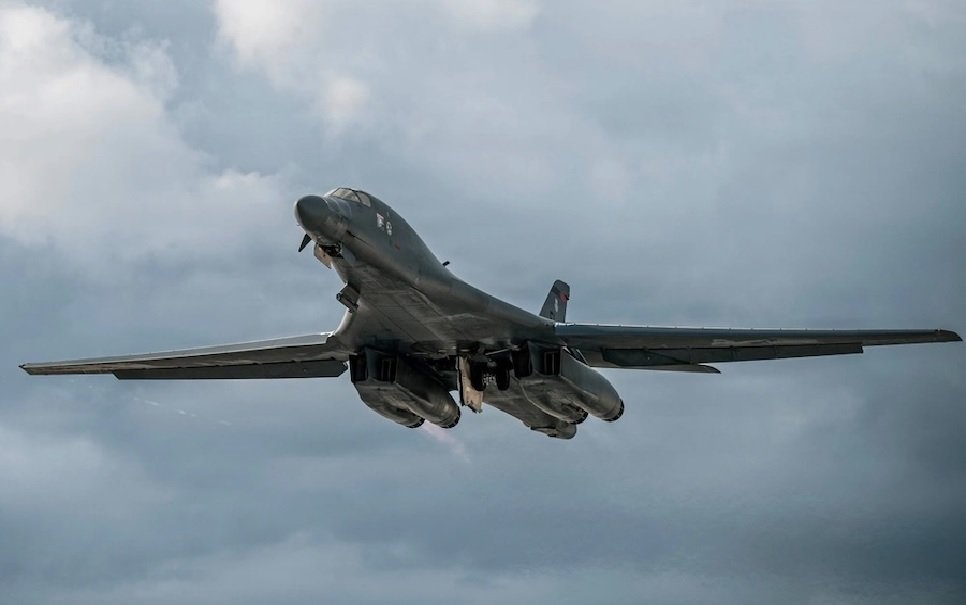
U.S
WASHINGTON — The U.S. Air Force has launched the North Star Readiness Campaign to increase the number of mission-capable B-52 Stratofortress and B-1 Lancer bombers available for operations. The campaign was launched on September 8 by Air Force Global Strike Command (AFGSC) in partnership with Air Force Materiel Command (AFMC) and the Defense Logistics Agency (DLA). The effort focuses on reducing logistical delays, improving parts availability, strengthening engineering support and speeding up depot maintenance. The Air Force said the campaign is intended to maintain a ready bomber force capable of supporting global operations. It brings operators, sustainment organizations, logisticians and maintainers together to address problems that can keep aircraft out of service. Faster Parts Delivery One of the main elements of the campaign is the use of daily aircraft-on-ground meetings. These meetings bring together DLA representatives, supply-chain personnel, base logistics units and flight-line maintainers to identify parts shortages and work on solutions. According to the Air Force, some lateral shipments that previously took a week or longer can now reach operating units in two to three days. The campaign has also reduced the number of mission-impacting parts problems, known as MICAPs, from more than 450 to approximately 160. The reduction allows maintenance teams to spend more time working on high-priority backorders and identifying emerging reliability problems instead of responding to immediate parts shortages. Focus on B-1 and B-52 Fleets For the B-1 fleet, the campaign is focused on improving the availability of critical structural and avionics parts while also reducing delays associated with depot-level maintenance. The objective is to return aircraft to the fleet faster and reduce aircraft downtime. The campaign is also supporting the continued modernization of the B-52 fleet. Both the B-52 and B-1 are receiving upgrades intended to allow the aircraft to remain in service for decades longer. The Air Force is also continuing to sustain the B-2 Spirit for maximum combat effectiveness until the B-21 Raider becomes fully operational. Air Force Leadership Emphasizes Readiness Gen. S.L. Davis, commander of Air Force Global Strike Command, said the campaign brings together operators, acquisition and sustainment experts and logistics partners with a focus on operational readiness. “This is a team effort,” Davis said, emphasizing the need to provide maintainers with the parts and support required to keep the bomber force ready. Lt. Gen. Linda Hurry, commander of Air Force Materiel Command, said continued cooperation between Global Strike leadership and logistics organizations has helped improve the supply chain and return aircraft to the fleet faster after depot maintenance. The campaign also uses ideas developed by Airmen working directly on the aircraft. Standardized maintenance playbooks and changes to day-to-day processes are being used to improve the movement of parts and streamline flight-line maintenance. The North Star Readiness Campaign brings together ongoing and new modernization efforts, primarily managed through the Office of the Assistant Secretary of the Air Force for Acquisition and Air Force Materiel Command. The Air Force says the coordinated approach is intended to deliver parts, resources and engineering solutions more efficiently and increase the number of B-52 and B-1 aircraft available for operations.
Read More → Posted on 2026-09-10 07:02:44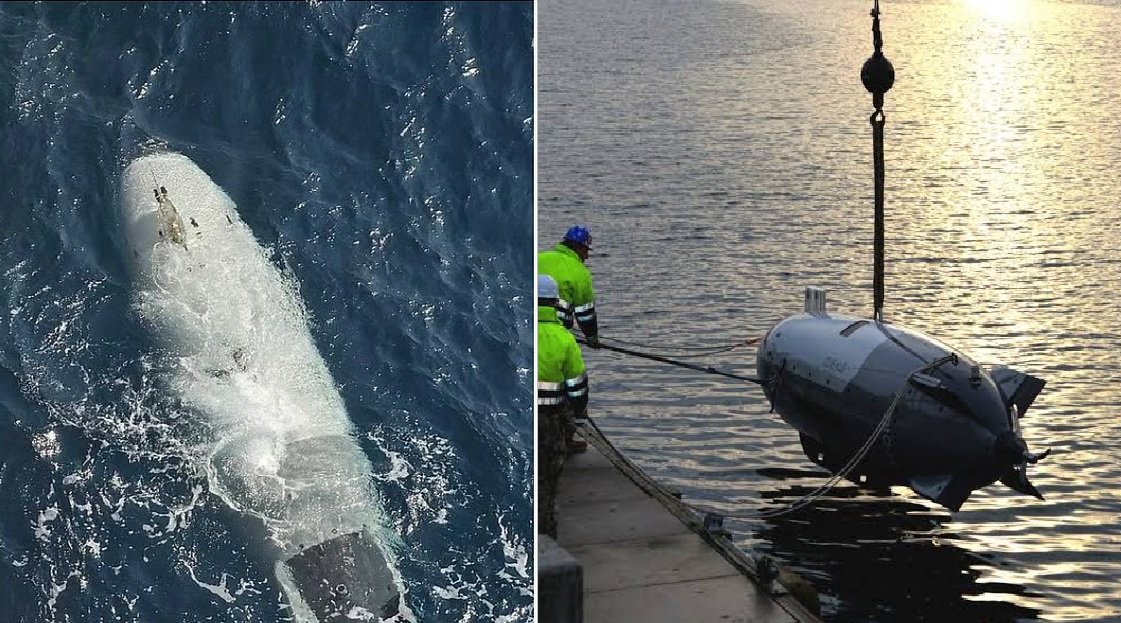
U.S
WASHINGTON — The U.S. military has confirmed the loss of an uncrewed underwater vehicle in the Strait of Hormuz area, but said the vehicle had malfunctioned more than a day before Iranian forces recovered it. Iran’s Islamic Revolutionary Guard Corps (IRGC) Navy announced on September 8 that it had captured a U.S. autonomous underwater vehicle near the entrance to the Strait of Hormuz. Iranian state media described it as one of the most modern and intelligent unmanned submarines operated by the United States and released footage of its recovery. U.S. Central Command (CENTCOM) said the vehicle was an older model that suffered a mechanical failure while surveying regional waters in support of ongoing operations. Navy Capt. Tim Hawkins, a CENTCOM spokesperson, said it did not collect sensitive data or carry classified sonar or radar equipment. He added that U.S. operations in the area are continuing. Vehicle Identified as Anduril Dive-LD Images released by Iranian sources show a vehicle consistent with the Dive-LD, a large autonomous underwater vehicle made by California-based Anduril Industries. Open-source analysis found matching features including the hull shape, flood holes, transparent mast, fastening points, seam lines and X-shaped rudders. Reuters and other defense publications also identified it as a Dive-LD. Anduril confirmed that one of its Dive-LD vehicles had been lost and described the system as an attritable autonomous system, designed for dangerous operations where loss of the vehicle is an expected possibility. The U.S. Navy received Dive-LD systems in 2025 for units operating unmanned underwater vehicles. Dive-LD Capabilities According to Anduril specifications, the Dive-LD is approximately 5.8 meters (19 feet) long, about 1.2 meters (4 feet) in diameter, weighs roughly three tons, and can operate autonomously for up to 10 days. Its maximum advertised operating depth is approximately 6,000 meters. Its modular design allows different payloads and sensors to be integrated. Listed missions include intelligence, surveillance and reconnaissance, mine warfare, seabed mapping, hydrographic surveying, environmental monitoring, and inspection of underwater infrastructure such as cables and pipelines. The system uses direct-drive electric propulsion and can be launched and recovered from vessels and shore facilities. Different Accounts From Iran and the U.S. The IRGC described the recovery as a complex intelligence and operational action and called the vehicle advanced U.S. underwater technology. Iranian officials also said the system had been delivered to the U.S. military in 2025. The U.S. and Pentagon accounts differ, saying the vehicle had malfunctioned more than a day earlier and was an older model without sensitive data or classified sonar or radar equipment. The incident provides a public example of U.S. use of large autonomous underwater vehicles around the Strait of Hormuz. Iran says the vehicle is now in its possession, while U.S. officials maintain that the particular vehicle carried no classified equipment and that U.S. operations continue.
Read More → Posted on 2026-09-09 14:32:20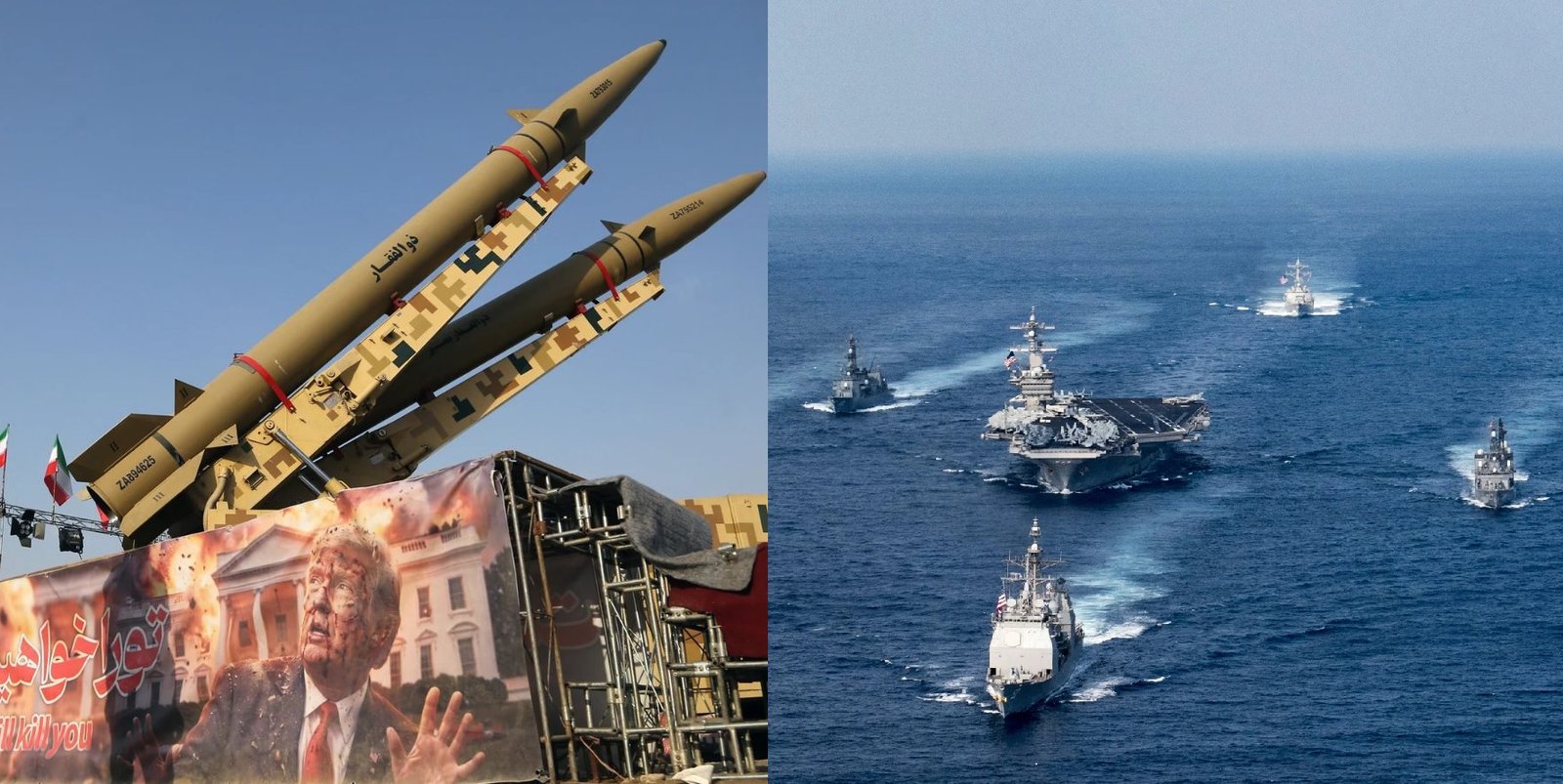
U.S
WASHINGTON — U.S. officials are increasingly concerned about Iran’s improved missile technology after a series of ballistic missile attacks targeting U.S. Navy ships operating around the Gulf of Oman and Strait of Hormuz. Officials are also examining whether Russia or China may be helping Iran track the location of American warships. The Wall Street Journal, citing U.S. officials, reported a previously undisclosed attack on U.S. Navy ships on Monday, following weekend ballistic missile launches directed at a U.S. aircraft carrier and a guided-missile destroyer. Iran’s Islamic Revolutionary Guard Corps (IRGC) publicly claimed to have inflicted significant damage on two Arleigh Burke-class destroyers, but U.S. Central Command rejected those claims. According to CENTCOM, the targeted warships successfully evaded the incoming ballistic missiles during multiple engagements. The vessels continued their regional patrols without suffering operational damage, and no American personnel were harmed. Advanced Guidance Raises Questions Iranian officials described the (Monday) recent launches as involving improved systems. Major General Mohsen Rezaei, secretary of Iran’s Supreme National Security Council, said a specialized ballistic missile had been tested against a U.S. warship. Iran’s messaging in recent days has become more assertive, and a Monday report described the Qassem Basir as a “turning point in Iran’s defense strategy.” It described the missile as having greater range and accuracy and a half-ton warhead. The missile was unveiled last year, when it was described as having at least a 1,200-kilometer (745-mile) range. Iranian state media has presented the Qassem Basir as having enhanced range, accuracy and guidance features, including thermal imaging and electro-optical seekers that allow terminal-phase adjustments. Weapons analysts have noted that missiles fitted with electro-optical seekers can use imagery to adjust their flight path and maneuver toward a moving target, such as a ship at sea, during the final stage of flight. However, even with advanced terminal guidance, Iran would still generally need an approximate location of the target before launch. Concerns about Iran’s ballistic missile program were among the stated reasons the United States and Israel attacked Iran earlier this year, sparking the war. U.S. officials and intelligence assessments over the course of the conflict have pointed to Iran’s use of more sophisticated missile technology. Reports have described improved maneuverability, multi-system navigation that can draw on GPS along with China’s BeiDou and Russia’s GLONASS, and terminal guidance that is less vulnerable to certain forms of electronic jamming. Questions Over Russian and Chinese Assistance The requirement to locate a moving warship before launch has raised questions among U.S. officials and analysts about whether Russia or China may be providing Iran with satellite imagery, location information or other surveillance assistance. Earlier U.S. intelligence reporting indicated that Russia has shared satellite imagery and location information on American ships and installations with Iran. China has been linked to the provision of commercial satellite imagery of U.S. and allied positions, dual-use components useful for missile programs, and access to its BeiDou navigation system. Beijing has also faced U.S. sanctions related to companies supplying imagery that could aid targeting. Russia maintains an advanced space surveillance network capable of providing optical and radar imagery. These developments have raised questions among analysts about whether external assistance has helped Iran obtain better location data on U.S. naval forces operating in the confined waters of the Gulf of Oman and Strait of Hormuz. According to officials and analysts, such assistance could support more precise initial targeting information, even if the missile’s final guidance relies on Iranian-developed seekers. U.S. Retaliation Against Iranian Tankers In response to the weekend attacks on U.S. naval assets, the American military launched retaliatory strikes against several Iranian crude oil tankers. CENTCOM said the targeted tankers were part of a “multibillion-dollar shadow network” used by Iran to fund the IRGC and its regional proxies. The operation resulted in the destruction or permanent disabling of multiple vessels off Kharg Island, near Jask, and in the Gulf of Oman. The vessels included the M/T Downy, M/T Stark 1, M/T Kylo, M/T Kaviz and M/T Charminar. Before the strikes, U.S. forces directed the crews to abandon the ships to prevent casualties. Admiral Brad Cooper, commander of U.S. Naval Forces Central Command, said the strikes were intended to impose a direct economic cost on Tehran. Secretary of State Marco Rubio also stated that Iran continues to try to hit U.S. naval ships and that each such attempt would result in the loss of additional tankers. U.S. Naval Operations in the Region The United States currently has an estimated 19 warships supporting operations in the Middle East, according to a Navy official cited by The Wall Street Journal. The forces are operating in an environment centered on maintaining freedom of navigation in the Strait of Hormuz, a major maritime chokepoint for global oil and gas supplies. The United States is also maintaining a blockade and economic pressure campaign against Iranian ports. The recent missile attacks and subsequent U.S. strikes on Iranian tankers have added to the confrontation between the two countries. The latest developments have focused attention on both Iran’s improved missile guidance technology and its ability to obtain accurate information on the location of moving U.S. warships. U.S. officials are also examining whether foreign satellite and surveillance assistance could be contributing to Iran’s ability to obtain the initial targeting information required for such attacks.
Read More → Posted on 2026-09-09 14:18:09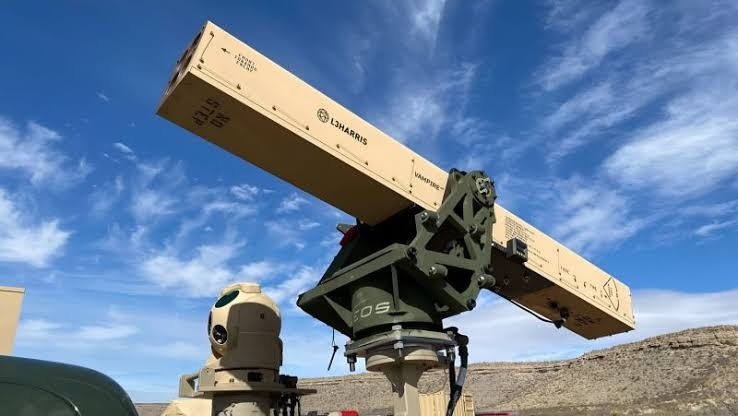
U.S
MELBOURNE, Fla. — The U.S. Navy has selected L3Harris Technologies to provide its VAMPIRE counter-unmanned systems for littoral, or coastal, defense. The selection, announced on September 8, is part of the U.S. military’s expanding effort to develop layered defenses against small unmanned systems. VAMPIRE, which stands for Vehicle-Agnostic Modular Palletized Intelligence, Surveillance and Reconnaissance Rocket Equipment, is a self-contained system that combines reconnaissance and precision-strike capabilities against drones and remotely piloted platforms. The system is designed as a portable kit that can be installed on most vehicles with a cargo bed. It can use the WESCAM MX-10D RSTA electro-optical/infrared sensor mounted on a telescopic mast. The sensor provides high-definition surveillance and laser target designation. VAMPIRE can launch Advanced Precision Kill Weapon System (APKWS) rockets and other laser-guided munitions. When equipped with 70mm APKWS rockets, L3Harris says the system can engage targets at ranges of up to 9 miles (15 km). The company has not disclosed which ammunition will be supplied to the Navy. Adapted for Maritime Operations L3Harris is modifying and ruggedizing VAMPIRE for coastal and maritime conditions so the system can withstand environmental stresses associated with naval operations. “VAMPIRE is a flexible and effective system that meets the unique requirements of the U.S. Navy for littoral C-UxS defense,” said Tony Calderon, president of Targeting & Sensor Systems within L3Harris’ Communications & Spectrum Dominance business. The company has not disclosed the contract value, number of systems or delivery schedule for the Navy order. The wider VAMPIRE family includes sensors, precision weapons, electronic jammers and non-kinetic effectors. It also incorporates artificial intelligence and machine learning to help speed the detection, engagement and defeat of small unmanned threats. The Navy selection follows a separate U.S. Army order worth up to $106 million, announced in June 2026. L3Harris said VAMPIRE systems have supported European combat operations since 2023, logging more than 350,000 operational hours and defeating hundreds of hostile drones. The company began high-volume production at its Huntsville, Alabama, facility in early 2026. L3Harris is also using Wraith Shield software for layered counter-drone operations. The system uses military radios as sensors to identify small unmanned aircraft and can be integrated with VAMPIRE and Drone Guardian systems. The VAMPIRE family also includes VAMPIRE Black Wake, a maritime variant designed for crewed or uncrewed vessels against small drones and fast attack watercraft. Recent work has also included passive AI-based detection software from Shield AI to improve target identification without transmitting signals that could reveal the system’s position. Separately, on September 8, L3Harris announced a seven-year contract valued at up to $4.7 billion from Lockheed Martin to produce solid-rocket propulsion systems for PAC-3 Missile Segment Enhancement interceptors.
Read More → Posted on 2026-09-09 13:47:21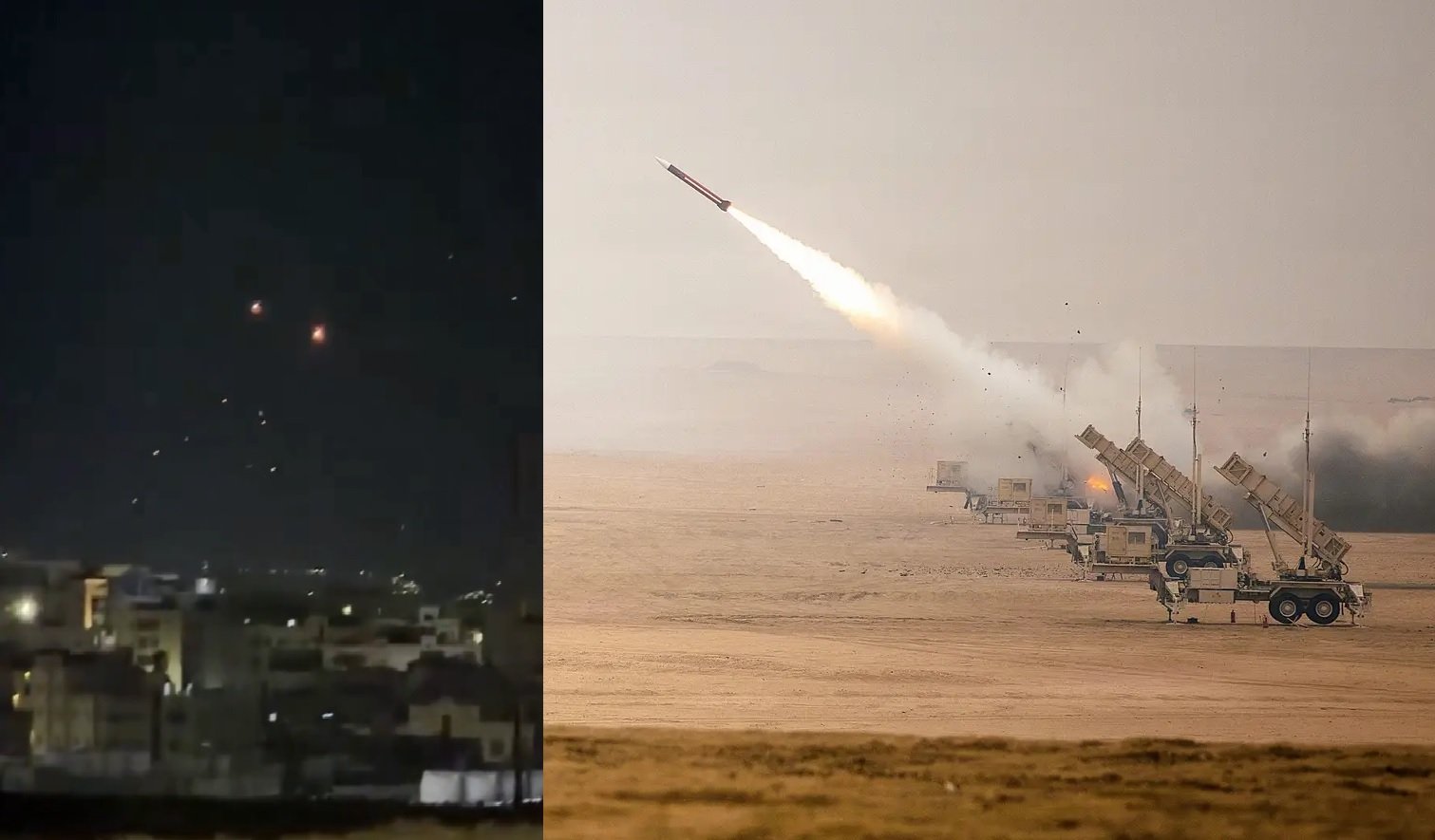
U.S
WASHINGTON — The United States is facing significant pressure on its missile inventories after months of combat operations against Iran, with a new analysis by the Center for Strategic and International Studies (CSIS) estimating that only about 36% of the country’s pre-conflict Patriot interceptor inventory remains. CSIS estimates that the United States had about 2,300 Patriot interceptors before the conflict with Iran. The remaining inventory is estimated at between 759 and 827 missiles, or roughly one-third of the prewar stockpile. The Patriot inventory is not the only U.S. missile stockpile under pressure. CSIS estimates that 234 to 278 Terminal High Altitude Area Defense (THAAD) interceptors remain from a prewar inventory of about 452, representing approximately 52% to 62%. Precision Strike Missile (PrSM) stocks are estimated at only 10% to 22% of pre-conflict levels. Tomahawk cruise missile inventories are estimated at about two-thirds of their prewar level. Patriot production under pressure The depletion of Patriot interceptors has highlighted the limits of current production capacity. Annual Patriot interceptor production has been around 600 missiles, although the United States is working to increase production. CSIS analysts Mark Cancian and Chris Park said rebuilding depleted inventories will take several years, even with expanded production. The analysts also warned that reduced inventories could force the United States and its partners to take greater risks when defending against ballistic missile attacks because there are limited alternatives to Patriot and THAAD for this mission. War Department Under Secretary for Acquisition and Sustainment Michael Duffey said U.S. weapons production lines have reached their current limits and that the production expansion process began during the Ukraine war as the United States recognized that modern conflicts could require larger quantities of munitions. Ukraine transfers also affected Patriot stocks The depletion of U.S. inventories is not entirely the result of the Iran conflict. The Trump administration has also pointed to weapons transferred to Ukraine. CSIS estimates that the United States had around 2,200 Patriot missiles before Russia's full-scale invasion of Ukraine in 2022. About 600 were subsequently provided to Ukraine, although some of those missiles may have come from U.S. allies. New production later increased the U.S. inventory to an estimated 2,300 Patriot interceptors before the Iran conflict. CSIS has assessed that Ukraine transfers were a relatively minor factor in the overall decline of several U.S. munition inventories, with Patriot being an important exception. Between 2021 and 2025, Ukraine was the largest recipient of major arms globally, with at least 36 countries supplying weapons. The United States accounted for 41% of Ukraine's arms imports during that period, according to the data cited in the report. Allied weapons deliveries face delays The reduction in U.S. inventories is also affecting deliveries to American allies and partners as Washington gives priority to replenishing its own stocks. Japan's planned purchase of 400 Tomahawk cruise missiles has faced delays as the United States works to manage its inventory. Mark Cancian said Japan has been told that its Tomahawk order is being pushed back in the delivery queue. Japan is preparing to operate the missiles from a modified ship, while facing security concerns involving China. Acting Navy Secretary Hung Cao has also confirmed a temporary pause on certain arms sales to Taiwan to ensure that sufficient munitions remain available for current operations. Representative Michael McCaul, who reviews foreign military sales, said delays in promised weapons deliveries can affect U.S. alliances and the ability of partner countries to protect themselves. The United States is the only country that manufactures the complete Patriot battery, while the United States and Japan have publicly shown that they produce Patriot missiles. Patriot is currently operated by 19 nations, according to manufacturer Raytheon. THAAD and PrSM inventories also under pressure THAAD has also been heavily used during the conflict. CSIS estimates that the United States has 52% to 62% of its prewar THAAD interceptor inventory remaining. The United States, Saudi Arabia and the United Arab Emirates operate THAAD systems. Saudi Arabia also has outstanding THAAD deliveries that are expected to continue through April 2028. No official delay to those THAAD deliveries has been reported in the information provided. The PrSM inventory has experienced a sharper reduction. CSIS estimates that only 10% to 22% of the pre-conflict stock remains following expenditures during the Iran campaign. Heavy demand during the Iran conflict The scale of weapons use has contributed to the depletion. CSIS has described Operation Epic Fury as one of the most munitions-intensive U.S. military campaigns in decades, involving large expenditures of both offensive and defensive missiles. CSIS has also noted that the intensity of the later 14-day period of renewed fighting was lower than the initial 39-day air campaign. During the later period, U.S. forces were launching about 80 to 100 strikes per day, compared with roughly 350 strikes per day during the major air campaign. Israel was also conducting hundreds of strikes during the earlier period. Jordan engagement highlights interceptor demand During the night of September 8-9, Jordan reported that its air defenses engaged 20 ballistic missiles launched from Iran toward Jordanian territory. Jordan said 18 were intercepted and destroyed, while two landed in unpopulated areas. Iran's Islamic Revolutionary Guard Corps said it had conducted a missile strike against a U.S. military base in Jordan. Open-source analyst Babak Taghvaee separately claimed on X that U.S. Patriot batteries in Jordan appeared to stop launching interceptors after the first wave of Iranian missiles. He suggested that the batteries may have exhausted available MIM-104D/F interceptors or that one or both batteries may have been targeted. Those claims have not been officially confirmed by U.S. or Jordanian authorities and therefore do not establish that the Patriot batteries had actually run out of interceptors or had been struck. Rebuilding the stockpile will take years The U.S. military still has missiles available for ongoing operations, but rebuilding inventories has become a longer-term challenge. CSIS has warned that the depleted stocks create a period of reduced readiness for potential future conflicts, particularly in the Western Pacific. The situation also illustrates the difficulty of simultaneously supporting U.S. operations, replenishing domestic inventories and fulfilling weapons orders for allies. "We've maxed out the production lines now," Cancian said, describing the limits facing the current production system. The United States is therefore increasing production capacity while prioritizing the replenishment of weapons consumed during the Iran conflict. CSIS estimates that restoring several major missile inventories to desired levels will take multiple years.
Read More → Posted on 2026-09-09 09:40:56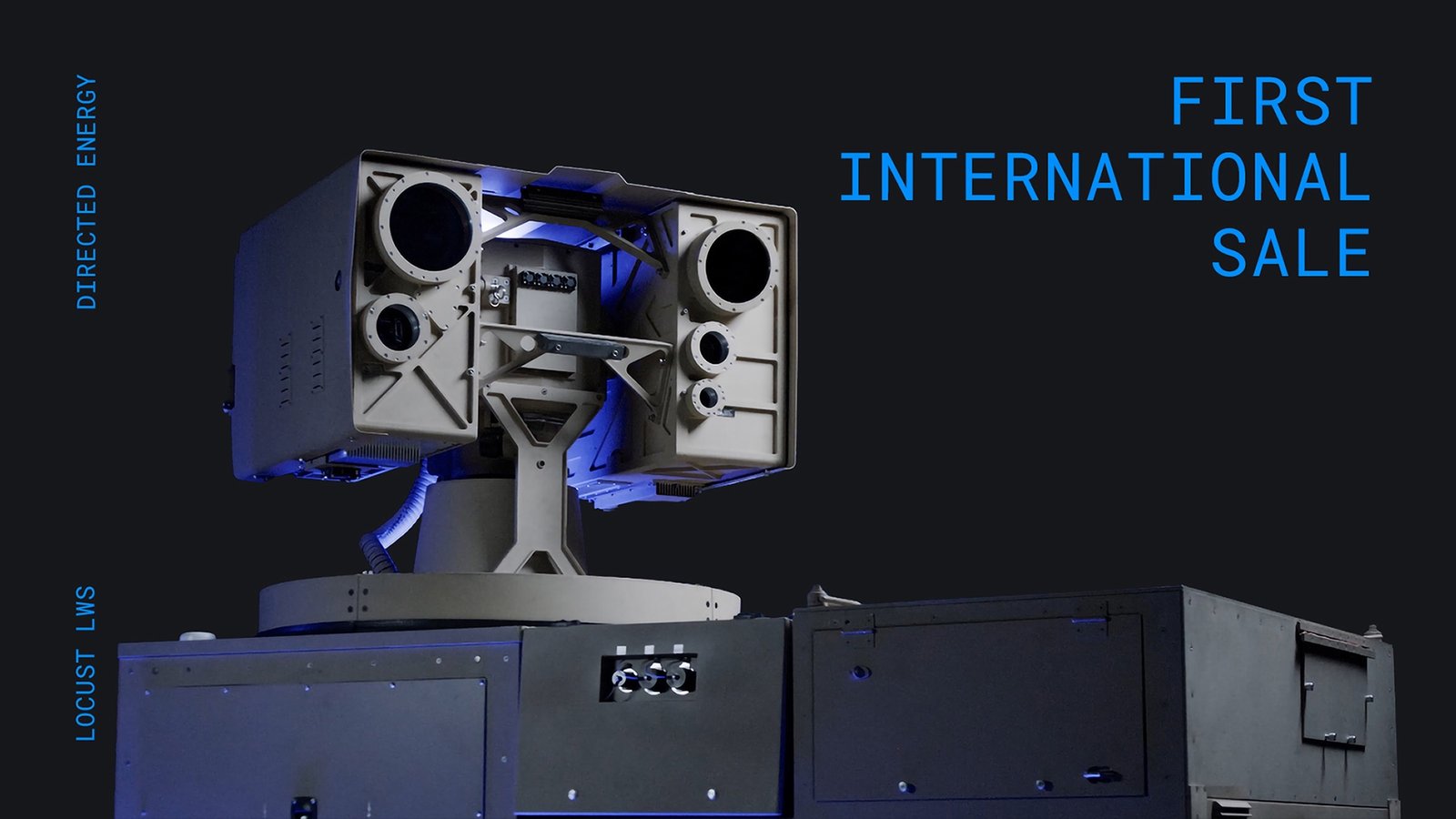
U.S
ARLINGTON, Va. — On September 8, 2026 AeroVironment, Inc. announced it has received its first international purchase order for the LOCUST Laser Weapon System in a direct commercial sale valued at more than $50 million. The order covers an initial delivery of LOCUST systems and associated support services. AeroVironment has not disclosed the buying country, number of systems or delivery timeline. The deal follows the company's selection by the U.S. Army for a $464.8 million Enduring-High Energy Laser (E-HEL) contract, which AeroVironment has described as the first production contract for high-energy laser weapons in U.S. history. Under the agreement, the company will deliver dozens of LOCUST X3 systems over the next several years. AeroVironment President, Chairman and CEO Wahid Nawabi said the international order reflects growing recognition of high-energy laser systems for modern air defense. He also said the spread of low-cost drones has changed the economics of warfare and that LOCUST provides an affordable alternative to relying on expensive interceptor missiles. LOCUST Laser Weapon System LOCUST, originally developed by BlueHalo, uses a 20-to-35-plus-kilowatt scalable laser, artificial intelligence, advanced sensing and tracking capabilities to detect, track and defeat Group 1 through 3 unmanned aircraft systems and other aerial threats. AeroVironment states that LOCUST engagements can cost less than $10 per shot, with earlier company statements citing costs below $5 in some configurations. Because the system uses generated power rather than physical ammunition, it does not have the traditional reload limitations of interceptor-based air-defense systems. The modular system can operate in fixed-site, palletized and mobile configurations and connect with different sensors and command-and-control networks. LOCUST is part of AeroVironment's Halo_Shield layered air-defense platform, which also incorporates the Titan counter-UAS system and Freedom Eagle-1 missile. U.S. Testing and Production Expansion LOCUST has been used in acknowledged laser engagements against drones near the U.S. southern border and has successfully defeated multiple drones during testing from the deck of the USS George H.W. Bush. The system has also been integrated onto Infantry Squad Vehicles and Joint Light Tactical Vehicles under the AMP-HEL initiative. It recently underwent live-fire testing at White Sands Missile Range, where military leaders, including Secretary of War Pete Hegseth, observed or operated the system. A safety agreement between the Federal Aviation Administration and Department of War has established a framework for LOCUST operations in U.S. airspace following an FAA review. AeroVironment acquired BlueHalo in May 2025 for $4.1 billion, bringing the LOCUST system into its portfolio. To support growing demand, AeroVironment is investing more than $30 million to expand its manufacturing campus in Albuquerque, New Mexico. The expansion is planned as a vertically integrated production hub for directed energy, space and other advanced defense technologies. The company expects it to create more than 450 jobs and generate over $670 million in economic impact. Mary Clum, President of Space, Cyber, and Directed Energy at AeroVironment, said the order supports the fielding of an operationally proven laser system and provides a foundation for expanded international adoption of layered counter-drone defenses. The September 8 announcement marks the first confirmed international commercial sale of the LOCUST Laser Weapon System.
Read More → Posted on 2026-09-08 17:19:11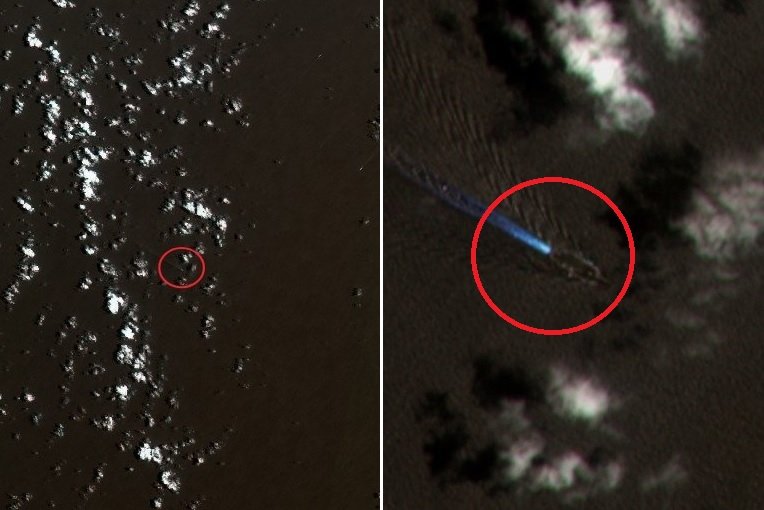
U.S
SOUTH CHINA SEA — The U.S. Navy’s Nimitz-class aircraft carrier USS Abraham Lincoln (CVN-72) has been identified in the South China Sea by open-source intelligence (OSINT) researchers as it continues its return journey to its homeport at Naval Air Station North Island in San Diego, California. Italian-based OSINT analyst MoloMonitor (@MoloWarMonitor) reported on September 8 that Sentinel-2 satellite imagery showed the carrier at 5.939898, 107.557912, in the southern South China Sea. The researcher said the ship was sailing toward San Diego and estimated its arrival in about 20 days. The carrier recently completed a five-day port visit to Laem Chabang, Thailand, arriving on September 2 after an extended deployment. It departed Thailand on September 6 and continued operations in the U.S. 7th Fleet area. I just found the USS Abraham Lincoln aircraft carrier (CVN-72) on Sentinel-2 satellite imagery, 08/09/2026.It is currently sailing in the South China Sea heading towards its homeport in San Diego, with an expected arrival in about 20 days.Coordinates: 5.939898, 107.557912 pic.twitter.com/j9OaEjN0h7 — MoloMonitor 🇮🇹 (@MoloWarMonitor) September 8, 2026 Extended Deployment The Abraham Lincoln left San Diego on November 21, 2025, for an Indo-Pacific deployment but was later redirected to the Middle East. It spent more than 250 days deployed and supported U.S. operations in the region, including missions related to the conflict with Iran. The deployment lasted about 286 days at sea, according to the U.S. Navy. The carrier was subsequently relieved in the Middle East by the USS George Washington (CVN-73) before beginning its return journey. Before reaching Thailand, the Abraham Lincoln transited the Strait of Malacca and Singapore Strait. Its September 2 arrival at Laem Chabang marked its first substantial port visit in many months. The carrier was accompanied by elements of Carrier Strike Group 3 (CSG-3), including the guided-missile destroyer USS Frank E. Petersen Jr. and guided-missile cruiser USS Robert Smalls, which also made nearby port visits in Thailand. The carrier hosts Carrier Air Wing 9 (CVW-9). Commissioned in 1989, the USS Abraham Lincoln is about 1,092 feet long and powered by two nuclear reactors. The ship normally operates with several thousand sailors and Marines along with its embarked air wing. The latest Sentinel-2 imagery provides an OSINT-based indication of the carrier’s position. The U.S. Navy does not routinely publish real-time positions of deployed warships, while the coordinates and 20-day arrival estimate were provided by the OSINT researcher.
Read More → Posted on 2026-09-08 16:47:46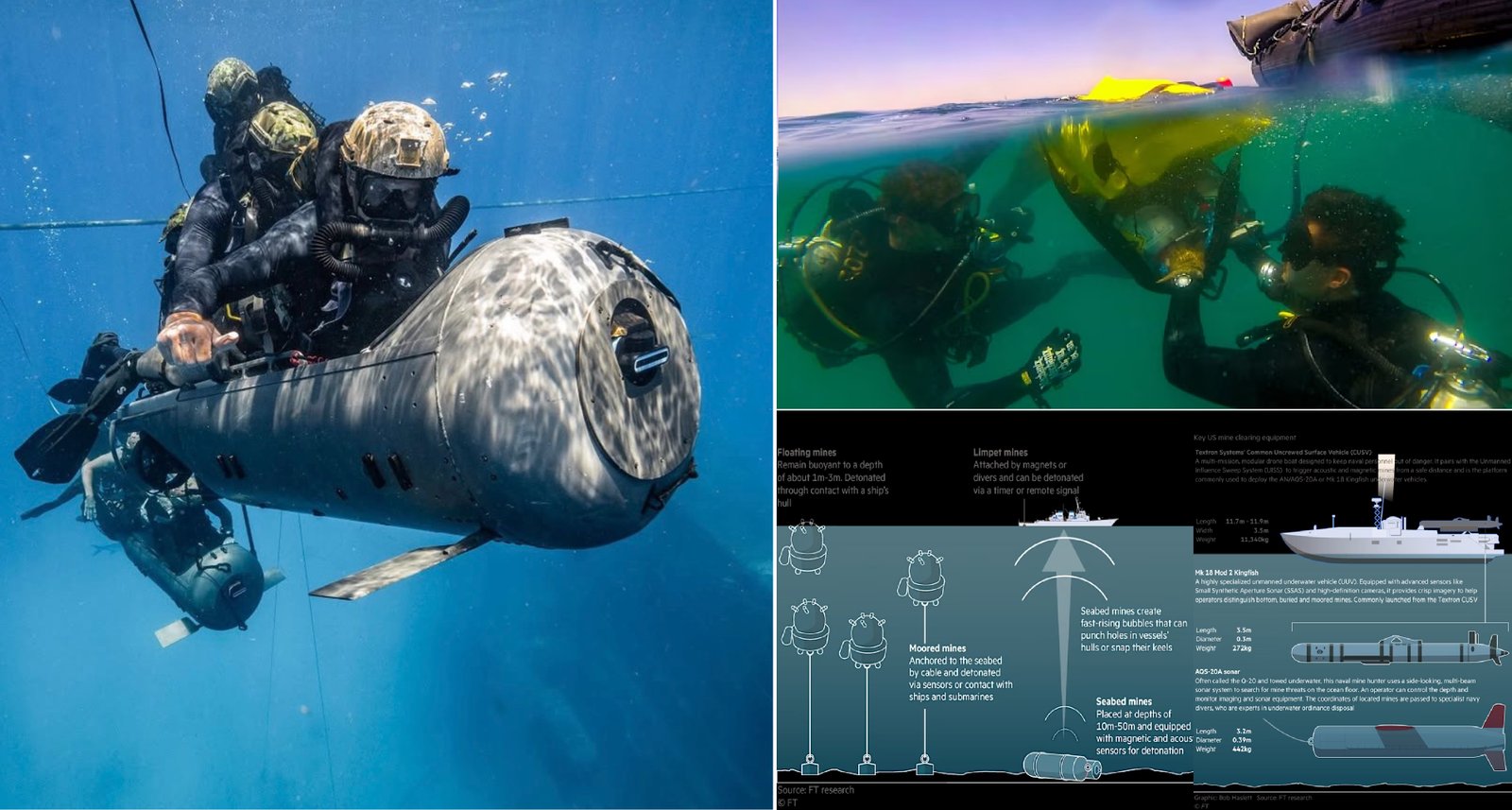
U.S
WASHINGTON — U.S. Navy SEAL divers spent about four months carrying out a covert operation to locate and destroy suspected Iranian naval mines in the Strait of Hormuz, using small boats, unmanned vessels and underwater systems to clear key international shipping lanes, according to a Financial Times report. The operation was conducted largely at night and began after Iran said it had placed mines in international and Omani waters following the start of U.S. and Israeli strikes in February. The mines contributed to a major disruption of commercial shipping through the Strait of Hormuz, one of the world's most important maritime energy routes. SEAL Teams Used Small Boats and Unmanned Systems Rather than relying primarily on conventional minesweeping ships, U.S. Navy divers operated in small teams from inflatable-hulled boats. Robot boats and underwater vehicles equipped with high-resolution sonar were used to scan the seabed and identify objects suspected of being mines. Systems involved in the search included the U.S. Navy's Common Uncrewed Surface Vessel operating with towed sonar arrays. Once a suspected mine was identified, divers could enter the water, approach the explosive and attach a charge to destroy it. “That is usually followed up by a navy diver who’s got to get in the water and approach the mine, and then put a charge on it and destroy it,” retired U.S. Navy Captain Bill Hamblet, who previously operated in the Gulf, told the Financial Times. Hamblet described the operation as involving a “very small, lightweight kind of force.” He said some of the operations may have been staged from the USS Miguel Keith, an expeditionary mobile base attached to U.S. naval forces operating in the Gulf. Underwater robotic systems could also be used to carry explosives to mines, reducing the need to expose divers directly to some threats. Experts cited systems including Britain's SeaFox and the U.S. AN/ASQ-235 Archerfish as equipment capable of performing such missions. “It is an extremely time-consuming process,” Nitya Labh, an associate fellow at Chatham House, told the Financial Times. “They are doing, essentially, active bomb detonation underwater.” No U.S. casualties have been reported specifically in connection with the mine-clearing operation. Mines Disrupted Strait of Hormuz Shipping The operation followed reports that Iran had laid mines along important shipping routes in and around the Strait of Hormuz. Around 80 mines were estimated to have been deployed, according to the Financial Times report. Commercial shipping through the strait fell sharply after the conflict began. Before the conflict, the waterway handled about 20 percent of global oil trade. The International Maritime Organization has continued to describe conditions in the Strait of Hormuz as unstable and has been monitoring the effects on international shipping and seafarers. The IMO said in its September 2 update that around 20,000 seafarers, port workers and offshore crews were being affected by the situation in the region. The strait's established Traffic Separation Scheme, adopted by the IMO, provides designated lanes for vessels passing through the waterway. U.S. Says International Shipping Lanes Cleared U.S. Central Command later confirmed that U.S. forces had cleared sea mines from the international shipping lanes in the Strait of Hormuz. CENTCOM commander Adm. Brad Cooper said the operation involved Navy divers and Navy SEALs, supported by air power from the U.S. Army, Navy, Air Force and Marine Corps. “The circumstances were challenging and dangerous, to say the least, but we got the job done,” Cooper said. President Donald Trump announced in late August that mines in the strait's international waters had been removed or detonated. Shipping executives and maritime security advisers cited by the Financial Times said they were confident that the southern part of the strait near Oman, where U.S. forces have been directing commercial vessels, had been cleared. However, questions remain over whether the entire Strait of Hormuz is free of mines. Satellite imagery has provided limited confirmation of Iran's earlier claims about the scale of the mining operation, while one suspected mine was reportedly observed by a Pakistani survey vessel in May. The United States has also warned that it will strike vessels attempting to deploy additional mines. On August 30, U.S. forces struck Iranian rocket launchers that American officials said were being prepared to fire mines into the strait. Despite the mine-clearing effort, commercial traffic through the Strait of Hormuz has not returned to its pre-conflict level. Continued concerns about possible new mines, as well as missile and drone attacks against shipping, remain factors affecting commercial operations through the waterway.
Read More → Posted on 2026-09-08 14:13:00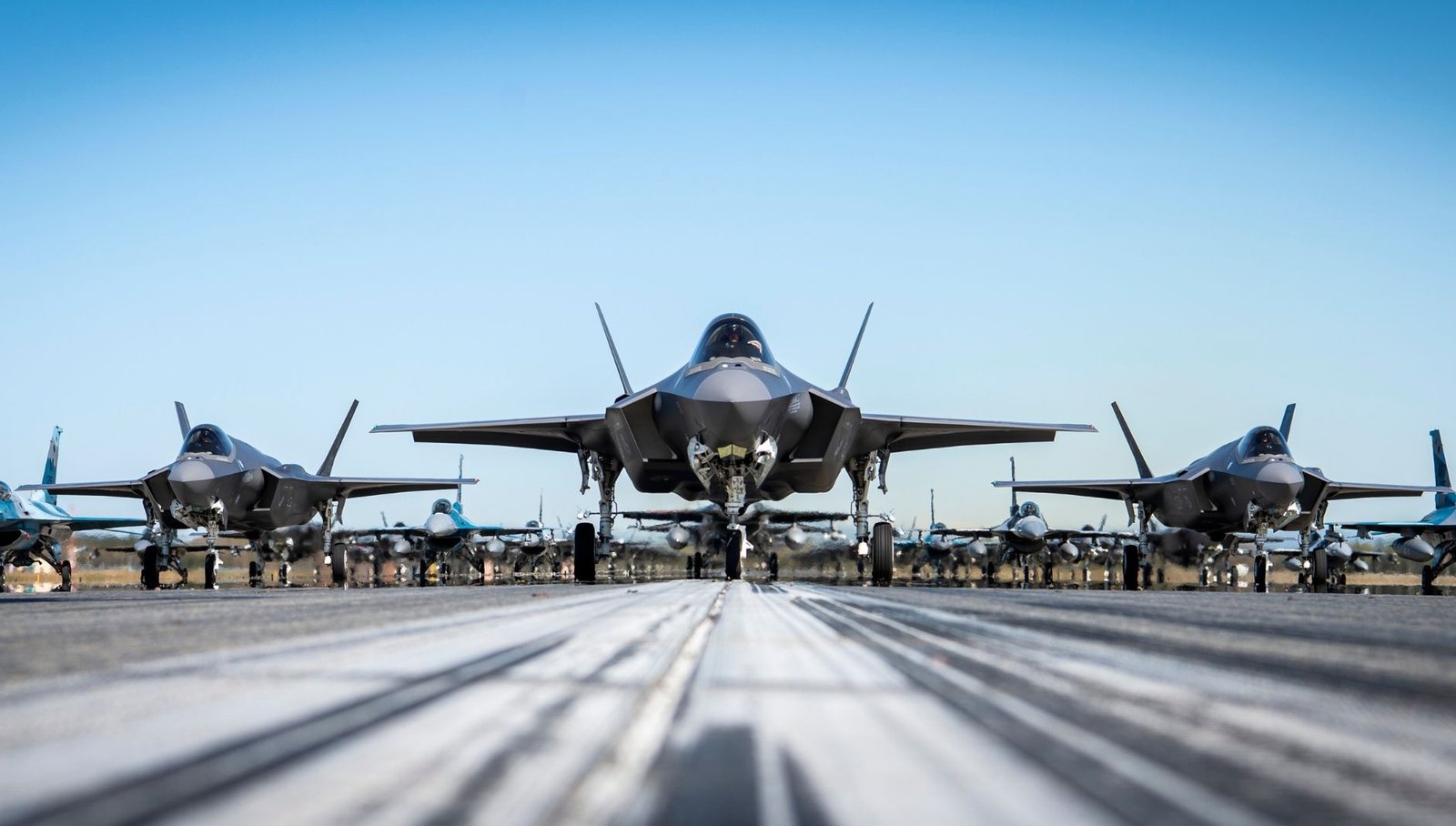
U.S
FORT WORTH, Texas — Lockheed Martin said the global F-35 Lightning II fleet has surpassed 1,355 aircraft deliveries and one million flight hours, as the programme continues to expand across 20 participating countries. Data through August 27 shows the fleet has completed more than 807,820 sorties and over 810 detachments and deployments. More than 3,560 pilots and 21,680 maintainers have been trained to operate and support the aircraft. The F-35 is now flown by 17 military services, with 12 countries operating the aircraft from their home territory. Fourteen services have declared Initial Operational Capability (IOC), while three have reached Full Operational Capability (FOC). The programme currently covers 55 active operating locations, including 42 land bases and 13 ships. Based on customer procurement decisions, Lockheed Martin expects this network to grow to 58 land bases and 24 ships by 2030. The United States remains the largest customer, with planned fleets of 1,763 F-35As for the Air Force, 280 F-35Bs and 140 F-35Cs for the Marine Corps, and 273 F-35Cs for the Navy. The programme's partner nations are the United Kingdom, Italy, the Netherlands, Canada, Australia, Denmark and Norway. Foreign Military Sales customers include Israel, Japan, South Korea, Belgium, Poland, Singapore, Finland, Switzerland, Germany, the Czech Republic, Greece and Romania. Japan's planned fleet is the largest among FMS customers, with 105 F-35As and 42 F-35Bs. Recent Developments Denmark declared a new deployable F-35 operations facility fully operational on August 14. On August 17, Lockheed Martin completed final assembly of Germany's first F-35. On August 19, US Marine Corps VMFA-542 received the US Air Force Gallant Unit Citation after flying more than 1,000 combat sorties during Middle East deployments in 2025. Belgian pilots conducted the first GBU-12 bomb release from a Belgian F-35 on August 20, while a British pilot flew an F-35C for the first time on August 21. Lockheed Martin said F-35 aircraft have demonstrated their capabilities during Epic Fury, Midnight Hammer, Rough Rider and Rising Lion, while also participating in Absolute Resolve, Inherent Resolve and Operation Shader. The global fleet first exceeded one million cumulative flight hours in March 2025. Lockheed Martin delivered a record 191 F-35s in 2025, compared with the previous annual high of 142 in 2021. The 2025 deliveries also helped clear earlier backlogs linked to TR-3 upgrades. By early 2026, the fleet stood at nearly 1,300 aircraft, before exceeding 1,355 deliveries by late August. The programme continues to expand its fleet, operating locations, training base and international operations.
Read More → Posted on 2026-09-08 13:20:21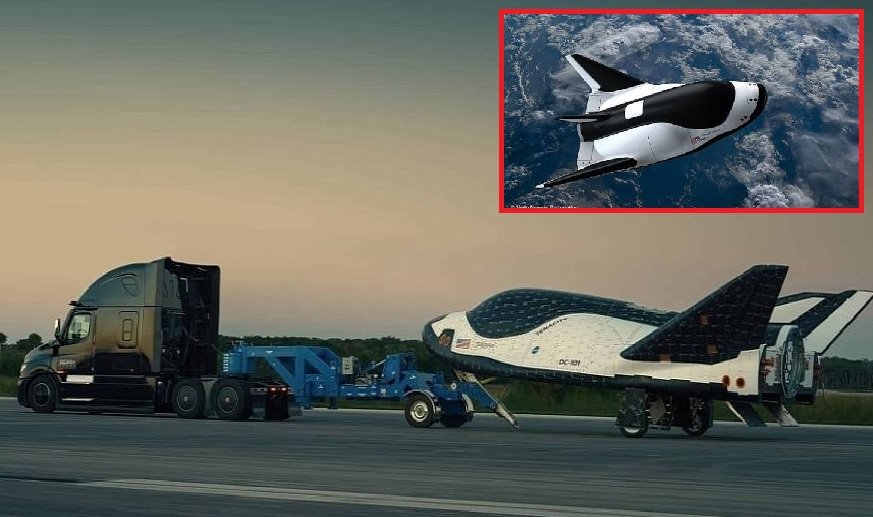
U.S
KENNEDY SPACE CENTER, Fla. — Sierra Space has signed contracts with undisclosed national security and commercial customers to fly payloads on the first orbital mission of its Dream Chaser spaceplane. The company announced the agreements on September 2, adding new payloads to a debut mission that has faced years of delays. The reusable, uncrewed spacecraft, named Tenacity, is scheduled to launch from Kennedy Space Center in Florida aboard a United Launch Alliance (ULA) Vulcan Centaur rocket. The mission will conduct multiday operations in low Earth orbit before Tenacity returns to Earth and lands on a runway at Vandenberg Space Force Base in California. Unlike traditional cargo spacecraft that use parachutes or splash down in the ocean, Dream Chaser is designed to land on a runway. If successful, the mission will mark the first orbital flight of a winged spacecraft since NASA retired the Space Shuttle fleet in 2011. From ISS Mission to Free-Flyer Demonstration Dream Chaser was originally selected by NASA in 2016 under the Commercial Resupply Services-2 (CRS-2) program to deliver cargo to the International Space Station. The contract called for at least seven resupply missions. However, technical delays, including issues involving the spacecraft's propulsion system and launch vehicle readiness, repeatedly pushed the program back. In September 2025, NASA and Sierra Space revised the agreement. The seven-mission guarantee was dropped, and Tenacity's first flight was changed from an ISS docking mission into an independent free-flyer demonstration in low Earth orbit. The multiday mission will demonstrate Dream Chaser's capabilities before NASA considers future station resupply orders. One Spacecraft, Multiple Customers Sierra Space said the mission will be the first to combine national security, commercial and civil payloads, including NASA cargo under the Cargo Resupply Services program, on a single spacecraft. The company has not disclosed the national security or commercial customers or the specific payloads. Sierra Space is still finalizing the full manifest and has not set a firm launch date. The flight is targeted for later in 2026. The schedule will also depend on the readiness of ULA's Vulcan Centaur, which experienced a solid rocket booster anomaly during a mission in early 2026. Dream Chaser Capabilities Dream Chaser is designed for high reusability and mission flexibility. Its wings fold inside a standard rocket payload fairing during launch and deploy once in orbit. Sierra Space says the spacecraft is designed to be reused up to 15 times. The vehicle can carry payloads with partial space certification rather than full environmental qualification, which Sierra Space says can reduce development costs and speed deployment. It can also use a detachable cargo module for different pressurized and unpressurized configurations. Dream Chaser is designed for autonomous reentry and a runway landing with forces below 1.5 g, helping protect sensitive payloads and equipment. Sierra Space said it has completed environmental testing, command and telemetry validation, and runway recovery rehearsals for Tenacity. Sierra Space CEO Dan Jablonsky said Dream Chaser has evolved into a strategic capability serving national security, civil and commercial customers on the same platform. Dan Polis, senior vice president of engineering and Dream Chaser at Sierra Space, highlighted the development of the spacecraft's deployable wings, hypersonic flight control, autonomous reentry and low-force runway landing. Tenacity is now being prepared for its first orbital flight while Sierra Space completes the mixed payload manifest.
Read More → Posted on 2026-09-07 14:17:19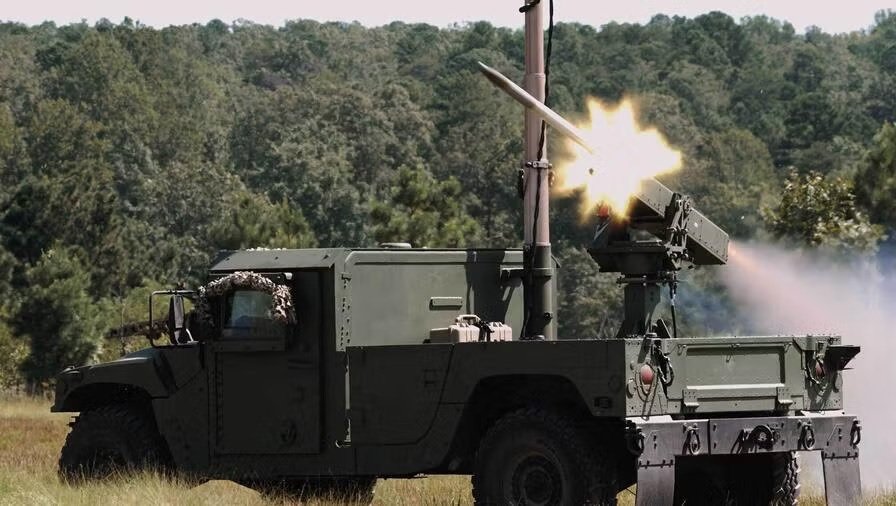
U.S
SAN DIEGO — Shield AI has licensed its Tracker Counter-Unmanned Aircraft System (Tracker C-UAS) software to L3Harris Technologies for integration with the VAMPIRE counter-drone system. The integration combines Shield AI’s artificial intelligence-based detection and tracking software with VAMPIRE’s existing electro-optical and infrared (EO/IR) sensors and precision engagement capabilities. Tracker C-UAS is part of Shield AI’s Vision Systems product line. The software uses artificial intelligence and computer vision to analyze EO/IR video, allowing it to detect, discriminate and track aerial threats. It operates passively and does not require radar or radio-frequency emissions to identify and track targets. This gives operators an additional way to detect approaching unmanned aerial systems without transmitting signals that could reveal their position. The integration builds on testing conducted by the two companies in 2025. During a U.S. Department of Defense Technology Readiness Experimentation event, Tracker C-UAS was paired with L3Harris WESCAM MX-Series EO/IR sensors. The demonstration showed the software detecting multiple classes of unmanned aerial systems at extended ranges, including targets that were partially obscured. VAMPIRE System VAMPIRE, short for Vehicle-Agnostic Modular Palletised ISR Rocket Equipment, is a self-contained system designed for installation on vehicles, vessels or fixed positions. The system uses a WESCAM MX-series electro-optical sensor, commonly the MX-10, with thermal imaging and television cameras for target detection and tracking. The sensor can also provide laser designation for guided munitions. VAMPIRE is equipped with a four-round launcher for 70 mm guided rockets. Its primary munition is BAE Systems’ Advanced Precision Kill Weapon System (APKWS), while the system can also fire the Thales FZ275 laser-guided rocket. According to L3Harris, VAMPIRE systems have accumulated more than 350,000 operational hours since 2023 and have destroyed hundreds of hostile drones, primarily in support of European operations that include use by Ukraine’s Defense Forces. Focus on Passive Drone Detection The addition of Tracker C-UAS is intended to strengthen the detection and tracking portion of the VAMPIRE system. The software can process imagery from existing cameras rather than requiring a separate radar-based detection system. RAND Corporation analyst Michael Bohnert has noted that combining Tracker C-UAS with VAMPIRE could improve detection and interception of more complex aerial targets, including high-speed, jet-powered drones. L3Harris President of Targeting & Sensor Systems and Communications & Spectrum Dominance Tony Calderon said the integration enhances threat detection, target tracking and counter-UAS engagement while improving force survivability. Christian Gutierrez, senior vice president of Hivemind at Shield AI, said combining passive AI-based sensing with VAMPIRE gives operators the ability to detect threats early and respond more quickly. Shield AI is also making Tracker C-UAS available for licensing on other platforms already used by operators. The companies did not disclose the value of the licensing agreement, the number of VAMPIRE systems to receive the software or a delivery schedule.
Read More → Posted on 2026-09-07 12:54:26Search
Top Trending in 24 Hours
-
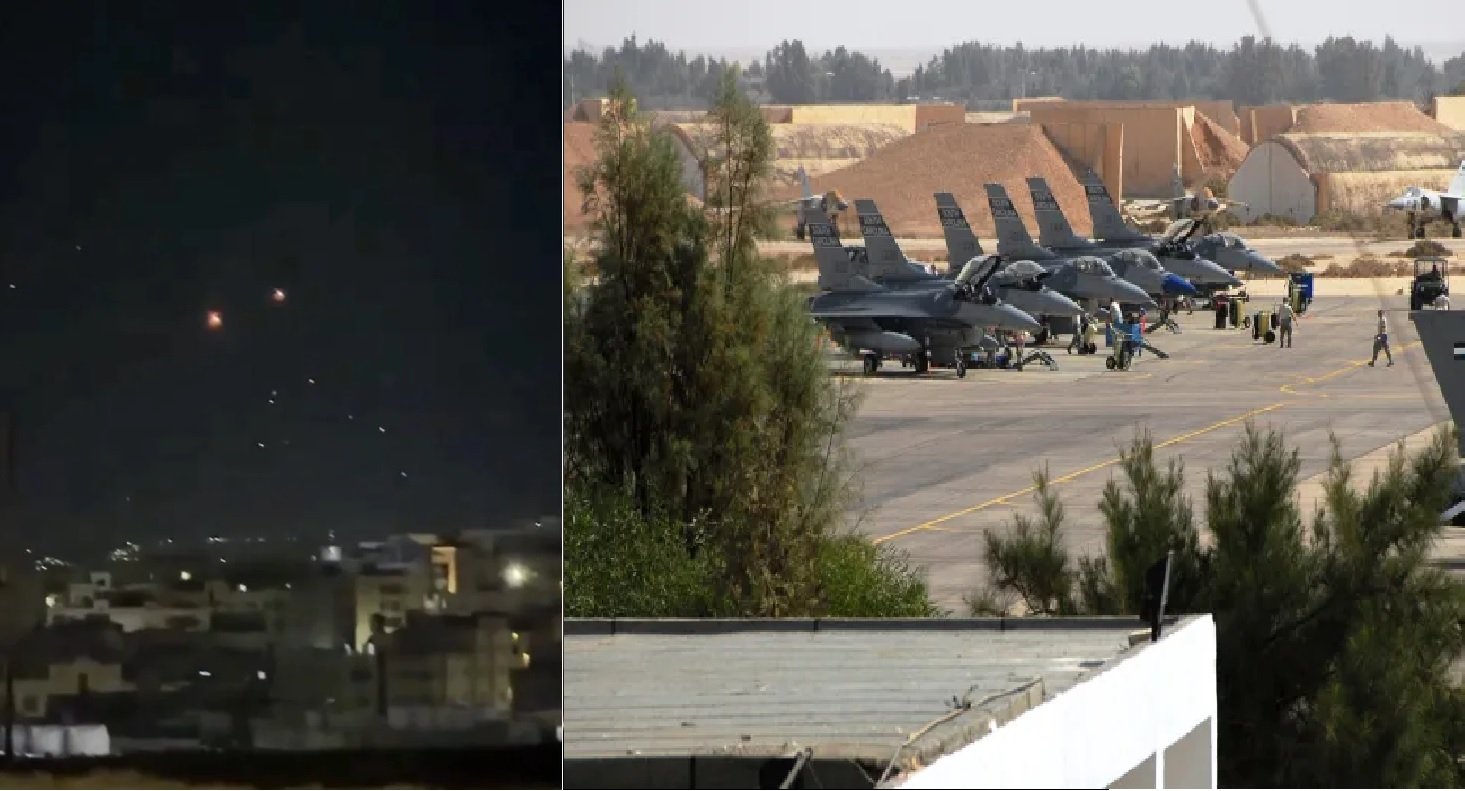 Iranian Missile Strike Damaged U.S. A-10 and Eight F-15s at Jordan Air Base, CBS Reports
-
 U.S. Startup Covenant Emerges From Stealth With $250 Million Funding and Anthem, a New Long-Range Heavy-Payload Strike Missile After More Than 200 Test Flights
-
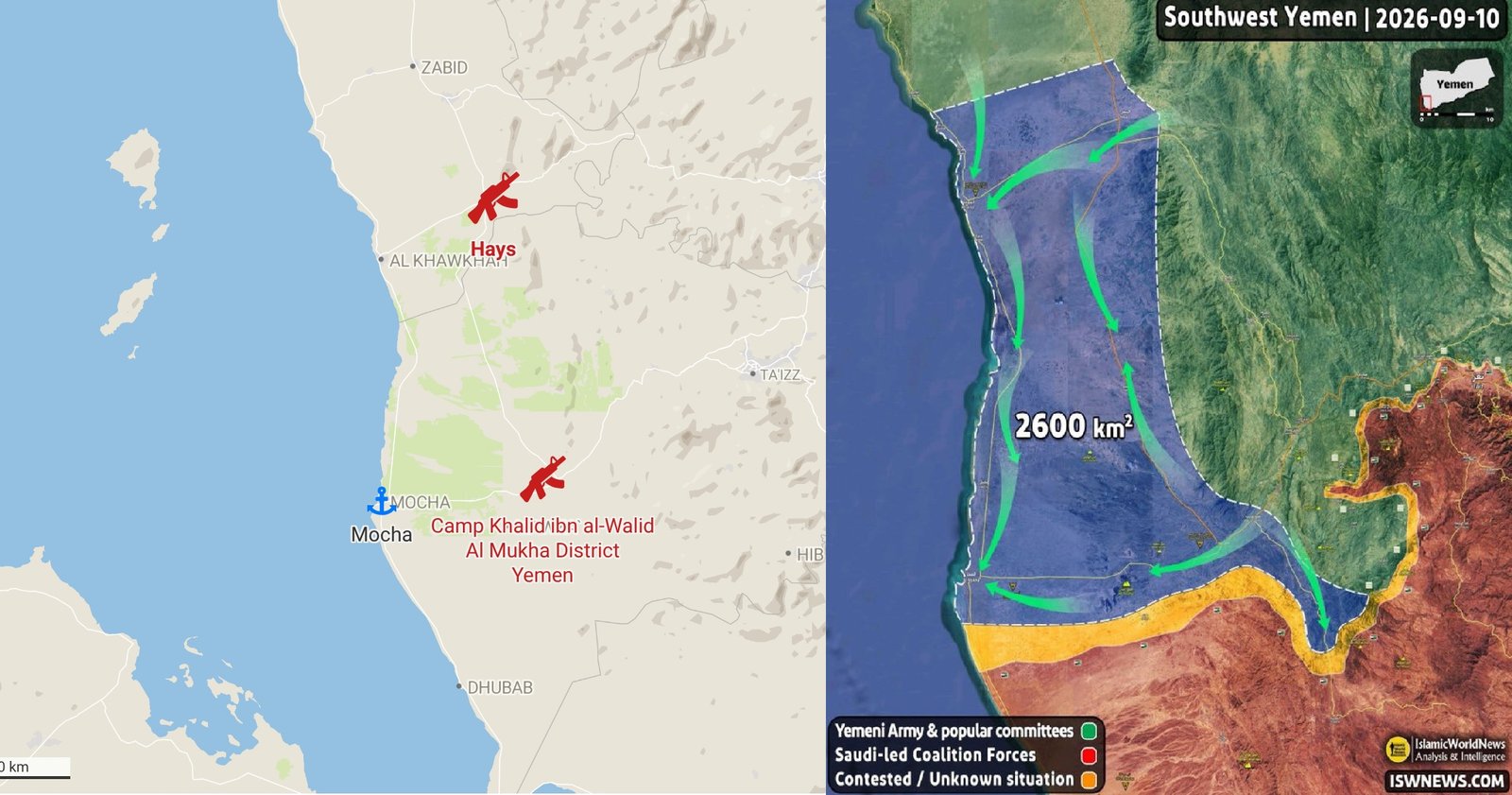 Houthi Forces Capture Strategic Red Sea Port City of Mocha Following Government Withdrawal
-
 U.S. Navy Plans First Shore-Based Nuclear Microreactor at Indiana’s Crane Base by 2028
-
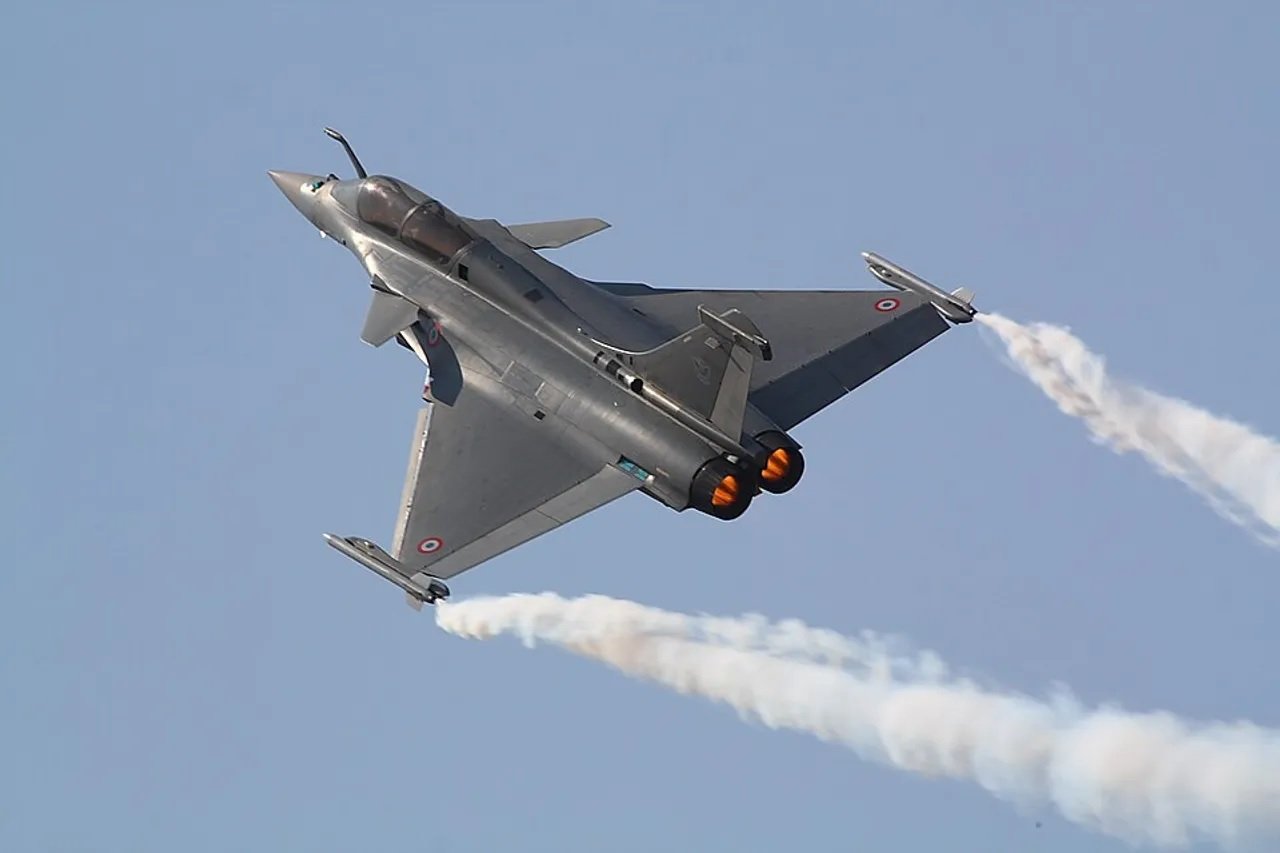 Russian Rafale “Kill Switch” Claim Faces Questions Over Evidence
-
 American Rheinmetall Secures $7.28 Million Contract for U.S. Marine Corps Autonomous Vehicles
-
 U.S. Signs $4 Billion Military Financing Guarantee for Poland, Bringing Total Support Near $20 Billion
-
 U.S. Air Force Launches North Star Campaign to Improve B-52 and B-1 Bomber Readiness
Top Trending in 4 Days
-
 Satellite Imagery Shows Two U.S. Barracks Destroyed at Kuwait’s Ali Al Salem Air Base in Iranian Attack
-
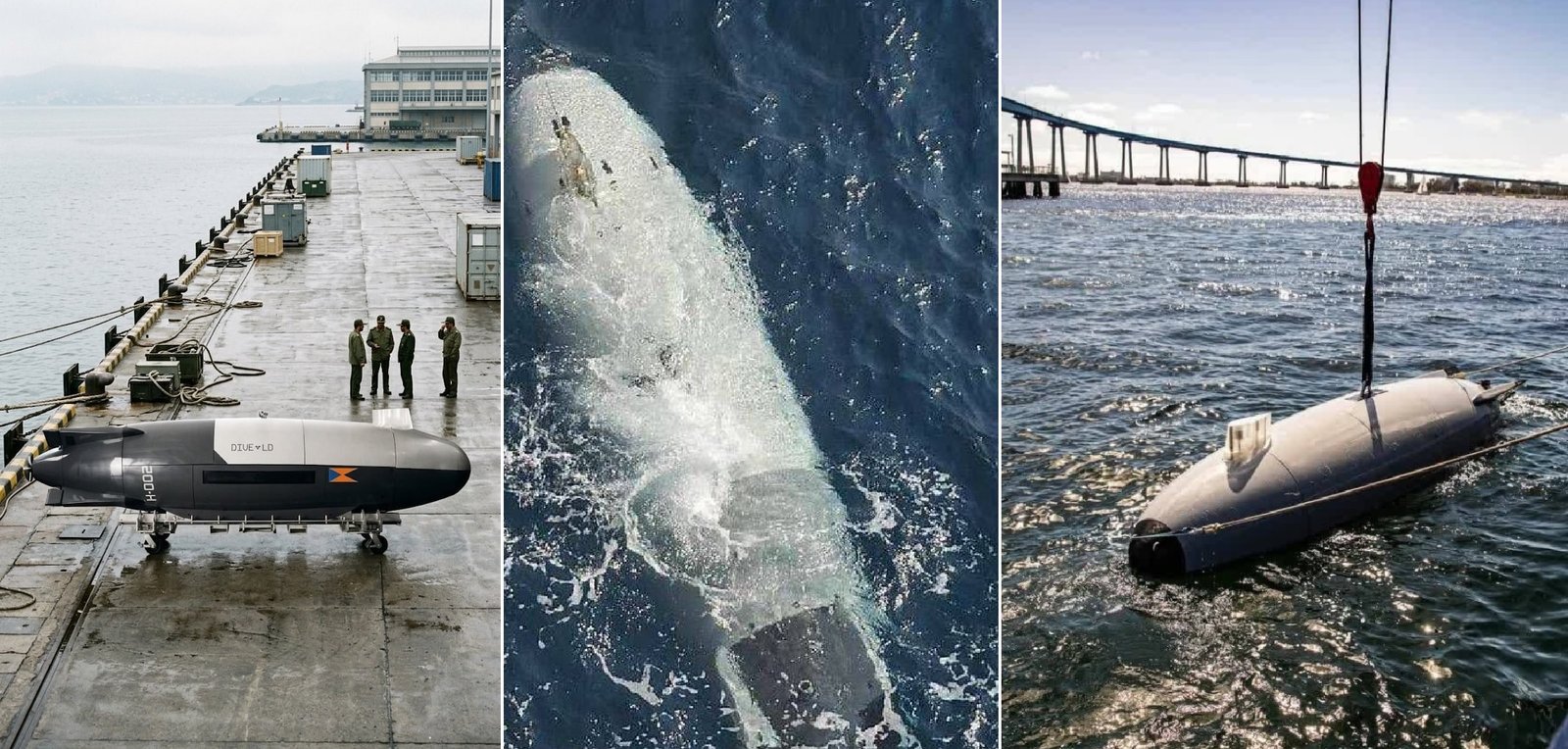 Iran’s IRGC Claims Capture of U.S. Dive-LD Unmanned Underwater Vehicle Near Strait of Hormuz
-
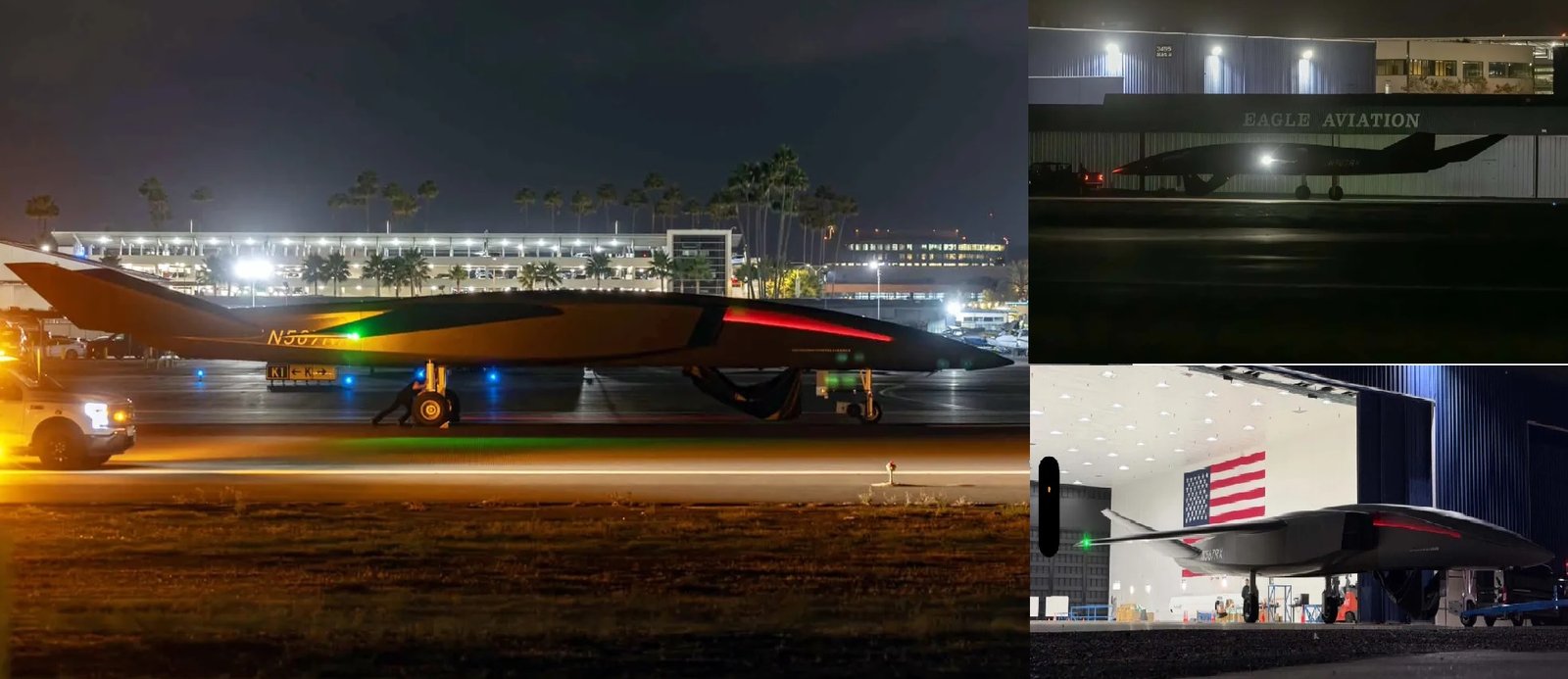 Mysterious Black Aircraft at Long Beach Airport Identified as Aevum’s RAVN X Autonomous Spaceplane After Years Out of Sight
-
 Trump’s ‘The Moon Is Ours’ Post, Space Force Uniform Concept and Green Lantern AI Video Draw Online Backlash
-
 Iran Launches Massive Ballistic Missile Attack with Cluster Munitions on U.S.-Used Air Base in Jordan, Some Missiles Confirmed to Have Hit Base
-
 Iranian Missiles Strike U.S. Base in Jordan as Reports Emerge of Injured American Personnel
-
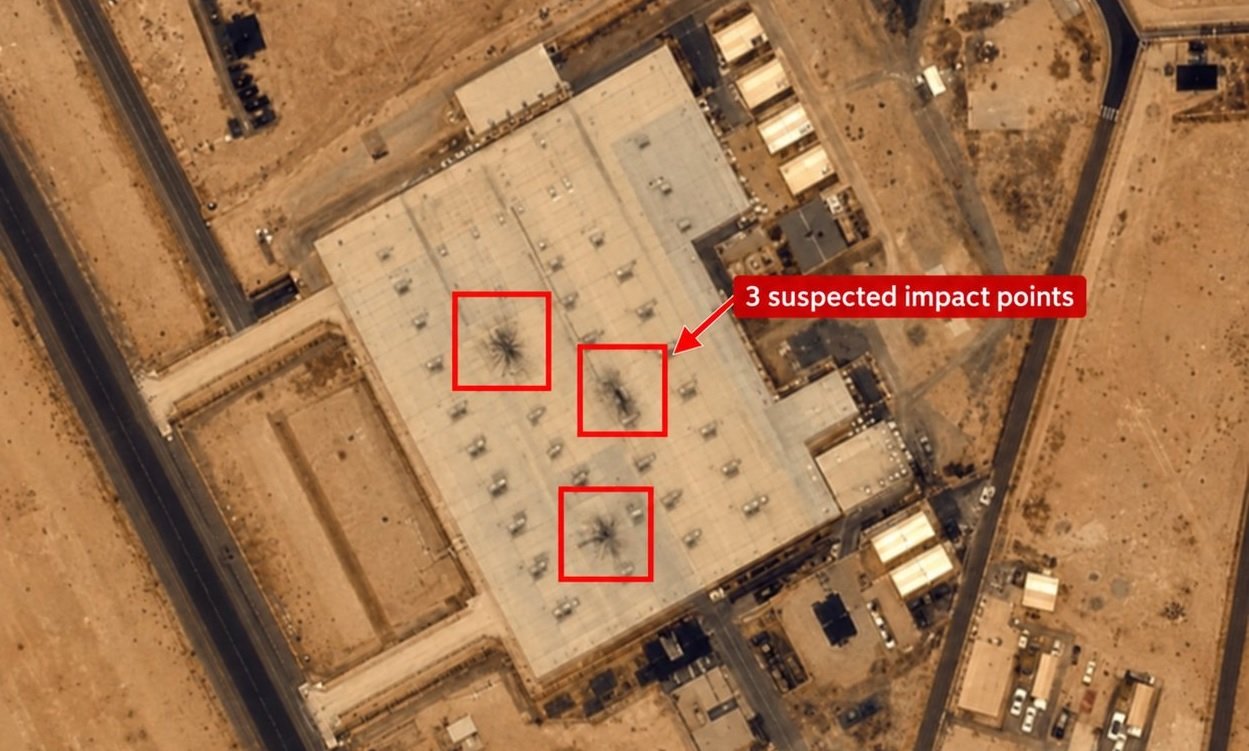 New Satellite Images Show Three Possible Impacts at U.S.-Linked Air Bases in Kuwait
-
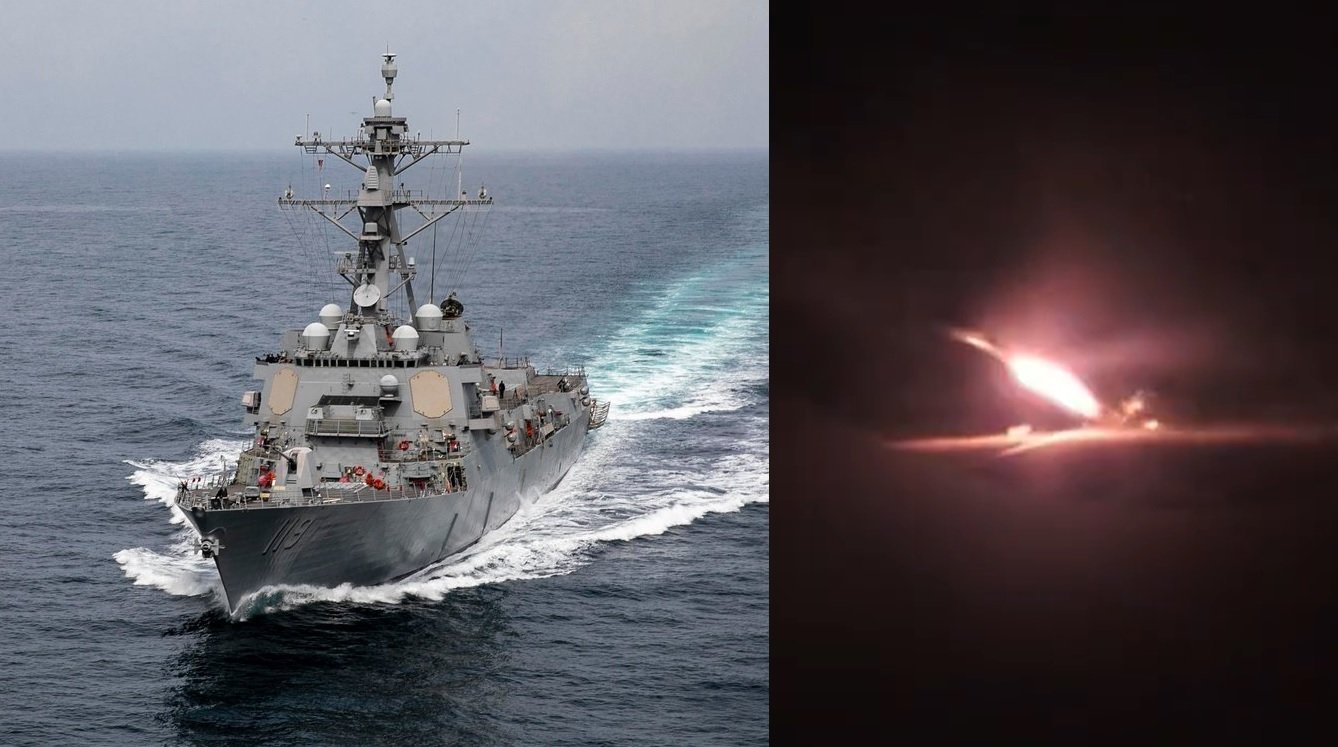 IRGC Claims Significant Damage to Two U.S. Destroyers in Missile Attack; CENTCOM Denies Hits