U.S
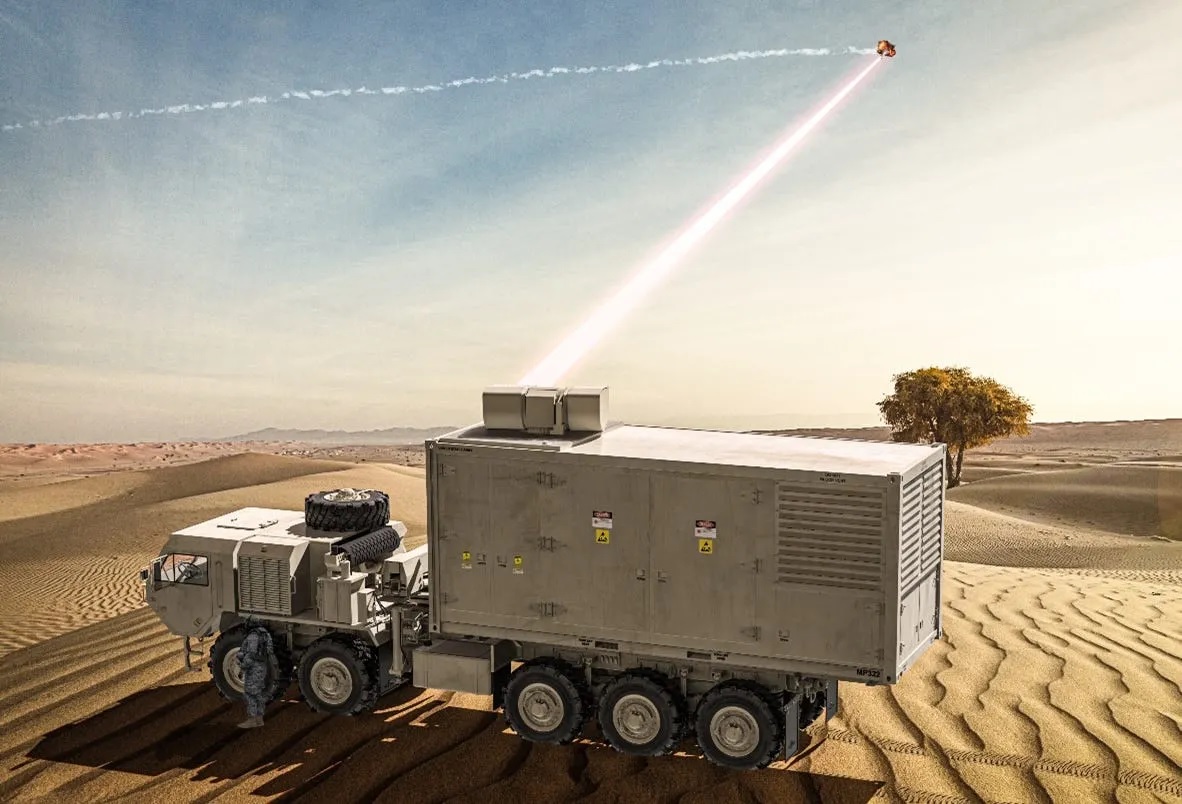
WASHINGTON — The U.S. Department of War has awarded two Other Transaction Authority (OTA) agreements worth a combined $86 million to nLIGHT Defense and Lockheed Martin Aculight under the Joint Laser Weapon System (JLWS) program. The initiative is intended to accelerate the development of high-energy laser weapons designed to counter cruise missiles and unmanned aerial systems (UAS). The agreements are being managed through the Scaled Directed Energy (SCADE) Critical Technology Area (CTA) under the Office of the Under Secretary of War for Research and Engineering (OUSW(R&E)). While the initial award totals $86 million, the overall JLWS program has a ceiling value of $847 million, reflecting the Department's long-term investment in directed energy technologies. Developing Field-Ready Laser Weapons The JLWS program is focused on transitioning directed energy systems from demonstration prototypes into production-oriented, operational platforms. The Department plans to develop containerized high-energy laser weapons that can be rapidly deployed and integrated across multiple military platforms. According to the Department, these laser systems are intended to provide several operational advantages over conventional missile-based interceptors. They can engage threats at the speed of light, support repeated engagements without carrying large numbers of interceptor missiles, and significantly reduce the cost per engagement. These characteristics are considered particularly valuable for defending against large drone swarms and increasingly capable cruise missile threats. Initial 150 kW Systems to Scale Up The first JLWS prototypes will be built with an output of approximately 150 kilowatts (kW). Future versions are planned to increase power into the 300–500 kW range, which the Department considers necessary for effective cruise missile defense. In parallel, the program will also develop a 500 kW integrated laser weapon system using a laser source developed through the High Energy Laser Scaling Initiative (HELSI). Both the scalable laser systems and the 500 kW integrated system will use a containerized design, allowing modular installation on both ground vehicles and naval platforms. This approach is intended to simplify deployment across different geographic combatant commands. Accelerated Development Through OTA Agreements The Department said it selected the Other Transaction Authority (OTA) acquisition model to speed development by avoiding some of the longer timelines associated with traditional defense procurement. The OTA framework allows rapid prototyping, closer collaboration with industry, and iterative development based on changing operational requirements, helping move promising technologies toward production more quickly. "We must actively defend the homeland against emerging threats," said Emil Michael, Under Secretary of War for Research and Engineering. "We are partnering with industry to rapidly deliver deep magazine directed energy capabilities to the Joint Force that can be seamlessly deployed across multiple domains." Building on Earlier Directed Energy Programs The JLWS program will build on technologies and lessons learned from previous U.S. directed energy efforts. Among them is the U.S. Navy's High Energy Laser with Integrated Optical-Dazzler and Surveillance (HELIOS) system, currently installed aboard the USS Preble, an Arleigh Burke-class guided missile destroyer. The program also draws on experience from the U.S. Army's Indirect Fire Protection Capability–High Energy Laser (IFPC-HEL) prototype. Lockheed Martin has served as the prime contractor for both HELIOS and IFPC-HEL. Industry Experience Both companies selected for JLWS bring previous experience in high-energy laser development. nLIGHT Defense has been a key participant in the HELSI program. The company previously developed a 300 kW laser weapon using its coherent beam combining (CBC) architecture and later received expanded funding to advance laser source technology beyond the megawatt-class level. Lockheed Martin Aculight has contributed to multiple U.S. Army and U.S. Navy directed energy programs, including earlier laser weapon demonstrations and operational prototypes. Role in Future Air and Missile Defense The Department said the JLWS program is intended to provide combatant commanders with scalable and cost-effective options for defeating both asymmetric threats, such as drone swarms, and more advanced threats, including cruise missiles. The effort also supports broader U.S. homeland defense initiatives, including the "Golden Dome for America" missile defense concept, which aims to strengthen protection against evolving aerial threats through advanced technologies. Budget documents previously submitted by the Department include approximately $675.93 million in planned research and development funding for JLWS over the next five years, indicating continued investment in expanding directed energy capabilities across the U.S. military. The award of the OTA agreements marks the next phase of the JLWS program as the Department moves toward testing, integration, and eventual fielding of high-energy laser systems for operational use. Source: war.gov
Read More → Posted on 2026-07-09 16:13:51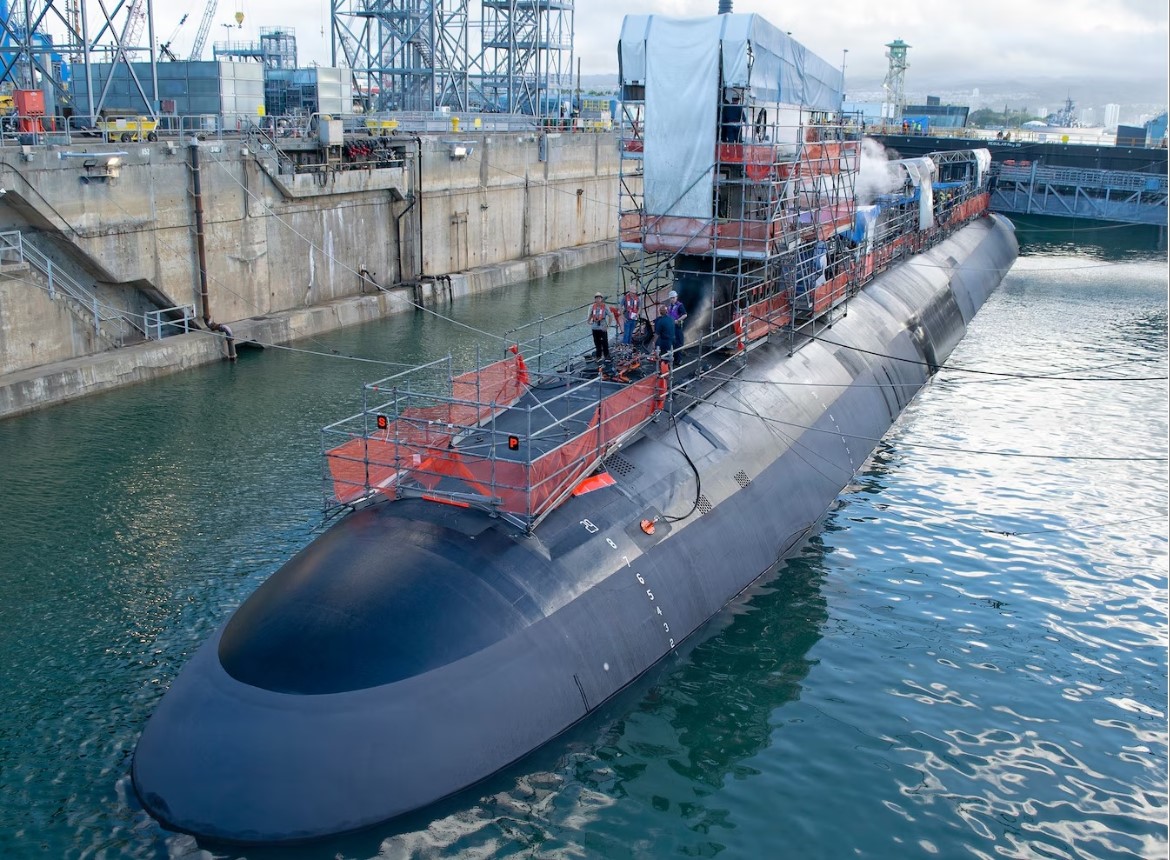
U.S
PEARL HARBOR, Hawaii — The U.S. Navy's Virginia-class fast-attack submarine USS Illinois (SSN-786) has completed an extended scheduled maintenance period at the Pearl Harbor Naval Shipyard and Intermediate Maintenance Facility, undocking from Dry Dock 2 on June 24, 2026, and moving into the next phase of testing before returning to operational service. Photographs released by the U.S. Navy show the submarine leaving the dry dock after the overhaul. According to open-source analysis, USS Illinois has become the second confirmed Virginia-class submarine equipped with the Large Vertical Array (LVA), an advanced hull-mounted sonar system developed under the Navy's long-running Acoustic Superiority program. Although the U.S. Navy has not officially confirmed the installation of the LVA on USS Illinois, open-source analysts have linked the submarine's maintenance timeline with the documented rollout of the sonar upgrade. Large Vertical Array Improves Underwater Detection The Large Vertical Array (LVA) is a hull-mounted acoustic sensor designed to improve a submarine's ability to detect and track other vessels at greater distances. It complements the six Lightweight Wide Aperture Arrays already installed along the sides of every Virginia-class submarine. By combining data from multiple sonar arrays, the system helps the crew develop a clearer picture of surrounding underwater contacts. This improves situational awareness and supports operational decisions such as maneuvering, avoiding threats, or tracking other submarines and surface ships. The LVA has been under development for nearly two decades as part of the U.S. Navy's effort to maintain an advantage in undersea warfare against increasingly quieter submarines operated by potential adversaries, including Russia and China. Developed Through Navy and Industry Cooperation The sonar system was developed through joint work between the U.S. Navy and General Dynamics Electric Boat, with production beginning in 2017 at RTX's Jacksonville, Florida, facility. RTX was previously known as United Technologies Aerospace Systems before becoming part of the company's current structure. The LVA forms one element of the Navy's broader Acoustic Superiority program, which combines improved sonar technology with submarine quieting measures to enhance both detection capability and survivability. First Demonstrated on USS South Dakota The first submarine publicly associated with the LVA was USS South Dakota (SSN-790) under the Navy's South Dakota Insertion Program. During its post-shakedown availability beginning in 2018, USS South Dakota received the new sonar array along with upgraded hull coatings and machinery quieting improvements. The submarine completed at-sea testing of these systems in 2019. According to publicly available Navy briefing materials, the program represented the most significant upgrade to Virginia-class sonar arrays and hull treatments since the class entered service. Expansion Across the Fleet Open-source reporting indicates the U.S. Navy plans to install the Large Vertical Array (LVA) as standard equipment on Block V Virginia-class submarines currently under construction. Earlier Block III and Block IV submarines, including USS Illinois, can receive the system during extended maintenance periods through retrofit programs. Naval analyst H.I. Sutton has also reported that at least one Ohio-class ballistic missile submarine, USS Tennessee (SSBN-734), has received the LVA, suggesting the technology is gradually being introduced across different submarine classes. However, the U.S. Navy has not publicly confirmed the full scope of deployment. About USS Illinois USS Illinois was commissioned on October 29, 2016, becoming the 13th Virginia-class submarine and the third U.S. Navy vessel to bear the name of the state of Illinois. As a Block III submarine, it features a redesigned bow equipped with two large-diameter Virginia Payload Tubes, replacing the earlier arrangement of individual vertical launch tubes. The design retained the submarine's Tomahawk land-attack missile capacity while reducing construction costs by an estimated $400 million per submarine. USS Illinois is designed to perform a wide range of missions, including anti-submarine warfare, anti-surface warfare, land-attack strike operations, intelligence, surveillance and reconnaissance (ISR), and support for special operations forces. Improved sonar capability directly supports these missions by enhancing underwater detection and contact tracking. Pearl Harbor's Strategic Role The maintenance work was carried out at the Pearl Harbor Naval Shipyard and Intermediate Maintenance Facility, one of the U.S. Navy's primary repair centers in the Indo-Pacific region. Located roughly midway between the U.S. West Coast and the Western Pacific, the shipyard enables forward-deployed submarines and surface ships to undergo major repairs and modernization without returning to the continental United States. This reduces transit time and helps maintain operational availability in the Pacific. According to the U.S. Navy, the undocking operation required approximately 10 to 12 hours and involved coordinated efforts by shipyard personnel, engineers, tugboat crews, and the submarine's crew. Following the undocking, USS Illinois will complete final testing and certification before returning to the Pacific Fleet. Capt. Ryan McCrillis, commander of the Pearl Harbor Naval Shipyard and Intermediate Maintenance Facility, described the completion of the maintenance period as an important step in supporting fleet readiness. While the U.S. Navy continues to keep detailed information about submarine sensor systems classified, open-source analysis strongly indicates that USS Illinois has joined a small group of U.S. submarines equipped with the Large Vertical Array (LVA), further expanding the Navy's Acoustic Superiority modernization program. Source: defence-blog / navsea.navy.mil / navalnews
Read More → Posted on 2026-07-09 13:52:42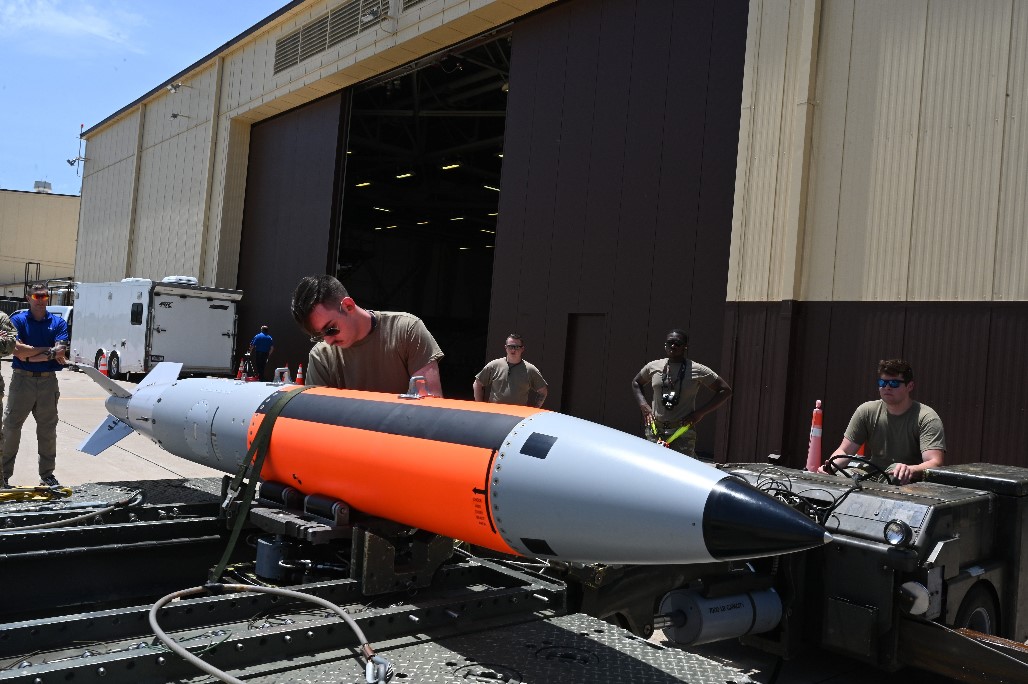
U.S
WASHINGTON — The U.S. Department of Energy's National Nuclear Security Administration (NNSA) has completed a key manufacturing milestone for the B61-13 nuclear gravity bomb, finishing production of all planned canned subassemblies (CSAs) for the current fiscal year three months ahead of schedule at the Y-12 National Security Complex in Oak Ridge, Tennessee. The completed components have undergone the NNSA's "diamond stamping" certification process, which confirms they meet all technical, safety, and quality requirements for "war reserve" status. This certification allows the components to be integrated into the U.S. nuclear stockpile for operational use. The B61-13 is the latest version of the B61 nuclear gravity bomb, the longest-serving and one of the most versatile nuclear weapons in the U.S. arsenal. It is being developed as part of a joint effort between the NNSA and the U.S. Department of Defense to provide an updated capability against hardened and deeply buried military targets. The weapon is planned for delivery by U.S. strategic bomber aircraft, including the B-2 Spirit and the future B-21 Raider. Early Production Milestone The latest achievement follows another major milestone reached in May 2025, when the NNSA completed the first production unit of the B61-13 nearly a year earlier than originally planned. The program reached that point less than two years after it was publicly announced in late 2023, making it one of the fastest-developed U.S. nuclear weapon programs since the end of the Cold War. NNSA Administrator Brandon Williams said the program reflects the agency's ability to deliver modernization efforts on an accelerated timeline. "The progress on the B61-13 program demonstrates the Nuclear Security Enterprise's ability to respond to evolving geopolitical requirements with speed and precision," Williams said. He added that completing the 2026 baseline deliverables ahead of schedule demonstrates operational discipline and supports the modernization of the United States' nuclear deterrent. What Diamond Stamping Means In a modern two-stage thermonuclear weapon, the nuclear explosive package consists of a primary stage and a secondary stage. The canned subassembly contains the secondary stage capsule and related components sealed inside a thin stainless steel or aluminum alloy container. The "diamond stamping" process certifies that each component has successfully passed the NNSA's inspection and certification standards. Components receiving this designation are approved as "war reserve" quality and are authorized for deployment within the U.S. nuclear stockpile. B61-13 Builds on the B61-12 The B61-13 incorporates the same modern safety, security, and precision guidance features introduced under the B61-12 Life Extension Program, which the NNSA completed in January 2025. Unlike the B61-12, however, the B61-13 has a higher nuclear yield designed for use against certain hardened, deeply buried, and larger-area military targets. According to the NNSA, the weapon is intended to provide the U.S. President with additional nuclear response options while using existing production capabilities developed for the B61-12 program. Officials have also stated that production of the B61-13 will involve a limited number of weapons, with adjustments to B61-12 production to maintain the overall size of the U.S. nuclear stockpile rather than increase it. Part of Broader Nuclear Modernization The B61-13 is one of six active warhead modernization programs currently managed by the NNSA to maintain the long-term safety, security, reliability, and effectiveness of the U.S. nuclear deterrent. According to the agency, all six modernization programs are currently meeting or exceeding their planned schedules, continuing the NNSA's record of delivering warhead modernization projects on time or ahead of schedule throughout this decade. The latest milestone at the Y-12 National Security Complex represents another step in the ongoing modernization of the U.S. nuclear stockpile through coordinated work across the Nuclear Security Enterprise, including facilities such as Y-12, Pantex Plant, Los Alamos National Laboratory, Sandia National Laboratories, and the Kansas City National Security Campus. Source: energy.gov
Read More → Posted on 2026-07-09 11:43:03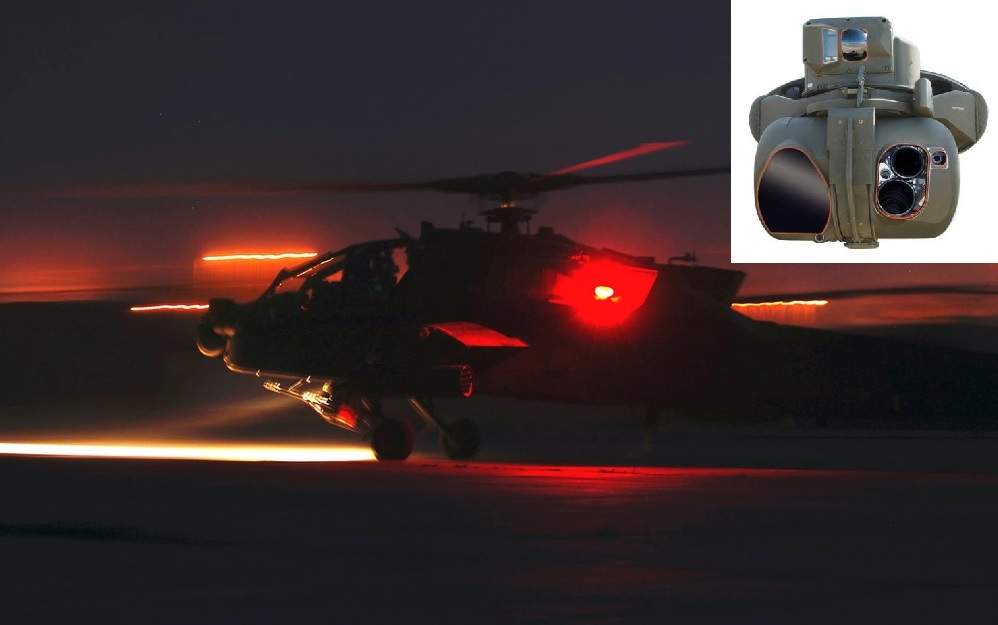
U.S
ORLANDO — The U.S. Army has awarded Lockheed Martin a $502.38 million contract to provide long-term sustainment and support for the Modernized Target Acquisition Designation Sight/Pilot Night Vision Sight (M-TADS/PNVS) system used on the AH-64 Apache attack helicopter fleet. The contract, managed by the Army Contracting Command at Redstone Arsenal, Alabama, provides up to five years of post-production support for the M-TADS/PNVS system, commonly known as Arrowhead. The agreement runs through July 5, 2031, and covers both U.S. Army Apache helicopters and international Apache fleets operating under the U.S. Foreign Military Sales (FMS) program. Rather than funding new production, the contract focuses on maintaining, repairing, refurbishing, and updating systems already in service to ensure they remain operational throughout their service life. Arrowhead Sensor System The M-TADS/PNVS is the Apache helicopter's primary targeting and night vision system. It enables crews to detect, identify, track, and engage targets during day and night operations and in adverse weather conditions such as smoke, rain, or low visibility by using forward-looking infrared (FLIR) technology that detects heat signatures instead of visible light. The system consists of two major components. The upper section contains the Pilot Night Vision Sight (PNVS), which links an infrared camera to the pilot's helmet movements. As the pilot turns their head, the camera follows the same direction, providing a natural view of the surroundings during night operations. The lower section houses the Target Acquisition Designation Sight (TADS). It includes high-resolution sensors, a laser rangefinder, and a laser designator that allow Apache crews to accurately identify and designate targets for the helicopter's onboard weapons or for other friendly aircraft. Contract Details The Army awarded the contract as a sole-source acquisition, with Lockheed Martin submitting the only bid. The company originally developed the Arrowhead system and has supported its upgrades and sustainment since its introduction. The agreement uses a combination of cost-no-fee, cost-plus-fixed-fee, and firm-fixed-price contract structures under contract number W58RGZ-26-D-0052. Individual task orders issued during the contract period will determine specific funding amounts and work locations. Long Service History The original Target Acquisition Designation Sight/Pilot Night Vision Sight system entered service with the Apache in 1983. Lockheed Martin later developed the modernized Arrowhead version to improve performance, reliability, and maintainability. By 2011, the Army had completed fleet integration of the upgraded system and marked the delivery of its 1,000th Arrowhead unit. The system equips approximately 700 AH-64 Apache helicopters, and since 2005, more than 1,240 Arrowhead systems have been delivered to U.S. and international customers. Upgrades and Sustainment Over the years, the Arrowhead system has received several upgrades aimed at improving operational capability and reducing maintenance requirements. The modernized design introduced modular, quick-replace components that allow faster repairs in the field. The Army has previously estimated that these improvements could reduce maintenance time and generate nearly $1 billion in savings over the system's planned service life. Additional upgrades have included replacing monochrome cockpit displays with high-resolution color displays to improve long-range target identification, as well as replacing older spinning-mass gyroscopes with modern inertial measurement units to improve reliability and extend system life. Lockheed Martin also continues to support the fleet through refurbishment of electro-optical components and other system enhancements as required. Supporting Apache Readiness The AH-64 Apache has served as the U.S. Army's primary attack helicopter since the 1991 Gulf War and remains a key platform for precision attack and reconnaissance missions. Its effectiveness during day and night operations depends heavily on the performance of the M-TADS/PNVS system. By funding continued maintenance, repairs, and modernization of these sensors, the new contract is intended to help keep Apache helicopters mission-ready for U.S. and allied operators through the end of the decade. Source: defence-blog / lockheedmartin
Read More → Posted on 2026-07-09 11:30:55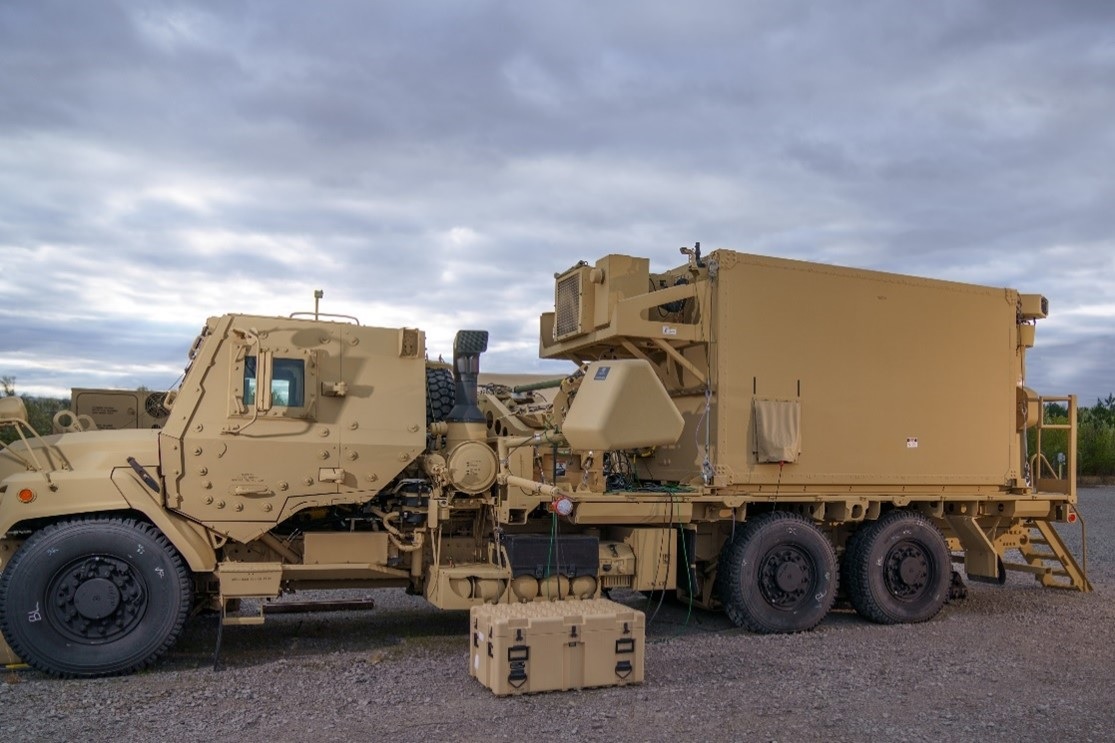
U.S
White Sands Missile Range, New Mexico — The U.S. Army, in partnership with Northrop Grumman, has successfully completed the 34th consecutive missile flight test and the 44th successful target intercept of the Integrated Battle Command System (IBCS), further demonstrating the system's ability to support integrated air and missile defense operations. The live-fire events were conducted in late April 2026 at White Sands Missile Range, New Mexico. The demonstrations evaluated IBCS' ability to operate with multiple air and missile defense systems, including the Indirect Fire Protection Capability (IFPC) and the Lower Tier Air and Missile Defense Sensor (LTAMDS) radar. Successful Integration with IFPC and LTAMDS During the IFPC demonstration, IBCS successfully connected with the Sentinel A4 high-performance surveillance radar to detect and track incoming targets. The IFPC is a ground-based air defense system designed to defeat threats such as cruise missiles, uncrewed aircraft systems (UAS), and other airborne targets. In a separate live-fire event, IBCS integrated with the LTAMDS radar. During the test, the system successfully detected, classified, engaged, and intercepted the designated target, demonstrating reliable coordination between the radar and the battle management network. The tests validated IBCS' ability to integrate different sensors and weapon systems into a unified command-and-control network, allowing operators to respond more effectively to complex air and missile threats. Networked Air and Missile Defense IBCS is designed to connect existing and future air and missile defense systems regardless of manufacturer, military service, or operational domain. Its network-enabled, modular, open, and scalable architecture combines data from multiple sensors into a single, real-time picture of the battlespace. By providing fire-control quality data, the system enables accurate target engagement while helping preserve interceptor inventory and reducing the risk of friendly fire incidents. The integrated battlespace picture also gives military operators more time to assess threats and coordinate defensive responses. The latest demonstrations further confirmed the system's ability to integrate multiple sensors and effectors into a single operational network, supporting coordinated air and missile defense operations. Operational Deployment IBCS has entered full-rate production and is being fielded as part of the U.S. Army's integrated air and missile defense modernization program. The system is already operational in Poland, where it supports the WISŁA medium-range air defense program. Poland became the first NATO ally to declare an IBCS-equipped WISŁA air defense system fully combat-ready in late 2025. The U.S. Army has also fielded IBCS to U.S. Combatant Commands in Europe and the Indo-Pacific, expanding its role in integrated air and missile defense missions alongside allied forces. Production and Manufacturing To support increasing production demand, Northrop Grumman manufactures IBCS at its Enhanced Production and Integration Center (EPIC) in Madison, Alabama. The facility uses advanced manufacturing technologies, including additive manufacturing and precision laser systems, to increase production capacity and support deliveries for the U.S. Army and allied customers. Expanding Integrated Air and Missile Defense IBCS has undergone years of development and testing, including successful integration with Patriot missile systems, LTAMDS, Sentinel radars, IFPC, and other air defense assets. Its open architecture allows additional sensors, radars, and interceptor systems to be integrated as operational requirements evolve. The latest successful flight tests continue to demonstrate the U.S. Army's transition toward a networked air and missile defense architecture, enabling multiple sensors and weapon systems to operate together through a single battle management system. Source: defence-industry
Read More → Posted on 2026-07-09 10:04:26Search
Top Trending in 24 Hours
-
 Iranian Missile Strike Damaged U.S. A-10 and Eight F-15s at Jordan Air Base, CBS Reports
-
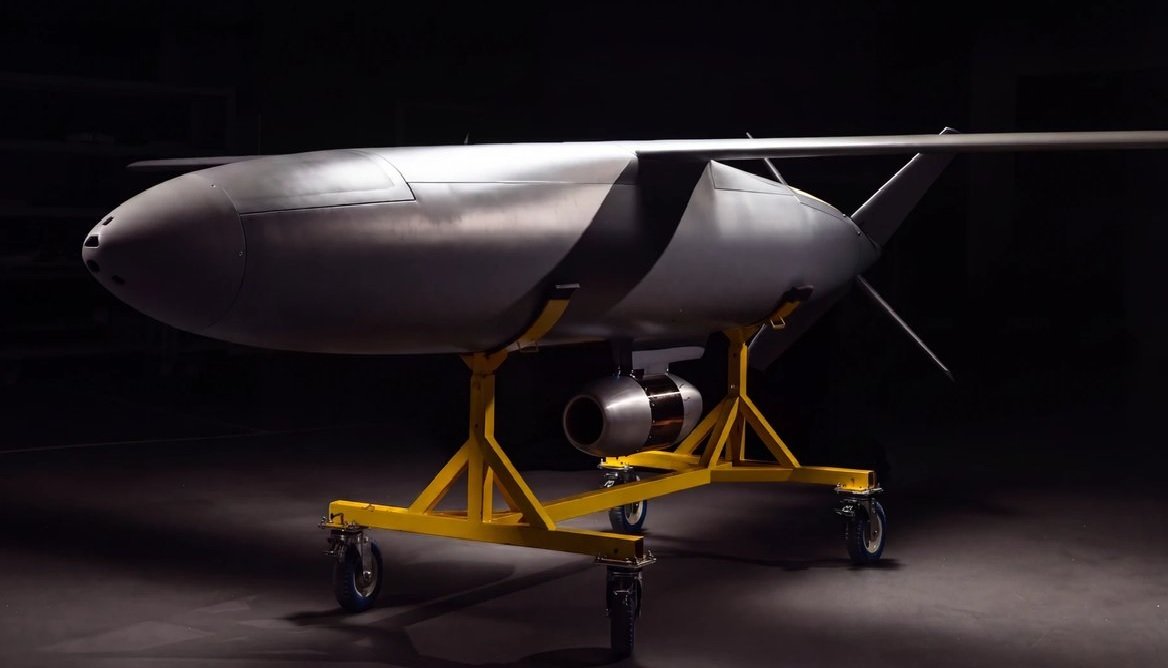 U.S. Startup Covenant Emerges From Stealth With $250 Million Funding and Anthem, a New Long-Range Heavy-Payload Strike Missile After More Than 200 Test Flights
-
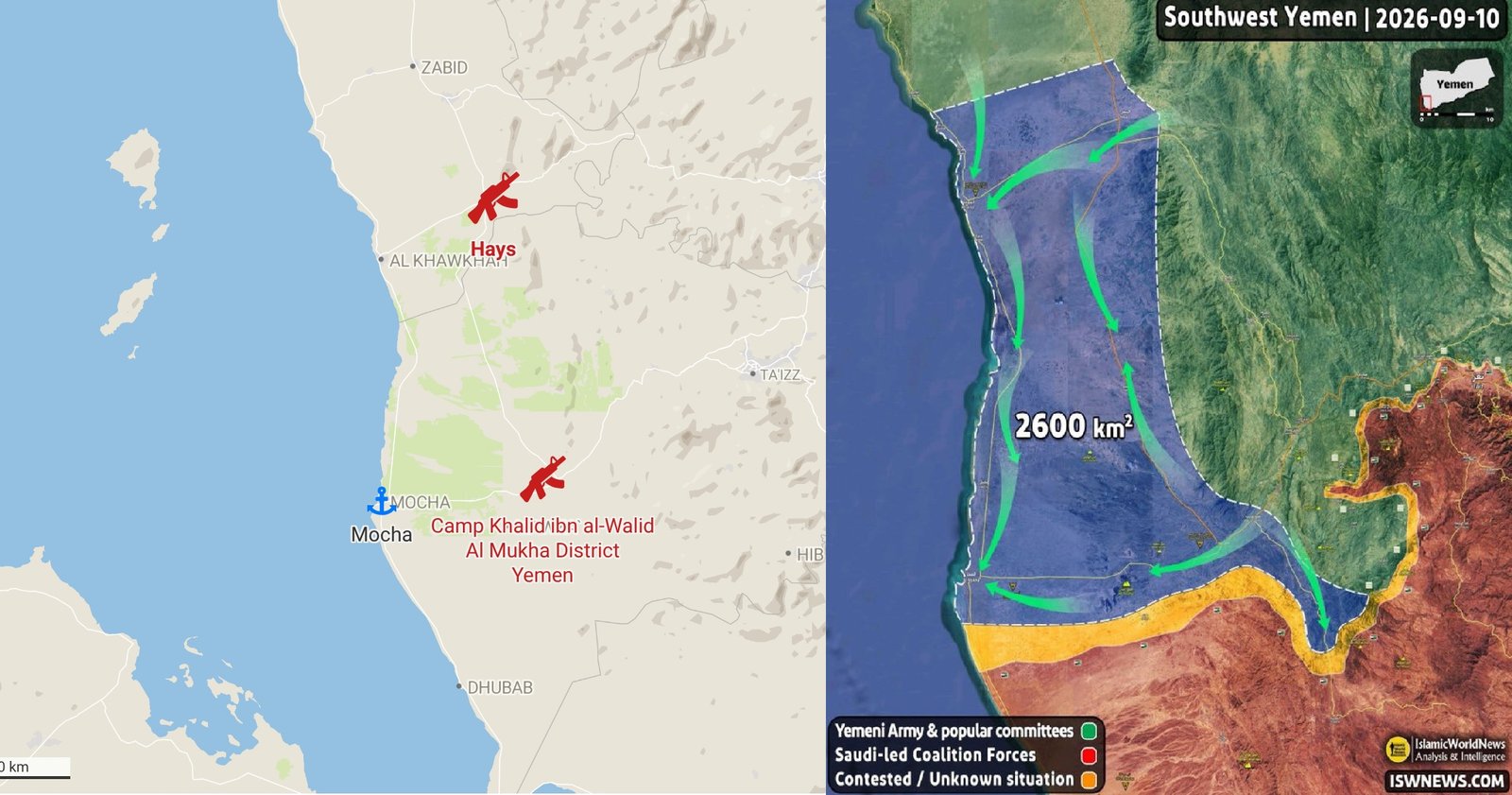 Houthi Forces Capture Strategic Red Sea Port City of Mocha Following Government Withdrawal
-
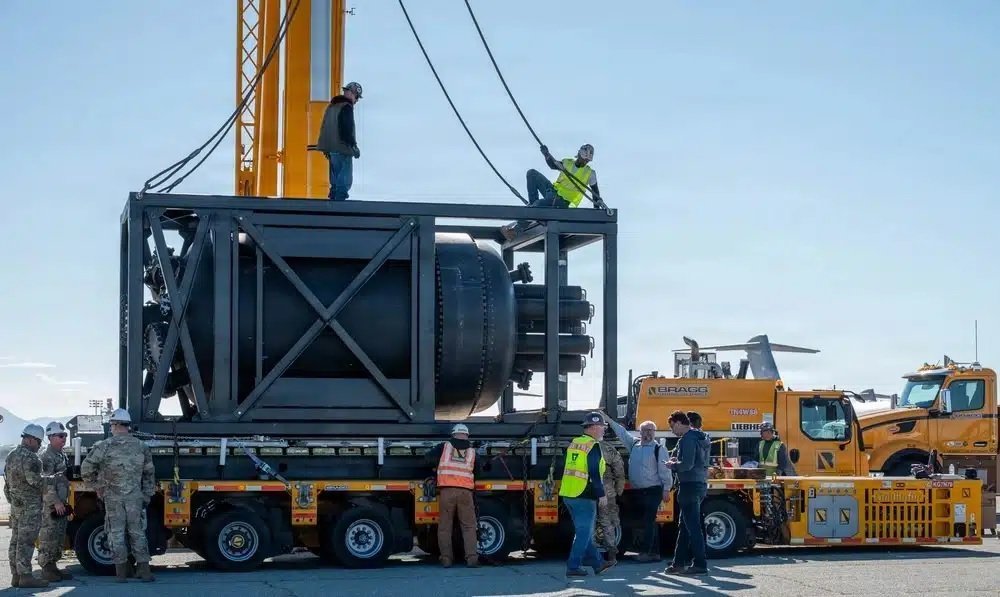 U.S. Navy Plans First Shore-Based Nuclear Microreactor at Indiana’s Crane Base by 2028
-
 Russian Rafale “Kill Switch” Claim Faces Questions Over Evidence
-
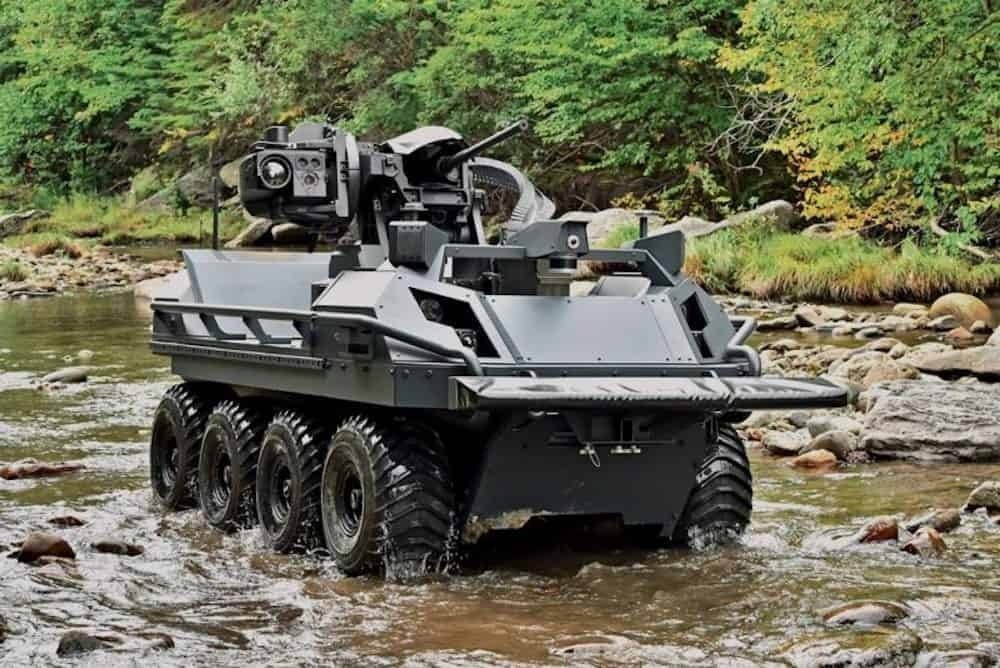 American Rheinmetall Secures $7.28 Million Contract for U.S. Marine Corps Autonomous Vehicles
-
 U.S. Signs $4 Billion Military Financing Guarantee for Poland, Bringing Total Support Near $20 Billion
-
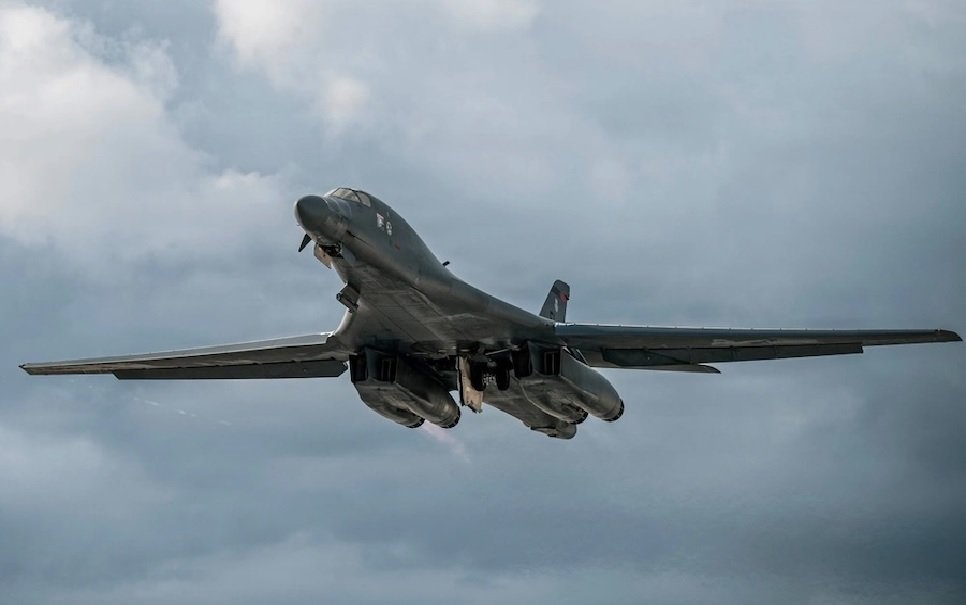 U.S. Air Force Launches North Star Campaign to Improve B-52 and B-1 Bomber Readiness
Top Trending in 4 Days
-
 Satellite Imagery Shows Two U.S. Barracks Destroyed at Kuwait’s Ali Al Salem Air Base in Iranian Attack
-
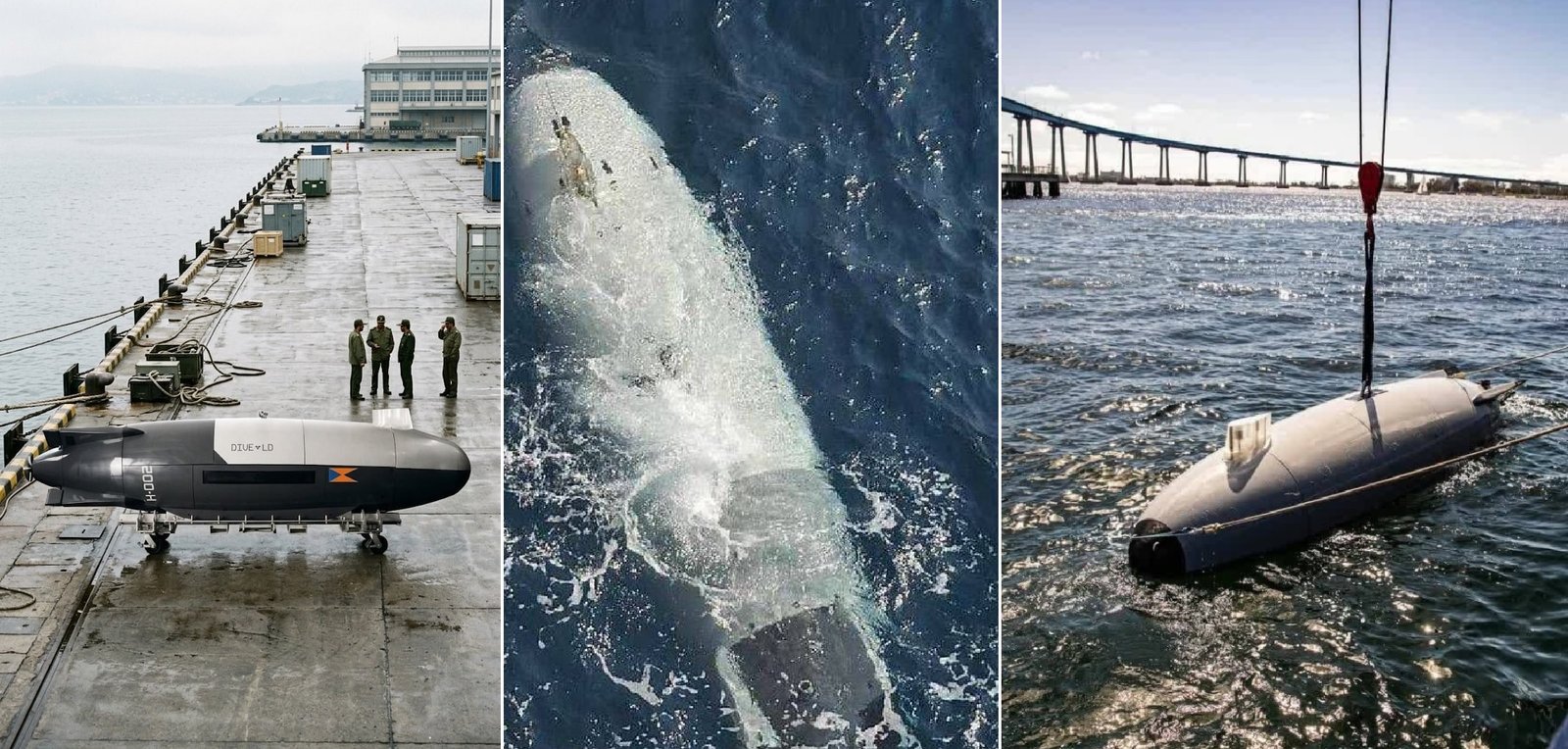 Iran’s IRGC Claims Capture of U.S. Dive-LD Unmanned Underwater Vehicle Near Strait of Hormuz
-
 Mysterious Black Aircraft at Long Beach Airport Identified as Aevum’s RAVN X Autonomous Spaceplane After Years Out of Sight
-
 Trump’s ‘The Moon Is Ours’ Post, Space Force Uniform Concept and Green Lantern AI Video Draw Online Backlash
-
 Iran Launches Massive Ballistic Missile Attack with Cluster Munitions on U.S.-Used Air Base in Jordan, Some Missiles Confirmed to Have Hit Base
-
 Iranian Missiles Strike U.S. Base in Jordan as Reports Emerge of Injured American Personnel
-
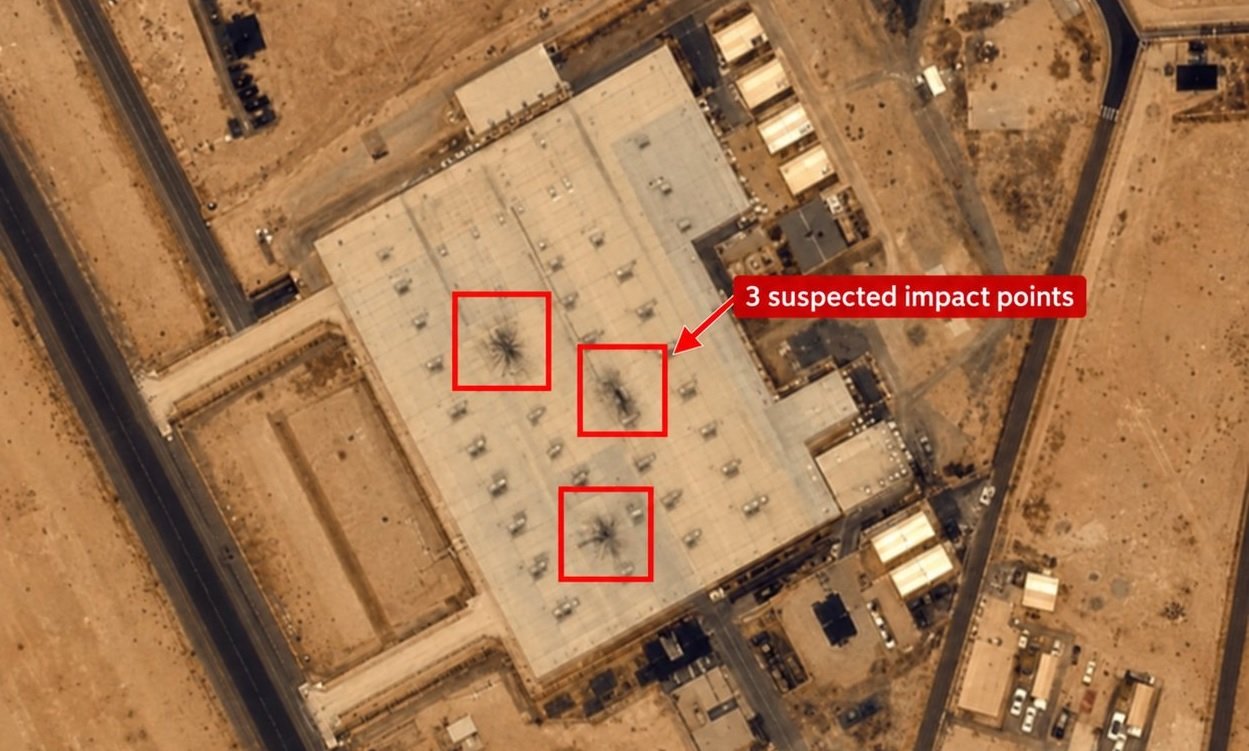 New Satellite Images Show Three Possible Impacts at U.S.-Linked Air Bases in Kuwait
-
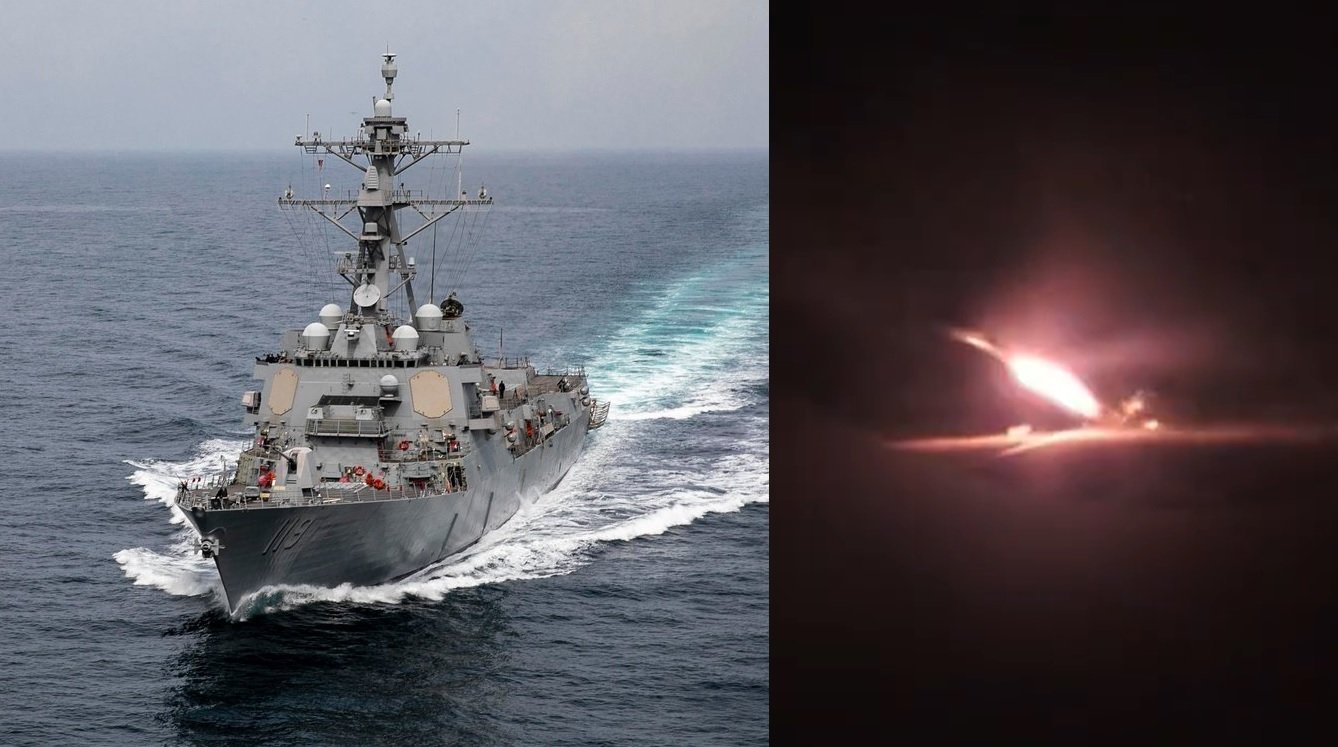 IRGC Claims Significant Damage to Two U.S. Destroyers in Missile Attack; CENTCOM Denies Hits