U.S
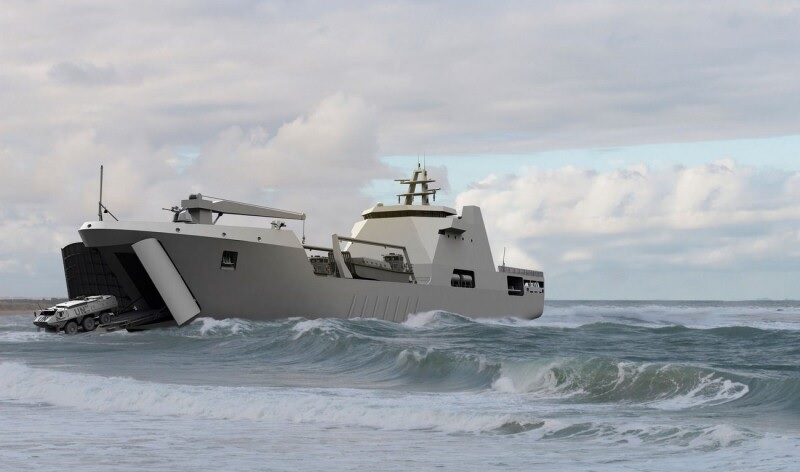
WASHINGTON, D.C. — The U.S. Navy has awarded a $2.2 billion contract to Florida-based TOTE Services LLC to manage the construction of its new Medium Landing Ship (LSM) program, marking the first time the Navy has adopted a Vessel Construction Manager (VCM) model for a major shipbuilding program. Announced on July 13, 2026, the contract could reach $2.6 billion if all contract options are exercised for the initial batch of up to eight ships. Under the VCM approach, TOTE Services will serve as the prime contractor and report directly to the Navy's Portfolio Acquisition Executive for Maritime. Rather than the Navy managing individual shipyards and suppliers, TOTE will oversee the construction process, coordinate subcontractors, and manage suppliers across multiple U.S. shipyards using commercial shipbuilding practices. According to the U.S. Navy, the new acquisition model is intended to improve cost control, construction schedules, and overall program performance while reducing government oversight. "We are changing the way we do business, and leveraging commercial best practices to improve cost, schedule, and performance," said Will Mahan, performing the duties of Assistant Secretary of the Navy for Research, Development, and Acquisition. He added that adopting the commercial contracting model reduced traditional contracting timelines by nearly 50 percent. Construction to Be Shared Across Multiple Shipyards For the first phase of the program, the U.S. Navy has already designated two shipyards to begin construction. Bollinger Shipyards on the U.S. Gulf Coast will build the lead Medium Landing Ship, while Fincantieri Marinette Marine in Wisconsin will construct the next four vessels. TOTE Services will determine the subcontracting strategy for the remaining three ships included in the initial eight-vessel package. The Navy said distributing construction across multiple shipyards is part of a broader effort to strengthen the U.S. shipbuilding industrial base, which has faced workforce shortages and limited production capacity as the service seeks to expand its fleet. During the procurement process, Crowley Government Services filed a protest, arguing that the Navy's decision to pre-select shipyards reduced the prime contractor's negotiating flexibility and increased commercial risk under the VCM model. The protest was ultimately unsuccessful. Medium Landing Ship Designed for Marine Corps Operations The Medium Landing Ship (LSM) is based on the Dutch-designed Damen LST-100 hull, a design already in service with the Nigerian Navy and also selected by Australia. Each vessel will measure approximately 300 to 350 feet in length and displace between 4,000 and 6,000 tons. The ships are designed to carry around 250 Marines and have an operational range of approximately 4,000 nautical miles (7,408 kilometers). Unlike large amphibious assault ships, the LSM has a relatively simple design and does not include the advanced defensive systems found on major surface combatants. Instead, it is intended to provide a cost-effective platform for transporting Marines, vehicles, equipment, and supplies between islands and coastal areas. The vessels are expected to fill the operational gap between small landing craft and large amphibious warships. Supporting the Marine Corps' Pacific Strategy The Medium Landing Ship is a key element of the U.S. Marine Corps' Expeditionary Advanced Base Operations (EABO) concept. Under this strategy, smaller Marine units are expected to move quickly between islands, establish temporary positions equipped with anti-ship missiles and other capabilities, and relocate before becoming vulnerable to enemy targeting. The concept relies on a larger number of smaller, mobile vessels instead of concentrating forces aboard a limited number of large amphibious ships. Congress Directed Use of the VCM Model The shift to the Vessel Construction Manager (VCM) model was directed by Congress through the Fiscal Year 2026 National Defense Authorization Act, which required the Navy to adopt the approach in an effort to stabilize the Medium Landing Ship program. The decision followed earlier procurement challenges. In 2024, the Navy canceled a previous request for proposals (RFP) after determining that submitted bids were significantly higher than expected. TOTE Services Brings Previous Government Shipbuilding Experience TOTE Services previously introduced the Vessel Construction Manager (VCM) model during the National Security Multi-Mission Vessel (NSMV) program for the U.S. Maritime Administration. The NSMV program includes five training ships for U.S. maritime academies. Three vessels have already been delivered, while the remaining two are expected within the next 12 months. According to previously released program information, the commercial management approach helped achieve construction costs significantly below initial government estimates. "This is a tremendous responsibility and a defining moment for American shipbuilding, the VCM model, and TOTE Services," said Jeff Dixon, President of TOTE Services. "The U.S. is counting on this program to succeed, and our job is clear: steward the work responsibly, cultivate the best talent and expertise, move with urgency, and deliver for the American people." Matthew Paxton, President of the Shipbuilders Council of America, said TOTE's previous work demonstrated that combining government requirements with commercial shipbuilding practices can strengthen American shipyards and support the maritime workforce. Construction Expected to Begin This Year Christopher Miller, the Navy's Portfolio Acquisition Executive for Maritime, said the service is ready to move into the construction phase. "TOTE Services will be an important partner, and we're excited to work with them to continue the momentum on this program and begin bending steel," Miller said. Initial construction is expected to begin later in 2026, with the first Medium Landing Ship scheduled for delivery in the fall of 2029. The U.S. Marine Corps ultimately plans to acquire a fleet of 35 Medium Landing Ships. However, future production beyond the initial eight vessels will depend on the successful execution, cost performance, and funding of the first phase. The contract represents a significant change in the U.S. Navy's ship acquisition process by introducing commercial program management practices into a major military shipbuilding effort while supporting expansion of the U.S. shipbuilding industrial base and advancing the U.S. Marine Corps' future operational requirements. Source : news.usni
Read More → Posted on 2026-07-14 11:25:23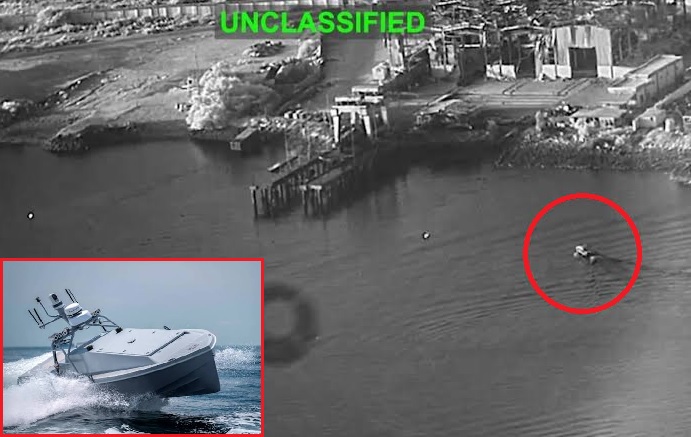
U.S
TAMPA, Fla. —The U.S. Central Command (CENTCOM) has confirmed that it used Corsair unmanned surface vessels (USVs) in combat for the first time during overnight strikes against Iranian military targets on July 12, marking the first known combat employment of the platform by U.S. forces. According to an official statement released by CENTCOM, U.S. forces launched multiple one-way attack surface drones against a submarine and ship maintenance facility at Bandar Abbas Naval Base on Iran's southern coast. CENTCOM also released video footage of the operation on its official X account. Yesterday, using multiple one-way attack surface drones, CENTCOM forces successfully struck a submarine and ship maintenance facility in Iran. Three Corsair unmanned surface vessels hit the port at Bandar Abbas Naval Base, marking the first time American forces have employed sea… pic.twitter.com/bOM2kmgRxz — U.S. Central Command (@CENTCOM) July 13, 2026 The command said three Corsair unmanned surface vessels successfully struck the naval facility, marking the first time American forces have employed sea drones in combat operations. CENTCOM stated that the strikes degraded Iran's ability to continue attacking commercial shipping. The attack was carried out using unmanned maritime systems instead of conventional crewed naval platforms, highlighting the expanding operational role of autonomous surface vessels in modern naval warfare. Corsair Unmanned Surface Vessel The Corsair is an autonomous surface vessel developed by Saronic Technologies for military maritime operations. The platform was officially launched in October 2024 as the company's largest autonomous surface vessel at the time and was designed to support missions for the U.S. Navy and allied forces. The U.S. Navy later awarded Saronic a contract worth more than $392 million to produce multiple Corsair vessels for operational use. Task Force 59, the U.S. Navy's unit responsible for integrating unmanned systems into fleet operations in the Middle East, began fielding the vessels in the region in late March 2026. Corsair Specifications According to Saronic, the Corsair has the following capabilities: Length: 24 feet (7.3 meters) Maximum speed: More than 35 knots Operational range: More than 1,000 nautical miles Payload capacity: More than 1,000 pounds (about 454 kilograms) The vessel is designed for long-duration autonomous missions and can operate under full autonomous navigation or remote human supervision. It is equipped with onboard computing, satellite communications, radar, cameras, and 360-degree passive sensing systems that support day and night operations. Previous Operational Use Before the July 12 strike on Iran, the Corsair had already been used in an operational mission. In June 8, 2026, a Corsair unmanned surface vessel operated by U.S. 5th Fleet Task Force 59 rescued two U.S. Army pilots after their AH-64 Apache helicopter crashed off the coast of Oman. According to CENTCOM, the autonomous vessel recovered the pilots from the water and transported them to a location where they were later hoisted aboard a rescue helicopter. The mission was described as the first publicly reported rescue of military personnel by an autonomous surface vessel. First Combat Use The July 12 operation represents the first confirmed combat use of the Corsair unmanned surface vessel and the first time the U.S. military has employed sea drones in a strike mission. According to CENTCOM, three Corsair USVs struck the submarine and ship maintenance facility at Bandar Abbas Naval Base, damaging infrastructure that supports Iranian naval operations. The command stated that the operation was intended to reduce Iran's ability to conduct future attacks against commercial shipping and released video footage showing the strike. Source : CENTCOM
Read More → Posted on 2026-07-13 15:28:43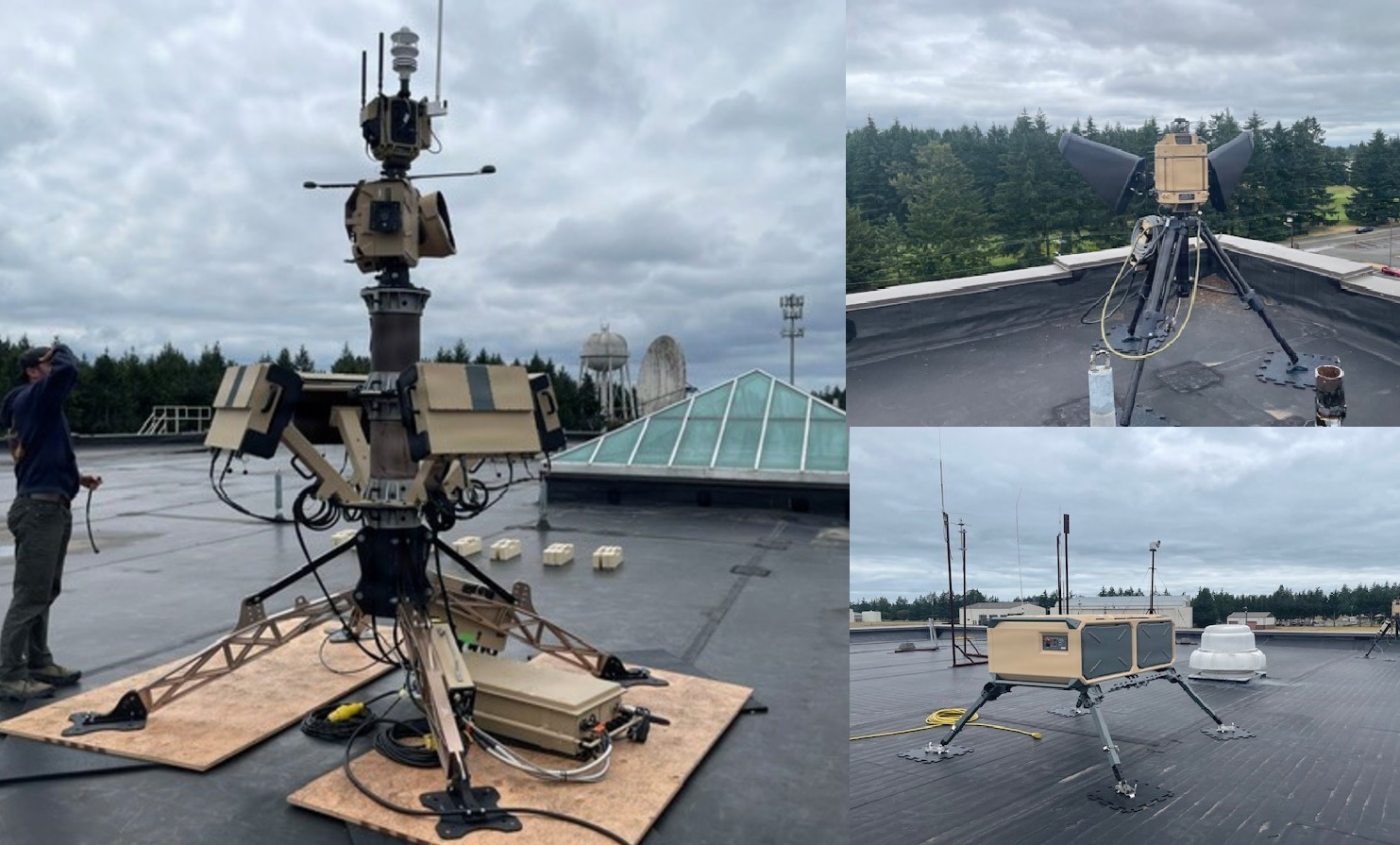
U.S
WASHINGTON — The U.S. Army has begun installing Anduril Industries' counter-unmanned aircraft systems (C-UAS) at Joint Base Lewis-McChord (JBLM) in Washington state, marking the first physical deployment of the company's integrated counter-drone hardware at a U.S. military installation. The move is part of a broader effort to strengthen the protection of military bases against the growing threat posed by small unmanned aerial systems. The project is being managed by Joint Interagency Task Force 401 (JIATF-401), an Army-led organization established by the Department of War in 2025 to unify the military's counter-drone capabilities. Before the creation of JIATF-401, individual military services largely managed their own counter-drone programs, resulting in separate procurement efforts and different combinations of sensors, jammers, and interceptors. The task force now oversees the procurement, testing, integration, and deployment of counter-UAS systems under a common homeland defense strategy. JIATF-401 recently published a handbook titled "Small Drones, Big Problems," which outlines a layered approach to countering unauthorized drones and provides a common operating framework for personnel responsible for defending military installations. Army Maj. Joe Amoroso, Deputy Chief of Strategic Initiatives for JIATF-401, said it is important to establish a common foundation for counter-drone operations while working with government agencies and interagency partners to address the growing threat posed by small unmanned aircraft. Layered Counter-Drone Defense The initial installation at JBLM includes three key systems developed by Anduril Industries, with each performing a specific role in detecting, tracking, disrupting, and defeating hostile drones. SpyGlass Radar The SpyGlass system is a Ku-band phased array radar designed to detect and track multiple aerial targets simultaneously using electronically steered beams instead of traditional rotating radar antennas. According to Anduril, its onboard processing increases detection range by 25 to 30 percent compared with older radar systems, giving security personnel additional time to identify and respond to potential drone threats. Pulsar Electronic Warfare System The Pulsar system is a software-defined electronic warfare (EW) platform that detects and disrupts the radio-frequency signals used by drones for communication and navigation. The system uses edge artificial intelligence to adapt to newly emerging drone frequencies within hours rather than months. Demonstrations have shown it can effectively counter Group 1 unmanned aircraft at distances of up to 2 kilometers (approximately 1.2 miles). Anvil Interceptor The Anvil system is an autonomous kinetic interceptor designed to physically destroy hostile drones by colliding with them. It is intended to defeat Group 1 and Group 2 unmanned aircraft systems, including most commercial quadcopters and small fixed-wing drones capable of carrying cameras or light payloads. The interceptor is designed for situations where electronic warfare measures alone are not sufficient to stop an incoming drone. Faster Deployment Through Industry Collaboration The installation at JBLM was carried out through direct cooperation between government personnel and Anduril engineers. Tommy Hernandez III, Anduril's Air Defense Team Lead, and George Nguyen, Tactical Operations Engineer, worked alongside JIATF-401 personnel to install and integrate the systems on-site. This approach is intended to shorten deployment timelines by allowing government and industry teams to work together during installation and system integration, reducing the delays often associated with traditional military acquisition processes. Why Joint Base Lewis-McChord Was Selected Joint Base Lewis-McChord was selected for the first deployment because of its strategic importance within the U.S. military. Located near Tacoma, Washington, JBLM is the only Army power projection base west of the Rocky Mountains in the continental United States. The installation hosts I Corps and supports the 62nd Airlift Wing, which operates the C-17 Globemaster III strategic airlift fleet. The base plays an important role in moving troops, equipment, and supplies to the Indo-Pacific region during military operations and contingency missions. Its operational importance makes it a priority location for strengthening protection against unauthorized drone activity. Part of a Broader National Counter-Drone Strategy The deployment at JBLM is one element of a wider counter-drone strategy being implemented by JIATF-401 across the United States. In addition to installing standardized counter-UAS systems, the task force is managing a pilot program that is evaluating laser and microwave-based counter-drone technologies at five other military sites. The broader modernization effort also includes a 10-year, $642 million contract awarded to Anduril Industries to deploy counter-UAS systems across U.S. Marine Corps bases. The objective is to create a more standardized and coordinated approach to protecting military installations from increasingly capable and affordable unmanned aircraft. Growing Concern Over Small Drone Threats The widespread availability of inexpensive commercial drones has significantly changed the security environment for military installations. Small unmanned aircraft have been used extensively in recent conflicts, including those in Ukraine and the Middle East, for reconnaissance, surveillance, and attack missions, highlighting the operational impact of low-cost drone technology. Within the United States, military officials have also reported a growing number of unauthorized drone incursions near military facilities over the past decade. These incidents have increased the focus on deploying systems capable of detecting, tracking, disrupting, and, when necessary, physically intercepting drones before they can reach sensitive infrastructure. Army Brig. Gen. Matt Ross, Director of JIATF-401, said that while there is no single solution capable of addressing every drone threat, a proactive and layered defense built in cooperation with government partners can significantly reduce the risks posed by small unmanned aircraft. Source : dvidshub / defence-blog
Read More → Posted on 2026-07-13 15:09:52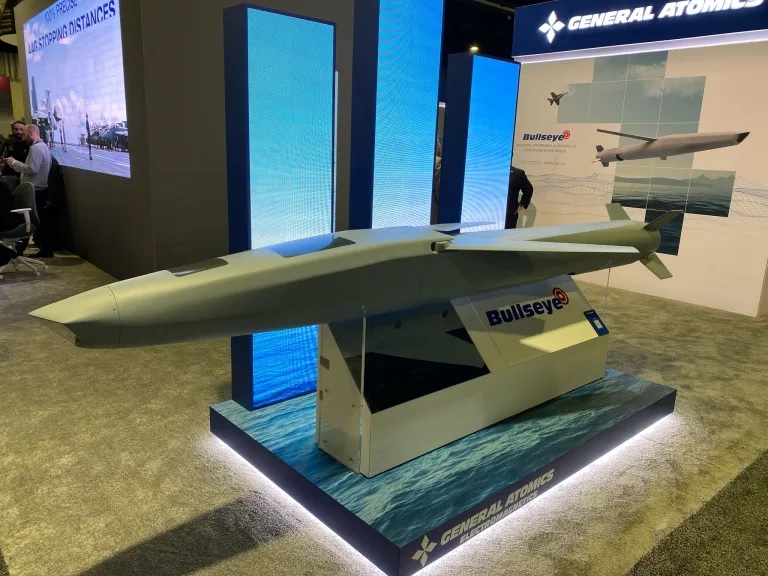
U.S
WASHINGTON — The U.S. Senate Armed Services Committee has advanced a proposal to provide $40 million for the U.S. Marine Corps to integrate and test General Atomics' Bullseye cruise missile as part of the Fiscal Year 2027 National Defense Authorization Act (NDAA). The proposed funding is allocated for the Marine Corps' technology demonstration and prototyping efforts. The initiative is intended to evaluate the missile's operational capabilities while supporting the Pentagon's broader effort to field affordable, mass-produced long-range precision weapons for future military operations, particularly in the Indo-Pacific region. The proposal must still pass the remaining stages of the congressional legislative process before becoming law. If approved in the final NDAA, the funding would enable the Marine Corps to conduct integration and demonstration activities to determine how the Bullseye missile could support future operational requirements. Bullseye Cruise Missile Designed for Long-Range Precision Strike The Bullseye cruise missile was publicly introduced by General Atomics during the Sea Air Space 2025 exhibition. The missile is derived from Rafael Advanced Defense Systems' Ice Breaker cruise missile and is planned for domestic production at General Atomics' manufacturing facility in Tupelo, Mississippi. The company says domestic production will strengthen U.S. supply chains while supporting faster manufacturing and sustained production capacity for future defense requirements. Bullseye weighs less than 1,000 pounds, measures approximately 13 feet (4 meters) in length, and is designed to engage both ground and maritime targets at ranges exceeding 300 kilometers (186 miles). The missile follows a high-subsonic, sea-skimming, and terrain-following flight profile to improve survivability in contested environments. It is equipped with an imaging infrared (IIR) seeker and is designed to continue operating in GPS-denied environments using terrain contour matching and scene-matching navigation. It also includes a man-in-the-loop capability that allows operators to abort or retarget a mission after launch when required. Focused on Marine Corps Operations in the Indo-Pacific The proposed funding aligns with the Marine Corps' effort to strengthen the capabilities of its Marine Littoral Regiments, which are designed to operate in contested maritime environments across the Western Pacific. The 12th Marine Littoral Regiment, based in Japan, has already begun fielding the Navy-Marine Expeditionary Ship Interdiction System (NMESIS) equipped with the Naval Strike Missile. Meanwhile, the 3rd Marine Littoral Regiment, based in the Philippines, has demonstrated similar long-range strike capabilities during military exercises. According to General Atomics, Bullseye is intended to provide an additional long-range precision strike option for these forward-deployed forces, supporting operations in areas where anti-access and area denial (A2/AD) systems present operational challenges. Company promotional material has also highlighted the missile's potential role in addressing current and future security challenges in the South China Sea, including scenarios involving People's Liberation Army facilities on artificial islands. Multiple Launch Options One of the key features of the Bullseye program is its ability to operate from a variety of launch platforms, providing flexibility across different military services. The missile is designed for: Air launch from fighter aircraft, including the F/A-18 Hornet. Ground launch, with integration work currently underway for the M142 High Mobility Artillery Rocket System (HIMARS) and the M270 Multiple Launch Rocket System (MLRS). Sea launch through a containerized system known as "Bullseye in a Box," which carries four missiles inside a standard shipping container. Earlier this year, General Atomics also presented concepts for deploying these containerized launch systems aboard amphibious assault ships. The approach supports ongoing U.S. Navy efforts to increase fleet firepower through modular, containerized weapon systems, providing additional flexibility for future naval operations. Supporting Pentagon Efforts to Expand Precision Weapon Stocks The Bullseye program is part of the Pentagon's broader effort to increase inventories of cost-effective, mass-producible precision-guided weapons while strengthening domestic manufacturing capacity. General Atomics has emphasized that the missile is designed for scalable production within the United States, supporting government efforts to improve supply chain resilience and maintain adequate inventories of long-range strike weapons. If the proposed funding is approved by Congress, the Marine Corps will begin integration and demonstration activities to assess Bullseye's suitability for future operations, particularly in support of expeditionary forces operating across the Indo-Pacific region. Source : navalnews
Read More → Posted on 2026-07-13 14:36:38
U.S
WOODINVILLE, Wash. — Echodyne has officially opened a new $40 million advanced radar manufacturing facility in Woodinville, Washington, significantly expanding its production capacity to meet increasing demand for counter-unmanned aircraft systems (C-UAS), short-range air defense, and other radar applications from the United States and allied customers. The new 86,350-square-foot facility will serve as Echodyne's dedicated manufacturing and operations hub, enabling end-to-end radar production. Once operating at full capacity, the site will be capable of producing more than 2,500 radars per month, equivalent to over 30,000 radar systems annually. The company said it will gradually transfer all manufacturing operations from its current headquarters in Kirkland to the new Woodinville facility over the coming months. Facility Designed for High-Volume Production The new manufacturing site includes approximately 74,350 square feet dedicated to production and 12,000 square feet for warehousing. According to the company, the layout is designed to support flexible manufacturing across multiple radar models while allowing future expansion for additional product lines. The investment is expected to create more than 100 new jobs initially, with the workforce potentially growing to around 200 positions as production increases. Echodyne currently employs about 260 people across the company. The facility is intended to strengthen domestic manufacturing capacity while supporting long-term production requirements from military, security, and commercial customers. Rising Demand for Counter-Drone Radar Demand for advanced radar systems has increased as drones are being used more widely in both military and civilian applications. Echodyne said its radar systems are seeing growing interest for missions including: Counter-UAS (C-UAS) Short-range air defense Force protection Border security Intelligence, surveillance, and reconnaissance (ISR) Critical infrastructure protection Beyond visual line of sight (BVLOS) operations for autonomous systems Recent conflicts, including the war in Ukraine, have demonstrated how low-cost drones can affect military operations, increasing the need for reliable sensors capable of detecting and tracking small aerial threats. At the same time, commercial drone operations such as infrastructure inspection, emergency response, and future delivery services are driving additional demand for airspace monitoring technologies. CEO Highlights Need for Scalable Manufacturing Commenting on the new facility, Eben Frankenberg, Chief Executive Officer of Echodyne, said growing global demand requires not only high-performance radar systems but also the ability to manufacture them in large numbers. "Our global customer base is demanding more radar to be delivered as fast as possible. Drones are driving significant change in both enabling a drone economy and in defending against nefarious drone use. While radar performance will always be the dominant consideration, product availability both now and in a predictable and consistent manner over time is quickly becoming a requirement for any global supplier. The only way to defend against mass is with mass. That requires not just high-performance economical radars, but the ability to manufacture them at scale." MESA Radar Technology Echodyne's radar systems are based on its patented Metamaterials Electronically Scanned Array (MESA®) technology. Unlike conventional electronically scanned array radars that rely on thousands of phase shifters, the MESA architecture uses a simplified approach to electronically steer radar beams. The design allows the company to manufacture radar systems using standard materials and commercial production processes. According to Echodyne, this approach results in radar systems that are: Smaller and lighter Lower in power consumption Less expensive to manufacture Easier to export Capable of maintaining high radar performance The company said its manufacturing process follows the same principles of simplicity and scalability, using modular production methods that allow output to be adjusted according to customer requirements while maintaining consistent product quality. Expanding Role in Defense Programs Echodyne's radar technology is already integrated into systems developed by several major defense companies, including Anduril, Axon, Moog, and Northrop Grumman. The company was also recently selected as the primary radar supplier for Trust Automation's Small UAS Detection System (SUADS). The system is being delivered under a $490 million indefinite-delivery/indefinite-quantity (IDIQ) contract awarded by the U.S. Air Force. Founded in 2014 after being spun out from Intellectual Ventures, Echodyne has focused on developing compact electronically scanned radar systems for defense, security, and commercial markets. Strengthening U.S. Radar Manufacturing With the opening of its new Woodinville manufacturing hub, Echodyne is increasing domestic production capacity for advanced radar systems while preparing to meet growing demand from military, security, and commercial operators. The company expects to continue expanding its workforce and manufacturing output as production ramps up and customer requirements increase. Source : echodyne
Read More → Posted on 2026-07-13 13:09:50
U.S
RESTON, Va. — SES Space & Defense has been awarded a five-year Blanket Purchase Agreement (BPA) by the U.S. Space Force's Space Systems Command to provide managed Ku-band satellite communications services for the U.S. Department of Defense. The agreement is intended to simplify and speed up the procurement of secure satellite connectivity for military operations worldwide. Under the BPA, all branches of the U.S. military will be able to access managed Ku-band satellite communications for operations in remote and challenging environments where traditional cellular or terrestrial communication networks are unavailable. The agreement enables military users to obtain secure, high-speed satellite connectivity through a streamlined purchasing process. The services will operate over Ku-band satellites, which are widely used for broadband communications because of their broad geographic coverage, reliable performance, and ability to support high-speed data transmission across long distances. Managed Services Included Under the Agreement The contract provides military customers access to SES Space & Defense's managed Flex portfolio, which includes services designed for different operational requirements. FlexMove provides satellite connectivity for personnel operating on the move as well as those working from temporary or fixed locations in areas without conventional communications infrastructure. FlexGovSecure delivers protected government communications by incorporating Transmission Security (TRANSEC) technology. TRANSEC is designed to conceal communication signals, reducing the risk of signal detection, tracking, interception, or unauthorized access during sensitive operations. FlexAir is an aviation-focused satellite communications service developed in partnership with Satcom Direct Government (SDG), a Gogo company. Under the agreement, SDG will provide inflight connectivity using its proprietary Gogo Plane Simple Ku-band antenna terminals for military aircraft. Supporting Military Communications The BPA reflects the U.S. government's continued use of commercially managed satellite communication services to support defense operations. Instead of building and maintaining dedicated satellite communication infrastructure, military organizations can access commercial satellite networks that are already operational. This approach allows the Department of Defense to obtain satellite connectivity more quickly while reducing the costs and complexity associated with operating proprietary communication systems. David Broadbent, President and CEO of SES Space & Defense, said managed services such as Flex give military customers access to advanced SATCOM capabilities without the expense and operational burden of maintaining their own infrastructure. "Managed services like Flex provide access to advanced SATCOM capabilities without the cost and complexity of maintaining proprietary infrastructure," Broadbent said. "The managed service allows our customers to focus on mission objectives while leveraging industry speed, innovation, and efficiency." Hayden Olson, Head of SDG, said the partnership will support reliable communications for military aviation missions. "Our Plane Simple Ku-band antennas and extensive understanding of military expectations and requirements position us to support SES in delivering seamless, resilient, high-speed global connectivity to support mission-driven solutions," Olson said. SES Space & Defense's Role SES Space & Defense is a wholly owned subsidiary of global satellite operator SES and operates under a proxy board that enables it to manage classified projects and develop secure satellite network solutions for the U.S. government. The company has supported U.S. government satellite communications programs for nearly 60 years. Its parent company, SES, is headquartered in Luxembourg and operates a fleet of more than 70 satellites in geostationary (GEO) and medium Earth orbit (MEO), providing data connectivity and video services worldwide. The newly awarded five-year BPA positions SES Space & Defense to continue supplying secure, resilient, and high-speed satellite communications for U.S. military personnel conducting operations in remote locations and during mobile deployments around the world. Source : satellitetoday
Read More → Posted on 2026-07-13 12:02:42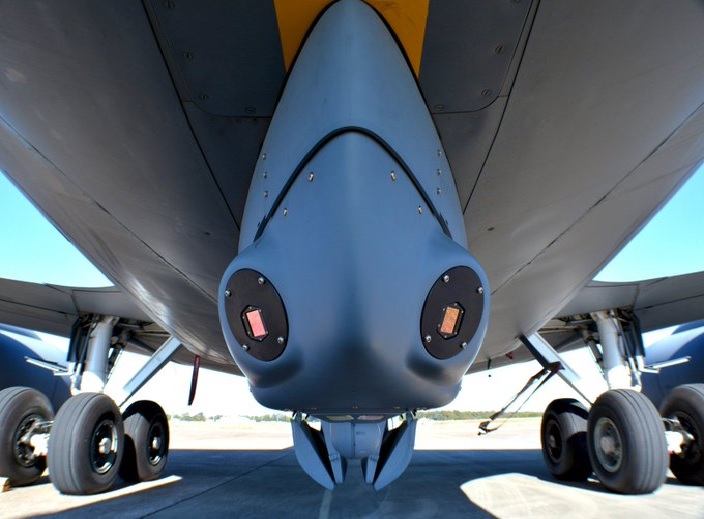
U.S. Air Force Awards Northrop Grumman $60.4 Million Contract to Develop Advanced LAIRCM ODIN Sensor
U.S
ROLLING MEADOWS, Ill. — Northrop Grumman Systems Corporation has received a $60.4 million U.S. Air Force contract to develop an advanced sensor for the Large Aircraft Infrared Countermeasures (LAIRCM) system, expanding the defensive capabilities of military aircraft against evolving airborne and battlefield threats. The $60,438,241 cost-plus-fixed-fee task order was awarded by the Air Force Life Cycle Management Center (AFLCMC) at Wright-Patterson Air Force Base, Ohio. Under the contract, Northrop Grumman will develop the Optical Detection and Identification Node (ODIN), an upgraded sensor designed for the AN/AAQ-24(V) LAIRCM system. The development, integration, and testing work will be carried out at the company's facility in Rolling Meadows, Illinois, with the project scheduled for completion by April 30, 2029. ODIN to Expand LAIRCM Defensive Capabilities The AN/AAQ-24(V) LAIRCM is a Directional Infrared Countermeasure (DIRCM) system used on large transport aircraft and rotary-wing platforms. It combines an Infrared Missile Warning System (MWS) with an infrared laser jammer to automatically detect, track, and defeat incoming infrared-guided missiles, improving aircraft survivability in hostile environments. Under the new contract, Northrop Grumman will upgrade the existing infrared missile warning sensor into the production-ready Optical Detection and Identification Node (ODIN). The upgraded sensor will add three new capabilities to the current system: Hostile Fire Indication (HFI): Detects and alerts aircrews to incoming small-arms fire and anti-aircraft artillery. Laser Warning (LW): Detects when an aircraft is being illuminated or targeted by laser-guided weapon systems. Counter Small Unmanned Aerial Systems (C-SUAS) Detection: Identifies and tracks small unmanned aerial systems, including drone threats. These additions are intended to improve situational awareness and provide aircrews with earlier warning against a broader range of threats beyond infrared-guided missiles. Cost-Type Contract Selected for Development Work The U.S. Air Force awarded the program as a cost-plus-fixed-fee contract because of the engineering complexity involved in integrating the new capabilities into the existing LAIRCM sensor architecture. Government contracting documents stated that uncertainties associated with the development process made it difficult to accurately estimate costs under a fixed-price arrangement. The award was issued as a sole-source acquisition, reflecting Northrop Grumman's long-standing role as the developer and manufacturer of the LAIRCM system. At the time of contract award, the U.S. Air Force obligated $11.2 million in Fiscal Year 2026 Research, Development, Test and Evaluation (RDT&E) funding to begin the project. Long-Service Aircraft Protection System Northrop Grumman has supported the LAIRCM program for many years. According to the company, its DIRCM systems protect more than 1,500 aircraft across fixed-wing, rotary-wing, and tilt-rotor platforms. The LAIRCM system is installed on several U.S. military aircraft, including the C-17 Globemaster III, C-130 Hercules, C-5 Galaxy, and various military helicopters. Its modular design allows integration across different aircraft types while providing protection against infrared-guided missile threats. In many configurations, the system uses directed infrared laser energy to defeat incoming missiles without relying on pyrotechnic flares. The new ODIN sensor development is expected to further strengthen the LAIRCM system by expanding its ability to detect missile launches, hostile gunfire, laser targeting, and small unmanned aerial threats, supporting aircraft survivability in increasingly complex operational environments. Source : highergov
Read More → Posted on 2026-07-13 11:51:07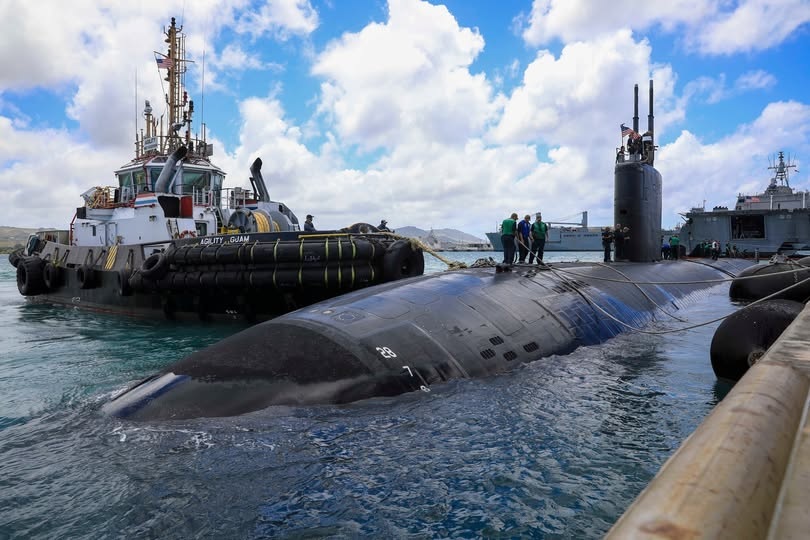
U.S
NAVAL BASE GUAM — The Los Angeles-class fast-attack submarine USS Tucson (SSN 770) officially arrived at Naval Base Guam on July 10, 2026, completing its homeport shift as part of the U.S. Navy’s ongoing effort to strengthen its forward-deployed submarine presence in the Indo-Pacific region. The arrival of USS Tucson adds another mission-ready fast-attack submarine to Guam, a key U.S. military hub in the Western Pacific that supports undersea operations across the region. The move is part of the Navy’s Strategic Laydown Plan, which positions advanced naval assets closer to areas of operation while balancing maintenance, modernization, and future fleet requirements. Following its arrival, USS Tucson was assigned to Commander, Submarine Squadron 15, headquartered at Polaris Point, Naval Base Guam. With Tucson joining the command, the squadron now oversees four forward-deployed fast-attack submarines operating from the island. The submarine's crew completed mooring operations after reaching its new homeport. "The entire crew is honored and excited to arrive in Guam," said Cmdr. Vince Bove, commanding officer of USS Tucson. "Tucson brings an exceptional crew of Sailors who represent the very best of our submarine force. We are proud to join the forward-deployed team, strengthen warfighting readiness, and support U.S. strategic objectives across the region. We also look forward to becoming part of the Guam community that plays such a vital role in enabling our mission." The Navy's Strategic Laydown Plan is designed to improve the readiness of forward-deployed forces while ensuring long-term sustainment of the fleet. By stationing attack submarines closer to operational areas, the Navy provides combatant commanders with rapidly available assets capable of supporting maritime security, deterrence, and regional stability throughout the Western Pacific and the broader Indo-Pacific. Capt. Christopher Carter, commander of Submarine Squadron 15, welcomed the submarine and its crew to Guam, highlighting the island's strategic importance. "I would like to extend a warm welcome and Hafa Adai to the Sailors and families of Tucson," Carter said. "Naval Base Guam remains a strategic outpost in the Western Pacific and plays a vital role in maintaining regional stability and deterrence. Tucson brings a proud legacy of strength, resilience, and warfighting excellence to our forward-deployed undersea force and arrives at a time when forward presence and readiness matter. Their service will strengthen our posture and enhance deterrence across the region. We are excited to welcome the crew to the team and look forward to the impact they will have while serving at the tip of the spear." USS Tucson's arrival follows several recent changes to the Navy's submarine force in Guam. In 2024, USS Minnesota became the first Virginia-class fast-attack submarine to be forward-deployed to the island. More recently, USS Jefferson City shifted its homeport from Guam to Pearl Harbor, Hawaii, with USS Tucson now taking its place as part of the forward-deployed force. The U.S. Navy describes its fast-attack submarines stationed in Guam as critical assets for undersea operations in the Indo-Pacific. These submarines are valued for their speed, endurance, stealth, and mobility, enabling them to conduct a wide range of missions, including intelligence gathering, surveillance, anti-submarine warfare, anti-surface warfare, strike operations, and support for joint and allied naval forces. Their forward deployment helps maintain a continuous undersea presence in the region and supports the Navy's objective of promoting a free and open Indo-Pacific. Commissioned on September 19, 1995, USS Tucson is the 59th Los Angeles-class fast-attack submarine to enter U.S. Navy service and the 20th submarine of the Improved 688 (688i) variant. It is also the second U.S. Navy ship named after the city of Tucson, Arizona. With its homeport now established at Naval Base Guam, USS Tucson becomes part of the Navy's permanently forward-deployed submarine force supporting operations across the Western Pacific. Source: dvidshub
Read More → Posted on 2026-07-12 14:19:25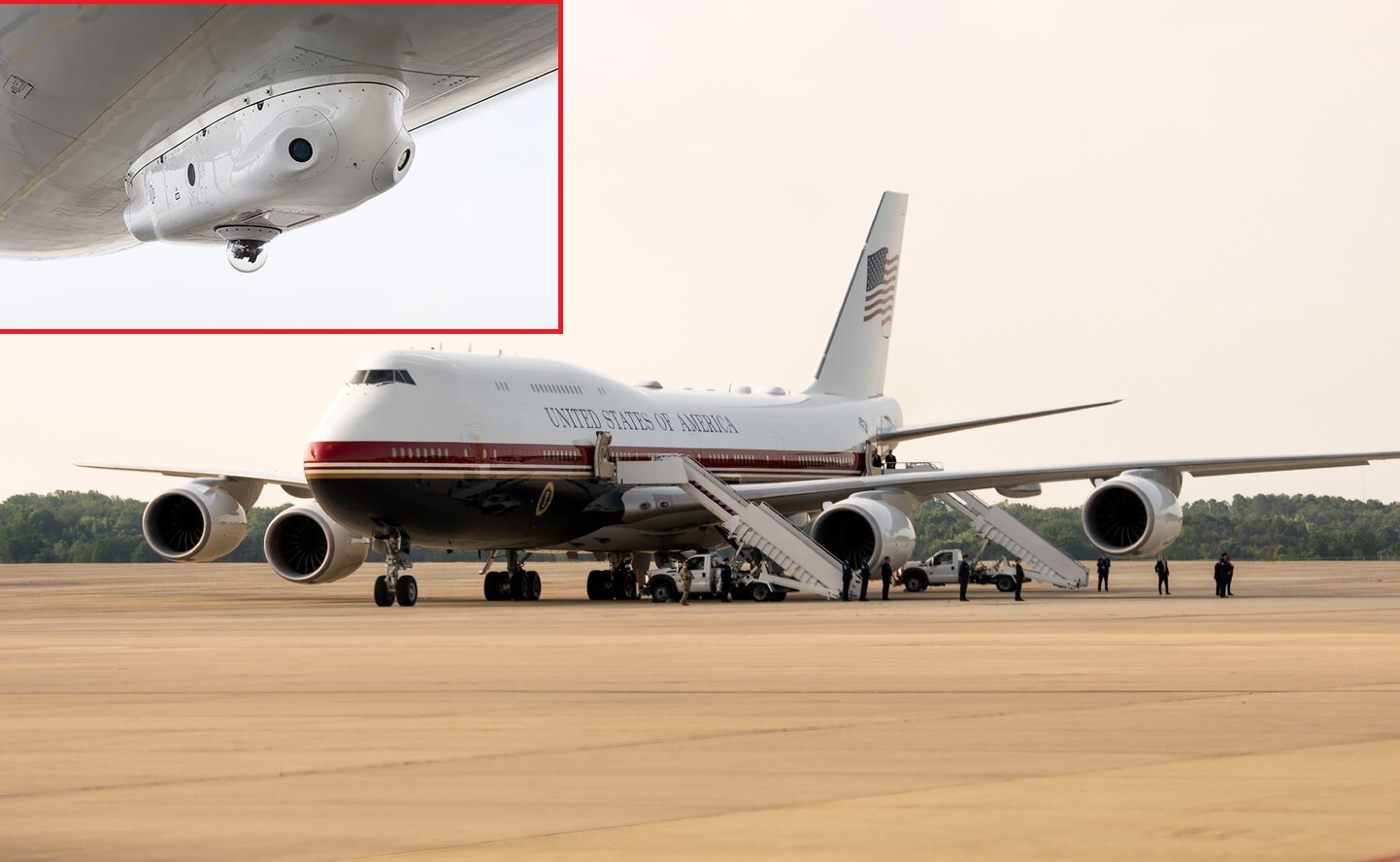
U.S
Washington, D.C. — The Boeing 747-8 Business Jet currently serving as the interim C-25B Bridge aircraft for President Donald Trump does not have sufficient self-protection systems against air-to-air and surface-to-air missile threats, according to an Israeli government source. The aircraft, tail number 25-3300, is a former Qatari government Boeing 747-8 BBJ that was gifted to the United States and modified to serve as a temporary presidential transport until the new VC-25B aircraft enter service. According to the Israeli source, the absence of complete defensive systems was one of the main reasons Israel advised against using the aircraft for President Trump's return flight from Ankara, Turkey, to Washington, D.C., following a recent NATO summit. Instead, President Trump returned aboard an older VC-25A aircraft that is equipped with the full range of presidential defensive systems. The Israeli government has also offered to help equip the interim aircraft with appropriate self-protection systems to improve its security during international missions. Aircraft Serving as a Temporary Presidential Transport The Boeing 747-8 BBJ was originally built for the Qatar Amiri Flight in 2012. In 2025, Qatar's royal family gifted the aircraft to the U.S. government to serve as an interim presidential aircraft while the U.S. Air Force continues work on the next-generation VC-25B fleet. The aircraft underwent a rapid retrofit carried out by defense contractor L3Harris. The modifications were intended to prepare the aircraft for presidential missions while the permanent VC-25B replacements remain under development. Despite the retrofit, the aircraft has not yet received all of the defensive equipment normally found on Air Force One aircraft. Defensive Systems Still Incomplete Presidential aircraft are typically equipped with advanced self-protection systems designed to defend against missile threats. These systems can include radar jamming equipment, chaff dispensers that interfere with radar-guided missiles, and flare systems designed to counter infrared-guided missiles. They also feature hardened communications and other mission-specific security capabilities. According to the Israeli government source, the interim C-25B Bridge aircraft currently lacks adequate protection against both air-to-air and surface-to-air missile threats. As a result, the aircraft is considered unsuitable for certain international missions in its current configuration. The source said this security concern led to the recommendation that President Trump use a different aircraft for the flight from Ankara back to Washington. Security Concerns During Ankara Trip The issue became significant during President Trump's return from the NATO summit in Ankara. Intelligence and security officials reportedly recommended using the older VC-25A because of the interim aircraft's incomplete defensive capabilities. Journalists traveling aboard the replacement VC-25A were reportedly instructed to keep their window shades closed during departure, a security measure sometimes used during flights from areas considered to have elevated security risks. Questions Over Retrofit Program The aircraft's modification program has also attracted political attention in Washington. The interim C-25B Bridge has undergone upgrades funded by millions of dollars in U.S. taxpayer money. However, despite those expenditures, the aircraft still lacks the complete defensive systems required for presidential international travel, according to the Israeli government source. The aircraft was intended to provide a temporary solution until two purpose-built VC-25B presidential aircraft are delivered later this decade. Senate Democrats have requested information from the U.S. Air Force and L3Harris regarding the retrofit program, raising questions about the project's cost and whether security capabilities received sufficient priority during the conversion process. The U.S. Air Force has previously stated that the modifications focused on essential mission requirements and that no unacceptable security risks were taken. However, former military officials have noted that converting a civilian aircraft into a presidential transport presents significant challenges and may not fully match the capabilities of aircraft designed from the outset for the Air Force One mission. For now, the interim C-25B Bridge continues to serve as a temporary presidential aircraft, while additional work remains necessary before it can provide the same level of protection as the U.S. Air Force's fully equipped presidential fleet. Source: X
Read More → Posted on 2026-07-12 12:24:14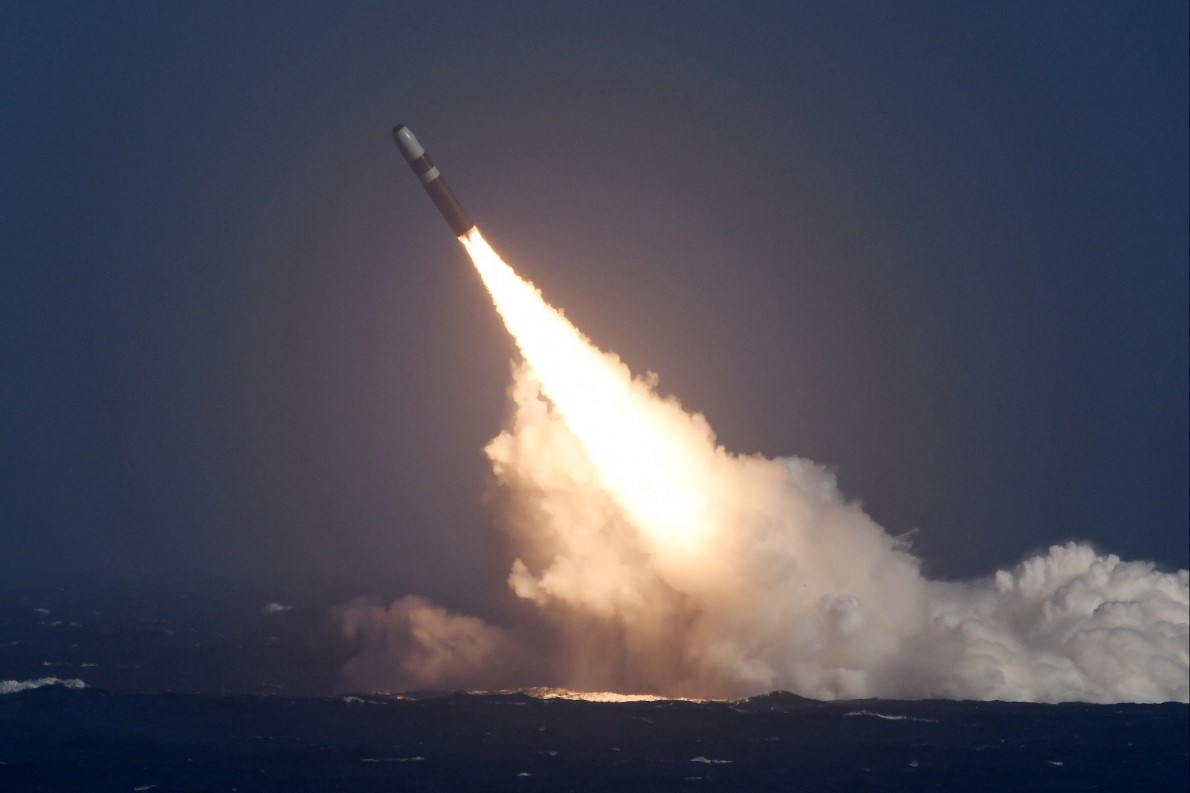
U.S
TITUSVILLE, Fla. — Lockheed Martin has received an $850 million contract modification from the U.S. Navy to continue the design and development of the Trident II D5 Life Extension 2 (D5LE2) program. The award, which was originally announced by the U.S. Department of War in April 2026, supports the long-term modernization of one of the United States' most important strategic missile systems. The Trident II D5 is a three-stage, solid-fueled submarine-launched ballistic missile (SLBM) that serves as the sea-based leg of the U.S. nuclear triad. According to Lockheed Martin, this component accounts for approximately 70 percent of the United States' deployed strategic deterrent capability, alongside land-based intercontinental ballistic missiles (ICBMs) and nuclear-capable bombers. Originally developed in the 1980s, the Trident II D5 is designed for long-range strategic missions. The missile has an operational range of approximately 2,500 to 11,500 kilometers and can carry up to eight multiple independently targetable reentry vehicles (MIRVs). It has remained in service for decades due to its accuracy, reliability, and operational performance. The missile previously underwent a major life extension program that was completed in 2017. The new D5LE2 effort focuses on replacing aging components, incorporating updated technologies, and ensuring the system remains operational and effective into the 2040s and beyond. The Trident II D5 is deployed aboard the U.S. Navy's Ohio-class ballistic missile submarines and the United Kingdom's Vanguard-class submarines. Because these submarines operate while concealed at sea, the sea-based deterrent provides high survivability, continuous global presence, and operational flexibility. The system's reliability has continued to be demonstrated through regular testing. Most recently, the Trident II D5 completed its 197th successful test launch during a flight conducted off the coast of Florida. Commenting on the contract award, Eric Scherff, Vice President of Lockheed Martin's Fleet Ballistic Missile Program, said the company remains committed to supporting the mission as the program enters its next phase. "Lockheed Martin is fully committed to the mission as we move forward into this next phase. This award marks another important step along the way as we continue delivering a credible and resilient deterrent for the American forces and allies." The D5LE2 program is also intended to ensure the missile system remains compatible with the U.S. Navy's future Columbia-class ballistic missile submarines, which are being developed to replace the current Ohio-class fleet over the coming decades. Work under the $850 million contract modification will be carried out at Lockheed Martin facilities in Colorado, Florida, Utah, Washington, Georgia, and the National Capital Region. To support the long-term requirements of the program, the company is expanding its workforce and recruiting engineers, technicians, and other skilled professionals for positions related to national security and advanced defense technologies. The latest contract continues the long-running partnership between the U.S. Navy and Lockheed Martin on the Fleet Ballistic Missile program. By modernizing the Trident II D5 through the D5LE2 program, the Navy aims to maintain a reliable sea-based strategic deterrent while supporting future submarine platforms and extending the missile system's operational life well into the next two decades. Source: Lockheedmartin
Read More → Posted on 2026-07-12 11:40:10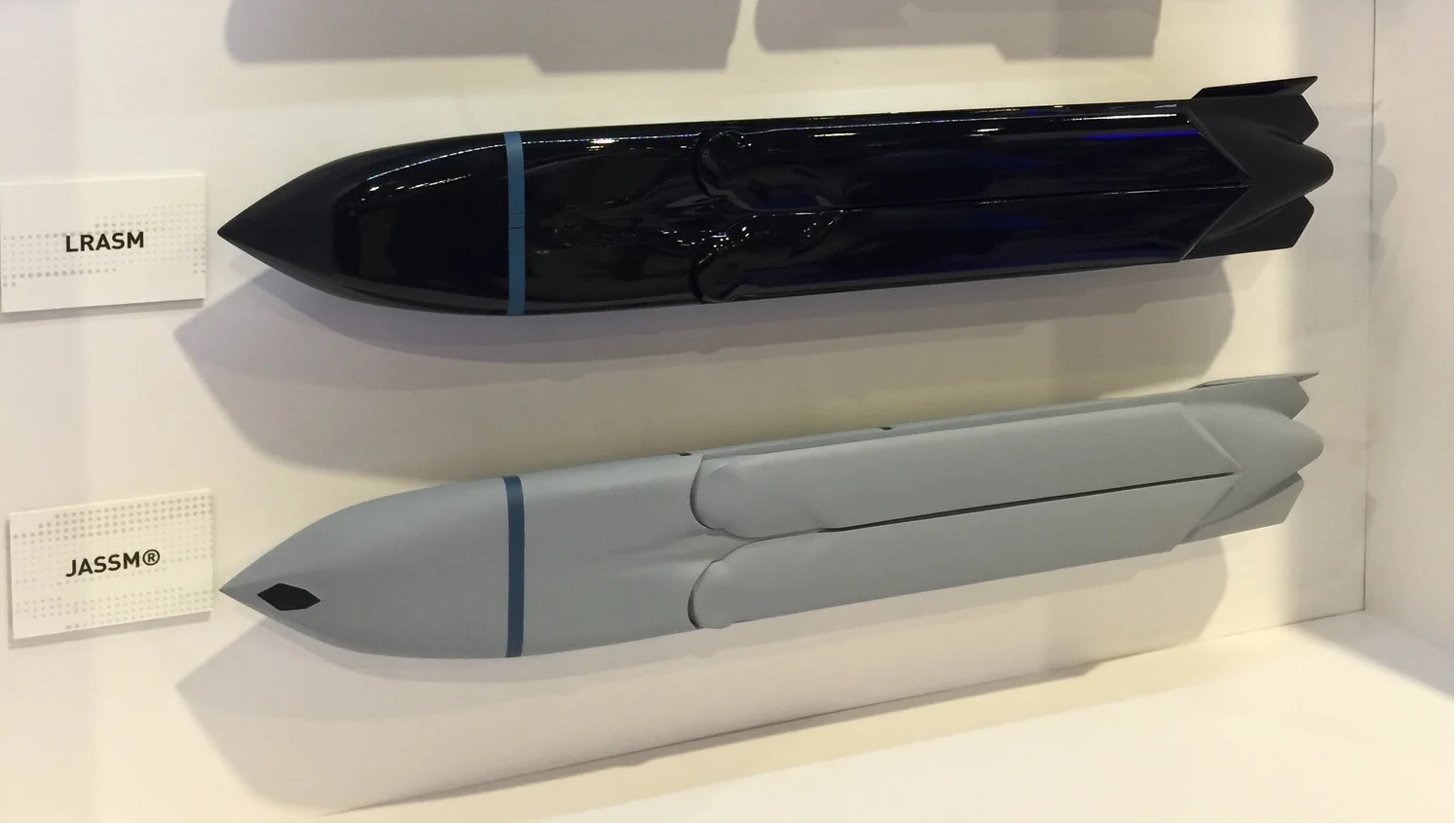
U.S
WASHINGTON — The U.S. Air Force has announced plans to acquire up to 11,200 Joint Air-to-Surface Standoff Missiles (JASSM) and Long-Range Anti-Ship Missiles (LRASM) over the next five to seven years, marking one of the largest planned procurements of these long-range precision weapons to date. The plan was outlined in a notice of intent published on Friday. It covers JASSM Lots 27 through 33 and LRASM Lots 13 through 19 and represents a significant increase in the Pentagon's planned inventory of both missile families compared with previous publicly disclosed targets. According to the notice, the procurement is part of broader efforts to rebuild missile inventories following recent military operations and to strengthen production capacity for future operational requirements, particularly in the Indo-Pacific region. The Pentagon is also encouraging defense suppliers to increase investments and expand manufacturing capacity to support higher production rates. Procurement Includes Production, Sustainment and Software Support The planned acquisition extends beyond missile production and includes several supporting elements designed to sustain the growing inventory. These include: Expanded missile sustainment and repair capacity Increased software support Higher production output at Lockheed Martin's manufacturing facilities in Orlando, Florida, and Troy, Alabama Deliveries are expected to begin approximately 27 months after the contract is awarded. Air Force officials stated that achieving the larger procurement targets will require a gradual manufacturing ramp-up and significant upfront investment. Government-owned production equipment is currently dedicated to fulfilling existing JASSM and LRASM contracts while Lockheed Martin continues expanding its supply chain and manufacturing capabilities. Lockheed Martin Expands Manufacturing Capacity Lockheed Martin said it has already invested heavily to increase production capacity for priority defense programs. According to the company, it has invested more than $7 billion since the first Trump administration to expand production capacity across key systems. Of that amount, approximately $2 billion has been dedicated specifically to increasing munitions production. The company said these investments include new facilities, production tooling, supplier expansion, and workforce development to support higher manufacturing rates. Contract Covers Current and Future Missile Variants The planned contract includes both current and future variants of the JASSM and LRASM missile families. Among the newest versions are: Variant Key Improvements Primary Role JASSM-XR Advanced anti-spoofing technology and improved survivability Long-range land strike LRASM-ER Extended range and upgraded sensor package Long-range maritime strike LRASM C-3 Updated sensors and secured data link U.S. Navy anti-surface warfare The JASSM-XR and LRASM-ER incorporate Lockheed Martin's latest anti-spoofing technology and enhanced survivability features designed to improve performance in contested environments. For the U.S. Navy, the LRASM C-3 introduces upgraded sensors, increased range capabilities, and a secure data link intended to improve anti-surface warfare operations. Recent Testing Demonstrates Expanding Capabilities The JASSM family continues to serve as one of the Pentagon's primary long-range precision strike systems and features prominently in planning for potential large-scale operations. Recent testing has demonstrated the missiles' integration across multiple aircraft platforms. On June 2, 2026, U.S. Airmen at Dyess Air Force Base, Texas, conducted a live validation test connecting an AGM-158C LRASM to a B-1B Lancer bomber. The event successfully verified communication between the missile and the aircraft's mission systems. During the Valiant Shield 2026 exercise, a B-2A Spirit stealth bomber launched an AGM-158C LRASM against the decommissioned amphibious ship ex-USS Juneau during a sinking exercise (SINKEX), demonstrating another operational employment scenario for the missile. Focus on Long-Range Precision Strike The AGM-158 JASSM is designed to strike heavily defended land targets from long stand-off ranges using low-observable characteristics and precision guidance. The LRASM is derived from the JASSM design and is optimized for engaging maritime targets using advanced autonomous targeting and seeker technology. Because both missiles share a common airframe and many components, they simplify production, maintenance, and logistics while providing the U.S. military with long-range strike options against both land and naval targets. The planned acquisition of up to 11,200 missiles significantly exceeds previous inventory objectives and reflects the Pentagon's broader effort to increase production of critical precision-guided munitions while expanding long-term readiness for potential high-intensity operations. Source: highergov
Read More → Posted on 2026-07-11 13:58:06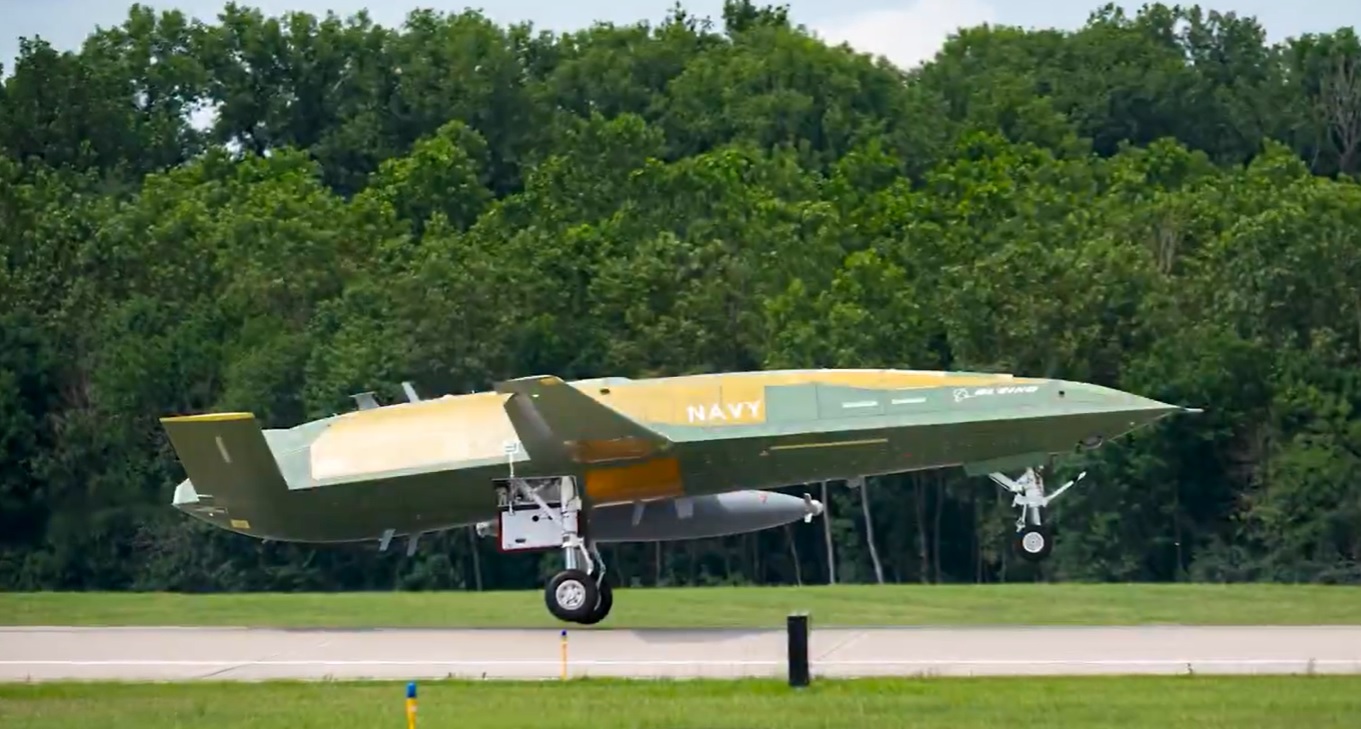
U.S
ST. LOUIS, Missouri — The U.S. Navy's first production Boeing MQ-25A Stingray uncrewed aerial refueling aircraft has successfully completed its second test flight, marking another milestone in the development of the Navy's first operational carrier-based unmanned aircraft. The flight, conducted on July 10, included the aircraft's first airborne landing gear cycles, during which the landing gear was extended and retracted while in flight. According to Boeing, the test confirmed the performance of the aircraft's autonomous flight control system and provided additional data needed as the MQ-25A moves closer to future carrier operations. The test was carried out from the Unmanned Carrier Aviation Mission Control System (MD-5) ground control station at MidAmerica St. Louis Airport in Mascoutah, Illinois. During the mission, Navy air vehicle pilots issued flight commands from the ground station while the MQ-25A autonomously managed its propulsion, onboard systems, navigation, guidance, and flight controls throughout the planned mission. Before the flight, Boeing and U.S. Navy teams installed a new software package that upgraded the aircraft's vehicle management system and mission computers. During the mission, Boeing engineers and Navy pilots monitored the aircraft's performance and collected data from the landing gear tests. Boeing said the successful airborne landing gear cycles helped verify the interoperability between the aircraft's mechanical systems and its autonomous flight control software. The MQ-25A Stingray is designed primarily to provide uncrewed aerial refueling for carrier-based aircraft. By taking over the aerial tanker mission, the aircraft will extend the operational range of the carrier air wing while allowing manned fighter aircraft, including the F/A-18 Super Hornet, to return to their primary combat missions instead of performing refueling duties. The production MQ-25A builds on experience gained from the earlier MQ-25 T1 test aircraft. During previous flight testing, the T1 demonstrator successfully refueled three different carrier-based aircraft using the Navy's hose-and-drogue system: the F/A-18 Super Hornet, E-2D Hawkeye, and F-35C Lightning II. Those demonstrations validated the aircraft's ability to safely refuel multiple types of naval aircraft in flight. Powered by a Rolls-Royce AE 3007N turbofan engine, the MQ-25A is designed to deliver up to 15,000 pounds of fuel at a distance of 500 nautical miles from the carrier. In addition to aerial refueling, the aircraft is designed to autonomously perform carrier deck operations, including taxiing, takeoff, and landing, while operating alongside manned aircraft in the demanding carrier environment. The MQ-25A program has continued to progress through a series of developmental milestones. The first production aircraft completed its initial taxi test in January 2026, followed by its first flight in April 2026. The latest second flight further expands the flight-test program by validating additional aircraft systems and software. Known as the Carrier-Based Aerial Refueling System (CBARS) program, the MQ-25A was developed to provide dedicated aerial refueling support for carrier air wings while introducing autonomous aircraft into routine carrier operations. The U.S. Navy is continuing flight testing with Boeing as it works toward achieving the aircraft's planned initial operational capability around February 2029. The successful completion of the second test flight adds new flight data that will support further testing and certification as the MQ-25A progresses toward operational service aboard U.S. Navy aircraft carriers. Source: Boeing
Read More → Posted on 2026-07-11 12:50:09
U.S
WASHINGTON — The U.S. Navy has issued two Requests for Information (RFIs) to major South Korean shipbuilders to assess their ability to build destroyers and medium-sized fleet replenishment tankers, marking a significant step in exploring allied shipbuilding capacity to support future naval requirements. According to Naval News, citing initial reporting by South Korea's Yonhap News, the RFIs were issued last month as part of an information-gathering process and do not represent a contract award or procurement decision. One RFI covers destroyer-sized surface combatants, while the second seeks information on medium-sized fuel tankers intended for fleet replenishment. The U.S. government is seeking details on shipbuilding capabilities, including design expertise, production capacity, pricing, delivery schedules, and other market information, to evaluate whether South Korean shipbuilders could support future U.S. Navy programs. Three Shipbuilders Submit Responses Three of South Korea's largest shipbuilders have responded to the U.S. Navy's requests. Hanwha Ocean and HD Hyundai Heavy Industries (HD HHI) submitted responses for both the destroyer and fleet tanker RFIs, while Samsung Heavy Industries responded only to the request for medium-sized fleet replenishment tankers. According to industry officials cited by Yonhap News, the companies provided comprehensive information covering their shipbuilding track record, design workforce, engineering expertise, and annual shipbuilding capacity. Media reports indicate that Hanwha Ocean and HD Hyundai Heavy Industries were asked to provide information related to eight proposed destroyers, while the separate tanker RFI was also sent to Samsung Heavy Industries. Experience Building Modern Naval Warships Hanwha Ocean and HD Hyundai Heavy Industries have extensive experience constructing advanced surface combatants for the Republic of Korea Navy. Both companies have built the approximately 8,500-ton Sejong the Great-class Aegis destroyers, which use the Aegis combat system and are similar in size and capability to the U.S. Navy's Arleigh Burke-class destroyers. The shipyards have also produced Chungmugong Yi Sun-sin-class destroyers and exported frigates to countries including Peru and the Philippines. The U.S. Navy's RFI process is intended to evaluate these existing shipbuilding capabilities as it considers options for future fleet expansion. Part of Broader U.S.-South Korea Shipbuilding Cooperation The RFIs follow growing cooperation between the United States and South Korea in the shipbuilding sector. According to South Korean media reports, President Donald Trump asked South Korean President Lee Jae Myung during the G7 Summit whether South Korea could quickly build 10 U.S. warships. Reports also stated that the two leaders later agreed to begin working-level consultations on shipbuilding cooperation during meetings held alongside the NATO Summit. South Korea has committed $150 billion toward the U.S. shipbuilding sector as part of a broader $350 billion investment package in the United States. South Korea's government-backed policy banks have also begun steps to implement the financing plan supporting the initiative. South Korean shipbuilders have already expanded their presence in the United States. Hanwha Ocean acquired Philly Shipyard in Pennsylvania and has partnered with Vard U.S. Marine as a subcontractor for design work on the U.S. Navy's Next Generation Logistics Ship program. HD Hyundai Heavy Industries has established a strategic partnership with Huntington Ingalls Industries, while Samsung Heavy Industries has partnered with General Dynamics NASSCO to expand cooperation in U.S. shipbuilding projects. Supporting Long-Term Fleet Expansion According to South Korean estimates cited by Yonhap News, the U.S. Navy plans to expand its fleet from approximately 300 ships today to 381 ships by 2054. Achieving that goal would require building an average of 12 ships per year, or approximately 364 vessels over the next 30 years. The RFIs are viewed as part of broader efforts to identify additional shipbuilding capacity that could help meet future fleet requirements. Congressional Approval Still Required If the current RFI process eventually results in shipbuilding contracts, it could mark the first time since 1947 that foreign-built or foreign-designed combat ships enter service with the U.S. Navy. For nearly 80 years, U.S. Navy combat ships have been designed and constructed in domestic shipyards under long-standing U.S. legal and procurement requirements. Recent policy documents—including the National Defense Authorization Act (NDAA) for Fiscal Year 2027, the Navy's five-year shipbuilding plan, and the FY2027 budget proposal—include references to allowing greater flexibility for foreign-built ships. However, any move beyond the current RFI stage would require Congress to approve a national security waiver and provide the necessary funding before overseas construction of U.S. Navy combat ships could proceed. At this stage, the RFIs remain an initial market assessment rather than a procurement decision, and the U.S. Navy has not announced any contract awards or selected any shipbuilder for future programs. Source: maritime-executive
Read More → Posted on 2026-07-10 16:36:37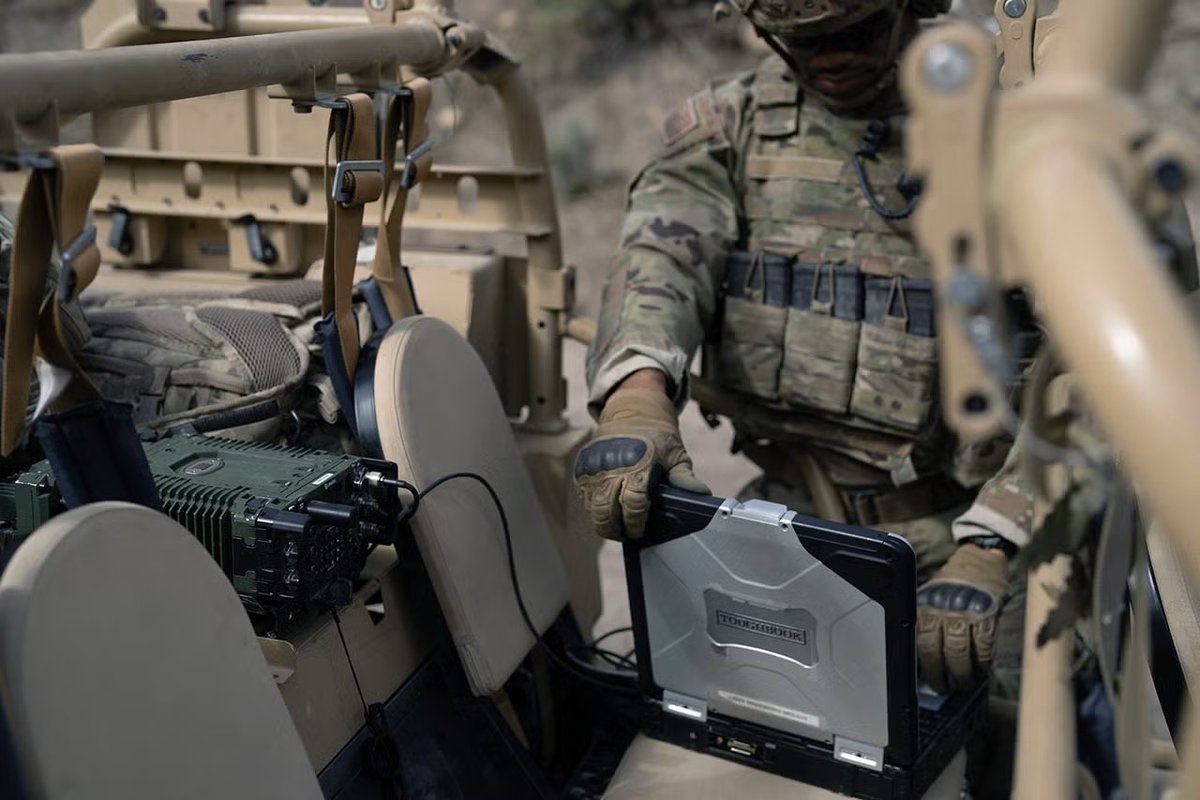
U.S
ROCHESTER, N.Y. — L3Harris Technologies has received $84 million in orders from the U.S. Army to supply Next Generation Command and Control (NGC2) AN/PRC-158C Falcon manpack systems, expanding the Army's efforts to modernize tactical communications. The AN/PRC-158C systems are equipped with high-throughput Mobile Ad hoc NETworks (MANET) and highly resilient waveforms designed to provide reliable communications across a wide range of operational conditions. The latest award marks L3Harris' second contract supporting the Army's NGC2 program. It follows an initial $24 million order awarded in October 2025, bringing the company's recent NGC2 awards to a combined $108 million. Supporting the NGC2 Transport Layer The AN/PRC-158C manpack systems will become part of the transport layer within the Army's Next Generation Command and Control (NGC2) architecture. The transport layer consists of networks, communication pathways, and data-delivery technologies that move information between sensors, shooters, and command-and-control systems, enabling faster and more secure information sharing during military operations. The communication systems are designed to support multi-transport gateways, which are required to enable the broader NGC2 network. Key Capabilities According to L3Harris, the AN/PRC-158C systems provide several communication capabilities, including: High-throughput Mobile Ad hoc NETworks (MANET) Highly resilient communication waveforms Air-to-ground networking Advanced routing In Line Encryption Sensitive But Unclassified (SBU) Encrypted waveforms These capabilities are intended to improve secure connectivity across multiple operational environments while supporting the Army's evolving command-and-control requirements. L3Harris Statement Chris Aebli, President of Mission Critical Communications, Communications & Spectrum Dominance at L3Harris, said the company's Falcon Advanced Data Node gateways have been fielded worldwide and are designed to adapt to changing operational requirements through their software-defined architecture. "Our Falcon Advanced Data Node gateways are battle-tested, fielded around the world and, with their software-defined architectures, ready for the constantly evolving challenges and threats facing soldiers," Aebli said. He added that L3Harris continues to invest in system capabilities and production capacity to meet customer requirements while supporting the U.S. Department of Defense's commercial-first acquisition approach. Strengthening Army Communications The Next Generation Command and Control (NGC2) program is intended to improve how the U.S. Army shares information across operational networks by connecting sensors, shooters, and command elements through secure and resilient communications. The latest contract continues L3Harris' role in supporting the Army's tactical communications modernization as it develops a more connected and adaptable command-and-control network. Source: l3harris
Read More → Posted on 2026-07-10 14:55:28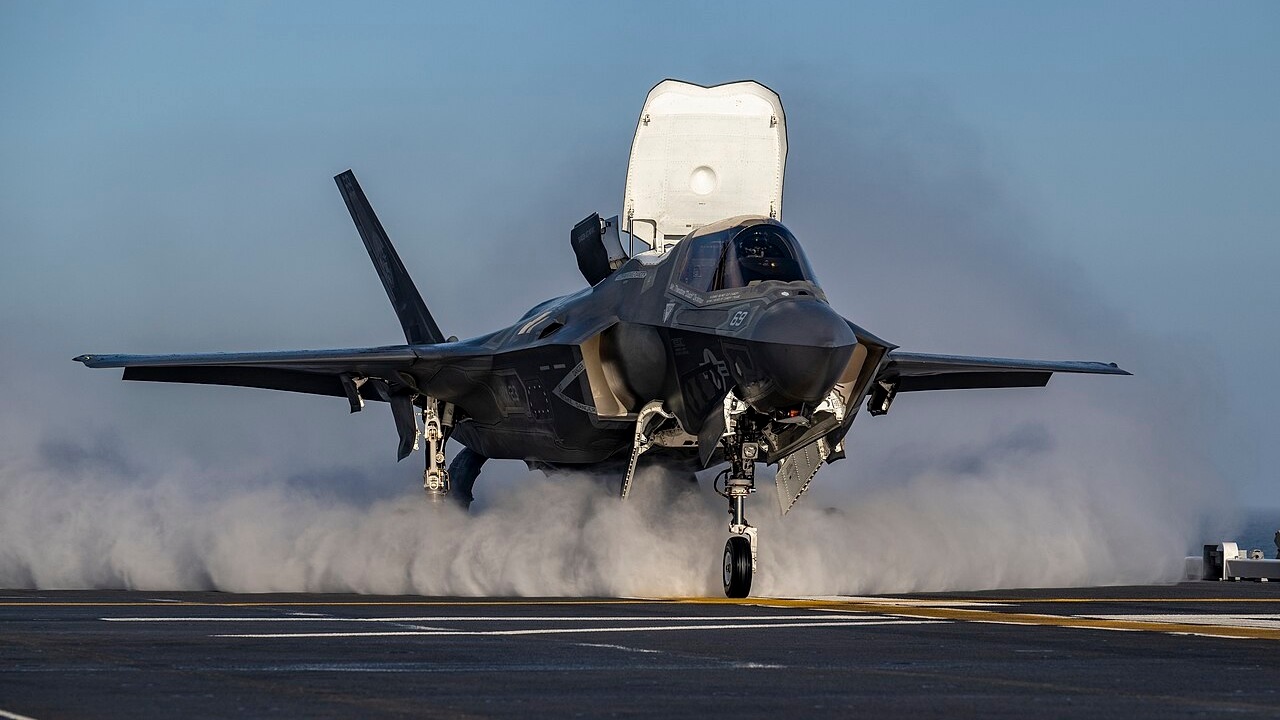
U.S
WASHINGTON — The U.S. Navy is seeking a field-deployable cleaning system to address a recurring maintenance issue affecting the U.S. Marine Corps' F-35B Lightning II fighter jets. On July 9, the U.S. Naval Air Warfare Center Aircraft Division (NAWCAD) issued a sources sought notice requesting information from industry on commercial off-the-shelf (COTS) cleaning equipment that can be adapted to remove hardened deposits known as "clutch sludge" from the aircraft's lift fan clutch cooling system. The notice, identified as N6833526RFI0521, requests responses by July 16, 2026, giving industry seven business days to submit information. The short response period indicates the priority the F-35 Joint Program Office (JPO) is placing on finding a practical maintenance solution. Clutch Sludge in the F-35B Lift System The F-35B is the short takeoff and vertical landing (STOVL) version of the F-35 Lightning II, designed to operate from short runways and amphibious assault ships. Its vertical landing capability is provided by the Rolls-Royce LiftSystem, which works with the Pratt & Whitney F135 engine. The LiftSystem includes a vertically mounted LiftFan positioned behind the cockpit that produces approximately 20,000 pounds of upward thrust. During vertical landings and short takeoffs, a mechanical clutch connects the LiftFan to the engine's driveshaft, allowing the fan to operate alongside the engine's downward-vectoring exhaust nozzle. According to the Navy's notice, a mixture of carbon fiber dust from the clutch system and synthetic oil gradually builds up inside the clutch cooling exhaust ductwork and vent panel screens. Over time, this material hardens into what is referred to as clutch sludge, creating a maintenance challenge that requires periodic removal. Issue Dates Back to Early Development The clutch system has been monitored since the F-35B's early testing phase. In 2011, Pratt & Whitney identified that clutch plates within the LiftFan system were making unexpected contact during normal forward flight. The additional contact generated more heat than the clutch had originally been designed to handle. To manage the issue, Lockheed Martin introduced additional temperature sensors and operating procedures requiring pilots to descend below 10,000 feet if clutch temperatures exceeded specified limits, allowing cooler air to reduce temperatures. These operational measures have remained in use, while maintenance personnel continue dealing with sludge accumulation inside the cooling system. Navy Looking for Existing Commercial Technology Rather than developing an entirely new cleaning system, the F-35 Joint Program Office's Propulsion Support Equipment Sustainment Manager is looking for existing commercial equipment that can be modified for the F-35B. According to the notice, the requested system must: Precisely control water temperature, pressure, and water quality to remove hardened sludge without damaging nearby aircraft components. Safely collect and recover wastewater and removed contaminants to meet environmental requirements. Include a custom connection that fits the F-35B clutch cooling hardware. Be portable enough for maintenance crews to transport and operate at Marine Corps air stations and other operating locations. Technical evaluation of proposed systems will be conducted by the F-35 JPO Propulsion LST In-Service Engineering Team. Focus on Field-Level Maintenance The Navy's requirement for a deployable cleaning system is intended to improve maintenance efficiency and aircraft availability. Currently, extensive maintenance on propulsion components often requires aircraft or major assemblies to be sent to depot-level maintenance facilities. A portable cleaning system would allow maintainers to remove clutch sludge directly at the squadron level, reducing maintenance time and minimizing the period aircraft remain unavailable for training or operational missions. The notice emphasizes finding a solution that can be used wherever Marine Corps F-35Bs are deployed, supporting expeditionary operations as well as routine maintenance. Previous Sustainment Improvements The F-35B sustainment network has continued to expand in recent years. In 2023, Fleet Readiness Center East (FRCE) became the first U.S. Department of Defense facility outside Rolls-Royce's LiftWorks facility in Indianapolis to assemble an F-35B LiftFan clutch. The additional repair capability increased in-house maintenance capacity as the Marine Corps' F-35B fleet continued to grow. Information Request Only The July 9 notice is a sources sought request, not a formal procurement solicitation. Companies responding are asked to provide information on their existing products, cleaning methods, system specifications, and whether their solutions are commercial, modified-commercial, or another type of capability. The Navy has limited submissions to five pages, and the information will be used to evaluate available technologies that could support future maintenance requirements for the F-35B fleet. As the Marine Corps continues expanding its fleet of F-35B aircraft, maintaining the reliability of the LiftSystem and its clutch assembly remains an important part of sustaining aircraft readiness for training, shipboard operations, and expeditionary missions. Source: highergov
Read More → Posted on 2026-07-10 11:40:00Search
Top Trending in 24 Hours
-
 Iranian Missile Strike Damaged U.S. A-10 and Eight F-15s at Jordan Air Base, CBS Reports
-
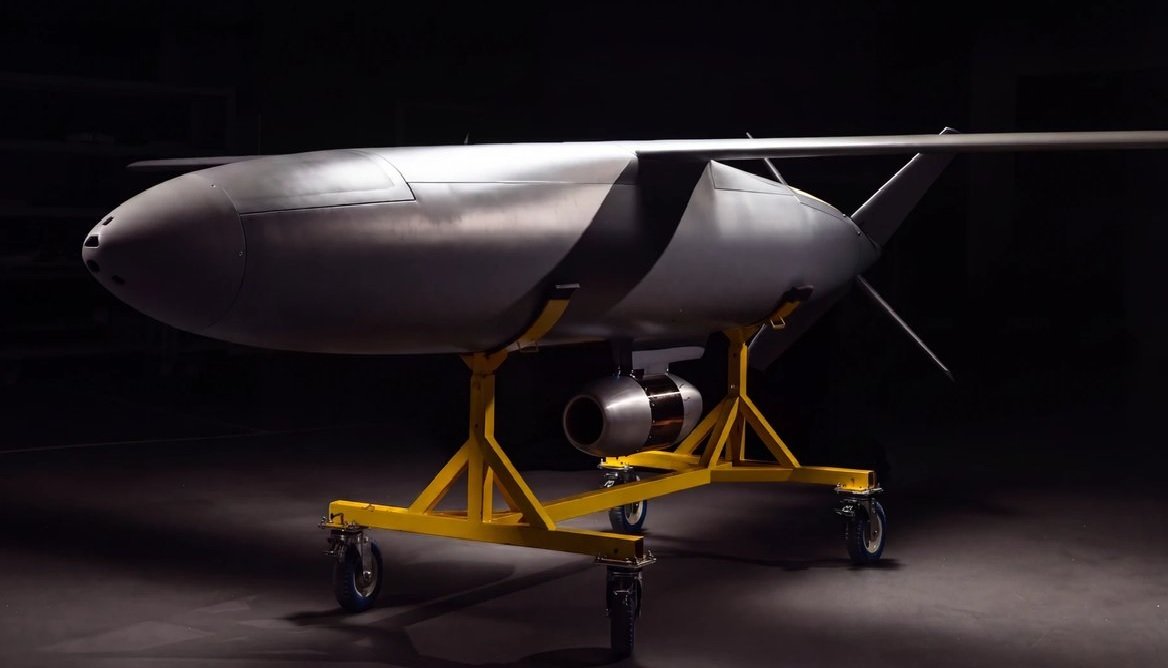 U.S. Startup Covenant Emerges From Stealth With $250 Million Funding and Anthem, a New Long-Range Heavy-Payload Strike Missile After More Than 200 Test Flights
-
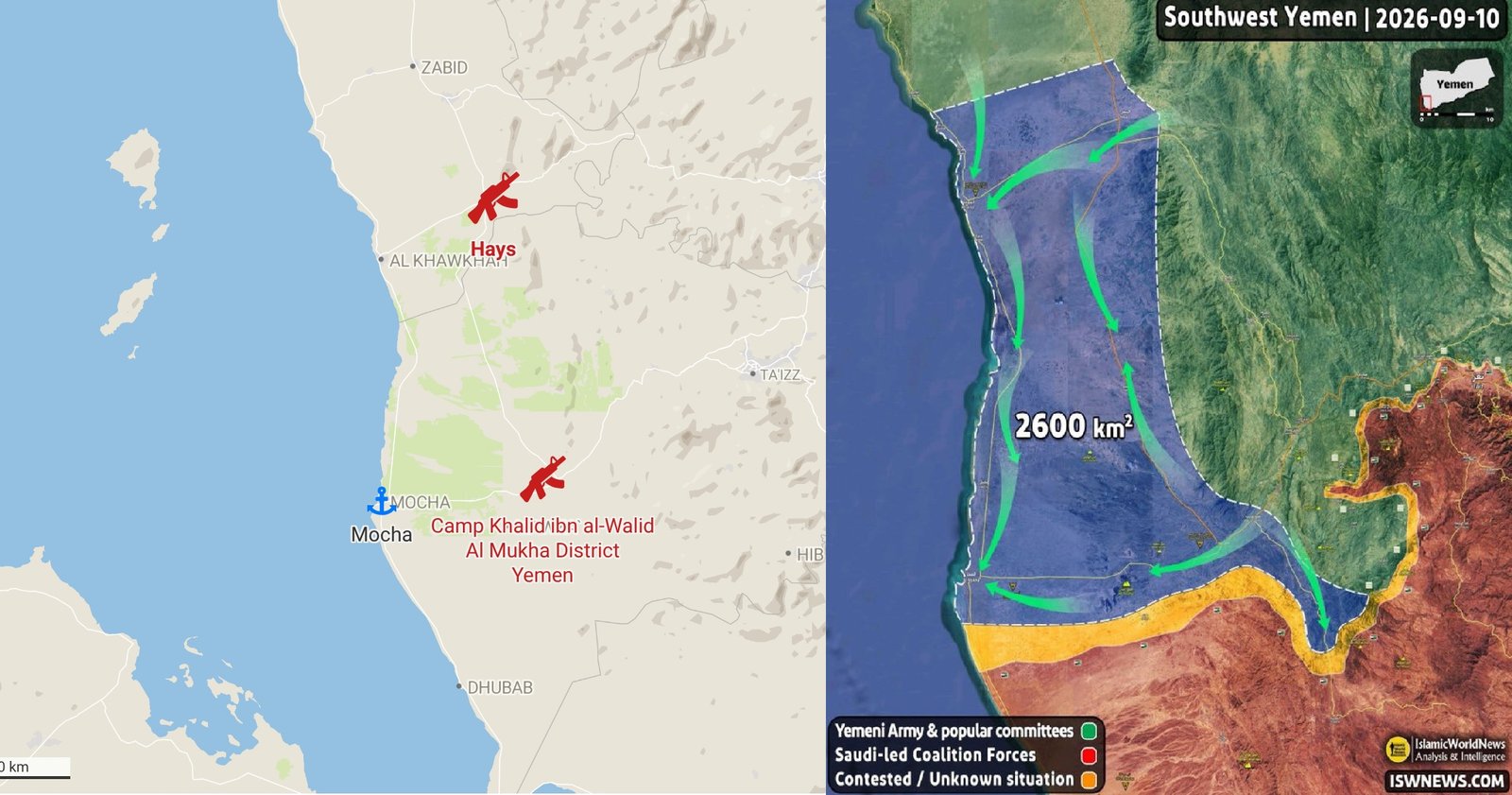 Houthi Forces Capture Strategic Red Sea Port City of Mocha Following Government Withdrawal
-
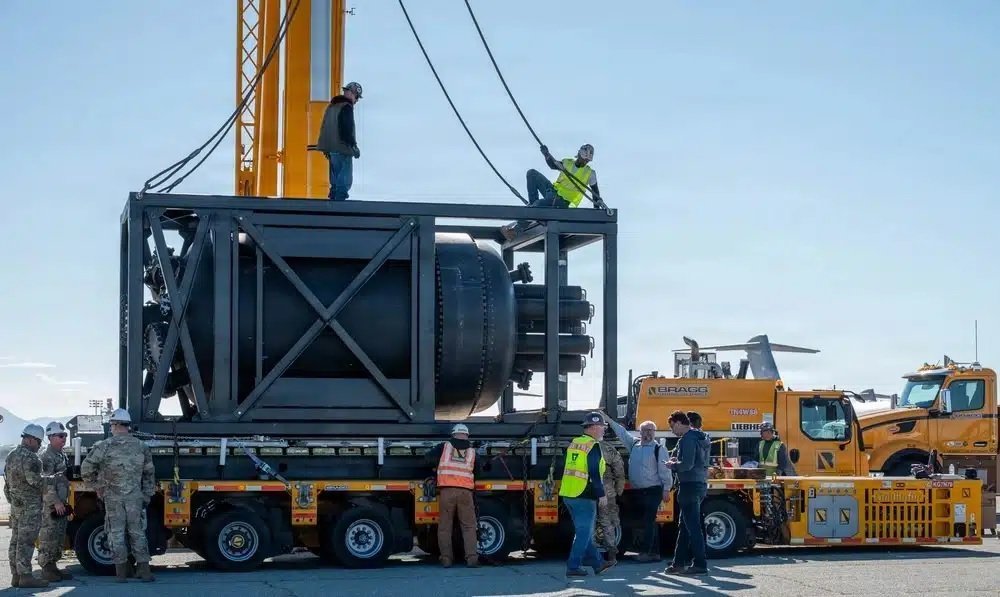 U.S. Navy Plans First Shore-Based Nuclear Microreactor at Indiana’s Crane Base by 2028
-
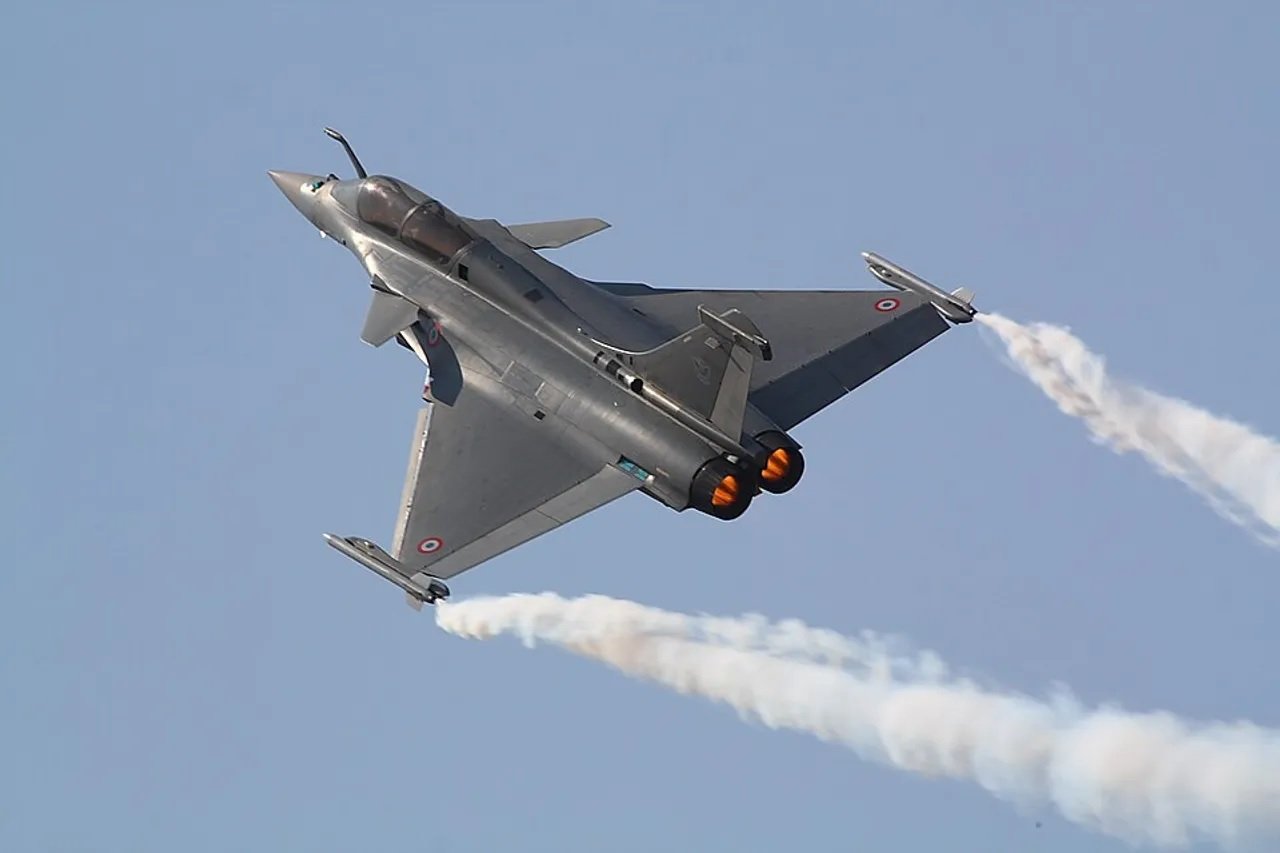 Russian Rafale “Kill Switch” Claim Faces Questions Over Evidence
-
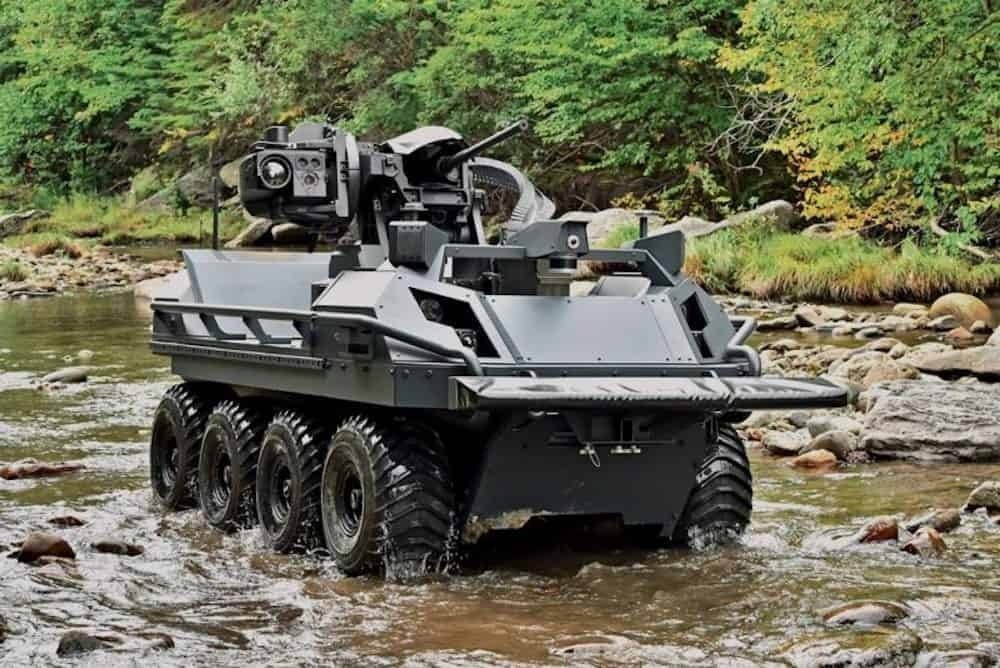 American Rheinmetall Secures $7.28 Million Contract for U.S. Marine Corps Autonomous Vehicles
-
 U.S. Signs $4 Billion Military Financing Guarantee for Poland, Bringing Total Support Near $20 Billion
-
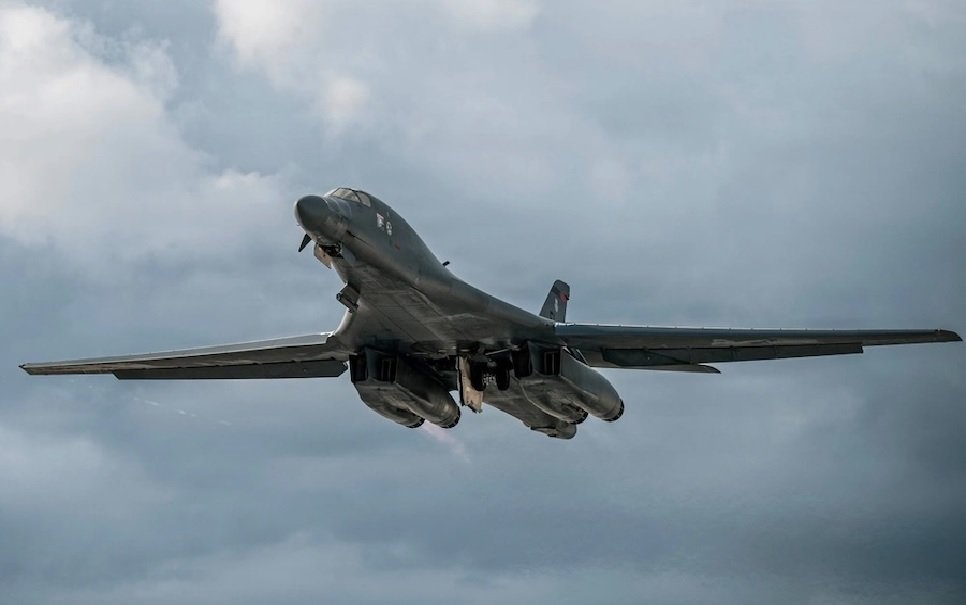 U.S. Air Force Launches North Star Campaign to Improve B-52 and B-1 Bomber Readiness
Top Trending in 4 Days
-
 Satellite Imagery Shows Two U.S. Barracks Destroyed at Kuwait’s Ali Al Salem Air Base in Iranian Attack
-
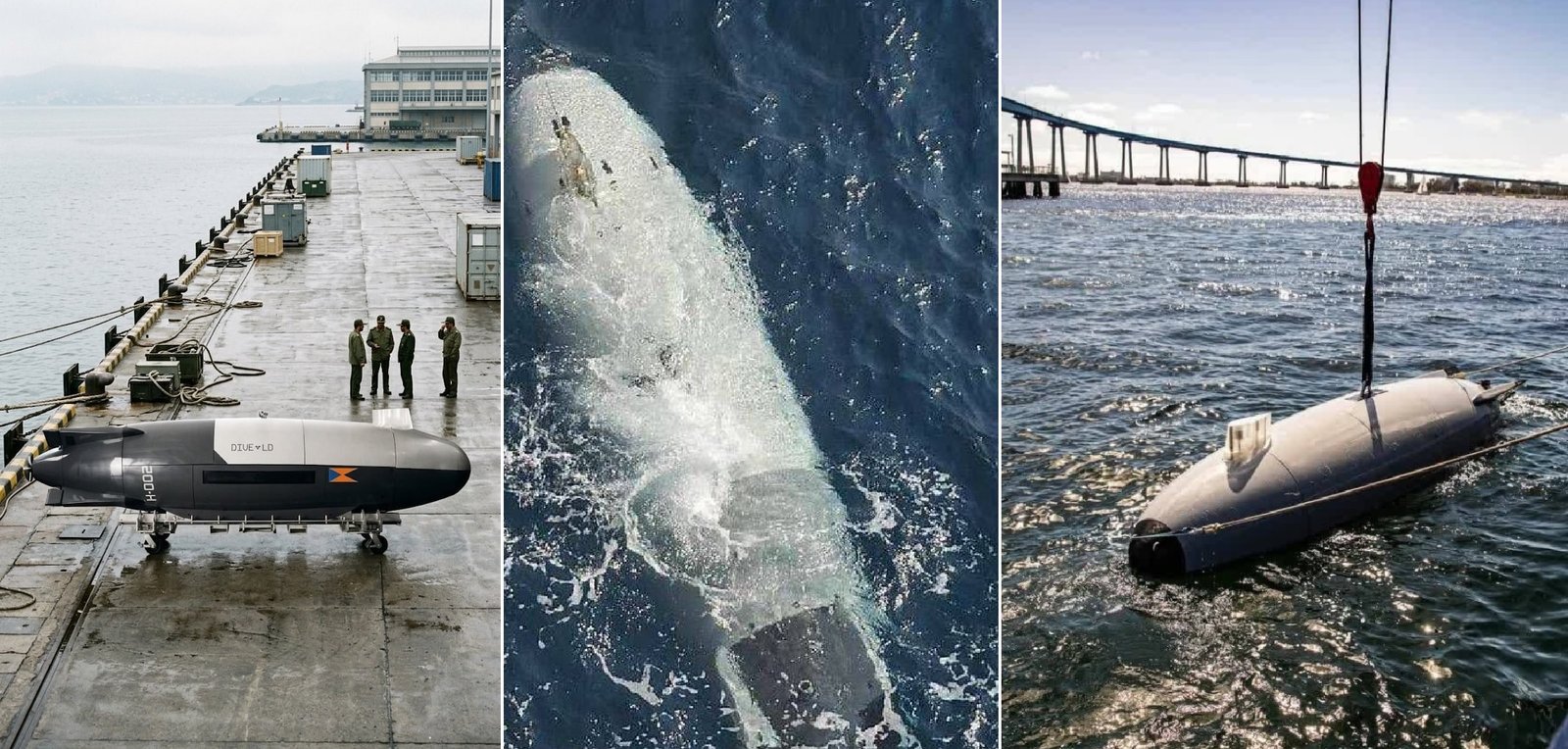 Iran’s IRGC Claims Capture of U.S. Dive-LD Unmanned Underwater Vehicle Near Strait of Hormuz
-
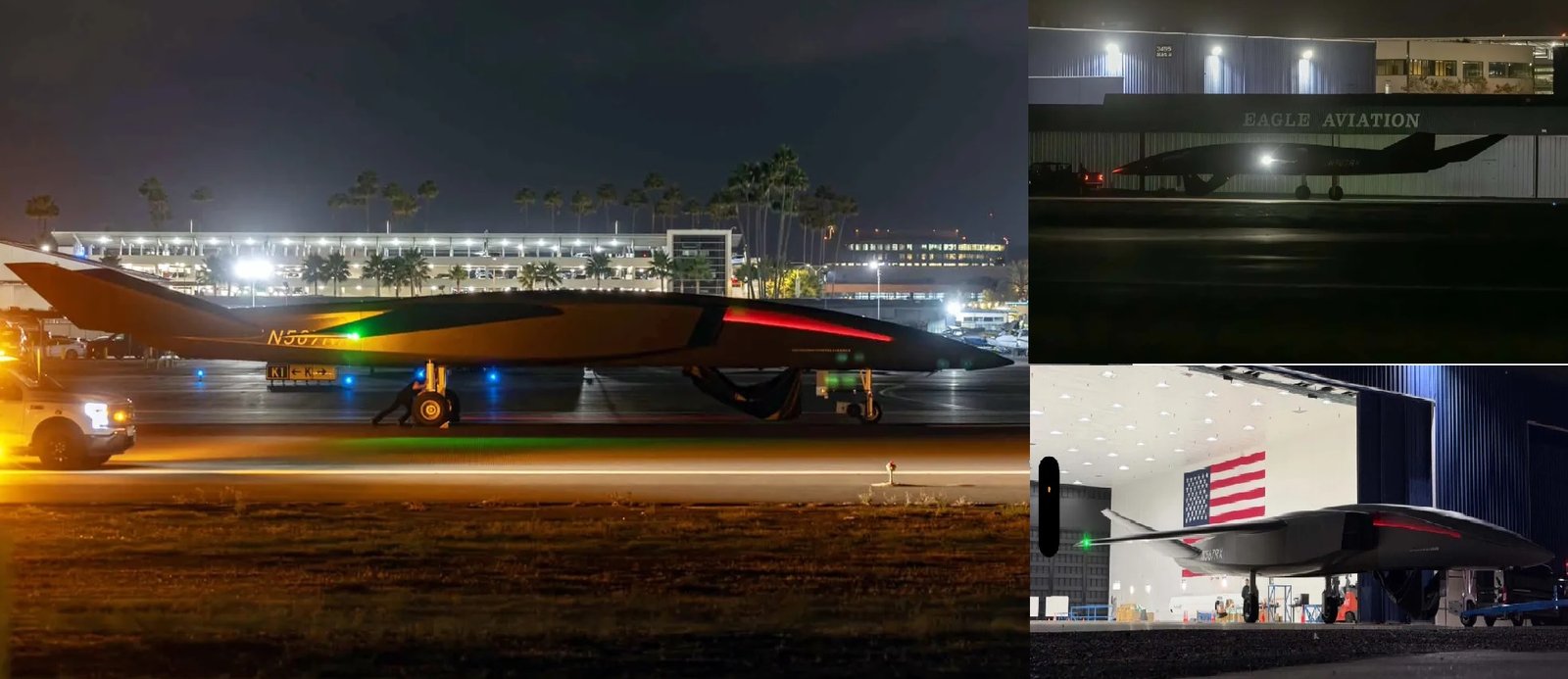 Mysterious Black Aircraft at Long Beach Airport Identified as Aevum’s RAVN X Autonomous Spaceplane After Years Out of Sight
-
 Trump’s ‘The Moon Is Ours’ Post, Space Force Uniform Concept and Green Lantern AI Video Draw Online Backlash
-
 Iranian Missiles Strike U.S. Base in Jordan as Reports Emerge of Injured American Personnel
-
 Iran Launches Massive Ballistic Missile Attack with Cluster Munitions on U.S.-Used Air Base in Jordan, Some Missiles Confirmed to Have Hit Base
-
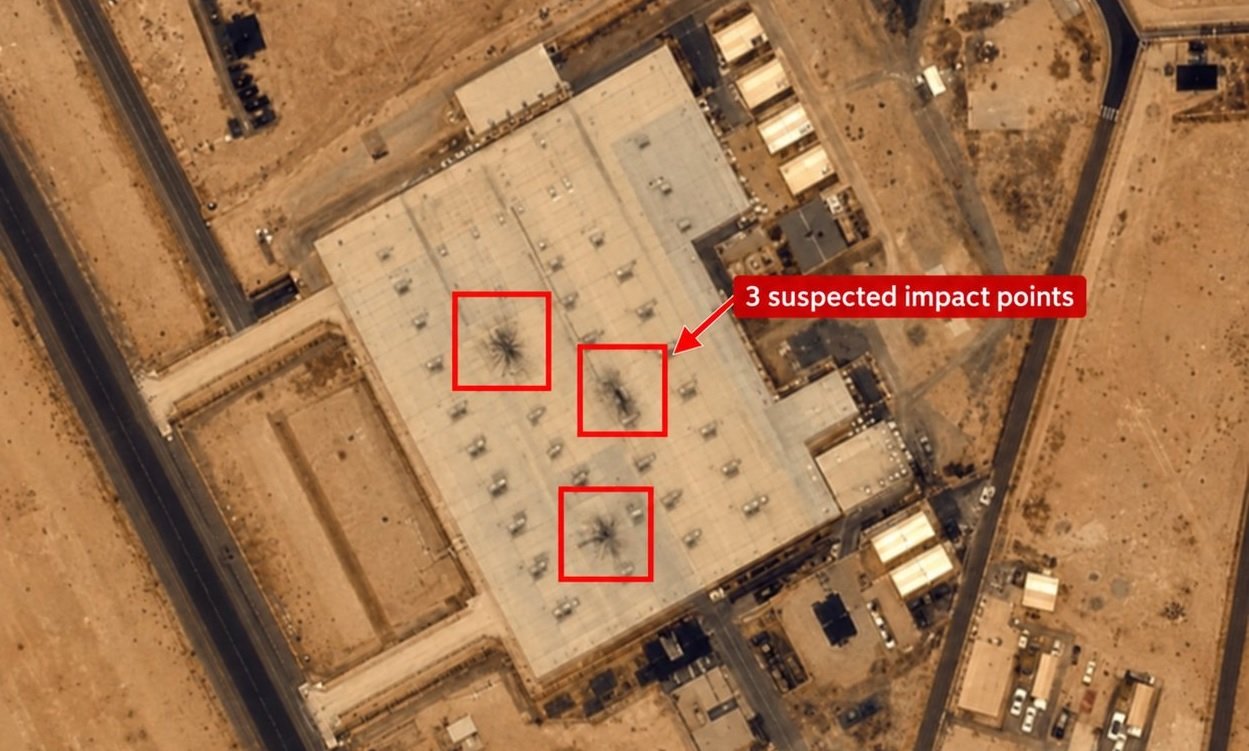 New Satellite Images Show Three Possible Impacts at U.S.-Linked Air Bases in Kuwait
-
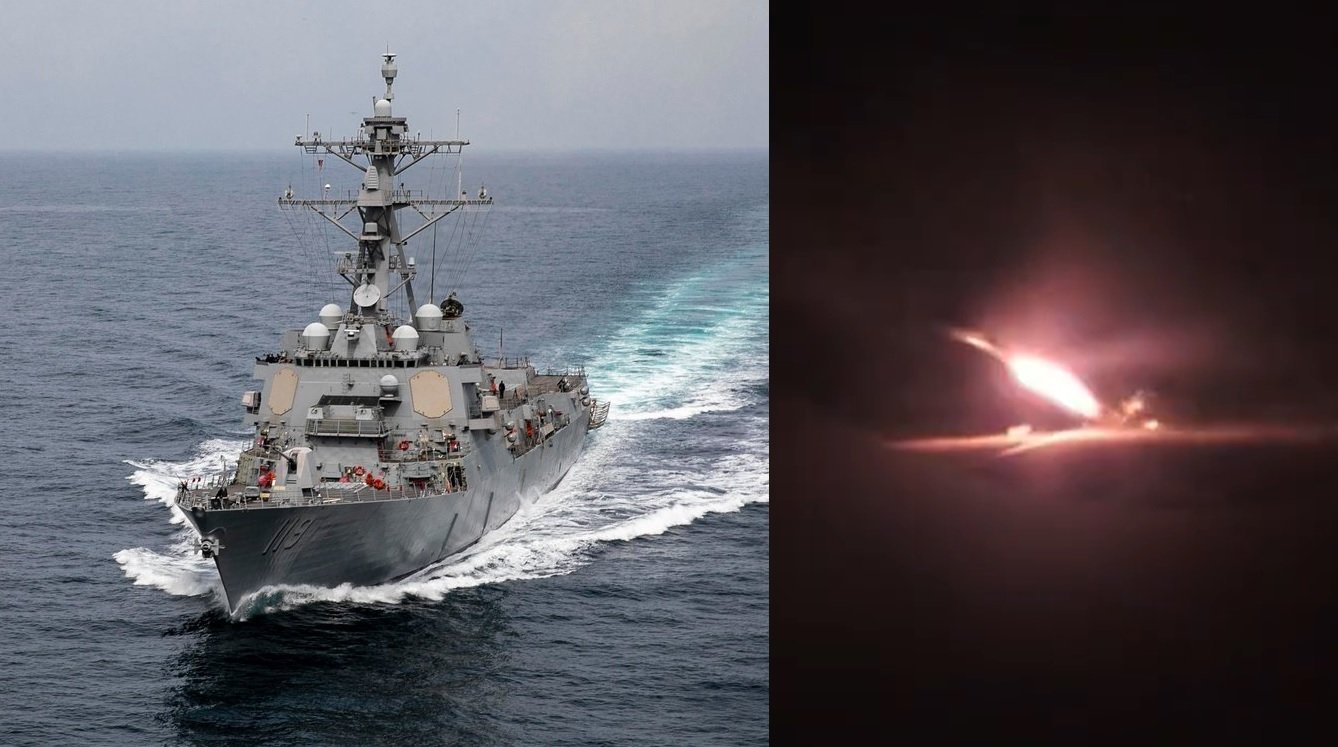 IRGC Claims Significant Damage to Two U.S. Destroyers in Missile Attack; CENTCOM Denies Hits