U.S
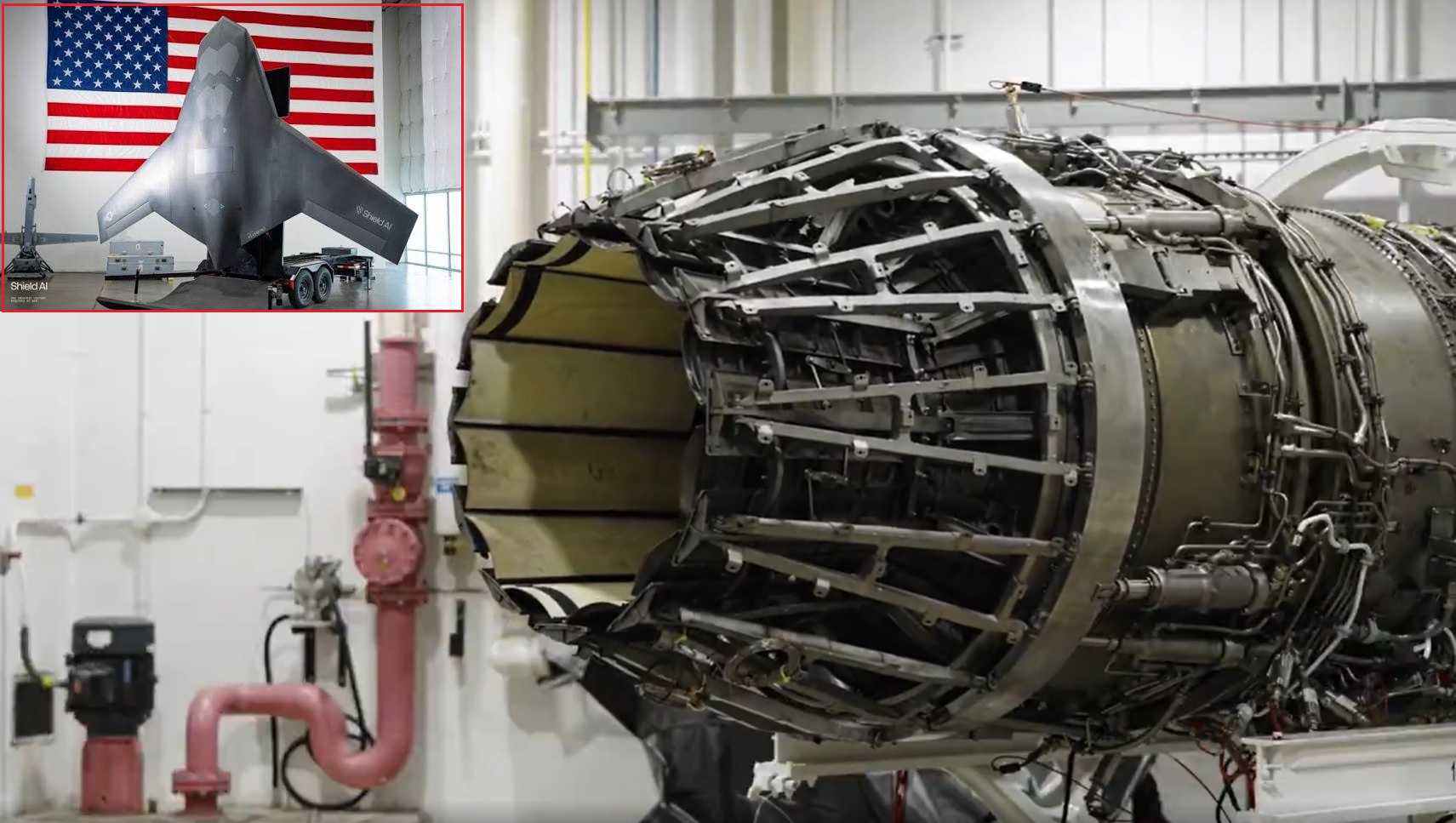
CINCINNATI — GE Aerospace and Shield AI have successfully completed integration, actuation, and engine light-off testing of the propulsion system for the X-BAT autonomous vertical take-off and landing (VTOL) strike fighter, marking an important milestone ahead of the aircraft's planned flight tests later this year. The testing was conducted at GE Aerospace's Peebles, Ohio, facility and focused on integrating the Axisymmetric Vectoring Exhaust Nozzle (AVEN) with the F110-GE-129E fighter engine. Engineers from both companies modified the AVEN hardware, integrated it with the engine, completed functional system checks, and successfully performed an engine light-off to verify the propulsion system's operation. The campaign represents the first fully integrated test combining the AVEN's hardware, controls, and engine systems to execute coordinated thrust-vectoring nozzle movements since the technology was originally developed in the 1990s. Flight-Proven AVEN Nozzle Adapted for X-BAT The AVEN nozzle provides the thrust vectoring required for the X-BAT to perform vertical take-off, landing, and transition between vertical and conventional flight. The technology was originally developed for a multi-axis thrust-vectoring program using the experimental F-16 VISTA (Variable-stability In-flight Simulator Test Aircraft) during the 1990s. During that program, the nozzle accumulated 73 hours of ground testing and 135 flight hours across 95 flights. Rather than developing a new nozzle from the beginning, Shield AI refurbished the flight-tested AVEN hardware for the X-BAT program. However, the company said the aircraft's tail-sitting design requires significantly faster nozzle gimbaling to maintain stability during vertical flight than was required in the original F-16 program. Armor Harris, Senior Vice President of Aircraft Engineering at Shield AI, said the AVEN system is central to the aircraft's ability to operate without runways. "X-BAT is designed to take off and land vertically from anywhere—no airbase, no runway—and that capability lives or dies with propulsion. The AVEN is what makes vertical flight possible on a platform this size and this capable. Taking hardware with a flight-proven track record and adapting it for that mission has let us move through development at an incredible pace instead of starting from zero." Designed for Runway-Independent Operations Shield AI publicly unveiled the X-BAT in late 2025 as a long-range Collaborative Combat Aircraft (CCA) powered by the company's Hivemind autonomy software. The aircraft is designed to operate independently or alongside crewed aircraft in contested environments where traditional airbases and runways may not be available. Unlike conventional fighter aircraft, the X-BAT launches vertically from a trailer-mounted platform and requires a clearing of approximately 100 by 100 feet. The aircraft uses the F110 engine's afterburner during vertical take-off to generate maximum thrust, while landings are performed using military power. Despite its runway-independent design, the aircraft has dimensions comparable to a fighter aircraft, measuring about 26 feet (7.9 meters) in length with a 39-foot (11.9-meter) wingspan. Its twin internal weapons bays are similar in size to those of the F-35 and are designed to carry up to 2,000-pound-class weapons internally. The X-BAT has a combat radius of 1,000 nautical miles, a maximum range exceeding 2,000 nautical miles, and is capable of operating at altitudes of up to 50,000 feet. The aircraft also generates 80 kilowatts of onboard electrical power, supporting electronic warfare (EW) systems, intelligence, surveillance and reconnaissance (ISR) payloads, and both active and passive radar capabilities. F110 Engine Powers the X-BAT Program The successful engine light-off follows Shield AI's selection of GE Aerospace in November 2025 to provide propulsion and testing support for the X-BAT program. The F110 engine family, which recently marked 40 years of continuous production, has accumulated more than 11 million flight hours in operational service and remains one of the most widely used high-thrust fighter engines. Doogie Russell, Vice President of Edison Works at GE Aerospace, said the testing combines proven propulsion technology with a new autonomous aircraft design. "The integration of AVEN into our F110-GE-129E engine and a successful light off represents a full-circle moment for our GE Aerospace team. By combining our proven experience in developing propulsion systems with Shield AI's next-generation vehicle development, we are integrating the best of past, present, and future products to create a revolutionary aircraft." Flight Testing Planned Later This Year Following completion of the ground testing campaign at Peebles, the integrated AVEN propulsion system is entering final preparations for flight evaluation. The X-BAT prototype is scheduled to begin flight testing later in 2026, with the recent propulsion tests validating a key system required for the aircraft's vertical flight capability. The program is intended to demonstrate a runway-independent autonomous strike aircraft capable of operating from ships, islands, trailers, and other remote locations while carrying fighter-sized payloads over long distances. Source : shield.ai
Read More → Posted on 2026-07-20 16:53:54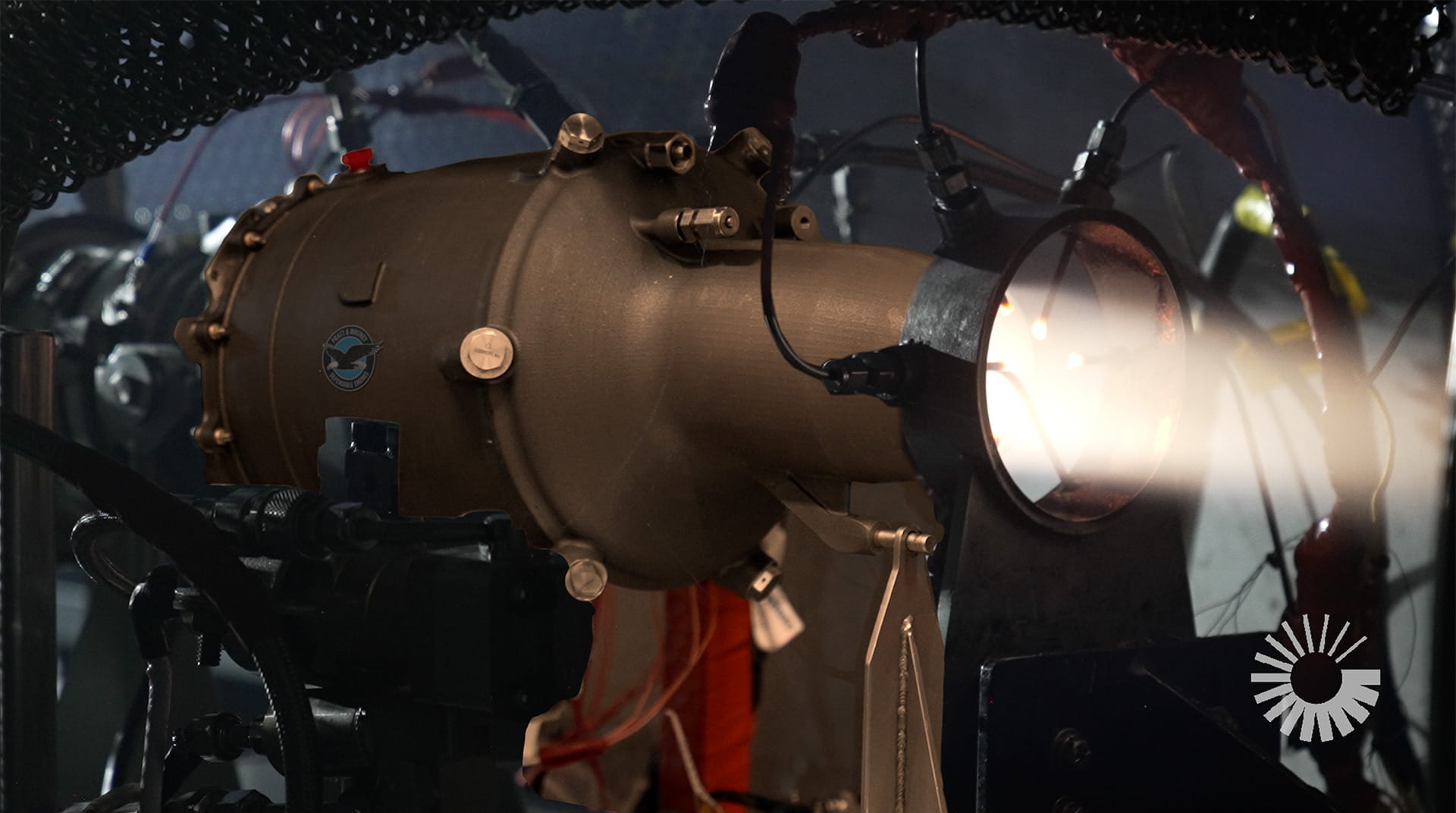
U.S
LONDON — Pratt & Whitney, an RTX business, announced at the Farnborough International Airshow that it has successfully completed demonstration testing of its additively manufactured TJ150 turbojet engine, marking an important step in the company's use of 3D printing technology for military propulsion systems. The TJ150 is a compact turbojet engine developed for expendable applications, including certain autonomous systems and weapons. These systems are typically designed for missions lasting only minutes or hours, making simplified designs and faster production an important requirement. According to Pratt & Whitney, nearly 60% of the TJ150 engine by volume was produced using additive manufacturing, commonly known as 3D printing. The additively manufactured sections include major static components as well as rotating hardware, demonstrating the use of the technology across critical parts of the engine. The demonstration testing evaluated the performance of the 3D-printed materials under realistic operating conditions. The company said the tests confirmed that the engine meets the durability requirements for its intended military missions while providing valuable data on the use of additive manufacturing in propulsion systems. As part of the TJ150 program, Pratt & Whitney invested in additive manufacturing capabilities to support future production and scalability. Engineers consolidated more than 50 individual hot-section components into a small number of additively manufactured parts, reducing assembly complexity. The company also successfully tested a 3D-printed rotating turbine wheel, one of the key components operating under high temperatures and rotational loads. Jill Albertelli, President of Military Engines at Pratt & Whitney, said additive manufacturing allows the company to move more quickly from concept to operational capability. She added that the experience gained from the TJ150 program is already being applied to other propulsion projects, including the Pratt & Whitney Valox engine family. The company's production strategy focuses on improving manufacturing speed and flexibility, particularly as demand increases for propulsion systems intended for short-duration missions. By reducing the number of individual components and simplifying production, additive manufacturing can help shorten manufacturing timelines while supporting higher production rates. Additive manufacturing builds components layer by layer from digital designs instead of using conventional machining or casting methods. The process provides greater design flexibility, reduces the total number of parts required, and can lower production time and manufacturing costs compared with traditional production methods. Pratt & Whitney said the successful TJ150 demonstration expands its experience with advanced manufacturing technologies and supports its broader efforts to modernize military engine production. As of July 20, 2026, the company is evaluating the next phase of the TJ150 program based on the results of the demonstration testing. Source : prnewswire
Read More → Posted on 2026-07-20 15:49:34
U.S
FARNBOROUGH, England — Lockheed Martin has introduced the MORFIUS X-Rotor, a reusable airborne counter-drone system designed to defeat large groups of unmanned aerial vehicles (UAVs) using high-power microwave (HPM) technology. The system was unveiled at the 2026 Farnborough International Airshow as the company expands its counter-unmanned aerial systems (C-UAS) portfolio to address the increasing use of drone swarms on modern battlefields. According to Lockheed Martin, the ground-launched MORFIUS X-Rotor can neutralize more than 50 enemy drones during a single flight by emitting bursts of high-power microwave energy that disrupt or disable the electronics of multiple UAVs simultaneously. Unlike conventional air defense systems that rely on single-use interceptor missiles, the MORFIUS X-Rotor is designed to be recovered after a mission and reused, reducing the cost of countering low-cost drone threats. The MORFIUS™ X-Rotor is a portable, cost‑effective counter‑drone system that can neutralize up to 50 enemy drones in a single mission. Designed for rapid reuse and rapid deployment. pic.twitter.com/J3tvFrgkuf — Lockheed Martin (@LockheedMartin) July 20, 2026 The company said the system follows a "one-to-many" engagement approach, allowing a single platform to engage multiple drones in one mission instead of using individual interceptors against each target. This is intended to help military forces respond more efficiently to large drone swarms while lowering the cost per engagement. High-Power Microwave Counter-Drone Capability The MORFIUS X-Rotor carries a lightweight high-power microwave payload that is activated once the system reaches its target area. The microwave energy disables the electronic systems of multiple drones without relying on explosive warheads or kinetic interceptors. Lockheed Martin said the system is designed to be sensor and command-and-control agnostic, allowing it to integrate with a wide range of existing military sensors and command networks. It does not require dedicated fire-control radars or proprietary guidance systems, making it compatible with existing air defense architectures. "MORFIUS sets a new benchmark for counter-drone capability—delivering a high kill rate while keeping the cost per kill low," said Randy Crites, Vice President and General Manager of Advanced Programs at Lockheed Martin Missiles and Fire Control. "By leveraging a lightweight, field-reusable high-power microwave architecture, we provide the most effective, low-cost solution on the market today," he added. Built on Years of Development The MORFIUS X-Rotor is the latest version of Lockheed Martin's MORFIUS high-power microwave program, which the company has been developing and testing since 2017. The X-Rotor builds on earlier MORFIUS variants while introducing an updated design focused on improving performance against drone swarms. Lockheed Martin said the microwave technology is intended to disable hardened electronic targets while minimizing collateral damage, providing a non-kinetic option for countering unmanned aerial threats. Testing and Prototype Production The company has completed a series of demonstrations and evaluations in Arizona, California, and Oklahoma, where the system's flight performance, target interception capability, and overall effectiveness were assessed. Lockheed Martin is now accelerating prototype production of both the MORFIUS X-Rotor platform and its high-power microwave payload. Additional flight tests are planned as the company continues development toward operational deployment. Supporting Counter-Drone Requirements Lockheed Martin said the MORFIUS X-Rotor aligns with the U.S. Department of Defense's 2025–2028 Rapid Response Counter-UAS Roadmap, which emphasizes affordable, scalable, and rapidly deployable solutions to counter increasingly capable drone threats. The company also released demonstration videos showing the MORFIUS X-Rotor engaging simulated drone swarms. As drone technology continues to evolve, the reusable high-power microwave system is intended to complement existing layered air defense systems by providing a non-kinetic capability against multiple unmanned aerial threats in a single mission.
Read More → Posted on 2026-07-20 15:24:13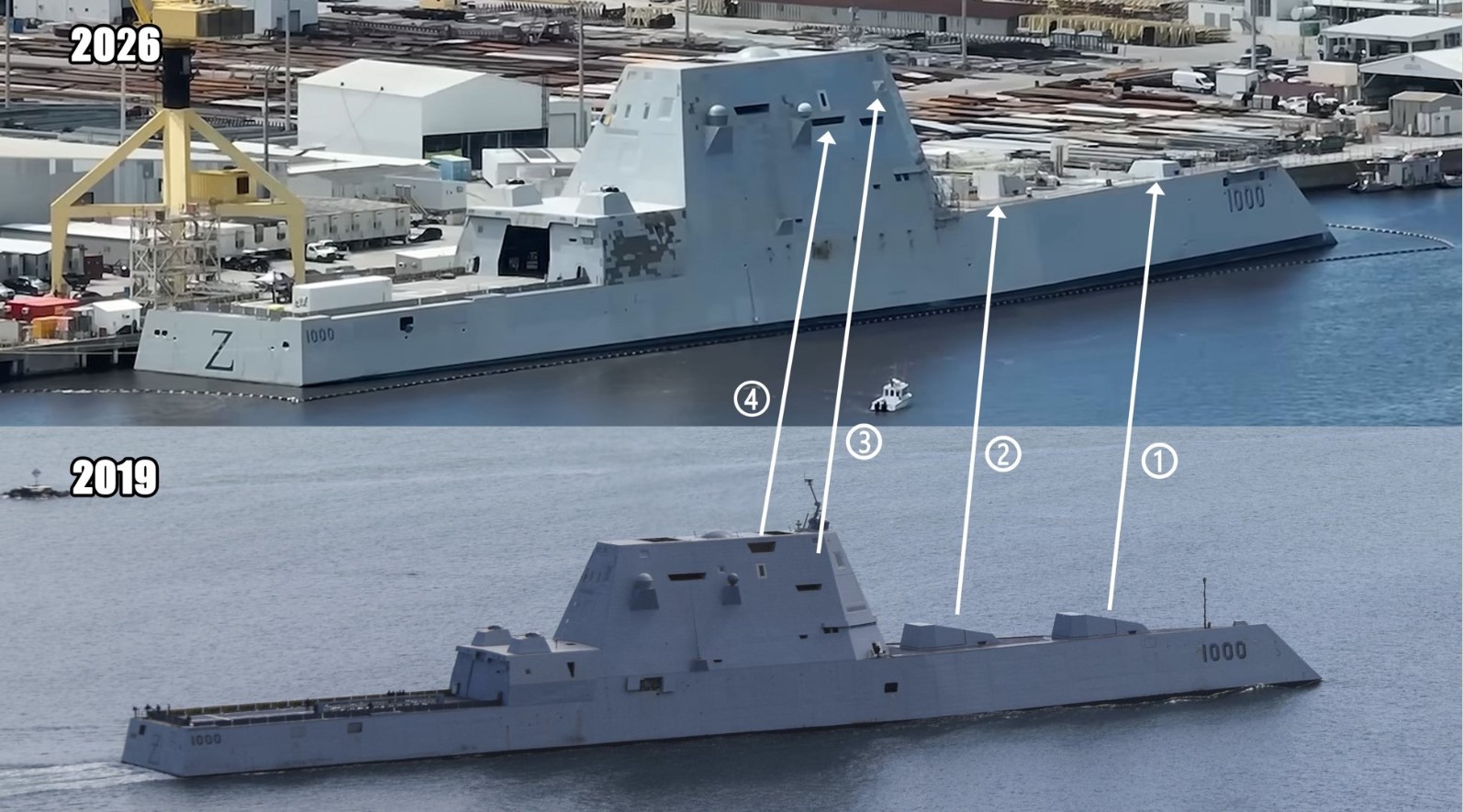
U.S
PASCAGOULA, Miss. — The U.S. Navy's stealth destroyer USS Zumwalt (DDG-1000) is in the final stages of a major modernization program that will transform the ship into a platform for long-range hypersonic weapons. Recent images from Bloomberg Television's YouTube video published on July 18, 2026, and analyzed by X account @lfx160219, show several visible external modifications made during the ship's refit at Huntington Ingalls Industries' Ingalls Shipbuilding facility in Pascagoula, Mississippi. The Navy expects USS Zumwalt to officially return to service in September 2026 after completing its modernization work. Major External Changes Visible The latest images highlight several significant structural modifications made to prepare the destroyer for its new role with the Intermediate-Range Conventional Prompt Strike (IR CPS) hypersonic missile system. The most noticeable change is the removal of the ship's forward 155mm Advanced Gun System (AGS) turret. In its place, engineers have installed four large missile launch tubes protected by a newly designed wave-deflector structure. The ship's No. 2 AGS turret at the aft has also been removed, leaving only the stealth gun housing in its original position. Another visible modification is the addition of a new mounting base for the FLIR 380HD electro-optical/infrared (EO/IR) sensor system, which is expected to improve the ship's surveillance and targeting capabilities. Engineers have also relocated the gas turbine air intakes lower on the hull to help prevent the engines from drawing in exhaust gases from the ship's funnels. From Naval Gunfire Support to Hypersonic Strike The modernization represents a major shift in the Zumwalt class's mission. The destroyers were originally designed around two 155mm Advanced Gun Systems to provide long-range naval gunfire support during amphibious operations. However, the program faced a major setback after the specialized Long-Range Land Attack Projectile (LRLAP) became too expensive for operational use, with each round costing approximately $800,000. To address this issue, the Navy removed the AGS mounts and installed Advanced Payload Modules, allowing the space previously occupied by the gun magazines to be used for the IR CPS hypersonic missile system. Each Zumwalt-class destroyer is planned to carry 12 Conventional Prompt Strike (CPS) missiles. Modernization Program and Delays The Navy's Build Yard Modernization Period (BYMP) for USS Zumwalt began in 2023 and is currently running about 10 months behind its original schedule. According to government oversight reports and program officials, much of the delay resulted from additional work required during installation of the new missile launch system. Contractors had to remove significantly more cabling than originally expected from the ship's forward section before the new launch tubes could be installed. The complexity of the destroyer's 78-megawatt Integrated Power System also contributed to the engineering challenges during the refit. A July 2026 Government Accountability Office (GAO) report also stated that the broader program to equip the Navy's three Zumwalt-class destroyers with hypersonic weapons is running about two years behind schedule, citing integration challenges, additional cabling work, reliability concerns, and missile production timelines. Hypersonic Missile Testing Ahead Following its expected return to service in September 2026, USS Zumwalt will serve as the U.S. Navy's primary sea-based test platform for the Intermediate-Range Conventional Prompt Strike weapon. The ship is expected to conduct the first at-sea test launch of the baseline IR CPS hypersonic missile system by June 2027. The missile uses a two-stage rocket booster to deploy an unpowered hypersonic glide vehicle capable of traveling at speeds above Mach 5. An enhanced version of the IR CPS featuring anti-ship capability is planned for testing before September 2030, further expanding the Zumwalt's long-range maritime strike role. Wider Zumwalt-Class Modernization Modernization work is also planned or underway for the Navy's other two Zumwalt-class destroyers—USS Michael Monsoor (DDG-1001) and USS Lyndon B. Johnson (DDG-1002). In addition to integrating hypersonic weapons, the Navy is making other modifications to the class, including converting ballast tanks into additional fuel storage to increase operational range and endurance for longer deployments. With its expected return to service in September 2026, USS Zumwalt will become the first U.S. Navy surface combatant prepared to support operational testing of the Conventional Prompt Strike hypersonic missile system, marking the next phase of the Navy's effort to field long-range hypersonic strike capability at sea.
Read More → Posted on 2026-07-20 15:13:36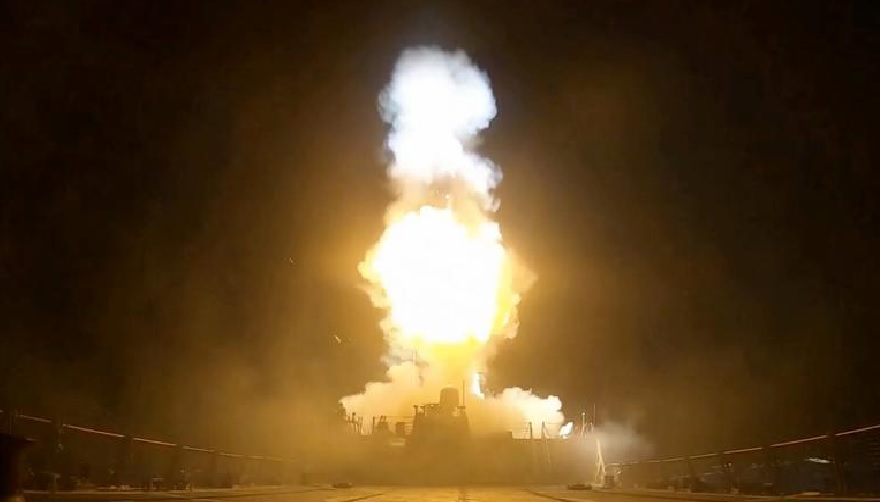
U.S
WASHINGTON / DUBAI — The United States carried out a ninth consecutive night of airstrikes against Iranian military installations, continuing its campaign to reduce Iran's ability to threaten commercial shipping in the Strait of Hormuz as regional tensions continue to escalate. U.S. Central Command (CENTCOM) said it successfully completed the ninth consecutive evening of strikes at 10 p.m. ET on July 19. According to U.S. Central Command (CENTCOM), the three-hour operation targeted military command centers, integrated air defense systems, coastal surveillance sites, communications networks, maritime capabilities, and missile and drone launch positions in southern Iran. CENTCOM said the strikes were intended to reduce Iran's capability to attack commercial vessels and civilian mariners transiting the Strait of Hormuz. The operation is part of a broader U.S. air and maritime campaign that has struck more than 140 Iranian military targets since the latest phase of the conflict began. It also supports the renewed U.S. naval blockade of Iranian ports following the collapse of a 60-day interim cessation arrangement reached in June. Campaign Targets Command Network The U.S. campaign is focused on disrupting the command-and-control network that coordinates attacks on merchant shipping rather than targeting only individual missile launchers or drones. Military targets have included communications centers, command headquarters, coastal observation posts, radar systems, IRGC naval infrastructure, and facilities supporting missile and drone operations. Explosions were reported in several Iranian locations, including Tabriz, Bushehr, Chabahar, and Bandar Mahshahr. Coastal military facilities around Bandar Abbas, Jask, Konarak, Abu Musa, and Greater Tunb have also been targeted to reduce radar coverage and anti-ship missile capabilities. The operations rely on surveillance aircraft, satellites, and electronic intelligence systems to identify military targets and assess strike results. The sustained campaign has reportedly forced Iranian units to relocate launch systems more frequently and reduce radio communications. Strait of Hormuz Remains the Focus The Strait of Hormuz, about 34 kilometers wide at its narrowest point, carries around 20 percent of global oil shipments and a significant share of Qatar's liquefied natural gas exports. To support maritime security, the U.S. has expanded its naval presence in the region. During the first blockade from April 13 to June 18, U.S. forces redirected more than 140 vessels and disabled nine. Since the blockade resumed, CENTCOM said that by July 19 it had redirected six commercial vessels and disabled one. Operations are supported by the destroyers USS John Finn and USS Donald Cook, while Marines from the 11th Marine Expeditionary Unit have conducted inspections of commercial vessels. On July 15 near Kharg Island, U.S. forces used Hellfire missiles to disable the tanker M/T Belma by striking its smokestack, stopping the vessel without damaging its cargo tanks. On July 20, the United Kingdom Maritime Trade Operations (UKMTO) reported that a vessel caught fire and drifted about eight nautical miles northwest of Kumzar, Oman, after being struck by an unidentified projectile. The crew abandoned the ship and was rescued by a tug. Iran's Islamic Revolutionary Guard Corps (IRGC) also claimed that two oil tankers attempting to use the southern shipping route were immobilized after explosions. Regional Attacks Continue Iran has continued missile and drone attacks against U.S. positions and partner nations across the region. The United States has confirmed that 17 service members have been killed since the conflict escalated. On July 17, an Iranian ballistic missile and drone attack in Jordan killed two U.S. service members. The remains of a third service member, previously reported missing, were later recovered. On July 18, another U.S. service member was killed and one was injured in northern Iraq during the controlled disposal of an unexploded Iranian drone. Iranian attacks have also prompted missile interceptions over Jordan, while Kuwait activated its air defense systems following drone attacks on a power generation and desalination facility. In Bahrain, home to the U.S. Fifth Fleet, warning sirens sounded after the U.S. Embassy warned of potential Iranian strikes near central Manama. Oil Prices Rise The conflict has continued to affect global energy markets. Brent crude oil rose above $91 per barrel, while the average price of regular gasoline in the United States returned to about $4 per gallon. U.S. Secretary of State Marco Rubio said Iran was attempting to use the Strait of Hormuz as leverage and called on international partners to help protect freedom of navigation. U.S. Energy Secretary Chris Wright said maintaining the uninterrupted flow of oil and natural gas through the strait remains a key U.S. objective. Military operations continue as the United States seeks to reduce Iran's ability to threaten commercial shipping through one of the world's most important maritime trade routes, while Iran continues to rely on dispersed mobile missile and drone systems to sustain its operations. Source : CENTCOM
Read More → Posted on 2026-07-20 14:05:18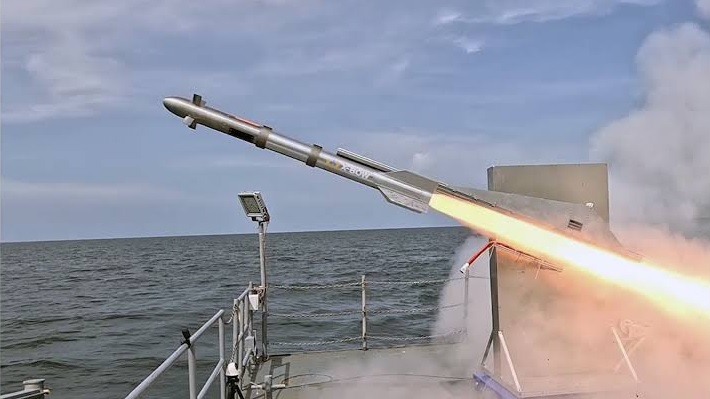
U.S
FARNBOROUGH, England — U.S. defense technology company X-Bow Systems has introduced Buckler, a new low-cost interceptor designed to defeat Group 3 drones at supersonic speeds. Unveiled at the 2026 Farnborough International Airshow, the company said the system is intended to provide an affordable and scalable air defense option as militaries face increasing drone threats. According to X-Bow Systems, Buckler is priced at less than US$100,000 per interceptor, making it significantly less expensive than many traditional air defense interceptors. The company said the system is designed to help address the growing challenge of countering large numbers of lower-cost drones and cruise missiles without relying on high-cost interceptors for every engagement. The interceptor is based on an in-house developed airframe and propulsion system, with X-Bow manufacturing its airframe, solid rocket motor, and propellant internally. The company said this vertically integrated production approach provides greater control over costs, product quality, and manufacturing capacity while reducing dependence on external suppliers. X-Bow founder and Chief Executive Officer Jason Hundley said the system was developed to address the changing economics of modern air defense. "You can't win a war of attrition trading million-dollar interceptors against thousand-dollar threats," Hundley said. "Buckler has flown, it comes in under US$100,000, and we build its airframe and propulsion ourselves — the part of the industrial base that is so stressed by today's munitions demands. This is our answer to the call from the U.S. and its allies: affordable capability, at scale." Focus on Affordable Air Defense The company said Buckler is intended to provide armed forces with a practical option for defending against Group 3 unmanned aerial systems (UAS), which are larger drones capable of carrying heavier payloads and operating at greater ranges than smaller tactical drones. The growing use of relatively inexpensive drones in recent conflicts has highlighted the high cost of using advanced interceptors against low-cost aerial threats. X-Bow said Buckler is designed to help reduce this cost imbalance by enabling forces to deploy larger numbers of interceptors while managing defense budgets more effectively. A key part of the program is X-Bow's in-house production of solid rocket motors (SRMs), which the company identified as one of the main bottlenecks in the current defense industrial supply chain. By manufacturing the critical propulsion components internally, X-Bow said it can increase production more rapidly when required. The company added that its manufacturing network includes both fixed production facilities and deployable manufacturing units. According to X-Bow, these production methods are already being used across several other defense programs, demonstrating their ability to support larger-scale manufacturing. Flight Testing Completed The launch of Buckler follows a successful flight test that validated the interceptor's propulsion system and overall flight performance. X-Bow said the flight demonstration was supported by earlier ground testing, including motor static-fire and igniter tests. According to the company, these milestones indicate that Buckler has progressed beyond the concept stage and is now a flight-tested system. X-Bow is presenting Buckler to the U.S. military and allied nations seeking cost-effective ways to strengthen air defenses against increasing drone and cruise missile threats. The company said the interceptor is designed to be produced in larger quantities to meet operational requirements while maintaining a lower unit cost. Source : prnewswire
Read More → Posted on 2026-07-20 13:54:01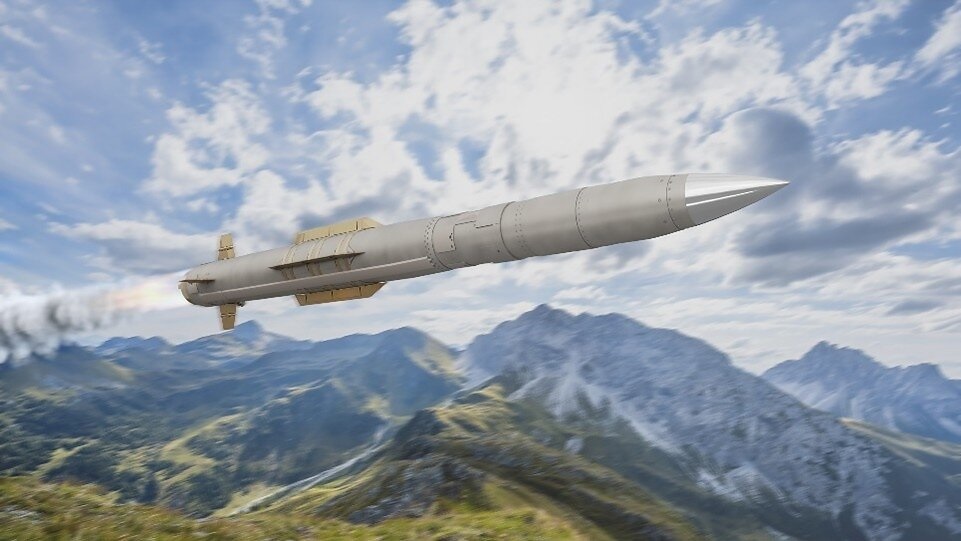
U.S
FARNBOROUGH, England — On July 20, 2026, Lockheed Martin has announced the development of the PAC-3 Adapted Capability Effector (PAC-3 ACE), a new lower-cost interceptor designed for the Patriot air and missile defense system. The announcement was made on Monday during the Farnborough International Airshow, with the company saying the new missile is intended to help the United States and allied nations strengthen their air defense capabilities while reducing interceptor costs. According to Lockheed Martin, the PAC-3 ACE will cost less than half the price of the company's current PAC-3 Missile Segment Enhancement (MSE) interceptor. U.S. Army budget documents estimate that a single PAC-3 MSE missile costs about $4 million. The lower-cost design is intended to allow military operators to procure larger numbers of interceptors without significantly increasing defense spending. Lockheed Martin expects the PAC-3 ACE to reach initial production within approximately 36 months, a relatively short timeline for a major missile defense program. The company said the accelerated schedule is possible because the interceptor is built using existing Patriot technologies and infrastructure rather than being developed as an entirely new system. Designed to Increase Interceptor Availability The new interceptor has been developed in response to lessons from recent conflicts, where military forces have faced large-scale attacks involving inexpensive drones, rockets, and missiles. Such attacks can force air defense units to use costly interceptors against relatively low-cost threats, creating a significant cost imbalance. The PAC-3 ACE is designed to improve "magazine depth," referring to the number of interceptors that can be purchased, stockpiled, and deployed within available budgets. By lowering the cost of each interceptor, military operators can maintain larger inventories to support sustained air defense operations. Compatible with Existing Patriot Systems The PAC-3 ACE is designed to integrate directly with the existing Patriot weapon system and uses the current PAC-3 fire control system and software. It will also be compatible with the U.S. Army's Integrated Battle Command System (IBCS), allowing it to operate within the same digital command network already used by Patriot batteries. Because it relies on existing command-and-control architecture, the interceptor can be introduced without requiring entirely new training programs or logistics systems. This approach is also intended to reduce research and development costs while speeding deployment. Like the PAC-3 MSE, the PAC-3 ACE uses hit-to-kill technology, destroying incoming targets through direct impact instead of using an explosive warhead. According to the company, the interceptor is designed to engage multiple types of aerial threats, including: Air-breathing aircraft Cruise missiles Close-range ballistic missiles Short-range ballistic missiles Production to Include European Partners Lockheed Martin also announced that the PAC-3 ACE will be jointly developed and produced with European industry partners rather than relying solely on U.S.-based manufacturing. The company said this production strategy is intended to strengthen the transatlantic defense industrial base, improve interoperability among NATO allies, and enable partner nations to build interceptor stockpiles closer to home. Distributed manufacturing is also expected to help improve supply chain resilience as demand for air defense systems continues to increase. The announcement follows a broader trend among defense companies to expand munitions production across Europe in cooperation with allied industries. Expanding Air Defense Options The Patriot air defense system has served as a key ground-based air and missile defense platform for the United States and numerous allied nations for decades. While the PAC-3 MSE remains the system's most advanced interceptor, its cost has increased interest in more affordable options that can complement existing capabilities during high-volume engagements. Lockheed Martin has not disclosed the exact unit price of the PAC-3 ACE or the specific engineering changes that enable its lower cost. However, the company said the interceptor's use of proven Patriot technology and existing infrastructure is expected to reduce development costs while allowing production to begin within about three years. The introduction of the PAC-3 ACE reflects growing international demand for cost-effective air defense solutions that can expand interceptor inventories while maintaining compatibility with existing Patriot systems. Source : lockheedmartin
Read More → Posted on 2026-07-20 11:42:29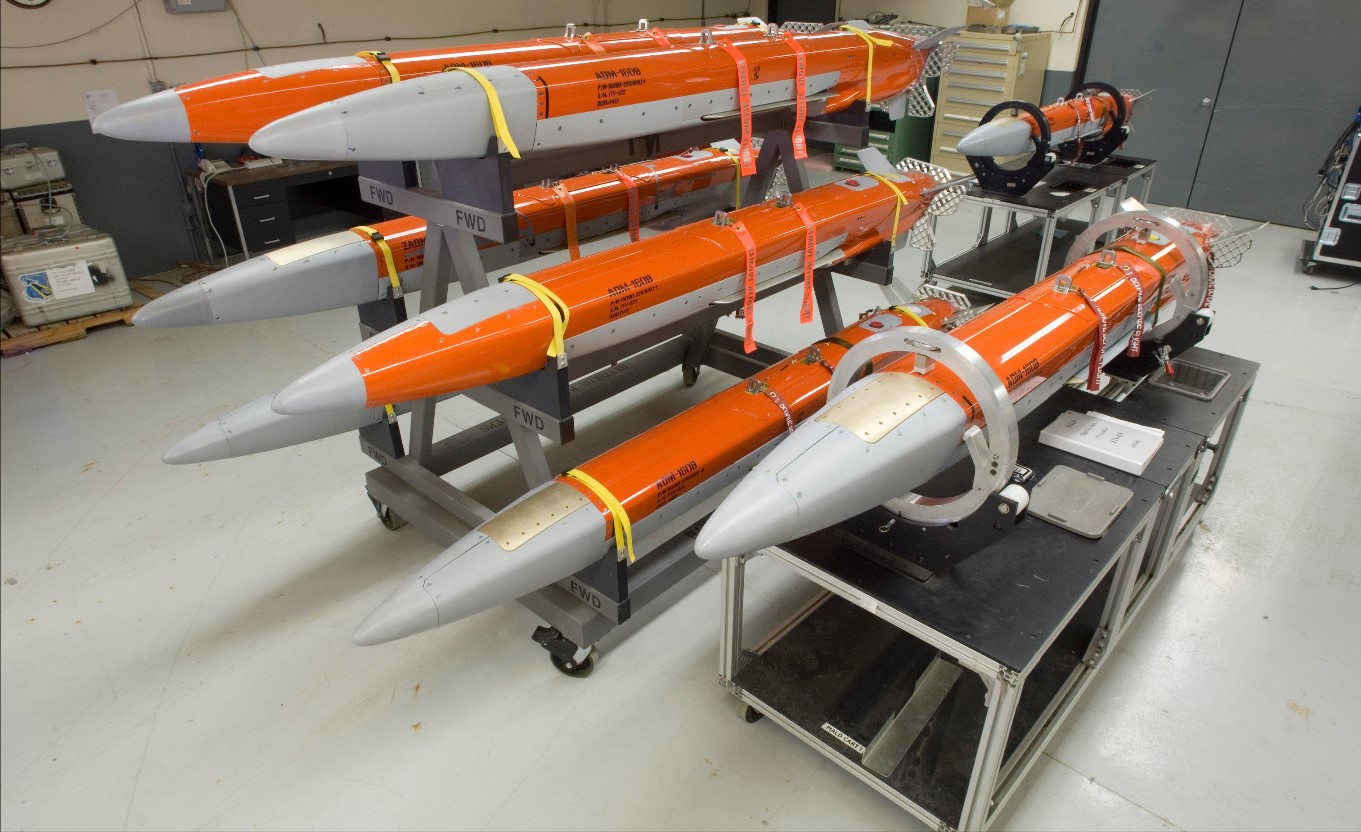
U.S
TUCSON, Arizona — Raytheon, an RTX business, is preparing to restart full-scale production of the ADM-160 Miniature Air-Launched Decoy (MALD) to meet increasing demand from the United States and NATO allies for systems designed to improve aircraft survivability in contested airspace. The company said it could begin delivering new MALD systems within two years of receiving a production contract, supported by its existing production line in Tucson, Arizona, where sustainment, assembly, and testing activities have continued, allowing for a faster production restart. The renewed effort comes as the United States and its allies seek to replenish stocks of decoy systems following lessons from recent conflicts, including the war in Ukraine, where advanced integrated air defense systems and drone threats have highlighted the need for expendable decoys to protect crewed aircraft, unmanned systems, and long-range strike weapons. Existing Production Line Supports Faster Restart Raytheon said the Tucson facility already has the tooling, manufacturing equipment, and testing infrastructure needed to resume production. “Every piece of major tooling is in place. We're not rebuilding a line; we're re-energizing it,” said Justin Jenia, Vice President of Strike Initiatives for Raytheon's Air & Space Defense Systems. According to the company, many engineers and technicians who have supported the MALD program for more than two decades remain involved in sustainment and modernization work. Raytheon has also invested internal research and development funding over the past two years to improve manufacturing efficiency and modernize production. How the MALD System Works The ADM-160 MALD is a lightweight, jet-powered, air-launched decoy designed to replicate the radar signature and flight profile of U.S. and allied combat aircraft. The baseline version carries no explosive warhead. Instead, it is intended to draw enemy radar attention and interceptors away from high-value aircraft and weapons. Weighing less than 300 pounds and offering a range of approximately 500 nautical miles, MALD flies into contested airspace, prompting enemy air defense systems to detect, track, and potentially engage the decoy instead of operational aircraft or strike weapons. Its modular design allows the nose section to be changed for different missions, including: MALD-J electronic warfare and radar jamming variant. Configurations carrying kinetic warheads. Future sensor or mission payloads. The system received wider public attention in May 2023 after it was first reported to have been used by the Ukrainian Air Force to support long-range strike operations against Russian air defenses. Manufacturing Improvements Raytheon said it has introduced several manufacturing upgrades to support future production. The company has qualified 3D-printed (additively manufactured) airframes, reducing production time while making it easier to adapt the decoy for different payloads. Raytheon has also successfully demonstrated launching MALD from cargo aircraft, allowing large numbers of decoys to be deployed without relying on fighter aircraft. Initial production will continue using the Pratt & Whitney TJ150 turbojet engine, while the company is evaluating 3D-printed engines for future versions to reduce manufacturing costs and shorten production timelines. European Production Plans Alongside production in Arizona, Raytheon plans to establish a second manufacturing line in Europe, subject to regulatory approvals. The proposed facility would support a "built in Europe, for Europe" approach aimed at increasing industrial capacity and supplying NATO allies more efficiently. Supporting "Affordable Mass" The production restart aligns with the military concept of "affordable mass," which focuses on deploying larger numbers of lower-cost systems that can complicate enemy defenses. “Affordable mass means fielding weapons in large numbers that the enemy still has to take seriously,” said J.D. Word, Director of Tactical Strike Requirements and Capabilities at Raytheon. “MALD delivers that – a proven, modular, lower-cost system that soaks up enemy fire and protects the assets that truly matter.” Operational Background Raytheon assumed responsibility for the MALD program after its initial development by Northrop Grumman. The ADM-160B entered U.S. service around 2009–2010, followed by the ADM-160C MALD-J electronic attack variant. According to the company, the combination of an active industrial base, experienced workforce, and existing production infrastructure enables a faster restart than establishing a new manufacturing line. Production quantities and delivery schedules will depend on future contract awards from the United States and allied nations.
Read More → Posted on 2026-07-19 15:52:57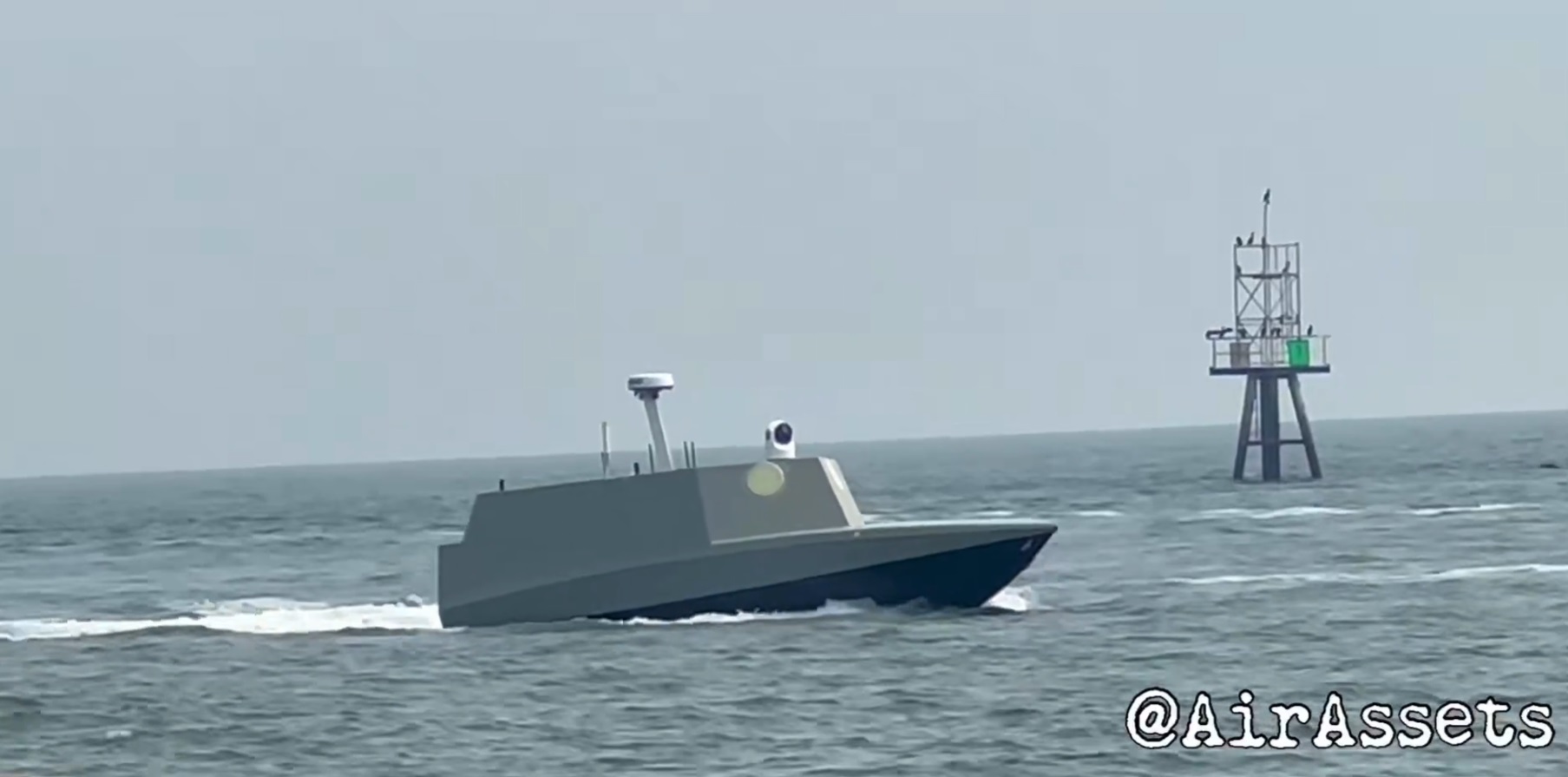
U.S
VIRGINIA BEACH, Va., July 19, 2026 — An unidentified uncrewed surface vessel (USV) was recently spotted departing Naval Amphibious Base Little Creek under the escort of a U.S. Navy security boat. Images shared by the open-source military tracking account Aviation and Naval Assets show a vessel that does not match any publicly known U.S. Navy unmanned surface vessel currently in service. The sighting, reported on July 18 or 19, occurred as the vessel departed the Virginia Beach installation, which serves as the home of the U.S. Navy's Atlantic Fleet amphibious forces and a major center for Naval Special Warfare training. The base's focus on amphibious and special operations makes it a logical location for testing emerging maritime technologies. Vessel Equipped With Multiple Sensors Published images indicate the vessel carries a commercial marine radar similar to Simrad navigation systems used for navigation and collision avoidance. It is also fitted with a rotating electro-optical turret combining daylight and thermal imaging cameras for surveillance and navigation in low-visibility conditions. Hull-mounted mesh networking antennas are visible, allowing unmanned platforms to exchange data directly with one another during coordinated operations. According to Aviation and Naval Assets, the vessel also appears to carry two synthetic aperture radar (SAR) antennas mounted at the rear. SAR technology creates high-resolution images by combining radar data collected while the platform is moving, enabling detailed surface mapping, target identification, and detection of objects in complex maritime environments. At the front, the vessel appears to feature millimeter-wave radar or collision-avoidance sensors to help it safely navigate around other vessels, buoys, and floating debris during autonomous operations. The rear deck includes a structure resembling a landing or deployment platform. While its purpose has not been confirmed, it could support the launch and recovery of smaller payloads such as aerial drones, underwater inspection systems, or other mission equipment. Navy Has Not Identified the Platform The U.S. Navy has not publicly identified the vessel, its manufacturer, or the program it belongs to, which is common during the early stages of prototype testing. The sighting comes as the Navy advances its Medium Unmanned Surface Vessel (MUSV) program. In late May 2026, the service awarded $15 million contracts to Sea Machines, Leidos, Saronic Technologies, Galliano Marine Services, PacMar Technologies, Birdon, and Huntington Ingalls Industries to develop prototype vessels. Sea trials began in June and will continue through October 2026. Each prototype is required to autonomously travel 2,500 nautical miles while carrying a 25-ton payload. The Navy plans to procure 81 MUSVs by fiscal year 2031, although it remains unclear whether the vessel seen at Little Creek is part of the MUSV competition, a Naval Special Warfare project, or another testing program. Autonomous Maritime Programs Continue to Expand The U.S. Navy is increasing the use of uncrewed surface vessels for missions including surveillance, intelligence collection, maritime monitoring, and fleet support. Recent examples include the Saildrone Surveyor, which expanded its role during the RIMPAC exercise, and Textron Systems' TSUNAMI family of USVs, demonstrated during the Navy's Fleet Experimentation (FLEX) event in May 2026 and currently used for missions such as counter-narcotics and search-and-rescue operations. Autonomous naval technology is also advancing internationally. In March 2026, China demonstrated a swarm of L30 uncrewed surface vessels near Zhuhai, highlighting the continued global development of autonomous maritime systems. The U.S. Navy has not released additional information about the unidentified vessel, and its role remains unknown. However, the sighting reflects ongoing efforts to evaluate new autonomous technologies for future naval operations.
Read More → Posted on 2026-07-19 11:14:59
U.S
WASHINGTON — The U.S. military has completed its eighth consecutive night of strikes against Iranian military targets, following the deadly Iranian missile attack on Muwaffaq Salti Air Base in Jordan that killed two American service members on July 17. According to the U.S. Central Command (CENTCOM), the latest round of operations concluded at approximately 11:30 p.m. ET on July 18. The strikes targeted Iranian military coastal surveillance networks, air defense facilities, maritime assets, and missile and drone storage sites. CENTCOM also said the operation targeted Islamic Revolutionary Guard Corps (IRGC) personnel accused of carrying out the July 17 attacks on U.S. forces in Jordan. The command said the strikes were intended to further reduce Iran's ability to threaten U.S. and partner forces operating in the region. In its operational update, CENTCOM also highlighted the scale of the American military presence in the Middle East, stating that more than 50,000 U.S. military personnel are currently deployed across the region. "More than 50,000 U.S. men and women in uniform are operating across the Middle East. They remain highly vigilant, focused, lethal, and ready," CENTCOM said. Two U.S. Troops Killed in Jordan The latest U.S. operation came after an Iranian ballistic missile and drone attack on Muwaffaq Salti Air Base (MSAB), also known as Al-Azraq Air Base, in Jordan on July 17. CENTCOM confirmed that two U.S. service members were killed in action, while one additional service member remains missing. Four other American personnel were medically evacuated to hospitals in Jordan, where they received treatment before being discharged. Several additional service members who sustained minor injuries have since returned to duty. The identities of the deceased and the missing service member have not been released, as CENTCOM said it is withholding their names for at least 24 hours until next of kin have been notified. The deaths increase the total number of U.S. military personnel killed since the current conflict escalated on February 28 to 16. Muwaffaq Salti Air Base serves as one of the U.S. military's key operational and logistics hubs in the Middle East and hosts a significant number of American tactical aircraft. Satellite-based fire detection data from NASA's Fire Information for Resource Management System (FIRMS) detected a fire near the runway area following the attack. Videos circulating on social media also appeared to show impacts at the base. However, CENTCOM has not confirmed any damage to military equipment or infrastructure. Iranian Attacks Across the Region The exchange of strikes has expanded beyond Jordan, with Iran targeting multiple countries that host U.S. military facilities. In Kuwait, officials said Iranian ballistic missiles and drones struck a power generation and water desalination facility, causing a large fire and damaging electricity generation units. Authorities said the fire was brought under control and repair work is ongoing. The incident marked the second attack on the facility in two days. The Gulf Cooperation Council (GCC) condemned the strike on Kuwait's civilian infrastructure, describing it as a violation of international law. Iran also targeted Prince Sultan Air Base in Saudi Arabia, according to reports. In Bahrain, the Bahrain Defence Force reported intercepting incoming Iranian drones and missiles before they reached their targets. The Jordanian Armed Forces also said they intercepted at least 10 Iranian missiles that entered Jordanian airspace during the attacks. Ceasefire No Longer in Effect The latest military exchanges effectively end the temporary ceasefire established in June under the Islamabad Memorandum of Understanding (MoU). Iranian Deputy Foreign Minister Kazem Qaribabadi announced that Tehran has suspended its commitments under the agreement, citing ongoing U.S. military operations. Iran's Supreme Leader Mojtaba Khamenei also accused the United States of violating the understanding and said the previous diplomatic framework no longer held credibility. Meanwhile, senior Iranian military adviser Major General Mohsen Rezaei warned through Iranian state media that Tehran could move beyond proportional retaliation and launch broader offensive military operations if U.S. strikes continue. Ongoing U.S. Operations CENTCOM said recent operations have focused on degrading Iran's military capabilities by targeting coastal surveillance systems, command networks, air defense sites, missile and drone infrastructure, maritime assets, and other military facilities. The command said U.S. forces remain prepared to conduct further operations as directed while continuing to protect American personnel, partner forces, and regional security interests across the Middle East.
Read More → Posted on 2026-07-19 10:20:31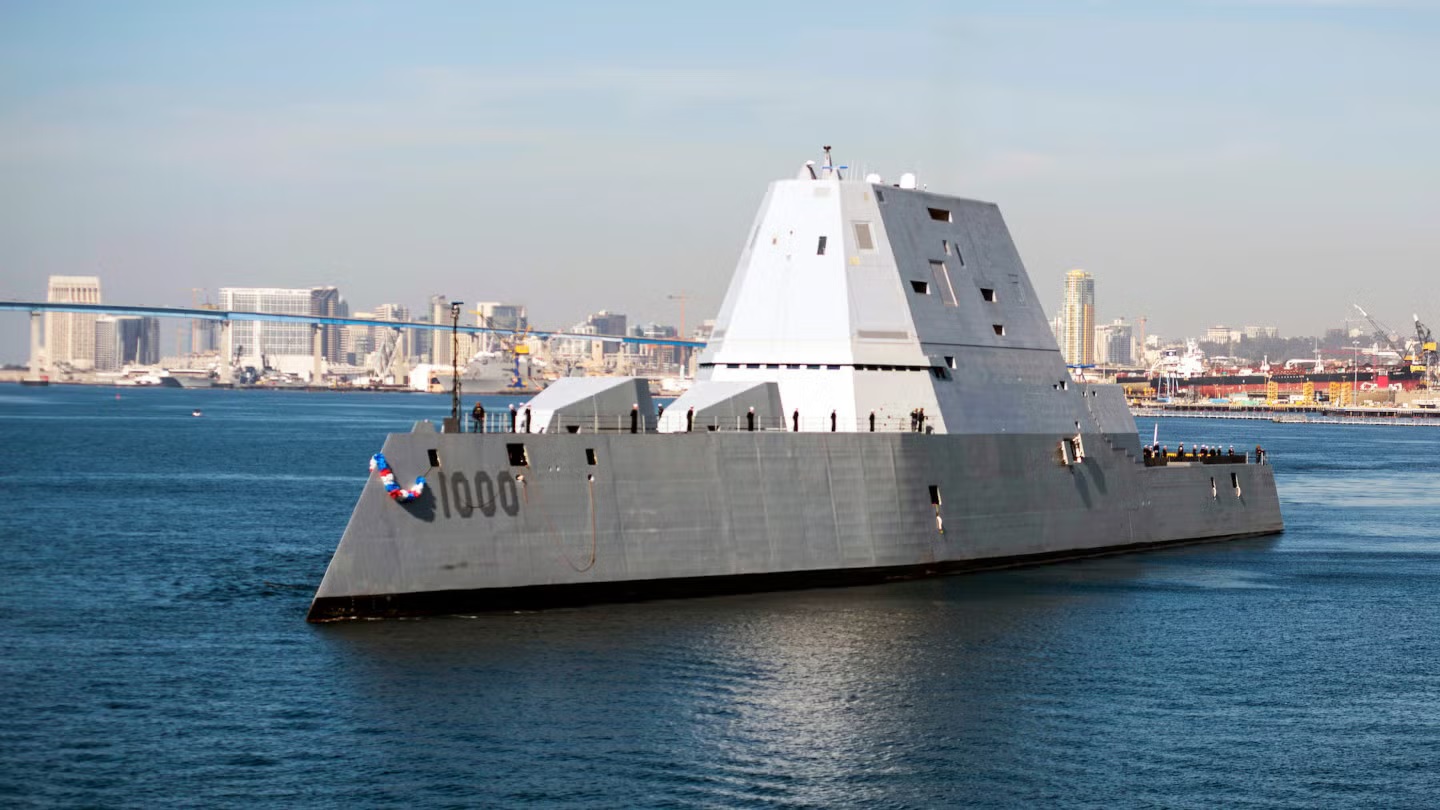
U.S
WASHINGTON — The U.S. Navy's effort to equip its three Zumwalt-class stealth destroyers with the Conventional Prompt Strike (CPS) hypersonic missile has fallen about 24 months behind schedule, according to a July 2026 report by the Government Accountability Office (GAO). The delay has been attributed to complex ship system issues, unexpected shipyard work, and production challenges affecting both the ships and the missiles. The modernization is centered on USS Zumwalt (DDG-1000), which is set to become the Navy's first surface combatant capable of launching the CPS hypersonic weapon. The ship was originally expected to return to service with its new capability by September 2025, but that timeline has slipped to late 2026. As a result, the first live at-sea launch of the missile from the destroyer has been delayed from 2025 to 2027. Extensive Modernization Underway The upgrade program, known as the Build Yard Modernization Period (BYMP), involves major structural and system changes to the ship. The most significant modification is the removal of the ship's two 155mm Advanced Gun Systems (AGS), which are being replaced with four 87-inch vertical launch tubes. Each launcher will carry three Conventional Prompt Strike missiles, giving USS Zumwalt a total capacity of 12 hypersonic missiles. The modernization also includes converting ballast tanks into fuel tanks to increase operational range, upgrading software, improving crew accommodations, and carrying out reliability improvements across multiple ship systems. Work on USS Zumwalt began in 2023 at Huntington Ingalls Industries' Ingalls Shipbuilding in Pascagoula, Mississippi. The destroyer completed builder's sea trials in January 2026 after leaving dry dock in December 2024. By January 2026, the modernization was reported to be 94% complete, although progress slowed because of additional work that had not been anticipated. Integrated Power System Caused Additional Delays According to the GAO, one of the biggest challenges emerged during the first complete shutdown and restart of the ship's Integrated Power System (IPS) since the Navy accepted the vessel. The IPS is an integrated electric propulsion system powered by gas turbines and generators capable of producing up to 78 megawatts of electricity. The system supplies power for both propulsion and the ship's advanced sensors while providing substantial reserve electrical capacity for future technologies. During modernization, equipment failures within the complex electrical system created delays. Engineers also discovered that significantly more electrical cabling in the forward section of the ship had to be removed and replaced than originally expected to install the new missile launchers. To support the additional work, the Navy modified its contract with Huntington Ingalls Industries in August 2025, adding approximately 230,000 labor hours at an additional cost of $20 million. Upgrade Costs Continue to Increase The cost of modernizing the three Zumwalt-class destroyers has also risen. According to the GAO, estimated modernization costs have increased from $1.8 billion to more than $2 billion for the three ships: USS Zumwalt (DDG-1000) USS Michael Monsoor (DDG-1001) USS Lyndon B. Johnson (DDG-1002) The overall DDG-1000 acquisition program now costs nearly $32 billion, averaging about $10.6 billion per ship, including research and development expenses. USS Michael Monsoor is expected to begin its modernization in February 2027 after completing fleet operations, while USS Lyndon B. Johnson, which remains under activation, is incorporating lessons learned from Zumwalt during construction. As of January 2026, its combat systems were reported to be 96% complete, mission systems 54% complete, and delivery has shifted from April 2027 to 2028. CPS Missile Production Faces Manufacturing Challenges The Conventional Prompt Strike (CPS) weapon is a boost-glide hypersonic missile jointly developed by the U.S. Navy and U.S. Army. The missile uses a rocket booster to carry an unpowered hypersonic glide vehicle to high altitude before it separates and maneuvers through the atmosphere toward its target at extremely high speed. Its speed and maneuverability are intended to make interception significantly more difficult than conventional missiles. The Army employs the same missile and glide body in its Long-Range Hypersonic Weapon (LRHW), known as Dark Eagle. While the Army launches the weapon from mobile ground launchers using a hot-launch system, the Navy will fire it from ships and future Block V Virginia-class submarines using a cold-gas launch system. Despite sharing the same missile technology, the GAO said the Department of Defense lacks a comprehensive long-term strategy to coordinate investments across its nearly $50 billion hypersonic weapons portfolio. Because the Navy and Army manage procurement separately, the watchdog said opportunities to address common production challenges are being missed. Missile Costs Increase as Production Slows The GAO also highlighted continued manufacturing problems. Prime contractor Lockheed Martin is currently producing only six to seven CPS missiles annually, well below the approximately 12 missiles per year needed to stabilize production. According to the report, production has been affected by: Labor-intensive manufacturing processes Difficulties applying heat-resistant coatings Workforce turnover Complex engineering instructions for new workers Program cost estimates have also increased significantly. Conventional Prompt Strike Program 2020 Estimate 2024 Estimate Total Lifecycle Cost $31 billion $41 billion Planned Missile Procurement 262 missiles 224 missiles Estimated Unit Cost (2026) — About $67 million per missile Land-based testing of the shared missile has recorded both successful and unsuccessful test events, leading the Navy to revise its testing schedule. The first live launch from USS Zumwalt is now planned for the third quarter of fiscal year 2027, although the GAO noted program officials consider the timeline optimistic and dependent on successful testing. Operational Limitations Remain Although the modernization will provide the Navy with its first non-nuclear surface-launched hypersonic strike capability, the GAO noted several operational limitations. Only three Zumwalt-class destroyers exist, making continuous deployment challenging. In addition, each ship will carry only 12 CPS missiles, and the launch tubes cannot be reloaded while at sea, requiring the destroyer to return to port once its missiles have been expended. The report also raised concerns about long-term sustainment. The Zumwalt class uses several proprietary systems, including the AN/SPY-3 radar and specialized computing environments that are unique within the Navy's surface fleet. These systems are increasingly expensive to support, and replacing them with more common Navy equipment could cost an additional $1 billion to $2 billion. According to the GAO, the Navy has not yet fully documented how it plans to sustain the unique destroyers throughout their expected 35-year service life, which extends into the 2050s. Despite the delays and rising costs, the modernization is expected to give the Zumwalt class a new long-range strike role and provide the U.S. Navy with a surface-based hypersonic capability using the Conventional Prompt Strike (CPS) weapon. Source : gao.gov
Read More → Posted on 2026-07-18 15:47:01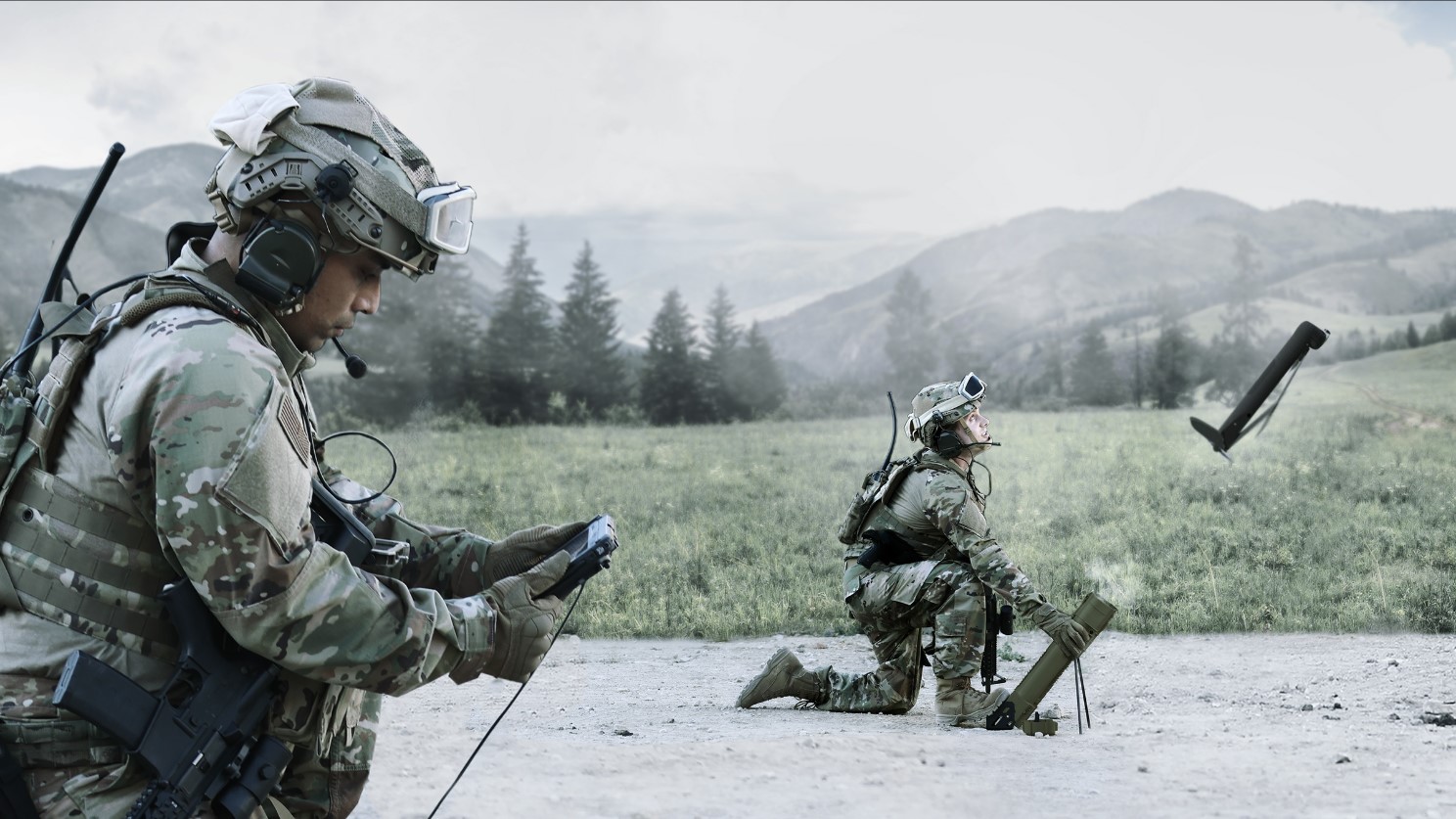
U.S
WASHINGTON, D.C. — The U.S. State Department has approved a potential Foreign Military Sale (FMS) to Greece for Switchblade 300 Block 20 Lethal Miniature Aerial Missile Systems, with an estimated value of $80.1 million. The Defense Security Cooperation Agency (DSCA) formally notified the U.S. Congress of the proposed sale on July 16, 2026, allowing the process to move forward. According to the U.S. government, Greece has requested 350 Switchblade 300 Block 20 (SB300B20) systems and 35 Fire Control Systems (FCS), along with related equipment, training, spare parts, logistics support, and technical assistance. The proposed acquisition will be carried out through the U.S. Foreign Military Sales (FMS) program. The package also includes components for the Switchblade 600 system, tactical battery chargers for the Switchblade 300, smart chargers for the Switchblade 600, Selective Availability Anti-Spoofing Module (SAASM) Global Positioning System equipment, field service representative support, engineering assistance, operator training, and U.S. government and contractor technical and logistics support. AeroVironment Inc., based in Simi Valley, California, will serve as the principal contractor for the proposed sale. Switchblade 300 Block 20 Capabilities The Switchblade 300 Block 20 is a lightweight, tube-launched loitering munition designed for use by small ground units. Compact enough to be carried in a soldier's backpack, the system can be deployed quickly to engage personnel, light vehicles, and other tactical targets. The Block 20 variant offers more than 20 minutes of endurance and an operational range of up to 30 kilometers when used with an extended-range antenna. It is equipped with high-resolution electro-optical and infrared (EO/IR) sensors, allowing operators to receive live video and identify targets before engagement. The system supports modular warheads, including fragmentation and Explosively Formed Penetrator (EFP) options, enabling it to engage different target types. It also features a wave-off capability, allowing operators to abort an attack before impact if the tactical situation changes or non-combatants are detected. U.S. Assessment According to the State Department, the proposed sale supports U.S. foreign policy and national security objectives by strengthening the defense capabilities of Greece, a NATO ally, and contributing to stability in Europe. U.S. officials said the acquisition will improve Greece's ability to address current and future threats, participate in coalition operations, and increase interoperability with U.S. and allied forces. The department also stated that Greece is expected to integrate the systems into its armed forces without difficulty. The U.S. government further noted that the proposed transfer will not alter the basic military balance in the region, will not require additional U.S. government or contractor personnel to be assigned to Greece, and will not affect U.S. defense readiness. Officials also said they are not aware of any offset agreements associated with the proposed sale. Next Steps State Department approval does not finalize the transaction. The approval authorizes the U.S. government to proceed with negotiations toward a Letter of Offer and Acceptance (LOA) between the United States and Greece. The final value of the agreement, delivery schedule, and other contractual terms will be determined during those negotiations. The proposed purchase is part of Greece's ongoing effort to modernize its armed forces with advanced precision-strike and unmanned systems. The Switchblade family of loitering munitions has been used in multiple conflicts in recent years and is widely recognized for its portability, precision, and ability to provide small units with rapid tactical strike capability. Source : state.gov
Read More → Posted on 2026-07-18 14:51:03
U.S
WASHINGTON — The U.S. Naval Sea Systems Command (NAVSEA) has awarded a $418.497 million firm-fixed-price contract to NorthStar Maritime Dismantlement Services to dismantle the ex-USS Enterprise (CVN-65), the world's first nuclear-powered aircraft carrier. The work will be carried out in Mobile, Alabama, with completion expected by September 2030. The contract marks the final phase of the carrier's disposal and the first time the U.S. Navy has assigned the complete dismantling of a nuclear-powered aircraft carrier to a commercial contractor. The project is expected to provide a model for retiring the Navy's Nimitz-class aircraft carriers in the future, beginning with USS Nimitz. NorthStar Wins Contract After Reopened Competition NorthStar Maritime Dismantlement Services, a subsidiary of NorthStar Group Services, specializes in nuclear facility decommissioning and is partnering with Modern American Recycling and Radiological Services (MARRS) for the dismantling work. The company was initially awarded the contract in June 2025 with a bid of $536.7 million. However, a competing bidder challenged the award, claiming technical issues with the federal Procurement Integrated Enterprise Environment (PIEE) system prevented a timely proposal submission. In February 2026, the U.S. Court of Federal Claims ordered the Navy to reopen the competition. NorthStar won the rebid with a final price of $418,497,668, reducing the project cost by more than $118 million, or about 22 percent, compared with its original offer. The Navy has obligated approximately $415.5 million from Fiscal Year 2025 Operations and Maintenance funds for the contract. Commercial Dismantling Plan The Navy selected a commercial disposal approach, known as Alternative 3, in 2023. Officials estimated the approach would save approximately $600 million and reduce the project timeline to about five years compared with completing the work at Puget Sound Naval Shipyard, where the process was expected to take around 15 years. The dismantling project includes recycling non-hazardous steel and other reusable materials while packaging low-level radioactive waste from the propulsion system according to Nuclear Regulatory Commission (NRC) requirements for disposal at licensed facilities. Planning estimates indicate that around 35,000 tons of recycled steel from the ship could be reused, with some material potentially supporting construction of the future USS Enterprise (CVN-80), a Gerald R. Ford-class aircraft carrier. Before the contract was awarded, Huntington Ingalls Industries' Newport News Shipbuilding completed reactor defueling and prepared the propulsion components for disposal. The carrier's propulsion system consisted of eight Westinghouse A2W pressurized-water nuclear reactors housed in four reactor compartments. A Historic Carrier Commissioned in 1961, USS Enterprise became the world's first nuclear-powered aircraft carrier and served the U.S. Navy for more than 50 years. The carrier took part in the Cuban Missile Crisis, the Vietnam War, and later operations in the Middle East. In 1964, it participated in Operation Sea Orbit, becoming part of the first all-nuclear naval task force to complete a global voyage without refueling. The ship was decommissioned in 2012, and reactor defueling was completed in 2017. It has remained at Newport News Shipbuilding while the Navy finalized its disposal plans. In 2021, the American Nuclear Society designated USS Enterprise a Nuclear Historic Landmark. Although proposals were made to preserve the carrier as a museum, the Navy determined that its unique reactor configuration made preservation impractical. Preparing for Future Carrier Retirements The Enterprise project will provide the Navy with practical experience for dismantling future nuclear-powered aircraft carriers. Lessons from the project are expected to support the retirement of the Navy's Nimitz-class fleet while allowing public naval shipyards to focus on maintaining and modernizing active warships. Work will begin after the transfer of custody and completion of the required regulatory approvals. Source : interestingengineering
Read More → Posted on 2026-07-18 13:40:23
U.S
WINDSOR, Colo. — Slingshot Aerospace has been awarded a $69.2 million Small Business Innovation Research (SBIR) Phase III contract by the U.S. Space Force to develop and deliver its MENTAT artificial intelligence-powered mission rehearsal and training platform. The 4.5-year contract, the largest single award in the company's history, is part of the U.S. Space Force's Operational Test and Training Infrastructure (OTTI) program, which is designed to improve how military personnel prepare for operations in space. The award builds on earlier work funded through a Strategic Funding Increase (STRATFI) contract that supported the development of Slingshot's Digital Space Twin. Founded in 2017, Slingshot Aerospace provides satellite tracking, data fusion, modeling, simulation, and space domain awareness technologies for government and commercial customers. The company is based in El Segundo, California, with headquarters in Windsor, Colorado. AI-Based Mission Training The MENTAT platform is designed to help U.S. Space Force Guardians conduct realistic mission rehearsals using artificial intelligence. Instead of relying only on scheduled exercises, Guardians will be able to access training simulations from their regular workstations, enabling more frequent preparation for space missions. The system supports training for detecting unusual satellite activity, assessing potential adversary actions, coordinating responses, and making operational decisions under realistic conditions. TALOS AI Powers the Platform At the core of MENTAT is TALOS (Thinking Agent for Logical Operations and Strategy), an AI agent that uses behavior cloning to replicate realistic spacecraft tactics and maneuvers. Unlike traditional simulations that depend on pre-programmed scripts, TALOS dynamically responds to changing mission scenarios. It operates within Slingshot's Digital Space Twin, which combines live orbital data, astrodynamics models, and threat information to create an up-to-date simulation of the space environment. Supporting Space Force Readiness The contract continues Slingshot Aerospace's work with the U.S. Space Force. In January 2026, the company received a $27 million OTTI contract to expand AI-based training capabilities, and TALOS has already been tested with the 57th Space Aggressors Squadron. MENTAT is built around Slingshot's Sense → Fuse → Decide → Act framework, integrating data from the company's sensor network and other sources to support mission planning and operational awareness. The company also develops Agatha AI, a tool for anomaly detection in space operations. According to Slingshot Aerospace CEO Tim Solms, TALOS enables Guardians to train against realistic orbital scenarios with greater speed, scale, and accessibility by bringing AI-powered mission rehearsal directly into their operational environment. Growing Role of AI in Space Operations The contract reflects the U.S. Department of Defense's broader effort to expand the use of artificial intelligence in military operations and highlights the increasing role of commercial technology in defense programs. As the number of satellites and activities in orbit continues to grow, demand is increasing for AI-powered tools that improve space domain awareness, mission planning, simulation, and operator training. Through this contract, Slingshot Aerospace will continue developing technologies that support the U.S. Space Force's operational readiness and protection of U.S. and allied interests in space. Source : slingshot
Read More → Posted on 2026-07-18 13:21:15
U.S
ALLENTOWN, Pennsylvania — Mack Defense has received a new order from the U.S. Army for 115 additional M917A3 Heavy Dump Trucks (HDTs) to support the Army National Guard's engineering, infrastructure, and disaster relief missions. The latest order follows a separate purchase of 91 M917A3 trucks announced a month earlier. Combined, the two recent orders represent 206 trucks. Mack Defense has stated the combined total as 208 trucks, with the two purchases together representing an investment of more than $84 million. The new procurement is part of a five-year contract awarded to Mack Defense in June 2025, which allows the company to produce up to 450 M917A3 Heavy Dump Trucks with a maximum contract value of $221.8 million. Military Version of a Commercial Truck The M917A3 Heavy Dump Truck is based on Mack's commercially available Granite model but has been extensively modified for military operations. Compared with the commercial version, the truck features heavier-duty rear axles, all-wheel drive, increased suspension ride height, anti-lock braking systems (ABS), and upgraded control systems designed to operate in challenging terrain and demanding military environments. The vehicle has a 27-ton payload capacity and is used to transport sand, gravel, dirt, construction debris, and other heavy materials needed for military engineering projects. The trucks support the construction and repair of airfields, roadways, landing strips, supply facilities, motor pools, and other military infrastructure. They are also regularly used by the Army National Guard during domestic emergency response operations, including clearing debris and supporting recovery efforts after storms, floods, and other natural disasters. Funding and Contract Background The latest order is covered under the Army's current five-year procurement agreement signed in 2025. The previous order for 91 trucks was funded through the 2026 National Defense Appropriations Act, which allocated $47 million for the program. The funding was announced in June 2026 by U.S. Representative Ryan Mackenzie, who said the investment supports both military readiness and domestic manufacturing. The Army's partnership with Mack Defense began before the current agreement. In 2018, the company received a $296 million firm-fixed-price contract covering up to 683 heavy dump trucks over seven years. Under that contract, the Army placed multiple production orders as funding became available through annual appropriations. Across both contracts, more than 625 M917A3 Heavy Dump Trucks have been produced for the U.S. military. Production in Pennsylvania All M917A3 trucks are assembled on a dedicated military production line at the Mack Experience Center in Allentown, Pennsylvania. Mack Defense established the production line in 2021 through a $6.5 million investment, allowing military vehicle manufacturing to operate separately from the company's commercial truck production while using the engineering expertise and workforce at its nearby Lehigh Valley Operations facility in Macungie, Pennsylvania. Supporting Army Modernization The M917A3 program reflects the U.S. Department of Defense's approach of adapting proven commercial vehicle platforms for military service. Using an existing commercial design allows the Army to field new equipment more quickly while reducing development costs compared with designing entirely new military vehicles. The trucks undergo military-specific modifications and government testing before entering service. Orders under the current contract are placed in stages as annual funding is approved, supporting steady production while meeting the operational requirements of the Army, Army Reserve, and Army National Guard. The newly ordered M917A3 Heavy Dump Trucks will strengthen the Army National Guard's ability to support military engineering missions, domestic emergency response, and disaster recovery operations across the United States. Source : volvogroup
Read More → Posted on 2026-07-18 11:44:47Search
Top Trending in 24 Hours
-
 Iranian Missile Strike Damaged U.S. A-10 and Eight F-15s at Jordan Air Base, CBS Reports
-
 U.S. Startup Covenant Emerges From Stealth With $250 Million Funding and Anthem, a New Long-Range Heavy-Payload Strike Missile After More Than 200 Test Flights
-
 Houthi Forces Capture Strategic Red Sea Port City of Mocha Following Government Withdrawal
-
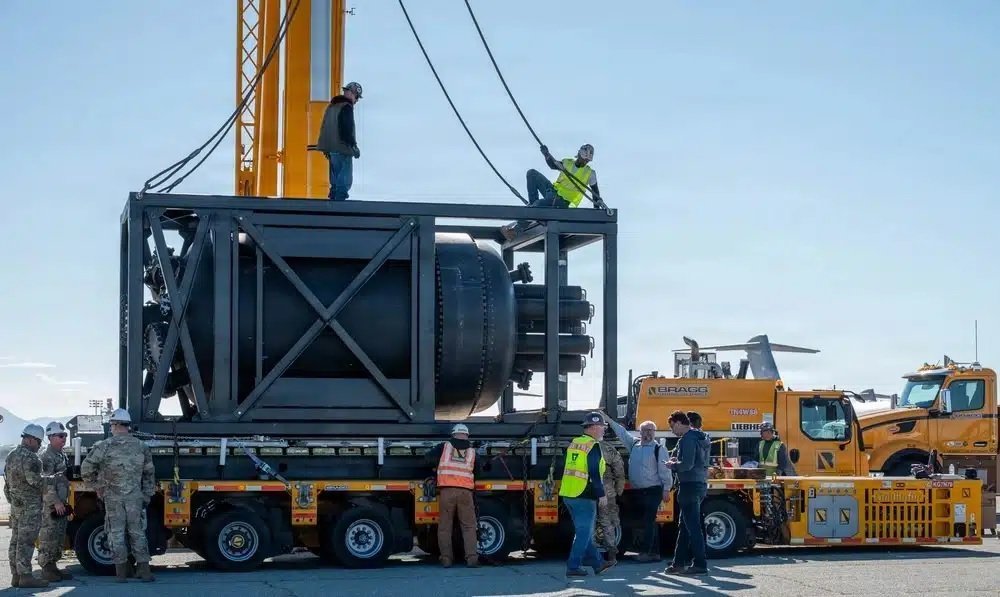 U.S. Navy Plans First Shore-Based Nuclear Microreactor at Indiana’s Crane Base by 2028
-
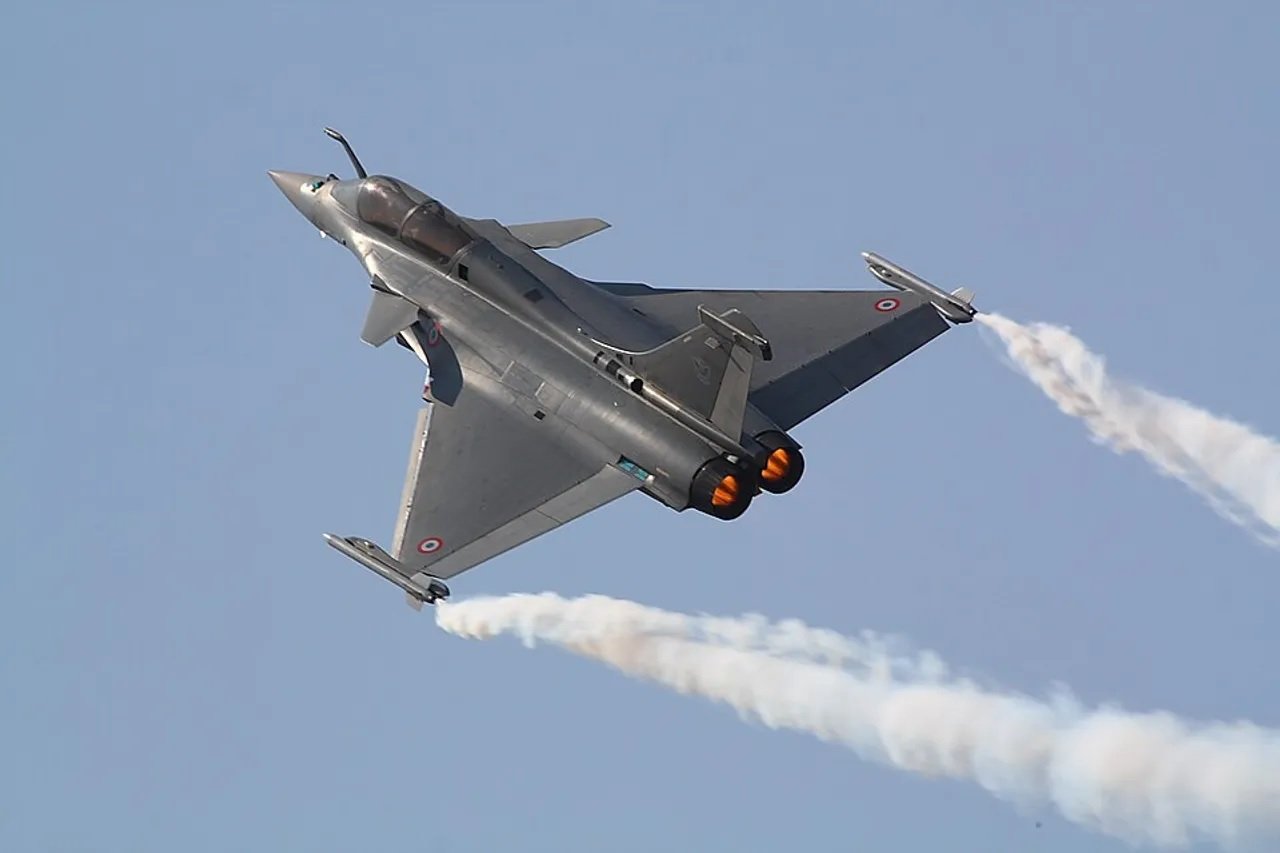 Russian Rafale “Kill Switch” Claim Faces Questions Over Evidence
-
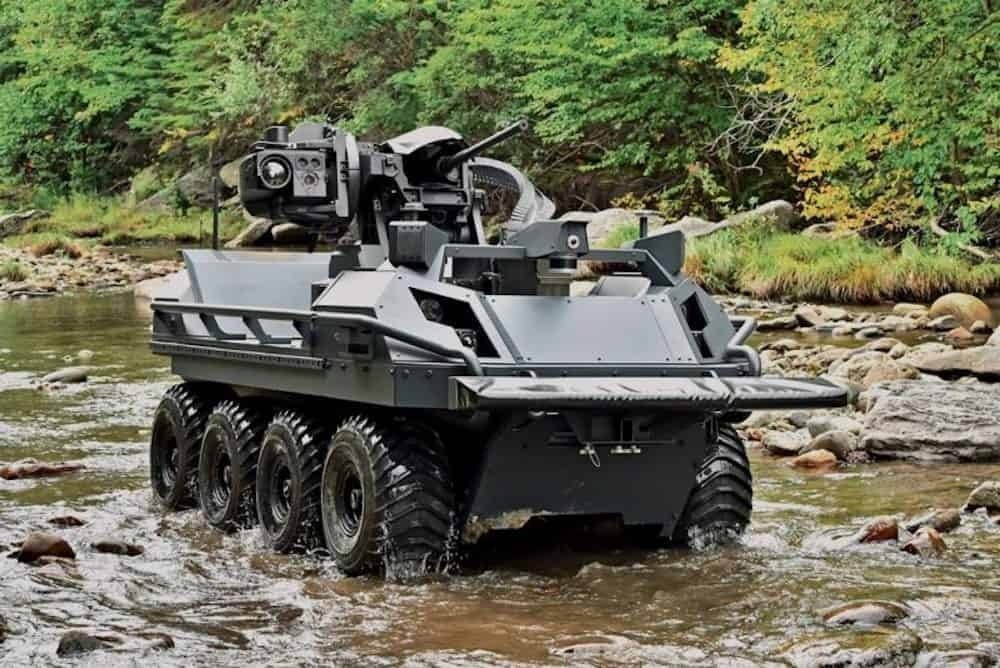 American Rheinmetall Secures $7.28 Million Contract for U.S. Marine Corps Autonomous Vehicles
-
 U.S. Signs $4 Billion Military Financing Guarantee for Poland, Bringing Total Support Near $20 Billion
-
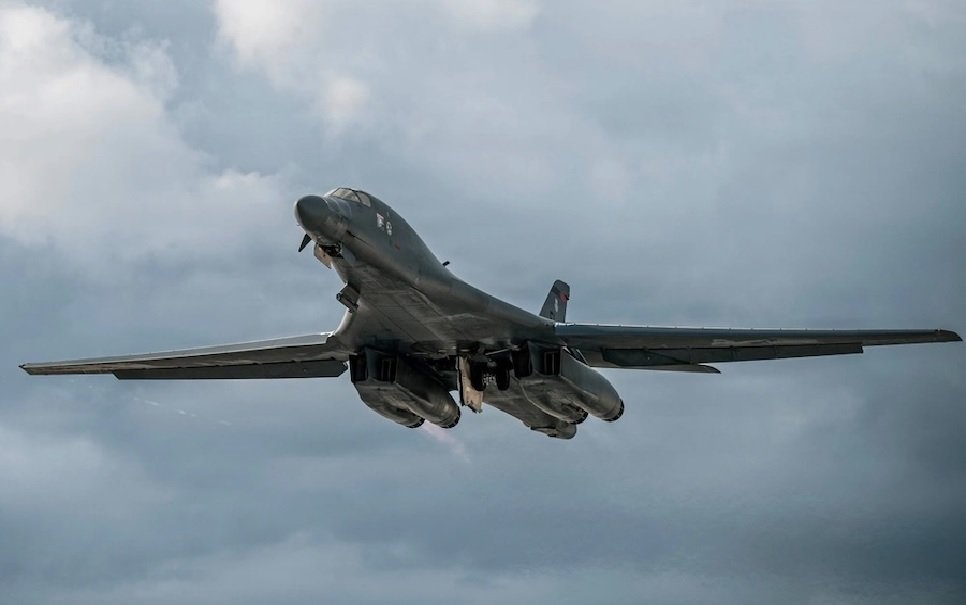 U.S. Air Force Launches North Star Campaign to Improve B-52 and B-1 Bomber Readiness
Top Trending in 4 Days
-
 Satellite Imagery Shows Two U.S. Barracks Destroyed at Kuwait’s Ali Al Salem Air Base in Iranian Attack
-
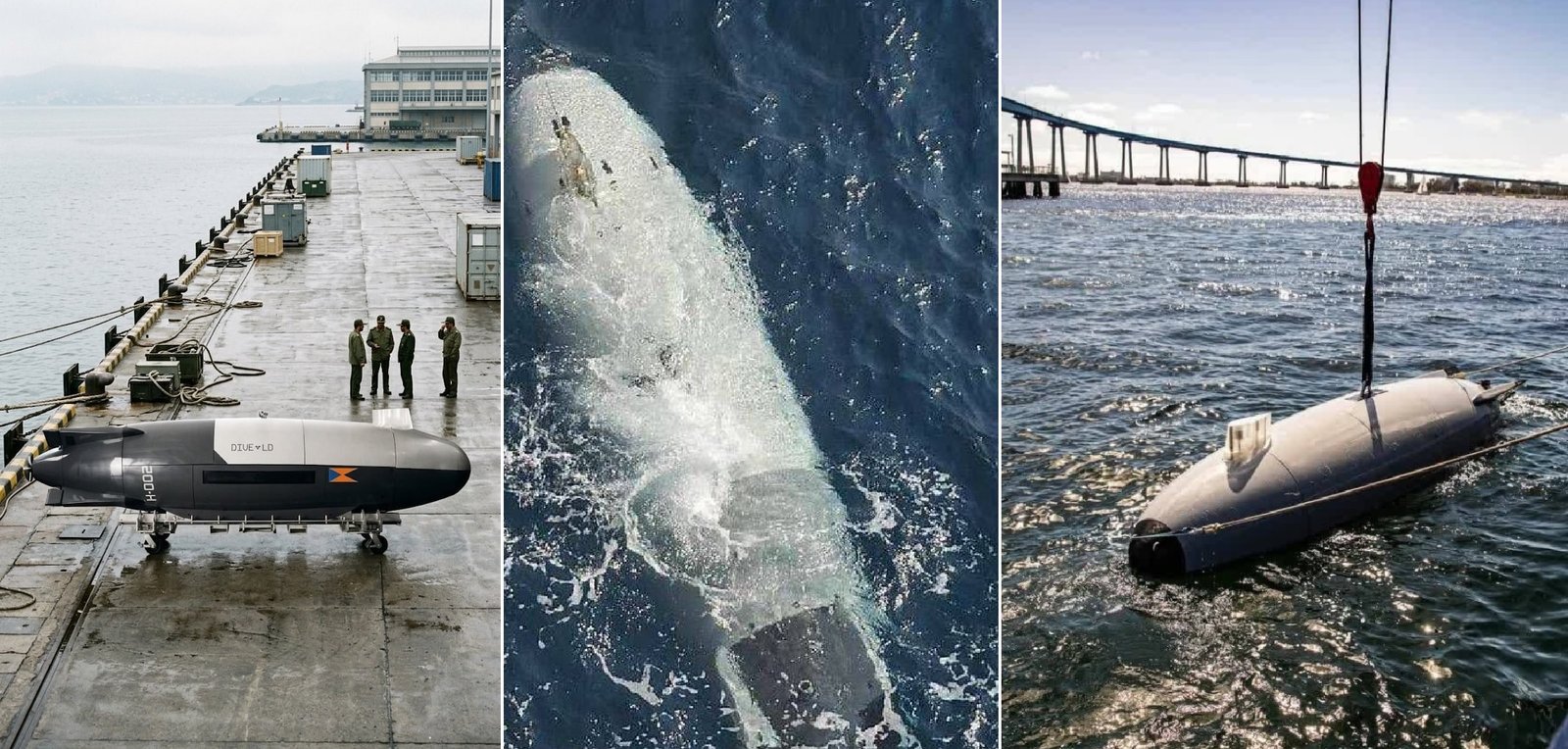 Iran’s IRGC Claims Capture of U.S. Dive-LD Unmanned Underwater Vehicle Near Strait of Hormuz
-
 Mysterious Black Aircraft at Long Beach Airport Identified as Aevum’s RAVN X Autonomous Spaceplane After Years Out of Sight
-
 Trump’s ‘The Moon Is Ours’ Post, Space Force Uniform Concept and Green Lantern AI Video Draw Online Backlash
-
 Iranian Missiles Strike U.S. Base in Jordan as Reports Emerge of Injured American Personnel
-
 Iran Launches Massive Ballistic Missile Attack with Cluster Munitions on U.S.-Used Air Base in Jordan, Some Missiles Confirmed to Have Hit Base
-
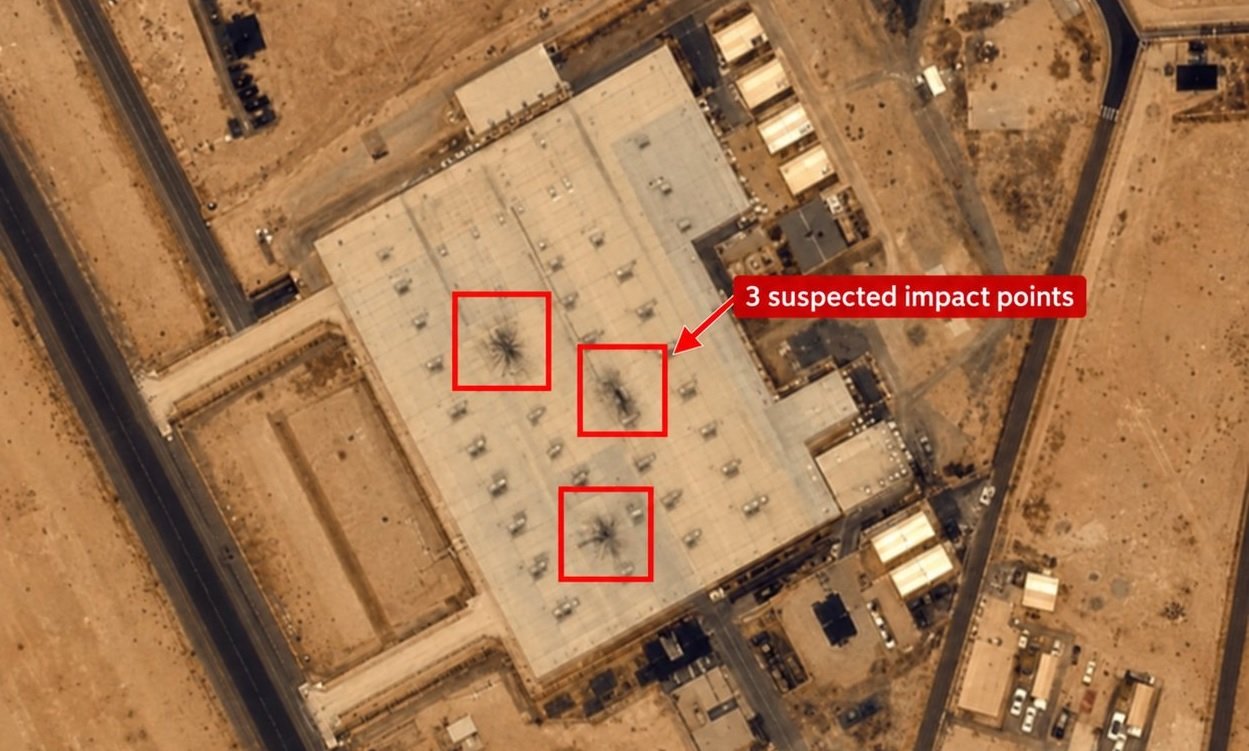 New Satellite Images Show Three Possible Impacts at U.S.-Linked Air Bases in Kuwait
-
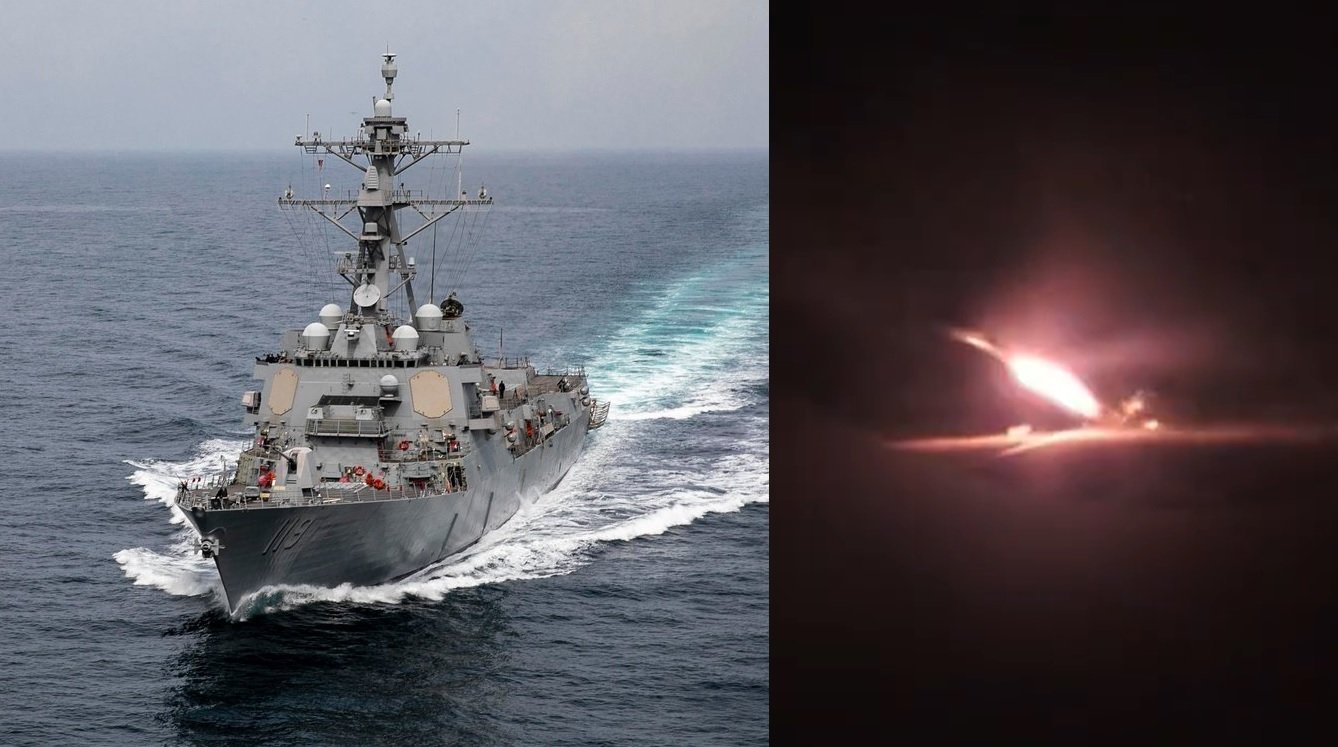 IRGC Claims Significant Damage to Two U.S. Destroyers in Missile Attack; CENTCOM Denies Hits