
U.S
WASHINGTON — Previously unreleased documentary footage has revealed that late U.S. Sen. Lindsey Graham abandoned plans to urge President Donald Trump to support Israeli military strikes against Hezbollah in Lebanon after Israeli Prime Minister Benjamin Netanyahu advised against expanding the conflict. The footage, filmed by documentary director Alex Holder and reviewed by The Wall Street Journal following Graham's death earlier this month, provides a behind-the-scenes look at the South Carolina Republican's foreign policy efforts and his close communications with Trump, Netanyahu and other world leaders. The documentary has not yet been released publicly. Graham Planned to Lobby Trump According to the documentary footage, Graham was preparing to travel to Florida in early March to persuade President Trump to support a joint U.S.-Israeli military operation targeting Hezbollah in Lebanon. Before making the trip, Graham held a telephone conversation with Netanyahu on March 4 to discuss the proposal and the broader regional security situation. Netanyahu Advised Against Expanding the Conflict During the call, Netanyahu urged Graham not to push for military action against Hezbollah while Israel was focused on Iran. "We're concentrating right now on Iran," Netanyahu said during the conversation. The Israeli prime minister explained that while threatening Hezbollah with a large-scale attack could help deter the group, carrying out such an operation could remove any remaining restraint. "If we tell Hezbollah that we're going all the way, we threaten them, but if we actually do it, then they have no reason not to go all the way against us. And right now that's not our interest," Netanyahu said. According to the footage, Netanyahu cautioned that bringing the United States into military action against Hezbollah while the broader conflict involving Iran was underway would go "too far, too fast." Graham Dropped the Proposal Graham accepted Netanyahu's assessment during the call. Speaking from his Senate office, he replied that the prime minister's advice was "good counsel" and subsequently abandoned his plan to lobby Trump to support military strikes against Hezbollah. The documentary indicates that the planned meeting with Trump to advocate for the proposal did not move forward. Documentary Highlights Graham's Foreign Policy Efforts Beyond the Hezbollah discussion, the documentary captures several of Graham's international engagements during his final years. The footage shows him traveling to Saudi Arabia to meet Crown Prince Mohammed bin Salman, where he sought Saudi support for military action against Iran. It also documents meetings with Ukrainian President Volodymyr Zelenskyy and Ukrainian military commanders, along with strategy discussions with former U.S. National Security Advisor Jake Sullivan. Views on U.S. Middle East Policy The documentary also shows Graham expressing frustration with Trump's preliminary agreement involving Iran despite their close political relationship. In the footage, Graham says Secretary of State Marco Rubio should lead U.S. diplomatic efforts related to Middle East negotiations. Unreleased Footage Reviewed After Graham's Death The documentary remains unreleased, but excerpts reviewed by The Wall Street Journal provide new details about Graham's private efforts to influence U.S. foreign and defense policy and his close coordination with Israeli leadership during the conflict involving Iran. Graham, a longtime Republican senator from South Carolina known for his focus on foreign policy and strong support for Israel, died on July 12 at the age of 71 following a brief illness. Preliminary findings from the District of Columbia medical examiner listed the cause of death as an aortic dissection related to arteriosclerotic cardiovascular disease. According to the report, Netanyahu adjusted his travel schedule to attend Graham's funeral service later this month and is also scheduled to meet President Trump at the White House around the same time. Source : WSJ
Read More → Posted on 2026-07-26 13:53:27
U.S
WASHINGTON — U.S. military commanders are selectively intercepting Iranian missiles and explosive-laden drones in an effort to preserve the Pentagon's shrinking stockpile of interceptor missiles, according to an NBC News report citing two senior U.S. officials. The officials said commanders are prioritizing the interception of projectiles assessed to pose a direct threat to U.S. troops, critical military facilities, or regional allies. Missiles and drones that radar analysis determines are heading toward areas without personnel or other non-essential locations may be allowed to reach their targets rather than being intercepted. Shift in Air Defense Strategy According to NBC News, the current approach marks a change from earlier stages of the conflict, when air defense operators generally attempted to intercept a broader range of incoming threats approaching U.S. military bases. Under the revised strategy, every incoming missile or drone is evaluated individually. Air defense operators analyze its trajectory, projected impact point, and the immediate risk to personnel before deciding whether to launch an interceptor. The officials said operators are trained not to expend interceptor missiles on threats that are expected to miss critical targets. They also told NBC News they were not aware of any incidents in which a projectile intentionally allowed through had resulted in casualties among U.S. military personnel or civilians. High Attack Volume Straining Interceptor Stocks The reported change comes as U.S. air defense systems continue to face sustained pressure from a large number of Iranian missile and drone launches. According to the report, Iran has fired nearly 9,000 projectiles since the conflict began. The continued pace of attacks has significantly reduced U.S. inventories of advanced interceptor systems, including Patriot, THAAD (Terminal High Altitude Area Defense), and SM-series interceptors. Recent estimates cited in the report indicate: Approximately 60% of the U.S. Patriot missile stockpile has been used. Roughly 80% of available THAAD interceptors have been expended. Significant portions of SM-3 and SM-6 interceptor inventories have also been used to counter missile and drone attacks. Officials noted that replacing these interceptor missiles will take years because of production timelines and limited manufacturing capacity, even as manufacturing has been expanded. Ongoing Iranian Attacks According to NBC News, Iran has continued launching ballistic missiles and drones against U.S. military outposts and civilian infrastructure across Gulf nations in recent weeks, including Kuwait, Bahrain, and Jordan. The continued attacks have required U.S. commanders to carefully manage available interceptor inventories while maintaining protection for deployed forces and key facilities. Strategic Impact The reported shortage of interceptor missiles is also influencing military planning at the highest levels of the U.S. government. According to the report, the Trump administration temporarily shelved plans for a broader military escalation against Iran after senior military advisers, including the chairman of the Joint Chiefs of Staff, warned that further offensive operations could significantly reduce U.S. Central Command's remaining air defense inventory. Officials said preserving interceptor missiles for threats most likely to cause casualties or major operational damage has become a key priority as the conflict continues. Pentagon Response The Pentagon has not issued a formal public response to the NBC News report. U.S. officials have continued to emphasize that protecting American personnel remains the highest priority in defensive operations against Iranian missile and drone attacks. The reported interception strategy reflects an effort to balance that objective with the need to conserve limited interceptor stocks amid a sustained campaign of incoming threats. Source : NBC
Read More → Posted on 2026-07-26 13:33:09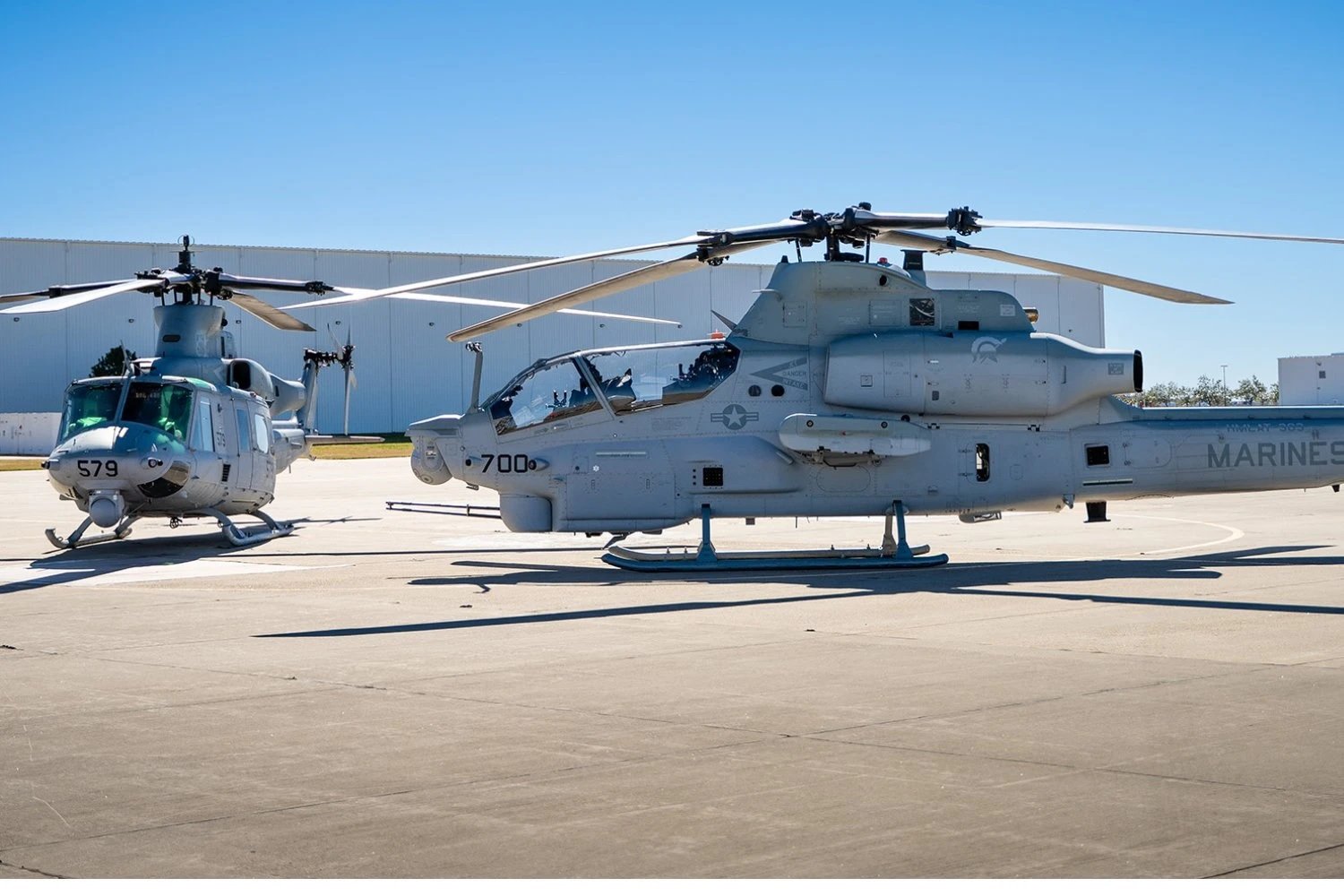
U.S
WASHINGTON — The U.S. Department of War has awarded Bell Textron a $33.64 million contract to continue modernization of the U.S. Marine Corps' AH-1Z Viper and UH-1Y Venom helicopter fleet under the Structural and Power Improvements for Next-Generation Effects (SPINE) program. Awarded on July 24, 2026 through Naval Air Systems Command (NAVAIR), the contract supports upgrades that increase the helicopters' structural strength, electrical power generation and digital architecture. These improvements are intended to provide the foundation for integrating future mission systems, advanced sensors, secure communications and networked combat capabilities. Contract Covers Aircraft Kits and Critical Components The contract, valued at $33,642,332, includes: Nine aircraft installation A-kits Two D-kits designated as mission kits Associated hardware, labor, materials and spares 12 rotorcraft station control units 12 alternating-current generators 12 generator control units 12 tube assemblies Seven combining gearboxes The contract combines fixed-price incentive, firm-fixed-price and cost-plus-fixed-fee elements and is scheduled for completion by July 2028. SPINE Program Builds Foundation for Future Upgrades The SPINE program, previously known as the Structural Improvement and Electrical Power Upgrade (SIEPU), is designed to improve the H-1 fleet's structural integrity, electrical capacity and onboard digital systems. Rather than introducing new weapons under this contract, the program provides the infrastructure needed to support future integration of advanced sensors, processors, encrypted radios, electronic warfare equipment, weapon interfaces and mission systems. Bell completed the first fully modified AH-1Z Viper and UH-1Y Venom helicopters in March 2026 at its Amarillo Assembly Center following a 19-month modification effort. The aircraft were subsequently transferred to Naval Air Station Patuxent River for final configuration work and flight testing. Improved Electrical and Digital Architecture The modernization package increases available electrical power for onboard systems while enabling advanced digital capabilities, including: Link 16 connectivity Advanced data buses Improved mission computers Enhanced defensive systems The Marine Corps has already demonstrated two-way Link 16 and Advanced Networking Wideband Waveform connectivity between the AH-1Z, UH-1Y and a portable ground station. These upgrades are intended to support future networking with other military platforms while handling increased data and power demands from modern mission equipment. AH-1Z Viper Remains the Primary Focus The AH-1Z Viper is the main platform being modernized under the SPINE program. The attack helicopter currently features: Third-generation Target Sight System Helmet-mounted cueing system Six wing stations Three-barrel 20 mm cannon Precision-guided rockets Air-to-ground missiles Air-to-air capability The UH-1Y Venom will receive the same electrical and digital improvements to enhance its performance in armed utility, escort, command-and-control and sensor relay missions. The Marine Corps currently operates 186 AH-1Z Viper helicopters and 131 UH-1Y Venom helicopters. The two aircraft share approximately 85 percent component commonality, reducing maintenance requirements, spare parts and logistics support for mixed H-1 detachments. Supporting Future Weapons Integration A major objective of SPINE is to prepare the H-1 fleet for future weapons and mission systems by providing sufficient electrical power and digital capacity. One capability associated with the broader H-1 modernization roadmap is the Precision Attack Strike Munition (PASM), identified as the L3Harris Red Wolf launched effect. According to L3Harris, Red Wolf has completed dozens of flight tests, including a low-altitude launch from an AH-1Z helicopter. The company states the system has demonstrated ranges of up to 200 nautical miles while supporting beyond-line-of-sight communications and autonomous over-the-horizon engagement functions. Operational range depends on factors including launch altitude, payload, flight profile, target geometry and communications availability. The July 24 contract does not procure Red Wolf or any other new weapon systems. Instead, it upgrades the aircraft so future systems can be integrated. The AH-1Z will continue operating with existing weapons, including: 20 mm cannon Advanced Precision Kill Weapon System (APKWS) rockets AGM-179 Joint Air-to-Ground Missile (JAGM) The Marine Corps has previously demonstrated JAGM employment against a moving vessel in the Philippine Sea. Planned AIM-9X integration and future counter-unmanned aircraft system capabilities remain part of the helicopter's longer-term modernization roadmap. Supporting Distributed Operations The SPINE program aligns with the Marine Corps' distributed operations concept, particularly in the Indo-Pacific region. Marine aviation units increasingly operate from: Amphibious assault ships Expeditionary sea bases Forward arming and refueling points Temporary island locations Operations from the expeditionary sea base USS Miguel Keith have demonstrated the ability of mixed AH-1Z and UH-1Y detachments to operate beyond traditional amphibious formations. The upgraded aircraft are expected to receive targeting information from platforms including F-35B aircraft, MQ-9A drones, surface ships and ground units while operating at low altitude or behind terrain, expanding their role in networked operations. Modernization Focused on Future Growth Although the SPINE program improves the H-1 fleet's electrical capacity, connectivity and digital architecture, it does not eliminate the operational challenges of rotary-wing missions in contested environments. Aircraft deployed from dispersed locations will continue to require fuel, maintenance, munitions, secure communications and force protection while remaining vulnerable to air defenses, electronic warfare, fighters and long-range fires. The program's primary objective is to ensure the Marine Corps' existing H-1 fleet has the structural, electrical and digital capacity needed to integrate future technologies and mission systems as they become available.
Read More → Posted on 2026-07-26 13:01:24
U.S
AUSTIN, Texas — Oracle has secured a 10-year enterprise software contract with the U.S. Department of War with a potential value of up to $6.99 billion. The agreement, awarded under the Department of War's Enterprise Software Initiative (ESI), is intended to centralize software procurement across multiple defense organizations through a single contracting framework. The contract includes a five-year base period valued at $3.31 billion and a five-year option period. If the option is exercised in full, the total contract value will reach $6.99 billion. The Naval Information Warfare Center Pacific awarded the single-award indefinite-delivery/indefinite-quantity (IDIQ) contract after it was negotiated by the Department of the Navy on behalf of the wider Department of War. According to department officials, it is the first direct-award contract with Oracle for department-wide use of Oracle's on-premises software. Centralizing Enterprise Software Procurement The agreement is designed to replace fragmented software purchasing across defense organizations with a centralized enterprise procurement model. It will support the Department of War, the U.S. Coast Guard, and the U.S. Intelligence Community, allowing participating organizations to acquire Oracle technologies and services through a common contract vehicle. Department officials said the new framework is expected to improve visibility into software usage and spending while reducing duplicate purchases across participating organizations. According to government projections, consolidating Oracle software licenses under the agreement is expected to save at least $441 million over the life of the contract. Contract Covers Multiple Oracle Technologies Under the agreement, participating organizations will be able to place individual task orders for: Oracle on-premises software Software support services Software-as-a-Service (SaaS) applications Cloud technologies Artificial intelligence capabilities Professional services Pricing, deliverables, and performance requirements will be established through individual task orders rather than being fixed across the entire contract. Department of War Highlights Enterprise Benefits Honorable Kirsten A. Davies, Chief Information Officer for the Department of War, said the agreement will strengthen the department's digital infrastructure while improving enterprise software management. "This nearly $7 billion agreement with Oracle strengthens our digital ecosystem, supporting our warfighters with secure, scalable technology to dominate current and future missions." Davies added that the centralized procurement approach will improve visibility into how Oracle software is purchased, funded, and used across participating defense organizations. Department of the Navy Focuses on Operational Readiness Barry Tanner, Performing the Duties of the Department of the Navy Chief Information Officer, said the agreement will support faster delivery of software across naval operations. "For the Department of the Navy, this agreement supports faster delivery of secure, scalable software from the shore enterprise to the tactical edge for our Navy and Marine Corps teams. Reducing fragmented procurement and advancing enterprise standardization will strengthen interoperability, reduce cybersecurity risk, and help us focus resources on resilient capabilities that can scale, integrate, and endure in contested conditions." Oracle Says Agreement Simplifies Technology Procurement Oracle said the Enterprise Software Initiative (ESI) provides a standardized procurement path for its commercial technologies, including cloud services, artificial intelligence, on-premises software, and professional services. Kim Lynch, Executive Vice President, Government, Defense & Intelligence, Oracle, said the initiative is intended to simplify technology acquisition for defense organizations. "For the Department of War, the challenge is not just finding the right technology, it's doing so quickly, compliantly, and at scale, without getting bogged down by complex procurement processes. ESI is designed to address those challenges by creating a more standardized and efficient path to Oracle cloud and AI technology tuned to support mission-critical scenarios." Transition to Begin in Summer 2026 Oracle has supplied technology to the department since the 1990s. Agencies are expected to begin transitioning to the Enterprise Software Initiative contract vehicle during the summer of 2026. To support the transition, Oracle said it will establish dedicated program operations and standardized intake processes to help route requests efficiently and maintain consistent support across participating defense organizations. Source : Oracle
Read More → Posted on 2026-07-25 15:45:16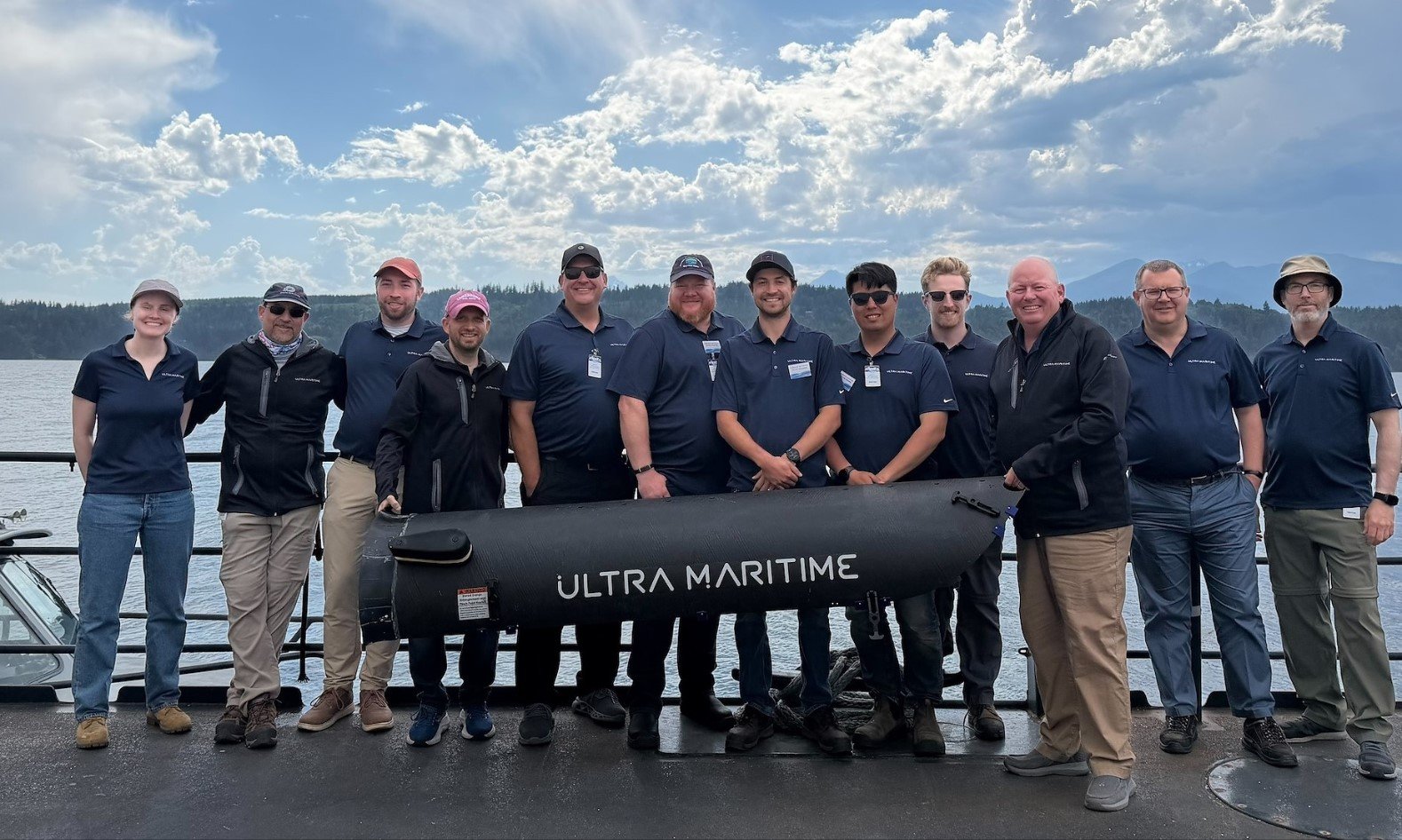
U.S
KEYPORT, Washington — The U.S. Navy has successfully evaluated a counter-unmanned underwater vehicle (C-UUV) capability during Exercise Lanternfish 2026, demonstrating integrated technologies designed to detect, track, and classify autonomous underwater threats in realistic port protection scenarios. The multinational capability development and demonstration event brought together technology and personnel from the United States, the United Kingdom, and Australia to assess emerging undersea defense technologies and strengthen cooperation between the U.S. Navy, AUKUS partners, and industry. Joint Technology Demonstration The demonstration combined Ultra Maritime's Sea Spear deployable sonar system with Anduril Industries' Seabed Sentry autonomous undersea system and the Lattice battle management platform. During operations in the waters off Keyport, Washington, Sea Spear consistently detected, tracked, and classified medium- and large-diameter unmanned underwater vehicles (UUVs), also known as autonomous underwater vehicles (AUVs). The system provided persistent acoustic sensing and transmitted track data for further processing. Sea Spear is a lightweight deployable sonar system that can operate from both manned and unmanned platforms. Depending on mission requirements, it can function either as a permanent installation or as an attritable asset. The system is intended to support persistent sensing in ports, maritime choke points, remote locations, and other strategically important waterways. Integration with Navy Command-and-Control Network As part of the exercise, acoustic tracks generated by Sea Spear were received by Anduril's Seabed Sentry, which then published the data to the Lattice battle management platform. Lattice processed the acoustic information and transmitted the operational picture through the U.S. Navy's cUxV command-and-control (C2) architecture. This allowed operators at the Navy's Unmanned Operations Center (UOC) to monitor both subsea and surface assets in real time. According to the demonstration, Seabed Sentry was able to detect an autonomous underwater vehicle and automatically send an alert through the Navy's existing command-and-control system without requiring a human operator to manually relay the information. Open Architecture Supports Interoperability The exercise also demonstrated end-to-end integration between Ultra Maritime's sensing technology, Anduril's software, and the Navy's command-and-control architecture used during the exercise. Using Lattice's open software architecture, the system incorporated acoustic tracks from Sea Spear and delivered the resulting operational picture into the Navy's C2 network. According to the participating companies, this integration was completed without custom engineering between the participating systems in the exercise environment. Lattice, previously employed in air defense and counter-intrusion operations, was adapted for the undersea domain through Seabed Sentry, enabling edge processing and fusion of acoustic data. Focus on Emerging Undersea Threats Exercise Lanternfish focused on technologies designed to address the increasing use of autonomous underwater systems that can operate in ports, harbors, coastal waterways, and other critical maritime areas. According to the exercise information, these systems can pose threats to ports, pipelines, undersea cables, and other maritime infrastructure. Traditional harbor defense systems have primarily been designed to detect larger submarines and surface vessels, while smaller autonomous underwater vehicles require specialized sensors, faster data processing, and integrated command-and-control capabilities. The demonstration showed how deployable acoustic sensors and an integrated command-and-control network can support the detection and tracking of autonomous underwater threats while providing operators with a common operational picture across multiple domains. Multinational Collaboration Lanternfish is a multinational capability development and demonstration event involving autonomous underwater vehicle and subsea technologies from Australia, the United Kingdom, and the United States. The exercise is intended to enhance collaboration among the U.S. Navy, AUKUS partners, and industry in the development and evaluation of future undersea capabilities. Ultra Maritime-Anduril Partnership The demonstration builds on the exclusive partnership between Ultra Maritime and Anduril Industries, announced in April 2025. The partnership combines Ultra Maritime's Sea Spear deployable acoustic arrays and AI-enabled acoustic processing with Anduril's undersea autonomy systems, including Dive XL, Seabed Sentry, and the Lattice software framework. The collaboration aims to support distributed undersea surveillance for U.S. and allied forces. Ultra Maritime develops anti-submarine warfare solutions across airborne, surface, and undersea domains and operates in the United States, Canada, the United Kingdom, and Australia. The company continues to invest in autonomous undersea sensing technologies to support scalable and distributed surveillance networks. No Procurement Decision Announced The U.S. Navy has not announced any procurement decisions related to the technologies demonstrated during Exercise Lanternfish 2026. The event served as an operational capability demonstration to evaluate the integration of autonomous sensing, acoustic processing, and command-and-control technologies under realistic conditions. Source : prnewswire
Read More → Posted on 2026-07-25 14:22:46
U.S
WASHINGTON — The U.S. Space Development Agency (SDA) has awarded General Dynamics Mission Systems a contract with a ceiling value of $400.4 million to develop the ground segment for Tranche 3 of the Proliferated Warfighter Space Architecture (PWSA), the Pentagon's low Earth orbit satellite network designed to provide missile warning, missile tracking, and resilient military communications. The cost-plus-award-fee, cost-plus-fixed-fee, and cost-no-fee letter contract was awarded on July 24, 2026, and covers software development, testing, integration, and operations and maintenance of the ground segment mission and service applications required to support Tranche 3 capabilities. At the time of the award, the SDA obligated $60,665,380 in fiscal year 2026 research, development, test and evaluation (RDT&E) funding. The work is scheduled to continue through September 30, 2030 under contract FA2401-26-C-0003, which was awarded as a sole-source acquisition. Ground Segment to Support Tranche 3 Operations The ground segment forms the operational backbone of the satellite constellation. It includes the software, communications infrastructure, mission applications, and operations centers used to command satellites, manage missions, direct tracking activities, and deliver data to military users. General Dynamics Mission Systems, headquartered in Fairfax, Virginia, will perform the work across multiple locations, including Scottsdale, Arizona; Seattle, Washington; Grand Forks, North Dakota; Redstone Arsenal, Alabama; and Chantilly, Virginia. The contract team is based in Scottsdale, while the company's space business is headquartered in Chantilly. The new contract continues General Dynamics' role in developing the PWSA ground architecture. The company received a contract worth approximately $324.5 million in 2022 to establish the ground operations and integration segment for Tranche 1. In 2024, the SDA awarded a $491 million contract modification to expand that work for Tranche 2. The Tranche 3 award extends the existing ground architecture rather than introducing a new system. Supporting the Tracking Layer The Proliferated Warfighter Space Architecture is a network of satellites in low Earth orbit designed to provide resilient military space capabilities, including communications, missile warning, missile tracking, and related missions. The Tracking Layer is responsible for detecting missile launches and generating tracking data that supports missile intercept operations. The new ground segment will support the operation and integration of the Tranche 3 Tracking Layer satellites after they are deployed. In December 2025, the SDA awarded approximately $3.5 billion in contracts to build 72 Tranche 3 Tracking Layer satellites. Lockheed Martin, Rocket Lab, Northrop Grumman, and L3Harris Technologies each received contracts to manufacture 18 satellites, with launches planned no earlier than fiscal year 2029. PWSA Expansion Continues The PWSA is being developed through a spiral acquisition approach, with new tranches introducing additional capabilities at regular intervals. According to the SDA, Tranche 1 is planned to include 154 operational satellites—126 Transport Layer satellites and 28 Tracking Layer satellites—along with four demonstration spacecraft operating at an altitude of approximately 1,000 kilometers (620 miles). As of mid-July 2026, the agency had placed 63 Tranche 1 satellites into orbit, including more than 60 data transport satellites. Initial warfighting capability for Tranche 1 is expected in 2027. Existing Operations Centers The Tranche 3 ground segment will integrate with the SDA's existing Space Operations Centers located in Grand Forks, North Dakota, and Redstone Arsenal, Alabama, which currently manage Tranche 1 satellite operations. Once the Tranche 3 Tracking Layer satellites enter service, the new ground infrastructure will support their integration with the existing PWSA architecture, enabling command, control, mission management, and operational support across the expanding satellite network. Source : gurufocus
Read More → Posted on 2026-07-25 12:06:49
U.S
WASHINGTON — The U.S. Army has placed its first domestic order for newly produced PAC-2 Guidance Enhanced Missile-Tactical (GEM-T) Patriot interceptors in more than three decades, marking a significant change in its Patriot missile procurement strategy as it works to replenish air defense stockpiles. Although PAC-2 interceptors are older and generally less capable than the newer PAC-3 variants, the Army is returning to domestic procurement of the missile as it seeks to rebuild its Patriot inventory. The domestic production order was announced by RTX during its second-quarter fiscal 2026 earnings call on July 23. Christopher Calio, President and CEO of RTX, said the company received nearly $20 billion in awards during the quarter, resulting in a book-to-bill ratio of 2.4. “These bookings included over $5 billion of GEM-T Patriot effectors, driven by international customers, and our first domestic GEM-T production order in over 30 years,” Calio said during the earnings call. The domestic order is linked to a $441.6 million U.S. Army contract modification awarded on April 30, 2026, for the procurement of Patriot GEM-T missiles in support of Operation Epic Fury, the ongoing U.S. military campaign against Iran. Contract work is being carried out in Chambersburg, Pennsylvania. Shift in Procurement Strategy For many years, the U.S. Army focused its domestic Patriot missile procurement on the newer PAC-3 Missile Segment Enhancement (MSE) interceptors produced by Lockheed Martin. During that period, the Army did not place new domestic production orders for Raytheon's PAC-2 interceptors, instead relying on existing PAC-2 inventories and upgrading older MIM-104D missiles to the GEM-T configuration. The latest order marks the first return to domestic procurement of newly built PAC-2 GEM-T missiles in more than 30 years. Stockpile Replenishment Drives the Order The new procurement comes as the Pentagon seeks to rebuild Patriot missile inventories following extensive air defense operations. According to a Center for Strategic and International Studies (CSIS) report published in May, U.S. forces fired an estimated 1,060 to 1,430 Patriot interceptors against Iranian ballistic missiles and drone swarms. At the same time, continued demand for Patriot systems from operations involving Ukraine, Israel, and the Gulf region has increased pressure on missile production and defense industry capacity. To help restore munitions inventories, the Trump administration has requested $67.1 billion in supplemental military funding, with a significant portion allocated to replenishing missile stockpiles. PAC-2 GEM-T and PAC-3 Serve Different Roles The Guidance Enhanced Missile-Tactical (GEM-T) is an upgraded version of the PAC-2 Patriot interceptor. It is designed to improve performance against tactical ballistic missiles, cruise missiles, aircraft, and drones. Unlike the PAC-3 interceptor, which uses a hit-to-kill approach, the GEM-T employs a blast-fragmentation warhead combined with a proximity fuze. Current Patriot launchers are capable of carrying both PAC-2 GEM-T and PAC-3 interceptors at the same time, allowing operators to select the most suitable interceptor based on the type of threat. Raytheon produces the PAC-2 family of Patriot interceptors, while Lockheed Martin manufactures the PAC-3 series. Congress Seeks Answers on Patriot Inventories The renewed purchase of PAC-2 GEM-T missiles has also drawn attention in Congress. In a June report accompanying the draft Fiscal Year 2027 National Defense Authorization Act (NDAA), the House Armed Services Committee questioned the Army's long-standing emphasis on PAC-3 procurement and noted that the PAC-2 GEM-T has effectively complemented the PAC-3 MSE during real-world engagements. The committee directed the Secretary of the Army to provide a briefing by March 1, 2027, covering: The capabilities and limitations of PAC-2 GEM-T and PAC-3 MSE interceptors against current and emerging threats. Current Patriot missile stockpile levels, remaining shelf life, and planned deliveries under the Future Years Defense Plan (FYDP). The Army's Total Munitions Requirement for the Patriot system. Options to address inventory shortages, including additional PAC-2 procurement and potential next-generation air and missile defense systems. Production Will Take Time Although the Army has awarded the $441.6 million contract for new PAC-2 GEM-T missiles, rebuilding Patriot inventories is expected to be a long-term effort. Patriot interceptors are complex precision-guided weapons with lengthy production timelines, and new missile contracts typically require several years from award to final delivery. The latest procurement reflects the Army's effort to restore missile inventories while maintaining a mix of PAC-2 GEM-T and PAC-3 interceptors to meet current and future air and missile defense requirements. Source : twz
Read More → Posted on 2026-07-24 13:50:00
U.S
MELBOURNE, Florida — Northrop Grumman has received a contract valued at up to $1.196 billion from the U.S. Department of Defense to manufacture and deliver three additional E-2D Advanced Hawkeye airborne early warning and command aircraft for the U.S. Navy. The aircraft are scheduled for delivery by the end of December 2031. The sole-source, undefinitized contract obligates approximately $583.4 million in fiscal year 2026 aircraft procurement funding at the time of the award. The procurement is being managed by the Naval Air Systems Command (NAVAIR), headquartered in Patuxent River, Maryland. Aircraft to Be Built in Block II Configuration The three aircraft will be produced in the Block II configuration. According to the contract details, this configuration includes improvements to mission systems, computing architecture, and other capabilities to keep the platform effective in modern operations. The E-2D Advanced Hawkeye is the U.S. Navy's carrier-based airborne early warning and command aircraft. It provides 360-degree surveillance, command and control, battle management, and theater missile defense. The aircraft also supports carrier strike groups by providing long-range situational awareness and can track multiple air and surface targets while directing friendly aircraft during operations. Production Across Multiple Facilities Manufacturing and assembly work will be carried out at several Northrop Grumman facilities across the United States and overseas. Approximately 30% of the work will be performed in Melbourne, Florida, followed by 18% in St. Augustine, Florida, and 14% in Liverpool, New York. Additional component manufacturing will take place at other locations in the United States, as well as in France and the United Kingdom. Contract Supports Production Line Continuity The latest order helps maintain continuity of the E-2D production line. Before this award, initial funding had already begun for a planned production wind-down because of a recent lack of domestic and international orders. Northrop Grumman currently has a production backlog of approximately 28 E-2D aircraft. The new contract helps sustain production, the workforce, and the supply chain in the near term while the company continues efforts to secure additional orders. Focus on Future Export Opportunities Northrop Grumman is working with the U.S. federal administration to support potential E-2D sales to international customers. Defense industry discussions have identified Egypt, India, and Poland as potential export markets. Poland is reportedly evaluating the E-2D Advanced Hawkeye as a possible replacement for its Saab 340AEW airborne early warning aircraft. Japan already operates the E-2D, and the company continues to pursue additional international opportunities. Modernization of Existing Fleet Continues In addition to manufacturing new aircraft, Northrop Grumman is carrying out modernization work on E-2D aircraft already in service. The upgrades include structural and fuel system modifications to support the installation of an aerial refueling probe, extending the aircraft's operational endurance. The modernization program also includes cockpit improvements and the replacement of selected avionics components to keep the fleet updated for future operational requirements. Program Continues Through New Order The new contract supports continued production of the E-2D Advanced Hawkeye while helping maintain the program's manufacturing base through the end of the decade. It also supports ongoing investment in the U.S. Navy's airborne early warning and command capabilities as Northrop Grumman continues production, fleet modernization, and efforts to secure future domestic and international orders. Source : in.investing
Read More → Posted on 2026-07-23 16:41:06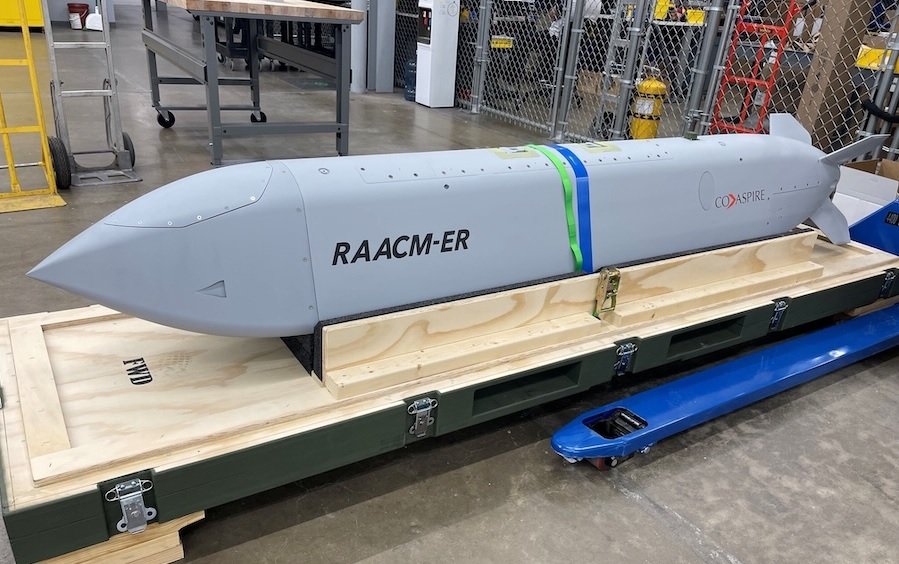
U.S
WASHINGTON — The U.S. Navy has awarded Virginia-based CoAspire a $70 million Prototype Other Transactional Agreement (OTA) to develop a ground-launched version of its Rapidly Adaptable Affordable Cruise Missile-Extended Range (RAACM-ER) under the Coalition Heterogeneous Affordable Offensive Strike (CHAOS) program. The agreement was brokered through CMG Networks on behalf of the Naval Aviation Systems Consortium. Under the contract, CoAspire will design, build, test, and deliver the system to the Navy's Program Executive Office for Munitions (PMX-201). The CHAOS program is focused on Foreign Military Sales (FMS) and is intended to provide U.S. allies and coalition partners with an affordable, scalable, and ground-launched precision strike capability for engaging both maritime and land targets. To meet the program's requirements, CoAspire is adapting its turbojet-powered RAACM-ER cruise missile with a new booster and launcher system to create a mobile ground-based strike platform. The missile uses GPS-assisted navigation together with a long-wave infrared seeker, enabling it to engage fixed land targets as well as moving ships at sea. Doug Denneny, CEO and founder of CoAspire, said the company is pleased to support the U.S. Navy under the CHAOS program. "CoAspire is thrilled to support the U.S. Navy with this much-needed, affordable, mid-range maritime strike weapon. We, and our 56 first-tier suppliers across almost every state, are excited to support PMX-201, NAVAIR, and our coalition partners with an affordable cruise missile solution." Focus on Affordable and Scalable Production According to CoAspire, the RAACM family is designed to support rapid and cost-effective manufacturing. The company uses additive manufacturing (industrial 3D printing) to produce the missile's fuselage, reducing reliance on traditional tooling and lowering manufacturing costs. The manufacturing approach also reduces the number of internal structural components, creating additional internal space for a larger fuel tank. CoAspire says this allows engineers to develop structural modifications and new variants in months rather than the years typically required through conventional aerospace manufacturing. The company also prioritizes the use of commercial off-the-shelf (COTS) components to help reduce supply chain constraints. Part of Wider U.S. Affordable Munitions Effort The CHAOS ground-launched missile shares significant engineering with the RAACM-ER GHOST configuration, which CoAspire is developing under the Low-Cost Containerized Munition (LCCM) program. The LCCM program, supported by the Office of the Under Secretary of War for Research and Engineering and the U.S. Army, aims to procure tens of thousands of low-cost cruise missiles beginning in 2027 to strengthen munition stockpiles for future operational requirements. CoAspire is also participating in the U.S. Air Force's Family of Affordable Mass Missiles (FAMM) initiative through a multi-year framework agreement covering an air-launched version of the RAACM. By adapting the RAACM-ER for ground launch under the CHAOS program, the U.S. Navy aims to provide allied nations with access to an affordable cruise missile that can be produced at scale using the same manufacturing base supporting other RAACM variants. Source : navalnews
Read More → Posted on 2026-07-23 15:04:07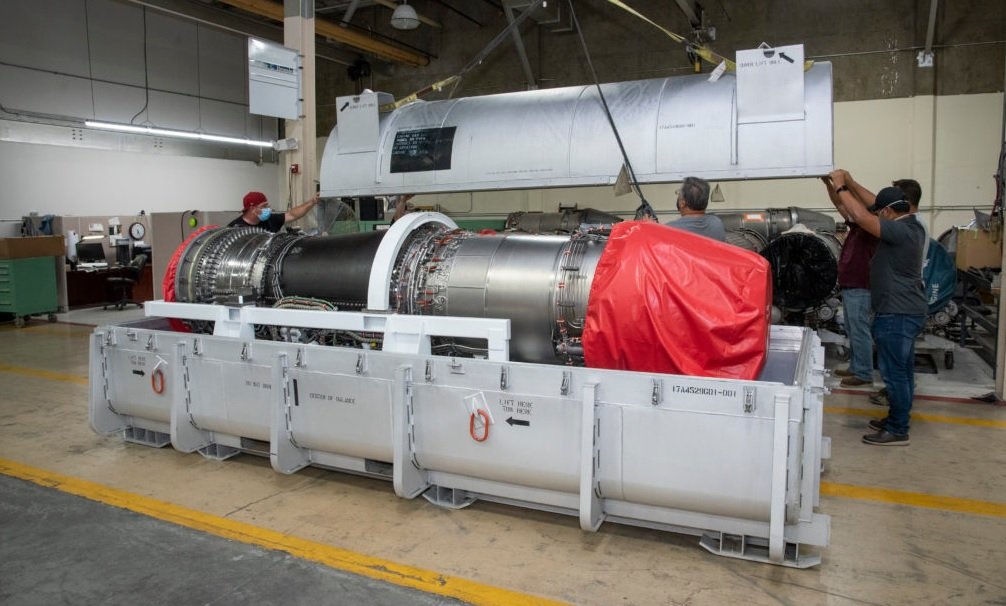
U.S
FARNBOROUGH, England — GE Aerospace and Magellan Aerospace Corporation have signed a strategic Memorandum of Understanding (MoU) to establish maintenance, repair, and overhaul (MRO) capabilities in Canada for the F414-GE-39E engine that powers the Saab JAS 39 Gripen E fighter aircraft. The agreement, announced at the Farnborough Air Show, is conditional on the Government of Canada selecting the Gripen E for the Royal Canadian Air Force (RCAF) future fighter fleet. If the aircraft is not selected, the agreement will not take effect. Agreement Depends on Canada's Fighter Decision The MoU comes as the Canadian government continues reviewing its future fighter aircraft procurement. Prime Minister Mark Carney's government is reassessing the country's fighter acquisition after pausing its existing contract for 88 Lockheed Martin F-35 aircraft following recent U.S. tariffs introduced by President Donald Trump. As the review continues, Saab and its industry partners are highlighting domestic industrial participation as part of their proposal for the Gripen E. Earlier, Saab also signed a Memorandum of Understanding with Canadian company CAE to provide domestic flight simulation and pilot training if the Gripen E is selected. Domestic F414 Engine Support Planned Under the proposed agreement, GE Aerospace would train and license Magellan Aerospace to become Canada's domestic centre of excellence for F414 engine sustainment. Maintenance, repair, and overhaul (MRO) activities would be carried out at Magellan's facility in Mississauga, Ontario. The companies said the arrangement would provide in-country engine sustainment capabilities for a future RCAF Gripen E fleet while supporting operational readiness and long-term engine availability. Building on a Long-Standing Partnership The agreement expands a partnership between GE Aerospace and Magellan Aerospace that spans more than six decades across military and commercial engine programmes. Magellan already manufactures components for the F414 engine family, including under a 2025 amendment to the companies' revenue-sharing agreement supporting programmes such as South Korea's KF-21 fighter. According to the companies, the proposed initiative would strengthen Canada's sovereign aerospace capabilities by keeping specialized maintenance expertise, infrastructure, and skilled technical personnel within the country. They added that it aligns with Canada's Defence Industrial Strategy and its "build, partner, buy" approach by supporting the domestic defence industrial base. Company Statements Paul Ferraro, Vice President of Defense Engines & Services at GE Aerospace, said the agreement builds on the companies' long-standing relationship and would provide the Royal Canadian Air Force with in-country F414 engine sustainment capabilities to support fleet readiness if the Gripen E is selected. Haydn Martin, Vice President of Business Development, Marketing, and Contracts at Magellan Aerospace, said the agreement reflects the companies' shared objective of developing sovereign aerospace capabilities in Canada. He said that, if the Gripen E is selected, Magellan would provide maintenance, repair, and overhaul services while supporting highly skilled Canadian jobs, developing advanced technical expertise, and strengthening Canada's long-term defence industrial capacity. F414 Engine According to GE Aerospace, the F414 engine has accumulated more than five million flight hours, with over 1,600 engines delivered to eight nations. The engine features a six-module architecture designed to simplify maintenance and help reduce life-cycle costs. GE Aerospace said it provides unrestricted performance on demand, rapid throttle response, and zero throttle restrictions. Instead of scheduled overhauls, the F414 uses an on-condition maintenance approach intended to maximize engine availability and keep aircraft operational for longer periods. Source : geaerospace
Read More → Posted on 2026-07-23 14:48:18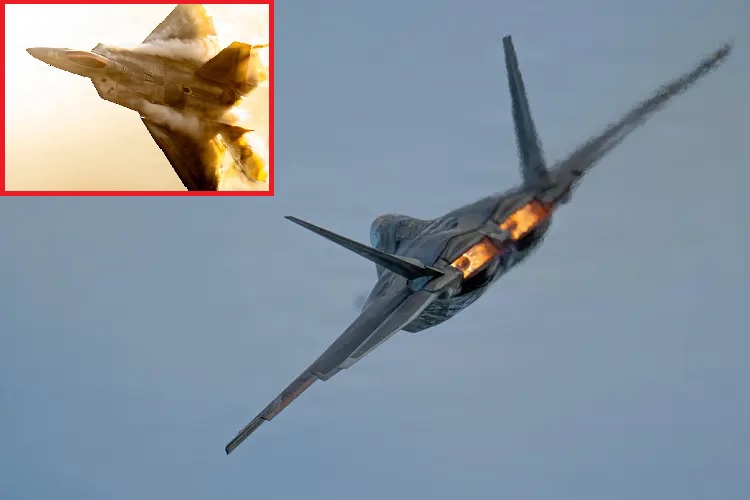
U.S
RED OAK, Texas — Qarbon Aerospace has been awarded a contract to manufacture composite structures for the sustainment of the U.S. Air Force's F-22 Raptor fleet, marking the company's return to the fifth-generation fighter program that it previously supported during the aircraft's development phase. During the early 2000s, Qarbon Aerospace produced horizontal stabilizers for the F-22. The company said the new contract builds on its earlier experience, with its composite manufacturing expertise and long-standing relationship with Lockheed Martin supporting the sustainment requirements of the program. The F-22 Raptor remains one of the most advanced fighter aircraft in the U.S. Air Force inventory. Since production of new F-22 aircraft ended in 2012, maintaining the operational fleet through sustainment, maintenance, repairs, and modernization has become a key focus. Composite materials are an important part of the aircraft's structure, contributing to its performance, strength-to-weight ratio, and low-observable characteristics. Under the contract, Qarbon Aerospace will manufacture structural composite assemblies to support the long-term sustainment of the operational F-22 fleet. The company stated that its established manufacturing capabilities and experience with advanced composite structures position it to meet the program's technical requirements. "The F-22 is one of the most capable aircraft ever flown, and we are proud to be manufacturing for the program again," said Michael Canario, Chief Executive Officer of Qarbon Aerospace. "Defense is a core part of who Qarbon is, and we are committed to being the Tier 1 partner the U.S. defense industry counts on for its most advanced programs." The contract further expands Qarbon Aerospace's defense portfolio. The company has supported U.S. defense programs for decades by producing structures and assemblies for fixed-wing aircraft, rotorcraft, and space platforms. It said defense remains a central part of its business strategy, and it continues to invest in additional manufacturing capacity and defense-related opportunities. Qarbon Aerospace traces its aviation heritage to the Aeroplane Vought Company, established in 1917. Headquartered in Red Oak, Texas, the company specializes in advanced composite components and assemblies for commercial aircraft, military aircraft, spacecraft, and business jet programs. The company operates nearly two million square feet of manufacturing space across its primary facilities in Red Oak, Texas; Milledgeville, Georgia; and Rayong, Thailand. Its production capabilities range from individual component fabrication to large-scale assembly, supported by proprietary thermoplastics technologies and long-standing relationships with major original equipment manufacturers. Qarbon Aerospace has contributed to several defense programs, including completed wings for Northrop Grumman's High Altitude Long Endurance (HALE) platform, the Pratt & Whitney F135 engine duct, Boeing V-22 Osprey empennage components, and structures for the T-7A Red Hawk trainer. The new F-22 sustainment contract supports broader U.S. Air Force efforts to maintain fleet readiness through maintenance, upgrades, repairs, and logistics support. Industry partners such as Qarbon Aerospace provide specialized components, including advanced composite structures, that help keep the aircraft operational. For Qarbon Aerospace, the award aligns with its focus on delivering complex aerostructures for advanced military aircraft while supporting the long-term sustainment requirements of the F-22 Raptor fleet. Source : finance.yahoo
Read More → Posted on 2026-07-22 14:33:33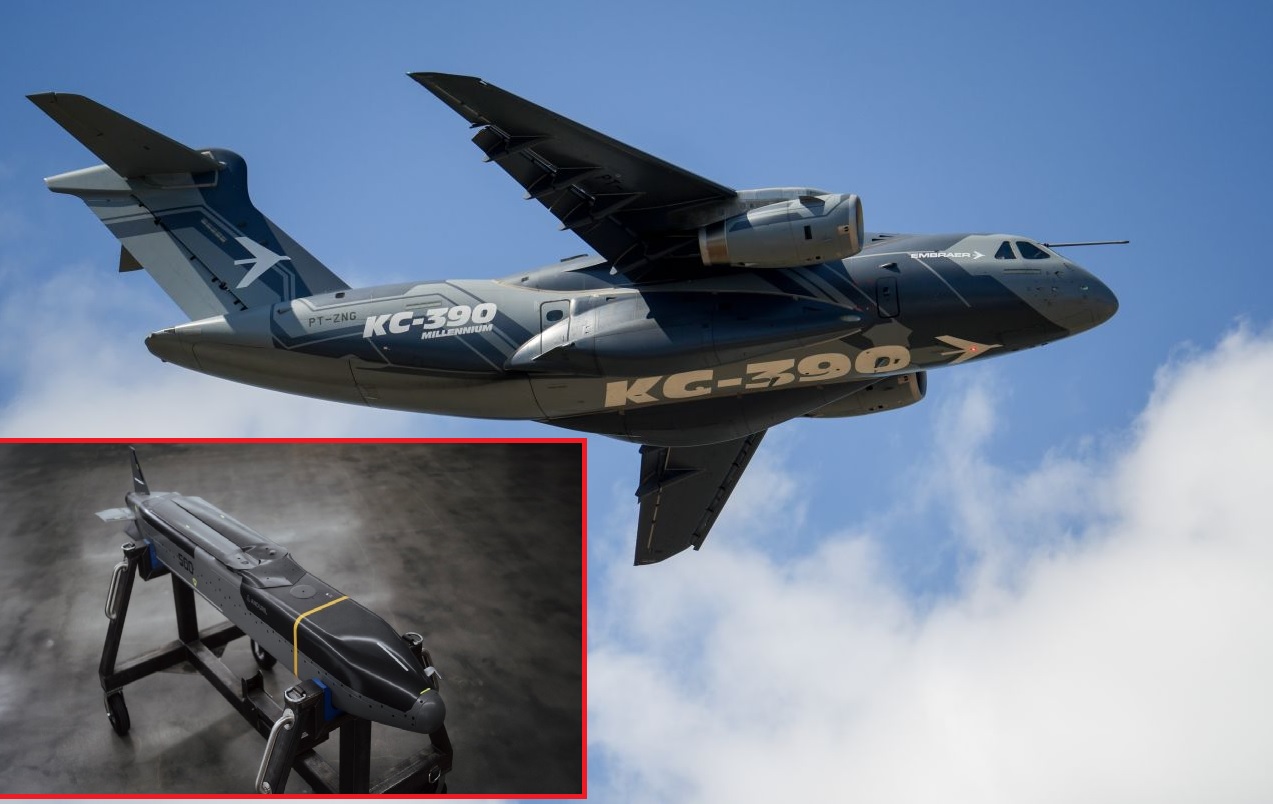
U.S
FARNBOROUGH, U.K. — Brazilian aerospace company Embraer and U.S. defense technology firm Anduril Industries have signed a Memorandum of Understanding (MoU) to evaluate the integration of the pallet-launched Barracuda-500M (B-500M) stand-off cruise missile with the Embraer C-390 Millennium military transport aircraft. The agreement, announced during the 2026 Farnborough International Airshow, aims to expand the C-390 Millennium's operational role beyond tactical air mobility while maintaining its primary transport capabilities. Under the collaboration, the companies will study the use of the Barracuda-500M through roll-on/roll-off mission systems and conventional aerial-delivery procedures. Instead of permanently modifying the aircraft into a dedicated strike platform, the palletized launch system would enable the C-390 to deploy dozens of cruise missiles directly from its cargo compartment. This concept is intended to provide massed stand-off effects during dispersed operations while allowing the aircraft to continue performing its transport missions. The approach is designed to support agile combat employment by giving military operators the ability to rapidly configure the aircraft for different mission requirements without structural changes. The C-390 Millennium is a twin-engine military transport aircraft capable of carrying 26 tons of payload and reaching speeds of 470 knots, according to Embraer. The company says the aircraft flies faster and farther than other medium-sized military transport aircraft. The aircraft is designed to perform a wide range of missions, including troop and cargo transport, equipment and personnel airdrops, medical evacuation, search and rescue, firefighting, and humanitarian assistance. It can also operate from temporary or unpaved runways. With quick-installation air-to-air refueling equipment, the C-390 can serve as both an aerial tanker and a receiver. Anduril describes the Barracuda-500M as a software-defined, affordable cruise missile developed to rapidly rebuild and expand U.S. and allied munitions inventories. The company says the missile family has been designed for hyper-scale commercial production, requiring 50% fewer parts, 95% fewer tools, and half the manufacturing time compared with traditional cruise missiles. Barracuda-500M Specifications Feature Specification Propulsion Turbojet Top Speed 930 km/h (approximately 500 knots) Operational Range More than 930 km (500 nautical miles) Payload Capacity More than 45 kg (100 lbs) According to Anduril, the first successful flight test of the pallet-launched Barracuda-500M was completed in September 2024. Since then, the company says it has conducted dozens of additional flight tests to validate the missile's maturity, modularity, and payload performance. These tests included demonstrations of Networked Collaborative Autonomy, terminal target engagements, and payload performance validation. The Embraer agreement represents another potential application for the Barracuda-500M. It follows Anduril's localized production agreement with Poland's PGZ and procurement framework agreements with the U.S. Department of War under the Family of Affordable Mass Missiles (FAMM) program. To support anticipated production demand of up to 8,000 missiles annually, Anduril is shifting manufacturing to its 5-million-square-foot Arsenal-1 facility in Ohio. For Embraer, the integration study introduces an additional mission concept for the C-390 Millennium as the aircraft continues to expand its international customer base. The C-390 has been selected by the air forces of Brazil, Portugal, Hungary, the Republic of Korea, the Netherlands, Austria, the Czech Republic, Uzbekistan, Sweden, the United Arab Emirates, Slovakia, and Lithuania. Bosco Da Costa Junior, President and CEO of Embraer Defense & Security, said the collaboration represents another step in expanding the aircraft's capabilities. "This collaboration with Anduril marks another important step in the evolution of the C-390 Millennium. By exploring the integration of stand-off launch capabilities for palletized, kinetic, and non-kinetic effects, we are further expanding the aircraft's flexibility to meet the evolving needs of modern air forces. Together, we are developing innovative solutions that strengthen mission versatility, support agile combat employment, and increase operational possibilities for our customers worldwide." Greg Kausner, Senior Vice President for Global Defense at Anduril, said the integration would provide allied militaries with an additional stand-off strike option using an existing airlift platform. "Integrating the pallet-launched Barracuda-500M with Embraer's C-390 Millennium gives allied militaries a new way to generate massed, stand-off effects from a proven airlift platform. Anduril's Barracuda family of systems delivers rapidly producible, operationally relevant capabilities to meet the growing demand for affordable, scalable munitions." The Memorandum of Understanding establishes a framework for studying the integration of the pallet-launched Barracuda-500M with the C-390 Millennium, combining Embraer's multi-mission transport aircraft with Anduril's stand-off cruise missile concept to evaluate an additional operational capability for future military operators. Source : Embraer
Read More → Posted on 2026-07-22 14:24:06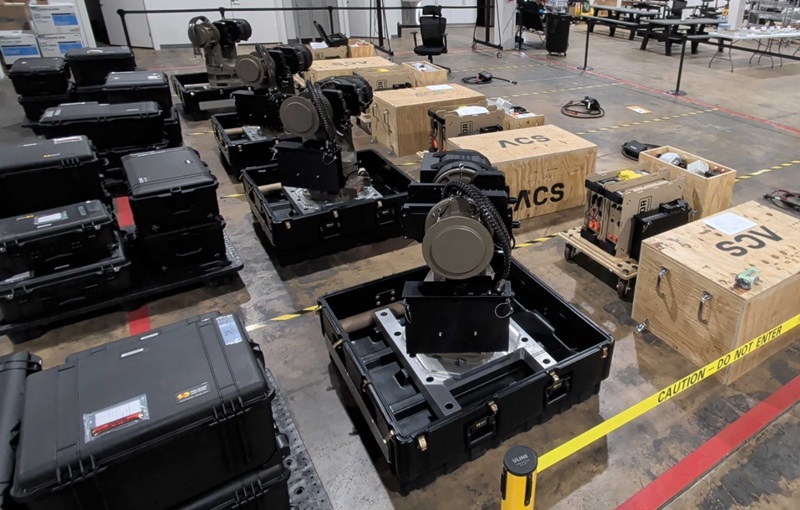
U.S
WASHINGTON — The United States Marine Corps has selected the Bullfrog autonomous weapon station, developed by Texas-based Allen Control Systems (ACS), for integration into its Light Marine Air Defense Integrated System (L-MADIS), strengthening the service's expeditionary counter-unmanned aerial system (C-UAS) capability. The selection was made under a prototype Other Transaction Agreement (OTA) as part of the Marine Corps' Ground Based Air Defense (GBAD) program. The initial contract is valued at approximately $6.2 million, while the Marine Corps has requested $1.27 billion for GBAD capabilities in its fiscal year 2027 budget. AI-Guided Robotic Mount for Existing Weapons Rather than introducing a new firearm, Bullfrog is a robotic weapon station designed to convert existing military weapons into AI-assisted precision systems. The version selected by the Marine Corps is configured around the M240 machine gun, enabling it to detect, track and engage aerial targets with significantly reduced operator workload. The system weighs approximately 300 pounds (136 kilograms) without ammunition and fires standard 7.62×51mm NATO ammunition at a maximum cyclic rate of 850 rounds per minute. Bullfrog uses computer vision and artificial intelligence to manage target detection, tracking and engagement. It relies on a fully passive sensor suite, using optical cameras and onboard data processing instead of radar or other active emissions. This approach allows the system to track targets without broadcasting signals that could reveal its position to enemy electronic warfare systems. Despite its high level of automation, Bullfrog operates under a human-in-the-loop model. The system performs target tracking and firing calculations, but a human operator must authorize every engagement before the weapon fires. According to Allen Control Systems, Bullfrog is designed to engage Group 1 through Group 3 unmanned aerial systems, ranging from small commercial quadcopters to tactical fixed-wing drones weighing up to 1,320 pounds (599 kilograms). Depending on the installed weapon, the system has a maximum effective range of up to 1,500 meters against point targets. Integration with L-MADIS The Bullfrog weapon station will be integrated into the Marine Corps' Light Marine Air Defense Integrated System (L-MADIS), the service's most expeditionary counter-drone platform currently in operation. L-MADIS consists of two Polaris MRZR all-terrain vehicles operating together. One vehicle serves as a command-and-control platform, while the second carries an electronic warfare suite designed to detect, jam and disrupt hostile drones. The addition of Bullfrog provides L-MADIS with a kinetic counter-drone capability, allowing Marines to physically engage drones if electronic jamming is ineffective, particularly against autonomous drones operating without active radio links. "The Marine Corps requires the most sophisticated and accurate possible capabilities to carry out its critical missions," said Mike Wior, co-founder and Chief Executive Officer of Allen Control Systems. "We are honored to support Marines with fast, scalable, and cost-effective counter-drone solutions that integrate seamlessly into existing platforms," he added. Lower-Cost Drone Interception The system is intended to provide a lower-cost method of defeating drones by using standard machine gun ammunition instead of missile interceptors. According to Allen Control Systems, using conventional ammunition can reduce the cost of intercepting drones to as little as $10 per engagement, allowing forces to respond to multiple drone threats without relying on limited stocks of more expensive interceptor missiles. Previous Testing and Military Adoption Bullfrog attracted attention during the Department of Defense's Technology Readiness Experimentation event at Camp Atterbury, Indiana, in August 2024, where it successfully engaged drone targets during a two-week evaluation attended by military officials, including former Undersecretary of Defense for Research and Engineering Heidi Shyu and representatives from U.S. Special Operations Command. The system has also been validated by Joint Interagency Task Force 401, the Pentagon's counter-drone coordination unit. In December 2025, the U.S. Army Applications Lab awarded Allen Control Systems a $4.5 million contract to evaluate Bullfrog integration across five Army combat vehicles. The company also confirmed that Bullfrog systems have already been deployed with U.S. Army and U.S. Navy units. Internationally, Allen Control Systems has secured export contracts with South Korea and the United Arab Emirates, and has signed a memorandum of understanding for local co-production in Romania. Multiple Weapon Configurations In addition to the M240 variant selected by the Marine Corps, Allen Control Systems manufactures Bullfrog configurations designed for the M2 machine gun, M230 30mm automatic cannon, and M134 Gatling-style rotary gun, allowing the system to be adapted for different operational requirements. Company Background Allen Control Systems is headquartered in Austin, Texas, and was founded by Mike Wior, Steven Simoni, and Luke Allen, two of whom previously served as U.S. Navy nuclear engineers. The company recently completed a $200 million Series B funding round in June 2026 at a $2.2 billion valuation, with plans to expand its manufacturing capacity to support growing defense demand. Source : breakingdefense
Read More → Posted on 2026-07-21 15:21:41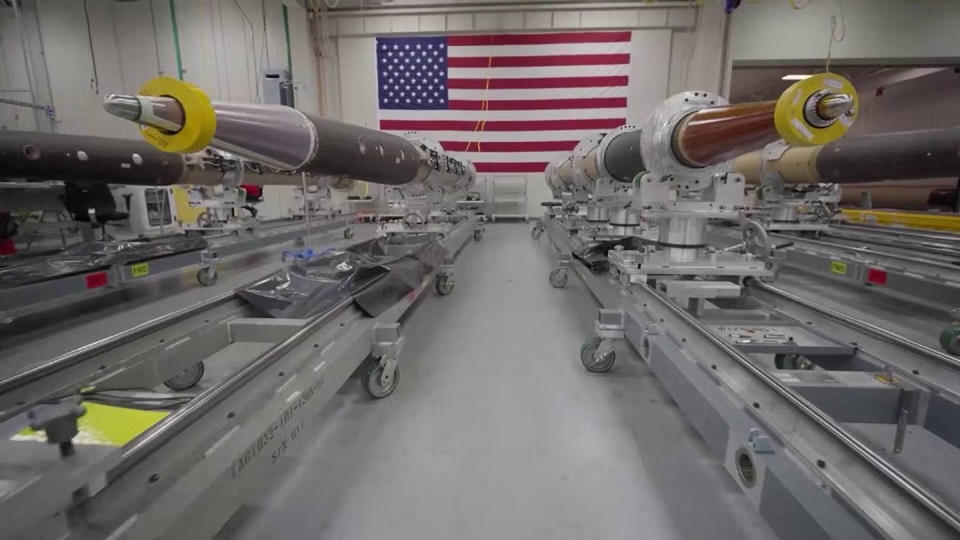
U.S
WASHINGTON — Lockheed Martin is expanding its U.S. munitions production capacity through four factory and workforce initiatives across Pennsylvania, Florida and Arkansas as part of a long-term investment strategy worth more than $9 billion. According to the company, the investment is intended to increase manufacturing capacity, improve supply-chain resilience and meet rising demand for advanced defense systems. Lockheed Martin said the projects are already increasing production output, improving manufacturing efficiency and strengthening its defense workforce. The expansion supports several key missile programs, including the Terminal High Altitude Area Defense (THAAD) system, Patriot Advanced Capability-3 (PAC-3) interceptor and Precision Strike Missile (PrSM). Pennsylvania expansion In Pennsylvania, Lockheed Martin plans to invest more than $60 million to expand its existing facility in Archbald. The project will double the site's physical size and create more than 700 jobs. The company has also leased a new 150,000-square-foot facility in nearby Jessup, which will manufacture cable-and-harness systems for PrSM, THAAD, PAC-3, Apache sensors and other defense programs. Phased production at the Jessup facility is scheduled to begin in 2027. Lockheed Martin said the additional space will accommodate more tooling, test equipment and hardware. The facility will also introduce advanced manufacturing technologies, including digital projection harness boards, a modular digital-twin production floor for rapid assembly-line reconfiguration, and advanced material-handling automation to improve manufacturing scale and speed. Florida production improvements In Orlando, Florida, the company has combined three older paint bays into a single high-performance paint facility that supports THAAD, PrSM and other missile systems. According to Lockheed Martin, the new layout enables manufacturing teams to reconfigure production cells in hours instead of weeks. Improved temperature and humidity controls, together with a high-efficiency oven, have reduced cure times by 15%. The Orlando facility also includes five recirculating paint booths, a second high-efficiency oven to reduce production bottlenecks, and sensor-based mix-room controls designed to improve paint consistency and reduce rework. At its Ocala, Florida facility, Lockheed Martin has introduced a Progressive Work Smart Assembly Line for missile control unit and seeker subassemblies. The company said the assembly line uses modular and flexible workstations to improve material flow and reduce waste. Early production results indicate an approximately 50% reduction in hours per unit for both missile control unit and seeker builds. Lockheed Martin said it plans to expand the smart-line manufacturing approach to additional production sites and missile programs to accelerate delivery of systems to military forces. Workforce expansion in Arkansas To support increased manufacturing capacity, Lockheed Martin is also expanding its workforce in Camden, Arkansas. The company's high school hiring initiative reached a staffing record in its fourth year, with more than 40 candidates transitioning into full-time positions this year to support higher munitions production. The program, conducted in partnership with the U.S. Department of Labor, has now brought more than 90 apprentices into Lockheed Martin's workforce. According to the company, the partnership helps develop a skilled workforce for national security manufacturing while providing local workers with a structured pathway into advanced manufacturing and defense-related careers. The workforce expansion aligns with the recent groundbreaking of a new Munitions Acceleration Center in Camden, which is intended to increase production of THAAD and PAC-3 interceptors. Lockheed Martin said the four initiatives combine factory expansion, advanced manufacturing technologies, automation and workforce development to strengthen munitions production capacity for current and future U.S. and allied defense requirements. Source : lockheedmartin
Read More → Posted on 2026-07-21 15:13:38
U.S
ANDOVER, Mass. — Raytheon, a business of RTX, has received a $1.8 billion contract modification from the U.S. Navy to continue the production and sustainment of the AN/SPY-6(V) family of radar systems, supporting the Navy's ongoing modernization of its surface fleet. The contract extension builds on the original hardware production and sustainment agreement awarded to Raytheon in March 2022. According to the company, the modified agreement includes contract options that, if fully exercised, would increase the total cumulative value to $3.39 billion. The SPY-6 family of active electronically scanned array (AESA) radars is designed to detect and track multiple threats simultaneously, including ballistic missiles, cruise missiles, hostile aircraft, and surface ships. The radar provides greater detection range and improved sensitivity compared with legacy U.S. Navy radar systems. Raytheon said the SPY-6 radar is currently operational aboard two commissioned U.S. Navy ships and has been installed on 11 additional vessels that are undergoing various stages of sea trials and testing. Over the next decade, the Navy plans to deploy the radar across more than 50 ships, including Flight III Arleigh Burke-class destroyers, frigates, aircraft carriers, and amphibious assault ships. “This contract extension reflects the Navy’s confidence in our ability to deliver advanced, reliable and scalable radar solutions,” said Barbara Borgonovi, president of Naval Power at Raytheon. “Our continued investment and commitment to ramping production will ensure the fleet has the sensing advantage to stay ahead of evolving threats for decades to come.” The SPY-6 radar family is the result of more than a decade of design, testing, and manufacturing work, and Raytheon said the system has been validated through operational performance at sea. To support the Navy's planned deployment schedule, Raytheon has invested more than $800 million to modernize its radar manufacturing facilities and expand production capacity. The company said these upgrades are expected to double SPY-6 production by 2028, helping improve long-term hardware availability while reducing overall costs for the Navy. Manufacturing work under the contract will be carried out at several U.S. facilities. Approximately 30% of the production will take place in Andover, Massachusetts, where Raytheon is expanding its engineering workforce to support the program. Additional work will be performed in San Diego, California; Scottsdale, Arizona; and Syracuse, New York. According to the U.S. Department of Defense, the base contract work is scheduled for completion by July 2031. If all contract options are exercised, work could continue through October 2031. Source : rtx
Read More → Posted on 2026-07-21 14:52:51Search
Top Trending in 24 Hours
-
 Iranian Missile Strike Damaged U.S. A-10 and Eight F-15s at Jordan Air Base, CBS Reports
-
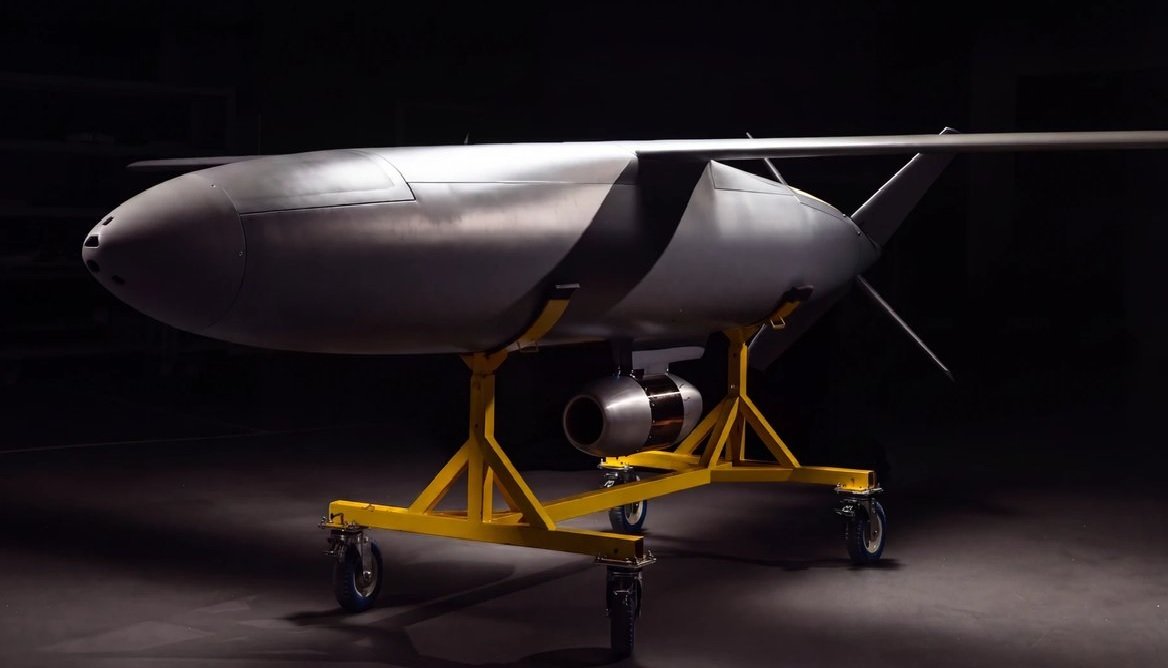 U.S. Startup Covenant Emerges From Stealth With $250 Million Funding and Anthem, a New Long-Range Heavy-Payload Strike Missile After More Than 200 Test Flights
-
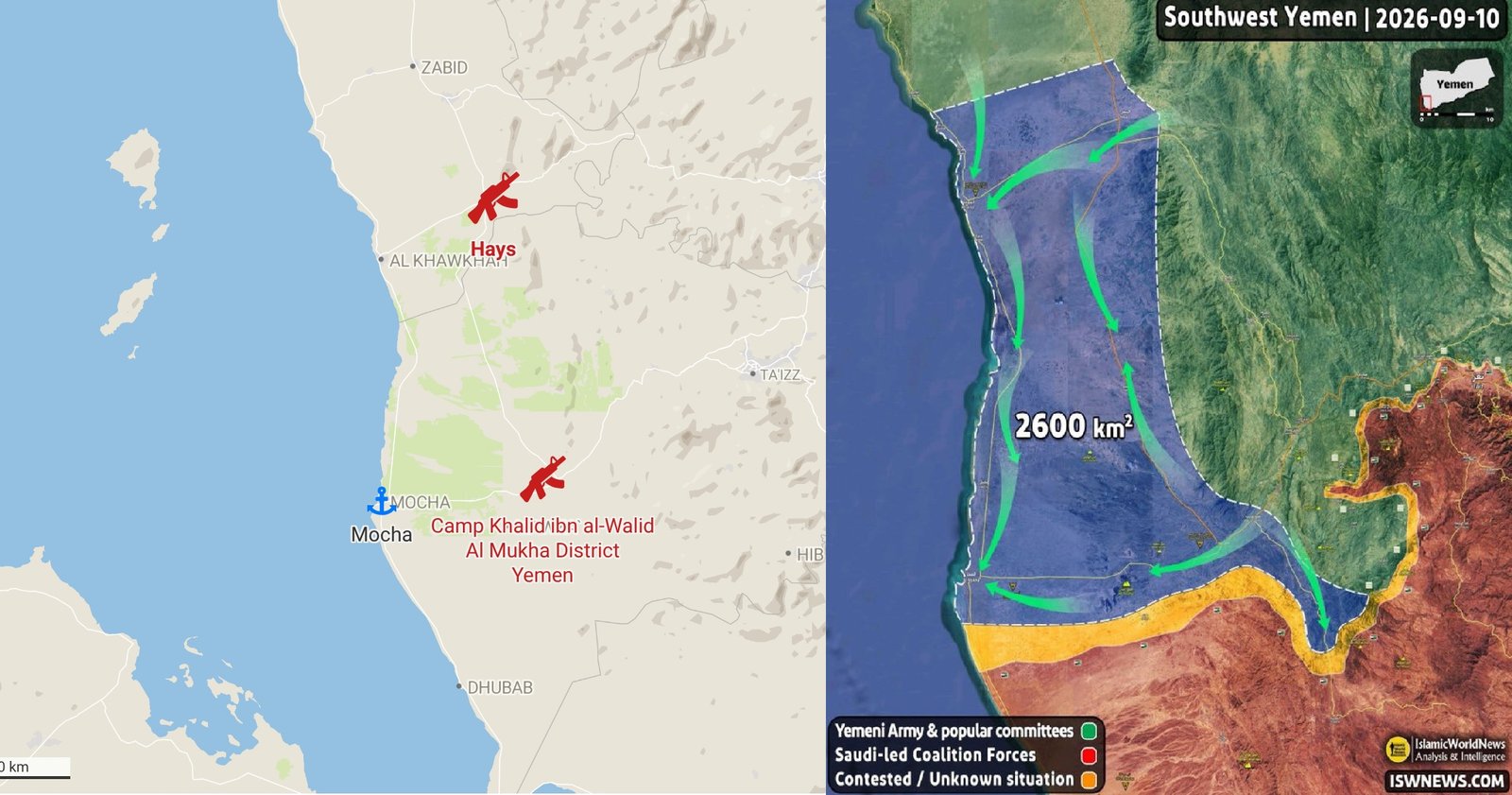 Houthi Forces Capture Strategic Red Sea Port City of Mocha Following Government Withdrawal
-
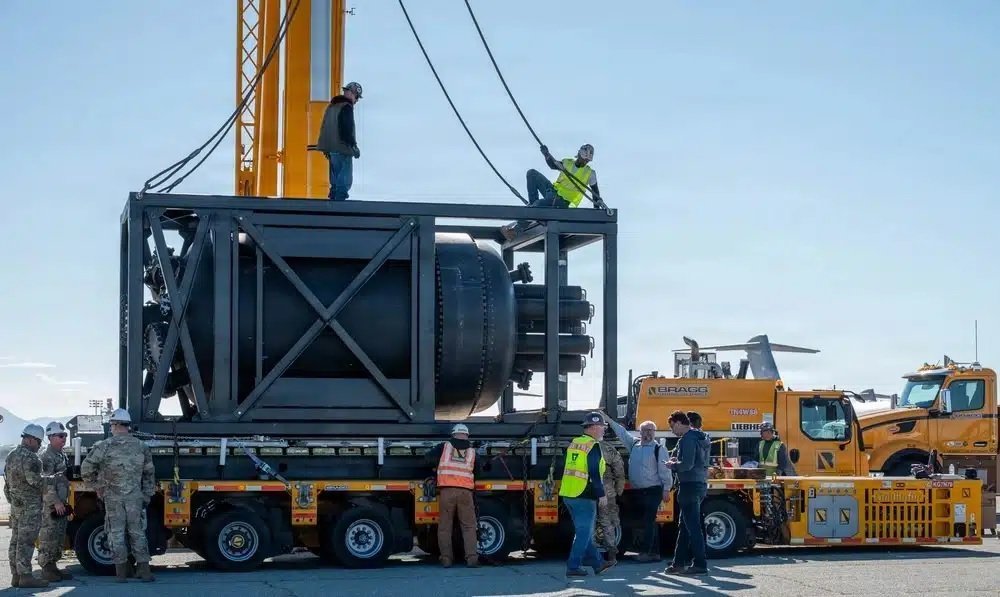 U.S. Navy Plans First Shore-Based Nuclear Microreactor at Indiana’s Crane Base by 2028
-
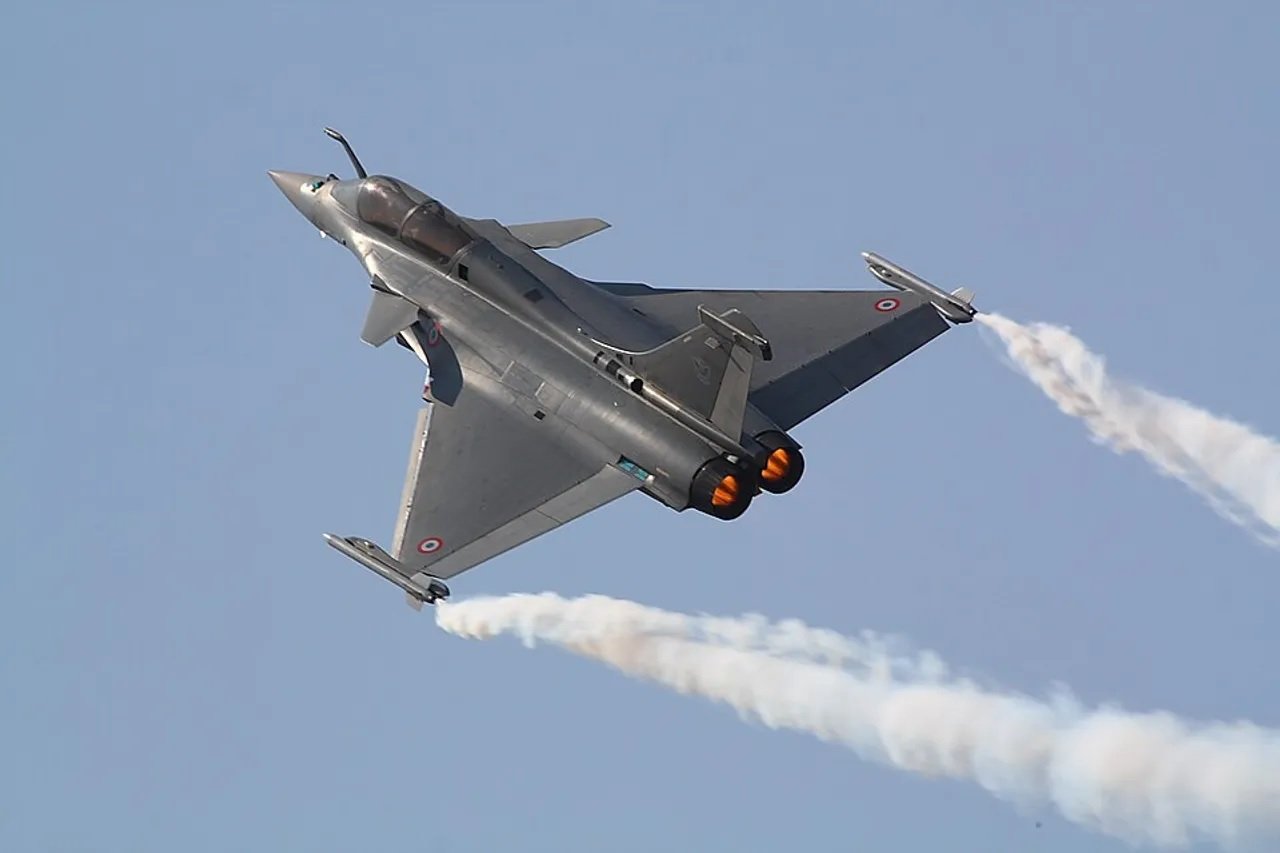 Russian Rafale “Kill Switch” Claim Faces Questions Over Evidence
-
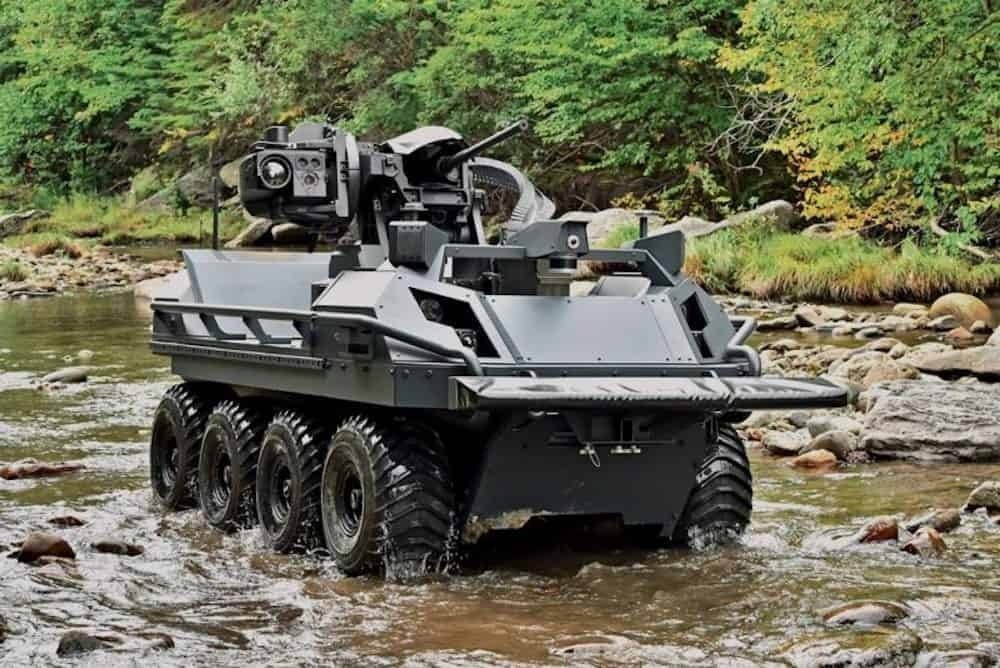 American Rheinmetall Secures $7.28 Million Contract for U.S. Marine Corps Autonomous Vehicles
-
 U.S. Signs $4 Billion Military Financing Guarantee for Poland, Bringing Total Support Near $20 Billion
-
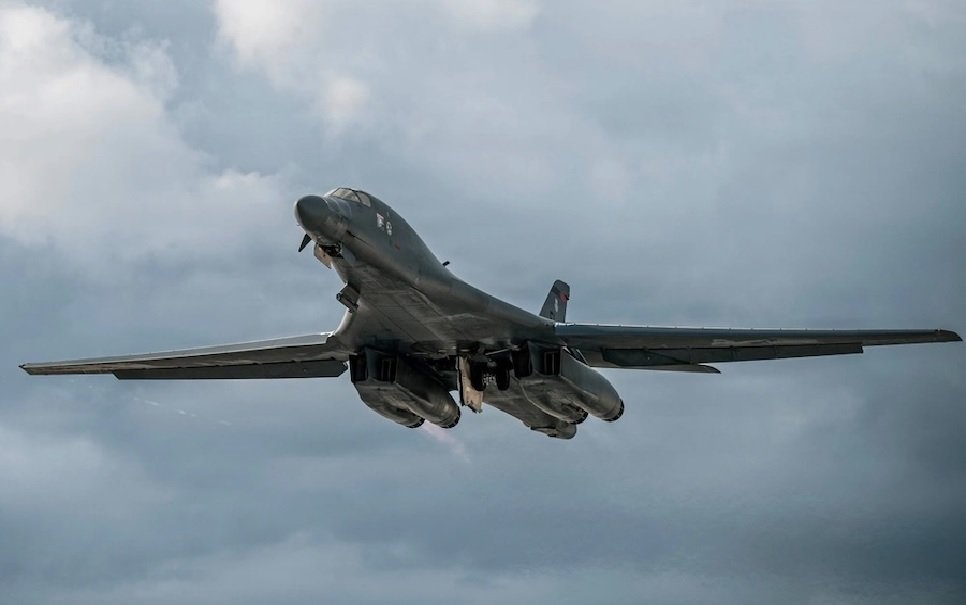 U.S. Air Force Launches North Star Campaign to Improve B-52 and B-1 Bomber Readiness
Top Trending in 4 Days
-
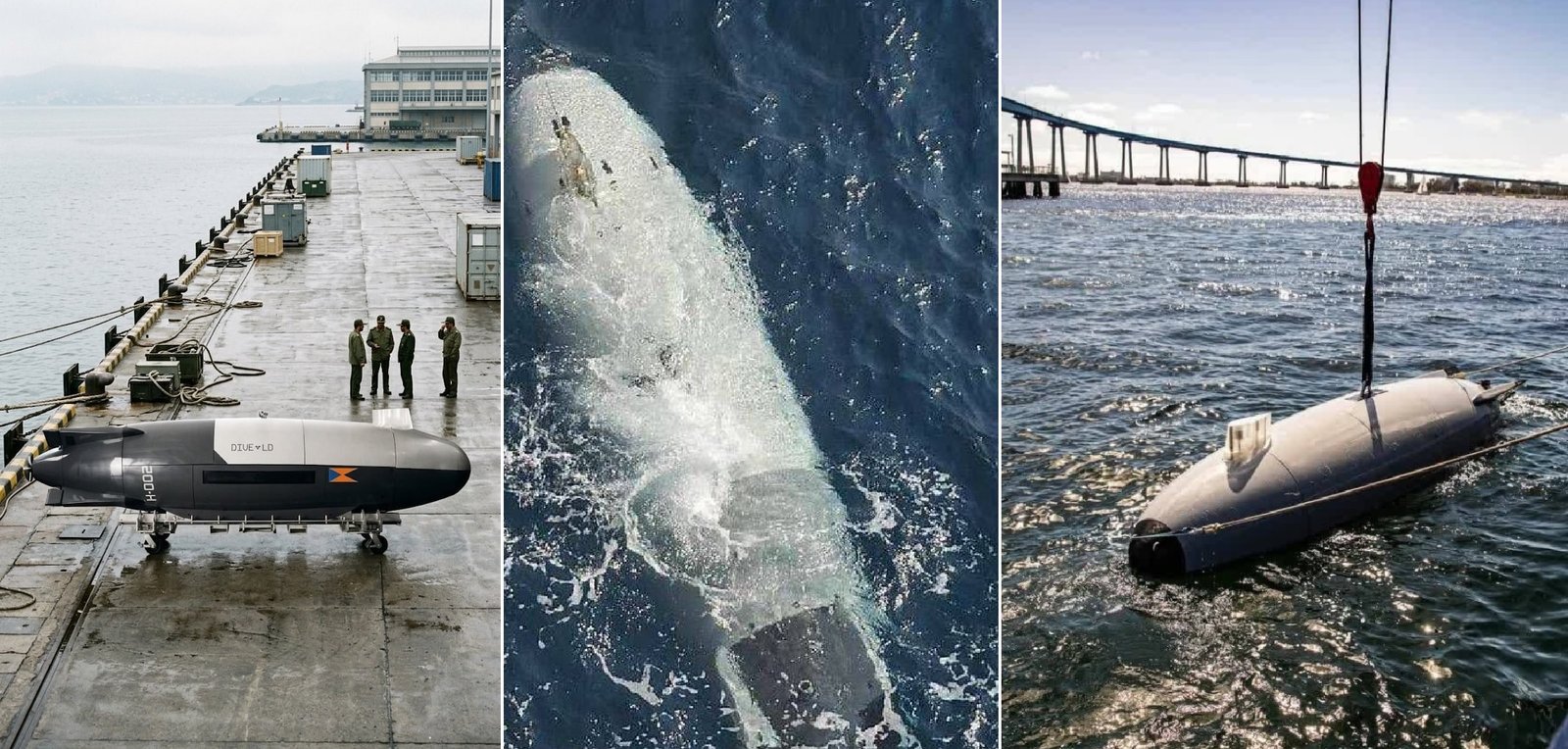 Iran’s IRGC Claims Capture of U.S. Dive-LD Unmanned Underwater Vehicle Near Strait of Hormuz
-
 Satellite Imagery Shows Two U.S. Barracks Destroyed at Kuwait’s Ali Al Salem Air Base in Iranian Attack
-
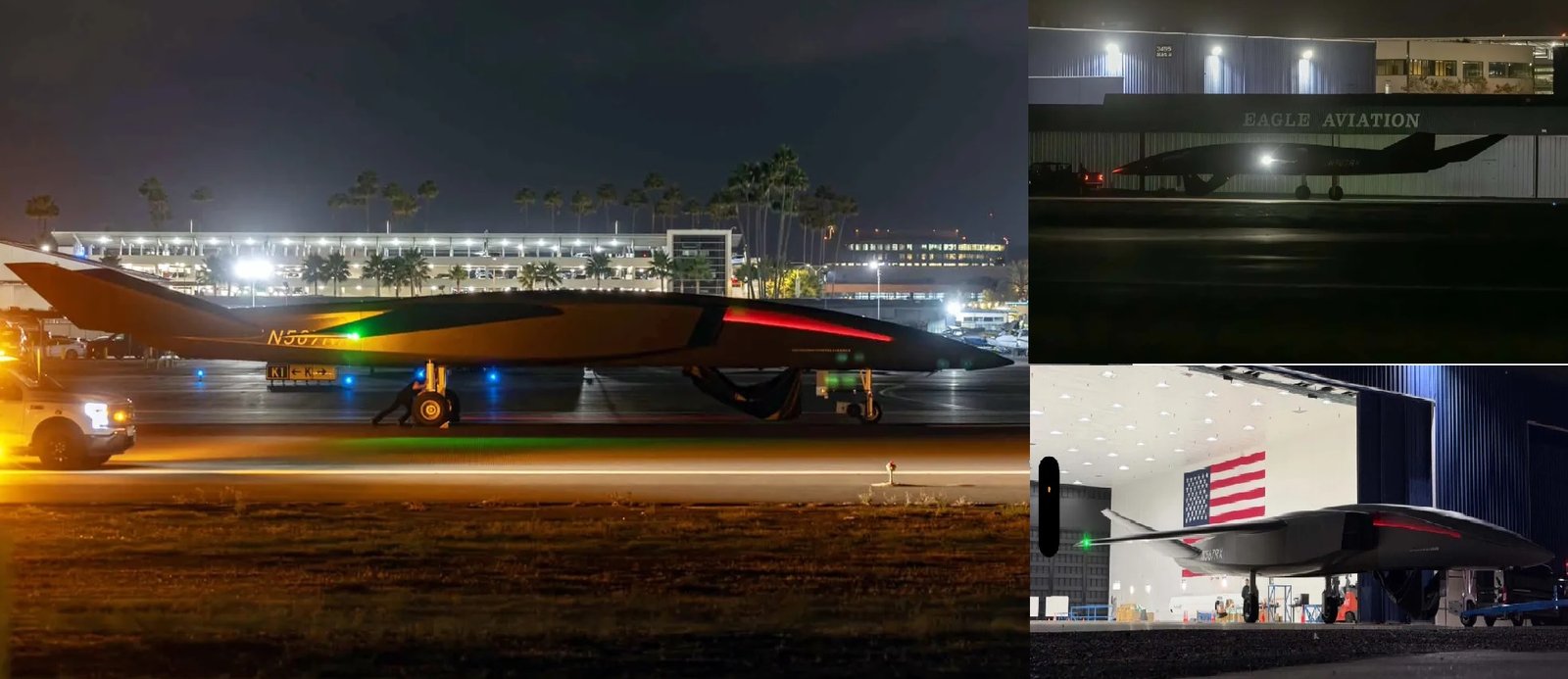 Mysterious Black Aircraft at Long Beach Airport Identified as Aevum’s RAVN X Autonomous Spaceplane After Years Out of Sight
-
 Trump’s ‘The Moon Is Ours’ Post, Space Force Uniform Concept and Green Lantern AI Video Draw Online Backlash
-
 Iranian Missiles Strike U.S. Base in Jordan as Reports Emerge of Injured American Personnel
-
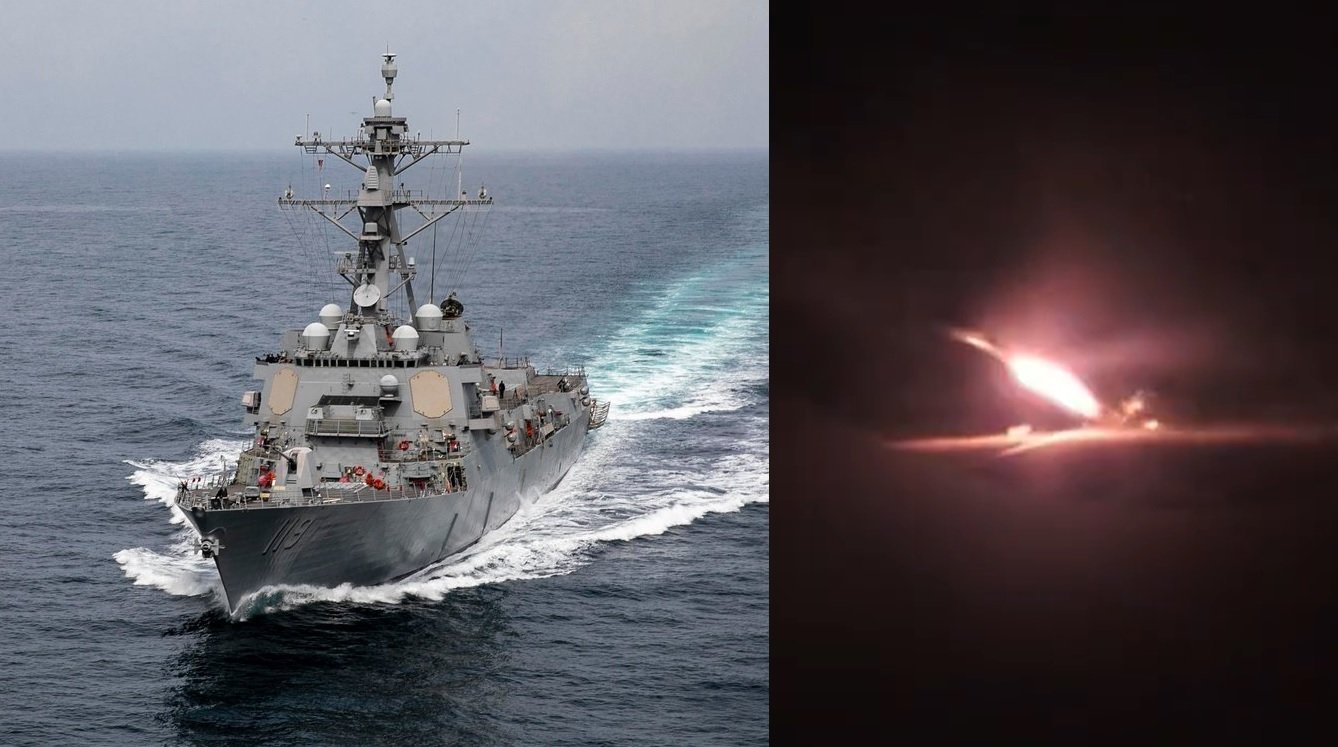 IRGC Claims Significant Damage to Two U.S. Destroyers in Missile Attack; CENTCOM Denies Hits
-
 Iran Launches Massive Ballistic Missile Attack with Cluster Munitions on U.S.-Used Air Base in Jordan, Some Missiles Confirmed to Have Hit Base
-
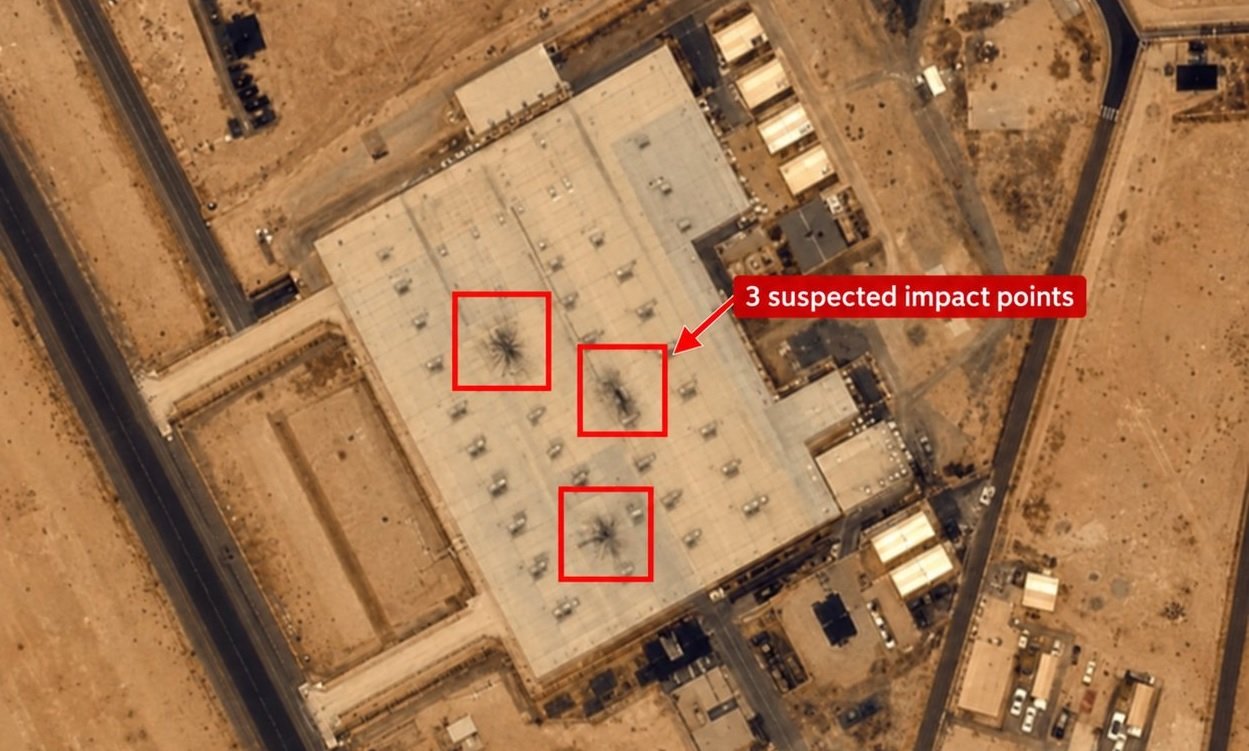 New Satellite Images Show Three Possible Impacts at U.S.-Linked Air Bases in Kuwait