
U.S
BROWNSVILLE, Texas — Defense technology and autonomous maritime systems company Saronic has selected Brownsville, Texas, as the location for its new advanced shipyard, Port Alpha, a $3.24 billion project designed to expand U.S. shipbuilding capacity and modernize maritime manufacturing. The announcement follows a year-long nationwide site selection process that evaluated locations across the East, West, and Gulf Coasts. Brownsville was chosen based on its existing infrastructure, workforce availability, large development area, and multimodal transportation network, including access to deepwater shipping channels, rail, highways, and port facilities. Construction of Port Alpha is expected to begin in 2026, with the shipyard scheduled to become operational in 2028. Expanding U.S. Shipbuilding Capacity Saronic said Port Alpha is being designed to introduce software-defined production to American shipbuilding, allowing advanced digital manufacturing processes to improve production efficiency and scale. The shipyard will initially occupy 835 acres at the Port of Brownsville, with room for future expansion to nearly 4,400 acres. During its first phase, the facility will be capable of building vessels up to 850 feet in length. Future expansion plans could enable construction of ships exceeding 1,200 feet. Although Saronic is best known for developing autonomous surface vessels, the company has also outlined plans to build fully crewed warships equipped with advanced technologies as part of its long-term strategy. Saronic Co-Founder and CEO Dino Mavrookas said the investment is intended to strengthen America's industrial and shipbuilding capabilities. "America's maritime future depends on our ability to build again," Mavrookas said. "Built from the ground up to deliver ships at a speed and scale not seen since World War II, this investment is about more than constructing a shipyard. It is about rebuilding the industrial capacity, workforce, and manufacturing advantage required to ensure American maritime leadership for decades to come." Economic Impact and Job Creation Port Alpha is expected to become one of the largest economic development projects in modern Texas history. According to Saronic, the project could create up to 10,000 direct jobs over the next decade. Employment opportunities will include skilled trades such as welding, machining, and fabrication, along with positions in robotics, software engineering, naval architecture, advanced manufacturing, and other technical fields. Texas Governor Greg Abbott said the shipyard is expected to provide approximately $750 million in annual payroll for Texas workers once the facility reaches full capacity. To secure the investment, the State of Texas approved an $80 million grant through the Texas Enterprise Fund, along with a $78,000 Veteran Created Job Bonus. Separately, Cameron County officials approved a $211 million tax incentive package for the project. Saronic estimates that over a 10-year period, Port Alpha could generate approximately $160 billion in regional economic impact for Cameron County and $264.5 billion for the State of Texas. The company also plans to work with Texas universities, regional technical colleges, and local educational institutions to establish workforce training and apprenticeship programs. Saronic has stated that at least 35 percent of the workforce is expected to be hired locally, supporting long-term employment opportunities in South Texas. Supporting National Maritime Goals The announcement comes as the United States continues efforts to strengthen its domestic shipbuilding industry. Port Alpha aligns with recent federal initiatives, including the SHIPS for America Act, the Maritime Action Plan, and the Executive Order on Restoring America's Maritime Dominance, which aim to increase U.S. commercial and defense shipbuilding capacity, strengthen the maritime industrial base, and reduce dependence on foreign shipbuilding. The new shipyard is intended to support both autonomous and conventional vessel production while expanding the nation's manufacturing capacity for future commercial and defense requirements. Building on Existing Manufacturing Operations Port Alpha expands Saronic's growing manufacturing network. Earlier in 2025, the company acquired a shipyard in Franklin, Louisiana, supported by a $300 million investment to add 300,000 square feet of production space. That facility is focused on manufacturing Saronic's 180-foot Marauder autonomous surface vessel, which the company said was designed and launched in less than one year. The Brownsville shipyard will complement the Louisiana facility by significantly increasing overall production capacity and supporting larger vessel construction. Community Response Local economic development officials welcomed the investment, describing it as a major opportunity for job creation and regional economic growth. Gilberto Salinas, President and CEO of the Greater Brownsville Economic Development Corporation, said projects of this scale help create long-term employment opportunities and contribute to economic development in the region. At the same time, some residents and community organizations have raised concerns about the project's environmental impact and the expansion of defense manufacturing in South Texas. Groups including the South Texas Environmental Justice Network have called for careful review of environmental considerations associated with the development. Saronic has stated that it will work with educational institutions, local partners, suppliers, and regional stakeholders as development of Port Alpha moves forward. Once operational, Port Alpha is expected to become one of the largest advanced shipbuilding facilities in the United States, supporting the production of autonomous vessels, future crewed ships, and expanded domestic maritime manufacturing capacity. Source : Saronic
Read More → Posted on 2026-07-17 14:01:38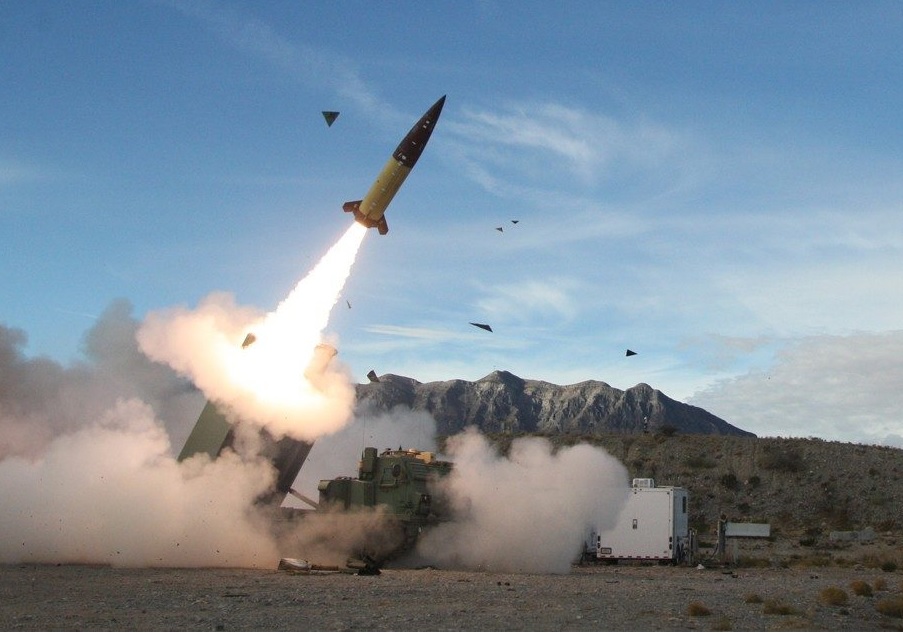
U.S
Washington — The U.S. Department of War has finalized a $439.4 million production contract with Lockheed Martin to supply MGM-140 Army Tactical Missile System (ATACMS) short-range ballistic missiles to Taiwan under the Foreign Military Sales (FMS) program. The agreement is fully funded at the time of signing, allowing production to proceed immediately without waiting for additional budget approvals. The missiles and related operational equipment will be delivered to Taiwan through February 28, 2031. Although the initial production contract is valued at $439.4 million, U.S. financial documents indicate the overall acquisition value for the ATACMS guided missiles and launch assemblies is expected to reach approximately $896.7 million. The contract is being managed by the U.S. Army Contracting Command at Redstone Arsenal, Alabama. The initial payment was made using Foreign Military Sales funds designated for Taiwan, the U.S. government program that enables allied and partner nations to purchase American-made defense equipment under Washington's oversight. Under this arrangement, Taiwan is funding the acquisition. ATACMS to Equip Taiwan's HIMARS Fleet The missiles are intended for use with the M142 High Mobility Artillery Rocket System (HIMARS) launchers that Taiwan has been receiving from the United States since October 2024. ATACMS is a precision-guided short-range ballistic missile capable of striking targets at distances of up to 300 kilometers. It is designed to engage high-value military targets such as command centers, air defense systems, logistics hubs, and other critical military infrastructure. The missile is launched directly from the mobile HIMARS platform, allowing rapid deployment and repositioning. Despite releasing the contract's financial details and delivery schedule, U.S. officials have not disclosed how many ATACMS missiles Taiwan will receive. The Department of War and the State Department have followed their usual practice of withholding missile quantities in Taiwan-related arms sales for operational security reasons. Part of a Larger Taiwan Weapons Package The production contract follows a broader U.S. arms package approved in December 2025, when the Trump administration authorized what was described as the largest U.S. weapons sale to Taiwan, valued at more than $11 billion. That package included 420 M57 ATACMS missiles, including newer longer-range variants, 82 additional HIMARS launchers, and more than 1,200 precision-guided rockets. The approval significantly expanded Taiwan's planned long-range strike capability. The earlier phase of Taiwan's HIMARS program included 29 HIMARS launchers and hundreds of guided rockets. Much of that equipment has already been delivered, providing Taiwan with an operational HIMARS capability that will be expanded further through the new ATACMS production contract. Taiwan Continues Defense Modernization Taiwan has continued to modernize its armed forces through investments in missile systems, artillery, and other defense equipment. Officials in Taipei have described these acquisitions as part of a broader effort to strengthen the island's defensive capabilities. The combination of HIMARS launchers and ATACMS missiles provides Taiwan with a mobile, precision long-range strike capability that can engage military targets at significant distances while allowing launchers to relocate quickly after firing. Regional Security Environment The contract comes amid continued military tensions across the Taiwan Strait. Beijing considers Taiwan a breakaway province and has repeatedly opposed U.S. arms sales to the island. At the end of December 2025, the People's Liberation Army (PLA) conducted large-scale military exercises around Taiwan. During the drills, Chinese state broadcaster CCTV aired footage highlighting Taiwan's HIMARS launchers during a simulated strike scenario. According to Taiwan's Central News Agency, military analysts said Beijing views Taiwan's expanding HIMARS and ATACMS inventory as a significant capability because the missiles could conduct precision strikes against military infrastructure, including rocket force positions and logistics facilities. Researchers from Taiwan's Institute for National Defense and Security Research also noted that ATACMS launched from Taiwan's outlying islands could reach much of China's Fujian Province. Deliveries Scheduled Through 2031 With funding already committed and the production contract now finalized, Lockheed Martin will manufacture the missiles in the United States, with most production work taking place in Texas. Deliveries of the missiles and associated equipment are scheduled to continue until February 28, 2031. The agreement represents another step in ongoing U.S.-Taiwan defense cooperation and will further expand Taiwan's long-range precision strike capability as it continues integrating new HIMARS launchers and supporting missile systems into its armed forces. Source : war.gov
Read More → Posted on 2026-07-17 12:06:12
U.S
WASHINGTON — The U.S. Department of the Navy has officially approved its Strategy to Weaponize Data and Artificial Intelligence, establishing a roadmap to build a data-ready, AI-enabled Navy and Marine Corps capable of accelerating decision-making and maintaining maritime superiority. The strategy, signed by Acting Secretary of the Navy Hung Cao, takes effect immediately and reflects more than a year of collaboration led by the Department of the Navy Chief Data and AI Officer (DON CDAO), working alongside artificial intelligence communities across both the Navy and the Marine Corps. According to the Department of the Navy, the strategy is designed to transform how data and artificial intelligence are used across the service, enabling commanders to process information more quickly and make better operational decisions in increasingly complex maritime environments. Building an AI-First Force The new roadmap positions artificial intelligence as a core element of future naval operations rather than simply a supporting technology. The Department said the strategy will help turn data into a practical warfighting advantage by integrating AI into mission planning, operational decision-making, and digital modernization efforts. “This strategy positions the Department of the Navy to out-learn and out-fight any adversary by rapidly deploying data and artificial intelligence,” Acting Secretary Hung Cao said. “It is our roadmap to building an ‘AI-first’ Fleet, one that turns information into warfighting advantage and enables faster, better decisions.” The Department said the overall objective is to reduce the time needed to collect, process, analyze, and act on operational information while improving the speed and quality of military decision-making. Five-Step Bits2Effects Cycle A key element of the strategy is the introduction of the Bits2Effects Cycle, described by the Navy as a five-step digital adaptation framework. The framework is intended to integrate data and artificial intelligence for mission impact, allowing the Department to rapidly learn, adapt, and improve during both peacetime and wartime operations. Officials said the framework will help transform digital information into operational capability, enabling the Navy and Marine Corps to respond more effectively to evolving operational requirements. Six Strategic Priorities The strategy identifies six major priorities that will guide implementation across the Department of the Navy. Accelerating Operational AI The Department will identify the most promising artificial intelligence projects, rapidly evaluate their performance, and expand successful capabilities for full-scale implementation across the fleet. Improving Data Readiness The strategy calls for standardizing, simplifying, and scaling data management practices so mission-relevant information can be easily discovered, accessed, and securely shared across commands. Optimizing Data and AI Infrastructure The Navy plans to develop reliable, secure, and modular digital environments that include the hardware, software, and data required to support the full range of artificial intelligence capabilities. Streamlining Data and AI Governance The Department will modernize governance processes to speed innovation, simplify organizational decision-making, and move risk determinations to the lowest appropriate operational level. Building a Data and AI-Ready Workforce The strategy emphasizes recruiting, training, and qualifying personnel with the technical skills needed to meet operational requirements and keep pace with the rapid evolution of artificial intelligence technologies. Strengthening Partnerships and Collaboration The Department will continue working with industry, academic institutions, federal stakeholders, allies, and international partners to accelerate the development and delivery of advanced data and AI solutions. Aligning Existing Innovation Efforts Barry Tanner, performing the duties of the Chief Information Officer for the Department of the Navy, said the strategy brings together ongoing innovation efforts under a single vision. “This strategy formalizes the direction the Department has already been moving,” Tanner said. “Every day, our Sailors, Marines, civilians, and industry partners are finding new ways to leverage data and artificial intelligence to solve operational challenges. This strategy aligns those efforts under a common vision, accelerates innovation, and ensures we continue to outpace our competitors in an increasingly data-driven battlespace.” Supporting Future Naval Operations According to the Department of the Navy, the strategy represents a significant step in strengthening warfighting effectiveness in the digital era. By combining artificial intelligence, high-quality data, and modern digital technologies, the Department aims to accelerate learning, improve operational effectiveness, and provide commanders with faster, more informed decision-making tools. Officials said the efficiencies generated through improved use of data and AI are expected to return valuable resources—including time, funding, and personnel—to mission priorities while supporting the long-term goal of maintaining U.S. maritime superiority. The strategy is effective immediately and will serve as the Department of the Navy's roadmap for integrating data and artificial intelligence across future naval and Marine Corps operations. Source : navy.mil
Read More → Posted on 2026-07-16 16:25:28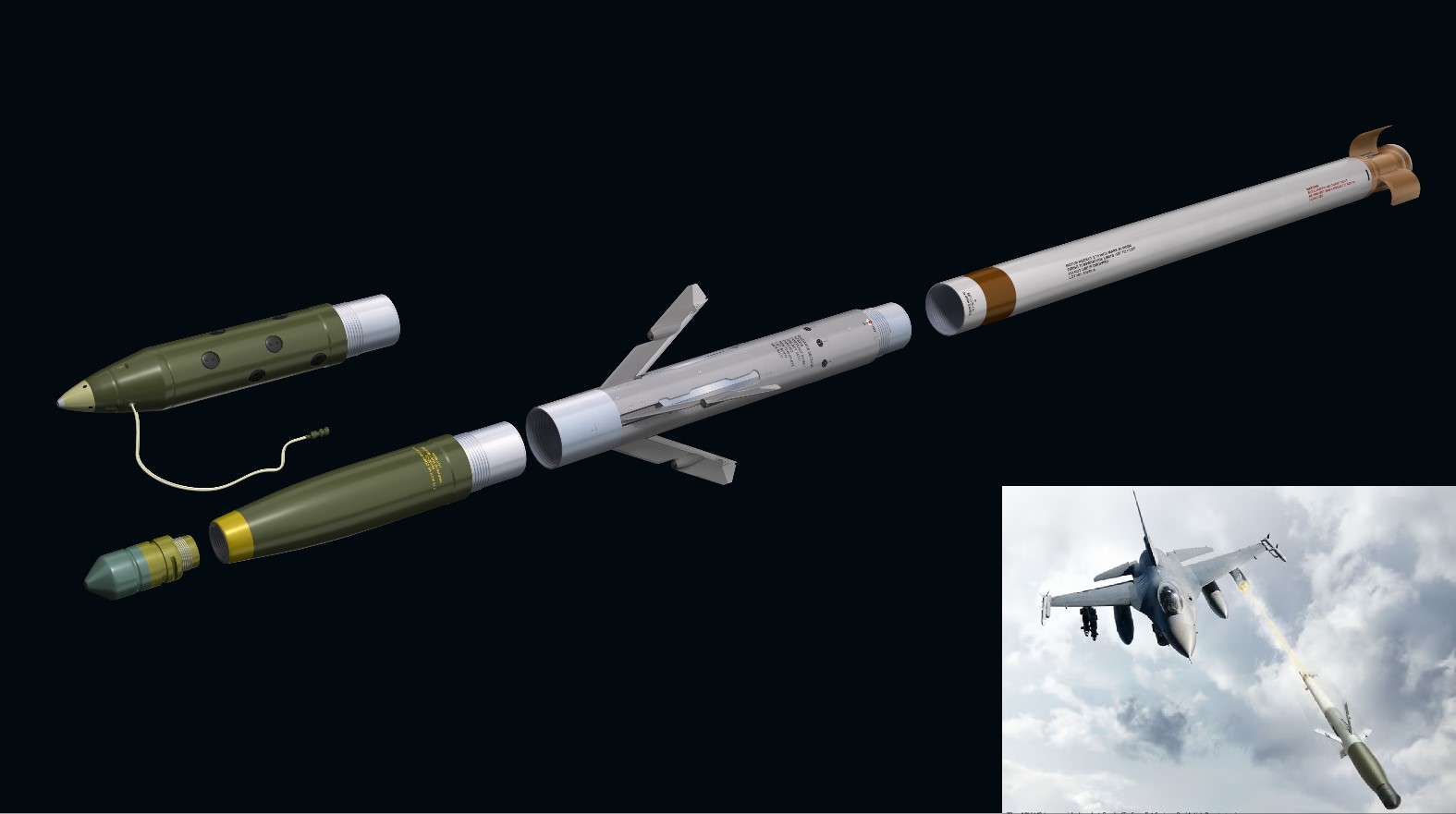
U.S
WASHINGTON — The U.S. Department of State has approved a possible Foreign Military Sale (FMS) to the Kingdom of Saudi Arabia for Advanced Precision Kill Weapon Systems (APKWS II) and related equipment, with an estimated total value of $1.96 billion. The proposed sale is intended to strengthen Saudi Arabia's homeland defense, improve interoperability with U.S. and allied forces, and enhance its air-to-air and air-to-ground self-defense capabilities. The U.S. government said the proposed sale supports its foreign policy and national security objectives by improving the security of Saudi Arabia, a Major non-NATO Ally, which it described as a force for political stability and economic progress in the Gulf region. Package Includes 20,000 APKWS II Guidance Sections Saudi Arabia has requested the purchase of up to 20,000 APKWS II laser-guided guidance sections, consisting of: Up to 10,000 APKWS II air-to-air guidance sections Up to 10,000 APKWS II air-to-ground guidance sections The proposed package also includes a range of non-major defense equipment and support items, including: LAU-131 A/A launchers Mk-152 high-explosive warheads MK66 rocket motors Inert MK66 rocket motors Proximity fuzes WTU-1/B practice warheads Test support equipment Launch and employment equipment Spare and repair parts Publications and technical documentation Personnel training, training equipment, and support equipment Transportation U.S. Government and contractor engineering, technical, logistics, and program support services The principal contractor for the proposed sale is BAE Systems, based in Nashua, New Hampshire. APKWS II Converts Standard Rockets into Precision Weapons The Advanced Precision Kill Weapon System II (APKWS II) is a laser-guidance kit that converts standard 70 mm (2.75-inch) Hydra rockets into precision-guided weapons. Instead of using a completely new missile, the system installs a laser guidance section between the rocket motor and the warhead, allowing existing rockets to strike targets with greater accuracy. The system is designed for both air-to-air and air-to-ground missions and provides a lower-cost precision engagement option compared with larger guided missiles. Its accuracy helps reduce collateral damage while engaging drones, lightly armored vehicles, and other designated targets. APKWS II has been integrated on multiple fixed-wing aircraft and helicopters operated by the U.S. military and international partners. Strengthening Saudi Arabia's Defense Capabilities According to the U.S. State Department, the proposed sale will improve Saudi Arabia's ability to deter current and future threats by strengthening homeland defense. It will also augment the kingdom's operational aircraft and enhance both its air-to-air and air-to-ground self-defense capabilities. U.S. officials stated that Saudi Arabia will have no difficulty absorbing the equipment and services into its armed forces because it already operates compatible aircraft and weapon systems. The package also includes training, maintenance assistance, and logistics support to ensure effective operation and sustainment of the systems. Program Support and Implementation Implementation of the proposed sale will require the assignment of 15 additional U.S. Government representatives and 15 U.S. contractor representatives to Saudi Arabia for an extended period. Their responsibilities will include program oversight, technical reviews, training, and in-country maintenance support. The U.S. government also stated that it is not aware of any offset agreement associated with the proposed sale. Any such agreement would be negotiated separately between Saudi Arabia and the contractor if required. Congressional Review Required The Defense Security Cooperation Agency (DSCA) has notified the U.S. Congress of the proposed Foreign Military Sale in accordance with U.S. law. The notification begins the congressional review process and does not constitute a final contract. Final terms, delivery schedules, and implementation timelines will be determined if the sale proceeds following the review period. The U.S. government further stated that the proposed sale will not alter the basic military balance in the region and will have no adverse impact on U.S. defense readiness. Source : state.gov
Read More → Posted on 2026-07-16 15:09:28
U.S
WASHINGTON — US Vice President JD Vance has alleged that certain elements within the Israeli government supported a well-funded influence campaign aimed at undermining Washington's diplomatic negotiations with Iran. Vance made the remarks during an interview on The Joe Rogan Experience podcast released on Wednesday. Vance claimed the campaign sought to shape American public opinion against a recently negotiated US-Iran memorandum of understanding (MOU). Citing a Time magazine report and filings under the Foreign Agents Registration Act (FARA), he said former Trump campaign manager Brad Parscale and his firm, Clock Tower X, were hired through an advertising agency working on behalf of the Israeli government. According to Vance, the campaign was officially presented as an effort to combat online antisemitism but was instead used to influence opinion against the negotiations. He also alleged that some individuals involved in the campaign personally targeted him because of his role in the administration's diplomatic efforts with Iran. Speaking on the podcast, Vance described the effort as a "very discreet, extremely well-funded campaign" intended to derail the negotiations. He said his responsibility was to act in the interests of the American people, despite criticism directed at him during the talks. Brad Parscale rejected the allegations, stating that claims he worked against the administration or the US-Iran negotiations were false. He maintained that the campaign's purpose was to strengthen support for Israel among younger Americans and not to interfere with US diplomacy. Israeli officials had not issued an immediate public response to Vance's comments. Earlier this week, Vance also said that criticism from some hardline Israeli cabinet members was based on what he described as misinformation. The remarks come as US-Iran negotiations continue alongside renewed military tensions. Although President Donald Trump recently ordered the resumption of coordinated airstrikes against Iran, Vance said diplomatic efforts remain active. He reiterated that the administration's priorities are preventing Iran from acquiring a nuclear weapon and ensuring the continued free flow of global energy supplies through the Strait of Hormuz. Source : timesofindia
Read More → Posted on 2026-07-16 14:50:38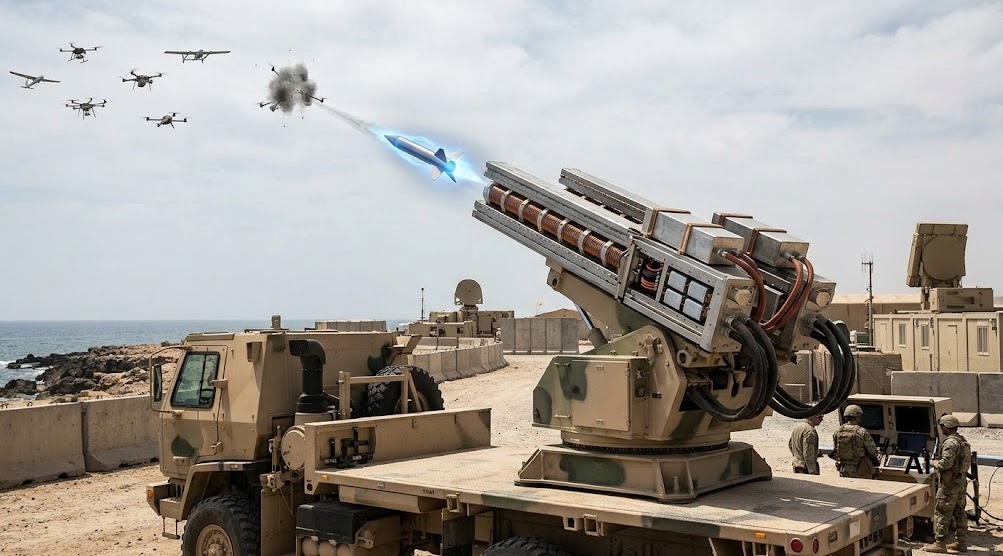
U.S. Army Partners With Auriga Space to Develop Electromagnetic Interceptor System for Drone Threats
U.S
California, United States — The U.S. Army has signed a three-year Cooperative Research and Development Agreement (CRADA) with California-based startup Auriga Space to explore the use of electromagnetic launch technology for counter-drone defense. The research will be carried out in partnership with the Army's Combat Capabilities Development Command Armaments Center (DEVCOM AC), based in New Jersey, United States, to evaluate whether magnetic propulsion can provide an alternative to conventional chemical-propellant interceptor systems. The agreement focuses on developing electromagnetic accelerators capable of launching counter-drone interceptors without relying on traditional rocket motors. The effort comes as the U.S. military looks for more affordable and rapidly deployable solutions to counter the growing threat posed by large numbers of low-cost unmanned aerial systems. Addressing the Cost of Countering Drone Swarms Modern air defense systems rely heavily on conventional interceptors that are effective but costly and time-consuming to manufacture. In contrast, many drones can be produced at a much lower cost, creating an economic challenge for air defense operations. The issue was highlighted during recent U.S. military operations involving Iran, where American forces reportedly fired more than 1,000 Patriot interceptors. According to an analysis by the Center for Strategic and International Studies (CSIS) in Washington, D.C., only 172 interceptors were replenished during the same period. With each PAC-3 Patriot interceptor costing about $4 million, CSIS estimates that U.S. stockpiles may not fully recover from the deficit until at least 2029. Production of conventional missiles also faces supply chain constraints. Many U.S. interceptor systems, including the Patriot and Terminal High Altitude Area Defense (THAAD), use solid rocket motors that depend on ammonium perchlorate, the primary oxidizer for these motors. The United States currently relies on a single domestic producer of this material, limiting the ability to rapidly increase missile production regardless of additional funding. Electromagnetic Launch Technology Auriga Space's approach eliminates the need for solid rocket motors by using electromagnetic propulsion. The technology accelerates projectiles along a launch track using electricity and precisely controlled magnetic fields, based on principles similar to those used in magnetic levitation (maglev) trains. Because the launch process does not rely on chemical propellants or explosions, it reduces mechanical wear on the launcher and removes the dependence on ammonium perchlorate. This allows the launcher to be reused for thousands of engagements while enabling operators to reload and fire again within seconds. The company says the lower operating cost means that, after the launcher is deployed, each engagement primarily involves the cost of the interceptor's warhead and guidance components rather than an entire rocket propulsion system. This rapid reloading capability is intended to provide what the defense industry refers to as a "deep magazine," allowing continuous engagement of multiple aerial targets. Hermes Counter-Drone Platform Auriga's primary counter-drone system, known as Hermes, is a transportable, containerized electromagnetic launch platform designed for deployment in a variety of operational environments. The modular system is intended for use at forward operating bases, aboard naval vessels, and at fixed infrastructure sites requiring protection against drone attacks. Following laboratory validation, Auriga plans to conduct the first outdoor flight test of the Hermes platform later this summer. The demonstration is expected to evaluate the system's performance under operational field conditions. Winnie Lai, founder and CEO of Auriga Space, said the partnership addresses one of the most significant challenges in modern air defense. "Attritable drones cost adversaries far less and are far easier to deploy and replenish than present interceptors, and it's one of the most timely and urgent challenges in modern warfare," Lai said. "Electromagnetic propulsion solves for the structural issues with economics and cadence. It's a working technology we at Auriga are already actively testing, and partnering with DEVCOM AC on further research will bring it that much closer to a deployable capability." Role of the CRADA The collaboration is being conducted under a Cooperative Research and Development Agreement (CRADA), a framework that allows U.S. government laboratories and private companies to share technical expertise, facilities, and research without exchanging funding. Such agreements are commonly used by the Department of Defense, headquartered in Arlington, Virginia, to evaluate emerging technologies before considering future procurement programs. Auriga's Ongoing Defense Programs In addition to the Army partnership, Auriga Space is involved in several U.S. defense research efforts. The company has received a research award from the Missile Defense Agency and a $1.25 million Small Business Innovation Research (SBIR) grant through the U.S. Air Force's innovation organization, AFWERX. Auriga also operates two hypersonic ground-testing systems: Thor, an outdoor electromagnetic test track, and Prometheus, an indoor accelerator. These facilities are used to evaluate how materials and components perform under extremely high-speed conditions. Founded in 2022 by Winnie Lai, formerly a vice president at launch company SpinLaunch, Auriga Space operates a vertically integrated research and development facility in Southern California, where it designs and manufactures its own hardware. The company has raised more than $12 million through venture capital investment and defense-related grants to support the development of its electromagnetic propulsion technologies. Source : interestingengineering
Read More → Posted on 2026-07-16 12:00:32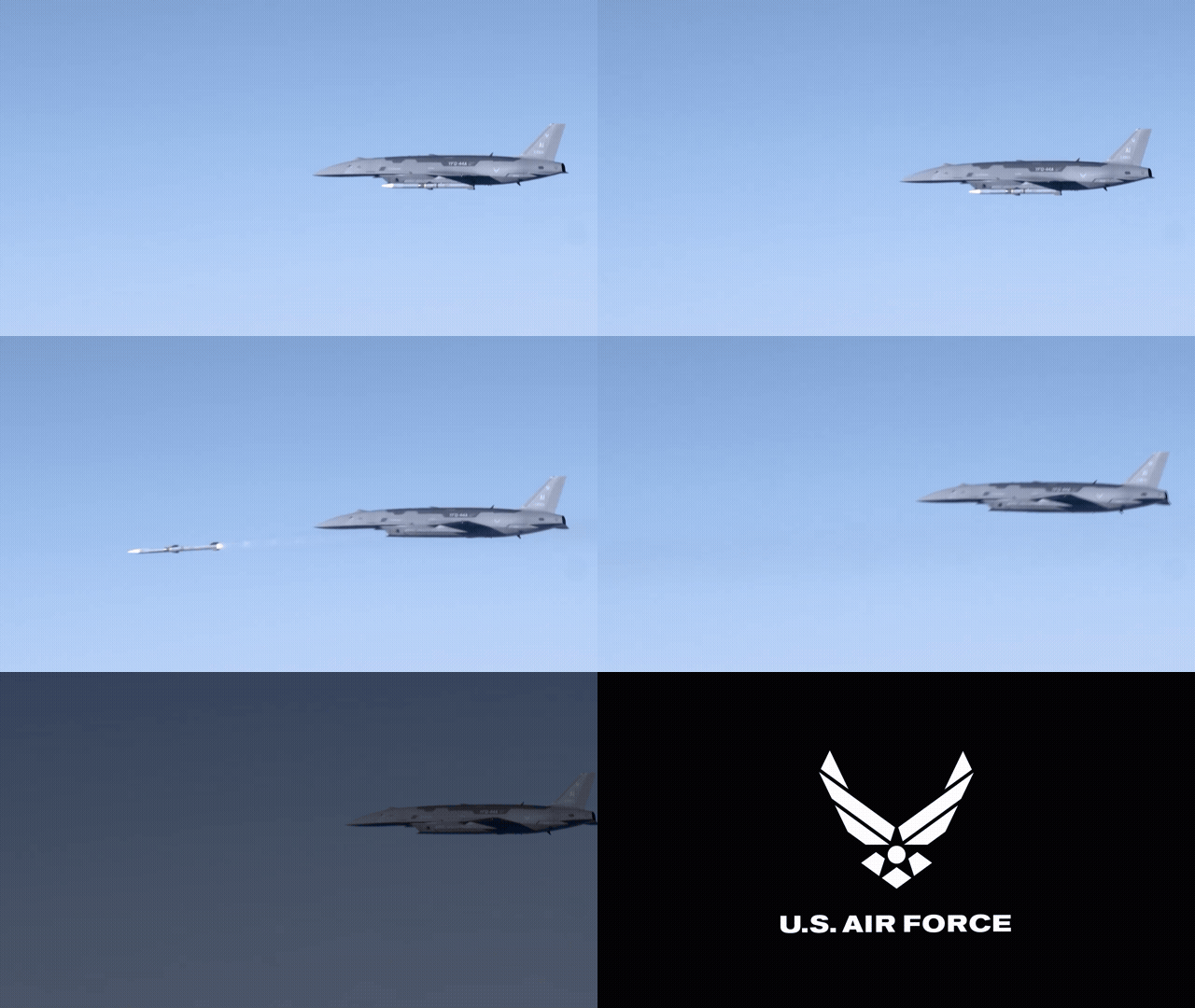
U.S
EDWARDS AIR FORCE BASE, Calif. — The U.S. Air Force has successfully completed the first live missile launch from an unmanned Collaborative Combat Aircraft (CCA), marking a major milestone in the service's effort to develop autonomous wingman drones for future air operations. The test took place over a restricted training range in the Mojave Desert using the YFQ-44A "Fury", an unmanned aircraft developed by Anduril Industries. During the demonstration, the drone launched a live AIM-120 Advanced Medium-Range Air-to-Air Missile (AMRAAM) against a digital target in an end-to-end, beyond-line-of-sight engagement. According to the Air Force, the YFQ-44A operated from Edwards Air Force Base and received target tracking information through Anduril's Lattice software platform, which processed the data before the engagement. Air Force Chief of Staff Gen. Kenneth Wilsbach confirmed that the AIM-120 successfully tracked the target immediately after launch. The live-fire event represents the first successful weapons test by an aircraft in the Air Force's Collaborative Combat Aircraft (CCA) program, which is intended to introduce unmanned aircraft capable of operating alongside crewed fighter jets. Human Operator Controlled the Weapon Release Although the YFQ-44A is designed with advanced autonomous flight and maneuvering capabilities, the Air Force emphasized that the aircraft is not authorized to make autonomous decisions to use lethal force. During the test, a human operator received the target track, evaluated the engagement, and issued the command to launch the missile. The drone fired the AIM-120 only after receiving direct authorization, maintaining human oversight throughout the weapon employment process. Gen. Kenneth Wilsbach described the demonstration as an important step in the CCA program. "This live-fire test is an important next step in the development of Collaborative Combat Aircraft. We're one step closer to delivering capabilities to the warfighter," he said. Mark Shushnar, Anduril's Vice President of Autonomous Airpower, said the demonstration validated the complete operational sequence rather than simply releasing a weapon. According to him, the test confirmed the aircraft's ability to receive target data, process operator instructions, and execute the engagement as intended. Test Followed Months of Development The successful missile launch was the result of a phased testing campaign conducted over several months. Earlier in 2026, the YFQ-44A carried an inert (non-explosive) AIM-120 missile during captive-carry flights to evaluate the aircraft's handling characteristics and aerodynamic performance with the weapon attached. Following those flights, engineers verified the communication links between the aircraft and the missile system in simulated environments to ensure commands from the operator would be transmitted and executed correctly before progressing to a live-fire event. The final missile launch was coordinated by the 412th Test Wing's Air Dominance Combined Test Force, which includes active-duty military personnel, government civilians, and defense contractors responsible for evaluating new air combat systems. Gen. Dale White, the Pentagon's portfolio manager for Critical Major Weapon Systems, said transitioning from inert weapon carriage to an actual missile launch provides valuable flight data that helps validate the program's digital integration models. Part of the Collaborative Combat Aircraft Program The YFQ-44A "Fury" is one of two aircraft selected for Increment 1 of the Air Force's Collaborative Combat Aircraft (CCA) program. The second design is the YFQ-42A, developed by General Atomics. The YFQ-44A completed its first flight on October 31, 2025, and continues to undergo testing as the Air Force moves toward operational deployment. The CCA program aims to field relatively affordable autonomous aircraft that can fly alongside crewed fighters such as the F-35, F-22, and the future F-47. These robotic wingmen are intended to carry additional sensors and weapons, perform higher-risk missions, extend the reach of crewed aircraft, and increase the combat capability available to a single pilot. Rather than replacing human pilots, the aircraft are designed to support crewed operations while keeping human operators responsible for decisions involving the use of weapons. To enable large-scale procurement, the Air Force plans to acquire Collaborative Combat Aircraft at approximately one-third the cost of an F-35A, which has a unit cost of about $83 million. Further Testing Planned The Air Force has already approved production contracts for the first phase of the CCA program. While Anduril's YFQ-44A has now completed the program's first live-fire demonstration, General Atomics is expected to conduct a similar live missile test with its YFQ-42A "Dark Merlin" later this fall. The United States is not alone in developing autonomous combat aircraft. Similar loyal wingman programs are also progressing internationally, including Australia's MQ-28 Ghost Bat and Turkey's Kızılelma, both of which have recently conducted weapon-related testing as countries continue developing unmanned aircraft designed to operate alongside manned fighter fleets. Source : Anduril Industries
Read More → Posted on 2026-07-16 11:32:31
U.S
WASHINGTON — The United States has granted the United Arab Emirates (UAE) expanded access to advanced artificial intelligence (AI) chips and other sensitive technologies after the Gulf nation supported recent U.S. military operations against Iran. The policy change, confirmed by the U.S. Commerce Department, removes many licensing requirements for exports of advanced AI chips, military equipment, commercial satellites, and other dual-use technologies to the UAE. According to The Wall Street Journal, the decision follows the UAE's military support during the recent U.S. campaign against Iran, known as Operation Epic Fury. During the operation, the UAE reportedly carried out dozens of airstrikes against Iranian targets, including a strike on a refinery located on Iran's Lavan Island. Emirati forces also intercepted hundreds of Iranian missiles and helped maintain the safe movement of commercial shipping through the Strait of Hormuz, one of the world's most important energy trade routes. UAE Moved to Highest U.S. Export Category Under the new policy, the U.S. Commerce Department has reclassified the UAE into its highest export tier, placing it alongside close American partners such as European countries, South Korea, and India. Previously, the UAE was subject to stricter export controls that limited access to advanced U.S. technologies. The updated classification allows many sensitive technologies to be exported without the standard licensing process. The decision enables the UAE's state-backed artificial intelligence companies, G42 and Core42, to purchase advanced semiconductors from U.S. manufacturers, including Nvidia, more easily. It also removes regulatory barriers for major American technology companies such as Amazon, Apple, Google, Meta, Microsoft, and OpenAI, allowing them to move forward with plans to build large-scale AI data centers in the UAE. The UAE is currently the only country in the Middle East to receive this level of unrestricted access to U.S. technology. Part of UAE's Technology Strategy The expanded access supports the UAE's long-term strategy to diversify its economy beyond oil by investing in artificial intelligence, cloud computing, and digital infrastructure. The Wall Street Journal also reported that G42 is taking steps toward becoming a U.S. company as part of its broader effort to strengthen technology cooperation with the United States. The Commerce Department's decision follows earlier approvals that allowed shipments of thousands of advanced AI chips to support AI infrastructure projects in the UAE. Companies including Microsoft previously received authorization to supply high-performance Nvidia GPUs for data center projects in the country. Access to advanced processors is expected to support AI model development, expansion of data centers, and other technology initiatives across the UAE. Political and Security Questions Raised The decision has also drawn attention from some members of the U.S. Congress, who have questioned both its timing and potential national security implications. Critics have pointed to financial links between UAE leadership and President Donald Trump's family. Before Trump's second inauguration, Sheikh Tahnoun bin Zayed Al Nahyan, the UAE's National Security Advisor and chairman of G42, directed a $500 million investment to acquire a 49% stake in World Liberty Financial, a cryptocurrency venture launched by the Trump family. Senator Elizabeth Warren said the investment generated significant financial benefits for President Trump shortly before the Commerce Department approved license-free technology exports to the UAE. Representative Sydney Kamlager-Dove has also questioned whether the policy change could represent an improper exchange of financial and political benefits. National security experts have raised separate concerns over the protection of advanced U.S. technology. U.S. intelligence agencies had previously expressed concerns that G42 provided technology to China that could benefit the People's Liberation Army. G42 has denied those allegations. Some former U.S. officials have also argued that hosting some of the world's largest AI data centers outside the United States could increase the risk of unauthorized access to sensitive technologies. U.S. and UAE Defend the Agreement Both the White House and the UAE have rejected allegations of any conflict of interest related to the technology agreement. Jeffrey Kessler of the U.S. Commerce Department described the regulatory change as "one of the most significant achievements of the administration." The department said the UAE has implemented strong security measures designed to prevent sensitive American technology from being diverted or misused. UAE Ambassador to the United States Yousef Al Otaiba welcomed the decision, saying the expanded access strengthens decades of close cooperation between the two countries. U.S. officials have also described the policy as recognition of the UAE's long-standing cooperation on regional security, including its role during recent operations against Iran. The agreement further strengthens bilateral ties while expanding opportunities for U.S. technology companies operating in the Gulf region. Source : wsj
Read More → Posted on 2026-07-15 15:26:07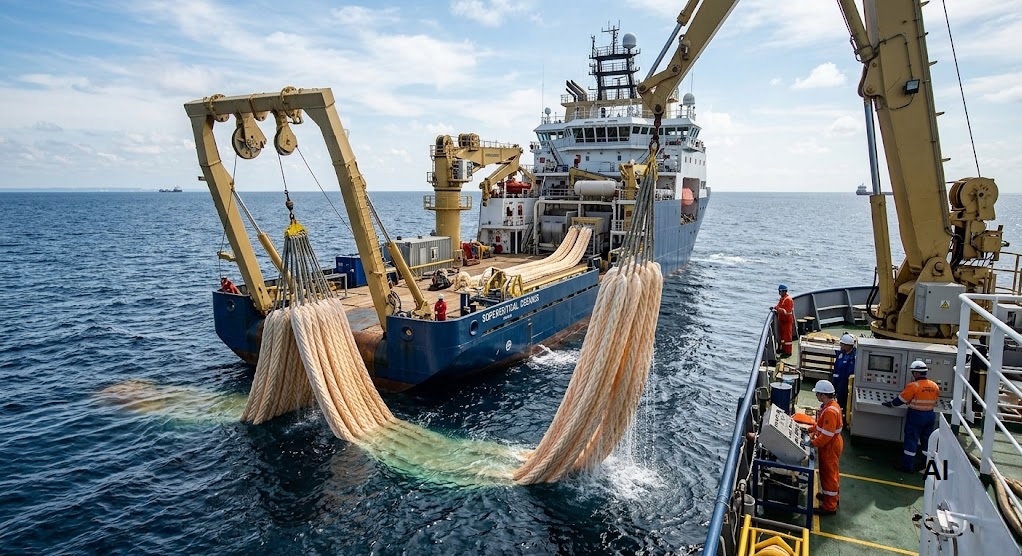
U.S
AUSTIN, Texas — SuperCritical Materials, an Austin-based nuclear fuel infrastructure company, has secured an exclusive license from the U.S. Department of Energy (DOE) to commercialize a patented technology that extracts uranium directly from seawater. The agreement, announced on July 14, gives the company exclusive rights to manufacture and deploy the technology at an industrial scale in the United States, with plans to expand into allied countries in the future. The licensed technology was developed through the DOE's Office of Nuclear Energy, with research led by scientists at the Pacific Northwest National Laboratory (PNNL). It is designed to help strengthen long-term domestic nuclear fuel supplies as the United States expands the use of advanced nuclear reactors and works to reduce dependence on imported uranium. Technology Designed to Recover Uranium From Seawater Although uranium exists in seawater at extremely low concentrations of about 3.3 parts per billion, the world's oceans contain an estimated 4.5 billion metric tons of dissolved uranium. According to the DOE, this is more than 1,000 times the world's identified land-based uranium reserves, making it a potential long-term source of nuclear fuel if extraction can be carried out economically. The patented process uses specially treated acrylic fibers coated with proprietary adsorption materials. These fibers are placed in seawater, where they selectively capture dissolved uranium ions and certain other strategic metals. Once the fibers become saturated, they are brought back onshore, where the captured materials are removed through chemical processing. The fibers can then be reused in future extraction cycles. After recovery, the uranium enters the conventional nuclear fuel cycle, including conversion, enrichment, and fuel fabrication before it can be used in nuclear power plants. Commercial Production Plans SuperCritical Materials plans to build its first commercial facility in Texas, although the company has not yet made a final investment decision. The proposed plant is expected to produce approximately 1.85 million pounds (839,150 kilograms) of uranium annually and operate for at least 40 years. According to the company, that level of production could provide enough nuclear fuel to generate electricity for about four million households each year. SuperCritical expects commercial uranium production could begin in 2030 or 2031, subject to project approvals and development. The company said deployment in Texas will require coordination with multiple regulatory agencies, including the Texas Commission on Environmental Quality, the Texas Railroad Commission, and the U.S. Coast Guard. To support its commercialization plans, SuperCritical has raised $4.5 million in private funding and is preparing to seek a public listing on the Nasdaq later this year. Supporting U.S. Nuclear Fuel Security The project comes as the United States seeks to strengthen its domestic nuclear fuel supply chain. The country currently imports much of its enriched uranium from foreign suppliers, including Russia, France, and Germany. In recent years, the U.S. has enacted legislation banning imports of Russian uranium, although temporary waivers remain available until 2028. Alexander Canon Bryan, founder and Chief Executive Officer of SuperCritical Materials, said the company's long-term objective is to strengthen the domestic nuclear fuel industry. "Our long-term goal is to transform the U.S. from a net importer to a net exporter of uranium and nuclear fuels." Bryan said a reliable domestic nuclear fuel supply will be important as electricity demand continues to grow from industries such as artificial intelligence, advanced manufacturing, and robotics. DOE Highlights Long-Term Potential The Department of Energy said laboratory-scale research has already demonstrated that uranium can be extracted from seawater, and continued development could help improve long-term fuel security. Ted Garrish, Assistant Secretary of Nuclear Energy, said: "Uranium extraction from seawater has been demonstrated at lab scale. DOE has invested in proving that this extraction process works. As the United States accelerates advanced nuclear energy deployment, ensuring reliable domestic sources of nuclear fuel becomes increasingly important. This technology represents a potentially significant contribution to America's long-term fuel security and industrial competitiveness." Potential Beyond Uranium In addition to uranium, the adsorption technology can also capture certain strategic and critical minerals dissolved in seawater. SuperCritical said future commercial operations could include recovering these materials alongside uranium, supporting broader U.S. efforts to strengthen domestic supply chains for critical minerals and reduce reliance on foreign sources. While the technology has been successfully demonstrated at the laboratory level, large-scale commercial deployment remains the next step. If successfully developed, seawater uranium extraction could become an additional long-term source of nuclear fuel alongside conventional uranium mining, helping diversify future nuclear fuel supplies as demand for nuclear energy continues to grow. Source : nucnet
Read More → Posted on 2026-07-15 15:09:48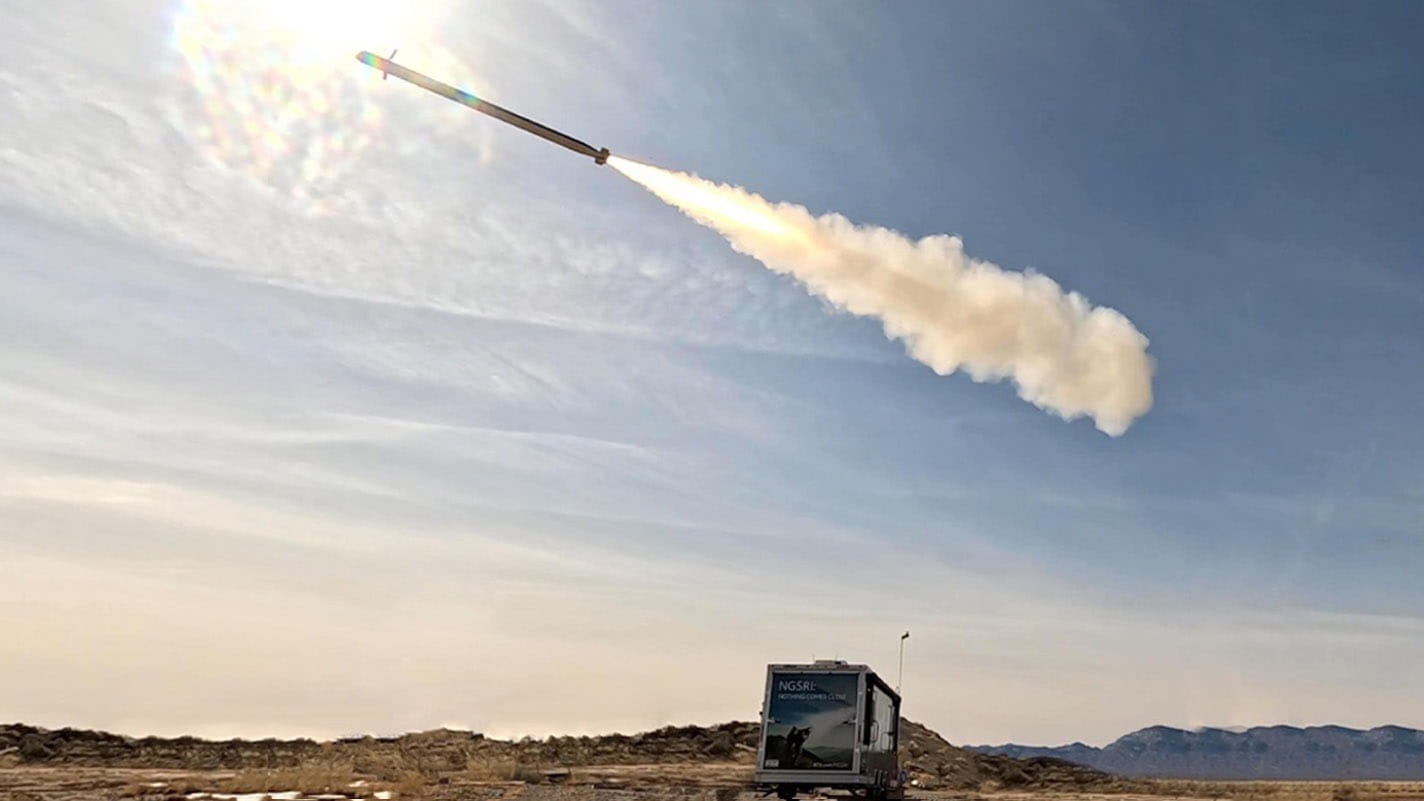
U.S
DUGWAY PROVING GROUNDS, Utah — Raytheon, an RTX business, has successfully completed a key technology demonstration of its Next Generation Short Range Interceptor (NGSRI), a new surface-to-air missile being developed for the U.S. Army as the future replacement for the long-serving Stinger missile. The demonstration took place on July 15, 2026, at Dugway Proving Grounds in Utah, where Raytheon launched multiple guided missiles using its soldier-portable Command Launch Assembly (CLA). According to the company, every launch successfully detected, tracked, and intercepted Army-simulated aerial threats, achieving direct hits and target destruction. The successful demonstration marks another milestone in the Army's effort to modernize its short-range air defense capabilities against evolving aerial threats, including aircraft, helicopters, and unmanned aerial systems. Advanced Optics and Rocket Motor Improve Performance Raytheon said the NGSRI's improved performance comes from a combination of advanced technologies integrated into both the launcher and the missile. The system uses precision optics in the Command Launch Assembly (CLA) and the missile's seeker, allowing faster target detection and tracking. These sensors are paired with a highly loaded grain solid rocket motor (SRM) developed by Northrop Grumman, which provides greater propulsion and extends the missile's engagement range beyond current legacy systems such as the Stinger. The NGSRI is designed as a fire-and-forget interceptor, allowing operators to launch the missile without continuous guidance after firing. It is being developed for use from both shoulder-mounted launchers and vehicle-mounted platforms, providing flexibility for different operational requirements. Raytheon Highlights Improved Capability Tom Laliberty, President of Land and Air Defense Systems at Raytheon, said the demonstration showed significant improvements over the current Stinger system. "Raytheon's NGSRI saw farther and locked faster, demonstrating superior target acquisition, longer range and greater lethality than Stinger—which is already the world's most in-demand shoulder-fired air defense system." He added that the new interceptor is designed to be easier to manufacture and deploy, making it a more capable, affordable, and rapidly producible weapon for future military requirements. Program Progress Over the past year, Raytheon has carried out several company-funded tests to refine and mature the NGSRI design. In addition, the company has completed two incremental demonstrations under contract with the U.S. Army. Raytheon also confirmed it has previously completed 10 successful subsystem demonstrations, validating key technologies including the missile seeker, solid rocket motor, Command Launch Assembly, warhead, tracking, guidance, aerodynamic control, fuzing, and safety systems. These demonstrations are intended to reduce technical risk as the program moves toward future production decisions. Part of the Army's Air Defense Modernization The NGSRI is being developed under the U.S. Army's Maneuver Short-Range Air Defense (M-SHORAD) Increment 3 program. The objective is to replace the Stinger missile with a modern interceptor capable of countering current and emerging aerial threats while maintaining portability for frontline soldiers. The missile is designed to engage rotary-wing aircraft, fixed-wing aircraft, and Group 2 and Group 3 unmanned aerial systems. It is also engineered for compatibility with existing Stinger infrastructure, including the Stinger Vehicle Universal Launcher used on platforms such as the Sgt. Stout. As the original manufacturer of the Stinger missile and its launchers, Raytheon said it is ensuring full interoperability between the NGSRI and both existing and future mounted platforms. Modular Design for Faster Production Drawing on more than 60 years of air defense experience, Raytheon is incorporating modular system architecture and automated manufacturing processes into the NGSRI program. According to the company, these manufacturing approaches are intended to accelerate development timelines, simplify production, and support higher manufacturing rates if the system enters full-scale production. Army Plans Future Procurement The U.S. Army has indicated that it plans to procure the next-generation interceptor in significant numbers. A recent Request for Information (RFI) outlined potential acquisition of up to 11,000 NGSRI missiles and 2,200 Command Launch Assemblies over a ten-year period, with initial low-rate production expected to begin in fiscal year 2028. Raytheon's NGSRI is one of two competing designs under the program, with Lockheed Martin also developing a competing proposal. The Army aims to select a system that can be fielded around 2028 to strengthen short-range air defense against increasingly advanced aerial threats. The Stinger missile, first introduced in the early 1980s, has served as the U.S. military's primary shoulder-fired air defense weapon for decades and has been widely supplied to allied nations. The NGSRI is intended to build on that capability by providing longer range, improved target acquisition, enhanced performance against modern threats, and compatibility with both portable and vehicle-mounted launch systems. Source : rtx
Read More → Posted on 2026-07-15 14:51:26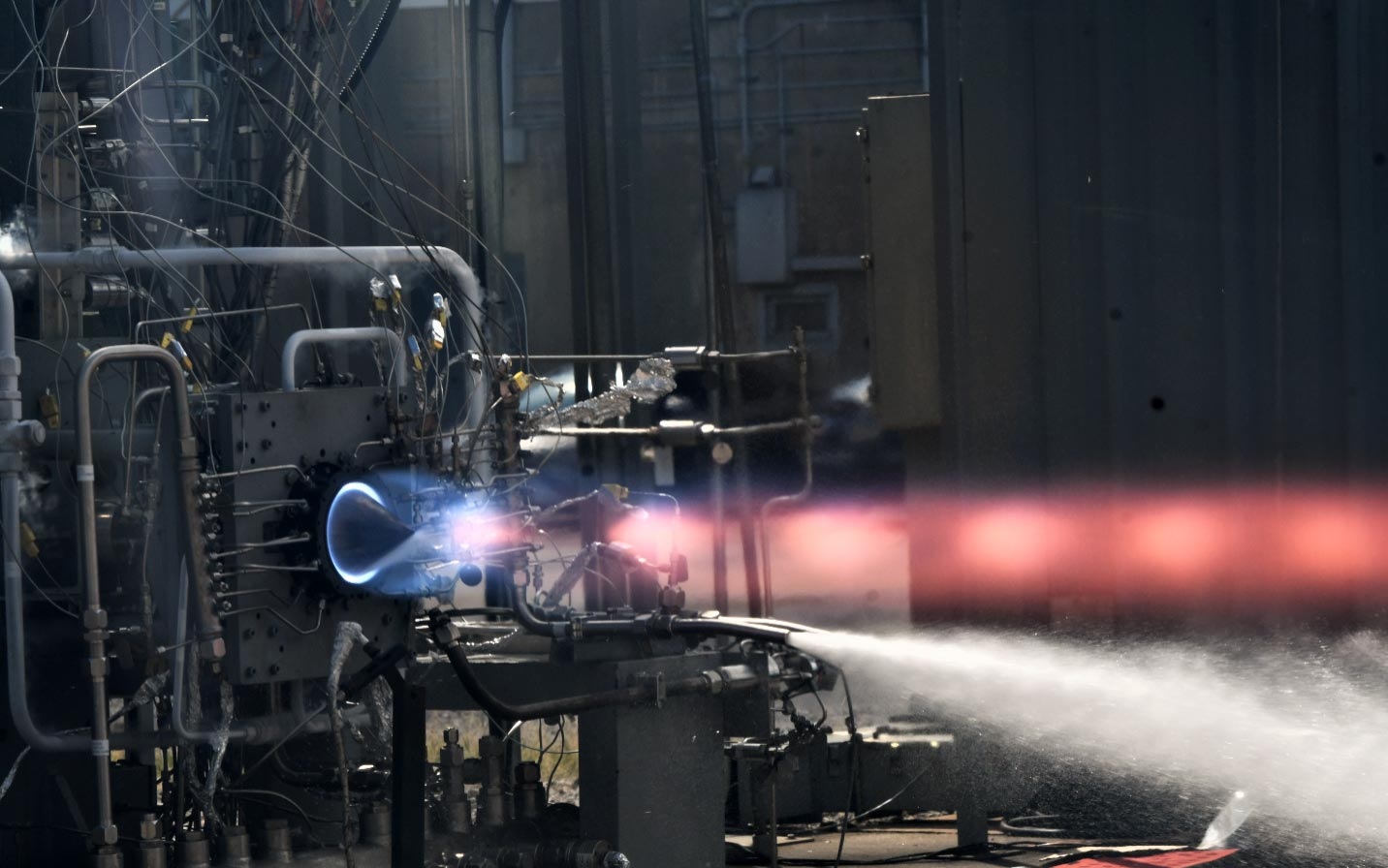
U.S
EDWARDS AIR FORCE BASE, Calif. — The U.S. Air Force is seeking input from the domestic aerospace industry on advanced propulsion technologies that could power the next generation of high-speed missiles by combining the launch power of a rocket with the long-range efficiency of a jet engine. On July 14, 2026, the Air Force Research Laboratory (AFRL) Rocket and Space Propulsion Division at Edwards Air Force Base issued a Request for Information (RFI) focused on Rocket-Based Combined Cycle (RBCC) propulsion systems. Companies have until August 10, 2026, to submit responses. The RFI is not a contract solicitation. Instead, it is intended to help the Air Force evaluate current industry capabilities, available technologies, manufacturing readiness, and the challenges involved before deciding whether to launch a formal acquisition program. Air Force Focuses on Rocket-Based Combined Cycle Technology The AFRL is looking at propulsion systems that combine two different types of engines into a single design. In an RBCC system, a missile would launch using a rocket engine, which provides the high thrust needed from a standstill. After reaching higher speeds, the propulsion system would transition to an air-breathing jet engine, which consumes atmospheric oxygen instead of carrying all of its oxidizer onboard. This approach can improve fuel efficiency during cruise and increase the overall range of the missile. By switching from rocket propulsion to jet-powered flight, future missiles could require smaller onboard fuel supplies than conventional rocket-powered weapons, allowing more space for payload or extended range. Rotating Detonation Rocket Engine at the Center of the Program The Air Force has asked industry to develop concepts based on Rotating Detonation Rocket Engine (RDRE) technology. Unlike conventional rocket engines that rely on continuous combustion, an RDRE uses a continuous supersonic detonation wave that travels around a ring-shaped combustion chamber. This process generates higher chamber pressure and can produce greater thrust from a compact engine. AFRL has been studying rotating detonation propulsion for several years. Since 2021, the laboratory has completed approximately 300 hot-fire tests using methane and oxygen propellants to better understand the technology's performance and operating characteristics. The Air Force now aims to integrate RDRE technology with an air-breathing propulsion system capable of operating across multiple phases of flight. Shift Toward Storable Propellants One of the key objectives outlined in the RFI is replacing cryogenic propellants with storable, non-cryogenic propellants. Earlier RDRE demonstrations relied on liquid oxygen and liquid hydrogen, which require continuous refrigeration and specialized handling. While suitable for space launch systems, these fuels are less practical for military weapons that may remain stored inside aircraft or launch platforms for extended periods. To improve operational readiness, AFRL is requesting concepts that use storable oxidizers such as High Test Peroxide (HTP) together with standard jet fuel or other compatible fuels. Using storable propellants could simplify logistics by allowing future systems to integrate more easily with existing military fuel infrastructure. Technical Requirements for Industry The Air Force outlined several technical priorities that companies must address in their proposals. The propulsion system should: Be suitable for affordable, large-scale production. Avoid reliance on exotic materials, complex manufacturing methods, or difficult supply chains. Maintain a compact size and low weight so it can fit within standard missile or aircraft configurations. Demonstrate a reliable transition from rocket-powered acceleration to air-breathing cruise without engine instability, including preventing inlet unstart during the change in operating mode. Use the air-breathing engine as the primary source of thrust during cruise, while the rocket system provides additional performance support when required. These requirements are intended to improve operational practicality while keeping production costs manageable. Part of Broader U.S. Defense Propulsion Research The AFRL initiative is part of a broader Department of Defense effort to advance rotating detonation propulsion for future missile systems. In January 2026, GE Aerospace and Lockheed Martin announced successful testing of a liquid-fueled rotating detonation ramjet designed for hypersonic missile applications. Conducted at a test facility in Niskayuna, New York, the demonstration showed the engine could ignite at speeds below Mach 3, potentially reducing the size of booster rockets required for future missiles. At the same time, the Defense Advanced Research Projects Agency (DARPA) is supporting similar research through its Gambit program in partnership with RTX. The program aims to develop a mass-producible, high-supersonic standoff missile for air-to-ground missions using rotating detonation engine technology. Industry Survey to Guide Future Development The latest RFI represents another step in the Air Force's effort to assess how ready the U.S. aerospace industry is to support advanced combined-cycle propulsion technologies. While the announcement does not authorize a development program or award contracts, the information collected from industry will help AFRL determine the maturity of available technologies, identify manufacturing capabilities, and shape future research and acquisition decisions. The Air Force has not announced any contract awards or development timeline. Responses received by August 10, 2026, will be used to evaluate the feasibility of advancing Rocket-Based Combined Cycle (RBCC) propulsion for future high-speed missile programs. Source : sam.gov
Read More → Posted on 2026-07-15 11:39:15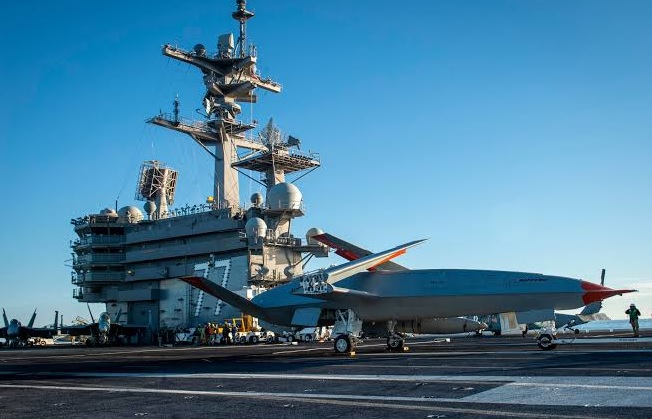
U.S
WASHINGTON, D.C., July 15, 2026 — The U.S. Navy has launched a new effort to develop advanced carrier-based unmanned aircraft as part of its long-term modernization plans, seeking industry proposals for autonomous drones capable of conducting a wide range of combat and support missions from aircraft carriers. On July 14, 2026, the Portfolio Acquisition Executive for Aviation within Naval Air Systems Command (NAVAIR) issued a Sources Sought notice, also known as a Request for Information (RFI), inviting defense companies to submit concepts for a new family of carrier-based unmanned aircraft. The notice is intended to gather information on available technologies and industry capabilities before any formal acquisition program begins. Companies have until August 13, 2026, to submit their responses. The initiative is part of the Navy's Air Wing of the Future program, which aims to reshape carrier aviation by integrating advanced autonomous aircraft alongside manned fighters. The effort also supports the broader Golden Fleet modernization initiative under the Trump administration, which focuses on accelerating the development and fielding of new naval platforms. Eight Mission Requirements The Navy is seeking either a single multi-role unmanned aircraft or a modular family of systems capable of performing multiple missions from aircraft carriers. According to the RFI, the proposed platforms should be able to carry out: Strikes against land targets Strikes against surface ships Air-to-air combat against enemy aircraft and missiles Anti-submarine warfare (ASW) Electronic warfare (EW) Intelligence, surveillance, and reconnaissance (ISR) Aerial refueling Resupply missions for naval task forces For strike missions, the aircraft must have a minimum combat radius of 1,000 nautical miles (approximately 1,852 kilometers or 1,151 miles) without requiring aerial refueling. The requirement reflects the Navy's need to operate carriers farther from hostile coastlines due to the increasing range of modern anti-ship missile systems. High Level of Autonomy Required The Navy expects the new aircraft to perform complex flight and mission tasks with a high degree of autonomy. Proposed systems should be capable of independently handling carrier landing patterns, deck taxiing, dynamic mission retasking, threat avoidance, and automated aerial refueling. The aircraft must also integrate with the Navy's existing Unmanned Carrier Aviation control architecture rather than requiring a separate command system, allowing future platforms to operate within the current infrastructure. Compatible with Existing Aircraft Carriers The new unmanned aircraft must be fully compatible with the launch and recovery systems used aboard both Nimitz-class and Ford-class nuclear-powered aircraft carriers, including catapults and arresting gear. At the same time, the Navy expressed interest in Vertical Takeoff and Landing (VTOL) concepts. Such designs could expand operations beyond aircraft carriers to other naval platforms, including guided missile destroyers (DDGs) and Expeditionary Sea Bases (ESBs), increasing operational flexibility. Flight Deck Space Remains a Key Consideration Carrier flight decks have limited space, making aircraft size and storage an important factor. The Navy is asking companies to explain the "spot factor" of their designs, which measures how much deck space an aircraft occupies compared with the combat capability it provides. Proposals are expected to demonstrate greater combat effectiveness than current fourth-generation aircraft, such as the F/A-18 Super Hornet, while making efficient use of available carrier deck space. Focus on Cost and Production Capacity In addition to operational performance, the Navy is placing significant emphasis on affordability and manufacturing capability. Companies responding to the RFI must describe how they would rapidly increase production during a conflict, provide plans to control unit recurring flyaway costs and long-term sustainment expenses, reduce maintenance requirements, and ensure compatibility with existing Navy logistics and supply chains. The Navy also requested information on planned capital investments, internal research and development efforts, and realistic development schedules. Respondents are expected to outline timelines from initial design through first flight, the first successful arrested carrier landing, and eventual initial operational capability. Building on Existing Unmanned Programs The new effort builds on experience gained through several ongoing Navy unmanned aviation programs. One of them is the MQ-25A Stingray, developed by Boeing, which serves as an unmanned aerial refueling tanker. The aircraft completed its first operational test flight in April 2026 and is progressing toward deployment aboard Nimitz-class and Ford-class carriers. The Navy is also drawing lessons from the Collaborative Combat Aircraft (CCA) program, which is developing lower-cost autonomous "loyal wingman" aircraft designed to operate alongside crewed fighters. Companies including Anduril, Boeing, General Atomics, and Northrop Grumman are developing carrier-capable concepts, while Lockheed Martin is responsible for software architecture that enables a single operator to coordinate multiple unmanned aircraft. Supporting the Future Carrier Air Wing The Sources Sought notice highlights the Navy's long-term objective of reducing reliance on fourth-generation aircraft by introducing a more balanced mix of fifth-generation, sixth-generation, and autonomous unmanned platforms. At this stage, the notice does not represent a contract award or procurement commitment. Instead, it is intended to help the Navy assess available technologies, industry readiness, production capacity, and cost before deciding on the next phase of the program. The information collected through this market survey will help shape future acquisition decisions for the next generation of carrier-based unmanned aircraft designed to support U.S. Navy operations in the coming decades. Source : sam.gov
Read More → Posted on 2026-07-15 10:56:47
U.S
SAN DIEGO — Kratos Defense & Security Solutions has received approximately $400 million in new funding from the U.S. Department of War (DoW) to support selected hypersonic systems and other classified national security programs, the company announced on Tuesday. The funding, which began arriving in June and accelerated through July, will support ongoing work on advanced defense technologies. Kratos said it could not disclose additional information about the specific programs because of security, competitive, and other operational considerations. Kratos specializes in the engineering, development, production, and integration of hypersonic systems, flight vehicles, solid rocket motors, and other high-speed defense technologies. The latest funding is expected to strengthen the company's efforts to deliver affordable, high-performance systems for the U.S. military and allied partners. Funding Expected to Support Growth According to Eric DeMarco, President and Chief Executive Officer of Kratos, the new funding is expected to improve the company's financial position while supporting future growth. DeMarco said the funding will accelerate Kratos' organic growth rate, increase operating cash receipts, and reduce customer receivables, inventory, and other assets where the company had previously invested its own resources to meet customer schedules and program requirements. He added that Kratos continues to focus on developing affordable and mission-relevant defense technologies while improving margins, generating long-term growth, and strengthening future cash flow. Following the announcement, Kratos shares (Nasdaq: KTOS) moved higher in premarket trading. The company currently has a market capitalization of approximately $8.8 billion. Focus on Hypersonic Systems Hypersonic weapons and vehicles, which travel at speeds greater than Mach 5, remain one of the highest modernization priorities for the U.S. military because of their ability to reach targets quickly while operating in demanding environments. Kratos said it is currently the only defense company delivering both propulsion systems and hypersonic flyer vehicles, providing capabilities across multiple stages of high-speed system development and testing. The company's active hypersonic and high-speed portfolio includes: Erinyes Hypersonic Flyer Dark Fury systems Zeus solid rocket motor Oriole solid rocket motor These systems support a range of defense applications, including flight testing, propulsion development, ballistic missile targets, and tactical systems. Company Highlights Manufacturing Capabilities Dave Carter, President of Kratos' Defense and Rocket Support Services Division, said the company has established itself as a leader in high-speed national security systems, including ballistic missile targets, flight test vehicles, and tactical systems. He said Kratos' ability to rapidly design, engineer, develop, test, and field systems that can be produced at lower cost differentiates the company from many traditional defense contractors. Carter also highlighted the company's Nemesis and Kraken initiatives as examples of its ongoing work in advanced high-speed systems. He said Kratos expects to receive additional hypersonic-related contract awards in the coming months. Work to Continue at Secure Facilities Kratos confirmed that work funded under the new contracts will be carried out at secure company facilities and government locations. The company said it will not release deployment schedules, technical specifications, or additional program details because the projects involve classified national security requirements. Expanding Role in Advanced Defense Programs The announcement reflects the U.S. military's continued investment in advanced aerospace and hypersonic technologies as part of broader modernization efforts. Alongside hypersonic systems, Kratos continues to develop technologies in unmanned systems, propulsion, flight testing, defense software, and other national security capabilities. Headquartered in San Diego, Kratos Defense & Security Solutions develops technology, systems, software, and products for defense, national security, and commercial markets, with a focus on reducing cost, shortening development timelines, and delivering operational capabilities more quickly. Source : kratosdefense
Read More → Posted on 2026-07-14 14:49:02
U.S
WASHINGTON — The United States could face shortages of key precision-guided munitions as the ongoing conflict with Iran continues to reduce military stockpiles, according to defense analyst Mark Cancian of the Center for Strategic and International Studies (CSIS). Cancian said the US has likely used between one-third and one-half of its key precision-guided munitions during the conflict, placing significant pressure on existing inventories. Speaking to CNN's Newsroom, Cancian said the United States has used more than 1,000 Patriot interceptor missiles during the conflict. "We have used over a thousand Patriot missiles in this current war. Our allies in the Gulf have also used a lot. Ukraine wants more so there is a tremendous demand for production," Cancian said. Thousands of Precision Weapons Used According to available estimates, US forces have struck more than 13,000 targets, with the conflict costing an estimated $28 billion to $35 billion so far. The US military has reportedly used: More than 1,000 Tomahawk cruise missiles, about ten times the annual US procurement rate. Around 1,100 Joint Air-to-Surface Standoff Missiles-Extended Range (JASSM-ER). Nearly half of its Precision Strike Missiles (PrSMs). About half of its Terminal High Altitude Area Defense (THAAD) interceptors. More than 1,200 Patriot interceptor missiles. Patriot Production Remains Limited The Patriot air and missile defense system is one of the US Army's primary air defense systems. A Patriot battery costs more than $1 billion, while each Patriot interceptor missile costs about $4 million. The United States currently produces around 600 Patriot interceptor missiles each year, far below the number reportedly used during the conflict. Cancian said demand remains high as the US, Gulf allies, and Ukraine all require Patriot interceptors. "If you went and ordered another Patriot today, you probably wouldn't get it for four or five years because of the backlog," he said. Rebuilding Stockpiles Will Take Time Analysts estimate it could take one to four years to restore US precision-guided munition stockpiles to pre-conflict levels, with additional time needed to expand inventories. The Pentagon has signed long-term contracts with defense companies to increase production of precision-guided weapons and missile defense systems. However, production remains constrained by manufacturing capacity, supply chains, and the complexity of advanced missile systems. Defense analysts say the conflict has highlighted the gap between wartime consumption and current production capacity, making stockpile replenishment a key challenge for the US defense industrial base. Source : cnn
Read More → Posted on 2026-07-14 13:27:36
U.S
MELBOURNE, Fla. — L3Harris Technologies has been awarded a $955 million contract by the U.S. Space Force's Space Development Agency (SDA) to build 18 Accelerated Missile Defense Tranche 3 (AMDT3) satellites, supporting the United States' Golden Dome missile defense initiative. The contract, announced on July 13, 2026, is part of the SDA's broader $1.75 billion procurement program to accelerate the deployment of space-based missile tracking capabilities. Alongside the L3Harris award, Sierra Space received a $798 million contract to produce 18 complementary missile warning satellites. Together, the two companies will deliver 36 satellites, which will operate across four orbital planes and are expected to be ready for launch by the end of 2028. Strengthening Space-Based Missile Tracking The AMDT3 satellites will become part of the Proliferated Warfighter Space Architecture (PWSA), the SDA's expanding network of low-Earth orbit military satellites designed to provide continuous global missile warning and tracking. L3Harris' satellites will serve as the missile defense variant of the Tracking Layer. Each spacecraft will carry medium-field-of-view infrared sensors capable of detecting and continuously tracking missile threats, including hypersonic and ballistic missiles. The sensors are designed to generate fire-control quality tracking data, allowing information to be passed to ground-based and airborne missile defense systems to support interception operations. According to the Space Development Agency, the accelerated deployment of these satellites is intended to strengthen missile detection, identification, warning, tracking, and defense capabilities for the United States, its deployed forces, and allied nations against increasingly advanced missile threats. Builds on HBTSS Experience The new contract expands L3Harris' existing work in space-based missile tracking. The company previously developed and launched Hypersonic and Ballistic Tracking Space Sensor (HBTSS) prototypes for the Missile Defense Agency (MDA), successfully demonstrating the performance of its infrared tracking payloads in orbit. The experience gained from the HBTSS program is being applied directly to the AMDT3 satellites, helping reduce development risk while supporting faster deployment of the new tracking constellation. Production to Begin Immediately L3Harris said manufacturing of the tactical payloads will begin immediately. The satellites will be produced at the company's expanded spacecraft manufacturing facility in Fort Wayne, Indiana, while final satellite integration and testing will be carried out at its facility in Florida. Christopher Kubasik, Chairman and CEO of L3Harris, said the company had expanded its production capacity ahead of anticipated demand to support national missile defense priorities and meet the program's delivery schedule. Expanding the Tracking Layer The SDA said the new satellites are part of its effort to accelerate deployment of the Tracking Layer, a key element of the Proliferated Warfighter Space Architecture. The network is designed to provide persistent global coverage by using large numbers of satellites in low-Earth orbit rather than relying on a small number of traditional spacecraft. GP Sandhoo, a Space Force portfolio executive, said the awards accelerate deployment of the Tracking Layer to provide persistent missile warning, detection, identification, tracking, and defense capabilities for the homeland, deployed forces, and allied nations. More Than 70 Missile Defense Satellites on Order With this latest contract, L3Harris now has more than 70 missile tracking and defense satellites on order across multiple U.S. government programs. The company's portfolio includes satellites for the Missile Defense Agency's HBTSS program and the SDA's Tracking Layer Tranches 0, 1, 2, and 3, with five satellites already operating in orbit. Senator Jim Banks of Indiana welcomed the contract, stating that the continued production work in Indiana will strengthen both the country's industrial base and its next generation of space-based missile tracking capabilities. The AMDT3 program represents another step in the U.S. effort to expand its space-based missile warning and tracking network, providing continuous sensor coverage and supporting missile defense systems against evolving threats, including hypersonic and ballistic missiles. Source : l3harris
Read More → Posted on 2026-07-14 11:50:20Search
Top Trending in 24 Hours
-
 Iranian Missile Strike Damaged U.S. A-10 and Eight F-15s at Jordan Air Base, CBS Reports
-
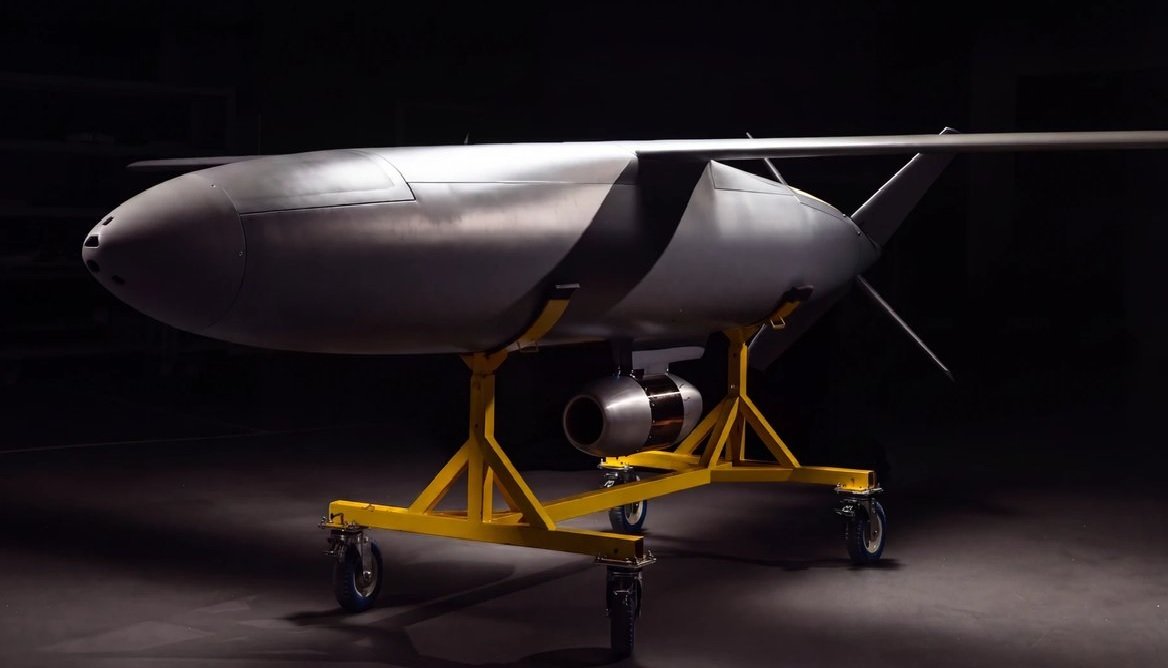 U.S. Startup Covenant Emerges From Stealth With $250 Million Funding and Anthem, a New Long-Range Heavy-Payload Strike Missile After More Than 200 Test Flights
-
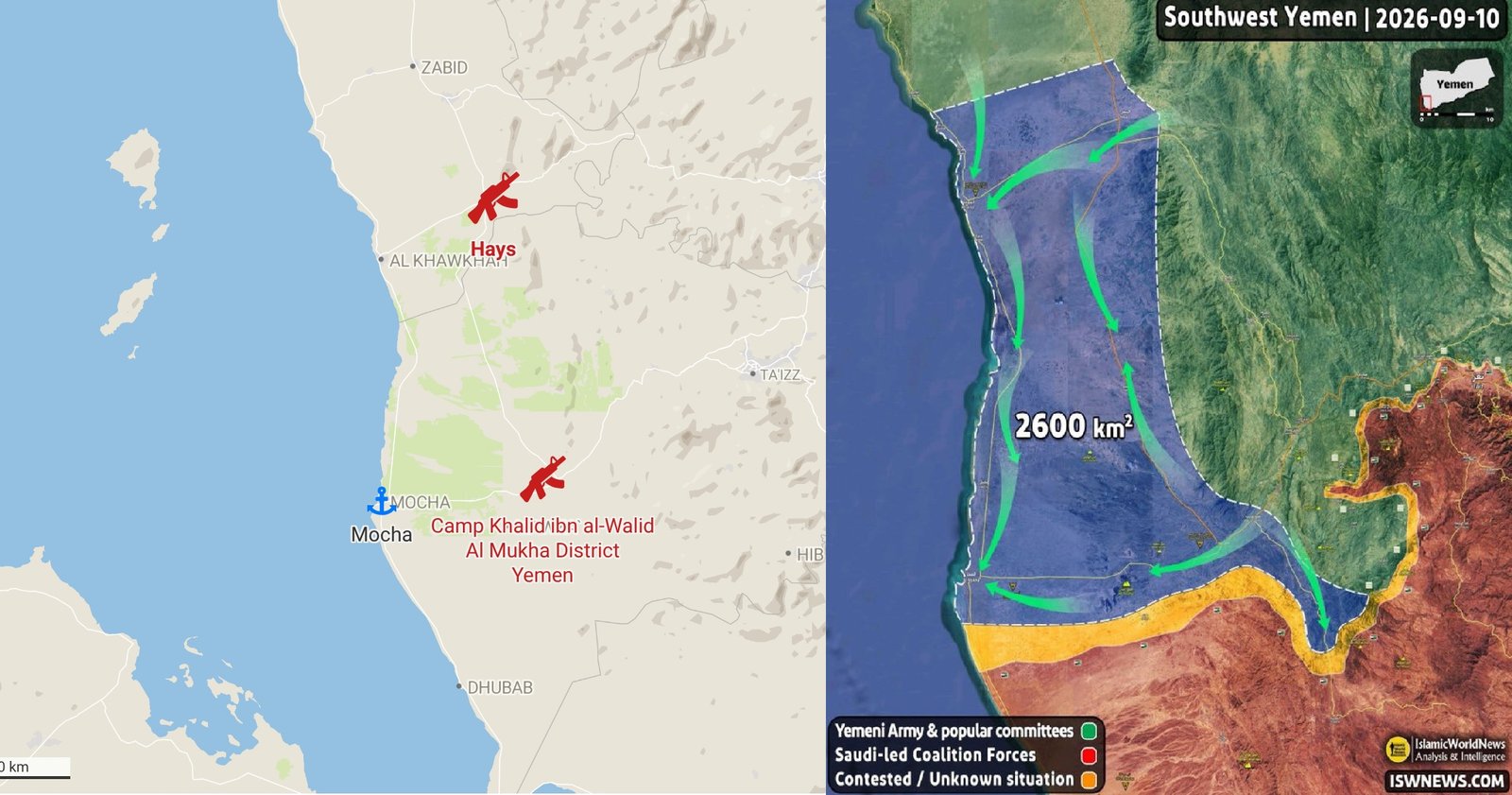 Houthi Forces Capture Strategic Red Sea Port City of Mocha Following Government Withdrawal
-
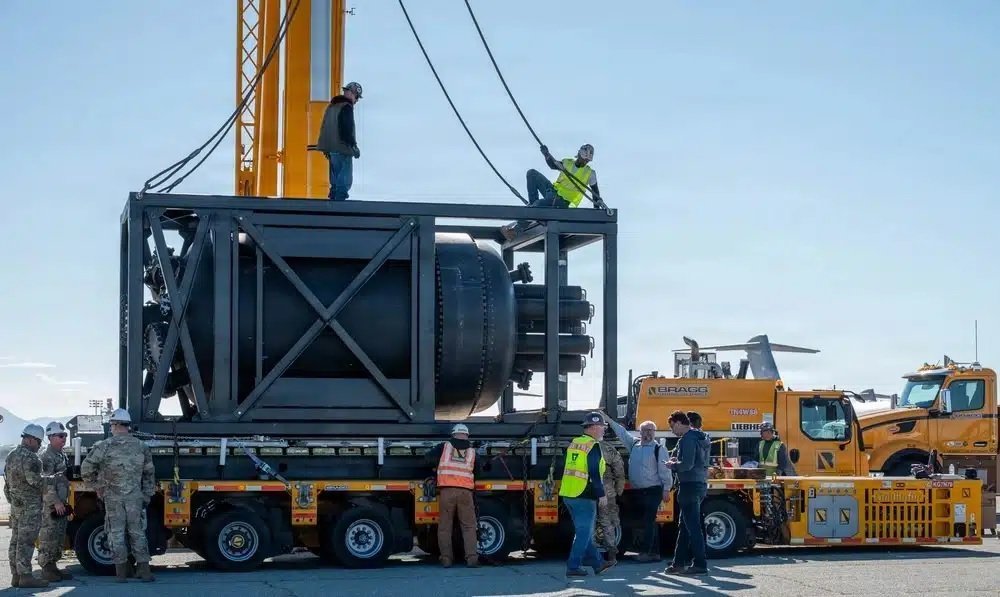 U.S. Navy Plans First Shore-Based Nuclear Microreactor at Indiana’s Crane Base by 2028
-
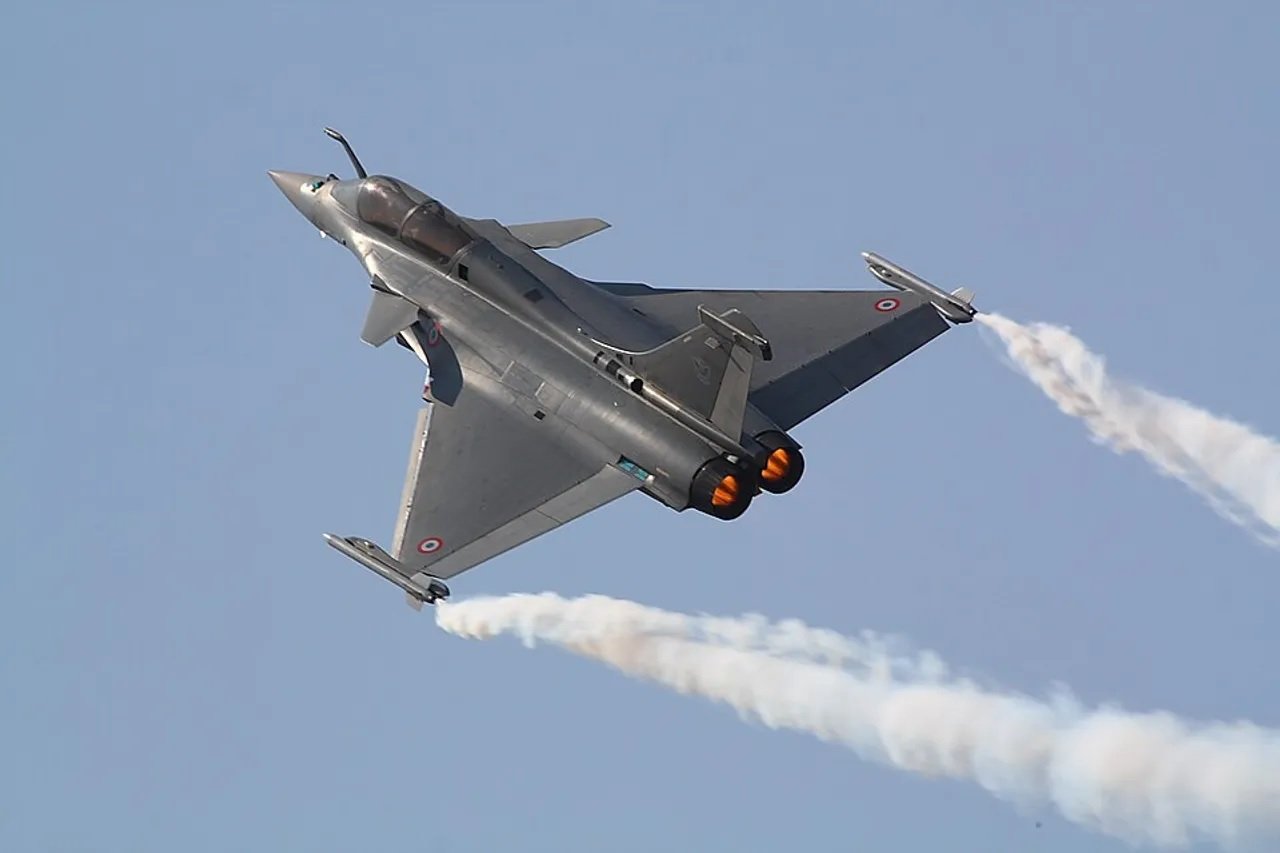 Russian Rafale “Kill Switch” Claim Faces Questions Over Evidence
-
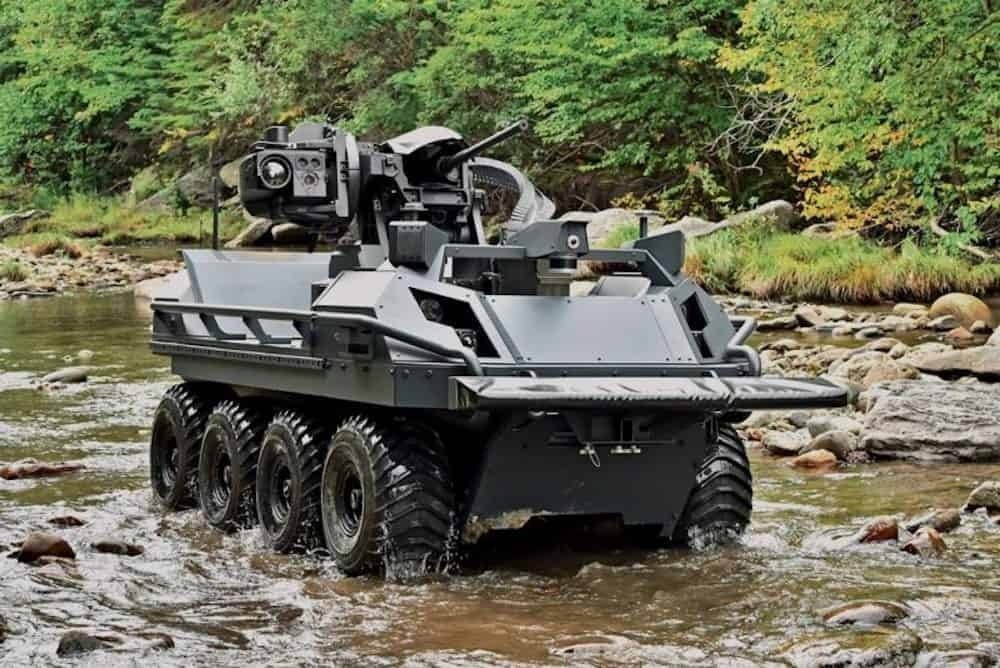 American Rheinmetall Secures $7.28 Million Contract for U.S. Marine Corps Autonomous Vehicles
-
 U.S. Signs $4 Billion Military Financing Guarantee for Poland, Bringing Total Support Near $20 Billion
-
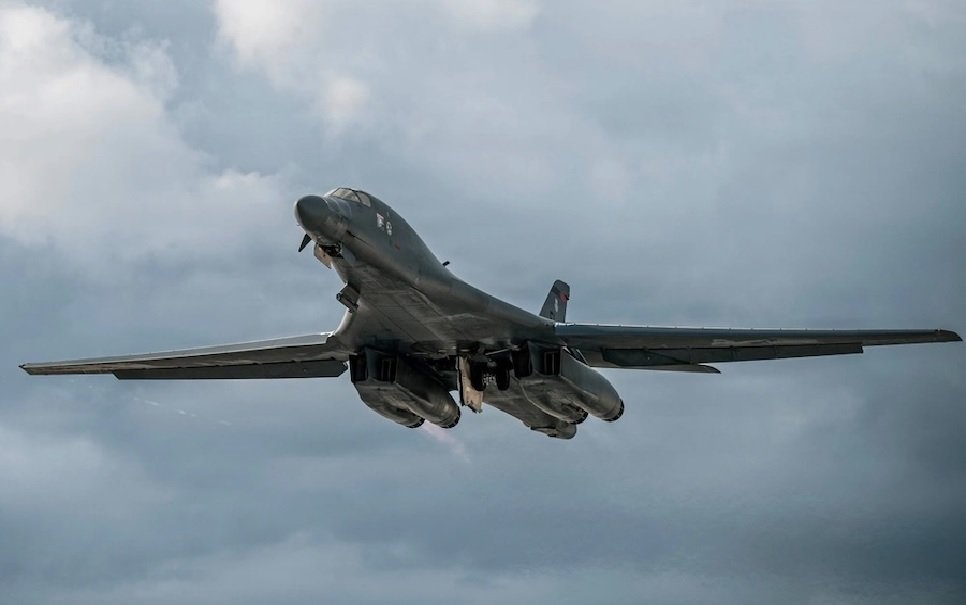 U.S. Air Force Launches North Star Campaign to Improve B-52 and B-1 Bomber Readiness
Top Trending in 4 Days
-
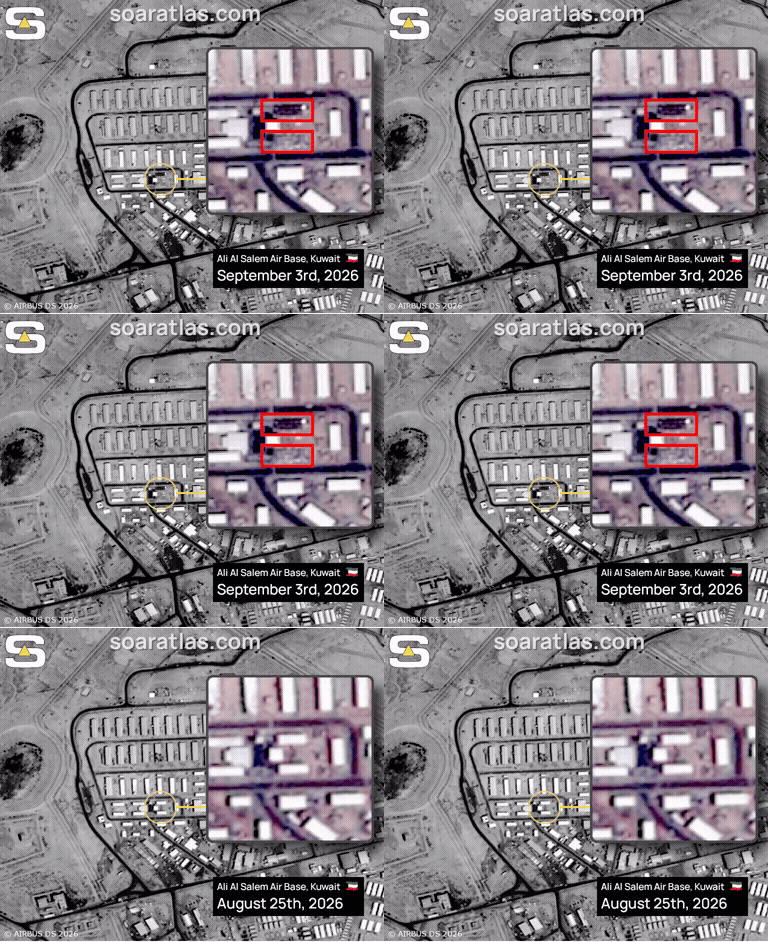 Satellite Imagery Shows Two U.S. Barracks Destroyed at Kuwait’s Ali Al Salem Air Base in Iranian Attack
-
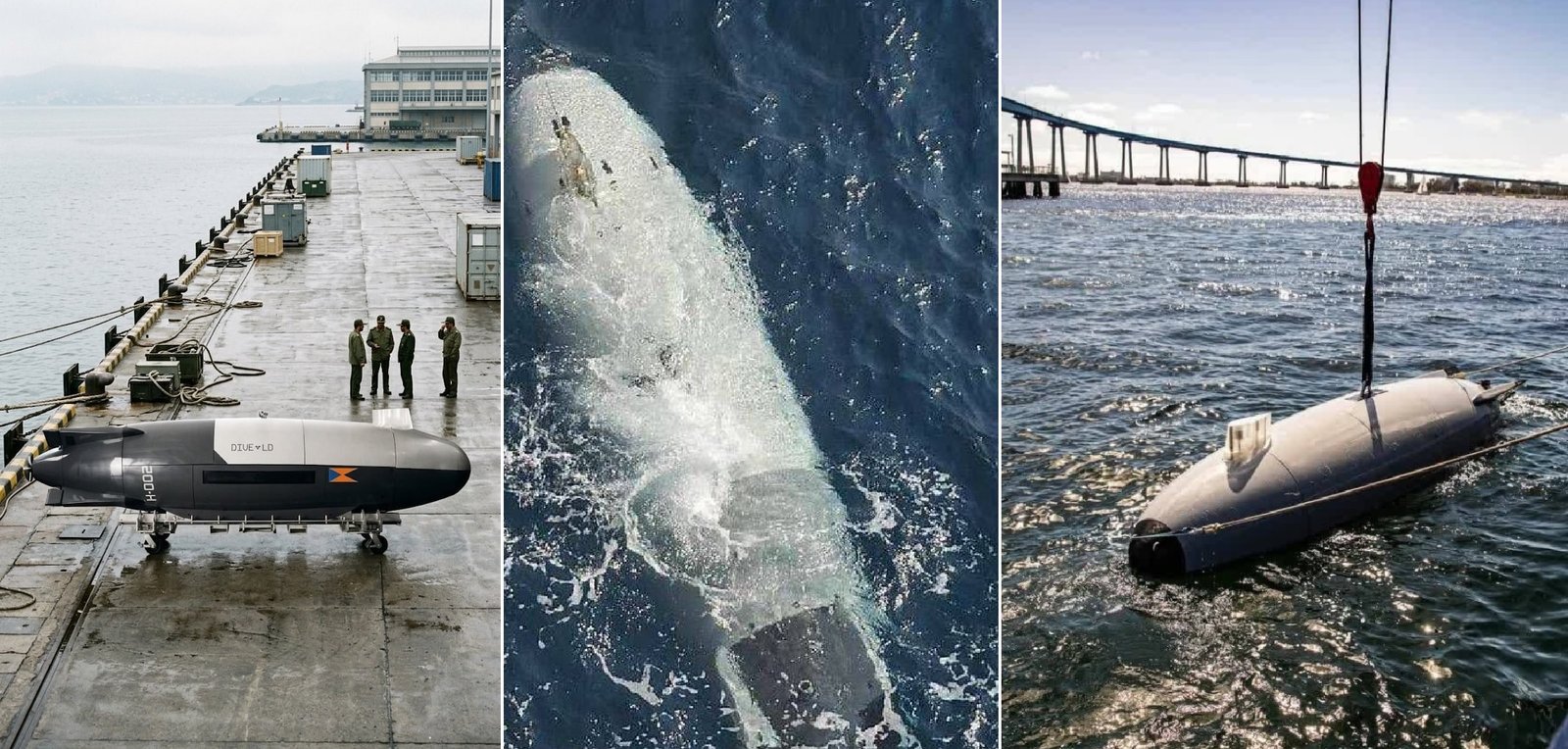 Iran’s IRGC Claims Capture of U.S. Dive-LD Unmanned Underwater Vehicle Near Strait of Hormuz
-
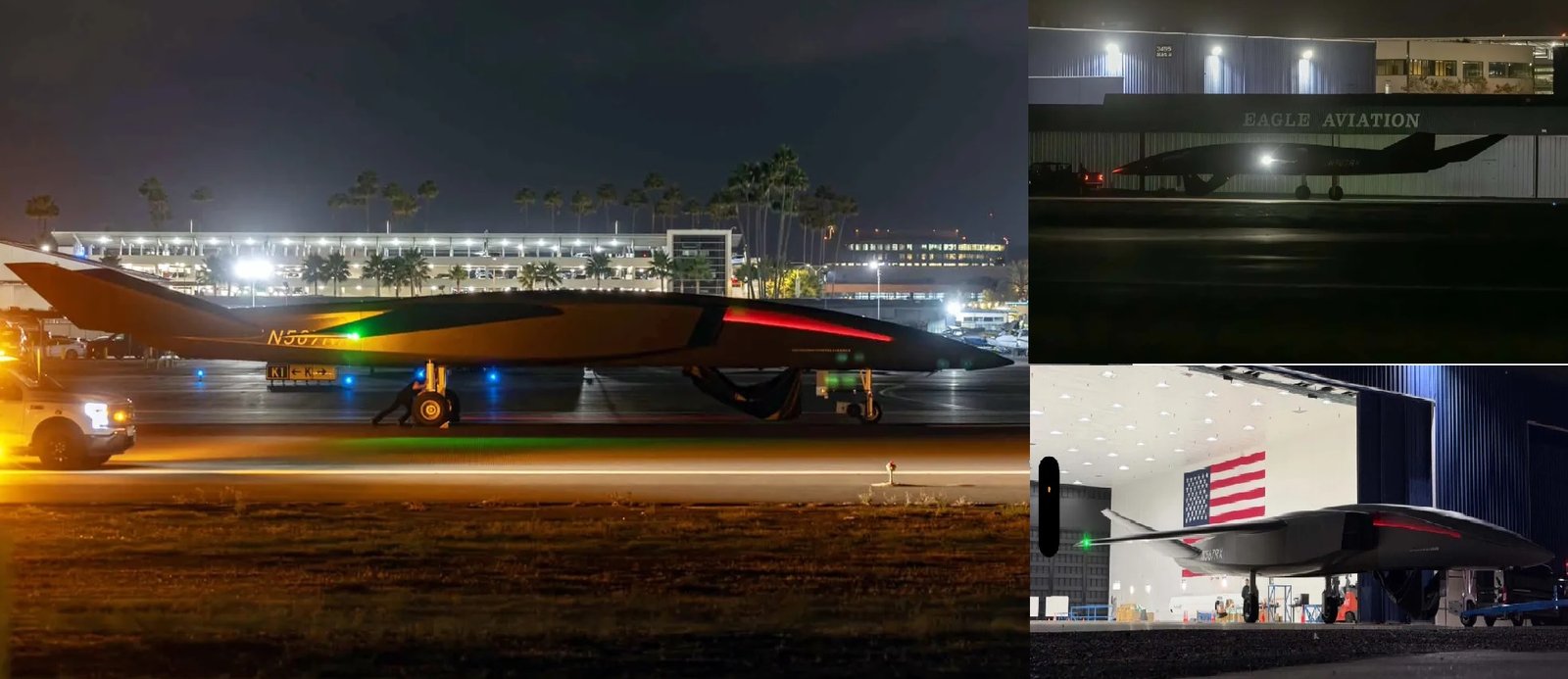 Mysterious Black Aircraft at Long Beach Airport Identified as Aevum’s RAVN X Autonomous Spaceplane After Years Out of Sight
-
 Trump’s ‘The Moon Is Ours’ Post, Space Force Uniform Concept and Green Lantern AI Video Draw Online Backlash
-
 Iranian Missiles Strike U.S. Base in Jordan as Reports Emerge of Injured American Personnel
-
 Iran Launches Massive Ballistic Missile Attack with Cluster Munitions on U.S.-Used Air Base in Jordan, Some Missiles Confirmed to Have Hit Base
-
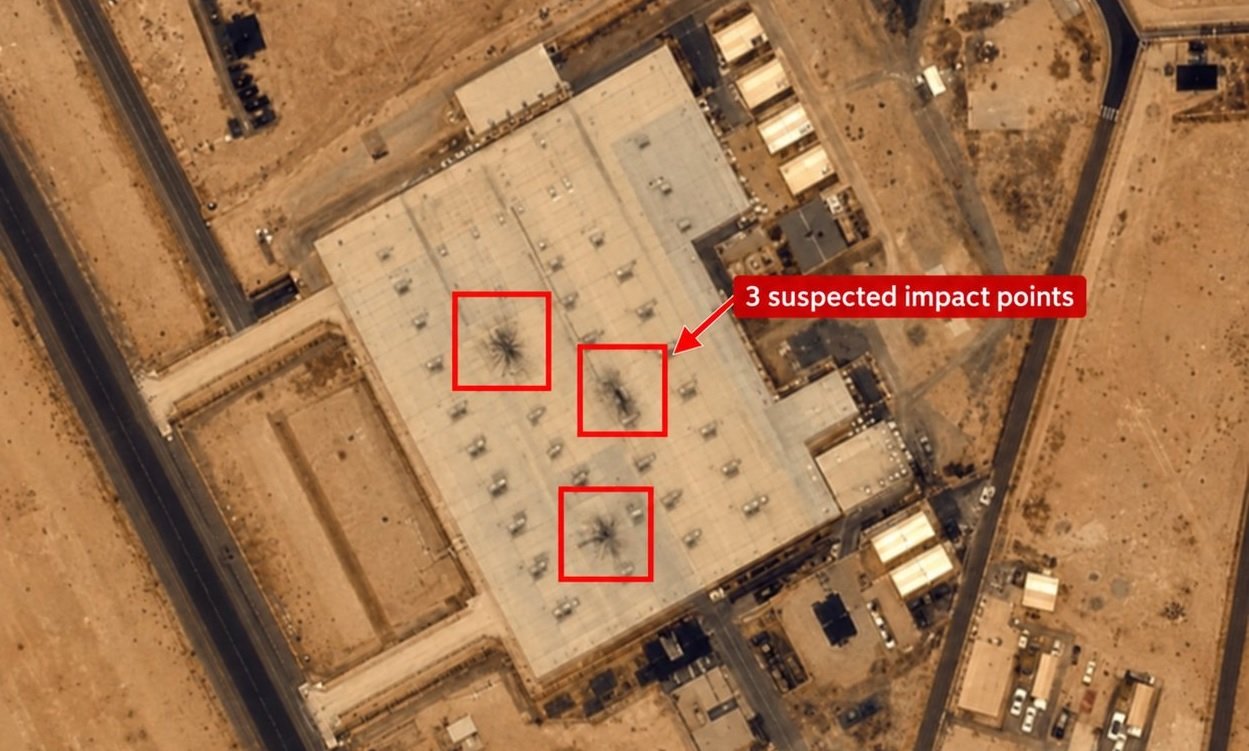 New Satellite Images Show Three Possible Impacts at U.S.-Linked Air Bases in Kuwait
-
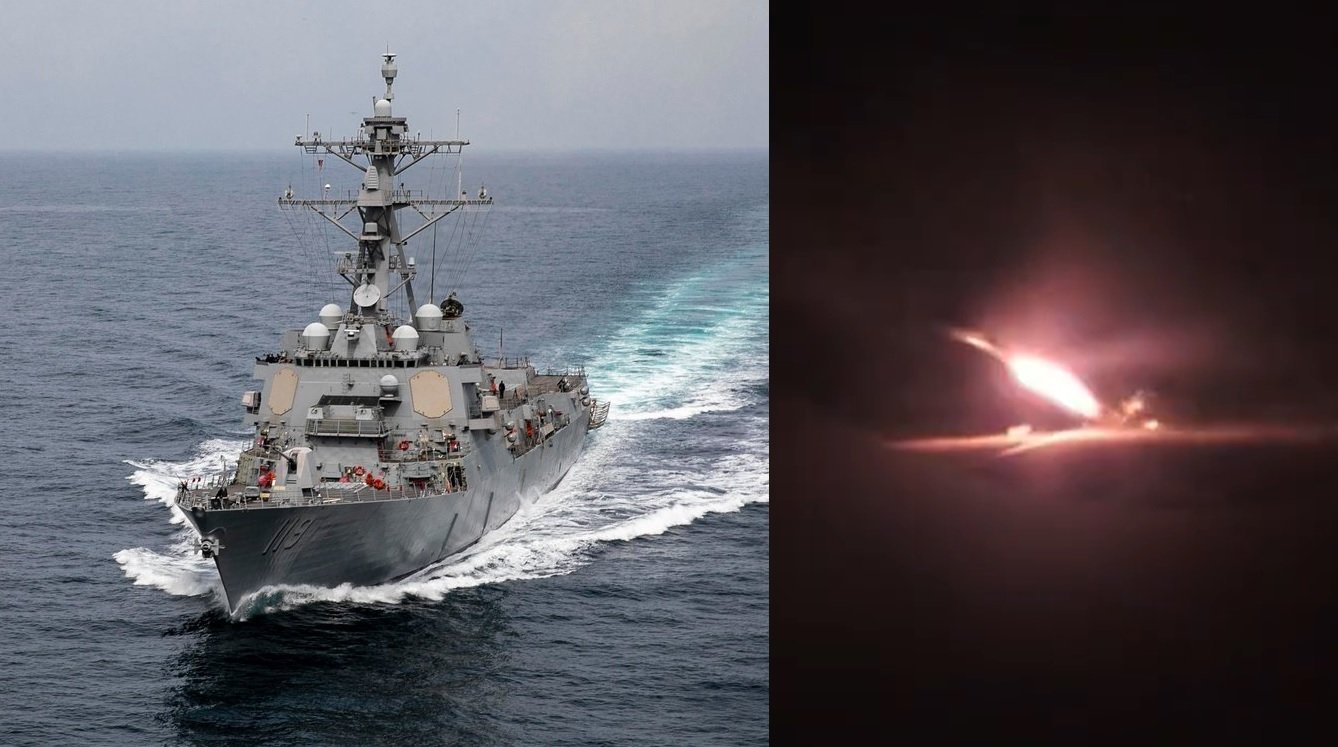 IRGC Claims Significant Damage to Two U.S. Destroyers in Missile Attack; CENTCOM Denies Hits