WASHINGTON — The Pentagon subjected roughly 50 members of the U.S. military’s Joint Staff to polygraph tests in August as part of an investigation into suspected leaks of classified information to journalists, according to U.S. officials briefed on the matter. The inquiry focused in part on disclosures about reduced U.S. munitions inventories during the war with Iran.
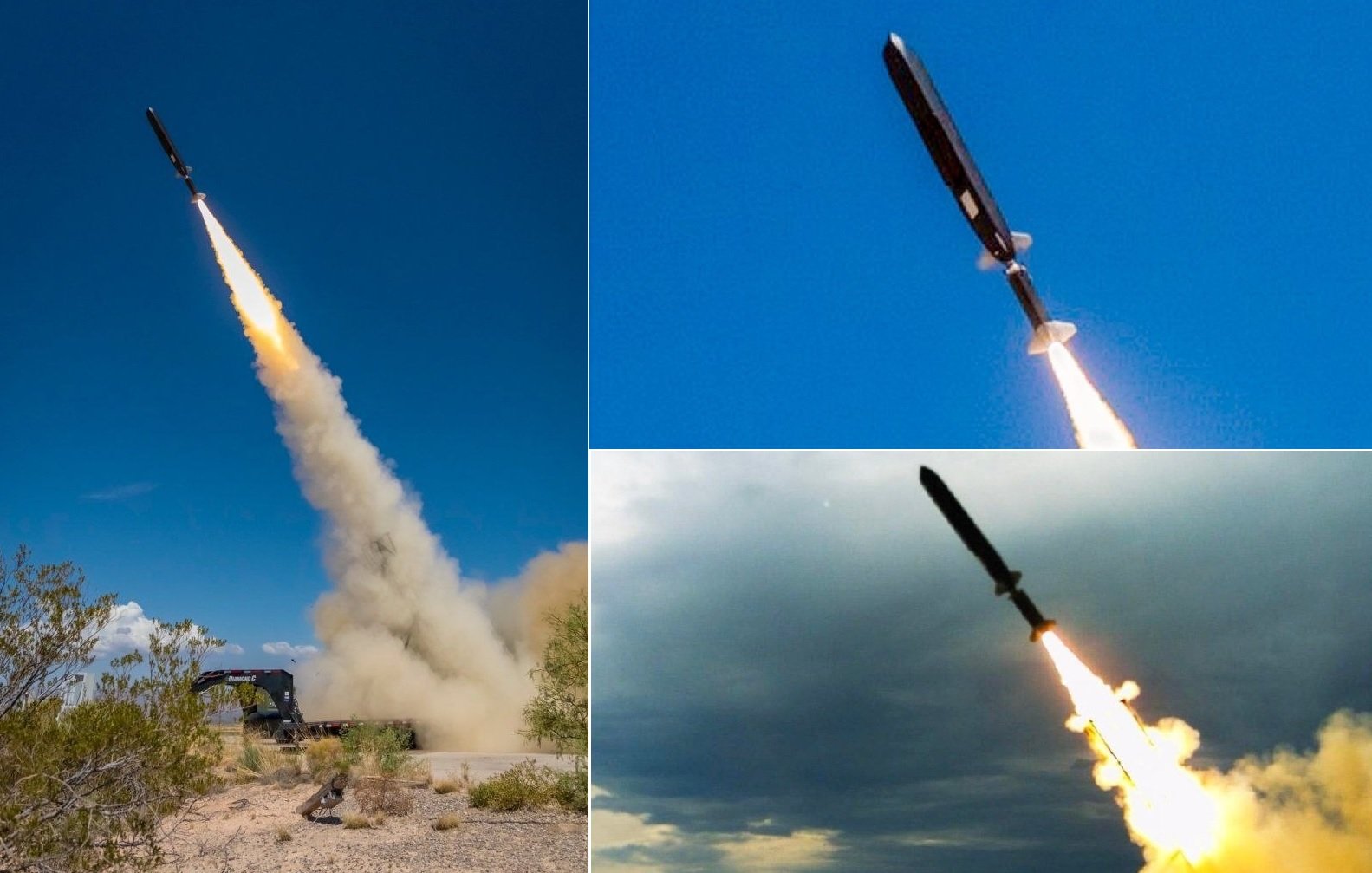
Military officers and civilian employees were questioned about whether they had provided classified information to members of the media, including information concerning the depletion of key U.S. weapons stocks. The tests followed several reports about reduced inventories of long-range missiles and air-defense interceptors, including Patriot and THAAD systems.
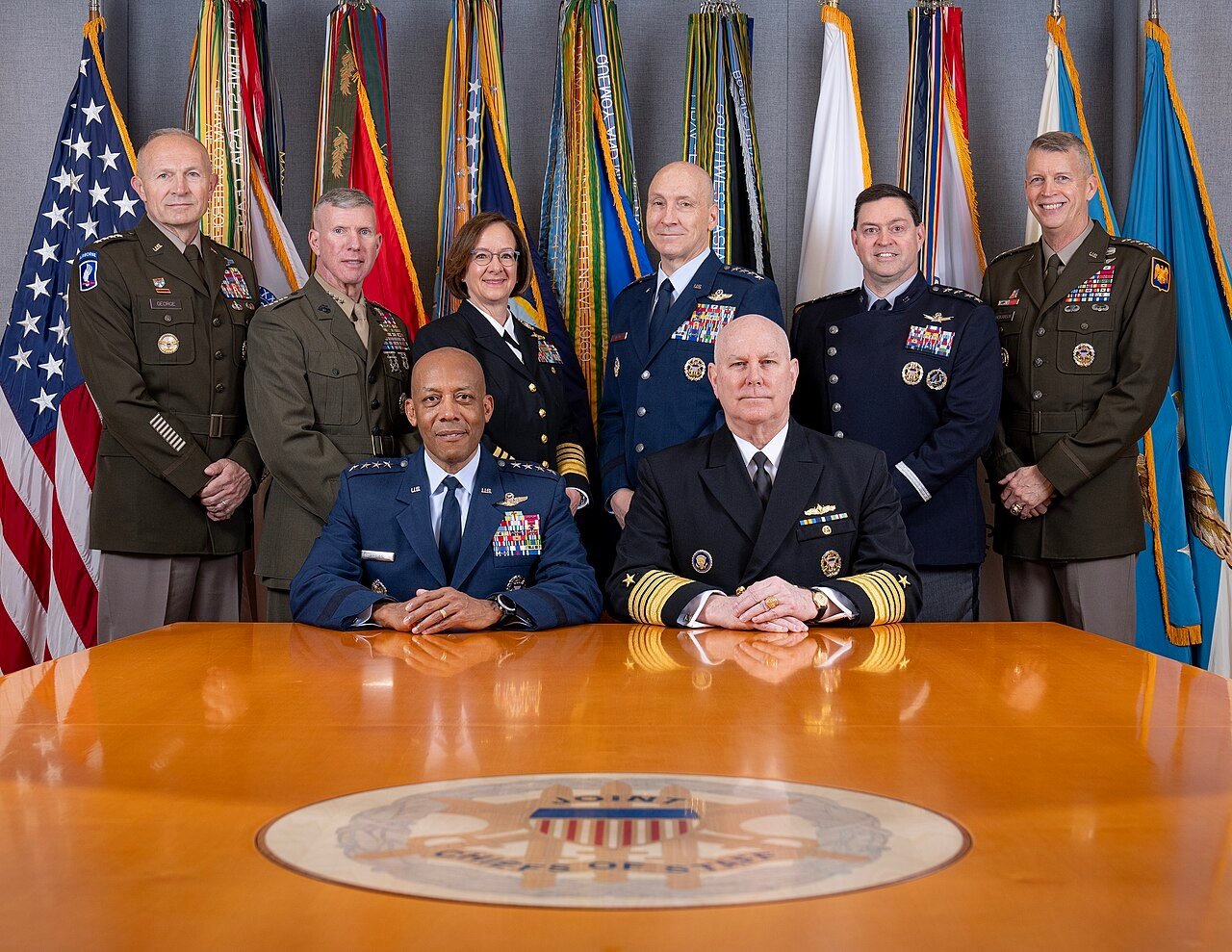
The Joint Staff has between 1,500 and 2,000 military and civilian personnel and is responsible for helping coordinate military operations, policy and war planning with the U.S. combatant commands. The polygraph testing did not cover all senior officials. Gen. Dan Caine, chairman of the Joint Chiefs of Staff, was not among those tested, according to a senior Pentagon official. Some personnel from U.S. Central Command and other combatant commands were also included in the broader testing effort.
The scale of the testing has been described as highly unusual. Retired Rear Adm. Donald J. Guter, a former Navy judge advocate general, said he had not seen polygraph testing used this broadly or at this level of seniority. The tests were conducted by military investigators, rather than the FBI. Two sources said none of the personnel tested failed questions specifically aimed at determining whether they had leaked information to the media.
Investigation focuses on munitions disclosures
The leak investigation followed reports about the rapid use of U.S. air-defense and other advanced munitions during the conflict with Iran. CNN reported in August, citing sources familiar with inventory data, that the U.S. military had used close to 80 percent of its THAAD interceptors and about half of its Patriot interceptors compared with pre-war levels.
A separate analysis by the Center for Strategic and International Studies estimated that Patriot interceptor inventories had fallen from about 2,330 before the war to between 759 and 827 by late July 2026. Its estimate for THAAD interceptors was a decline from about 452 before the war to between 234 and 278. CSIS said Patriot inventories were below 1,000 and THAAD inventories were around 250 in its July assessment.
CSIS has also assessed that rebuilding some depleted missile inventories could take years because of production rates and the time required for new weapons to reach the military.
U.S. officials have disputed descriptions that the military lacks sufficient weapons and have emphasized efforts to increase production and replenish inventories. President Donald Trump has also said that some types of munitions were in tighter supply than before the war while maintaining that the United States had substantial ammunition available.
Concern over access to classified information
The investigation also examined how information about the munitions inventories reached the media. According to one source, investigators were concerned because access to the specific stockpile information was limited, raising questions about whether a foreign intelligence asset could potentially have been involved.
The broader investigation is intended to identify the source of unauthorized disclosures and prevent additional classified information from reaching the media.
Pentagon spokesman Sean Parnell declined to discuss the internal investigation. In a statement, he said the department does not comment on internal personnel or investigative matters but takes leaks of classified national security information seriously and investigates them. He added that protecting classified information is critical to the security of the United States and U.S. troops deployed around the world.
The polygraph testing comes as the Pentagon continues efforts to address concerns over U.S. munitions inventories following the expenditure of large numbers of weapons during operations involving Iran.
Sourec : CBS
——— End of Article ———