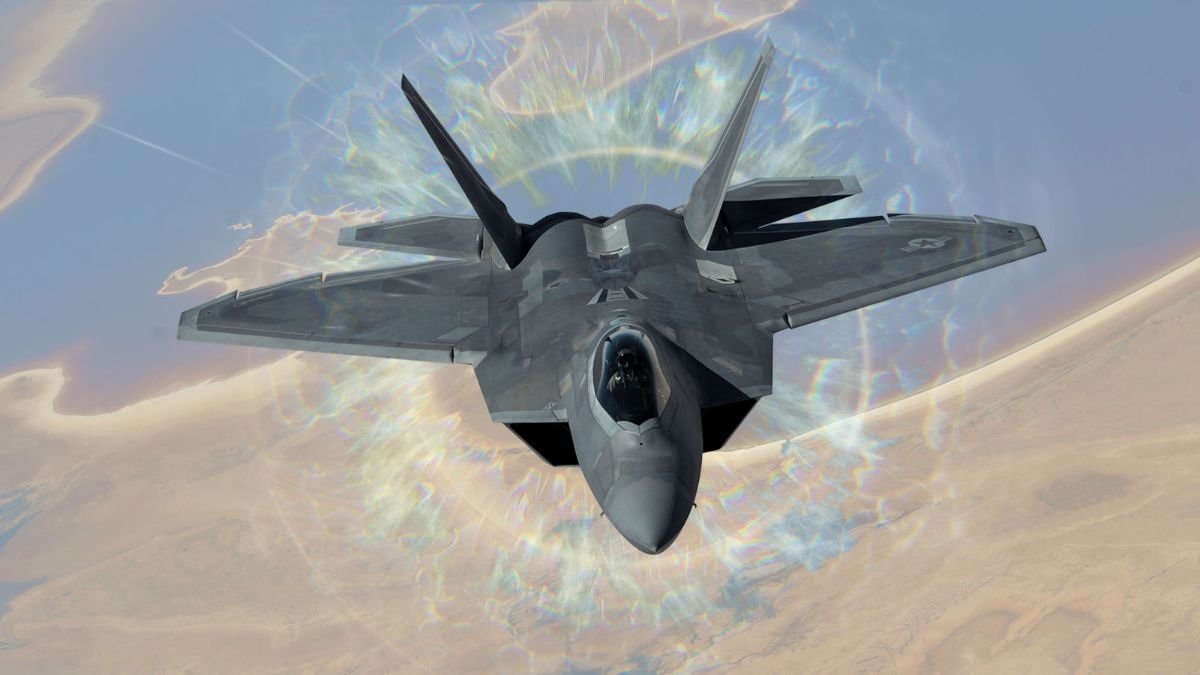
Bethesda, Maryland, — Lockheed Martin is working with the U.S. military to modernize the F-22 Raptor with new sensors, data links, and communication capabilities, aiming to bring the fighter to a “fifth-generation-plus” level. The initiative was outlined by Chief Executive Jim Taiclet during the company's third-quarter 2026 earnings call on October 22.
The F-22 modernization, further development of the F-35, and introduction of autonomous combat aircraft are the three main elements of Lockheed Martin's strategy to increase air combat capabilities for the United States and its allies.
F-22 Modernization at Skunk Works
The F-22 upgrade program is underway at Lockheed Martin's Skunk Works advanced development division in partnership with the U.S. military.
The modernization focuses on adding capabilities that were not included in the original F-22 design, including a distributed aperture system, advanced sensors, data links, and beyond-line-of-sight communications.
Taiclet said the upgrades are intended to take the aircraft to a fifth-generation-plus capability level. Lockheed Martin is integrating technologies developed across its business divisions, including a new sensor from its Missiles and Fire Control business.
The company has not disclosed the modernization contract value, detailed system names, or a fielding timeline. Lockheed Martin aims to introduce incremental mission improvements across its platforms every three to six months, although a specific schedule for the F-22 was not provided.
F-35 Development and Vectis Autonomous Combat Drone
Lockheed Martin is also planning to integrate sixth-generation technologies into the F-35. Taiclet said the approach aims to deliver approximately 80 percent of the capability of a newly designed sixth-generation fighter at half the overall cost.
Another major part of the strategy is Vectis, an autonomous combat aircraft being developed with internal company funding ahead of formal government requirements.
Lockheed Martin has increased its investment to build five Vectis aircraft, with initial flight demonstrations scheduled for 2027. The drone is designed for air-to-air combat and strike missions, with its development focused on anticipated requirements for range, payload, and survivability.
The company's experience with the F-22 and F-35 is also informing how crewed fighters will connect and coordinate with autonomous aircraft such as Vectis.
Third-Quarter Financial Results
Lockheed Martin reported third-quarter 2026 sales of $20.7 billion, an 11 percent increase compared with the same period last year. The company also reported a record order backlog of $292 billion.
The F-35 program remained a major contributor to the company's financial performance, recording a $710 million increase in sales during the quarter due to higher production and sustainment volumes.
Together, the F-22 modernization, F-35 technology integration, and Vectis development represent Lockheed Martin's broader effort to increase combat capabilities while controlling the cost of future air combat systems.
——— End of Article ———