PATUXENT RIVER, Md., — The U.S. Navy has formally started the development process for its first carrier-based Collaborative Combat Aircraft (CCA), issuing a Request for Information (RFI) to industry on August 31, 2026.
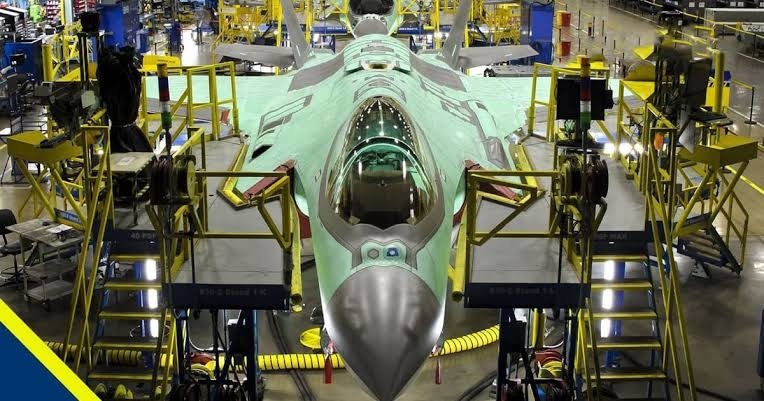
The RFI, issued by Naval Air Systems Command (NAVAIR) through the Future Advanced Capability Program Office (PMA-228), seeks proposals for the CCA Increment 1 Prototype Project. The Navy wants an affordable, weaponized, extended-range autonomous unmanned aircraft that can operate alongside the F/A-18E/F Super Hornet and F-35C Lightning II.
The Navy plans to use the CCA to increase the number of aircraft available to carrier air wings and assign higher-risk or longer-range missions to uncrewed aircraft. Planned roles include forward sensing, electronic warfare and carrying additional weapons.
Development timeline and cost
The Navy is seeking two fully functional prototypes. The first flight is expected within 24 months of a contract award, with shore-based carrier certification completed within three years.
Industry responses are due by September 18, 2026, followed by an industry briefing on September 22 in California, Maryland. The Navy is considering Other Transaction Authority for the potential prototype project. The RFI is for market research and does not commit the government to an award.
The targeted unit cost is approximately $30 million. Companies must provide manufacturing and supply-chain plans showing how the aircraft could meet the cost target at scale.
Carrier integration and weapons
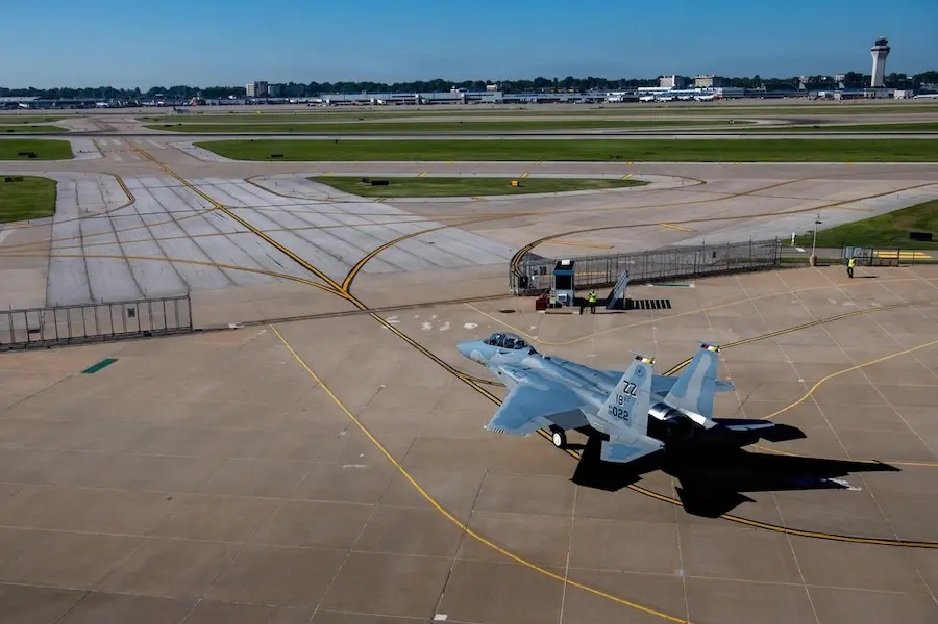
The aircraft must be compact enough to operate within the existing deck, elevator and hangar constraints of aircraft carriers, with a footprint comparable to an existing F/A-18E/F Super Hornet.
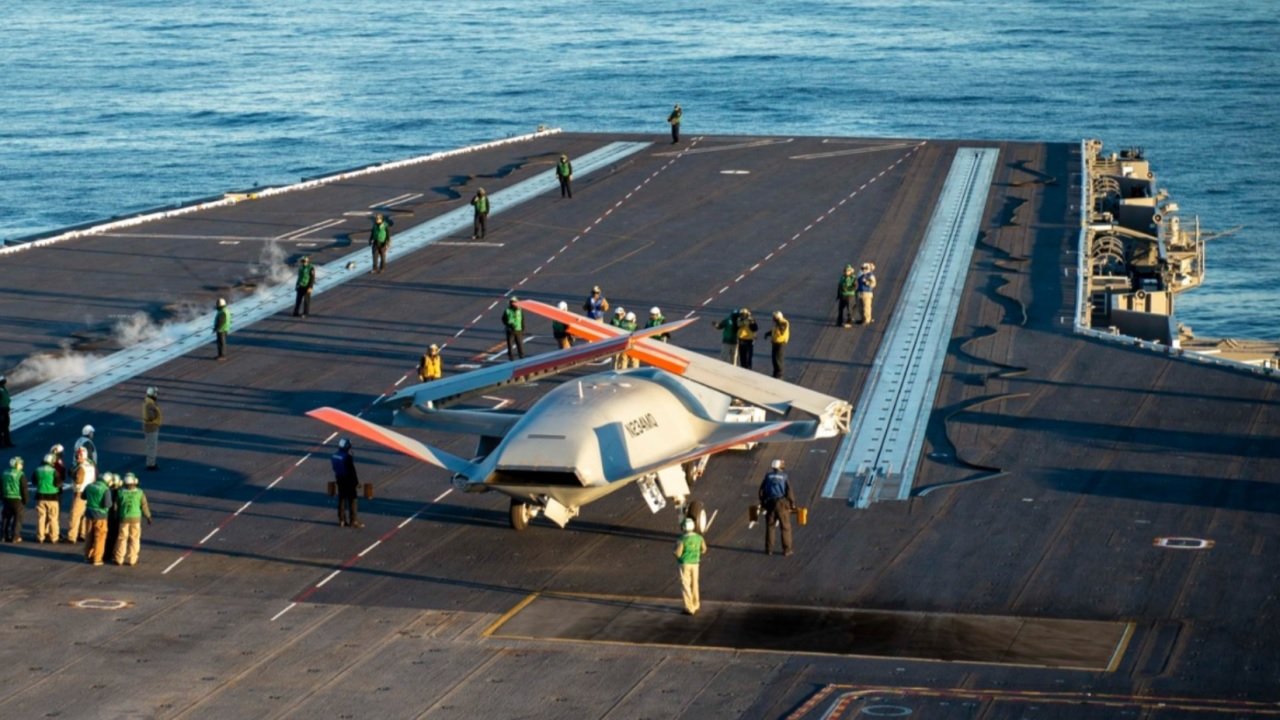
It must conduct catapult launches and arrested recoveries from both Gerald R. Ford-class and Nimitz-class aircraft carriers, operate safely in conditions up to Sea State 5, and use standard shipboard tools and logistics.
The Navy wants the aircraft to use the existing Joint Precision Approach and Landing System (JPALS) and the MD-5 Unmanned Carrier Aviation Mission Control System, which is used for the MQ-25 Stingray. Commercial off-the-shelf components that are not initially marinized are permitted if manufacturers provide a clear plan to make them suitable for long-term maritime operations.
The CCA must be capable of carrying up to four externally mounted 2,500-pound-class weapons, providing an external weapons payload of about 10,000 pounds. Designs without internal weapons bays are acceptable, allowing the Navy to prioritize affordability and faster development over maximum stealth.
Wider Navy and international efforts
The program follows earlier Navy work on autonomous aircraft and manned-unmanned teaming. The Navy has also continued development of the MQ-25 Stingray, while the C-2A Greyhound has completed its service and the CMV-22B Osprey has taken over the Carrier Onboard Delivery mission. Congress is also considering multi-year procurement authority for additional E-2D Advanced Hawkeyes.
The Navy's CCA effort comes as the service continues work on its future carrier air wing and the F/A-XX sixth-generation fighter program. The U.S. Air Force is also advancing its CCA program, including flight testing of the YFQ-42A.
Similar efforts are underway in Europe. France issued an RFI in June 2026 for a carrier-capable collaborative combat UAV intended to operate with the Rafale M F5 aboard its future PANG aircraft carrier. The UK's Royal Navy is advancing fixed-wing autonomous aircraft demonstrations under its Maritime Aviation Transformation (MATX) strategy and Project Vanquish, with a goal of developing a hybrid carrier air wing by 2040.
The new RFI marks the Navy's formal move toward developing a carrier-based uncrewed combat aircraft designed to expand the size and operational reach of future carrier air wings while operating within existing carrier constraints.
——— End of Article ———