India
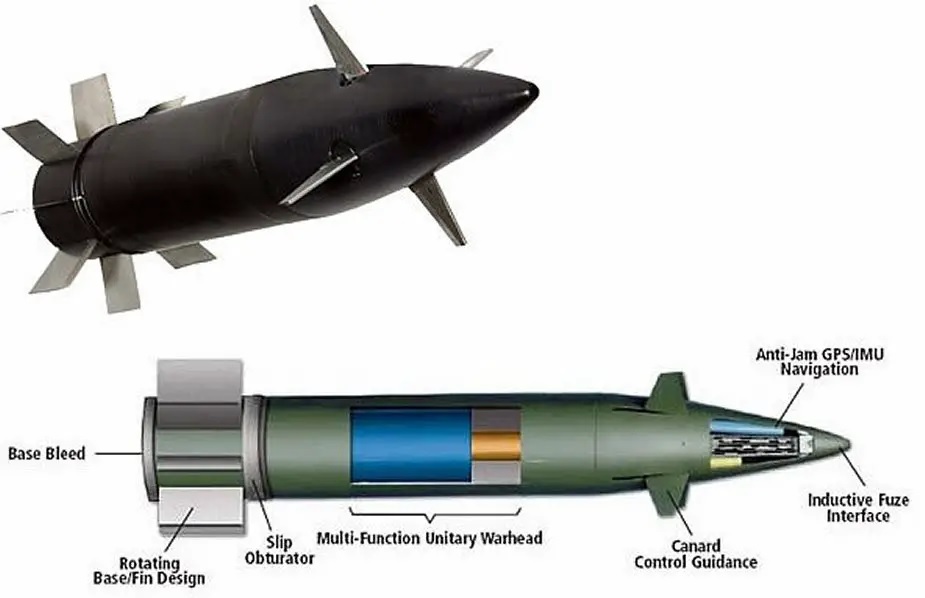
In a significant step towards modernizing its artillery firepower and reinforcing the Make in India initiative, the Indian Army released a Request for Information (RFI) on 23 June 2025 for the procurement of 155mm Precision-Guided Munitions (PGMs). These advanced shells are intended for use with all standard howitzer calibers in Indian service — including 39, 45, and 52 caliber barrels — and the RFI submission window remains open until 10 August 2025. This move is not just a procurement exercise; it represents India's ongoing effort to break free from dependency on foreign high-precision artillery shells and replace them with robust, indigenously-developed alternatives that match global standards in range, accuracy, and lethality. The Need for Precision in Modern Artillery Conventional artillery has traditionally relied on area saturation fire. However, the evolution of battlefield tactics and the emphasis on reducing collateral damage have made precision-guided artillery shells essential. These shells offer pinpoint accuracy, often with a circular error probable (CEP) of less than 10 meters, and are effective against hardened or high-value enemy positions, moving targets, and urban threats. The Indian Army currently operates a wide variety of 155mm howitzers including the Dhanush, ATAGS, K9 Vajra-T, and M777 Ultra-Light Howitzer, and is now looking to arm these with high-accuracy PGMs developed under the Make in India framework. RFI Objectives and Key Requirements The RFI outlines the following goals: Indigenous development under Make in India and Atmanirbhar Bharat guidelines Compatibility with 39, 45, and 52 caliber howitzers Ability to engage static and moving targets with high precision Enhanced range of at least 40–50 km for most variants Incorporation of guidance systems such as GPS, NavIC, INS, or semi-active laser homing Support for different fuse types (point-detonation, delay, airburst) Indian Developers of 155mm Precision-Guided Munitions The RFI has attracted the attention of both public and private sector firms, many of which are already developing or testing advanced guided artillery shells. 1. Munitions India Limited (MIL) + IIT Madras A collaborative project between MIL and IIT Madras is developing precision-guided 155mm artillery shells with: CEP < 10m GPS/NavIC-based navigation Multi-mode fuzing (airburst, delayed, impact) Target range up to 48 kmThis project aims to deliver India’s first fully indigenous smart artillery round optimized for Dhanush and ATAGS systems. 2. DRDO’s Guided Projectile Revealed at Aero India 2025, DRDO showcased a fin-stabilized guided 155mm shell: Length: ~1 meter; Weight: ~50 kg Range: Up to 50 km Integrated GPS/INS guidanceThe projectile is designed for compatibility with existing 155mm platforms and is undergoing internal evaluation trials. 3. Ramjet-Propelled Precision Shell Another DRDO-IIT collaborative venture involves ramjet propulsion technology to push the guided shell’s range beyond 60 km, while maintaining a high hit probability. This is currently in the prototype phase and could eventually serve long-range artillery such as ATAGS and K9 Vajra-T. 4. Reliance Defence – Diehl Defence Partnership In one of the most ambitious private-sector efforts, Reliance Defence, in collaboration with Diehl Defence (Germany), is setting up facilities to locally manufacture the Vulcano 155mm PGMs. These shells use: GPS and inertial navigation Precision glide fins for mid-course correction Range: Over 70 kmThe licensed production is expected to start in Ratnagiri, Maharashtra, with a long-term goal of delivering both guided and extended-range ammunition for Indian and export markets. 5. Kalyani Group (Bharat Forge) While primarily focused on gun systems, Kalyani Strategic Systems is also investing in guided projectile development, with shell body manufacturing and integration of terminal guidance kits. 6. Other Notable Contributors Solar Industries (Nagpur): Known for its work in loitering munitions and missile boosters, Solar is well-placed to assist with payload and guidance tech integration. Goodluck India: Engaged in forging artillery shell bodies and components with claimed capacity to produce over 150,000 shells annually, potentially including PGMs. Strategic Implications The RFI is a strategic move that underscores India’s shift from traditional firepower to precision-based battlefield dominance. Guided munitions significantly reduce ammunition wastage and logistic burden while enhancing strike effectiveness against entrenched, fortified, or time-sensitive targets. This initiative also reflects a clear policy direction from the Ministry of Defence to prioritize indigenous content, promote public-private partnership, and create a globally competitive defense manufacturing ecosystem. With the successful execution of these projects, India can drastically reduce its reliance on foreign imports like the Krasnopol (Russia) and Excalibur (U.S.), while simultaneously paving the way for exports of locally manufactured PGMs to friendly foreign countries. As the RFI deadline of 10 August 2025 approaches, Indian developers have a crucial window to demonstrate technical maturity, scalable production capabilities, and battlefield effectiveness. With trials, prototype demonstrations, and procurement evaluations set to follow, the road ahead looks promising for India’s artillery precision programs. This RFI is not merely a procurement document — it is a signal of transformation. One that moves India from being an importer of precision firepower to becoming a creator and exporter of smart battlefield solutions.
Read More → Posted on 2025-06-24 12:49:13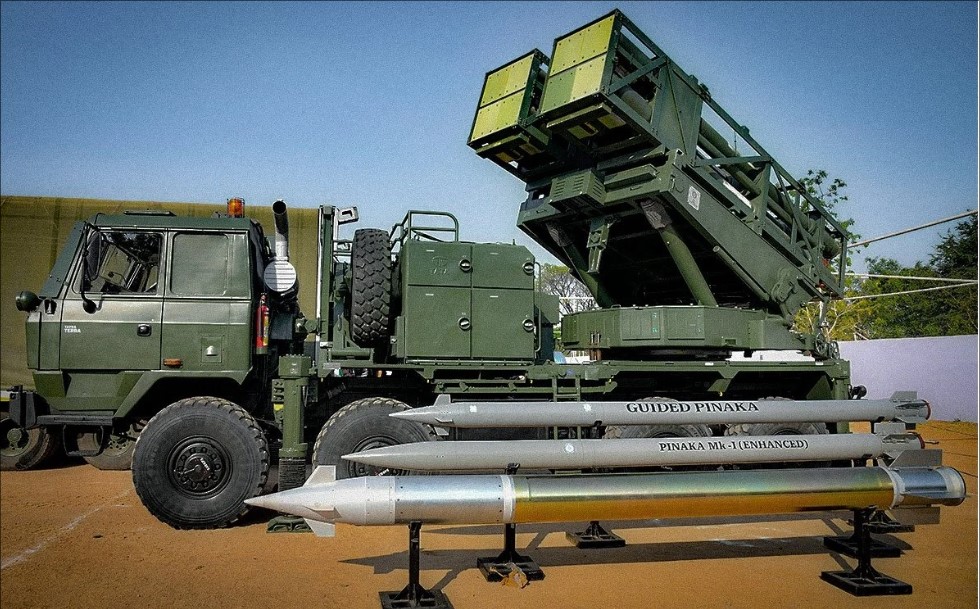
India
India’s rocket artillery capability is undergoing a major upgrade, with the Indian Army preparing to operationalise two additional Pinaka Multi-Barrel Rocket Launcher (MBRL) regiments in the coming months. The development coincides with a major milestone achieved by the Defence Research and Development Organisation (DRDO) — the successful completion of final Guided Pinaka Mk-II weapon system trials, marking a decisive step toward operational deployment. Pinaka Regiments Set to Expand Currently, the Indian Army operates six Pinaka regiments, each made up of three batteries comprising six launchers each — totaling 18 launchers per regiment. These regiments have been strategically deployed along both the western front with Pakistan and the northern border with China, offering saturation fire support and area denial capabilities in high-altitude and rapid-response scenarios. According to official and open-source reports, two new regiments are nearing full operational readiness and are expected to be inducted by the end of 2024. This expansion is part of a broader plan to field ten Pinaka regiments by 2026, with an additional two regiments scheduled to receive equipment by late 2025. DRDO Completes Final Trials of Guided Pinaka Mk-II In a key breakthrough, on 14 November 2024, DRDO announced the successful completion of the final flight tests of the Guided Pinaka Mk-II system. These trials were carried out as part of the Provisional Staff Qualitative Requirements (PSQR) validation process and are critical for large-scale induction into the Indian Army. The tests were conducted in three phases at designated field firing ranges and evaluated the system against all PSQR parameters: Range: Extended to over 75 km for Mk-II Accuracy & Consistency: High-precision guided rockets demonstrated consistent circular error probable (CEP) Salvo Mode Engagement: The system effectively engaged multiple targets in rapid succession with salvo fire A total of 12 rockets each from two production agencies — Economic Explosives Ltd. (EEL) and Munitions India Limited (MIL) — were fired from two upgraded launchers. These launchers were modernized by Tata Advanced Systems Ltd. (TASL) and Larsen & Toubro (L&T), reflecting the private sector’s growing role in India’s defense manufacturing ecosystem. This final validation clears the path for full-scale induction of the Guided Pinaka Mk-II, and it is likely that the two upcoming regiments will be equipped with this advanced version. Pinaka Variants: Evolution to Precision Strike The Pinaka system, developed indigenously by DRDO, has undergone steady modernization: Pinaka Mk-I: Range of ~40 km Pinaka Mk-II (Guided): Extended to ~75 km with improved accuracy using GPS/INS navigation; now ready for induction Pinaka Mk-III: Under development with a range of up to 120 km Pinaka Mk-IV: Future system aiming for 250–300 km range Air-Launched Pinaka: In conceptual phase for deployment from fighter aircraft With each variant, India moves closer to a self-sufficient, layered, and modular rocket artillery capability capable of precision long-range strikes. Strategic Impact The operationalisation of new Pinaka regiments armed with guided rockets significantly elevates India’s strike capability. Unlike conventional rocket artillery, the guided Mk-II allows for pinpoint accuracy, reduced collateral damage, and effectiveness against high-value and fortified targets. The rapid engagement of multiple targets also enhances survivability in high-threat environments. This expansion aligns seamlessly with the Indian military’s emphasis on precision, mobility, and indigenous technology, and reflects the broader goal of transforming artillery forces into networked, high-precision battlefield assets. With the Indian Army readying two new regiments and DRDO completing the final validation of the Guided Pinaka Mk-II, India’s artillery modernization program is entering a new phase. The seamless collaboration between public and private sector defense firms like EEL, MIL, TASL, and L&T underlines the strength of the Make in India movement. As the Indian Army prepares to induct these new regiments, it won’t just be expanding its rocket force — it will be fielding a smarter, longer-reaching, and more lethal weapon system that is entirely made in India.
Read More → Posted on 2025-06-24 12:15:32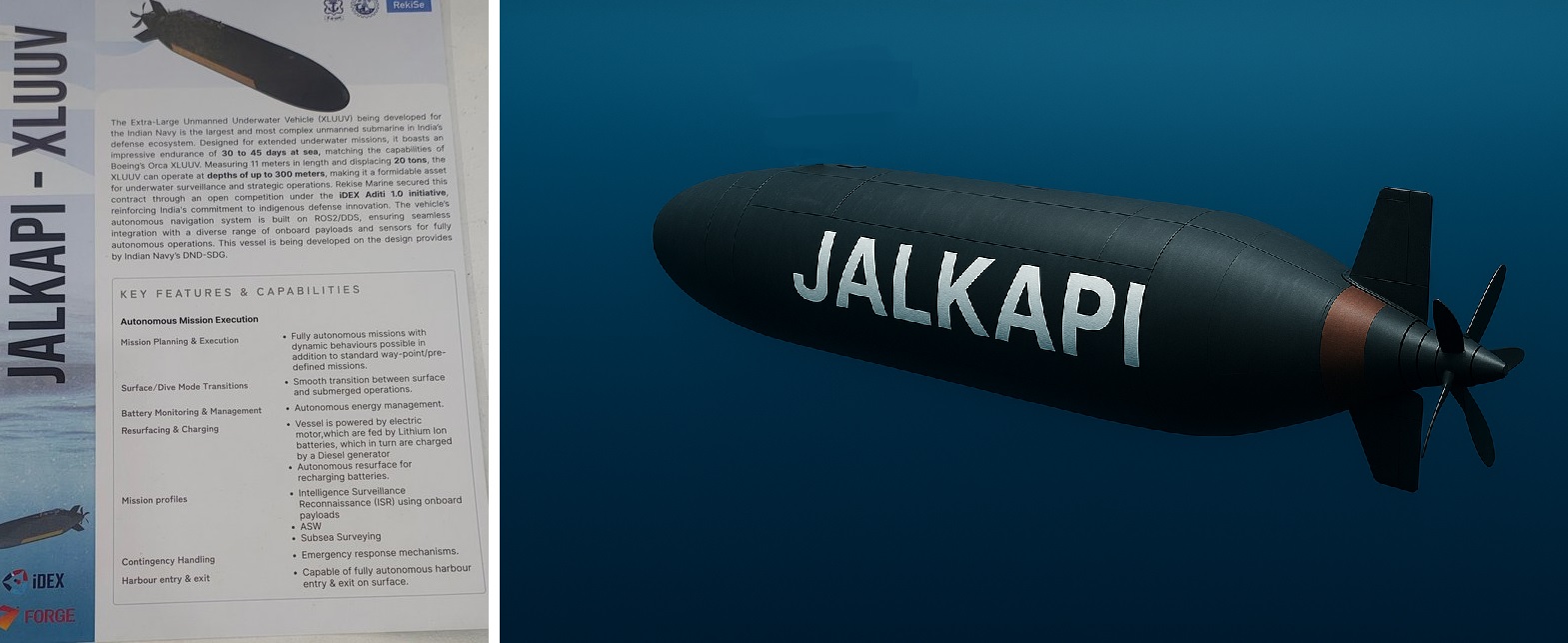
India
In a major stride towards strengthening indigenous underwater capabilities, India has launched the development of its first Extra-Large Unmanned Underwater Vehicle (XLUUV), named “Jalkapi”, which will be constructed in Gujarat. Designed to bolster India's undersea warfare and surveillance arsenal, this 20-ton autonomous submarine-like vessel will be completed within 18 months, marking a significant milestone in the country's journey toward next-generation naval technology. The XLUUV, under development by Rekise Marine in partnership with India’s iDEX Aatmanirbhar Defense Innovation ecosystem, is tailored for extended underwater missions. It boasts an endurance of 30 to 45 days at sea, placing it in the league of the world's most advanced UUVs, including the likes of Boeing’s Orca XLUUV. Measuring 11 meters in length, Jalkapi is engineered to dive to depths of up to 300 meters, allowing it to conduct long-range surveillance, reconnaissance, and strategic missions in deep waters. The project is being built on specifications and design support provided by the Indian Navy's DND-SDG unit, reinforcing its alignment with real-world operational needs. Key Features & Capabilities Autonomous Mission Execution:Jalkapi is equipped with a fully autonomous mission suite. It can dynamically execute operations using onboard artificial intelligence beyond standard waypoint navigation. This includes seamless surface-to-dive mode transitions, autonomous energy management, and resurfacing for charging. Hybrid Propulsion & Energy:The vessel is powered by electric motors driven by Lithium-ion batteries, which are recharged at sea via an onboard diesel generator. This hybrid setup allows for extended endurance and operational flexibility. Mission Profiles:Jalkapi is envisioned for a wide range of roles including: Intelligence, Surveillance & Reconnaissance (ISR) Anti-Submarine Warfare (ASW) Subsea Surveying Emergency Response Operations Contingency & Harbor Navigation:The system includes emergency handling protocols and is capable of fully autonomous harbor entry and exit on the surface, a critical capability for stealth missions and secure recovery. Strategic Importance India’s foray into XLUUVs comes at a time when naval powers around the world are racing to develop autonomous underwater capabilities for strategic dominance in the Indo-Pacific. With growing concerns about undersea threats—from submarine activity to undersea infrastructure sabotage—the development of Jalkapi will offer the Indian Navy a stealthy, persistent, and risk-free surveillance platform for high-threat environments. Additionally, the program reinforces India's Make in India and Aatmanirbhar Bharat goals, leveraging indigenous talent and platforms like iDEX Forge to build cutting-edge defense technology. With the Jalkapi XLUUV, India is not just building a vessel—it's constructing a platform that represents the future of undersea warfare, data gathering, and naval dominance. Once completed, it will mark India’s entry into an exclusive club of nations capable of designing and operating autonomous deep-sea systems at strategic scale.
Read More → Posted on 2025-06-24 11:42:40
India
In a major step towards strengthening India’s defence preparedness and promoting self-reliance, the Defence Research and Development Organisation (DRDO) has offered 28 indigenously developed weapon systems to the Indian armed forces for emergency procurement. This announcement comes amid rising tensions and recent military operations along the border, highlighting the importance of rapid and effective defence capabilities. A Timely Move Under 'Atmanirbhar Bharat' This initiative is closely linked to the government’s Atmanirbhar Bharat (self-reliant India) mission, which aims to reduce dependence on foreign defence imports and encourage domestic production. The move follows the successful use of several DRDO-developed systems during Operation Sindoor, India’s decisive military response to the Pahalgam terror attack and subsequent cross-border hostilities with Pakistan. Under recently granted emergency procurement powers, the Indian Army, Navy, and Air Force can now fast-track the purchase of crucial defence equipment, bypassing the traditional lengthy acquisition process. Each procurement has a financial limit of ₹300 crore per system, allowing for swift approvals and deployment. What’s on Offer? The list of DRDO’s weapon systems covers a wide range of advanced technologies, including: Supersonic missiles like BrahMos Air defence systems such as Akash and MRSAM Pinaka multi-barrel rocket systems Anti-tank guided missiles like Nag and HELINA Anti-radiation missiles like Rudram Smart Anti-Airfield Weapons (SAAW) Long-range glide bombs Advanced lightweight torpedoes Laser-guided bombs Next-generation Very Short Range Air Defence Systems (VSHORADS-NG) Anti-drone systems Electronic warfare equipment These systems have already proved their effectiveness in recent military operations, providing reliable and high-performance capabilities in real combat situations. Distribution Across Services The weapon systems are tailored to meet the operational needs of each armed force: 14 systems for the Indian Army 8 for the Indian Navy 6 for the Indian Air Force The DRDO has also listed authorized manufacturers, including both public and private sector firms such as Bharat Dynamics Limited and Solar Defence and Aerospace Limited, ensuring flexibility, faster production, and transparent procurement. Faster Delivery, Stronger Defence Thanks to this emergency procurement process, the delivery timeline for these crucial systems is set at three to six months, enabling the armed forces to quickly enhance their operational readiness. With military procurements worth approximately ₹40,000 crore planned under Operation Sindoor, this move ensures that India’s defence forces remain well-equipped to respond to any immediate threats. A Strategic Shift Towards Indigenous Capability The recent battlefield success of DRDO-developed systems has boosted confidence in India’s homegrown defence technologies. Their performance during critical moments, such as retaliatory strikes on Pakistani airbases including Murid and Nur Khan, demonstrated their reliability and strategic value. By prioritizing indigenous weapon systems, India is not just addressing present-day security needs but also laying a strong foundation for long-term self-reliance and technological sovereignty in defence production. DRDO’s offer of 28 advanced, battle-proven weapon systems marks a significant milestone in India’s defence modernization efforts. It signals a clear shift towards building and relying on domestic defence capabilities, ensuring that India’s armed forces remain ready, resilient, and self-sufficient in an increasingly complex security environment.
Read More → Posted on 2025-06-24 11:15:45
India
In a decisive move to bolster frontline forces, the Ministry of Defence (MoD) has approved emergency procurement contracts worth nearly ₹2,000 crore to equip the Indian Army with advanced weapon systems and protective gear for counter-terrorism operations. A total of 13 contracts valued at ₹1,981.90 crore have been signed under the Emergency Procurement (EP) mechanism, enabling the Army to fast-track acquisition of critical equipment needed in high-risk and rapidly evolving operational environments. The emergency procurement route, introduced for swift decision-making and rapid induction, has been used in this case to bring in cutting-edge equipment that enhances situational awareness, firepower, mobility, and troop protection. These contracts come at a time when the security landscape remains tense, particularly in the aftermath of recent skirmishes with Pakistan and India's proactive counter-insurgency efforts like Operation Sindoor. Among the key systems being procured are Integrated Drone Detection and Interdiction Systems (IDDIS)—crucial in guarding against drone-based threats, especially along the border and in insurgency-prone areas. Low Level Lightweight Radars (LLLR) will help detect low-flying aerial targets, while Very Short Range Air Defence Systems (VSHORADS), including launchers and missiles, will significantly improve India’s close-range air defence grid. The Army is also acquiring a range of unmanned and semi-autonomous systems, including Remotely Piloted Aerial Vehicles (RPAVs) and loitering munitions like the Nagastra-1R, which has already been ordered in large numbers. These systems allow forces to strike high-value targets with precision from a safe distance. Loitering munitions with Vertical Take-Off and Landing (VTOL) capabilities are especially suitable for mountainous or dense terrain where traditional launch methods are difficult. In addition, soldiers on the ground will benefit from new protective and mobility gear, including bulletproof jackets, ballistic helmets, night sights for rifles, and Quick Reaction Fighting Vehicles (QRFVs)—both heavy and medium variants—for swift movement in hostile zones. A core requirement of these contracts is indigenization. The MoD has emphasized that all systems are either fully indigenous or primarily developed in India, aligning with the government’s ‘Aatmanirbhar Bharat’ initiative. This ensures not only quicker deployment but also long-term self-reliance in defense production. The urgency and precision with which these contracts have been executed reflect a broader strategy: ensuring that Indian forces are never caught underprepared in any future conflict. By closing urgent capability gaps through the EP route, India is ensuring that its soldiers are equipped with modern, mission-critical technology—not just for deterrence, but for decisive action when needed.
Read More → Posted on 2025-06-24 10:46:47
India
In a major step toward strengthening India's surveillance capabilities, ideaForge Technology has won a substantial order worth approximately ₹137 crore from the Indian Army for its advanced hybrid mini unmanned aerial vehicle (UAV) systems. The order was placed under the emergency procurement route, signaling the Army’s immediate need for reliable and indigenous drone solutions to enhance situational awareness and intelligence gathering. These mini UAVs are not new to the Indian Army. They have already been inducted earlier and have seen active deployment in Intelligence, Surveillance, and Reconnaissance (ISR) operations. The current order reflects continued trust in their performance, especially under operationally challenging conditions. A key criterion during the Army's selection process was the origin of critical components. All sub-systems had to be sourced from countries that do not share a land border with India, in line with strategic defense procurement norms. Moreover, the UAVs had to be substantially indigenous in both design and capability—a condition ideaForge comfortably met. ideaForge’s UAVs are known for their rugged design, autonomous capabilities, and operational endurance. Their hybrid mini drones combine vertical take-off and landing (VTOL) with fixed-wing performance, offering the best of both worlds: the ability to launch in confined spaces like a quadcopter and fly long distances like a traditional aircraft. These drones are capable of day and night surveillance, have encrypted communication, GPS-denied navigation, and are highly resistant to jamming—making them ideal for border surveillance, anti-terror missions, and disaster response. ideaForge, which began as a student startup incubated at IIT Bombay, has grown into one of India’s leading drone manufacturers. It has delivered thousands of UAVs across the country for defense, homeland security, and industrial applications. The company operates R&D and manufacturing units across Navi Mumbai, Bengaluru, Delhi, and also has a presence in the United States. This latest order not only reaffirms the Indian Army's commitment to using indigenous technology but also highlights India’s growing confidence in home-grown drone capabilities. As regional threats evolve and the need for real-time intelligence becomes more critical, advanced drone systems like those from ideaForge will play an increasingly vital role in keeping India's borders secure and forces well-informed.
Read More → Posted on 2025-06-23 12:30:53
India
In a significant boost to India's indigenous defense manufacturing and precision strike capabilities, the Indian Army has placed an order for 450 units of the Nagastra-1R loitering munition. Developed by Nagpur-based Solar Industries through its defense subsidiary Economic Explosives Limited (EEL), this acquisition underscores India's growing reliance on homegrown technologies to meet its evolving battlefield requirements. A Homegrown Kamikaze Drone with Strategic Edge The Nagastra-1R is a loitering munition—often referred to as a "kamikaze drone"—designed to hover over a target area and engage high-value targets with pinpoint accuracy. This type of munition is particularly effective in asymmetrical warfare and cross-border tactical strikes, allowing troops to carry out attacks with minimal collateral damage and high precision. One of the standout features of the Nagastra-1R is its operational altitude. It can fly above 4,500 meters, making it significantly harder for conventional radar systems to detect and intercept. This high-altitude capability enhances its survivability and allows deep surveillance and strike missions in mountainous terrains like Ladakh or Arunachal Pradesh, where terrain masking can limit traditional drone operations. Key Specifications and Capabilities Range: The Nagastra-1R boasts an operational range of up to 30 kilometers in manual mode and up to 45 kilometers in autonomous mode, allowing it to strike targets deep inside enemy territory without risking human lives. Endurance: It can loiter over the battlefield for up to 60 minutes, providing real-time surveillance before making a terminal dive onto the target. Guidance System: The munition features a man-in-the-loop guidance system, enabling the operator to abort the mission or redirect the attack in real time. This minimizes the risk of collateral damage and allows for adaptive engagement. Warhead: Fitted with a pre-fragmented high-explosive warhead, the Nagastra-1R is optimized for eliminating soft-skinned vehicles, enemy command posts, radar installations, and personnel clusters. Surveillance Payload: It is equipped with electro-optical and infrared (EO/IR) sensors, allowing day-and-night reconnaissance and target acquisition capabilities. Low Acoustic Signature: The drone features a quiet electric propulsion system, which helps it evade detection by enemy troops and makes it ideal for covert missions. Transport and Deployment: The entire system is man-portable and can be deployed quickly by frontline troops without needing complex launch platforms or logistical chains. Differences from Nagastra‑1 Here’s how the upgraded Nagastra‑1R differs from the original Nagastra‑1: Feature Nagastra‑1 Nagastra‑1R Camera Day/night camera Adds 360° gimbal + optional thermal Precision 2 m CEP Maintains 2 m CEP Recovery Parachute abort/drop Parachute abort/recover + reuse Indigenous Content ~75 % > 80 % Range & Endurance 30–40 km range, 60 min endurance Similar Strategic Implications This procurement is a clear indicator of the Indian Army’s intention to modernize its tactical strike assets and embrace autonomous systems for future conflicts. Loitering munitions like the Nagastra-1R play a vital role in "search-and-destroy" missions, neutralizing threats such as enemy air defense systems or mobile command posts before larger operations are launched. More importantly, the Nagastra-1R is an Indian alternative to imported loitering drones such as the Israeli-made Harop. This shift supports the government’s “Atmanirbhar Bharat” (self-reliant India) initiative in defense production, reducing dependency on foreign suppliers and promoting domestic industrial growth. Background and Development Solar Industries, known for its expertise in explosives, has in recent years pivoted into the defense aerospace domain through its subsidiary EEL. The development of Nagastra-1R involved collaborations with Indian start-ups and military R&D units, ensuring the technology stays within the domestic innovation ecosystem. The drone has already undergone successful field trials with the Indian Army in both desert and high-altitude terrains. Future Outlook With this order, India joins the growing list of countries recognizing the value of loitering munitions in modern warfare, alongside the US, Israel, Russia, and China. Given the success of such systems in recent conflicts—especially in Nagorno-Karabakh and Ukraine—the Indian Army’s investment is timely and strategic. The Nagastra-1R’s induction not only enhances India's tactical strike capability but also sends a message of growing indigenous prowess to adversaries. Future iterations could include AI-assisted target recognition, swarm deployment, and larger payload variants, further expanding its battlefield utility. The acquisition of 450 Nagastra-1R loitering munitions represents a watershed moment in India's defense modernization drive. It reflects the Indian Army’s commitment to enhancing its lethality, flexibility, and autonomy in battlefield operations, while simultaneously strengthening the country's domestic defense industrial base.
Read More → Posted on 2025-06-23 12:19:47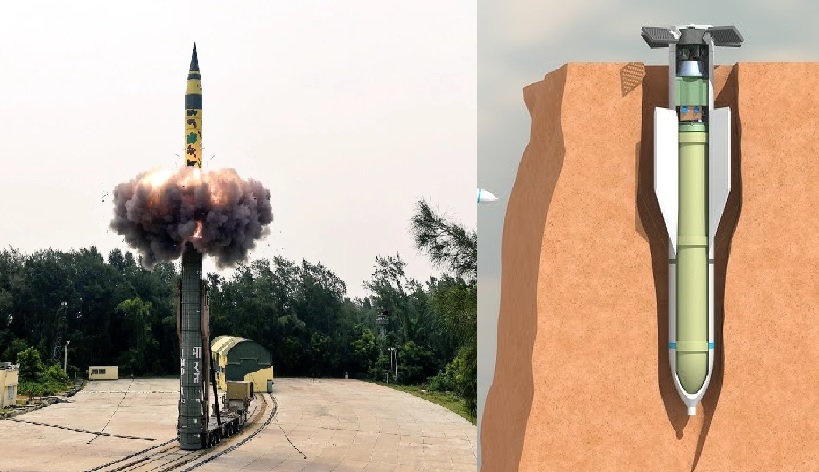
India
In a significant development aimed at enhancing India’s long-range conventional strike capabilities, reports circulating on social media platforms—particularly X (formerly Twitter)—suggest that the Defence Research and Development Organisation (DRDO) is working on a new variant of the Agni-V ballistic missile. Unlike the nuclear-capable original version with an intercontinental range, this upcoming iteration is said to be conventionally armed and optimized for tactical missions, carrying a massive 7.5-tonne warhead. While no official confirmation has come from the Ministry of Defence or DRDO, these reports point to a deliberate shift in India's missile doctrine—moving from deterrence by nuclear capability to active, precision-based conventional deep-strike options. The new version is believed to have a reduced range of 2,000 to 2,500 km to accommodate the increased payload, trading distance for destructive power. Two Conventional Warhead Variants Under Development? Sources on social media suggest that two types of warheads are under consideration: Airburst Warhead: Designed to detonate mid-air, this version can spread high-velocity fragments over a wide area, ideal for targeting troop concentrations, fuel depots, airfields, and command posts. Bunker Buster Warhead: Intended to strike underground hardened facilities, this variant reportedly aims to penetrate depths of 80–100 meters, theoretically enabling India to target enemy leadership bunkers, WMD storage sites, or buried infrastructure. If accurate, this move could position India alongside military powers like the U.S., China, and Russia, which are all investing heavily in high-precision, long-range conventional weapons that can serve strategic goals without nuclear escalation. Strategic and Operational Advantages This new Agni-V variant would offer India a critical intermediate capability—stronger than an airstrike or cruise missile but falling short of nuclear use. It could enable swift, punitive strikes on high-value targets deep inside hostile territory while remaining within the bounds of India’s ‘No First Use’ nuclear policy. The missile’s speed and payload capacity could make it a valuable tool for decapitation strikes or battlefield-shaping operations in a two-front war scenario. Moreover, conventional warheads are cheaper and politically less sensitive than nuclear ones, offering repeat usability during sustained conflicts. But There's a Major Technical Hurdle: Accuracy While the idea of a conventional Agni-V variant with bunker-busting capability is tactically appealing, it raises serious technical questions—foremost among them: accuracy. Ballistic missiles, including the original Agni-V, typically have a Circular Error Probable (CEP) of around 30–50 meters under ideal conditions. However, bunker busters need precision within 3–5 meters to ensure penetration into hardened underground facilities. A deviation of even 10 meters could cause the warhead to explode harmlessly on the surface, failing to neutralize the target. To overcome this, the missile would require advanced terminal guidance technologies—such as: Manoeuvrable Re-entry Vehicles (MaRVs) with onboard sensors and GPS-aided Inertial Navigation Systems, Possibly Radar/Optical Scene Matching in the terminal phase, Or even loitering second-stage systems that can course-correct mid-flight. Yet, these technologies come with their own challenges—especially when applied to a heavy, fast-moving ballistic platform. Precision at such scales is still largely the domain of cruise missiles and air-delivered munitions, not ICBMs. Unverified Reports and Global Context It is important to note that all this information has so far emerged only from social media, primarily through posts and threads on X, without any official backing. The timing of this viral speculation coincides with the recent use of American GBU-57 Massive Ordnance Penetrators (MOPs)—also known as bunker busters—allegedly against underground targets in Iran. This has led to growing discussions in Indian defense circles about the need for similar capabilities, and the possibility that India is either responding to these global trends or simply exploring the concept on paper. For now, these remain unverified claims. Until DRDO or the Indian government issues formal details, the Agni-V conventional variant with a 7.5-tonne warhead remains an intriguing but speculative development, with major technical hurdles—particularly pinpoint accuracy for bunker busting—still to be solved if it is to become a battlefield reality.
Read More → Posted on 2025-06-23 12:02:37
India
A high-level team from India’s Defence Research and Development Organisation (DRDO) recently wrapped up a significant visit to an Airbus facility near Munich, where they closely examined the Eurodrone—Europe’s flagship unmanned aerial vehicle (UAV) program. The visit, held in June 2025 as part of an ongoing Programme Working Group meeting, marked a key moment in India’s evaluation of advanced drone systems for its military. The Eurodrone, jointly developed by Germany, France, Italy, and Spain, left a strong impression on the Indian delegation. The DRDO officials, particularly experts from the Aeronautical Development Establishment (ADE), were notably impressed by its powerful performance, including its 2,300 kg payload capacity and its all-weather operational capability—both critical features for modern warfare scenarios, especially in India’s varied terrain and climate. This interest comes at a time when India's Army, Navy, and Air Force are jointly planning to induct up to 97 Medium Altitude Long Endurance (MALE) drones in the coming years. With rising strategic needs across the Line of Actual Control (LAC) and over the Indian Ocean Region, there is growing urgency to acquire drones that can perform intelligence, surveillance, target acquisition, and reconnaissance (ISTAR) missions in high-risk, high-altitude, and maritime environments. The Eurodrone ticks many of these boxes. Its twin-turboprop configuration, powered by General Electric’s Catalyst engines, is designed for sustained endurance and versatility. The drone can be equipped with a wide range of sensor suites, including Synthetic Aperture Radar (SAR), electro-optical/infrared (EO/IR) cameras, and signals intelligence (SIGINT) equipment. Additionally, its ability to carry precision-guided weapons and operate safely in non-segregated airspace adds to its combat utility. India officially joined the Eurodrone program as an observer in January 2025, following a request made in August 2024. As an observer, India, alongside Japan, now receives regular technical updates and performance reports, giving its defense planners a clear view of Eurodrone’s capabilities and limitations. This level of access is also expected to benefit India’s indigenous UAV efforts, including platforms like the Tapas-BH-201 and the future Archer-NG. Beyond just inspection and observation, the visit allowed the DRDO team to engage directly with European engineers, offering a rare chance to compare design philosophies and understand complex integration techniques. This hands-on insight could prove invaluable as India looks to narrow the gap between foreign platforms and its domestic drone ecosystem. However, while the Eurodrone is technologically advanced, it is not without its issues. Launched in 2015, the program has encountered repeated delays, and the first prototype flight is now pushed to mid-2027. Rising development costs and the financial burden of staying involved as an observer are also concerns India will have to weigh carefully, particularly as it balances the need for quick acquisitions with the desire to build at home. India’s military drone market, currently valued at around $1.5 billion, is expected to grow sharply over the next decade. Whether India decides to purchase foreign systems like the Eurodrone or use these insights to strengthen its domestic programs will shape the future of its drone warfare capabilities. In any case, the DRDO’s visit to Munich reflects a deliberate and informed approach toward adopting cutting-edge aerial technologies. As global security dynamics evolve, partnerships like this—whether through full procurement, technology transfer, or collaborative development—could define how India meets the complex surveillance and combat challenges of tomorrow.
Read More → Posted on 2025-06-23 11:54:46
India
The Defence Research and Development Organisation (DRDO) has marked another milestone in India’s defence technology journey by developing a sophisticated 6 KW Solid State Power Amplifier (SSPA). This breakthrough system represents a major advancement in radar transmitter technology, promising greater efficiency, reliability, and operational readiness for future defence radar systems. The project has been developed by DRDO’s Electronics & Radar Development Establishment (LRDE) in collaboration with Bengaluru-based Aidin Technologies Pvt. Ltd. The amplifier is built using state-of-the-art Gallium Nitride on Silicon Carbide (GaN on SiC) technology — a material combination globally recognised for delivering superior performance in modern electronic systems. What is a Solid State Power Amplifier (SSPA)? A Solid State Power Amplifier is an electronic device that takes in a low-power radio frequency (RF) signal and boosts it to a much higher power level. This amplified signal is then sent to a radar antenna, enabling it to detect and track objects like aircraft, missiles, and ships over long distances. Unlike older vacuum tube-based transmitters (like magnetrons and klystrons), solid state systems are smaller, safer, more reliable, and need far less maintenance. Key Features of DRDO’s 6 KW SSPA Peak Power Output: 6 KW (kilowatts) in pulsed operation. Frequency Range: 2.9 GHz to 3.3 GHz, suitable for S-band radar applications like the Indian Navy’s Air and Missile Defence Radars (AMDR). Pulse Width: 100 microseconds. Duty Cycle: 10 percent (meaning it emits pulses for 10% of the time). Modular Design: Built with eight 1.5 KW amplifier modules combined through advanced power combining techniques, offering both scalability and fault tolerance. This modular approach allows the system to continue working even if one module fails — an essential feature in military operations where equipment reliability is critical. Why GaN on SiC Technology Matters Gallium Nitride (GaN) on Silicon Carbide (SiC) is one of the most advanced semiconductor technologies available today. It provides several advantages: Higher Power Density: Can deliver more power in a smaller, lighter package. Superior Thermal Performance: SiC efficiently dissipates heat, ensuring stable operation even at high power. Wider Frequency Range: Operates efficiently across a broad range of frequencies, making it ideal for multi-band radar systems. Higher Efficiency: Converts input power to output RF power more effectively, reducing energy waste and operational costs. This makes GaN on SiC an ideal material for modern military radar systems, which demand high power, precision, and continuous operation. System Design and Operation The DRDO 6 KW SSPA is housed in a standard 19-inch, 18U rack. Each amplifier module includes forced air cooling systems to manage heat, industrial-grade power supplies compatible with 380V and 440V three-phase AC, and built-in monitoring, control, and protection systems. It also features remote control capabilities through Ethernet and RS422 communication protocols, allowing seamless integration with modern defence command networks. Benefits Over Traditional Tube-Based Systems Solid state power amplifiers like this one offer clear advantages over older, tube-based systems: Instant Operation: No warm-up time, unlike magnetrons and klystrons. Lower Maintenance: No fragile components like filaments or cathodes. Greater Reliability: MTBF (Mean Time Between Failures) exceeding 250,000 hours compared to 3,000 hours for traditional systems. Graceful Degradation: Can keep working at reduced capacity if one module fails. Lower Operating Voltages: Safer and easier to maintain. Superior Phase Stability: Essential for accurate target tracking and clutter rejection. Applications in Modern Defence Systems The 6 KW SSPA is designed primarily for next-generation naval and land-based radar systems like the AMDR. However, its modular design means it can be adapted for: Long-range Surveillance Radars Fire Control Radars Missile Tracking Systems Electronic Warfare (EW) Systems This flexibility ensures it will support a wide variety of mission-critical applications for India’s armed forces. Strategic Importance and Future Implications The successful development of this indigenous 6 KW SSPA marks a vital achievement in India’s defence self-reliance efforts. It not only reduces dependence on foreign suppliers but also positions India among the global leaders in solid state radar transmitter technologies. The DRDO’s LRDE, since its establishment in 1962, has been India’s premier radar design agency. This latest innovation, in partnership with Aidin Technologies, demonstrates India’s growing capability in high-end defence electronics and positions the nation to develop even higher-powered and multi-band radar systems in the coming years. The DRDO’s 6 KW Solid State Power Amplifier using GaN on SiC technology is a landmark in indigenous radar technology development. It promises to enhance the operational readiness, reliability, and performance of India’s next-generation radar systems while contributing to national security and defence modernisation goals. As India moves towards building advanced, networked, and resilient military systems, innovations like this amplifier will play a crucial role in strengthening the country's defence technology base.
Read More → Posted on 2025-06-23 11:32:52
India
New Delhi Rejects Speculation of Stealth Fighter TalksOn June 21, 2025, Defence Secretary Rajesh Kumar Singh set the record straight regarding India’s interest in fifth-generation stealth fighter jets. Appearing on a podcast, he said, “On F‑35A and Sukhoi Su‑57E, whatever has been discussed has been informal. We don’t have any formal consultation going on on these.” This statement dispels rumours circulating in recent days that India was in serious negotiations for either the US‑made F‑35A or the Russian Su‑57E (m.economictimes.com). Strategic Shift Towards Self‑RelianceInstead of pursuing foreign stealth jets, India is focusing on developing the Advanced Medium Combat Aircraft (AMCA). With a projected timeline of roughly eight years to first flight and production, this initiative seeks to bolster indigenous capabilities and industrial participation. Singh highlighted that the AMCA programme is now open to both public and private sector firms, including Hindustan Aeronautics Limited (HAL), under a competitive execution model (m.economictimes.com). Procurement Reforms and Growing Export VoiceIn the same podcast, Singh outlined broader defence reforms. He noted that procurement timelines are being accelerated—from six years down to two. He emphasized that funding isn't an issue; rather, red tape is. Additionally, India’s defence exports have surged to ₹23,000 crore, underscoring growing confidence in the domestic defence manufacturing industry (economictimes.indiatimes.com). Russia’s Su‑57E Offer in ContextEarlier this year, Russia officially offered the Su‑57E for joint production in India, promising full technology transfers, local assembly, and source-code access (reuters.com). However, reports suggest New Delhi may condition any future deal on integrating Indian-made AESA radars and mission systems—insisting on GaN-based Uttam and Virupaksha radars rather than Russia’s GaAs-powered Byelka (defencesecurityasia.com). These demands reflect New Delhi's push for technological sovereignty and seamless integration with existing fleets. F-35A: Geopolitics vs. PragmatismThe US has also quietly signalled potential interest in selling F‑35As to India. Still, Singh’s statement confirms no binding or formal steps in that direction—reinforcing New Delhi’s cautious stance and prior reliance on French Rafales, American logistics, and evolving Make‑in‑India priorities (medial.app). What This All Means Key Dimension Implication No Formal Talks Clears public ambiguity—India is not in contract negotiations with U.S. or Russia on stealth jets. AMCA Focus Signals a strategic pivot towards indigenous 5th-generation capability. Tech Sovereignty India insists on domestic avionics and sensors, even for foreign platforms. Procurement Efficiency Faster buy cycles, growing export potential hints at policy overhaul. The Road Ahead AMCA Development First flight targeted around 2033. Open competition may invite private firms like Adani or Tata alongside HAL. MRFA Competition As India progresses with AMCA, it is still expected to fill fleet gaps under the Multi-Role Fighter Aircraft (MRFA) programme—likely involving Rafales, F‑21, Super Hornets, Gripens, and possibly Su‑57E or F‑35A in the long run (x.com, medial.app, en.wikipedia.org). Supplier Strategy India’s insistence on source-code and sensor control may limit choices. Russia appears willing to comply; the U.S. is less flexible on tech transfer. Defence Secretary Singh’s clear stance underscores a multi-pronged approach: no external shortcuts to fifth-gen capabilities, deeper defence industrialization, and procurement reform. India is charting a path balancing strategic autonomy with global partnerships—eyeing stealth but on its own terms.
Read More → Posted on 2025-06-21 16:22:48
India
India is preparing to enter a new era in air combat capability with the planned mass production of the Astra Mk2 beyond-visual-range air-to-air missile (BVR-AAM). Designed and developed by the Defence Research and Development Organisation (DRDO), the Astra Mk2 is set to become the backbone of the Indian Air Force’s long-range air combat arsenal. In a significant move to accelerate delivery and support self-reliance in defence, the Ministry of Defence will implement a dual production strategy involving both public and private sector players. The Astra Mk2 missile is a significant upgrade over its predecessor, the Astra Mk1, boasting an extended range of 160 km compared to the Mk1’s 110 km. This range expansion, combined with a suite of advanced technologies, makes the Mk2 a formidable weapon in modern air warfare. One of its most critical enhancements is the dual-pulse rocket motor. This innovative system allows the missile to conserve fuel in its mid-course and then ignite a second thrust during its terminal phase, giving it the power to chase down highly maneuverable enemy aircraft in the final moments before impact. Equipped with a state-of-the-art Active Electronically Scanned Array (AESA) seeker, the Astra Mk2 can detect, lock onto, and engage targets with pinpoint precision, even in complex electronic warfare environments. Its smokeless propulsion system ensures a low visual and infrared signature, enhancing its stealth capability. The missile can reach speeds of Mach 4.5, or about 5,500 km/h, putting it in the same league as the world’s most advanced BVR missiles, such as the AIM-120 AMRAAM and the European Meteor. India’s decision to mass-produce the Astra Mk2 reflects deep confidence in its performance. The Indian Air Force is expected to place an initial order for over 500 missiles, which will be integrated across a wide range of platforms, including the Su-30MKI, Rafale, MiG-29K, and the indigenous Tejas Mk1A. This broad integration strategy will help significantly reduce India’s dependence on foreign missiles such as the Russian R-77 and the French MICA. To meet this high demand, India is implementing a dual-track production strategy. Bharat Dynamics Limited (BDL), the public sector missile manufacturing giant, will manage one production line. Alongside BDL, a second line is being created within the private sector, with companies like Larsen & Toubro and Tata Advanced Systems expected to play a central role. This strategy is not only intended to boost production speed but also to foster healthy competition and innovation between the sectors, while building a resilient supply chain. This approach is closely aligned with the government’s “Aatmanirbhar Bharat” (self-reliant India) initiative. By involving private industry and relying heavily on domestic supply chains—over 85% of the Astra Mk2’s components are locally sourced—the project aims to build long-term industrial capability and strengthen India’s position as a defence exporter. Several small and medium enterprises are expected to be drawn into the production ecosystem, offering a boost to local manufacturing and technological development. Operationally, the Astra Mk2 will provide India with a crucial strategic edge, especially in the context of rising regional tensions. It is seen as a direct response to China's PL-15, which is believed to have a range exceeding 200 km, and Pakistan’s AIM-120C missiles. With the Astra Mk2 paired with advanced AESA radars aboard aircraft like the Rafale and Su-30MKI, the Indian Air Force will be able to engage enemy fighters from a safe stand-off distance, enhancing survivability and mission effectiveness. Despite its promise, the path ahead will require careful coordination between the DRDO, BDL, and private partners to ensure the missile's performance meets military expectations. Scaling up production while maintaining rigorous quality control and ensuring timely integration into various aircraft fleets are challenges that must be carefully managed. Still, the upcoming induction of the Astra Mk2 marks a major leap for India’s defence capabilities—one that combines cutting-edge technology, strategic foresight, and industrial innovation.
Read More → Posted on 2025-06-21 14:58:18
India
In a significant boost to India’s indigenous small arms manufacturing capability, Bharat Forge Ltd has emerged as the lowest bidder (L1) for a major ₹2000 crore contract to supply 4.5 lakh Close Quarter Battle (CQB) carbines to the Indian Army. The carbines, chambered for 5.56x45mm NATO ammunition, are based on a design developed by the Defence Research and Development Organisation (DRDO) and are intended to meet the Army’s long-pending demand for compact, modern, and reliable close-combat weapons. This procurement marks a major milestone for the Atmanirbhar Bharat (Self-Reliant India) initiative in the defense sector, with Bharat Forge—a part of the Kalyani Group—poised to become a key contributor to the Indian Army’s infantry modernization. Operational Requirements: The Indian Army’s Specs for CQB Carbines The Indian Army issued a detailed General Staff Qualitative Requirement (GSQR) for the CQB carbines to ensure they meet the demanding conditions of modern urban and jungle warfare. The key characteristics of the weapon are: Calibre & Ammunition Calibre: 5.56 x 45mm Ammunition: Must be compatible with existing in-service Indian ammunition stockpiles, ensuring logistical ease and interoperability. Range & Accuracy Effective Range: Minimum 200 meters Accuracy at 100 meters: Single Shot: 9 out of 10 shots within a 15 cm x 15 cm group Automatic Fire: Minimum 60% hits in a 24 cm x 24 cm target during short bursts from a full magazine Reliability Must not exceed: 3 stoppages (Class I or II) per 2000 rounds Zero Class III stoppages, as per Indian Army’s Test Operations Procedure (TOP) 3-2-045 Design & Ergonomics BayonetSupplied with a detachable hardened bayonet (minimum blade length 120mm) with cover. Vertical Forehand GripDetachable grip mountable at the 6 o’clock rail without tools. Rail System (MIL-STD 1913 - Picatinny) Top Rail (12 O’clock): For optics and sights Side Rails (3, 6 & 9 O’clock): For accessories like lights, lasers, and grips Weight & Dimensions Weight: Not exceeding 3 kg ±10% (excluding magazine and accessories) Length: Folded/ Retracted: Max 650mm Extended: Max 800mm Buttstock ConfigurationOptions include fixed, retractable, folding, or combination stocks for operational flexibility. Performance in Harsh Environments The weapon is expected to function reliably across a wide temperature spectrum: Cold: –20°C to –10°C Hot: +40°C to +45°C It is also expected to have a minimum service life of 15 years or 15,000 rounds, backed by OEM certification. Strategic Significance of the Bharat Forge Victory Bharat Forge’s emergence as the L1 bidder signals a turning point in India’s effort to localize small arms production, a segment that has long relied on imports or licensed manufacturing. The DRDO’s design—validated through extensive testing—combined with Bharat Forge’s industrial might and manufacturing experience, promises to deliver a high-performance carbine suited to India’s unique operational environments. The deal will not only equip frontline troops with state-of-the-art weapons but will also stimulate the domestic defense ecosystem, opening opportunities for Tier-2 and Tier-3 suppliers involved in materials, optics, and accessory manufacturing. The ₹2000 crore CQB carbine project is more than just a contract—it represents India’s strategic shift toward self-sufficiency in critical infantry weapon systems. With modern warfare increasingly fought in close quarters—urban, jungle, and counter-terror environments—the induction of these DRDO-designed carbines will provide the Indian Army with a much-needed edge. Bharat Forge’s success in this bid reaffirms the capability of India’s private sector to meet the armed forces’ complex requirements and paves the way for further indigenous innovation in infantry weaponry.
Read More → Posted on 2025-06-21 11:20:35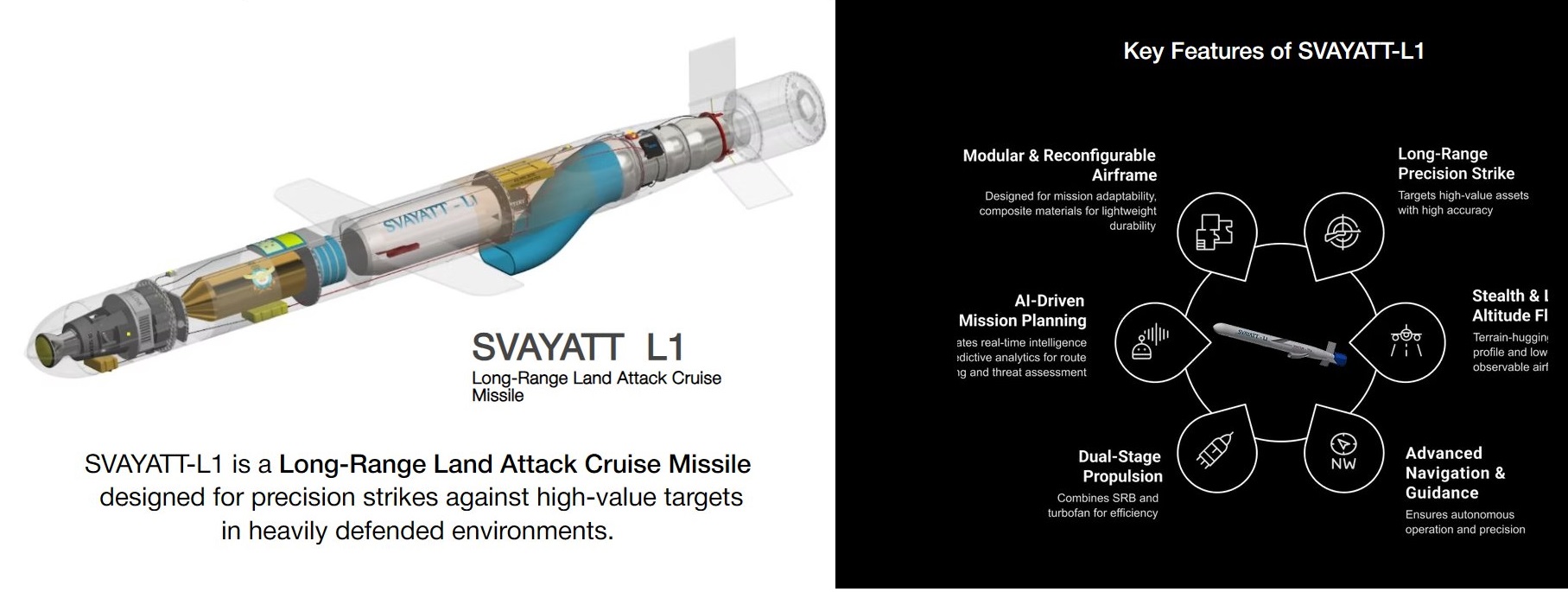
India
Hyderabad-based defense tech firm Paninian India Pvt. Ltd. is quietly carving its place in India's growing strategic weapons landscape with the development of the SVAYATT-L1, an advanced long-range land attack cruise missile. This cutting-edge missile is purpose-built for precision strikes on high-value targets in heavily defended and GPS-contested environments, placing it in the league of next-generation standoff weapons. SVAYATT-L1’s design philosophy is rooted in stealth, adaptability, and high-precision lethality. The missile features a terrain-hugging low-altitude flight profile, minimizing its radar cross-section and improving survivability in dense air defense zones. Its low observable architecture helps evade enemy radar detection, significantly increasing the chances of penetrating deep into contested airspace. Key Features of SVAYATT-L1: Long-Range Precision Strike : Optimized for deep-strike missions, SVAYATT-L1 is capable of engaging strategic targets with high accuracy over extended ranges, making it ideal for both pre-emptive and retaliatory missions. Stealth & Terrain-Following Flight : The missile incorporates a terrain-hugging flight profile—a tactic often used in modern cruise missiles to fly below enemy radar coverage. This significantly boosts its survivability and effectiveness in radar-dense battle zones. Advanced Navigation & Guidance : What sets SVAYATT-L1 apart is its ability to operate in GPS-denied environments. It uses a sophisticated blend of inertial navigation systems (INS), terrain contour mapping, and optical navigation, ensuring high-precision targeting even under electronic warfare conditions where GPS signals are jammed or spoofed. Dual-Stage Propulsion System : The missile is powered by a booster-sustainer configuration, with the first stage providing the initial thrust using a solid rocket booster (SRB), while the second stage employs a turbofan engine for sustained cruise flight. This enables SVAYATT-L1 to travel at subsonic speeds over long distances with optimal fuel efficiency. Modular & Reconfigurable Airframe : Designed with mission adaptability in mind, the SVAYATT-L1 uses lightweight composite materials and a modular internal layout. This not only ensures durability but also allows for quick reconfiguration depending on mission objectives or payload requirements. AI-Driven Mission Planning : A standout feature is its AI-assisted mission planning tool, which enables autonomous route selection, obstacle avoidance, threat assessment, and real-time re-targeting. This kind of smart targeting capability allows operators to use SVAYATT-L1 in rapidly evolving tactical scenarios. Strategic Significance The development of SVAYATT-L1 underscores India’s ambition to build a robust indigenous long-range strike capability that doesn’t rely on foreign satellite infrastructure. With adversaries investing heavily in anti-access/area denial (A2/AD) strategies and GPS jamming, the importance of autonomous, terrain-mapping, and AI-enabled missiles like SVAYATT-L1 is becoming ever more crucial. By combining stealth, modularity, and AI-powered precision, Paninian India Pvt. Ltd. is setting a new benchmark in indigenous missile design. Once inducted, SVAYATT-L1 will offer India a surgical, survivable, and scalable option for strategic deterrence and battlefield dominance, especially in high-threat zones. SVAYATT-L1 isn’t just another missile; it represents a transformational leap in India’s cruise missile capability—with a sharp focus on survivability, autonomy, and adaptability in modern war zones. As global military doctrines increasingly shift toward multi-domain and denied-environment warfare, systems like SVAYATT-L1 are not just relevant—they are essential.
Read More → Posted on 2025-06-21 11:02:05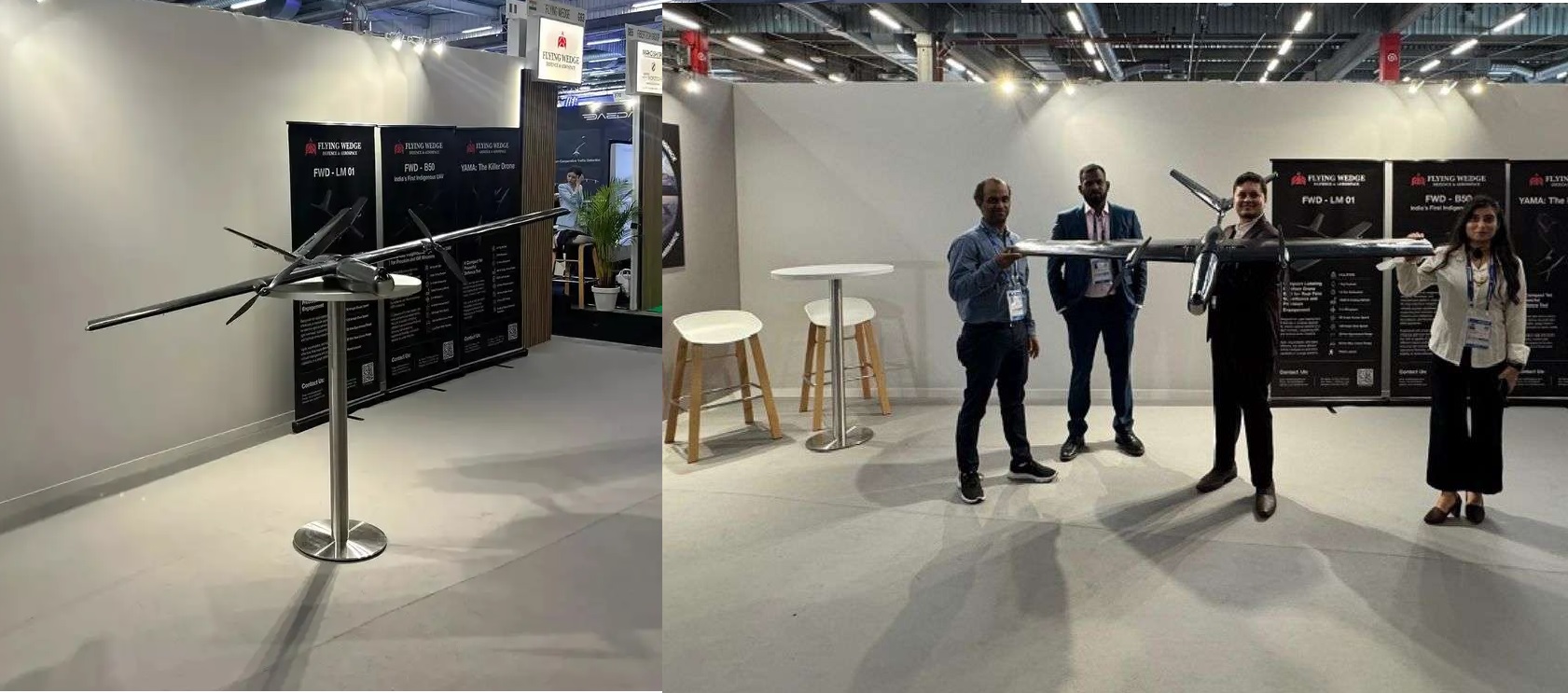
India
India has taken a remarkable step forward in its defense technology evolution with the introduction of the FWD-LM01, an advanced AI-enabled loitering munition boasting a 100-kilometre range. Developed by the Bengaluru-based Flying Wedge Defence and Aerospace (FWDA), this indigenous system not only enhances India’s tactical capabilities but also reflects its growing confidence in indigenous innovation. Unveiled at the 55th Paris Air Show in 2025—one of the world’s most prestigious defense showcases—the FWD-LM01 instantly made headlines as India’s first export-ready, long-range loitering munition. Until now, Indian-made loitering munitions were restricted to significantly shorter ranges, rarely exceeding 40 kilometers. This new entrant has not only doubled that range but also added cutting-edge artificial intelligence, giving India a competitive edge in next-generation warfare. Compact yet powerful, the FWD-LM01 weighs just 6 kilograms and is designed for rapid, field-level deployment. It can be launched in less than five minutes without the need for elaborate setups or ground infrastructure—an ideal solution for quick-response teams and mobile combat units operating in dynamic battlefield conditions. Despite its small frame, the system is capable of staying airborne for up to 90 minutes and reaching altitudes of 17,000 feet, enabling it to loiter silently over enemy territory in search of targets. One of its most impressive features is its 2-kilogram warhead, guided by EOIR (electro-optical infrared) sensors and an AI-powered navigation and targeting system. This allows the drone to independently identify, verify, and engage enemy assets with precision, significantly reducing human involvement and risk. Such automation is particularly valuable in modern warfare scenarios where speed, precision, and low detection are key to mission success. From its very design to its final assembly, the FWD-LM01 is entirely made in India, in line with the ‘Atmanirbhar Bharat’ vision that aims to build self-reliant defense capabilities. The project moved from concept to prototype and flight testing entirely within FWDA’s Bengaluru facility, showcasing the maturity of India’s private defense tech ecosystem. Importantly, the development of the FWD-LM01 is not just a domestic milestone—it’s also a signal of India’s intent to become a serious exporter of high-tech defense systems. Live explosive trials scheduled for later in 2025 will help secure international certifications, paving the way for global sales and collaborative defense agreements. FWDA is also setting its sights on more ambitious projects, including unmanned aerial systems that can engage enemy fighter jets, such as Pakistan’s F-16s and JF-17s. Though still in the conceptual phase, these goals reflect a broader commitment to positioning India as a leader in AI-driven and autonomous defense technologies. India’s defense drone sector is growing rapidly, with industry forecasts pointing to a compound annual growth rate of over 80% from 2020 to 2025 and sustained momentum beyond. As a result, systems like the FWD-LM01 could become the foundation for a new class of Indian-made precision weapons that are fast, intelligent, and capable of neutralizing threats with minimal collateral damage. In essence, the FWD-LM01 is far more than a tactical drone—it’s a symbol of India’s strategic shift toward self-reliance, technological innovation, and global defense leadership. As unmanned systems redefine the nature of warfare, India's timely leap into AI-powered munitions puts it firmly on the map of modern military powers.
Read More → Posted on 2025-06-21 10:47:22Search
Top Trending in 24 Hours
-
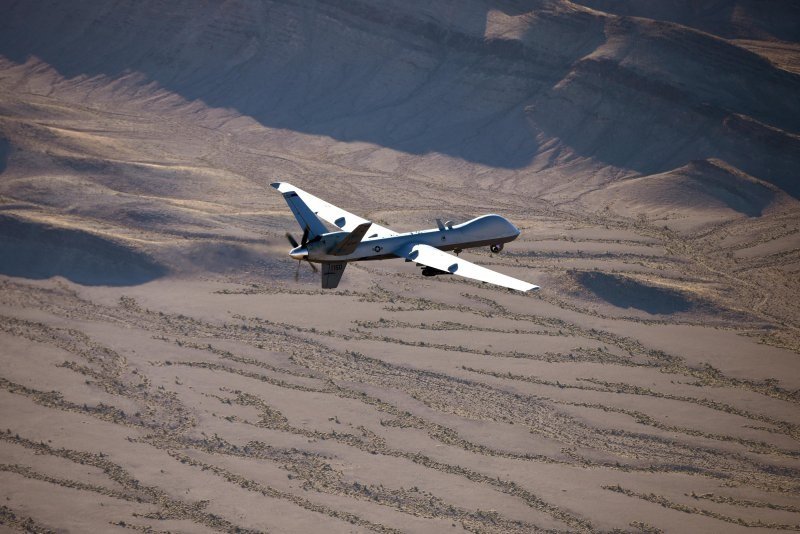 Iran’s IRGC Claims It Shot Down 53rd U.S. MQ-9 Reaper Over Qeshm Island
-
 Thales Launches HexaForce AI-Enhanced Command and Control System for Multi-Domain Operations
-
 China Privately Urges Iran to Restrain Houthis After Saudi Appeal
-
 Former Italian Navy Carrier Enters Indonesian Waters to Join Indonesian Navy as Indonesia’s First Aircraft Carrier
-
 Pakistani Navy’s PNS Hunain Damaged After Collision With Indian Navy Warship in North Arabian Sea
-
 Pentagon Raises Concerns Over Defense Industry Capacity for F-47 and F/A-XX Sixth-Generation Fighter Programs at the Same Time
-
 U.S. Navy Awards $280.5 Million in Prototype Agreements to Three Shipyards for LCU 1700 Landing Craft
-
 U.S. Intelligence Warns Proposed F-35 Sale to Saudi Arabia Could Expose Technology to China
Top Trending in 4 Days
-
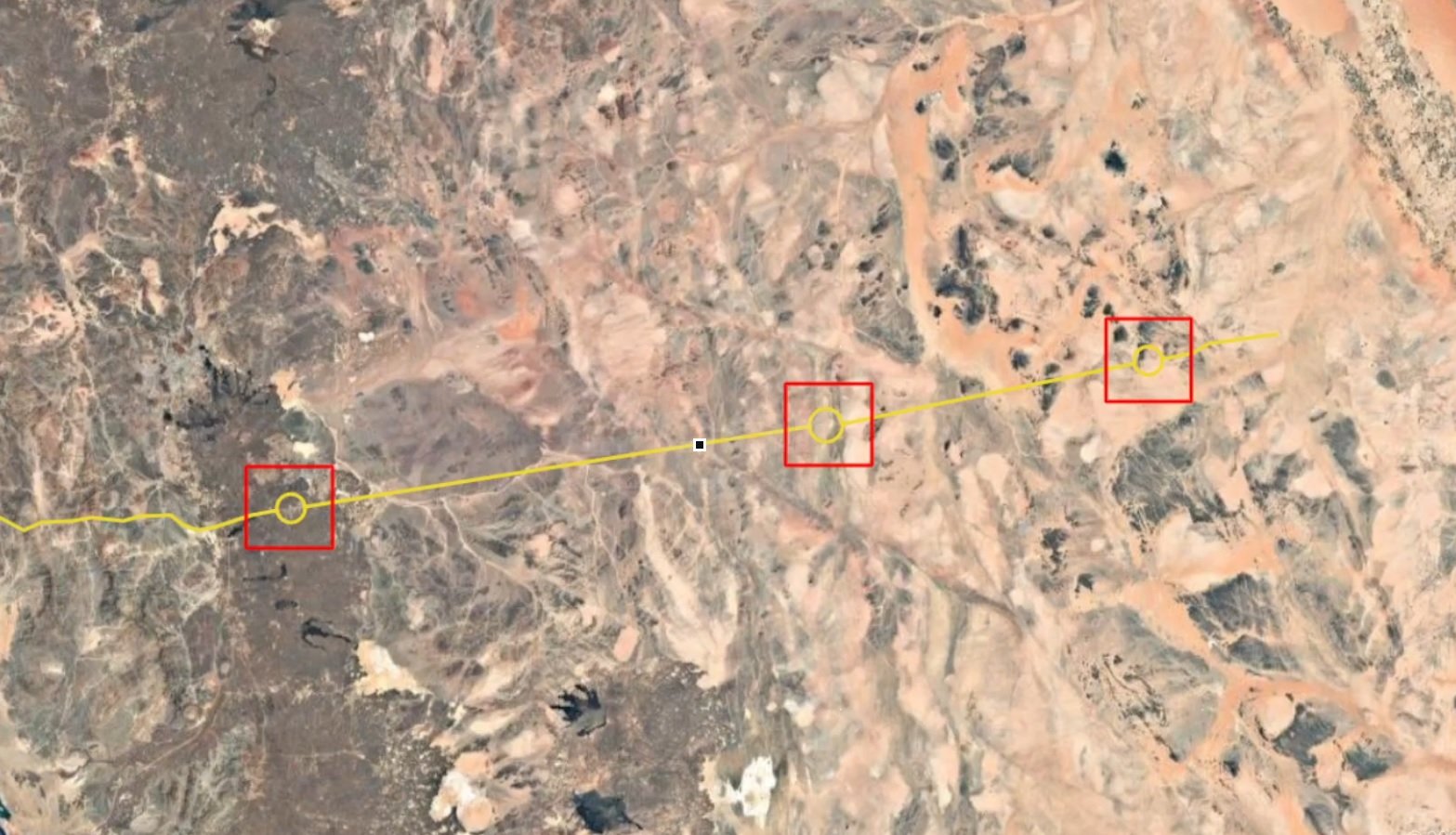 Satellite Imagery Shows Extensive Damage to Saudi Arabia’s East-West Oil Pipeline, Indicating More Than a Single Strike
-
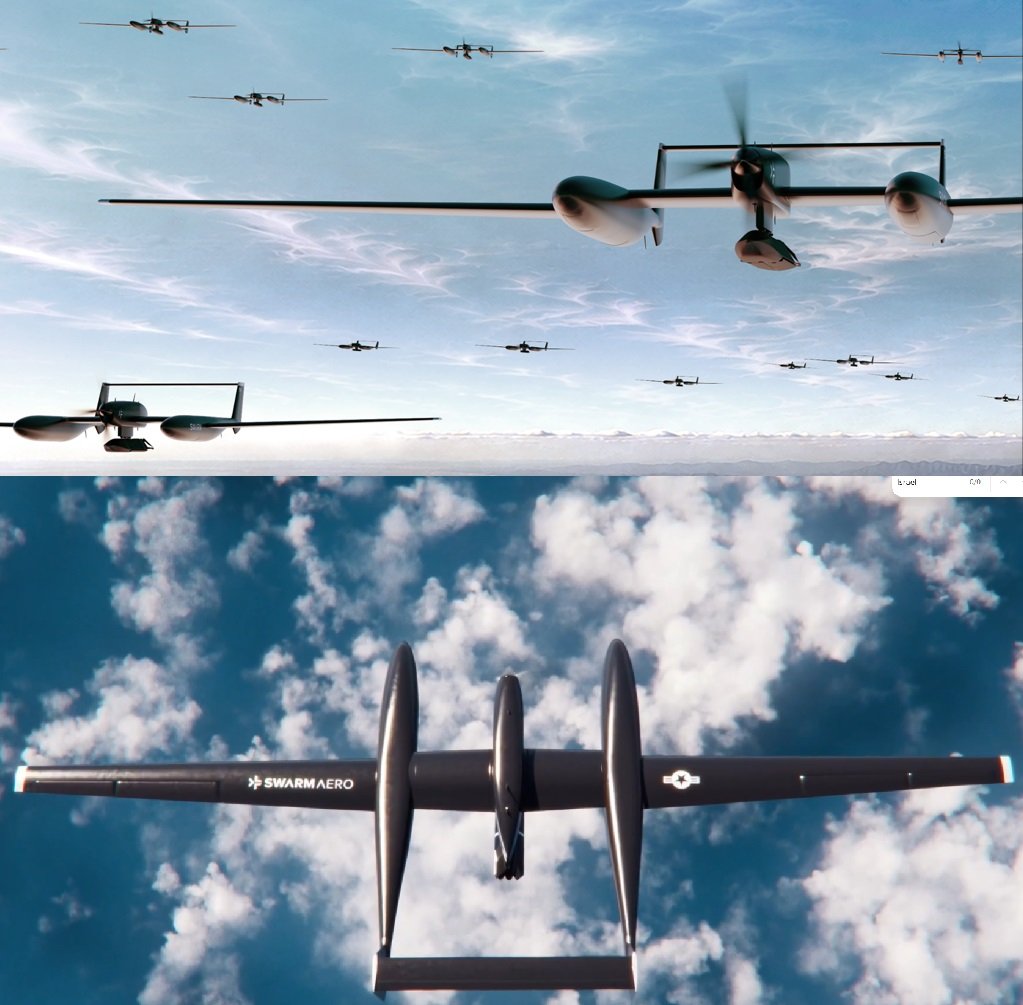 U.S. Firm Swarm Aero Unveils Gamera Group 5 UAS With 9,000-Nautical-Mile Range and Heavy Strike Payload
-
 Pentagon Inspector General Report Finds Iran War Caused U.S. Ammunition Shortfalls and Industrial Bottlenecks
-
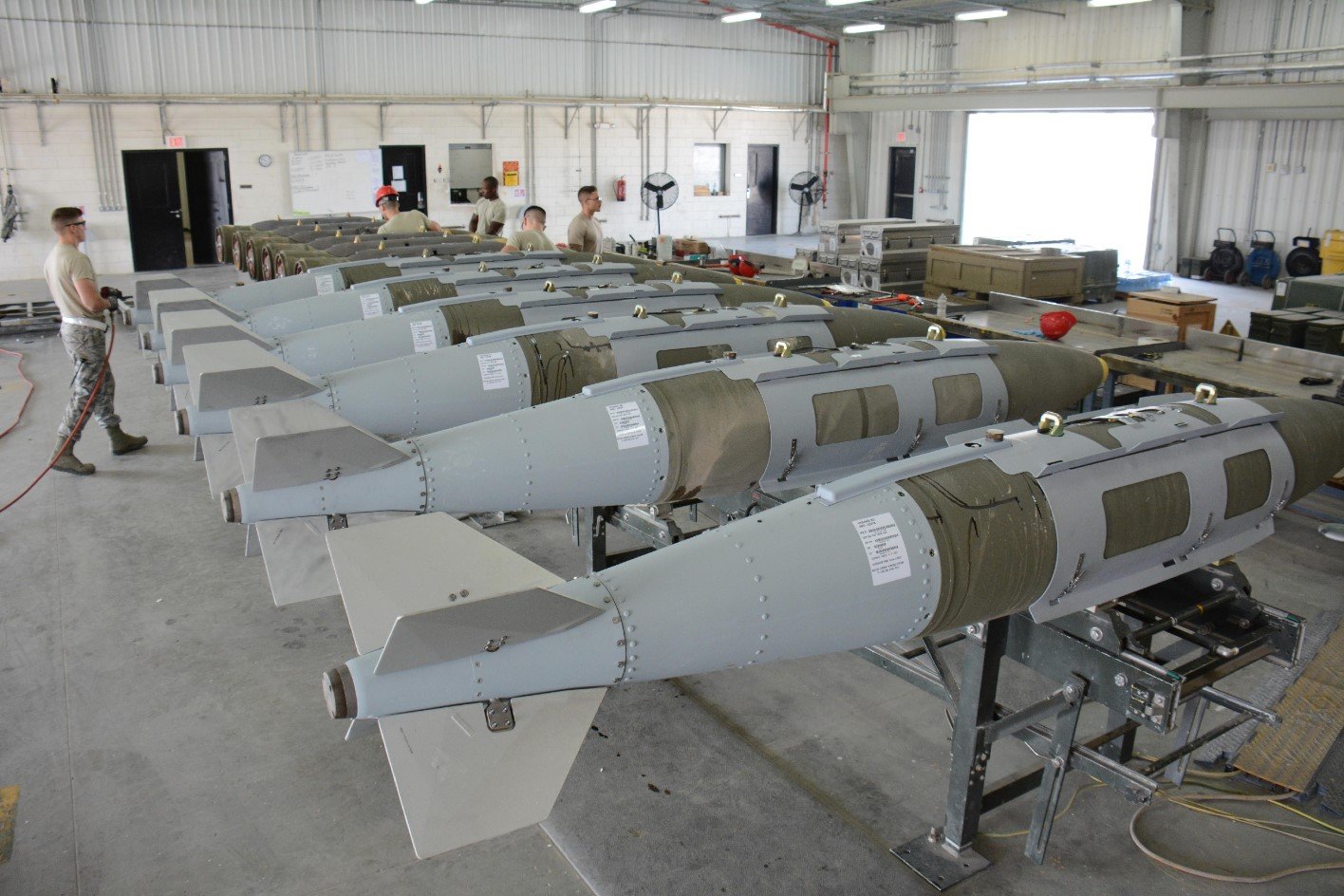 U.S. Plans $2.8 Billion Sale of 40,000 Heavy Bombs and 20,000 I-2000 Penetrator Warheads to Israel
-
 Pentagon and Honeywell Complete Four-Hour Pacific Flight Using Quantum Magnetic Navigation Without GPS
-
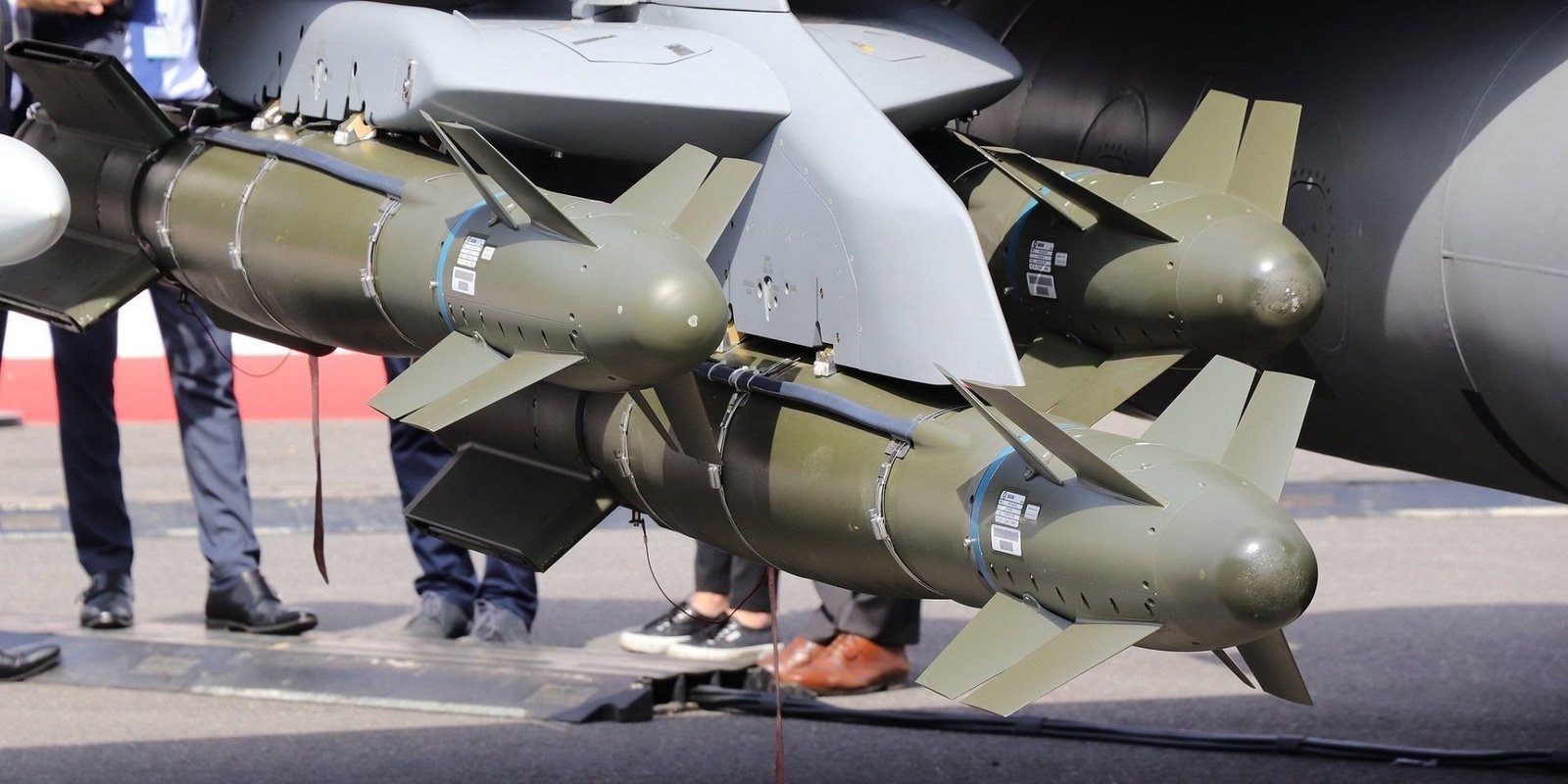 Swedish Gripens Bound for Ukraine to Be Armed with French Rocket-Assisted Hammer Precision Bombs
-
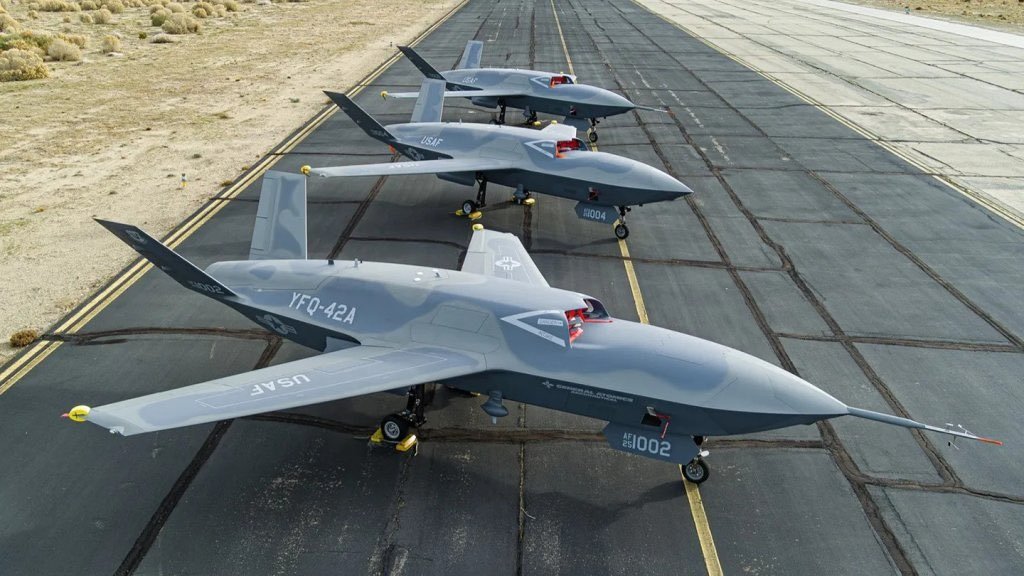 U.S. Air Force Officially Names First Collaborative Combat Aircraft FQ-42 Vengeance and FQ-44 Fury, Targets 500 by 2032
-
 Russia Ramps Up Production of Jet-Powered Geran-5 Drones and Banderol Missiles, With Low Cost of Around $100,000 Per Unit