India
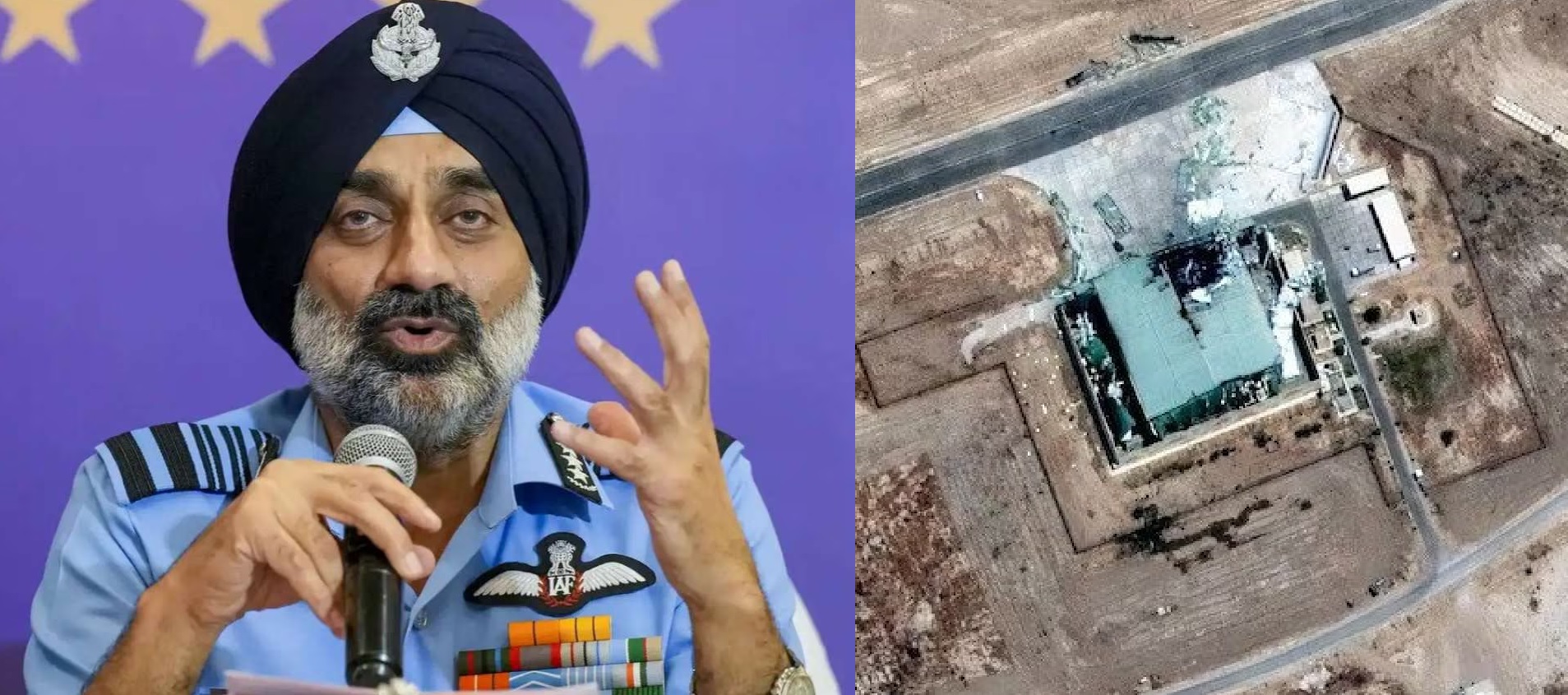
New Delhi, October 3 : The Indian Air Force (IAF) has provided details of Operation Sindoor, which resulted in heavy damage to Pakistan’s air assets and air defence network. Air Chief Marshal Amar Preet Singh, speaking at a press briefing, explained that the operation was carried out with defined objectives and achieved results in a short span of time. According to the Air Chief, the IAF’s strikes damaged several Pakistani airbases. These included the destruction of radars at at least four places, command and control centres at two places, runways damaged at two airbases, and three hangars in three different stations. Evidence further indicates that at least four to five fighter aircraft, most likely F-16s, were destroyed on the ground. A C-130 transport aircraft was confirmed to be damaged, while another high-value surveillance aircraft, believed to be an airborne early warning and control (AEW&C) platform, and in air combat five F16 or JF17 aircrafts was also struck. In addition, one surface-to-air missile (SAM) system was eliminated during the strikes. The IAF also revealed that its newly inducted long-range surface-to-air missiles played a critical role in the operation. These systems were able to track and engage targets far inside Pakistani territory. Singh said that the longest successful strike of the campaign extended beyond 300 kilometres, marking a new record for the Indian Air Force. This engagement, which took out either an AEW&C or another significant aircraft, effectively reduced Pakistan’s ability to operate freely even within its own airspace. The overall strategy of the operation was to deny Pakistan the ability to conduct sustained aerial operations while keeping the conflict limited. By disabling radar coverage, damaging runways, and striking aircraft on the ground, the IAF reduced Pakistan’s combat options and forced them into a defensive posture. Singh emphasised that India entered the conflict with clear political and military instructions, focusing on specific objectives rather than open-ended escalation. He noted that the campaign was concluded once India’s goals were achieved, and this outcome prompted Pakistan to seek a ceasefire. The Air Chief also observed that this approach stands in contrast to other conflicts around the world that continue without a defined end, pointing out that a war can be resolved quickly when objectives are precise and execution is deliberate. Military observers believe Operation Sindoor will be studied for the way it combined precise targeting, the use of advanced missile systems, and a short timeline to achieve decisive results. It demonstrated India’s capability to limit an adversary’s air operations without being drawn into a prolonged conflict.
Read More → Posted on 2025-10-03 09:29:56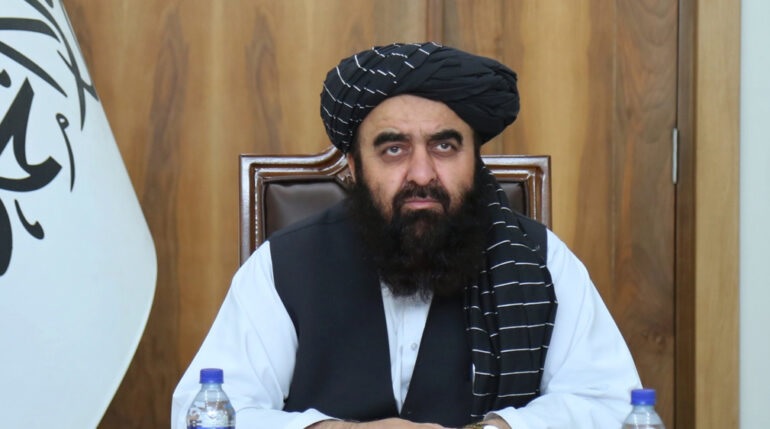
India
The United Nations Security Council (UNSC) has approved a temporary travel ban exemption for Afghanistan’s Foreign Minister Amir Khan Muttaqi, permitting him to visit New Delhi from October 9 to 16, 2025. The decision was taken under the framework of Security Council Resolution 1988 (2011), which places sanctions on senior Taliban leaders but also allows exemptions in specific cases, such as official duties or urgent humanitarian needs. Background of the Travel Ban The travel restrictions on Taliban officials were first imposed in 2011 through Resolution 1988, which targeted key leaders with measures including asset freezes, arms embargoes, and international travel bans. These sanctions were designed to pressure the Taliban leadership into complying with global counterterrorism and peace efforts. Since the Taliban’s return to power in August 2021, the sanctions have remained in place, with exemptions considered only after UNSC review. Exemptions Granted in 2025 This year has already seen multiple cases of temporary waivers: In July 2025, the UNSC permitted Khairullah Khairkhwah, a Taliban official, to travel to Moscow for medical treatment. In August 2025, Abdul Salam Hanafi, the Deputy Prime Minister of the Taliban government, was allowed to visit Doha, Qatar, also on medical grounds. These instances show that while sanctions are still enforced, the UNSC is applying flexibility in limited situations, balancing enforcement with diplomatic and humanitarian considerations. Purpose of Muttaqi’s Visit to India Amir Khan Muttaqi’s visit to India marks one of the rare direct engagements between the Taliban regime and New Delhi. India has not officially recognised the Taliban administration but has maintained limited communication channels, mainly to facilitate humanitarian assistance and discuss regional security. Muttaqi’s agenda in New Delhi is expected to cover: Humanitarian cooperation, particularly in light of the worsening food shortages and natural disasters in Afghanistan. Regional security concerns, including terrorism and cross-border militancy, issues of particular importance to India. Trade and connectivity, as Afghanistan seeks to reduce economic isolation by engaging regional stakeholders. Current Situation in Afghanistan Afghanistan continues to face a complex internal crisis. A 6.9 magnitude earthquake recently struck eastern provinces, worsening humanitarian conditions in a country already struggling with shortages of food, medicine, and essential supplies. International aid efforts remain complicated by the Taliban’s domestic policies, especially restrictions placed on aid agencies and women workers. The government recently imposed a 72-hour nationwide communications shutdown, suspending internet and telephone services. The authorities said the measure was aimed at tackling “immoral activities,” but the blackout severely disrupted humanitarian coordination, online education programs, and public communication. It was the first complete communications cutoff since the Taliban takeover. Impact on Women and Civil Society Since 2021, women in Afghanistan have faced a series of restrictions: Education: Girls have been banned from secondary schools since 2021, and universities stopped admitting women in late 2022. Employment: Afghan women were prohibited from working in international NGOs, and in September 2025, the Taliban barred female staff working for the United Nations from entering offices. Social participation: Limitations on movement and participation in public life have continued to expand. The recent communications blackout further limited access to online education, one of the few avenues left for Afghan women and girls. Significance of India’s Engagement India’s hosting of Muttaqi comes at a time when most countries remain cautious in their dealings with the Taliban. By allowing dialogue without extending formal recognition, New Delhi is expected to use this visit to protect its interests in regional security and connectivity while supporting humanitarian initiatives for the Afghan people. The UNSC’s exemption highlights the international community’s approach of keeping sanctions in place while allowing practical diplomatic engagement when necessary. For Afghanistan, such exemptions offer rare opportunities to engage directly with regional powers amid its continued isolation on the global stage.
Read More → Posted on 2025-10-03 08:19:56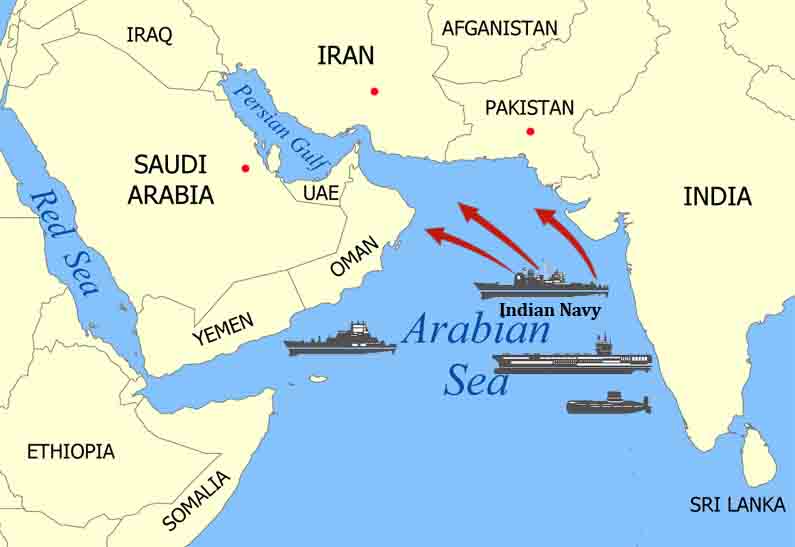
India
The recent talk of Iran potentially joining a defense pact with Pakistan and Saudi Arabia has raised eyebrows in New Delhi and across global strategic circles. While the pact is still at the stage of speculation, the implications are worth analyzing — especially in the context of a possible India–Pakistan conflict. If such a bloc were to form, it would present India with the theoretical challenge of facing three Muslim-majority nations aligned together. But the reality of how this alignment would play out in an actual war reveals many limits — and opportunities for India to dominate the scenario. What Iran Said About Joining the Pact Iran has hinted that it may consider closer military cooperation with Pakistan and Saudi Arabia. The narrative is that “regional Islamic defense cooperation” would counter external powers and create a Muslim security bloc. But for India, this raises concerns. Historically, Iran has never openly supported India in India–Pakistan conflicts, preferring to either stay neutral or lean softly toward Pakistan — a reflection of both religious brotherhood sentiments and the fact that Iran and Pakistan share a common hostility toward Israel. Why Iran Would Join Such a Pact The main reason is strategic survival and influence. Iran sees Pakistan as a useful partner because both are opposed to Israel and wary of US influence. By joining a pact with Pakistan and Saudi Arabia, Iran could signal unity in the Muslim world, especially when conflicts involving Israel, Hamas, and Hezbollah dominate Middle Eastern security. At the same time, Iran knows that Pakistan can provide diplomatic leverage in the Islamic bloc. But it’s important to note: Iran itself is economically weak, under sanctions, and has limited ability to project hard power abroad. Why Saudi Arabia Signed a Defense Pact With Pakistan Saudi Arabia’s motivations are quite different. Its interest lies in security guarantees and manpower needs. Houthis Rebels Threat: Saudi Arabia is locked in a grinding conflict with Yemen’s Houthis, who are heavily armed and trained by Iran. Houthis have launched missiles and drones into Saudi territory and openly call for the overthrow of the Saudi monarchy. Need for Soldiers: The Saudi military is not large enough for prolonged ground wars. In the past, Pakistan has supplied soldiers, trainers, and security units to help defend Saudi soil. Riyadh therefore seeks Pakistani manpower to secure itself, even while it fears Iran’s influence. Financial Leverage: For Saudi Arabia, money is the main weapon. Any pact with Pakistan largely translates into funding rather than military deployment. Why Saudi Arabia Might Join: Fear of Houthi Rebels Funded by Iran It becomes particularly interesting if Iran joins the defense pact, because this changes the dynamics for Saudi Arabia. Riyadh’s primary concern is the Houthi rebels in Yemen, who are armed, trained, and funded by Iran. The Houthis have become emboldened in recent years, especially as global attention has focused on Hamas and Iran in the Middle East. Saudi Arabia fears that without external support, the Houthis could attempt to destabilize the kingdom or even threaten the monarchy. This fear may push Saudi Arabia to align with Pakistan and Iran in a defense pact — not out of solidarity with Pakistan or Iran, but as a defensive measure to counter the Houthi threat. In other words, Saudi participation is motivated less by aggression against India and more by internal security concerns and the need for manpower and financial support from Pakistan. What Support They Could Offer Pakistan If a war broke out between India and Pakistan with Iran and Saudi Arabia aligned: Saudi Arabia’s Role: Saudi Arabia would not deploy soldiers against India. Instead, it would send money, financial aid, and fuel subsidies to Pakistan. With the Houthis threatening its own borders, Riyadh simply cannot afford to spare manpower. Iran’s Role: Iran would not send soldiers either, nor would it provide significant money, since its economy is already battered by sanctions. Its support would likely come in the form of weapons, drones, and missiles, possibly through covert channels. Iran’s navy is too weak to confront India, and during wartime, it would avoid direct engagement in the Arabian Sea. Pakistan would fight the actual war while Iran and Saudi Arabia would provide limited external support — one with weapons, the other with money. India’s Military Options For India, the biggest challenge would still be Pakistan, and history shows that the Indian armed forces have repeatedly demonstrated superiority. In the May 2025 conflict, Indian Armed Forces destroyed Pakistan Many bases and Command and Control Centers very easily . Indian Navy also easily neutralized Pakistan’s naval activity, forcing Pakistani ships to retreat into ports and keep their fleet hidden. Even Pakistan naval officers reportedly kept vessels in harbor rather than risk losses against India’s much larger fleet presence. 1. Handling Pakistan India’s Army and Air Force are more than capable of countering Pakistan in a conventional conflict and also in Nuclear Conflict. The numerical and technological superiority is well-established. 2. Neutralizing Iran and Saudi Arabia Without Direct Attack India would not need to attack Iran or Saudi Arabia directly. Instead, it could use its navy to blockade the Arabian Sea routes, cutting off their vital oil exports. Saudi Arabia exports around 6–7 million barrels per day by sea, of which ~75% (≈5 million barrels) move through the Arabian Sea. That’s 150 million barrels lost in one month, worth $13–14 billion. Iran exports around 1.5–2 million barrels per day, mostly through unofficial channels. Cutting off the Arabian Sea route would block 70% (≈1–1.3 million barrels/day), translating to 30–40 million barrels lost in one month, worth $3 billion. A one-month blockade would cripple both countries’ economies without India firing a shot on their territory. 3. India’s Naval Dominance India’s Navy is among the world’s most powerful, capable of ruling both the Indian Ocean and the Arabian Sea. With aircraft carriers, nuclear submarines, and advanced destroyers, India has overwhelming superiority compared to Pakistan or Iran. Neither has the capability to match India at sea. In the May 2025 standoff, Pakistan’s Navy essentially vanished from the waters, hiding in ports. Iran, facing similar naval inferiority, would do the same. Saudi Arabia, despite oil wealth, lacks the naval muscle to contest India’s sea power. The Bigger Picture Even if a Pakistan–Iran–Saudi defense pact were to emerge, its effectiveness against India would be weak and largely symbolic. Saudi Arabia would be too consumed by the Houthi threat, while Iran would be constrained by sanctions and its fragile economy. Their support for Pakistan would be limited — money from Riyadh, weapons from Tehran — but not actual troops or warships. On the other hand, India is the world’s fifth-largest economy and one of the strongest armed forces, with only the US, China, and Russia matching its overall power. With naval control of the Arabian Sea, India could choke the lifelines of both Iran and Saudi Arabia while directly defeating Pakistan in a conventional war. If Iran joins Saudi Arabia and Pakistan in a defense pact, it will make for sensational headlines but little change in battlefield realities. India has the strength, strategy, and geography on its side. While Pakistan may hope for external help, the reality is that its partners could only offer limited financial and weapons support. India, by contrast, could cripple their economies with a maritime blockade, avoid costly escalation, and still decisively handle Pakistan militarily. The pact, if it materializes, would be more about political symbolism and Muslim solidarity than practical military advantage. For India, it would be another challenge to manage diplomatically, but not a threat it cannot handle militarily.
Read More → Posted on 2025-10-02 18:22:31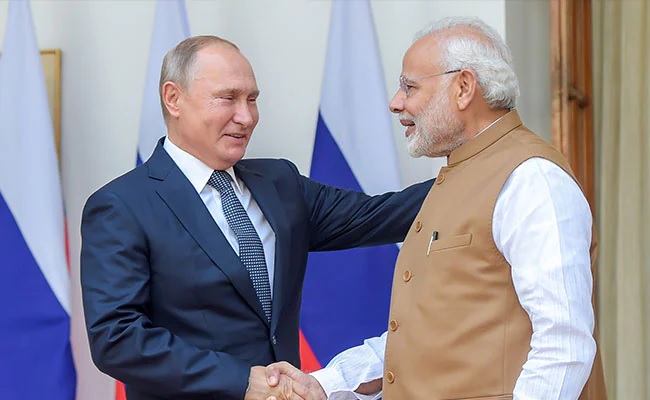
India
Russian President Vladimir Putin is expected to visit India on December 5–6, 2025, to take part in the 23rd annual India-Russia summit. If the visit goes ahead, it will mark his first trip to India since the beginning of the Russia-Ukraine conflict in early 2022. The meeting will provide an occasion for both countries to review their partnership and adjust to changing global circumstances. The mechanism of annual summits between India and Russia has been in place since 2000, with meetings held alternately in both countries. These summits represent the highest-level review of the bilateral relationship, covering areas such as defence, energy, trade, and regional security. The last in-person summit took place in July 2024, when Prime Minister Narendra Modi travelled to Moscow. Putin’s last visit to New Delhi was in December 2021. Ahead of the 2025 summit, Russian Foreign Minister Sergey Lavrov is scheduled to travel to India in November to finalize the agenda. Trade and energy cooperation will be central to the talks. Russia has emerged as a key supplier of crude oil to India over the past three years, especially at discounted rates amid Western sanctions. This has helped India secure affordable energy, though it has also drawn criticism from the United States and NATO partners. At the same time, India has expressed concern about the widening trade imbalance, as imports from Russia far outweigh India’s exports. Both sides are expected to consider ways of making trade more balanced, including settlement mechanisms that avoid reliance on the US dollar. Defence cooperation is another area expected to dominate the discussions. Russia remains one of India’s largest defence suppliers, with equipment ranging from S-400 air defence systems to nuclear-powered submarines and fighter aircraft. Russian officials have also indicated readiness to offer advanced technology transfers and joint development projects, including the possibility of future fighter aircraft collaborations. These proposals fit within India’s ‘Make in India’ framework, which seeks to expand domestic defence manufacturing while ensuring a steady supply of modern capabilities for the armed forces. Ensuring timely delivery of spare parts and maintenance support for existing Russian-origin systems will also be a practical matter on the table. Connectivity projects are likely to feature in the conversation as well. India and Russia are working together on the International North-South Transport Corridor (INSTC), which aims to link India with Russia through Iran and Central Asia, reducing dependence on longer maritime routes. Cooperation in the Arctic, particularly in energy exploration and shipping through the Northern Sea Route, is another potential area of expansion, reflecting Russia’s growing focus on its northern regions. Regional security will form an important part of the dialogue. Both countries have maintained consultations through a Special Mechanism to coordinate positions on Afghanistan and counterterrorism issues. India is expected to bring up concerns about cross-border terrorism, while Russia is likely to emphasize the importance of regional stability, including developments in Central Asia and Pakistan. The Ukraine conflict will remain an unavoidable backdrop to the summit. India has not joined Western sanctions against Russia, instead calling for dialogue and diplomacy to resolve the conflict. In past meetings, Prime Minister Modi has underlined that lasting solutions cannot be achieved on the battlefield. That position is expected to remain unchanged, even as India continues to strengthen its partnerships with Western nations. For New Delhi, the summit with Russia comes at a time when it is deepening ties with the United States, Europe, and Japan. Western governments have often questioned India’s continued cooperation with Moscow, especially in the energy and defence sectors, but India has consistently maintained that its choices are based on national interest and strategic autonomy. The December summit will therefore be watched closely for signs of how India and Russia plan to adapt their cooperation in areas of defence, trade, and connectivity. Any new agreements, particularly in energy security and technology transfer, could have a significant impact on India’s long-term economic and security strategies, while also signaling the direction of its foreign policy balancing act in the years ahead.
Read More → Posted on 2025-10-02 16:39:37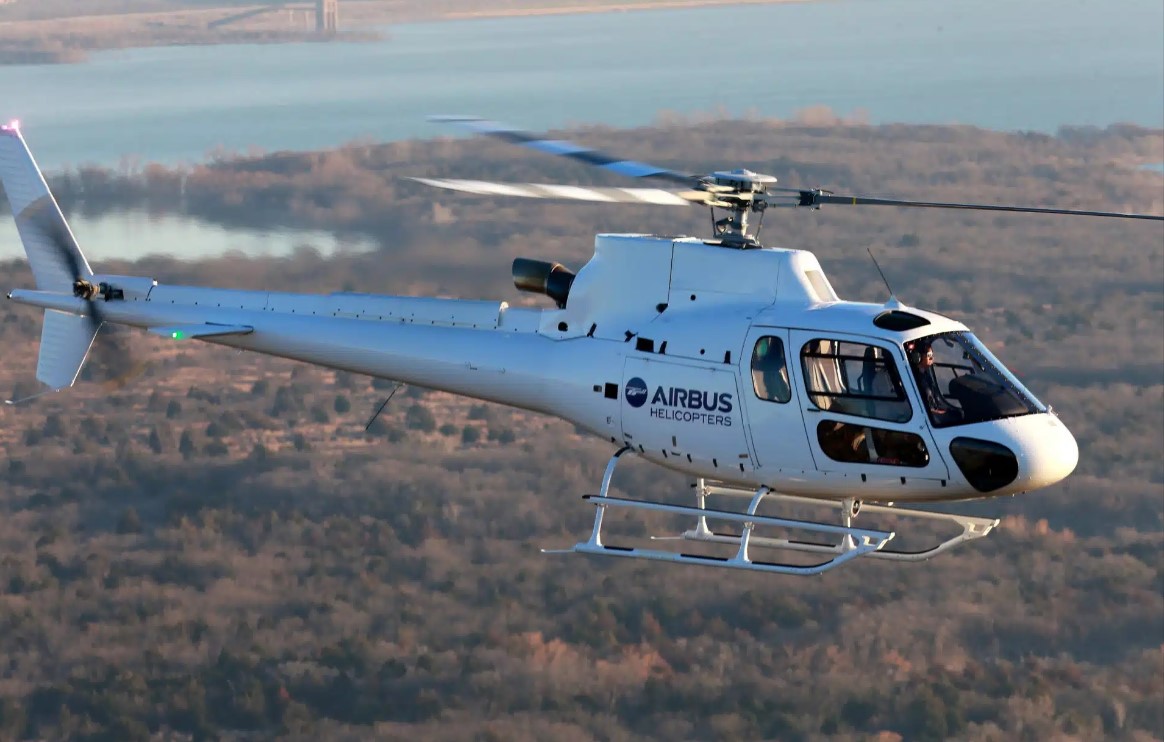
India
The partnership between Airbus Helicopters and Tata Advanced Systems Ltd. (TASL) to establish a helicopter manufacturing line in Karnataka is being promoted as a major step for India’s aerospace industry under the “Make in India” banner. But beneath the glossy headlines lies a serious concern: Airbus is trying to introduce a 50-year-old helicopter design — the H125, originally known as the AS350 Écureuil — into India’s defense market. The irony is striking. India is seeking to replace its aging Chetak and Cheetah fleets — themselves based on 1960s-era French designs — and yet the Airbus-Tata proposal effectively substitutes them with a design from 1974. In other words, one old French helicopter is being replaced with another slightly newer, but still outdated, French design. A Design Frozen in the 1970s The AS350 Écureuil first flew in 1974, more than 50 years ago. Its rebranded version, the H125, is marketed today as a versatile, rugged helicopter with strong civilian credentials. Indeed, in civil aviation, the H125 is popular for tourism, policing, firefighting, air ambulance and high-altitude operations — even famously landing on Mount Everest. But civil reliability doesn’t make it a modern military platform. For the armed forces, survivability, advanced avionics, electronic warfare protection, weapons integration, and long-term upgrade paths are critical. Here, the H125 falls short — it is essentially a civilian helicopter, re-packaged for military sales in emerging markets. Where It’s Used And Where It’s Been Retired The Pakistan Army Aviation Corps has operated AS350 Écureuil helicopters since the early 2000s, primarily for liaison and utility roles. This means India’s neighbor has been flying the very same type for over two decades, underlining just how dated the platform is for modern battlefield needs. Several militaries have already moved on: The Royal Australian Navy retired its AS350 “Squirrel” trainers in 2019, replacing them with more advanced systems. The British Army Air Corps phased out its Squirrel HT1/2 trainers by 2020. The New Zealand Defence Force retired its AS350 fleet in 2018, moving to modern twin-engine replacements. These examples show that while the helicopter remains useful for civilian operators, militaries across the world have retired it, acknowledging that it no longer meets the demands of 21st-century warfare. India’s Armed Forces Requirement The Indian Ministry of Defence recently issued a Request for Information (RFI) for 200 light helicopters, with submissions due by October 18, 2025. Out of this, 120 are earmarked for the Indian Army and 80 for the Indian Air Force (IAF). These helicopters will replace the Chetak and Cheetah, which are among the oldest machines in Indian service. This is a critical opportunity to induct next-generation rotorcraft, but Airbus is eyeing the RFI to push the H125 — a helicopter rooted in the 1970s. In effect, India risks replacing 1960s French designs with 1970s French designs — both outdated, both unsuitable for the future. Civil Success ≠ Military Relevance The H125’s reputation in the civil market is undeniable. It is cost-efficient, easy to maintain, and well-suited for tourism, charter, and utility operations. But this civil pedigree does not automatically translate into military value. For high-altitude warfare, tactical troop support, or advanced reconnaissance, the H125 lacks the twin-engine redundancy and advanced avionics found in modern designs. This is why analysts call it “scrap in the defense market” — excellent for private operators, but a step backward for a military looking to modernize. Airbus vs HAL’s LUH The HAL Light Utility Helicopter (LUH) is a true competitor. Designed indigenously for Indian conditions, the LUH is tailored for high-altitude operations, features modern avionics, and has a growth path aligned with the armed forces’ needs. It represents a future-ready platform, unlike the H125, which is essentially a civil design wearing a military badge. Airbus, however, is trying to exploit India’s procurement rules. By leveraging the L1 (lowest bid) vs L2 (second lowest bid) system — where 60% of the order typically goes to the L1 winner and 40% to the L2 . Airbus can undercut HAL by offering a cheaper, older platform. This allows them to present a financially attractive bid while India risks losing long-term capability development. Airbus is effectively using price and “Make in India” labeling to market an outdated product as if it were a new solution. Comparison: Airbus H125 vs HAL LUH Feature Airbus H125 (AS350 Écureuil) HAL LUH (Light Utility Helicopter) Origin / Design Year France, first flight 1974 India, first flight 2016 Role / Nature Primarily civilian utility helicopter, adapted for some military use Indigenous military utility helicopter, designed specifically for Indian Army/IAF needs Engine 1 × Safran Arriel 2D turboshaft (Single Engine) 1 × Safran Ardiden 1U turboshaft (Single Engine, newer design) Power Output ~847 shp ~750 shp (optimized for hot-and-high conditions) Passenger Capacity 6 passengers + 1 pilot (civil layout) 6 troops + 2 crew (military layout) Maximum Takeoff Weight (MTOW) ~2,250 kg ~3,150 kg Range ~630 km ~350–500 km (with payload, optimized for high-altitude ops) Service Ceiling 16,500 ft 21,300 ft (designed for Siachen & Himalayas) Avionics Basic civil glass cockpit, limited military-grade systems Fully modern digital cockpit, NVG compatible, military communications Survivability No armor, no crashworthy fuel tanks (civil standards) Crashworthy structure, armored seats, self-sealing fuel tanks (planned military version) Weapon Integration Not standard (civil heli retrofitted at best) Designed to integrate light weapons, EO/IR sensors, military role systems Current Operators Pakistan Army (since 2000s, liaison roles), various civil operators Under induction by Indian Army and IAF, tailored for defense Retirements Retired by UK (2020), Australia (2019), New Zealand (2018) from military fleets New platform, just entering service “Make in India” Status Planned Airbus-Tata assembly line (foreign design, civil origin) Fully designed and developed in India (HAL) Competitiveness Cost-attractive due to older design, marketed as civil-military crossover True next-gen indigenous solution with long-term growth potential Europe’s Old Designs in India India’s defense forces have consistently called for next-generation helicopters to replace legacy machines. Instead, European companies are trying to dump old-generation platforms in the Indian market under the guise of local manufacturing partnerships. The proposed Airbus-Tata assembly line is less about building the future, and more about giving a second life to an already outdated helicopter. This is not about civil aviation, where the H125 is proven and reliable. It’s about the armed forces — where soldiers’ lives depend on technology that must withstand hostile fire, extreme conditions, and modern battlefield threats. Labeling a 1970s design as “Make in India” does not make it next-gen. The H125 is a civilian helicopter with a military paint job, and its introduction into the Indian armed forces would be a step back, not forward. India needs to carefully examine whether replacing 1960s-era French helicopters with a 1970s-era French design is truly modernization — or just a way for Airbus to offload its scrap into the Indian defense market., while HAL is offering a modern indigenous LUH. With an RFI for 200 helicopters on the table, India should resist the temptation of lower upfront costs and foreign branding, and instead invest in indigenous platforms like HAL’s LUH, which promise not just capability, but also long-term self-reliance.
Read More → Posted on 2025-10-02 15:52:11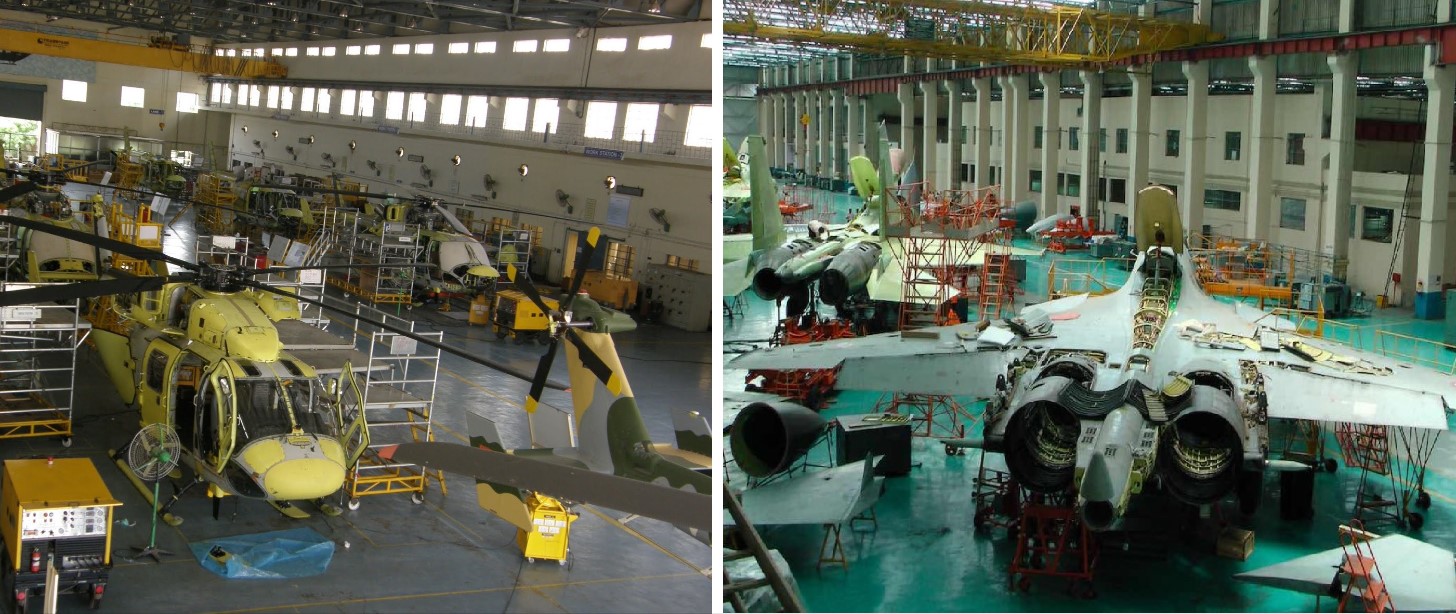
India
The Indian government is working on a plan to reorganise Hindustan Aeronautics Limited (HAL), India’s largest aerospace and defence manufacturer, as the company struggles with an unprecedented order book. HAL has long been central to the country’s military aviation industry, but its current structure is showing strain under the weight of fresh contracts, including the recent order for 97 Tejas Mk-1A fighter aircraft. The company’s commitments have now crossed ₹2.7 lakh crore, more than eight times its annual revenue of about ₹32,000 crore. This backlog covers a wide range of equipment, from fighter jets and helicopters to engines and maintenance work. The government has brought in an international consulting firm to suggest a restructuring plan that could break HAL into smaller, more specialised companies. One would focus on fixed-wing aircraft, another on helicopters, and a third on maintenance, repair, and overhaul (MRO) services. The aim is to ease production bottlenecks and improve efficiency by allowing each unit to work on narrower areas of responsibility. This idea is not new. HAL’s integrated structure, which dates back to the early years of licence production, once ensured standardisation and control. But what worked in the past has now become a source of delays. Long processes and an overstretched workforce have slowed the delivery of key projects at a time when the armed forces urgently need new equipment. The Indian Air Force (IAF), for example, is operating with only 29 fighter squadrons against the approved strength of 42. With more squadrons set to retire, the shortfall is expected to grow unless new fighters are delivered on schedule. The Tejas programme is a telling example. First expected to enter service by 2015, its induction was repeatedly delayed. Even today, HAL is able to produce only around 16 to 18 aircraft per year. To deliver the new order for 97 Tejas Mk-1A jets within the planned timeframe, this output will need to increase sharply. Global supply chain dependencies, such as reliance on General Electric (GE) engines, add further pressure. There is also concern over HAL’s ability to manage future projects like the Advanced Medium Combat Aircraft (AMCA), India’s proposed fifth-generation stealth fighter. The Defence Ministry has already indicated that private companies such as Larsen & Toubro (L&T) and the Tata Group may play larger roles. These firms have built expertise in areas like composite materials and avionics, and their involvement is seen as essential to meeting the government’s requirement that at least 70 percent of future platforms be indigenously sourced. From a strategic perspective, the restructuring of HAL reflects more than an internal reform. It highlights the growing gap between India’s ability to design advanced platforms and its capacity to produce them at scale. Unless production improves, even the most capable aircraft risk entering service too late to meet operational needs. Other countries with strong aerospace industries rely on ecosystems where government enterprises and private firms share responsibilities. India’s reliance on a single, centralised organisation has limited flexibility and slowed progress. The implications for the Air Force are direct. Delays in production weaken operational readiness and risk forcing India into short-term imports, which dilute the larger goal of self-reliance. At the same time, the sheer scale of HAL’s commitments has created the risk of overstretch, with projects ranging from fighters and helicopters to UAVs and engines competing for resources. A restructured model with focused units could not only help deliver aircraft on time but also open the way for better cooperation with private industry and universities. In this sense, the reorganisation of HAL is less about internal management and more about aligning India’s defence industry with its security requirements. The choices made now will influence the future of the Tejas and AMCA programmes, the pace of squadron inductions, and India’s ability to maintain self-reliance in defence manufacturing.
Read More → Posted on 2025-10-02 10:24:32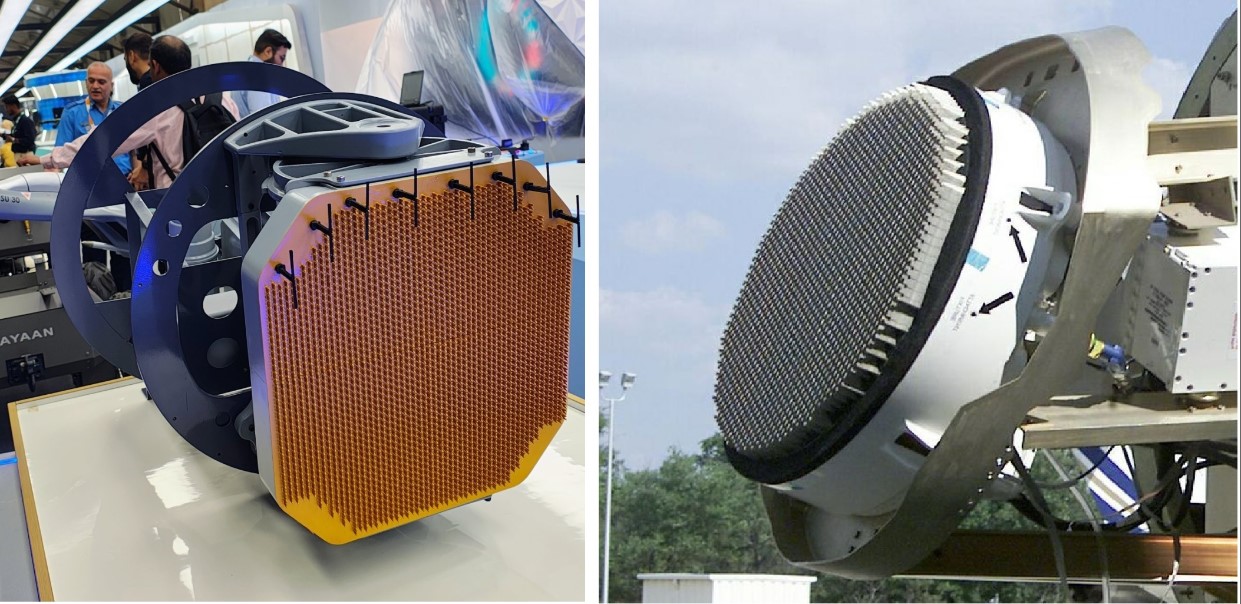
India
India’s development of both plank-based (Uttam family) and tile-based (Virupaksha/AMCA family) radars reflects a gradual but steady trajectory toward parity with leading radar powers. To understand this better, it helps to benchmark LRDE’s systems against some well-known AESAs in service globally. U.S. AESA Radars AN/APG-83 SABR (F-16V upgrade) TRMs: ~1000–1200 Architecture: Plank Material: GaAs, moving toward GaN in future Role: Mid-tier AESA for legacy fighters Comparison: Uttam (912–968 TRMs) is roughly in the same category as APG-83, with similar TRM count and architecture. If GaN modules are confirmed for Tejas Mk2, Uttam would be slightly more advanced in materials than baseline APG-83. AN/APG-77 (F-22) / AN/APG-81 (F-35) TRMs: ~2000+ (APG-81 estimated) Architecture: Tile, optimized for stealth shaping Material: GaAs (early), shifting to GaN in upgrades Role: High-bandwidth radar, optimized for stealth and EW integration Comparison: India’s AMCA radar (1528 GaN TRMs) is somewhat below APG-81 in TRM count but aligned in architecture and materials. The use of GaN from the outset could give it efficiency advantages, though waveform software maturity is where U.S. radars are still ahead. Russian AESA Radars N036 Byelka (Su-57) TRMs: ~1500+ in nose array, additional side arrays Architecture: Tile Material: GaAs (reports of GaN transition are unconfirmed) Role: Multiband coverage, with L-band wing arrays for stealth detection Comparison: India’s AMCA radar (1528 GaN TRMs) is similar in scale to the Su-57’s main nose radar. However, Russia’s unique addition is the use of side-facing L-band arrays. India may consider similar conformal sensors in later AMCA blocks, but hasn’t revealed such plans yet. N035 Irbis-E (Su-30SM / Su-35) TRMs: Not AESA, it’s a PESA (Passive ESA) with high power output Range: >350 km against fighter-sized targets (claimed) Comparison: Su-30MKI currently uses the Bars radar, also a PESA. The transition to Virupaksha AESA (2400 TRMs, GaN) would leapfrog Irbis-E in terms of ECCM, multirole capability, and low-probability-of-intercept performance, even if raw detection range might remain similar. Chinese AESA Radars KLJ-7A (JF-17 Block III) TRMs: ~1000+ Architecture: Tile (modular) Material: Likely GaAs, GaN claims unverified Role: Lightweight fighter AESA Comparison: Uttam (912–968 TRMs) is in the same category as KLJ-7A. If Uttam Mk2 uses GaN, it could exceed KLJ-7A in efficiency. Type 1475 (J-20) TRMs: ~2000+ (estimated) Architecture: Tile, designed for stealth shaping Material: Likely GaAs baseline, GaN transition rumored Role: Stealth fighter AESA with EW and networking features Comparison: India’s AMCA radar (1528 GaN TRMs) is somewhat smaller, but GaN gives it a potential advantage in power efficiency. China likely leads in software-defined radar features and production maturity. Indian AESA Radars Uttam (Tejas Mk1A / Mk2) TRMs: 912 (Mk1A, GaAs), 912–968 (Mk2, GaAs → GaN transition possible) Architecture: Plank Antennas: Dipole Platforms: LCA Tejas Mk1A, Mk2 Role: Lightweight AESA optimized for single-engine fighters. Virupaksha (Su-30MKI upgrade) TRMs: ~2400 Material: GaN Architecture: Tile Antennas: Likely Vivaldi (wideband) Platforms: Su-30MKI (backbone of IAF) Role: Long-range, high-power AESA to replace Bars PESA, enabling true multi-target and electronic attack capabilities. AMCA AESA TRMs: ~1528 Material: GaN Architecture: Tile (circular, optimized for stealth nose cone) Antennas: Vivaldi Platforms: AMCA 5th-generation stealth fighter Role: Balanced TRM count and bandwidth, suited for stealth shaping and sensor fusion. Side-by-Side Comparison Radar (Country) TRMs (approx) Architecture Material Platform(s) Notes Uttam (India) 912–968 Plank GaAs (Mk1A) → GaN (Mk2) Tejas Mk1A, Mk2 Comparable to APG-83 / KLJ-7A in TRM count Virupaksha (India) ~2400 Tile GaN Su-30MKI Large aperture, exceeds Russian Irbis-E PESA in EW, matches high-end AESAs AMCA Radar (India) ~1528 Tile (circular) GaN AMCA Similar to Russian Su-57 Byelka in TRM size, designed for stealth shaping AN/APG-83 (USA) 1000–1200 Plank GaAs F-16V Comparable to Uttam; older material base AN/APG-81 (USA) ~2000+ Tile GaAs → GaN F-35 Global benchmark for stealth AESA N036 Byelka (Russia) ~1500+ Tile + side arrays GaAs Su-57 Similar scale to AMCA radar, but adds side L-band arrays N035 Irbis-E (Russia) PESA, not AESA — — Su-35, Su-30SM Very long range, but less capable in ECCM and multirole functions KLJ-7A (China) ~1000+ Tile GaAs (likely) JF-17 Block III Similar class to Uttam Type 1475 (China) ~2000+ Tile GaAs → GaN (rumored) J-20 Larger than AMCA radar, similar to F-35 class Perspective India vs U.S.: LRDE’s plank radars are in the same class as U.S. AESAs for legacy fighters, while its tile-based designs put it within reach of systems like APG-81, though software sophistication remains a gap. India vs Russia: The Su-30’s Virupaksha AESA would be a major upgrade, moving well ahead of Russia’s current PESA solutions. Against Su-57’s Byelka, India’s AMCA radar is broadly comparable in scale, but Russia’s multiband approach is unique. India vs China: Uttam is competitive with Chinese mid-tier AESAs (KLJ-7A), while the AMCA radar will likely be slightly smaller but more power-efficient than the J-20’s AESA if GaN is fully implemented. India is not yet at the absolute leading edge of AESA radar development, where the U.S. dominates with decades of operational experience and advanced software ecosystems. But LRDE has moved into a position where its systems are comparable in hardware terms to what Russia and China are fielding. The plank-to-tile transition mirrors the path other countries have taken, and the use of GaN in Virupaksha and AMCA radars is a strong sign that India is keeping pace with the global shift in radar technology.
Read More → Posted on 2025-10-01 11:27:21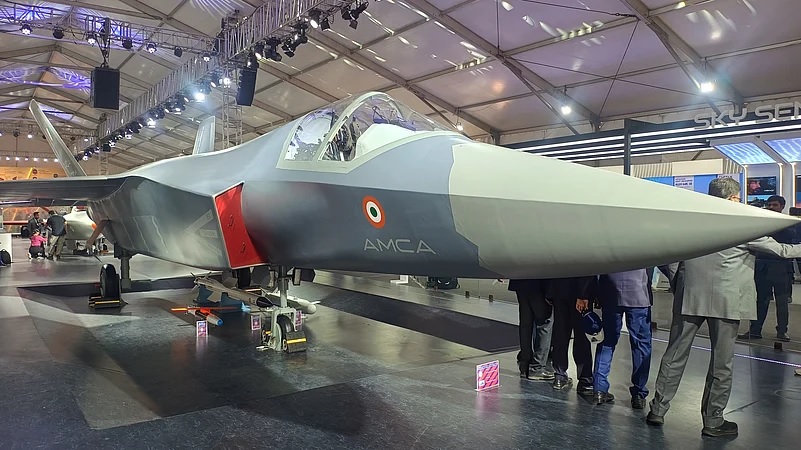
India
India’s Advanced Medium Combat Aircraft (AMCA) programme, a fifth-generation stealth fighter jet being developed by the Aeronautical Development Agency (ADA) under the Defence Research and Development Organisation (DRDO), has reached a significant milestone. The Expression of Interest (EoI) process, which ended on September 30, 2025, invited proposals from national defence and engineering firms to participate in the project. Strategic Partnerships and Bidders The Aeronautical Development Agency (ADA), under the Defence Research and Development Organisation (DRDO), has received bids from seven prominent Indian firms: L&T + Bharat Electronics Ltd (BEL): A strategic alliance combining L&T's manufacturing prowess with BEL's expertise in defence electronics. BEML + Bharat Forge Ltd (BFL) + Data Patterns Ltd (DPL): A consortium aiming to leverage BEML's manufacturing capabilities and BFL's precision engineering. Bharat Aerospace Technologies Ltd (BATL) + Godrej Industries Ltd (GIL) + Alpha Design Technologies Ltd (ATL): A collaboration focusing on avionics and aerospace technologies. Hindustan Aeronautics Ltd (HAL): India's premier aerospace manufacturer, with extensive experience in aircraft development. Tata Advanced Systems Ltd (TASL): A subsidiary of the Tata Group, specializing in aerospace and defence systems. Adani Defence & Aerospace: A rapidly growing player in the defence sector, focusing on advanced technologies. BATL + Axiscades Technologies Ltd + Goodluck India Ltd: A strategic alliance to collaborate on advanced defense and aerospace technologies. A high-level committee chaired by former DRDO scientist A. Sivathanu Pillai will oversee the bid evaluation. Bid evaluation is expected to conclude by the end of 2025 or early 2026, with Requests for Proposal (RFP) issued to shortlisted integrators by mid-2026. Workshare will be finalized, and tooling and metal cutting are planned for 2027. The first prototype is expected in 2028, with the first flight scheduled between 2028 and 2029. Certification is anticipated by 2033–34, and production is planned to start between 2035 and 2036. The AMCA is planned as a multirole stealth fighter. It will have a stealth-optimized airframe to reduce radar visibility, supercruise capability to maintain supersonic speeds without afterburners, internal weapons bays, and updated avionics for better situational awareness. It is intended for air superiority, ground attack, and reconnaissance missions. The programme is part of India’s effort to develop indigenous defence technology. By involving both public and private sector companies, it aims to strengthen domestic capabilities in aerospace manufacturing and engineering. Once operational, the AMCA will enhance the Indian Air Force’s capabilities.
Read More → Posted on 2025-10-01 11:20:07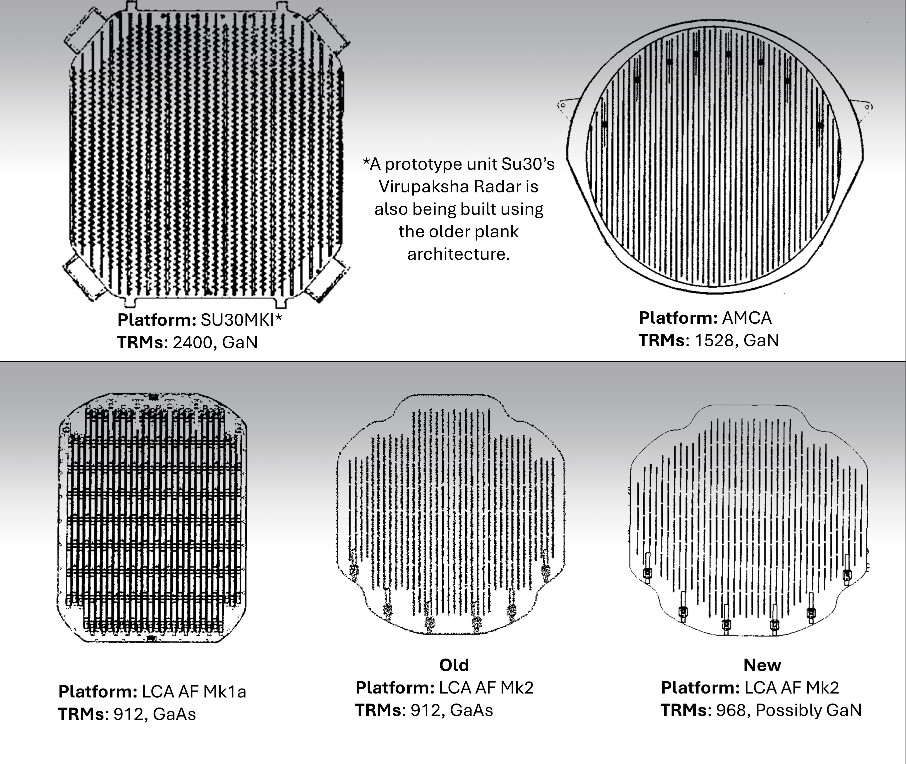
India
India’s radar development has reached a point where it can be meaningfully categorized into two clear technological paths. On one side, we have the plank TRM architecture, which has been the workhorse of LRDE’s Uttam AESA radar for the Tejas program. On the other, we see the emergence of the tile TRM architecture, which is shaping the future radars meant for the Su-30MKI upgrade and the AMCA. From a distance, these may look like two different hardware designs. But in reality, they represent two different philosophies of how to scale radar performance, manage bandwidth, and prepare for future challenges in electronic warfare. The Plank Approach: Reliable, Familiar, and Incremental Plank-based radars, like the Uttam AESA, are essentially built around long, strip-like TRM assemblies. This design lends itself well to dipole antenna elements, which are simpler, easier to integrate, and already proven in many fighter radars worldwide. The numbers tell a clear story: The Tejas Mk1A carries 912 GaAs-based TRMs. The early Tejas Mk2 prototypes stayed at 912 but with a refined layout. The newer Mk2 design bumps this up to 968 TRMs, and possibly moves to GaN modules. On paper, this looks like a modest improvement. But the real difference is in material choice. GaN technology allows higher power output, better efficiency, and improved thermal handling. So, even a small increase in TRM count could translate into noticeable performance gains in detection range and resilience against jamming. For Tejas, the plank solution is more than enough. It gives India an indigenous radar that is relatively compact, reliable, and good for light fighters that don’t need extremely large apertures. The Tile Approach: Modular, Scalable, and Forward-Looking The tile TRM architecture is a more recent direction, and it reflects LRDE’s ambition to move into radars that can keep pace with global trends. Tiles are compact, replaceable blocks populated with TRMs, and importantly, they can host Vivaldi antennas. These antennas are inherently wideband, giving much greater flexibility in waveform design, electronic attack, and low-probability-of-intercept modes. Here, the contrast is much sharper: For the Su-30MKI, the Virupaksha AESA packs 2400 GaN-based TRMs. That is more than double the density of the LCA radars, and it’s necessary for a large fighter that is expected to track and engage multiple targets at long range. Interestingly, a prototype is also being tested with the older plank design, which suggests LRDE is keeping options open while scaling production. For the AMCA, the tile-based array houses 1528 GaN TRMs. The circular layout fits better with a stealth nose cone, and the focus here is on efficiency, bandwidth, and compactness rather than sheer TRM count. The key point about tiles is that they are modular. Fault isolation is easier—if one tile fails, it can be swapped without disturbing the entire radar. This makes long-term fleet management much simpler. Why This Matters The shift from plank to tile is not just about engineering choices—it reflects India’s radar doctrine. Plank radars are good for lightweight fighters where size, weight, and cost are more constrained. They are also easier to certify and integrate quickly, which explains their adoption in Tejas Mk1A and Mk2. Tile radars, with their wideband capability and scalability, are clearly aimed at platforms that need more—whether it’s the heavy Su-30s, which form the backbone of the IAF, or the future AMCA, where radar stealth and electronic warfare are central to survivability. The other key thread is the transition from GaAs to GaN. It is fair to say that India has taken a cautious, staged path here. GaAs modules were a necessary first step, but GaN is where real competitiveness lies. The fact that both the Su-30 and AMCA radars are designed around GaN shows confidence that India can manufacture and sustain this more advanced semiconductor technology. Next Steps The way LRDE is structuring these radar families suggests a tiered approach: Plank (Uttam family) → for Tejas Mk1A and Mk2, providing reliable, indigenous AESA capability for lightweight fighters. Tile (Virupaksha / AMCA family) → for the Su-30 upgrade and AMCA, where bandwidth, range, and electronic resilience are higher priorities. In practice, this gives India a balanced ecosystem: a radar architecture for each class of fighter, and a clear pathway to scale TRM numbers and antenna types depending on the role.
Read More → Posted on 2025-10-01 11:01:06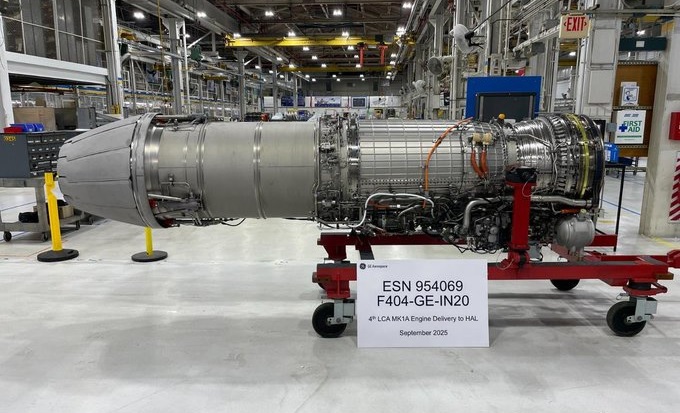
India
Hindustan Aeronautics Limited (HAL) has received the fourth GE F404-IN20 engine from GE Aerospace under the ongoing procurement contract signed in 2021. These engines are used in the Light Combat Aircraft (LCA) Tejas Mk-1A, which will be inducted into the Indian Air Force (IAF) in the near future. The latest engine was handed over on 30 September 2025, soon after the third engine was delivered earlier in the same month. The $716 million agreement covers a total of 99 engines. Initial deliveries were delayed due to global supply chain issues, including a problem with a South Korean supplier. With these issues now resolved, the supply has restarted. HAL expects to receive 12 engines by the end of this financial year, which will support both flight trials and the production of the first aircraft to be given to the IAF. The delivery record so far is as follows: the first engine arrived on 26 March 2025, the second on 14 July 2025, the third on 11 September 2025, and the fourth on 30 September 2025. According to the revised schedule, the fifth engine is planned for delivery on 21 October 2025, and the sixth engine on 19 November 2025. Remaining deliveries will continue as promised timeline The IAF has already ordered 83 Tejas Mk-1A aircraft, while an additional 97 jets are under consideration. This would take the total Tejas strength to more than 350 aircraft, including future versions such as the Tejas Mk-2. HAL has stated that once engine supplies are regular, production will increase to 30 aircraft per year from 2026–27 with the help of both public and private sector partners. The F404-IN20 engines are vital to keeping assembly on track. With GE deliveries resuming, HAL expects a smoother supply chain from the next financial year, helping to avoid delays in aircraft rollout and induction into the IAF.
Read More → Posted on 2025-10-01 09:04:12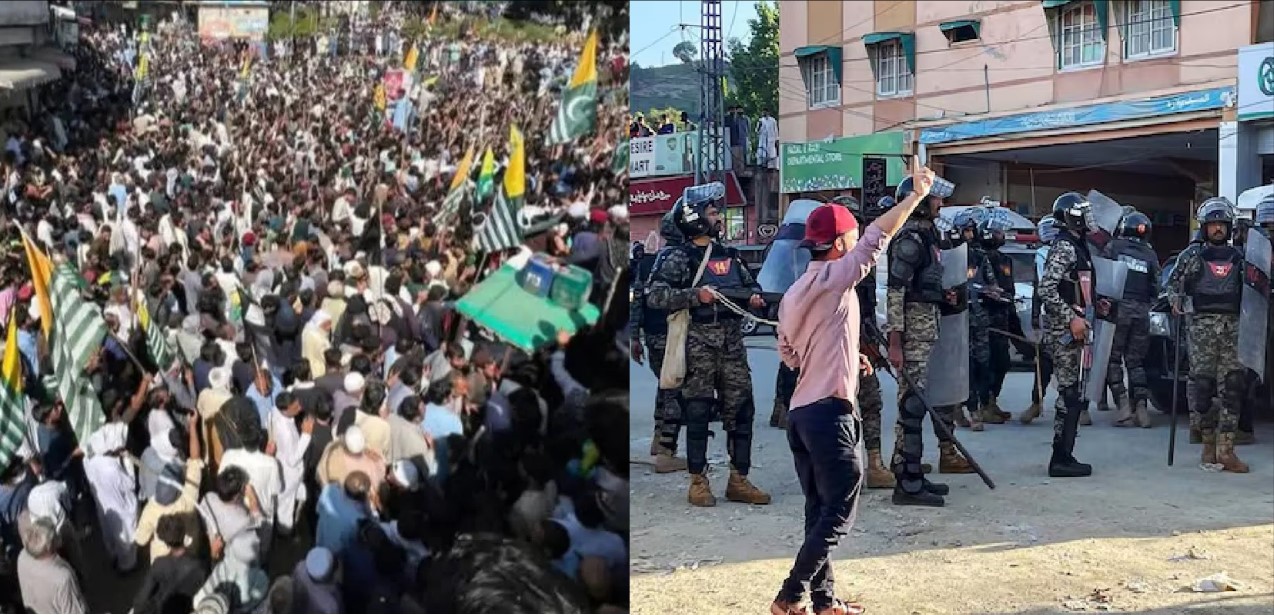
India
Pakistan-occupied Kashmir (PoK) is witnessing some of the biggest protests in years. In places like Muzaffarabad, Mirpur, and Kotli, thousands have gathered to express anger over rising prices, lack of jobs, poor infrastructure, and decades of neglect. The demonstrations first focused on subsidized wheat, affordable electricity from the Mangla Dam, and restoration of allowances. But as frustrations boiled over, people began questioning why, after more than seventy years, Pakistan has given so little to PoK in terms of development, rights, or opportunities. Clashes between protesters and security forces have turned tense. Police and paramilitary units responded with tear gas, baton charges, and even live firing, which led to the death of at least one protester and left many others injured. Local hospitals have confirmed cases of gunshot wounds and tear gas-related injuries. Protest leaders accuse the Pakistan Army of using force, arresting activists, and cutting communication lines to silence the movement. Beyond the economic demands, a louder message is now emerging: many people in PoK are demanding freedom from Pakistan. Residents accuse Islamabad of exploiting local resources like water and electricity without giving anything back. Protesters in several towns have raised slogans of “azadi from Pakistan” and even called for a merger with India. Young groups in particular say they no longer believe Pakistan will ever deliver the rights or progress they were promised. Analysts explain the unrest through three main factors: the severe economic crisis in Pakistan, the lack of real political power for locals, and the overbearing role of the military in daily life. Together, these factors have built up deep resentment. The open calls for joining India reflect just how far public trust in Pakistan has collapsed. The path ahead is uncertain. If the government in Islamabad provides quick relief—like subsidies or the release of detainees—the protests may pause. But if it relies only on crackdowns, the unrest could grow stronger and spread to Gilgit-Baltistan or other regions. The voices coming out of PoK today highlight two truths: people are suffering from years of neglect, and there is rising anger at Pakistan’s failure to deliver on basic needs and rights. The growing number of demands for merger with India and freedom from Pakistan underline how the people of PoK are searching for a future beyond what they have endured since independence.
Read More → Posted on 2025-09-30 17:01:49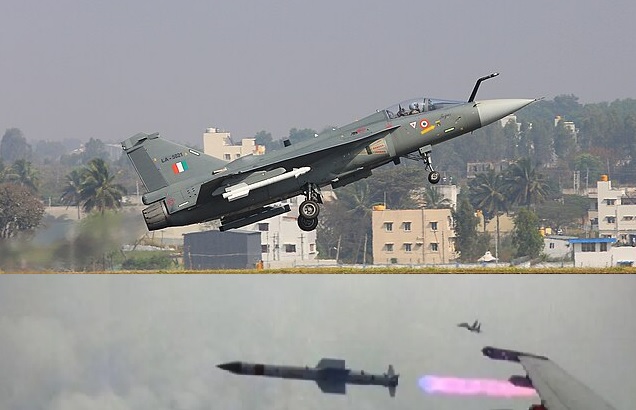
India
Hindustan Aeronautics Limited (HAL) has completed weapons integration trials of the Light Combat Aircraft Tejas Mk-1A. During these trials, the aircraft carried out test firings of the indigenous Astra beyond-visual-range missile and the ASRAAM short-range air-to-air missile. Both weapons were successfully tested, confirming the Mk-1A’s capability to engage targets at both long and short ranges. The Tejas Mk-1A is an updated version of the earlier Mk-1, with about forty improvements including an AESA radar, modern avionics, upgraded electronic warfare systems, and an improved mission computer. The integration of Astra and ASRAAM allows the aircraft to handle both beyond-visual-range and close-combat situations, providing a complete air-to-air combat capability. Weapon integration is a complex phase in the development of a fighter aircraft, as systems such as radar, pylons, fire-control computers, data buses, wiring, and missile electronics must work together under flight conditions. The successful trials show that Tejas Mk-1A’s systems are functioning correctly and ready for the next phase. With MiG-21 fighters already retired, the Tejas Mk-1A will now take on roles previously handled by those aircraft in the Indian Air Force. The next steps include formal certification by airworthiness authorities and user trials under operational conditions. After these steps, serial deliveries of Mk-1A aircraft will begin, and the jets will be assigned to squadrons to strengthen the air defense capabilities. HAL is preparing its production lines to meet the current orders and ensure timely deliveries. Additional weapons such as Astra Mk-II, precision-guided bombs, standoff missiles, and the BrahMos-NG may be integrated later to expand the combat capability of the Tejas Mk-1A. Upgrades to avionics, sensor systems, and electronic warfare equipment will continue as required. With the completion of weapons integration trials, the Tejas Mk-1A is now ready for certification, deliveries, and induction into active service, supporting India’s indigenous fighter program.
Read More → Posted on 2025-09-30 16:40:07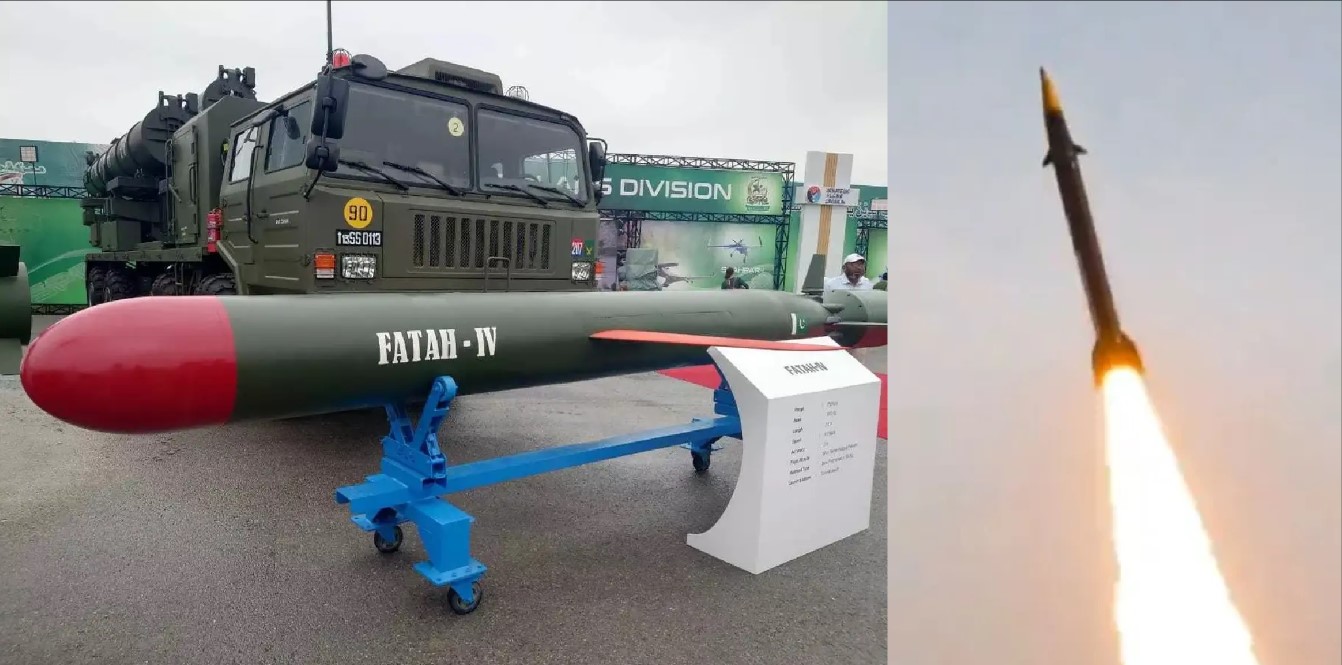
India
Pakistan on Tuesday announced the successful training launch of its newly inducted and indigenously developed Fatah-4 cruise missile, a weapon system claimed to have a strike range of 750 kilometres. According to the Inter-Services Public Relations (ISPR), the missile is equipped with advanced avionics, state-of-the-art navigational aids, and terrain-hugging flight features designed to help it evade missile defence systems and strike with high precision. The launch was witnessed by the Chief of General Staff, senior military officials, scientists, and engineers. Pakistan’s President, Prime Minister, Chairman Joint Chiefs of Staff Committee (CJCSC), and service chiefs congratulated the Army Rocket Force Command and scientific community on what was described as another step in enhancing the country’s conventional deterrence. Claimed Capabilities of Fatah-4 The missile is projected by Pakistan’s military to play a key role in extending the reach, lethality, and survivability of its conventional missile forces. By integrating into the Army Rocket Force Command, the system is intended to give the Pakistan Army an option to engage strategic infrastructure, air bases, and logistics nodes across the Indian border. The Fatah-4’s defining feature, according to the ISPR, is its terrain-hugging capability—allowing it to fly at very low altitudes, thereby reducing radar visibility. This feature has been a hallmark of cruise missile design worldwide, giving them the ability to bypass static air defence radars and strike with surprise. Vulnerabilities Against India While the ISPR emphasized the missile’s advanced guidance and survivability, analysts point out that subsonic cruise missiles like Fatah-4 remain slow-moving and vulnerable to interception. With a likely cruising speed of around Mach 0.7 to Mach 0.8, the missile could take nearly 45 minutes 33 seconds to reach maximum range targets in India. India’s multi-layered air defence architecture—including the Akash surface-to-air missile system, S-400 Triumf batteries acquired from Russia, and the indigenous Ballistic Missile Defence (BMD) program—provides robust interception capability against such threats. Unlike supersonic or hypersonic missiles, which compress reaction time, subsonic systems such as the Fatah-4 are considered less survivable in contested airspaces. Strategic Messaging vs. Tactical Reality The Fatah-4 launch reflects Pakistan’s continued emphasis on missile development as a tool for strategic messaging, particularly in response to India’s expanding air defence and precision-strike capabilities. However, defence think tanks argue that such systems, while domestically celebrated, offer limited deterrent value against a technologically superior adversary like India. Experts highlight three key points: Range Gap with India’s Systems – India already operates cruise and ballistic missiles with longer ranges and diverse launch platforms, including the BrahMos supersonic cruise missile (with a range of 450–600 km and extended versions under development up to 800 km). The Fatah-4, despite its 750 km range, lacks the speed advantage of BrahMos. Reliance on Conventional Payloads – Unless nuclear-capable, subsonic cruise missiles provide limited escalation value. India’s doctrine of “Cold Start” and rapid mobilization is unlikely to be significantly deterred by Pakistan’s incremental additions to its missile inventory. Technological Catch-Up – Pakistan’s emphasis on labeling systems “indigenous” often masks continued reliance on Chinese design inputs and components, raising questions about the true level of self-reliance in such projects. Broader Context of Regional Missile Race The unveiling of Fatah-4 also underscores the missile race in South Asia, where both India and Pakistan have invested heavily in expanding their conventional and nuclear strike capabilities. India has tested and inducted Agni-series ballistic missiles, BrahMos cruise missiles, and is working on hypersonic technologies, while Pakistan has pursued the Babur cruise missile family, Shaheen ballistic missiles, and now the Fatah series. However, the qualitative gap remains significant. India’s ability to integrate missiles into network-centric warfare systems, coupled with satellite reconnaissance and electronic warfare assets, makes Pakistani systems like Fatah-4 less survivable in a real-world conflict scenario.
Read More → Posted on 2025-09-30 15:21:22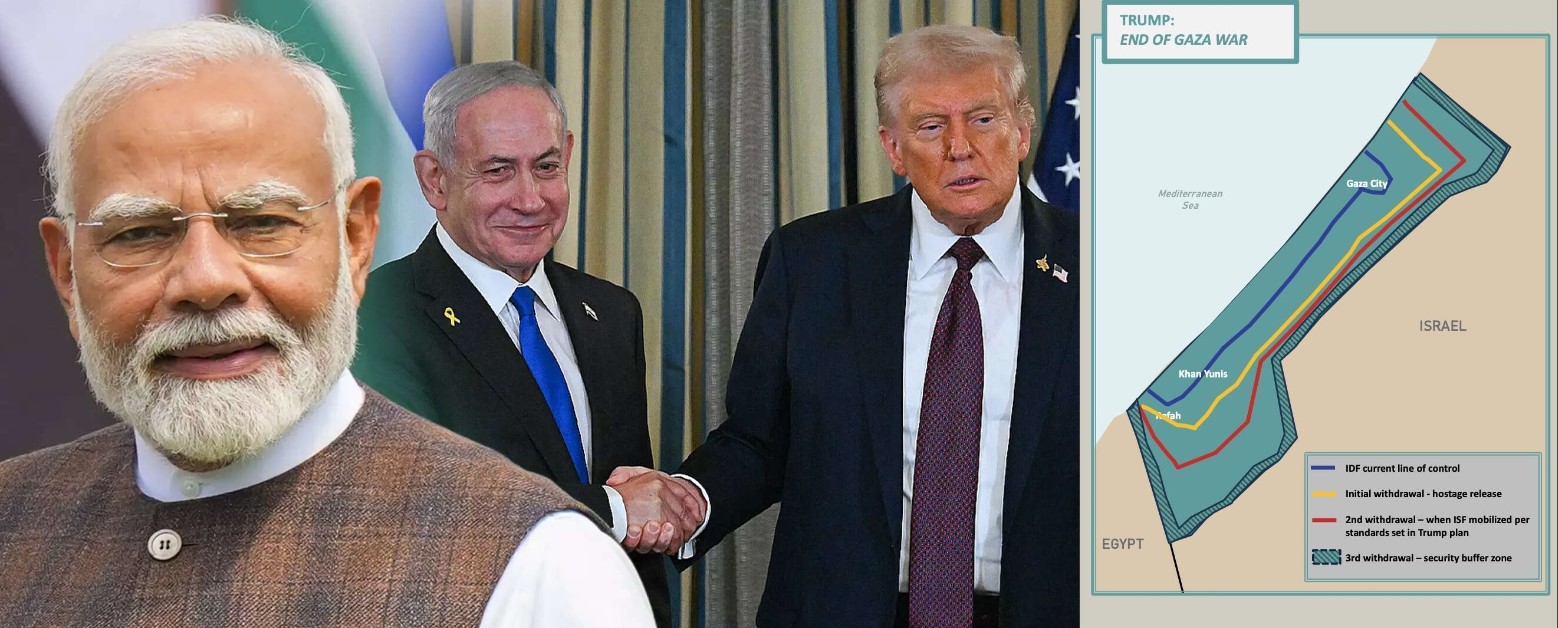
India
On September 29, 2025, former U.S. President Donald Trump, in coordination with Israeli Prime Minister Benjamin Netanyahu, unveiled a comprehensive 20-point peace initiative aimed at resolving the ongoing Gaza conflict. Dubbed the “New Gaza” plan, it proposes a structured approach to demilitarization, humanitarian assistance, transitional governance, and economic redevelopment. Analysts describe it as one of the most detailed externally-driven proposals for Gaza in recent years, designed to address both security concerns of Israel and the humanitarian crisis affecting Palestinians. The plan calls for an immediate ceasefire, coupled with a mandatory hostage exchange. Hamas is required to release all Israeli hostages within 72 hours, while Israel would release approximately 1,950 Palestinian prisoners and the remains of Palestinian casualties corresponding to the number of Israeli hostages freed. The disarmament of Hamas and other militant groups is a central pillar, with significant support promised from regional powers such as Egypt, Qatar, Turkey, and Pakistan to ensure that Gaza’s military capabilities are neutralized. Here Is Trump 20-Point Gaza Peace Plan Gaza will become a deradicalized terror-free zone, ensuring it poses no threat to neighboring countries. Gaza will be redeveloped for the benefit of its people, who have endured prolonged suffering. If both sides accept this proposal, the war will immediately end. Israeli forces will withdraw to an agreed line to facilitate hostage release, with all military operations suspended and battle lines frozen until staged withdrawal is completed. Within 72 hours of Israel publicly accepting the agreement, all hostages, alive or deceased, will be returned. After all hostages are released, Israel will free 250 life-sentence prisoners plus 1,700 Gazans detained after October 7, 2023, including all women and children. For every Israeli hostage remains released, Israel will release the remains of 15 deceased Gazans. Hamas members who commit to peaceful co-existence and decommission weapons will receive amnesty. Those wishing to leave Gaza will have safe passage to other countries. Upon agreement acceptance, full aid will be delivered to Gaza, including rehabilitation of infrastructure, hospitals, bakeries, and clearance of rubble, consistent with prior humanitarian agreements. Aid distribution will proceed without interference, coordinated through the United Nations, Red Crescent, and other neutral international institutions. Rafah crossing will operate under the same prior mechanisms. Gaza governance will be under a temporary technocratic Palestinian committee, overseeing public services and municipalities. This committee will have oversight from the Board of Peace, headed by President Donald Trump and including international figures like Tony Blair, managing funding, reconstruction, and governance reforms until the Palestinian Authority can securely retake control. A Trump economic development plan will be created with experts to rebuild Gaza and attract investments, creating jobs, opportunities, and hope for the population. A special economic zone will be established with negotiated tariffs and access rates among participating countries. No one will be forced to leave Gaza; those wishing to leave will have freedom to return, while others are encouraged to stay and rebuild Gaza. Hamas and other factions will have no role in governance. All military infrastructure, tunnels, and weapon production will be destroyed, with demilitarization verified by independent monitors. Regional partners will provide guarantees ensuring Hamas and other factions comply, making New Gaza safe for neighbors and citizens. The United States will coordinate with Arab and international partners to deploy a temporary International Stabilisation Force (ISF) to train Palestinian police, secure borders, prevent weapons smuggling, and enable rapid flow of goods. Israel will not occupy or annex Gaza. IDF withdrawal will follow agreed standards, milestones, and timeframes, leaving a secure Gaza free from terror threats. If Hamas delays or rejects the plan, the scaled-up aid operations will still proceed in terror-free zones handed over from the IDF to the ISF. An interfaith dialogue will be created to promote tolerance and peaceful co-existence, shifting narratives between Palestinians and Israelis. As Gaza redevelopment advances and the PA reform program is implemented, conditions may allow for a credible pathway toward Palestinian self-determination and statehood, recognized as the aspiration of the Palestinian people. The United States will facilitate dialogue between Israel and the Palestinians to establish a political horizon for peaceful and prosperous co-existence. To manage the territory during the transitional period, the plan proposes the creation of a technocratic governing body referred to as the “Board of Peace,” which would include international figures such as former UK Prime Minister Tony Blair and be overseen by Trump himself. This board would supervise Gaza’s administration, maintain security with international forces, and train local police to ensure stability. In parallel, the plan emphasizes economic redevelopment, suggesting the establishment of a special economic zone in Gaza inspired by successful urban reconstruction projects in the Middle East, aimed at rebuilding infrastructure and creating sustainable economic opportunities for Palestinians. Israel’s support for the plan is rooted in its core objectives. Prime Minister Netanyahu has made it clear that eliminating Hamas’s military capabilities, securing the release of Israeli hostages, and preventing Hamas from any political role in Gaza’s governance are essential for Israel’s long-term security. Analysts note that Israel sees the plan as a strategic opportunity to enforce a lasting security arrangement without direct, large-scale military engagement. India has expressed support for the Trump plan, with government sources emphasizing that it aligns with India’s long-standing advocacy for a two-state solution and its broader regional security interests. Indian analysts have highlighted that a stabilized Gaza region would reduce humanitarian crises and regional tensions that can indirectly affect South Asia, while also providing India an opportunity to be seen as a supporter of peaceful resolutions in the Middle East. Significantly, Pakistan has also endorsed the plan, with Trump publicly praising Prime Minister Shehbaz Sharif and Army Chief Asim Munir for their cooperation. Analysts suggest that Pakistan’s support indicates a pragmatic shift toward diplomatic engagement on Middle Eastern issues, potentially creating new channels for coordination with Israel and other regional actors. Several other countries in the Muslim world, including the United Arab Emirates, Saudi Arabia, and Jordan, have expressed cautious optimism about the plan’s potential to stabilize Gaza, though their formal commitment remains to be confirmed. Hamas, however, has not yet officially accepted the plan. Reports indicate that the group is consulting internally and externally to weigh its options. Trump has issued a stern warning, giving Hamas three to four days to accept the proposal or risk “a sad end,” signaling that any rejection could trigger intensified international or military pressure. Deep analysts suggest that Hamas’s decision will be the ultimate determinant of whether the plan can succeed, with failure likely to exacerbate regional instability and risk drawing neighboring states into the conflict. Overall, the Trump 20-point Gaza plan represents a high-stakes attempt to balance security, political, and humanitarian objectives in one of the world’s most intractable conflicts. While international support, including from India and Pakistan, has provided momentum, the coming days will determine whether Hamas’s acceptance—or lack thereof—will transform the initiative from a diplomatic blueprint into a viable pathway for lasting peace in the region.
Read More → Posted on 2025-09-30 14:27:50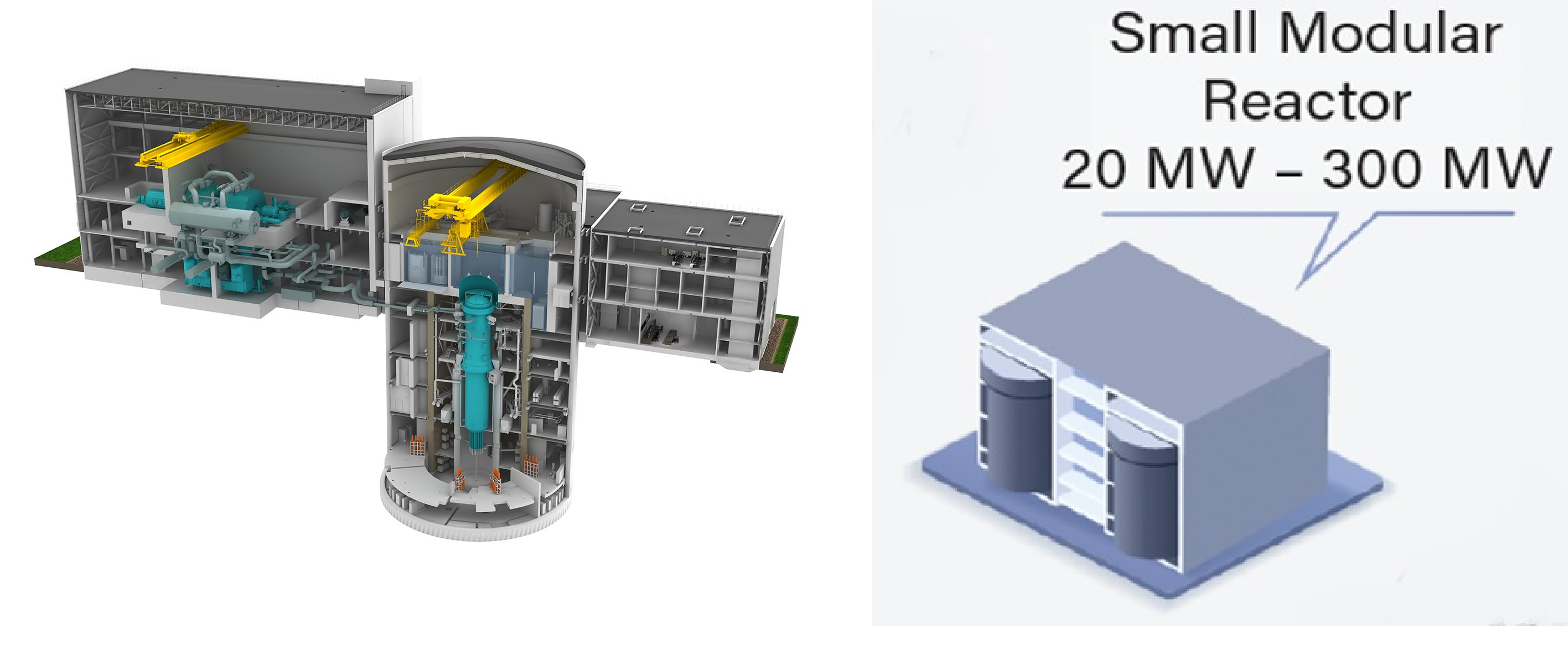
India
India is preparing for a major transformation in its nuclear energy sector with the launch of the Bharat Small Reactor (BSR) program. For the first time, the state-owned Nuclear Power Corporation of India Limited (NPCIL) has invited private companies to finance and participate in nuclear power generation. The response has been strong, with Reliance Industries, Adani Power, Tata Power, Hindalco Industries, Jindal Steel & Power, and JSW Energy emerging as frontrunners. Several of these groups have already signed non-disclosure agreements (NDAs), obtained detailed project data, and begun evaluating costs and technical requirements. The Bharat Small Reactor program is based on compact 220 megawatt pressurised heavy water reactors (PHWRs). These reactors are smaller versions of India’s existing fleet, designed to be more modular and easier to deploy close to energy-intensive industries. Each project proposal involves twin 220 MWe units, adding up to around 440 MWe per site. The technology uses heavy water as both coolant and moderator, along with natural or slightly enriched uranium fuel. By relying on proven PHWR technology, NPCIL aims to balance safety, reliability, and scalability. NPCIL has confirmed that Reliance, Hindalco, Tata Power, and JSPL have already completed NDA formalities and collected performance and cost benchmarks. Adani Power and JSW Energy have submitted paperwork that remains under evaluation. Originally, bids for the program were to close on September 30, 2025, but the deadline has now been extended to March 31, 2026. The extension was granted after bidders requested more time to assess land availability, water resources, capital expenditure, and long-term operations and maintenance costs. The additional months will also allow companies to coordinate with state governments on approvals and local support. As part of the proposal process, bidders identified sixteen potential sites across six states for hosting these twin-reactor projects. Gujarat has emerged as the leading candidate with five possible sites, followed by Madhya Pradesh with four and Odisha with three. Andhra Pradesh has suggested two sites, while Jharkhand and Chhattisgarh have one each. NPCIL has already approached the governments of Gujarat, Madhya Pradesh, and Odisha to provide support for land acquisition, water allocation, and initial site investigations. The structure of the program is unusual in the nuclear world. NPCIL will retain asset ownership, regulatory responsibility, and day-to-day operational control of the reactors. The private sector, however, must fully finance construction, bear the operating and maintenance expenses, and even cover end-of-life decommissioning. In return, the private partners will secure long-term rights to the electricity generated, which can be used for their own industrial operations. This makes the model particularly attractive for heavy industries such as steel, aluminium, petrochemicals, and cement, which require stable baseload power and seek to reduce dependence on coal. The decision to invite private financing is widely seen as a strategic policy shift. Until now, private companies in India’s nuclear sector have played only supporting roles as contractors or equipment suppliers. With India targeting 100 gigawatts of nuclear capacity by 2047, the government and the Atomic Energy Commission are promoting reforms to mobilize private capital for small reactors and modular nuclear power solutions. Legislative amendments are expected to allow commercial participation while reserving safety and operational oversight for NPCIL. The BSR tender serves as a pilot project to test this public-private hybrid model before extending it to small modular reactors (SMRs). Currently, India operates around 8.8 gigawatts of nuclear capacity, with several large units under construction. The Bharat Small Reactor initiative fits into the broader vision of expanding nuclear power as a clean and reliable alternative to fossil fuels. For companies like Reliance, Adani, Tata, and JSW, the program promises dedicated low-carbon power for energy-hungry plants. For the government, it is an opportunity to accelerate nuclear growth without overburdening public finances, while keeping sensitive operational control firmly in state hands. The initiative, however, is not without challenges. Nuclear energy requires complex licensing, high safety standards, and long-term waste management. Private investors will need clarity on liability rules, cost recovery, and tariffs to feel secure. Land acquisition, water availability, and local acceptance will remain potential hurdles. Moreover, the financial risks of cost overruns and long construction timelines could deter some companies. Even so, the Bharat Small Reactor tender represents a landmark experiment. If successful, it will show that private capital and state oversight can work together to scale up nuclear energy in India. It could also provide the stepping stone toward widespread adoption of small modular reactors in the coming decades. By combining industrial demand for clean power with India’s established nuclear expertise, the program signals the beginning of a new chapter in the country’s nuclear journey.
Read More → Posted on 2025-09-30 10:12:12Search
Top Trending in 24 Hours
-
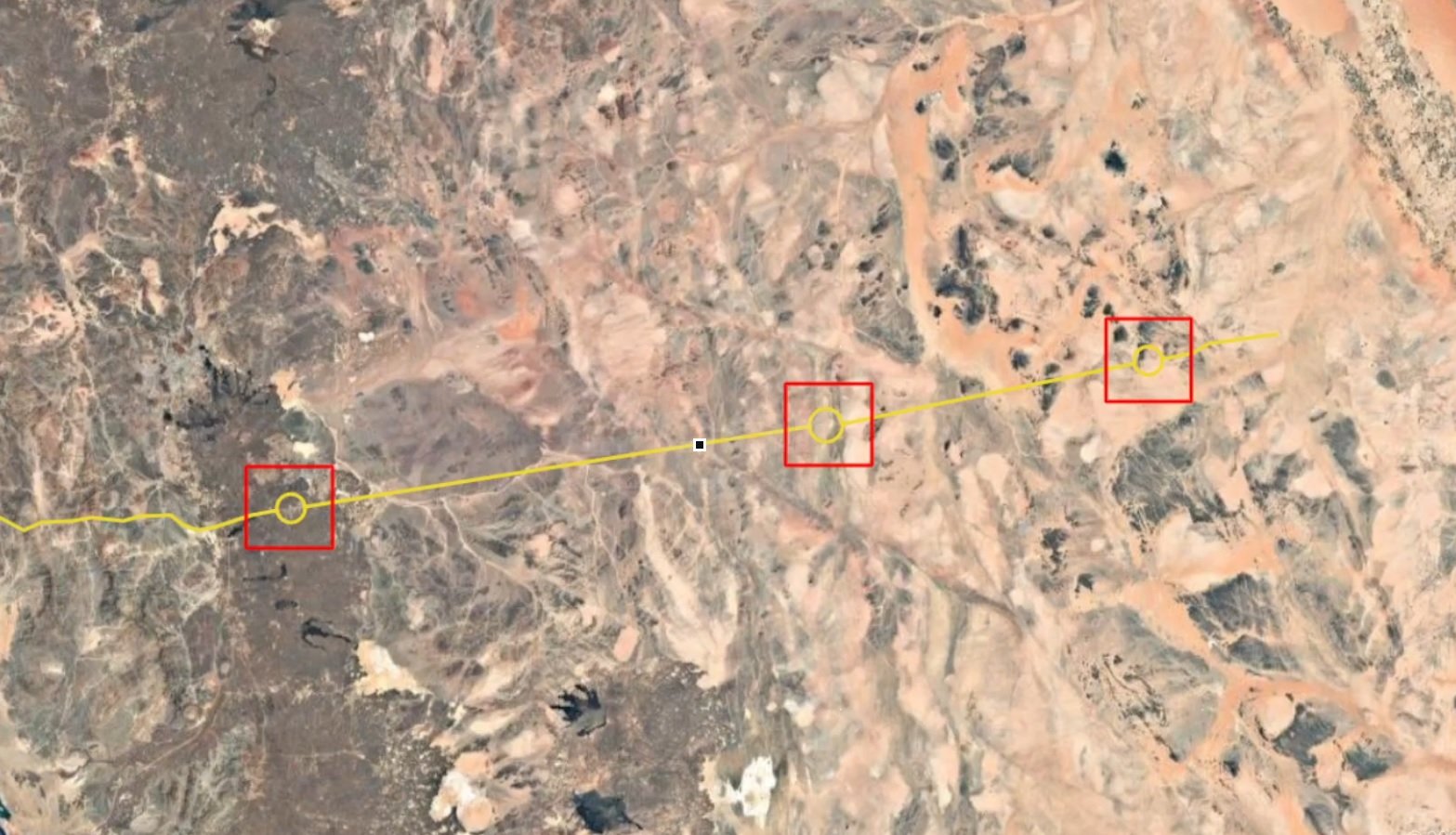 Satellite Imagery Shows Extensive Damage to Saudi Arabia’s East-West Oil Pipeline, Indicating More Than a Single Strike
-
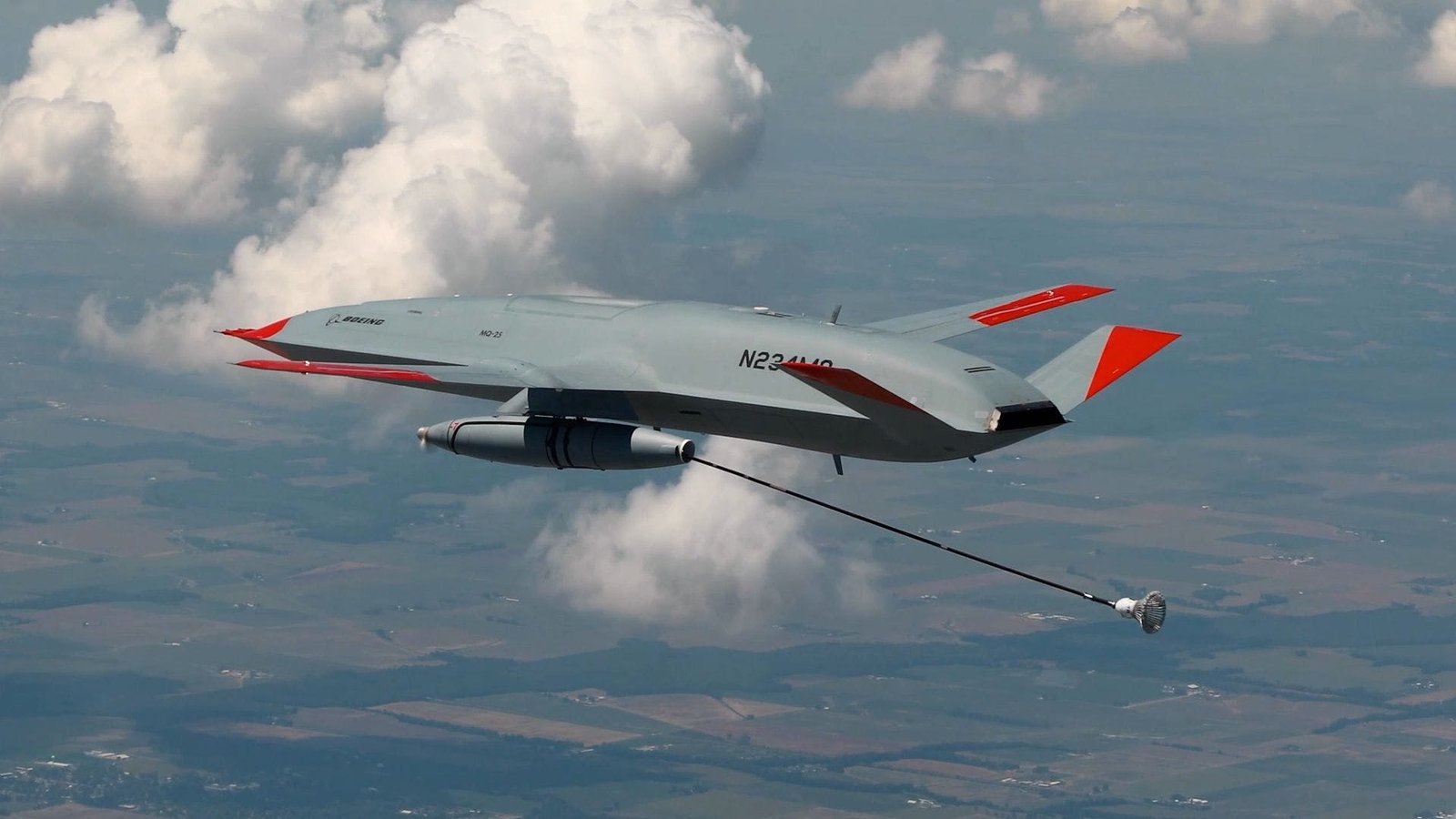 U.S. Navy Awards Boeing $562 Million Contract for First Production MQ-25A Stingray Tanker Drones
-
 Pentagon and Honeywell Complete Four-Hour Pacific Flight Using Quantum Magnetic Navigation Without GPS
-
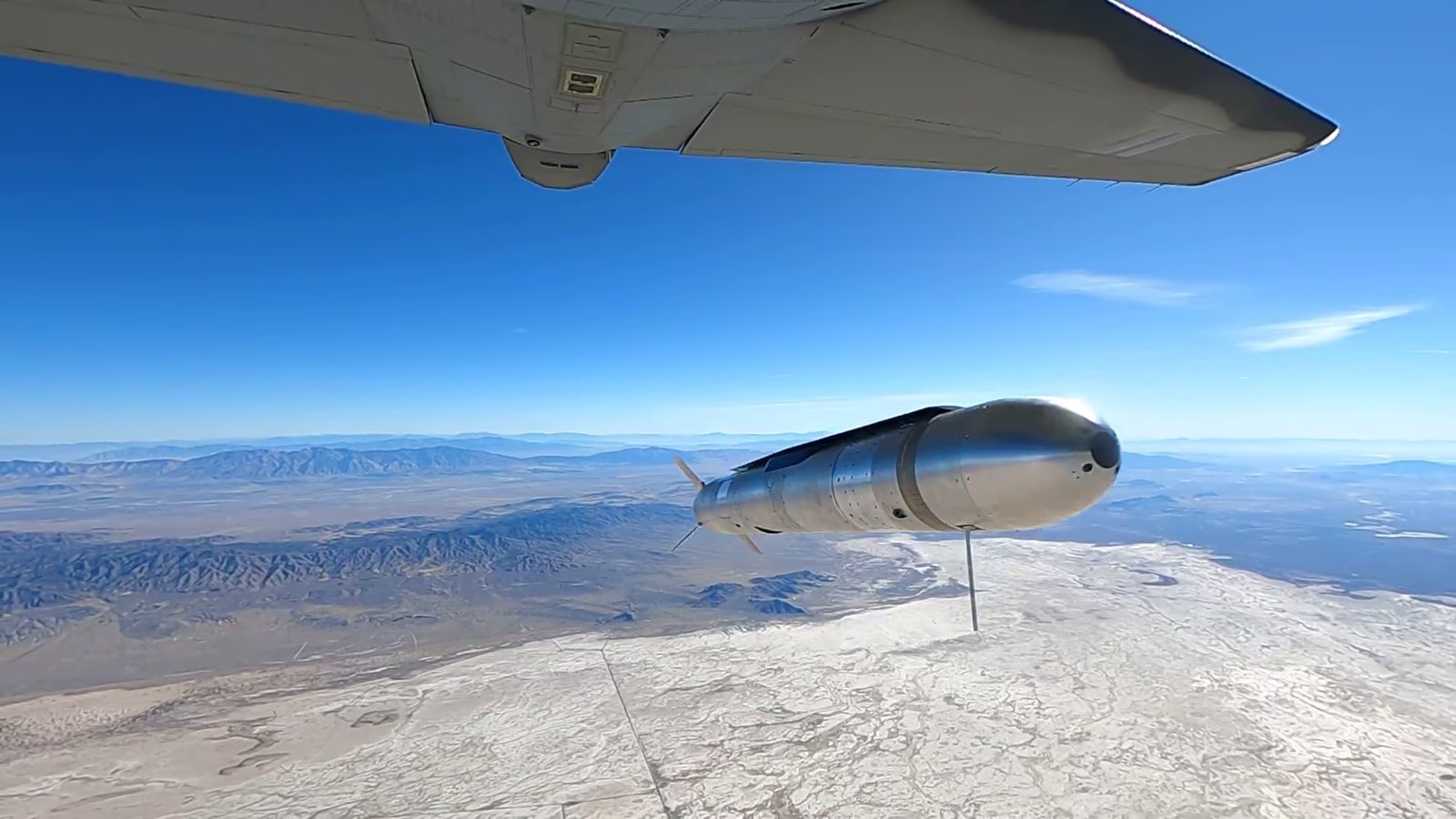 U.S. Air Force Special Operations Command Clears AGM-190A Havoc Spear for Wider Service After Combat Evaluation in Africa
-
 U.S. Confirms Deployment of On-Orbit Space Control Weapons for First Time
-
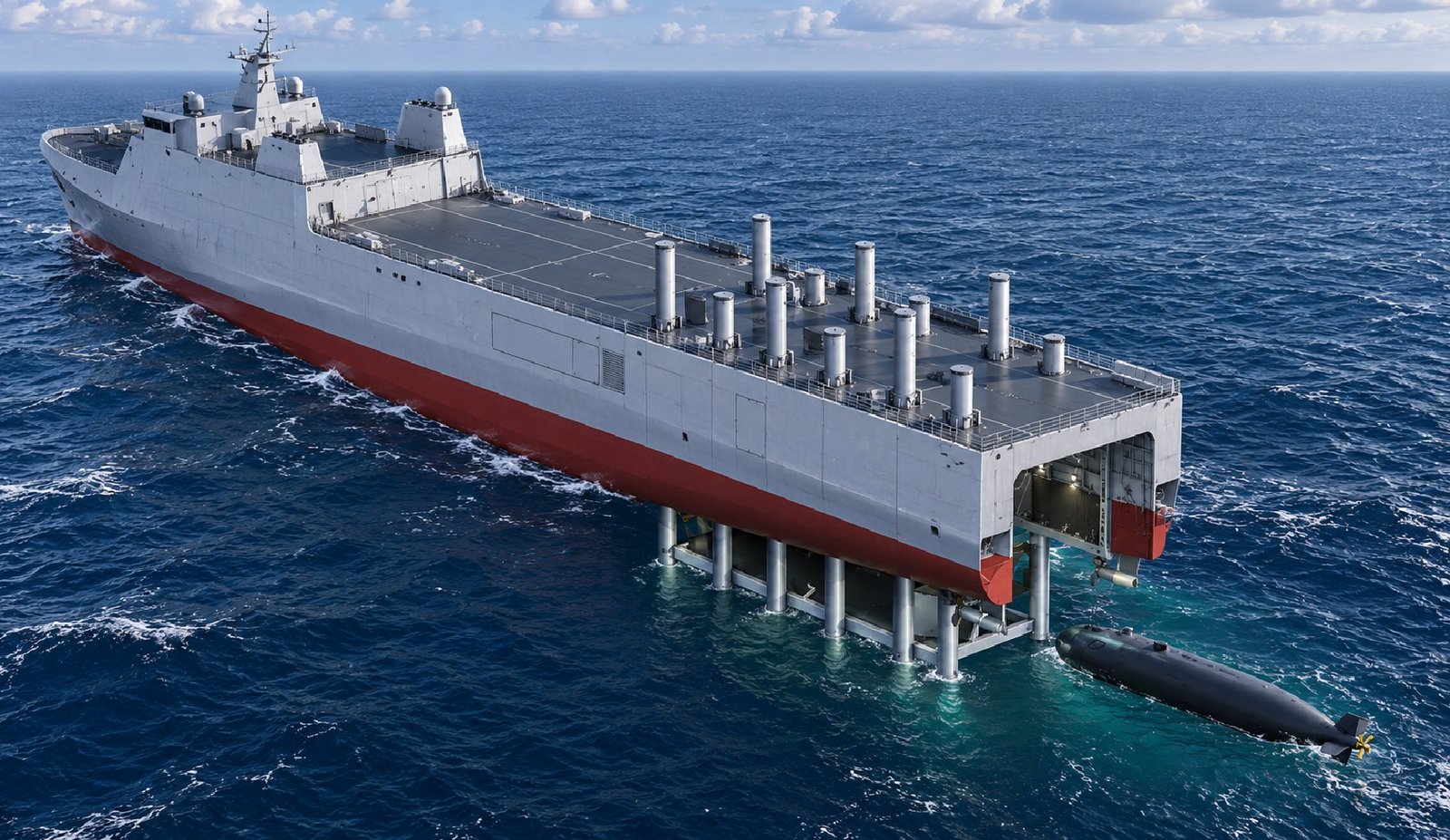 China Builds New Shanghai Vessel to Serve as Mothership for Large Uncrewed Submarines
-
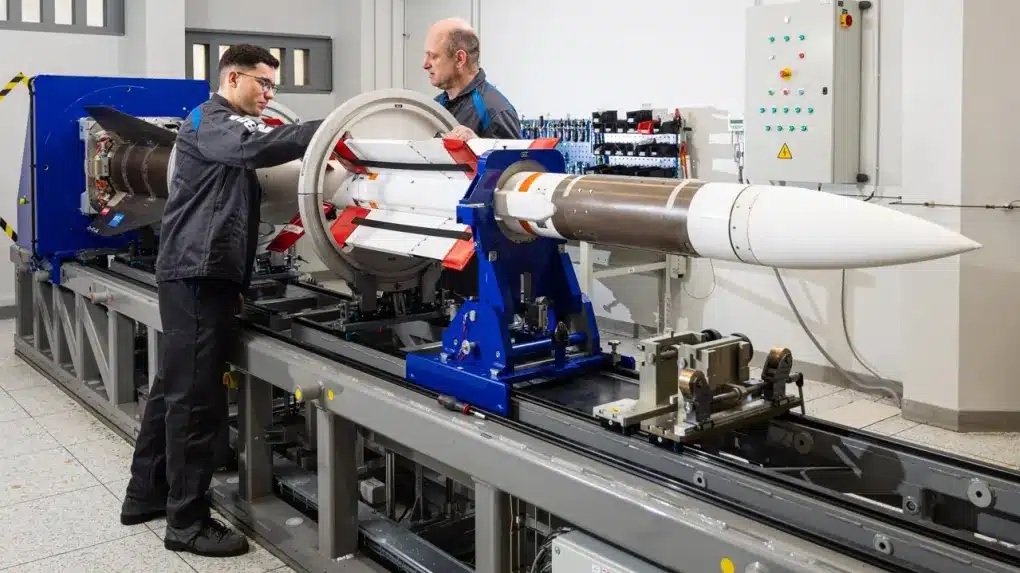 MBDA to Build New Missile Production Plant Near Orleans to Expand Missile Production
-
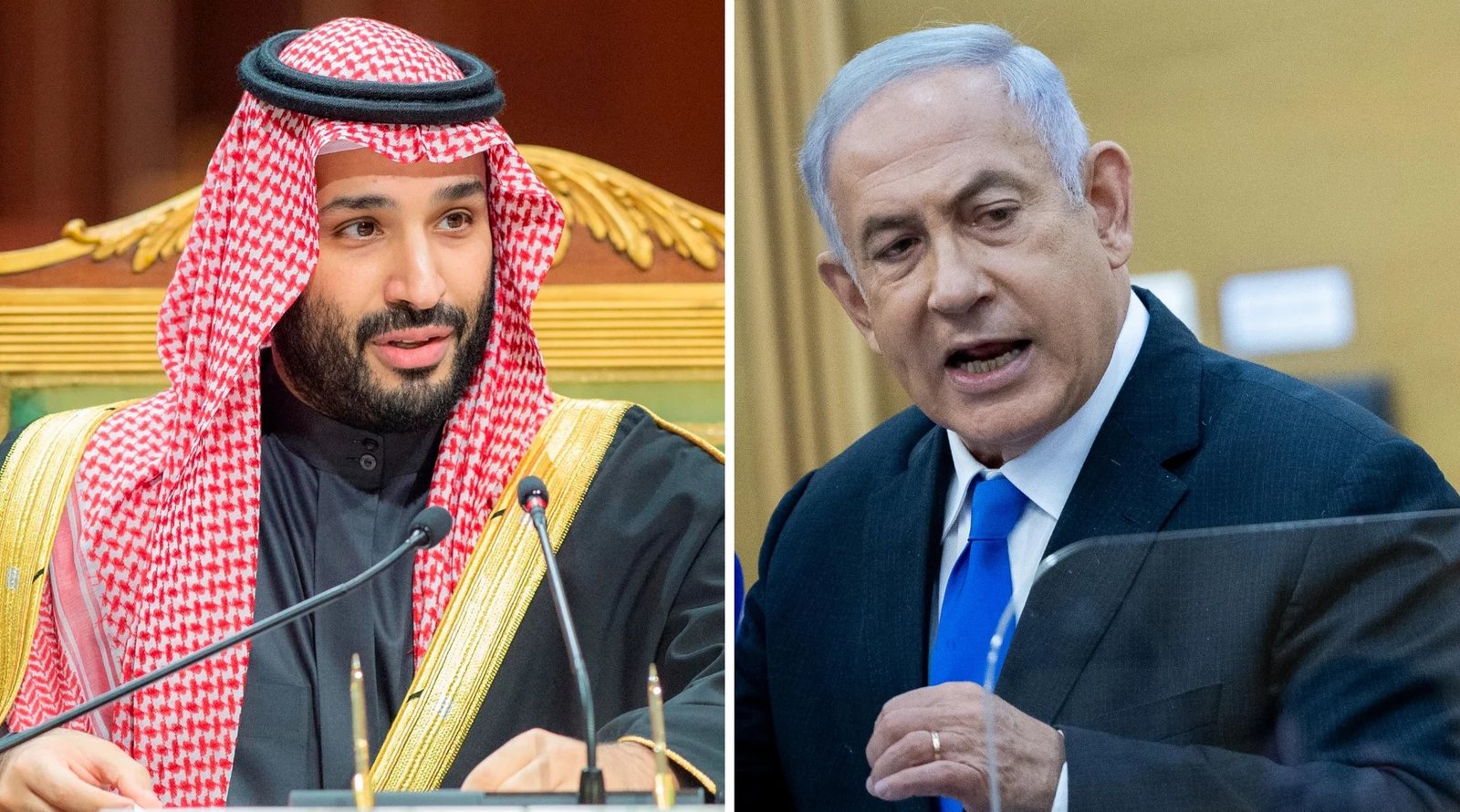 Israel Provides Intelligence Support to Saudi Arabia Against Houthi Attacks, Mediated by US CENTCOM
Top Trending in 4 Days
-
 U.S. Air Force Awards Antares $161 Million to Develop Nuclear Reactor for Spacecraft
-
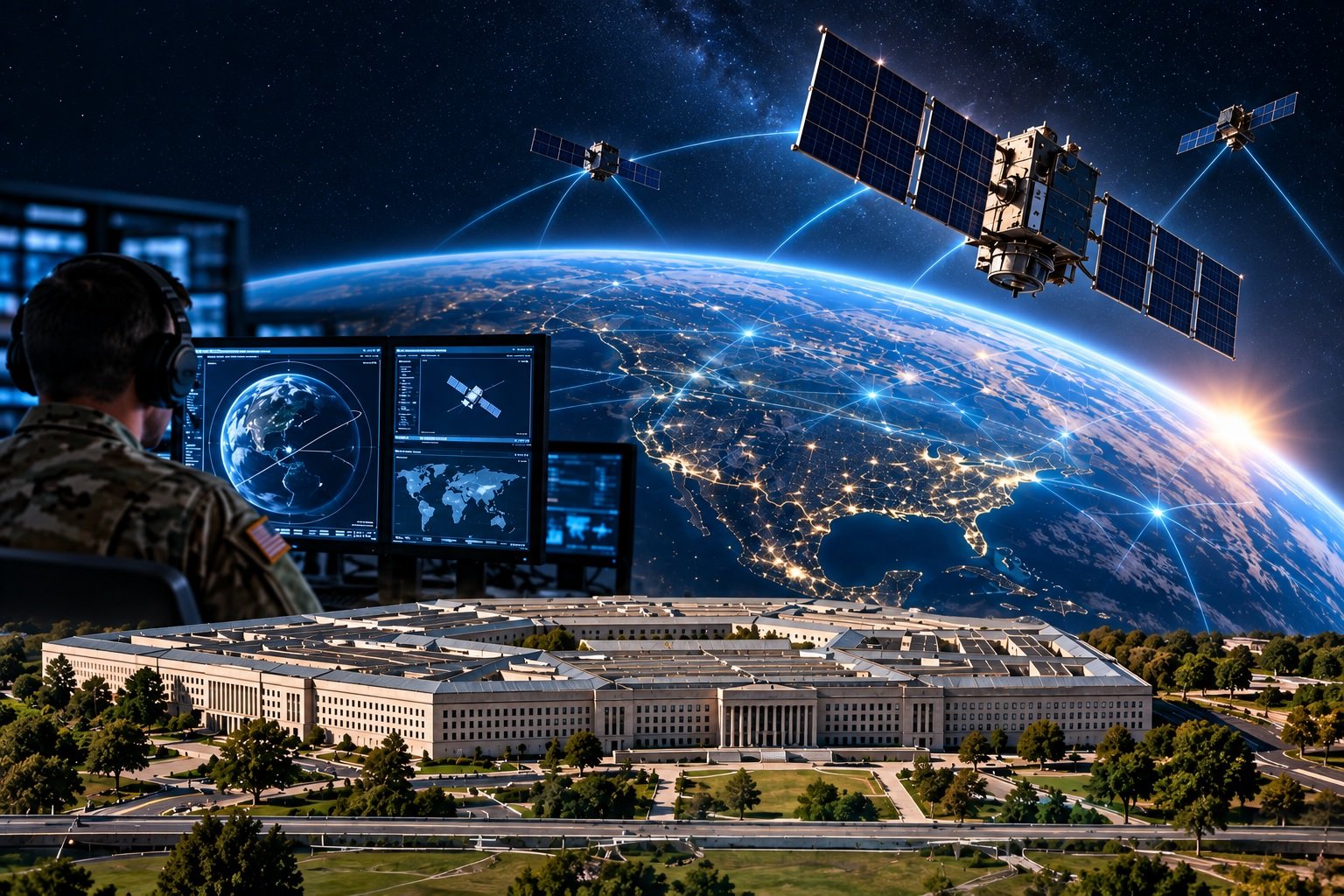 Pentagon Awards BlueHalo Up to $99.8 Million Contract for Orbital Battlespace R&D Program
-
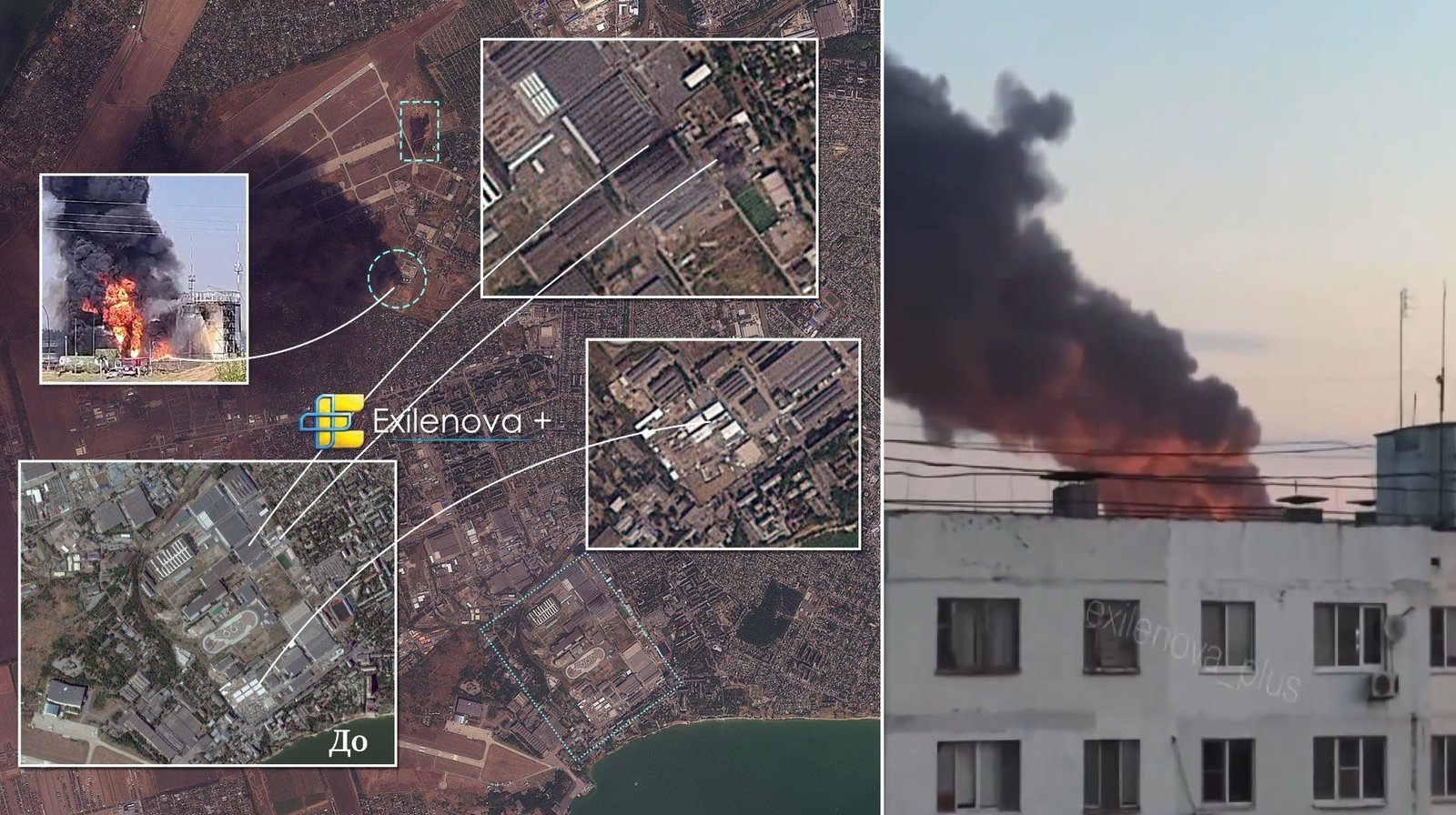 Ukrainian Drones Strike Russian UAV Manufacturer and Chemical Plants in Taganrog and Tolyatti
-
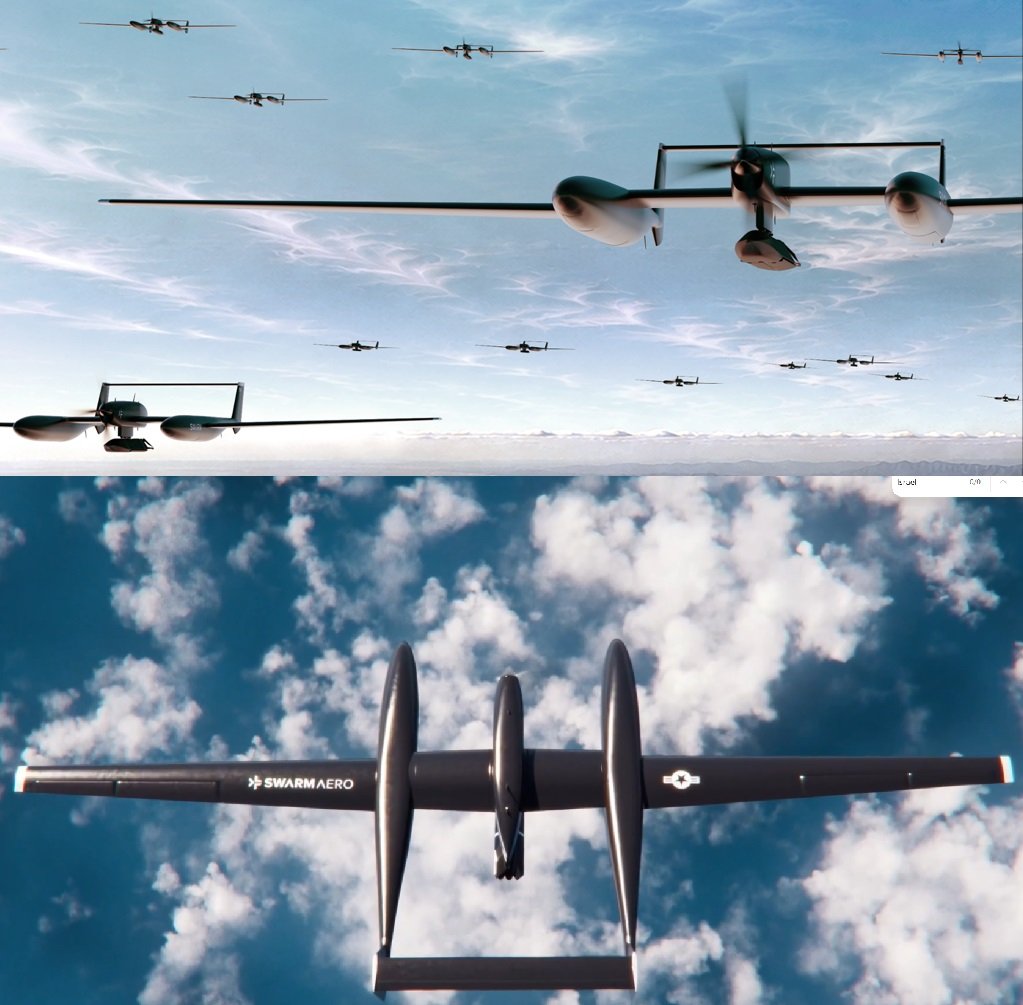 U.S. Firm Swarm Aero Unveils Gamera Group 5 UAS With 9,000-Nautical-Mile Range and Heavy Strike Payload
-
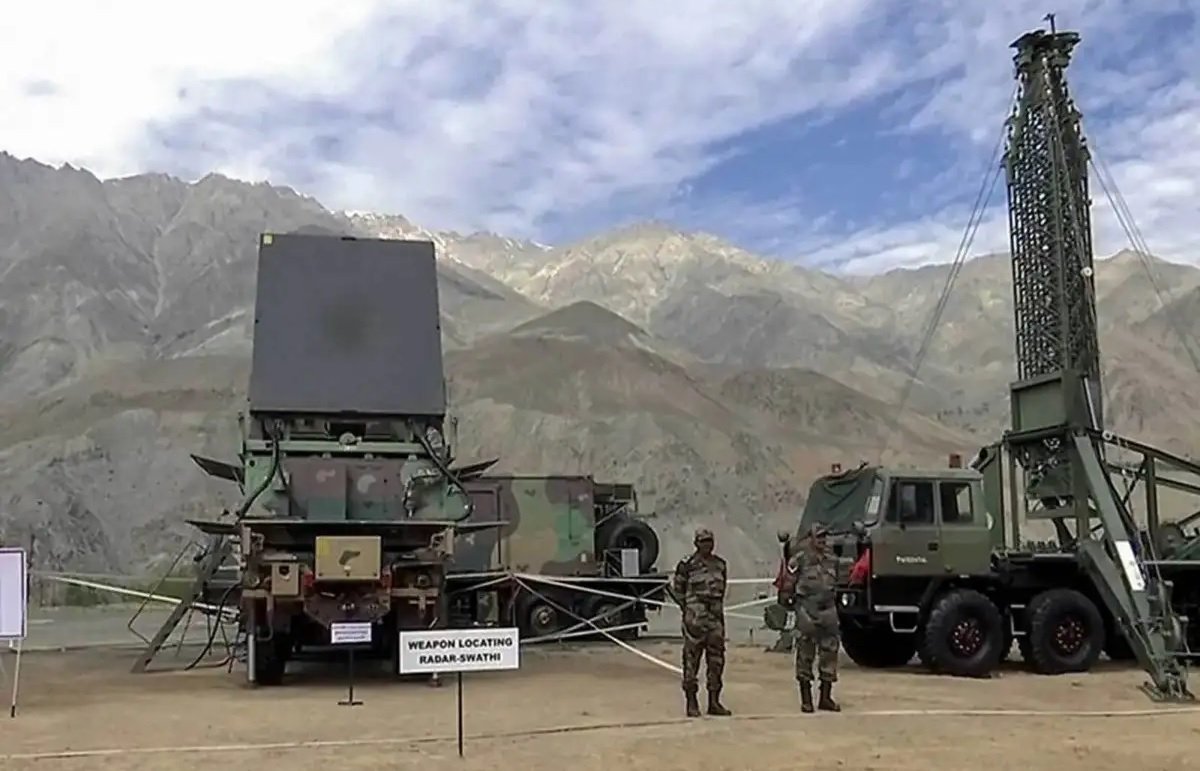 DRDO Demonstrates Indigenous 3.5×3 mm GaN Chip Delivering 30 Watts for Next-Generation Radars and Electronic Warfare
-
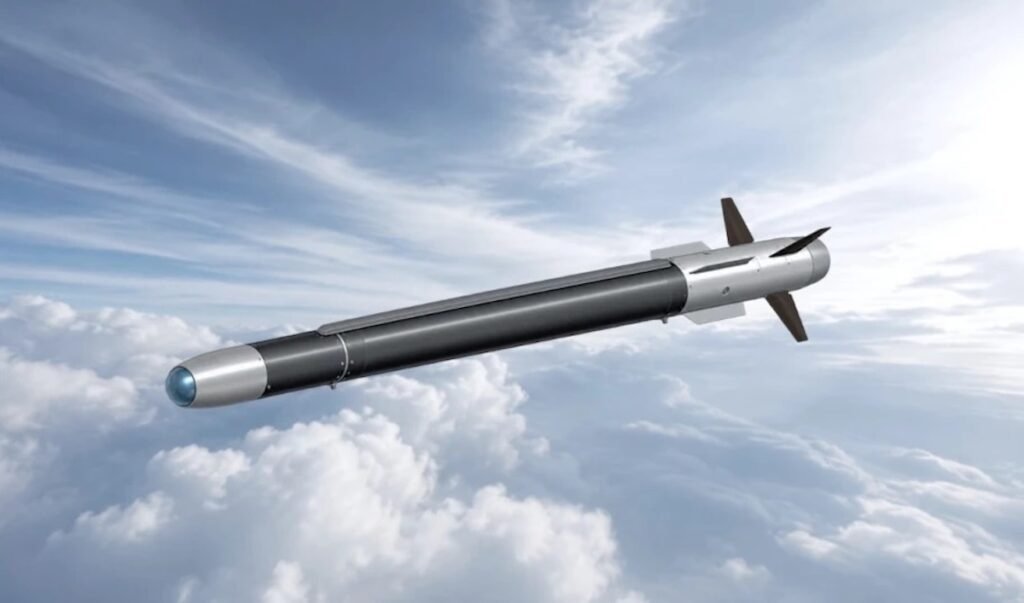 MBDA and Poland’s WITU Advance Low-Cost Supersonic Interceptor Against Swarm Attacks, Seeker Trials Successfully Completed
-
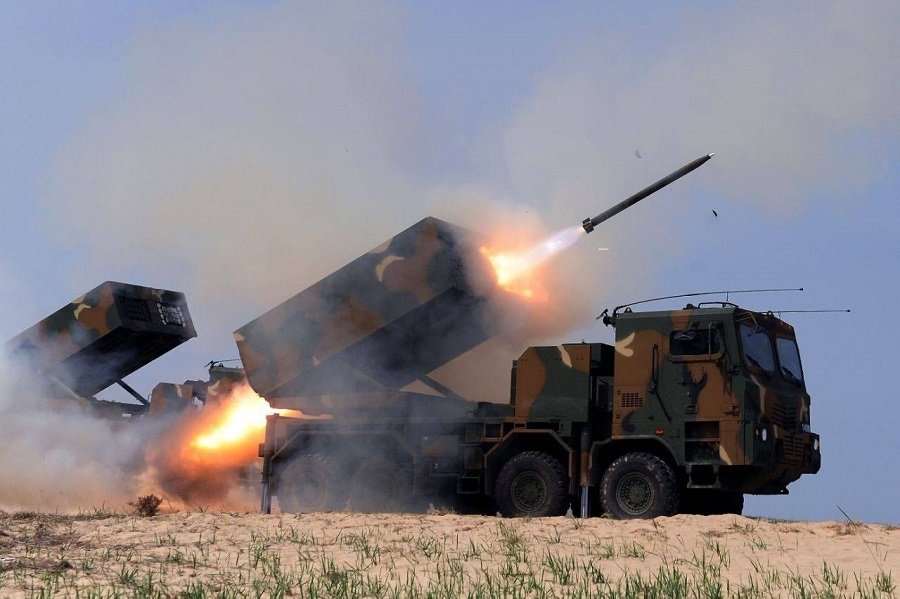 Croatia Signs €410 Million Contract with Hanwha Aerospace for 18 Chunmoo Rocket Launchers
-
 Eutelsat to Invest About €1 Billion in 229 More OneWeb Satellites From Airbus