New Delhi, September 5, 2025 — India’s Ministry of Defence has released an ambitious 15-year Technology Vision and Capability Roadmap, outlining military acquisitions worth hundreds of billions of dollars. The plan covers over 200 advanced systems across domains—aiming to build a future-ready force equipped with nuclear-powered warships, hypersonic missiles, AI-enabled drones, and directed-energy weapons.
Army: Tanks, Missiles & AI Warfare
-
Next-Gen Tanks: The Army plans to induct 1,800 new main battle tanks and 400 light tanks designed for mountain warfare, integrated with drones, electronic warfare, and loitering munitions.
-
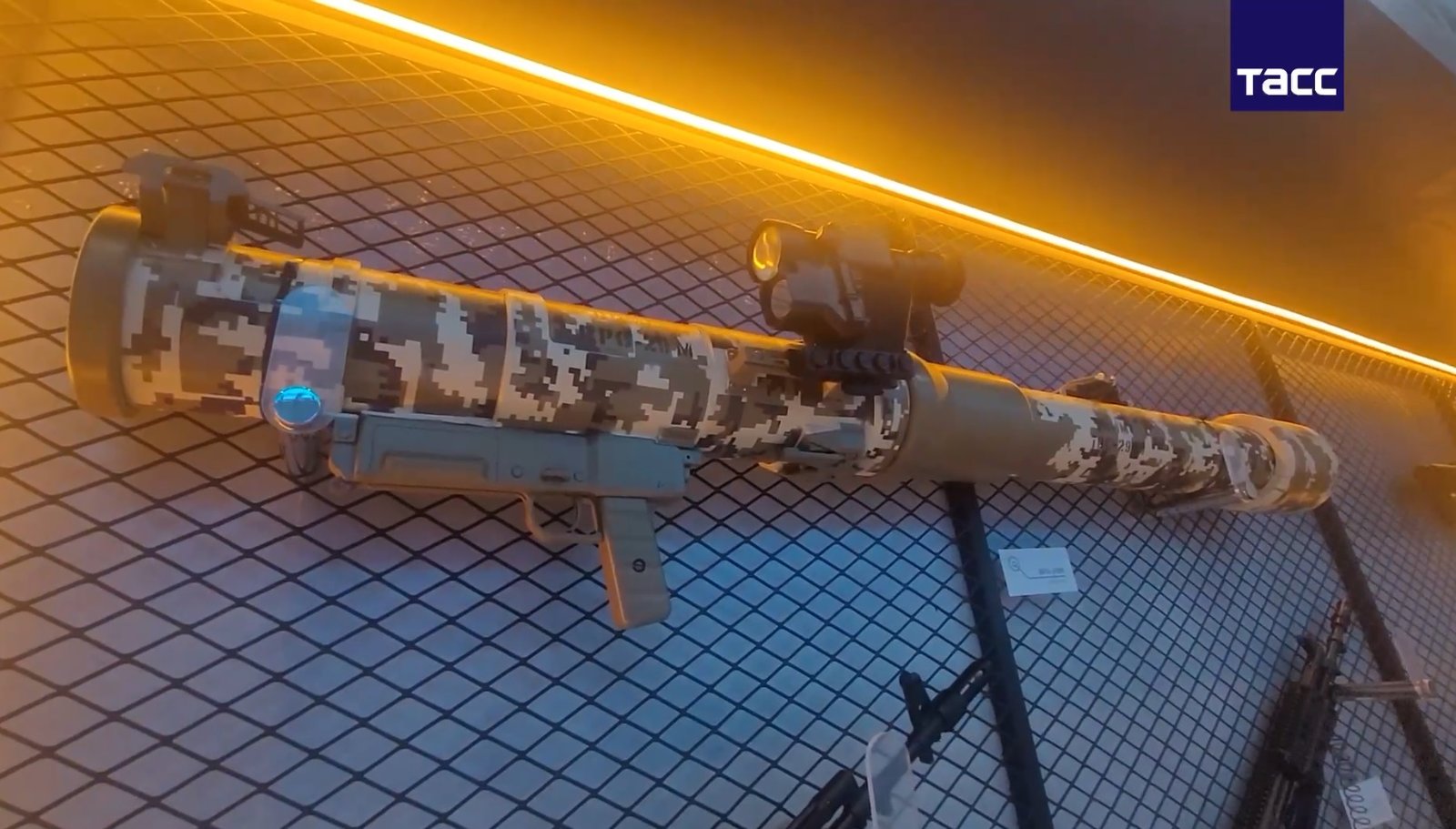
Anti-Armour & Precision Systems: At least 50,000 tank-mounted ATGMs and 50,000 portable next-gen ATGMs will be inducted, each with over 90% accuracy.
-
Artillery & Mortars: Around 600,000 enhanced range artillery rounds and 3,000 vehicle-mounted 81mm mortar systems are required.
-
UAV Fleet: At least 70 MALE/HALE UAVs with 1,500 km range and 60,000 ft altitude, plus 400 loitering munitions and 800 precision-guided weapons.
-
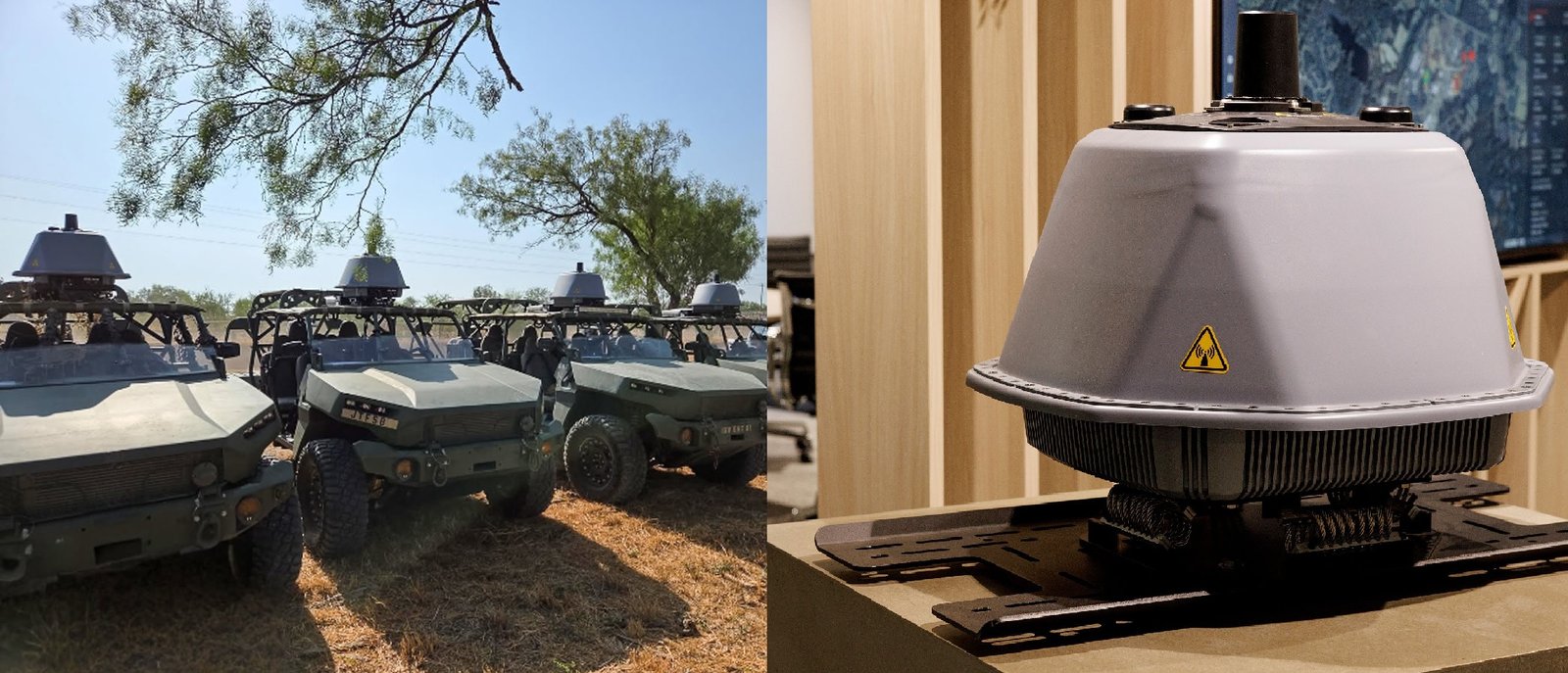
Electronic Warfare: Over 60,000 software-defined radios, 4,000+ AI-as-a-service tools, and systems for smart jamming against drone swarms (50 units) and electronic denial bubbles (50 units) are planned.
-
Counter-IED Robotics: 700 robotic devices will enhance counter-insurgency and urban operations.
Navy: Nuclear Surface Fleet & Carrier Power
-
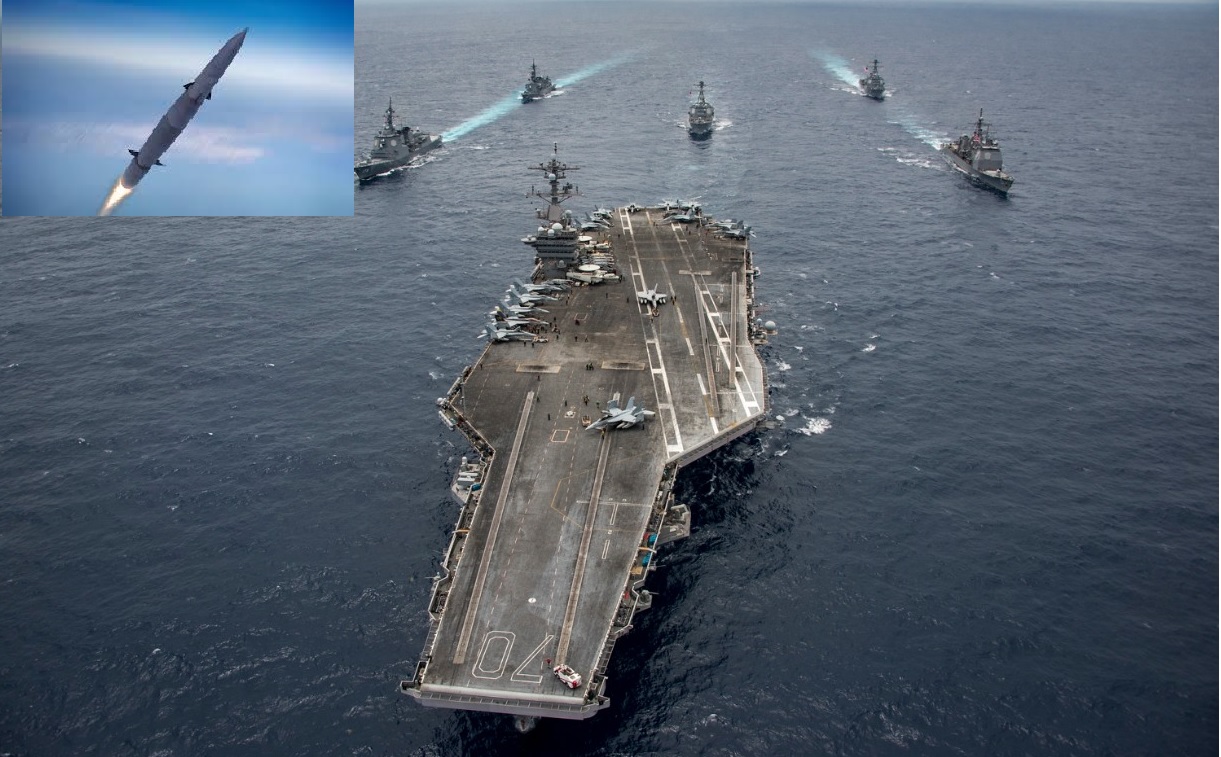
Aircraft Carrier: One new carrier will be built with Electromagnetic Aircraft Launch Systems (2 needed) for heavier jets.
-
Surface Combatants: 10 next-gen destroyers and frigates, 7 next-gen corvettes, and over 10 mine-countermeasure vessels are planned.
-
Fleet Support: 5 logistics support ships of 44,000 tonnes each and 4 landing platform docks for amphibious operations are needed.
-
Fast Attack Craft & Submarines: 100 next-gen interceptors and 6 lithium-ion submarine batteries will strengthen littoral warfare.
-
Autonomous & Nuclear Assets: 20 high-endurance underwater vehicles for anti-submarine warfare and nuclear propulsion systems for 10+ future surface combatants, including the new carrier.
-
Naval Aviation: The roadmap highlights the induction of deck-based multirole fighters and maritime utility helicopters.
Air Force: Hypersonics, UCAVs & Stratospheric Platforms
-
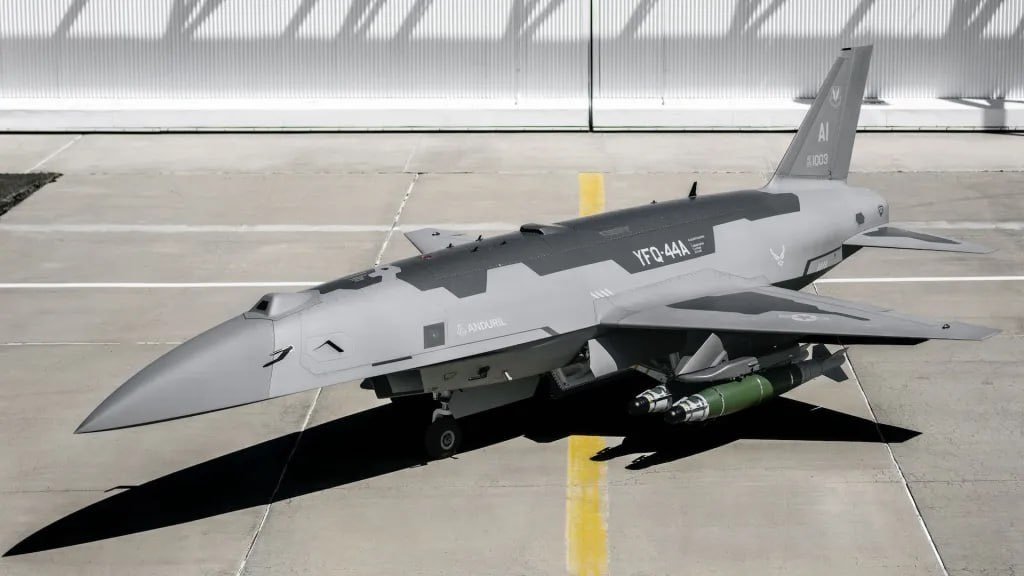
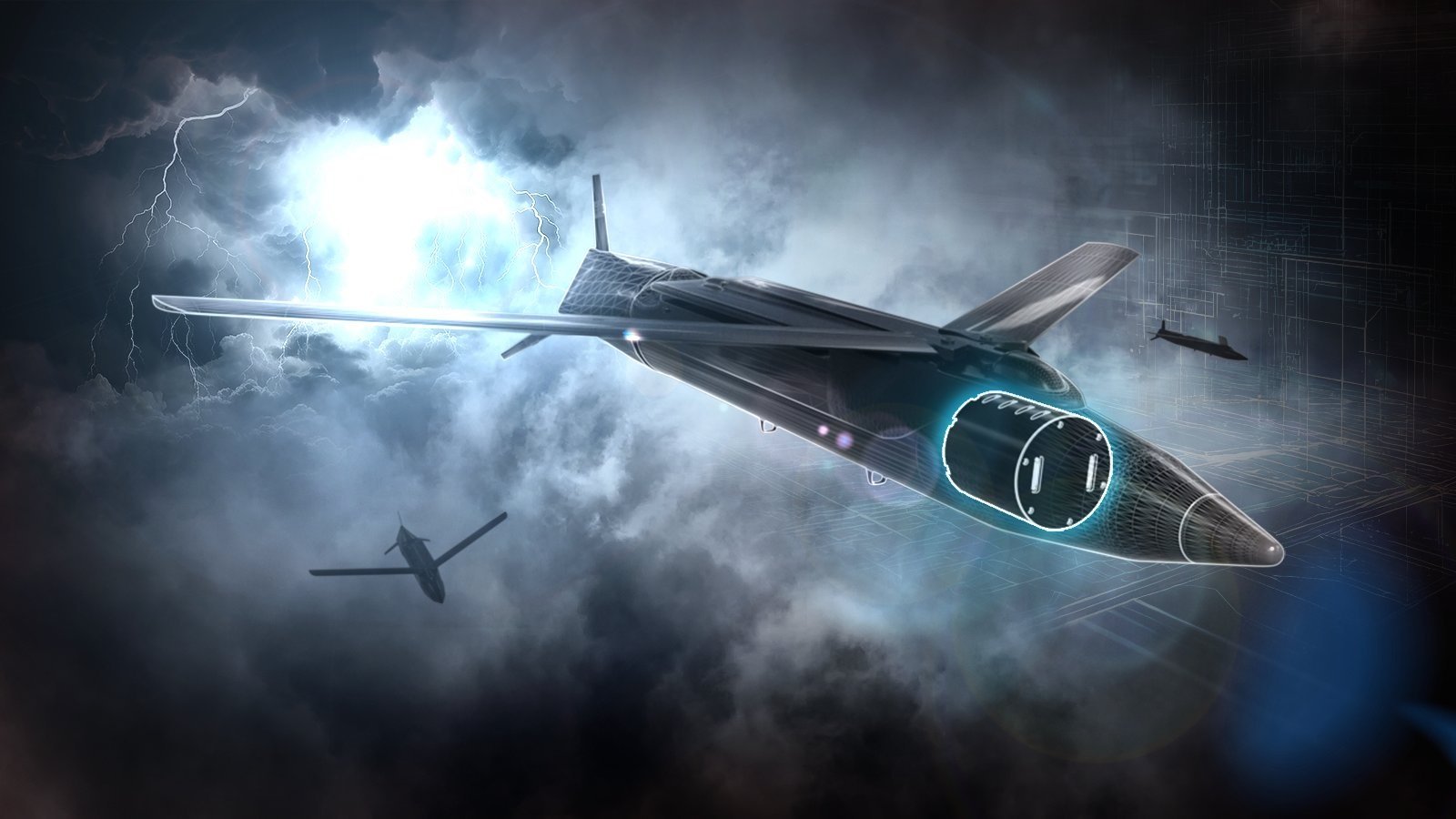
Stealth UCAVs: About 150 stealth combat drones capable of supersonic speeds, internal weapons bays, and operating at altitudes above 15 km.
-
Drone Fleet: 350+ medium-altitude long-endurance drones (30,000 ft, 24+ hours endurance) and 100+ remotely piloted aircraft (including VTOL ship-borne drones).
-
High-Altitude Systems: 75 high-altitude pseudo satellites and 20 stratospheric airships for surveillance and communication relay.
-
Space & Sensors: 5 programmable RF sensor satellites to enhance situational awareness.
-
Directed Energy: Both tactical high-energy lasers and high-power electromagnetic weapons are earmarked “in high numbers” for offensive and defensive roles.
-
Anti-Drone Defence: Over 250 anti-swarm drone systems and 20 directed-energy weapons will secure Indian airspace.
Hypersonic Missiles & Strategic Strikes
India plans to deploy at least 500 scramjet-powered hypersonic missiles capable of precision high-speed strikes. Detection systems for tracking incoming hypersonics are also part of the plan.
Space & Cyber Resilience
The roadmap includes:
-
Cyber defence for satellites and hardened satcom links.
-
Laser-based range finders, modular miniaturized sensors, and multi-constellation GNSS receivers.
-
Satellite servicing & on-orbit refueling to ensure autonomy in space.
Strategic Significance
This roadmap is the largest modernization plan in India’s defence history, marking a decisive step toward multi-domain warfare capabilities. It integrates land, air, sea, cyber, and space operations with emerging technologies such as AI, quantum systems, unmanned swarms, and direct-energy weapons.
By pursuing nuclear-powered carriers, hypersonic strike forces, and AI-driven swarm defences, India aims to not only secure its borders but also project credible deterrence in an increasingly contested Indo-Pacific and space domain.
——— End of Article ———