India
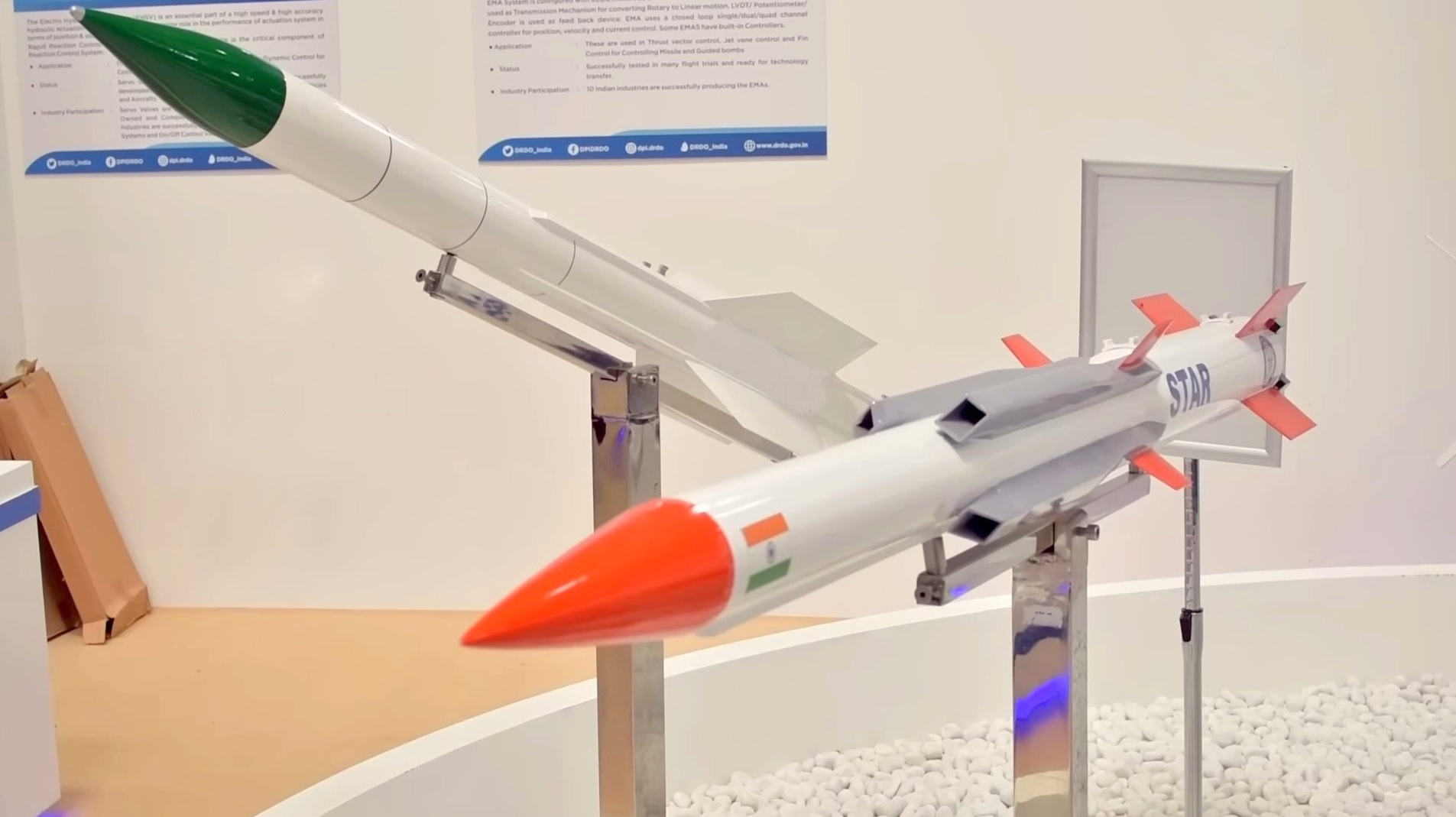
The Defence Research and Development Organisation (DRDO) has released a Request for Information (RFI) to select a Development-cum-Production Partner (DcPP) for the Liquid Fuel Ramjet (LFRJ) engine. This engine is expected to play a key role in supersonic cruise missiles, enhancing India's missile technology capabilities. About the Liquid Fuel Ramjet Engine The LFRJ engine is a type of propulsion system designed to maintain supersonic speeds for extended periods. Unlike solid-fuel systems, it uses liquid fuel, which allows for better efficiency, longer range, and sustained high-speed flight. Such engines are particularly important for missiles like the Supersonic TARget (STAR), which is used to test air defense systems by simulating high-speed threats. The technology also has potential applications in future indigenous cruise missiles. Why the DcPP is Important Through the DcPP, DRDO is looking to partner with companies that have the capability to produce and develop advanced propulsion systems. This approach allows India to combine research expertise with industrial production capabilities, ensuring that missile programs are efficient, reliable, and self-reliant. The DcPP mechanism encourages public and private sector participation, promoting innovation and strengthening the domestic defense industry. Possible Partners Some companies that could potentially take up the DcPP role include: Bharat Dynamics Limited (BDL) – experienced in missile production and systems integration. Bharat Electronics Limited (BEL) – skilled in electronics, avionics, and control systems. Adani Defence & Aerospace – emerging private sector player in aerospace and defense manufacturing. Larsen & Toubro (L&T) – known for large-scale defense projects and manufacturing expertise. These companies have the infrastructure, technical expertise, and experience needed to contribute to the development and production of LFRJ engines. The development of a liquid fuel ramjet engine marks an important step in India’s journey toward indigenous missile technology. With the DcPP model, DRDO aims to accelerate production while ensuring that advanced propulsion technologies remain within domestic control. By achieving this, India can expect better training capabilities, improved defense readiness, and a stronger domestic defense industrial base.
Read More → Posted on 2025-09-29 16:55:13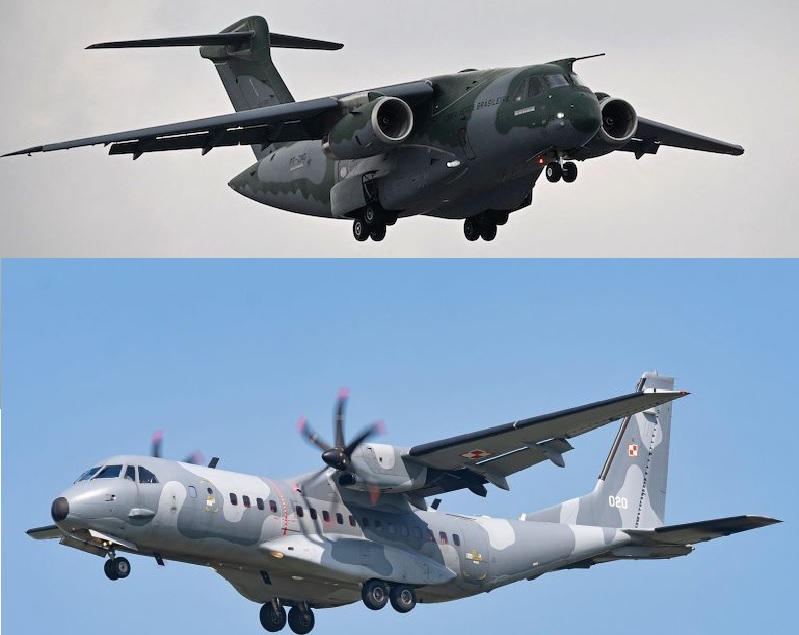
India
The Indian Air Force (IAF) is set to enhance its airlift capability with the upcoming procurement of Medium Transport Aircraft (MTA). This initiative aims to replace the aging fleet of Antonov An-32 and Avro 748 aircraft, which have been serving the IAF for decades. Current Fleet and Operational Gaps Currently, the IAF transport fleet includes over 100 An-32s, 56 Avro 748s, 12 C-130J Super Hercules, and 11 C-17 Globemaster III aircraft. The An-32s are scheduled for retirement starting 2032 due to age and maintenance challenges. The Avro 748s are gradually being replaced by Airbus C-295M aircraft, with 56 units approved for procurement. Tender Details The Ministry of Defence (MoD) is expected to release the tender soon for the procurement of 60 to 80 MTAs. Each aircraft is expected to have a payload capacity of 18 to 30 tonnes. This procurement aligns with India’s Make in India initiative, emphasizing domestic production and technology transfer. Potential Contenders Several international aircraft manufacturers are likely to compete for this contract: Airbus A400M – capable of carrying heavy payloads over long distances. Lockheed Martin C-130J Super Hercules – a proven and widely used transport platform. Embraer KC-390 Millennium – a modern aircraft with advanced features and high efficiency. All contenders are expected to work with Indian partners to meet the Make in India requirements. The acquisition of MTAs is critical for the IAF’s operational readiness and strategic mobility. The new aircraft will allow rapid deployment of troops and equipment across India’s diverse terrains and support humanitarian missions as well as combat operations. By replacing outdated aircraft with advanced, domestically produced alternatives, India aims to strengthen its defense preparedness and self-reliance in aerospace technology. This procurement is expected to be a pivotal step in the IAF’s modernization journey.
Read More → Posted on 2025-09-29 16:42:45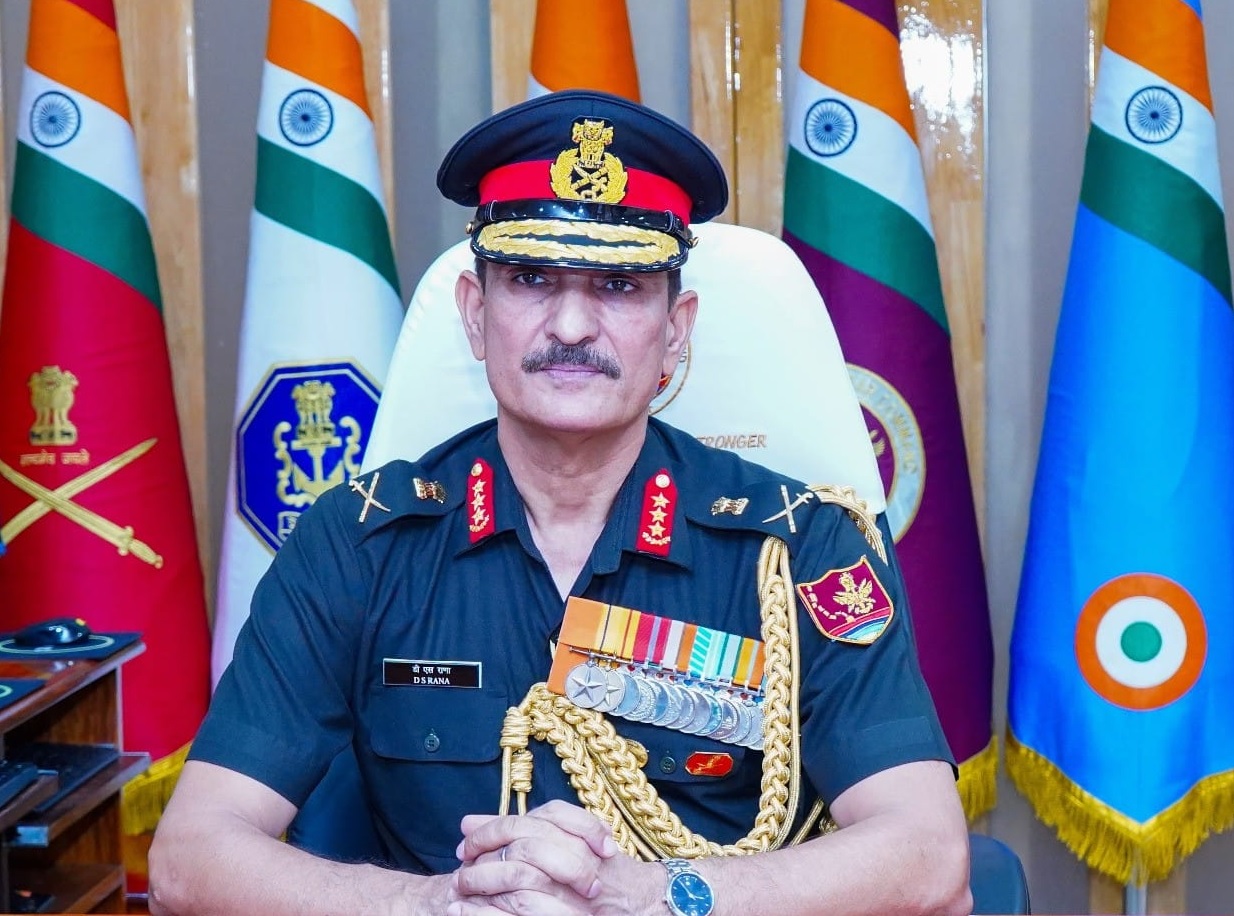
India
Lt. General D. S. Rana has been appointed as the new Chief of India’s Strategic Forces Command (SFC). The command is responsible for managing the country’s nuclear weapons and delivery systems, and his appointment adds strength to India’s defense leadership. Lt. General Rana was commissioned into the Garhwal Rifles in December 1987. During his career, he has commanded an Infantry Brigade, an Infantry Division in the eastern region, and later the Gajraj Corps along the Line of Actual Control. He has also worked in key staff roles such as Deputy Director General Staff Duties, Brigadier Military Intelligence (East), Provost Marshal, and Director General Staff Duties at Army Headquarters. He is an alumnus of the National Defence Academy, the Defence Services Staff College, and the National Defence College. He has also studied at the Centre for National Defence Studies in Spain and the National Defense University in the United States. Lt. General Rana holds a PhD on China’s defense modernization. He has been awarded the Param Vishisht Seva Medal, Ati Vishisht Seva Medal, Yudh Seva Medal, Sena Medal, and the Chief of Army Staff Commendation Card. The Strategic Forces Command, formed in 2003, is a tri-service command consisting of the Army, Navy, and Air Force. Its main responsibility is to look after India’s nuclear arsenal, ensure their safety, and maintain readiness. The SFC works under the directions of the Nuclear Command Authority, which has the power to authorize the use of nuclear weapons. With Lt. General Rana taking over, the Strategic Forces Command continues its role in ensuring India’s credible minimum deterrence and strengthening the country’s nuclear security framework.
Read More → Posted on 2025-09-29 16:33:04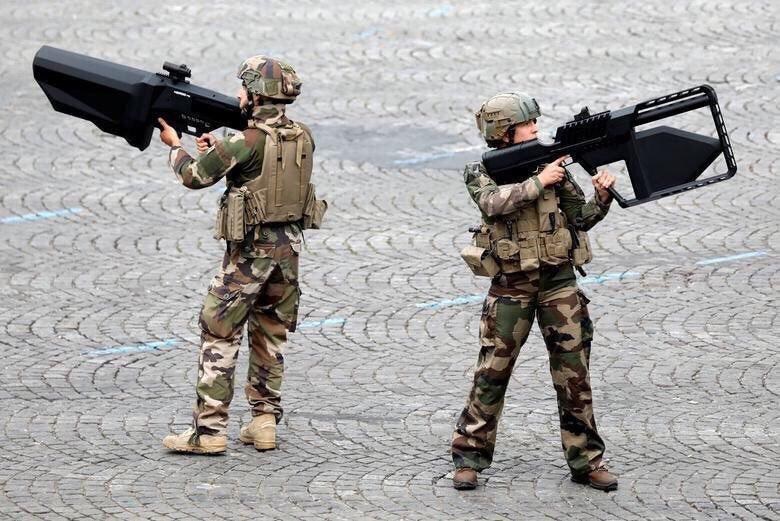
India
Axiscades Technologies Limited, a Bengaluru-based engineering and technology solutions provider, has received an order from the Indian Army through its subsidiary Axiscades Aerospace & Technologies to supply 12 Man Portable Counter Drone Systems (MPCDS). The company has not disclosed the financial details of the deal. The MPCDS is designed to detect and neutralize hostile unmanned aerial vehicles (UAVs) or drones. According to Axiscades, the system can identify enemy drones up to 5 kilometers away and block their signals across a wide frequency range, providing reliable protection to soldiers on the ground. The system is lightweight and portable, making it suitable for deployment in various operational scenarios. This order is one of the first man-portable counter-drone orders placed after Operation Sindhoor under emergency procurement, reflecting the Indian Army’s trust in indigenous technology. It also aligns with India’s broader efforts to strengthen defense capabilities and promote self-reliance in defense technology. Earlier this month, Axiscades’ subsidiary Mistral Solutions had secured a ₹150 crore order from the Defence Research and Development Organisation (DRDO) for the development of 10 Electronic Control Units for the cooling system of the Su-30 MKI fighter aircraft upgrade, highlighting the company’s growing involvement in advanced defense technologies. Axiscades provides end-to-end engineering and technology solutions across sectors like energy, heavy engineering, aerospace, defense, and automotive. The company’s focus on innovation and indigenous development supports India’s Aatmanirbhar Bharat initiative, aiming to reduce dependence on foreign defense imports and enhance domestic manufacturing capabilities. The new MPCDS order reinforces Axiscades’ role in advancing India’s defense technology and demonstrates its commitment to providing the Indian Army with advanced, mission-ready, made-in-India solutions.
Read More → Posted on 2025-09-29 16:27:15
India
The Indian Army is preparing to integrate advanced humanoid robots into its ranks by 2027, a move that signals the growing role of robotics and artificial intelligence in modern defence. Scientists at the Defence Research and Development Organisation (DRDO) have been working for over four years on a project aimed at developing a biped humanoid robot capable of carrying out complex, high-risk tasks, reducing the exposure of troops in hazardous environments. The project is being spearheaded by the Research and Development Establishment (Engineers) in Pune, where prototypes for the upper and lower body have already been created. These were showcased at the National Workshop on Advanced Legged Robotics. According to officials, the humanoid will be able to operate in tough terrains like jungles, handle hazardous materials, and even navigate confined spaces such as bunkers and tunnels. Advanced Technical Features The humanoid’s architecture is designed around three main systems: Actuators that replicate human muscle movement, providing agility and precision. Sensors that gather real-time data — including proprioceptive sensors (for internal awareness of limb position and force) and exteroceptive sensors (like cameras, LiDAR, and microphones for external perception). Control systems that integrate data to ensure balance, autonomous navigation, and smooth execution of tasks. The upper body alone will feature 24 degrees of freedom, with lightweight arms capable of gripping, pulling, turning, and manipulating objects. Both arms can collaborate for complex tasks, such as handling explosives or dangerous liquids. Equipped with closed-loop gripping systems, the robot can adapt its force while holding objects, a key requirement for bomb disposal and field logistics. The humanoid is also being engineered with fall and push recovery mechanisms, SLAM (Simultaneous Localisation and Mapping) for real-time navigation, autonomous path planning, and night-and-day operational capacity. These make it suitable for a range of missions — from bomb disposal and mine clearing to reconnaissance and logistics. Why It’s Difficult Despite progress, building humanoids for combat environments is a formidable challenge. Balancing a biped on rough terrain, processing large amounts of sensory data in real time, and ensuring reliable power supply are major hurdles. Weight is another concern, as heavy actuators and batteries can reduce mobility. Ethical and legal issues — especially concerning autonomous use of force — add further complexity. Global Context: The Race for Combat Robots India’s initiative is part of a broader global push. China has already demonstrated armed robot dogs capable of carrying assault rifles, and continues to experiment with quadrupeds and humanoids in military drills. This is part of Beijing’s larger strategy to integrate artificial intelligence into its defence forces. The United States has experimented with Boston Dynamics’ quadrupeds and humanoids for logistics and reconnaissance, though most Western militaries currently limit robots to non-lethal roles under strict “human-in-the-loop” policies. Countries like Japan and South Korea are also advancing humanoid research, largely focused on disaster response and industry, but with dual-use potential for military applications. Strategic Analysis The Indian Army’s humanoid project represents a force-multiplying technology rather than a replacement for soldiers. By delegating dangerous tasks such as mine clearance, bunker reconnaissance, and handling hazardous materials to robots, India can significantly reduce troop casualties. At the same time, such systems demand robust AI, lightweight high-torque actuators, and energy-dense power solutions to be effective on the battlefield. These technologies are rapidly maturing, but true combat-ready humanoids will require continuous refinement beyond 2027. Strategically, this step allows India to keep pace with global rivals like China while also investing in dual-use technologies that benefit sectors such as healthcare, disaster management, and manufacturing. However, as warfare evolves, international rules and ethical frameworks will be essential to prevent uncontrolled escalation with autonomous systems. By 2027, DRDO aims to field prototypes for field trials with the Indian Army. In the near term, these robots will likely serve in tele-operated roles for reconnaissance and EOD (Explosive Ordnance Disposal). From 2027 to 2030, limited deployments are expected, with gradual integration into logistics and combat support. Beyond 2030, fully autonomous humanoids may emerge, depending on breakthroughs in AI, power systems, and battlefield testing.
Read More → Posted on 2025-09-29 10:44:29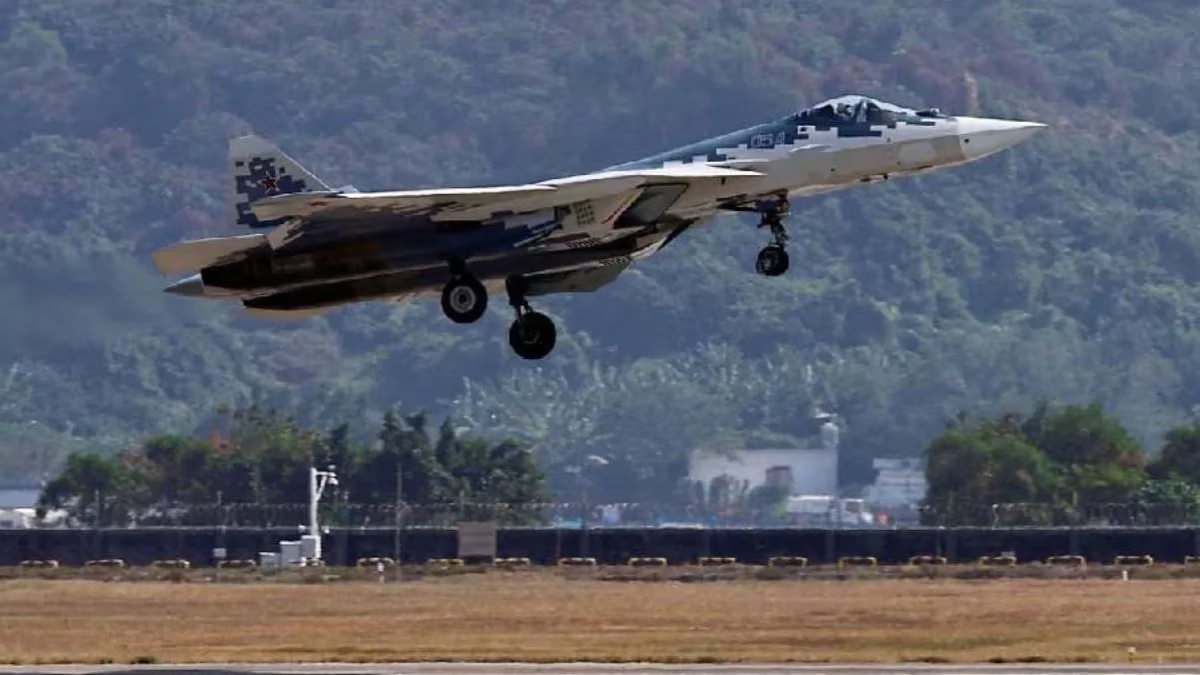
India Should Build, Not Buy: Kota Harinarayana Explains Why Su-57 or Western Jets Are Not the Answer
India
Kota Harinarayana, the principal designer of India’s Light Combat Aircraft Tejas, has stated that India should not invest in foreign fighter aircraft such as Russia’s Su-57. Instead, he has urged the country to continue strengthening its own aerospace programs as part of the policy of self-reliance in defence. According to him, India has the knowledge base, design skills, and industrial ecosystem to create competitive combat aircraft. Dependence on foreign suppliers, he explained, results in financial outflow and creates long-term reliance for spares, upgrades, and maintenance. Harinarayana pointed to the Advanced Medium Combat Aircraft (AMCA) as the next major step. Designed with stealth features, advanced avionics, indigenous weapons, and eventually an Indian-built engine, the AMCA is expected to become a significant part of the Indian Air Force in the next decade. Looking back at the MiG-21, Harinarayana described how the aircraft served multiple countries for decades and provided India with important experience in operating and maintaining modern fighters. In his view, this exposure helped train generations of pilots, engineers, and designers, which in turn supported the growth of India’s aerospace sector. However, independent analysis shows that moving fully towards indigenous projects also raises concerns. The Tejas Mk-1A program has already experienced delivery delays. The Indian Air Force ordered 83 aircraft, with the first expected in 2024, but delivery schedules have slipped due to engine supply shortages and integration challenges in radar, software, and weapons. HAL has said it will increase production in 2025–26, but questions remain about whether these targets will be achieved. A bigger challenge lies in engine supply. The Tejas and its upgraded variants rely on GE-404 and GE-414 engines supplied from the United States. Any disruption in these deliveries slows production. In addition, changes in American trade policy, tariffs, or sanctions on military technology could become a serious risk for India’s future programs. Analysts warn that this dependency on a single foreign supplier creates a vulnerability that could affect not only the Tejas Mk-1A but also the upcoming AMCA, which is planned to use GE-414 engines in its early versions. Without a reliable indigenous engine program, India will remain exposed to external decisions beyond its control. The AMCA program has government approval and funding, but its timeline is also under discussion. Current plans aim for a prototype by 2027 to 2028 and induction around 2034. Analysts point out that previous Indian aircraft projects faced significant delays, which raises doubts about whether these schedules can be met. The Navy’s Twin Engine Deck Based Fighter (TEDBF) is also running behind earlier targets, with its first flight now likely only towards the end of the decade. A recurring issue is the ability of HAL to meet deadlines. The company is currently handling multiple projects, including Tejas, AMCA, Su-30 upgrades, helicopters, and trainers. Capacity constraints, workforce challenges, and reliance on imported subsystems affect delivery schedules. To address this, the government has involved private companies in AMCA production. While this may improve capacity, coordination between HAL and private industry will be critical. Engines remain the most critical gap. India’s indigenous engine projects have yet to produce an operational fighter engine, and unless this gap is closed, dependency on suppliers like GE will remain the biggest threat to achieving true self-reliance. These concerns raise several important questions: Can HAL deliver Tejas Mk-1A aircraft at the promised rate? Will AMCA meet its development milestones without significant delays? How effectively will private industry be integrated into high-technology manufacturing? And can India close the gap in engine development to reduce its reliance on foreign suppliers and protect itself from future restrictions? Harinarayana’s position aligns with the government’s current emphasis on indigenous defence manufacturing. The experience of the Tejas shows that India can design and build advanced fighters despite challenges. With projects such as AMCA, TEDBF, and indigenous drones under development, the pathway toward greater self-reliance is in place. The main challenge now lies in ensuring that these programs are delivered on schedule and are not disrupted by external supply risks.
Read More → Posted on 2025-09-29 10:30:02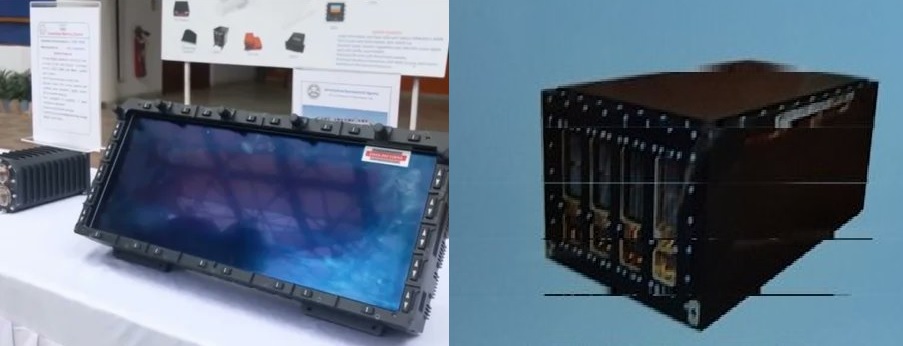
India
India has taken a major leap in indigenous defense technology with the development of critical systems for the Advanced Medium Combat Aircraft (AMCA), the country’s fifth-generation stealth fighter. The Defence Research and Development Organisation (DRDO), in collaboration with private industry partner Data Patterns, has successfully created two groundbreaking components that will enhance the AMCA’s performance and pilot capabilities. One of the most notable achievements is the indigenous Large Area Display (LAD), designed specifically for the AMCA cockpit. This high-resolution, wide-format display consolidates mission data, sensor inputs, and flight information into a single interface, offering pilots unparalleled situational awareness. Beyond just displaying information, the LAD incorporates an AI-enabled electronic piloting system, acting as a virtual co-pilot. This AI assistant supports pilots during complex maneuvers and combat situations by providing real-time decision support and reducing workload, similar to advanced systems seen in other fifth-generation fighters globally. In addition to the display, DRDO and its private partner have developed the digital Fly-by-Wire (FBW) computer with quadruplex redundancy. This system replaces traditional mechanical flight controls with electronic ones, providing precise handling and enhanced safety. The quadruplex redundancy ensures the aircraft remains fully controllable even if one or more channels fail, a critical feature for maintaining operational reliability in combat scenarios. These developments highlight the growing collaboration between DRDO and India’s private defense sector. By building these systems domestically, India is reducing dependence on foreign technology while bolstering its own defense ecosystem. The AMCA, equipped with AI-driven displays and advanced flight control systems, is set to become a flagship of India’s aerospace capabilities. The first flight of the AMCA is scheduled for 2027 to 2028, and these indigenous technological advancements mark a significant milestone on the path to operational deployment. With AI-assisted piloting and highly reliable control systems, the AMCA promises to be a world-class fighter jet, capable of matching global fifth-generation aircraft standards while showcasing India’s growing technological self-reliance.---
Read More → Posted on 2025-09-28 15:49:37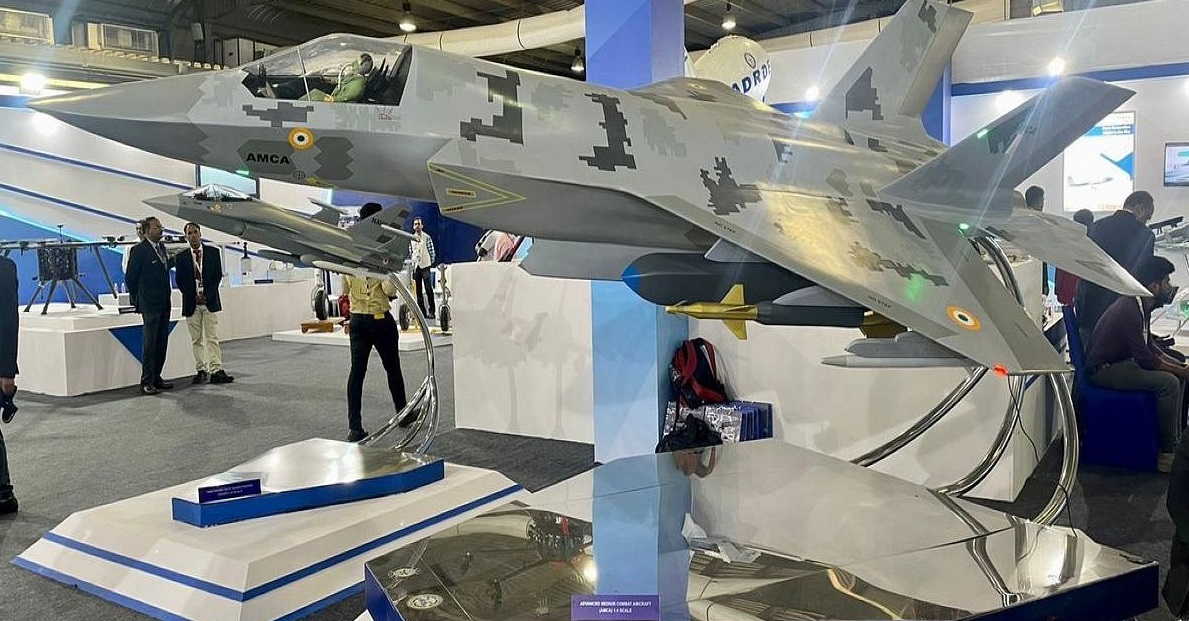
India
The Defence Research and Development Organisation (DRDO) has transferred the technology (ToT) of Stability Actuators to Godrej Aerospace for India’s Advanced Medium Combat Aircraft (AMCA). This makes India one of the few countries capable of producing such flight-control systems domestically. Stability actuators are electro-mechanical or hydraulic systems that control aircraft control surfaces such as elevators, ailerons, and rudders. They are part of the fly-by-wire (FBW) system, which uses electronic signals instead of mechanical linkages. For the AMCA, which is aerodynamically unstable for maneuverability, these actuators maintain balance, respond to pilot commands, and correct instability automatically during maneuvers. Without them, controlling the aircraft would be difficult. The AMCA is India’s indigenous fighter program, and stability actuators help it perform maneuvers, reduce pilot workload, and ensure safety. Producing these actuators in India reduces dependence on foreign suppliers and improves integration with the aircraft’s control systems. Godrej Aerospace, which has experience in defense and aerospace manufacturing, including engines and propulsion systems, will now handle production of these stability actuators, supporting India’s aerospace industry. With this transfer, India joins a small group of countries able to design and produce stability actuators for combat aircraft, supporting the AMCA program and reducing import dependency. The AMCA project is expected to move into prototype development in the coming years, with DRDO and HAL working on design and production. The use of indigenous stability actuators will ensure proper integration and reliable performance.
Read More → Posted on 2025-09-28 15:38:10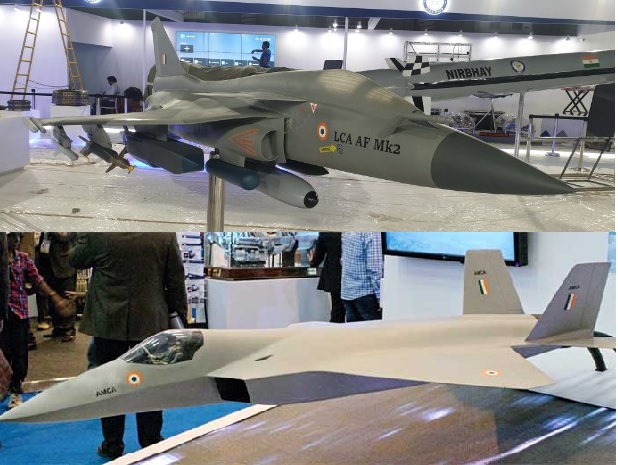
India
India’s fighter aircraft development is often seen in isolated phases—Tejas Mk1, Tejas Mk2, and then the Advanced Medium Combat Aircraft (AMCA). But the reality is more connected. The Tejas Mk2 is not just another fighter in India’s lineup; it is a deliberate technology and ecosystem bridge to AMCA, carrying forward critical avionics, flight control, and electronic warfare systems that will mature in Mk2 and seamlessly scale into the fifth-generation AMCA. The Digital Nervous System At the heart of this continuity is the Digital Fly-By-Wire Flight Control Computer (DFCC Mk2). It uses the same core logic architecture as AMCA’s FBW system, but in a quadruplex configuration, scaled to suit different airframe sizes and aerodynamic demands. This ensures that the handling qualities, redundancy philosophy, and software stack developed for Mk2 will directly feed into AMCA’s more advanced flight envelope. The Auxiliary Computer Mk2 functions as a mission support and backup system. Its coding environment and redundancy features are deliberately aligned with AMCA’s needs, giving developers the opportunity to iron out software glitches and operational refinements in Mk2 before porting them forward. A Shared Combat Brain Modern fighters rely heavily on distributed computing, and Tejas Mk2 and AMCA are designed with a common digital ecosystem. The Weapon Management Computer (WMC) and Weapon Interface Computer (WIC) share an identical architecture across both jets. This means that the integration logic for pylons, racks, and weapons—from guided bombs to long-range missiles—will be universally compatible. Developers won’t need to reinvent integration for AMCA; instead, they will adapt the proven Mk2 systems. Supporting this are shared processors such as the Sensor Video Processor and Digital Map Generator, which allow seamless video or terrain overlay for both platforms. Similarly, the Unified Video & Data Recorder ensures that mission data, pilot actions, and sensor feeds are captured in identical formats—simplifying analysis, training, and upgrades across the fleet. Common Sensors and Electronic Warfare Backbone Beyond avionics, Mk2 and AMCA will also share a sensor and EW (Electronic Warfare) backbone. The Acceleration Sensor Assembly used to monitor G-loads and vibration is standardized, reducing costs while ensuring flight data continuity. More importantly, the High Band and Low Band Switch Matrices—critical components of the EW suite—use the same architecture across both fighters. This not only reduces development cycles but also ensures that countermeasures, jamming protocols, and threat libraries remain interoperable. With electromagnetic warfare becoming as important as kinematics, such commonality gives India an edge in developing and updating EW capabilities faster. Scaling Beyond Tejas Mk2 The Tejas Mk2 is also a testbed for next-generation cockpit ergonomics and human-machine interfaces that AMCA will inherit. From wide-area displays to voice command systems and AI-assisted mission management, Mk2’s development cycle will refine technologies that will reach their full potential in AMCA. Engine choices too create a stepping stone. While Mk2 will fly with the GE F414, the experience of integrating this engine with an indigenous airframe lays the groundwork for India’s future indigenous powerplant efforts intended for AMCA Mk2. Similarly, mission planning software, ground-based simulators, and maintenance tools developed for Mk2 are being structured with modularity in mind, ensuring that the same ecosystem supports AMCA. Role of Mk2 Seen in this light, Tejas Mk2 is more than a stopgap between Tejas Mk1 and AMCA. It is the bridge program that allows India to de-risk technologies, establish industrial supply chains, and mature critical avionics and EW systems before they are embedded in a fifth-generation stealth fighter. By building this continuity—flight control computers, mission computers, EW architectures, and weapons integration—the Mk2 ensures that AMCA won’t be starting from scratch but will instead stand on the solid shoulders of proven, scalable technologies. In short, Tejas Mk2 is not the end of a chapter—it is the opening act of India’s fifth-generation story.
Read More → Posted on 2025-09-28 11:00:21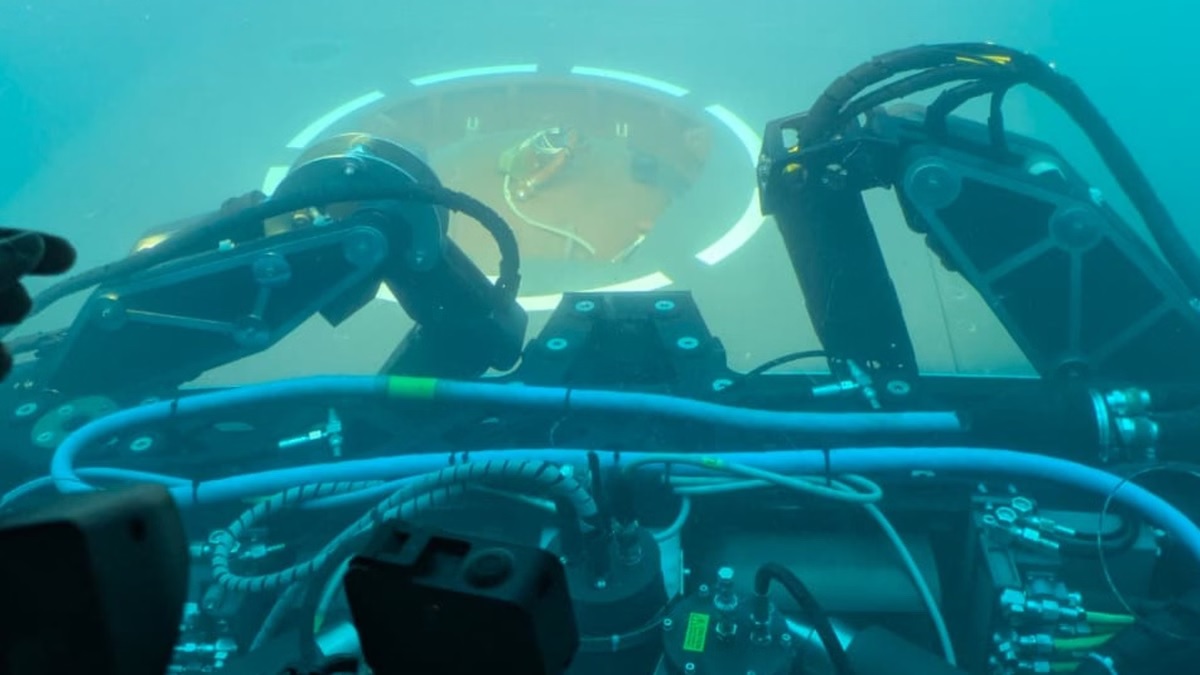
India
The Indian Navy has successfully carried out its first-ever maiden mating of assets with foreign submarines during a multinational exercise in the South China Sea, marking a significant achievement in global submarine rescue operations. The milestone was accomplished during Exercise Pacific Reach (XPR-25), a biennial event hosted by Singapore, which began on September 15 with participation from over 40 nations as active participants and observers. What Does "Mating" Mean in Naval Terms? In naval parlance, mating refers to the precise alignment and connection of a Submarine Rescue System with a distressed submarine. It is one of the most critical phases in submarine rescue, ensuring that trapped submariners can be evacuated safely. Successful mating proves the capability of a rescue system to operate with submarines of different designs and nationalities, highlighting interoperability and technical precision. India’s Role in Exercise Pacific Reach The Indian Navy deployed INS Nistar, an indigenously designed and built Diving Support Vessel (DSV), which is currently operating under the Eastern Fleet Command. INS Nistar made its maiden port call at Changi, Singapore, on September 14 before the exercise began. During the sea phase, India’s Submarine Rescue Unit (East) conducted multiple intervention and rescue operations alongside international assets. According to officials, over three days, the Indian Navy carried out three successful mates, including ROV (Remotely Operated Vehicle) operations, demonstrating the reliability and effectiveness of its advanced rescue systems. Growing Submarine Rescue Capabilities India’s submarine rescue capability received a major boost with the induction of two Deep Submergence Rescue Vehicles (DSRVs) in 2018–19, one each for the eastern and western seaboards. These DSRVs can conduct rescue missions up to a depth of 650 meters, placing India among an elite group of nations with such specialized capability. These DSRVs can be transported by air, land, and sea, making them rapidly deployable for emergencies not only in Indian waters but also in support of friendly foreign navies. This makes India a reliable maritime partner in the Indo-Pacific region. Strategic Importance A senior naval official emphasized that the successful maiden mating highlights India’s readiness, interoperability, and commitment to global submarine rescue efforts. It positions India as a dependable maritime partner and a proactive contributor to regional safety and humanitarian response at sea. By proving its ability to integrate with foreign submarines, India has strengthened its credibility in international naval cooperation, particularly in the strategically sensitive South China Sea, where freedom of navigation and maritime safety are critical global concerns. The successful participation of the Indian Navy in Exercise Pacific Reach 2025 is a testament to India’s technological advancement and global responsibility. The achievement of maiden mating with foreign submarines not only demonstrates India’s world-class submarine rescue capabilities but also reinforces its role as a key security partner in the Indo-Pacific region.
Read More → Posted on 2025-09-28 10:21:16
India
The Ladakh Police recently made a startling revelation in the ongoing investigation involving Sonam Wangchuk, the prominent Ladakhi activist and innovator. According to Ladakh DGP Dr. S.D. Singh Jamwal, authorities have arrested a Pakistani Intelligence Operative (PIO) who was reportedly in touch with Wangchuk and passing sensitive details to Pakistan. The police records indicate that Wangchuk attended a Dawn event in Pakistan and also visited Bangladesh, raising significant questions about his international engagements. Authorities are closely examining these activities to determine whether they were connected to foreign influence or intelligence operations. In addition to alleged links with Pakistan, investigations are underway regarding foreign funding. Wangchuk’s NGO, the Students’ Educational and Cultural Movement of Ladakh (SECMOL), is reportedly under scrutiny for possible violations of the Foreign Contribution Regulation Act (FCRA). The Ministry of Home Affairs has reportedly suspended or canceled the FCRA license pending investigation. The case follows recent unrest in Leh, where protests led to clashes between demonstrators and police, resulting in multiple casualties and the imposition of a curfew along with internet restrictions. Wangchuk was subsequently arrested and shifted to Jodhpur Central Jail, located over 1,000 kilometers from Ladakh, in order to ensure security and control. The DFG report suggests that authorities are treating the matter with utmost seriousness, focusing on national security and the potential impact of any foreign connections on regional stability. While investigations continue, Wangchuk’s international visits, alleged communication with a Pakistani operative, and foreign funding concerns remain at the center of attention. The outcome of this case could have wider implications for civil society activism and foreign influence monitoring in sensitive regions like Ladakh.
Read More → Posted on 2025-09-27 16:20:42
India
In a major boost to India’s energy prospects, Union Minister Hardeep Singh Puri announced the discovery of natural gas in the Andaman Sea at the Sri Vijayapuram-2 well, located just 17 kilometers off the eastern coast of the Andaman Islands. Initial tests conducted at a depth of 2,212 to 2,250 meters revealed gas with 87% methane content, highlighting its high quality and potential economic viability. The find marks the first confirmed natural gas discovery in the Andaman Sea, a region that has so far remained largely underexplored for hydrocarbons. Minister Puri described the discovery as a potential “game-changer” for India’s energy security, drawing comparisons with significant oil finds in countries like Guyana. Scale and Strategic Importance While the exact volume of the newly discovered reserves is yet to be quantified, experts suggest that the Sri Vijayapuram-2 well could emerge as a significant addition to India’s offshore gas portfolio. Currently, India’s proven natural gas reserves stand at approximately 1,094 billion cubic meters (BCM), with major deposits concentrated in the Western and Eastern Offshore basins. The high methane content of this discovery makes it especially suitable for industrial and domestic use, reducing reliance on imported liquefied natural gas (LNG) and strengthening India’s self-reliance in energy. Plans are already underway to enhance LNG import capacity by 27% to 66.7 million metric tons per year by 2030, but domestic discoveries like this could reduce the country’s dependence on imports. Comparison with Global Gas Reserves Globally, India’s reserves remain modest compared to the world’s largest deposits. Russia leads with 47.8 trillion cubic meters (TCM), followed by Iran with 33.7 TCM and Qatar with 24.1 TCM. While India’s reserves are smaller in scale, the strategic location and quality of the Sri Vijayapuram-2 find could elevate India’s standing in the regional energy landscape and open new avenues for exploration in the Andaman Sea. The discovery underscores India’s push to strengthen domestic energy production, reduce import dependency, and secure strategic resources in underexplored regions. Analysts suggest that further exploration in the Andaman Sea could reveal additional significant reserves, potentially transforming India’s energy outlook. With high-quality methane gas now confirmed, the Sri Vijayapuram-2 well positions India to not only meet domestic demand more effectively but also to expand its influence in the regional energy sector. Officials have indicated that detailed assessments and further drilling will follow to fully ascertain the size and potential of this offshore gas field.
Read More → Posted on 2025-09-27 16:01:07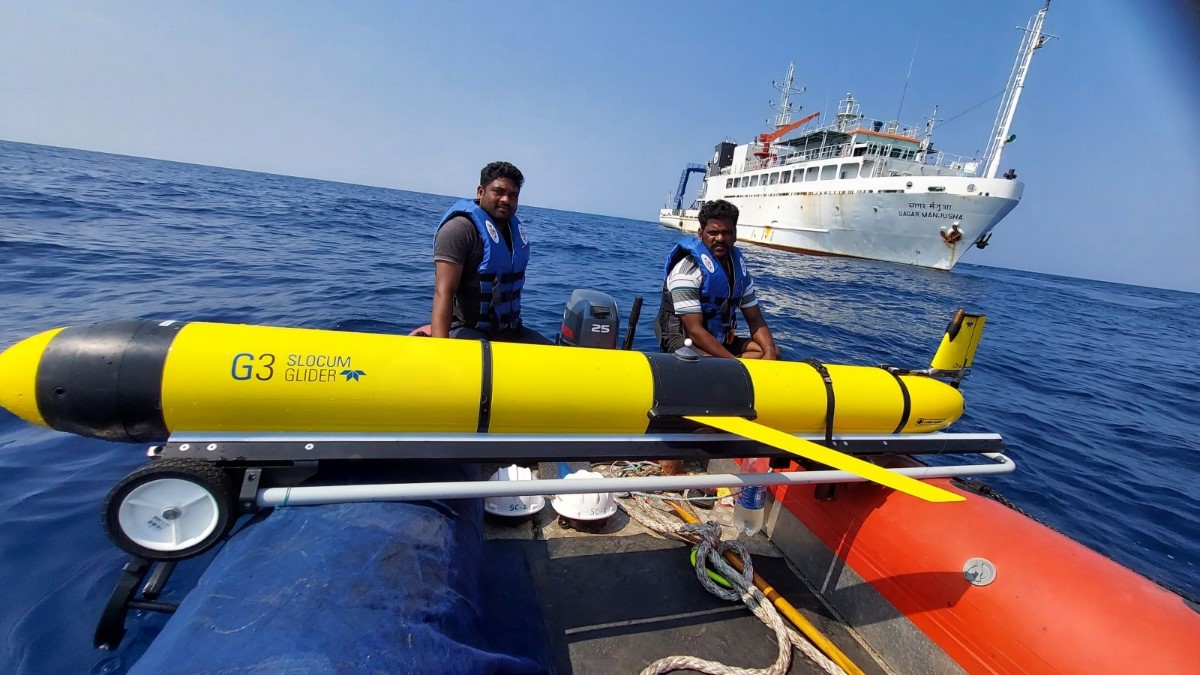
India
The Indian National Centre for Ocean Information Services (INCOIS), under the Ministry of Earth Sciences, is preparing to establish a network of shore stations along India’s vast coastline. This initiative aims to strengthen ocean observation, improve disaster warning systems, and provide critical data for coastal management, fisheries, and climate studies. What Are Shore Stations? Shore stations are land-based facilities equipped with advanced sensors, radar systems, and communication units that continuously monitor the ocean and coastal environment. Unlike satellites or offshore buoys, which provide broad but sometimes delayed information, shore stations can deliver real-time, localized data on sea surface conditions, currents, tides, and even unusual wave activity. They act as fixed observation posts, transmitting data directly to INCOIS headquarters in Hyderabad, where it is analyzed and integrated into forecasting systems. Such stations are particularly valuable in densely populated coastal areas where accurate, timely information can save lives and reduce economic losses. Why This Move Matters India has over 7,500 kilometers of coastline, home to more than 250 million people and a thriving economy that depends heavily on ports, fishing, tourism, and coastal industries. The country is also vulnerable to cyclones, tsunamis, storm surges, and coastal erosion. By establishing shore stations, INCOIS seeks to: Enhance early warning systems for cyclones, tsunamis, and high-wave events. Support fishermen with reliable advisories on fishing zones, ocean conditions, and safety alerts. Improve climate research, as the stations provide continuous datasets for long-term monitoring of sea-level rise, temperature changes, and ocean currents. Assist coastal development and security, ensuring safer navigation and better coastal planning for ports and harbors. Benefits Beyond Warnings The network will complement INCOIS’s existing infrastructure, such as the Indian Tsunami Early Warning Centre, satellite-based ocean data, and buoy arrays deployed in the Indian Ocean. Shore stations can provide finer-scale, nearshore observations that satellites often cannot capture accurately. For instance, they can detect coastal upwelling events critical for fish productivity or monitor erosion patterns threatening coastal villages. In addition, the data can be shared with the Indian Navy, Coast Guard, and disaster management agencies, enhancing maritime security and preparedness. Tourism hubs such as Goa, Kerala, and the Andaman Islands may also benefit from better monitoring of coastal waters, ensuring safety for beachgoers and water-based activities. INCOIS’s plan for shore stations is part of a broader strategy to modernize India’s ocean observation capabilities under the Deep Ocean Mission. With climate change increasing the frequency and intensity of extreme weather events, coastal resilience has become a national priority. By investing in this infrastructure, India is positioning itself as a leader in ocean science and disaster preparedness in the Indian Ocean region. In essence, these shore stations represent more than just scientific installations—they are a bridge between cutting-edge ocean research and the everyday safety and livelihood of millions of Indians who depend on the sea.
Read More → Posted on 2025-09-27 15:42:31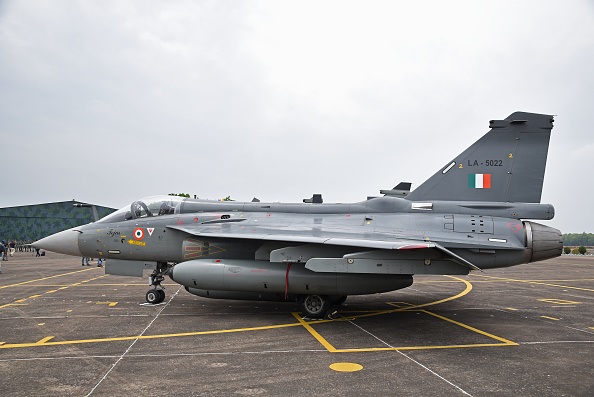
India
India is taking a significant step towards the future of aerial warfare by planning to convert older Tejas Light Combat Aircraft (LCA) prototypes into autonomous fighter jets. The Defence Research and Development Organisation (DRDO) and the Aeronautical Development Agency (ADA) are leading this initiative, which aims to develop advanced aircraft technologies for the next decade and lay the foundation for future Indian fighter aircraft. The Tejas prototypes, which cannot be upgraded to the Mk1A standard, will now serve as experimental platforms rather than being retired. These aircraft will be fitted with autonomous flight systems, advanced sensors, and high-speed data links, enabling them to operate without a pilot onboard. The upgraded systems will allow the jets to independently plan missions, identify threats, and make immediate decisions during flight. Advanced equipment like Active Electronically Scanned Array (AESA) radar, infrared sensors, and electronic warfare tools will be installed to help the aircraft detect and engage targets accurately, even in complex combat scenarios. This ambitious effort represents a move towards Level 5 autonomy, where aircraft can complete missions entirely independently. The technologies developed through this program are expected to directly contribute to future projects, including sixth-generation fighter aircraft and Unmanned Combat Aerial Vehicles (UCAVs) such as the Ghatak stealth drone. By enabling jets to make decisions autonomously, India’s armed forces will gain a strategic advantage in terms of speed, efficiency, and safety during operations. Developing autonomous flight systems is a major technical challenge. Integrating modern sensors, secure communication systems, and real-time decision-making algorithms into older prototypes requires meticulous planning and engineering. Despite these hurdles, DRDO and ADA’s previous successes, including the development of Astra missiles and the Uttam AESA radar, provide confidence that this project will succeed. The program is expected to be implemented over the next five to seven years. Once Tejas production is complete around 2030–32, these autonomous test aircraft will be used to refine the technology further. In the long run, this initiative will position India among the leading countries in autonomous aerial warfare, giving the Indian Air Force a fleet of highly capable, technologically advanced aircraft for future combat scenarios.
Read More → Posted on 2025-09-27 14:25:12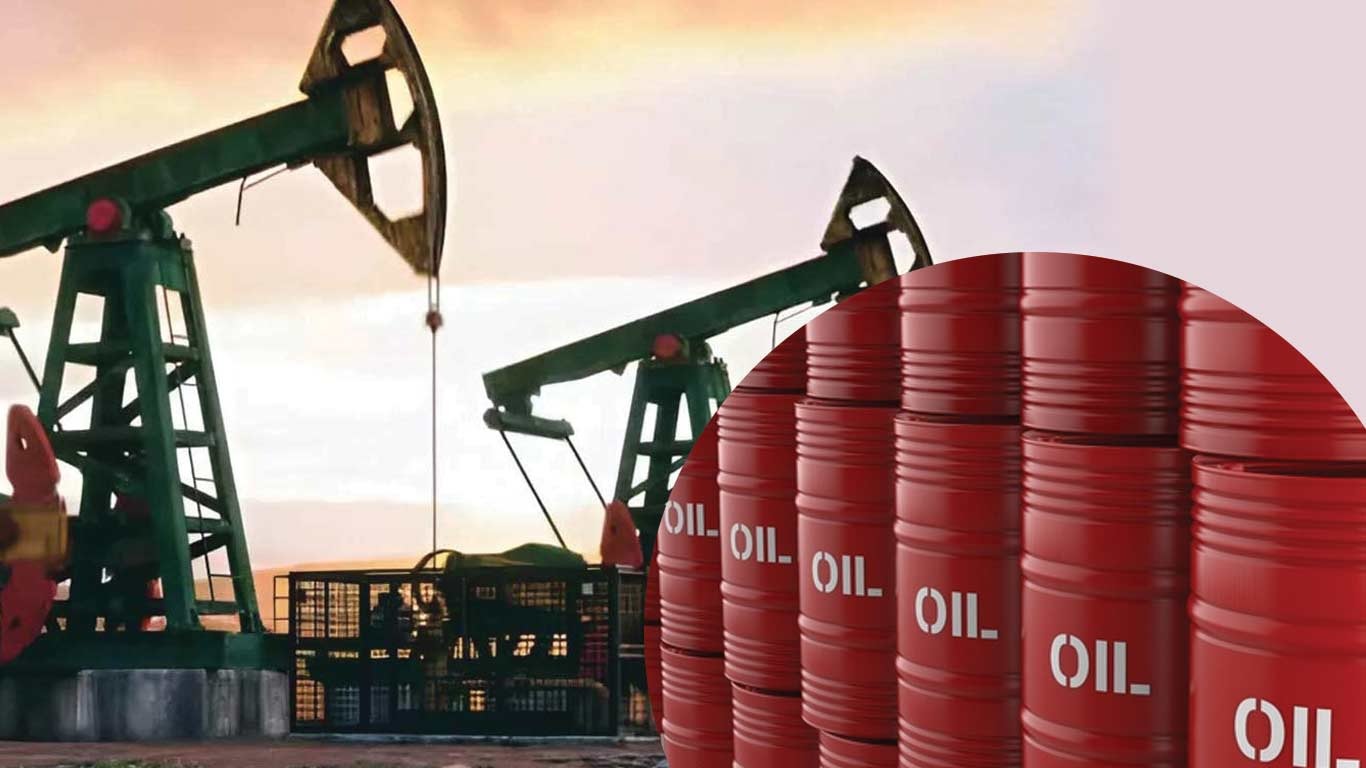
India
New Delhi has told Washington that the only practical way for India to reduce its dependence on Russian oil is to allow it to resume crude imports from Iran and Venezuela, according to officials familiar with the matter. The message comes as the United States continues to pressure India to scale back energy purchases from Moscow, arguing that revenue from Russian oil sales fuels the Ukraine conflict. U.S. negotiators have linked this demand to progress in bilateral trade talks, including the reduction of tariffs imposed on Indian goods. Indian officials, however, maintain that cutting off supplies from Russia, while also being barred from Iran and Venezuela, is not feasible for a country that imports 85–90% of its oil needs. They have stressed that energy security is central to India’s economic stability and that Western nations cannot expect New Delhi to compromise its domestic interests. India stopped importing oil from Iran in 2019, after U.S. sanctions tightened, and reduced Venezuelan supplies soon after. Since then, Russia has emerged as a top supplier, offering discounted rates that help India manage its fuel bill. Officials argue that unless restrictions on Iranian and Venezuelan crude are eased, India will have no option but to continue with Russian imports. The U.S., meanwhile, has tied its willingness to lift additional tariffs on Indian exports to measurable cuts in Russian crude purchases. Washington has also hinted at possible secondary sanctions if New Delhi ignores its demands. Analysts say the standoff reflects a wider clash between India’s push for strategic autonomy and U.S. efforts to enforce sanctions on Russia. While Western allies continue some forms of trade with Moscow, India has been singled out for its reliance on Russian crude — a point Indian negotiators highlight in talks. Diplomatic observers believe a compromise may eventually emerge, possibly through phased reductions or conditional waivers that allow India to diversify supplies without destabilizing global oil markets. For now, the message from New Delhi is clear: without Iranian and Venezuelan barrels on the table, Russian crude will keep flowing to India.
Read More → Posted on 2025-09-27 10:13:12Search
Top Trending in 24 Hours
-
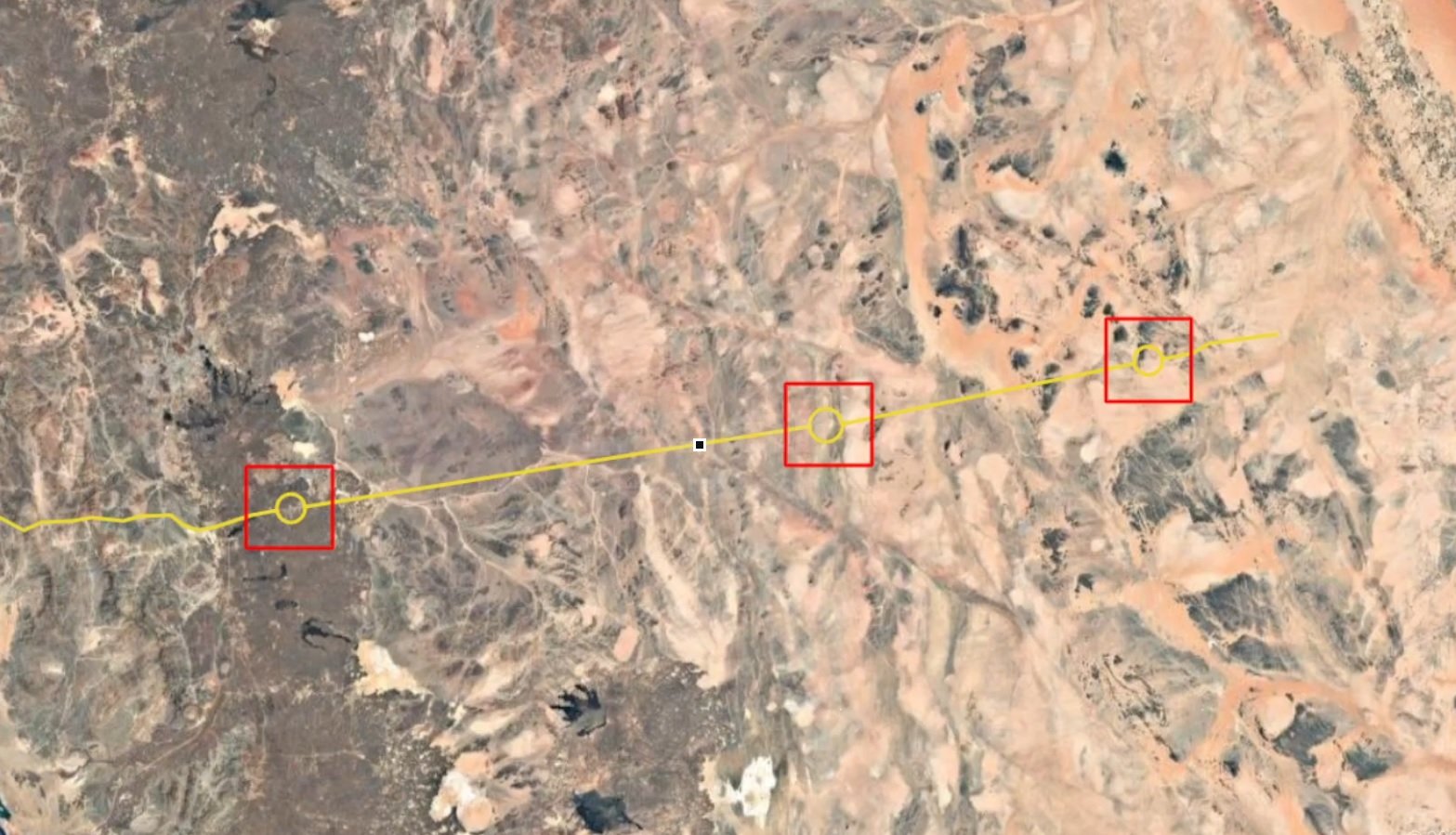 Satellite Imagery Shows Extensive Damage to Saudi Arabia’s East-West Oil Pipeline, Indicating More Than a Single Strike
-
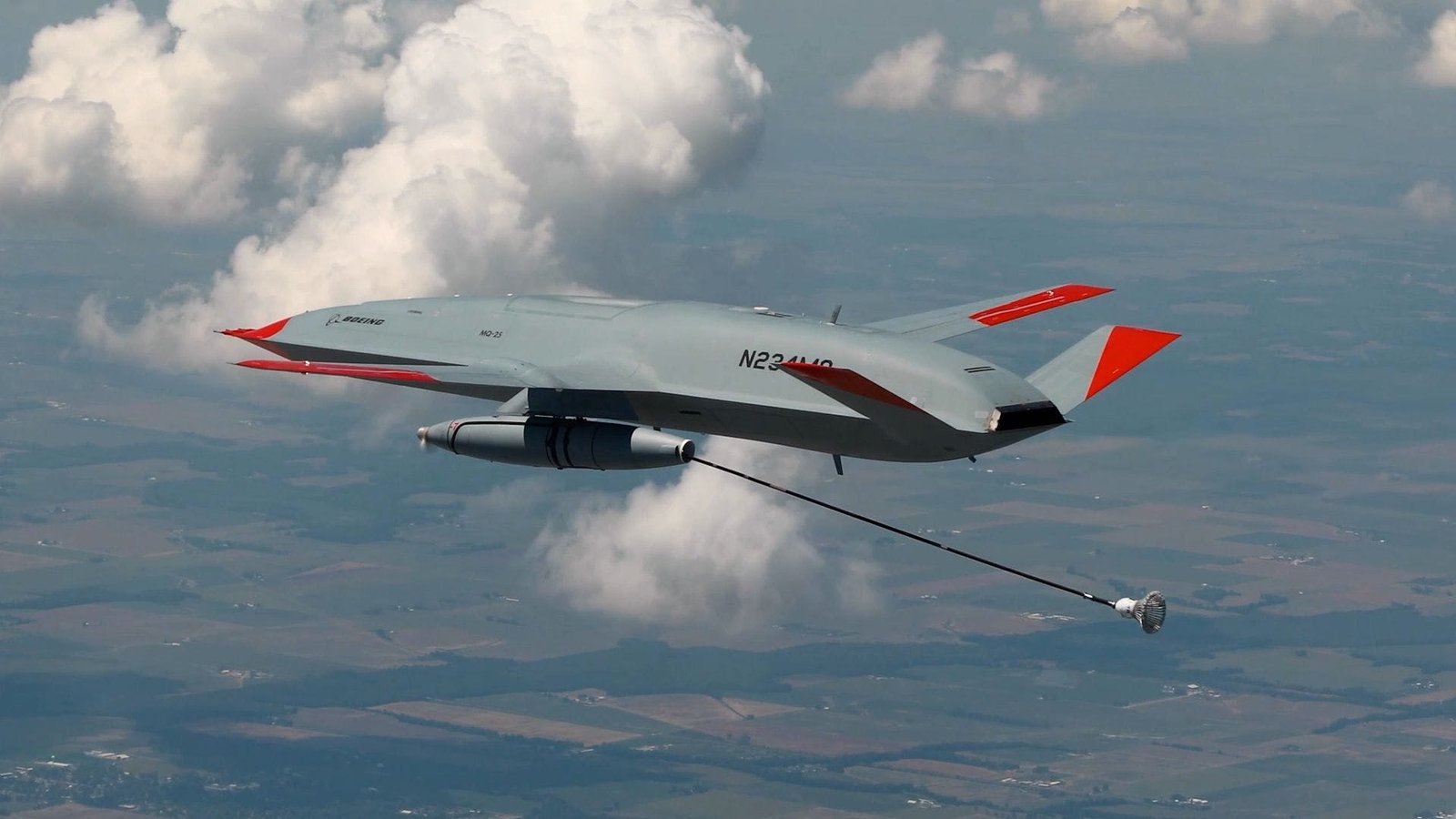 U.S. Navy Awards Boeing $562 Million Contract for First Production MQ-25A Stingray Tanker Drones
-
 Pentagon and Honeywell Complete Four-Hour Pacific Flight Using Quantum Magnetic Navigation Without GPS
-
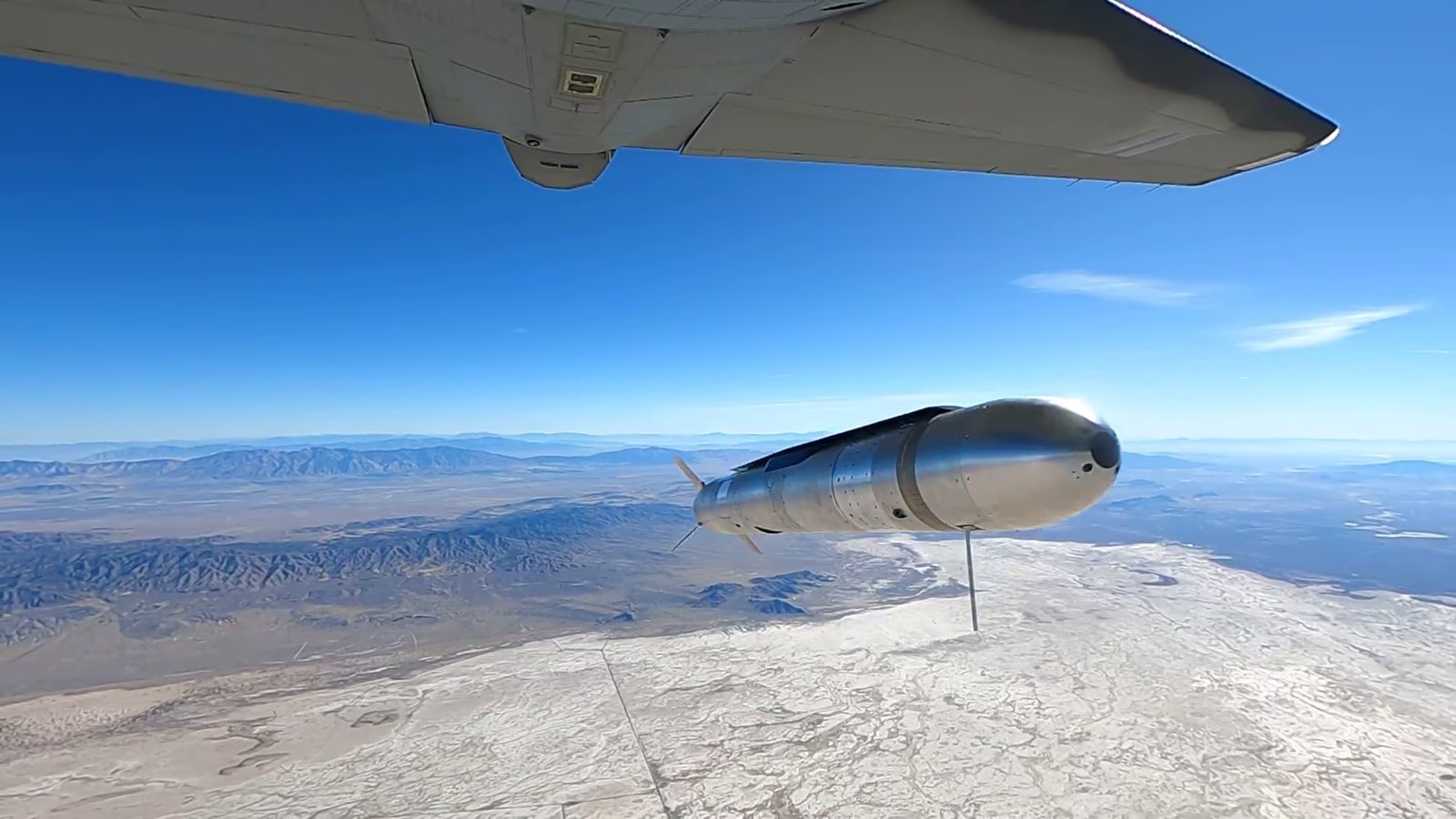 U.S. Air Force Special Operations Command Clears AGM-190A Havoc Spear for Wider Service After Combat Evaluation in Africa
-
 U.S. Confirms Deployment of On-Orbit Space Control Weapons for First Time
-
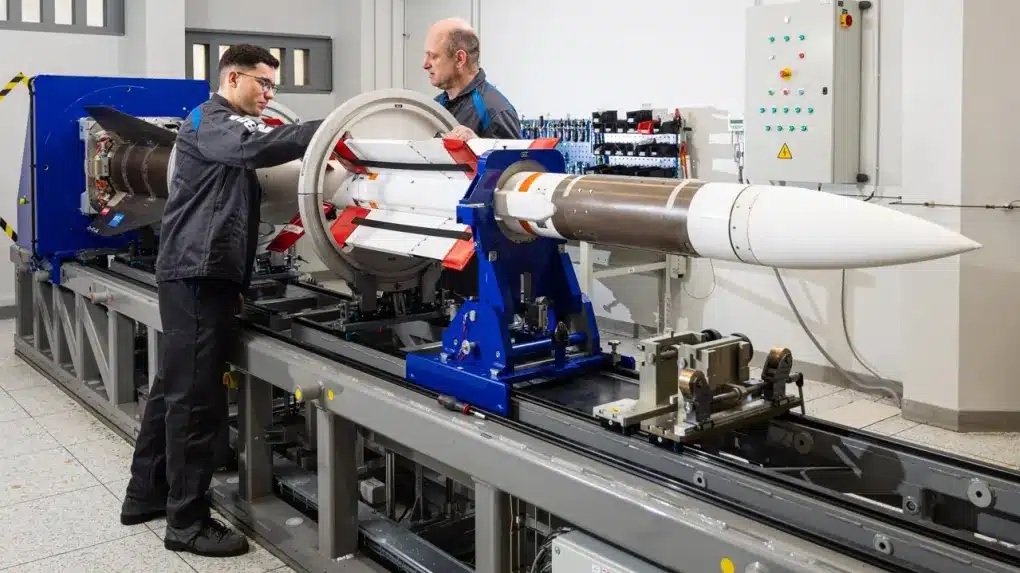 MBDA to Build New Missile Production Plant Near Orleans to Expand Missile Production
-
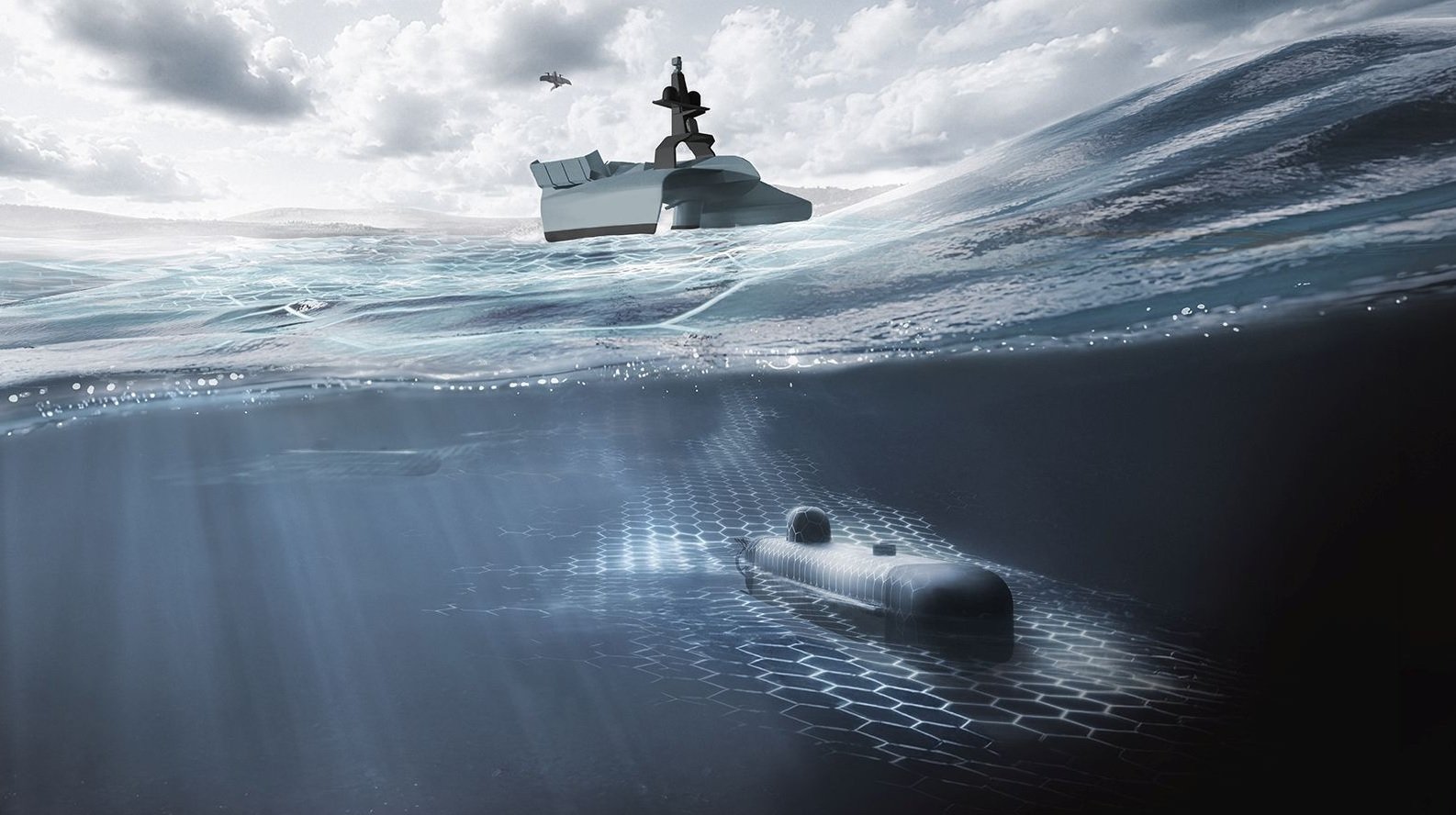 Quantum Systems Expands Into Maritime Domain With Seavex and Subvex Unmanned Systems
-
 U.S. Begins Process to Return $43–44 Million in Frozen Belarusian Funds
Top Trending in 4 Days
-
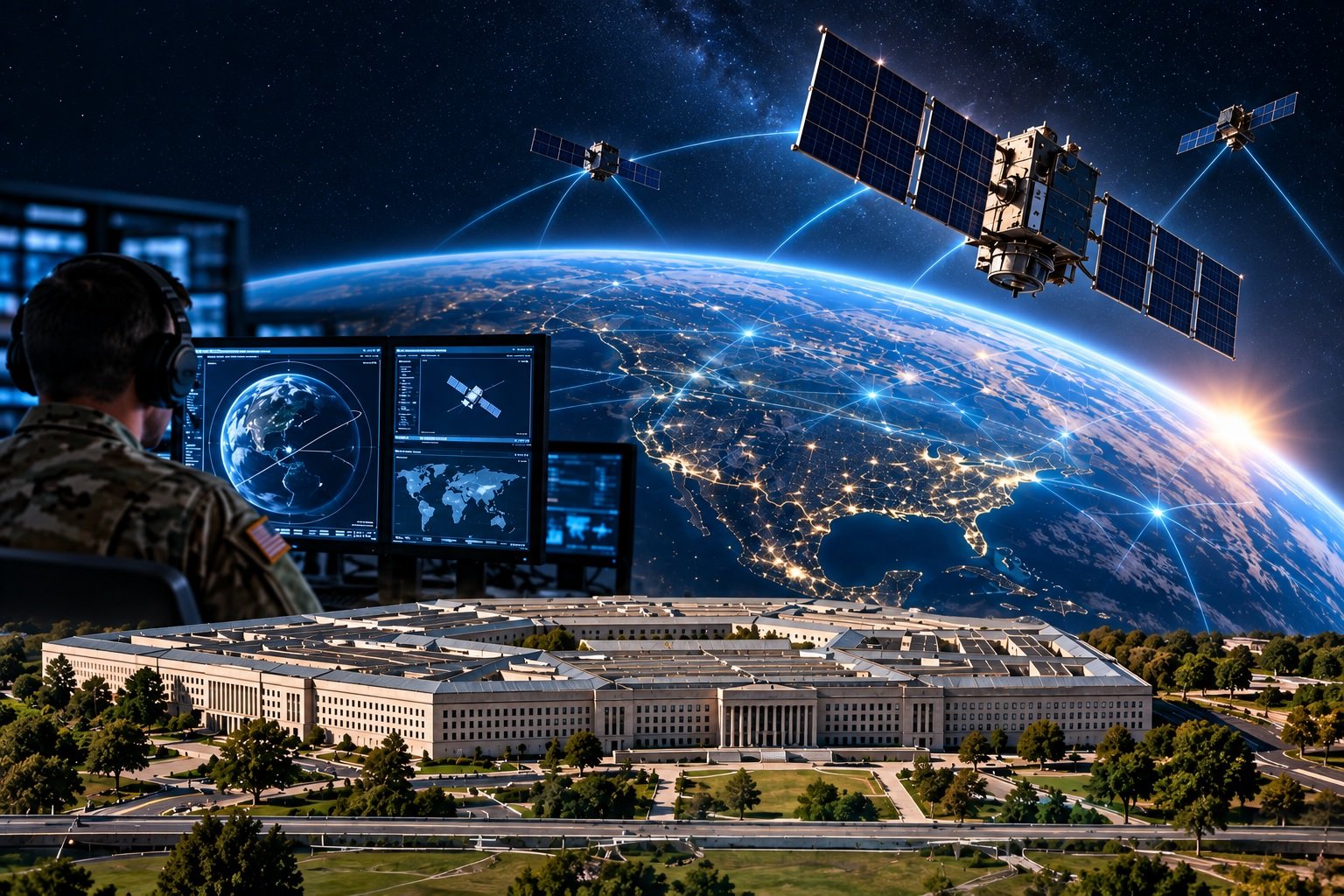 Pentagon Awards BlueHalo Up to $99.8 Million Contract for Orbital Battlespace R&D Program
-
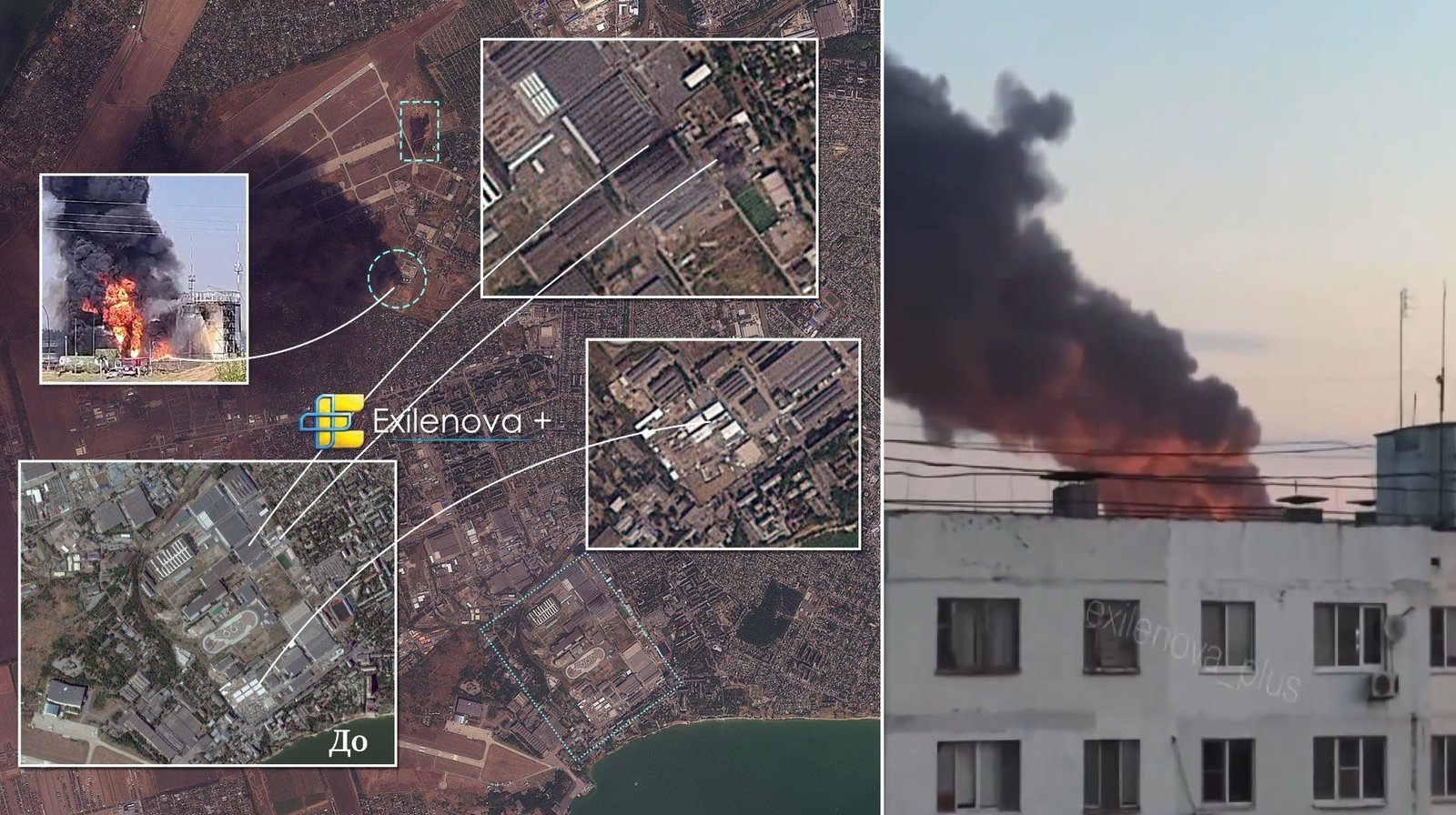 Ukrainian Drones Strike Russian UAV Manufacturer and Chemical Plants in Taganrog and Tolyatti
-
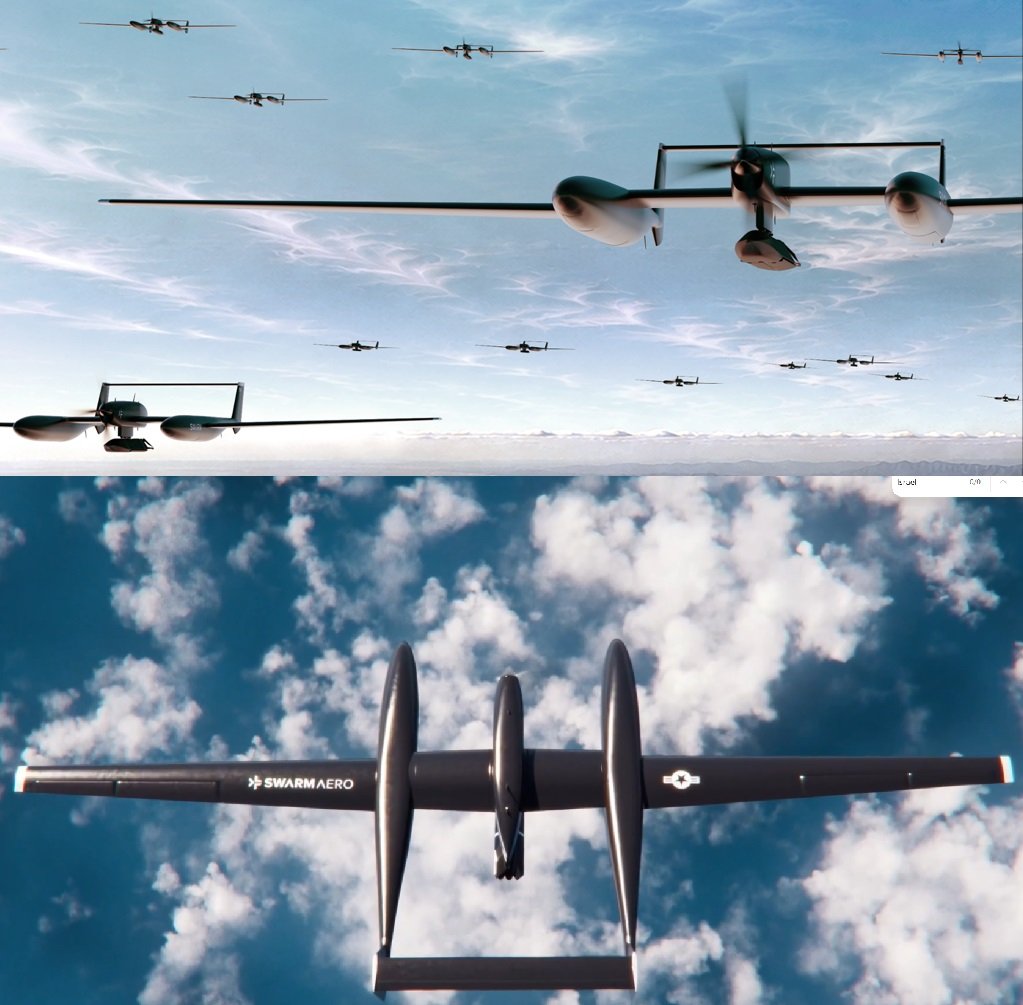 U.S. Firm Swarm Aero Unveils Gamera Group 5 UAS With 9,000-Nautical-Mile Range and Heavy Strike Payload
-
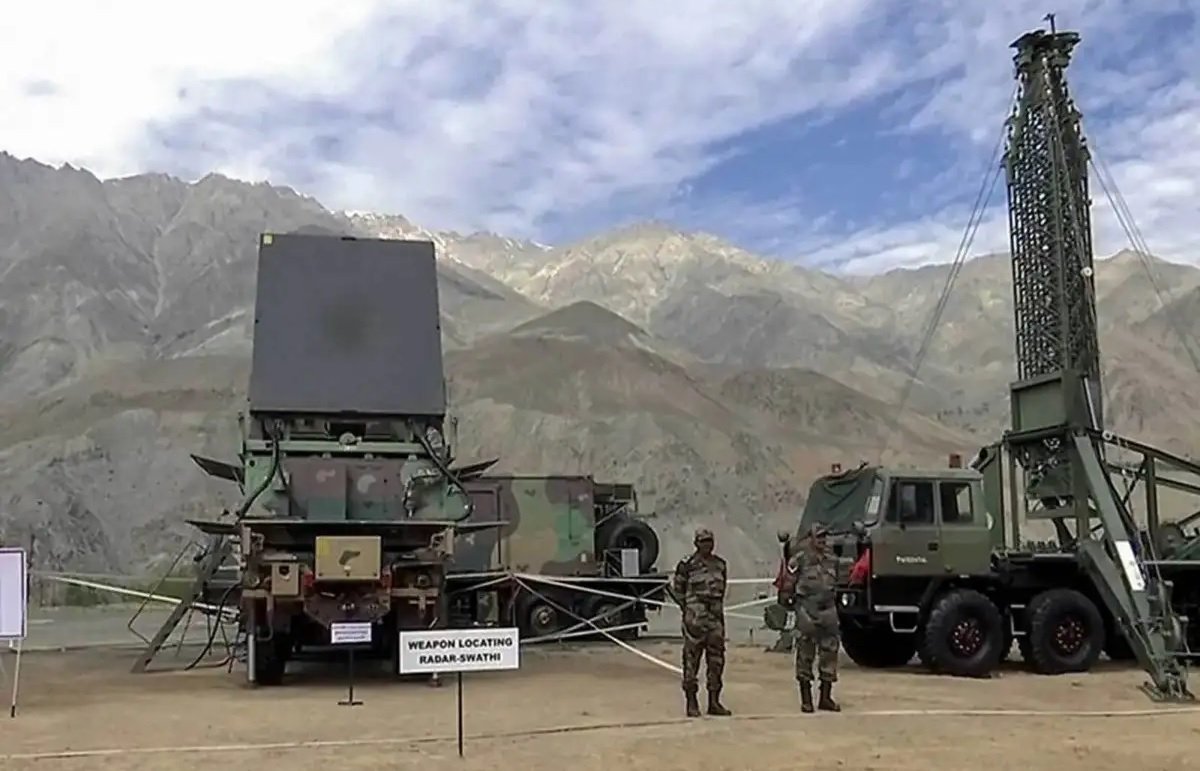 DRDO Demonstrates Indigenous 3.5×3 mm GaN Chip Delivering 30 Watts for Next-Generation Radars and Electronic Warfare
-
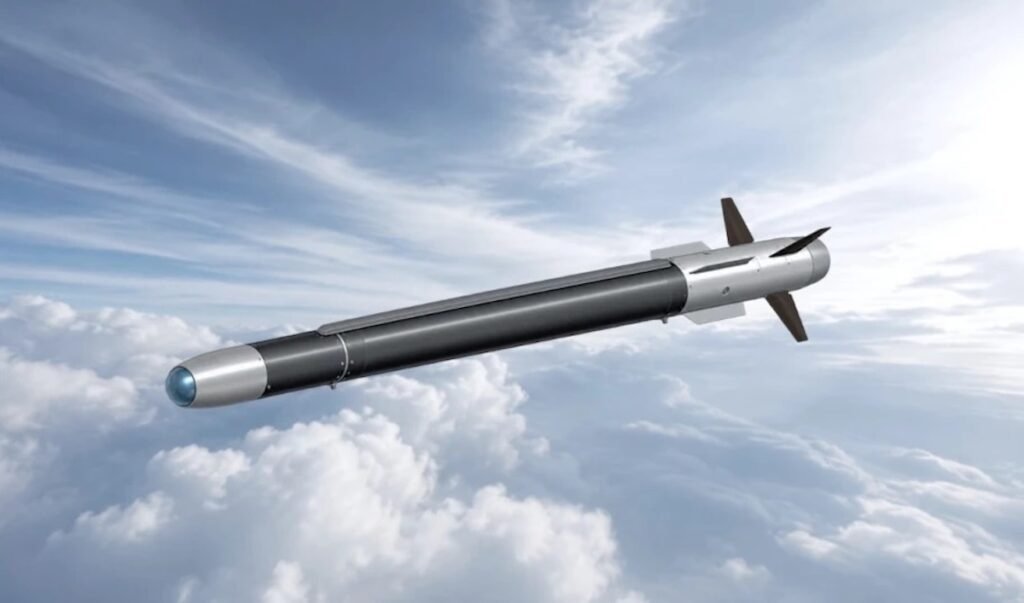 MBDA and Poland’s WITU Advance Low-Cost Supersonic Interceptor Against Swarm Attacks, Seeker Trials Successfully Completed
-
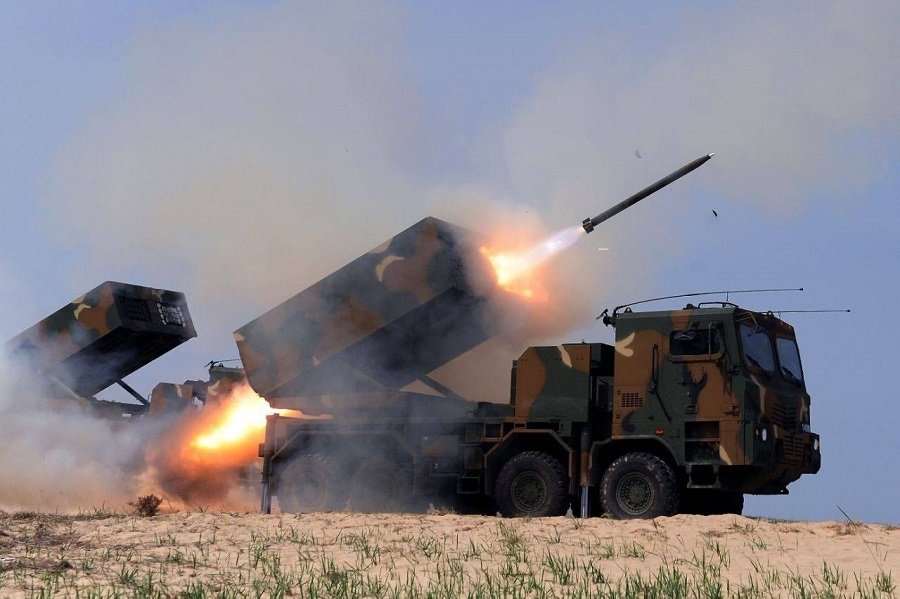 Croatia Signs €410 Million Contract with Hanwha Aerospace for 18 Chunmoo Rocket Launchers
-
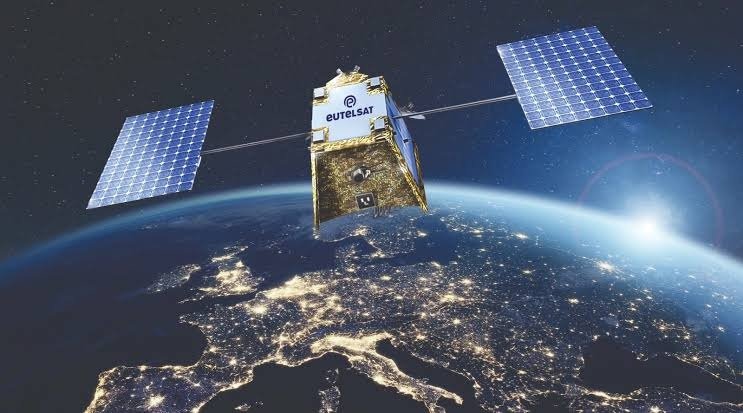 Eutelsat to Invest About €1 Billion in 229 More OneWeb Satellites From Airbus
-
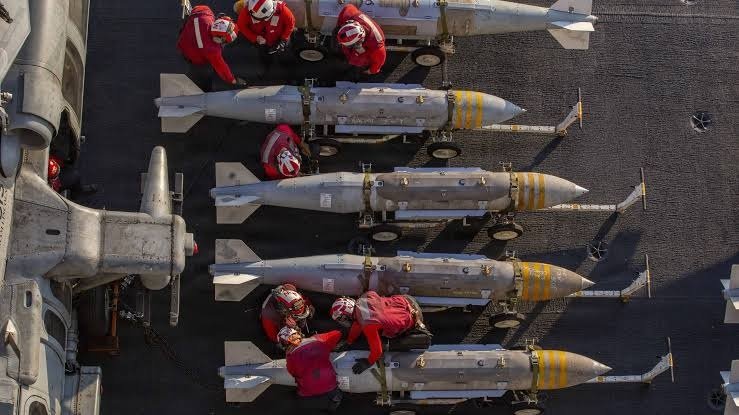 Pentagon Inspector General Report Finds Iran War Caused U.S. Ammunition Shortfalls and Industrial Bottlenecks