India
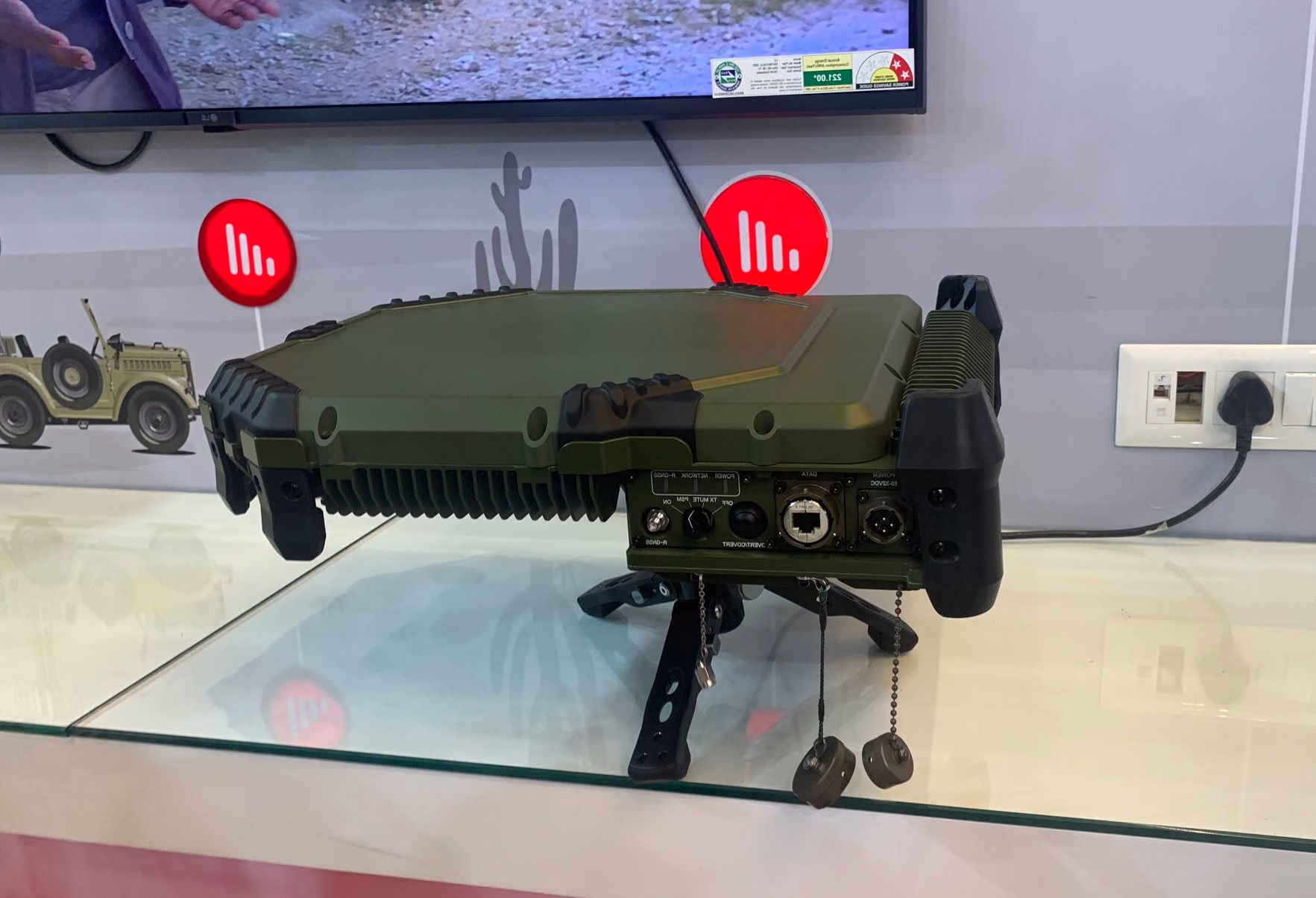
OneWeb has introduced a man-portable Low Earth Orbit (LEO) satellite communication terminal designed for use by the Indian Army. The system provides field units with high-speed, low-latency communication links in locations where ground-based networks are unavailable or unreliable. The development is part of India’s ongoing efforts to expand modern satellite-based communication options for its defence forces. The terminal has been developed through OneWeb’s Indian operations in cooperation with Eutelsat, Intellian, and domestic technology partners. Weighing around 9 kilograms, the unit is compact enough to be carried in a backpack and deployed by a single soldier. It enables troops, patrols, and forward-deployed teams to maintain communication with command centres without depending on vehicles or fixed infrastructure. The device connects directly to OneWeb’s LEO satellite constellation, which operates at about 1,200 kilometres above Earth. Compared to traditional geostationary (GEO) satellites orbiting at 36,000 kilometres, LEO satellites provide much lower signal delay, improving the quality of voice, video, and data transmission. This allows personnel to exchange information in near real time, which is essential for situational awareness and coordination in field operations. According to available data, the terminal supports download speeds of up to 195 Mbps and upload speeds of around 32 Mbps. Its electronically steered flat-panel antenna automatically tracks satellites, removing the need for manual adjustment. The setup process takes only a few minutes, allowing quick network establishment during operations. The equipment is ruggedized for field conditions and built to tolerate dust, moisture, and temperature extremes. It supports encrypted communication, although specific details about security protocols are not publicly disclosed. The terminal can integrate with existing military radio and data systems, enabling voice, video, and command data to flow securely between forward units and higher headquarters. For the Indian Army, this terminal provides an alternative to traditional line-of-sight radios and limited terrestrial networks. It can establish a broadband link in any terrain, including high-altitude areas and isolated regions. Its low power consumption allows operation using portable batteries, supporting longer missions without the need for additional infrastructure. The system is also expected to be useful for other government agencies, including disaster response units and research teams working in remote locations. OneWeb’s partnership with Nelco, a Tata Group company, ensures compliance with Indian regulatory standards and facilitates the creation of local gateway infrastructure to handle traffic securely within the country. This initiative reflects a broader trend within India’s defence communications strategy, which aims to blend LEO and GEO satellite systems to improve resilience and coverage. LEO networks offer faster connections and lower latency, while GEO satellites provide greater reach and redundancy. Integrating both will help the Indian military maintain stable communications during complex operations. Once fully introduced, the OneWeb terminal will enable units in remote areas to exchange live imagery, receive updated mission data, and stay connected with central command networks. With the OneWeb constellation of 648 satellites now operational worldwide and Indian ground gateways under development, the country is moving toward stronger, independent satellite-based communication capabilities for defence and emergency use.
Read More → Posted on 2025-10-13 12:03:08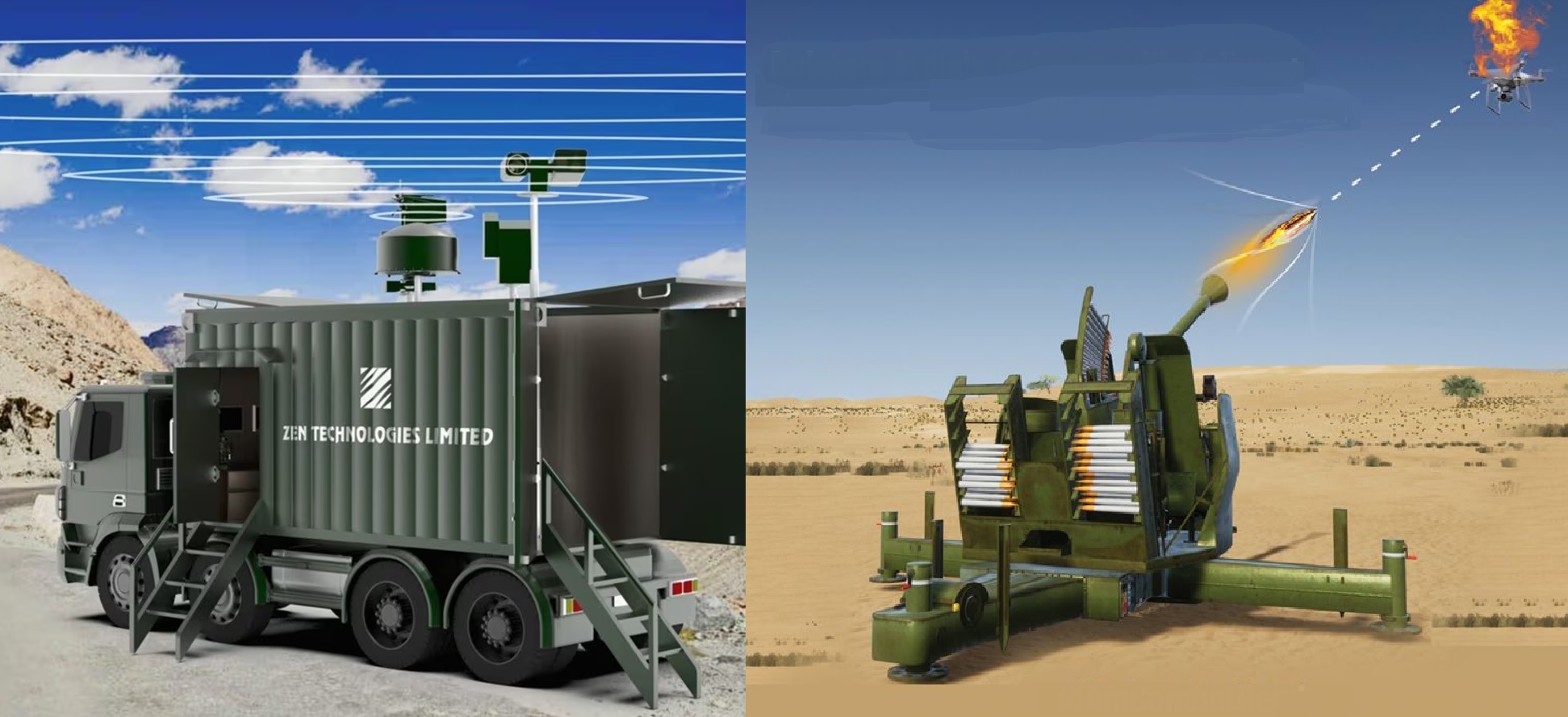
India
The Ministry of Defence (MoD) has awarded a contract to Hyderabad-based Zen Technologies Limited for the supply of indigenous anti-drone systems equipped with hard-kill capability. While some reports suggest the deal value is around ₹37 crore, no official filing confirms that figure. In recent years, Zen Technologies has signed several larger orders with the MoD for counter-unmanned aerial systems (C-UAS), including a ₹227.65 crore contract in September 2023 and another ₹155 crore order from the Indian Air Force in 2021. The new agreement continues the government’s effort to strengthen India’s domestic defence manufacturing base and to enhance counter-drone preparedness across the armed forces. Zen Technologies has developed its anti-drone systems entirely in-house, building on more than three decades of experience in defence simulation and sensor technologies. The system, known as the Zen Anti-Drone System (ZADS) or Zen ADS-HK, is designed to detect, track, and neutralize hostile drones using both electronic and kinetic methods. It integrates multiple sensors, including radio frequency (RF) detectors, radars, and electro-optical/infrared cameras, to identify aerial threats in real time. The information from these sensors is processed through a centralized Data Fusion and Command Centre, which classifies the target and determines the most effective response. The soft-kill component of the system uses radio frequency jammers to disrupt drone communication links and navigation signals. These jammers can simultaneously target multiple frequency bands, including ISM, GNSS, and mobile signals, effectively grounding or redirecting hostile drones. For cases where electronic jamming is insufficient, the system includes a hard-kill option. This capability allows the use of a kinetic weapon—typically a gun integrated with the targeting system—to physically destroy the drone. In certain configurations, the system can also deploy a drone catcher that uses a net to capture and neutralize the target safely. The Army Air Defence College in Gopalpur received the Zen ADS-HK variant in mid-2024, marking the beginning of its operational fielding. According to available technical information, Zen’s anti-drone system can detect drones at a range of about five kilometres and jam them up to four kilometres, depending on their size and flight altitude. The system’s electro-optical tracking unit combines a day camera, thermal imager, and laser rangefinder for precise target tracking under all weather conditions. The modular architecture allows the system to be mounted on vehicles or fixed sites, making it suitable for deployment at airbases, border locations, or high-security installations. The procurement of indigenous counter-drone systems reflects the growing importance of defending against small and swarm UAV threats. Incidents such as the drone attack on the Jammu Air Force Station in 2021 demonstrated the vulnerability of critical military sites to low-cost aerial threats. The inclusion of hard-kill features makes the Zen system more effective against drones that are resistant to jamming or operate autonomously without a live communication link. Zen Technologies’ success in this field underscores India’s progress toward self-reliance in advanced defence technology under the “Make in India” initiative. The anti-drone system project also supports the broader objective of equipping the armed forces with layered, modular, and scalable defence solutions to counter evolving aerial threats. Even though the precise value of the latest MoD contract remains unverified, its implementation marks another step toward strengthening India’s domestic capability to safeguard military and strategic infrastructure against emerging drone-based threats.
Read More → Posted on 2025-10-12 16:46:54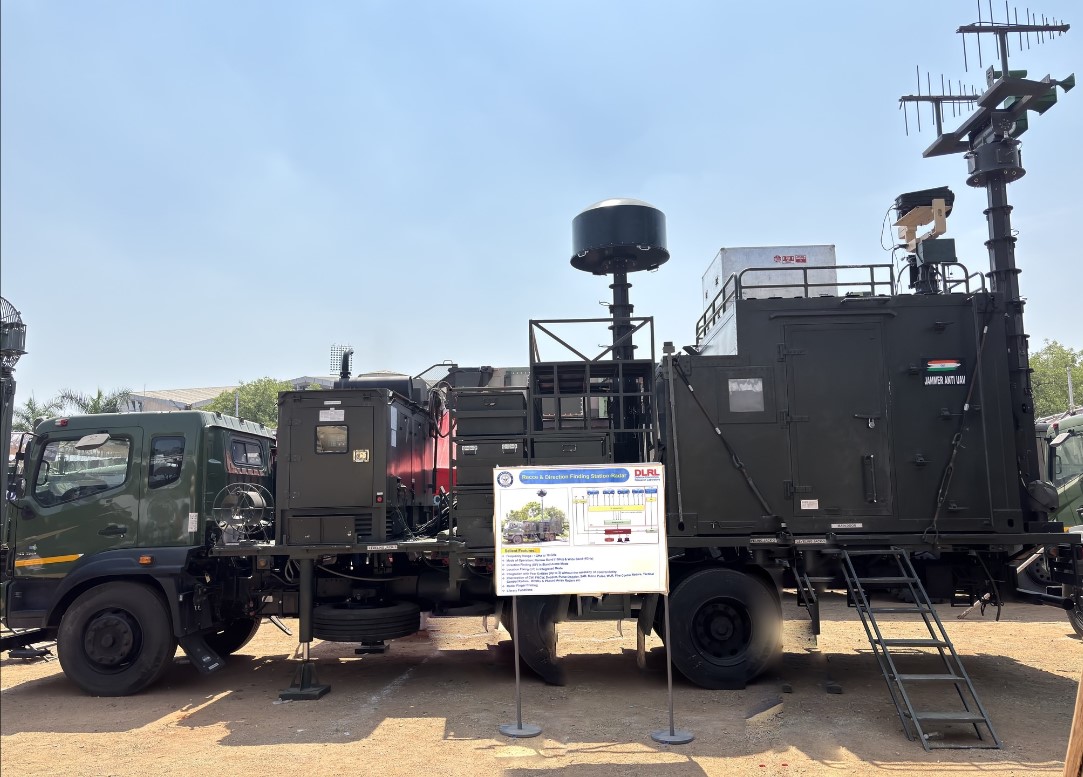
India
The Defence Acquisition Council (DAC) has approved a proposal worth about ₹5,150 crore for the procurement of the ‘Dharashakti’ Integrated Electronic Warfare (EW) System for the Indian Armed Forces. The approval, granted in October 2025, falls under the Buy (Indian – Indigenously Designed, Developed and Manufactured) category to support domestic defence production. The Dharashakti system is intended to strengthen electronic warfare capabilities across communication (COM) and non-communication (Non-COM) domains. In the communication segment, it will intercept, monitor, and protect radio-frequency signals, while also maintaining secure links under electronic interference. In the non-communication segment, it will detect and counter radar and electromagnetic emissions through jamming and electronic counter-measures. The system is being developed for deployment in desert and plain terrain, where it will be used to monitor and manage the electromagnetic spectrum in field conditions. It will include an electro-optical suite for observation and target detection, along with long-range communication systems that can resist interference and jamming. Officials have indicated that the project will help improve coordination and situational awareness for field units. Once inducted, Dharashakti will add to the existing network of electronic warfare systems operated by the armed forces and enhance overall spectrum management capability. The approval is part of ongoing defence modernisation efforts. In recent months, the DAC has cleared several procurement proposals for the Army, Navy, and Air Force, covering areas such as radars, unmanned systems, and air defence equipment. The Dharashakti system will move to the next stage of production and trials before being integrated into service.
Read More → Posted on 2025-10-12 14:54:23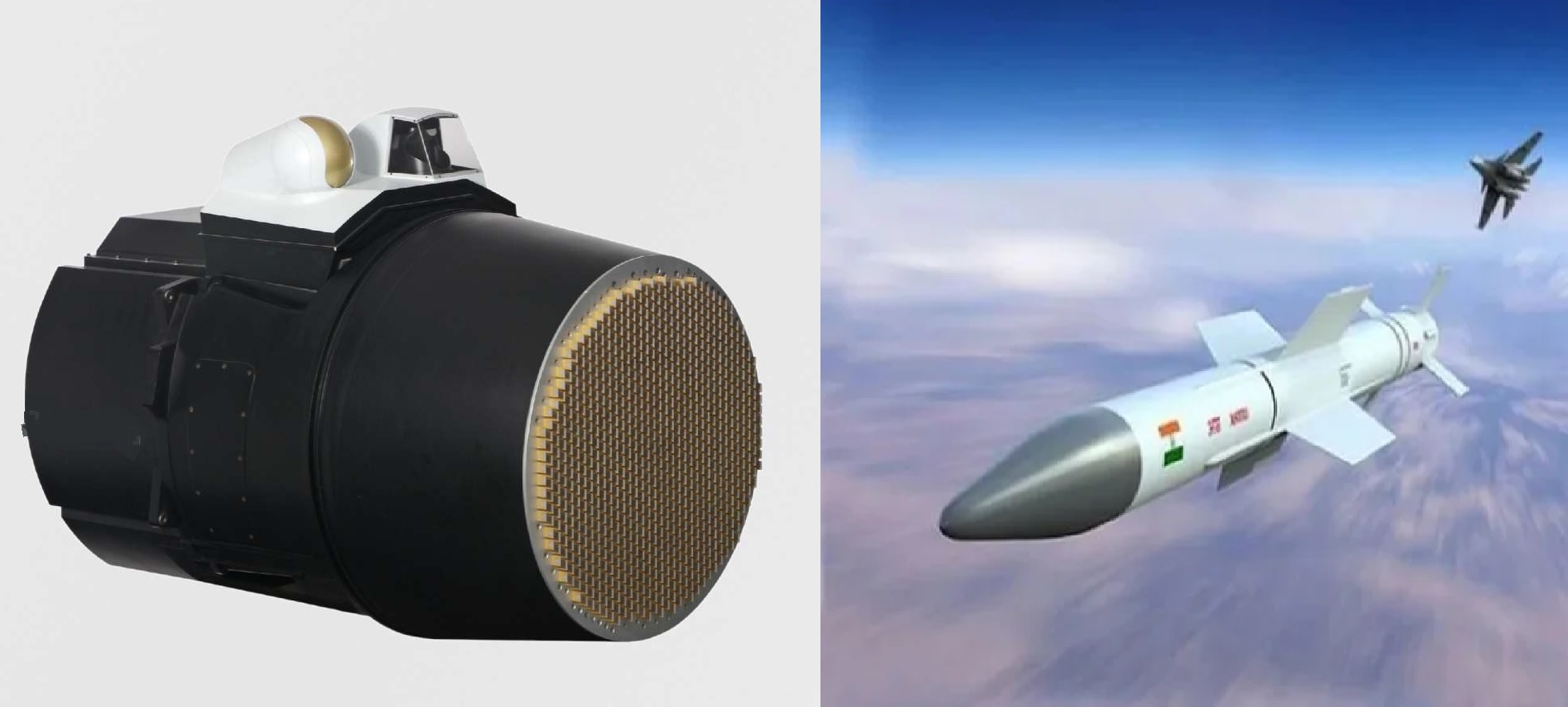
India
The Defence Research and Development Organisation (DRDO) is advancing the Astra missile family including Astra Mk-1, Mk-2, and Mk-3 with GaN-based seekers to provide the Indian Air Force with improved aerial capabilities. A key development in this program is the integration of Gallium Nitride (GaN)-based Active Electronically Scanned Array (AESA) seekers, replacing the current Gallium Arsenide (GaAs)-based seekers. While the existing GaAs systems offer precise tracking and guidance, GaN technology provides enhanced range, faster target acquisition, and better resistance to electronic countermeasures. The Astra Mk-3, the latest variant of this family, is a next-generation beyond-visual-range air-to-air missile (BVRAAM) designed to engage targets at extended distances with high accuracy. The current GaAs-based AESA seeker allows precise target tracking and communication with fighter aircraft via a two-way data link. This capability has been validated in trials, including launches from the Su-30MKI platform. Modern air combat requires the ability to detect and engage low-observable aircraft, which is where GaN technology improves performance. GaN-based seekers offer several technical advantages over GaAs systems. They operate at higher power levels, allowing the missile to detect targets at longer distances. GaN’s improved thermal efficiency supports continuous operation without overheating. The technology is more robust and durable, reducing maintenance requirements and improving operational readiness. GaN seekers also provide better sensitivity and resistance to electronic interference, increasing the missile’s capability against low-observable or stealth aircraft. This upgrade aligns with India’s goal of developing indigenous defense technologies. By incorporating GaN technology, DRDO ensures the Astra family maintains effective operation against both current and future aerial threats, including advanced fighter aircraft with reduced radar visibility. The combination of advanced guidance, propulsion, and now GaN seekers enhances the missile’s performance and operational capability. As the Astra Mk-3 progresses through development and testing, the integration of GaN-based AESA seekers improves its technical performance and supports India’s air defense requirements. The missile is expected to provide reliable target engagement in a range of operational conditions while supporting the objectives of indigenous defense technology development.
Read More → Posted on 2025-10-11 17:42:29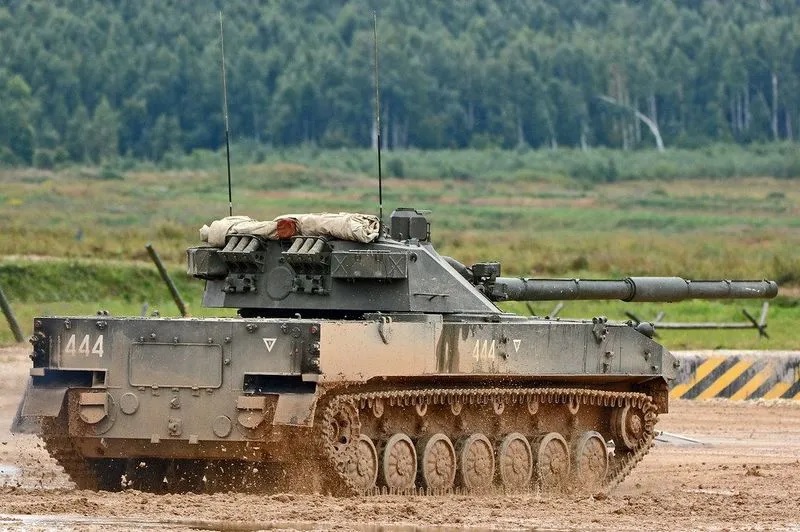
India
Armoured Vehicles Nigam Limited (AVNL), a public sector undertaking under the Ministry of Defence, is on the cusp of completing the design and development of its indigenous Bharat Light Tank by the end of 2025. The first prototype is slated for rollout by late 2026, marking a significant milestone in India's pursuit of self-reliance in defense technology. The Bharat Light Tank is being developed under the Indian Army's "Futuristic Light Tank (FLT)" program, which aims to enhance mobility and firepower in high-altitude and rugged terrains. The project is fully indigenous, aligning with the government's "Make in India" initiative. AVNL is collaborating with Western defense partners like John Cockerill and Elbit Systems to integrate advanced technologies into the tank's design. The tank’s specifications highlight its role as a lightweight yet potent platform. Weighing approximately 25–30 tonnes, it is designed to balance protection and mobility. It will have a crew of 3 personnel and feature a 105mm high-pressure rifled gun as its primary armament, complemented by a 7.62mm anti-aircraft machine gun, anti-tank guided missiles (ATGMs), and smoke grenade launchers. While engine details remain classified, the tank is engineered for rapid deployment in mountainous and challenging terrains, with enhanced armor to ensure crew safety. The development timeline sets 2025 for the completion of the design and development phase, with the prototype rollout expected by late 2026. Following this, user trials and eventual induction into service are planned, making it a key component of India’s armored warfare modernization. Strategically, the Bharat Light Tank is tailored for operations along the Line of Actual Control (LAC) with China and in the mountainous regions of Jammu & Kashmir. Its lightweight design ensures rapid mobility, while its firepower guarantees effectiveness against adversarial armored units. This initiative underscores India’s commitment to indigenous defense capabilities and reduces dependence on foreign military hardware. AVNL's Bharat Light Tank represents a significant advancement in India’s defense technology. With design completion slated for the end of 2025 and the prototype expected by late 2026, the tank is poised to become a cornerstone of India’s armored warfare strategy, strengthening national security while showcasing India’s growing prowess in indigenous defense manufacturing.
Read More → Posted on 2025-10-11 17:01:16
India
In a remarkable milestone for India’s transport sector, Indian Railways has emerged as the world’s second-largest rail freight carrier, surpassing both the United States and Russia in the fiscal year 2024–25. This achievement reflects the strategic emphasis India has placed on rail infrastructure, operational efficiency, and freight capacity, further strengthening its role in global logistics. Rail Freight Volumes During FY 2024–25, the freight transported by major rail networks around the world was as follows: China: ~4.0 billion metric tons (BMT) India: ~1.6 BMT USA: ~1.5 BMT Russia: ~1.1 BMT Despite trailing China, India’s volume has overtaken the U.S. and Russia, highlighting significant growth in domestic and industrial freight movement. Railway Network Length The total route-kilometers of these countries’ railway networks further illustrate the scale of operations: USA: ~293,564 km China: ~162,000 km Russia: ~85,494 km India: ~65,554 km Even with a smaller network compared to the U.S. and China, India’s railways have achieved high efficiency and optimal utilization of available tracks, contributing to its rise in global rankings. Factors Behind India’s Freight Growth Several developments have contributed to this success: Record Freight Loading: Indian Railways recorded an all-time high of 1.6 billion metric tons in FY 2024–25. Increased production of freight wagons has expanded capacity to carry a wider variety of cargo efficiently. Dedicated Freight Corridors (DFCs): The operationalization of DFCs has boosted train movement efficiency, reducing transit times and increasing freight handling capacity. Infrastructure Expansion: Recent government approvals for major multitracking projects have added hundreds of kilometers of track, further enhancing the network and enabling smoother freight operations. Digital Transformation and Cybersecurity: Modernization of IT systems, including improved cybersecurity measures, has enhanced operational reliability, shipment tracking, and network management, ensuring safer and more efficient freight operations. Global Context and Future Outlook India’s ascent to the second position in global rail freight is not just a domestic achievement but also a signal of its growing importance in international trade. With continuous investments in infrastructure, technology, and operational efficiency, Indian Railways is poised to maintain its growth trajectory, potentially closing the gap with China in the years to come. The accomplishment also highlights the strategic advantage of rail transport in handling bulk cargo efficiently, reducing logistics costs, and supporting India’s expanding industrial and commercial sectors. In conclusion, Indian Railways’ rise to the second spot globally underscores its transformation into a world-class freight carrier, reflecting a combination of visionary planning, technological upgrades, and infrastructure development that is redefining rail transport in India.
Read More → Posted on 2025-10-11 16:46:12
India
The recent development that the Royal Air Force (RAF) has invited the Indian Air Force (IAF) to train its personnel is more than a gesture of goodwill — it is a powerful recognition of India’s operational diversity, combat experience, and unique aviation ecosystem. Behind this cooperation lies a blend of strategic needs, training excellence, and India’s unparalleled exposure to both Western and non-Western aircraft systems, which makes the IAF one of the most versatile air forces in the world. A Partnership Built on Practical Experience The RAF today faces increasing operational demands — global deployments, joint missions with NATO, and evolving technology integration with next-generation fighters. As it prepares pilots for modern air warfare scenarios, the UK is seeking to infuse realistic, high-intensity training environments that reflect multiple combat conditions. The IAF, with its daily operational tempo and experience across mountains, deserts, and maritime zones, offers exactly that. Unlike many Western air forces that train under controlled and predictable environments, the IAF’s pilots operate amid real threats, unpredictable weather, and demanding mission profiles, often switching between air-to-air and air-to-ground operations in a single sortie. The UK’s decision to involve IAF instructors reflects a clear recognition of this operational realism. India’s Unique Multi-Origin Aircraft Experience One of the most compelling reasons the UK wants India’s help lies in the IAF’s diverse fleet composition. India is the only major air force in the world that has operated and continues to operate aircraft of both Eastern (Russian/Soviet) and Western origin — along with its own indigenous platforms. India has flown British-built aircraft like the Hawker Hunter and BAE Hawk, French fighters like the Mirage-2000 and Rafale, Russian aircraft like the MiG-21, MiG-29, and Su-30MKI, and indigenous jets such as the HAL Tejas. This remarkable mix gives IAF pilots and instructors firsthand experience in different flight control philosophies, avionics ecosystems, maintenance doctrines, and combat doctrines. From Soviet ruggedness to Western digital sophistication, Indian pilots understand how to adapt to any platform — a rare capability even among NATO allies. The UK sees this as an invaluable asset. By learning from Indian instructors, RAF cadets can gain a holistic understanding of multi-origin systems, enhancing their ability to operate in joint or coalition environments. Moreover, the UK knows that the IAF has successfully integrated diverse systems — Russian fighters flying with Western avionics, Israeli pods, Indian sensors, and American engines. This integration experience offers lessons in flexibility and innovation that few air forces possess. For the RAF, the takeaway is clear: exposure to such diverse operational philosophies can help develop pilots who can adapt to any aircraft, any environment, and any mission — just like the Indians do. Training Capacity and Institutional Depth The IAF’s training pipeline is one of the largest and most structured in Asia. Its Air Force Academy at Dundigal, Fighter Training Wing, and Test Pilot School are known for blending traditional instruction with modern simulation and combat-realistic exercises. IAF training emphasizes discipline, multi-theater adaptability, and independent tactical decision-making — qualities that the RAF wants to reinforce among its next-generation pilots. In recent years, India has also invested heavily in synthetic training environments, networked simulators, and mission rehearsal systems to replicate near-war conditions without risk. What makes the IAF system special is that it produces operational pilots ready for complex missions, not just technically proficient flyers. Its instructors, many of whom have combat experience from the Kargil conflict or high-risk patrols over the Himalayas, bring a type of knowledge that no simulator can replicate. Strategic and Geopolitical Logic Beyond training, this cooperation is a strategic signal. The UK, as part of its “Global Britain” and Indo-Pacific strategy, is expanding defence ties with India to counterbalance growing challenges in the region. Joint training allows both sides to develop interoperability, standardize procedures, and strengthen diplomatic trust — key for any future multinational operations. For India, the collaboration enhances its status as a global training hub and a credible strategic partner. For the UK, it offers a cost-effective and realistic path to raise the proficiency of its pilots, while deepening its political and military engagement with a rising Indo-Pacific power. Is the IAF Training System the World’s Best? While “best” is subjective, the IAF’s system stands out for several world-class strengths: Diverse exposure: Pilots train on Soviet, Western, and indigenous platforms, gaining adaptability unmatched globally. Realistic conditions: Training across high-altitude, desert, and maritime environments builds unmatched resilience. High operational tempo: IAF squadrons conduct frequent live exercises, unlike many air forces limited by budget or safety restrictions. Institutional excellence: From its Air Force Academy to its Test Pilot School, India maintains a rigorous and standardized process. Experience sharing: IAF personnel often participate in international exercises such as Red Flag, Cobra Warrior, and Pitch Black, consistently performing on par with — and often outperforming — Western counterparts. These factors collectively make IAF pilots among the most well-rounded airmen in the world. The UK’s collaboration is an acknowledgment that India’s mix of practical combat readiness and training diversity produces pilots of exceptional caliber. The UK’s decision to seek training assistance from the Indian Air Force is not merely symbolic — it is rooted in hard logic. India operates one of the most diverse and demanding aviation ecosystems in the world, with experience across platforms, doctrines, and operational theaters unmatched by any single Western nation. For the RAF, partnering with the IAF is an investment in developing pilots who can think, adapt, and fight in any condition — mirroring the Indian model that blends realism, flexibility, and discipline. In essence, the UK wants its airmen to become as versatile and world-class as those of the Indian Air Force, and this cooperation is a decisive step toward that goal.
Read More → Posted on 2025-10-11 14:33:30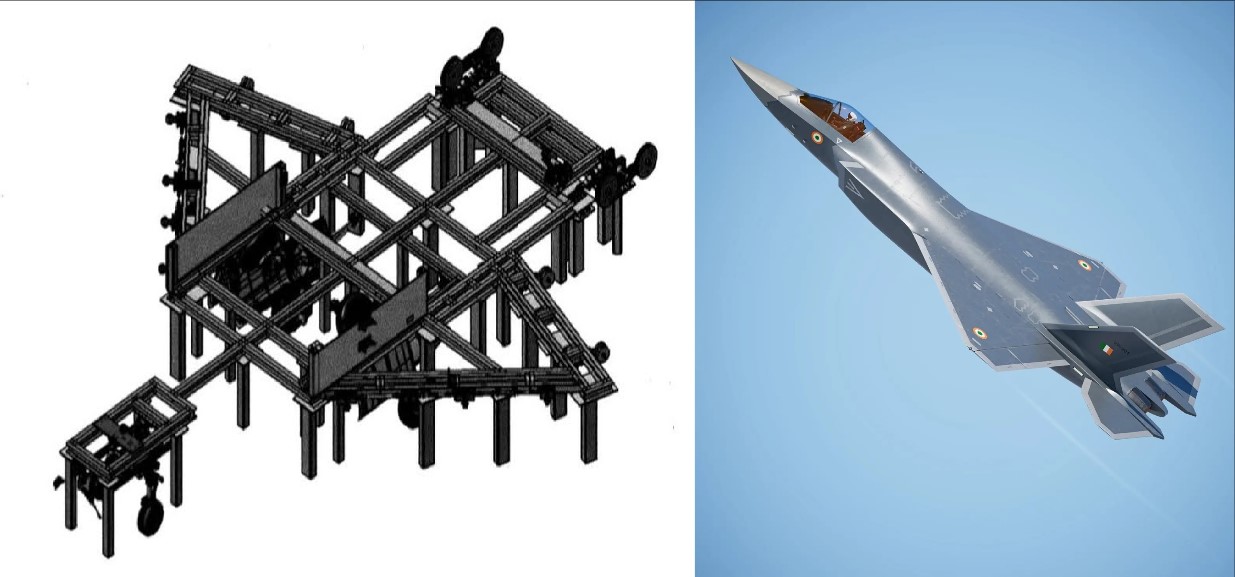
India
The Aeronautical Development Agency (ADA) has initiated the establishment of an Advanced Iron Bird Test Facility dedicated to the Advanced Medium Combat Aircraft (AMCA) program. This initiative represents a significant step toward strengthening India’s indigenous aerospace testing infrastructure and ensuring the smooth progress of its fifth-generation fighter project. The facility will serve as a comprehensive ground-based testing platform, replicating the aircraft’s critical subsystems to simulate real-world operational flight conditions. It will enable the ADA to rigorously test and validate key onboard systems—such as flight controls, avionics, and hydraulic mechanisms—long before they are installed on the prototype aircraft. This process is crucial for detecting and resolving system integration issues early, ensuring safer and more efficient flight trials later in the program. An Iron Bird facility is essentially a full-scale, non-flying replica of an aircraft’s mechanical and electronic architecture. It brings together all major subsystems—flight control computers, actuators, hydraulics, electrical systems, and avionics—on the ground in a controlled laboratory environment. Engineers use this setup to test how these systems interact with each other, evaluate failure modes, and fine-tune control laws. The data gathered from these simulations allows for more accurate predictions of in-flight performance and reliability, significantly reducing risks during the flight-testing phase. What makes this facility particularly special is its integration of hardware-in-the-loop (HIL) technology. This allows real aircraft components—such as flight control computers or sensors—to interact with simulated flight conditions in real time. In practice, it means engineers can simulate a wide range of flight scenarios, from turbulence and high-G maneuvers to potential system faults, without leaving the ground. Hydraulic systems powered by variable-speed electric motors will replicate real aircraft loads, providing engineers with valuable feedback on how the AMCA’s flight control systems perform under stress. According to reports, the Advanced Iron Bird Test Facility is expected to become fully operational within 30 months. This timeline aligns with the AMCA program’s development schedule, which includes prototype rollouts by late 2026 or early 2027, followed by the aircraft’s first flight targeted around 2028. Serial production is expected to begin by 2035, depending on the results of flight and systems testing. The new test infrastructure reflects ADA’s broader commitment to Atmanirbharta (self-reliance) in the field of aerospace and defence technology. By conducting extensive ground testing, ADA aims to minimize flight-test risks, shorten development cycles, and enhance the reliability of systems integrated into the AMCA. Such facilities are standard practice in advanced aerospace programs worldwide. For instance, the United States and European nations employ similar setups for fifth-generation aircraft like the F-35 Lightning II and the Eurofighter Typhoon, ensuring mature system performance before flight. The AMCA is designed as India’s first stealth multirole fighter, capable of air superiority, strike, and deep penetration missions. Its advanced avionics, fly-by-wire flight control system, and sensor fusion technologies demand high levels of system integration and precision. The Iron Bird facility will therefore play a central role in validating these complex technologies. By simulating the aircraft’s Integrated Flight Control System (IFCS), engineers can refine control algorithms, verify redundancy systems, and ensure fault tolerance before the first prototype takes off. Industry observers note that the Iron Bird facility will also strengthen India’s aerospace ecosystem by involving domestic companies in designing, building, and maintaining high-end test infrastructure. ADA’s recent Request for Proposals (RFP) indicates plans to collaborate with Indian industry partners for setting up the mechanical structure, hydraulic systems, and simulation hardware. This not only supports local industry growth but also lays the groundwork for future indigenous aircraft development programs. The establishment of the Advanced Iron Bird Test Facility marks a crucial milestone in the AMCA’s journey from concept to reality. It provides India’s aerospace engineers with a modern, data-driven platform for verifying system performance, improving safety, and accelerating the certification process. Once operational, this facility will be instrumental in ensuring that the AMCA meets its ambitious performance targets and enters service with the Indian Air Force (IAF) on schedule. By combining rigorous ground-based testing with advanced simulation technologies, ADA is building a robust foundation for the successful realization of India’s fifth-generation fighter. The Iron Bird facility not only reduces development risk but also signifies a strategic investment in the future of indigenous aircraft design, testing, and certification.
Read More → Posted on 2025-10-11 09:48:21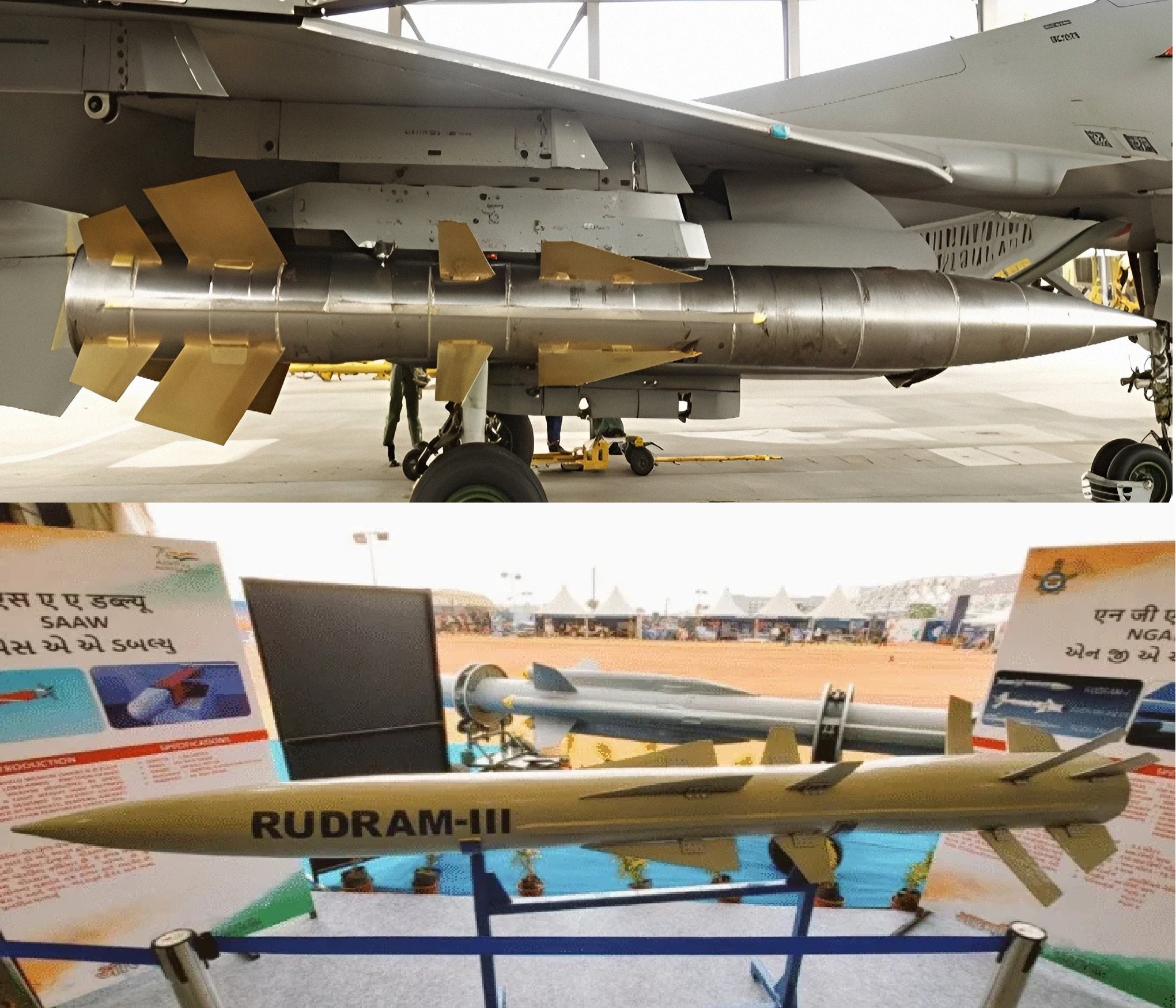
India
India’s Defence Research and Development Organisation (DRDO) has completed the electrical and mechanical adaptation trials of the RudraM-III, a hypersonic air-to-ground missile with a range of 550 kilometers. This step advances India’s missile development program and enhances the ability to conduct long-range precision strikes against defended targets. What is Electrical and Mechanical Adaptation Trials Means Electrical and mechanical adaptation trials are a critical phase in integrating a missile with an aircraft or launch platform. During these trials, engineers test and verify that the missile’s electrical systems—such as wiring, power supply, avionics interface, and communication with the aircraft’s onboard computers—function correctly with the host platform. Simultaneously, the mechanical systems, including mounting points, release mechanisms, aerodynamics during carriage, and structural compatibility, are assessed to ensure the missile can be safely carried, launched, and operated without affecting the aircraft’s performance. These trials confirm that the missile and the platform work seamlessly together under operational conditions before full flight testing and deployment. The RudraM-III can reach speeds above Mach 5, supported by an advanced Solid Fuel Ducted Ramjet (SFDR) propulsion system that allows sustained high-speed flight with improved maneuverability. It is equipped with a dual-mode seeker for accurate targeting of critical assets such as radar installations and communication hubs. The missile also supports modular warhead options, enabling the Indian Air Force to adjust the payload according to mission requirements. The missile has been integrated with the Su-30MKI, India’s frontline multirole fighter aircraft. This integration allows the Su-30MKI to conduct Suppression of Enemy Air Defenses (SEAD) and long-range strike missions. The trials confirmed that the missile’s electrical and mechanical systems function properly with the aircraft, ensuring safe deployment during operations. The RudraM-III strengthens India’s strike capabilities by providing a combination of high speed, extended range, and precision targeting, making interception by enemy defenses more challenging. Once deployed, it will enhance the Indian Air Force’s ability to reach targets deeper within adversary territory. The completion of these trials demonstrates DRDO’s capability in hypersonic missile technology and marks an important step in India’s efforts to develop indigenous advanced weapon systems. With operational deployment planned, the RudraM-III will contribute to improving India’s aerial strike and defense capabilities.
Read More → Posted on 2025-10-10 17:03:49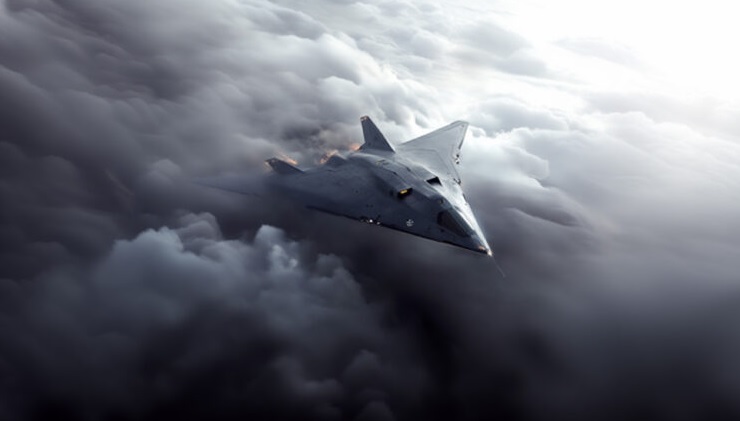
India
The Defence Research and Development Organisation (DRDO) is developing the Design Technologies for Futuristic Unmanned Fighter Aircraft (DT-FUFA) program to advance India’s capabilities in unmanned combat aircraft. The program focuses on creating a stealthy and autonomous fighter aircraft capable of operating in contested airspaces, performing strike missions, air defense, and coordination with manned fighters. In 2023, the program completed several milestones. The aircraft configuration was finalized, and the Preliminary Design Review (PDR) was completed. Wind tunnel models for most test configurations have been manufactured, and testing has begun to evaluate aerodynamic performance, stability, and flight characteristics. A key component of the program is the Integrated Flight Control Computer (IFCC). Developed with an industry partner, the IFCC is in an advanced stage of design and manufacturing and will provide autonomous flight control, mission management, and adaptive decision-making capabilities. It will ensure reliable operation during routine and complex flight scenarios. DRDO has issued a turn-key contract for the detailed design and manufacturing of the airframe, and industry partners have started detailed design work. This collaboration combines DRDO’s research capabilities with industry experience in aircraft production. The DT-FUFA is expected to include stealth-optimized airframe designs, possibly using a flying-wing or tailless configuration to reduce radar signature. It will likely feature internal weapons bays for precision-guided munitions and sensors, including electro-optical, infrared, and radar systems. The propulsion system is expected to be a high-efficiency turbofan engine designed for endurance, reliability, and reduced infrared signature. The aircraft is being designed for long-duration missions and the ability to operate at altitudes suitable for strike and surveillance. It will include networking capabilities to coordinate with manned aircraft and share sensor data, enabling collaborative operations. The DT-FUFA program builds on previous DRDO projects such as SWiFT (Stealth Wing Flying Testbed) and the Ghatak UCAV, which provided experience in flight dynamics, autonomous control, stealth shaping, and composite materials. The program faces technical challenges, including engine development, material durability, autonomous control system validation, and integration of sensors and weapons. Additionally, the development of ground infrastructure and supply chains for components is critical for long-term operation. The DT-FUFA program is part of India’s effort to develop indigenous unmanned fighter aircraft technologies. Prototype flights are expected in the coming years, with operational deployment planned for the 2030s. The program supports the development of autonomous flight systems, stealth technology, and advanced aircraft design capabilities.
Read More → Posted on 2025-10-10 16:52:33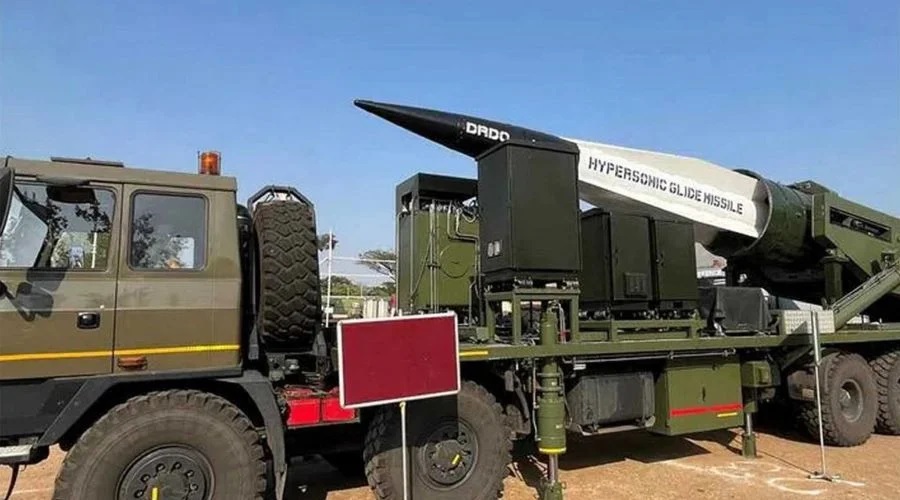
India
India has extended its latest Notice to Airmen (NOTAM) to a range of 3,500 kilometres for a possible missile test scheduled between October 15 and 17 in the Bay of Bengal, sparking widespread speculation that a new generation of long-range missile technology may be under trial. Earlier versions of the NOTAM reportedly covered 1,480 km, then were revised to 2,500 km, and now to the 3,500 km corridor. This progressive increase in range has drawn attention among analysts to the nature of the missile(s) that might be tested, the trajectory and safety corridors involved, and India’s strategic intentions. The notified area aligns with India’s established missile testing corridor, originating from Dr. APJ Abdul Kalam Island off the Odisha coast and extending deep into the southern Indian Ocean. This vast stretch is routinely used by the Defence Research and Development Organisation (DRDO) for testing India’s long-range strategic and experimental missile systems, ensuring that flight paths remain clear of civilian air and maritime traffic. The gradual expansion of the NOTAM range has led defence analysts to believe that India may be preparing to test either an improved variant of the Agni series missile or a hypersonic glide vehicle under development. Both possibilities align with India’s ongoing efforts to enhance its strategic deterrence capabilities and adopt cutting-edge propulsion, guidance, and re-entry technologies. The Agni series, which forms the backbone of India’s nuclear deterrent, has evolved significantly over the past decade. The most recent variant, Agni-V, has a range of over 5,000 km and features composite motor casings and advanced navigation systems. A new version under testing could integrate MIRV (Multiple Independently Targetable Reentry Vehicle) technology or advanced maneuverable reentry vehicles capable of evading modern missile defence systems. Alternatively, experts point to the possibility of a hypersonic test, as India has been developing systems capable of speeds exceeding Mach 5 under its long-term hypersonic weapons program. A boost-glide vehicle, launched atop a ballistic booster, could travel thousands of kilometres while gliding at hypersonic speeds — making detection and interception extremely difficult. The extended NOTAM corridor, covering a trajectory of 3,500 km into the southern seas, fits the profile of such a test. While Indian authorities have not made any official announcement, the issuance of multiple NOTAMs in short succession indicates that preparations are at an advanced stage. The Indian Navy typically deploys ships in designated impact zones in the southern Indian Ocean to track reentry or terminal phase data during such missions, further reinforcing the likelihood of an imminent test. If confirmed, this would mark one of India’s most significant missile trials in recent years, showcasing its steady progress toward next-generation technologies in both strategic deterrence and hypersonic flight. It also comes amid a period of heightened global competition in advanced missile development, with major powers like the United States, China, and Russia already fielding or testing hypersonic systems. The upcoming test window between October 15 and 17 will therefore be closely watched by defence observers worldwide. Whether the launch involves a modified Agni platform or a new hypersonic glide missile, India appears poised to demonstrate yet another leap in its long-range strike and technological capabilities.
Read More → Posted on 2025-10-10 11:07:16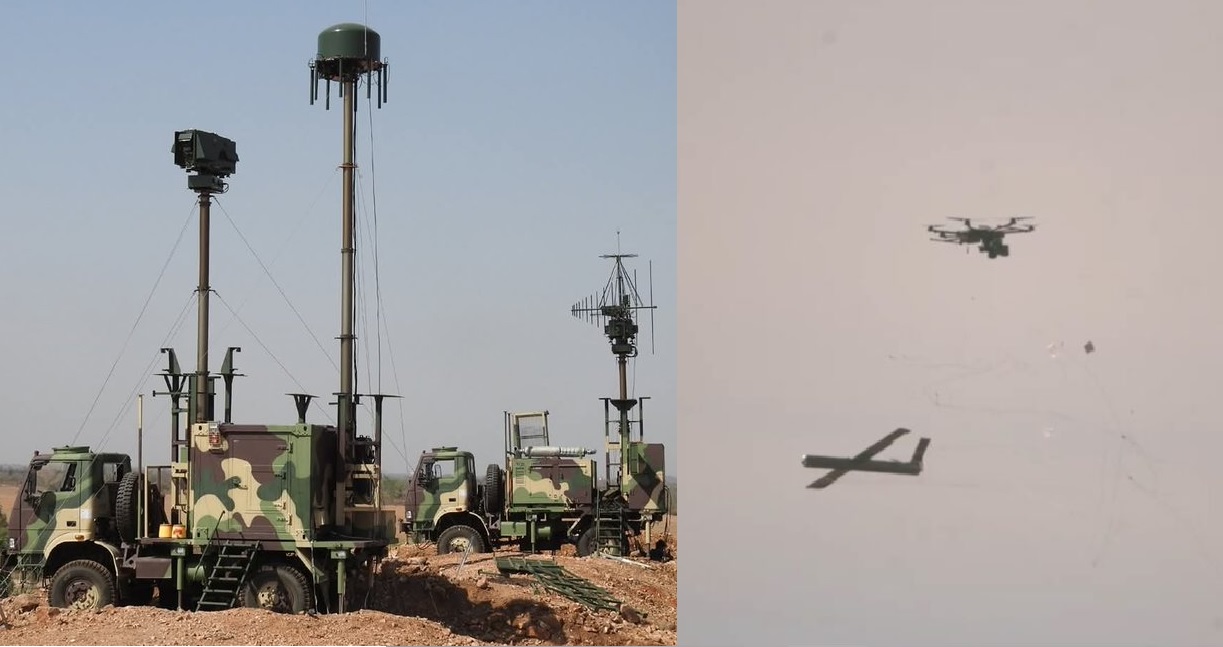
India
The Indian Army has taken a major step toward strengthening its airspace security by initiating the procurement of the indigenous SAKSHAM Counter-Unmanned Aerial System (C-UAS) Grid, a next-generation defense network capable of detecting, tracking, identifying, and neutralizing hostile drones. This indigenous solution marks a key milestone in India’s efforts to build a comprehensive anti-drone architecture across sensitive military zones and strategic installations. The SAKSHAM system, short for Situational Awareness for Kinetic, Soft and Hard Kill Assets Management, is designed as a grid-based, AI-assisted command and control system. It connects multiple radar, electro-optical, and radio frequency sensors into one unified digital map that continuously scans the skies for incoming aerial threats. Once detected, the system automatically classifies drones based on their flight pattern, speed, and electromagnetic signature, and instantly recommends the most effective countermeasure — whether it is jamming, spoofing, or a kinetic strike. Technically, SAKSHAM covers a wide detection envelope — from low-flying quadcopters hovering near border posts to high-altitude reconnaissance drones operating several kilometers away. The system’s modular design allows it to integrate with different sensors and countermeasures, including both soft-kill and hard-kill technologies. It can connect to jammers, electronic warfare suites, and even ground-based interceptors or anti-drone guns. Its GIS-based interface provides real-time battlefield visualisation to commanders, helping them make rapid tactical decisions and coordinate responses more effectively. What makes SAKSHAM unique is its automation and data fusion capability. Using artificial intelligence, the system correlates inputs from multiple sources, identifies potential drone swarms, and prioritises the most dangerous targets first. This level of automation is critical because modern conflicts increasingly involve saturation or swarm attacks, where dozens of drones may be launched simultaneously to overwhelm defenses. In such situations, human reaction time alone is not enough. SAKSHAM’s grid structure allows distributed nodes — radars, cameras, and jammers placed across a wide area — to communicate with each other, forming a networked shield that responds faster than traditional, stand-alone systems. In the context of drone swarm attacks, SAKSHAM is particularly valuable. Its integrated sensors can pick up multiple low-signature drones flying in coordinated patterns, while its decision engine rapidly assigns countermeasures in real time. Soft-kill options like radio jamming can disrupt large groups of drones at once, while hard-kill systems focus on those that break through. This layered approach ensures that even complex, multi-directional attacks can be contained with minimal reaction time. Beyond battlefield defense, the SAKSHAM Grid also has strategic implications for critical infrastructure protection. It can be deployed to secure airbases, ammunition depots, oil refineries, and communication hubs — areas increasingly vulnerable to drone intrusions. The system’s scalability allows it to expand from a single-site installation to a sector-wide defense network, making it adaptable to both static and mobile military environments. The development and procurement of SAKSHAM are part of India’s broader drive for self-reliant defense technologies. Rather than relying on imported counter-drone systems, the Indian Army is investing in indigenous innovation to ensure rapid upgrades, lower costs, and seamless integration with existing command networks. It also allows for the customization of the system to meet specific threats encountered along the Line of Control, international borders, and high-altitude posts where traditional air defense radars face operational limitations. Recent experiences from global conflicts — such as Ukraine, Syria, and the Caucasus — have shown how inexpensive drones can inflict significant damage on high-value targets. These lessons have accelerated India’s adoption of counter-drone technologies. The SAKSHAM Grid represents a shift from reactive defense to proactive airspace management, where drones are tracked and neutralized long before they can strike. In operational terms, the Indian Army is expected to deploy SAKSHAM in phased stages, beginning with high-priority zones before expanding to border sectors. Once integrated with the Army’s electronic warfare and air defense networks, SAKSHAM will provide a seamless “detect-to-destroy” capability that enhances situational awareness and reduces human workload in fast-changing combat scenarios. Ultimately, the SAKSHAM C-UAS Grid is not just a single system — it is a national framework for drone defense. Its modular and AI-driven design reflects the future of warfare, where real-time data fusion, automation, and indigenous innovation will define how effectively a country can safeguard its skies against the next generation of unmanned threats.
Read More → Posted on 2025-10-09 16:36:45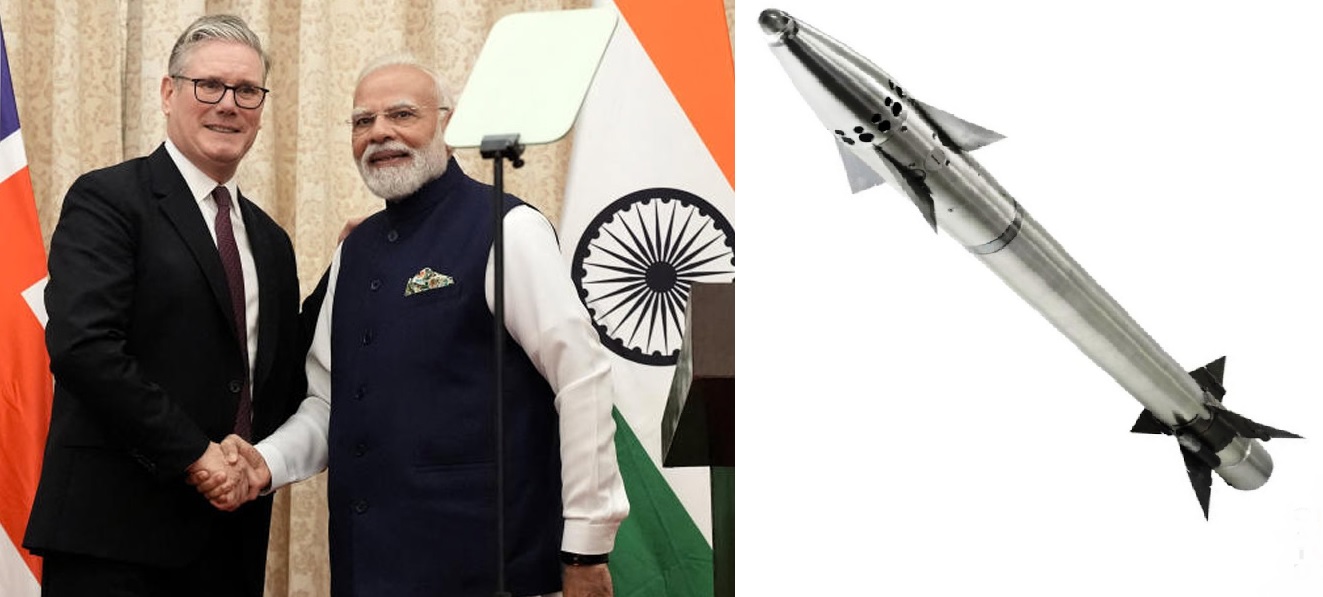
India
Britain has signed a £350 million ($468 million) contract to supply the Indian Army with UK-manufactured Lightweight Multirole Missiles (LMM), marking a major step in the growing defence cooperation between the two nations. The announcement coincided with British Prime Minister Keir Starmer’s visit to Mumbai, where he met Indian Prime Minister Narendra Modi to discuss trade, defence, and technology partnerships. Strengthening Defence and Industrial Ties According to the UK government, the agreement will secure around 700 jobs at the Thales facility in Belfast, Northern Ireland, where the same missile system is currently produced for Ukraine. The deal forms part of a wider framework aimed at expanding defence industrial collaboration between India and the United Kingdom. Officials said the new contract “paves the way for a broader complex weapons partnership between the UK and India,” which remains under negotiation. This initiative aligns with Britain’s strategy to boost its domestic defence manufacturing and expand export opportunities, while India continues to diversify its military procurement under the Make in India and Atmanirbhar Bharat (self-reliance) initiatives. About the Lightweight Multirole Missile (LMM) The Lightweight Multirole Missile, also known as Martlet, is a precision-guided, short-range air-to-surface and surface-to-surface weapon designed by Thales. Weighing approximately 13 kilograms with a range of up to 8 kilometers, it can be launched from helicopters, drones, ground vehicles, or naval platforms. The missile uses a laser guidance system and a high-explosive fragmentation warhead, making it suitable for engaging a variety of targets, including light armored vehicles, fast attack craft, and UAVs. The LMM’s versatility and lightweight design allow for rapid deployment across different combat environments, enhancing the Indian Army’s capability for both land and coastal operations. Expanding Strategic Cooperation In addition to the missile agreement, the UK government announced progress on another significant project — a joint development of electric-powered naval engines. The next phase of this collaboration, valued at £250 million, focuses on developing cleaner and more efficient propulsion systems for future Indian naval vessels. This defence-industrial cooperation builds upon a broader trade and technology relationship between London and New Delhi, supported by an evolving trade deal that aims to increase bilateral investments and supply-chain integration. Broader Strategic Context Prime Minister Starmer has emphasized defence exports as a key component of Britain’s economic growth strategy, pledging to align military spending with NATO targets and secure long-term industrial partnerships. For India, such agreements contribute to its ongoing effort to modernize the armed forces with advanced, multi-origin technologies while promoting local manufacturing participation. The latest agreements underscore a deepening UK–India defence and industrial partnership, combining British expertise in precision weapon systems with India’s growing demand for advanced and reliable defence equipment.
Read More → Posted on 2025-10-09 14:12:47
India
India’s defence research efforts have achieved a remarkable milestone with the development of a 45 km range Electro-Optical Tracking System (EOTS) for ground-based air defence applications. This advanced system, showcased during trials of the Akash-NG missile, marks a major leap in India’s indigenous electro-optical technology. The EOTS has been used for real-time missile guidance and target tracking of high-speed aerial threats, including fighter aircraft, helicopters, and aerial targets like the Banshee drone. What makes this system stand out is its long tracking range — something that only a few of the world’s most sophisticated air defence systems possess. The EOTS is designed to function as a passive precision tracking unit that can operate independently or in conjunction with radar. It can automatically detect, lock, and track targets in both day and night conditions using its panoramic 2-axis stabilized gimbal, which allows high stability even under vehicle vibration or movement. Unlike radar systems that emit detectable radio signals, EOTS operates silently in the optical and infrared spectrum, making it ideal for radar-denied environments or situations where stealth is crucial. With its 3D data generation, automatic tracking, and compatibility with missile guidance systems, it effectively supplements traditional radar networks like IACCS by providing precise target confirmation and mid-course correction inputs. A tracking range of up to 45 kilometres for fast-moving fighter aircraft or anti-radiation missiles (ARM) is a significant achievement. Typically, most electro-optical systems used in short and medium-range air defence can track aircraft-sized targets at only 10–25 km under ideal conditions. For example, South Korea’s K30 Biho self-propelled anti-aircraft system integrates radar and electro-optical sensors but has a much shorter optical tracking range. Similarly, Western systems such as Germany’s Hensoldt EO/IR modules or Russia’s Pantsir-S1 optical tracker generally operate within the 20–30 km band for effective optical tracking. Extending that range to 45 km represents a major leap in sensor sensitivity, image processing, and optical stabilization. The performance gap largely arises from atmospheric limitations. Ground-based systems must deal with air turbulence, humidity, and temperature gradients, all of which reduce visibility and infrared signal strength over long distances. To overcome this, India’s EOTS likely employs high-resolution cooled IR detectors and large-aperture optics capable of distinguishing heat signatures even in degraded conditions. Its integration with the Akash-NG system indicates that the EOTS is not merely a surveillance tool but can play a direct role in fire control and missile guidance, a function traditionally dominated by radar. During June 2025 trials at Chandipur, the Akash-NG missile successfully hit a target using real-time EOTS guidance — a world-class demonstration of optical fire-control accuracy. Globally, only a few advanced systems boast similar electro-optical guidance capabilities. The Israeli Iron Dome employs EO/IR sensors for visual confirmation but relies primarily on radar. The Russian Pantsir-SM uses multi-spectral EO trackers for high-speed target engagement, but open data suggests operational ranges below 35 km. Western systems like Raytheon’s Advanced EO/IR for NASAMS or Thales Catherine XP thermal imagers typically offer identification up to 20–30 km, depending on target size and environment. Against this background, India’s claim of 45 km optical tracking stands out as among the most ambitious and technically advanced achievements in this field. The strategic significance of such technology is immense. In modern warfare, electronic countermeasures can jam or spoof radar systems, but they cannot easily affect optical or infrared sensors. A long-range EOTS provides a silent tracking and guidance channel, enabling missile systems to operate without revealing their position. This drastically increases survivability against enemy anti-radiation missiles. Moreover, EOTS-based guidance ensures higher engagement accuracy against fast, agile, and low-flying threats that may evade radar detection. In conclusion, India’s new EOTS represents a technological leap that places it alongside only a handful of countries capable of fielding long-range optical tracking systems for ground-based air defence. If further trials confirm consistent tracking at 45 kilometres under varied conditions, the system could redefine how integrated air defence networks operate. By combining radar, electro-optical, and infrared data streams, the Indian Air Defence ecosystem — led by the Akash-NG — could achieve unmatched accuracy, resilience, and autonomy in the years ahead.
Read More → Posted on 2025-10-08 17:47:40
India
Data Patterns has formally asked the Indian Air Force for access to a Sukhoi Su-30 platform to carry out flight trials of its new electronic warfare pod, the Talon Shield. Company briefings and trial notes (see attached image) show the programme is well advanced: aerodynamic and liquid-coolant trials are underway, the hardware has been fully realised, and the design philosophy centers on a low-weight, high-efficacy self-protection jammer that can be fitted to aircraft wingtips. The Air Force has reportedly reacted positively to initial demonstrations, and internal discussions are in progress to provide a Su-30 on a no-cost, no-commitment basis for formal flight testing — a critical next step before any operational acceptance or procurement. Technical work completed so far includes lab and bench validation of jamming techniques and the pod’s electronics. According to the company’s progress notes, the Talon Shield’s core functions are being exercised in ground tests and are now moving into air trials — expected to complete within the next one to one-and-a-half months for the current phase. Over the longer term, Data Patterns anticipates a full flight-test campaign of 1–1.5 years to satisfy the rigours of operational qualification and to meet Ministry of Defence testing criteria. What the Talon Shield aims to deliver is a modern self-protection EW capability: a compact pod that provides radar warning, threat classification, and active jamming (including deceptive and DRFM-style responses) to defeat radar guided weapons and surveillance. The planned wingtip installation gives the pod wide angular coverage and keeps the aircraft’s centreline stores free; the design emphasis on low weight and aerodynamic compatibility reduces penalty to range and manoeuvre performance. The Talon Shield is also being designed to work with existing aircraft defensive aids (RWR, chaff/flare dispensers) and to integrate with the aircraft’s avionics bus so that pilot cueing and cockpit displays are seamless. Flight testing for a pod like this follows a disciplined sequence: Completion of lab functional tests and EMC/EMI checks Structural and aerodynamic compatibility checks (wing loads, flutter and clearance). Environmental stress testing (vibration, thermal cycling, liquid-coolant endurance). Captive-carry flights for performance and EMI verification, and finally. Live jamming sorties including instrumented measurements and weapon-system-level evaluations. The notes indicate aerodynamic and liquid-coolant trials are already in progress — two of the most important early steps because cooling and airflow around the pod determine sustained jamming power and reliability in real missions. There are integration and certification challenges to be overcome. Fitting a jammer to the Su-30 requires mechanical hardpoints, power provision, secure data and control links, and mitigation of electromagnetic interference with the host aircraft’s own sensors and radios. Flight safety considerations — including safe separation from stores, release mechanisms (if applicable), and emergency procedures in case of pod malfunction — will be verified during the captive and ferry trials. The company’s statement that DRDO and other domestic entities are running parallel developments is important: multiple programs reduce single-source risk and provide alternatives for the IAF should any technical or schedule issues arise. Strategically, the Talon Shield could fill an urgent operational need. The Ministry of Defence has reportedly escalated budgeting for electronic warfare capabilities — the image notes a figure of INR 7,400 crore earmarked for the jammer portion of EW suites — reflecting recognition that survivability in contested airspace now depends heavily on active electronic defence. If Data Patterns’ pod passes Su-30 flight evaluation and subsequent service trials, it could be fielded as a modular and exportable EW option for multiple aircraft types (wingtip pods allow rapid re-role between platforms). In conclusion, Data Patterns’ push to secure a Sukhoi Su-30 for Talon Shield flight trials is a pivotal milestone. The programme’s progress from bench-level jamming validation to aerodynamic and coolant trials shows maturity, but the path ahead — full flight testing, EMI/avionics integration, and IAF certification — will be decisive. Successful completion would offer the Indian Air Force a modern, lightweight, and interoperable self-protection jammer that augments aircraft survivability and fits the nation’s wider push to indigenise advanced electronic warfare capabilities.
Read More → Posted on 2025-10-08 17:41:15Search
Top Trending in 24 Hours
-
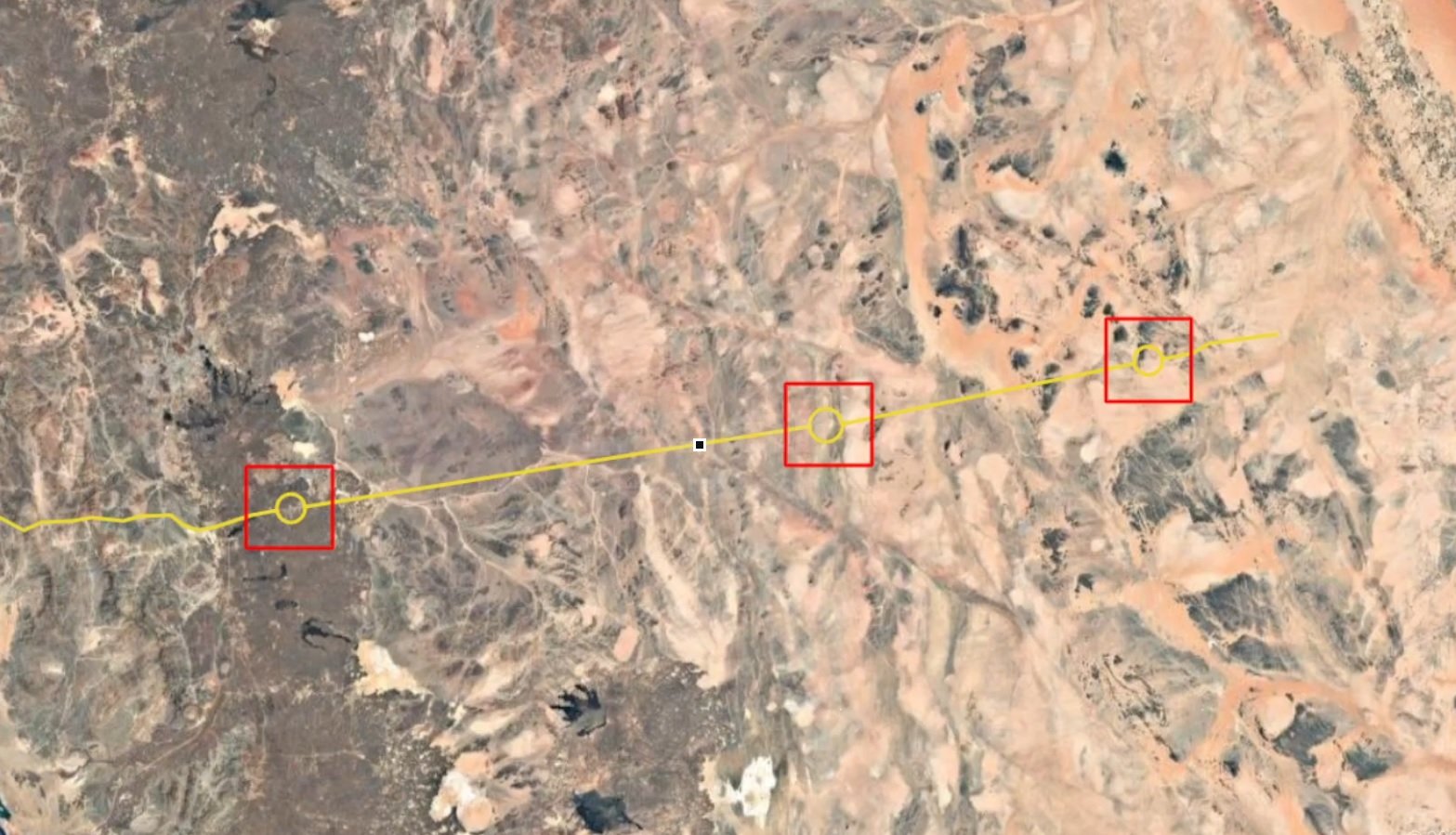 Satellite Imagery Shows Extensive Damage to Saudi Arabia’s East-West Oil Pipeline, Indicating More Than a Single Strike
-
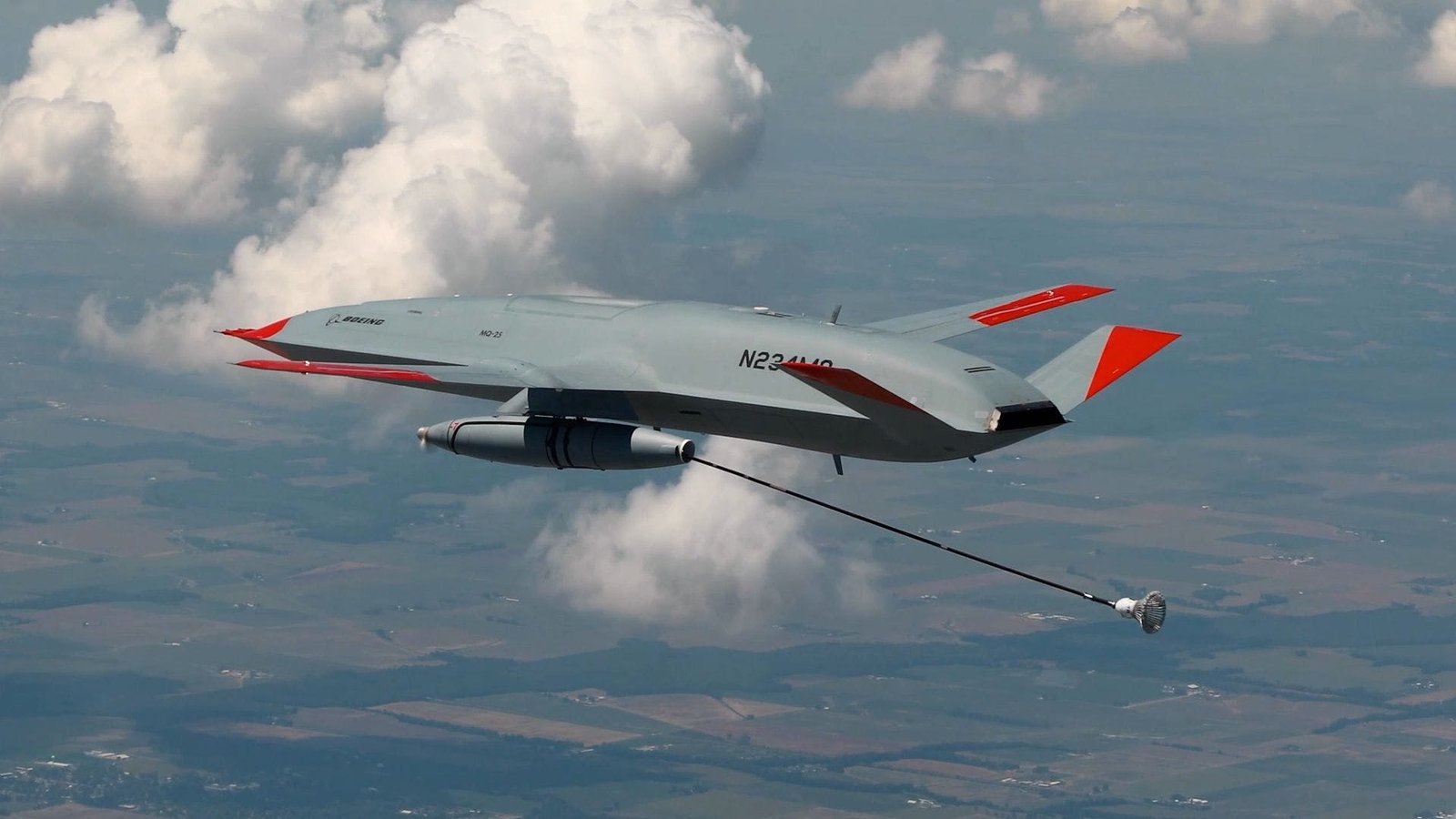 U.S. Navy Awards Boeing $562 Million Contract for First Production MQ-25A Stingray Tanker Drones
-
 Pentagon and Honeywell Complete Four-Hour Pacific Flight Using Quantum Magnetic Navigation Without GPS
-
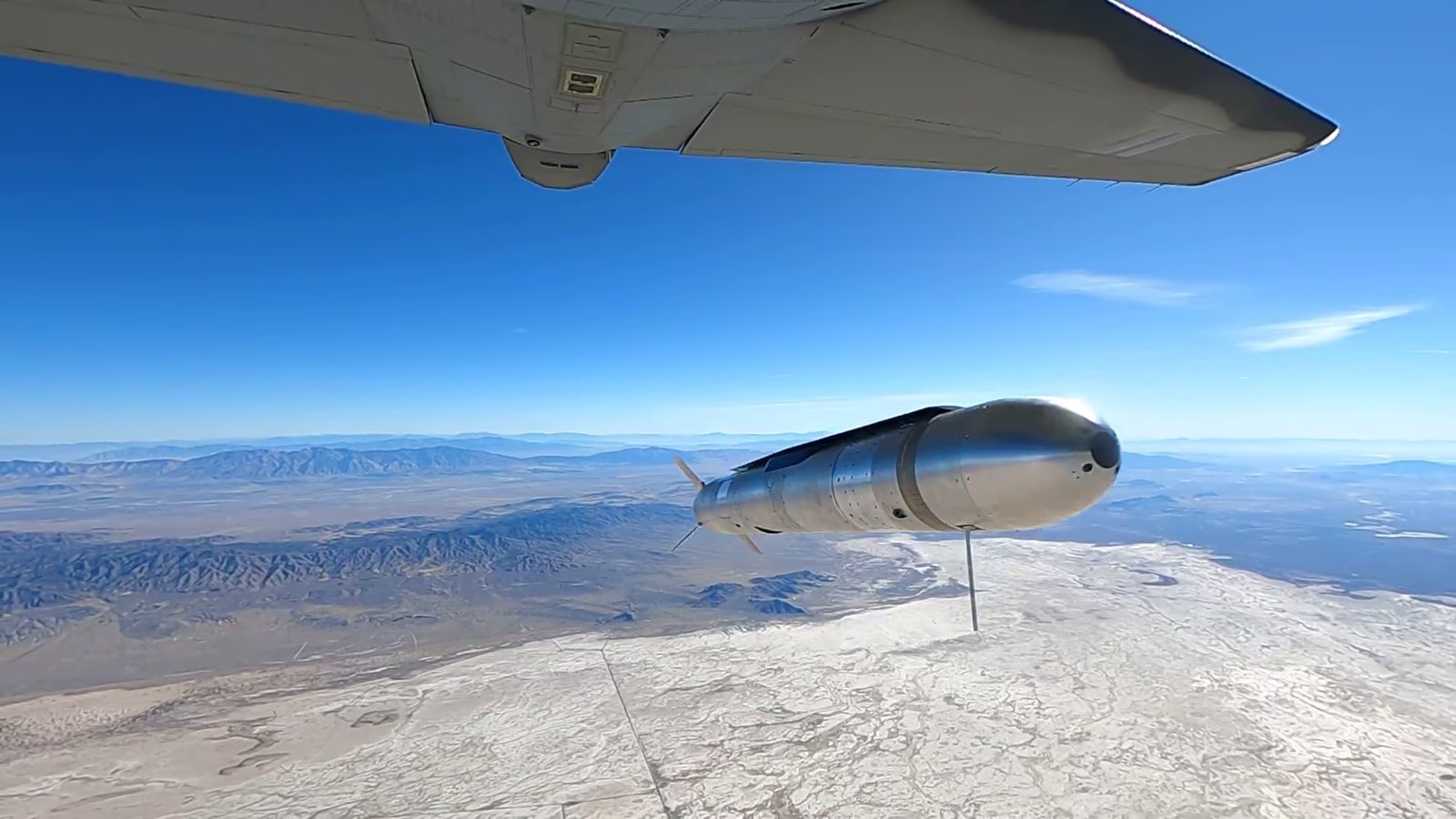 U.S. Air Force Special Operations Command Clears AGM-190A Havoc Spear for Wider Service After Combat Evaluation in Africa
-
 U.S. Confirms Deployment of On-Orbit Space Control Weapons for First Time
-
 China Builds New Shanghai Vessel to Serve as Mothership for Large Uncrewed Submarines
-
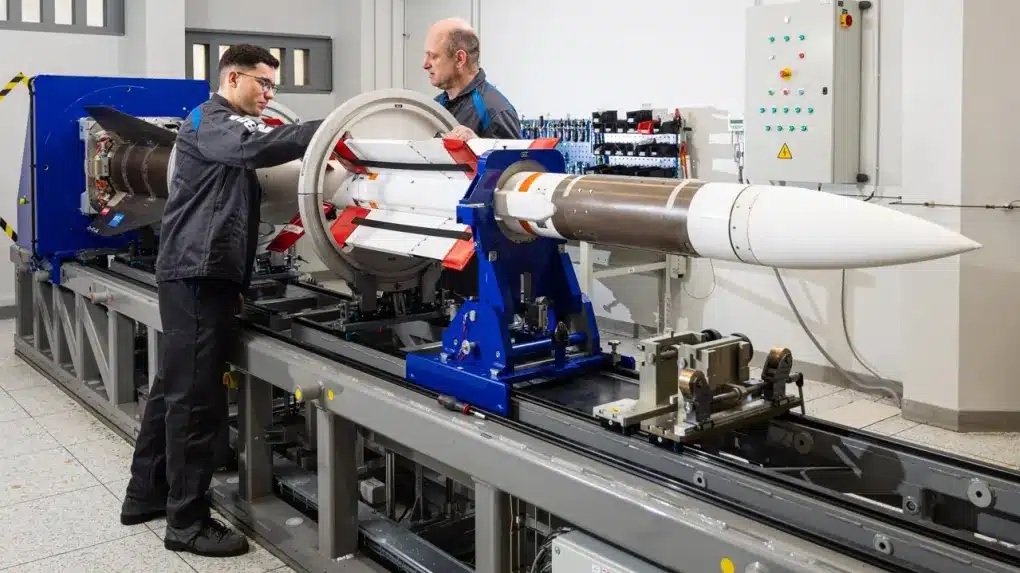 MBDA to Build New Missile Production Plant Near Orleans to Expand Missile Production
-
 Israel Provides Intelligence Support to Saudi Arabia Against Houthi Attacks, Mediated by US CENTCOM
Top Trending in 4 Days
-
 U.S. Air Force Awards Antares $161 Million to Develop Nuclear Reactor for Spacecraft
-
 Pentagon Awards BlueHalo Up to $99.8 Million Contract for Orbital Battlespace R&D Program
-
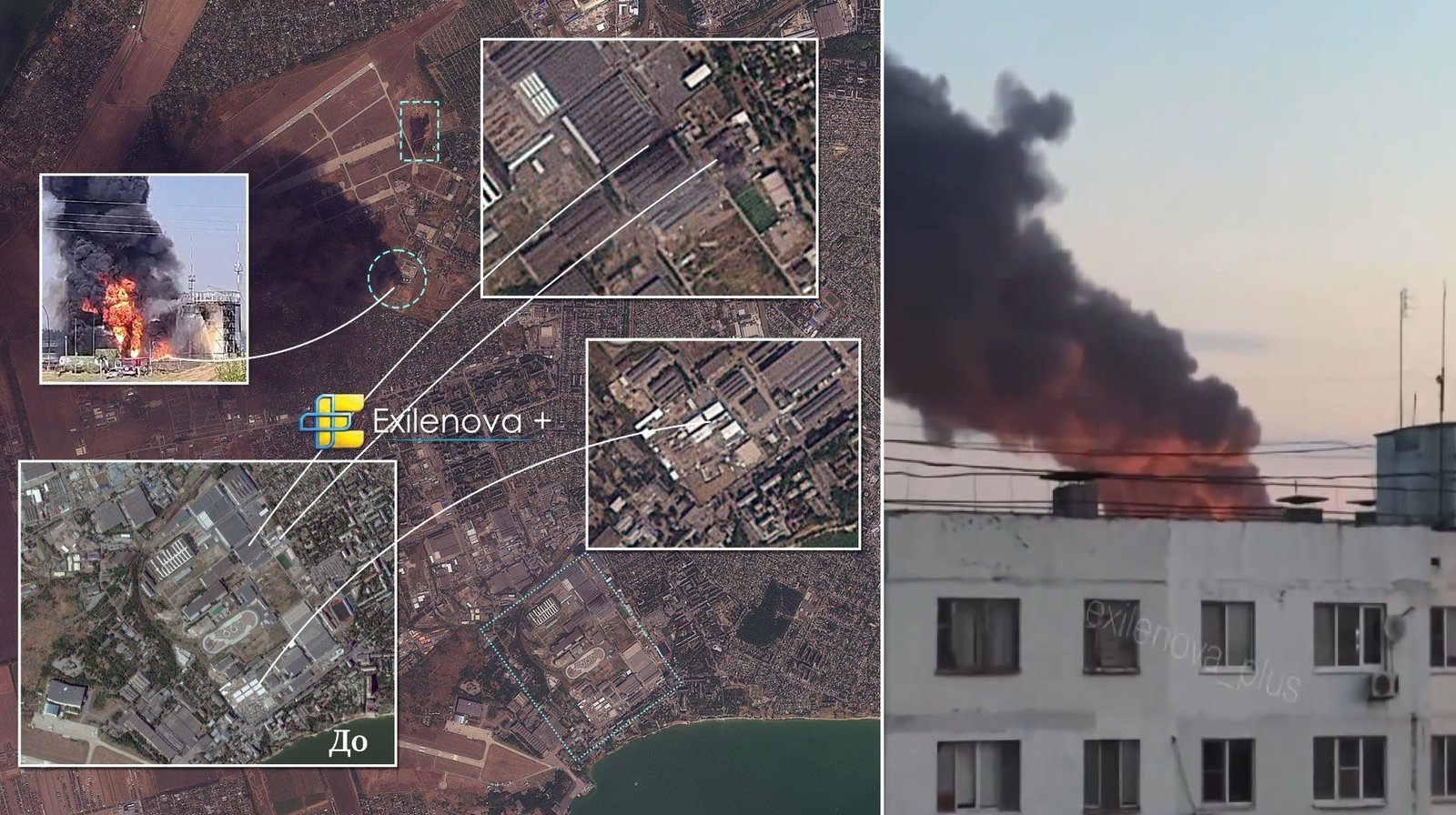 Ukrainian Drones Strike Russian UAV Manufacturer and Chemical Plants in Taganrog and Tolyatti
-
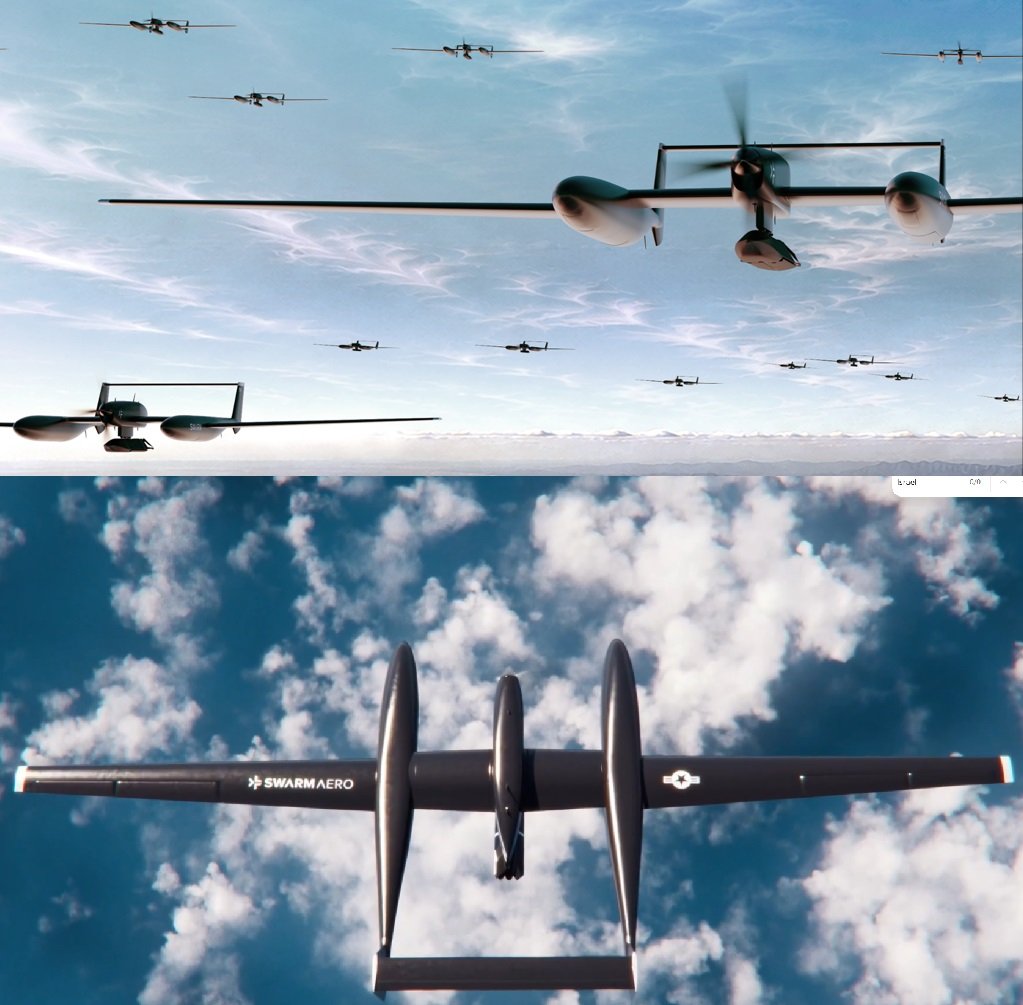 U.S. Firm Swarm Aero Unveils Gamera Group 5 UAS With 9,000-Nautical-Mile Range and Heavy Strike Payload
-
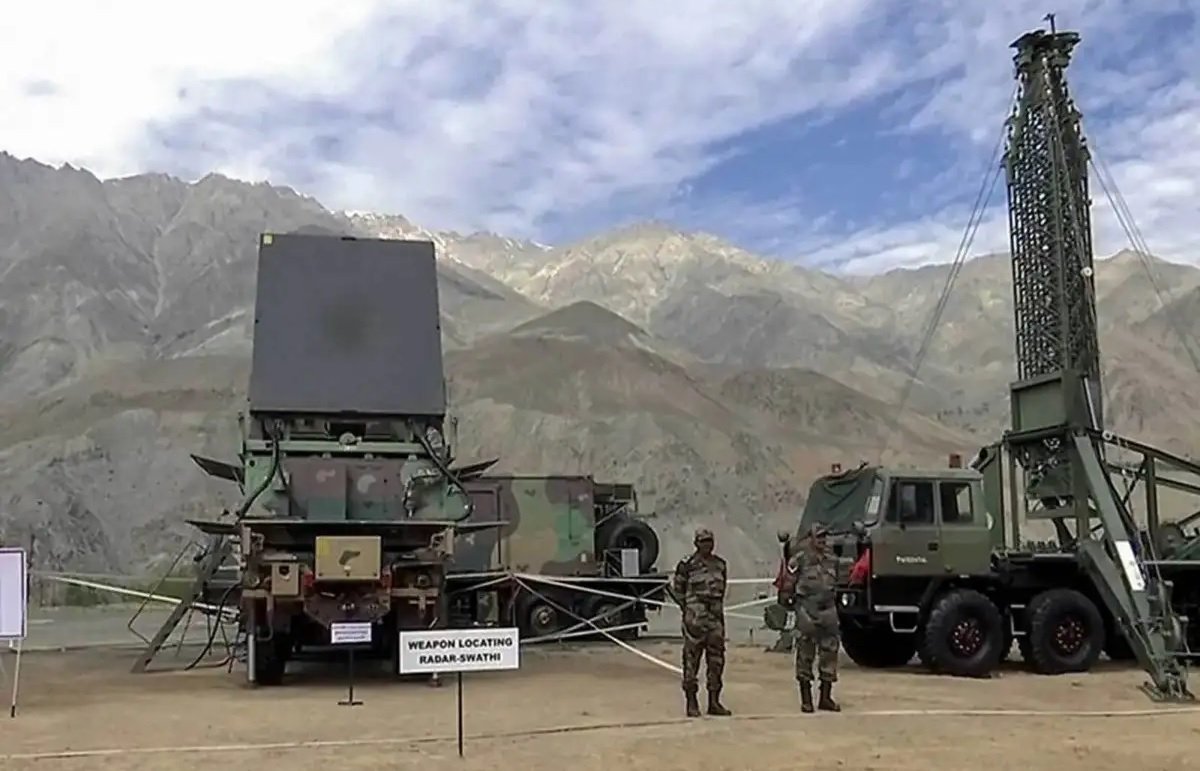 DRDO Demonstrates Indigenous 3.5×3 mm GaN Chip Delivering 30 Watts for Next-Generation Radars and Electronic Warfare
-
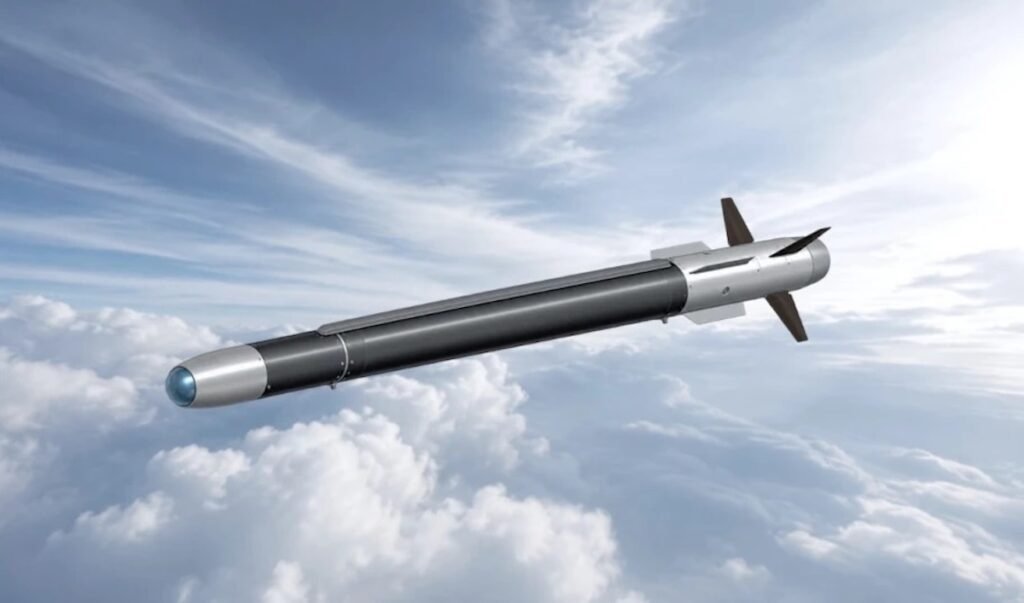 MBDA and Poland’s WITU Advance Low-Cost Supersonic Interceptor Against Swarm Attacks, Seeker Trials Successfully Completed
-
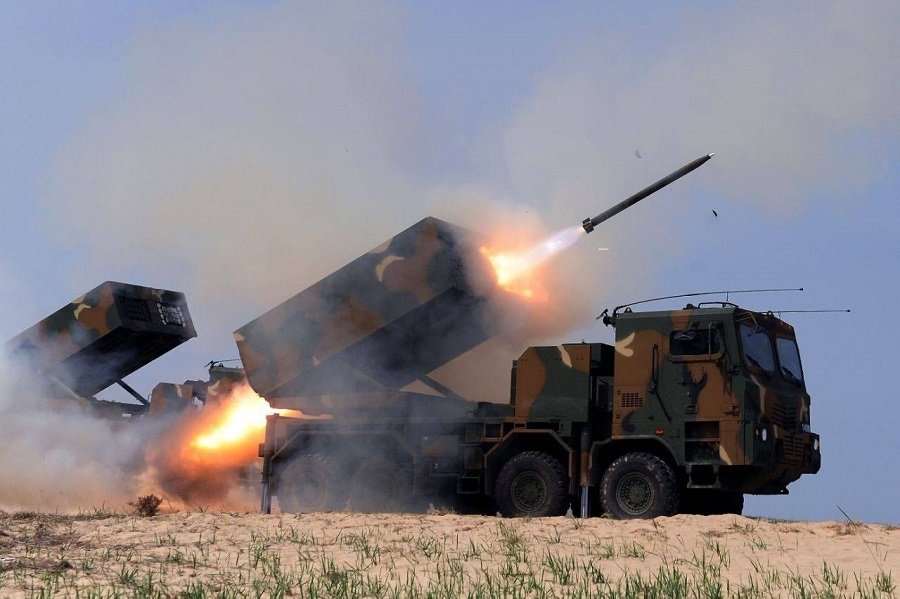 Croatia Signs €410 Million Contract with Hanwha Aerospace for 18 Chunmoo Rocket Launchers
-
 Eutelsat to Invest About €1 Billion in 229 More OneWeb Satellites From Airbus