
India
In modern aerial combat, raw engine power is only one part of the equation. Factors such as aircraft weight, aerodynamics, thrust-to-weight ratio, cost-effectiveness, low RCS, and energy efficiency all play a critical role in determining performance. A detailed comparison between India’s HAL Tejas Mk1A and the MiG-29 UPG highlights how a single-engine delta-wing fighter can compete effectively with older twin-engine designs. The Power Balance: Thrust and Weight Efficiency The thrust-to-weight ratio is one of the most important factors that define a fighter’s agility. The Tejas Mk1A uses a General Electric F404-GE-IN20 turbofan that generates around 85 kilonewtons (kN) of thrust. With an empty weight of about 6.6 tons and a maximum takeoff weight of 13.5 tons, the Tejas maintains an impressive 1:1 thrust-to-weight ratio.It can carry up to 3,500 to 5,300 kg of external weapons and stores The MiG-29, powered by two RD-33 engines producing a combined 166 kN of thrust, weighs nearly 18 tons when fully loaded. Despite the higher total thrust, its thrust-to-weight ratio is slightly lower at 0.91.It payload capacity of around 4,500–5,500 kg A high thrust-to-weight ratio allows an aircraft to carry heavier weapons while using less fuel, maintaining speed and agility. Fuel Efficiency and Range: Power Without Waste One of the biggest advantages of a single-engine fighter lies in its fuel efficiency. A single F404 engine consumes significantly less fuel compared to two RD-33s, allowing Tejas to achieve nearly the same operational range with almost half the fuel load. Tejas Mk1A carries around 2,458 kilograms of internal fuel, giving it a combat radius of about 500 kilometers. The MiG-29 carries nearly 4,500 kilograms of fuel for a slightly longer range of 700 kilometers, but its consumption is much higher. Essentially, Tejas achieves similar mission reach at a fraction of the fuel cost — a critical advantage in long-duration patrols or rapid-response operations. The Delta-Wing Advantage The Tejas Mk1A’s delta-wing configuration gives it a distinct aerodynamic edge that directly enhances its overall flight performance and survivability. The triangular delta shape provides a high lift-to-drag ratio, allowing the aircraft to maneuver efficiently even at high angles of attack (AoA) without losing stability. This design also ensures greater structural strength and natural stability at supersonic speeds, reducing the need for complex reinforcements and making the airframe lighter yet tougher. Compared to the MiG-29’s traditional swept-wing design, which is optimized for high-speed flight but generates more drag and restricts tight-turn performance, the Tejas’s delta wing maintains smooth aerodynamic flow even under stress. An additional combat advantage of the delta-wing design is its ability to remain controllable and land safely even after partial wing damage — a result of the large, continuous wing area that provides residual lift and stability. In contrast, aircraft with conventional swept wings often lose lift asymmetrically when damaged, making recovery or landing far more difficult. Maintenance, Reliability, and Cost Where single-engine aircraft truly shine is in maintenance and operational costs. Tejas Mk1A has half the number of major mechanical systems compared to MiG-29, which translates to easier servicing, fewer spares, and lower downtime. Tejas requires about 8–10 maintenance man-hours per flight hour (MMH/FH), MiG-29 often demands 20–25 MMH/FH, due to its dual-engine layout and complex fuel systems. The difference is massive in operational terms. A fleet of Tejas jets can maintain a higher sortie rate and be ready for combat more often, while the cost of maintenance and spare parts stays much lower. Additionally, the GE F404 engine is one of the most reliable turbofans in service, with a mean time between failures (MTBF) of over 4,000 to 6,000 hours, compared to the MiG-29’s RD-33 engines, which average about 2,200 to 4,000 hours. This reliability gives modern single-engine fighters the confidence once reserved for twin-engine aircraft. Safety and Modern Systems The fear of losing an engine mid-flight once made single-engine fighters seem risky. But with modern Full Authority Digital Engine Control (FADEC) and Fly-by-Wire (FBW) systems, those risks have become minimal. The Tejas Mk1A’s onboard computers constantly monitor engine performance and automatically adjust thrust and fuel flow to ensure optimal safety. Even in the rare event of an engine fault, systems are designed to allow pilots to glide and recover safely. With modern manufacturing precision and advanced materials, engine failure rates have dropped dramatically, making a single-engine design as dependable as a twin-engine jet from previous generations. Economics of Modern Air Combat Cost-effectiveness is a deciding factor for every air force today. The Tejas Mk1A, priced around $40–45 million, is nearly 30% cheaper than the MiG-29, which costs around $60–70 million per aircraft. Operating costs also tell a similar story: Tejas costs about $4,000–5,000 per flight hour, MiG-29 costs $12,000–15,000 per flight hour. This difference means that for the same operational budget, a country can fly three Tejas sorties for the cost of one MiG-29 mission. In wartime, when efficiency and availability decide air superiority, this economic edge is decisive. Avionics and Combat Role Modern combat isn’t just about speed — it’s about networked situational awareness. Tejas Mk1A is equipped with a modern AESA radar, electronic warfare suite, and integrated data link that allows it to coordinate with other aircraft and ground systems in real time. The MiG-29, though originally designed for air superiority, uses older radar technology (though upgradable) and lacks the same level of digital integration. Tejas’s use of composite materials also reduces its radar cross-section, giving it a degree of stealth advantage in radar-dense battlefields. Radar Cross Section (RCS) A low Radar Cross Section (RCS) gives a single-engine delta-wing fighter like the Tejas Mk1A a significant edge in Beyond Visual Range (BVR) engagements. By reflecting far less radar energy, the aircraft is detected and tracked at much shorter distances by enemy surveillance and fire-control radars, compressing the adversary’s reaction time and forcing them to launch missiles with less reliable target data. In practice, this means the Tejas can close in to a favorable firing envelope before becoming visible, increasing the probability of achieving a “first-shot, first-kill.” A lower RCS also degrades the opponent’s radar track quality and missile seeker lock, making enemy targeting and cueing more dependent on active emissions — which the Tejas can exploit using emission control (EMCON) and passive sensors like Infrared Search and Track (IRST). It further reduces the effectiveness of semi-active radar homing (SARH) missiles that need continuous radar illumination. Combined with modern sensor fusion, electronic warfare systems, and networked data links, a reduced RCS gives Tejas a major tactical and survivability advantage in BVR combat, allowing it to strike first while remaining harder to detect and engage. Technical Comparison: Tejas Mk1A vs. MiG-29 Specification HAL Tejas Mk1A MiG-29 UPG (Twin-Engine) Engine Type 1 × GE F404-GE-IN20 2 × Klimov RD-33 Total Thrust (Afterburner) 84 kN 166 kN (2 × 83 kN) Empty Weight ~6,560 kg ~10,900 kg Maximum Takeoff Weight (MTOW) 13,500 kg 18,000 kg Thrust-to-Weight Ratio ~1.0 ~0.93 Fuel Capacity (Internal) 2,458 kg 4,365 kg Fuel Consumption (Afterburner) ~150 kg/min ~250–280 kg/min Range (Ferry) ~1,700 km ~1,500 km Maximum Speed Mach 1.8 Mach 2.25 Service Ceiling 52,000 ft 59,000 ft Radar Cross Section (RCS) ~0.5 to 1 m² ~3 to 5 m² Maintenance Cost (per flight hour) ~US$4,000 to 5000 ~US$12,000 to14,000 Maintenance Downtime Low (single-engine access) High (dual-engine overhaul) Operational Availability 80–85% 60–65% Climb Rate ~250 m/s (≈49,000 ft/min) ~330 m/s (≈65,000 ft/min) Acceleration (0.8 Mach to 1.2 Mach) ~25 seconds ~18 seconds Double Engine Aircraft Have Some Edge in Battle The MiG-29 holds clear advantages in climb rate and acceleration—reaching roughly 330 m/s (≈65,000 ft/min) climb and going from 0.8–1.2 Mach in ~18 seconds—which translate into superior vertical performance and instantaneous energy in combat. In a dogfight this lets the MiG-29 dictate the fight by rapidly gaining altitude, converting speed to altitude for high-energy diving attacks, and executing sharper vertical maneuvers that outpace lighter single-engine fighters. Its twin-engine layout not only provides higher burst thrust for faster transients and sustained speed in extended turns, but also gives greater margin for heavy weapons loads and fuel, making it more effective in prolonged engagements where sustained maneuverability and quick energy recovery decide the outcome. The HAL Tejas Mk1A demonstrates how a single-engine delta-wing design can achieve the perfect balance of power, agility, and economy. Its aerodynamic efficiency, advanced avionics, low maintenance, and superior reliability make it not just a light fighter, but a symbol of modern combat efficiency. While the MiG-29 remains a powerful and respected aircraft, the Tejas Mk1A shows that modern engineering can extract more from less. In a world where air forces must be fast, flexible, and financially sustainable, the single-engine delta-wing fighter stands out as the future of tactical air combat — lighter, smarter, and stronger where it counts.
Read More → Posted on 2025-10-08 17:29:36
India
India has issued a Notice to Airmen (NOTAM) announcing a temporary no-fly zone over the Bay of Bengal, signaling preparations for a likely missile test between October 15 and 17, 2025. The restricted airspace covers a vast area, stretching approximately 2,520 kilometers, indicating a potential trial of a long-range or intermediate-range missile system. According to the NOTAM, the restricted corridor originates from Abdul Kalam Island, India’s primary missile testing facility off the coast of Odisha, and extends southeast into the Bay of Bengal. The flight restriction will be in effect from 12:30 UTC on October 15 to 15:30 UTC on October 17, providing a three-day window for the anticipated launch. While authorities have not officially confirmed which missile system will be tested, analysts point to India’s Long Range Anti-Ship Missile (LRAShM), a hypersonic weapon under development by the Defence Research and Development Organisation (DRDO). This missile is designed to enhance India’s long-range precision strike capabilities and strengthen maritime deterrence by targeting high-value naval assets at extended distances. The Bay of Bengal has historically served as India’s missile testing corridor, offering wide-open space and minimal disruption to civilian air and sea traffic. Abdul Kalam Island, formerly Wheeler Island, continues to host the majority of India’s strategic missile trials, ranging from short-range to advanced long-range systems. The extended duration and expanded coverage of this NOTAM suggest a significant developmental trial rather than a routine exercise. Observers note that such tests reflect India’s ongoing efforts to enhance deterrence and strategic readiness amid evolving security dynamics in the Indo-Pacific region.
Read More → Posted on 2025-10-08 15:39:15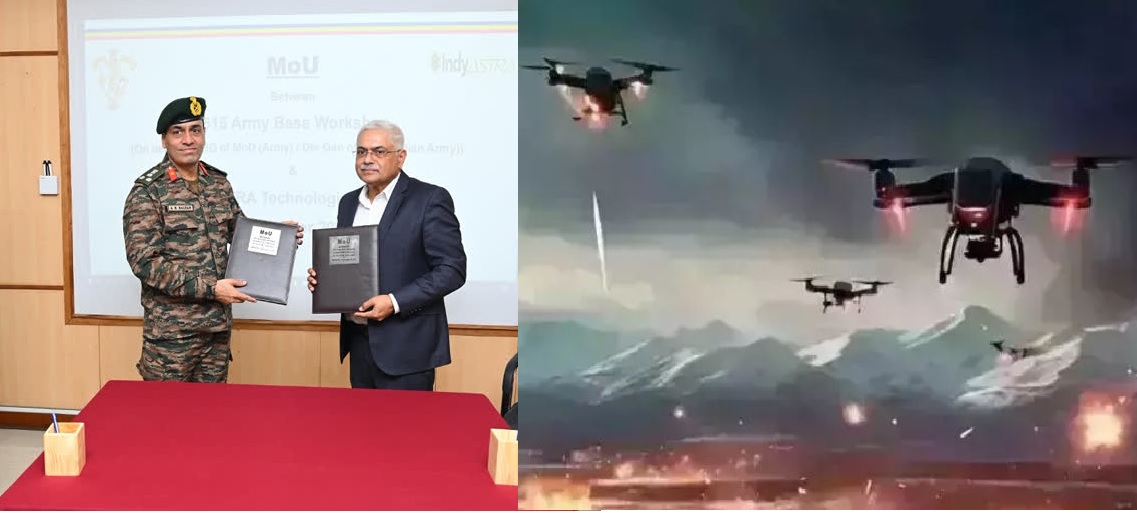
India
The 515 Army Base Workshop (515 ABW) has entered into a Memorandum of Understanding (MoU) with IndyASTRA Technologies Private Limited to accelerate the development of artificial intelligence (AI)-enabled drone solutions for the Indian Army’s land systems. The agreement aims to integrate advanced technologies into drone platforms, with a primary focus on AI-based Flight Control Systems (FCS) and a standardized Drone Operating Platform (SDOP). According to a statement from the Defence Public Relations Officer, this collaboration is expected to enhance the Army’s technological self-reliance in unmanned aerial systems. Under the MoU, IndyASTRA Technologies will provide technical consultancy to 515 ABW, including detailed evaluations of drone subsystems, readiness for integration, and adherence to Army operational standards. This partnership ensures that every technology adoption aligns with safety, interoperability, and regulatory compliance requirements. The 515 ABW will forward need-based requests to IndyASTRA for manufacturing trials, performance validation, and certification support. This structured approach is expected to reduce reliance on imported unmanned systems, while facilitating faster deployment of AI-enabled drones in operational scenarios. The MoU also emphasizes a replicable development model, which can be extended to future drone programs and related subsystems. By fostering indigenous capabilities, the initiative is anticipated to significantly shorten the time-to-field for advanced drone solutions, ensuring the Indian Army remains equipped with modern, efficient, and reliable unmanned systems. Experts note that collaborations like these reflect a growing focus on leveraging domestic technology providers to support defence modernization, reduce dependency on foreign imports, and strengthen strategic autonomy in critical military technologies.
Read More → Posted on 2025-10-08 15:33:26
India
In a remarkable demonstration of technological advancement, the Indian Armed Forces achieved an exceptional 94% accuracy rate during Operation Sindoor, marking a new chapter in India’s defense modernization journey. According to Lt General Rajiv Kumar Sahni, who served as the Director General of Information Systems during the operation, the success was driven by the integration of Artificial Intelligence (AI) and decades of historical combat data, which enabled precise strikes on Pakistani military positions and terror infrastructure. AI Turns Historical Data Into Real-Time Battlefield Intelligence Lt Gen Sahni explained that the Indian forces leveraged data collected over 26 years from a wide range of sources—satellites, drones, radar sensors, electronic intercepts, and weapon telemetry—to create a detailed digital map of enemy activity. This vast dataset was then refined using AI-based analytics, allowing commanders to identify hidden supply routes, camouflaged bunkers, and communication hubs used by enemy forces and terror groups across the border. A crucial element in this process was the home-grown Electronic Intelligence Collation (EIC) system, originally developed for multi-agency intelligence sharing. During Operation Sindoor, the system was modified in record time to serve the operational needs of the Army, Air Force, and intelligence agencies simultaneously. This enabled a seamless flow of information, helping to locate adversary sensors and radar arrays with pinpoint accuracy. Meteorological AI for Precision Targeting The operation also utilized AI-enabled Meteorological Reporting Systems, which analyzed real-time atmospheric data to improve long-range targeting accuracy. These systems factored in variables like wind speed, humidity, and temperature to calculate ballistic trajectories for artillery, drones, and missile strikes. As a result, long-range vectors were able to hit high-value enemy assets with unprecedented precision—even in challenging weather conditions. India’s Growing AI Footprint in Military Operations Operation Sindoor reflects India’s broader shift toward AI-driven warfare, aligning with the global transformation in defense strategies. The Defence Artificial Intelligence Council (DAIC) and Defence AI Project Agency (DAIPA), established by the Ministry of Defence, have accelerated indigenous research in AI-based surveillance, threat detection, and autonomous systems. Indian defense agencies have been integrating AI tools across multiple domains: AI in surveillance: Used extensively during counter-insurgency operations in Jammu and Kashmir to track infiltration routes using drone-fed image analytics. AI in cyber defense: Machine learning algorithms deployed by the Defence Cyber Agency help identify and neutralize cyber threats in real time. AI in logistics: Predictive analytics now assist the Army’s supply chain in anticipating demand and preventing critical shortages during high-tempo operations. Global Parallels: AI Success in Modern Conflicts India’s AI success in Operation Sindoor echoes a growing global trend. For instance, Ukraine’s use of AI-powered targeting systems and satellite data integration during its conflict with Russia has enabled its forces to identify artillery positions and execute precision strikes far more efficiently. Similarly, Israel’s 2021 Gaza operations employed AI-based systems like “The Gospel” to rapidly analyze surveillance feeds and generate real-time targeting lists, reducing collateral damage and response time. These international examples reinforce the importance of data-centric warfare, where success increasingly depends on who can process and act upon information fastest—a philosophy now central to India’s military doctrine. A Future Defined by Smart Warfare Operation Sindoor stands as a powerful testament to how Artificial Intelligence has become the backbone of India’s modern warfare strategy. The synergy between human experience and machine intelligence not only enhanced precision but also drastically reduced the risk to soldiers on the ground. With ongoing projects in autonomous combat drones, AI-based battlefield simulations, and predictive threat modeling, India is rapidly positioning itself among the world’s leading defense powers embracing AI-enabled decision-making. As Lt Gen Sahni emphasized, the goal is clear: “To ensure that every bullet, every missile, and every decision in the battlefield is guided by data, not guesswork.” In many ways, Operation Sindoor is not just a success story—it’s a signal that India’s armed forces are entering an era where technology and tactical brilliance converge, redefining the art of war in the 21st century.
Read More → Posted on 2025-10-07 15:59:10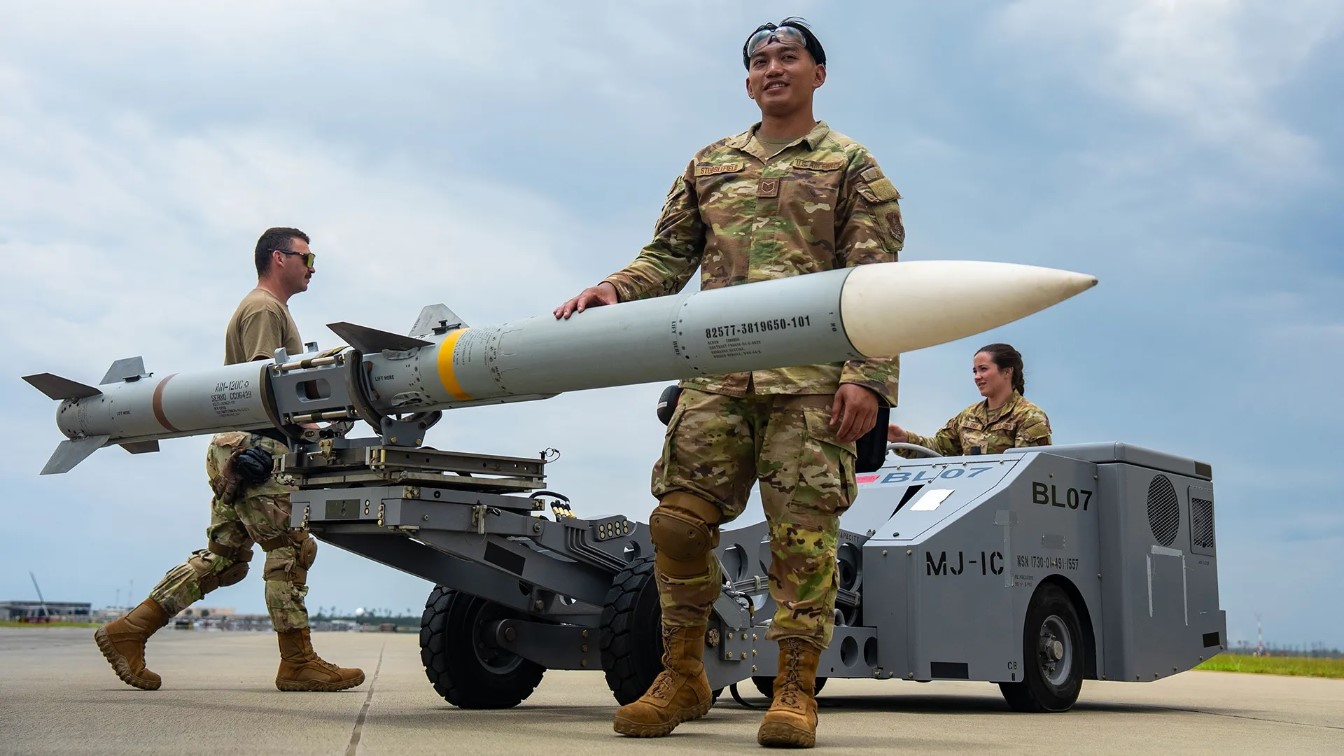
India
The regional air combat balance in South Asia is once again shifting. The assertion that Pakistan is included in a new U.S. contract for the supply of advanced AIM-120C-8 and AIM-120D-3 air-to-air missiles produced by Raytheon is based on recent developments. On October 6, 2025, the U.S. Department of Defense (DoD) added Pakistan to a large-scale contract for the procurement of these missiles, signaling a potential upgrade for Pakistan's F-16 fleet. This move suggests that Islamabad's F-16s could soon receive enhanced beyond-visual-range (BVR) engagement capabilities. The inclusion of Pakistan in this contract is part of a broader $41.6 billion AMRAAM export package approved by the U.S., covering over 30 allied nations. According to reports, this represents the largest air-to-air missile export authorization in U.S. history, aimed at strengthening allied airpower amid rising global tensions. While the exact number of AIM-120C-8 and D-3 missiles allocated to Pakistan is not specified, this development indicates a significant enhancement of Pakistan's air combat capabilities, particularly in BVR engagements. Pakistan’s AMRAAM Upgrade The AIM-120 Advanced Medium-Range Air-to-Air Missile (AMRAAM) has long been the mainstay of modern Western fighter arsenals. The latest AIM-120C-8 and AIM-120D-3 variants feature improved range, better guidance algorithms, enhanced data links, and superior resistance to electronic countermeasures. The D-3, in particular, is estimated to have an operational range exceeding 150 kilometers under optimal launch conditions — nearly double the range of earlier AMRAAM models. Pakistan currently operates F-16C/D Block 50/52 fighters, all compatible with AMRAAM systems. These aircraft have so far been equipped with AIM-120C-5 and C-7 missiles. The new C-8/D-3 additions would represent a substantial leap, allowing the Pakistan Air Force (PAF) to engage targets at longer ranges with greater accuracy and survivability. Why Pakistan Seeks New Missiles Despite PL-15 Although Pakistan is reported to operate the PL-15 long-range air-to-air missile, India is unlikely to consider it a serious threat for strategic planning, as the missile failed to perform effectively during the India-Pakistan conflict in May 2025. Most Pakistani aircraft were neutralized without evidence of PL-15 engagements, highlighting its operational limitations and reliability issues in real combat conditions. This underperformance reduces the urgency for India to specifically counter the PL-15, with focus remaining on AIM-120 upgrades varient to maintain air superiority. Pakistan’s Air-to-Air Arsenal: Current Overview The Pakistan Air Force’s F-16 fleet primarily carries: AIM-120C-5/C-7: Range 75–105 km AIM-120C-8/D-3 (incoming): Range 130–160+ km AIM-9M and AIM-9X: Short-range IR-guided missiles, range up to 35 km Combined with F-16’s APG-68 radar, these missiles give Pakistan a credible BVR strike capability. If the D-3 is confirmed, it will extend PAF’s engagement envelope well beyond the visual range of most Indian air-to-air missiles currently in use, except the Meteor. India’s Counter Options Seen To balance this shift, India has several options on the table: MICA NG for Rafales – Across the border, India may not remain idle. The French Directorate General of Armaments (DGA) successfully tested the MICA NG (Next Generation) missile from a Rafale on June 19, 2025, marking a key milestone in its development. Available in infrared (IR) and active radar (RF) seeker variants within a common airframe, the missile offers a range of 80–110 kilometers, improved resistance to jamming, a dual-pulse motor for enhanced endgame energy, and AI-based signal processing for accurate target discrimination. For India, which operates 36 Rafales, the MICA NG is a natural upgrade, fully compatible with existing pylons and avionics and requiring no major structural modifications. Its recent successful flight test positions it for induction by 2026, potentially coinciding with the arrival of the next Rafale batch, allowing seamless enhancement of the Indian Air Force’s BVR engagement capabilities. Astra Mk-II – India’s indigenous BVR missile program continues to mature. Developed by DRDO, the Astra Mk-II is designed for an effective range of 130–160 km, comparable to the AMRAAM D-series. It incorporates a dual-pulse motor, improved midcourse guidance, and an indigenous active radar seeker. According to official statements, serial production could begin by 2026–2027, following successful user trials. Once inducted, it will be compatible with Su-30MKI, Tejas Mk1A, and potentially the future TEDBF and AMCA platforms. Why Russia’s R-37M Cannot Replace India’s Astra Mk-II India is reportedly evaluating the long-range R-37M missile for possible integration with its Su-30MKI fleet. Originally developed for the MiG-31, the R-37M is a beyond-visual-range (BVR) air-to-air missile capable of striking targets at distances of up to 300–400 kilometers, depending on the launch profile and blistering Mach 6 speed. Yet, despite its impressive specifications, it does not meet India’s operational requirements that are currently fulfilled by the Astra Mk-II and Meteor missiles. The reasons lie in its design purpose, agility, guidance system, and integration limitations. The R-37M was built as a heavy interceptor missile for the MiG-31 to engage large, high-value targets such as AWACS and refueling aircraft. Weighing around 600 kilograms, it is optimized for high-altitude, high-speed launches, not for agile dogfights. Against maneuvering fighter jets, its performance drops sharply, especially at long range. By comparison, Astra Mk-II and Meteor are lighter, multi-role beyond-visual-range (BVR) missiles specifically designed for dynamic fighter combat. Astra Mk-II uses a dual-pulse rocket motor that preserves energy in the final engagement phase, while Meteor’s ramjet sustains thrust throughout flight. Both are far more maneuverable and maintain better terminal accuracy against evasive fighters. Guidance and integration are another key difference. The R-37M uses Russian datalinks and avionics tailored to MiG-31 and Su-35 systems, making full integration with Indian aircraft like Su-30MKI or Tejas complex. Astra Mk-II, in contrast, was designed from the ground up for Indian platforms and uses an indigenous active radar seeker compatible with the IAF’s networked targeting system. Meteor also benefits from full integration within the Rafale’s advanced avionics, allowing real-time data sharing and cooperative engagements. Size and load capacity further limit the R-37M’s practicality. Its large dimensions restrict how many can be carried on a fighter aircraft, whereas Astra Mk-II and Meteor are compact enough to allow multiple loadouts and flexible mission profiles. In real combat conditions, the R-37M’s hit probability against a maneuvering fighter is considerably lower than its maximum range suggests. It excels at striking large or slow-moving targets, not in high-g, close-quarter BVR duels where agility and seeker performance matter most. Why Meteor Missile Not Added The Meteor missile, often cited as the most advanced BVR weapon in South Asia, is reported to be planned for integration with Indian Rafales. Powered by a ramjet engine, it offers sustained thrust, high energy, and maneuverability even at long ranges, with a no-escape zone exceeding 150 km. However, there are high possibilities that Meteor is not yet fully integrated with Indian Rafales. The reasons are unclear, possibly due to delays from Dassault or integration challenges with Indian avionics. This assessment is reinforced by the absence of any confirmed use of Meteor in the India-Pakistan conflict of May 2025, where Pakistan’s aircraft were mostly neutralized using the S-400 missile defense system rather than Meteor. As a result, while Meteor remains a technologically advanced option, its operational status in India appears limited, making it unlikely to be a fleet-wide standard at present. Pakistan’s acquisition of advanced AMRAAM variants could temporarily tilt the BVR balance in its favor, especially if deliveries occur swiftly. However, India’s layered approach — combining Meteor-equipped Rafales, Astra Mk-II production, and potential MICA NG integration — ensures it remains on track to maintain superiority in both technology and numbers.
Read More → Posted on 2025-10-07 04:07:16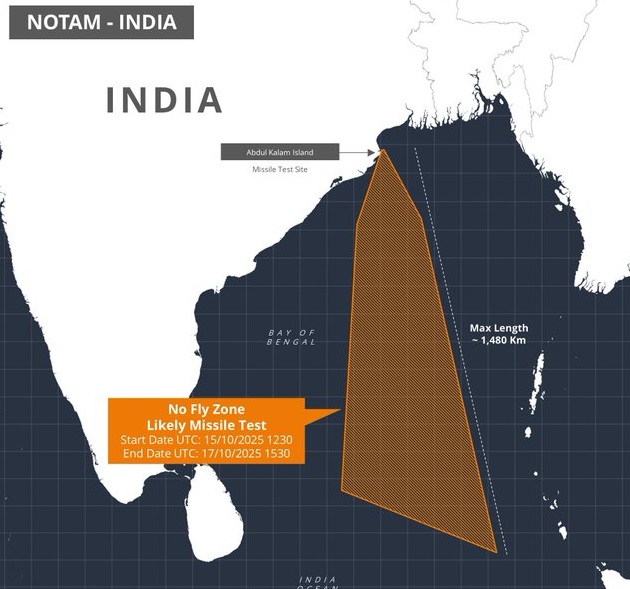
India
India has issued a Notice to Airmen (NOTAM) announcing a temporary no-fly zone over the Bay of Bengal, indicating preparations for a likely missile test later this month. The NOTAM is valid from October 15 to October 17, 2025, covering a launch window that points toward a possible trial of an advanced missile system by the Defence Research and Development Organisation (DRDO). According to the details, the designated area stretches southeast from India’s eastern coast into the Bay of Bengal, starting from the Abdul Kalam Island, India’s main missile test site off the coast of Odisha. The restricted zone extends approximately 1,480 kilometers, suggesting that the test may involve a long-range or intermediate-range ballistic missile. The NOTAM period begins at 12:30 UTC on October 15 and ends at 15:30 UTC on October 17, giving a three-day window for the test. While the notice does not specify which missile system will be tested, the range and trajectory pattern suggest it could be India’s Long Range Anti-Ship Missile (LRAShM) — a hypersonic weapon currently being developed by the DRDO. The project represents a major step in India’s efforts to enhance its long-range precision strike and maritime warfare capabilities. Analysts believe the test could mark a developmental trial of this advanced system, designed to target high-value enemy naval assets at extended ranges. The Bay of Bengal has long been India’s designated missile testing corridor, chosen for its wide open space and minimal risk to civilian air or sea traffic. Abdul Kalam Island, formerly known as Wheeler Island, serves as the launch point for almost all major strategic missile trials conducted by DRDO and the Indian Armed Forces. The timing of this NOTAM, with its extended duration and long-range coverage, indicates a major test rather than a routine short-range exercise. It also reflects India’s consistent efforts to enhance its deterrence posture amid a rapidly evolving regional security environment in the Indo-Pacific.
Read More → Posted on 2025-10-06 17:54:00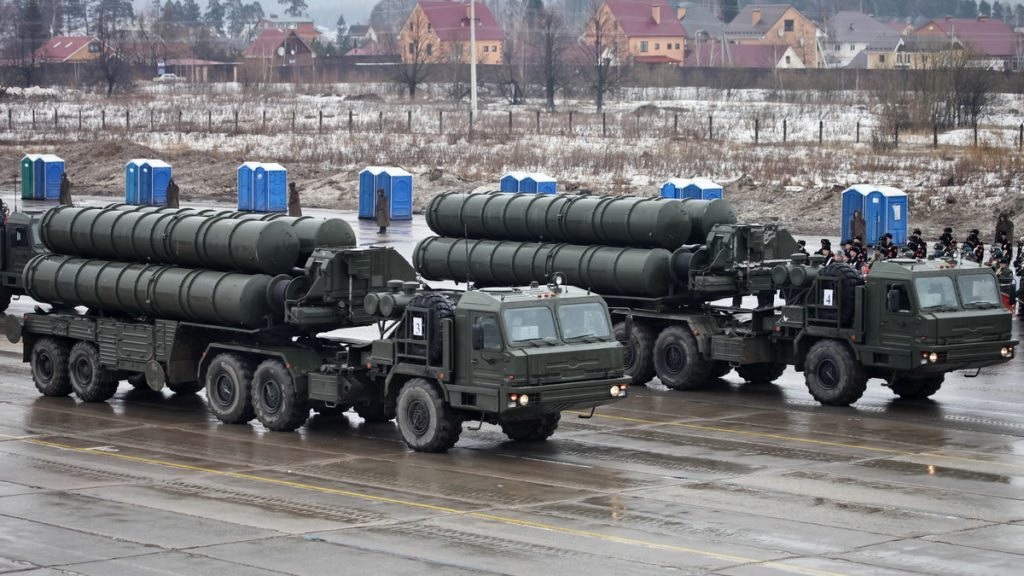
India
India has initiated talks with Russia to expand its strategic defence capabilities, focusing on the procurement of additional S-400 air-defence systems following the successful deployment of the system in Operation Sindoor. Senior Defence Ministry officials are set to meet Russian counterparts to finalise a deal for five more units, with sources indicating that the agreement is expected to be concluded ahead of President Vladimir Putin’s visit to India in December. This move builds upon the original $5.43 billion S-400 agreement signed on October 5, 2018, under which two out of five systems are scheduled for delivery by 2026. The additional five systems are intended to strengthen air-defence coverage along India’s extensive coastline and in sensitive northern regions. Reports suggest a mixed acquisition model, with three systems being purchased directly from Russia and two units potentially manufactured in India under technology transfer arrangements with private sector companies. The talks also include plans for MRO facilities to be developed domestically, enhancing long-term operational self-reliance. Officials have clarified that speculation about India acquiring the S-500 system is inaccurate at this stage. During Operation Sindoor, the S-400 system played a crucial role in intercepting hostile drones and missiles, providing long-range protection for critical military installations and urban centres between May 7–8. Its performance highlighted India’s strengthened airspace control and enhanced deterrence capability, demonstrating the strategic value of expanding the fleet. Alongside the S-400 discussions, there has been growing speculation and multiple reports suggesting that India may also explore acquiring Su-57 fifth-generation fighter aircraft from Russia. Analysts indicate that while no formal agreement has been signed, discussions could gain momentum during Putin’s December visit. An order for Su-57 jets would complement India’s efforts to modernise its air force fleet, pairing advanced stealth multirole fighters with long-range missile defence systems for a more integrated defence posture. Several reports suggest that the Indian side is evaluating both direct purchase and technology transfer options for local production. The convergence of S-400 procurement and potential Su-57 acquisition reflects India’s broader strategy to enhance air defence and combat capabilities in the context of evolving regional security dynamics. The upcoming 23rd India-Russia Annual Summit, with Russian Foreign Minister Sergey Lavrov visiting ahead of President Putin, is expected to provide a platform to advance both discussions. By integrating direct procurement with domestic manufacturing collaboration, India aims to bolster indigenous defence capabilities while reinforcing its long-standing strategic partnership with Russia.
Read More → Posted on 2025-10-06 17:44:15
India
In a landmark development for India’s polar research program, India has successfully conducted its first-ever direct air cargo mission to Antarctica. The operation was carried out on October 2, 2025, using a Russian-made IL-76 heavy transport aircraft operated under the Dronning Maud Land Air Network (DROMLAN) — an international consortium that coordinates flights to Antarctica. The mission departed from Goa’s Manohar International Airport (Mopa), marking the first time an Indian-origin cargo flight has been routed directly to support India’s Antarctic research bases — Bharati and Maitri. The aircraft transported around 18 tons of critical scientific equipment, medical supplies, and essential provisions required for the upcoming research season. Faster and Independent Supply Chain Until now, India relied primarily on sea-based logistics or indirect air routes coordinated by partner nations for delivering supplies to its Antarctic stations — a process that often took up to 40 days. The new direct air route, transiting through Cape Town, South Africa, significantly reduces delivery time and enhances operational flexibility for the National Centre for Polar and Ocean Research (NCPOR), the nodal agency managing India’s polar expeditions under the Ministry of Earth Sciences (MoES). According to Dr. Thamban Meloth, Director of NCPOR, this milestone represents a major step in improving India’s self-reliant polar logistics network. He noted that the air mission will ensure timely replenishment of resources, particularly for ongoing research in glaciology, oceanography, and climate dynamics. Post-pandemic challenges had earlier disrupted schedules and delayed scientific operations, underscoring the need for a more agile logistical framework. Collaboration and Execution The IL-76, known for its long-range and heavy-lift capabilities, was chartered exclusively for this operation. The mission was organized through a collaboration between GMR Aero Cargo and Logistics, Alpha Crux, Ultima Antarctic Logistics, and DROMLAN partners in South Africa. The aircraft’s design enables it to operate efficiently in sub-zero conditions and on ice runways, making it well-suited for Antarctic missions. Officials noted that Goa’s Mopa Airport is now positioned as a strategic logistics hub for India’s Antarctic operations, offering a suitable base for future missions. The port’s proximity to key supply chains, along with established customs and cargo handling infrastructure, makes it an ideal launch point for polar-bound shipments. Strengthening India’s Polar Capabilities India currently maintains two operational research stations in Antarctica — Maitri, established in 1989, and Bharati, commissioned in 2012. A third station, Dakshin Gangotri, remains preserved as a heritage site. Research conducted at these facilities contributes to global scientific understanding of polar climate change, sea-level rise, and marine biodiversity. The direct air cargo initiative aligns with India’s broader strategy to expand its scientific presence and logistical autonomy in the polar regions. NCPOR officials have indicated that similar missions could be planned annually, depending on cargo requirements, weather conditions, and budget allocations. By establishing a dependable air corridor to Antarctica, India joins a small group of countries capable of independent air logistics operations to the continent. This achievement not only improves efficiency in research support but also underscores India’s evolving role in sustainable polar exploration and international scientific cooperation.
Read More → Posted on 2025-10-06 13:43:19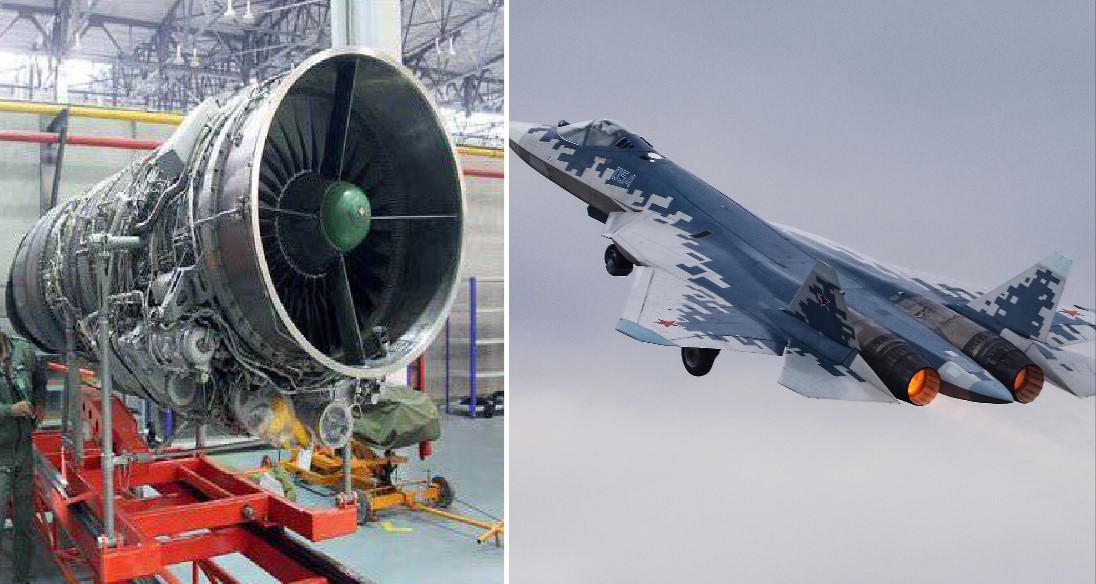
India
Recent reports on Russia’s continued supply of RD-93 turbofan engines for the JF-17 fighter program have drawn attention in New Delhi, where the development is seen through the wider lens of India-Russia defence ties. The RD-93 is a variant of the RD-33 engine family, originally designed for the Russian MiG-29. It powers the JF-17 Thunder, an aircraft co-developed by China and Pakistan. While much of the commentary frames Russia’s action as direct support to Pakistan, the reality is that the engine deliveries are made to China, which remains the primary developer and manufacturer of the JF-17. Pakistan’s role is limited to assembly of kits supplied by China, even though the project is often presented domestically as an indigenous achievement. The Pakistan Air Force (PAF) inducted the JF-17 in 2010, and since then the fighter has gradually replaced older Mirage and F-7 fleets. The present questions around the RD-93 supply are surfacing after more than a decade of JF-17 service, raising doubts about the timing. Analysts in New Delhi connect the renewed discussion to the possibility of an upcoming India-Russia defence agreement on the Su-57 fifth-generation fighter aircraft. India had earlier stepped away from a joint program on the Su-57 but is now reconsidering acquisition as part of its long-term airpower plans. Such a step would give India advanced capabilities to counter both China and Pakistan, a move that some Western countries are not in favor of. Against this backdrop, narratives about Russian engines sustaining Pakistan’s JF-17 fleet gain wider visibility. The JF-17 Block III, now entering service, introduces improvements such as the KLJ-7A AESA radar, new electronic warfare systems, upgraded avionics, and compatibility with PL-15 long-range air-to-air missiles. These enhancements are intended to narrow the gap with India’s Rafale and upcoming indigenous platforms. However, the aircraft remains fundamentally dependent on imported technology, particularly the RD-93 engines from Russia via China. For Russia, engine sales to China fall under long-standing contracts and represent part of its need to sustain defence exports in an environment shaped by Western sanctions. At the same time, Moscow faces the challenge of maintaining its reputation as a reliable partner for India, a country with which it shares decades of defence cooperation. The Su-57 discussions highlight India’s continued interest in Russian high-end technologies, but also underline New Delhi’s increasing caution as it diversifies defence acquisitions through France, the United States, and domestic initiatives under Atmanirbhar Bharat. The issue of RD-93 supplies is therefore less about a sudden strategic realignment and more about shifting perceptions. Russia’s balancing act—selling engines to China while engaging India on advanced fighter deals—reflects a move away from Cold War–era exclusivity towards a more transactional defence relationship. For India, the episode strengthens the case for reducing external dependencies and accelerating indigenous programs such as the AMCA and advanced engine co-development projects. The debate around the JF-17’s engines ultimately illustrates how global defence supply chains intersect with regional security concerns. It also highlights how geopolitical timing—such as potential India-Russia Su-57 negotiations—can influence the way long-standing technical arrangements are interpreted and politicized.
Read More → Posted on 2025-10-05 11:38:10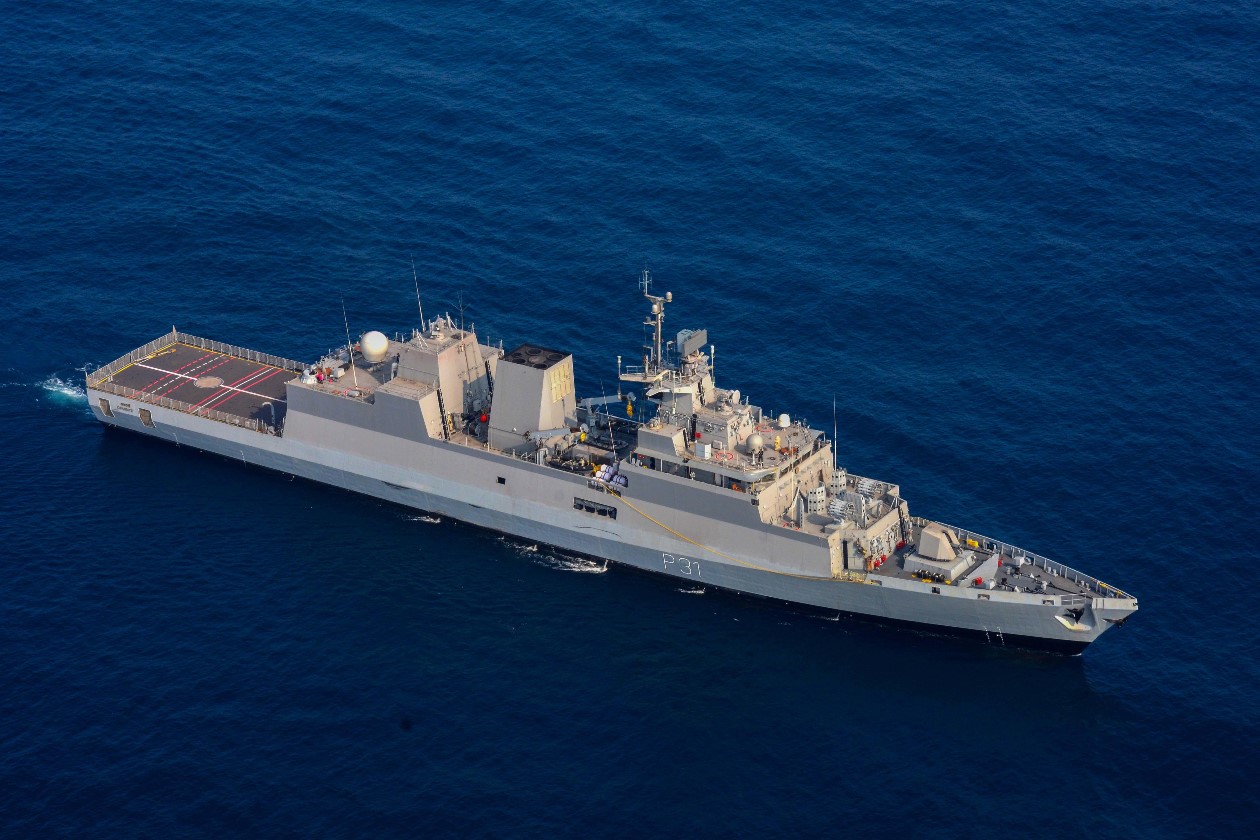
India
The Indian Navy is set to commission INS Androth, the second ship of the Arnala-class Anti-Submarine Warfare Shallow Water Craft (ASW-SWC) series, on October 6, 2025, at the Naval Dockyard in Visakhapatnam. The ceremony will be presided over by Vice Admiral Rajesh Pendharkar, Flag Officer Commanding-in-Chief, Eastern Naval Command. This milestone marks another significant step in enhancing India’s indigenous shipbuilding capabilities and coastal defense readiness. Project Background and Development The Arnala-class project was launched under the Indian Navy’s plan to replace the aging Abhay-class corvettes and to boost its shallow-water anti-submarine warfare strength. The program was initiated under the ‘Buy and Make (India)’ category to promote domestic defense manufacturing. The Ministry of Defence had placed an order for 16 ASW-SWCs, which are being built by two major Indian shipyards — Garden Reach Shipbuilders & Engineers (GRSE) in Kolkata and Larsen & Toubro (L&T) at its Kattupalli facility near Chennai. GRSE is responsible for eight ships, while the remaining eight are being built by L&T. INS Androth is the second ship from the GRSE batch. Construction and Delivery INS Androth was built by GRSE, one of India’s premier defense shipyards. The ship was launched in March 2023 and underwent extensive sea trials in 2025 to evaluate propulsion, weapon, and electronic systems. Following successful trials, the vessel was delivered to the Indian Navy on September 13, 2025, ahead of its formal commissioning. This achievement reflects the efficiency of GRSE’s production process and India’s increasing capability to design and build complex warships domestically under the ‘Atmanirbhar Bharat’ initiative. Key Specifications Displacement: Approximately 900 tonnes Length: 77.6 meters Beam: 10.5 meters Speed: Up to 25 knots Endurance: Around 1,800 nautical miles at 14 knots Crew: About 7 officers and 50 sailors Propulsion: Three diesel engines driving water-jets, providing high maneuverability in shallow waters The ship’s design is optimized for operations close to the coastline and in littoral zones, where agility and quick response are critical for anti-submarine warfare missions. Weapons and Sensors INS Androth is equipped with a range of advanced sensors and weapon systems designed for detecting and neutralizing submarine threats in coastal areas. Sonar Systems: Equipped with the indigenous Abhay hull-mounted sonar developed by DRDO’s Naval Physical and Oceanographic Laboratory (NPOL), supported by Bharat Electronics Limited (BEL). Towed Array Sonar: A low-frequency variable-depth sonar enhances detection capabilities in challenging underwater environments. Main Armament: RBU-6000 anti-submarine rocket launcher 324mm lightweight torpedo launchers for engaging underwater targets Defensive Systems: Includes decoy launchers, chaff dispensers, and mine-laying rails for coastal defense operations. The combination of indigenous sonar and weapon systems ensures that the ship can independently track and engage underwater targets within the Indian littoral zone. Indigenous Content and Industry Participation The Arnala-class corvettes feature over 80% indigenous content, showcasing India’s progress in defense self-reliance. Companies such as BEL, Mahindra Defence, and L&T supplied key systems, including sonar, decoy launchers, and control equipment. The program has also strengthened local supply chains and created numerous jobs in the Indian shipbuilding ecosystem, reaffirming the success of the Make in India initiative in the defense sector. Operational Role and Strategic Importance The Arnala-class ships are designed for anti-submarine operations in shallow coastal waters, complementing larger ASW frigates and destroyers operating in deep seas. They will also perform secondary roles, including mine laying, coastal patrol, and surveillance. By commissioning INS Androth, the Indian Navy strengthens its ability to detect and deter submarine incursions close to the Indian coastline, a capability increasingly vital given the growing presence of foreign submarines in the Indian Ocean Region.
Read More → Posted on 2025-10-04 17:36:24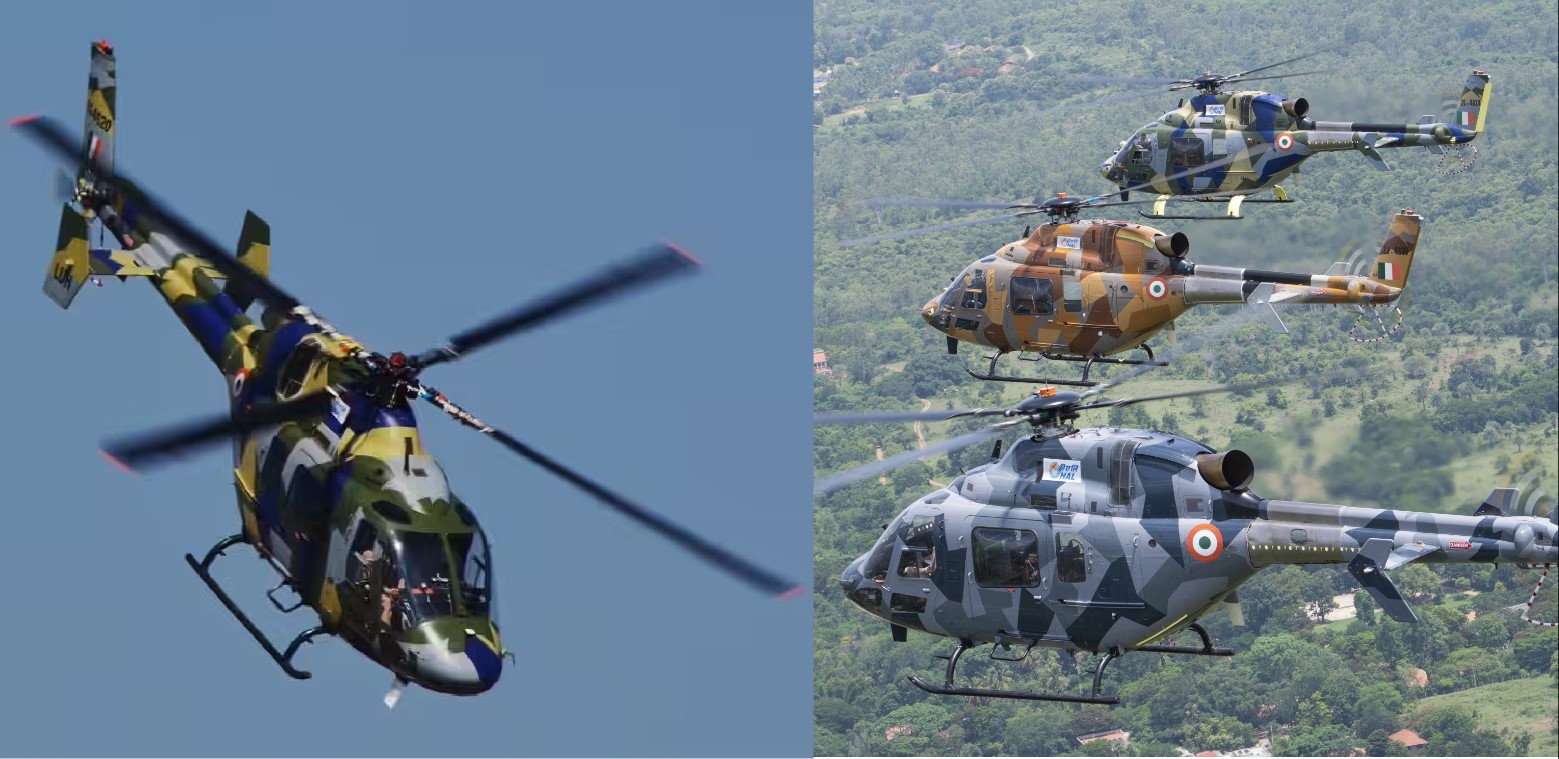
India
Hindustan Aeronautics Limited (HAL) is moving closer to resolving the remaining technical challenges in the Light Utility Helicopter (LUH) program, with the company expecting to achieve final certification by December 2025. According to recent updates from industry sources, both the Flight Control System (FCS) and Main Rotor Blade issues that led to the temporary grounding of the LUH fleet are now in the final stages of rectification. HAL anticipates that production and delivery of the Limited Series Production (LSP) helicopters will begin by March 2026, marking an important milestone for India’s indigenous helicopter development. The Root of the Problem The LUH, developed by HAL as a replacement for ageing Cheetah and Chetak helicopters, had completed extensive flight testing and high-altitude trials when certain anomalies were detected in 2023 during regular operational evaluations. The issues primarily involved vibrations linked to the Main Rotor Blade and inconsistent responses in the Flight Control System (FCS) under specific flight conditions. Although these irregularities did not pose immediate flight safety risks, HAL and the Centre for Military Airworthiness and Certification (CEMILAC) decided to ground the test fleet as a precautionary measure. The move was taken to ensure long-term reliability and safety before clearing the helicopter for production. Corrective Actions and Testing HAL engineers, along with specialists from Rotary Wing Research and Design Centre (RWRDC), initiated a detailed assessment of both subsystems. The Main Rotor Blade issue was traced to material and aerodynamic fine-tuning needs. Engineers have since redesigned certain blade components and optimized the vibration dampening system, with new blades undergoing validation trials at HAL’s Bengaluru test facility. The Flight Control System underwent software refinements and calibration updates to ensure smoother control inputs, particularly during high-altitude and low-speed operations. The modified FCS has reportedly shown stable performance in simulated trials and limited test flights, indicating that the problem has been effectively addressed. Progress Toward Certification The revised systems are now undergoing certification flight tests under CEMILAC supervision, and if results continue as expected, full airworthiness certification is likely to be granted by December 2025. Once certified, HAL will proceed with the delivery of the first LSP units to the Indian Army and Indian Air Force (IAF) early next year. Strategic Importance of LUH The LUH is a crucial part of India’s push for self-reliance in rotary-wing platforms. Designed for utility and reconnaissance roles, it can operate efficiently in high-altitude environments such as Siachen, a region where helicopter operations are vital for troop support and logistics. The aircraft is powered by the Shakti-1U turboshaft engine, developed jointly by HAL and France’s Safran, and features advanced avionics, compact design, and low maintenance requirements. Once inducted, the LUH will replace over 400 Cheetah and Chetak helicopters that have served for decades but are nearing the end of their operational lives. The transition will significantly enhance the safety, reliability, and operational reach of India’s light helicopter fleet.
Read More → Posted on 2025-10-04 17:16:28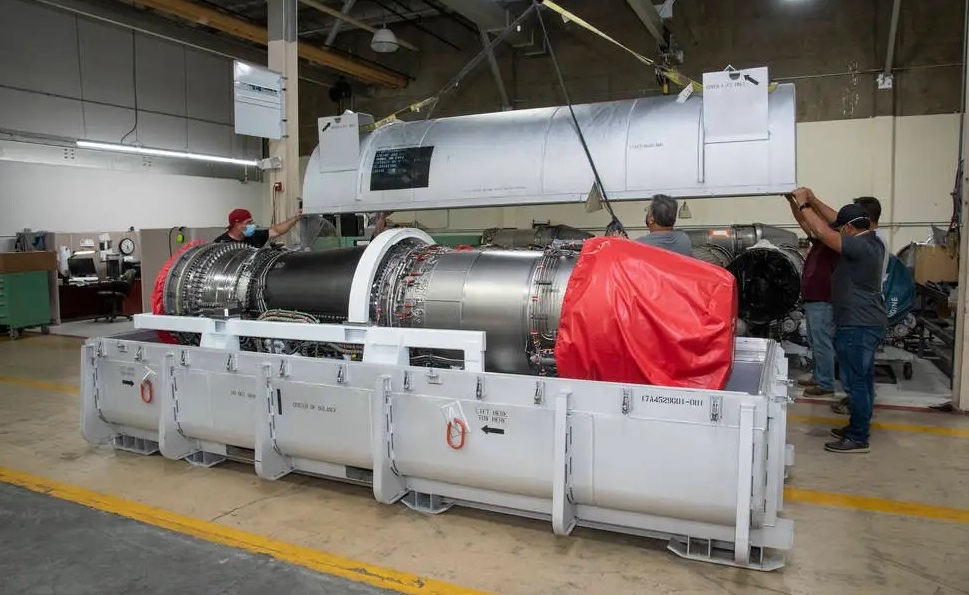
India
General Electric has completed the delivery of ten F414-GE-INS6 engines to Hindustan Aeronautics Limited , marking a significant step forward in the development of India’s Tejas Mk2 fighter aircraft program. These engines will power the upcoming series of Tejas Mk2 prototypes, with the first prototype now nearing the final stages of manufacturing at HAL’s Aircraft Research and Design Centre in Bengaluru. Progress in Tejas Mk2 Prototype Manufacturing The assembly of the first Tejas Mk2 prototype has entered an advanced phase. Major structural sections, including the fuselage, wings, and vertical tail, have been integrated, and systems installation is currently underway. HAL engineers are focusing on integrating flight control systems, avionics wiring, and hydraulic components before the aircraft moves into the ground testing phase. According to sources within HAL, the first prototype rollout is expected to take place in early 2026, slightly delayed from the earlier target of late 2025 due to design refinements and tooling optimization. Once rolled out, the aircraft will undergo extensive ground tests — including engine runs, vibration checks, and taxi trials — before taking to the skies. Expected Flight and Prototype Sequence The maiden flight of the Tejas Mk2 is planned for the second half of 2026, following a few months of ground and systems validation. HAL aims to ensure that the first prototype meets all safety and performance parameters before initiating flight trials. Work on the second prototype is already in progress at the ARDC facility. This airframe will incorporate lessons from the first prototype’s ground testing phase and is expected to be rolled out within six to eight months after the first prototype’s debut. The second aircraft will focus on flight envelope expansion and weapons integration testing. Engine Deliveries and Agreement The F414-GE-INS6 engine, developed by General Electric for India, delivers 98 kN of thrust, providing a substantial performance increase over the F404 engine used in the Tejas Mk1. The ten engines already supplied will cover the initial prototypes and early testing phases. In July 2025, GE Aerospace and HAL signed a Manufacturing License Agreement (MLA) for the co-production of GE F414 engines in India, specifically for the Indian Air Force’s (IAF) Tejas Mk2 fighter jet program. The agreement includes substantial technology transfer (ToT), with a goal of achieving over 80% transfer of critical technologies, marking one of the most comprehensive defense manufacturing collaborations between India and the United States. This agreement, which follows a Memorandum of Understanding (MoU) signed in 2023, represents a major milestone in India’s defense indigenization initiative. The deal not only strengthens the Tejas Mk2 program but also positions India to build advanced fighter jet engines domestically, enhancing long-term self-reliance in aerospace propulsion.
Read More → Posted on 2025-10-04 17:07:37
India
Pakistan’s latest attempt to rake up the Sir Creek dispute has once again exposed its misplaced priorities. At a time when the country is facing an economic meltdown, food shortages, and protests in Pakistan-occupied Kashmir (PoK) that resemble a civil war-like situation, Islamabad is choosing to invest in military hardware and border provocations. This reckless approach has drawn a sharp warning from India, which has reminded Pakistan of the strength and capability of the Indian Armed Forces. The Sir Creek problem dates back to Partition in 1947. It is a marshy estuary in the Rann of Kutch, where both countries claim ownership based on different interpretations of colonial maps. While most of the Kutch boundary was settled through international arbitration in the 1960s, Pakistan deliberately keeps Sir Creek unresolved to maintain tensions with India. Raising the issue now is nothing more than a calculated attempt to divert attention from the crises at home. The reality inside Pakistan is grim. Inflation and unemployment are soaring, leading to a food crisis where even essentials like wheat and pulses are scarce. In PoK, ordinary citizens have risen against Islamabad’s neglect, clashing with Pakistani forces. Instead of addressing these challenges, Pakistan’s ruling elite continues to pour money into tanks, fighter jets, and missiles. India has consistently demonstrated that provocations will not go unanswered. From the surgical strikes of 2016, which destroyed terrorist launch pads in Pakistan-occupied territory, to the Balakot air strike in 2019, which hit terror camps deep inside Pakistan, New Delhi has shown its resolve to act decisively. More recently, in Operation Sindoor 2025, the Indian Armed Forces struck back against cross-border threats, destroying 12 Pakistani aircraft and several key military installations. These actions underline India’s overwhelming superiority and Pakistan’s inability to withstand sustained military pressure. The Indian Navy further strengthens this advantage. With a growing fleet of aircraft carriers, nuclear submarines, stealth destroyers, and maritime surveillance aircraft, India can dominate the Arabian Sea and secure its western coastline. In comparison, Pakistan’s navy remains small, outdated, and incapable of matching India’s maritime reach. Any confrontation in the Sir Creek region or adjacent waters would be heavily one-sided. Pakistan’s obsession with challenging India stems from desperation. By creating new border flashpoints, its leadership seeks to distract people from domestic failures. But history shows that every time Pakistan has provoked India — whether in 1965, 1971, Kargil in 1999, or in recent decades — it has suffered defeats and humiliation. The truth is clear. Pakistan is a nation struggling for survival, yet it wastes scarce resources on a futile military buildup. Rather than provoking India over Sir Creek, Islamabad should focus on feeding its citizens, addressing the unrest in PoK, and stabilising its collapsing economy. India has made it clear that it will defend its sovereignty with full force, and Pakistan should not forget that the consequences of its adventurism will once again leave it weaker, poorer, and more isolated.
Read More → Posted on 2025-10-04 11:16:27
India
In a move to strengthen protection for population centres and religious sites near the border with Pakistan, the Indian Army has issued a tender to procure six AK-630 30mm air defence guns from the state-owned Advanced Weapons and Equipment India Ltd (AWEIL). This acquisition is part of Mission Sudarshan Chakra, a long-term initiative to develop a multi-layered indigenous security shield by 2035. The tender follows operational lessons from Operation Sindoor, where the Pakistan Army carried out targeted attacks on civilians and religious structures in Jammu and Kashmir and Punjab. The AK-630 system is designed to protect key population centres and Centres of Faith close to the international border and Line of Control. According to defence officials, the 30mm multi-barrel mobile gun system can deliver up to 3,000 rounds per minute and has a maximum range of 4 km. The guns are mounted on trailers and towed by high mobility vehicles. The system is capable of countering threats from UAVs, rockets, artillery, and mortars (URAM) and includes an all-weather Electro-Optical Fire Control system for detection and targeting. The AK-630 guns will form a critical component of Mission Sudarshan Chakra, which integrates air defence, surveillance, and cybersecurity systems to provide a coordinated protective shield for strategic locations. The mission, launched on India’s Independence Day 2025 by Prime Minister Narendra Modi, also aligns with the Aatmanirbhar Bharat initiative, emphasizing self-reliance in defence technology. Army Chief Gen Upendra Dwivedi recently reiterated India’s stance against cross-border attacks, warning Pakistan that the Indian Army would respond firmly to any terrorist activity under a potential Operation Sindoor 2.0. The Army Air Defence has previously played a significant role in countering drone and aircraft incursions, and the addition of AK-630 systems is expected to further enhance operational readiness along vulnerable sectors. Defence Minister Rajnath Singh recently visited Army Air Defence units in Bhuj, Gujarat, where troops had successfully intercepted multiple aerial threats during Operation Sindoor. The procurement reflects the Indian Army’s ongoing effort to modernize air defence capabilities, strengthen protection of civilian and religious sites, and maintain a robust defensive posture along sensitive border regions.
Read More → Posted on 2025-10-04 10:26:26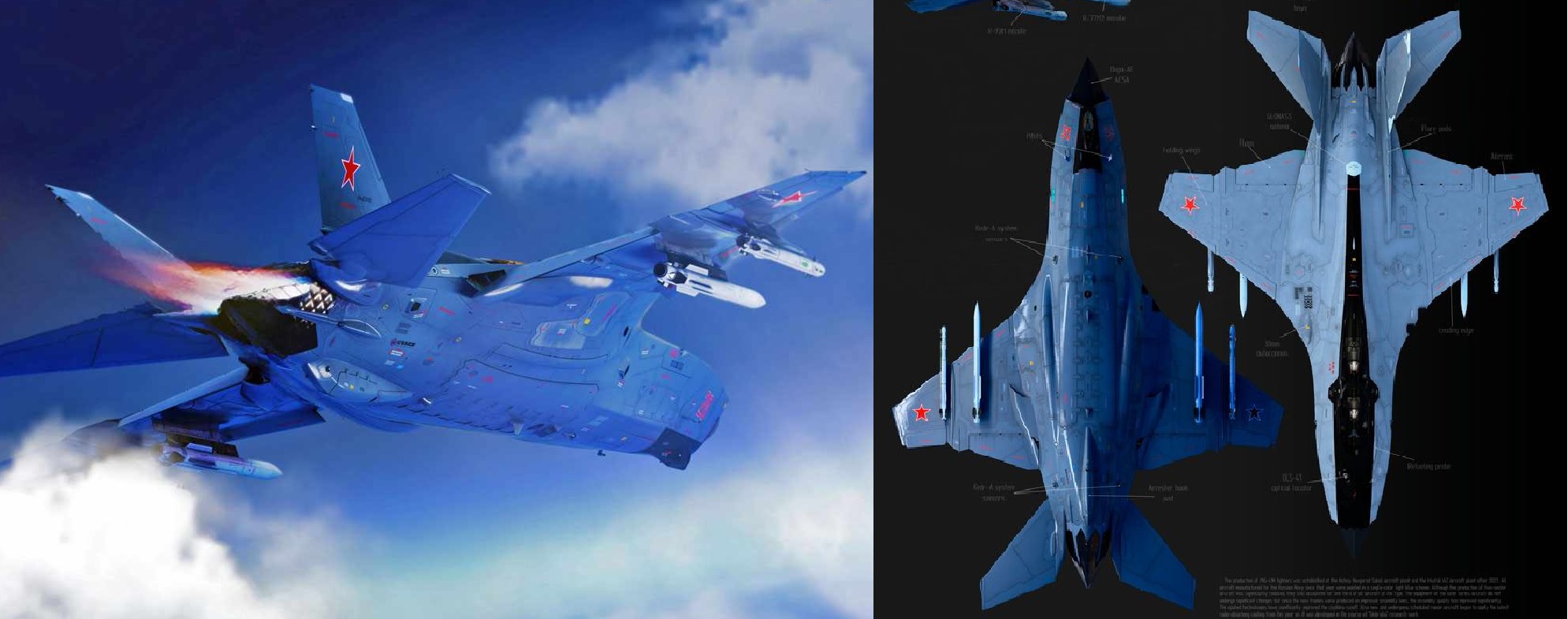
HAL Agree to Collaboration with Russia For Developing a New Model Of Next-Generation Combat Aircraft
India
Hindustan Aeronautics Limited (HAL) has expressed readiness to collaborate with Russia on developing a new next-generation combat aircraft model, according to a report by TASS. The company highlighted decades of cooperation in producing aircraft such as the MiG-21 and Su-30MKI, pointing to a well-established foundation of technology transfer, licensed production, and co-development between the two nations. HAL representatives emphasized that the current India-Russia defence relationship is steady and practical, offering a favourable environment for potential future projects. The Su-30MKI program remains a benchmark for bilateral cooperation. HAL has assembled more than 200 aircraft at its Nashik facility, which has become a major centre for fighter production. In addition to assembly, the facility handles ongoing upgrade and modernization cycles, integrating Indian and Western avionics, electronic warfare systems, and targeting pods. These efforts ensure that the aircraft continues to serve the Indian Air Force (IAF) effectively, with active contracts covering an additional 15 aircraft and comprehensive mid-life upgrades expected to keep the platform operational until at least the 2050s. Looking forward, HAL’s statement opens the possibility of involvement in next-generation Russian fighter programs, including the Su-75 “Checkmate” stealth fighter and the proposed MiG-41 interceptor. Russia has indicated willingness to pursue joint production initiatives with international partners, and India’s industrial base, aligned with Make in India and Atmanirbhar Bharat policies, makes it a suitable candidate for such cooperation. Participation could include local production, technology sharing, and integration work, providing India with early access to fifth-generation fighter capabilities while supporting domestic aerospace skill development. A potential collaboration on the Su-75 could complement India’s indigenous Advanced Medium Combat Aircraft (AMCA) program. While AMCA is projected to enter serial production in the 2030s, a joint Su-75 effort could offer the IAF an interim stealth fighter capability in the late 2020s, similar to how the Su-30MKI program preceded the full operational deployment of Tejas. Such a partnership would require careful alignment to ensure that participation in Russian projects does not slow down domestic development timelines. For Russia, cooperation with HAL provides a stable production partner amid sanctions and financial constraints. For India, deeper engagement with Russian fighter programs reduces reliance on Western suppliers, particularly in the context of growing export controls and technology transfer restrictions. Additionally, co-development or licensed production would support India’s strategic goal of sustaining a strong domestic aerospace industry while diversifying the fleet. Although no formal agreements have been announced, HAL’s declaration indicates early-stage positioning for advanced fighter collaboration. The company’s past experience with MiG-21 and Su-30MKI programs, combined with ongoing modernization efforts, positions it to manage complex projects efficiently. Whether this will lead to a Su-75 co-production venture, involvement in the MiG-41, or broader exploratory initiatives, the statement reinforces that Indo-Russian aerospace cooperation remains an active component of India’s defence planning strategy.
Read More → Posted on 2025-10-04 10:06:53Search
Top Trending in 24 Hours
-
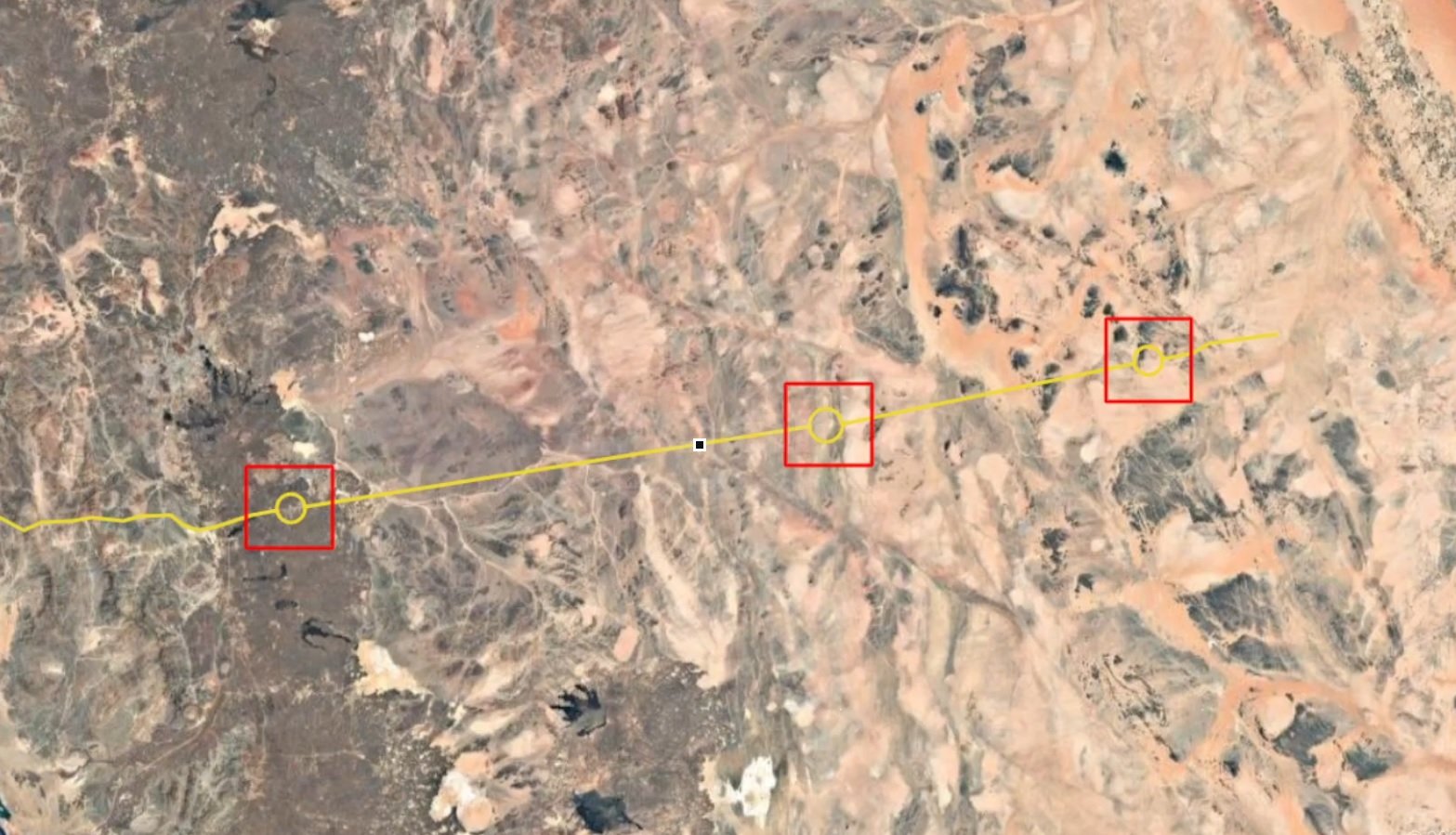 Satellite Imagery Shows Extensive Damage to Saudi Arabia’s East-West Oil Pipeline, Indicating More Than a Single Strike
-
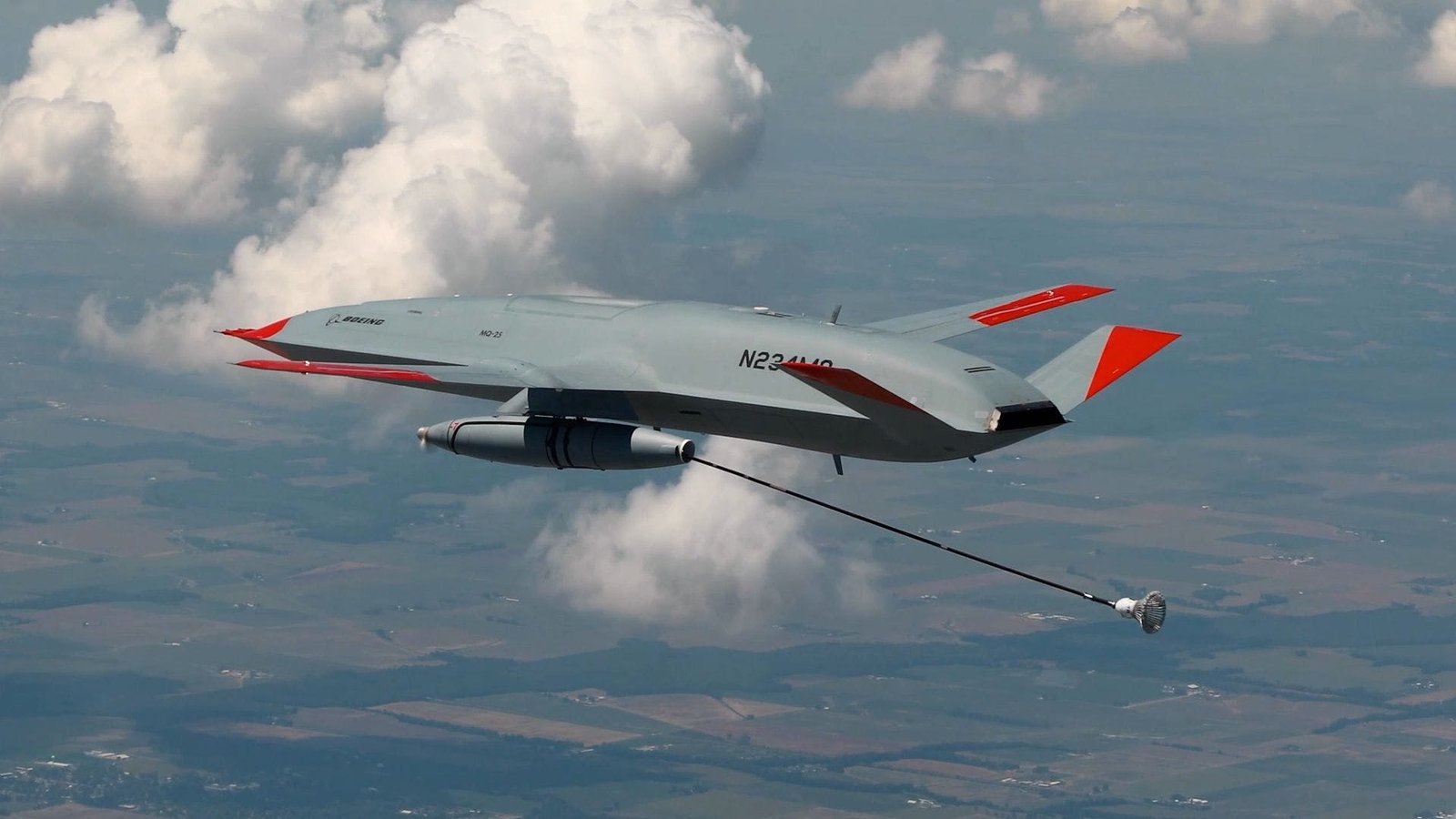 U.S. Navy Awards Boeing $562 Million Contract for First Production MQ-25A Stingray Tanker Drones
-
 Pentagon and Honeywell Complete Four-Hour Pacific Flight Using Quantum Magnetic Navigation Without GPS
-
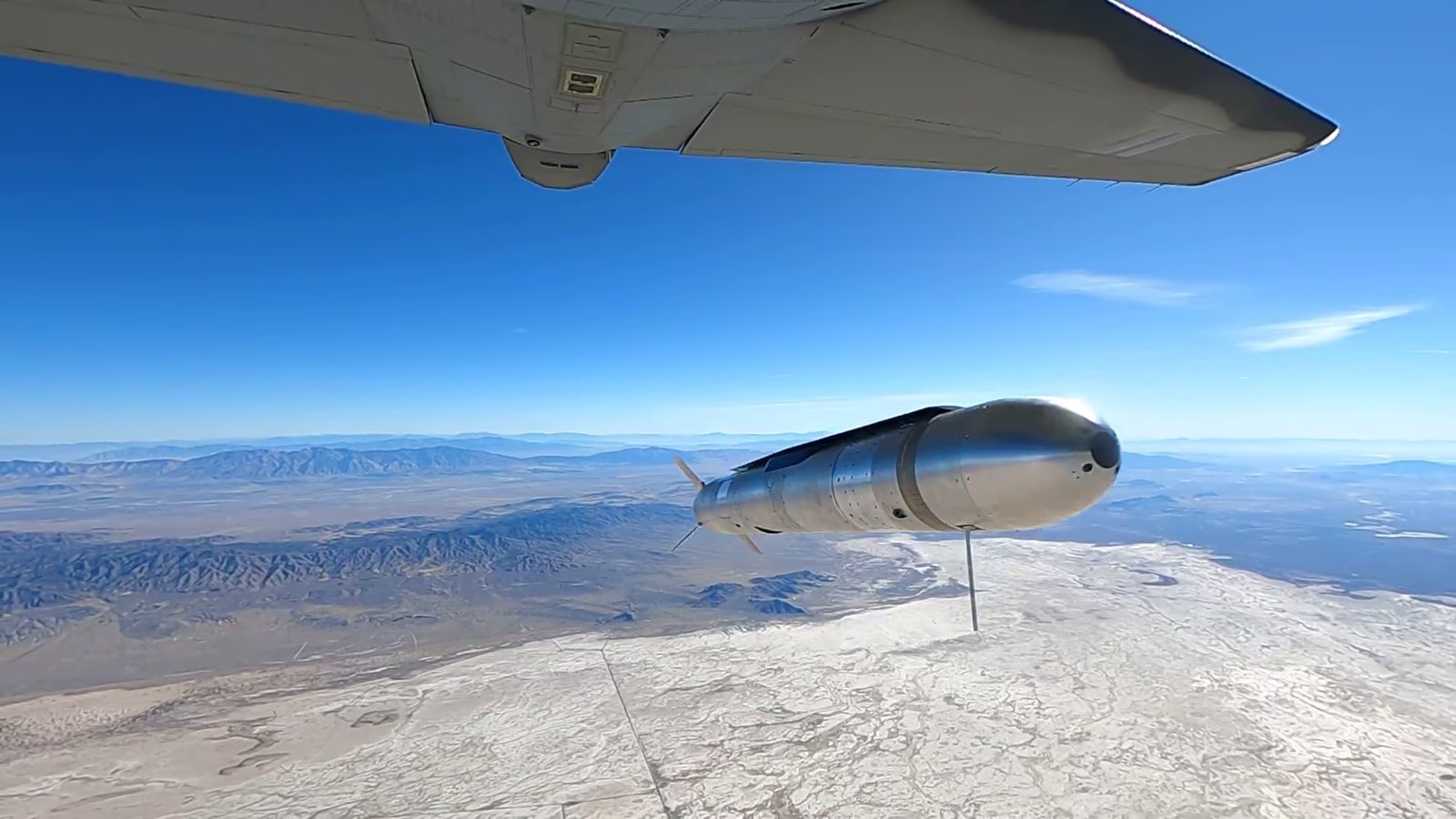 U.S. Air Force Special Operations Command Clears AGM-190A Havoc Spear for Wider Service After Combat Evaluation in Africa
-
 U.S. Confirms Deployment of On-Orbit Space Control Weapons for First Time
-
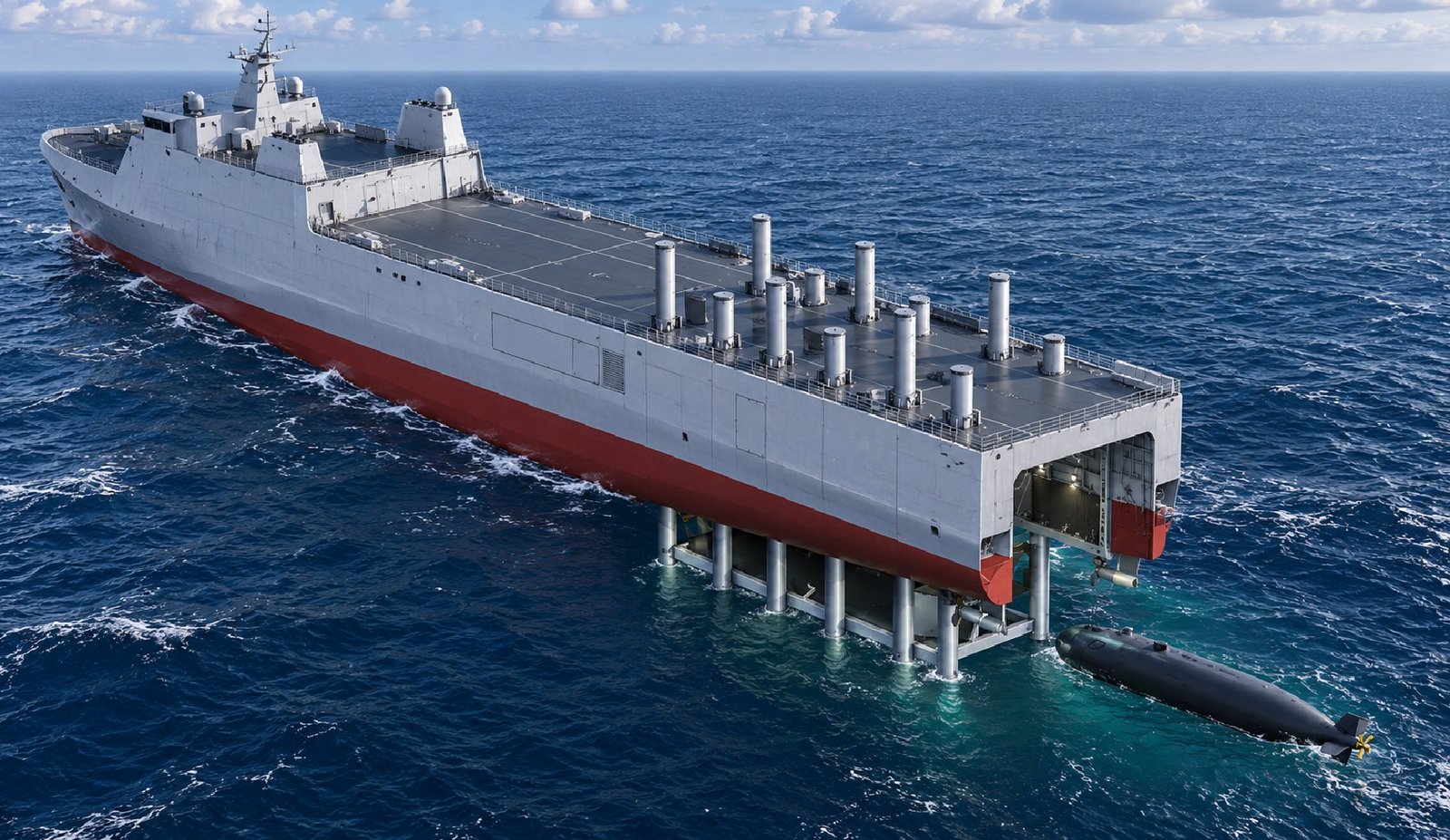 China Builds New Shanghai Vessel to Serve as Mothership for Large Uncrewed Submarines
-
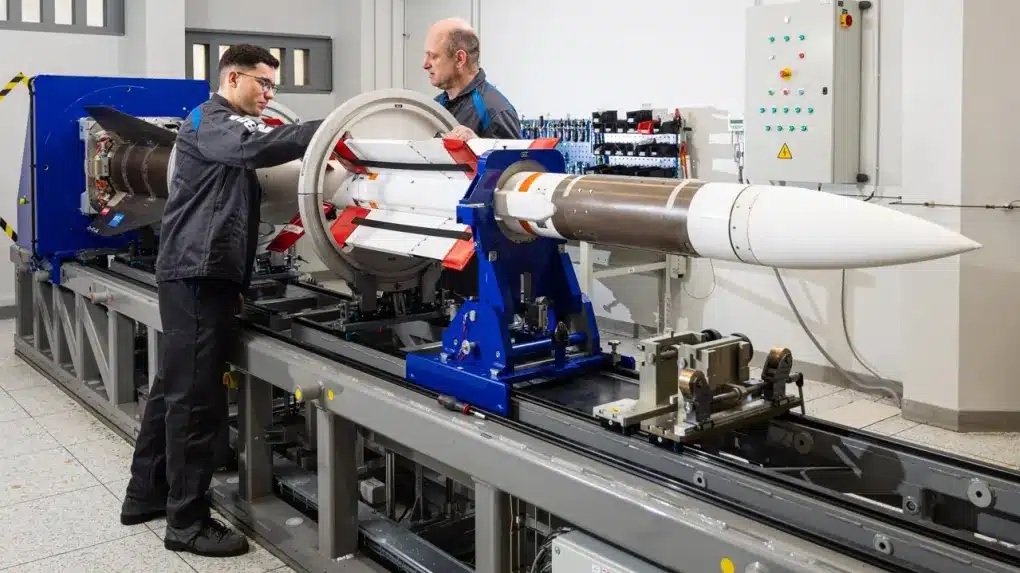 MBDA to Build New Missile Production Plant Near Orleans to Expand Missile Production
-
 Israel Provides Intelligence Support to Saudi Arabia Against Houthi Attacks, Mediated by US CENTCOM
Top Trending in 4 Days
-
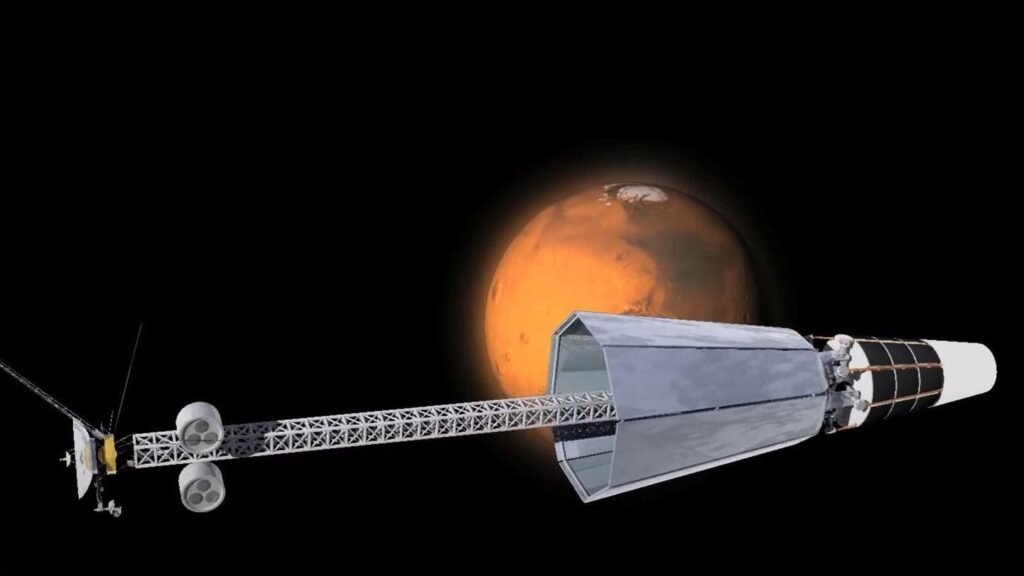 U.S. Air Force Awards Antares $161 Million to Develop Nuclear Reactor for Spacecraft
-
 Pentagon Awards BlueHalo Up to $99.8 Million Contract for Orbital Battlespace R&D Program
-
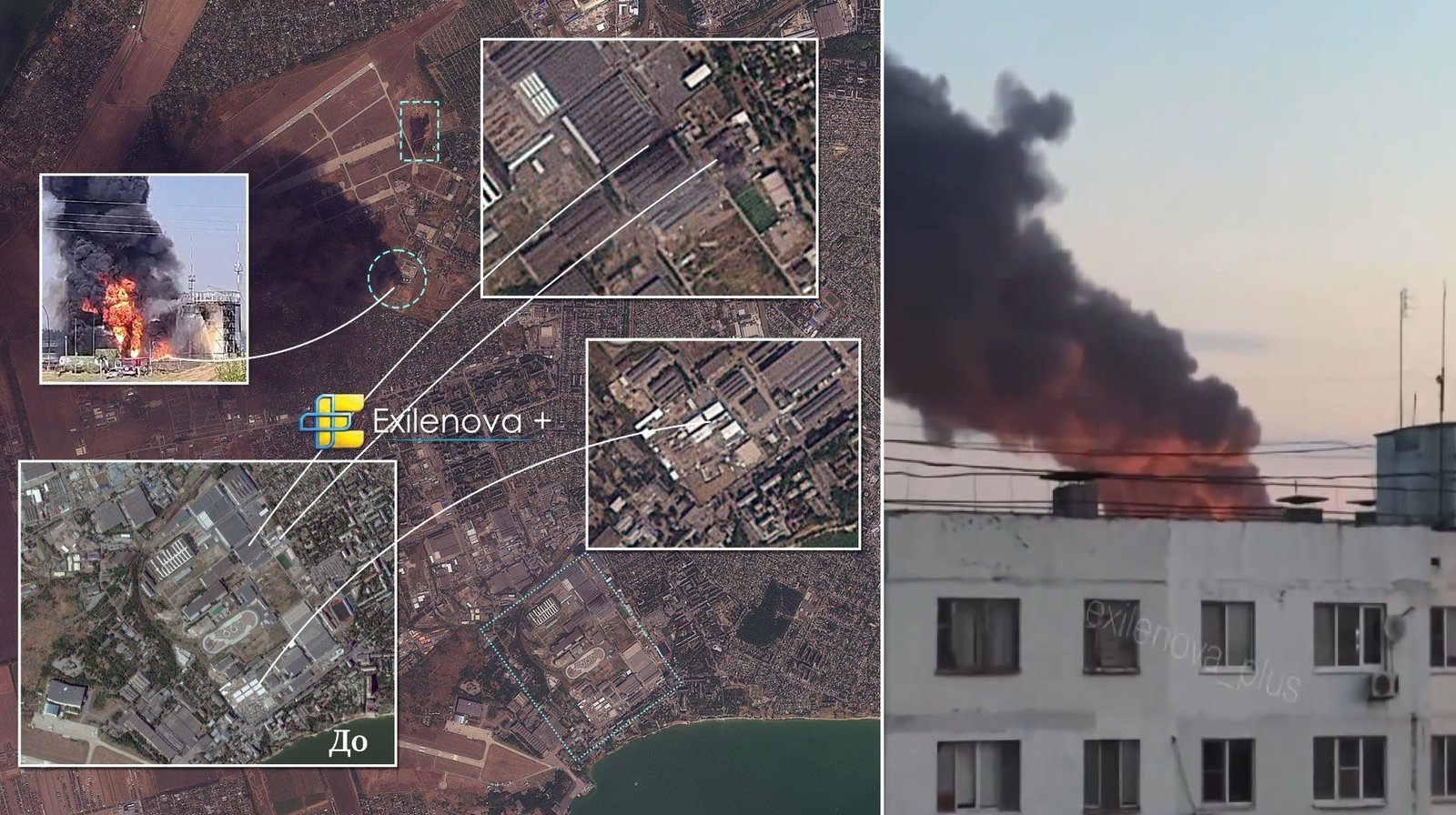 Ukrainian Drones Strike Russian UAV Manufacturer and Chemical Plants in Taganrog and Tolyatti
-
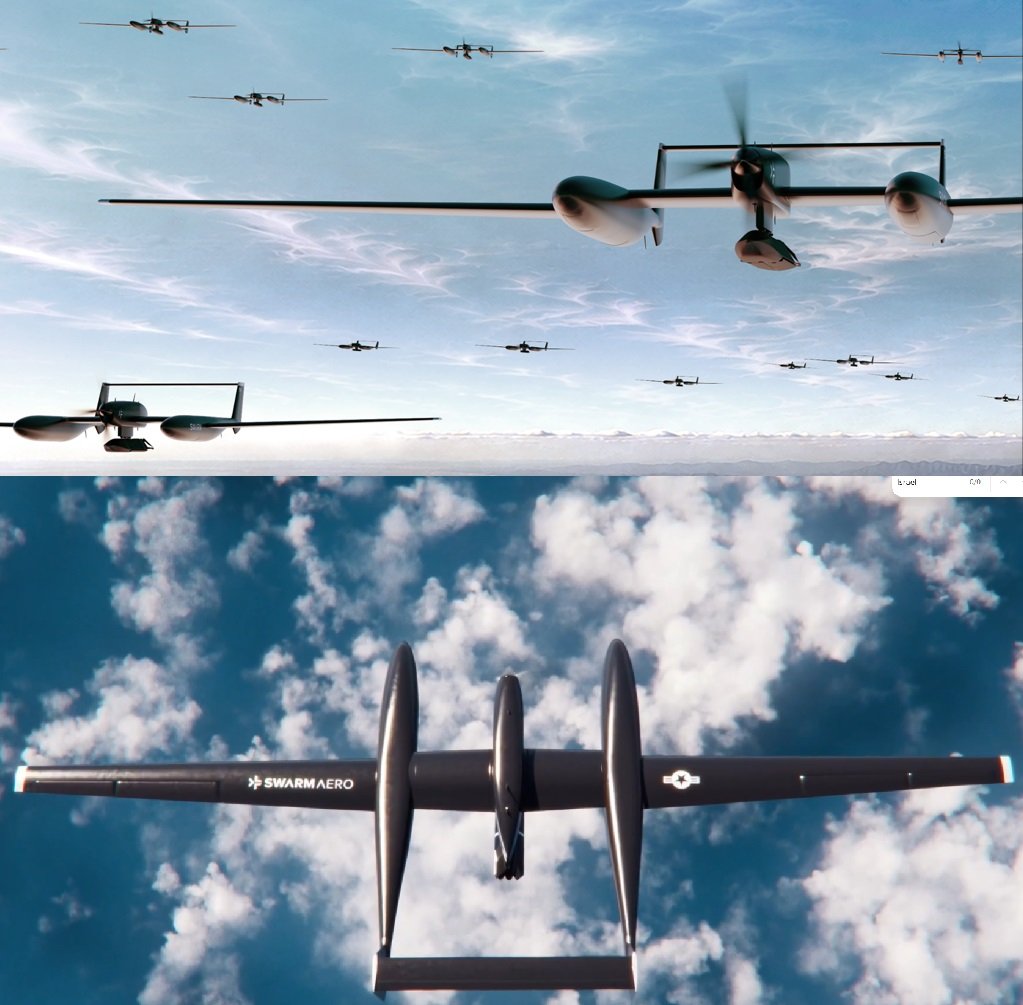 U.S. Firm Swarm Aero Unveils Gamera Group 5 UAS With 9,000-Nautical-Mile Range and Heavy Strike Payload
-
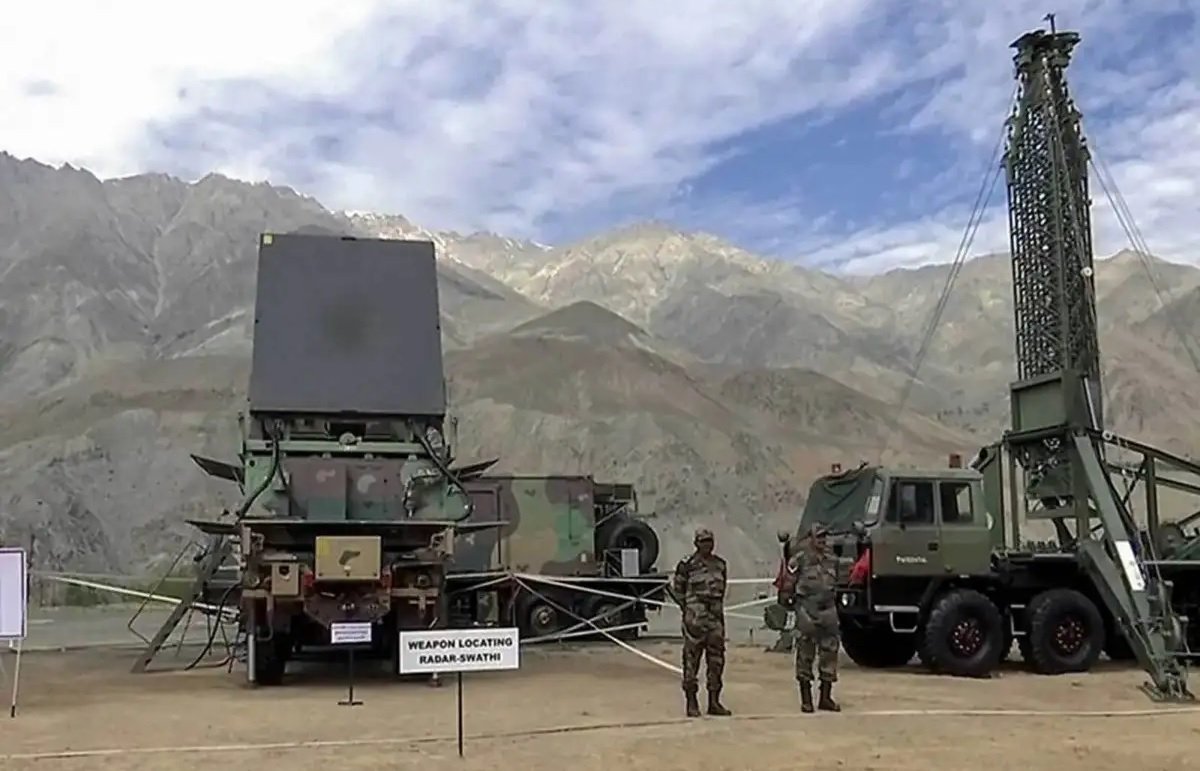 DRDO Demonstrates Indigenous 3.5×3 mm GaN Chip Delivering 30 Watts for Next-Generation Radars and Electronic Warfare
-
 MBDA and Poland’s WITU Advance Low-Cost Supersonic Interceptor Against Swarm Attacks, Seeker Trials Successfully Completed
-
 Croatia Signs €410 Million Contract with Hanwha Aerospace for 18 Chunmoo Rocket Launchers
-
 Eutelsat to Invest About €1 Billion in 229 More OneWeb Satellites From Airbus