
India
In a major step forward for India’s defense capabilities, the Defence Research and Development Organisation (DRDO) has successfully test-fired the indigenous Nag Mk-II Anti-Tank Guided Missile (ATGM) from the Zorawar Light Tank in October 2025. This marks a significant milestone in integrating advanced indigenous missile systems with India’s latest light armored platforms, enhancing the Indian Army’s operational readiness in high-altitude and challenging terrains. The Nag Mk-II is a third-generation, fire-and-forget ATGM developed under India’s Integrated Guided Missile Development Programme (IGMDP). It features imaging infrared (IIR) homing guidance, allowing it to autonomously track and destroy armored targets. The missile is approximately 1.83 meters long, 15 cm in diameter, weighs around 45 kg, and can engage targets at ranges of 7 to 10 kilometers. Its tandem HEAT warhead can penetrate over 900 mm of armor, even behind Explosive Reactive Armor (ERA), making it highly effective against modern main battle tanks. Previously, the Nag Mk-II was successfully tested from platforms such as NAMICA, HAL Rudra, and HAL Prachand, and these trials demonstrated its accuracy and reliability. The successful October 2025 firing from the Zorawar Light Tank confirms its integration with the tank’s fire-control systems, paving the way for operational deployment. The Zorawar Light Tank, developed by DRDO’s Combat Vehicles Research and Development Establishment (CVRDE) in collaboration with Larsen & Toubro (L&T), is specifically designed for high-altitude operations. Weighing 25 tonnes, it is powered by a 760 hp Cummins diesel engine and features a 105 mm high-pressure rifled gun along with a 7.62 mm anti-aircraft machine gun on a remote-controlled weapon station. The tank is airliftable, amphibious-capable, and optimized for mobility in difficult terrains such as the mountainous regions along India’s borders. The October 2025 test-firing successfully validated the Nag Mk-II ATGM’s compatibility with the Zorawar’s systems, accurately hitting simulated armored targets. This achievement demonstrates both the precision of the missile and the lethality of the tank-missile combination, reinforcing India’s goal of self-reliance in defense technologies. With the completion of these trials, the Zorawar Light Tank armed with Nag Mk-II is expected to be inducted into the Indian Army after final user trials. Once operational, it will significantly enhance India’s firepower in high-altitude border regions, strengthening the country’s strategic and tactical capabilities. This successful integration underlines India’s growing expertise in indigenous defense technologies and highlights the nation’s commitment to equipping its armed forces with advanced, homegrown weapon systems.
Read More → Posted on 2025-10-17 15:35:21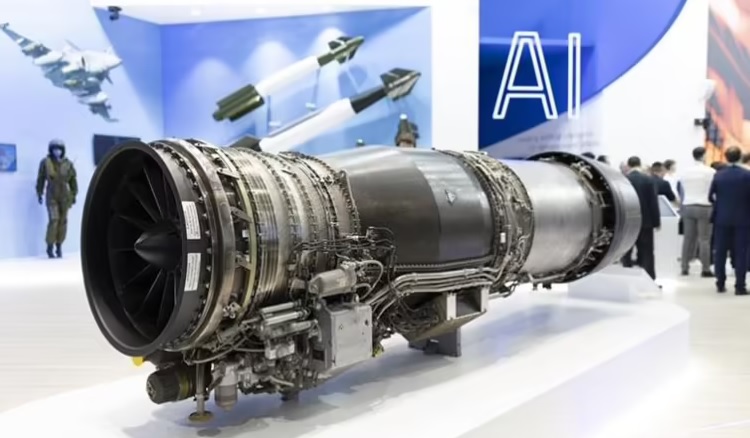
India
India is preparing to spend about ₹654 billion ($7.44 billion) over the next decade to acquire engines for its indigenous fighter aircraft fleet under development, marking one of the country’s most ambitious aerospace propulsion programs to date. According to S.V. Ramana Murthy, Director of the Gas Turbine Research Establishment (GTRE), India will require nearly 1,100 engines for various fighter jet programs currently in different stages of design, testing, and production. The massive procurement plan will span until 2035, covering aircraft like the Light Combat Aircraft (LCA) Tejas Mk2, the Twin Engine Deck Based Fighter (TEDBF) for the Indian Navy, and the Advanced Medium Combat Aircraft (AMCA) — India’s first fifth-generation stealth fighter. Building a Self-Reliant Engine Ecosystem India’s attempts to design a home-grown fighter jet engine stretch back several decades. The Kaveri engine program, initiated in the 1980s to power the Tejas light combat aircraft, has faced repeated technical challenges and delays, forcing India to rely on foreign engines such as the GE F404 and F414 for operational Tejas variants. Murthy acknowledged these shortcomings but emphasized that the lessons from the Kaveri project have laid the groundwork for the next phase of indigenous engine development. “There is a need to work on mission mode to create an ecosystem for indigenous fighter engines,” he said during a defence technology event in New Delhi. He added that India must invest in high-altitude test facilities, thermal and vibration testing infrastructure, and a robust industrial supply chain to achieve true self-reliance in jet propulsion technology. Derivatives and Future Applications A derivative of the Kaveri engine is now being considered for India’s upcoming Unmanned Combat Aerial Vehicle (UCAV) project, tentatively named Ghatak. This effort aims to leverage existing technologies for smaller airframes and autonomous combat roles, potentially giving India its first indigenous powerplant for drone warfare systems. Global Partnerships for AMCA Murthy also confirmed that India is in talks with several international engine makers for co-development partnerships aimed at powering the AMCA. Leading contenders include France’s Safran, Britain’s Rolls-Royce, and U.S.-based General Electric. While General Electric has already signed an agreement to manufacture its F414 engines in India for the Tejas Mk2, the AMCA engine is envisioned as a new-generation powerplant in the 110–120 kN thrust class, with stealth-compatible thermal management and advanced digital control systems. The AMCA prototype, expected to roll out by 2028, will mark India’s entry into the elite club of nations capable of designing fifth-generation stealth fighters. The program’s success depends heavily on the timely development and integration of an indigenous or co-developed engine. Opening the Defence Sector to Private Industry In a significant policy shift, the Indian government announced that for the first time, private firms will be invited to bid on major fighter production contracts. This move aims to reduce dependence on Hindustan Aeronautics Limited (HAL) — the state-run aerospace giant that currently manufactures most of India’s military aircraft — and foster competition and innovation within the domestic defence ecosystem. Companies such as Larsen & Toubro, Tata Advanced Systems, and Mahindra Defence are expected to participate, either independently or in joint ventures with foreign technology partners. Strategic Push for Defence Self-Reliance Prime Minister Narendra Modi’s “Atmanirbhar Bharat” (Self-Reliant India) initiative has made indigenous defence manufacturing a national priority. Over the past five years, India has progressively restricted imports of key defence components, including jet engines, avionics, and radar systems, while encouraging joint ventures and technology transfer agreements with global firms. By 2035, India aims not only to replace foreign engines in its combat fleet but also to develop a fully indigenous propulsion ecosystem capable of supporting future programs like the 6th-generation fighter concept, advanced UCAVs, and long-range bombers. A Decade of Opportunity and Challenge Experts note that achieving engine self-reliance remains one of the hardest challenges in aerospace engineering. Nations like the U.S., Russia, and France took decades and tens of billions of dollars to master the technology. However, India’s renewed focus, budget allocation, and openness to partnerships are viewed as critical enablers of success. If the planned ₹654 billion investment bears fruit, India could soon join a very exclusive club of nations — the United States, Russia, France, and China — that possess the capability to design, manufacture, and operate their own advanced fighter jet engines.
Read More → Posted on 2025-10-17 15:18:47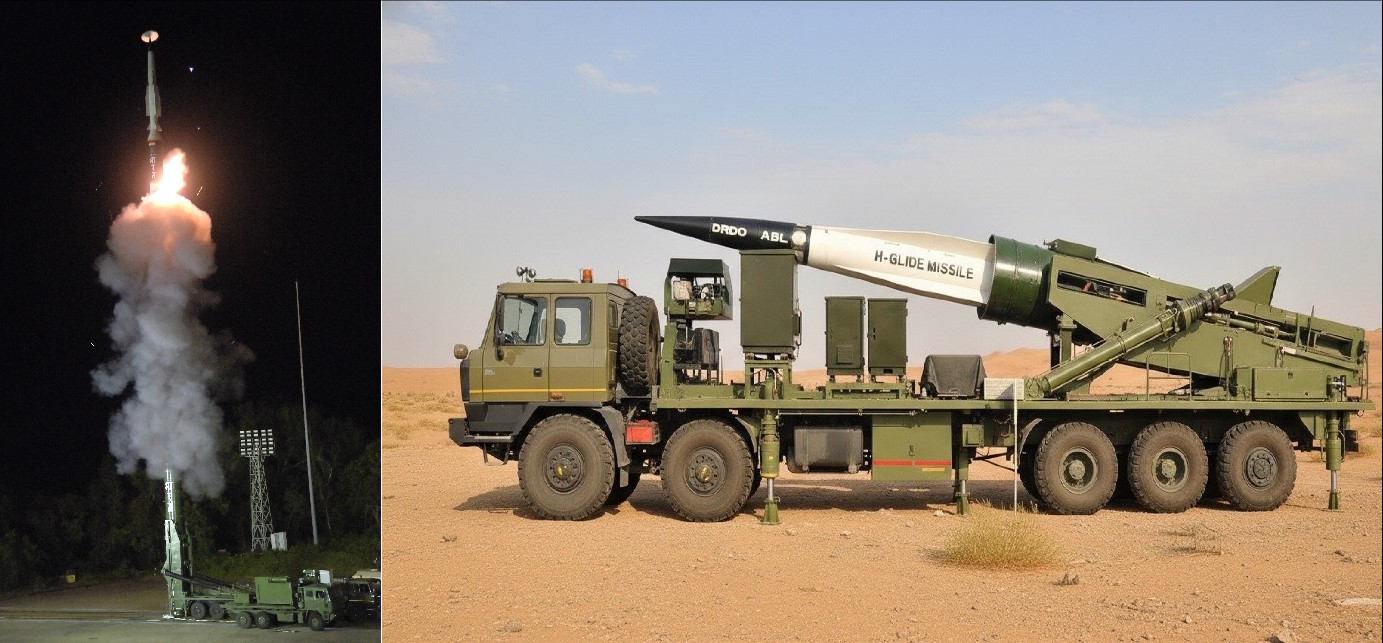
India
India’s pursuit of a hypersonic strike capability has taken a decisive turn with the Long-Range Anti-Ship Missile (LR-AShM) moving into serial production. Confirming this development, Dr. Anil Kumar, Director at DRDO’s Advanced Systems Laboratory (ASL), stated that the LR-AShM “has demonstrated exceptional performance and is now progressing into the serial-production stage.” This milestone marks the transition of one of India’s most advanced missile programmes from the testing phase to production readiness — a feat achieved after years of research, development, and successful trials. Development Background The LR-AShM is a hypersonic, long-range anti-ship weapon designed by DRDO to counter large surface vessels such as aircraft carriers, cruisers, and destroyers. Developed under ASL’s supervision, it combines scramjet propulsion, advanced guidance, and heat-resistant composite materials, allowing sustained speeds of Mach 8–10 and engagement ranges exceeding 1,500 km. The system is based on technologies derived from DRDO’s earlier Hypersonic Technology Demonstrator Vehicle (HSTDV) project, which validated India’s indigenous hypersonic flight and scramjet propulsion technology in 2020 and 2021. LR-AShM builds upon those foundations, integrating guidance and seeker systems optimized for maritime strike missions. Technical Overview The LR-AShM’s design allows it to perform boost-glide hypersonic flight, maintaining extreme speeds at high altitudes before diving toward its target with terminal maneuvers. Its guidance system integrates Inertial Navigation (INS), Satellite Navigation (SATNAV), and an Active Radar Seeker in the final stage, ensuring accuracy even against moving naval targets. The missile’s air-breathing scramjet engine enables continuous propulsion without relying on onboard oxidizers, making it both efficient and compact. Its thermal shielding and composite frame withstand temperatures exceeding 2,000°C, while onboard computing systems handle real-time trajectory correction and electronic counter-countermeasures (ECCM). Project Timeline India’s LR-AShM (Long-Range Anti-Ship Hypersonic Missile) programme began in 2017–2018 at DRDO’s Advanced Systems Laboratory (ASL), Hyderabad, aiming to develop a missile capable of speeds above Mach 5 and ranges beyond 1,500 km. By 2019–2020, key technologies were validated through the HSTDV tests, and critical facilities like the Hypersonic Wind Tunnel and Hypervelocity Expansion Tunnel were established. The missile’s maiden flight test took place on October 6, 2023, from the Integrated Test Range in Odisha, demonstrating stable flight. A crucial test on November 16, 2024, saw the LR-AShM achieve Mach 10, execute complex terminal maneuvers, and confirm its operational potential. By June 2025, DRDO projected that trials would conclude within a few years, targeting operational deployment by 2027–2028. On October 17, 2025, DRDO announced that the LR-AShM had entered serial production, marking the transition from development to manufacturing and setting the stage for integration with naval and air platforms. Transition to Serial Production According to Dr. Anil Kumar, the LR-AShM’s transition to production reflects the completion of all critical design reviews and flight qualification milestones. The missile will now be produced in limited numbers, allowing DRDO and the armed forces to conduct operational evaluation trials. The Bharat Dynamics Limited (BDL) is expected to lead assembly and integration, while other key DRDO labs and private-sector suppliers will handle specialized subsystems such as propulsion modules, guidance electronics, and heat-resistant structures. Production lines are being readied to achieve scalable output in the coming years, coinciding with planned naval and air integration trials. Strategic Importance The LR-AShM provides India with a long-range, hypersonic anti-ship strike capability, expanding deterrence in the Indian Ocean and Indo-Pacific regions. Its speed and altitude profile make interception extremely challenging for even advanced naval defense systems like the Aegis Combat System or SM-6 interceptors. Operationally, the missile will allow Indian forces to engage maritime targets beyond 1,000 km, protecting strategic sea lanes and deterring carrier groups operating within contested waters. The system complements existing anti-ship missiles such as the BrahMos, offering a next-generation solution for high-speed, deep-strike missions. Next Step The coming phase will involve platform integration trials with both naval surface vessels and airborne platforms like the Su-30MKI. Full operational induction is expected within the next few years after production scaling and service evaluation. Parallel efforts continue within DRDO’s Hypersonic Technology Division to refine scramjet propulsion for reusable flight systems, potentially leading to a family of hypersonic weapons for land and sea-based applications.
Read More → Posted on 2025-10-17 13:52:13
India
The Taliban, one of the most controversial movements in modern history, did not emerge overnight. Its roots are deeply tied to the geopolitics of the Cold War, the chaos of post-Soviet Afghanistan, and the ambitions of regional and global powers that sought to control the country’s direction. To understand who built the Taliban, it’s necessary to look back to the late 1970s and 1980s, when Afghanistan became the battlefield for a global ideological war between the United States and the Soviet Union. The Beginning: Soviet Invasion and Mujahideen Resistance The story begins in 1979, when the Soviet Union invaded Afghanistan to support a struggling communist regime. This invasion triggered a massive resistance movement known as the Mujahideen — Islamic fighters drawn from various ethnic and tribal backgrounds who opposed the Soviet-backed Afghan government. The United States, viewing the invasion as a key Cold War threat, saw an opportunity to bleed the Soviet military through a proxy war. Through Operation Cyclone, one of the longest and most expensive covert operations in CIA history, Washington funneled billions of dollars in weapons and training to the Mujahideen. However, the CIA did not work alone. The main channel for U.S. aid was Pakistan’s Inter-Services Intelligence (ISI), which controlled how the funds and weapons were distributed. Saudi Arabia matched much of the U.S. funding, providing money and promoting a strict interpretation of Islam — Wahhabism — which heavily influenced the ideology of many Afghan fighters. After the Soviets: A Power Vacuum and Chaos By 1989, the Soviet Union withdrew from Afghanistan. Three years later, the communist regime in Kabul collapsed. But instead of peace, the country fell into a brutal civil war among rival Mujahideen factions. Afghanistan became fragmented — warlords, ethnic militias, and criminal networks controlled different provinces. The country’s infrastructure was destroyed, and lawlessness spread. Civilians faced extortion, kidnappings, and abuse at the hands of various militias. It was during this chaos that the Taliban — meaning “students” in Pashto — emerged from the religious seminaries (madrassas) in Pakistan’s border regions, particularly around Quetta and Peshawar. Many of these madrassas were funded by Saudi money and influenced by Deobandi and Wahhabi interpretations of Islam. The Taliban’s early members were mostly Pashtun students and former Mujahideen fighters who claimed to seek the restoration of order, the end of corruption, and the enforcement of Sharia (Islamic law). Who Built the Taliban While the Taliban’s roots were local, its structure and strength were not organic — they were engineered with significant outside help. Pakistan’s Role:Pakistan’s ISI was the main architect of the Taliban’s rise. After the civil war broke out, Islamabad sought a reliable force that could secure trade routes, counter rival Afghan warlords (especially those aligned with India or Iran), and ensure that Afghanistan remained within Pakistan’s strategic influence. The ISI trained Taliban fighters, supplied arms, and provided intelligence support. The Taliban’s leadership — including Mullah Mohammad Omar — maintained close links with Pakistani handlers. Saudi Arabia:Alongside Pakistan, Saudi Arabia offered financial support and legitimacy to the Taliban during its early rise. The kingdom viewed the movement as a bulwark against Iran’s Shiite influence in the region and a vehicle to expand Sunni conservatism. United States (Indirect Role):Although the U.S. did not directly create the Taliban, its Cold War policies laid the groundwork. By empowering the Mujahideen and channeling billions through Pakistan without strong oversight, Washington indirectly helped build the infrastructure — training camps, networks, and ideology — that later evolved into the Taliban movement. Why the Taliban Was Formed The Taliban was built primarily for two interconnected reasons: To Restore Order:Afghanistan was collapsing under factional warfare. The Taliban initially gained public support by promising to eliminate warlords, disarm militias, and bring safety to roads and markets. To Serve Regional Strategic Goals:For Pakistan, the Taliban offered a way to secure “strategic depth” — the idea of having a friendly regime in Kabul that could support Pakistan’s defense and limit Indian influence in Afghanistan. Thus, while the Taliban claimed a religious mission, its formation also served geopolitical objectives for Islamabad and its allies. Against Whom the Taliban Was Built The Taliban was built against the Mujahideen warlords who had plunged Afghanistan into anarchy after the fall of the communist government. It was also positioned against the Northern Alliance, a coalition of non-Pashtun groups (Tajiks, Uzbeks, and Hazaras) led by figures like Ahmad Shah Massoud. Later, as the movement gained strength, it also stood against Western influence and foreign military presence, which became central to its identity after the U.S.-led invasion in 2001 following the September 11 attacks. A Creation That Turned Into a Global Force The Taliban began as a product of war, ideology, and foreign intervention. Initially backed by Pakistan and Saudi Arabia, and indirectly shaped by U.S. Cold War policies, it evolved from a regional militia into a regime that ruled Afghanistan from 1996 to 2001 — and again after 2021. What started as a movement to “cleanse” Afghanistan of corruption became a symbol of resistance and extremism, influencing global jihadist networks and reshaping regional power balances. In essence, the Taliban’s creation reflects how foreign powers’ short-term strategies can produce long-term instability. Built to serve geopolitical interests, it became an uncontrollable force that continues to define Afghanistan’s modern history.
Read More → Posted on 2025-10-17 13:01:43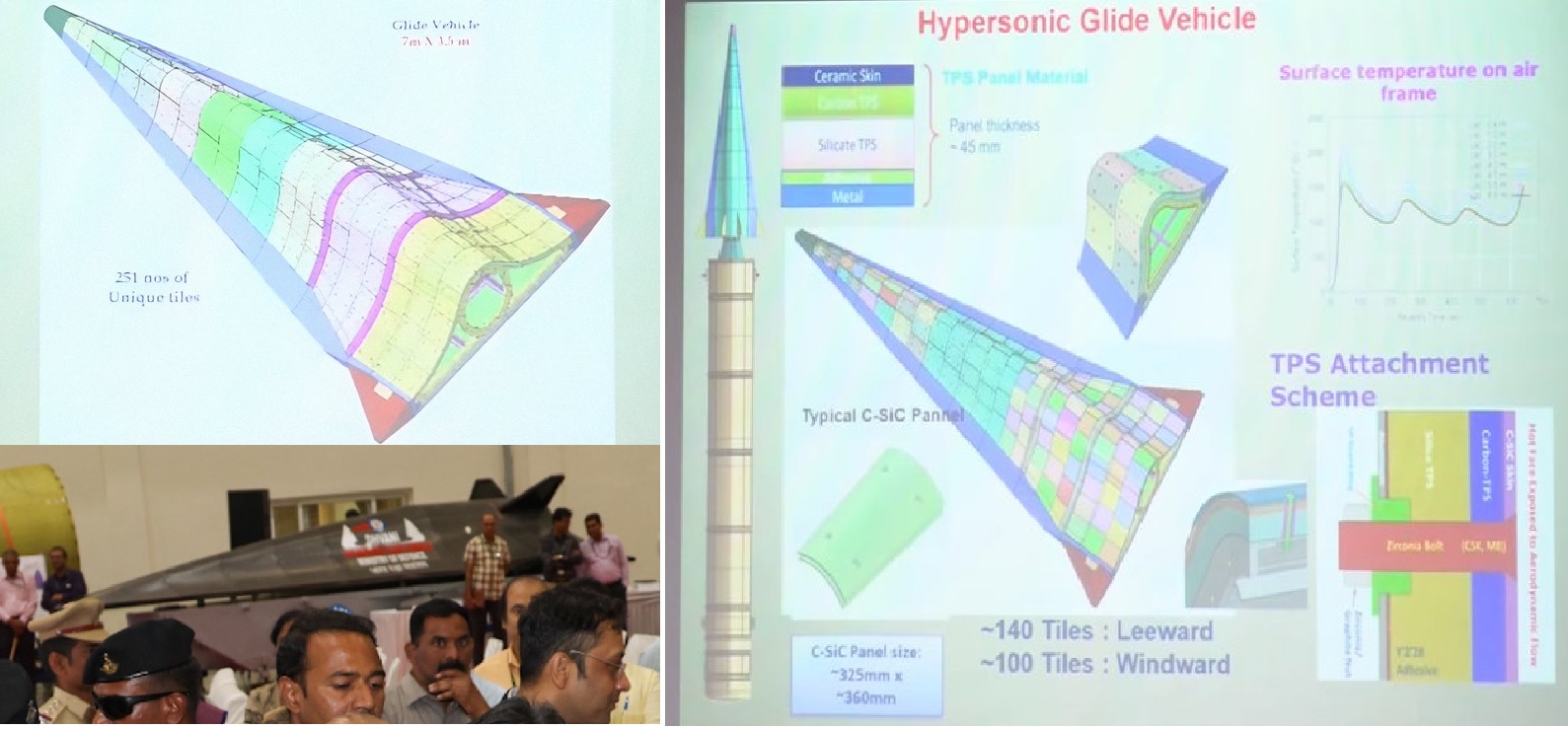
India
India is preparing to conduct a major test of its indigenous Hypersonic Glide Vehicle (HGV), codenamed “Dhvani”, in the coming months. According to officials from the Defence Research and Development Organisation (DRDO), the much-anticipated trial could take place as early as December, marking a critical milestone in India’s pursuit of next-generation hypersonic weapon capabilities. The Dhvani HGV is designed to travel at speeds up to Mach 21, covering a distance of around 5,500 km. This capability places it among the fastest and most advanced hypersonic systems under development globally. Notably, Dhvani is maneuverable, allowing it to evade modern missile defence systems, which rely on predicting fixed trajectories. Advanced Thermal Protection System One of the defining features of the Dhvani HGV is its Thermal Protection System (TPS), critical for withstanding the extreme aerodynamic heating experienced during hypersonic flight. The vehicle employs 251 unique Thermal Protection Tiles, meticulously engineered to endure surface temperatures exceeding 2,000°C. As seen in internal DRDO design visuals, Dhvani’s structure is composed of several specialized layers: Ceramic skin Carbon-based TPS Silicate TPS Metallic substructure The TPS panels are approximately 45 mm thick, offering multi-layered thermal insulation. The configuration includes about 140 tiles on the leeward side and 100 on the windward side, each with a typical C–SiC (Carbon–Silicon Carbide) panel measuring roughly 325 mm × 360 mm. A detailed TPS attachment scheme shows the use of Zirconia bolts and high-temperature adhesives for securing the tiles to the metallic frame, ensuring both strength and heat resistance during prolonged hypersonic flight. Flight Profile and Objectives Dhvani is believed to be launched atop a solid-fuel booster, similar in configuration to that used in DRDO’s earlier Hypersonic Technology Demonstrator Vehicle (HSTDV) tests. After separation, the glide vehicle would coast through the atmosphere at hypersonic speeds, executing controlled maneuvers to demonstrate aerothermal resilience, guidance accuracy, and structural integrity. The test aims to validate Dhvani’s: Thermal management under extreme heating Aerodynamic control during glide phase Terminal maneuvering and survivability against defences Strategic Significance If successful, Project Dhvani will place India among a select group of nations—such as the United States, Russia, and China—that possess operational or near-operational hypersonic glide vehicle technology. It would significantly enhance India’s strategic deterrence posture, providing the capability to deliver precision strikes at unprecedented speeds and ranges. A DRDO official hinted that the system’s performance data will also support future hypersonic programs, including potential dual-use applications for spaceplane or reusable launch systems. As preparations intensify, the December test of the Dhvani Hypersonic Glide Vehicle is set to be one of the most closely watched milestones in India’s defence technology roadmap.
Read More → Posted on 2025-10-16 13:21:19
India
The Defence Research and Development Organisation (DRDO) is developing a new Radio Frequency (RF) System-on-Chip (SoC) based Radar Warning Receiver (RWR) processing unit aimed at significantly enhancing the performance and responsiveness of India’s Electronic Warfare (EW) systems. The new development represents a key technological upgrade to existing systems such as the DHRUTI RWR (DR118), which is currently operational on platforms like the Su-30MKI fighter aircraft. The RF SoC-based RWR processing unit will integrate multiple high-frequency analog and digital components—such as RF front-end modules, high-speed converters, and advanced digital processors—into a single compact chip. This integration will reduce size, weight, and power (SWaP) requirements, while enabling faster and more accurate detection of radar emissions. The system will be capable of real-time signal analysis, improving the ability to identify and classify both known and new radar threats in complex electromagnetic environments. The DHRUTI RWR system, which uses digital receivers and fast-switching down converters, already provides wideband coverage, high sensitivity, and effective detection against a variety of radar types. It employs digital signal processing (DSP) techniques to replace bulky analog hardware, ensuring better selectivity and accuracy. The new RF SoC-based processing unit under development by DRDO builds upon this foundation by embedding the signal processing architecture within a miniaturized SoC framework. According to available information, DRDO’s new RF SoC design will allow wideband instantaneous signal capture, real-time emitter tracking, and dynamic reception control, improving threat response time. The technology will also serve as a master control element for Countermeasure Dispensing Systems (CMDS) and jammers, ensuring seamless coordination between radar warning and countermeasure activation. The RF SoC-based architecture is expected to support a range of future EW suites across multiple platforms—fighter aircraft, helicopters, unmanned aerial vehicles (UAVs), and naval assets. It will also enable easier scalability and software-defined adaptability, allowing updates to threat libraries and signal processing algorithms without hardware changes. The DHRUTI RWR program itself has reached a mature stage, with user trials completed and production clearance granted for 129 systems for the Indian Air Force. Multiple Indian firms, including BEL, Data Patterns, Mistral Solutions, FLIC Microwaves, and Astra Microwave Ltd, are participating in the production and integration. Once operational, the RF SoC-based RWR processing unit will form the core of India’s next-generation EW systems, delivering improved sensitivity, faster reaction time, and better resistance to modern radar countermeasures—furthering DRDO’s ongoing efforts toward indigenous, high-performance electronic protection technologies.
Read More → Posted on 2025-10-16 11:54:03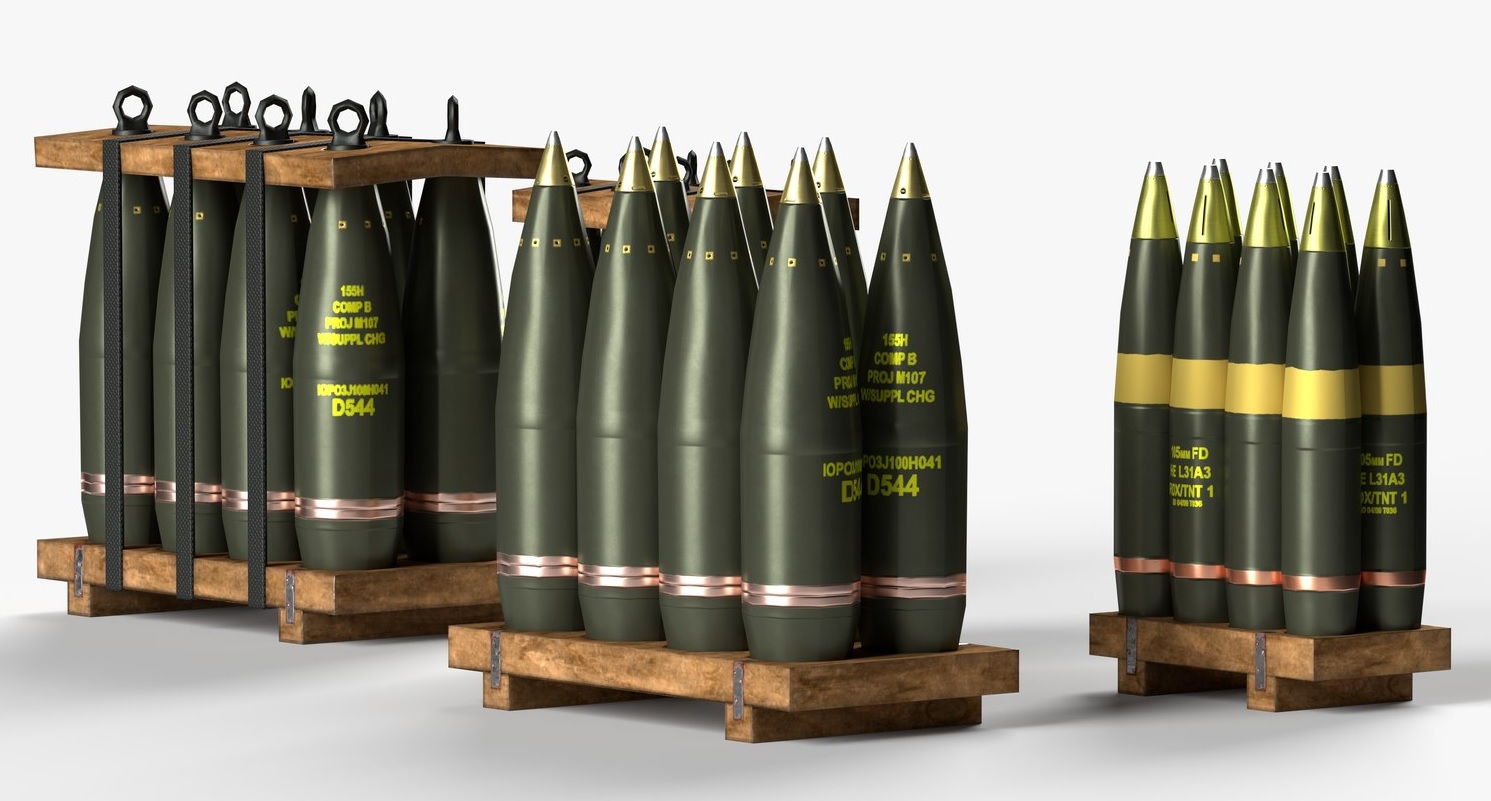
India
Ghaziabad-based Goodluck India Limited is preparing to expand its defence manufacturing capacity. Through its subsidiary, Goodluck Defence & Aerospace, the company plans to increase annual production of artillery shell casings from the current 150,000 units to about 400,000 units per year. The expansion will involve an investment of approximately ₹500 crore. Goodluck India recently received an industrial licence under the Arms Act, 1959, to manufacture a range of medium-calibre shells, including 105mm, 120mm, 125mm, 130mm, and 155mm types. These include standard high-explosive and extended-range variants. The approval allows the company to begin large-scale production for both domestic and export markets. The manufacturing facility in Sikandrabad, located in Bulandshahr district of Uttar Pradesh, has already produced prototype batches of 155mm M107 shells. Trial production is expected to begin in the third quarter of FY26. The investment will be used to expand production infrastructure, install new machinery, and improve quality control systems to meet required standards. According to the company, the ₹500 crore expansion will be financed through internal resources and borrowings. The plan is intended to meet increasing domestic demand while also exploring export opportunities. With global demand for ammunition rising, Goodluck India has received early interest from foreign customers, including some in Czechia and other European countries. The company expects its defence business to generate additional revenue of about ₹250–300 crore over the next two years. The defence segment currently contributes a small portion of Goodluck India’s total operations, which also include steel tubes, precision structures, and automotive components. The shift toward defence manufacturing is part of a broader plan to diversify into new product areas. The company expects to achieve 50–60 percent capacity utilisation in the first year of expansion, gradually increasing as new contracts are secured. Goodluck’s initiative aligns with the government’s “Atmanirbhar Bharat” programme, which aims to strengthen local defence production and reduce reliance on imports. India’s requirement for artillery shells continues to grow as production and training needs expand. Developing a local supply base supports both readiness and cost stability. The upcoming scale-up will involve the addition of new automated forming and inspection systems to ensure production consistency. Shell casings require precision and strict quality standards, and the company is setting up processes to maintain uniform output. Work is also underway to establish long-term arrangements for raw materials and component supplies. Reaching full capacity will depend on order flow, export permissions, and sustained production quality. Financial and operational management will be important to maintain efficiency as capital spending increases. Overall, Goodluck India’s expansion reflects a gradual strengthening of private participation in India’s defence manufacturing sector. The company’s investment is expected to contribute to the local production base while supporting future export potential.
Read More → Posted on 2025-10-16 11:14:29
India
New Delhi, October 15, 2025 — In a significant move to enhance the welfare of India's veterans, Defence Minister Rajnath Singh has approved a 100% increase in financial assistance for Ex-Servicemen (ESM) and their dependents. This decision, announced by the Ministry of Defence, aims to provide greater support to non-pensioner ESM, widows, and dependents from lower-income groups. Key Enhancements in Welfare Schemes The approved enhancements include: Penury Grant: Doubled from ₹4,000 to ₹8,000 per month per beneficiary. This grant provides sustained lifetime support to aged and non-pensioner ESM and their widows above 65 years of age with no regular income. Education Grant: Increased from ₹1,000 to ₹2,000 per month per head for up to two dependent children (Class I to Graduation) or widows pursuing a two-year postgraduate course. Marriage Grant: Raised from ₹50,000 to ₹1,00,000 per beneficiary. This grant is applicable for up to two daughters of ESM and for widow remarriage, for marriages solemnised after the issuance of this order. Implementation Details The revised rates will take effect for applications submitted from November 1, 2025, onwards. The annual financial implication of these enhancements is approximately ₹257 crore, to be met from the Armed Forces Flag Day Fund (AFFDF). These schemes are funded through the Raksha Mantri Ex-Servicemen Welfare Fund, which is a subset of the AFFDF. Government's Commitment to Veterans The Ministry of Defence stated that this decision strengthens the social security net for non-pensioner ESM, widows, and dependents from lower-income groups, reaffirming the Government's commitment to honouring the service and sacrifice of the veterans.
Read More → Posted on 2025-10-15 17:14:23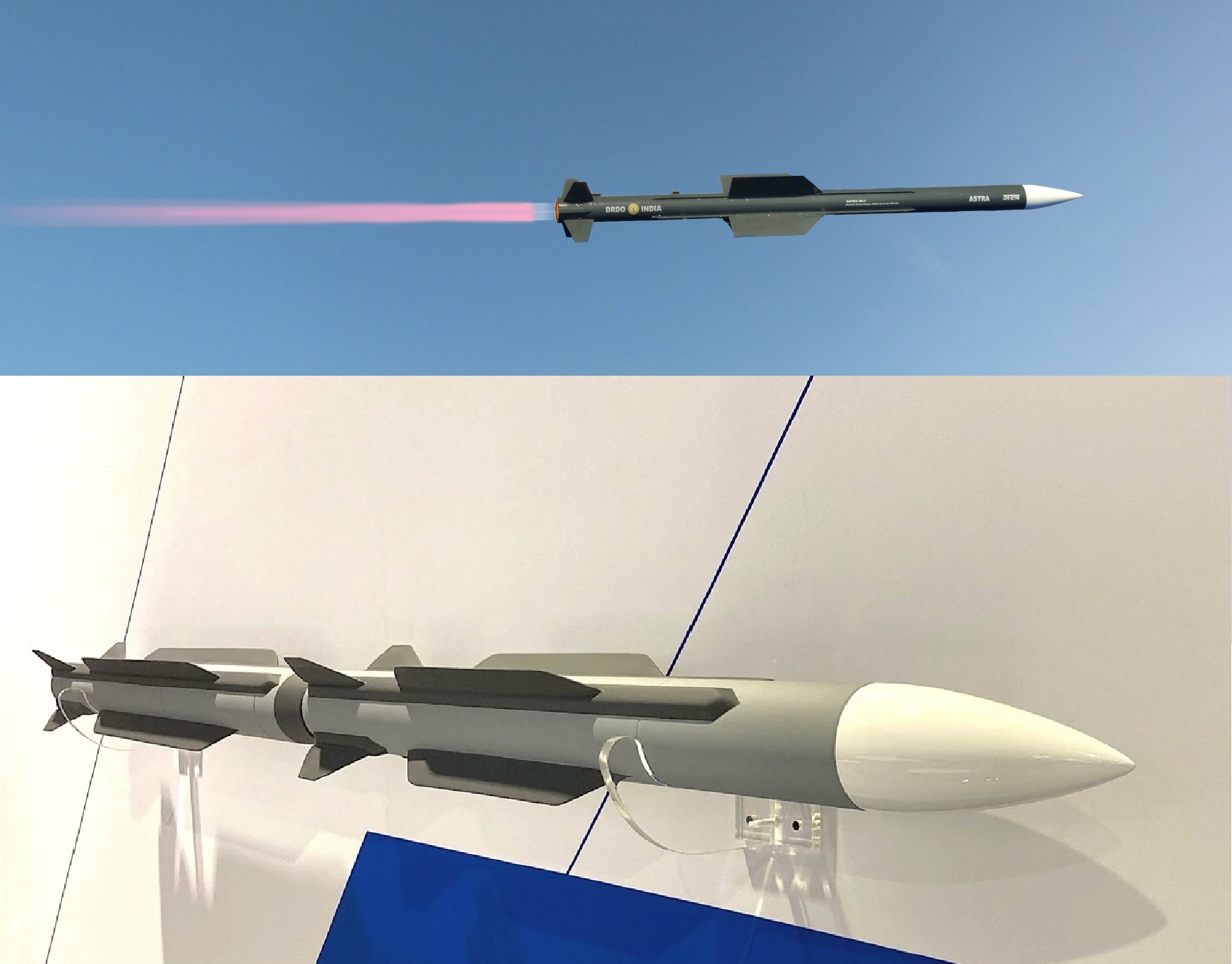
India
The Defence Research and Development Organisation (DRDO) is advancing propulsion for the Astra Mk-2 beyond-visual-range (BVR) air-to-air missile by developing a three-pulse solid rocket motor, which aims to extend the missile’s effective range from the current 160 km to over 200+ km. This major propulsion upgrade will enable the Indian Air Force (IAF) to field a longer-range, all-weather, and fully indigenous air-to-air missile, further reducing dependence on imported systems. From Two-Pulse to Three-Pulse Motor The existing Astra Mk-2 uses a two-pulse solid rocket motor, which allows the missile to maintain thrust during different flight stages, improving its endgame energy and terminal kill probability. However, DRDO’s new three-pulse configuration, consisting of Pulse-1 (P1), Pulse-2 (P2), and Pulse-3 (P3), introduces an additional thrust phase. This allows for optimized energy management, letting the missile sustain higher velocities in the terminal phase and effectively engage agile, long-range targets. This three-pulse design provides superior flexibility—each pulse can be ignited independently depending on the missile’s distance to target and flight profile—significantly enhancing range, acceleration, and engagement envelope compared to the existing model. Hardware Realization Underway As part of development, DRDO’s Directorate of Systems and Projects (DOSP) is overseeing the manufacturing and supply of rocket motor casing assemblies for the three-pulse configuration using MDN-250 alloy, known for its high strength and heat resistance. These assemblies include flanges, lugs, and adapters, essential for missile structural integrity. The production phase includes six prototype motors for testing and validation of ignition sequencing, burn profile, and overall system reliability before integration with the missile. IAF’s Procurement Focus and Future Plans Reports indicate that the Indian Air Force is most likely to procure nearly 700 Astra Mk-2 missiles for the 200+ km variant, not for the current 160 km version. This planned order reflects the service’s strong preference for a longer-range indigenous BVR missile, designed to equip multiple squadrons of Su-30MKI and Tejas aircraft. It is still unclear whether the IAF will place a separate order for the existing 160 km variant or if the current dual-pulse configuration will primarily serve as a technology demonstrator leading up to the production of the advanced 200+ km version. If no separate order follows, the 160 km Astra Mk-2 may remain a limited prototype platform used for testing and developmental purposes. Expected Benefits of Three-Pulse Propulsion The shift to a three-pulse motor offers several operational benefits: Extended range beyond 200 km through more efficient energy management. Higher end-game energy, improving the missile’s no-escape zone against maneuvering targets. Adaptive thrust control, allowing optimized pulse activation based on real-time flight conditions. Improved kinematic performance, ensuring better terminal accuracy at long distances. Integration Once qualified, the 200+ km Astra Mk-2 variant will mark a substantial step forward in India’s BVR missile ecosystem. Integration efforts with aircraft fire control and data-link systems are already ongoing to ensure seamless compatibility. The IAF’s planned procurement of nearly 700 units of the long-range version underscores confidence in DRDO’s capability and signals a transition toward full-scale indigenous missile deployment. If DRDO successfully validates the three-pulse technology, the Astra Mk-2 will not only join the ranks of the world’s most advanced long-range BVR missiles but also establish India’s leadership in solid-propellant propulsion design.
Read More → Posted on 2025-10-15 15:29:18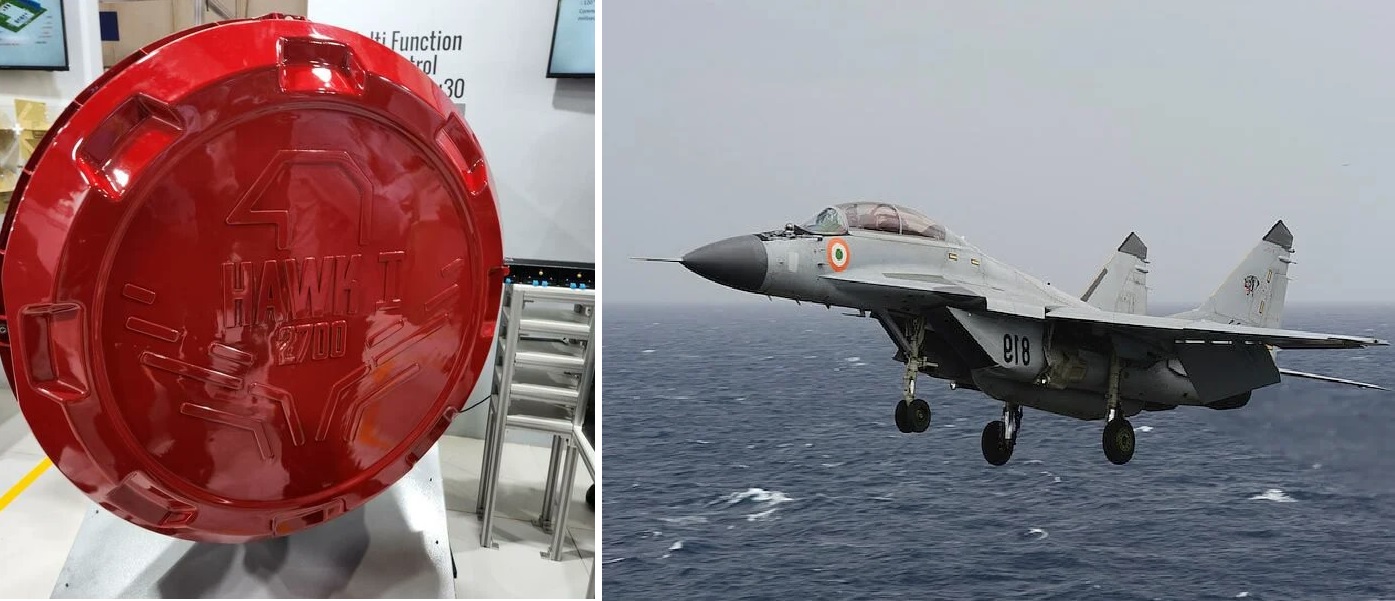
India
India’s carrier-borne MiG-29K fighters, the mainstay of the Indian Navy’s air wing, have long faced issues with the Russian Zhuk-ME radar, which serves as their primary fire-control sensor. Persistent reliability problems, frequent breakdowns, and inconsistent performance have raised operational concerns, prompting India to look toward a homegrown alternative. The indigenous HAWK I-900 radar has now emerged as a strong candidate to replace the troubled Zhuk-ME system, offering a modern, more reliable, and locally supported solution. Problems with the Zhuk-ME Radar The Zhuk-ME radar, designed by Russia’s Phazotron-NIIR, was originally chosen to equip India’s MiG-29K and MiG-29KUB aircraft delivered under naval contracts signed in the mid-2000s. However, operational experience revealed several shortcomings.The radar’s mean time between failures (MTBF) was significantly lower than expected, causing repeated service interruptions and heavy maintenance loads. The Indian Navy faced difficulties in obtaining timely spares from Russia, further compounded by global supply disruptions and sanctions on Russian defense industries. In addition to reliability issues, there were performance inconsistencies in detection and tracking, especially in maritime conditions where salt exposure and humidity are constant factors. Reports also indicated that the Zhuk-ME failed to deliver its advertised range and target-tracking performance. These challenges forced the Navy to ground several MiG-29Ks at various times, reducing the combat readiness of its carrier air group. With a limited fleet and high dependence on operational availability, the Indian Navy began exploring an indigenous radar upgrade that could reduce dependence on imported systems and deliver more consistent performance. Development of the HAWK I-900 Radar The HAWK I-900 is part of the HAWK series of Active Electronically Scanned Array (AESA) radars developed indigenously by Indian defense electronics firms, primarily Data Patterns (India) Ltd. The HAWK family was designed to meet India’s growing demand for advanced radar systems across land, air, and naval platforms. The HAWK I-900 is a compact AESA radar, optimized for fighter aircraft where space, weight, and cooling are critical constraints. It builds upon India’s previous radar development experience, such as the Uttam AESA radar designed by DRDO for the Tejas Mk1A and Mk2 fighters. Unlike mechanically scanned radars like the Zhuk-ME, which rely on moving antenna parts, the HAWK I-900 employs solid-state, electronically steered transmit/receive modules (TRMs) made with Gallium Nitride (GaN) technology. This gives it higher efficiency, lower heat generation, and greater resistance to component wear, leading to significantly improved reliability and operational life. Technical Specifications of the HAWK I-900 While full technical details are classified, open-source and exhibition data provide a reliable overview of the radar’s design and performance features: Type: X-band Active Electronically Scanned Array (AESA) radar Technology: GaN-based Transmit/Receive Modules Antenna Elements: Approximately 900 TRMs (hence the model designation I-900) Detection Range: Around 150 km for fighter-sized targets (estimated) Tracking Capability: Simultaneous tracking of 20 or more aerial targets Operating Modes: Air-to-air, air-to-surface, and maritime surveillance Features: Low Probability of Intercept (LPI) modes, frequency agility, electronic counter-countermeasures (ECCM) Weight: Under 120 kg (compact design suitable for medium fighters) Cooling: Liquid-cooled AESA array with built-in diagnostics and modular maintenance architecture The radar’s modular structure allows for quick replacement of faulty TRMs, reducing downtime and maintenance effort. GaN-based TRMs provide higher power density and efficiency compared to older Gallium Arsenide (GaAs) designs, giving the radar both range and durability advantages. Why the HAWK I-900 is a Suitable Replacement The HAWK I-900 directly addresses the main shortcomings of the Zhuk-ME radar. Its solid-state architecture ensures better reliability, with far fewer moving parts and reduced risk of mechanical failure. Being locally developed and manufactured, it offers independent logistics and supply support, eliminating dependence on Russian OEMs and reducing operational bottlenecks. The radar’s advanced signal processing and multi-target tracking capability make it far more effective in modern air combat scenarios, where situational awareness and reaction speed are critical. Its LPI and ECCM features also enhance survivability against electronic warfare threats, a vital factor for operations at sea. Moreover, since the radar is Indian-made, it can be customized and updated to meet specific Navy requirements. Integration with indigenous mission computers and weapon systems, including future beyond-visual-range (BVR) missiles, would be easier compared to a foreign-origin radar. Integration and Challenges Replacing a radar in an operational fighter is a complex task. The HAWK I-900 will need to be physically integrated into the MiG-29K’s nose structure, which involves adjustments to cooling systems, power supplies, and avionics interfaces. Compatibility with the existing Russian mission computer and weapons suite will require detailed software integration and flight testing. Furthermore, the radar must undergo naval environmental qualification, including tests for salt corrosion, humidity, shock, and vibration. Only after successful flight and carrier deck trials can the radar be considered ready for full operational deployment. To manage these challenges, India may start with a prototype installation on one or two MiG-29Ks for ground and flight testing before authorizing a full fleet retrofit. This stepwise approach would reduce risk and allow time for software and integration refinements. Significance The emergence of the HAWK I-900 underscores India’s progress in advanced radar technology and defense self-reliance. If successfully integrated, it will not only enhance the MiG-29K’s operational reliability but also mark an important step in reducing India’s long-term dependence on imported avionics. The radar’s compact, modular design also opens the possibility of its use in other platforms — including future carrier-based fighters, unmanned combat aircraft, and coastal surveillance systems. The transition from the Russian Zhuk-ME to India’s HAWK I-900 represents more than just a radar upgrade — it reflects a shift toward indigenous sustainment and long-term self-sufficiency in critical avionics. The MiG-29K fleet, long hindered by maintenance and performance issues, may soon benefit from a reliable, high-performance radar built entirely in India. The path ahead involves careful integration and testing, but the technological and strategic payoff is significant for India’s naval aviation future.
Read More → Posted on 2025-10-15 11:51:27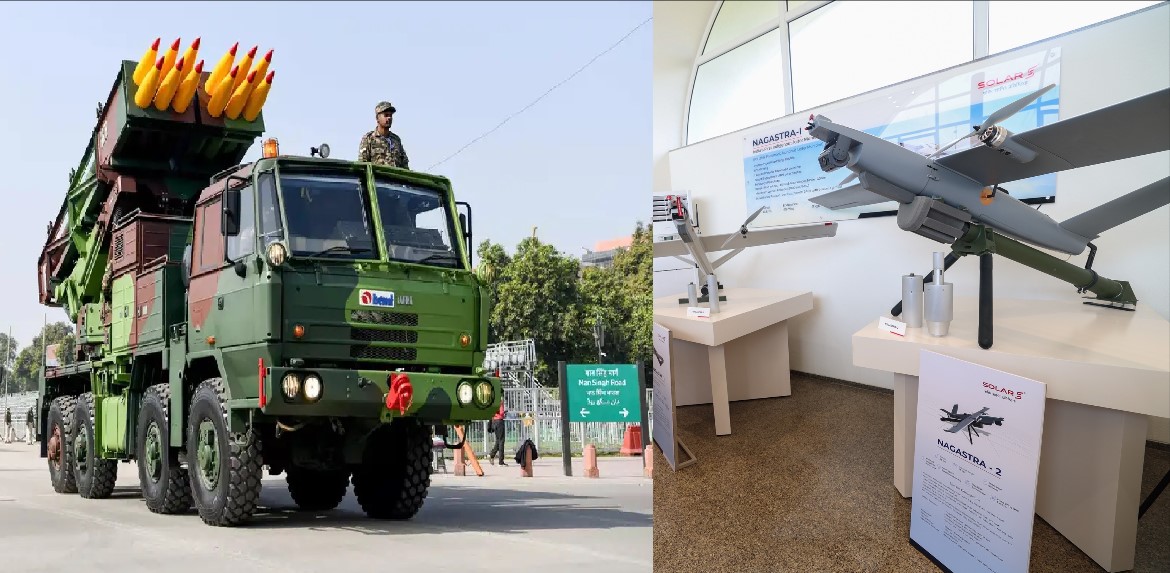
India
France’s defence circles are showing strong interest in India’s indigenous long-range rocket systems, loitering munitions, and counter-drone (C-UAS) technologies following their impressive performance during Operation Sindoor. The operation, which highlighted India’s growing capability in precision-strike and battlefield automation, has reportedly caught the attention of French military planners, who now see Indian systems as potential assets for Europe’s rapidly evolving security landscape. According to defence sources, French officials have initiated discussions with Indian counterparts over the possible evaluation and procurement of systems such as the Pinaka Multi-Barrel Rocket Launcher (MBRL), as well as new-generation Indian loitering munitions that have proven both reliable and cost-effective in real operations. The French military is particularly impressed by the way Indian C-UAS systems performed in neutralising multiple swarm threats, using a mix of electronic jamming and kinetic interception during the operation. France’s interest stems from both operational and industrial motives. Operationally, the French Army has been seeking to rebuild its long-range rocket artillery capability, which was largely reduced after the retirement of older systems. The country currently relies on CAESAR self-propelled howitzers and is developing its own “Foudre” MLRS project with a planned range of around 100–150 km. However, Indian rockets like Pinaka Mk-II ER, with a range of up to 90 km and ongoing development toward 120–200 km, already offer a mature, tested, and scalable system ready for deployment. This makes Pinaka a strong candidate to fill France’s short-term range gap while its own system is still in the prototype phase. In the field of loitering munitions, France currently deploys imported or domestically modified systems for surveillance and limited strike roles but lacks a large-scale, cost-effective family of combat-proven loitering drones. India, by contrast, has successfully fielded several models, including Tata Advanced Systems’ Advanced Loitering System and the Nagastra-1 and 2 series developed by Solar Industries. These systems have demonstrated high accuracy, autonomous targeting, and long endurance, making them attractive for tactical battlefield integration at brigade and battalion levels. When it comes to counter-drone warfare, France has made strides with its HELMA-P laser system and Parade mobile anti-drone platforms, but these systems are designed primarily for protecting large installations and are expensive to deploy widely. India’s C-UAS ecosystem, developed by DRDO and private firms, offers portable, layered anti-drone solutions capable of both soft-kill (jamming and spoofing) and hard-kill (micro-rocket or laser) responses at a fraction of the cost. During Operation Sindoor, these systems demonstrated the ability to detect and disable multiple small UAVs simultaneously — a key factor behind France’s renewed interest in Indian technology. Cost-effectiveness is another major factor. Indian systems, while technologically advanced, are produced at significantly lower costs due to local manufacturing and simplified logistics chains. For France, which has been ramping up its defence spending since the war in Ukraine but still faces budget constraints, Indian systems present a practical solution for scaling up capabilities without overshooting fiscal limits. Beyond procurement, French defence firms see an opportunity for industrial cooperation. Joint development or local assembly of Indian systems in France or other European countries could fit into Paris’s broader goal of diversifying supply chains while maintaining strategic autonomy. Such collaboration would not only boost India’s defence export ambitions but also strengthen Indo-French defence ties, which already include major projects such as the Rafale fighters, Scorpène-class submarines, and Safran-HAL helicopter engine programmes. In essence, France’s interest in India’s rocket, loitering, and C-UAS systems reflects a changing dynamic in global defence trade. No longer merely a buyer of Western technology, India is emerging as a credible exporter of advanced, battle-tested systems that combine modern engineering with affordability. For France, the attraction lies not just in the hardware itself but in the operational credibility these systems have earned in real-world conditions. If discussions progress, this could mark the beginning of a new phase in Indo-French defence cooperation — one where technology flows in both directions.
Read More → Posted on 2025-10-14 17:22:21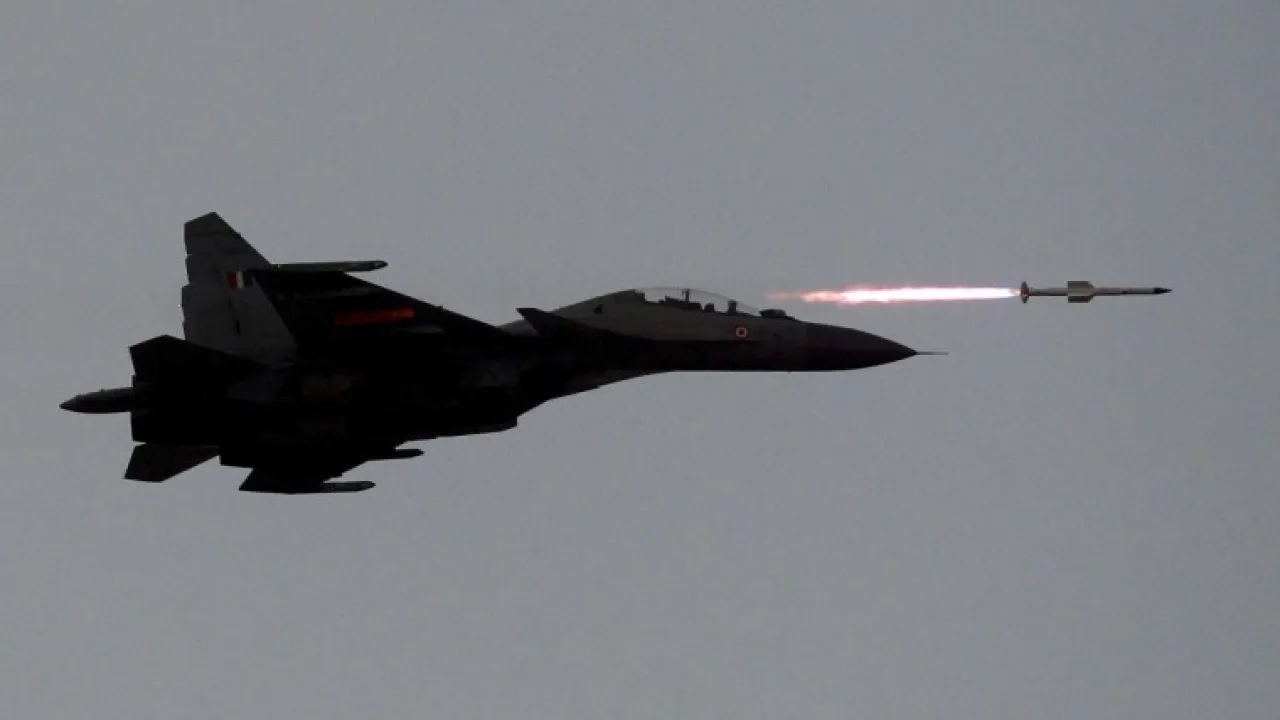
India
The Indian Air Force (IAF) is set to bolster its aerial combat capabilities with the upcoming procurement of around 700 indigenous Astra Mk-2 beyond-visual-range air-to-air missiles (BVRAAMs). Developed by the Defence Research and Development Organisation (DRDO), the Astra Mk-2 represents a significant leap in India’s quest for self-reliance in advanced missile technology. While production has begun in limited numbers, the DRDO is simultaneously working to enhance the missile’s range to over 200 km, along with the development of an advanced Gallium Nitride (GaN)-based seeker for superior target tracking and resistance to jamming. The Astra Mk-2 project is an evolution of the Astra Mk-1, which is already operational with the Indian Air Force. The Mk-2 variant builds upon the Mk-1’s solid foundation, introducing a longer-range propulsion system, improved seeker technology, and enhanced electronic counter-countermeasure (ECCM) capabilities. DRDO scientists have confirmed that the Mk-2 missile is currently undergoing final developmental and user trials, with full-scale production expected to commence once certification and operational clearance are granted. The Astra Mk-2 employs a dual-pulse rocket motor, unlike the Mk-1’s single-pulse design, enabling sustained propulsion throughout flight. This advanced propulsion gives the missile greater energy during terminal phases, ensuring a higher kill probability against maneuvering targets at extended ranges. The missile’s effective range is expected to exceed 160 km, with DRDO’s ongoing efforts aimed at surpassing the 200 km mark, placing it in the same league as advanced BVRAAMs such as the AIM-120D and PL-15. In terms of guidance, the Astra Mk-2 features an indigenous active radar seeker, developed using advanced RF and AESA technologies. The seeker provides improved detection and tracking capabilities, especially in high electronic warfare environments. DRDO is also transitioning to GaN-based transmit-receive modules (TRMs) in the seeker, which will offer higher power efficiency, better heat tolerance, and superior anti-jamming performance compared to traditional GaAs-based systems. This GaN seeker will not only improve the missile’s lock-on range but also increase its resistance to electronic deception and countermeasures — an essential requirement in modern air combat. Another area of improvement lies in the missile’s onboard datalink and avionics. The Astra Mk-2 can receive mid-course guidance updates from the launching aircraft, enabling it to adjust its trajectory mid-flight based on updated target information. This network-centric capability allows coordinated targeting and increases engagement accuracy against fast or evasive aerial threats. Compared to the Astra Mk-1, which has a maximum range of about 110 km, the Mk-2’s longer reach will allow the IAF to engage enemy aircraft long before they can launch their own weapons. The Mk-2 will be integrated initially with the Su-30MKI and Tejas Mk-1A fighters, with future plans to adapt it for the Rafale, Mirage-2000, and MiG-29UPG platforms. The Bharat Dynamics Limited (BDL) has been identified as the primary production partner, ensuring that mass production can begin once user trials conclude successfully. Development of the Astra Mk-2 began around 2019, following the successful operationalization of the Mk-1. By 2023, DRDO had completed ground tests of the propulsion system, and by 2024–2025, multiple successful flight and seeker trials were conducted from Su-30MKI platforms. Sources indicate that integration and live-fire certification are in their final stages, paving the way for large-scale induction by 2026–2027. The introduction of the Astra Mk-2 will significantly enhance India’s air-to-air warfare capabilities, reducing dependence on foreign missiles such as the Russian R-77 and French MICA. Its indigenous design not only lowers long-term costs but also ensures strategic autonomy in production and upgrades. With DRDO’s continuing efforts to perfect a GaN-based seeker and achieve beyond-200 km performance, the Astra Mk-2 is poised to become one of the most advanced air-to-air missiles in Asia. In the long term, the Astra Mk-2 will serve as the foundation for the upcoming Astra Mk-3 (Gandiva) program — an even more ambitious missile designed to rival the longest-range BVRAAMs in service worldwide. Together, these developments signal a decisive step toward India’s vision of a fully indigenous missile ecosystem capable of meeting both present and future aerial combat challenges.
Read More → Posted on 2025-10-14 17:03:28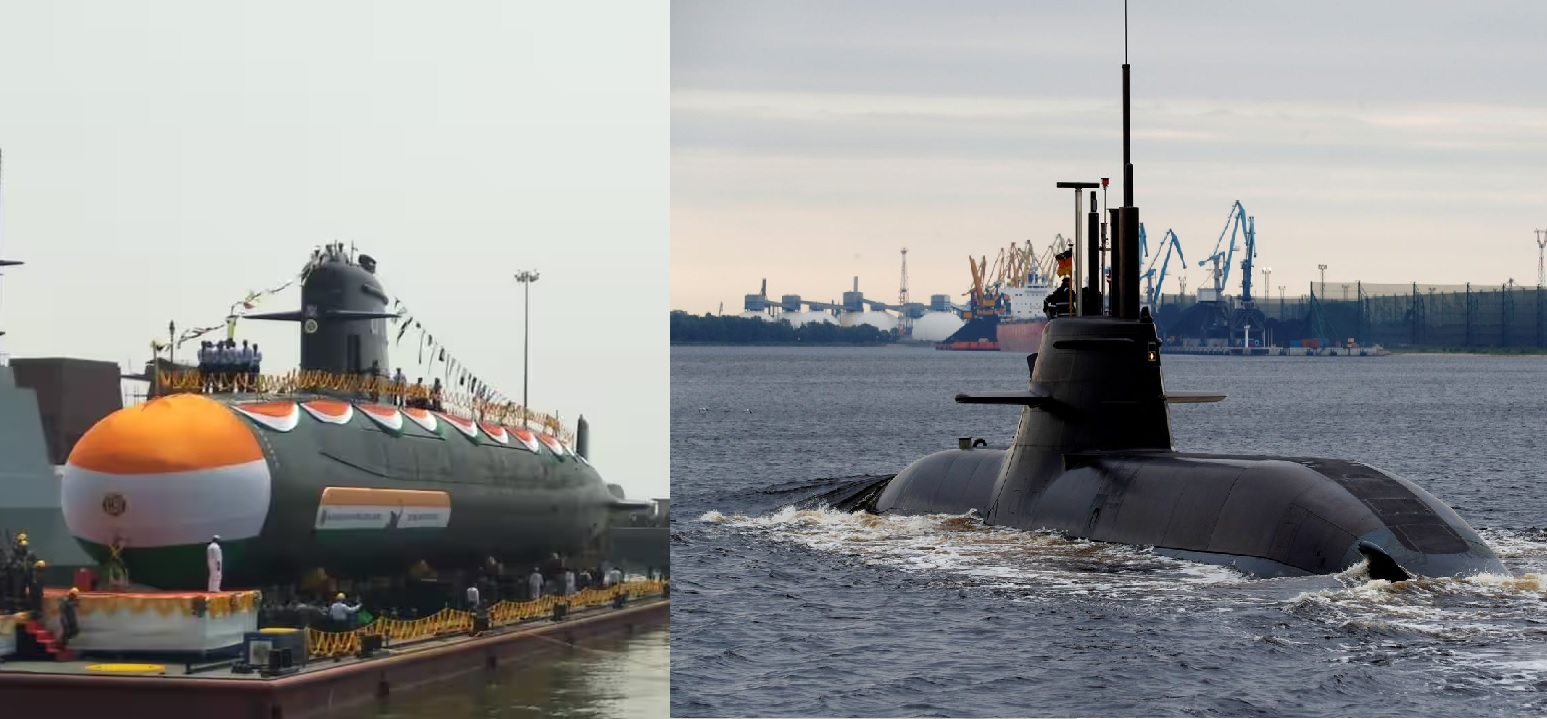
India
India is reportedly preparing to shelve its plan to acquire three additional French Scorpene-class submarines worth ₹36,000 crore, opting instead to focus on a new ₹70,000 crore deal with Germany’s Thyssenkrupp Marine Systems (TKMS) under Project 75-India (P-75I). According to The Times of India, the decision has not been officially finalized, but sources indicate that the proposal for more Scorpenes “is not being pursued now.” The shift reflects India’s growing emphasis on acquiring more advanced submarines with greater endurance and technology transfer potential. The German partnership with Mazagon Dock Shipbuilders Limited (MDL) aims to produce six new-generation conventional submarines with Air Independent Propulsion (AIP) systems, enhanced stealth, and land-attack capability. Why the French Scorpene Deal May Be Dropped Government sources cited three main reasons for reconsidering the French proposal. First, the German submarines are considered technologically superior, offering longer underwater endurance and improved stealth compared to the Scorpene design. Second, it would be challenging for MDL to manage two separate submarine construction lines simultaneously—one for the German vessels and another for the French. Third, the German deal offers deeper technology transfer and higher indigenisation, which aligns more closely with India’s “Make in India” defence manufacturing strategy. The original follow-on Scorpene plan involved adding three boats to the six already built under Project 75, signed in 2005 with France’s Naval Group. These submarines—INS Kalvari, Khanderi, Karanj, Vela, Vagir, and Vagsheer—were built at MDL, with the last commissioned in early 2025. Each Scorpene submarine cost around ₹4,000–₹5,000 crore, and all six are scheduled to be upgraded with the DRDO-developed AIP system to extend underwater endurance. Although cost negotiations for the additional three Scorpenes were completed last fiscal year, the Cabinet Committee on Security (CCS) withheld final clearance, opting instead to prioritise the German offer under Project 75I. The Indo-German Project 75I Deal Under Project 75I, India plans to construct six advanced conventional submarines at MDL in collaboration with Germany’s TKMS. The contract—valued at approximately ₹70,000 crore—will include full design transfer, a high degree of localisation (targeting 60% indigenisation), and integration of advanced combat systems. The submarines will be based on an improved version of the Type 214 design, incorporating cutting-edge AIP systems that enable the vessels to stay submerged for two to three weeks without surfacing. They will also carry advanced sonar, land-attack cruise missiles, and next-generation lithium-ion battery systems for longer endurance and faster charging. The P-75I deal marks India’s largest “Make in India” defence contract in the naval domain. Official negotiations began in September 2025 after clearance from the Defence Acquisition Council and the Cabinet Committee on Security. The TKMS-MDL consortium is the only qualified bidder after Spain’s Navantia was reportedly ruled out for not meeting technical criteria. Strategic Rationale for Choosing the German Option The Indian Navy currently operates 16 submarines—six Scorpenes, four aging German HDW Type-209s, and six Russian Kilo-class boats. Two nuclear-powered submarines also serve in the fleet. Most of the conventional boats are approaching the end of their operational life, prompting urgent need for replacement and modernisation. Choosing the German submarine offers several strategic and operational advantages: Enhanced stealth and survivability: The German Type 214 uses advanced noise-reduction coatings and hull design. Longer underwater endurance: The AIP system allows operations underwater for up to three weeks, compared to 3–4 days for conventional diesel-electric subs. Land-attack capability: Integration of cruise missiles allows strategic strikes from sea, extending the Navy’s offensive reach. Technology transfer and local production: A higher share of Indian-built components strengthens domestic defence manufacturing capability. Bridge to future indigenous design: The P-75I project is expected to lead directly to the future P-76 programme, under which submarines will be fully designed and built in India. French Partnership Still Important Despite the likely cancellation of the Scorpene follow-on order, India’s strategic and defence relationship with France remains strong. France is involved in other major Indian defence projects, including the planned acquisition of additional Rafale fighter jets and the co-development of a ₹61,000 crore jet engine with Safran for India’s fifth-generation Advanced Medium Combat Aircraft (AMCA). Officials note that while the additional Scorpene plan may be on hold, it could still be revisited if industrial or strategic considerations change. A Measured Shift The decision to move from French to German submarines signals India’s focus on long-term capability and technological self-reliance over short-term fleet expansion. It also aligns with the Navy’s plan to modernise its underwater fleet amid rising Chinese activity in the Indian Ocean and Pakistan’s induction of eight Yuan-class submarines with AIP. If the German deal proceeds on schedule, construction of the first P-75I submarine at MDL could begin by 2026, with delivery expected in the early 2030s.
Read More → Posted on 2025-10-14 11:01:30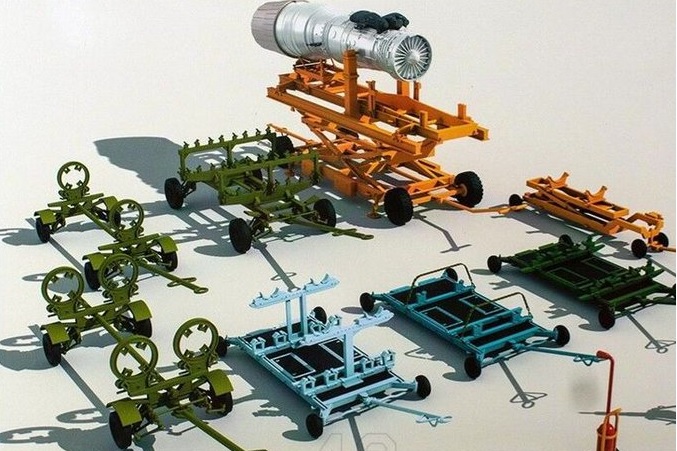
India
The Aeronautical Development Agency (ADA) has been developing a Motorized Universal Weapon Loading Trolley (MUWLT) to support weapons loading and unloading for the LCA-Mk1 and the LCA-Mk1A. DRDO/ADA intend to hand the design to Indian private manufacturers so the trolley can be produced to the exact technical specifications supplied by the agency. What the MUWLT is meant to do A MUWLT is ground-support equipment designed to assemble, transport, precisely position and load various stores (bombs, missiles, external fuel tanks, pylons, etc.) onto aircraft weapon stations. The “motorized” and “universal” parts of the name indicate two linked goals: Powered mobility and lifting to reduce manual handling and speed up sorties Adaptability to different store types and station geometries so a single trolley can support multiple aircraft and multiple hardpoints. The ADA/DRDO effort frames the MUWLT for the LCA family but with an eye to reusability and standardization across ground fleets. Why India is developing MUWLT now India is increasing deliveries of Tejas (LCA) variants and modernizing ground-support infrastructure. Having a locally designed MUWLT supports faster turnarounds, improves safety, and aligns with the “make in India” objective by moving from imported/third-party equipment toward indigenously produced GSE built to the airframe’s exact needs. DRDO’s plan to transfer the design to private manufacturers aims to create suppliers who can deliver MUWLTs exactly to ADA’s drawings and quality requirements. Main advantages of a motorized universal loader Reduced manpower and time per sortie. A powered loader cuts the number of personnel and the time required to move, lift and align heavy stores compared with manually manoeuvred trolleys. This improves sortie generation and reduces personnel fatigue. Improved safety and repeatability. Motor drive, hydraulic or electric lifting and fine positional controls reduce the risk of accidental drops or misalignment during mating to aircraft suspension lugs and pylons. Built-in brakes, interlocks and ground-ing/earthing features further lower risk. Universal fit and quick reconfiguration. Adjustable saddles, modular adapters and height/tilt/rotation capability allow one MUWLT to handle multiple store types and aircraft stations, simplifying logistics and inventory. Human factors and ergonomics. Motorized steering, remote or joystick control and powered lift reduce operator strain and help in operations in extreme weather/airfield conditions. Compatibility with modern aircraft workflows. As aircraft integrate more advanced weapons and require faster turnaround, powered loaders that can precisely position heavy, awkward stores become operationally necessary. Problems with current (older/manual) weapon loading trolleys Manual handling and slow turnaround. Many legacy trolleys rely on manual pushing, scissor-lift hand pumps, or limited powered features; these are slower and require more crew. Limited precision. Manual or basic hydraulic systems can lack the fine control needed for sensitive weapon-to-pylon mating, increasing the chance of damage to expensive stores or aircraft fittings. Poor universal adaptability. Older trolleys are often specific to a store type or aircraft family; multiple different trolleys are needed on a busy flight line, complicating logistics. Safety and maintenance burden. Manual systems place more physical stress on crews and may lack modern safety interlocks, while aging mechanicals need increased maintenance and can be liability points. Do other countries use motorized weapon loading trolleys? Yes. Ground-support equipment (GSE) manufacturers worldwide produce powered weapon loaders and automated loading systems used by air forces in the US, Europe, Turkey and elsewhere. Companies offer electrically-driven or hydraulic weapon loaders, linkless ammunition loaders, and automated handling systems tailored to aircraft like fighters and transport aircraft. The global suppliers and catalogues show that motorized/automated weapon loaders are an established class of GSE; ADA’s MUWLT represents an indigenous design targeted to LCA specifics and Indian production. Typical technical specifications The ADA/DRDO specification and related procurement SOWs set out technical and functional requirements for MUWLTs; while manufacturers will implement the detailed design, the key specification items listed or commonly required are: Load capacity: sized to safely lift and position typical fighter stores — industry documents commonly specify capacities in the 500–1,000 kg class for single-store trolleys (exact capacity in the DRDO specification should be followed). Lifting mechanism: hydraulic scissor or linear actuator with fine control and zero-drift holding; rated stroke to match aircraft hardpoint height with safety margins. Mobility: battery-powered electric drive for airfield use, with manual tow option and parking brakes; suitable tyre/wheel assembly for apron surfaces. Positioning: powered rotation, tilt and lateral adjustment; micrometer or encoder feedback for repeatable alignment. Adapters: modular saddles, pylon adapters and soft supports to accept different store geometries (bombs, missiles, tanks, pylons). Controls & safety: joystick/remote control, emergency stop, overload protection, interlocks, earthing/anti-static provision and clear operator interface. Environmental & maintenance standards: corrosion protection, IP rating for electronics, simple maintenance access and spares support per the DRDO SOW. (Manufacturers contracted by DRDO/ADA must deliver MUWLT units exactly to the supplied design and tolerance levels; the procurement documentation spells out tests, trials and acceptance criteria.) What to expect next With the design transfer model, private Indian manufacturers will be expected to produce MUWLTs to DRDO/ADA drawings and pass acceptance trials. Adoption across squadrons will depend on production rate, training for GSE crews, and induction into maintenance cycles. If produced at scale, MUWLTs can standardize weapons-handling on Tejas squadrons and reduce reliance on imported or ad-hoc GSE.
Read More → Posted on 2025-10-13 17:37:21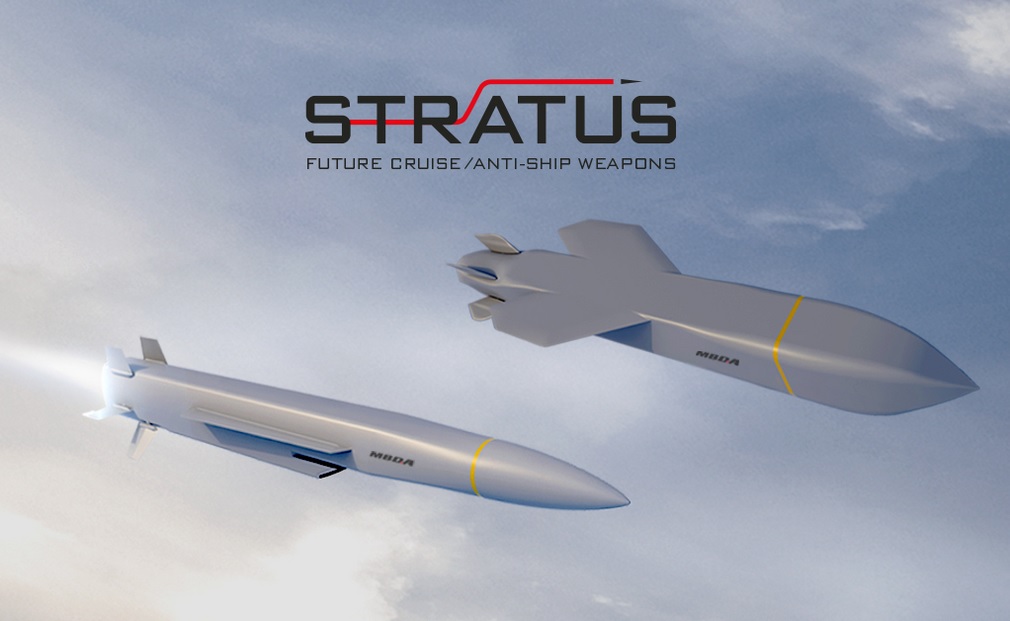
India
European missile manufacturer MBDA has extended an invitation to India to participate in its new STRATUS missile programme, which builds upon the earlier Future Cruise/Anti-Ship Weapon (FC/ASW) initiative jointly led by France and the United Kingdom. The STRATUS family will include two advanced missiles — a subsonic low-observable deep-strike missile and a supersonic rapid-strike missile — designed for land-attack and anti-ship missions. Programme Overview The STRATUS programme aims to replace existing European long-range cruise and anti-ship weapons such as the Storm Shadow/SCALP and Exocet. MBDA is the prime contractor, with national subsidiaries and industrial partners contributing to development and production. STRATUS Low Observable (LO):This subsonic variant uses turbojet propulsion and features a low radar cross-section for deep-penetration missions. It is designed primarily for precision land-attack operations with secondary anti-ship capability. STRATUS Rapid Strike (RS):This variant employs ramjet propulsion for sustained supersonic speeds and is intended for fast-response anti-ship and suppression missions. It focuses on high manoeuvrability and resistance to modern air defences. Technical Characteristics While MBDA has not officially disclosed performance figures, several defence sources report that the STRATUS LO may have a range of around 1,500 km, while the STRATUS RS may reach up to 800 km. These figures, however, remain unconfirmed and could vary depending on payload and mission profile. Both missiles are expected to use advanced seekers — imaging infrared for STRATUS LO and radio-frequency guidance for STRATUS RS — for precise targeting in contested environments. Budget and Industrial Participation The initial development phase of the programme is supported by a funding envelope of approximately €150 million, covering the 2023–2028 period. Italy has formally joined the initiative with a contribution of €10 million. France and the United Kingdom remain the lead partners, while MBDA has expressed interest in expanding industrial collaboration with India and other countries. Manufacturing and Workshare MBDA will oversee system integration and production across its European facilities: MBDA UK is leading the STRATUS LO development, with participation from Rolls-Royce and Safran in propulsion work. MBDA France leads the STRATUS RS development, supported by Thales for seeker and guidance systems. MBDA Italy contributes to system design and will share in future production responsibilities. No final production line allocation or annual capacity figures have been publicly disclosed, but MBDA has confirmed it is increasing its overall missile production capabilities across its European plants. Indian Collaboration MBDA has signalled interest in Indian participation through joint development or component manufacturing under the STRATUS programme. Industry discussions have taken place, although no formal agreement or government-to-government framework has been announced. Collaboration could include technology sharing, co-development of subsystems, or integration with Indian platforms. The STRATUS programme is expected to enter advanced development in the late 2020s, with operational induction projected for the early 2030s among European users. If India joins the programme, it could gain access to a next-generation missile ecosystem offering both deep-strike and high-speed strike capabilities, complementing indigenous long-range missile projects.
Read More → Posted on 2025-10-13 16:27:34Search
Top Trending in 24 Hours
-
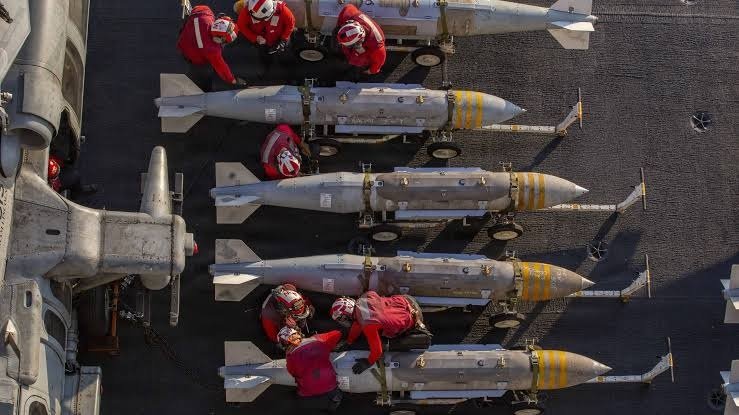 Pentagon Inspector General Report Finds Iran War Caused U.S. Ammunition Shortfalls and Industrial Bottlenecks
-
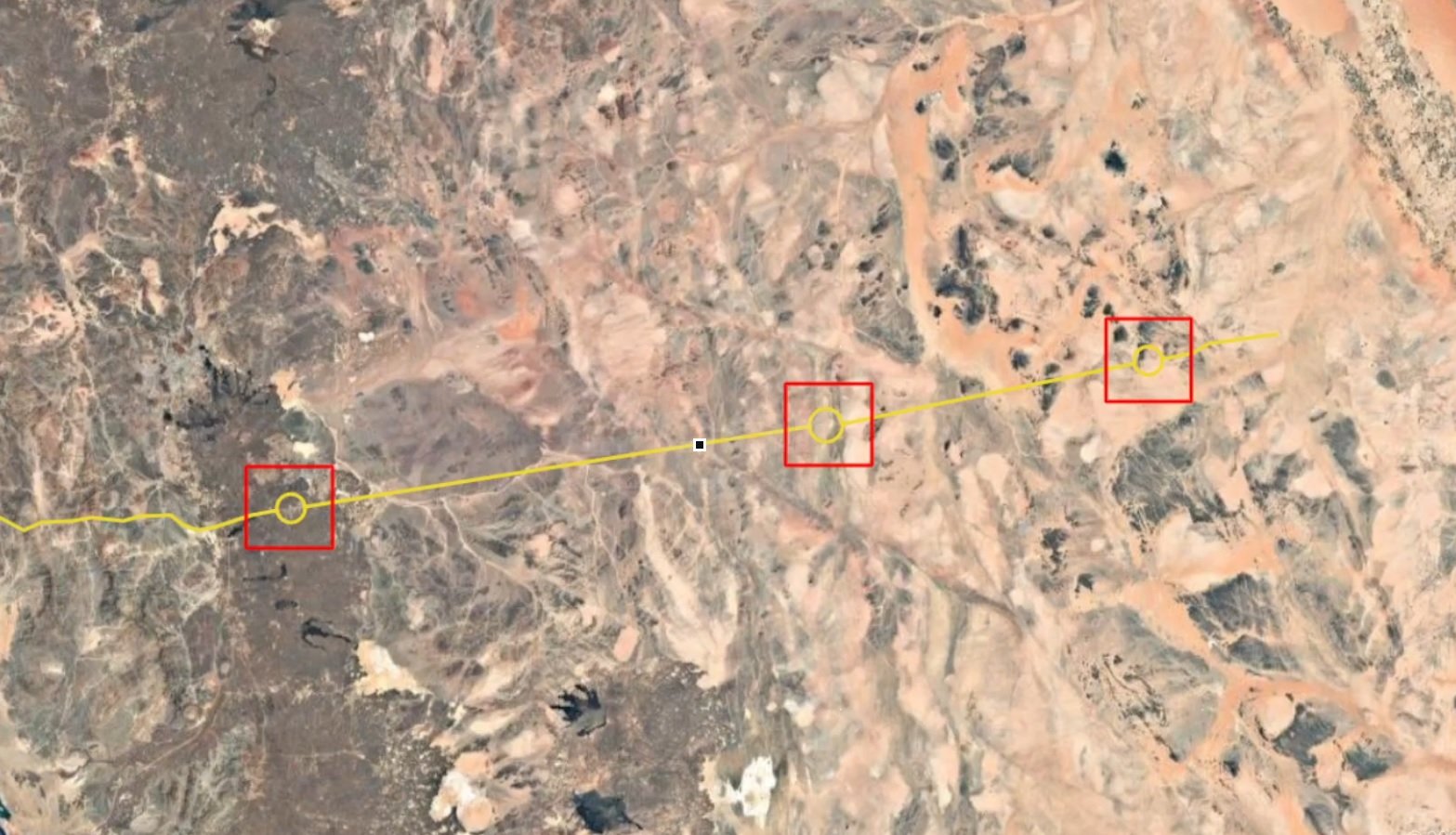 Satellite Imagery Shows Extensive Damage to Saudi Arabia’s East-West Oil Pipeline, Indicating More Than a Single Strike
-
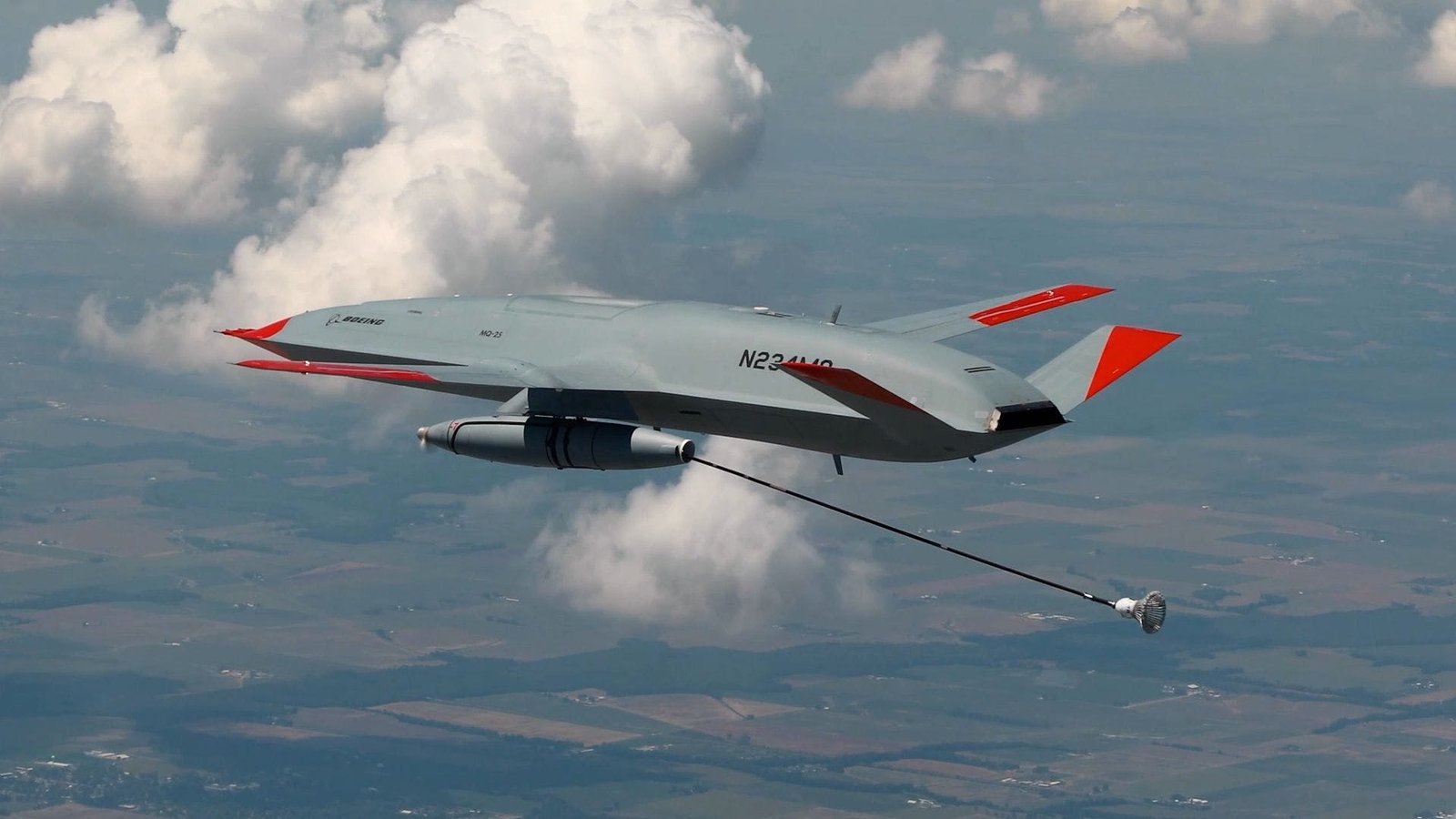 U.S. Navy Awards Boeing $562 Million Contract for First Production MQ-25A Stingray Tanker Drones
-
 Pentagon and Honeywell Complete Four-Hour Pacific Flight Using Quantum Magnetic Navigation Without GPS
-
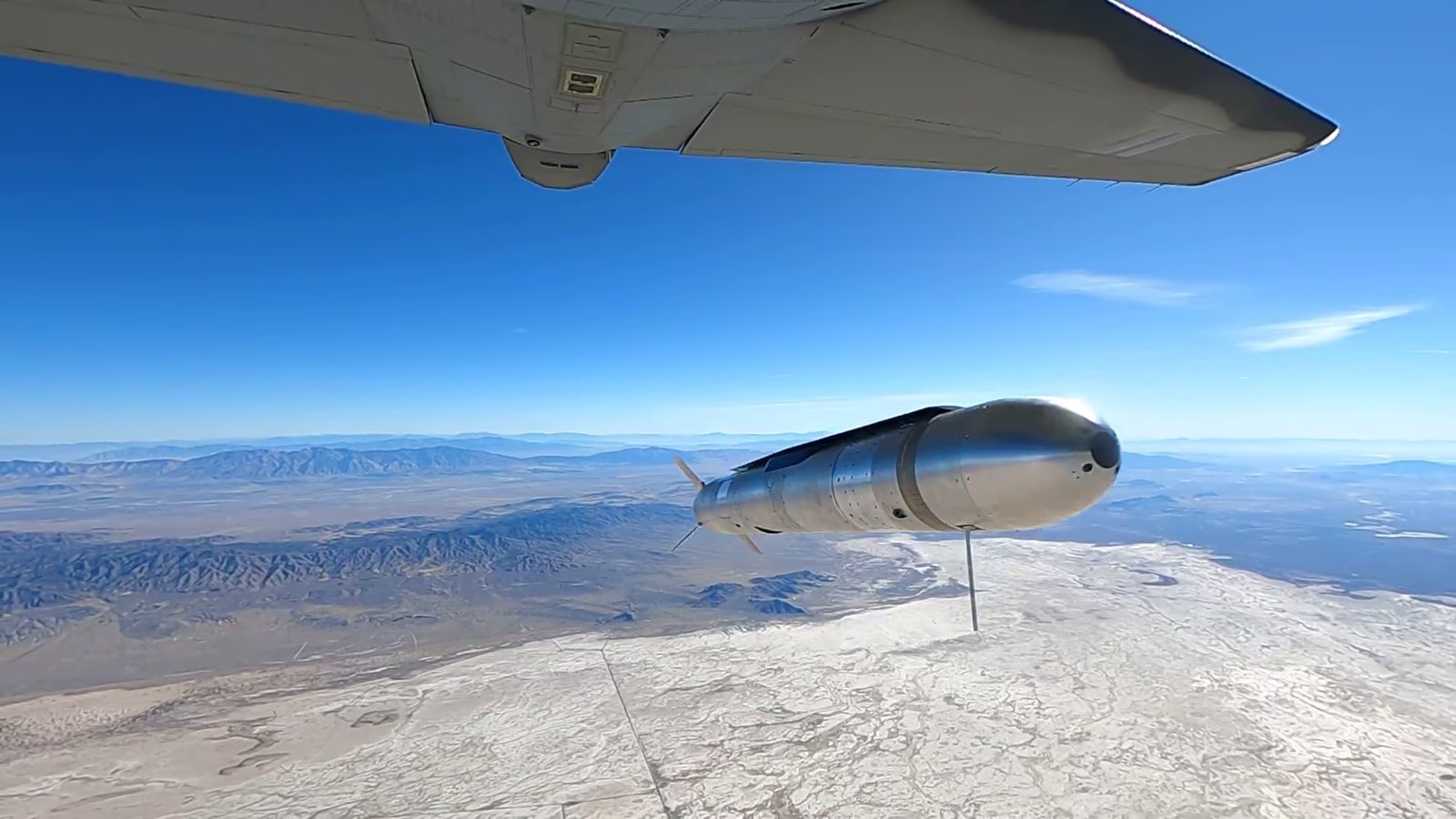 U.S. Air Force Special Operations Command Clears AGM-190A Havoc Spear for Wider Service After Combat Evaluation in Africa
-
 U.S. Confirms Deployment of On-Orbit Space Control Weapons for First Time
-
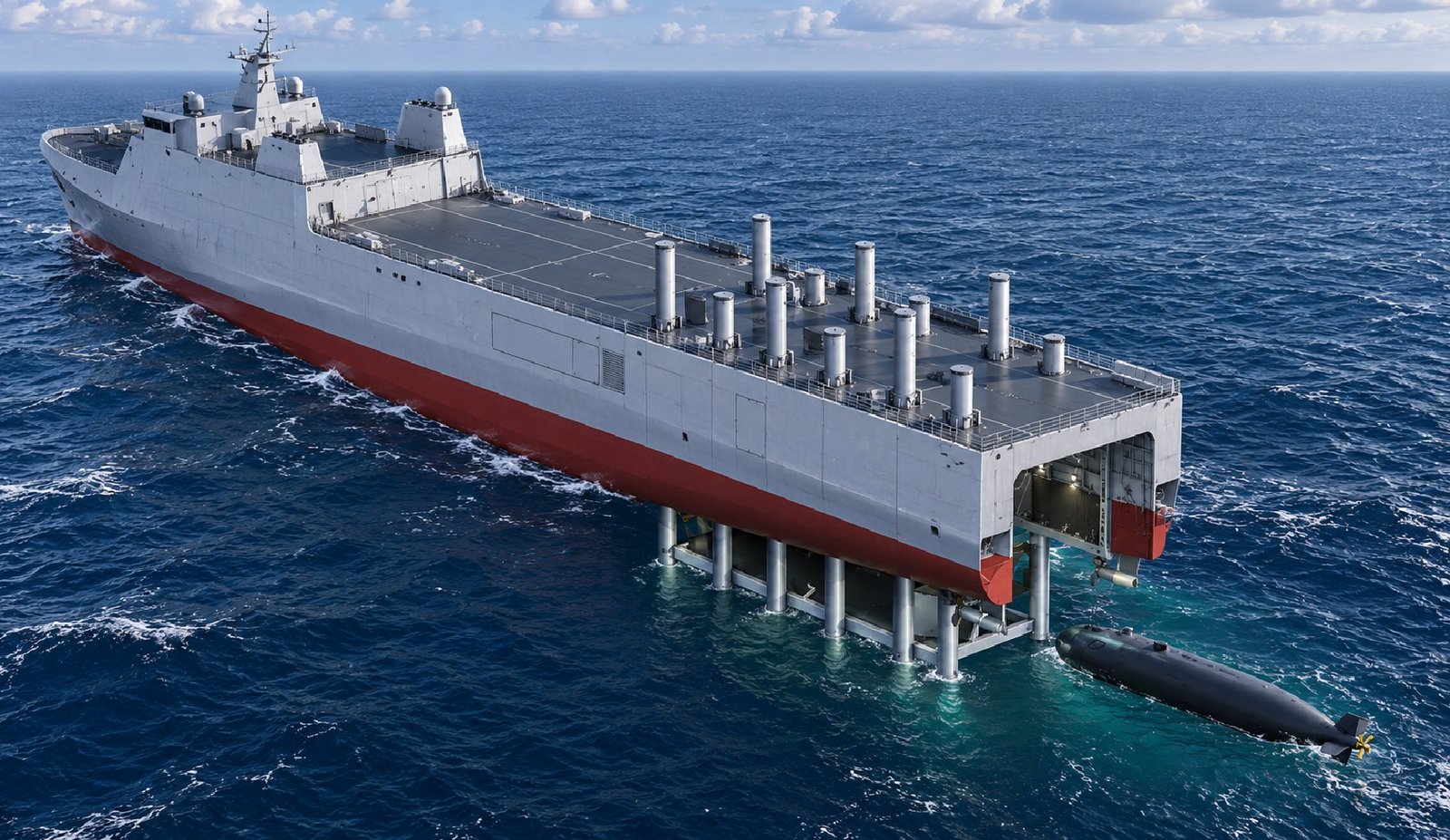 China Builds New Shanghai Vessel to Serve as Mothership for Large Uncrewed Submarines
-
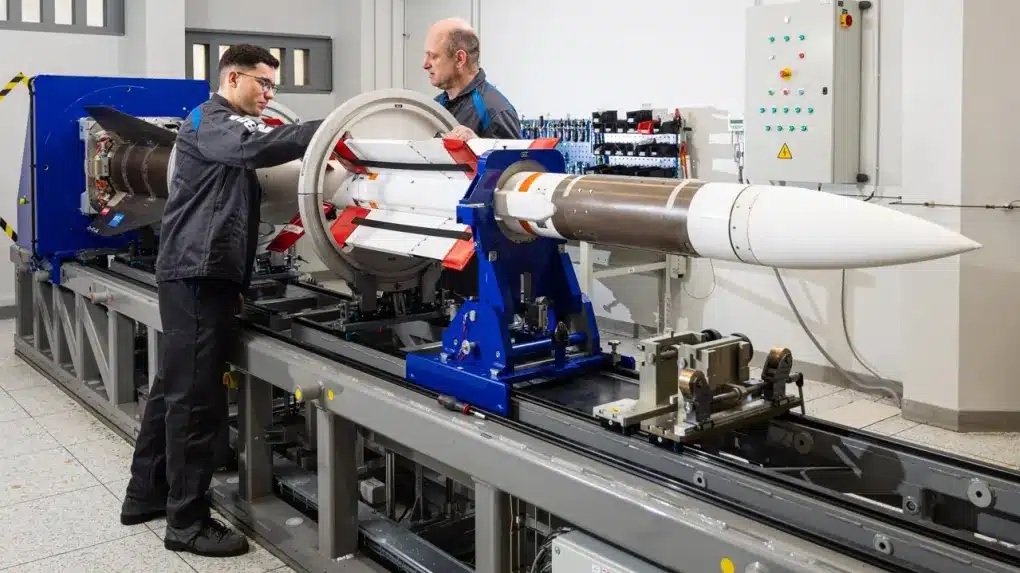 MBDA to Build New Missile Production Plant Near Orleans to Expand Missile Production
Top Trending in 4 Days
-
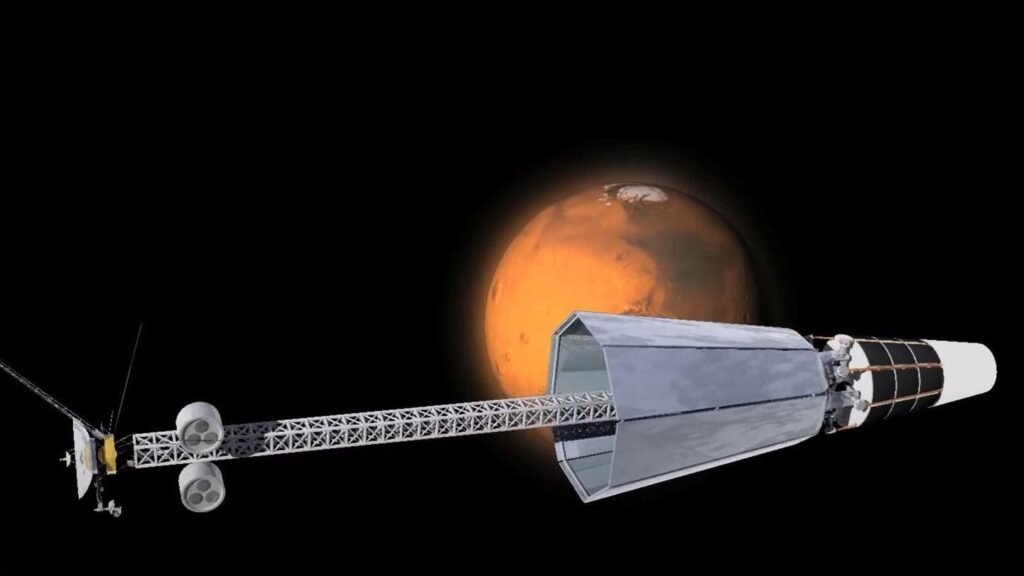 U.S. Air Force Awards Antares $161 Million to Develop Nuclear Reactor for Spacecraft
-
 Pentagon Awards BlueHalo Up to $99.8 Million Contract for Orbital Battlespace R&D Program
-
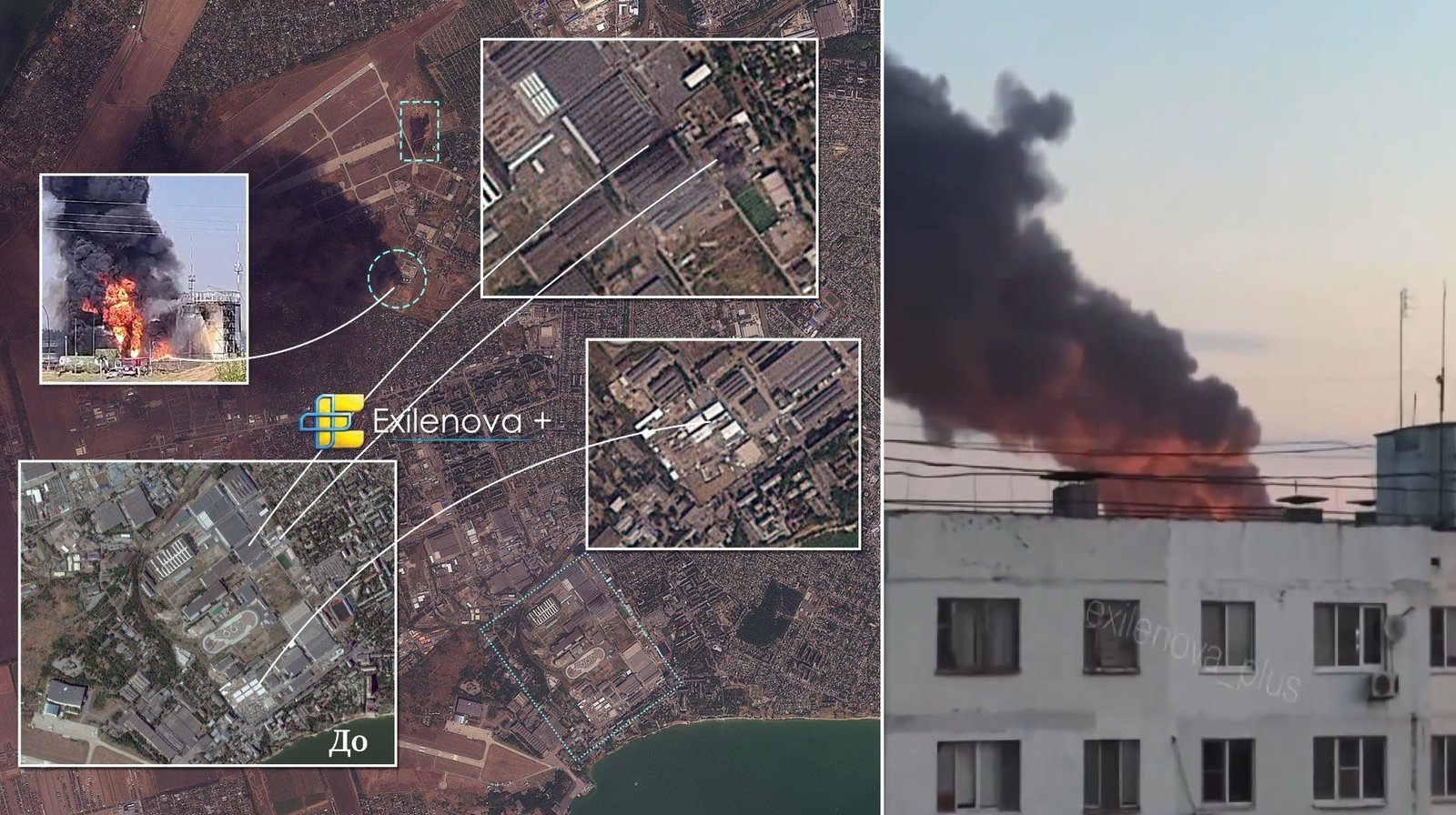 Ukrainian Drones Strike Russian UAV Manufacturer and Chemical Plants in Taganrog and Tolyatti
-
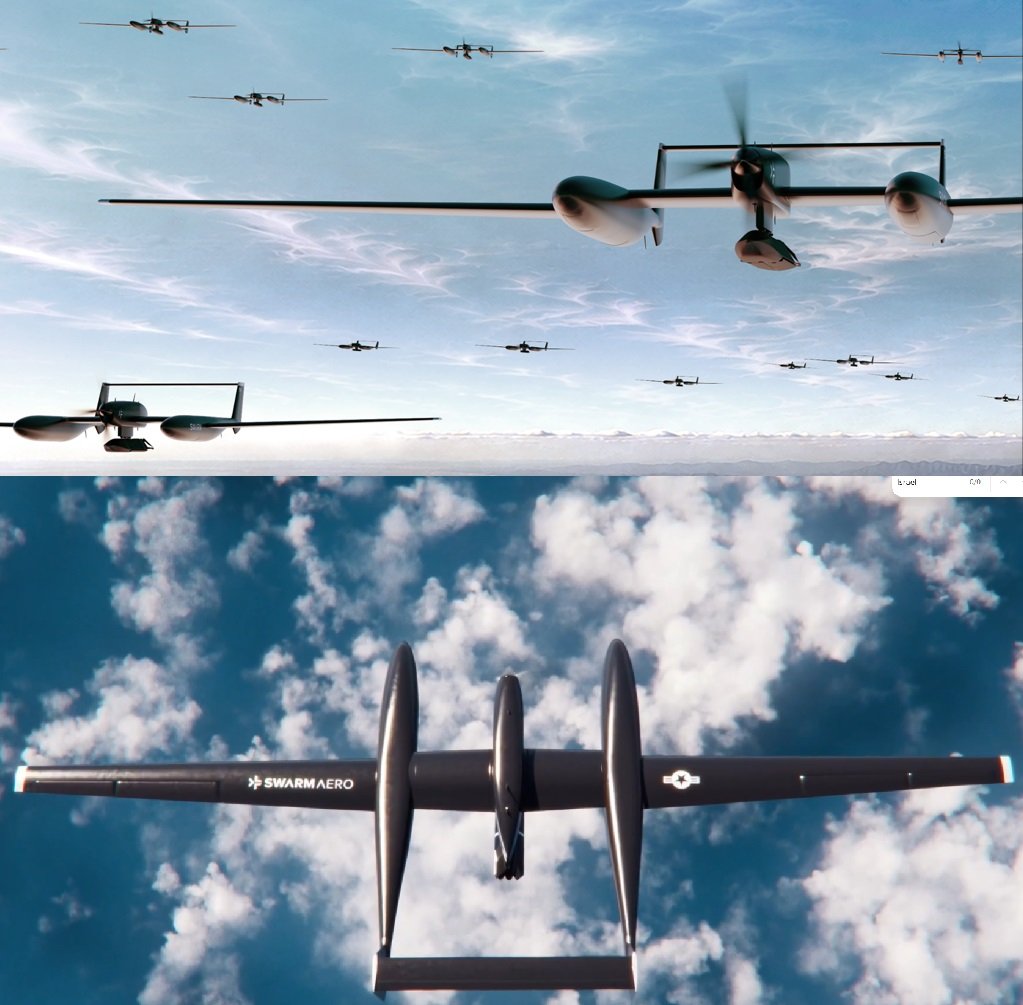 U.S. Firm Swarm Aero Unveils Gamera Group 5 UAS With 9,000-Nautical-Mile Range and Heavy Strike Payload
-
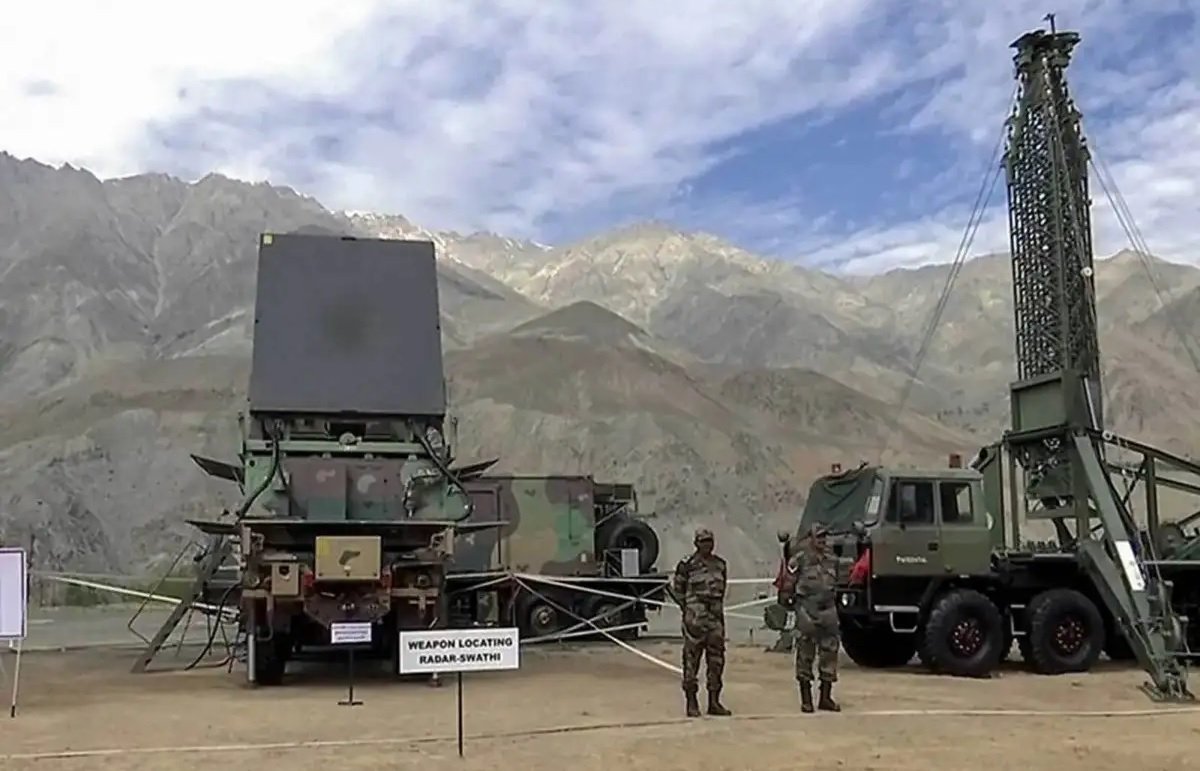 DRDO Demonstrates Indigenous 3.5×3 mm GaN Chip Delivering 30 Watts for Next-Generation Radars and Electronic Warfare
-
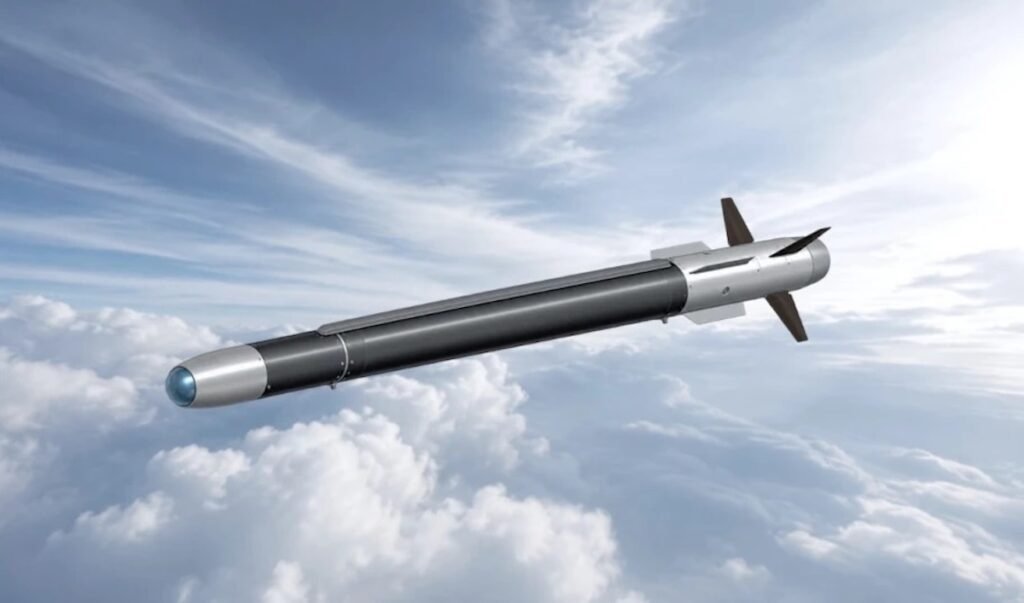 MBDA and Poland’s WITU Advance Low-Cost Supersonic Interceptor Against Swarm Attacks, Seeker Trials Successfully Completed
-
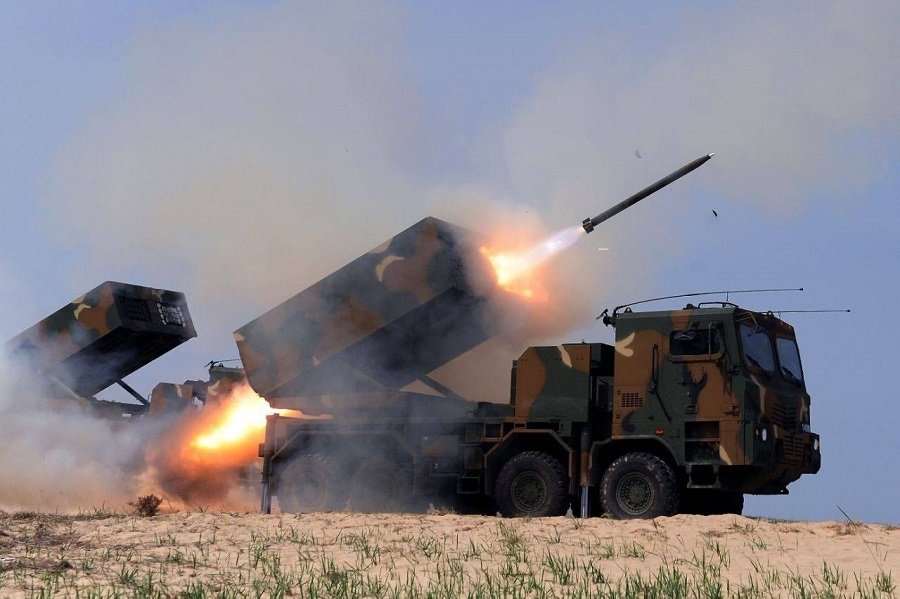 Croatia Signs €410 Million Contract with Hanwha Aerospace for 18 Chunmoo Rocket Launchers
-
 Eutelsat to Invest About €1 Billion in 229 More OneWeb Satellites From Airbus