
India
Chief of Defence Staff Gen Anil Chauhan advocates for a 'joint culture' in India's armed forces, emphasizing unity and integration to enhance military preparedness. His vision includes establishing Integrated Theatre Commands to address evolving global security challenges.General Anil Chauhan, Chief of Defence Staff (CDS) of India, has underscored the critical need for a 'joint culture' within the armed forces. This approach, he asserts, is essential for advancing military preparedness and enhancing warfighting capabilities.In his address at the 22nd Major General Samir Sinha Memorial Lecture at the United Service Institution (USI) of India in New Delhi, Gen Chauhan outlined his vision for 'Jointness 2.0'. He explained that the initial phase, Jointness 1.0, focused on fostering better relationships and consensus among the three services: the Army, Navy, and Air Force. With those foundations in place, the time has come to elevate this cooperation to the next level, which he referred to as Jointness 2.0.Creating a Joint CultureGen Chauhan highlighted the importance of respecting the unique cultures of each service while developing a fourth, unified culture that integrates the best aspects of all three. "We must be able to distil the best of each service, and incorporate the Highest Common Factor, rather than settle for the Least Common Denominator," he said. This approach aims to foster a cohesive environment that enhances overall operational efficiency.The Role of Theatre CommandsA key component of this strategy is the establishment of Integrated Theatre Commands. These commands are designed to separate operational responsibilities from administrative functions such as recruitment, training, and sustainment. By doing so, operational commanders can concentrate more effectively on security matters. Gen Chauhan emphasized that these commands are not the final objective but the starting point for further reforms. He noted that these changes would enable a transition from single to multi-domain operations, integrating space and cyberspace with traditional military domains, and enhancing battlefield digitization and data-centric operations.Responding to Global ChallengesThe CDS pointed out that evolving global security challenges necessitate these reforms. "Nation states across the globe are facing a new set of challenges, and current flux in world order is forcing nations to review their security strategies," he stated. He also remarked on the rapid technological advancements transforming modern warfare, underscoring the need for the Indian armed forces to stay ahead of these changes.Implementing Joint Culture InitiativesTo promote joint culture, several initiatives are underway, including increased Tri-Services participation in national events and other symbolic efforts to foster unity. These initiatives are seen as foundational steps towards the broader goal of integrated and more effective military operations.ConclusionGen Chauhan's emphasis on a joint culture and integrated theatre commands represents a significant shift in India's defense strategy. By fostering greater unity and leveraging the strengths of each service, the Indian armed forces aim to enhance their operational capabilities and readiness to address contemporary and future security challenges.
Read More → Posted on 2024-05-22 16:34:14
India
IAF and HAL's CATS-Warriors UCAV project aims to redefine aerial warfare with cost-effective, stealthy drones for high-risk missions, showcasing India's technological prowess.The Indian Air Force (IAF) and Hindustan Aeronautics Limited (HAL) are collaborating to develop the CATS-Warriors, an advanced unmanned combat aerial vehicle (UCAV). This innovative project aims to redefine modern aerial warfare by deploying "loyal wingman" drones that are both cost-effective and highly capable.Project OverviewLaunched in 2019, the CATS-Warriors project has progressed from a proof-of-concept to a robust reality. These UCAVs, each weighing 1.6 tonnes, are designed with stealth capabilities, allowing them to operate undetected at high altitudes ranging from 36,000 to 40,000 feet. This strategic advantage enables them to carry out missions deep within enemy territory without being easily detected.Cost EfficiencyOne of the most remarkable aspects of the CATS-Warriors is their cost. With an estimated unit price of ₹50 crore (approximately $6.7 million), these drones are significantly cheaper than traditional manned fighter jets. For comparison, a Tejas Mk1A fighter jet costs around ₹378 crore. This cost-efficiency allows the IAF to deploy these drones in high-risk scenarios, minimizing the potential loss of more expensive jets and saving pilots' lives.Enhanced CapabilitiesDespite their lower cost, CATS-Warriors are equipped with advanced features. They have internal weapons bays capable of carrying various munitions, including missiles. Their design also incorporates a PTAE-W engine and an AESA radar, ensuring they deliver high performance and enhanced situational awareness during missions.Strategic AdvantageThe primary advantage of the CATS-Warriors lies in their ability to perform high-risk operations. By using these drones, the IAF can undertake dangerous missions without putting human pilots at risk. This not only preserves valuable human life but also ensures that expensive manned aircraft are available for critical missions that may require human intervention.Broader ImplicationsThe CATS-Warriors are part of HAL's broader Combat Air Teaming System (CATS) program, which aims to develop a variety of unmanned aerial vehicles for different roles. The program's success has drawn international interest, with other military forces observing its progress closely. Additionally, there is potential for a naval variant of the CATS-Warriors, which could be used by the Indian Navy for maritime operations.The Future of Air CombatThe development of the CATS-Warriors signifies a significant advancement in unmanned aerial combat technology. Their affordability and capability make them a formidable addition to the IAF's arsenal. By integrating these drones into their strategy, the IAF is setting the stage for a new era in air combat, where unmanned systems play a crucial role in enhancing overall airpower.The CATS-Warriors project demonstrates India's commitment to advancing its military technology and maintaining a competitive edge in aerial warfare. As these drones become operational, they are expected to revolutionize the way air combat missions are conducted, emphasizing cost-efficiency, pilot safety, and strategic versatility.
Read More → Posted on 2024-05-22 16:23:03
India
Celebrating Israel's National Day in Delhi, Ambassador Naor Gilon expressed gratitude for India's steadfast support amid global criticism, highlighting the enduring bond between the two nations.At the recent Israel National Day celebrations held in Delhi, Israeli Ambassador Naor Gilon highlighted the strong support Israel has received from India amid global criticism. The event took place on Tuesday and was attended by Foreign Secretary Vinay Kwatra and members of the Indo-Israeli community.Ambassador Gilon spoke about the global shift in sentiment towards Israel following its military operation against Hamas and efforts to retrieve kidnapped individuals. He noted that the sympathy Israel garnered after the October 7 incident had turned into widespread criticism, delegitimization, and anti-Semitism. Despite this, India has remained a steadfast ally."Following the decision of Israel to go on an operation to dismantle the Hamas and bring back the kidnapped, all the sympathy that Israel had following October 7 was changing to a very ugly wave of hatred, delegitimization, and anti-Semitism around most of the world," Gilon stated.Gilon expressed profound gratitude towards India for its unwavering support during this challenging time. He emphasized the significant backing from both the Indian government and its people, which he described as remarkable and unforgettable."We here in the embassy in Delhi are privileged to serve in India, in a friendly country in such a period, because, as said before, from October 7, both the government and the people of India stood on the side of Israel. And this we will never forget," Gilon affirmed.Reflecting on the deep bond between India and Israel, Gilon highlighted India’s own struggles against terrorism. He asserted that the solidarity shown by the Indian people towards Israel was a testament to the special relationship shared between the two nations."The amount of support we got here is nothing short of amazing. This is, I think, a reflection of India itself being a victim of terror for many years. But more so, I think it's an indication of the very special relations between India and Israel, or more precisely, between the Indian people and the Jewish people," Gilon said.The event underscored the enduring partnership between India and Israel, rooted in mutual respect and shared experiences. The celebration not only marked Israel’s national day but also served as a reminder of the strong diplomatic and cultural ties between the two countries.In recent years, India and Israel have collaborated on various fronts, including defense, agriculture, and technology. This partnership has grown stronger with both countries recognizing the importance of supporting each other in times of need.Foreign Secretary Vinay Kwatra's presence at the event further signified the Indian government's commitment to maintaining and enhancing its relationship with Israel. The Indo-Israeli community in India also plays a crucial role in fostering this bond through cultural exchanges and joint initiatives.Overall, the Israel National Day celebrations in Delhi were a testament to the enduring friendship between India and Israel, highlighting their shared values and mutual support in times of adversity.
Read More → Posted on 2024-05-22 16:11:14
India
NIA conducts raids in four states to probe Bengaluru cafe blast case, aiming to uncover the conspiracy behind the attack and identify accomplices.On Tuesday, the National Investigation Agency (NIA) carried out extensive raids across multiple states to investigate the conspiracy behind the Rameshwaram Cafe blast in Bengaluru. The coordinated searches took place in Karnataka, Tamil Nadu, Telangana, and Andhra Pradesh, aiming to uncover the entire plot and identify conspirators aiding the accused from abroad.Details of the RaidsNIA teams searched 11 locations connected to suspects involved in the case. These locations included the premises of individuals previously convicted in the 2012 Lashkar-e-Taiba (LeT) conspiracy case in Bengaluru and Hubli. The searches resulted in the seizure of various digital devices and documents, which are now under thorough examination by the agency.Background of the CaseThe blast occurred on March 1 at Rameshwaram Cafe on ITPL Road, Brookefield in Bengaluru, causing injuries to several customers and staff members and significant property damage. The NIA took over the case on March 3 and intensified the investigation to uncover the broader conspiracy.On April 12, the NIA arrested two key suspects: Abdul Matheen Ahmed Taahaa, the alleged mastermind, and Mussavir Hussain Shazib, the purported perpetrator of the attack. Both were apprehended in Kolkata, where they were living under false identities. The suspects are residents of Thirthahalli in Shivamogga district, Karnataka, and are believed to be part of a Shivamogga-based Islamic State module.Previous Related IncidentsOfficials noted that another member of the same module, Shariq, had carried out a blast in Mangaluru on November 19, 2022. This connection has further underscored the importance of dismantling the network involved in these activities.Future StepsThe NIA's investigation continues as they analyze the seized materials to identify and apprehend additional conspirators. The agency's efforts highlight the ongoing challenge of addressing terrorism-related activities and ensuring national security.The searches included locations in Bengaluru's Kumaraswamy Layout and Banashankari areas, among others. The NIA remains committed to uncovering all aspects of the conspiracy and bringing all involved parties to justice.
Read More → Posted on 2024-05-22 15:57:42
India
The NIA chargesheeted Canada-based terrorist Arshdeep Singh alias Arsh Dala and three aides, marking a significant step in dismantling a pro-Khalistani terror-gangster network in India. The trio, operating under Dala's direction, planned terrorist attacks in Punjab and Delhi, revealing the ongoing threat posed by such networks. The National Investigation Agency (NIA) has made significant progress in dismantling a pro-Khalistani terror-gangster network operating across multiple states in India. On Monday, the NIA chargesheeted Arshdeep Singh, alias Arsh Dala, a designated Canada-based terrorist, and his three associates. The agency announced this development on Tuesday.The charges were filed against Arsh Dala and his Indian operatives Harjeet Singh, alias Harry Maur, Ravinder Singh, alias Rajvinder Singh, alias Harry Rajpura, and Rajeev Kumar, alias Sheela. This legal action represents a substantial advancement in the NIA's ongoing efforts to dismantle sleeper cells orchestrated by Dala to carry out terrorist attacks in Punjab and Delhi.Background of the CaseThe case, registered as RC-22/2023/NIA/DLI, details how the three aides were running a significant terror-gangster syndicate within India under the direction of the Khalistan Tiger Force (KTF) terrorist Arsh Dala. The NIA's investigation revealed that Harry Maur and Harry Rajpura operated as sleeper cells, while Rajeev Kumar harbored them and facilitated their activities. The trio was involved in planning a series of terrorist attacks based on Dala's instructions and using funds provided by him.Role of the AccusedHarjeet Singh alias Harry MaurHarry Maur was identified as one of the shooters in the terror-gangster network. His role primarily involved executing targeted killings as directed by Arsh Dala. Maur's activities were central to the operational arm of the syndicate, making him a key figure in the planned terrorist attacks.Ravinder Singh alias Harry RajpuraSimilar to Harry Maur, Harry Rajpura was also a shooter within the network. His responsibilities included carrying out specific assassinations and attacks that were part of the broader terrorist strategy orchestrated by Dala. The coordination between Maur and Rajpura was crucial for the execution of the terror plots.Rajeev Kumar alias SheelaRajeev Kumar played a supportive yet critical role in the network. He was responsible for harboring Maur and Rajpura, providing them with shelter and logistical support. Additionally, Kumar was involved in arranging weapons and other necessary resources, all under the directives of Arsh Dala. His role extended to managing the funds received from Dala, ensuring that the operations were well-financed and equipped.Arrest and Chargesheet DetailsThe NIA arrested Harry Maur and Harry Rajpura on November 23, 2023, followed by the arrest of Rajeev Kumar on January 12, 2024. The subsequent investigation led to the filing of a chargesheet before the NIA Special Court in New Delhi. The charges include serious offenses related to terrorism, funding of terrorist activities, and the illegal possession and provision of weapons.Ongoing Investigations and Future ActionsThe NIA has stated that investigations are ongoing to completely dismantle the terror-gangster syndicate. The agency is focused on identifying and neutralizing all operatives involved, both within India and abroad. This includes tracing financial trails, uncovering sleeper cells, and arresting additional accomplices linked to Arsh Dala and the KTF.Broader Implications for National SecurityThe dismantling of this network is a significant achievement for India's national security apparatus. It underscores the threat posed by pro-Khalistani elements operating both domestically and internationally. The successful crackdown on this syndicate is expected to deter future attempts by similar networks to destabilize the region.Historical Context and Pro-Khalistani MovementsThe Khalistan movement, which advocates for a separate Sikh state, has seen various phases of activity over the decades. While the movement gained prominence in the 1980s, it has since witnessed fluctuating levels of support and activity. In recent years, there has been a resurgence in pro-Khalistani activities, particularly among the diaspora communities in countries like Canada, the UK, and the USA.International Collaborations and Extradition EffortsGiven that Arsh Dala is based in Canada, international collaboration becomes essential. The Indian government, through its agencies, has been working closely with international partners to secure the extradition of individuals involved in terrorism. This includes sharing intelligence, legal cooperation, and diplomatic efforts to ensure that perpetrators face justice.The Role of Financial Networks in TerrorismA crucial aspect of the NIA's investigation has been the financial networks that support terrorism. Identifying and disrupting the flow of funds is vital in crippling the operational capabilities of terrorist groups. The investigation into Arsh Dala and his network has provided insights into how terror financing is orchestrated and managed across borders.Legal Framework and Anti-Terrorism MeasuresIndia has a robust legal framework to combat terrorism, including laws such as the Unlawful Activities (Prevention) Act (UAPA) and the National Investigation Agency Act. These laws empower agencies like the NIA to investigate, arrest, and prosecute individuals involved in terrorism. The chargesheeting of Arsh Dala and his associates under these laws is a testament to the effectiveness of India's legal and investigative mechanisms.Community and Political ReactionsThe chargesheeting of Arsh Dala and his associates has elicited reactions from various quarters. Community leaders and political figures have lauded the NIA's efforts in ensuring national security. There is a broad consensus on the need for vigilance and proactive measures to counter the threat posed by terrorism.ConclusionThe NIA's chargesheet against Arsh Dala and his three associates marks a pivotal moment in India's fight against terrorism. The dismantling of the pro-Khalistani terror-gangster network highlights the importance of coordinated efforts, both domestically and internationally, in combating terrorism. As investigations continue, it is expected that further revelations will aid in completely eradicating the remnants of this syndicate, thereby contributing to a safer and more secure India.
Read More → Posted on 2024-05-22 15:48:22
India
Project 75 (India) aims to bolster the Indian Navy's underwater capabilities by building six advanced submarines with Air-Independent Propulsion (AIP) systems. The project faces delays due to technical challenges, particularly in meeting AIP criteria, but remains crucial for countering regional threats from China and Pakistan.India’s Project 75 (India), or P75(I), stands as a critical initiative aimed at enhancing the Indian Navy’s underwater capabilities by constructing six advanced conventional submarines equipped with Air-Independent Propulsion (AIP) systems. This ambitious ₹43,000 crore project faces delays due to technical and strategic challenges, particularly in meeting the AIP criteria by potential foreign collaborators. The strategic importance of P75(I) cannot be overstated, given the growing submarine presence of China in the Indian Ocean Region and Pakistan's accelerated naval acquisitions.Project Overview and Current StatusProject P75(I) was initiated in the late 1990s to address the pressing need for modernizing India’s submarine fleet. The project aims to produce submarines with advanced sensors, weapons, and AIP systems through joint ventures between Indian firms and foreign technology partners. These submarines are expected to significantly enhance the operational capabilities of the Indian Navy, providing it with stealth and extended underwater endurance.Initially, five international firms showed interest in the project: ThyssenKrupp Marine Systems (TKMS) from Germany, Navantia from Spain, Daewoo from South Korea, Rosoboronexport/Rubin Design Bureau from Russia, and the Naval Group from France. Over time, only TKMS and Navantia have remained in serious contention.The AIP Technology ChallengeA key requirement of P75(I) is the inclusion of AIP technology, which allows submarines to remain submerged longer without surfacing to charge batteries. This capability significantly enhances stealth and operational range, making submarines harder to detect. Currently, only German submarines possess proven AIP technology, putting TKMS at an advantage over Navantia, which is still developing this capability.Navantia's struggle to meet the AIP criteria has emerged as a significant hurdle. Despite their efforts, they are yet to master this technology, causing delays. The Indian government is keen to avoid a single vendor situation to ensure fairness and competition. This has led to considerations of delaying the acquisition process until Navantia can meet the AIP requirements, thus maintaining a level-playing field.Strategic ImplicationsThe strategic implications of P75(I) are profound. The Indian Navy’s current fleet of attack submarines has dwindled from 21 in the 1980s to just 16, with only eight being battle-ready at any given time. The existing submarines are aging, with many undergoing mid-life upgrades. Modernizing the fleet is crucial to counter regional threats, particularly from China and Pakistan.China's growing submarine presence in the Indian Ocean and Pakistan's rapid acquisition of submarines underscore the urgency for India to enhance its naval capabilities. China, with over 65 submarines, poses a significant threat, while Pakistan is also bolstering its fleet with assistance from China. The launch of the first Hangor-class submarine for Pakistan by China last month is a testament to this growing threat.The Contenders: TKMS and NavantiaTKMS, with its proven AIP technology, is currently the frontrunner for the P75(I) contract. The company has a longstanding history with India, having developed four Shishumar-class submarines for the Indian Navy in the 1980s and 1990s. Despite past controversies, including a corruption scandal that led to HDW’s blacklisting, TKMS has re-entered the Indian market, supported by the German government.TKMS's proposal includes a complete transfer of technology to India, ensuring that the submarines will be built by Mazagon Dock Shipbuilders Limited (MDL) in Mumbai. This collaboration promises to enhance India's self-reliance in submarine construction. The submarines offered by TKMS are derivatives of the HDW class 214, tailored to meet the stringent P75(I) requirements and incorporating advanced design features.On the other hand, Navantia has partnered with Larsen & Toubro (L&T) for the project. Despite their efforts, the absence of proven AIP technology remains a significant drawback. Navantia is hosting an Indian team for field evaluation trials, hoping to prove their capabilities by the end of the year. However, their success largely hinges on the timely development of their AIP system.Potential Alternatives and Future ProspectsThe debate over the relevance of AIP technology is ongoing, with some experts suggesting that advancements in lithium-ion battery technology could offer superior underwater endurance in the future. Lithium-ion batteries promise longer operational life and quicker charging times compared to traditional lead-acid batteries. While not yet as mature as AIP systems, this technology could potentially offer a viable alternative, reducing reliance on AIP.India must weigh the immediate benefits of proven AIP technology against the potential future advantages of emerging battery technologies. The decision will impact not only the success of P75(I) but also the broader strategic objectives of the Indian Navy.ConclusionProject 75 (India) is a pivotal initiative for modernizing the Indian Navy’s submarine fleet, addressing both current deficiencies and future strategic threats. The delays faced due to technical challenges, particularly in meeting the AIP criteria, underscore the complexity of the project. TKMS, with its proven AIP technology, appears to be the leading contender, while Navantia’s efforts to catch up remain crucial for maintaining competitive fairness.The strategic importance of P75(I) is amplified by the growing submarine capabilities of China and Pakistan. Modernizing India’s submarine fleet is not just about enhancing operational capabilities but also about ensuring national security in a region fraught with maritime challenges. As India navigates these complexities, the success of P75(I) will depend on a careful balance between immediate technological needs and future advancements, ensuring a robust and capable underwater fleet for the Indian Navy.In conclusion, the future of Project 75 (India) holds significant promise for India’s naval capabilities, contingent on overcoming current challenges and making strategic decisions that align with long-term defense objectives.
Read More → Posted on 2024-05-22 15:42:30
India
Sri Lankan Foreign Minister Ali Sabry ruled out reopening discussions with India on Katchatheevu Island, affirming that the issue was resolved long ago. He emphasized Sri Lanka's commitment to safeguarding India's national security interests.Sri Lankan Foreign Minister Ali Sabry has reaffirmed that there is no need to reopen discussions with India about Katchatheevu Island. He emphasized that this matter was resolved long ago through bilateral talks between the two countries.In an interview with ANI, Sabry stated, "These are issues that were discussed and concluded a long time ago through country-to-country talks. I do not see a necessity to recommence it."The Foreign Minister clarified that recent comments regarding Katchatheevu were not meant to initiate new discussions but to review the historical deliberations. "None of the comments on the issue were made to recommence anything. They are trying to find out whether the deliberation at that time was carried out properly or not, based on domestic political needs," he said.Katchatheevu Island, located between Rameswaram (India) and Sri Lanka, has traditionally been used by fishermen from both countries. In 1974, the then Prime Minister of India, Indira Gandhi, recognized Katchatheevu as Sri Lankan territory under the Indo-Sri Lankan Maritime Agreement. This agreement confirmed Sri Lanka’s sovereignty over the island.A month ago, Indian Prime Minister Narendra Modi criticized the Congress party for "callously" giving away the island to Sri Lanka during Indira Gandhi's tenure. He stated that this decision angered many and questioned the Congress party's ability to protect Indian territory. "There was an island under the sea in Tamil Nadu, but the Congress gave it to Sri Lanka and now when our fishermen venture into that area by mistake, they are arrested. Can this Congress ever protect our land when it gave our Katchatheevu to another country," Modi remarked.Despite these criticisms, Minister Sabry assured that Sri Lanka is committed to safeguarding India’s national security interests. He added that Sri Lanka, as a responsible neighbor, will not allow any actions that could compromise India’s security.Addressing India's concerns about Chinese research vessels visiting Sri Lanka, Sabry said that Sri Lanka aims to work transparently with all countries without jeopardizing others' interests. "We have very clearly stated that we would like to work with all countries, but any reasonable concerns regarding Indian security will be taken into note, and we will not allow anyone to harm that. Subject to that, of course, in a very transparent manner, we would like to work with all countries," he stated.This clear stance from Sri Lanka indicates a firm commitment to maintaining the current status of Katchatheevu Island and respecting the agreements made in the past.
Read More → Posted on 2024-05-22 15:33:28
India
Indian Army Chief General Manoj Pande champions 'Project Udbhav,' integrating ancient Indian wisdom into modern military strategy, aiming to draw insights from millennia-old texts and historical battles.In a recent seminar on 'Historical Patterns of Indian Strategic Culture' held in New Delhi, Indian Army Chief General Manoj Pande emphasized the significance of integrating ancient Indian wisdom into contemporary military strategy. General Pande highlighted that India boasts a 5,000-year-old civilizational legacy deeply rooted in the value of knowledge, where a wealth of intellectual literature and a tradition of nurturing thinkers across various domains flourish.Central to this initiative is 'Project Udbhav,' conceptualized to rediscover India's profound heritage of statecraft and strategic thought embedded in ancient texts on statecraft, warcraft, diplomacy, and grand strategy. Launched at the Indian Military Heritage Festival in 2023, the project aims to introduce relevant teachings from ancient texts into present-day military practices.Collaborating with the United Service Institution of India (USI), the Indian Army has engaged in extensive deliberations, panel discussions, and paper presentations by Subject Matter Experts to apply ancient wisdom to modern scenarios, international relations, and foreign cultures. The project draws insights from revered ancient texts such as the Vedas, Puranas, Upanishads, and Arthashastra, emphasizing interconnectedness, righteousness, and ethical values.Moreover, Project Udbhav explores epic battles from Indian history, including those depicted in the Mahabharata, as well as strategic brilliance during the reigns of the Mauryas, Guptas, and Marathas, which have shaped India's rich military heritage.One notable outcome of the project is the revelation of intellectual convergences between Indian and Western scholars, underscoring resonance in their thoughts, philosophies, and perspectives. Additionally, it sheds light on lesser-known aspects such as India's tribal traditions, the Maratha Naval legacy, and the heroic exploits of military figures, particularly women.General Pande emphasized that Project Udbhav strengthens the Whole-of-Nation approach by fostering civil-military collaboration among academia, scholars, practitioners, and military experts. Such collective efforts broaden the study of ancient India's defense and governance, enriching the nation's strategic outlook.Looking ahead, General Pande expressed confidence that the project's findings, compiled in the 'Udbhav Compendium,' will benefit the Indian Armed Forces in remaining progressive and future-ready. By drawing insights from India's historical military wisdom, the Armed Forces can continue to evolve strategically, honoring the vast experiences, sacrifices, and triumphs of their predecessors.
Read More → Posted on 2024-05-21 15:54:06
India
Philippine officials explore India's ALH-Dhruv helicopter capabilities aboard INS Shakti, signaling potential defense ties strengthening. The visit underscores mutual interest in indigenous defense solutions and Indo-Pacific cooperation.In a notable demonstration of burgeoning defense ties, a high-level delegation from the Philippines recently embarked on a mission aimed at assessing the capabilities of India's indigenous ALH-Dhruv helicopter. Comprising officials from key Philippine defense entities including the Navy, Coast Guard, and Department of National Defense, the delegation visited the Indian Navy ship INS Shakti for an up-close look at the Dhruv in operation.The objective of this mission holds significant strategic importance for the Philippines as they deliberate on acquiring new helicopters to address various operational needs, encompassing maritime surveillance, search and rescue, transport, and medical evacuation missions. The ALH-Dhruv emerges as a compelling candidate for consideration owing to its proven performance and adaptable design.During their visit aboard INS Shakti, the Philippine delegation was provided with detailed briefings on the technical specifications, operational features, and potential applications of the Dhruv within the context of the Philippine military and coast guard operations. Furthermore, they had the opportunity to witness firsthand demonstrations showcasing the helicopter's operational capabilities.This engagement represents a pivotal milestone in the ongoing dialogue between India and the Philippines regarding the potential acquisition of Dhruv helicopters by the Southeast Asian nation. Hindustan Aeronautics Limited (HAL), the manufacturer of the Dhruv, has extended offers for the versatile aircraft to both the Philippine Army and Air Force.While the ultimate decision rests with the Philippine authorities, the exploration of the ALH-Dhruv's capabilities signifies a positive stride in the deepening defense cooperation between India and the Philippines. It underscores a shared commitment to exploring indigenous defense solutions and fostering stronger ties within the Indo-Pacific region.This collaborative endeavor underscores the significance of mutual engagement and knowledge exchange in enhancing defense capabilities and promoting regional security and stability. As both India and the Philippines navigate common challenges and opportunities in the maritime domain, initiatives such as these serve to bolster understanding and partnership in the defense arena.
Read More → Posted on 2024-05-21 15:39:26
India
GalaxEye, India's space start-up, achieves a milestone by testing its synthetic aperture radar (SAR) on a high-altitude drone platform, marking global private sector leadership in SAR technology integration. This advancement enhances national security capabilities and aligns with India's technological self-reliance initiative, 'Aatmanirbhar Bharat'.India's space start-up GalaxEye announced on Tuesday that it successfully tested a home-built synthetic aperture radar (SAR) on a drone. This radar can capture images of the earth even in cloudy conditions and at night. The test marks a significant achievement as GalaxEye becomes the first private entity globally to test this technology on a high-altitude drone platform.The high-flying drone, known as the High Altitude Pseudo Satellite (HAPS) platform, was tested by the CSIR-National Aerospace Laboratory (CSIR-NAL) on May 13 at an altitude of 25,000 feet (7.62 km). GalaxEye's SAR was initially tested at an altitude of one kilometer, with plans to gradually scale up tests to seven kilometers, according to Suyash Singh, co-founder and CEO of Bengaluru-based GalaxEye.SAR technology has significant applications beyond defense, including environmental monitoring and disaster management. The integration of SAR with the HAPS platform could enhance national security and intelligence gathering. Singh emphasized the potential of SAR technology when optimized for low size, weight, and power (SWaP) characteristics."GalaxEye is the first private entity to test SAR technology on a HAPS platform," said Singh. "Our focus is on improving SAR with low SWaP to maximize its capabilities. The insights from these test flights will guide further research and development."Singh highlighted that GalaxEye's advancements align with India's 'Aatmanirbhar Bharat' initiative, which aims to boost national defense capabilities and technological self-reliance. The successful integration of SAR with HAPS could position India as a leader in SAR innovation.The HAPS platform developed by CSIR-NAL can currently fly at an altitude of nearly eight kilometers and is expected to reach 18 kilometers for extended durations. These platforms, powered by solar energy and advanced battery systems, can provide prolonged aerial surveillance with high-quality imaging in all weather conditions and at all times."SAR technology is essential for HAPS," said a CSIR-NAL spokesperson. "GalaxEye's drone-based SAR capabilities are promising for integrating such systems into HAPS. While the initial tests are encouraging, further tests are necessary before these platforms can be used practically."Globally, SAR technology for HAPS has primarily been used by governmental space agencies, with limited operational deployment. GalaxEye is also developing the world's first multi-sensor earth observation satellite, expected to launch next year. The start-up has successfully developed India's first UAV SAR system for defense markets and completed over 200 successful flights.GalaxEye's breakthrough in SAR technology represents a significant step forward in India's space and defense capabilities, reinforcing the country's position in the global technology landscape.
Read More → Posted on 2024-05-21 15:20:27
India
Sri Lanka investigates ISIS activities following the arrest of four suspected terrorists in India, aiming to prevent potential terror attacks and dismantle any existing networks. Collaboration between Sri Lankan and Indian intelligence agencies is crucial for regional security.Sri Lankan intelligence agencies have launched a fresh investigation into ISIS activities in the country after the arrest of four suspected ISIS terrorists, all Sri Lankan nationals, at the Ahmedabad airport in India. The suspects, identified as Mohammad Nusrat (33), Mohammad Farish (35), Mohammad Nafran (27), and Mohammad Rashdeen (43), had recently traveled from Colombo to Chennai before being apprehended in Ahmedabad by the Gujarat Anti-Terrorism Squad.Reports indicate that the four individuals were tasked by a Pakistani handler to conduct terror attacks in Gujarat targeting Jews, Christians, and members of the Bharatiya Janata Party (BJP) and Rashtriya Swayamsevak Sangh (RSS). Sri Lanka’s State Intelligence Service has requested more information from Indian authorities to better understand the suspects' backgrounds and their connections to ISIS.Sri Lanka's Public Security Minister, Tiran Alles, emphasized the seriousness of the situation and assured that Sri Lankan security agencies are closely monitoring developments. "We are working in close coordination with our Indian counterparts to ensure that all necessary measures are taken to address any potential threat," Alles stated.This development comes five years after a devastating series of suicide bombings by ISIS-affiliated attackers on Easter Sunday in Sri Lanka. The 2019 attacks targeted three churches and several hotels, resulting in the deaths of 270 people, including 45 foreigners, and injuring over 500. Despite prior warnings from Indian intelligence about the planned attacks, Sri Lankan authorities failed to act, which was later acknowledged as a significant security lapse.The ongoing probe aims to prevent any recurrence of such incidents and to dismantle any existing terror networks within Sri Lanka. The collaboration between Sri Lankan and Indian intelligence agencies is crucial to ensure regional security and prevent terrorist activities.
Read More → Posted on 2024-05-21 15:13:11
India
Russia's EZTM to ship specialized cold rolling mills to India's Nuclear Fuel Complex, enhancing cooperation in the nuclear energy sector. India aims to expand its nuclear power capacity with Russian assistance to achieve zero carbon emission goals.Russia and India are strengthening their cooperation in the energy sector, with a focus on nuclear power. This week, a significant development took place when Russian equipment manufacturer EZTM announced it would ship specialized cold rolling mills to India's Nuclear Fuel Complex (NFC). The NFC operates under India's Department of Atomic Energy.EZTM revealed that under a contract with the NFC, the company has produced three cold rolling mills. These mills are designed to manufacture pipes with an outer diameter of 6-18 mm from hollow blanks made of zircaloy and stainless steel. In February, India's public sector company conducted a pre-shipment inspection of the mills, where EZTM demonstrated the operational features, including lubricants, hydraulics, control, automation systems, and the communication center.Following the inspection, NFC issued a permit for the shipment of the mills to its site. Cold rolling is a process used to alter the original form of metal, primarily to transform aluminum into hardened stainless steel, which is extensively used in nuclear energy production.This collaboration is part of the broader efforts by India and Russia to expand their civilian nuclear cooperation. India's External Affairs Minister S. Jaishankar recently confirmed that India is looking to set up more nuclear power plants with Russian assistance. He mentioned the progress at the Kudankulam Nuclear Power Plant, a project developed in collaboration with Russia, and stated that India is exploring additional sites for Russian reactors.India aims to enhance its nuclear energy capacity as part of its strategy to achieve zero carbon emissions. The Kudankulam plant, located in Tamil Nadu, is India's largest nuclear power station, and its development has been a cornerstone of Indo-Russian nuclear collaboration. The plant's expansion includes plans for additional reactors, with ongoing discussions about further cooperation in this sector.This latest development marks another step in the deepening partnership between India and Russia in the field of nuclear energy, reflecting their commitment to advancing sustainable and clean energy solutions.
Read More → Posted on 2024-05-21 09:04:32
India
Airbus Helicopters and SIDBI have partnered to provide financing solutions for purchasing Airbus helicopters in India, aiming to boost the helicopter market in sectors like healthcare and tourism. This initiative seeks to make civil helicopters more accessible and support the growth of the country's rotary wing sector.Airbus Helicopters and the Small Industries Development Bank of India (SIDBI) have signed a Memorandum of Understanding (MoU) to facilitate the financing of Airbus helicopters in India. This partnership aims to enhance the availability of helicopters, particularly in the healthcare and tourism sectors, which have significant growth potential but are currently constrained by limited resources.The MoU enables both Airbus Helicopters and SIDBI, which is the primary financial institution for promoting, financing, and developing the Micro, Small, and Medium Enterprises (MSME) sector, to identify potential civil helicopter operators in India who are interested in financing solutions for purchasing helicopters. According to an official statement from SIDBI, Airbus will provide the necessary technical and industry knowledge to assist SIDBI in evaluating these prospects and financing them exclusively for Airbus helicopters.One of the advantages of helicopters over fixed-wing aircraft is that they require less initial investment. Additionally, advancements in drone technology are expected to increase the availability of helicopter platforms in the market.The agreement was signed by Rahul Priyadarshi, Chief General Manager of SIDBI, and Sunny Guglani, Head of Airbus Helicopters, India and South Asia. Rahul Priyadarshi highlighted that this is a new financing area for SIDBI and is anticipated to open up new opportunities for MSMEs related to the helicopter segment. Sunny Guglani emphasized that the MoU will make civil helicopters more accessible to operators in India, positioning these aircraft as essential tools for national development.This collaboration represents a significant step for SIDBI into the helicopter financing sector, aiming to meet the financial and development needs of India’s expanding rotary wing market. The initiative is expected to support the growth of civil helicopter operations in the country, contributing to improved services in critical areas such as medical emergencies and tourism.According to industry experts, the Indian helicopter market holds great potential. The partnership between Airbus Helicopters and SIDBI is a strategic move to address the financial challenges faced by operators and stimulate market growth. With SIDBI’s attractive financing solutions and Airbus’s extensive product portfolio and industry expertise, this collaboration is poised to play a pivotal role in expanding the civil helicopter market in India.This initiative is part of a broader trend of increasing investment in India's aviation sector, which has seen substantial growth in recent years. The government's focus on improving infrastructure and connectivity, combined with favorable regulatory policies, has created a conducive environment for the aviation industry. The introduction of affordable financing options for helicopter operators is expected to further accelerate the sector's development.In conclusion, the MoU between Airbus Helicopters and SIDBI marks a crucial milestone in the development of the helicopter market in India. By providing financial support and leveraging technical expertise, this partnership is set to enhance the availability of helicopters, thereby contributing to the growth of the healthcare and tourism sectors and supporting overall economic development in the country.
Read More → Posted on 2024-05-21 08:52:25
India
The Indian Air Force initially preferred the Eurojet EJ200 for the Tejas MkII due to strategic diversification and faster integration. However, increased aircraft weight and higher thrust needs led to the selection of the more powerful GE F414IN6 engine.The Indian Air Force's (IAF) Tejas MkII program boasts a unique story regarding its engine selection. While the American-made GE F414IN6 now powers the aircraft, it wasn't always the IAF's top choice. Back in 2010, reports suggested the IAF preferred the European Eurojet EJ200 engine, the same one that propels the Eurofighter Typhoon. This preference stemmed from a strategic viewpoint:Diversification: The IAF sought to avoid relying on a single foreign supplier, especially for a critical component like a fighter jet engine. Having two sources, the US (F414) and Europe (EJ200), would offer more leverage in negotiations, potentially securing better deals and maintenance support.Faster Integration: The EJ200's smaller size compared to the F414 offered a significant advantage. The Tejas MkII design wouldn't require major modifications to accommodate the EJ200. This potentially meant faster integration and less delay in the program's timeline.However, the Tejas MkII program evolved:Weight Increase: The aircraft's weight grew from 14.5 tons to 17.5 tons. This additional weight necessitated a more powerful engine.F414's Advantage: The F414IN6 offered 8kN more thrust than the EJ200, a significant benefit for the heavier MkII.These factors likely influenced the eventual selection of the F414IN6. Additionally, a technology transfer agreement with GE paves the way for potential future production of these engines within India, boosting domestic capabilities.In conclusion, the IAF's initial preference for the EJ200 reflected a strategic desire for diversification and faster program progress. However, the evolving needs of the Tejas MkII and potential benefits from the F414IN6 ultimately led to the current engine selection.
Read More → Posted on 2024-05-21 08:39:58
India
The Uttar Pradesh Anti-Terror Squad arrested Ram Singh from the Goa Shipyard Naval base for allegedly sharing sensitive information with Pakistan's ISI after being honey-trapped. Singh is accused of conspiring to wage war against the Indian government and is currently under interrogation.The Uttar Pradesh Anti-Terror Squad (UPATS) arrested a man from the Goa Shipyard Naval base for allegedly sharing sensitive information about the Indian Navy with Pakistan's Inter-Services Intelligence (ISI). The man, identified as 31-year-old Ram Singh from Ramwapur village in Gorakhpur's Pipraich area, was arrested on Saturday.According to senior ATS officials, Singh was working at the Goa Naval base, where he was involved in insulation work for a repair company. This base is crucial for the Indian Navy, housing several significant fighter ships such as INS Vikramaditya, INS Vikrant, Swarna, and Subhadra.The arrest came after Singh was allegedly honey-trapped by a woman named Kirti. Singh had received a friend request from her profile and over time, developed a close relationship with her through regular conversations. Eventually, Kirti persuaded him to take photographs of Naval officers at the shipyard and share them with ISI handlers. Further investigations revealed that Singh received money in his bank accounts from various suspicious sources. He was then instructed to transfer these funds to other ISI agents using different money wallets. The ATS has registered an FIR against Singh under IPC Section 121-A, which pertains to conspiring to wage war against the Indian government.The case has raised serious concerns about the security at the Goa Shipyard and the potential for sensitive information to be leaked. The ATS is currently interrogating Singh to uncover more details about other ISI agents he might be connected with. The Indian Navy has been notified of the breach, and additional security measures are being implemented at the Goa Shipyard to prevent future incidents. Authorities are also working to track down and identify other potential threats linked to this case. This arrest highlights the ongoing threat of espionage and the sophisticated methods used by foreign intelligence agencies to extract classified information. The UPATS and other security agencies continue to remain vigilant to protect national security interests.
Read More → Posted on 2024-05-21 08:10:29Search
Top Trending in 24 Hours
-
 Tulsi Gabbard Releases Declassified Files Detailing U.S.-Backed Network of 120 Biolaboratories Across 30+ Countries
-
 AM General Unveils Next-Generation UGV and JLTV A2 with Counter-Drone Systems at Eurosatory 2026
-
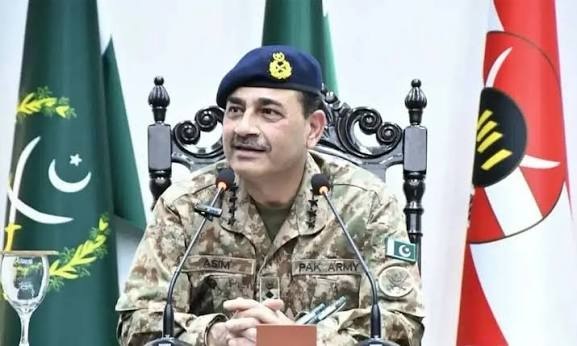 Pakistan Raises Defence Budget from $9 Billion to $10.8 Billion as J-35 Fighter and Hangor Submarine Programs Advance
-
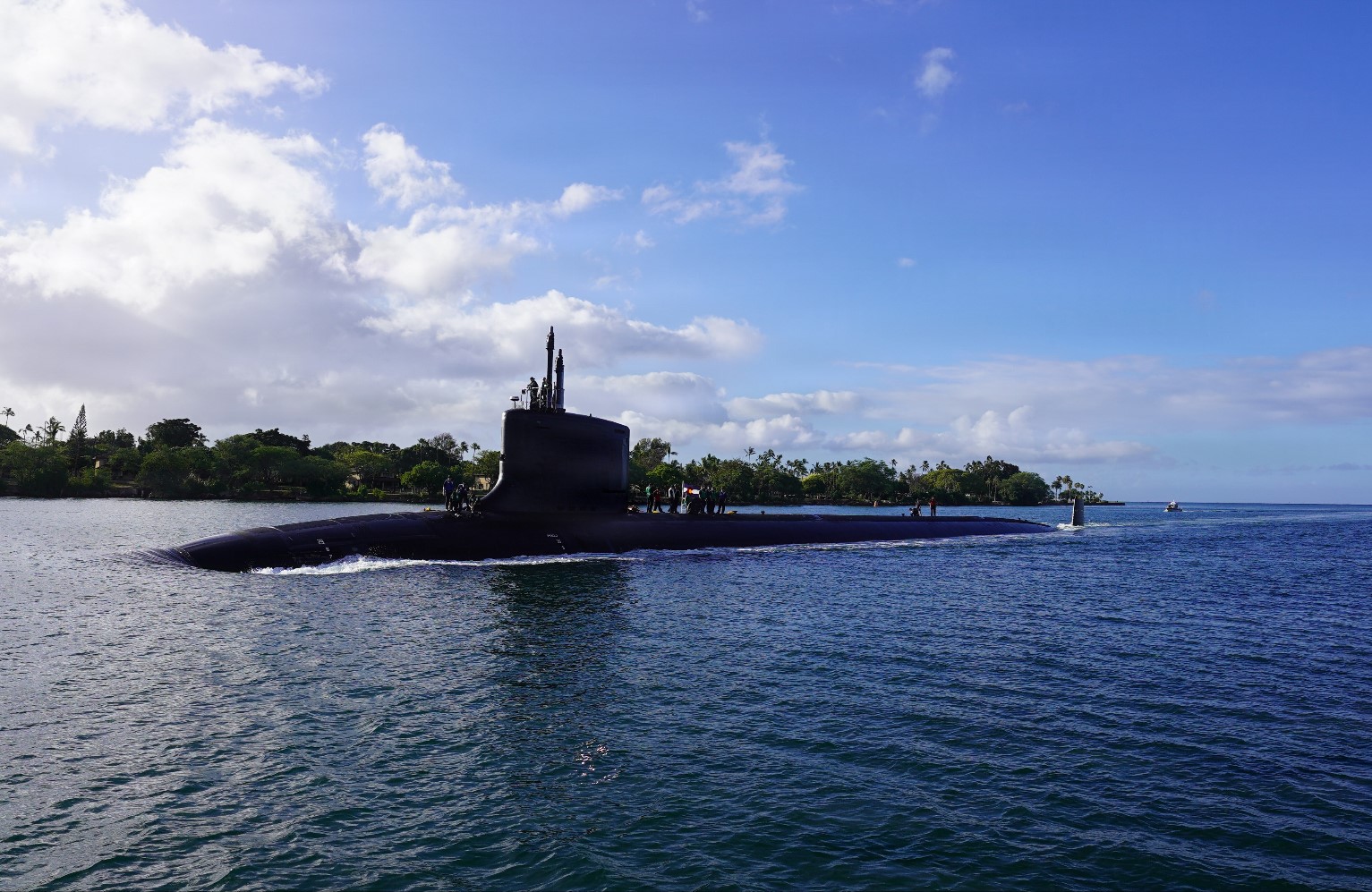 U.S. Navy's USS Colorado Submarine Returns to Pacific Fleet 29 Days Early After Major Pearl Harbor Overhaul
-
 Dassault Seeks Compensation From Airbus as Eurodrone Dispute Erupts After FCAS Collapse
-
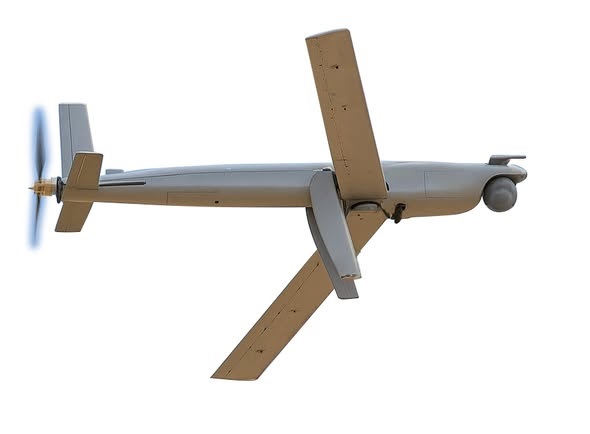 Elbit Systems and Diehl Defence Partner to Offer SkyStriker Loitering Munition to German Armed Forces
-
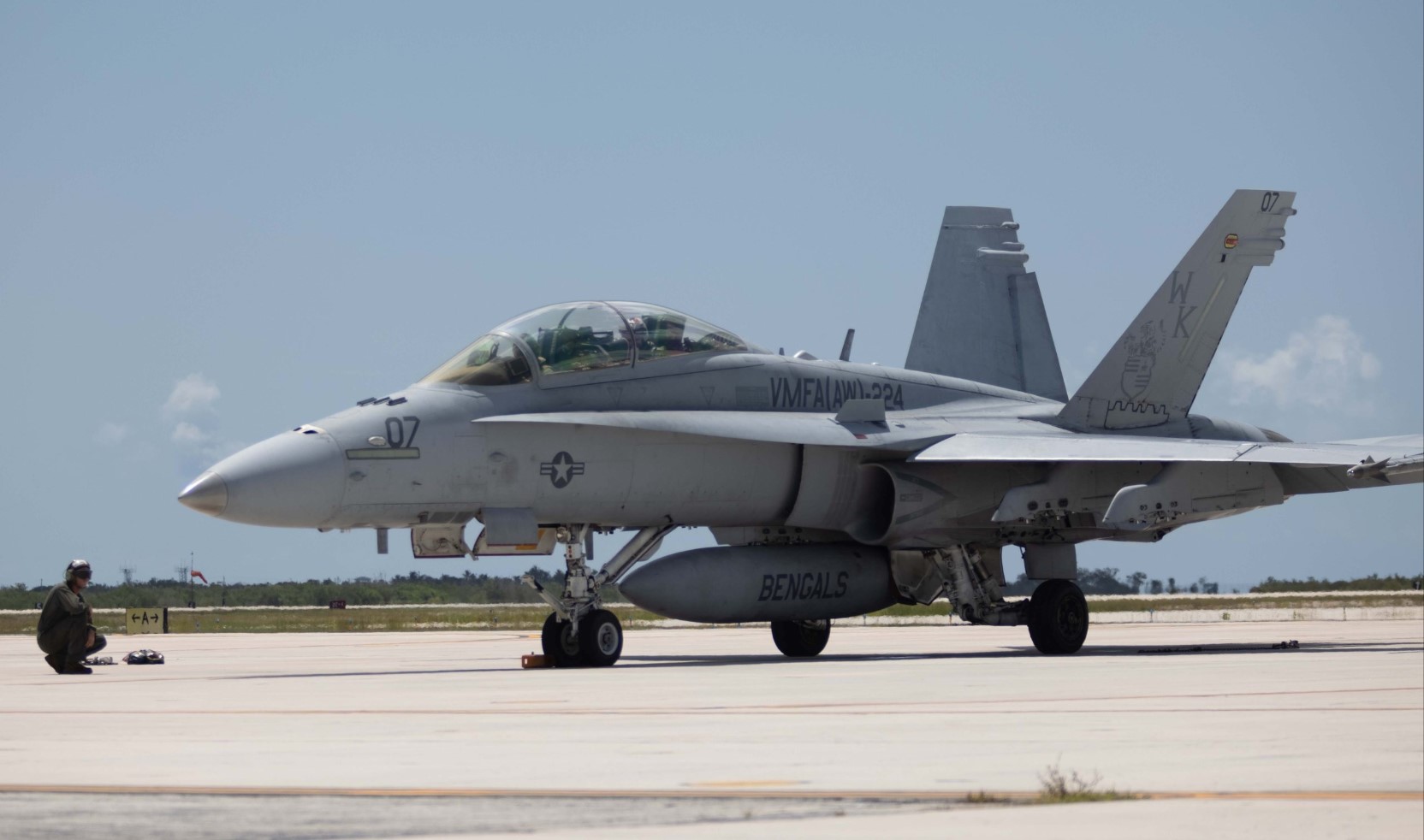 US Marine Corps F/A-18D Hornet Crashes During Training Flight in Washington Mountains; Pilot Ejects Safely
-
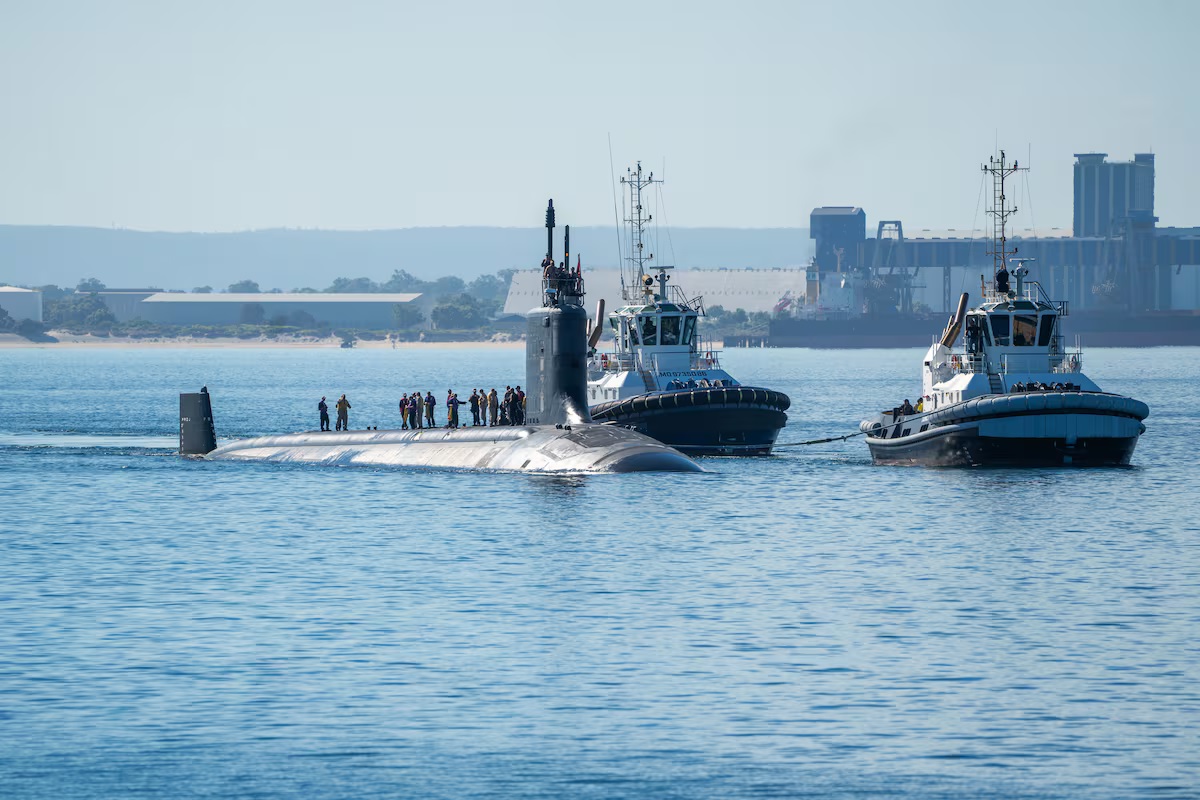 U.S. Navy Reestablishes Submarine Squadron 3 at HMAS Stirling to Support AUKUS Rotational Force
Top Trending in 4 Days
-
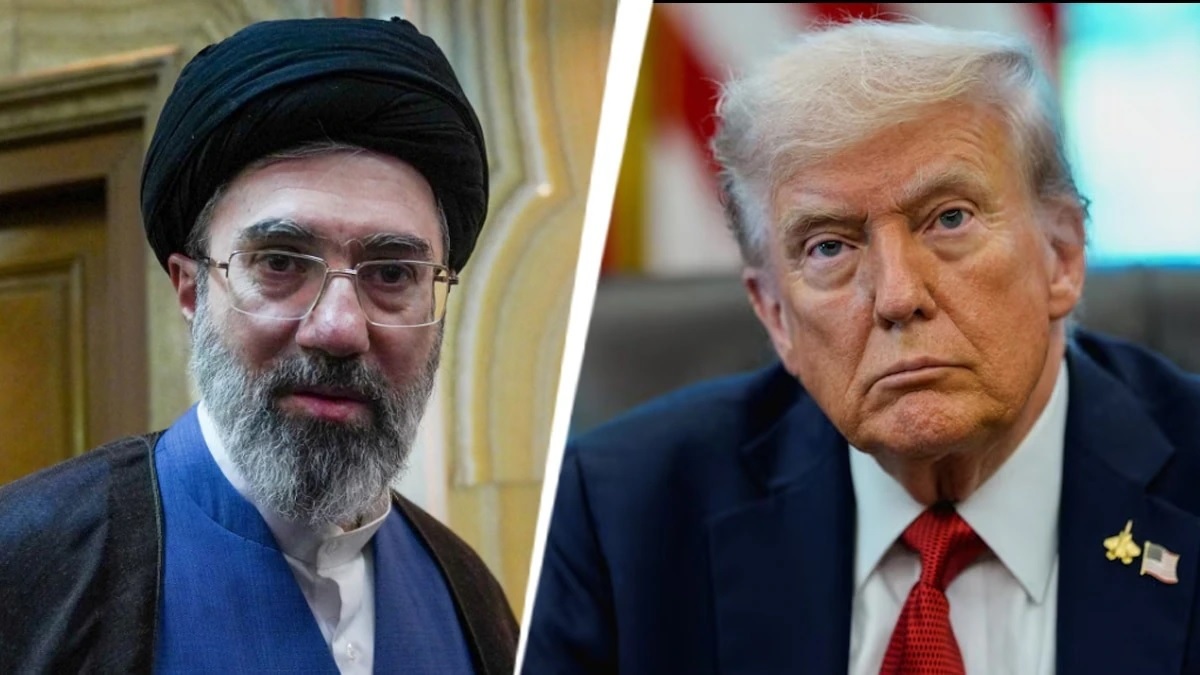 Iranian Media Leaks 14-Point U.S.-Iran Peace Framework Amid Ongoing Negotiations
-
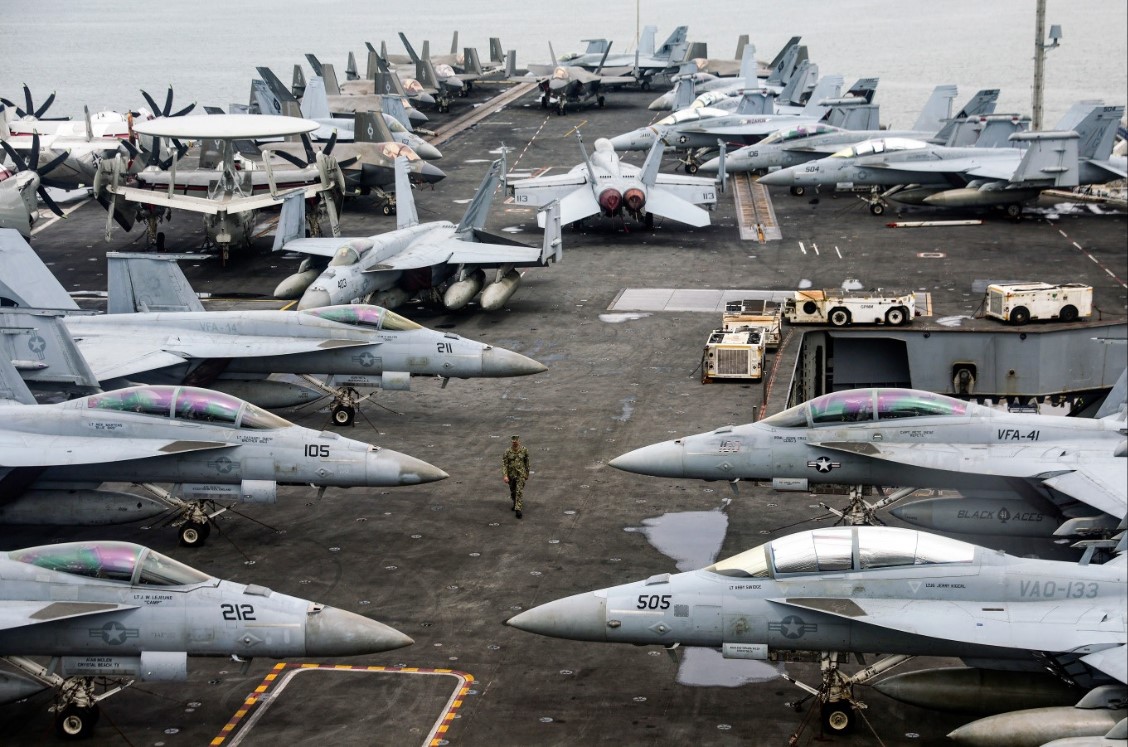 US Plans Significant Reduction of Fighter Jets and Warships for NATO Operations in Europe
-
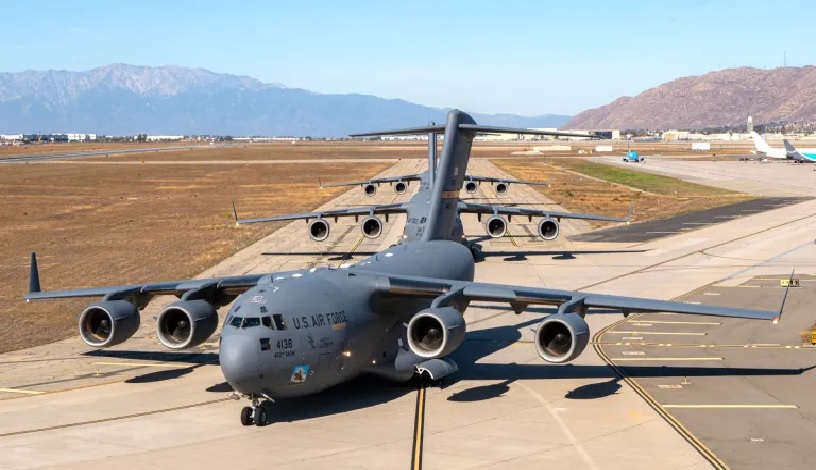 U.S. Air Force Faces Strategic Airlift Shortfall as C-17 Production Restart Remains Uncertain
-
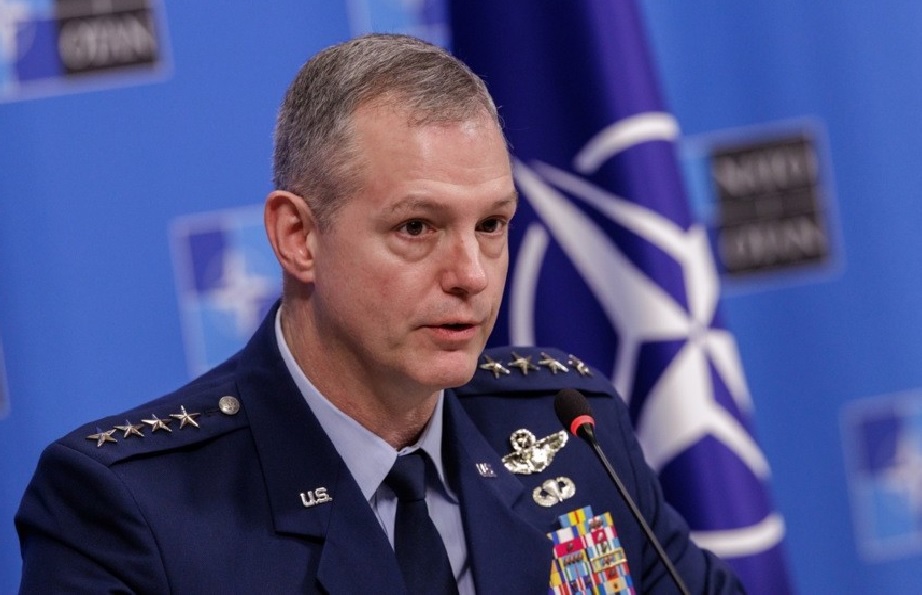 NATO Commander Says Russia Not Seeking Conflict With Alliance Despite U.S. Force Reductions
-
 Russian Defense Firm ZALA Unveils KAMA Unmanned Surface Vessel Family at FLOT-2026 Naval Exhibition
-
 U.S. Space Force Awards $437.7 Million Contracts for First PTS-G Swarm 1 Anti-Jam Satellites
-
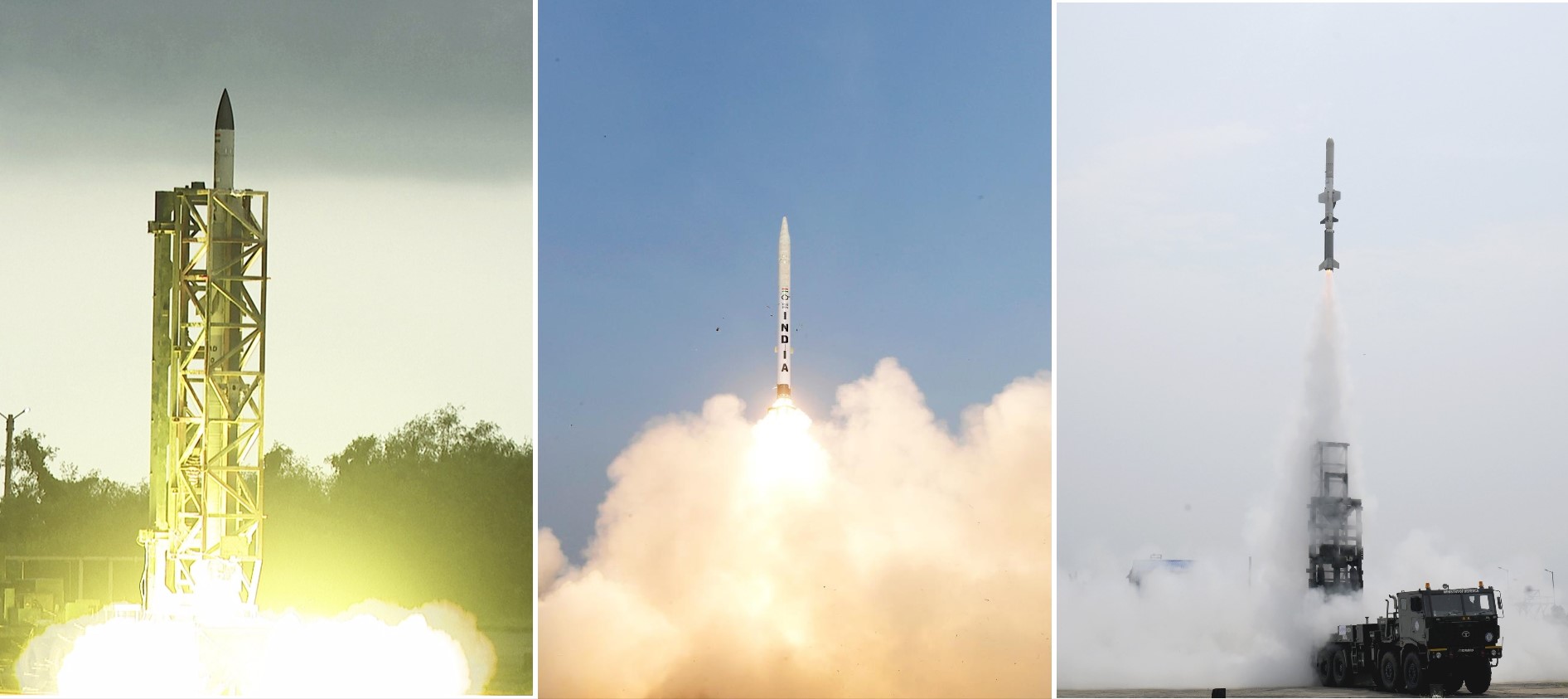 India Successfully Conducts AD-1, AD-2 Interceptor Tests and Maiden NASM-MR Flight Trial
-
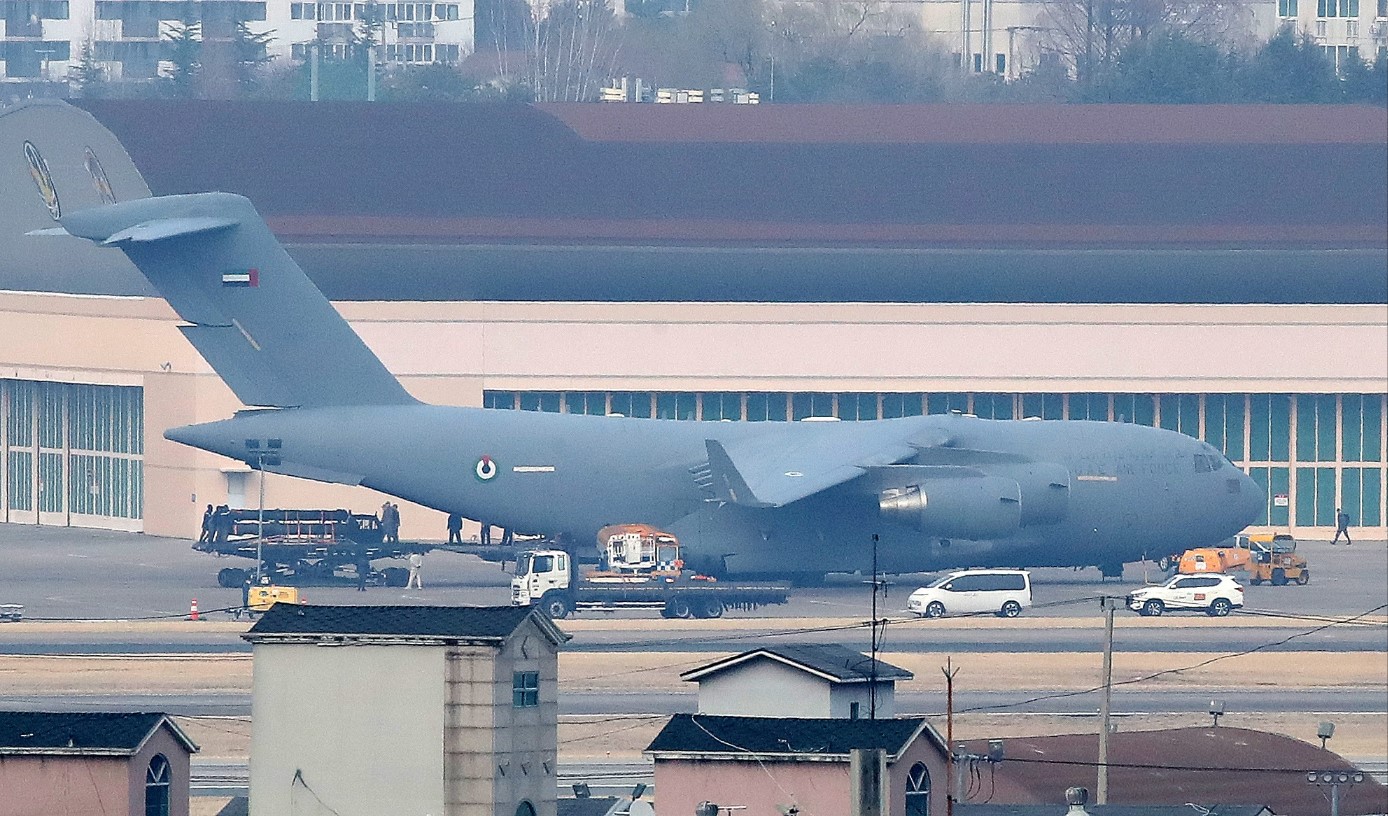 UAE Urgently Airlifts Cheongung-II Missile Defense Battery From South Korea Using Eight C-17 Aircraft