
India
New images of Chinese light tanks suggest advancements in military technology, raising regional security concerns, especially for India. These developments highlight the urgency for India to advance its own light tank program to maintain a competitive edge.Recent images of unidentified Chinese light tanks have surfaced online, causing significant speculation about their specifications and potential impact on regional security, especially concerning India. Captured in transit, the photos show two camouflaged tanks with different gun calibers—105mm and 125mm—and a six-road-wheel design. The tanks' narrow tracks suggest they are lighter than traditional main battle tanks, which aligns with China's reported aim to develop a tank weighing under 40 tons.Analysts believe these tanks could be new variants of the existing Type 15 light tank or entirely new models. The photos reveal features such as modular armor overlays, possibly for dynamic protection, anti-cumulative grilles, and hatches indicating a crew of two, suggesting an unmanned turret and advanced protection systems. Additionally, a rotary installation with two mortars and unidentified sensors implies potential active protection capabilities.These developments are particularly concerning for India, which shares a complex border with China. India is currently developing its own light tank under Project Zorawar, aiming for a 25-ton tank suitable for high-altitude and rugged terrains. The emergence of these Chinese prototypes highlights the urgency for India to accelerate its development and consider incorporating similar advanced technologies to maintain a competitive edge.The possible mass production and deployment of these Chinese light tanks could significantly alter the regional military balance, especially in contested border areas. India and other neighboring countries will closely monitor these developments and reassess their defense strategies.The Type 15 light tank, also known as the ZTQ-15, is designed for operations in mountainous and high-altitude areas. It is equipped with advanced fire control systems, armor protection, and a 105mm gun capable of firing a range of ammunition, including anti-tank guided missiles. The tank's lightweight design allows for rapid deployment and increased mobility in difficult terrains.Project Zorawar, named after the legendary General Zorawar Singh, aims to produce a light tank for the Indian Army that can operate effectively in high-altitude regions such as Ladakh and Arunachal Pradesh. The project emphasizes mobility, firepower, and protection to ensure the tank can perform in diverse and challenging environments.Implications for Regional SecurityThe advancements in Chinese light tank technology could have significant implications for regional security dynamics. If these tanks are deployed in large numbers, they could enhance China's operational capabilities in border regions, potentially altering the military balance.India's response will be crucial in maintaining regional stability. Accelerating Project Zorawar and possibly integrating similar technologies will be essential for India to counterbalance China's advancements. Additionally, strengthening surveillance and reconnaissance capabilities will help India monitor these developments more effectively.In conclusion, the recent sightings of new Chinese light tanks underscore the ongoing arms race in the region. As more information becomes available, the international community will gain a clearer understanding of China's evolving armored capabilities and their potential impact on regional security.
Read More → Posted on 2024-05-26 14:53:59
India
The killing of Khalistani terrorist Hardeep Singh Nijjar has fueled speculation of internal factional violence or revenge, amidst Canada-India tensions. Canadian authorities face criticism for their handling of the case and perceived political support for Khalistani groups. The recent killing of Hardeep Singh Nijjar, a prominent Khalistani terrorist and chief of the Khalistan Tiger Force, has sparked significant controversy and speculation. Canadian officials and media have suggested India's involvement, but several theories indicate internal factional violence or revenge as possible motives.Officials tracking Khalistani groups in Canada believe that the Canadian government, led by Prime Minister Justin Trudeau, is attempting to divert attention from Nijjar's possible role in the assassination of Ripudaman Singh Malik. Malik, a Sikh activist who was acquitted in the 1985 Air India Kanishka bombing, was killed in Surrey, Canada, on July 15, 2022. Malik had praised Indian Prime Minister Narendra Modi for his efforts to support the Sikh community, which made him a target for pro-Khalistan elements.On July 27, 2022, Canadian police arrested Tanner Fox and Jose Lopez for Malik's murder. Fox, who was also implicated in other violent incidents, including a road rage stabbing in 2020, was re-arrested in May 2023 for another murder. However, Canadian authorities closed the investigation into Malik's murder without revealing the motive or connections behind it.Sources suggest that Nijjar orchestrated Malik's killing due to Malik's pro-India stance and growing influence within the Canadian Sikh community. Alternatively, Malik might have been targeted for past Khalistani affiliations or as part of ongoing power struggles among Sikh groups in Canada.A lead provided to Canadian officials hinted that Malik and his associate Balwant Singh Bhandher had printed the Sikh holy book, Guru Granth Sahib, without permission from the Akal Takht, Sikhism's highest authority. This lead, however, was not thoroughly investigated.Nijjar's killing, believed to be a result of factional conflicts or a revenge act for Malik's murder, led to the arrest of four individuals, including 22-year-old Kamalpreet Singh, linked to prominent Sikh figures in Canada and Punjab. The intertwined relationships of these individuals suggest deep-rooted enmity and complex motivations.Canadian authorities have faced criticism for their handling of these cases and their perceived political support for Khalistani groups, which hold significant sway in Canadian elections. Trudeau's government, which includes multiple Sikh ministers, has been accused of legitimizing extremist elements under the guise of free speech, a stance criticized by India's External Affairs Minister S. Jaishankar.Jaishankar highlighted that many individuals with organized crime links from Punjab have found refuge in Canada, complicating bilateral relations. He compared this situation to Pakistan's harboring of criminals like Dawood Ibrahim, emphasizing the challenge India faces in addressing these issues with Canada.In a related development, Canadian police recently warned Hardeep Malik, Ripudaman Malik's son, of potential threats to his life. This warning followed media reports suggesting Indian involvement in Ripudaman Malik's murder, which Indian intelligence sources dismissed as a misinformation campaign.With Canada set to hold elections in October 2025, the current political and electoral dynamics are unlikely to change soon. The complex interplay of crime, politics, and international relations continues to strain Canada-India ties, leaving many questions unanswered about the real motives and actors behind these high-profile killings.The Khalistani movement, seeking an independent Sikh state in Punjab, India, has long been a source of tension between Canada and India. The movement gained momentum in the 1980s but has since diminished in India while finding support among some Sikh diaspora communities, particularly in Canada. The 1985 Air India bombing, one of the deadliest aviation attacks in history, remains a significant point of contention, with ongoing debates about justice and accountability.Canada's political landscape, with its emphasis on multiculturalism and free speech, has often clashed with India's security concerns. The presence of pro-Khalistan elements in Canada and their influence on domestic politics continue to complicate diplomatic relations, highlighting the need for a balanced approach that addresses both security and community rights.
Read More → Posted on 2024-05-26 14:42:42
India
DRDO has transferred its innovative anti-microbial technology to three major textile manufacturers, aiming to enhance hygiene and reduce infections in healthcare settings. This collaboration will produce high-quality hospital linens that meet stringent healthcare standards.The Defence Research and Development Organisation (DRDO) has transferred its innovative anti-microbial technology to three major textile manufacturers: Mafatlal Industries Ltd, Merite Exports Ltd, and Sunil Industries Ltd. This technology, developed at DRDO's Defence Research and Development Establishment (DRDE), is designed to inhibit the growth of harmful microorganisms, such as bacteria, viruses, and fungi, which are often responsible for hospital-acquired infections (HAIs).The integration of this technology into hospital linens is a significant step toward enhancing patient safety and reducing HAIs in healthcare settings. By adopting DRDO's anti-microbial technology, these manufacturers will produce high-quality hospital linens that meet stringent healthcare standards. These linens will be available for both domestic and international markets, addressing the growing global demand for improved infection control solutions in healthcare facilities.Mafatlal Industries, known for its diverse range of textile products, Merite Exports, a leading exporter, and Sunil Industries, specializing in fabric processing, are set to incorporate this technology into their manufacturing processes. The use of anti-microbial linens is expected to improve hygiene standards in hospitals and other healthcare facilities, reducing the burden of infections on healthcare systems.The DRDO's technology offers unique advantages over existing anti-microbial bedsheets on the market. Specifically designed to withstand the demanding conditions of military barracks, these bedsheets retain their anti-microbial properties even after multiple washes. This durability is achieved through the inclusion of Triclosan and CTAB, which ensure long-lasting effectiveness. Additionally, DRDO has developed anti-bed bug bedsheets that remain effective against pests after repeated use.The licensing agreements were formally handed over by DRDO Chief Samir V Kamat during a visit to the Defence Research Laboratory (DRL) in Tezpur, Assam. This event underscores DRDO's commitment to leveraging its research and development expertise for civilian applications, supporting both the armed forces and broader societal needs.This initiative represents a collaborative effort to address the persistent challenge of HAIs. By combining scientific innovation with manufacturing capabilities, the transfer of this technology aims to create a safer and healthier environment for patients and healthcare workers alike.The DRDO's anti-microbial technology aligns with global efforts to enhance infection control in healthcare settings. Hospital-acquired infections are a significant concern worldwide, leading to extended hospital stays, increased medical costs, and higher patient morbidity and mortality rates. Innovations like anti-microbial linens can play a crucial role in reducing these risks.The DRDO's involvement in civilian healthcare solutions demonstrates the potential for military research and technology to benefit public health. The successful deployment of this technology in hospitals could pave the way for further collaborations between defense research institutions and the healthcare industry.In India, the use of advanced materials and technologies in healthcare is part of a broader strategy to improve public health outcomes and ensure the safety of medical environments. By enhancing the quality of hospital linens, the DRDO's technology transfer initiative contributes to this goal, supporting India's efforts to strengthen its healthcare infrastructure and reduce the prevalence of HAIs.
Read More → Posted on 2024-05-26 14:36:58
India
Air-to-air missiles (AAMs) are crucial for maintaining air superiority in modern combat. This article provides a detailed comparison between some of the world’s leading air-to-air missiles and India’s Astra Mark 3, focusing on their specifications, range, and accuracy. 1. AIM-120 AMRAAM (Advanced Medium-Range Air-to-Air Missile)Country of Origin: USAManufacturer: RaytheonSpecifications:Range: 70-180 km, depending on variant (D variant has the longest range)Speed: Mach 4Guidance System: Active radar homingWarhead: High-explosive fragmentationAccuracy: The AIM-120D features advanced electronic protection and high precision due to its sophisticated active radar guidance system.Deployment: Widely used by NATO forces and other allied countries.2. MeteorCountry of Origin: Europe (developed by MBDA)Manufacturer: MBDASpecifications:Range: Over 200 km (classified specifics)Speed: Mach 4+Guidance System: Active radar homing with a two-way data linkWarhead: High-explosive blast fragmentationAccuracy: Renowned for its no-escape zone, which is larger than any other AAM, ensuring high kill probability even at long distances.Deployment: Used by several European air forces and integrated on platforms like the Eurofighter Typhoon, Dassault Rafale, and Saab Gripen.3. R-77 (RVV-AE)Country of Origin: RussiaManufacturer: VympelSpecifications:Range: 300 km, depending on variantSpeed: Mach 4Guidance System: Active radar homingWarhead: High-explosive fragmentationAccuracy: Improved variants feature better guidance and propulsion systems for increased accuracy and longer range.Deployment: Used by Russian and other allied air forces.4. PL-15Country of Origin: ChinaManufacturer: China Academy of Aerospace Aerodynamics (CAAA)Specifications:Range: Over 200 kmSpeed: Mach 4+Guidance System: Active radar homing with a dual-pulse rocket motorWarhead: High-explosive fragmentationAccuracy: Features advanced guidance and propulsion technologies for high accuracy and long-range engagements. It is also equipped with a data link for mid-course updates.Deployment: Integrated on modern Chinese fighter jets such as the J-20, J-16, and J-10C.5. Astra Mark 3Country of Origin: IndiaManufacturer: Defence Research and Development Organisation (DRDO)Specifications:Range: Estimated to be over 300 kmSpeed: Mach 4+Guidance System: Dual-mode seeker (active radar and passive infrared homing)Warhead: High-explosive fragmentationAccuracy: High accuracy is achieved through its sophisticated seeker and data link for mid-course updates, enhancing target tracking and engagement reliability.Deployment: Expected to be integrated on various Indian Air Force platforms including the Sukhoi Su-30MKI, HAL Tejas, and possibly the future AMCA (Advanced Medium Combat Aircraft).Comparative AnalysisRange and SpeedThe AIM-120D AMRAAM, Meteor, PL-15 and Astra Mark 3 all have comparable ranges exceeding 100 km, with slight variations depending on specific versions and conditions.Speed-wise, all these missiles can exceed Mach 4, ensuring they can quickly close the distance to their targets.Guidance SystemsAIM-120 AMRAAM: Utilizes active radar homing which allows for "fire-and-forget" capabilities, enhancing pilot safety.Meteor: Incorporates a two-way data link and active radar homing, providing exceptional accuracy and a large no-escape zone.R-77: Also uses active radar homing with recent improvements for better accuracy.PL-15: Active radar homing with a dual-pulse rocket motor and mid-course update capability.Astra Mark 3: Features a dual-mode seeker (active radar and passive infrared) which improves versatility and engagement reliability, allowing it to track and destroy highly maneuverable targets.Warhead and LethalityAll missiles employ high-explosive fragmentation warheads designed to maximize damage upon impact.The exact lethality often depends on the proximity fuzes and detonation mechanisms which are optimized for different target profiles.Unique Attributes of Astra Mark 3Indigenous Development: Astra Mark 3 symbolizes India's self-reliance in advanced defense technology.Adaptability: Designed to be integrated with multiple platforms, reflecting India's diverse combat aircraft fleet.Advanced Seeker Technology: The dual-mode seeker enhances the missile’s flexibility against a variety of targets and countermeasures.ConclusionThe Astra Mark 3 positions itself as a formidable contender among the world’s best air-to-air missiles. While it stands on par with the AIM-120 AMRAAM, Meteor, PL-15, and R-77 in terms of range, speed, and guidance systems, its dual-mode seeker and indigenous development highlight India's growing capabilities in advanced missile technology. As India continues to refine and deploy the Astra Mark 3, it will significantly bolster the Indian Air Force's combat prowess and strategic autonomy.
Read More → Posted on 2024-05-25 15:58:39
India
The Indian Navy has replaced colonial terms "Jackstaff" and "Jack" with "National Flag Staff" and "National Flag" to emphasize national identity. This change is part of broader efforts to shed colonial remnants and honor India's maritime heritage.In a significant move to break away from its colonial past, the Indian Navy has replaced two long-standing naval terms with titles that hold national significance. The terms "Jackstaff" and "Jack" have been retired and replaced by "National Flag Staff" and "National Flag," respectively."Jackstaff" refers to the short pole at the bow of a ship from which the national flag, or "Jack," is flown. These terms originated from British naval traditions and have been in use since the colonial era. The Indian Navy's decision to change these terms is part of its broader efforts to shed remnants of its colonial heritage and emphasize national pride.This change follows the adoption of a new naval ensign by the Indian Navy in September 2023. The old ensign, featuring the British-inspired George's Cross, has been replaced. The new design includes a blue octagon with twin golden borders surrounding the national emblem atop a clear anchor, while the national flag remains in the upper left corner.The renaming of the flagpole and flag onboard Indian Navy ships reflects a growing focus on national identity and self-reliance. By replacing these terms with their national equivalents, the Navy underscores the importance of India's unique maritime heritage and identity.Additional Context and Historical BackgroundThe Indian Navy has a rich history dating back to ancient times, with a strong tradition of maritime trade and exploration. However, much of its modern structure and terminology were inherited from the British Royal Navy, which established control over India's waters during the colonial period.The shift towards adopting more nationally significant symbols and terms began in earnest after India gained independence in 1947. The renaming of naval terms is the latest step in this ongoing process. It reflects a broader trend within the Indian military and government to promote indigenous traditions and symbols.Modernization and Strategic DevelopmentsIn recent years, the Indian Navy has been undergoing significant modernization and expansion. This includes the acquisition of new ships, submarines, and aircraft, as well as the development of indigenous defense technology. The focus on national pride and self-reliance is evident in these efforts, as India seeks to reduce dependence on foreign suppliers and enhance its strategic capabilities.International Collaboration and Future PlansDespite this focus on self-reliance, the Indian Navy continues to engage in international collaborations and joint exercises with other navies. These efforts aim to strengthen maritime security in the Indian Ocean region and beyond. As India expands its naval capabilities, it is also working to build stronger partnerships with countries like the United States, Japan, and Australia through initiatives like the Quadrilateral Security Dialogue (Quad).ConclusionThe Indian Navy's decision to replace colonial-era terms with national ones is a symbolic yet meaningful step towards embracing a more distinctly Indian identity. This change, along with the adoption of a new naval ensign, reflects the Navy's commitment to honoring India's heritage while continuing to modernize and enhance its capabilities. As India looks to the future, its naval forces will play a crucial role in safeguarding the nation's maritime interests and promoting regional stability.
Read More → Posted on 2024-05-25 15:28:14
India
Google to export drones made in Tamil Nadu to the US and Australia, showcasing India's growing high-tech manufacturing capabilities and the success of the 'Make in India' initiative.In a significant boost to India's high-tech manufacturing sector, Google is set to export drones manufactured in Tamil Nadu to various countries, including the United States and Australia. This development highlights India's growing capability in producing advanced technology products and underscores the global demand for Indian-manufactured goods.Google's decision to manufacture drones in Tamil Nadu aligns with the Indian government’s ‘Make in India’ initiative, launched in 2014. The initiative aims to turn India into a global manufacturing hub by encouraging both multinational and domestic companies to produce their goods within the country. Google's move to export drones from its Indian facility is a testament to the initiative's success and India's rising prominence in the global supply chain.Tamil Nadu has become a strategic manufacturing hub due to its robust infrastructure and favorable business environment. The state government has actively created a supportive ecosystem for high-tech industries by providing incentives and investing in necessary infrastructure. This proactive approach has attracted significant investments from global tech giants like Google, which see Tamil Nadu as an ideal location for their manufacturing operations.The global demand for drones is increasing, driven by their applications in various sectors such as agriculture, surveillance, logistics, and more. The US and Australia have shown particular interest in acquiring advanced drone technology for both commercial and security purposes. By manufacturing drones in India, Google can meet this growing demand while benefiting from the cost advantages and skilled workforce available in the country.The export of drones from India is expected to have a positive economic impact, including job creation and boosting the local economy. It will also contribute to India’s export revenues and help reduce the trade deficit. Additionally, this move will enhance India’s position as a key player in the global technology landscape, reinforcing its reputation as a reliable supplier of high-tech products.According to reports, the Indian drone market is projected to grow significantly in the coming years. The market was valued at USD 2.8 billion in 2022 and is expected to reach USD 4.2 billion by 2025, with a compound annual growth rate (CAGR) of 15.6%. This growth is driven by increasing demand for drones in sectors such as agriculture, infrastructure, and security.The Indian government has also implemented supportive policies to foster the growth of the drone industry. In 2021, the government released the Drone Rules 2021, which simplified the regulatory framework for drones and reduced the compliance burden on operators. These rules are designed to promote innovation and make it easier for companies to operate and manufacture drones in India.Google's involvement in drone manufacturing in Tamil Nadu is part of a broader trend of global tech companies investing in India's manufacturing sector. With its skilled workforce, cost advantages, and supportive government policies, India is well-positioned to become a leading hub for high-tech manufacturing.In conclusion, Google's decision to export drones manufactured in Tamil Nadu to the US and Australia marks a significant milestone for India's tech industry. It reflects the success of the 'Make in India' initiative and highlights India's potential as a global manufacturing powerhouse. This move is expected to create economic benefits, enhance India's global standing in technology, and contribute to the growth of the country's drone industry.
Read More → Posted on 2024-05-25 15:20:17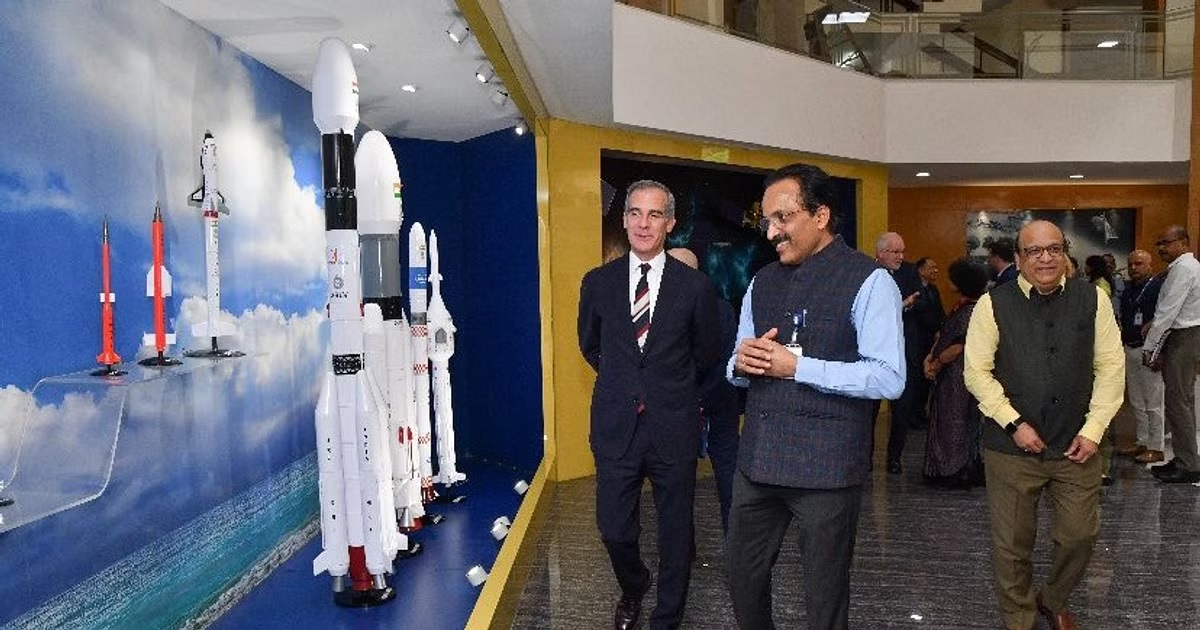
India
The US proposes a QUAD satellite collaboration with India, strengthening space cooperation with Japan and Australia. This initiative aims to enhance mutual capabilities and foster international partnerships in space technology and exploration.US Ambassador to India, Eric Garcetti, has proposed the development of a "QUAD satellite" in partnership with India. This initiative aims to strengthen the cooperation between the two countries in the field of space exploration and technology.During his official visit to Bengaluru, Garcetti met with S Somanath, the Chairman of the Indian Space Research Organisation (ISRO), at ISRO headquarters. They discussed ongoing collaborations and future prospects in space science and technology.The proposal for the QUAD satellite is a significant step in the partnership between India and the US. The concept is expected to involve not just India and the US, but also Japan and Australia, the other members of the QUAD grouping, to enhance space collaboration among these nations.ISRO stated that during the meeting, Chairman Somanath highlighted the potential for developing advanced detectors and packaging technologies through collaborations with US-India academic institutions. He also emphasized the importance of standardizing docking interfaces across human space programs to facilitate international cooperation on space platforms. Additionally, he discussed the possibility of developing a navigation system for the moon, either in orbit or on its surface.In a social media post, Garcetti expressed his commitment to strengthening the US-India space partnership. He mentioned the ongoing collaboration on the NASA-ISRO Synthetic Aperture Radar (NISAR) satellite, human spaceflight initiatives, and commercial space endeavors as part of the US-India Initiative on Critical and Emerging Technology.The discussions also covered other mutual interests and shared goals, such as the Artemis Accord, the use of the Laser Reflectometer Array on Chandrayaan-3, and ongoing associations through various Joint Working Groups. Garcetti inquired about the Department of Space's role in promoting commercial space activities. Somanath explained that for the first time, payload technology and space-bound hardware are being developed in Indian facilities outside of ISRO labs. ISRO plans to source payloads and satellites from Indian companies to help them enter the global market.The meeting also touched upon NASA’s potential participation in India's proposed G-20 satellite for environmental and climate change monitoring. They discussed encouraging cooperation between commercial companies from both countries for faster and more effective outcomes. Additionally, they explored the Gaganyaan cargo module as an option for transferring cargo to the International Space Station (ISS).Garcetti praised ISRO's achievements and its significant role in global space exploration. Future programs discussed included exchange visits of professionals from both sides, continuation of balloon experiments, and identifying milestones for collaborative projects.The proposed QUAD satellite initiative and the continued collaboration between ISRO and NASA underscore the growing strategic partnership between India and the US in the space sector. This partnership is expected to contribute significantly to advancements in space technology and exploration, benefiting both nations and the broader international community.The QUAD, or Quadrilateral Security Dialogue, is a strategic forum comprising the United States, India, Japan, and Australia. Initially formed to ensure a free and open Indo-Pacific, the QUAD has been expanding its focus to include cooperation in various fields, including space.The NISAR mission, a joint project between NASA and ISRO, aims to measure changes in the Earth's ecosystems, ice mass, and crust. It is expected to provide critical data for understanding climate change, natural disasters, and other environmental phenomena.The Artemis Accords are a set of principles for international cooperation in space exploration, led by NASA, to ensure peaceful and transparent activities on the moon, Mars, and beyond.India’s Gaganyaan mission aims to send Indian astronauts into space, making India one of the few countries to have independent human spaceflight capabilities. The mission includes developing a cargo module for potential use with the ISS, showcasing India's growing capabilities in human spaceflight and international space collaboration.
Read More → Posted on 2024-05-25 15:10:29
India
HAL's HLFT-42 supersonic trainer jet project faces delays due to IAF indecision and financial concerns, jeopardizing its future. HAL continues development using its own resources, aiming for a potential rollout in the early 2030s.Hindustan Aeronautics Limited (HAL) is facing significant challenges with its HLFT-42 supersonic trainer jet project. Unveiled in 2023, the "Next Gen Supersonic Trainer" promised to revolutionize pilot training for India's advanced fighter jets, also offering capabilities as a light combat jet. However, the project is now experiencing delays due to indecision from the Indian Air Force (IAF) and financial viability concerns.The HLFT-42 was envisioned as a versatile aircraft with a Maximum Take-Off Weight (MTOW) of 16.5 tons and a weapon payload capacity of 4.5 tons. It was designed to train pilots for 4th and 5th generation fighter jets and to perform combat missions. Despite this potential, the project is stalled because HAL and the IAF have yet to finalize the aircraft's configuration or choose an engine.This uncertainty is raising financial concerns. HAL needs to know how many units the IAF will purchase to determine if the investment in the HLFT-42 project is worthwhile. This lack of commitment is causing delays and creating doubts about HAL's ability to sustain the project financially.Despite these challenges, HAL is pushing forward. The company plans to use its own funds and parts from existing Tejas programs to build a prototype. However, the final engine decision remains unresolved. HAL aims to equip the HLFT-42 with a more powerful engine than the F-414 used in the Tejas MkII, but specifics are still unclear.The IAF's indecision and the project's financial uncertainties are leading some to question HAL's commitment to the HLFT-42. Even if these issues are resolved soon, the earliest expected rollout is in the early 2030s.The HLFT-42 project highlights the broader challenges in India's defense manufacturing sector. The delays and uncertainties underscore the need for clear direction and commitment from the IAF and other stakeholders to ensure the project's success.The HLFT-42's development comes at a time when India is seeking to enhance its indigenous defense manufacturing capabilities. The country has been pushing for greater self-reliance in defense technology, and projects like the HLFT-42 are critical to this goal. The delays in the HLFT-42 project, however, reflect ongoing issues in aligning military needs with domestic production capabilities.HAL's Tejas program, which is supplying parts for the HLFT-42 prototype, has also faced its own set of challenges, including delays and budget overruns. These issues highlight the complexities of developing advanced military aircraft domestically.For India to achieve its goal of becoming a major defense manufacturer, it will need to address these systemic issues. Clearer communication and commitment from the IAF, along with a robust financial strategy, are essential for the success of projects like the HLFT-42. Until these issues are resolved, the future of India's next-generation supersonic trainer jet remains uncertain.
Read More → Posted on 2024-05-25 15:02:20
India
General Manoj Pande highlights the evolving nature of warfare and stresses the importance of technical competency during the NDA passing out parade in Pune, India.General Manoj Pande, Chief of Army Staff, emphasized the rapidly changing nature of warfare driven by technological advancements in space, cyber, and information domains. His remarks came during the passing out parade of the 146th course of the National Defence Academy (NDA) in Pune.Addressing the cadets, General Pande stressed the need for enhancing technical competencies to operate effectively in future battlefields. He noted that within a year, these cadets would become commissioned officers responsible for leading men and women in combat. An alumnus of the 61st course of NDA, General Pande highlighted the importance of technical skills and urged cadets to increase their competency to handle the complexities of modern warfare."A true leader leads by example and earns the trust of those under his command," he said. He reminded the cadets that while they come from diverse backgrounds, they all share the common goal of serving their country through soldiering. He encouraged them to be proud of their achievements, noting that only a few are selected to serve in the armed forces. "Your journey in uniform will be long and filled with opportunities to prove your mettle," he added.General Pande also emphasized the importance of building lasting friendships and identifying role models and mentors for guidance throughout their careers. He acknowledged the critical role of human elements in the battlefield, despite technological advancements. "Your training at NDA has introduced you to fundamental aspects of leadership. Continue to sharpen these skills as you progress in your careers," he advised.The inclusion of female cadets was a notable aspect of the parade, with 24 female cadets participating, symbolizing the commitment towards inclusive armed forces and the empowerment of women, referred to as "Nari Shakti."The parade saw participation from 1,265 cadets, including 337 from the passing out course. The 146th course comprised 199 Army cadets, 38 Naval cadets, and 100 Air Force cadets, alongside 19 cadets from friendly foreign countries such as Bhutan, Tajikistan, Afghanistan, Sri Lanka, Myanmar, and the Maldives. Known as the cradle of military leadership, NDA is India's premier Joint Services Training Institution. The cadets, who were inducted in June 2021, completed three years of rigorous military training before passing out in the grand ceremonial event. They will now join their respective pre-commissioning training academies.The NDA continues to play a pivotal role in shaping future leaders of the Indian armed forces, providing comprehensive training that blends academic and military education. This institution's legacy of producing distinguished officers underscores its importance in the defense sector.The National Defence Academy (NDA) in Pune, established in 1954, is the world's first tri-service academy. It has produced several notable alumni who have served with distinction in various capacities. The academy offers a rigorous curriculum that combines academic studies with physical and military training, preparing cadets for their roles in the Indian Army, Navy, and Air Force.India's defense strategy is increasingly focusing on technological advancements. The Indian armed forces are investing in modern technologies, including artificial intelligence, cyber capabilities, and advanced weaponry, to enhance their operational effectiveness. The integration of these technologies is crucial for maintaining a competitive edge in modern warfare.The inclusion of female cadets in NDA reflects India's commitment to gender equality in the armed forces. The move aligns with global trends of increasing female participation in military roles, ensuring that the armed forces benefit from the diverse talents and perspectives that women bring to the table.The passing out parade at NDA is a significant event, symbolizing the transition of cadets into commissioned officers ready to serve their nation. This ceremony not only marks the culmination of their training but also the beginning of their journey in the Indian armed forces, where they will uphold the values of duty, honor, and country.
Read More → Posted on 2024-05-25 11:04:26
India
Tensions rise in Nagaland as NSCN-IM accuses Indian security forces of colluding with Kuki rebels, potentially jeopardizing ongoing peace talks. This escalation highlights complex ethnic dynamics and impacts regional stability.Tensions are escalating in Nagaland as the National Socialist Council of Nagaland-Isak-Muivah (NSCN-IM) accuses Indian security forces of collaborating with Kuki rebel groups operating in neighboring Manipur. The NSCN-IM, a significant participant in ongoing peace talks with the Indian government, firmly denies any involvement in the recent violence between the Meitei and Kuki-Zo communities in Manipur. Instead, they allege that the Indian Army's Assam Rifles (AR) and Para Regiment are siding with Kuki militants, particularly the Kuki National Army (KNA) from Myanmar.The NSCN-IM claims this alleged collaboration has led to a volatile "war-like" atmosphere along the India-Myanmar border, with increased movement and activity by Kuki militants. They also accuse the National Investigation Agency (NIA) of falsely implicating them in the Manipur conflict to deflect blame.These accusations pose a serious threat to the peace talks between the NSCN-IM and the Indian government. Trust and transparency are vital for these discussions to progress, and the current situation risks undermining the advances made so far.The KNA and other Kuki groups have reportedly been active in the Manipur conflict, with open-source information indicating cross-border movements between Manipur and Myanmar. The KNA, which has been involved in various insurgent activities, seeks autonomy and has been part of the complex ethnic dynamics in the region.The NSCN-IM, formed in 1980, has been fighting for Naga sovereignty and greater autonomy. After decades of conflict, the group entered into peace talks with the Indian government in 1997, leading to a ceasefire agreement. Despite ongoing negotiations, a final peace accord has yet to be reached, with both sides working through various issues, including territorial claims and political autonomy.The recent allegations by the NSCN-IM add a layer of complexity to an already intricate situation. The Indian government has not officially responded to these claims, but the accusations could strain the relationship between the NSCN-IM and the Indian state, potentially impacting the broader peace process.The future of the Naga peace process remains uncertain. It is crucial for all parties involved to prioritize dialogue and cooperation to achieve a lasting and peaceful resolution to this long-standing conflict. The Indian government must address these allegations transparently to maintain the trust essential for the peace talks. Simultaneously, the NSCN-IM needs to engage constructively in the negotiations to ensure the aspirations of the Naga people are met within a framework acceptable to all stakeholders.As tensions rise, the international community and regional observers will closely watch developments in Nagaland and Manipur. The successful resolution of these conflicts is vital for the stability and prosperity of the northeastern region of India, which has long been marred by insurgency and ethnic strife.
Read More → Posted on 2024-05-25 04:24:33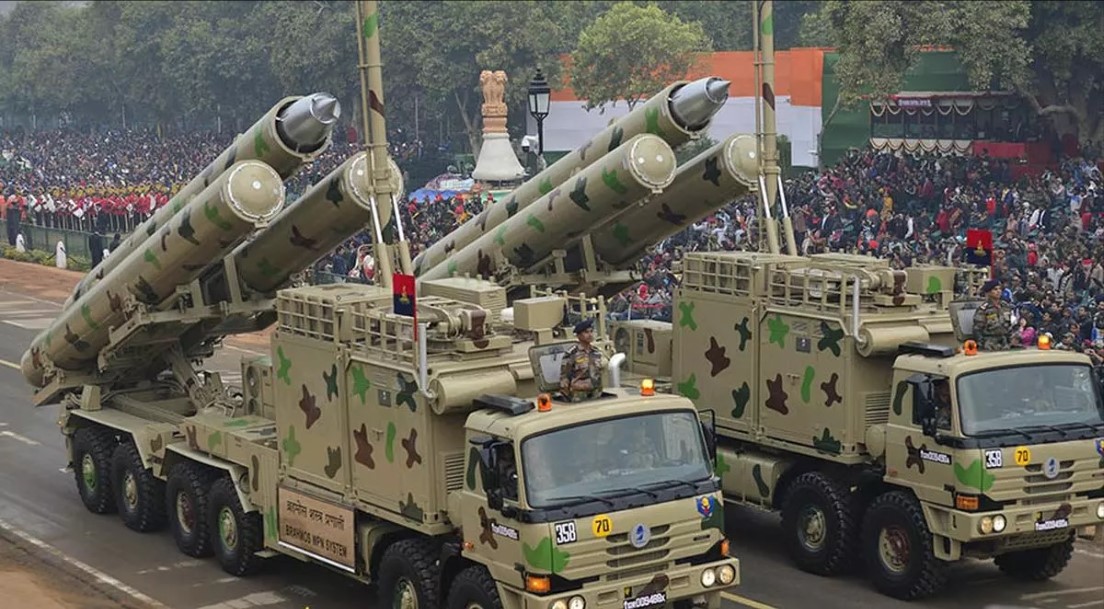
India
UPA government's caution on BrahMos missile exports to Philippines and Indonesia due to concerns of offending China highlights India's strategic considerations in defense diplomacy.During the tenure of the UPA government, the BrahMos corporation, led by Dr. Apathukatha Sivathanu Pillai, encountered bureaucratic challenges regarding the export of BrahMos missiles. Leaked documents sent to Dr. Pillai by the Ministry of Defence (MoD), Ministry of External Affairs (MEA), and the Foreign Secretary revealed that the government was cautious about exporting these missiles to the Philippines and Indonesia to avoid offending China.The Ministry of External Affairs raised concerns when a BrahMos team planned a visit to the Philippines without obtaining political clearance. The team was instructed to delay their trip until proper clearance was granted and to consult with the MEA beforehand. Similarly, a planned visit by an Indonesian delegation to the BrahMos Aerospace office in New Delhi was called off. The Ministry of Defence cited the need for a final decision on BrahMos missile exports before allowing such discussions, even though Indonesia had not officially raised the issue of missile purchases during meetings.The MoD expressed concern that previous interactions, such as showcasing BrahMos missiles on ships visiting Indonesia and discussions with BrahMos Aerospace, might have sent misleading signals about India's willingness to export. Consequently, the Foreign Secretary issued a broader policy directive to Dr. Pillai. This directive supported the principle of exporting BrahMos missiles to select countries under specific conditions related to national security, foreign policy interests, and international obligations. However, it emphasized a freeze on discussions about exports until the government finalized its overall missile export policy.The directive referred to a previous MoD position, approved by the then Defence Minister, which put a hold on all discussions about BrahMos exports until the “general issue of missile exports” was decided. This policy approach highlighted the UPA government's careful consideration of the implications of BrahMos exports. While the government was supportive of the BrahMos program in principle, it prioritized formulating a comprehensive export policy before entering into agreements.The BrahMos missile, developed jointly by India and Russia, is one of the world's fastest supersonic cruise missiles. It can be launched from various platforms, including ships, aircraft, submarines, and land-based systems. The missile's versatility and advanced technology have made it a sought-after weapon system by several countries.Despite the hurdles faced during the UPA government, the BrahMos missile has since become a significant element of India's defense exports. The missile's export is governed by stringent guidelines to ensure that it does not destabilize regional security dynamics. In recent years, the Indian government has approved the export of BrahMos missiles to several countries, including the Philippines, marking a significant milestone in India's defense export policy.India's cautious approach during the UPA era laid the groundwork for a more structured and strategic export policy. This policy ensures that exports align with India's national security interests and foreign policy objectives while adhering to international non-proliferation norms. The export of BrahMos missiles today reflects India's growing role as a responsible defense exporter on the global stage.
Read More → Posted on 2024-05-25 04:06:44
India
Prime Minister Modi criticizes Congress and AAP while highlighting achievements for the Sikh community in Patiala rally, emphasizing government's contributions and addressing key issues.Prime Minister Narendra Modi, during a rally in Patiala, criticized the Congress party and the current AAP government in Punjab while highlighting his government’s achievements for the Sikh community. The rally was part of the campaign for the seventh phase of the Lok Sabha elections on June 1.Modi asserted that if he had been in power during the 1971 Indo-Pak War, he would have taken Kartarpur Sahib from Pakistan before freeing the 90,000 Pakistani soldiers who surrendered. He blamed the Congress for the partition of India, which left the Kartarpur Sahib gurdwara in Pakistan, just a few kilometers from the Indian border. He emphasized that Sikhs had to view the gurdwara with binoculars for 70 years until the opening of the Kartarpur Corridor in 2019, a move facilitated by his government to ease travel for Sikh pilgrims.During his address, Modi called Chief Minister Bhagwant Mann a "Kagazi CM" (chief minister only on paper) and accused the AAP government of corruption and failing to curb the drug trade in Punjab. He claimed that the state government is heavily in debt, with trade and industry leaving Punjab while the sand and drug mafias flourish.Modi also accused the Congress and AAP of enacting a facade by fighting against each other in Punjab while collaborating in Delhi. He urged the people of Punjab to be wary of both parties, describing them as different outfits of the same entity.Highlighting his government’s contributions to the Sikh community, Modi mentioned the tax exemption on materials used for making 'langar' (community meals) and relaxed foreign donation norms for the Golden Temple. He noted the establishment of 'Veer Baal Diwas' to honor the martyrdom of Guru Gobind Singh's sons and efforts to bring Sikh families and 'saroops' (scriptures) of Guru Granth Sahib from Afghanistan.Modi praised the historical contributions of Punjab and the Sikh community to India’s nation-building efforts. He expressed his deep connection to the community, noting his efforts to rebuild a gurdwara in Gujarat that Guru Nanak Dev had visited, which was damaged in an earthquake. He emphasized that his actions were not driven by electoral gains but by respect for Sikh sacrifices.Addressing the Citizenship (Amendment) Act, Modi said it was enacted to help persecuted Sikh families in Pakistan and Bangladesh, dismissing allegations that it was a vote-bank tactic. He also pointed out that his government had increased the Minimum Support Price (MSP) for wheat and paddy and had ensured a record purchase of these crops from Punjab in the last decade.Security measures were heightened for the rally due to a call from farmer bodies to demonstrate against Modi. Despite the criticism, Modi's address focused on his government's efforts to support the Sikh community and his vision for Punjab's development.
Read More → Posted on 2024-05-24 16:16:21
India
NSA Ajit Doval stresses the importance of border security for India's economic growth at the Rustamji Memorial Lecture, highlighting the need for continuous vigilance and advancements in defense capabilities.India's National Security Advisor, Ajit Doval, emphasized the critical role of border security in the country’s economic development during the Rustamji Memorial Lecture organized by the Border Security Force (BSF). Speaking at the 21st investiture ceremony, Doval highlighted that India's growth could have been significantly faster if its borders were more secure and defined.Doval pointed out that secure borders are crucial for economic progress. He stated, "In the foreseeable future, I don't think our borders are going to be as secure as we will require for our fast economic growth. So, the responsibility on border guarding forces has become very, very heavy. They have got to remain on alert 24x7 in perpetuity. They have got to see that our national interests and country are protected."Highlighting the importance of borders, Doval remarked that they define the sovereignty of a nation. He stressed the need for vigilance and continuous alertness by the border forces to protect national interests.The government has prioritized border security over the past decade, during which India’s comprehensive national power has significantly increased. Doval noted that India is on a fast track of change and predicted that within the next ten years, the country will become a USD 10 trillion economy, making it the third largest economy globally. This rapid economic growth will be accompanied by advancements in high-technology sectors, including artificial intelligence, semiconductors, quantum computing, and various areas of defense and security manufacturing.Doval also highlighted India's progress in defense exports. The country, once a major arms importer, exported USD 2.5 billion worth of arms as of March 31, driven by the government's policy of self-reliance under the Atmanirbhar Bharat initiative.Despite these advancements, Doval cautioned that prosperity brings both security and increased vulnerability. He emphasized that the elements contributing to national power, including the economy, geographical expanse, geo-strategic positioning, defense forces, and technological achievements, are all critical to India’s security.In the broader context, Doval's remarks underscore the ongoing challenges India faces in securing its borders. These challenges are compounded by the complex geopolitical landscape, with disputes along the borders with both Pakistan and China. Enhanced border security measures are essential for safeguarding national sovereignty and facilitating uninterrupted economic progress.India has been actively strengthening its border infrastructure and capabilities. The Border Security Force (BSF) and other agencies have been equipped with advanced surveillance technologies, including drones and satellite imagery, to monitor and secure the borders effectively. Furthermore, the government has undertaken numerous infrastructure projects to improve connectivity in border areas, ensuring rapid deployment of forces and resources when needed.In recent years, India has also engaged in diplomatic efforts to resolve border disputes and enhance regional stability. However, the dynamic and often tense geopolitical environment requires continuous vigilance and adaptation of strategies to ensure border security and national sovereignty.India's strategic position and its aspirations to become a global economic powerhouse necessitate robust border security measures. The country's comprehensive approach, combining technological advancements, infrastructural development, and international cooperation, aims to address these challenges effectively while promoting economic growth and stability.
Read More → Posted on 2024-05-24 15:44:59
India
L&T Technology Services has inaugurated a Simulation Centre of Excellence for Airbus in Bangalore, enhancing support for Airbus aircraft structural simulation across its European units. This collaboration aims to unify processes and boost efficiency, reinforcing LTTS's role in aerospace innovation.L&T Technology Services (LTTS) has announced the opening of a Simulation Centre of Excellence for Airbus at its state-of-the-art campus in Bangalore. This new centre aims to provide robust engineering support for Airbus aircraft structural simulation activities across its European business units in France, Germany, the UK, and Spain.The Simulation Centre of Excellence is equipped with advanced simulation software, hardware, and high-performance computational machinery. Its primary goal is to unify and standardize processes across all Airbus European business units and aircraft programs, enhancing efficiency and productivity to ensure timely completion of program milestones.Initiated approximately 18 months ago with a specialized core team, the Centre of Excellence has shown substantial growth and development. LTTS plans to significantly expand the centre over the next two years, reflecting its commitment to fostering innovation and excellence in aerospace engineering.Alind Saxena, President of Sales and Executive Director at L&T Technology Services, highlighted the significance of this development, stating, “The establishment of the Simulation CoE for Airbus underscores our commitment to innovation and efficiency alongside Airbus. This Centre is designed to create a standardized, efficient framework that supports Airbus’ aircraft programs. Together, we are shaping the future of aviation, ensuring our collaboration drives success in India and globally.”The launch of the Simulation Centre of Excellence marks a decade of collaboration between LTTS and Airbus India, showcasing a shared dedication to innovation in the aerospace industry. This centre serves as a foundation for both companies to strengthen their presence in key markets like Europe and India, driving forward with standardized processes that enhance operational efficiency and productivity.LTTS, a leading global engineering services company, offers consultancy, design, development, and testing services across various industries, including aerospace, automotive, and telecommunications. The company’s partnership with Airbus India has been instrumental in advancing aerospace engineering capabilities, reflecting their mutual commitment to technological innovation and excellence.The Simulation Centre of Excellence aims to leverage LTTS's expertise in digital engineering and simulation technologies to support Airbus's mission of developing cutting-edge aircraft. By providing a centralized hub for simulation activities, the centre will enable Airbus to optimize its engineering processes and reduce time-to-market for new aircraft designs.This initiative is part of LTTS's broader strategy to expand its digital engineering capabilities and reinforce its position as a key partner for global aerospace leaders. The centre’s development aligns with industry trends towards increased reliance on simulation and digital twins to enhance product development and operational efficiency.The collaboration between LTTS and Airbus is expected to set new benchmarks in the aerospace industry, driving forward advancements in aircraft design and manufacturing. Through this partnership, LTTS continues to demonstrate its commitment to supporting the aerospace sector with innovative solutions and engineering excellence.
Read More → Posted on 2024-05-24 15:06:27
India
Russia proposes to assist India in building high-capacity nuclear power units, expanding their cooperation in nuclear energy. This offer was made during a meeting between ROSATOM's Director General and India's Atomic Energy Commission Chairman in Seversk, Russia.Russia has offered to help India build high-capacity nuclear power units at a new site, expanding their cooperation in the peaceful use of nuclear energy. This proposal was made by Alexey Likhachev, the Director General of ROSATOM, during a meeting with Ajit Kumar Mohanty, Chairman of India's Atomic Energy Commission, in Seversk, Russia.Likhachev stated that Russia is ready to support the serial construction of Russian-designed high-capacity nuclear power units in India. He also mentioned Russia's willingness to collaborate on land-based and floating low-power generation projects and other non-power applications of nuclear technology. Currently, Russia is involved in constructing the Kudankulam Nuclear Power Plant in Tamil Nadu, India. This project, which began in 2002, includes six light-water nuclear reactors, each with a capacity of 1,000 MW. The first reactor started commercial operations in 2014, followed by the second in 2016. Construction of the third and fourth reactors is ongoing, and agreements have been signed to advance the fifth and sixth reactors.The meeting between Mohanty and Likhachev took place at the Pilot Demonstration Energy Complex (PDEC) in Seversk, part of the Proryv or "Breakthrough" project. This project aims to develop a new power plant with a closed nuclear fuel cycle, addressing issues related to spent nuclear fuel and radioactive waste.India's External Affairs Minister S. Jaishankar, during his visit to Russia last December, indicated India's interest in additional sites for Russian reactors. The Kudankulam project is India's largest nuclear power plant and a flagship venture in Russian-Indian technological and power industry cooperation.ROSATOM has committed to supplying fuel to Kudankulam's reactors throughout their operational life. As of now, construction and equipment installation for Units 3 and 4 are progressing, with parallel development for the project's third stage.This expansion of nuclear energy cooperation between India and Russia highlights the growing strategic partnership between the two countries in the energy sector. It also underscores the importance of nuclear energy in meeting India's increasing energy demands while addressing environmental concerns related to fossil fuels.Additional Information from the Internet:The Kudankulam Nuclear Power Plant (KKNPP) is being built with Russian assistance under an Inter-Governmental Agreement (IGA) signed between India and the former Soviet Union in November 1988, and supplemented by a later agreement in 1998. The plant employs VVER-1000 type reactors, which are a version of the pressurized water reactor (PWR) technology developed by Russia.The Proryv project aims not only at building a new type of nuclear power plant but also at revolutionizing the way nuclear energy is produced and managed by creating a closed nuclear fuel cycle. This means that spent nuclear fuel can be recycled and reused, significantly reducing radioactive waste and making nuclear energy a more sustainable option.India is looking to expand its nuclear power capacity as part of its broader strategy to enhance energy security and reduce carbon emissions. By 2032, India aims to increase its nuclear power capacity to 63,000 MW from the current 6,780 MW. The collaboration with Russia and other international partners is crucial in achieving this goal.The continued development and expansion of nuclear energy projects like Kudankulam are vital for India's energy future, providing a reliable and clean source of power to meet the country's growing energy needs.
Read More → Posted on 2024-05-24 14:43:35Search
Top Trending in 24 Hours
-
 Tulsi Gabbard Releases Declassified Files Detailing U.S.-Backed Network of 120 Biolaboratories Across 30+ Countries
-
 AM General Unveils Next-Generation UGV and JLTV A2 with Counter-Drone Systems at Eurosatory 2026
-
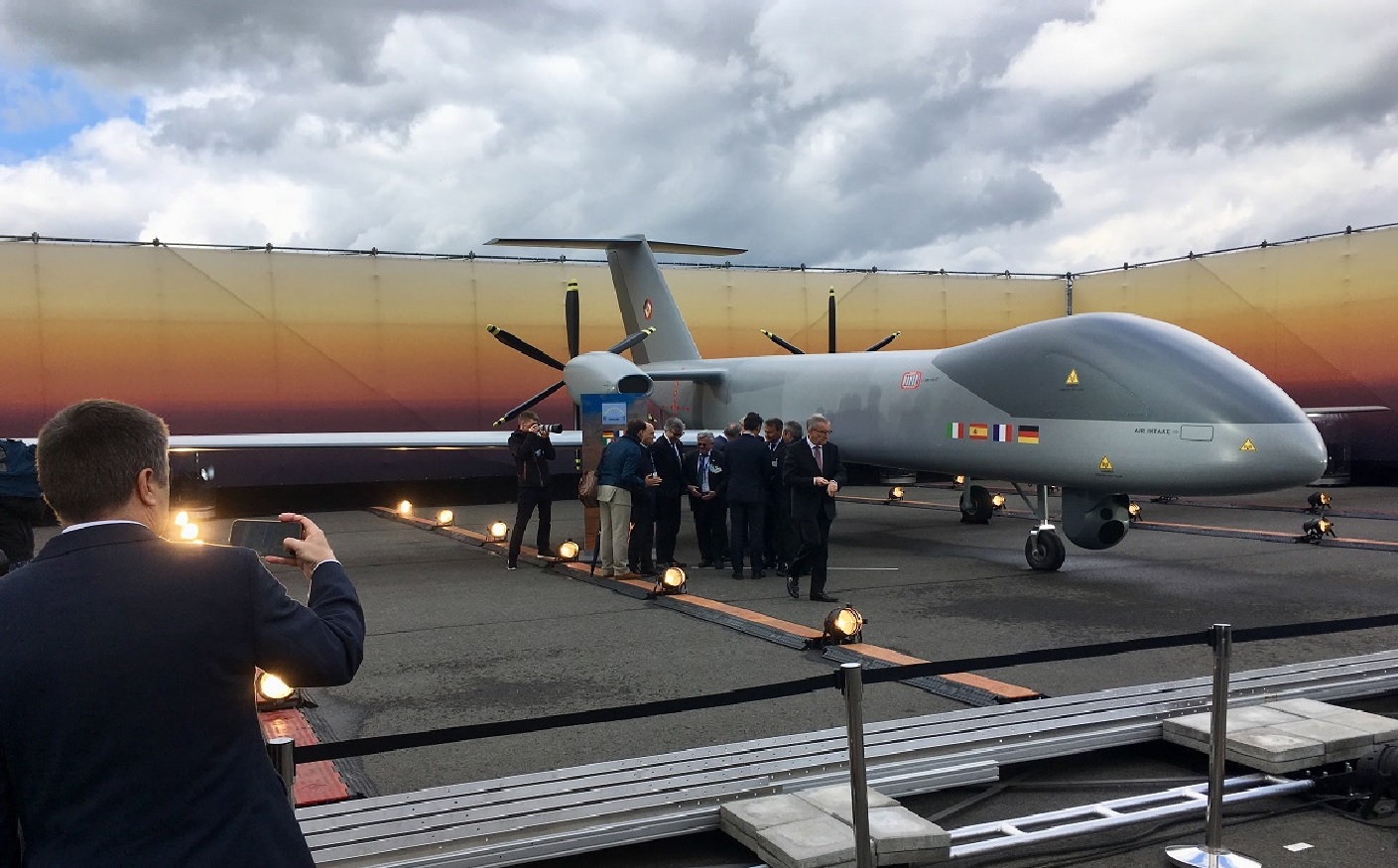 Dassault Seeks Compensation From Airbus as Eurodrone Dispute Erupts After FCAS Collapse
-
 Pakistan Raises Defence Budget from $9 Billion to $10.8 Billion as J-35 Fighter and Hangor Submarine Programs Advance
-
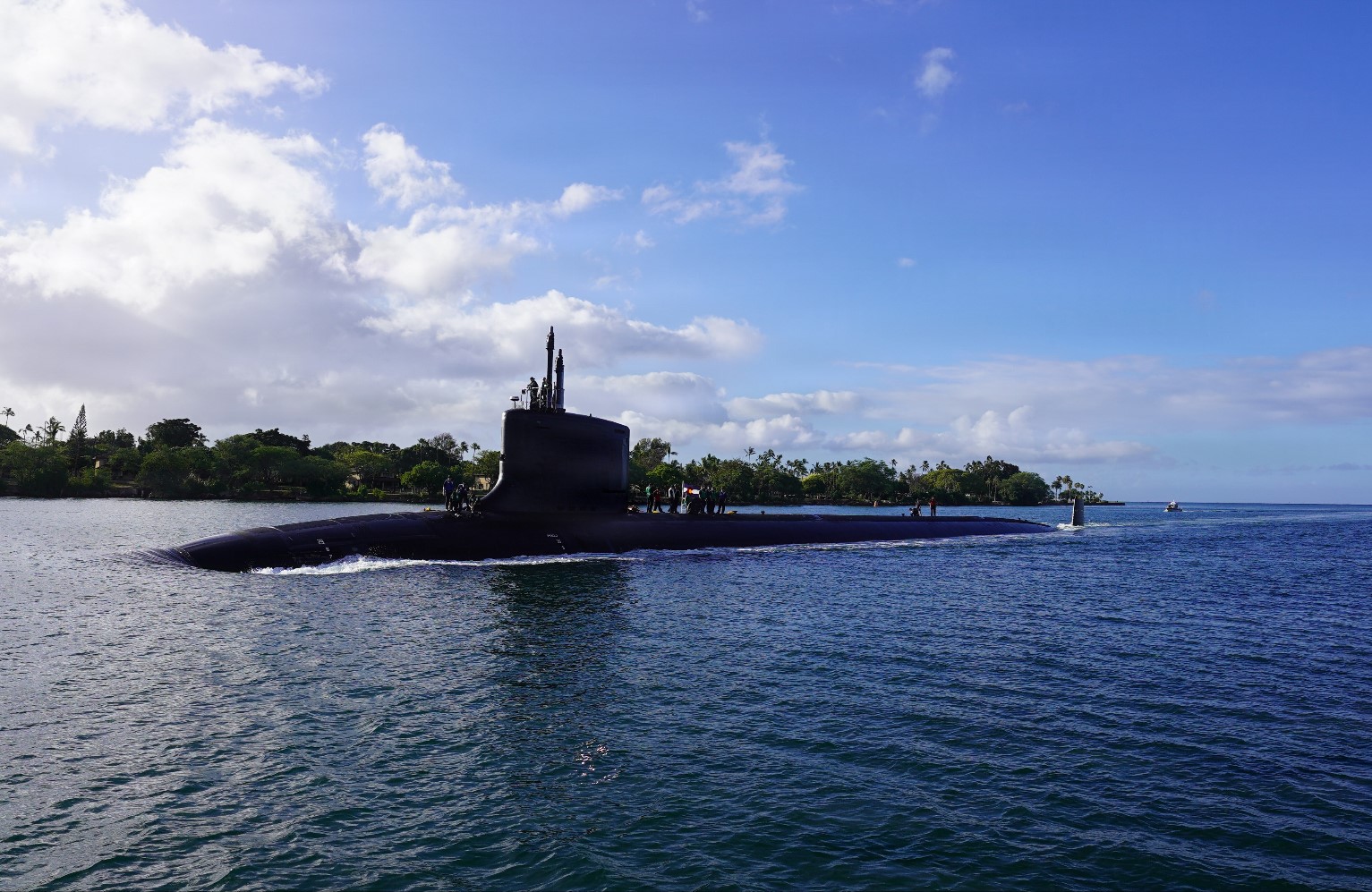 U.S. Navy's USS Colorado Submarine Returns to Pacific Fleet 29 Days Early After Major Pearl Harbor Overhaul
-
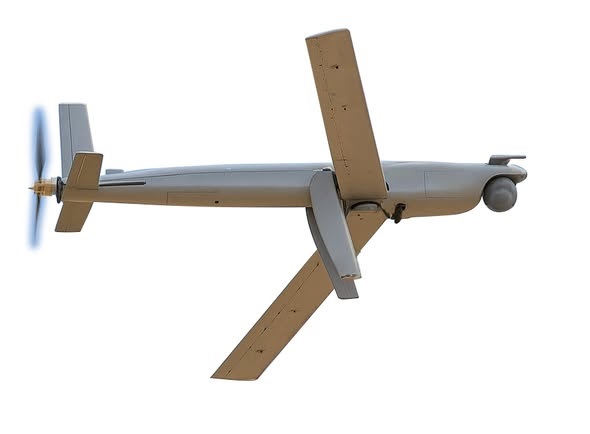 Elbit Systems and Diehl Defence Partner to Offer SkyStriker Loitering Munition to German Armed Forces
-
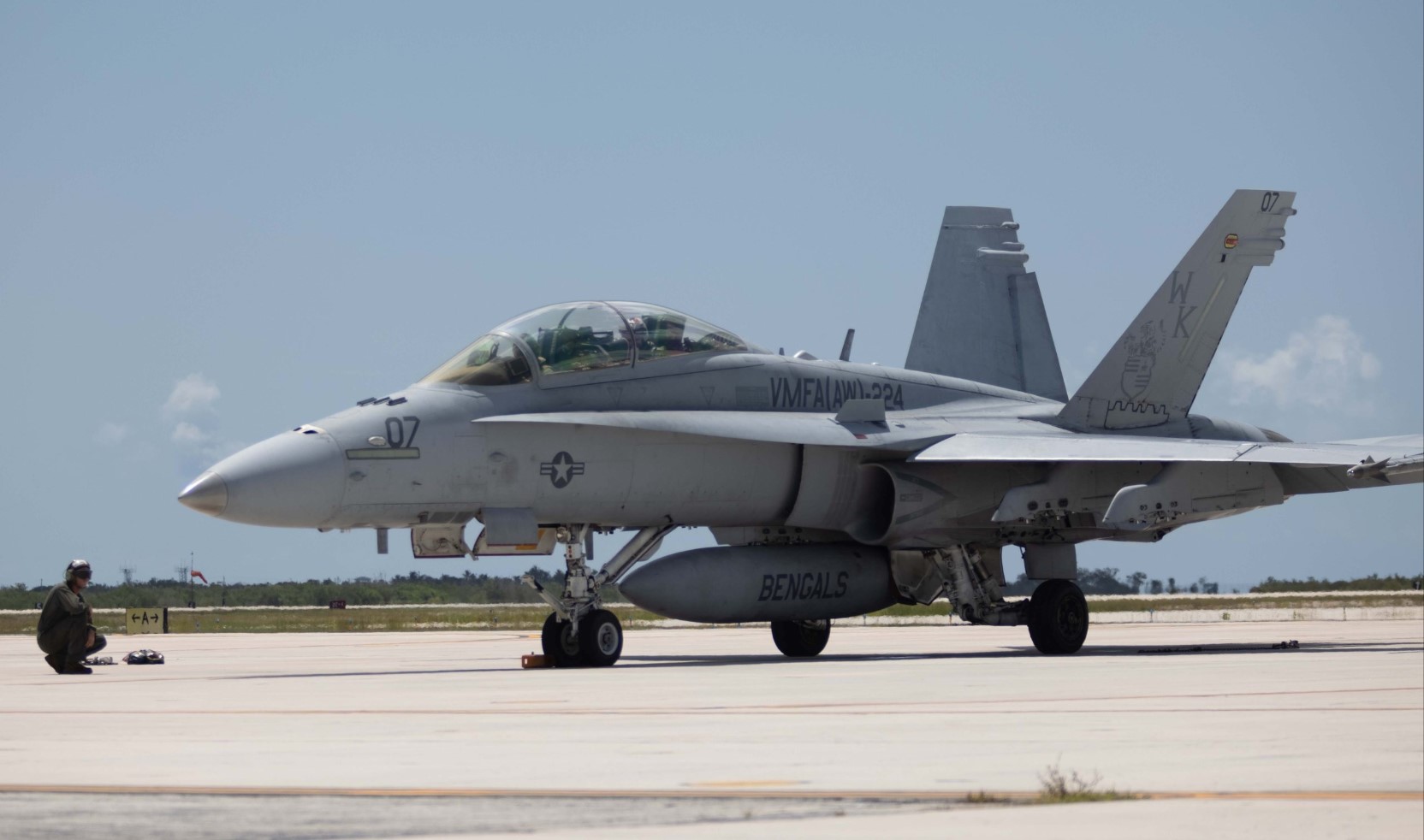 US Marine Corps F/A-18D Hornet Crashes During Training Flight in Washington Mountains; Pilot Ejects Safely
-
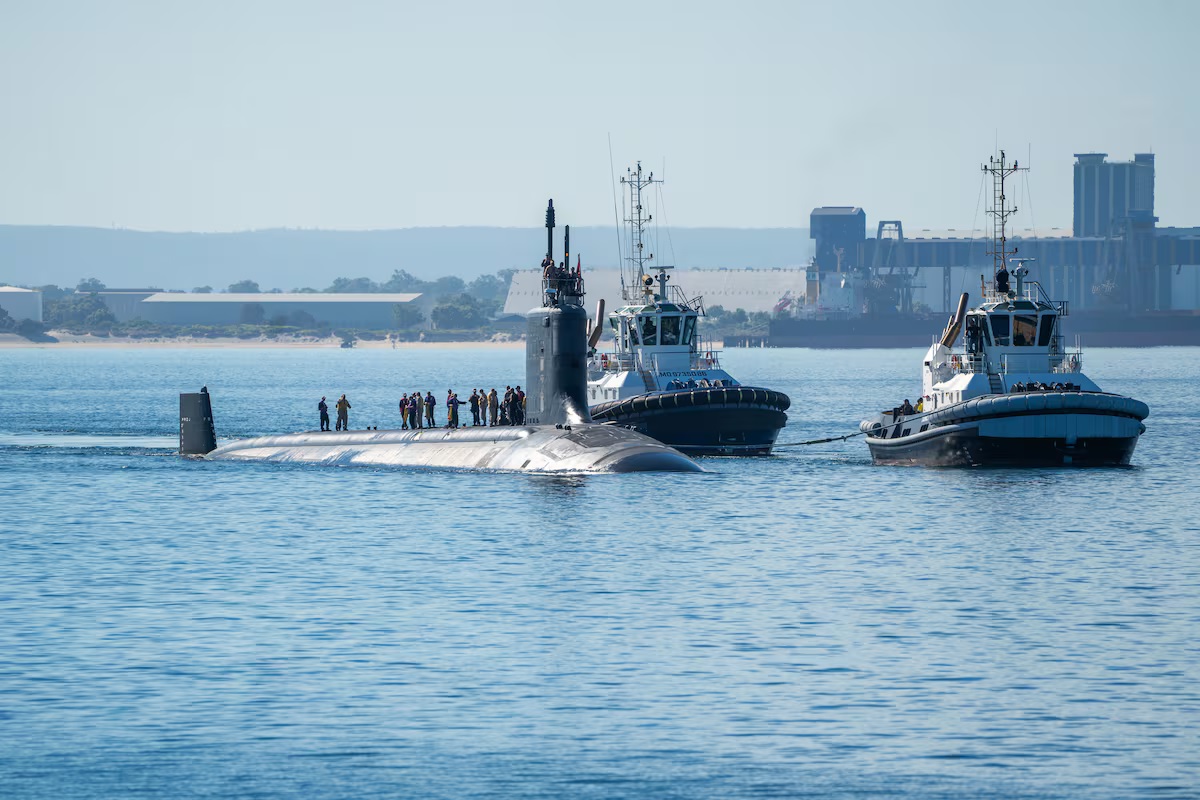 U.S. Navy Reestablishes Submarine Squadron 3 at HMAS Stirling to Support AUKUS Rotational Force
Top Trending in 4 Days
-
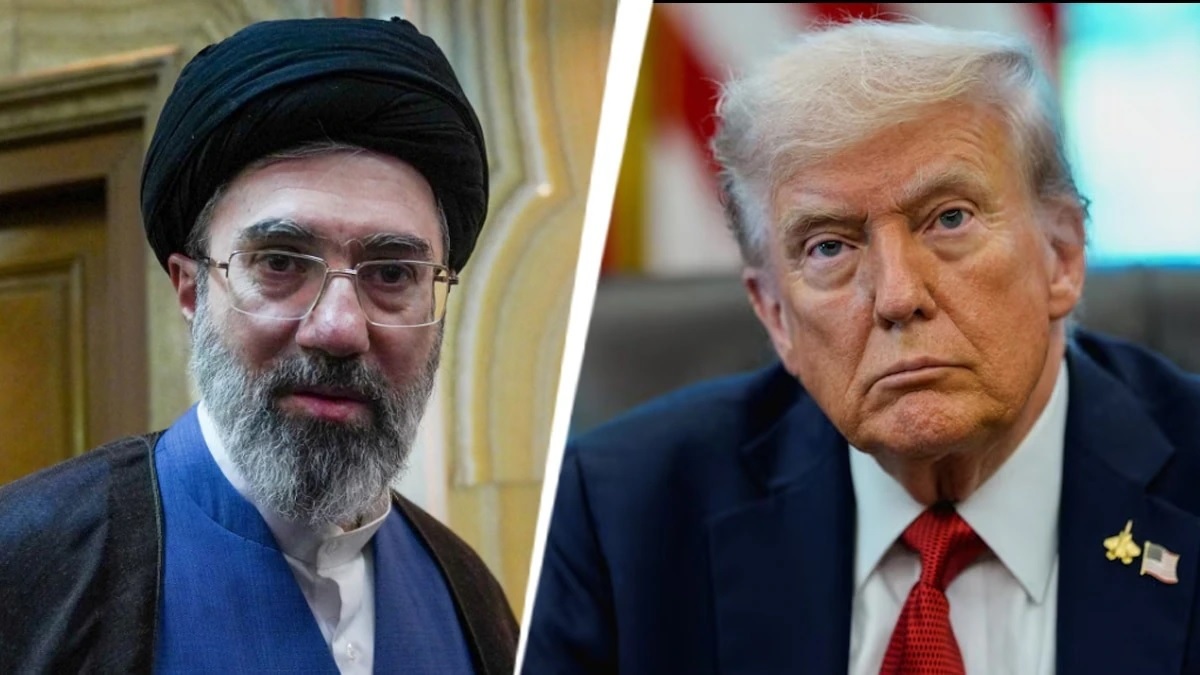 Iranian Media Leaks 14-Point U.S.-Iran Peace Framework Amid Ongoing Negotiations
-
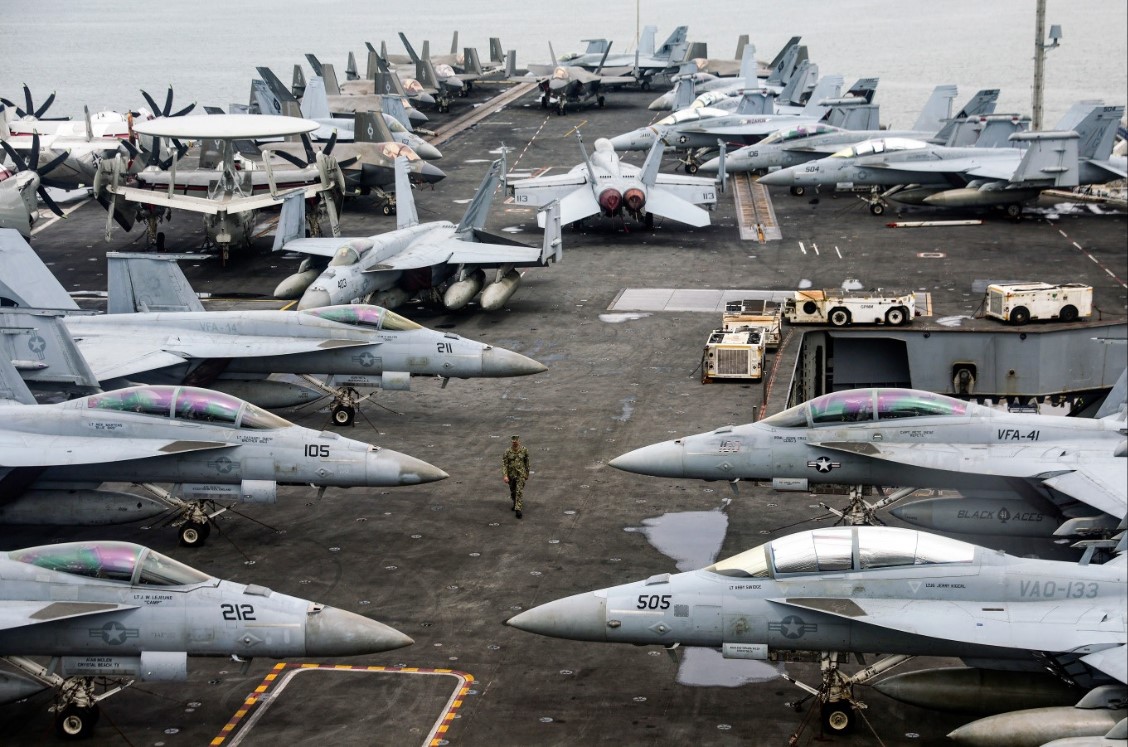 US Plans Significant Reduction of Fighter Jets and Warships for NATO Operations in Europe
-
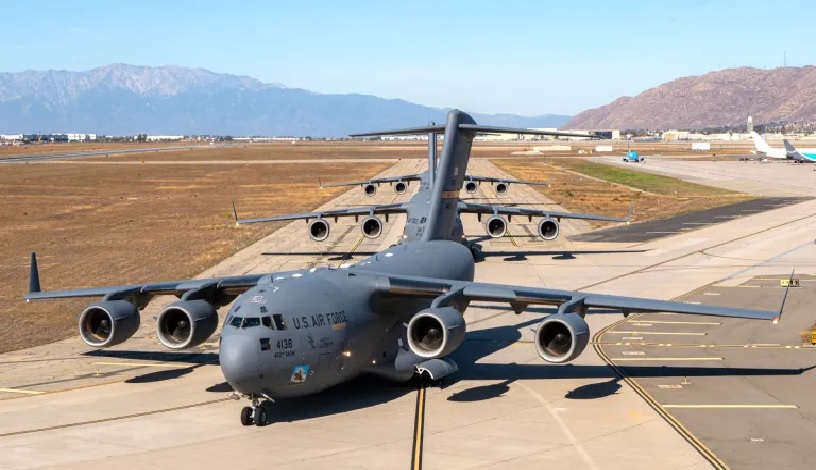 U.S. Air Force Faces Strategic Airlift Shortfall as C-17 Production Restart Remains Uncertain
-
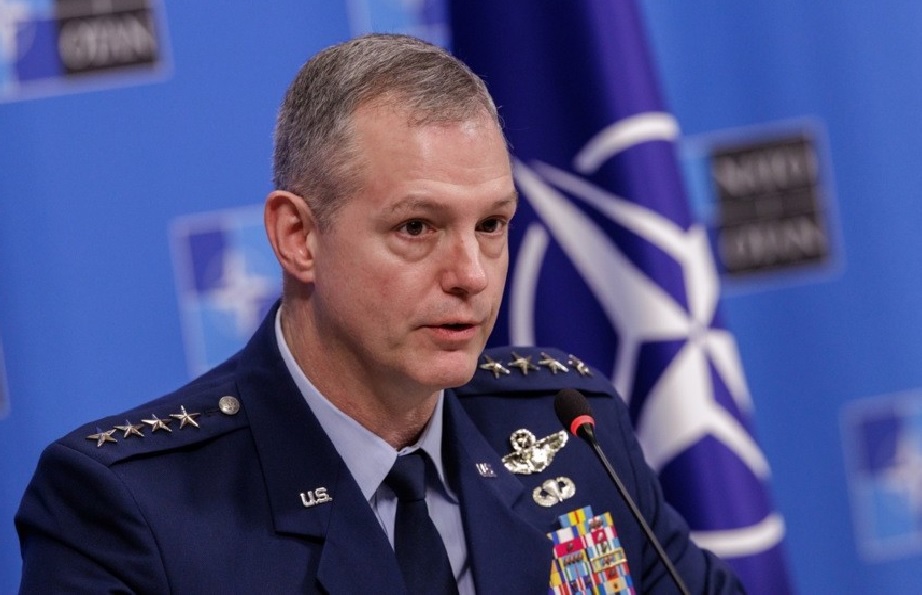 NATO Commander Says Russia Not Seeking Conflict With Alliance Despite U.S. Force Reductions
-
 Russian Defense Firm ZALA Unveils KAMA Unmanned Surface Vessel Family at FLOT-2026 Naval Exhibition
-
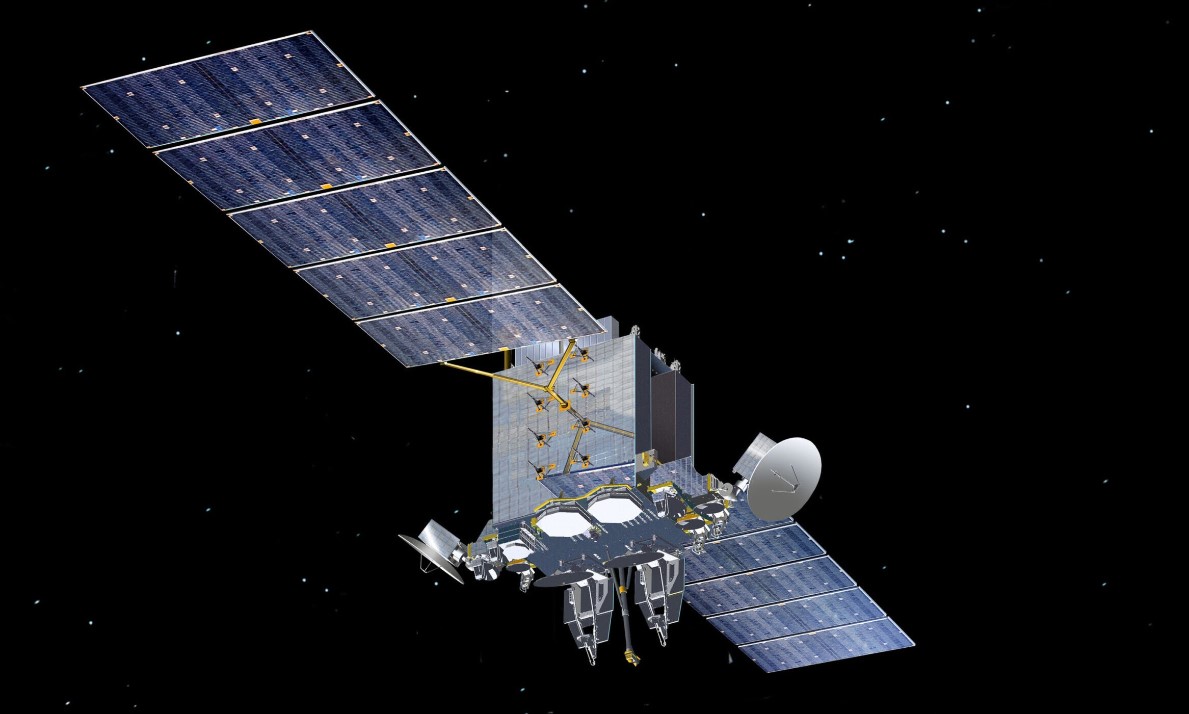 U.S. Space Force Awards $437.7 Million Contracts for First PTS-G Swarm 1 Anti-Jam Satellites
-
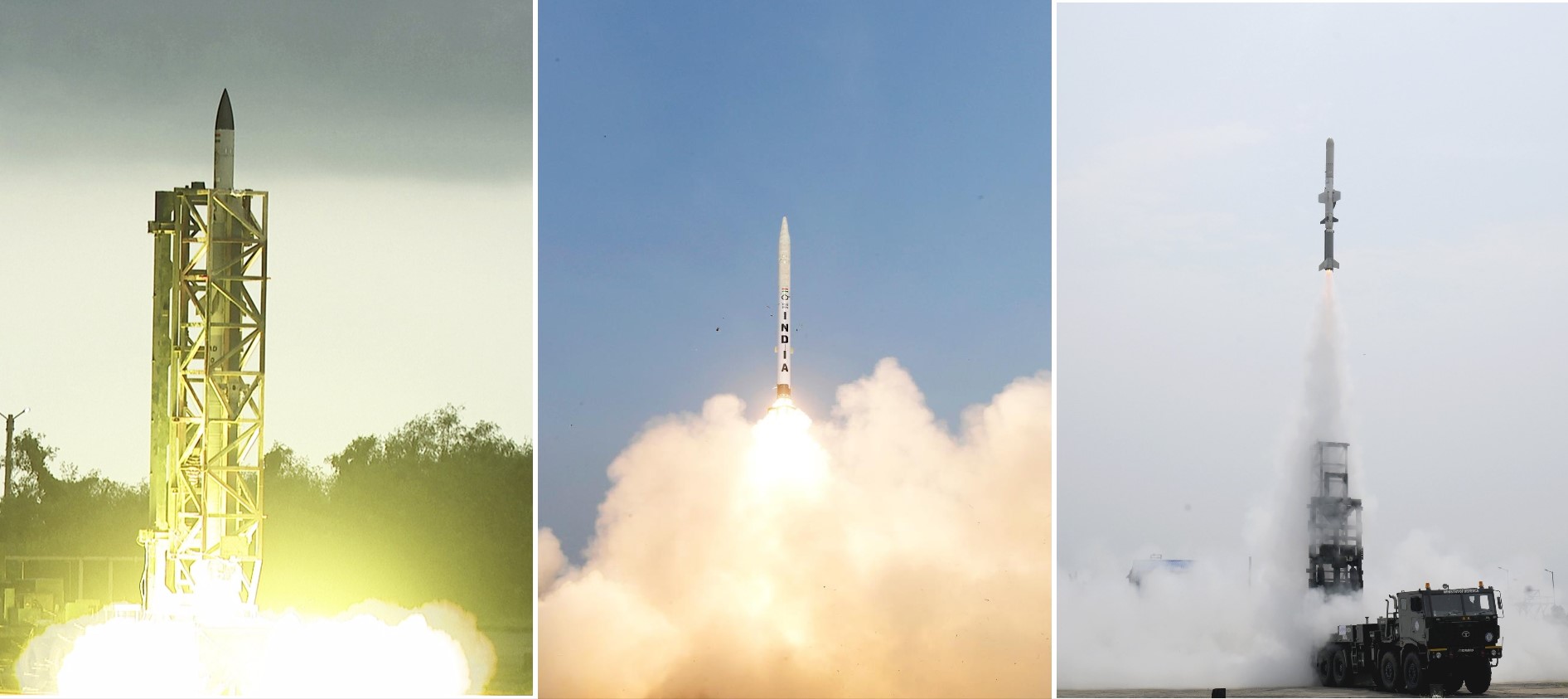 India Successfully Conducts AD-1, AD-2 Interceptor Tests and Maiden NASM-MR Flight Trial
-
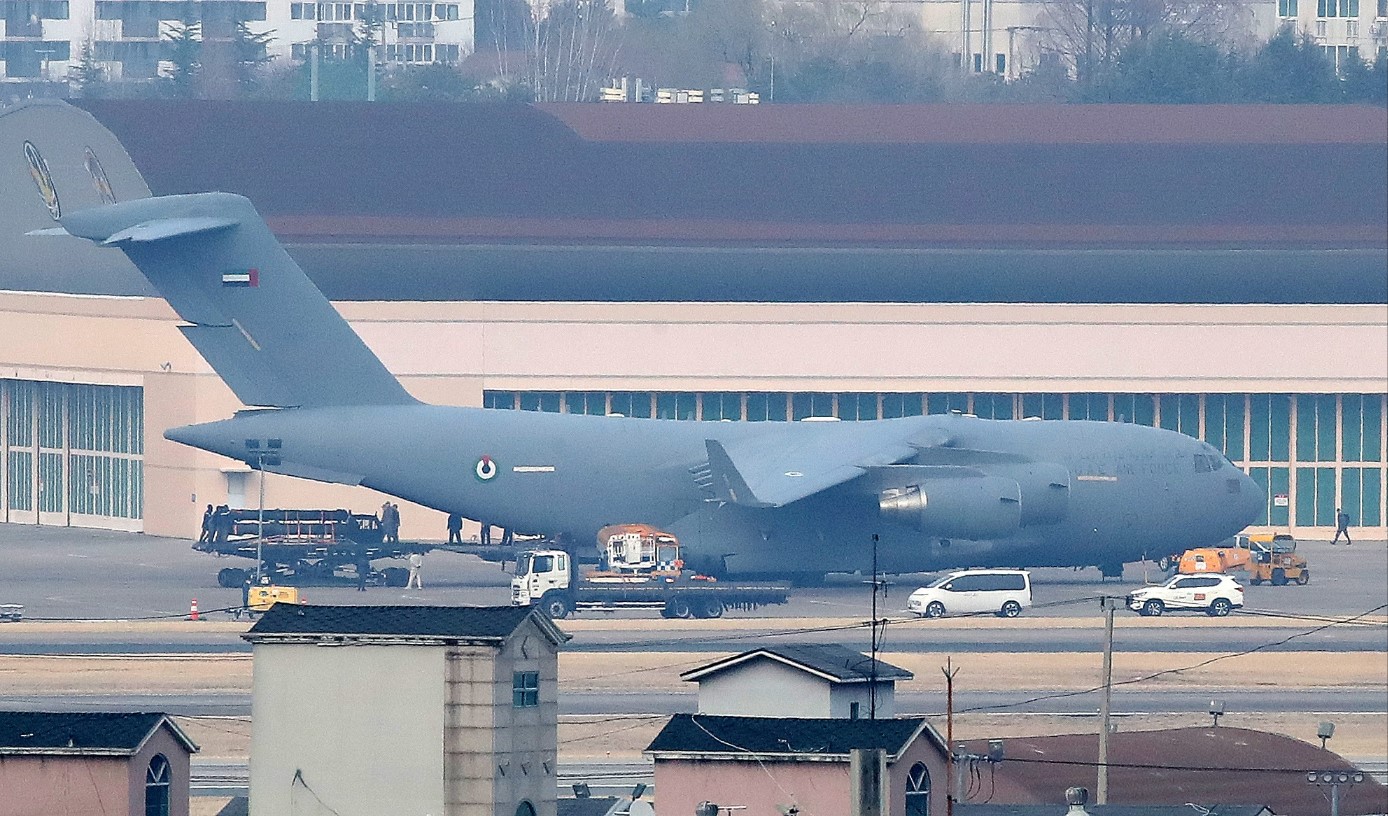 UAE Urgently Airlifts Cheongung-II Missile Defense Battery From South Korea Using Eight C-17 Aircraft