
India
India awaits final approval for crucial defence projects, including K-9 Vajra howitzers and Su-30 MKI fighter aircraft engines, post-elections, with significant roles for Hindustan Aeronautics Limited and Larsen & Toubro.Several significant 'Made in India' defence projects are awaiting final approval from the Centre, expected to be decided after the elections. These projects include the acquisition of additional K-9 Vajra self-propelled howitzers and engines for Su-30 MKI fighter aircraft. Initially planned for approval in March, these deals were postponed due to the elections.A defence official informed ANI that proposals for K-9 Vajra howitzers, Su-30 MKI fighter aircraft engines, and various research and development projects are on the agenda for the Cabinet Committee on Security.Hindustan Aeronautics Limited (HAL) is set to play a crucial role in manufacturing these fighter aircraft engines. Valued at approximately Rs 20,000 crore, these engines are produced at HAL's Koraput facility in Odisha, which has achieved a high level of indigenisation. The Indian Air Force regularly acquires these engines, but recent global developments and the pandemic have increased the demand, prompting a need for a swift post-election decision.The Indian Army has also requested an additional 100 K-9 Vajra self-propelled howitzers. Initially designed for operations in plains and desert regions, the K-9 Vajra has also proven effective in the Ladakh sector. The Army has procured winterisation kits to ensure the howitzers perform optimally in extreme cold conditions. Developed by Larsen & Toubro (L&T) in collaboration with South Korea's Hanwha Defense, the K-9 Vajra is based on the K9 Thunder platform. This partnership has been praised for its timely delivery and effective technology transfer. Hanwha Aerospace is now looking to offer more advanced systems and military platforms to India, building on this successful collaboration.The Defence Research and Development Organisation (DRDO) has several research and development programmes awaiting government clearance. Prior to the imposition of the model code of conduct, the Centre had approved the purchase of 61 close-in weapon systems and high-powered radars. Proposals from the Defence Ministry, Army, Navy, and Indian Coast Guard have been submitted for inclusion in the government’s 100-day and 6-month agendas.Senior government officials have indicated that work on these projects will commence soon after the elections. Additionally, large indigenous deals, such as the Rs 65,000 crore project for 97 LCA Mark 1A aircraft, are progressing steadily.The K-9 Vajra, a 155 mm, 52-calibre tracked self-propelled howitzer, was developed in India by L&T with technology from South Korea's Hanwha Defense. Originally intended for desert operations, it has been effectively deployed in mountainous regions following the India-China standoff. The successful deployment has reinforced the need for additional units to bolster India’s defence capabilities in various terrains.The pending approvals highlight India's commitment to bolstering its defence capabilities through indigenous production and strategic international collaborations. The final decisions, expected post-elections, will significantly impact the modernization and readiness of India's armed forces.
Read More → Posted on 2024-05-29 15:35:43
India
The Indian Air Force's Tejas Mk1A jets may soon be equipped with the advanced Meteor missile, thanks to the integration of the indigenously developed Uttam AESA radar.The Indian Air Force (IAF) is on the verge of a significant upgrade to its Tejas Mk1A fighter jets, aiming to integrate the advanced European Meteor air-to-air missile. Known for its extended range and formidable "no-escape zone," the Meteor missile promises to significantly enhance the combat capabilities of the Tejas Mk1A.Initially, there were compatibility challenges between the Meteor missile and the Tejas' existing systems, which include components from Russian and Israeli suppliers. However, recent negotiations between the IAF and MBDA, the European manufacturer of the Meteor, have provided a potential solution. MBDA has expressed a willingness to reconsider the integration of the Meteor missile if the Tejas Mk1A is equipped with the Uttam Active Electronically Scanned Array (AESA) radar. This radar system is an indigenous development by India's Defence Research and Development Organisation (DRDO).The Uttam AESA radar plays a crucial role in this development. Hindustan Aeronautics Limited (HAL), which manufactures the Tejas, has confirmed that the Uttam radar will be integrated into the Tejas Mk1A from the 41st aircraft onwards. This integration is expected to facilitate the inclusion of the Meteor missile, thereby boosting the jet's aerial combat effectiveness.In the interim, while India is also developing its own long-range air-to-air missile, the Astra MkIII, the potential addition of the Meteor missile to the Tejas Mk1A represents a significant leap in capabilities. The Meteor missile's advanced features, such as its beyond-visual-range capabilities and high kill probability, would give the Tejas a substantial advantage in aerial engagements.This upgrade is part of a broader effort to enhance the IAF's operational capabilities. The Tejas Mk1A, with the Meteor missile and Uttam radar, will likely be better equipped to handle various threats, thereby strengthening India's air defense.Furthermore, the integration of the Uttam radar and the Meteor missile underscores India's growing self-reliance in defense technology. By leveraging indigenous developments like the Uttam radar, India is reducing its dependency on foreign systems and enhancing its defense manufacturing capabilities.Overall, the potential integration of the Meteor missile into the Tejas Mk1A, enabled by the Uttam AESA radar, marks a significant milestone in India's defense modernization efforts. This development not only boosts the combat readiness of the Tejas Mk1A but also reinforces the IAF's strategic capabilities.
Read More → Posted on 2024-05-29 15:30:01
India
India advances its defense capabilities with the successful test-firing of the RudraM-II air-to-surface missile from a Su-30 fighter jet, demonstrating significant progress in indigenous missile technology.India has made a significant leap in its defense technology by successfully test-firing the RudraM-II air-to-surface missile from a Su-30 fighter jet. The test took place off the coast of Odisha and was confirmed by the Indian Defense Ministry as having met all trial objectives. This achievement marks a crucial step forward in India’s development of its own solid-propelled air-launched missile systems.The RudraM-II missile, developed by the Defence Research and Development Organisation (DRDO), incorporates advanced indigenous technologies. The successful test, conducted at around 11:30 AM on May 29, validated the missile’s propulsion system and control and guidance algorithms. The missile's performance was confirmed using data from range tracking instruments, including electro-optical systems, radar, and telemetry stations positioned at various locations, including on-board ships.Key Features of RudraM-IIThe RudraM-II missile is part of the Rudram family, India’s first anti-radiation missiles designed to target enemy radar and communication systems. It uses a combination of satellite-based Global Positioning System (GPS) and an inertial navigation system for navigation. The missile also features a "passive homing head" that allows it to accurately hit targets even if the radiation source is turned off during the engagement.Future ProspectsDefense Minister Rajnath Singh praised the DRDO, the Indian Air Force (IAF), and the industry for their successful test-flight of the RudraM-II, highlighting the missile as a force multiplier for the armed forces. Samir V Kamat, Secretary of the Department of Defence R&D and Chairman of DRDO, also commended the team for their efforts.The RudraM-II is part of a broader development program that includes the RudraM-1 and the upcoming RudraM-3. The RudraM-1 focuses on Suppression of Enemy Air Defences (SEAD), while future versions like the RudraM-2 and RudraM-3 are being developed with extended ranges of 350 km and 550 km, respectively. These advancements aim to enhance the Indian Air Force's tactical capabilities and maintain air superiority.Collaborative EffortThe integration of Rudram missiles with fighter aircraft has been a collaborative effort involving various DRDO facilities, IAF formations, and Hindustan Aeronautics Ltd. This cooperation has been ongoing for about eight years and continues to drive forward India's defense capabilities.ConclusionThe successful test-firing of the RudraM-II missile represents a significant milestone for India’s defense sector. With continued advancements in missile technology, India is set to bolster its national security and defense preparedness, reinforcing its position in the domain of air-to-surface missile systems.
Read More → Posted on 2024-05-29 15:14:00
India
The Ukraine conflict highlights India's need for advanced decoy systems to enhance air defense capabilities and gain strategic advantages in potential conflicts.The ongoing conflict in Ukraine has exposed a significant weakness in India's air defense capabilities: the absence of robust decoy systems. Decoy technology is crucial for misleading and confusing enemy air defenses, providing Indian forces with a strategic edge in future conflicts.Decoys come in various forms, designed to mimic real aircraft and missiles. These systems can deceive enemy radars, causing them to target and waste ammunition on these false threats. This diversion allows real Indian airstrikes to penetrate enemy defenses undetected and deliver critical blows.The utility of decoys extends beyond offensive operations. They are also effective in dismantling enemy air defense networks. By emitting signals that resemble real aircraft or missiles, decoys can trick enemy radar systems into revealing their locations. This enables Indian forces to identify and neutralize these radars, effectively weakening the enemy’s air defense infrastructure.The Ukraine war serves as a stark reminder of the importance of robust air defense systems. Investing in decoy technology can significantly enhance India's air defense capabilities. Decoys offer a cost-effective way to deceive and overwhelm enemy defenses, protecting Indian airspace and ensuring a strategic advantage in any potential conflict.Countries like the United States and Israel have successfully integrated advanced decoy systems into their military strategies. For example, the US uses ADM-160 MALD (Miniature Air-Launched Decoy) to confuse enemy radars and missile systems. Similarly, Israel employs sophisticated decoy drones to protect its airspace. These examples underscore the importance and effectiveness of decoy technology in modern warfare.India, with its strategic geopolitical position, must prioritize the development and deployment of such technologies. By learning from the experiences of other nations and adapting their successful strategies, India can bolster its air defense capabilities and better protect its sovereignty.In conclusion, the integration of advanced decoy systems is essential for India to enhance its air defense preparedness. These technologies provide a cost-effective solution to misleading and overwhelming enemy defenses, safeguarding Indian airspace and ensuring a strategic advantage in potential conflicts. The lessons from the Ukraine conflict should spur India to invest in these critical defense technologies, thereby strengthening its national security.
Read More → Posted on 2024-05-29 07:49:04
India
India is set to commission its second nuclear-powered ballistic missile submarine, INS Arighat, by the end of 2024. This milestone comes nearly seven years after the vessel was launched in Visakhapatnam in November 2017.India is on the verge of commissioning its second nuclear-powered ballistic missile submarine (SSBN), INS Arighat. This significant development is expected to take place by the end of 2024. INS Arighat will be formally inducted into the Indian Navy nearly seven years after it was launched in November 2017 at the Indian Navy's Ship Building Centre (SBC) in Visakhapatnam.The Arighat boasts impressive dimensions, with a length of 111.6 meters, a beam of 11 meters, and a draught of 9.5 meters. It has a displacement of 6,000 tonnes. The vessel is powered by an 82.5 MW pressurised light water reactor (LWR), developed with Russian assistance, enabling it to achieve a top speed of 24 knots while submerged and 10 knots on the surface.Arighat is armed with 12 K-15 Sagarika submarine-launched ballistic missiles (SLBMs). These missiles, developed by India's Defence Research and Development Organisation (DRDO), have a range of over 700 kilometers. The submarine features four large vertical launch system (VLS) tubes that house these SLBMs. The K-15 Sagarika is a two-stage, solid-propellant missile with hybrid propulsion, designed to elevate the missile to an altitude of approximately 4 kilometers during its first stage.Constructed using Russian steel equivalent to the US HY-80 grade, the Arighat is divided into seven compartments. These include sections for the propulsion and combat management systems, platform management center, and torpedo room. The submarine is also equipped with a double hull, which includes ballast tanks, two standby auxiliary engines, and a retractable thruster for emergency power and mobility.Arighat is one of three SSBNs launched by India. The first, INS Arihant, was launched in July 2009 and commissioned in August 2016. The third vessel, yet to be named, was launched in November 2021. These submarines form a critical part of India's strategic deterrent capabilities, enhancing the country's defense readiness and maritime security.The commissioning of INS Arighat represents a notable advancement in India's naval power, further solidifying its position as a significant player in the region's maritime security landscape.
Read More → Posted on 2024-05-29 07:41:10
India
The government extends the tenures of DRDO Chairman Dr. Samir V. Kamat and Indian Army Chief General Manoj Pande, ensuring leadership stability in India's defense sector.The Appointments Committee of the Cabinet has announced an extension of one year for Dr. Samir V. Kamat, Chairman of the Defence Research and Development Organisation (DRDO). Dr. Kamat will continue to serve in his current role until May 31, 2025. This decision was officially communicated through an order from the Department of Personnel and Training (DoPT).Dr. Samir Kamat, who also serves as Secretary of the Department of Defence Research and Development (DDR&D), has been instrumental in advancing India's defense research capabilities. The extension ensures continuity in leadership at a crucial time for the DRDO, which is involved in several key projects to enhance India's defense technology.In a related development, the government has also granted a one-month extension to General Manoj Pande, the Chief of the Army Staff (COAS). Originally set to retire on May 31, 2024, General Pande will now continue in his role until June 30, 2024. This extension comes under Rule 16A (4) of the Army Rules, 1954, and is meant to provide additional time for the appointment of his successor.General Pande's extension is notable as it occurs during a transitional period for the Indian government, with the new administration set to form after the election results on June 4. His continued leadership ensures stability within the Indian Army during this interim phase.Dr. Kamat's and General Pande's extensions reflect the government's approach to maintaining experienced leadership in critical defense roles. Both leaders have had significant impacts on their respective organizations, contributing to the overall defense preparedness of the nation.For more details on their achievements and ongoing projects, Dr. Kamat's role at DRDO includes overseeing the development of cutting-edge military technology such as missile systems, combat vehicles, and advanced electronics. General Pande, on the other hand, has focused on modernizing the Indian Army and enhancing its operational capabilities.These extensions highlight the importance of experienced and stable leadership in India's defense sector, ensuring that ongoing projects and strategic initiatives continue without disruption.
Read More → Posted on 2024-05-28 15:42:48
India
Axiscades secures a ₹90 crore order from Bharat Electronics Ltd for the development and supply of radar processing systems for the Arudhra Medium Powered Radar project.Engineering solutions provider Axiscades announced on Monday that its subsidiary, Mistral, has received an order worth ₹90 crore from the state-owned Bharat Electronics Ltd (BEL). This contract involves the design, development, and supply of eight radar processing systems for BEL's Arudhra Medium Powered Radar (MPR) project, which is aimed at enhancing India's defense capabilities.According to the statement from Axiscades, the radar processing systems will be delivered over a period of four years. This order signifies a substantial step forward in Axiscades’ efforts to support indigenous defense projects.Arun Krishnamurthi, CEO and Managing Director of Axiscades Technologies, emphasized the importance of this contract: "We are working to actively support indigenous defense projects, and this order is a significant step in our commitment to deliver advanced technological solutions to enhance India’s defense capabilities."Axiscades, based in Bangalore, is a prominent provider of end-to-end technology and engineering solutions. The company specializes in serving the aerospace, defense, heavy engineering, automotive, and industrial sectors.The Arudhra Medium Powered Radar (MPR) is part of BEL's broader initiative to bolster India's defense infrastructure with advanced radar systems. These systems are crucial for the detection, tracking, and identification of aerial threats, contributing significantly to national security.BEL, a leading defense electronics company, is responsible for developing a wide range of products for the Indian armed forces. Their collaboration with companies like Axiscades underscores the growing focus on leveraging domestic expertise to meet the country’s defense needs.Mistral, Axiscades' subsidiary, brings specialized knowledge in defense electronics and radar systems, making it a key player in this project. The collaboration between BEL and Mistral aims to deliver cutting-edge radar technology that aligns with India’s strategic defense goals.This order from BEL follows Axiscades’ consistent efforts to expand its footprint in the defense sector. The company’s involvement in projects like the Arudhra MPR reflects its capability to provide sophisticated engineering solutions that address modern defense challenges.Axiscades’ strategic partnerships and technological advancements are set to play a pivotal role in enhancing the operational efficiency and defense preparedness of the Indian armed forces.
Read More → Posted on 2024-05-28 15:29:35
India
India and France begin negotiations for a Rs 50,000 crore deal to acquire 26 Rafale Marine fighter jets for the Indian Navy's aircraft carriers, aiming for a final agreement by the end of the financial year.Contract negotiations between India and France for the acquisition of 26 Rafale Marine fighter jets are set to commence on May 30. This deal, valued at over Rs 50,000 crore, aims to enhance the Indian Navy's capabilities by equipping its aircraft carriers with advanced fighter jets.A high-level French delegation, comprising officials from the French Ministry of Defence and representatives from Dassault Aviation and Thales, will arrive in New Delhi to initiate the talks. The Indian delegation will include members from the defence acquisition wing and the Indian Navy.The objective is to finalize the negotiations and sign the agreement by the end of the current financial year. France submitted its response to India's tender for the jets in December, including details on pricing and other contractual elements.The Rafale Marine jets are intended for deployment on India's aircraft carriers, INS Vikrant and INS Vikramaditya. The Indian Navy has conducted a thorough evaluation of the French bid, assessing both the commercial and technical aspects.As the deal is a government-to-government contract, the upcoming negotiations are expected to be rigorous. The Navy Chief has instructed his team to expedite the negotiation process to ensure the timely induction of the aircraft into service.The Rafale Marine, a naval variant of the Dassault Rafale, is designed for carrier-based operations. It is equipped with advanced avionics, radar systems, and weapons capabilities, making it a versatile and formidable fighter jet. The Indian Navy's decision to acquire these jets aligns with its strategic objective to bolster maritime security and enhance operational readiness.India and France have a long-standing defense partnership, with previous collaborations including the acquisition of 36 Rafale fighter jets for the Indian Air Force. This new deal for the Rafale Marine jets further strengthens bilateral defense ties and underscores the commitment of both nations to mutual security interests.The induction of Rafale Marine jets will significantly boost the Indian Navy's combat capabilities, providing a technological edge in the region. These jets will enhance the Navy's ability to conduct a wide range of missions, from air defense and ground attack to reconnaissance and maritime surveillance.The successful conclusion of this deal will mark a major milestone in India's ongoing efforts to modernize its military forces and enhance national defense capabilities.
Read More → Posted on 2024-05-28 15:24:53
India
Union Minister VK Singh criticizes Rahul Gandhi's remarks on the Agniveer scheme, urging Gandhi to understand military service before commenting, and accuses Delhi CM Arvind Kejriwal of habitual lying.Union Minister General VK Singh (Retd) has strongly criticized Congress leader Rahul Gandhi for his recent comments about the Agniveer scheme. Gandhi had pledged to cancel the scheme if his party comes to power, claiming it reduces soldiers to mere laborers.In response, General Singh advised Gandhi to serve in the Army before making statements about the Agniveer scheme. "It is not right to say anything if he does not know the Army," Singh remarked.General Singh also accused Delhi Chief Minister Arvind Kejriwal of habitual lying, saying, "It is Arvind Kejriwal’s quality that he lies in such a way that he is speaking the truth. But the people can see the truth."Rahul Gandhi's criticisms of the Agniveer scheme were made during a public rally in Mahendragarh, Haryana, on May 22. He accused Prime Minister Narendra Modi's government of turning soldiers into laborers and promised to scrap the scheme if the Congress-led INDIA bloc comes to power on June 4.Gandhi highlighted the disparity between traditional soldiers and those recruited under the Agniveer scheme, stating that Agniveers would not receive the same pensions, status, or facilities. "This Agniveer will neither get the status of ‘shaheed‘ nor any pension or any other facility," he claimed.He further alleged that the scheme is unwanted by the Army and was imposed by the Prime Minister's Office (PMO). Gandhi declared that the first action of the INDIA bloc government would be to dismantle the Agniveer scheme. "We are going to tear this Agniveer scheme into pieces and dump it in the dustbin," he stated.Background on the Agniveer SchemeThe Agniveer scheme is a recruitment initiative by the Indian government aimed at enrolling young people into the military for short-term service. This program is designed to bring more youth into the armed forces and to address the issue of an aging military. However, it has faced criticism from various quarters, including opposition parties, who argue that it does not provide adequate long-term benefits for those who serve under it.Political ReactionsGeneral VK Singh’s sharp response underscores the deep political divisions surrounding military reforms in India. While the ruling party defends the scheme as a necessary modernization effort, opposition leaders like Rahul Gandhi argue that it undermines the dignity and benefits traditionally accorded to soldiers.ConclusionThe debate over the Agniveer scheme reflects broader tensions in Indian politics about how best to modernize the military while ensuring fair treatment for those who serve. As the controversy continues, the scheme's future remains uncertain, contingent on the outcomes of political struggles and elections.
Read More → Posted on 2024-05-28 15:20:33
India
Hyderabad's Zebu Intelligent Systems sets a new Guinness World Record with a drone flight lasting 3 hours, 13 minutes, and 14 seconds, showcasing their advanced electric propulsion technology.Zebu Intelligent Systems, a technology company based in Hyderabad, has set a new Guinness World Record for the longest flight duration of an electric-powered drone weighing under 5 kilograms. Their drone flew for an impressive 3 hours, 13 minutes, and 14 seconds, breaking the previous record by 50 minutes.The flight took place in Hyderabad, piloted by Jogarao Bommana. "Achieving a Guinness World Records title has always been a dream of mine," said Bommana, crediting the team's hard work and technical skills for the success. "This was a challenge we believed we could meet," he added, highlighting the collaborative effort that made this achievement possible.The record title awarded by Guinness World Records is "Longest duration flight of an electrically powered prototype multirotor/drone – 5 kg or less." This accomplishment showcases Zebu Intelligent Systems' technological capabilities and marks a significant milestone for India's drone industry.Electric drones like Zebu's have several advantages, including quieter operation, reduced emissions, and improved efficiency. The increased flight endurance opens up new possibilities for various applications. These include longer surveillance missions, more efficient delivery services, and enhanced disaster response efforts.This achievement by Zebu Intelligent Systems is a clear example of innovation and teamwork. By advancing electric drone technology, they are contributing to a more sustainable and efficient future in aerial operations.About Zebu Intelligent SystemsZebu Intelligent Systems is a technology company based in Hyderabad, India. The company specializes in developing innovative solutions in drone technology, focusing on creating more efficient and sustainable systems for various applications. With this new Guinness World Record, Zebu Intelligent Systems continues to establish itself as a leader in the global drone industry.
Read More → Posted on 2024-05-27 16:18:34
India
Tata Advanced Systems Limited (TASL) provides innovative, high-quality bulletproof jackets tailored to meet the diverse needs of India's defense forces. Their commitment to safety and reliability makes them a trusted leader in defense protection.Tata Advanced Systems Limited (TASL) stands out as a prominent name in the Indian defense sector, committed to ensuring the safety of the nation’s defense personnel. Known for their reliable and innovative solutions, TASL offers a comprehensive range of bulletproof jackets designed to meet the diverse needs of various defense missions.Tailored Protection for Diverse NeedsTASL understands that different missions require different levels of protection. Therefore, they provide a wide array of customizable features in their bulletproof jackets. This customization ensures that every jacket is perfectly suited to the specific needs of the mission and the individual wearing it. Unlike standard one-size-fits-all solutions, TASL’s jackets offer a perfect fit for every hero in every situation.Advanced Materials and TechnologyCrafted using the latest materials and technological advancements, TASL’s bulletproof jackets offer superior protection without sacrificing comfort and mobility. The jackets are designed to allow maximum movement and flexibility, enabling personnel to perform their duties with agility and confidence. This balance of protection and comfort is crucial for operational effectiveness in the field.Proven Track RecordTASL’s commitment to protecting India’s defense personnel is evident in their impressive track record. They have successfully manufactured and delivered over 200,000 bulletproof jackets to various branches of the Indian defense and security forces. Their clients include the Army, Navy, Air Force, Coast Guard, Central Armed Police Forces (CAPFs), and State Police Forces. This extensive experience underscores TASL’s reliability and expertise in the field of defense protection.Commitment to Quality and SafetyTASL’s bulletproof jackets are not only designed for protection but also undergo rigorous testing to ensure they meet the highest standards of quality and safety. The company’s dedication to continuous improvement and innovation in defense technology helps maintain the trust and confidence of their clients.Supporting the Nation’s DefenseBy providing high-quality, customized bulletproof jackets, TASL plays a crucial role in supporting India’s defense forces. Their products help safeguard the lives of those who protect the nation, allowing them to carry out their duties more effectively.In summary, Tata Advanced Systems Limited is a leading provider of bulletproof jackets in India, offering tailored, high-quality protection for a variety of defense needs. Their commitment to innovation, safety, and reliability makes them a trusted partner for the nation’s defense forces.
Read More → Posted on 2024-05-27 15:59:09
India
Union Home Minister Amit Shah announces that family members of terrorists and stone pelters in Jammu and Kashmir will be barred from government jobs, emphasizing the government's crackdown on terrorism.Union Home Minister Amit Shah announced a strict policy that family members of terrorists and stone pelters in Jammu and Kashmir will not be eligible for government jobs. In an interview with PTI, Shah emphasized the Narendra Modi government's commitment to eliminating terrorism and its ecosystem in the region, leading to a significant reduction in terror incidents.Shah explained that if an individual joins a terrorist organization, their family members will be barred from government employment. The same applies to families of those involved in stone pelting. This decision was challenged by human rights activists in the Supreme Court, but the government ultimately prevailed.An exception will be made for families who proactively inform authorities about a relative joining a terror outfit. Such families will receive relief from the job ban.Shah highlighted changes in handling deceased terrorists, noting that earlier, funeral processions for killed terrorists were common. Now, terrorists are buried with religious formalities but in isolated locations to avoid public gatherings.When security forces corner a terrorist, they first offer a chance to surrender, often involving family members to appeal for their surrender. If the terrorist refuses, force is used, resulting in death.Terror incidents in Jammu and Kashmir have significantly declined due to the government's focus on dismantling the terror ecosystem. The National Investigation Agency (NIA) has taken strong measures against terror funding, severely disrupting financial support for terrorist activities.Shah also mentioned the ban on the Popular Front of India (PFI), a Muslim radical group founded in Kerala, under the Unlawful Activities (Prevention) Act (UAPA) in September 2022. The PFI was accused of links to terror activities, and the ban includes restrictions on publishing and spreading its ideology.Regarding Amritpal Singh, a pro-Khalistani separatist and leader of the radical Sikh group 'Waris Punjab De', Shah stated that Singh is currently jailed under the National Security Act (NSA). Singh was arrested in April 2023 and is now held in Dibrugarh jail in Assam. He recently filed nomination papers from jail to contest the Lok Sabha election from Punjab’s Khadoor Sahib seat.According to data from the Union Home Ministry, there were 228 terrorist-initiated incidents in Jammu and Kashmir in 2018, which decreased to around 50 in 2023. Encounters between security forces and terrorists dropped from 189 in 2018 to about 40 in 2023. Civilian deaths due to terror incidents fell from 55 in 2018 to around five in 2023. Similarly, the number of security personnel killed in terror violence reduced from 91 in 2018 to approximately 15 in 2023.These measures reflect the government's tough stance on terrorism and its efforts to ensure peace and security in Jammu and Kashmir. The decline in terror incidents and casualties underscores the effectiveness of these policies in combating terrorism in the region.
Read More → Posted on 2024-05-27 15:28:18
India
India's Department of Telecommunications and Telecom Service Providers have implemented measures to block international spoofed calls, protecting citizens from financial fraud and cybercrime. Users can report suspected fraud via the Sanchar Saathi portal for enhanced security.The Department of Telecommunications (DoT) and Telecom Service Providers (TSPs) in India have introduced a system to identify and block international spoofed calls targeting Indian citizens. These fraudulent calls, which appear to originate within India but are actually made from abroad, are used by cyber-criminals to commit financial frauds and cybercrimes.Fraudsters manipulate the calling line identity (CLI) to make these calls look like they are coming from Indian mobile numbers. Recent scams using this technique include fake digital arrests, FedEx scams, false accusations involving drugs or narcotics in courier packages, impersonation of government and police officials, and threats of mobile disconnection by DoT or TRAI officials.To combat this issue, the DoT has directed TSPs to block such incoming international spoofed calls. This measure extends the existing practice of blocking international spoofed calls using Indian landline numbers, as per previous DoT directives.The safety and security of telecom users are key priorities under the Digital India initiative. The DoT has launched several initiatives, including the citizen-centric Sanchar Saathi portal (https://sancharsaathi.gov.in/), aimed at protecting telecom users from various types of fraud.Despite these efforts, some fraudsters may still manage to bypass the system. Users are encouraged to report any suspected fraudulent calls through the Chakshu facility on the Sanchar Saathi portal. By doing so, they can help protect themselves and others from falling victim to these scams.International spoofed calls are a growing concern globally. Cyber-criminals use advanced technology to disguise their actual location, making it difficult for authorities to trace them. These calls often lead to significant financial losses and emotional distress for victims.The Sanchar Saathi portal is an important tool for Indian telecom users. It provides services like tracking lost or stolen mobile phones, verifying the authenticity of telecom resources, and reporting fraudulent activities. The portal aims to empower users with the information and tools they need to stay safe in the digital world.Blocking international spoofed calls is a critical step in safeguarding users, but it is also essential for individuals to remain vigilant. Recognizing the signs of potential scams, such as requests for personal information or immediate payment, can help users avoid falling prey to these schemes.The DoT's proactive approach and the cooperation of TSPs demonstrate a strong commitment to enhancing the security of India's telecom network. As cyber threats continue to evolve, ongoing efforts to educate and protect users are vital in maintaining a secure digital environment.
Read More → Posted on 2024-05-27 05:48:35
India
India partners with Saab to locally produce the Carl Gustaf M4 weapon system, boosting defense capabilities and supporting the "Make in India" initiative. This collaboration enhances India's military readiness and strengthens its defense manufacturing sector.India has taken a significant step towards boosting its defense capabilities and self-reliance by signing a deal with Swedish defense company Saab to produce the Carl Gustaf M4 weapon system domestically. Announced on May 25, 2024, this agreement supports India's “Make in India” initiative, aimed at enhancing local manufacturing and reducing dependency on foreign arms.The Carl Gustaf M4 is a versatile, man-portable, shoulder-launched weapon developed by Saab. Known for its robustness, ease of use, and adaptability, the M4 can be employed in various combat situations, making it a valuable asset for infantry units. The weapon is designed to tackle a wide range of threats, from enemy vehicles to fortified positions.By producing the Carl Gustaf M4 in India, the Indian Armed Forces will see a significant boost in their combat readiness. The local production is expected to streamline the supply chain, reduce costs, and ensure timely availability of the weapon systems. Additionally, it will provide a substantial boost to the Indian defense manufacturing sector, creating jobs and fostering technological advancements.The Carl Gustaf M4 is an advanced version of the widely used Carl Gustaf weapon system. It is lighter and shorter than its predecessors, making it easier for soldiers to carry and operate. The M4 also features an intelligent sighting system, which improves accuracy and effectiveness in various operational scenarios.This agreement is a testament to India's commitment to modernizing its military with state-of-the-art equipment. It also signifies a strong partnership between India and Sweden in the defense sector. The successful implementation of this project could lead to further collaborations on other advanced weapon systems, enhancing India's position as a self-sufficient military power.India’s defense sector has been undergoing significant reforms to promote domestic production. The government has introduced several policies to attract foreign manufacturers to set up production facilities in India. These policies include allowing 100% Foreign Direct Investment (FDI) in the defense sector and providing incentives for domestic companies.The partnership with Saab is expected to set a precedent for future deals under the “Make in India” initiative. As India continues to focus on self-reliance in defense manufacturing, collaborations like this will be crucial in developing a robust and independent defense industry.In conclusion, the local production of the Carl Gustaf M4 weapon system marks a significant milestone in India’s defense modernization efforts. It not only enhances the operational capabilities of the Indian Armed Forces but also strengthens the country’s defense manufacturing base, paving the way for future advancements and collaborations in the sector.
Read More → Posted on 2024-05-26 15:41:13
India
The Indian government grants a one-month extension to Army Chief Gen Manoj Pande amid a transitional period, marking a rare move in leadership continuity. Gen Pande's tenure extension ensures stability in the Indian Army's command structure during the transition to a new government.In an unexpected decision, the Indian government approved a one-month service extension for Indian Army Chief General Manoj Pande. Originally scheduled to retire on May 31 after a 25-month tenure, Gen Pande will now serve until June 30. This extension, announced on May 26, 2024, is a rare move, marking the first time in decades that a service chief has received such an extension.The delay in appointing Gen Pande's successor is the primary reason for the extension. The new Army Chief will be selected by the incoming government following the election results on June 4. The Defence Ministry, in its statement, specified that the extension was granted under Rule 16 A (4) of the Army Rules 1954.Career Highlights of Gen Manoj PandeGen Pande began his military career in December 1982 after being commissioned into the Corps of Engineers (The Bombay Sappers). Over the years, he has held several key positions, including Vice Chief of the Army Staff before becoming the Chief of Army Staff on April 30, 2022.During his tenure, Gen Pande has been instrumental in various strategic initiatives and has led the Army through significant developments. His leadership has been marked by a focus on modernization and operational readiness.Implications of the ExtensionThis extension period is critical as the two senior officers in line for succession are also due for retirement in June. The decision allows for a smoother transition and ensures continuity in leadership until the new government appoints a successor.Gen Pande had already received his retirement farewell at the retiring officers' seminar, adding an element of surprise to the government's announcement. This extension underscores the government's confidence in his leadership during this transitional period.ConclusionThe government's decision to extend Gen Manoj Pande's tenure as Army Chief by one month reflects a strategic choice to maintain stability within the Indian Army's leadership ranks. As the nation awaits the formation of a new government, this move ensures that the Army remains under experienced and steady command.The future appointment of the new Army Chief will be closely watched, as it will play a crucial role in shaping the strategic direction of the Indian Army in the coming years.
Read More → Posted on 2024-05-26 15:16:39Search
Top Trending in 24 Hours
-
 Tulsi Gabbard Releases Declassified Files Detailing U.S.-Backed Network of 120 Biolaboratories Across 30+ Countries
-
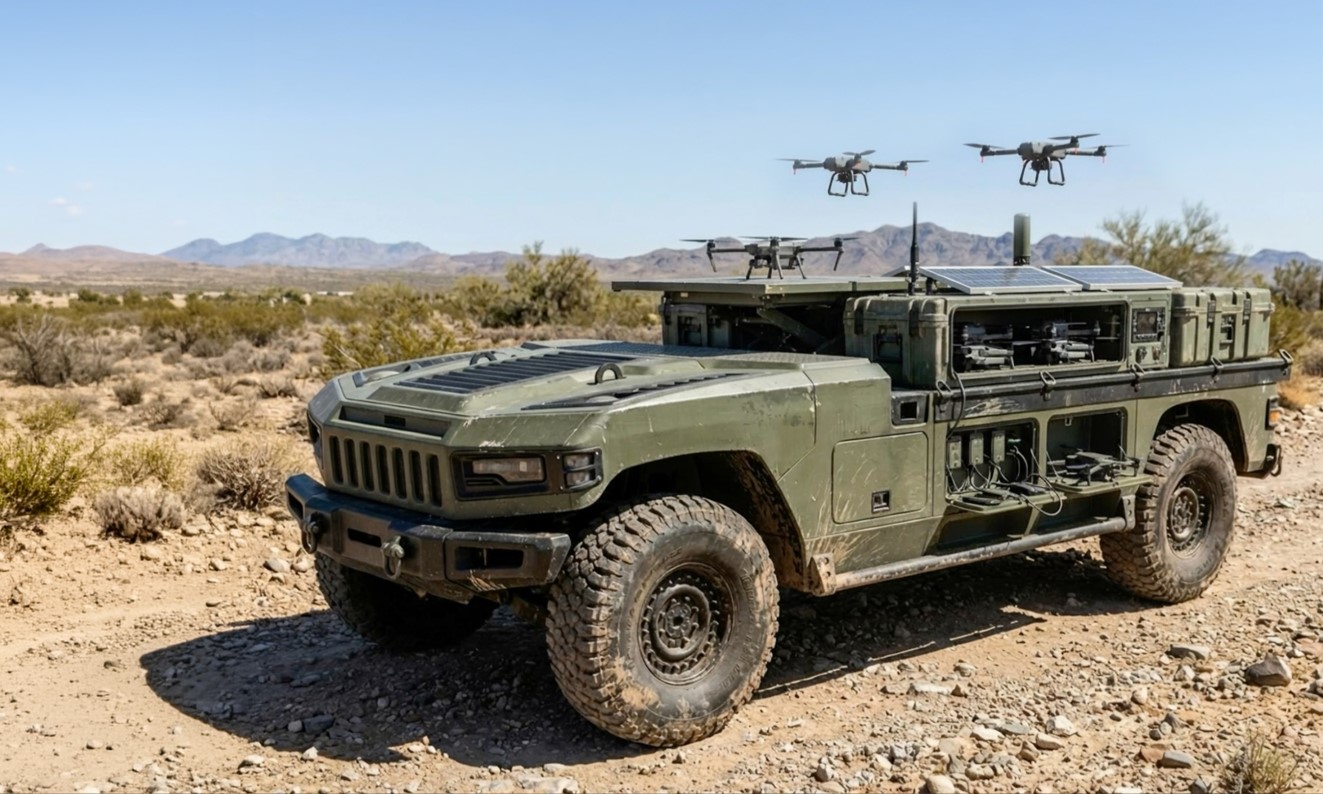 AM General Unveils Next-Generation UGV and JLTV A2 with Counter-Drone Systems at Eurosatory 2026
-
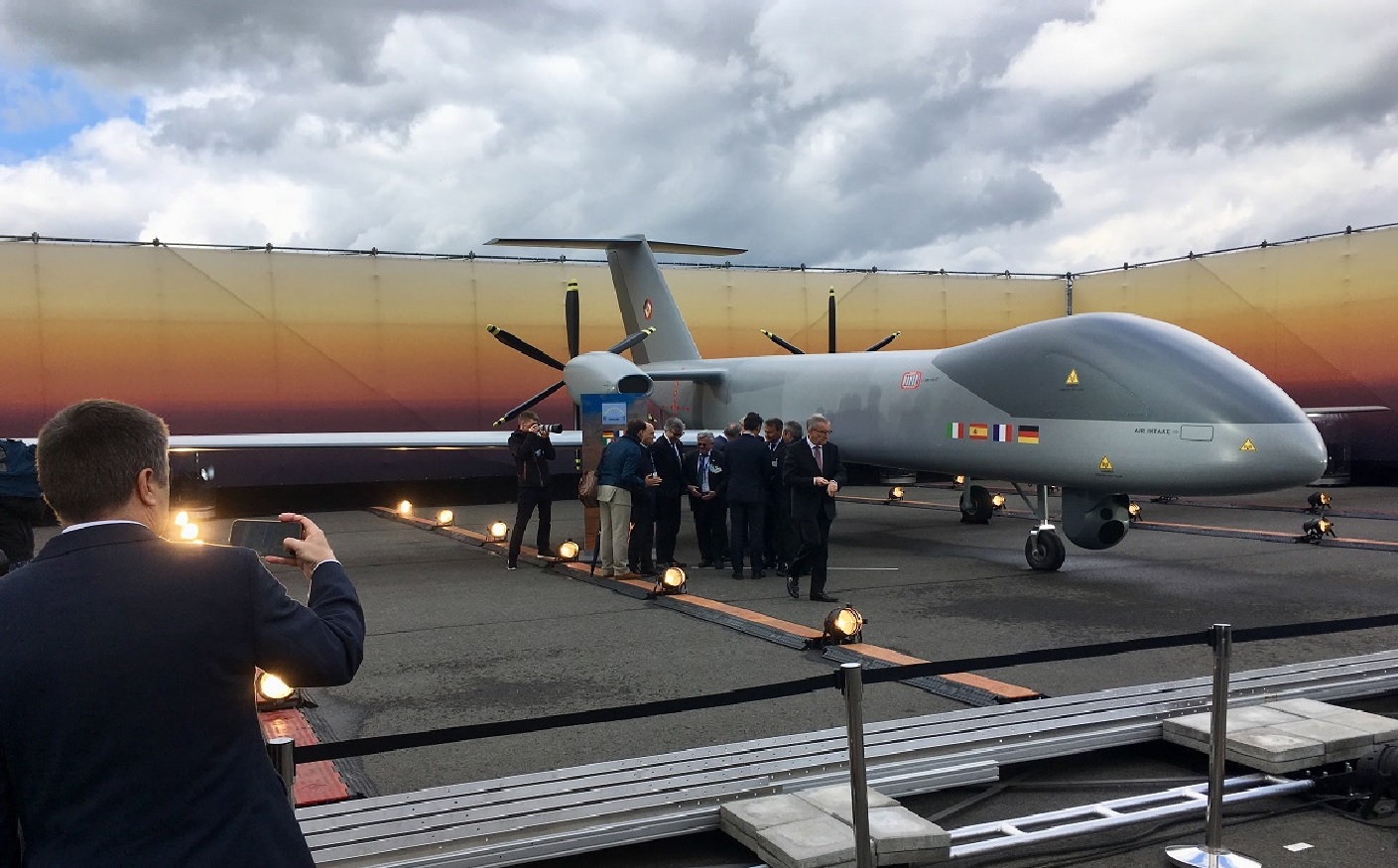 Dassault Seeks Compensation From Airbus as Eurodrone Dispute Erupts After FCAS Collapse
-
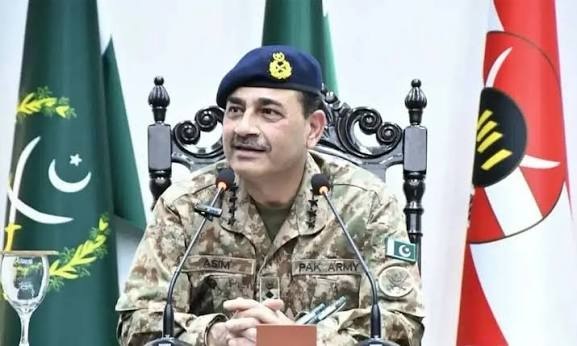 Pakistan Raises Defence Budget from $9 Billion to $10.8 Billion as J-35 Fighter and Hangor Submarine Programs Advance
-
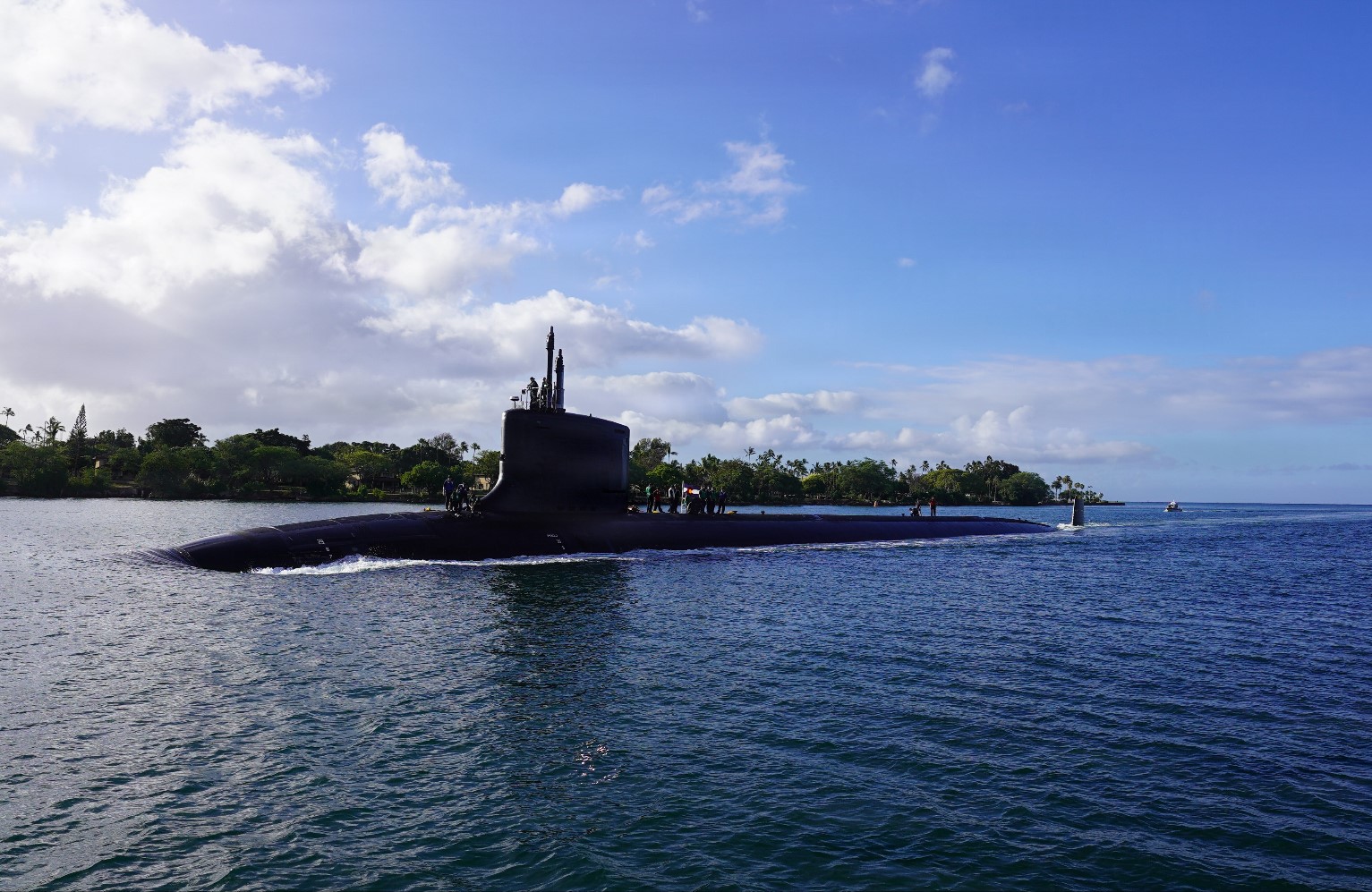 U.S. Navy's USS Colorado Submarine Returns to Pacific Fleet 29 Days Early After Major Pearl Harbor Overhaul
-
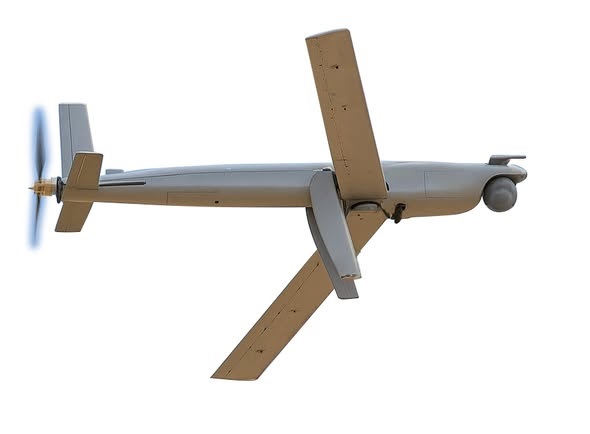 Elbit Systems and Diehl Defence Partner to Offer SkyStriker Loitering Munition to German Armed Forces
-
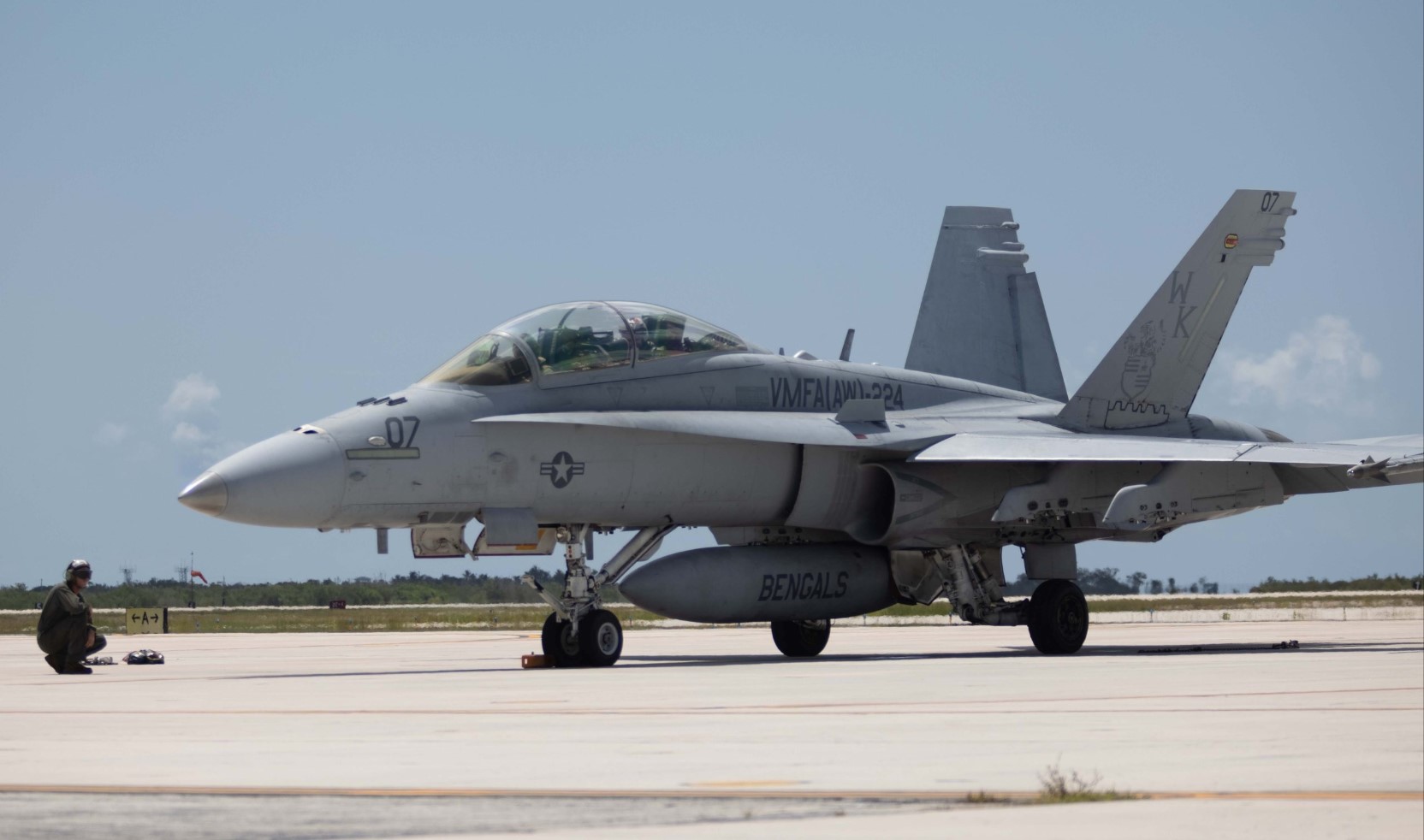 US Marine Corps F/A-18D Hornet Crashes During Training Flight in Washington Mountains; Pilot Ejects Safely
-
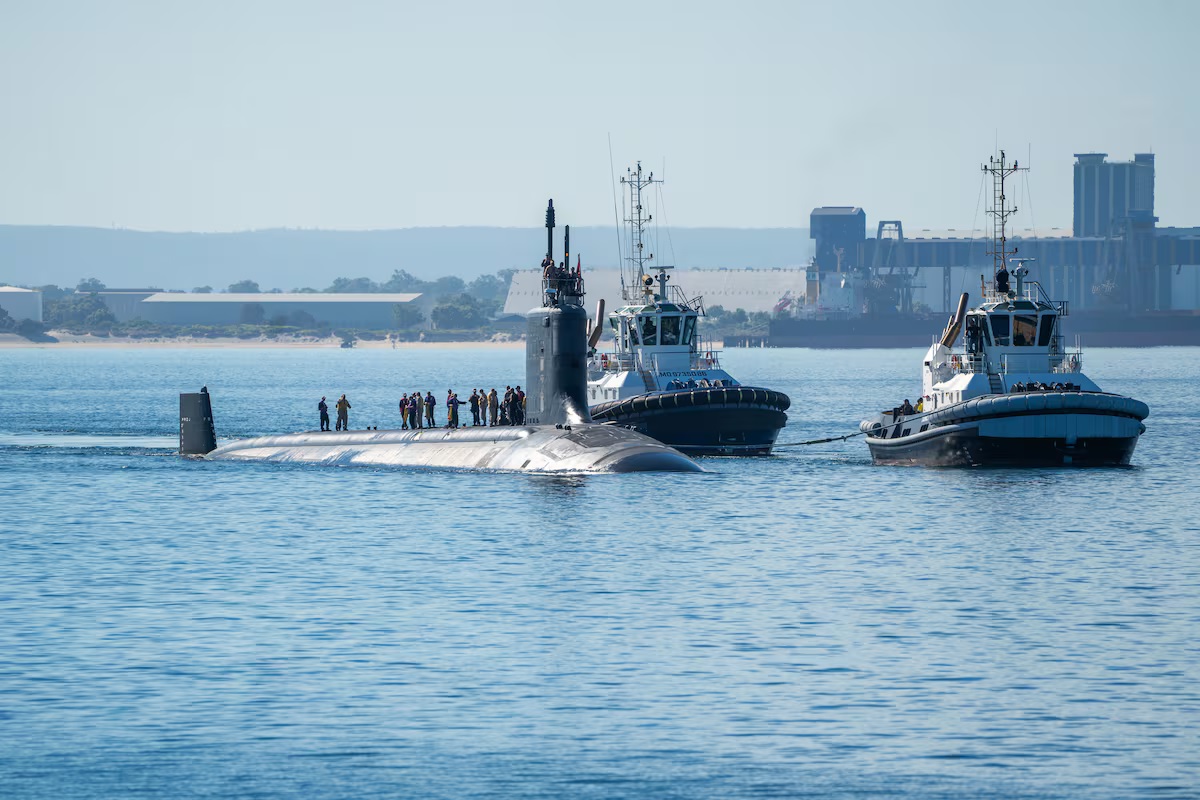 U.S. Navy Reestablishes Submarine Squadron 3 at HMAS Stirling to Support AUKUS Rotational Force
Top Trending in 4 Days
-
 Iranian Media Leaks 14-Point U.S.-Iran Peace Framework Amid Ongoing Negotiations
-
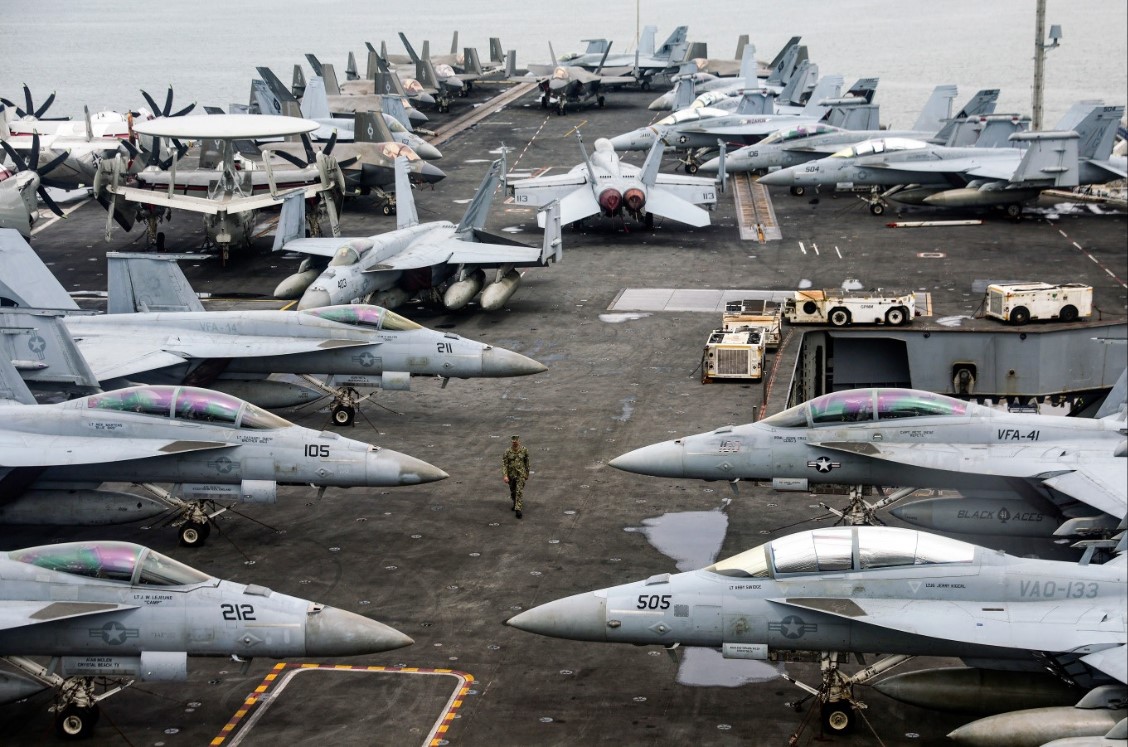 US Plans Significant Reduction of Fighter Jets and Warships for NATO Operations in Europe
-
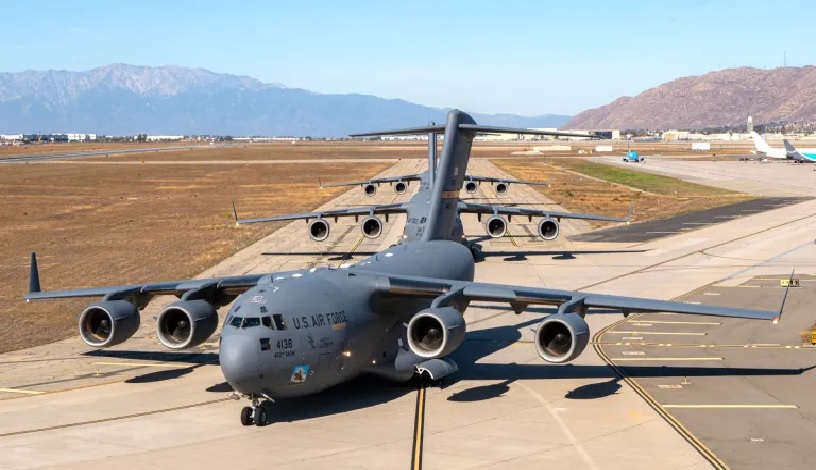 U.S. Air Force Faces Strategic Airlift Shortfall as C-17 Production Restart Remains Uncertain
-
 NATO Commander Says Russia Not Seeking Conflict With Alliance Despite U.S. Force Reductions
-
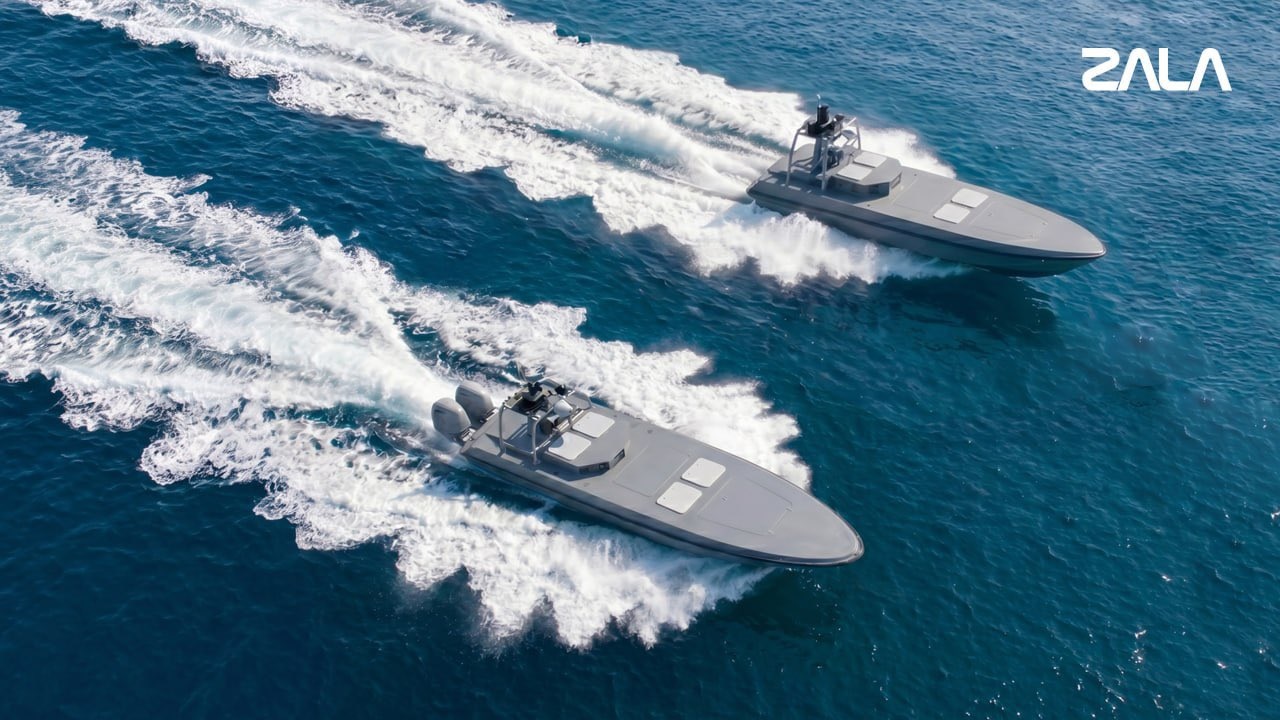 Russian Defense Firm ZALA Unveils KAMA Unmanned Surface Vessel Family at FLOT-2026 Naval Exhibition
-
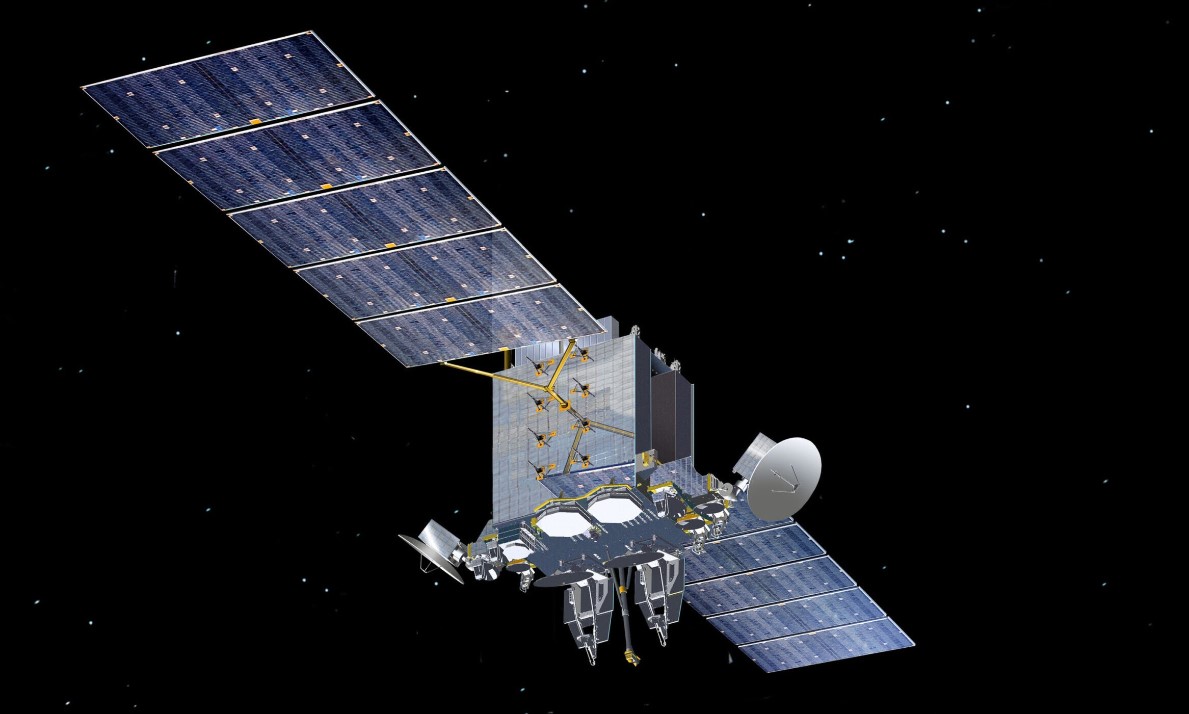 U.S. Space Force Awards $437.7 Million Contracts for First PTS-G Swarm 1 Anti-Jam Satellites
-
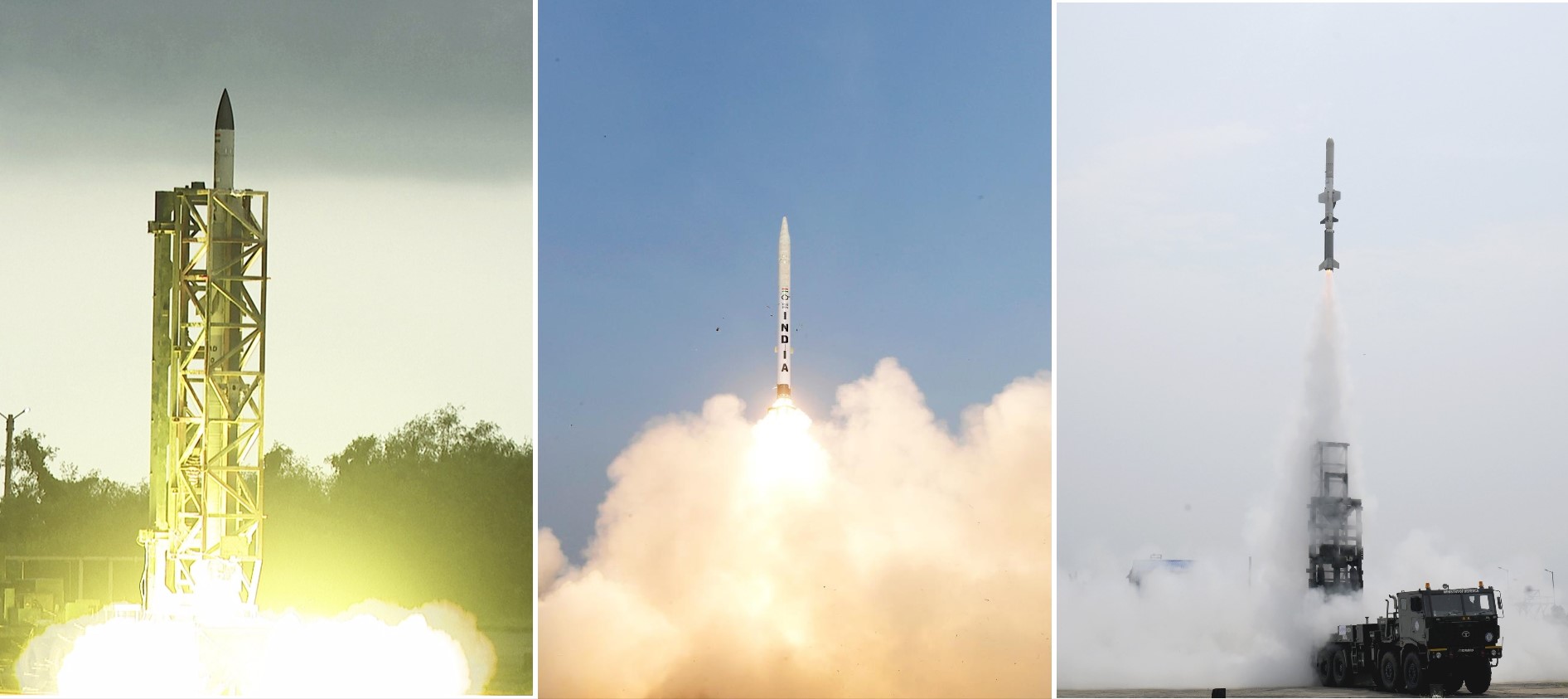 India Successfully Conducts AD-1, AD-2 Interceptor Tests and Maiden NASM-MR Flight Trial
-
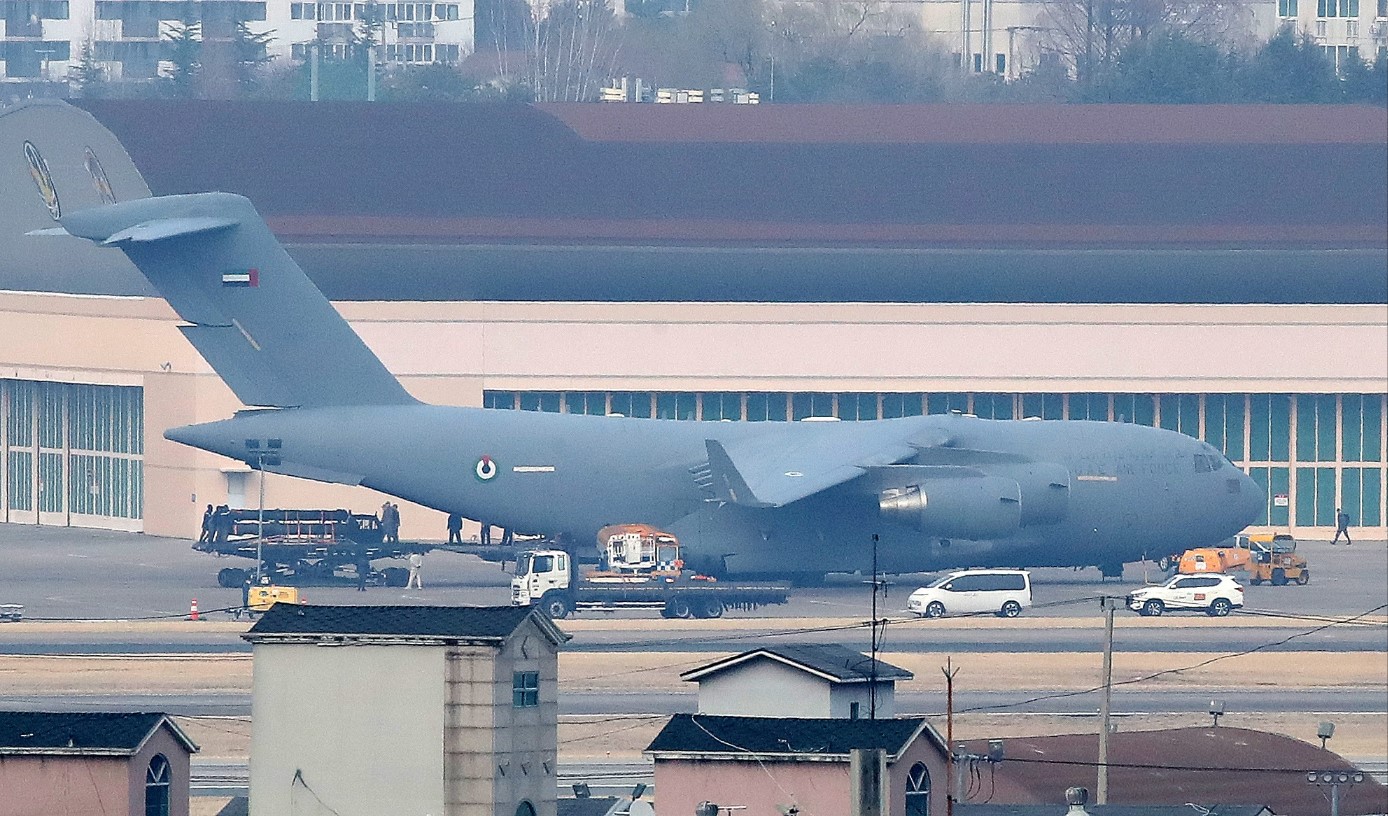 UAE Urgently Airlifts Cheongung-II Missile Defense Battery From South Korea Using Eight C-17 Aircraft