
India
The TEJAS MK-1A, an upgraded indigenous supersonic fighter aircraft, will be delivered to the Indian Air Force by July, featuring advanced avionics, AESA radar, and enhanced combat capabilities.The Indian Air Force (IAF) is set to receive the upgraded version of the indigenous supersonic fighter aircraft, the TEJAS MK-1A, by July. This marks a significant milestone in India's fighter jet development program. The TEJAS MK-1A, an advanced iteration of the MK-1, successfully conducted its first test flight on March 28, 2024, piloted by Group Captain KK Venugopal (Retd), demonstrating its enhanced capabilities.Evolution of the TEJAS ProgramInitiated in the late 1980s, the Light Combat Aircraft (LCA) program aimed to replace the aging MiG-21 and Su-7 fleets. The program gained momentum in the late 1990s, culminating in the maiden flight of the Technology Demonstrator-1 (TD-1) on January 4, 2001. This aircraft was later renamed 'TEJAS,' symbolizing a new era for the IAF.The Second Series Production (SP2) TEJAS aircraft received initial operational clearance in 2016. Subsequently, the TEJAS MK-1 variant was inducted into the IAF's No. 45 Squadron, known as 'The Flying Daggers.' The No. 18 Squadron, 'The Flying Bullets,' also began operating the MK-1 variant, underscoring its operational success.Key Features and Upgrades of the TEJAS MK-1AThe TEJAS MK-1A incorporates numerous advancements over its predecessor. The IAF has ordered 83 units of the MK-1A in a deal worth ₹36,468 crore with Hindustan Aeronautics Limited (HAL). In addition, the Defence Acquisition Council approved the procurement of 97 more TEJAS jets in November 2023.Key enhancements in the MK-1A include:AESA Radar: The MK-1A features the advanced Israel EL/M-2025 AESA radar, which will eventually be replaced by the indigenously developed Uttam AESA radar. This radar can track multiple targets and has a range of over 200 km, providing a 360-degree view.Fly-by-Wire Systems: An upgraded digital fly-by-wire flight control computer enhances maneuverability and flight safety. This system replaces traditional mechanical controls with an electronic interface.Electronic Warfare Suite: The new suite includes a Radar Warning Receiver (RWR) system and an Advanced Self Protection Jammer (ASPJ) pod, offering protection against various radar threats and enhancing survivability in combat.Improved Avionics and Weapons Systems: The MK-1A boasts improved avionics, processors, and display systems. It also features nine hard points for carrying various weapons, including Beyond Visual Range (BVR) missiles and Advanced Short Range Air-to-Air Missiles (ASRAAM).Indigenous Content and Future ReadinessThe TEJAS MK-1A incorporates nearly 50% more indigenous content than the MK-1. It features 40 significant improvements, ensuring it meets the IAF's operational requirements for the next three decades. HAL has maintained design commonality with the MK-1, while integrating advanced technology to create a future-ready aircraft.Operational Deployment and Export PotentialThe IAF plans to raise the first squadron of the TEJAS MK-1A at the Nal air base in Rajasthan, replacing one of the two MiG-21 squadrons stationed there. This move aligns with the IAF's strategy to phase out older aircraft, including the MiG-21, MiG-29, and SEPECAT Jaguar, with the TEJAS MK-1, MK-1A, and MK-2 variants.Internationally, the TEJAS has garnered interest from countries like Nigeria, the Philippines, Argentina, and Egypt, highlighting its export potential.Safety RecordSince its first test flight in 2001, the TEJAS has maintained an excellent safety record. The aircraft's operational deployment over the past eight years has seen only one incident, underscoring its reliability.ConclusionThe TEJAS MK-1A represents a significant achievement in India's indigenous fighter jet development. With advanced technology, increased indigenous content, and enhanced capabilities, it is set to play a crucial role in modernizing the IAF and strengthening India's defense capabilities.
Read More → Posted on 2024-05-18 15:32:13
India
HAL has revised the rollout date for the LCA Mk-2 fighter jet prototype to March 2026, slightly delaying from the earlier target of 2025. This adjustment underscores the complexities of aerospace development, with the new jet promising significant enhancements for the Indian Air Force.Hindustan Aeronautics Limited (HAL), a key player in India's aerospace sector, has adjusted its timeline for the rollout of the first LCA Mk-2 fighter jet prototype. During their recent Q4 FY2023-24 earnings conference call, HAL announced a new target date of March 2026 for the debut of the prototype, moving slightly later than the earlier projection of a 2025 maiden flight.Prabhulla Chandran VK, Director of Avionics and Weapon Systems at the Aeronautical Development Agency (ADA), had previously indicated that a 2025 maiden flight was possible if the jet was fitted with an American engine. However, HAL's updated timeline reflects a minor postponement.The exact reasons for the revised schedule have not been specified, but developing a new aircraft prototype is known to be a complex process. It often involves unforeseen technical challenges, the integration of advanced technologies, and rigorous testing phases, any of which could require adjustments to the timeline.Despite the delay, HAL's commitment to the project remains strong. The LCA Mk-2 is expected to provide significant enhancements over its predecessor. These include a more powerful engine, advanced avionics, and increased payload capacity, all of which are anticipated to greatly enhance the Indian Air Force's capabilities.As we await further updates on the LCA Mk-2's development, this revised timeline underscores the complexities and challenges inherent in aerospace engineering. The progress of this project will be closely monitored by defense enthusiasts and industry experts, as the LCA Mk-2 represents an important step in India's pursuit of self-reliance in defense technology.
Read More → Posted on 2024-05-18 15:21:44
India
India has received an invitation to the global Ukraine peace conference in Switzerland this June, but has not yet decided on its participation. The event aims to develop a roadmap for lasting peace in Ukraine, with over 100 countries invited.The Ministry of External Affairs (MEA) of India has confirmed receiving an invitation from Switzerland to attend the upcoming global Ukraine peace conference scheduled for June. However, India has not yet decided whether it will participate."We have received an invitation from the Swiss side. We are yet to decide on participation," stated MEA spokesperson Randhir Jaiswal during a weekly media briefing.This announcement coincided with the visit of Swiss Foreign Secretary Alexandre Fasel to Delhi, where he met with the MEA Secretary (West), Pavan Kapoor. Jaiswal confirmed, "The Swiss Foreign Secretary is in Delhi. He had a conversation with Secretary West."The conference, set to take place at the Burgenstock in June 2024, was announced by Swiss President and Foreign Minister Ignazio Cassis on April 11. Switzerland aims to host over 100 countries to discuss a path towards peace in Ukraine after more than two years of conflict. The event will focus on developing a common understanding of the steps needed for a just and lasting peace in Ukraine, in alignment with international law and the UN Charter.The Federal Department of Foreign Affairs emphasized that the conference will provide a platform for high-level dialogue to create a concrete roadmap for the peace process in Ukraine.Meanwhile, Russia has already declined participation in the conference. Russian Foreign Minister Sergey Lavrov stated that Russia will not join any events that support Ukrainian President Volodymyr Zelenskyy's peace formula. "When our Swiss colleagues say they want to invite Russia to the first conference, they are not telling the truth. We will not participate in any events that promote Volodymyr Zelenskyy's peace formula in one way or another," Lavrov said in an interview with a Russian news outlet.The Ukraine peace conference in June is expected to be a significant international event, with global leaders coming together to discuss and possibly chart a course towards ending the ongoing conflict.
Read More → Posted on 2024-05-18 15:16:54
India
Hindus remain unrepresented in the US Commission on International Religious Freedom, leading to biased reports on India, according to FIIDS chief Khanderao Kand. He calls for greater diversity and transparency in the commission's evaluations.Hindus, who make up one percent of the American population and represent the world's third largest religion, remain unrepresented in the US Commission on International Religious Freedom (USCIRF). This lack of representation has led to biased, unscientific, and one-sided reports on India and Hindus, according to Khanderao Kand, the chief of Policy and Strategy at the Foundation for India and Indian Diaspora Studies (FIIDS).The USCIRF announced the appointment of three new members—Maureen Ferguson, Vicky Hartzler, and Asif Mahmood—and the reappointment of Stephen Schneck and Eric Ueland. The terms of previous commissioners Abraham Cooper, David Curry, Frederick Davie, Mohamed Magid, Nury Turkel, and Frank Wolf ended on May 14.Kand congratulated the new appointees but criticized the missed opportunity to include a representative from Hinduism. He emphasized that one in every six people on earth practices Hinduism, making its absence on the commission a significant oversight. Kand argued that this lack of representation hinders the diversity and balance necessary for accurate reporting on international religious freedom.Kand specifically called out the annual USCIRF report on international religious freedom as biased against India. He stated that the report is predictably anti-India, omitting crucial facts and failing to provide historical context. "The report fits a certain narrative and becomes a polemic rather than a factual account," Kand said. He found it particularly strange that the USCIRF recommended India, the world’s largest democracy, as a "Country of Particular Concern."He further charged that the USCIRF report tends to favor certain religions and lacks transparency regarding how experts are selected and evidence gathered. According to Kand, the absence of diverse viewpoints leads to biased reports influenced by the vested interests of some staff members. Kand urged the authorities to make the USCIRF more representative in terms of religion and to include faiths like Hinduism and Buddhism. He also called for the reports to be data-driven and transparent. In its latest annual report, released earlier this month, the USCIRF recommended that the State Department designate 17 nations as Countries of Particular Concern (CPCs) due to severe violations of religious freedom. These include Burma, China, Cuba, Eritrea, Iran, Nicaragua, North Korea, Pakistan, Russia, Saudi Arabia, Tajikistan, and Turkmenistan, which were already designated as CPCs in December 2023, along with new recommendations for Afghanistan, Azerbaijan, India, Nigeria, and Vietnam.India has rejected the contents of the USCIRF report, criticizing it for its lack of balance and failure to accurately reflect the country’s religious freedom landscape.
Read More → Posted on 2024-05-18 15:11:25
India
The Indian Ministry of External Affairs stated they have no updates on the reported deportation issues faced by Indian students in Canada, who protested against sudden immigration policy changes. MEA also emphasized no major problems for Indian students in Canada and highlighted the importance of upcoming BRICS meetings under Russia's chairmanship. The Ministry of External Affairs (MEA) has addressed recent reports about Indian students in Canada protesting against changes in immigration policy. The students claimed that the Canadian government had suddenly altered immigration policies, denying them work permits and causing significant concern among the student community.During a weekly media briefing, MEA spokesperson Randhir Jaiswal stated that they are not aware of any widespread deportation issues affecting Indian students in Canada. "We have a large number of students who have gone to Canada to study. The figure is pretty significant. But what you are mentioning is that several students are facing problems that we haven't come across as of now. Sorry, deportation. I don't have an update on that," Jaiswal said.Jaiswal acknowledged that there might be isolated cases where students face difficulties but emphasized that there is no major problem concerning Indian students in Canada. "There may be one case here or one case there, that's about it. But we don't see any major problem as far as students in Canada, as they're concerned," he added.Emphasis on BRICS CooperationDuring the same briefing, Jaiswal highlighted the importance of BRICS (Brazil, Russia, India, China, and South Africa) and the expansive program planned by the Russian presidency, which commenced on January 1, 2024. Russia has taken over the chairmanship of BRICS and plans to hold over 250 meetings throughout the year."BRICS is an important platform. I understand the Russian presidency is preparing a very expansive, ambitious program. There are over 250 meetings that are planned. We look forward to participating in the BRICS meetings and strengthening the BRICS agenda," Jaiswal stated.He also emphasized the significance of BRICS in promoting multipolarity in international relations. "And we also hope that the expanded BRICS becomes an important platform to give voice to the issue of multipolarity," he added.The expanded BRICS now includes new members Egypt, Ethiopia, Iran, Saudi Arabia, and the United Arab Emirates, indicating the growing influence and authority of the association in global affairs. During its chairmanship, Russia will focus on key areas such as politics and security, economy and finance, and humanitarian cooperation.ConclusionThe MEA has clarified that there are no major deportation issues faced by Indian students in Canada, despite recent protests. Additionally, the ministry highlighted the significant role of BRICS in fostering international cooperation, with an extensive agenda planned under the current Russian chairmanship.
Read More → Posted on 2024-05-18 14:59:12
India
The 12th Joint Working Group meeting between India and Mongolia in Ulaanbaatar strengthened bilateral defence cooperation, emphasizing mutual trust and a commitment to deeper collaboration for the future.The 12th Joint Working Group (JWG) meeting between the Defence Ministries of India and Mongolia convened in Ulaanbaatar on May 16-17, 2024. This significant gathering was co-chaired by Shri Amitabh Prasad, Joint Secretary of the Ministry of Defence (MoD) in India, and Brigadier General Gankhuyag Davagdorj, State Secretary of MoD in Mongolia. The meeting also saw the participation of India’s Ambassador to Mongolia, Shri Atul Malhari Gotsurve.Both sides expressed contentment with the ongoing defence cooperation, reviewing progress on various bilateral initiatives and brainstorming ways to further bolster collaboration in these areas. In addition to this, they engaged in discussions about the prevailing geopolitical scenario.During the meeting, the Joint Secretary underscored the potential of India's defence industry and expressed eagerness for a fruitful partnership with the Armed Forces of Mongolia. The Mongolian delegation reciprocated by expressing confidence in the capabilities of the Indian industry. Both parties also acknowledged the deepening ties between their nations.Apart from the official sessions, the Indian delegation, including the Joint Secretary and the Indian Ambassador, held talks with Mr. B Bayarmagnai, Deputy Defence Minister of Mongolia, to discuss bilateral cooperation matters. Furthermore, they visited a training establishment in Ulaanbaatar to inspect ongoing engagements.India and Mongolia share longstanding historical, cultural, and civilizational ties, considering each other as ‘Spiritual Neighbours’. In contemporary times, shared values such as democracy, freedom, and market economy serve to strengthen the bond between the two nations.The 12th JWG meeting between India and Mongolia not only reaffirmed their commitment to fostering defence cooperation but also set the stage for deeper collaboration in the future. With a shared vision and mutual respect, the partnership between India and Mongolia is poised to reach greater heights in the years to come.
Read More → Posted on 2024-05-18 05:55:11
India
Israel's Rafael collaborates with India's Bharat Dynamics Limited to transfer advanced underwater defense technologies, bolstering the Indian Navy's capabilities against torpedoes under the "Make in India" initiative.Israel and India have inked a significant agreement, marking a milestone in their defense collaboration. Israeli defense technology, crafted by Rafael, is set to be transferred to India, aligning with India's "Make in India" initiative. This partnership involves Bharat Dynamics Limited (BDL), an Indian company, in manufacturing some of Rafael's cutting-edge underwater systems.The primary focus lies on enhancing the Indian Navy's defense capabilities against torpedoes, a formidable threat in modern naval warfare. Rafael's expertise, coupled with BDL's manufacturing prowess, is aimed at equipping both surface ships and submarines with advanced protection mechanisms.The Torbuster, the inaugural system slated for production in India, is designed to safeguard vessels against the most sophisticated torpedoes. In today's naval landscape, torpedoes present multifaceted challenges not only to submarines but also to surface vessels. As torpedo capabilities evolve, so must defense strategies.Rafael, in collaboration with DSIT, has developed a unique torpedo defense suite tailored to address these challenges. This suite comprises the Blackfish and Monkfish Torpedo Detection and Alert Sonar (TDAS) Hull Mounted Sonar (HMS) systems. These systems operate continuously at sea, employing state-of-the-art technology to detect, classify, track, and alert against incoming torpedoes.Central to this defense suite is Rafael's TORBUSTER SP hard kill decoy, strategically deployable on ships to deceive and neutralize torpedoes. It offers vital seconds for ships to maneuver and evade attacks, defending against passive, active, and wake-homing torpedoes. For passive torpedoes, TORBUSTER SP simulates the ship's acoustic signature, diverting the torpedo away. Against active torpedoes, it delivers a tailored response in near real-time, thwarting re-attacks.Rafael underscores that this torpedo defense suite serves as a force multiplier, endowing surface ships with ultimate protection against torpedo threats. This partnership not only fortifies India's naval defense but also provides ship operators with a decisive advantage at sea.The collaboration between Israel's Rafael and India's Bharat Dynamics Limited signifies a strategic step towards bolstering India's indigenous defense capabilities. By harnessing Israeli expertise and local manufacturing, India is poised to elevate its position in the realm of maritime security, ensuring a safer and more resilient naval force for the future.
Read More → Posted on 2024-05-18 05:49:48
India
The India-Iran Chabahar port deal, spanning a decade, aims to bolster regional connectivity, benefiting landlocked Afghanistan and Central Asian nations by facilitating trade and humanitarian aid. Despite US scrutiny, both India and Iran stand firm in their commitment to harnessing the port's potential for fostering economic growth and stability in the region.In a significant move towards enhancing regional connectivity, India and Iran have inked a pivotal 10-year agreement for the Chabahar port project. This development underscores India's commitment to bolstering trade and connectivity in the region, particularly benefitting landlocked Afghanistan and Central Asian nations.The Chabahar port, nestled in Iran's Sistan-Balochistan province along its southern coast, holds immense potential as a key gateway for trade and humanitarian aid. Operated by India Ports Global Limited since 2018 under an interim lease, the recent long-term agreement solidifies the port's role as a crucial hub for regional connectivity.One of the primary beneficiaries of this initiative is Afghanistan, a landlocked nation heavily reliant on external aid and trade routes for its sustenance. Through the Chabahar port, India has facilitated the transportation of vital humanitarian assistance to Afghanistan, including 85,000 metric tons of wheat, 200 metric tons of pulses, and 40,000 liters of pesticide Malathion.Beyond Afghanistan, the Chabahar port project holds immense promise for Central Asian countries, providing them with alternative routes for trade and connectivity. By circumventing traditional routes, this initiative opens up new avenues for economic growth and development in the region.However, the agreement has attracted scrutiny from the United States, which has warned of potential sanctions. Despite this, both India and Iran remain steadfast in their commitment to the project, emphasizing its significance in facilitating humanitarian aid and fostering economic alternatives for Afghanistan.It is essential to adopt a holistic perspective on the Chabahar port project, recognizing its broader implications for regional stability and prosperity. Rather than viewing it through a narrow lens, stakeholders must acknowledge its role as a catalyst for positive change in the entire region.External Affairs Minister S Jaishankar rightly emphasized the need to avoid a myopic interpretation of the agreement, highlighting its potential to benefit not only India and Iran but the entire region. The recent acknowledgment by the United States of the project's importance further underscores its relevance in facilitating humanitarian aid and promoting economic resilience.In conclusion, the India-Iran Chabahar port deal signifies a significant step towards fostering regional cooperation and development. By prioritizing humanitarian assistance and economic integration, this initiative holds the promise of transforming the lives of millions in Afghanistan and Central Asia, heralding a new era of connectivity and prosperity.
Read More → Posted on 2024-05-18 05:39:42
India
Indian Embassy in Cambodia issues advisory warning Indian nationals against fraudulent job offers in Southeast Asia, emphasizing the need for caution and authorized agents.The Indian Embassy in Cambodia has issued a crucial advisory for Indian nationals seeking employment opportunities in the Southeast Asian region, particularly in Cambodia. The advisory underscores the alarming rise in fraudulent job offers and emphasizes the importance of exercising caution while securing employment abroad.According to the advisory, Indian nationals are urged to utilize only authorized agents approved by the Ministry of External Affairs (MEA) for job placements. This caution comes in light of numerous reported cases where individuals have been deceived into accepting positions through unauthorized agents, leading to various forms of exploitation and abuse.The advisory specifically highlights the prevalence of scams involving job offers for positions such as 'Digital Sales and Marketing Executives' or 'Customer Support Service' in the Golden Triangle Special Economic Zone in Laos. These dubious companies often lure unsuspecting individuals with promises of high salaries, accommodation, return air tickets, and visa assistance.Furthermore, instances have been reported where Indian nationals are enticed into employment opportunities through neighboring countries like Thailand, only to find themselves coerced into illegal cyber work in Laos. Victims are subjected to harsh and restrictive conditions, including physical and mental abuse, while being denied proper legal documentation for their employment status.The advisory stresses that visas obtained upon arrival in Thailand or Laos do not permit employment, and Lao authorities do not issue work permits to individuals entering the country on such visas. It emphasizes that tourist visas should be strictly used for tourism purposes, and individuals must exercise extreme caution before accepting any job offers in Laos.The Ministry of External Affairs (MEA) has been actively responding to complaints from Indian nationals who have fallen victim to these fraudulent schemes. To date, the Indian Embassy in Cambodia, in collaboration with Cambodian authorities, has rescued and repatriated approximately 250 Indian nationals, with 75 cases addressed in the past three months alone.MEA spokesperson Randhir Jaiswal reaffirmed the commitment to supporting Indian nationals in Cambodia and collaborating with Cambodian authorities and Indian agencies to crack down on those responsible for perpetrating these fraudulent schemes.In conclusion, the advisory serves as a stark reminder of the risks associated with accepting job offers abroad without proper verification. Indian nationals are urged to exercise vigilance, utilize authorized agents, and seek assistance from the Indian Embassy in Cambodia when exploring employment opportunities in the region. By staying informed and cautious, individuals can protect themselves from falling prey to fraudulent employment practices and ensure a safe and legitimate work experience overseas.
Read More → Posted on 2024-05-18 05:27:20
IndiGo Parent Company Teams Up with Archer Aviation to Introduce Electric Air Taxis in India by 2026
India
InterGlobe Enterprises partners with Archer Aviation to introduce electric air taxis in India, aiming to revolutionize urban transportation with rapid, eco-friendly flights by 2026.InterGlobe Enterprises, a prominent player in the Indian aviation industry, is making strides towards its goal of introducing electric vertical take-off and landing (eVTOL) aircraft in India by 2026. Recently, the Group Managing Director, Rahul Bhatia, visited Archer Aviation's headquarters to further this endeavor.Archer Aviation, headquartered in California, has been collaborating with InterGlobe Enterprises, the parent company of IndiGo, under a memorandum of understanding (MoU) signed last year. The aim is to bring electric air taxis to India, pending regulatory approvals.In a recent announcement, Adam Goldstein, Founder and CEO of Archer Aviation, expressed enthusiasm about partnering with InterGlobe to tap into what could potentially become the largest eVTOL market globally. He highlighted the significance of this collaboration in enhancing urban mobility and alleviating congestion.Nikhil Goel, Chief Commercial Officer at Archer Aviation, echoed this sentiment, thanking Rahul Bhatia and CEO Aditya Pande for their visit and expressing excitement about bringing Archer's 'Midnight' aircraft to India.Under the joint venture, InterGlobe and Archer plan to own and operate 200 'Midnight' aircraft, with a total value of $1 billion. These electric air taxis are designed to carry four passengers and offer rapid back-to-back flights with minimal charging time between trips.The primary goal of this partnership is to revolutionize urban transportation in India. For instance, a journey from Connaught Place to Gurugram, which typically takes 60 to 90 minutes by car, could be completed in just 7 minutes using the eVTOL aircraft.Archer's 'Midnight' aircraft utilizes electric power for vertical take-off, hover, and landing, making it environmentally friendly and efficient. Currently, the company is in the final stages of obtaining approvals from the Federal Aviation Administration (FAA) in the United States. Once secured, the focus will shift towards obtaining clearances in India.The timeline for this ambitious project is set to commence trials in India next year, with a planned commercial launch in 2026. Adam Goldstein, CEO of Archer Aviation, shared this information with Reuters, emphasizing the company's commitment to advancing sustainable urban transportation solutions.In summary, the collaboration between InterGlobe Enterprises and Archer Aviation marks a significant step towards realizing the vision of electric air taxis in India. With technological advancements and regulatory approvals in sight, the future of urban mobility looks promising.
Read More → Posted on 2024-05-18 05:15:13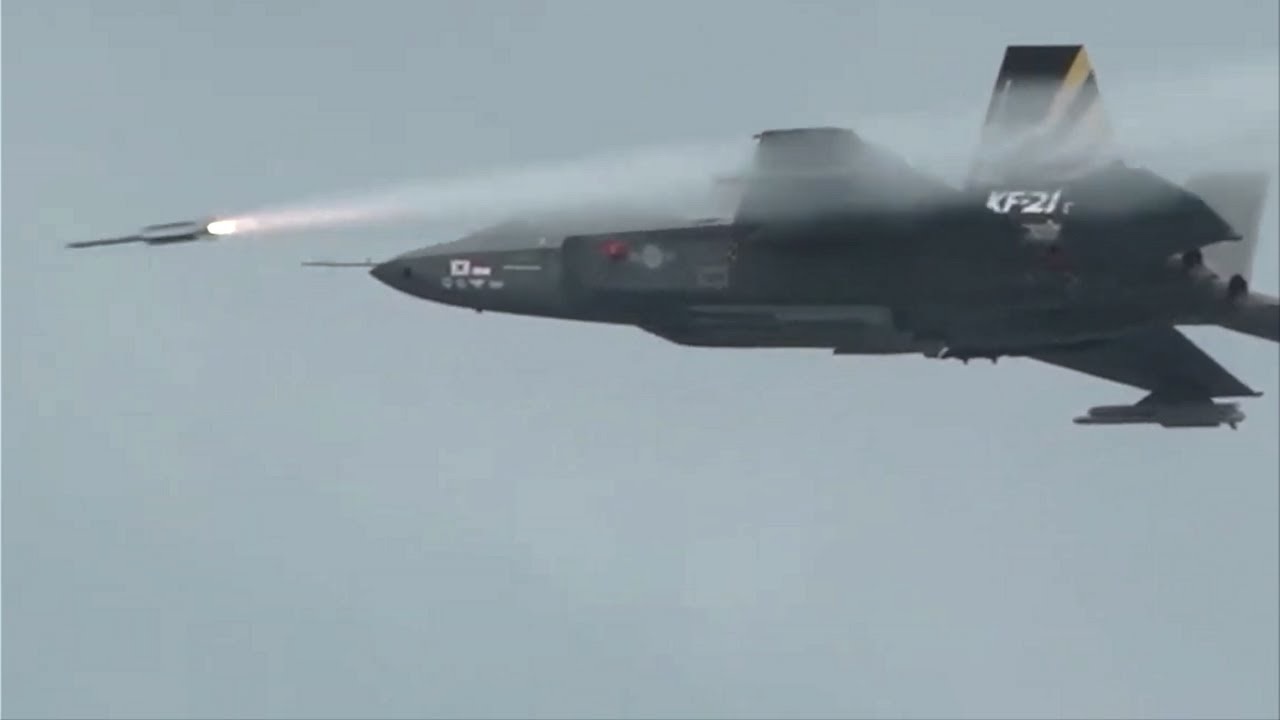
India
The KF-21 fighter successfully fired the IRIS-T missile for the first time, marking a key milestone in Korea's 4.5th generation fighter program. This test confirms the integration and air-to-air capability of the IRIS-T on the KF-21.The IRIS-T short-range air-to-air missile, also known as AIM-2000, has been successfully test-fired from Korea's KF-21 fighter, marking a significant milestone in the development of Korea's 4.5th generation indigenous fighter. This test was the first time the missile was fired as a guided weapon from the KF-21.The test, conducted in May 2024, follows a series of successful evaluations of the IRIS-T on the KF-21. In May 2023, shortly after the aircraft's first flight in early 2023, an unguided missile was safely separated in flight, setting the stage for the recent guided test. During the latest test, the missile was designated by the onboard AESA radar and successfully engaged a target drone, demonstrating the fighter's initial air-to-air capability.Korea Aerospace Industries (KAI) and Diehl Defence have been working together since 2017 to achieve this integration. Helmut Rauch, CEO of Diehl Defence, praised the collaboration, saying, "I congratulate KAI on their outstanding performance on the KF-21 development program. At Diehl Defence, we are proud to be part of this success story with our IRIS-T air-to-air missile."The successful firing from the KF-21 is also a significant achievement for the IRIS-T program. The missile's integration into the KF-21 underscores its compatibility with both legacy and modern fighter aircraft. In February 2024, KAI and Diehl Defence agreed to start integrating the IRIS-T into KAI's FA-50. With the IRIS-T, both the KF-21 and FA-50 will be equipped for demanding missions.The IRIS-T has already been integrated into major combat aircraft platforms, including the Panavia Tornado, Eurofighter Typhoon, JAS-39 Gripen, F-16, EF-18, and F-5. The system is in service or on order with several NATO countries, as well as Brazil, Thailand, Saudi Arabia, and South Africa.This milestone highlights the ongoing advancements in Korea's defense capabilities and the successful international collaboration between KAI and Diehl Defence.
Read More → Posted on 2024-05-17 15:58:19
India
Spain denied port access to a Danish ship carrying 27 tonnes of explosives from India to Israel, emphasizing its stance on promoting peace in the Middle East. The decision aligns with Spain's policy against facilitating arms shipments to Israel amidst ongoing regional conflicts.Spain has denied a port call to a Danish-flagged merchant vessel, Marianne Danica, carrying 27 tonnes of explosive material from India to Israel. The ship had requested permission to dock at Cartagena on 21 May for replenishments during its long journey. Spanish Foreign Minister José Manuel Albares Bueno announced the decision, emphasizing Spain's commitment to peace in the Middle East.“This is the first time we have detected a ship carrying a shipment of arms to Israel that wants to call at a Spanish port,” Albares Bueno said. He added that Spain would adopt a consistent policy, denying docking permissions to any ships carrying arms to Israel.The shipment, originating from Chennai, India, was bound for the port of Haifa in Israel. Chennai is a major port for India’s import and export of explosive materials. Spain has been vocal in its criticism of Israel’s military actions in Gaza and is advocating for other European countries to recognize a Palestinian state.Spain halted arms sales to Israel following its military offensive against Hamas in Gaza. The Spanish foreign minister stressed the need for peace rather than more weapons in the Middle East.India, known as Israel’s biggest defense buyer, supplies Israel with various military-related materials, including fuses, munitions, and drone components from both state-owned enterprises and private companies. Despite this, sources in India’s defense establishment maintain that their exports comply with international regulations governing the transfer of military goods.In February, Reuters reported that Israel’s military operations have increased its demand for ammunition. India is enhancing its defense production capabilities and exploring various export opportunities to meet global demands.
Read More → Posted on 2024-05-17 15:53:23
Indian Army Introduces Tractor-Based ATGM (Anti-Tank Missile) Carrier Vehicles for Enhanced Mobility
India
The Indian Army uses tractors as mobile platforms for Anti-Tank Guided Missiles (ATGMs), showcasing resourcefulness in challenging terrains. These improvised systems offer cost-effective, adaptable anti-tank solutions despite some limitations in protection and stability.The Indian Army is known for its resourcefulness and ability to adapt to challenging situations. One example of this is the use of tractors as mobile platforms for Anti-Tank Guided Missiles (ATGMs). While not a conventional solution, these tractor-mounted ATGMs offer a unique capability, particularly in remote or rough terrain.Why Tractors?Affordability: Tractors are readily available in rural India, making them a cost-effective option compared to dedicated armored vehicles.Maneuverability: Their all-terrain capabilities allow them to navigate through difficult terrain where conventional vehicles might struggle.Adaptability: The open platform of a tractor can be easily modified to mount various ATGM launchers and offer basic protection for the crew.LimitationsArmor: Tractors offer minimal to no protection for the crew against enemy fire.Speed: Their slow speed makes them vulnerable in open environments.Limited firing stability: The firing platform might not be as stable as those on dedicated armored vehicles, potentially affecting accuracy.The Role of Tractor-Mounted ATGMsThese improvised platforms likely serve a specific purpose within the Indian Army's strategy. They might be deployed for:Border patrolling: Providing mobile anti-tank firepower in remote areas.Ambush tactics: Setting up surprise attacks on enemy armor in areas inaccessible to conventional vehicles.Urban warfare: Offering close-range anti-tank support in built-up environments where heavier vehicles might be cumbersome.It's important to remember that these tractor-mounted ATGMs are not meant to replace main battle tanks. They serve a niche role, utilizing readily available resources to provide a cost-effective anti-tank solution in specific situations.The Future of Tractor-Mounted ATGMsThe Indian Army might be looking at ways to improve these improvised platforms. This could involve:Standardization: Developing a more standardized approach to modifications for better performance and crew safety.Improved firing platforms: Integrating more stable firing platforms to enhance accuracy.Lightweight armor: Exploring ways to incorporate basic armor for increased crew survivability.ConclusionThe Indian Army's tractor-mounted ATGM system is a testament to its ability to adapt and improvise. While not a perfect solution, it offers a valuable capability in specific scenarios. As technology advances, the design of these improvised platforms might evolve to better suit the needs of the modern battlefield.
Read More → Posted on 2024-05-17 15:38:24
India
India and Armenia hold inaugural defence consultations to bolster bilateral ties amidst regional dynamics, following India's emergence as a major supplier of defence equipment to Armenia, aiming to counterbalance regional influences and promote stability in the Caucasus.In a significant move, India recently held its first-ever defence consultations with Armenia, marking a milestone in bilateral relations between the two nations. The consultations, which took place in Yerevan on May 14, were aimed at discussing the current state of cooperation and exploring future prospects in the defence sector.Led by Joint Secretary Vishwesh Negi from India's Ministry of Defence and Levon Ayvazyan, Head of Armenia's Department of Defence Policy and International Cooperation, the discussions covered various aspects, including military-technical cooperation, combat training, and regional security concerns.The timing of these consultations holds particular significance, coming just a month after Russian forces began withdrawing from Azerbaijan's Nagorno-Karabakh region. This withdrawal has reshaped the geopolitical landscape in the region and prompted India to engage more actively with Armenia.India's interest in bolstering defence ties with Armenia stems from several factors. Firstly, India is one of the major suppliers of defence equipment to Armenia, alongside France. Armenia has allocated a substantial budget of $1.5 million for defence procurement, indicating the importance it places on strengthening its military capabilities.Moreover, Armenia's strained relations with Russia following the Nagorno-Karabakh conflict have created an opportunity for India to deepen its engagement with the country. Despite being a member of the Collective Security Treaty Organisation (CSTO), Armenia felt let down by Russia's response during the conflict with Azerbaijan. This has led Armenia to seek alternative partners for defence cooperation, with India emerging as a key ally.India's strategic interests in the region also play a crucial role in driving closer ties with Armenia. India is concerned about Turkey's expansionist ambitions, particularly its efforts to create a pan-Turkic empire covering the Caucasus and parts of Eurasia. By supporting Armenia, India aims to counterbalance the influence of Azerbaijan, Turkey, and Pakistan in the region.Furthermore, India's involvement in projects like the International North-South Transport Corridor (INSTC) underscores the importance of maintaining stable relations with Armenia. The INSTC, a multi-modal network spanning several countries, is vital for enhancing connectivity and trade between India, Iran, Azerbaijan, and Russia. India sees Armenia as a potential partner to facilitate alternative routes for the INSTC, reducing dependence on Azerbaijan.In recent years, defence cooperation between India and Armenia has witnessed significant progress. India has supplied advanced military equipment to Armenia, including the Akash surface-to-air missile system and the Swathi radar system. These deals highlight India's commitment to enhancing Armenia's defence capabilities and fostering closer strategic ties.Despite warnings from Azerbaijan against supplying defence hardware to Armenia, India has remained steadfast in its engagement with the country. By strengthening defence cooperation with Armenia, India aims to promote peace and stability in the Caucasus region while safeguarding its own strategic interests.In conclusion, the defence consultations between India and Armenia signify a positive step towards deepening bilateral relations and addressing regional security challenges. As both countries continue to collaborate in the defence sector, they are poised to emerge as key partners in promoting peace and stability in the Eurasian region.
Read More → Posted on 2024-05-17 15:17:40
India
Union Home Minister Amit Shah's visit to Srinagar focuses on security reviews and community engagement, addressing diverse concerns ranging from voter turnout to infrastructure development, reflecting a holistic approach towards fostering peace and inclusivity in Kashmir.Union Home Minister Amit Shah's two-day visit to Srinagar has drawn attention, primarily focused on security matters and community engagement. The visit comes amidst ongoing elections and preparations for the Amarnath Yatra, with the Minister likely to chair a security review meeting.Upon his arrival, Shah was greeted by local BJP leaders, emphasizing the non-political nature of his visit. Sunil Sharma, General Secretary of the local BJP unit, highlighted the significant voter turnout on May 13, attributing it to Central Government policies such as the abrogation of Article 370. He clarified that Shah's agenda primarily centers on reviewing security measures to bolster turnout and ensure a peaceful atmosphere.Meetings with various delegations, representing diverse communities like Paharis, Gujjars, Bakerwals, Sikhs, Dal Dwellers, and residents of Karnah Kupwara, were held at the hotel. These discussions, spanning several hours, enabled community representatives to present their concerns and demands directly to the Home Minister.Abdul Majeed Zindadil, leader of the Pahari delegation, expressed gratitude for the grant of Scheduled Tribe (ST) status and appealed for the construction of Sadna tunnel to enhance connectivity. He pledged full support to the BJP, acknowledging their decision not to field a candidate in Kashmir.Similarly, Mohammad Younus Khan highlighted Shah's advice against voting for dynasties like the NC, PDP, and Congress, urging support for alternative candidates.Damodar Singh, leading the Sikh delegation, raised issues of youth unemployment and preservation of the Sikh language. He advocated for its inclusion in educational institutions and stressed the need for reservation in jobs and the Assembly for the Sikh community.The engagements reflect a multi-dimensional approach by the Home Minister, encompassing security assessments and direct interaction with diverse community representatives. By addressing grassroots concerns and soliciting feedback, the visit underscores a commitment to inclusive governance and proactive engagement with stakeholders.Shah's visit signals the Government's intent to address both security imperatives and socio-economic challenges in the region, laying the groundwork for sustained peace and development. As Kashmir navigates through transitions, such engagements serve as crucial steps towards fostering trust, inclusivity, and stability in the region.
Read More → Posted on 2024-05-17 15:06:07Search
Top Trending in 24 Hours
-
 AM General Unveils Next-Generation UGV and JLTV A2 with Counter-Drone Systems at Eurosatory 2026
-
 Tulsi Gabbard Releases Declassified Files Detailing U.S.-Backed Network of 120 Biolaboratories Across 30+ Countries
-
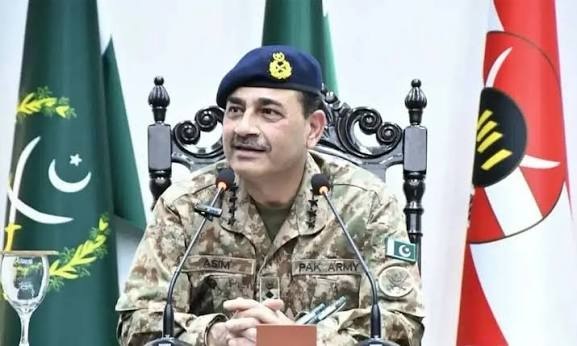 Pakistan Raises Defence Budget from $9 Billion to $10.8 Billion as J-35 Fighter and Hangor Submarine Programs Advance
-
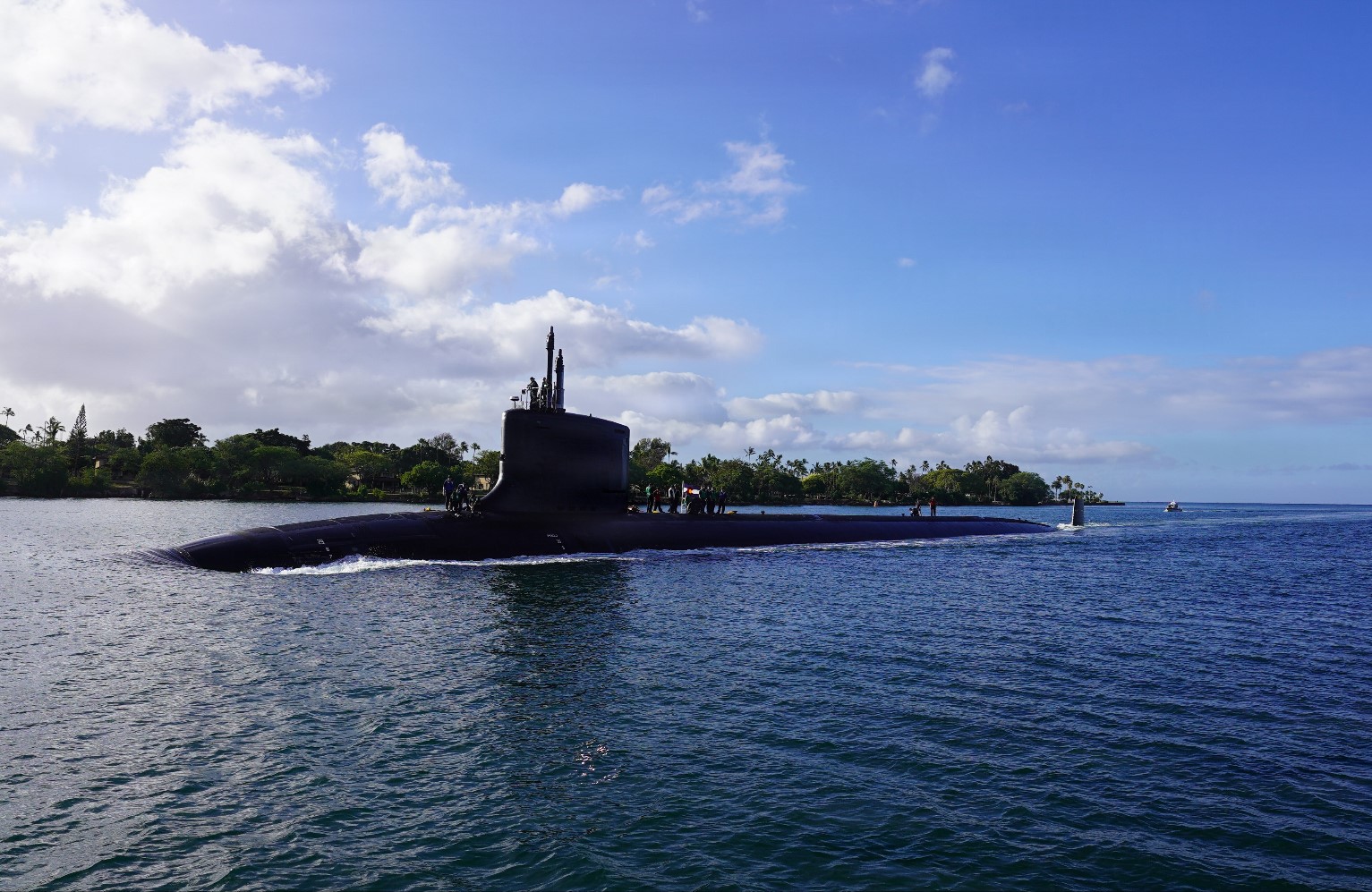 U.S. Navy's USS Colorado Submarine Returns to Pacific Fleet 29 Days Early After Major Pearl Harbor Overhaul
-
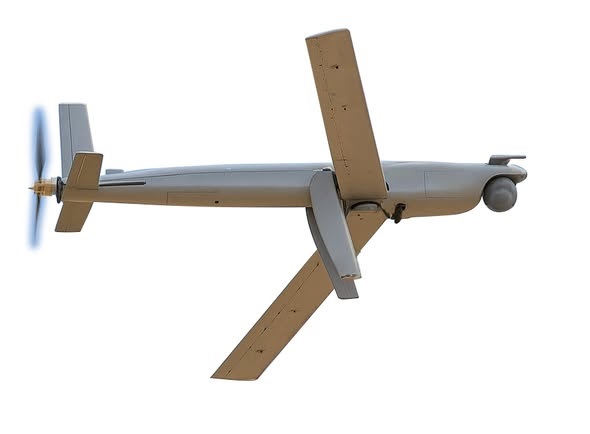 Elbit Systems and Diehl Defence Partner to Offer SkyStriker Loitering Munition to German Armed Forces
-
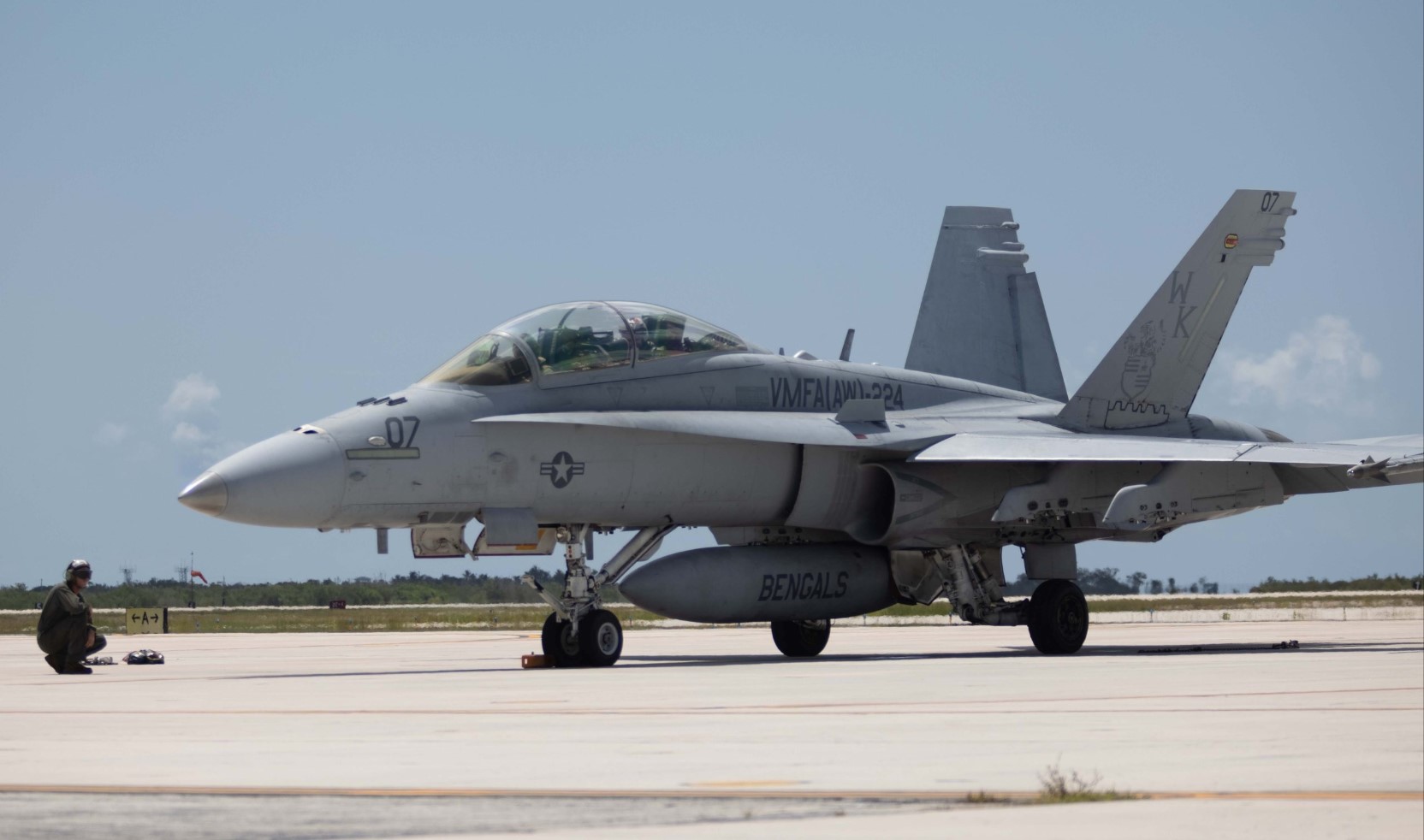 US Marine Corps F/A-18D Hornet Crashes During Training Flight in Washington Mountains; Pilot Ejects Safely
-
 Dassault Seeks Compensation From Airbus as Eurodrone Dispute Erupts After FCAS Collapse
-
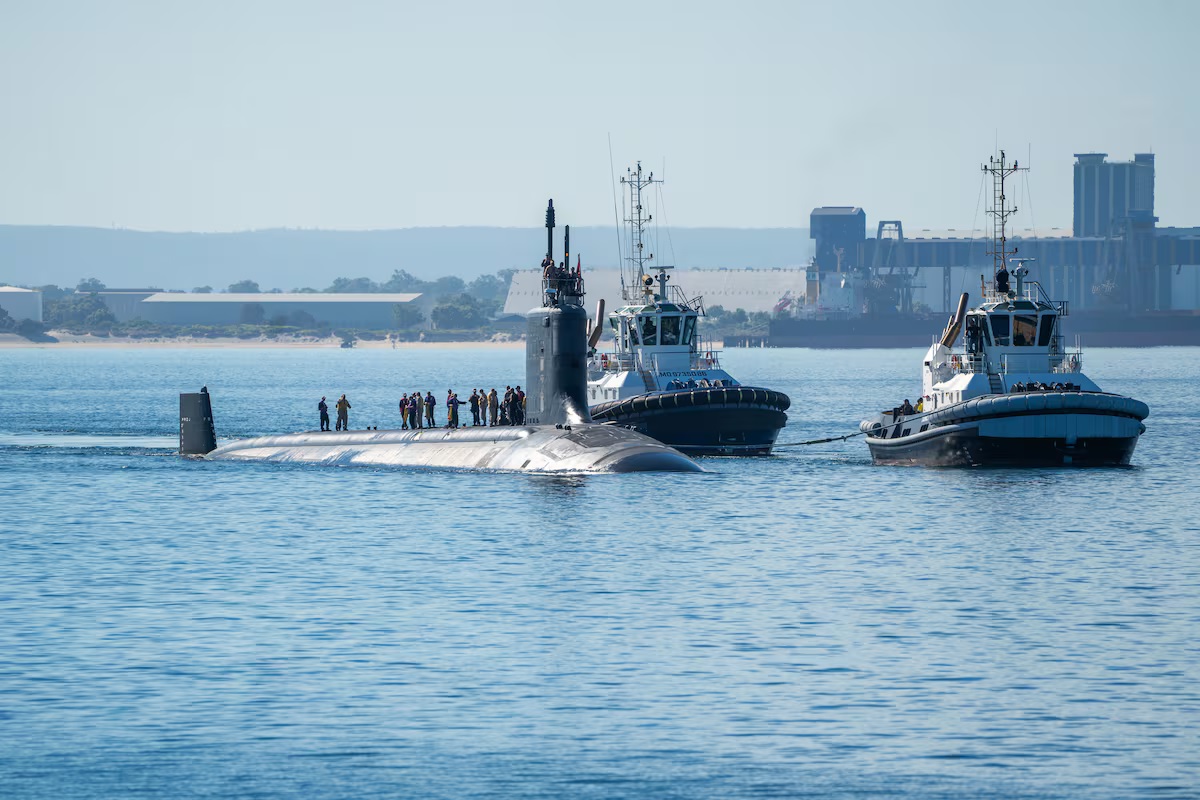 U.S. Navy Reestablishes Submarine Squadron 3 at HMAS Stirling to Support AUKUS Rotational Force
Top Trending in 4 Days
-
 Iranian Media Leaks 14-Point U.S.-Iran Peace Framework Amid Ongoing Negotiations
-
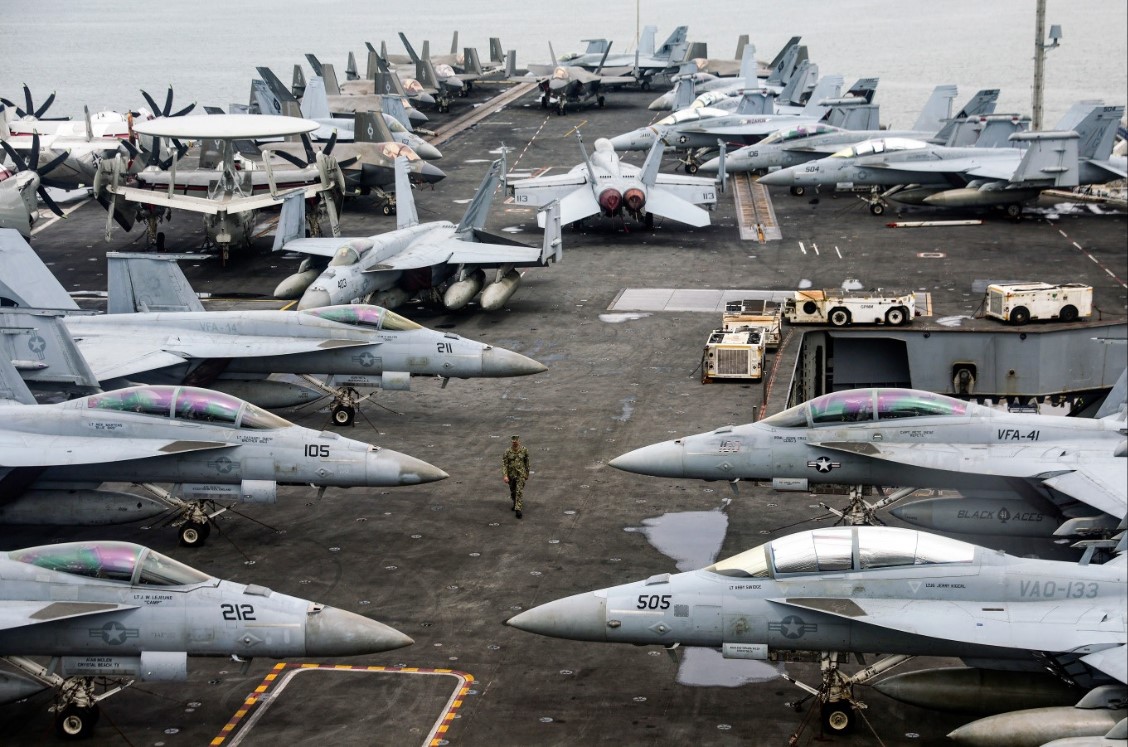 US Plans Significant Reduction of Fighter Jets and Warships for NATO Operations in Europe
-
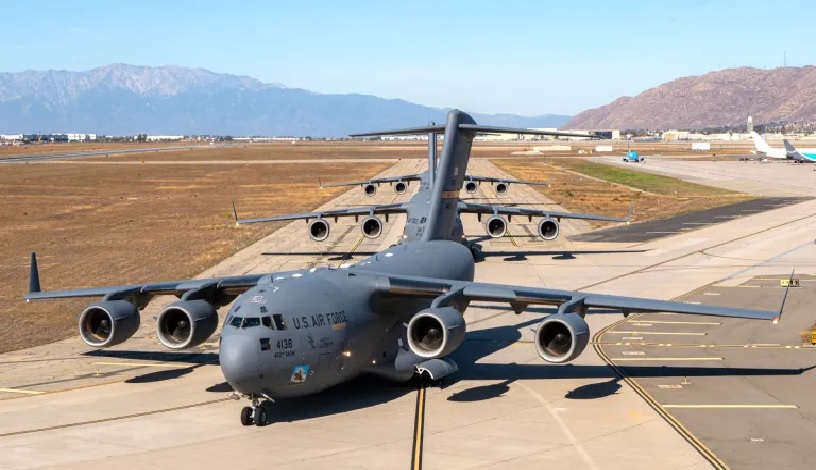 U.S. Air Force Faces Strategic Airlift Shortfall as C-17 Production Restart Remains Uncertain
-
 U.S Aircraft Carrier USS Theodore Roosevelt Departs San Diego for Major RIMPAC 2026 Naval Exercise
-
 NATO Commander Says Russia Not Seeking Conflict With Alliance Despite U.S. Force Reductions
-
 Russian Defense Firm ZALA Unveils KAMA Unmanned Surface Vessel Family at FLOT-2026 Naval Exhibition
-
 U.S. Space Force Awards $437.7 Million Contracts for First PTS-G Swarm 1 Anti-Jam Satellites
-
 India Successfully Conducts AD-1, AD-2 Interceptor Tests and Maiden NASM-MR Flight Trial