
India
A tragic fire in Kuwait's Mangaf district has killed over 40 people, predominantly Indian workers, and injured dozens more. The Indian government is actively assisting the affected.On Wednesday, June 12, 2024, a catastrophic fire broke out in a building in the Mangaf district of Kuwait, resulting in the death of at least 41 people and leaving dozens more injured. The blaze started early in the morning, reportedly in a kitchen on a lower floor, and swiftly spread throughout the building, trapping many residents inside.Among the victims, a significant number were Indian nationals. Kuwait hosts a substantial Indian population, with Indians constituting 21% (1 million) of its total population and 30% (approximately 900,000) of its workforce.Indian Response and CondolencesPrime Minister Narendra Modi expressed his condolences over the tragic incident, stating on X (formerly Twitter), "The fire mishap in Kuwait City is saddening. My thoughts are with all those who have lost their near and dear ones. I pray that the injured recover at the earliest." He also assured that the Indian Embassy is closely monitoring the situation and working with local authorities to assist those affected.External Affairs Minister S. Jaishankar also conveyed his shock and grief over the incident. He noted that the Indian Ambassador to Kuwait, Adarsh Swaika, has been actively involved in the response, visiting both the site of the fire and the Al-Adan hospital, where over 30 injured Indian workers have been admitted. Jaishankar promised full support from the Indian government in his post on X.Embassy Actions and Community SupportThe Indian Embassy in Kuwait has set up an emergency helpline (965-65505246) for updates and assistance. Ambassador Adarsh Swaika has assured the injured workers of full support from the embassy, reinforcing the commitment to aid all affected individuals.Political Reactions and ConcernsIndian political leaders have also voiced their concerns. Congress General Secretary KC Venugopal highlighted the incident as a stark reminder of the poor living conditions that many Indian laborers face in the Middle East. He called for the Indian government to collaborate with their counterparts to ensure better housing facilities and safety measures for Indian citizens abroad.Investigation and AccountabilityThe Kuwaiti authorities have brought the fire under control and are investigating its cause. Reports indicate that the building, owned by NBTC group, housed around 195 laborers, including workers from Kerala and Tamil Nadu. The building owner, janitor, and the responsible company's owner have been apprehended as part of the investigation. Kuwait’s Interior Minister Sheikh Fahad Al-Yousuf Al-Sabah has condemned the greed of the company and building owners for cramming too many workers into inadequate housing, which likely contributed to the high casualty rate.ConclusionThis tragic incident underscores the urgent need for improved living and working conditions for laborers in Kuwait and other parts of the Middle East. As investigations continue, both the Indian and Kuwaiti authorities are working to ensure that justice is served and that such a disaster does not occur again.
Read More → Posted on 2024-06-12 15:11:25
India
Security forces neutralize two terrorists in Kathua, Jammu and Kashmir. Search operations continue as authorities suspect more terrorists may be hiding in the area.Kathua, Jammu and Kashmir ,India June 12 : Two terrorists involved in the Kathua terror attack have been neutralised, and a search operation is continuing, according to Jammu and Kashmir police officials. The incident began on Tuesday evening in the Hira Nagar area of Kathua district when a gunfight erupted between security forces and terrorists.Anand Jain, Additional Director General of Police (ADGP) for Jammu, confirmed to reporters that two terrorists had been neutralised, and the area remains under search operations due to the possibility of more terrorists hiding in the region. "A new infiltrative group has emerged, and we are conducting a thorough search to ensure the area is clear," Jain stated.The operation was a joint effort involving the Army, Jammu and Kashmir police, and Central Reserve Police Force (CRPF) personnel. The firefight in Chhatargala saw no casualties reported among security personnel, and the area has been fully cordoned off.On Tuesday, ultras attacked a house in Saida Sukhal village in Hiranagar, which led to the encounter. One CRPF jawan and one terrorist were killed during this clash. Additionally, five jawans and a sub-divisional special police officer (SDPO) were injured in an encounter that occurred when terrorists opened fire at a joint checkpost of police and Rashtriya Rifles at an army base on the Bhadarwah-Pathankot road in Doda.As of the latest update, the body of the second terrorist killed in Hiranagar has been recovered. Security forces had initially neutralised one terrorist and were searching for another who managed to escape.The authorities are maintaining a high alert in the region and are committed to ensuring the safety and security of the local population while thoroughly investigating the incident. Further details are expected as the search operation progresses.
Read More → Posted on 2024-06-12 14:56:50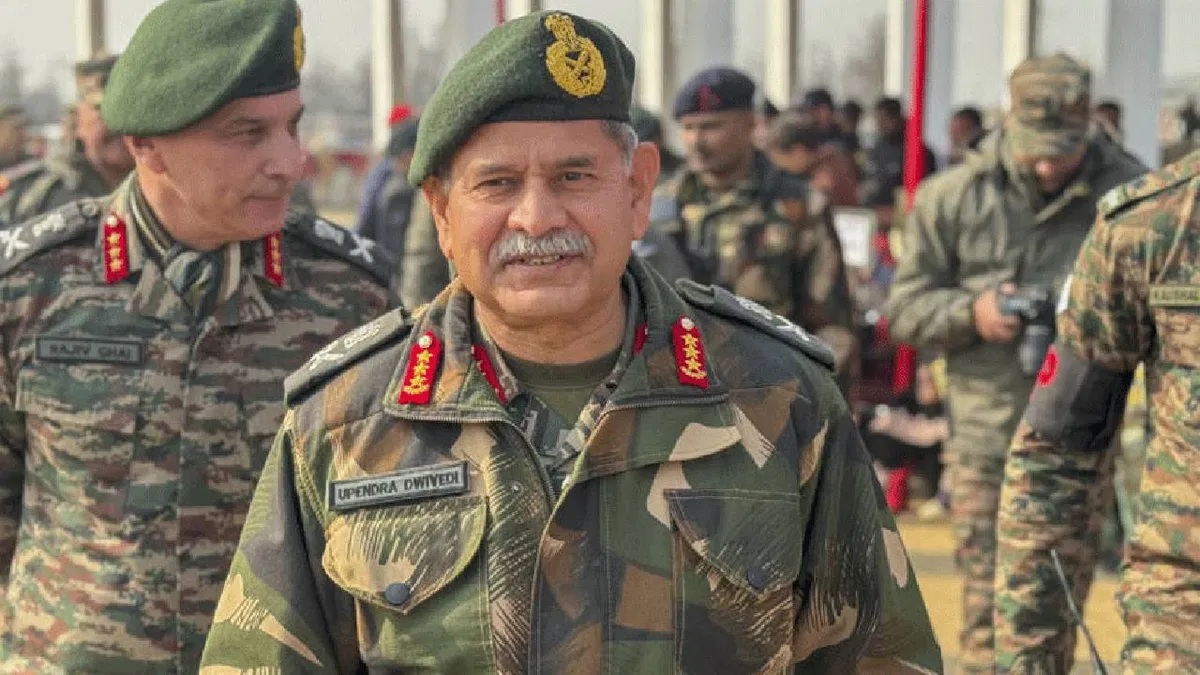
India
Lt Gen Upendra Dwivedi will take over as the Chief of the Army Staff on June 30, 2024, following the retirement of Gen Manoj Pande.The Government of India has appointed Lt Gen Upendra Dwivedi, currently serving as the Vice Chief of Army Staff, as the next Chief of the Army Staff. He will assume his new role on June 30, 2024, succeeding General Manoj Pande. Gen Pande, who was initially set to retire on May 31, had his term extended by a month due to the ongoing Lok Sabha elections.Background and Career HighlightsLt Gen Upendra Dwivedi was born on July 1, 1964. He was commissioned into the Jammu & Kashmir Rifles of the Indian Army on December 15, 1984. His nearly four-decade-long career includes a range of command, staff, instructional, and foreign assignments.Key Command Positions:Commanded the 18 Jammu & Kashmir Rifles RegimentLed the 26 Sector Assam Rifles BrigadeServed as Deputy Inspector General of Assam Rifles (East)Commanded the 9 CorpsAwards and RecognitionsLt Gen Dwivedi has been honored with the Param Vishisht Seva Medal (PVSM), Ati Vishisht Seva Medal (AVSM), and three General Officer Commanding-in-Chief (GOC-in-C) Commendation Cards for his distinguished service.Educational BackgroundAn alumnus of Sainik School Rewa, National Defence College, and the US Army War College, Lt Gen Dwivedi has a strong academic background. He has completed courses at the Defence Services Staff College (DSSC) Wellington and the Army War College, Mhow. Additionally, he holds an MPhil in Defence & Management Studies and two Master's degrees in Strategic Studies and Military Science. He was also honored as a 'Distinguished Fellow' at the US Army War College in Carlisle, USA.Recent PositionsBefore becoming the Vice Chief of Army Staff, Lt Gen Dwivedi served as the Director General of Infantry and the General Officer Commanding-in-Chief at the Northern Command from 2022 to 2024.ConclusionWith his extensive experience and distinguished service record, Lt Gen Upendra Dwivedi is well-prepared to take on the role of Chief of the Army Staff. His appointment comes at a crucial time for the Indian Army, and his leadership is expected to continue the legacy of excellence established by his predecessors.
Read More → Posted on 2024-06-12 08:34:51
India
Armenian special forces highlight their upgraded capabilities with French Bastion armored vehicles and Tata Advanced Systems Limited (TASL) ALS-50 advanced suicide drones, suggesting significant military advancements.Armenian special forces recently demonstrated their enhanced military capabilities in a series of training exercises. The exercises featured newly acquired French Bastion armored vehicles and a new type of suicide drone resembling the Tata Advanced Systems Limited (TASL) ALS-50.The Bastion armored vehicles, known for their durability and versatility, provide protection against small arms fire and mines. These vehicles offer enhanced mobility and security for troops, making them a valuable asset for various operations.Advanced Suicide DronesA notable highlight of the exercises was the appearance of a new suicide drone, closely resembling the Indian-developed TASL ALS-50. This drone is a fixed-wing loitering munition, capable of a range exceeding 50 kilometers. It transitions to a fixed-wing configuration after launch, enabling it to effectively target and destroy enemy positions.Key features of the TASL ALS-50 include:Wingspan: 3.8 metersPayload Capacity: Up to 6 kilograms of anti-personnel or anti-tank weaponryCruise Speed: 100 km/hConstruction: Lightweight composite materialsDespite TASL not officially confirming any sales to Armenia, the presence of these drones during the exercises indicates a significant boost in Armenian military technology.Implications for Armenian DefenseThe integration of Bastion armored vehicles and advanced suicide drones signifies a major step in modernizing Armenia's military. These advancements demonstrate Armenia's commitment to improving its defensive and offensive capabilities. The Bastion vehicles enhance troop mobility and protection, while the new drones offer a strategic advantage in targeting and neutralizing threats from a distance.Unofficial But NoticedWhile the Armenian Ministry of Defense has not issued an official statement regarding the specifics of the new equipment, the display has garnered attention within the defense community. The exercises underscore Armenia's efforts to bolster its military strength amidst regional security challenges.In summary, the recent training exercises by Armenian special forces underscore the country's strides towards enhancing its military capabilities through the acquisition of modern equipment, such as the French Bastion armored vehicles and advanced suicide drones, potentially marking a new era in Armenian defense strategy.
Read More → Posted on 2024-06-12 08:31:44
India
Indian Air Force's TEJAS aircraft makes a safe emergency landing at Surat Airport after receiving a low fuel warning.On Tuesday morning, a TEJAS light combat aircraft belonging to the Indian Air Force (IAF) made an emergency landing at Surat International Airport after the pilot received a low fuel warning. This precautionary measure ensured the safety of both the aircraft and the pilot.Upon receiving the pilot's request for an emergency landing, the Surat airport emergency teams were immediately alerted and prepared for any potential issues. However, the aircraft landed safely without any complications, much to the relief of the emergency personnel.The pilot chose Surat airport for the emergency landing as it was the nearest available location. Following protocol, the airport's Air Traffic Control (ATC) facilitated the landing smoothly. After the aircraft landed, IAF technical teams quickly arrived at Surat airport to examine the TEJAS. The officials stated that the aircraft would remain at Surat for a couple of days until it is thoroughly inspected and cleared for its next flight.As the TEJAS is a single-engine fighter aircraft, it requires thorough checks and clearances before it can take off again. The technical teams will investigate the cause of the low fuel warning to determine if it was an actual low fuel situation or a technical glitch.The TEJAS is an indigenous light combat aircraft designed by Hindustan Aeronautics Limited (HAL) and plays a crucial role in the Indian Air Force. Known for its agility and advanced features, it is equipped with modern avionics and weapons systems. Ensuring the operational readiness and safety of such aircraft is paramount for the IAF.This incident underscores the importance of stringent safety protocols and quick response mechanisms in aviation, particularly for military operations.
Read More → Posted on 2024-06-12 08:26:27
India
India's DRDO and Sagar Defence Engineering collaborate to develop the nation's first underwater-launched UAVs, enhancing submarine surveillance capabilities and marking a significant technological milestone.In a significant step towards enhancing India's underwater military capabilities, the Defence Research and Development Organisation (DRDO) has partnered with Pune-based startup Sagar Defence Engineering to develop the country's first underwater-launched unmanned aerial vehicles (ULUAVs). This initiative aims to provide submarines with advanced surveillance and reconnaissance tools, thereby improving situational awareness in maritime operations.The collaboration between DRDO and Sagar Defence Engineering marks a milestone in India's defense technology. Through a competitive selection process involving 17 firms, Sagar Defence emerged as the winner and was awarded the technology development contract under DRDO's Technology Development Fund (TDF). This fund is designed to promote indigenous innovation and technological advancements within the defense sector.Sagar Defence, recognized for its maritime spotter drones developed for the Indian Navy, will work closely with DRDO's Defence Research & Development Laboratory (DRDL) on this ambitious project. The primary goal is to create ULUAVs that can be discreetly launched from submarines, providing a strategic advantage in surveillance missions.Capabilities and AdvancementsULUAVs are autonomous aerial drones capable of being deployed underwater. These drones are designed to be launched from submarines, allowing them to conduct surveillance without compromising the submarine's position. This capability significantly enhances the operational effectiveness of submarines.According to Mridul Babbar, Director & Vice-President of Business Development at Sagar Defence, the new ULUAVs will surpass current systems in both range and endurance. While the U.S. currently has ULUAVs with a range of 7 km and an endurance of 30 minutes, the DRDO-Sagar Defence project aims to develop drones with a range exceeding 20 km and an endurance of over an hour. This improvement will place India at the forefront of ULUAV technology.Future PotentialThe ULUAVs are primarily intended for enhancing maritime and underwater domain awareness. By gathering critical data, these drones will provide valuable intelligence, helping to identify potential threats without revealing the presence of the submarine. The design also allows for future upgrades, including the integration of weapon systems, which could further enhance the strategic capabilities of the drones.Strategic ImportanceThis development aligns with the Indian government's commitment to promoting indigenous defense technologies. The partnership between DRDO and Sagar Defence Engineering is a testament to the trust and confidence placed in local companies to deliver cutting-edge technology solutions. Sagar Defence CEO Captain Nikunj Parashar expressed pride in this collaboration, emphasizing the significance of DRDO's support in realizing this advanced technological venture.ConclusionThe development of India's first underwater-launched unmanned aerial vehicles represents a significant advancement in the country's defense capabilities. By equipping submarines with advanced surveillance tools, this initiative will enhance maritime security and operational effectiveness. The collaboration between DRDO and Sagar Defence Engineering not only highlights the potential of indigenous innovation but also underscores India's growing expertise in defense technology.
Read More → Posted on 2024-06-12 07:30:27
India
Three terror attacks in Jammu & Kashmir within three days have left security forces on high alert, with multiple injuries and casualties reported.In a troubling surge of violence, Jammu & Kashmir has witnessed three separate terrorist attacks over the past three days, leading to heightened security measures across the region.Reasi Bus Attack:On Sunday, a terrorist attack on a bus carrying pilgrims from the Shiv Khori temple to Katra in Reasi resulted in the vehicle plunging into a deep gorge. This tragic incident caused the deaths of nine pilgrims and left 41 others injured. The attack has prompted an increased security presence and a combing operation in the area to track down the perpetrators.Doda District Attack:Late Tuesday night, terrorists opened fire on a joint checkpoint manned by the 4 Rashtriya Rifles and police in the Chattergalla area along the Bhadarwah-Pathankot road in Doda district. The ensuing exchange of fire left three security personnel injured. Security forces are actively searching for the attackers in the region.Kathua District Operation:In Kathua district, security forces are engaged in an ongoing operation to locate a terrorist hiding in Saida Sukhal village near Koota Morhunder Hiranagar police station. The operation began after two suspected infiltrators appeared in the village and asked for water from several houses, raising suspicions among the villagers. One terrorist was killed during an encounter with the police, while another remains at large. A civilian named Omkar Nath was injured in the attack and has been hospitalized in stable condition, while his wife escaped unhurt.International Border Incident:On Tuesday evening, a suspected Pakistani terrorist attacked a village near the International Border, injuring a civilian before being killed by security forces. An AK assault rifle and a rucksack were recovered from the deceased terrorist, whose identity and group affiliation are yet to be confirmed.Increased Security MeasuresIn response to these attacks, security forces, including the CRPF, have cordoned off affected areas and are conducting extensive search operations. House-to-house searches are underway in Saida Sukhal village, and additional reinforcements have been deployed to ensure the safety of residents and prevent further incidents.Authorities' Statements:Anand Jain, Additional Director General of Police, Jammu zone, provided details about the ongoing operation in Kathua. He confirmed that two terrorists, believed to have recently infiltrated from across the border, were involved. One terrorist was killed while attempting to hurl a grenade at the police, and efforts are continuing to apprehend the second terrorist.The series of attacks has created an atmosphere of tension and fear in the region. Security forces remain vigilant, and combing operations are ongoing to restore peace and order in Jammu & Kashmir.
Read More → Posted on 2024-06-12 07:26:37
India
Three Pakistani terrorists have been identified as the perpetrators behind the recent deadly attacks in Reasi and Poonch, targeting both a pilgrim bus and an Indian Air Force convoy.Recent investigations have revealed that the three Pakistani terrorists responsible for the deadly attack on a pilgrim bus in Reasi district on June 9th were also involved in the ambush of an Indian Air Force (IAF) convoy in Poonch on May 4th. This information comes from sources within India Today.The terrorists, trained in jungle warfare and armed with US-made M4 carbines, successfully navigated the dense forests after the attack in Poonch. They later targeted a bus carrying pilgrims returning from the Shiv Khori temple, resulting in the tragic deaths of nine people and injuring 33 others.A large-scale manhunt has been launched by security forces from three districts—Rajouri, Reasi, and Poonch—to track down the perpetrators. The ongoing investigation aims to determine whether more individuals were involved in these attacks.Initially, The Resistance Front (TRF), an offshoot of the banned Lashkar-e-Taiba terror outfit, claimed responsibility for the attack but later retracted their statement.In response to the attacks, Jammu and Kashmir Lieutenant Governor Manoj Sinha visited the injured in hospitals in Jammu and Reasi. He announced financial aid of Rs 10 lakh to the families of those killed and Rs 50,000 to those injured. Additionally, he chaired a high-level meeting to assess and improve the security situation in the region.These incidents have highlighted the ongoing security challenges in Jammu and Kashmir, emphasizing the need for enhanced surveillance and intelligence to prevent such attacks in the future. The use of advanced weaponry and training by the terrorists underscores the evolving threats faced by security forces in the region.The local communities affected by these attacks are receiving support, but the fear and impact of such violence continue to resonate throughout the area. As security forces intensify their efforts to capture the remaining terrorists, the government is also focusing on providing additional resources to strengthen security and support affected families.
Read More → Posted on 2024-06-12 07:16:41
India
Adani Defence & Aerospace and UAE's EDGE Group have signed an agreement to create a global defence platform, focusing on joint product development and market expansion.Adani Defence & Aerospace, a leading Indian defence company, has signed a cooperation agreement with EDGE Group, a prominent advanced technology and defence group based in the UAE. This agreement aims to establish a global platform that leverages the capabilities of both companies to address the needs of global and local defence markets.The cooperation will cover a broad range of defence products and technologies, including missiles, weapons systems, unmanned aerial systems (UAS), loitering munitions, counter-drone systems, unmanned ground vehicles (UGV), electronic warfare (EW), and cyber technologies. This comprehensive collaboration seeks to integrate the product portfolios of both companies to offer advanced solutions to their customers.The agreement also includes plans to set up research and development facilities in both India and the UAE. These facilities will focus on the development, production, and maintenance of various defence and aerospace solutions. The aim is to serve not only the domestic markets of India and the UAE but also to expand into Southeast Asian and other global markets.Ashish Rajvanshi, CEO of Adani Defence & Aerospace, highlighted the importance of this collaboration as a significant step towards enhancing defence capabilities and technological advancements. He emphasized that this partnership reflects a shared vision to strengthen national defence capabilities while setting new benchmarks in the global defence industry.Hamad Al Marar, Managing Director and CEO of EDGE Group, expressed that this agreement is a crucial milestone in strengthening UAE-India military ties. He noted that the collaboration would bring sophisticated products to the market and capitalize on global export opportunities, leveraging critical UAE-developed technologies.The partnership between Adani Defence & Aerospace and EDGE Group is expected to lead to the development of new technologies and standards in the advanced military equipment and defence sectors. This collaboration underscores the mutual commitment of both companies to enhance defence capabilities and promote bilateral cooperation between India and the UAE.By joining forces, Adani Defence & Aerospace and EDGE Group aim to pioneer new technological advancements and set high standards in the defence industry, providing cutting-edge solutions to meet the evolving needs of the global defence market.
Read More → Posted on 2024-06-11 16:09:00
India
Mazagon Dock Shipbuilders Limited (MDL) partners with the Indian Navy to design and develop India's first indigenous conventional submarine by 2028, aiming to enhance self-reliance in defense technology.Mazagon Dock Shipbuilders Limited (MDL), India’s premier shipyard, has announced a significant initiative to design and develop a full-scale, indigenous conventional submarine by 2028. This ambitious project, in collaboration with the Indian Navy's Warship Design Bureau (WDB), aims to create a 3,000-ton submarine incorporating advanced technologies.Project OverviewThis project is a pivotal part of the Indian Navy's Project-76, which envisions a fleet of 12 indigenously-built diesel submarines. These submarines will feature advanced capabilities such as Air-Independent Propulsion (AIP) systems and Lithium-ion batteries. AIP systems allow submarines to operate without the need to surface frequently, significantly enhancing their operational endurance and stealth. Lithium-ion batteries offer higher energy density, faster charging, and longer life compared to traditional lead-acid batteries.Significance of the ProjectThe development of an indigenous submarine design is a crucial step towards reducing India's reliance on foreign suppliers for critical defense technologies. Currently, India's submarine fleet consists of vessels either imported from or developed in collaboration with foreign countries. This project signifies a strategic shift towards self-reliance in defense manufacturing, in line with the government's "Make in India" initiative.MDL's Role and ExpertiseMDL, with its extensive experience in building warships and submarines, is well-equipped to undertake this challenging project. The shipyard has previously constructed Scorpene-class submarines under a transfer of technology agreement with France. This experience has provided MDL with valuable insights into submarine construction, which will be instrumental in the indigenous design and development process.Advanced Features and CapabilitiesThe new indigenous submarine will integrate state-of-the-art technologies to enhance operational capabilities and crew safety. Key features are expected to include:Enhanced Stealth: Advanced acoustic silencing techniques to reduce detectability.Improved Endurance: AIP systems to allow prolonged underwater operations.Advanced Weaponry: Integration of modern torpedoes, missiles, and mine-laying capabilities.Superior Maneuverability: Enhanced hydrodynamic design for better performance.Strategic and Economic ImpactBy developing indigenous submarines, India aims to achieve strategic autonomy and bolster its maritime security. This initiative will also stimulate the domestic defense manufacturing sector, creating jobs and fostering technological innovation. Additionally, it positions India as a potential exporter of advanced submarine technology in the future.ConclusionMDL’s initiative to design and develop India's first indigenous conventional submarine by 2028 marks a significant milestone in the country's defense capabilities. This project not only aligns with the Indian Navy's long-term vision but also underscores India's commitment to achieving self-reliance in critical defense technologies. As MDL and the Indian Navy work together on this ambitious project, it promises to enhance India's strategic maritime strength and technological prowess.
Read More → Posted on 2024-06-11 16:05:39
India
In response to criticism, the Indian Army suggests increasing Agniveer retention and extending service periods to ensure better training and integration of recruits.The Indian Army has proposed substantial modifications to the Agnipath scheme in response to widespread criticism and concerns from various quarters, including NDA allies. The Agnipath scheme, initially introduced to attract younger recruits and reduce pension costs, has faced scrutiny over potential shortcomings in training and the experience of new soldiers.Sources within the defense sector have revealed that the Army has recommended several key changes:1. Increased Retention Rate: The proportion of Agniveers transitioning to regular service is proposed to be increased from the current 25% to 60-70%. This change aims to enhance operational efficiency and ensure smoother integration of Agniveers into the regular forces.2. Extended Service Period: The Army suggests extending the service period for Agniveers from four years to 7-8 years. This extension is intended to address concerns about the lack of experience among Agniveers, allowing them to gain more comprehensive training and operational skills.3. Age Limit Adjustment: The proposal includes raising the entry age for technical roles to 23 years to attract more mature and potentially more qualified candidates.4. Compensation and Support: Further proposals involve providing ex-gratia payments for disabilities sustained during training, managing exits through a professional agency, and ensuring subsistence allowances for families of Agniveers who lose their lives in combat.The Agnipath scheme was initially welcomed as a means to streamline recruitment and reduce pension costs. However, concerns emerged about the impact on the experience and expertise of the armed forces. A source highlighted that under the previous recruitment system, personnel typically retired at 35 years, with those promoted to Subedar Major retiring at 52 years, bringing extensive experience and training to the table. The proposed changes aim to ensure that Agniveers gain sufficient experience and training to fill these critical roles effectively.These recommendations are currently under review by the government and the defense ministry. The outcome of this review will determine the future trajectory of the Agnipath scheme and its impact on the Indian Army's recruitment and operational capabilities.The changes aim to create a young and capable force without compromising operational efficiency while simultaneously reducing the pension burden. Halting recruitment under the current scheme could lead to a significant shortage of non-commissioned personnel, which would take over a decade to rectify. Therefore, these enhancements are seen as a necessary step to maintain the Army's effectiveness and readiness.By addressing the gaps in experience and ensuring comprehensive training, the Army seeks to maintain a balance between a youthful force and experienced personnel, thus safeguarding the operational capabilities of the Indian Army.
Read More → Posted on 2024-06-11 15:49:57
India
The Indian Navy has launched its fifth Missile Cum Ammunition Barge, LSAM 13, built by SECON Engineering Projects Pvt Ltd. This vessel will significantly boost operational capabilities by facilitating the transport of ammunition and supplies.The Indian Navy has recently expanded its operational capabilities with the launch of the fifth Missile Cum Ammunition Barge, LSAM 13, designated as Yard 81. The launch ceremony took place on June 10, with Commodore Manish Vig, General Manager (QA) at ND(Mbi), presiding over the event. This barge is part of a project initiated by the Ministry of Defence (MoD) and constructed by SECON Engineering Projects Pvt Ltd, a Micro, Small & Medium Enterprises (MSME) shipyard based in Visakhapatnam.What is Missile Cum Ammunition BargeA Missile Cum Ammunition Barge is a type of naval vessel specifically designed to transport and handle missiles, ammunition, and other military supplies. These barges play a critical logistical role for naval operations by providing the following functions:1. Transportation: They facilitate the movement of missiles, ammunition, and other essential supplies from shore facilities to naval ships.2. Embarkation and Disembarkation: These barges enable the efficient loading and unloading of military materials both at port jetties and at outer harbor locations.3. Operational Support: By ensuring the timely delivery and distribution of supplies, these barges help maintain the operational readiness and sustainability of naval fleets.The design and construction of Missile Cum Ammunition Barges adhere to strict naval regulations and standards, ensuring they are capable of safely carrying hazardous materials like explosives and missiles. They are often built under initiatives like India's "Make in India" program, promoting indigenous manufacturing capabilities.Background and Contract DetailsThe contract for the construction of these barges was signed on February 19, 2021, marking a significant step towards enhancing the Navy's logistics and operational support capabilities. These barges are designed and built in accordance with the Naval Rules and Regulations of the Indian Register of Shipping (IRS), ensuring they meet the stringent standards required for naval operations.Design and TestingThe design of the barges was rigorously tested at the Naval Science and Technological Laboratory (NSTL) in Visakhapatnam. The model testing phase was crucial in ensuring the barge's design met all operational and safety requirements. The successful testing and subsequent construction highlight the expertise and capability of Indian shipyards under the Make in India initiative.Operational SignificanceThe primary function of these barges is to support the Indian Navy by facilitating the transportation, embarkation, and disembarkation of ammunition and other supplies. This capability is critical for maintaining the operational readiness of naval ships, both at jetties and outer harbors. The availability of these barges will significantly enhance the Navy's ability to sustain long-term operations and respond swiftly to logistical demands.Recent Naval OperationsIn addition to the barge launch, the Indian Navy has demonstrated its operational readiness and technical proficiency in a recent incident involving the fishing vessel INFAN DHAS. The vessel experienced engine failure and issued a distress call, to which the Indian Navy swiftly responded. A technical team from the deployed Navy ship repaired the defect, enabling the fishing vessel to resume operations.ConclusionThe launch of LSAM 13 marks another milestone in the Indian Navy's efforts to modernize and enhance its operational capabilities. By leveraging indigenous design and construction under the Make in India initiative, the Indian Navy continues to strengthen its logistical support framework, ensuring readiness and efficiency in various maritime operations.
Read More → Posted on 2024-06-11 15:43:52
India
Dr. Rajagopala Chidambaram's leadership has been pivotal in shaping India's independent nuclear program, setting the nation apart in the global nuclear landscape.Dr. Rajagopala Chidambaram has been a key figure in India’s nuclear program, playing significant roles in both the 1974 and 1998 nuclear tests. His career offers profound insights into India’s unique position in the global nuclear order.India’s Independent Nuclear JourneyUnlike many other nuclear powers, India has pursued an independent path in nuclear technology. Dr. Chidambaram highlighted that while countries like the UK and the US have closely collaborated on nuclear activities since the Manhattan Project, India has developed its nuclear capabilities without relying on espionage or extensive technological transfers.Dr. Chidambaram emphasized that India's nuclear program stands apart because of its self-sufficiency. India did not need to spy on other nations or steal nuclear secrets; instead, it relied on its own scientific expertise and innovation. This independent approach underscores India's commitment to ethical practices in scientific research.Key Milestones in India’s Nuclear ProgramDr. Chidambaram played a critical role in India's first nuclear test in 1974, known as "Smiling Buddha." This test marked India's entry into the nuclear club and demonstrated its ability to develop nuclear technology independently. As the chairman of the Atomic Energy Commission, he led the successful execution of the Pokhran-II tests in 1998, which further showcased India's advanced nuclear capabilities with a series of five nuclear explosions.Under his leadership, India's nuclear program adhered to stringent safety and ethical standards, ensuring that all developments were indigenous. His vision and expertise were instrumental in shaping a program that balanced technological advancement with a commitment to self-reliance.Future Prospects and ChallengesLooking to the future, Dr. Chidambaram remains optimistic about the potential of nuclear energy to meet India's growing energy needs. He advocates for continued investment in nuclear research and development, emphasizing the importance of maintaining India's self-reliant approach.Additionally, Dr. Chidambaram stresses the significance of international cooperation in areas such as nuclear safety and non-proliferation. He believes that while India should remain self-sufficient, it is also crucial to engage with the global community to ensure the safe and peaceful use of nuclear technology.ConclusionDr. Rajagopala Chidambaram's contributions to India's nuclear program highlight the nation’s unique and independent approach to nuclear development. His leadership has ensured that India’s nuclear journey is marked by innovation, ethical standards, and self-sufficiency. As India continues to advance its nuclear capabilities, Dr. Chidambaram's legacy will undoubtedly remain a guiding force.
Read More → Posted on 2024-06-11 15:28:42
India
The Indian Army's Gajraj Corps recently organized a crucial medical and eye camp in Mago, a remote village in Arunachal Pradesh's Tawang district, providing essential healthcare services to the local population.The Indian Army has taken a significant step to provide healthcare to the remote village of Mago in Arunachal Pradesh’s Tawang district. Known as the first village of India due to its proximity to the China border, Mago faces numerous challenges, including limited access to healthcare.Last week, a team of doctors from the Gajraj Corps conducted a comprehensive medical and eye camp in the village. Defence spokesman Lt Col Mahendra Rawat highlighted the importance of this initiative, noting that the rugged terrain and remote location of Mago severely limit its healthcare infrastructure.During the camp, 94 patients were screened for various health issues. The team of doctors provided medical consultations, conducted diagnostic tests, and distributed necessary medications. A primary focus was on ocular health, addressing issues prevalent in remote areas where harsh weather conditions and lack of regular medical attention can exacerbate eye problems. Among the patients, 11 were diagnosed with cataracts and are scheduled for surgery.Lt Col Rawat emphasized the mission's goal of ensuring that every individual, regardless of location, has access to quality healthcare. "Our mission was to ensure that no individual is left behind when it comes to healthcare. We aim to bring quality medical services to the doorstep of those who need it the most," said one of the doctors involved in the camp.The Gajraj Corps team plans to continue this mission by organizing similar medical camps in other isolated villages in the region, striving to bridge the healthcare gap for remote communities.This initiative is part of a broader effort by the Indian Army to support and improve the living conditions in border areas. The provision of healthcare services not only addresses immediate medical needs but also strengthens the bond between the army and local populations.The Indian Army's efforts in Mago represent a crucial lifeline for residents who otherwise have limited access to medical care. By addressing both general health and specific issues like ocular health, these medical camps play a vital role in improving the quality of life in these remote regions.
Read More → Posted on 2024-06-11 15:24:20
India
Pakistan Backed The Resistance Front, linked to Lashkar-e-Taiba, claimed responsibility for a fatal bus attack in Reasi district, Jammu and Kashmir, killing 10 and injuring 33. Security forces intensify search for perpetrators.On Sunday, a terrorist attack on a pilgrim bus in Jammu and Kashmir's Reasi district resulted in the death of 10 individuals, including the bus driver and conductor, and left 33 others injured. The attack was carried out by The Resistance Front (TRF), a group supported by Pakistan and affiliated with the notorious Lashkar-e-Taiba (LeT).In a threatening message, the TRF, which was designated a terrorist organization by the Indian government in 2023, claimed responsibility for the attack. They warned that this assault was just the beginning of a series of attacks targeting tourists and non-locals in the region. This threat has heightened concerns about the safety of pilgrims and tourists, especially with the upcoming Amarnath Yatra pilgrimage.The TRF has been active since 2019, following the Indian government's abrogation of Article 370, which revoked Jammu and Kashmir's special status. The group has orchestrated numerous attacks aimed at destabilizing the region and spreading fear among the populace.The recent attack in Reasi has drawn widespread condemnation from political leaders and citizens alike. Many have expressed their outrage and extended their condolences to the victims and their families. In response to the attack, security forces have launched a massive search operation involving drones and forensic teams to locate and apprehend the perpetrators.The incident underscores the persistent threat of terrorism in Jammu and Kashmir and the ongoing challenges in maintaining security and peace in the region. Authorities are intensifying their efforts to counter these threats and ensure the safety of residents and visitors. The focus remains on bringing those responsible for the attack to justice and preventing further incidents.As investigations continue, the security apparatus in Jammu and Kashmir is on high alert, emphasizing the need for continued vigilance and coordinated efforts to combat terrorism. The government and security forces are committed to ensuring the safety of all pilgrims and tourists, especially during significant events like the Amarnath Yatra.The attack serves as a stark reminder of the ongoing threats in the region and the importance of a robust security response to safeguard lives and maintain peace.
Read More → Posted on 2024-06-11 15:11:21Search
Top Trending in 24 Hours
-
 NASA Suspends Science Operations on Perseverance Rover and Mars Odyssey After Hardware Failures
-
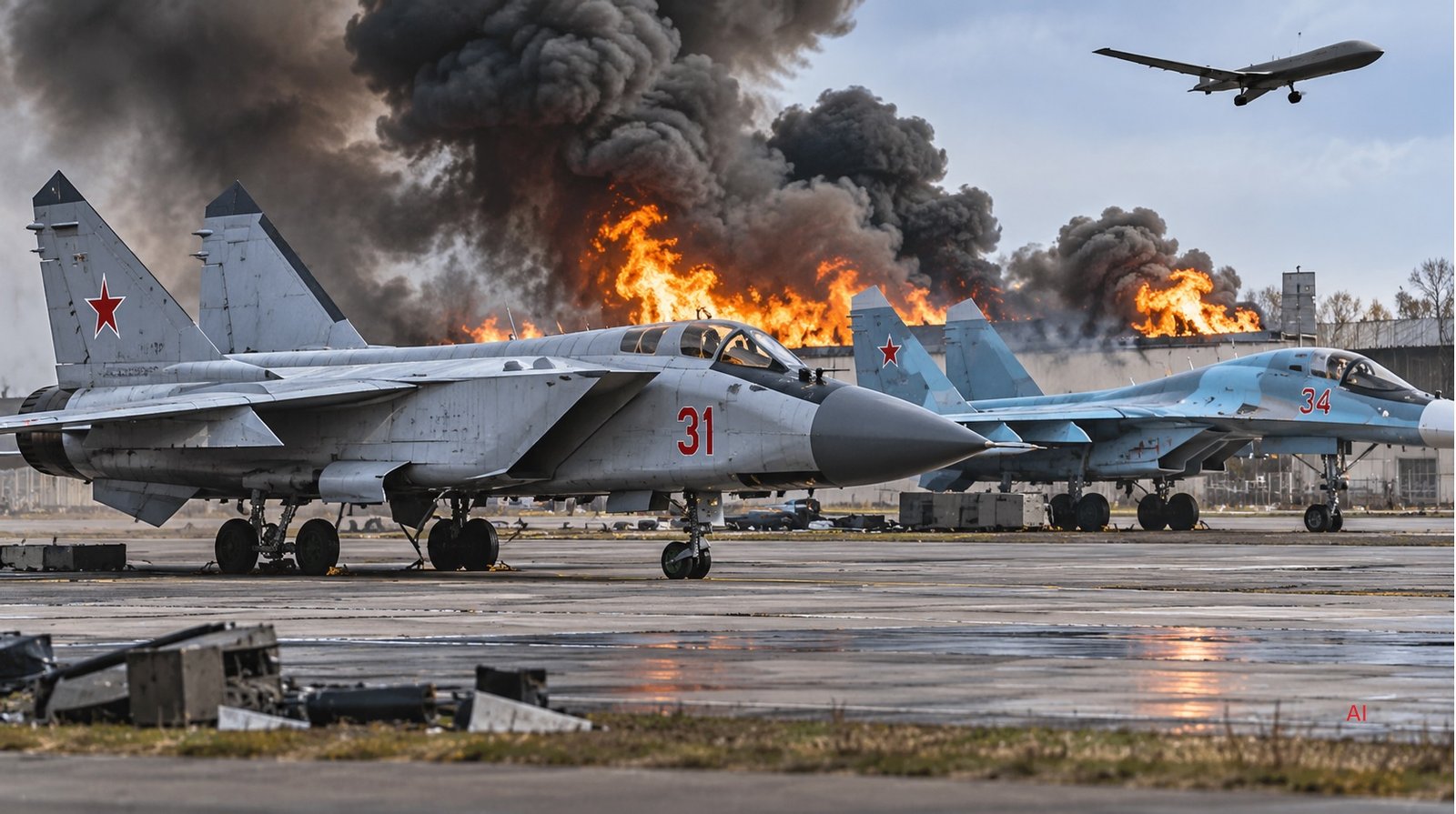 Ukraine Strikes Five Russian Warplanes, Including Three Kinzhal-Capable MiG-31s at Savasleyka Airbase
-
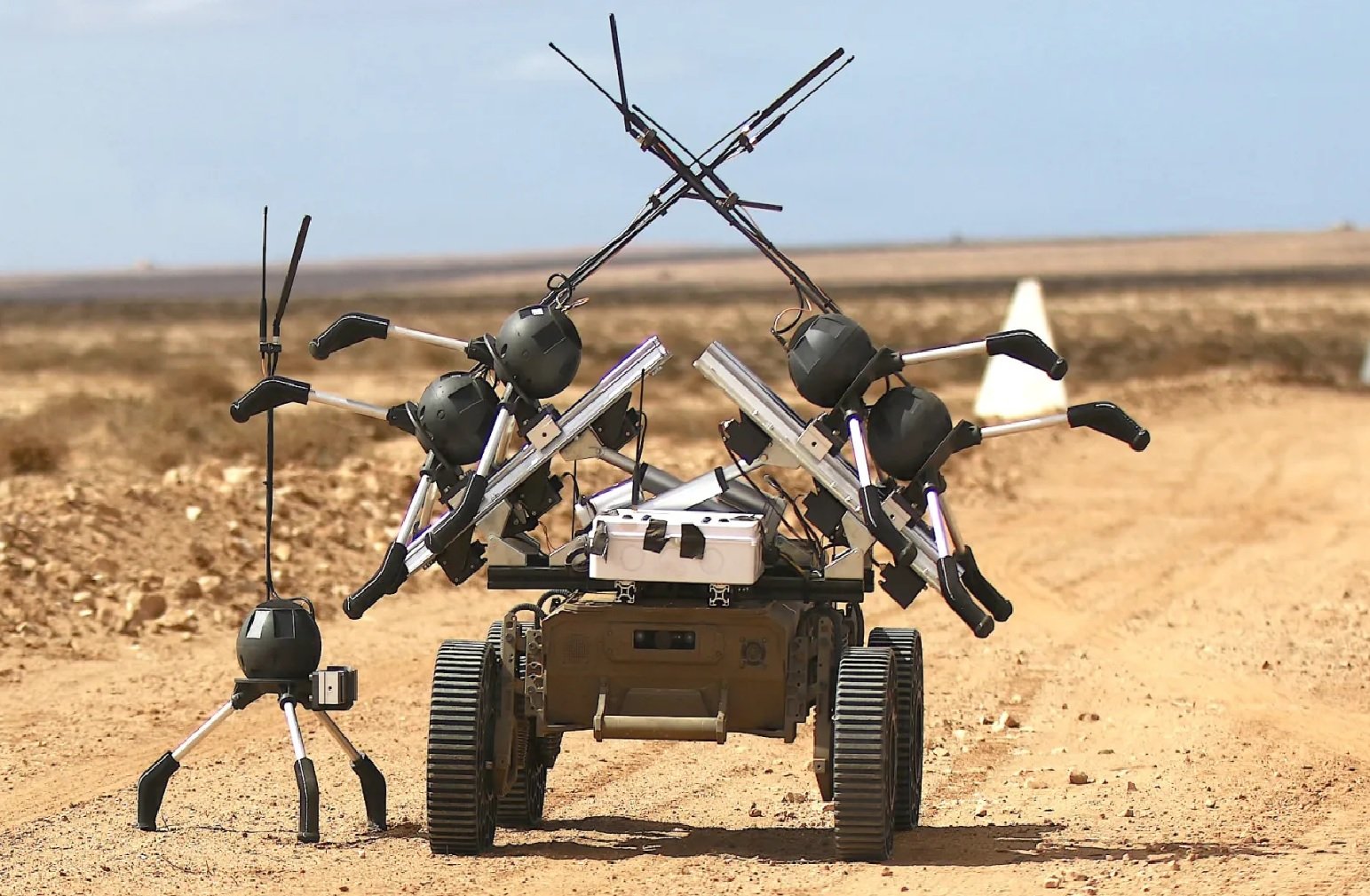 U.S. Army Tests FireAnt Robotic Vehicle to Deploy Drone-Detection Sensors in Morocco
-
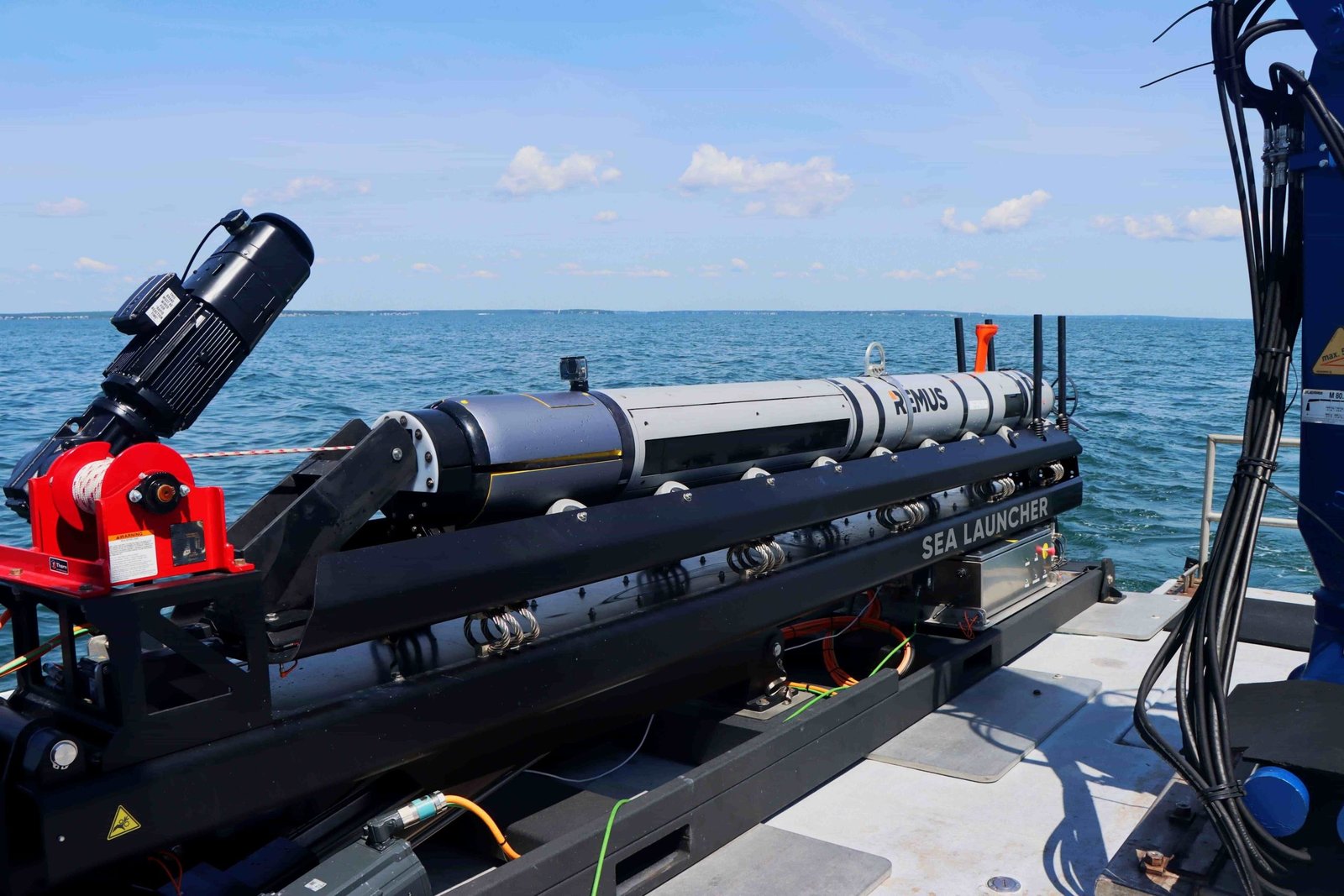 UK Awards HII £142 Million Contract for REMUS 620 Underwater Vehicles for Royal Navy Mine-Hunting Programme
-
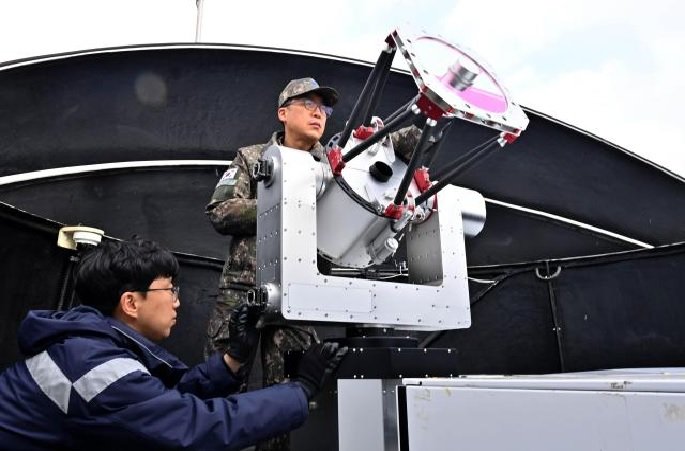 South Korea’s Air Force Deploys New Space Weather Warning System to Monitor Solar Activity and Protect Military Operations
-
 UK Supplied Fake 'Enhanced C-4' Explosives for Ukrainian Drones, Investigation Reveals
-
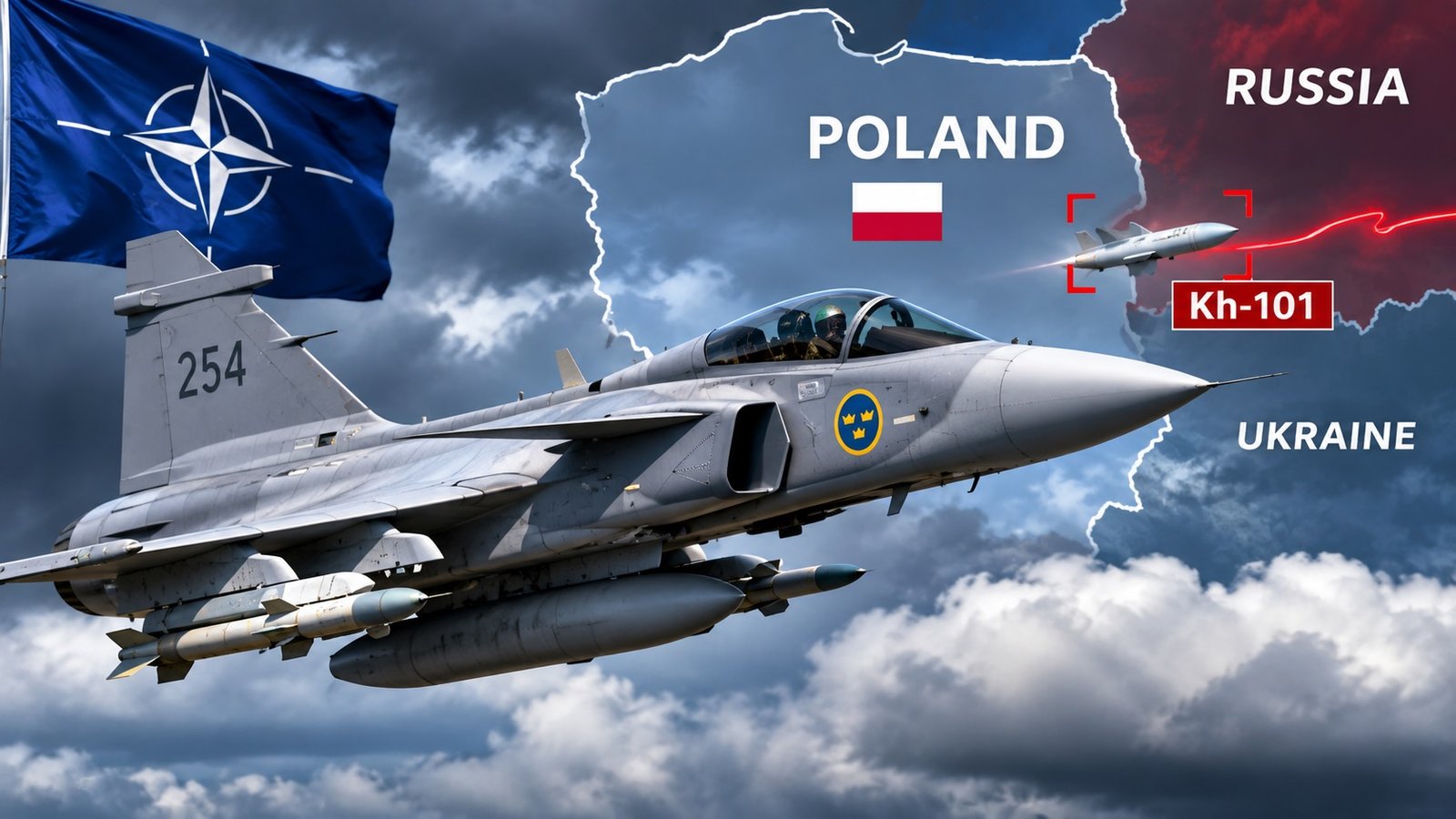 Swedish Gripen Fighter's Capabilities Questioned After Pilot Fails to Engage Suspected Russian Missile Over Poland
-
 Israeli Elbit Systems Wins Five-Year Contract to Equip Four German Navy F128 Frigates With Electronic Warfare Systems
Top Trending in 4 Days
-
 Two Injured in Bahrain After Iranian Attacks; Iran Claims Strike on US Patriot Radars
-
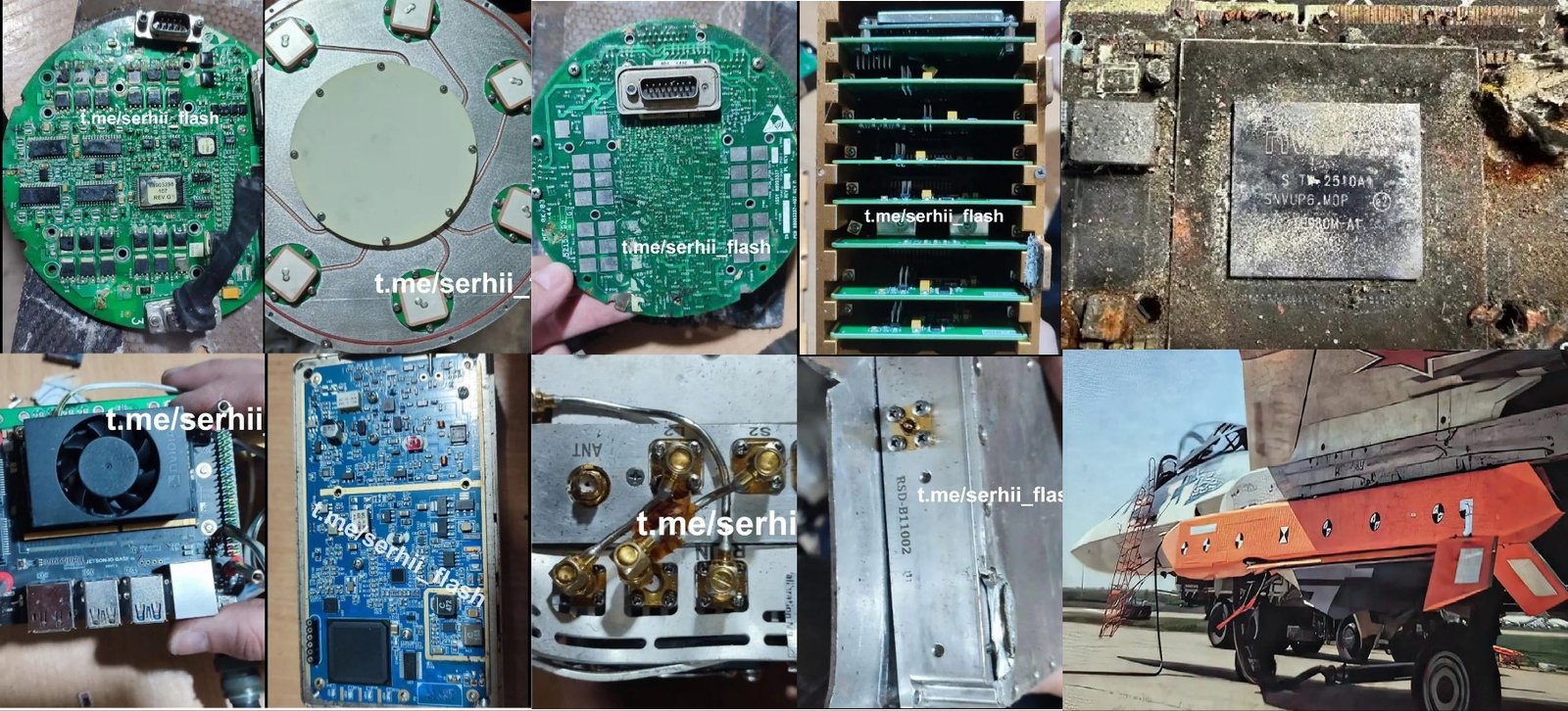 Russian Drones and Cruise Missiles Found Using Civilian NVIDIA AI Chips in Ukraine
-
 Russian Corvette Merkury Almost Certainly Destroyed in Benghazi Port Explosion
-
 Western Intelligence Warns Russia Could Launch Nuclear-Armed Satellite as Early as December
-
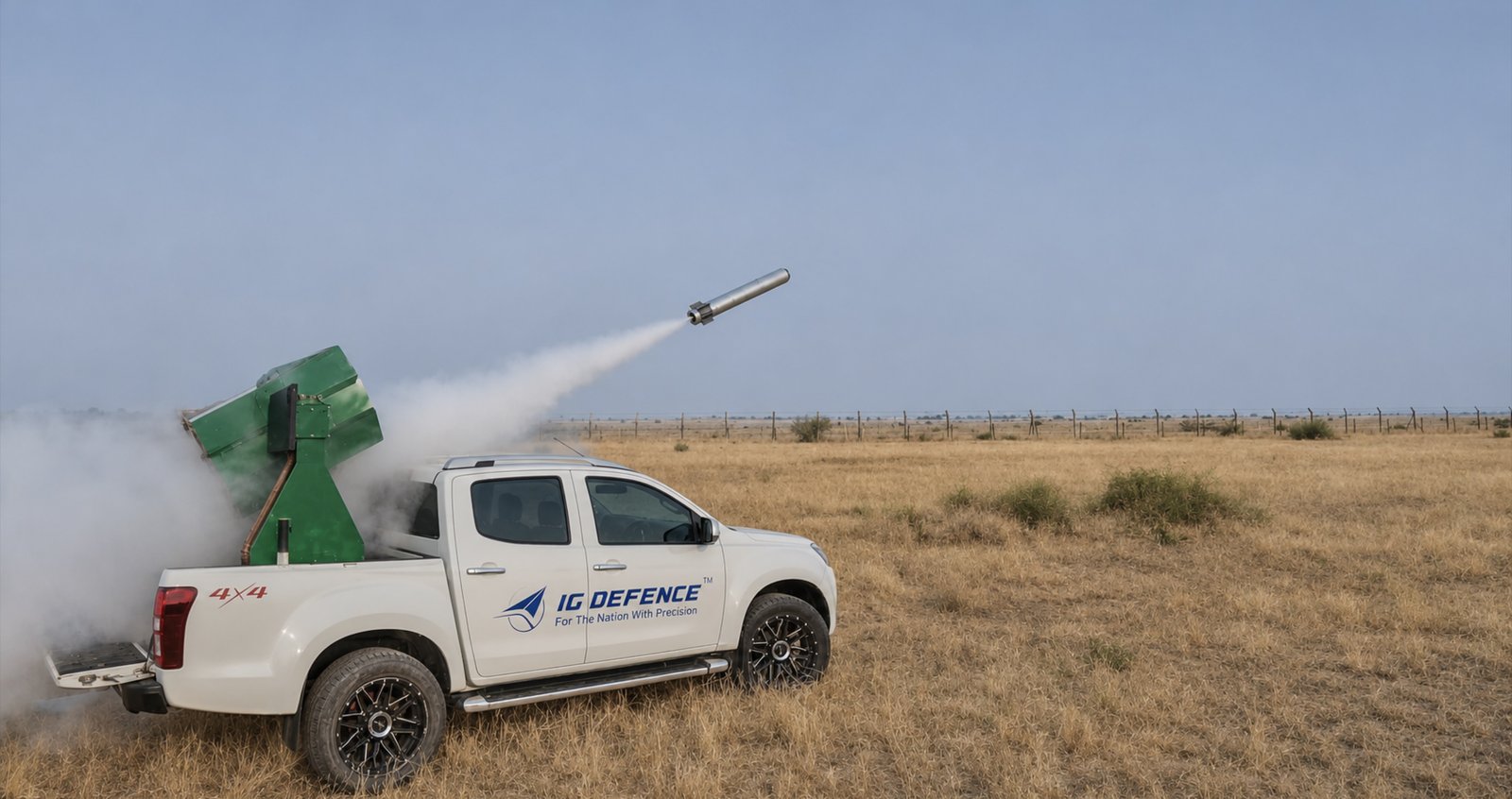 IG Defence Successfully Test-Fires JWALA MK-1 Counter-Drone Missile at Pokhran
-
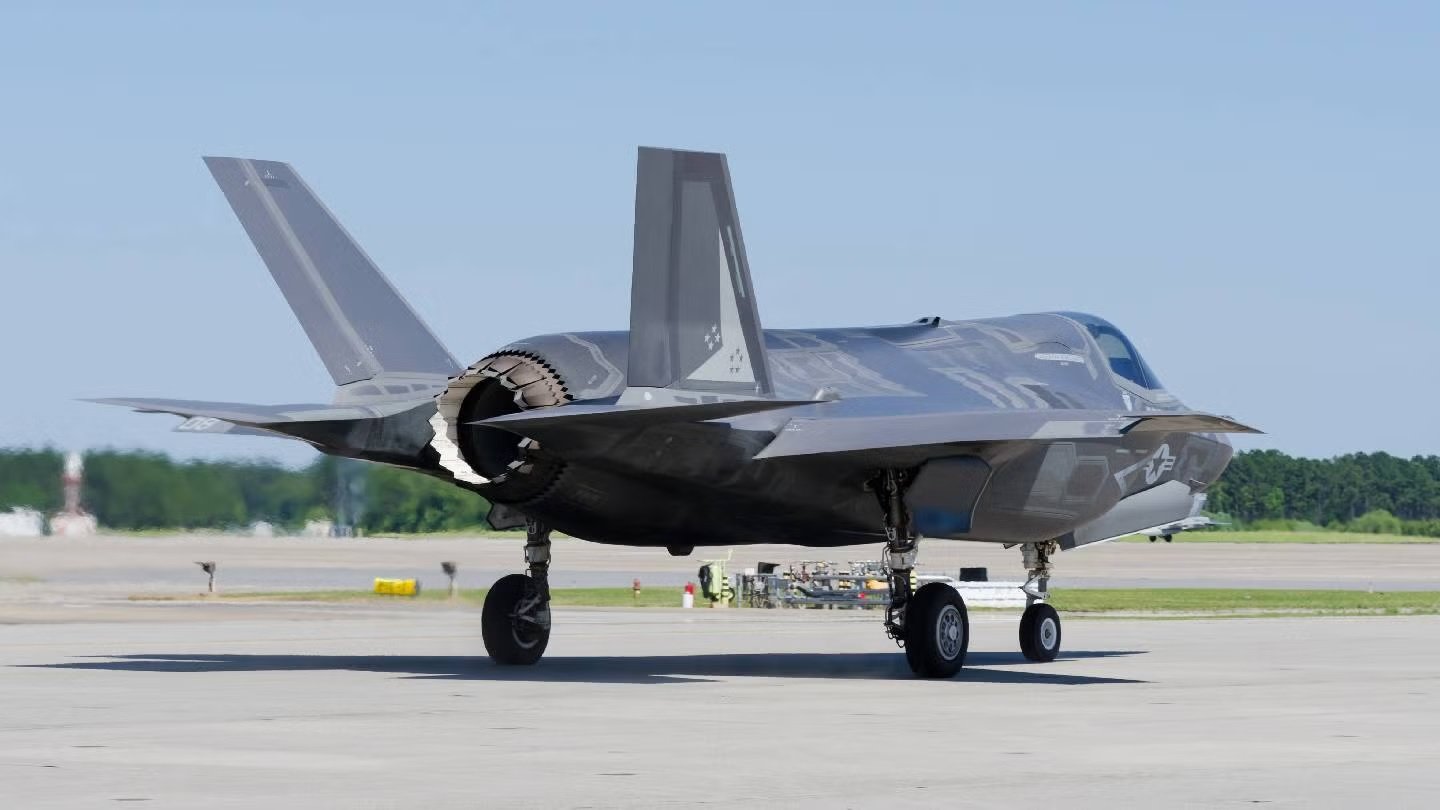 U.S. Awards Lockheed Martin $330.6 Million Contract for Long-Lead Materials Supporting 75 F-35 Lot 22 Aircraft
-
NASA Suspends Science Operations on Perseverance Rover and Mars Odyssey After Hardware Failures
-
 Chinese Military Warns U.S. AI Could Threaten China’s Nuclear Missile Survivability