
India
India has established an advanced climate chamber test facility, developed by DRDO and HAL, to accelerate and optimize fighter jet development by simulating extreme weather conditions in a controlled environment. This innovation enhances efficiency, reduces costs, and advances self-reliance in defense technology.India is taking a significant step forward in its fighter jet development with the establishment of a new indigenous climate chamber test facility. Developed by the Defence Research and Development Organisation (DRDO) and Hindustan Aeronautics Limited (HAL), this facility will revolutionize the testing and development of fighter jets by simulating a wide range of weather conditions.Climate Control: Transforming Fighter Jet TestingThe climate chamber can replicate extreme weather conditions, from the heat of deserts to the cold of high altitudes. This capability allows for comprehensive testing of fighter jets in a controlled environment, eliminating the need for time-consuming and logistically complex field trials across different locations in India.Faster Development and Increased EfficiencyThe new facility will accelerate the development timelines of fighter jets. The Indian Air Force (IAF) will benefit from faster deployment of advanced aircraft. Continuous, year-round testing is possible in the climate chamber, avoiding delays caused by natural weather patterns. This leads to uninterrupted progress and greater efficiency in the development process.Cost-Effective InnovationTraditional weather trials involve significant costs, including transportation of jets and personnel to various test sites. The climate chamber reduces these expenses by centralizing testing in a single facility. This cost-effective approach allows more resources to be allocated to research and development, promoting further innovation.Precision and RepeatabilityUnlike real-world weather, which is unpredictable, the climate chamber provides precise and repeatable conditions for testing. This ensures meticulous data collection and analysis, helping engineers refine jet designs and optimize performance. The controlled environment also enhances safety for pilots and aircraft during testing.Data-Driven InsightsThe climate chamber integrates advanced data acquisition systems, providing detailed insights into jet performance under various weather conditions. This data helps engineers improve designs, enhance capabilities, and ensure that Indian fighter jets are resilient and adaptable to any operational environment.Advancing Self-Reliance in DefenseThe establishment of this facility underscores India's commitment to self-reliance in defense technology. By speeding up development, reducing costs, and enhancing technological capabilities, India strengthens its defense readiness and positions itself as a leader in aerospace innovation.This new climate chamber test facility marks a significant advancement in India's fighter jet development, ensuring the production of high-quality, reliable, and domestically-made fighter jets to safeguard the nation's skies.
Read More → Posted on 2024-05-24 06:28:42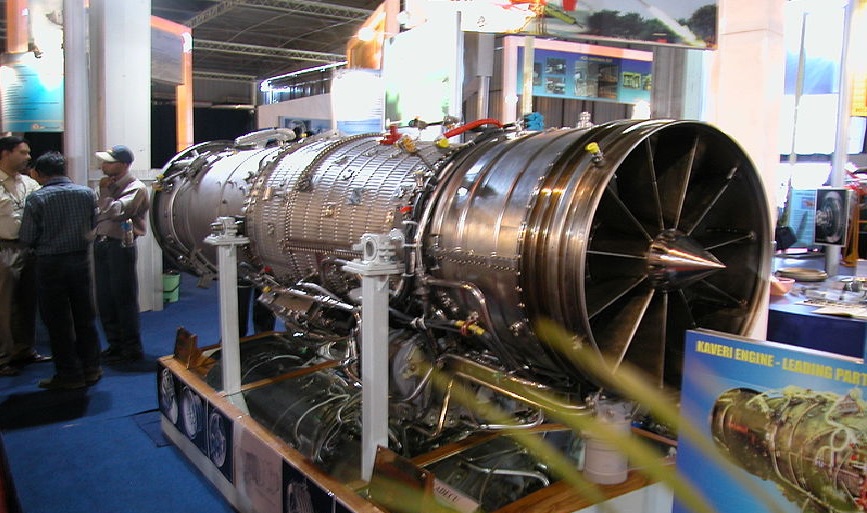
India
AZAD Engineering Limited has secured a contract with GTRE to manufacture advanced gas turbine engines for defense applications, showcasing their precision engineering capabilities. This partnership underscores India's growing prowess in defense manufacturing.AZAD Engineering Limited, a leader in precision engineering and manufacturing, has won a prestigious contract from the Gas Turbine Research Establishment (GTRE). GTRE, a key R&D organization under the Defence Research and Development Organisation (DRDO) and the Ministry of Defence, has selected AZAD as the production agency for an advanced gas turbine engine critical for defense applications. The first batch of these fully integrated engines is expected to be delivered by early 2026.The contract involves the complete manufacturing and assembly of a sophisticated gas turbine engine designed with a single-spool turbojet setup. This includes a 4-stage axial flow compressor, an annular combustor, a single-stage axial flow uncooled turbine, and a fixed exit area nozzle. The advanced propulsion system is intended for various defense applications.AZAD's selection as the sole industry partner for GTRE highlights the company's strong engineering and manufacturing capabilities. India has a solid track record of creating top-tier engine designs using indigenous technology. However, turning these designs into engines that meet stringent mission-critical objectives remains a significant challenge. AZAD's role in this project underscores the confidence in its ability to meet these demands.Rakesh Chopdar, Chairman and CEO of AZAD Engineering, expressed his excitement about the contract, stating, "We are honored to be selected by GTRE for this prestigious contract and are eager to bring this groundbreaking design to life at our facilities in Hyderabad. From power and aviation to defense and oil & gas, we have expanded our manufacturing capabilities to deliver end-to-end production for a fully assembled advanced turbo engine. This creates a significant opportunity for us to provide complete propulsion system solutions for both national and global defense requirements. Our commitment to excellence positions us well to enhance India's defense manufacturing capabilities and establish a strong presence in the defense manufacturing sector. These advancements will enable us to support a new era of defense applications."AZAD Engineering Limited has established itself as a key player in the precision engineering and manufacturing industry, serving sectors such as power, aviation, defense, and oil & gas. The company's involvement in this project is expected to further strengthen India's capabilities in defense manufacturing and contribute to the nation's strategic defense objectives.
Read More → Posted on 2024-05-24 06:23:36
India
Project 75I aims to bolster India's naval strength with advanced diesel-electric submarines. Contenders from around the world offer innovative technologies, vying for a contract crucial to India's maritime security and defense modernization.India's Project 75I (P-75I) is a highly anticipated initiative aimed at enhancing the Indian Navy's submarine fleet with advanced, stealth-capable diesel-electric attack submarines. This project is a crucial step towards bolstering India's maritime security and defense capabilities. Here is an overview of the contenders vying for this prestigious contract, along with details about their respective submarines:1. Navantia (Spain) - S-80 PlusSubmarine Model: S-80 PlusKey Features:Air-Independent Propulsion (AIP): Utilizes a bio-ethanol fuel cell system for extended underwater endurance.Stealth Capabilities: Low acoustic, magnetic, and infrared signatures.Armament: Equipped with torpedoes, mines, and possible integration of cruise missiles.Operational Depth: Capable of deep-water operations.Crew: Designed for a crew of 32 with accommodation for additional personnel.2. Naval Group (France) - Scorpène 2000Submarine Model: Scorpène 2000Key Features:AIP Technology: Utilizes MESMA (Module d'Energie Sous-Marine Autonome) system for enhanced underwater endurance.Combat Systems: Integrated SUBTICS combat management system.Weapon Systems: Capable of deploying torpedoes and Exocet anti-ship missiles.Stealth Features: Reduced acoustic signature and advanced noise reduction technologies.Modularity: Adaptable design allowing for customization based on specific requirements.3. ThyssenKrupp Marine Systems (Germany) - Type 214Submarine Model: Type 214Key Features:Fuel Cell AIP: Hydrogen fuel cells providing extended submerged endurance.Silent Operation: Advanced noise reduction and acoustic stealth technologies.Armament: Equipped with torpedoes and potential for land-attack cruise missiles.Operational Range: Long-range capabilities suitable for extended missions.Automation: High level of automation reducing crew workload.4. Daewoo Shipbuilding & Marine Engineering (South Korea) - DSME-3000Submarine Model: DSME-3000 (KSS-III)Key Features:AIP System: Fuel cell-based AIP for increased underwater endurance.Vertical Launch System (VLS): Capable of launching ballistic and cruise missiles.Stealth Design: Advanced hull design for reduced detection.Combat Suite: Integrated combat management system for multi-role capabilities.Crew Accommodation: Designed for a crew of 50. 5. Rubin Design Bureau (Russia) - Amur 1650Submarine Model: Amur 1650Key Features:AIP Technology: Uses liquid oxygen for extended underwater operations.Combat Systems: Advanced combat management and weapon control systems.Armament: Equipped with torpedoes, anti-ship, and land-attack cruise missiles.Stealth Capabilities: Reduced acoustic and electromagnetic signatures.Export Variant: Based on the successful Kilo-class submarines.6. Mazagon Dock Shipbuilders Limited (India) - Collaboration with Foreign OEMSubmarine Model: Based on Scorpène design with enhancementsKey Features:AIP Integration: Potential inclusion of DRDO's indigenous AIP technology.Combat Systems: Advanced combat management systems and weaponry.Customization: Tailored to Indian Navy specifications.Operational Experience: Leveraging experience from the construction of Kalvari-class submarines.ConclusionProject 75I is a critical component of India's strategy to modernize its naval capabilities. Each contender brings unique technologies and capabilities to the table, offering the Indian Navy a range of options to enhance its underwater fleet. The decision on the winning bid will significantly impact India's maritime defense landscape and its strategic positioning in the Indian Ocean region.
Read More → Posted on 2024-05-23 16:18:06
India
Indian security agencies are monitoring over 350 women in sensitive roles at MNCs targeted by ISIS for potential exploitation. This operation aims to prevent radicalization and safeguard national security.Indian security agencies have launched an extensive operation to monitor over 350 women employed in sensitive security roles at major multinational corporations (MNCs). These women are reportedly being targeted by international terrorist groups, including ISIS, aiming to exploit them for future attacks and disruptions.Background of the ThreatAccording to reliable sources, a banned terror group based in Kerala with connections to Shaheen Bagh in Delhi has been actively approaching these women. The group often poses as potential employers or colleagues to gain their trust. In some cases, they have even moved into neighborhoods near the targeted women to establish closer contact.This situation has raised alarms, prompting authorities to keep a close watch on the affected women, many of whom are working in Kerala, Karnataka, Andhra Pradesh, and West Bengal. Investigations are also focusing on the family backgrounds of these women, with agencies seeking the help of their family members to prevent them from being radicalized.ISIS’s Recruitment StrategiesISIS has been known to target the Indian diaspora in West Asia, who then identify vulnerable female professionals in India as potential recruits. By recruiting these women, ISIS aims to disrupt operations within MNCs, which could harm consumer interests and damage India's global reputation.This strategy is not new for ISIS, as they have previously targeted individuals with technical expertise. A recent case involved a highly educated Kashmiri couple who were convicted for joining ISIS, highlighting the group's evolving tactics.Government ResponseIn response to this threat, security agencies are employing both technical and human surveillance to monitor potential ISIS recruits and sympathizers. They are also working to raise awareness about the threat among MNCs and their employees. Companies are being advised to:Foster a culture of security awareness among all employees.Encourage employees to report any suspicious activity.Provide training on identifying and avoiding social engineering attacks.Review and strengthen security procedures to protect employees from targeted recruitment.Protective Measures for CompaniesTo safeguard their employees, companies are taking several steps. They are enhancing security training to help employees recognize and avoid potential threats. Regular workshops and informational sessions on cybersecurity and personal safety are being conducted. Additionally, companies are updating their security protocols to include more stringent measures for verifying new hires and monitoring unusual activities within the workplace.The Importance of VigilanceThe targeting of female employees in India by ISIS underscores the evolving nature of terrorist threats. Continuous vigilance from both security agencies and private companies is crucial. By working together to raise awareness, strengthen security measures, and disrupt recruitment efforts, India can effectively counter this threat and protect its citizens.ConclusionIndia's security agencies and MNCs must remain alert to protect female employees from being exploited by terrorist groups. By fostering a secure work environment and promoting awareness, the risk of radicalization can be significantly reduced, ensuring the safety and security of the nation’s workforce.
Read More → Posted on 2024-05-23 15:28:16
India
The Indian Air Force achieved a significant milestone by successfully landing a C-130J aircraft using night vision goggles at an advanced landing ground in the Eastern sector. This advancement enhances their night-time operational capabilities and strengthens national security.The Indian Air Force (IAF) has reached a significant milestone by successfully landing an aircraft using night vision goggles (NVG) for the first time on an advanced landing ground in the Eastern sector. This achievement was shared by the IAF's official account, highlighting that an IAF C-130J aircraft executed a successful NVG-assisted landing at the specified location. Enhanced Operational CapabilitiesThe Eastern sector of India includes northeastern states such as parts of Odisha, Jharkhand, Sikkim, West Bengal, and Bihar. This region is crucial for the IAF due to its strategic importance and proximity to a 6300 km long international border with China, Nepal, Bhutan, Myanmar, and Bangladesh.NVG technology allows the IAF to conduct safer and more effective operations in low-light conditions. This advancement enhances the IAF's ability to undertake and conclude night-time missions, thus bolstering the country's defense capabilities. The use of NVGs represents a significant leap in operational readiness and safety for the IAF.IAF's Commitment to National SecurityThe IAF shared two clips of the successful landing operation. One video showed the aircraft's smooth landing with the help of NVGs, while the other provided a view from inside the aircraft, both characterized by the green visuals typical of NVG technology.This achievement is part of the IAF's ongoing efforts to enhance its skills and operational reach to safeguard national sovereignty. The IAF emphasized its dedication to this cause with the statement, "Har Kaam Desh Ke Naam," reflecting their commitment to national security.Historical Significance and Previous AchievementsEarlier this year, the IAF conducted a night landing of the same aircraft model (C-130J) at the Kargil airstrip for the first time. The Kargil airstrip, located near the Line of Control (LoC) in the Ladakh region, has been a strategic point for the IAF. While the An-32 multipurpose transport aircraft has historically operated from the Kargil airstrip, primarily for civilian transportation during severe winters, night landing capabilities were not previously available.The IAF's history in the region dates back to the 1962 Sino-Indian war, where the 43 Squadron's An-12s operated in Kargil, Leh, and Thoise in Ladakh, underlining the strategic importance of these areas.Looking AheadThe successful NVG-assisted landing is a testament to the IAF's continuous efforts to improve its operational capabilities. This milestone not only enhances the IAF's night-time operational capabilities but also reinforces its commitment to national security and preparedness. As the IAF continues to innovate and adopt advanced technologies, it remains a crucial component in safeguarding India's borders and maintaining regional stability.
Read More → Posted on 2024-05-23 15:10:53
India
The Taliban-led government in Afghanistan supports India's role in developing Iran's Chabahar Port, aiming to reduce dependence on Pakistan and boost regional economic stability. This move signifies a potential improvement in economic relations between Afghanistan and India.In a surprising move, the Taliban-led government in Afghanistan has expressed strong support for India's involvement in developing Iran's Chabahar Port. This endorsement marks a shift in Afghanistan's stance and highlights the Taliban's desire to improve economic relations with India.Strategic Importance of Chabahar PortThe Chabahar Port, located in southeastern Iran, is strategically important as it provides Afghanistan with a direct gateway to international markets. This reduces the country's reliance on Pakistan's Karachi Port and offers a shorter and more cost-effective route for Afghan goods to reach global markets.Zabihullah Mujahid, the spokesperson for the Islamic Emirate, emphasized the potential benefits of the port's development. "We are in favor of better economic relations with all countries, and the Chabahar port should be expanded. The more activity there is in Iran's Chabahar port, the more economic stability in the region is strengthened, benefiting Afghanistan, and we support it," he stated.Economic Benefits for AfghanistanThe development of Chabahar Port is expected to bring several key benefits to Afghanistan:1. Reduced Dependence on Pakistan: By using Chabahar Port, Afghanistan can reduce its reliance on Pakistan's Karachi Port. This move indicates Kabul's growing discomfort with its dependency on Pakistan for trade routes.2. Lower Trade Costs: Sakhi Ahmad Payman, the first deputy of the Chamber of Industries and Mines, noted that increased investment in Chabahar could lower transit costs and increase revenue for Afghanistan. "If investment in the Chabahar port increases and develops, it gives Afghanistan the opportunity to both increase transit levels and revenue and to utilize an alternative route," he said.3. Enhanced Access to International Markets: The port will facilitate easier and more efficient trade with countries like India. Akhundzada Abdul Salam Jawad, the spokesperson for the Ministry of Industry and Commerce, highlighted the significant trade volume between Afghanistan and India. In 2023, Afghanistan-India trade amounted to $773 million, with $579 million in exports from Afghanistan. The development of Chabahar Port could further boost this trade.Implications for India-Afghanistan RelationsThe Taliban's endorsement of Chabahar Port is a positive development for India. It signals the Taliban's recognition of the potential economic benefits of improved relations with India. Chabahar Port has been a critical component of India's development sector outreach to Afghanistan, aiming to enhance trade and economic cooperation.India has been actively involved in developing Chabahar Port, seeing it as a strategic asset that can enhance regional connectivity and trade. The port's development is part of India's broader strategy to strengthen its ties with Afghanistan and other Central Asian countries.ConclusionThe Taliban's support for the development of Chabahar Port highlights a significant shift in regional trade dynamics. By reducing Afghanistan's reliance on Pakistan and offering a more efficient trade route, the port can enhance economic stability and growth in the region. This development also signifies a potential improvement in India-Afghanistan relations, with both countries standing to gain from enhanced economic cooperation.
Read More → Posted on 2024-05-23 14:56:16
India
The Indian Army's Eastern Command conducted a major exercise demonstrating advanced aviation brigade maneuvers and their integration with ground forces in the North Eastern Sector. This drill enhances operational readiness and interoperability in a strategically important region.The Indian Army's Eastern Command recently conducted a large-scale military exercise, showcasing advanced aviation brigade-level third-dimension maneuver capabilities and their seamless integration with ground forces in the North Eastern Sector. This exercise highlights the Indian Army's strategic focus on enhancing operational readiness and interoperability in a region of significant strategic importance.The exercise involved complex maneuvers and the coordinated use of aviation assets, including helicopters and unmanned aerial vehicles (UAVs), to support ground troops in various scenarios. These maneuvers demonstrated the ability to swiftly deploy and support infantry units, conduct reconnaissance missions, and provide logistical support in challenging terrain.The integration of aviation brigade capabilities with ground forces is crucial for maintaining operational superiority in the North Eastern Sector, a region characterized by its rugged terrain and strategic borders. The exercise underscored the importance of air mobility in rapid troop deployment, casualty evacuation, and supply chain efficiency.Senior military officials overseeing the exercise emphasized the significance of such drills in enhancing the Army's preparedness and response capabilities. They noted that the ability to effectively integrate air and ground operations ensures a robust defense posture and the ability to swiftly counter any potential threats in the region.This exercise comes amidst ongoing efforts to modernize and enhance the capabilities of the Indian Army, particularly in regions with challenging geographical and strategic landscapes. The successful execution of aviation brigade-level maneuvers reflects the Army's commitment to maintaining high standards of readiness and operational excellence.The Indian Army's focus on integrating advanced aviation capabilities with ground operations in the North Eastern Sector is a testament to its proactive approach to defense preparedness. By continually refining these capabilities through rigorous training and exercises, the Army ensures it remains equipped to handle diverse security challenges in the region.
Read More → Posted on 2024-05-23 06:49:33
India
Larsen & Toubro dispatches world's heaviest ethylene oxide reactors to China for BASF's petrochemical project, marking a milestone in global engineering.Larsen & Toubro (L&T), a leading infrastructure company, has achieved a significant milestone by dispatching the world's heaviest ethylene oxide reactors to China. These reactors, crucial components in petrochemical plants, were sent by L&T's heavy engineering vertical for a project undertaken by BASF, a chemical giant.Anil V Parab, whole-time Director & Senior Executive Vice President at L&T Heavy Engineering and L&T Valves, expressed gratitude to BASF for entrusting L&T with the task of supplying these critical reactors for their prestigious project.Ethylene Oxide (EO) reactors play a vital role in the catalytic conversion of ethylene into ethylene oxide, a key intermediate in the production of various downstream chemicals. The ones dispatched by L&T are notably the largest EO reactors ever built in BASF's 160-year history. They are intended for a petrochemical project at Verbund in Zhanjiang, China, aimed at bolstering the chemical market in the region.Joachim Thiel, Senior Vice President & Senior Project Management New Verbund at BASF China, emphasized the significance of these reactors in supporting the growth of the chemical market in China.Larsen & Toubro, a USD 27 billion multinational company, specializes in engineering, procurement, and construction (EPC) projects, as well as hi-tech manufacturing and services. This achievement underscores L&T's expertise and capability in delivering complex engineering solutions on a global scale.The dispatch of these reactors marks a milestone not only for L&T but also for the industry as a whole, showcasing technological advancements and the ability to undertake and execute large-scale projects efficiently.
Read More → Posted on 2024-05-23 06:34:48
India
India's DRDO seeks a private industry partner to develop an advanced Electronic Warfare suite for the Su-30MKI fighter jet, supporting the "Make in India" initiative. This project aims to enhance the jet's combat capabilities and boost domestic defense manufacturing.India's Defence Research and Development Organisation (DRDO), through its Centre for Airborne Systems (CASDIC), is looking for a private industry partner to develop and produce an advanced Electronic Warfare (EW) suite for the Su-30MKI fighter jet upgrade program. This move supports India's "Make in India" initiative, aiming to boost domestic defense manufacturing and reduce reliance on foreign suppliers.Key Points of the Upgrade Program:Objective: Develop an advanced, indigenous EW suite for the Su-30MKI to enhance its combat capabilities.Timeline: 32 months for design and development, followed by 15-20 months for closure activities.Potential Partners: Open to all qualified private industry players, both domestic and international, with Hindustan Aeronautics Limited (HAL) being a potential frontrunner.The Su-30MKI fighter jet, a mainstay of the Indian Air Force, will benefit from this upgrade by gaining sophisticated electronic countermeasures. These enhancements will improve the jet's survivability in contested airspace and allow it to counter modern threats effectively.Strategic Importance:Self-Reliance: Developing the EW suite indigenously aligns with India's goal of achieving self-reliance in defense technology.Technological Advancement: This project is a step towards modernizing India's defense capabilities.Economic Growth: Successful completion could position India as an exporter of advanced EW systems, contributing to economic growth.The Expression of Interest (EoI) issued by CASDIC highlights the urgency of equipping the Su-30MKI fleet with these capabilities to maintain regional air superiority. The inclusive approach of the EoI, allowing both domestic and international players to participate, encourages a competitive process that fosters innovation.Background on the Su-30MKI:The Su-30MKI is a twin-engine, multi-role fighter jet developed by Russia's Sukhoi and built under license by India's Hindustan Aeronautics Limited (HAL). Known for its versatility and advanced avionics, the Su-30MKI is a crucial component of India's air defense.Conclusion:The development of an indigenous EW suite for the Su-30MKI marks a significant milestone in India's defense technology journey. By collaborating with private industry, DRDO aims to accelerate the development and deployment of this critical technology, enhancing the Indian Air Force's operational capabilities and contributing to the nation's broader economic and technological goals.
Read More → Posted on 2024-05-23 06:25:18
India
The Indian Air Force has launched its first Emergency Medical Response System, a 24/7 telephonic helpline providing expert medical guidance for IAF personnel and their families nationwide. This system ensures prompt emergency care and coordination with the nearest IAF medical facility.Air Chief Marshal VR Chaudhari, Chief of the Air Staff, inaugurated the Indian Air Force's (IAF) first-ever Emergency Medical Response System (EMRS) at the Command Hospital Air Force in Bangalore. This new system is designed to provide expert medical guidance and definitive care during emergencies for IAF personnel and their families across India.The Ministry of Defence announced that the EMRS is a 24/7 telephonic medical helpline. It aims to offer prompt responses from medical and paramedical professionals to those experiencing emergencies anywhere in the country. The system ensures that the responding medical professional provides immediate advice while also coordinating with the nearest IAF medical facility for further assistance."This facility symbolises IAF's commitment towards incorporating technology to deliver high-quality healthcare in emergencies. The sole aim of EMRS is to save valuable lives," stated the Ministry of Defence.During the inauguration, a demonstration showcased the system's capabilities and outreach. It highlighted how expert guidance would be provided to callers in distress and how quickly a medical support team could be deployed from the nearest medical unit.Air Chief Marshal VR Chaudhari, who envisioned the concept, emphasized the importance of the EMRS. "This initiative is not just a milestone for the Indian Air Force but a significant advancement in medical readiness. It represents a critical step forward in our ongoing efforts to provide immediate and expert medical care during emergencies," he said.The EMRS is expected to enhance the IAF's medical readiness and provide a reliable support system for its personnel and their families, reflecting the force's commitment to their well-being.
Read More → Posted on 2024-05-23 06:14:16
India
Anwarul Azim, a Bangladeshi MP from the ruling Awami League, was found dead in Kolkata after going missing on May 18, 2024. Authorities have arrested three suspects, all Bangladeshis, in connection with the planned murder.In a tragic and shocking turn of events, Anwarul Azim, a Member of Parliament (MP) from Bangladesh's ruling party, the Awami League, was found dead in Kolkata on Wednesday. The circumstances surrounding his death have raised serious concerns, prompting a joint investigation by authorities from both Bangladesh and India. Azim's disappearance and subsequent discovery of his body mark a grave incident that has garnered international attention.Disappearance and DiscoveryAnwarul Azim, representing the Jhenaidah-4 constituency, entered India on May 12, 2024. His last known whereabouts were on the afternoon of May 13, when he visited a home in Bidhannagar, Kolkata, for a medical check-up with friends. According to a family friend in Bidhannagar, Azim had mentioned plans to travel to Delhi, but there was no further direct contact with him since that day. Only mobile messages were exchanged with his family in Dhaka and his friend in Bidhannagar, suggesting his intended journey to Delhi.The alarm was raised when Azim's daughter, unable to reach her father, contacted Gopal Viswas, a family friend in Kolkata. Despite efforts to contact all acquaintances, no communication was established with Azim. This led to a missing person complaint being lodged by Viswas at the Baranagar police station in Bidhannagar on May 18, 2024. The complaint detailed that on May 16, Azim attempted to call his assistant but failed to connect. When his personal assistant returned the call, there was no response from Azim.Investigation and ArrestsBangladesh's Home Minister, Asaduzzaman Khan, confirmed in a news conference in Dhaka that Anwarul Azim was killed in Kolkata. He announced that Bangladesh Police had arrested three individuals in connection with the murder, all of whom are Bangladeshi nationals. Khan described the murder as planned, though details about the motive remain unclear."We will soon inform you about the motive," Khan said, emphasizing that Indian police are cooperating with the investigation. The Home Minister assured the public that the authorities are working diligently to uncover the truth behind the heinous act.International CooperationThe case has prompted a collaborative effort between Bangladeshi and Indian law enforcement agencies. Bangladesh's Press Minister at the embassy in Delhi, Shaban Mahmud, expressed hope for further details from Indian authorities, highlighting the long-standing friendly relations between the two countries.Azim's family members are set to arrive in Kolkata to complete formalities, with their visa process underway. This international dimension underscores the complexity and sensitivity of the investigation, as both nations strive to ensure justice is served.Reactions and SpeculationsThe discovery of Azim's body has led to widespread speculation and concern. The fact that the murderers were all Bangladeshi nationals suggests internal political dynamics could be at play. However, without a clear motive, these remain speculations.Azim's sudden disappearance and death have shocked his constituents and colleagues. As a prominent member of the Awami League, his death is a significant blow to the party and has led to calls for a thorough and transparent investigation.Anwarul Azim: A ProfileAnwarul Azim was a respected figure in Bangladeshi politics. Serving as an MP for the Jhenaidah-4 constituency, he was known for his dedication to public service and his commitment to his constituents. His untimely death has left a void in the political landscape of Bangladesh.Azim's career was marked by his efforts to improve infrastructure, education, and healthcare in his constituency. Colleagues remember him as a diligent and compassionate leader, always prioritizing the needs of his people. His death is not just a personal loss to his family and friends but a significant setback for his community and the broader political sphere.The Ongoing InvestigationAs the investigation unfolds, authorities are piecing together the events leading to Azim's death. The focus is on understanding the motive behind the murder and identifying all individuals involved. The cooperation between Bangladeshi and Indian police is crucial in ensuring that all aspects of the case are thoroughly examined.The arrested individuals are being interrogated to extract information that could shed light on the circumstances of the murder. Forensic evidence from the crime scene in Kolkata is being analyzed, and efforts are being made to trace all communications and movements of Azim in the days leading up to his death.Media Coverage and Public ReactionThe media in both Bangladesh and India is closely following the developments of this case. News outlets have highlighted the need for a swift and transparent investigation. Public reaction has been one of shock and outrage, with many calling for justice for the slain MP.In Bangladesh, vigils and memorials are being held in honor of Anwarul Azim. His constituents have expressed their grief and demand answers regarding the tragedy. The Awami League has called for unity and support for Azim's family during this difficult time.Broader ImplicationsThe murder of Anwarul Azim has broader implications for the political stability in Bangladesh. It has raised concerns about the safety and security of public officials. The incident underscores the need for better protection measures for politicians, especially those who may be at risk due to their positions or political activities.Additionally, the case highlights the importance of international cooperation in criminal investigations. The collaboration between Bangladesh and India in this case could set a precedent for future cross-border investigations, ensuring that justice is not hindered by geographical boundaries.ConclusionThe tragic death of Anwarul Azim, a dedicated Member of Parliament from Bangladesh, is a somber reminder of the dangers faced by public officials. As investigations continue, the focus remains on uncovering the truth behind his murder and bringing those responsible to justice.Anwarul Azim's legacy as a committed and compassionate leader will be remembered by his constituents and colleagues. His death is a significant loss to the political community, and efforts must be made to ensure that such tragedies are prevented in the future. The cooperation between Bangladeshi and Indian authorities is crucial in this regard, highlighting the importance of international collaboration in solving and preventing crimes.As the situation unfolds, further updates are anticipated, providing more clarity on the circumstances surrounding Azim's death. The world watches closely, hoping for a resolution that honors the memory of a dedicated public servant and ensures justice for his untimely demise.
Read More → Posted on 2024-05-23 06:09:44
India
Project Udbhav integrates India's ancient military wisdom into modern practices, shaping a future-ready armed forces deeply rooted in cultural heritage and strategic acumen. Led by Army Chief Gen Manoj Pande, this initiative fosters collaboration and celebrates India's rich military history.In an era marked by rapid technological advancements and evolving geopolitical landscapes, nations worldwide are continually seeking innovative approaches to strengthen their defense capabilities. In India, the Indian Army, under the visionary leadership of Army Chief Gen Manoj Pande, has embarked on a groundbreaking initiative known as Project Udbhav. Launched with the aim of enriching the nation's defense outlook, this project endeavors to integrate India's rich military heritage and ancient strategic acumen into contemporary military practices, thereby ensuring the readiness of the armed forces for the future.At the core of Project Udbhav lies a deep dive into the epic battles of the Mahabharata and the strategic brilliance exhibited by past Indian dynasties. Through meticulous research and analysis, the project seeks to unearth valuable insights from ancient texts such as Vedas, Puranas, Upanishads, and Arthashastra. These texts not only provide a glimpse into historical battles but also offer profound philosophical perspectives on warfare and governance, resonating with the thoughts of eminent scholars both in India and the West.Gen Manoj Pande, in his address at the conference titled 'Historical Patterns in Indian Strategic Culture,' highlighted the significant intellectual convergences discovered through Project Udbhav. Beyond the exploration of epic battles, the project has delved into lesser-known facets of India's military history, including tribal traditions, the maritime legacy of the Marathas, and the remarkable exploits of women in military leadership roles. This comprehensive approach underscores the project's commitment to fostering indigenous discourse within the Army and broadening the scope of study in the defense domain.Central to the success of Project Udbhav is the spirit of collaboration fostered among academia, scholars, practitioners, and military experts. Through civil-military collaboration, the project aims to harness collective wisdom and expertise to enrich India's strategic outlook and ensure the progressive evolution of the armed forces. Gen Pande emphasized the continuous nature of such endeavors, acknowledging that understanding and leveraging India's military heritage is an ongoing process that requires sustained effort and engagement.The culmination of Project Udbhav's findings is the 'Udbhav Compendium,' a repository of insights and analyses aimed at guiding the Indian Armed Forces towards greater preparedness and adaptability. By drawing upon historical military wisdom, the compendium equips military leaders with valuable strategic insights rooted in India's millennia-old heritage. Moreover, the celebration of India's military history and heritage as an integral part of the national identity underscores the nation's commitment to preserving and honoring its rich cultural legacy.In parallel to Project Udbhav, the Indian Army has undertaken initiatives such as the exhibition titled 'Evolution of Indian Military Systems, Warfighting, and Strategic Thought - from Antiquity to Independence.' This exhibition serves as a testament to India's historical evolution in military strategy and reinforces the importance of understanding the past in shaping the future. Additionally, efforts to indigenize military customs and symbols signify a broader movement towards erasing colonial legacies and embracing India's unique historical and cultural identity.The significance of initiatives like Project Udbhav extends beyond mere historical exploration; it represents a strategic imperative for India to position itself as a forward-thinking and adaptive military power. By integrating ancient wisdom into modern military practices, India seeks to ensure that its armed forces remain agile, innovative, and deeply rooted in their cultural heritage. As the geopolitical landscape continues to evolve, the insights gleaned from projects like Udbhav are poised to shape India's military strategies and outlook for years to come.In conclusion, Project Udbhav stands as a testament to India's commitment to leveraging its rich historical and cultural heritage to inform contemporary military practices. By embracing its ancient wisdom and fostering collaboration across diverse domains, India is poised to chart a course towards a future-ready armed forces capable of meeting the challenges of the 21st century with resilience and resolve.
Read More → Posted on 2024-05-22 17:10:00
India
Government prioritizes DRDO reforms to boost defense technology capabilities, aiming for enhanced efficiency and self-reliance in defense manufacturing.In a strategic move aimed at bolstering the nation's defense capabilities, the government has placed the reform of the Defence Research and Development Organisation (DRDO) at the forefront of its 100-day agenda post-elections. Spearheaded by a committee comprising retired military officers and industry experts, under the leadership of a distinguished scientist, the initiative aims to revamp DRDO's structure to enhance efficiency and foster the growth of India's defense industrial and technological prowess.Under the stewardship of Dr. Samir V Kamat, DRDO has diligently presented its proposals to senior government officials, with further progress awaiting the formation of the new government. Emphasizing the urgency of the reforms, top defense officials have confirmed that DRDO's restructuring is now a paramount objective, with the organization tasked to actively pursue it.To streamline the reform process, DRDO has established an internal committee to advance areas of consensus between the reform committee and itself. However, points of contention will be deliberated upon in due course. Additionally, the focus remains steadfast on bolstering core military technology domains, while non-core research facilities such as the Defence Institute for High Altitude Research (DIHAR) are poised to be transferred to state governments to aid local development initiatives.The reform committee has proposed the establishment of a Defence Technology Commission to oversee major technology projects, alongside advocating for the creation of two Secretary posts within DRDO to better manage organizational functions. Furthermore, there is an emphasis on the timely implementation of these recommendations, ensuring swift progress towards enhancing defense capabilities.Recognizing the importance of aligning DRDO's efforts with the needs of the armed forces, the committee has proposed an expanded role for the Chief of Defence Staff in the executive committee of the proposed technology commission, facilitating closer collaboration between defense stakeholders.These initiatives underscore the government's commitment to fortify India's defense technology base, positioning DRDO as a pivotal player in driving innovation and self-reliance in defense manufacturing. With a clear roadmap and concerted efforts, the nation is poised to achieve significant strides in enhancing its defense capabilities, safeguarding its sovereignty and security in an ever-evolving geopolitical landscape.
Read More → Posted on 2024-05-22 16:47:25
India
Sri Lanka's Foreign Minister reassures India of commitment to security amid concerns over Chinese research vessels, emphasizing transparent collaboration and mutual respect.Sri Lanka's Foreign Minister, Ali Sabry, has reassured India of his nation's dedication to upholding India's national security interests. In an interview with ANI on Monday, Minister Sabry emphasized Colombo's stance as a responsible neighbor, affirming that Sri Lanka will not permit any actions that jeopardize India's security.Addressing India's apprehensions regarding the visits of Chinese research vessels to Sri Lanka, Minister Sabry reiterated his country's commitment to transparent collaboration with all nations. However, he stressed that such cooperation should not compromise the security concerns of any party involved, particularly India."We would like to work with all countries in a transparent manner, but not at the expense of others," stated Minister Sabry. "As a responsible neighbor and a civilizational partner, we will not undertake anything that would harm the legitimate security concerns of India."The Minister also commented on the ongoing elections in India, highlighting the significance of the democratic process. He expressed confidence in the Indian people's ability to make informed decisions and affirmed Sri Lanka's readiness to collaborate with India regardless of the election outcome."It's a celebration of democracy, the largest democracy in the world," Minister Sabry remarked. "We want a peaceful conclusion to this exercise, and we will work with any outcome that the Indian public decides."Last year, India raised security concerns over the docking of a Chinese research vessel at Sri Lanka's Hambantota Port. The vessel was reported to have capabilities for mapping the ocean bed, a function critical to anti-submarine operations of the Chinese Navy.India's External Affairs Minister, S Jaishankar, underscored the importance of developments in the region that impact India's security. He emphasized that India remains vigilant regarding such matters, particularly those concerning its neighborhood."What happens in our neighborhood, any developments which have a bearing on our security, obviously are of interest to us," Jaishankar stated during a joint press conference after the 9th India-Thailand Joint Commission Meeting.The reassurances from Sri Lanka come amidst growing concerns in the region over China's expanding presence and activities. Both Sri Lanka and India have historically shared strong diplomatic ties, and Sri Lanka's commitment to safeguarding India's security interests underscores the significance of this relationship.As geopolitical dynamics continue to evolve in the Indo-Pacific region, collaboration and transparency among neighboring nations remain essential for maintaining peace and stability. Sri Lanka's pledge to prioritize India's security concerns serves as a testament to the importance of mutual respect and cooperation among nations in addressing shared challenges.
Read More → Posted on 2024-05-22 16:43:28
India
NextLeap Aeronautics unveils India's first tactical nano-UAV, the Black Drongo, offering advanced surveillance capabilities for military operations and beyond.Indian defence technology company NextLeap Aeronautics has officially launched the Black Drongo, India's first tactical nano-unmanned aerial vehicle (UAV). The launch event took place at the UAS & C-UAS India 2024 conference, held at the Kothari Auditorium, DRDO Bhawan.The Black Drongo, named after the agile and fearless bird, is a compact UAV weighing less than 250 grams. Despite its small size, this UAV is equipped with advanced features, including visible and infrared cameras, and can autonomously execute missions. This innovative UAV is designed to provide critical aerial surveillance and reconnaissance capabilities to Indian soldiers, acting as their "eyes in the sky." By offering real-time situational awareness, the Black Drongo aims to enhance the effectiveness and safety of military operations.The launch of the Black Drongo is a significant milestone in India's defence capabilities. NextLeap Aeronautics emphasized that this UAV is entirely designed and manufactured in India, reinforcing the country's commitment to developing indigenous defence technologies."We are immensely proud to introduce the Black Drongo, a testament to our dedication to strengthening India's defence capabilities," said a representative from NextLeap Aeronautics at the launch event. "This UAV embodies our passion for innovation and our commitment to empowering our soldiers with cutting-edge tools."The unveiling of the Black Drongo has been well-received by both the defence community and the general public. Beyond its military applications, the UAV has potential uses in disaster management, search and rescue operations, and environmental monitoring. Currently, NextLeap Aeronautics has not publicly disclosed the cost of the Black Drongo or its expected production timeline. However, with the increasing demand for UAVs in both military and civilian sectors, the company is likely to ramp up production to meet this growing need.The Black Drongo represents a leap forward in India's defence technology, highlighting the country's growing expertise in developing sophisticated and indigenous defence solutions.
Read More → Posted on 2024-05-22 16:37:48Search
Top Trending in 24 Hours
-
 Tulsi Gabbard Releases Declassified Files Detailing U.S.-Backed Network of 120 Biolaboratories Across 30+ Countries
-
 AM General Unveils Next-Generation UGV and JLTV A2 with Counter-Drone Systems at Eurosatory 2026
-
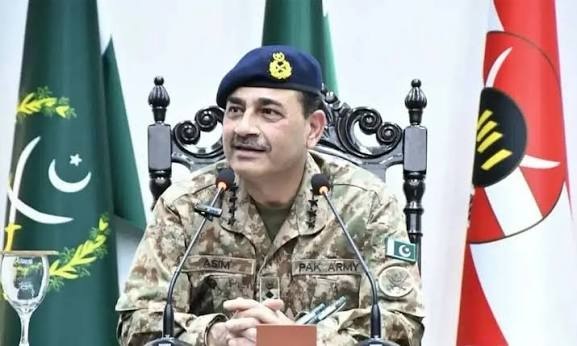 Pakistan Raises Defence Budget from $9 Billion to $10.8 Billion as J-35 Fighter and Hangor Submarine Programs Advance
-
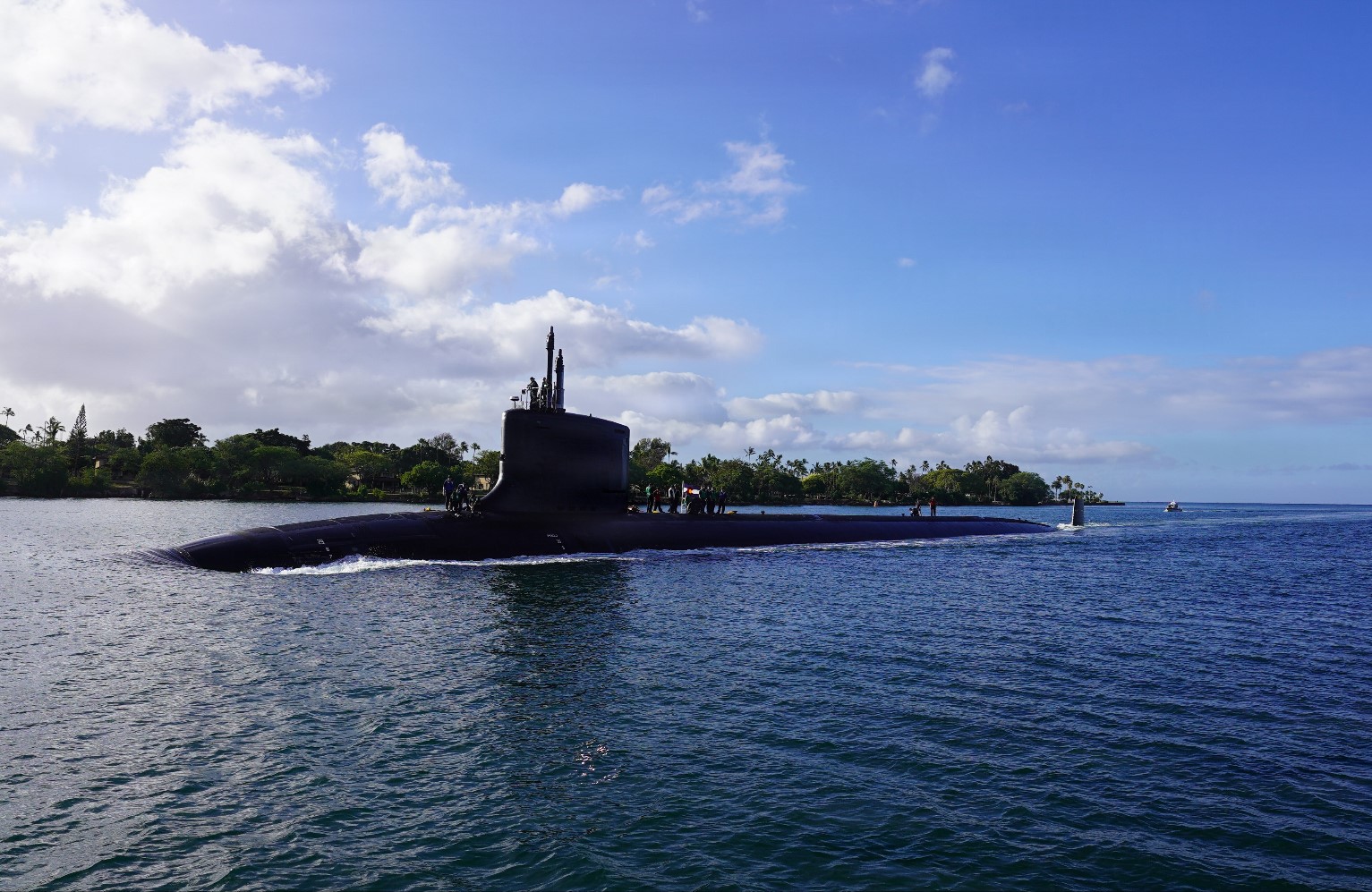 U.S. Navy's USS Colorado Submarine Returns to Pacific Fleet 29 Days Early After Major Pearl Harbor Overhaul
-
 Dassault Seeks Compensation From Airbus as Eurodrone Dispute Erupts After FCAS Collapse
-
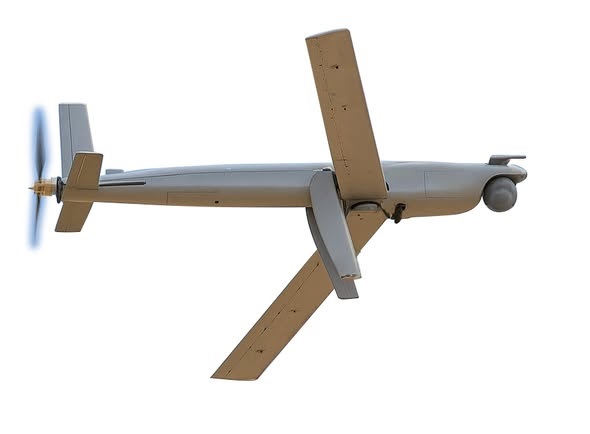 Elbit Systems and Diehl Defence Partner to Offer SkyStriker Loitering Munition to German Armed Forces
-
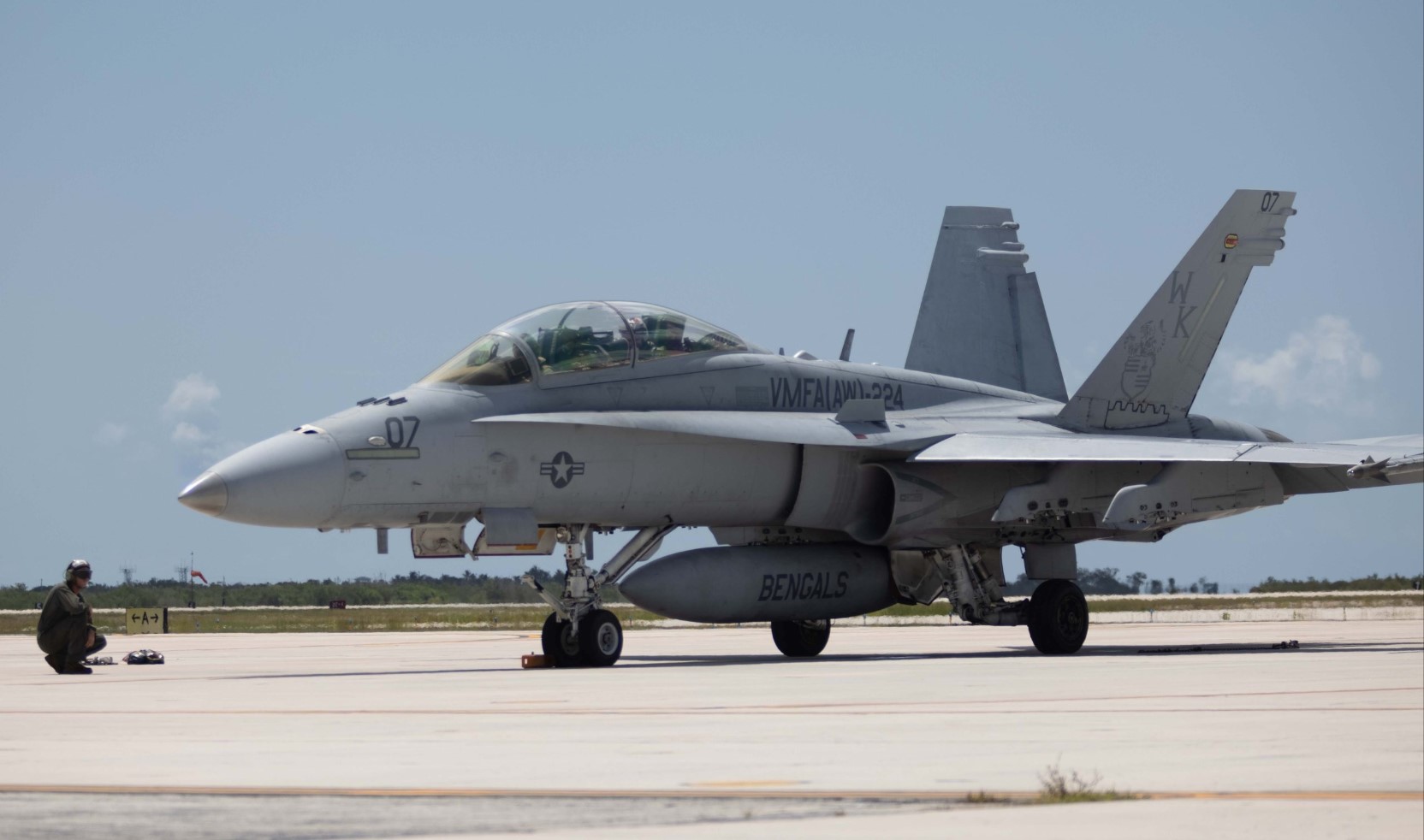 US Marine Corps F/A-18D Hornet Crashes During Training Flight in Washington Mountains; Pilot Ejects Safely
-
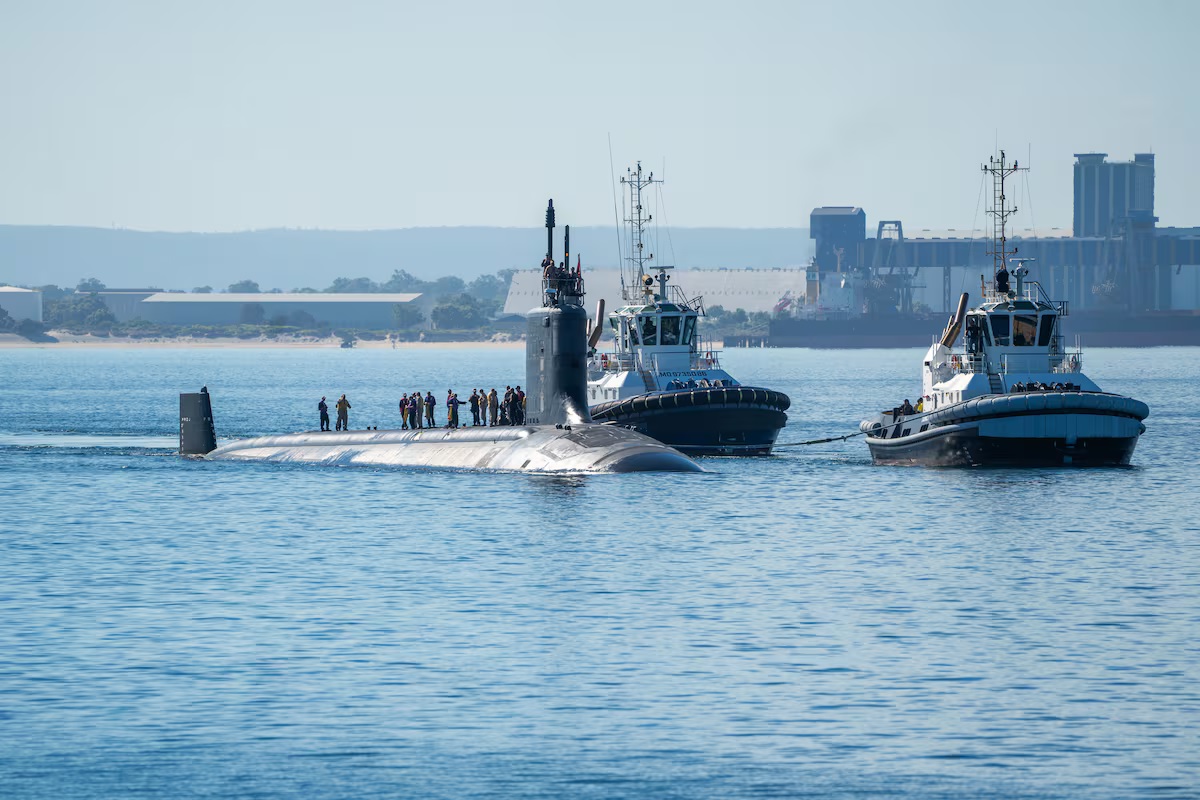 U.S. Navy Reestablishes Submarine Squadron 3 at HMAS Stirling to Support AUKUS Rotational Force
Top Trending in 4 Days
-
 Iranian Media Leaks 14-Point U.S.-Iran Peace Framework Amid Ongoing Negotiations
-
 US Plans Significant Reduction of Fighter Jets and Warships for NATO Operations in Europe
-
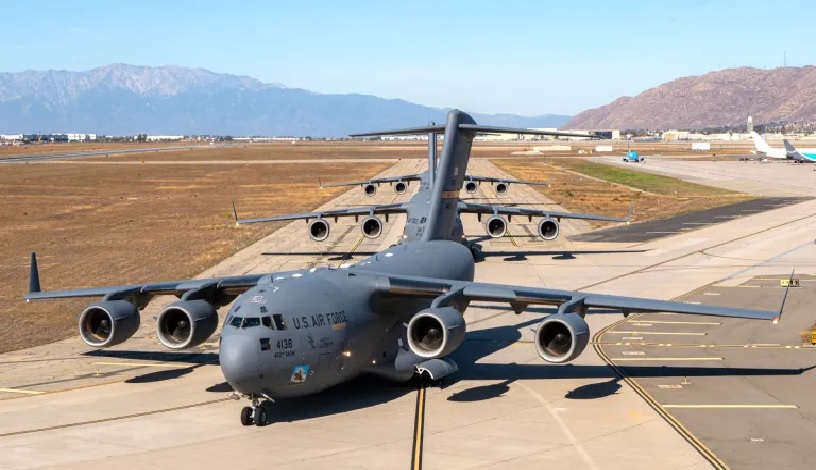 U.S. Air Force Faces Strategic Airlift Shortfall as C-17 Production Restart Remains Uncertain
-
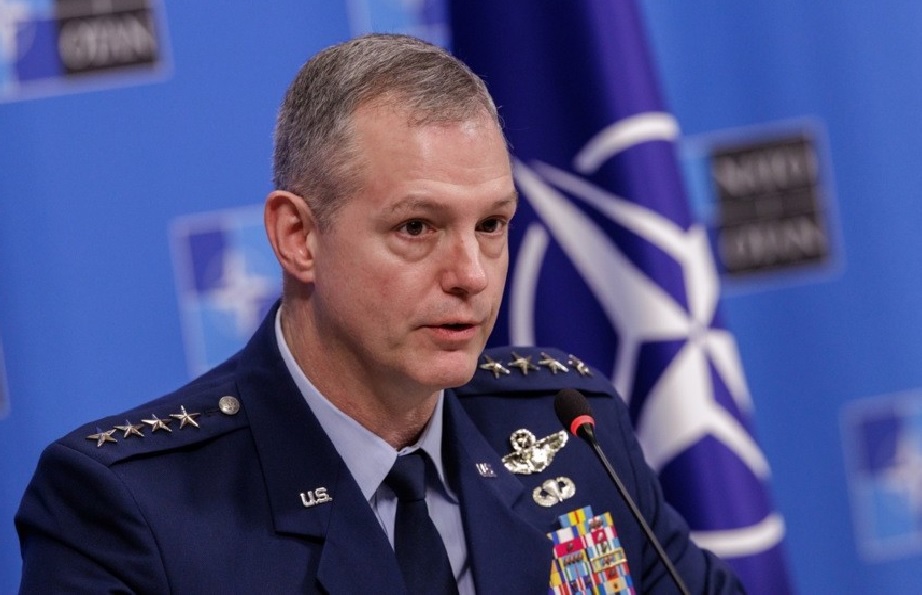 NATO Commander Says Russia Not Seeking Conflict With Alliance Despite U.S. Force Reductions
-
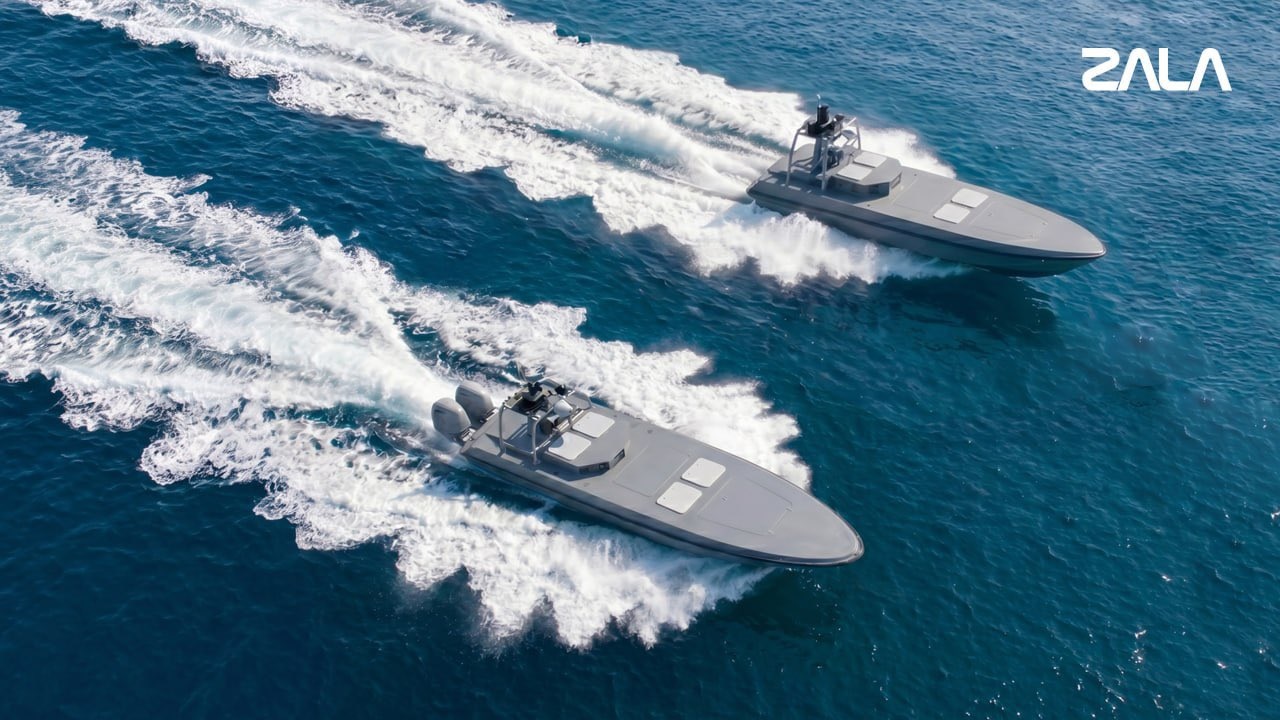 Russian Defense Firm ZALA Unveils KAMA Unmanned Surface Vessel Family at FLOT-2026 Naval Exhibition
-
 U.S. Space Force Awards $437.7 Million Contracts for First PTS-G Swarm 1 Anti-Jam Satellites
-
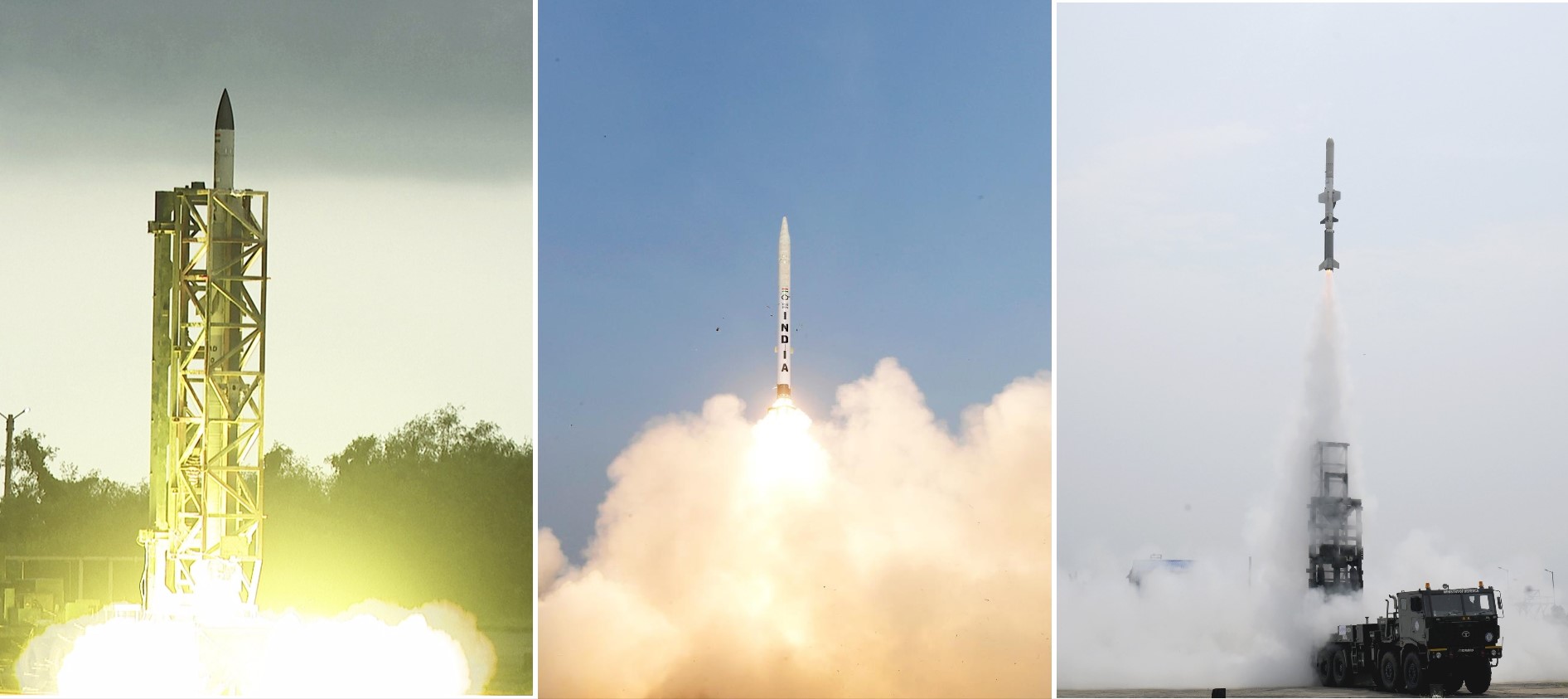 India Successfully Conducts AD-1, AD-2 Interceptor Tests and Maiden NASM-MR Flight Trial
-
 UAE Urgently Airlifts Cheongung-II Missile Defense Battery From South Korea Using Eight C-17 Aircraft